Curating Glamour: The Ultimate Guide to Art for Your Art Deco Interior
Unlock the secrets to perfecting your Art Deco home with art. Explore iconic styles, master color, scale, and framing, and discover expert tips to create a truly glamorous and cohesive space.

Curating Glamour: The Ultimate Guide to Art for Your Art Deco Interior
Are you struggling to find art that truly complements your stunning Art Deco interior? I just left a client’s apartment, a place with the most stunning bones. High ceilings, beautiful parquet floors, and those classic, sweeping curves of Art Deco architecture. But the walls? Bare. It felt like a glamorous film set waiting for its star to arrive. And in an Art Deco home, let's be honest, the art isn't just a star; it's often the brightest, setting the tone for the entire narrative. For me, it's about finding that perfect piece that makes the whole room sing, transforming a merely decorated space into something truly captivating. This isn't just about filling space; it's about curating a dialogue between the past's fierce optimism and your present style.
So you've embraced the bold, glamorous world of Art Deco. I get it. It’s a style that doesn’t just whisper; it declares. It’s all about luxury, progress, and a kind of exhilarating optimism born from the industrial expansion, profound societal shifts post-World War I, and the economic boom of the Roaring Twenties. Think of women gaining the vote, the rise of new entertainment like cinema and radio, increased leisure time, and mass production making luxury more accessible. People were tired of the old ways, craving modernity and a future filled with technological marvels like cars, planes, and ocean liners. Art Deco perfectly reflected this zeitgeist (the defining spirit or mood of a particular period), this decisive break from tradition, by offering a fresh aesthetic that embraced the new. But finding art that complements this style without turning your home into a sterile museum exhibit can feel a bit daunting. Don't worry, I remember feeling completely overwhelmed by this very question myself when I first started exploring Deco. Think of me as your design confidante. We'll dive into understanding the Art Deco spirit, refine your choices with essential tips on color, scale, framing, symmetry, and even texture, and then explore perfect art styles from the iconic to the contemporary. What dazzling pieces will you discover on your journey?
First, Let's Tune into the Art Deco Vibe: Decoding Its Artistic Language
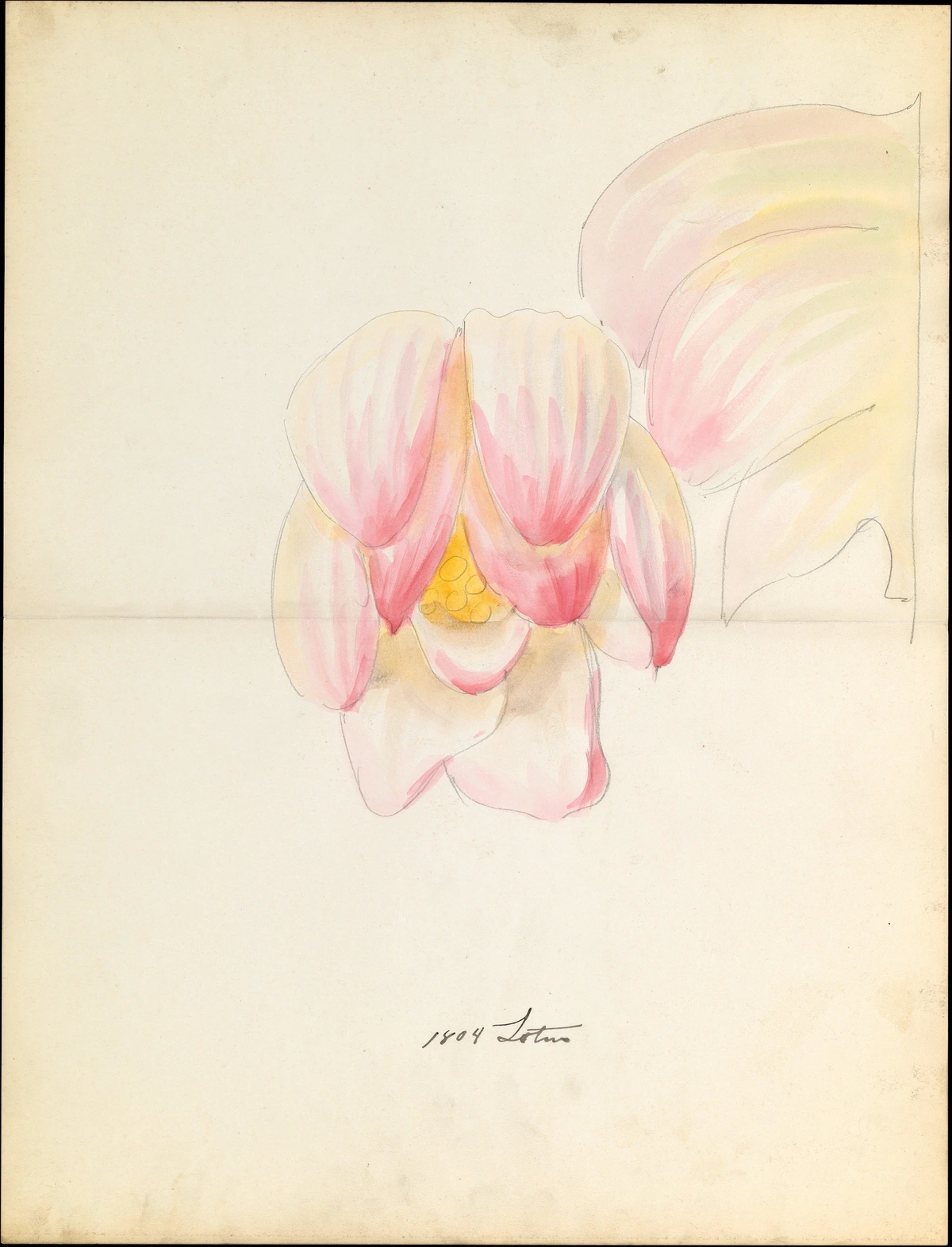
Before we even think about a specific painting, we need to get the feel right. Art Deco is the visual language of the Roaring Twenties and Thirties. It's the Jazz Age, the machine age, the age of skyscrapers and ocean liners. It’s a sophisticated cocktail of influences—the fragmented perspectives of Cubism (simplified and stylized for decorative impact, rather than fully deconstructed as in analytical Cubism, often borrowing the strong, defined planes and lines of Synthetic Cubism and applying them in symmetrical, decorative ways), a strong, almost feverish embrace of ancient Egyptian motifs (especially after the discovery of Tutankhamun's tomb, which sparked a global fascination with symbols like the lotus, scarab, stylized hieroglyphic patterns, sphinxes, obelisks, and papyrus forms), and the sleek precision of industrial machinery. Think also of the dynamism of Futurism (celebrating speed, technology, and youth through bold lines and movement) and the symbolic abstraction of Symbolism (evoking moods and ideas through stylized imagery), all shaken up and served in a very stylish glass, of course. It was a conscious rejection of the fussy, organic curves of Art Nouveau, preferring instead the clean lines and bold forms of a new era. If you're ever confused by the distinctions, our guide on Art Nouveau vs Art Deco can clear things up in a jiffy.
Key characteristics you’re looking to echo in your art choices are:
- Symmetry and Geometry: Strong, clean lines, chevrons, ziggurats (those stepped pyramid shapes reminiscent of ancient Babylonian architecture, often mimicking skyscrapers), and sunbursts are the bread and butter of Deco. They speak of order, progress, and a desire for visual harmony, often with a powerful sense of upward thrust and dynamism, much like the famous Chrysler Building. I've found that these elements create a confident visual rhythm that just works in a Deco space. The symbolism of geometric shapes in abstract art is truly fascinating in this context.
- Luxury and Opulence: Art Deco screams lavishness. Your chosen art should embody this, perhaps with a subtle shimmer, deep, saturated hues, or a highly polished finish that captures the light. Beyond materials and colors, the subject matter itself often conveyed luxury – think depictions of wealthy individuals, opulent interiors, or scenes of extravagant leisure.
- Streamlined Forms: Everything feels sleek, aerodynamic, and modern—a clear break from the fussy, organic shapes of the preceding Art Nouveau style. Think of the smooth, flowing lines of an ocean liner or a luxury car, or how human figures and animals were often simplified and elongated for maximum visual impact and efficiency. This emphasis on elegant simplicity is key.
- Architectural Presence: Art Deco is inherently architectural. The art you choose should feel like it belongs to the structure, echoing its strong verticality and grand scale. Imagine the stepped profile of the Rockefeller Center or the iconic facades of Miami's Art Deco Historic District; your art should evoke that same confident, upward thrust. Sometimes, I find that a piece of art can feel like a miniature building itself, providing a foundational anchor for the entire room.
Essentially, the art you choose should feel confident, bold, and unapologetically stylish. It needs to hold its own against the strong personality of the room itself, much like a commanding presence at a vibrant party. It's a style that asks you to embrace the dramatic, the glamorous, and a sense of escapism that defined the era. With this foundational understanding of the Deco spirit, we can now delve into the practical elements that bring its essence to life in your art choices.
Color, Scale, Framing, Symmetry & Texture: The Finishing Touches for Art Deco Art
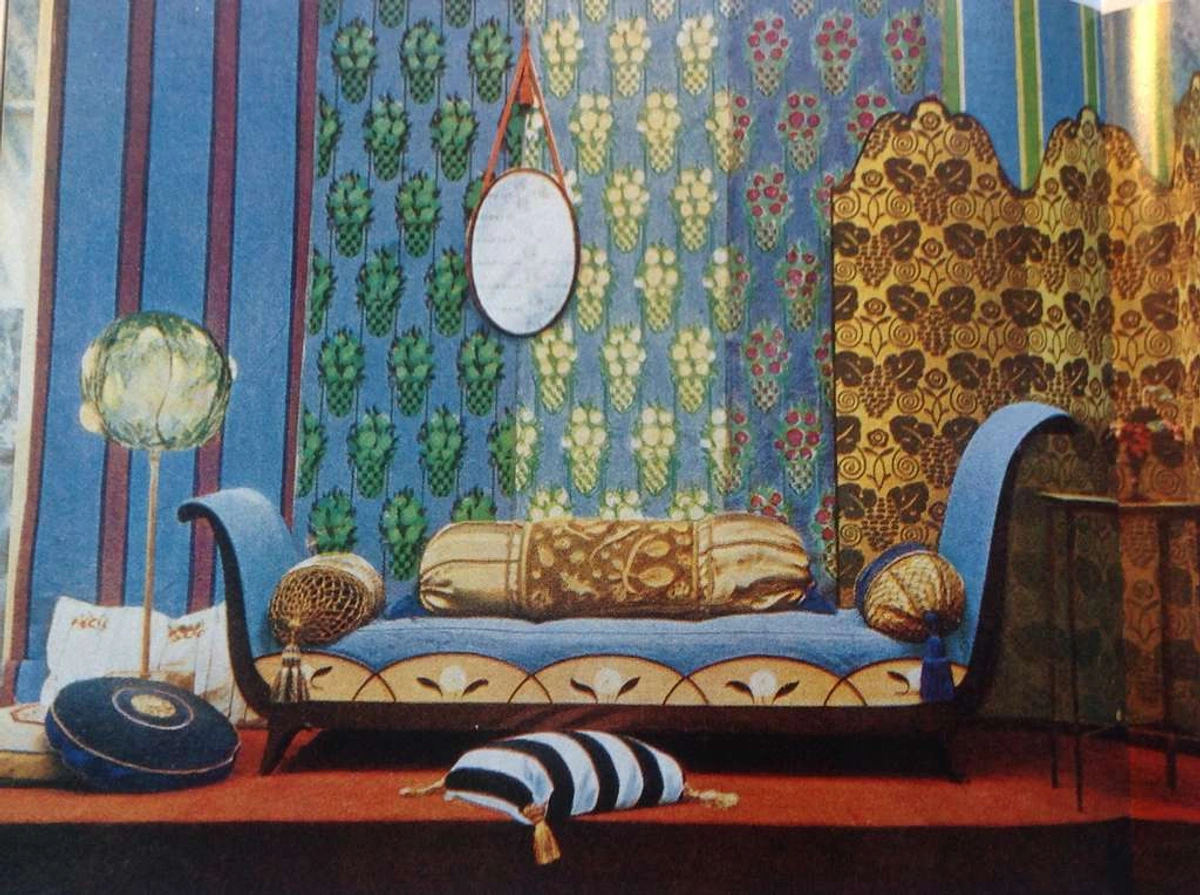
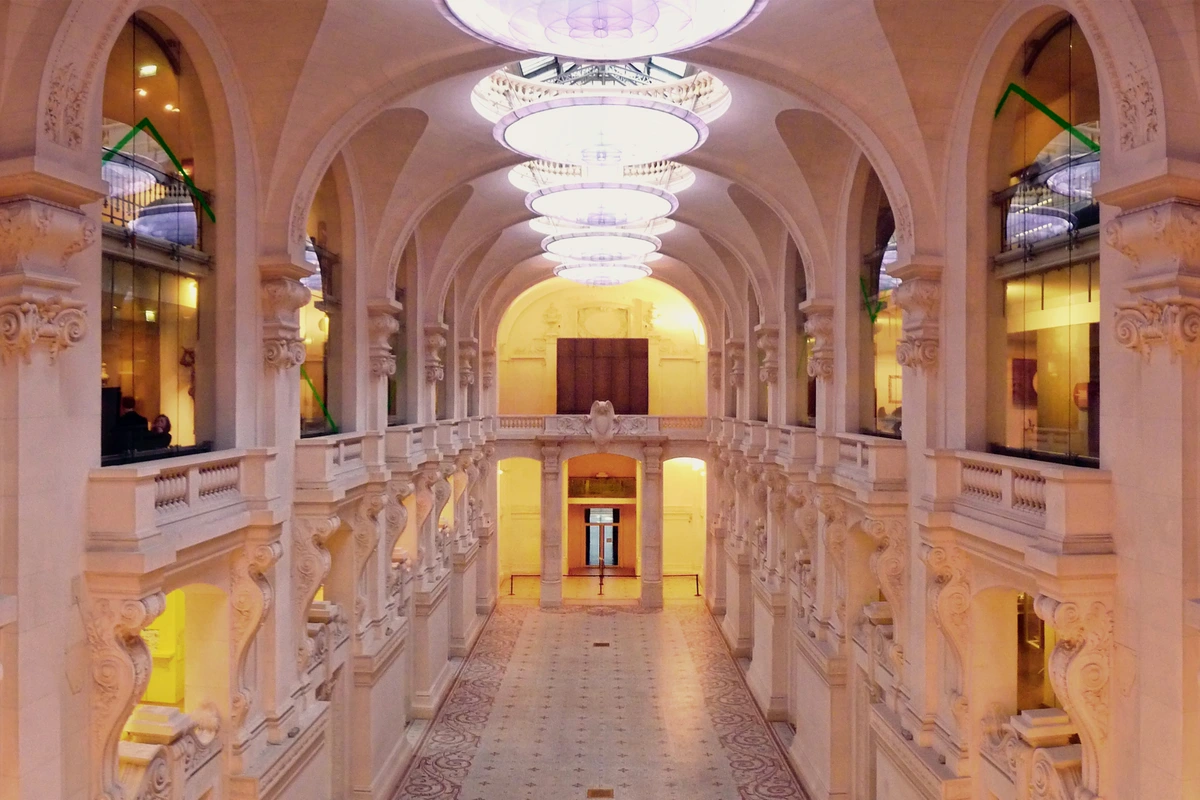
Once you have the Art Deco vibe in your sights, the execution is everything. To bring these concepts to life, let's break down the crucial elements that transform art from merely a picture on a wall to an integral part of your Art Deco narrative. Think of these as the fundamental tools in your curatorial toolkit. The term stylized, used so often in Deco, refers to art that is simplified, geometric, and often exaggerated for dramatic effect, moving away from pure realism—think of Tamara de Lempicka's figures or the sleek lines in a travel poster.
Element  | Art Deco Approach | Decorator's Tip |
|---|---|---|
| Color | High contrast is key: black, white, metallics (gold, chrome). Jewel tones like emerald green, sapphire blue, deep ruby red, and rich amber also feature heavily. Alternatively, a sophisticated monochromatic palette with a single bold accent color (think a shocking pink or electric blue) can be incredibly striking. Look for strong, pure hues and defined color blocking, characteristic of the era. | Here's a pro tip: Don't be shy about pulling a vibrant hue directly from your chosen artwork and weaving it into accents like velvet cushions or a lacquered vase. This is how you truly integrate art, making it feel like the room's heartbeat, not just a pretty face. Learn more about how artists use color. |
| Scale | Go big. Art Deco is not a timid style; it’s about making a dramatic statement and commanding attention. An oversized piece of art often works better than a scattering of smaller ones. Think of it as a compelling focal point that dominates the visual field – we don't want your art to get lost! | An oversized piece of art above a fireplace or a streamlined console table creates a dramatic focal point that is quintessentially Deco. It truly owns the space, and is particularly effective in spaces with high ceilings. Don't be afraid to take up a significant portion of a wall. |
| Framing | Frames matter. A lot. Look for simple, bold frames in black, gold, or silver. Stepped or tiered frame profiles (reminiscent of ziggurats) are a classic Deco choice, adding a subtle architectural touch. A chunky, lacquered black frame can give even a modern print the right amount of Deco heft – it's astonishing what they can do! | The frame acts as an extension of the artwork, creating a crucial boundary that influences how we perceive the piece and its relationship with the wall. Don't underestimate its power to elevate a piece and define its relationship with the room's strong lines. It’s the final flourish, after all. |
| Symmetry & Placement | Symmetry is your friend. Place art in a way that enhances the balance and order of the room. A pair of identical prints flanking a mirror or doorway is a classic move, echoing the architectural order and visual rhythm of the era. Art Deco loves repetition and balance, reflecting a desire for stability and grandeur. | Think architecturally. Use art to emphasize a strong vertical line or to balance a heavy piece of furniture on the opposite wall, creating visual equilibrium. This is especially impactful when decorating with abstract art in open-concept living spaces where art can define zones. Learn more about understanding balance in art composition. |
| Texture | Art Deco celebrates tactile luxury and a polished, modern feel. Think polished metals (chrome, brass), glossy lacquers, exotic woods, and plush velvets. This extends to art through the finish (high gloss vs. matte), visible brushstrokes that add depth, or even the choice of medium that evokes richness and sophistication. | A highly lacquered print or a piece with a noticeable sheen will catch the light and add to that opulent Deco feel, creating dynamic interplay. Consider how the texture of the art interacts with the surrounding furnishings—a smooth metallic sculpture against a velvet wall covering, for instance, creates a delightful sensory contrast. |

Art Styles That Are a Perfect Match for Your Art Deco Home
Now that we've got the Art Deco DNA in our sights and our stylistic toolkit ready, let's talk about the actual stars of the show – the art itself. What pieces will truly make your Deco interior dance? You have a few fantastic avenues to explore, from period-perfect pieces to more modern interpretations that capture the same exhilarating spirit. It’s like assembling the perfect ensemble for a grand gala; every piece needs to dazzle on its own but also contribute to the overall statement.
Geometric Abstraction and Cubism's Enduring Influence
Beyond purely figurative works, the very soul of Art Deco lies in its embrace of form and structure, leading us naturally to Geometric Abstraction. While Art Deco isn't pure Cubism – it tended to simplify and decorate rather than fully deconstruct – it undeniably borrowed Cubism's bold angles and planes. Think of how Cubism fragmented and rearranged objects; Art Deco then took those strong, defined planes and lines, cleaning them up and using them in symmetrical, decorative ways. This shift moved away from Cubism’s analytical deconstruction toward a more graphic, accessible aesthetic. Artists like Piet Mondrian, with his meticulously organized compositions of primary colors and stark lines (e.g., "Composition with Red, Blue and Yellow"), can bring a sense of calm, yet dynamic structure to an Art Deco space, mirroring its clean architectural forms. His work embodies the era's fascination with order and progress, almost like a visual symphony of mathematical precision. To truly grasp the foundational shifts, you can dive deeper into this fascinating movement with our ultimate guide to Cubism.
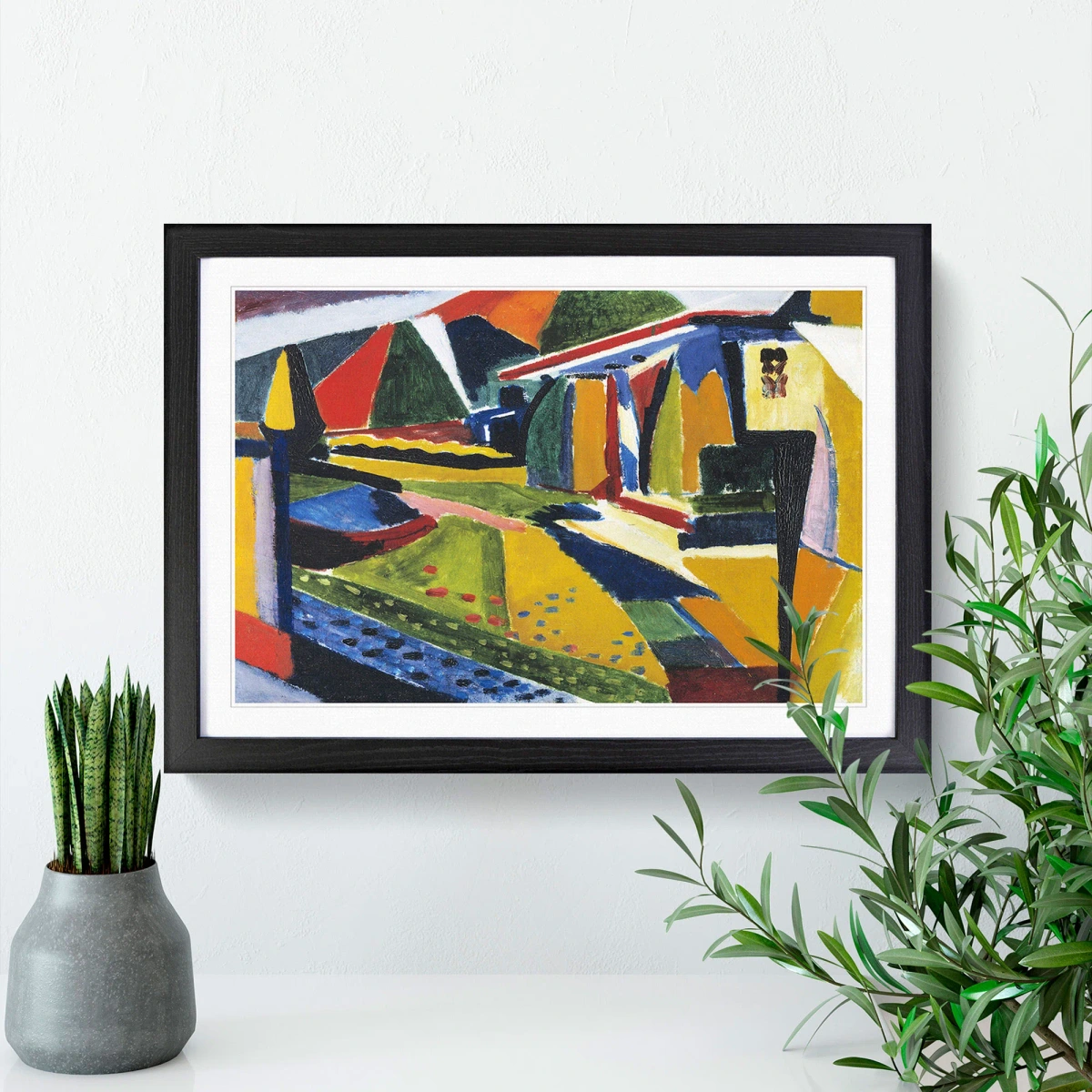
Look for contemporary abstract art that emphasizes clear shapes, structured compositions, and perhaps a nod to early abstract movements like Suprematism (championed by artists like Kazimir Malevich, who celebrated pure geometric forms like squares and circles, seeking ultimate artistic simplicity in works like "Black Square") or Constructivism (focused on industrial materials and utilitarian aesthetics, often promoted by artists like Alexander Rodchenko, who used art for social purposes with bold, graphic designs). These pieces don't just fill a wall; they create a visual anchor, tying the entire room together with their deliberate design, echoing Deco's desire for order and modernity. For more on this, check out the elements of design in art. To explore the broader context of how these styles emerged, consider reading about the evolution of abstract art.
Living Legends: The Iconic Artists Who Defined Deco's Visual Soul
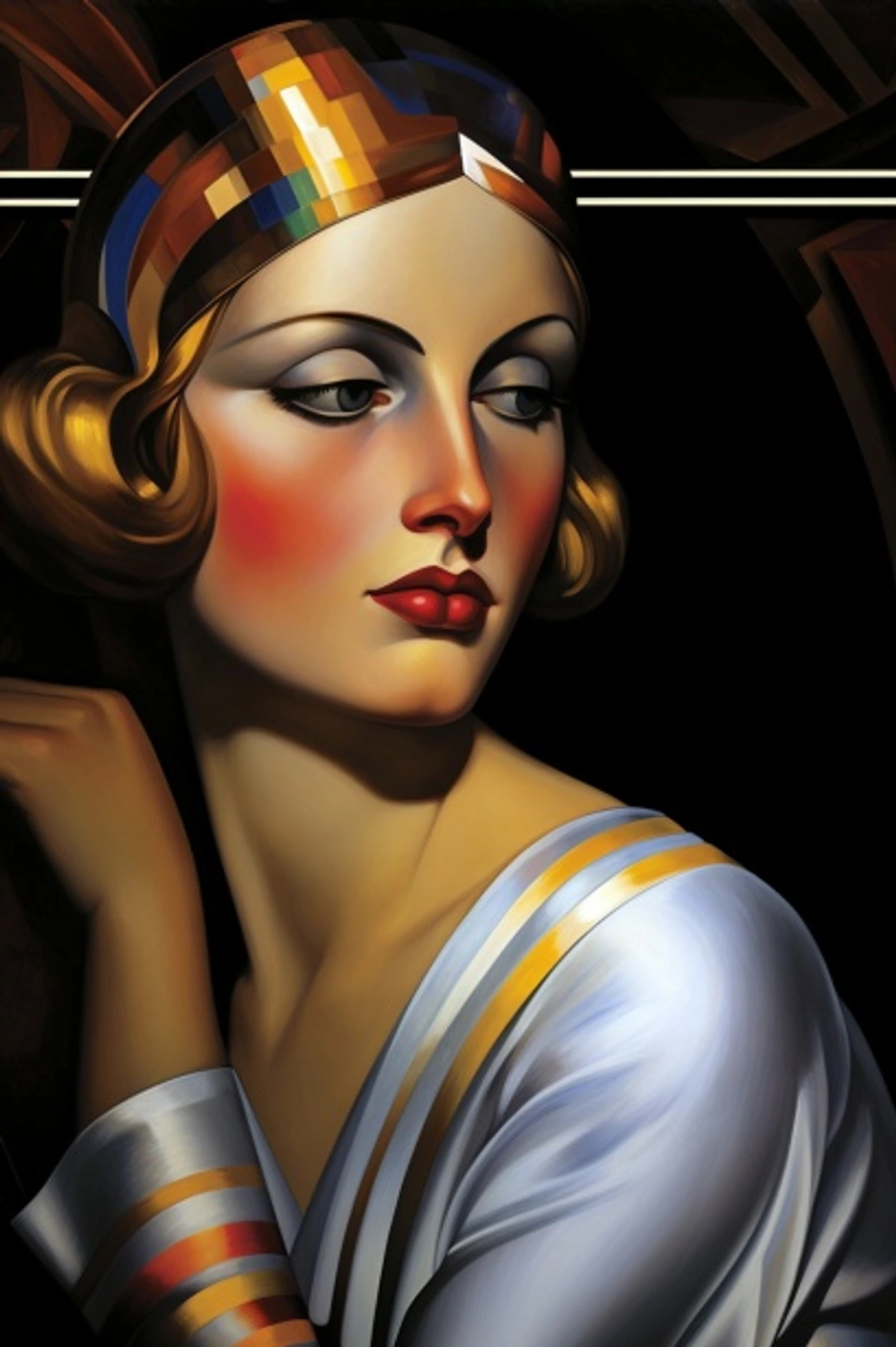
You can't talk about Art Deco art without mentioning Tamara de Lempicka. Her portraits, to me, are the absolute epitome of the era—cool, stylized, and intensely glamorous. Her figures are strong and statuesque, almost sculpted with paint, embodying the confident new woman of the Jazz Age. I remember seeing her "Self-Portrait in the Green Bugatti" and being utterly captivated by its boldness and precision; a print of her work is probably the most direct way to bring an authentic Deco feel to your space. Similarly, the fashion illustrations of Erté, with their elegant, elongated figures and theatrical flair, are a perfect match, evoking the luxury, drama, and escapism so central to the style. His "Symphony in Black" series comes to mind as a stunning example of his distinctive aesthetic. And let’s not forget Demetre Chiparus, whose bronze and ivory sculptures of dancers and figures captured the dynamism and exoticism of the period in three breathtaking dimensions, such as his famous "Dancer of Lesbos."
Stylized Travel & Advertising Posters and Illustrations
The original Art Deco era was a golden age for graphic design. Posters for iconic ocean liners like the French Line's SS Normandie, or railways such as the Union Pacific, and glamorous destinations used bold typography, streamlined illustrations, and strong layouts to capture the excitement of modern travel and commerce. Artists like A.M. Cassandre became masters of this form, his posters (e.g., "Normandie" and "Dubonnet") embodying the era's blend of geometric precision and dynamic energy, celebrating speed and industrial might. High-quality reproductions of these posters, along with stylized book covers and magazine illustrations from the period, are not only period-appropriate but also add a wonderful narrative element and a splash of vibrant color to a room. This also extends to the era's vibrant book and magazine illustrations, which often captured the essence of Deco in an accessible, storytelling way, further popularized by the rise of theatre and cinema, whose posters and set designs often showcased the best of Art Deco aesthetics. I once found a stunning reproduction of a 1930s travel poster that just sang in a client's entryway. It truly sets the tone, promising adventure and sophistication. It was almost like a mini-vacation every time you walked past it.
Art Inspired by Early Cinema and Animation
While perhaps not an obvious choice, the streamlined movement, graphic efficiency, and stylized escapism found in early animation (think Fleischer Studios' Betty Boop or Disney's pioneering Mickey Mouse shorts) and cinematic art of the era beautifully embody Deco principles. Think of iconic films like Fritz Lang's Metropolis or the glamorous set designs of Fred Astaire and Ginger Rogers musicals; their visual language is pure Deco. These pieces often feature bold outlines, repetitive geometric patterns, and a sense of dynamic motion achieved through graphic compositions and innovative camera angles. I’ve always been captivated by how early animated shorts used strong contrasts and stylized character designs to convey emotion and movement with such economic elegance – it's pure Deco magic on screen. Imagine a framed still from a silent film, focusing on strong architectural elements or a glamorous figure, or a piece of contemporary graphic art that captures that same bold, elegant movement. These choices speak to the era's fascination with the silver screen and its visual storytelling – a perfect match for the glamorous film set of your home.
Textile and Fashion Design as Art
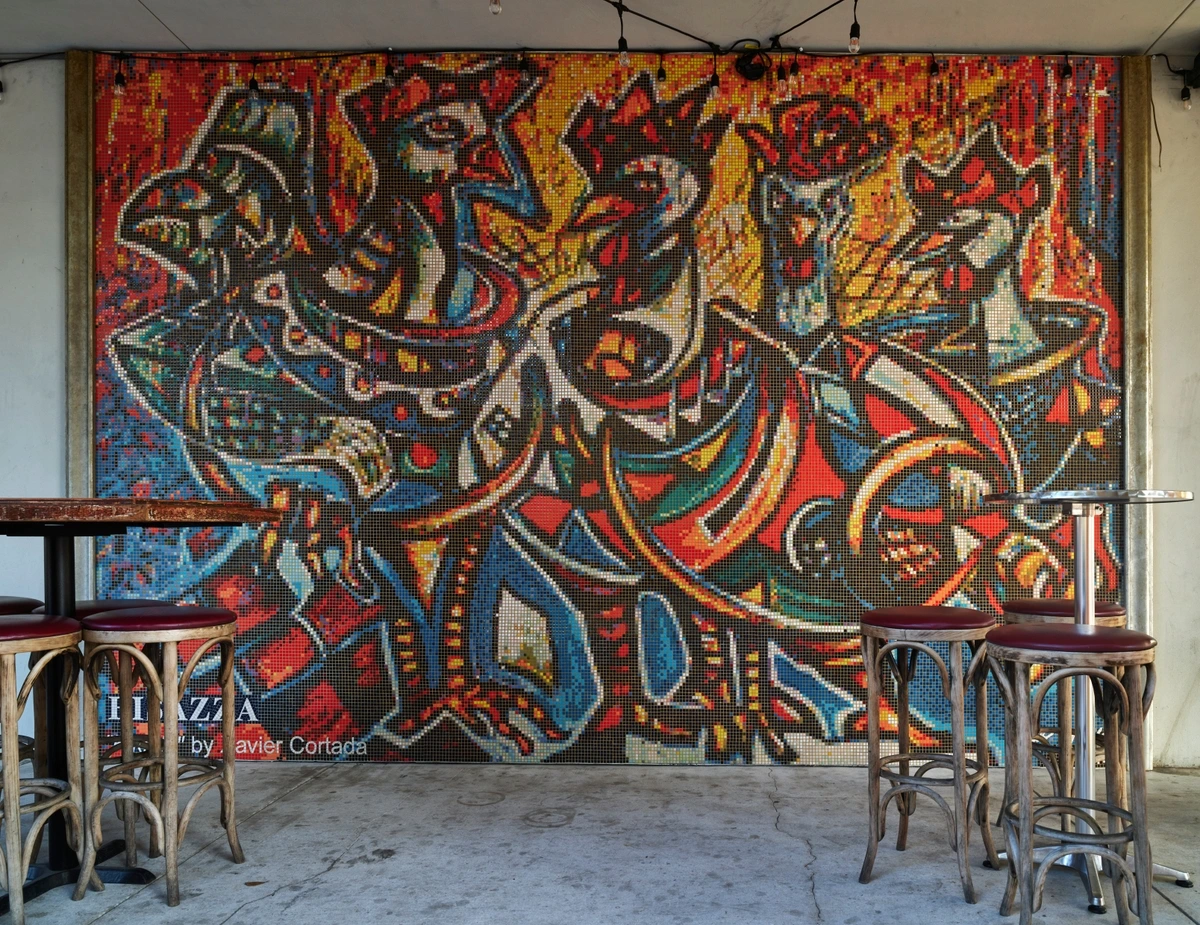
Art Deco’s influence permeated every aspect of design, including textiles and fashion. Iconic geometric repeats, stylized florals (often with sharp, angular interpretations distinct from Art Nouveau's flowing botanicals), bold animal prints (like zebra or leopard patterns), Egyptian-inspired motifs (lotus, scarab), and fan shapes were all considered art in themselves, symbolizing exoticism and a break from traditional European motifs. Designers such as Coco Chanel and Jean Patou defined the sleek silhouettes and rich embellishments of the era, dictating color palettes and patterns that quickly influenced broader interior trends and fine art. A framed vintage scarf or a piece of fabric featuring an authentic Deco pattern can bring a unique, sophisticated artistic touch to your walls, influencing the interior design in a subtly powerful way. It's an accessible way to integrate the era's design DNA, infusing your space with tactile luxury, and honestly, a bit of unexpected charm.

Sculpture: The Third Dimension of Glamour
Don't forget the third dimension! Sleek, stylized sculptures are a hallmark of Art Deco interiors. Look for pieces in polished bronze, gleaming chrome, or even early forms of bakelite—materials specifically chosen because they represented modernity, industrial progress, and offered incredibly smooth, polished finishes that were a stark contrast to the rougher, natural materials often seen in earlier styles. Subjects are often elongated human figures (especially dancers or athletes, embodying grace and strength), graceful animals (like greyhounds or gazelles, symbolizing speed and elegance), or abstract industrial forms. These subjects were favored for their embodiment of movement, grace, and the idealized human form, reflecting the era's dynamism and optimism. A well-placed sculpture can act as a perfect, gleaming focal point, adding both luxury and architectural weight. Artists like Demetre Chiparus truly excelled here, creating figures that seemed to embody movement and modern elegance. For more ideas on how to integrate three-dimensional art, check out our guide on how to incorporate sculptural art into modern interiors.
Architectural Echoes: Art Inspired by Deco Structures
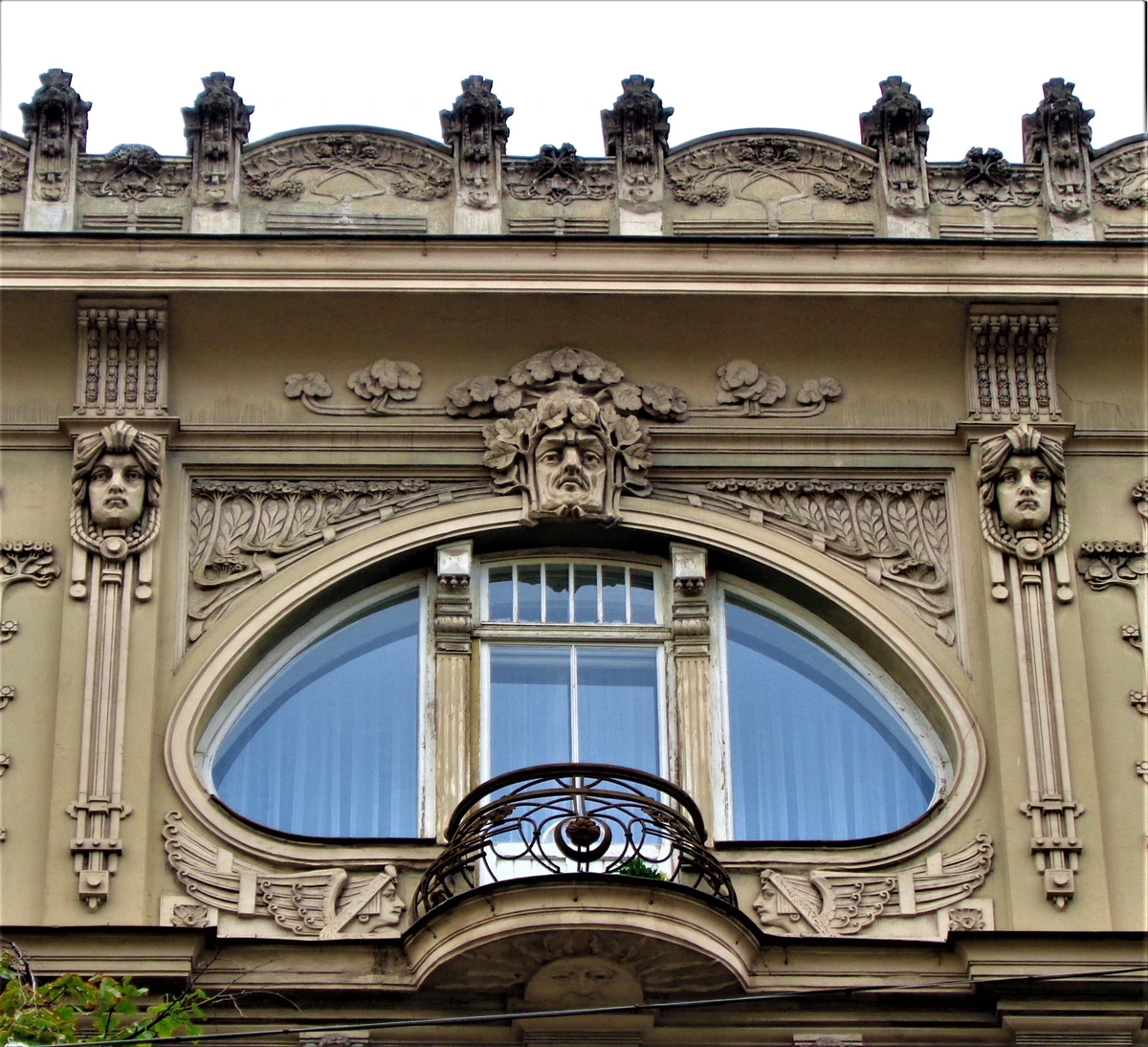
Given Art Deco's strong architectural roots, don't shy away from art that directly references or mimics these forms. Think stylized skyscraper imagery, geometric frieze patterns, or decorative elements abstracted from iconic Art Deco buildings like the Chrysler Building's distinctive spire, the Empire State Building's powerful verticality, or even the grand facades of the Rockefeller Center. Whether it's a painting that evokes the stepped silhouette or a print featuring a repeating sunburst motif, this type of art creates a deep, satisfying resonance with the interior's foundational style, emphasizing its inherent grandiosity and upward momentum. It’s like bringing the city’s skyline right into your living room, ensuring the art visually echoes its magnificent surroundings.
Contemporary Interpretations: Digital and AI Art
I know what you're thinking: can Art Deco really play nice with cutting-edge digital or even AI-generated art? My take is that it absolutely can, if the piece adheres to the core Deco principles. Look for digital art with strong geometric symmetry, bold lines, clear contrasts, and perhaps a stylized subject. While I'm always a little skeptical about where the tech is truly headed (and the question of "soul" in AI art is a whole other discussion for another day), I've seen some stunning examples where algorithms can generate intricate tessellations, repeating patterns, or futuristic cityscapes that feel surprisingly Art Deco. For me, the key is that the aesthetic values of Deco – precision, luxury, and bold design – are present. Even more, using AI can be a deliberate artistic choice to explore algorithmic precision, generate complex patterns beyond human capability, or create entirely new visual languages that echo Deco's forward-thinking spirit. It's about borrowing the aesthetic language, not necessarily endorsing the medium itself without question.
Making Your Choices: Practical Considerations for Your Art Deco Collection
When bringing Art Deco into your home, whether it’s through a masterpiece or a clever find, a few practical questions always seem to pop up. Let's tackle them head-on, because a little foresight can save a lot of headaches.
Blending Eras: Modern Art in Your Deco Space
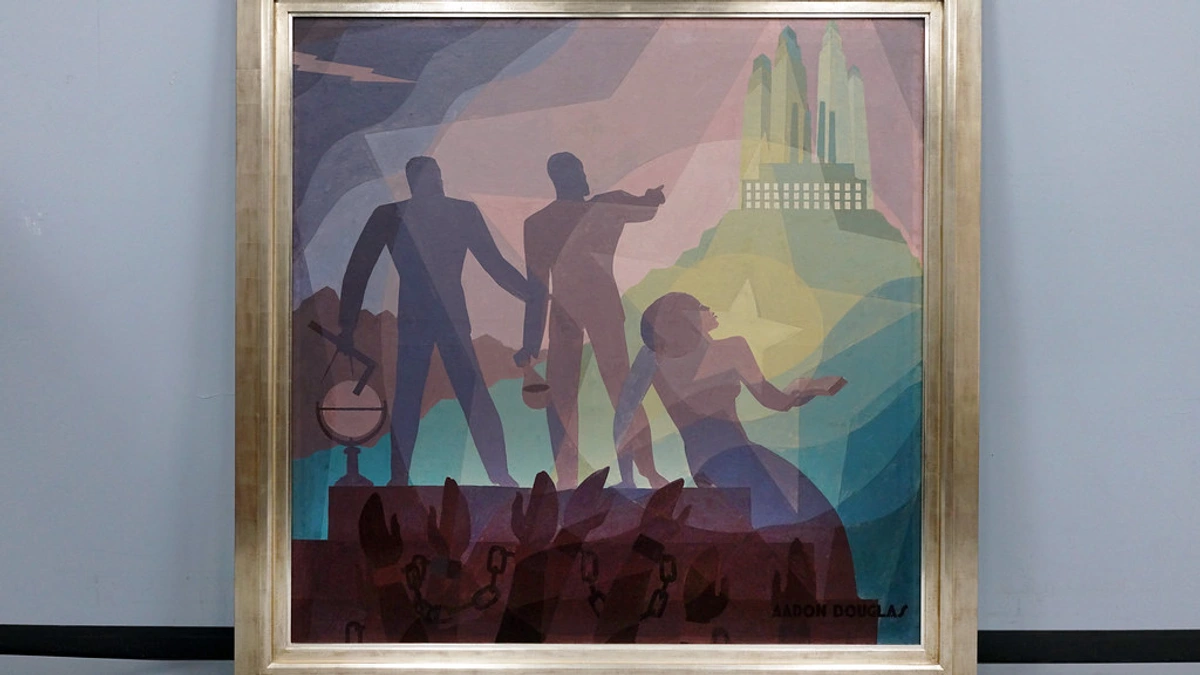
I often get asked, "Does all the art have to be from the 1920s or 1930s?" My answer is a resounding, absolutely not! The goal is to match the spirit of Art Deco—that feeling of glamour, modernity, and bold confidence—not to create a static time capsule. A contemporary abstract painting, such as a minimalist geometric abstraction, a bold color field painting with strong, defined lines, or even a Pop Art piece with graphic simplicity, can look absolutely stunning in a Deco interior. It's about fostering a dynamic conversation between past and present, not a historical reenactment. Think about what a piece says in a Deco language, not just when it was made. Remember, the true authority comes from how you curate your space, allowing it to evolve with your personal style. Who wants to live in a museum, anyway? Unless it's a really cool one, of course.
The Power of Photography in an Art Deco Interior
"Can I use photography?" Yes, and it's a fantastic, often overlooked medium for Art Deco spaces, especially black and white photography. Look for architectural photos of skyscrapers from the era—the sheer verticality and geometric precision are inherently Deco. But don't stop there! Stylized shots of iconic Deco building facades, close-ups of intricate architectural details (like a stepped archway or a patterned grille), glamorous Hollywood portraits (think the golden age of cinema), stark industrial scenes, or even high-contrast modern abstract photography also work beautifully due to their high contrast and graphic quality, capturing that machine-age aesthetic with a contemporary twist. The clean lines and dramatic lighting of good photography really resonate with the clarity and boldness of Art Deco, making it a surprisingly versatile choice. It’s like a quiet wink to the past with a very modern sensibility.
Defining Space with Art in Open-Plan Layouts
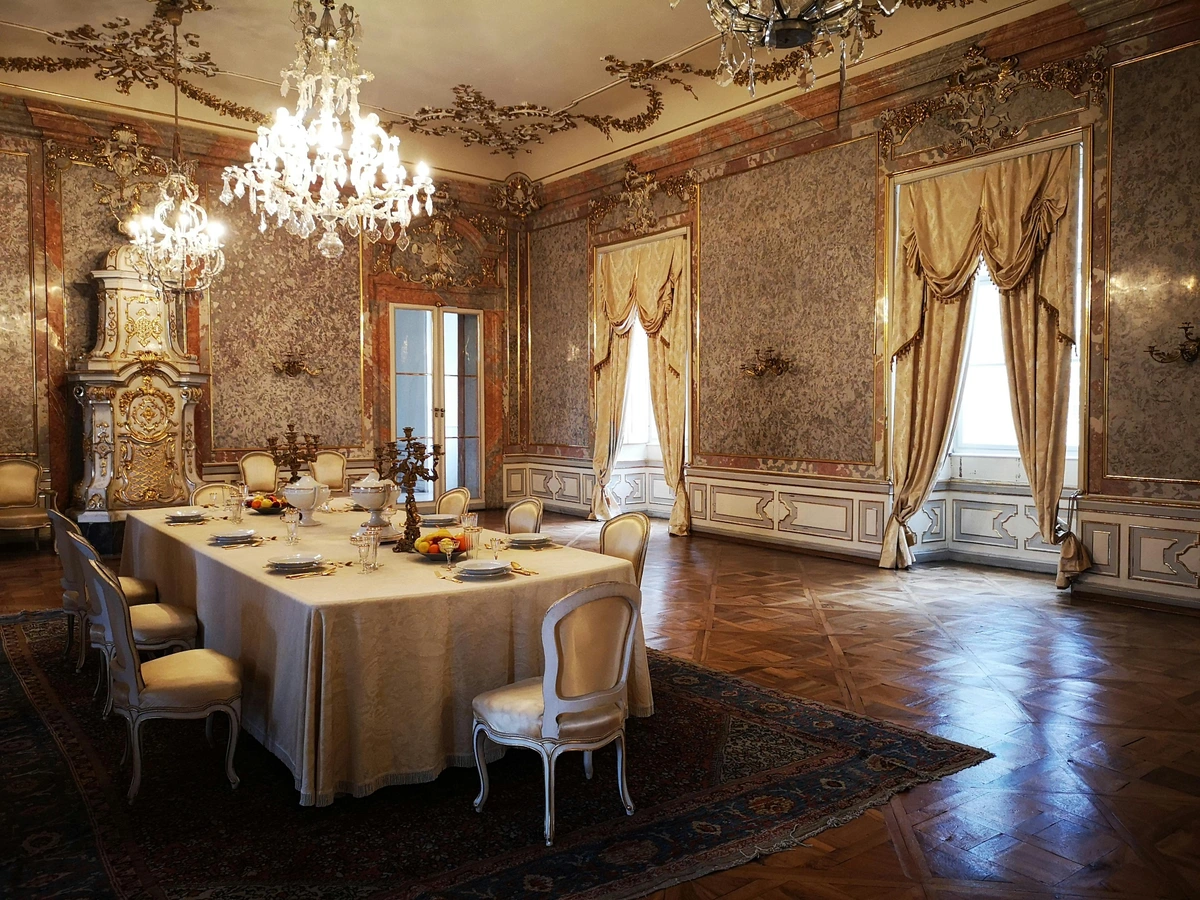
Open-plan spaces can sometimes feel a bit formless, can't they? This is where art becomes your best friend, acting almost like a visual anchor or a silent room divider. Use a large, commanding piece of Art Deco or Deco-inspired art to define a specific area, such as the seating arrangement. Imagine a grand, symmetrical abstract print above your sofa; it acts like a visual rug on the wall, instantly declaring, "This is the living room, come sit down." Or consider a dramatic triptych in a long hallway to create a focal point and draw the eye. The art and the furniture arrangement will work together to create distinct zones within a larger space, fostering both intimacy and grandeur. It's truly a secret weapon for making a sprawling space feel intentionally designed, rather than just vast.

Art Deco's Global Echoes: Beyond Paris and New York
It’s easy to think of Art Deco as purely Parisian or New York, but its reach was truly global, adapting to local tastes and materials. From the distinct Streamline Moderne in America (which focused on aerodynamic curves and horizontal lines, seen in architecture like the iconic Coca-Cola Building in Los Angeles, and influencing sleek car designs) to the more intricate, regionally influenced manifestations in Mumbai (incorporating local architectural motifs and craftsmanship in vibrant geometric patterns) or the dynamic, geometric interpretations in Shanghai (blending traditional Chinese elements with Western modernity in grand theaters and hotels), Art Deco took on unique characteristics. When choosing art, consider whether you want to emphasize a particular regional nuance. A piece that hints at Egyptian Revival in its motifs might feel different from one with a distinct Japanese influence (known for its flat planes and bold outlines), for example. These subtle variations can add incredible depth and storytelling to your interior. It's a reminder that truly great art transcends borders, even while celebrating its origins.
Lighting: Setting the Scene for Your Art
Beyond the art itself, how you light your Art Deco interior is crucial. The era celebrated dramatic, often diffused, and indirect lighting that enhanced polished surfaces and highlighted architectural details. Think recessed lighting, elegant uplighters, or geometric wall sconces and chandeliers that echo the era's strong lines and luxurious materials (chrome, glass). Strategic lighting can transform how your art is perceived, making metals gleam, jewel tones deepen, and sharp lines stand out, creating a sense of drama and sophistication that is pure Deco. It’s like orchestrating a subtle spotlight for each piece, enhancing both the artwork and the overall ambiance. Just as an Art Deco building demands its iconic lighting, so does the art within it.
The Craft of Deco: Materials and Workmanship
Art Deco was a period that passionately embraced high-quality materials and meticulous craftsmanship, often blending traditional techniques with modern industrial processes. This appreciation for the exquisite and well-made extends directly to the art you choose. Whether it's a bronze sculpture with a perfectly polished patina, a finely printed lithograph with crisp lines, or a textile piece made with luxurious silk and detailed embroidery, the quality of its creation enhances its impact. The integrity of the materials (like gleaming chrome, polished bakelite, exotic lacquered woods) and the skill of the artist or artisan contribute to the inherent luxury and permanence that defined the era. It's not just about what it looks like, but how it feels and how it's made.
Finding Your Deco Treasure: Where to Look for Art Deco-Inspired Art
"Where can I find affordable Art Deco-style art?" Ah, the million-dollar question! It takes a keen eye and patience, but the rewards are immense. I always tell my clients it's part of the adventure.
- Flea Markets and Antique Shops: These can be goldmines for original prints, posters, and even small sculptures from the era. It's a treasure hunt, and I've found some truly unique pieces this way. There's nothing quite like the thrill of discovering a forgotten gem.
- Online Platforms: Beyond the big names, explore sites like Etsy for independent artists specializing in geometric or stylized works. Saatchi Art can also be a great source for contemporary abstract pieces that embody the Deco spirit. Specialized print shops (e.g., Art.com, AllPosters.com) often carry high-quality reproductions of iconic Art Deco posters. Don't forget print-on-demand services, which can offer unique contemporary interpretations or custom sizes—perfect for creating that bold, bespoke look.
- Museum Shops & Galleries: Many museum shops offer excellent reproductions, and smaller galleries might feature emerging artists whose work aligns with Deco aesthetics.
- Reproductions vs. Originals: Don't be afraid of high-quality reproductions or limited edition prints. They offer the aesthetic without the hefty price tag of an original masterpiece. Understand the difference in value, but prioritize what looks good and resonates with your space. The goal is beauty, not necessarily a huge investment (unless you want it to be!).
- DIY & Upcycling: If you're feeling creative, consider upcycling vintage mirrors with Deco patterns or even trying your hand at creating your own geometric abstract art. Sometimes, the most personal pieces are the most impactful, imbued with your own energy.
- My Collection: And, of course, you might just find some inspiring pieces right here in my collection at Zen Museum, many of which share the bold lines and confident colors that echo the Deco sensibility.

Frequently Asked Questions About Art for Art Deco Interiors
To ensure you feel fully equipped, here are answers to a few common questions I get about integrating art into an Art Deco setting. Because, let’s be honest, we all have those little lingering doubts!
Question | Answer |
|---|---|
| Is Art Deco art always expensive? | Not necessarily! While original pieces by famous artists like Lempicka or Erté can command high prices, high-quality reproductions, vintage posters, and contemporary abstract art inspired by Deco principles can be quite affordable. The key is to look for the spirit and style, not just the original period. |
| How can I avoid my Art Deco interior looking like a museum? | The trick is balance. Mix authentic period pieces with contemporary art that shares the Deco aesthetic. Incorporate personal items that aren't art-related, like lush architectural plants (e.g., snake plants, ZZ plants), curated book collections, or travel mementos, alongside warm, layered lighting, and plush textiles (velvet, silk, faux fur) to ensure the space feels lived-in and inviting, not sterile. Don't be afraid to add elements that reflect your personality and present-day influences, creating a dynamic dialogue between eras. In my own home, I love pairing a crisp geometric print with a worn leather armchair and a collection of vintage cameras – it grounds the glamour in real life. |
| Can I mix Art Deco art with other styles? | Absolutely, and it's encouraged! Art Deco, with its strong lines and confident presence, can be a fantastic anchor for an eclectic space. It pairs particularly well with Mid-Century Modern (for streamlined forms) or even some minimalist contemporary styles, as long as you maintain a cohesive color palette or theme. Just ensure the Deco piece remains a strong, glamorous focal point, leading the conversation. |
| What about the subject matter of Art Deco art? | Beyond stylized portraits and abstract forms, popular subjects included urban landscapes (skyscrapers, city scenes), modern machinery (trains, cars, airplanes), exotic animals (gazelles, panthers, birds of paradise), and scenes of leisure and pleasure (dancers, flappers, nightlife, sports figures). The underlying theme was often progress, luxury, and escapism, reflecting the optimism, dynamism, and desire for a modern future that defined the era. |
Final Thoughts: Your Glamorous Statement, Uniquely Yours
Choosing art for an Art Deco interior isn't about following a rigid set of rules or recreating a sterile museum exhibit. It’s about capturing a feeling of glamour, modernity, and bold self-expression. It's about bringing that roaring twenties confidence and forward-thinking spirit into your own space. The most important thing is that you choose something you love—something that makes you feel a little bit like you're about to step into one of Gatsby's parties every time you walk into the room, or onto the deck of a grand ocean liner. It’s about creating a space that celebrates both history and your unique place within it, an ongoing, personal curatorial process. Don't be afraid to let your space evolve with your taste; that's where true character and a genuine sense of home emerge.
Take your time, trust your instincts, and don't be afraid to make a statement. After all, that's what Art Deco is all about: unapologetic style and a touch of the dramatic. Armed with this understanding, go forth and curate a space that not only echoes the timeless glamour of Art Deco but is uniquely, unapologetically yours. The possibilities are as grand as the era itself.