What is a Triptych? Unfolding the Story in Three Panels
Ever wondered about triptychs? This comprehensive guide explores the history, symbolism, and modern interpretations of these three-panel artworks, from ancient religious pieces to contemporary expressions. Unfold the narrative power of three with insights and examples.

What is a Triptych? Unfolding the Story in Three Panels
Ever looked at an artwork and felt there was more to the story? More than just the single glance? I certainly have, especially when it comes to a triptych. It’s a term you might hear in art galleries or see in textbooks, and it often conjures images of grand, ancient religious works. But trust me, there's so much more to it than that. A triptych is a fascinating artistic format that, once you understand it, really opens up new ways of seeing and creating. For me, it's like a visual puzzle, a narrative that unfolds literally and figuratively, challenging you to connect the dots and discover deeper meanings.
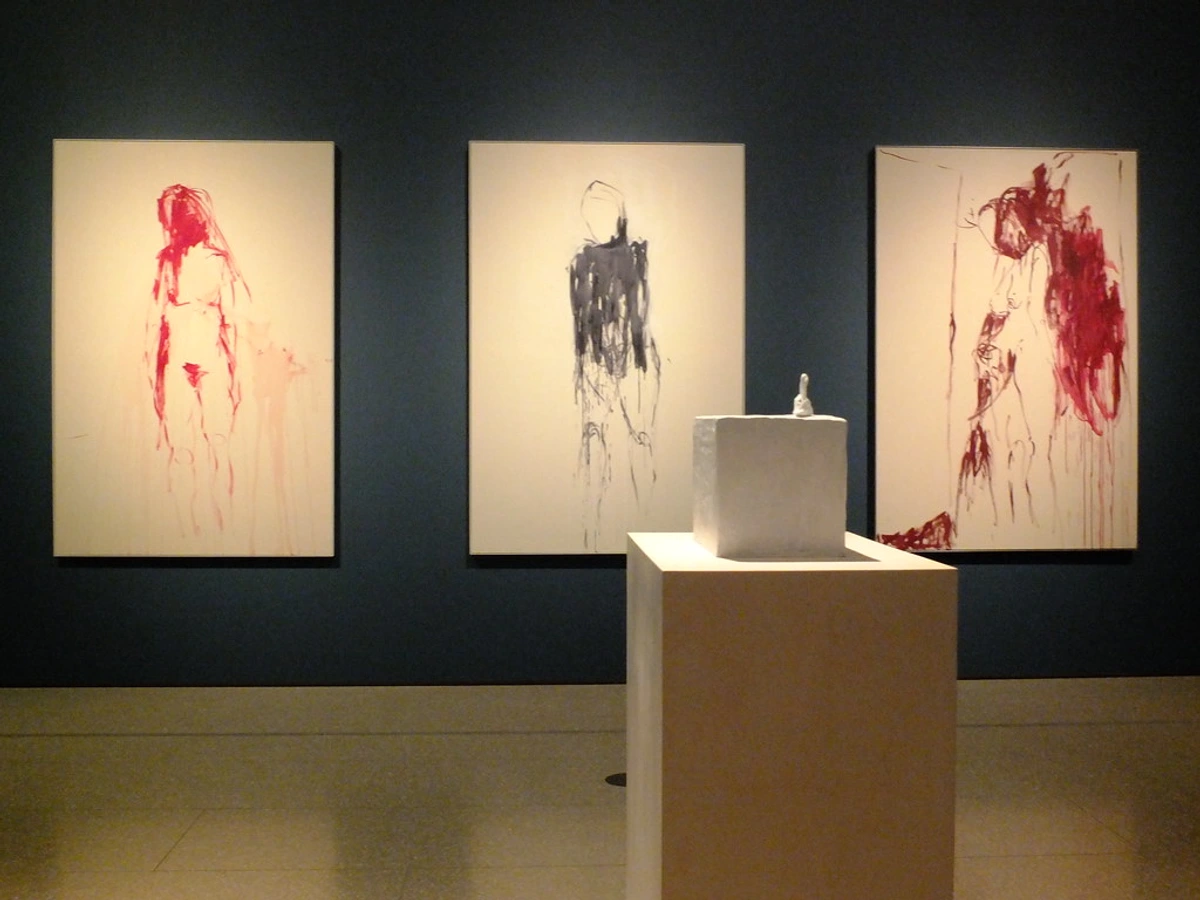
Simply put, a triptych is an artwork, typically a painting, made up of three panels that are joined together. But it’s not just three panels slapped side-by-side. Oh no. It’s an intentional dance, a deliberate storytelling device where each panel contributes to a larger narrative or thematic exploration. It’s like a visual sentence broken into three compelling clauses, each essential, yet forming a cohesive whole.
The Roots of the Word: Etymology of "Triptych"
Before we dive deeper into the art form, let’s quickly look at where the word itself comes from. The term "triptych" has surprisingly ancient roots, stemming from the Greek word triptychos (τρίπτυχος), meaning "three-fold." Originally, it didn't refer to paintings at all, but to a type of Roman writing tablet. Imagine a wooden tablet, hinged in three sections, that could be folded closed to protect the wax-coated inner surfaces where notes or messages were inscribed. This practical, three-part structure laid the groundwork for its later artistic application.
credit, licence
The Anatomy of a Triptych: More Than Just Three Pieces
At its core, a triptych consists of a central panel and two wing panels that flank it. The beauty, and sometimes the intrigue, lies in how those side panels often fold in over the central one. This isn't just for show; it's a functional aspect, allowing the artwork to be closed, protecting the central image, and revealing a different, often more subdued, exterior when shut. This ability to transform its appearance, offering different 'readings' depending on whether it's open or closed, adds a profound layer of mystery and engagement.
Imagine opening a book, but instead of words, you’re greeted with a profound visual narrative that shifts and reveals itself as you engage with it. The opening and closing mechanism adds a layer of interactivity and anticipation, turning the viewing experience into a ritual of discovery. It's a bit like a secret revealed, or a story with multiple chapters that only come into full view when you commit to the experience.
Triptych vs. Diptych vs. Polyptych: Understanding Multi-Panel Art
While "triptych" specifically refers to three panels, it's part of a broader family of multi-panel artworks. Here’s a quick overview to keep things clear:
Term  | Number of Panels | Key Characteristic |
|---|---|---|
| Diptych | Two | Often hinged, creating a complementary pair or a single scene divided. Historically used for devotional images or portraits. |
| Triptych | Three | Central panel flanked by two wings, often hinged. Ideal for sequential narratives, contrasting themes, or multifaceted views. |
| Polyptych | More than three | Any artwork with four or more panels, often complex altarpieces. Allows for expansive narratives and multiple viewpoints. |
So, while all triptychs are polyptychs in a general sense, the term "polyptych" is usually reserved for works with a greater number of panels, emphasizing an even more elaborate structure.
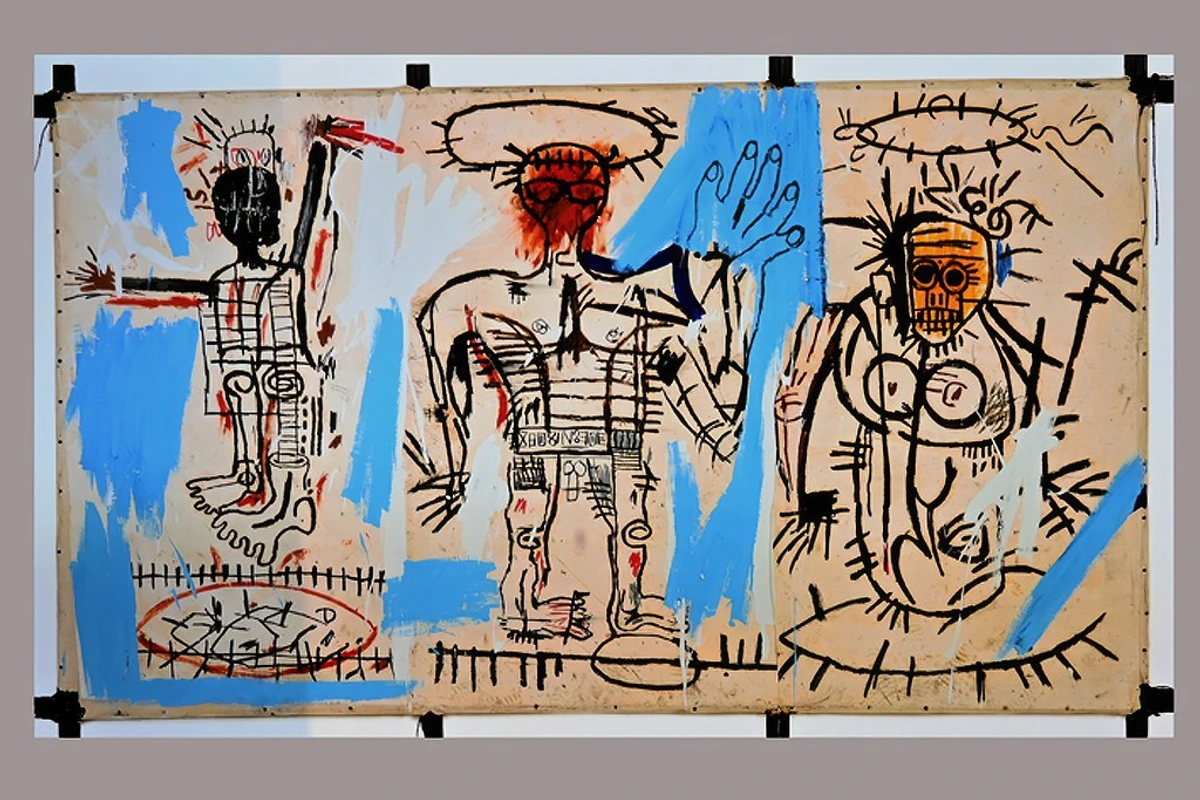
A Journey Through Time: The Historical Resonance of Triptychs
Now, if you're like me, you probably first think of those grand, solemn pieces from the Middle Ages and the Renaissance when someone mentions a triptych. And you'd be right to; this form truly flourished during those periods, especially in religious art.
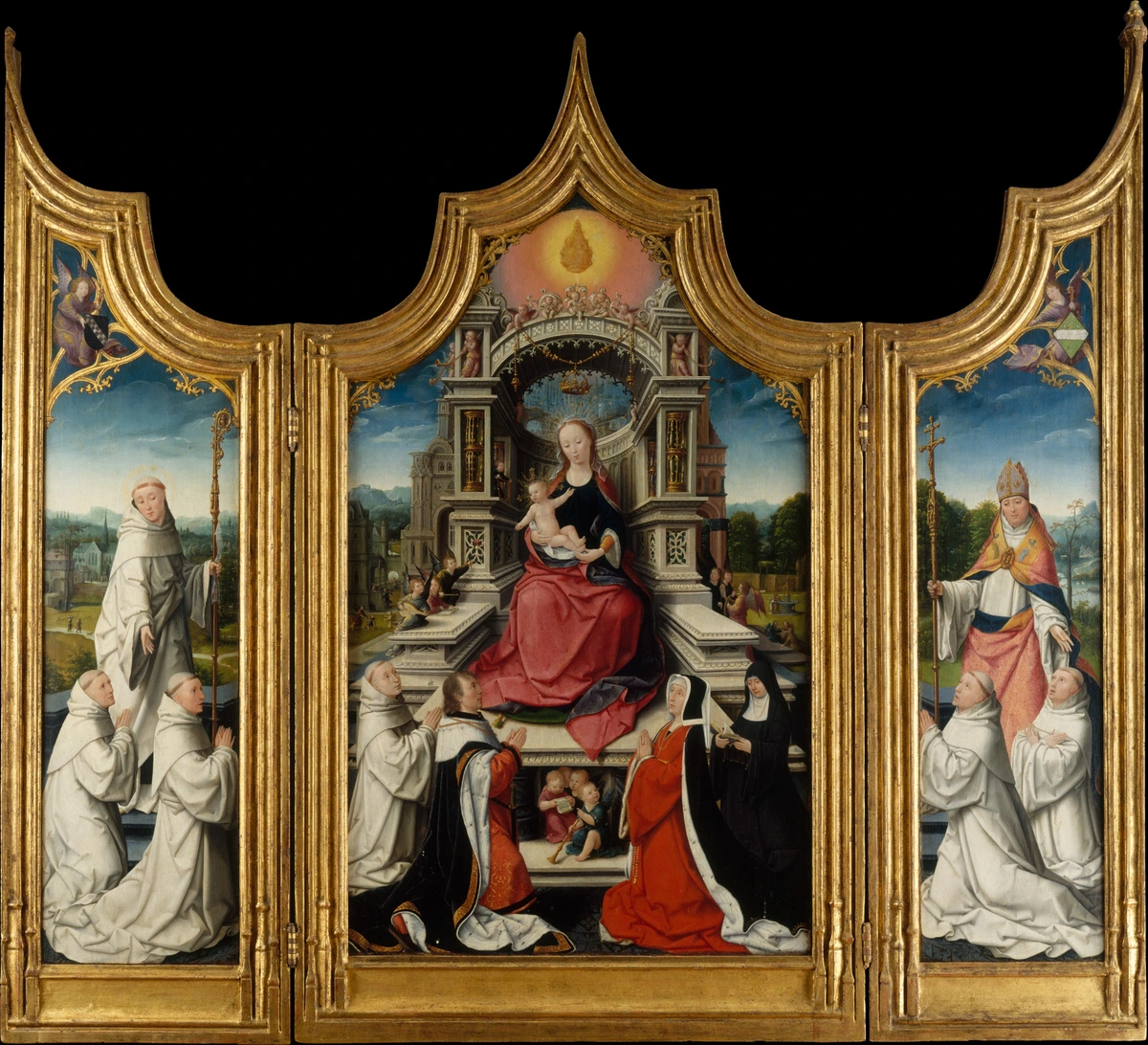
Sacred Narratives: Triptychs in Medieval and Renaissance Art
Why was it so popular? Several reasons. For one, its portability. These artworks could be easily transported and displayed in churches, chapels, or even private homes. But more than mere convenience, the three-panel structure was intrinsically linked to its spiritual purpose. For a largely illiterate congregation, a triptych served as a visual sermon, depicting complex biblical narratives or the life of a saint in a clear, compelling sequence: perhaps a beginning on the left, a climax in the center, and a resolution on the right. It was a dramatic stage for sacred stories, unfolding with reverence, transforming chapels and cathedrals into spaces of profound visual storytelling. Think of the way a story unfolds in a book – the triptych offered a similar, yet deeply spiritual, progression. They were powerful tools for devotion and instruction.
From Altarpieces to Private Devotion
Historically, many triptychs functioned as altarpieces, central to church liturgy. Their hinged structure allowed them to be closed during Lent or Advent, revealing simpler, often grisaille (grey tones) exteriors, and then dramatically opened for feast days, revealing their vibrant inner scenes. This ritual of opening and closing enhanced their spiritual significance and added to the visual drama. Beyond grand altarpieces, smaller, more intimate triptychs were commissioned for private homes, serving as personal devotional objects that brought sacred stories into domestic spaces.
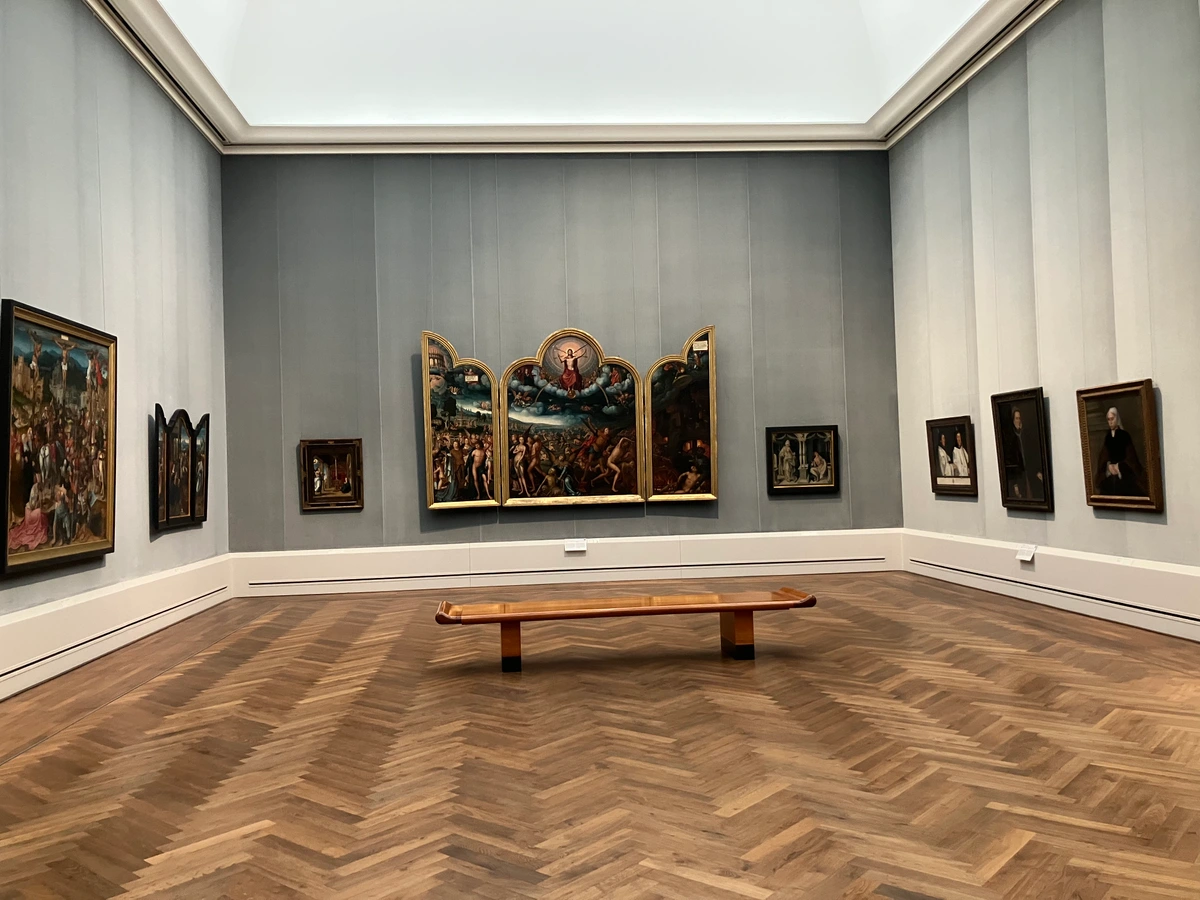
The Enduring Appeal: Modern and Contemporary Triptychs
But don't for a second think this form is stuck in the past. Artists are always reinventing, aren't they? The triptych format has continued to resonate through the centuries, adapted by modern and contemporary artists who appreciate its inherent narrative power. From the stark realism of Francis Bacon to more conceptual and abstract art, the three-panel structure offers a unique framework for artistic expression, allowing for juxtaposition, progression, or a multifaceted view of a single theme. Modern artists often eschew the physical hinges, instead relying on thematic or compositional connections to unite their three panels.
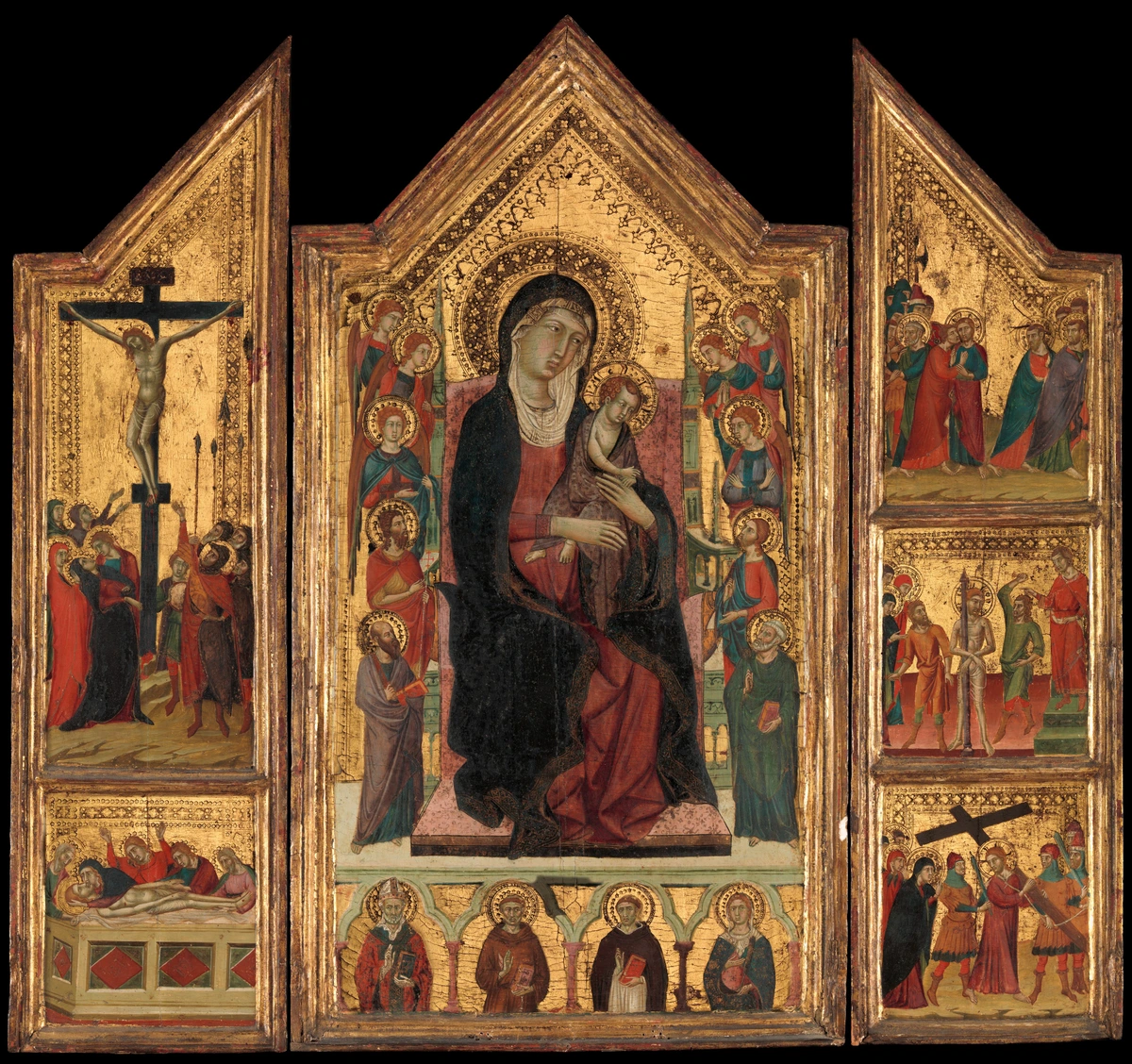
Why Three? The Symbolic Power of the Triptych Format
Why three, though? Not two, not four? This number isn't arbitrary; it’s steeped in meaning across cultures and disciplines. In the context of the triptych, the number three is particularly potent – it just feels right, doesn't it?
The Sacred and the Structural: Cross-Cultural Meanings of Three
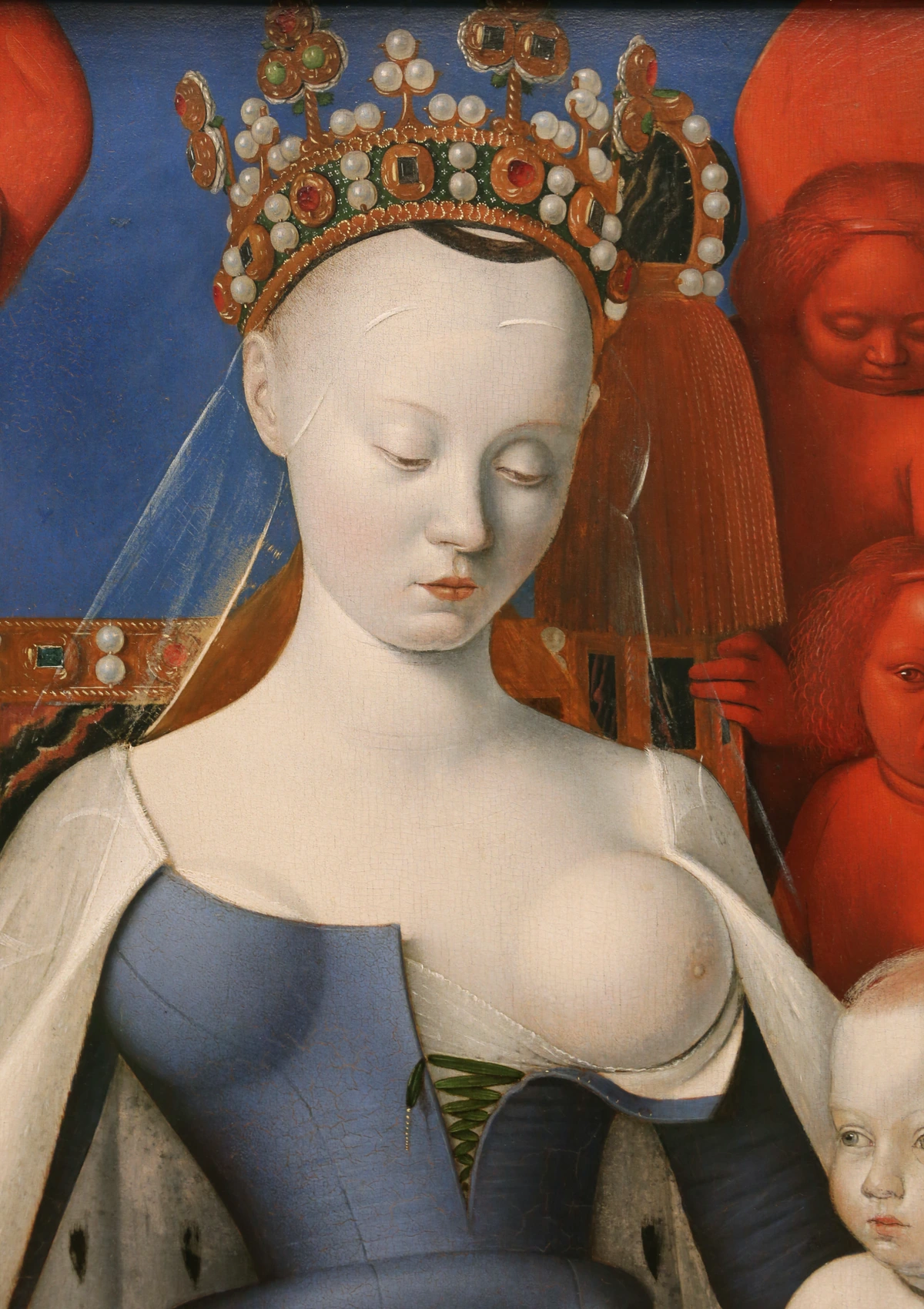
For Christian art, it's an undeniable nod to the Holy Trinity – Father, Son, and Holy Spirit – lending profound spiritual depth to the artwork itself. But the power of three extends far beyond religious symbolism. Across countless cultures, three represents completeness, stability, and progression: think birth, life, death; mind, body, spirit; past, present, future. It’s a number deeply embedded in our collective consciousness, appearing in folklore, mythology, and philosophy.
Three in Narrative and Composition
Beyond its mystical qualities, three holds a universal appeal for narrative and structure. Think of the classic storytelling arc: beginning, middle, and end. Or the structure of a joke, the three-act play, or the very cadence of effective rhetoric. The triptych naturally lends itself to this kind of progression, allowing artists to explore cause and effect, different perspectives, or distinct moments in time. It's an innate way our brains process information, making a three-part structure feel inherently satisfying.
From a compositional standpoint, the number three also naturally evokes concepts like the Rule of Thirds in photography and painting, creating dynamic balance and visual interest. It's not always about literal divisions, but the underlying sense of equilibrium that three distinct elements can bring to a piece. I always see it as a visual conversation, a dialogue happening across those panels that invites the viewer to connect the dots and engage with the story being told, whether explicit or implicit. It encourages a deeper, more contemplative interaction than a single panel might. It's a rhythm, a cadence, a visual heartbeat.
Notable Triptychs That Defined Art History
To truly appreciate the triptych, it helps to look at some iconic examples that span centuries and artistic movements. These are the works that really make you stop and think about the power of three:
Iconic Triptychs Through the Ages
- Hieronymus Bosch, The Garden of Earthly Delights (c. 1490-1510): This one... wow. It's an entire universe crammed into three panels. A psychedelic journey through creation, sin, and damnation, long before psychedelia was even a word! The outer panels, when closed, depict the world at creation in grisaille, a stark contrast to the explosion of life and chaos within. It's a masterclass in detail and bizarre, allegorical narrative, truly a definitive early example of how to make a form sing. It certainly makes you think about all the details of what is design in art.
- Rogier van der Weyden, The Last Judgment (c. 1445-1450): A prime example of a Flemish masterpiece, this monumental triptych (or polyptych, depending on definition, as it has more complex wings and reverses) portrays the harrowing scene of the Last Judgment, with Christ presiding over the separation of souls into heaven and hell. Its intricate detail, emotional intensity, and sophisticated use of space showcase the form’s power to convey profound theological concepts and human drama.
- Francis Bacon, Three Studies for Figures at the Base of a Crucifixion (1944): Fast forward centuries, and we get Francis Bacon's gut-wrenching, visceral triptychs. He took a classic religious theme and twisted it into something deeply disturbing, yet profoundly human. These tortured, expressive figures, often screaming or contorted, speak to post-war angst, existential dread, and the enduring human condition, using the triptych form to amplify their raw emotional power. If you're exploring ultimate-guide-to-expressionism, Bacon is a key figure.
- Max Beckmann, Departure (1932-33): Beckmann, a German Expressionist, often used the triptych form to explore themes of flight, freedom, and escape from suffering, particularly in the tumultuous period leading up to WWII. His triptychs, with their jarring juxtapositions and symbolic figures, are powerful allegories of the human condition in crisis.
- Bill Viola, The Greeting (1995): Moving into contemporary art, Bill Viola, a pioneer of video art, reimagined the triptych as a moving image installation. The Greeting is a slow-motion video re-enactment of Pontormo's The Visitation, dividing the narrative across three screens to intensify the emotional and psychological subtleties of human interaction. It's a brilliant example of how a classical form can be translated into new media.
Comparing Iconic Triptychs
Artist | Title | Date | Key Characteristics |
|---|---|---|---|
| Hieronymus Bosch | The Garden of Earthly Delights | c. 1490-1510 | Allegorical, highly detailed, fantastical scenes of creation, sin, and damnation. Outer panels depict world at creation. |
| Rogier van der Weyden | The Last Judgment | c. 1445-1450 | Monumental Flemish altarpiece depicting salvation and damnation, noted for emotional intensity and intricate detail. |
| Francis Bacon | Three Studies for Figures at the Base of a Crucifixion | 1944 | Visceral, expressive figures conveying post-war angst and existential suffering, reinterpreting a religious theme. |
| Max Beckmann | Departure | 1932-33 | German Expressionist work exploring themes of freedom, escape, and human suffering through symbolic figures and stark juxtapositions. |
| Bill Viola | The Greeting | 1995 | Contemporary video art installation reimagining a classical painting across three screens to explore emotional and psychological nuances in slow motion, bridging old and new media. |
Creating Your Own Triptych: A Practical Approach
Feeling inspired to try your hand at one? Good! Creating a triptych, even a small one, is a fantastic way to explore narrative, composition, and deep thematic connections. It’s a rewarding challenge, pushing you to think about how individual components contribute to a grander statement. Here's how you might approach it:
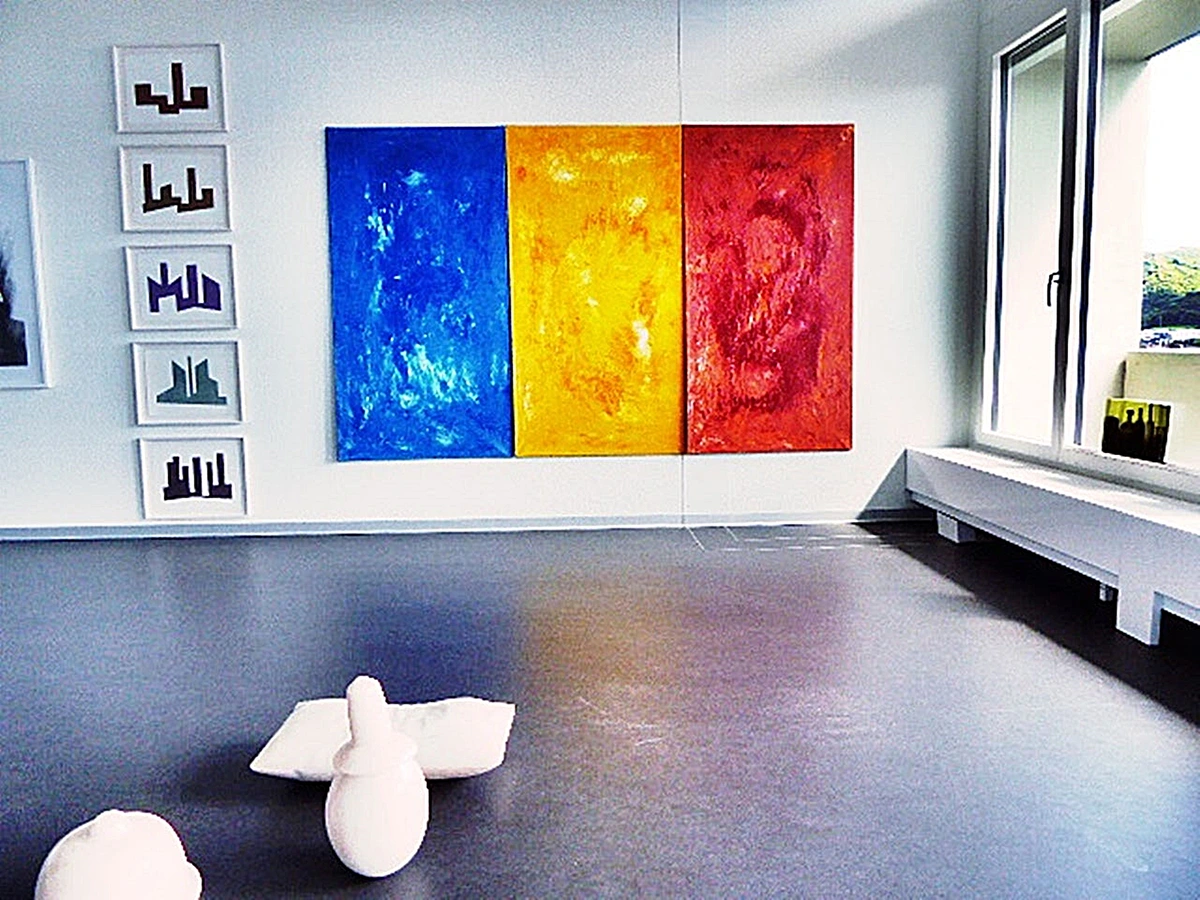
- Develop Your Theme/Narrative: This is where the magic begins. What story do you want to tell? Is it a literal sequence (past, present, future)? A powerful juxtaposition (calm before the storm, the storm itself, the aftermath)? Perhaps it's different facets of one complex idea (like the transformation of a butterfly, or different perspectives on a single event)? Or maybe it's an abstract exploration of color and form across three distinct yet deeply connected canvases, where the visual dialogue is the narrative itself. The key, always, is that the panels relate to each other, forming a coherent, expanded statement.
- Plan Your Composition: This is where you get to choreograph the visual dance. Remember, the panels should speak to each other, even when they're distinct. Think deeply about understanding-balance-in-art-composition and how elements, colors, lines, or even negative space might flow, echo, or contrast from one panel to the next. Will the composition be continuous, forming one grand image broken into three, or will each panel be a self-contained image contributing to a larger, unified whole? Consider how the viewer's eye will travel across the work – is there a natural rhythm you want to establish?
- Consider the Viewer's Journey: This is a crucial, often overlooked, step. How do you want the viewer to experience your triptych? Will they absorb it all at once, or will their eye linger on each panel, moving from left to right, or perhaps bouncing between them? The interactive element of hinged panels means you can even control the 'reveal' of your central message. Think about the emotional and intellectual path you want to guide them on.
- Choose Your Medium and Materials: While traditionally paintings, triptychs can be made with photography, mixed media, digital art, or even sculpture. Decide if you want physically joined panels (hinged, as in the old masters) or three separate panels that are displayed together (more common in contemporary work). If you're painting on canvas, you might want to learn how to apply gesso to canvas: a beginner's guide to prepare your surface, ensuring your colors pop and last. Don't be afraid to experiment with unconventional materials like textiles or reclaimed objects to add texture and depth.
It's a rewarding challenge, pushing you to think about how individual components contribute to a grander statement.

Triptychs Beyond the Canvas: Modern Interpretations
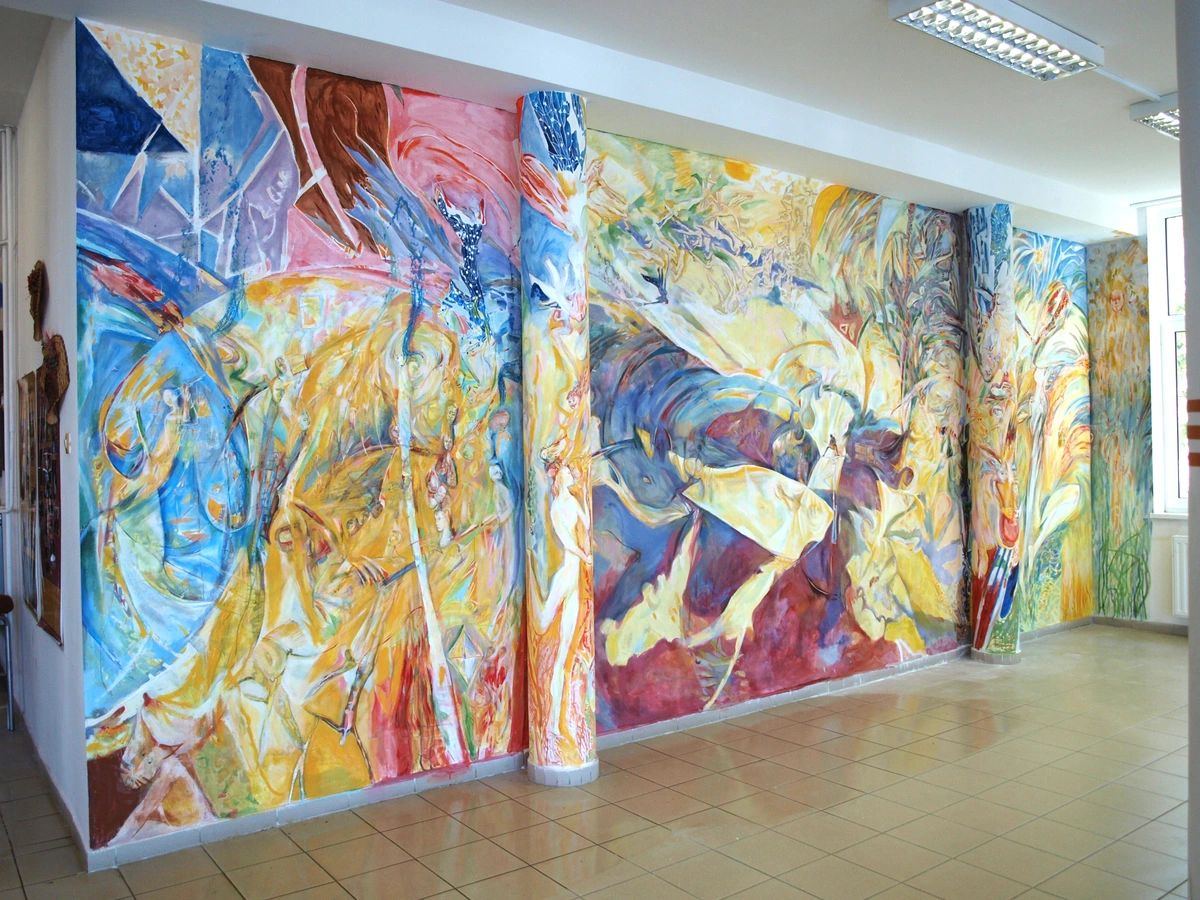
The conceptual power of the triptych isn't limited to physical art. The idea of a three-part narrative structure has transcended painting, influencing countless other creative fields. It’s a testament to the enduring human fascination with balanced, progressive storytelling.
The Triptych in Photography, Film, and Digital Art
Think of a compelling photography series where three images, though separate, are presented together to tell a progression, illustrate different angles of a subject, or capture a sequence of emotions. Or consider cinematic storytelling, often divided into three distinct acts – setup, confrontation, resolution – which mirrors the triptych's narrative structure. Even in contemporary digital art and web design, you can find echoes of the triptych's segmented yet unified approach, where three distinct content blocks work together to convey a cohesive message or experience. I've seen it used beautifully in interactive installations, where moving images or data visualizations unfold across multiple screens.
It's about the conceptual structure more than just the physical form sometimes, highlighting how a classic artistic device can inform contemporary creative practices across the board. The flexibility of the three-part structure allows for incredible innovation, demonstrating that some ideas are simply timeless, regardless of the medium.

Frequently Asked Questions About Triptychs
Here are some common questions I hear about triptychs, digging a little deeper into the intricacies of this fascinating art form:

Q: What is the origin of the word triptych? A: As we touched on earlier, the word "triptych" comes from the Greek word triptychos, meaning "three-fold." It originally referred to an ancient Roman writing tablet with three hinged sections. Isn't it cool how a word can evolve from a practical object to describe a profound artistic format?
Q: Are all multi-panel artworks triptychs? A: No, not all. An artwork made of two panels is called a diptych. An artwork with more than three panels is generally referred to as a polyptych. The triptych is specifically a three-panel composition. It’s all about those precise numbers in art, sometimes!
Q: Can a triptych be abstract? A: Absolutely! The form lends itself beautifully to abstract expression. Artists can use the three panels to explore color progression, textural contrasts, or a sequence of forms, creating a visual dialogue without a literal narrative. It's a fantastic way to engage with the principles of abstract art, allowing for a non-literal yet deeply resonant three-part exploration.
Q: How does a triptych enhance storytelling compared to a single panel? A: A triptych provides a sequential or multifaceted canvas that a single panel simply can't. It allows for a beginning, middle, and end; a cause and effect; or multiple perspectives on a central theme. The division itself encourages the viewer to 'read' the artwork, connecting the dots between panels, fostering a more active and contemplative engagement. It's like having three windows into one grand narrative.
Q: Are there contemporary artists still using the triptych form? A: Definitely! While its roots are ancient, contemporary artists continue to embrace the triptych for its narrative power and compositional versatility. Artists like Francis Bacon, as mentioned, redefined it, and many modern painters, photographers, and digital artists use the three-panel concept to explore complex themes in innovative ways. It's a testament to the form's timeless appeal that it keeps finding new life.
Q: How do you display a triptych? A: Traditionally, triptychs with hinges are displayed either fully open, or with the side panels partially angled to create a sense of depth and enclosure. Modern triptychs, which may not be hinged, are usually hung with a small, even space between each panel, allowing the viewer to perceive them as a single, cohesive work while acknowledging their individual components. The artist's intent and the physical design of the artwork usually dictate the best display method – sometimes even a slightly asymmetrical arrangement can add intrigue, if that's the artist's intention.
Conclusion: The Enduring Allure of the Three-Part Narrative
So there you have it: the triptych. A form that has been telling stories for centuries, adapting, evolving, and always asking us to look deeper, to unfold the layers of meaning within its structured embrace. From its sacred origins in medieval altarpieces to its embrace by modern masters redefining its boundaries, the triptych proves that sometimes, the most powerful stories are best told in three acts – a perfect visual rhythm.
It’s a profound testament to the idea that structure can amplify content, and that a thoughtful division can lead to a richer, more engaging whole, inviting us to contemplate interconnectedness and progression. Perhaps this exploration inspires you to explore art with new eyes, seeking out the hidden narratives in multi-panel works, or even to create your own multi-panel masterpiece. For me, the triptych is a constant reminder that complexity and depth can emerge from simplicity and deliberate arrangement.
If you're looking for art that tells a story, or pieces that explore interconnected themes, why not browse the collection or learn more about my artistic journey? The world of art is vast, and there's always a new story waiting to unfold, often in surprising three-part harmony.