Collage Art: The Ultimate Guide to History, Techniques, & Creative Expression
Unlock the transformative power of collage! Explore its rich history from Cubist breakthroughs to contemporary digital art. Master diverse techniques, learn ethical sourcing, and find your voice as an artist. Your definitive guide to compelling visual storytelling awaits.

Collage Art: The Ultimate Guide to History, Techniques, & Creative Expression
What if you could turn discarded fragments into a profound masterpiece? That, I believe, is the quiet revolution and profound magic of collage art. For me, it's never just been about being thrifty; it’s a fundamental artistic impulse, a deep desire to impose new meaning on the overlooked. At its heart, collage challenges our very perception of reality. It's an art form born from the simple act of sticking things together, yet it has profoundly revolutionized how we see and create, blurring the lines between art and life, questioning traditional notions of authorship, and democratizing artistic expression. It invites us to forge potent new narratives from what might otherwise be discarded, celebrating the inherent beauty in the fragmented. I remember feeling that familiar pull—the urge to create something new from disparate fragments—and if you're ready to dive deeper into its origins, techniques, and enduring impact, you've found your ultimate guide.
What is Collage Art? Unveiling Its Core Principles
Collage, to me, is deceptively simple: it's the art of assembling different forms, creating a new whole. But I’ve always found that "simple" often hides incredible depth, like a calm lake concealing an entire ecosystem beneath its surface. This art form asks us to look again, to reconsider, and to find new dialogues in unexpected arrangements.
Definition and Core Principles
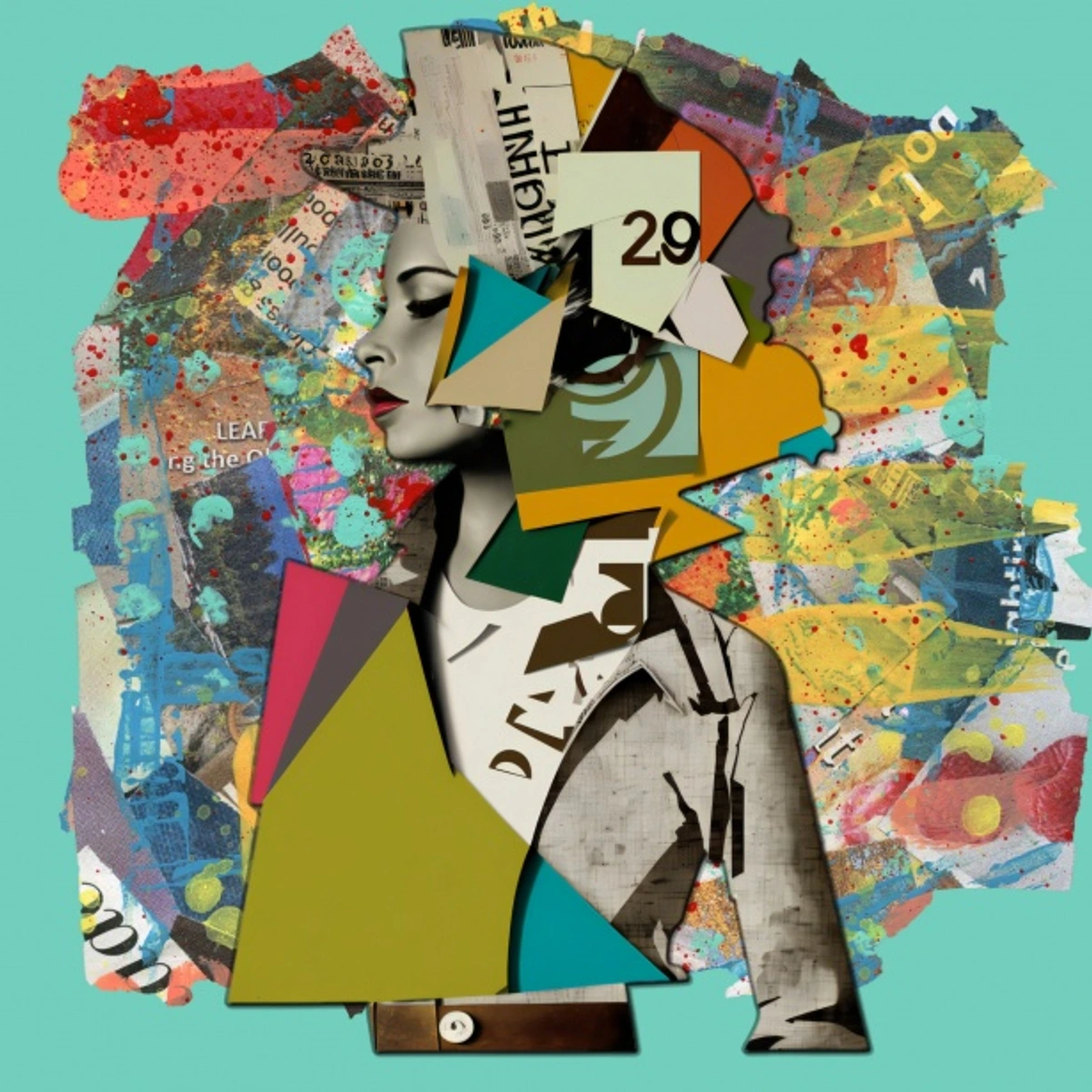
So, what exactly is it? Broadly speaking, collage (from the French coller, meaning "to glue") is a technique where an artwork is made from an assembly of different forms, thus creating a new whole. Think of it as a visual symphony where each element—a photograph, a snippet of text, a painted swatch, a piece of fabric—is a note, and their arrangement composes a new melody. These core principles guide its endless fascination, pushing us to constantly re-evaluate what we see:
- Decontextualization: This is the initial act, the mental shift where you take an object or image out of its original, familiar setting. A newspaper headline, once part of a daily report, becomes a mere visual shape or a provocative word. I once found an old, faded botanical illustration of a single leaf, and just pulling it out of the book, away from its scientific captions, made it a pure form, ready for anything. This stripping away of original context is what liberates the fragment, making it ready for new meaning. It's the blank slate for reinvention, allowing us to see its inherent qualities anew, unburdened by its former purpose.
- Juxtaposition: This is, in my opinion, the very heart of collage. It's placing seemingly unrelated, decontextualized elements side-by-side to create new meanings or visual tension. It’s like putting a clown’s nose on a historical statue—suddenly, the statue isn’t just dignified; it’s also a commentary on solemnity itself, or a surprising moment of humor. I remember making a piece where I placed a delicate Victorian lace doily next to a jagged piece of rusted metal, and the unexpected friction between elegance and decay created a powerful story I hadn't anticipated. The magic happens in that unexpected friction, forcing a new interpretation.
- Layering: Building depth and complexity by overlapping materials. This isn't just about aesthetics; it's about history, memory, and the visible traces of what came before. Each layer adds to the story, sometimes revealing, sometimes obscuring, much like the layers of our own experiences build up over time. It can evoke a sense of archaeological discovery within the artwork itself, inviting us to peer into its past.
- Transformation: Taking everyday objects or images out of their original context and giving them a new life, a new purpose within the artwork. For instance, a crumpled ticket stub transforms from mere trash to a treasure, a testament to a fleeting moment or a portal to a forgotten memory. In one of my pieces, an old, faded family photo became the sky above a fantastical landscape built from magazine clippings. It’s a kind of alchemy, really, where the artist imbues the mundane with profound new significance.
- Narrative Construction: The artist, you, becomes a storyteller, weaving a tale not with words, but with images and textures. You're building a visual language, a kind of dialogue between fragments, inviting the viewer to piece together the story you’re telling, or even to construct their own. It’s a dynamic and engaging form of communication, a visual conversation waiting to unfold.
Why Make Collage Art? Exploring the Motivations
Why bother, you might ask, when you could just paint or draw? For me, the answer lies in its democratic nature and its inherent expressiveness. There's an immediate accessibility to it; you don't need years of classical training to pick up scissors and glue, though the true power of collage lies in the artist's discerning eye, thoughtful composition in art, and ability to imbue disparate elements with profound meaning. This very accessibility can be a powerful tool for exploring concepts like what is design in art or delving into the elements of design in art.
I find that collage often speaks to a certain truth about how we experience the world: fragmented, bombarded by images, constantly piecing together meaning from a deluge of information. It’s a reflection of our own minds, constantly collaging experiences and memories to form our understanding of reality. Beyond this, collage can be a deeply therapeutic act. Imagine using collage to process a difficult memory: you might represent conflicting emotions with torn newspaper headlines and sharp edges, then slowly overlay them with softer textures and images of growth, visually reclaiming your narrative. I've personally found it a powerful way to externalize and recontextualize difficult experiences, offering a tangible path to process and reclaim my own narratives. The mindful, repetitive act of cutting, selecting, and arranging can be a form of meditation, reducing stress and fostering a sense of flow and self-discovery. It’s not just about the finished piece; the process itself is profoundly healing. And the benefits extend further: working with limitations imposed by found materials can dramatically boost problem-solving skills, while the iterative process of arranging and rearranging elements, sometimes failing and starting over, cultivates a powerful sense of resilience. By engaging with collage, you naturally develop a more observant and appreciative mindset towards the everyday world, finding beauty and potential in the most unexpected places.
It can be a powerful tool in political activism, too – think of the powerful protest posters and zines that have historically used fragmented images to deliver a sharp, immediate message. Historically, movements like the Situationist International, while not strictly collage, employed détournement – the re-appropriation of existing artistic elements into a new ensemble – which shares collage's core principles for social critique. For example, détournement might involve taking a corporate advertisement for a luxury car and altering its text to read "DRIVE LESS, LIVE MORE" or superimposing images of pollution over the vehicle, twisting its original intent to convey an anti-consumerist or environmental message. It’s also used in personal journaling, in community art projects that foster connection, or simply as a conceptual art form that challenges perceptions. Indeed, it even challenges notions of originality and authenticity, pushing us to question authorship and source material in an increasingly digital world – a very postmodern concern. To me, postmodernism is about a critical skepticism towards grand narratives, universal truths, and established hierarchies, often expressed through deconstruction, pastiche (combining elements from different styles or periods), irony, and the re-appropriation of existing cultural fragments to create new, often questioning, meanings.
The Artist's Role: Intent, Selection, and Narrative
While collage democratizes art by making it accessible, its true power lies in the artist's discerning eye and intentional choices. It's not just random gluing; it's a careful act of curation. The artist's role is multifaceted:
- The Selector: Deciding what fragments to include and, crucially, what to leave out. Every torn edge, every chosen image, carries weight and intent.
- The Juxtaposer: Creating meaningful or provocative relationships between disparate elements, inviting dialogue, tension, or harmony.
- The Storyteller: Weaving a visual narrative that can be literal, abstract, emotional, or socio-political. The finished piece is a reflection of the artist's unique perspective and their dialogue with the chosen materials.
- The Transformer: Imbuing everyday, discarded objects with new significance, challenging viewers to reconsider their inherent value.
This agency, this deliberate imposition of meaning, is what elevates collage from craft to profound art.
A Deep Dive into Collage Art History: From Ancient Origins to Modern Revolutions
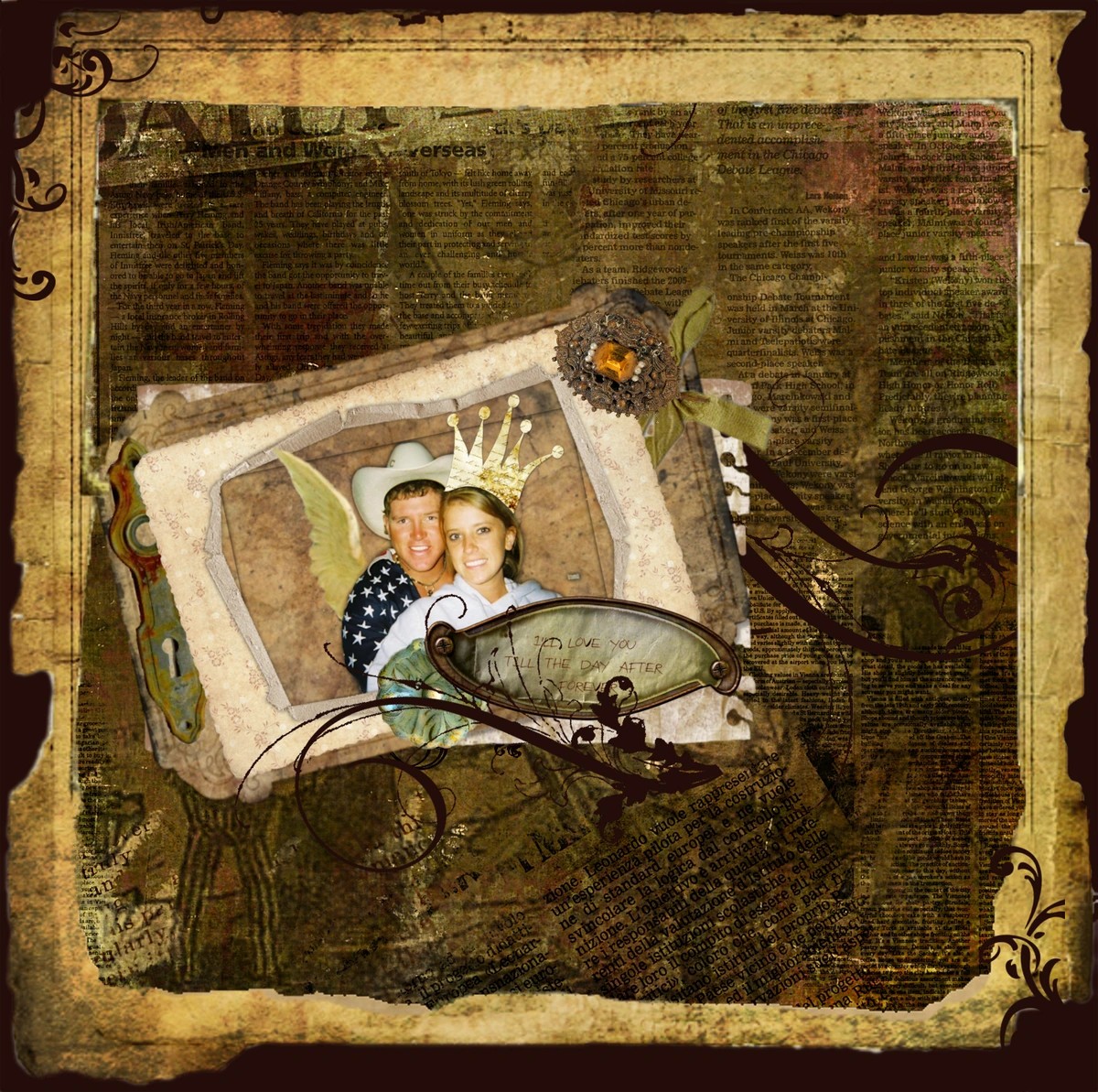
This inherent human impulse to reassemble, to find new meaning in the disparate, has a long and fascinating history. While collage as a recognized art form truly burst onto the scene in the early 20th century, shaking up the art world in a way few other techniques had, its roots stretch back much further. It was a radical departure, a bold statement against traditional artistic norms. As collage evolved through these artistic movements, so too did the methods and approaches to its creation, leading to a rich toolkit of techniques that artists continue to explore and expand upon today. Curiously, the very tools and adhesives available also shaped its trajectory; early collages relied on basic glues, flour pastes, and often less durable papers, which limited scale and longevity compared to modern, archival materials.
Pre-20th Century Echoes: The Ancient Roots of Assembly
The act of sticking things together, creating new forms from existing materials, isn't new at all. Imagine a caveman proudly attaching shiny pebbles to his spear! More formally, examples can be found across diverse cultures and eras, showing an innate human drive to combine and decorate:
- Ancient Mosaics and Appliqué: From intricate shell mosaics created by ancient civilizations (like those found in Mesopotamia) to elaborate textile appliqués (think of Egyptian funerary banners or intricate quilt work), humans have long combined diverse materials for decorative, symbolic, or narrative purposes.
- Japanese Mottainai Philosophy: In Japan, the philosophy of mottainai (a sense of regret concerning waste) encouraged the repurposing of materials. While not directly collage, this ethos of valuing and transforming discarded items resonates deeply with collage's core spirit of finding new life in the overlooked.
- Illuminated Manuscripts: Medieval scribes and artists often incorporated various materials, pigments, and even small cut-out elements (though rarely glued in the modern sense) into their ornate manuscripts, showcasing a sophisticated approach to artistic assembly and embellishment.
- Folk Art and Scrapbooking: Many folk art traditions, from decorative paper-cutting (scherenschnitte) to elaborate textile quilts, demonstrate an innate collagist sensibility, utilizing available materials to tell stories or adorn everyday objects. Similarly, the widespread practice of Victorian scrapbooking, where personal ephemera, drawings, and printed images were meticulously arranged into albums, prefigures the aesthetic and narrative impulses of modern collage. These practices laid a conceptual groundwork, preparing the artistic world for the formal explosion of collage in the modern era.
The Avant-Garde Revolution: From Futurism's Text to Cubism's Forms
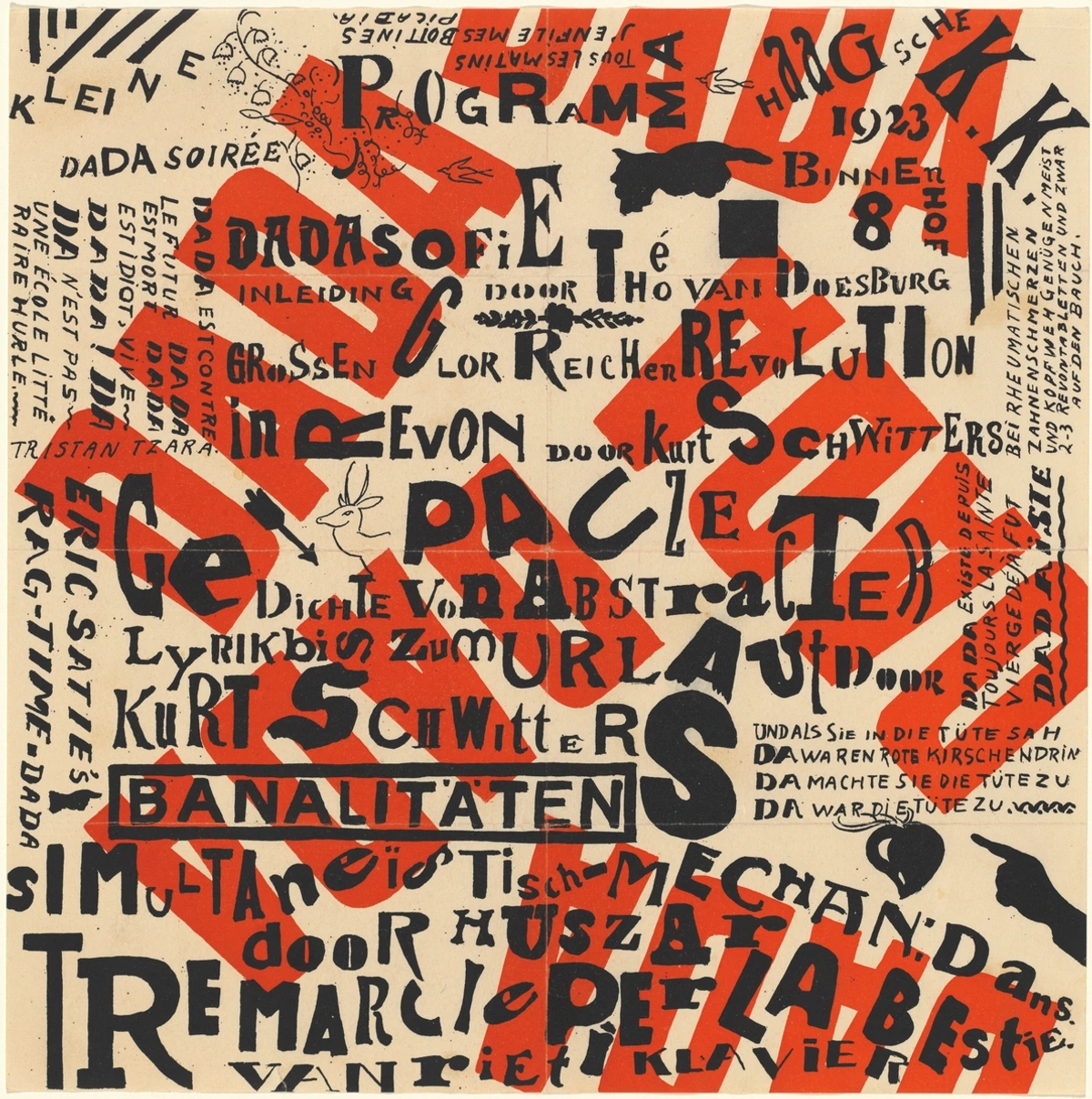
You can’t talk about the birth of modern collage without first acknowledging the revolutionary spirit that preceded it, even slightly. Before Cubism, Italian Futurists like Filippo Tommaso Marinetti were already experimenting with "parole in libertà" (words-in-freedom) in the early 1910s. These were not glued images, but typographic arrangements that shattered traditional grammar and syntax, scattering words across the page to create visual poems. Fortunato Depero, a Futurist artist, took this further with his Manifesto of Futurist Reconstruction of the Universe (1915), advocating for a synthetic, dynamic art that integrated text, images, and objects into theatrical and design contexts, championing a broader use of collage elements beyond painting. It was a bold, early step towards fragmenting and reassembling for artistic effect, a clear precursor to visual collage.
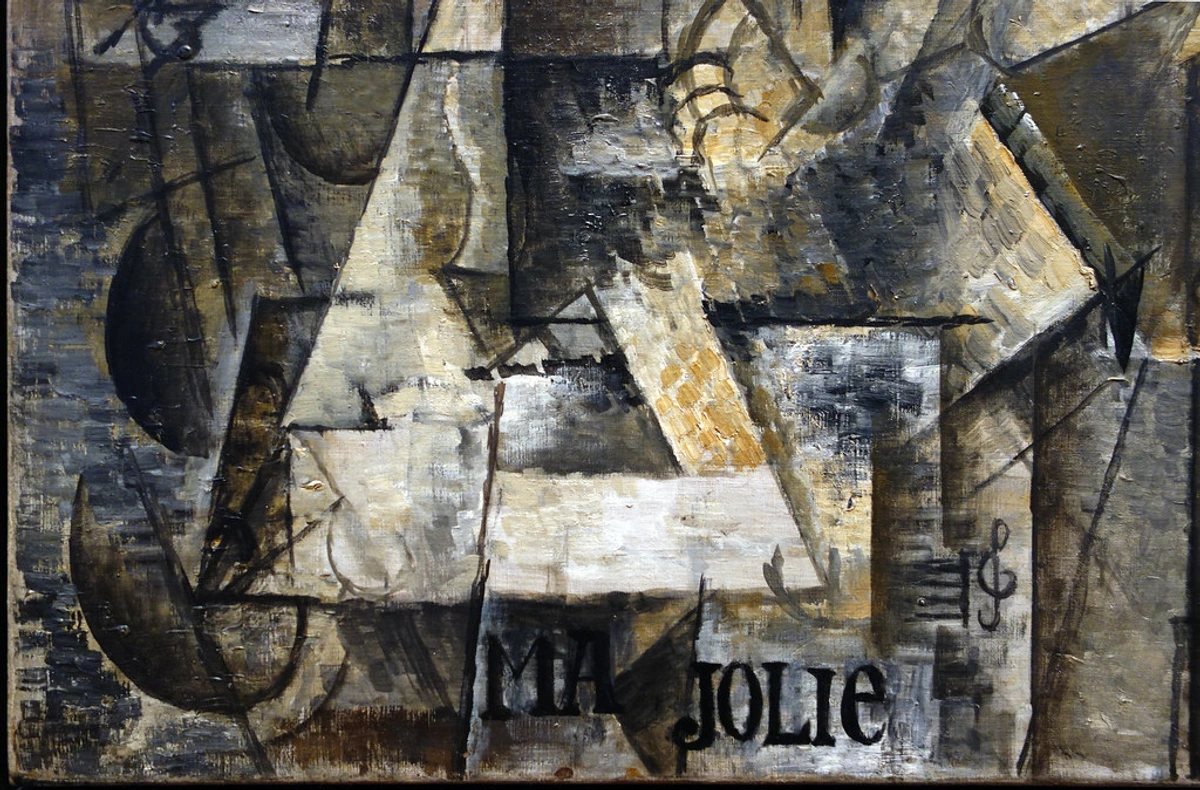
Then, the titans Pablo Picasso and Georges Braque arrived, widely credited with introducing collage and its cousin, papier collé (glued paper), around 1912. Before then, materials were generally meant to represent something; now, they were the thing. Papier collé, specifically, focused on using only paper elements, often newsprint or patterned paper, to build compositions. This blurring of representation and reality was groundbreaking for ultimate-guide-to-cubism.
I always think of it as a moment of brilliant defiance. Why paint a chair's texture when you can glue a piece of actual chair caning onto the canvas? Picasso’s Still Life with Chair Caning (1912) is a quintessential example: the actual caning wasn't painted trompe l'oeil style but was literally glued onto the canvas, along with a piece of oilcloth printed with a chair seat pattern and a snippet of newspaper. It blurred the lines between painting and sculpture, between illusion and reality. It was radical, playful, and utterly transformative for the definitive guide to the history of abstract art: key movements, artists, and evolution. For a deeper dive into the visionary behind this, see our ultimate-guide-to-picasso.
Dada and the Political Statement
Following Cubism, the anarchic spirit of Dada seized upon collage, transforming it into a tool for sharp political and social critique. Artists like Hannah Höch pioneered photomontage, a technique using photographic fragments to create jarring, satirical, or profoundly unsettling images. Her Cut with the Kitchen Knife Dada through the Last Weimar Beer-Belly Cultural Epoch of Germany (1919-1920) is a chaotic, layered masterpiece that features fragmented portraits, industrial machinery, and prominent Dadaist figures, all aggressively reassembled to visually dissect the fragmented and patriarchal society of post-WWI Germany. It's not just art; it's a punch in the face to the establishment, delivered with scissors and glue. This revolutionary approach profoundly influenced the enduring influence of Dadaism on contemporary art and its legacy.
Another key figure was Kurt Schwitters, who developed his unique "Merz" concept in Hanover, Germany. Schwitters used found everyday objects – bus tickets, sweet wrappers, scraps of wood, fabric – to create intricate, poetic collages and assemblages he called "Merzbilder." These weren't just random accumulations; they were meticulously arranged compositions that elevated trash to treasure, transforming the detritus of post-war society into complex, often beautiful, abstract forms. It was a deeply personal, yet universally resonant, way of processing a shattered world, embodying a powerful blend of Dada's anti-art stance and a more formal artistic sensibility.
Surrealism's Dreamscapes
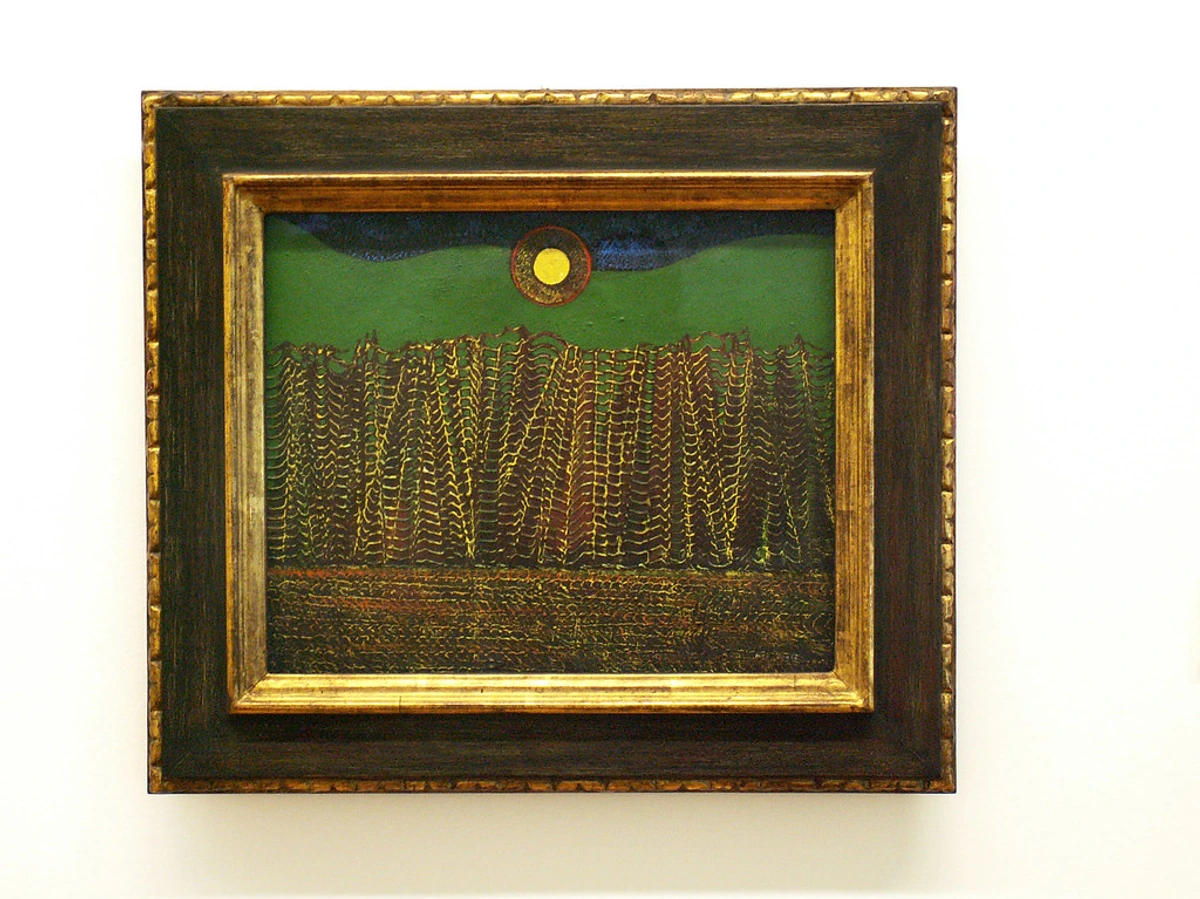
Later, the Surrealists, with their fascination for dreams, the subconscious, and the bizarre, seized upon collage with equal fervor. Artists like Max Ernst used it to create unsettling, dreamlike scenes by combining disparate images from old engravings and photographs, often with meticulous precision that made the impossible seem terrifyingly real. His A Week of Kindness or The Seven Deadly Elements (1934) is a novel composed entirely of collages, creating bizarre narratives by juxtaposing Victorian-era illustrations of violence and romance in unsettling ways. If Cubism used collage to explore form and perception, Surrealism used it to explore the inner landscape of the mind, often resulting in works that feel strangely familiar yet deeply alien. They were creating their own visual language, a kind of enduring-legacy-of-surrealism on canvas.
Found Object Art, Assemblage, and Arte Povera: Elevating the Discarded
Parallel to the rise of collage and sometimes overlapping with it, the mid-20th century saw a significant interest in Found Object Art and Assemblage. This movement championed the use of everyday objects – from industrial scraps to personal belongings – to create art. It fundamentally questioned notions of artistic skill and originality, arguing that meaning could be found and created by simply presenting an object in a new context, often imbued with a new "aura" by the artist's selection. This philosophical stance heavily influenced artists who integrated three-dimensional objects into their collages, leading to works that blurred the lines between painting and sculpture. It's a profound statement: what society considers trash, the artist elevates to treasure, revealing its hidden beauty or telling a new story.
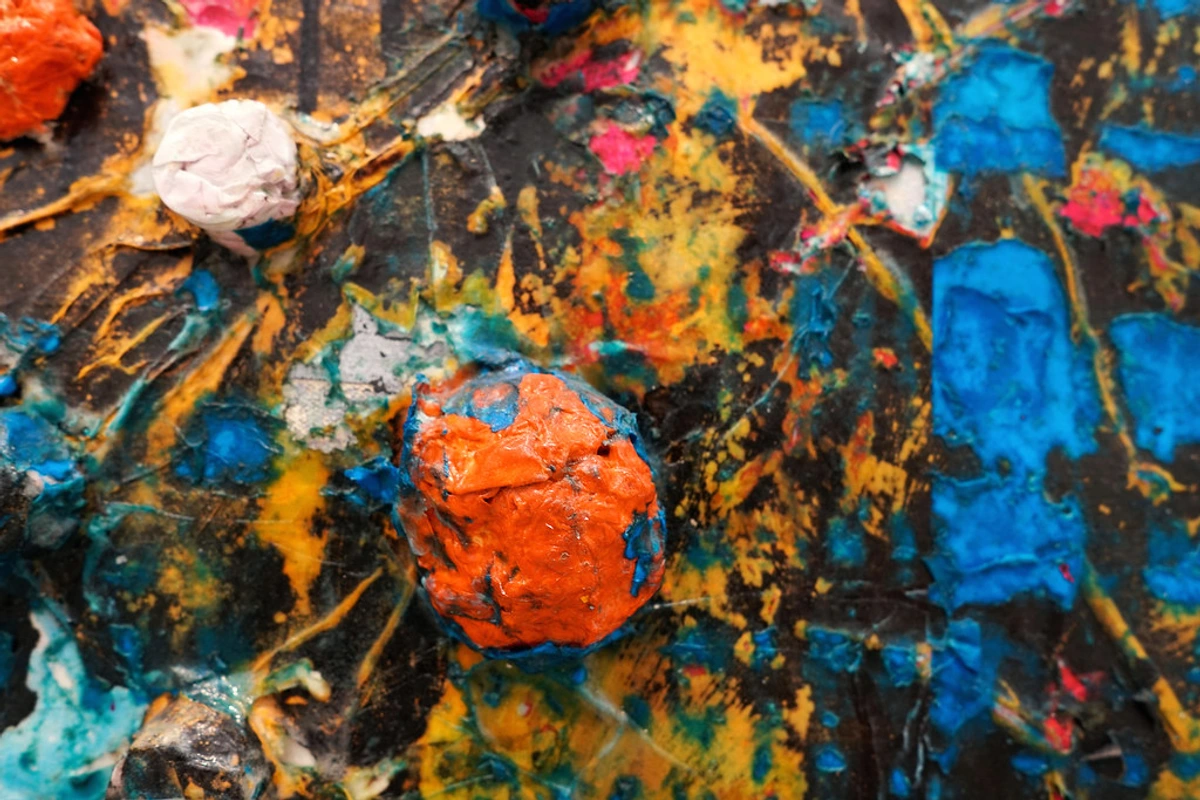
Perhaps the most iconic example of this boundary-blurring is Robert Rauschenberg and his revolutionary "Combines" from the 1950s and 60s. Rauschenberg famously incorporated everything from stuffed birds and automobile tires to quilts and discarded signage directly onto his canvases, often alongside paint and photographic transfers. These works weren't simply collages or sculptures; they were a hybrid, challenging established art categories and the purity of artistic mediums, deeply influencing later movements like ultimate-guide-to-abstract-expressionism and Neo-Dada. Other key figures include Louise Nevelson, renowned for her monochromatic wooden assemblages, often creating entire environments from found architectural scraps, and Joseph Cornell, whose enigmatic box constructions created miniature, dreamlike worlds from found trinkets and ephemera. Jean Tinguely's kinetic sculptures, though not strictly static assemblage, also embodied the spirit of bringing discarded objects to life, adding movement to found materials. Also noteworthy is Arte Povera, an Italian movement from the late 1960s, which emphasized the use of "poor" or everyday materials like soil, rags, and industrial scraps, aligning with collage's spirit of transforming the mundane into art and challenging conventional values. For a deeper dive, check out what is assemblage art.
Pop Art and the Everyday
Fast forward to the mid-20th century, and collage gets another shot in the arm with Pop Art. Artists like Richard Hamilton and Eduardo Paolozzi were seminal in establishing the use of mass media imagery in collage and photomontage. Paolozzi’s early "Bunk" series (1947-1952), for instance, was a collection of collages from American magazines depicting consumer goods, advertising, and pop culture, critically anticipating the core themes of Pop Art. Later, Andy Warhol (whose what are warhols campbells soup cans are iconic for their repetition and appropriation), used collage techniques to comment on consumer culture, advertising, and mass media. They’d lift images directly from magazines, newspapers, and advertisements, reflecting the fragmented, image-saturated world that was rapidly emerging. Hamilton’s Just what is it that makes today's homes so different, so appealing? (1956) is a prime example, combining images of bodybuilders, pin-up girls, and modern appliances to critique post-war consumerism. Their work feels incredibly relevant even today, doesn't it? It's like they held a mirror up to our modern obsession with brands and celebrity, using its own fragments to do so. This was a pivotal moment in ultimate-guide-to-pop-art.
Modern and Contemporary Collage: Pushing Boundaries
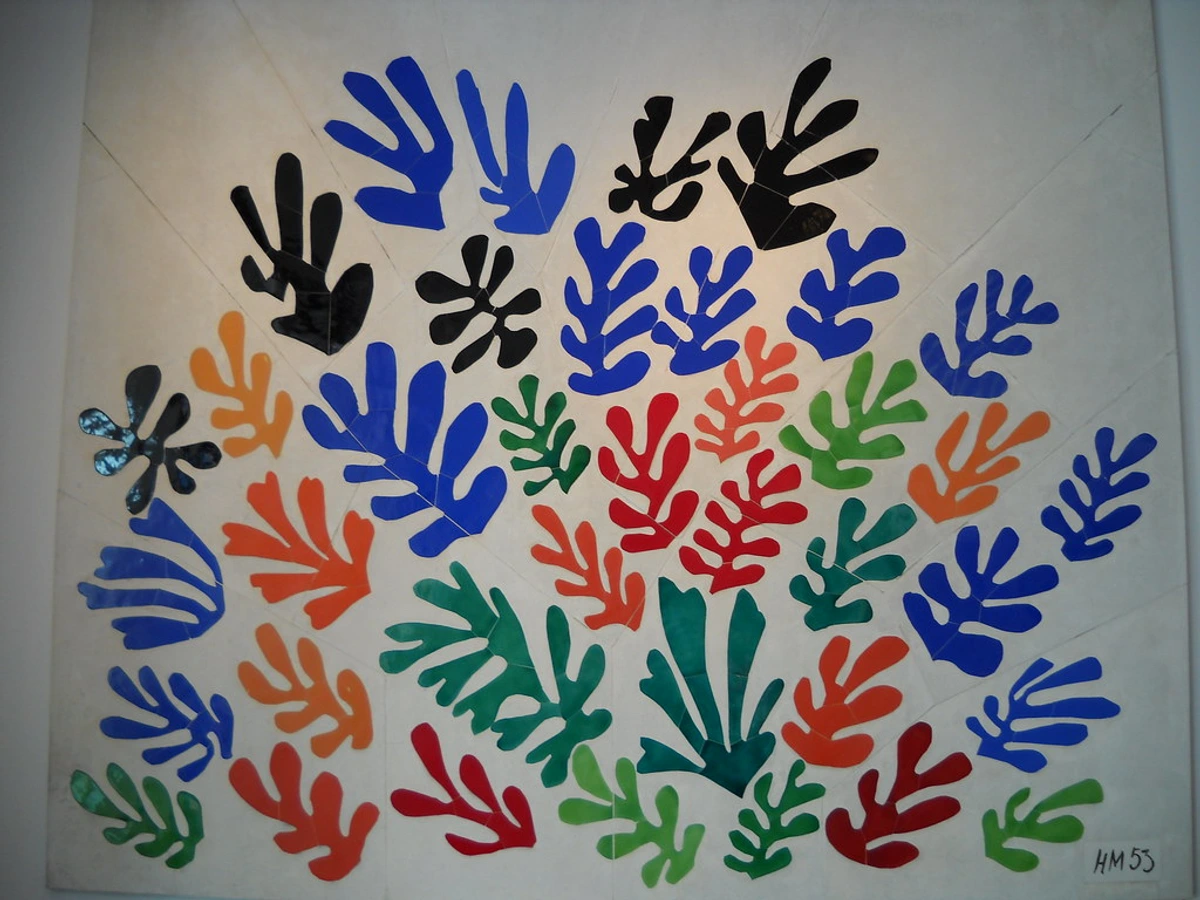
From there, collage has only diversified, proving its enduring adaptability. From the vibrant, simplified forms of Henri Matisse’s famous "cut-outs" late in his life—which, let's be honest, are some of my absolute favorites and a perfect example of collage at its purest (I sometimes imagine him, scissors in hand, lost in thought, creating those incredible shapes, much like his ultimate-guide-to-henri-matisse legacy, and for me, they always speak of pure joy and liberated form). Beyond these, collage elements have appeared in Futurism's dynamic compositions, Expressionism's raw emotionality (ultimate-guide-to-expressionism), and Postmodernism's deconstruction of media.
Today, artists continue to push boundaries, incorporating digital tools, massive scale, and installation work. They often leverage collage to address pressing global issues, creating powerful socio-political commentaries, or to explore deeply personal narratives. Its flexibility allows it to adapt to any artistic message.
Digital Collage & New Horizons
The digital realm has opened up boundless possibilities. Artists can create seamless, hyper-realistic composites or wildly abstract, fragmented dreamscapes, limited only by their digital dexterity and imagination. Digital collage also opens doors to techniques like "glitching," where deliberate digital errors create striking, unexpected visual effects, or even AI-assisted collage, where algorithms help generate or combine elements (though I remain skeptical of purely AI-generated art; the human hand and intent are, for me, irreplaceable). David Hockney famously experimented with "joiners"—photographic collages that create fragmented, cubist-like views of landscapes and portraits, anticipating digital montage. For more on this, check out the rise of digital abstract art.
Collage as Social & Political Commentary
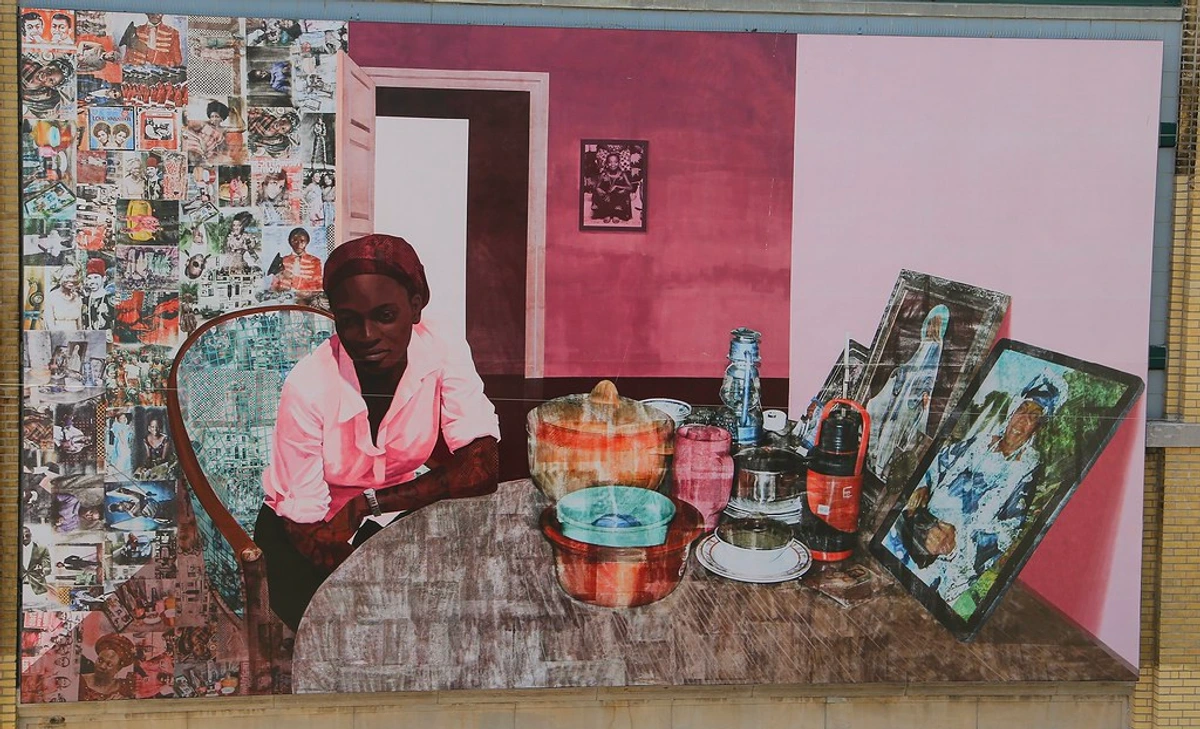
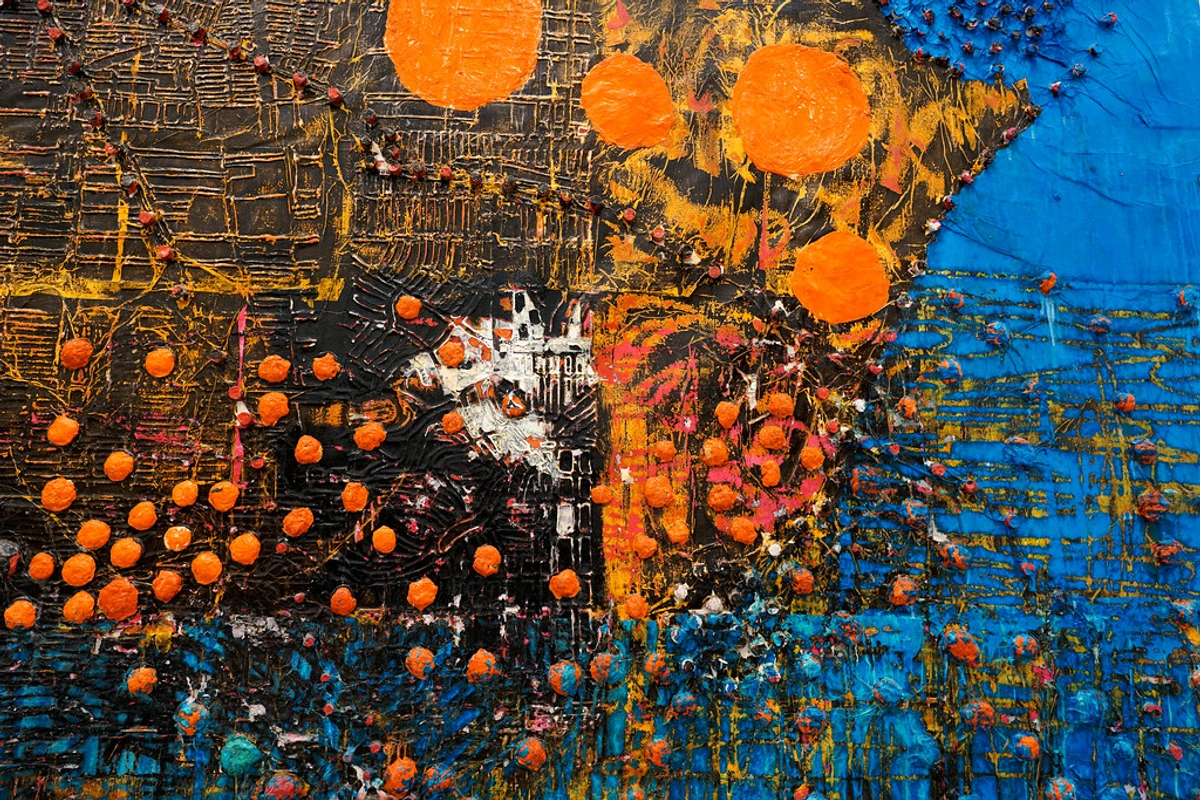
Many contemporary artists leverage collage for powerful socio-political statements. Jean-Michel Basquiat, a brilliant ultimate-guide-to-jean-michel-basquiat figure, for instance, often combined drawings, text, and found objects in his raw, expressive works, echoing the spirit of collage to critique power structures and explore identity. Kara Walker masterfully uses stark silhouette cut-outs to explore themes of race, gender, and history in the American South, creating powerful, unsettling tableaux. Njideka Akunyili Crosby merges photo transfers, paint, and fabric to explore identity and diaspora, showing just how rich and personal the medium can be. El Anatsui creates monumental sculptural tapestries from discarded metal (like bottle caps), transforming waste into shimmering, politically charged artworks, while street artist Banksy often uses layered stencils and integrates existing urban elements to create site-specific, critical collages in public spaces. Beyond the gallery, collage has a vibrant history in zines and independent publishing, where artists and activists use fragmented imagery to self-publish powerful, often counter-cultural, messages, fostering underground communities and social change.
Minimalist & Conceptual Approaches
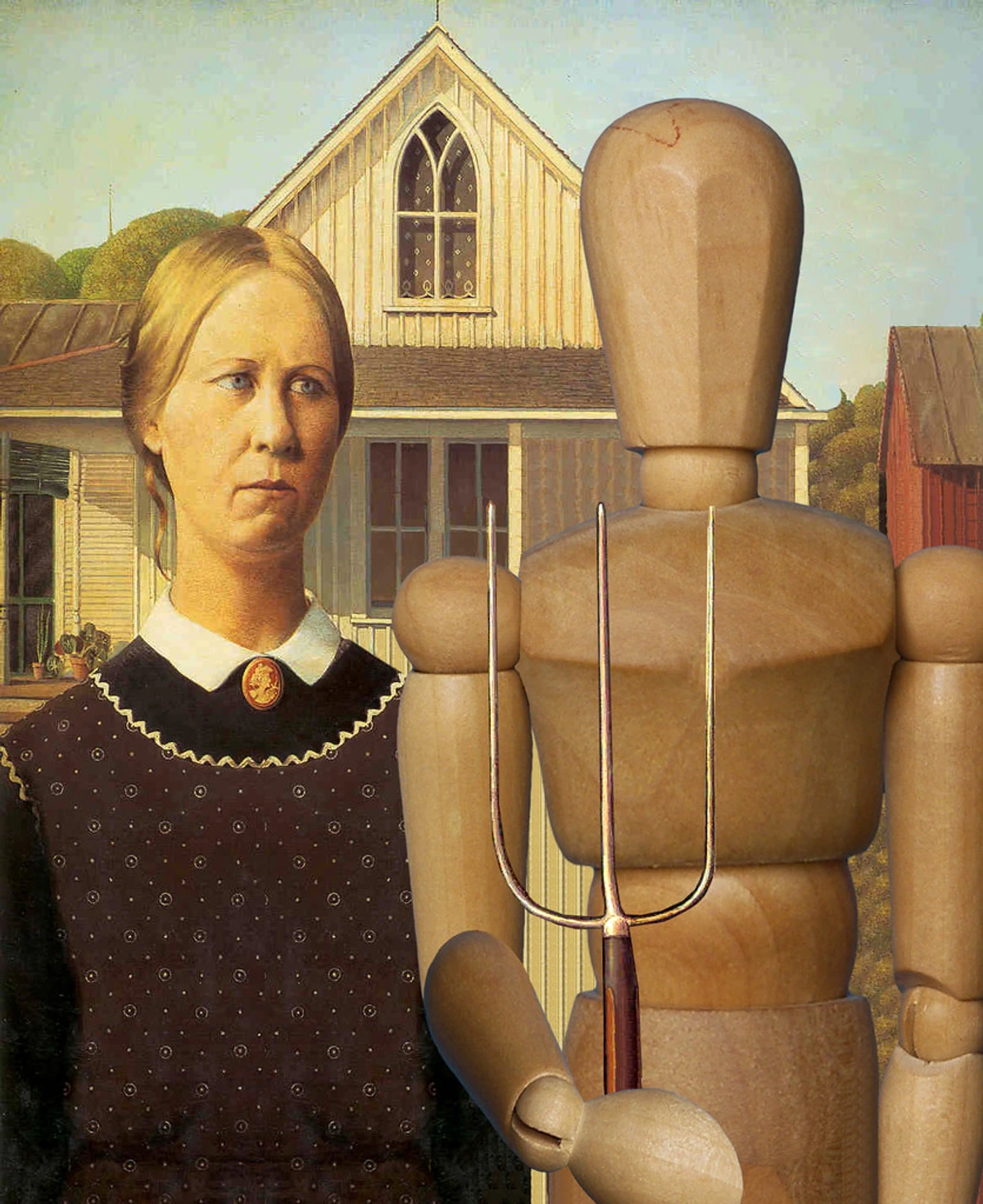
Some contemporary artists use collage with minimalist intent, achieving profound impact with very few, carefully chosen elements. John Stezaker continues the Surrealist tradition, creating unsettling and elegant juxtapositions from found photographs, often with simple cuts that speak volumes. Tom Sachs is known for his meticulous, sculptural assemblages and collages, often referencing consumer culture and space exploration with an ironic, conceptual edge.
Evolution of Collage: Key Movements and Innovations
Movement / Era  | Key Collage Contribution | Key Artists (Collage Focus) | Typical Materials & Approach |
|---|---|---|---|
| Pre-20th C. Echoes | Early forms of material assembly, decoration, and repurposing; folk art, scrapbooking. | (Various anonymous craftspeople) | Shells, textiles, natural elements, paper fragments in manuscripts, domestic ephemera. |
| Cubism (1912+) | Invention of papier collé and collage, integrating everyday objects (newsprint, chair caning) into fine art, blurring reality and representation. | Picasso, Braque | Newsprint, patterned paper, oilcloth, fabric. |
| Dada (1916+) | Pioneered photomontage as a tool for political satire and social critique; elevation of everyday detritus. | Hannah Höch, Kurt Schwitters | Photomontage (Höch), found trash & ephemera (Schwitters' "Merz"). |
| Surrealism (1920s+) | Creation of dreamlike, unsettling juxtapositions through precise combination of disparate images, exploring the subconscious. | Max Ernst | Old engravings, photographs, often meticulously cut/rearranged. |
| Found Object / Assemblage / Arte Povera (1950s+) | Blurring painting/sculpture by incorporating 3D objects; elevating discarded items to art. | Robert Rauschenberg, Louise Nevelson, Joseph Cornell | Stuffed animals, tires, quilts (Rauschenberg), wood scraps (Nevelson), trinkets in boxes (Cornell), industrial scraps (Arte Povera). |
| Pop Art (1950s+) | Commented on consumer culture and mass media by appropriating and reassembling advertising/magazine imagery. | Richard Hamilton, Eduardo Paolozzi, Andy Warhol | Magazine clippings, advertisements, popular culture imagery. |
| Contemporary (1980s+) | Diversification into digital, large-scale, mixed media; exploration of identity, memory, politics, glitch art. | Jean-Michel Basquiat, Njideka Akunyili Crosby, Kara Walker, El Anatsui, Banksy, Mark Bradford, Wangechi Mutu, Tom Sachs | Found objects, paint, photo transfers, fabric, digital images, text, discarded metal, stencils, pixels. |
Mastering Collage: Techniques, Materials, & Starting Your Journey
One of the things I love most about collage is its endless adaptability. It’s not just one thing; it's a family of techniques, each with its own flavor and possibilities. These methods offer artists a vast palette for expression, constantly inviting new approaches.
Collage Techniques at a Glance
Technique | Core Concept | Materials | Key Characteristics |
|---|---|---|---|
| Analog (Cut-and-Paste) | Assembling paper elements by hand. | Paper (magazines, photos, books), glue. | Tactile, direct, limited by found materials, celebrates imperfections. |
| Assemblage | Compiling 3D objects into sculptural works. | Found objects (metal, wood, trinkets), strong adhesives. | Dimensional, textural, brings new meaning to discarded items. |
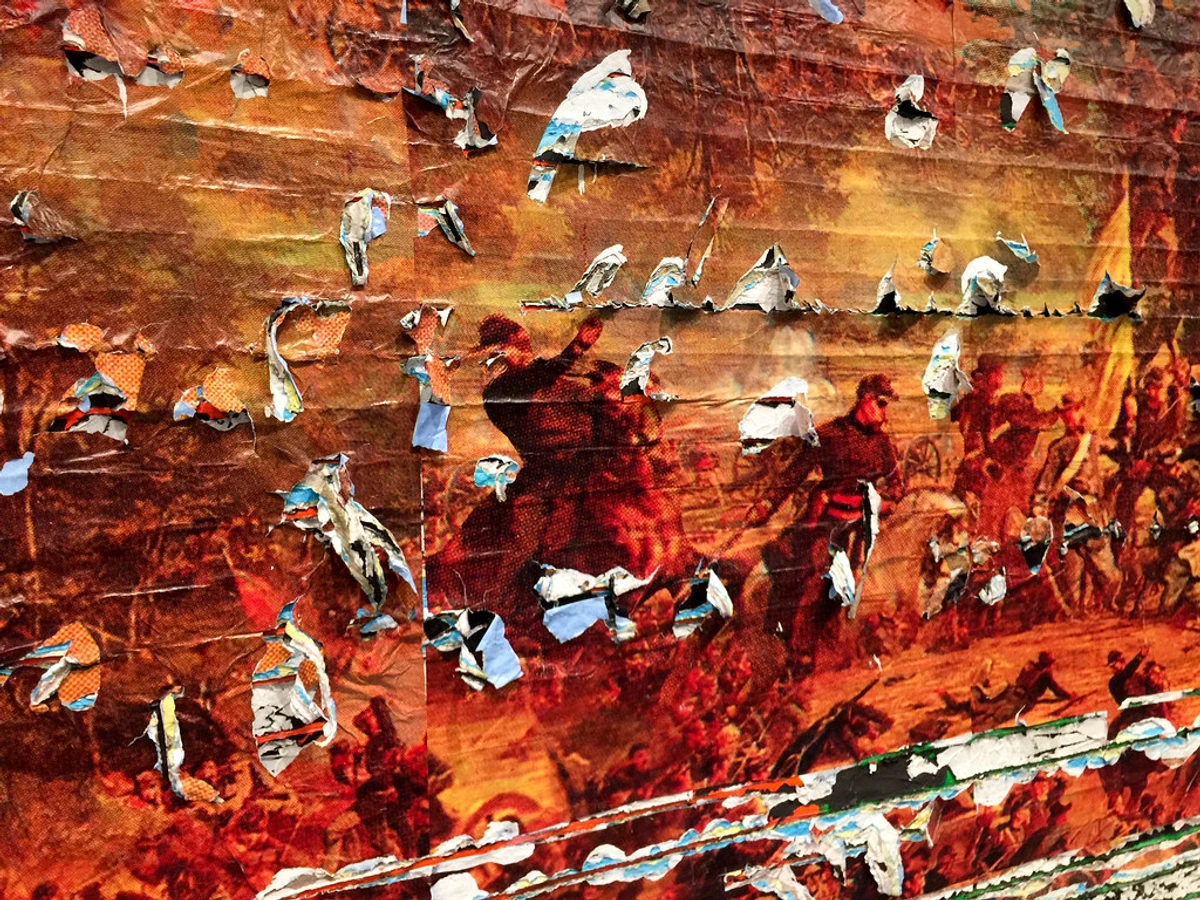
| Decollage | Tearing away layers to reveal what's beneath. | Layered posters, paper. | Reveals history, unexpected beauty through destruction, archaeological. |
| Frottage | Rubbing textures onto paper to create impressions. | Paper, textured surfaces (wood, lace), pencil/crayon. | Subtle, textural, dreamlike, collects physical world textures. |
| Digital Collage | Combining/manipulating images using software. | Digital images, software (Photoshop, Procreate). | Precision, infinite layers, vast resources, easy experimentation. |
| Mixed Media Collage | Integrating collage elements with other art forms. | Any combination (paint, drawing, fabric, collage). | Multifaceted, rich dialogue between different artistic languages. |
Traditional Cut-and-Paste (Analog Collage)
This is probably what first springs to mind: cutting images and text from paper sources (magazines, newspapers, old books, photographs) and gluing them onto a surface. It's wonderfully tactile, and the limitations (what you can find) often spark the most ingenious solutions. It's a bit like a treasure hunt, don't you think? There’s an undeniable charm in the slight imperfections of a hand-cut edge or the subtle texture of aged paper. This hands-on approach allows for a direct, intuitive connection with the materials, making the creation process as engaging as the final artwork. For cleaner edges, a sharp utility knife and a cutting mat are your best friends, while intentional tearing can add a raw, expressive quality.
Assemblage: Bringing Objects to Life
Beyond flat paper, assemblage takes collage into the third dimension. This technique involves compiling and arranging three-dimensional objects, often "found objects," into a sculptural work. Think of it as a collage you can walk around, or one that projects dramatically from a surface. Found objects are significant because they come with their own history, texture, and inherent meaning, allowing the artist to evoke specific memories or associations without having to create them from scratch. It speaks to our deep connection with the physical world, finding beauty and meaning in the discarded. I've always found something profoundly poetic about giving new life to forgotten things, transforming what was once overlooked into a focal point of contemplation. Consider the works of Robert Rauschenberg, whose "combines" famously incorporated everything from stuffed birds to automobile tires, pushing the boundaries of what art could be. For a deeper dive, check out what is assemblage art.
Decollage: The Art of Taking Away
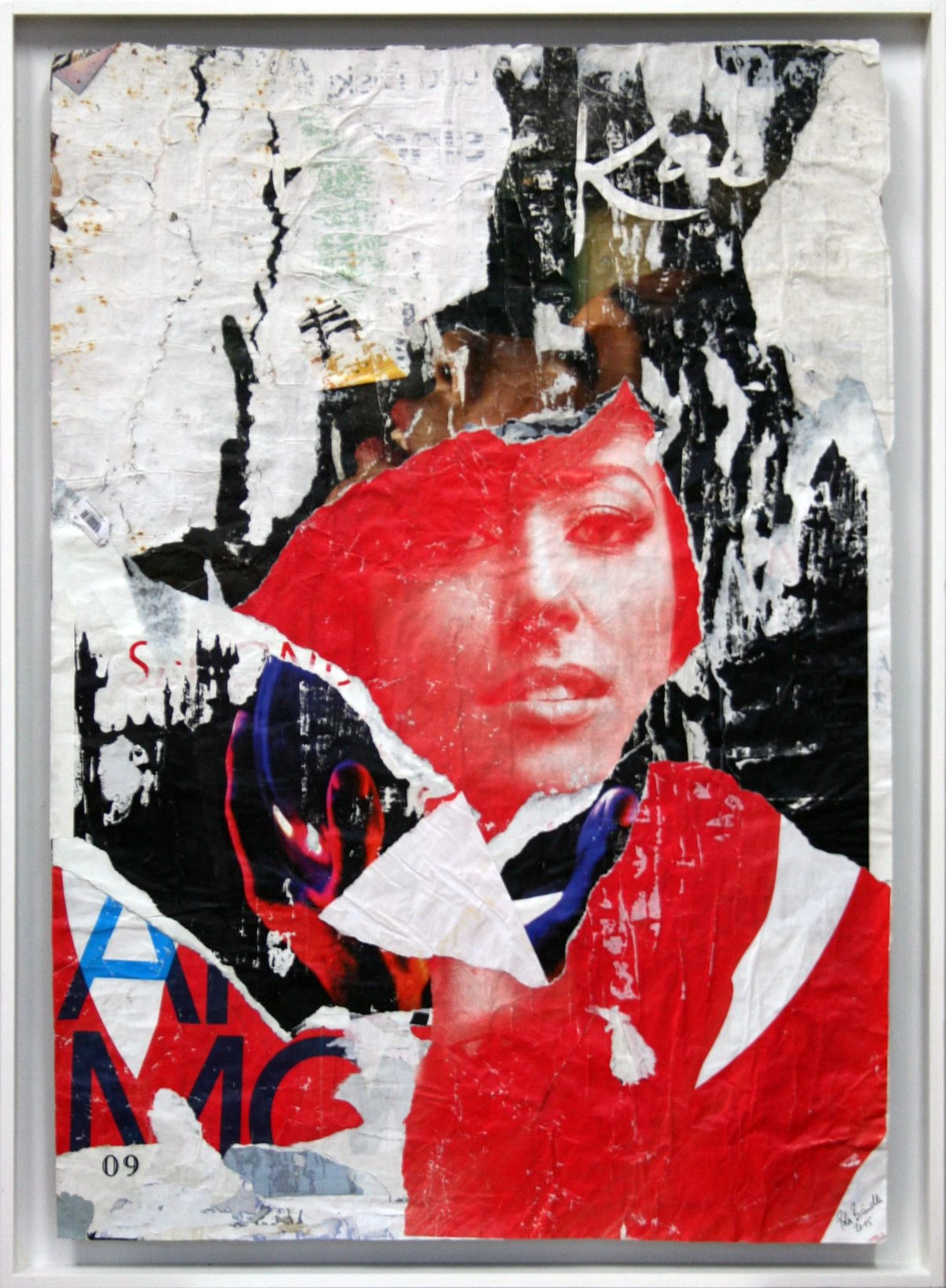
But collage isn't just about adding; it can also be about revealing what lies beneath. That's decollage. This technique, often associated with artists like Raymond Hains and Mimmo Rotella, involves tearing away layers of posters or paper to reveal fragments of what lies beneath. Imagine a weathered billboard in an urban environment, its layers peeling back to expose glimpses of old advertisements and text from decades past. It's like archaeological art, digging through layers of cultural debris, or peeling back layers of old wallpaper to find glimpses of previous eras. I find it fascinating how the act of destruction can lead to a new form of creation, revealing histories and unexpected beauty in what's uncovered. It's a concept that resonates deeply with the spirit of ultimate-guide-to-expressionism, where raw emotion often dictates form. For a deeper dive into this unique process, explore a guide to the decollage art technique.
Frottage: Textures from the Unseen
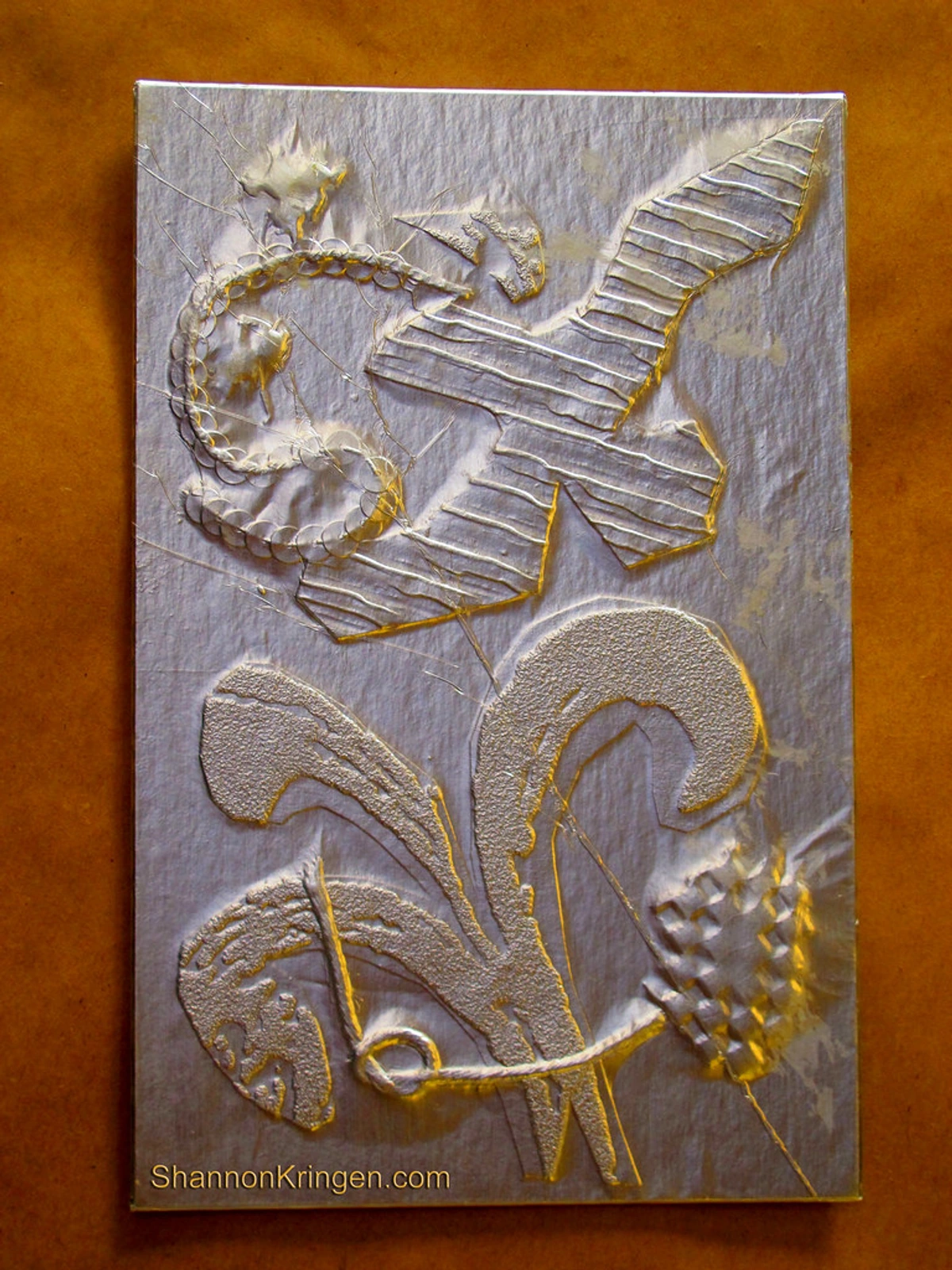
Now, for a more subtle, tactile technique that often complements collage: frottage. Coined by Surrealist artist Max Ernst, frottage involves placing a piece of paper over a textured surface (like wood grain, lace, or even a coin) and rubbing a pencil or crayon over it to pick up the texture. The resulting impression can then be incorporated into a collage, either as a background, a new visual element, or to add a ghostly, dreamlike quality. It's a way of "collecting" textures from the physical world and transforming them into artistic marks, much like collecting images for a traditional collage, infusing the work with a subtle, almost ethereal layer.
Digital Collage: The Infinite Canvas
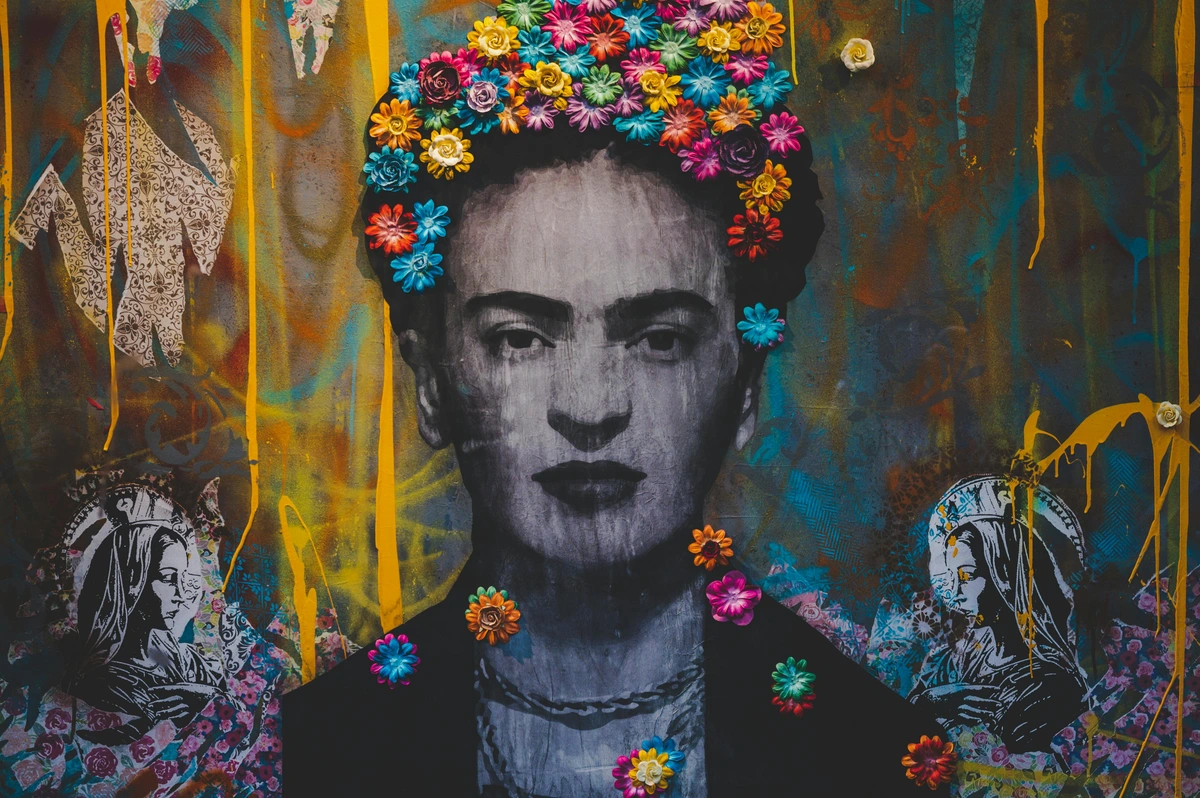
And then there's the modern iteration: digital collage. Using software to combine and manipulate images offers a whole new realm of possibilities, freeing artists from the physical limitations of cutting and pasting. While I adore the tactile nature of traditional collage, the digital space allows for incredible precision, infinite layers, easy experimentation (with undo buttons, thank goodness!), and the ability to work with a vast array of sourced images without physical storage. Tools like Adobe Photoshop are fantastic for intricate photo manipulation and seamless blending, offering features like layer masks to non-destructively combine elements and blending modes to create unique interactions between layers. Procreate provides a more intuitive, hand-drawn feel, integrating digital painting with collage elements, while Canva offers user-friendly templates for quick, graphic-design-oriented collages. These tools democratize the medium further, opening it to anyone with a computer or tablet and an idea. Artists can create seamless, hyper-realistic composites or wildly abstract, fragmented dreamscapes, limited only by their digital dexterity and imagination. I remember a particularly frustrating evening trying to align tiny paper scraps for a complex geometric pattern—a task that would have taken mere minutes, and an undo button, in Photoshop! Digital collage also opens doors to techniques like "glitching," where deliberate digital errors create striking, unexpected visual effects, or even AI-assisted collage, where algorithms help generate or combine elements (though I remain skeptical of purely AI-generated art; the human hand and intent are, for me, irreplaceable). For more on this, check out the rise of digital abstract art.
Mixed Media Collage: Beyond Paper
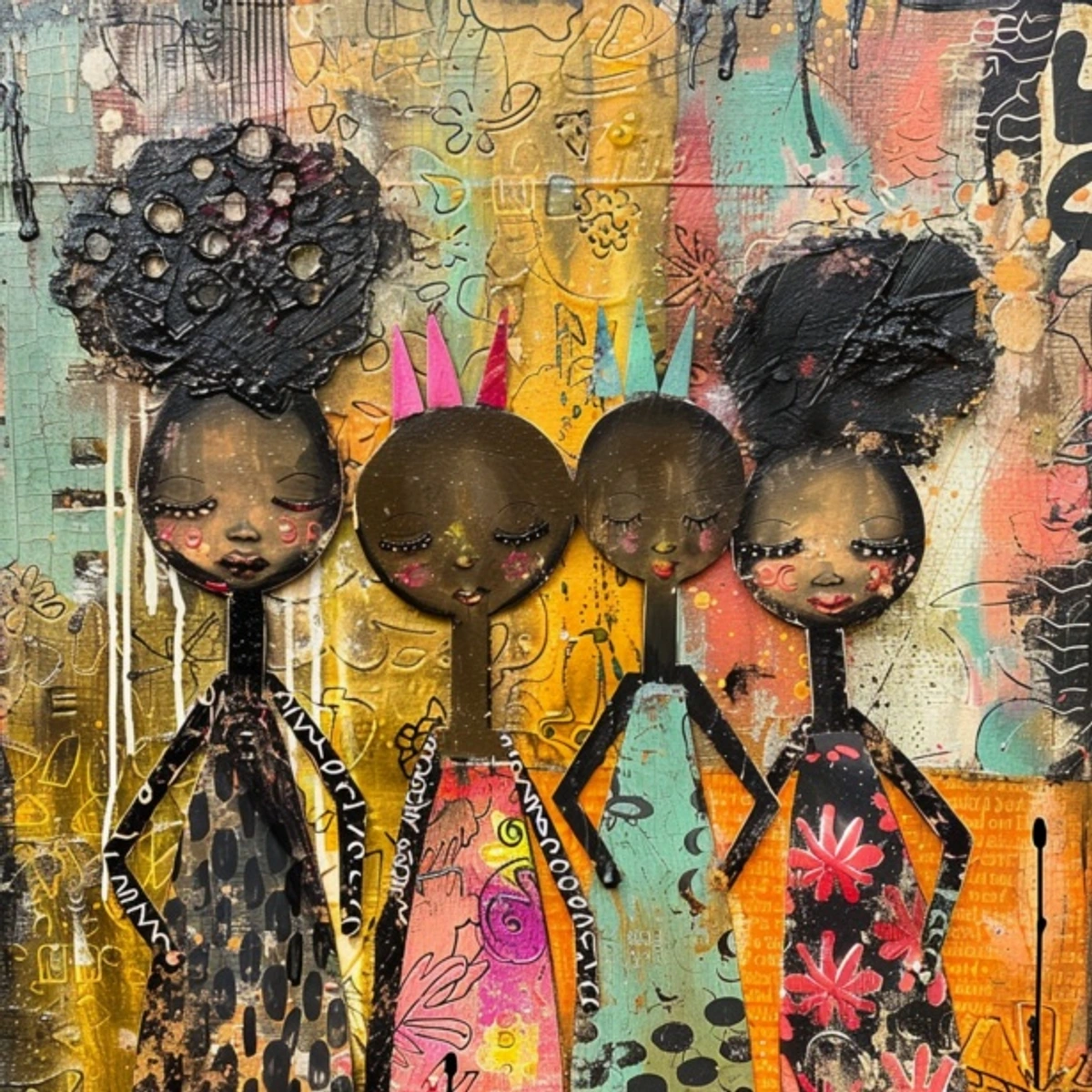
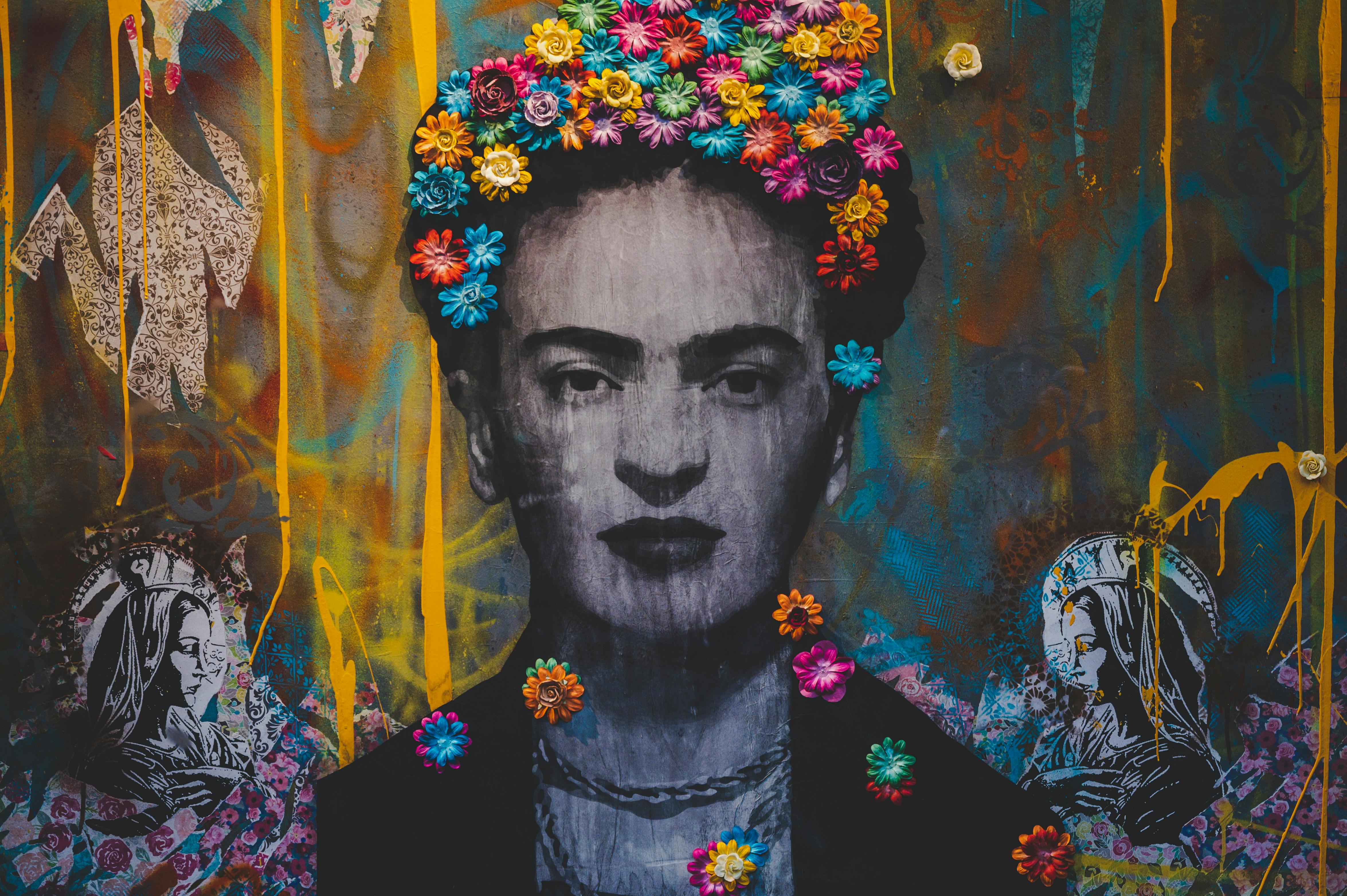
Collage is rarely an island. Often, it's integrated into broader mixed media artworks, where cut-and-paste elements are combined with painting, drawing, printmaking, or even sculptural components. This allows artists to blend the flat, graphic qualities of collage with the expressive depth of paint or the textural richness of fibers. A mixed media collage might feature painted backgrounds layered with photographic transfers, hand-drawn elements, and then finished with intricate stitching. This approach truly showcases collage's versatility, allowing for a multifaceted dialogue between different artistic languages within a single piece. To learn more about this exciting fusion, read our definitive guide to mixed media in abstract art.
Exploring Source Material: The Treasure Hunt
Part of the magic of collage is the hunt for the perfect raw materials. Beyond general thrift stores and recycling bins, consider these specific avenues for unique visual elements:
- Vintage Publications: Old scientific journals, botanical guides, fashion magazines (especially from specific decades), architectural digests, and travel brochures offer distinct aesthetic qualities, typography, and imagery. Look for them at antique shops, specialized book dealers, and online vintage marketplaces.
- Public Domain Digital Archives: The Metropolitan Museum of Art's Open Access, the Rijksmuseum, the Library of Congress digital collections, and the Biodiversity Heritage Library are treasure troves of high-resolution, copyright-free images perfect for digital or print-and-cut collage. These can be particularly useful for historically or scientifically themed works.
- Ephemera Dealers: For unique, often one-of-a-kind paper goods like old tickets, invoices, stamps, letters, and postcards, specialized ephemera dealers (both online and at antique fairs) can provide rich, textured fragments imbued with history.
- Natural Elements: Don't overlook the natural world. Pressed flowers, dried leaves, interesting bark fragments, sand, or small pebbles can add organic texture and a connection to nature. Just ensure they are properly dried and sealed to prevent decay.
- Your Own Creation: Sometimes the best source material is what you make yourself – old drawings, failed paintings, test prints, or even personal photographs. These bring an undeniable intimacy and narrative directly from your own life.
Materials and Adhesives: Your Creative Arsenal
What truly makes collage endlessly versatile is the sheer breadth of materials you can employ. It's an artist's dream of anything-goes experimentation. Here's a brief dive into your potential creative arsenal for making collage art:
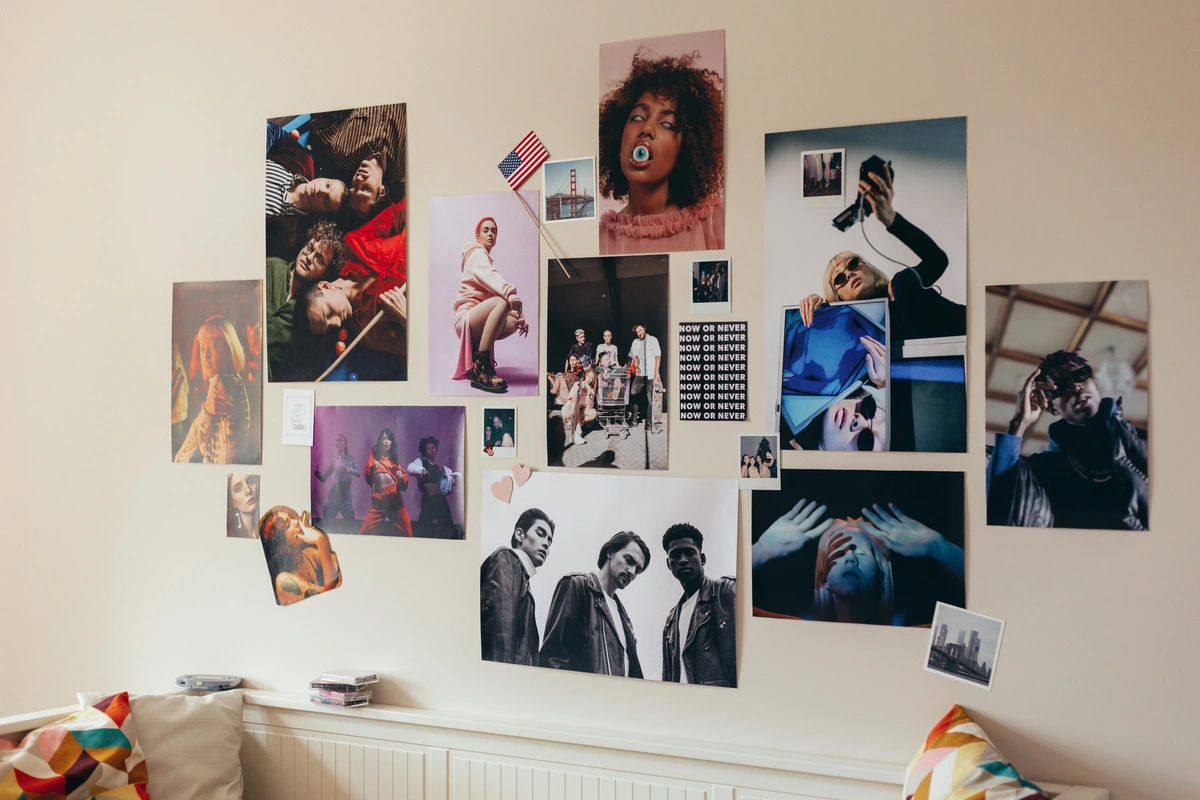
- Paper, Glorious Paper: Beyond magazines and newspapers, think about old books (especially those with interesting typography or illustrations), vintage postcards, maps, sheet music, patterned scrapbooking paper, handmade papers, textured cardstock, or even your own drawings and prints. Each type brings a unique texture and history. When sourcing, explore thrift stores, antique shops, public domain digital archives (like the Metropolitan Museum of Art's Open Access or the Rijksmuseum), or even just your recycling bin. The possibilities are genuinely endless. For durability and specific effects, consider different paper types: lightweight newsprint for translucency, heavy cardstock or Bristol board for sturdy backgrounds, and watercolor paper for a textured base that can handle wet media without buckling. Always aim for acid-free papers for longevity.
- Fabrics and Textiles: Fabric scraps, lace, ribbon, yarn, burlap, or even pieces of old clothing can add incredible tactile depth and a sense of warmth or nostalgia. The way fabric drapes or frays introduces an organic quality, softening hard edges or adding a surprising, comforting element. Consider using fabric glue for a strong, flexible bond.
- Found Objects & Ephemera: This is where the hunt begins! Beyond generic examples, think of categories like Industrial Salvage (gears, metal scraps, wires), Natural Elements (dried leaves, sand, feathers, bark, pressed flowers), Discarded Paper Goods (receipts, ticket stubs, old envelopes, stamps), Electronic Waste (circuit boards, broken components), Medical Discards (old vials, labels – handle with care!), or personal ephemera (old letters, bits of jewelry). Their inherent history adds layers of meaning. For heavier objects, you'll need stronger adhesives or even mechanical fasteners. The story embedded in a found object can be far more powerful than any you could create from scratch, transforming what was once trash into an unexpected treasure. I remember once trying to glue a small, rusty key onto a piece of delicate paper, only for it to repeatedly fall off. A quick switch from a glue stick to a strong epoxy made all the difference, reminding me that the right tool truly is half the battle.
- Photographs: Personal photos, vintage portraits, or images from public domain archives can be powerful narrative devices, inviting viewers into specific moments or evoking a sense of memory. These directly connect with reality, offering a potent starting point for transformation.
- Adhesives: The Unsung Heroes: Your choice of glue is crucial for both execution and longevity. For paper, a good quality glue stick is convenient for quick, clean applications, but for stronger, archival bonds, consider PVA glue (like Mod Podge), which is excellent for both adhering paper/fabric and sealing/finishing, offering good flexibility. Archival liquid glues (always look for "acid-free") won't yellow or degrade your materials over time. Spray adhesive offers a smooth, even application for larger areas but requires good ventilation and careful masking to protect other parts of your work. Wheat paste is a traditional, inexpensive, and very robust option, especially for large-scale outdoor work or adhering fabric, and is often considered eco-friendly. For heavier objects in assemblage, you might need a stronger epoxy, super glue, or hot glue, carefully considering their curing time, structural strength, and potential to affect delicate materials. Always aim for acid-free options to ensure your work stands the test of time and doesn't yellow or degrade.
Compositional Elements in Collage: Crafting Visual Harmony
While collage revels in fragmentation, thoughtful composition is what elevates it from a jumble to a cohesive artwork. Paying attention to these fundamental elements of art and design can dramatically enhance your collage:
- Line: The edges of your cut-outs or torn paper create lines, which can be sharp, jagged, organic, or geometric. Use them to direct the viewer's eye, create boundaries, or imply movement. Think about how a bold, straight line from a newspaper edge contrasts with the soft, curved edge of a torn photograph.
- Shape: Collage is inherently about shapes – the positive and negative forms created by your chosen elements. Consider how abstract shapes interact with recognizable figures, or how repeated shapes create rhythm and unity. The interplay of organic and geometric shapes can create visual tension or harmony.
- Color: A limited color palette can unify disparate elements, even if their content is varied. Consider the emotional impact of different colors and how they interact. A splash of bright red amidst muted tones can create a powerful focal point. To craft a cohesive palette from found materials, try separating your scraps into warm and cool tones, or by dominant hue, before you start. Sometimes, adding a unifying wash of translucent paint or ink over certain areas can tie everything together visually.
- Texture: This is where collage truly shines. The tactile differences between glossy magazine paper, rough burlap, smooth photographs, or even found objects add incredible depth. Think about how to juxtapose contrasting textures to create visual interest and tactile richness.
- Space: Both positive space (the areas occupied by your elements) and negative space (the empty areas around them) are crucial. Use negative space to give your elements room to breathe, or to create a sense of tension and compression by filling the canvas densely. Varying the depth through layering and overlapping creates a sense of three-dimensional space.
- Balance: A well-balanced collage feels stable and harmonious. This doesn't mean symmetrical; asymmetrical balance, where elements of varying visual weight are distributed to feel even, is often more dynamic. Consider the size, color, and density of your elements. Read our guide on understanding balance in art composition.
- Focal Point: Guide the viewer's eye by creating one or two areas of interest. This could be achieved through strong contrast in color, size, or detail, or by strategically placing a particularly compelling image. A strong focal point prevents the collage from feeling scattered.
By consciously manipulating these elements, you move beyond merely sticking things down and begin to orchestrate a visual symphony that communicates your artistic intent with power and clarity.
Getting Started with Collage: Your First Steps!
Feeling inspired but unsure where to begin? You absolutely can, and should! Collage is one of the most accessible art forms. Here’s a quick guide to kickstart your creative journey:

- Find Your Spark: Don't aim for a masterpiece right away. Start by finding a theme that resonates—a particular emotion, a memory, a color scheme you love, or even just a compelling image you've found. What stories do you want to tell, or what feelings do you want to evoke? Don't be afraid to start simple.
- Gather Your Arsenal: Grab old magazines, newspapers, postcards, fabric scraps, personal photos, found objects, or even printed digital images—anything that catches your eye and sparks an idea. Thrift stores, flea markets, and public domain image archives are treasure troves. The beauty is, you don't need fancy art supplies; your recycling bin and junk drawer are full of potential!
- Basic Tools of the Trade: Beyond scissors, consider a utility knife and a cutting mat for precise cuts, a ruler for straight lines, and a bone folder for crisp folds and smoothing. Your chosen adhesive is crucial: a good quality glue stick is fantastic for beginners for quick, clean applications. For more lasting results, or for fabric, consider PVA glue like Mod Podge. Always aim for acid-free options to ensure your work lasts.
- Choose Your Surface: A sturdy surface is key to prevent buckling, especially with wet glues. Think heavy cardstock, Bristol board, a wood panel, or stretched canvas. The size and rigidity of your surface should match the weight and dimension of your materials.
- Play Before You Glue (Crucial Step!): This is where the magic happens. Arrange and rearrange your elements without gluing anything down. Explore different juxtapositions, layering possibilities, and compositions. Take photos of different layouts to compare and refine your vision. You'll intuitively start to see what works and develop your aesthetic. Don’t overthink it initially; sometimes the art emerges from the play.
- Secure & Seal: Once you’re happy with the arrangement, carefully glue everything down, applying adhesive evenly from the center outwards to minimize buckling. Press firmly. For longevity, especially if you plan to display it, consider applying a clear, archival sealant or varnish over the finished piece. This protects against dust, UV light, and environmental damage. Let it dry completely under a heavy, flat object (like a stack of books separated by wax paper) to ensure it stays flat.
Collage in Graphic Design and Beyond
Collage's influence extends far beyond fine art, permeating various other creative fields.
Collage in Graphic Design and Illustration
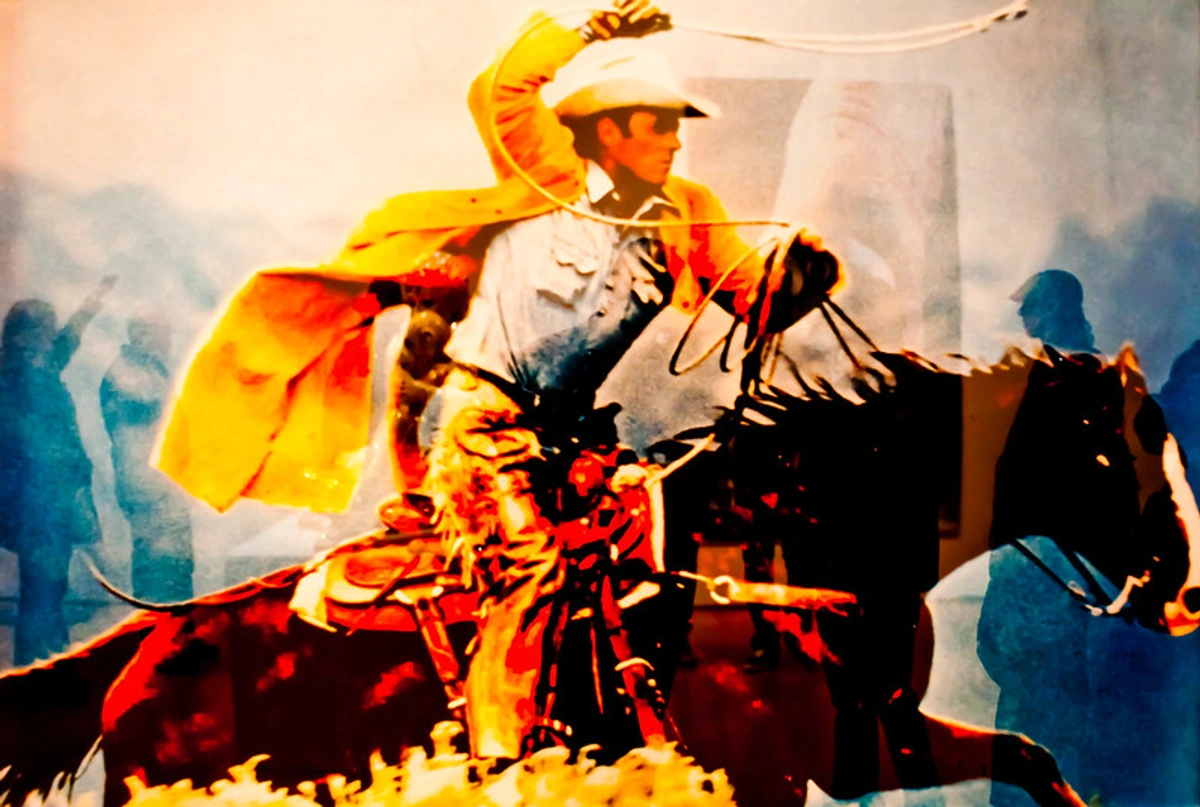
Beyond the fine art world, the principles and aesthetics of collage are deeply embedded in graphic design and illustration. Designers often use collage techniques to create compelling advertisements, book covers, album art, editorial layouts, and even brand identities. It allows for the dynamic juxtaposition of typography, photography, and hand-drawn elements, creating a rich visual language that grabs attention and conveys complex ideas efficiently. Think of the bold, fragmented layouts of Brutalist graphic design, the eclectic, layered aesthetic of psychedelic posters from the 60s, or contemporary brand identities that blend photography with abstract shapes. Iconic examples include Jamie Reid's album art for the Sex Pistols, which aggressively used torn text and imagery, or the intricate movie posters of Saul Bass. It's a testament to the medium's versatility and enduring appeal in commercial and creative fields, proving that this art form is as practical as it is profound. This collagist sensibility also finds its way into architecture and interior design, from conceptual mood boards that layer textures and images to the use of patchwork patterns in textiles and wallpapers, or even the assemblage of diverse materials in building facades, creating a layered, narrative aesthetic.
Collage in Other Media: Beyond the Canvas
- Film and Video: Montage, the cornerstone of film editing, is essentially a form of cinematic collage, juxtaposing shots to create new meaning or emotional impact. Think of the rapid cuts in a suspenseful scene or the associative editing in a documentary. Experimental filmmakers and music video directors often employ literal visual collage techniques, layering footage and graphics to create dreamlike or disorienting effects.
- Music Production: The practice of sampling in music, where existing audio fragments are re-contextualized into new compositions, is a direct sonic parallel to collage. From hip-hop to electronic music, artists construct entirely new soundscapes by layering and manipulating snippets of older recordings.
- Literature and Poetry: Experimental writers have used techniques akin to collage for centuries. Cut-up poetry (famously used by William S. Burroughs), where text is physically cut and rearranged, creates new narratives and challenges traditional literary structures. Even narrative structures that jump between viewpoints or timelines can be seen as a form of literary collage.
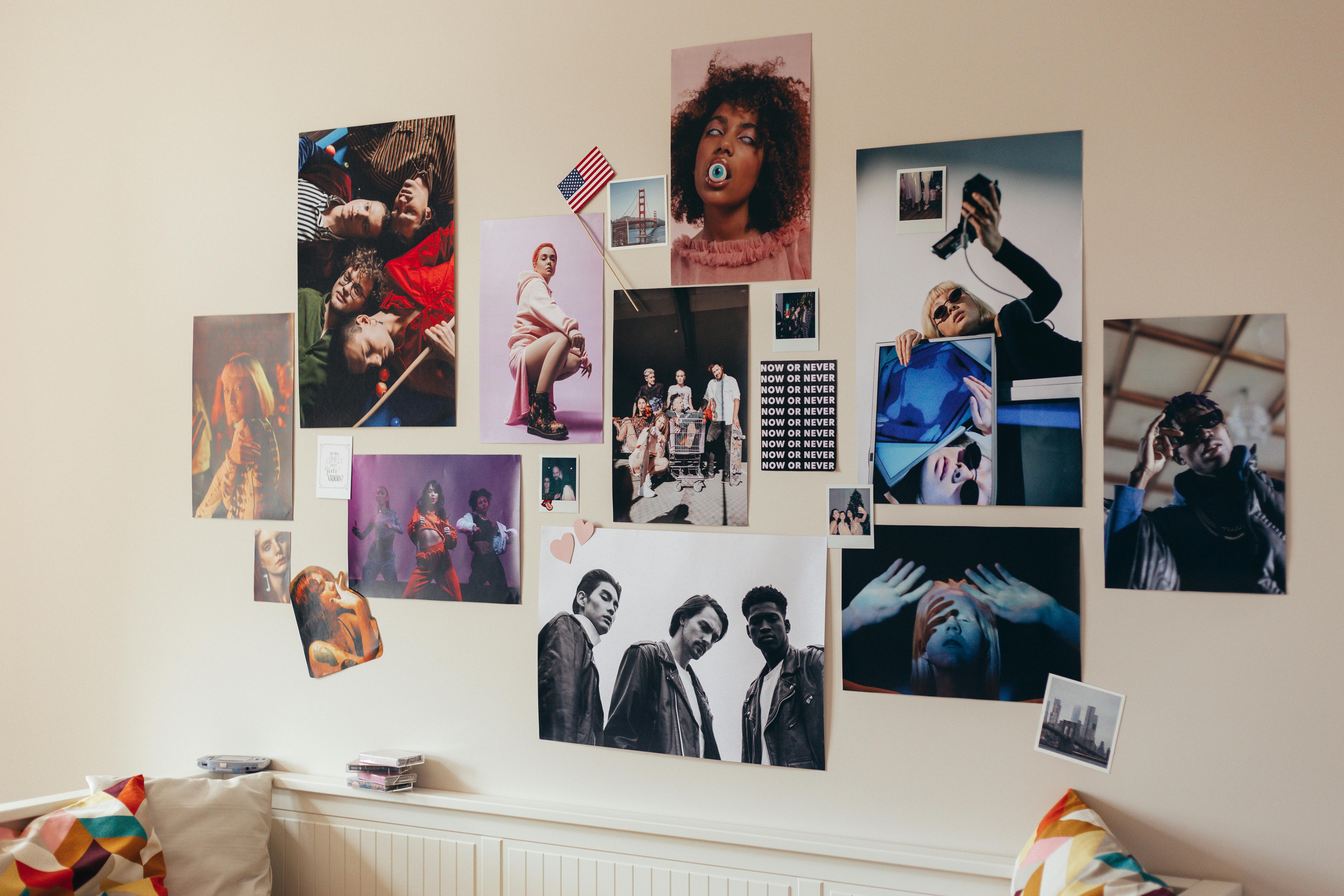
- Fashion Design: Designers often create mood boards (visual collages of images, fabrics, and textures) to conceptualize collections. Some even incorporate literal collage elements into their garments, applying patches, mixed fabrics, or found objects.
This broad reach demonstrates that the core principles of decontextualization, juxtaposition, and transformation are fundamental to human creativity across disciplines.
Ethical & Copyright Considerations in Collage Art
As much as collage thrives on appropriation, it's worth a brief pause to consider the ethical landscape, especially in our increasingly digital and interconnected age. When using existing images and materials, artists often navigate complex questions of copyright and fair use. While personal use and demonstrably transformative art often fall under fair use principles, understanding the source of your materials – whether public domain, royalty-free, or copyrighted – becomes paramount, particularly if you plan to sell or publicly exhibit your work. It's also important to acknowledge the broader concept of Appropriation Art, an artistic movement that deliberately re-uses existing images or objects with little or no transformation, primarily to comment on the original work, its context, or society at large.
The spirit of collage is to transform, to create something new, but it’s always a good practice to be mindful of the original creators and the context of the images you're borrowing. Transformative use is key in fair use arguments: does your collage significantly alter the original material's character, meaning, or aesthetic? Is it adding new expression, meaning, or message? For example, simply reprinting a copyrighted image on a canvas is likely not transformative. However, taking that same image, cutting it into pieces, juxtaposing it with unrelated elements, adding paint, and altering its context to create a new, satirical commentary on consumerism or intellectual property is generally considered more transformative. The former is merely re-presenting; the latter is adding a new message. Always consider if your use could negatively impact the market for the original work.
When using images of recognizable individuals, especially living ones, or distinct brand logos, additional ethical considerations arise beyond copyright. While fair use might protect a satirical commentary (e.g., using a celebrity's image to lampoon media obsession), using someone's likeness or a trademark for commercial gain without permission can lead to other legal issues (e.g., right of publicity, trademark infringement). Similarly, be mindful of cultural appropriation; borrowing imagery or symbols from a culture not your own without understanding or respecting their original context can be problematic and disrespectful. This also extends to using images of sensitive historical events or individuals without proper contextualization or respect for the subjects involved. The goal is always to create art that engages, not exploits.
To navigate this, actively seek out public domain images (works where copyright has expired, often pre-1920s in the US, or those explicitly released into the public domain) or openly licensed content (like Creative Commons licenses). It's important to understand the nuances: CC BY requires attribution, CC BY-SA (ShareAlike) allows sharing and adaptation with attribution if derivatives are shared under the same license, CC BY-NC (NonCommercial) prohibits commercial use, and CC BY-NC-ND (NonCommercial-NoDerivatives) prohibits commercial use and the creation of derivative works. Resources like the Library of Congress digital collections, Wikimedia Commons, the Metropolitan Museum of Art's Open Access, the Rijksmuseum archives, and the Biodiversity Heritage Library are treasure troves. When in doubt, creating your own source material, commissioning work, or using royalty-free stock images minimizes risk. It’s also crucial to be respectful when using images of living individuals or recognizable brands, as their likeness or trademarks might have separate protections and ethical implications beyond copyright law.
And what about the fascinating, yet sometimes contentious, realm of AI-generated imagery? As artists increasingly use AI tools to create source material, new ethical dilemmas arise. Who owns the copyright to AI-generated images? What if the AI was trained on copyrighted material without permission? Currently, the legal landscape is complex and evolving, with many copyright offices (like the U.S. Copyright Office) generally declining to register copyright for works created solely by AI, requiring human authorship and creative input. My advice? Be aware, be transparent where possible, and always prioritize respect for creators and their work. While AI can be a tool, I firmly believe the ultimate artistic vision and responsibility reside with the human artist. Furthermore, while simply manipulating an image (e.g., color correction, cropping) doesn't typically create a new copyright, more extensive alterations that add significant new creative input might. However, this doesn't extinguish the copyright of the original underlying work; it creates a derivative work that itself can be copyrighted, but only to the extent of the new material, and always contingent on permission to use the original. It's a tricky area, so caution and seeking legal advice for commercial applications are always recommended.
Navigating Ethical Sourcing: A Quick Guide
Source Type | Description | Key Considerations | Recommended Use |
|---|---|---|---|
| Public Domain | Copyright has expired, or explicitly released by creator. | No permission needed. Verify public domain status. | Ideal for all uses, including commercial. |
| Creative Commons | Open licenses; specify allowed uses (e.g., attribution, non-commercial). | Read specific license carefully (e.g., CC BY, CC BY-NC). Attribution almost always required. | Great for personal and educational projects; commercial use depends on license terms. |
| Royalty-Free Stock | Images purchased once, can be used multiple times without further fees. | License typically outlines specific permitted uses (e.g., editorial, commercial). | Low risk for commercial projects within license terms. |
| Your Own Content | Photographs, drawings, textures, paint swatches you create yourself. | You own full copyright. | Safest and most creatively freeing option. |
| Copyrighted Material | Most images not in public domain or openly licensed. | Requires explicit permission from copyright holder. | Generally avoid for commercial or public display unless granted permission; fair use is a defense, not a right. |
| AI-Generated Imagery | Images created using artificial intelligence models. | Copyright ownership is still a complex, debated legal area. Training data often includes copyrighted material. | Proceed with caution, especially for commercial use. Transparency is key; research AI model's terms and current legal rulings. |
Prominent Artists Who Mastered the Medium
It's one thing to understand the technique, but it's another to see it brought to life by true visionaries. Here's a brief look at some of the artists who, in my opinion, truly redefined what collage could be:
Artist | Key Contributions to Collage | Notable Works (Collage/Mixed Media) |
|---|---|---|
| Pablo Picasso | Co-inventor of collage and papier collé, he integrated everyday materials like oilcloth, newspaper, and chair caning into his ultimate-guide-to-cubism paintings, challenging traditional artistic boundaries and blurring representation with reality through direct material use. | Still Life with Chair Caning (integrated actual caning, oilcloth, newspaper), Guitar, Sheet Music, and Glass (used newspaper for texture and sound reference). |
| Georges Braque | Collaborated closely with Picasso on early Cubist collages, focusing on form, texture, and the integration of paper elements (often faux bois or newsprint) to explore visual perception and the construction of reality, pushing the medium's formal possibilities. | Fruit Dish and Glass (employed faux bois wallpaper to mimic wood grain), Violin and Pipe (combined charcoal, oil, and newspaper fragments). |
| Hannah Höch | A pivotal Dada artist, she pioneered photomontage as a sharp tool for political and social critique, aggressively reassembling photographic fragments to create jarring, satirical images that dissected post-WWI German society and gender roles, defining collage as a political weapon. | Cut with the Kitchen Knife Dada through the Last Weimar Beer-Belly Cultural Epoch of Germany (complex photomontage critiquing Weimar society), Da-Dandy (fragmented self-portrait challenging gender norms). |
| Kurt Schwitters | A unique Dadaist, he developed "Merz" art, creating intricate collages and assemblages from found everyday objects and detritus, elevating trash to poetic, abstract compositions that reflected a shattered world. | Merzpicture 1A, The Psychiatrist (collage of various paper fragments and paint), Merzbau (a room-sized assemblage installation constantly evolving). |
| Max Ernst | A leading Surrealist, he used collage (and frottage) to create bizarre and dreamlike juxtapositions, often meticulously combining elements from old engravings to produce unsettling, hyper-real scenes that explored the subconscious mind and psychological landscapes. | A Week of Kindness or The Seven Deadly Elements (a novel composed of collages from Victorian engravings), The Hundred Headless Woman (another collage novel exploring dream logic). |
| Henri Matisse | His late-career "cut-outs" redefined form, color, and design on a grand scale. Confined to a wheelchair, he used scissors to cut painted paper into vibrant, simplified shapes, pushing the evolution of abstract art forward with unparalleled joy and inventiveness, demonstrating collage's potential for pure aesthetic expression. For me, these pieces always sing with pure, liberated joy. | The Snail (large, abstract arrangement of colored paper shapes), Blue Nudes (series of iconic, simplified female forms in blue paper), La Gerbe (dynamic, colorful floral composition). |
| Robert Rauschenberg | A key figure in Neo-Dada, he invented "combines" – innovative works that blurred the lines between painting, sculpture, and collage by incorporating everyday objects, photographs, and found materials directly onto the canvas, profoundly challenging established art categories and the purity of artistic mediums. | Monogram (mixed media piece featuring a stuffed goat with a tire), Bed (actual quilt and pillow painted and mounted on a wall), Canyon (painting with a stuffed eagle and pillow attached). |
| Louise Nevelson | Master of monumental, monochromatic wooden assemblages, creating intricate wall sculptures and environments from discarded architectural fragments and wood scraps, transforming everyday refuse into elegant, abstract forms. | Sky Cathedral (large-scale black painted wood assemblage), Homage to 6,000,000 II (intricate wall relief of found wooden pieces). |
| Joseph Cornell | Created enigmatic box constructions, meticulously arranging found objects, trinkets, and printed ephemera into miniature, dreamlike tableaux that evoked nostalgia, wonder, and complex narratives. | Medici Slot Machine (wooden box with glass panes, objects, and images), Untitled (The Hotel Eden) (box containing a parrot, map, and wine glass). |
| Richard Hamilton | A key figure in British Pop Art, he used collage to critique consumer culture and mass media by appropriating and reassembling images from magazines and advertisements, directly reflecting the consumer-driven society of the mid-20th century and establishing collage as a mirror to modern life. | Just what is it that makes today's homes so different, so appealing? (iconic critique of post-war consumerism using cut-outs), Hommage à Chrysler Corp. (collage exploring car design and female body imagery). |
| Eduardo Paolozzi | A pioneer of Pop Art, his early collages from American magazines depicting consumer goods and pop culture imagery were seminal in establishing the use of mass media in fine art, directly influencing later Pop artists. | I was a Rich Man's Plaything (1947, considered a precursor to Pop Art, incorporating magazine clippings), Bunk! series (1947-1952, collection of collages from American popular culture). |
| David Hockney | Known for his "joiners"—photographic collages that create fragmented, cubist-like perspectives of landscapes, portraits, and interiors, challenging traditional single-point perspective and revealing multiple viewpoints. | Pearblossom Hwy., 11-18th April 1986, #2 (large-scale photographic collage of a desert road), My Parents (a multi-viewpoint portrait). |
| Jean-Michel Basquiat | An iconic Neo-Expressionist, he integrated drawings, text, and found materials (often street detritus or fragmented signs) into his raw, expressive paintings. His work embodies a collage spirit through the layering and fragmentation of urban experience and identity, making it a visceral form of storytelling. | Untitled (Skull) (often features layered text and imagery within painted surface), Irony of Negro Policeman (conceptual collage through text and image). |
| Kara Walker | Master of silhouette cut-outs and large-scale installations, she uses stark, narrative paper cut-outs, often in black and white, to explore complex themes of race, gender, and history in the American South, creating powerful, unsettling tableaux that use simple forms to convey complex socio-political narratives, a powerful form of narrative collage. | Gone: An Historical Romance of a Civil War As It Occurred b'tween the Dusky Thighs of One Young Negress and Her Heart (silhouettes used for poignant historical narrative), Fons Americanus (a large-scale public fountain with collaged historical figures). |
| Njideka Akunyili Crosby | Creates intricate, layered collages using elements like photo transfers, paint, fabric, and magazine cutouts. Her work explores themes of gender, race, identity, and diaspora, often depicting fantastical or mythological female figures in complex, hybrid forms. | Portals (combining painted figures with photo-collage details), The Beautyful Ones Are Not Yet Born (rich mixed-media collage exploring Nigerian identity). |
| Mickalene Thomas | Creates large-scale, intricate collages celebrating Black female identity, often incorporating rhinestones, glitter, and acrylic paint to create dazzling and empowering portraits and interiors. | Naomi Looking Forward (portrait with mixed media and rhinestones), Portrait of Qusuquzah (bold, textured portrait collage). |
| Mark Bradford | Known for his large-scale, abstract collages created from found paper materials (billboards, fly posters, newspapers), which he then sands, scrapes, and layers, resulting in richly textured, map-like surfaces that often reference urban landscapes and socio-economic issues. | Helter Skelter I (massive abstract collage reflecting urban decay and social tension), Scorched Earth (layered paper collage addressing historical events). |
| Wangechi Mutu | Her powerful work often blends collage, drawing, painting, and found objects to create hybrid figures, exploring themes of gender, race, sexuality, and post-colonial identity with a surreal and mythic sensibility. | The Chief's Share (complex collage with figures and animal parts), Misguided Little Unforgivable Hierarchies (mixed media collage addressing societal structures). |
| El Anatsui | Known for large-scale sculptural tapestries made from discarded bottle caps and other metal waste, stitched together with copper wire. His work functions as a monumental form of assemblage and material collage, exploring themes of consumerism, waste, and cultural exchange. | Between Earth and Heaven (shimmering wall sculpture from bottle caps), Old Man's Cloth (another iconic bottle cap tapestry). |
| Banksy | While primarily known for stencils, his street art often features layered imagery and integrates with existing urban surfaces (walls, doors, public fixtures), embodying a collage spirit by recontextualizing messages and images within the public sphere, using the urban environment itself as a canvas for social commentary and an ephemeral form of site-specific collage. | Girl with Balloon (often uses layered imagery on public walls), Season's Greetings (integrates existing wall texture into the artwork). |
| John Stezaker | A contemporary artist who continues the Surrealist tradition, creating unsettling and elegant juxtapositions from found photographs, often with simple, precise cuts that merge two or more images to create new, often bizarre, identities or landscapes. | Mask (Film Portrait Collage) Series (combining landscapes with portraits), Marriage Series (juxtaposing film star portraits). |
| Tom Sachs | Known for his meticulous, sculptural assemblages and collages, often referencing consumer culture, space exploration, and modern art history with an ironic, conceptual edge. His work often uses everyday materials to recreate high-tech or luxury items, embodying a playful, critical collage sensibility. | Mickey Mouse (Disassembled) (assemblage recreating the character from found materials), Space Program (large-scale installations and objects that are essentially elaborate assemblages/collages of consumer goods). |
Why Collage Still Captivates Me
For me, collage isn't just a technique; it's a philosophy. It’s about seeing the potential in everything, even the discarded. It's a powerful reminder that beauty and meaning can be found in fragments, and that by bringing different pieces together, we can create something entirely new, something that speaks to our complex, multifaceted existence. It also reminds me that true artistry isn't solely about creation from scratch, but often about the intelligent, insightful re-arrangement of what already exists. While accessible to all, the true power of collage lies in the artist's discerning eye, thoughtful composition in art, and ability to imbue disparate elements with profound meaning. The scale of a collage can dramatically alter its impact, from intimate, jewel-like pieces that draw you in close, to monumental installations that demand a full physical engagement, fundamentally shifting the viewer's experience.
When I look at my own abstract works, even if they're purely painted, I often think about the underlying principles of collage: the layering of colors, the juxtaposition of shapes, the construction of a new visual language from what might otherwise seem like chaos. It’s an inherent part of my artistic process and how I approach building depth and narrative in my pieces. Ultimately, collage offers us a way to make sense of a fragmented world, not by creating a false sense of unity, but by embracing the disjunctions and finding profound new harmonies within them. It's an art form that teaches us to look closer, question assumptions, and celebrate the endless possibilities of transformation.
Frequently Asked Questions About Collage Art
Curious for more? Here are answers to some commonly asked questions about this incredibly versatile art form.
Q: What are the main types of collage?
A: Besides traditional paper collage, key types include photomontage (using only photographs to create a new, often jarring image), assemblage (3D objects creating sculptural works that project into space), decollage (tearing away layers to reveal what's underneath, like an archaeological dig through posters), frottage (rubbing textures onto paper to create impressions), and digital collage (using software for infinite manipulation). Many artists also incorporate collage into mixed media works, combining it with painting, drawing, or other elements. Each type offers unique expressive possibilities, as explored in detail in the "Mastering Collage: Key Techniques" section above.
Q: What is 'papier collé' and how does it differ from collage?
A: Papier collé (French for "glued paper") is a specific type of collage that primarily uses only paper elements. It was famously developed by Picasso and Braque as part of Cubism. While all papier collé is a form of collage, not all collage is papier collé. General collage is a broader term encompassing a vast range of materials (photographs, fabric, found objects, digital images) beyond just paper, and often involves techniques that extend into three dimensions (like assemblage) or digital realms. Papier collé is often seen as the foundational step that opened the door to the wider world of collage.
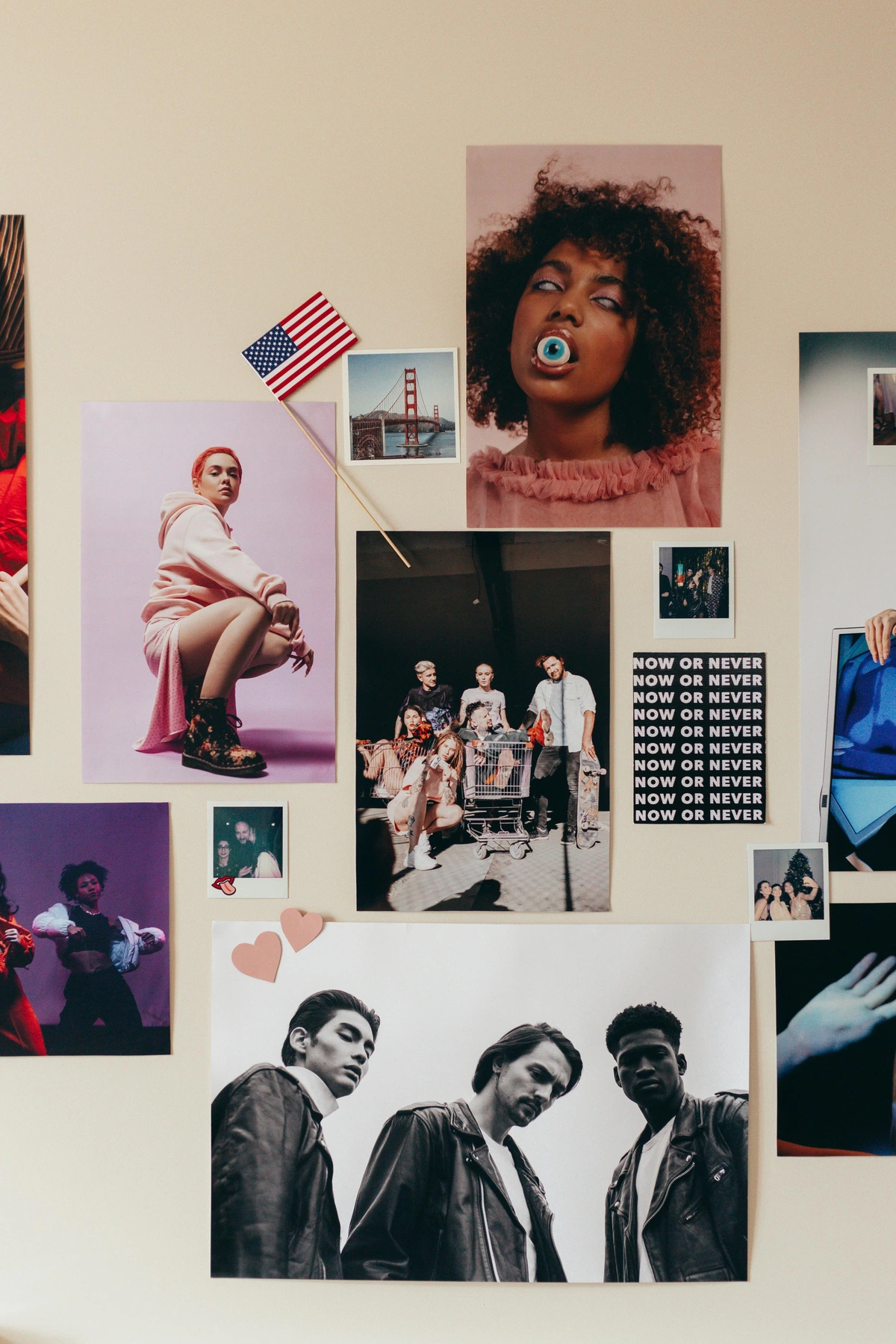
Q: What materials can be used in collage?
A: Almost anything! The beauty of collage lies in its material versatility. Common materials include paper (magazines, newspapers, old books, photographs, different weights of cardstock and watercolor paper), fabrics (lace, burlap, yarn), and natural elements (leaves, sand, wood). Contemporary artists also embrace found objects (metal scraps, bottle caps, discarded electronics), personal ephemera (ticket stubs, letters), and digital images. The only limit is your imagination and perhaps the structural integrity of your chosen adhesive, as discussed in detail in "Materials and Adhesives"!
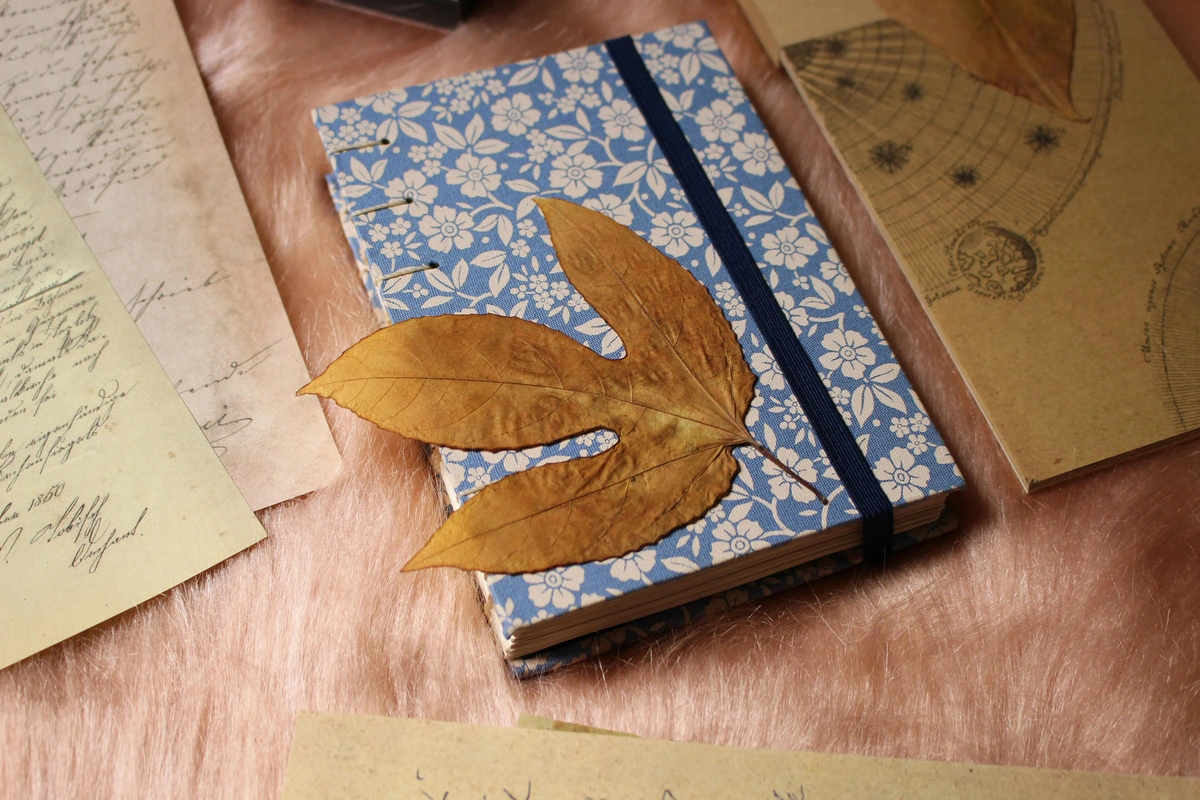
Q: Is collage considered "fine art"?
A: Absolutely! While it started as a revolutionary technique outside traditional fine art boundaries in the early 20th century, it was quickly embraced by major art movements like Cubism, Dada, and Surrealism, and by renowned artists such as Picasso, Braque, Höch, and Matisse, cementing its place. Today, collage is celebrated in prestigious galleries and museums worldwide, with works fetching significant prices and commanding critical respect. It is regularly featured in major art exhibitions like the Venice Biennale, Documenta, and retrospectives at institutions like the Museum of Modern Art (MoMA), the Tate Modern, and the Centre Pompidou. Its versatility and expressive power are universally recognized as legitimate fine art.
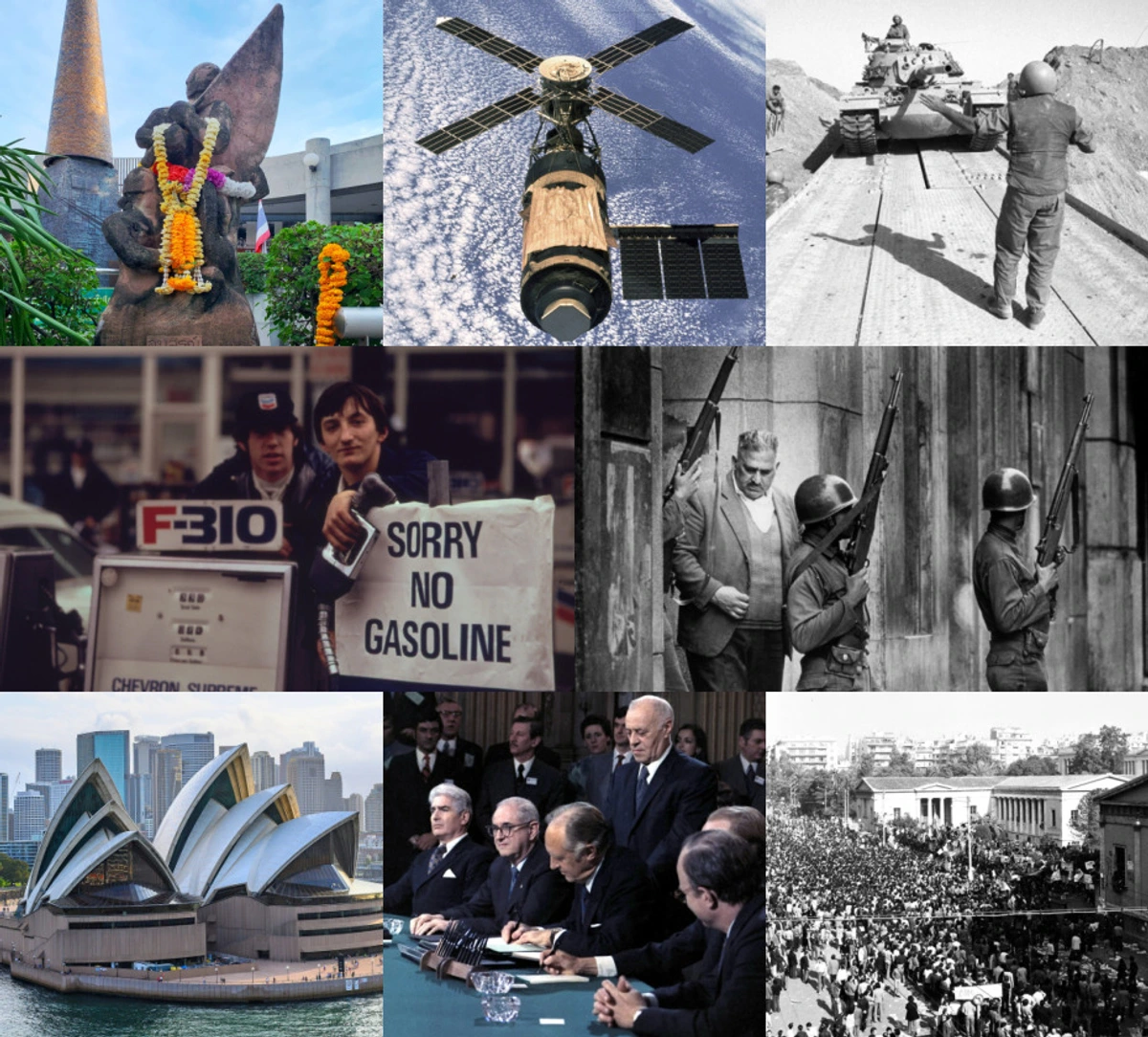
Q: What's the difference between collage and decoupage?
A: Good question! While both involve gluing paper, collage is generally about creating new imagery and meaning through the juxtaposition of diverse elements to form an original artistic statement. The focus is on artistic expression, transformation, and often a conceptual narrative. Decoupage (from the French découper, "to cut out") typically involves cutting out images and gluing them onto an object (like a piece of furniture, a box, or a decorative plate) and then sealing them with multiple layers of varnish to give the appearance of painting or inlay. It's more about decorating an object with existing imagery, creating a smooth, durable, and often decorative finish, rather than creating a new visual narrative or challenging artistic conventions, as you can read more about in our guide to what is decoupage.
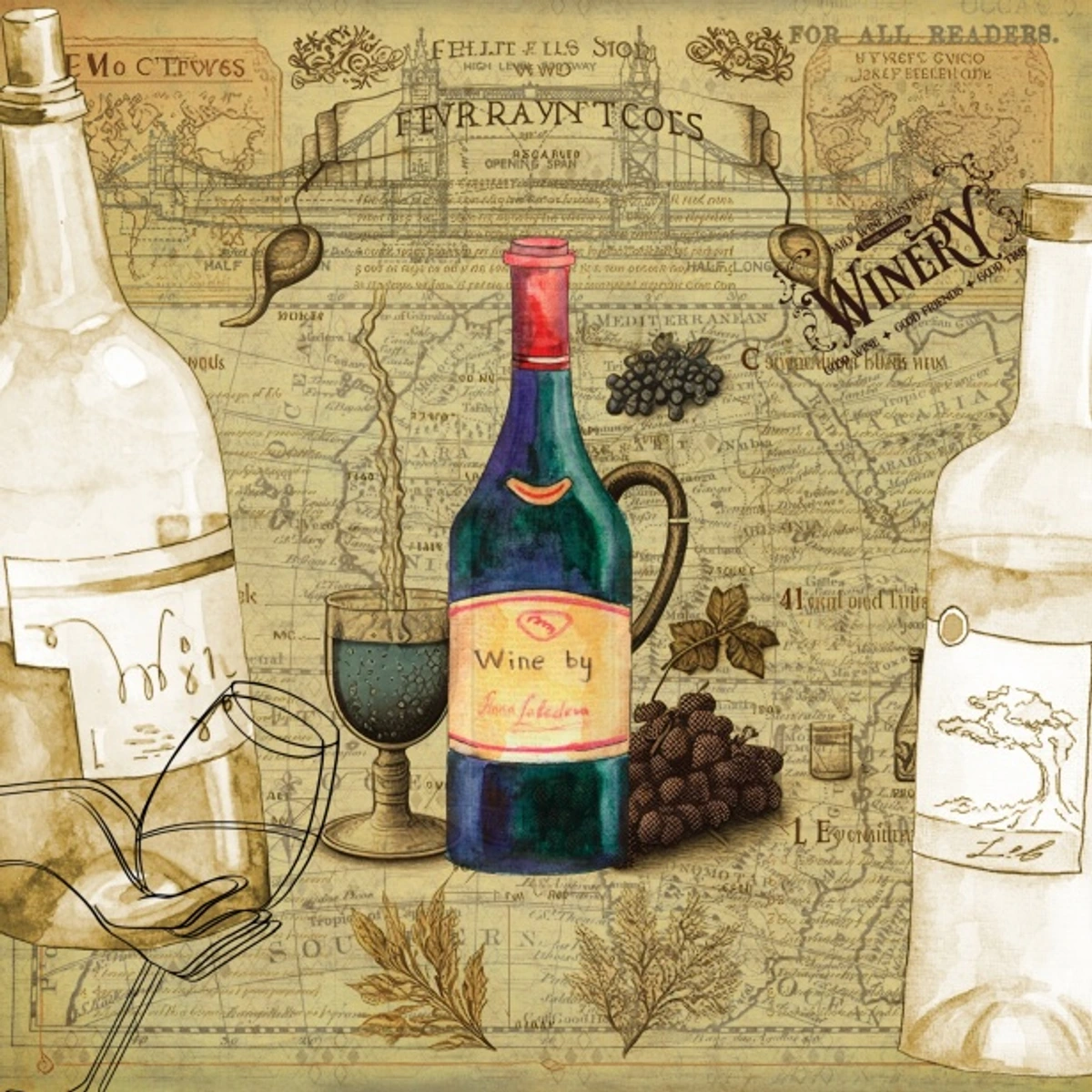




Q: What are some common challenges faced by collage artists and how can they be overcome?
A: Even experienced collagists face hurdles! Here are a few common challenges and how I've learned to approach them:
- Buckling Paper: This is often due to too much water in the glue, or uneven application, especially on thinner papers. Overcome it by using a drier adhesive (like a glue stick or spray adhesive for large areas), applying PVA glue thinly and evenly, and ensuring you press firmly from the center outwards. Placing a heavy, flat object (like a book under wax paper) over your drying piece can also help.
- Lack of Cohesion: Your elements might feel disparate rather than forming a unified image. Try limiting your color palette, using a consistent aesthetic (e.g., all vintage images, all abstract shapes), or creating a strong focal point. Sometimes, overlaying a translucent layer or adding unifying painted elements can tie everything together.
- Fragile Materials: Delicate items like dried leaves, old lace, or very thin paper can be tricky. Use a gentle adhesive (PVA diluted with a tiny bit of water applied with a fine brush), consider encapsulating them between layers of translucent paper or resin, or secure them with stitching rather than glue.
- Finding Inspiration: We all hit creative blocks. Instead of forcing it, try simply collecting materials without an agenda. Browse public domain archives, visit a thrift store, or take a walk and collect natural elements. Sometimes the materials themselves spark an idea. Another strategy is to start with a single word or emotion as your theme and see what images resonate.
- Overworking the Piece: Knowing when to stop can be tough! If you find yourself adding more and more without a clear direction, step away. Look at the piece with fresh eyes later, or even take a photo – seeing it on a screen can offer a new perspective and highlight what's working (or not).
Q: How can I start making collage art if I have no artistic background?
A: You absolutely can, and should! Collage is one of the most accessible art forms. You don't need to draw or paint perfectly. Your primary tools are your eyes, a pair of scissors, and glue. Start by collecting materials that simply appeal to you – colors, textures, interesting images – without a specific plan. Play with arranging them. The magic of collage lies in discovering unexpected connections. Don't aim for perfection, aim for expression and play. Often, the "mistakes" are where the most interesting art happens. Embrace the process of discovery, and let your intuition guide you. The act of making is often more important than the final outcome, especially when you're starting. For a more detailed guide, check out "Getting Started with Collage: Your First Steps!" above.
Q: How do I avoid making my collage look messy or amateurish?
A: This is a common concern! A cohesive collage often comes down to a few principles:
- Limited Color Palette: Try working with only 2-3 main colors, plus neutrals. This helps unify disparate elements and prevents visual chaos.
- Focal Point: Just like in painting, have one area that draws the eye, making the rest support it. This gives your piece a clear entry point.
- Balance: Distribute visual weight (colors, shapes, textures) evenly across your composition. This creates a sense of harmony. Read our guide on understanding balance in art composition.
- Clean Cuts (or Intentional Tears): If you're cutting, be precise. If you're tearing, make it deliberate and expressive. Inconsistent or careless cutting/tearing can look unintentional and detract from the piece.
- Layering with Purpose: Don't just stack. Think about transparency, depth, and how layers reveal or obscure information. Create intriguing glimpses and subtle narratives.
- Practice Composition: Before gluing, arrange and rearrange your elements. Take photos of different layouts to compare. You'll intuitively start to see what works and develop your aesthetic.
Q: How do I deal with materials that don't stick well?
A: Ah, the eternal glue challenge! Here are some tips:
- Match Adhesive to Material: As discussed in the "Materials and Adhesives" section, lighter papers need lighter glues (glue stick, PVA), while heavier fabrics or objects need stronger bonds (fabric glue, epoxy, hot glue).
- Apply Evenly: Lumps of glue can cause buckling or weak spots. Spread glue thinly and evenly across the entire surface to be adhered.
- Proper Pressure & Drying: Press elements down firmly, and allow ample drying time. Sometimes placing a heavy book or a flat, non-stick surface on top during drying can help prevent warping and ensure a strong bond.
- Surface Preparation: Ensure surfaces are clean, dry, and free of dust, oils, or loose particles before applying adhesive.
- Prime if Necessary: For very slick surfaces (like some plastics or metals), a light sanding with fine-grit sandpaper or a thin coat of gesso can help glue adhere better by providing some 'tooth'.
Q: What is the first step to making a collage?
A: Just start collecting and playing! Here’s a quick guide to begin your creative journey:
- Find Your Inspiration: Look around you, observe nature, dreams, emotions, or even other artworks. What stories do you want to tell? What feelings do you want to evoke? Don't be afraid to start simple.
- Gather Your Arsenal: Grab old magazines, newspapers, postcards, fabric scraps, personal photos, found objects, or even printed digital images—anything that catches your eye and sparks an idea. Thrift stores, flea markets, and public domain image archives are treasure troves for sourcing materials.
- Tools of the Trade: Beyond scissors, consider a utility knife and a cutting mat for precise cuts, a ruler, and a bone folder for crisp folds and smoothing. Don't forget your chosen adhesive (a good quality glue stick, Mod Podge, or archival liquid glue are great for beginners).
- Find Your Surface: A sturdy surface is key: cardboard, wood panel, heavy paper, or stretched canvas all work well. The size and rigidity of your surface will depend on the weight of your materials and your artistic vision.
- Play with Composition: Don't overthink it initially. Play with arrangement, exploring juxtaposition, layering, balance, focal points, and how colors and textures interact. You don’t need a clear vision at first; sometimes the art emerges from the play. Take photos of different arrangements before gluing anything down! This helps you compare and refine.
- Secure & Seal: Once you’re happy with the arrangement, carefully glue everything down. For longevity, especially if you plan to display it, consider applying a clear, archival sealant or varnish over the finished piece. This protects against dust, UV light, and environmental damage. For even more detail, see our "Getting Started with Collage: Your First Steps!" section above.
Conclusion: The Ever-Evolving Canvas
Collage art, with its humble beginnings and radical spirit, has proven to be one of the most enduring and versatile art forms. From Picasso’s revolutionary papier collé to Hannah Höch’s incisive photomontages, from Matisse’s joyous cut-outs to El Anatsui’s monumental assemblages, it reminds us that creativity isn't always about pristine perfection but often about embracing imperfection, making new connections, and finding harmony in the unexpected. It’s about taking the world as it is—fragmented, messy, glorious—and reassembling it into something profoundly personal and uniquely yours. It’s a powerful testament to the transformative power of the human imagination, capable of seeing beauty and narrative in the overlooked. The ability to find the profound in the everyday, to transform the mundane into the meaningful, is a skill that extends far beyond the canvas.
So, why not start looking at the world through a collagist's eye? Every discarded item, every image, every scrap holds untold potential. By engaging with this transformative medium, you can unlock new ways of seeing, creating, and understanding both art and your own complex existence. We invite you to explore the rich history and diverse techniques further on our site, and perhaps discover how these principles come to life in my own abstract work on my artistic process. Dive in, experiment, and let the fragments tell their new story. Your artistic journey awaits. What forgotten pieces will you bring together to create your next masterpiece?