Unpacking Arte Povera: Raw Materials, Radical Ideas, and My Take
Ever wonder what Arte Povera is all about? Join me as I explore this rebellious movement, its 'poor' materials, and its surprising relevance to art today – a personal journey through radical art.

What is Arte Povera, Anyway? My Deep Dive into Raw Rebellion
Okay, let's talk about Arte Povera. The name itself, literally "poor art," probably conjures up images of... well, not much, right? You might be thinking something hastily thrown together, or perhaps just, you know, bad art. But trust me, this isn't about shoddy craftsmanship. It's about a fascinating, rebellious spirit that grabbed hold of Italian artists in the late 1960s, and honestly, it still makes me stop and think.
Arte Povera wasn't just a movement; it was a statement. It challenged the very foundations of what art could be, stripping away the excess and focusing on the raw, the real, and the often overlooked. It's a reminder that art doesn't need to be grand or expensive to be meaningful. Sometimes, the most profound messages come from the simplest materials.
The Origins of Arte Povera
To truly understand Arte Povera, it's essential to delve into its origins. The movement emerged in Italy during the late 1960s, a time of significant social and political upheaval. Artists were seeking a way to break free from the constraints of traditional art forms and the commercialization of the art world. They wanted to create something raw, something real, something that spoke to the everyday experiences of people.
It's easy to get caught up in the polished, the grand, the traditionally 'artistic' elements of the art world. But sometimes, the real magic happens when you strip all that away and get back to basics. Arte Povera did just that, and in doing so, it challenged everything people thought they knew about art.
This movement wasn't just about aesthetics; it was about philosophy. It questioned the role of art in society, the value we place on materials, and the very nature of creativity. It's a movement that continues to inspire and provoke thought, even decades later.
The Role of Materials in Arte Povera
The materials used in Arte Povera were not just a means to an end; they were a statement in themselves. Artists used a wide array of "poor" or everyday materials, including soil, rags, wood, stone, glass, coal, newspapers, neon tubes, vegetables, and even live animals. These materials were chosen for their ability to challenge traditional art materials and to connect with the everyday experiences of people.
This use of materials was a deliberate choice. It was a way to connect with the everyday experiences of people, to make art accessible and relatable. It was also a way to challenge the art world's elitism and commercialism. By using materials that were often considered worthless, the artists were making a powerful statement about the value of art and the role it plays in society.

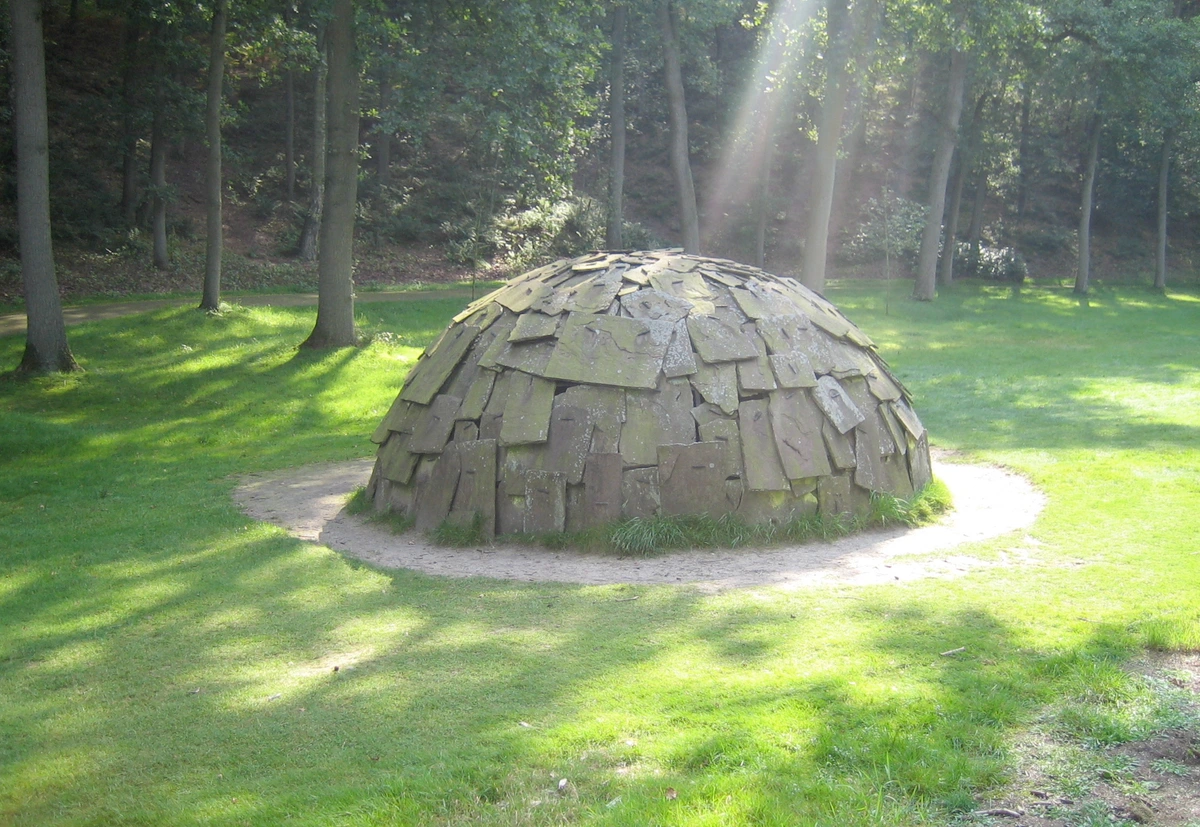
This sculpture, created by Mario Merz, is a perfect example of Arte Povera's ethos. It uses simple, natural materials to create something that is both visually striking and deeply symbolic. The igloo shape, constructed from stone slabs, represents a return to basic human needs and the natural world.
A Little History, a Lot of 'Poor' Materials
Picture this: Italy, late 1960s. The world was changing fast, consumer culture was booming, and there was this palpable sense that art, like everything else, was getting a bit too... polished, too commercial. A group of artists felt a deep urge to strip it back, to find truth and raw emotion in the mundane, the discarded, the forgotten. That's where the "poor" materials come in – and trust me, they're the real stars of this show.
The term "Arte Povera" was coined by art critic Germano Celant in 1967. He used it to describe the work of a group of artists who were rejecting the commercialization of art and embracing the use of everyday materials. This wasn't just a stylistic choice; it was a philosophical stance. The artists wanted to challenge the art world's obsession with luxury and perfection, and instead, celebrate the beauty of the ordinary.
The Influence of Arte Povera on Contemporary Art
Arte Povera's influence extends far beyond its origins in the late 1960s. The movement's emphasis on materials, process, and conceptual depth has had a profound impact on contemporary art. Many modern artists continue to be inspired by its emphasis on materials, process, and conceptual depth. The movement's core ideas – questioning consumerism, valuing the ordinary, and exploring environmental themes – resonate strongly with contemporary issues.
The movement's influence can be seen in various contemporary art forms, from installations to performance art. It has inspired artists to explore new ways of engaging with their audience and to challenge traditional notions of what art can be. The emphasis on process and materials has also led to a greater appreciation of the creative journey, not just the final product.
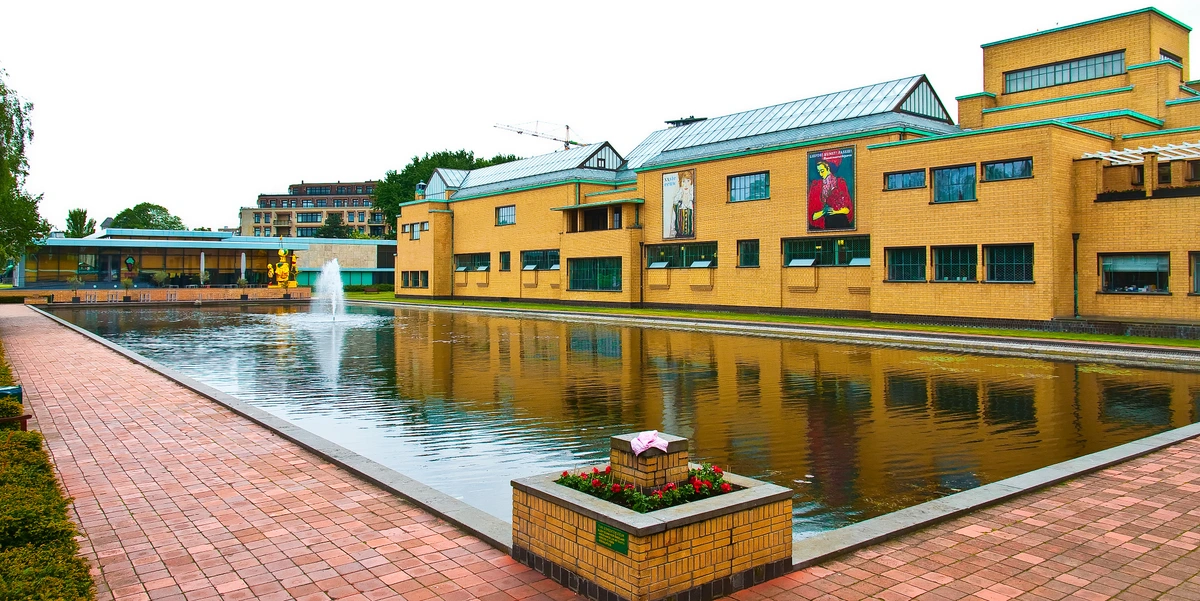
We're not talking about expensive canvases and bronze here. Instead, imagine works made from soil, rags, wood, glass, rocks, coal, even food or everyday household items. It wasn't about being cheap; it was about being real, challenging the very notion of what constitutes art and, more importantly, what art should be. It’s like saying, "Look what I can do with this," pointing at a discarded tin can, and making you see its inherent beauty and storytelling potential.
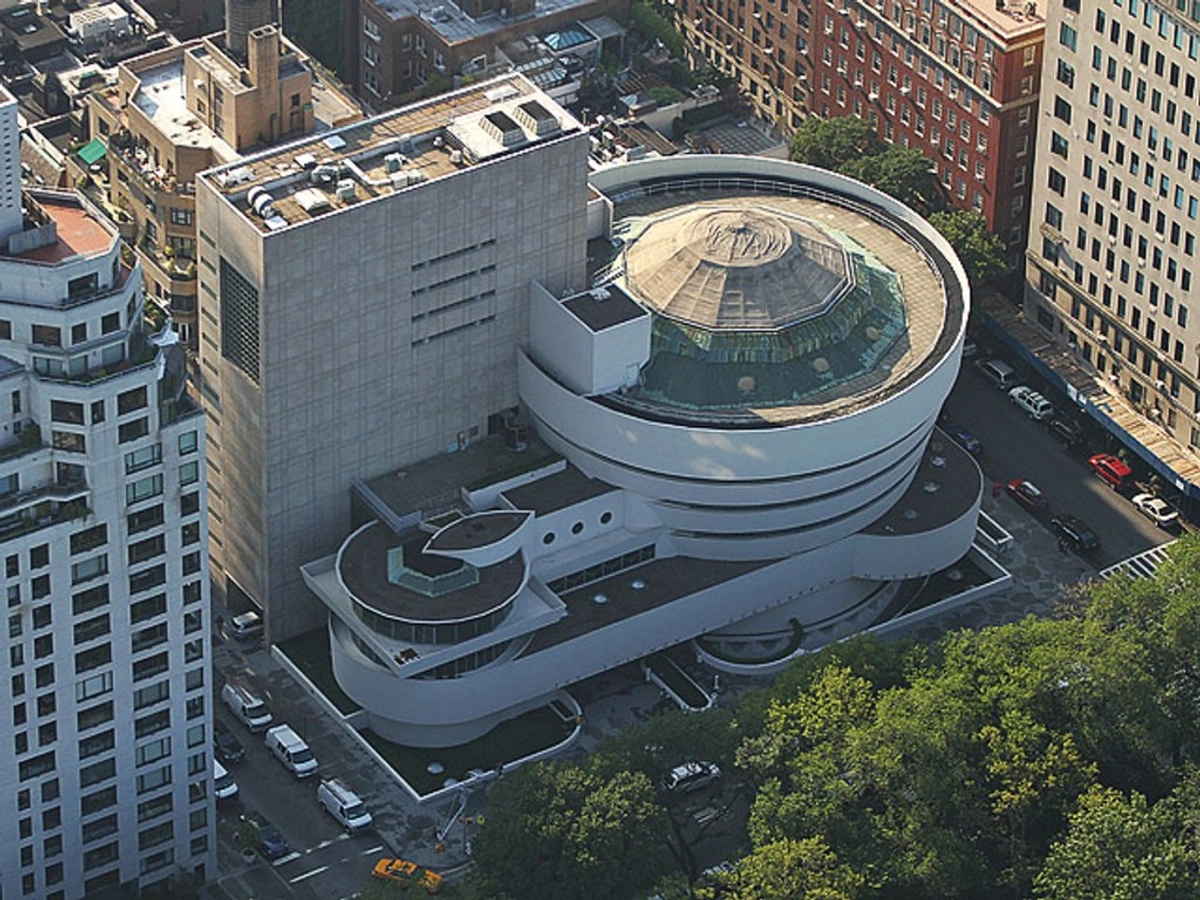
The use of these materials was a deliberate choice. It was a way to connect with the everyday experiences of people, to make art accessible and relatable. It was also a way to challenge the art world's elitism and commercialism. By using materials that were often considered worthless, the artists were making a powerful statement about the value of art and the role it plays in society.
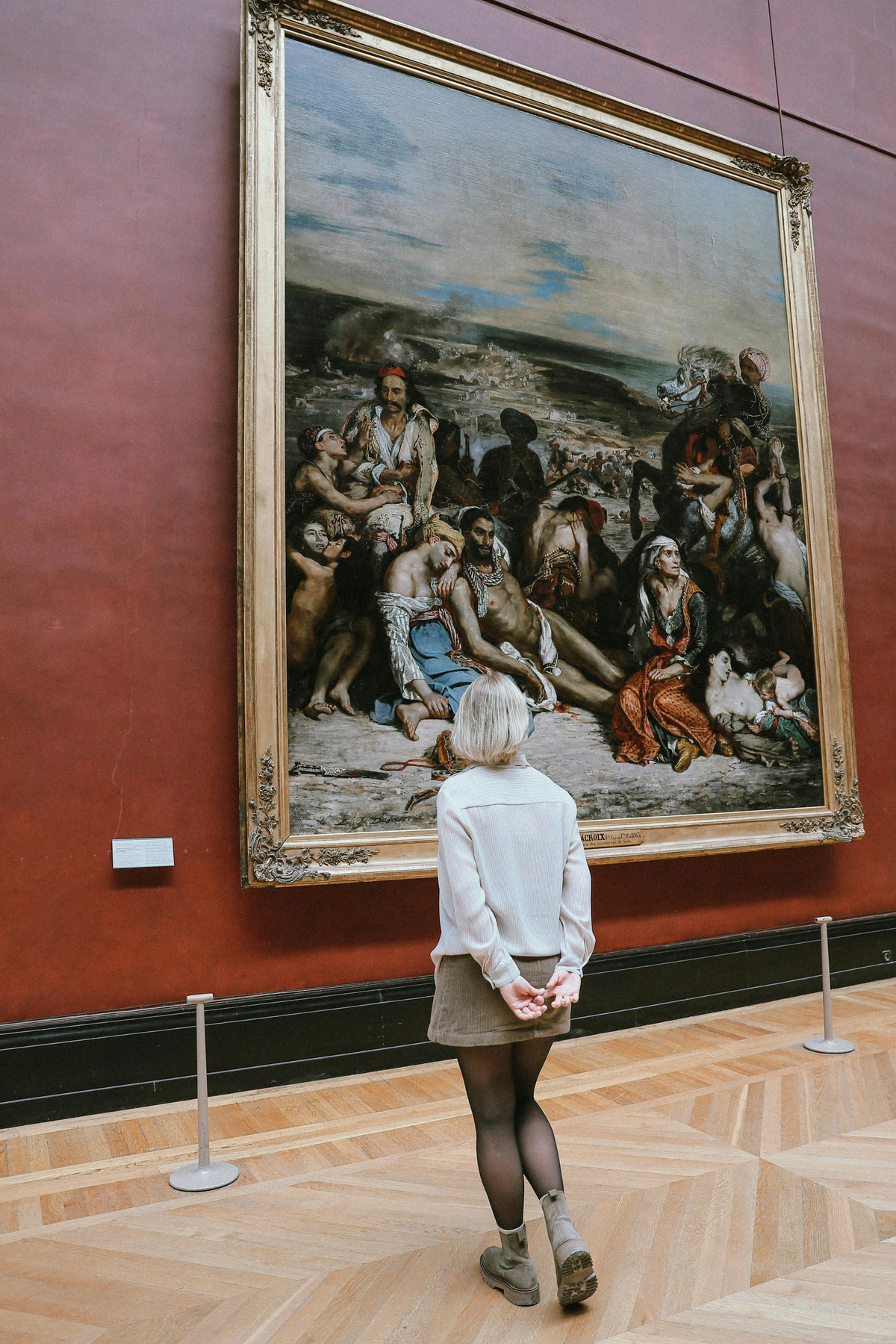
The Philosophical Depth of Arte Povera
Arte Povera was not just about the materials used; it was about the ideas and themes that these materials represented. The movement questioned the role of art in society, the value we place on materials, and the very nature of creativity. It was a movement that was deeply connected to the natural world and to the everyday experiences of people.
The movement's philosophical depth can be seen in the work of artists like Giuseppe Penone, whose sculptures often incorporate elements of nature, such as trees and leaves, to explore themes of growth, transformation, and the passage of time. This connection to the natural world is a powerful reminder of the importance of our environment and the need to protect it.
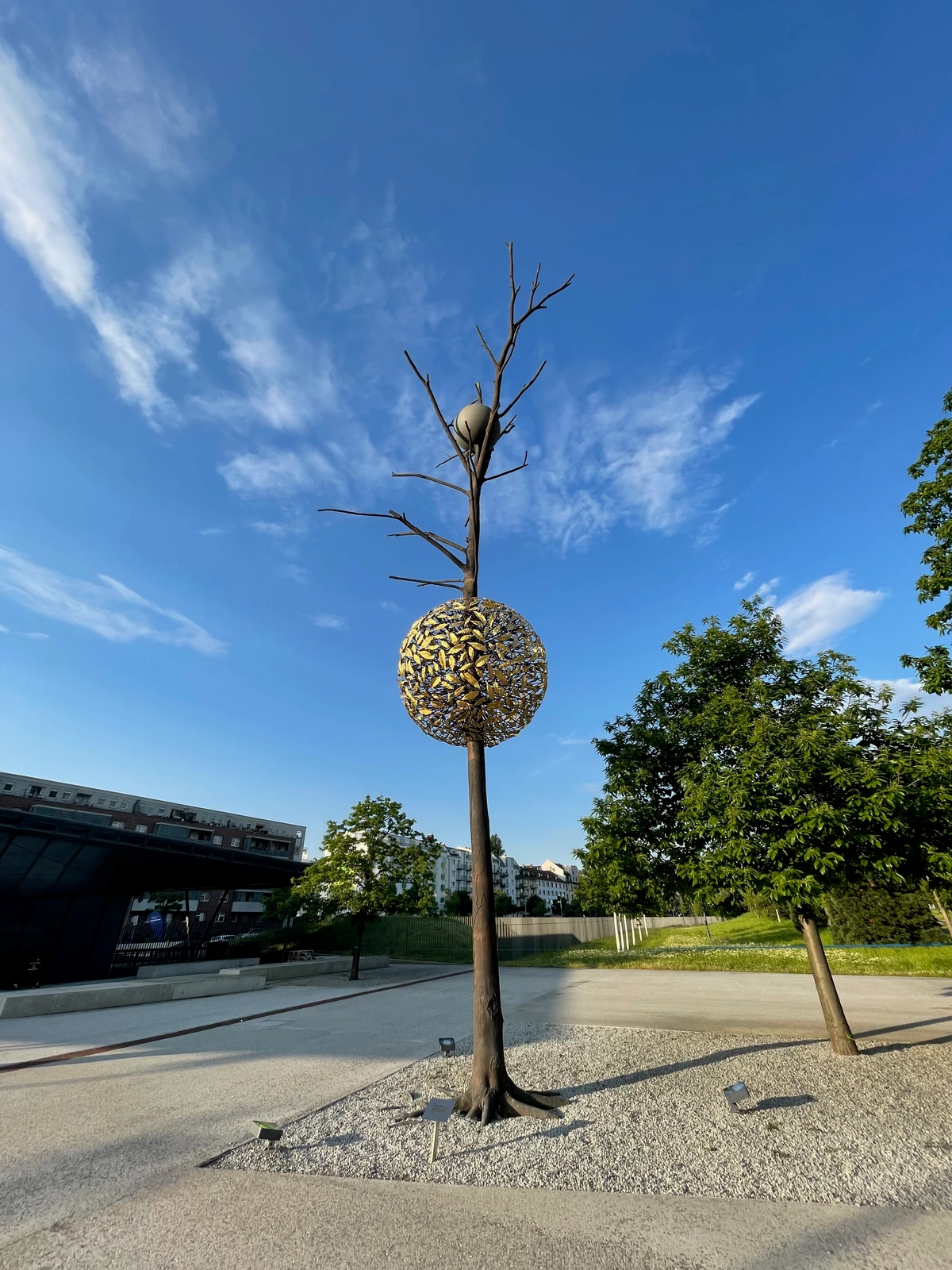
Giuseppe Penone's work is a perfect example of Arte Povera's focus on the natural world. His sculptures often incorporate elements of nature, such as trees and leaves, to explore themes of growth, transformation, and the passage of time. This sculpture, with its tree-like structure and spherical elements, is a powerful representation of the connection between art and nature.
Speaking of everyday items, have you ever looked at something completely mundane – like a tin can – and seen a story, a universe, or even just a compelling shape in it? That’s the kind of re-contextualization Arte Povera encouraged. It turned the ordinary into the extraordinary, simply by asking us to look at it differently. It pushed people to consider the material's history, its texture, its very essence, beyond its commercial value.
The Legacy of Arte Povera
Arte Povera's legacy is one of challenging the status quo and redefining the boundaries of art. The movement's emphasis on materials, process, and conceptual depth has had a profound impact on contemporary art. Many modern artists continue to be inspired by its emphasis on materials, process, and conceptual depth. The movement's core ideas – questioning consumerism, valuing the ordinary, and exploring environmental themes – resonate strongly with contemporary issues.
The legacy of Arte Povera can be seen in the work of contemporary artists who continue to explore the boundaries of art and challenge traditional notions of what art can be. It has inspired a new generation of artists to embrace the ordinary and to find beauty in the everyday. The movement's emphasis on process and materials has also led to a greater appreciation of the creative journey, not just the final product.
This re-contextualization was a key aspect of the movement. It wasn't just about using everyday materials; it was about transforming them into something new and meaningful. It was about challenging our perceptions and encouraging us to see the world in a different way. This is what made Arte Povera so revolutionary and why it continues to inspire artists today.
The Artists Who Made it Happen (And Why Their Work Still Niggles At Me)
I find the personalities behind these movements so intriguing. These weren't just artists making pretty pictures; they were often thinkers, provocateurs, almost philosophers with their hands dirty. Take Marisa Merz, for instance, with her delicate yet incredibly strong textile works – often knitted copper wire or nylon. Or Jannis Kounellis, who famously incorporated raw materials like coal, fire, and even live animals into his installations, creating visceral, unforgettable experiences.
Marisa Merz's work is a perfect example of how Arte Povera challenged traditional notions of art. Her use of materials like copper wire and nylon was a deliberate choice, a way to explore the relationship between art and the everyday. Her work is both delicate and strong, a reflection of the movement's ethos.
Then there's Mario Merz, known for his igloos constructed from various materials, playing with natural forms and mathematical progressions. And figures like Alighiero Boetti, whose work explored duality and classification, or Giuseppe Penone, deeply engaged with the natural world and the passage of time through his interventions with trees.
Mario Merz's igloos are a powerful symbol of Arte Povera's focus on the natural world. They are constructed from simple, natural materials, and their shape is a reminder of the basic human need for shelter. His work is a celebration of the ordinary, a challenge to the art world's obsession with luxury and perfection.
The Impact of Arte Povera on Modern Art
Arte Povera's impact on modern art is profound. The movement's emphasis on materials, process, and conceptual depth has had a lasting influence on contemporary art. Many modern artists continue to be inspired by its emphasis on materials, process, and conceptual depth. The movement's core ideas – questioning consumerism, valuing the ordinary, and exploring environmental themes – resonate strongly with contemporary issues.
The impact of Arte Povera on modern art can be seen in the work of artists who continue to explore the boundaries of art and challenge traditional notions of what art can be. It has inspired a new generation of artists to embrace the ordinary and to find beauty in the everyday. The movement's emphasis on process and materials has also led to a greater appreciation of the creative journey, not just the final product.
Alighiero Boetti's work, on the other hand, is a reflection of the movement's philosophical depth. His exploration of duality and classification is a reminder that Arte Povera was not just about materials; it was about ideas. His work challenges us to think about the world in new ways, to question our assumptions and to see the beauty in the everyday.
They weren't just making art; they were performing experiments, trying to jar us out of our complacency and force us to engage. Their work often felt unfinished, organic, and truly alive. It reminds me a bit of how artists approach the history of abstract art, constantly pushing boundaries not just in form, but in the underlying philosophy of what art can achieve.
The Evolution of Arte Povera
Arte Povera's evolution is a testament to its enduring relevance. The movement's emphasis on materials, process, and conceptual depth has had a lasting influence on contemporary art. Many modern artists continue to be inspired by its emphasis on materials, process, and conceptual depth. The movement's core ideas – questioning consumerism, valuing the ordinary, and exploring environmental themes – resonate strongly with contemporary issues.
The evolution of Arte Povera can be seen in the work of contemporary artists who continue to explore the boundaries of art and challenge traditional notions of what art can be. It has inspired a new generation of artists to embrace the ordinary and to find beauty in the everyday. The movement's emphasis on process and materials has also led to a greater appreciation of the creative journey, not just the final product.
This experimental approach is what made Arte Povera so revolutionary. It wasn't just about creating beautiful objects; it was about challenging our perceptions and encouraging us to see the world in a different way. It was about making art that was alive, that was constantly evolving, and that was deeply connected to the natural world.
The Role of Arte Povera in Art Education
Arte Povera has also played a significant role in art education. The movement's emphasis on materials, process, and conceptual depth has had a profound impact on how art is taught and understood. Many art schools and programs continue to be inspired by its emphasis on materials, process, and conceptual depth. The movement's core ideas – questioning consumerism, valuing the ordinary, and exploring environmental themes – resonate strongly with contemporary issues.
The role of Arte Povera in art education can be seen in the way art is taught and understood today. It has inspired a new generation of artists to embrace the ordinary and to find beauty in the everyday. The movement's emphasis on process and materials has also led to a greater appreciation of the creative journey, not just the final product.
Beyond the Obvious: What Arte Povera Was Really Fighting For
At its heart, Arte Povera was a critique. A polite, or sometimes not-so-polite, middle finger to the shiny, commercial art world that seemed to be forgetting its roots. It wasn't just about the materials; it was about what those materials represented:
Arte Povera was a movement that challenged the very foundations of the art world. It was a rejection of the commercialization of art, a celebration of the ordinary, and a call to return to the basics. It was a movement that was deeply connected to the natural world and to the everyday experiences of people.
The Influence of Arte Povera on Environmental Art
Arte Povera's influence on environmental art is profound. The movement's emphasis on materials, process, and conceptual depth has had a lasting influence on contemporary art. Many modern artists continue to be inspired by its emphasis on materials, process, and conceptual depth. The movement's core ideas – questioning consumerism, valuing the ordinary, and exploring environmental themes – resonate strongly with contemporary issues.
The influence of Arte Povera on environmental art can be seen in the work of artists who continue to explore the boundaries of art and challenge traditional notions of what art can be. It has inspired a new generation of artists to embrace the ordinary and to find beauty in the everyday. The movement's emphasis on process and materials has also led to a greater appreciation of the creative journey, not just the final product.
- Anti-Commercialism: A rejection of the art market's commodification of art.
- Process over Product: An emphasis on the act of making, the transformation of materials, rather than just the final, static object.
- The Ephemeral and Organic: Many works were temporary, susceptible to decay, or directly engaged with natural processes, highlighting art's impermanence.
- Viewer Engagement: It wanted you to feel the material, to think about where it came from and what it meant, often requiring interaction or challenging your expectations.
These principles were not just theoretical; they were deeply embedded in the work of the artists. They were a call to action, a challenge to the art world to rethink its values and to embrace a more authentic, more meaningful approach to art.
The Role of Arte Povera in Contemporary Art Movements
Arte Povera's role in contemporary art movements is profound. The movement's emphasis on materials, process, and conceptual depth has had a lasting influence on contemporary art. Many modern artists continue to be inspired by its emphasis on materials, process, and conceptual depth. The movement's core ideas – questioning consumerism, valuing the ordinary, and exploring environmental themes – resonate strongly with contemporary issues.
The role of Arte Povera in contemporary art movements can be seen in the work of artists who continue to explore the boundaries of art and challenge traditional notions of what art can be. It has inspired a new generation of artists to embrace the ordinary and to find beauty in the everyday. The movement's emphasis on process and materials has also led to a greater appreciation of the creative journey, not just the final product.
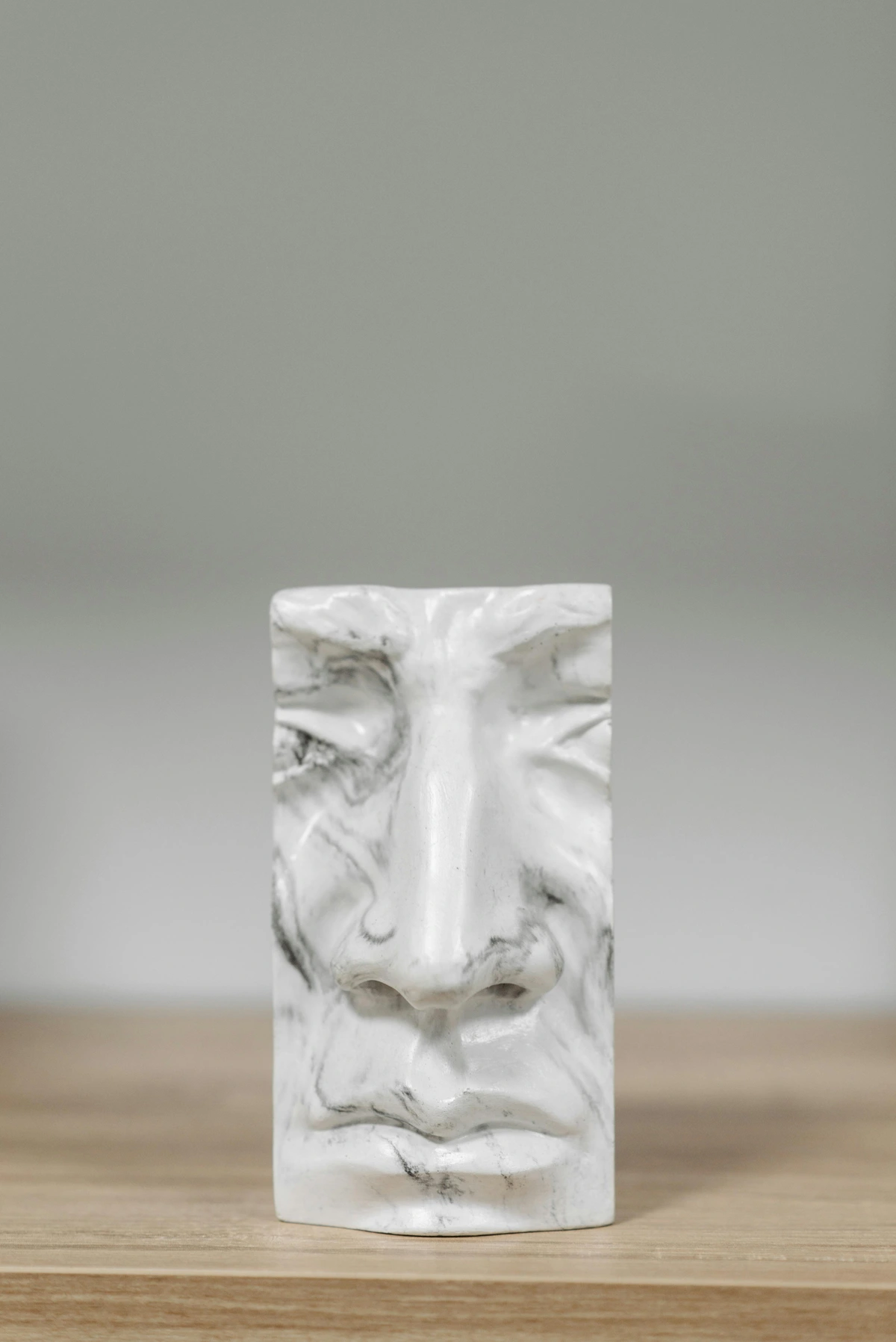
This raw, unfiltered expression, using simple things, taps into something universal. It's why I'm always drawn to art that feels honest, even if it's a bit rough around the edges, like this piece here, which feels deeply personal and expressive:
The Future of Arte Povera
The future of Arte Povera is bright. The movement's emphasis on materials, process, and conceptual depth has had a lasting influence on contemporary art. Many modern artists continue to be inspired by its emphasis on materials, process, and conceptual depth. The movement's core ideas – questioning consumerism, valuing the ordinary, and exploring environmental themes – resonate strongly with contemporary issues.
The future of Arte Povera can be seen in the work of contemporary artists who continue to explore the boundaries of art and challenge traditional notions of what art can be. It has inspired a new generation of artists to embrace the ordinary and to find beauty in the everyday. The movement's emphasis on process and materials has also led to a greater appreciation of the creative journey, not just the final product.
The honesty and authenticity of Arte Povera are what make it so compelling. It's a reminder that art doesn't need to be perfect or polished to be meaningful. Sometimes, the most powerful messages come from the simplest, most unfiltered expressions of the human experience.
The Role of Arte Povera in Art Therapy
Arte Povera's role in art therapy is profound. The movement's emphasis on materials, process, and conceptual depth has had a lasting influence on contemporary art. Many modern artists continue to be inspired by its emphasis on materials, process, and conceptual depth. The movement's core ideas – questioning consumerism, valuing the ordinary, and exploring environmental themes – resonate strongly with contemporary issues.

The role of Arte Povera in art therapy can be seen in the way art is used to heal and to connect with the natural world. It has inspired a new generation of artists to embrace the ordinary and to find beauty in the everyday. The movement's emphasis on process and materials has also led to a greater appreciation of the creative journey, not just the final product.
Why This 'Poor' Art Still Enriches Us (And My Own Artistic Philosophy)
So, why should we care about "poor art" today? Well, for one, it's a powerful reminder that art doesn't need to be precious or expensive to be profound. It teaches us to look closer at the world around us, to find beauty and meaning in the discarded, the overlooked, the everyday. It encourages a deeper, more mindful engagement with our environment.
Arte Povera is a movement that continues to inspire and challenge us. It's a reminder that art is not just about aesthetics; it's about ideas, about philosophy, and about the human experience. It's a call to embrace the imperfect, to find beauty in the ordinary, and to challenge our perceptions of what art can be.
As an artist myself, Arte Povera constantly challenges me to think about the materials I use and the messages they convey. It's about authenticity, about making a statement without needing all the bells and whistles. It's about finding that core essence, whether it's in a bold splash of color or the simple texture of a humble material. It's this kind of deeper engagement that I try to bring to my own work, hoping to offer something a little different, a little unexpected. If you're curious about the journey I've taken as an artist, and how my own philosophy has evolved, you can explore my timeline or even buy some of the pieces inspired by these ideas.
Arte Povera has had a profound influence on my own artistic philosophy. It has taught me to embrace the imperfect, to find beauty in the ordinary, and to challenge my perceptions of what art can be. It has inspired me to create work that is authentic, meaningful, and deeply connected to the human experience.
The Role of Arte Povera in Art Education
Arte Povera's role in art education is profound. The movement's emphasis on materials, process, and conceptual depth has had a lasting influence on contemporary art. Many modern artists continue to be inspired by its emphasis on materials, process, and conceptual depth. The movement's core ideas – questioning consumerism, valuing the ordinary, and exploring environmental themes – resonate strongly with contemporary issues.
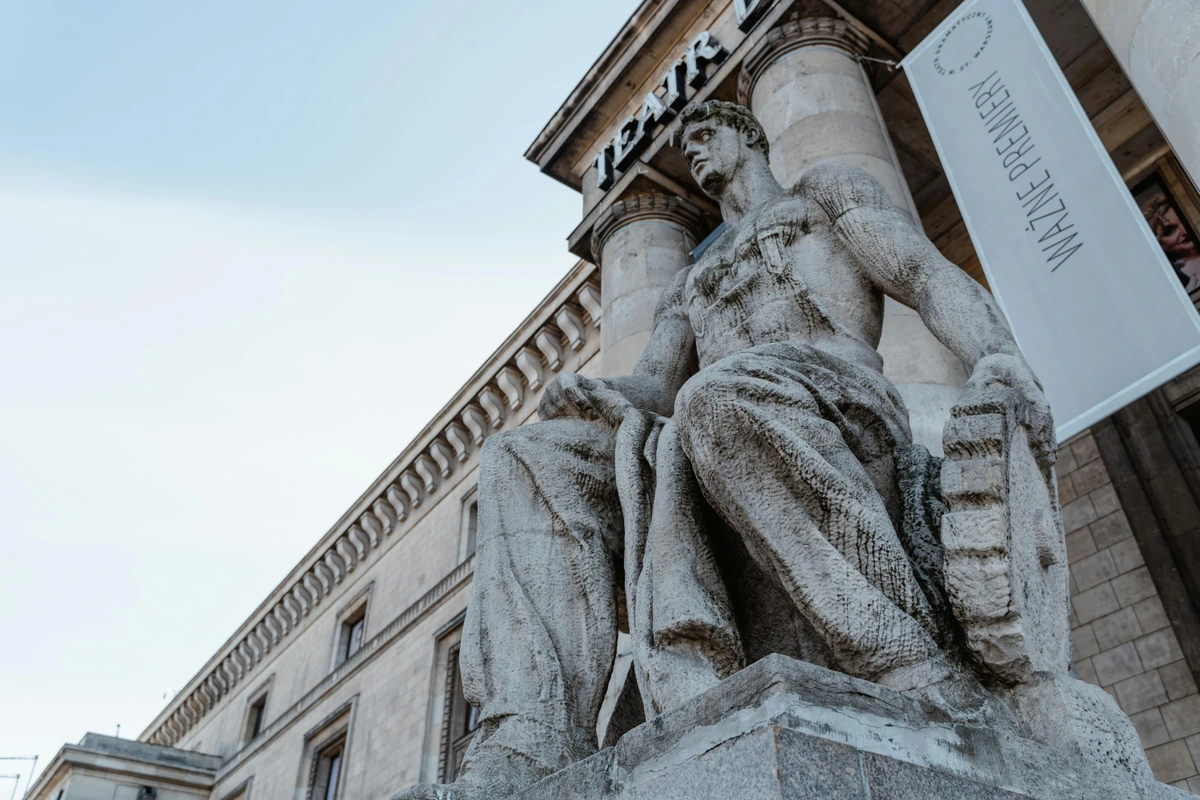
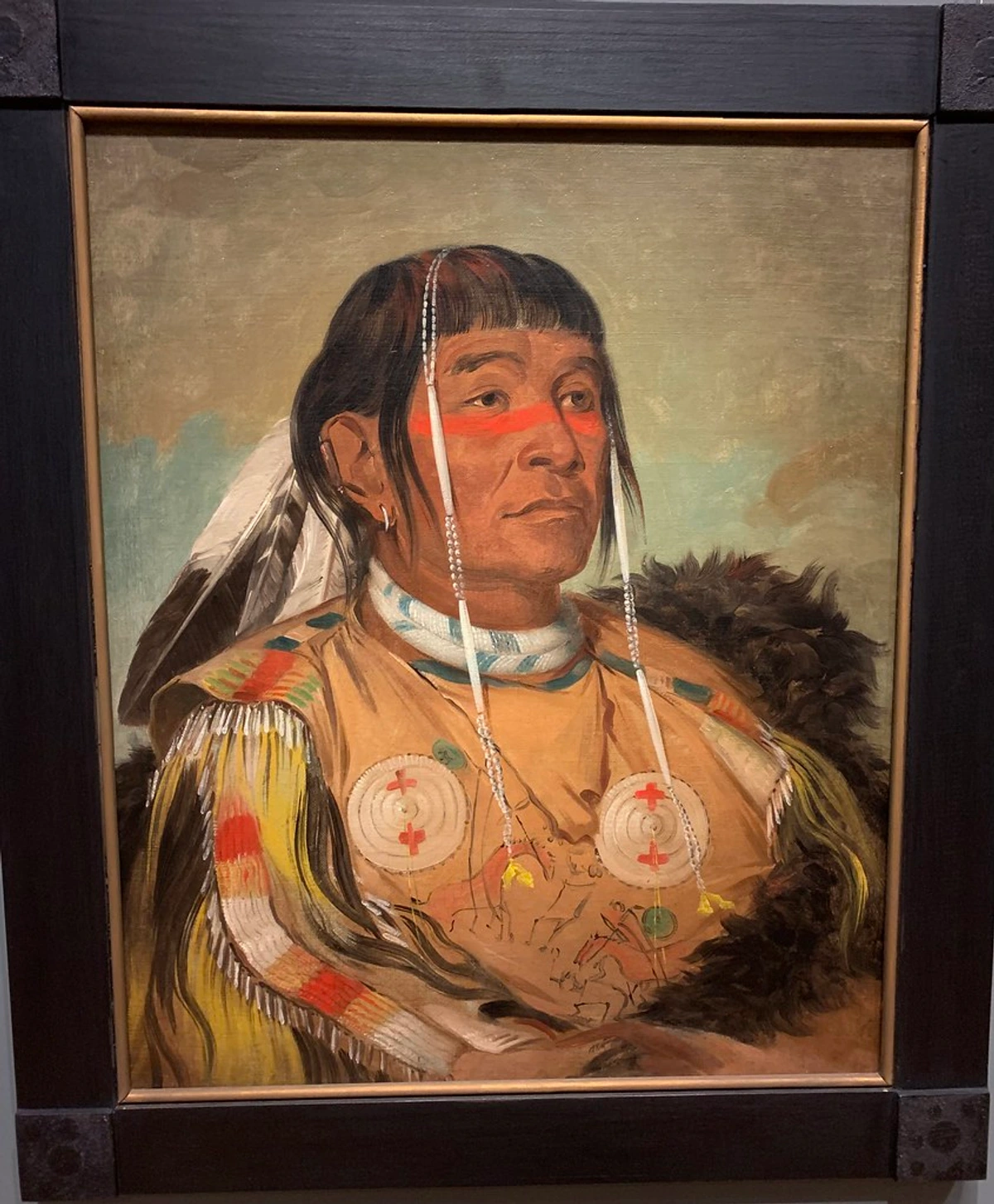
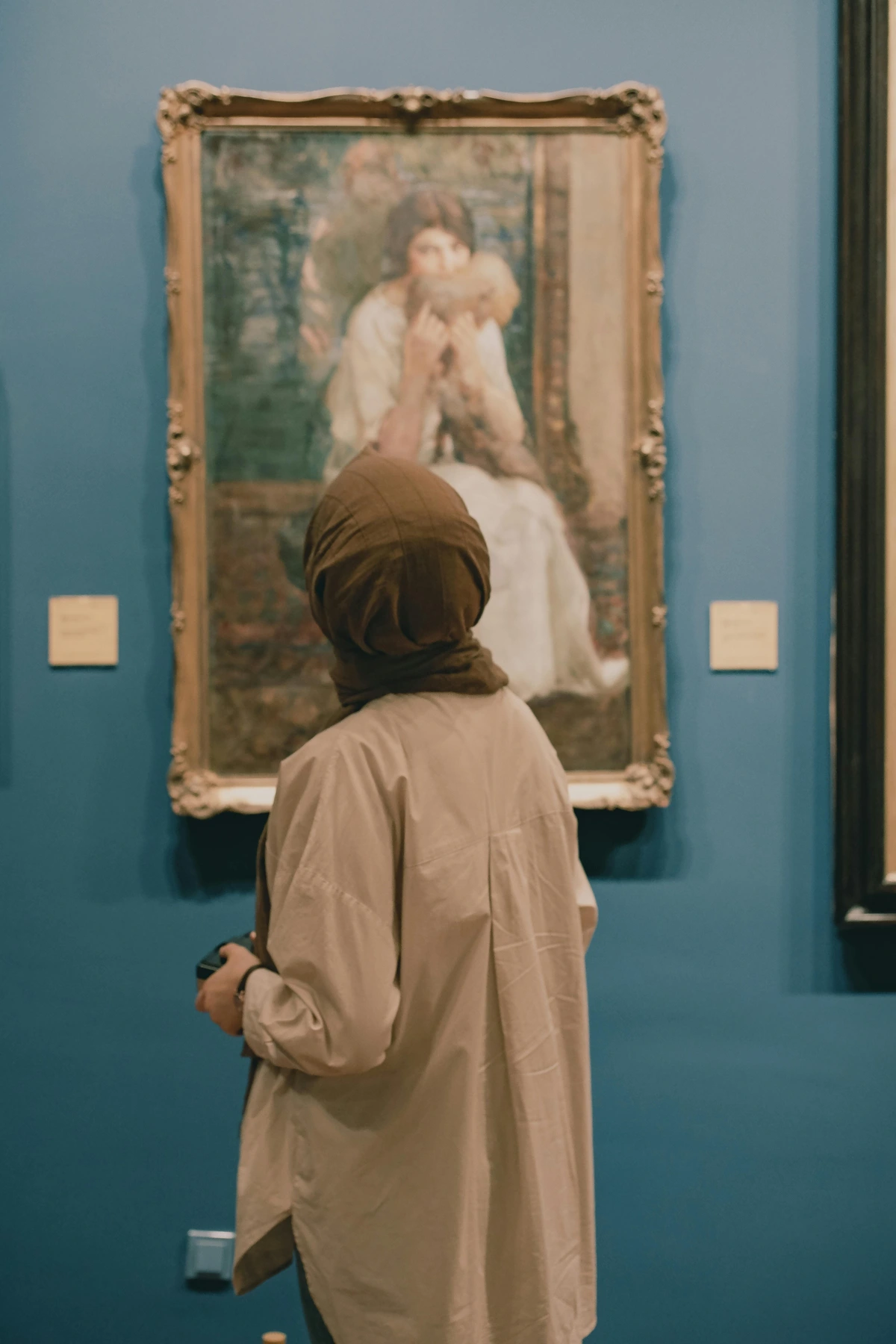
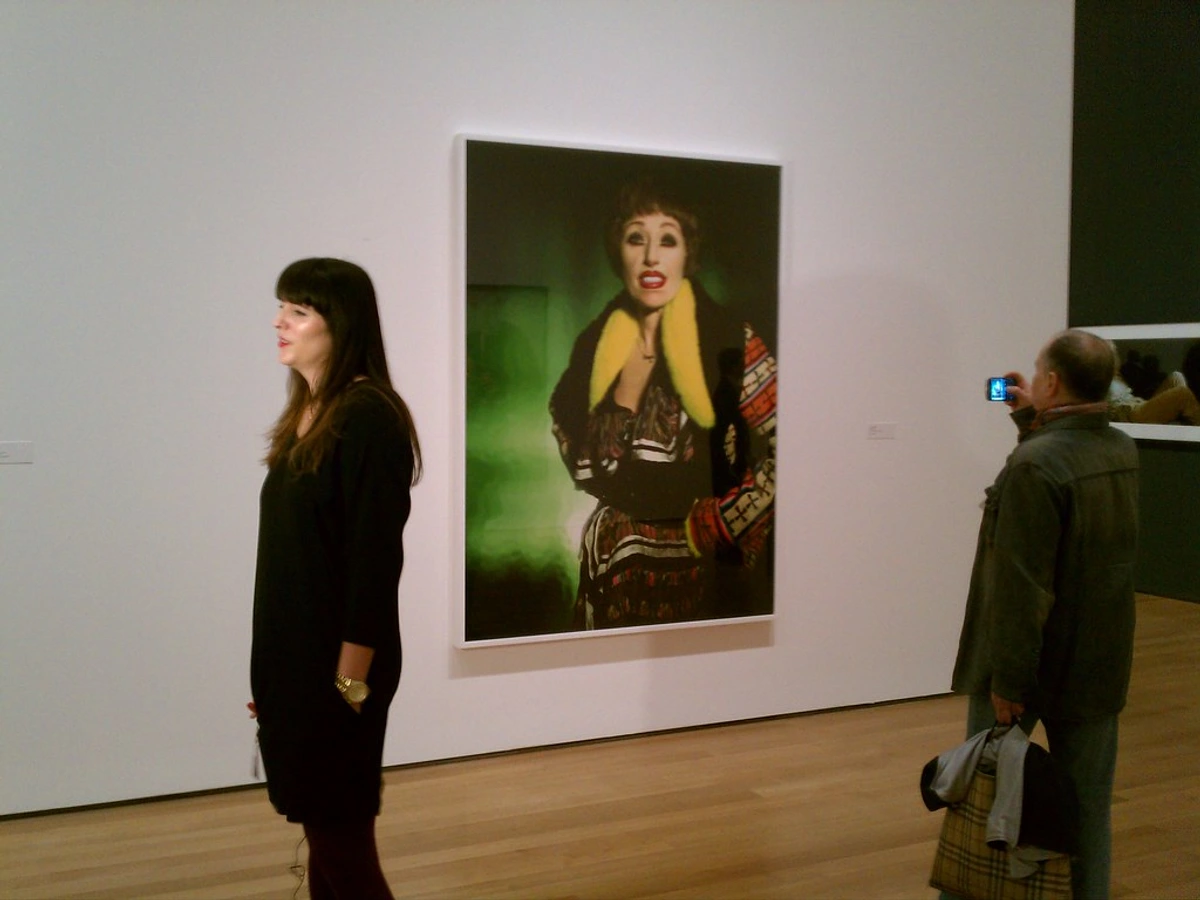
This portrait is a reminder of the power of art to connect us to our cultural heritage and to the natural world. It's a celebration of the ordinary, a challenge to the art world's obsession with luxury and perfection. It's a testament to the enduring influence of movements like Arte Povera, which continue to inspire and challenge us today.
Frequently Asked Questions About Arte Povera (The Stuff You're Probably Wondering)
Here are some quick answers to common questions that often pop up when discussing Arte Povera:
What is the significance of Arte Povera in the context of modern art?
Arte Povera is significant because it challenged the commercialization of art and embraced the use of everyday materials. It was a movement that was deeply connected to the natural world and to the everyday experiences of people. It continues to inspire artists today, reminding us that art doesn't need to be precious or expensive to be profound.
What does "Arte Povera" mean?
It's an Italian term meaning "poor art." The name refers to the artists' use of commonplace, often unconventional and inexpensive materials, rather than a lack of artistic quality.
The term was coined by art critic Germano Celant in 1967. He used it to describe the work of a group of artists who were rejecting the commercialization of art and embracing the use of everyday materials. This wasn't just a stylistic choice; it was a philosophical stance.
When and where did Arte Povera start?
It emerged in Italy, primarily in Turin and Rome, during the late 1960s, with its official recognition usually placed around 1967.
The movement was a response to the rapid changes taking place in Italian society at the time. It was a rejection of the commercialization of art and a celebration of the ordinary. It was a call to return to the basics, to embrace the natural world, and to challenge the art world's obsession with luxury and perfection.
What kinds of materials did Arte Povera artists typically use?
They used a wide array of "poor" or everyday materials, including soil, rags, wood, stone, glass, coal, newspapers, neon tubes, vegetables, and even live animals, challenging traditional art materials.
What was the main philosophy or goal of Arte Povera?
The movement sought to challenge the commercialization of art, industrialization, and traditional art values. It emphasized the primary nature of materials, the process of creation, and direct interaction with the viewer, often focusing on the ephemeral and the anti-elitist.
Arte Povera was a movement that was deeply connected to the natural world and to the everyday experiences of people. It was a call to return to the basics, to embrace the ordinary, and to challenge the art world's obsession with luxury and perfection. It was a movement that was about ideas, about philosophy, and about the human experience.

Is Arte Povera still relevant today?
Absolutely! Its core ideas – questioning consumerism, valuing the ordinary, and exploring environmental themes – resonate strongly with contemporary issues. Many modern artists continue to be influenced by its emphasis on materials, process, and conceptual depth.

Who were some key artists associated with Arte Povera?
Prominent artists include Giovanni Anselmo, Alighiero Boetti, Pier Paolo Calzolari, Luciano Fabro, Jannis Kounellis, Mario Merz, Marisa Merz, Giulio Paolini, Pino Pascali, Giuseppe Penone, Michelangelo Pistoletto, and Emilio Prini.
These artists were not just creating beautiful objects; they were challenging our perceptions and encouraging us to see the world in a different way. They were making art that was alive, that was constantly evolving, and that was deeply connected to the natural world. Their work continues to inspire and challenge us today, reminding us of the power of art to transform our perceptions and to connect us to the human experience.
Wrapping Up: My Thoughts on Embracing the Imperfect
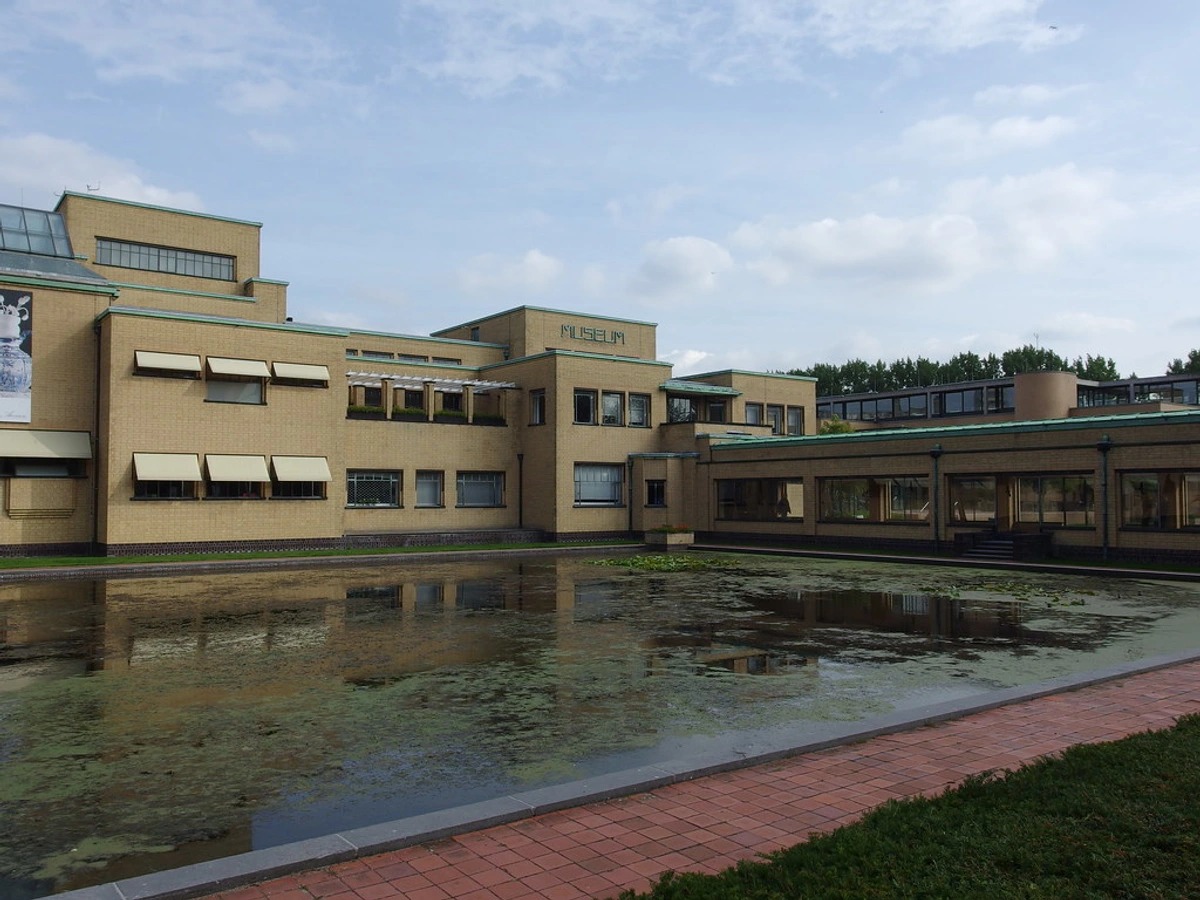
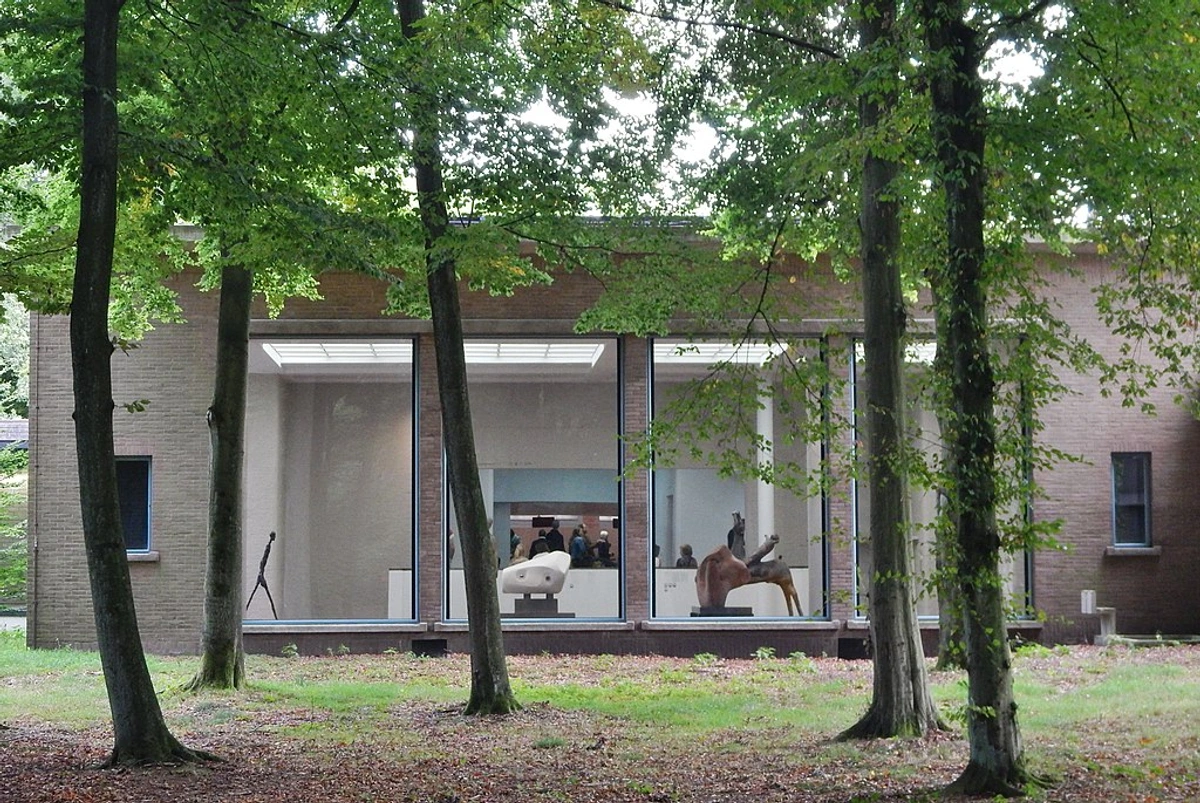
I guess what Arte Povera ultimately taught me, and what I try to remember in my own creative process, is the power of simplicity and the courage to be imperfect. It's about finding richness in what's already here, not always reaching for the new, the grand, or the overtly expensive. It reminds us that profound beauty and meaning can be found anywhere, if we just bother to look closely enough, with open eyes and a curious mind. And if you ever find yourself in 's-Hertogenbosch, maybe pop into my museum; you might just see some of that spirit reflected in my own pieces – a testament to finding the extraordinary in the ordinary.














Arte Povera is a movement that continues to inspire and challenge us. It's a reminder that art is not just about aesthetics; it's about ideas, about philosophy, and about the human experience. It's a call to embrace the imperfect, to find beauty in the ordinary, and to challenge our perceptions of what art can be. It's a movement that has had a profound influence on my own artistic philosophy, and I hope it will continue to inspire and challenge you as well.
The Role of Arte Povera in Art Criticism
Arte Povera's role in art criticism is profound. The movement's emphasis on materials, process, and conceptual depth has had a lasting influence on contemporary art. Many modern artists continue to be inspired by its emphasis on materials, process, and conceptual depth. The movement's core ideas – questioning consumerism, valuing the ordinary, and exploring environmental themes – resonate strongly with contemporary issues.
The role of Arte Povera in art criticism can be seen in the way art is critiqued and understood today. It has inspired a new generation of artists to embrace the ordinary and to find beauty in the everyday. The movement's emphasis on process and materials has also led to a greater appreciation of the creative journey, not just the final product.