Jungian Archetypes in Art Therapy: A Path to Healing and Self-Discovery
Explore how Jungian archetypes can transform art therapy into a powerful tool for psychological healing and self-expression. Dive into universal symbols, practical applications, and personal insights.

Jungian Archetypes in Art Therapy: A Path to Healing and Self-Discovery
Jungian archetypes and art therapy offer a unique and transformative approach to self-discovery and healing. By integrating universal symbols and creative expression, individuals can explore their subconscious, confront hidden emotions, and foster personal growth. This article delves into the profound connection between Jungian archetypes and art therapy, providing insights, practical applications, and real-world examples to guide you on this journey.
Jungian archetypes and art therapy offer a unique and transformative approach to self-discovery and healing. By integrating universal symbols and creative expression, individuals can explore their subconscious, confront hidden emotions, and foster personal growth. This article delves into the profound connection between Jungian archetypes and art therapy, providing insights, practical applications, and real-world examples to guide you on this journey.
Introduction
The fusion of Jungian archetypes and art therapy is not just a therapeutic technique; it is a journey into the depths of the human psyche. This article explores how these universal symbols can be harnessed to unlock emotions, memories, and traumas that words alone cannot express. Whether you are a therapist, an artist, or someone seeking personal growth, this guide will provide you with the tools and insights to embark on this transformative journey.
I remember the first time I stumbled upon Carl Jung’s concept of archetypes. It was during a particularly chaotic phase of my life, and I was scribbling in a sketchbook, trying to make sense of the storm inside me. The idea that there were universal symbols—shared patterns of thought and imagery that resonate across cultures and time—felt like a lifeline. It made me wonder: What if these archetypes could be more than just theoretical constructs? What if they could be tools for healing?
This curiosity led me to explore how these archetypes could be harnessed in art therapy, a field that goes beyond traditional therapeutic methods to tap into the subconscious mind. Art therapy isn’t just about creating art; it’s about unlocking emotions, memories, and traumas that words alone cannot express. When combined with Jungian archetypes, it becomes a powerful tool for self-exploration and healing.
That’s where art therapy comes in. Art therapy isn’t just about creating pretty pictures; it’s about digging into the subconscious, pulling out emotions, memories, and even traumas that words alone can’t express. And when you combine it with Jungian archetypes? Well, that’s where things get fascinating.
The fusion of these two disciplines creates a dynamic and transformative process. By engaging with universal symbols, individuals can explore their inner worlds in ways that transcend language and cultural barriers. This approach is not just about creating art; it’s about unlocking the subconscious and fostering a deeper understanding of oneself.
Why Jungian Archetypes Matter in Art Therapy
The fusion of Jungian archetypes and art therapy offers a unique pathway to self-discovery and healing. By tapping into these universal symbols, individuals can explore their inner worlds in ways that words alone cannot capture. This approach is not just about creating art; it’s about unlocking the subconscious and fostering a deeper understanding of oneself.
The Universal Language of Symbols
Archetypes serve as a bridge between the conscious and unconscious mind. They provide a visual vocabulary that transcends cultural and linguistic barriers, making them accessible to almost anyone. This universality is what makes them so powerful in art therapy, as they allow individuals to express complex emotions and experiences that might otherwise remain unspoken.
What Are Jungian Archetypes?
Let’s start with the basics. Carl Jung, the Swiss psychiatrist and psychoanalyst, proposed that archetypes are innate, universal prototypes for ideas and images that are present in the collective unconscious of all humans. These aren’t just random symbols; they’re deeply embedded in our psyche, shaping how we perceive the world and ourselves.

Jung identified several key archetypes, but some of the most well-known include:
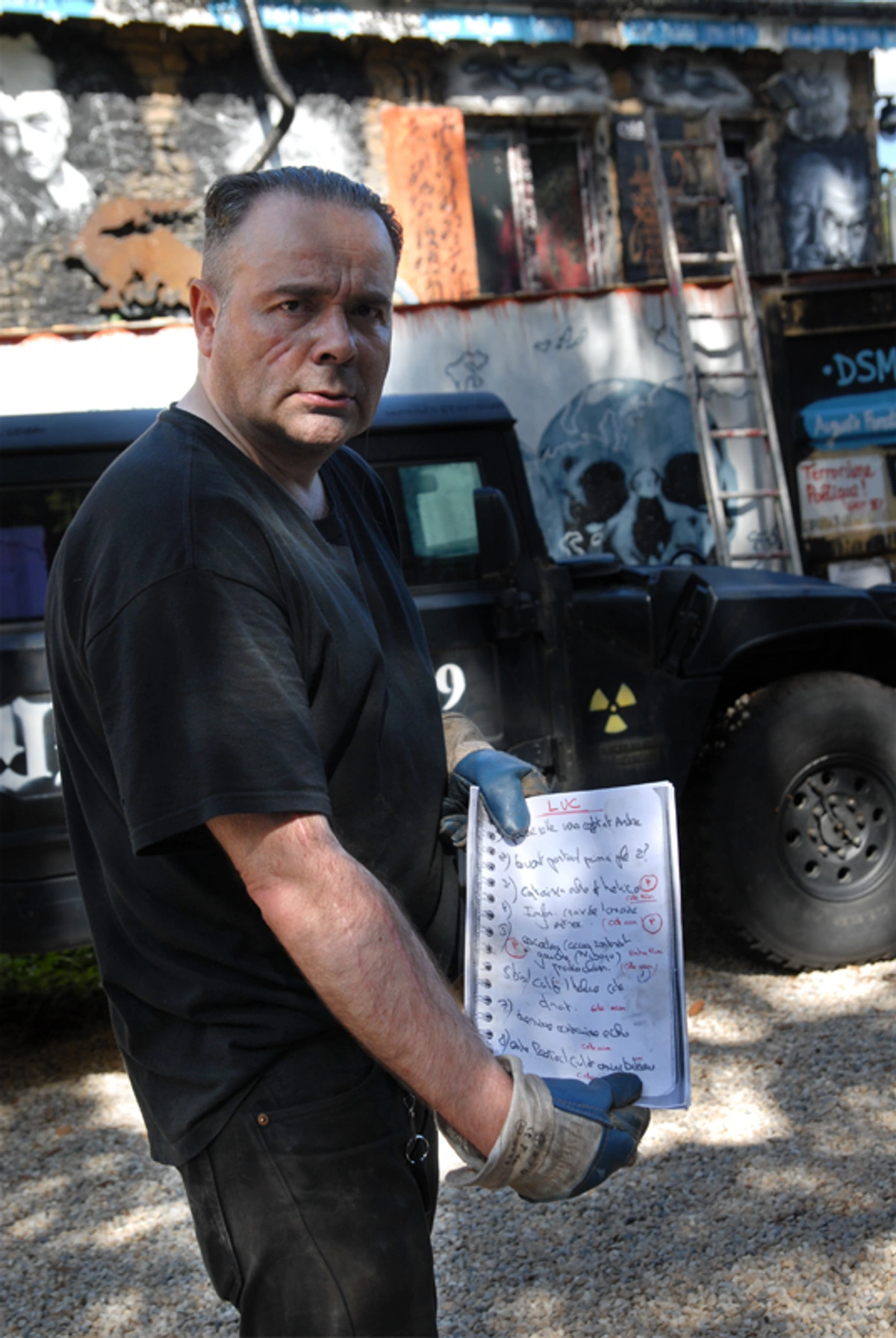
- The Shadow: Represents the unconscious aspects of the personality that the conscious ego doesn’t identify with. It’s the part of us we might reject or ignore.
- The Anima/Animus: The feminine side of a man (anima) and the masculine side of a woman (animus).
- The Persona: The mask we present to the world, often hiding our true selves.
- The Hero: The part of us that seeks adventure, growth, and transformation.
- The Wise Old Man/Woman: Symbolizes wisdom, guidance, and insight.
- The Child: Represents innocence, potential, and new beginnings.
- The Trickster: Represents chaos, humor, and the breaking of rules.
These archetypes aren’t just abstract ideas; they show up in myths, dreams, religions, and—you guessed it—art. They serve as a bridge between the conscious and unconscious mind, offering a language to explore and express complex emotions and experiences.
The Collective Unconscious
Jung’s concept of the collective unconscious suggests that these archetypes are inherited and shared by all humans. They are not learned but are part of our psychological inheritance. This idea explains why certain symbols and themes appear across cultures and historical periods, from ancient myths to modern art.
The Role of Archetypes in Art Therapy
Art therapy is a form of psychotherapy that uses art as a primary mode of communication. It’s particularly useful for people who struggle to express their feelings verbally. When you introduce Jungian archetypes into art therapy, you’re essentially giving people a language—a visual vocabulary—to explore their inner worlds.
Why Archetypes?
Archetypes are powerful because they’re universal. They transcend cultural and linguistic barriers, making them accessible to almost anyone. When a client is asked to draw or paint an archetype, they’re not just creating art; they’re tapping into a shared human experience. This can be incredibly validating and healing.

How It Works
Imagine you’re working with a client who’s struggling with feelings of inadequacy. You might ask them to create an image of The Hero. As they draw or paint, they’re not just depicting a heroic figure; they’re exploring their own potential for growth and transformation. The act of creating becomes a dialogue between their conscious and unconscious minds.
Here’s a simple breakdown of how this process might unfold:
- Identify the Archetype: The therapist and client discuss which archetype resonates with the client’s current emotional state or life situation.
- Create the Art: The client creates a visual representation of the archetype using any medium they prefer—painting, drawing, sculpture, etc.
- Reflect and Discuss: The client and therapist discuss the artwork, exploring the symbols, colors, and emotions that emerged during the process.
- Integrate Insights: The client reflects on how the archetype relates to their personal journey and what insights they’ve gained.
The Science Behind It
Research has shown that engaging with archetypes through art can activate neural pathways associated with emotional processing and self-reflection. This process can help individuals reconnect with their inner selves, fostering a sense of wholeness and well-being. By externalizing their thoughts and emotions through art, clients can gain new perspectives on their experiences and challenges.
The Therapeutic Process
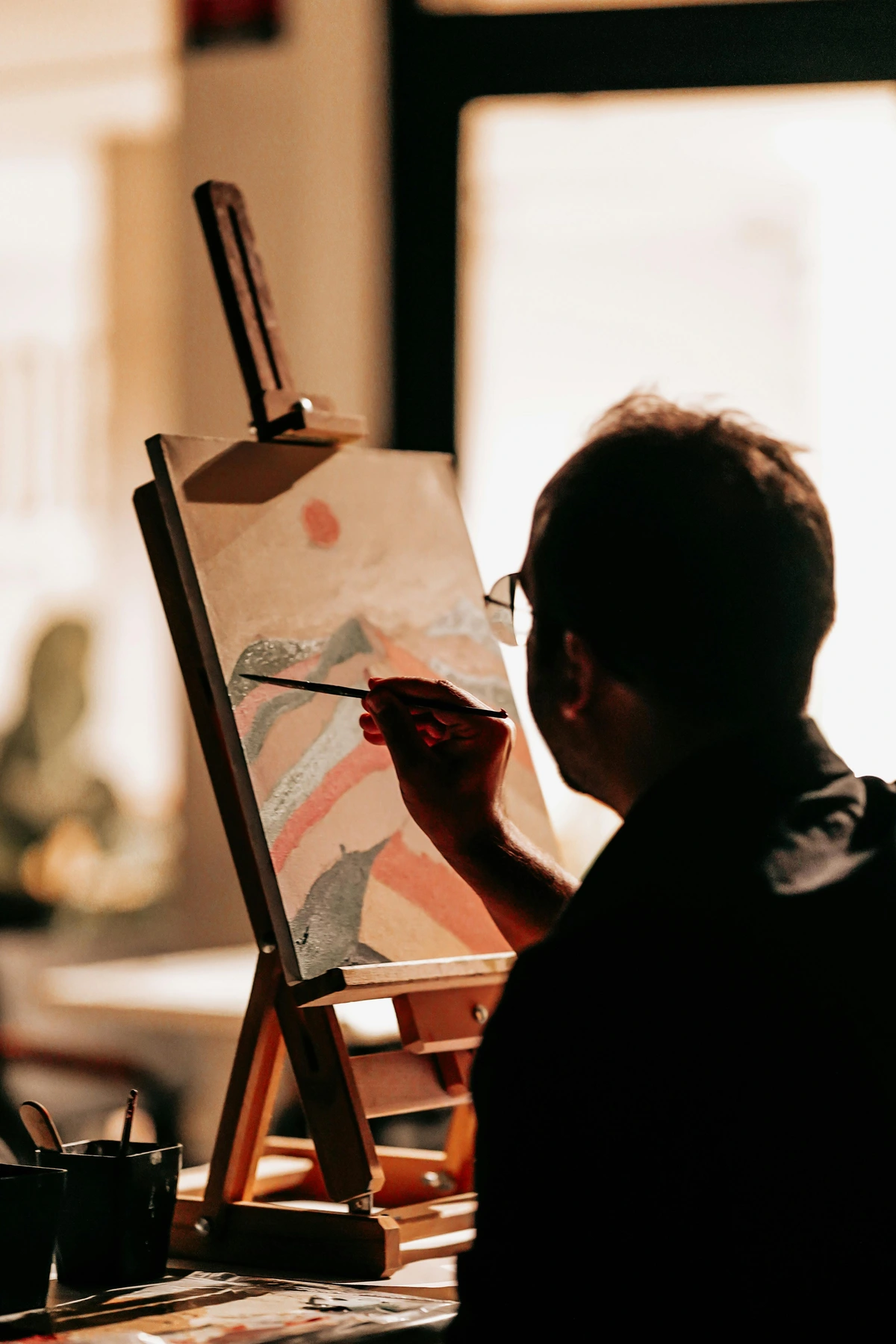
The therapeutic process of using archetypes in art therapy is deeply personal and transformative. It allows individuals to confront and integrate aspects of themselves that may have been repressed or overlooked. This process can lead to profound insights and emotional healing, as clients learn to embrace and understand their inner complexities.
Practical Applications
So, how can you actually use Jungian archetypes in art therapy? Let’s break it down into some practical steps and exercises.
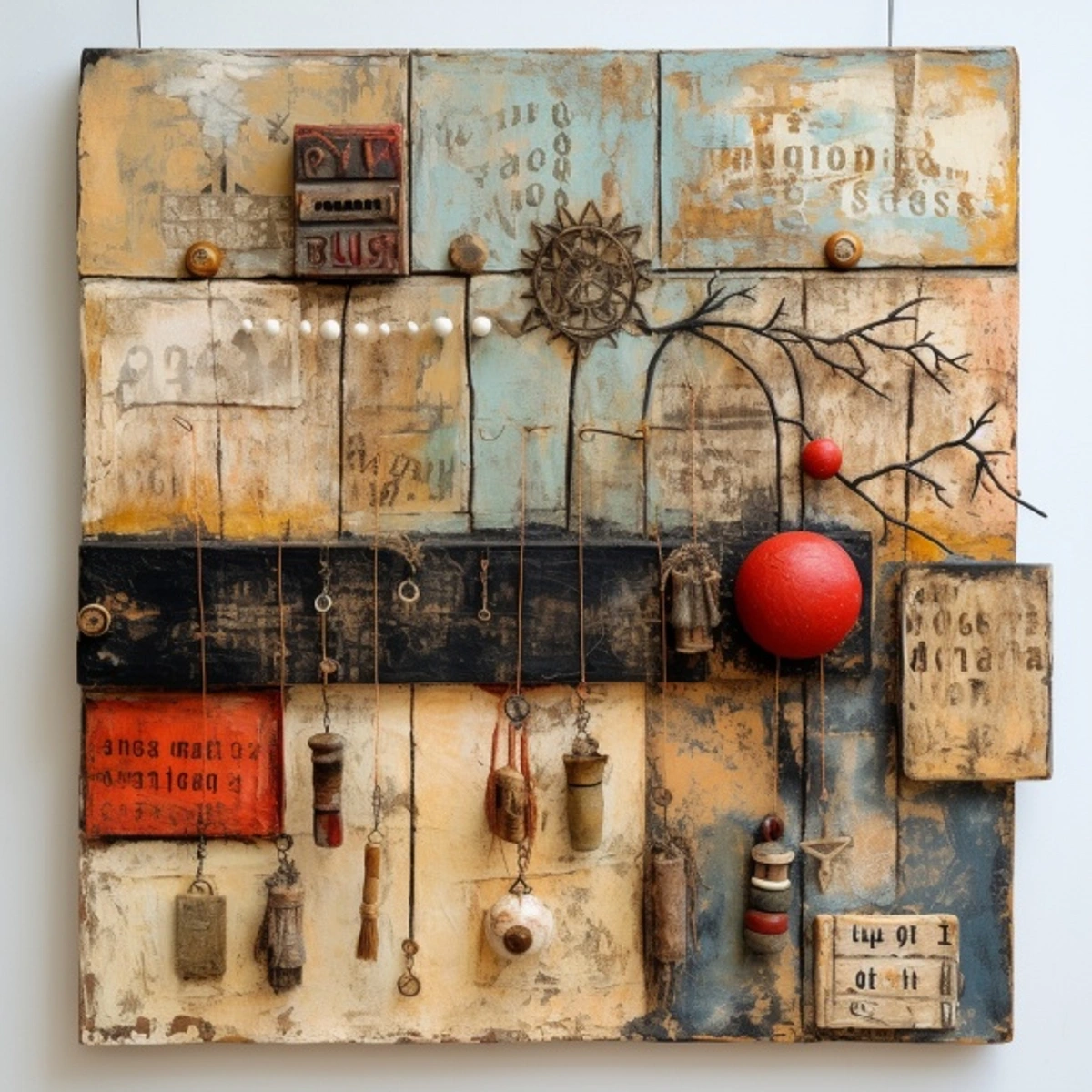
Exercise 1: The Shadow Box
Objective: Explore the Shadow archetype to uncover hidden or repressed aspects of the self.
Materials Needed:
- A small box (shoe box size works well)
- Collage materials (magazines, photographs, fabric, etc.)
- Glue, scissors, markers, paint
Instructions:
- Ask the client to think about parts of themselves they don’t usually acknowledge or accept. These could be negative emotions, past traumas, or even positive qualities they’ve suppressed.
- Using the collage materials, have the client decorate the outside of the box to represent their Persona—the mask they show to the world.
- Inside the box, the client places images or objects that represent their Shadow—the hidden aspects of themselves.
- Once the box is complete, the client and therapist discuss what it was like to create it and what insights arose.
Exercise 2: The Hero’s Journey
Objective: Use the Hero archetype to explore personal growth and transformation.
Materials Needed:
- Large sheet of paper or canvas
- Painting or drawing supplies
Instructions:
- Ask the client to think about a challenge or obstacle they’ve faced or are currently facing.
- Have them create a visual representation of their Hero’s Journey, including:
- The Call to Adventure (the challenge or obstacle)
- The Trials and Tribulations (the difficulties they faced)
- The Transformation (how they’ve grown or changed)
- Discuss the artwork, focusing on the emotions and insights that emerged during the process.
Exercise 3: The Wise Old Man/Woman
Objective: Connect with inner wisdom and guidance.
Materials Needed:
- Drawing or painting supplies
- A quiet, reflective space
Instructions:
- Ask the client to close their eyes and imagine a wise figure who embodies wisdom and guidance.
- Have them draw or paint this figure, focusing on the qualities they associate with wisdom.
- Discuss the artwork, exploring how the client can tap into their own inner wisdom and guidance.
Exercise 4: The Child Archetype
Objective: Explore innocence, potential, and new beginnings.
Materials Needed:
- Drawing or painting supplies
- Optional: Childhood photographs or mementos
Instructions:
- Ask the client to reflect on their childhood or a time when they felt a sense of new beginnings.
- Have them create an artwork that represents this time, focusing on the emotions and memories associated with it.
- Discuss the artwork, exploring how the client can reconnect with their sense of innocence and potential.
Exercise 5: The Trickster Archetype
Objective: Embrace chaos, humor, and spontaneity.
Materials Needed:
- Mixed media supplies (e.g., markers, stickers, glitter, etc.)
- A playful mindset
Instructions:
- Ask the client to think about a time when they felt constrained by rules or expectations.
- Have them create a chaotic, playful artwork that represents breaking free from these constraints.
- Discuss the artwork, focusing on how embracing spontaneity can lead to creativity and freedom.
Case Studies and Examples
Let’s look at a couple of real-world examples to see how this works in practice.
Case Study 1: Healing Through the Wise Old Woman
A client named Sarah was struggling with feelings of loneliness and isolation. She felt like she had no one to turn to for guidance or support. Her therapist suggested she explore the Wise Old Woman archetype.
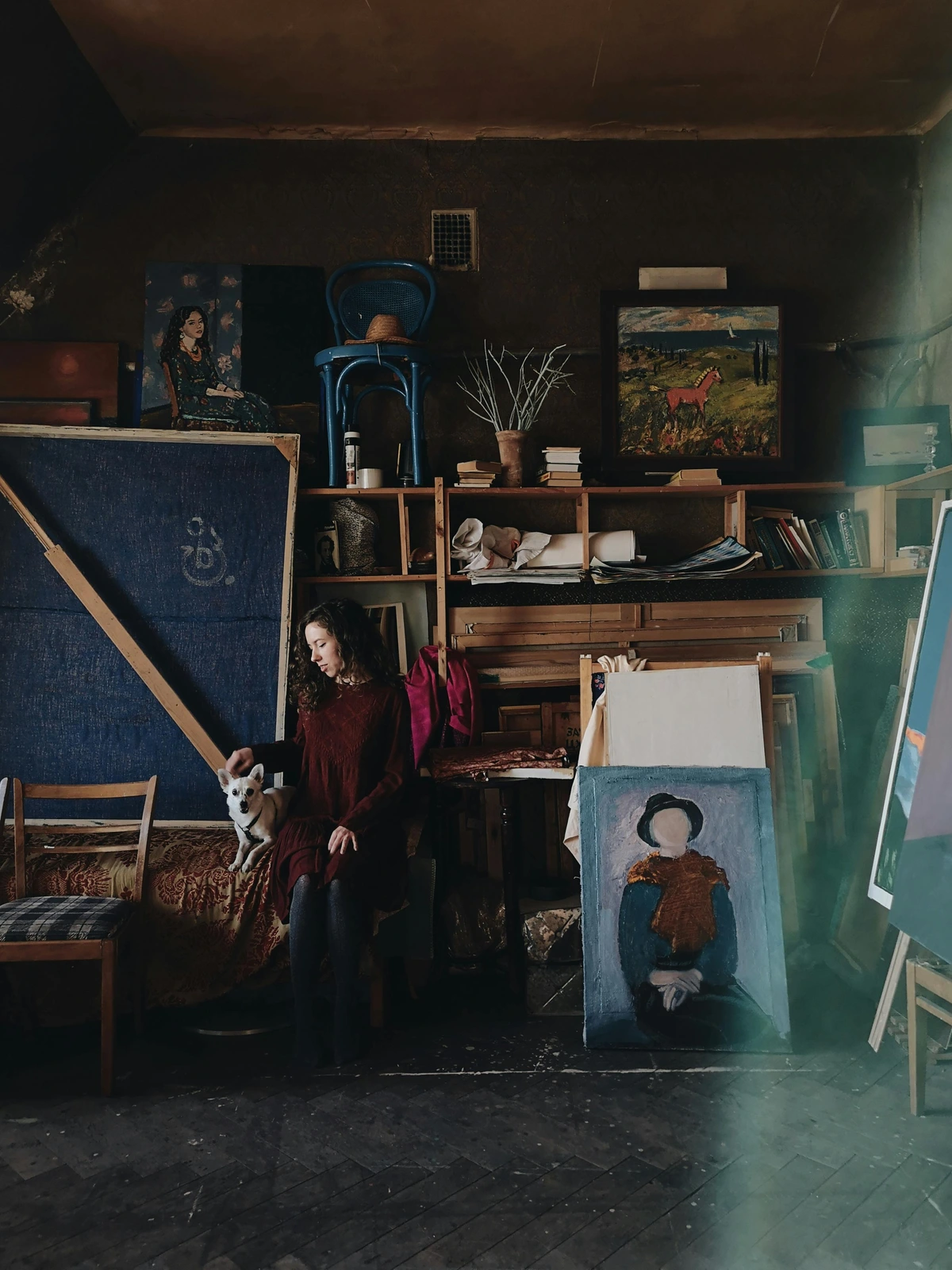
Sarah created a painting of an elderly woman sitting under a tree, surrounded by animals. As she painted, she realized that the Wise Old Woman represented the wisdom and strength she already had within herself. This insight helped her feel more empowered and less alone.

Case Study 2: Confronting the Shadow
John, a client dealing with anger issues, was asked to create a Shadow Box. On the outside, he decorated the box with images of a smiling, successful man—his Persona. Inside, he placed images of a snarling wolf and dark, stormy skies—his Shadow.
Through this exercise, John was able to acknowledge and confront his repressed anger. He realized that his anger wasn’t something to be feared or suppressed but something to be understood and managed.
Case Study 3: Embracing the Trickster
Emma, a client who struggled with perfectionism, was introduced to the Trickster archetype. She created a playful, chaotic collage that represented her desire to break free from rigid expectations. Through this exercise, Emma learned to embrace spontaneity and imperfection, leading to a greater sense of freedom and creativity.
Case Study 4: The Hero’s Journey
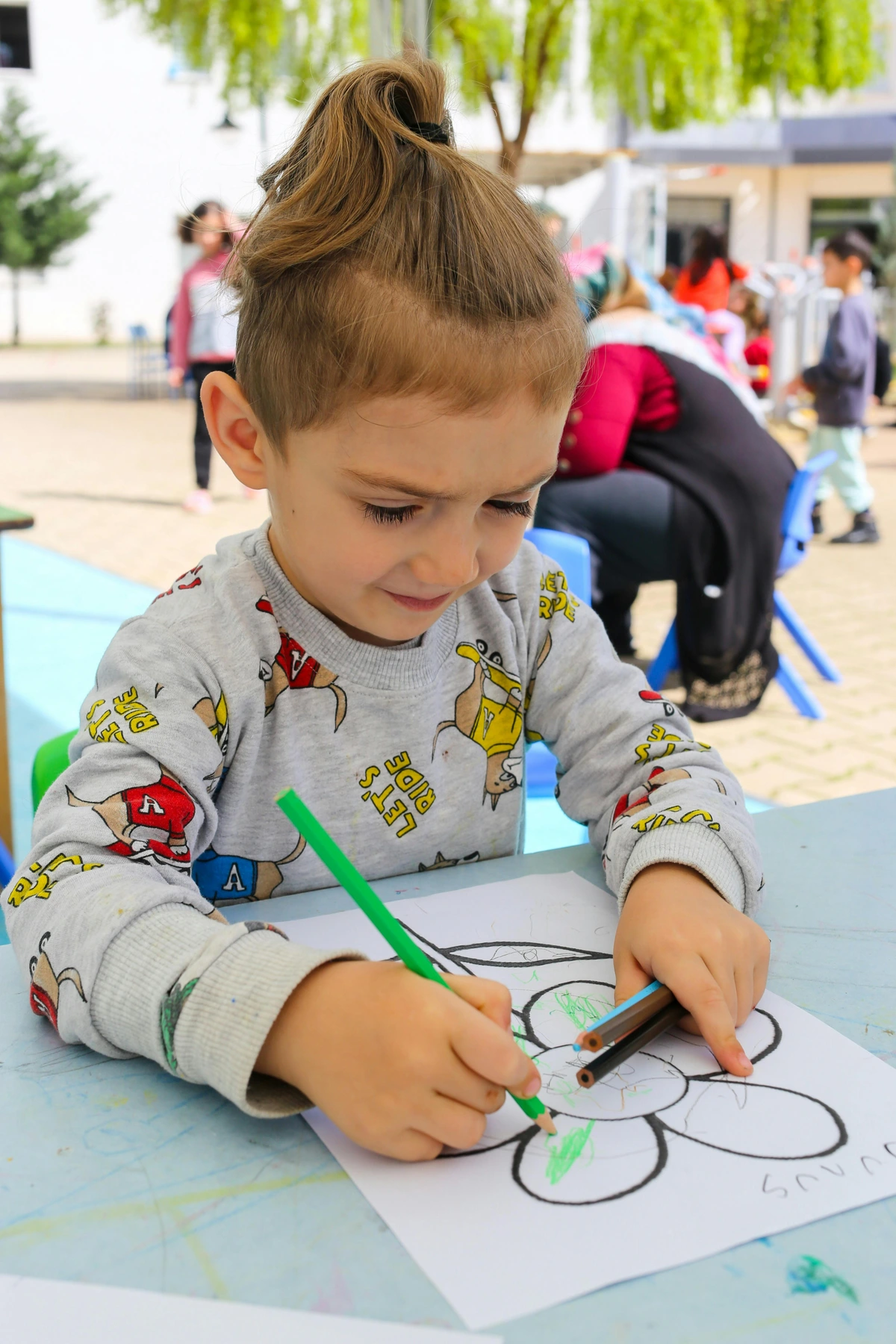
Mark, a client recovering from a major life setback, was guided through the Hero’s Journey exercise. He created a series of drawings depicting his challenges, struggles, and eventual triumphs. This process helped him reframe his experiences as part of a transformative journey, giving him a sense of purpose and resilience.

Considerations and Challenges
While Jungian archetypes can be incredibly powerful in art therapy, there are some considerations and challenges to keep in mind.

Cultural Sensitivity
Archetypes are universal, but their expressions can vary widely across cultures. It’s essential to be sensitive to cultural differences and to avoid imposing a Western interpretation of archetypes on clients from different backgrounds.

Personal Bias
Therapists must be aware of their own biases and projections. It’s easy to see what we want to see in a client’s artwork, but it’s crucial to let the client’s interpretation guide the process.
Emotional Intensity
Exploring archetypes can bring up intense emotions. It’s important to create a safe, supportive environment and to be prepared to handle strong emotional reactions.

Ethical Considerations
Therapists should ensure that the use of archetypes in art therapy is aligned with the client’s goals and values. It’s important to respect the client’s autonomy and to avoid imposing any specific interpretation of archetypes on them.
Client Readiness
Not all clients may be ready to engage with archetypes in art therapy. It’s important to assess the client’s emotional readiness and to introduce archetypes gradually, ensuring that the client feels safe and supported throughout the process.
FAQ
What are Jungian archetypes?
Jungian archetypes are universal, innate prototypes for ideas and images that reside in the collective unconscious. They represent fundamental human motifs and experiences that are shared across cultures and time.

How can archetypes be used in art therapy?
Archetypes can be used in art therapy to help clients explore and express their inner worlds. By creating visual representations of archetypes, clients can tap into their subconscious minds, uncover hidden emotions, and gain insights into their personal journeys.
Do I need to be an artist to benefit from this approach?
Not at all! Art therapy isn’t about creating masterpieces; it’s about the process of creation and self-expression. Anyone can benefit from this approach, regardless of their artistic skill level.
Can archetypes be harmful?
While archetypes can be powerful tools for healing, they can also bring up intense emotions. It’s important to work with a trained art therapist who can provide a safe, supportive environment.

How do I know which archetype to explore?
The choice of archetype depends on the client’s current emotional state or life situation. A trained art therapist can help guide this process, but ultimately, the client’s intuition and resonance with a particular archetype should lead the way.
What if I don’t resonate with any archetype?
It’s okay if you don’t immediately resonate with an archetype. Sometimes, it takes time to explore and understand which archetype aligns with your current emotional state or life situation. A trained art therapist can help you navigate this process.
Can I use multiple archetypes in one session?
Yes, you can explore multiple archetypes in one session. However, it’s important to ensure that the exploration is guided and structured to avoid overwhelming emotions or confusion.
How long does it take to see the benefits of using archetypes in art therapy?
The benefits of using archetypes in art therapy can vary depending on the individual and their unique circumstances. Some people may experience immediate insights, while others may take longer to process and integrate their experiences.
Are there any specific art materials recommended for archetype-based art therapy?
The choice of art materials depends on the client’s preferences and the specific exercise. Common materials include drawing supplies, paints, collage materials, and clay. The goal is to use materials that the client feels comfortable with and that allow for creative expression.
Can archetypes be used in group art therapy sessions?
Yes, archetypes can be effectively used in group art therapy sessions. Group sessions can provide a supportive environment where participants can share their experiences and insights, fostering a sense of community and shared understanding.
Conclusion
Exploring Jungian archetypes in art therapy is like embarking on a journey into the depths of the psyche. It’s a process of discovery, healing, and transformation. Whether you’re a therapist looking to incorporate new techniques into your practice or someone interested in using art for personal growth, the power of archetypes is undeniable.
And remember, you don’t need to be an artist to benefit from this approach. The goal isn’t to create a masterpiece; it’s to create a dialogue between your conscious and unconscious minds. So grab some art supplies, pick an archetype that resonates with you, and start exploring. You might be surprised by what you find.
If you’re interested in exploring more about the intersection of art and psychology, check out our timeline of artistic movements and their psychological underpinnings. And if you’re inspired to create your own art, visit our buy page to find tools and materials to get started.

Happy creating!
Additional Resources
- Books:
- Man and His Symbols by Carl Jung
- The Hero with a Thousand Faces by Joseph Campbell
- Art as Therapy by Alain de Botton and John Armstrong
- Websites:
- The Jung Page
- American Art Therapy Association
- Workshops:
- Look for local art therapy workshops or online courses that incorporate Jungian archetypes.
Table: Common Jungian Archetypes and Their Meanings
Archetype  | Meaning | Example in Art Therapy |
|---|---|---|
| The Shadow | Represents repressed or hidden aspects of the self | Creating a Shadow Box to explore hidden emotions |
| The Anima/Animus | The feminine side of a man (anima) and the masculine side of a woman (animus) | Drawing or painting the opposite gender to explore balance |
| The Persona | The mask we present to the world | Creating a collage of the external self vs. the internal self |
| The Hero | Represents growth, transformation, and overcoming challenges | Painting a personal Hero’s Journey |
| The Wise Old Man/Woman | Symbolizes wisdom, guidance, and insight | Drawing a wise figure to explore inner wisdom |
| The Child | Represents innocence, potential, and new beginnings | Creating art that explores childhood memories or future aspirations |
| The Trickster | Represents chaos, humor, and the breaking of rules | Using playful, unconventional art techniques to explore spontaneity |
Image Suggestions
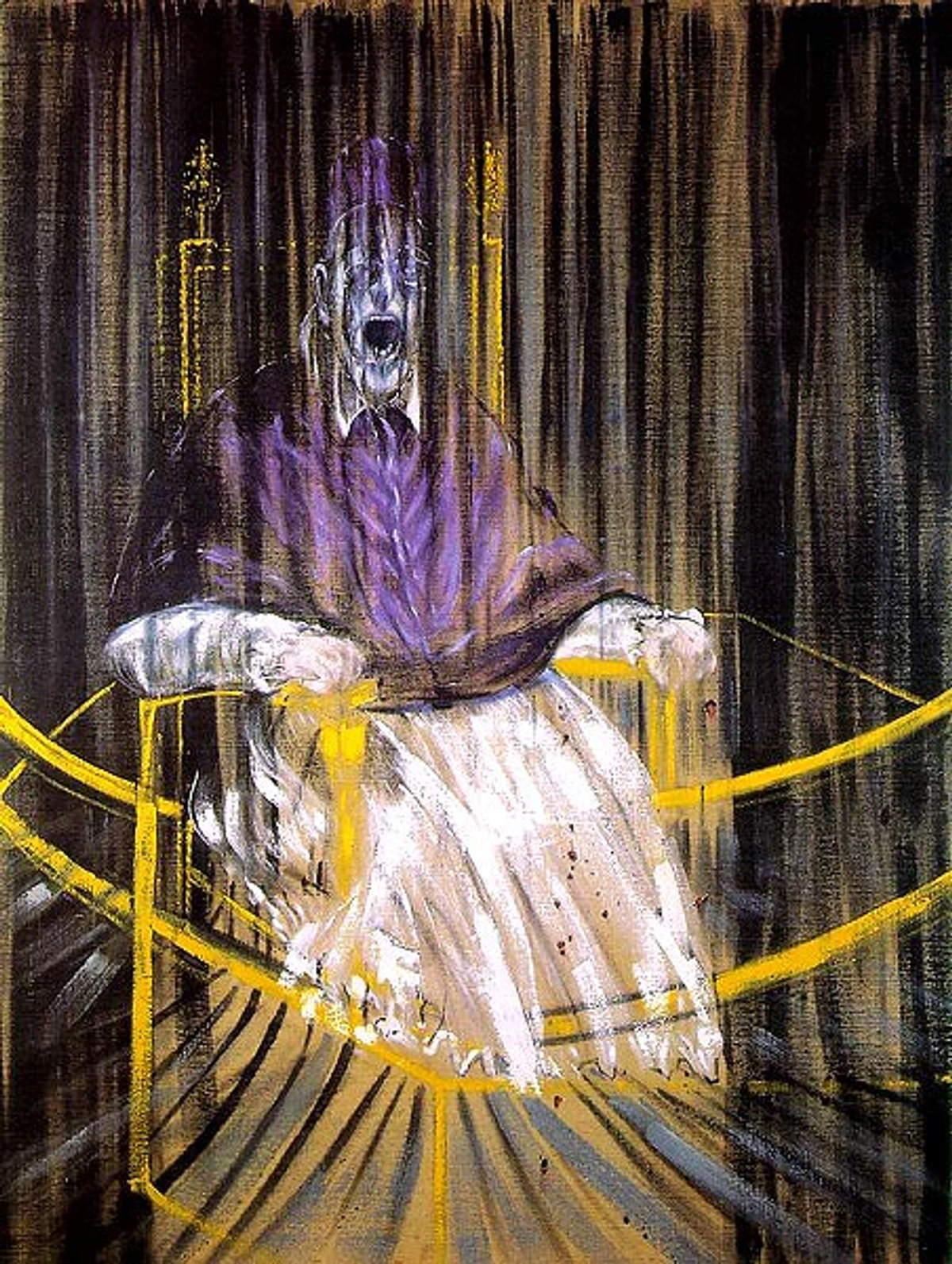
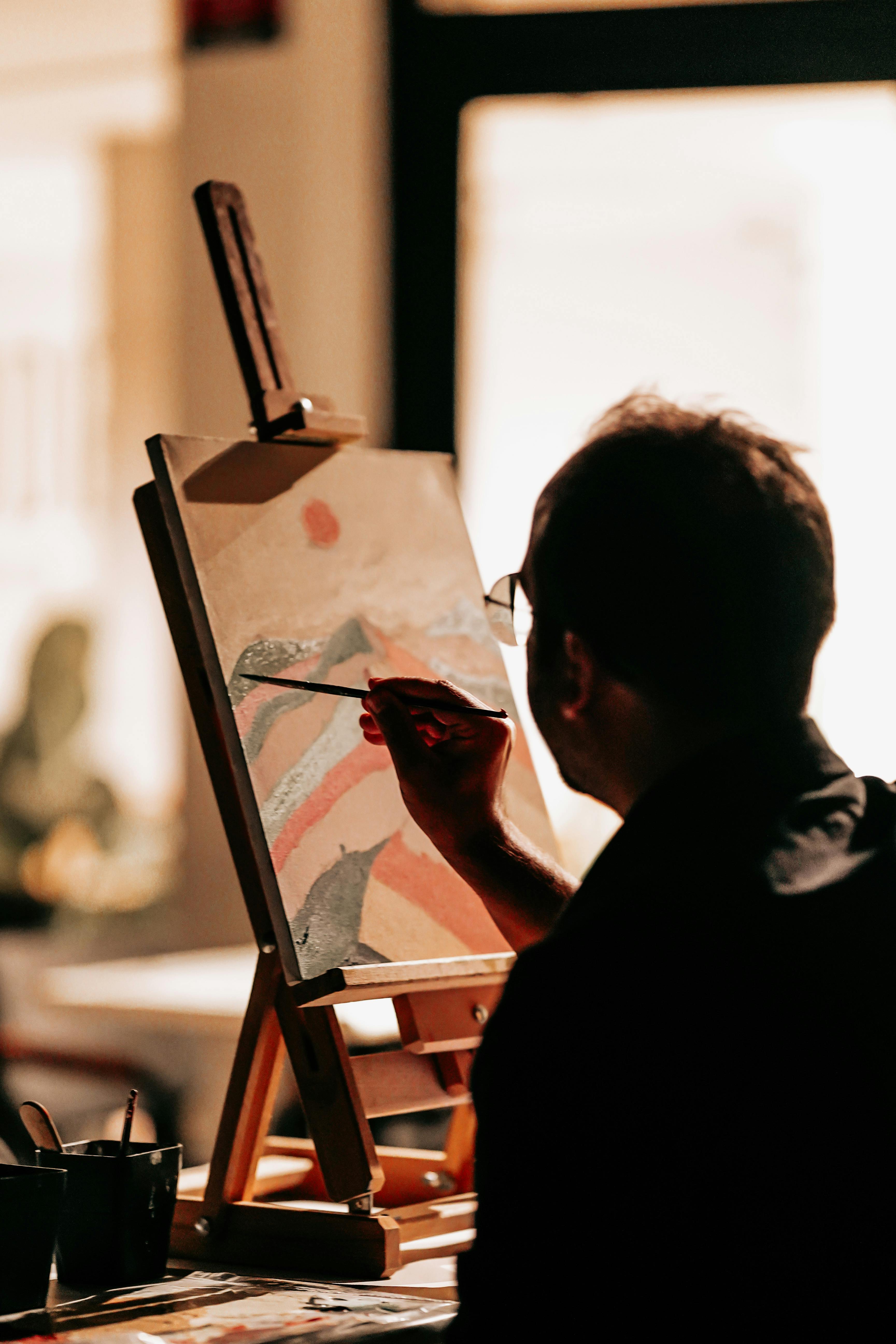
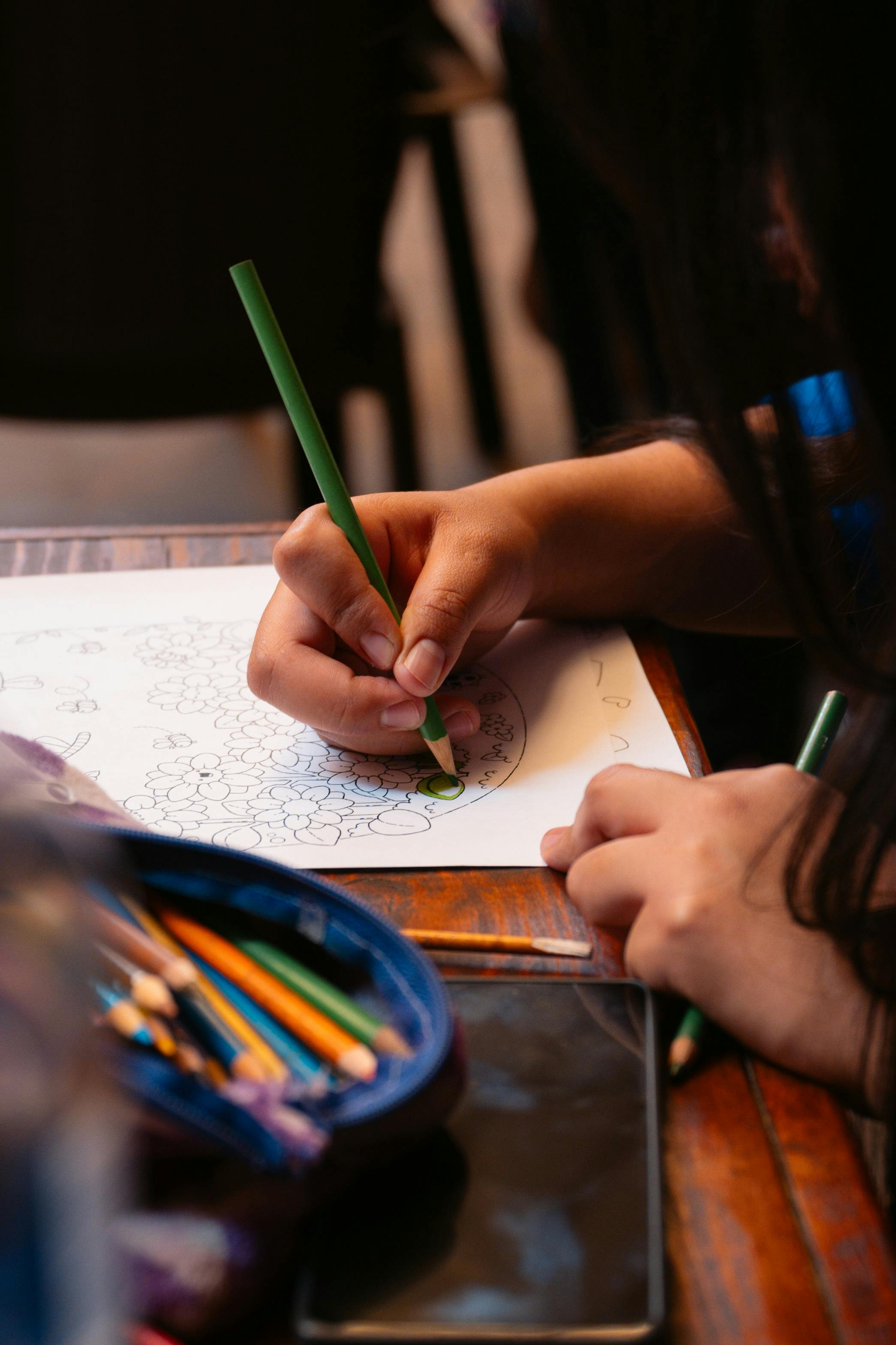
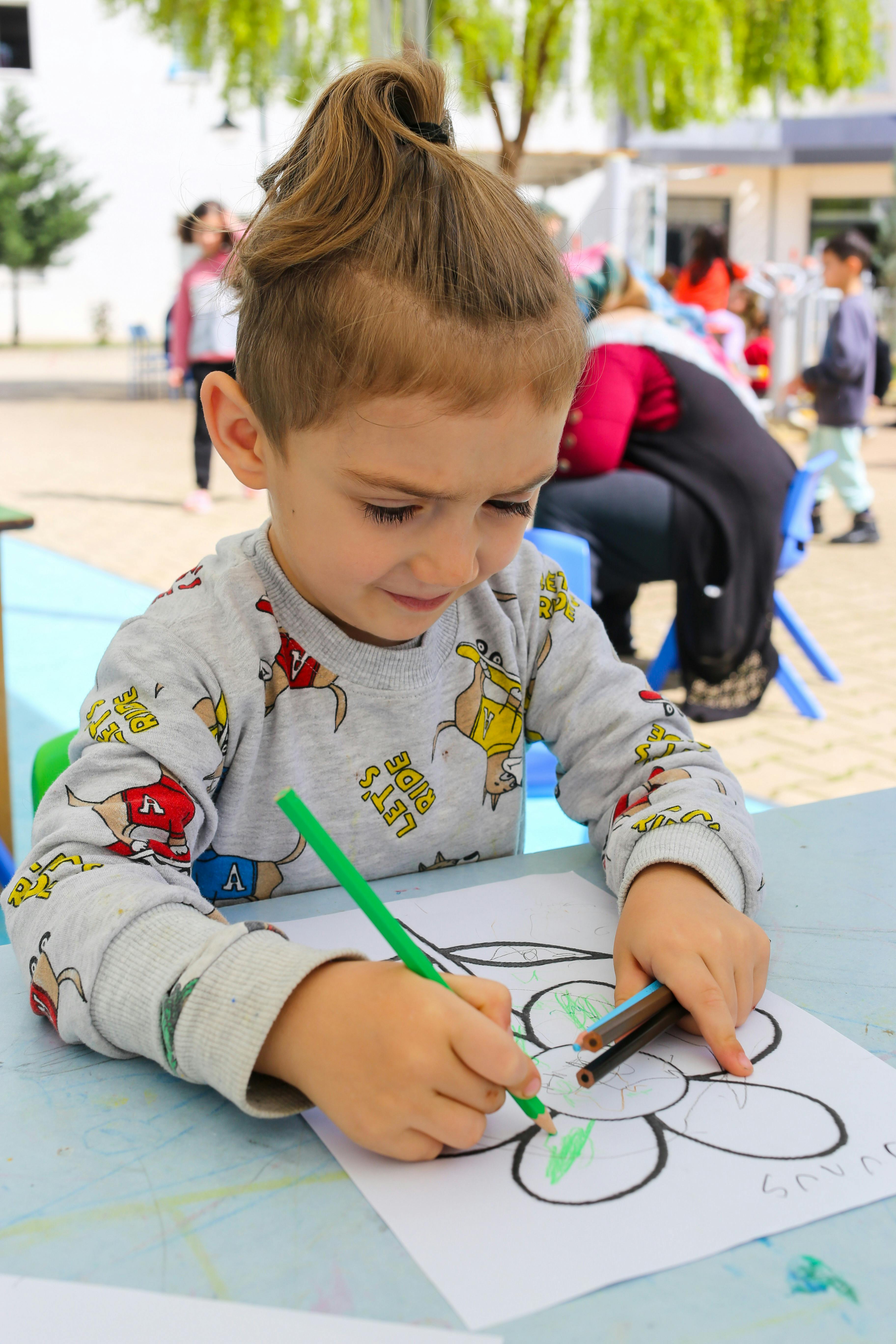
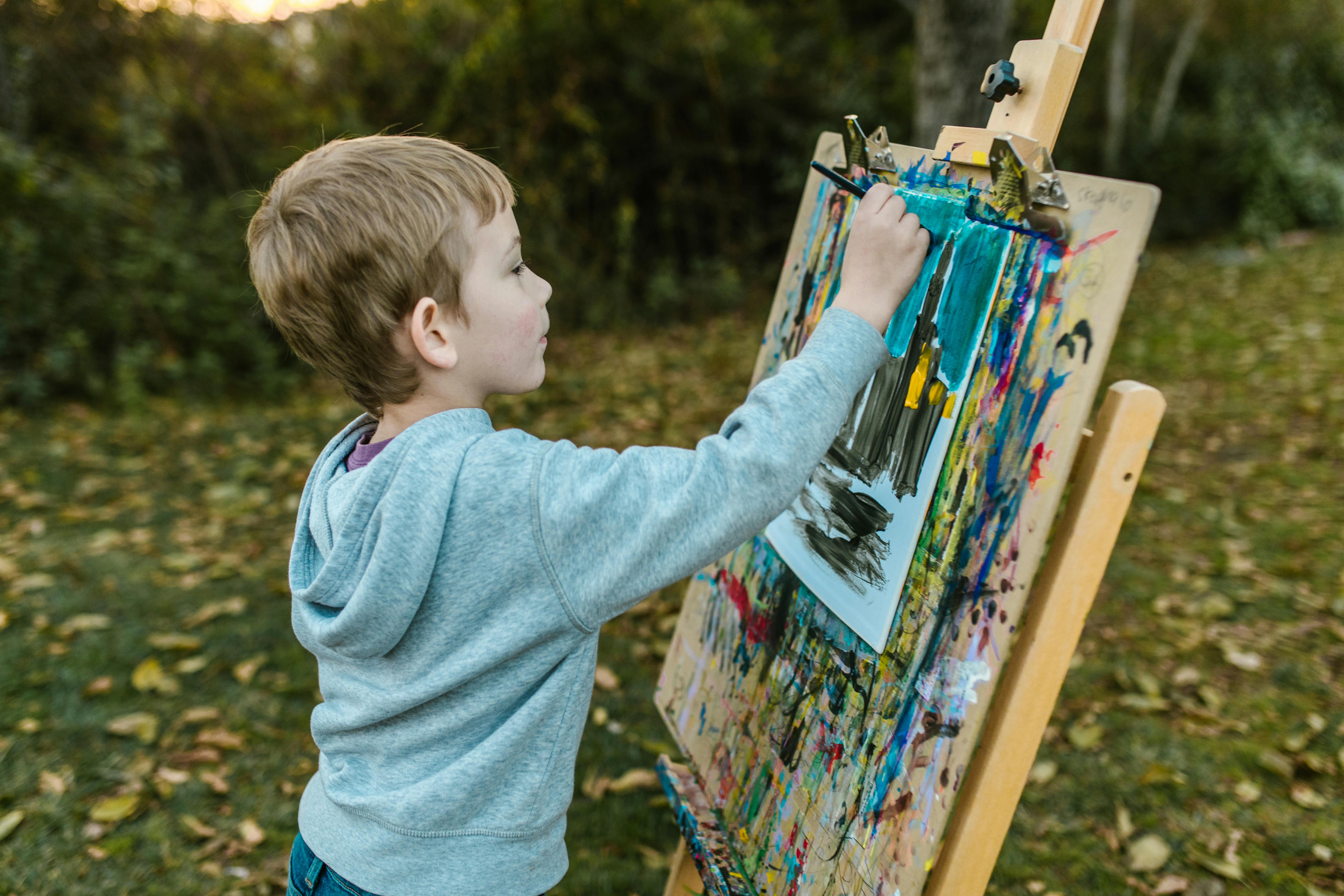
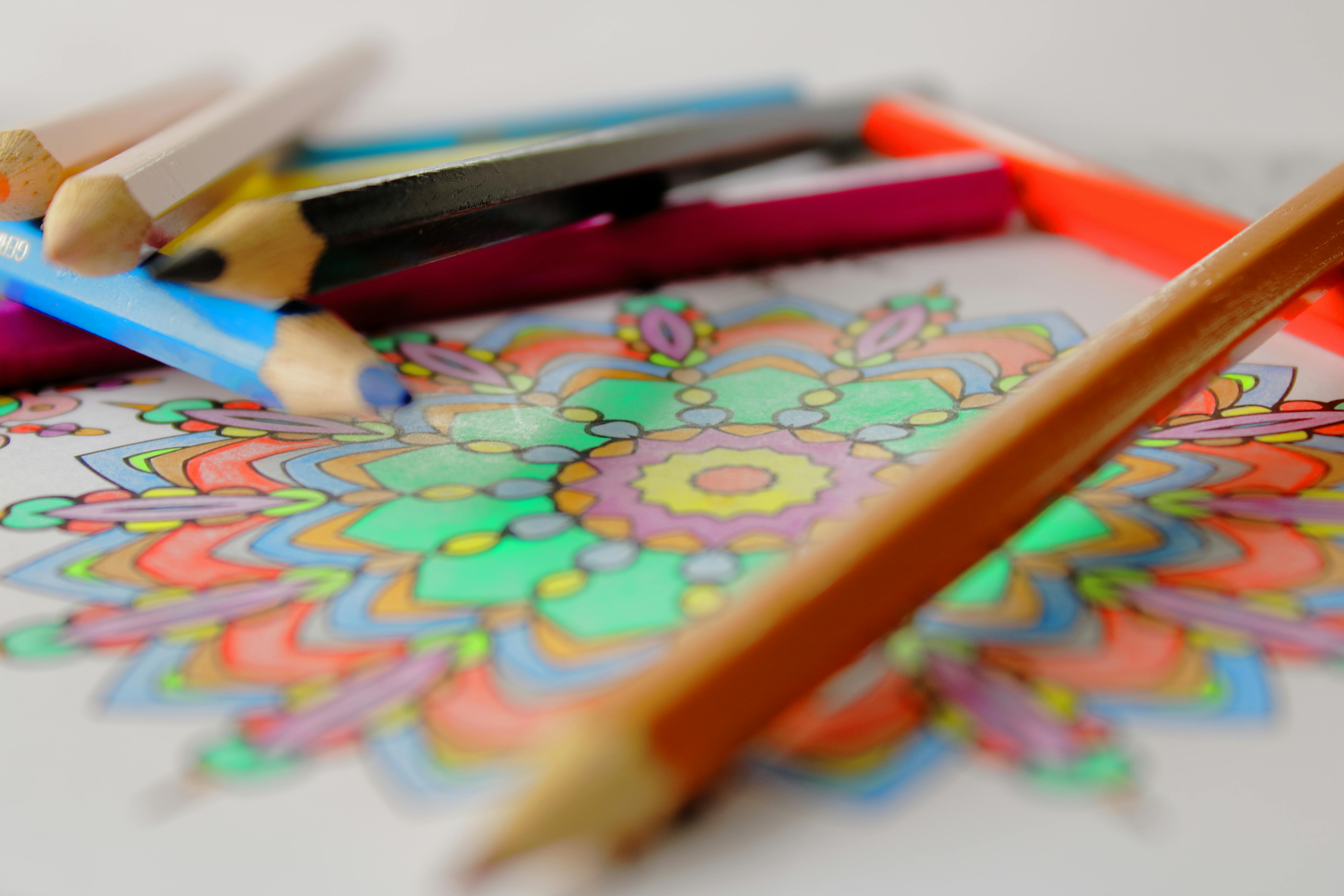
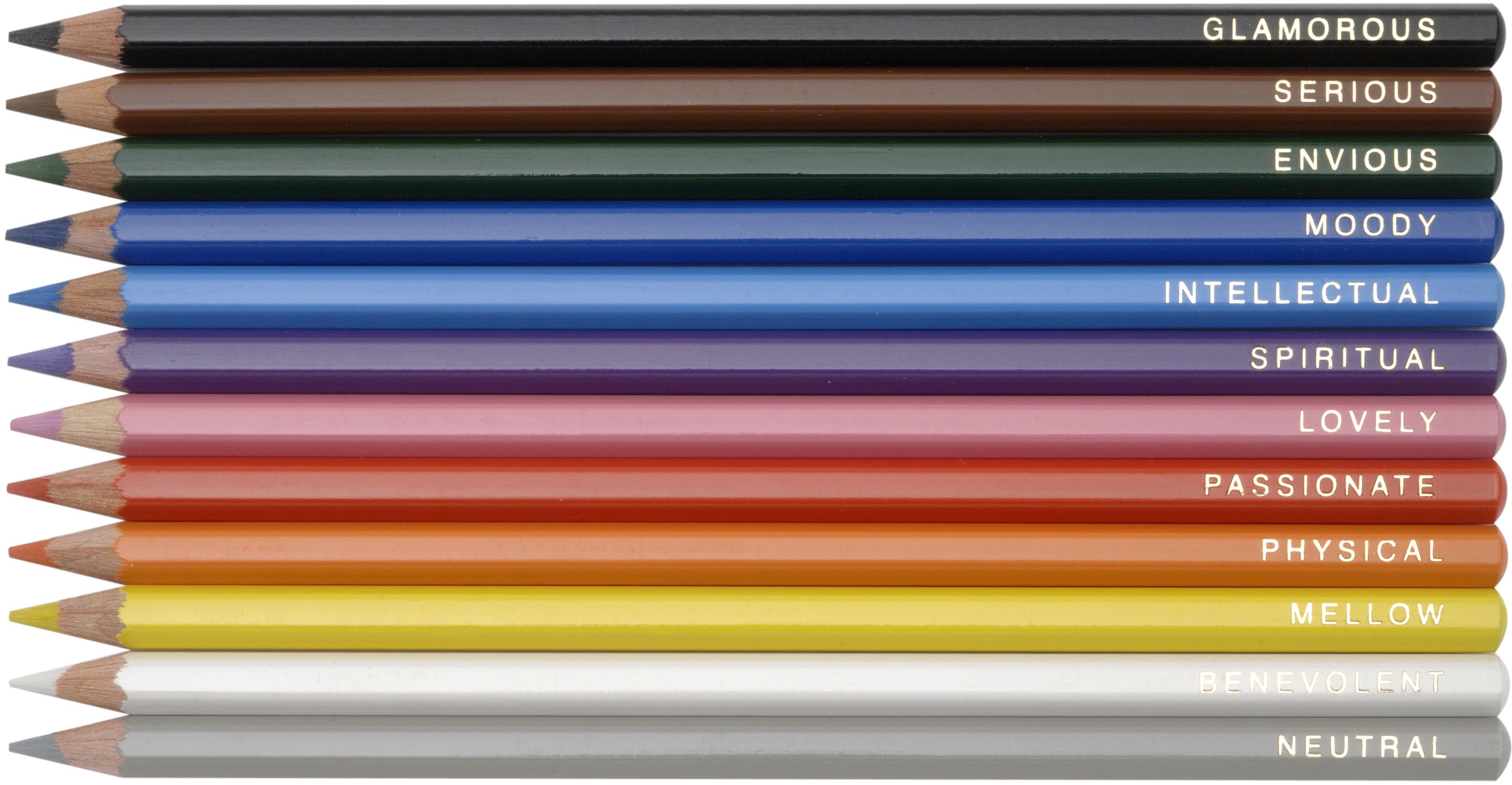
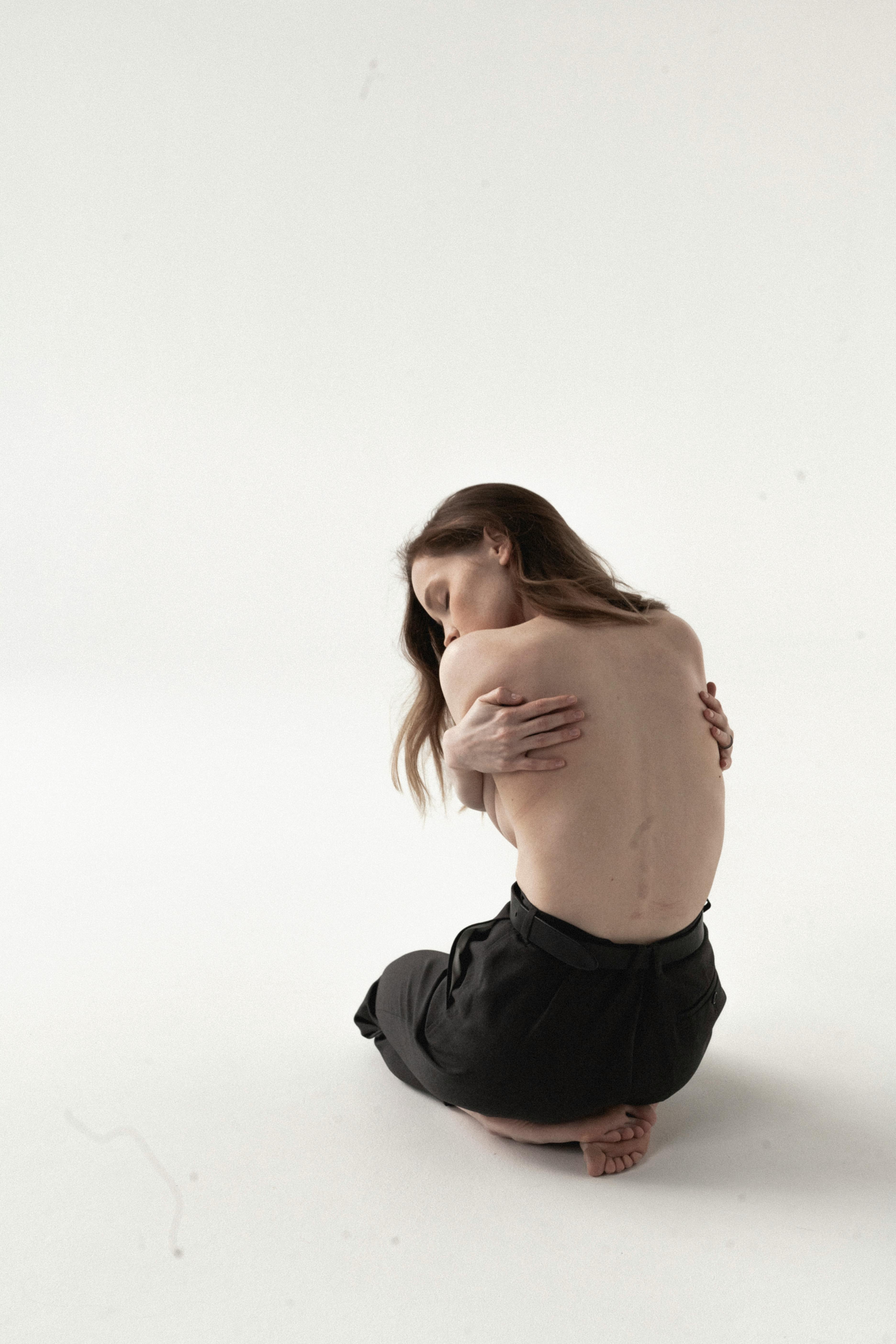
Here are a couple of images that could enhance this article:
Credit, License











Credit, License
Final Thoughts
Art therapy with Jungian archetypes is a powerful tool for self-discovery and healing. It’s a journey that can be as profound as it is transformative. So why not give it a try? You might just find that the answers you’ve been searching for have been within you all along.
Exploring Further
If you're curious about how Jungian archetypes can be applied beyond therapy, consider exploring their role in creative practices like writing, filmmaking, and visual arts. Many artists and creators use archetypes to craft compelling narratives and characters that resonate deeply with audiences. This interdisciplinary approach can enrich your understanding and application of archetypes in various contexts.