
Using Jungian Archetypes in Art: A Comprehensive Guide
Explore how Jungian archetypes can deepen your artistic expression. Learn practical tips, examples, and FAQs in this engaging guide.

Using Jungian Archetypes in Art: A Comprehensive Guide
I remember the first time I stumbled upon Carl Jung’s work. It was like finding a secret map to the human psyche, one that promised to unlock hidden layers of meaning in everything from dreams to art. If you’ve ever felt that your artwork could carry more emotional weight or tell a deeper story, Jungian archetypes might just be the key you’re looking for.
But what exactly are Jungian archetypes, and how can they transform your creative process? Let’s dive in and explore how these timeless symbols can breathe new life into your art.
The Historical Context of Jungian Archetypes
To fully appreciate the power of Jungian archetypes, it’s essential to understand their historical context. Carl Jung introduced the concept of archetypes as part of his broader theory of the collective unconscious. This idea was revolutionary in the early 20th century, as it suggested that all humans share a set of innate, universal symbols and themes. These archetypes are not just psychological constructs but are deeply embedded in our cultural narratives, from ancient myths to modern storytelling.
Why Jungian Archetypes Matter in Art
Archetypes are not just abstract concepts; they are the building blocks of human storytelling. From ancient myths to modern cinema, these universal symbols resonate deeply with audiences because they tap into shared human experiences. For artists, understanding and leveraging these archetypes can elevate their work from mere visual appeal to profound emotional resonance.
The Psychological Impact of Archetypes in Art
Archetypes have a profound psychological impact on both the artist and the viewer. For the artist, they serve as a wellspring of inspiration, providing a framework to explore complex emotions and themes. For the viewer, archetypes evoke a sense of familiarity and connection, making the artwork more relatable and emotionally resonant. This dual impact is what makes archetypal art so powerful—it bridges the gap between the personal and the universal.

What Are Jungian Archetypes?
Jungian archetypes are universal, innate models of people, behaviors, or personalities that derive from the collective unconscious. Think of them as the blueprints of the human experience—shared symbols and themes that resonate across cultures and time periods. These archetypes aren’t just theoretical constructs; they’re the building blocks of myths, religions, dreams, and, yes, even art.
The Evolution of Archetypes
Archetypes have evolved over time, adapting to the cultural and societal changes of each era. While their core essence remains constant, their manifestations can vary significantly. For example, the archetype of The Hero in ancient Greek mythology may differ from its modern-day counterpart in superhero movies, but the underlying themes of courage and triumph remain the same.
The Role of Archetypes in Human Culture
Archetypes are not confined to psychology; they permeate every aspect of human culture. From the heroes of ancient Greek mythology to the villains of modern-day blockbusters, these symbols shape our understanding of the world. They provide a framework for interpreting complex emotions, relationships, and societal dynamics, making them invaluable tools for artists seeking to communicate universal truths.
Archetypes in Modern Media
Modern media, including films, television, and literature, heavily rely on archetypes to create compelling narratives. For instance, the journey of The Hero is a recurring theme in many blockbuster movies, while The Trickster often appears in comedies and satirical works. Understanding these archetypes can help artists create works that resonate with contemporary audiences.
The Collective Unconscious
The collective unconscious is a concept introduced by Carl Jung to describe the part of the psyche that retains and transmits the common psychological inheritance of humanity. It’s the reservoir of our experiences as a species, filled with archetypes that manifest in our dreams, art, and cultural narratives.
The Collective Unconscious and Artistic Inspiration
For artists, the collective unconscious serves as an endless source of inspiration. By tapping into these shared symbols, artists can create works that transcend cultural and linguistic barriers. This connection to the collective unconscious is what makes archetypal art so universally appealing and emotionally resonant.
Archetypes and the Artist’s Journey
For artists, the collective unconscious serves as a wellspring of inspiration. By tapping into these shared symbols, artists can create works that resonate deeply with viewers, transcending cultural and linguistic barriers. This connection is what makes archetypal art so powerful—it speaks to the universal human experience, evoking emotions and memories that are both personal and collective.
The Artist’s Personal Connection to Archetypes
Every artist has a unique relationship with archetypes. Some may find themselves drawn to The Creator, while others may resonate with The Explorer or The Rebel. This personal connection can serve as a guiding force in the creative process, helping artists to explore their own motivations, fears, and aspirations.

Key Archetypes in Art
Here are some of the most common archetypes you might encounter (or want to use) in art:
Expanding the List of Archetypes
While the table below covers some of the most well-known archetypes, it’s important to note that there are many others. For example, The Mentor, The Outcast, and The Seeker are also powerful archetypes that can add depth and complexity to your artwork. Exploring these additional archetypes can provide even more opportunities for creative expression.
Archetype  | Description | Example in Art |
|---|---|---|
| The Hero | Represents courage, determination, and the journey to overcome obstacles. | Paintings of warriors, sculptures of triumphant figures. |
| The Shadow | Embodies the darker, unseen aspects of the self. | Abstract pieces exploring inner turmoil, dark color palettes. |
| The Anima/Animus | Represents the feminine side of a man (anima) or the masculine side of a woman (animus). | Artworks depicting duality, balance, or androgynous figures. |
| The Wise Old Man/Woman | Symbolizes wisdom, guidance, and knowledge. | Portraits of elder figures, symbolic representations of mentors. |
| The Child | Innocence, potential, and rebirth. | Images of children, motifs of new beginnings or renewal. |
| The Trickster | Mischief, chaos, and the disruption of norms. | Surreal or humorous artworks, figures breaking conventional rules. |
| The Mother | Nurturing, fertility, and unconditional love. | Depictions of motherhood, nature, or abundance. |
| The Lover | Passion, desire, and emotional connection. | Romantic scenes, intimate portraits, or symbolic representations of love. |
| The Creator | Innovation, imagination, and the act of creation. | Artworks depicting artists at work, abstract representations of creativity. |
| The Ruler | Authority, control, and leadership. | Portraits of kings, queens, or powerful figures. |
| The Sage | Pursuit of knowledge, truth, and understanding. | Depictions of scholars, libraries, or symbolic representations of wisdom. |
| The Explorer | Adventure, discovery, and the quest for the unknown. | Landscapes, maps, or artworks depicting journeys. |
| The Caregiver | Compassion, altruism, and the desire to protect. | Artworks depicting healers, nurses, or acts of kindness. |
| The Magician | Transformation, power, and the manipulation of reality. | Surreal artworks, depictions of alchemy, or magical themes. |
| The Rebel | Defiance, revolution, and the challenge of authority. | Artworks depicting protests, rebellions, or non-conformist figures. |
| The Everyday Person | Represents the ordinary individual, often highlighting their struggles and triumphs. | Artworks depicting everyday life, portraits of common people. |
| The Destroyer | Symbolizes transformation through destruction and renewal. | Artworks depicting natural disasters, rebirth, or transformation. |
| The Healer | Represents restoration, healing, and the power of renewal. | Artworks depicting healing processes, medical themes, or spiritual renewal. |
| The Mentor | Represents guidance, wisdom, and the role of a teacher. | Artworks depicting mentors, teachers, or wise figures. |
| The Outcast | Represents isolation, alienation, and the struggle for acceptance. | Artworks depicting lonely figures, outsiders, or marginalized individuals. |
| The Seeker | Represents the quest for meaning, truth, and self-discovery. | Artworks depicting journeys, spiritual quests, or introspective figures. |
| The Mentor | Represents guidance, wisdom, and the role of a teacher. | Artworks depicting mentors, teachers, or wise figures. |
| The Outcast | Represents isolation, alienation, and the struggle for acceptance. | Artworks depicting lonely figures, outsiders, or marginalized individuals. |
| The Seeker | Represents the quest for meaning, truth, and self-discovery. | Artworks depicting journeys, spiritual quests, or introspective figures. |
Why Use Archetypes in Art?
You might be wondering, Why should I care about archetypes in my art? Well, here’s the thing: archetypes tap into something primal. They speak to the subconscious mind, making your artwork feel more relatable, evocative, and timeless. When you incorporate archetypes, you’re not just creating a piece of art; you’re crafting an experience that resonates on a deeper, almost instinctual level.
The Role of Archetypes in Personal Expression
Archetypes can also serve as a tool for personal expression. By exploring these universal symbols, artists can delve into their own psyche, uncovering hidden motivations, fears, and desires. This process of self-discovery can lead to more authentic and meaningful artwork, as it reflects the artist’s unique journey and perspective.
The Power of Universal Symbols
Archetypes are universal symbols that transcend cultural and linguistic barriers. They allow artists to communicate complex ideas and emotions in a way that is immediately recognizable and deeply felt. By leveraging these symbols, artists can create works that are not only visually compelling but also emotionally resonant, making them more impactful and memorable.
The Role of Archetypes in Cross-Cultural Art
One of the most fascinating aspects of archetypes is their ability to transcend cultural boundaries. Whether you’re creating art for a local audience or a global one, archetypes provide a common language that resonates with people from diverse backgrounds. This universality is what makes archetypal art so powerful and enduring.
The Psychological Impact of Archetypes
Archetypes are more than just symbols; they are psychological tools that can evoke emotions, memories, and associations. By leveraging these universal themes, artists can create works that transcend cultural and linguistic barriers, connecting with viewers on a profound level.
The Role of Archetypes in Healing and Therapy
Archetypes can also play a role in healing and therapy. Art therapy, for example, often uses archetypal symbols to help individuals explore their emotions, traumas, and aspirations. By engaging with these symbols, individuals can gain a deeper understanding of themselves and their experiences, leading to personal growth and healing.
Archetypes and Emotional Resonance
The emotional resonance of archetypes lies in their ability to tap into the collective unconscious. When viewers encounter an archetype in art, they often experience a sense of familiarity and connection, even if they cannot articulate why. This emotional response is what makes archetypal art so powerful—it speaks to the universal human experience, evoking emotions and memories that are both personal and collective.
The Role of Archetypes in Storytelling
Archetypes are not just tools for visual artists; they are also essential for storytelling. Whether you’re creating a painting, a sculpture, or a narrative-driven artwork, archetypes can serve as the foundation for your story. By incorporating these universal symbols, you can create a narrative that resonates with viewers on a deep, emotional level.
Practical Benefits
- Emotional Depth: Archetypes help you convey complex emotions and themes without relying solely on literal representation.
- Universal Appeal: Because archetypes are rooted in the collective unconscious, they can make your art accessible to a broader audience.
- Storytelling: Archetypes can serve as the foundation for narrative-driven art, giving your work a sense of purpose and direction.
- Personal Growth: Exploring archetypes can also be a journey of self-discovery, helping you understand your own motivations and fears.
- Cultural Relevance: Archetypes allow artists to tap into shared cultural narratives, making their work more relevant and impactful.
- Creative Inspiration: By exploring archetypes, artists can find new sources of inspiration and break through creative blocks.
- Enhanced Creativity: Archetypes can serve as a catalyst for creativity, helping artists explore new themes and ideas.
- Deeper Connection: Archetypes can help artists create works that resonate deeply with viewers, fostering a sense of connection and understanding.
- Cultural Preservation: Archetypes can help preserve and celebrate cultural heritage, making them valuable tools for artists seeking to explore their cultural identity.
- Therapeutic Value: Archetypes can be used in art therapy to help individuals explore their emotions, traumas, and aspirations, leading to personal growth and healing.
- Educational Tool: Archetypes can serve as an educational tool, helping artists and viewers alike to understand the universal themes and symbols that shape human culture.
How to Incorporate Archetypes into Your Art
Step 1: Identify Your Archetype
Start by asking yourself: What story do I want to tell? Are you exploring themes of struggle and triumph? Then The Hero might be your archetype. Are you delving into the complexities of human nature? The Shadow could be your guide. Spend some time journaling or brainstorming to pinpoint which archetype aligns with your artistic vision.
Understanding Your Archetype
Once you’ve identified your archetype, take the time to understand its symbolism and associations. Read myths, study historical artworks, and explore modern media that embodies your chosen archetype. Reflect on how these elements can be translated into your own unique style.
Step 2: Research and Reflect
Once you’ve identified your archetype, dive deep into its symbolism and associations. Read myths, study historical artworks, and even explore modern media that embodies your chosen archetype. Reflect on how these elements can be translated into your own unique style.
Exploring Archetypes in Different Cultures
Archetypes manifest differently across cultures. For example, The Hero in Western culture may be a knight or a superhero, while in Eastern culture, it could be a warrior or a spiritual leader. Exploring these cultural variations can provide a richer understanding of your chosen archetype and inspire new creative directions.
Step 3: Experiment with Symbolism
Archetypes are rich with symbolic imagery. For example:
- The Hero: Swords, shields, journeys, trials.
- The Shadow: Darkness, mirrors, fragmented forms.
- The Mother: Flowers, nurturing hands, abundant landscapes.
Experiment with incorporating these symbols into your artwork. Don’t be afraid to mix and match or put your own spin on traditional imagery.
Creating Your Own Symbols
While traditional symbols can be powerful, don’t be afraid to create your own. Your unique perspective and experiences can lead to the development of new symbols that resonate with your personal journey. These symbols can add a layer of authenticity and originality to your artwork.

Step 4: Play with Composition and Color
The way you compose your artwork and choose your colors can also reinforce your chosen archetype. For instance:
- The Hero: Bold, dynamic compositions with vibrant colors.
- The Shadow: Dark, moody palettes with stark contrasts.
- The Trickster: Playful, chaotic arrangements with unexpected color combinations.
The Role of Texture and Medium
Texture and medium can also play a significant role in reinforcing your chosen archetype. For example, rough textures and bold brushstrokes can evoke the raw power of The Hero, while soft, blended textures can convey the nurturing essence of The Mother. Experiment with different mediums and techniques to find what best suits your archetype.
Step 5: Trust Your Intuition
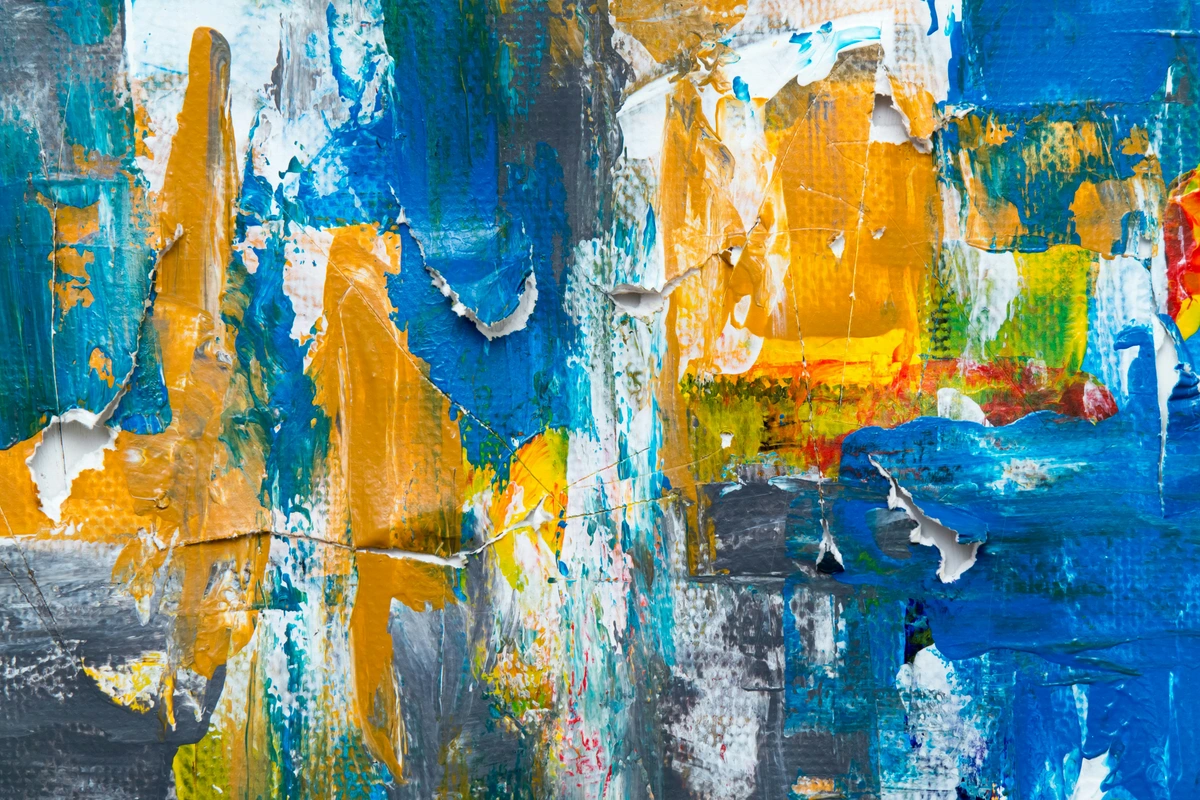
While it’s helpful to have a plan, don’t be afraid to let your intuition guide you. Sometimes, the most powerful archetypal expressions come from spontaneous, unplanned moments of creativity.
The Role of Intuition in the Creative Process
Intuition is a powerful tool in the creative process. It allows you to tap into your subconscious mind, where many of your deepest thoughts and emotions reside. By trusting your intuition, you can create artwork that is more authentic and emotionally resonant.
Examples of Archetypes in Art
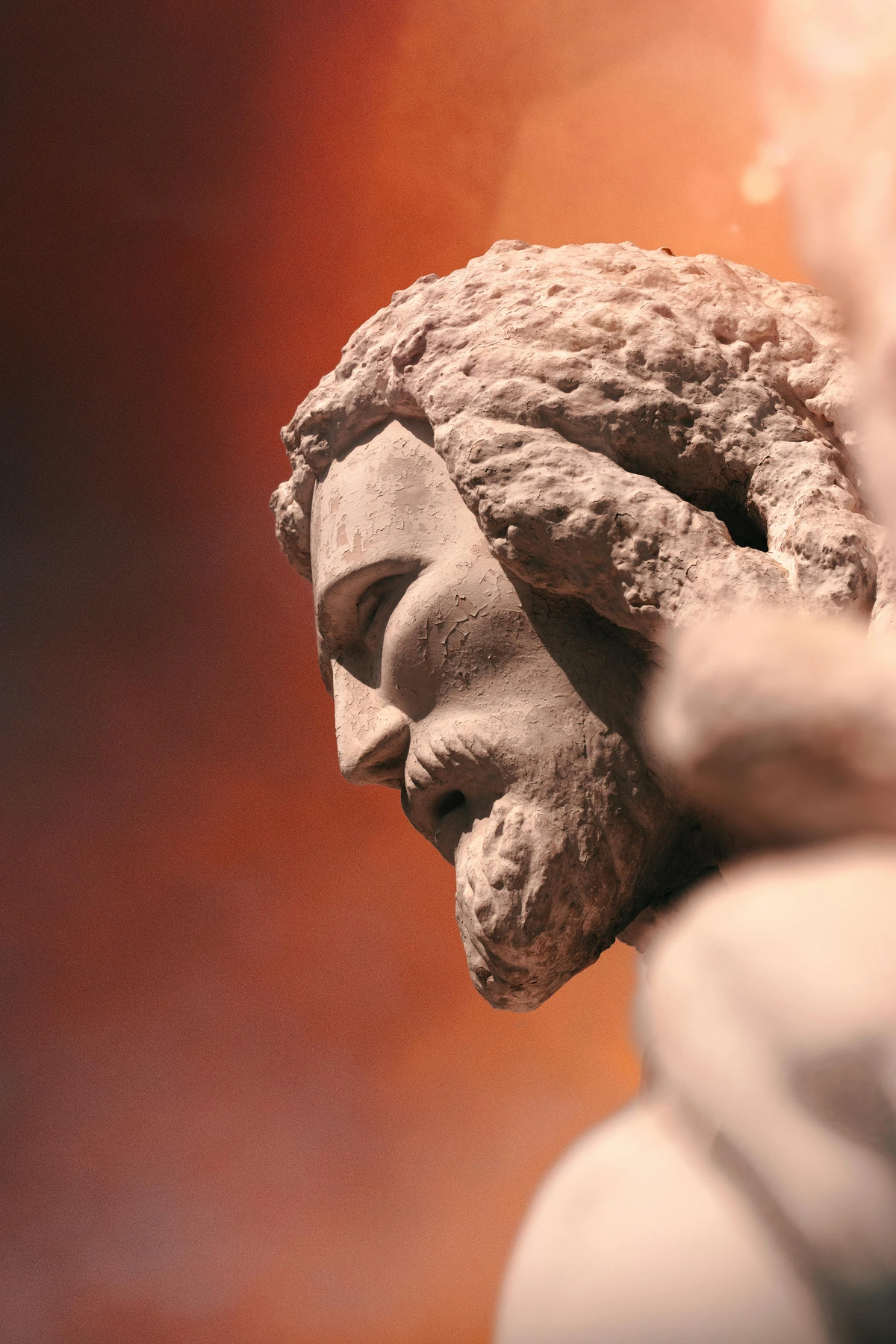
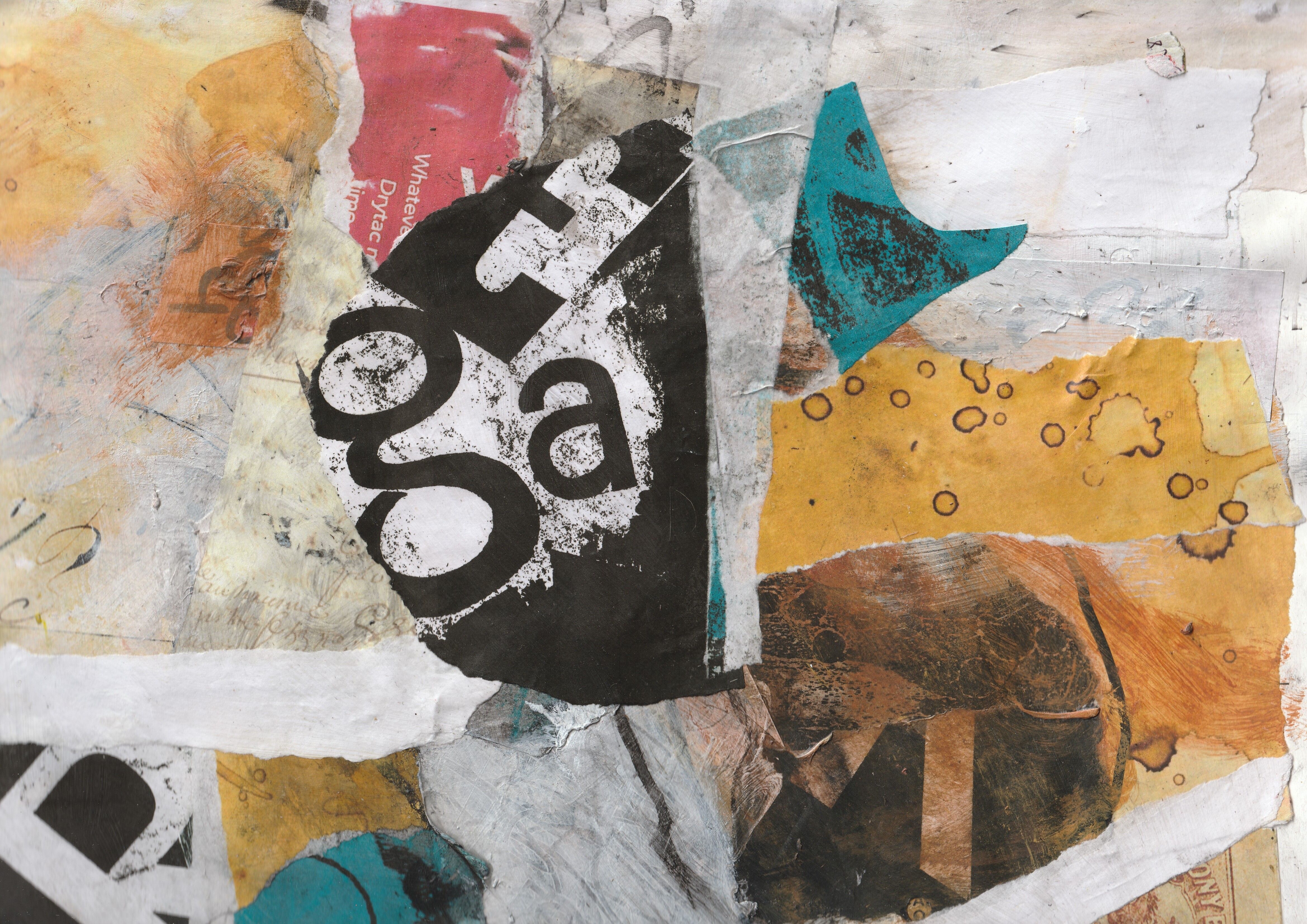
The Hero in Action
Credit, License
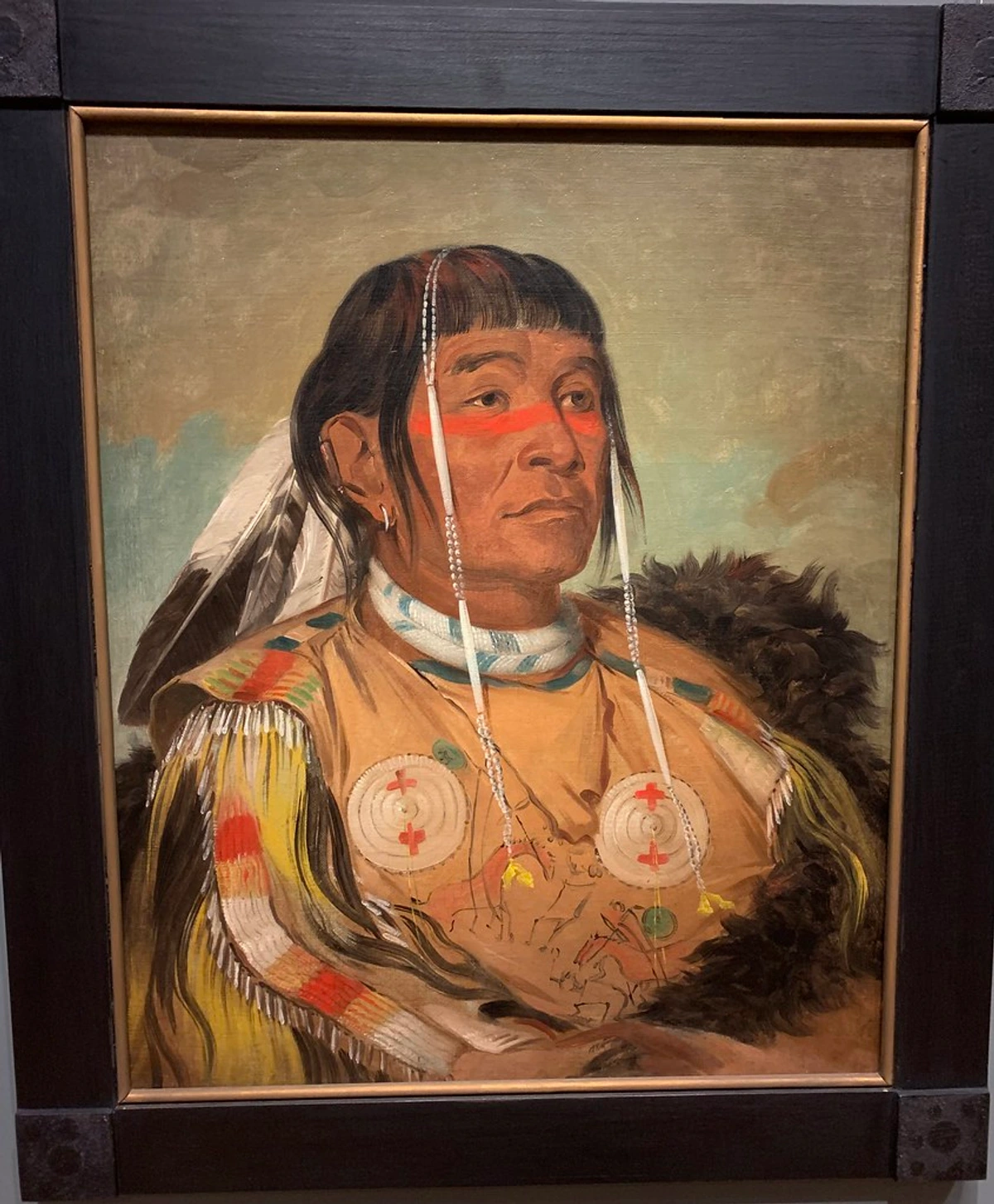
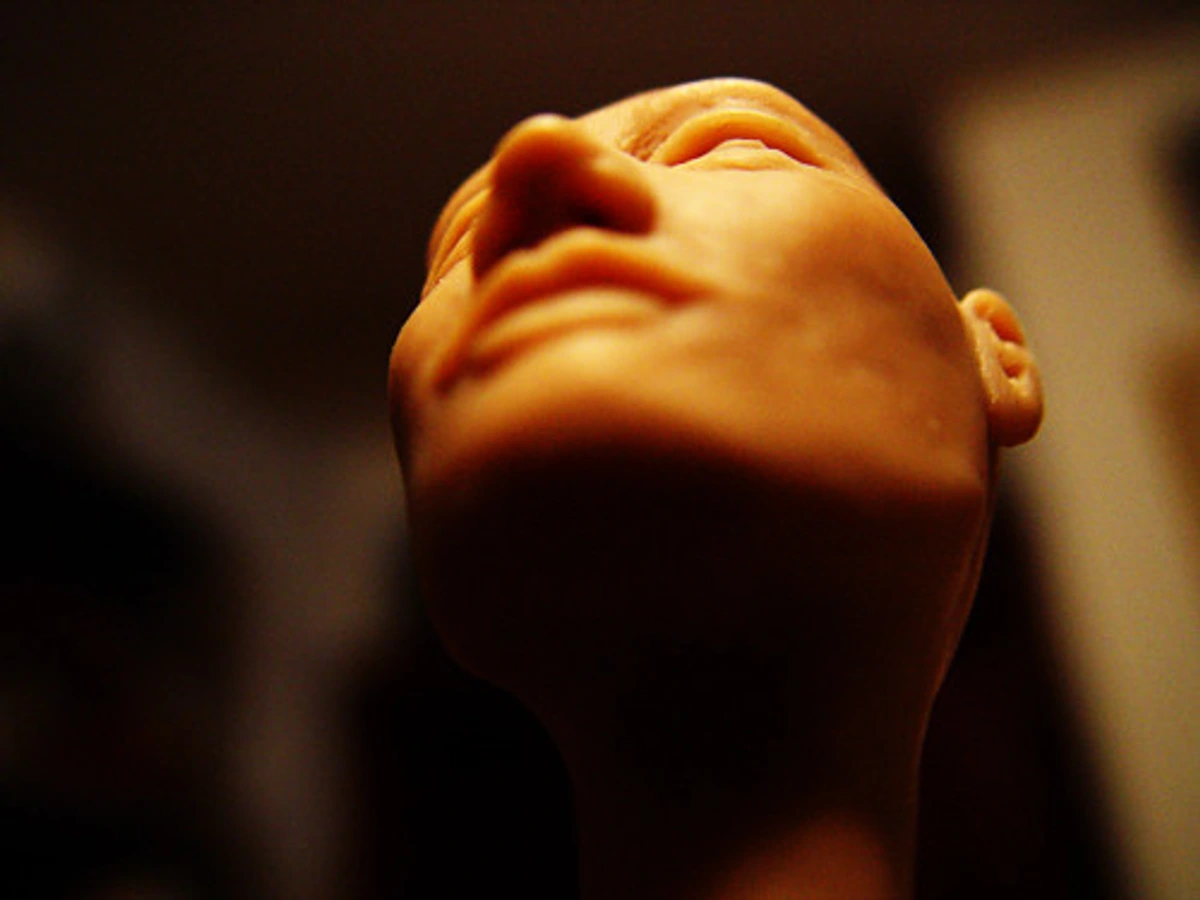
Imagine a painting of a lone figure standing atop a mountain, sword raised high against a stormy sky. This is The Hero in its purest form—courage, determination, and the triumph of the human spirit.
The Hero in Different Cultures
The archetype of The Hero manifests differently across cultures. In Western culture, the hero is often a knight or a warrior, while in Eastern culture, it could be a spiritual leader or a mythical figure. Exploring these cultural variations can provide a richer understanding of the hero archetype and inspire new creative directions.
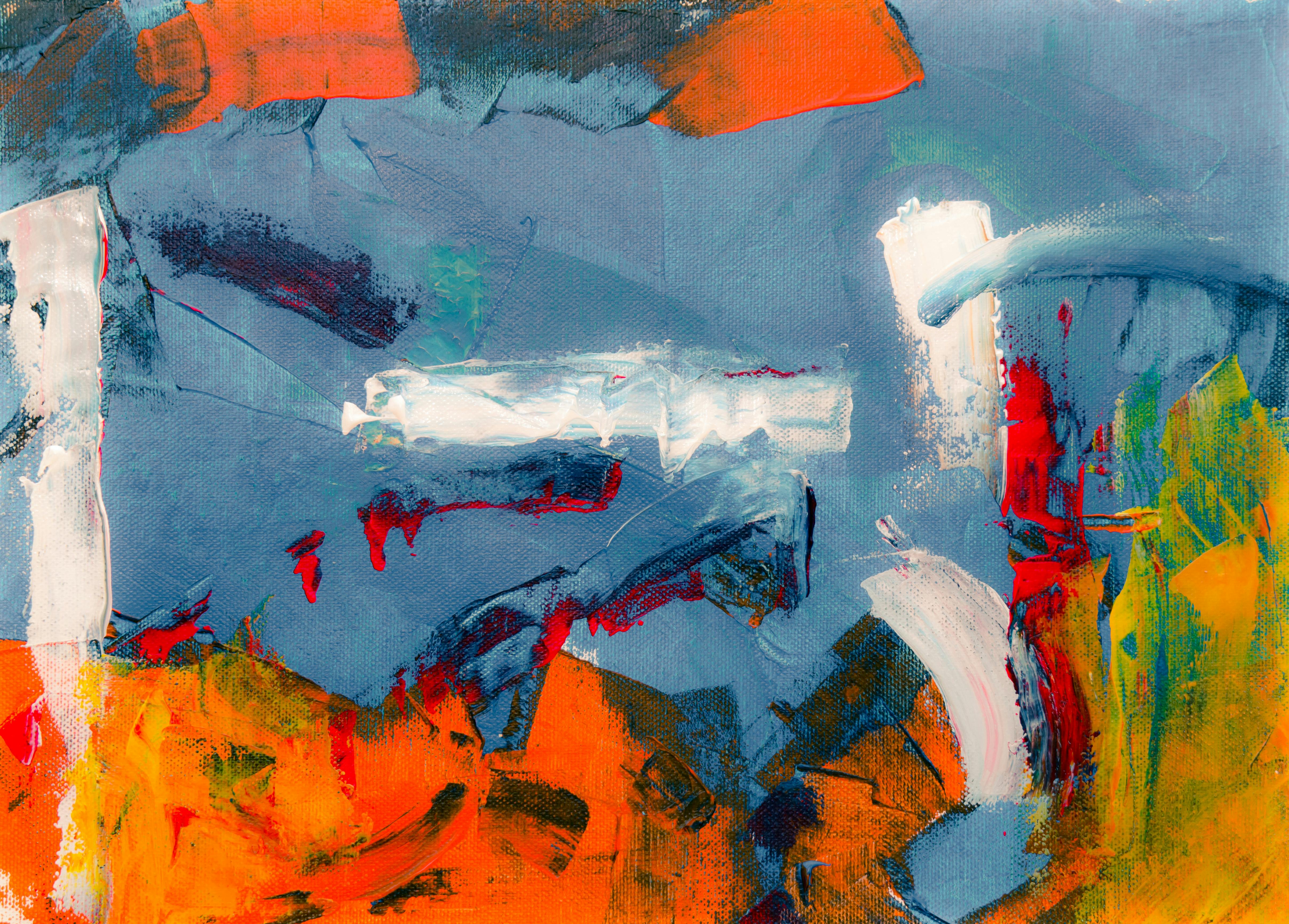
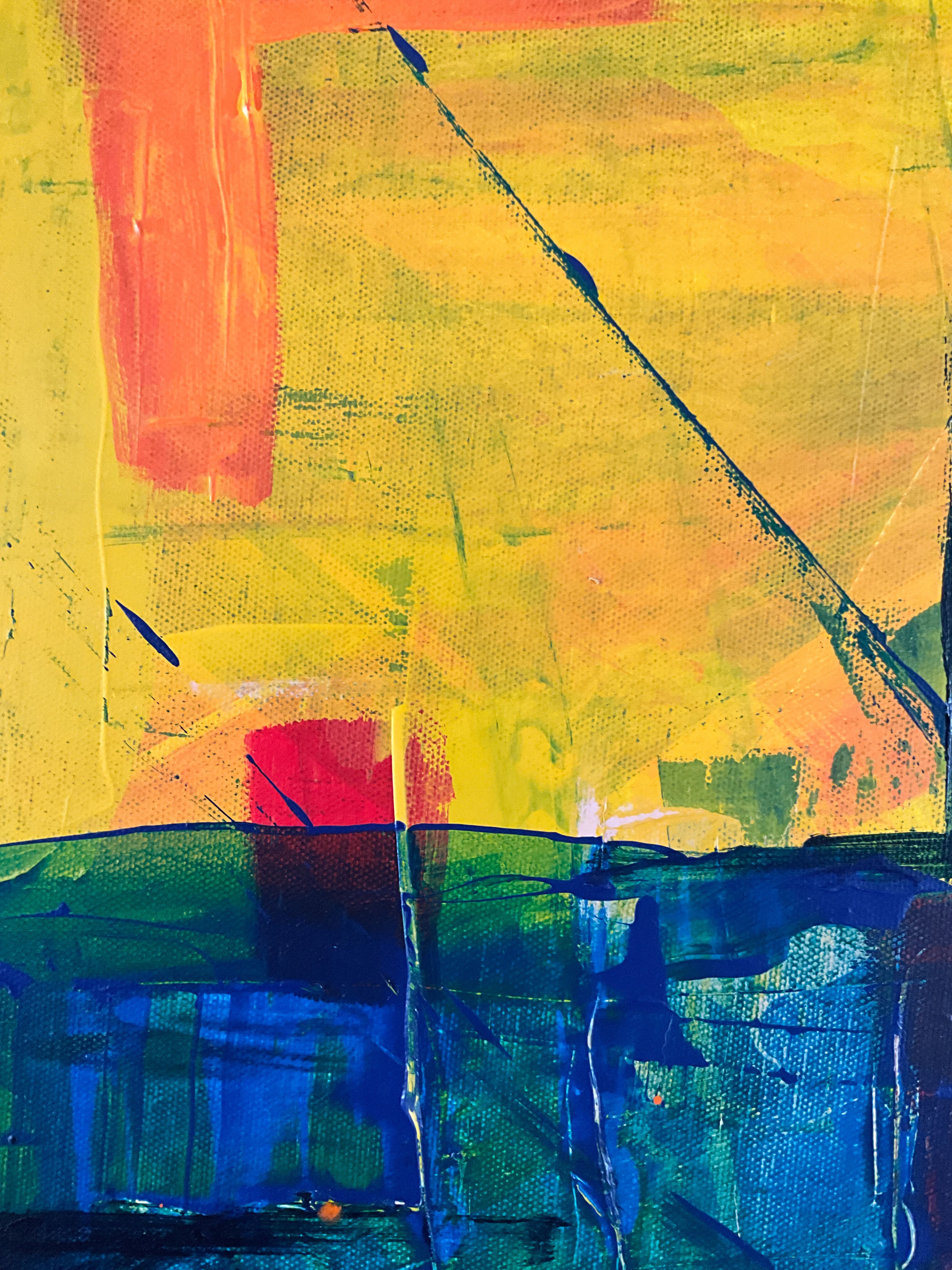
The Creator at Work
Credit, License
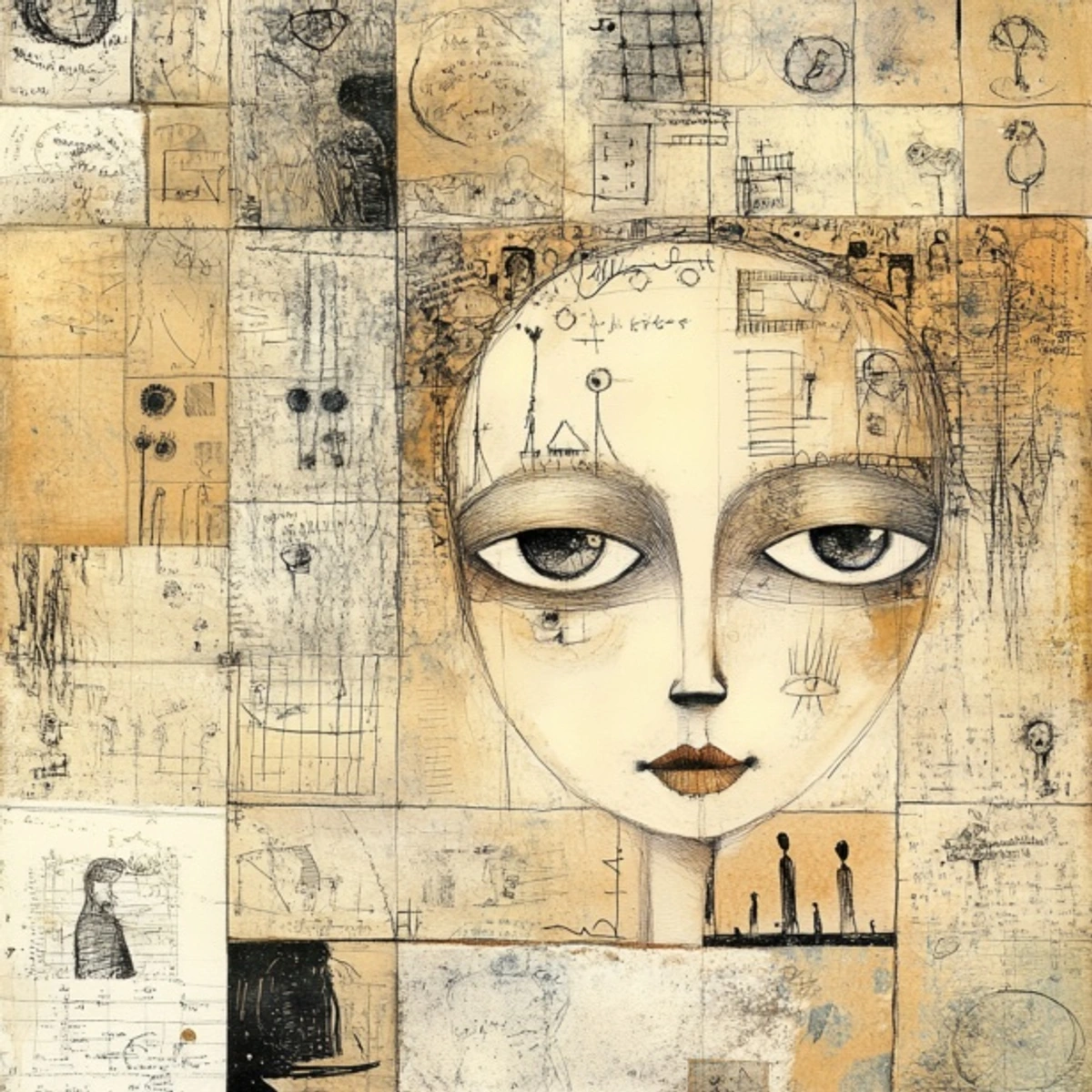
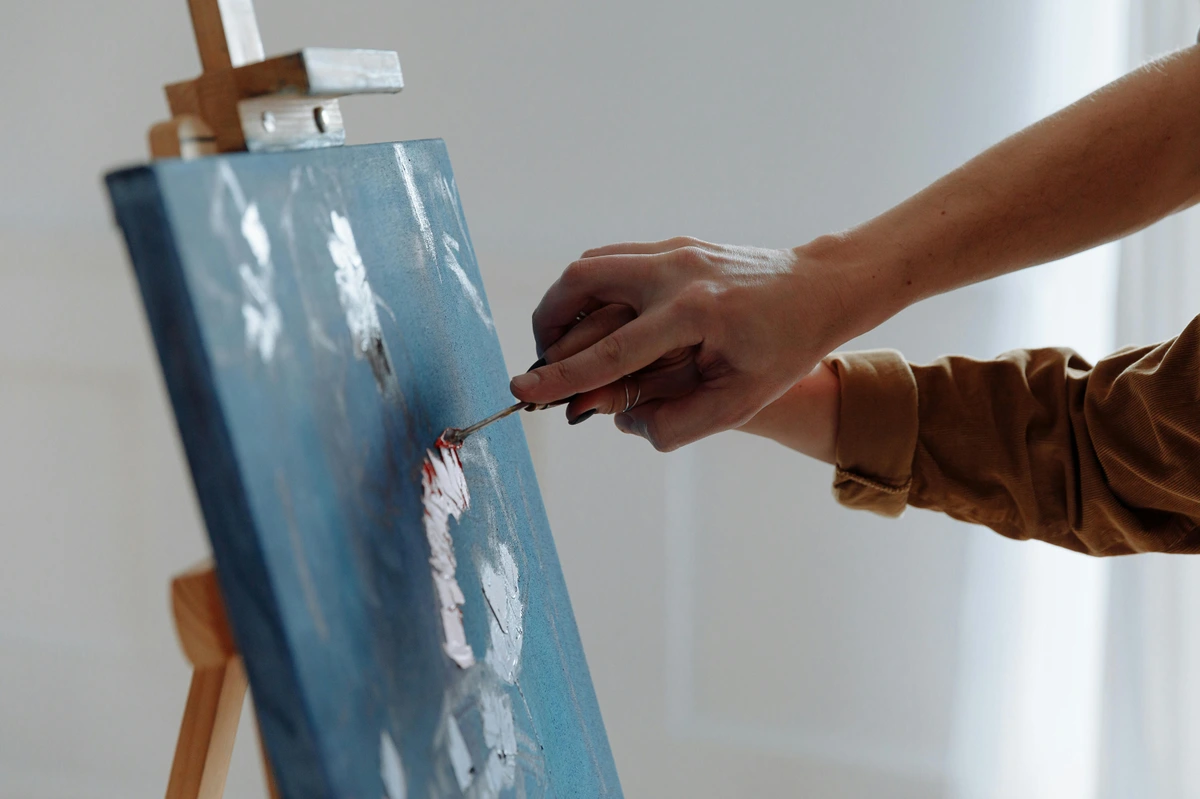
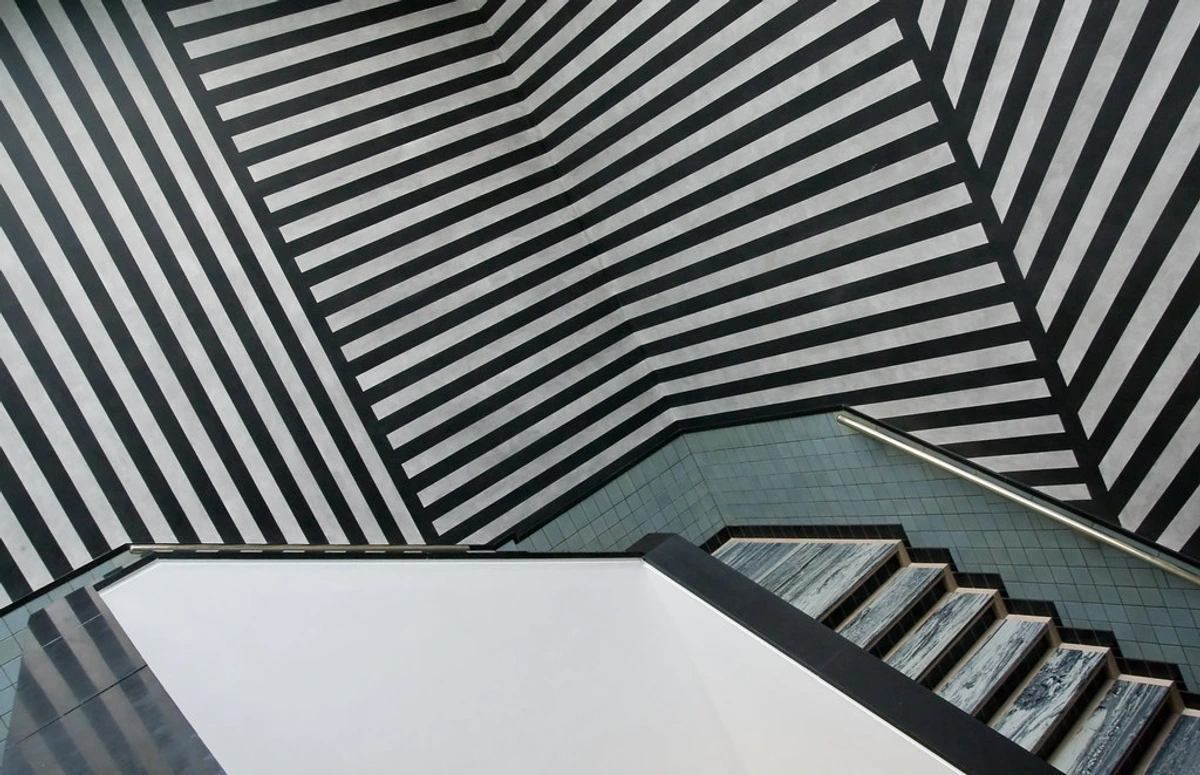
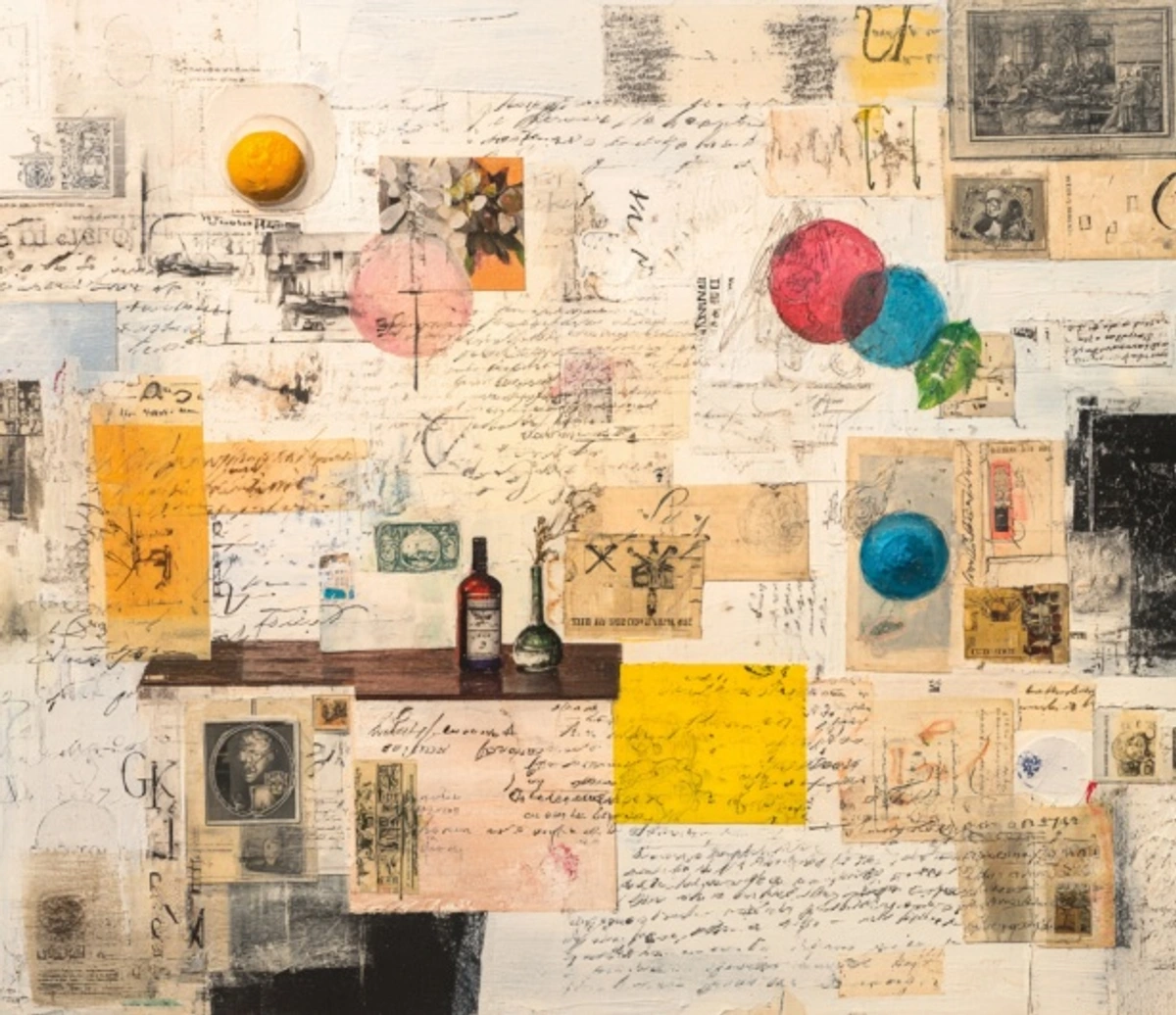
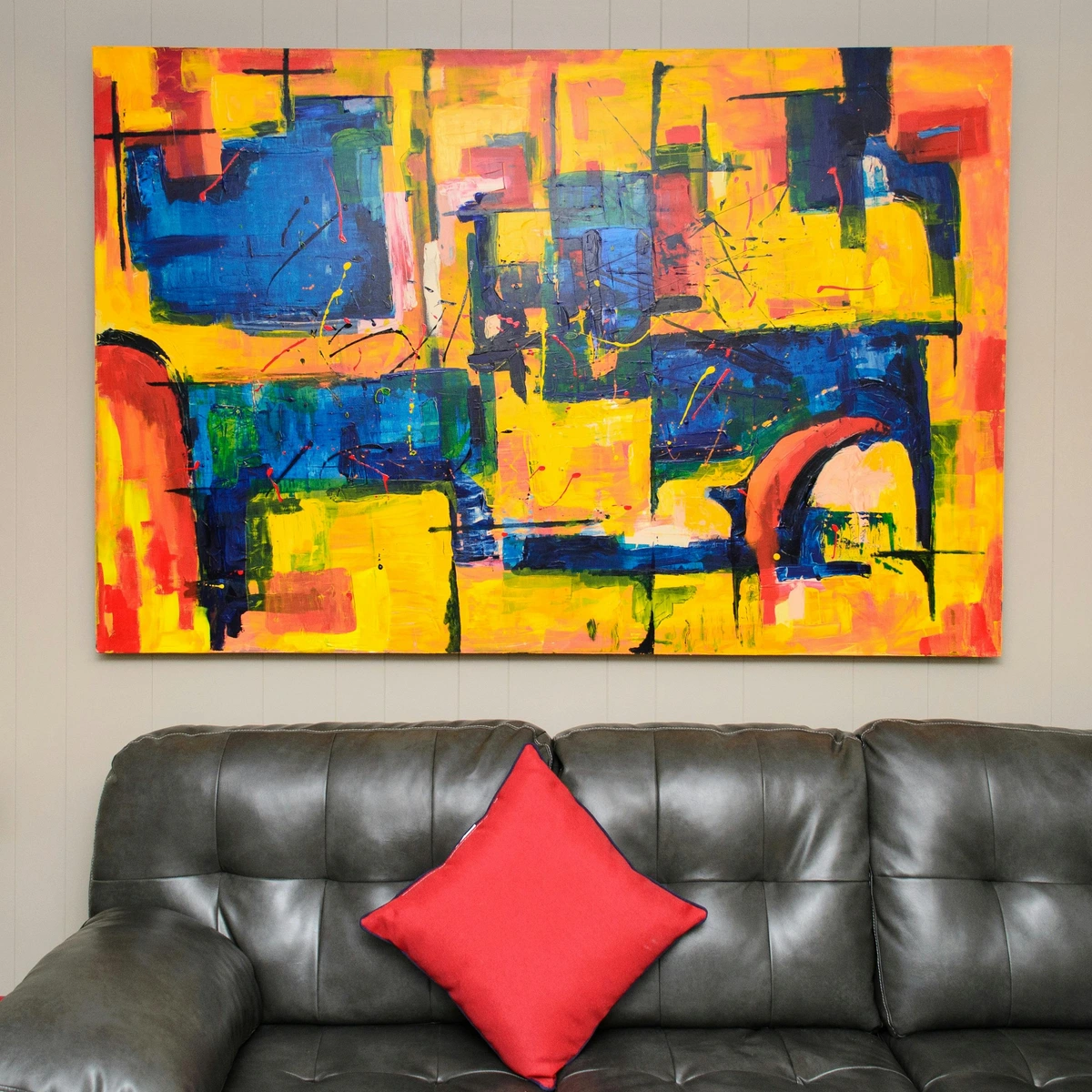
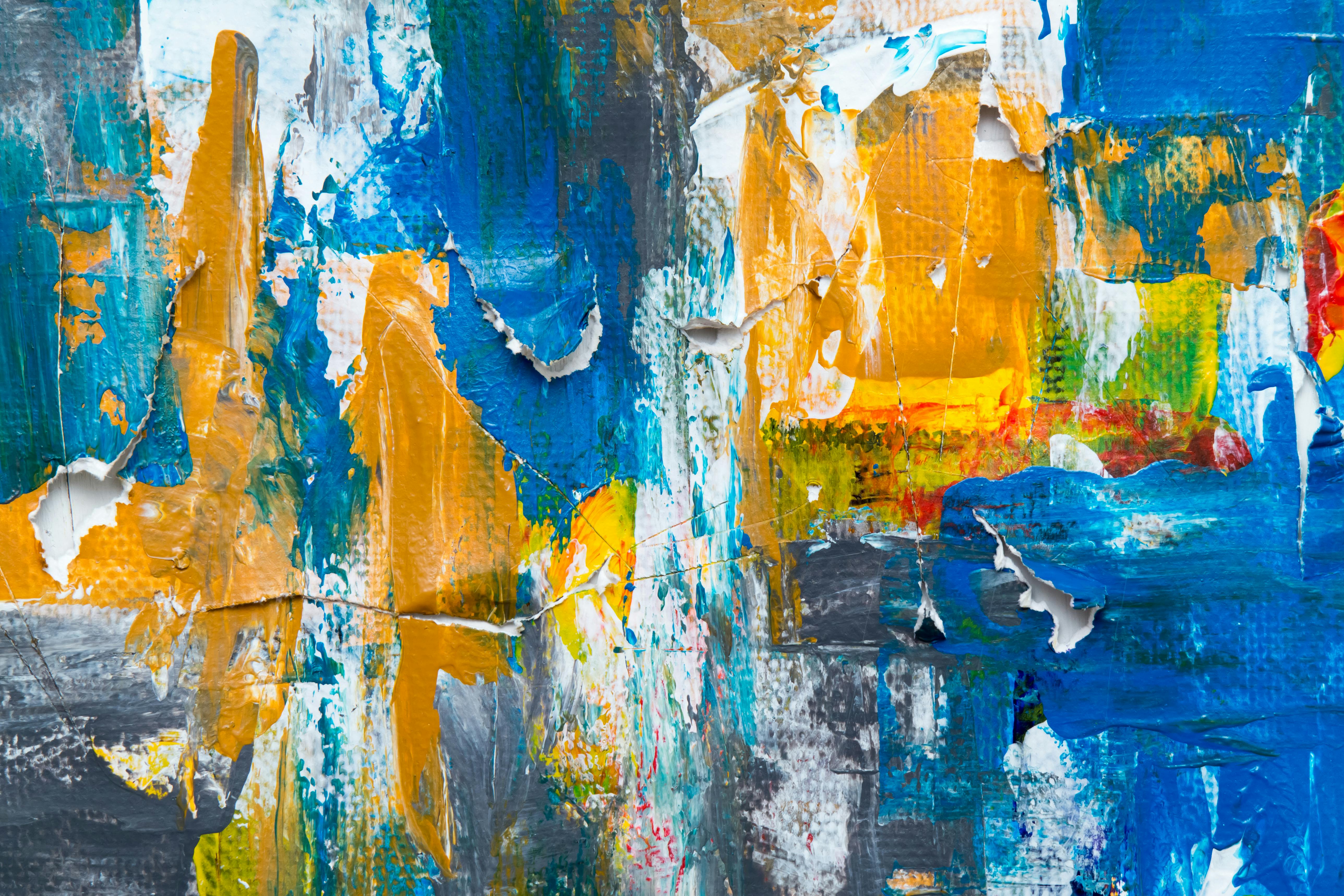
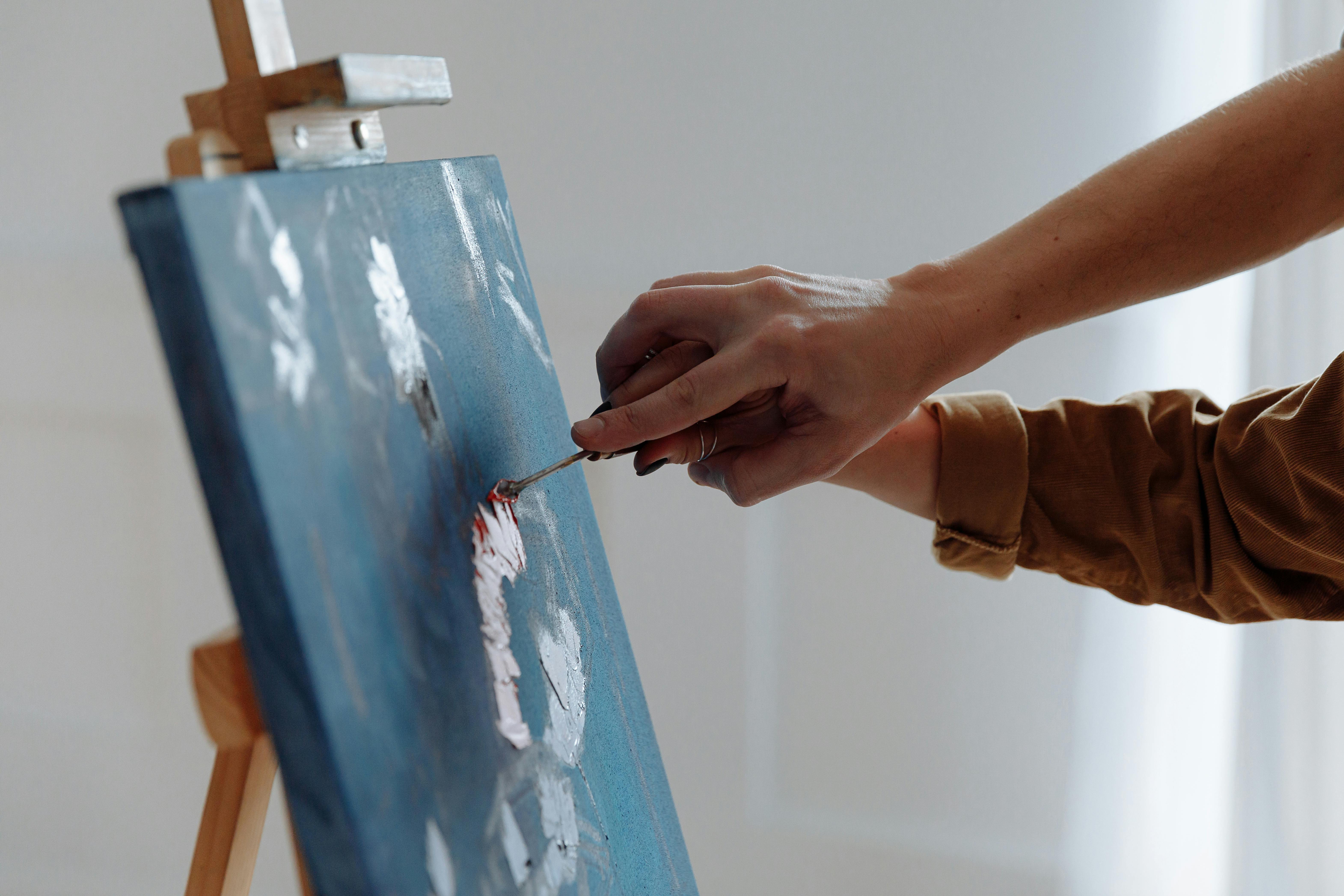
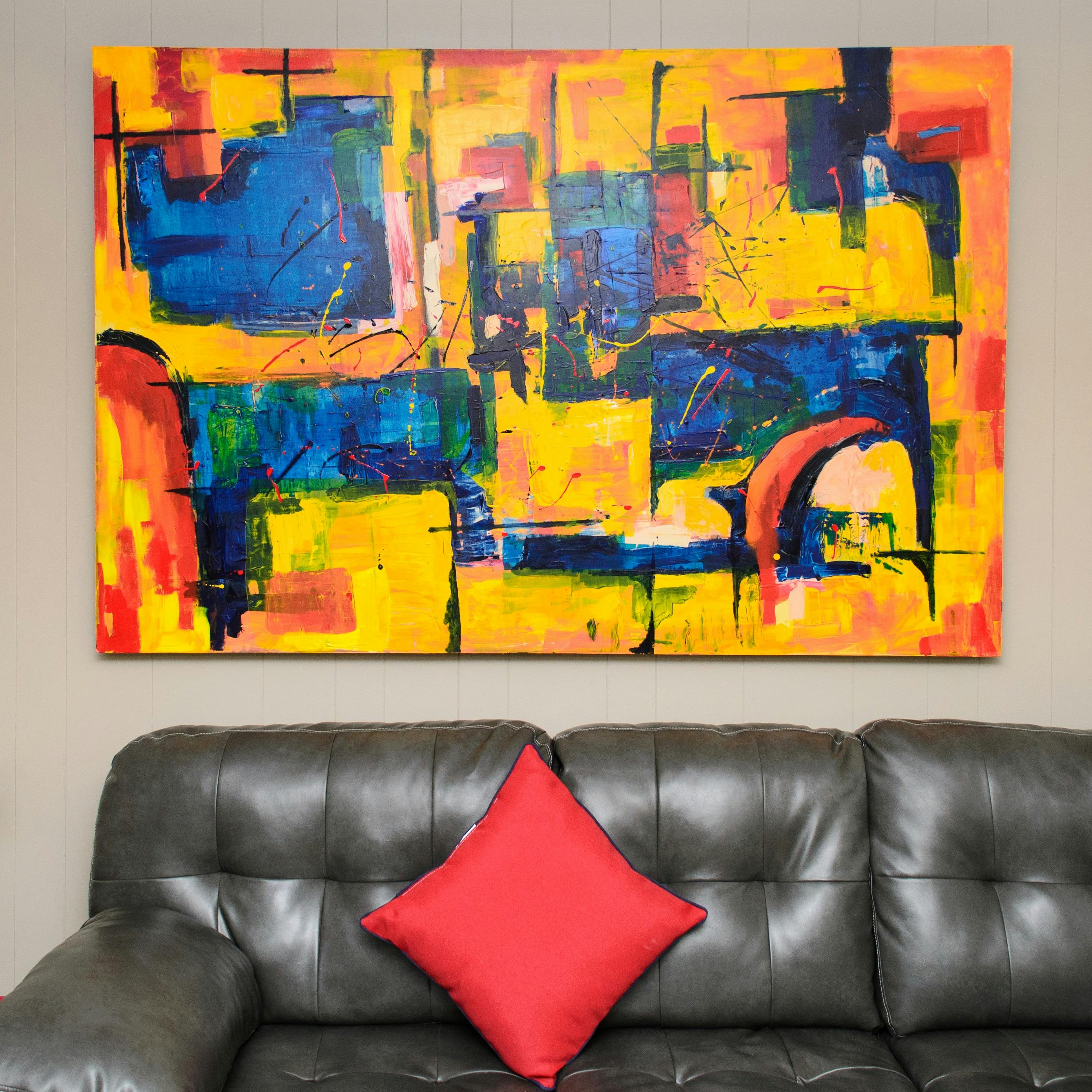
Consider an abstract piece depicting an artist surrounded by vibrant colors and dynamic shapes. This artwork embodies The Creator, symbolizing the act of creation and the boundless potential of imagination.
The Creator in Different Mediums
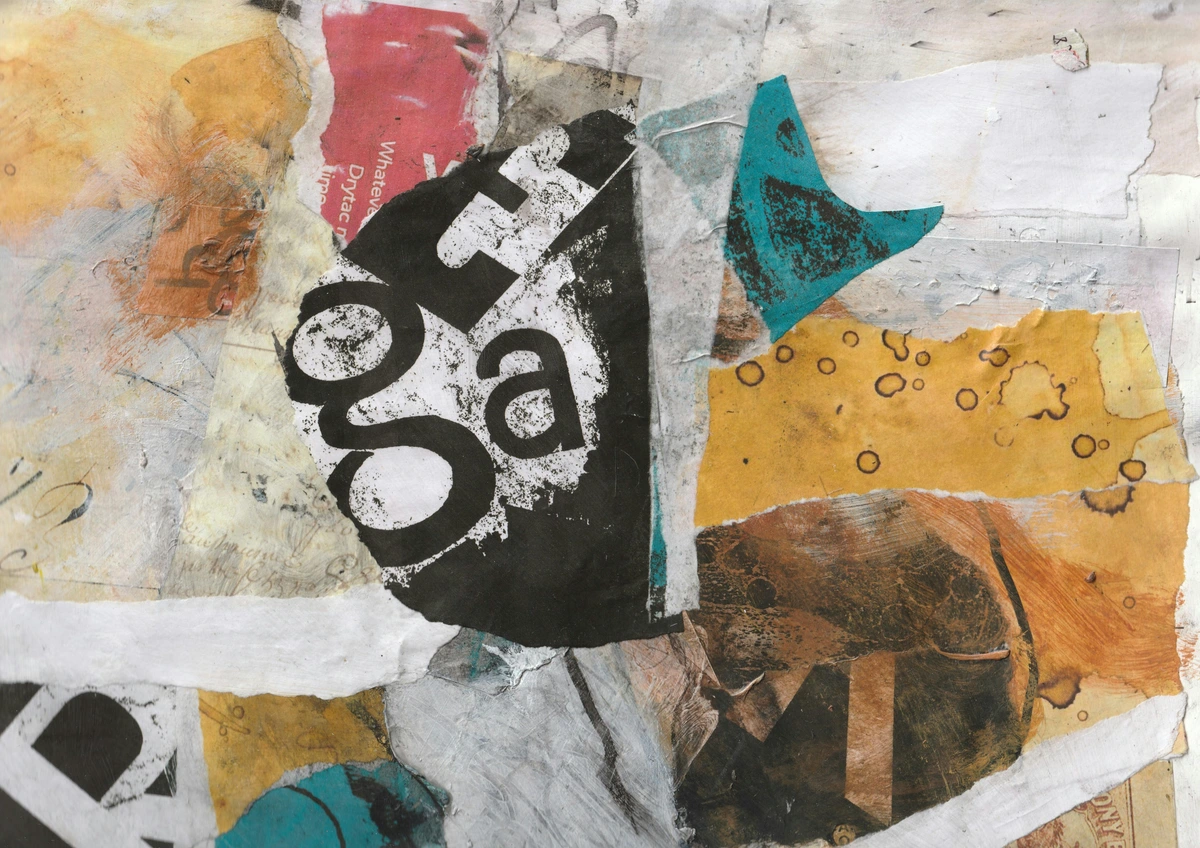
The archetype of The Creator can be explored in various mediums, from painting and sculpture to digital art and mixed media. Each medium offers unique opportunities to express the creative process and the act of creation. Experimenting with different mediums can lead to new insights and creative breakthroughs.
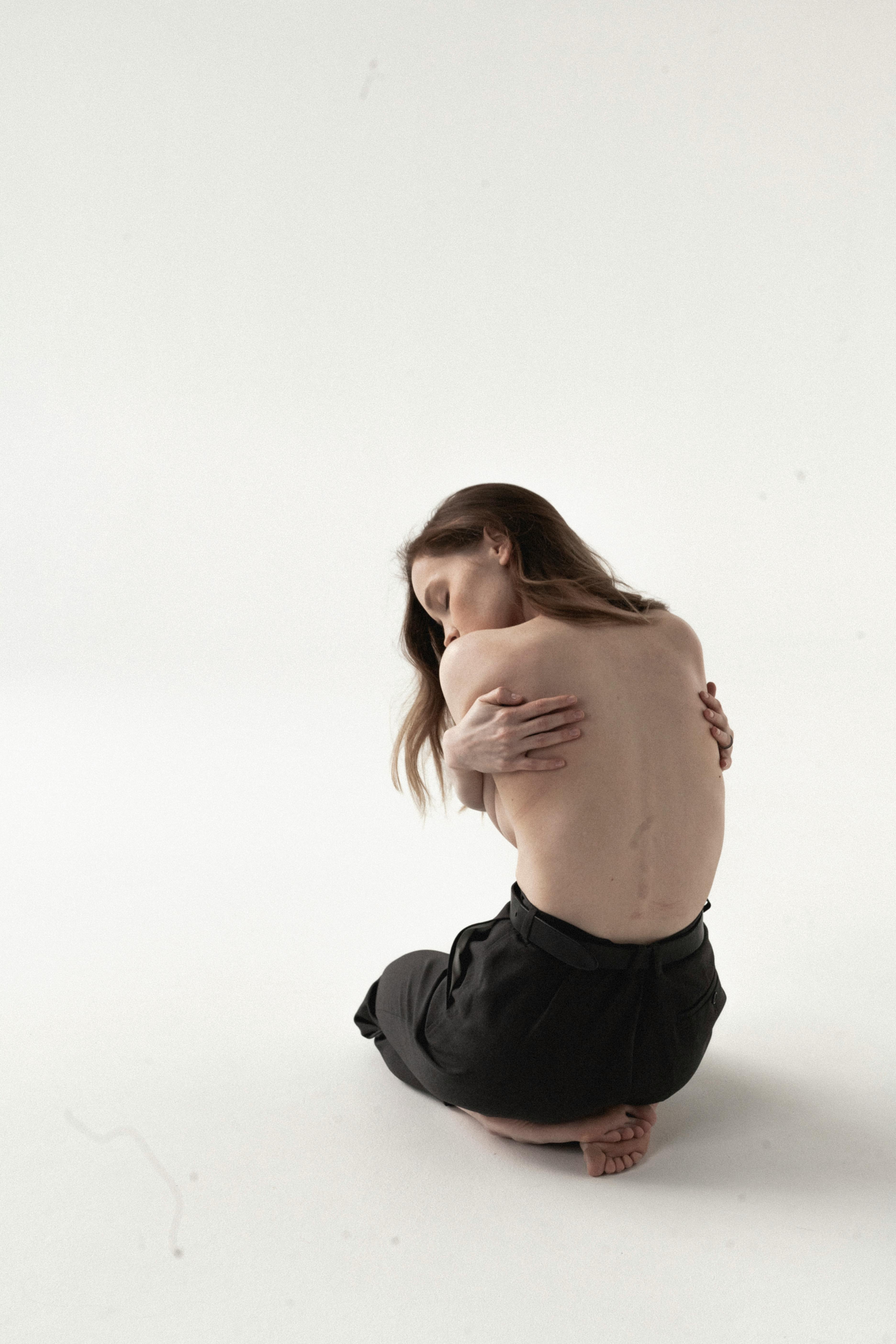
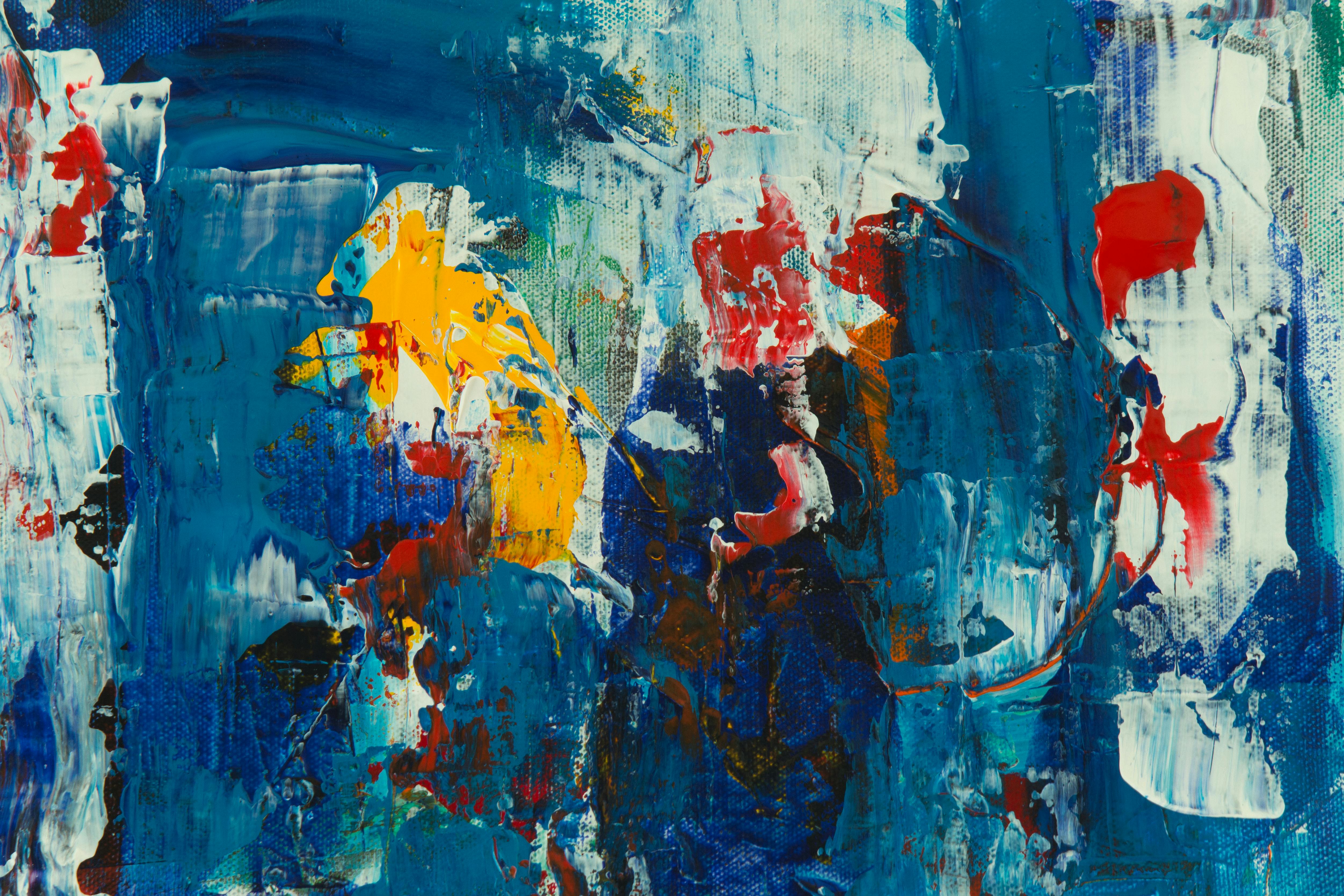
Exploring The Shadow
Credit, License
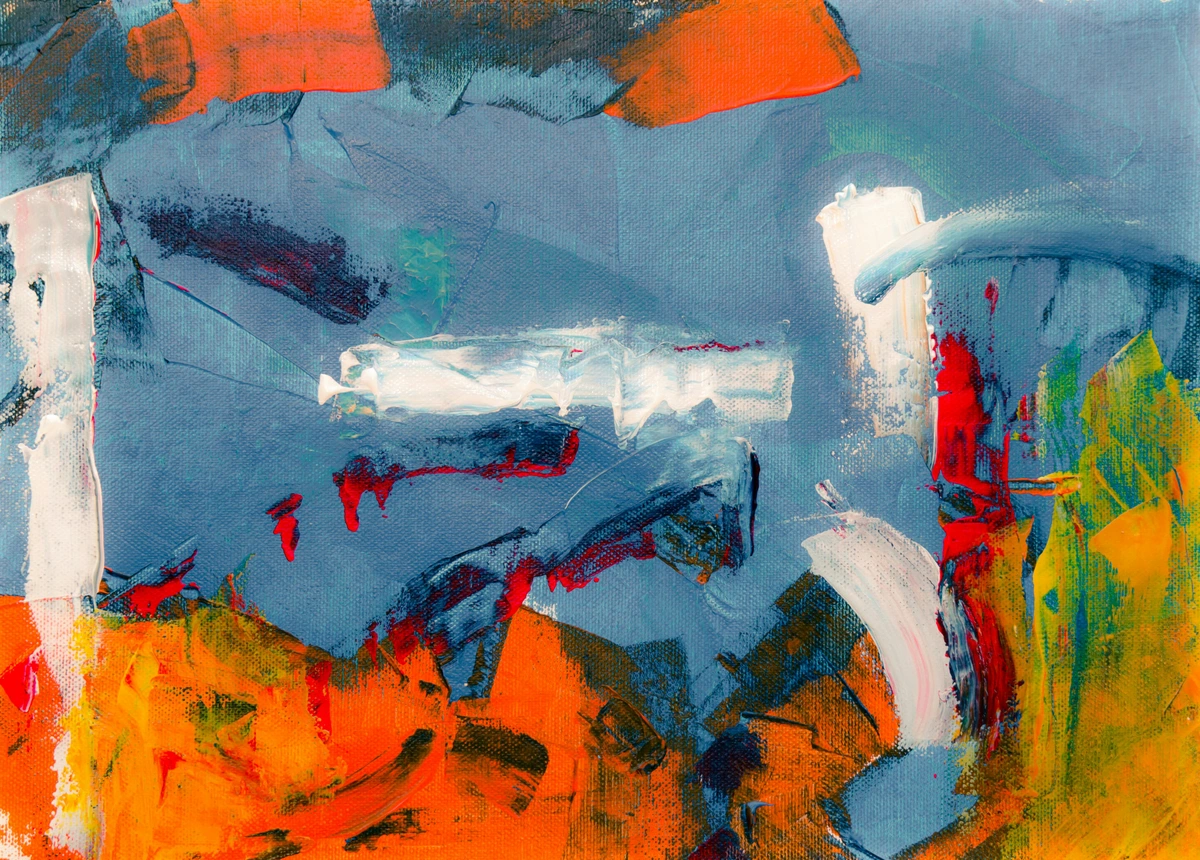
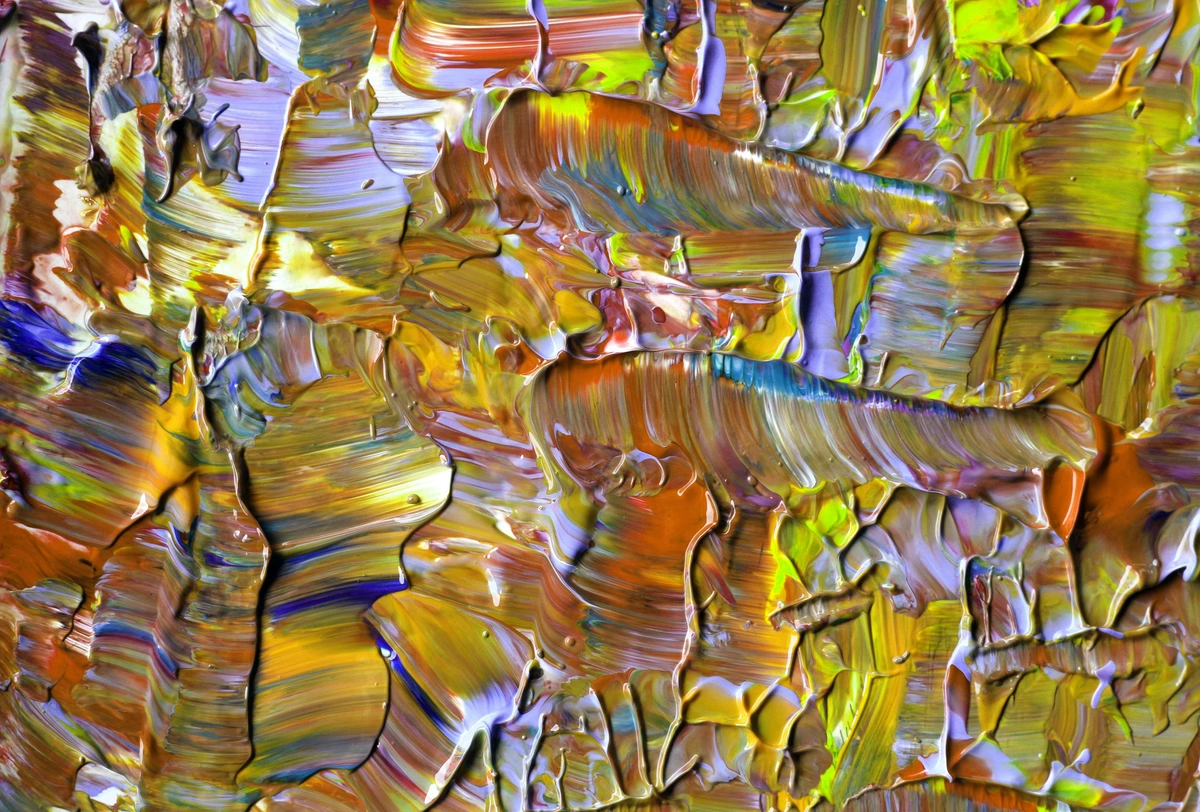
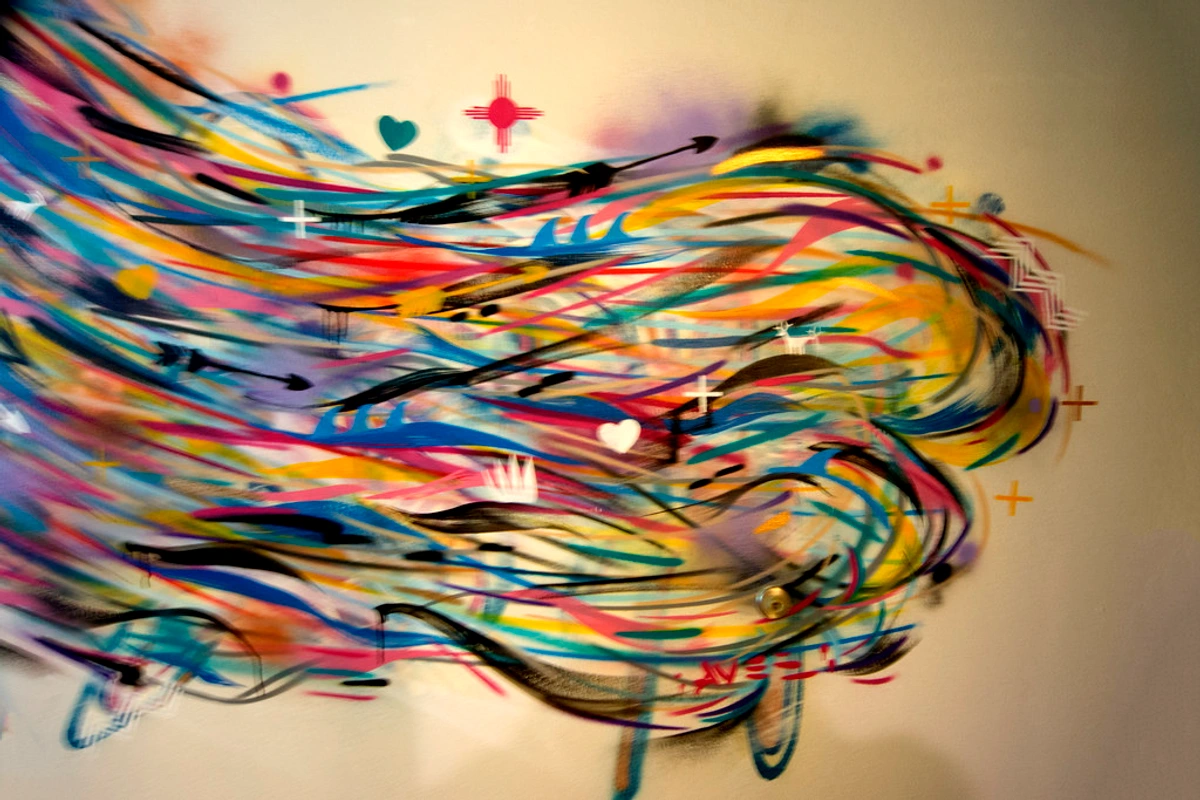
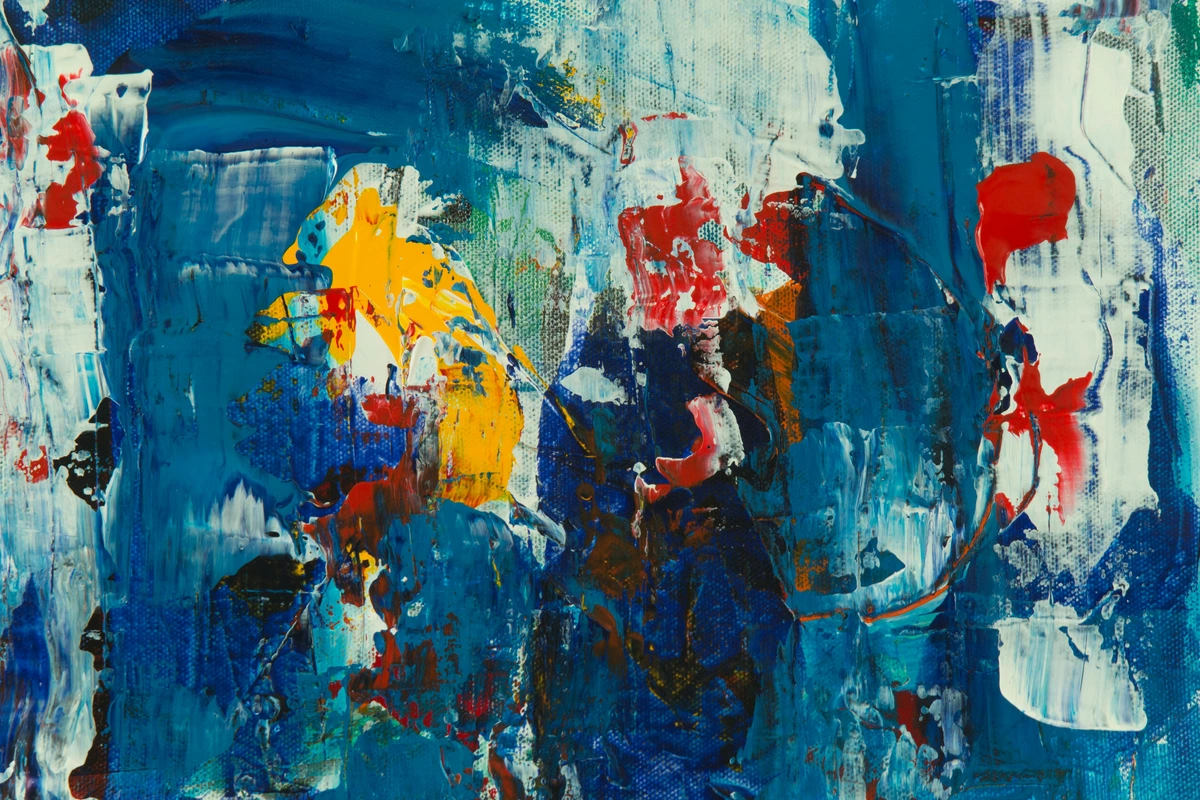
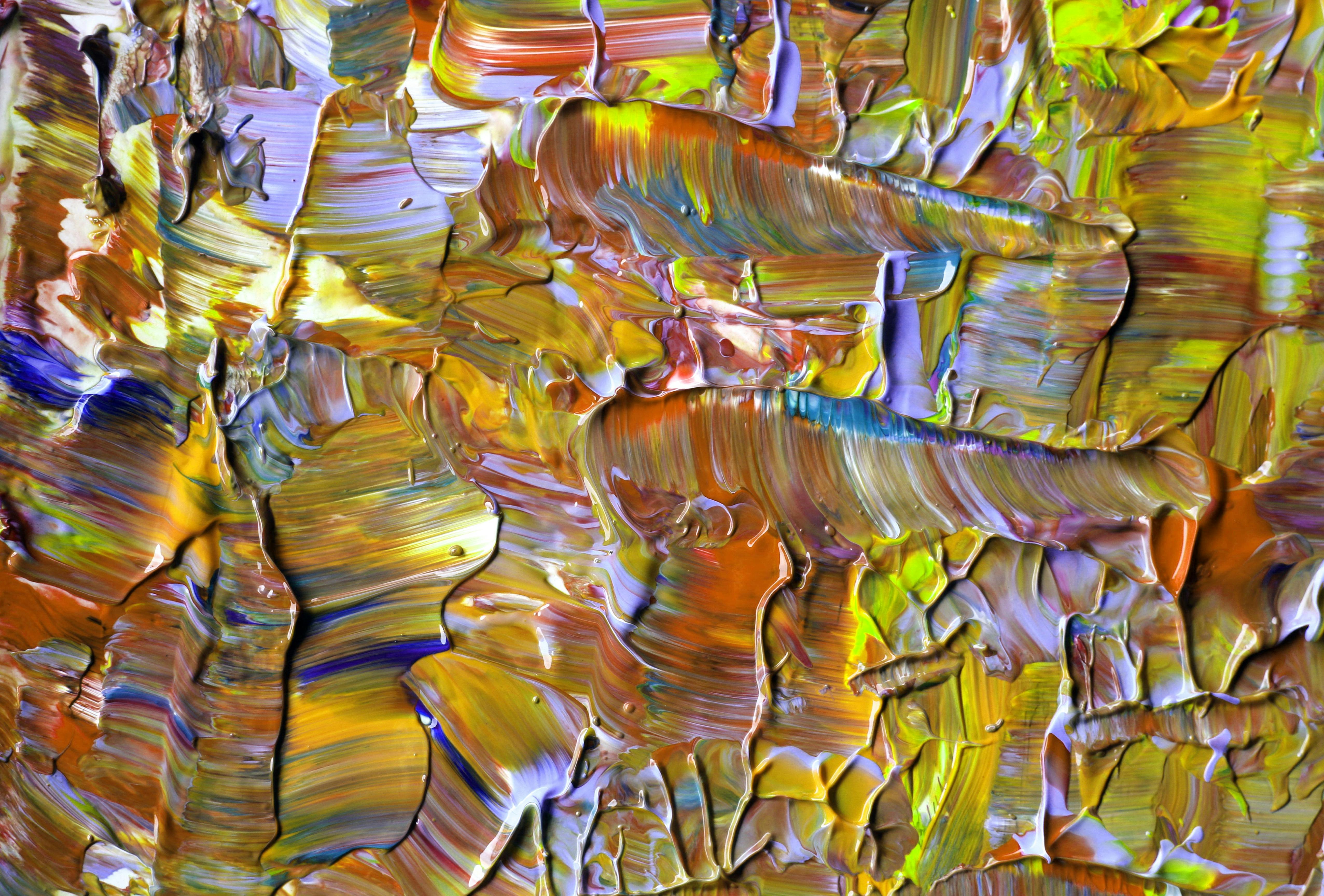
Consider an abstract piece filled with dark, swirling forms and fragmented shapes. This could represent The Shadow, delving into the unseen, often repressed aspects of the self.
The Shadow in Psychological Art
The archetype of The Shadow is often explored in psychological art, where it serves as a tool for self-exploration and healing. By engaging with this archetype, artists can confront their own inner demons and fears, leading to personal growth and transformation.
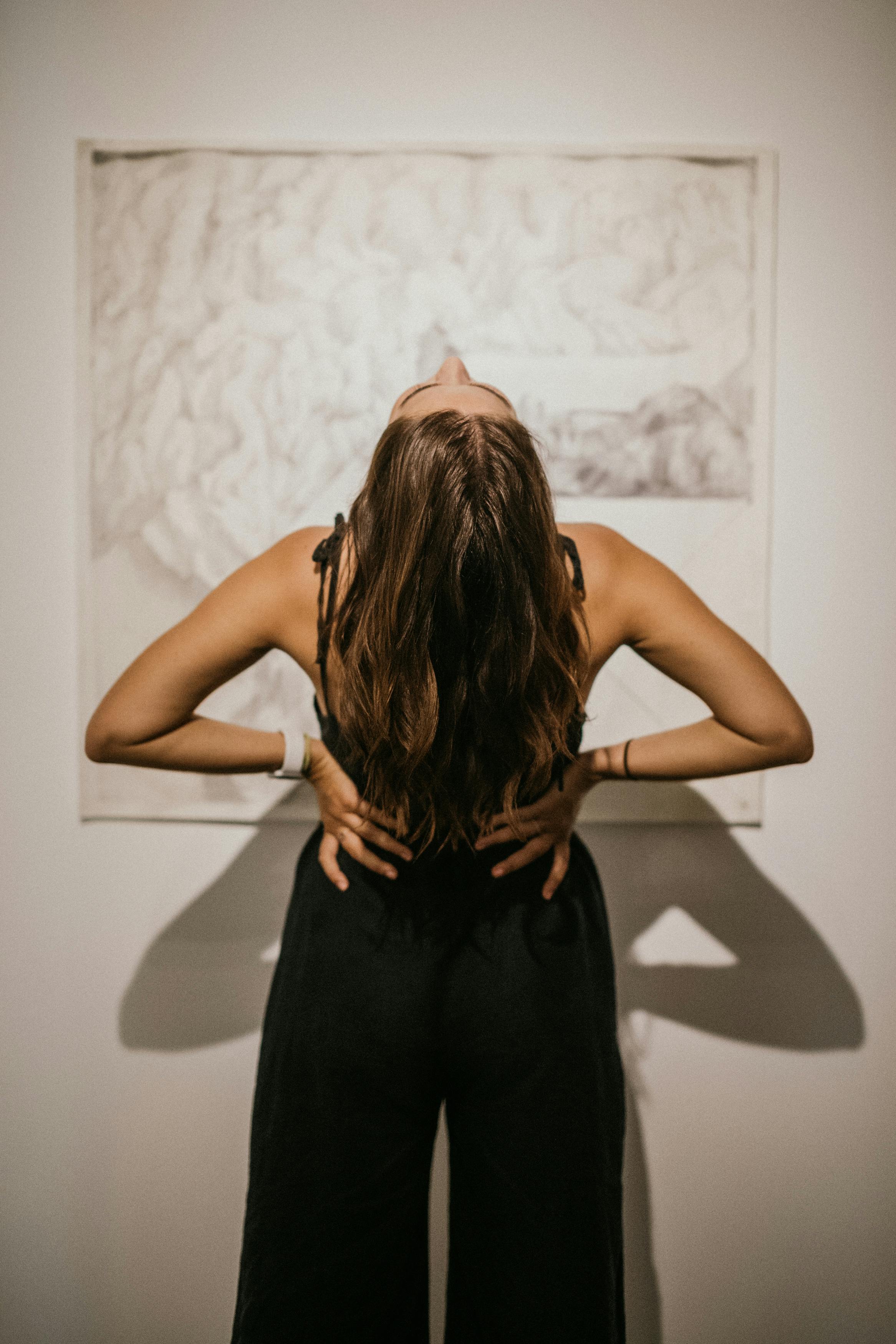
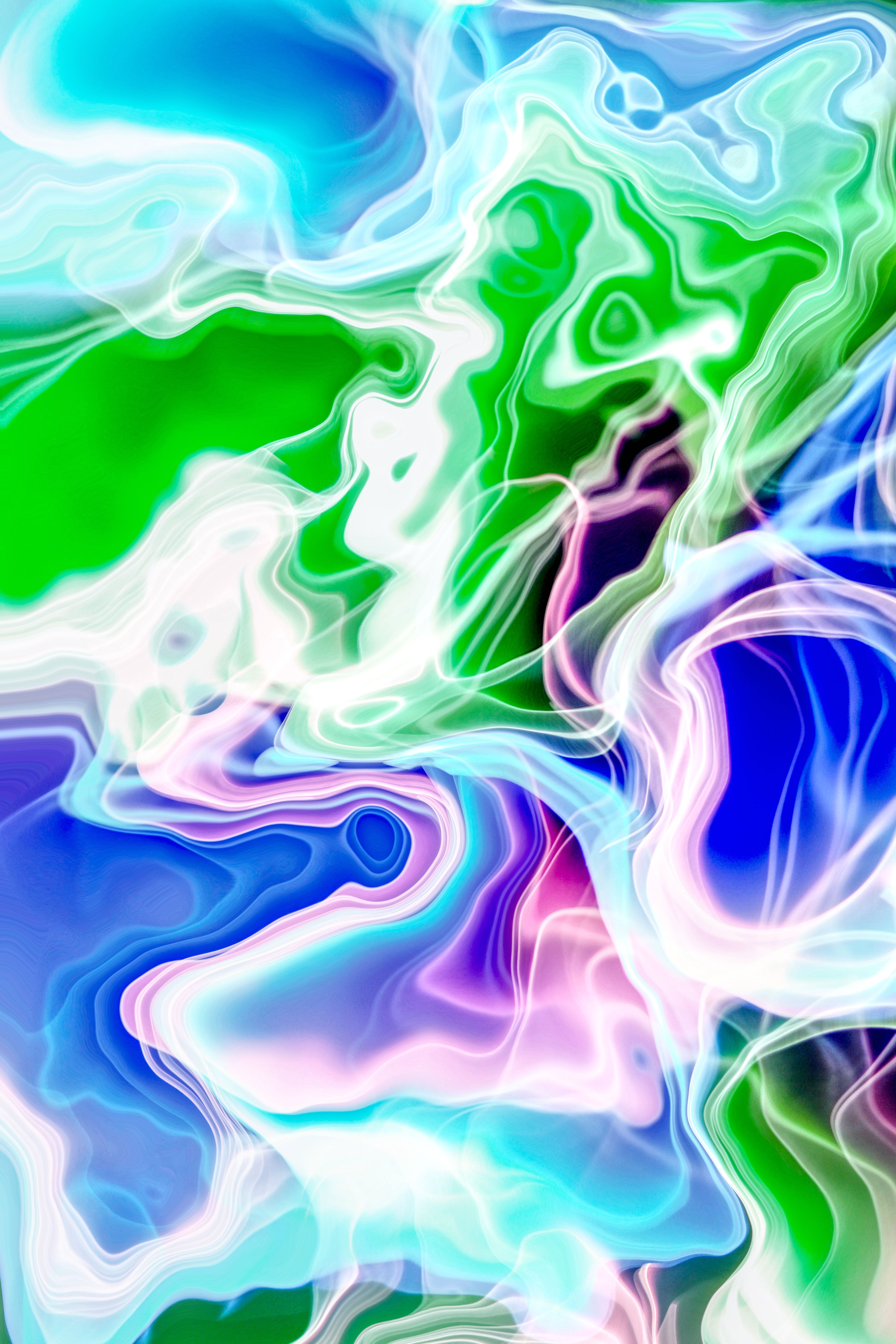
The Mother’s Nurturing Presence
Credit, License
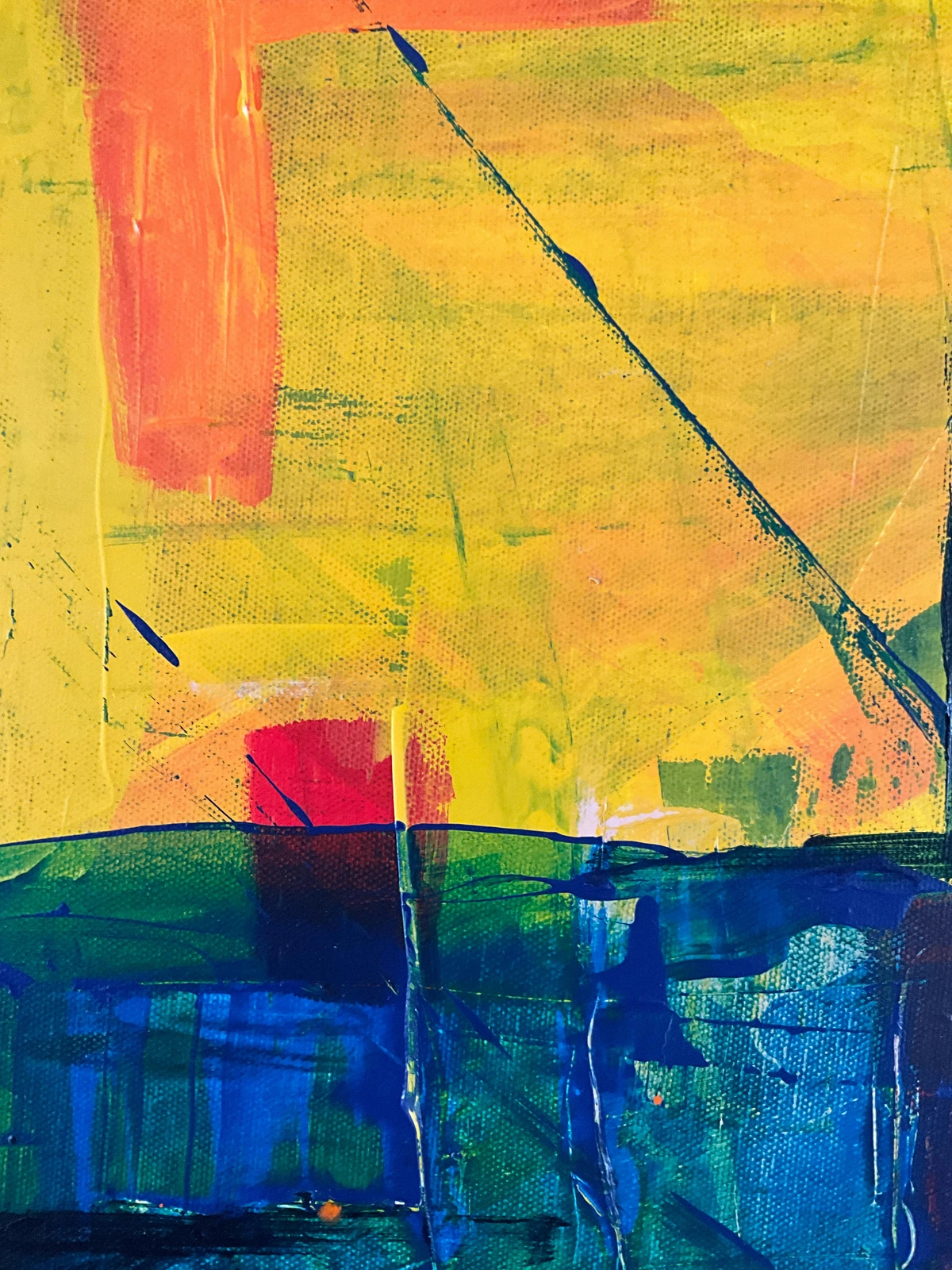
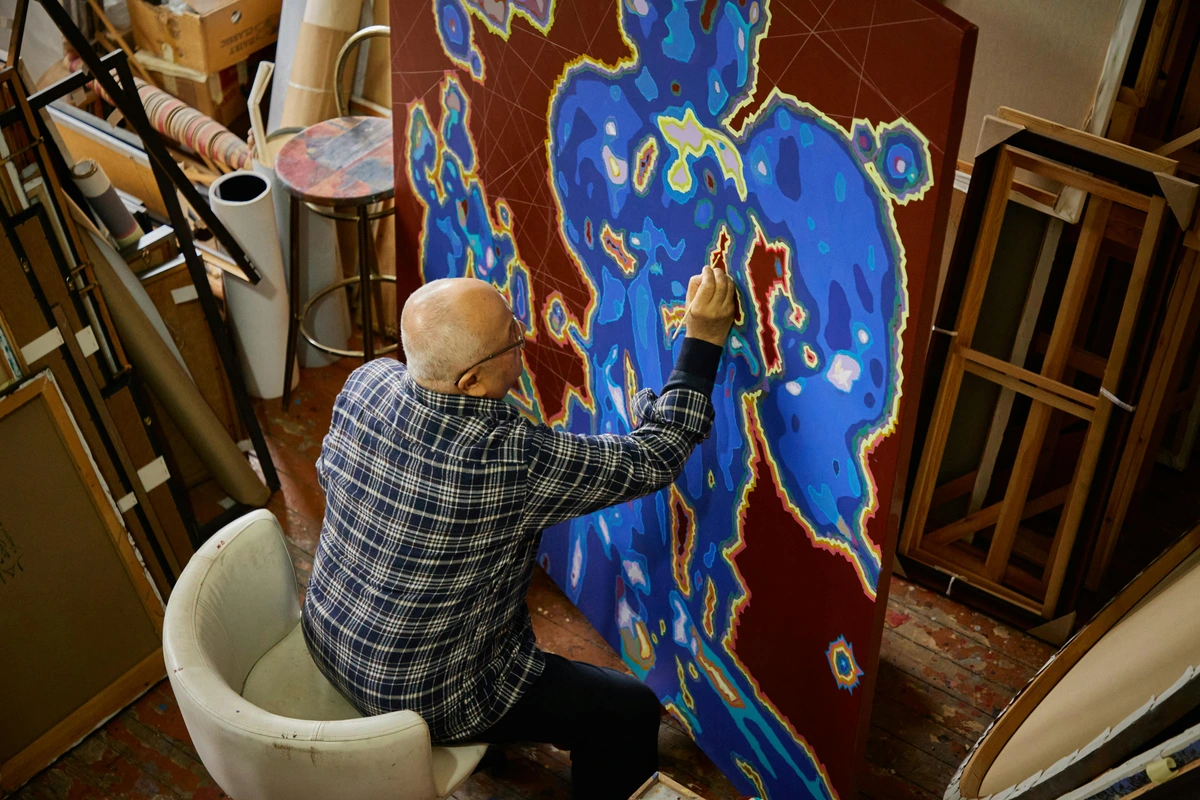
A vibrant, lush landscape teeming with life and color can embody The Mother archetype, symbolizing nurturing, fertility, and the abundance of nature.
The Mother in Different Cultures
The archetype of The Mother is a universal symbol that manifests differently across cultures. In Western culture, it is often associated with motherhood and nurturing, while in Eastern culture, it may be linked to nature and the earth. Exploring these cultural variations can provide a richer understanding of the mother archetype and inspire new creative directions.
FAQ
What if I don’t resonate with any specific archetype?
That’s completely okay! Archetypes are tools, not rules. You can mix and match elements from different archetypes or even create your own hybrid archetypes that resonate with your unique perspective.
Can I use archetypes in abstract art?
Absolutely! Abstract art can be a powerful medium for exploring archetypes. Focus on the emotional and symbolic resonance of colors, shapes, and compositions to evoke archetypal themes. Abstract art allows for a more personal and intuitive interpretation of archetypes, making it a unique and compelling way to engage with these universal symbols.
Can I use multiple archetypes in one artwork?
Absolutely. In fact, many of the most compelling artworks incorporate multiple archetypes. Just be mindful of how they interact and complement each other.
How can I balance multiple archetypes in one artwork?
Balancing multiple archetypes in one artwork requires careful consideration of their interactions and relationships. Start by identifying the primary archetype that will serve as the foundation of your artwork. Then, explore how secondary archetypes can complement and enhance this primary theme. Experiment with different compositions, colors, and symbols to find a harmonious balance.
Do I need to be an expert in Jungian psychology to use archetypes in my art?
Not at all. While a basic understanding can be helpful, the most important thing is your intuition and personal connection to the themes you’re exploring.
How can I learn more about Jungian psychology?
There are many resources available for learning more about Jungian psychology. Books like "Man and His Symbols" by Carl Jung and "The Hero with a Thousand Faces" by Joseph Campbell are excellent starting points. Online courses, workshops, and art communities can also provide valuable insights and inspiration.
How can I make my archetypal art feel original and not clichéd?
Focus on your unique perspective and personal experiences. Even if you’re working with a common archetype like The Hero, your individual voice and style will make it feel fresh and original.
How can I avoid clichés in my archetypal art?
Avoiding clichés in archetypal art requires a deep understanding of the archetype and a willingness to experiment with new interpretations. Start by exploring the archetype from different angles and perspectives. Consider how it manifests in different cultures and contexts. Experiment with unconventional symbols, compositions, and mediums to create a unique and original interpretation.
Are there any archetypes I should avoid?
There are no hard and fast rules, but be mindful of cultural sensitivities and stereotypes. Always approach your subject matter with respect and thoughtfulness.
How can I ensure my archetypal art is culturally sensitive?
Ensuring cultural sensitivity in archetypal art requires a deep understanding of the cultural context and significance of the archetype. Research the archetype’s manifestations in different cultures and contexts. Engage with diverse perspectives and seek feedback from individuals with different cultural backgrounds. Approach your subject matter with respect, empathy, and an open mind.
How do I know if I’m using an archetype correctly?
There’s no single "correct" way to use an archetype. The key is to ensure that the archetype aligns with the story or emotion you want to convey. Trust your instincts and experiment with different interpretations.
How can I evaluate the effectiveness of my archetypal art?
Evaluating the effectiveness of your archetypal art requires a combination of self-reflection and feedback. Start by asking yourself if the archetype aligns with the story or emotion you want to convey. Seek feedback from peers, mentors, and viewers to gain different perspectives. Experiment with different interpretations and compositions to find what resonates most deeply with your audience.
Can archetypes be used in abstract art?
Yes! Abstract art can be a powerful medium for exploring archetypes. Focus on the emotional and symbolic resonance of colors, shapes, and compositions to evoke archetypal themes.

How can I use archetypes in abstract art?
Using archetypes in abstract art requires a focus on the emotional and symbolic resonance of colors, shapes, and compositions. Start by identifying the archetype you want to explore and its associated symbols. Experiment with different colors, shapes, and compositions to evoke the archetype’s themes and emotions. Trust your intuition and allow your subconscious mind to guide your creative process.
How can I learn more about Jungian archetypes?
There are many resources available, from books and articles to online courses and workshops. Exploring myths, folklore, and cultural narratives can also provide valuable insights into archetypal themes.
What are some recommended resources for learning about Jungian archetypes?
Some recommended resources for learning about Jungian archetypes include books like "Man and His Symbols" by Carl Jung and "The Hero with a Thousand Faces" by Joseph Campbell. Online courses and workshops on Jungian psychology and symbolism can also provide valuable insights. Engaging with art communities and exploring cultural narratives can further deepen your understanding of archetypal themes.

Conclusion
Incorporating Jungian archetypes into your art is like adding a new layer of depth to your creative toolkit. It’s not about following a strict set of rules but about tapping into the universal language of symbols and stories. Whether you’re a seasoned artist or just starting out, exploring archetypes can open up new avenues of expression and connection.
So, grab your sketchbook, dive into the collective unconscious, and let the archetypes guide your hand. Who knows what hidden treasures you’ll uncover?
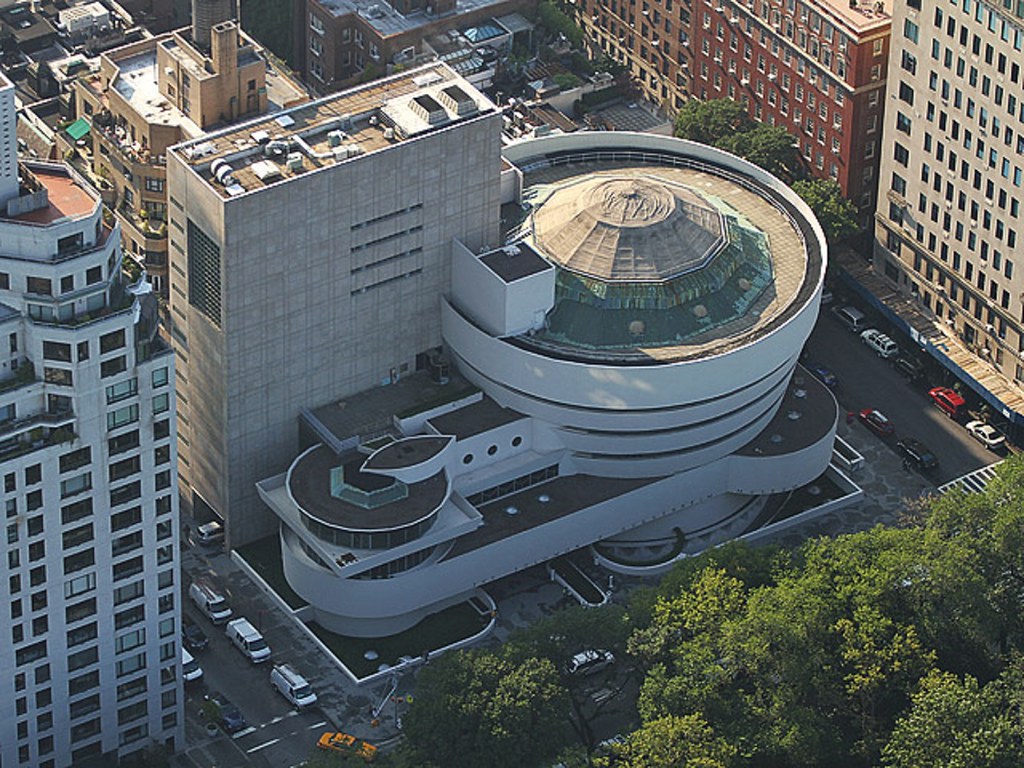
And if you’re looking for more inspiration or want to explore how these themes play out in contemporary art, feel free to check out our collection or visit the museum for a deeper dive into the world of symbolic art.

Happy creating!
Additional Resources
For further exploration, consider the following resources:



















- Books: "Man and His Symbols" by Carl Jung, "The Hero with a Thousand Faces" by Joseph Campbell.
- Online Courses: Platforms like Coursera and Udemy offer courses on Jungian psychology and symbolism.
- Art Communities: Engage with other artists in online forums and social media groups to share insights and experiences.
- Cultural Narratives: Exploring myths, folklore, and cultural narratives can provide valuable insights into archetypal themes and inspire new creative directions.
By integrating Jungian archetypes into your artistic practice, you’re not just creating art—you’re participating in a timeless dialogue that connects us all.
Final Thoughts
As you embark on your journey of exploring Jungian archetypes in your art, remember that the most important thing is to trust your intuition and personal connection to the themes you’re exploring. Allow yourself to experiment, make mistakes, and learn from the process. The world of archetypal art is vast and full of possibilities, and your unique perspective and voice will make it even richer.