
Understanding Conceptual Framework in Art
Explore how artists develop underlying ideas, themes, and philosophies that guide their creative process and give meaning to their work.

Understanding Conceptual Framework in Art
I remember the first time I stood in front of a piece of abstract art and thought, "I don’t get it." It was a large canvas with bold strokes of color, no discernible form, just emotion. The gallery guide explained that the artist was exploring the concept of chaos and order. That’s when I realized: art isn’t just about what you see—it’s about the ideas behind it. That’s the conceptual framework.
Art has always been a mirror to the human experience, reflecting our thoughts, emotions, and philosophies. But what makes a piece of art truly resonate? It’s not just the colors, shapes, or techniques—it’s the underlying ideas that give it depth and meaning. This article will explore the concept of a conceptual framework in art, why it matters, and how artists develop and use it to create meaningful work.
Art has always been a mirror to the human experience, reflecting our thoughts, emotions, and philosophies. But what makes a piece of art truly resonate? It’s not just the colors, shapes, or techniques—it’s the underlying ideas that give it depth and meaning. This article will explore the concept of a conceptual framework in art, why it matters, and how artists develop and use it to create meaningful work.

Art has always been a mirror to the human experience, reflecting our thoughts, emotions, and philosophies. But what makes a piece of art truly resonate? It’s not just the colors, shapes, or techniques—it’s the underlying ideas that give it depth and meaning. This article will explore the concept of a conceptual framework in art, why it matters, and how artists develop and use it to create meaningful work.
To truly appreciate art, one must delve into the layers of meaning that artists embed within their creations. These layers are not always visible at first glance but are essential for understanding the artwork's significance. Whether you're an artist, a critic, or an enthusiast, grasping the conceptual framework can transform your experience of art.
The Intersection of Art and Philosophy
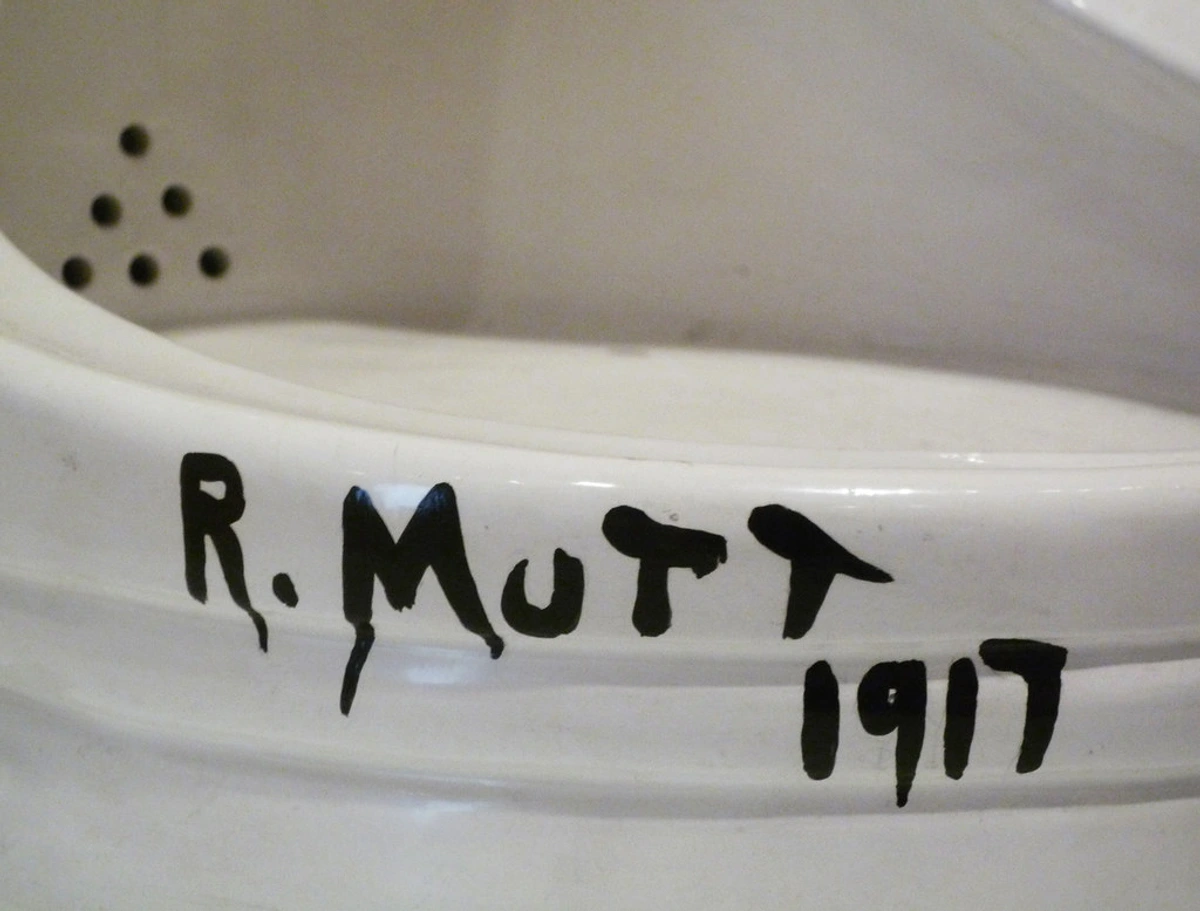
Art and philosophy have always been intertwined. Philosophical ideas often serve as the foundation for conceptual frameworks in art. For instance, existentialist themes in art explore the human condition, while minimalist philosophies emphasize simplicity and clarity. This intersection enriches the artistic process and invites viewers to engage with deeper questions.
The Role of Existentialism in Art
Existentialism, a philosophical movement that emphasizes individual existence, freedom, and choice, has significantly influenced art. Artists like Jean-Paul Sartre and Albert Camus explored themes of alienation, absurdity, and the search for meaning. These themes are often reflected in artworks that depict the human struggle to find purpose in an indifferent world.
The Role of Minimalism in Art
Minimalism, on the other hand, focuses on simplicity and the reduction of form to its essential elements. Artists like Donald Judd and Agnes Martin embraced minimalism, creating works that emphasize clarity, order, and the purity of form. This philosophical approach invites viewers to contemplate the essence of art and its relationship to the world.

What is a Conceptual Framework in Art?
A conceptual framework in art is like the invisible scaffold that holds a piece together. It’s the set of ideas, themes, and philosophies that guide an artist’s creative process. Think of it as the "why" behind the "what." Without it, art can feel hollow, no matter how visually stunning it might be.
Conceptual frameworks are not just abstract ideas; they are the foundation upon which artists build their work. They provide a structure that allows artists to explore complex themes and emotions, making their art more meaningful and impactful. For viewers, understanding this framework can unlock a deeper appreciation of the artwork.
The Relationship Between Concept and Form
The relationship between concept and form is a dynamic interplay. While the concept provides the underlying ideas, the form gives these ideas a tangible expression. This relationship is what makes art a powerful medium for communication and expression. Artists often experiment with different forms to find the best way to convey their conceptual frameworks.

For example, take Zen’s work. At first glance, you see vibrant colors and abstract shapes. But dig deeper, and you’ll find themes of balance, harmony, and the interplay between light and dark. That’s the conceptual framework at play.
The Role of Symbolism in Conceptual Frameworks
Symbolism is a powerful tool in conceptual frameworks. Artists use symbols to convey complex ideas and emotions. These symbols can be personal, cultural, or universal, adding layers of meaning to the artwork. Understanding the symbolism in art can provide insights into the artist's intent and the themes they are exploring.

Key Components of a Conceptual Framework
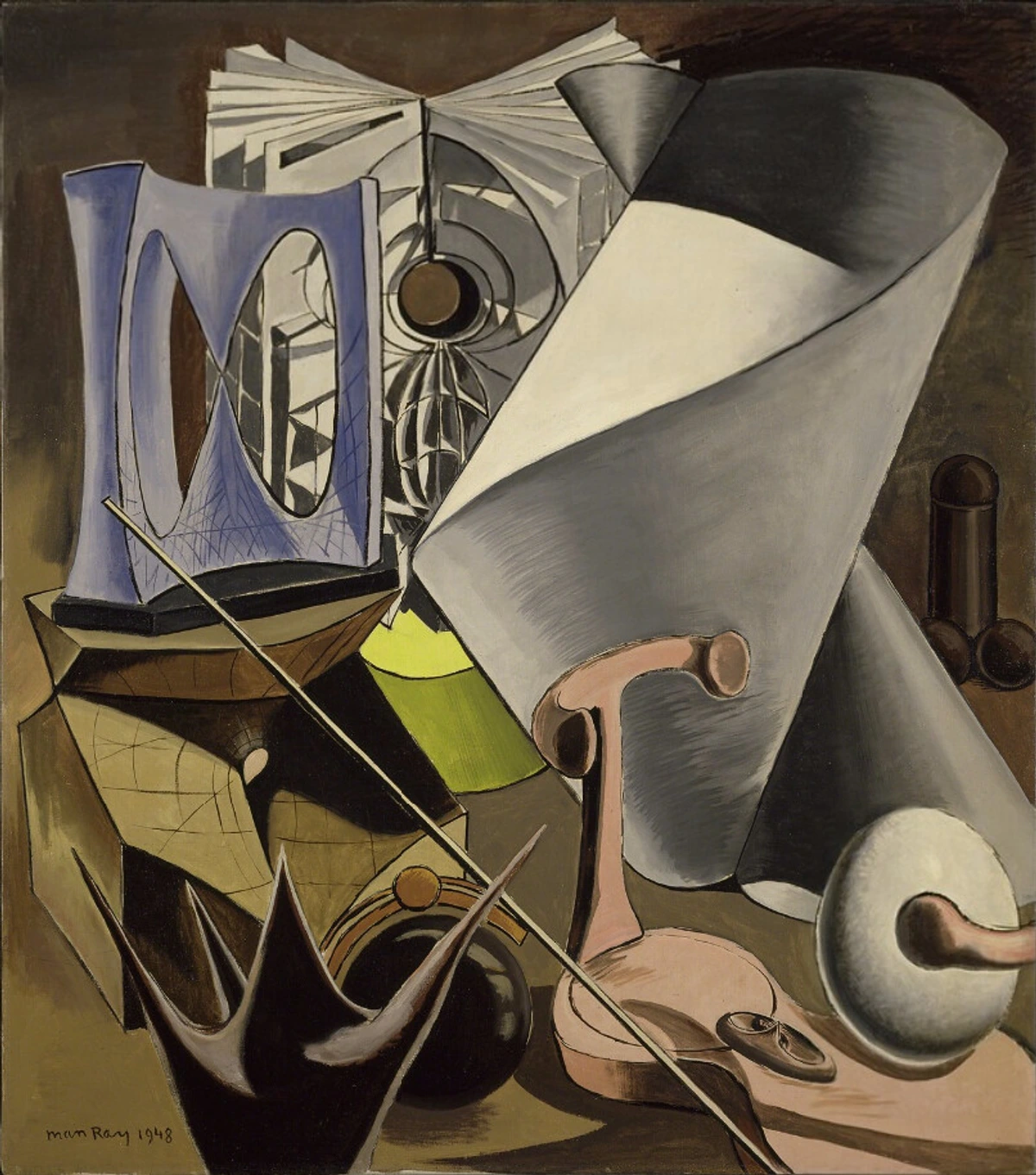
A conceptual framework is composed of several key elements that work together to shape an artist's work. These components provide a roadmap for understanding the deeper layers of meaning in art.
Component  | Description | Example in Art |
|---|---|---|
| Theme | The central idea or subject matter. | Love, chaos, identity |
| Philosophy | The artist’s beliefs or worldview. | Existentialism, minimalism |
| Technique | How the artist chooses to express the theme. | Abstract expressionism, realism |
| Context | The cultural, historical, or personal background influencing the work. | Post-war America, personal trauma |
| Emotion | The emotional resonance or impact the artist aims to evoke. | Joy, sorrow, anger |
| Symbolism | The use of symbols to represent ideas or qualities. | A dove for peace, a skull for mortality |
Each of these components plays a crucial role in shaping the artwork and providing viewers with a richer understanding of the artist's intent.
Why Does It Matter?
You might be thinking, "Can’t I just enjoy the art without overanalyzing it?" Absolutely. But understanding the conceptual framework can deepen your appreciation. It’s like knowing the backstory of a character in a novel—it makes the experience richer.
The Role of Emotion in Conceptual Frameworks
Emotion is a fundamental aspect of conceptual frameworks. Artists often use their work to explore and express their emotions, creating a powerful connection with viewers. This emotional resonance can make the artwork more meaningful and impactful, inviting viewers to engage with the artwork on a deeper level.
For artists, the conceptual framework is everything. It’s what separates a random splash of paint from a meaningful statement. It’s the difference between decorating a wall and creating something that resonates. For viewers, it offers a way to connect with the artwork on a deeper level, fostering a more meaningful and lasting relationship with the piece.
For artists, the conceptual framework is everything. It’s what separates a random splash of paint from a meaningful statement. It’s the difference between decorating a wall and creating something that resonates.
The Impact on Viewers
When viewers understand the conceptual framework behind a piece of art, they can engage with it on multiple levels. They might see connections to their own experiences, gain new insights, or even challenge their perspectives. This deeper engagement fosters a more meaningful and lasting connection with the artwork.
Art is not just about aesthetics; it’s about communication. By understanding the conceptual framework, viewers can participate in a dialogue with the artist, interpreting the artwork through their own experiences and emotions. This interaction enriches the viewing experience and makes the artwork more memorable.
The Role in Art Criticism
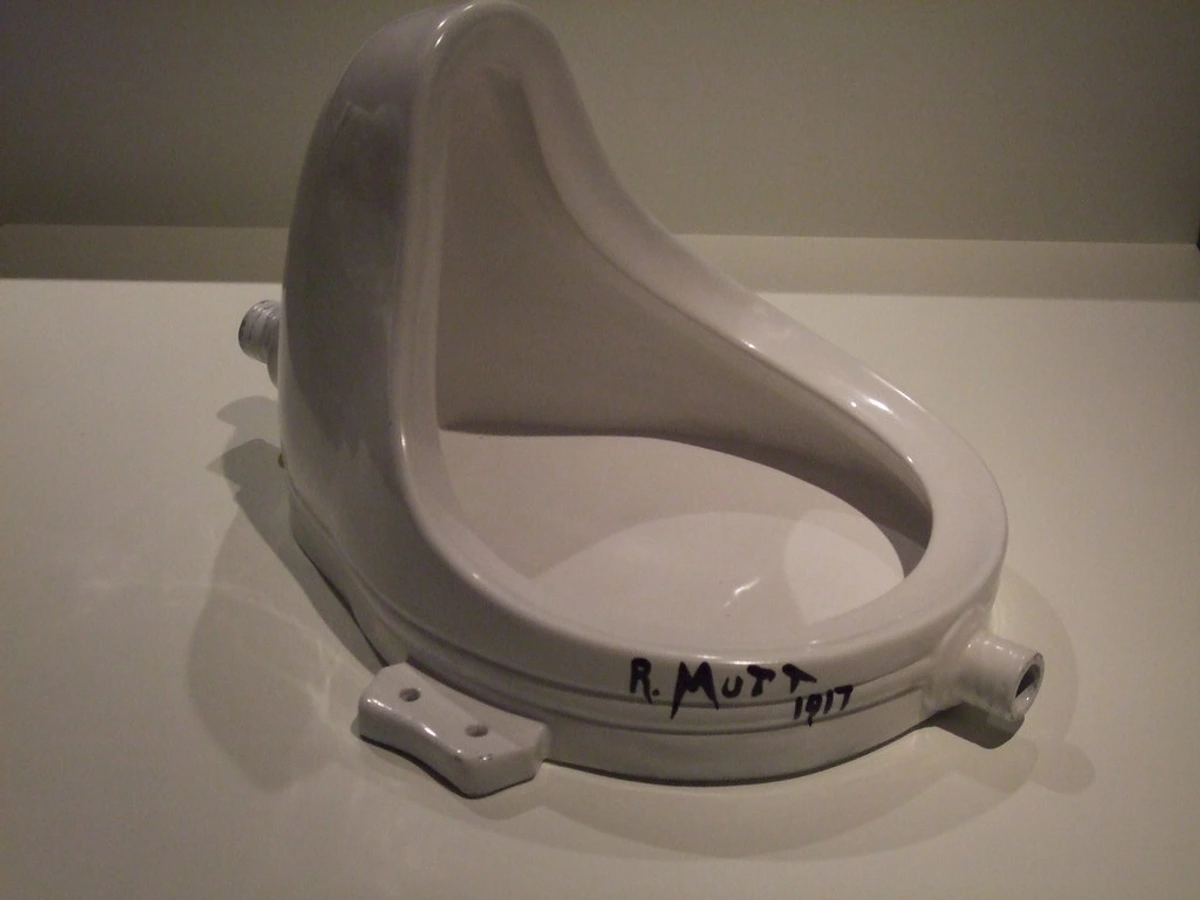
Art critics and historians often analyze conceptual frameworks to interpret and evaluate art. By examining the ideas and themes behind a piece, critics can provide context, highlight its significance, and situate it within broader artistic movements. This analysis helps to build a richer understanding of the artwork and its place in art history.
Criticism is not just about judging the quality of art; it’s about uncovering the layers of meaning that make the artwork significant. By understanding the conceptual framework, critics can provide insights that enhance the viewer's appreciation and understanding of the artwork.
How Artists Develop Their Conceptual Framework
Developing a conceptual framework is a deeply personal and iterative process for artists. It involves introspection, experimentation, and continuous refinement. Here’s how artists typically develop their conceptual frameworks:

1. Self-Reflection
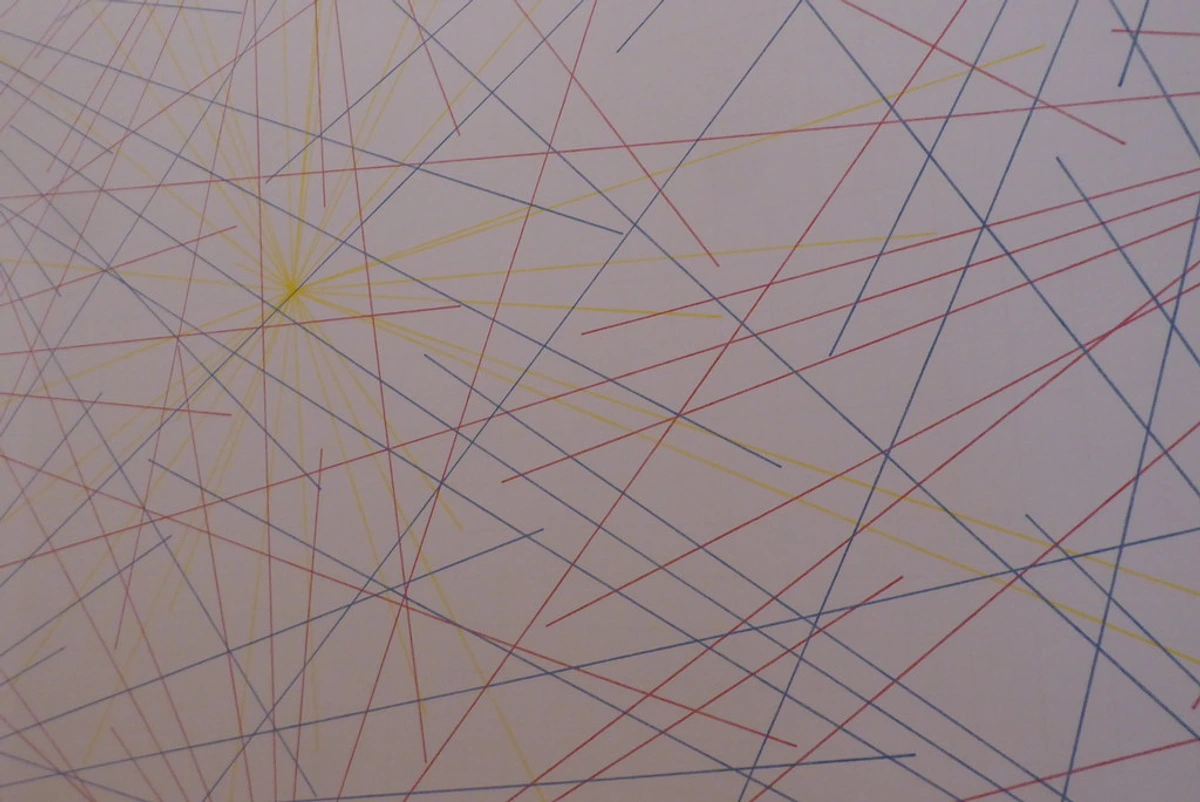
Artists often start by asking themselves big questions: Who am I? What do I believe? What do I want to say? These questions form the foundation of their framework. Self-reflection allows artists to explore their identity, values, and experiences, which in turn shape their artistic vision.
The Role of Identity in Conceptual Frameworks
Identity is a central theme in many conceptual frameworks. Artists often explore their personal identity, cultural heritage, and social context through their work. This exploration can lead to a deeper understanding of themselves and their place in the world, enriching their artistic expression.
2. Influence and Inspiration
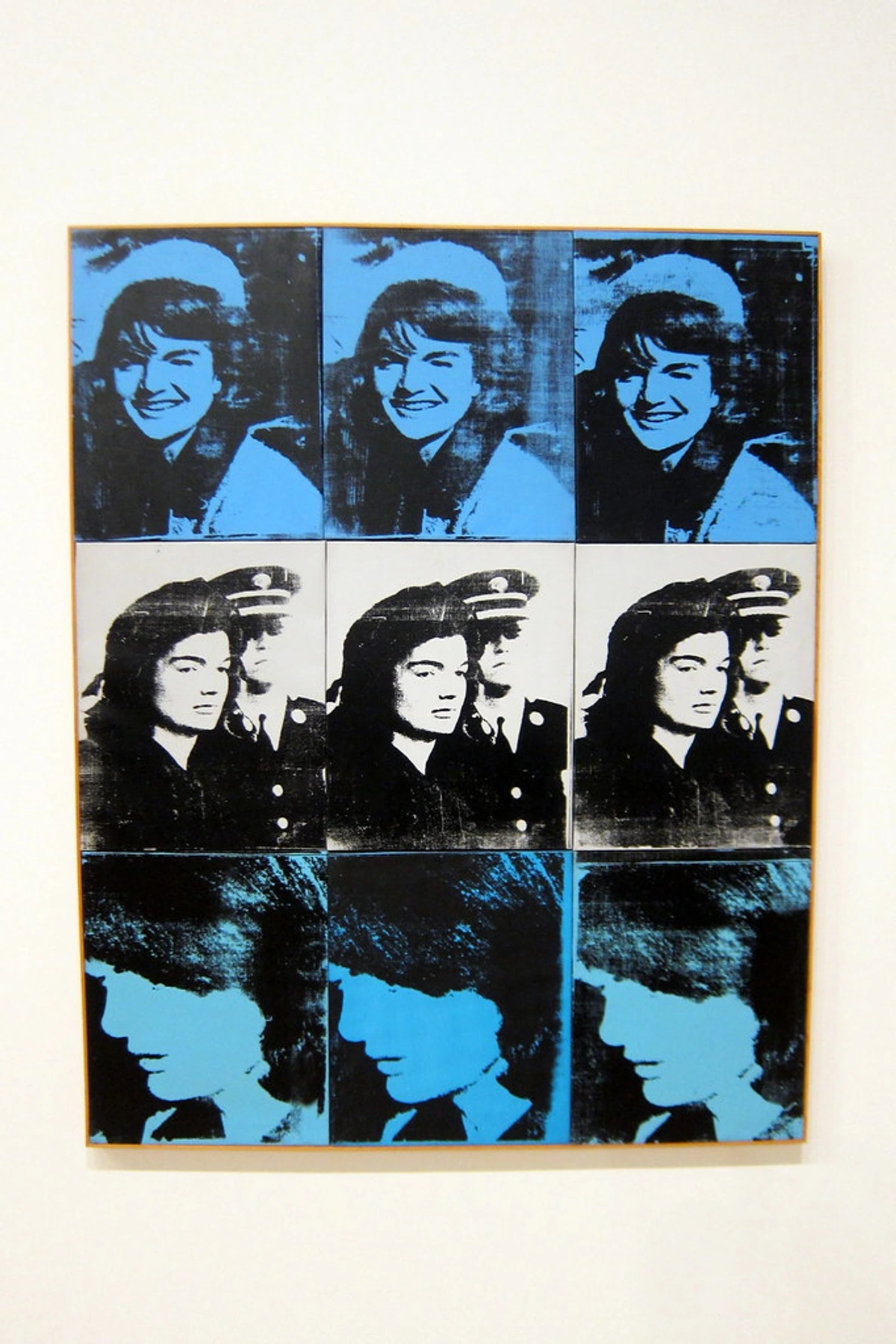
No artist works in a vacuum. They’re influenced by other artists, movements, and even everyday life. For example, Zen’s work is inspired by the balance of nature and urban life, which you can see in the contrast of organic shapes and geometric lines.
The Role of Nature in Conceptual Frameworks
Nature is a powerful source of inspiration for many artists. The natural world provides a rich tapestry of forms, colors, and textures that can be explored and reinterpreted in art. By engaging with nature, artists can create artwork that reflects the beauty and complexity of the natural world.
Inspiration can come from anywhere—books, music, travel, or even conversations. Artists absorb these influences and reinterpret them in their own unique way, adding depth and richness to their work.
3. Experimentation
Artists experiment with techniques and mediums to find what best expresses their ideas. This could mean switching from oil paints to digital art or exploring mixed media.
The Role of Technology in Conceptual Frameworks
Technology has opened up new possibilities for artists to explore and express their conceptual frameworks. Digital art, virtual reality, and interactive installations are just a few examples of how technology is transforming the artistic landscape. These innovations allow artists to push the boundaries of traditional art forms and create immersive and engaging experiences.

Experimentation is a crucial part of the creative process. It allows artists to push boundaries, discover new possibilities, and refine their artistic voice. By trying out different techniques and mediums, artists can find the best way to convey their conceptual framework.
4. Refinement
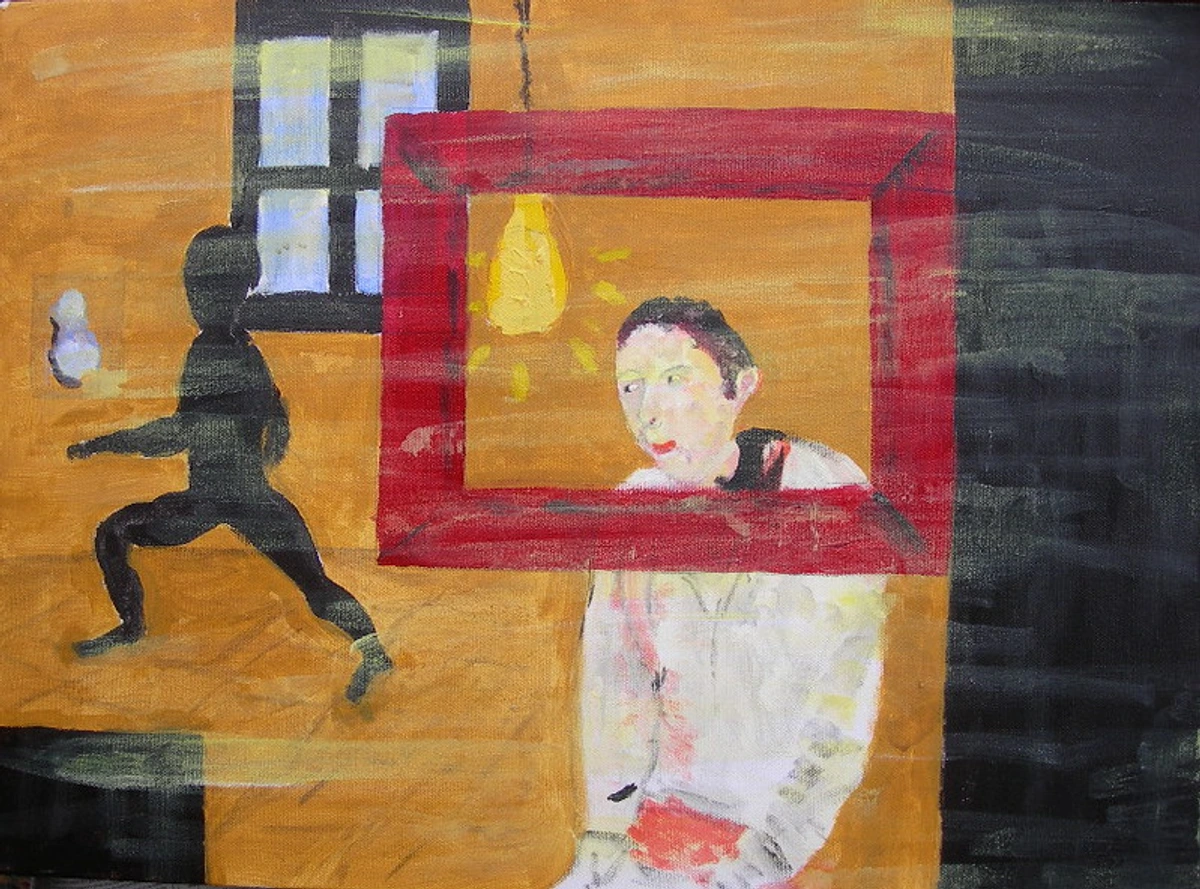
Over time, artists refine their framework. They might abandon certain themes or techniques and embrace others. It’s an ongoing process of growth and discovery.
The Role of Feedback in Conceptual Frameworks
Feedback is an essential part of the refinement process. Artists often seek input from peers, mentors, and audiences to gain new perspectives and insights. This feedback can help artists clarify and strengthen their conceptual frameworks, leading to more meaningful and impactful artwork.
Refinement involves evaluating what works and what doesn’t, and making adjustments accordingly. This process of continuous improvement allows artists to evolve and develop a more nuanced and sophisticated conceptual framework.
5. Collaboration and Feedback
Artists often collaborate with others or seek feedback to refine their ideas. Engaging with peers, mentors, or audiences can provide new perspectives and insights, helping artists to clarify and strengthen their conceptual frameworks.
The Role of Collaboration in Conceptual Frameworks
Collaboration is a powerful tool for artists to explore and develop their conceptual frameworks. By working with other artists, designers, and creatives, artists can gain new insights and perspectives that enrich their artistic expression. This collaborative process can lead to innovative and unexpected outcomes.
Collaboration and feedback are invaluable for artists. They provide opportunities for learning, growth, and innovation. By engaging with others, artists can gain new insights and refine their conceptual framework in ways they might not have considered on their own.
6. Research and Study
Many artists delve into research and study to deepen their understanding of their themes. This could involve exploring historical events, scientific concepts, or philosophical ideas that inform their work and add layers of meaning.
The Role of History in Conceptual Frameworks
History provides a rich source of inspiration and context for artists. By studying historical events, artistic movements, and cultural traditions, artists can gain a deeper understanding of the themes they are exploring. This historical context can add layers of meaning to their artwork and enrich their conceptual frameworks.
Research and study provide artists with a broader context for their work. By understanding the historical, cultural, and philosophical underpinnings of their themes, artists can create more meaningful and impactful artwork.

Examples of Conceptual Frameworks in Art
To better understand how conceptual frameworks shape art, let’s explore some notable examples from renowned artists:
The Role of Personal Experience in Conceptual Frameworks
Personal experiences often serve as the foundation for conceptual frameworks. Artists draw on their own lives, emotions, and struggles to create artwork that is deeply personal and universally resonant. This connection to personal experience can make the artwork more meaningful and impactful.

Jackson Pollock: Chaos and Control
Pollock’s drip paintings might look random, but they’re actually a carefully controlled exploration of chaos and spontaneity. His framework was about breaking free from traditional techniques while still maintaining a sense of order.
Pollock’s work challenges viewers to see beyond the surface and appreciate the underlying structure and intent. His conceptual framework invites viewers to engage with the artwork on a deeper level, exploring themes of spontaneity and control.
Yayoi Kusama: Infinity and Obsession
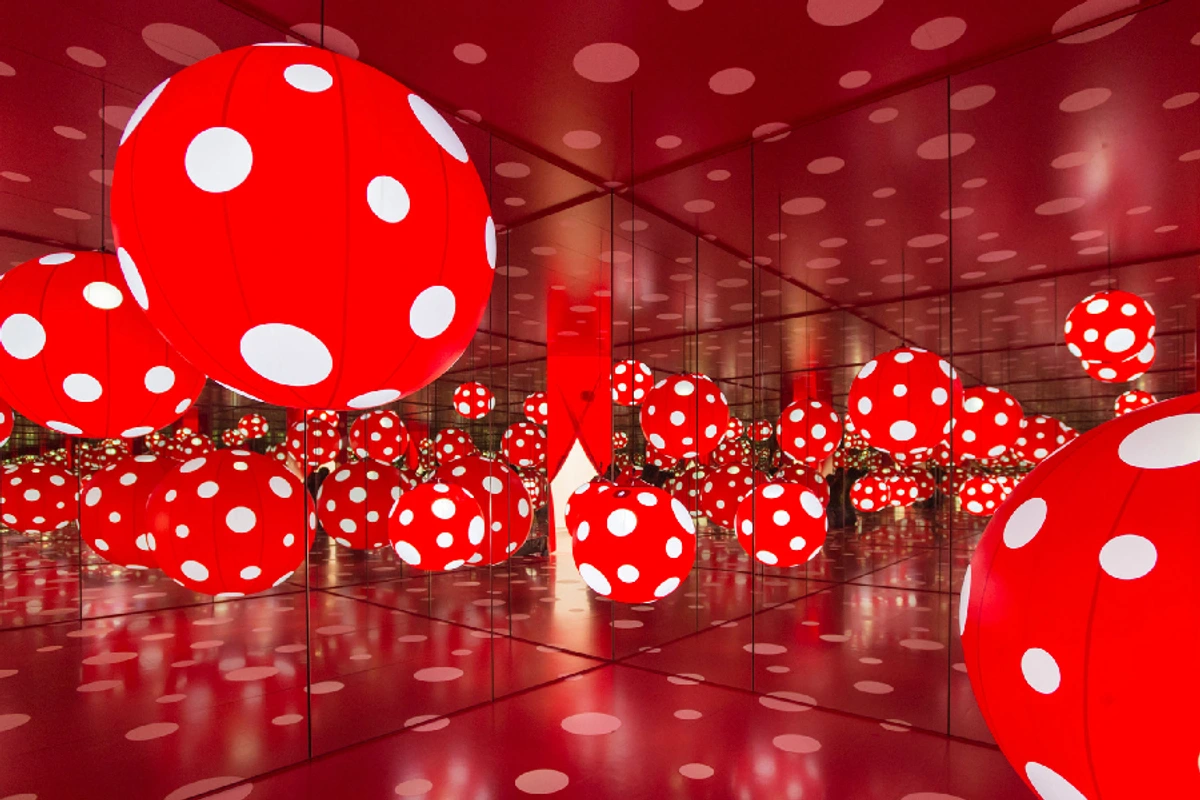
Kusama’s work is deeply tied to her personal experiences with mental health. Her use of repetitive patterns and dots reflects her obsession with infinity and the idea of dissolving into the universe.
Kusama’s conceptual framework is a powerful exploration of her inner world. By using repetitive patterns and motifs, she invites viewers to experience her vision of infinity and the interconnectedness of all things.

Zen’s Work: Balance and Harmony
Zen’s art often explores the tension between opposing forces—light and dark, nature and urbanity, chaos and order. The vibrant colors and abstract forms are a visual representation of finding balance in a chaotic world.
The Role of Contrast in Conceptual Frameworks
Contrast is a powerful tool in conceptual frameworks. Artists often use contrasting elements to explore themes of balance, harmony, and tension. This interplay of opposites can create a dynamic and engaging visual experience, inviting viewers to reflect on the complexities of the world.
Zen’s conceptual framework is about harmony and equilibrium. By juxtaposing contrasting elements, she creates a visual dialogue that invites viewers to reflect on the balance in their own lives and the world around them.
Frida Kahlo: Identity and Pain
Frida Kahlo’s work is a powerful exploration of identity, pain, and resilience. Her self-portraits and symbolic imagery reflect her personal struggles and cultural heritage, creating a deeply personal and universally resonant body of work.
The Role of Resilience in Conceptual Frameworks
Resilience is a central theme in many conceptual frameworks. Artists often explore their own struggles and challenges through their work, creating a powerful narrative of perseverance and strength. This exploration can inspire viewers and foster a deeper connection with the artwork.
Kahlo’s conceptual framework is deeply autobiographical. Through her art, she invites viewers to explore themes of identity, suffering, and resilience, creating a powerful and emotional connection with her audience.

Banksy: Social and Political Commentary
Banksy’s street art is known for its sharp social and political commentary. His conceptual framework revolves around themes of inequality, war, and the human condition, often using satire and irony to provoke thought and discussion.
The Role of Satire in Conceptual Frameworks
Satire is a powerful tool in conceptual frameworks. Artists often use humor and irony to critique societal norms and challenge the status quo. This satirical approach can create a thought-provoking and engaging commentary that resonates with a wide audience.
Banksy’s work challenges viewers to think critically about societal issues. By using humor and irony, he creates a powerful and thought-provoking commentary that resonates with a wide audience.
Pablo Picasso: Innovation and Reinvention
Picasso’s work is characterized by constant innovation and reinvention. His conceptual framework evolved from the Blue Period’s melancholy to the Cubist movement’s fragmentation of form, reflecting his exploration of new ways to represent reality.
The Role of Evolution in Conceptual Frameworks
Evolution is a fundamental aspect of conceptual frameworks. Artists often evolve and change over time, exploring new themes, techniques, and ideas. This evolution allows artists to push the boundaries of their artistic expression and create innovative and transformative artwork.
Picasso’s conceptual framework is about pushing boundaries and challenging conventions. His work invites viewers to see the world in new and unexpected ways, making him one of the most influential artists of the 20th century.
How to Identify a Conceptual Framework in Art
Identifying a conceptual framework in art requires a combination of observation, research, and critical thinking. Here are some strategies to help you uncover the deeper layers of meaning in artwork:
The Role of Observation in Identifying Conceptual Frameworks
Observation is a key skill in identifying conceptual frameworks. By carefully examining the artwork, viewers can uncover the underlying ideas and themes that shape the piece. This process of observation can lead to a deeper understanding of the artist's intent and the significance of the artwork.
Ask Questions
- What is the artist trying to say?
- What emotions does this piece evoke?
- How does the technique support the theme?
- What cultural or historical context might influence this work?
The Role of Inquiry in Identifying Conceptual Frameworks
Inquiry is a powerful tool in identifying conceptual frameworks. By asking questions and seeking answers, viewers can uncover the deeper layers of meaning in the artwork. This process of inquiry can lead to a richer understanding of the artist's intent and the themes they are exploring.
Asking these questions can help you uncover the underlying ideas and themes that shape the artwork. By engaging with the artwork on a deeper level, you can gain a richer understanding of the artist's intent.
Look for Patterns
Does the artist repeatedly use certain colors, shapes, or symbols? These can be clues to their conceptual framework. For example, recurring motifs like circles, spirals, or specific color palettes can indicate deeper themes.
The Role of Repetition in Identifying Conceptual Frameworks
Repetition is a powerful tool in identifying conceptual frameworks. By recognizing recurring elements and motifs, viewers can uncover the underlying ideas and themes that shape the artwork. This process of identifying patterns can lead to a deeper understanding of the artist's intent and the significance of the artwork.
Patterns are a powerful tool for artists to convey meaning. By identifying and interpreting these patterns, you can gain insights into the artist's conceptual framework and the themes they are exploring.
Analyze the Technique
The way an artist uses techniques—such as brushstrokes, composition, or medium—can reveal their conceptual framework. For instance, loose, expressive brushstrokes might suggest spontaneity, while precise, geometric forms could indicate a focus on order and structure.
The Role of Technique in Identifying Conceptual Frameworks
Technique is a key component of conceptual frameworks. By analyzing the techniques used in a piece of art, viewers can gain insights into the artist's intent and the themes they are exploring. This process of analyzing technique can lead to a deeper understanding of the artwork and its significance.
Technique is a key component of an artist's conceptual framework. By analyzing the techniques used in a piece of art, you can gain a deeper understanding of the artist's intent and the themes they are exploring.
Read About the Artist
Artist statements, interviews, and even social media posts can provide insight into their thought process. For example, you can explore Zen’s journey and inspiration on the timeline page.
The Role of Artist Statements in Identifying Conceptual Frameworks
Artist statements are a valuable resource for identifying conceptual frameworks. By reading about the artist's background, influences, and creative process, viewers can gain a deeper understanding of the themes and ideas that shape their work. This information can provide valuable context for interpreting the artwork.
Learning about the artist's background, influences, and creative process can provide valuable context for understanding their conceptual framework. This information can help you interpret the artwork and appreciate its significance.
Engage with the Art Community
Discussions with other art enthusiasts, critics, or educators can offer diverse perspectives on an artist’s conceptual framework. Engaging in these conversations can deepen your understanding and appreciation of the artwork.
The Role of Community in Identifying Conceptual Frameworks
The art community is a valuable resource for identifying conceptual frameworks. By engaging with other art enthusiasts, critics, and educators, viewers can gain new insights and perspectives that enrich their understanding of the artwork. This process of community engagement can lead to a deeper appreciation of the artist's intent and the themes they are exploring.
The art community is a valuable resource for learning and growth. By engaging with others, you can gain new insights and perspectives that enhance your understanding of the artwork and its conceptual framework.
FAQ
What’s the difference between a conceptual framework and a theme?
A theme is a specific idea or subject, like "love" or "war." A conceptual framework is broader—it includes the theme, the philosophy behind it, the techniques used, and the context in which the art was created.
The Role of Context in Conceptual Frameworks
Context is a crucial component of conceptual frameworks. It provides the background and circumstances that shape the artwork and influence its meaning. By understanding the context in which the artwork was created, viewers can gain a deeper appreciation of the artist's intent and the themes they are exploring.
While a theme is a single idea, a conceptual framework encompasses the entire structure of ideas, techniques, and context that shape the artwork. It provides a more comprehensive understanding of the artwork and its significance.
Can an artist have multiple conceptual frameworks?
Absolutely. Artists evolve, and their frameworks can shift over time. Some might even work with multiple frameworks simultaneously, depending on the project.
The Role of Flexibility in Conceptual Frameworks
Flexibility is a key aspect of conceptual frameworks. Artists often explore multiple themes and ideas throughout their careers, allowing their conceptual frameworks to evolve and change. This flexibility enables artists to push the boundaries of their artistic expression and create innovative and transformative artwork.
Artists are not static; they grow and change over time. As their experiences and perspectives evolve, so too can their conceptual frameworks. This flexibility allows artists to explore a wide range of themes and ideas throughout their careers.

Do all artists consciously develop a conceptual framework?
Not always. Some artists work intuitively, and their framework might only become clear later, either to them or to critics and viewers.
The Role of Intuition in Conceptual Frameworks
Intuition is a powerful force in the development of conceptual frameworks. Artists often rely on their instincts and inner feelings to guide their creative process. This intuitive approach can lead to unexpected and innovative outcomes, adding depth and richness to the artwork.
While some artists meticulously plan their conceptual framework, others may discover it organically through the creative process. This intuitive approach can lead to unexpected and innovative outcomes, adding depth and richness to the artwork.
How can I develop my own conceptual framework as an artist?
Start by asking yourself what you want to express. Experiment with different techniques and mediums. Study other artists and movements. And most importantly, keep creating and reflecting on your work.
The Role of Reflection in Developing Conceptual Frameworks
Reflection is a crucial part of developing conceptual frameworks. By reflecting on their experiences, emotions, and creative process, artists can gain a deeper understanding of their artistic vision and the themes they are exploring. This process of reflection can lead to more meaningful and impactful artwork.
Developing a conceptual framework is a journey of self-discovery and exploration. By engaging with your own experiences, experimenting with new techniques, and learning from others, you can create a unique and meaningful conceptual framework that shapes your artwork.
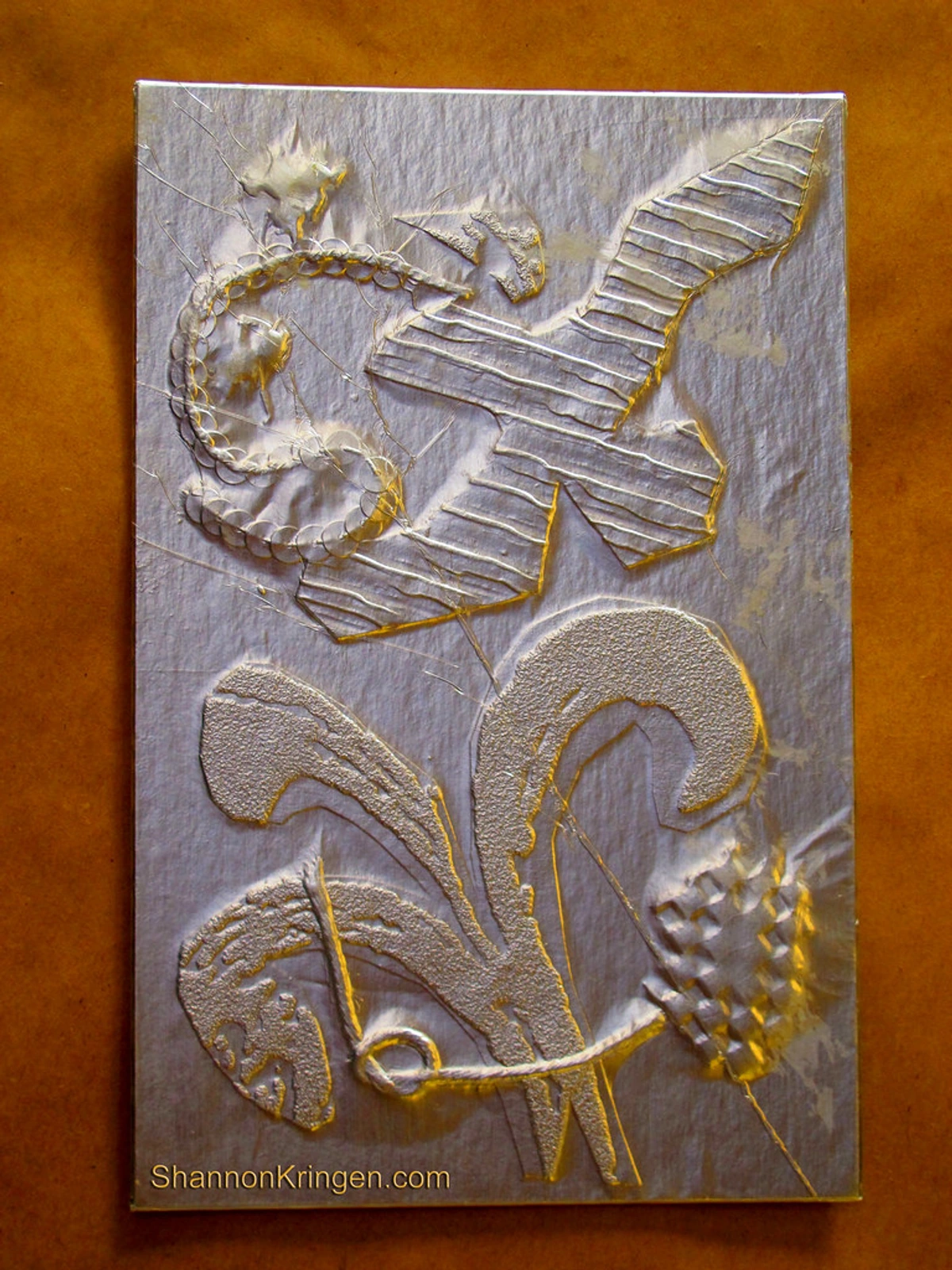
Why is a conceptual framework important for contemporary art?
In contemporary art, the conceptual framework often takes precedence over traditional aesthetic values. It allows artists to explore complex ideas, challenge societal norms, and engage with current issues in innovative ways.
The Role of Innovation in Contemporary Art
Innovation is a driving force behind contemporary art. Artists often push the boundaries of traditional art forms, experimenting with new techniques and mediums to express their ideas. This spirit of innovation can lead to groundbreaking and transformative artwork that resonates with modern audiences.
Contemporary art is about pushing boundaries and exploring new possibilities. A strong conceptual framework provides artists with the tools to create meaningful and impactful artwork that resonates with modern audiences.
How does a conceptual framework influence the interpretation of art?
A conceptual framework provides a lens through which viewers can interpret and understand art. It adds layers of meaning and context, making the artwork more relatable and thought-provoking.
The Role of Interpretation in Conceptual Frameworks
Interpretation is a key aspect of conceptual frameworks. By engaging with the artwork and interpreting its meaning, viewers can gain a deeper understanding of the artist's intent and the themes they are exploring. This process of interpretation can lead to a richer and more meaningful experience of the artwork.
By understanding the conceptual framework, viewers can engage with the artwork on a deeper level, interpreting it through their own experiences and emotions. This interaction enriches the viewing experience and makes the artwork more meaningful.

Can a conceptual framework change over time?
Yes, conceptual frameworks are dynamic and can evolve as artists grow, their perspectives shift, and they engage with new ideas and experiences.
Artists are not static; they evolve and change over time. As their experiences and perspectives shift, so too can their conceptual frameworks. This evolution allows artists to explore new themes and ideas, adding depth and richness to their work.
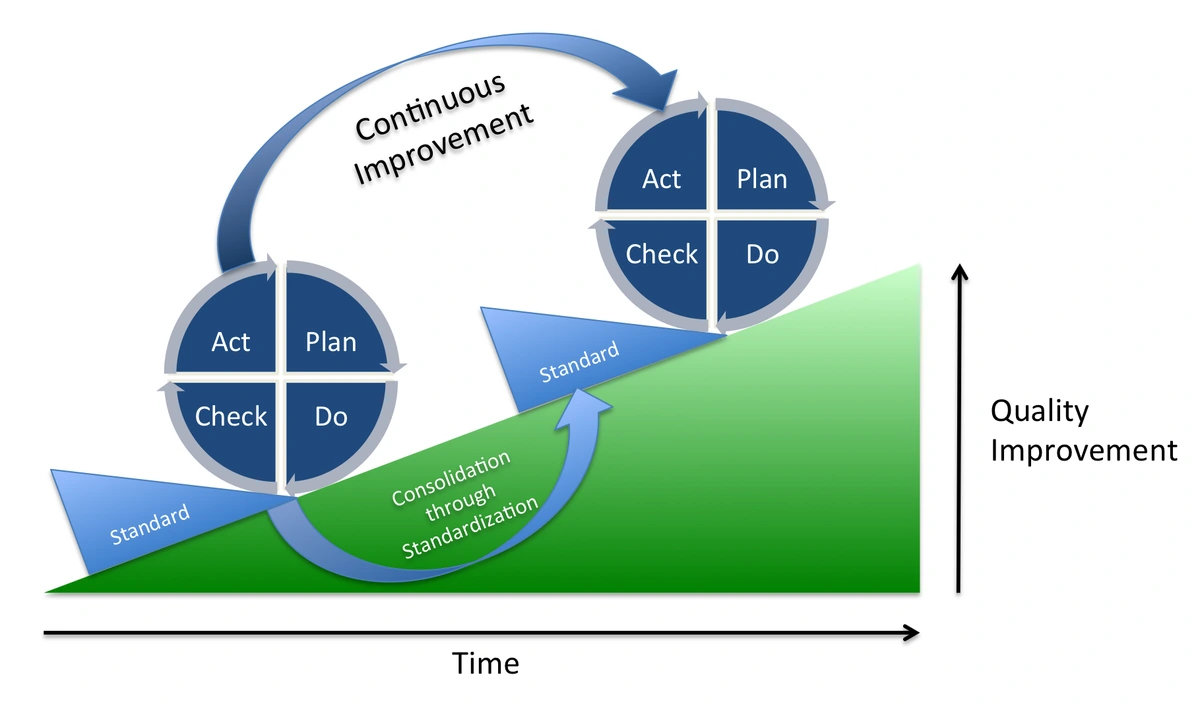
What role does culture play in shaping a conceptual framework?
Culture plays a significant role in shaping an artist’s conceptual framework. It influences their worldview, the themes they explore, and the techniques they use to express their ideas.
The Role of Cultural Heritage in Conceptual Frameworks
Cultural heritage is a rich source of inspiration and context for artists. By engaging with their cultural traditions and history, artists can create artwork that reflects the diversity and complexity of the human experience. This connection to cultural heritage can add layers of meaning to their conceptual frameworks.
Culture provides artists with a rich tapestry of influences and experiences to draw from. By engaging with their cultural heritage, artists can create artwork that resonates with a wide audience and reflects the diversity of the human experience.
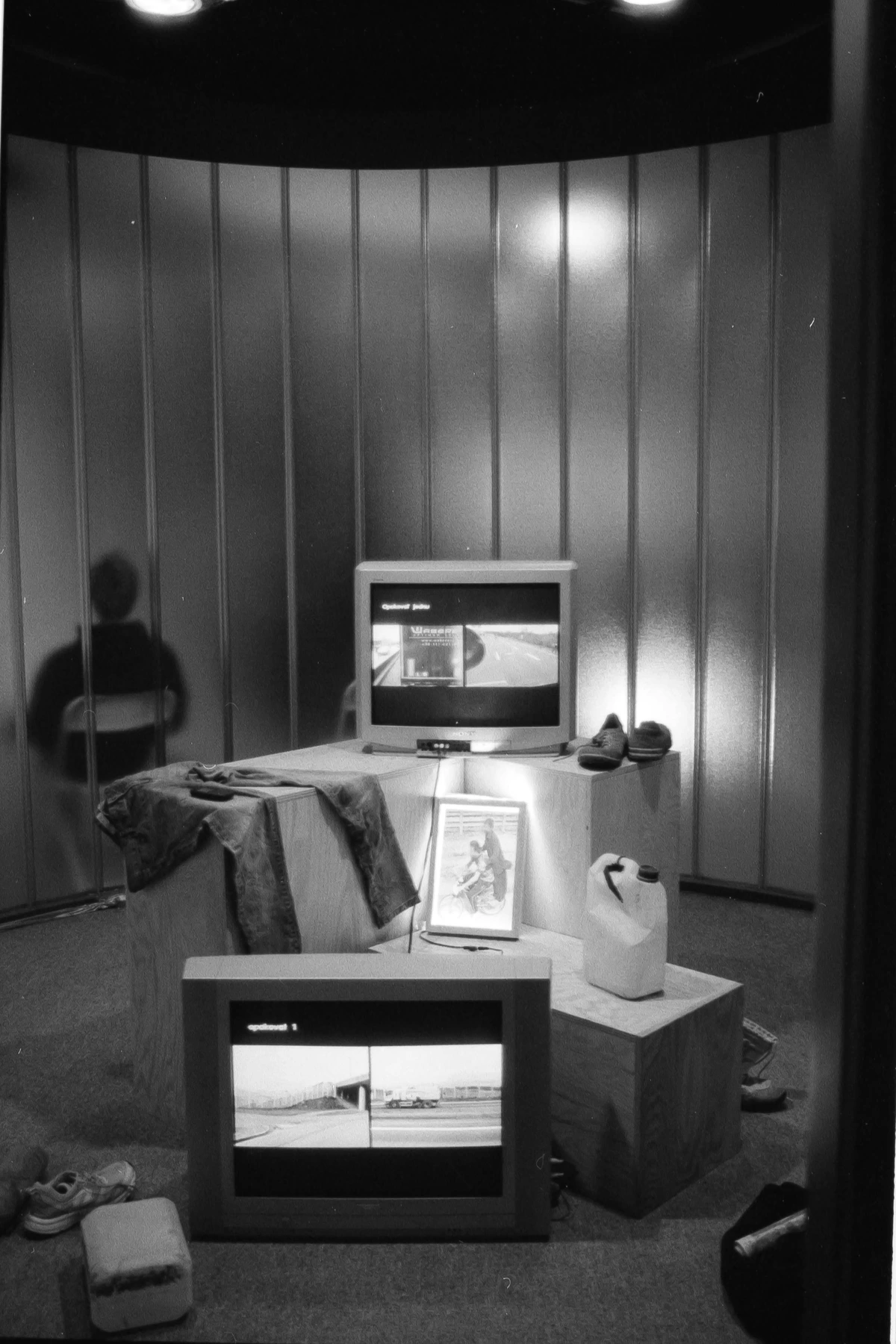
Conclusion
Understanding the conceptual framework in art is like having a backstage pass to the artist’s mind. It’s not about overcomplicating the experience of art—it’s about enriching it. Next time you look at a piece, ask yourself: What’s the story behind this? What was the artist thinking? You might find that the art speaks to you in ways you never expected.
The Role of Curiosity in Conceptual Frameworks
Curiosity is a driving force behind the exploration of conceptual frameworks. By asking questions and seeking answers, viewers can uncover the deeper layers of meaning in the artwork. This process of curiosity can lead to a richer understanding of the artist's intent and the themes they are exploring.
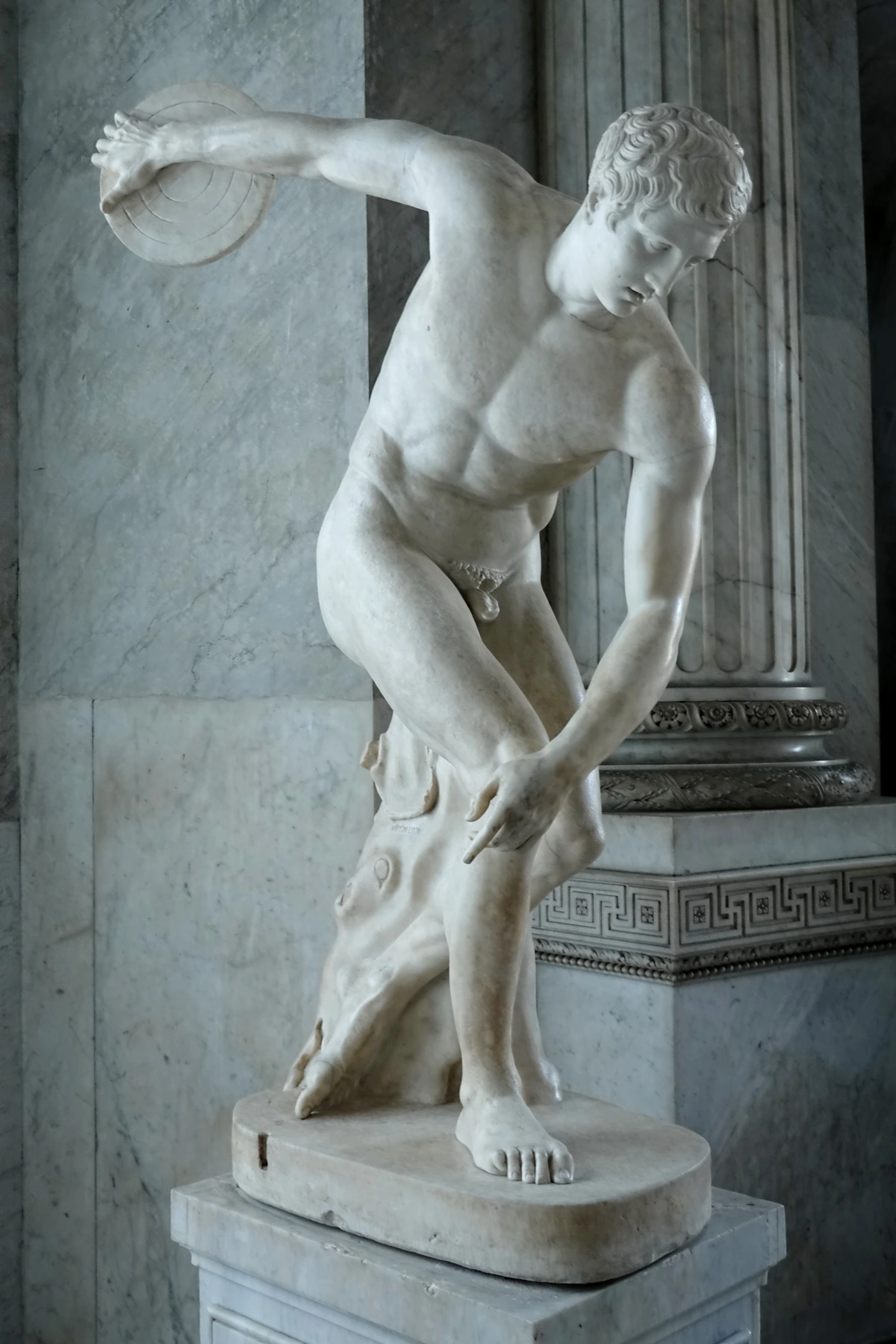
Art is a conversation—a dialogue between the artist and the viewer, between the past and the present, and between ideas and emotions. By understanding the conceptual framework behind a piece of art, you become part of that conversation. You gain insight into the artist’s mind, their struggles, their inspirations, and their vision. This deeper understanding not only enriches your experience of art but also connects you to the broader human experience.
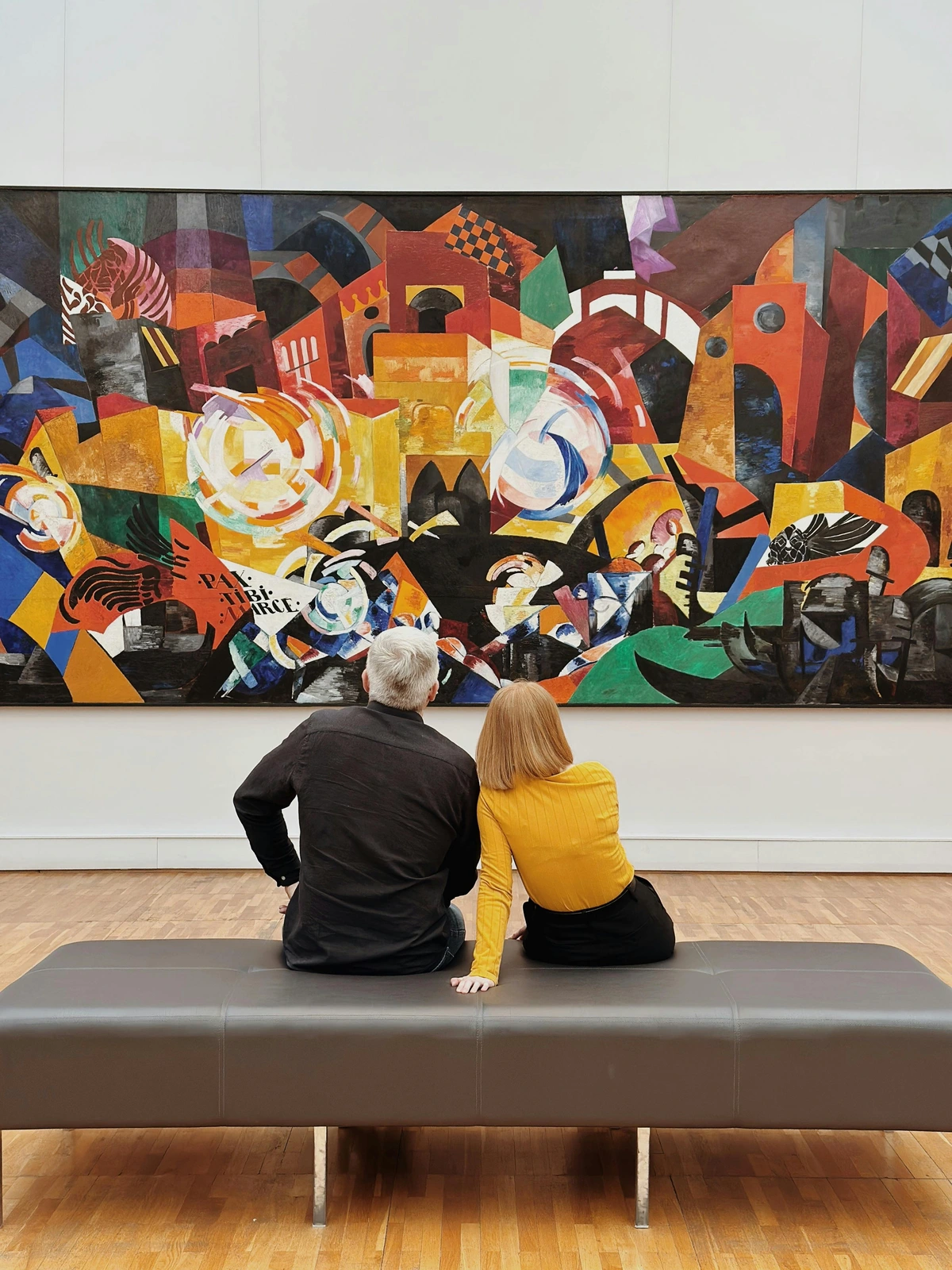
And if you’re curious about how these ideas come to life in contemporary art, check out the collection. You’ll see how conceptual frameworks shape every brushstroke, every color choice, and every composition.

Final Thoughts
Art is a conversation—a dialogue between the artist and the viewer, between the past and the present, and between ideas and emotions. By understanding the conceptual framework behind a piece of art, you become part of that conversation. You gain insight into the artist’s mind, their struggles, their inspirations, and their vision. This deeper understanding not only enriches your experience of art but also connects you to the broader human experience.
So, the next time you encounter a piece of art, take a moment to explore its conceptual framework. Ask questions, look for patterns, and engage with the story behind the artwork. You might find that it speaks to you in ways you never imagined.











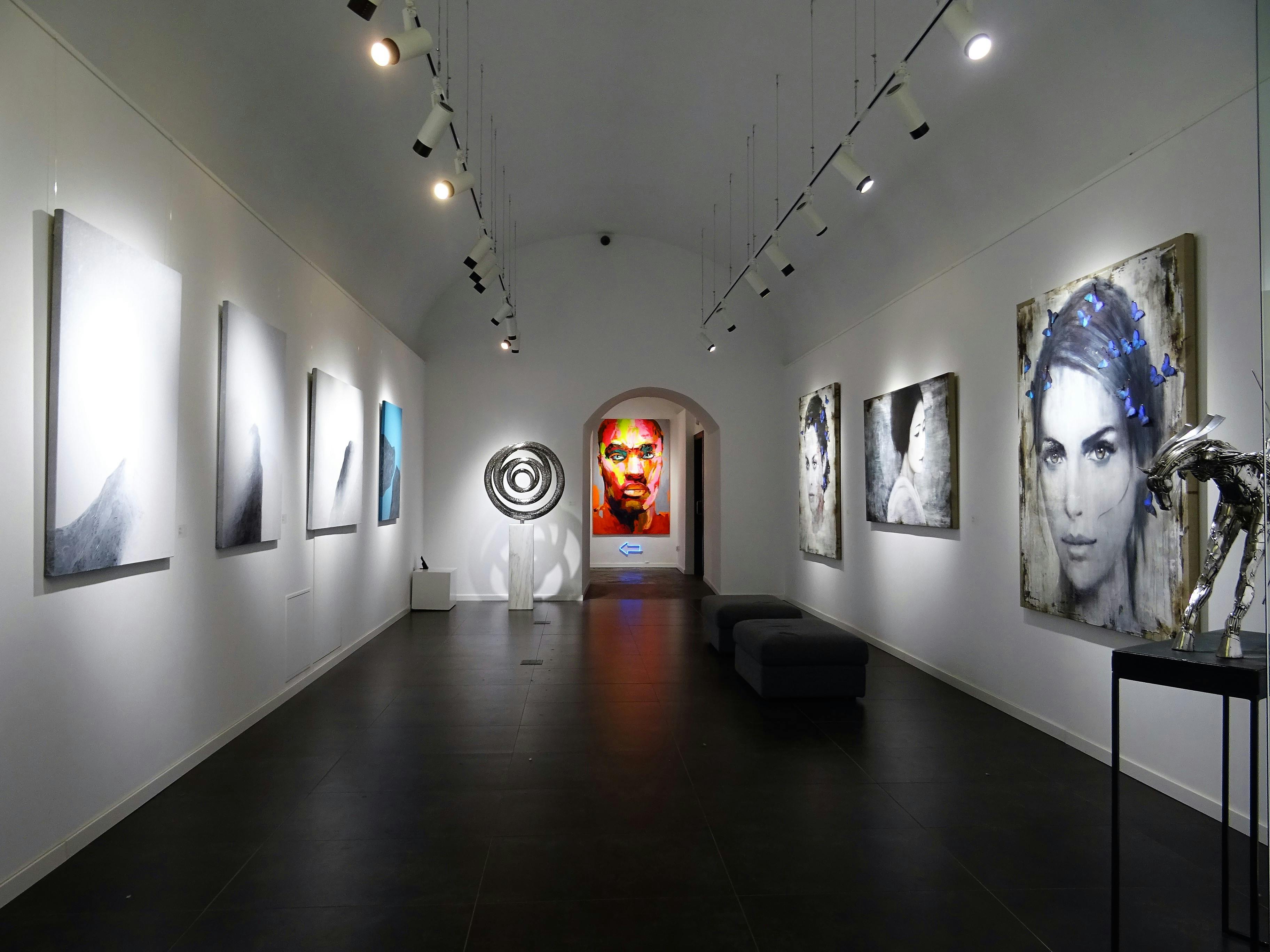


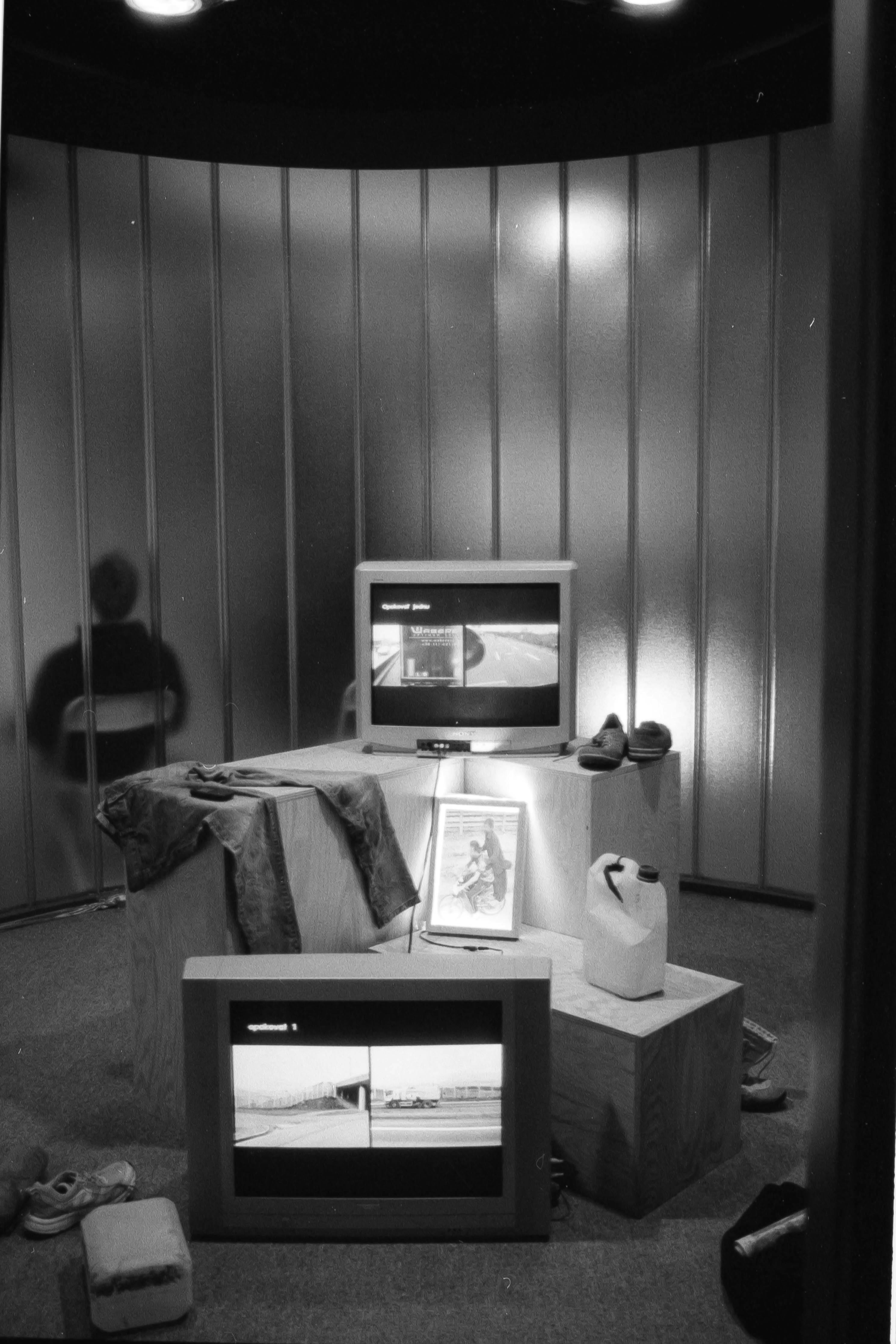

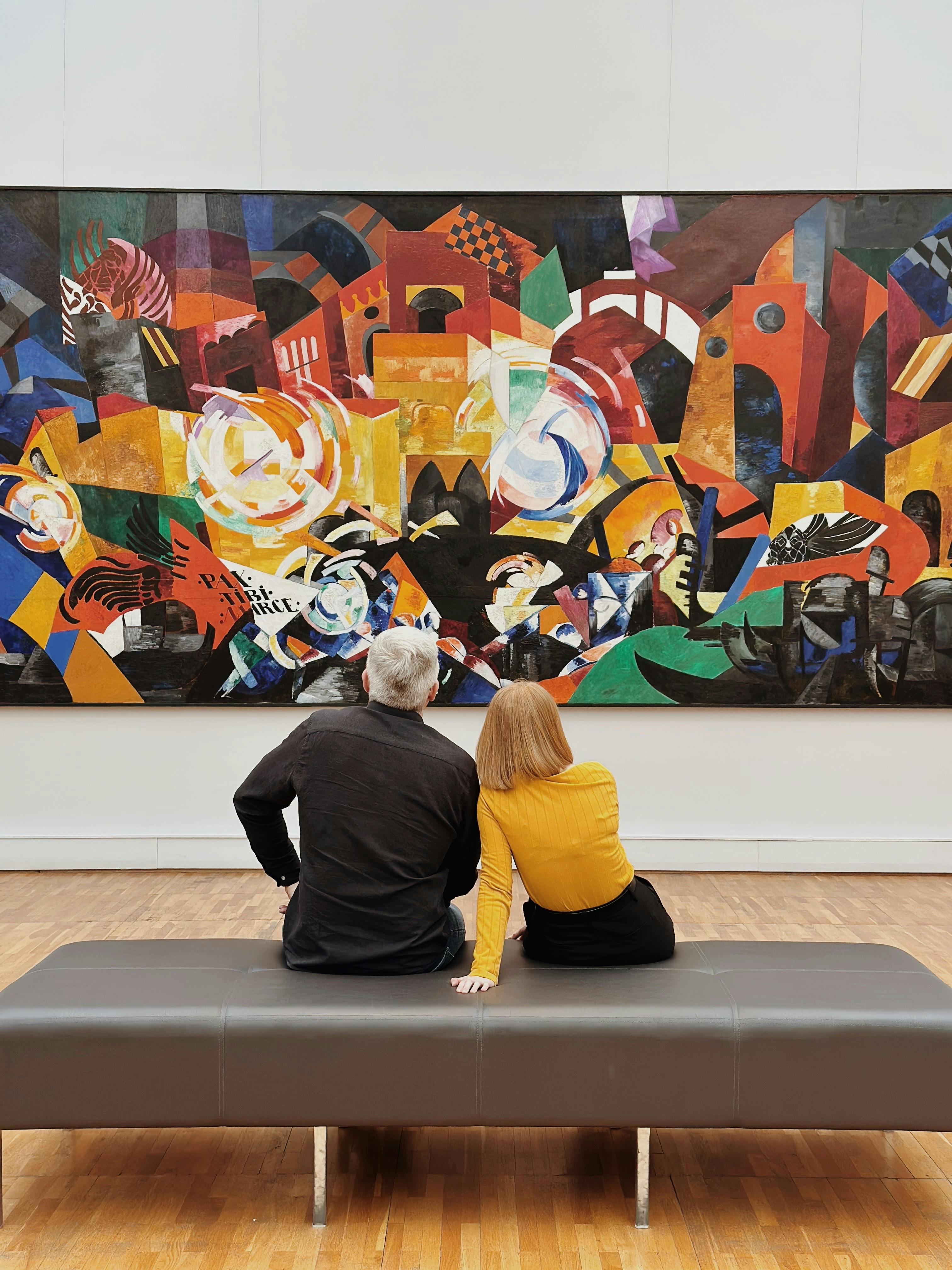


Art is not just about aesthetics; it’s about communication and connection. By engaging with the conceptual framework, you can unlock the deeper layers of meaning in artwork and appreciate its significance on a whole new level.