
The Dance on Canvas: Understanding Dynamic Interplay in Art Composition
Discover how artists create visual tension and movement through dynamic interplay. Learn key concepts, practical techniques, and see examples that bring artwork to life.

The Dance on Canvas: Understanding Dynamic Interplay in Art Composition
You know that feeling when a painting just moves you? Not emotionally, but literally—like your eyes are being pulled across the canvas? That’s dynamic interplay at work. It’s the invisible choreography that turns a static bunch of paint into a living, breathing conversation. I’ve stood in galleries for hours, losing track of time as my eyes traced these silent dialogues. Let me pull back the curtain on how artists orchestrate this magic.
Dynamic interplay is more than just a technique; it’s a language. It’s how artists communicate energy, tension, and harmony without uttering a single word. Whether you're an artist looking to refine your craft or an art enthusiast eager to deepen your appreciation, understanding this concept will transform how you see and create art.
The Historical Context of Dynamic Interplay
The concept of dynamic interplay has evolved over centuries, from the balanced compositions of the Renaissance to the chaotic energy of modern abstract art. Each movement has contributed to our understanding of how to create visual tension and harmony. Artists like Leonardo da Vinci and Michelangelo laid the groundwork for understanding composition, while later movements like Impressionism and Cubism pushed the boundaries of how we perceive movement and energy in art.
The Heartbeat of Visual Art
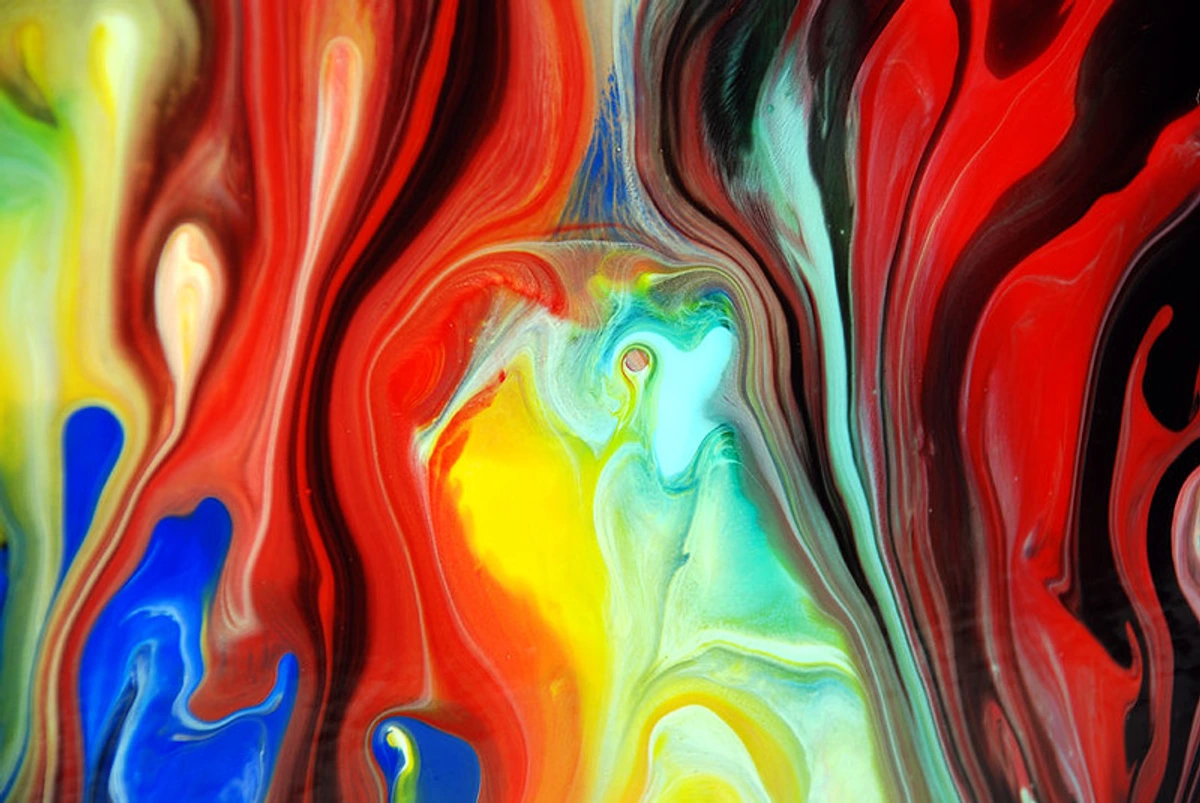
At its core, dynamic interplay is about creating energy through opposition. It’s not about balance (that’s for another discussion!), but about controlled tension where elements push, pull, and nudge each other. Think of it like two magnets—the stronger the polarity, the more interesting the invisible field between them. A painting with harmonious static elements can feel peaceful, but one with deliberate interplay? It crackles.
I remember staring at a Kandinsky once where a slash of red seemed to vibrate against a blue circle nearby. My brain wasn’t just seeing it—it was feeling the friction. That’s the power of intentional compositional relationships. If you’re an artist feeling stuck, or just a curious observer, understanding this language could unlock how you experience—or create—art forever.
The Role of Composition in Dynamic Interplay
Composition is the foundation of dynamic interplay. It’s about arranging elements in a way that guides the viewer’s eye and creates a sense of movement. Whether it’s through the use of lines, shapes, or colors, composition is what brings a painting to life. Artists like Jackson Pollock and Pablo Picasso revolutionized composition by breaking traditional rules and introducing new ways of creating tension and harmony.
The Science Behind the Magic
Dynamic interplay isn’t just an artistic concept; it’s rooted in how our brains perceive and process visual information. Studies in visual psychology suggest that our eyes are naturally drawn to areas of contrast and tension. This is why a painting with strong dynamic interplay can feel more engaging and alive. It’s not just about aesthetics; it’s about how our minds interact with the visual world.
The Psychology of Visual Perception
Our brains are wired to seek patterns and contrasts. This innate tendency is what makes dynamic interplay so effective. When we see a painting with strong contrasts in color, shape, or texture, our brains are immediately engaged. This engagement is not just visual but also emotional, as our minds interpret these contrasts and tensions in ways that evoke feelings and memories.

Why Dynamic Interplay Matters
Dynamic interplay is not just a technique; it’s a way of thinking about art. It’s about creating a visual experience that transcends the static nature of the medium. Whether it’s the tension between colors, the contrast of shapes, or the rhythm of lines, dynamic interplay is what makes art feel alive. It’s what turns a simple painting into a story, a conversation, or even a journey.
Breaking Down the Elements of Interplay
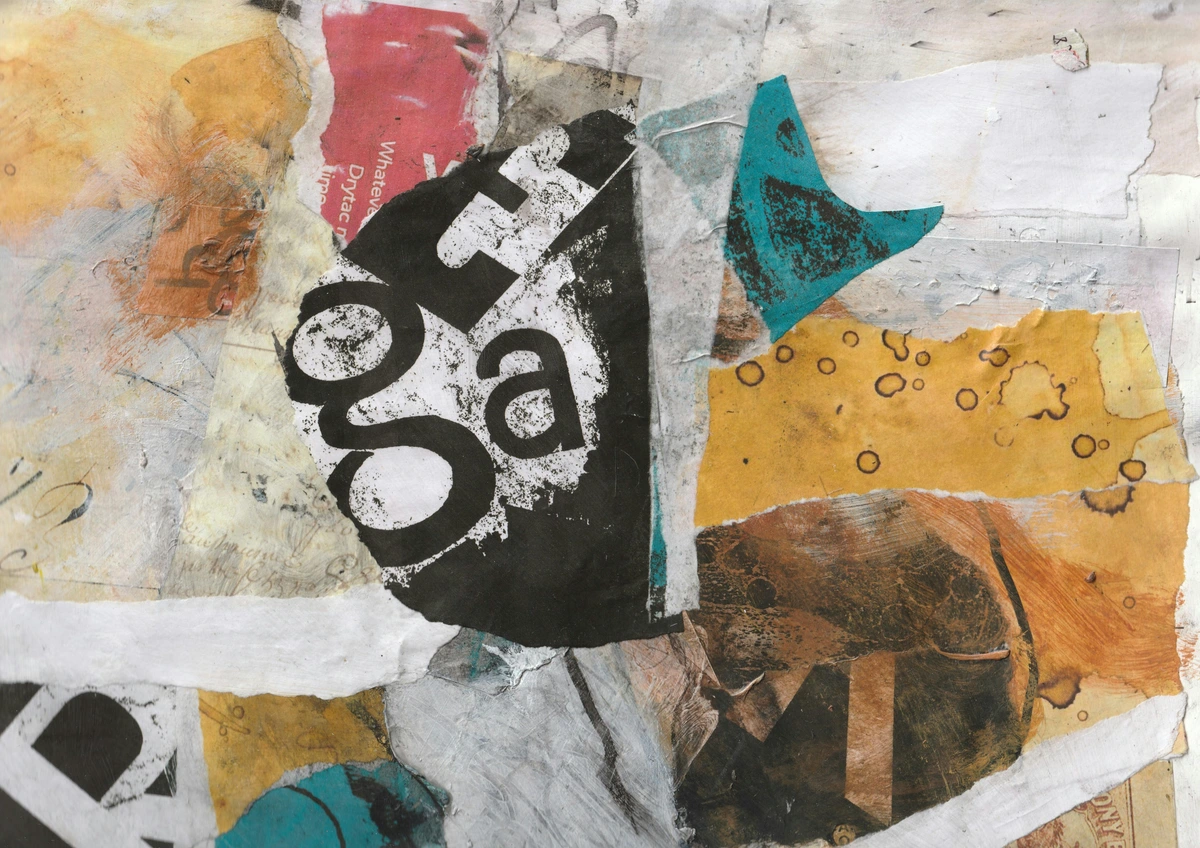
Dynamic interplay happens when these fundamental components come together to create a cohesive visual experience. Each element plays a unique role, and understanding how they interact can help you appreciate and create more engaging art.
The Role of Lines in Art
Lines are the backbone of any composition. They guide the viewer’s eye, create movement, and establish the structure of the artwork. Whether they are straight, curved, or jagged, lines can evoke different emotions and set the tone for the entire piece. For example, diagonal lines can create a sense of dynamism and energy, while horizontal lines can evoke calmness and stability.
Understanding the Visual Grammar
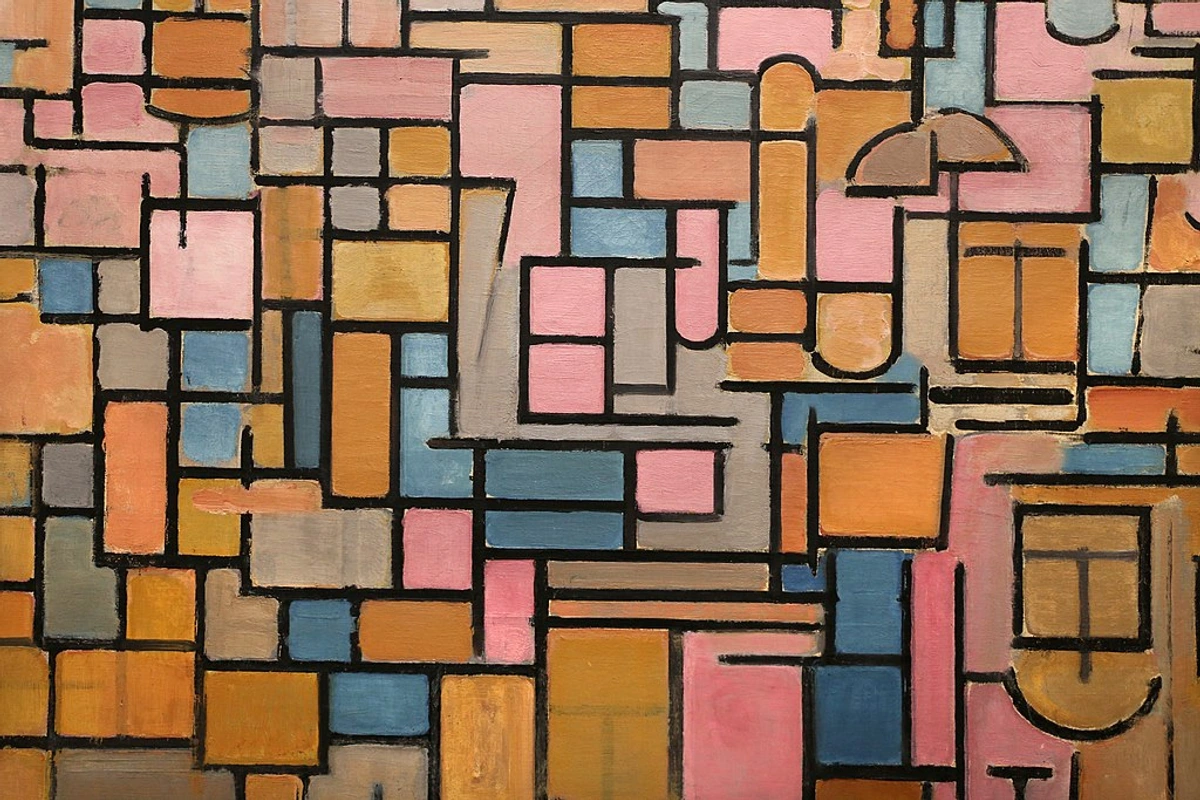
Think of dynamic interplay as having its own grammar—rules and relationships that, when mastered, allow you to create intentional visual experiences. Just as language has syntax and vocabulary, visual composition has its own structure:
- Elements: The individual visual components (lines, shapes, colors)
- Relationships: How elements connect, contrast, or relate to each other
- Hierarchy: Which elements are most important and why
- Flow: How the viewer's eye moves through the composition
- Rhythm: The repetition and variation of visual elements
- Balance: The distribution of visual weight and attention
The Importance of Hierarchy
Hierarchy in art is about guiding the viewer’s eye to the most important elements first. This can be achieved through size, color, contrast, and placement. For example, a bright red object in a sea of muted colors will naturally draw the eye. Understanding hierarchy helps artists create focal points and ensure that the viewer’s attention is directed where it matters most.
Mastering this grammar allows you to move beyond accidental composition to intentional visual storytelling.
Element  | How It Creates Interplay | Example Technique |
|---|---|---|
| Lines | Directional tension (diagonals vs. horizontals) | Focal path leading off-canvas |
| Color Contrast | Temperature/temperature opposition (warm vs. cool) | Vibrant orange against deep teal |
| Scale | Size relationships creating focal hierarchies | Tiny detail beside massive form |
| Negative Space | "Breathing room" focusing the eye | Generous emptiness around busy areas |
| Texture Conflict | Rough textural bumping against smooth surfaces | Matte paint against glossy glaze |
| Implied Motion | Directional forms suggesting movement | Curved shapes suggesting water flow |
| Direction | Visual weight and flow creating pathways | Eye movement from left to right |
| Value Contrast | Light/dark relationships creating depth tension | Bright highlights against dark shadows |
| Shape Language | Geometric vs. organic form opposition | Sharp rectangles vs. fluid circles |
| Edge Quality | Hard vs. soft boundaries creating visual friction | Sharp lines blending into soft edges |
The Role of Color in Dynamic Interplay
Color is one of the most powerful tools in an artist’s arsenal. It can evoke emotions, create contrast, and guide the viewer’s eye. Warm colors like red and orange tend to advance, while cool colors like blue and green recede. This push-and-pull effect is a fundamental aspect of dynamic interplay. By strategically placing warm and cool colors, artists can create a sense of depth and movement that draws the viewer into the artwork.
Color Theory and Emotional Impact
Color theory is not just about aesthetics; it’s about psychology. Different colors can evoke different emotions and reactions. For example, red can evoke passion and energy, while blue can evoke calmness and tranquility. Understanding the emotional impact of colors allows artists to create works that resonate on a deeper level with their audience.
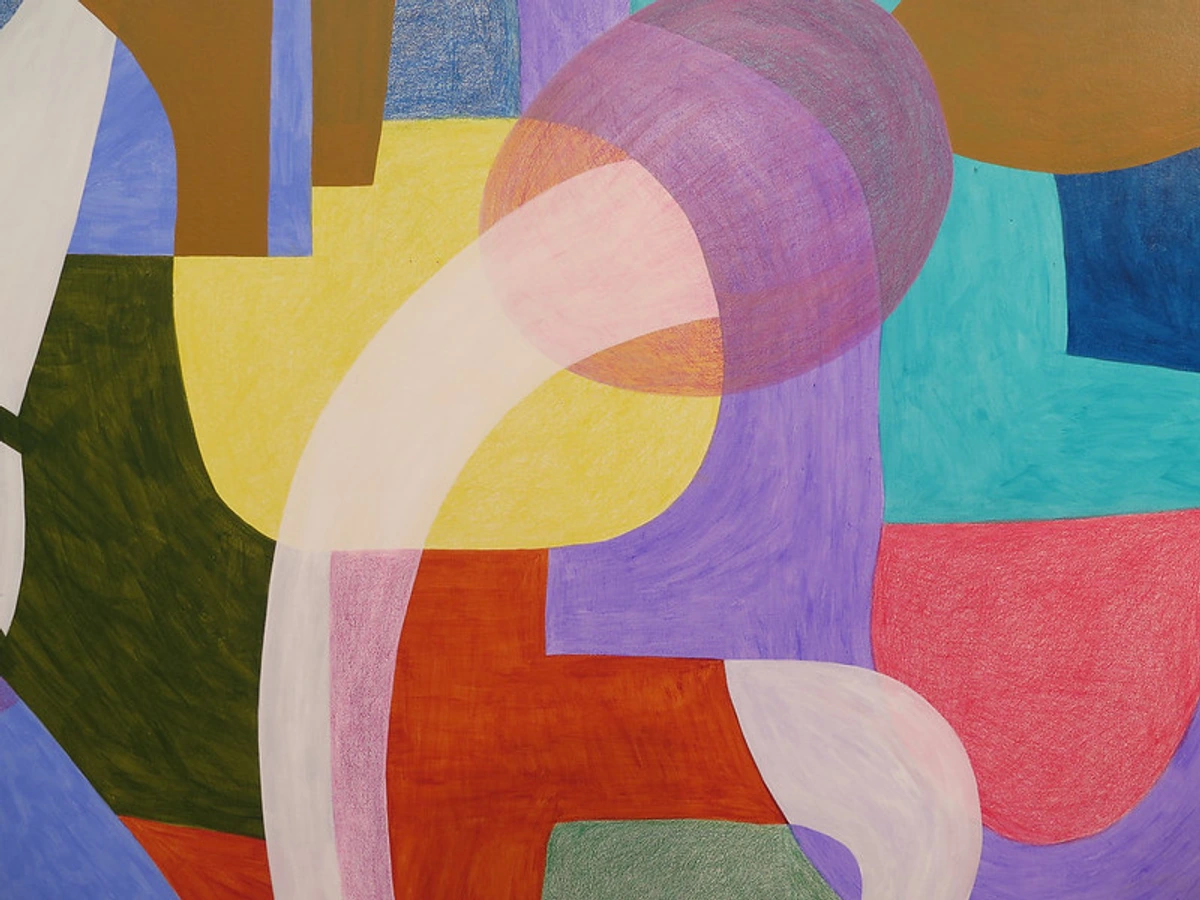
Look at Van Gogh’s The Starry Night—those turbulent swirls aren’t just paint. They’re in dialogue with the sleepy village beneath. The chaotic sky pushes down, the sturdy structures resist upward. That opposition creates gravity. Literally.
The Emotional Impact of Dynamic Interplay
Dynamic interplay isn’t just about visual interest; it’s also about emotional resonance. The tension and harmony created by opposing elements can evoke a wide range of emotions, from excitement and energy to calm and contemplation. By understanding how to manipulate these elements, artists can create works that resonate deeply with viewers on an emotional level.
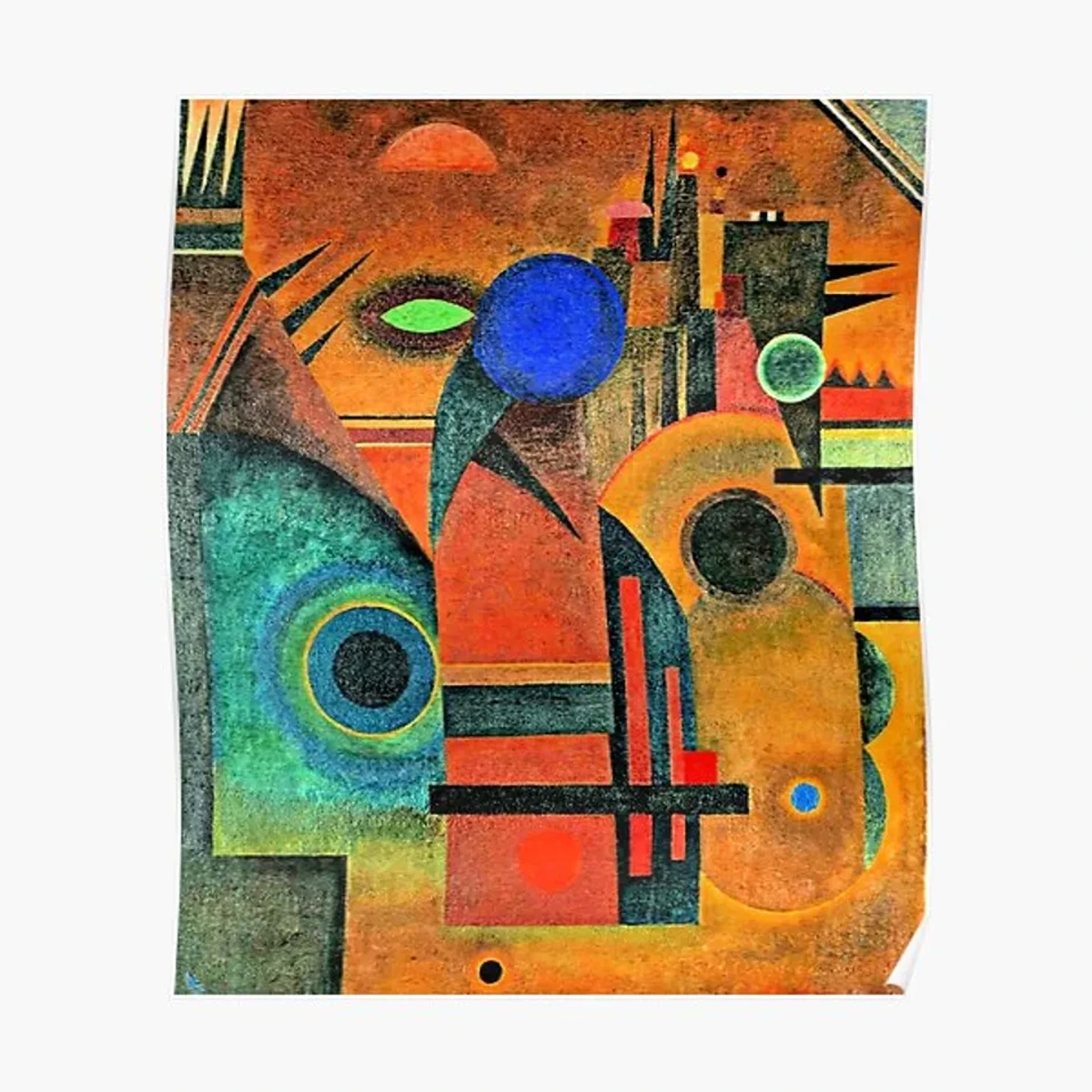
Crafting Movement: Practical Techniques
When I’m composing, I treat the canvas like a physics playground. Here’s how I play:
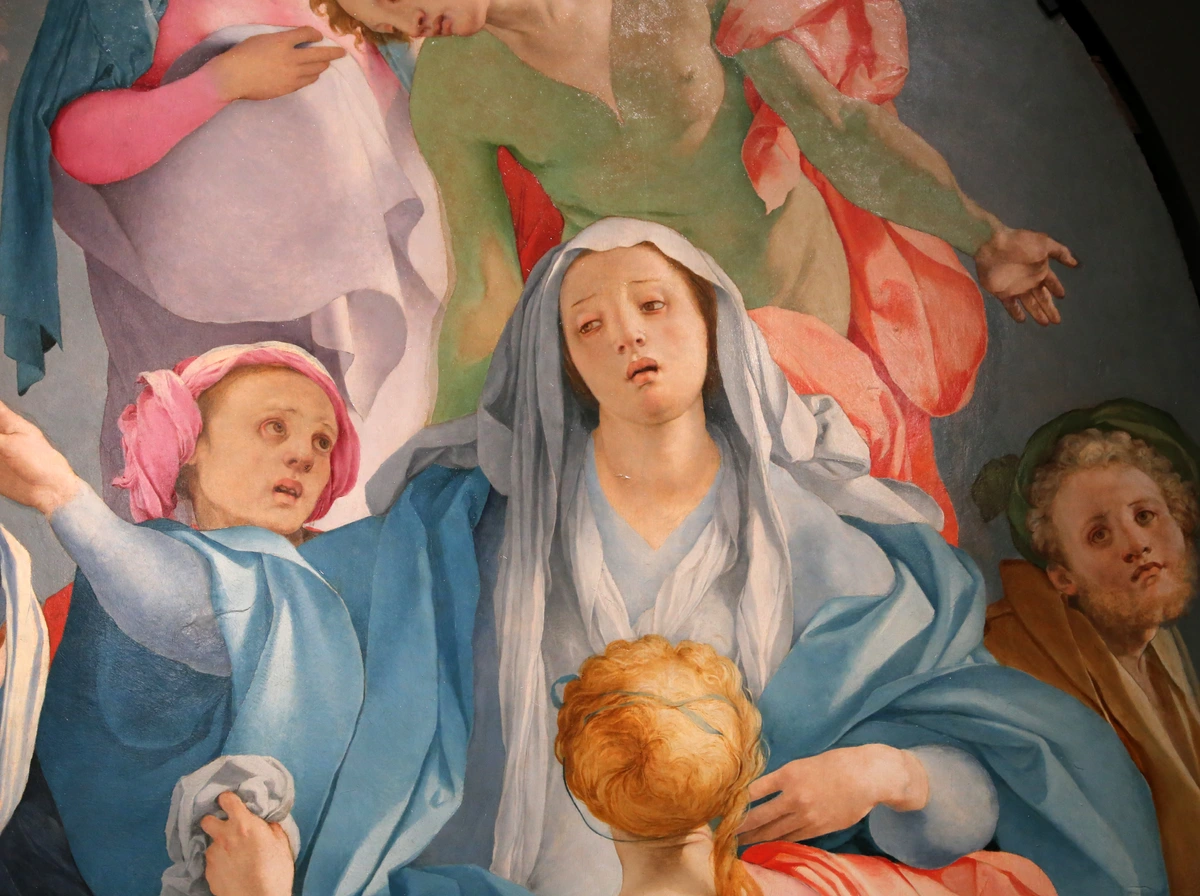
The Role of Composition in Dynamic Interplay
Composition is the foundation of dynamic interplay. It’s about arranging elements in a way that guides the viewer’s eye and creates a sense of movement. Whether it’s through the use of lines, shapes, or colors, composition is what brings a painting to life.
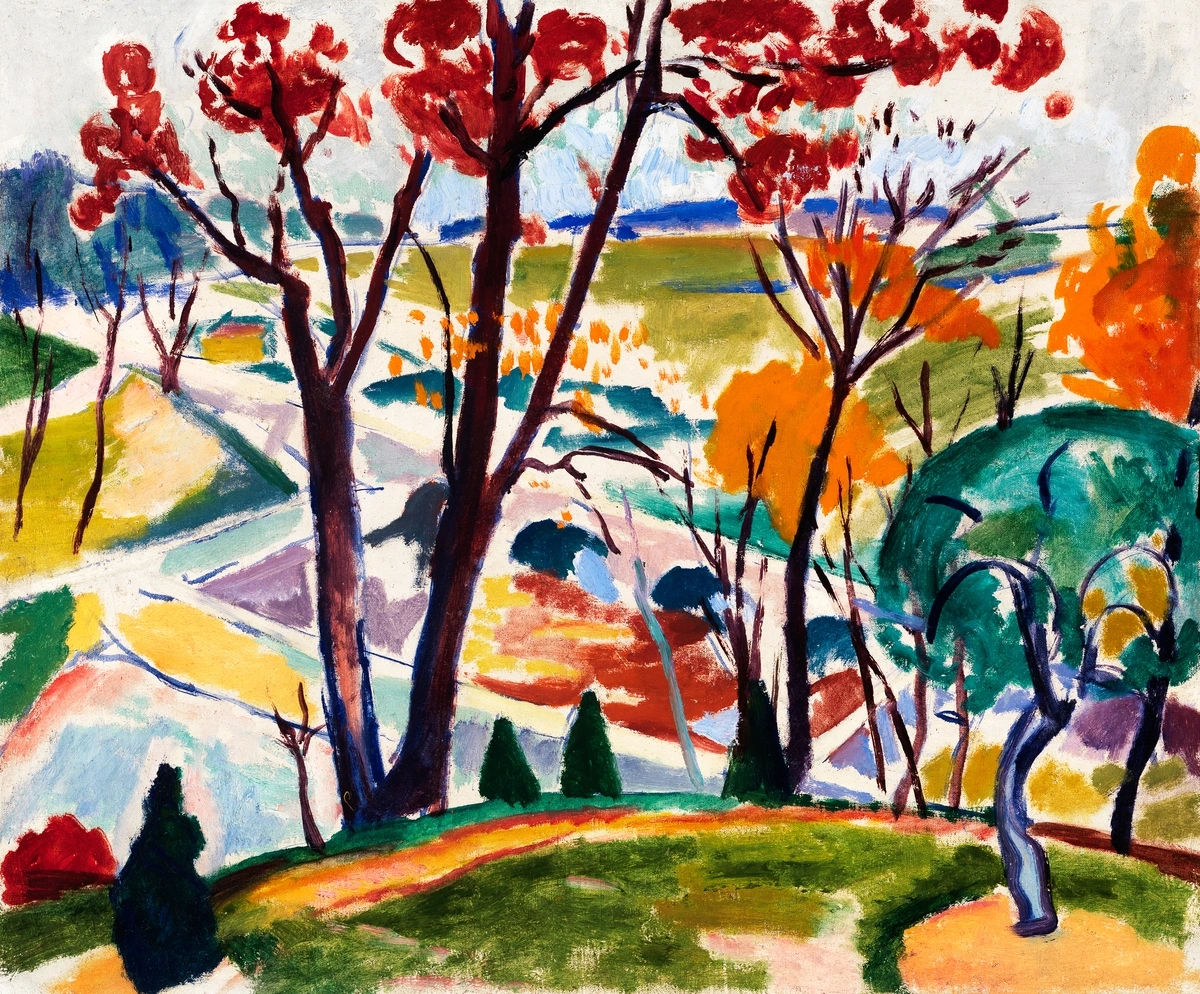
- The Visual Weight Game Darker/cooler areas create weight. Brighter/warmer areas feel lighter. Position a weighty form slightly left-of-center, then counterbalance it with a lighter shape right-of-center but closer to the edge. The eye will dance between them.
- The Conductor Gesture Use explicit lines or implied curves as eye-tracks. A tilted rectangle in the top-right corner? That’s a diagonal glance. Now place a small circle near its tip. Your viewer’s eye will follow the rectangle’s direction then land on the circle. It’s storytelling through navigation.
- Breathing Room Strategy I learned this the messy way. Early work? Packed like a subway at rush hour. Now? I intentionally leave "negative pressure zones"—areas of deliberate emptiness that amplify the energy of the busy parts. It’s like silence in jazz. More powerful than noise.
- The Role of Texture in Dynamic Interplay Texture can add another layer of complexity to dynamic interplay. Rough textures can create a sense of tension and energy, while smooth textures can evoke calmness and tranquility. By combining different textures, artists can create a sense of depth and movement that draws the viewer in.
- The Use of Light and Shadow Light and shadow are fundamental elements of art that can be used to create dynamic interplay. By strategically placing light and shadow, artists can create a sense of depth and movement that draws the viewer’s eye through the composition. For example, a bright highlight against a dark shadow can create a sense of tension and contrast that draws the viewer in.
The Importance of Experimentation
Dynamic interplay is as much about experimentation as it is about technique. Don’t be afraid to try new things, break the rules, and see what happens. Some of the most exciting discoveries in art come from taking risks and pushing boundaries.
Pro tip: Use your phone’s camera preview. Squint until forms become masses. Do your eyes feel pulled along a path? Or are they stuck? That’s your interplay test.
The Role of Technology in Art
Modern technology has revolutionized the way artists create and experiment with dynamic interplay. Digital tools like Procreate, Photoshop, and even AI-powered software allow artists to explore new techniques and push the boundaries of traditional art forms. These tools can help artists visualize and refine their compositions before committing to a final piece.
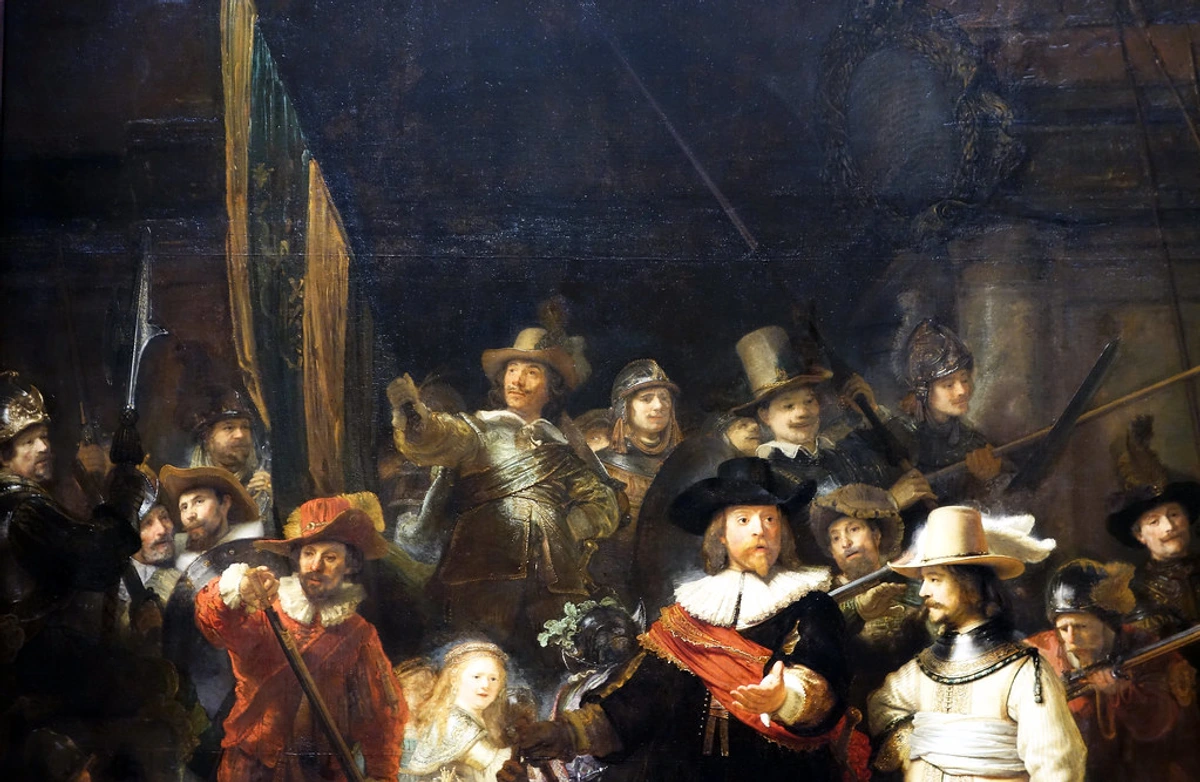
Using Technology to Enhance Dynamic Interplay
Modern tools like digital tablets and software can help artists experiment with dynamic interplay in new ways. Layers, filters, and digital brushes allow for quick adjustments and iterations, making it easier to explore different compositions and effects.
Masterclass in Tension: Case Studies
Let’s dissect some masters of this language:
The Evolution of Dynamic Interplay
Dynamic interplay has evolved over centuries, from the balanced compositions of the Renaissance to the chaotic energy of modern abstract art. Each movement has contributed to our understanding of how to create visual tension and harmony.
Wassily Kandinsky – Composition VII
credit, licence
That vortex isn’t just paint—it’s a compositional hurricane. Every shape, line, and color thrust tries to escape the gravitational center. The triangular white form? It’s a silent scream. The black lattice? A prison. Kandinsky wasn’t depicting chaos; he was engineering it. My favorite bit? The small red rectangle defiantly placed above the vortex—it’s a pinprick of control in madness.
The Influence of Music on Kandinsky
Kandinsky was deeply influenced by music, and this influence is evident in his work. He believed that colors and shapes could evoke the same emotional responses as musical notes and chords. This synesthetic approach to art allowed him to create compositions that were not just visually dynamic but also emotionally resonant.
Henri Rousseau – The Dream
credit, licence
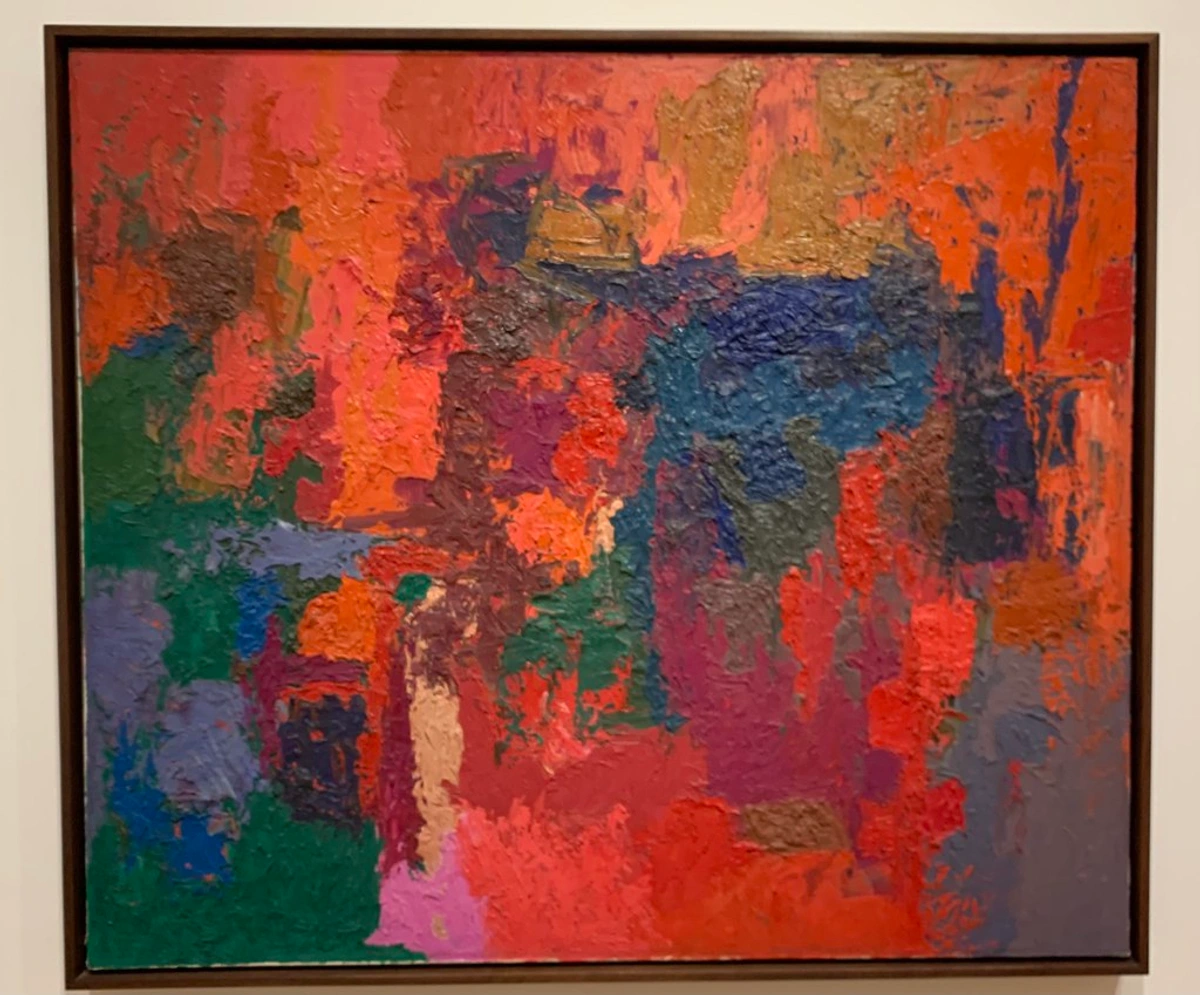
Everything here fights. The giant lion’s gaze collides with the serpent’s curve. The dense foliage compresses the central figure toward the lighter moon. Even the color palette sets a battle: lurid greens against pinks. Yet it holds together. How? The woman’s serene horizontal form creates a calm axis. She’s stillness in a storm. That tension makes the jungle feel alive.
Rousseau’s Unique Style
Henri Rousseau’s unique style, often referred to as "Naïve" or "Primitive," is characterized by its dreamlike quality and vivid imagery. His use of bold colors and intricate details creates a sense of depth and movement that draws viewers into his fantastical worlds. Rousseau’s work is a testament to the power of dynamic interplay in creating immersive and engaging art.
Modern Canvas, Same Language
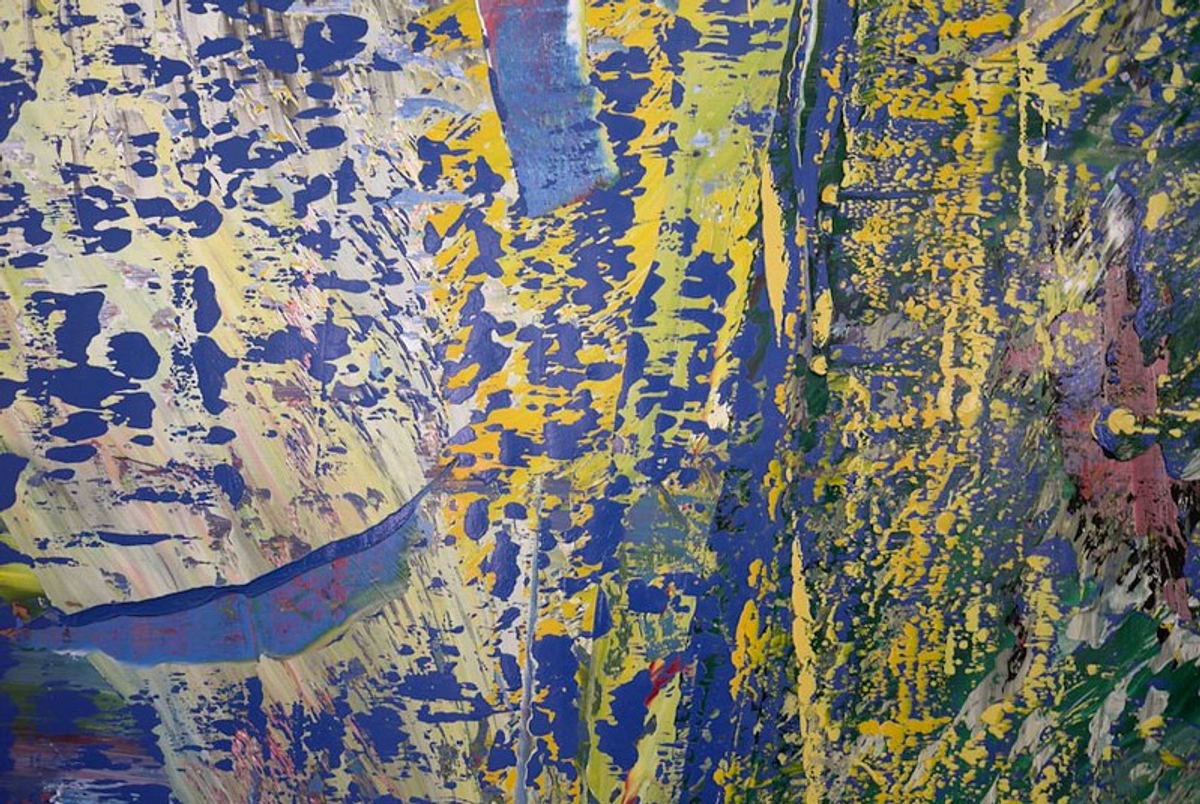
Digital tools haven’t changed the rules—they’ve given us more playgrounds. Procreate layers let me test compositional relationships in seconds. Want to see how placing a blue shape 10% lower creates tension? Done.
Contemporary artists like Hilma af Klint pushed this further. Her abstract spiritual works? Those aren’t just symbols—they’re intentional interplay engines activated by meditative viewing. She understood that true dynamism might reveal itself beyond the canvas in the viewer’s own movement.
The Role of Digital Art in Dynamic Interplay
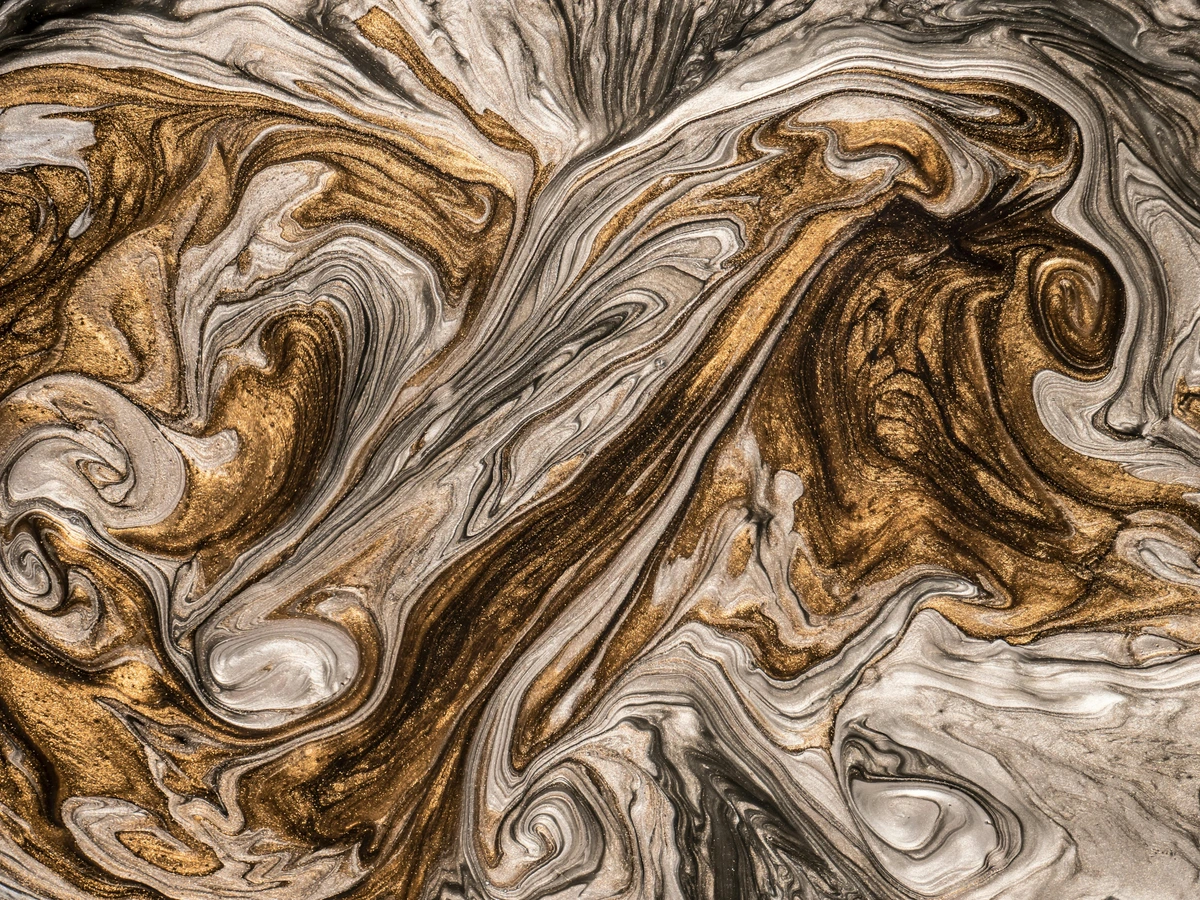
Digital art has opened up new possibilities for dynamic interplay. Artists can now experiment with interactive and animated art forms that respond to viewer input or change over time. This adds a new dimension to the concept of dynamic interplay, allowing artists to create works that are not just visually engaging but also interactive and immersive.
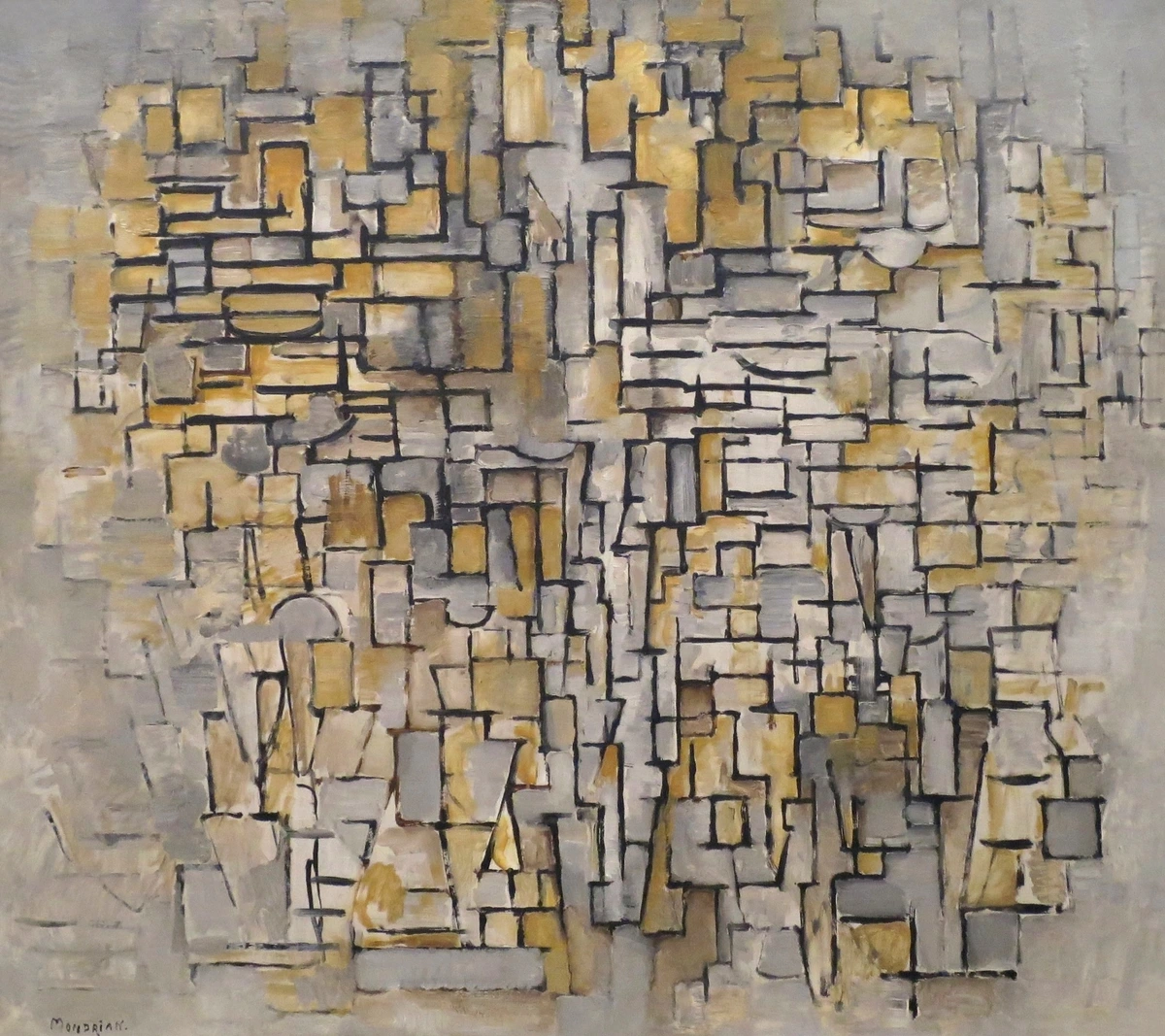
But let’s talk about NFTs for a sec. skeptical squint I’ve seen some web3 art claim "dynamic interplay through blockchain"—which sounds like perfume in a spreadsheet. The technology might change distribution, but it doesn’t invent compositional grammar. A great interplay needs intention, not metadata. Just sayin’.
Frequently Asked Questions
Q: Isn’t this all too technical? Shouldn’t art just "feel" right?
A: Absolutely! But learning the language helps you better translate your intuition into intention. It’s like knowing musical theory doesn’t kill your love for music—it deepens it.
Q: Can I apply this to photography?
B: Absolutely! A leading line is an eye-path. Bokeh-to-subject contrast? Scale play. Even portraits use this—the pull between a subject’s expression and background textures creates emotional tension.
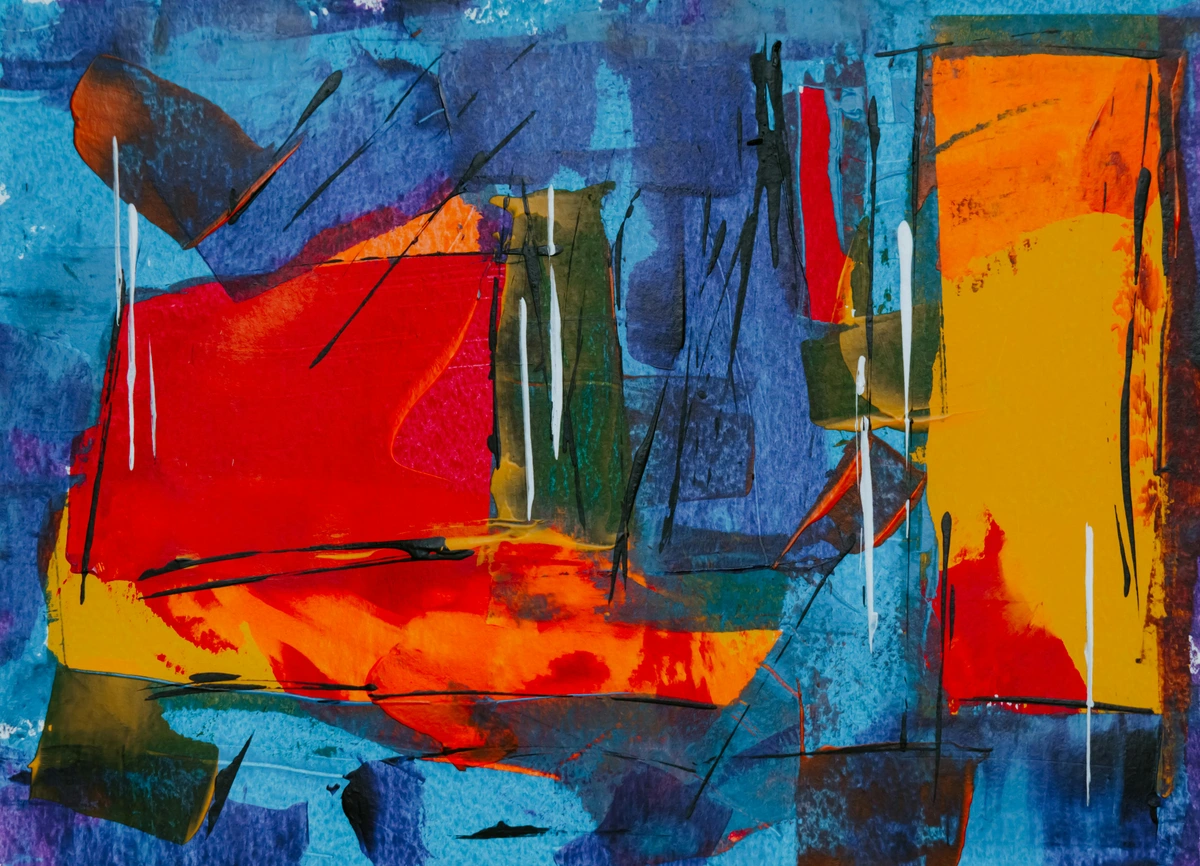
Q: What if my work feels chaotic instead of dynamic?
C: Try the "compression test". Squint until details blur. Do major forms still have intentional relationships? If they feel scattered, introduce a dominant vector or anchor point to pull energy together.
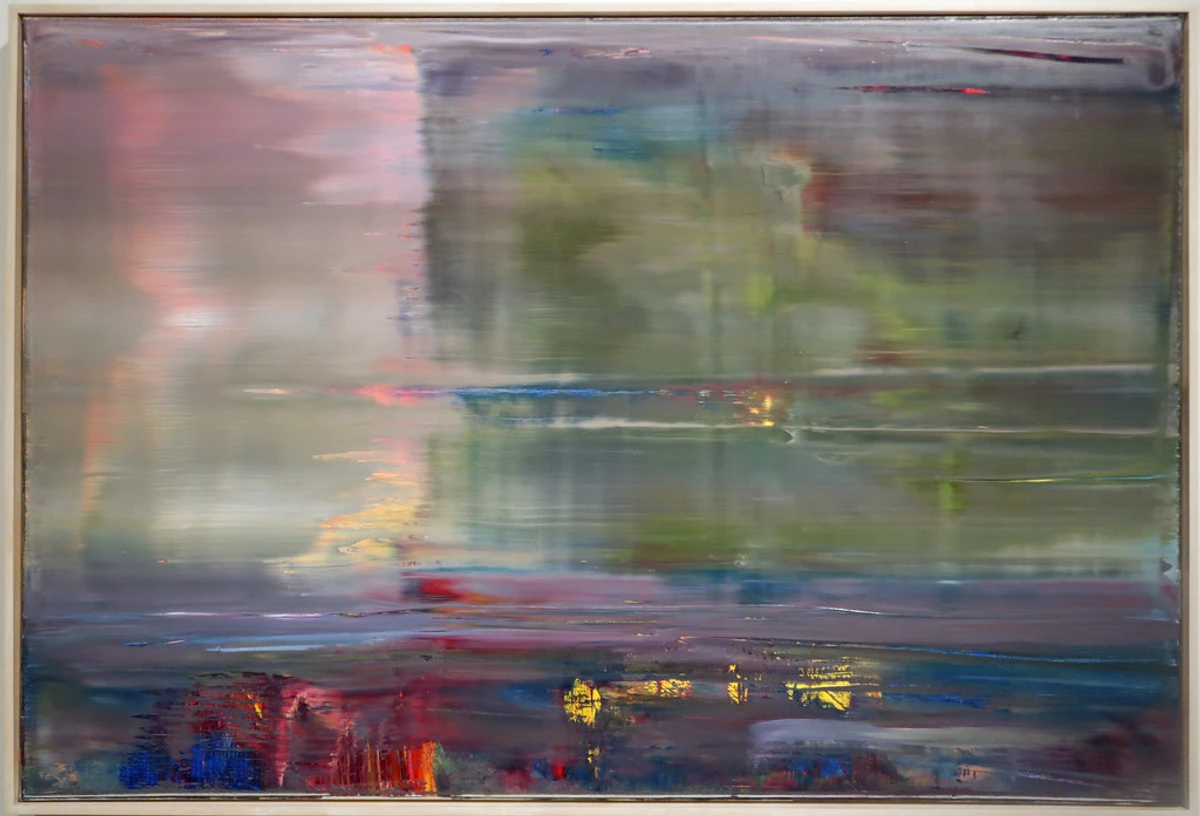
Q: Can minimalism have dynamic interplay?
D: Absolutely! Agnes Martin’s grids? The tension comes from near-misses—lines almost touching, creating invisible pressure fields. The interplay is in the space between perfection and imperfection.
Q: How can I practice dynamic interplay in my own work?
E: Start by studying the works of artists you admire and analyzing how they use dynamic interplay. Experiment with different compositions, colors, and techniques in your own work. Don’t be afraid to take risks and push the boundaries of traditional art forms. The more you practice, the more intuitive dynamic interplay will become.

The Living Conversation
I once heard a curator say great art "holds a conversation with its viewers across time." I’d add: dynamic interplay is how that conversation begins. It’s not decoration. It’s architecture for the eye; it’s a silent narrative using shape, color, and space as characters.
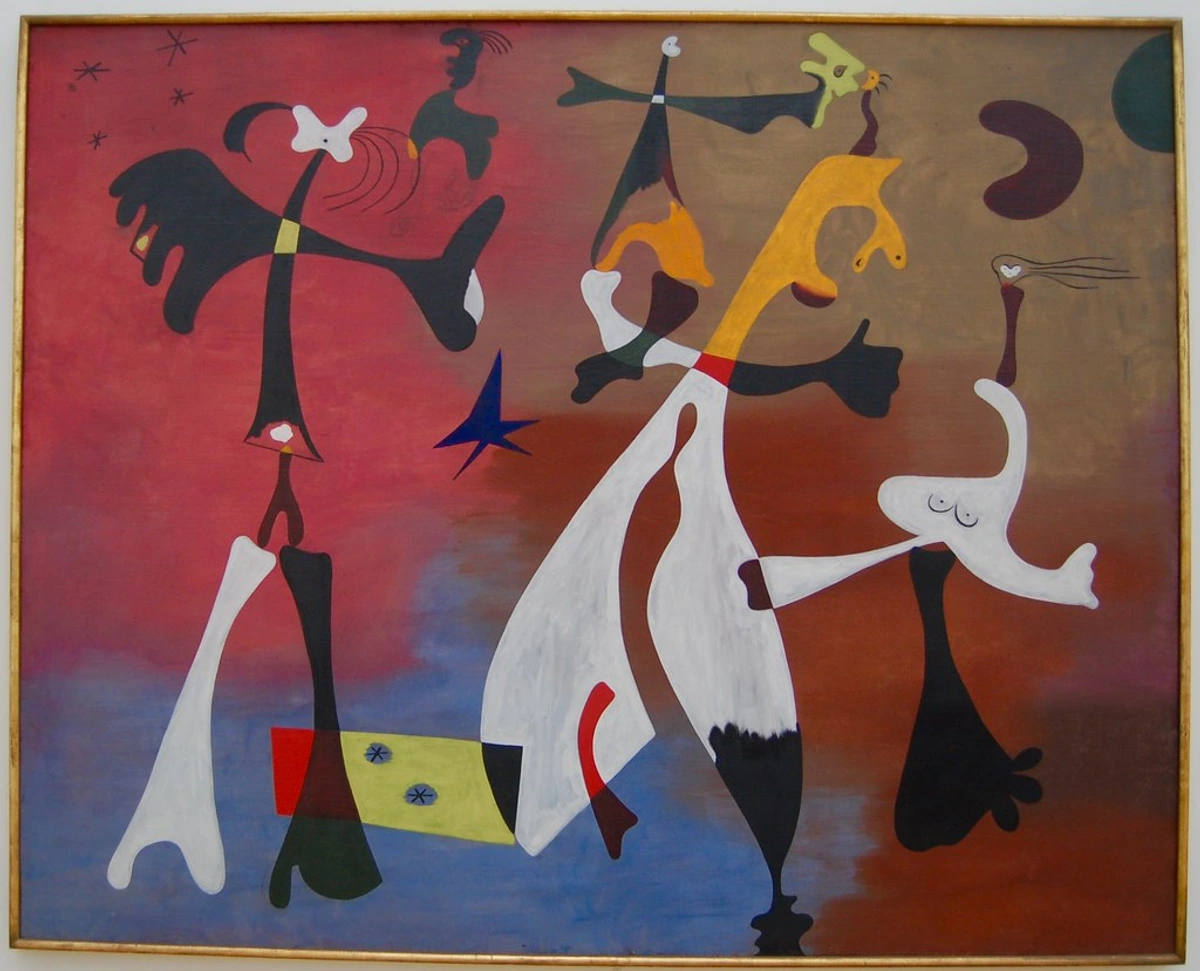
Every time we create or view art, we’re participating in that dialogue. The dance continues long after we leave the gallery, in the quiet spaces between your thoughts where visual echoes resonate.



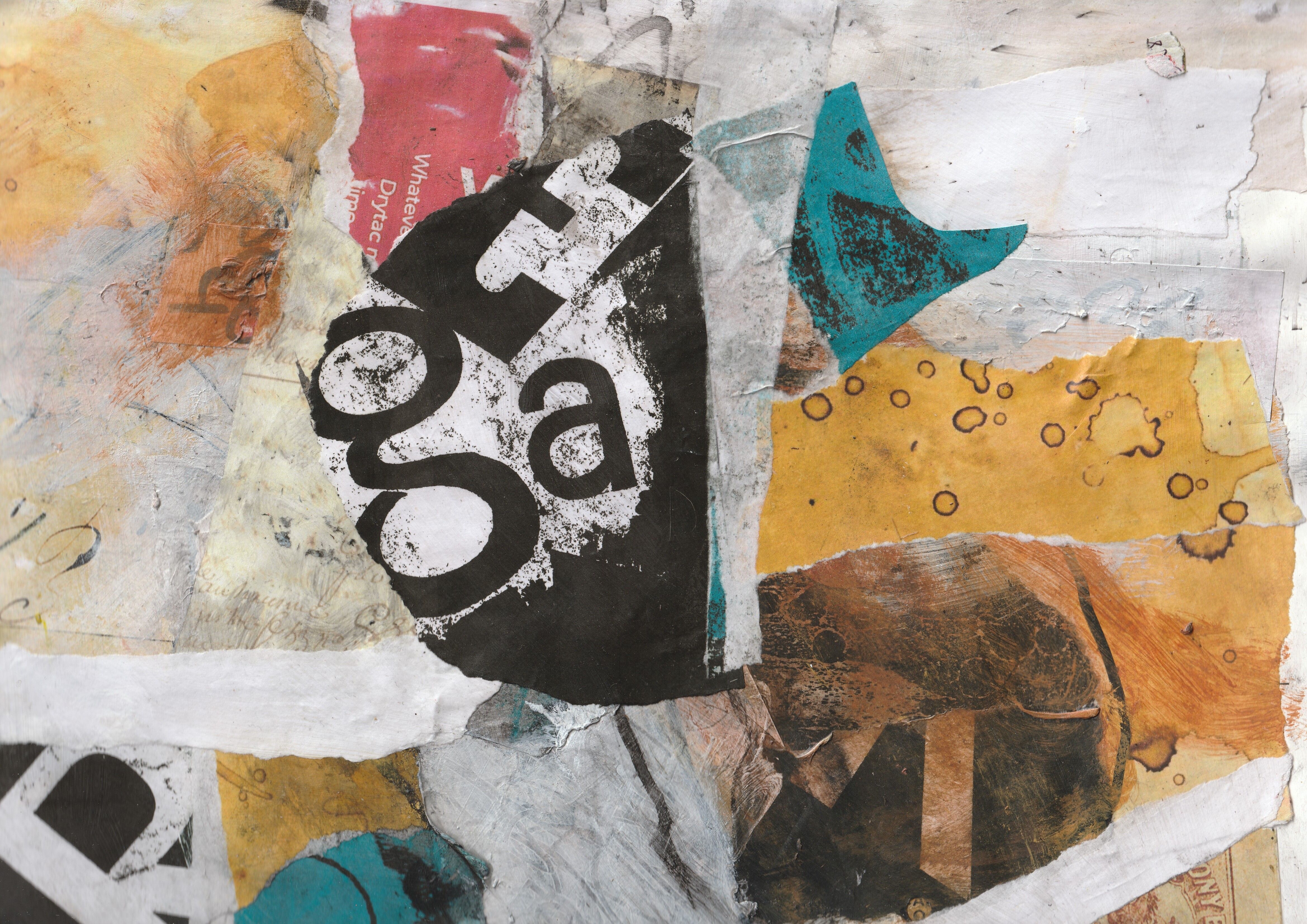








The Minimalist Approach to Interplay
This line art demonstrates how dynamic interplay can be achieved with minimal elements. The simple lines create movement through their direction and spacing. The negative space becomes as important as the lines themselves, creating a delicate balance of presence and absence. This approach shows that dynamic interplay isn't about complexity—it's about the intentional relationship between elements, no matter how few.
Maybe that’s why we’re drawn to art—because it reminds us that opposition isn’t conflict. It’s the spark that makes everything alive.
The Future of Dynamic Interplay
As art continues to evolve, so too will the concept of dynamic interplay. New technologies, such as virtual reality and augmented reality, are opening up exciting possibilities for artists to create immersive and interactive experiences. These technologies allow for new forms of dynamic interplay that go beyond the traditional canvas, creating art that responds to and interacts with its viewers in real-time.
Explore contemporary art collections | Visit the Den Bosch gallery | View the artist's timeline