
Developing a Conceptual Approach to Art: A Practical Guide
Explore how to develop a conceptual approach to art with practical exercises and techniques to strengthen your artistic vision and create cohesive bodies of work.

Developing a Conceptual Approach to Art: A Practical Guide
I remember the first time I stood in front of a blank canvas, overwhelmed by the sheer possibility of it. What should I create? Why? The questions seemed endless, and the answers elusive. That’s when I realized that art isn’t just about technique or aesthetics—it’s about concept. A strong conceptual approach can transform your work from merely visually appealing to deeply meaningful. But how do you develop one? Let’s dive in.
Art has always been a mirror to society, reflecting its values, struggles, and aspirations. From the cave paintings of Lascaux to the avant-garde installations of today, artists have used their work to communicate ideas, challenge norms, and provoke thought. But what exactly is a conceptual approach to art, and why is it so crucial in today’s artistic landscape?
Art has always been a mirror to society, reflecting its values, struggles, and aspirations. From the cave paintings of Lascaux to the avant-garde installations of today, artists have used their work to communicate ideas, challenge norms, and provoke thought. But what exactly is a conceptual approach to art, and why is it so crucial in today’s artistic landscape?
Art has always been a mirror to society, reflecting its values, struggles, and aspirations. From the cave paintings of Lascaux to the avant-garde installations of today, artists have used their work to communicate ideas, challenge norms, and provoke thought. But what exactly is a conceptual approach to art, and why is it so crucial in today’s artistic landscape?
In this guide, we’ll explore the essence of conceptual art, its significance, and how you can develop your own conceptual framework to elevate your artistic practice. We'll also delve into practical exercises, techniques, and strategies to help you refine your artistic vision and create cohesive bodies of work.
The Importance of Conceptual Art in Modern Society
Conceptual art is not just a movement; it’s a way of thinking that has reshaped how we perceive and interact with art. It challenges the viewer to engage with the idea behind the artwork, often requiring them to question their own perceptions and beliefs. This interaction makes conceptual art a powerful tool for social commentary and personal expression.
What Is a Conceptual Approach to Art?
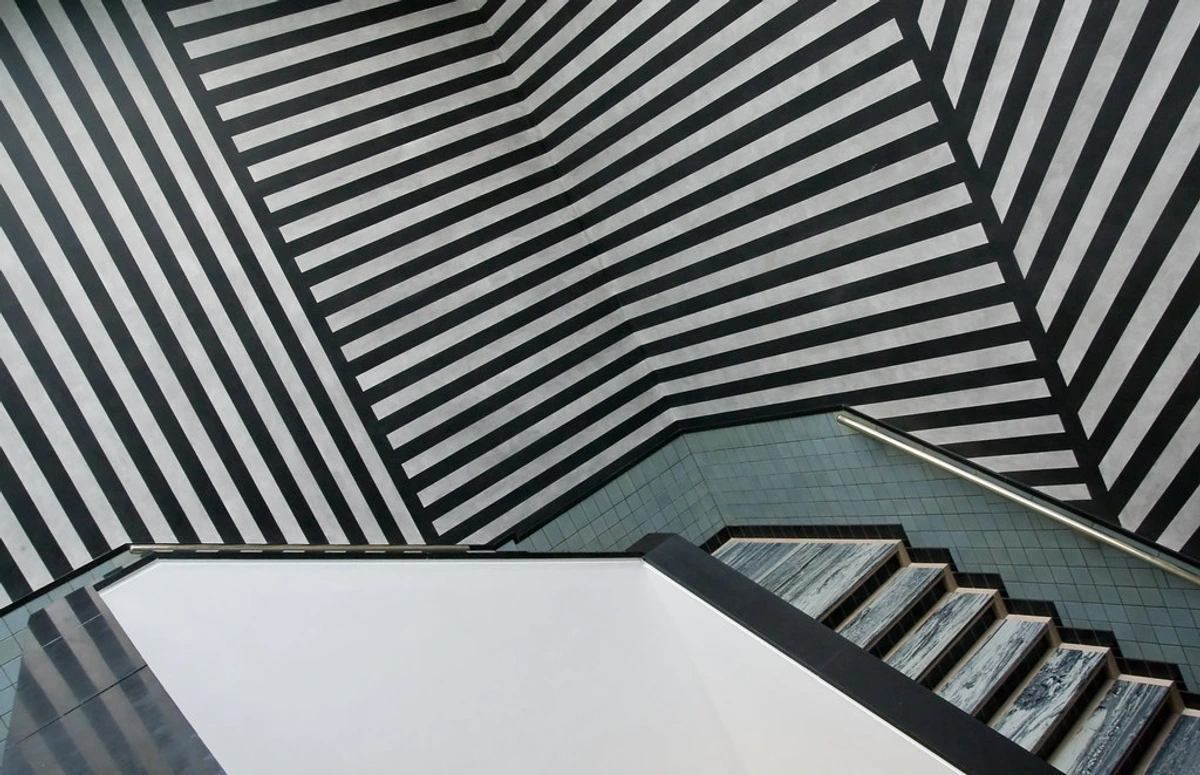
A conceptual approach to art means that the idea behind the work is just as important—or even more important—than the final visual product. It’s about asking questions, exploring themes, and conveying messages through your art. Think of it as the backbone of your creative process, the thread that ties your work together and gives it depth.
The Evolution of Conceptual Art
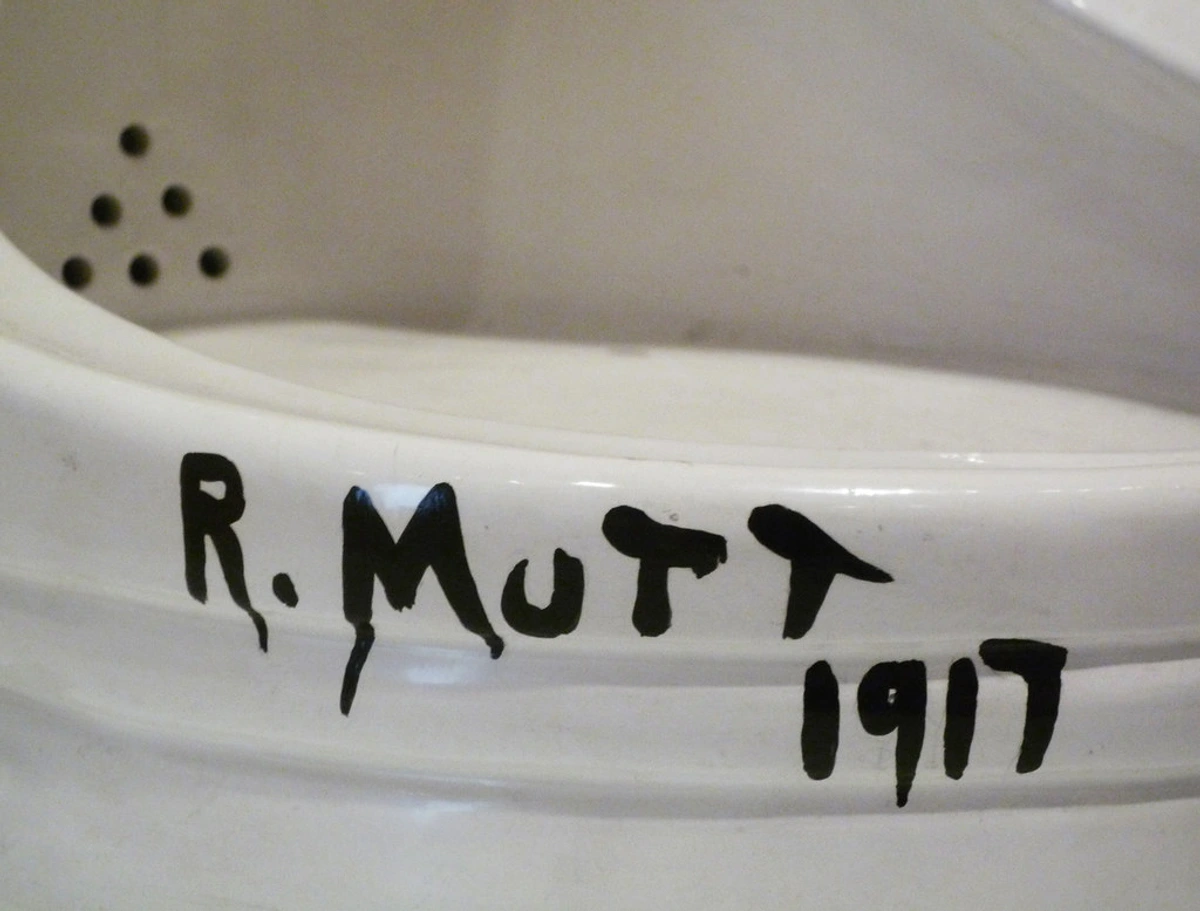
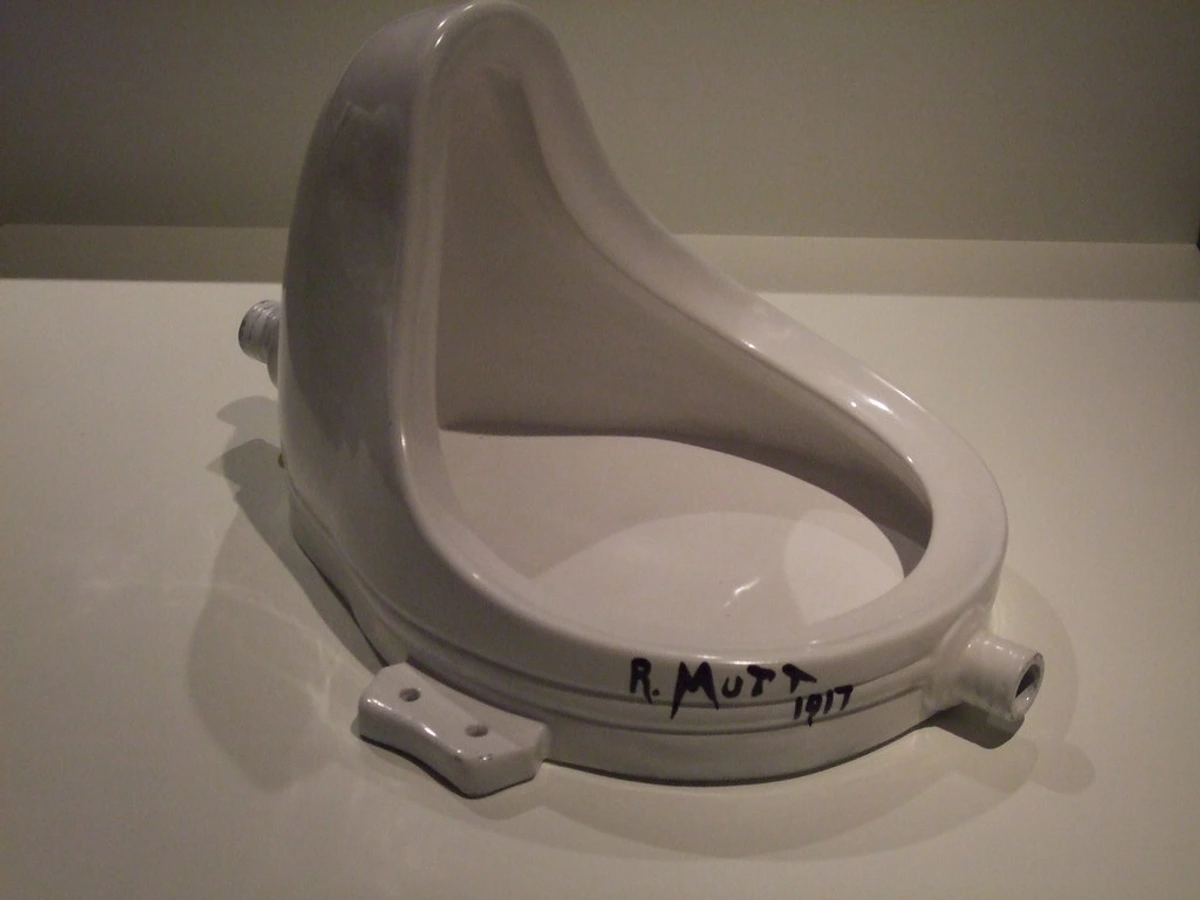
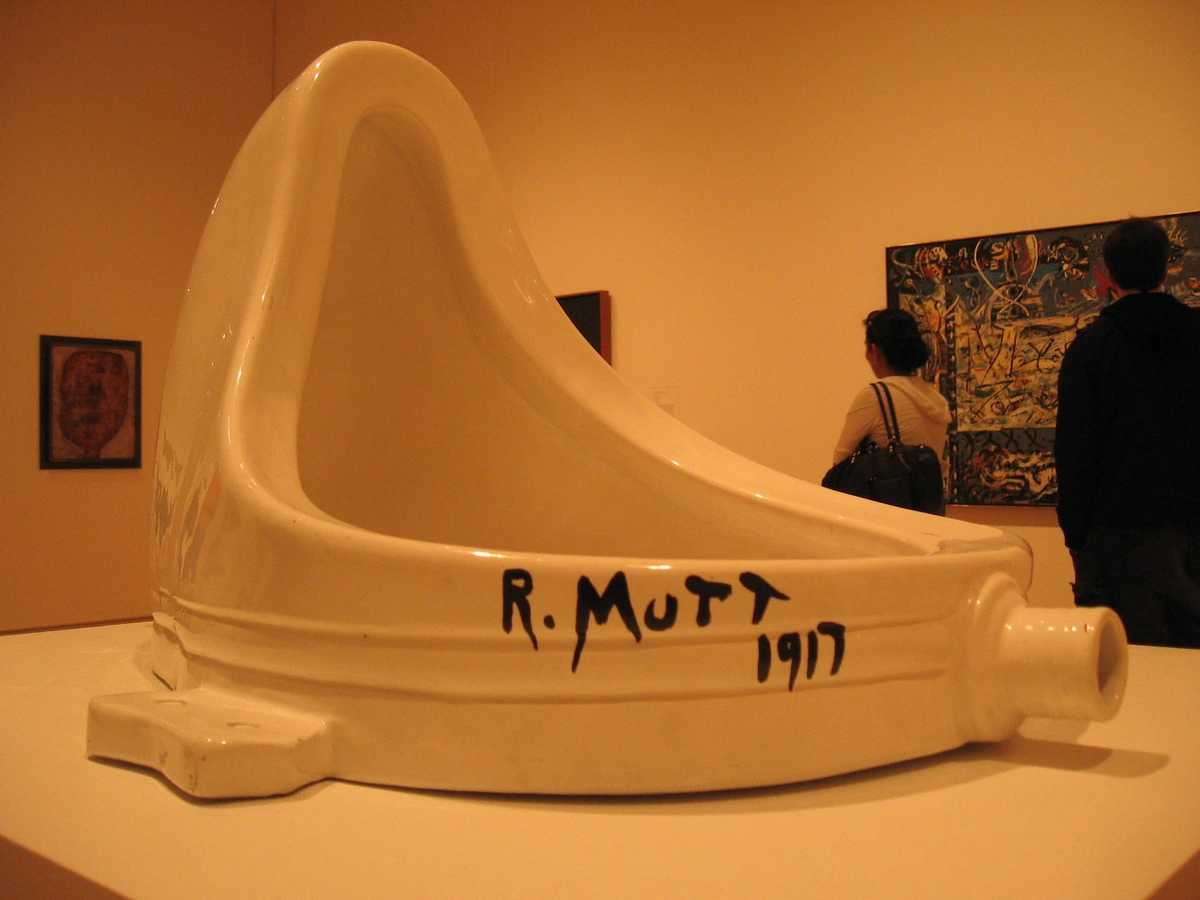
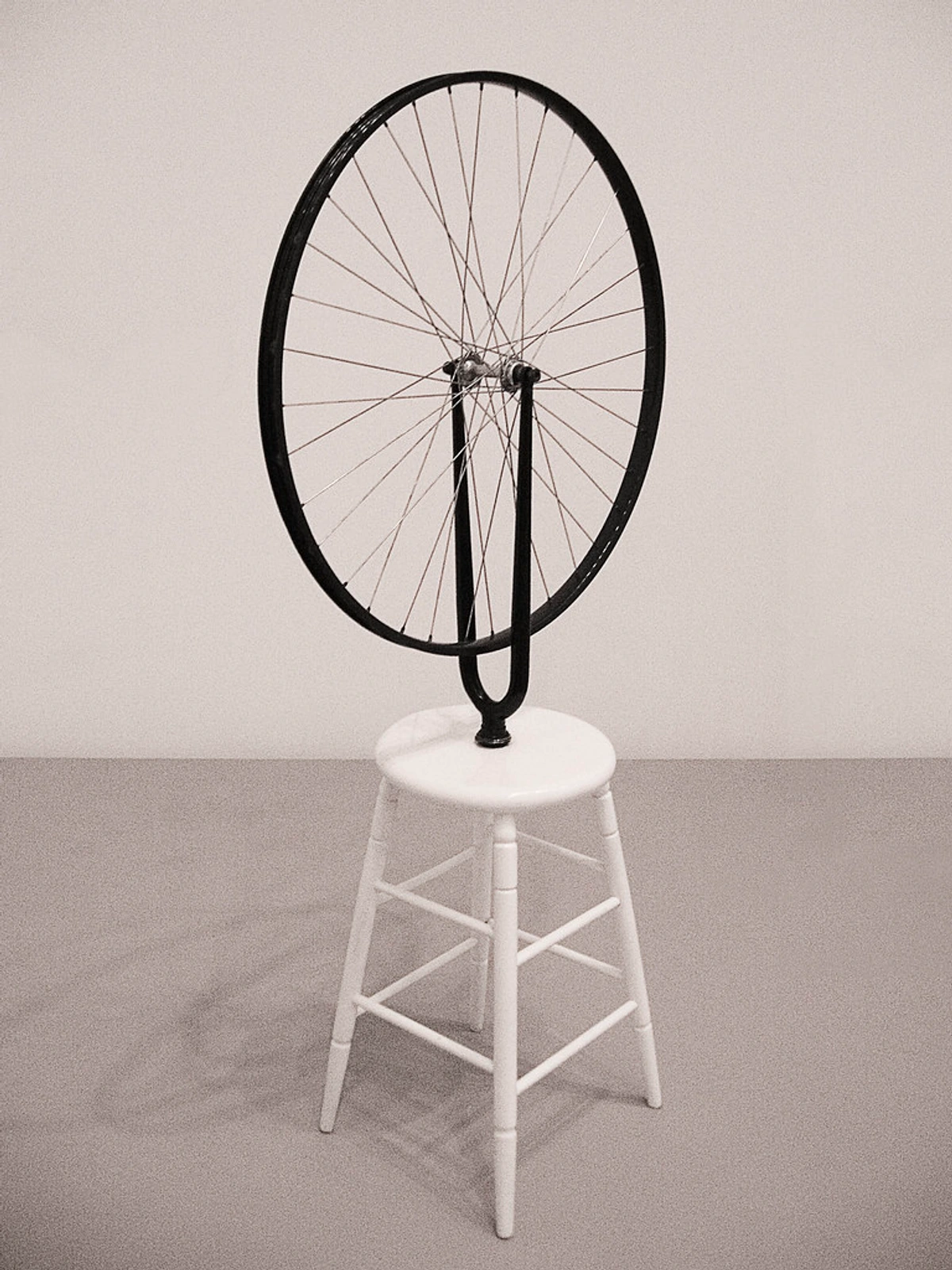
Conceptual art emerged as a movement in the 1960s, challenging traditional notions of art by prioritizing ideas over aesthetics. Artists like Marcel Duchamp, Sol LeWitt, and Yoko Ono pioneered this approach, emphasizing that the concept or idea behind the work is its most essential aspect. This shift allowed artists to explore new mediums, techniques, and forms of expression, pushing the boundaries of what art could be.
Why Does It Matter?
Without a conceptual framework, art can feel scattered or superficial. A strong concept:

- Gives your work purpose: It answers the "why" behind your art.
- Creates cohesion: It helps you develop a body of work that feels connected.
- Engages your audience: People connect with ideas and emotions, not just pretty pictures.
- Encourages experimentation: A strong concept allows you to explore different mediums and techniques while staying true to your vision.
- Builds a narrative: It helps you tell a story through your work, making it more memorable and impactful.
Key Concepts to Explore
1. Theme vs. Subject
- Subject: What your art depicts (e.g., a landscape, a portrait).
- Theme: The underlying idea or message (e.g., isolation, joy, the passage of time).
For example, a painting of a tree isn’t just about the tree—it could explore themes of growth, resilience, or the cycle of life.
2. Conceptual vs. Aesthetic Focus
While traditional art often emphasizes aesthetic beauty and technical skill, conceptual art prioritizes the idea or message. This doesn’t mean that conceptual art lacks visual appeal, but rather that the concept takes precedence. For instance, an artist might use minimalist forms to convey complex ideas about space and perception.
3. Personal vs. Universal Themes
- Personal themes come from your own experiences, emotions, or beliefs.
- Universal themes are ideas that resonate with a broader audience (e.g., love, loss, identity).
The best art often blends the two—your unique perspective on a universal idea.
4. The Role of Context in Conceptual Art
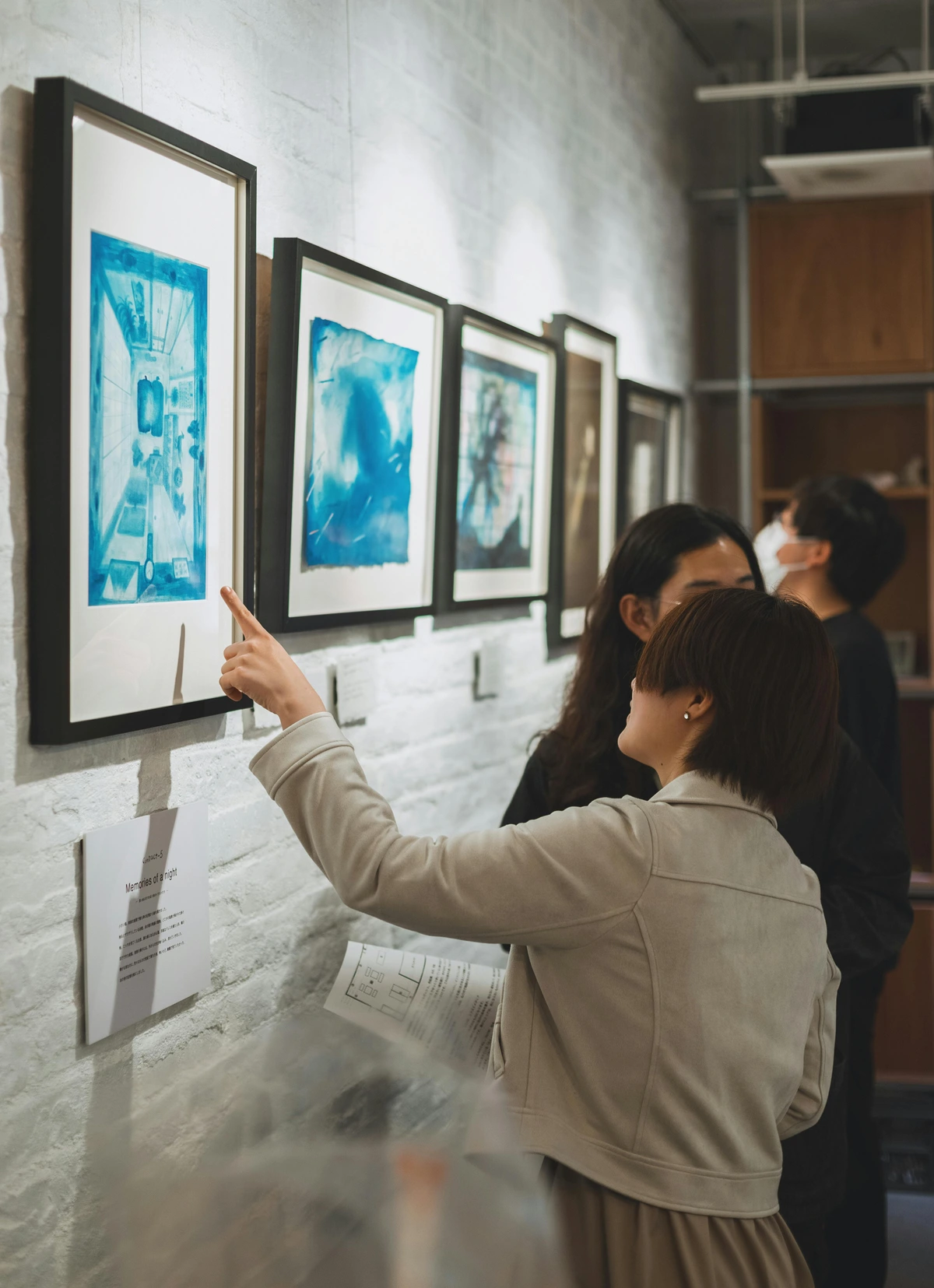
Context plays a crucial role in conceptual art. The meaning of a piece can shift dramatically depending on its setting, the audience, and the cultural or historical backdrop. For example, a simple object placed in a gallery can take on new significance when viewed as part of an artistic narrative.
5. Conceptual Art vs. Traditional Art
Aspect  | ||
|---|---|---|
| Focus | Idea or message | Aesthetic or technical skill |
| Execution | Can be minimal or abstract | Often detailed and realistic |
| Audience Engagement | Requires interpretation | Often appreciated for beauty alone |
6. The Intersection of Conceptual and Traditional Art
While conceptual and traditional art are often seen as distinct, many artists blend elements of both. For example, an artist might use traditional techniques to explore conceptual themes, creating a bridge between the two approaches. This fusion can result in work that is both visually stunning and intellectually engaging.
How to Develop Your Conceptual Approach
Step 1: Find Your "Why"
Ask yourself:

- Why do I create art?
- What messages or emotions do I want to convey?
- What themes resonate with me personally?
Write down your answers. This isn’t about finding the "right" answer—it’s about uncovering what drives you.
Step 3: Research and Reflect
Look at artists who inspire you. What themes do they explore? How do they convey their ideas? Visit [/den-bosch-museum] for inspiration from contemporary artists who excel in conceptual work.
Step 4: Engage with Your Community
Join art communities, attend exhibitions, and participate in discussions. Engaging with other artists and art enthusiasts can provide new perspectives and insights, helping you refine your conceptual approach.
Step 5: Experiment with Exercises
Exercise 1: The "One Word" Challenge
- Pick one word that resonates with you (e.g., "freedom," "chaos," "memory").
- Create three different artworks based on that word.
- Reflect on how each piece interprets the word differently.
Exercise 2: The "Story Behind the Art" Exercise
- Choose an existing piece of your art.
- Write a short story or poem about it. What’s the narrative behind it?
- Use this story to refine your conceptual approach.
Exercise 3: The "Conceptual Collage" Exercise
- Gather images, texts, and objects that relate to a theme you’re exploring.
- Arrange them in a collage that visually represents your concept.
- Reflect on how the arrangement conveys your idea and what new insights it offers.
Step 4: Create a Conceptual Framework
A conceptual framework is a structure that guides your artistic decisions. It could include:

- Core themes: The main ideas you explore.
- Visual language: How you use color, form, and composition to convey your themes.
- Process: Your methods and techniques.
For example, if your theme is "identity," your visual language might include fragmented forms or layered textures to represent complexity.
Common Challenges and How to Overcome Them
Challenge 1: "I Don’t Know What My Concept Is"
- Solution: Start with what you love. What topics or ideas excite you? Even if it’s vague, begin there.
Challenge 2: "My Concept Feels Too Abstract"
- Solution: Ground it in personal experience. How does this idea relate to your life?
Challenge 3: "I’m Afraid My Concept Isn’t Original"
- Solution: Originality isn’t about being completely unique—it’s about your perspective. No one else has your exact experiences or voice.
Challenge 4: "I Struggle to Stay Consistent"
- Solution: Create a conceptual framework and refer back to it regularly. This will help you stay aligned with your core themes and ideas.
Challenge 5: "I’m Not Sure How to Communicate My Concept"
- Solution: Practice articulating your ideas in simple terms. Think of it as telling a story—what’s the narrative behind your work?
Challenge 6: "I Feel Overwhelmed by the Process"
- Solution: Break it down into smaller steps. Focus on one aspect of your concept at a time, and don’t be afraid to revisit and refine your ideas as you progress.
Challenge 7: "I’m Not Sure How to Start"
- Solution: Begin with a small project or exercise. Sometimes, starting with something simple can help you build momentum and clarity.
Challenge 8: "I’m Not Sure How to Stay Motivated"
- Solution: Remind yourself of your "why." Revisit your core themes and the emotions or messages you want to convey. This can reignite your passion and motivation.
Challenge 9: "I’m Not Sure How to Balance Concept and Aesthetics"
- Solution: Experiment with different mediums and techniques to find a balance that works for you. Remember, conceptual art doesn’t have to sacrifice visual appeal.
Challenge 10: "I’m Not Sure How to Find My Unique Voice"
- Solution: Explore your personal experiences and emotions. Your unique perspective is what sets your work apart.
FAQ
What’s the difference between conceptual art and traditional art?
Conceptual art prioritizes the idea behind the work, while traditional art often focuses on aesthetic or technical skill. Both are valid—it’s about what resonates with you.
How do I know if my concept is strong enough?
A strong concept feels meaningful to you and can be explored in multiple ways. If it excites you and sparks new ideas, it’s likely strong.
Can I change my conceptual approach over time?
Absolutely! Your approach should evolve as you grow as an artist. Don’t be afraid to experiment and refine your ideas.
How do I explain my conceptual approach to others?
Practice articulating your ideas in simple terms. Think of it as telling a story—what’s the narrative behind your work?
Conclusion
Developing a conceptual approach to art isn’t about following a rigid set of rules. It’s about exploring, questioning, and connecting with what matters to you. Start small, experiment, and let your ideas evolve. And remember, the best art often comes from the most unexpected places.
If you’re ready to dive deeper, check out [/timeline] to see how other artists have developed their conceptual frameworks over time. Or, if you’re inspired to start creating, visit [/buy] to explore tools and resources to bring your ideas to life.
Additional Resources
- Conceptual Art: Learn more about the history and significance of conceptual art.
- Traditional Art: Explore the techniques and aesthetics of traditional art.
- Visual Language: Discover how to use color, form, and composition to convey your themes.
Further Reading
- Understanding Conceptual Framework in Art: A deeper dive into creating a conceptual framework for your artistic practice.
- The Definitive Guide to the Elements and Principles of Art: A comprehensive guide to the visual language of art.
Happy creating!






Happy creating!