How to Create Siqueiros-Inspired Murals: A Comprehensive Guide
Master the dynamic techniques of Mexican muralist David Alfaro Siqueiros with this step-by-step guide to creating bold, politically charged art on any surface.

# How to Create Siqueiros-Inspired Murals: A Comprehensive Guide
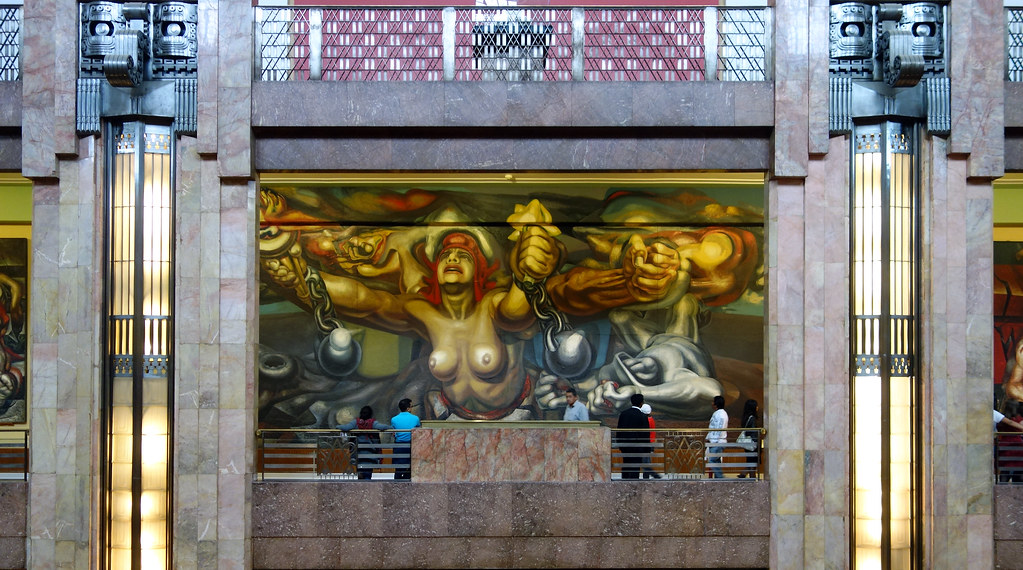
I remember standing before Siqueiros' *Portrait of the Bourgeoisie* in [Mexico City](/finder/page/art-lovers-guide-to-mexico-city) just completely floored. The scale, the energy—it felt like the painting was alive. You ever have that moment where art just punches you in the chest? Yeah. That was it. And the crazy part? He did impossible things with paint that still baffle chemists today. What if I told you could recreate that seismic energy in your own space?
The explosive energy of [Mexican Muralism](/finder/page/mexican-muralism-the-art-of-social-and-political-revolution) represents one of the most revolutionary [art movements](/finder/page/famous-art-movements-timeline) of the 20th century. When Siqueiros and his contemporaries Rivera and Orozco took their brushes to the walls of public buildings, they weren't just creating art—they were starting cultural revolutions. This comprehensive guide will walk you through the techniques, philosophy, and practical aspects of creating murals that capture that same revolutionary spirit in the 21st century.
[credit](https://live.staticflickr.com/1696/23880705293_1531f0056b_b.jpg),
[licence](https://creativecommons.org/licenses/by-nc-sa/2.0/)
[David Alfaro Siqueiros](/finder/page/david-alfaro-siqueiros-biography) wasn't just painting pretty pictures—he was detonating them. His murals feel like controlled explosions, where **accidental painting** techniques and **pyroxylin** chemistry collided with blistering political fire. This guide isn't about copying his style. It's about channeling his revolutionary spirit into your own creative explosions. Let's wreck some creative blocks together.
## Why Siqueiros Still Matters
Before we dive into technique, let's talk philosophy. Siqueiros co-founded the Mexican Muralist movement not to decorate buildings, but to **weaponize art** for [social change](/finder/page/art-as-catalyst-for-social-change). His work was radical. His methods were heretical. And honestly? That's why it feels so alive today. We're living in an era where people crave authenticity and purpose in art. Where a hashtag can start a revolution. Siqueiros understood this intuitively—he made art that screamed "wake up!"
So before you pick up a brush, ask yourself: What do *you* want your walls to say? Siqueiros would tell you that's the only question that matters.
[credit](https://upload.wikimedia.org/wikipedia/commons/8/8b/Los_Tres_Grandes_-_David_Alfaro_Siqueiros-_Tour_-_McDowell_Gateway_17th_St_and_McDowell_to_16th_Street_and_E_Cyprus%2C_2013_-_panoramio.jpg),
[licence](https://creativecommons.org/licenses/by-sa/3.0)
### The Historical Context: Mexican Muralism's Birth
The Mexican Muralist movement emerged from the ashes of the Mexican Revolution (1910-1920). As the country rebuilt its national identity, artists were commissioned to create murals that would educate and inspire the masses. Unlike European art that served the elite, Mexican murals were painted directly on public buildings, making art accessible to everyone.
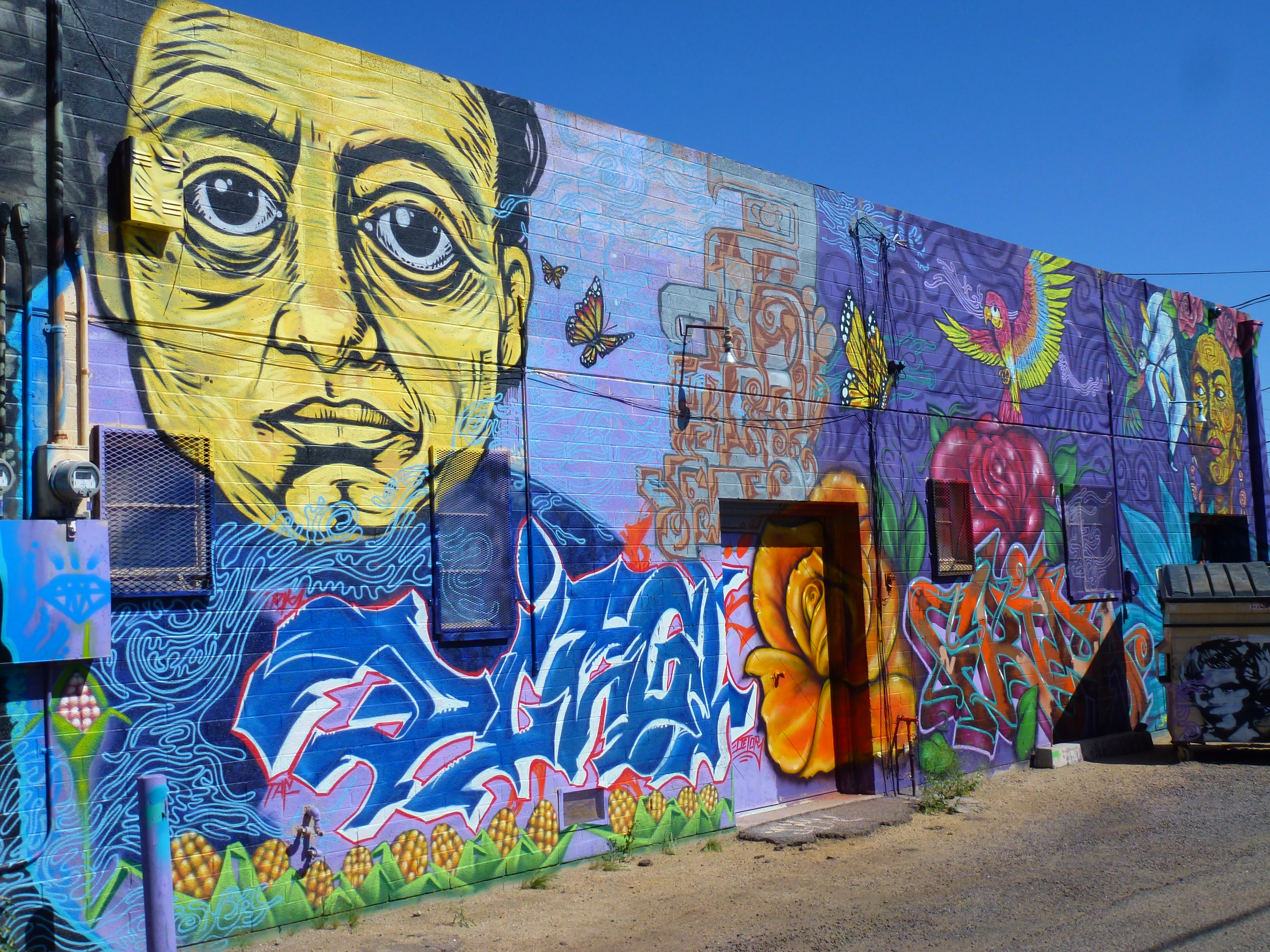
Siqueiros, [Diego Rivera](/finder/page/diego-rivera-biography-and-art), and José Clemente Orozco became known as "Los Tres Grandes" (The Three Greats), each bringing their [unique perspective](/finder/page/developing-a-unique-artistic-style-finding-your-voice) to the movement:
- **Diego Rivera**: Focus on indigenous culture and workers' struggles
- **José Clemente Orozco**: Dark, existential themes and human suffering
- **[David Alfaro Siqueiros](/finder/page/david-alfaro-siqueiros-biography)**: Revolutionary technology and explosive, dynamic compositions
Understanding this historical context helps explain why Siqueiros' techniques were so revolutionary. He wasn't just breaking artistic rules—he was redefining what art could be and who it could serve.
[credit](https://upload.wikimedia.org/wikipedia/commons/e/e8/Wiki_exampled_Logic_Model.png),
[licence](https://creativecommons.org/licenses/by-sa/3.0)
## Core Siqueiros Techniques
### Dynamic Composition
Forget gentle curves. Siqueiros painted like a bullfight: sudden jabs, dramatic lunges, explosive charges. His work features **jarring diagonals** that seem to vibrate off the wall. Imagine throwing a wrench into a clockwork machine and painting the chaos. That's his vibe.
**The Physics of Dynamic Composition:**
Siqueiros' compositions were based on principles of kinetic energy and visual tension. He often used:
[credit](https://upload.wikimedia.org/wikipedia/commons/8/80/Sala_1%2C_Museo_Frida_Kahlo.jpg),
[licence](https://creativecommons.org/licenses/by-sa/4.0)
- **Forced perspective**: Creating depth that draws the viewer into the scene
- **Overlapping planes**: Breaking the picture plane into multiple simultaneous viewpoints
- **Converging diagonals**: Creating a sense of motion and energy toward focal points
- **Asymmetrical balance**: Creating tension through intentional imbalance
These techniques weren't just stylistic choices—they were visual strategies to force the viewer to engage with the work on a physical level, literally making them feel the energy of the composition.
### Accidental Painting
table {
width: 100%;
border-collapse: collapse;
}
th, td {
border: 1px solid #ddd;
padding: 8px;
text-align: left;
}
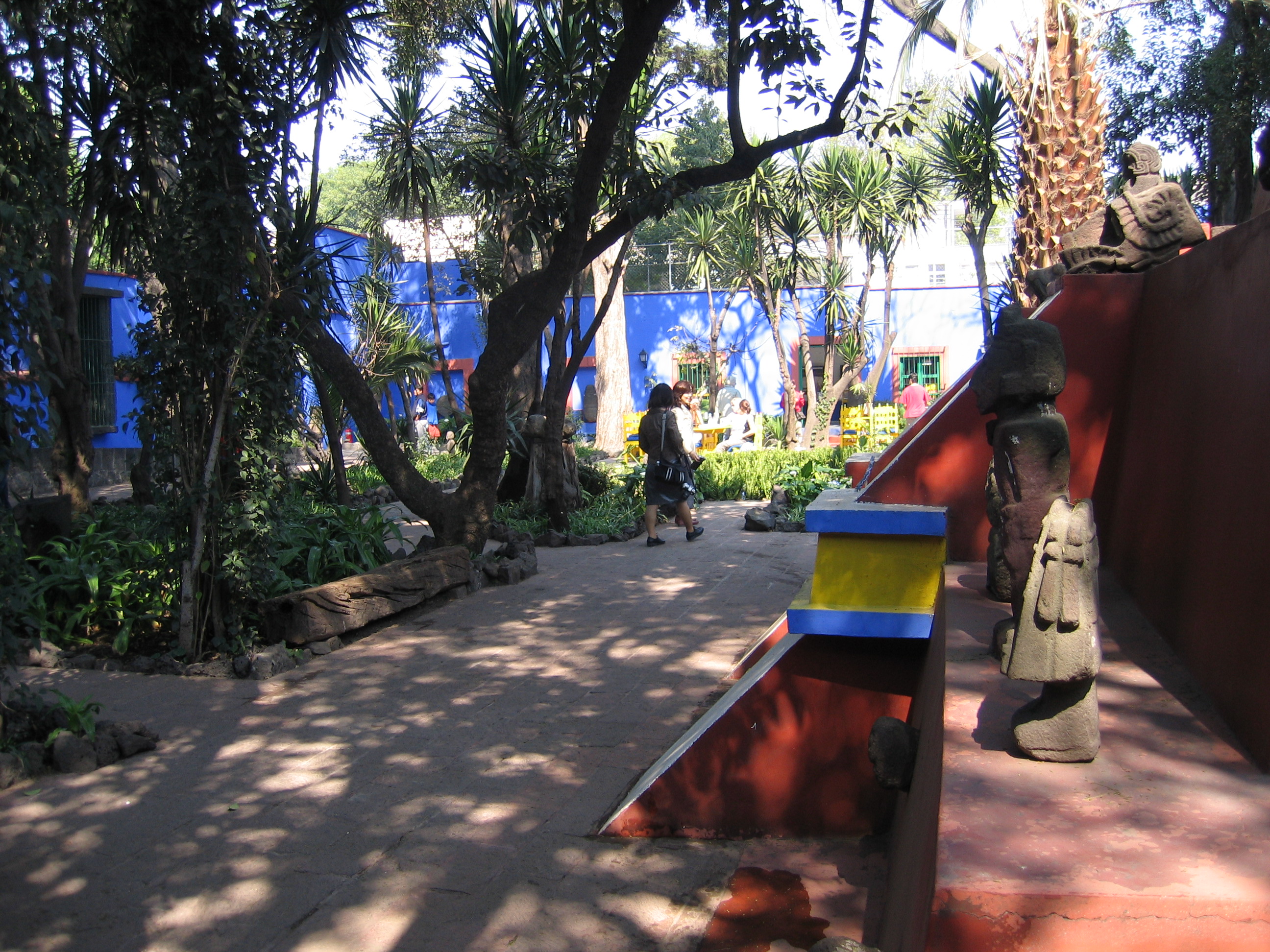
[credit](https://upload.wikimedia.org/wikipedia/commons/d/de/The_Blue_House_6.jpg),
[licence](http://creativecommons.org/licenses/by-sa/3.0/)
th {
background-color: #f2f2f2;
}
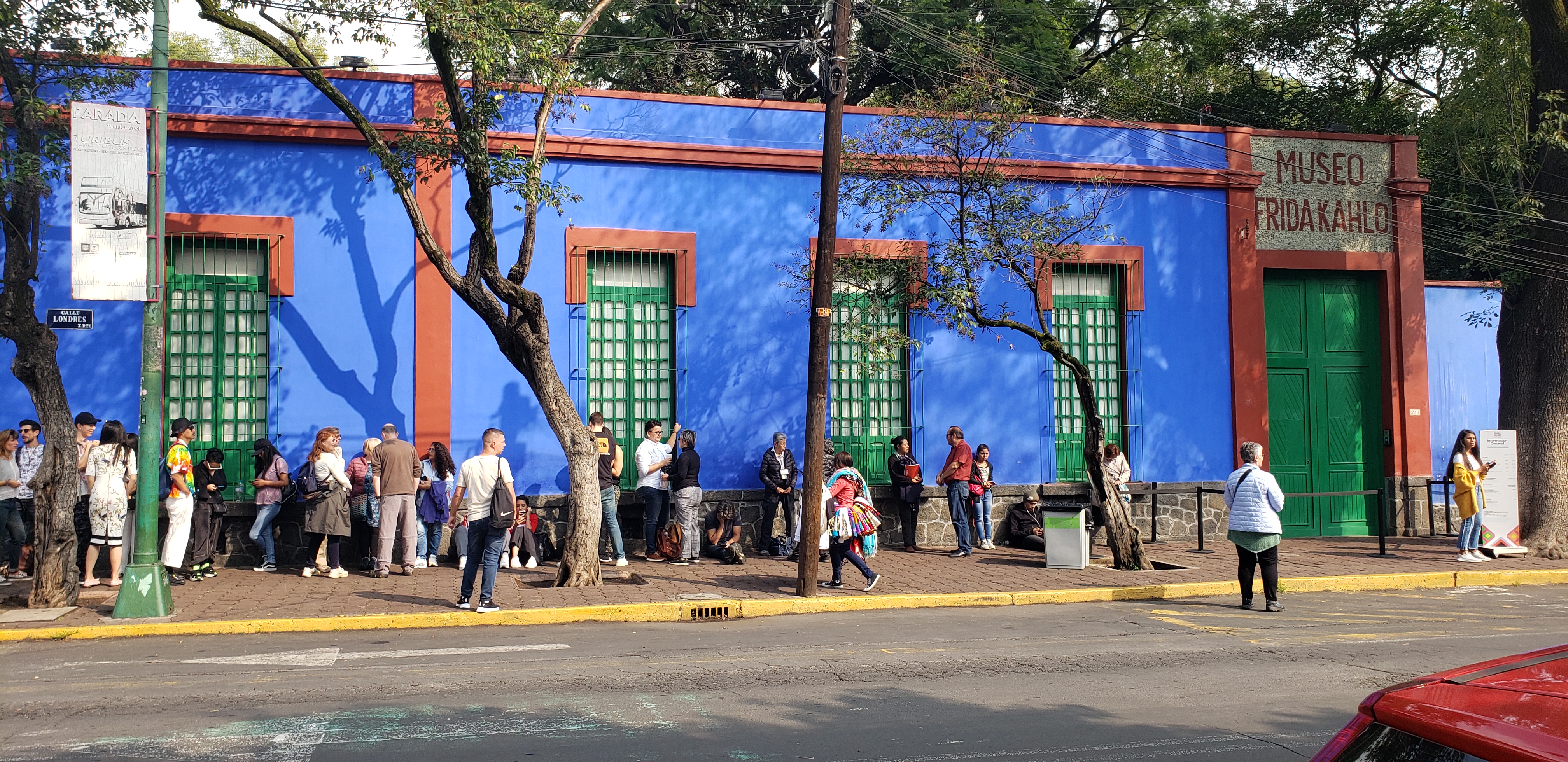
[credit](https://upload.wikimedia.org/wikipedia/commons/6/61/Museo_Frida_Kahlo_%28exterior%29.jpg),
[licence](https://creativecommons.org/licenses/by-sa/4.0)
| Technique | How It Works | Why Siqueiros Used It | Equipment Needed |
|----------------------|----------------------------------------------|-----------------------------------------------|------------------------------------------------|
| Nitrocellulose Sprays | Throwing solvent-based paint at wet surfaces | Creates impossible textures and fractures | Industrial spray gun, respirator, safety gear |
| Marble Dust Collage | Embedding debris INTO wet paint layers | Adds brutal physicality to political slogans | Palette knives, dust mask, mixing containers |
| Sand Blasting | Etching patterns onto cured surfaces | Creates light/shadow that moves with viewer | Sandblaster, compressor, protective enclosure |
| Chemical Etching | Using solvents to dissolve previous layers | Creates organic, flowing patterns | Spray bottles, various solvents, brushes |
| Drip Techniques | Pouring paint vertically to create gravity effects | Adds temporal layering and movement | Buckets, funnels, timing control |
| **Polymer Embedment** | Mixing acrylic resins with debris and applying | Creates permanent 3D textures and layers | Epoxy resin, hardener, embedding materials |
### Advanced Accidental Painting Techniques
Beyond the basic techniques, Siqueiros developed several advanced methods that push the boundaries of [traditional painting](/finder/page/digital-painting-vs-traditional-painting-pros-cons-and-artistic-expression):
1. **The Bubu Rava Technique**: Named after Siqueiros' studio, this involves applying multiple layers of nitrocellulose paint and then using solvents to create "accidents" that reveal underlying colors.
2. **Industrial Spraying**: Using high-pressure industrial spray guns (originally designed for car painting) to create atomized paint effects that blend seamlessly into the substrate.
3. **Chemical Warfare**: Strategic application of solvents that react with paint layers to create unpredictable textures and color shifts.
4. **Embedment Art**: The practice of embedding physical objects (metal, glass, organic materials) directly into wet paint layers, creating relief sculpture integrated with painting.
### Color as a Weapon
Siqueiros didn't use colors. He fired them. His palette feels like a collision between a sunset and a riot. I'm talking **acid greens** slamming into **blood reds**, with **indigo** shadows dripping into **cadmium yellows**. He often painted directly from tubes straight onto the wall—no palette, no mixing, just pure chromatic violence. As he put it: "A revolutionary art must be an aggressive art."
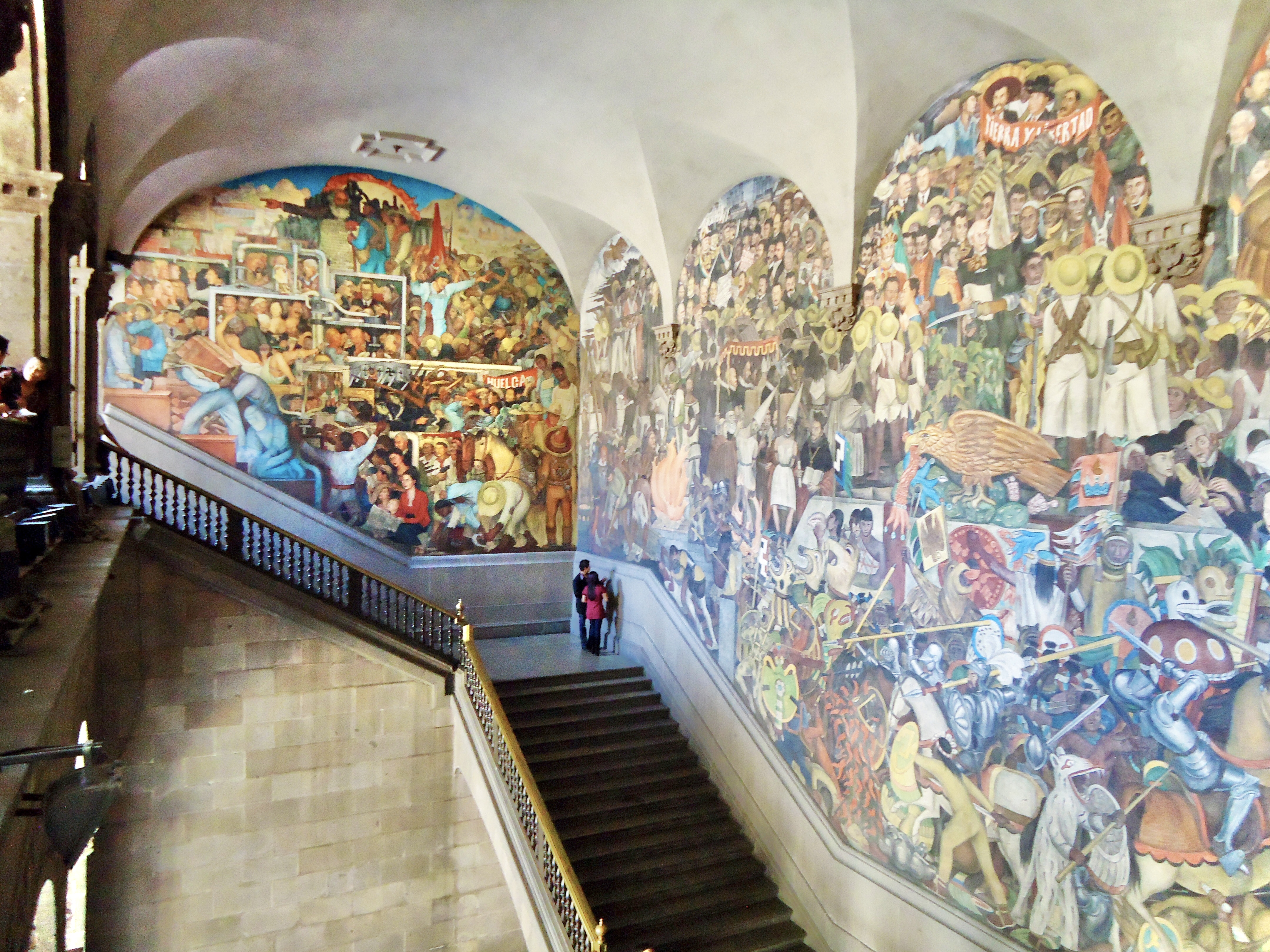
[credit](https://upload.wikimedia.org/wikipedia/commons/0/04/Palacio_Nacional_Murals_view.JPG),
[licence](https://creativecommons.org/licenses/by-sa/3.0)
#### The Psychology of Siqueiros' Color Palette
Siqueiros' color choices weren't random—they were deliberately psychological:
- **High-Vibration Colors**: Acid greens, electric blues, and magentas that create visual tension
- **Contrasting Complements**: Colors opposite each other on the [color wheel](/finder/page/what-is-a-color-wheel-how-to-use-it) (red/green, blue/orange) that create maximum visual impact
- **Limited Palette**: Often using only 3-4 main colors per work, making each color choice more powerful
- **Color Symbolism**: Using colors with specific political and social meanings (red for revolution, black for oppression, gold for wealth)
**Modern [Color Theory](/finder/page/what-is-color-theory) Applications:**
Today, we can analyze Siqueiros' color choices through modern [color theory](/finder/page/what-is-color-theory):
1. **Simultaneous Contrast**: How colors appear different when placed next to each other
2. **Afterimage Effects**: How staring at a color creates its opposite in your vision
3. **Cultural Color Psychology**: How different colors are perceived across cultures
4. **Chromatic Harmony**: Creating tension while maintaining visual cohesion
Understanding these principles can help you apply Siqueiros' color philosophy to your own work while developing your own distinctive palette.
[credit](https://upload.wikimedia.org/wikipedia/commons/4/4b/B-MAD_museum_Lisbon.jpg),
[licence](https://creativecommons.org/licenses/by-sa/4.0)
### Step-by-Step Mural Creation
#### Planning Phase
1. **Theme Development**: Define your core message. Is it environmental? Political? Personal? Siqueiros always had a knife-edge purpose.
2. **Sketch Fury**: Don't get precious. Fast, bold sketches on butcher paper. Toss half of them.
3. **Surface Preparation**:
- Clean the wall like you're prepping for surgery
- Apply bonding primer (we're talking commercial-grade stuff)
- Install a drainage system if outdoors
### Advanced Planning: The Siqueiros Methodology
Siqueiros approached mural creation with military precision. Here's his systematic planning approach:
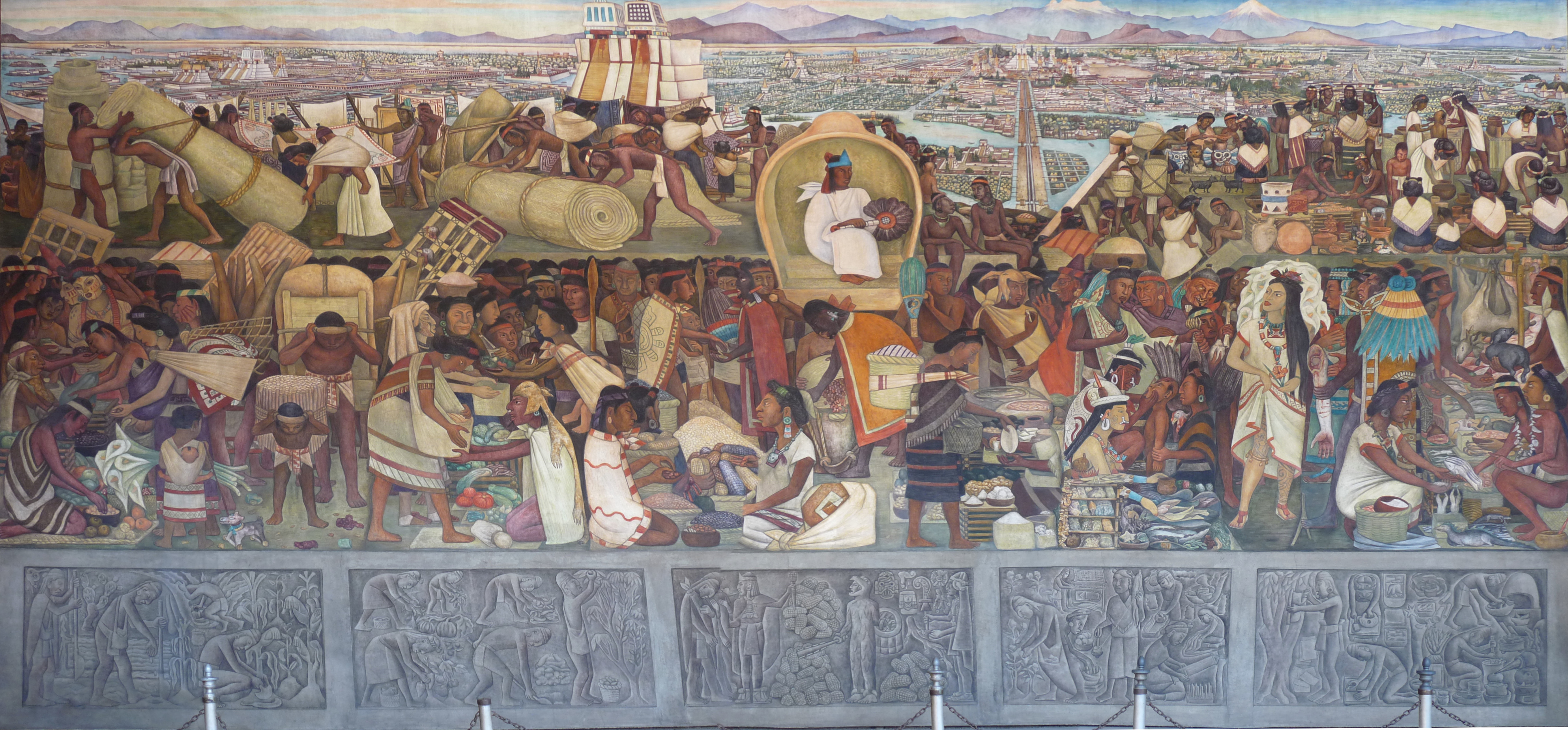
[credit](https://upload.wikimedia.org/wikipedia/commons/c/cb/La_Gran_Tenochtitlan.JPG),
[licence](https://creativecommons.org/licenses/by-sa/3.0)
**1. Research Phase (2-4 weeks)**
- **Historical Context**: Research the subject matter thoroughly
- **Visual Research**: Collect images, sketches, and reference materials
- **Technical Research**: Test materials and techniques on small panels
- **Site Analysis**: Study the architectural space, lighting conditions, and viewing angles
**2. Concept Development (1-2 weeks)**
- **Thumbnail Sketches**: Dozens of small, quick ideas (2x2 inches)
- **Composition Studies**: Larger sketches exploring layout and flow
- **Color Studies**: Small-scale experiments with color combinations
- **Material Tests**: Try different techniques on practice surfaces
**3. Full-Scale Planning (1 week)**
- **Cartoon Creation**: Full-size [drawing](/finder/page/definitive-guide-to-drawing-techniques) transferred to tracing paper
- **Grid System**: Setting up proportional grid for transfer
- **Material List**: Detailed inventory of all supplies needed
- **Timeline**: Breaking the project into phases with milestones
#### Materials Breakdown
table {
width: 100%;
border-collapse: collapse;
}
th, td {
border: 1px solid #ddd;
padding: 8px;
text-align: left;
}
th {
background-color: #f4ecff;
}
[credit](https://upload.wikimedia.org/wikipedia/commons/b/b9/DETALLE_ESCALERA_CASA_JUAN_O_GORMAN%2C_ATRAS_FACHADA_CASA-ESTUDIO_FRIDA_KAHLO_SAN_ANGEL_INN_MEXICO_DF_CLAUDIA_AGUILAR.jpg),
[licence](https://creativecommons.org/licenses/by-sa/3.0)
| Material | Purpose | Siqueiros' Hack |
|--------------------------|---------------------------------------------|---------------------------------------------|
| Nitrocellulose Paint | Base layers (weatherproof & quick-drying) | Bubu Rava technique for texture |
| Enamel Automotive Paint | Final color layers | Sprayed at high pressure for atomization |
| Polyester Resin | Embedments & clear coats | Mixed with sawdust for industrial texture |
| Industrial Solvents | Manipulating paint consistency | Thrown at wet surfaces for fractures |
| Marble Dust & Sand | Textural elements | Embedded with palette knives into wet paint |
#### Execution Strategy
The chaos isn't random. There's method in the madness:
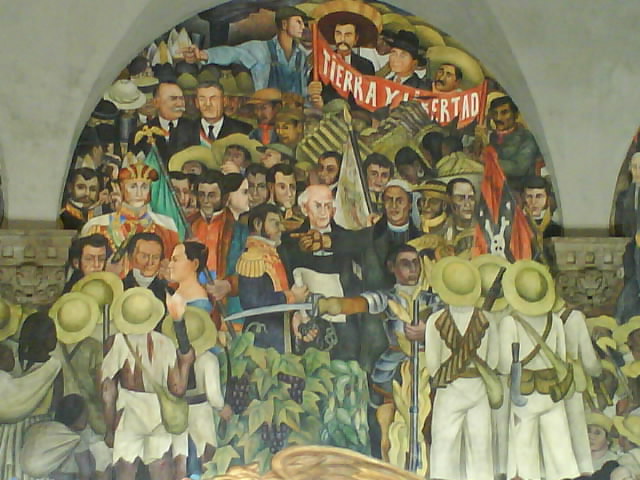
[credit](https://upload.wikimedia.org/wikipedia/commons/c/c3/Mural_Diego_Rivera.JPG),
[licence](https://creativecommons.org/licenses/by-sa/3.0)
1. **Base Layer Attack**: Nitrocellulose washes applied aggressively with brooms and sponges. Let happy accidents happen.
2. **Embedment Chaos**: While base layer is still wet, violently embed materials. Siqueiros would throw gravel at his wet surfaces.
3. **Chemical Warfare**: Use solvents to "etch" into previous layers. Spray directly into wet paint to create molecular explosions.
4. **Dripped Slogans**: Use a turkey baster to drop acidy colors vertically. Where they fall, they fight.
### Detailed Execution Timeline
**Phase 1: Surface Preparation (Day 1-2)**
- **Morning**: Clean and repair wall surface
- **Afternoon**: Apply bonding primer and allow to cure
- **Evening**: Install protective barriers and drop cloths
**Phase 2: Base Layer Application (Day 3-4)**
- **Morning**: Apply first nitrocellulose wash
- **Afternoon**: Create texture effects with various tools
- **Evening**: Allow to cure and assess results
**Phase 3: Embedment and Texture (Day 5-6)**
- **Morning**: Embed materials while paint is workable
- **Afternoon**: Apply second layer with solvent effects
- **Evening**: Let cure and plan next steps
**Phase 4: Color Development (Day 7-10)**
- **Days 7-8**: Apply color layers using spray techniques
- **Days 9-10**: Add final details and finishing effects
**Phase 5: Final Curing (Day 11-14)**
- Allow mural to fully cure (minimum 7 days)
- Apply protective coating if needed
- Document the completed work
## Real-World Challenges
I once tried replicating his spray technique in my studio. It was glorious... until the nitrocellulse fumes made me hallucinate purple elephants. Fun times. Here are reality checks:
[credit](https://upload.wikimedia.org/wikipedia/commons/2/2e/Jardin_Kahlo.jpg),
[licence](https://creativecommons.org/licenses/by-sa/4.0)
- **Ventilation is everything** (seriously, invest in industrial exhaust)
- **Weather dependency**: Outdoor murals are hostage to humidity
- **Cost**: Industrial materials ain't cheap (budget $500 min for small projects)
- **Permission**: Always get written consent. Trespassing charges kill artistic mojo.
[credit](https://upload.wikimedia.org/wikipedia/commons/9/96/Diego_Rivera_Mural_of_Mexican_History_Great_Market_at_Tlatelolco_%289779009594%29.jpg),
[licence](http://creativecommons.org/publicdomain/zero/1.0/deed.en)
### Safety Above All Else
Siqueiros treated his materials like explosives. You should too:
- **Respirators > masks** (N95 minimum, ideally PA100 against solvents)
- **Chemical-resistant gloves** (nitrile, not latex)
- **No open flames around nitrocellulose** (it's literally rocket fuel)
- **Emergency eye wash station** (solvents don't play nice)
### Comprehensive Safety Equipment List
**Respiratory Protection:**
- **Particulate Filters**: For dust and paint particles (N95/P100)
- **Organic Vapor Cartridges**: For solvent fumes (OV)
- **Combination Cartridges**: Multi-gas protection (OV/P100)
- **Powered Air Purifying Respirators (PAPR)**: For extended work periods
**Skin Protection:**
- **Chemical-Resistant Gloves**: Nitrile, neoprene, or Viton®
- **Protective Suits**: Disposable Tyvek® or reusable chemical-resistant clothing
- **Aprons and Covers**: For torso protection
- **Boot Covers**: Disposable or chemical-resistant boots
**Eye and Face Protection:**
- **Safety Goggles**: Chemical-splash resistant
- **Face Shields**: For full-face protection
- **Welding Goggles**: For high-intensity light protection
- **Emergency Eyewash Station**: Required within 10 seconds of work area
**Fire Safety:**
- **Class B Fire Extinguishers**: For flammable liquids
- **Fire Blankets**: For clothing fires
- **No Smoking Signs**: Posted prominently
- **Static Grounding**: For solvent handling
**Emergency Procedures:**
- **First Aid Kit**: Accessible and fully stocked
- **Emergency Contacts**: Hospital, poison control, fire department
- **Evacuation Routes**: Clearly marked and unobstructed
- **Training**: All workers trained in emergency procedures
## Frequently Asked Questions
**Q: Can I achieve this effect with acrylics?**
A: Not really. Siqueiros' entire visual language depended on chemistry that acrylics can't replicate. You can fake the style, but not the physical substance. Use proper nitrocellulose if you want the real deal.
**Q: How long do these murals last?**
A: Indoors with clear coats? Decades. Outdoors? 5-15 years depending on climate. Siqueiros' work in Mexico City has been fighting pollution since the 50s.
**Q: Is this beginner-friendly?**
A: Only if you're comfortable with controlled chaos. Start with small experimental panels first. Siqueiros didn't learn this stuff overnight.
**Q: Can I sell Siqueiros-style work?**
A: Absolutely. But don't call it "Siqueiros style" or "Mexican Muralist"—find your own vocabulary. Authenticity resonates more than imitation. [View contemporary abstract works that channel this energy](/buy).
**Q: Do I need formal art training?**
A: Nope. Siqueiros hated elite art schools. What you need is passion and fearlessness. His proudest students were illiterate farmers who learned by doing.
### Additional FAQs
**Q: What's the minimum budget for a Siqueiros-inspired mural project?**
A: For a small interior mural (4x6 feet), budget $200-500 for materials. For larger exterior work ($1000-5000+). Costs vary based on paint quality, surface preparation, and safety equipment. Don't skimp on safety gear—it's worth the investment.
**Q: How do I find clients for mural work?**
A: Start with local businesses, restaurants, and community centers. Create a portfolio website, use Instagram to document your process, and network with architects and designers. Offer to do small pieces pro bono for nonprofits to build your reputation.
[credit](https://encrypted-tbn0.gstatic.com/images?q=tbn:ANd9GcTECJpq_d7sb7y2VRUybUbHca-3wgVzGqrGSNvsVqNA5-IjYj3l3m6CH1rrBkQjYLIUVmY&usqp=CAU),
[licence](http://creativecommons.org/licenses/by-sa/4.0/)
**Q: What legal considerations should I be aware of?**
A: Always get written permission before painting on any surface. Understand copyright law—don't reproduce protected imagery without permission. For public spaces, check local ordinances regarding street art and obtain necessary permits. Consider liability insurance for larger projects.
**Q: Can these techniques be adapted for [digital art](/finder/page/history-of-digital-art)?**
A: Absolutely! Many digital artists use Siqueiros' principles of layering, texture, and dynamic composition. You can simulate solvent effects with blend modes, create texture overlays, and use digital spray brushes. The philosophy of controlled chaos translates beautifully to digital mediums.
[credit](https://live.staticflickr.com/4787/39777934865_d64368fb12_b.jpg),
[licence](https://creativecommons.org/licenses/by-nc-sa/2.0/)
**Q: How do I deal with criticism of controversial or political themes?**
A: Siqueiros' work was inherently political, and modern muralists often face similar challenges. Prepare artist statements that explain your intentions, engage respectfully with critics, and stand by your artistic vision. Remember that controversy often generates more interest and discussion about your work.
**Q: What's the best way to document my mural process?**
A: Use a combination of time-lapse photography, process videos, and written documentation. Share your creative journey on social media—people love seeing the transformation from blank wall to finished artwork. This not only builds your audience but also creates valuable content for future exhibitions.
## The Takeaway
Creating Siqueiros-inspired murals isn't about historical reenactment. It's about channeling that same *fuck-you* creative energy he had. The willingness to fail spectacularly. To break rules because they need breaking. To make art that physically vibrates in the viewer's bones.
[credit](https://commons.wikimedia.org/wiki/File:Kr%C3%B6ller-M%C3%BCller_Museum_im_Hoge_Veluwe_National_Park,_Otterlo_-_panoramio_%287%29.jpg),
[licence](https://creativecommons.org/licenses/by/3.0/deed.en)
Your first attempt will probably be a disaster. Mine was. We'll probably poison ourselves with solvents. We'll definitely break some brushes. And that's fine. Siqueiros would expect nothing less. Revolutionary art isn't pretty. It's messy, dangerous, and absolutely necessary.
[credit](https://www.publicdomainpictures.net/pictures/200000/nahled/metropolitan-museum-of-art-1475137205ajh.jpg),
[licence](https://creativecommons.org/publicdomain/zero/1.0/)
So grab your spray gun and throw some color grenades at that wall. Make some noise.
[Explore our collection of explosive abstract art](/timeline) for visual inspiration.