
Understanding Performance Art: History, Impact, & Modern Relevance
Dive into performance art's history, from global roots to its radical modern forms. Explore iconic artists, ethical debates, technology's role, and how this ephemeral art reshapes perceptions today.

Understanding Performance Art: A Deep Dive into Its History, Impact, and Enduring Relevance
I'll be honest, when I first stumbled upon 'performance art' – watching a grainy, ancient video of someone in a gallery, maybe involving a dead animal, definitely a bucket of paint, then just... standing there – my brain did a hard reset. Was it a profound statement? An elaborate prank? I actually once heard a curator describe it as "a deliberate act of artistic rebellion wrapped in a riddle," and yeah, that pretty much sums up how it felt. It often feels like the art world's quirky, unpredictable cousin, pushing boundaries in ways that can feel both exciting and, let's be honest, a little confusing. But here's the thing: as with most things that challenge our understanding, there's a wild, fascinating history behind it, shaped by incredible minds and profound philosophies. Once you dive in, it starts making a surprising amount of sense, revealing a depth that's truly captivating. So, what exactly is performance art? And why, beyond its fascinating history and pioneering artists, does it continue to challenge, provoke, and inspire us today? Why does it matter right now? This article will pull back the curtain on this often-misunderstood, always-captivating art form, tracing its rebellious roots, uncovering its profound, evolving impact, and exploring how it constantly redefines what art can be, even directly confronting the commercial art market's idea of value and ownership. We'll journey through its historical movements, meet the titans who dared to push the limits, and grapple with why this ephemeral art form continues to resonate so powerfully in our contemporary world.
Defining the Undefinable: What Is Performance Art, Really?
Given all that initial head-scratching, I've always found it hard to pin down performance art with a neat little label, which is probably the point. It’s like trying to describe the taste of fear or the feeling of pure joy; the experience itself is the truest definition. But if I had to give it a go, I'd say performance art is art where the medium is the artist's body, a series of actions, or an event, presented live to an audience. It's often ephemeral—meaning it exists only in the moment it's performed, like the fleeting beauty of a perfect sunrise or the unrepeatable energy of a live musical concert. While photography and video can capture its essence, acting as precious echoes, they can never fully recreate the unique, transient energy of the live event. That's the beautiful paradox, right? You can document it, but you can't truly own it in the same way you own a painting. Unlike a traditional play with a script and clear characters, a musical concert with predictable songs, or a film with a distinct narrative, performance art often throws these conventions out the window. It's less about what is depicted and more about what happens, how it feels, and what it makes you think. It’s a direct, visceral conversation between the artist and the audience, designed to provoke, question, and engage, often without the illusion of a staged drama. It resists easy categorization because its very nature is to challenge definition, to be fluid, and to demand a different kind of engagement from its audience – one that prioritizes immediate experience over static contemplation.
A Ramble Through History: From Global Roots to Modern Expressions
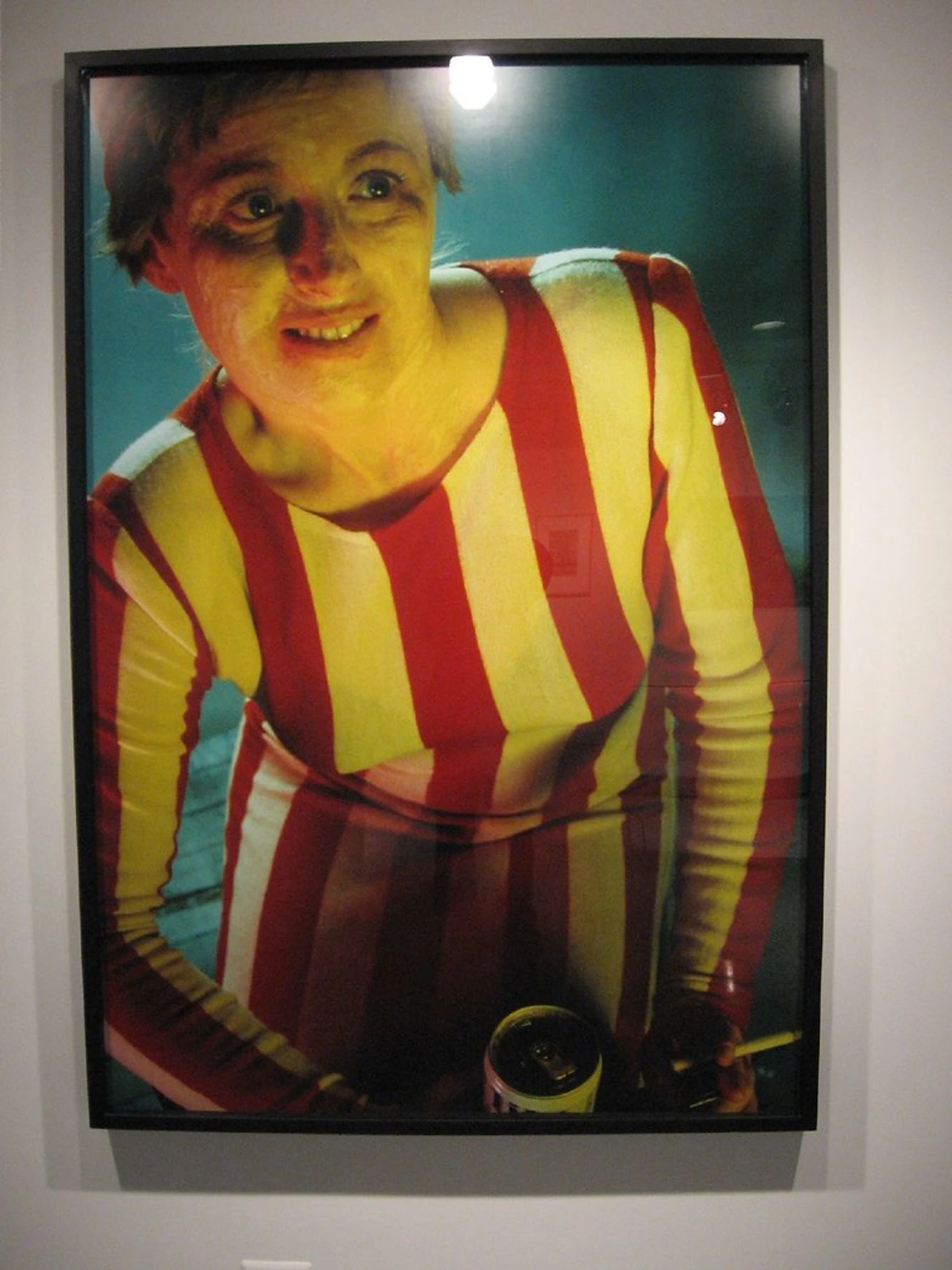
To truly understand this elusive art form, we need to trace its roots back to where artists first started feeling a little fed up with traditional canvases and sculptures. But before we dive into the Western lineage, it's vital to acknowledge that performative practices are not exclusively a Western phenomenon. Many cultures globally have rich traditions of embodied action, ritual, and communal storytelling that offer profound ways of understanding art as social engagement. From ancient shamanistic rites and indigenous ceremonies across the Americas, Africa, and Oceania, to the structured, symbolic movements of Japanese Noh theatre or Indian Kathakali dance, and even the public processions of European medieval pageants, humans have long used live action and the body as a primary means of expression, healing, and community building. These global roots remind us of a universal human impulse towards expressive action, predating and laying philosophical groundwork for what we now categorize as "performance art" in the Western canon.
The Rebel Seeds: Early 20th Century Provocations
Honestly, I sometimes look at early 20th-century art and think, 'Wow, they really just decided to throw spaghetti at the wall to see what would stick.' But beneath that playful chaos was a serious desire to shake things up. Artists were bored with pretty pictures and static sculptures; they wanted art to do something, to provoke, to mirror the seismic shifts happening in the world. This era saw the rebel seeds of performance art truly take root, often in defiance of polite society and artistic convention.
- Dadaism (c. 1916-1922): The Dadaists weren't just painting; they were staging absurd, chaotic cabarets at places like the Cabaret Voltaire in Zurich. Imagine Hugo Ball reciting sound poems like "Karawane"—a guttural, nonsensical string of sounds—wearing an eccentric costume. It was less about meaning and more about challenging the complacency of conventional society and art forms, often with a mischievous wink. They created "happenings" that blurred the lines between art and life, pushing us to ask: what isn't art? For a deeper dive, check out the enduring influence of Dadaism on contemporary art.
- Italian Futurism (c. 1909-1944): Obsessed with speed, technology, and dynamism, Futurists like Filippo Tommaso Marinetti used manifestos and "Serate futuriste" (Futurist Evenings) to advocate for a radical break from static art. These evenings were boisterous, confrontational events involving noise music, declamations, and audience provocation, directly prefiguring performance art's emphasis on action and audience engagement.
- Surrealism (c. 1924-1966): Though primarily focused on painting and sculpture, Surrealism also explored the subconscious and automatic creation, paving the way for artists to use their bodies and actions to delve into psychological depths. Think of their "exquisite corpse" games, collective automatic writing, or public interventions designed to shock the bourgeoisie. Learn more in the ultimate guide to Surrealism.
- Expressionism (early 20th century): Even earlier, the raw focus of Expressionism on subjective experience and emotional intensity laid serious groundwork. Expressionist artists sought to express inner emotions rather than external reality, often using distorted figures and intense colors. This profound emphasis on the artist's inner state and its direct, unfiltered translation into art was a crucial step towards art as an experience—an outpouring of personal feeling—preparing the ground for artists to eventually use their own bodies as the primary conduit for intensely personal and emotional expressions.
- Proto-Performative Theatre: And let's not forget the audacious spirit of proto-performative theatre. Figures like Alfred Jarry, with his scandalous Ubu Roi at the close of the 19th century, weren't just creating plays; they were hinting at art's capacity to shock, confront, and deliberately dissolve the boundaries between audience and spectacle. Early avant-garde theatre actively experimented with breaking the fourth wall – that invisible barrier separating actors from the audience – inviting direct interaction, disrupting narratives, and making the audience's presence an undeniable part of the experience. Think of Antonin Artaud and his concept of the "Theatre of Cruelty," which prioritized visceral, raw emotional experience over traditional text and narrative, aiming to assault the senses and shake the audience out of complacency. This radical shift from passive observation to active engagement set a powerful precedent for performance art's interactive core, blurring the lines between performer and spectator long before performance art was even a named genre.
All these movements shared that rebellious urge to just toss out the rulebook and see what happens. That's the spirit I connect with in these early explorations, a wonderful kind of artistic mischief.
The Mid-Century Explosion: Happenings, Fluxus, and Conceptual Shifts
These early provocations, brimming with a rebellious energy, undeniably laid the groundwork for a more formalized explosion of performative practices in the mid-20th century, proving that art could be far more than a static object. And boy, did things take off!
- Happenings (late 1950s-1960s): The term "Happening" was coined by Allan Kaprow, who basically said, 'Hey, why can't life itself be art?' His pieces were loosely structured events involving everyday tasks, audience participation, and often a bit of chaos. It was less about a polished performance and more about the raw, transient experience, often using repetition of simple actions or incorporating mundane everyday objects to highlight the art in the ordinary. These weren't theatrical productions; they were carefully designed opportunities for unpredictable interactions, often pushing the boundaries of what an audience might consider "art" at all.
- Fluxus (1960s-1970s): Then came Fluxus, a collective of artists (including figures like George Maciunas, Yoko Ono, Joseph Beuys, and Nam June Paik) who were all about anti-art, everyday objects, and simple, often humorous, events. Their genius lay in making art accessible and democratic not by putting it on a pedestal, but by embedding it in daily life and simple, repeatable 'scores' or instructions, suggesting that beauty could be found in the mundane. This spirit was deeply influenced by figures like John Cage, whose experimental music and philosophical explorations of silence, chance, and the everyday sounds of life radically shifted how artists thought about composition, performance, and the very definition of art itself. His ideas, particularly his embrace of silence and chance operations, were for many, a permission slip to integrate life and art, effectively relinquishing artistic control to allow for unpredictable, truly ephemeral outcomes. For example, Cage's famous 4'33" (1952) presented performers sitting silently for four minutes and thirty-three seconds, making the ambient sounds of the environment and the audience's reactions the 'music.' This minimalist approach, where the artist set the conditions for chance to unfold, directly inspired Fluxus artists whose 'scores' might be as simple as 'light a match and watch it burn,' emphasizing the beauty of a singular, transient event and blurring the lines between art and non-art.
- Conceptual Art (1960s-1970s): Running parallel to and deeply influencing performance art was Conceptual Art, which prioritized the idea or concept behind the artwork over its material form. This movement helped legitimize the ephemeral nature of performance art, as the "art" existed in the concept itself, in the instruction, or in the artist's action, rather than in a tangible object. Many performance artists were also conceptual artists, blurring the lines between these categories.
Many of these avant-garde explorations, especially by Cage and the Fluxus artists, were profoundly shaped by an engagement with Zen Buddhism and other Eastern philosophies, which emphasized mindfulness, the beauty of the mundane, and the inherent perfection of imperfect, transient moments. This philosophical grounding provided a spiritual and conceptual framework for art that celebrated process over product, chance over control, and the present moment over fixed outcomes. Artists started to understand that the absence of sound or predetermined structure could be as meaningful as its presence, opening up space for accidental beauty and raw, unscripted reality in performance. Think of Nam June Paik's early works, for instance, which often incorporated everyday objects and chance operations in ways that evoked a meditative, almost Zen-like contemplation of technology and its relationship to the human experience. Speaking of immersive experiences, you can explore the ultimate guide to Yayoi Kusama for another fascinating artist who blurs the lines between art and environment.
The 70s and Beyond: Deepening Concepts and Expanding Voices
By the 1970s, performance art got intensely personal, political, and often physically demanding, heavily influenced by emerging philosophical currents like existentialism and phenomenology. Existentialism, with its focus on individual freedom, responsibility, and the meaninglessness of existence in a Godless world, resonated deeply with artists exploring raw, unscripted human experience. Phenomenology, which prioritizes subjective experience and consciousness, provided a framework for understanding how meaning is made through the body's interaction with the world.
This era saw the significant rise of feminist performance art, where artists powerfully used their own bodies to challenge patriarchal norms and expose the specific societal pressures and marginalization women faced. They explored themes of identity, gender, endurance, and pain with a fierce, unapologetic voice, actively confronting and subverting the male gaze – the way women are often depicted from a masculine, heterosexual perspective, serving as objects rather than subjects. For instance, consider how a woman in a classical painting might be posed for a male viewer's pleasure; feminist performance art directly challenged this by reclaiming agency over the female body. Feminist artists reclaimed their bodies and narratives, turning the tables on who gets to look and who is looked at, creating works that were both highly personal and politically charged. Artists like Martha Rosler, with her seminal video performance Semiotics of the Kitchen (1975), cleverly subverted domestic roles by humorously and aggressively performing cooking actions with kitchen utensils, transforming mundane gestures into a critique of societal expectations for women. These pieces were often underpinned by emerging feminist theory and post-structuralist thought, which questioned fixed identities and explored how meaning is constructed through social systems. (Think of it this way: if language and society tell us who we are, post-structuralism asks us to critically examine how those stories are built and if they actually serve us, much like questioning why a pink shirt is considered 'girly' in some cultures but not others.) This theoretical framework provided a rich foundation for performative investigations into gender, power, and representation, compelling audiences to question societal structures and their own positions within them.
This period also saw the emergence of Body Art, a closely related form where the artist's body itself becomes the primary medium or subject. While performance art generally involves an action or event by the artist, Body Art specifically uses the artist's own body as the primary medium or subject, often through painting, sculpting, or even altering the body. For instance, an artist painting their body as a static display for a photograph is Body Art. If that artist then performs a ritualistic dance using that painted body for a live audience, it becomes performance art incorporating Body Art. Many Body Art pieces are inherently performative, meaning the act of creating or displaying the body as art is often the performance itself, exploring themes of identity, vulnerability, pain, and the limits of the physical self.
Beyond these, the late 20th and early 21st centuries have seen vital contributions from post-colonial and queer performance art movements, further expanding the discourse to address issues of identity, representation, and systemic power structures from diverse global perspectives. Performance art became a particularly potent medium for these movements because its emphasis on embodied experience and direct confrontation allowed artists to reclaim narratives, challenge stereotypes, and speak directly to their lived realities in ways that static objects often couldn't. This often included an increasing emphasis on intersectionality, acknowledging how different social and political identities (like race, gender, class, sexual orientation) combine to create unique experiences of discrimination and privilege. For instance, an artist exploring identity might fuse elements addressing their experience as a Black queer woman, showcasing the unique layers of marginalization and resilience, like the specific biases she might face that are distinct from those faced by a white queer woman or a Black heterosexual woman. This period also saw the influence of pioneering figures like Pina Bausch, whose groundbreaking work in dance-theatre often blurred the lines with performance art. Her pieces, characterized by raw emotional intensity, repetitive actions, and fragmented narratives, explored human relationships and anxieties in a deeply visceral and often unsettling way, influencing countless artists to integrate movement and theatricality into their performative practices.
Many of these performances also took on powerful ritualistic or shamanistic qualities, drawing from ancient traditions to explore healing, transformation, and deeper spiritual connections, blurring the lines between art, ceremony, and being. This spiritual dimension, coupled with a keen awareness of current events, increasingly intertwined with activist and social justice movements to create powerful public interventions, directly addressing issues like environmentalism, human rights, and political oppression. Performance art became a direct response to global events and social shifts, using the immediate, embodied experience to comment on the world and advocate for change. What challenges do you think these artists faced in making their voices heard?


The Titans of the Ephemeral: Artists Who Made Us Look (and Think)
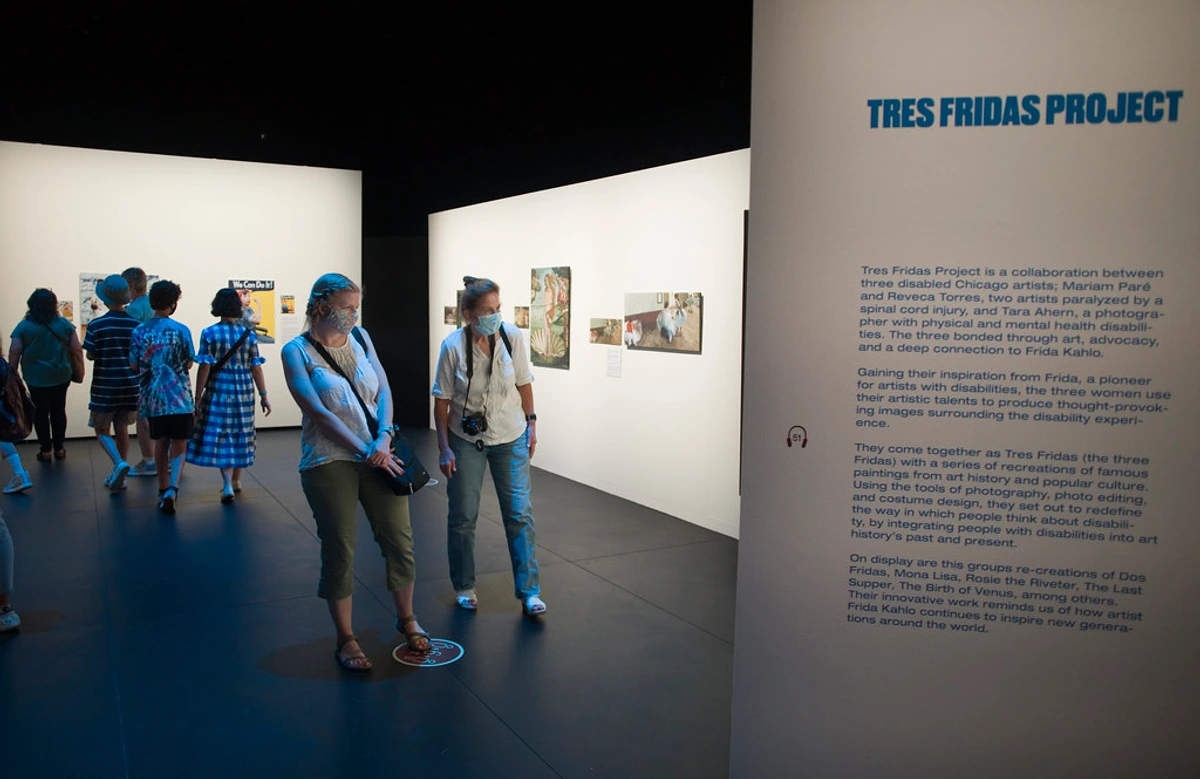
So, after all that history and philosophy, who are the artists who truly brought these ideas to life and etched performance art into the annals of history? These are the figures who not only exemplified the movements we've just explored but also pushed the boundaries further, forcing us to redefine what art could be. Their legacies continue to echo today, demanding our attention and challenging our preconceptions, showing us how the body and action can become the most powerful statements.
- Marina Abramović: The embodiment of endurance and raw connection. Oh, Marina. She's practically synonymous with performance art, a true titan whose work is deeply etched in my mind for its raw emotional power. Her pieces are about endurance, pain, and the limits of the body and mind, often reflecting a deep dive into existential themes and the nature of presence. Remember 'The Artist Is Present' at MoMA, where she just sat silently, staring into the eyes of museum-goers? It wasn't merely a performance; it was a profound, emotionally draining shared experience for both her and the participants, and utterly captivating. I remember seeing images from that and feeling an almost palpable sense of connection, even through a screen. Her earlier work, 'Rhythm 0,' where she offered herself passively to the audience with 72 objects (some benign, some dangerous), is a chilling exploration of human nature's darker side. Another powerful piece, 'House with the Ocean View' (2002), saw her live on three elevated platforms in a gallery for 12 days, visible but silent, performing mundane daily tasks while fasting. This durational work further explored her themes of presence, absence, and the transformative power of time. Her legacy is one of unflinching honesty and pushing the very limits of what human connection in art can be, inspiring countless artists to explore their own thresholds. For a deeper dive into her influential career, check out the ultimate guide to Marina Abramović. She really makes you wonder, 'How much of myself would I put on the line for a single moment of connection?'
- Yoko Ono: The master of minimalist provocation. While often overshadowed by her musical connections, Ono was a fierce conceptual and performance artist whose minimalist 'instruction pieces' still resonate. Her 'Cut Piece' (where she invited the audience to cut pieces of her clothing until she was nearly naked) is a powerful statement on vulnerability, gender, and the gaze, echoing the feminist challenges of the 70s. It's surprisingly gentle but leaves a lasting impact, forcing viewers to confront their own complicity and perception of the female body. I've always found her ability to distil complex ideas into such simple, potent actions incredibly powerful. Her influential book Grapefruit (1964) is a collection of "instruction pieces" – poetic, philosophical directives that invite the reader to perform art in their mind or in action, demonstrating her profound belief in the accessibility and democratizing power of art, very much in the spirit of Fluxus. Ono's genius was in creating situations that reveal uncomfortable truths with deceptive simplicity. Her work asks us, 'What responsibility do we bear as witnesses, and where are the boundaries of our action?'
- Joseph Beuys: The shaman of social sculpture. The man in the felt suit. Beuys saw art as a way to heal society, and his performances (or "actions," as he called them) were often shamanistic, ritualistic, and deeply symbolic, drawing from early 20th-century Expressionist impulses and global performative traditions. Beyond the coyote, his work like 'How to Explain Pictures to a Dead Hare' (where he literally whispered explanations to a deceased hare while covered in honey and gold leaf) challenged rational thought, inviting a different kind of understanding by symbolically connecting the dead animal (representing disconnected nature) with human knowledge and spiritual understanding. A powerful example of his 'social sculpture' concept, which he defined as the idea that art has the potential to transform society through creative human action and participation, extending beyond traditional art objects into political and social spheres, is his '7000 Oaks' project for Documenta 7 in 1982, where he initiated the planting of 7000 oak trees, each paired with a basalt stone, over several years, intending to symbolize environmental and social regeneration and directly engaging with activism. Another significant action, 'The Chief' (1964), involved him wrapped in a felt blanket, emitting guttural cries, performing a ritual of connection and isolation. His impact lies in expanding art's definition to a social sculpture, where dialogue and human action are the true materials. Beuys really pushed us to think, 'Can art itself be a force for healing and transformation, not just a static object to admire?'
- Carolee Schneemann: The fierce challenger of patriarchal norms. A pivotal figure in feminist art, Schneemann used her body to challenge patriarchal norms and explore female sexuality and agency with unapologetic force, embodying the personal-political ethos of the 70s. Her 'Meat Joy' (1964) involved performers interacting with raw meat, paint, and other materials in a sensual, chaotic, and joyous spectacle. Another equally significant piece is 'Interior Scroll' (1975), where she extracted a long, narrow scroll from her vagina and read from it. This audacious act was a powerful, visceral rejection of the pervasive male gaze and the condescending 'external male critique' prevalent in the art world. Even earlier, her durational performance 'Up To and Including Her Limits' (1973-76) saw her suspended from a harness, drawing on paper spread on the floor with crayons and her body, extending her physical being into the artistic act. Schneemann powerfully asserted the female body as a source of artistic and political power, creating a profound impact on how women's experiences could be represented and celebrated in art. Her work fiercely demands, 'Whose voice counts in the story of art, and how far will we go to claim it, especially when our bodies are the canvas?'
- Chris Burden: The uncompromising explorer of limits. Now, Burden was one of those artists who made me genuinely question the line between art and self-harm, a reaction that tells you something profound happened. His pieces like 'Shoot' (1971), where an assistant shot him in the arm, or 'Trans-Fixed' (1974), where he was crucified onto a Volkswagen Beetle, were extreme explorations of vulnerability, violence, and the role of the artist as a martyr, forcing observers to confront deeply uncomfortable truths. 'Shoot' in particular sparked intense controversy and ethical debate, forcing the art world to grapple with the boundaries of artistic risk and the audience's uncomfortable complicity in witnessing such acts. His earlier, equally provocative 'Five Day Locker Piece' (1971) saw him lock himself in a locker for five days with only water, exploring themes of confinement and endurance. They're hard to watch, even in documentation, and I remember seeing stills and feeling a visceral punch to the gut. Burden's uncompromising work forced the art world, and society, to grapple with the ethics and limits of artistic expression, sparking intense debates about the artist's agency, the audience's complicity in witnessing such acts, and the very definition of artistic sacrifice. His legacy is one of controversy and deep introspection, pushing us to confront difficult dilemmas head-on. He forces the uncomfortable question, 'At what cost does art truly challenge our perception of reality and pain, and are we, the audience, implicated?'
- Laurie Anderson: The architect of multimedia narratives. Stepping away from purely physical provocations, Anderson, a multidisciplinary artist, brought a unique blend of music, narrative, technology, and social commentary to her performances, pushing performance art into new realms of intellectual engagement. Her epic eight-hour work 'United States Part I-IV' (1983), combining music, spoken word, film, and intricate stage design, explored themes of politics, technology, and identity with a detached, often humorous, yet deeply insightful voice. An earlier, more intimate piece, 'Duets on Ice' (1976), involved her playing a violin while wearing ice skates embedded in blocks of ice, performing until the ice melted – a beautiful, minimalist exploration of duration and sound. Her work expanded performance art into a realm of sophisticated multimedia storytelling, proving that the ephemeral could also be intricately crafted and intellectually engaging, drawing on influences from Fluxus's simplicity to conceptual art's focus on ideas. She makes us ponder, 'How can technology and narrative weave together to illuminate the complexities of modern existence and make us feel?'
- Ana Mendieta: The earth-body alchemist. Mendieta's powerful and poetic 'Silueta' series (1973-1980) saw her imprint her body onto natural landscapes, using materials like blood, earth, and gunpowder. These ephemeral actions explored themes of identity, displacement, and the primal connection between the female form and nature, resonating deeply with feminist and post-colonial explorations of identity and belonging. Her work often felt like a spiritual ritual, deeply resonant with her Cuban heritage and feminist ideals. Her 'Corpus Christi Series' (1974), where she documented her bloodied body in various settings to evoke the violence against women, is a searing example of her fusion of the personal and political. Mendieta's legacy reminds us, 'How do we connect our deepest selves to the landscapes we inhabit, and what stories does the earth hold about our presence and absence?'
- Vito Acconci: The boundary pusher of public and private. Acconci's early works often challenged notions of personal space and audience comfort, drawing heavily on conceptual art's focus on ideas and actions over objects. In 'Seedbed' (1972), he publicly masturbated under a ramp in a gallery, describing his fantasies about the visitors above. In 'Following Piece' (1969), he followed random strangers until they entered a private space. Another unsettling piece, 'Pryings' (1971), involved him attempting to pry open the eyes of another person who was resisting. These confrontational pieces explored surveillance, voyeur and gazed, and the blurred lines between artist, audience, and the everyday, making viewers acutely aware of their own presence and complicity. Acconci makes us question, 'Where are the true boundaries of privacy and artistic intervention, and who defines them, especially when our personal space is invaded for art?'
- Tehching Hsieh: The master of durational existence. If you want to talk about pushing limits, Tehching Hsieh is in a league of his own. His "One Year Performances" are legendary for their extreme dedication and exploration of time, isolation, and existence itself. For 'Time Clock Piece' (1980-81), he punched a time clock every hour on the hour for a full year, creating a meticulous, almost unbearable record of time's passage and his own commitment. For another, 'Outdoor Piece' (1981-82), he spent an entire year living outdoors in New York City, never entering a building. These aren't just performances; they're profound acts of self-imprisonment and endurance that force us to reconsider our relationship with freedom, time, and the fundamental conditions of human life. His work challenges us to ask, 'What does it truly mean to live a year, and how do we measure the constraints and freedoms of our existence?'
So, What's the Point of All This? My Take on Its Enduring Appeal and Modern Relevance
You might still be thinking, 'But why? Why go through all that?' And that's a perfectly valid question. For me, the enduring beauty of performance art lies in its ability to do things traditional art simply can't:
- Direct Engagement: It's happening now. You're a witness, sometimes a participant. It strips away the distance of a framed painting or a pedestal-mounted sculpture, creating an immediate, shared moment. The energy is palpable, the vulnerability raw.
- Challenging Perceptions & the Art Market: Crucially, it also challenges the very structures of the commercial art market. How do you package and sell something that only exists in a fleeting moment? This inherent ephemerality creates a fascinating tension and radical resistance to easy commodification, forcing us to question the very idea of art as a product and what constitutes artistic value.The market's solution often shifts focus to documentation, which itself can become collectible artwork. This documentation, whether photographs, videos, or even relics from the performance, seeks to capture the aura—the unique, powerful presence and authenticity—of the original, live act. The history of this documentation, known as provenance, can significantly add to its value, tracing its journey from the artist's studio to private collections or institutions. However, here's the paradox: the market ends up commodifying the evidence of the ephemeral, rather than the experience itself. This highlights performance art's ongoing, defiant pushback against being fully absorbed by commercial structures. It sparks constant debate among curators and historians about how to honor and preserve its transient essence for future audiences, acknowledging that a document can never fully recreate the original, live, often profoundly personal, experience.Moreover, performance art often finds alternative models of support and dissemination outside traditional gallery and auction house systems. Artists might rely on grants, independent funding, or direct community engagement, creating a more accessible and less commercially driven ecosystem. Think of documentation this way:
- Photographs and Video: Limited edition prints or signed video editions that capture the visual and auditory essence of the event.
- Artist Statements and Scripts: Conceptual frameworks or instructions that offer insight into the work's intention and process.
- Relics and Props: Objects used in the performance, imbued with the aura of the live act, becoming tangible memories of the intangible.
- Exploring the Human Condition & Psychological Impact: Many artists use their performances to delve into deep psychological, social, and political themes. The raw, unfiltered expression mirrors life's own impermanence, often providing catharsis or intense introspection for both artist and audience. This visceral connection can elicit powerful emotional responses, challenging our empathy and understanding of self. Moreover, for some, these performances take on powerful ritualistic or shamanistic qualities, drawing from ancient traditions to explore healing, transformation, and deeper spiritual connections, blurring the lines between art, ceremony, and being.
Ethical Considerations: The Uncomfortable Questions
Performance art frequently pushes boundaries, sometimes to uncomfortable extremes. This raises vital questions about consent, the artist's well-being, and the ethical limits of artistic expression. Works by artists like Chris Burden force us to confront these difficult dilemmas head-on. But it also prompts crucial discussions about the audience's role and responsibility—how much are we complicit in witnessing challenging acts? Where is the line between observation and participation, and what moral obligations do we carry in that shared space? For instance, if an artist invites the audience to cause harm to them, is remaining silent and watching the same as complicity? These questions initiate dialogues that extend far beyond the gallery walls, forcing us to interrogate our own moral compasses about artistic freedom, personal safety, and the power dynamics between creator and viewer. It's rarely about easy answers, but about provoking necessary, if unsettling, dialogue.
Technology's New Stages: Performance in the Digital Age
That's a fantastic point! While historically rooted in live, physical presence, contemporary performance artists are increasingly incorporating new technologies to expand their reach and expression. From virtual reality (VR) and augmented reality (AR) experiences that blur physical and digital spaces, to interactive digital installations, and especially live streaming and online platforms, technology is opening up entirely new dimensions for ephemeral art. Artists now create performances specifically for digital audiences, using platforms like Twitch, Instagram Live, or dedicated virtual spaces, allowing for global, distributed participation and challenging the traditional 'live and present' definition. For instance, Marina Abramović herself has explored VR recreations of her iconic works, allowing audiences to 'experience' past performances in a new, immersive way, while artists like Zach Blas use digital technologies to explore themes of surveillance and identity, and LaTurbo Avedon creates performances exclusively through her digital avatar. These innovations blur the lines between the physical and the virtual stage. Furthermore, technology plays a crucial role in preserving ephemeral works, through high-quality digital archiving, 3D scanning, and even creating virtual replicas that allow future generations to engage with the essence of past performances.
- Ephemeral Beauty: There's something incredibly poetic about art that exists only for a moment, reminding us of the transient nature of life itself. It's a living memory, imprinted directly onto those who witnessed it.
All these aspects contribute to its enduring appeal, making performance art a vibrant, essential, and often perplexing part of our cultural landscape. Perhaps you're still mulling over some questions, and that's exactly what this art form encourages. So, let's tackle a few common ones.
Frequently Asked Questions About Performance Art
Okay, let's get down to brass tacks. You've probably got a few lingering questions, and that's totally fair. This art form sparks a lot of curiosity, so here are some answers to the queries I hear most often:
Is performance art "real" art?
Absolutely, in my opinion! While it challenges traditional definitions, performance art is recognized globally by art institutions, critics, and collectors. Its aim isn't always beauty in the classical sense, but rather provoking thought, emotion, and conversation. It’s a powerful, living form of expression that forces us to expand our understanding of what art can be. It demands engagement and makes us confront realities that static art often can't.
How is performance art different from theatre?
Good question! While both involve live action, theatre typically follows a script, has characters, and aims to tell a narrative story with an illusion of reality, often relying on the audience's suspension of disbelief. Performance art, on the other hand, is usually more conceptual, often uses the artist's own persona (or a non-character role), and focuses on a concept, action, or situation rather than a plot. It's less about illusion and more about direct, unvarnished experience and interaction, directly confronting reality.
How is Body Art related to Performance Art?
Body Art is a fascinating subset or close cousin of performance art. The crucial distinction is that Body Art's primary focus is the body as the art object itself, often through painting, sculpting, or altering the body. Performance art's primary focus, conversely, is the action or event carried out by the artist. Many Body Art pieces are inherently performative, meaning the act of creating or displaying the body as art is often the performance, exploring themes of identity, vulnerability, pain, and the limits of the physical self. For example, a permanent tattoo is Body Art, but the act of getting it or presenting it can be a performance. An artist painting their body for a static photograph is Body Art; if they then perform a ritualistic dance using that painted body for a live audience, it becomes performance art incorporating Body Art.
Can you buy performance art?
This is a tricky one! While the live, ephemeral moment of a performance cannot be 'bought' or owned in the traditional sense, collectors and institutions often acquire its documentation. This can include limited edition photographs, videos, artist statements, original scores, or even relics/objects left behind from the piece. These documented forms become collectible artworks in their own right, offering a tangible, though secondary, link to the intangible experience. It's like owning a program or a recording of a groundbreaking concert – you have a piece of its history, a valuable echo of a moment that once was. It's important to remember that the documentation is a representation of the art, not the art itself, a distinction that performance artists often deliberately emphasize to critique art's commodification.
What are some common misconceptions about performance art?
One common misconception is that performance art is always about shocking or disgusting the audience. While some artists certainly push boundaries (and sometimes my own jaw drops, I admit!), many pieces are subtle, meditative, humorous, or deeply spiritual, inviting quiet introspection rather than outright provocation. Another is that it's meaningless, lacks skill, or is just "anyone can do it" art; in reality, it often requires immense physical and mental discipline, profound conceptual depth, and careful planning, even if it appears spontaneous. It's rarely without purpose or intention, though that purpose might be to question purpose itself! (Okay, that last bit was a tongue-twister, but you get what I mean – it always means something, even if the meaning is to challenge meaning itself.)
What is the role of the audience in performance art?
The audience's role is incredibly varied and often central to the piece itself! In some performances, the audience are passive observers, simply witnessing an event. In others, they are active participants, invited to interact with the artist or the environment, directly shaping the experience (think Yoko Ono's 'Cut Piece'). Sometimes, their mere presence and reactions become part of the art, making them co-creators of the ephemeral moment, actively engaged in generating the meaning and impact of the work. It's rarely a passive viewing experience; you're often drawn into a direct dialogue, even if silent, becoming an integral part of the artistic act and influencing its unfolding.
What are the ethical considerations in performance art?
This is a crucial and often uncomfortable question, especially when we think of artists like Chris Burden. Performance art frequently pushes boundaries, sometimes to extreme levels, raising vital questions about consent, the artist's well-being, and the ethical limits of artistic expression. It forces us to confront difficult dilemmas: Is self-harm ever justifiable as art? What responsibility does the audience bear when witnessing challenging acts, and where does observation end and complicity begin? Where is the line between artistic freedom and potential harm to self or others? These discussions extend far beyond the gallery, prompting us to examine societal norms, vulnerability, and the power dynamics inherent in artistic creation and reception. It's rarely about easy answers, but about provoking necessary, if unsettling, dialogue, and often the discomfort itself is part of the artwork's intention.
Are there different types of performance art?
Absolutely! While the core idea remains live action, performance art manifests in incredibly diverse ways. Some common approaches include:
- Durational Performance: Pieces that unfold over extended periods, often testing the artist's physical and mental endurance (e.g., Marina Abramović's long-sits, Tehching Hsieh's year-long pieces).
- Action-Based Performance: Focused on specific, often symbolic or ritualistic actions, which can be simple or complex (e.g., Joseph Beuys's 'actions' or early Fluxus scores).
- Body Art: Where the artist's body itself is the primary medium, often exploring identity, pain, or transformation through physical alteration or display (e.g., Carolee Schneemann's use of her own body, Ana Mendieta's 'Siluetas').
- Interactive Performance: Actively engaging the audience as participants or co-creators, whose input directly influences the work (e.g., Yoko Ono's 'Cut Piece,' Allan Kaprow's Happenings).
- Multimedia Performance: Integrating technology, music, film, spoken word, and visual elements to create complex, immersive narratives (e.g., Laurie Anderson's spectacles).
- Site-Specific Performance: Created for and existing in a particular location, often engaging with the history, architecture, or social context of that space.
- Interventionist Performance: Often public, unsolicited acts designed to disrupt everyday routines, provoke thought, or offer social and political commentary (e.g., some early Dada or Fluxus works).
Each type offers a unique way to explore ideas and engage with an audience, demonstrating the art form's incredible versatility.
What is the role of the artist's intention versus the audience's interpretation in performance art?
This is a perpetually fascinating dynamic! While an artist certainly approaches a performance with a specific concept, intent, and perhaps a desired emotional outcome, the live, interactive nature of performance art often means the audience's interpretation is equally, if not more, crucial. The meaning can shift dramatically based on individual viewer experiences, cultural contexts, and even the immediate reactions of the crowd. Many performance artists actively embrace this ambiguity, inviting viewers to co-create meaning rather than simply receiving a pre-defined message, acknowledging that the art truly lives in the space between intention and perception. It's a dance between what the artist offers and what the viewer perceives, and the tension between the two is often where the magic happens.
Who are some other important performance artists?
Beyond the titans I've already highlighted, the landscape of performance art is rich with influential figures. Artists like Adrian Piper, known for her challenging conceptual and performance works that often confront issues of race, gender, and identity with direct audience engagement, making viewers acutely aware of their own prejudices; Guillermo Gómez-Peña, a pioneer in Chicano performance art who uses cultural hybridity, activism, and theatricality to critique borders, identity, and power dynamics through provocative, often humorous, character-based performances; Lygia Clark from Brazil, a key figure in Neo-Concretism, whose 'relational objects' invited viewers to become active participants, blurring the lines between art and life by encouraging tactile and interactive engagement; and Mona Hatoum, whose performances and installations often deal with themes of displacement, conflict, and the body, creating visceral experiences that resonate with personal and political anxieties. The field is vast and constantly evolving, with new voices emerging all the time!
Wrapping Up: A Call to Experience and Transform
So, there you have it – my somewhat rambling, deeply personal take on performance art. It's messy, it's challenging, and sometimes, yes, it's utterly perplexing. But that, to me, is its genius. It forces us to engage, to question, and to feel, often outside our comfort zones. It reminds us that art isn't just something to passively observe on a wall; it's a living, breathing, sometimes shouting entity that reflects and shapes our world. Because truly understanding performance art isn't about finding easy answers; it's about embracing the questions and letting the experience transform how you see art, and maybe even yourself. So, next time you stumble upon a performance piece, give it a moment. You might just find it opens up a whole new world of thought and feeling, and truly connects with you. It might just be the most profound art experience you never expected, leaving an indelible mark on your perception and perhaps even inspiring your own creative transformations. This emphasis on capturing raw, in-the-moment energy is something I strive for in my own vibrant, often abstract art prints, aiming for a similar visceral impact to what I find so captivating in performance art. I like to think of each brushstroke as a silent performance, a dance between intention and spontaneity that culminates in a visual story. It's a different kind of performance, of course, but the spirit of pushing boundaries and expressing deeply felt ideas resonates. If you're curious about how art can challenge, provoke, and inspire in more tangible forms, you can always get a glimpse into my own artistic world if you're ever near 's-Hertogenbosch. You might even see some of the tangible results of my creative process there, where each brushstroke is, in its own way, a silent performance. For a more chronological look at how my own artistic journey has unfolded, my artist timeline offers a different kind of narrative, a performance of my life's artistic moments.