Is Art Subjective or Objective? The Ultimate Guide to Interpretation, Meaning, & Value
Dive deep into art's subjective and objective nature. This comprehensive guide explores personal interpretation, cultural context, artist intent, objective merit, and historical value for all art enthusiasts.

Is Art Subjective or Objective? The Ultimate Guide to Interpretation, Meaning, & Value
Have you ever found yourself utterly captivated by a painting, feeling a profound connection, while the person beside you shrugs, completely unmoved? Or perhaps you've dismissed a contemporary piece as mere chaos, only to later hear a curator passionately describe its groundbreaking historical significance? I've certainly been on both sides of that fence more times than I can count in my life as an artist and someone deeply immersed in the art world. It's this beautiful, perplexing divergence in experience that brings us to one of art's most enduring and fascinating questions: Is art subjective, or is there an objective truth to its value?
Honestly, if this were a simple 'yes' or 'no' answer, art would lose much of its magic. For me, the real joy lies in exploring the complex, deep currents that shape how we perceive and connect with art. It's a journey through personal emotions, cultural lenses, technical brilliance, and historical narratives. Today, we're going to dive deep into this rich tapestry, appreciating the intricate dance between what we viscerally feel and what we can objectively observe, building towards a more nuanced understanding that serves everyone, from the casual gallery-goer to the seasoned collector and the dedicated artist. After all, understanding this duality frees you to trust your own initial response while still appreciating the deeper layers. It's a path to a more profound art appreciation.
Setting the Stage: Defining Our Terms for Art Interpretation
Before we jump into the fray of art interpretation, let's quickly align on some core concepts. When we talk about whether art is subjective or objective, we're really talking about different ways of assessing and experiencing it.

- Art: At its broadest, art is a diverse range of human activities involving the creation of visual, auditory, or performing artifacts, expressing the author's imaginative or technical skill, intended to be appreciated for their beauty or emotional power. This definition, however, is constantly evolving, as we'll explore later.
- Subjective: Pertaining to or proceeding from an individual's mind or emotions; based on or influenced by personal feelings, tastes, or opinions. In art, this means the meaning, beauty, or impact is primarily determined by the individual viewer.
- Objective: Not influenced by personal feelings or opinions in considering and representing facts. In art, this refers to qualities that exist independently of individual perception, such as formal properties, historical context, or technical execution.
- Aesthetic Relativism: The philosophical idea that judgments of beauty and taste are relative to individuals or cultures, meaning there are no universal standards of beauty. My personal take is that this is demonstrably true at a surface level – what I find beautiful today might bore me tomorrow, let alone what my neighbor thinks! It's like arguing whether a spicy dish is objectively 'good' versus whether it simply appeals to your personal palate; there's no right answer for everyone.
- Aesthetic Universalism: The counter-argument, proposing that there are objective criteria for beauty that transcend individual or cultural differences, suggesting some aspects of art can be universally appreciated. We'll see how this plays out in practice.
The Case for Subjectivity: "Beauty is in the Eye of the Beholder"
The most immediate and compelling argument for art's subjectivity lies in our individual, deeply personal responses. What moves one person to tears might leave another cold, and what one finds beautiful, another might deem mundane. This visceral, personal connection is undeniably the first layer of art appreciation. It's the playground where aesthetic relativism reigns supreme. For the viewer, this means trusting your gut, allowing yourself to feel whatever the art evokes, without judgment.
Personal Taste and Emotional Resonance: The Viewer's Psychology
Our emotional responses to art are inherently subjective. Picture this: you're standing before a vibrant abstract piece. For you, it might instantly recall the joyous chaos of a childhood birthday; for someone else, who recently experienced a significant loss, that same chaos might feel overwhelming, even painful. It’s not just the artwork itself, but your unique life experiences, your current mood, your expectations, and even the ambient sounds in the gallery that filter and shape your viewer experience. These feelings aren't universal; they are deeply personal associations, making each interaction a dynamic, internal event. I've often found that even the scent of a nearby coffee shop or the gentle hum of conversation can subtly shift my connection to a piece – it’s a beautifully messy dance. Sometimes, an artwork can even evoke the uncanny, a feeling of unsettling familiarity, where something known is presented in an unfamiliar way, stirring a subjective sense of unease or profound mystery that's unique to each viewer. Think of a hyperrealistic doll that's just a bit too perfect; it triggers a deep, personal unease that's hard to articulate, isn't it? For an artist, leaning into this emotional resonance is paramount. It's about expressing what truly moves you, knowing it will connect deeply with some, even if not everyone.
Cultural and Historical Relativism: The Shifting Sands of Meaning
Beyond individual taste, the broader strokes of cultural context and historical period profoundly shape our perception. What was considered revolutionary or even scandalous in one era might be commonplace today, or outright offensive in another culture. Think of the intricate symbolism of ancient Egyptian art, steeped in spiritual purpose, versus the deliberate provocation of Dadaism, born from the societal upheaval of World War I. Their meanings and impact are deeply entwined with the worlds they emerged from. We even have pages discussing topics like the ultimate-guide-to-neo-expressionism or the-enduring-influence-of-dadaism-on-contemporary-art-and-its-legacy, which vividly illustrate how context shapes art perception. Historically, the invention of photography, for instance, dramatically shifted the purpose of painting from mere representation to expression, fundamentally altering how art was viewed and valued. Before photography, a realistic portrait was a high art form; after it, artists like the Impressionists were free to explore subjective perception of light and color. Consider how the symbolic use of animals differs: in many Western cultures, an owl might symbolize wisdom, while in some East Asian cultures, it can be a harbinger of ill omen. The aesthetic principles of understanding-the-symbolism-of-colors-in-different-cultures also provide a clear example. Think of the raw emotionalism of Romanticism, where artists prioritized individual feeling over classical ideals, or the surrealists diving into the subconscious, creating highly personal dreamscapes that challenge conventional interpretations.
Conversely, the idealized human forms in Classical Greek sculpture, once the epitome of beauty, might be seen as emotionally detached by cultures valuing raw expression. A powerful, if destructive, manifestation of differing cultural values is iconoclasm, the deliberate destruction of religious icons or other symbols for political or religious motives, showing how radically the 'value' or 'meaning' of art can change across societies. It's a stark reminder that what is sacred to one group can be an abomination to another, making art's significance incredibly volatile without its specific cultural anchor.

The Viewer's Active Role: Completing the Artwork and Art Literacy
Indeed, one could argue that the artwork is not truly complete until it is beheld. The viewer brings their own baggage – their memories, biases, knowledge, and emotional state – to the interaction, actively participating in the creation of meaning. This makes each encounter with art a unique dialogue, a kind of "active viewing," far removed from just passively glancing. This is also why someone with extensive art literacy – a deep understanding of art history, theory, and techniques – might find layers of meaning a casual observer misses. For example, knowing the historical context of a Renaissance Madonna changes one's perception profoundly, adding layers of theological and societal meaning that a purely aesthetic appreciation might overlook. Understanding specific techniques like foreshortening (creating the illusion of an object receding into space), impasto (thick application of paint, creating texture), or sgraffito (scratching through a layer of paint to reveal a contrasting color underneath) can unlock deeper appreciation for an artist's skill and choices. Yet, this doesn't diminish the casual observer's initial, subjective response; it merely adds depth. For collectors, developing your art literacy allows you to make more informed decisions, enriching your subjective enjoyment with a grasp of the work's historical and theoretical weight. My own abstract pieces, for example, often invite viewers to project their own narratives onto the canvas, and I love hearing the unexpected stories they find there – sometimes even revealing new insights to me about my own work! It's a testament to the power of subjective engagement.
To quickly summarize, here are some key subjective elements in art interpretation:
Aspect of Art  | Subjective Interpretation Focus |
|---|---|
| Emotional Impact | Personal feelings, memories, mood, expectations |
| Aesthetic Preference | Individual taste, beauty standards, likes/dislikes |
| Symbolic Meaning | Personal associations, cultural background, belief systems |
| Relevance | How it connects to one's own life/beliefs, current events |
| Perceived Beauty | Innate sense of what is pleasing or repulsive |
Beyond the Feeling: The Architectures of Objective Art
But hold on a second. If art were purely subjective, then a child's finger painting would hold the same artistic weight as a Rembrandt, and I think we can all agree, deep down, that's not quite right. While our individual responses are paramount, art is not solely a matter of personal whim. There are objective foundations that lend art its structure and enduring power, principles often taught in art schools and explored by critics. This is where we delve into the more measurable aspects of art theory and where the field of art criticism historically emerged, with figures like Heinrich Wölfflin seeking to establish universal principles for analyzing artistic style and development – a pursuit rooted in aesthetic universalism.

Elements of Art and Principles of Design: A Shared Language of Compositon
Art is not created in a vacuum; it employs a shared visual language, a set of foundational building blocks and organizational strategies, much like musical notes form a melody or grammar builds a sentence. The elements of art such as line (the fundamental stroke that guides the eye), shape (the outline of form), color (the language of emotion and light, where, for instance, complementary colors like red and green can objectively create visual tension or vibrancy regardless of personal preference), texture (the perceived surface quality, like the rough feel of impasto or the smoothness of polished marble), and form (the three-dimensional aspect), are the basic materials artists work with. Similarly, principles of design like balance (creating a sense of stability or dynamic tension, such as the symmetrical balance in a classical portrait or the asymmetrical balance in a Mondrian), contrast (differences that create visual interest, like the sharp contrast between light and shadow in a Caravaggio painting), rhythm (repetition creating movement), and unity (the sense of wholeness and cohesion), are foundational to strong composition. A deep understanding of what-is-design-in-art or understanding-balance-in-art-composition reveals that these are not arbitrary rules but powerful tools artists use to create impactful, coherent works. While the effect of these elements might be felt subjectively, their presence and skilled application can be objectively identified, analyzed, and even taught in formal art education, establishing a common ground for evaluation. For aspiring artists, mastering this visual language provides the bedrock upon which unique subjective expression can stand strong.
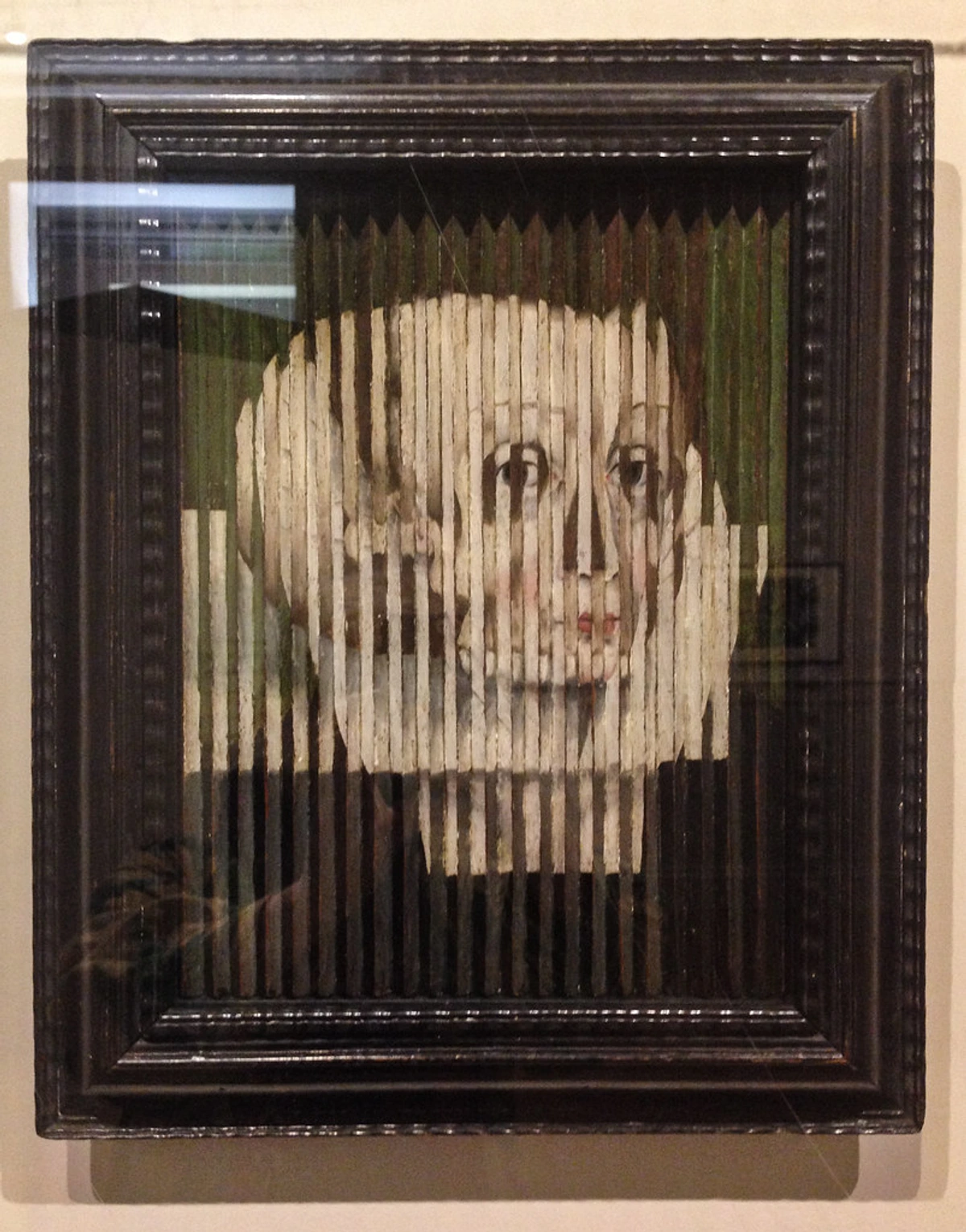
Technical Skill and Craftsmanship: Measurable Proficiency
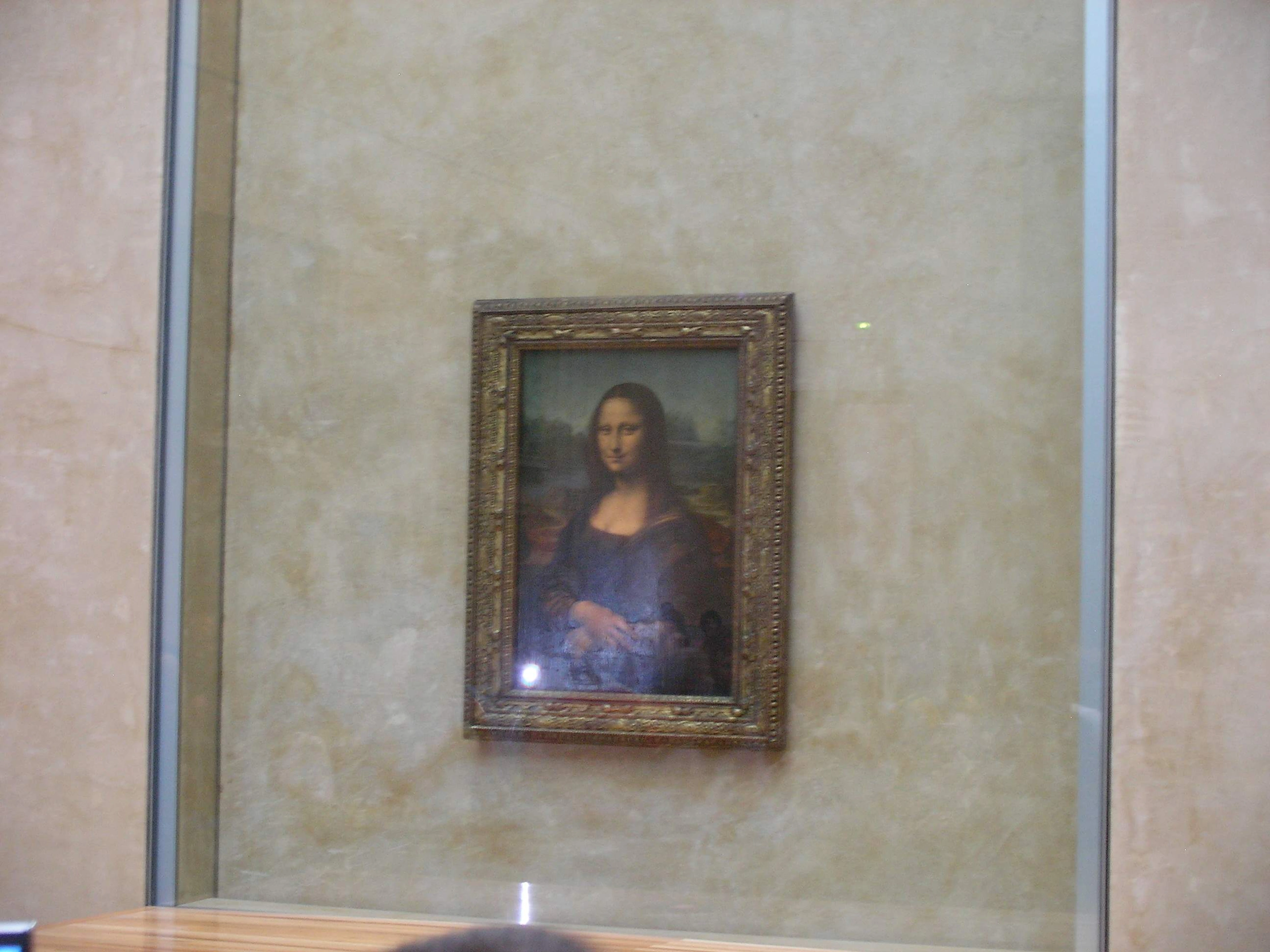
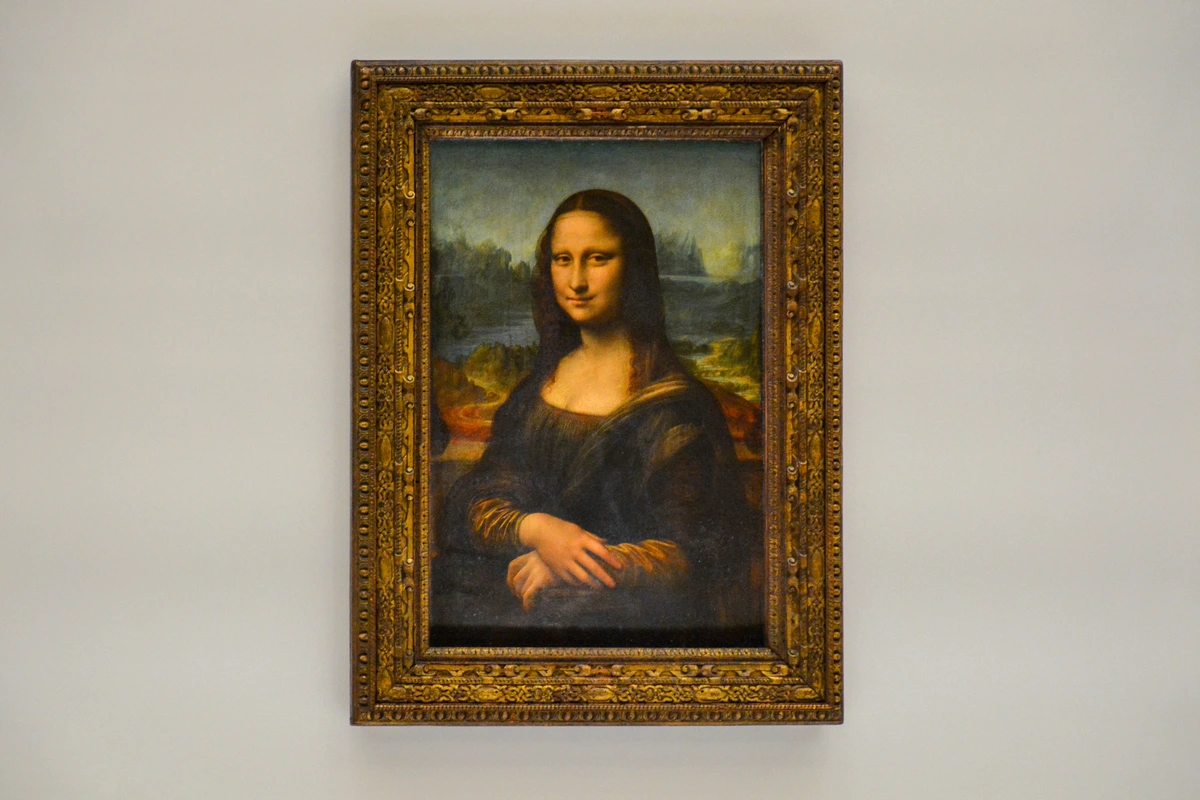
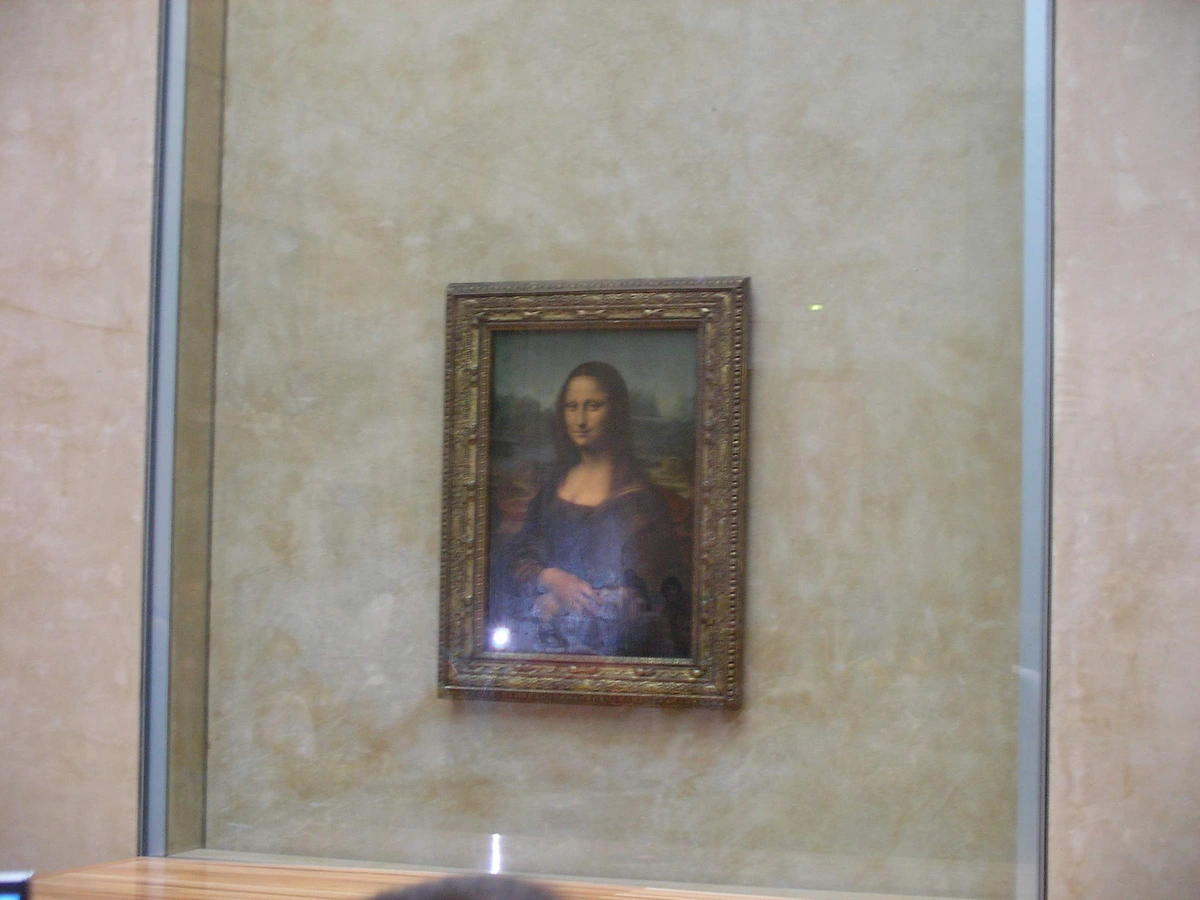
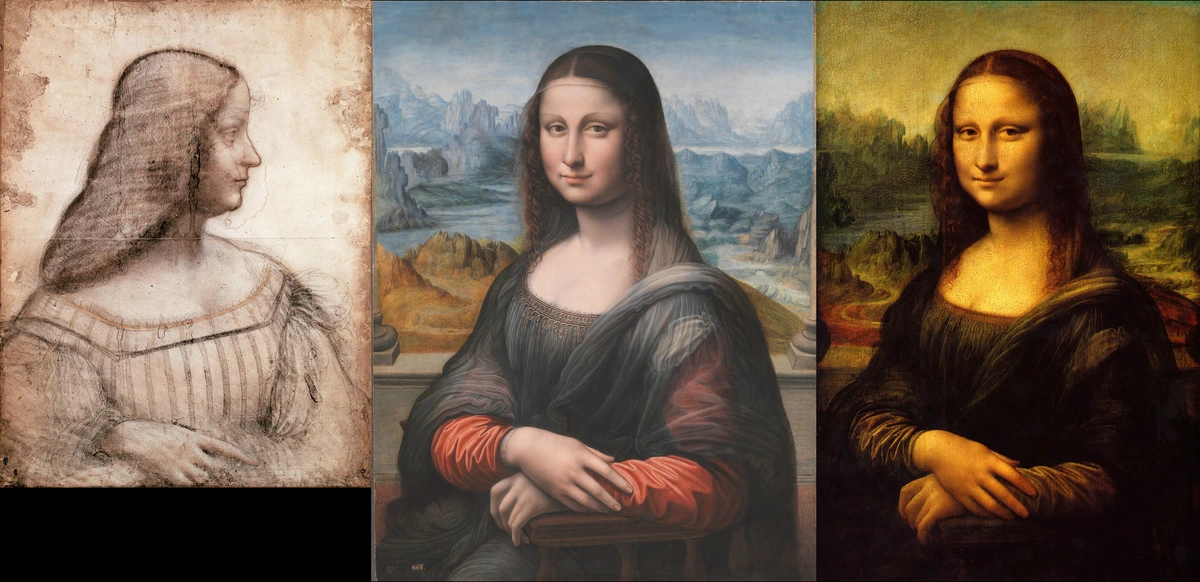
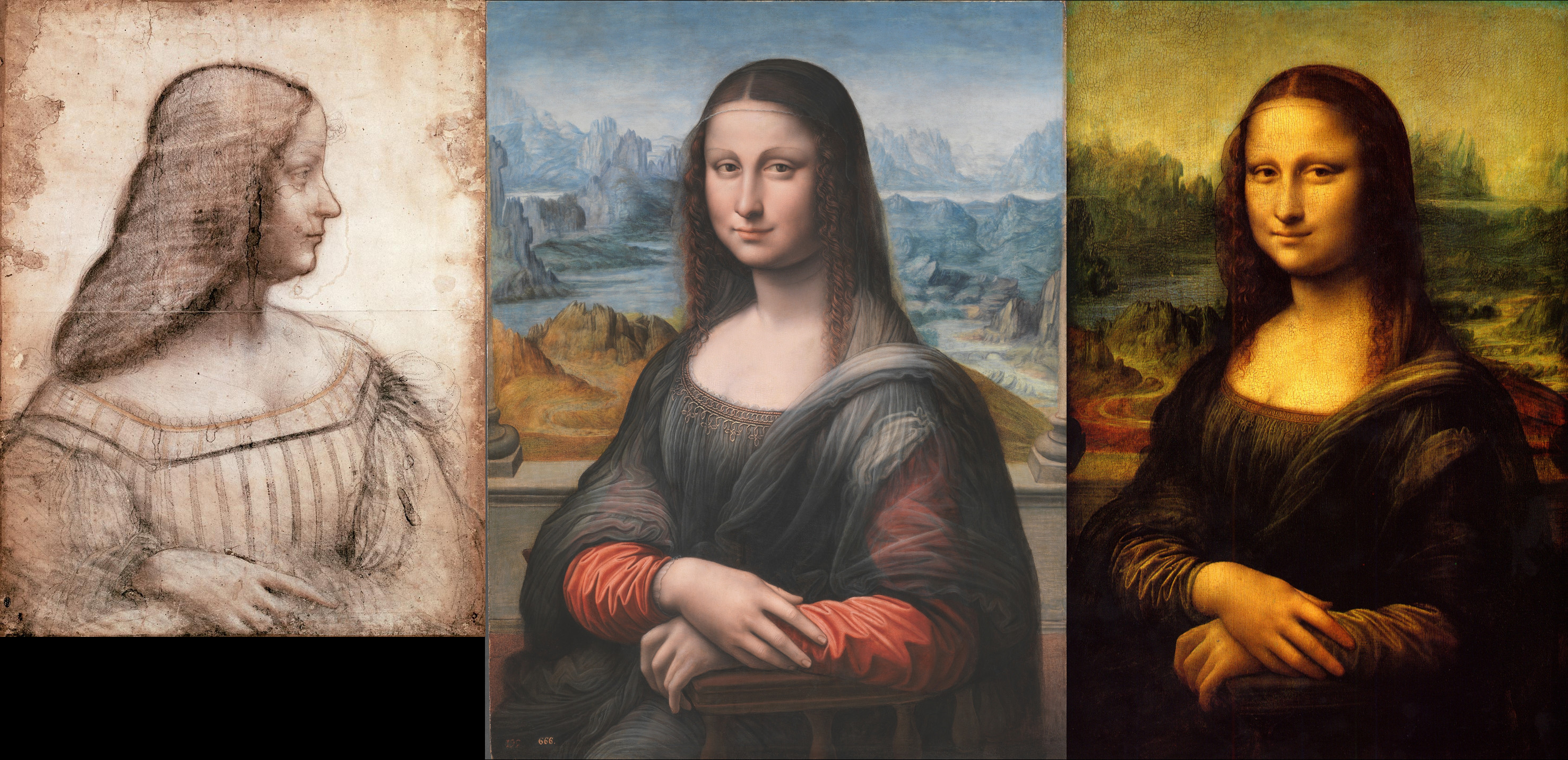
Consider the breathtaking mastery of a Renaissance painter like Vermeer, or the intricate detail of a sculptor like Michelangelo. Their ability to render form, manipulate materials, and execute complex techniques often commands universal respect. This isn't about whether you personally 'like' the subject matter of "Girl with a Pearl Earring"; it's about the artist's dedication, precision, and demonstrable technical skill. This level of exceptional ability is often referred to as virtuosity. Think of objectively demanding techniques such as chiaroscuro (the dramatic use of light and shadow, famously employed by Rembrandt), sfumato (a subtle blending of colors and tones, creating soft transitions, as seen in Leonardo da Vinci's Mona Lisa), fresco painting (applying pigment to wet plaster), or intricate metal casting (like the lost-wax method). In contemporary art, think of the hyperrealist painters whose works are almost indistinguishable from photographs, the precision required for complex printmaking, or the sophisticated engineering of kinetic sculptors (what-is-kinetic-art-movement-in-modern-sculpture). This measurable proficiency contributes significantly to an artwork's perceived quality and art value. I often think about the painstaking process behind a truly refined brushstroke or a perfectly blended color – it’s a craft that demands respect, regardless of what the final image evokes in me. The ability to control a medium and execute a vision is an objectively assessable aspect of art. For collectors, assessing an artist's craftsmanship and technical innovation is a crucial objective criterion that helps distinguish lasting quality from fleeting trends.

Art Historical Impact and Innovation: Shifting Paradigms and Patronage
An artwork's impact on subsequent generations, its innovation, and its place within the historical narrative of art can also be assessed with a degree of objectivity. Certain works are recognized for fundamentally shifting paradigms, influencing entire movements, or capturing the zeitgeist of an era. Zeitgeist refers to the defining spirit or mood of a particular period, which art often powerfully reflects. Think of Marcel Duchamp's "Fountain," which redefined what could be considered art by challenging the very concept of authorship, the role of the gallery, and the definition of an art object itself (a prime example of conceptual art, where the idea takes precedence over traditional aesthetics), or Picasso's "Les Demoiselles d'Avignon," which shattered traditional Western painting conventions by introducing fractured perspectives and African mask influences, paving the way for Cubism. These were fundamental paradigm shifts. We delve into this in articles like the-evolution-of-abstract-art:-key-movements-and-their-collectible-value. A more recent example might be Nam June Paik's pioneering video art, which objectively introduced electronic media as a legitimate artistic form, fundamentally altering the trajectory of art. Even the Realist movement, with its objective aim to depict life as it truly was, or the Impressionists, who innovated by capturing the subjective experience of light through objective optical science, represent clear historical shifts. These are objectively pivotal moments, regardless of individual preference. Furthermore, technological advancements like printmaking revolutionized art's accessibility, photography shifted its representational purpose, and today's digital tools continue to redefine its creation and dissemination, all objectively changing art's historical trajectory and impact.
The role of patronage throughout history also objectively shaped what art was created and valued. From royal courts commissioning grand portraits to the church funding monumental altarpieces, patrons often dictated subject matter, scale, and even style, profoundly influencing the artistic output and its place in history. This external influence is an objective factor in understanding art's historical trajectory. For collectors, a piece's historical significance and documented influence are key indicators of its long-term value.

Authenticity, Provenance, and the Question of "Bad Art"
Beyond aesthetic and historical impact, a crucial objective criterion is an artwork's authenticity and provenance. Is the work genuinely by the artist it's attributed to? This isn't a matter of taste but of verifiable fact, established through documentation, scientific analysis, and expert consensus. The provenance chain – the documented history of ownership – is an objective record that establishes a work's legitimacy, helping to detect forgeries and significantly impacting its market value and historical record. This factual foundation is entirely independent of any subjective aesthetic judgment. For collectors, understanding and verifying provenance is absolutely non-negotiable, acting as a bulwark against fraud and ensuring the integrity of your collection. It's the boring but utterly essential homework that separates the serious collector from the casual buyer. We touch upon this in a-collectors-guide-to-identifying-and-avoiding-art-forgeries-in-the-abstract-market.

This also leads to the uncomfortable question of "bad art." While subjective taste dictates what we personally enjoy, objective criteria can certainly identify art that demonstrates a lack of technical skill, a poor understanding of compositional principles, or a failure to innovate within its chosen form. A forgery, for instance, might be technically brilliant – the forger could be a master craftsman – but it is objectively "bad" in terms of authenticity and original artistic intent, as it misrepresents its creator and history. This distinction between the objective skill of execution and the objective truth of its origin is vital.

Universal Human Experience and Archetypes: Collective Resonance
Some themes and emotions are so deeply ingrained in the human psyche that they transcend cultural boundaries. Love, loss, joy, fear, struggle – art that taps into these fundamental experiences can achieve a near-universal resonance. Consider the raw anguish depicted in Picasso's "Guernica" (what-is-the-meaning-of-picassos-guernica) or the haunting isolation of Edvard Munch's "The Scream" (ultimate-guide-to-edvard-munch). While the specific cultural expression might vary – the vibrant storytelling of a Fauvist canvas versus the restrained elegance of Japanese ink wash painting depicting joy – the underlying emotional chord often strikes true globally. This is where collective human understanding plays a powerful role in understanding art meaning. Swiss psychiatrist Carl Jung's concept of archetypes – universal, archaic patterns and images that derive from the collective unconscious – finds strong manifestation in art, creating symbols and narratives that resonate across diverse cultures. Think of the universal appeal of the "Mother and Child" motif, found in countless forms from ancient goddesses to Renaissance Madonnas and contemporary sculptures. Beyond this, archetypes like the Hero's Journey (the narrative pattern of adventure and transformation, seen in epic tales and visual arts alike), the Trickster (a mischievous or rebellious figure), or the Shadow (the unconscious, repressed aspects of the self) frequently appear in art across diverse cultures, albeit with different specific imagery. While the interpretation of that archetype might vary, its fundamental recognition as a symbol of nurturing and life (or transformation, or rebellion, or hidden depths) is deeply, objectively human. We explore this further in the-psychology-of-color-in-abstract-art-beyond-basic-hues and translating-emotion-into-abstract-art-my-process-of-visual-expression. This shared human core is also why art can be so powerful as art as communication, conveying complex ideas and feelings across boundaries, and why art as therapy has such objective benefits for mental well-being, by helping individuals process these universal emotions.

And here, a table summarizing some key objective criteria for art interpretation:
Objective Criterion | Assessment Focus |
|---|---|
| Formal Elements & Principles | Compositional strength, skilled use of line, color, form, balance, contrast, rhythm |
| Technical Skill | Mastery of medium, execution, craftsmanship, innovation in technique, virtuosity |
| Innovation & Influence | Impact on art history, originality, paradigm shifts, influence on movements |
| Historical Significance | Reflection of cultural zeitgeist, documentation of an era, patronage |
| Authenticity & Provenance | Verified origin, artist, and history of ownership, ethical considerations |
The Dynamic Dialogue: Artist's Intent Meets Viewer's Interpretation
So, we have the intensely personal and the broadly universal. But how do these two forces collide and collude in the actual experience of art? This is often where the most fascinating part of the subjective/objective debate unfolds: the interplay between artist's intention and what the audience ultimately makes of it. Having explored the objective underpinnings and the measurable qualities of art, we now turn to the crucial point of interaction: how the artist's original vision meets the viewer's evolving interpretation. It’s a bridge between two worlds.

The Artist's Vision: A Starting Point and Guiding Hand
Every artist, to varying degrees, imbues their work with intention. They might have a specific message, an emotion they wish to evoke, or an idea they want to explore through pure aesthetic form or material experimentation. For many, understanding why-i-paint-abstract:-my-personal-philosophy-and-artistic-vision is crucial to fully appreciating their work. This intent can guide our interpretation, offering a framework for meaning. It's like a whispered suggestion from the creator, a breadcrumb trail in the woods. Artists also subtly guide interpretation through their choices: a provocative title, a detailed artist statement, or even the layout of an exhibition can nudge the viewer towards a particular understanding. This guiding hand is not about dictating meaning, but offering pathways. I often think about my own process of translating-emotion-into-abstract-art-my-process-of-visual-expression – there's definitely a core feeling or concept I'm trying to capture, even if it's not a literal narrative.
The "Death of the Author" and Interpretive Communities
However, once an artwork leaves the artist's studio, it takes on a life of its own. Roland Barthes' concept of the "death of the author" sounds a bit dramatic, doesn't it? But bear with me: essentially, it suggests that the artist's original intention is just one possible interpretation, and not necessarily the definitive one. The artwork becomes an independent entity, and the viewer's reading holds equal, if not greater, weight. The artwork becomes a fertile ground for diverse meanings. Consider the layered interpretations of visual-storytelling-techniques-in-narrative-art where the narrative unfolds differently for each viewer, based on their individual background. This is also where "interpretive communities" come into play – groups of people who share similar cultural backgrounds, academic training, or life experiences, and thus often arrive at similar interpretations, creating a shared, albeit still subjective, understanding. It's a fascinating phenomenon, reminding us that meaning isn't fixed, but fluid and collectively shaped.

A Personal Reflection: When Meanings Diverge
I remember one time, I showed a new abstract piece to a friend. I had poured a very specific emotion – a sense of quiet solitude after a storm – into it. She, however, saw intense, vibrant joy, saying it reminded her of a bustling summer market. My initial reaction was, "But that's not what I meant!" (and honestly, sometimes it is a bit frustrating when your carefully crafted message gets completely reinterpreted!). Yet, as she explained her reasoning, describing the energetic brushstrokes and warm colors, I realized her interpretation was entirely valid. It taught me a valuable lesson: the artwork functions as a bridge, and sometimes the viewer walks a path on that bridge I never anticipated. This isn't a failure, but a testament to art's power to resonate uniquely with each individual.

Semiotics: Decoding the Signs of Art as Communication
Semiotics is the study of signs and symbols and their interpretation. In art, this means analyzing how visual elements, gestures, colors, and objects function as signs that carry meaning. This field helps us objectively identify the signs an artist uses, even if their full resonance is interpreted subjectively. Semiotics distinguishes between three types of signs:
- Iconic Signs: These resemble their referent. A portrait is an iconic sign of a person. A painting of a storm is an iconic sign of a stormy sky. They visually look like what they represent.
- Indexical Signs: These have a direct, causal relationship with their referent. Smoke is an indexical sign of fire. In art, a crack in a canvas might be an indexical sign of age or damage; a specific brushstroke might be an indexical sign of the artist's hand. They point to something.
- Symbolic Signs: These have an arbitrary or conventional relationship with their referent, often culturally determined. A red rose universally signifies love in many Western cultures (a conventional symbolic sign), but its specific nuances (passionate, tragic, fleeting) might be interpreted differently based on personal experience. A skull might symbolically represent mortality, but its emotional impact will vary. They are understood through cultural agreement.
Semiotics highlights how meaning is both encoded by the artist (intentionally or not, through conventional or iconic signs) and decoded by the viewer. It's a powerful tool for analyzing art as art as communication, revealing the layers of embedded meaning.
Beyond the Canvas: The Influencers of Art's Perceived Value
The conversation about art's subjectivity versus objectivity doesn't just happen in a vacuum of personal experience or academic debate. It's profoundly shaped by external forces that assign value and meaning, influencing what we collectively deem important or even 'good' art. This is where the "art world" as a social construct truly comes into play, with institutions and gatekeepers shaping collective subjective reception.
The Lens of the Critic and Curator
Professional critics and curators play a significant, often underappreciated, role in shaping art perception and contributing to a sense of "objective" value. Through their extensive knowledge, informed discourse, and the context they provide in exhibitions and writings, they guide public understanding and elevate certain works or artists. They act as filters, highlighting formal qualities, historical significance, or cultural relevance, influencing what we collectively deem important or even 'good' art. This isn't to say their word is gospel, but their insights undoubtedly frame our art interpretation and can sometimes even shift our subjective appreciation by revealing layers we might have missed. For collectors, paying attention to reputable critical discourse can help refine your eye for objective merit, complementing your personal taste. Understanding the nuances of evaluation is also key here; you might find our guide on understanding-art-appraisals-what-every-collector-needs-to-know insightful.

The Art Market: Where Objective Qualities Meet Subjective Desire and Value
Then there's the art market. While personal enjoyment is subjective, the market assigns a very concrete, if sometimes volatile, art value. This value is influenced by factors that lean heavily into objective criteria: the artist's provenance (their documented history, fame, exhibition record), the scarcity of their work, its physical durability and condition, and its documented art historical impact. A Picasso commands a high price not just because millions of people 'like' it, but because of its undeniable historical significance, the artist's influence, and the sheer rarity of his authentic works. Beyond market price, art also holds cultural value (its significance to a society or community), historical value (its role in documenting or shaping an era), and profound personal value (its emotional or intellectual impact on an individual). Yet, even here, subjective desire – a collector's personal connection to a piece, or the speculative thrill of investment – can drive prices to astronomical levels, demonstrating the enduring push and pull of these two forces. Andy Warhol's iconic "Campbell's Soup Cans" (what-are-warhols-campbells-soup-cans) are a perfect example of how mass-produced imagery, initially viewed with skepticism, can gain immense market and cultural value due to their revolutionary approach and historical context. The market, in essence, is a complex interplay of verifiable facts and collective, subjective desires, sometimes even speculative bubbles. For collectors, making informed decisions means balancing your personal passion with objective research into market trends, artist's reputation, and provenance. This dual approach helps you distinguish between a fleeting trend and a work of enduring quality. The art pieces available at [/buy] represent this balance – works crafted with skill and intent, yet ready to be imbued with your unique interpretation.

The Role of Medium and Material: Intrinsic Qualities and Artistic Choices
The choice of medium and materials also plays an objective role. Oil paint behaves differently than watercolor, bronze has different properties than clay, and digital art exists in a fundamentally different space than a physical canvas. These inherent qualities of the medium – its permanence, texture, luminosity, or interactive potential – objectively influence what an artist can create and how a viewer experiences it. The tactile quality of a heavily impasto oil painting offers a different sensory experience than the ephemeral glow of a projected digital artwork. Understanding the properties and limitations of the medium contributes to an objective assessment of the work's execution and an appreciation of its unique qualities. For an artist, mastering the chosen medium is a continuous journey of understanding its objective possibilities and limitations, allowing for more precise subjective expression. I remember being completely captivated by the way a master painter could make light almost glow on a canvas, purely through their command of oil paints – it was an objective skill that created a subjective wonder. We explore some of this in articles like the-definitive-guide-to-mixed-media-in-abstract-art-techniques-materials-and-contemporary-masters.

New Frontiers: The Role of Technology in Art's Evolution
Modern technology constantly blurs the lines and adds new dimensions to the subjective/objective debate. Digital art, for instance, exists as objective code and data, yet its visual manifestation and emotional impact are as subjective as any traditional medium.
- Digital Tools and AI Art: The rise of AI-generated art poses fascinating questions. Objectively, an AI algorithm can create a piece based on specific parameters (objective inputs) and vast datasets. Yet, the human curator's selection of that AI-generated piece, or the viewer's subjective appreciation of its aesthetics or conceptual novelty, remains paramount. Authorship and originality become complex – is the AI the artist, or the human who prompted it? This is a question currently being grappled with in the art world, and honestly, I don't think we have a clear answer yet. I find myself wondering if an AI could ever truly feel the "quiet solitude after a storm" that I tried to put into my own abstract piece, or if it can only simulate the visual representation of that feeling. This is a topic we've delved into in articles like the-role-of-ai-in-art-curation-opportunities-and-challenges-for-galleries-and-collectors and understanding-the-ai-art-market-trends-opportunities-and-ethical-considerations-for-collectors.
- VR/AR Experiences: Virtual and augmented reality art offers deeply immersive, interactive experiences. The objective digital constructs create the environment, but the individual's journey through that space, their emotional response, and the unique choices they make within it are intensely subjective. It's a new frontier where the blend of objective framework and subjective experience is explicitly designed.
- NFTs and Digital Ownership: NFTs (Non-Fungible Tokens) primarily offer an objective proof of ownership and authenticity for digital art, leveraging blockchain technology. They can establish a verifiable provenance chain for digital works, which is an objective criterion. However, the intrinsic artistic value, aesthetic merit, and subjective experience of the digital art itself remain entirely separate from the NFT. The market value of an NFT might be objectively high due to scarcity or hype, but the subjective appreciation of the art it represents is still debated and highly personal. It's important to separate the transactional proof from the artistic content, and to remember that digital ownership doesn't automatically equate to artistic value. My skepticism here remains: the 'value' of an NFT often seems more about the transaction than the inherent art itself.
What Is Art, Anyway? An Ever-Evolving Question
Before we reconcile the subjective and objective, it's worth a brief detour into a foundational question that underlies this whole debate: What is art? The definition isn't static; it evolves with every new movement, every technological leap, and every societal shift. For centuries, art was largely defined by its ability to realistically depict the world – a predominantly aesthetic definition. Then came Impressionism, Abstract Expressionism, and conceptual art, pushing boundaries and challenging conventions by prioritizing ideas over execution. Today, with digital art, performance art, installation art, street art, glitch art, and AI-generated works, the lines are blurrier than ever. Beyond aesthetics, art can also be functionally defined by its purpose: art as communication, art as expression, art as therapy, or art as social commentary. My own journey into abstract art, for example, is less about depicting reality and more about the-emotional-resonance-of-my-abstract-art-how-feelings-guide-my-brushstrokes – a very different aim from a Renaissance portrait. Understanding art meaning today often requires an openness to non-traditional forms and a willingness to engage with new ideas about what creativity can be. It's truly a testament to the boundless nature of human ingenuity. And remember, the "art world" itself is a social construct, continually defining and redefining what is deemed "art" at any given moment.
A Spectrum, Not a Dichotomy: The Nuance of Art
Ultimately, art's essence doesn't reside solely in the subjective or the objective. It thrives in the fertile, often messy, space between. It is undeniably a spectrum, much like light can be both a wave and a particle, or a complex piece of music is both mathematically structured and emotionally evocative. Certain aspects, like technical prowess, formal elements, or historical impact, lean heavily towards objective assessment, allowing for informed critical discourse and an artist's rigorous training. Others, like emotional resonance, personal beauty, or an artwork's subjective therapeutic effect, are firmly rooted in our individual psyches. And many, many works exist in the glorious, complex middle, where both lenses are absolutely essential for a truly complete and rich art interpretation. To attempt to strip art of either its objective qualities or its subjective impact is to diminish its profound power.
It is this complex interplay that makes the world of art so compelling and eternally relevant. It challenges us to look deeper, to feel more profoundly, and to engage in meaningful discourse, moving beyond simple 'likes' and 'dislikes' into a deeper understanding of both the art and ourselves. For the engaged viewer, this means transforming passive looking into active engagement, asking both "How does this make me feel?" and "What technical elements or historical contexts might also be at play here?". This dual approach enriches your experience, making you a more empowered participant in the artistic dialogue. It’s about finding that sweet spot where your authentic self meets skilled execution, fostering a deeper, more informed art appreciation.

Frequently Asked Questions About Art and Interpretation
To wrap things up, here are some common questions I hear about the subjective and objective nature of art, and my thoughts on them.
What does it mean for art to be subjective?
For art to be subjective means that its meaning, beauty, and impact are primarily determined by the individual viewer's personal experiences, emotions, cultural background, and tastes, rather than by inherent, universal qualities of the artwork itself. It's about how the art makes you feel or what it means to you at a particular moment in time. It acknowledges that my response to a piece will almost certainly differ from yours, and that's perfectly okay. It's about personal resonance, leading to unique art interpretation.
Are there any universally beautiful artworks?
While absolute universal beauty is debatable due to subjective perception (aesthetic relativism), certain artworks achieve near-universal acclaim and resonance because they tap into fundamental human experiences, emotions, or demonstrate extraordinary technical skill that transcends many cultural boundaries. Think of pieces that evoke awe, sorrow, or joy in a broad audience, often demonstrating elements of aesthetic universalism. However, even universally acclaimed beauty is filtered through individual experience, making true universally experienced beauty a complex concept. The impact of a piece like Michelangelo's David might be almost universally appreciated for its technical mastery, but the feeling it evokes in each person remains unique. It's the craft that's universally admired, not necessarily the subjective thrill.
How does cultural context affect art appreciation?
Cultural context profoundly affects art appreciation by providing the framework through which an artwork was created and is understood. Symbolism, artistic conventions, themes, and even the very purpose of art vary drastically between cultures and historical periods. For example, a ceremonial mask from an indigenous culture holds deep spiritual significance within its original context, which a contemporary Western viewer might miss without proper education. Understanding this context can unlock deeper meanings that might otherwise be lost on a viewer from a different background, highlighting cultural relativism. It's about seeing the art through the eyes of its creators and original audience, as much as through your own. Without it, you might be missing half the story.

Can an artist's intent be completely ignored?
While Roland Barthes' "death of the author" suggests the viewer's interpretation holds significant weight, an artist's intent can never be completely ignored. It serves as a crucial starting point, a guide to the work's initial creation, and often enriches our understanding. However, the meaning of an artwork often evolves beyond the artist's original vision as it enters the public sphere and is reinterpreted by diverse audiences and successive generations. For conceptual art or performance art, where the idea or process is paramount, the artist's documented intent can be even more integral to the work's meaning than for traditional forms. It's a dialogue, not a monologue, and the artist gets the first word, but rarely the last.
How should I approach abstract art if I don't "get" it?
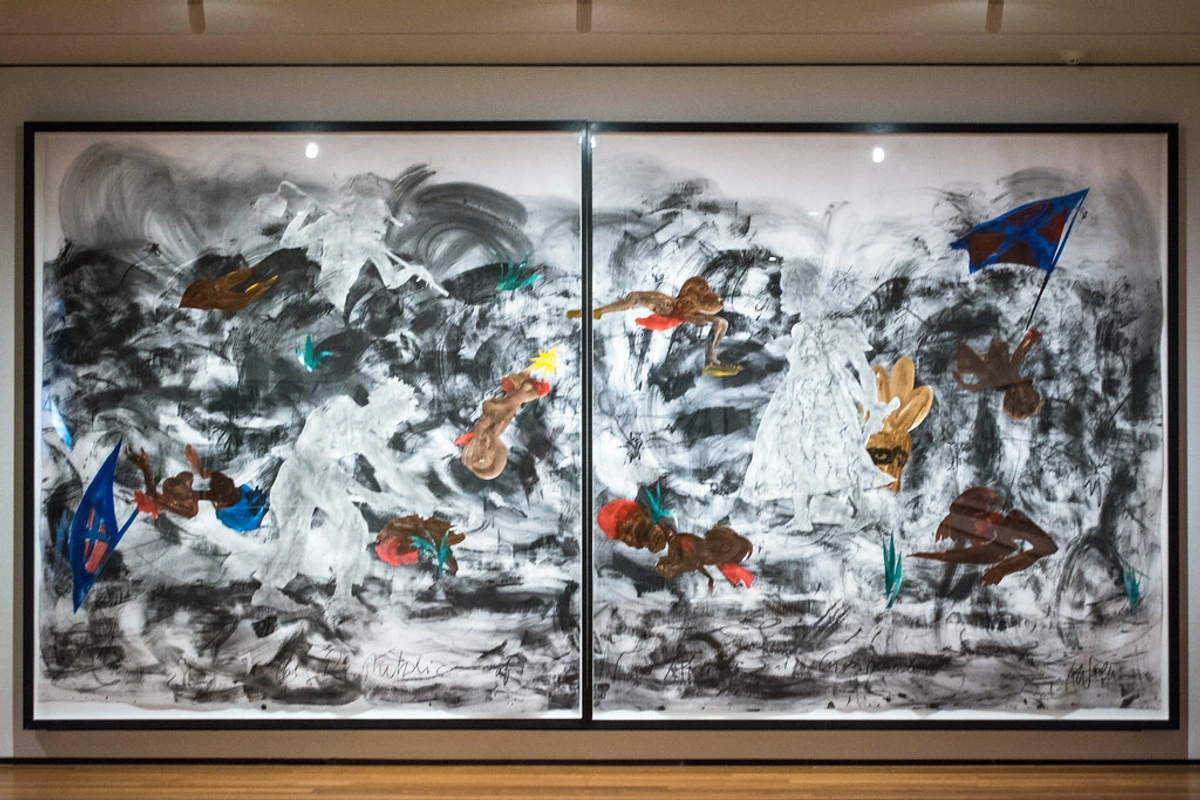
If you don't immediately "get" abstract art, don't feel pressured! Approach it with an open mind and allow yourself to simply experience it. Instead of searching for a literal image, focus on the elements of art and principles of design: the colors, shapes, lines, textures, and how they interact. What emotions do they evoke? What sensations? What memories? Let your subjective response lead the way, and perhaps explore resources like the-emotional-resonance-of-my-abstract-art-how-feelings-guide-my-brushstrokes for insights into the artist's perspective. There is no single "right" way to experience it; the "getting" is often in the feeling, not the deciphering. Trust your feelings – that's often the best starting point for understanding art meaning in abstract works.
What's the difference between art appreciation and art criticism?
Art appreciation is primarily a subjective and personal experience. It's about allowing yourself to connect with an artwork on an emotional, aesthetic, or intellectual level, finding personal meaning and enjoying the experience without necessarily analyzing it in depth. Art criticism, on the other hand, involves a more objective and analytical approach. It applies established criteria (like formal elements, historical context, technical skill, and conceptual innovation) to evaluate an artwork's strengths, weaknesses, and significance. While appreciation is about feeling, criticism is about informed judgment and discourse. Both are vital for a rich engagement with art, but they serve different purposes: one for personal enjoyment, the other for public understanding and evaluation.
How do NFTs relate to the subjective/objective debate in art?
NFTs (Non-Fungible Tokens) primarily offer an objective proof of ownership and authenticity for digital art, leveraging blockchain technology. They can establish a verifiable provenance chain for digital works, which is an objective criterion. However, the intrinsic artistic value, aesthetic merit, and subjective experience of the digital art itself remain entirely separate from the NFT. The market value of an NFT might be objectively high due to scarcity or hype, but the subjective appreciation of the art it represents is still debated and highly personal. It's important to separate the transactional proof from the artistic content, and to remember that digital ownership doesn't automatically equate to artistic value. My skepticism here remains: the 'value' of an NFT often seems more about the transaction than the inherent art itself.
How can emerging artists balance subjective expression with objective merit?
This is a fantastic question for any artist. I believe the balance comes from a deep self-awareness. Embrace your unique subjective voice, your personal stories, and the emotions you want to express – that's what makes your art truly yours. But simultaneously, dedicate yourself to understanding and mastering the elements of art and principles of design, as well as your chosen medium's technical demands. These objective foundations provide the structure and skill necessary to effectively communicate your subjective vision, ensuring your work has both emotional depth and formal strength. It's about finding that sweet spot where your authentic self meets skilled execution. It's a continuous dance between intuition and discipline, crucial for developing your artistic style.











How do I develop my own artistic taste?
Developing your artistic taste is a deeply personal and ongoing journey, much like cultivating a palate for fine cuisine. Start by exposing yourself to a wide variety of art – visit museums, galleries, open studios, and online platforms (like [/den-bosch-museum] or [/timeline] for inspiration). Pay attention to what genuinely resonates with you, emotionally and intellectually, without judgment. Read about art history and theory (like on [/finder/page/most-important-artists]) to understand different movements and contexts, but let your gut feeling be your primary guide. Reflect on why you like or dislike something. Is it the color palette? The subject matter? The technique? Don't be afraid for your tastes to evolve; mine certainly have! The key is active engagement and consistent exposure, allowing your unique perspective to form and deepen. It's about trusting your own art perception and letting it guide you.
What objective factors should collectors consider when investing in art, especially from emerging artists?
For collectors, especially when looking at emerging artists, it's a careful dance between subjective passion and objective due diligence. Beyond your personal connection to a piece (which is paramount!), objectively assess the artist's technical skill and craftsmanship. Look for innovation in their approach or materials. Research their exhibition history, any awards, or critical recognition. Consider the durability and condition of the artwork. For emerging artists, while historical impact isn't yet established, their consistency, dedication to their practice, and unique artistic voice can be strong objective indicators of future potential. And, of course, always verify authenticity and provenance where possible. It's about making an informed decision that honors both your heart and your head. Think of it as investing in potential, backed by solid foundational evidence. You can also look for opportunities to [buy-art-in-india] or connect with [buying-art-local-artists] to diversify your collection and support new talent.
Conclusion: The Richness of Art's Dual Nature
So, is art subjective? Yes, absolutely. And is it objective? Also yes. The real magic, I've found, isn't in trying to force it into one box or the other. It's in embracing the beautiful, complex interplay between the two. Art challenges our intellect with its history and its formal structures, and it stirs our souls with its capacity for deeply personal connection. It's a mirror reflecting both the universal human experience and our unique individual journeys. To truly appreciate art is to engage with both its measurable qualities and its immeasurable impact. It’s an ongoing conversation, one that deepens with every piece we encounter, inviting endless personal discovery and collective dialogue about what it means to be human in a world full of beauty and meaning. And for me, that's why I'll keep looking, keep creating, and keep asking questions.