What is the Meaning of the Mona Lisa? A Personal Guide
Unravel the mystery behind the world's most famous smile. We go beyond the theories to explore the true meaning of the Mona Lisa and why it still captivates us.

The Mona Lisa: Decoding the World's Most Enigmatic Smile
I have to be honest with you. The first time I encountered the Mona Lisa, whether in a textbook or plastered across some tourist souvenir, my immediate thought was often, "...is that really it?" (And let's be real, a quick Google search will show you countless memes asking the exact same thing.) It's like hearing whispers of a legendary, mythical creature, and then seeing a somewhat ordinary-looking animal. The hype is, and has always been, immense. This isn't just a painting; it's a global phenomenon, a true cultural touchstone reproduced on everything from mugs and t-shirts to high art parodies, and even becoming a subject of countless conspiracy theories.
But what truly is the meaning of the Mona Lisa? Why does this one portrait, out of countless masterpieces, command such an enduring, almost mystical, fascination? What secrets does she hold, or what secrets do we want her to hold? For me, it's a canvas onto which generations can project their own curiosities, their own evolving understanding of art, and perhaps even themselves. And that, I've come to believe, is the Mona Lisa's ultimate, ever-changing superpower – a mystery wrapped in a riddle, perpetually inviting us to look closer, and prompting us to consider what it means to truly see and interpret art in a world that constantly seeks definitive answers. This article will be your comprehensive guide to unpacking every layer of this enduring puzzle.
It took me a while, but I've come to understand that the magic isn't in a single, hidden secret. It's a complex tapestry woven from several key threads: the mysterious identity of the woman herself, Leonardo da Vinci's groundbreaking artistic and scientific techniques—which, honestly, changed the game for understanding the elements of art and the very essence of Renaissance portraiture—and, perhaps most profoundly, the layers of meaning we have projected onto her over half a millennium. When I look at the Mona Lisa, I don't just see paint on wood; I see a mirror reflecting human nature, our perception of beauty, the evolving narrative of art itself, and the stories we tell ourselves through the objects we deem priceless. It’s a testament to how art can become a living entity, constantly reinterpreted and reborn. So, let's dig into the layers of this enduring puzzle, peeling back the varnish of time and expectation to find something genuinely profound, exploring why she captivated her contemporaries and how she continues to enchant us today.
First Things First: Who Was This Woman? The Identity, the Commission, and Renaissance Society
Life in Renaissance Florence: A Thriving Artistic Hub
Let's ground ourselves in a little historical context. Imagine Renaissance Florence—a bustling, vibrant city state, a crucible of intellectual and artistic innovation. This wasn't just any city; it was the epicenter of the Renaissance, where wealthy merchant families like the Medicis patronized artists, philosophers, and scientists, fueling an explosion of creativity. Life was intertwined with commerce, politics, and a fervent rediscovery of classical ideals. Artists weren't just artisans; they were innovators, competing for prestigious commissions and pushing the boundaries of what art could achieve. This dynamic environment shaped Leonardo, and by extension, the Mona Lisa, in profound ways. Understanding this backdrop is crucial to truly appreciating its revolutionary nature.
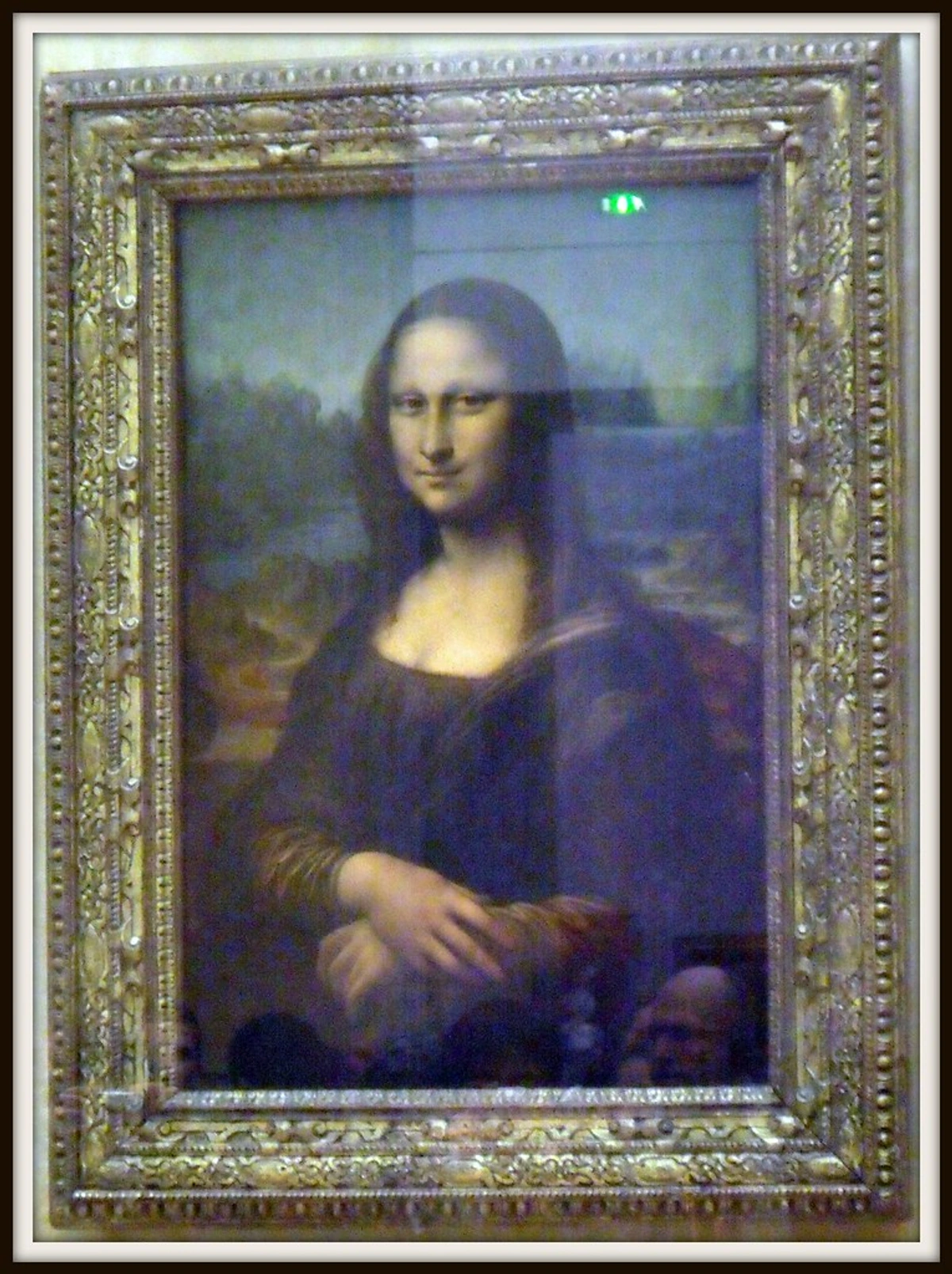
Before we dive headfirst into cosmic symbolism and artistic genius, let's ground ourselves in a little historical context. The woman depicted in the portrait is widely believed to be Lisa Gherardini, the wife of Francesco del Giocondo, a prosperous Florentine silk merchant. Lisa Gherardini was born in 1479 into a moderately wealthy family, a detail that further grounds her in the social fabric of Renaissance Florence. Unlike the grand, often mythologized figures of earlier art, Lisa represented the emergent merchant class – a class that, fueled by commerce and new wealth, was beginning to commission art that celebrated individual achievement and status. Her marriage to Francesco del Giocondo in 1495 was a common arrangement for the time, consolidating social and economic ties between families. Such unions were often strategic, designed to bolster family influence and prosperity in the competitive Florentine landscape. It's this family connection that gives the painting its affectionate Italian title, La Gioconda, and its French equivalent, La Joconde—both directly referring to her married name, "del Giocondo." For me, knowing she was a real person, not a mythical figure, makes the enigma even more compelling. It elevates her from a mere subject to a tangible individual whose inner world Leonardo sought to immortalize, subtly challenging the traditional hierarchies of portraiture and setting the stage for a new, humanist-driven artistic era.
The Mona Lisa wasn't created in a vacuum. Understanding the social and artistic conventions of Renaissance Florence provides a crucial backdrop to truly appreciating its revolutionary nature. While today we take photographs and selfies for granted, a commissioned portrait in the 16th century was a significant undertaking, reserved for royalty, nobility, or the rapidly ascending merchant class who sought to immortalize their status and achievements. Historically, portraits often served very specific functions: documenting lineage, celebrating power, commemorating personal milestones like marriages and births, or even displaying wealth. They were frequently formal, sometimes stiff, and often followed strict conventions that emphasized status over individual personality. It was a visual declaration of one's place in the world, a kind of social ID card that money could buy.
Lisa Gherardini, the supposed sitter, wasn't a queen, a mythical goddess, or a biblical figure. She was a member of the burgeoning merchant class, representing the economic backbone of Renaissance Florence, a city bubbling with artistic and intellectual fervor. Francesco del Giocondo likely commissioned this portrait to celebrate a significant family event, perhaps the birth of their second son, Andrea, in 1502, or the purchase of a new home. These types of portraits were typically commissioned to commemorate such milestones and often served as a visual record of a family's prosperity and standing, a tangible asset of their legacy. This context makes Leonardo’s approach to Lisa’s portrait all the more striking, as it veered dramatically from these established norms, focusing instead on capturing a living, breathing, inner world, a true definitive guide to portraiture. It speaks volumes about the changing values of the time, moving towards a celebration of individual achievement rather than solely divine or aristocratic status. It’s as if Leonardo was declaring, through paint, that everyone possesses an inner world worthy of artistic exploration, a radical idea for its time, and a hallmark of ultimate guide to renaissance art.
What's truly fascinating, and quite telling about Leonardo's revolutionary mindset, is that an artist already of immense renown would dedicate years—from roughly 1503 to 1519—to painting a private citizen. This wasn't a quick job; it was a profound, multi-year engagement with the subject, a true testament to the changing values of the time, moving towards a celebration of individual achievement rather than solely divine or aristocratic status. This extended dedication suggests a profound artistic and intellectual commitment, a deep dive into the subject's psyche. It hints that for Leonardo, the Mona Lisa became far more than a simple commission; it evolved into a personal journey of artistic and scientific exploration, a canvas upon which he could perfect his groundbreaking techniques. For me, this speaks volumes about Leonardo's own worldview, recognizing profound beauty and complexity in the 'ordinary' individual, and a desire to capture not just a likeness, but the very essence of a soul—a radical departure from the often idealized and impersonal portraits of his predecessors.
Leonardo's Patrons and the Commissioning Process
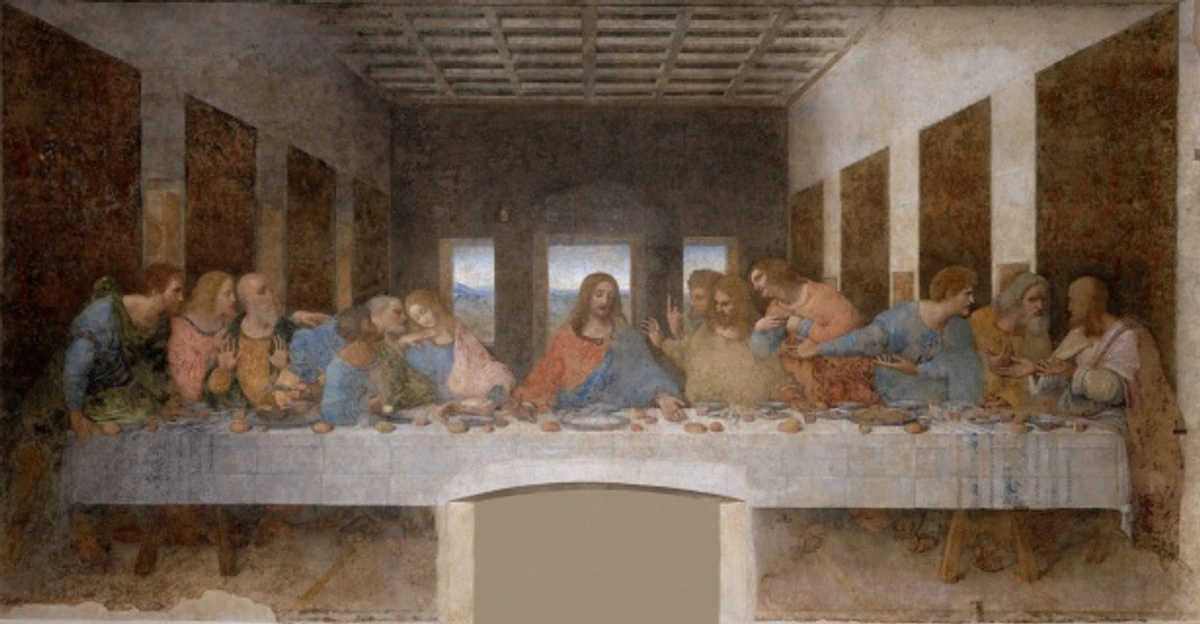
While the Mona Lisa is the most famous example of Leonardo's portraiture, it's worth noting that he worked for a string of powerful patrons throughout his career, from the Medici family in Florence to Ludovico Sforza, the Duke of Milan, and eventually King Francis I of France. These commissions were often for grand religious altarpieces, monumental frescoes like "The Last Supper" (which, let's be real, is a whole other level of iconic), or formal portraits of nobility. These were often meticulously detailed, with strict deadlines and precise subject matter dictated by the patron. So, the fact that he accepted a commission from a relatively obscure silk merchant for Lisa Gherardini, and then spent an unprecedented amount of time on it, speaks volumes. Perhaps it was the challenge of capturing a subtler, more intimate kind of beauty, or perhaps he simply saw something in her that resonated with his own evolving artistic and scientific inquiries. Whatever the precise reason, it underscores how deeply personal this project became for him, moving beyond a mere contractual obligation and into the realm of profound artistic exploration. This willingness to engage with diverse subjects and patrons also shows the versatility of famous Renaissance artists, but the Mona Lisa's protracted creation truly stands alone.
The Mystery of the Unfinished Commission and its Implications
Possible Reasons for the Delay
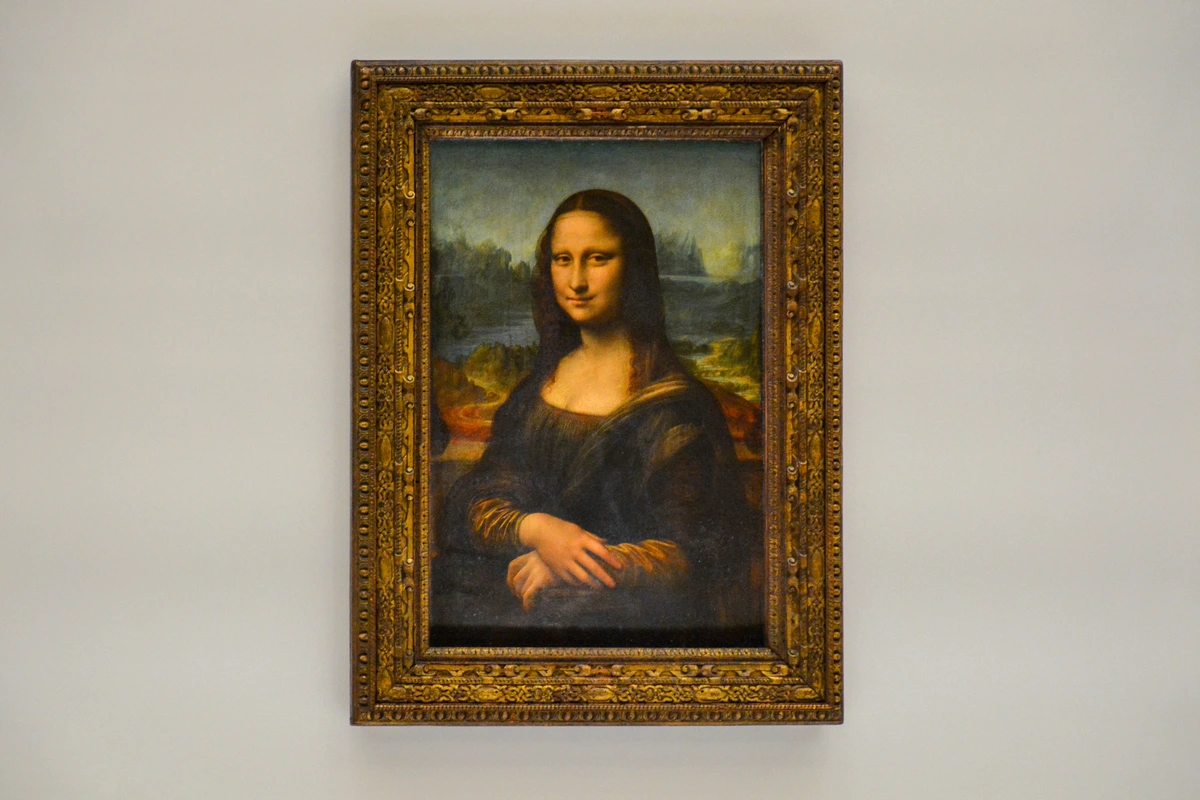
This extended timeframe of the Mona Lisa's creation, nearly 16 years (from roughly 1503 to 1519), is highly unusual for a portrait commission, even for an artist as notoriously slow and meticulous as Leonardo. Typical portraits were often completed within months. This protracted timeline raises intriguing questions: Was it ever truly "finished" in the traditional sense, or did Leonardo consider it a lifelong project? Many art historians lean towards the latter, seeing it as a personal exploration of his artistic and scientific theories rather than a mere delivery to a patron. I mean, who dedicates over a decade to a single portrait if it's just a job, right? There's strong speculation that Lisa Gherardini herself may never have received the completed painting; perhaps Leonardo began it for her and then, due to his profound artistic and intellectual commitment, kept it to continue experimenting and refining. This dedication to a single work, and his refusal to part with it, highlights how much more than a simple likeness he was trying to achieve. It was a canvas for his evolving mastery, a living experiment in capturing the essence of human spirit and the subtle play of light and shadow, truly pushing the boundaries of what portraiture could be. Some theorize that the changing political landscape in Florence, Leonardo's relocation to France, or even his own insatiable wanderlust and shifting interests, played a role in the protracted timeline. Perhaps he was simply never satisfied, always seeking to refine and perfect, a trait common among true geniuses— constantly exploring new mastering glazing techniques in oil painting and visual effects, ever chasing that elusive perfection. For me, this speaks to the artist's ultimate freedom, a defiance of external expectations in pursuit of an inner vision.
The Mona Lisa stands as one of the ultimate monuments of ultimate guide to renaissance art, a period where the philosophical movement of humanism reshaped society's focus from the divine to the individual, emphasizing human potential and achievement. It was a time when the classical ideals of human dignity and worth were rediscovered and celebrated, and Leonardo da Vinci, undoubtedly one of the most famous Renaissance artists, took an ordinary person and, through his unique vision, rendered her timeless. He didn't just paint a likeness; he captured an entire worldview within a single face, elevating the "regular person" to an object worthy of profound contemplation. That, to me, is a truly powerful statement about the inherent value of every human life, a silent declaration that even the 'everyday' holds profound beauty and complexity.
Renaissance Portraiture: Beyond the Conventional
To truly grasp the radical nature of the Mona Lisa, let's put it into perspective with a quick comparison. Imagine the landscape of portraiture Leonardo inherited—largely formal and declarative—versus the profound revolution he sparked with a single, enigmatic smile. This isn't just about technique; it's about a complete philosophical shift in how humanity was depicted.
Feature  | Conventional Renaissance Portraiture | The Mona Lisa's Radical Innovation |
|---|---|---|
| Subject | Nobility, Clergy, Mythological Figures, often idealized | A private citizen (merchant's wife), elevating the 'ordinary' to universal significance |
| Pose | Often stiff, formal profile or three-quarter view, emphasizing status | Relaxed, engaging, almost conversational three-quarter pose, fostering intimacy and direct viewer connection |
| Expression | Often neutral, idealized, stoic, revealing little inner life | Ambiguous, "living" smile through sfumato, inviting viewer interpretation and psychological depth |
| Background | Often plain, symbolic, or architectural elements; sometimes allegorical | Expansive, enigmatic, fantastical landscape with atmospheric perspective, a universe within the portrait, connected to sitter's inner world |
| Focus | Status, lineage, idealized beauty, power, religious devotion | Individual psychology, human emotion, universal connection, a window to the soul, celebrating humanism |
| Technique | Clear outlines, distinct forms, flat lighting, often tempera | Seamless blending (sfumato), atmospheric perspective, subtle chiaroscuro, luminous oil glazes |
This table, I think, really highlights how Leonardo wasn't just following trends; he was actively forging new paths, redefining what a portrait could be and, perhaps more importantly, what it could convey. He was essentially writing a new chapter in the definitive guide to portraiture, taking the established rules and, with a subtle twist of his brush and a profound depth of insight, rewriting them entirely. It’s a testament to his audacity and singular vision.
You see, even in preparatory drawings, Leonardo was meticulous. He was trying to capture something deeper than just a physical likeness. And this pursuit of psychological depth, this capturing of an inner world, is a continuous thread in art history, one you can see echoed centuries later.
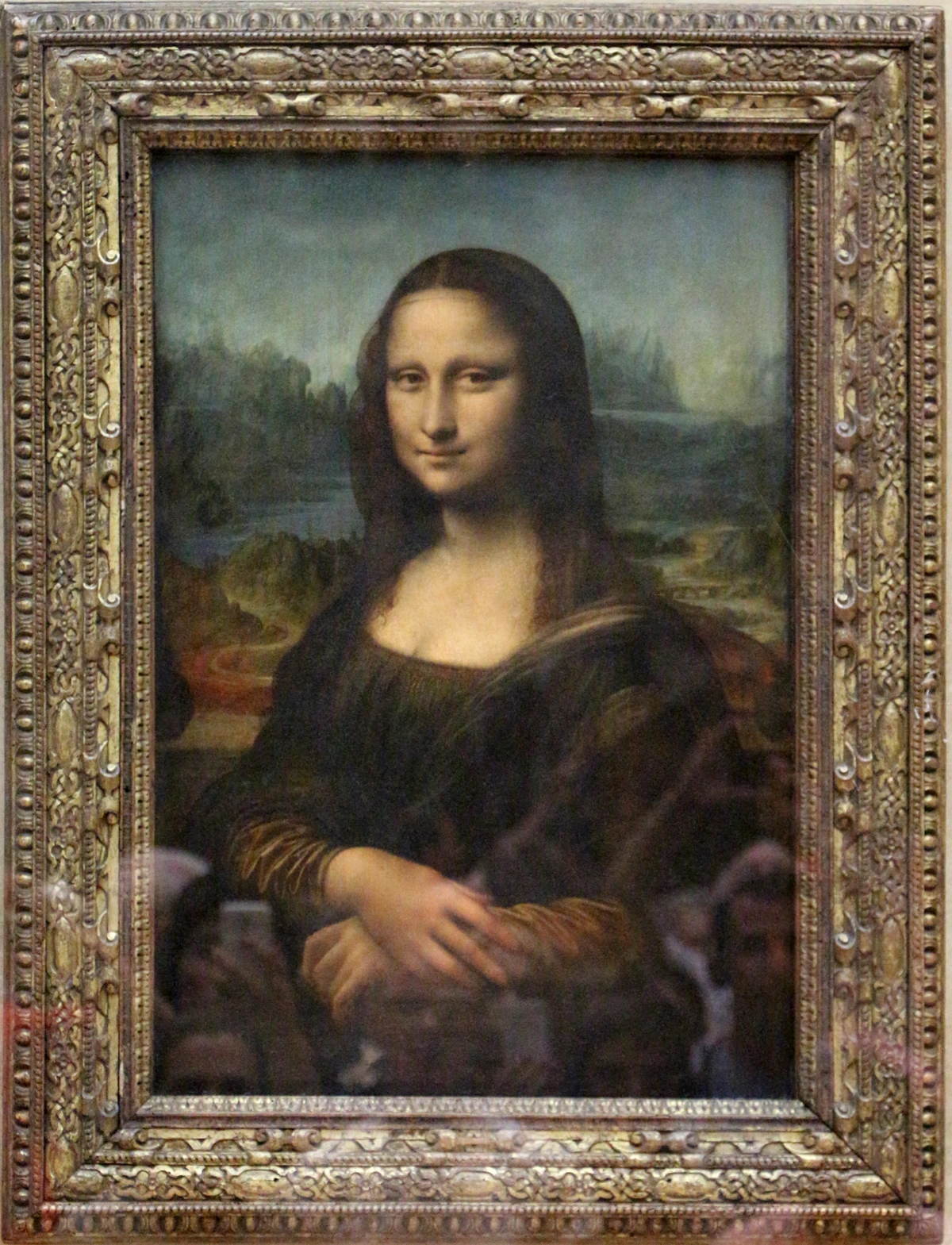
The Mona Lisa's Early History: From Leonardo's Studio to Royal Collection and Beyond
It's easy to think of the Mona Lisa as eternally hanging in the Louvre, but her journey was a winding one, almost as enigmatic as her smile. Let's trace its fascinating path through history, understanding how a private commission became a royal treasure and eventually, a global icon.
Year Range | Event / Owner | Significance |
|---|---|---|
| 1503-1519 | Leonardo da Vinci | Began in Florence, continued working on it for years, kept it as a personal project, refusing to part with it. |
| 1516-1519 | Leonardo in France | Brought the painting to France when invited by King Francis I. |
| 1519 | King Francis I of France | Acquired the painting after Leonardo's death, reportedly for 4,000 gold ecus, solidifying its royal provenance. |
| 16th-18th Century | French Royal Collection | Adorned various royal residences (Fontainebleau, Versailles), a private treasure for monarchs. |
| 1797 | Louvre Museum | Officially placed in the newly established Louvre Museum after the French Revolution, making it public heritage. |
| 1800-1804 | Napoleon Bonaparte | Briefly kept in Napoleon's private bedroom at the Tuileries Palace. |
| 1911-1913 | Stolen from the Louvre | Sensational theft by Vincenzo Peruggia, leading to unprecedented global fame upon its recovery. |
| 1963 | Tour to the U.S. | Loaned to the United States, exhibited in Washington D.C. and New York, drawing millions and becoming a diplomatic asset. |
| 1974 | Tour to Japan | Loaned to Japan, reinforcing its global reach and cultural significance. |
It's easy to think of the Mona Lisa as eternally hanging in the Louvre, but her journey was a winding one, almost as enigmatic as her smile. Leonardo himself brought the painting with him to France in 1516 when he accepted an invitation from King Francis I to work at the Clos Lucé manor house. Legend has it that Leonardo considered the Mona Lisa his most cherished work, never parting with it throughout his travels. Upon Leonardo's death in 1519, King Francis I acquired the painting, reportedly for a sum of 4,000 gold ecus, a considerable fortune at the time – a testament to its perceived value even then. This act not only secured the masterpiece for France but also cemented its early royal provenance, marking the beginning of its association with the French crown. His commitment to this singular work, even above others commissioned by powerful patrons, underscores its profound personal significance to him. For me, that’s a powerful statement about artistic freedom and the pursuit of a vision, regardless of external pressures.
For centuries, it adorned various French royal residences, from the grand châteaux of Fontainebleau to the opulent Palace of Versailles, often gracing the private chambers of kings and queens. During this period, it wasn't always publicly displayed, residing more as a personal treasure for the monarchy than a public artwork, accessible only to a select few within the court. Imagine the intimate conversations and secret glances shared with this enigmatic figure over hundreds of years by French royalty and their closest confidantes! It found its permanent home in the Louvre Museum after the French Revolution, a pivotal moment that transformed royal property into national heritage, making art accessible to citizens for the first time on a grand scale. This fascinating provenance adds another layer to its storied existence, connecting it directly to the most powerful figures of its time and charting its path from private commission to public treasure. This move from royal private collection to public museum was a monumental shift, democratizing art and allowing millions to experience its profound impact firsthand, solidifying its status as a shared cultural heritage. Its journey mirrors the evolving role of art in society, from elite possession to shared global heritage, becoming a symbol of national pride and universal artistic achievement.
The Journey Continues: Royal Patronage and Artistic Freedom
King Francis I's acquisition of the Mona Lisa wasn't just a matter of wealth; it was a testament to his deep admiration for Leonardo's genius. Francis I was a significant patron of the arts, inviting many Italian artists to his court and establishing France as a burgeoning center of Renaissance culture. Leonardo, in his final years under Francis I's patronage at the Château du Clos Lucé, was afforded immense creative freedom, working on projects that fascinated him rather than being bound by strict commissions. The Mona Lisa, a piece he cherished and continued to refine, became emblematic of this artistic freedom. It’s a powerful image: the king, a symbol of national power, acknowledging and revering the individual brilliance of an artist and his most personal work. This relationship laid the groundwork for the painting's eventual journey into the national collections of France, solidifying its unique place in both art history and French cultural identity.
The Technique Behind the Mystery: The Smile and Sfumato
The Backstory of Sfumato: Leonardo's Scientific Mind
This wasn't merely a stylistic choice; it was deeply rooted in his relentless scientific inquiry and understanding of human vision, making it a cornerstone of what is chiaroscuro in art and shadow play. This wasn't just some random artistic flourish; it was deeply rooted in his scientific observations of light, shadow, and the human eye.
Leonardo, as you might know, was fascinated by optics and anatomy. He dissected human eyes, studied how light diffused through the atmosphere, and meticulously documented how shadows softened edges in nature. Sfumato was, in many ways, the artistic manifestation of these scientific inquiries. He wasn't just painting what he saw; he was painting how we see, replicating the subtle blurring of vision at the periphery, or the way light gently wraps around forms, rather than hitting them with sharp, defined lines. It's truly a testament to his polymathic genius – the seamless integration of art and science, a core tenet of what is sfumato in renaissance art. If you want to dive even deeper, our guide on what is sfumato provides a more granular look at this incredible technique.
Alright, let's talk about that smile. Is she happy? Smug? Sad? Secretive? The reason you can't quite land on a definitive answer is entirely intentional, a stroke of pure genius from a mind that understood both art and human perception deeply. Leonardo was a master of, well, almost everything he turned his hand to, but here, he truly shines with an artistic technique called sfumato.
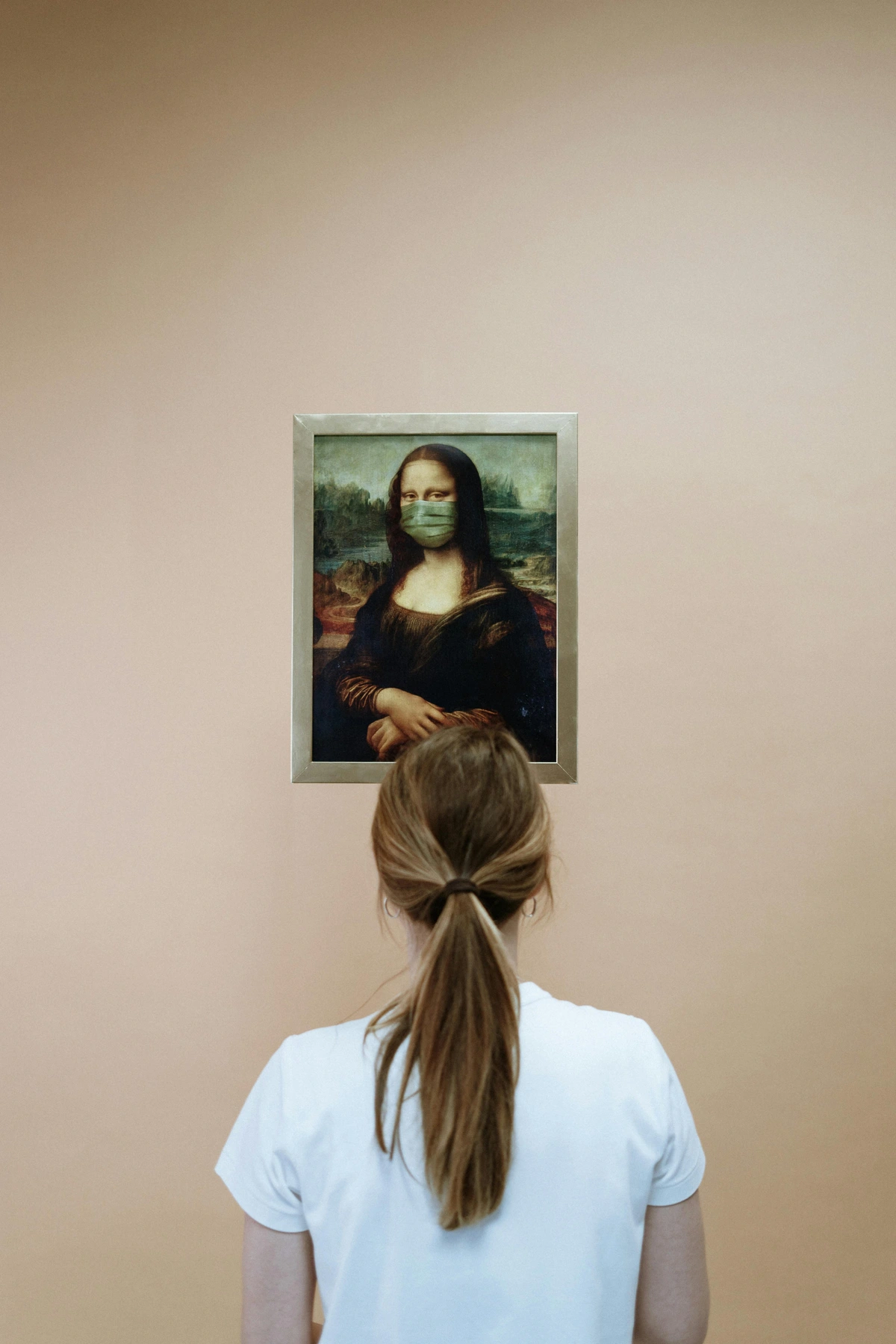
The Art of Blending: How Sfumato Works
Sfumato, derived from the Italian word sfumare meaning "to evaporate or fade out," is a revolutionary oil painting technique. It involves blending colors and tones so subtly that they melt into one another without any harsh lines or perceptible transitions. Imagine watching smoke slowly dissipate into the air; you can't pinpoint where one wisp begins and another ends. That's sfumato in action, creating an almost ethereal, veiled effect that I find utterly mesmerizing. It’s a painstaking process, often involving dozens of thin, translucent layers of oil paint—sometimes applied with the softest brushes, sometimes even with fingertips—to build up forms and light with an almost imperceptible gradient. The slow drying time of oil paints was absolutely crucial for sfumato, allowing Leonardo to work wet-on-wet for extended periods, seamlessly blending colors without visible brushstrokes. This is the opposite of techniques like chiaroscuro, which uses strong contrasts between light and dark to create dramatic effects, or the precise, sharp outlines often found in earlier art before the High Renaissance. Achieving this level of seamless transition required immense skill, patience, and a profound understanding of pigments and light, making Leonardo’s mastery truly exceptional. Few artists could replicate its subtle magic. If you want to truly understand the distinction, a deeper dive into what is sfumato and what is chiaroscuro in art history is highly recommended, as is understanding ultimate guide to chiaroscuro in art.
Leonardo achieved this soft, luminous quality by applying multiple translucent layers of oil paint, allowing the light to interact with each layer and create an incredible depth. This painstaking process, building up the image glaze by glaze, is a testament to his patience and meticulous approach.
The Anatomy of a Sfumato Layer
To really appreciate the genius of sfumato, it helps to visualize the process. Imagine applying an almost imperceptible wash of transparent pigment, letting it dry, then repeating that process dozens, sometimes hundreds, of times. Each layer might be barely visible on its own, but cumulatively, they create a depth and luminosity that feels almost photographic. Leonardo wasn't just blending colors; he was blending light itself, creating an internal glow that emanates from within the painting. This meticulous layering is why sfumato creates such naturalistic skin tones, shimmering fabrics, and atmospheric effects—it mimics the way light interacts with real-world surfaces, diffusing and reflecting in complex ways. It's a testament to his understanding of both art and the physics of light.
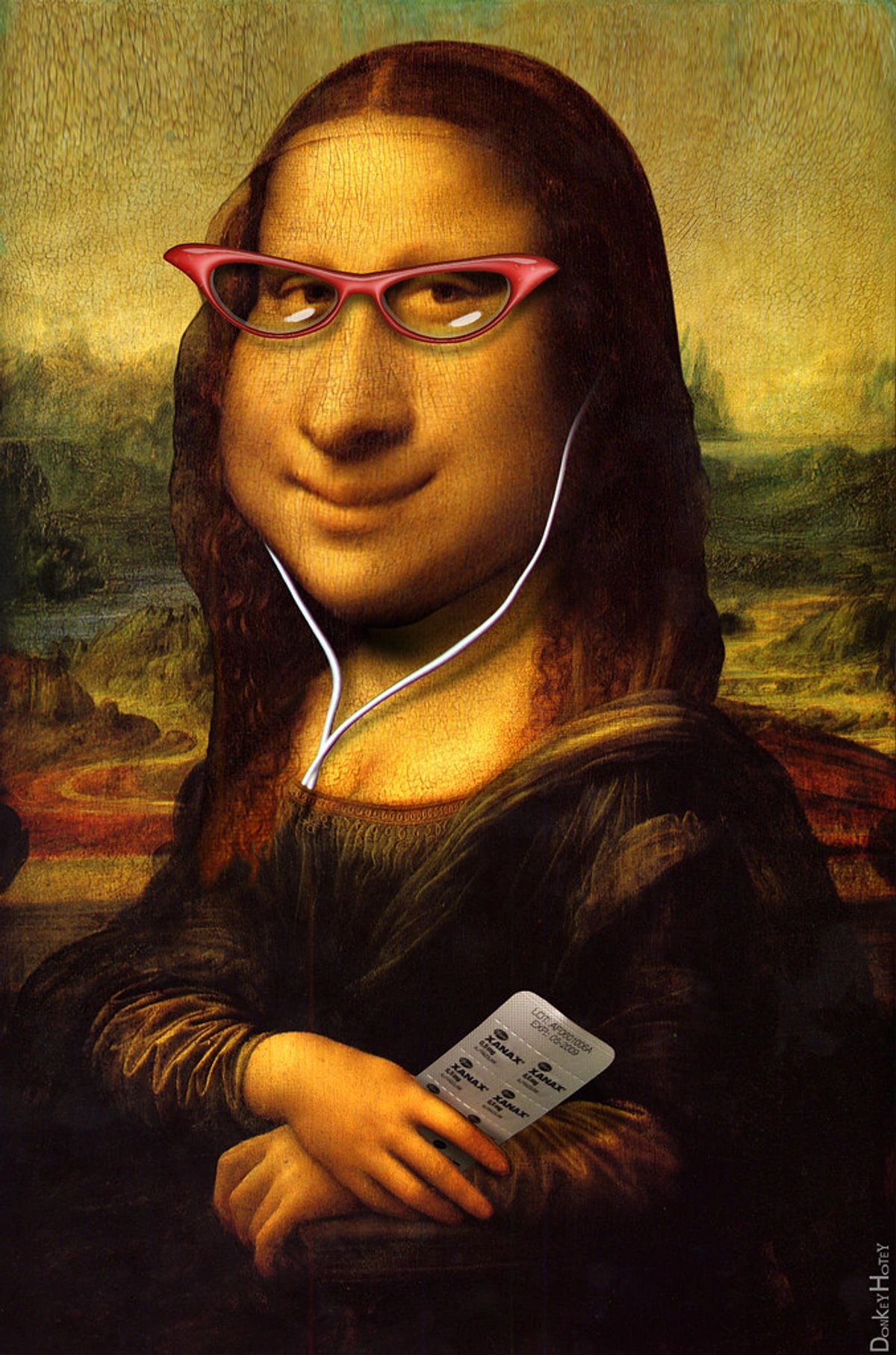
Sfumato vs. Chiaroscuro: A Subtle Yet Profound Difference
While both sfumato and chiaroscuro are masterful techniques for manipulating light and shadow, their goals and ultimate visual effects are fundamentally different. It’s not a matter of one being "better" than the other, but rather distinct artistic intentions. Let's break it down to truly appreciate Leonardo's unique approach:
Feature | Chiaroscuro (e.g., Caravaggio, Rembrandt) | Sfumato (e.g., Leonardo da Vinci) |
|---|---|---|
| Primary Goal | Dramatic contrast, volume, theatricality, emotional intensity | Softness, gradual transitions, serene realism, mystery, psychological depth |
| Effect on Edges | Sharp, defined lines, strong boundaries | Blurry, undefined, melting into shadow, ethereal |
| Light Source | Often a single, intense light source, like a spotlight | Diffused, ambient, gently wrapping around forms |
| Emotional Impact | Powerful, intense, often unsettling, high drama | Calm, contemplative, enigmatic, subtle emotion |
| Visual Sensation | Forms 'pop out' from darkness, bold declarations | Forms 'emerge' from shadow, gentle suggestions |
Chiaroscuro aims for dramatic contrast, highlighting specific forms with intense light and plunging others into deep shadow, creating a sense of theatricality, volume, and often, high emotional intensity. Think of a spotlight hitting a stage; it's about bold declarations and clear boundaries. Sfumato, on the other hand, aims for an almost otherworldly softness, a gradual transition that makes forms appear to emerge from or recede into shadow, creating a sense of serene realism and often, as with the Mona Lisa, an element of profound mystery. Where chiaroscuro defines with light, sfumato defines with the absence of harsh lines, allowing forms to 'breathe' and blend seamlessly with their surroundings. This distinction is crucial for understanding the subtle magic of the Mona Lisa's smile, showing Leonardo's preference for suggestion over direct statement, inviting prolonged contemplation rather than immediate impact.
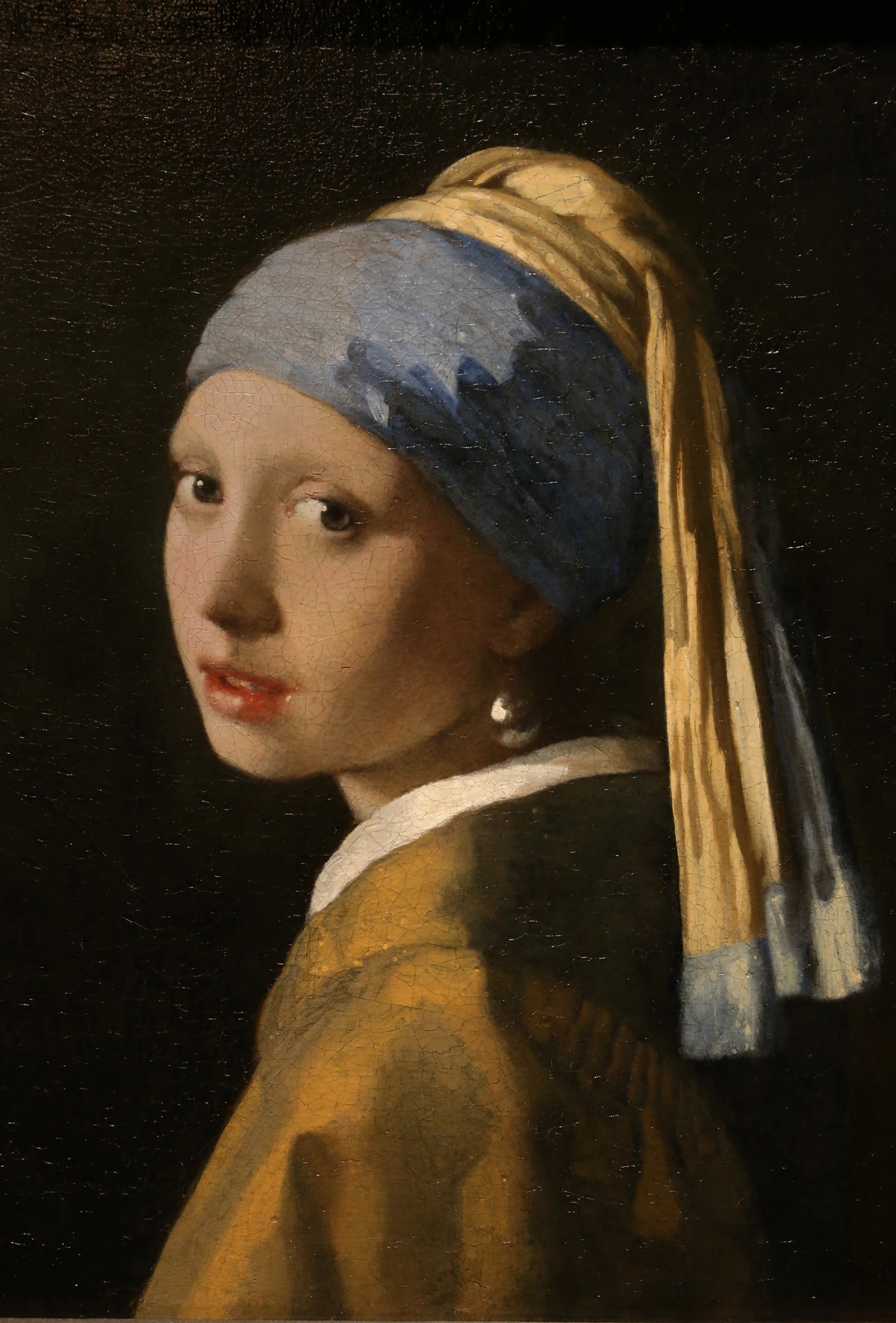
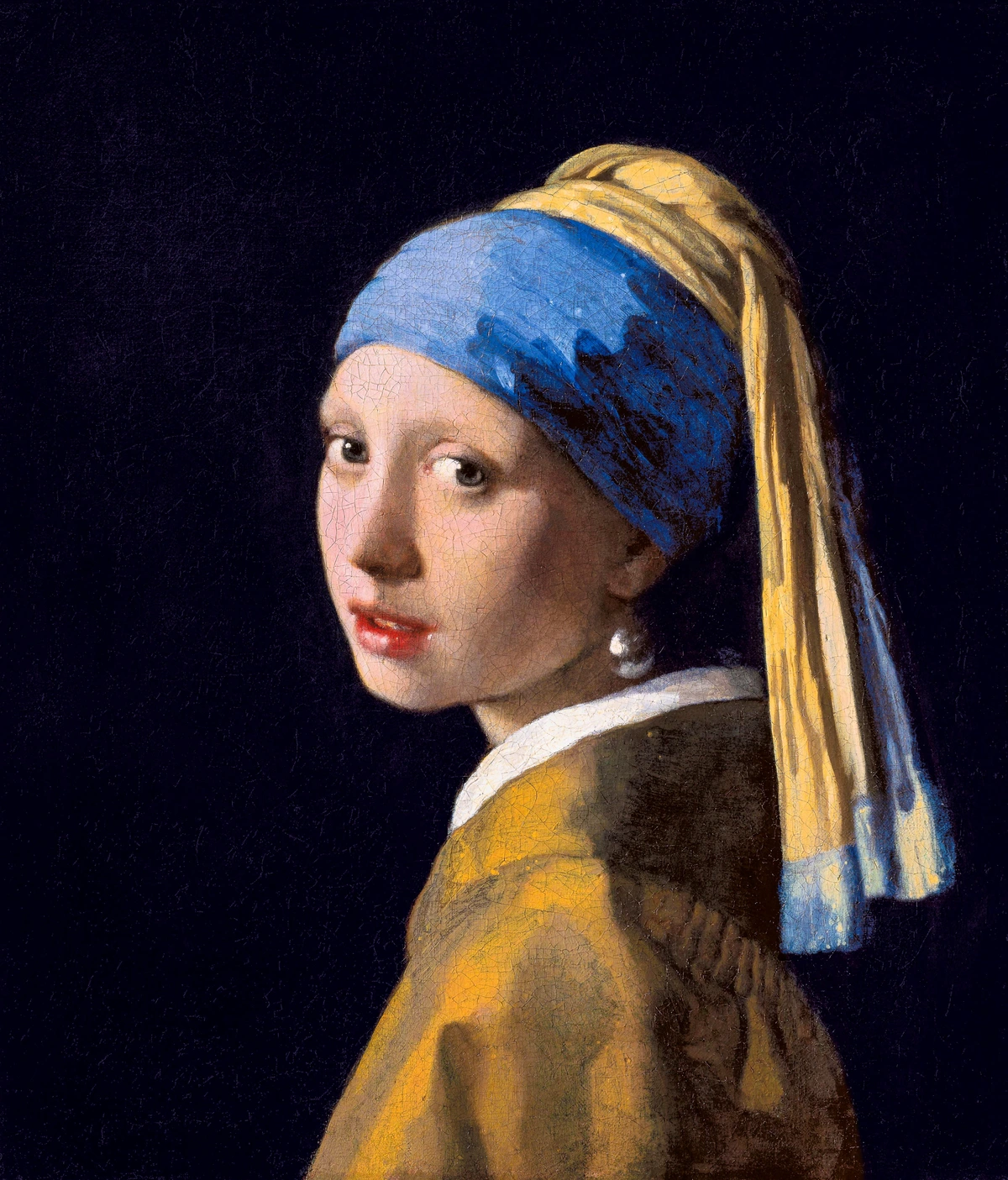
Speaking of subtle lighting and captivating gazes, Vermeer's "Girl with a Pearl Earring" often gets compared to the Mona Lisa for its enigmatic quality, despite being from a different era and employing different artistic traditions. While Vermeer used his own mastery of light and shadow, often described as 'controlled light,' rather than sfumato, his work also creates a profound sense of intimacy and psychological depth. It makes me think about how different artists, across centuries and continents, find their own unique ways to achieve that "living" quality in their portraits, inviting viewers into an internal world.
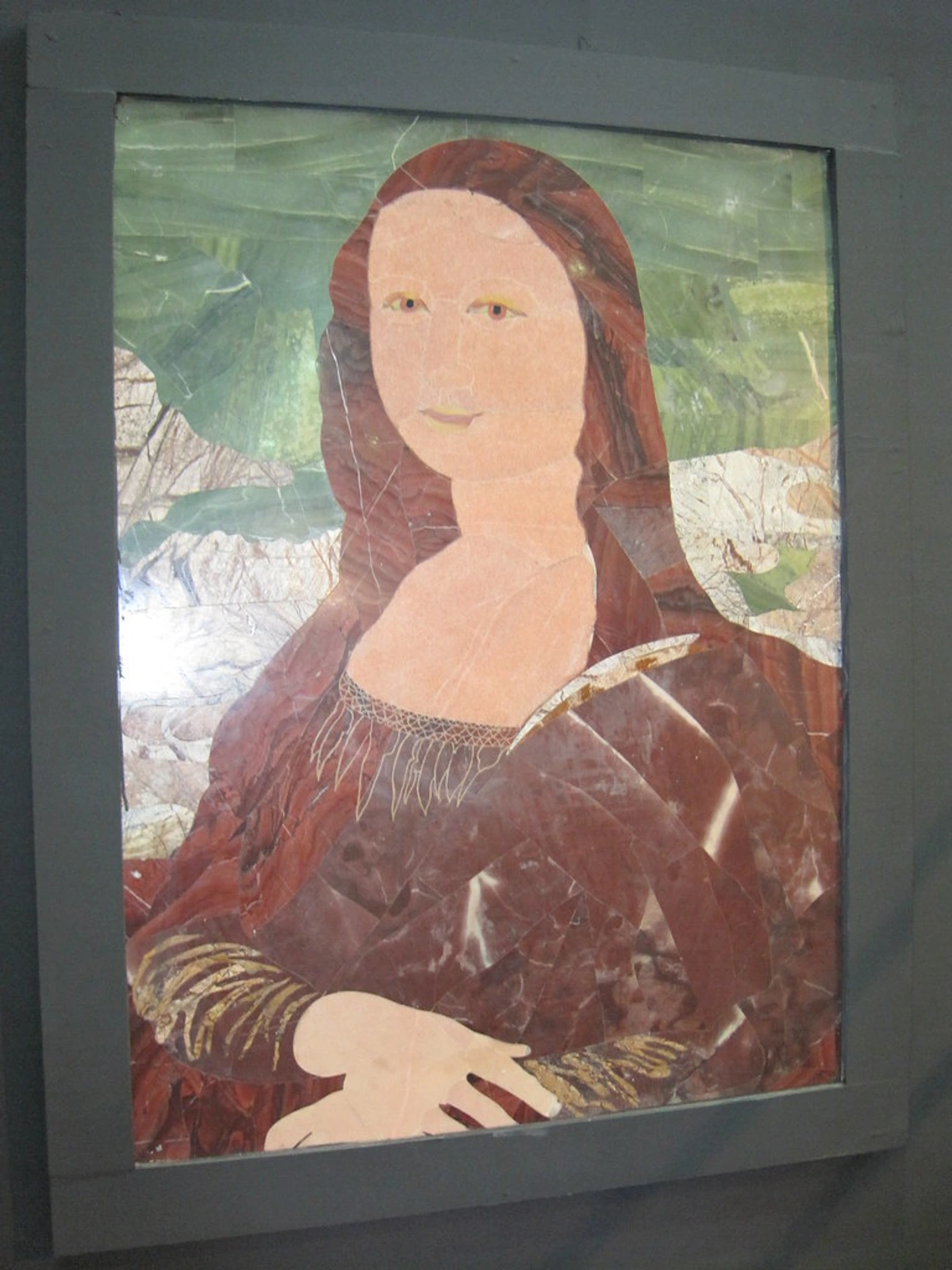
The Optical Illusion of the Smile
The Science of Peripheral Vision
This isn't just an artistic trick; it's rooted in the very mechanics of human vision. Our eyes have two primary ways of seeing: foveal vision (direct, sharp focus on what's in front of us) and peripheral vision (what we see out of the corners of our eyes, which is blurrier and less detailed). Leonardo, with his keen scientific mind, seems to have understood this instinctively. By blurring the edges of Lisa's smile and eyes with sfumato, he ensured that when you look directly at her mouth, your foveal vision tries to resolve the ambiguity, often making the smile disappear. But when you shift your gaze to her eyes or the background, your peripheral vision, which is more sensitive to subtle movement and softer forms, catches that fleeting, enigmatic grin. It's a dynamic interplay between the painting and your own visual processing, a testament to Leonardo's genius in marrying art with the nascent science of human perception.
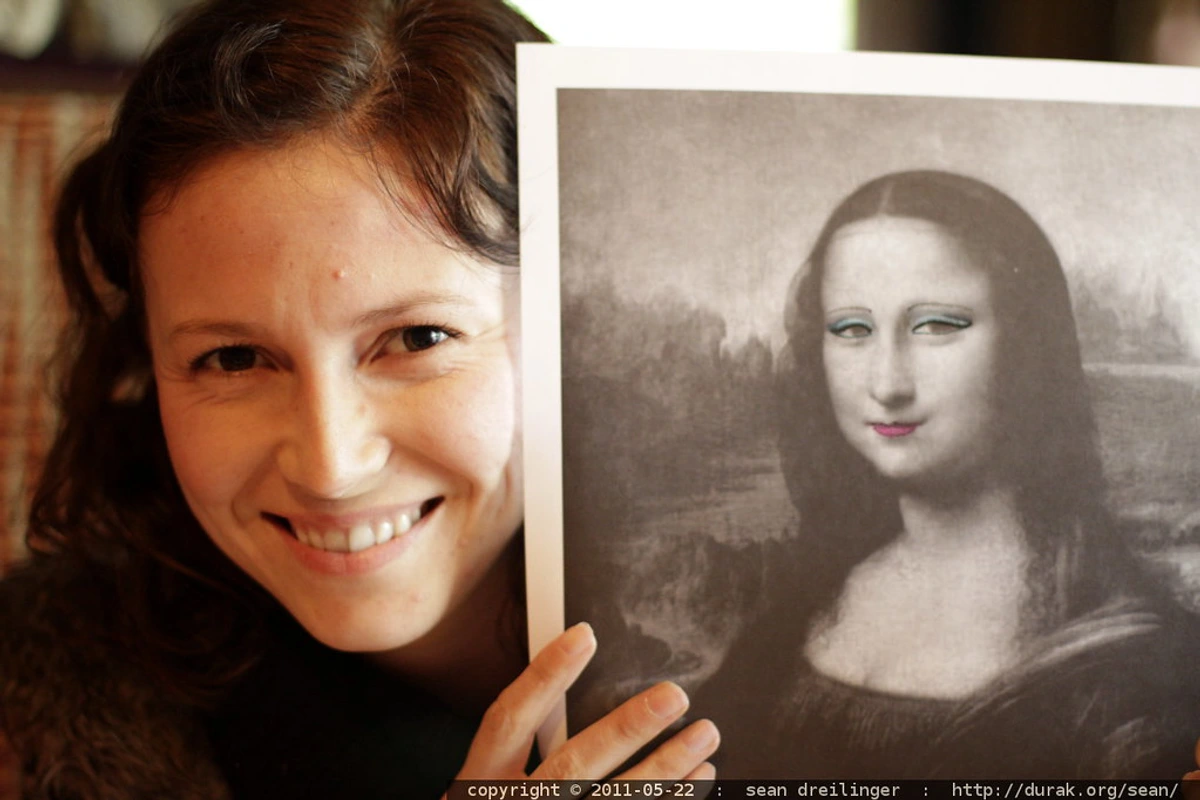
Leonardo masterfully applied sfumato around the corners of the Mona Lisa's eyes and, crucially, her mouth. This blurring of edges means her expression is literally indeterminate, a visual paradox. When your gaze falls directly on her mouth, the smile seems to recede or vanish. But shift your focus to her eyes, or to the distant landscape, and suddenly, you catch the hint of that famous smile in your peripheral vision. It's an optical illusion, a brilliant psychological trick that makes her expression feel alive, dynamic, and endlessly changing, almost as if she's reacting to your presence and movement. This isn't accidental; Leonardo was a keen observer of human physiology and perception. He understood how our eyes process information – particularly the difference between foveal (direct, sharp vision) and peripheral (side, less sharp vision) – and he brilliantly exploited this to create an effect that keeps us perpetually questioning, perpetually searching for a definitive answer that isn't truly there. It’s like a visual riddle that constantly changes its answer, depending on how you look, forcing active engagement.
The profound meaning here lies in ambiguity itself; it's a reflection of the complex, often contradictory, and ultimately unreadable nature of human emotion. In a world that often demands definitive answers, Leonardo offers a gentle challenge. Her face becomes a mirror, inviting us to project our own feelings and interpretations onto her, a testament to the power of suggestion in art. This sophisticated engagement with the viewer’s perception transforms a simple portrait into a dynamic, living entity. I always find myself wondering, what's she thinking? And then I realize, perhaps the point is that I'm asking the question at all – a constant, evolving dialogue between painting and observer. This emotional depth, created through the masterful blend of sfumato and direct gaze, invites us into a psychological space rarely achieved in earlier portraiture. It’s a quiet invitation to explore not just Lisa Gherardini's inner world, but our own.

The Unsettling Landscape: A World Within a World
Before we even begin to decipher the subtle meanings embedded in the Mona Lisa's background, I think it's important to acknowledge how groundbreaking this landscape truly was. In an era where backgrounds often served as mere decorative elements or symbolic placeholders, a simple drape or an architectural vista, Leonardo elevated it to an active, almost sentient participant in the portrait's narrative. This wasn't just a setting; it was a character in its own right, a hallmark of all art styles that truly push boundaries and redefine convention.
The Landscape of the Mind: Symbolism and Scientific Observation
The Enigmatic Backdrop: A Microcosm of Leonardo's Worldview
I remember staring at the Mona Lisa for the first time and, honestly, being more captivated (and a little weirded out) by the background than by her famous smile. It’s a strange, almost alien, dreamlike landscape: icy mountains that seem to touch the sky, winding rivers that snake into the distant haze, and ethereal roads that appear to lead to nowhere in particular. This wasn't a conventional background for its time, which typically featured plain backdrops or identifiable urban settings. Instead, Leonardo crafted a world that certainly doesn't depict any identifiable, real-world location in Italy, which was a significant departure from typical portraiture of the time. This intentional ambiguity, much like her smile, adds layers of interpretation. The presence of bridges and winding paths subtly hints at journeys, transition, and perhaps the passage of time or the human life cycle, further enveloping the viewer in its mystery. This unique approach elevates the background from mere setting to an integral, symbolic part of the painting's narrative, drawing on concepts often explored in the history of photography as fine art for capturing landscapes with emotional resonance.
Here's where it gets even wilder: the horizon lines on the left and right sides of the painting don't actually match up. The left side is noticeably lower than the right. This subtle asymmetry has baffled and fascinated art historians for centuries. Some interpret it as a deliberate choice to make Mona Lisa appear more monumental, more present, almost as if she's a colossal figure against a fantasy world. My personal take, and one that aligns with my understanding from resources like the Ultimate Guide to Leonardo da Vinci, is that Leonardo was as much a scientist and inventor as he was an artist. This landscape isn't just a backdrop; it feels like one of his meticulous studies of geology, atmospheric conditions, and the flow of water, all captured with an almost scientific precision. It's a microcosm of the entire planet, rendered with an early, groundbreaking understanding of atmospheric perspective (also known as aerial perspective)—a technique where distant objects appear lighter, bluer, and less detailed due to the intervening air, creating an illusion of profound depth. He was observing how the Earth's atmosphere literally tints distant forms, making them less distinct and more ethereal. This was a radical idea for painting at the time, moving beyond simple linear perspective to incorporate the actual physics of light and air, something beautifully articulated in any definitive guide to perspective in art. It shows he wasn't just painting a pretty scene; he was painting a system, reflecting his profound curiosity about the natural world. This truly sets it apart as one of the earliest and most sophisticated landscape painting backdrops. Learn more about how he achieved such depth with definitive guide to perspective in art.
Leonardo's Geological and Hydrological Insights
Leonardo's notebooks are famously filled with meticulous studies of geology, rock formations, erosion, and the flow of water. He observed riverbeds, mountain ranges, and atmospheric phenomena with a scientist's precision, often sketching these observations alongside his artistic studies. The Mona Lisa's background is, in many ways, a visual compendium of these geological and hydrological inquiries. The winding rivers and craggy peaks aren't just fantasy; they are imbued with an understanding of natural processes that was centuries ahead of his time. He was, quite literally, painting the Earth as a living, evolving system, anticipating modern geological concepts. This deep scientific grounding gives the landscape an astonishing realism, even in its dreamlike qualities, making it a powerful testament to Leonardo's holistic worldview, where art and science were intrinsically linked.
Theories on the Mismatched Horizons
The mismatched horizons are, for me, one of the most intriguing aspects of the Mona Lisa's background. While some scholars see it as a simple compositional device to elongate Lisa's figure and give her a more commanding presence, others propose more symbolic interpretations. One theory suggests it creates a subtle instability, contributing to the painting's overall enigmatic aura, keeping the viewer slightly off-balance, much like her smile. Another posits that it reflects Leonardo's continuous experimentation, perhaps even a playful subversion of traditional artistic rules, a subtle nod to his intellectual rebellion against rigid conventions. Some even link it to his scientific observations of how landmasses appear distorted from different vantage points or how different parts of a vista might be perceived. Whatever the precise intention, this deliberate asymmetry is a subtle yet powerful example of Leonardo's willingness to break from convention and infuse his work with layers of intellectual and visual complexity. It constantly challenges our perception, much like her smile, prompting us to question what we see and what we think we see.

Thinking about how artists render landscapes makes me appreciate the diverse approaches, from Leonardo's scientific precision to Van Gogh's emotional intensity. Both are trying to capture the essence of nature, just in very different ways.
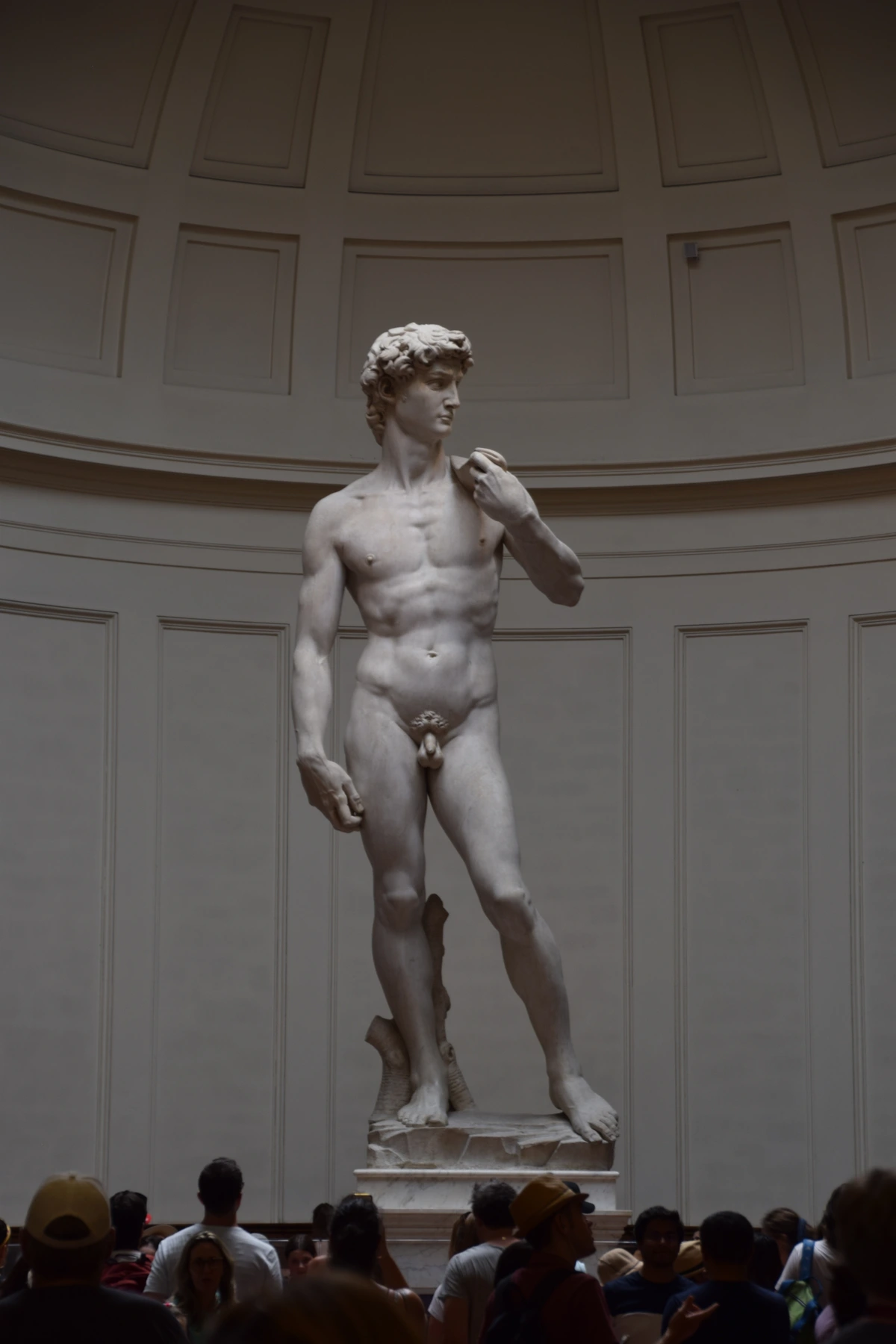
The meaning, then, is profoundly interconnected. It speaks to the intricate relationship between humanity (represented by the serene portrait) and the vast, mysterious, and ever-unfolding forces of nature (the enigmatic landscape). It’s a complete worldview encapsulated within a single frame, suggesting that humanity is not separate from nature, but an integral part of its grand, sublime design, perhaps even a reflection of the cosmic order. Some art historians even suggest the landscape alludes to a divine presence, or the universality of existence itself, placing Lisa Gherardini not just in Florence, but in a timeless, boundless realm, making her a symbol of humanity's place within the cosmos. It's a reminder that we are all part of something far grander than ourselves, a tiny figure against an infinite backdrop, a speck observing infinity. For me, this philosophical grandeur is what truly elevates the Mona Lisa from a mere portrait to a profound statement on existence itself, a silent cosmic dance between the human and the divine.
Leonardo's Precedent: A New Era for Landscape Painting
It's easy to take detailed landscape backgrounds for granted in art today, but Leonardo's innovative approach in the Mona Lisa was truly groundbreaking. Prior to this, landscapes were often generic, stylized, or served merely as functional backdrops for religious or mythological narratives, rarely commanding attention in their own right. Leonardo, however, elevated the landscape to an almost equal footing with the sitter, imbuing it with its own sense of life, mystery, and scientific observation. This wasn't just a pretty scene; it was a deeply studied environment, influencing generations of artists to come who would begin to explore landscape as a subject worthy of its own profound artistic inquiry. He essentially laid some groundwork for later movements like plein air painting and even some aspects of what we now consider modern landscape art, influencing artists to see the landscape not just as a setting, but as a subject brimming with its own narrative and emotional resonance. It’s like he gave artists permission to truly look outside and find profound meaning in the natural world.
The Meaning We Gave Her: From Masterpiece to Cultural Icon
It's fascinating how a painting's meaning can evolve, almost taking on a life of its own, particularly when propelled by unexpected events. The Mona Lisa, while respected in artistic circles, wasn't truly a global superstar until it was audaciously stolen from the Louvre in 1911. The dramatic story of its disappearance, the frantic search, and its eventual recovery captivated international headlines for over two years, turning what was a cherished artwork into a bona fide celebrity. The news of the theft dominated newspapers globally, sparking public outrage, endless speculation, and even attracting luminaries like Pablo Picasso and Guillaume Apollinaire as initial suspects. Vincenzo Peruggia, a former Louvre employee, was eventually caught trying to sell it, claiming he wanted to return it to Italy as a patriotic gesture, believing it had been stolen by Napoleon (a misconception, as it was acquired by King Francis I). This sensational event, far from damaging its reputation, propelled the Mona Lisa into unparalleled global fame. When she finally returned, she wasn't just a painting anymore; she was an icon, a household name, and a symbol of enduring mystery. The theft catapulted her into the public consciousness like nothing before, solidifying her status as the most famous painting in the world. You can delve deeper into this incredible saga in our article on why the Mona Lisa is so famous.

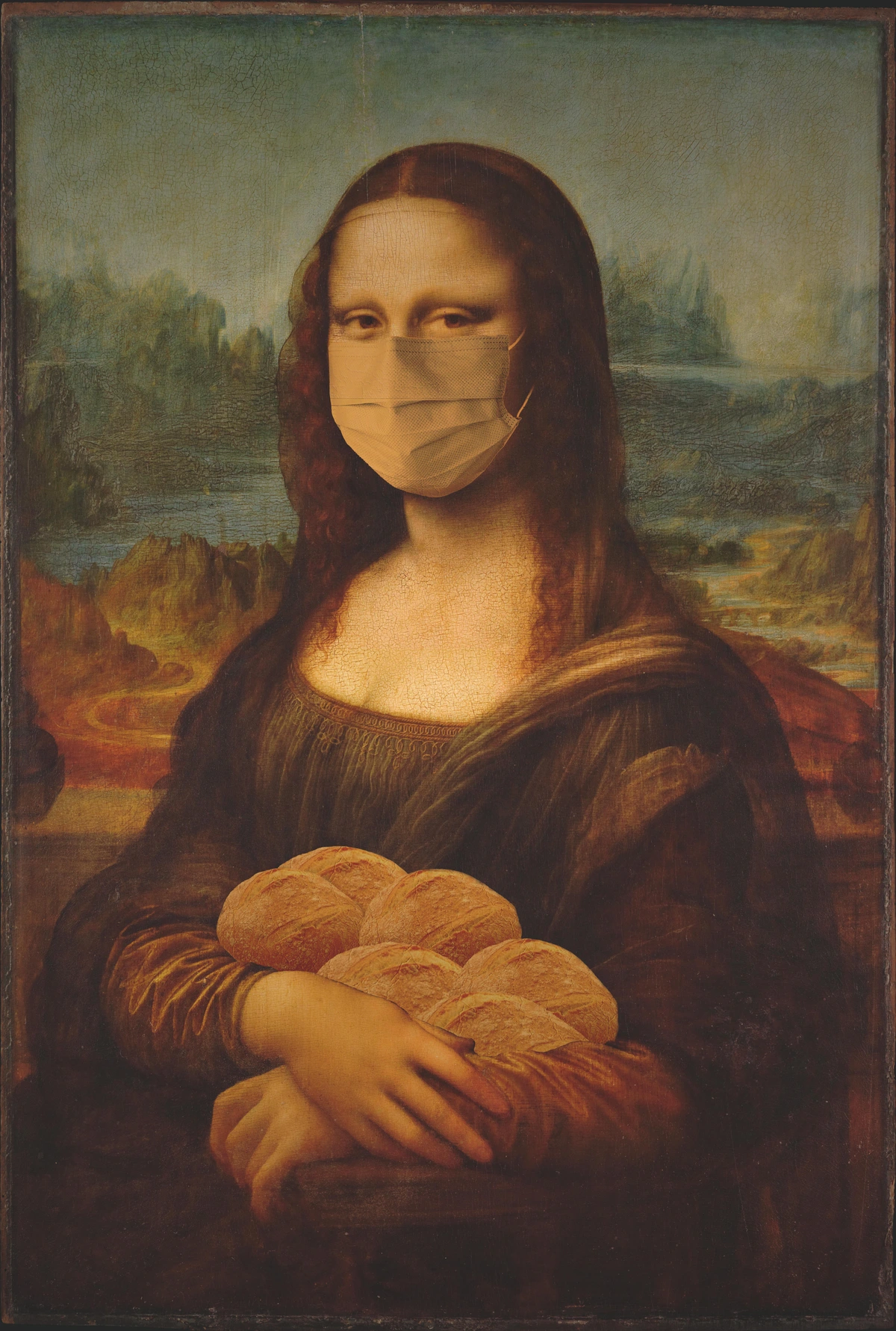
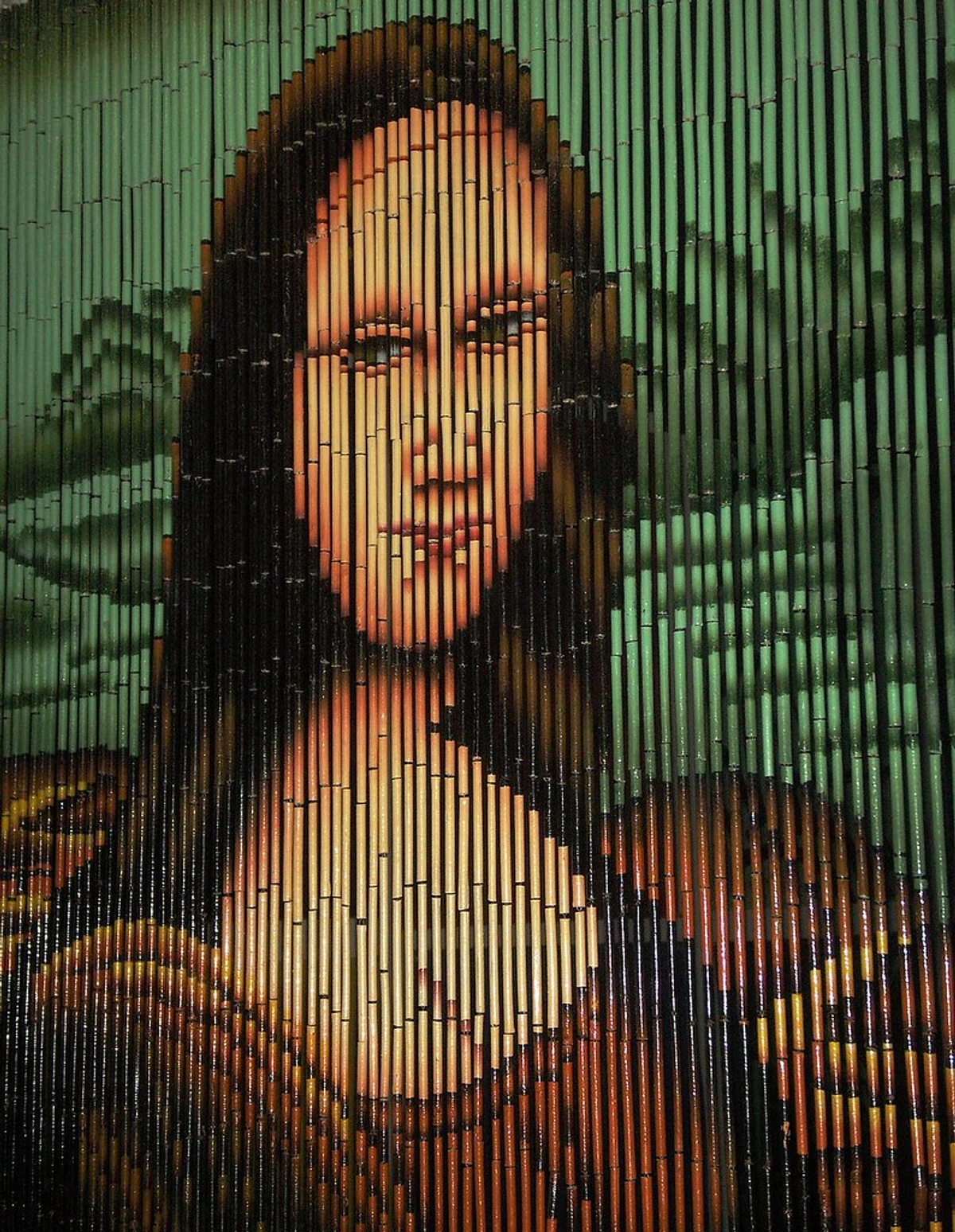
This explosion of fame transformed her into a blank canvas for collective consciousness, a mirror reflecting our own anxieties, desires, and cultural shifts. Her image, once a private portrait, became instantly recognizable to millions, transcending the confines of the art world. Artists across movements and generations have endlessly parodied, reinterpreted, and reimagined her, proving that true masterpieces are not static but continue to inspire dialogue and artistic creation.

The Mona Lisa in Modern Artistic Dialogue
Marcel Duchamp famously gave her a mustache and goatee in his 1919 "readymade" work "L.H.O.O.Q." (which, when pronounced in French, is a somewhat crude pun), a provocative act that questioned artistic originality, the sanctity of masterpieces, and the very definition of art itself. This wasn't just a prank; it was a profound philosophical statement, a sly wink that challenged us to rethink what art could be, and who gets to decide its value. His work paved the way for countless other artistic interventions, demonstrating that even the most revered icons are ripe for reinterpretation, even playful subversion.
Beyond Duchamp's playful provocation, other giants of modern art have engaged with her image. Salvador Dalí created a surrealist self-portrait as the Mona Lisa, while Andy Warhol, the icon of Pop Art, printed multiple, vibrantly colored versions, echoing the mass production of consumer culture and the commodification of art itself. She's been given a mustache, turned into a cat, dressed in contemporary fashion, and used to sell everything from soda to software, demonstrating her unparalleled reach into popular culture. This endless reinterpretation, this constant dialogue with her image, is, in many ways, her ultimate meaning. She has transcended her original purpose to become a universal symbol for art itself, a benchmark against which all other portraits are measured. She is, quite simply, the reference point in global art history, influencing artists across the entire art history timeline and proving that a truly great work of art never stops evolving in our collective imagination. It’s a fascinating journey from Renaissance masterpiece to global brand, a testament to her adaptability and enduring power to inspire. Her constant presence and reinterpretation make her a living example of what is the meaning of art in the modern era, a testament to art's ability to transcend its origins.
The Mona Lisa in Film, Music, and Literature
Her iconic status has also permeated film, music, and literature. From being a plot device in countless thrillers and mysteries to inspiring song lyrics and book titles, the Mona Lisa has become a shorthand for enigma, beauty, and cultural gravitas. Her image has graced album covers, been referenced in pop songs, and served as a muse for authors exploring themes of identity and timelessness. This interdisciplinary presence further solidifies her role as a universal cultural touchstone, demonstrating art's profound ability to inspire and integrate across diverse creative fields. She is, quite literally, a star.
The Mona Lisa as a Brand: From High Art to Pop Culture
The Mona Lisa's image has been reproduced and adapted countless times, transforming her into a powerful brand in her own right. This pervasive commercialization, while sometimes criticized by purists, is in itself a testament to her universal recognition and adaptability. From high-end fashion campaigns to everyday household products, her face evokes instant recognition and a sense of cultural weight. This omnipresence in advertising and consumer culture demonstrates how far she has moved beyond her origins as a Renaissance portrait, becoming a truly global icon that transcends language and cultural barriers. It also highlights the fascinating tension between art as a sacred, revered object and art as a commodity in a consumer-driven world. For me, it’s a constant juggle, trying to appreciate the sanctity of art while also acknowledging its inescapable, often humorous, presence in our commercial landscape.
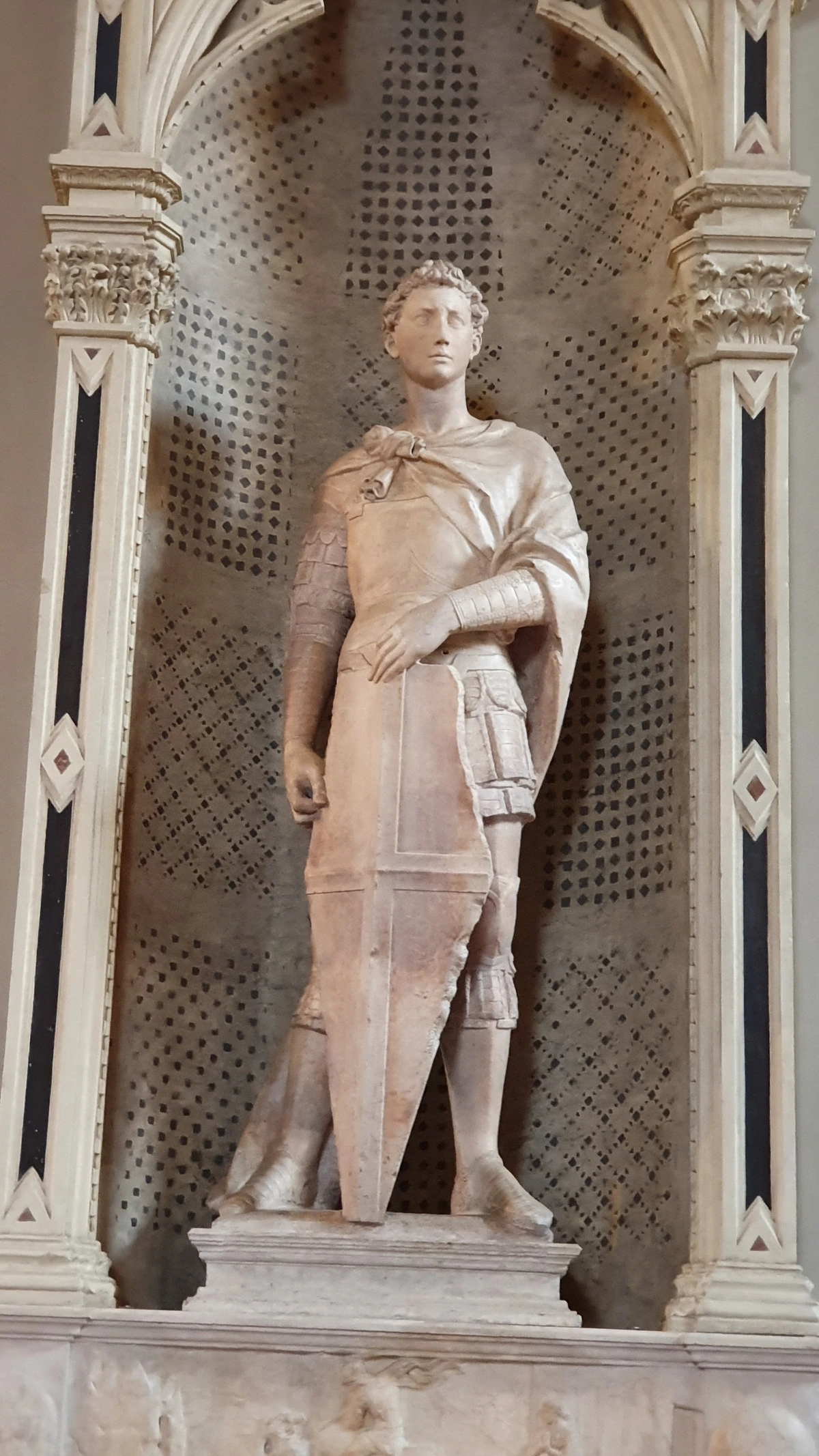
Beyond the Canvas: The Mona Lisa in Digital and Popular Culture
Her meaning isn't a static thing Leonardo painted 500 years ago, nor is it solely confined to the intentions of her creator. It’s a dynamic, ongoing conversation we're still having, a dialogue that shifts with each generation and each new pair of eyes that beholds her. In the digital age, her image is even more ubiquitous, easily shareable, and ripe for memeification. From TikTok filters to AI-generated reinterpretations, she continues to be a touchstone, proving her resilience and adaptability as a cultural symbol. We see her remixed on Instagram, animating on TikTok, and even appearing in virtual reality experiences, showcasing a truly boundless cultural relevance. She is a mirror, reflecting back whatever we're feeling, questioning, or projecting onto her when we look. That, to me, is the true, evolving meaning of art – not a fixed definition, but a living, breathing experience. It’s amazing how a 16th-century portrait can still speak to us through the language of 21st-century technology, showing art’s timeless power to adapt and endure.
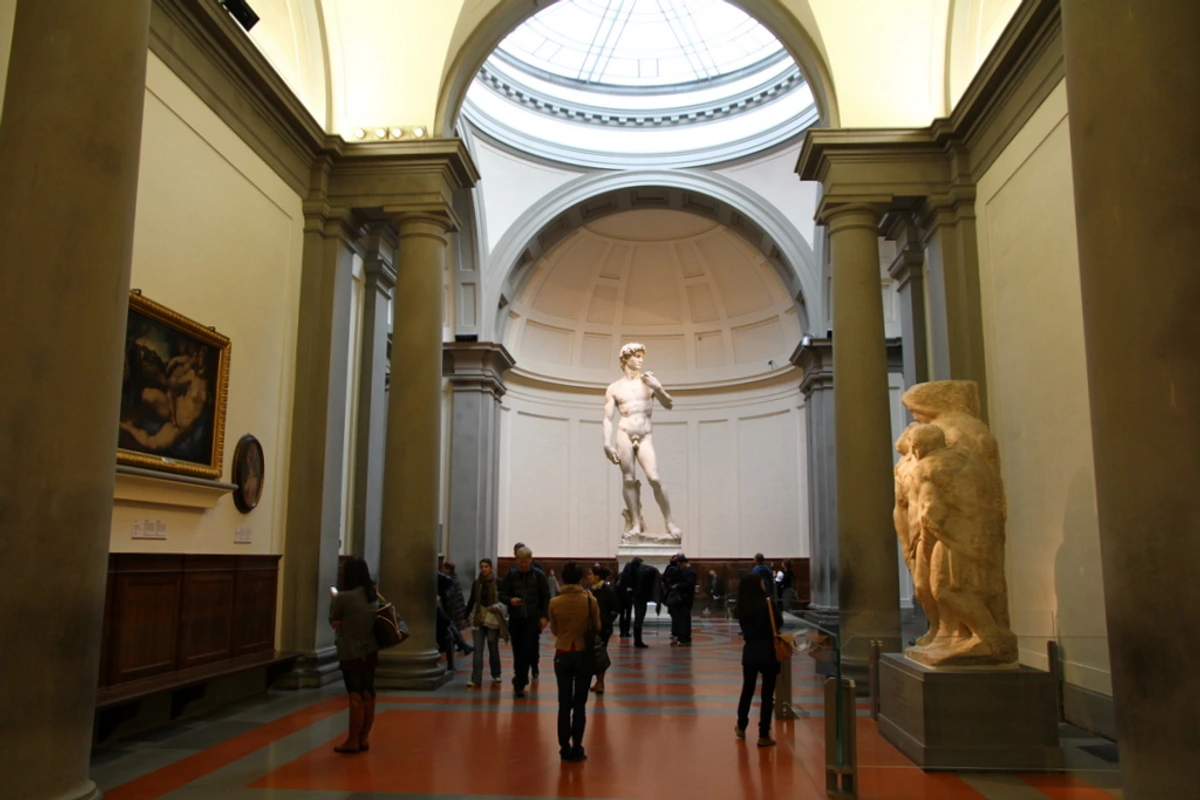
The Physicality of a Masterpiece: Size, Medium, and Condition
For me, it grounds the legend in a tangible reality, reminding us that even the most ethereal artworks have a physical presence, with all the vulnerabilities that entails.
Beyond the mystique and the smiles, there are the concrete facts of the Mona Lisa as a physical object. Understanding these details helps us appreciate the challenges of its creation and preservation.
Dimensions and Scale
The painting is surprisingly smaller than many people imagine when they first encounter it in person. It measures approximately 77 centimeters by 53 centimeters (30 inches by 21 inches), a size comparable to a typical modern-day poster or a slightly oversized sheet of paper. This intimate scale, rather than a grand, imposing size typically reserved for grand altarpieces or public declarations, fosters a deeply personal connection with the subject. It draws the viewer closer, almost compelling you to lean in and unravel its secrets, making it feel less like a public monument and more like a private conversation with Lisa herself. It's a subtle but powerful choice, I think, that underscores its revolutionary approach to definitive guide to portraiture.
The Deliberate Choice of Scale
This deliberate, intimate scale is something I find profoundly insightful. In an era where many significant commissions were massive, imposing works designed for public display or grand cathedrals, Leonardo chose a size that demands closeness. It resists the distant admiration of a crowd and instead invites individual contemplation. This choice amplifies the Mona Lisa's enigmatic power; she doesn't dominate a room, but rather draws you into her quiet, internal world. It makes the viewing experience intensely personal, almost voyeuristic, as if you're privy to a secret only she can share. This intimate scale is a key component of her psychological impact, a subtle manipulation of the viewer's engagement.
The Canvas and Medium
The Mona Lisa wasn't painted on canvas, which is common today, but on a thin panel of poplar wood. This choice of material was typical for Italian Renaissance artists, particularly in Italy, as poplar was readily available and provided a smooth, stable surface that was less prone to warping than some other woods. Before painting, the wood would have been meticulously prepared with several layers of gesso, a white primer, creating an incredibly smooth, almost ivory-like surface ideal for Leonardo's delicate glazes. Leonardo applied his pigments in thin glazes of oil paint, a technique that allowed for the subtle blending and luminous effects characteristic of sfumato. The precise layering of these translucent glazes is one reason for the painting's depth and lifelike quality, allowing light to penetrate and reflect off successive layers, creating a vibrant, almost inner glow. This use of oil was critical; unlike faster-drying mediums like tempera, oil paint allowed Leonardo the extended working time necessary to achieve such seamless transitions and build up those incredible layers of luminosity. It’s almost impossible to imagine sfumato reaching its full potential without the unique properties of oil paint, which also allowed for a richness of color and texture that tempera couldn't match. It revolutionized painting, truly. If you're curious about this transformative medium, our article on the history of oil painting from ancient pigments to modern masterpieces offers a fascinating journey through its evolution, and you can learn more about preparatory layers in our guide to what is gesso in painting.
Why Poplar Wood? The Choice of Material
The choice of poplar wood over canvas was significant for artists like Leonardo. Wood panels, when properly prepared with gesso and sanded to a fine finish, offer a rigid and exceptionally smooth surface, ideal for the meticulous detail and delicate blending of oil glazes that characterized Renaissance painting. Canvas, while more flexible and easier to transport, was still gaining widespread popularity during Leonardo's time and often used for larger, less finely detailed works or for frescoes where portability wasn't a concern. The inherent stability of the wood allowed for an incredible level of precision, a crucial factor for achieving the subtle transitions of sfumato and the almost microscopic details of the portrait – something that would have been far more challenging to execute on a yielding canvas surface. This preference for wood panels was a hallmark of the ultimate guide to renaissance art, especially in Italy, where its structural integrity was highly valued for enduring masterpieces. This dedication to using traditional, high-quality materials underscores the enduring value of what is classical art and its pursuit of perfection and permanence.
### State of Preservation and Ongoing Care
Considering its age—over 500 years—the Mona Lisa is in remarkably good condition, though not without the expected signs of time. There's a visible vertical crack in the wood panel, starting from the top and running down towards her hair. This crack, approximately 11 centimeters long, likely caused by a natural shift in the poplar wood due to environmental changes, was repaired early in its history, possibly even during Leonardo's lifetime or shortly thereafter, using metal butterfly clamps. While stable now, it serves as a subtle reminder of the painting's inherent vulnerability, and the constant, painstaking challenges of preserving such invaluable art that museums and conservators face daily. This fragility is a poignant counterpoint to its enduring fame, reminding us that even the most celebrated masterpieces are physical objects susceptible to the ravages of time.
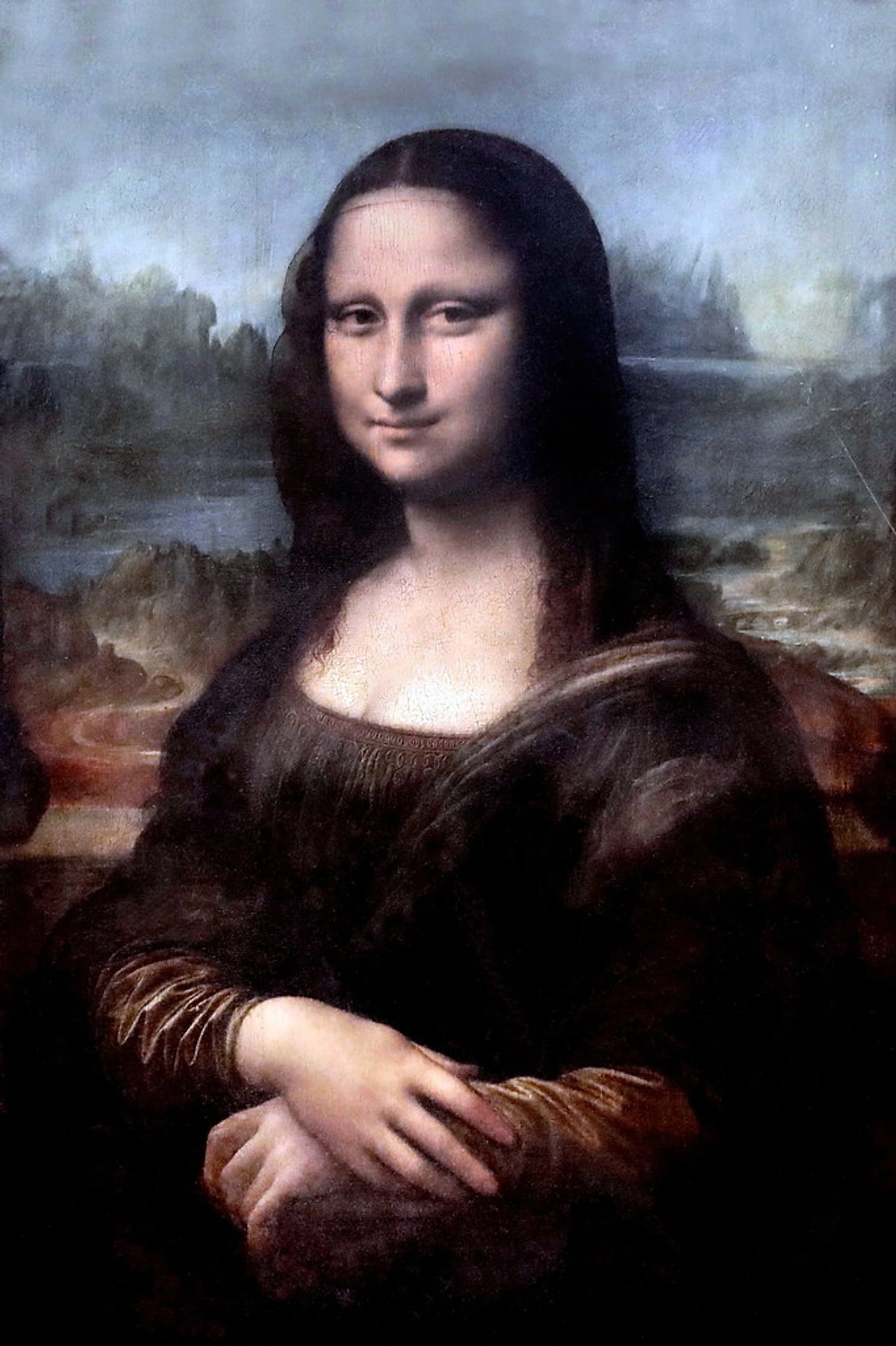
Over the centuries, the natural resin varnish applied to protect the painting has yellowed and darkened, and the surface has accumulated microscopic dust and dirt, slightly muting its original vibrancy and altering its color balance. This is a natural, inevitable process for old oil paintings, and it's a constant challenge for conservators to balance preservation with the desire to reveal original colors without damaging the delicate, aged layers.
To combat this, the Louvre Museum employs a dedicated team of world-class conservators who meticulously monitor the painting's environment around the clock. It resides in a highly sophisticated, climate-controlled, bulletproof glass enclosure, maintaining optimal temperature (around 20 °C or 68 °F) and humidity (around 50%) with incredible precision. This isn't just about preventing further degradation of the wood panel and paint layers; it's about minimizing any potential stress from environmental fluctuations that could cause expansion or contraction, which could exacerbate the existing crack. Periodic, non-invasive examinations using advanced imaging techniques – such as infrared reflectography, which reveals underdrawings, X-radiography, which can show paint layers and structural damage, and multispectral scanning, which provides information on pigments and varnishes – allow experts to peer beneath the surface, assess its condition, and even reveal hidden details without physical intervention. This constant, vigilant, and high-tech care ensures that future generations can continue to marvel at Leonardo's genius, experiencing it as close to its original intent as possible given its venerable age. It's a stark reminder of the ongoing challenges of preserving art that museums and conservators face daily, a continuous dialogue between scientific rigor and artistic reverence.
The Future of Mona Lisa's Preservation
Looking ahead, the commitment to the Mona Lisa's preservation remains unwavering. As technology advances, so too do the tools available to conservators. Imagine even more sophisticated spectral imaging that could potentially reconstruct the painting's original colors digitally, allowing us to experience it as Leonardo intended, without ever touching the precious surface. The ongoing research into optimal environmental conditions, the development of new, less invasive conservation materials, and the continuous vigilance of dedicated experts mean that this masterpiece will likely continue to inspire for many more centuries. It's a testament to the fact that preserving art is not a static task, but a dynamic, evolving field, constantly adapting to new challenges and discoveries.
The Ethics of Restoration: To Clean or Not to Clean?
The yellowing and darkening of the Mona Lisa's varnish over centuries presents a constant, complex ethical dilemma for conservators. While some art historians and public voices argue passionately for a complete restoration to reveal the painting's original, more vibrant colors, others caution strongly against aggressive cleaning that could irrevocably alter Leonardo's subtle glazes and the aged character of the masterpiece, potentially losing centuries of its visual history. The current approach at the Louvre is one of minimal intervention, focusing steadfastly on stabilization and precise environmental control rather than radical aesthetic changes. It's a fascinating and often heated debate that highlights the profound responsibility of museums to preserve artistic heritage while respecting both the passage of time and the artist's original intent. Every decision, or indeed non-decision, is fraught with deep art historical and philosophical implications, a true tightrope walk.

Frequently Asked Questions (FAQ)
Alright, let's tackle some of the most common questions people have about this painting, the kind of things that pop up in conversations or online searches.
Question | Answer |
|---|---|
| What is the hidden meaning of the Mona Lisa? | There's no single, secret hidden meaning, and that's precisely part of its genius. Its profound impact comes from a confluence of factors: its groundbreaking representation of a real individual (rooted in Humanism), its pioneering use of techniques like sfumato to create an endlessly ambiguous expression, the harmonious blending of the human figure with a mysterious cosmic landscape, and its evolution into a global cultural icon that people continuously project their own ideas and interpretations onto. It's a mirror more than a statement. |
| Why is the Mona Lisa so famous? | Her fame is a complex tapestry woven from her revolutionary artistic qualities (like sfumato and psychological depth), her captivating, enigmatic smile, the enduring mystery surrounding her identity and creation, and pivotal historical events such as her sensational theft from the Louvre in 1911. These factors combined to elevate her from a masterpiece to a global phenomenon, making her instantly recognizable and endlessly fascinating to millions worldwide. |
| Who was the Mona Lisa in real life? | She is widely accepted to be Lisa Gherardini, the wife of Francesco del Giocondo, a Florentine silk merchant. The name 'Mona' is a contraction of 'ma donna,' meaning 'my lady', so it literally means 'My Lady Lisa'. |
| Why is her smile so famous? | Leonardo's ingenious sfumato technique blurs the corners of her mouth and eyes, creating a unique optical effect. The smile appears to subtly change depending on where the viewer's gaze rests (shifting from direct to peripheral vision), making it feel ephemeral, alive, and profoundly mysterious. This masterful manipulation of light and shadow, combined with the psychological depth it evokes, invites endless speculation and personal connection, making it one of the most studied and iconic expressions in art history, a perpetual visual riddle. |
| What is the meaning of her gaze? | Her gaze is direct, yet serene and slightly detached, creating an almost unsettling sense of intimacy. It follows the viewer regardless of their position, fostering a deep, personal connection. This dynamic engagement, combined with her ambiguous smile, implies an inner world, an unspoken thought or feeling, inviting the viewer to engage in a silent, centuries-long dialogue with her. She isn't just observed; she observes you back. |
| Is the Mona Lisa a self-portrait of Leonardo da Vinci in disguise? | This is a highly popular but largely unsubstantiated theory. While some proponents point to structural similarities between Mona Lisa's features and Leonardo's known self-portraits (especially when superimposed), the vast majority of art historians do not support this claim. It remains a fascinating, albeit speculative, piece of art world lore. |
| What does the background landscape signify? | The enigmatic, dreamlike, and non-specific landscape is often interpreted to symbolize the harmonious and often mysterious connection between humanity and the natural world, or even the vastness of the cosmos itself. The intriguing mismatched horizons are a deliberate artistic choice that further enhances the painting's otherworldly and perplexing quality, drawing the viewer deeper into its illusion of boundless space and time. |
| What is unique about the background? | Beyond its enigmatic nature, the background is unique for its pioneering use of atmospheric perspective, where distant elements appear hazier and bluer, creating an incredible illusion of depth. Furthermore, Leonardo deliberately mismatched the horizon lines on either side of Lisa Gherardini, contributing to the portrait's slightly unsettling, yet captivating, surreal quality, making her seem monumental against an almost fantastical world. |
| How much is the Mona Lisa worth? | The Mona Lisa is considered priceless and is, in fact, uninsurable in any traditional sense. While it's impossible to put an exact monetary value on it, in 1962, it was assessed for insurance purposes at $100 million USD, which, adjusted for inflation, translates to well over $1 billion USD today. This makes it, by official valuation, the most valuable painting in history, though its true worth is immeasurable in monetary terms. |
| Why is the Mona Lisa so expensive? | Its "expense" isn't a market value in the traditional sense, as it's owned by the French state and not for sale. Its immense value stems from a combination of factors: its creation by Leonardo da Vinci, its revolutionary artistic techniques, its deep historical significance, its captivating mystery, and its transformation into a global cultural icon, further amplified by its theft in 1911. It's a treasure beyond mere monetary estimation. |
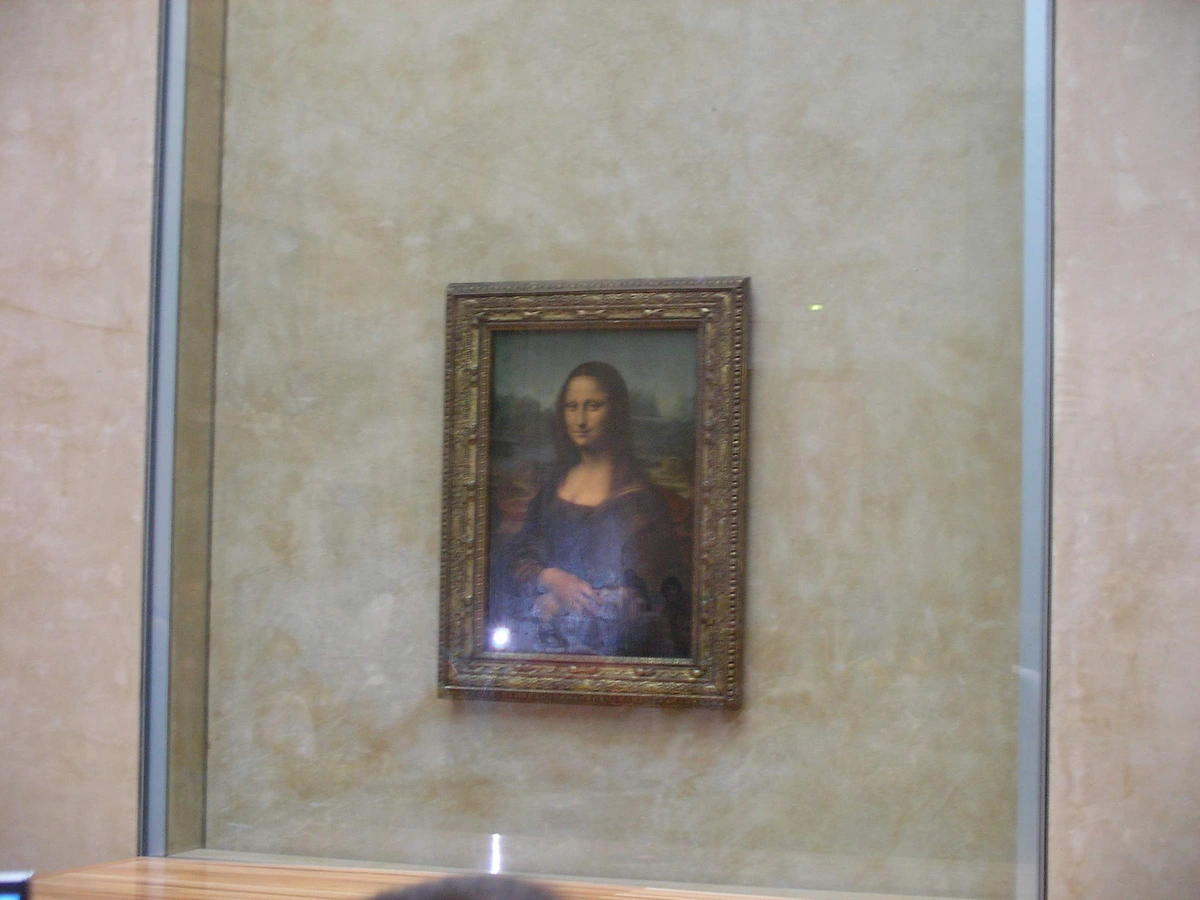
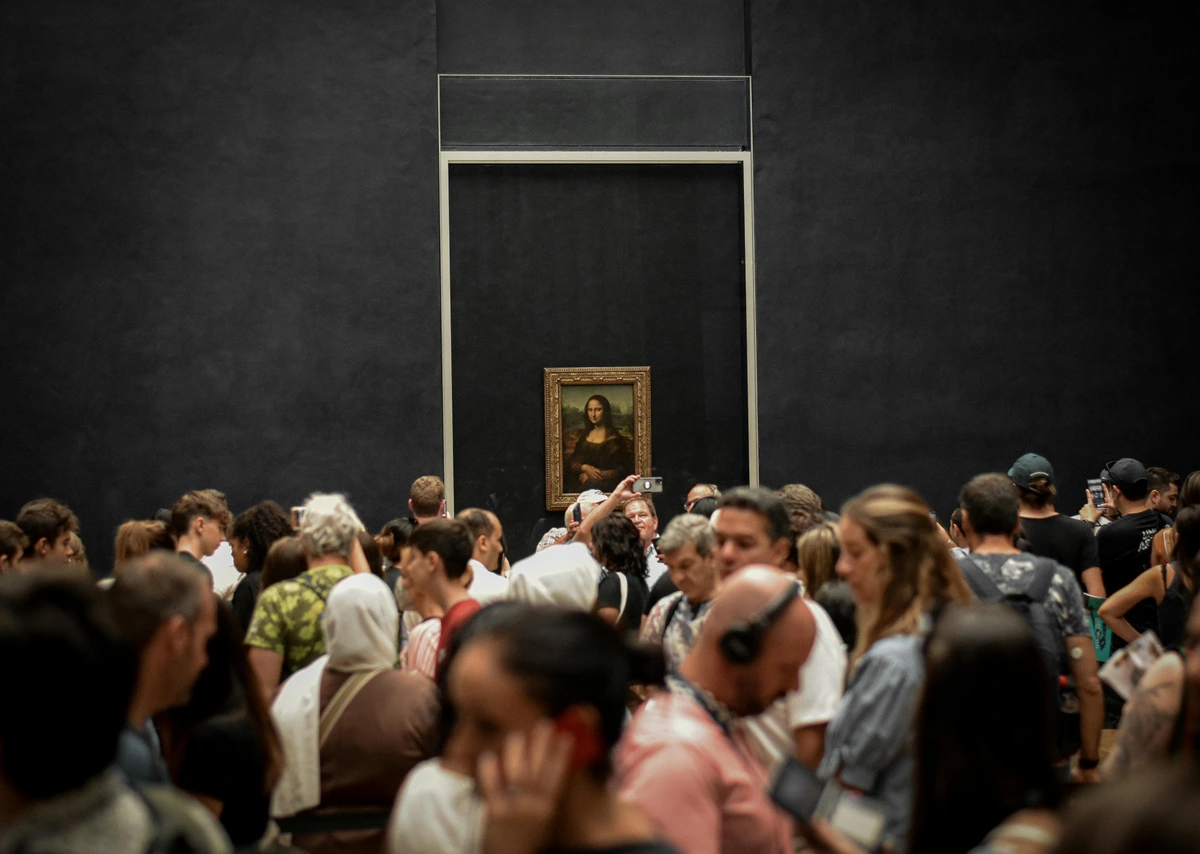
| Where is the Mona Lisa located? | The Mona Lisa has been a permanent fixture at the Louvre Museum in Paris, France, for centuries. She resides in her own dedicated, climate-controlled chamber (Room 711, formerly the Salle des États), housed behind thick, bulletproof glass for maximum protection. It is, without a doubt, one of the museum's most popular and iconic exhibits, attracting millions of visitors annually. Be prepared for crowds, but trust me, seeing it in person, even from a slight distance, is an experience unlike any other. |
| Who owns the Mona Lisa? | The Mona Lisa is owned by the French State and is part of the national collection. It is housed permanently at the Louvre Museum in Paris and, as a national treasure, cannot be bought or sold. This public ownership underscores its status as a shared global heritage rather than a private commodity or a tradable asset. |
| Did Leonardo da Vinci sign the Mona Lisa? | No, Leonardo did not sign or date the Mona Lisa, which was common practice for many artists of his time, especially for private commissions. Its attribution to him is based on historical records, stylistic analysis, and the unique artistic innovations evident in the work. Interestingly, this lack of a signature only adds to the mystique, as if Leonardo intended it to be a universal statement rather than a personal declaration. |
| What is the significance of her hands? | Her hands are posed gracefully, one resting gently over the other. This natural, relaxed gesture was quite revolutionary for its time, contrasting with the often stiff or overtly symbolic hand gestures in earlier portraits. They convey a sense of calm, composure, and inner serenity, contributing to her overall approachable yet enigmatic presence. |
| What is the symbolism of her clothing? | Lisa Gherardini is depicted in a simple, dark dress with minimal jewelry, reflecting the modesty and social status of a Florentine merchant's wife rather than royalty. The absence of elaborate adornments emphasizes her humanity and Leonardo's focus on her inner world rather than external displays of wealth or power. This simplicity was a subtle departure from the opulent portraits of the nobility and highlights the emerging humanist focus on individual character. |
| Has it ever left the Louvre since its permanent residency? | Very rarely! While it permanently resides at the Louvre, the Mona Lisa has embarked on a few highly publicized international tours. Most notably, it traveled to the United States in 1963, visiting Washington D.C. and New York, and to Japan in 1974. These tours were met with immense crowds and extensive security, underscoring its global appeal and its status as a diplomatic asset. |
| What security measures are in place? | The Mona Lisa is arguably the most protected artwork in the world. It is housed in a dedicated, climate-controlled, bulletproof glass case within the Louvre. Beyond this, it's monitored 24/7 by advanced surveillance systems and a team of security guards. Its theft in 1911 dramatically increased security protocols, turning its protection into a global benchmark for museum conservation and safety. |
| Is the Mona Lisa naked? | No, the Mona Lisa is not naked. She is depicted wearing a dark, modest gown that was typical attire for a Florentine woman of her social standing in the early 16th century. While her attire is simple, it conceals her form entirely. The common misconception might stem from the painting's overall enigmatic quality or from modern artistic interpretations that have sometimes portrayed her in different ways. |
| How long did it take to paint? | Leonardo da Vinci worked on the Mona Lisa for a remarkably long period, from approximately 1503 until close to his death in 1519, a span of around 16 years. This extended timeframe is highly unusual for a portrait commission and suggests that Leonardo regarded it as a personal, ongoing project for artistic and scientific experimentation rather than a quick delivery to a patron. |
| Why doesn't the Mona Lisa have eyebrows? | This is a very popular question, and one that often catches people off guard! While some theories suggest they were accidentally removed or faded during early cleanings or restorations, the most widely accepted explanation among art historians is far simpler: it was simply the fashion of the time in Renaissance Florence for women to pluck or shave their eyebrows and eyelashes. Leonardo, ever the meticulous realist, likely depicted Lisa Gherardini according to the beauty standards of her era. It might look unusual to us today, but it was perfectly normal then, a subtle detail reflecting the ephemeral nature of beauty trends! |
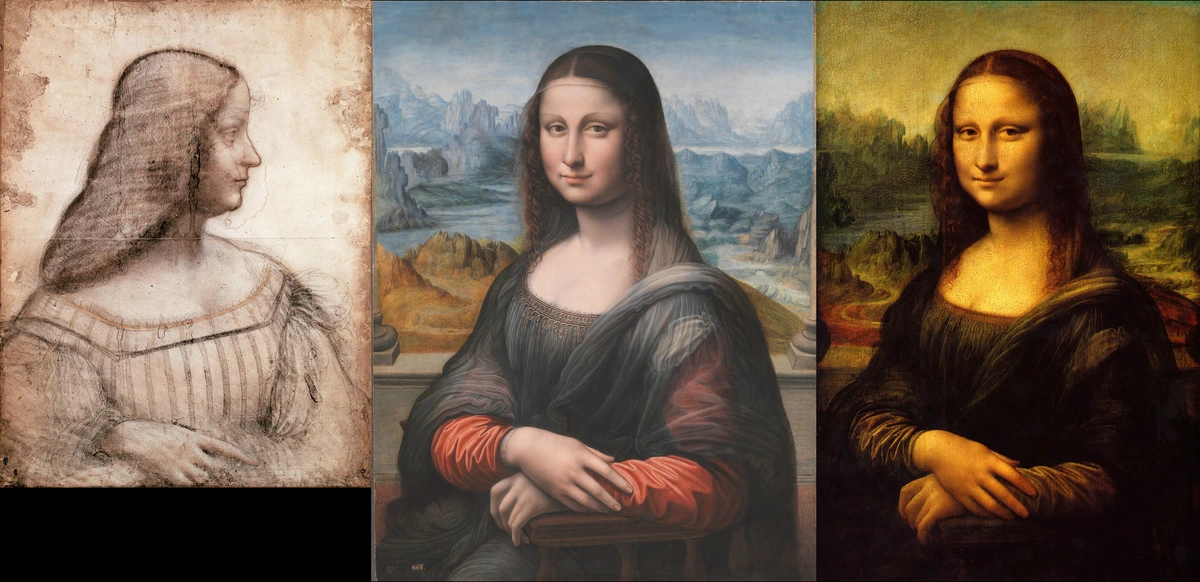
| Are there any other versions or copies of the Mona Lisa? | Yes, several versions and copies exist. The most famous is the Prado Museum's Mona Lisa, discovered to be a contemporary copy painted in Leonardo's workshop by one of his pupils, possibly even alongside Leonardo himself. It offers a glimpse of the painting's original, vibrant colors before centuries of varnish darkened the Louvre version. Many other artists have also made their own copies and interpretations throughout history. |
| Did Leonardo have any other apprentices working on the Mona Lisa? | While Leonardo was known to work closely with his apprentices, and the Prado Museum's Mona Lisa is widely believed to be a studio copy by a pupil (possibly Salai or Francesco Melzi), the Mona Lisa at the Louvre is considered to be almost entirely the work of Leonardo's hand. He guarded this painting fiercely and often kept it with him, suggesting a deeply personal and solitary artistic journey for this masterpiece. |
| What did the Mona Lisa's original colors look like? | Due to centuries of aging natural resin varnish, the Mona Lisa we see today has a muted, yellowish-green hue, making her appear older and more subdued. However, the Prado Museum's copy, widely believed to have been painted in Leonardo's studio concurrently with the original, offers a fascinating insight into its probable initial vibrancy. This copy suggests that the original Mona Lisa likely featured brighter, more luminous colors, a warmer complexion for Lisa, and a more vivid blue sky in the background, offering a stark contrast to the subdued palette we are now accustomed to. Imagine seeing it freshly painted – it would have been a truly different, perhaps even startling, experience! |
| What materials did Leonardo use? | The Mona Lisa was painted using oil paints on a thin panel of poplar wood. Leonardo was a master of oil painting, leveraging its slow drying time to achieve the seamless blends of sfumato through numerous thin glazes of pigment. The wood panel provided a stable, smooth surface ideal for such meticulous work. |
| Is the Mona Lisa in good condition? | Considering its age of over 500 years, the Mona Lisa is in remarkably good condition, a true testament to the dedicated care of the Louvre's conservators. While there's a visible vertical crack in the wood panel (repaired long ago, likely in the 16th century) and the varnish has naturally yellowed and darkened, the painting remains structurally stable. It's protected in a highly sophisticated, climate-controlled, bulletproof glass enclosure to prevent further degradation, a testament to the ongoing commitment to preserve this invaluable masterpiece for future generations. |
| What other works is Leonardo da Vinci famous for? | Beyond the Mona Lisa, Leonardo's most iconic paintings include the monumental "The Last Supper" fresco (a truly dramatic and psychological narrative) and the universally recognized drawing "Vitruvian Man" (a perfect blend of art and science, exploring human proportions). But his legacy extends far beyond these; his notebooks are legendary, filled with thousands of drawings and writings on anatomy, engineering, botany, optics, and more, showcasing his unparalleled genius as the quintessential Renaissance polymath. |
| What techniques did Leonardo use in the Mona Lisa? | Leonardo employed several groundbreaking techniques in the Mona Lisa, most notably sfumato, which creates a soft, hazy effect through subtle blending of colors and tones, and atmospheric perspective, which gives the illusion of depth in the landscape. He also mastered the use of oil glazes on a poplar wood panel, allowing for rich luminosity and intricate detail. |
| What kind of frame does the Mona Lisa have? | Interestingly, the Mona Lisa has never had its original frame from Leonardo's time. For centuries, it was unframed or given temporary, decorative frames that suited the various royal palaces it inhabited. Today, it is housed within a modern, climate-controlled, bulletproof glass case, which itself is contained within a larger, more traditional gold-leaf frame chosen by the Louvre. So, while it appears to have an ornate frame, that's actually a contemporary addition designed for its protection and display. |
| Why is the Mona Lisa smiling at me? | It's a common and delightful optical illusion! Thanks to Leonardo's masterful use of sfumato around her mouth and eyes, her smile appears and disappears depending on where you focus your gaze. When you look directly at her mouth, the smile can recede, but when you look at her eyes or the background, your peripheral vision catches the hint of a grin. It makes her expression feel alive, dynamic, and as if she's reacting directly to you. |
| What is the significance of the Mona Lisa in diplomacy? | While primarily an artwork, the Mona Lisa has, on rare occasions, served as a powerful tool in cultural diplomacy. Its highly publicized tours, such as to the United States in 1963 and Japan in 1974, were not just artistic events but also significant moments of international cultural exchange, demonstrating the painting's power as a universal symbol that transcends national borders. |
| What role does Humanism play in the Mona Lisa? | Humanism, a core philosophical movement of the Renaissance, shifted focus from the divine to human potential and achievement. The Mona Lisa embodies this perfectly by elevating an "ordinary" private citizen to a subject worthy of profound artistic exploration, capturing her inner world and psychological depth rather than just her status. It's a powerful statement about the inherent value of individual human life. |
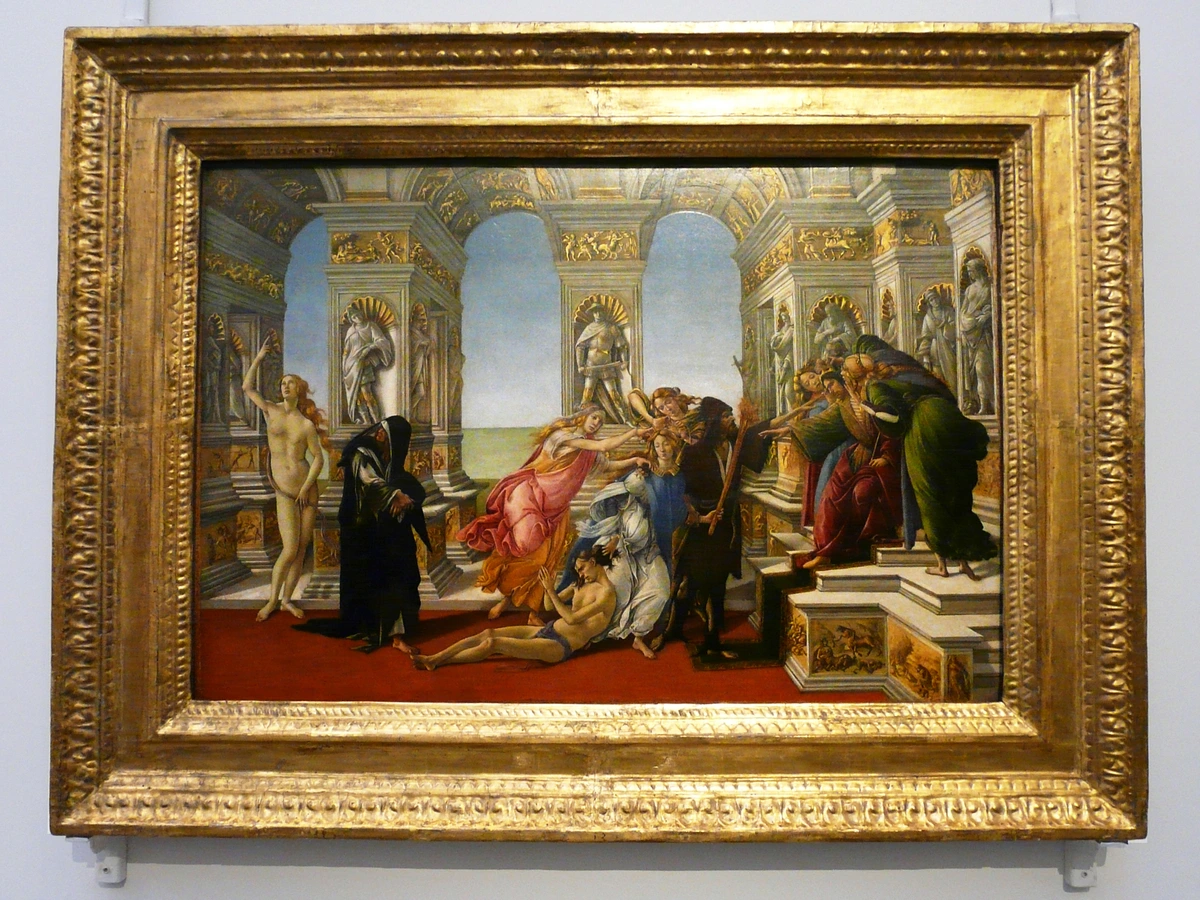
Every artist, whether through a charcoal self-portrait or a monumental oil painting, strives to leave their mark, to communicate something profound about the human experience. It's a universal drive, connecting past masters to contemporary creators.
Addressing Common Misconceptions
It's surprising how many myths and misunderstandings swirl around the Mona Lisa. Let's clear up a few of the most prevalent ones that often pop up in conversations or online searches:
- Myth: She was a royal. Reality: Lisa Gherardini was the wife of a Florentine silk merchant, a member of the burgeoning merchant class, not royalty or nobility. This makes Leonardo's dedication to her portrait all the more revolutionary.
- Myth: Napoleon stole it. Reality: While Napoleon did acquire many artworks during his campaigns, the Mona Lisa was acquired by King Francis I of France from Leonardo himself. The 1911 theft was by a former Louvre employee, Vincenzo Peruggia, who mistakenly believed Napoleon had stolen it.
- Myth: It's enormous. Reality: Many people are surprised by its relatively small size (77 cm x 53 cm), which encourages a more intimate, personal viewing experience, rather than a grand public declaration.
- Myth: Leonardo's only great work. Reality: While arguably his most famous, Leonardo created many other masterpieces, including "The Last Supper" and numerous profound drawings and inventions, showcasing his polymathic genius across science and art.
Dispelling these myths helps us appreciate the true historical and artistic context of the Mona Lisa, moving beyond sensationalism to a deeper understanding of its genuine significance.
From the Renaissance to Symbolism, artists like Klimt continued to find innovative ways to portray the human figure and explore themes of beauty, power, and enigma. Different eras, different styles, but the core human questions remain.
The Enduring Legacy of a Polymath: Beyond the Mona Lisa
While the Mona Lisa is undeniably Leonardo's most famous work, it's crucial to remember that it's but one facet of an astonishingly prolific and diverse career. Leonardo da Vinci wasn't just a painter; he was the quintessential Renaissance polymath – an anatomist who meticulously mapped the human body, with an uncanny ability to understand the mechanics of expression, an engineer who designed bridges and war machines, an inventor who conceived of flying machines and submarines centuries ahead of their time, a scientist who studied geology, botany, and hydrodynamics, a musician, sculptor, architect, and prolific writer. His legendary notebooks are filled with thousands of sketches and observations across every conceivable discipline, from detailed human dissections to studies of bird flight, fluid mechanics, and even cosmology. The Mona Lisa, in many ways, embodies this holistic approach: an artistic masterpiece born from a mind deeply invested in scientific inquiry and human understanding, where art and science were not separate, but two sides of the same coin, deeply reflecting the spirit of the ultimate guide to leonardo da vinci. His genius wasn't just about what he created, but how he created it – a relentless pursuit of knowledge through observation, experimentation, and critical thinking that defines the very essence of innovation.
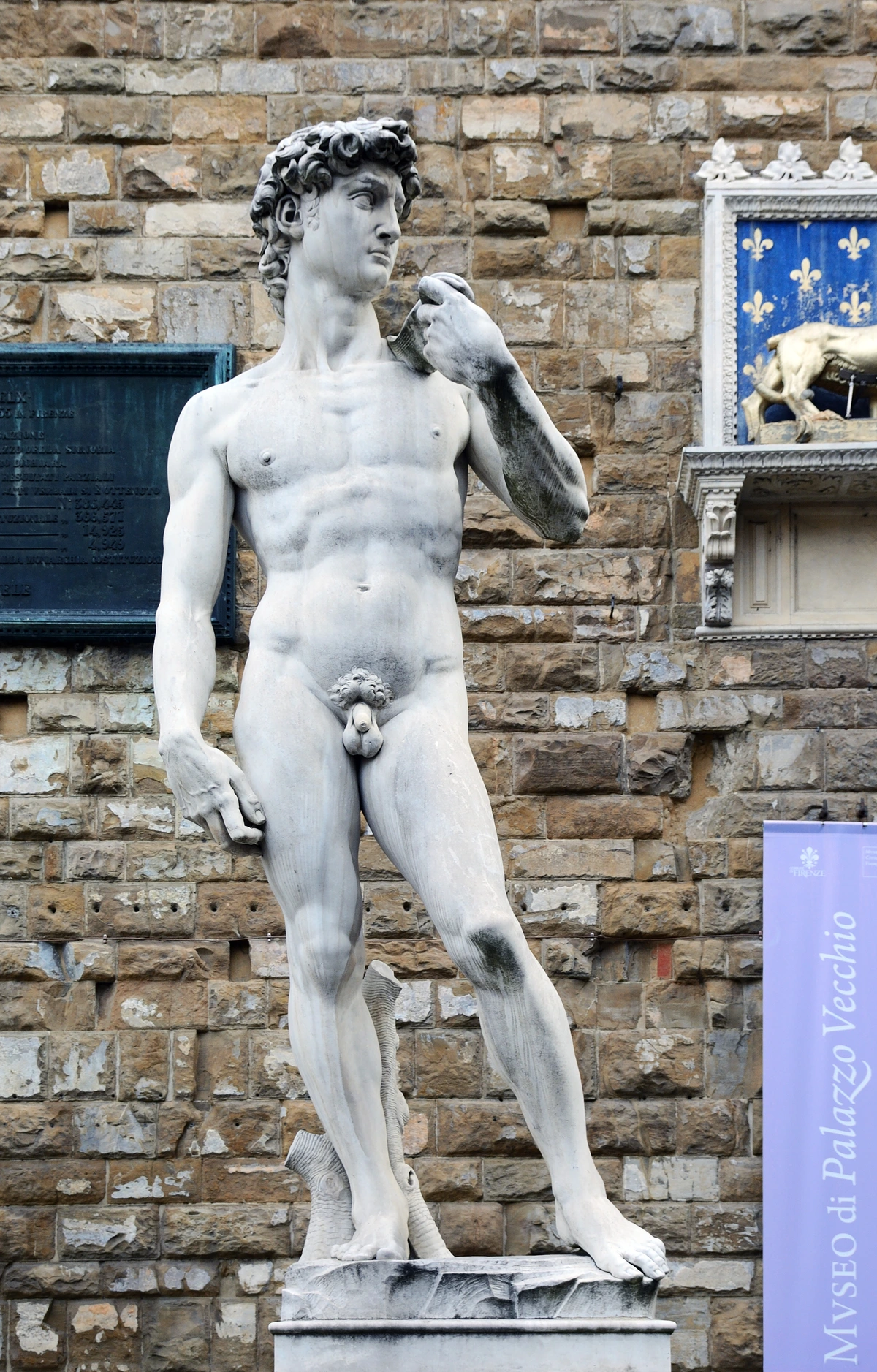
His influence extends far beyond this single portrait, shaping the course of Western art and thought. Artists for generations studied his use of light and shadow, his anatomical precision, and his ability to infuse figures with psychological depth. He's a towering figure on the art history timeline, a true pioneer whose innovations continue to resonate, embodying the very spirit of the ultimate guide to renaissance art. When I create my own art, particularly abstract pieces, I often think about how Leonardo, in his own time, was pushing the boundaries of what art could be, just as artists today constantly redefine expression. If you're inspired by such profound artistic legacies, I invite you to explore my own gallery and maybe even buy a piece that speaks to you.
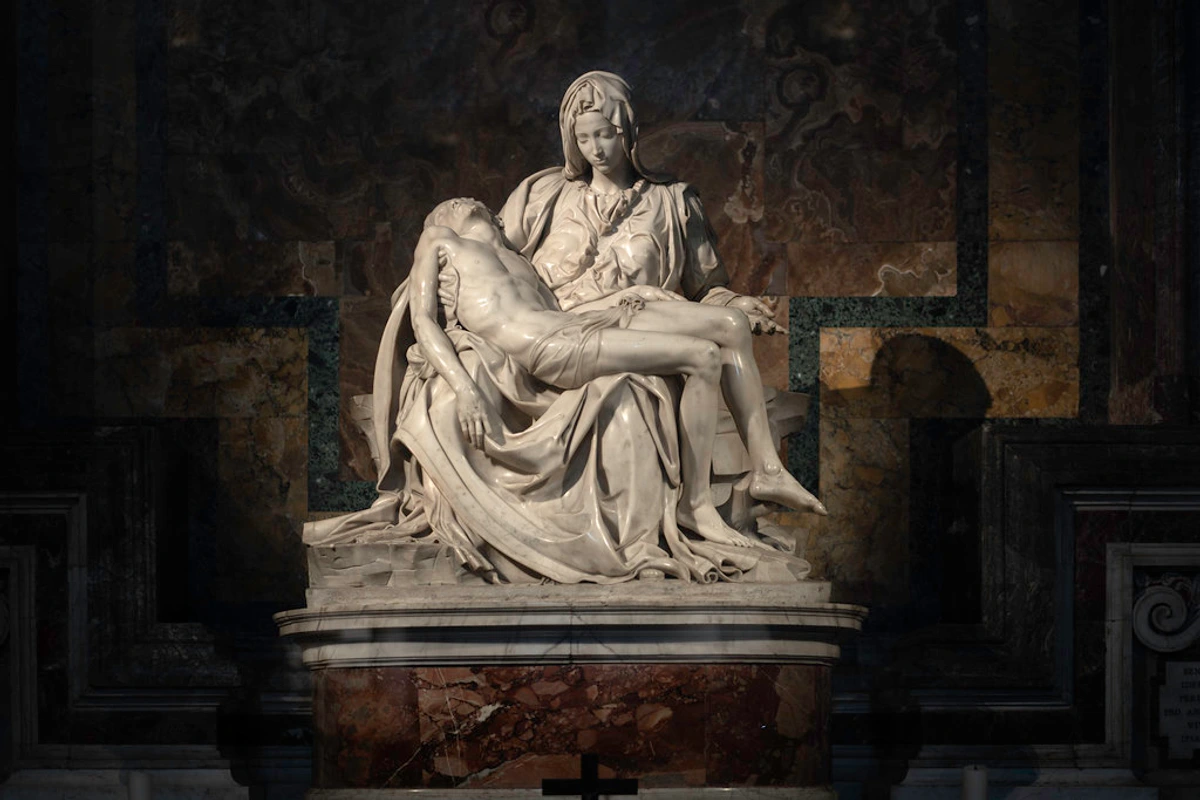
Leonardo's Legacy in Modern Innovation
Leonardo's forward-thinking approach wasn't just for his era; his concepts and methodologies continue to resonate in unexpected ways with modern innovation. His iterative design process, his commitment to observation-driven problem-solving, and his integrated thinking across disciplines foreshadow contemporary fields like biomimetics, systems engineering, and even user experience design. The very idea of a "design thinking" process, with its emphasis on empathy, ideation, prototyping, and testing, echoes Leonardo's own creative and scientific cycles. He embodied the spirit of relentless questioning and fearless exploration, qualities that remain vital for breakthroughs in art, science, and technology today. His legacy isn't just a collection of masterpieces and inventions; it's a blueprint for a certain kind of holistic, curious, and profoundly human approach to understanding and shaping the world.
Leonardo's Notebooks: A Window into Genius
The Interconnectedness of Art and Science
To truly grasp the immense scope of Leonardo's mind, one must delve into his voluminous notebooks. These aren't just collections of sketches; they are a sprawling archive of his observations, inventions, scientific theories, and artistic studies, all meticulously recorded in his characteristic mirror script. This unique writing method, legible only when held up to a mirror, is believed to have been a personal quirk, a way to prevent smudging (as he was left-handed), or perhaps even a form of coded privacy for his revolutionary, sometimes heretical, ideas. From detailed anatomical drawings that were centuries ahead of their time, to visionary designs for flying machines, submarines, and elaborate military engines, these notebooks reveal a mind that constantly questioned, observed, and innovated. They are a testament to his belief that art and science were inseparable tools for understanding the world, and they offer a unique glimpse into the interconnected thought processes that ultimately led to masterpieces like the Mona Lisa. For me, they're like an ancient blog, a raw, unfiltered outpouring of genius that reminds us how deeply interconnected every aspect of creation can be, much like the challenging, yet rewarding, process of crafting an artist statement.
To truly grasp the breadth of his genius, here’s a snapshot of his diverse contributions:

Field | Notable Contributions / Studies | Relevance to Mona Lisa |
|---|---|---|
| Anatomy | Detailed human dissections, physiological drawings | Understanding human form, facial muscles for expression |
| Optics | Studies of light, vision, perception | Development of sfumato, creating the ambiguous smile |
| Geology | Observations of rock formations, erosion | Enigmatic, detailed, and scientifically observed landscape |
| Hydraulics | Designs for canals, water flow studies | Realistic depiction of winding rivers and atmospheric effects |
| Engineering | Prototypes for flying machines, weaponry | Showcases a mind constantly experimenting, pushing boundaries |
| Painting | Master of oil glazes, perspective, composition | The overall technical brilliance and profound artistry |
It's this incredible blend of inquiry and artistry that makes the Mona Lisa, and indeed all of Leonardo's work, so endlessly fascinating. He saw the world as an interconnected whole, a grand system waiting to be understood, and his art, especially this portrait, reflects that profound understanding, bridging the gap between observation and expression.
The Psychology of the Gaze: Why We Keep Looking
The Mirror of Our Own Perceptions
The Mona Lisa's enduring appeal isn't just about art history or technical mastery; it's profoundly, almost unnervingly, psychological. When we stand before her, we're not just looking at a painting; we're engaging in a silent, centuries-old dialogue, a direct, unsettling confrontation with a past consciousness. Her ambiguous expression, the way her eyes seem to follow you across the room, and the subtle hints of a smile that play tricks on your peripheral vision, all conspire to create a powerful, almost intimate, sense of interaction. It's almost as if she is looking back at us, studying us, inviting us to project our own emotions, fears, and questions onto her. This active participation from the viewer is a huge part of her meaning, making each encounter a unique and deeply personal experience. She challenges us to confront the unreadable depths within ourselves and others, those quiet internal landscapes that make us uniquely human. It's a testament to the idea that true art doesn't just display; it engages, it draws you in and holds your gaze.
Final Thoughts
Final Thoughts: The Enduring Riddle of the Mona Lisa
So, after all this exploration, what truly is the meaning of the Mona Lisa? I think the answer isn't a singular revelation, a neatly wrapped package of meaning, but rather the result of a "perfect storm" of genius, circumstance, human psychology, and our collective, unending projection. It is, unequivocally, a technically brilliant painting—a seemingly ordinary person rendered extraordinary by an artist who was not just a certified genius, but a visionary polymath operating at the peak of his powers. It masterfully captures the bewildering complexity and nuanced ambiguity of human expression, placing it against the breathtaking, almost cosmic, vastness of nature itself. It's a convergence of unparalleled artistic skill, relentless scientific curiosity, and the inherent human desire to find meaning, even in the unsaid, the unseen, the half-glimpsed.
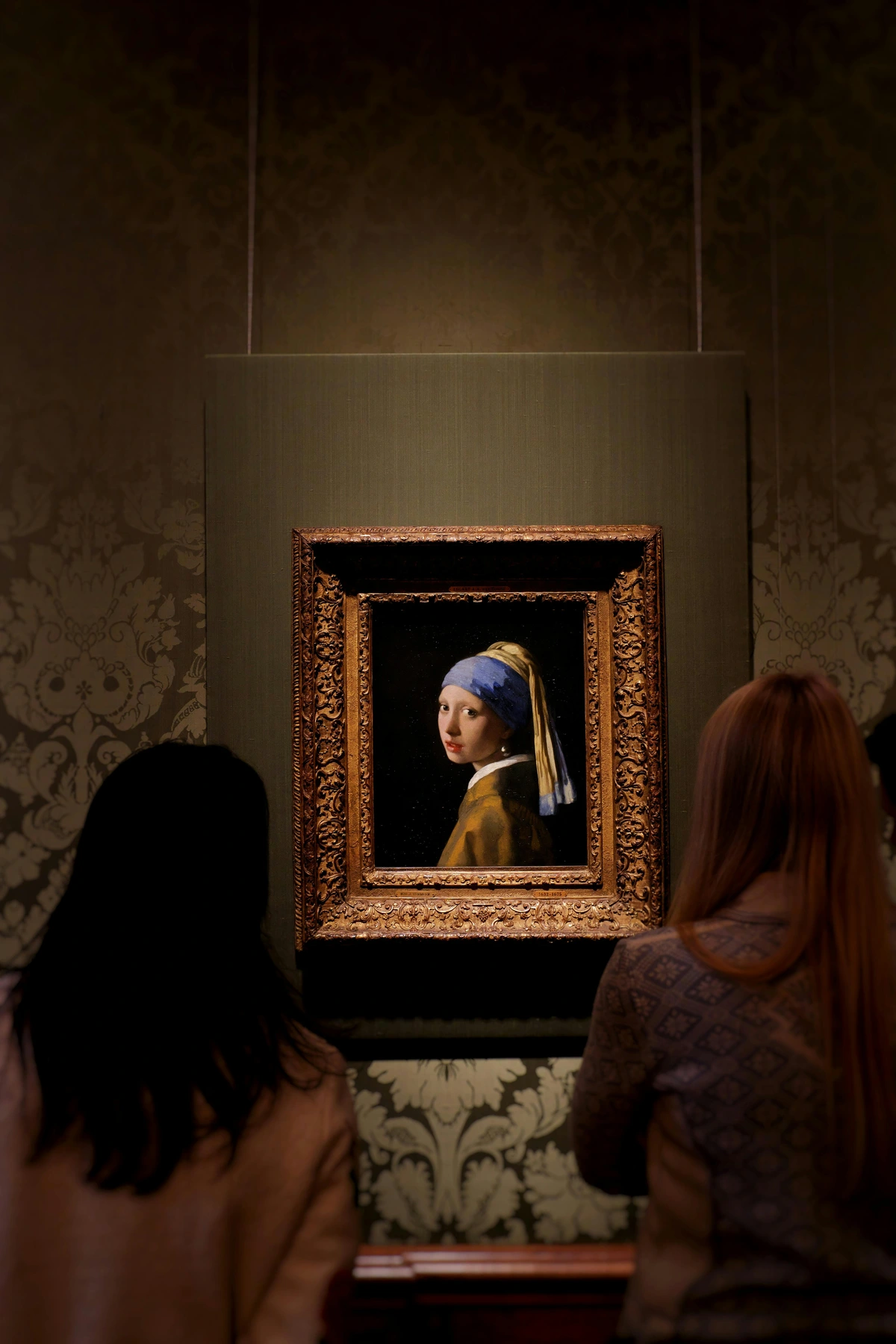


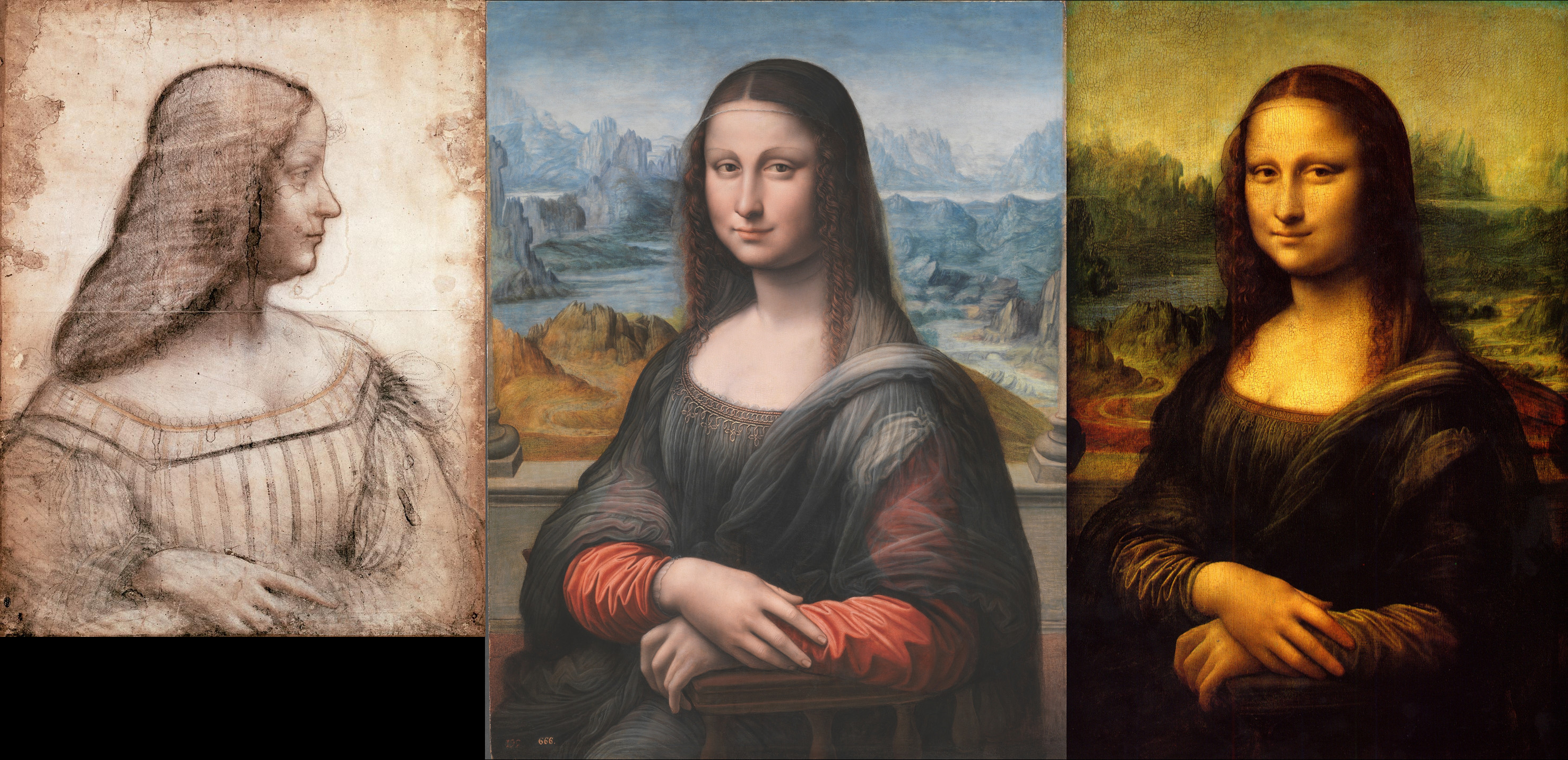

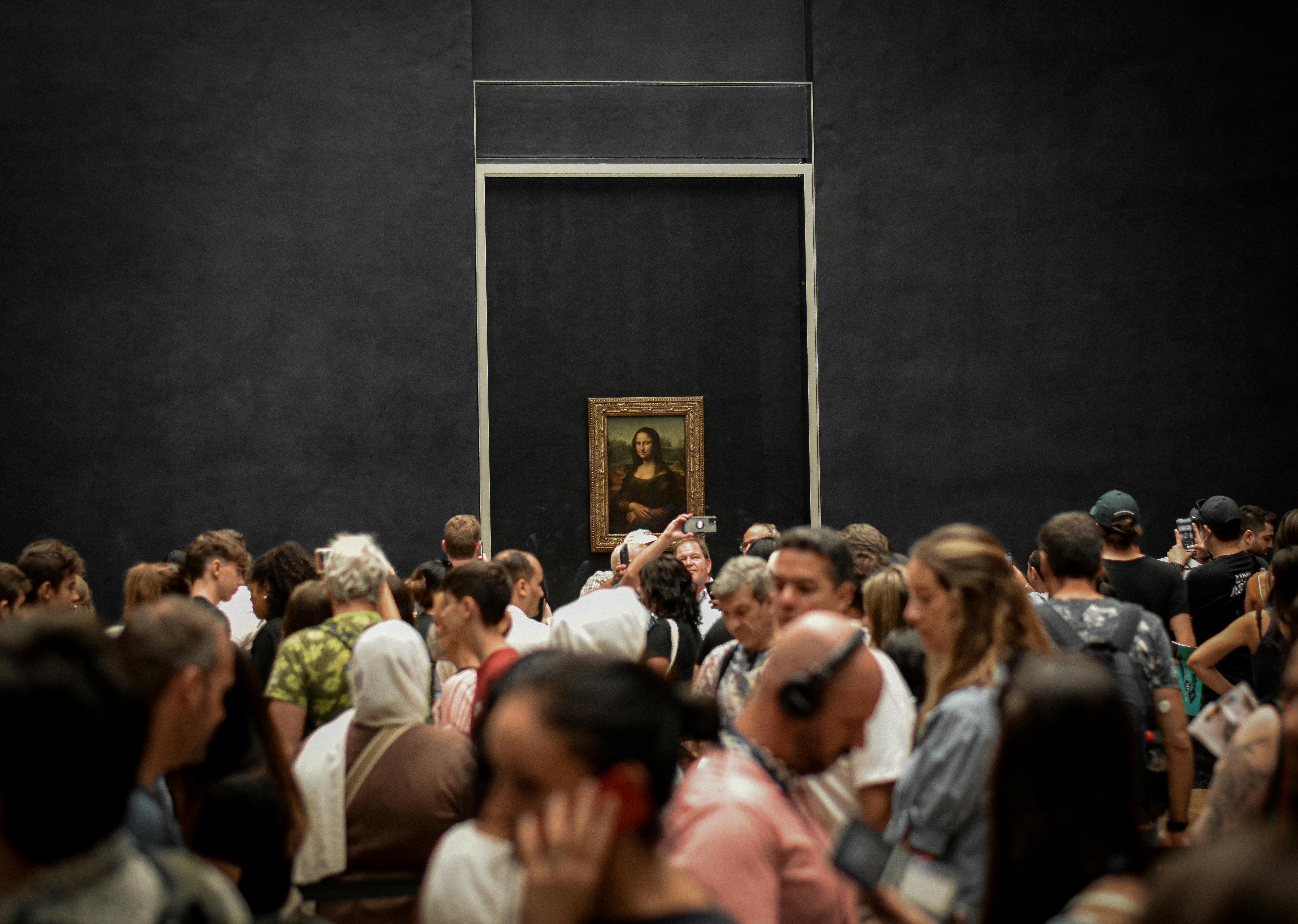



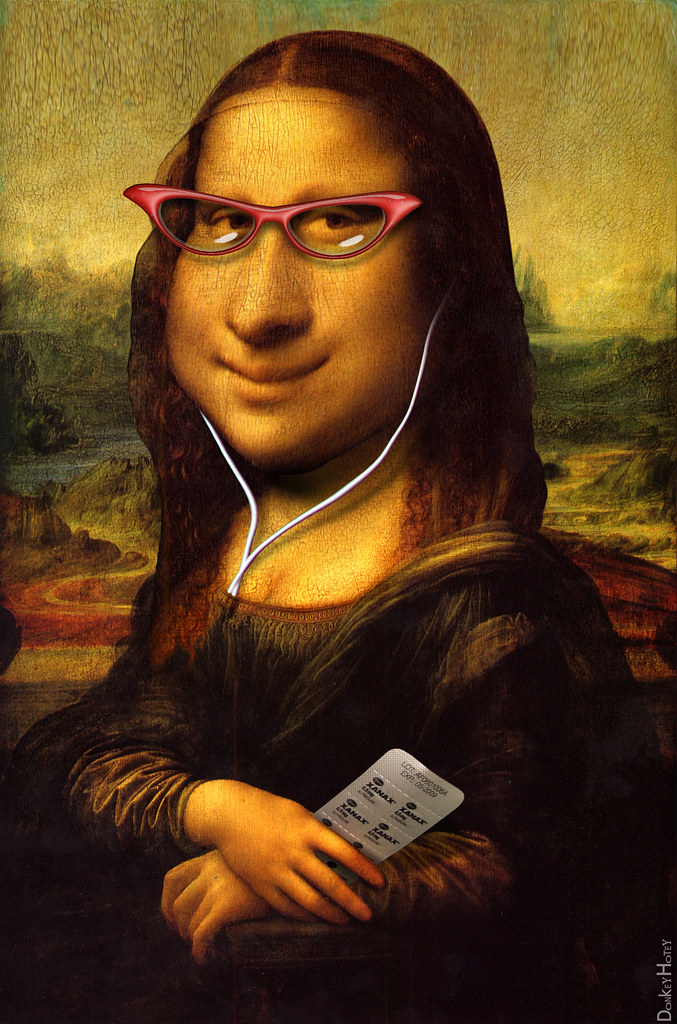





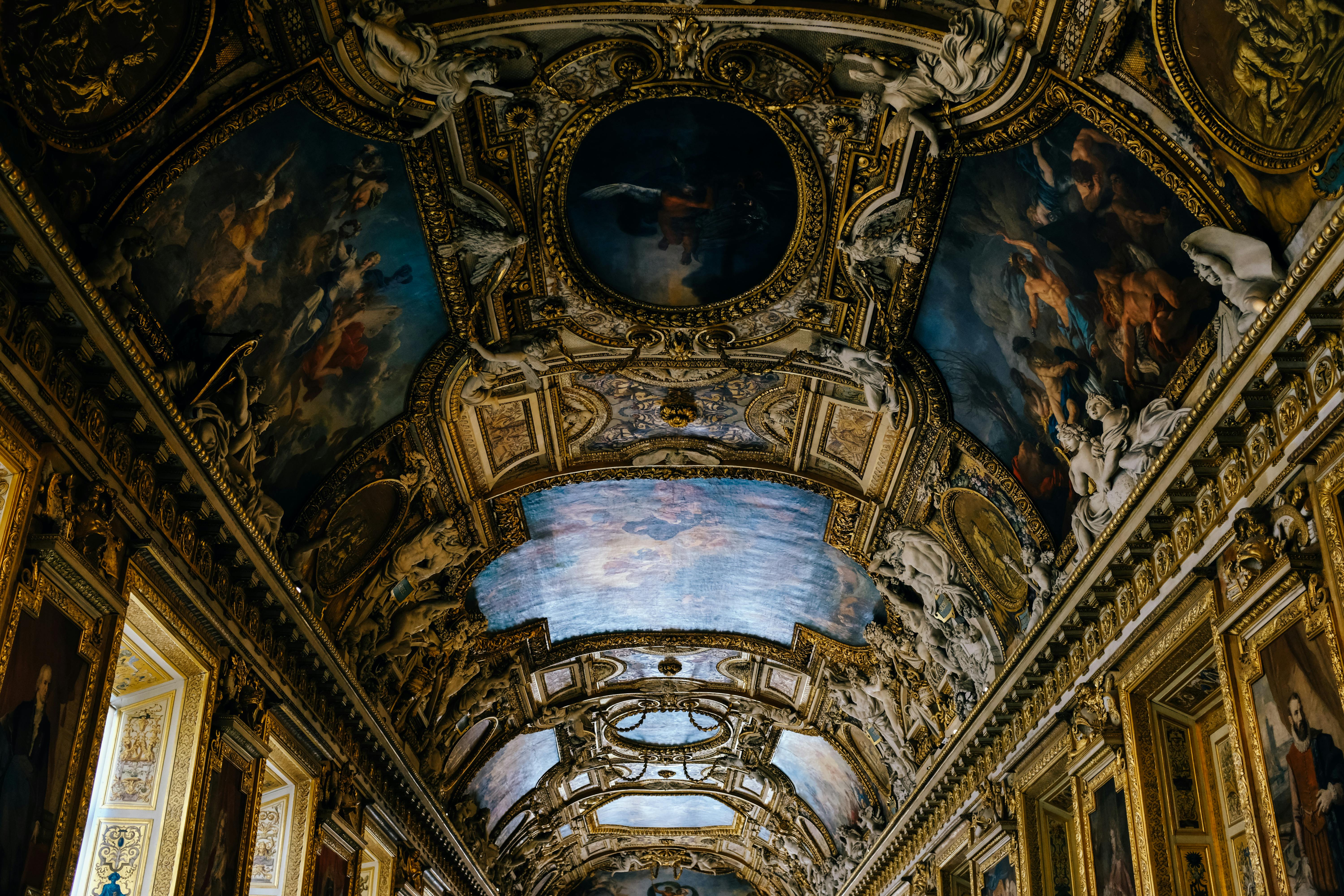

But beyond its technical brilliance and historical context, its most enduring, most resonant meaning lies in its profound mystery. The Mona Lisa doesn't offer easy answers; it doesn't shout its secrets or reveal them readily. Instead, she looks back at you with that slight, knowing, ever-changing smile, and silently invites you into a conversation that has spanned centuries, a quiet dialogue that shifts with every new viewer. She prompts us to ask more questions, to delve deeper into our own perceptions, and to confront the unreadable depths within ourselves and others, those quiet internal landscapes that make us uniquely human. And what, I ask you, could be more profoundly human, or more indicative of the true power of art, than that? It's a testament to why we continue to seek meaning, not just in art, but in life itself, constantly trying to decipher the smiles and secrets around us. If you're inspired to create your own art, perhaps as a way to explore the human condition or the mysteries of nature, remember that every artist, from Leonardo to me, started with a single stroke, a single idea. You can even explore resources on how to sign a painting for your own masterpieces. For me, that's the ultimate truth about art – it's a living, breathing conversation across time, and the Mona Lisa is perhaps its most eloquent, most enduring speaker. Perhaps, then, the ultimate meaning of the Mona Lisa isn't a secret to be uncovered, but a question to be perpetually asked, a mystery to be eternally embraced. This ongoing quest for understanding, this constant engagement, is precisely what makes her timeless and, for me, endlessly fascinating.