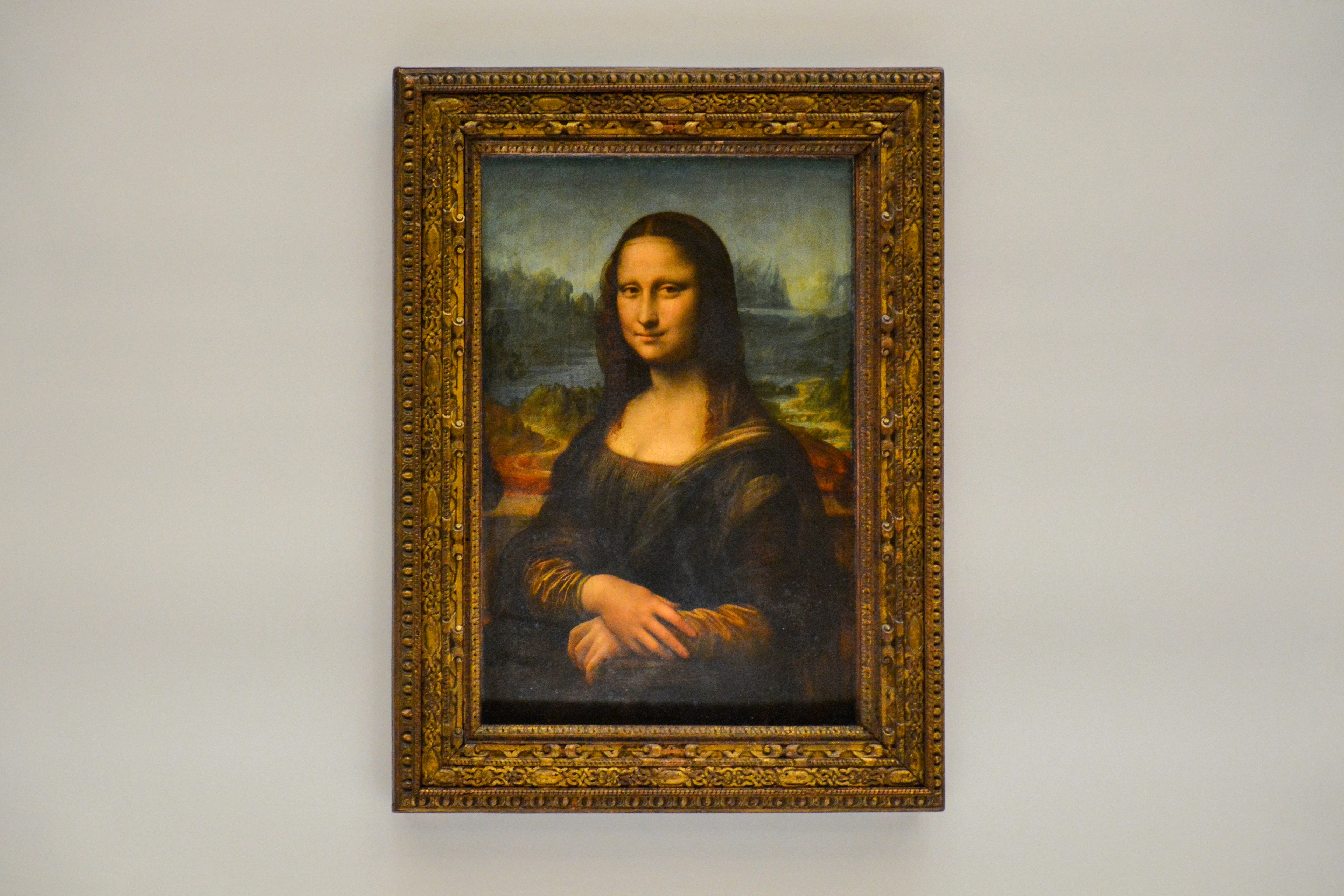
What is the Mona Lisa Smiling About? Unraveling Art's Greatest Mystery
Dive deep into the Mona Lisa's legendary, enigmatic smile. Explore Leonardo da Vinci's revolutionary sfumato technique, psychological theories, scientific analyses, and the painting's dramatic historical journey, making this the ultimate guide to understanding its enduring mystery and how it reflects our own human condition.

What is the Mona Lisa Smiling About? Unraveling Art's Greatest Mystery
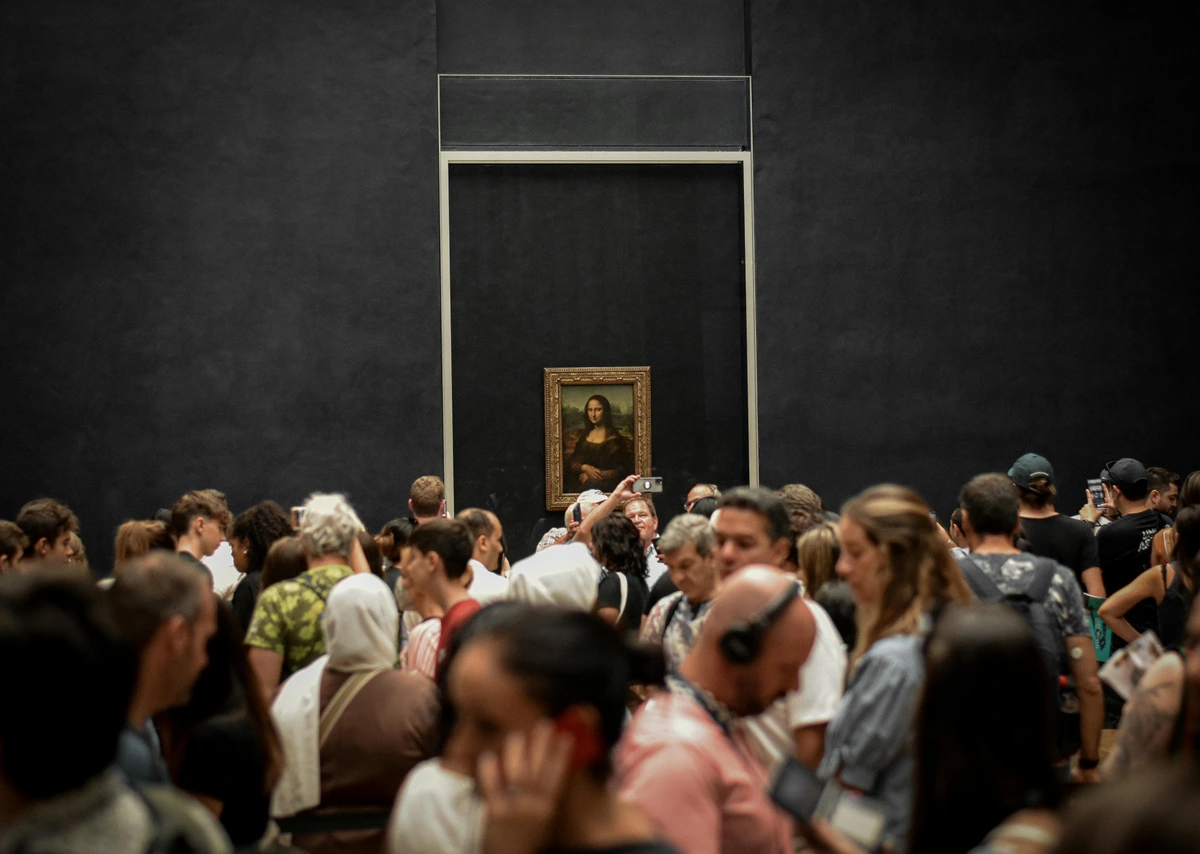
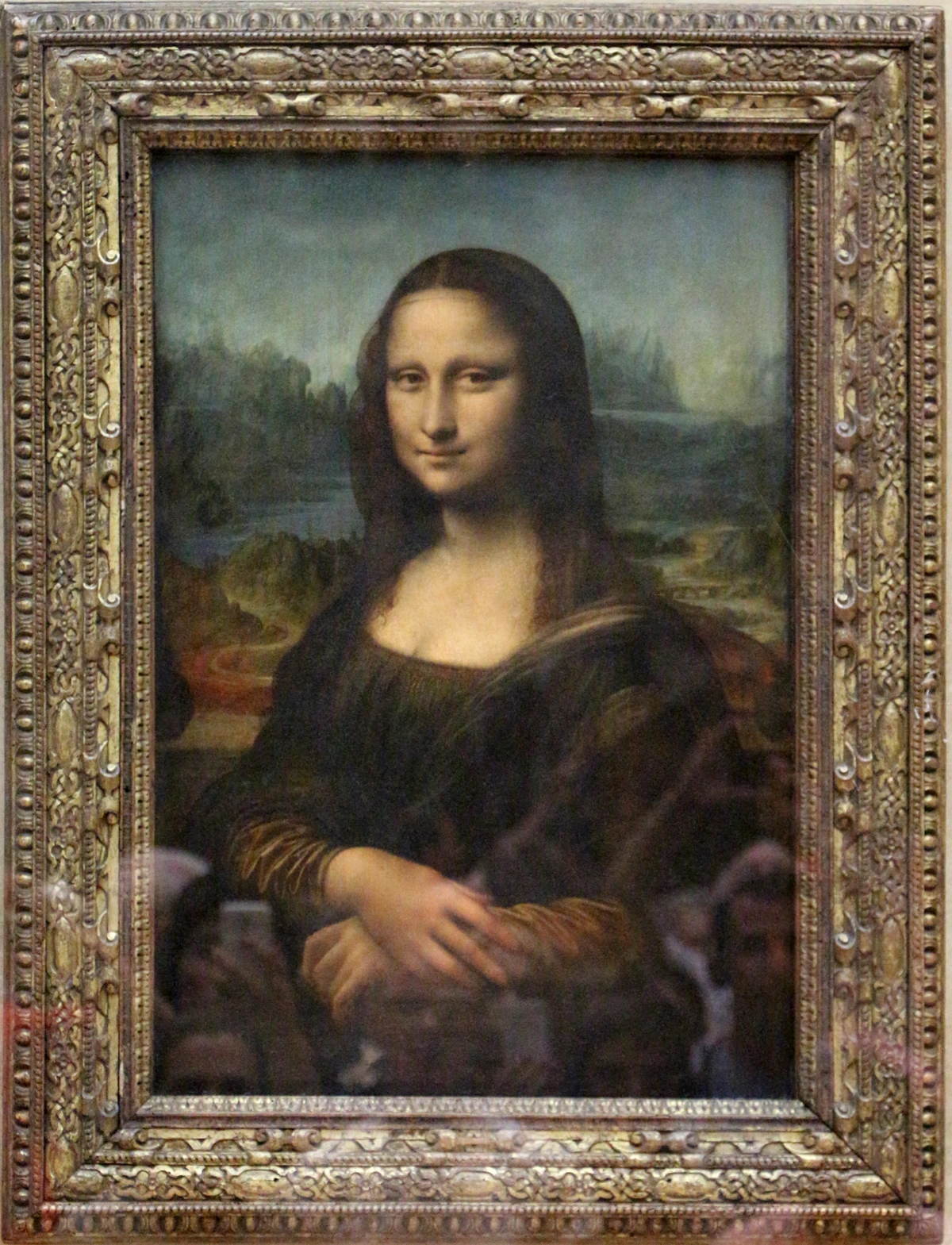
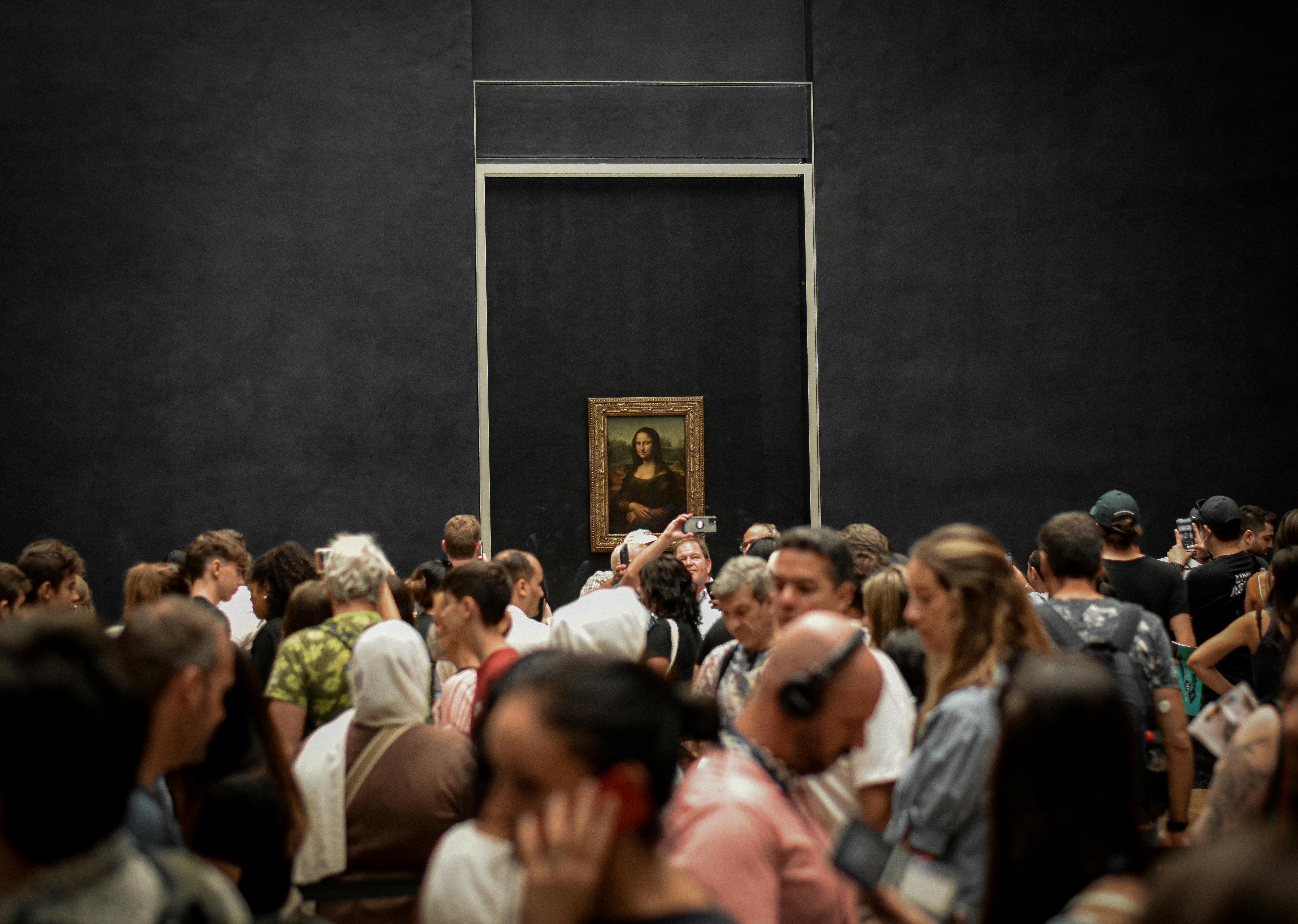
I remember the first time I truly engaged with the Mona Lisa, or rather, the first time I let her engage with me. I was much younger, standing amidst a sea of people at the Louvre, all jostling for that perfect, fleeting glimpse. Everyone wants to see the painting, don't they? But the real magic, the thing that stays with you, isn't just seeing her; it's the profound, unsettling question that blooms in your mind: what in the world is she smiling about? And when I say unsettling, I mean it in the most captivating way – that feeling of being drawn into a secret you can't quite decipher, a silent conversation across centuries. It’s a question that has haunted art historians, philosophers, neuroscientists, and casual observers like you and me for centuries, cementing its place as one of the greatest mysteries in art history. Her smile isn't merely an expression; it's a cultural phenomenon, a silent conversation starter across generations, constantly reinterpreted and reimagined. If you've ever found yourself lost in thought before her, you'll know exactly what I mean. This isn't just an article; it's an invitation to delve into the depths of a masterpiece and perhaps, even find a piece of yourself within its enigmatic gaze.
The Elusive Expression: A Universal Enigma
It's not just a smile, is it? It's an enigmatic smile, a subtle curve that seems to shift and play tricks on your eyes, inviting endless speculation. And honestly, that's what makes her utterly captivating. This inherent ambiguity is her superpower. It's like catching someone in a moment of private thought, a flicker of feeling that's gone before you can fully grasp it. Leonardo da Vinci, the polymath (a person of wide-ranging knowledge or learning) genius behind this work (and so many others, as explored in the ultimate guide to leonardo da vinci), poured something truly unique into this canvas, crafting a portrait that feels alive.
During the Renaissance, portraits often aimed for a direct, somewhat idealized representation, focusing on status and likeness. But the early 16th century was a period of immense change, fueled by a renewed interest in humanism, which emphasized human potential and values, and a blossoming of scientific inquiry. Leonardo, with his profound understanding of anatomy, optics, and psychology, was at the forefront of this shift. He sought to capture not just a likeness, but an inner world, a true reflection of the soul. He wasn't just painting Lisa del Giocondo, the wife of a Florentine merchant; he was painting the very essence of human emotion, a psychological depth that was revolutionary for its time. My take is that this isn't merely a portrait of a person, but a profound exploration of emotion itself, a piece of ultimate guide to renaissance art.
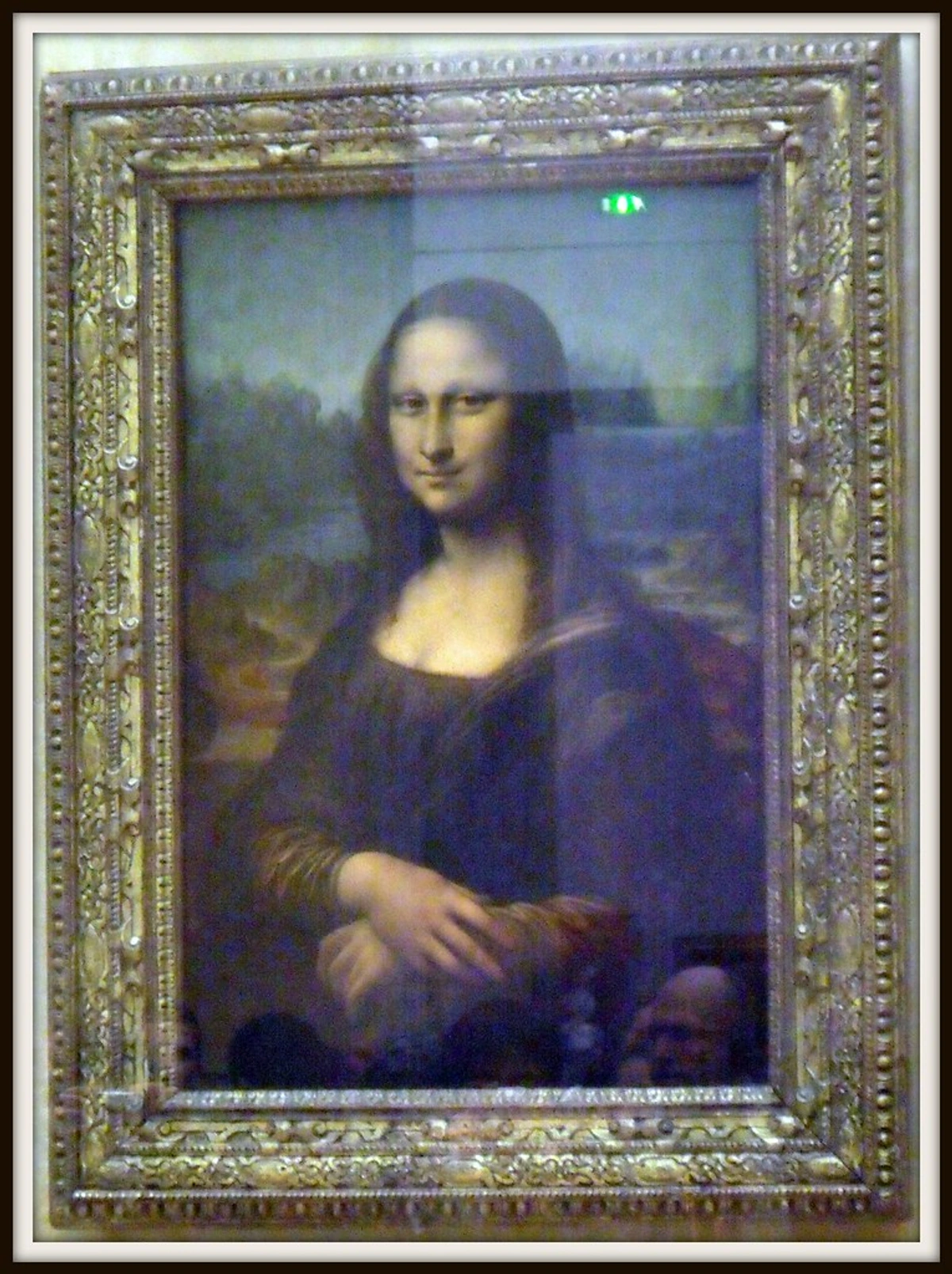
Her fame, which you can dive into more deeply in my article on why is the mona lisa so famous, goes far beyond mere recognition. It's the psychological depth, the sense of a living, breathing person captured in oil, that truly makes her a masterpiece and a constant subject of debate among experts and art lovers alike. Perhaps her appeal also lies in our own tendency to project our feelings onto art, making her smile a mirror to our own souls. It truly is the definitive guide to portraiture.
The Master's Secret: Sfumato and the Shifting Smile
Now, how did Leonardo do that? How did he create a smile that seemingly changes right before your eyes? The answer, my friend, lies in a technique he perfected called sfumato. And trust me, it's not just a fancy art term; it's pure genius, born from his deep scientific curiosity and artistic prowess. His rigorous anatomical studies, his fascination with optics and light, and his relentless pursuit of capturing reality in motion all fed into this revolutionary approach. You can explore it more in-depth in my article what is sfumato.
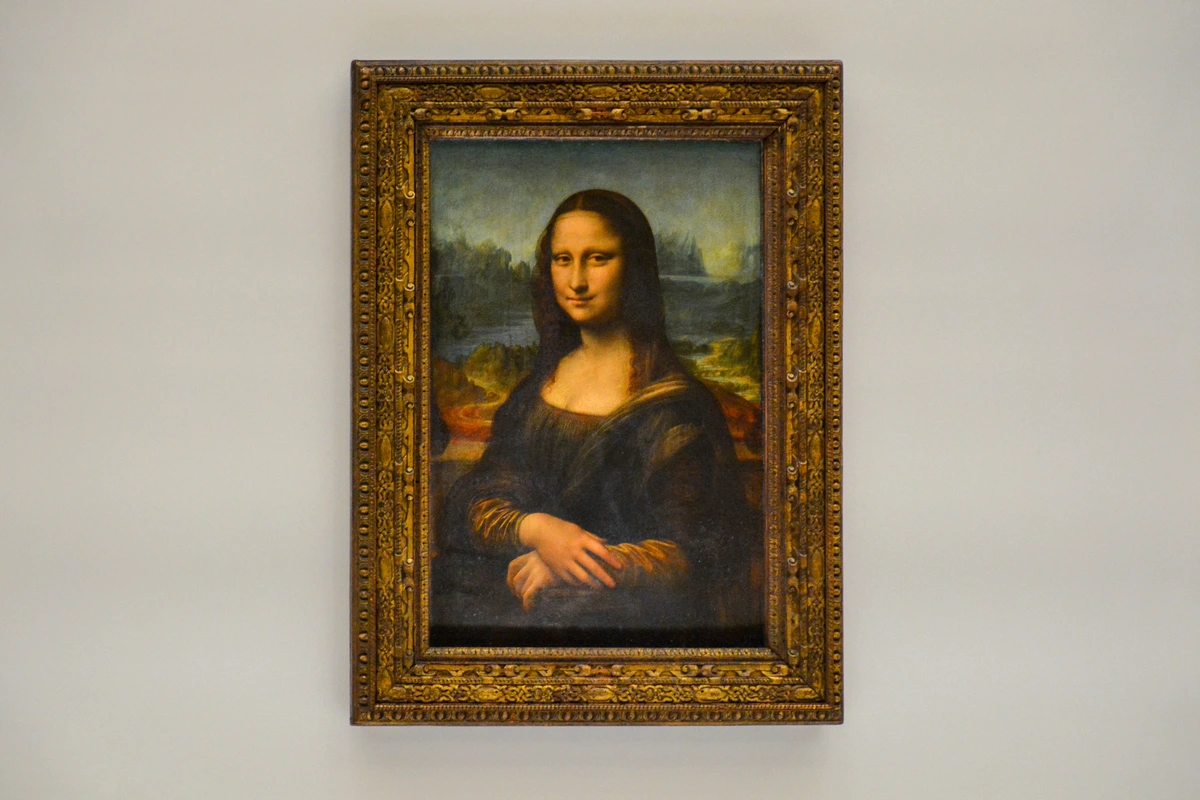
Sfumato (from the Italian word for "smoked" or "softened") is an oil painting technique that involves subtle gradations of light and shadow, without harsh outlines or abrupt transitions. Leonardo achieved this by applying numerous thin layers of translucent glazes, sometimes dozens, allowing them to subtly blend into one another. The edges of features, like the lips and eyes, are not sharply defined but appear blurred and soft, creating an almost hazy, smoky effect. It's a bit like looking through a gentle fog, where details are suggested rather than explicitly drawn. This wasn't just an aesthetic choice; it was a deeply scientific one, reflecting his understanding of how light diffuses and how the human eye perceives form.
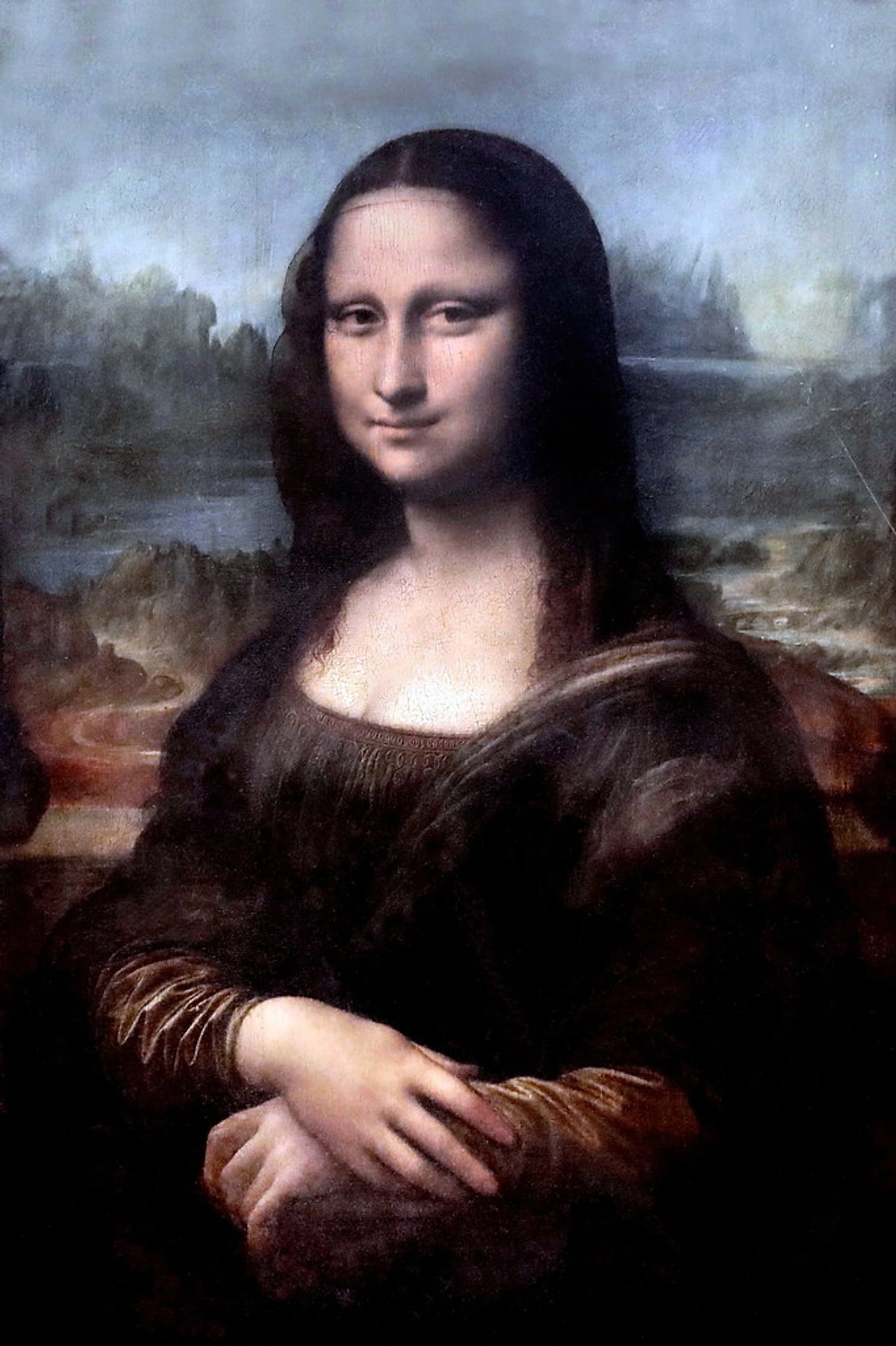
This deliberate lack of precise definition is the absolute key to the Mona Lisa's elusive smile. Our eyes, constantly seeking clarity and detail, struggle to pinpoint the exact curve of her lips. Depending on where you focus – her eyes, her cheek, or the corner of her mouth – your brain interprets the delicate interplay of light and shadow differently. Try it: Look directly at her mouth, and the smile might seem to recede. Now, shift your gaze to her eyes or the landscape behind her, letting her mouth fall into your peripheral vision. Doesn't the smile seem to re-emerge, subtly, almost mischievously? This optical illusion makes the smile seem to appear or disappear, to deepen or soften, depending on your gaze. It's not just a painting; it's a dynamic visual experience, a testament to Leonardo's scientific understanding of human vision and the intricate workings of the eye and brain.
Beyond Sfumato: Decoding Other Theories and Interpretations
While sfumato is undeniably crucial to the smile's magic, it's far from the only explanation. The Mona Lisa's enduring mystery sparks countless theories, each attempting to pin down something so deliberately ambiguous. It's fascinating, really, how many ways we try to unravel what might be unravellable.
Psychological Lenses: Peering into Her Inner World
Some believe Leonardo captured a specific, complex emotional moment. Was Lisa del Giocondo pregnant during the sittings, and the smile a reflection of maternal joy or quiet contemplation? The subtle curve of her lips, a slight inward turn, has led some art historians to suggest a hint of melancholy or a serene sadness, cleverly masked beneath the surface. Perhaps Leonardo was simply experimenting with capturing a fleeting, natural expression, rather than an overtly posed one, reflecting his belief that the human face is a window to the soul. Think of how often we, in our own lives, try to present a 'controlled emotion' – a smile that masks deeper feelings, or a neutral expression that hints at an internal monologue. Leonardo, in his pursuit of truth, understood this human nuance better than most, aiming for a portrait of the soul itself rather than a mere physical likeness. It's a human truth that our feelings are rarely one-dimensional, and perhaps Leonardo understood this better than anyone, aiming for a portrait of the soul itself rather than a mere physical likeness.
Scientific Scrutiny: The Brain and the Brushstroke
Modern science has weighed in, offering empirical insights into our perception of the smile. Neuroscientists and cognitive psychologists have studied how our brains process the image. One popular theory, as I mentioned with the sfumato, suggests that the smile is more apparent when viewed with our peripheral vision, which is less adept at discerning fine details but more sensitive to shadows and general forms. When you look directly at her mouth, the smile seems to vanish, only to reappear when you shift your gaze to her eyes or the background. Studies using eye-tracking technology, facial recognition software, or even psychological experiments with different lighting conditions, have attempted to quantify the percentages of happiness, sadness, or neutrality in her expression. The overwhelming consensus? It's purposefully ambiguous, designed not just to be observed, but to actively engage the viewer's interpretation and participation. However, I often wonder if these scientific tools, while fascinating, truly capture artistic intent or merely quantify our perception. The beauty, perhaps, lies in the gap between the two.
The Backdrop's Whispers: How the Landscape Shapes the Mood
Even the background landscape is said to contribute significantly to the smile's mystique. The ethereal, dreamlike quality of the distant mountains, winding rivers, and hazy horizons, also rendered with sfumato, creates a sense of detachment, vastness, and timelessness. Leonardo, known for his deep interest in geology, hydrology, and natural forms, meticulously crafted this imaginative, almost alien, vista. This serene, slightly otherworldly backdrop enhances the introspective quality of the sitter, suggesting that her inner world is as boundless and unknowable as the landscape behind her. It's not a bustling city view or a contained interior; it's a universal, almost melancholic, natural vista that allows the viewer to project their own sense of contemplation onto the portrait, deepening the enigma rather than resolving it.
The Viewer's Mirror: Our Role in the Enigma
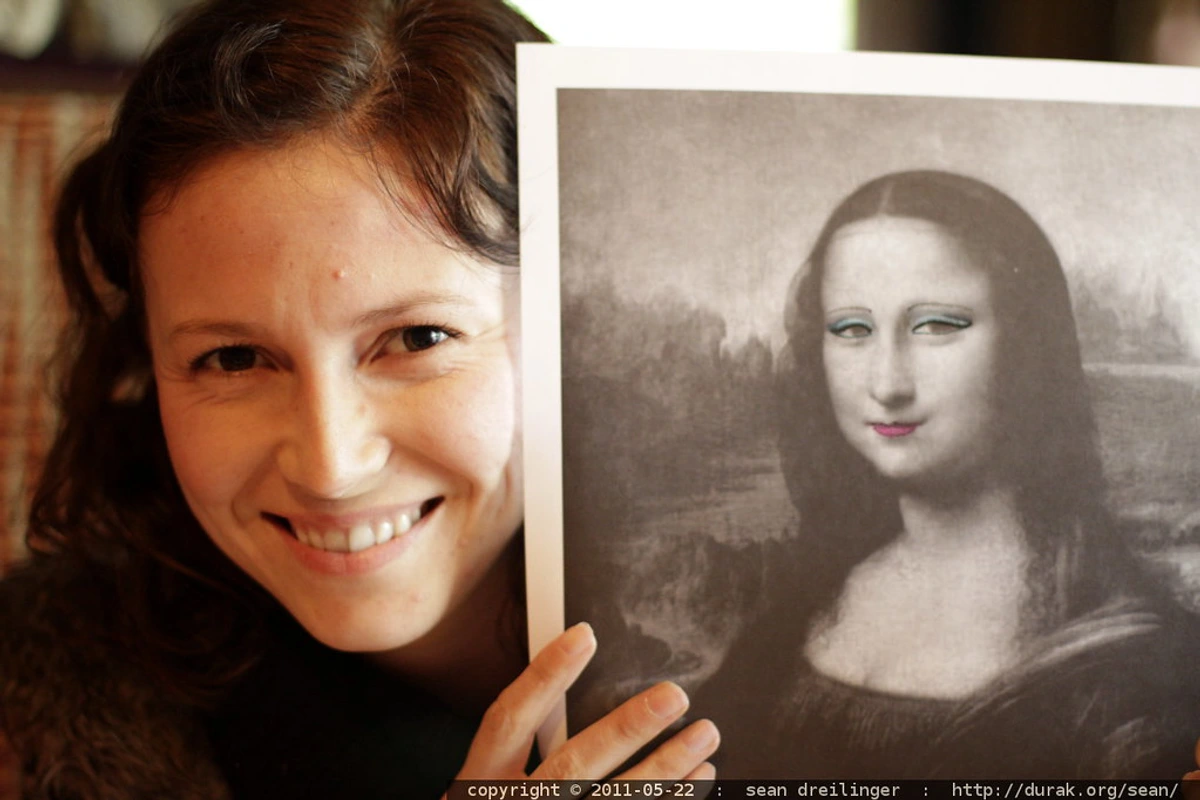
Perhaps the most compelling theory, in my opinion, is that the Mona Lisa's smile is not solely in the painting, but in us. The painting's deliberate ambiguity acts as a mirror, reflecting our own emotions, expectations, and psychological states. We arrive before her, burdened or lighthearted, and project those feelings onto her face. If you're feeling joyful, you might see a happy smile; if you're contemplative, perhaps a thoughtful expression. Think of it like this: have you ever encountered a piece of art that seems to perfectly capture your mood? The Mona Lisa does this for millions. This isn't a flaw in the artwork; it's its greatest strength. Leonardo didn't give us a definitive answer, but an invitation to self-reflection, making the Mona Lisa an active participant in our own ongoing dialogue with art. It's a profound connection, isn't it? It almost touches on the concept of the "uncanny valley" – that subtle discomfort when something is almost human, but not quite, compelling us to try and understand.
Here’s a summary of the leading theories and their contributing factors, because sometimes, you just need a quick overview:
Theory  | Key Idea | Contributing Factor(s) |
|---|---|---|
| Sfumato Technique | Blurring of lines creates a shifting, ambiguous smile. | Thin layers of translucent paint, soft transitions, lack of sharp edges; Leonardo's mastery of anatomy, optics, and light. |
| Optical Illusion | Smile appears/disappears based on viewer's gaze. | How peripheral vs. direct vision processes details; brain's interpretation of light and shadow; subtle chiaroscuro; deliberate ambiguity. |
| Psychological State | Reflects a specific, complex human emotion (e.g., joy, melancholy, pregnancy). | Leonardo's skill in capturing inner life; historical context of sitter; natural human expressions; 'controlled emotion' concept. |
| Viewer Projection | The smile acts as a mirror for the observer's own feelings. | Deliberate ambiguity in the painting; universal human experience of projecting emotions onto art; subjective interpretation; psychological resonance. |
| Landscape Connection | Ethereal background enhances the mysterious, introspective quality of the smile. | Dreamlike, sfumato-rendered landscape creating a sense of timelessness, detachment, and universality; symbolic representation; Leonardo's scientific interest in nature. |
The Mona Lisa's Journey: From Commission to Global Icon
Beyond the brushstrokes and theories, the Mona Lisa's journey through history has also cemented its legendary status. Commissioned by Francesco del Giocondo around 1503, the painting remained with Leonardo until his death in 1519, eventually making its way into the French royal collection under King Francis I. For centuries, it was a treasured piece, albeit one known primarily to royalty and art connoisseurs.
However, its true leap into global icon status came in 1911 with its audacious theft from the Louvre. Vincenzo Peruggia, an Italian handyman, stole the painting, believing it belonged in Italy. The ensuing worldwide manhunt and recovery two years later turned what was already a masterpiece into an international sensation. Newspapers around the globe covered the story with a fervor that would rival any modern-day viral event, speculating wildly about the thief and the painting's fate. Millions flocked to the Louvre upon its return, eager to see the painting that had captured the world's attention. This event transformed the Mona Lisa from a revered artwork into a household name, a subject of fascination far beyond art circles. Suddenly, everyone knew her face, and the mystery of her smile became an even more captivating narrative. It's a fascinating paradox, isn't it, how an act of crime could elevate a painting to such unprecedented levels of global fame and universal intrigue, making it an undeniable highlight of any a first-timers-guide-to-the-louvre-museum experience. And let's be honest, in today's art market, where price tags often overshadow intrinsic artistic value, the Mona Lisa remains a powerful reminder that true masterpieces transcend mere monetary speculation – though her valuation is astronomical, her real worth is inestimable.
Frequently Asked Questions About the Mona Lisa's Smile
I often hear these questions, and honestly, the answers often circle back to the same beautiful ambiguity that makes her so captivating. Let's delve into some common queries.
Who was the Mona Lisa?
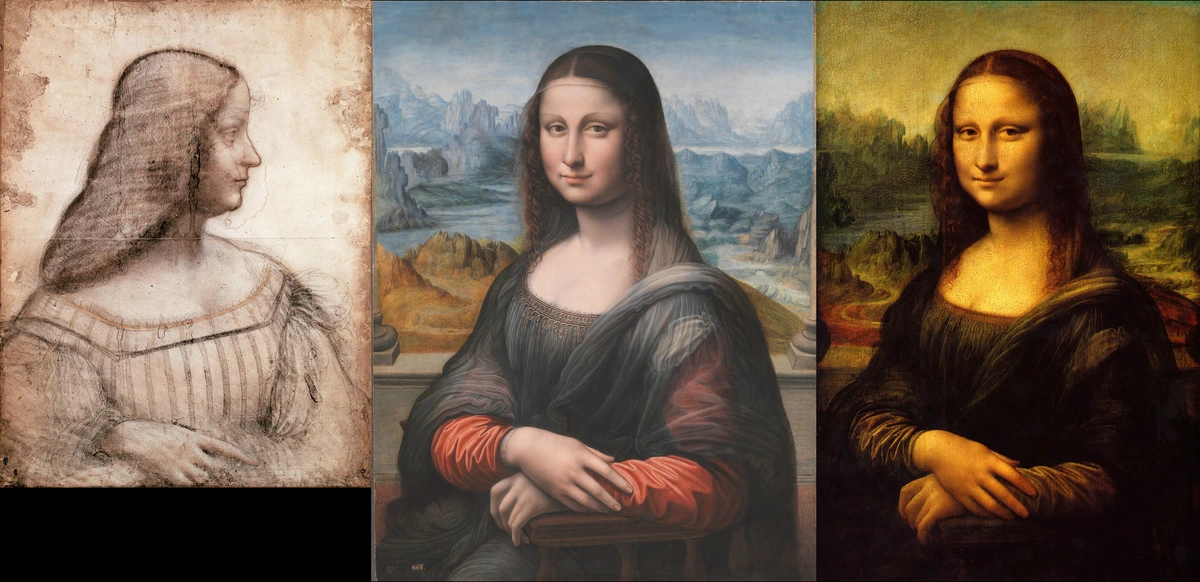
The woman depicted in the portrait is widely believed to be Lisa Gherardini del Giocondo, the wife of Francesco del Giocondo, a wealthy Florentine merchant. The Italian title of the painting, La Gioconda, translates to "the joyful one" but is also a clever play on her married name. While her identity provides historical grounding, it tells us little about the why of her famous expression, leaving the artistic interpretation wide open to what makes her smile so legendary.
Is the Mona Lisa happy?
It's not a straightforward "yes" or "no" answer, and that's precisely the point! Her expression is deliberately ambiguous. While some scientific studies have attempted to quantify percentages of happiness, sadness, and neutrality, the general consensus is that Leonardo designed it to be perceived differently depending on how and where you look, and even on your own emotional state. So, while she might appear happy to some, others perceive a hint of melancholy or simply a serene, unreadable calm. Her true "happiness" remains in the eye of the beholder, a testament to Leonardo's masterful psychological portraiture. It's why her enigmatic smile continues to fascinate!
How old is the Mona Lisa painting?
Leonardo da Vinci began painting the Mona Lisa around 1503 and continued working on it, on and off, until shortly before his death in 1519. This means the painting is over 500 years old, a remarkable testament to its enduring quality and the master's technique, particularly the sfumato that gives her smile its mystery.
Where is the Mona Lisa kept today?
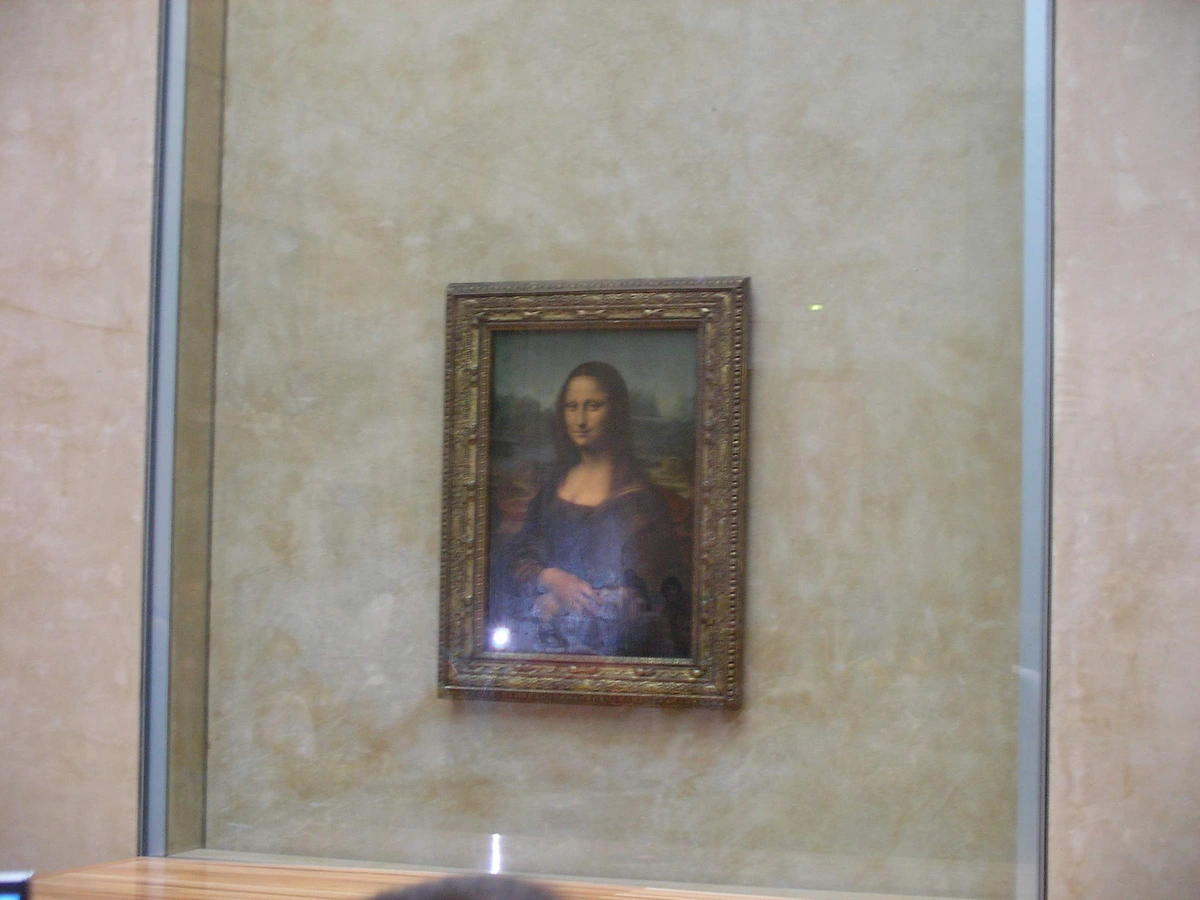
The Mona Lisa is famously housed at the Louvre Museum in Paris, France. It is displayed in a dedicated, climate-controlled room (the Salle des États) behind bulletproof glass, where it draws millions of visitors each year. It has been a part of the French royal and national collections for centuries and is considered a national treasure, making it a key highlight for any visitor to a first-timers-guide-to-the-louvre.
What is the estimated value of the Mona Lisa?
While the Mona Lisa is officially priceless and not for sale, it holds the Guinness World Record for the highest insurance valuation ever, at US$100 million when it was assessed for an exhibition in the United States in 1962. Adjusted for inflation, that figure would be over US$1 billion today. However, its cultural and historical value far surpasses any monetary estimation, making it truly irreplaceable. It's a testament to the fact that some art simply cannot be bought or sold, but only experienced and cherished.




The Enduring Legacy: Why Her Smile Still Matters
After delving into the layers of technique, psychology, science, and history surrounding the Mona Lisa's smile, what do we take away? I think it's this: the enduring power of ambiguity. Leonardo da Vinci didn't just paint a portrait; he created a profound puzzle, an optical and psychological riddle that continues to engage and fascinate us across five centuries. He understood something fundamental about the human condition – our endless quest for meaning, our desire to connect, and our propensity to see ourselves in the art we encounter.
Her smile remains a silent invitation, a canvas onto which we project our own hopes, fears, and understandings. It challenges us to look deeper, not just at the canvas, but within ourselves. I mean, what does her smile say to you right now? Does it change depending on your mood, or the time of day? In a world often obsessed with definitive answers, the Mona Lisa stands as a powerful reminder that sometimes, the greatest treasures lie not in what is fully revealed, but in what remains beautifully, profoundly, and eternally mysterious. And perhaps, that's her greatest secret of all.