Leonardo da Vinci: The Ultimate Renaissance Polymath in Art, Science & Beyond
Unlock the genius of Leonardo da Vinci. Explore his iconic art, pioneering science, visionary inventions, and integrated philosophy that made him the quintessential Renaissance Man. Discover his enduring legacy.

Leonardo da Vinci: The Ultimate Polymath, Bridging Art, Science, and Enduring Genius of the Renaissance
How does one mind, centuries ago, become synonymous with genius? What is it about Leonardo da Vinci that makes his name echo across time, captivating artists, scientists, and thinkers alike? For me, it’s like staring into a crystal ball that reflects not just the past, but countless possibilities for the future – a testament to a mind that didn't just observe the world, but passionately experimented with its very essence. We’re talking about someone who, without modern tools or textbooks, utterly reshaped our understanding of art, the human body, and mechanical principles. Honestly, trying to grasp the sheer scale of it still blows my mind a little. In this deep dive, we'll unearth the layers of his iconic art, visionary scientific explorations, groundbreaking inventions, profound philosophical insights, and the timeless legacy of this quintessential Renaissance polymath. We’ll even touch on the practical challenges he wrestled with and how they shaped his monumental output. As an artist, I constantly wrestle with the boundaries of my own creativity, but Leonardo's boundless drive for understanding offers a profound blueprint.

A Mind Without Borders: Beyond the Brushstroke
When someone asks, "Why is Leonardo da Vinci famous?", the instant answer is usually "the guy who painted the Mona Lisa." And yes, that iconic portrait is an enormous part of his legacy, arguably the most famous painting ever created. But trying to label Leonardo as merely a "painter" feels, to me, like calling a vast ocean a mere puddle. He was an artist, undoubtedly, but also a scientist, an inventor, an anatomist, an engineer, a cartographer, a musician, a botanist, a philosopher… I mean, the list genuinely feels boundless. His mind was a relentless, restless force, forever observing, perpetually questioning the world around him. This profound inquisitiveness, the very same spark that drives me to explore new palettes or abstract forms, was the engine of his genius.
Born in 1452 in Vinci, a small town in Tuscany, Leonardo's beginnings were, by societal standards, unconventional. As the illegitimate son of a notary and a peasant woman, he didn't receive the formal classical education (rooted in Latin, Greek, and ancient texts) that many of his artistic peers, like Michelangelo, enjoyed. Yet, I sometimes wonder if this very lack of traditional schooling freed his mind. It meant his intellectual journey, which began earnestly around the age of 14, was largely shaped by direct experience and boundless curiosity. Apprenticed to Andrea del Verrocchio, one of Florence's leading artists and sculptors, Leonardo entered a truly vibrant hub. Verrocchio's workshop wasn't just about painting; it was a multidisciplinary incubator where he honed skills in sculpting, metalworking, optics, and even early engineering – a kind of hands-on learning that was foundational to his later polymathic pursuits. Florence itself, in the 15th century, was an electrifying epicenter of the Renaissance—a crucible where art, science, and philosophy didn't just coexist, but profoundly intersected. This environment, combined with his unique empirical approach—meaning he learned directly by observation and experimentation, testing theories against the natural world rather than solely relying on ancient wisdom—set him apart. It’s the kind of intellectual breadth that leaves you both inspired and, frankly, a little intimidated, knowing what one person can achieve. My own to-do list feels wonderfully manageable in comparison! If you're curious about the vibrant art scene he grew up in, our art lover's guide to Florence offers a fantastic overview.
Leonardo's Life: A Timeline of Boundless Exploration
To put the sheer scope of Leonardo's life into perspective, here’s a snapshot of some key moments and achievements, demonstrating his ceaseless movement between creative, scientific, and practical pursuits:
Year  | Event / Achievement | Significance |
|---|---|---|
| 11452 | Born in Vinci, Tuscany. | Humble beginnings as an illegitimate son, yet he would rise to unparalleled fame, unburdened by traditional academic constraints. |
| c. 1466 | Apprenticed to Andrea del Verrocchio in Florence. | Entry into a multidisciplinary workshop, where he gained foundational artistic and technical skills across painting, sculpting, and even engineering, shaping his early empirical approach. |
| c. 1472 | Admitted to the Florentine painters' guild. | Officially recognized as a master painter, though he remained associated with Verrocchio's workshop for several more years. |
| c. 1478-1482 | Early works in Florence, including Annunciation. | Demonstrates early mastery of aerial perspective and realism, signaling his unique talent and burgeoning artistic vision. |
| 1482 | Moves to Milan, enters service of Ludovico Sforza. | Begins a highly productive 17-year period of art commissions (The Last Supper), military engineering, and scientific study, showcasing his true polymathic capabilities. |
| c. 1483-1486 | Paints the first version of Virgin of the Rocks. | Showcases innovative use of chiaroscuro and complex, atmospheric composition, hinting at his deep understanding of light and shadow. |
| 1495-1498 | Creates The Last Supper in Milan. | A masterpiece of psychological drama and perspective, though his experimental fresco technique led to its rapid deterioration, a testament to his restless innovation. |
| 1499 | Milan falls to the French; Leonardo leaves. | Marks the end of his first Milanese period, beginning a period of travel and varied employment across Italy, often seeking new patrons and challenges. |
| 1500-1506 | Returns to Florence, begins Mona Lisa and Battle of Anghiari. | A period of intense artistic creation, military engagement, and deep anatomical studies, reflecting his integrated interests. |
| 1502 | Serves Cesare Borgia as military engineer. | Practical application of his engineering and cartography skills, designing fortifications and advanced weaponry for a powerful warlord. |
| c. 1503-1506 | Creates Mona Lisa. | His most iconic portrait, famed for its sfumato technique and enigmatic smile, a culmination of his studies in optics and human emotion. |
| c. 1506-1513 | Returns to Milan, focuses on scientific studies. | A deep dive into anatomy, hydraulics, and botany, producing thousands of meticulously drawn and annotated notebook pages, pushing the boundaries of scientific observation. |
| 1513-1516 | Lives in Rome under patronage of Pope Leo X's brother. | Continues anatomical and scientific studies, though fewer major artistic commissions, facing some friction from patrons and rivals like Michelangelo and Raphael. |
| 1516/1517 | Moves to France, enters service of King Francis I. | His final years are spent as a respected artist, engineer, and advisor at Clos Lucé, focusing on research, writing, and consolidating his vast knowledge. |
| 1519 | Dies at Clos Lucé, France. | Leaves behind an unparalleled artistic and scientific legacy, including thousands of notebook pages that would continue to inspire centuries of discovery. |
Leonardo's journey was one of perpetual motion and inquiry, never settling, always seeking to understand and create.
The Iconic Paintings: A Masterclass in Mystery and Emotion
Let’s be honest, his paintings stand in a league of their own. They're not just beautiful; they possess an undeniable, almost eerie, vitality that captures the imagination. He infused them with a psychological depth and technical brilliance that was revolutionary.
The Last Supper: A Moment Frozen in Time
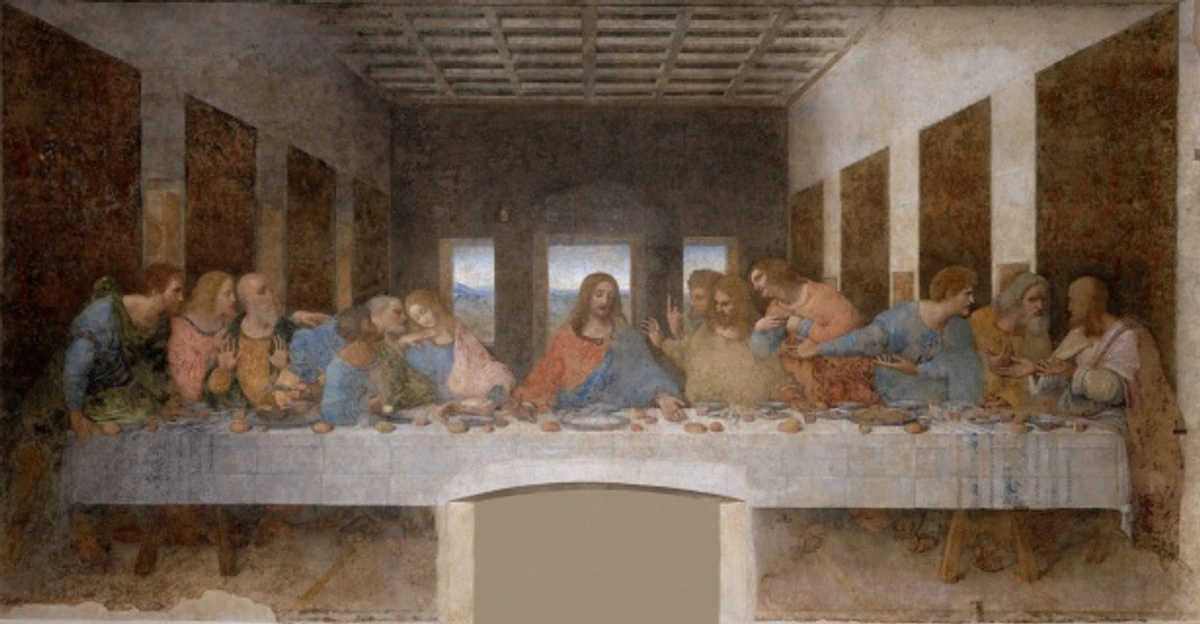
This isn't merely a religious scene; it’s a psychological drama, an explosive human moment unfolding right before your eyes. Leonardo chose to capture that precise, agonizing instant when Jesus reveals that one of his apostles will betray him, and the apostles' subsequent reactions—shock, denial, fear, introspection—are rendered with astonishing precision and intensity. It’s a profound study in human emotion, a masterclass in visual storytelling techniques in narrative art.
It’s almost as if he's directing a theatrical play, isn’t it? Every gesture, every nuanced facial expression, tells a complex story. He truly grasped the depths of the human condition, and he painted it large for all to see. It's not just a mural; it’s a profound statement on faith, loyalty, and betrayal. What's even more remarkable, and a testament to his experimental nature, is that he didn't use traditional fresco techniques that would have ensured its longevity. Instead, he experimented with oil and tempera on dry plaster, applying layers directly to a prepared stone wall. This unconventional approach, while allowing for the subtle blending and luminous effects he desired, meant the paint didn't properly adhere to the wall over time. Tragically, it led to its rapid deterioration almost immediately after its completion, beginning to flake and degrade within decades. Its survival to this day, albeit in a delicate state, and the ongoing challenges of its restoration, are miracles in themselves. You can dive deeper into its profound symbolism and context in our article on what is the meaning of the last supper.
The Mona Lisa: That Enduring Smile
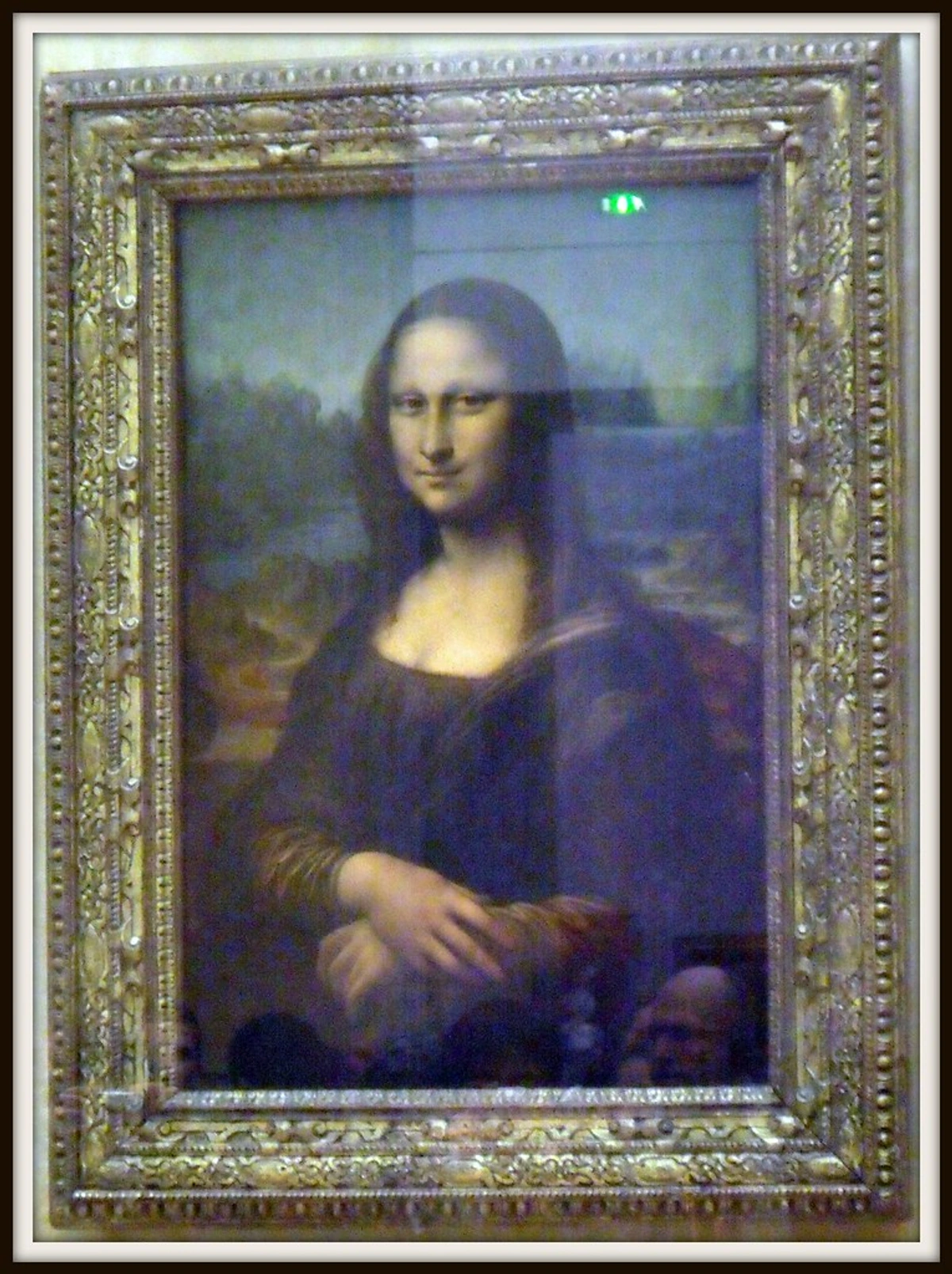
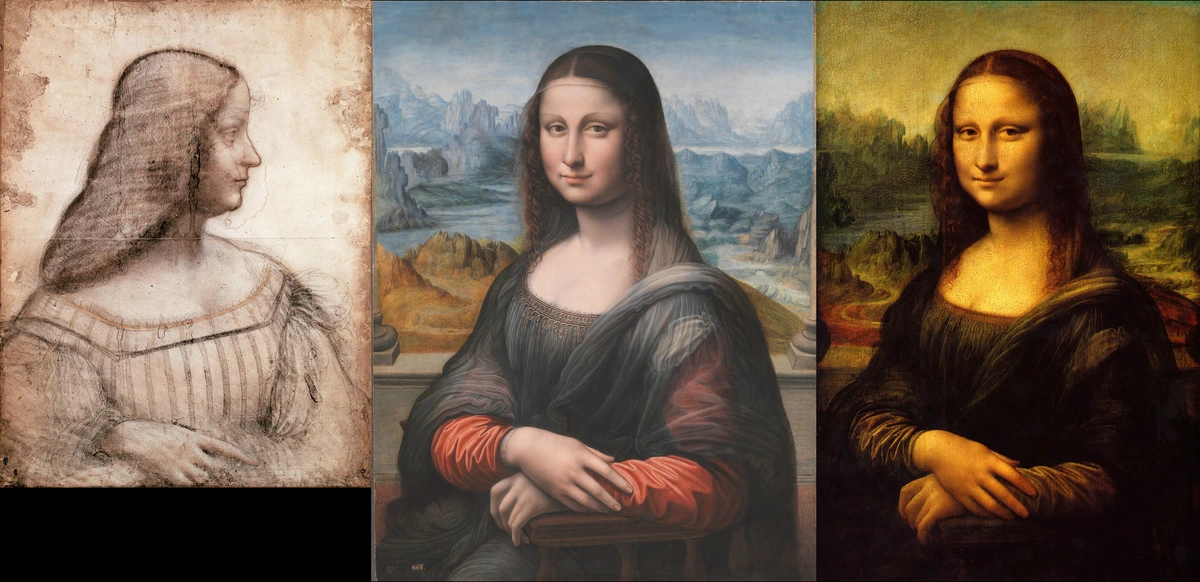
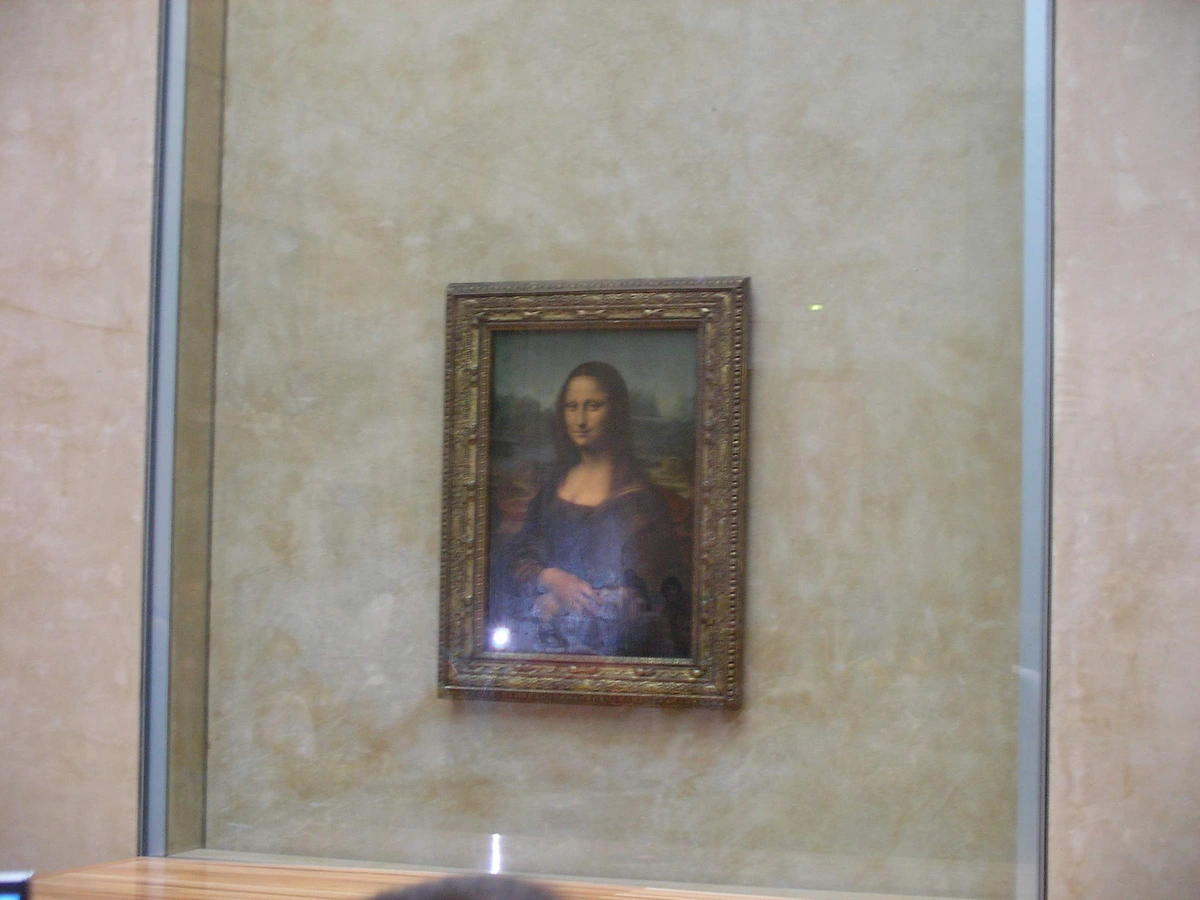
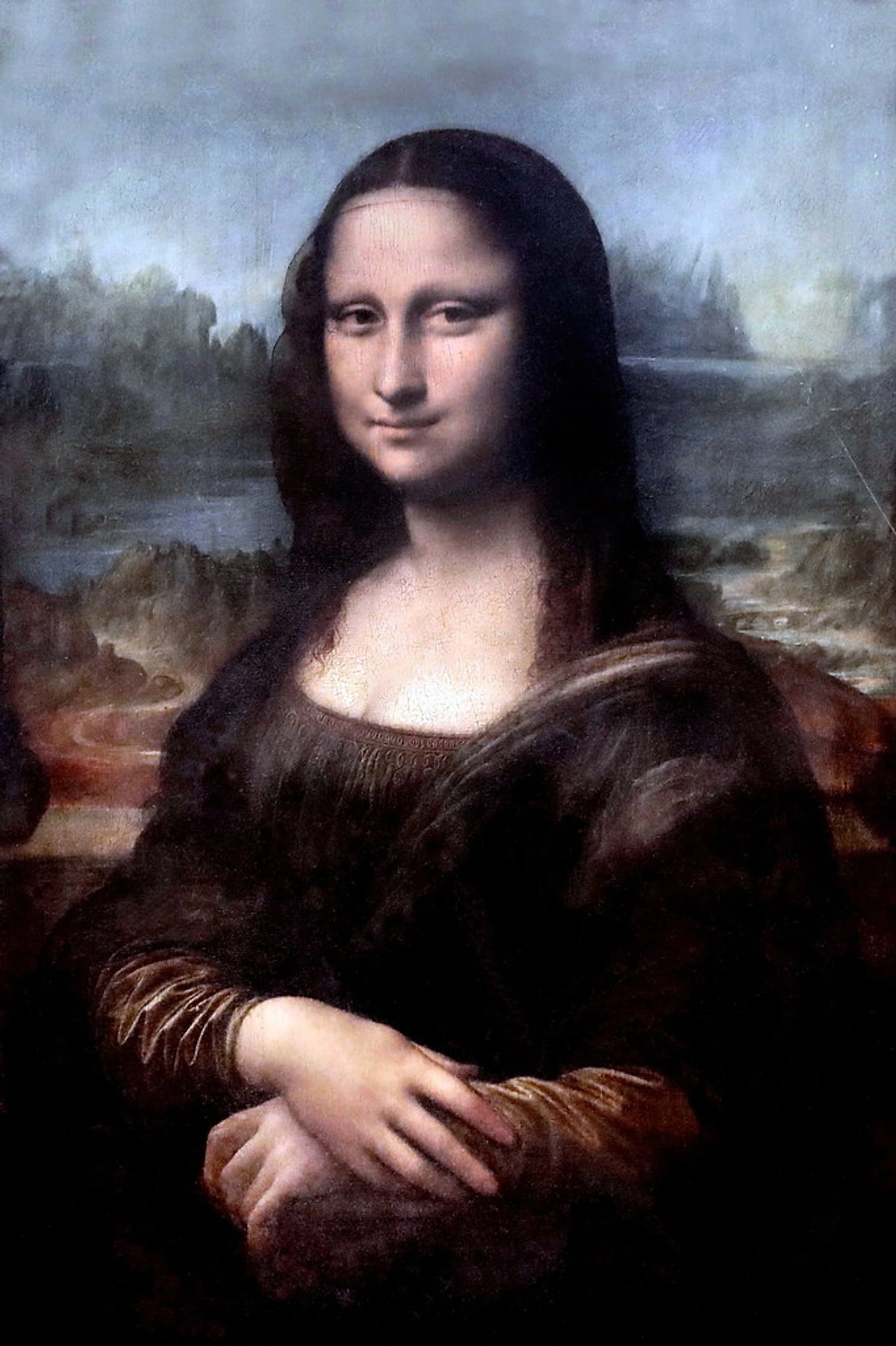
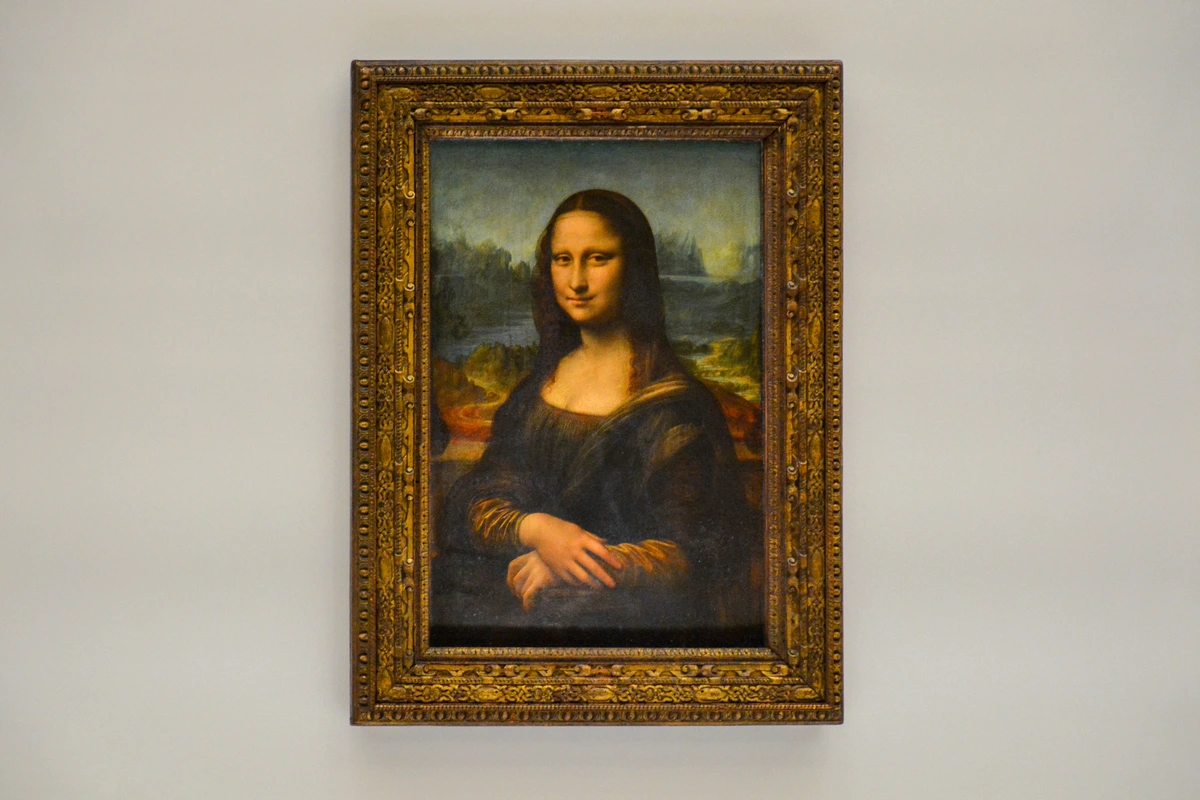
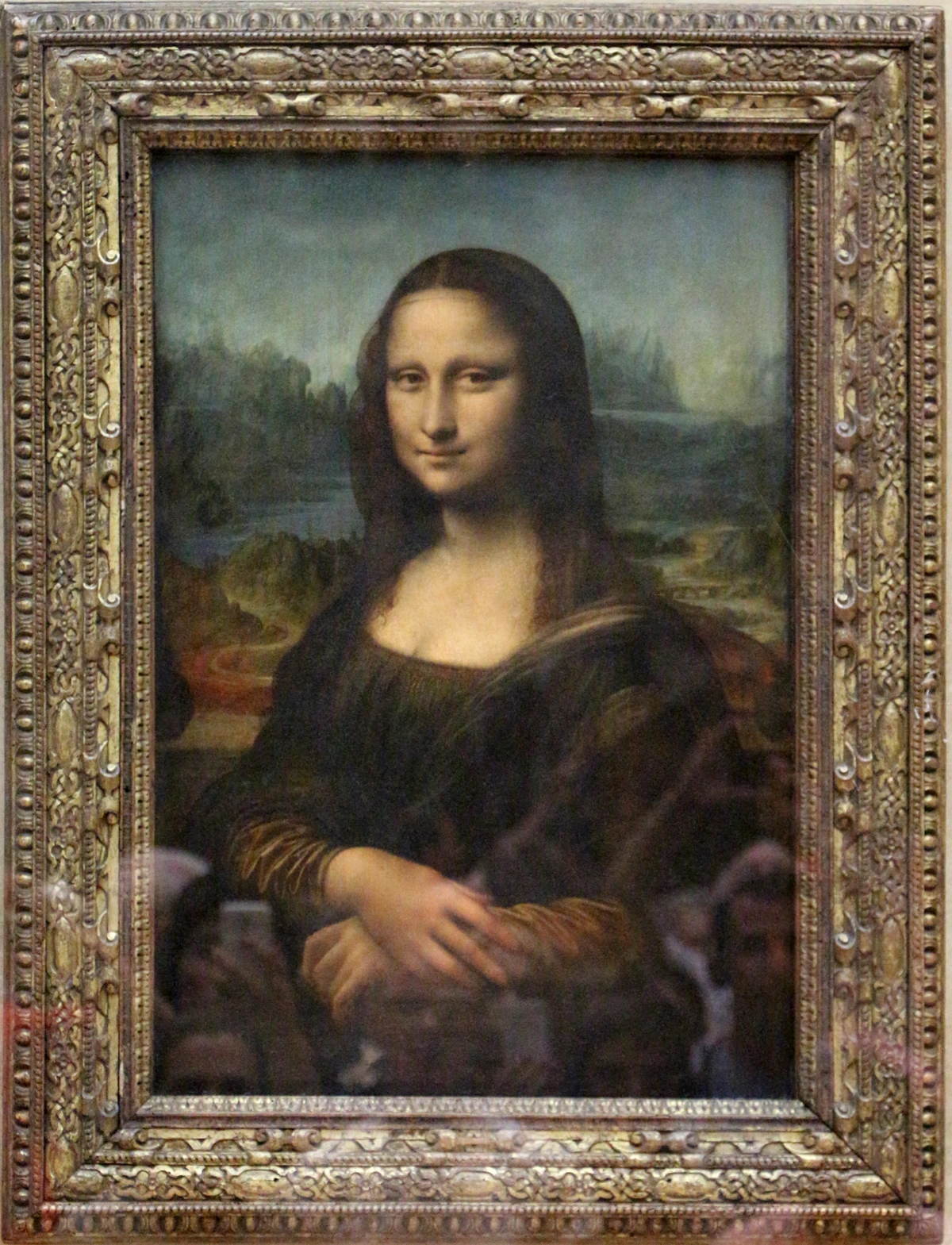
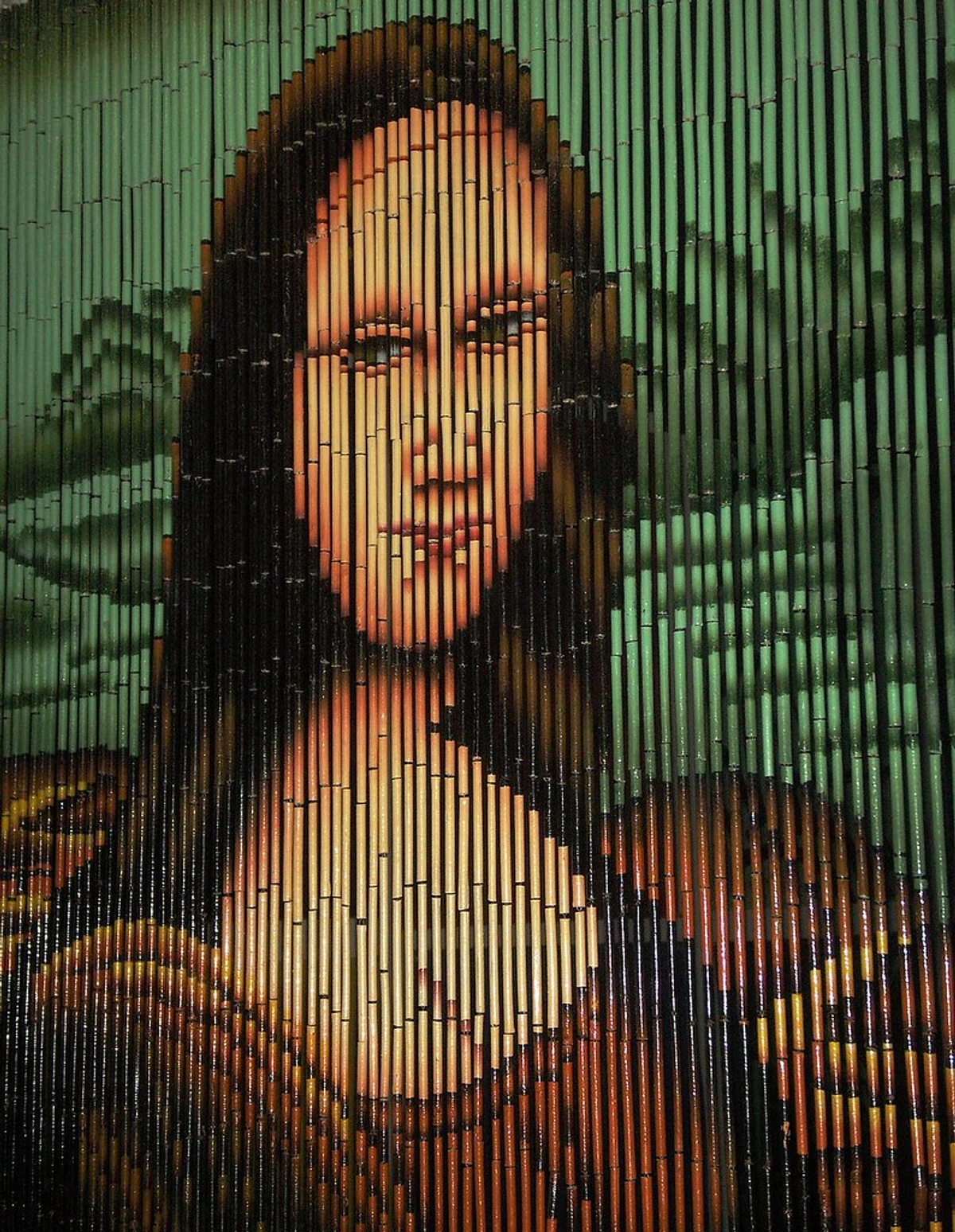
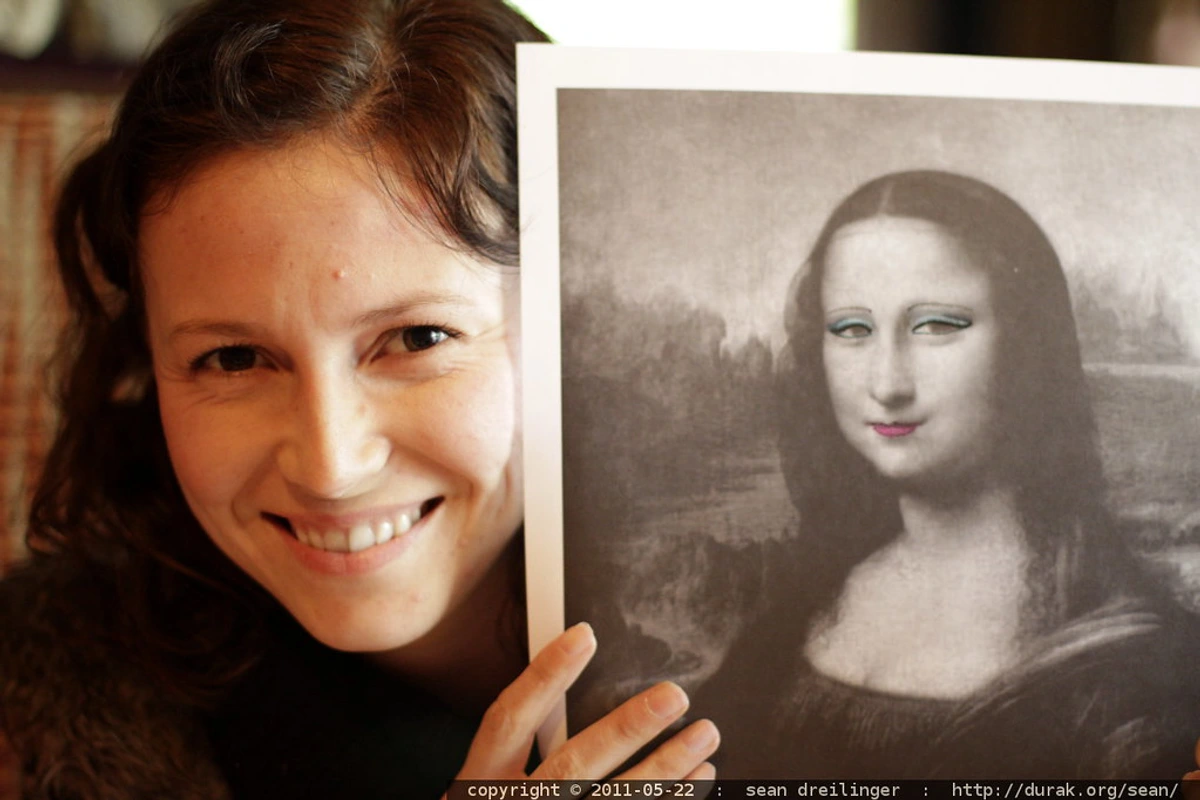
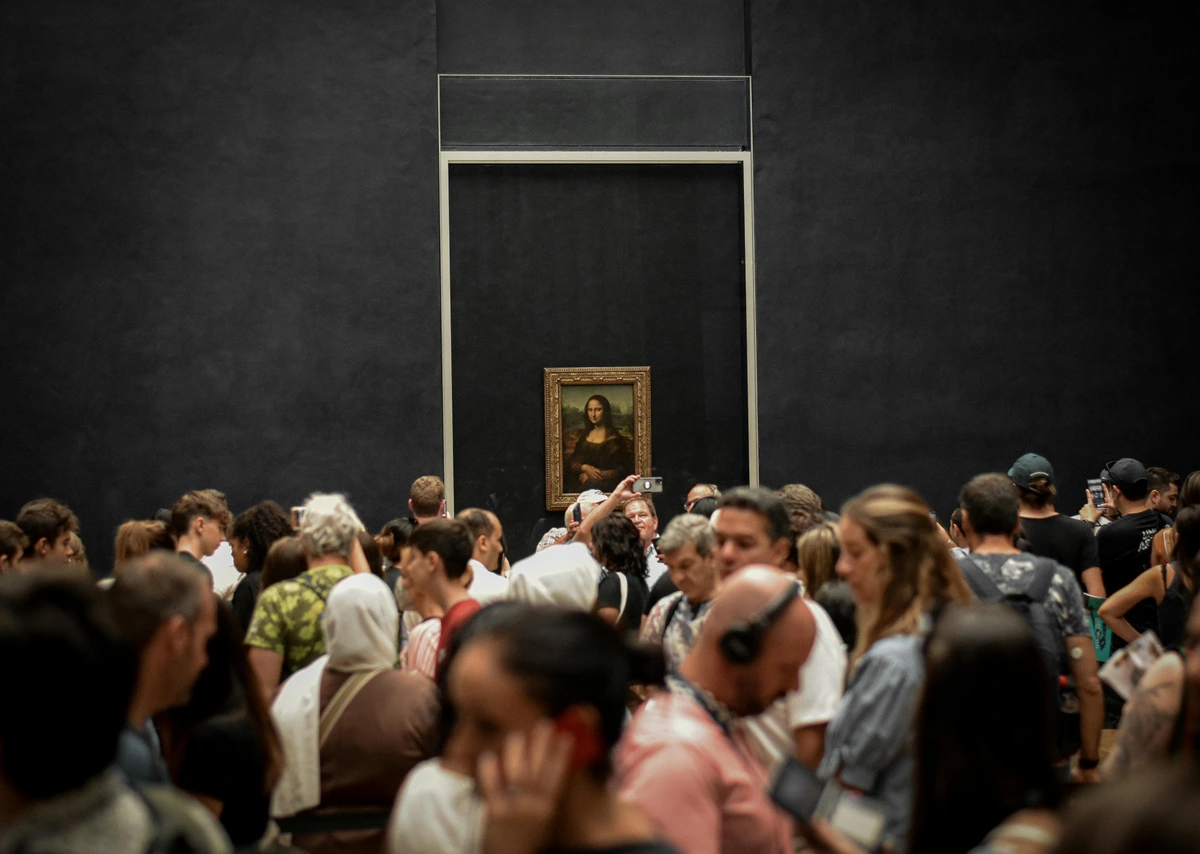
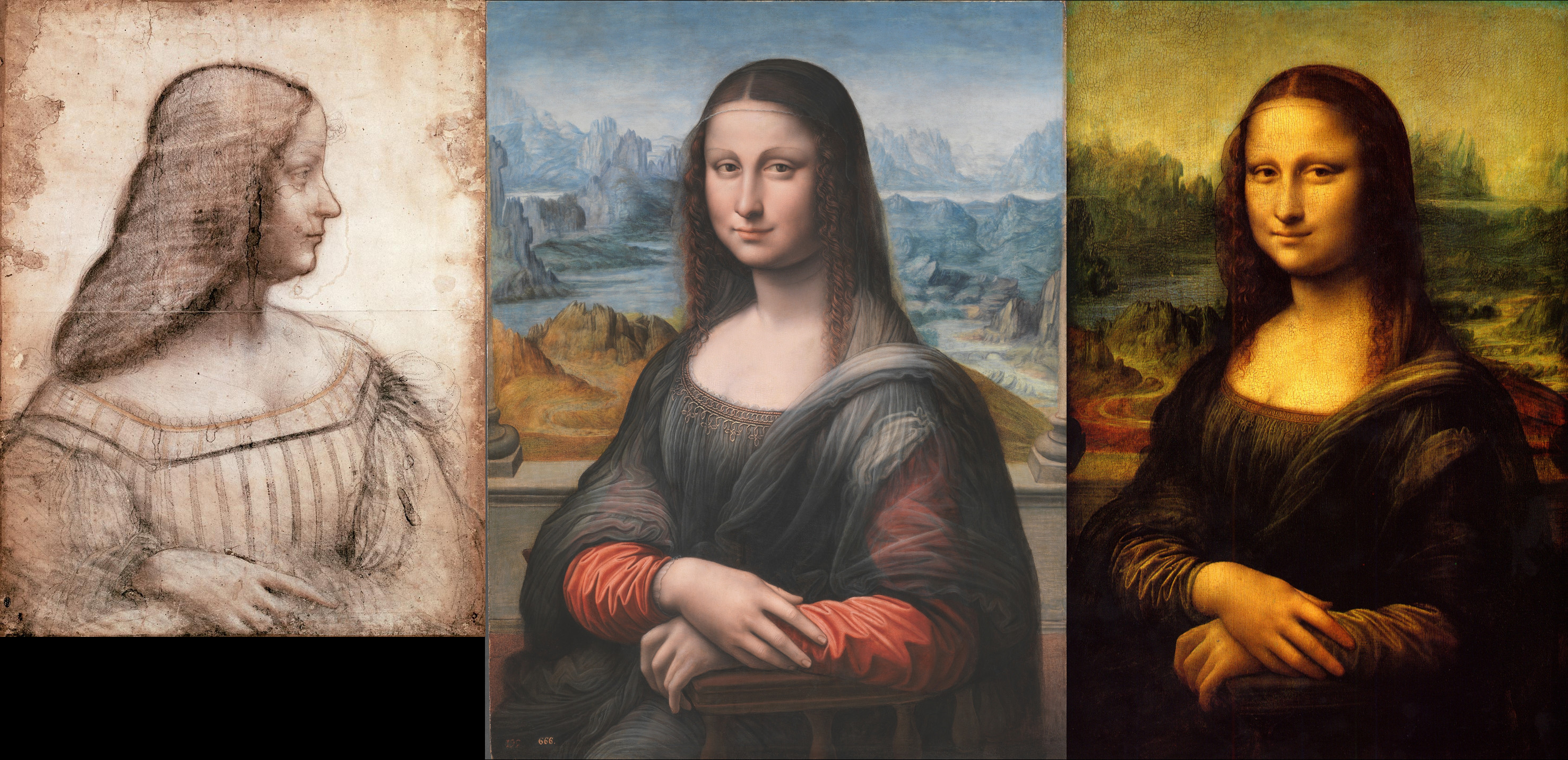
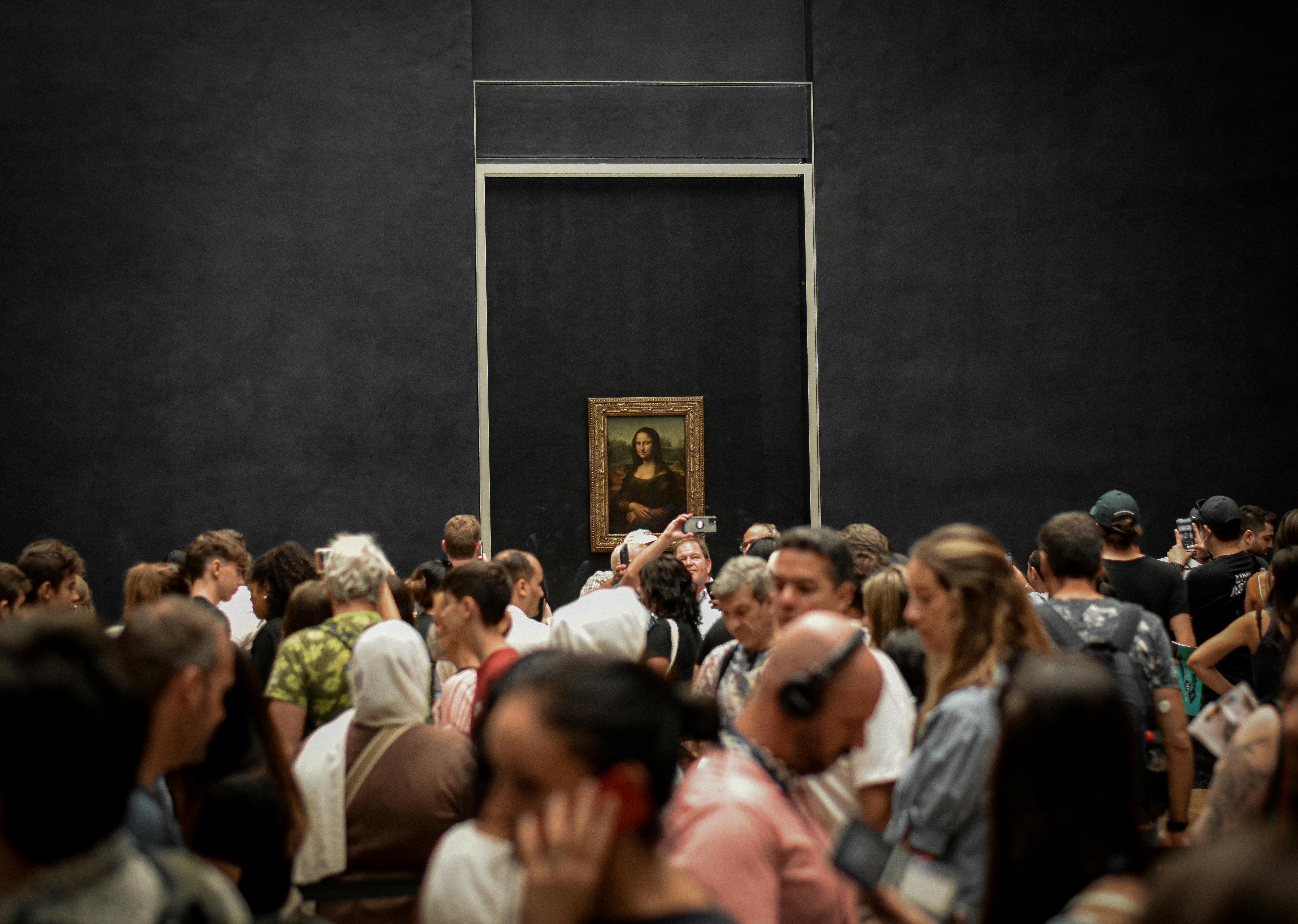
Ah, the Mona Lisa. You've certainly encountered her, right? Perhaps not in person at the Louvre, but certainly in countless reproductions, humorous parodies, and even internet memes. What is it about her that holds us so captive? Her smile, of course. It’s that famously enigmatic, almost teasing, expression. One moment it appears, the next it subtly recedes, a trick of light and your own shifting perception. This magic is all thanks to Leonardo’s revolutionary mastery of sfumato—an art technique that uses subtle, gradual transitions of light and shadow to create a soft, hazy, almost smoky effect, blurring lines and colors to create a vivid sense of depth and mystery. As an artist, I often find myself trying to capture those fleeting, atmospheric shifts, that delicate blend of tones that creates an illusion of reality, but his skill was truly unparalleled, a testament to his profound studies in optics and human vision. When you view the Mona Lisa, notice how the landscape behind her also employs this haziness, receding into a cool, almost blue-grey distance—a perfect example of aerial perspective. There are countless theories about her elusive gaze: is it her health, a specific historical context, or simply an optical illusion? Whatever the truth, I remember reading once that part of its profound allure is how it subtly compels us to complete the emotion, to project our own feelings onto that elusive expression. It’s not just a painting; it's an interactive experience of subjective interpretation. And we can't forget the sheer technical brilliance—the way the light bathes her features, the incredible detail in the distant, hazy landscape, the palpable depth. It truly is a masterclass in painting. If you’re like me and want to tumble down the rabbit hole of this particular piece, I’ve got a whole other discussion on why the Mona Lisa is so famous.
Other Masterpieces: Beyond the Big Two
While the Mona Lisa and The Last Supper rightfully capture immense attention, to truly grasp Leonardo’s artistic breadth, we need to venture beyond these two icons. For me, it's in these other works that you see the breadth of his experimental spirit and his mastery of diverse artistic challenges. Consider the Lady with an Ermine, a psychological portrait of Cecilia Gallerani, Ludovico Sforza’s mistress. It’s breathtaking not just for its exquisite detail and her intelligent, direct gaze, but for the way Leonardo captures the animal's life-like presence, subtly hinting at the sitter's virtue and grace. It's a masterclass in realistic animal rendering, something he meticulously studied in his notebooks. Then there’s the ethereal Annunciation, an early work that, even then, showcases his revolutionary command of aerial perspective—using haziness and color shifts to suggest vast distance and atmosphere in the landscape, a technique I still strive to achieve in my own work. His early botanical studies, I'm convinced, directly informed the unparalleled detail in the flora.
And let’s not forget the two versions of the Virgin of the Rocks, complex compositions that highlight his innovative use of chiaroscuro—the dramatic contrast between light and dark to sculpt forms and create a powerful sense of three-dimensionality. It's a technique that just breathes life into a canvas, influencing generations of artists, from his younger contemporary Raphael to the dramatic realism of the Baroque era. The way light falls, shaping and defining volumes, is something I spend countless hours experimenting with. Beyond these, his drawings are a universe unto themselves—from meticulous drapery studies that teach you how fabric folds and catches light, to anatomical sketches that dissect the very mechanics of human movement. They show his foundational understanding of the visual world, and frankly, they're some of the most beautiful works on paper ever created. We delve deeper into mastering these effects in our guide on mastering shading techniques in drawing.

But here’s something truly fascinating: even his unfinished works, like The Adoration of the Magi (commissioned for the monastery of San Donato a Scopeto) and St. Jerome in the Wilderness, offer invaluable insights. For an artist, they're pure gold. They reveal his meticulous planning, complex compositions, and the evolution of his ideas in their raw, dynamic state. It’s like peeking into his mind mid-creation, seeing the underdrawing, the initial washes, and the decisions he was grappling with. These weren't simply abandoned projects; they were often left due to his restless curiosity shifting to a new challenge, or patrons growing impatient with his slow, experimental pace. Yet, paradoxically, they serve as a 'masterclass' in artistic thought for later generations, demonstrating his profound understanding of definitive guide to composition in art and definitive guide to understanding light in art. His ability to capture an inner world, to make paint breathe, still leaves me speechless.
Beyond Pigments: Leonardo's Materials and Techniques
Leonardo’s artistry wasn't just about what he painted, but how. He was a relentless experimenter with materials and techniques, often pushing boundaries in ways that sometimes led to triumph, and other times to tragic deterioration. For instance, while most Renaissance artists favored stable egg tempera or wet fresco for murals, Leonardo, ever the innovator, chose to experiment with oil and tempera mixed on dry plaster for The Last Supper. He loved the flexibility and subtle blending that oil allowed, but this choice, tragically, meant the paint didn't bond securely with the wall, leading to rapid flaking and degradation. It was a bold attempt at greater realism and luminous effects, but a practical failure in terms of longevity. He meticulously prepared his panels for oil paintings, often with a white lead ground, which could sometimes cause issues with stability over centuries, but allowed for his incredible layered glazes. He also ground his own pigments, and his notebooks are filled with observations on light, color, and chemistry – all in pursuit of making his art more true to life. For me, his constant inquiry into how to achieve an effect, rather than just what to paint, is truly inspiring, even if it meant risking the longevity of a masterpiece for a new expressive possibility.
The Visionary Scientist & Engineer: A World Under Scrutiny
This is where I think Leonardo’s genius truly becomes mind-boggling, and where the lines between "artist" and "scientist" beautifully blur. He wasn't content merely capturing the human soul on canvas; he possessed an insatiable, almost audacious desire to understand the human body from the inside out, to dissect the intricate workings of the natural world, and to grasp the fundamental mechanics of everything. For Leonardo, art and science weren't separate disciplines to be mastered in isolation. In his eyes, they were two harmonious, indispensable sides of the same coin, each enriching the other, both tools for deeply understanding and authentically representing the world around him. It’s a holistic approach I often find myself striving for in my own art, seeking the underlying structure in the chaos of color, always asking 'why' things look the way they do.
Anatomy: Unlocking the Human Form
Leonardo famously undertook something truly audacious for his time: he dissected human bodies. This was, to put it mildly, highly unconventional and often forbidden in his era, requiring great personal risk and ingenious methods of acquisition (sometimes from hospitals or executed criminals). Imagine trying to do that today, let alone in the 15th century! But for him, it was an urgent necessity. He didn't just want to draw figures that looked right; he wanted to understand the living, breathing mechanics beneath the skin. He meticulously documented muscles, bones, tendons, and organs, producing anatomical drawings so astonishingly accurate they remained unparalleled for centuries, influencing medical illustration and study for generations. His work included:
- Mapping the Human Heart: Detailed studies of the heart's chambers and valves, and pioneering observations on blood flow, going beyond mere description to understand its function. He correctly identified the four chambers and the role of valves, anticipating later discoveries. His detailed cross-sections and conceptual models were revolutionary, seeking to understand the heart as a pump. This was a profound leap from mere observation to functional analysis.
- Pioneering Optics: Explaining how the eye truly perceives light and color, insights that directly informed his revolutionary painting techniques like sfumato and chiaroscuro. For me, understanding how light works is the key to making a painting come alive – a truth Leonardo grasped five centuries ago. He meticulously studied how the lens works, how images are inverted on the retina, and how the brain processes visual information, forming the basis of his theories on visual perspective.
- Comprehensive Comparative Anatomy: Studies comparing human and animal anatomy, seeking universal principles of form and function. He would dissect animals like horses and oxen to understand musculature and skeletal structures, then apply these insights to human forms, particularly in his studies of locomotion and gesture. This comparative approach allowed him to extrapolate and understand shared biological engineering.
- Detailed Musculoskeletal System: Meticulously illustrating how muscles work in opposition and how they connect to bones for movement and expression. He understood that every gesture had an underlying mechanical truth, which greatly enhanced the realism in his painted figures. His drawings weren't just of static muscles; they showed them in action, contracting and extending.
- Groundbreaking Embryology: Producing incredibly detailed, centuries-ahead-of-their-time work on the fetus in the womb, demonstrating an almost modern understanding of human development, based on his rare access to human dissection. These drawings are startling in their accuracy and sensitivity, revealing an early fascination with the miracle of life's beginnings.
- Skeletal and Dental Studies: Providing detailed studies of the human skull, teeth, and skeletal structure, including internal features, revealing a fascination with the framework of life. He even studied facial bone structures and their influence on expression, understanding how the underlying bone dictated the surface appearance.
- Pathology Documentation: Documenting pathologies and disease effects, showcasing an early medical curiosity and an empirical approach to understanding illness. His observations included atherosclerosis and the effects of aging, demonstrating a nascent interest in clinical observation.
His anatomical drawings weren't merely descriptive illustrations; they were analytical investigations, attempting to understand function as well as form. He was seeking the engineering behind the living machine. This passion laid vital groundwork for centuries of medical study, with physicians consulting his detailed charts for generations. For me, it's a profound reminder that truly understanding a subject, whether it's a human figure in a painting or a complex emotion, means dissecting it, both literally and figuratively, to reveal its hidden truths. It's like understanding the skeleton of a building before you even think about the facade.
The Vitruvian Man: Where Art Meets Science
Then there's The Vitruvian Man, arguably one of the most iconic drawings ever created. This isn't just a drawing to me; it’s a perfect, eloquent fusion of art, science, and profound philosophy, all wrapped up in a single, elegant composition. It depicts a man, arms and legs outstretched, perfectly inscribed within a circle and a square, illustrating the ideal human proportions and symmetry. What truly fascinates me is how this image isn't just about anatomical perfection, but also about the humanist ideal of the Renaissance—man as the measure of all things, harmoniously connecting the human form to the cosmos. The square, representing the earthly and tangible, and the circle, representing the divine or cosmic and infinite, show humanity as the bridge between these realms, capable of both earthly mastery and spiritual aspiration. It symbolizes the era’s fervent belief in human potential and the inherent harmony between humanity and the universe. Leonardo wasn't just copying the Roman architect Vitruvius's classical texts; he was empirically verifying and expanding upon them through his own direct anatomical observations and mathematical calculations. This blending of ancient wisdom with painstaking observation was revolutionary, and it underpins his holistic view: everything was interconnected, from the spiral growth of a shell to the vortex of water or the musculature of the human arm. This philosophical stance is something I often strive to echo in my own abstract compositions, searching for an underlying order amidst chaos. It's a perfect example of his systematic approach to definitive guide to proportion in art and an embodiment of what is humanism in Renaissance art.
Inventions: Blueprints of Tomorrow, Challenges of Today
And then there are his legendary notebooks! Thousands of pages, dense with sketches and annotations for incredible machines. It's like gazing directly into the mind of a visionary plucked from the future. Imagine the audacity of trying to conceptualize these with 15th-century technology, lacking the necessary materials and power sources! It just blows my mind to think of the mental leap required. His relentless experimentation, even in failure, reminds me that the creative process is rarely linear. It's about persistent inquiry, even when the means to achieve your vision don't yet exist. His designs often reveal a profound philosophical underpinning – a belief in understanding and harnessing nature's forces, and a drive to expand human capability.
Invention Concept | Description & Envisioned Mechanism | Era's Challenge & Outcome | Underlying Principles / Broader Influence & Modern Echoes |
|---|---|---|---|
| Ornithopter | A flying machine designed to mimic bird flight, with flapping wings. His designs meticulously studied avian wing mechanics, demonstrating an early understanding of aerodynamics. He envisioned a pilot pedaling a mechanism to move the large fabric wings, much like a bird's musculature. | Lacked lightweight, powerful engines and materials for sustained, controlled flight. The sheer human strength required was beyond practical limits. Remained a conceptual marvel, but its detailed biomimicry inspired future aeronauts for centuries. | |
| Screw Propeller | An early conceptual helicopter, based on the principle of the Archimedes' screw for vertical lift. He envisioned a rotating spiral wing made of stiffened linen, designed to 'bore' into the air, lifted by human-powered cranks via a complex gearbox. | No suitable, powerful, and compact power source (like internal combustion engines) existed; human power was utterly insufficient. Materials were too heavy. Practical application was impossible for centuries. Direct influence on helicopter design. | |
| Armored Tank | A covered, mobile vehicle with cannons positioned around its circumference, operated by internal cranks. It was designed to provide protection and offensive capability, capable of moving under the protection of a heavy, conical wooden shell, reinforced with metal plating. | Propulsion systems were rudimentary (manual crank by eight men inside), making it slow, cumbersome, and impractical in combat. Metallurgy wasn't advanced enough for lightweight, strong armor, rendering prototypes too heavy. Clearly anticipated modern tanks. | |
| Early Diving Suit | Designs for underwater exploration, complete with a leather helmet, glass eye-holes, and two tubes connected to a floating air-bell for breathing. A bladder for buoyancy was also envisioned. | Limitations in materials for waterproofing (leather could not be made truly airtight), air compression technology, and a basic understanding of pressure effects on the human body made sustained, safe use impossible. Laid conceptual groundwork for scuba gear. | |
| Double-hulled Ships | A concept to improve buoyancy and prevent sinking from punctures or battle damage, featuring two separate hulls for added security. He theorized that if one hull was breached, the other would still provide flotation. | While a sound engineering principle, widespread adoption was slow due to existing shipbuilding traditions, cost, and the perceived complexity of dual hulls at the time. A principle later adopted in modern shipbuilding (e.g., oil tankers). | |
| Self-Propelled Vehicles | Gear-driven mechanisms, envisioning automated movement without external human or animal power, relying on coiled springs or weights that would slowly unwind, transferring energy through a series of interlocking gears. These were likely designed for theatrical stages or demonstrations. | Mechanical precision and robust, compact power sources needed for practical, autonomous movement were centuries away. Complex gear trains were understood, but the lack of a strong, consistent energy source remained the barrier. Influenced later clockwork and early robotics. | |
| Hydraulic Pumps & Systems | Advanced designs for water management and power generation using fluid pressure, including improved sluice gates, canals, and water-lifting devices. These often incorporated Archimedes' screws or series of scoops to move water efficiently. | Some of these did see limited practical application in his lifetime, particularly for civil engineering projects in Milan and Florence, irrigation systems for agriculture, and elaborate court fountains. He leveraged existing knowledge and improved upon it significantly, demonstrating a tangible impact. | |
| Fortification Designs | Innovative defensive and offensive siege weaponry and city planning (e.g., moats, bastions, redesigned walls, mobile bridges). His designs often incorporated angles to deflect cannon fire, anticipating modern military architecture and using geometric principles for optimal defense. | Often implemented for patrons like Cesare Borgia, proving highly practical and effective in contemporary warfare, with some elements visibly influencing later Renaissance fortifications. He applied scientific principles to military strategy. | |
| Parachute | A pyramidal design for controlled descent, featuring a sealed linen canopy stretched over a wooden frame, centuries before practical application or even successful flight. He calculated that a 12-yard-per-side canopy would be sufficient to safely lower a man. | Testing would have been incredibly dangerous and materials/construction methods weren't fully refined for human safety. The concept was sound, but the execution was beyond his era's capabilities. A precursor to modern parachutes. |
Most of these remained breathtaking conceptual designs due to the immense technological limitations of his era – lack of suitable materials, precision manufacturing, and compact power sources. Yet, they demonstrated incredible foresight and sound engineering principles that laid vital groundwork for centuries to come. His detailed drawings also reflect an early understanding of architectural principles, even if few of his direct building designs were realized. He worked on projects like the ambitious diversion of the Arno River, showcasing his civil engineering prowess and his deep understanding of water flow and management. These were practical applications of his scientific thinking, influencing hydraulic engineering for generations, proving his genius wasn't just theoretical. The sheer volume and ambition of these concepts, despite the lack of tools, constantly reminds me that true innovation is often more about the idea and the persistence than the immediate means to achieve it.
Nature & The Cosmos: A Deep Observer
Leonardo's scientific curiosity wasn't confined to machines and human anatomy; it extended to the entire natural world. He was a profound, almost obsessive observer, documenting everything with an intensity I can only compare to an artist conducting a color study in art, but for the very essence of life itself. He sought the underlying patterns and forces.
- Botanical Studies: He meticulously documented plant forms, growth patterns, and leaf arrangements (like phyllotaxy—the spiral arrangement of leaves around a stem). These weren't just pretty pictures; they were scientific observations that revealed natural symmetries and influenced how artists depicted flora with unprecedented realism, enriching his own landscapes and informing his understanding of natural patterns. His precise drawings captured not just the form but the life of plants.
- Studies of Water Flow (Hydrology): His relentless observations of water—its currents, eddies, and erosive power—led to groundbreaking designs for canals, locks, and flood control systems. This revealed an understanding of fluid dynamics far ahead of his time, directly influencing civil engineering projects like the ambitious Arno River diversion he worked on. He saw water as the "driver of nature," a concept he explored extensively in his notebooks, describing its every movement with a poet's eye and a scientist's precision.
- Geological Observations: He explained fossil formations, rock strata, and mountain building with remarkable accuracy, challenging contemporary beliefs (like the widespread "Great Flood" theory that all fossils were due to a single biblical flood). He argued that geological processes like erosion and sedimentation, occurring over vast stretches of time, were responsible for shaping the Earth and placing marine fossils high in mountains, demonstrating an early grasp of deep time and geological change. What he saw in a mountain range was a timeline, not just a static landscape, and that still gives me chills. His insights were centuries ahead of established geological science.
- Cartography: Leonardo produced remarkably accurate topographical maps, such as his famous bird's-eye perspective map of Imola. He employed sophisticated geometric principles and surveying techniques that were revolutionary, making his maps highly practical for military strategy and civil uses, far surpassing many contemporary efforts. He used an early form of triangulation, combined with elevation measurements, to create maps with unprecedented detail and accuracy. For me, these maps are like abstract artworks, revealing the hidden structure of the land.
- Astronomy & Meteorology: While not an astronomer in the modern sense, his notebooks contain observations on the moon's light (concluding it reflects sunlight from an ocean), and detailed studies of atmospheric phenomena like clouds, wind patterns, and weather forecasting. He was constantly looking up, trying to understand the celestial mechanics and earthly atmospheric forces, always seeking the underlying order.
And to add another layer of intrigue to this boundless curiosity, many of these thousands of pages of notebooks were written in mirror writing—from right to left. While it's often speculated that this was for secrecy, it was likely also because it was simply more comfortable for him as a left-hander in an era where penmanship was taught for right-handers. Or perhaps it was an intellectual game, a way to keep his thoughts flowing. Whatever the reason, deciphering them remains an ongoing journey for scholars, adding to his mystique because the reversed letters make them challenging for the untrained eye. These notebooks, in their sheer volume (estimated at over 13,000 pages originally, with about 7,000 surviving today) and incredibly diverse content, are arguably his greatest legacy. They offer an unparalleled window into a singular intellect, a mind truly without borders, ceaselessly connecting observation with theory.
The Challenges and Context of a Polymath: Beyond Pure Genius
While we marvel at Leonardo's boundless genius, it's crucial to remember that his life and work were not without immense practical, logistical, and even ethical hurdles. Understanding these challenges gives us a fuller, more human picture of the man behind the myths.
- Technological & Material Limitations: Perhaps the most significant barrier was the lack of appropriate technology and materials. As seen in his invention concepts, many of his visionary designs for flying machines, tanks, and advanced machinery were simply impossible to build with 15th-century tools. Lightweight alloys, compact engines, and precision manufacturing were centuries away, consigning many brilliant blueprints to the pages of his notebooks. For instance, the sheer weight of materials for his Sforza equestrian monument meant it was never cast in bronze.
- Patron Impatience and Shifting Interests: Leonardo was notoriously slow. His meticulous observation and relentless experimentation meant that commissions often took far longer than patrons expected, leading to frustrations, withheld payments, and a number of highly significant unfinished works (like The Adoration of the Magi). His own restless curiosity also contributed; he would often abandon one project when a new, more intriguing scientific or artistic problem captured his imagination. This balancing act between artistic integrity and patron demands was a constant source of tension – a familiar struggle for many artists today, though perhaps on a much smaller scale!
- Acquiring Cadavers for Dissection: His groundbreaking anatomical studies required direct human dissection, a practice that was largely forbidden by the Church and societal norms of his era. He had to employ clandestine methods, often working in secret, sometimes acquiring bodies from hospitals or executed criminals, all while facing the risks of disease, social ostracization, and legal repercussions. The sheer audacity and personal risk involved in this pursuit of knowledge cannot be overstated, demonstrating his unwavering commitment to empirical truth over dogma.
- Lack of Formal Classical Education: As an illegitimate son, Leonardo did not receive the traditional humanist education of his peers, which focused heavily on Latin, Greek, and ancient texts. While this arguably freed his mind for empirical observation and direct experience, it also meant he sometimes struggled to articulate his ideas in the scholarly language of his time, and his notebooks remained largely unpublished and unorganized during his lifetime. This linguistic barrier meant his groundbreaking insights were often not widely disseminated until much later.
- Political Instability in Italy: The Italian Renaissance was a period of intense political flux, with city-states constantly warring and alliances shifting. Leonardo's career was often dictated by these changes, forcing him to move from Florence to Milan, then to Rome, and eventually to France, constantly seeking new patrons and navigating a treacherous political landscape. This meant interruptions to projects and a constant need to adapt his skills to military or civil engineering demands. He was a master survivor in a turbulent age.
These struggles highlight that his genius wasn't a frictionless journey, but a testament to his sheer willpower and unwavering commitment to inquiry, even in the face of profound adversity. It makes his achievements all the more remarkable, if you ask me.
The Quintessential "Renaissance Man": Bridging Disciplines
This incredible, almost unparalleled versatility is precisely why Leonardo da Vinci is considered the quintessential "Renaissance Man." It’s a term we still use today to describe someone with broad interests and profound expertise across multiple, seemingly disparate fields. The Renaissance itself was a period of immense cultural and intellectual ferment in Europe, marked by a fervent renewed interest in classical antiquity, a flourishing of arts and sciences, and a pivotal shift towards humanism. This philosophical idea championed human potential and achievement across diverse areas, celebrating individual genius and the inherent worth of humanity. Leonardo, a true product of this vibrant era, embodied this ideal more fully than perhaps anyone else. He didn’t just dabble; he delved with unparalleled rigor and depth into every subject he touched. When I think of other great minds like Leon Battista Alberti (a polymath in architecture, art theory, and cryptology) or Filippo Brunelleschi (master architect and engineer), they were undeniably brilliant. But even they rarely matched Leonardo's seamless blend of empirical observation with artistic execution, or the sheer breadth of his documented investigations. He was in a league of his own, truly a "universal genius" for a "universal age."
His Integrated Philosophy: Art as Science, Science as Art
For Leonardo, the pursuit of knowledge was a singular, unified quest. He saw no real distinction between the artist's brush and the scientist's scalpel; both were instruments for deeper understanding. This is brilliantly evident in how his scientific observations directly informed his artistic genius:
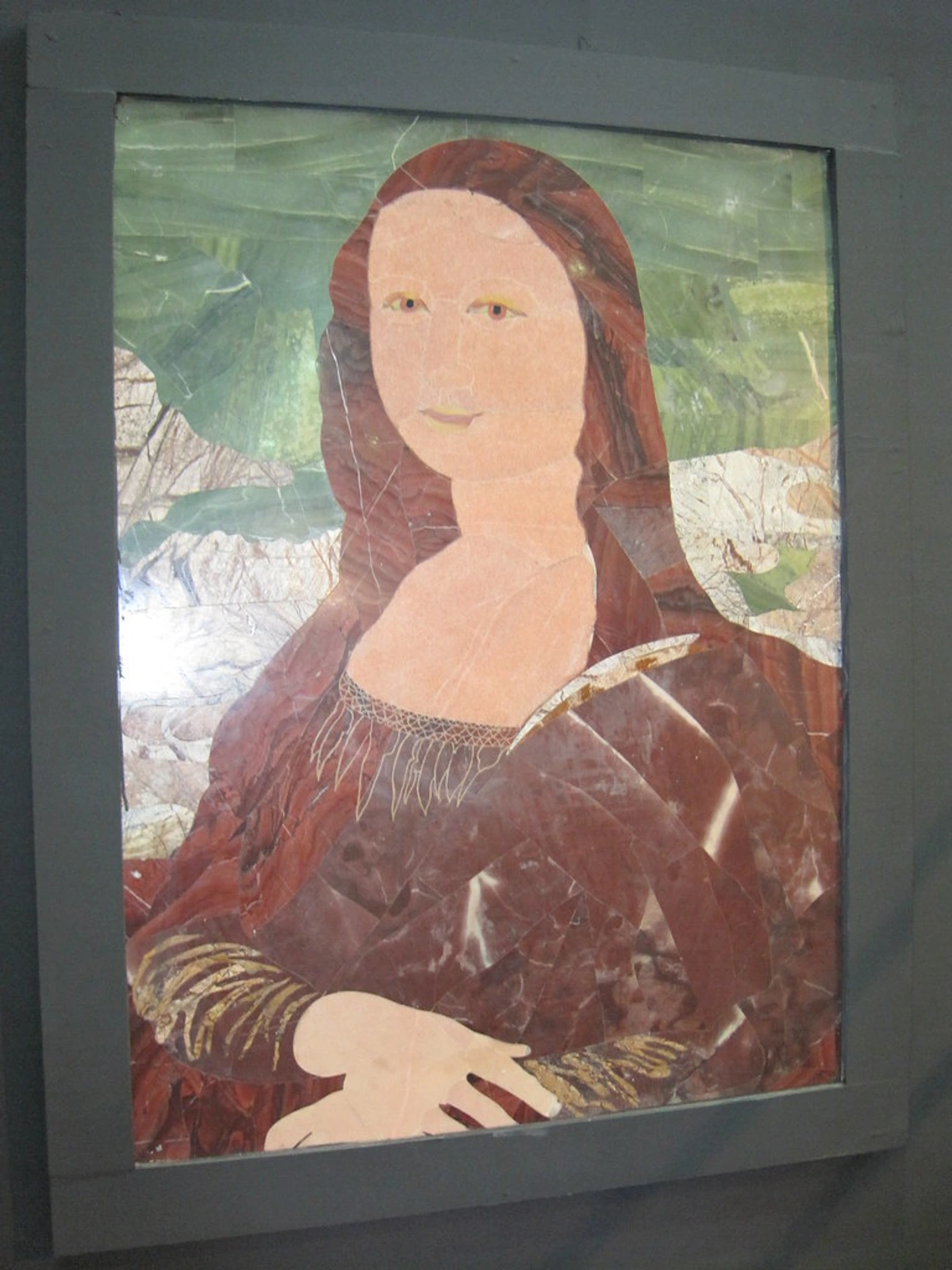
- Anatomical Realism: His meticulous anatomical dissections granted an unprecedented realism to his figures, allowing him to depict the human form with anatomical accuracy and profound naturalism. You see this in the powerful musculature of figures in The Last Supper and the incredibly expressive rendering of hands and faces in his portraits like the Mona Lisa or Lady with an Ermine. He mastered the definitive guide to perspective in art not just geometrically, but biologically – knowing how the body moved informed how he depicted it. His understanding of the underlying mechanics made his figures truly come alive.
- Optics and Perception: His in-depth studies of optics, light, and shadow directly informed his groundbreaking use of sfumato and his masterful atmospheric perspective in landscapes. He understood how light travels, how the eye perceives depth and color, allowing him to manipulate perception on canvas to create that vivid sense of three-dimensionality and mystery. For me, that's like painting with light itself, a true understanding of its physics applied to art, making him a pioneer of visual science.
- Engineering in Art & Architecture: Even his engineering principles subtly influenced his architectural designs (though few were realized) and the mechanics behind his sculptures. He approached composition with an engineer's precision, building visual harmony through underlying structure. He proposed ideal city layouts with separated pedestrian and vehicle traffic, and meticulously designed fortifications, showcasing his vision for functional and beautiful spaces. This rigorous underlying structure is something often seen in the masters, like Botticelli.
- Fluid Dynamics and Movement: His obsessive study of water flow – its eddies, currents, and vortices – found its way into the dynamic movement of drapery in his paintings, the hair of his figures, and even the natural forms in his landscapes. He saw a universal principle of motion, whether in water or in human gesture, and applied it across his work, making his painted worlds feel vibrant and alive. This fascination with motion is a constant presence in his notebooks.
Beyond Visual Arts: Music and Performance
Leonardo was also a highly accomplished musician, often playing the lira da braccio, a stringed instrument he reportedly excelled at, and even designing new instruments for patrons. He was renowned for his improvisational skills and intellectual performances at court, sometimes presenting himself as a musician first, then an artist and engineer. His musical talents, like all his other pursuits, were often interwoven; perhaps he saw the mathematical harmony in music reflected in the visual harmony of art. He also organized elaborate court festivals, showcasing his talents in set design, theatrical effects, and even choreographing performances, proving his flair for spectacle, and always seeking to combine beauty with mechanical ingenuity.
Patrons: The Lifeblood of His Genius (and Frustrations)
His patrons were vital, offering the financial support and commissions that allowed him to pursue his incredibly diverse interests, though his often-slow pace and experimental nature sometimes frustrated them, leading to many unfinished works. These included:
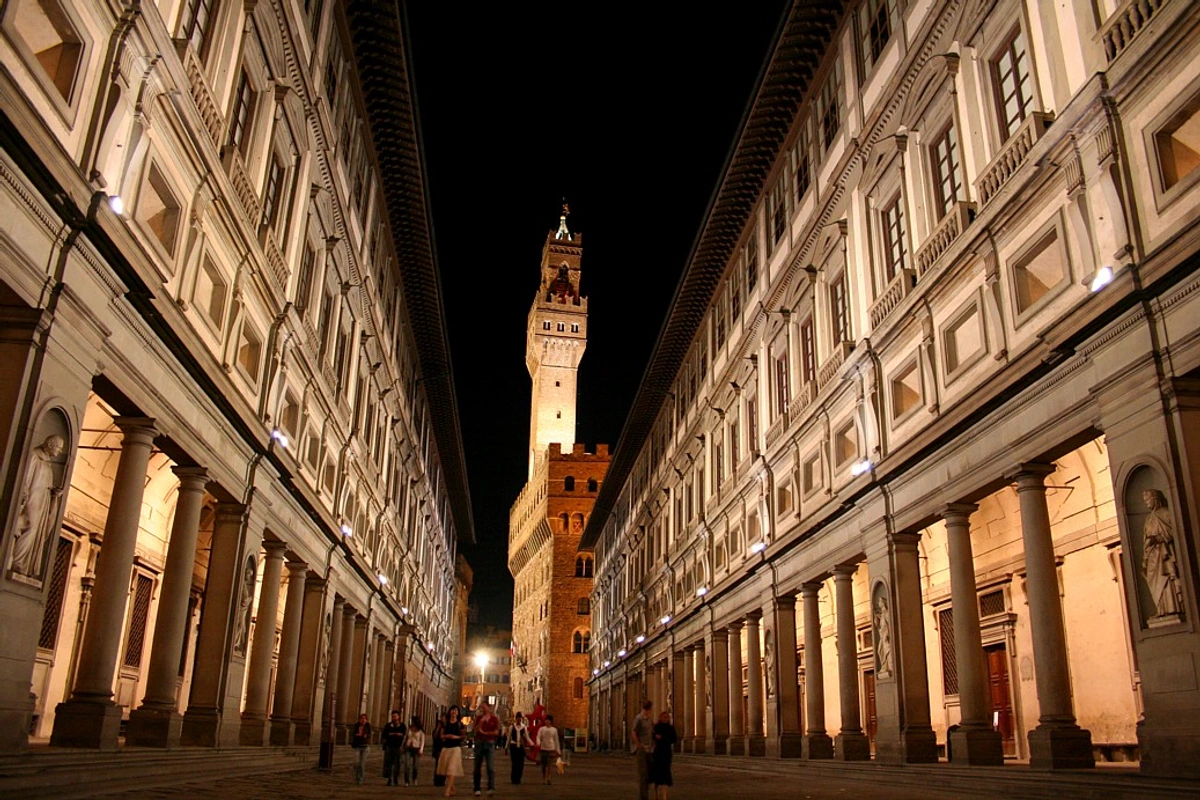
- The Medici Family (Florence): His early years saw a complex relationship with the powerful Medici. While he spent time in Florence and received some minor commissions, he often struggled to secure significant projects from them, perhaps due to his unconventional training or restless nature, which contributed to his eventual departure for Milan. This was a period of both learning and some frustration, as they often preferred more traditional artists.
- Ludovico Sforza, Duke of Milan: This was arguably his most prolific period, lasting almost 17 years (1482-1499). For Sforza, he created The Last Supper, undertook numerous military and civil engineering projects, designed court costumes, staged elaborate festivals, and even worked on the monumental (but tragically never completed) Sforza equestrian statue. This was a true polymathic engagement, where his diverse talents were fully utilized, despite the ultimate failure of the bronze horse sculpture due to war.
- Cesare Borgia: For a brief but intense period (1502-1503), Leonardo served Borgia, a ruthless condottiere and son of Pope Alexander VI, as his chief military engineer and architect. He traveled across various Italian states, designing fortifications, siege engines, and remarkably accurate topographical maps, showcasing the intensely practical and strategic application of his scientific mind in times of conflict. His maps were so accurate they still impress cartographers today, often being more precise than anything else available.
- Pope Leo X's Brother (Giuliano de' Medici, Rome): During his time in Rome (1513-1516), Leonardo was under the patronage of Giuliano de' Medici. While he continued his scientific studies, particularly in anatomy and hydraulics, major artistic commissions were scarce, possibly due to his slow working methods and competition from younger, more established artists like Raphael and Michelangelo, who were then at the height of their powers. This period was more focused on pure research than grand artistic output.
- King Francis I of France: In his final years (1516/1517-1519), Leonardo found a nurturing and appreciative environment under Francis I at Clos Lucé. The king became a close personal friend, providing him with a comfortable existence, a substantial pension, and freedom to pursue his studies, research, and reflect on his vast accumulated knowledge, bringing many of his invaluable notebooks with him. It was a period of honor and quiet contemplation, free from the pressures of urgent commissions.
A Legacy of Innovation and Influence: A Blueprint for Modern Thought
Leonardo's influence, therefore, isn't just confined to the hallowed halls of art galleries, nor is it merely a historical curiosity. It profoundly stretches into engineering schools, permeates medical textbooks, and fuels philosophical debates even today. He didn't just push the boundaries of what was known; he fundamentally reshaped what was even considered possible, providing a blueprint for how we approach inquiry itself. While many of his innovations weren't fully realized in his own lifetime, his visionary concepts and detailed designs laid vital groundwork for centuries to come. His work is a powerful reminder that creativity thrives at the intersection of diverse knowledge—a principle I certainly find resonates in my own artistic practice.
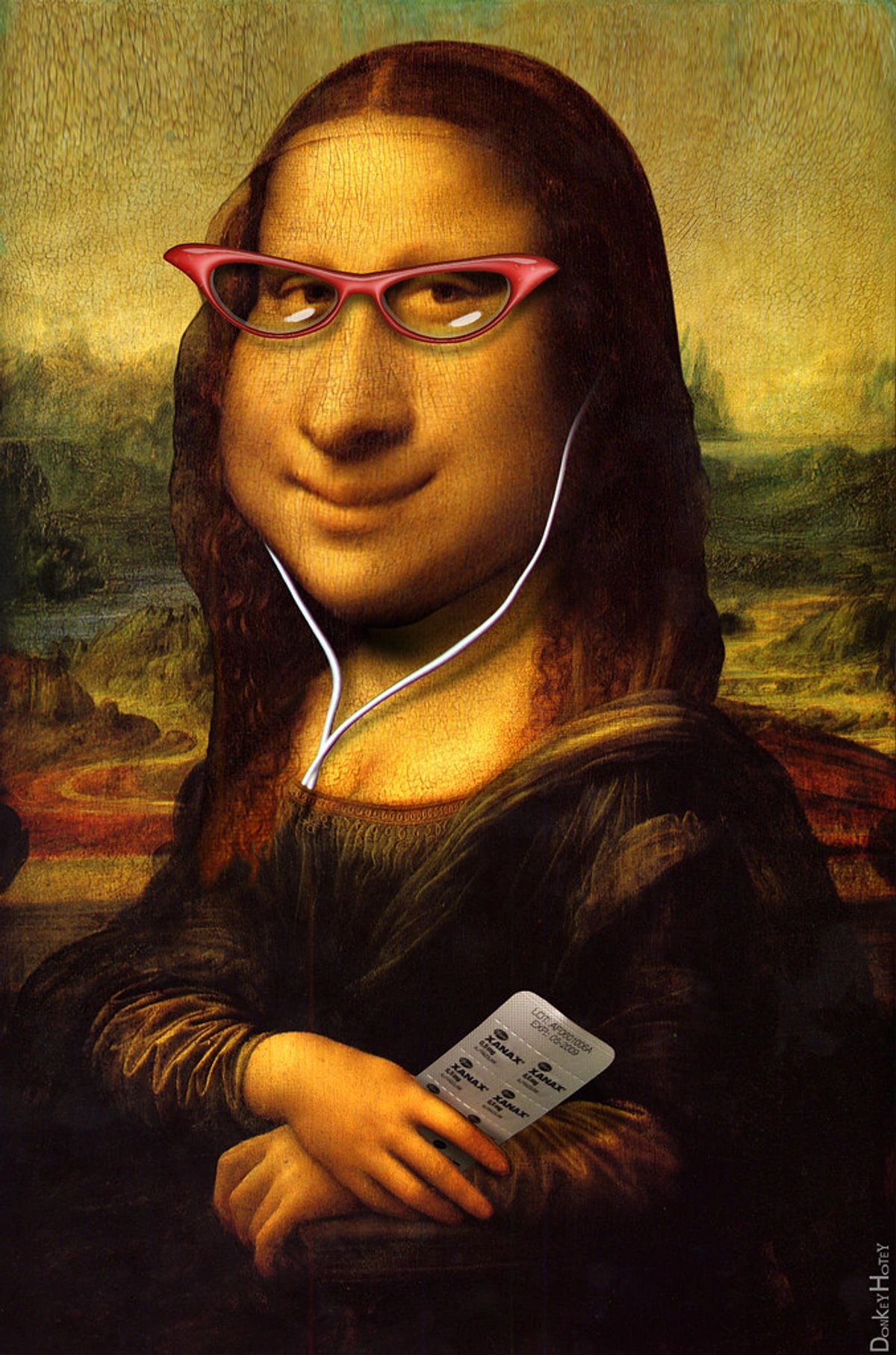
Artistic Revolution
His artistic innovations, in particular, profoundly shifted the course of European art:
- Psychological Depth & Realism: The way he rendered emotion in portraits or the pioneering atmospheric perspective in his landscapes wasn't just stylistic flourishing; it was scientific observation brought to vivid life with unparalleled artistic genius. He infused his figures with a palpable inner life, a psychological depth previously unseen, going beyond the more static representations of earlier Renaissance artists. His contemporaries and successors, like Raphael and even his great rival Michelangelo, absorbed and built upon his innovations in naturalism and humanistic representation, dramatically shifting the course of European art beyond the High Renaissance. This was a profound move from symbolic to truly human representation.
- Technical Mastery: His mastery of sfumato and chiaroscuro not only created incredible realism but also opened up new avenues for atmospheric and dramatic effects that later influenced Mannerist and Baroque works. Artists like Caravaggio were heavily inspired by his dramatic use of light and shadow, pushing its expressive potential. His approach to visual storytelling techniques in narrative art set a new bar for expressiveness and emotional resonance, transforming how stories could be told on canvas.
- Drawing as Foundation & Scientific Illustration: His thousands of preparatory drawings fundamentally elevated the status of drawing from a mere preparatory step to an art form in itself, showcasing intellectual rigor and artistic brilliance. These notebooks are a treasure trove, revealing his thought process and meticulous studies that informed his finished works, and continue to serve as a 'masterclass' for aspiring artists worldwide. Beyond art, his anatomical and botanical drawings were pioneering examples of scientific illustration, establishing a visual language for knowledge dissemination that was as precise as it was beautiful.
Scientific Groundwork
His empirical approach also fundamentally influenced the scientific method itself, emphasizing systematic observation and experimentation over pure dogma, a truly revolutionary shift for the era:
- Medical & Biological Sciences: His anatomical charts, for instance, were meticulously copied and consulted by physicians for generations, becoming foundational texts for understanding the human body. His observations on optics paved the way for modern understanding of vision and contributed directly to the development of anatomical illustration as a scientific discipline. He demonstrated the power of visual documentation in scientific inquiry, creating a visual language for medical knowledge, influencing how biology and medicine are studied even today.
- Engineering & Mechanics: His detailed studies of mechanics and motion were foundational for subsequent engineering thought, even if his specific designs weren't built until much later. His work on water management, for example, directly influenced civic projects across Italy for decades, demonstrating the practical efficacy of his scientific method and his lasting impact on hydraulic engineering and urban planning. The impact of his work echoes the broader influence of Byzantine art on Renaissance painting, showing how foundational shifts ripple through time.
- Geology and Cosmology: His revolutionary geological observations, which challenged prevailing biblical theories, demonstrated an early scientific approach to understanding Earth's history, recognizing processes that occurred over vast spans of time. His notes also contain remarkable insights into celestial mechanics, suggesting an understanding that was ahead of his time, and consistently emphasizing observation over received wisdom, paving the way for a more scientific worldview.
Leonardo's vision extended far beyond his own era, providing a compelling model for what an integrated approach to knowledge could achieve. He shows us that the deepest insights often emerge not from specialized silos, but from bravely connecting seemingly disparate threads.
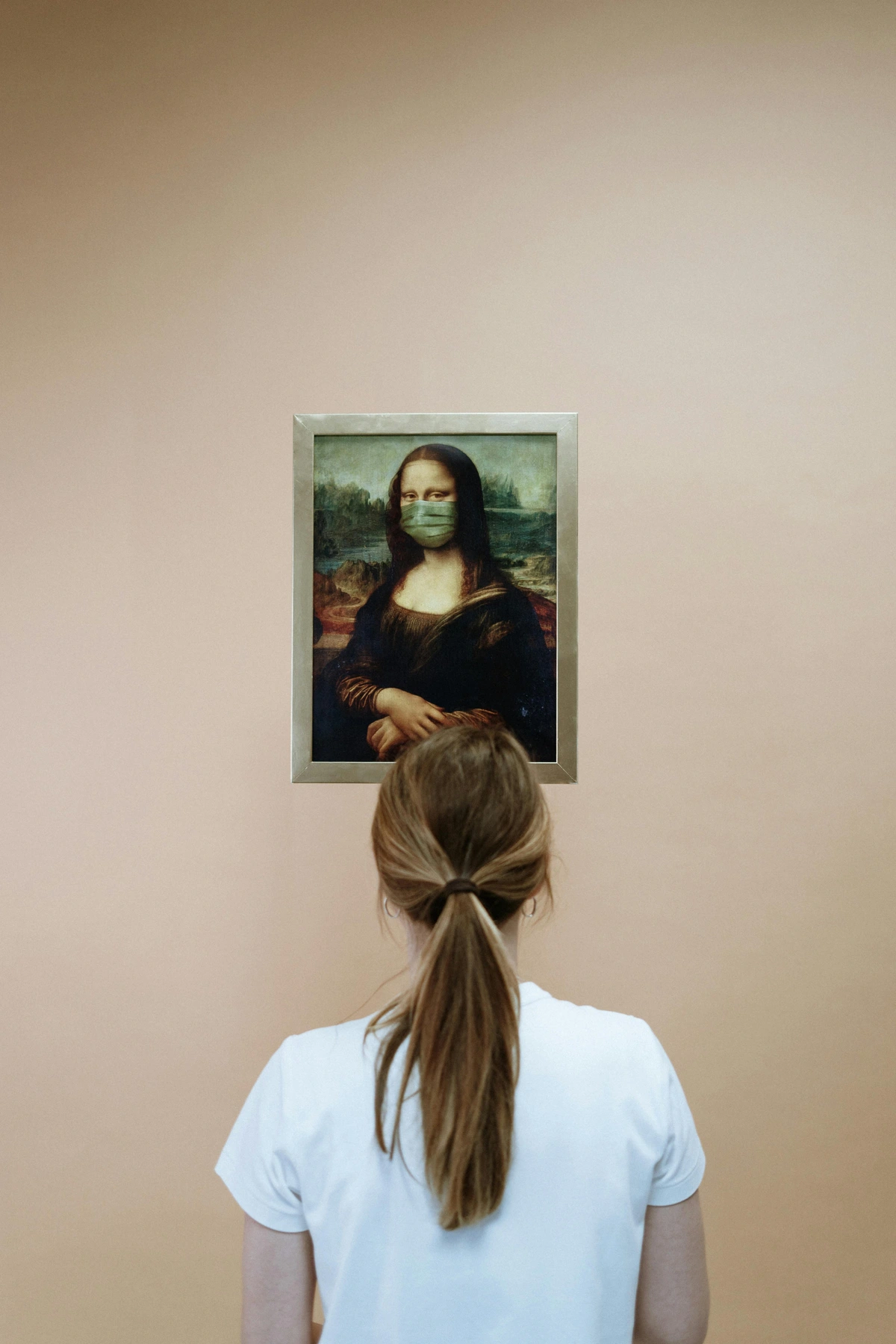
Unraveling the Mystique: Common Myths and Nuances
Leonardo's extraordinary life has inevitably attracted its share of myths and misconceptions. Separating fact from fiction helps us appreciate his actual genius even more.
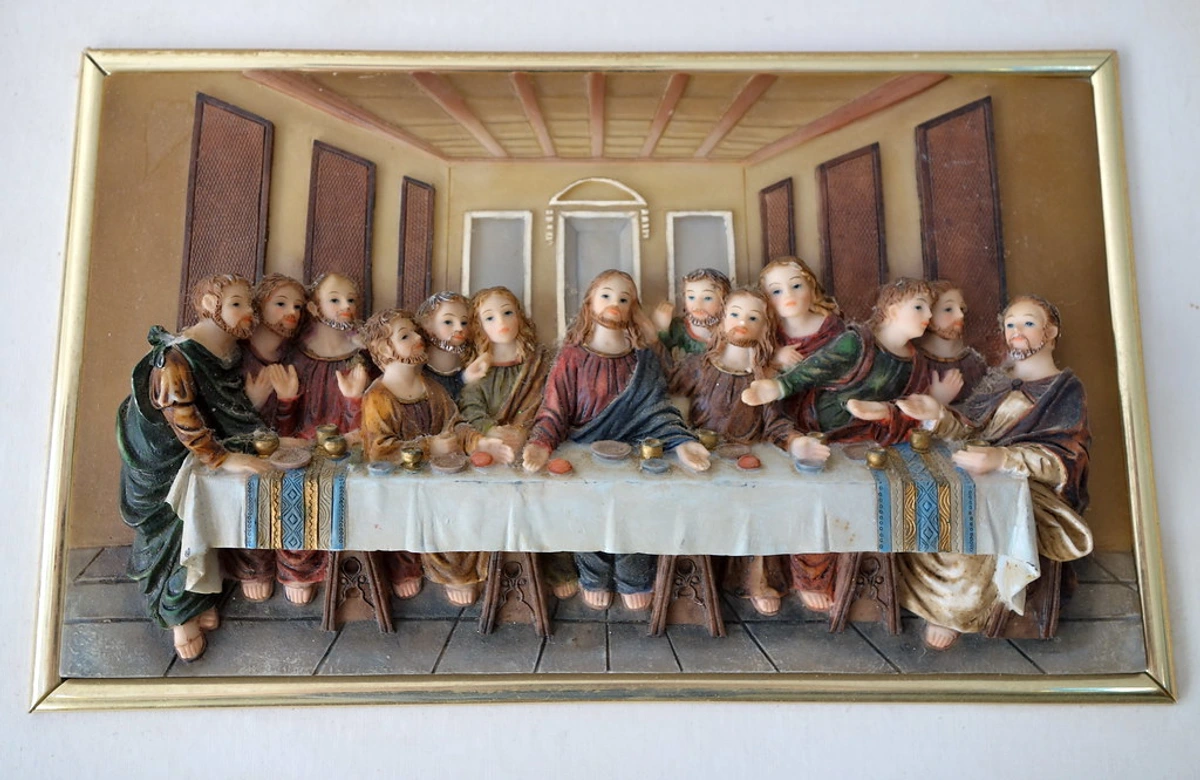
- The "Secret Code" Fallacy: Popular culture, notably The Da Vinci Code, often portrays Leonardo as an enigmatic figure embedding hidden messages and secret society symbols in his art. While his notebooks contain puzzles (like his mirror writing), these were largely practical or personal, not coded secrets intended for a grand conspiracy. His genius lay in overt observation and scientific inquiry, not in arcane mysteries. The real mysteries are in the ambiguity of his art itself, not hidden messages.
- The "Lone Genius" Myth: While truly singular, Leonardo was not entirely isolated. He worked in workshops, had assistants, and was part of a vibrant intellectual and artistic milieu. His genius thrived within the Renaissance context, absorbing and building upon the ideas and techniques of others, even as he surpassed them. He was a product of his time, albeit an exceptional one, constantly exchanging ideas, even if sometimes through rivalry with figures like Michelangelo.
- Was He a Vegetarian? Historical accounts strongly suggest Leonardo was indeed a vegetarian, a rare stance for his time, driven by his deep compassion for animals. His notebooks contain moving observations on animal welfare, and he was known to purchase caged birds in the market simply to set them free. This aspect of his persona highlights his profound ethical sensitivity and connection to the natural world, a testament to his holistic worldview.
- The Mayonnaise Inventor? While charming, the claim that Leonardo invented mayonnaise is a fun historical anecdote rather than a verifiable fact. His notebooks do contain culinary experiments and designs for kitchen tools, reflecting his broad curiosity, but direct evidence for mayonnaise is lacking. It's a delightful example of how legends grow around a figure of such universal appeal, perhaps fueled by his general interest in all practical matters of life.
- The Disorganized Genius? While his notebooks appear unstructured to modern eyes (a chaotic mix of sketches, notes, shopping lists, and scientific observations), they were likely a personal, dynamic repository of thought. It was less about disorganization and more about a mind that constantly moved between ideas, capturing them as they arose. The later reordering and binding of these pages by others sometimes created the illusion of disarray, but for him, it was a living, breathing record of his intellectual journey.
Why Does His Fame Endure So Strongly?
So, after all this, why does Leonardo da Vinci's fame persist so strongly across cultures and centuries? I think it ultimately boils down to a profound confluence of several key elements, a perfect storm of genius, mystery, and relentless inquiry:
- Sheer Artistic Brilliance: Let's start with the obvious. The undeniable quality, beauty, and emotional depth of his existing artworks—the Mona Lisa, The Last Supper, The Vitruvian Man, Lady with an Ermine—are masterpieces not just historically, but aesthetically. They continue to captivate audiences with their profound beauty and enduring depth, compelling us to look closer and ask questions.
- The Uncontainable Mind and Scientific Foresight: He was literally centuries ahead of his time. His mind was a perpetual fountain of ideas, many of which only became practical realities much, much later (think of the origins of flight, or even the basic principles of hydraulics he applied). That audacious foresight and his relentless pursuit of knowledge are utterly captivating. How many people, five centuries ago, were sketching helicopters or theorizing about plate tectonics?
- The "Renaissance Man" Ideal: Leonardo became the ultimate embodiment of human potential. His life served as a living testament that it was possible—and indeed desirable—to be brilliant across seemingly disparate fields. This ideal continues to inspire generations to broaden their own horizons and integrate diverse forms of knowledge, reminding us of our own untapped capabilities.
- The Philosophy of Integrated Knowledge: Unlike many contemporaries who specialized, Leonardo saw all knowledge as interconnected. His genius lay in bridging art and science, treating them as complementary paths to understanding. This holistic worldview is incredibly powerful and still highly relevant today, urging us to break down silos and find connections in everything.
- The Mystery and the Unfinished: That Mona Lisa smile, the myriad unfinished works that offer a fascinating glimpse into his creative process, the speculative nature of many of his inventions, and the enigmatic mirror-written notebooks—they all contribute to an almost irresistible aura of mystery. We are drawn to a good puzzle, aren't we? This perpetual sense of discovery keeps scholars and the public equally intrigued. His unfinished masterpieces, like The Adoration of the Magi, are ironically more valuable to scholars for understanding his process and complex compositions than many completed works. They serve as a 'masterclass' in artistic thought, revealing the evolution of his ideas in raw form.
- A Catalyst for Curiosity: More than just having curiosity, Leonardo actively ignites it in others. His investigations across art, science, and engineering encourage us to look closer, question assumptions, and seek connections between seemingly disparate phenomena. His life is an urgent invitation to embrace continuous learning and observation, to cultivate our own boundless inquisitiveness, and to never stop asking "why?"
- Universal Appeal: His work deeply touches on universal human experiences—beauty, curiosity, scientific inquiry, spirituality, the perfection of the human form, and the drama of human emotion. Whether you're an artist, a scientist, a philosopher, or simply someone who appreciates transcendent genius, there’s something profoundly compelling in Leonardo's immense legacy for you.
- Pop Culture Icon: From historical fiction (like Dan Brown's The Da Vinci Code) to documentaries and films, Leonardo's life and works continue to be reinterpreted and celebrated, embedding him firmly in the global popular consciousness. His name alone is synonymous with genius, even for those who might not know the specifics of his achievements.
I sometimes wonder what he would make of our hyper-connected, technology-driven modern world. Would he be on Instagram, sketching drones and AI algorithms with furious intensity? Probably, knowing his insatiable curiosity and relentless drive for understanding. He’d probably be a pioneer in digital art, asking fundamental questions about new forms of expression. And then he'd invent something we can't even imagine. Thinking about his era's limitations versus our own always offers a fascinating perspective.
credit, licence
FAQ: Unraveling Leonardo's Enduring Legacy
Curious for more? Let's clear up some common questions I often hear when people talk about Leonardo da Vinci, delving into his genius, his challenges, and his lasting impact.

Leonardo's Art & Masterpieces
Question | Answer |
|---|---|
| What are Leonardo da Vinci's most famous works? | His most famous paintings are undoubtedly the Mona Lisa and The Last Supper. Other notable masterpieces include Lady with an Ermine, Annunciation, and Virgin of the Rocks (two versions). His most iconic drawing is the Vitruvian Man, and his unfinished works like The Adoration of the Magi are also highly studied. He also produced countless influential anatomical and engineering drawings in his invaluable notebooks. |
| What is sfumato and why is it important to Leonardo? | Sfumato is an art technique that uses subtle, gradual transitions of light and shadow to create a soft, hazy, almost smoky effect, blurring lines and colors. Leonardo mastered this, most famously in the Mona Lisa, creating a sense of depth and mystery that contributes significantly to her enigmatic smile and atmospheric background. You can learn more in our article on what is sfumato. |
| Where can I see Leonardo da Vinci's art? | The Mona Lisa is famously displayed at the Louvre Museum in Paris. The Last Supper is a mural in the Santa Maria delle Grazie convent in Milan, Italy (advance booking is essential due to its fragility). The Vitruvian Man is rarely displayed due to its fragility but is part of the collection of the Gallerie dell'Accademia in Venice. Lady with an Ermine is in the Czartoryski Museum, Krakow. Many of his invaluable drawings and notebooks are held in collections worldwide, including the Royal Collection at Windsor Castle. |
| How did Leonardo da Vinci influence perspective in art? | Leonardo was a master of both linear perspective (creating the illusion of depth on a flat surface using geometric rules) and aerial perspective (using haziness and color shifts to suggest distance, as seen in the Mona Lisa's landscape). His meticulous study of optics and the atmosphere allowed him to create an unprecedented sense of realism and depth, fundamentally advancing the portrayal of three-dimensional space in painting. He approached perspective not just as a mathematical problem, but as a scientific observation of how the eye perceives space. |
| What were Leonardo's main criticisms or challenges during his lifetime? | Leonardo faced criticisms for his notoriously slow pace, which led to impatient patrons and many unfinished works. He also struggled with the technological limitations of his era, meaning many of his visionary inventions couldn't be built. Ethically, his pursuit of anatomical dissection was controversial, and his unconventional training sometimes put him at odds with traditional artistic circles. |
| How did Leonardo's understanding of light and color impact his art? | Leonardo's profound studies in optics and the behavior of light were fundamental to his artistic innovations. He understood how light reflects and refracts, how colors change in atmosphere (aerial perspective), and how subtle gradations of light and shadow could sculpt form (chiaroscuro) and create a sense of mystery (sfumato). This scientific understanding allowed him to create an unprecedented sense of realism, depth, and emotional resonance in his paintings, making them appear more alive. |
Leonardo's Scientific & Inventive Genius
Question | Answer |
|---|---|
| Was Leonardo da Vinci only an artist? | Absolutely not! He was a true polymath: a painter, sculptor, architect, musician, scientist, inventor, anatomist, geologist, cartographer, botanist, and writer. He saw art and science not as separate disciplines but as deeply interconnected paths to understanding the world. His insatiable curiosity drove him to explore virtually every field of knowledge of his era. |
| Did Leonardo da Vinci invent anything practical? | While many of his most ambitious inventions remained conceptual designs in his notebooks (like early sketches for helicopters, tanks, and parachutes) due to the technological limitations of his time, his designs often demonstrated incredible foresight and sound engineering principles. Crucially, some of his work did have immediate practical applications and impact: his hydraulic systems for civil engineering and irrigation, his advanced fortification designs and military engineering for patrons like Cesare Borgia, and his highly detailed anatomical studies which served as foundational texts for physicians for centuries. So, yes, many concepts were futuristic, but many applied directly or influenced practices of his day and beyond. |
| What were Leonardo's unique challenges as an inventor? | Leonardo faced immense challenges due to the technological limitations of his era. He lacked the lightweight, strong materials (e.g., modern alloys), reliable power sources (like internal combustion engines or electricity), and precision manufacturing techniques required to build many of his visionary machines. His designs were often centuries ahead of the industrial capability to realize them, making even practical prototypes extremely difficult or impossible. This meant many of his brilliant concepts remained confined to the pages of his notebooks, waiting for future generations to develop the means to bring them to life. |
| How did Leonardo's approach to observation differ from his contemporaries? | While many Renaissance scholars studied ancient texts, Leonardo's approach was distinctively empirical. He insisted on direct, firsthand observation and experimentation, often dissecting, sketching, and testing rather than simply accepting received wisdom or ancient authority. He meticulously recorded why things looked or worked a certain way, seeking universal principles. This hands-on, questioning approach, combined with his artistic skill for visual documentation, allowed him to see and record details that others missed, essentially pioneering elements of the modern scientific method. |
| How did Leonardo's notebooks survive and become accessible? | Leonardo's notebooks were largely unorganized and unpublished during his lifetime. After his death, they were inherited by his student and heir, Francesco Melzi. Over centuries, they were dispersed, broken up, and rebound, with many pages lost. However, scholars eventually rediscovered and began to decipher them (including the famous mirror writing), leading to their cataloging and publication, making his vast scientific and artistic insights accessible to the modern world. |
| What was Leonardo's relationship with other great Renaissance artists like Michelangelo and Raphael? | Leonardo had a complex, often competitive, relationship with his younger contemporaries, Michelangelo and Raphael. While he was respected for his genius, his slow working pace and experimental methods sometimes put him at odds with patrons, who occasionally turned to the more prolific younger artists. There was professional rivalry, particularly with Michelangelo, famously competing for the commission of the Battle of Anghiari and the Battle of Cascina murals in Florence. Despite this, all three artists ultimately influenced each other and pushed the boundaries of Renaissance art, even if the personal interactions were sometimes fraught with tension. |
Leonardo's Broader Impact & Persona
Question | Answer |
|---|---|
| Why is he called a "Renaissance Man"? | This term describes someone with exceptional talent, knowledge, and skill in many different fields. Leonardo perfectly embodied the ideal of the Renaissance era, which valued broad intellectual and artistic pursuits, demonstrating the vast capabilities of human potential. He excelled in art, science, and engineering, seamlessly bridging disciplines often seen as separate, making him the ultimate "universal genius." |
| Who were Leonardo da Vinci's main patrons? | Leonardo worked for powerful patrons throughout his career. Notable among them were the Medici family in Florence (though he often found commissions lacking there), Ludovico Sforza, Duke of Milan (for whom he painted The Last Supper and undertook numerous projects for over a decade), Cesare Borgia (as a military engineer for a period, designing fortifications and maps), and King Francis I of France, who became a close friend and supported him in his later years at Clos Lucé. |
| What was Leonardo's legacy in modern science and art? | Leonardo's insistence on empirical observation, systematic experimentation, and detailed anatomical study laid crucial groundwork for the modern scientific method, influencing fields from biology to engineering. In art, his revolutionary techniques (sfumato, chiaroscuro, psychological depth) and integrated approach to science and art continue to inspire contemporary artists to push boundaries and explore interdisciplinary connections. His holistic view reminds us that creativity thrives at the intersection of diverse knowledge, a principle as relevant today as it was in the Renaissance. |
| Did Leonardo da Vinci have other unusual interests or struggles? | Beyond his well-known pursuits, Leonardo had a famously curious mind and an unconventional lifestyle. He was a vegetarian, deeply interested in animal welfare, and his notebooks contain extensive philosophical musings and personal observations on life and the universe. He was fascinated by the movement and management of water, leading to groundbreaking designs for hydraulic systems, canals, and even city planning ideas to prevent disease. He also struggled with practical challenges, including patrons' impatience with his slow, meticulous working pace (leading to unfinished works), difficulties securing materials for his ambitious projects, and the logistical and ethical hurdles of acquiring cadavers for his anatomical studies. He truly was a singular individual whose interests knew no bounds, and whose challenges often fueled his innovation. |
| How does Leonardo's approach to anatomy compare to modern medical understanding? | Leonardo's anatomical drawings were remarkably accurate and detailed, especially considering the lack of tools like microscopes and preservation techniques. He correctly identified many structures and functions (e.g., heart valves, muscle mechanics), anticipating discoveries by centuries. While modern medicine has far surpassed his understanding in scope and detail, his empirical methodology and insistence on visual documentation laid fundamental groundwork and established a precedent for anatomical study that remains influential. |












Conclusion: The Enduring Spark of Genius
So, after this journey, what truly defines Leonardo da Vinci's colossal and endlessly fascinating legacy? For me, it boils down to something far beyond his individual masterpieces or ingenious inventions. It’s fundamentally about how he thought, how he saw the world—not as a collection of separate subjects, but as a vast, interconnected web of phenomena waiting to be understood. He wasn't content with superficial understanding; he pursued knowledge with an almost spiritual fervor, relentlessly breaking down the rigid boundaries between disciplines that we, even today, often keep so strictly separate.
His legacy isn’t just a collection of iconic artworks or incredibly clever blueprints; it’s an enduring, almost urgent, invitation to all of us. An invitation to look closer, to question everything, to connect the seemingly disparate, and to fearlessly embrace the boundless possibilities of human creativity and intellect. It’s an invitation to cultivate our own boundless curiosity, just as he did, and to seek the underlying harmony in every field.
And honestly, every single time I pick up a brush, or sketch out a new concept, or simply gaze with curiosity at the world around me, a tiny, yet persistent, part of me thinks of Leonardo. Not to compare, of course, because that would be ludicrous, but to remember that insatiable curiosity, relentless observation, and an unquenchable thirst for deeper understanding are, in my view, the true, timeless engines of all meaningful creation. That, for me, is his ultimate, resounding fame: the timeless spark he ignites, urging us all to explore, to question, and to connect the seemingly disparate threads of knowledge and experience. It's a powerful reminder that art, whether centuries old or vibrantly new today, is always an ongoing, exhilarating exploration. If this deep dive into Leonardo has sparked your own creative curiosity, perhaps you'll find inspiration in the contemporary explorations of color and form that I find so exhilarating, or perhaps explore the stories behind my museum in Den Bosch or even my own artistic timeline.