What's the Deal with Color Studies in Art, Anyway? (And Why You Absolutely Need One)
Ever wondered what a color study is & why artists swear by them? Dive into this comprehensive guide to mastering color, light, and mood in your art with personal insights & practical tips.

What's the Deal with Color Studies in Art, Anyway? (And Why You Absolutely Need One)
Color studies are often misunderstood as tedious academic exercises, but they are, in fact, the backbone of vibrant and emotionally resonant art. Whether you're a seasoned artist or just starting, understanding color studies can transform your work from mundane to extraordinary. This article will explore the essence of color studies, their benefits, and how to integrate them into your artistic practice.
Color studies are often misunderstood as tedious academic exercises, but they are, in fact, the backbone of vibrant and emotionally resonant art. Whether you're a seasoned artist or just starting, understanding color studies can transform your work from mundane to extraordinary. This article will explore the essence of color studies, their benefits, and how to integrate them into your artistic practice.
Color studies are often misunderstood as tedious academic exercises, but they are, in fact, the backbone of vibrant and emotionally resonant art. Whether you're a seasoned artist or just starting, understanding color studies can transform your work from mundane to extraordinary. This article will explore the essence of color studies, their benefits, and how to integrate them into your artistic practice.
Color studies are often misunderstood as tedious academic exercises, but they are, in fact, the backbone of vibrant and emotionally resonant art. Whether you're a seasoned artist or just starting, understanding color studies can transform your work from mundane to extraordinary. This article will explore the essence of color studies, their benefits, and how to integrate them into your artistic practice.
Okay, let's be honest. When you first hear "color study," does your brain immediately conjure up images of a dry, academic exercise, maybe a dusty old art book, or perhaps just a bunch of bland swatches on a canvas? Mine used to! For the longest time, I viewed them as this chore, a sort of artistic homework I'd rather avoid. But oh, how wrong I was. What I've come to realize, through countless moments of frustration and a few glorious "aha!" breakthroughs, is that a color study isn't just an exercise; it's a superpower. It's the secret sauce that transforms a decent piece of art into something truly vibrant, something that sings.
Color studies are not just about mixing paints or matching hues; they are about understanding the soul of your artwork. They allow you to explore the emotional and psychological impact of color, making your work more engaging and meaningful.
Color studies are not just about mixing paints or matching hues; they are about understanding the soul of your artwork. They allow you to explore the emotional and psychological impact of color, making your work more engaging and meaningful.
Color studies are not just about mixing paints or matching hues; they are about understanding the soul of your artwork. They allow you to explore the emotional and psychological impact of color, making your work more engaging and meaningful.
So, What Exactly Is a Color Study? It's Simpler Than You Think.
A color study is a deliberate exploration of how colors interact within a specific context. It's not about creating a finished masterpiece but about understanding the relationships between hues, saturation, and value. Think of it as a mini-painting or a collection of swatches where the goal is to dissect a scene or object and see its chromatic relationships.
At its heart, a color study is an intentional exploration of how colors interact with each other within a specific context. Think of it as a mini-painting, or sometimes even just a collection of carefully chosen swatches, where the primary goal isn't to create a finished masterpiece but to understand color. It's about dissecting a scene, an object, or even an abstract concept, and really seeing its chromatic relationships. We're talking about light, shadow, local color, reflected color, and how all these elements play off one another to create harmony or dissonance. It's like being a detective, but instead of clues, you're hunting for the perfect hue, the just-right saturation, and the exact value.
Color studies also help you understand the emotional impact of color. For example, warm colors like red and orange can evoke feelings of warmth and energy, while cool colors like blue and green can create a sense of calm and tranquility. By mastering these relationships, you can create art that resonates deeply with viewers.
It's a practice, a rehearsal. You're not performing for an audience; you're just figuring things out for yourself. I've found it incredibly liberating because the pressure to "get it right" is off. It's permission to experiment, to make glorious mistakes, and to truly learn without the fear of ruining a larger, more time-consuming piece. It's how you learn how artists use color effectively.
Why Bother with a Color Study? My Own Scrambled Brain Needs It!
Color studies are not just for beginners; they are essential for artists at all levels. They help you decode light and shadow, master your palette, prevent muddy colors, and plan for success. Here's why they are indispensable:
"But I can just dive right into my painting, can't I?" Oh, you absolutely can! And sometimes, that spontaneous leap is exactly what's needed. But for those moments when your colors feel... off, or muddy, or just don't create the emotional impact you're striving for, that's where the color study shines.
Color studies provide a structured way to experiment and learn without the pressure of creating a final piece. They allow you to make mistakes, learn from them, and refine your approach before committing to a larger work.
For me, the biggest "why" boils down to problem-solving and confidence.
- Decoding Light and Shadow: Light isn't just "bright" and shadow isn't just "dark." Light has color temperature (warm or cool), and shadows are full of surprising hues. A color study forces you to observe these subtleties. I remember struggling with a landscape where the shadows just looked flat and lifeless. A quick color study revealed that the shadows in the grass weren't just dark green; they were a rich blend of deep blues, purples, and even a hint of red earth tones reflected from the soil. Suddenly, my shadows had depth and life!
- Understanding Color Temperature: Color temperature refers to the warmth or coolness of a color. Warm colors (reds, oranges, yellows) can make a scene feel energetic and inviting, while cool colors (blues, greens, purples) can create a sense of calm or distance. A color study helps you understand how to use these temperatures to create mood and atmosphere in your artwork.
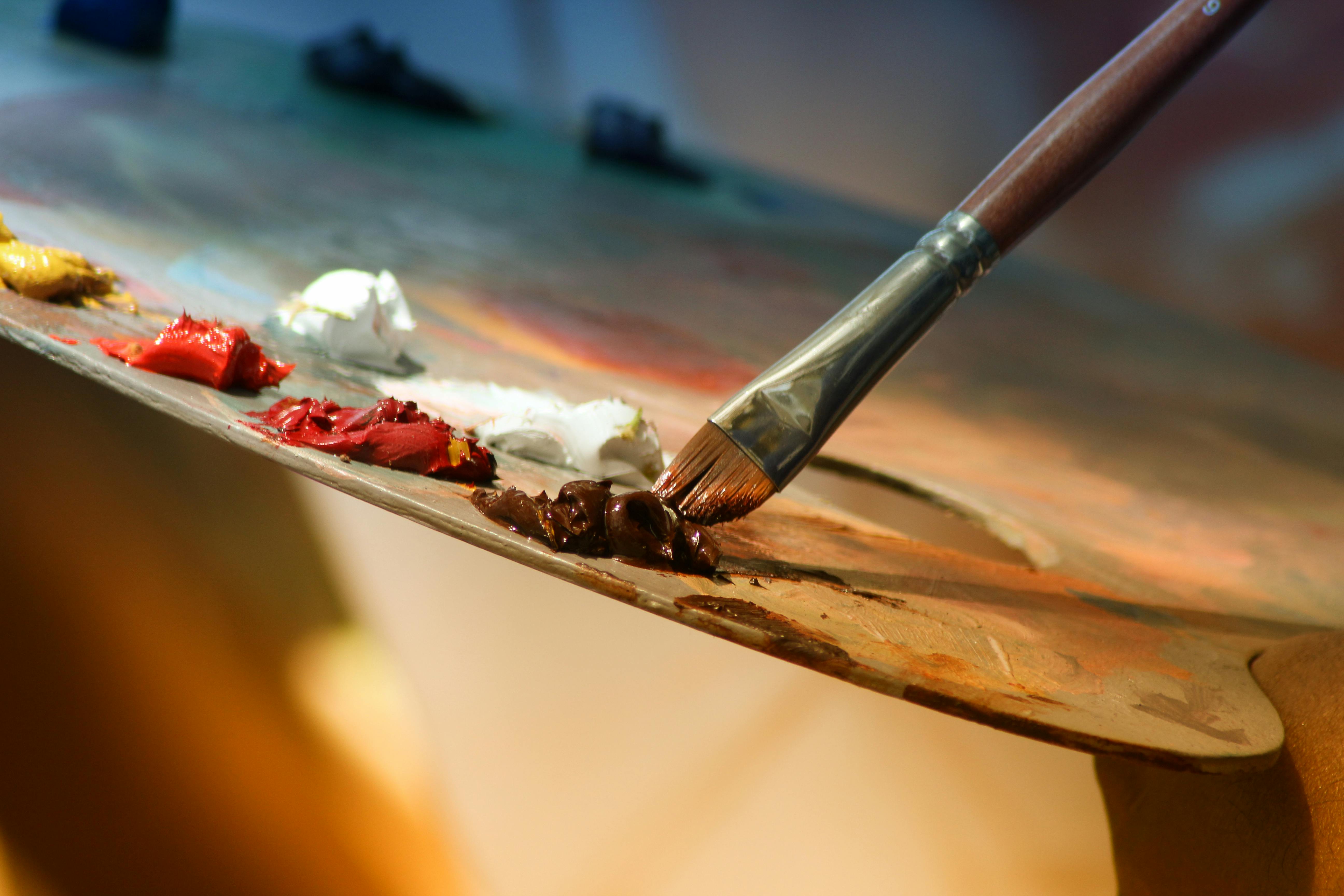
- Mastering Your Palette: Ever bought a new tube of paint and wondered how it really behaves? Or tried to mix a specific color and ended up with mud? Color studies are your personal chemistry lab. You get to understand the unique properties of each pigment, how they blend, and how they react when placed next to another color. This is crucial, especially in abstract art where the psychology of color is so potent.
- Mastering Your Palette: Ever bought a new tube of paint and wondered how it really behaves? Or tried to mix a specific color and ended up with mud? Color studies are your personal chemistry lab. You get to understand the unique properties of each pigment, how they blend, and how they react when placed next to another color. This is crucial, especially in abstract art where the psychology of color is so potent.
- Exploring Color Harmony: Color harmony refers to the pleasing arrangement of colors. It involves understanding how colors relate to each other and how they can be combined to create a sense of balance and unity. A color study helps you explore different color harmonies, such as analogous, complementary, and triadic schemes, and understand their impact on your artwork.
- Preventing "Muddy" Colors: This is a big one. Over-mixing, using too many pigments, or not understanding color temperature can lead to dull, lifeless colors. A color study trains your eye to identify the minimum number of colors needed to achieve a desired effect, keeping your palette fresh and vibrant. It teaches you economy.
- Creating Depth and Dimension: Color studies help you understand how to create depth and dimension in your artwork. By exploring the relationships between light, shadow, and color, you can create a sense of three-dimensionality and space, making your artwork more dynamic and engaging.
- Creating Depth and Dimension: Color studies help you understand how to create depth and dimension in your artwork. By exploring the relationships between light, shadow, and color, you can create a sense of three-dimensionality and space, making your artwork more dynamic and engaging.
- Planning for Success: Before committing to a large canvas, a small color study is like creating a visual roadmap. It allows you to test out color schemes, values, and emotional tones without the risk of ruining a larger work. This is particularly valuable for complex design in art where every element plays a role.
- Enhancing Emotional Impact: Color has a profound impact on our emotions and perceptions. A color study helps you understand how to use color to evoke specific emotions and create a deeper connection with your audience. Whether you want to create a sense of calm, excitement, or melancholy, a color study can help you achieve your artistic goals.
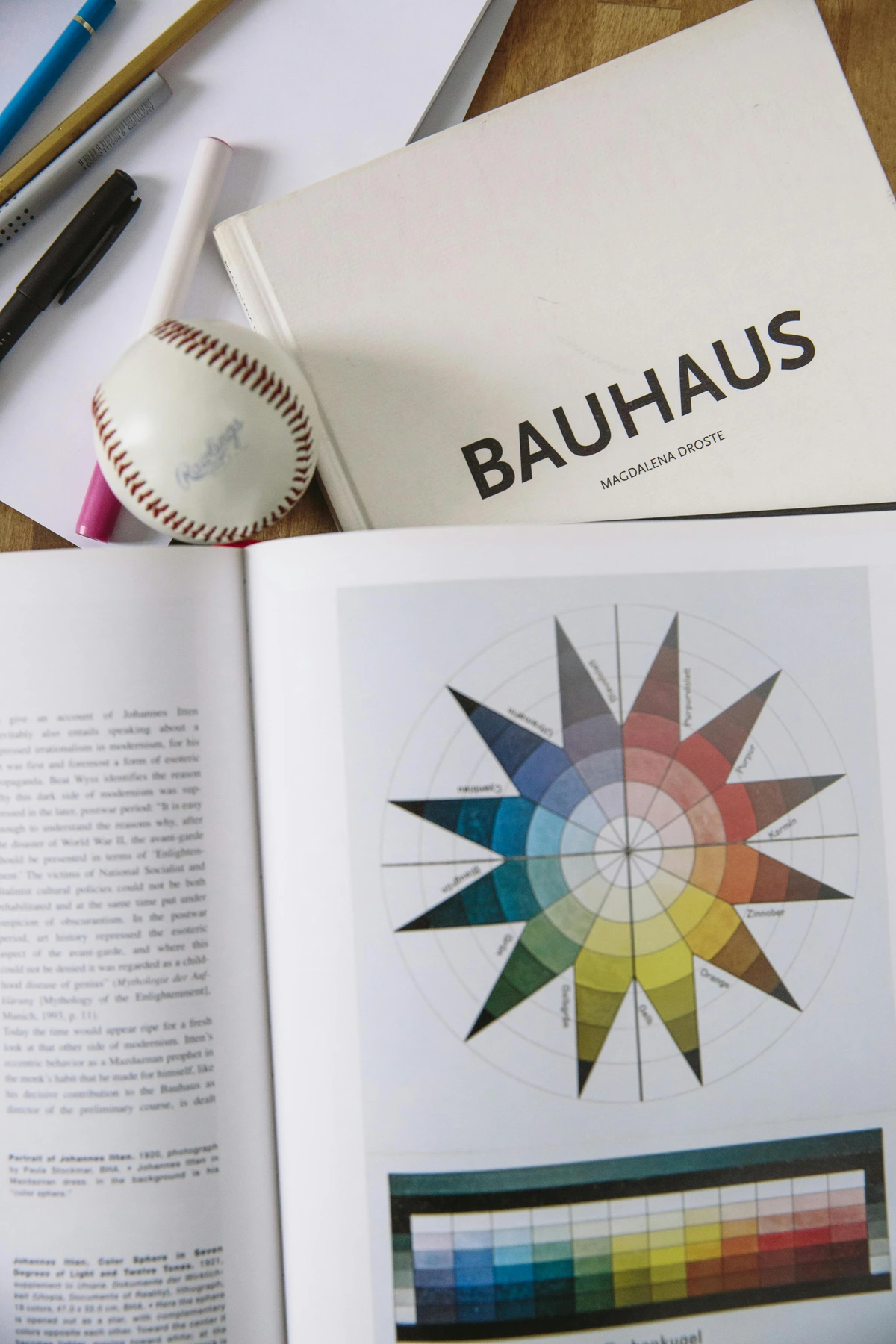
The Anatomy of a Color Study: More Than Just Swatches (Though Swatches Are Great Too!)
Color studies come in many forms, each with its own unique focus and benefits. Here's a breakdown of the different types of color studies and how they can enhance your artistic practice:
So, how do you actually do one? There's no single "right" way, and that's the beauty of it. It's personal. But here's how I often approach it:
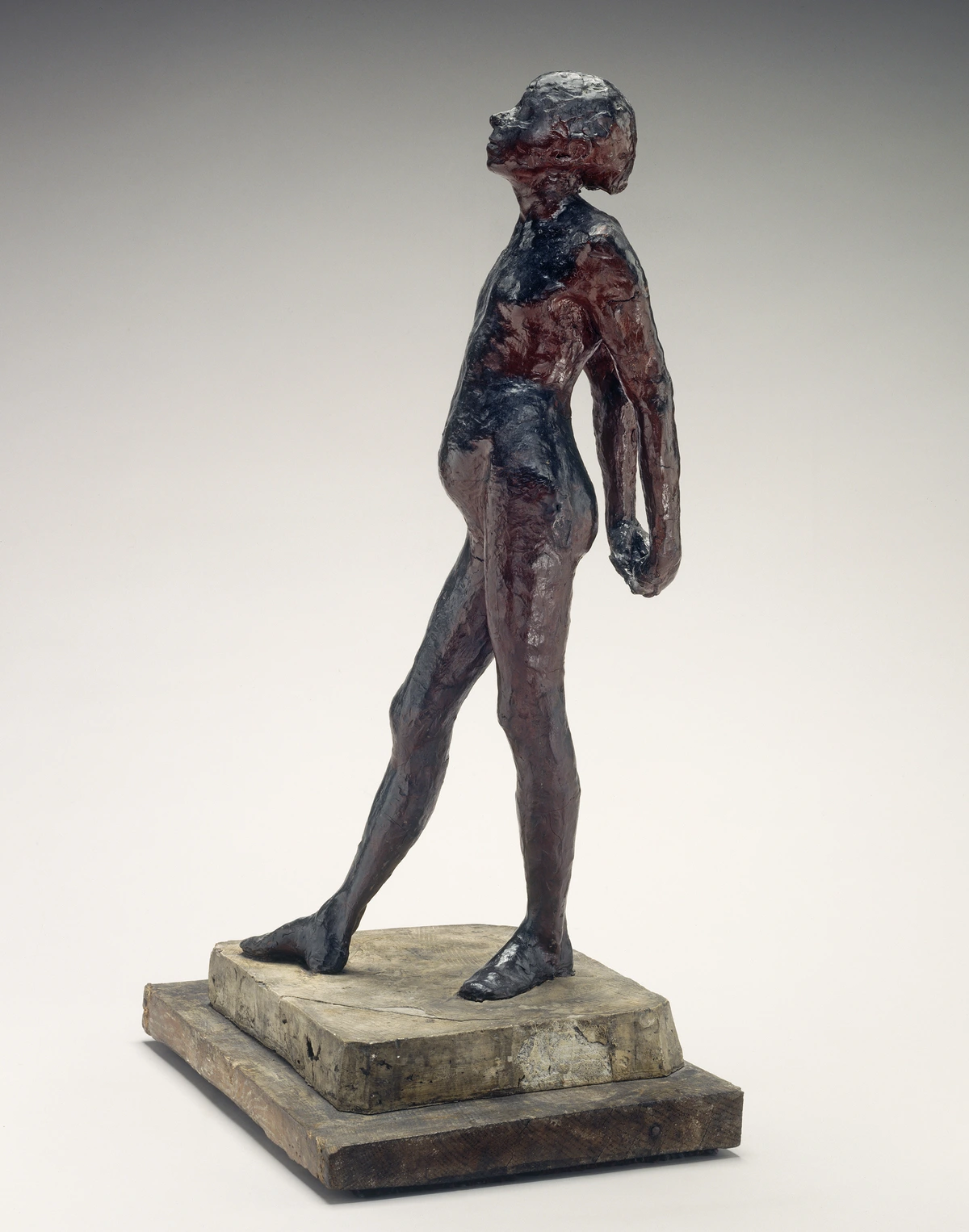
1. Pick Your Focus (and Keep it Simple!)
Don't try to tackle an entire landscape in intricate detail. Choose one specific aspect: a single apple, a corner of your studio bathed in morning light, a photograph that intrigues you, or even just a challenging color combination you want to explore. The simpler the subject, the more you can focus purely on color.
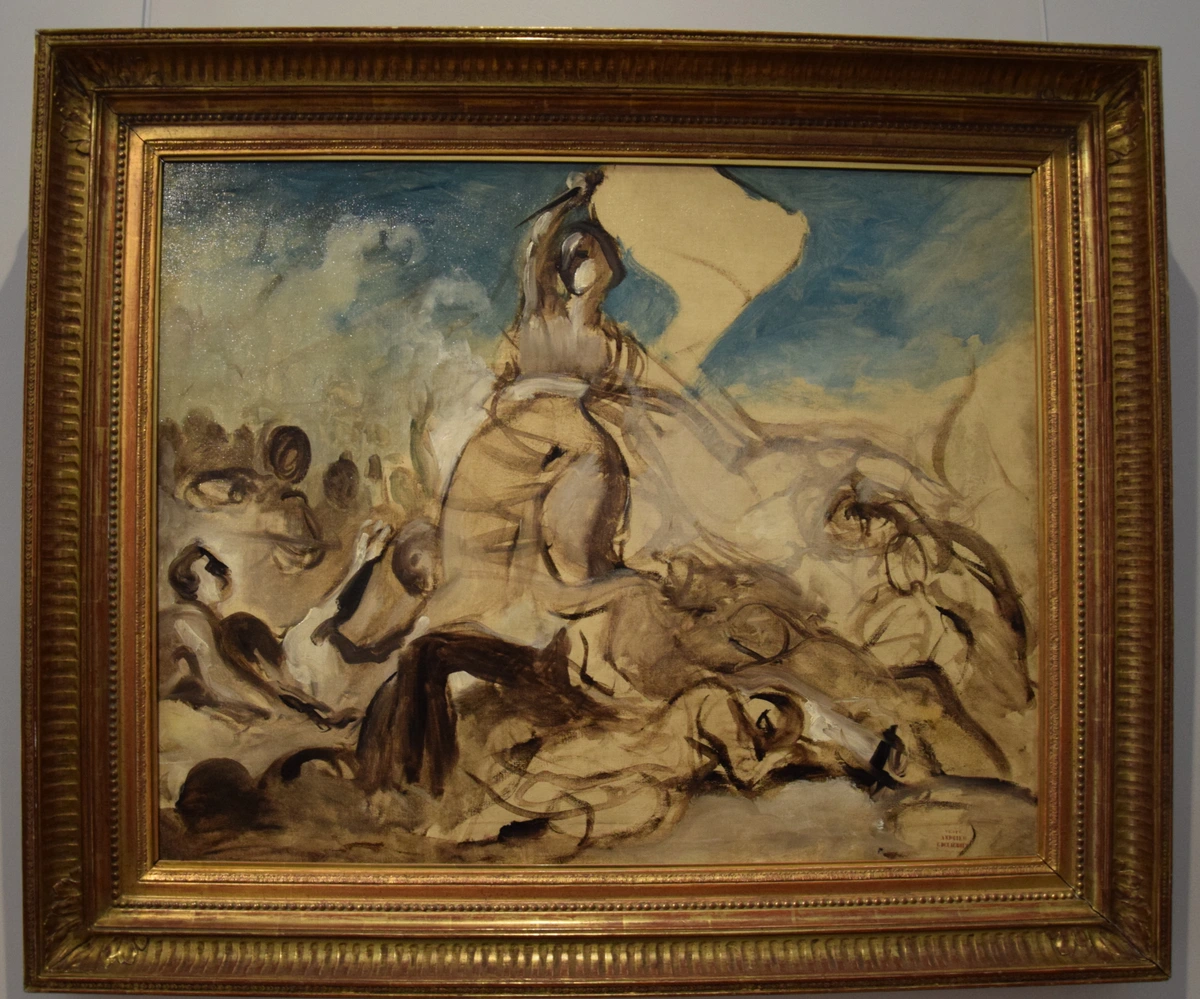
2. Explore Different Lighting Conditions
Lighting plays a crucial role in how colors appear. Experiment with different lighting conditions, such as natural light, artificial light, and mixed lighting. This will help you understand how colors change under different circumstances and how to capture these variations in your artwork.
2. Limit Your Palette
This is a game-changer. Instead of grabbing every color, challenge yourself to use just 2, 3, or 4 primary pigments plus white (and maybe a black if you're feeling adventurous). This forces you to really mix and understand how colors are created from limited resources. It's like learning to cook with only a few ingredients – you discover new flavors!
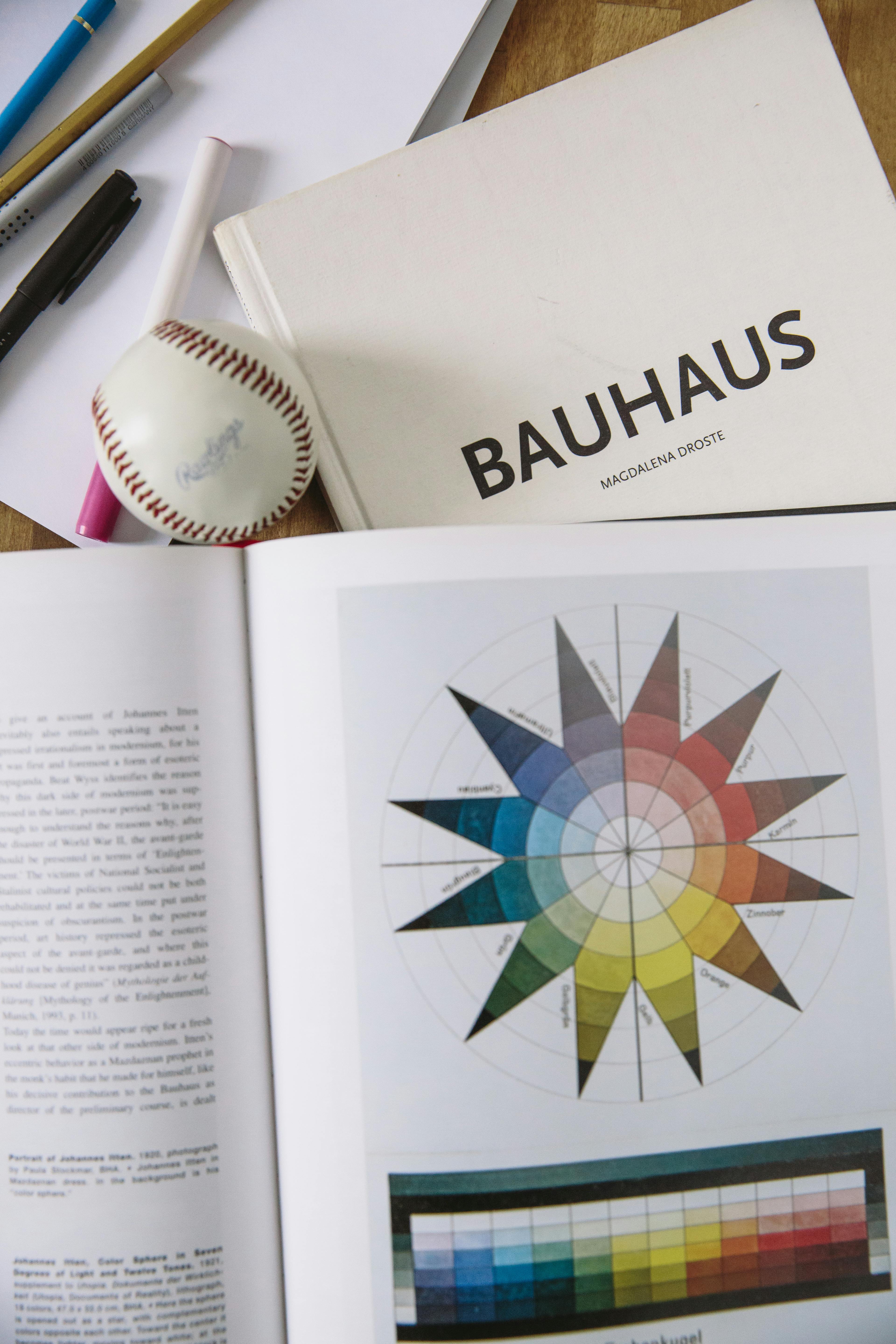
3. Experiment with Color Theory
Color theory is the foundation of understanding how colors work together. Experiment with different color theories, such as the color wheel, complementary colors, and color harmonies. This will help you create more dynamic and visually appealing artwork.
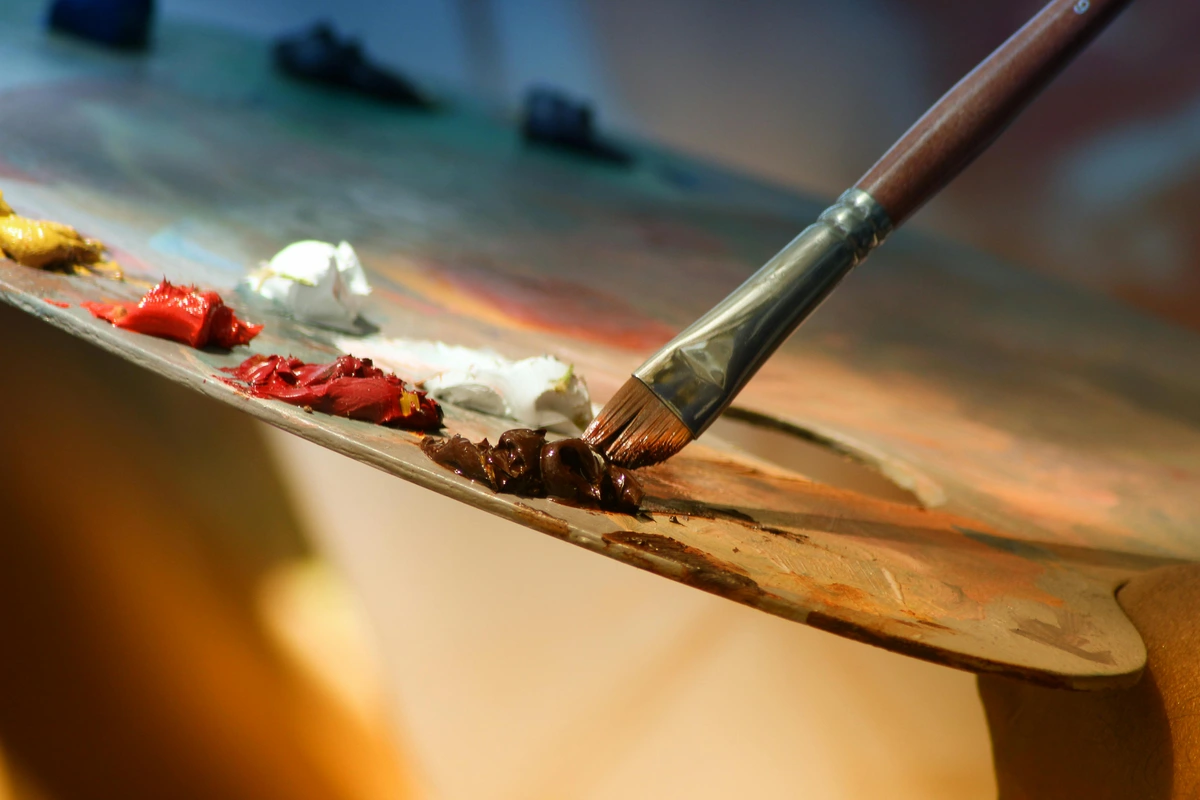
3. Experiment with Color Theory
Color theory is the foundation of understanding how colors work together. Experiment with different color theories, such as the color wheel, complementary colors, and color harmonies. This will help you create more dynamic and visually appealing artwork.
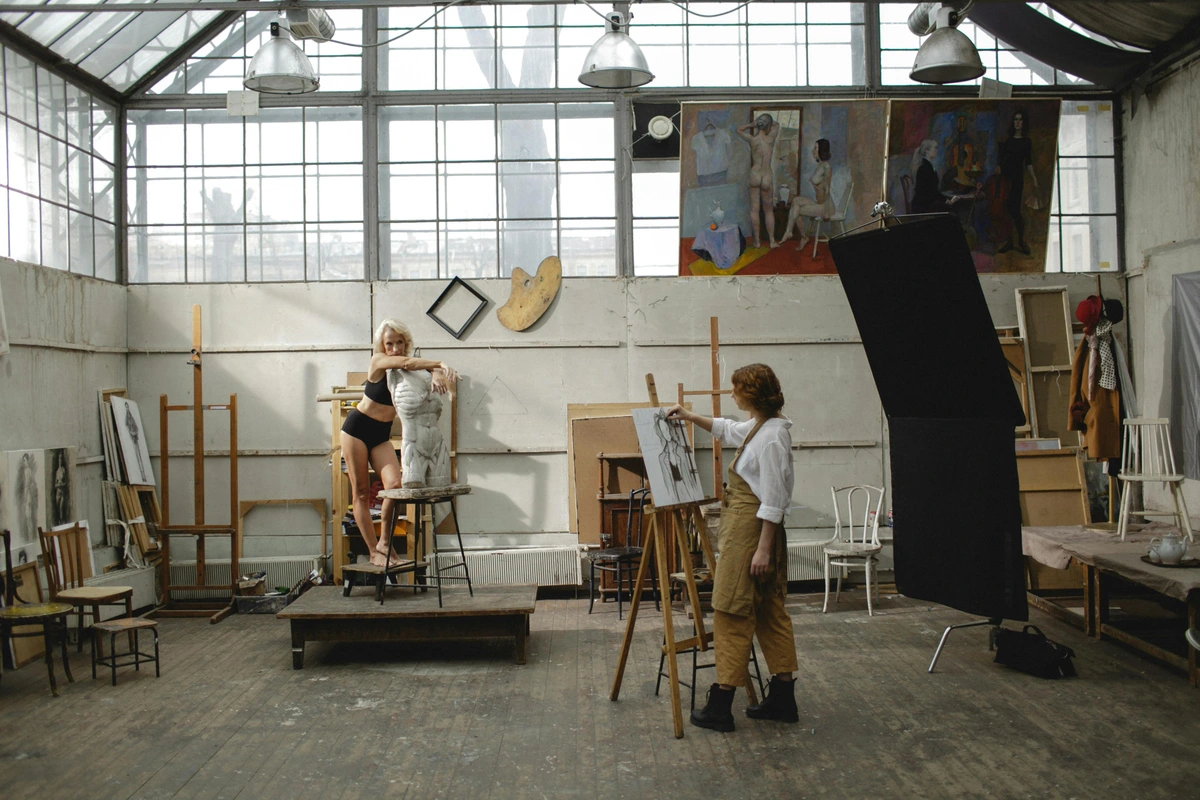
3. Focus on Relationships, Not Objects
This is crucial. You're not just painting an object; you're painting the color of the light hitting it, the color of the shadow falling on it, the color reflected from what's next to it. Ask yourself: "How does this blue relate to that yellow? Is the shadow warmer or cooler than the light? What's the darkest dark and the lightest light in terms of color, not just value?"
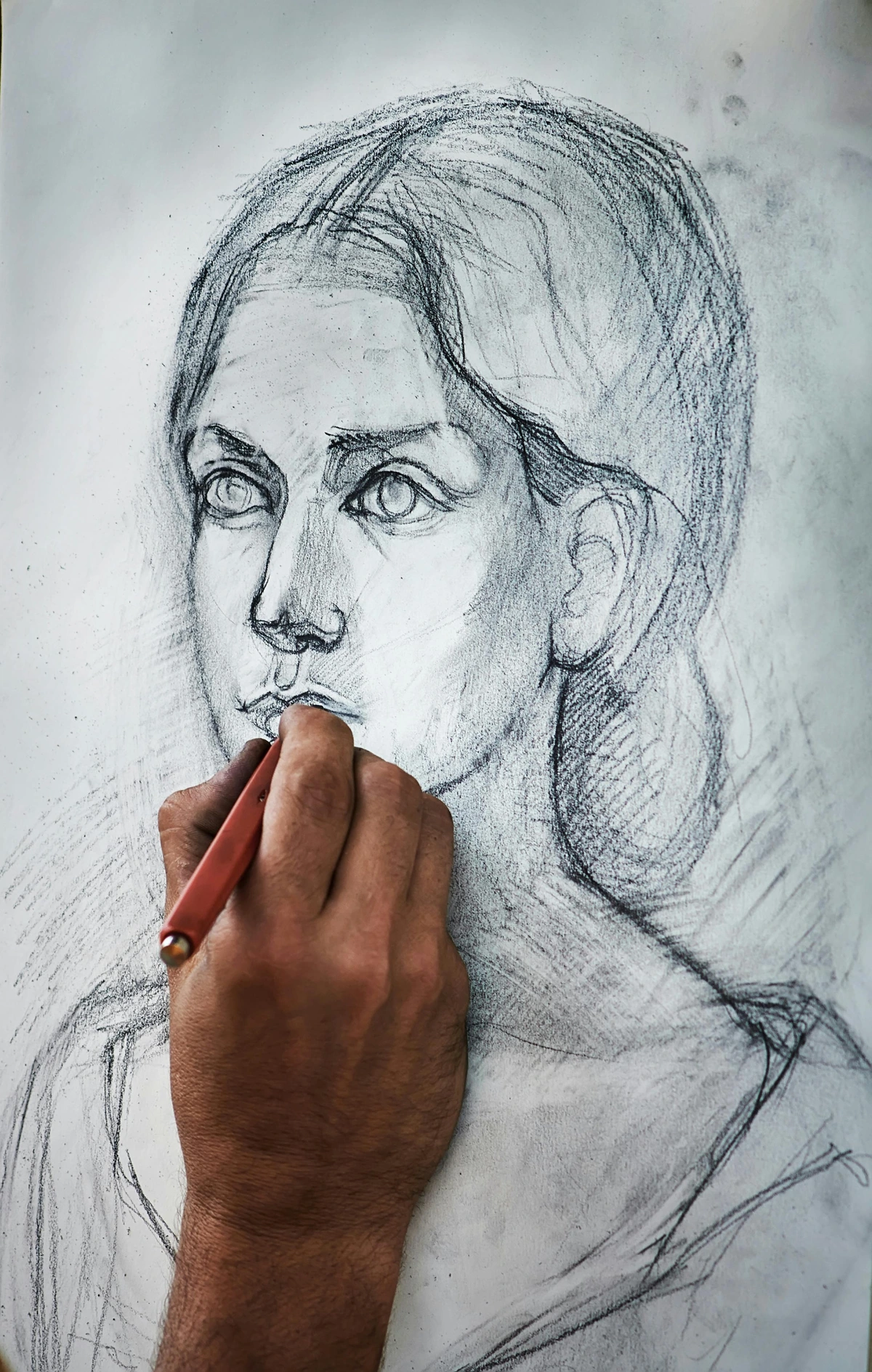
4. Understand Color Psychology
Color psychology is the study of how colors affect our emotions and perceptions. Understanding color psychology can help you create artwork that resonates deeply with viewers. For example, warm colors like red and orange can evoke feelings of warmth and energy, while cool colors like blue and green can create a sense of calm and tranquility.
4. Experiment with Various Approaches
- Monochromatic Study: Pick one color and explore all its values and saturations. This is fantastic for understanding understanding balance in art-composition through tonal variations.
- Limited Palette Study: As mentioned, restrict your colors to a few key pigments.
- Complementary Study: Focus on a pair of complementary colors (e.g., red and green) and explore how they interact, both vibrant and muted.
- Temperature Study: Focus on warm vs. cool colors within a scene.
- Value Study (with color): First, simplify your subject into 3-5 values (light, mid-tone, dark). Then, assign colors to those values, trying to match the temperature and saturation accurately.
5. Incorporate Mixed Media
Don't limit yourself to just one medium. Experiment with mixed media, such as combining watercolors with ink or acrylics with pastels. This can add depth and texture to your color studies and help you discover new techniques and effects.

When and Where I've Found Color Studies Most Useful
Color studies are versatile and can be integrated into various aspects of your artistic practice. Here are some scenarios where they can be particularly beneficial:
Honestly, I now integrate them into my artistic practice almost unconsciously. They've become less of a separate task and more of a natural part of my creative flow.
- Before a Big Project: If I'm embarking on a new series or a large canvas, especially one that requires a specific mood or complex color scheme, a few small color studies are non-negotiable. They save so much time and frustration later on.
- When I'm Feeling Stale: We all hit creative walls, right? Sometimes, just pulling out some paper and doing a quick study of a random object on my desk, or a snippet from a photo, can reignite that spark. It's like a palate cleanser for the artistic mind.
- Learning from Masters: When I visit a museum (like the den-bosch-museum, for instance) or browse art books, I often pick a small section of a painting I admire and try to replicate its color scheme in a quick study. It's an incredible way to understand the master's choices – sometimes you realize the "blue" they used isn't blue at all, but a complex mix of greens and purples!
- Experimenting with New Materials or Techniques: Trying out a new brand of paint? Or maybe a new medium altogether? A color study is the perfect low-stakes way to see how those materials handle color.
- Collaborating with Other Artists: Color studies can be a great way to collaborate with other artists. Share your studies, discuss your findings, and learn from each other's experiences. This can lead to new insights and techniques that you might not have discovered on your own.
Beyond the Canvas: The Lessons a Color Study Teaches You About Your Art
Color studies are not just about improving your technical skills; they also offer valuable lessons about your artistic journey. Here are some insights you can gain from regular color studies:
The benefits of regular color studies extend far beyond just better color mixing. They refine your observation skills, deepen your understanding of light, and fundamentally improve your ability to communicate emotion and depth through your art. They make you a more thoughtful artist.
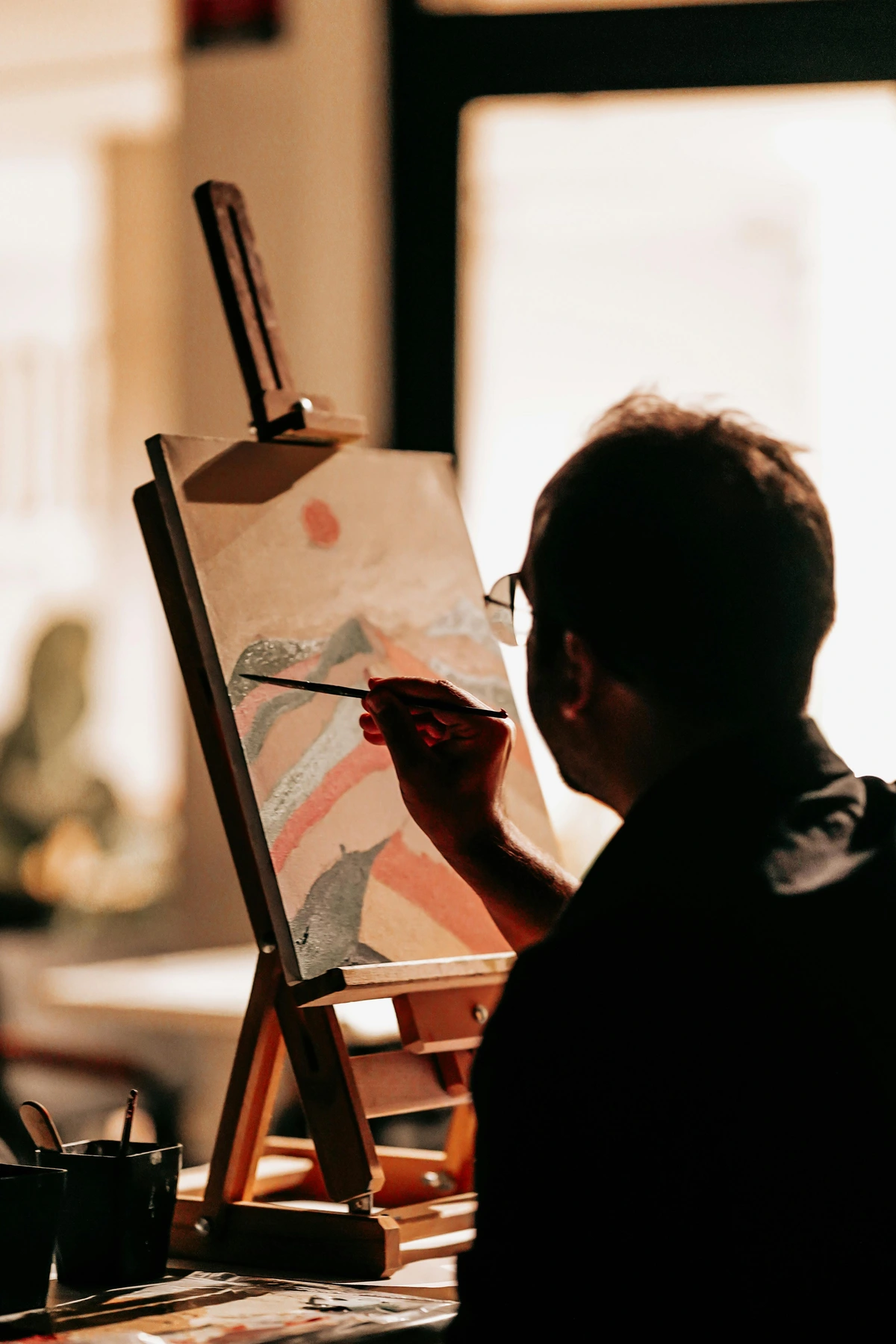
1. Enhanced Observation Skills
Color studies train your eye to see the world in a new way. You'll start noticing the subtle variations in color and light that you might have overlooked before. This heightened awareness can inspire new ideas and approaches in your artwork.
And let's not forget the sheer joy of playing with color! It's a fundamental part of why many of us started creating in the first place, isn't it? If you're looking to push your abstract art forward, or even just add more vibrancy to your representational work, diving into color studies is one of the most rewarding journeys you can take. If you’re like me, constantly refining your artistic voice, you might even find inspiration for new pieces available to buy or reflect on your timeline of artistic growth.
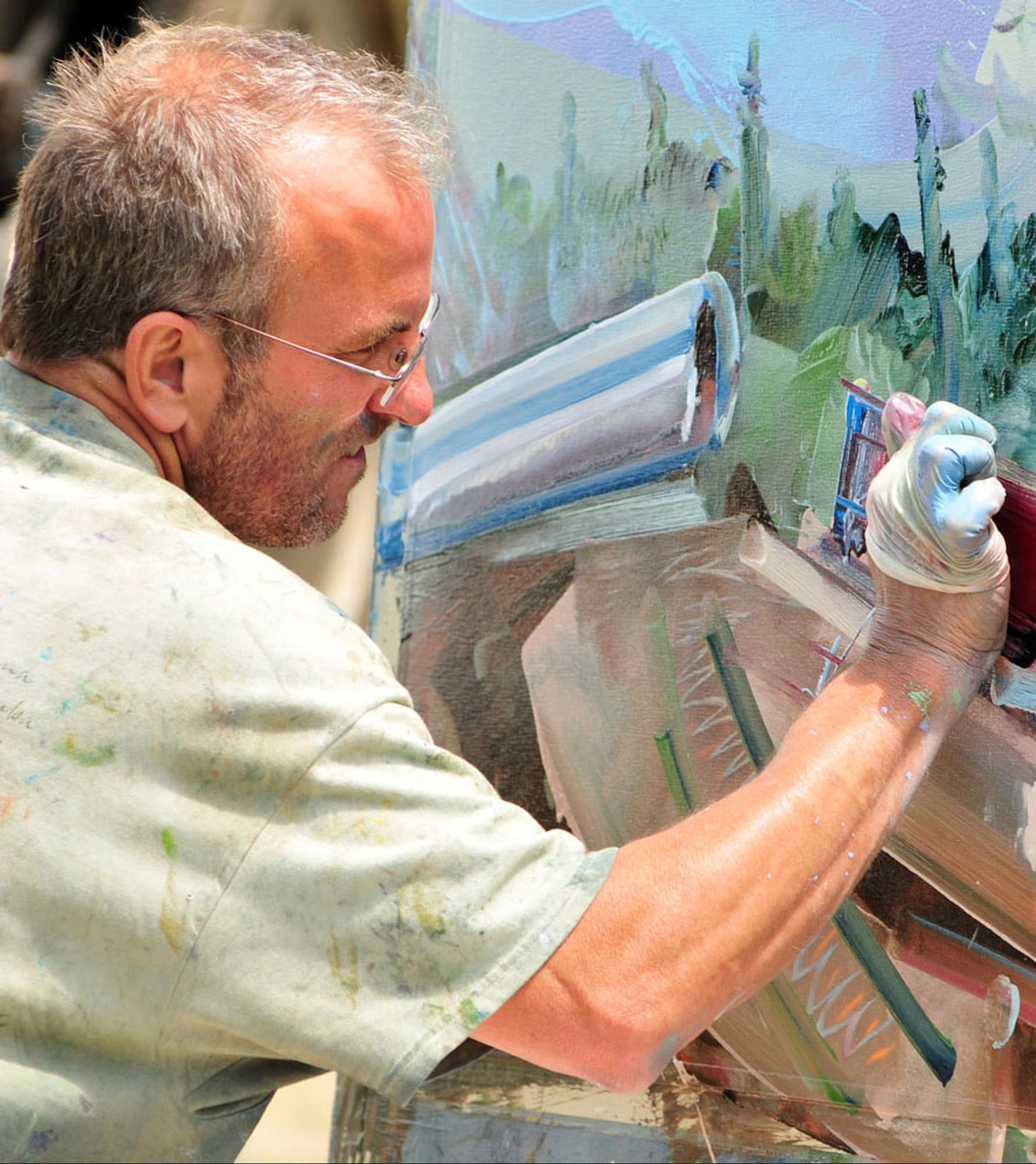
2. Deeper Understanding of Light
Light is the essence of color. Through color studies, you'll gain a deeper understanding of how light interacts with objects and how it affects the colors we see. This knowledge can help you create more realistic and dynamic artwork.
Types of Color Studies and Their Goals
Type of Study  | Primary Goal | Key Focus | Example Application |
|---|---|---|---|
| Monochromatic | Understanding value and tone within a single hue | Light, shadow, form, texture, mood | Exploring depth in a single-color landscape |
| Limited Palette | Mastering color mixing and economy | Hue, saturation, value from minimal pigments | Developing a cohesive scheme for a portrait |
| Complementary | Exploring color contrast and vibrancy | How opposing colors enhance or neutralize each other | Creating dynamic tension in an abstract piece |
| Temperature | Understanding warm and cool color relationships | Emotional impact, atmospheric perspective | Depicting a warm sunset or a cool winter scene |
| Value (with color) | Translating tonal structure into color choices | Accurate color matching to observed values | Planning color for a complex still life painting |
| Plein Air / Observational | Capturing fleeting light and atmospheric effects | Immediate response to changing natural light | Sketching colors of a landscape on location |
| Digital Color Study | Exploring digital color mixing and effects | Understanding digital color theory and tools | Creating digital artwork with vibrant and dynamic colors |
Frequently Asked Questions About Color Studies
Q: How long should a color study take?
A: The beauty of a color study is its flexibility! It can be as short as 5-10 minutes for a quick observation, or an hour or two if you're really digging into a complex set of relationships. The goal isn't speed, but focused learning. I'd say most of mine fall into the 15-30 minute range.
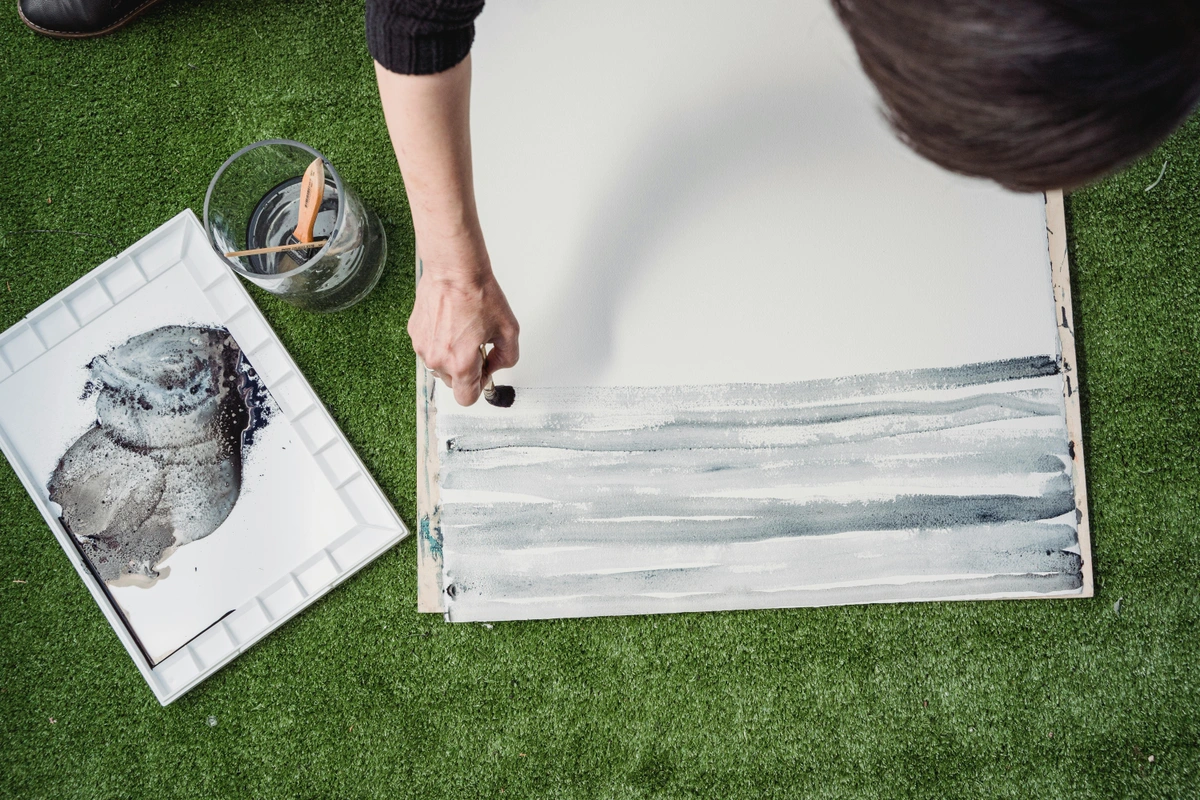
Q: Can I use color studies for digital art?
A: Absolutely! Color studies are just as valuable for digital art as they are for traditional media. Digital tools offer unique opportunities to experiment with color, such as adjusting hue, saturation, and brightness with ease. This can help you understand color relationships and create more dynamic digital artwork.
Q: Do I need special materials for a color study?
A: Not at all! You can do a color study with any medium – pencil crayons, pastels, gouache, oils, acrylics, watercolors. Even digital painting apps are fantastic for this. Use whatever you have on hand. Small paper, scrap canvas, or a sketchbook works perfectly. The focus is on the learning, not the preciousness of the materials.
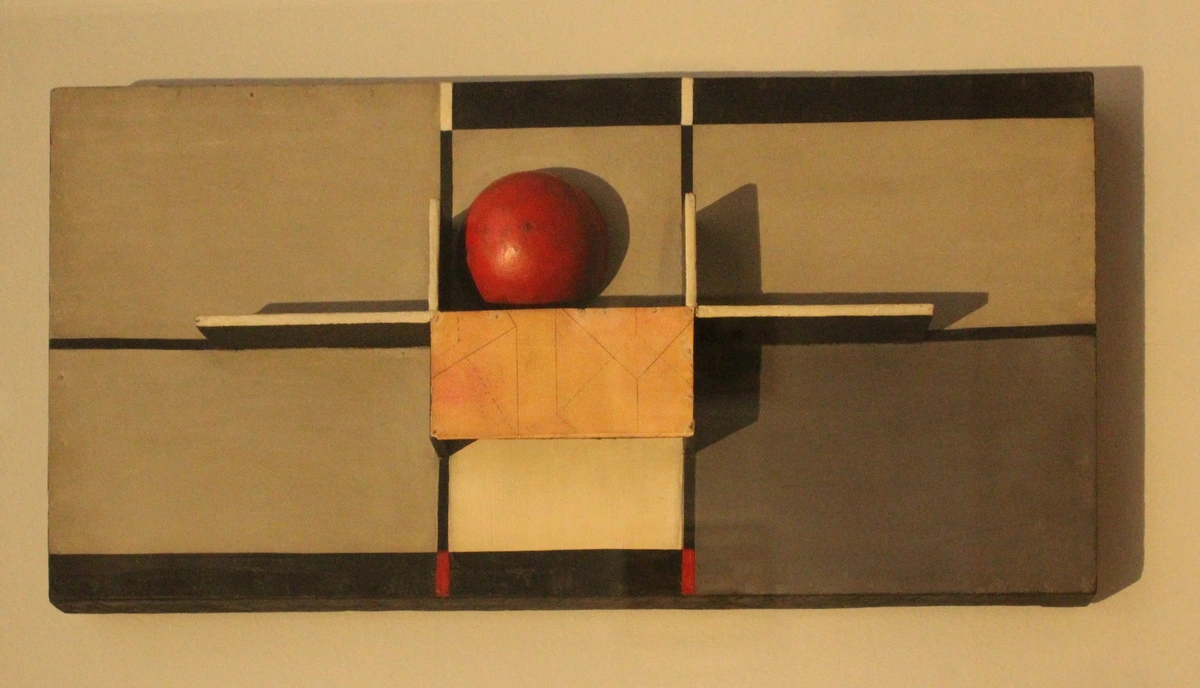
Q: How can I incorporate color studies into my daily practice?
A: Make color studies a regular part of your artistic routine. Set aside a few minutes each day to explore a new color combination, experiment with a different medium, or study a specific aspect of color theory. This consistent practice will help you build your skills and deepen your understanding of color over time.
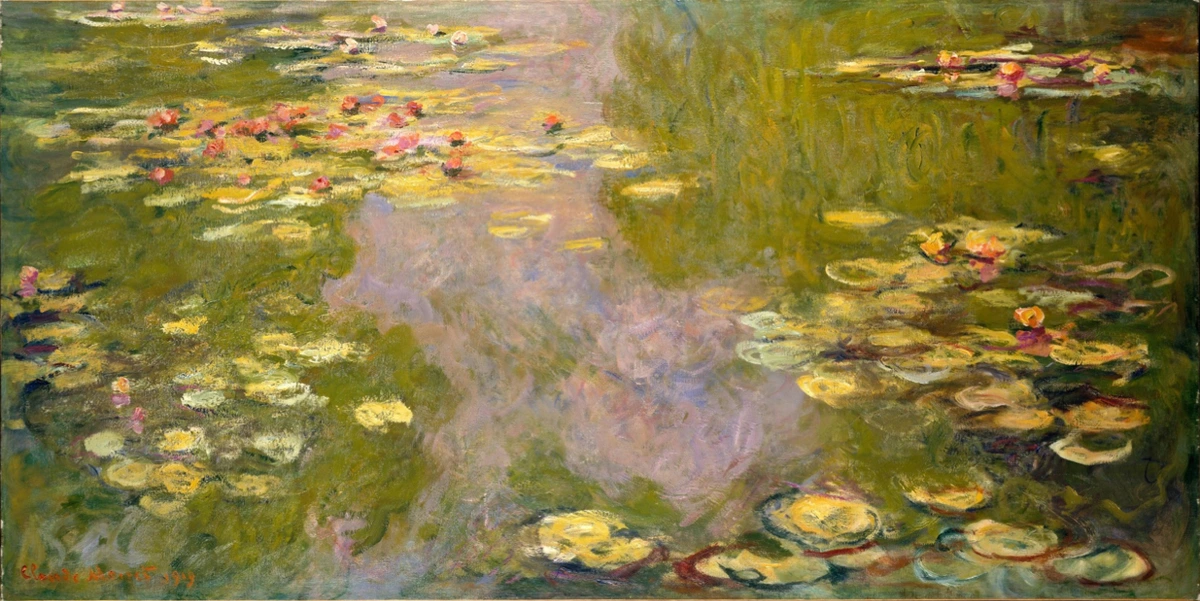
Q: Can I do a color study from a photograph, or does it have to be from life?
A: Both are incredibly valuable! Studying from life (a real object, a landscape) trains your eye to see complex light and atmospheric effects that a camera might flatten. However, working from a photograph is also excellent for breaking down color relationships, especially if you're limited by time or location. I do both, depending on what I'm trying to learn.
Q: How can I use color studies to improve my abstract art?
A: Color studies are particularly beneficial for abstract art, where color often carries the emotional and conceptual weight of the piece. Experiment with different color harmonies, contrasts, and temperatures to create abstract artwork that resonates deeply with viewers. Use color studies to explore the psychological impact of color and how it can convey meaning and emotion in your abstract pieces.
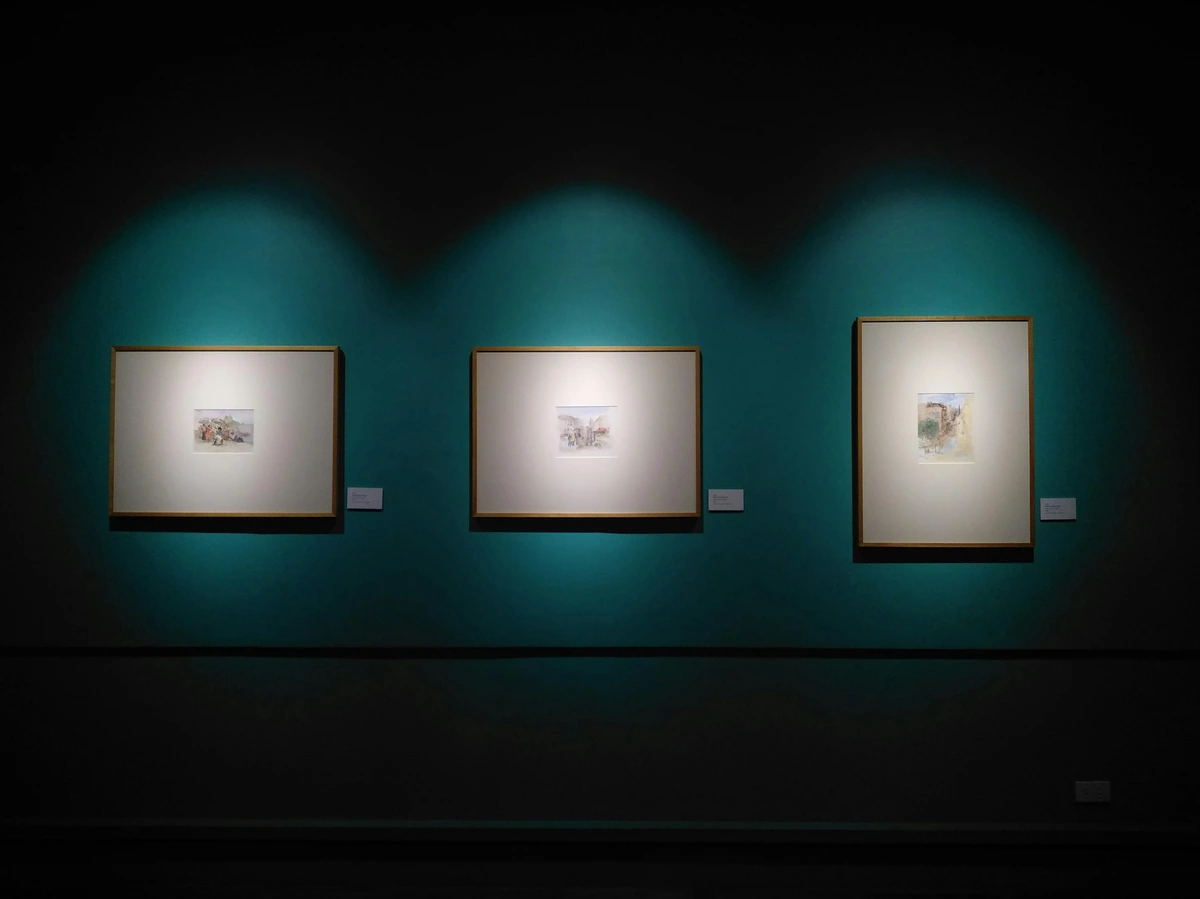
Q: Will color studies make my art look less spontaneous?
A: Quite the opposite, I've found! By understanding color on a deeper level through studies, you gain a kind of intuition. This frees you up to be more spontaneous and expressive in your main work, because you're no longer guessing about color. You're making informed, confident choices. It’s like knowing the rules really well so you can break them beautifully.
Q: Can color studies help me with color matching?
A: Yes! Color studies are an excellent way to improve your color matching skills. By practicing mixing and matching colors, you'll develop a better eye for identifying and replicating specific hues, saturations, and values. This can be particularly useful when working from reference photos or trying to achieve a specific color scheme in your artwork.
Q: Is there a specific size for a color study?
A: Typically, color studies are small. A common size might be 4x6 inches, 5x7 inches, or even smaller. This encourages you to simplify and focus on the essential color relationships without getting bogged down in detail. Plus, it makes them less intimidating to start!
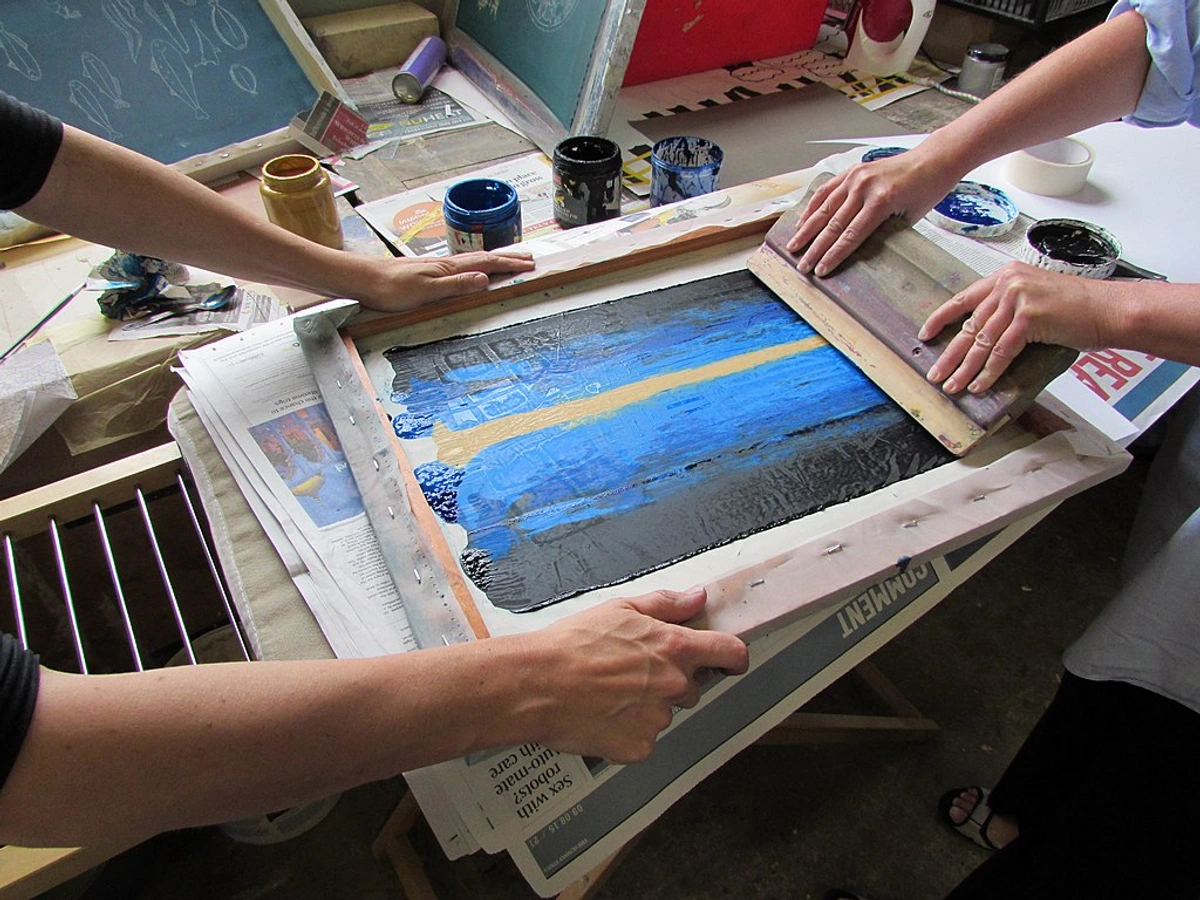
Q: How can I share my color studies with others?
A: Sharing your color studies can be a great way to connect with other artists and receive feedback. Consider posting your studies on social media, art forums, or your personal website. You can also participate in art challenges or collaborations that focus on color studies. This can help you build a community of like-minded artists and gain new insights and perspectives on your work.
My Final Thoughts on Embracing the Rainbow (and the Mud!)
Look, art is a journey, not a destination, and color is a huge part of that adventure. Diving into color studies might feel a bit daunting at first, but I promise you, it's one of the most rewarding practices you can adopt. It’s not about perfect results; it’s about opening your eyes, sharpening your perception, and building a deeper, more intuitive relationship with your palette. So, grab some paint, a scrap of paper, and just start. Observe, mix, apply, and learn. Your future, more vibrant art will thank you for it!











Embrace the Process
Remember, the goal of a color study is not to create a perfect piece of art but to learn and grow as an artist. Embrace the process, enjoy the journey, and don't be afraid to make mistakes. Each study is a step forward in your artistic development, and every lesson learned brings you closer to creating the vibrant, emotionally resonant artwork you envision.