
The Artist's Quick Draw: Unleashing Creativity with Fast Studies
Discover how quick studies can transform your artistic practice—from overcoming creative blocks to developing dynamic compositions. This guide demystifies the technique with relatable insights and practical advice.

The Artist's Quick Draw: Unleashing Creativity with Fast Studies
You know that moment when you sit down with a blank canvas, full of ambition, but your brain just... stalls? The weight of a masterpiece looming over your head, making every stroke feel stiff and calculated? Yeah, I’ve been there too. Many times. There’s this pressure cooker building up—the expectation of perfection, the fear of wasting supplies, the internal critic whispering "you’re not good enough." That’s when I discovered quick studies—those messy, energetic little sketches that feel more like play than work. They’re not about perfection; they’re about breaking through the noise and remembering why you started making art in the first place. Think of them as artistic speed dating—you get to know the essence without committing to a long-term relationship with every idea.
What I love most about quick studies is that they democratize creativity. You don’t need fancy materials or hours of uninterrupted time. Just 5-15 minutes, a sketchbook, and the courage to be imperfect. But here’s what I didn’t realize at first: quick studies aren’t just for artists. They’re for anyone who wants to reconnect with their creative self, whether you’re a busy professional, a student, or just someone who wants to see the world with fresh eyes. Let’s dive into why this technique is a game-changer for artists at any level—and how it can breathe new life into your practice.

Why Quick Studies Matter More Than You Think
At first glance, quick studies might seem like just warm-ups. But dig deeper, and you'll find they’re a microcosm of the artistic process. They force you to trust your instincts, distill essence, and solve problems on the fly. I remember a frustrating day wrestling with a complex abstract piece—nothing was working. I stepped away, did a 10-minute gesture study of my cat (who was definitely not posing), and suddenly, the rhythm I’d been chasing clicked into place. This happened because quick studies activate a different part of your brain—they’re playful, low-pressure, and focused on immediate response rather than long-term planning. When you return to your "serious" work with this fresh perspective, you bring new energy and insights. Sometimes, the fastest path to clarity is a detour through play. This is true in art, writing, problem-solving, and life itself. When you’re stuck, the solution often comes not from more intense effort, but from stepping back and approaching the problem from a different angle—usually a more playful, less serious one.
The Psychological Benefits: Quick Studies as Mental Therapy
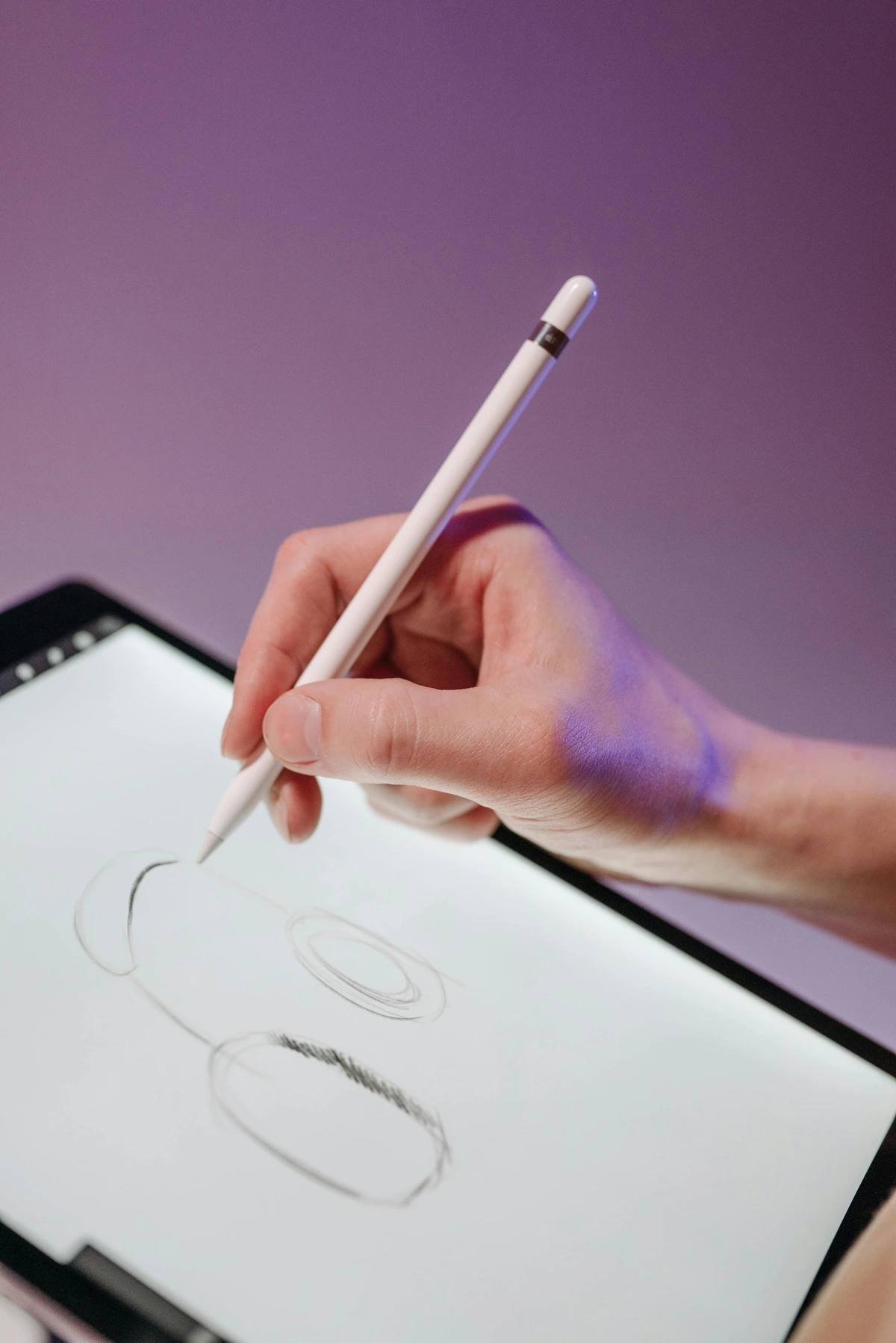
Beyond their artistic value, quick studies serve as a powerful form of mental therapy and stress relief. In our world of constant digital stimulation and performance anxiety, these micro-sessions of creative engagement offer surprising psychological benefits.
Combatting Perfectionism
Perfectionism is the silent killer of creativity. It's that voice that whispers "this isn't good enough" before you even begin. Quick studies are the ultimate antidote because they create a safe space for imperfection. When you know you only have 5 minutes, you can't afford to get paralyzed by "shoulds" and "musts." This builds creative resilience—the ability to keep creating even when the results don't meet your internal standards.
Stress Reduction
There's something incredibly meditative about focusing intensely on a single subject for a short period. The combination of focused attention and time pressure creates a form of active meditation. Studies have shown that engaging in short, focused creative activities can reduce cortisol levels and lower blood pressure. In just 10 minutes, you can reset your nervous system and gain perspective on whatever was stressing you out.
Building Creative Confidence
Each completed quick study is a small victory. These micro-achievements build creative momentum and confidence. When you've done dozens of "imperfect" studies and discovered that some of your "mistakes" became your favorite elements, you develop a healthy relationship with failure. This confidence spills over into other areas of life—suddenly, you're more willing to try new things, take risks, and embrace challenges.
Mindfulness Practice
Quick studies are essentially mindfulness training with a creative twist. You're forced to be present in the moment, observing without judgment, and responding authentically. This builds meta-awareness—the ability to observe your own thought processes without getting caught up in them. It's the same skill that Buddhist monks spend years developing, but you're building it through the joyful practice of making art.
Here’s why I believe quick studies are non-negotiable:
- Builds observational skills: You learn to see relationships—light, movement, balance—in an instant. No time to overthink. Your brain starts to automatically recognize patterns that would normally take hours to notice. This is why experienced artists can glance at a scene and capture its essence quickly—they’ve trained their brains through countless quick studies.
- Fights perfectionism: The timer is your best friend. When it buzzes, you stop. No erasing, no redoing. You embrace the “happy accidents.”
- Generates fresh ideas: Studies often evolve into unexpected starting points. My Abstract Harmony series? Stemmed from a chaotic 5-minute color study of sunset clouds I nearly threw out. Studies are like brainstorming sessions—they generate raw, unfiltered ideas that you can refine later. The key is to do enough of them that you have a rich pool of ideas to draw from when you need them.
- Makes art可持续 (sustainable): You can do them anywhere—while waiting for coffee or during a commute. Tiny pockets of magic, every single day.
Quick Study Types: Choose Your Speed
Not all quick studies are created equal. The beauty is how they adapt to your goals. Here’s a breakdown of the most common types, with my personal take on each:
Type  | Focus | Duration | Best For | Pro Tip |
|---|---|---|---|---|
| Gesture Study | Movement & energy | 30 seconds - 2 min | Figure work, abstraction, animation | Use your whole arm—don’t just scribble with your wrist. Think "movement through line" rather than "outline of form." |
| Color Study | Value & temperature | 5-10 min | Painting, digital art, illustration | Limit your palette! 2-3 colors force creativity. Squint your eyes to see values more clearly. |
| Composition Sketch | Layout & balance | 5-15 min | Planning large pieces, photography, graphic design | Ignore details. Focus on big shapes and negative space. Turn your drawing upside down to check balance. |
| Detail Study | Texture & form | 3-5 min | ZBrush work, realism, product design | Zoom in! Draw just a corner of an object’s surface. Use different mark-making techniques for different textures. |
| Blind Contour | Observation without looking | 2-5 min | Building hand-eye coordination, mindfulness | Keep your eyes fixed on the subject; never look at your paper. This builds trust between your eyes and hand. |
| Memory Study | Visual recall | 30 sec observation, 2-3 min drawing | Training observation skills, creative memory | Look at your subject intensely, then draw from memory alone. This trains your brain to remember what’s important. |
| Negative Space Study | The space around objects | 5-10 min | Composition, perspective, design | Focus on the shapes between objects rather than the objects themselves. This reveals relationships you’d otherwise miss. |
| Value Study | Light and shadow | 5-15 min | Painting, photography, 3D work | Use only black, white, and one gray. This teaches you to see and render light relationships accurately. |

Quick Studies in Professional Practice: Beyond the Studio
Quick studies aren't just artistic exercises—they're professional tools used across industries. Here's how professionals leverage this technique:
In Architecture and Design
Architects use rapid sketching to capture spatial relationships and design ideas before they're lost. The concept sketch is essentially a quick study that communicates big ideas quickly. Industrial designers use gesture studies to explore product forms and ergonomics.
In Medicine and Science
Medical students use quick studies to learn anatomy and observational skills. Surgeons practice hand-eye coordination through rapid drawing. Scientists use sketching to document findings and communicate complex concepts visually.
In Business and Innovation
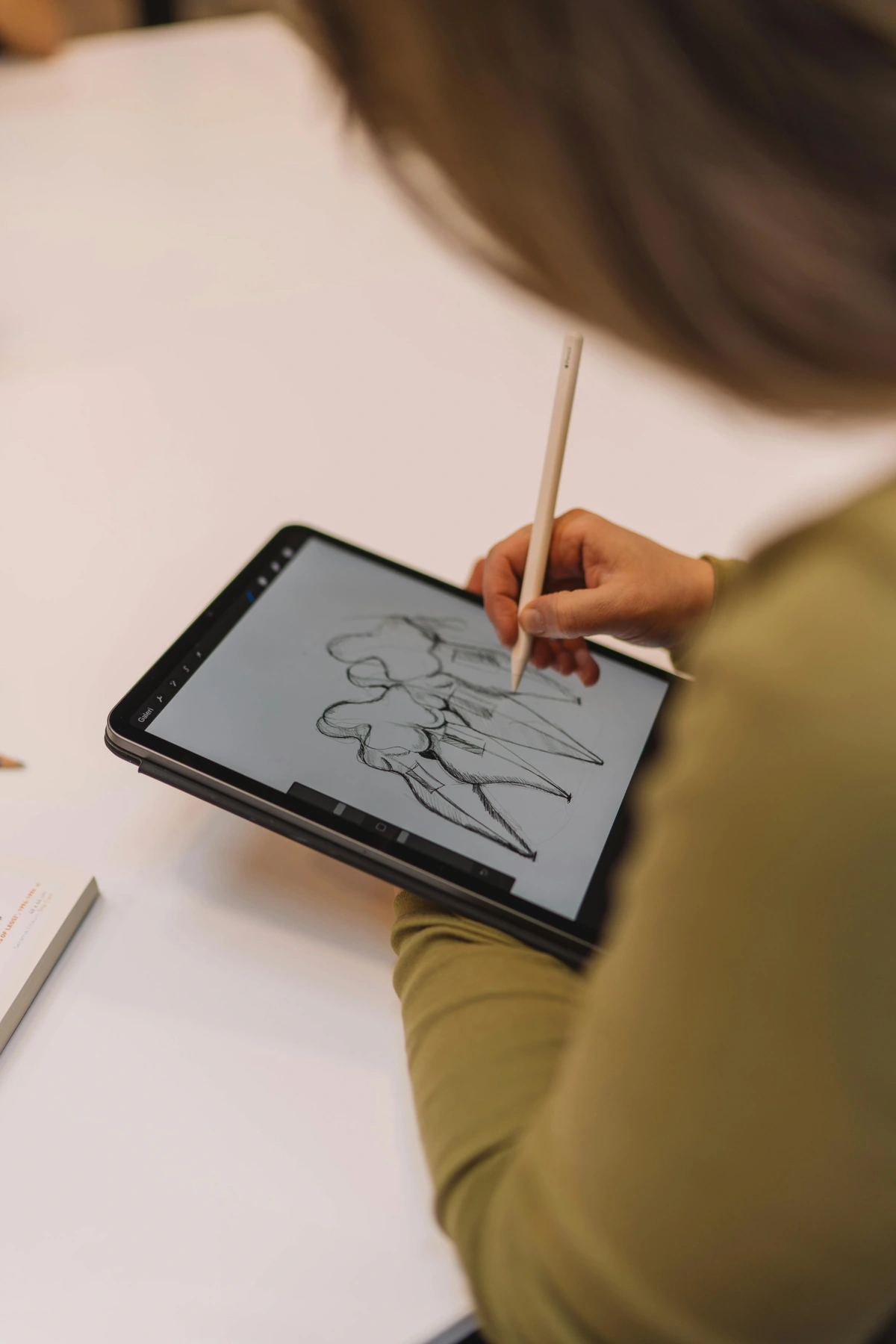
Design thinking workshops often start with quick visual brainstorming sessions. These "ideation sketches" help teams explore concepts rapidly without getting bogged down in perfection. Business consultants use quick studies to map processes and visualize data.
In Education
Teachers across subjects use quick studies as assessment tools. A science teacher might ask students to sketch an ecosystem to check understanding. A history teacher might use quick sketches of historical scenes to engage visual learners.
In Therapy and Counseling
Art therapists use quick studies as diagnostic tools and therapeutic exercises. The process of rapid creation can help clients access emotions and thoughts that are difficult to express verbally. This is particularly effective for trauma therapy and anxiety management.
Quick Studies for Different Mediums
Quick studies aren’t just for pencil and paper—they work across all artistic mediums. Here’s how to adapt the concept to different tools:

Digital Quick Studies
- Procreate/Sketchbook: Use the built-in timer. Turn off pressure sensitivity for gesture studies to force speed.
- Adobe Fresco: Try the live brushes that respond to your speed—faster strokes create thicker lines.
- Photoshop: Use the "Quick Mask" mode for rapid color studies.
Painting Quick Studies
- Watercolor: Limit yourself to 2-3 colors and 3 brushes. Work wet-on-wet for maximum spontaneity.
- Acrylics: Use fast-drying mediums. Work in thin layers, building up speed as you get comfortable.
- Oils: Use "fat over lean" and work with solvent-based washes for quick underpaintings.
3D & Sculpture
- Clay: 15-minute "gesture sculptures" focusing only on movement and form.
- Digital Sculpting (ZBrush/Maya): Quick blocking exercises focusing on silhouette and major forms.
I’m obsessed with blind contour studies. They feel like cheating the system—no self-judgment allowed, because you literally can’t control the output. It’s pure, unfiltered data intake. They’re terrible as finished art, but transformative for deepening observation. Blind contour studies have a magical quality—they bypass your conscious mind and let your hand draw what your eyes actually see, not what your brain thinks it sees. This is why they often look so strangely accurate even when they look "wrong"—they capture the essence of the subject without the interference of your internal critic.
Advanced Quick Study Variations
Once you’ve mastered the basics, you can level up with these variations:
- Memory Studies: Look at your subject for 30 seconds, then draw it from memory alone. This trains visual recall.
- Negative Space Studies: Focus only on the spaces between objects, not the objects themselves.
- Color Studies with Limited Palettes: Challenge yourself to render a subject using only 3 colors (plus white).
- Blind Contour + Gesture: Combine both techniques—do a blind contour while keeping your movement fluid and gestural.
How to Do Quick Studies: A No-BS Guide
Ready to dive in? Follow these steps. No art degree required. But fair warning: this might change how you approach art forever.
The Mindset Shift
Before we get to the practical steps, there’s one thing you need to understand: quick studies aren’t about making "good" art. They’re about making ANY art. The goal isn’t to create something beautiful; it’s to create something honest. This distinction is everything. When you remove the pressure of "this has to be good," you suddenly have creative freedom you didn’t know was possible.
1. Set the Stage
Grab whatever you have: a pen, charcoal, cheap watercolors. Your phone camera. Heck, even a napkin and a coffee-stained pencil. The point isn’t tools—it’s intention. Here’s my minimalist setup:
- Traditional: A sketchbook, a pencil, and a timer (your phone works great)
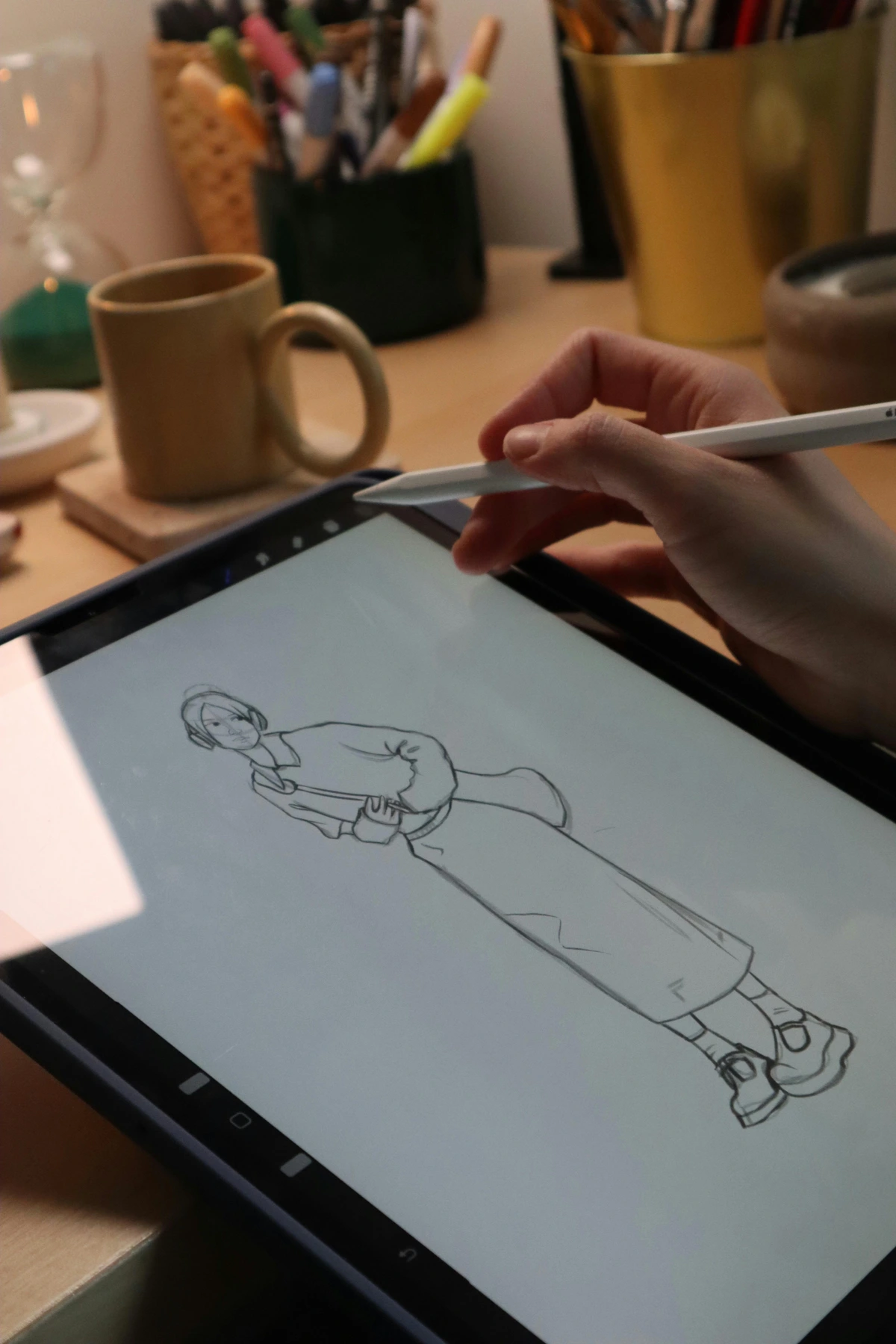
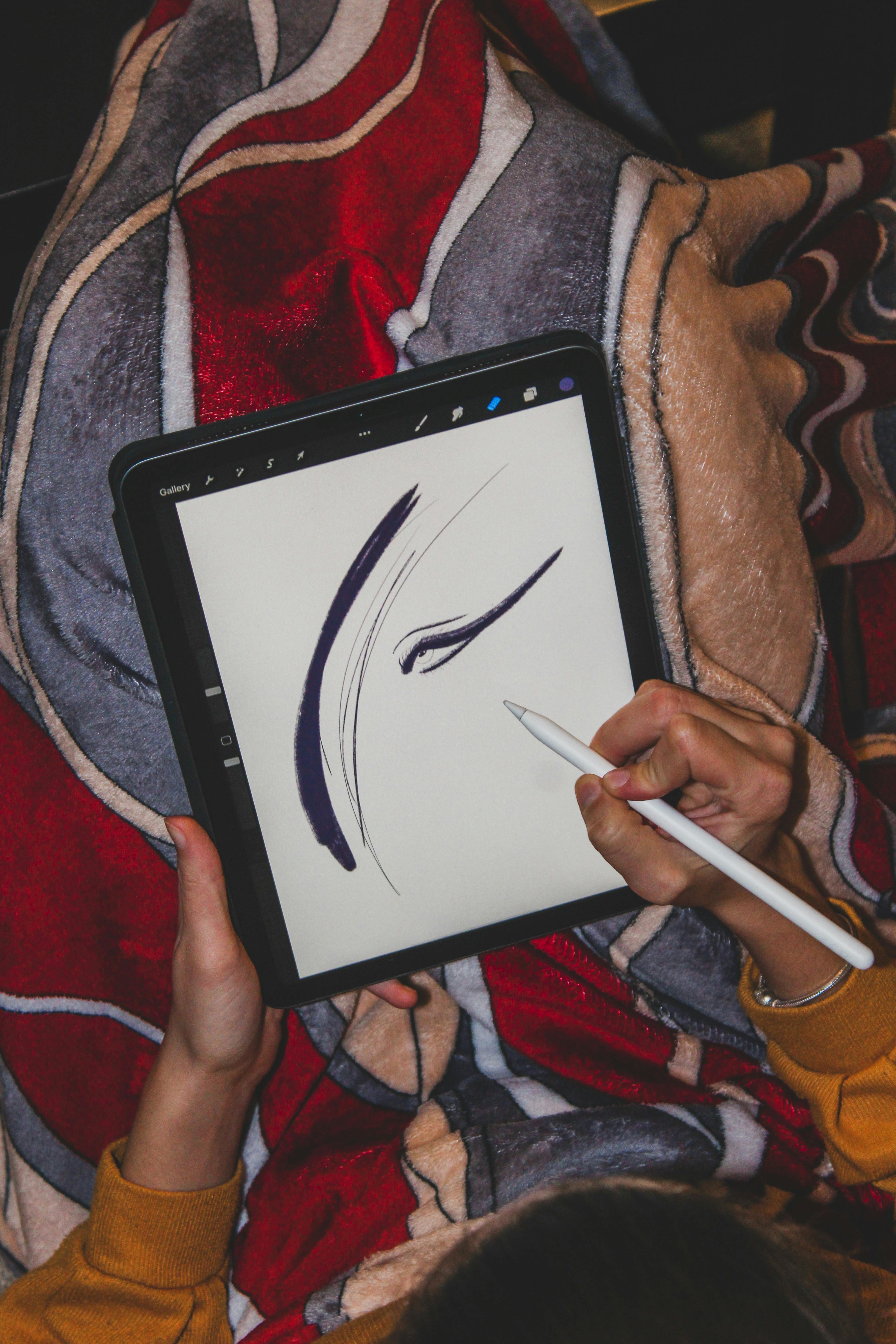
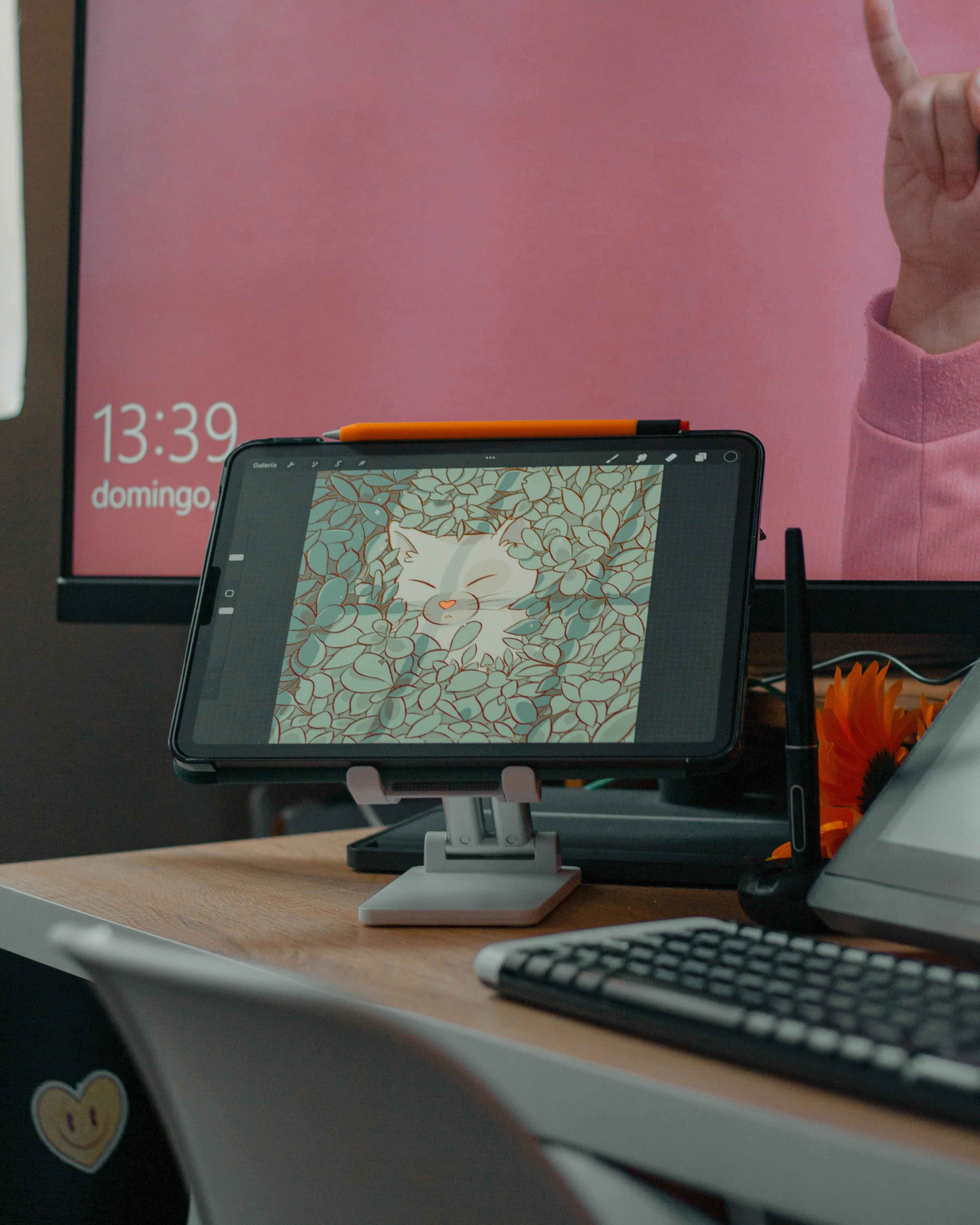
- Digital: A tablet with basic drawing app, finger or cheap stylus
- Ultra-simple: Post-it notes and a Sharpie
Set a timer—start with 5 minutes and adjust as you get comfortable. I recommend starting shorter rather than longer. A 3-minute study that feels productive is better than a 10-minute study where you’re just waiting for it to end. Remove distractions. Put on music that matches the mood (jazz for energy, ambient for calm). Some artists even use binaural beats or white noise to enter a flow state.
2. Choose Your Subject
Study anything that excites you! A coffee cup, the way light hits a curtain, the chaos of a farmers’ market, or even your own hands. The best subjects are those that make you curious. If you find yourself thinking "I wonder how that works" or "that’s interesting," that’s your subject.
Here’s a categorized breakdown:
Everyday Objects
- Kitchenware: Mugs, utensils, fruit, vegetables
- Personal items: Your hand, your face in a mirror, your shoes
- Natural elements: Leaves, stones, flowers, tree bark
Living Subjects
- Animals: Your pet, birds outside, insects (they move fast!)
- People: Family members, strangers in cafes (ask permission!)
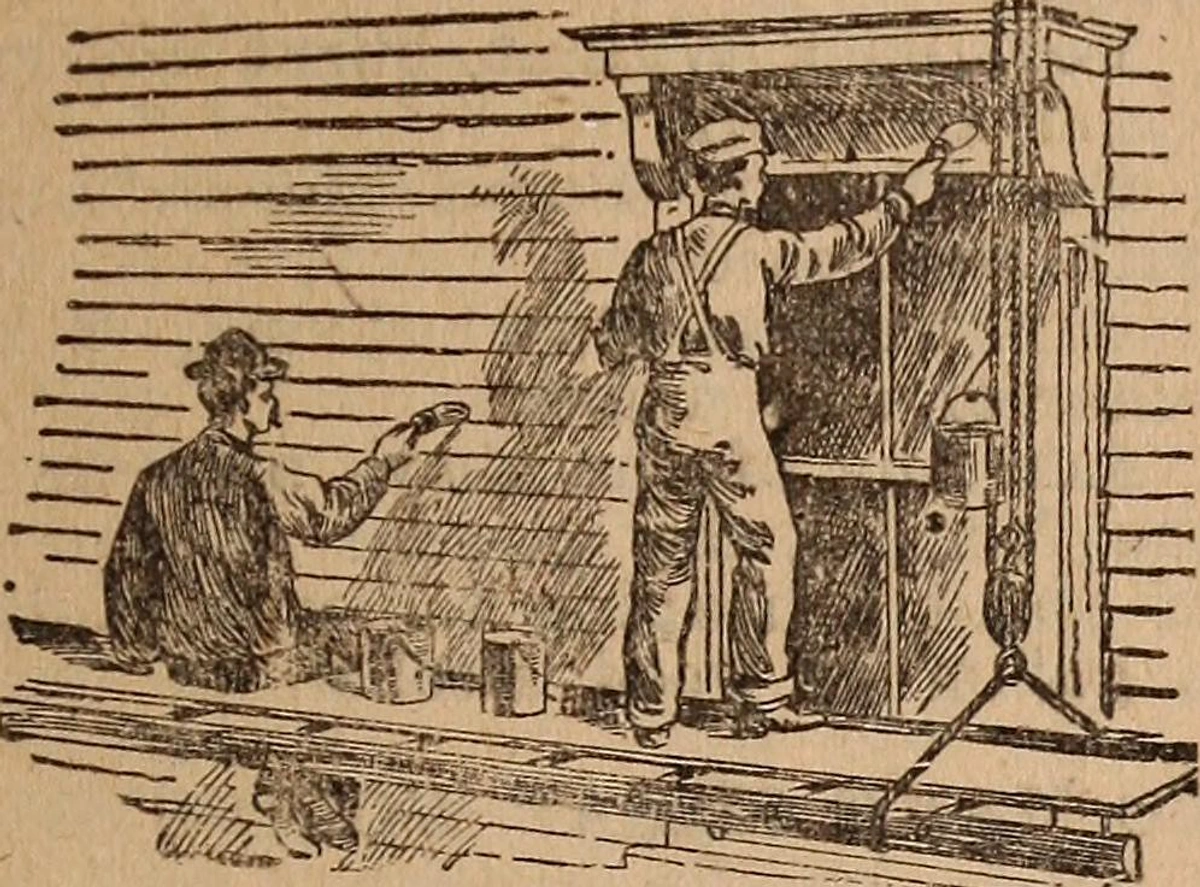
- Movement: Dancers, athletes, flowing water, wind-blown hair
Abstract Subjects
- Emotions: Draw "anger" or "calm" using only lines and shapes
- Sounds: Translate music into visual marks
- Concepts: Draw "freedom" or "restriction" abstractly
If you’re stuck, try these:
- Still life objects: Fruit, plants, kitchen utensils. The beauty of still life is that it never moves, so you can focus on observation without the pressure of capturing fleeting moments. Start simple (an apple) and gradually move to more complex arrangements.
- Photos from free sites like Unsplash (Unsplash). When using photos, try to understand why they work—what makes this composition interesting? How is the light hitting the subject? You’re not just copying; you’re learning from the photographer’s eye.
- Movement: People walking, pets playing, wind rustling leaves. Movement studies are challenging but incredibly rewarding. They teach you to capture the essence of motion rather than getting bogged down in details. Focus on the flow and energy of the movement.
- Your own memory: Sketch a vivid dream from last night. Memory studies train your visual recall—the ability to see something in your mind’s eye and translate it to paper. This skill is crucial for working from imagination.
3. Commit, Don’t Edit
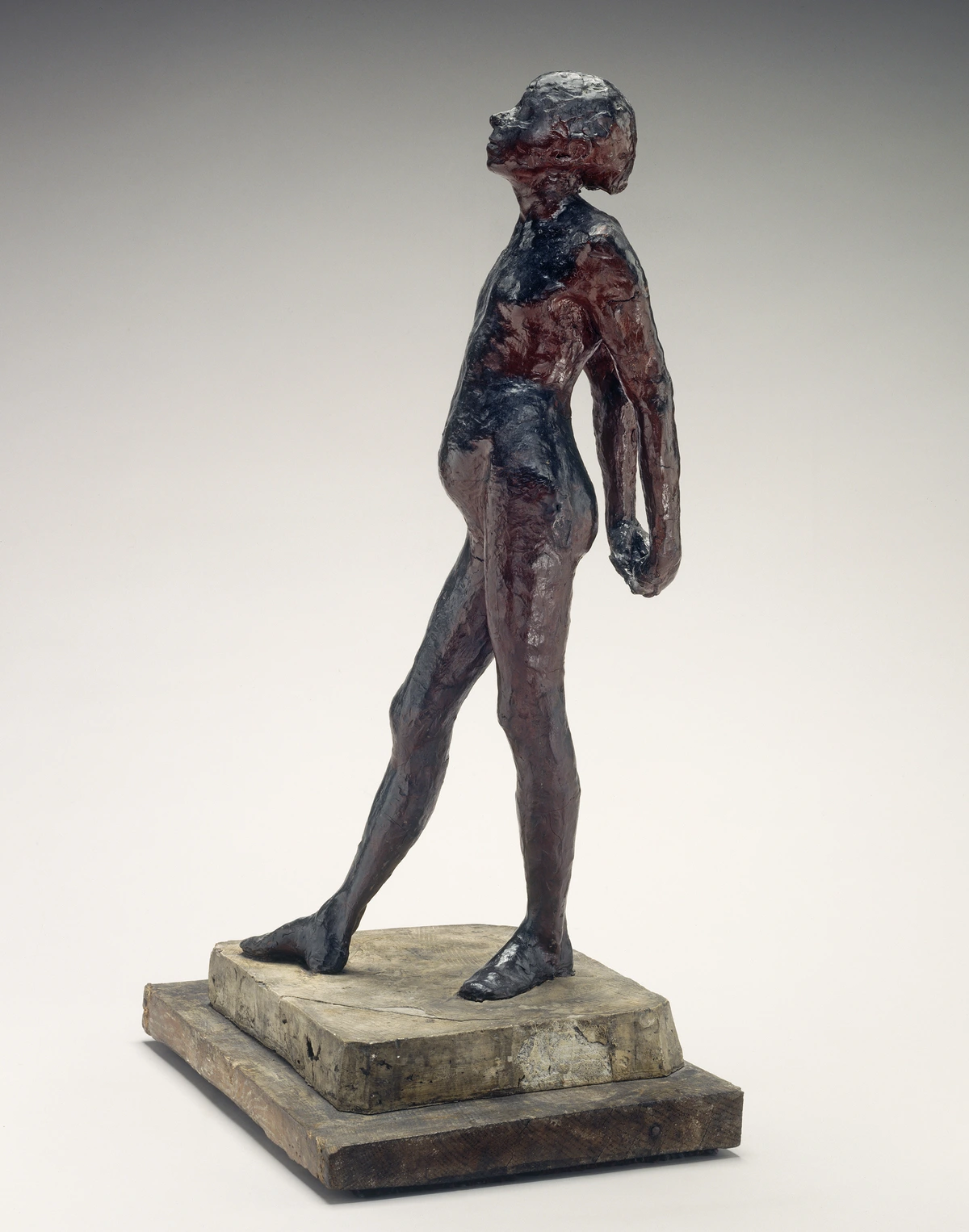
Here’s the golden rule: you cannot stop early. When the timer rings, you’re done. No “fixing” lines, no blending that smudge. Embrace the messy energy. I once did a gesture study of a dancer mid-leap. I hated it—looked like a pile of spaghetti. But weeks later, I used that spaghetti-energy in a larger abstract piece. It ended up being my favorite element. This taught me something profound: your "failed" studies aren’t failures—they’re raw material. They contain unfiltered energy and authenticity that polished work often lacks. Every artist has a graveyard of studies that seemed useless at the time but became valuable later.
4. Reflect, Don’t Judge
Afterwards, ask: What worked? What surprised me? Often, the “ugly” studies teach the most. They reveal truths about your weaknesses and whims. Keep a dedicated sketchbook for them—flip through it when you need inspiration. You’ll notice patterns in your obsessions (light? texture? chaos?) that might inform your bigger projects.
When Quick Studies Struggle: Pitfalls to Avoid
Look, I’ve had plenty of quick study fails. Days where everything looked like abstract scribbles from a toddler’s tantrum. But I’ve learned from the struggles. Here’s what to watch out for:
The Reality Check
Let’s be honest: some days your quick studies will suck. And that’s okay. In fact, it’s more than okay—it’s necessary. Growth happens in the struggle, not in the easy victories. If every study you do is perfect, you’re not challenging yourself enough. The messy, frustrating days are where the real learning happens.
Common Quick Study Mistakes
The Perfectionism Trap
- Problem: You keep going after the timer, trying to "fix" things
- Solution: Set a physical timer and leave the room when it goes off
- Mindset: "Done is better than perfect" is the mantra
The Subject Selection Paralysis
- Problem: You spend more time choosing what to draw than actually drawing
- Solution: Set a 30-second limit for subject selection
- Tip: Keep a "study subjects" list in your sketchbook for days you’re stuck
The Tool Dependency Excuse
- Problem: "I can’t do quick studies until I get better supplies"
- Solution: Use the worst possible tools—this forces creativity
- Example: A broken pen, a napkin, a piece of charcoal from a fire
The Comparison Game
- Problem: You compare your messy studies to polished online examples
- Solution: Remember that what you see online is the 1%, not the 99%
- Truth: Every artist has piles of "failed" studies—they just don’t post them
- Over-relying on photos: Live subjects (even your cat) teach you movement in ways 2D images can’t. Try both! Photos flatten reality—they remove depth, timing, and the subtle cues that make drawings feel alive. Working from life trains your eye to see dimension and movement that photos can’t capture.
- Skipping the timer: Without it, you’ll drift into perfection-mode. Resists! The timer isn’t just about time—it creates psychological pressure that forces you to make decisions quickly. This is exactly what builds creative confidence. When you know you only have 60 seconds, you stop overthinking and start doing.
- Comparing to “perfect” examples: Remember, a quick study isn’t a performance. It’s data. Like a scientist’s messy notebook.
- Forgetting the “why”: If you’re doing this as a chore, you’ll hate it. Reconnect to joy. Ask yourself: What excites me right now? Study that.
Quick Studies FAQ: Your Burning Questions Answered
Question | Answer |
|---|---|
| How long should a quick study be? | 5-15 minutes is ideal. Start short—quality over quantity. |
| Can I use quick studies for finished artworks? | Absolutely! My “Cosmic Whispers” series was built from dozens of failed color studies. |
| Do I need formal training? | Nope! Quick studies are for anyone exploring curiosity. Even professional chefs do them to improve plating. |
| What if I hate every single one? | Then you’re doing great! Your brain is resisting judgment. That’s growth territory. Keep going. |
| Digital vs. traditional? | Both work! Digital lets you undo (tempting!), but traditional teaches commitment. Try both for varied insights. |
| Are quick studies the same as thumbnails? | Close! Thumbnails focus only on composition; studies can explore color, texture, or too. |
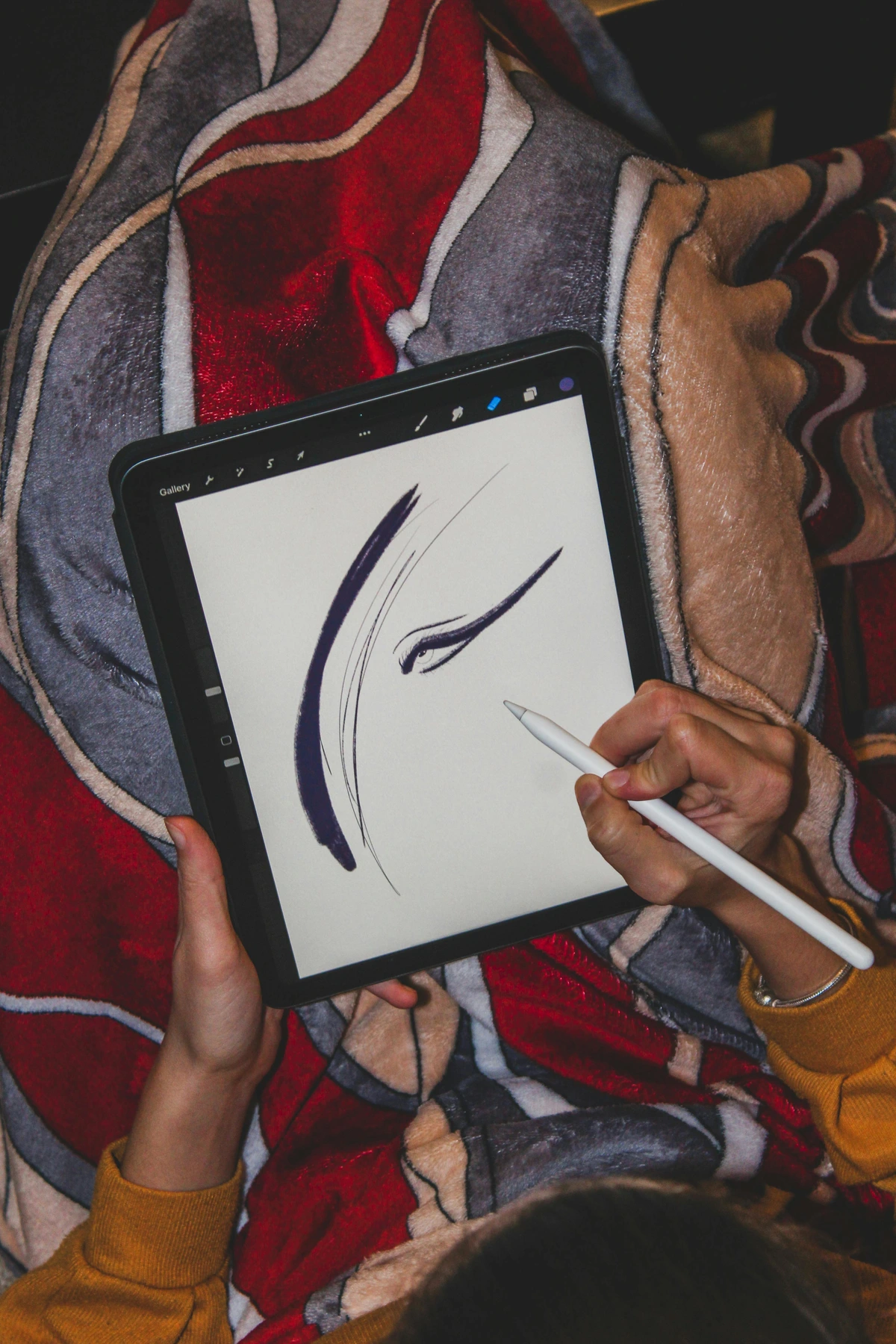
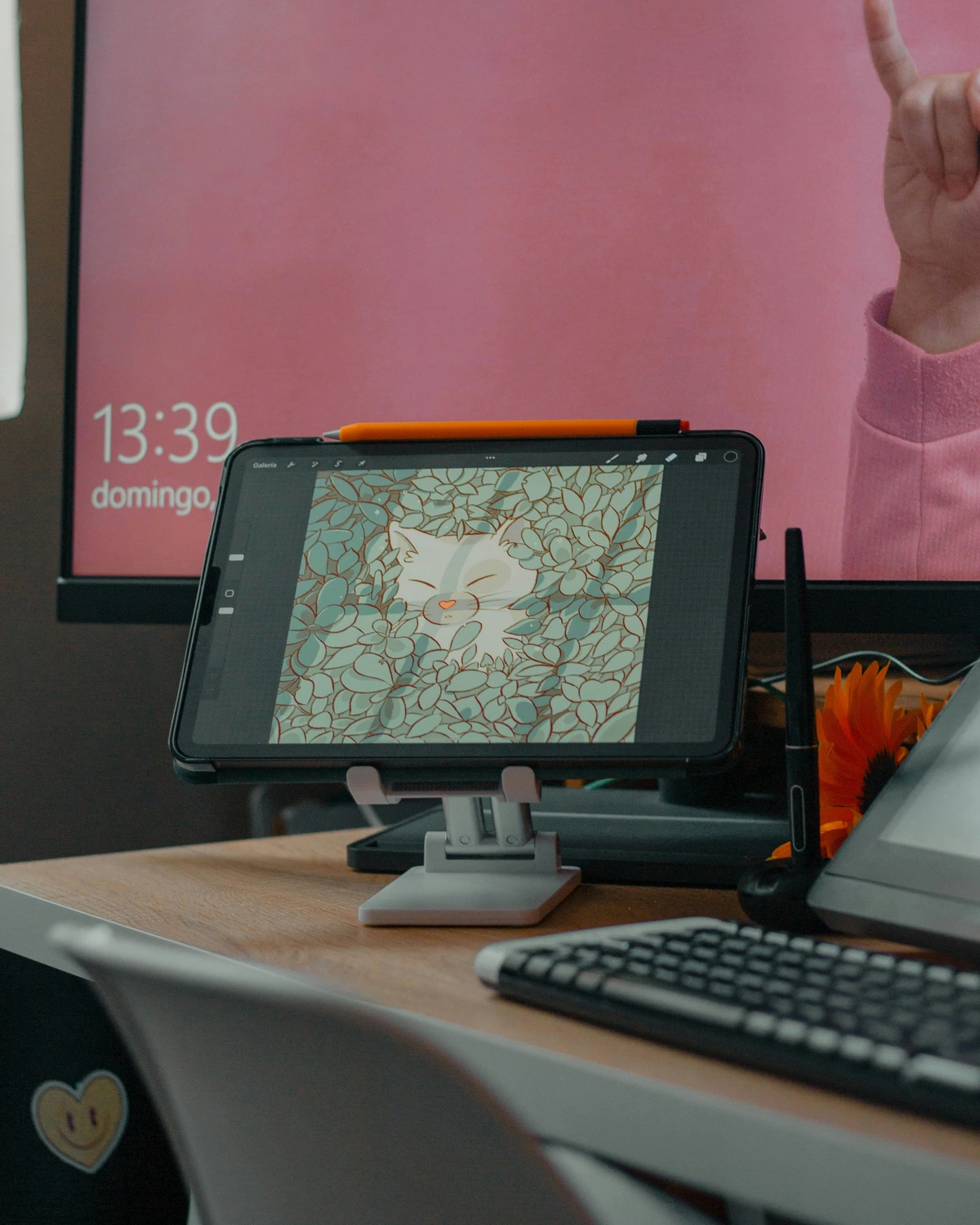
| Can I use a tablet for quick studies? | Yes! Procreate and Sketchbook have great timers. Embrace smudge brushes for chaos-mode. |
Quick Studies in the Digital Age: New Tools and Techniques
The digital revolution has transformed how we approach quick studies, creating exciting new possibilities while preserving timeless principles.
Digital Quick Study Advantages
Undo Freedom
Digital tools offer the safety net of undo, which can be both blessing and curse. Used wisely, it allows experimentation without fear. The key is to set boundaries:
- Allow only 3-5 undos per study
- Use undo only for major errors, not "perfecting"
- Hide the undo shortcut during timed studies
Layer Experiments
Digital layers enable experimentation that's impossible with traditional media:
- Gesture layer: Capture movement quickly
- Detail layer: Add refinement later
- Color layer: Experiment with different color schemes
- Composition layer: Test different arrangements
This approach lets you explore multiple directions from a single study.
Essential Digital Tools for Quick Studies
Mobile Apps
- Procreate: Built-in timer, great brushes, layer management
- Adobe Fresco: Live brushes that respond to speed
- Sketchbook: Simple interface, customizable brushes
- ibis Paint: Huge brush library, pressure sensitivity
Desktop Software
- Photoshop: Layer management, action automation
- Clip Studio Paint: Excellent line stabilization
- Krita: Free and powerful, great for studies
- Affinity Designer: Vector/raster hybrid for clean studies
Hardware Considerations
- Tablets: iPad Pro with Apple Pencil for precision
- Displays: Color-accurate monitors for color studies
- Grips: Comfortable pen grips for long sessions
- Stands: Adjustable stands for hands-free drawing
Digital vs. Traditional: Finding Your Balance
Digital Benefits
- Experimentation without waste
- Easy organization and storage
- Immediate access to countless tools
- Shareable and reproducible
Traditional Benefits
- Physical connection to material
- Irreversibility builds commitment
- No technical interruptions
- Tactile satisfaction
Hybrid Approach Many artists find the best results by combining both:
- Traditional studies for building fundamental skills
- Digital studies for experimentation and refinement
- Scan traditional studies and develop them digitally
- Use digital tools to plan traditional compositions
Quick Studies for Different Skill Levels
Quick studies aren’t just for beginners—they’re valuable at every stage of artistic development. Here’s how to adapt them based on your skill level:
For Complete Beginners
- Focus: Building confidence and basic observation
- Duration: 2-5 minutes
- Subjects: Simple objects, your own hand, basic shapes
- Goal: Learn to see what’s actually there, not what you think is there
- Tip: Don’t worry about making it "look right"—focus on process over result
For Intermediate Artists
- Focus: Refining technique and personal style
- Duration: 5-15 minutes
- Subjects: Complex objects, figures, environments
- Goal: Develop your visual vocabulary and problem-solving skills
- Tip: Experiment with different approaches—realistic vs. abstract, detailed vs. gestural
For Advanced Professionals
- Focus: Innovation and artistic growth
- Duration: 10-30 minutes (or even shorter for "warm-up" studies)
- Subjects: Challenging compositions, experimental techniques
- Goal: Push your boundaries and discover new directions
- Tip: Use studies as research for specific projects or to break out of creative ruts
The Takeaway: Speed is the Secret Sauce
Quick studies aren’t about becoming a faster artist—they’re about becoming a freer one. They’re a rebellion against the myth that art must be born fully formed. In a world obsessed with polish, there’s power in the messy, the incomplete, the “good enough.”

Whenever I hit a creative wall, I pull out my sketchbook. I don’t draw a masterpiece. I draw a coffee cup. Or a leaf. Or a grumpy man on the bus. And in those 5 minutes of pure, unfiltered trying, I remember why I make art: because it’s human. It’s gloriously imperfect, and that’s exactly where the spark lives.
Your 30-Day Quick Study Challenge
Ready to commit? Here’s a simple 30-day plan to build your quick study habit:







Week 1: Foundation
- Day 1-3: 3-minute gesture studies of your hand
- Day 4-6: 5-minute object studies (coffee cup, book, phone)
- Day 7: 10-minute self-porture study
Week 2: Exploration
- Day 8-10: Blind contour studies (2-3 minutes each)
- Day 11-13: Color studies with limited palette (3 colors only)
- Day 14: 15-minute environmental study
Week 3: Application
- Day 15-17: Memory studies (30 seconds observation, 2 minutes drawing)
- Day 18-20: Figure studies (use photos or mirrors)
- Day 21: 20-minute detailed study of one small object
Week 4: Integration
- Day 22-24: Mix and match your favorite techniques
- Day 25-27: Create studies inspired by your favorite artists
- Day 28-30: Personal project - create a series of studies that could become one larger piece
Final Thoughts
Quick studies are more than just exercises—they’re a way of seeing the world. They teach you to find beauty in the mundane, to notice the extraordinary in the ordinary, to appreciate the process as much as the product.
The truth is, we’re all artists. Whether you consider yourself one or not, you have the capacity for creativity, observation, and expression. Quick studies are simply a tool to help you access that capacity more consistently.
So go steal 10 minutes from your day. Pick up a pencil. See what happens. I bet you’ll surprise yourself. And even if you don’t, you’ll have spent 10 minutes doing something purely for the joy of it—and in this world, that’s a radical act.
Now go make some messy, beautiful art.
Quick studies changed my artistic life. They might just change yours too. Share your journey in the comments below—what’s your favorite type of quick study?