
Caravaggio: The Ultimate Guide to Art's Rebel with a Cause
Dive deep into the dramatic life and revolutionary art of Caravaggio. Explore his chiaroscuro, raw realism, and lasting influence in this personal guide.

The Ultimate Guide to Caravaggio: Art's Original Bad Boy (and Genius, obviously)
Caravaggio is one of those rare figures in art history who defies easy categorization. He was a revolutionary, a rebel, and a genius whose work continues to captivate and inspire centuries later. This guide is your passport to understanding the man behind the masterpieces, the techniques that defined his style, and the enduring legacy that still resonates today.
Caravaggio is one of those rare figures in art history who defies easy categorization. He was a revolutionary, a rebel, and a genius whose work continues to captivate and inspire centuries later. This guide is your passport to understanding the man behind the masterpieces, the techniques that defined his style, and the enduring legacy that still resonates today.
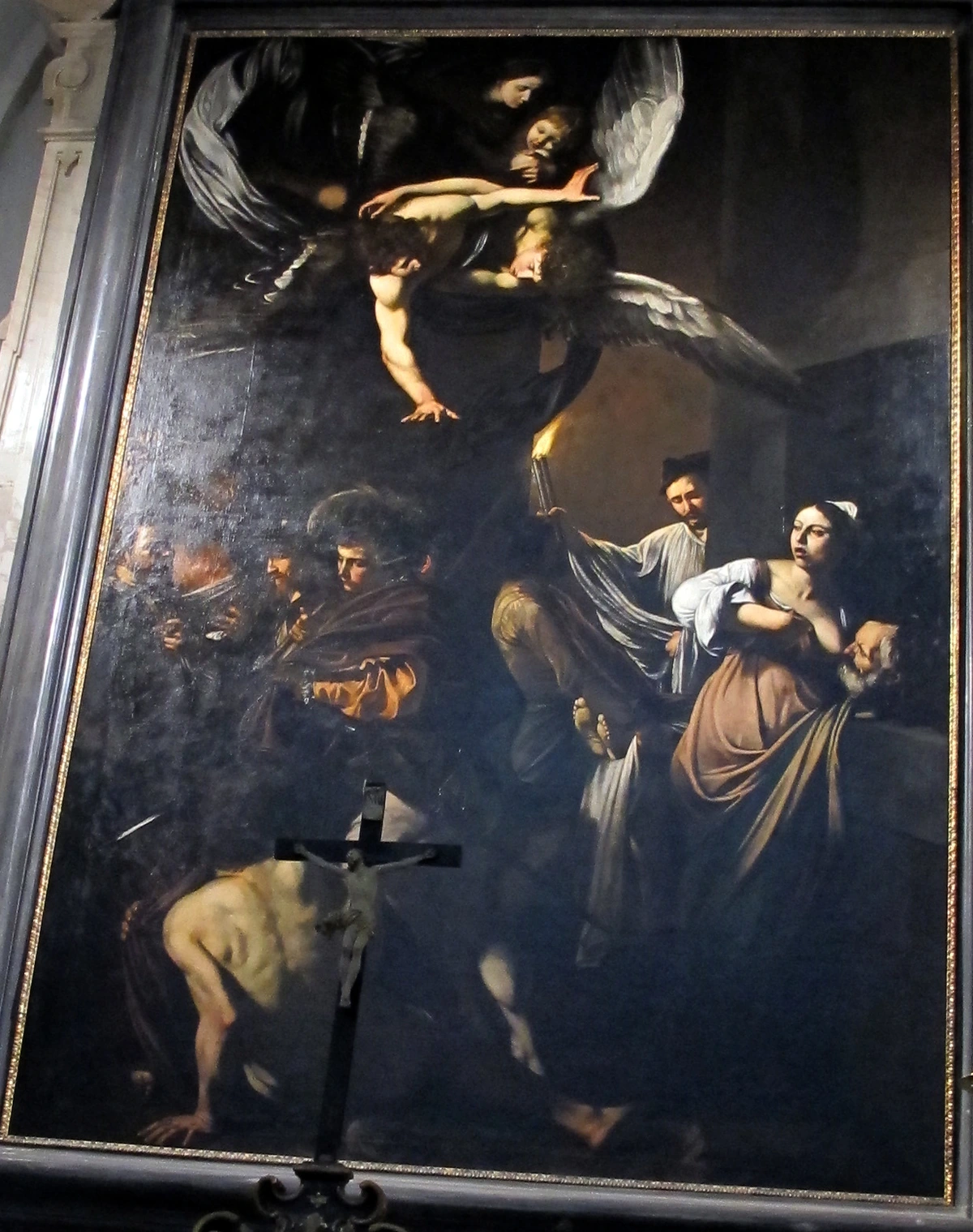
Oftentimes, when I think about art history, it feels like I'm flipping through a meticulously curated album, full of elegant portraits and serene landscapes. But then, there's Caravaggio. He bursts onto the scene like a forgotten, gritty rock anthem, kicking down the doors of convention and dragging you right into the drama, mud and all. This isn't just a casual stroll through art history; it's a deep dive into the tempestuous life, revolutionary techniques, and enduring legacy of a true artistic force. Get ready to explore the genius and the chaos that defined the man who forever changed the canvas.
Caravaggio's impact on art is not just about his paintings; it's about the way he redefined storytelling through visual mediums. His ability to capture raw emotion and unfiltered reality set him apart from his contemporaries and continues to influence artists today.
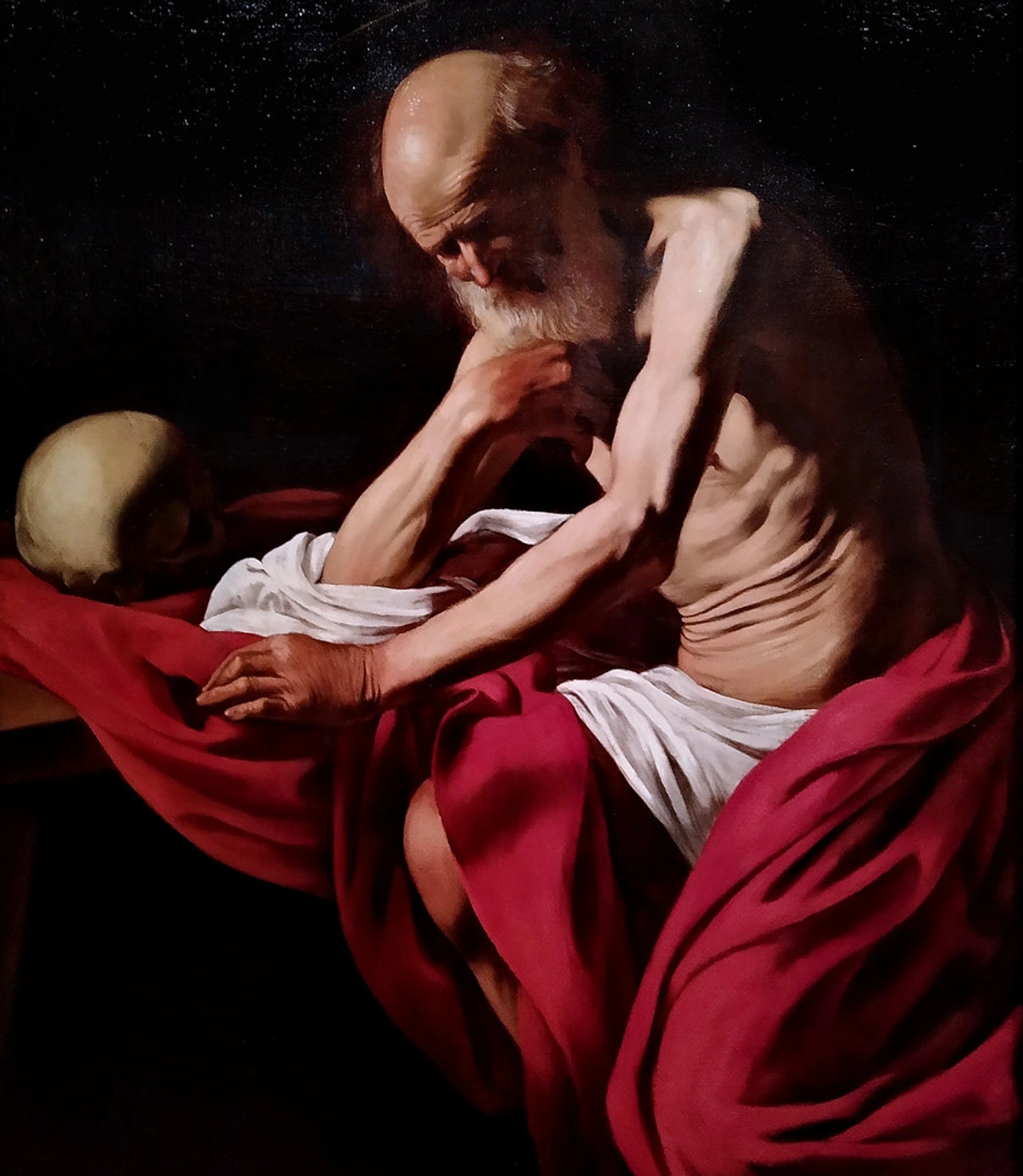
This painting is a prime example of Caravaggio's use of tenebrism, a technique that emphasizes the contrast between light and shadow to create a sense of drama and intensity. The stark lighting in this piece highlights the emotional depth of the scene, drawing the viewer into the narrative and making it a powerful representation of Caravaggio's innovative approach to storytelling.
This painting is a quintessential example of Caravaggio's mastery of tenebrism, a technique that uses extreme contrasts of light and shadow to create dramatic and emotionally charged scenes. The interplay of light and darkness in this piece draws the viewer into the narrative, making it a powerful representation of Caravaggio's innovative approach to storytelling.
Caravaggio's work is a testament to the power of raw emotion and unfiltered reality. His paintings don't just depict scenes; they immerse you in them, making you feel the tension, the drama, and the humanity of every moment. His ability to capture the essence of human experience is what sets him apart from his contemporaries.
Honestly, the first time I really got Caravaggio, it wasn't from a textbook. It was standing in front of a massive painting, the light almost blinding, the shadows swallowing everything else, and thinking, "Woah, this feels... real." It wasn't the idealized beauty I’d come to expect from the Renaissance, which, don't get me wrong, I totally appreciate – you can check out my thoughts on Leonardo da Vinci for that. But Caravaggio? He was a different beast altogether. He captured the messy, glorious, terrifying reality of being human.
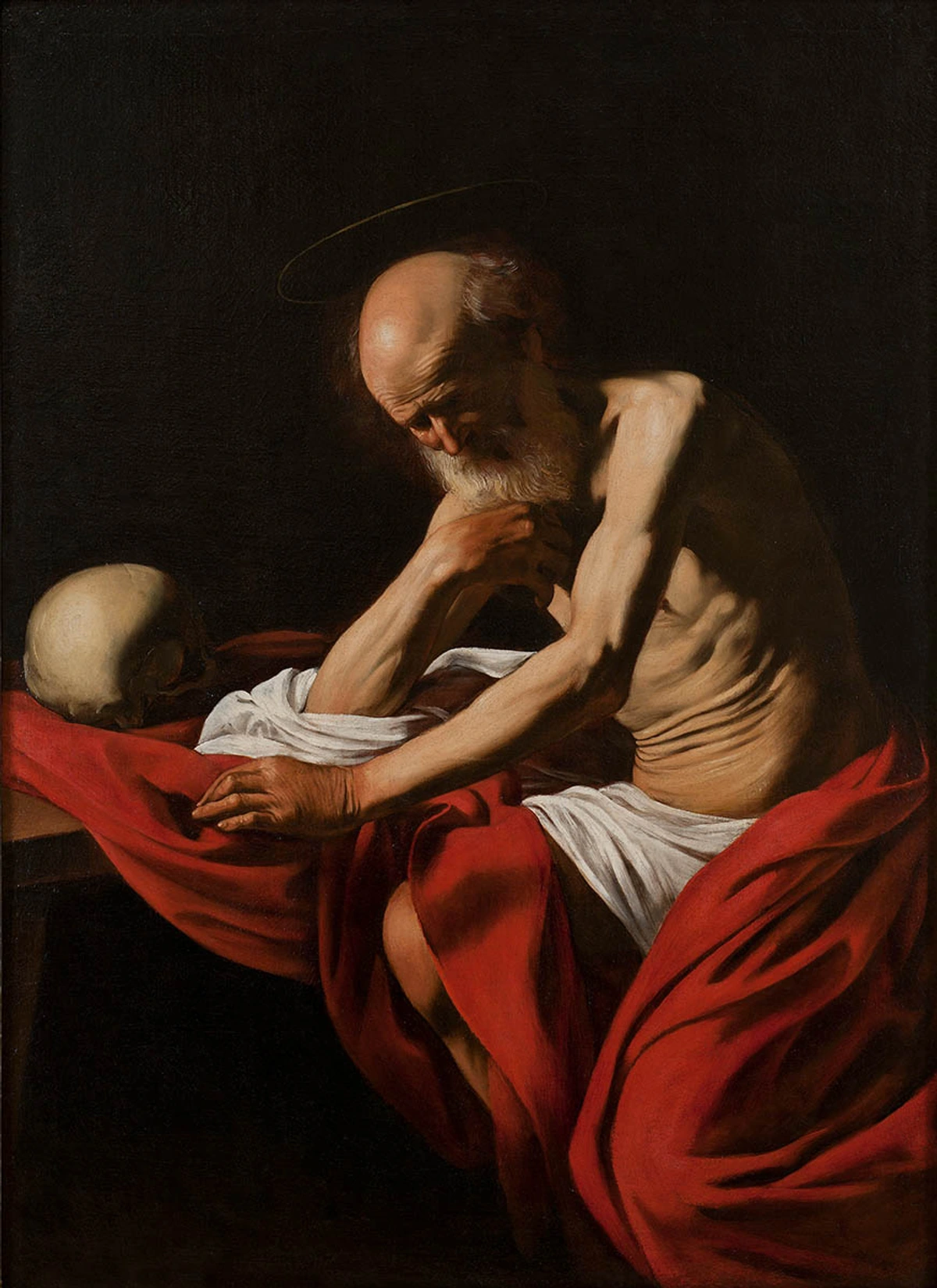
Caravaggio's approach to art was revolutionary because it challenged the norms of his time. While his contemporaries focused on idealized beauty, Caravaggio embraced the imperfections and complexities of life, making his work deeply relatable and emotionally resonant.
What sets Caravaggio apart is his ability to make the divine feel tangible. His religious scenes aren't just stories; they're moments of raw, unfiltered humanity. Whether it's the awe of a saint or the agony of a martyr, Caravaggio's work pulls you into the scene and makes you feel it all. His ability to humanize the divine is a hallmark of his artistic genius.
Caravaggio's influence extends beyond his own works. His techniques and themes have inspired countless artists, shaping the trajectory of Western art. His ability to capture the essence of human emotion and experience continues to resonate with audiences today, making his work timeless and universally relevant.
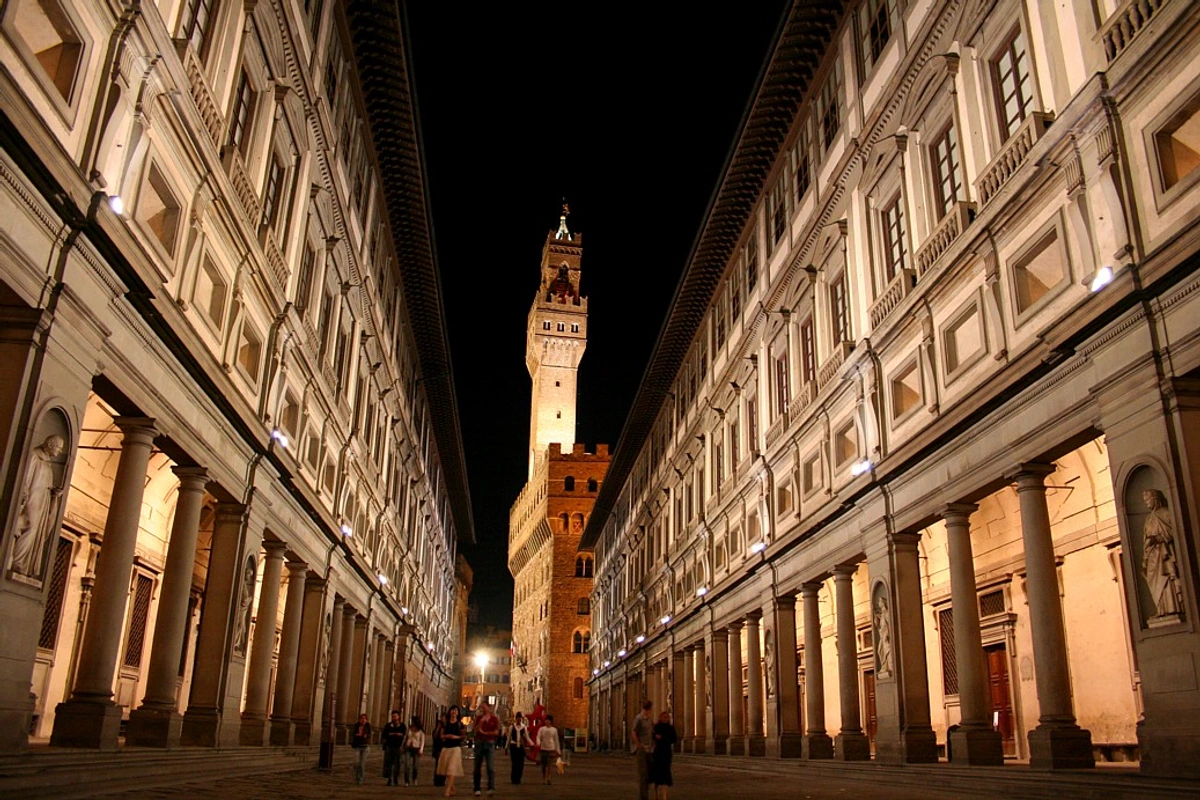
Caravaggio's influence extends beyond his own works. His techniques and themes have inspired countless artists, shaping the trajectory of Western art. His ability to capture the essence of human emotion and experience continues to resonate with audiences today, making his work timeless and universally relevant.

This painting is a prime example of Caravaggio's use of tenebrism, a technique that emphasizes the contrast between light and shadow to create a sense of drama and intensity. The stark lighting in this piece highlights the emotional depth of the scene, drawing the viewer into the narrative and making it a powerful representation of Caravaggio's innovative approach to storytelling.
Art galleries have always been spaces where people come to connect with the past, present, and future of creativity. Caravaggio's work, with its dramatic lighting and emotional depth, continues to draw crowds and spark conversations.
Caravaggio's influence on the art world is immeasurable. His techniques and themes have inspired countless artists, shaping the trajectory of Western art for centuries to come. His ability to capture the essence of human emotion and experience continues to resonate with audiences today, making his work timeless and universally relevant.### So, Who Was This Guy, Really?Michelangelo Merisi da Caravaggio (yes, quite a mouthful) was born in 1571 in Milan. His early training was under Simone Peterzano, a pupil of Titian, which gave him a strong foundation in Lombard naturalism, though he would eventually transcend and revolutionize it. And let me tell you, his life story reads more like a dramatic screenplay than a dry biography. Imagine a passionate, incredibly talented artist who was also, shall we say, prone to a bit of trouble. We're talking brawls, police records, and eventually, fleeing Rome after killing Ranuccio Tomassoni in a duel over a disputed tennis match (or perhaps a prior debt, the records are a bit murky, but a tennis match sounds so much more dramatically Caravaggio, doesn't it?). A tennis match, people! It sounds almost too absurd to be true, but that was Caravaggio. He was a volatile character, a rebel, and this fierce, unbridled energy absolutely poured into his work.
Caravaggio's life was as tumultuous as his art. His rebellious spirit and fiery temper often landed him in trouble, but these same qualities fueled his creative genius. His ability to channel his personal struggles into his work is what makes his paintings so powerful and relatable. His life story is a testament to the idea that art is often born from chaos and adversity.
Caravaggio's personal life was marked by a series of dramatic events, from his early training in Milan to his eventual exile from Rome. His experiences shaped his artistic vision and contributed to the emotional depth and intensity of his work. His story is a reminder that the path to artistic greatness is often unpredictable and fraught with challenges.### The Signature Style: Light, Shadow, and Raw EmotionNow, let's talk about the art itself, because that's where the real magic (and controversy) lies. Caravaggio pretty much invented the Baroque style as we know it, and he did it with a technique that still gives me chills: chiaroscuro and tenebrism (and if you're curious about the mechanics, a good guide to chiaroscuro is here).
Caravaggio's techniques were groundbreaking. He didn't just paint scenes; he created experiences. His use of light and shadow wasn't just about aesthetics; it was about storytelling, emotion, and drama. His innovative approach to composition and lighting set a new standard for artistic expression.
Caravaggio's mastery of chiaroscuro and tenebrism allowed him to create a sense of immediacy and intimacy in his paintings. The viewer isn't just an observer; they're a participant in the scene, drawn in by the interplay of light and shadow. This technique revolutionized the way artists approached storytelling and emotional depth in their work.
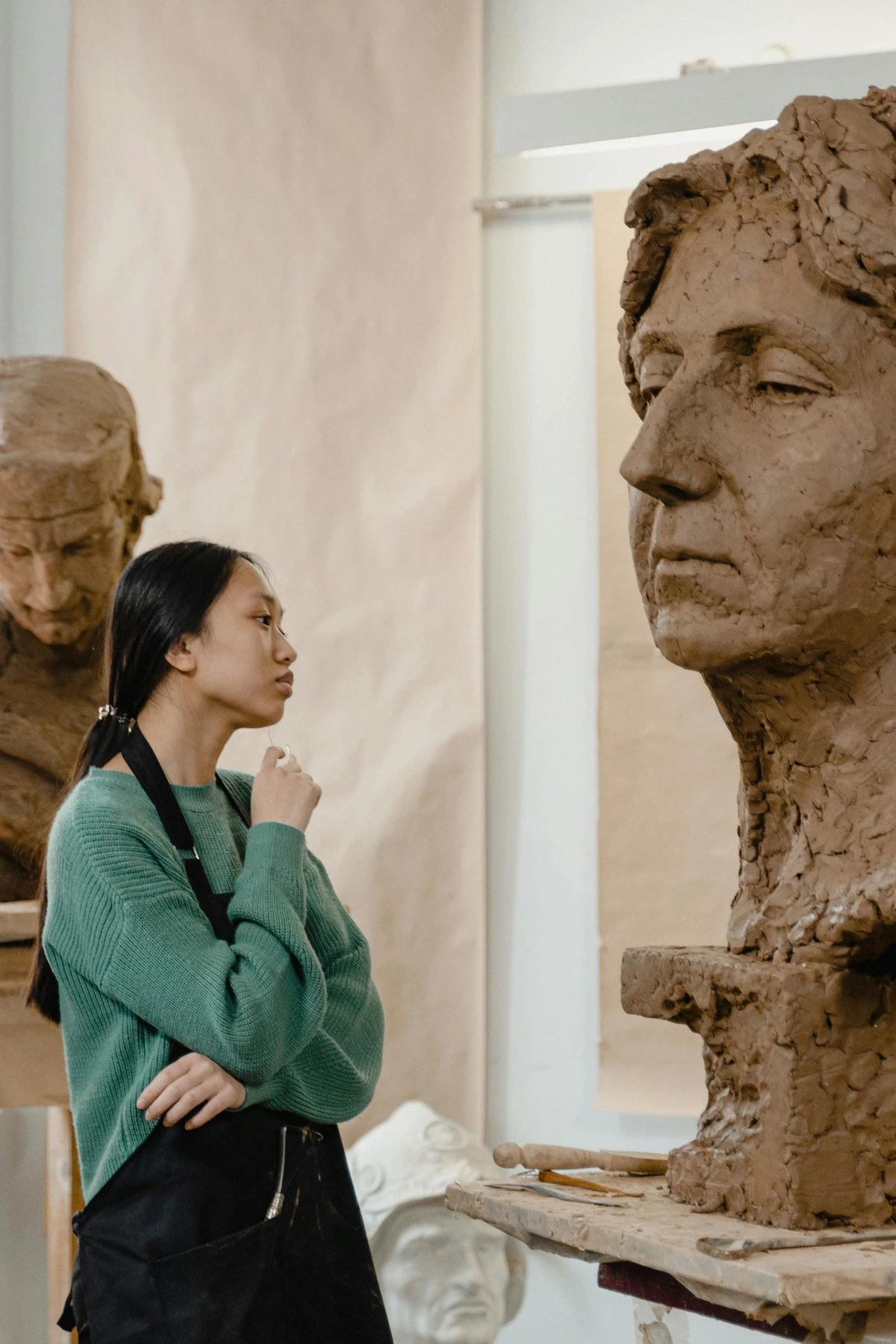
- Chiaroscuro: This isn't just about light and dark, you know? It's about how light falls on objects and figures, creating a powerful sense of volume and drama. Think of it as painting with spotlights.
- Tenebrism: This takes chiaroscuro and cranks it up to eleven. Imagine an almost pitch-black background from which figures dramatically emerge, illuminated by a single, harsh, theatrical beam of light. It's intense, right? It feels like you're peeking into a secret, sacred, or sometimes violent moment.
These techniques allowed Caravaggio to create a sense of immediacy and intimacy in his paintings. The viewer isn't just an observer; they're a participant in the scene, drawn in by the interplay of light and shadow. This approach revolutionized the way artists approached storytelling and emotional depth in their work.

These techniques allowed Caravaggio to create a sense of immediacy and intimacy in his paintings. The viewer isn't just an observer; they're a participant in the scene, drawn in by the interplay of light and shadow.

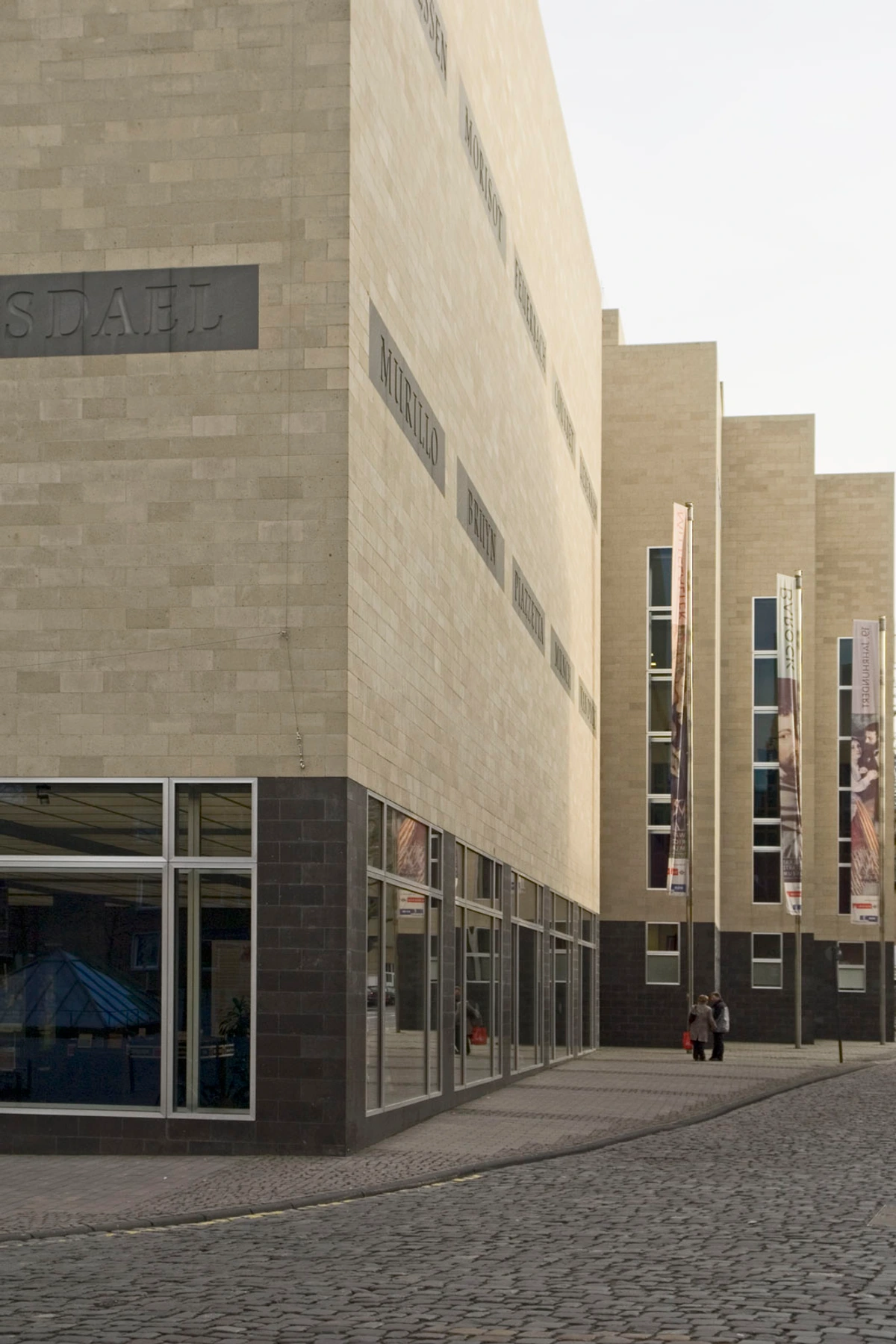
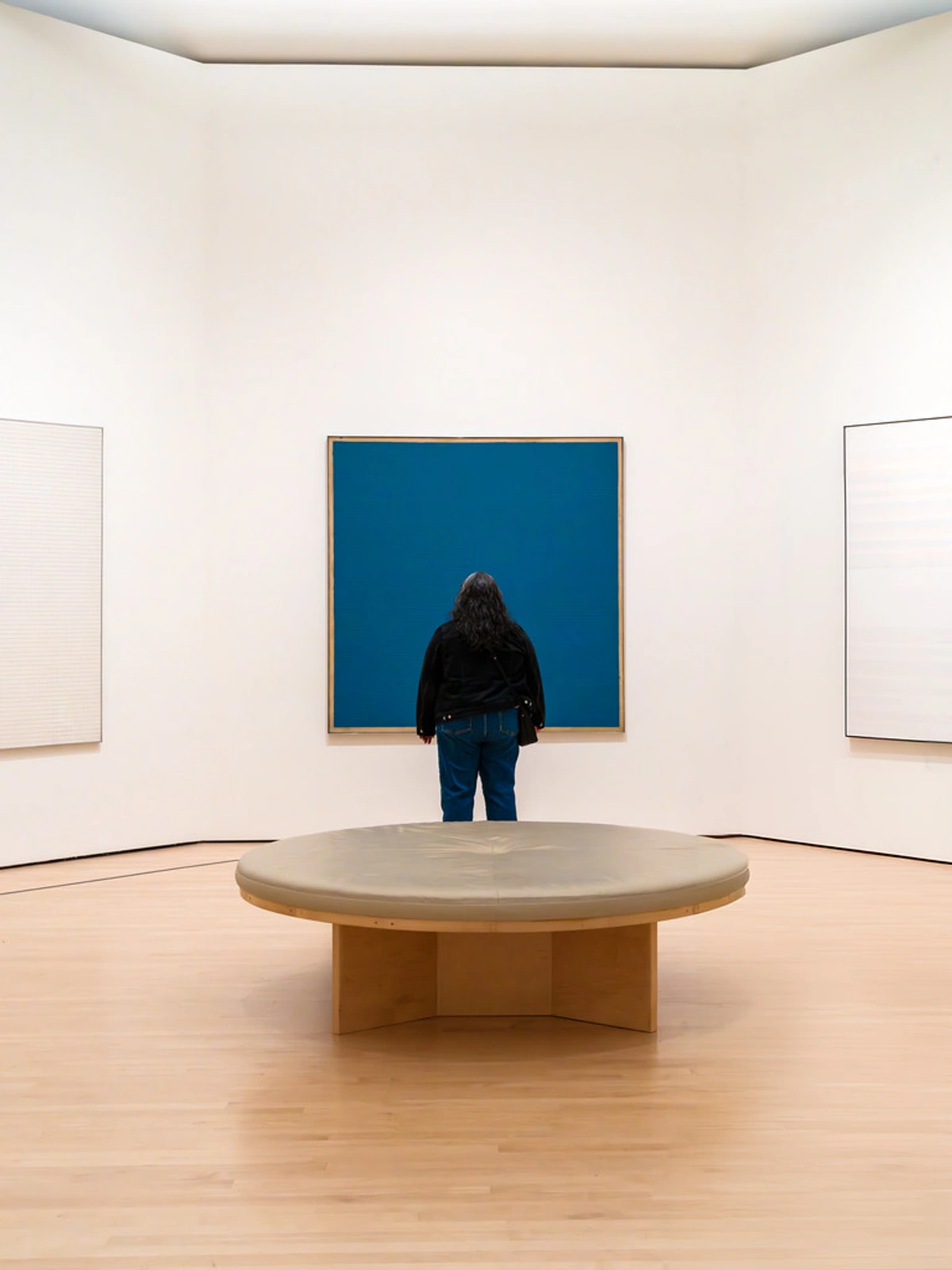
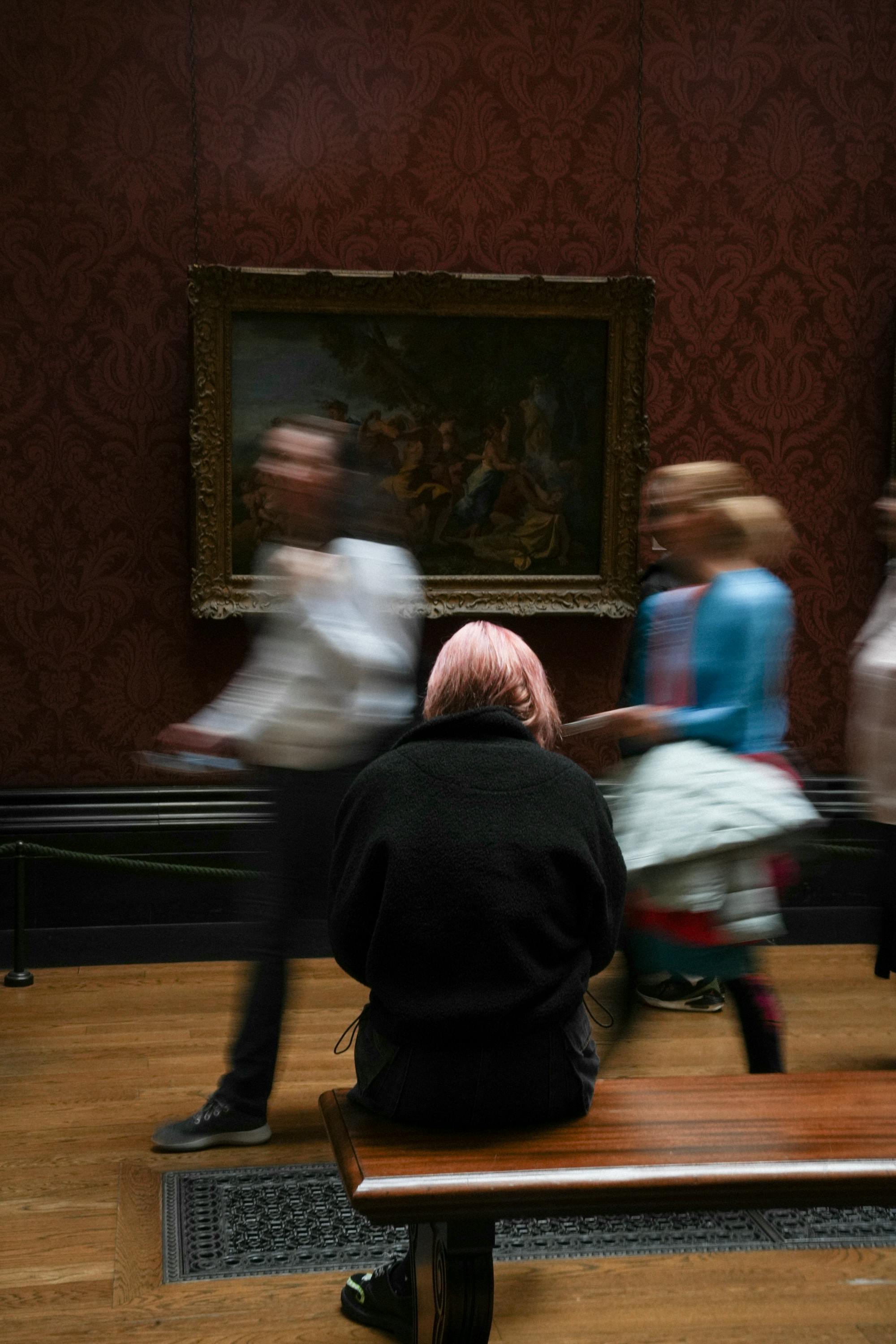
Museums like this one continue to showcase the enduring influence of artists like Caravaggio. His work, with its dramatic lighting and emotional depth, remains a cornerstone of art history and continues to inspire contemporary artists and audiences alike.
While Leonardo da Vinci's Mona Lisa is renowned for its enigmatic smile and masterful technique, Caravaggio's work offers a stark contrast. His paintings are raw, emotional, and unapologetically real, making them just as compelling in their own right.
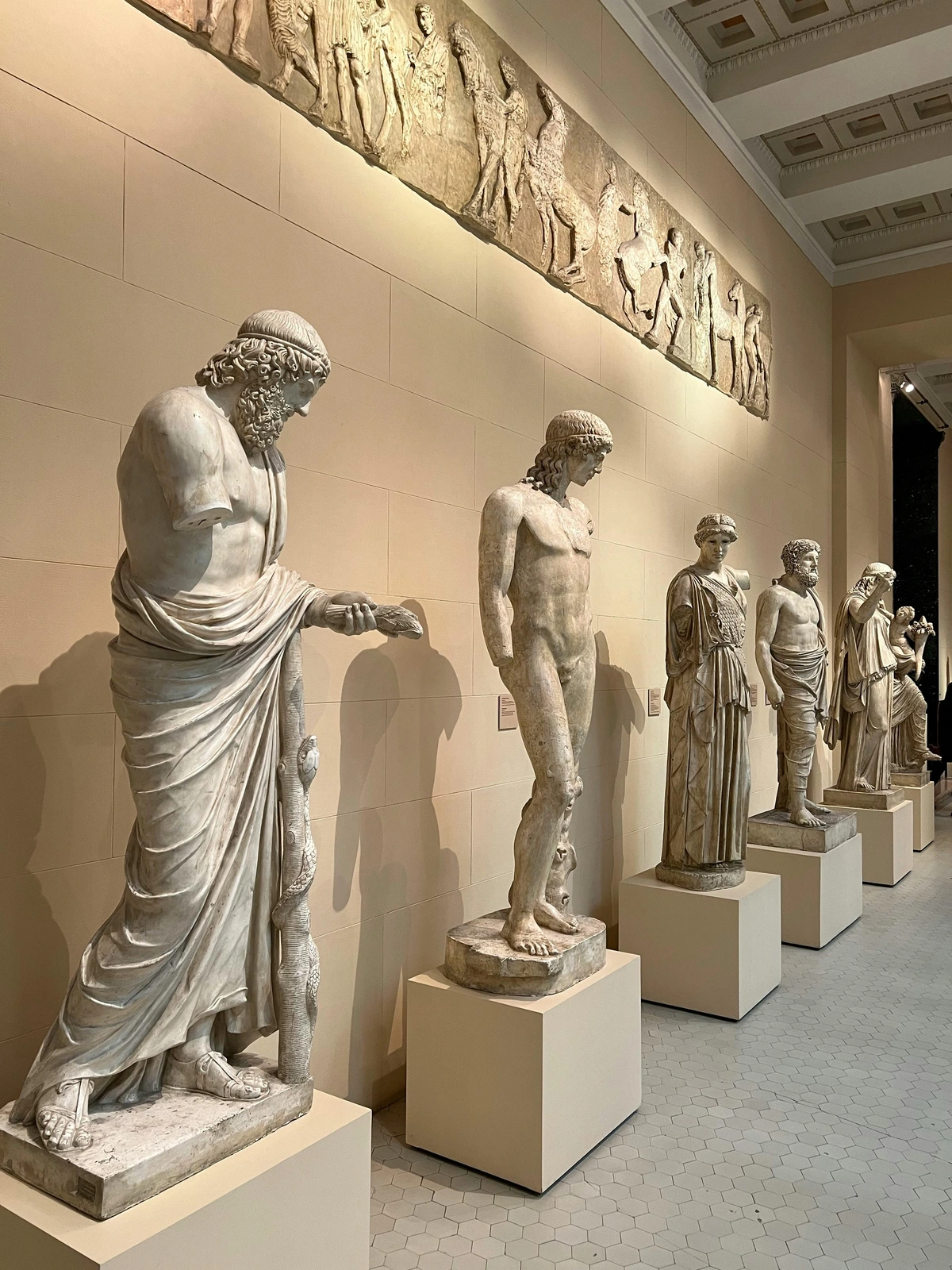
Caravaggio's ability to capture the essence of human emotion and experience sets him apart from his contemporaries. His work continues to resonate with audiences today, making it a timeless and universally relevant contribution to the art world.The brilliance of Caravaggio wasn't just in how he used light, but what he chose to light up. He painted religious scenes, sure, but his saints weren't ethereal beings floating on clouds. They were everyday people – prostitutes, beggars, laborers – with dirty feet and wrinkled faces. This unflinching naturalism was scandalous to many of his contemporaries who expected idealized forms, yet it was precisely this raw, unvarnished depiction of humanity that made his sacred subjects feel incredibly real and accessible. He wasn't just painting stories; he was inviting you to witness them.
Caravaggio's choice of models was revolutionary. By using ordinary people, he brought a sense of authenticity and relatability to his religious scenes. This approach challenged the conventions of his time and paved the way for a new era of artistic expression.
Caravaggio's choice of models was revolutionary. By using ordinary people, he brought a sense of authenticity and relatability to his religious scenes. This approach challenged the conventions of his time and paved the way for a new era of artistic expression.### Beyond the Canvas: Patrons and the Roman Whirlwind
While Caravaggio's tumultuous life often overshadows his professional relationships, it's crucial to remember he didn't operate in a vacuum. He was a master, yes, but also a working artist in a highly competitive and politically charged Roman art scene. His early success was largely due to powerful patrons like Cardinal Francesco Maria Del Monte, who housed him for years and secured some of his most significant commissions. These patrons, often influential figures within the Church, recognized his extraordinary talent, even as his rebellious nature and groundbreaking style stirred controversy. They navigated the delicate balance between artistic innovation and ecclesiastical expectation, often defending his more audacious interpretations. Without their support, it's hard to imagine how his revolutionary vision would have taken hold and transformed the art world. This period in Rome was a hotbed of artistic activity, with commissions flowing for grand churches and palaces, and Caravaggio was right in the thick of it, shaking things up one brushstroke at a time.
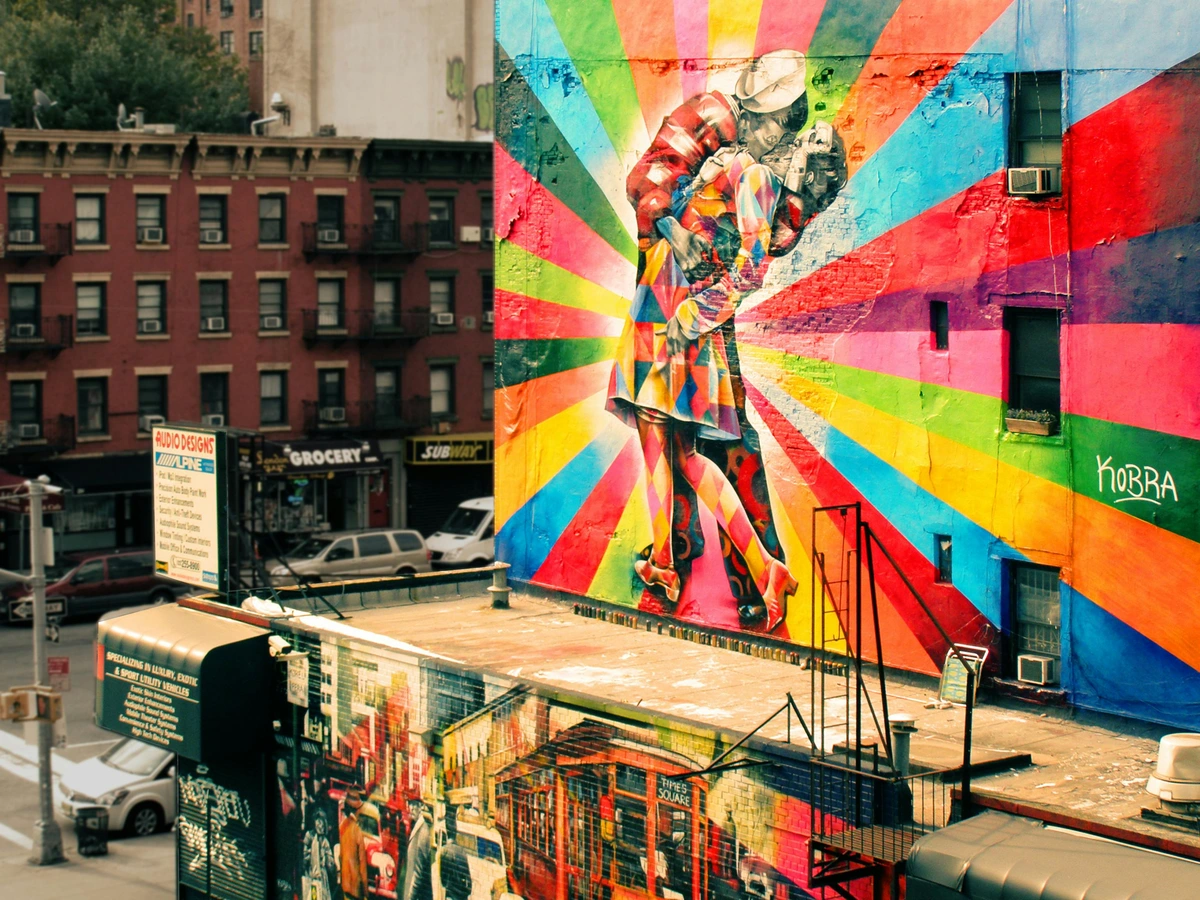
While Caravaggio's tumultuous life often overshadows his professional relationships, it's crucial to remember he didn't operate in a vacuum. He was a master, yes, but also a working artist in a highly competitive and politically charged Roman art scene. His early success was largely due to powerful patrons like Cardinal Francesco Maria Del Monte, who housed him for years and secured some of his most significant commissions. These patrons, often influential figures within the Church, recognized his extraordinary talent, even as his rebellious nature and groundbreaking style stirred controversy. They navigated the delicate balance between artistic innovation and ecclesiastical expectation, often defending his more audacious interpretations. Without their support, it's hard to imagine how his revolutionary vision would have taken hold and transformed the art world. This period in Rome was a hotbed of artistic activity, with commissions flowing for grand churches and palaces, and Caravaggio was right in the thick of it, shaking things up one brushstroke at a time.
Caravaggio's patrons were instrumental in shaping his career and ensuring his legacy. Their support allowed him to push the boundaries of artistic expression and challenge the norms of his time. Their influence helped shape the trajectory of his work and ensured his revolutionary vision would endure.

Caravaggio's patrons played a pivotal role in his career. Their support allowed him to push the boundaries of artistic expression and challenge the norms of his time. Their influence helped shape the trajectory of his work and ensured his legacy would endure. Without their patronage, Caravaggio's revolutionary vision might not have gained the traction it did in the competitive Roman art scene.
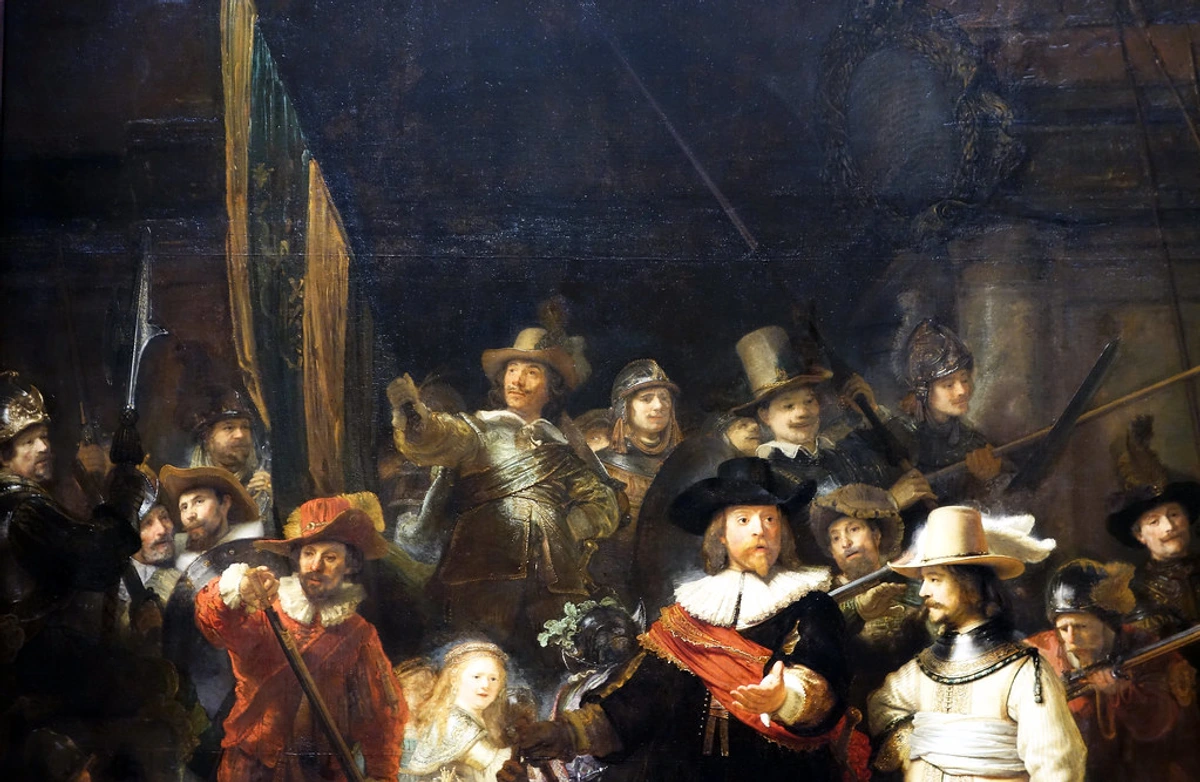
Rembrandt's work, like Caravaggio's, is characterized by its emotional depth and masterful use of light and shadow. The influence of Caravaggio's techniques is evident in Rembrandt's ability to capture the essence of his subjects. This painting is a testament to the enduring impact of Caravaggio's revolutionary vision on the art world.
A Mental Gallery Walk: Iconic Works to PonderWhile it's impossible to cover all his masterpieces, let's reflect on a few that truly embody his vision:
Caravaggio's body of work is vast and varied, but certain pieces stand out as defining examples of his genius. These works not only showcase his technical skill but also his ability to evoke deep emotional responses from viewers.
Caravaggio's paintings are a testament to his mastery of storytelling and emotional depth. His ability to capture the essence of human emotion and experience sets him apart from his contemporaries and continues to inspire artists today.* The Calling of Saint Matthew (c. 1599-1600): You're in a dingy, dark tavern. A beam of light slices through the gloom, illuminating Matthew and his cronies counting money. Christ, almost hidden in shadow, points. It's a quiet, profound moment of divine intervention crashing into mundane life. The hand gesture of Christ is often compared to Michelangelo's Creation of Adam, a subtle nod to the past but with a completely new interpretation.
This painting is a masterclass in storytelling. The interplay of light and shadow draws the viewer's eye to the central moment of transformation, making it a powerful and unforgettable scene.
Caravaggio's ability to capture the essence of human emotion and experience is evident in this painting. His use of light and shadow creates a sense of immediacy and intimacy, drawing the viewer into the narrative and making it a powerful representation of his innovative approach to storytelling.* Judith Beheading Holofernes (c. 1598-1599): This one is not for the faint of heart. It's graphic, visceral, and absolutely captivating. Judith, with a look of grim determination, saws off Holofernes' head while her elderly maid watches. The stark lighting accentuates every gruesome detail, every strained muscle. It's a brutal reality depicted with shocking clarity.
This painting is a testament to Caravaggio's ability to capture raw emotion and intensity. The dramatic lighting and unflinching realism make it a standout piece in his oeuvre.
Caravaggio's mastery of chiaroscuro and tenebrism is evident in this painting. His use of light and shadow creates a sense of immediacy and intimacy, drawing the viewer into the narrative and making it a powerful representation of his innovative approach to storytelling.
- David with the Head of Goliath (c. 1607-1608): Many believe the head of Goliath is a self-portrait of Caravaggio himself, full of anguish and regret. David, young and troubled, holds up the severed head. It's a powerful and deeply personal exploration of sin, judgment, and perhaps, self-atonement. It's a moment of raw, human vulnerability, not heroic triumph.* David with the Head of Goliath (c. 1607-1608): Many believe the head of Goliath is a self-portrait of Caravaggio himself, full of anguish and regret. David, young and troubled, holds up the severed head. It's a powerful and deeply personal exploration of sin, judgment, and perhaps, self-atonement. It's a moment of raw, human vulnerability, not heroic triumph.

This painting offers a glimpse into Caravaggio's psyche. The emotional depth and personal connection make it a poignant and thought-provoking work.
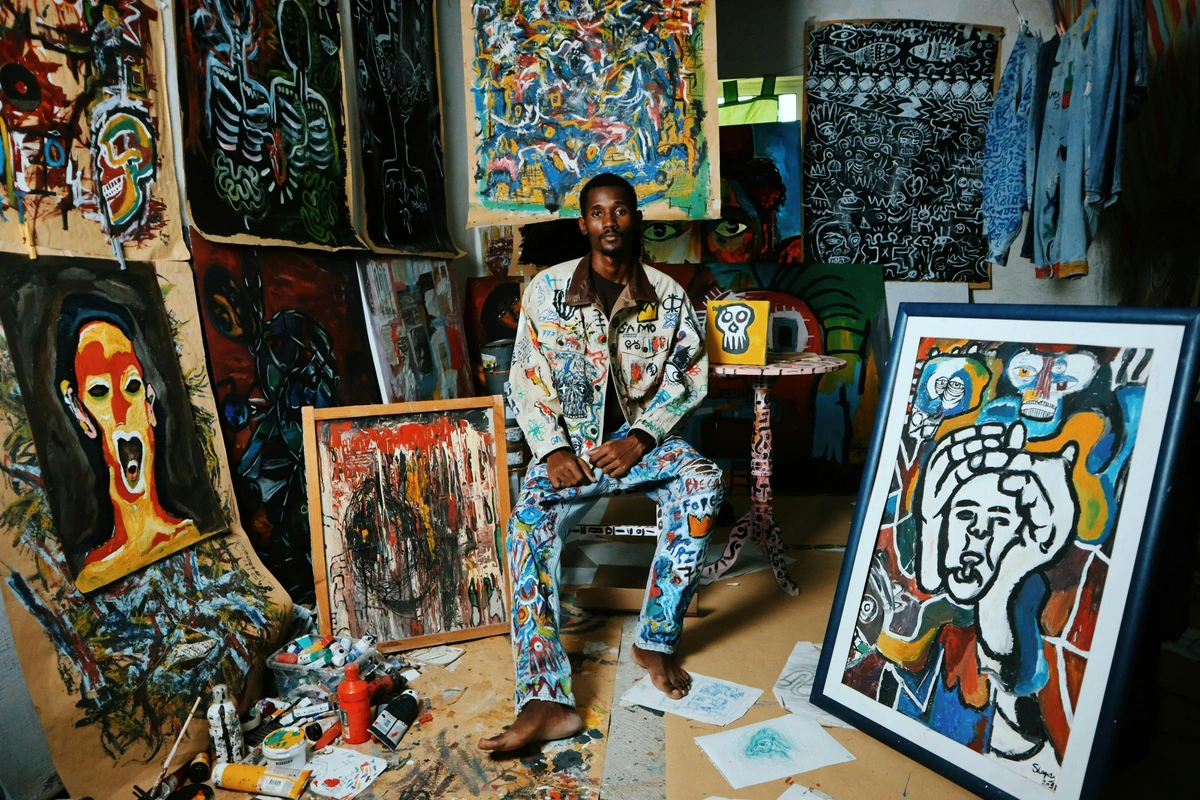
- The Conversion on the Way to Damascus (c. 1601): This one always makes me pause. Forget the traditional, ethereal depiction of divine intervention. Here, Saul (soon to be Saint Paul) is sprawled on the ground, blinded by a heavenly light, his horse looms large beside him, a simple stable hand looking on. It's intensely physical, almost claustrophobic, and utterly gripping. The divine moment feels visceral, immediate, and completely unexpected, stripping away all pretense.
This painting is a prime example of Caravaggio's ability to convey spiritual experiences in a deeply human way. The dramatic composition and emotional intensity make it a compelling piece.### His Lasting Echo: Why Caravaggio Still MattersCaravaggio didn't just paint; he ignited a revolution. His intense realism and dramatic use of light profoundly influenced generations of artists. If you've ever admired the dramatic shadows in a painting, chances are you're seeing a direct lineage to Caravaggio.
Caravaggio's impact on the art world is immeasurable. His techniques and themes continue to inspire artists and captivate audiences, ensuring his legacy endures.Look at a master like Rembrandt van Rijn, for instance. While their styles are distinct, Rembrandt's mastery of light and shadow, and his ability to convey deep human emotion, owes a clear debt to the path Caravaggio blazed. And it wasn't just Rembrandt; a whole generation of artists, famously known as the "Caravaggisti," sprang up across Europe, eager to emulate his dramatic lighting and intense realism. Think of figures like Orazio Gentileschi (and his equally talented daughter, Artemisia Gentileschi, whose own "Judith Beheading Holofernes" stands as a powerful testament to Caravaggio's influence), Gerrit van Honthorst, and Jusepe de Ribera. They carried his torch, spreading his revolutionary techniques and ensuring his visual language resonated far beyond Rome.

Caravaggio's influence on the art world is immeasurable. His techniques and themes continue to inspire artists and captivate audiences, ensuring his legacy endures. His impact on the trajectory of Western art is evident in the works of artists who followed, from the Baroque period to modern times.
Caravaggio's influence on the art world is immeasurable. His techniques and themes continue to inspire artists and captivate audiences, ensuring his legacy endures. His impact on the trajectory of Western art is evident in the works of artists who followed, from the Baroque period to modern times.

Caravaggio's influence extended far beyond his lifetime. His techniques and themes inspired countless artists, shaping the trajectory of Western art for centuries to come. His legacy is evident in the works of artists who followed, from the Baroque period to modern times.
Caravaggio's impact on the art world is immeasurable. His techniques and themes continue to inspire artists and captivate audiences, ensuring his legacy endures. His work remains a cornerstone of art history and continues to inspire contemporary artists and audiences alike.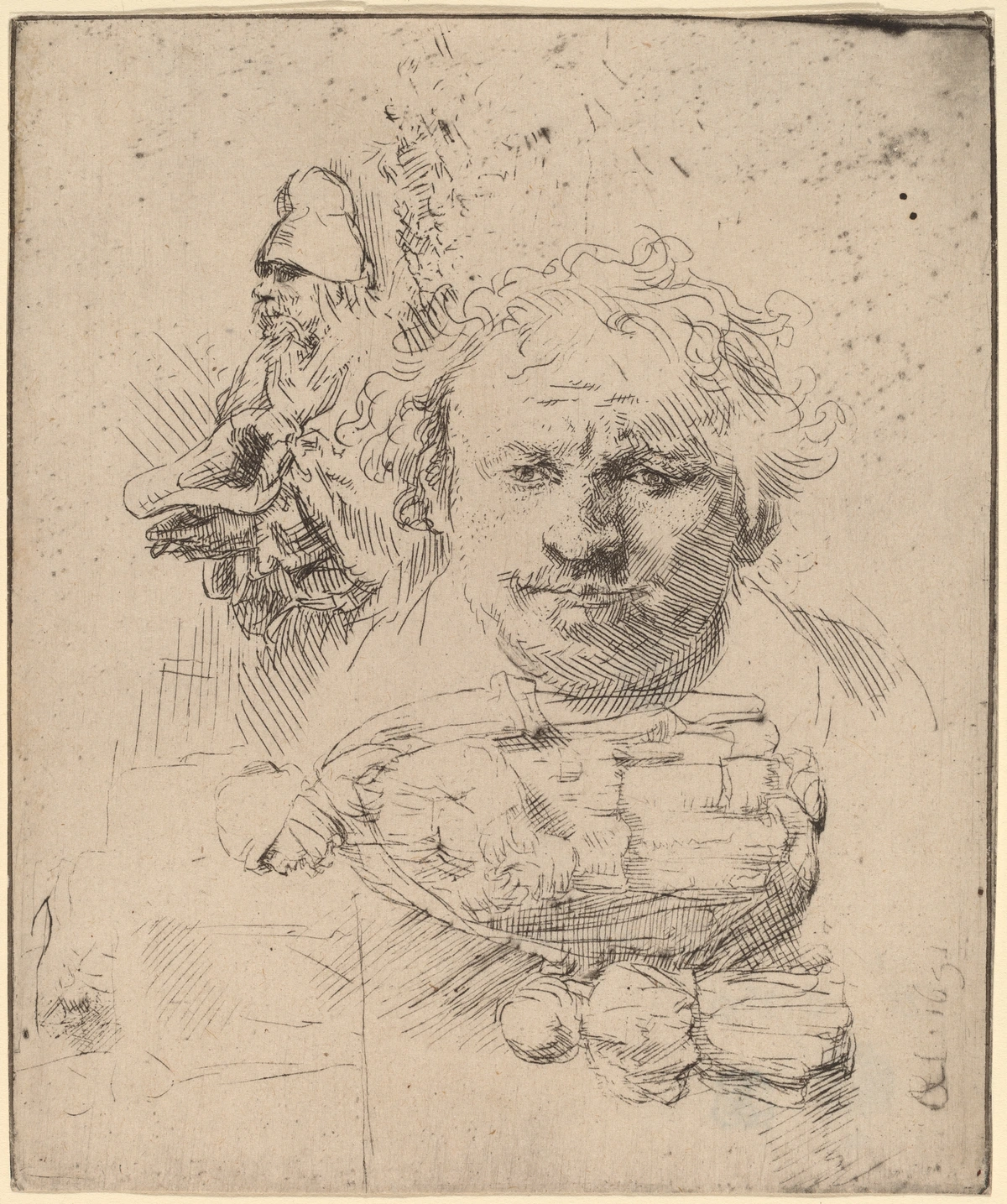 credit, licence
Rembrandt's work, like Caravaggio's, is characterized by its emotional depth and masterful use of light and shadow. The influence of Caravaggio's techniques is evident in Rembrandt's ability to capture the essence of his subjects. This etching is a testament to the enduring impact of Caravaggio's revolutionary vision on the art world.
Michelangelo's work, like Caravaggio's, is characterized by its emotional depth and masterful use of light and shadow. The influence of Caravaggio's techniques is evident in Michelangelo's ability to capture the essence of his subjects. This fresco is a testament to the enduring impact of Caravaggio's revolutionary vision on the art world.
Rembrandt's work, like Caravaggio's, is characterized by its emotional depth and masterful use of light and shadow. The influence of Caravaggio's techniques is evident in Rembrandt's ability to capture the essence of his subjects.His art continues to challenge and inspire, proving that true genius often comes wrapped in a complicated, sometimes contradictory, package. It reminds us that art doesn't always have to be pretty or comforting; sometimes, it needs to be unsettling, direct, and brutally honest to truly connect.
Caravaggio's legacy is a testament to the power of authenticity in art. His willingness to embrace the messy, raw aspects of life and humanity is what makes his work so enduring and impactful. His paintings continue to resonate with audiences because they speak to the universal truths of the human condition.
------### FAQ: Your Burning Caravaggio Questions Answered* Q: Where can I see Caravaggio's paintings today? A: Many of his works are still in Rome, particularly in churches like San Luigi dei Francesi and Santa Maria del Popolo. You'll also find them in major galleries worldwide, like the Uffizi in Florence, the Metropolitan Museum of Art in New York, and the National Gallery in London. Always check specific museum websites before you go!
Here's a table of some key locations where you can view Caravaggio's masterpieces:
Location  | Notable Works |
|---|---|
| San Luigi dei Francesi, Rome | The Calling of Saint Matthew, The Inspiration of Saint Matthew |
| Santa Maria del Popolo, Rome | The Crucifixion of Saint Peter, The Conversion of Saint Paul |
| Uffizi Gallery, Florence | Bacchus, Medusa |
| Metropolitan Museum of Art, New York | The Musicians, The Denial of Saint Peter |
| National Gallery, London | Supper at Emmaus, Salome with the Head of John the Baptist |
Caravaggio's work continues to be celebrated and studied in museums and galleries around the world. His influence on the art world is immeasurable, and his paintings remain a cornerstone of art history.* Q: Why was Caravaggio so controversial? A: His realism was a big part of it. Using ordinary people as models for saints, depicting dirty feet, or showing violence so graphically was revolutionary and often shocked his contemporaries. His scandalous personal life, including that murder charge, certainly didn't help either.

Caravaggio's controversial nature extended beyond his art. His rebellious spirit and tumultuous personal life often overshadowed his artistic achievements, but they also contributed to his enduring legacy as a figure who defied convention. His life story is a reminder that true artistic genius often comes with its share of struggles and controversies.* Q: Did Caravaggio have any students? A: Not in the traditional sense. He didn't run a formal workshop with apprentices like many masters of his time. However, many artists, known as the "Caravaggisti," were deeply influenced by his style and sought to emulate his techniques after his death.
While Caravaggio didn't have formal students, his influence on the next generation of artists was profound. The "Caravaggisti" carried forward his techniques and themes, ensuring his impact on the art world would endure. Their work is a testament to the lasting power of Caravaggio's artistic vision.* Q: How did he die? A: The exact circumstances are debated, but it's believed he died of a fever (possibly malaria) in Porto Ercole in 1610, likely while trying to get a pardon from the Pope for his murder conviction. He was only 38.

Caravaggio's untimely death marked the end of a life lived on the edge. His legacy, however, continues to inspire and captivate audiences around the world.

- Q: Were all his paintings dark and violent? A: While he's famous for his dramatic tenebrism and sometimes brutal subject matter, not all his works fit this mold. He also painted beautiful, tender portraits and still lifes in his early career, and even his religious scenes often contain moments of profound human grace and quiet contemplation, though usually underscored by that signature dramatic lighting. It's easy to pigeonhole him, but his range was actually quite remarkable.
Caravaggio's versatility as an artist is often overlooked. His ability to capture both the raw intensity of life and its quieter, more contemplative moments is a testament to his skill and depth as a painter. His range as an artist is a reflection of his deep understanding of the human experience.---### My Own Final Thoughts: Connecting the DotsSo, why does Caravaggio matter to me, and why should he matter to you, in a world full of contemporary, often abstract, art (like some of the pieces I create and have for sale)? I think it's because he proves that art, at its core, is about stripping away the pretense and getting to the raw truth. Whether it's the dramatic lighting of a Baroque masterpiece or the bold strokes of a modern abstract piece, the goal is often to evoke a genuine emotional response.
Caravaggio's work reminds us that art is a powerful medium for expressing the complexities of the human experience. His ability to capture raw emotion and authenticity continues to resonate with artists and audiences alike. His legacy is a reminder that art has the power to transcend time and touch the soul.His story also reminds me that the journey of an artist is rarely a straight line. It's full of twists, turns, and sometimes, outright chaos – much like my own artist's timeline has seen its share of unexpected detours. And hey, if you're ever in 's-Hertogenbosch, drop by my museum; maybe we can chat more about these wild art historical connections.

Caravaggio's life and work serve as a reminder that the path to artistic greatness is often unpredictable. His story is a testament to the power of perseverance, passion, and the willingness to embrace the unexpected. His journey is an inspiration to artists and creatives who dare to challenge the status quo.Caravaggio, for all his flaws and genius, showed us that light and shadow aren't just technical tools; they're metaphors for the human condition itself. And that, my friends, is a lesson that truly transcends time. He forces you to feel, and what more can you ask from art? His work is a testament to the power of art to evoke emotion and provoke thought.


















In the end, Caravaggio's legacy is about more than just his paintings. It's about the emotions they evoke, the stories they tell, and the connections they forge between the artist and the viewer. His work continues to inspire and challenge us, reminding us of the power of art to transcend time and touch the soul. His paintings are a bridge between the past and the present, inviting us to engage with the universal truths of the human experience.