Leonardo da Vinci: The Ultimate Guide to His Integrated Genius in Art & Science
Dive deep into Leonardo da Vinci's integrated genius. Explore his revolutionary art, groundbreaking science, visionary engineering, and the profound philosophy that made him the quintessential Renaissance Man. An ultimate guide.

Leonardo da Vinci: The Integrated Genius of the Renaissance Man
Sometimes, when I'm staring at a blank canvas or wrestling with a particularly stubborn artistic problem, I think of Leonardo da Vinci, and a small, deeply human sigh escapes me. It's not just the Mona Lisa or The Last Supper that intimidates; it's the sheer, audacious scale of his mind. It’s a bit like looking at a mountain range and realizing every peak, every valley, every stream is interconnected, part of one grand, living system. For me, that's what Leonardo was: a force of nature whose art and science weren't separate pursuits but two inseparable sides of the same relentless, beautiful inquiry into how everything works. He wasn't just one of the most famous Renaissance artists; he was the original blueprint for the 'Renaissance Man'—a polymath whose diverse talents converged into a singular pursuit of understanding. This article isn't just another biographical sketch; it's an exploration of that integrated genius, an ultimate guide to Leonardo da Vinci for anyone obsessed with genius and the art of seeing—really seeing—the world.

The Spark of Boundless Curiosity: An Unconventional Beginning
At his core, Leonardo was driven by a simple, powerful, almost childlike question: How does this work? It didn't matter if 'this' was a human eye, a bird's wing, the flow of water, the geological layers of a mountain, or the subtle way light kisses a piece of silk. He had to know. I often imagine him as a boy, perhaps at age six or seven, meticulously sketching the flight of a bumblebee or the intricate unfurling of a fern frond, already trying to decipher nature's inherent engineering. For me, that relentless curiosity, that drive to peel back the layers of the world, is the very essence of artistic and scientific discovery. He was the ultimate observer, meticulously documenting every detail, driven by an insatiable hunger to deconstruct and understand the world around him.
Born in 1452 in a small Tuscan town, Leonardo was the illegitimate son of a notary. While in many circles, this status would typically limit one's career paths, tying them to a trade or a specific family lineage, for Leonardo, it turned into a strange, almost miraculous blessing. It meant he wasn't rigidly tethered to his father's legal profession, granting him an unusual degree of freedom to follow his burgeoning, wildly diverse interests from an early age. This freedom not only allowed him to explore diverse subjects but also fostered an independent mindset, unburdened by conventional expectations or academic dogma. His precocious talent for drawing and his keen observational skills were quickly recognized, leading him, at around 14, to apprentice with Andrea del Verrocchio, a leading artist, goldsmith, and craftsman in the vibrant crucible of creativity that was Florence.
Imagine the sights and sounds of Verrocchio's bustling workshop: the clang of metal from the goldsmith's bench, the earthy scent of drying pigments, the focused chatter of apprentices learning. Here, Leonardo didn't just learn painting and sculpture; he immersed himself in drafting, geometry, chemistry, metallurgy, mechanics, and the meticulous art of perspective—a truly fertile ground for his nascent polymathic mind. This diverse curriculum, free from rigid specialization, meant he could absorb knowledge across disciplines. The intellectual ferment of the Italian Renaissance, with its renewed focus on humanism and rigorous scientific inquiry, provided the perfect backdrop for his expansive intellect, a time where art and science were not yet seen as separate, but as interconnected paths to understanding existence. If you're anything like me, you'll find the entire period fascinating; you might want to delve into the ultimate guide to Renaissance art.
This unconventional start, free from the rigid expectations of inherited trades, allowed Leonardo's innate curiosity to flourish, setting the stage for a lifetime of radical inquiry that would soon fill countless pages of his revolutionary notebooks. This early freedom directly enabled his later scientific breakthroughs and artistic innovations; for instance, the geometry he mastered in Verrocchio's studio directly informed both the flawless perspective in his paintings and the precision of his engineering designs, such as the meticulous calculations for his colossal equestrian statue.
A Universe on Paper: Leonardo's Revolutionary Notebooks
Most of us have a dozen fleeting ideas before breakfast and forget them all by lunch. Leonardo not only had the ideas, but he also wrote them down, sketched them, and dissected them with an almost religious fervor. His famous notebooks, often written in a distinctive mirror script—a personal shorthand for speed and ease, though the romantic notion of a secret code persists—are a chaotic, brilliant testament to a mind that burned with ceaseless inquiry. I find myself returning to these pages often; it feels like I'm peering into the very engine room of human intellect, a humbling and exhilarating experience that makes me feel both profoundly inspired and, if I'm honest, deeply, wonderfully lazy by comparison. It’s the ultimate validation that all ideas, no matter how small, deserve to be captured.

They are a beautiful mess, a jumble of anatomical sketches, designs for flying machines, grocery lists, profound observations about the natural world, and detailed studies of water vortices and plant life. Imagine a single page with a meticulously drawn muscle, a thought on the nature of light, and a shopping list for bread and wine – that's the raw, unfiltered stream of his genius. And here’s the kicker: for Leonardo, these disparate elements were likely not disparate at all. Perhaps the muscle study informed his understanding of how light played on flesh, while the grocery list was just a moment of grounded necessity amidst grander thoughts, a fleeting anchor in a sea of ideas. This ceaseless documentation wasn't just about recording; it was a way of processing, a constant dialogue with the world, where art and science were always conversing.
The Human Blueprint: Groundbreaking Anatomy
His secret dissections of human and animal bodies to understand anatomy were particularly groundbreaking, carried out at a time when such practices were deeply taboo, fraught with religious condemnation and legal dangers. Access to cadavers was limited and often illegal, making his estimated over 30 human dissections, performed often under the cover of night, an act of immense scientific bravery. For context, most scholars and artists might have performed one or two, if any, often with great secrecy. This wasn't just morbid curiosity; it was a relentless pursuit of knowledge, aiming to map the intricate machinery of life. He understood the human body as a complex, biological machine, much like the intricate gears of a clockwork mechanism or the sophisticated hydraulics of a water pump he might have studied, and he sought to reverse-engineer it.
His drawings, anticipating modern understanding by centuries, mapped skeletal structures, muscle groups, tendons, and internal organs with astonishing accuracy. He explored physiology, meticulously trying to understand how the heart pumped blood (he deduced its function as a four-chambered pump, a radical departure from ancient theories), how eyes processed light, and the intricate mechanics of movement. For him, understanding the body was like understanding a complex machine – every part had a function, much like the intricate gears of a clockwork mechanism he might have studied.
His famous drawing, the Vitruvian Man, stands as the perfect symbol of this integrated approach. It's not just a study of human proportion from classical texts; it’s a philosophical and scientific exploration of the ideal human form and its place in the universe, blending art with mathematics and architecture. It encapsulates his belief that the human body was a microcosm reflecting the order of the macrocosm (the universe), where perfect proportions echoed the divine harmony of creation. In its harmonious proportions, many scholars also see a reflection of principles like the golden ratio in art and design, embodying nature's mathematical elegance.
Leonardo's meticulous anatomical work was far superior to that of his contemporaries, including even later, celebrated anatomists. Scholars like Andreas Vesalius, often considered the founder of modern human anatomy, are believed to have drawn profound inspiration from Leonardo’s rigorous, empirical approach to observation and his stunningly accurate anatomical illustrations. This “Leonardo effect” established a new standard for scientific drawing and inquiry, directly influencing the precision and realism seen in subsequent medical and artistic depictions of the human form.
Nature's Secrets: Botany, Geology, and Hydraulics
But Leonardo's insatiable gaze didn't stop at the human form; he turned his keen eye to the grander canvas of the natural world, laying foundations for multiple scientific fields, all meticulously documented:
- Botany: He categorized plants based on their structure, growth patterns, and the ingenious way their leaves arranged themselves to catch sunlight – a phenomenon known as phyllotaxis (like the elegant spiral of seeds in a sunflower or the alternating leaves on a stem, maximizing light exposure). He understood the mathematical elegance of nature's design, documenting specific species like the star-of-Bethlehem and detailing their venation patterns and cellular structures, maximizing efficiency and revealing universal principles of growth. His botanical precision even influenced how he rendered plants in his paintings, imbuing landscapes with a scientific accuracy rarely seen before.
- Geology: Studying rock formations, erosion, and fossils, he wasn't seeking proof of biblical floods. Instead, he saw evidence of vast timescales and the Earth's continuous, dynamic history. He famously understood that mountains were once sea beds, explaining fossilized shells found at high altitudes not as remnants of a deluge, but as proof of geological uplift over immense spans of time—a radical departure from prevailing creationist views of the time, which often attributed such phenomena to catastrophic events like Noah's flood. He was an empiricist, trusting his eyes over dogma.
- Hydraulics: Meticulously drawing and analyzing the flow of water, its eddies, currents, and vortices. His designs for canals and locks, and studies of how riverbeds changed over time, profoundly influenced future civil engineering. He understood water as a powerful, dynamic force, much like the flow of blood in the human body, applying his fluid dynamics studies to everything from military defenses to innovative irrigation systems that improved agricultural efficiency for decades. He even produced detailed topographical maps, essential for military strategy and urban development, showcasing his mastery of cartography.
Today, much of his invaluable work, including the famous Codex Leicester (now owned by Bill Gates), is digitized, offering unprecedented access to researchers and art enthusiasts alike. You can truly lose yourself exploring these insights, almost as if you’re collaborating with him across the centuries.
The Artist-Scientist: Where Observation Informs Creation
But how did this insatiable curiosity, meticulously documented in his notebooks, translate to the canvas? Leonardo was, of course, a painter. And a ridiculously good one. Yet, what made his art revolutionary wasn't merely technical skill; it was his scientific mind informing his artistic hand. He understood that to paint a person, to truly capture their essence, you had to understand their muscles, their bones, and even the subtle shifts of expression that betray what they were thinking. His studies of human anatomy weren't just for science; they were to imbue his figures with an unparalleled realism and psychological depth. Think of the delicate tension in a hand, or the nuanced emotion in an eye – these weren't guesses; they were informed by rigorous study. This dedication deeply influences how I approach capturing life in my own work. When I'm trying to depict the weight of a gaze or the curve of a body, I'm instinctively thinking about the underlying structure, just as Leonardo did, seeking that deeper truth beyond the surface.
He was also a master of materials, constantly experimenting with pigments, binders, and application techniques. He innovated extensively, for instance, in the use of oil glazes, which allowed for the incredibly subtle, translucent layers that are hallmarks of his work. While primarily a painter and draftsman, he did undertake significant sculptural projects, most notably the Gran Cavallo, a colossal equestrian statue commissioned by Ludovico Sforza for Milan. This project, which occupied him for over a decade, involved immense engineering challenges in its design and construction of the full-scale clay model (estimated 24 feet tall). The sheer logistics of moving and casting such a massive bronze statue in a single pour were unprecedented, pushing the boundaries of Renaissance engineering. Though the metal was ultimately diverted for cannons before completion, the Gran Cavallo remains a testament to Leonardo's audacious ambition and engineering prowess. He often worked under the patronage of powerful figures like Sforza and later King Francis I of France, who provided him a comfortable final home at Clos Lucé near Amboise, fostering both his artistic and scientific endeavors, often with specific requests that pushed his innovative boundaries. Patrons sought not just beauty, but also ingenious solutions to practical, often military, problems, directly influencing Leonardo’s engineering pursuits.
Iconic Masterpieces: Mona Lisa and The Last Supper
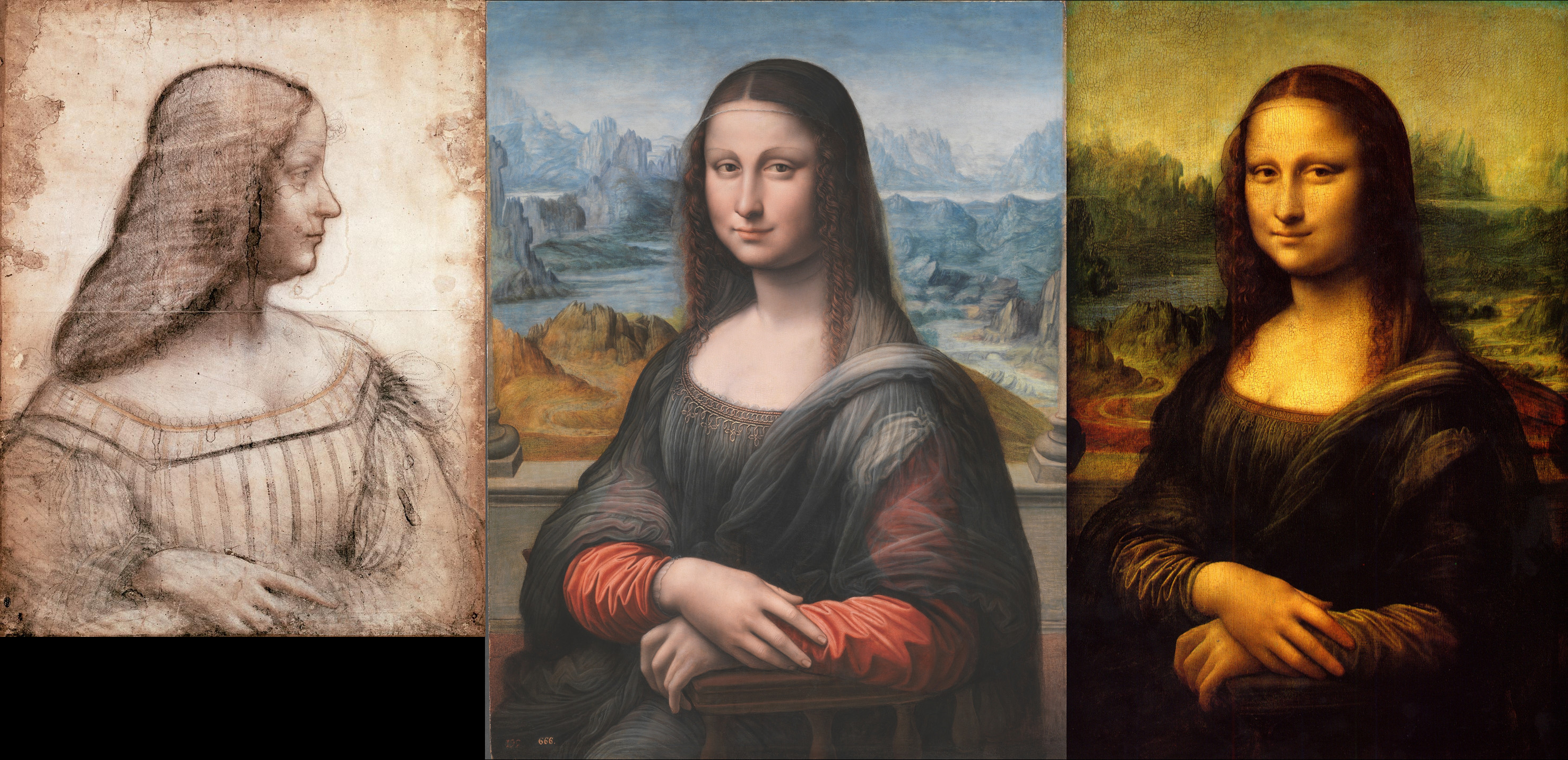
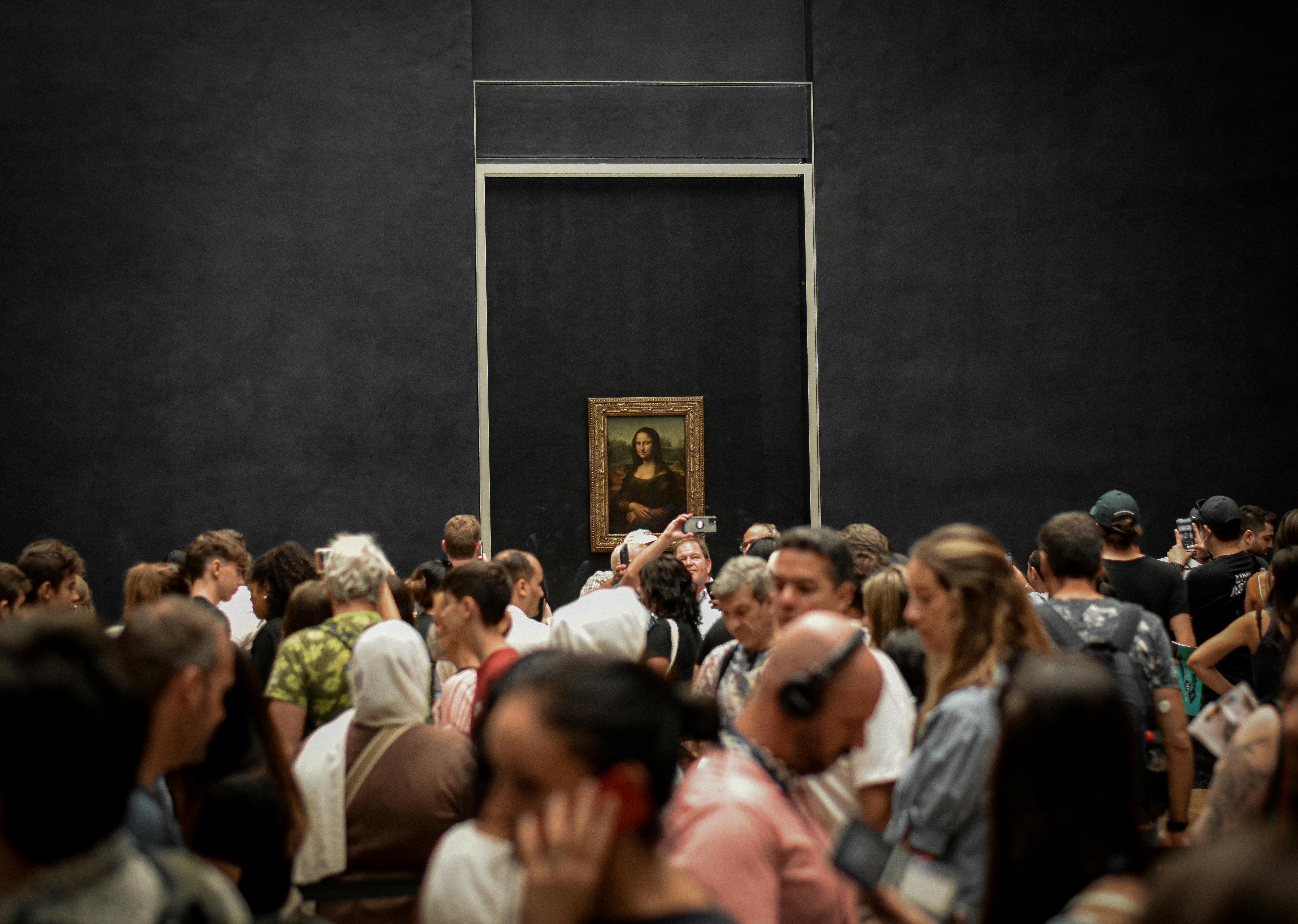
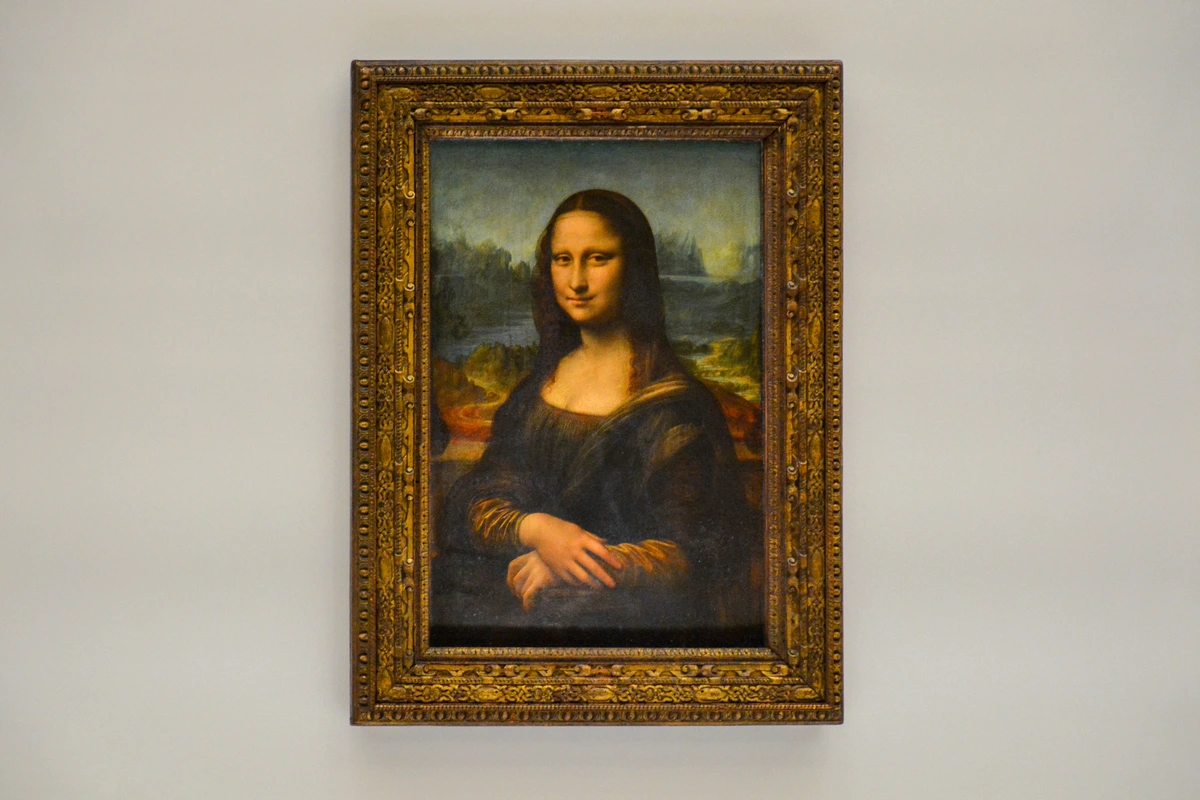
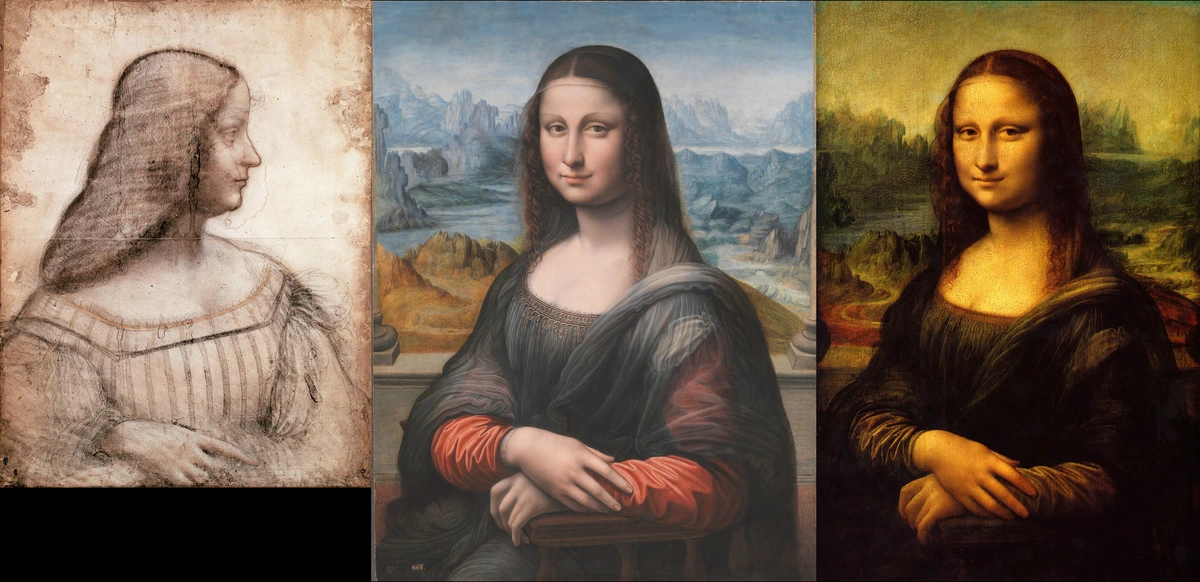
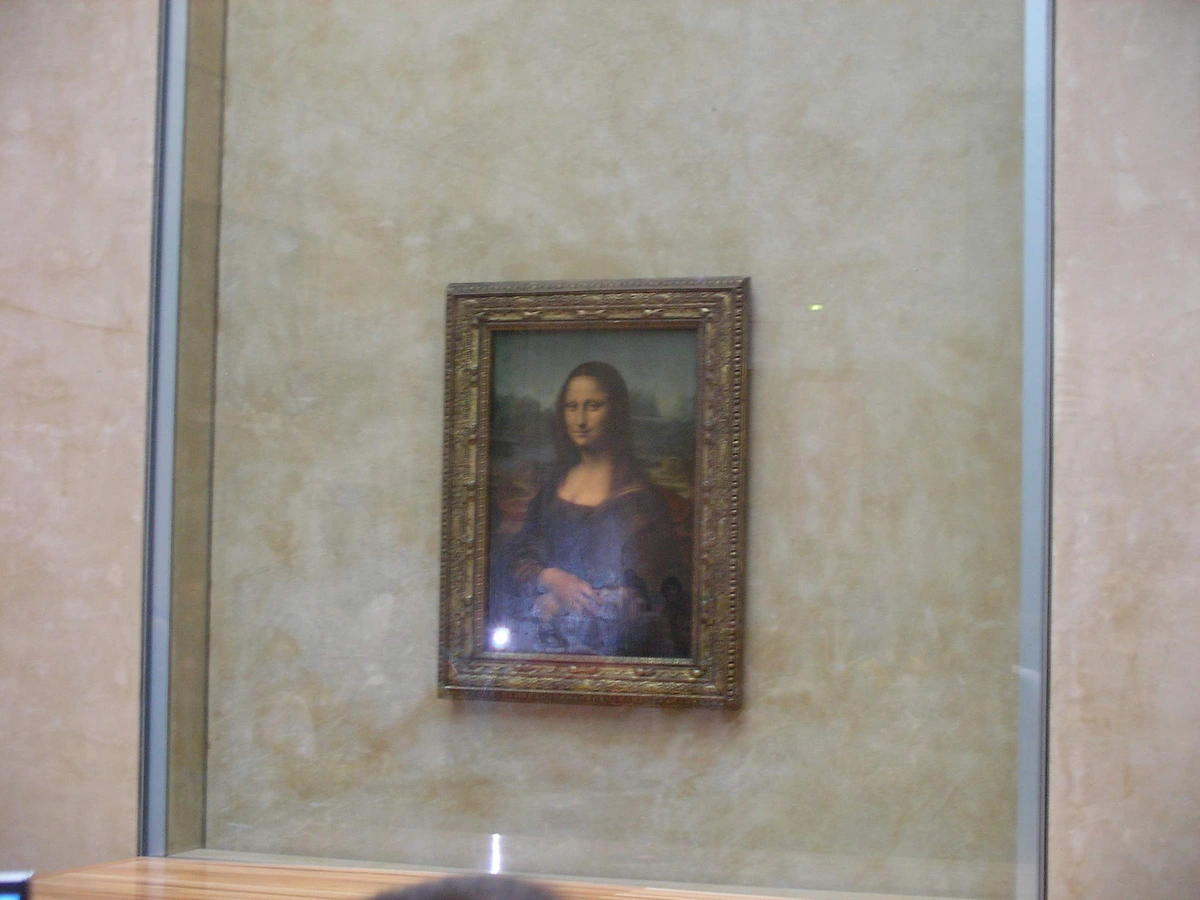
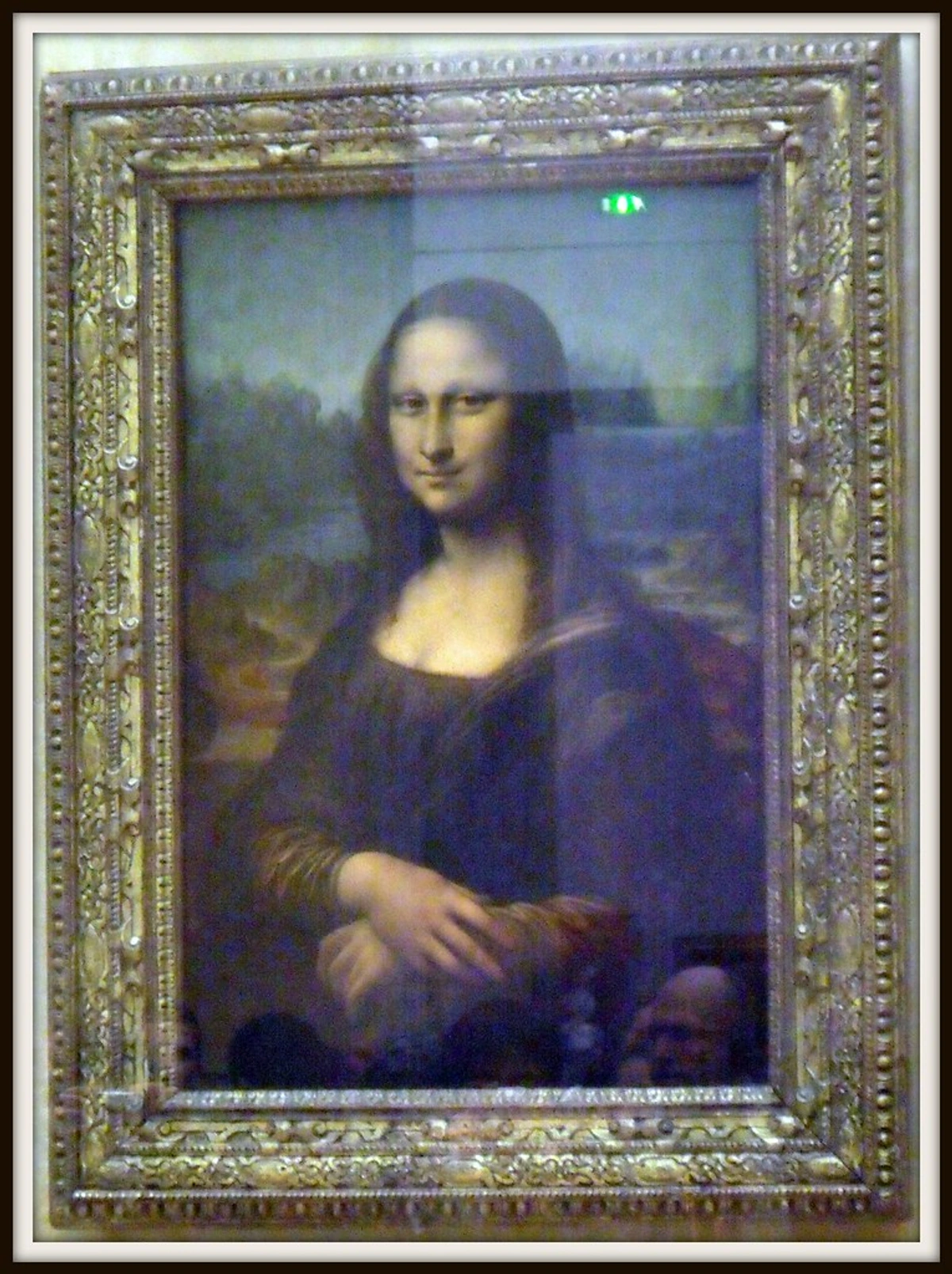
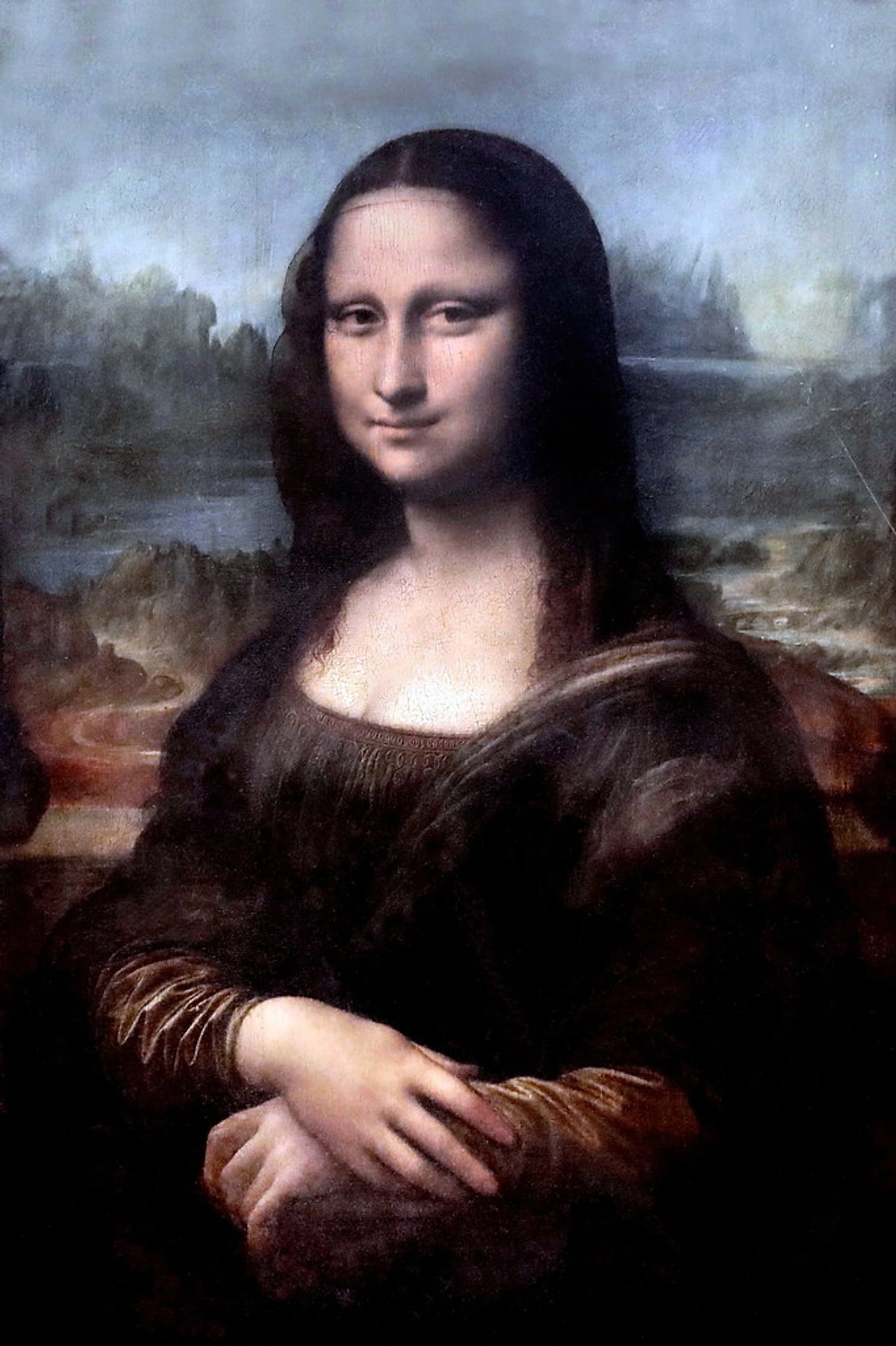
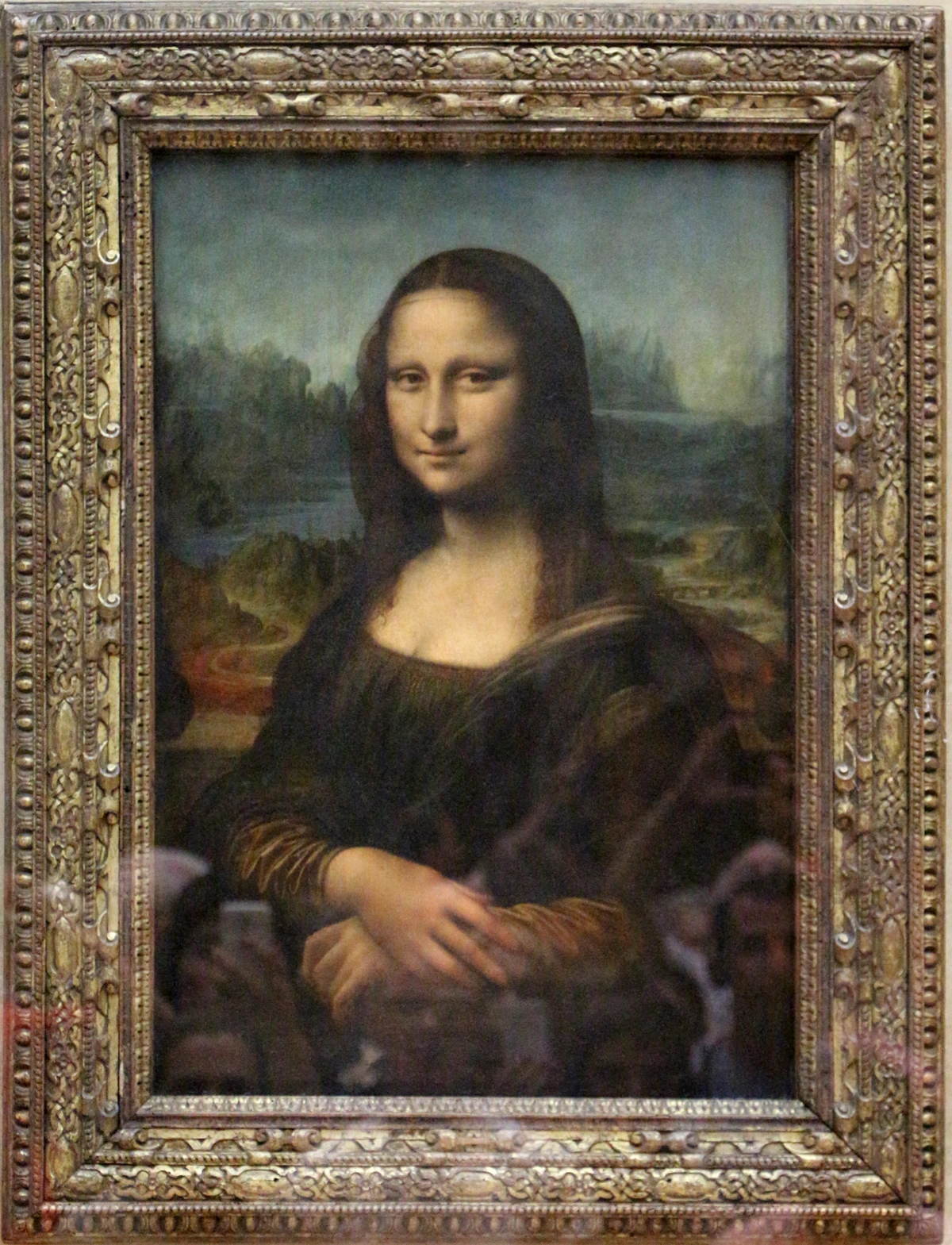
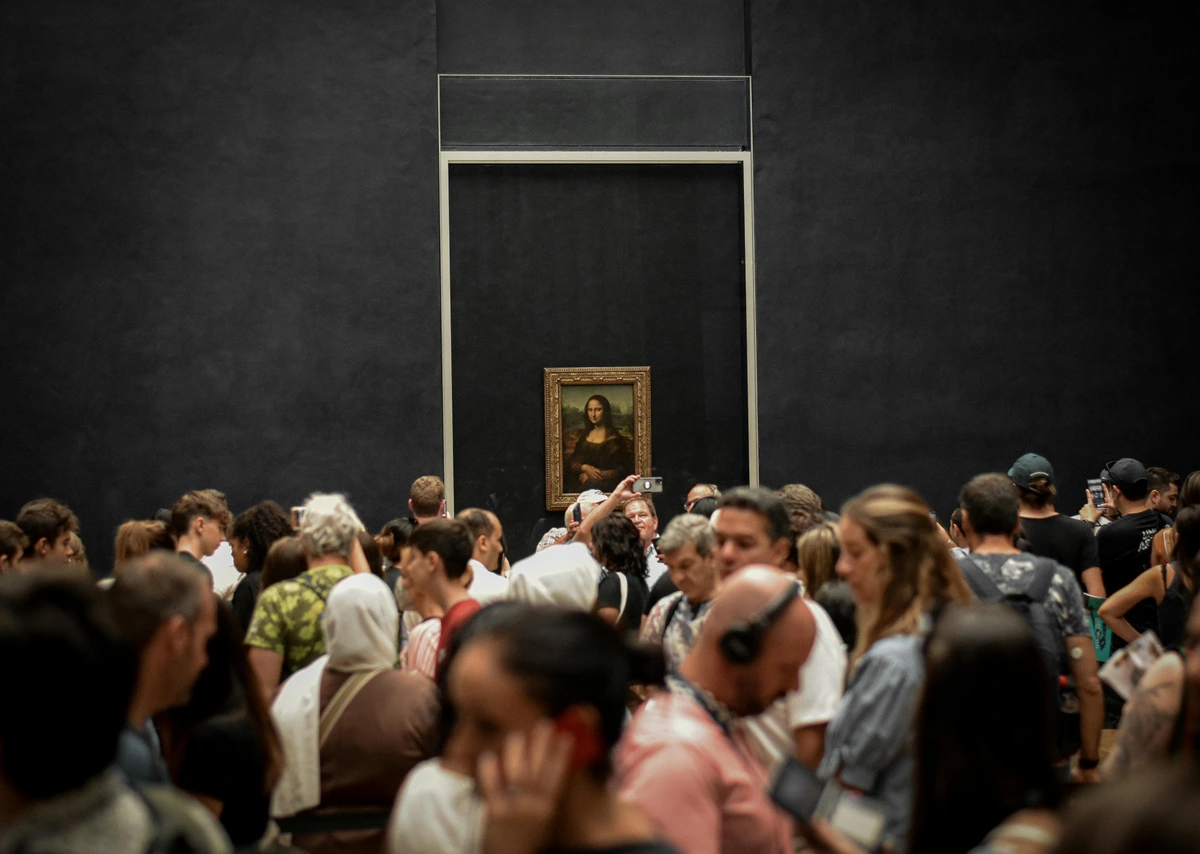
You simply can’t talk about Leonardo without talking about the Mona Lisa. From an artist's perspective, it’s a masterclass in technique, embodying his lifelong pursuit of capturing the elusive qualities of life itself. Why is her smile so captivating, so debated, so endlessly famous? Part of the answer lies in his mastery of technique, but also in his profound psychological insight, informed by his studies of human physiognomy and the science of perception. You can explore why is the Mona Lisa so famous and delve into what is the meaning of the Mona Lisa to truly appreciate its depth.
He famously pioneered a technique called sfumato (which literally means 'gone up in smoke'). Look closely at the corners of her mouth or the edges of her eyes. There are no hard lines, no stark boundaries. It’s all soft, smoky transitions, creating a subtle optical illusion where her expression seems to shift and breathe, impossible to definitively pin down—almost like a living, breathing presence. This wasn't merely a trick of the eye; it was born from an obsessive scientific study of light and shadow, and a deep understanding that in real life, things rarely have perfect, crisp outlines. His keen observations of atmospheric perspective and the physics of light scattering on surfaces directly informed this revolutionary blending. This mastery of soft focus and blending also contributes to the famous "Mona Lisa effect," where her eyes seem to follow the viewer, a clever manipulation of perception rooted in his scientific observation of how human vision works. For more on this revolutionary technique, you can explore what is sfumato in art and what is sfumato in Renaissance art. Beyond sfumato, his masterful use of chiaroscuro – the dramatic interplay of light and shadow – brought his figures to life with unprecedented sculptural form and emotional intensity.
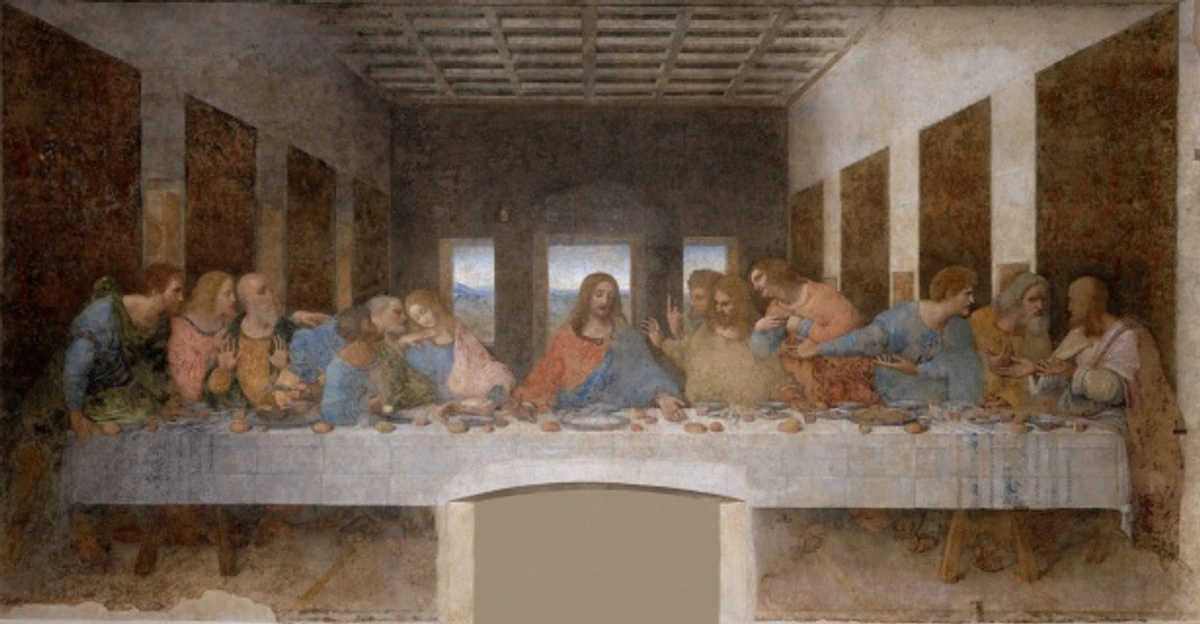
Another one of his titans of art is The Last Supper. This isn't just a painting of thirteen guys at a dinner table. Commissioned by his patron Ludovico Sforza for the refectory of the Santa Maria delle Grazie convent in Milan, it’s a snapshot of a single, explosive moment: when Jesus announces, "One of you will betray me." Leonardo captures the wave of shock, denial, and confusion that ripples through the apostles with incredible psychological depth, each reaction informed by his keen studies of human emotion and physiognomy. Each person's reaction is unique, a mini-study in human emotion and body language. It’s a masterwork of composition and emotional storytelling, a testament to his observational prowess, which was deeply informed by his anatomical and psychological studies. As an artist, I find the way he orchestrates such a complex narrative within a single frame, using perspective to draw the eye to the central figure while allowing individual dramas to unfold, to be a profound lesson in visual storytelling. You can even read about the definitive guide to perspective in art.
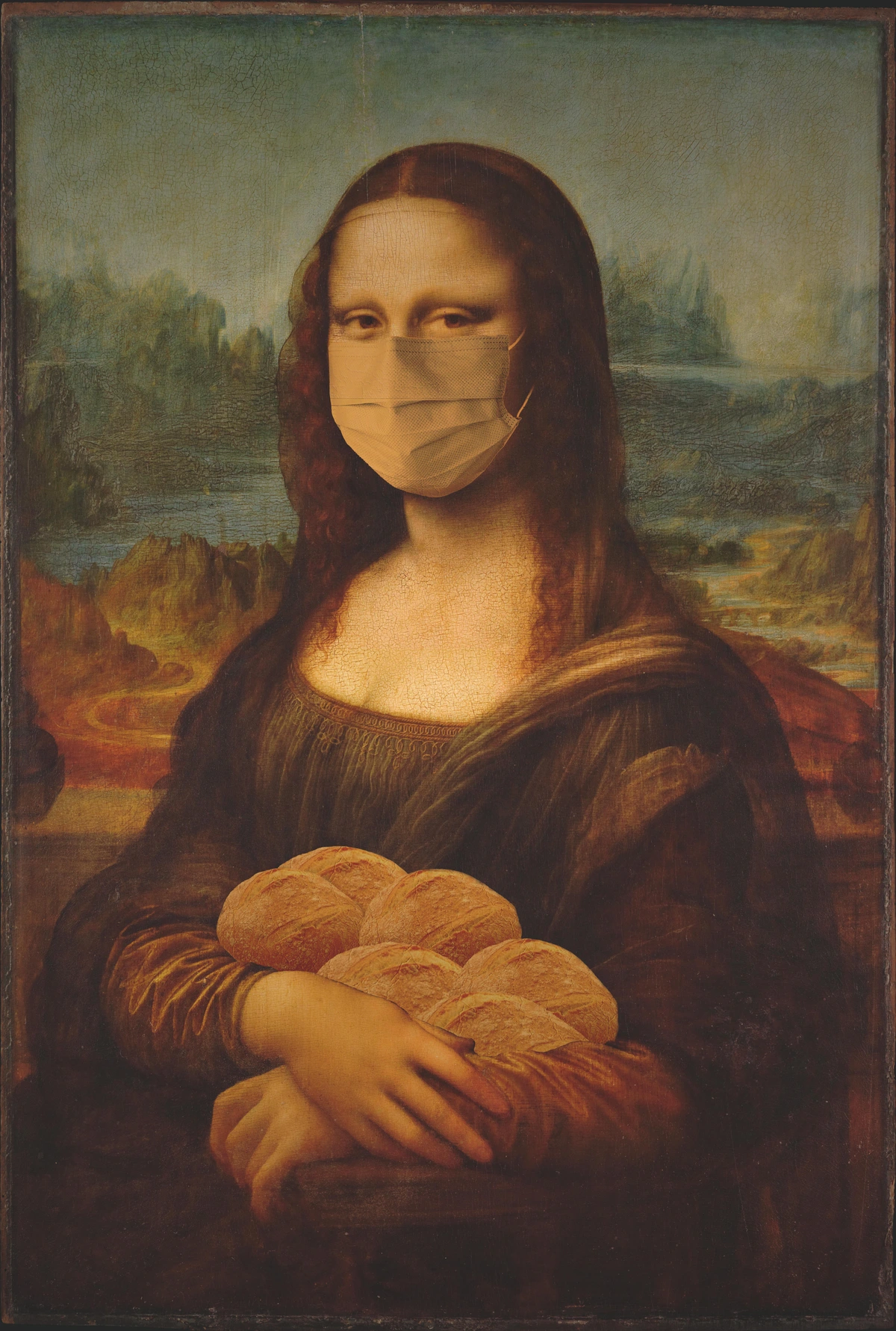
To understand the full narrative and artistic brilliance, you can delve into what is The Last Supper painting and uncover what is the meaning of The Last Supper.
Crucially, for this monumental mural, Leonardo experimented with oil-based paints and tempera directly onto a dry plaster wall, rather than the traditional, fast-drying wet fresco method. He chose this method precisely because it offered a slower drying time, essential for him to achieve the meticulous detail, subtle blending, and sfumato technique he desired—qualities impossible to achieve with true fresco. However, this unconventional approach, a brilliant artistic triumph in concept, proved a tragic material failure. The paint did not bond properly with the dry plaster, leading to rapid deterioration almost immediately after completion. This wasn't merely an oversight; it was a calculated risk driven by his artistic vision, highlighting a human aspect of his genius: sometimes, even the greatest innovators make mistakes in their relentless pursuit of the ideal. For him, the artistic vision often superseded conventional methods, even at the cost of permanence. To understand the traditional methods he eschewed, you might read about what is fresco painting.
The Visionary Engineer: Concepts Centuries Ahead of Their Time
Yet, to call him 'just' an artist would be to miss half the story. If Leonardo had never picked up a paintbrush, he’d still be a giant in the history of science and engineering. His mind, always seeking to understand how, naturally gravitated to how to build. The patronage of powerful figures, who sought practical military and civil engineering solutions, also influenced the direction of some of his most ambitious conceptual designs, leading him to apply his artistic skill to technical drawings of remarkable clarity and precision.
Looking through his notebooks is like stumbling upon the sketchbook for the modern world. He designed concepts for:
- Military Engineering: As a military engineer for figures like Cesare Borgia, he designed an armored car (a self-propelled, multi-directional vehicle with cannons, intended to breach enemy lines during sieges, perhaps inspired by the defensive shell of a turtle). Its proposed internal gear system was surprisingly sophisticated. He also conceived a giant crossbow (a massive, wheeled weapon for large-scale warfare), along with innovative fortifications and even early explosive devices. These weren't just whimsical ideas; they were detailed, functional concepts, drawn with astonishing precision.
- Flight: A flying machine based on the detailed anatomy of a bat's wing, complete with flapping mechanisms, illustrating his grasp of aerodynamics like lift and drag. He even designed a prototype parachute, demonstrating an understanding of air resistance for a safe descent. However, his designs often lacked a full understanding of sustained propulsion (relying heavily on human power) and the lightweight, powerful materials needed to overcome gravity—challenges that would take centuries to solve.
- Underwater Exploration: A diving suit with an attached air hose and breathing apparatus, designed for underwater sabotage or exploration. His concepts included an air-filled helmet and a waterproof leather suit, demonstrating an astonishing grasp of material and hydrostatic pressures, envisioning operations possible only in relatively shallow waters due to the limits of air supply and pressure tolerance.
- Mechanical Systems: Advanced gears, pulleys, and cranes, far more sophisticated than anything in widespread use at the time, demonstrating a profound understanding of mechanical engineering and leverage principles. He even designed a robotic knight that could move its arms and jaw, potentially intended as an automated theatrical prop or a demonstration of complex mechanical principles, anticipating modern robotics.
- Urban Planning: Innovative architectural designs and urban planning concepts, including multi-level cities to ease congestion (perhaps separating pedestrian and vehicular traffic) and better sanitation systems, reflecting his holistic view of societal improvement and public health. This was not just about aesthetics, but about functional, efficient living spaces.
Did most of them get built? No. And this is where the myth meets reality. The technology, precision manufacturing, lightweight and durable materials (like advanced steel alloys for complex machinery), and often the full understanding of physics (such as the need for sustained propulsion in flight rather than just flapping, or the limits of human-powered flight) simply didn't exist to fully realize his visions in his lifetime. For Leonardo, however, the act of thinking, of meticulously solving the problem on paper, was the real innovation. He was a master of conceptual design, 500 years before it became a recognized profession. He showed us that the true power lies in the imaginative leap, the disciplined analysis of a problem, and the relentless sketching of solutions—the original prototyping. It's truly astonishing to consider how many of his ideas, like his revolving bridge or automated loom, have been successfully reconstructed and proven functional using modern materials, validating his underlying engineering genius. If you're interested in the broader impact of such conceptualizations, you might find something in what is design in art.
Legacy and Enduring Influence: The Archetypal Renaissance Man
So, who was Leonardo da Vinci, really? He was an artist, an anatomist, a botanist, a geologist, a skilled musician (he designed instruments and was a renowned improviser on the lira da braccio), a military engineer, and an inventor. The term 'Renaissance Man' gets thrown around a lot, but he is the original blueprint, the quintessential embodiment. He showed us that art and science aren't separate fields; they are two sides of the same coin—two different, yet fundamentally linked, ways of observing and explaining the world, bound by an insatiable curiosity. His unfinished works, whether the Gran Cavallo or numerous paintings, speak not to failure but to a mind so restless and perpetually fascinated by new problems that completion sometimes took a back seat to innovative inquiry. It's a very human aspect of genius, and one I can relate to on smaller scales in my own creative process.
His extensive notebooks, though not widely published in his lifetime, quietly influenced later generations of scientists and artists who painstakingly studied his drawings and theories. His emphasis on direct observation and empirical evidence laid a cornerstone for the scientific method, centuries before its formalization. This approach is something I find myself constantly returning to in my own practice – the idea that true understanding comes from looking, and then looking again, pushing beyond assumptions.
Even his famous, often fiery rivalry with Michelangelo – the passionate, muscular sculptor versus the detached, intellectual observer – highlights the vibrant, competitive intellectual landscape he inhabited, each representing a different peak of Renaissance genius. While Michelangelo focused primarily on the human form in sculpture and painting, creating powerful, heroic figures, Leonardo's genius lay in his boundless, interdisciplinary exploration. I often wonder what Leonardo, ever the empiricist, might have thought of Michelangelo's more idealized, almost divine, figures, or conversely, what Michelangelo, with his intense focus, made of Leonardo's sometimes 'distracted' genius. You can learn more about his fierce rival by reading about who was Michelangelo, or delve into his life with the ultimate guide to Michelangelo, and even discover Michelangelo's David statue facts.
Leonardo's life is a powerful reminder that curiosity is the engine of creativity, the fuel for true innovation. It's about never being satisfied with the surface-level answer, never ceasing to ask 'how does this work?' That mindset deeply influences my own work as an artist – this constant looking, dissecting, and trying to understand the underlying structures, whether it's the play of light on a figure or the emotional resonance of color in an abstract piece. For me, applying Leonardo's lesson of interdisciplinary thinking means constantly experimenting with new materials, integrating scientific observations into abstract compositions, and letting my understanding of the world inform the emotional core of my art, making it truly unique and deeply personal. The way Leonardo layered his understanding of light and form to create depth on a flat surface is something I constantly consider when building up layers of vibrant color in my abstract pieces, aiming for that same internal luminescence and dynamic interplay. You can see this influence, these threads of exploration, in my timeline of artistic development or even find a piece to take home from my shop.
He teaches us that the greatest tool any artist – or any person – has is a relentless desire to look closer, to question deeper, and to connect the seemingly disparate threads of existence. The world, through Leonardo's eyes, was an infinite source of wonder, waiting for curious minds to explore its every facet. The greatest masterpiece any of us can create is a life lived with his same boundless curiosity and a relentless desire to truly see.
Frequently Asked Questions about Leonardo da Vinci
You've got questions about this titan of history, and I've got answers! To help clarify common inquiries, here are some quick facts and insights about Leonardo da Vinci.
Question  |
|---|
| What are Leonardo's most famous works? |
| Was he just a painter? |
| Did any of his inventions actually get built? |
| Why is he considered such a genius? |
| Where can I see his work today? |
| Did Leonardo da Vinci and Michelangelo get along? |
| Was he a musician? |
| What was Leonardo da Vinci's personality like? |
| What was the 'Colossus of Milan'? |
| How did his philosophy influence his art? |
Answer |
|---|
| His most famous painting is the Mona Lisa, housed at the Louvre. His most famous mural is The Last Supper in Milan. His most famous drawing is the Vitruvian Man. Other significant works include Lady with an Ermine, St. John the Baptist, and his vast collection of anatomical and engineering drawings. |
| Not at all! He was the quintessential polymath, a true 'Renaissance Man'. He was a scientist, mathematician, engineer, inventor, anatomist, botanist, musician, and writer. His rigorous scientific studies and detailed observations were as fundamental to his life's work as his art, seeing them as interconnected paths to understanding the world. He saw art and science as two sides of the same coin, each informing and enriching the other, rather than distinct disciplines. |
| Very few were built in his lifetime due to technological limitations. Things like advanced metallurgy for precise gears, powerful and lightweight engines for flight, or even a full understanding of combustion, simply didn't exist. However, modern reconstructions of designs like his revolving bridge, automated loom, hydraulic machines, and even a robotic knight have proven that many of his concepts would have functioned as intended, validating his engineering genius centuries ahead of his time. This makes him the original conceptual designer and prototypist. |
| His genius lies in his boundless, interdisciplinary curiosity and his unique ability to synthesize knowledge across vastly different fields, particularly art and science. He didn't just accept how things were; he investigated why they were that way, from the human circulatory system to the vortex of water, documenting everything with unprecedented precision and insight. This relentless inquiry and integration of knowledge, coupled with his extraordinary artistic skill, made him a true visionary who could foresee future challenges like urban planning and sanitation. |
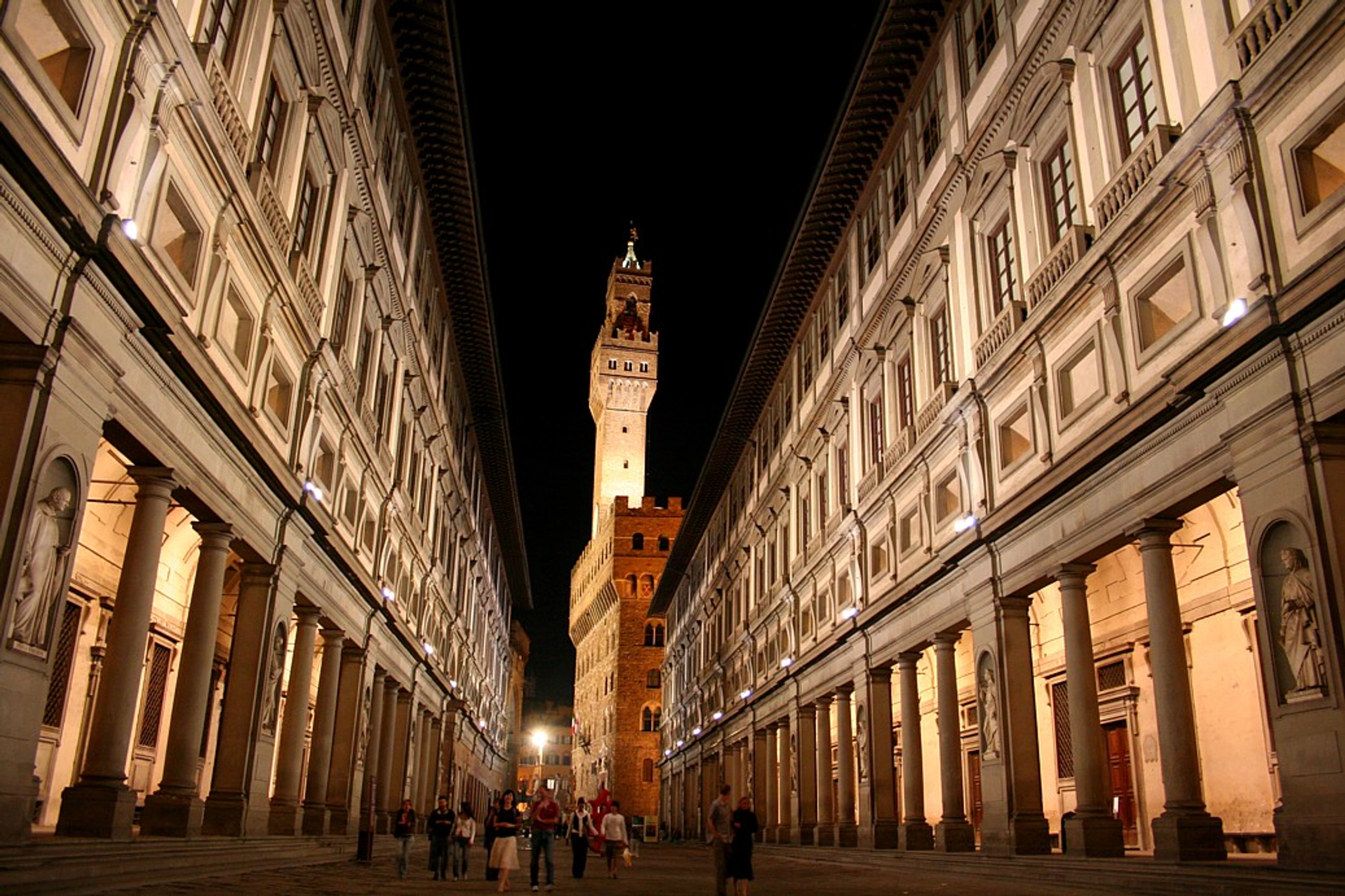
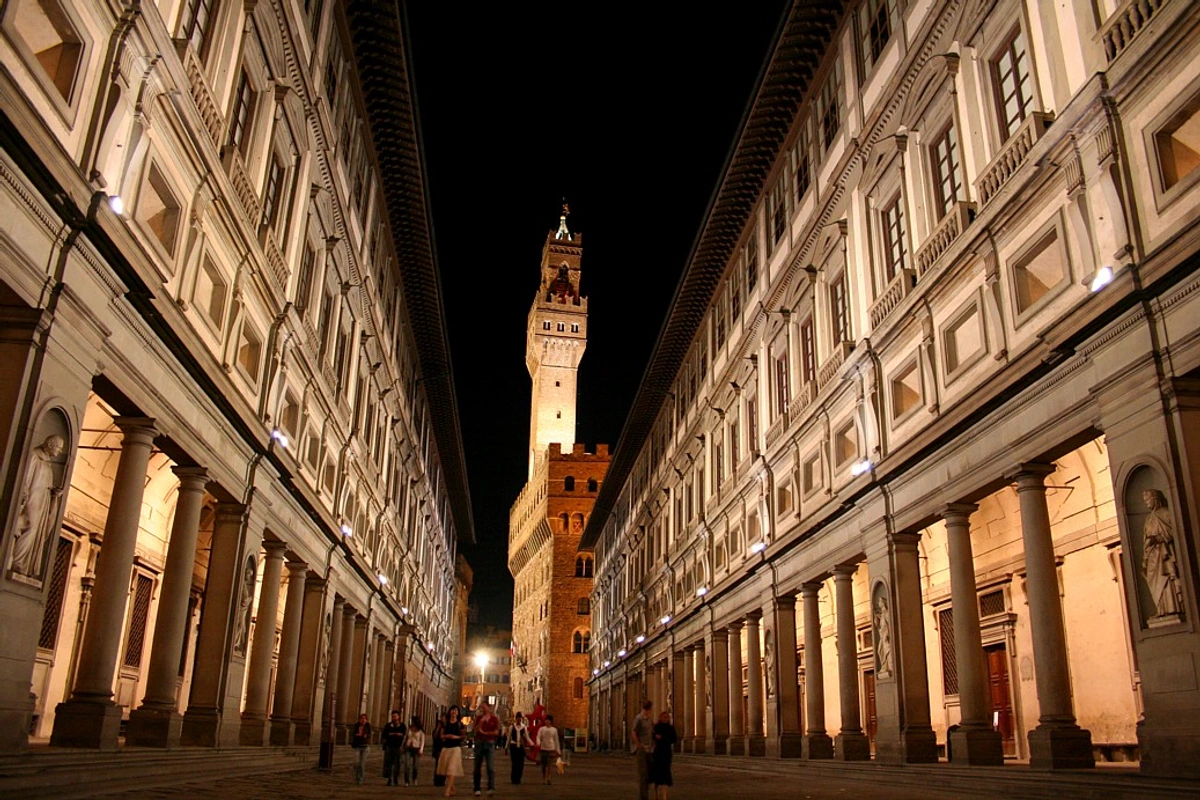
| The Mona Lisa is at the Louvre Museum in Paris. The Last Supper is in the convent of Santa Maria delle Grazie in Milan. Many of his notebooks, including the Codex Leicester, are held in private collections or major institutions like the British Library and the Royal Collection at Windsor Castle, with many anatomical drawings often accessible digitally online for researchers and enthusiasts. Other paintings are scattered in museums across the world, including the Uffizi Gallery in Florence. You can learn more about visiting the city's art treasures with an art lover's guide to Florence. |
| Not really. They were famous rivals with very different personalities and artistic styles. Michelangelo was a passionate, intense, and often solitary sculptor focused on monumental forms, while Leonardo was a more detached intellectual observer, known for his charm and social grace, and an interest in a broader spectrum of inquiry. Their rivalry was often public and sometimes led to heated exchanges, with documented instances of public disputes and artistic critiques, reflecting the competitive spirit of Renaissance Florence. To understand more about his fierce rival, you might want to read about who was Michelangelo or explore the ultimate guide to Michelangelo. |
| Yes, absolutely! Leonardo was a skilled musician and instrument designer. He was particularly known for playing the lyre (or lira da braccio) and was renowned for his improvisational skills and poetic compositions, often entertaining at court, especially during his time with Ludovico Sforza in Milan. His musical talents added yet another dimension to his "Renaissance Man" persona. |
| Leonardo was often described as charming, eloquent, and highly intelligent, with a calm and detached demeanor. He was known for his elegant appearance, social grace, and sharp wit. Unlike many of his contemporaries, he seemed less driven by religious fervor and more by empirical scientific observation. He was intensely curious and meticulous in his observations, yet sometimes procrastinated on major art commissions, or moved from project to project as his interests shifted, often leaving works unfinished as new fascinations took hold. |
| This was a monumental equestrian statue of Ludovico Sforza's father, Francesco Sforza, commissioned from Leonardo. He spent over a decade on its design, creating extensive studies and a full-scale clay model (estimated 24 feet tall). The sheer ambition of casting such a massive bronze statue in a single pour was an unprecedented engineering feat for the time. Though it was never cast in bronze (the metal was diverted for cannons), it was a testament to his ambition as a sculptor and engineer, demonstrating his profound understanding of anatomy, mechanics, and scale. |
| Leonardo's philosophical approach emphasized direct observation, empirical study, and the interconnectedness of all phenomena (the microcosm and macrocosm). He explicitly rejected rigid dogma in favor of what his eyes and experiments revealed. This led him to imbue his paintings with unprecedented realism, psychological depth, and a profound understanding of light, shadow, and human emotion, transforming art from mere imitation to a deep, scientific exploration of existence. |