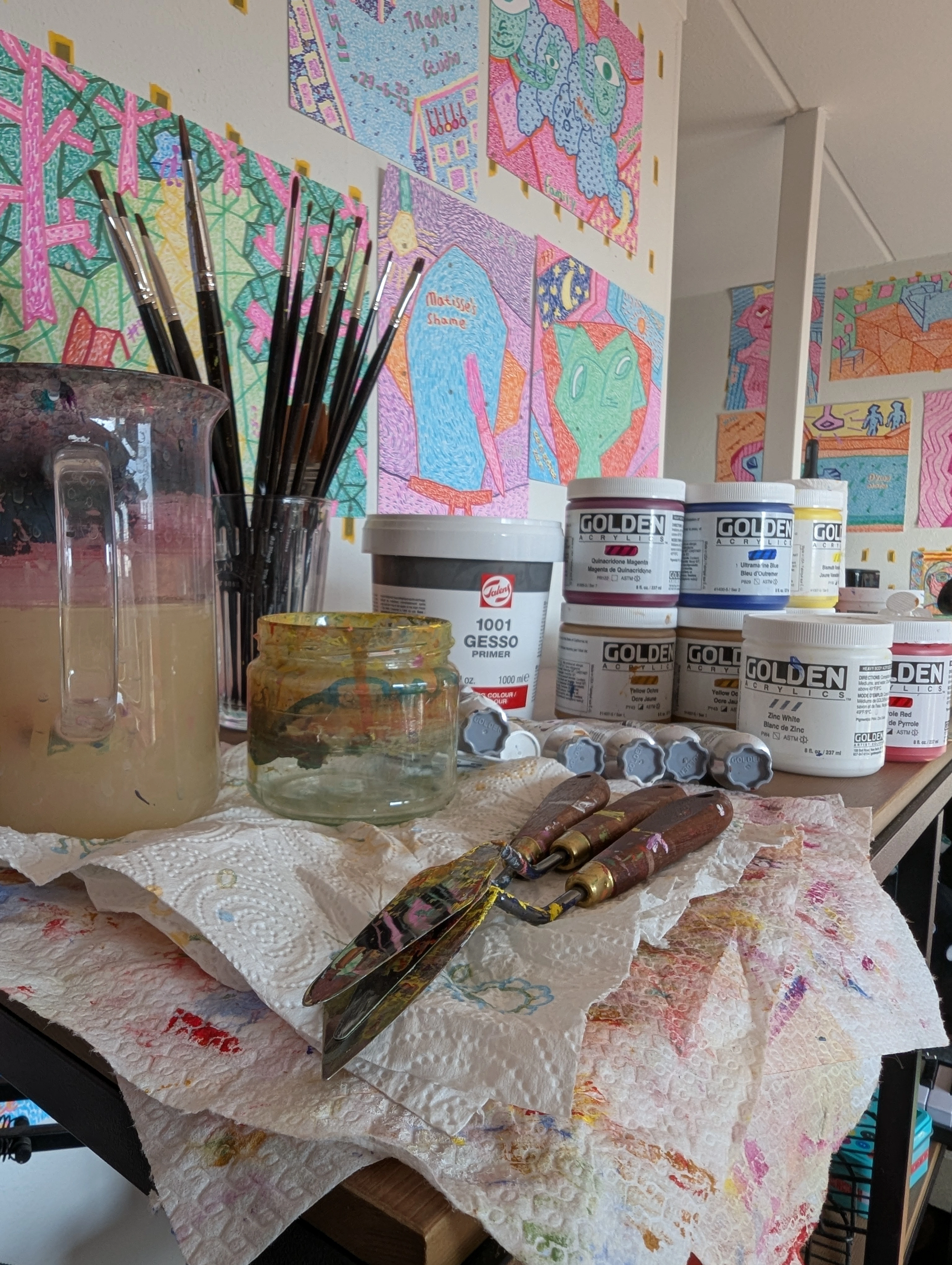
How to Sign a Painting: The Artist's Definitive Guide to Legacy & Identity
Master signing your paintings for authenticity and legacy. Learn why, what, where, and how to mark your art, define your identity, and avoid pitfalls. A comprehensive guide for every artist.

How to Sign a Painting: The Artist's Definitive Guide to Legacy & Identity
I remember it clearly: that satisfying, almost electric moment when the last stroke is laid, and the painting whispers, 'I am finished.' It's a profound feeling, a release after pouring so much of yourself onto the canvas. But then, as the euphoria settles, there it is – the final, often daunting, decision: signing your painting. It's not just a scribble; it’s the definitive period at the end of your artistic statement, your bold or subtle claim of authorship. And I’ll admit, it’s a step many artists, myself undeniably included, have wrestled with, over-thought, under-thought, or even (a moment of startling realization!) completely forgotten in the initial flush of creation. This deceptively small act isn't just a formality; it anchors your entire artistic endeavor, becoming a tangible link between your vision and its enduring presence in the world.
In this comprehensive guide, I’ll unpack why your signature is so much more than just a mark, what forms your unique artistic identity can take, where on your masterpiece to place it, and how to execute it flawlessly, ensuring your legacy is etched into every canvas.
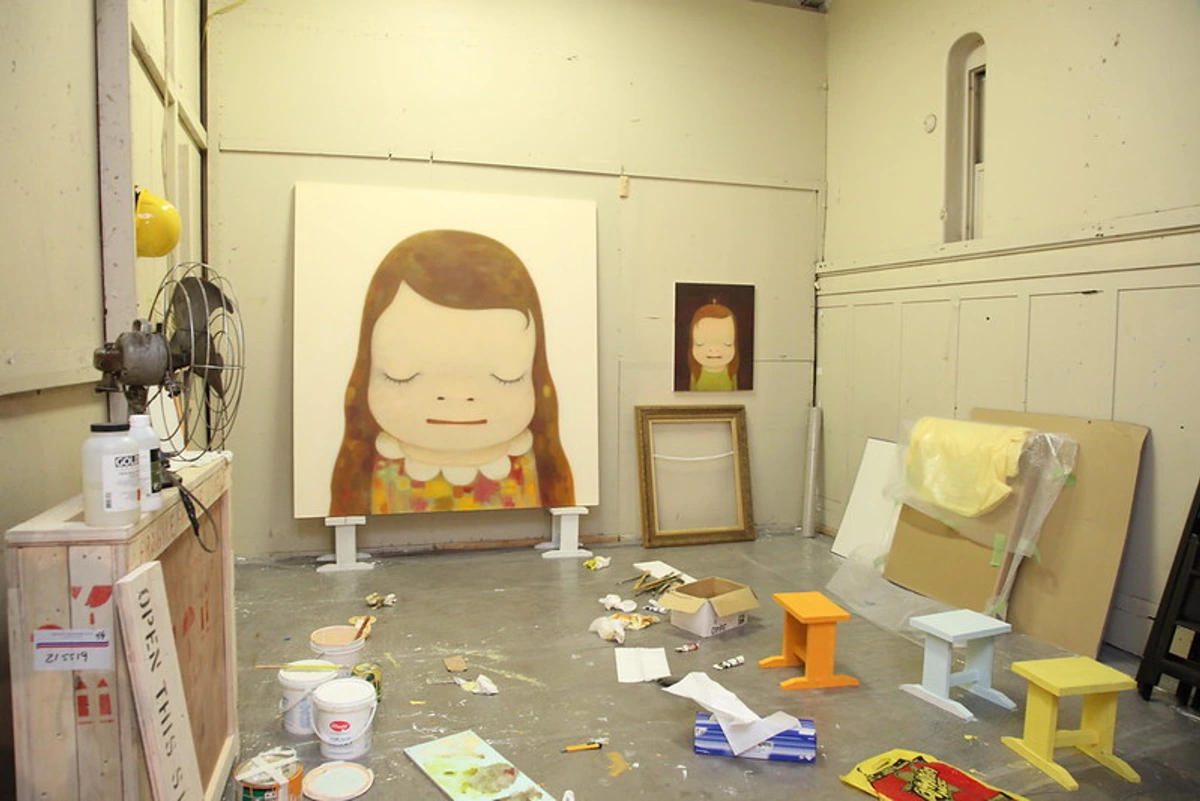
Why Bother? Your Signature is a Silent Ambassador
I used to think a signature was just a formality. A sort of 'oh, I guess I should put my name here' afterthought. But my perspective quickly evolved! It's so much more. Your signature is like a silent ambassador for your artwork, carrying with it a host of critical functions – it’s the final, resonant chord, the definitive stamp of your creative journey.
- Proof of Authenticity and Provenance: This is a big one, perhaps the biggest. A clear, consistent signature helps establish that the work truly came from your hands. For collectors, galleries, and institutions, it's the first line of defense against forgery and helps track the artwork's journey through time – what we in the art world call provenance. Think of it like a passport for your artwork. Beyond the signature itself, provenance is further documented through exhibition labels, gallery receipts, and auction records, but your signature is always that foundational, undeniable starting point. It’s part of your legacy, a physical assertion that complements your artist statement by offering tangible proof of its origin. Understanding its role in art appraisals is also key, as a verifiable signature significantly impacts a piece's market value and resale potential.
- Artist's Record Keeping: For you, the artist, a dated signature on each piece helps you catalog your output. I’ve often looked back at old works, like a vibrant abstract I finished years ago, and thought, "When did I even paint that?" My signature, especially when dated, is my personal timestamp, a little time capsule anchoring my creative timeline. It's a quiet dialogue between my past and present self, helping me track series, stylistic shifts, and even remember the circumstances of a piece's creation.
- Historical Significance: Think about the masters. Their signatures, monograms, or unique marks tell us not just who they were, but often when they were working and how their style evolved. Take Rembrandt, whose signature changed throughout his career, or Picasso, who often used stylized monograms. Even earlier artists used distinct guild marks, workshop stamps, or tiny symbols to denote their craft and origin. Art historians meticulously analyze these marks for authentication, attribution, and dating, often revealing fascinating insights into an artist's evolution or even uncovering forgeries. For instance, the analysis of signatures and materials has played a pivotal role in confirming the authenticity of disputed works by masters like Leonardo da Vinci or exposing modern forgeries that fooled experts for decades, such as those by Han van Meegeren. You're part of that lineage, whether you realize it or not.
- Copyright and Intellectual Property: While it’s not a legally binding copyright registration in itself, your signature publicly stakes your claim of authorship. It's an affirmation of your creative ownership, a gentle but firm statement that this idea, this execution, this vision, is yours. When combined with other documentation like your artist statement, inventory records, and sales receipts, your signature forms a stronger basis for asserting and protecting your copyright and trademark over your artistic name or logo. It acts as clear evidence of your authorship in the event of a dispute, though formal copyright registration (in relevant jurisdictions) offers additional, stronger legal protections. A consistent signature can even bolster your claim in cases of trademark infringement relating to your unique artistic brand.
- Emotional Connection and Finality: For me, signing a painting is a ritual. It’s the final blessing, the moment I truly let go of the piece. There’s a profound sense of release, a quiet "It is done" that allows me to emotionally detach and move on to the next creative challenge. It creates an undeniable connection between me, the art, and the person who will eventually live with it. It’s that last, intimate touch, the final punctuation before the story begins its new life.
- The Psychological Echo: Beyond the practicalities, signing a painting marks a profound moment of accomplishment. It's an affirmation of your labor, skill, and vision – a quiet celebration of having brought something new into the world. It reinforces your identity as an artist and prepares your mind for the next creative challenge, offering a sense of closure and readiness for new beginnings.
A Legacy Etched in Time: The Rich History of Artist Signatures
Before we dive into the 'how-to,' let's take a quick journey through time. The act of signing art is far from a modern invention; it's a practice deeply rooted in history, evolving with the role of the artist and the very concept of art itself. What began as humble workshop marks blossomed into the bold statements we recognize today. This historical evolution profoundly shapes the contemporary artist's decision on how to leave their mark.
From Guild Marks to Individual Genius
For centuries, especially in the medieval period, art was often a communal endeavor, tied to workshops, guilds, or religious institutions. Artists were craftsmen, and their individual identities were often secondary to the craft itself. Marks were less about personal fame and more about origin or quality. Think of the stonemasons' marks on cathedrals or the subtle symbols used by members of a painting guild. Their identity was collectively held. The shift began to truly accelerate with the Renaissance, as the concept of the individual artist, the 'genius' behind the work, began to emerge. Artists like Giotto and Albrecht Dürer started signing their works with increasing prominence, asserting their authorship and artistic prowess.

- Albrecht Dürer's Monogram: A prime example, his distinctive 'AD' monogram, often intricately woven, became his powerful personal brand, almost a precursor to modern logos. This mark was so iconic it was even famously forged, underscoring its value.
- Rembrandt's Evolution: Rembrandt van Rijn famously experimented with his signature throughout his career. Early on, he used monograms, then signed with his full name, only to shorten it to just "Rembrandt" in his maturity. Art historians use these shifts to date and authenticate his vast body of work, revealing his evolving identity and confidence.
- Chinese Seal Carving (Chops): Far from the Western tradition, Chinese artists and scholars have for millennia used intricate hanko or 'chops' – carved seals that leave a distinct red impression. These aren't just signatures; they're aesthetic elements, often bearing poetic phrases, names, or auspicious symbols, adding another layer of meaning to a painting or calligraphy scroll. They represent a blend of personal identity, artistic approval, and cultural tradition.
- Japanese Hanko: Similarly, Japanese artists use hanko seals, often integrating them into the composition, not just as a mark of ownership but as a deliberate visual component, reflecting a deep respect for both authorship and aesthetic balance. This tradition highlights how the act of 'signing' can be deeply entwined with the artwork itself.
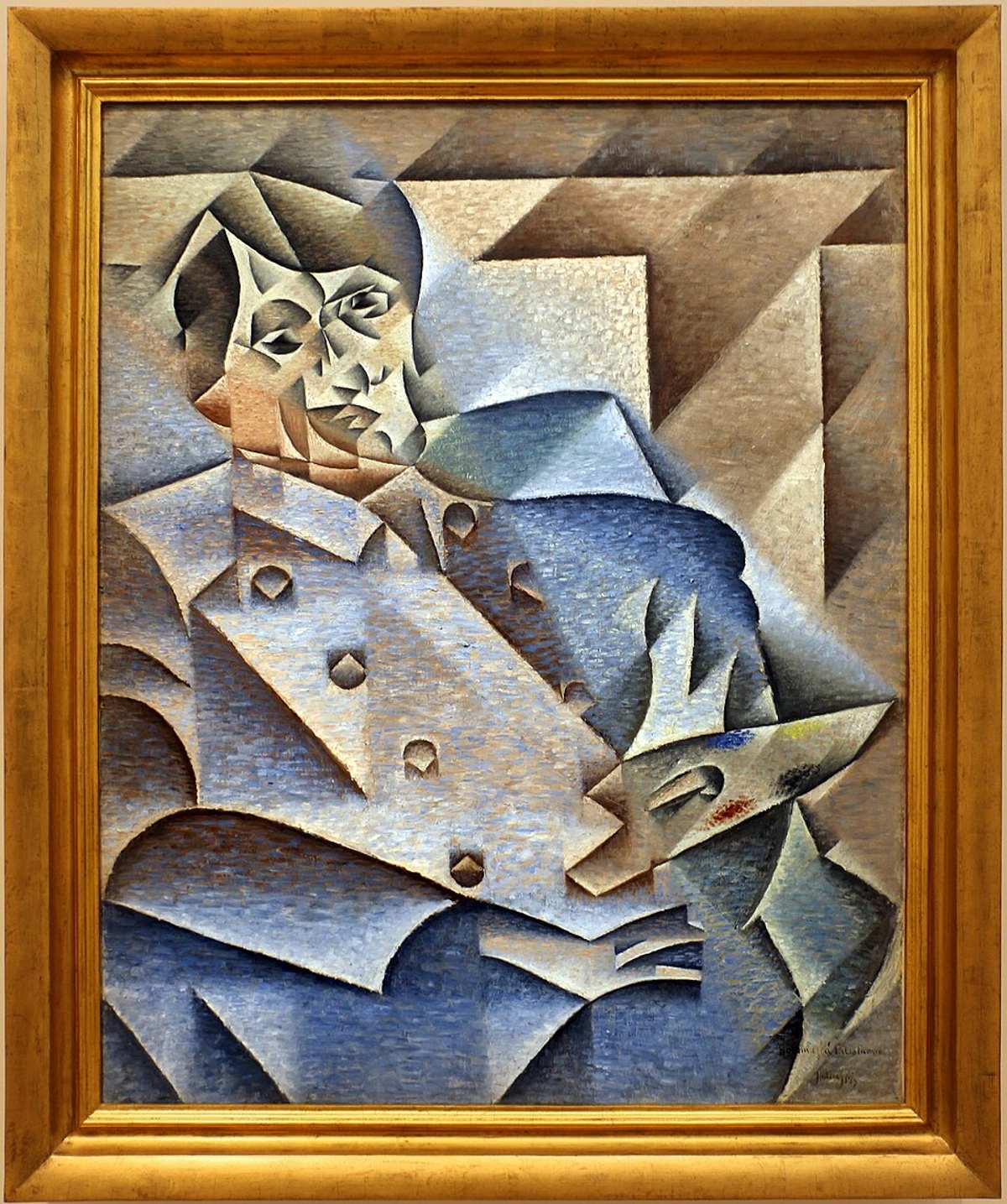
This historical journey reveals a consistent thread: the artist's desire to claim their creation, to leave an indelible mark that says, "I was here. This is mine." As artists today, we stand on the shoulders of these traditions, empowered to choose how our own mark will contribute to this rich lineage. What will your chosen mark say about your legacy?
The Many Faces of Your Mark: Types of Signatures
So, what does your mark actually look like? There’s no one-size-fits-all, and honestly, that’s part of the fun. Your signature can be as unique as your brushstrokes. Here are some common approaches:
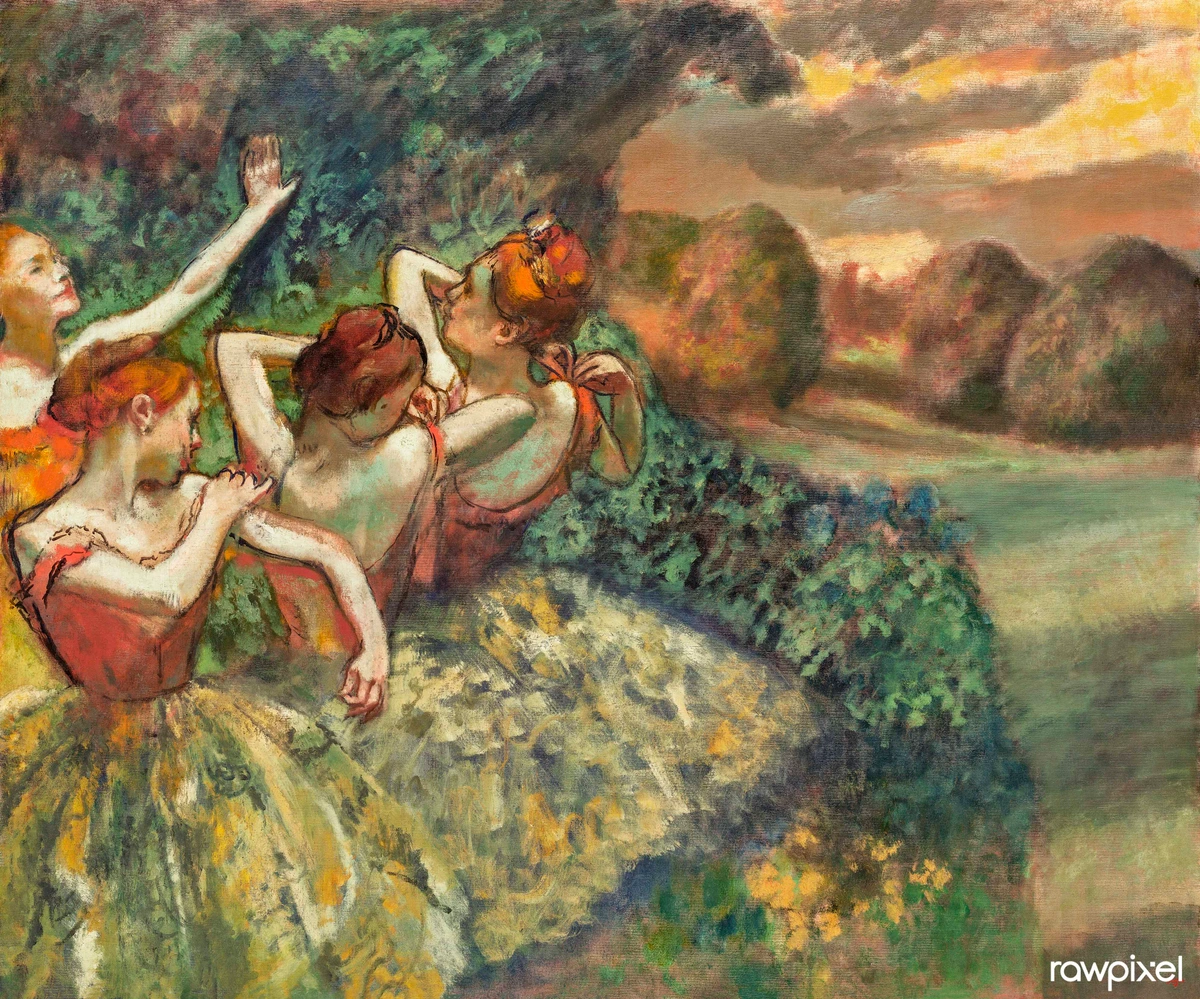
- Full Name: The straightforward approach. "Zen Dageraad Visser" – clear, unambiguous. Many artists stick with this for clarity and professional presentation. It’s the most direct claim of authorship and immediately recognizable.
- Initials: A concise alternative. "Z.D.V." or just "Z.V." – often chosen when space is limited or a more subtle approach is desired. It offers a degree of intimacy while still providing clear identification.
- Monogram: A stylized combination of letters, often intertwined. Think of it as a personal logo, carefully designed to reflect your aesthetic. This takes a bit more design effort but can be incredibly distinctive and immediately recognizable, forming a powerful visual brand for your work. A well-designed monogram can become synonymous with your art, acting as a visual shorthand for your entire artistic output, similar to a trademark.
- Symbol or Personal Mark: Some artists forgo letters entirely and use a unique symbol, icon, or abstract mark. This can be deeply personal and adds an air of mystery or deeper meaning. It's a bold choice, but one that can powerfully brand your work. I've seen some artists integrate a tiny, recurring motif, almost a secret symbol, that becomes instantly recognizable, a sort of Easter egg for the keen-eyed viewer, or even a deep iconographic statement woven into their personal mythology.
Beyond the Mark: The Signature as Artistic Element
What if your signature isn't just a mark of authorship, but an integral part of the artwork itself? This is where your signature becomes an extension of your artistic voice, a final, deliberate brushstroke. You can actively play with the style, size, and even abstraction of your signature to make it a subtle yet powerful visual component, harmonizing or intentionally contrasting with the larger work. It's a testament to your deliberate execution, adding another layer of personal expression and thoughtfulness to the piece.
Artist Names & Pseudonyms
Before we dive into placement, a quick word on the name itself. Your artist signature doesn't always have to be your legal name. Many artists choose a professional pseudonym, a shortened version of their name, or even a cherished nickname that has become inextricably linked to their work. Think of Dr. Seuss (Theodor Seuss Geisel), El Greco (Doménikos Theotokópoulos), or Banksy (whose true identity remains largely unknown but whose artistic mark is globally recognized). The reasons are as varied as the artists themselves: perhaps to separate their artistic persona from their legal identity, to create a fresh brand, to overcome a difficult-to-pronounce name, or even to establish a new style after a creative shift. (Speaking for myself, I once considered shortening "Dageraad" as it's a bit of a mouthful, but ultimately decided my full name was part of my unique story.) This is a strategic decision that profoundly shapes your artistic brand. If you opt for a pseudonym, it's wise to formalize it for business and legal purposes, much like any other business name, especially when dealing with galleries, sales contracts, or creating limited print editions. Whether it's your full name, a cryptic initial, or a chosen alias, the key is to choose a mark that feels authentic to you and consistently represents your artistic identity. Which unique mark will become synonymous with your art?
Where to Place Your Signature
Location matters, but again, there are no hard and fast rules. It's about what feels right for the piece and your personal aesthetic, and also considering how the piece will be displayed. The goal is to make it visible enough to be found, but not so prominent that it competes with the artwork itself. Consider these options:
- Front (Common): Most typically, the bottom right or left corner. It’s visible, expected, and doesn't usually detract from the main composition. However, sometimes a top corner works, or even subtly integrated into the body of the painting if it complements the composition. Just ensure it doesn’t scream for attention like a billboard. I tend to avoid the center of visual interest, allowing the artwork to speak first. When considering placement, think about the primary viewing angle and typical gallery presentation versus a more intimate home setting.
- Back (Verso): Often overlooked but incredibly important. Signing the back allows for more information without cluttering the front. I always include my full name, the date, the title of the piece, and often the medium used. It’s a practical way to provide detailed information for the future, especially for larger works or when the front is highly textured. It feels like telling a secret to the painting itself, a conversation between artist and artwork, preserved for the ages.
- Side/Edge: For gallery-wrapped canvases, signing along the side can be a contemporary choice, especially if the composition flows to the edges and a front signature would be distracting. Imagine your signature subtly flowing with the movement of the artwork, almost becoming an extension of its narrative. This is often a great choice for minimalist or highly abstract pieces where a front signature could disrupt the aesthetic.
The Practicalities: How to Apply Your Signature
Once you've decided where your signature will reside, the next crucial step is understanding how to apply it. It's not just what you sign, or where, but how. The execution is just as much a part of your mark. This section is all about ensuring your mark lasts as long as your masterpiece, emphasizing longevity and archival quality.
Medium & Tool Considerations: Ensuring Longevity
The material and tool you choose for your signature should ideally be the same or compatible with the painting's medium for longevity and aesthetic harmony. Think about your definitive guide to paint types for artists and how it applies here, ensuring your signature materials are archival quality and stable. "Archival quality" means it's designed to resist degradation and fading over time, ensuring your signature lasts for generations. "Lightfast" refers to its resistance to fading when exposed to light, especially UV.

Painting Medium  | Recommended Signature Medium | Recommended Tools | Notes |
|---|---|---|---|
| Oil Paint | Oil paint | Fine rigger brush (000 or 00) | Use a fine rigger brush. Consistency is key for a crisp line; ensure paint is thinned enough to flow, but not too thin it bleeds. Allow to dry thoroughly – this can take weeks or even months for thick applications, as wet oil can smear and take ages to cure – a lesson I learned the hard way! For detailed how-to varnish oil painting guides, remember to sign before varnishing. |
| Acrylic Paint | Acrylic paint, Paint Pen | Fine brush, archival acrylic paint pen | Fine brush with acrylic paint (gel medium can help consistency). Acrylic paint pens are also excellent for crisp lines and quick drying, just make sure they're archival quality and pigment-based to ensure longevity. Avoid dye-based markers. Always check your how to varnish an an acrylic painting process for correct timing. |
| Watercolor | Watercolor paint, Archival Ink Pen | Fine watercolor brush, micro-tip archival pen | Use a fine watercolor brush with a darker, opaque pigment that stands out, or a lightfast, archival pigment-based ink pen. Avoid heavy pressure that might indent the paper. The key is to avoid dye-based inks, which are prone to fading, and ensure the pigment will not bleed or feather into the paper fibers. |
| Gouache | Gouache, Archival Ink Pen | Fine brush, micro-tip archival pen | Similar to watercolor, use a fine brush with gouache, or a lightfast, archival pigment-based ink pen. Gouache is opaque, so choose a color that will stand out clearly. Ensure it's fully dry before handling or framing to prevent smudging. |
| Pastels | Pastel pencil, Fixative Spray | Fine pastel pencil | A fine pastel pencil in a complementary (or contrasting) color works well. Alternatively, some artists sign lightly with pastel and then spray a light coat of fixative over the signature area before the main fixative layer to prevent smudging during handling. This locks the pigment in place without altering the main artwork. |
| Mixed Media | Whatever suits the surface | Archival ink pens, paint pens, fine brush | Archival ink pens, paint pens, or a very fine brush with the dominant painting medium. Test first on a hidden area or scrap material, as different surfaces (e.g., collage elements, textured papers, unconventional grounds) can react unexpectedly with bleeding, absorption, or cracking – always practice that final flourish! This is especially important as mixed media often involves various surface types, each reacting differently to a signature medium. |
| Digital Prints (Physical) | Archival Ink Pen, Fine-tip Permanent Marker | Micro-tip archival pigment pen | For physical prints of digital artwork, a direct, physical signature is crucial. Use a lightfast, archival pigment-based ink pen. Avoid regular markers that may fade or bleed over time. Sign the print itself, often in pencil beneath the image, like traditional photography or print editions. This ensures a tangible, human mark on the physical output of digital art. |
My Signature Process: A Little Ritual
My signature, a symbol of completion, has its own little ritual. It’s not just an afterthought; it’s a mindful process, a final communion with the canvas:
- Step Back (Literally): I never sign immediately. I hang the piece, live with it for a bit, maybe a few days, sometimes weeks. I need to know it’s truly done, that I won't be tempted to add another brushstroke. This also allows the painting itself to fully dry, especially crucial for oils, preventing smudging or sinking. It's a crucial part of the letting-go process.
- Choose Your Spot: I mentally (or sometimes lightly with my finger) trace a few potential spots. Does it complement the composition? Is it unobtrusive but findable? I think about it like placing a tiny, elegant period, a final grace note, ensuring it enhances, not distracts from, the overall aesthetic. I also consider how different lighting conditions might affect its visibility – a subtle signature might vanish in low light, while a bold one could be too dominant in bright exhibition lights.
- Test, Test, Test: If I'm trying a new method or am unsure about the surface, I'll always test my signature on a scrap piece of canvas or paper treated with the same primer or paint. It's like a dress rehearsal for that final flourish, ensuring the flow and appearance are just right – much like that practice for your basic brushstrokes for acrylic painting (if only I always remembered to do it!).
- Practice Your Mark: This is where that dedicated practice comes in handy. Even if it's just a quick "Zen Visser," I practice the flow and consistency on scrap material until it feels natural. If you're developing a new monogram or symbol, this stage is crucial for achieving that confident, effortless look.
- Steady Hand: Take a deep breath. Brace your hand if needed – sometimes I’ll even rest my pinky on the canvas for stability. I want it to be my mark, confident and clear, not a shaky imitation. This is the moment of final commitment.
- Less is More: Resist the urge to make your signature a masterpiece in itself. It’s there to identify you, not to compete with the artwork. I often go for a simple, clear style that complements the piece without overpowering it. Just think of those basic brushstrokes for acrylic painting – apply that same fundamental clarity here.
This ritual is deeply personal, but I encourage you to find your own unique way to honor the completion of your work. Does it involve a specific playlist, a quiet moment, or perhaps a celebratory cup of tea?
Beyond the Brush: The Verso and Other Details
Signing the front is usually enough for visual identification, but savvy artists (and collectors!) know the verso – the back of the painting – is where the real data lives. This is where you can be truly comprehensive without impacting the artwork's aesthetic. It’s an indispensable practice that provides a treasure trove of information for future owners, conservators, and art historians, crucially strengthening the provenance of your work. While the front signature is your public declaration, the verso is your detailed, private conversation with the future.
What to Include on the Verso
I always recommend using an archival, permanent marker (like a Sharpie Paint Pen or similar) that won't bleed through the canvas or fade over time. My standard checklist for the back looks like this:
- Full Name (and Artist Name if different): "Zen Dageraad Visser" (or "Zen Visser" if that’s my public artist name). Be consistent with the name used publicly.
- Date of Completion: "2023" or "October 2023" – precision helps with historical tracking. This is vital for dating your artistic evolution.
- Title of Artwork: "Ethereal Echoes No. 3" – be consistent with how you title it for galleries and records. This is vital for accurate documentation and avoiding confusion.
- Medium: "Acrylic on Canvas" (or "Oil on Linen," "Mixed Media on Panel," etc.) – specificity is key for collectors and conservators. It informs care and appraisal.
- Dimensions: "30 x 40 inches" (Height x Width, and sometimes Depth for thicker canvases). Always use consistent units.
- Inventory Number (Optional but Recommended): "ZDV23-007" – This is your internal cataloging system. A simple and effective format could be:
[Your Initials][Year]-[Sequential Number](e.g., ZDV23-007 for my 7th piece in 2023). This helps you track your work over the years, a vital part of the journey of a painting from your studio to its permanent home. - Location of Creation (Optional): If it's a plein air piece, or you want to denote a specific studio location, you might add "Painted in Den Bosch, NL." This adds valuable contextual information and personal history to the piece.
- Previous Signatures/Notes (Optional): If you've changed your signature style or artist name over time, you can include a note here, e.g., "Formerly signed as 'Zen D. Visser'." This assists immensely with authentication and historical tracking.
- Artist's Contact Information (Optional but Recommended): Your website or email address can be invaluable for future owners or researchers, especially decades down the line. Imagine someone discovering your work in 50 years and wanting to learn more about the artist!
- Exhibition History/Awards (Optional): For significant works, listing major exhibitions or awards can further enhance provenance and value. Keep this concise, e.g., "Exhibited: Gallery X, 2023."
A Quick Note on Digital Signatures for Physical Prints
In our increasingly digital world, some artists wonder about "signing" digital artworks. While blockchain and NFTs have introduced concepts of unique digital identifiers for purely digital assets, my focus remains on traditional physical art and, crucially, physical prints of digital work. For me, the inherent permanence and tangibility of a physical artwork is intrinsically linked to its physical signature. A digital 'signature' for a physical piece feels like an entirely different concept, more akin to metadata. While digital watermarking and embedded metadata serve important functions for digital files, they cannot replace the unique value of a physical signature on a tangible print. For physical prints of my digital work, I still advocate for a physical, archival signature on the print itself. For limited editions, this is typically done in pencil beneath the image, noting the edition number (e.g., 1/100), the title, and then your signature, all in the white border. For open editions, a signature on the lower right border is often sufficient. This physical mark is a direct human touch that no algorithm can replicate, and for physical objects, it still holds paramount importance as proof of your authorship and intention.
How do you ensure your art's narrative is fully captured and preserved for posterity? What steps do you take beyond the visible mark?
Common Pitfalls and My Own Missteps
Look, we've all been there. It seems simple, but signing a painting can trip you up. I certainly have had my share of face-palm moments, and probably will again (it’s part of the charming chaos of being an artist, right?). Learning from these missteps is a crucial part of growth. Let me share some of my own hard-earned lessons and common traps I’ve seen other artists fall into.
- Forgetting to Sign (A Startling Omission!): Yes, I've done it. Finished a piece, sent it off, and then realized, oh no! No signature. It's easily done in the rush of completion, especially when you're caught up in the emotional aftermath of finishing a challenging work. I distinctly remember the feeling: a sudden, cold dread in my stomach as the courier drove off. Now, it's the very last thing on my mental checklist before a piece leaves the studio – a non-negotiable step before the bubble wrap comes out. What's your final checklist item? Don't let yours be a phantom signature!
- Signing Too Early or Too Late: Timing is crucial, and I've messed this up more than once. Sign after paint is completely dry, but before applying any final varnish. Signing too early, especially with wet oil paint, can lead to smudging or the signature sinking into the paint layers, making it almost invisible. Signing too late, after the varnish, means your signature is on the varnish, not under it. This isn't ideal for conservation because the signature could be inadvertently damaged or even removed if the varnish ever needs cleaning or restoration. The signature needs the protection of the varnish, but the varnish needs a stable, dry surface to adhere to. It’s a delicate dance! (You can learn more about varnishing an oil painting or varnishing an acrylic painting to get the timing right).
- Using Non-Archival Materials: That handy ballpoint pen might seem fine for a grocery list, but many inks will fade, yellow, or even become brittle over time. Common culprits include most regular felt-tip markers (which bleed and fade to a sickly brown), and many dye-based inks found in everyday pens (which vanish under UV light). Always use pigment-based, lightfast, and archival quality materials for your signature and verso notations. You want your mark to last as long as the painting itself, a testament to your craft, not a disappearing act. My personal rule: if it's not designed for fine art permanence, it's not touching my canvas.
- Making it Too Prominent or Too Hidden (A Signature Out of Sync): Your signature shouldn't scream for attention, nor should it play hide-and-seek. It should be legible, clear, and complement the artwork, not compete with it or detract from its aesthetic. An overly bold or mismatched signature can jar the viewer, drawing attention away from the art itself, while one too hidden might raise questions about your intent or confidence. It’s a subtle claim, not a billboard. This is where I sometimes overthink the blank canvas aspect, wondering if it's too much or too little. It’s a delicate balance, and sometimes I find myself stepping back, squinting, and letting the painting tell me where its final punctuation wants to be.
- Inconsistency: Developing a consistent signature style is important. While it doesn't have to be machine-perfect every time, a wildly different signature on each piece can raise questions about authenticity down the line and dilute the recognition of your artistic "brand." Find a style that feels natural and stick with it, allowing for subtle evolution, but always maintaining its core identity. Think of it as your unique visual fingerprint – it evolves, but its fundamental structure remains the same.
- Intentional Illegibility without Verso Details: What if your signature is deliberately abstract or difficult to read? Some artists choose this for stylistic reasons, treating the signature as a visual element that integrates into the artwork's abstract nature, perhaps in a subtle nod to the art of mark-making. While this can be a powerful artistic statement, it's absolutely crucial to ensure that sufficient identifying information (like your full name, title, and date) is provided on the verso to maintain provenance and authenticity. An illegible front signature without verso details can significantly complicate future authentication and may even devalue the piece by making its origin uncertain.
- Overthinking to Paralysis: I've been there – staring at a finished piece, signature medium in hand, unable to commit. The fear of 'ruining' the masterpiece with a misplaced or imperfect mark can be paralyzing. Remember, it's your mark. Practice, take a breath, and trust your artistic intuition. The goal is to make a confident, final statement, not to create another masterpiece in miniature.
- Unintentional Optical Illusion or Flaw Amplification: Sometimes, a signature's placement or color can inadvertently draw the eye to a less successful area of the painting, or even create a visual 'bump' that interrupts the flow of the composition. A signature placed near an awkward brushstroke or a color that clashes with the surrounding area can unintentionally highlight a flaw. Step back and view the piece from a distance and at different angles before committing, ensuring your signature harmonizes rather than distracts.
These missteps, though frustrating at the time, become invaluable lessons, guiding us toward a more confident and professional artistic practice. Sharing these lessons helps us all grow and ensures our artistic legacies are well-preserved.
Your Artistic Identity: Finding Your Unique Mark
Ultimately, how you sign your painting is a deeply personal choice. It's the physical manifestation of your artistic identity, a final flourish that declares, "This is mine. This is me." Don't feel pressured to emulate others, but do take inspiration from them. Your signature, whether it's a bold monogram, a delicate set of initials, or your full, elegant name, is an extension of your artistic voice. You can even treat your signature itself as a miniature piece of art, carefully considering its composition, color, and placement to harmonise with the larger work. I've often played with the idea of integrating my mark subtly into the existing brushwork or selecting a color that acts as a quiet accent. It's a testament to your deliberate execution, adding another layer of personal expression. Developing a consistent signature style also extends beyond the mere mark; it's about the deliberate weight, flow, and character of your inscription, ensuring it resonates with the overall aesthetic of your art, much like an evolving brushstroke unique to your hand.
Experiment. Practice your signature on scrap materials. See what feels comfortable and looks harmonious with your artistic style. Let it be a reflection of the passion and skill you've poured into every brushstroke. It's not just a signature; it's a promise, a claim, and a lasting connection to your creative journey. It’s the final, tangible handshake between you and the world. Take this guide as your companion as you develop your own distinctive mark, a symbol of your enduring artistic legacy.
Ready to put your mark on the world (or at least your next canvas)? I invite you to explore my own collection and see the signatures on my pieces – perhaps it will inspire your own unique mark. You can view my art here or delve into my artistic timeline.

Key Takeaways: Your Signature Checklist
Before you put the final mark on your masterpiece, consider this quick checklist to ensure your artistic legacy is secure and well-documented:
- Why? Remember your signature is crucial proof of authenticity and provenance, a powerful personal statement, and an essential part of your artistic and economic legacy.
- What? Choose a clear and consistent mark – full name, initials, monogram, or symbol – that genuinely reflects your artistic identity, while considering its historical and cultural context.
- Where? Select a visible but unobtrusive spot on the front, and always include full, detailed information on the verso, especially for future documentation and preservation.
- How? Use archival, compatible materials and the right tools. Practice first to ensure confidence and consistency in your mark.
- When? Sign after the paint is completely dry, but before varnishing, for optimal longevity, protection, and archival integrity.
- Avoid Pitfalls! Never forget to sign, and always use materials and timing that will stand the test of time, guarding against common mistakes like illegibility or poor placement. Don't let overthinking lead to procrastination.
- Document! Beyond the signature, maintain a detailed artist registry or catalog raisonné for comprehensive record-keeping of your entire body of work.
Frequently Asked Questions (FAQ)
When is the best time to sign a painting?
This is a common question I get! The ideal time is after all paint layers are completely dry, but before you apply any final varnish. This ensures your signature becomes an integral part of the artwork's surface, protected by the varnish, and contributes to its longevity without risking smudging or the signature sinking into wet paint. Signing after varnishing means your mark sits on top, making it vulnerable.
What should I include in my painting signature?
At a minimum, your last name or a recognizable artist name is essential for identification. I also strongly recommend including the year of completion. For the back (verso), be as comprehensive as possible: your full name (and artist name if different), the artwork's title, the medium used, the exact date of completion, dimensions, and an inventory number. Adding the location of creation, any exhibition history, and your contact information are also highly recommended for robust record-keeping and establishing provenance.

Where is the best place to sign a painting?
While personal preference plays a role, the most common and generally accepted place is a bottom corner of the painting (e.g., bottom right or bottom left). This keeps it visible but generally unobtrusive. Some artists integrate their signature into the composition, sign on the side of a gallery-wrapped canvas, or primarily on the back (verso), especially for larger or very abstract works where a front signature would be distracting. I find consistency in your chosen placement often builds recognition for your work, more so than the exact spot.
What are the risks of signing a painting with the wrong material?
Using non-archival materials like regular ballpoint pens or common markers carries significant risks. The ink may fade, yellow, or become brittle over time, making your signature illegible or detracting from the artwork's appearance. Worse, incompatible materials might react negatively with the paint layers or varnish, causing discoloration, cracking, or even flaking. Always opt for pigment-based, lightfast, and archival quality mediums specifically designed for art, ensuring your mark lasts as long as the artwork itself. It's a small detail with big long-term consequences, so don't cut corners here.
Should my artist signature be legible?
Yes, absolutely! While your signature can certainly be stylized or incorporate artistic flair, its primary purpose is identification. For collectors, galleries, and future art historians, being able to easily read your name is crucial for authenticating the work and establishing its provenance. I always advise practicing until your mark is clear, even if it's just a set of initials or a monogram. A clear signature is a confident claim. If you make a stylistic choice for an intentionally abstract or illegible signature on the front, then it becomes even more critical to ensure all essential identifying details are clearly and legibly recorded on the verso.

Can I change my artist signature?
Yes, artists can certainly change their signature. It's not uncommon for an artist's signature to evolve over their career, or for them to adopt a different name or mark. However, for authenticity and tracking, it's incredibly helpful to maintain a degree of consistency, or at least meticulously document any changes. If you sign the verso, I highly recommend including previous signatures or notes about the change (e.g., "Formerly signed as 'Zen D. Visser'") to help future identification. Think of it as a historical note for your evolving artistic identity, a roadmap for your journey.
What if I don't like my handwriting for a signature?
Don't worry! Your signature doesn't need to be perfect calligraphy. Many artists develop a distinct, stylized mark that isn't reliant on perfect handwriting. You can use initials, a monogram, or even a unique symbol. Practice on scrap paper or canvas to find a style that you feel confident with and that complements your artwork. The goal is clarity and individuality, not penmanship. Your signature should be your unique mark, not a copy of someone else's perfect script – it’s a reflection of your artistic voice, not a calligraphy test.




How do I sign a commissioned or co-created work?
For commissioned pieces, your signature process remains largely the same, but clarity is key in your contract with the client regarding where and how you will sign. For co-created works, it's essential to discuss and agree upon a joint signature strategy with your collaborators beforehand. This could involve both artists signing, creating a combined monogram, or using a unique collaborative mark, usually accompanied by individual signatures on the verso for full attribution. The goal is clear acknowledgment of all contributors.
What are the legal implications of a signature if the artwork is later sold by a gallery or collector?
Your signature, especially when combined with a detailed verso and proper documentation, forms the cornerstone of your artwork's provenance. This directly impacts its market value and collectibility. While you retain copyright, the signature helps future owners, galleries, and auction houses authenticate the piece. In some jurisdictions, an artist may also have 'resale rights' (droit de suite) entitling them to a percentage of future sales, and your signature and documentation are crucial for tracking and enforcing these rights. It's about establishing an undeniable link between you and your creation throughout its entire lifespan.
How do I sign a painting that is part of a series?
When signing a piece that belongs to a series, I often recommend maintaining consistency in your signature style and placement across the entire series. On the verso, you can include the series name and the piece's number within that series (e.g., "Ethereal Echoes, No. 3 of 5"). This helps collectors understand the context of the work and adds to its narrative. You might even consider a subtle variation in your front signature if the series itself undergoes a stylistic evolution, but always ensure clarity on the back.
What is the importance of the medium used for signatures on mixed-media pieces?
For mixed-media pieces, the choice of signature medium is particularly important due to the varied surfaces you might be working with. Always prioritize archival quality and compatibility. Using a medium that reacts poorly with a particular substrate (e.g., a wet ink on a delicate paper collage element) can cause bleeding, smudging, or damage. I always stress testing your chosen signature medium on a discrete area or scrap material that mimics your artwork's surface. The goal is a crisp, permanent mark that complements, rather than compromises, the diverse textures and materials of your mixed-media creation.