Albrecht Dürer: Renaissance Art's First Superstar, Brand Pioneer & Intellectual Giant
Uncover Albrecht Dürer, the visionary artist who fused Northern and Italian Renaissance styles. Explore his revolutionary printmaking, iconic self-portraits, scientific mind, and enduring legacy as art's original intellectual and brand master.

Albrecht Dürer: Renaissance Art's First Superstar, Brand Pioneer & Intellectual Giant
Imagine staring into the eyes of someone who lived five centuries ago, and feeling an undeniable connection, a sense of an utterly modern mind gazing back. That's Albrecht Dürer for me. Long before personal brands or global marketing, Dürer was meticulously crafting his own image, his AD monogram a symbol as instantly recognizable in his era as any tech giant's logo is today. He wasn't just an artist; he was a fully-fledged brand, a visionary, a meticulous scientist, a sharp businessman, and arguably the very first international art superstar. His foresight and multi-faceted genius are, honestly, quite astonishing.
Dürer was a pivotal force in the Renaissance Art of the North, truly a bridge between a richly detailed Gothic past and a bold, humanistic future. A master of multiple mediums – from oil painting to revolutionary printmaking – he shaped the trajectory of art in Europe, gifting us the iconic praying hands, the mysterious melancholic angel, and that famously inaccurate (yet enduring) rhinoceros. In this article, we'll dive into Dürer's extraordinary life, his groundbreaking printmaking revolution, his most iconic masterpieces, his profound intellectual pursuits, and the enduring legacy that cemented him as a true Renaissance pioneer.
The Man from Nuremberg: Craft, Commerce, and Intellectual Currents
Albrecht Dürer (1471-1528) hailed from Nuremberg, Germany – a vibrant hub of commerce, groundbreaking craftsmanship, and intellectual ferment during his lifetime. I often think about how profoundly a city can shape an artist, and Nuremberg was truly a crucible (a severe test or refining experience, like a melting pot for ideas) for Dürer's genius. It was a free imperial city, a powerhouse of trade with strong humanist leanings, and home to master goldsmiths (like Dürer’s own father, Albrecht the Elder), sculptors, and printers.
His family background was steeped in craft: his father, Albrecht the Elder, was a master goldsmith, and his mother, Barbara Holper, came from a family of jewelers. This instilled in the young Dürer an appreciation for meticulous detail and precision from an early age. I can practically feel the texture of each individual hair he rendered in his portraits, a testament to his almost superhuman patience and early training in his father’s workshop, where he honed skills like engraving and metalwork that would later revolutionize his prints. Dürer was one of eighteen children, though sadly, only three survived to adulthood – a common reality of the era that must have shaped his outlook and perhaps deepened the profound emotional resonance sometimes seen in his art. His initial artistic training was under the painter Michael Wolgemut, where he learned the intricacies of panel painting, woodcut design, and further refined his drawing techniques, truly laying the groundwork for his future innovations. This early grounding in diverse artistic crafts set him apart, offering a breadth of skill that few of his contemporaries possessed.
His marriage to Agnes Frey in 1494, though often depicted as complex and, frankly, a bit of a historical mystery, provided a stable household base. Agnes, as the daughter of a prominent brass worker, brought her own connections and, it seems, managed his business affairs with considerable acumen, selling his prints at fairs and handling the workshop finances. Some scholars, drawing from Dürer's own letters and observations by contemporaries, suggest their relationship was strained due to a lack of children and Dürer's extended travels. Yet, other interpretations emphasize Agnes's indispensable role as his business manager – a crucial, if sometimes unacknowledged, partner for his widespread success. It makes me reflect: how many great artists truly relied on equally astute partners behind the scenes, whose contributions often go unheralded?
His close friendship with the humanist scholar Willibald Pirckheimer also opened crucial intellectual doors. Pirckheimer's vast library and deep understanding of classical texts, philosophy (including Neoplatonism, which emphasized the spiritual and ideal), and ancient history exposed Dürer to debates on ideal beauty, mathematics, and human proportion – ideas that profoundly shaped his theoretical writings and pursuit of universal aesthetic principles. This connection also introduced him to influential patrons, including Emperor Maximilian I, who became a key supporter and commissioned works like his series for the monumental Triumphal Arch (c. 1515-18), a propagandistic project that saw Dürer design massive woodcuts celebrating the Emperor's lineage and achievements. This network of intellectual and political connections further solidified Dürer's status and allowed him to pursue ambitious projects that transcended mere craftsmanship, elevating his work beyond mere depiction.
Dürer's artistic journey truly exploded with his extensive travels. His two journeys to Italy (1494-95 and 1505-07), particularly to Venice, Padua, and Bologna, were absolute game-changers. He wasn't just observing; he was actively engaging with masters like Giovanni Bellini and Andrea Mantegna, absorbing the Italian Renaissance's fervent obsession with linear perspective, human anatomy, and classical grandeur through direct observation, sketching, and doubtless many lively discussions. He found a receptive audience among Italian artists, who admired his technical prowess. But here’s the kicker, and this is where Dürer becomes truly unique: he didn't just copy. He brilliantly fused this newfound southern European mastery with the intense, almost microscopic detail, vibrant colors, and profound emotional depth characteristic of Northern European art. You see it vividly in the anatomical precision of figures in his Adam and Eve engraving, set against a backdrop of incredibly detailed Northern forests. He also undertook a significant journey to the Netherlands (1520-21), where he met renowned artists like Lucas van Leyden and observed the thriving Northern art market, further broadening his artistic and commercial horizons. This unique blend is precisely what makes him such a singular figure among the famous Renaissance artists and a fascinating bridge between two distinct artistic worlds.
Dürer also lived through the tumultuous early years of the Reformation, a period that deeply influenced some of his later religious works. While he maintained his Catholic faith, I believe he was intellectually sympathetic to some reformist ideals, navigating these complex religious currents with an artistic integrity that allowed his work to resonate with both Catholic and Protestant audiences. He famously admired figures like Martin Luther and Desiderius Erasmus, engaging with their calls for reform. His art often reflected the era's theological tensions and calls for reform, particularly visible in works that emphasized individual piety and direct interpretation of scripture. His later works, like The Four Apostles, are seen by many as a powerful, nuanced statement on Protestant theology and a testament to his intellectual engagement with the shifting spiritual landscape of his time. He even attempted to preserve some Catholic works from destruction, demonstrating a deep respect for art itself, regardless of its religious affiliation.
Dürer's Life at a Glance  | | | Notes |
|---|---|---|---|
| Born | May 21, 1471 | Nuremberg, Holy Roman Empire | From a family of goldsmiths and jewelers |
| Died | April 6, 1528 | Nuremberg, Holy Roman Empire | Age 56, leaving a monumental legacy |
| Occupation | Painter, Printmaker, Theorist, Businessman | A true 'Renaissance Man' | |
| Key Period | German Renaissance / High Renaissance | Fused Northern Gothic detail with Italian Renaissance humanism | |
| Key Artistic Techniques | Woodcut, Engraving, Watercolor, Oil Painting | Mastered diverse media, revolutionized printmaking | |
| Key Influences | Italian Renaissance (Bellini, Mantegna), Northern European Gothic, Humanism (Neoplatonism) | Travel to Italy and Netherlands were crucial | |
| Known For | Masterful woodcuts & engravings, psychologically rich self-portraits, profound religious works, pioneering theoretical writings, branding (AD monogram) | Championed artist's rights and intellectual property | |
| Key Works/Contributions | Apocalypse Series, Self-Portrait at 28, Melencolia I, The Rhinoceros, Four Books on Human Proportion | Defined by technical skill and intellectual depth | |
| Signature | His famous AD monogram | An early, recognizable artist's brand |
The Printmaking Revolution: Democratizing Art and Protecting Vision
What if you could make your art accessible to thousands, not just a select few? This was the revolutionary question Albrecht Dürer answered with his unparalleled mastery of printmaking. Before him, techniques like woodcuts were often relegated to a secondary status, primarily used for crude religious icons or simple book illustrations. Dürer, with his typical ambition, elevated it to a legitimate, high art form. He demonstrated that prints could achieve the same incredible detail, subtle tonal range, and emotional resonance as any painting, but with a profoundly different reach. It was a commercial revelation, and Dürer, ever the astute businessman, understood this new market perfectly – essentially pioneering the concept of "art for the masses." This, in turn, allowed him unprecedented financial independence, freeing him from sole reliance on wealthy patrons.
He primarily worked in two demanding techniques:
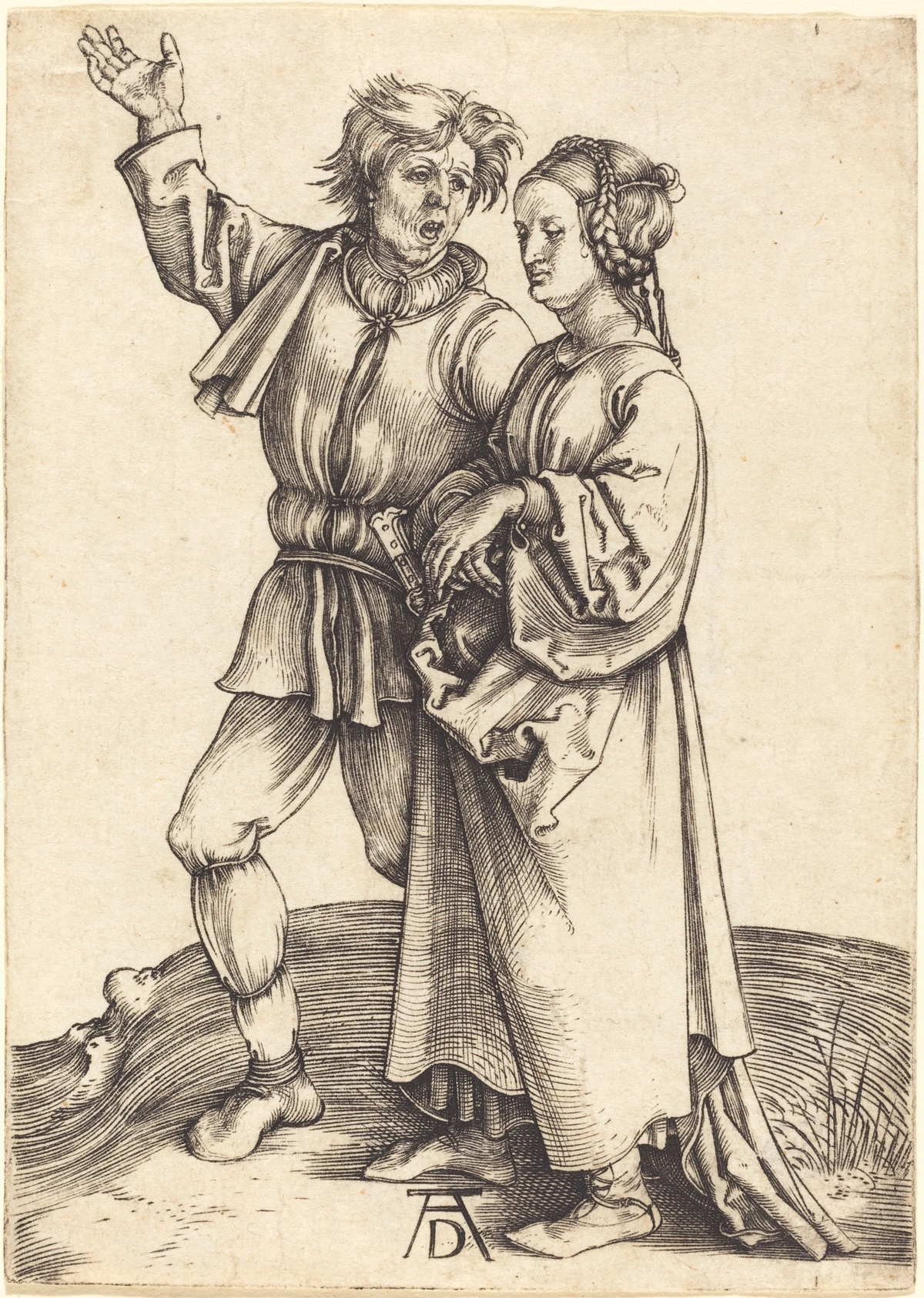
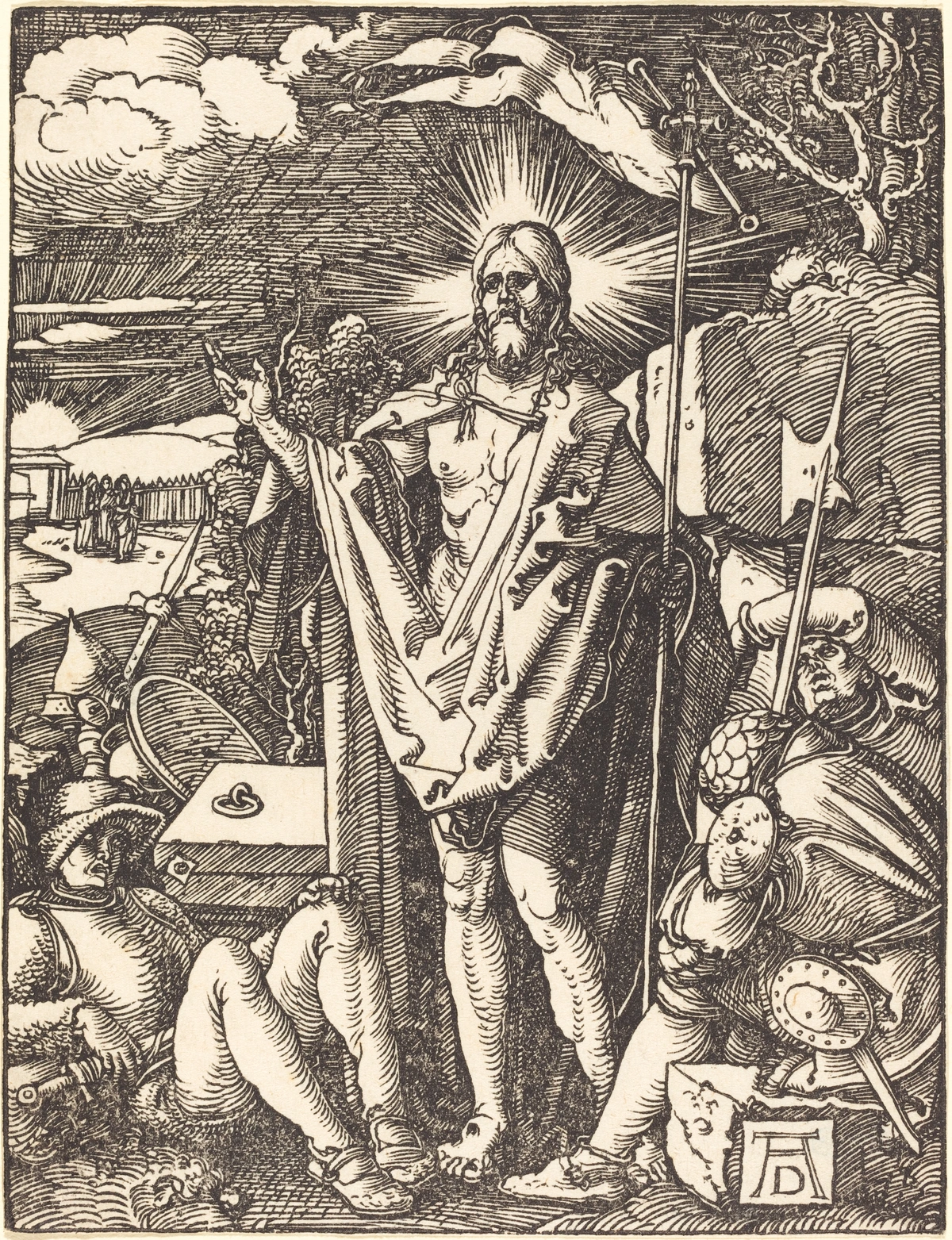
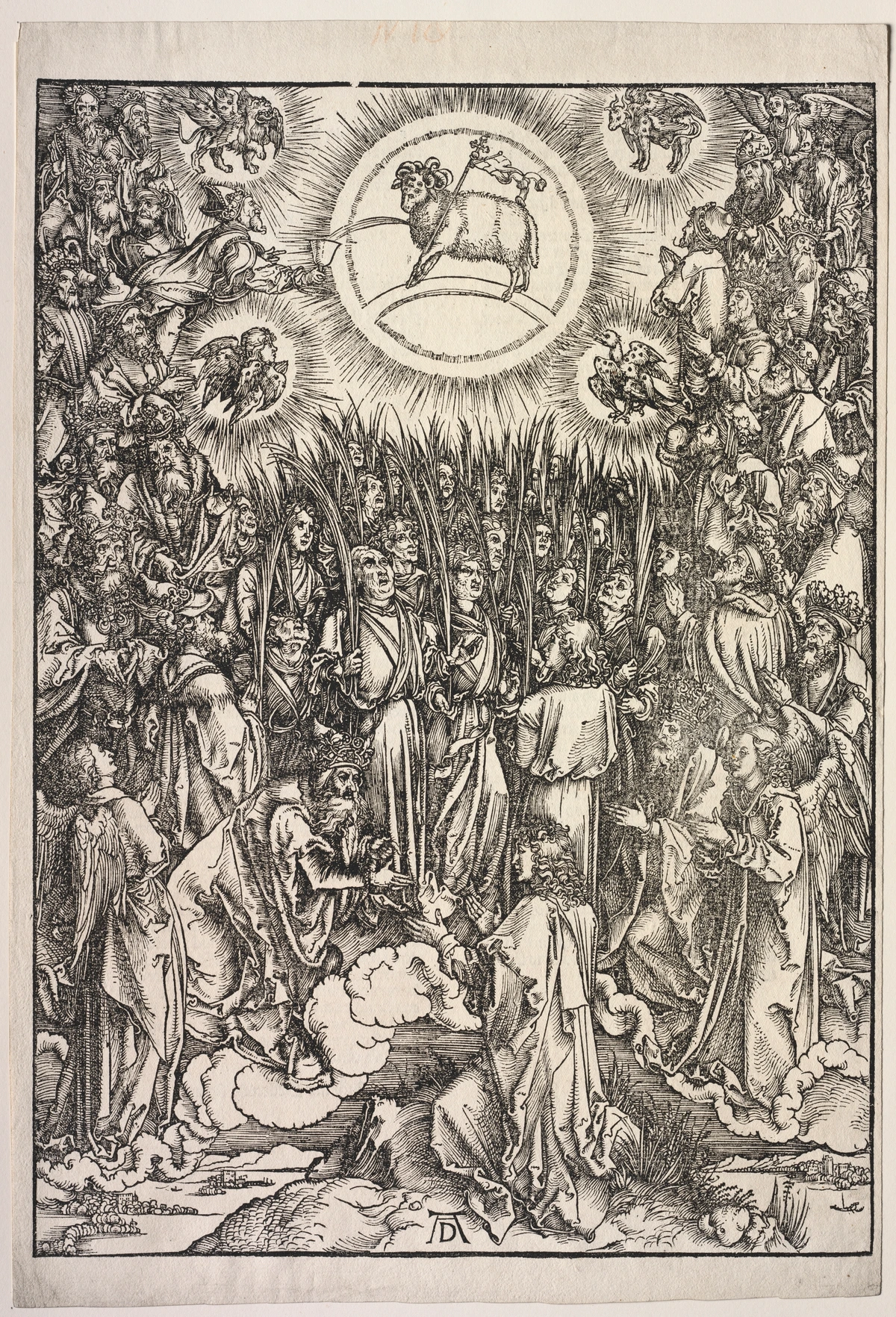
- Woodcut: Picture carving a stamp. You meticulously cut away the areas you want to remain white, leaving the lines you want to print raised. Once inked and pressed onto paper, the raised lines transfer your image. It’s superb for bold, expressive lines and dramatic compositions. For instance, imagine the stark contrast of light and shadow you can achieve, perfect for the apocalyptic visions he later brought to life. A complex woodcut, like those in his Apocalypse Series, could take weeks, even months, of precise carving, demanding immense patience and skill – seriously, the precision is astounding, especially when you consider the scale of some of his works. Dürer's innovation in woodcut involved an unprecedented level of detail and textural richness, pushing the medium far beyond its previous capabilities.
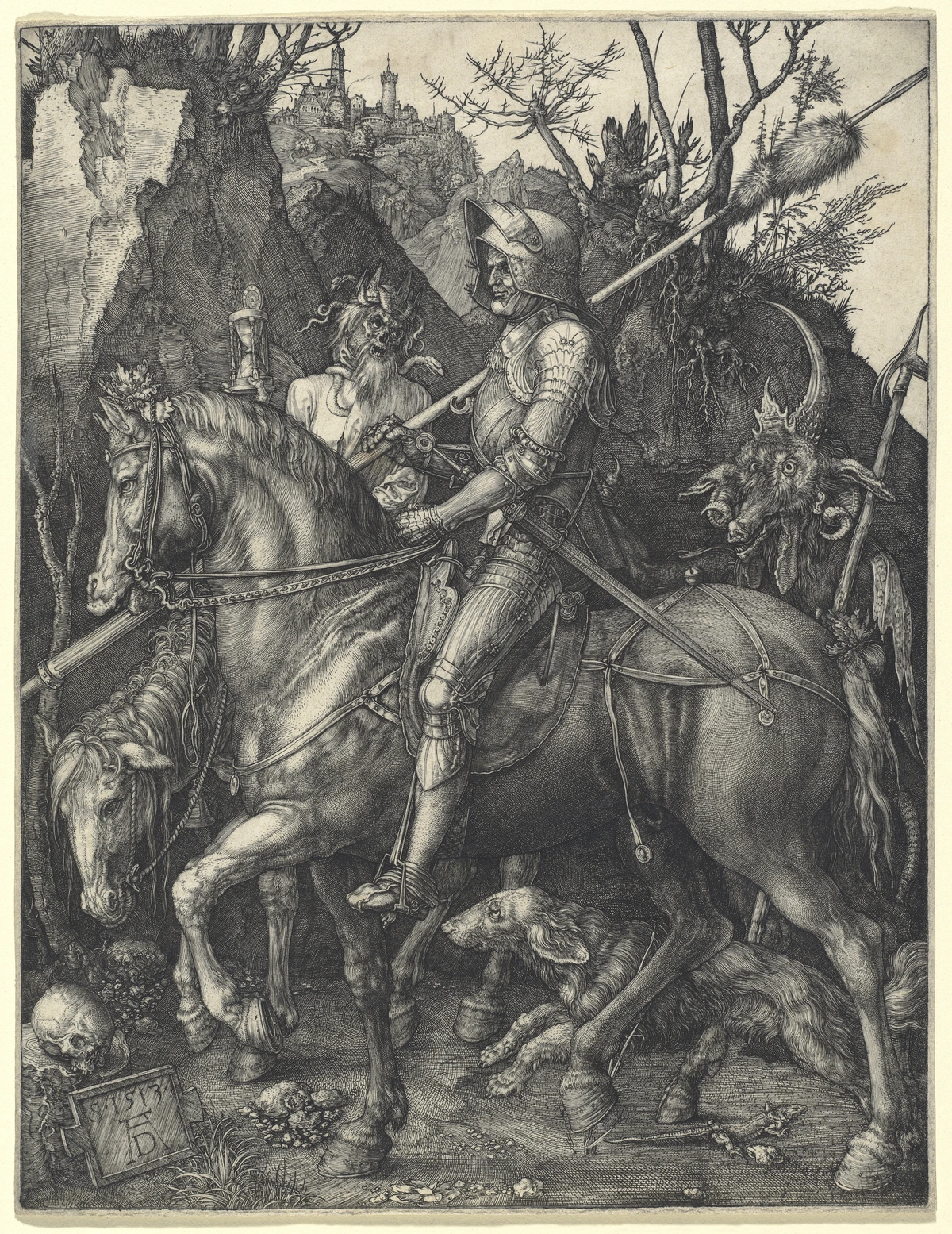
- Engraving: This is a more intricate process, akin to drawing with a needle on a polished copper plate. Using a sharp tool called a burin (a specialized chisel), you incise your lines into the metal. Ink is then wiped over the plate, settling into these fine grooves. When pressed under immense pressure, the paper pulls the ink from the channels, producing incredibly delicate, shimmering lines and rich tonal variations. The finesse here is astounding; think of how a master musician can extract a nuanced note from their instrument – Dürer did that with a burin, creating textures and shading (through techniques like multi-line hatching and cross-hatching) that still feel miraculous five centuries later. The subtle pressure, the angle of the tool, the precise depth of the cut – all combine to form an astonishing range of artistic effects. These incredibly detailed works could demand hundreds of hours of focused effort.
Think about the economics, if you're anything like me and enjoy a good business story: a painting is a unique, singular object, typically costing a fortune. It exists in one place, accessible to a select few, often only the wealthiest patrons. A print, however? From a single meticulously carved woodblock or engraved copper plate, you could produce hundreds, even thousands, of copies. This was truly revolutionary. High-quality, complex art was suddenly widely distributable and, crucially, attainable for the burgeoning middle class, not solely the domain of the church or aristocracy. For example, a grand altarpiece might cost a patron the equivalent of a year's income for a wealthy merchant, whereas a Dürer print could be purchased for the price of a fine meal, making it accessible to a much broader market. The profit margins on these were often much better than on paintings, giving Dürer significant financial independence and control over his own career.
Dürer personally managed the printing and distribution of his works, selling them across Europe at various fairs and through agents, making him not just famous, but genuinely wealthy. This widespread appeal also meant his unique artistic style influenced countless artists, leading to a vibrant, albeit sometimes contentious, Northern European art market – contentious largely due to widespread copying and intellectual property disputes, which Dürer famously tackled head-on. His entrepreneurial spirit fundamentally changed the relationship between artist and market, empowering creators to control their output and reach unprecedented audiences.
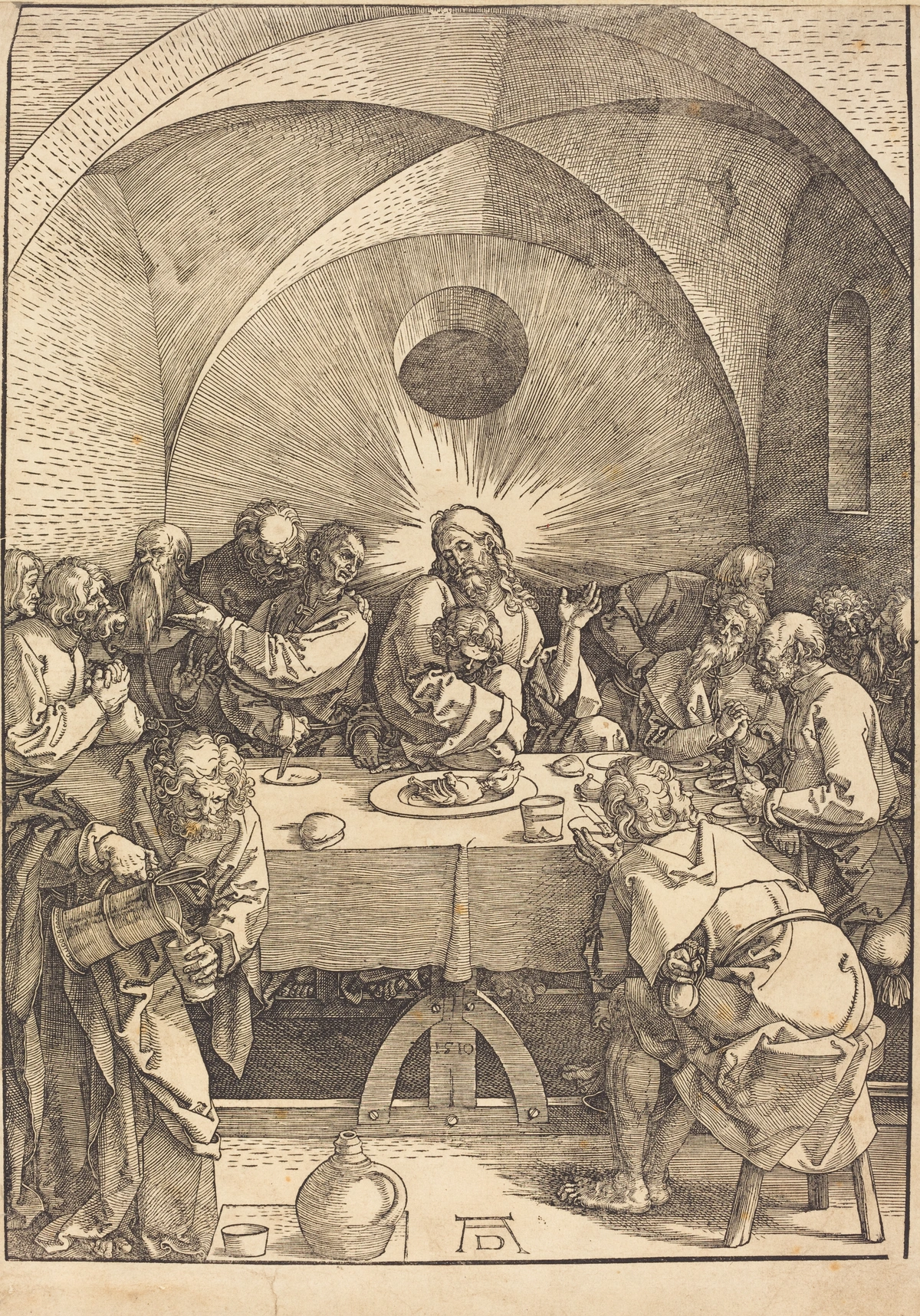
He was even one of the first artists to take legal action against copyists, famously suing the Italian engraver Marcantonio Raimondi for plagiarizing his Life of the Virgin series. This wasn't just a squabble; it was an early, fascinating skirmish in the history of copyright and intellectual property, concepts Dürer practically championed, setting a legal precedent for artists' rights that resonates to this day. It makes you wonder what he'd make of digital art and NFTs – he probably would have appreciated the blockchain for its provenance tracking, but with a healthy dose of skepticism about the inherent artistic value of some of what's out there. You can find more details about his techniques and impact on this page: What is the Northern Renaissance.
Dürer's Masterpieces: Windows into a Restless Mind
Dürer's oeuvre (his complete body of work, for those wondering) is vast, but a handful of pieces truly crystallize his genius. They're a window into his breathtaking technical skill, insatiable intellectual curiosity, and profound psychological insight. Beyond the big hits, he also produced exquisite smaller works like The Great Piece of Turf (1503), a hyper-realistic watercolor of a clump of weeds that still makes me marvel at his observational power and pioneering approach to nature studies. Then there are his incredibly detailed animal studies, like the famous Hare (1502), which captures the delicate fur and alert eyes with startling fidelity. His ability to bring life to even the most mundane subjects is truly something to behold, showcasing a keen eye that captured the world with startling fidelity and a commitment to empirical observation.
The Apocalypse Series (1498)
A whirlwind of chaos and energy, Dürer's Apocalypse Series was his undeniable breakthrough. This dramatic series of fifteen woodcuts, vividly depicting scenes from the Book of Revelation, truly grabs you by the collar. The Four Horsemen of the Apocalypse is undoubtedly the most famous, a terrifying vision that perfectly captured the fin-de-siècle (end-of-century) anxieties as the year 1500 loomed, cementing his reputation across Europe and making him a household name (at least, among art-literate households). This series wasn't just art; it was a cultural phenomenon, a visual manifestation of collective fear and hope, and a testament to the power of his printmaking to disseminate complex narratives widely.
Self-Portrait at 28 (1500)
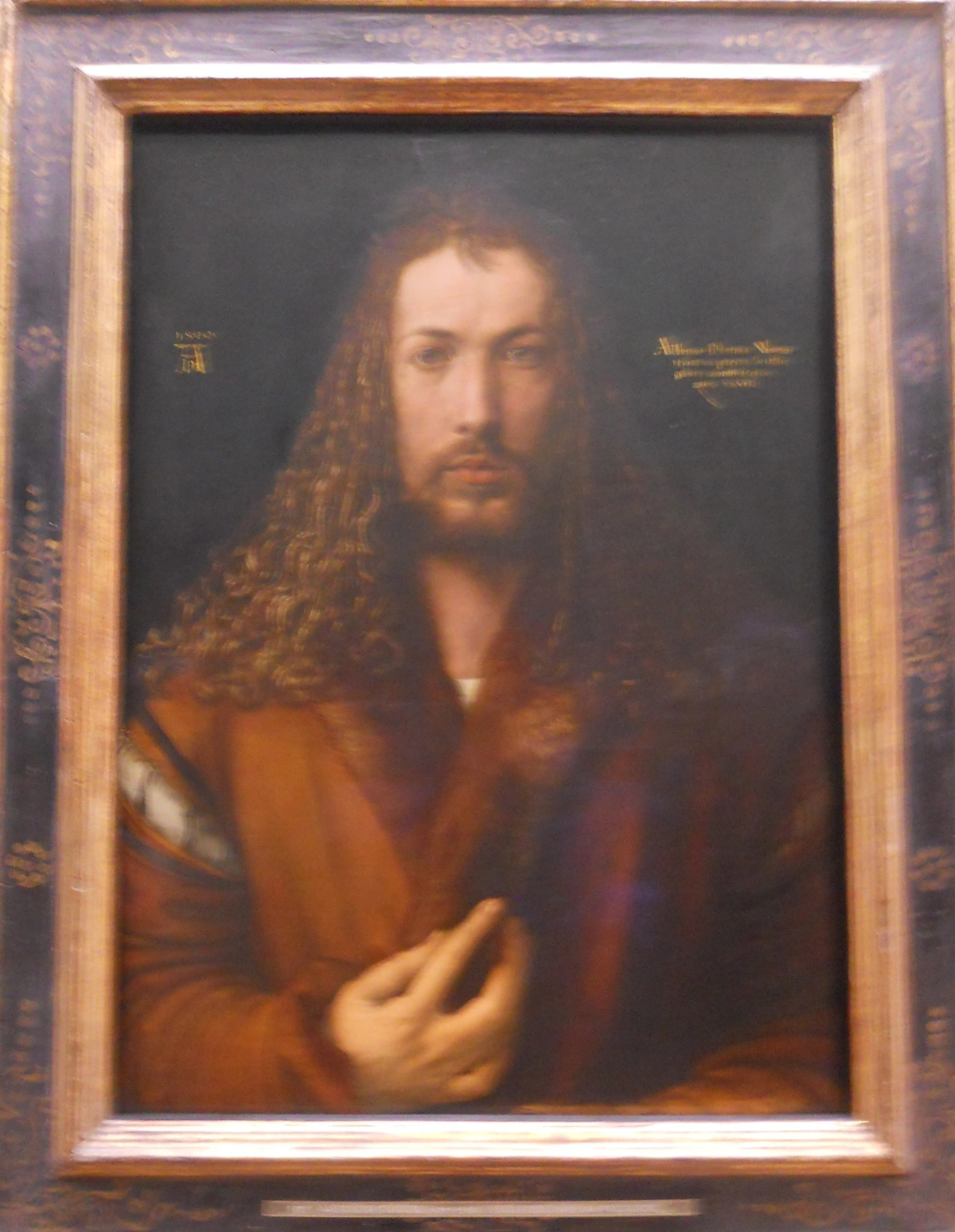
Ah, this one. This is the Dürer. Long-haired, bearded, staring directly at us in a full-frontal pose that, back then, was traditionally reserved for depictions of Christ. The sheer audacity is breathtaking, isn't it? He's not merely showing us his likeness; he’s making a profound statement about the artist as a divinely inspired creator, a vessel for immense talent, almost claiming a sacred status for artistic genius. It’s bold, it’s arguably a little bit blasphemous, and it's utterly brilliant. While many Italian Renaissance artists, like Botticelli, included subtle self-portraits within larger narrative scenes, Dürer's direct, almost confrontational gaze in this and earlier self-portraits (like the 1493 Self-Portrait with Thistle) was revolutionary. He cultivated this image throughout his career, showcasing his introspective gaze and meticulous detail, charting his artistic and personal evolution centuries before personal branding was a concept.
Melencolia I (1514)
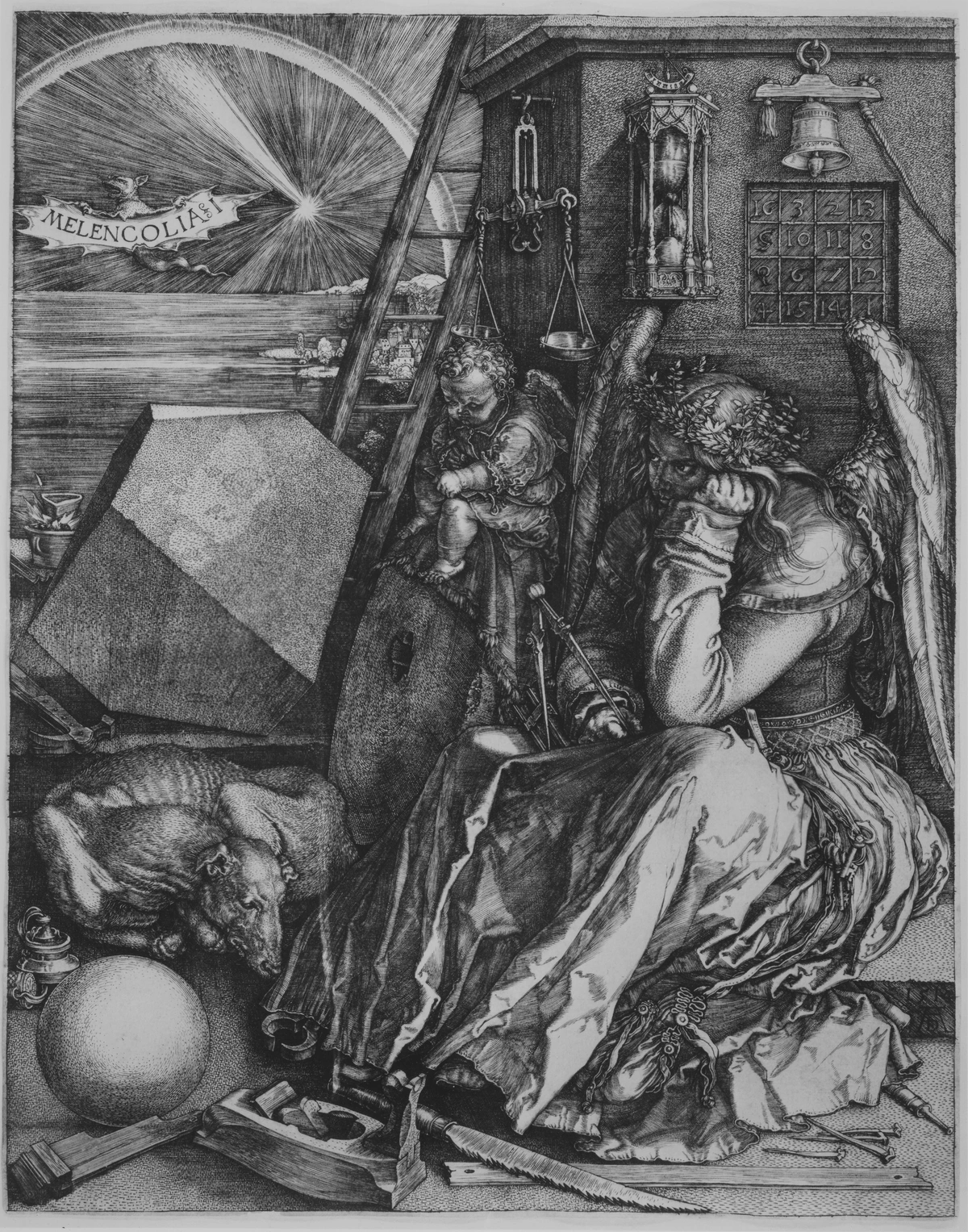
This engraving is, for me, one of the most mysterious and endlessly analyzed images in all of art history. A winged figure, the personification of melancholy, sits dejectedly amidst a fascinating array of symbols – a magic square (believed to ward off melancholy), an hourglass (representing the passage of time), a compass (for measurement), a polyhedron (a complex geometric solid, symbolizing intellectual puzzles), and various carpentry tools (tools for creation). Yet, despite these tools and intellectual pursuits, she seems paralyzed, unable to act. It's often interpreted as a contemplation of creative frustration, the limits of human knowledge, the brooding genius, and the potential inadequacy of intellectual pursuits for true happiness. I find it profoundly relatable; it’s the ultimate depiction of an artist's block, a moment where inspiration just won't strike despite all the tools and knowledge at your disposal. Have you ever felt that weight of creative paralysis? This piece perfectly captures that poignant reminder of the inevitable valleys in the creative journey. For a deeper dive, check out this art history page for more context.

The Rhinoceros (1515)
This woodcut is famously, wonderfully inaccurate, and a powerful testament to the influence of images. Dürer never actually laid eyes on a rhinoceros. He created this enduring image based solely on a written description provided by a Portuguese merchant, Valentim Fernandes, and a rough sketch of an Indian rhinoceros that had just arrived in Lisbon. The result is a creature covered in fantastical armor plates, complete with a strange horn on its back, almost like a dinosaur from another dimension. This majestic, yet inaccurate, creature captivated Europe. And yet, for centuries, this was what most Europeans believed a rhinoceros looked like. It stands as a powerful, almost cautionary, testament to the immense power of images – even incorrect ones – to shape our collective reality and knowledge. The inaccuracies were eventually corrected by later scientific illustrations, but Dürer's image had already cemented itself in the public imagination. It makes you wonder what else we 'know' from an image that might be fundamentally off, doesn't it? It's a vivid reminder that what we see can often override what is true, and sometimes, the most enduring images are those born of pure imagination. I think about this often in our image-saturated world; Dürer was showing us this fundamental truth 500 years ago, a truth that artists like René Magritte would later explore in modern surrealism, playing with how images can both reveal and obscure reality.
The Thinker and Theorist: Decoding Beauty, Mastering Space
Dürer was far more than just a guy with an incredibly steady hand and an eye for detail. He possessed a truly formidable intellect, a deep, restless curiosity that drove him to dissect the world around him. This extended to detailed observation of the natural world, as seen in his incredible botanical and zoological watercolors. These weren't just pretty pictures; they were meticulous scientific records, demonstrating a proto-scientific curiosity (an early form of scientific inquiry) that paralleled the burgeoning scientific revolution. His detailed studies of plants and animals, like The Great Piece of Turf or The Hare, exemplify this blend of artistic sensitivity and scientific exactitude, a commitment to empirical observation long before it was a formal discipline.
He was utterly fascinated by the underlying mathematical principles of art, believing they held the key to perfect beauty and universal harmony. He dedicated significant portions of his life to writing comprehensive treatises, not just as an artist, but as a scholar striving for objective truth. His major theoretical works include:
- Underweysung der Messung mit dem Zirckel und Richtscheyt (Instructions for Measuring with Compass and Ruler, 1525): This groundbreaking book was the first geometry textbook for artists written in German. It meticulously covered linear perspective, geometric constructions, and the application of mathematics to drawing and architecture, making complex Italian Renaissance theories accessible to Northern European artists and artisans. Its practical, step-by-step approach revolutionized how space was depicted in the North.
- Etliche Underricht zu Befestigung der Stett, Schloss und Flecken (Various Instructions for the Fortification of Cities, Castles, and Market Towns, 1527): A practical treatise on military architecture and city planning, it showcased Dürer's understanding of engineering and defense strategies. While seemingly distant from art, it underscores his multifaceted intellectual engagement and how mathematical principles could be applied to practical challenges of his time, reflecting the broader Renaissance ideal of universal knowledge.
- Vier Bücher von menschlicher Proportion (Four Books on Human Proportion, published posthumously in 1528): His seminal work, this treatise meticulously broke down the ideal human form into mathematical ratios and geometric constructions, seeking to codify universal aesthetic principles. Dürer passionately believed that art, at its best, needed to be rigorously grounded in science, empirical observation (including anatomical studies and perhaps even dissections), and theoretical understanding. He aimed to provide a systematic framework for artists to achieve perfect human forms, a kind of "how-to guide" for ultimate artistic mastery.

He truly embodied the ideal of the Renaissance man, blending artistic practice with profound intellectual inquiry. This blend is what makes his authority so undeniable, establishing him not just as a creator, but as a profound intellectual. While Leonardo da Vinci, for example, pursued scientific inquiry for its own sake and its application to painting, Dürer systematically aimed to codify artistic principles, making them teachable and universally applicable. He wanted to give artists a scientific foundation, lifting art from mere craft to a recognized intellectual discipline.
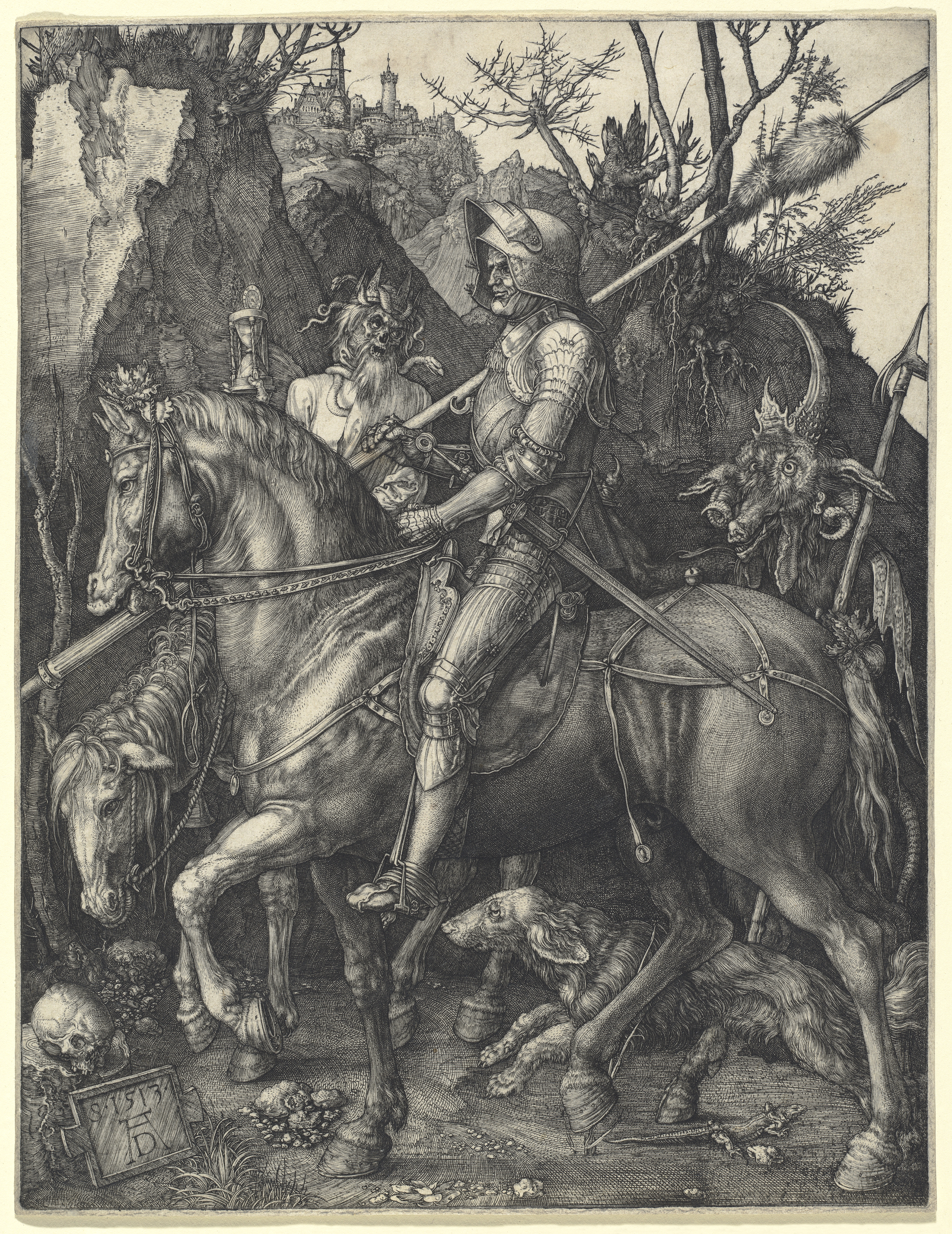
His pioneering work on linear perspective was especially groundbreaking for German art. He didn't just understand the Italian obsession with creating realistic, three-dimensional space; he mastered it and brought it forcefully to the North, often through practical, accessible guides for other artists and artisans in his Underweysung der Messung. This wasn't just about making things look real; it transformed the narrative possibilities of art, allowing for complex, believable scenes that could convey deeper emotional and theological meaning. You can see his deep, almost obsessive understanding of perspective in the meticulously constructed architectural settings of his prints, like St. Jerome in his Study, where every tile and beam recedes perfectly into the distance, creating an almost palpable sense of space. He applied mathematical precision to art in a way that truly made the flat surface come alive, transforming how German artists approached realism and spatial representation. For more on this crucial artistic principle, check out our definitive guide to perspective in art.
This rigorous approach formed the bedrock of later academic art, influencing generations of art educators and theoreticians who sought to codify artistic principles. He essentially created a blueprint for how art could be taught, studied, and understood intellectually, elevating the artist's role from a skilled laborer to a learned scholar, a critical shift in the history of art theory and criticism.
Dürer's Enduring Legacy: The Artist as Architect of Influence
So, 500 years later, why is Albrecht Dürer not just a historical footnote, but a towering figure we're still dissecting and admiring? His impact is genuinely hard to overstate. He practically invented the concept of the artist as a self-aware, intellectual genius, far removed from the humble craftsman stereotype. He democratized high-quality art through the printmaking revolution and, crucially, proved that commercial success and profound artistic integrity could absolutely go hand-in-hand. This blend of artistry and entrepreneurship feels incredibly contemporary, doesn't it? He was essentially the first artist to truly market himself, a proto-influencer if you will, setting a precedent that echoes in today's art world, where personal branding is paramount. While his oil paintings were certainly masterful, it was his prints that truly spread his fame and influence across Europe, arguably making them his most revolutionary contribution.
He set an impossibly high standard for technical excellence and intellectual depth in Northern European art, influencing generations. Artists like Lucas Cranach the Elder, known for his distinctive portraits and religious works, were contemporaries who also navigated the complexities of the Reformation, often adopting Dürer's refined graphic style. Hans Holbein the Younger, another German master, became renowned for his precise portraits, demonstrating a similar Northern European attention to detail, though often with a more restrained approach to self-promotion. Lucas van Leyden, a Dutch engraver, adopted Dürer's intricate engraving style, often creating his own series with psychological depth, directly inspired by Dürer's mastery. Hendrick Goltzius, another printmaking virtuoso, pushed Dürer’s precise line work and complex compositions to new extremes. His contemporaries, while sometimes envious, recognized his unparalleled skill, and his fame grew exponentially during his lifetime, a rarity for artists of that era. His impact even extended beyond Northern Europe, with Italian artists like Giorgio Ghisi adopting and adapting his printmaking approaches, demonstrating a truly international influence that reached as far as the nascent art markets of Eastern Europe.
Dürer showed that an artist's personal vision could be as powerful and as culturally significant as that of any king or pope. In the grand, sprawling narrative of Renaissance Art, he isn't merely a chapter; he's a main character who fundamentally rewrote the plot. And for us today, in a world saturated with images and personal branding, Dürer’s story—the meticulous craftsman, the intellectual, the savvy self-promoter—still offers so much to reflect on. He understood the power of visual communication and the importance of leaving an indelible mark. He's undeniably one of the famous Renaissance artists in history. What kind of legacy are you, or any artist, hoping to create? To me, Dürer is a timeless reminder that true innovation often lies at the intersection of rigorous study, fearless experimentation, and an unshakeable belief in one's own vision.
If you've been inspired by Dürer's blend of meticulous craft and visionary thought, perhaps you'll enjoy exploring pieces that resonate with similar themes in my own collection. Or, if you're in the Netherlands, consider visiting my museum in Den Bosch for a direct encounter with contemporary art. For a broader look at art history and how it all connects, I recommend checking out my art timeline.
Frequently Asked Questions (FAQ)
What makes Albrecht Dürer unique among Renaissance artists?
Dürer stands out for his unique blend of Italian Renaissance ideals (like linear perspective and human anatomy) with the intense detail and profound emotional depth characteristic of Northern European art. Unlike Leonardo da Vinci, who explored science for its own sake and its application to painting, Dürer meticulously codified artistic principles, aiming to make them teachable and universally applicable. And while Michelangelo sculpted monumental figures and painted grand frescoes, Dürer revolutionized printmaking, elevating it to a high art form that reached a mass audience. He was also a pioneer in artistic self-promotion and intellectual property rights, deliberately shaping his own image and market. His multi-faceted approach as a painter, printmaker, theorist, and businessman made him a truly singular figure, pushing the boundaries of what an artist could be.

What was Dürer's personal life like, and did he have children?
Albrecht Dürer's personal life, particularly his marriage to Agnes Frey, is often debated by scholars. While some historical accounts, largely from Dürer's contemporaries, suggest a complex or even strained relationship, it's also clear Agnes played an essential role in managing his business affairs, selling prints and handling finances. They did not have any children, which was a source of sadness for them in an era where large families were common. This lack of direct descendants has sometimes been interpreted as contributing to the introspective and melancholic themes in some of Dürer's works, though it's important to remember that much of our understanding of his personal life comes from fragmented sources.
Why is Dürer's Rhinoceros significant in art history?
Dürer's Rhinoceros woodcut is significant because it's a powerful example of an influential image based entirely on second-hand information, as Dürer never saw the animal himself. Despite its fantastical inaccuracies (like armor plates and an extra horn), it became the definitive image of a rhinoceros for Europeans for centuries. It underscores the immense power of art to shape perception and knowledge, even when facts are distorted, and serves as a fascinating case study in how visual representations can become more authoritative than reality – a truth that still holds today. It also raises an ethical question about the responsibility artists have in presenting accurate information, especially in an age of widespread image dissemination.
How did Dürer approach color in his work, especially given his mastery of monochrome prints?
While Dürer is perhaps most famous for the intricate detail and tonal range in his monochrome woodcuts and engravings, he was also a masterful colorist in his paintings and watercolors. His early training as a painter and his travels to Italy exposed him to vibrant color palettes. In his oil paintings, like the Paumgartner Altarpiece or The Adoration of the Trinity, he used rich, luminous colors to create depth, emotional impact, and symbolize theological concepts. His watercolors, such as The Great Piece of Turf or The Hare, demonstrate an astonishing observational skill combined with a delicate handling of color to capture the nuances of nature. He understood that color, like line, could be used with precision to convey realism and express profound feeling, proving his versatility beyond the world of black and white prints and showing a deep understanding of its psychological effects.







What is the significance of Dürer's self-portraits?
Dürer's self-portraits are groundbreaking in art history, not merely as likenesses, but as profound statements about the artist's identity and status. From his youthful Self-Portrait with Thistle to the iconic Self-Portrait at 28, he consistently presented himself with an introspective gaze, meticulous detail, and an almost Christ-like frontal pose (in the 1500 work), elevating the artist from a mere craftsman to a divinely inspired creator and intellectual genius. These works trace his artistic and personal evolution, serving as an early form of personal branding and a declaration of artistic autonomy centuries before such concepts were widely recognized.
What were Dürer's most significant religious works?
Dürer created numerous profound religious works across various media, deeply engaging with the spiritual questions of his time. His Apocalypse Series (1498) woodcuts were a dramatic breakthrough, bringing the Book of Revelation to life with unprecedented intensity and popularizing his name across Europe. His engravings like St. Jerome in his Study (1514) offer serene portrayals of individual piety and scholarship. Later in his career, his panel painting The Four Apostles (1526) stands as a powerful, nuanced statement on Protestant theology and individual interpretation of scripture, reflecting his intellectual engagement with the shifting religious landscape of the Reformation. These works are celebrated for their technical mastery, emotional depth, and theological insight.
What was Dürer's role in the Reformation?
Albrecht Dürer lived during the tumultuous early years of the Reformation. While he maintained his Catholic faith, I believe he was intellectually sympathetic to some reformist ideals. He admired figures like Martin Luther and Desiderius Erasmus, and his art often reflected the era's theological tensions and calls for reform, particularly visible in works that emphasized individual piety and direct interpretation of scripture. His later works, such as The Four Apostles, are seen by many as a powerful, nuanced statement on Protestant theology and a testament to his intellectual engagement with the shifting spiritual landscape of his time, making his work resonate with diverse audiences across the evolving religious landscape of Europe. He also demonstrated a deep respect for art itself, even attempting to preserve some Catholic works from destruction, regardless of their religious affiliation.