What Was the Northern Renaissance? An Unfiltered Guide
Forget everything you think you know about the Renaissance. We're heading north of the Alps to explore the gritty, detailed, and revolutionary art of the Northern Renaissance.

The Northern Renaissance: Realism, Revolution, and a World Beyond Italy
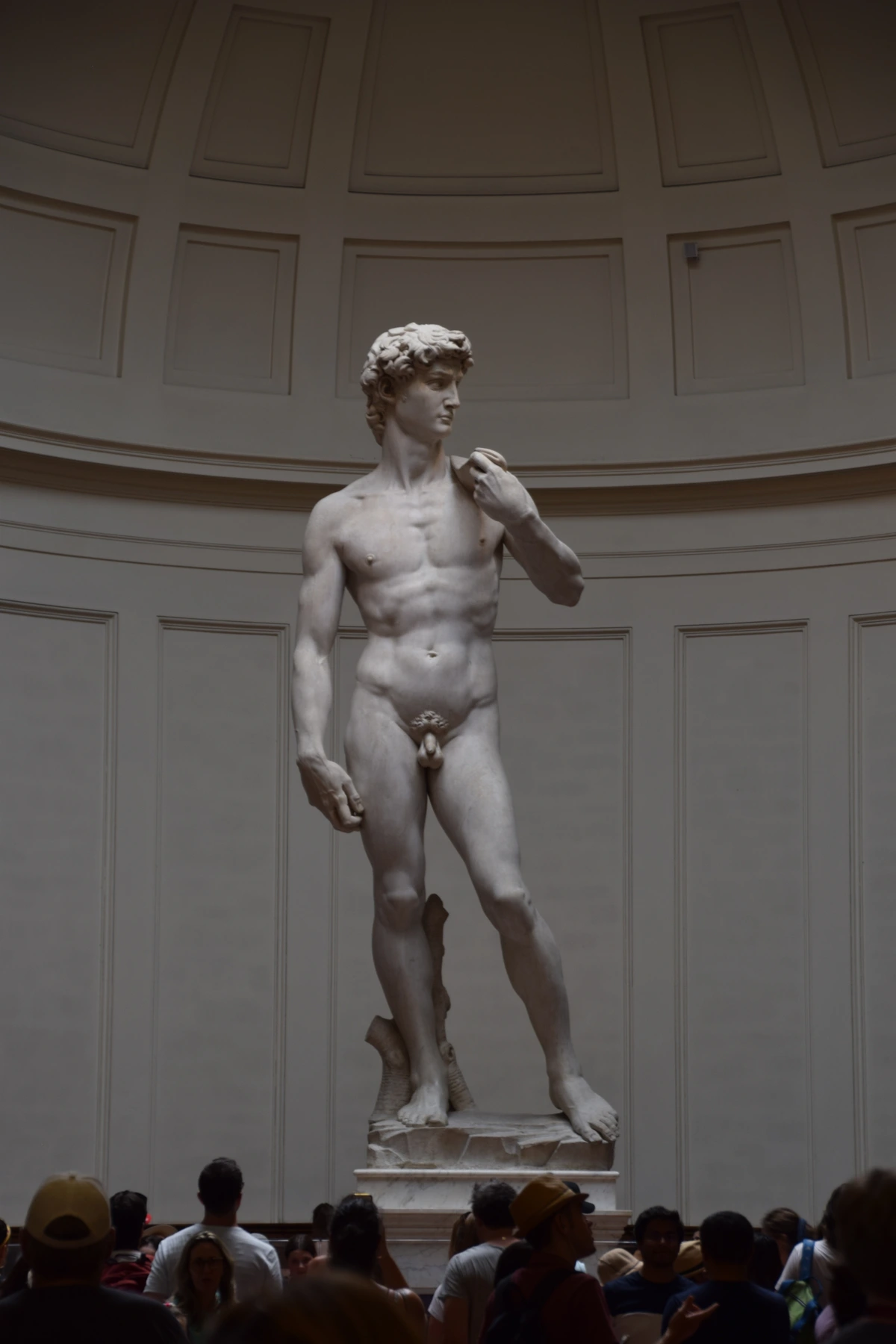
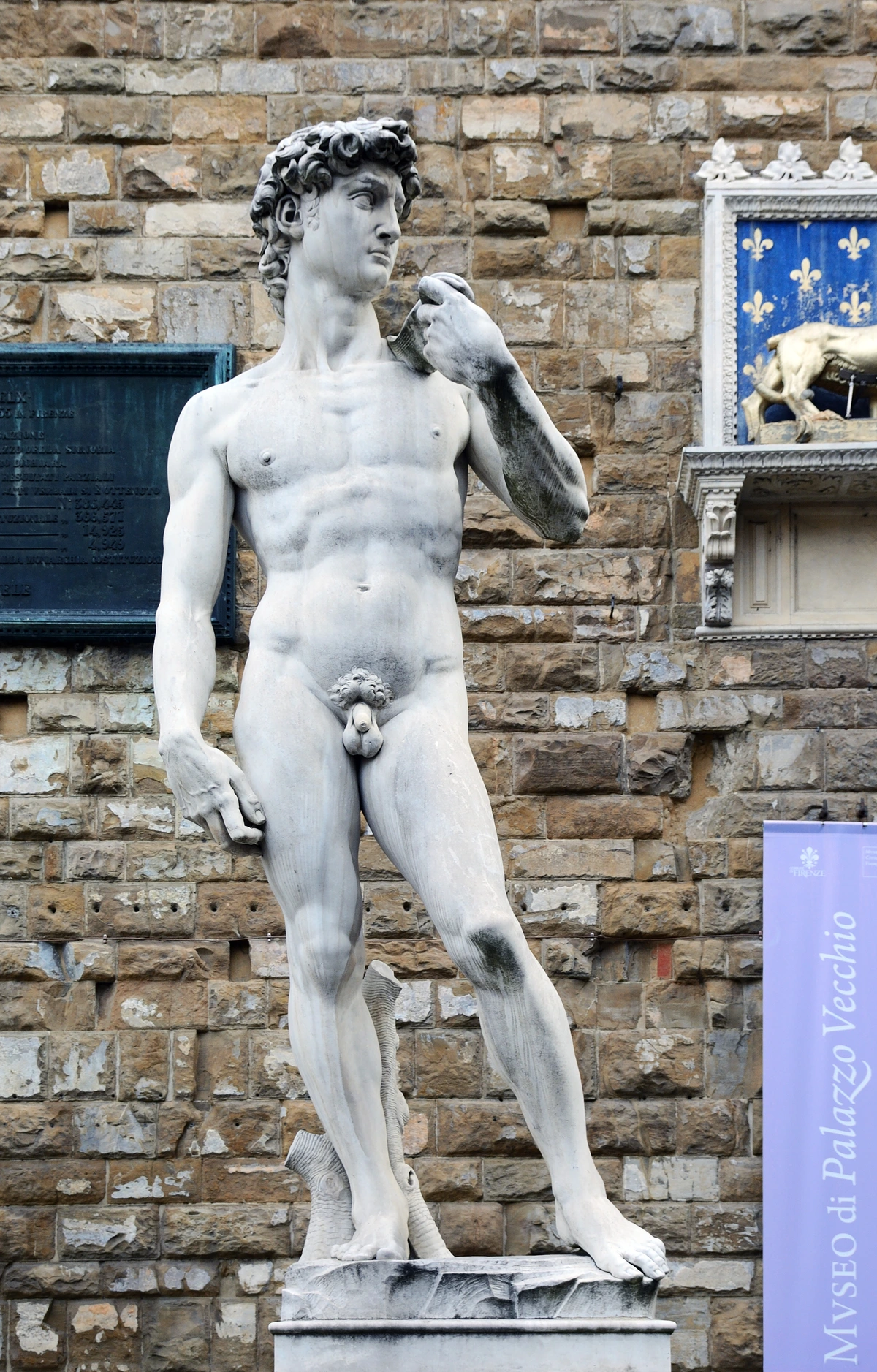
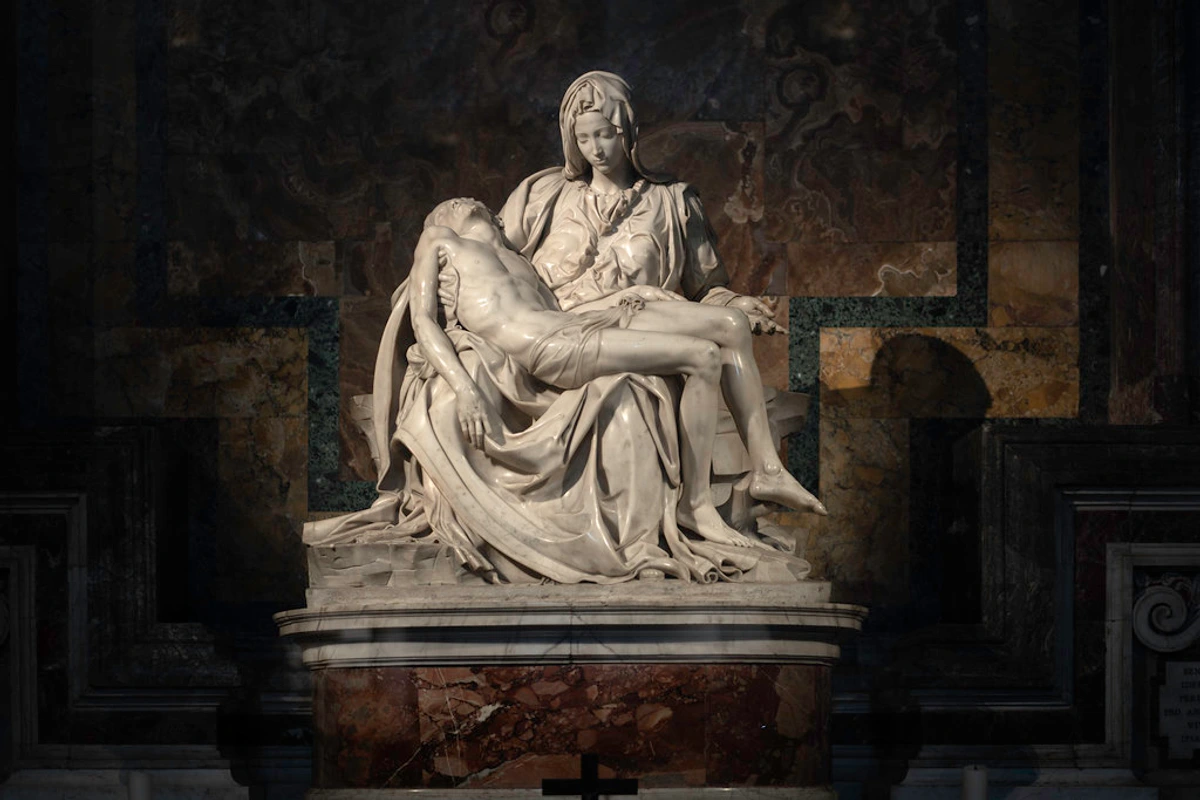
Okay, I know what you’re probably thinking when you hear "Renaissance." Okay, I know what you’re probably thinking when you hear "Renaissance." Your mind instantly conjures images of sun-drenched Italy: Leonardo da Vinci's towering intellect, the breathtaking ceiling of the Sistine Chapel (an undeniable marvel of Italian Renaissance art), or the sheer, unapologetic perfection of Michelangelo's Statue of David, a true icon of Renaissance sculpture. You picture Florence, Rome, grandiosity, and a glorious rebirth of classical Greek and Roman ideals. And honestly, you're not wrong – that's a huge, magnificent part of the story, especially when you consider famous Renaissance artists and the ultimate guide to Renaissance art. But what if I told you there's an equally vibrant, perhaps even more revolutionary, side to this story, unfolding roughly from the early 15th century (around the 1430s) to the late 16th century (about the 1580s)? A narrative woven not with classical mythology, but with the threads of everyday life, profound spiritual introspection, and groundbreaking technical innovation? That, my friends, is the tale of the Northern Renaissance, and it's a saga that truly captures my imagination, daring us to look beyond the obvious to discover a whole new world of artistic and intellectual ferment, a world where idealism met uncompromising realism.
Now, for me, the truly fascinating part – the one that often gets overshadowed – is this: while all that artistic seismic activity was happening south, a completely different, yet equally profound, revolution was brewing up north. We're talking about regions like Flanders, the Netherlands, Germany, France, and even England. This was the Northern Renaissance, and it was (and still is) a different beast entirely. If Italy was obsessed with the idealized human form, with classical perfection and grand narratives, the North was all about the gritty, beautiful, sometimes bizarre details of real life, often seen through the lens of a burgeoning Christian Humanism. It's less about gods on Olympus and more about the glint in a merchant's eye, the texture of a velvet cloak, or the intricate, often unsettling symbolism hidden in plain sight. It’s an art movement that teaches us to look closer, to find the sacred in the mundane, and frankly, it's one of my absolute favorites. This is where art broke free from solely grand pronouncements and started whispering secrets in the everyday, paving the way for a revolutionary approach to observation and representation. This distinctive style, often referred to as Flemish painting in its early stages, is immediately recognizable for its jewel-like colors, microscopic detail, and profound emotional depth.
Why "Northern"? Defining the Geographic and Cultural Canvas
When I say "Northern Renaissance," I'm primarily referring to the regions north of the Alps. This encompasses a fascinating tapestry of evolving political entities and cultural spheres, including the Low Countries (modern-day Belgium and the Netherlands), Germany, France, and even England. Each of these areas developed its own distinct artistic character, shaped by local traditions, economic structures, and religious beliefs, but all shared a common thread of intense realism and a profound engagement with the visible world. It's a testament to the diverse intellectual and artistic ferment that characterized Europe during this period, proving that innovation wasn't confined to a single geographic hub.
The Roots of Realism: Late Gothic Echoes and Early Innovations
To truly grasp the Northern Renaissance, I think it's crucial to understand where it came from. It didn't just spring fully formed from a tube of oil paint! Instead, it evolved organically from the rich traditions of the Late Gothic period – a fascinating bridge between the medieval and the modern. Think about those incredibly detailed Gothic art and architecture manuscript illuminations – often tiny, jewel-like paintings in prayer books and Bibles, such as the exquisite work of the Limbourg Brothers in Très Riches Heures du Duc de Berry. Northern artists were already masters of intricate detail, vibrant color, and narrative storytelling on a small scale, a skill honed over centuries in various crafts like stained glass, metalwork, and even textile production. The strong tradition of panel painting in the Low Countries also provided a crucial foundation, allowing for meticulous layering and fine detail, anticipating the possibilities of oil. They were also deeply influenced by powerful local craft guilds, who emphasized technical excellence and a meticulous approach to materials, ensuring a high standard of craftsmanship. This foundation in precision, coupled with a deep-seated spiritual devotion and a keen eye for the visible world, set the stage for the dramatic innovations that were about to unfold. It’s almost like they were already seeing the world in a proto-Renaissance way, just waiting for the perfect medium to unlock its full potential, with a ready-made audience of wealthy merchants and aristocrats eager to commission works for both public and private devotion. This period also saw a subtle shift away from the rigid hierarchical compositions of earlier art, paving the way for more naturalistic spatial arrangements and figure interactions, influenced by changing theological perspectives and a burgeoning human-centered worldview.
It’s fascinating to consider how the foundational elements of the North—a deep connection to local craft traditions, a meticulous approach to materials, and a powerful, enduring spiritual focus—prepared the ground for the artistic explosion of the Renaissance. Unlike Italy, where classical antiquity was a palpable, ever-present ruin, the North’s artistic heritage was rooted more in the intricate beauty of the medieval, evolving rather than outright revolutionizing its aesthetic language, yet achieving an equally profound impact. This gradual evolution, for me, makes the Northern Renaissance even more compelling, a slow burn of innovation built on centuries of accumulated skill and vision.
Italy Had the Classics, the North Had Oil Paint
When we talk about the Northern Renaissance, the conversation has to begin with oil paint. It wasn't just a new medium; it was, quite frankly, a technological leap that fundamentally reshaped how art was made and perceived, making everything else that followed possible. While their Italian counterparts were often constrained by the quick-drying nature of fresco (painting on wet plaster) and tempera (an egg-based paint) – mediums that demand speed and meticulous planning – Northern artists truly perfected and popularized the use of oil paint. I like to think of it as unlocking a new dimension of visual possibility, particularly when it came to capturing the subtle play of light and shadow, and the tangible presence of objects.
So, why was this such a monumental shift? Imagine for a moment you're trying to capture the subtle nuances of light on a face, or the intricate folds of fabric. With tempera, you're in a race against time; colors dry almost instantly, making smooth blending and subtle transitions a genuine nightmare. But oil paint? It stays workable for extended periods, sometimes for days! This incredible flexibility allowed artists to do things previously unimaginable, truly opening up a world of unprecedented realism and subtle expression, along with a stunning luminosity. Indeed, oil paint facilitated techniques like sfumato (a soft, hazy blurring of lines and colors, though more famously associated with Italian masters like Leonardo, Northern artists achieved similar atmospheric subtleties and atmospheric perspective, creating a palpable sense of space) and a profound control over light and shadow, often referred to as chiaroscuro, which literally means "light-dark." We have a great article on what is sfumato in Renaissance art if you want to dive deeper, and a comprehensive guide to what is chiaroscuro in art-history-and-technique that I highly recommend. It wasn't just about painting; it was about seeing the world with a new intensity, allowing for the build-up of incredible depth and glow through successive translucent layers. These techniques, coupled with a meticulous preparation of the painting surface, often smooth wooden panels primed with a light-colored ground, allowed for the extraordinary detail that defines the era.
This 'new art' or Ars Nova, as it was sometimes called, signified a profound break from earlier Gothic traditions. It emphasized optical veracity and the tangible presence of objects, creating an illusion of reality that was profoundly captivating. This 'new art' also encompassed a greater psychological depth in figures and a sophisticated use of disguised symbolism. There's a fascinating theory, debated among scholars, that some artists, like Van Eyck, may have even employed early optical devices, like convex mirrors or the camera obscura (a darkened room or box with a small hole or lens, through which an image is projected onto a surface), to aid in achieving such uncanny precision and realistic proportions, leading to that almost photographic quality in their work, a testament to their unwavering pursuit of optical veracity.

- Seamless Blending: Achieving incredibly subtle gradations of color and tone, allowing for lifelike skin tones and soft transitions, lending a palpable sense of naturalism to figures and landscapes. This allowed for an almost sculptural quality in painted forms without the harsh lines of other mediums, creating a sense of three-dimensionality that felt revolutionary, almost bringing the figures right out of the canvas. This was often achieved through careful underpainting techniques, where initial monochrome layers established form and light before color was applied. We have a guide to what is underpainting in painting if you want to explore more.
- Layering and Glazing: Building up luminous, deep colors by applying thin, transparent layers of paint (mastering glazing techniques) that refracted light, creating an unparalleled sense of depth and vibrancy, a jewel-like quality that still mesmerizes us today. Think of stained glass, but on a canvas – that kind of glow, truly unlike anything seen before. This method contributed to the rich, deep hues that are a hallmark of Northern art.
- Texture and Detail: Capturing microscopic details, from the individual threads in a velvet gown to the dewdrops on a blade of grass, with breathtaking realism. This isn't an exaggeration; they could render reflections in a tiny bead of water, the subtle fuzz on a peach, the intricate patterns on a brocade fabric that appear almost tactile, or even the subtle glint in a subject's eye, inviting the viewer to lean in and inspect every millimeter. This explains how they could paint a single pearl earring with such realism it seemed to glow from within, a testament to their obsessive observation.
- Light and Shadow (Chiaroscuro & Sfumato): While more famously associated with Italian masters, Northern artists harnessed oil's properties to achieve incredible control over light and shadow, often referred to as chiaroscuro (light-dark). This allowed them to create dramatic contrasts and model forms with great three-dimensionality. They also achieved atmospheric subtleties similar to sfumato (a soft, hazy blurring of lines and colors), creating a palpable sense of space and distance, blurring the hard edges of forms into atmospheric softness. This interplay of light and dark was crucial for creating the illusion of depth and conveying emotional resonance.
This new medium wasn't just a tool; it enabled a completely new way of seeing and representing the world: one profoundly obsessed with intense realism and optical veracity, capturing the tangible, visible world with breathtaking accuracy. Initially, Northern artists favored smooth wooden panels as their support, which allowed for the incredibly fine detail and luminosity characteristic of the period. The meticulous preparation of these panels, often involving multiple layers of gesso, created a perfectly smooth and luminous surface for the oil paints, serving as an ideal foundation for their intricate glazes and brushwork. We have resources on what is gesso in painting and how to apply gesso to canvas if you're interested in the foundational steps. Later, canvas would become more prevalent, particularly from the 16th century onwards, opening up possibilities for larger works and further innovations in technique. This shift to canvas also facilitated the creation of more portable and larger-scale artworks, gradually replacing the more rigid wooden panels as the preferred support for many artists. If you're curious about the journey of this revolutionary medium, we have a fantastic piece on the history of oil painting that I highly recommend, along with a definitive guide to paint types.
To really get a handle on the distinctions, I think it helps to lay things out. Honestly, I find tables are just invaluable for this kind of comparison.
Feature  | Italian Renaissance | Northern Renaissance |
|---|---|---|
| Primary Medium | Fresco, Tempera (egg-based) | Oil on wood panel (later canvas) |
| Core Subject | Classical mythology, Religious scenes (idealized) | Religious scenes (domesticated), Portraits, Genre scenes (daily life), Landscapes |
| Artistic Style | Idealized, symmetrical, rational perspective, heroic nudes, grand gestures, focus on ideal human form | Meticulously detailed, intense optical realism, observational, often laden with complex symbolism, less emphasis on the idealized nude, figures often depicted in domestic settings with subtle emotionality |
| Key Influence | Classical antiquity (Greece & Rome), Renaissance Humanism, classical mythology, philosophical ideals | Late Gothic traditions, local craft guilds, emerging Protestant Reformation ideas, deeply rooted Christian Humanism, detailed manuscript illumination techniques |
| View of Humanity | Human as a heroic, perfect being, center of the universe | Human as a complex, often flawed individual, focused on piety, morality, and daily life |
| Atmosphere | Calm, orderly, harmonious, balanced, emphasizing serenity | Often intense, emotional, and complex, sometimes unsettling or fantastical, emphasizing human drama and spiritual depth |
| Key Locations | Florence, Rome, Venice | Flanders (Bruges, Ghent), Netherlands (Antwerp), Germany (Nuremberg) |
The All-Stars of the North: Meet the Artists
Just like Italy had its rockstars, the North had its own constellation of absolute geniuses who completely changed the game. These are the artists whose visions still resonate today, proving that the "Renaissance" was a truly global phenomenon, not just an Italian one. They challenged conventions, embraced new techniques, and redefined what art could be. If you want a broader look at this fascinating period, check out our guide to the art of the Renaissance in Northern Europe beyond Italy.
Robert Campin (Master of Flémalle): The Early Innovator
Before we dive into the widely recognized masters, it’s crucial to acknowledge figures like Robert Campin (c. 1375–1444), often identified with the Master of Flémalle. This identification with the anonymous Master of Flémalle is based on stylistic similarities and historical evidence, highlighting his pivotal role. He's one of the earliest artists to begin working with oil paint in the Low Countries, bridging the gap between late Gothic traditions and the burgeoning Northern Renaissance. It's almost as if he was peering through a new lens, capturing the world with fresh eyes, and grounding sacred narratives in deeply relatable, domestic spaces. His work, like the renowned Mérode Altarpiece (c. 1427-1432), showcases an incredible attention to detail, a burgeoning sense of naturalism in everyday objects, and the embedding of complex religious symbolism within domestic settings. In this triptych (a specific type of altarpiece composed of three panels, usually hinged together so that the side panels can be folded over the central one), for instance, a seemingly mundane private home becomes the stage for the Annunciation. Here, every detail is charged with meaning: a humble candle extinguished signifies Christ's divine light, a pitcher of water and a white towel allude to the Virgin Mary's purity, and the small lilies on the table symbolize her chastity. This meticulous integration of profound theological messages into seemingly ordinary objects is a hallmark of his style, inviting viewers to engage in a deeper, more personal form of devotion. His masterful handling of light and shadow, combined with an innovative approach to depicting space, created a sense of tangible reality that was revolutionary for his time. He truly laid much of the groundwork for the innovations that Van Eyck and others would later build upon, essentially defining the "Flemish Primitives" style with his meticulous approach to capturing reality and profound spiritual narratives, even influencing subsequent generations with his dramatic use of perspective and light, and establishing a benchmark for devotional art that emphasized human emotion and everyday environments. You can see his direct influence in the works of his pupils, including the young Rogier van der Weyden. The term "Flemish Primitives" refers to a group of revolutionary artists active in the Southern Netherlands (Flanders) during the 15th and early 16th centuries. They are considered "primitive" not in a derogatory sense, but in that they were pioneers, forging a new artistic language and technical mastery, particularly with oil paint, that broke decisively from earlier Gothic traditions and ushered in a new era of naturalism. Their work is characterized by its intense realism, meticulous detail, brilliant, jewel-like color, and profound spiritual and symbolic depth.
Jan van Eyck: The Master of Details
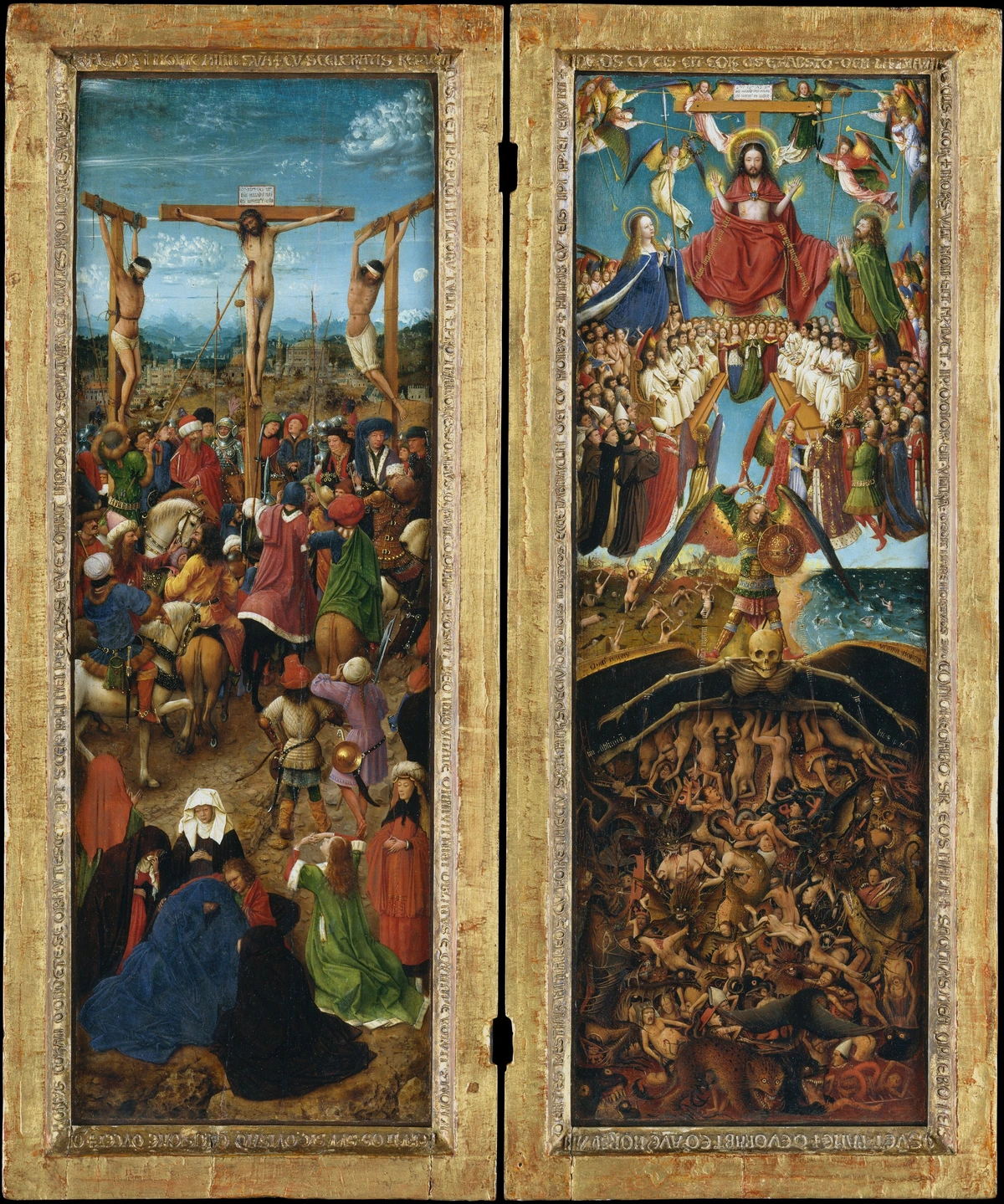
People used to say Van Eyck (active 1422-1441) invented oil painting. While that's not quite true, he and his workshop were undoubtedly among the first to master it, pushing its capabilities and showing the world what it could truly do, achieving a level of optical realism previously unimaginable. His work is just mind-bogglingly detailed, often placing him among the Flemish Primitives, a group of artists who pioneered this new era of intense realism and optical veracity. He painted people, sure, but he also seemed to paint the very air in the room, the dust motes catching the light, and the subtle textures of every surface, demonstrating a mastery of light and shadow that still astounds me. There's a theory, debated among scholars, that he may have even employed early optical devices, like convex mirrors or lenses, to achieve such uncanny precision, giving his works an almost hyper-realistic quality that could feel almost photographic. His meticulous technique also allowed him to imbue his figures with an unprecedented psychological presence, making them feel incredibly alive and engaged.
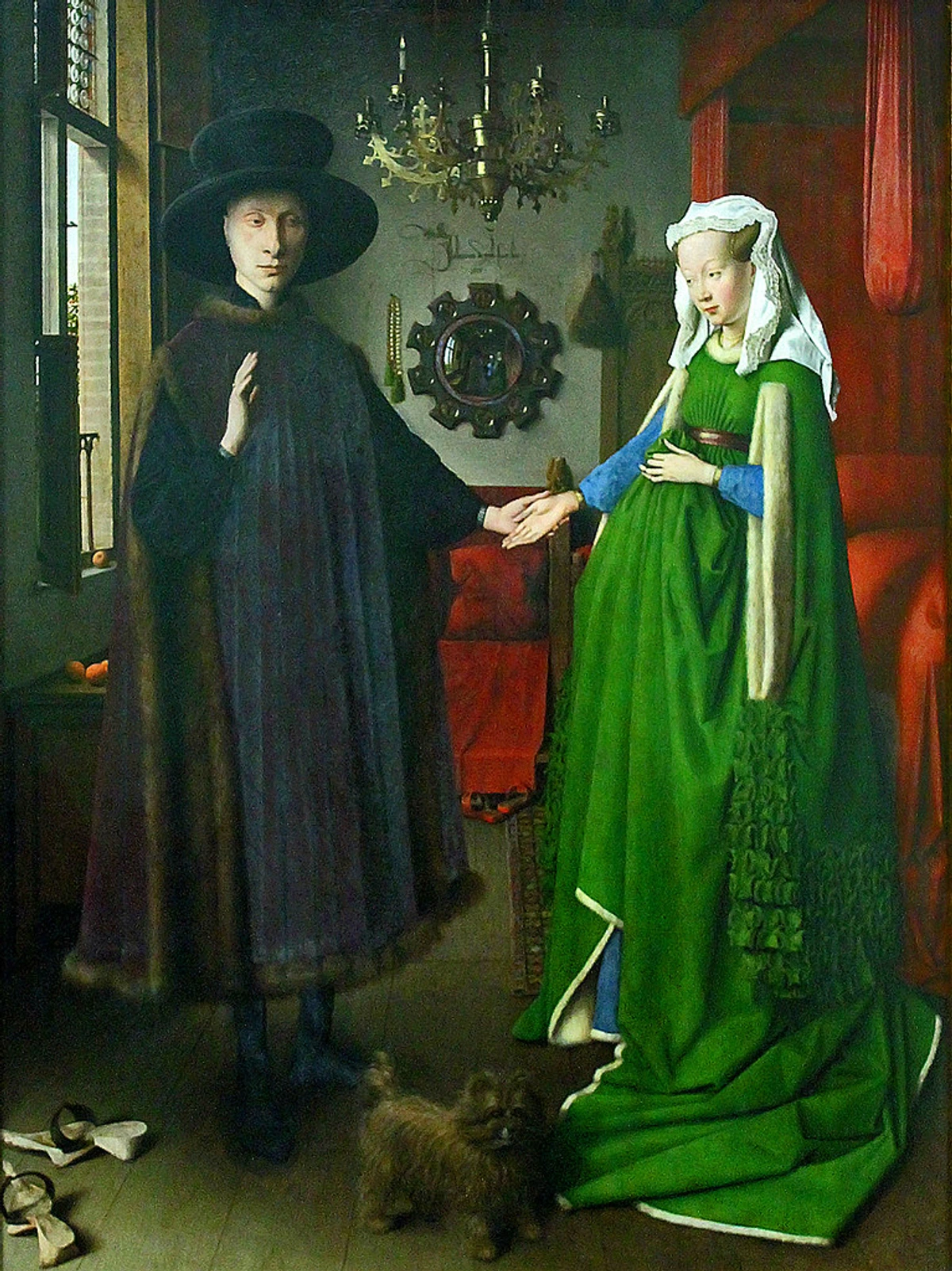
His most famous work is probably the Arnolfini Portrait (1434), a captivating painting of a wealthy merchant Giovanni di Nicolao Arnolfini and his wife. It's a masterpiece of realism, yes, but it's also absolutely packed with layers of hidden meanings. We even have a whole article diving into the symbolism in the Arnolfini Portrait, from the single lit candle symbolizing the presence of God or the fleetingness of life, to the tiny dog at their feet representing fidelity, or the carefully placed oranges on the windowsill hinting at wealth and fertility. This painting perfectly exemplifies how Northern artists loved embedding complex theological and moral ideas into seemingly everyday objects, making each element a visual puzzle to be solved and revealing the deep intellectual currents beneath the surface of realism, inviting a profound and contemplative engagement from the viewer.
But Van Eyck's monumental achievement is undoubtedly the Ghent Altarpiece (completed 1432), a polyptych (an altarpiece composed of more than three panels, often hinged to be opened and closed for different liturgical seasons) of staggering scale and detail. Commissioned for St. Bavo's Cathedral in Ghent, this work, completed with his brother Hubert, features incredibly lifelike figures, lush landscapes, and an unprecedented use of oil glazes that give the panels a jewel-like luminosity. It’s a work that demands close inspection, revealing new wonders with every glance, and stands as a testament to the transformative power of the new oil medium. Every leaf, every jewel, every strand of hair is rendered with an almost unbelievable precision, drawing the viewer into a meticulously crafted sacred world. Other notable works include The Madonna of Chancellor Rolin, which also showcases his mastery of atmospheric perspective and exquisite detail in both figures and landscape, blurring the lines between the earthly and the divine. It’s here that you really see the influence of what we now call a donor portrait (a portrait of the individual(s) who commissioned (donated) an artwork, often appearing within the artwork itself, typically in a religious scene). This practice was particularly prevalent in the Northern Renaissance, reflecting the rise of wealthy merchant patrons who wished to be depicted alongside sacred figures, demonstrating their piety and status, and hoping for spiritual merit. These portraits often show the donors kneeling in prayer or contemplation, participating directly in the divine narrative, subtly blurring the lines between secular and sacred display. Van Eyck's ability to render light, especially, makes his work feel incredibly present and alive, influencing generations of artists across Europe.
Matthias Grünewald: The Visionary of Emotion and Suffering
Unlike many of his contemporaries who eagerly embraced the new Renaissance classicism, Matthias Grünewald (c. 1470/75–1528) stands as a towering figure of the German Northern Renaissance who clung to, and amplified, the intense expressive power of the Late Gothic style. He was less interested in ideal forms and more in conveying profound, often visceral, emotion. His most famous and arguably most powerful work is the monumental Isenheim Altarpiece (c. 1512–1516), created for the monastery of St. Anthony in Isenheim, which served as a hospital for those suffering from skin diseases like ergotism, a particularly painful affliction. The altarpiece's central crucifixion panel, with its agonizingly depicted Christ figure, torn skin, and grotesque wounds, is a harrowing testament to human suffering, designed specifically to offer solace and hope to the sick and dying in the hospital. The outer panels, when closed, present an almost unbearable vision of Christ's torment, a stark reflection of the viewer's own pain, while the inner panels offer glorious scenes of hope and resurrection, providing spiritual comfort and a promise of eternal life. It’s a work that doesn't shy away from the horrific realities of pain, but transforms it through a profound spiritual vision, using dramatic, often theatrical, lighting, vibrant yet often unsettling colors, and figures rendered with raw, almost hallucinatory emotionality. Grünewald's work is a powerful reminder that the Northern Renaissance was not a monolith, and that profound artistic expression could take many forms, deeply rooted in spiritual conviction and a willingness to confront the harsh truths of existence, providing both a mirror to human suffering and a beacon of divine comfort. This altarpiece, with its multiple transformations and hidden scenes, truly encapsulates the profound devotional experience it was designed to provide, moving from agonizing despair to radiant hope.
Unlike many of his contemporaries who eagerly embraced the new Renaissance classicism, Matthias Grünewald (c. 1470/75–1528) stands as a towering figure of the German Northern Renaissance who clung to, and amplified, the intense expressive power of the Late Gothic style. He was less interested in ideal forms and more in conveying profound, often visceral, emotion. His most famous and arguably most powerful work is the monumental Isenheim Altarpiece (c. 1512–1516), created for the monastery of St. Anthony in Isenheim, which served as a hospital for those suffering from skin diseases like ergotism, a particularly painful affliction. The altarpiece's central crucifixion panel, with its agonizingly depicted Christ figure, torn skin, and grotesque wounds, is a harrowing testament to human suffering, designed specifically to offer solace and hope to the sick and dying in the hospital. The outer panels, when closed, present an almost unbearable vision of Christ's torment, a stark reflection of the viewer's own pain, while the inner panels offer glorious scenes of hope and resurrection, providing spiritual comfort and a promise of eternal life. It’s a work that doesn't shy away from the horrific realities of pain, but transforms it through a profound spiritual vision, using dramatic, often theatrical, lighting, vibrant yet often unsettling colors, and figures rendered with raw, almost hallucinatory emotionality. Grünewald's work is a powerful reminder that the Northern Renaissance was not a monolith, and that profound artistic expression could take many forms, deeply rooted in spiritual conviction and a willingness to confront the harsh truths of existence, providing both a mirror to human suffering and a beacon of divine comfort.
Albrecht Dürer: The Self-Branding Genius
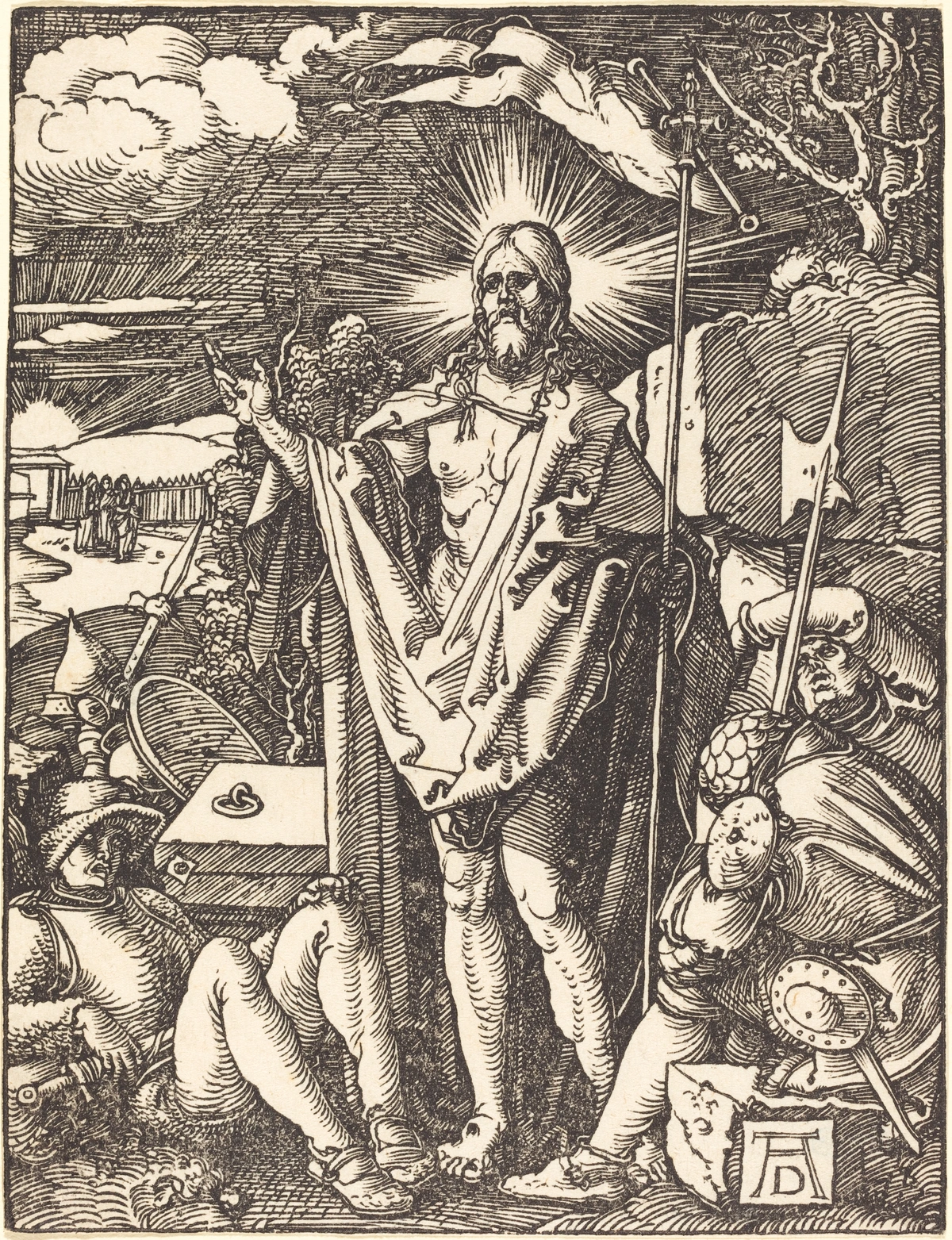
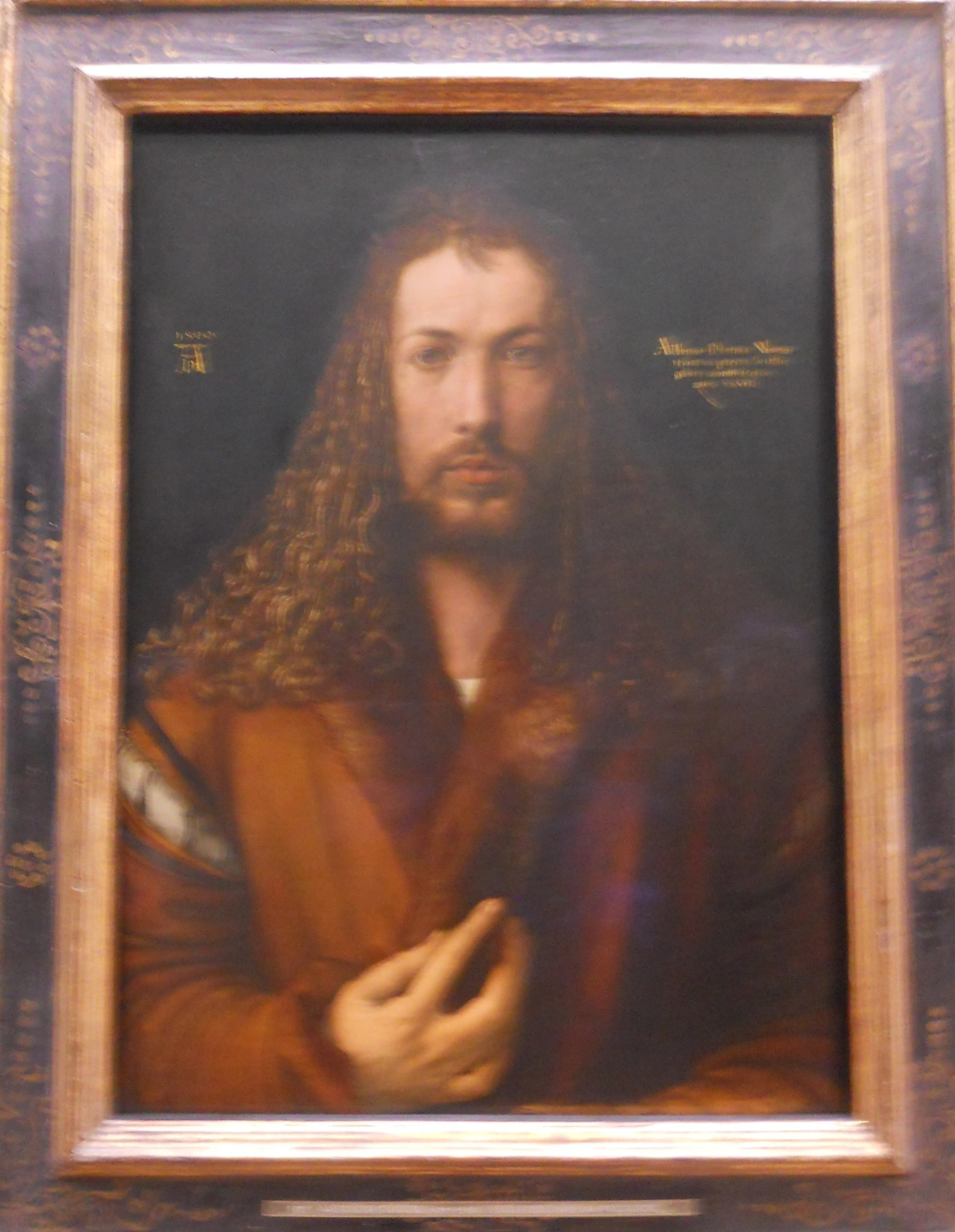
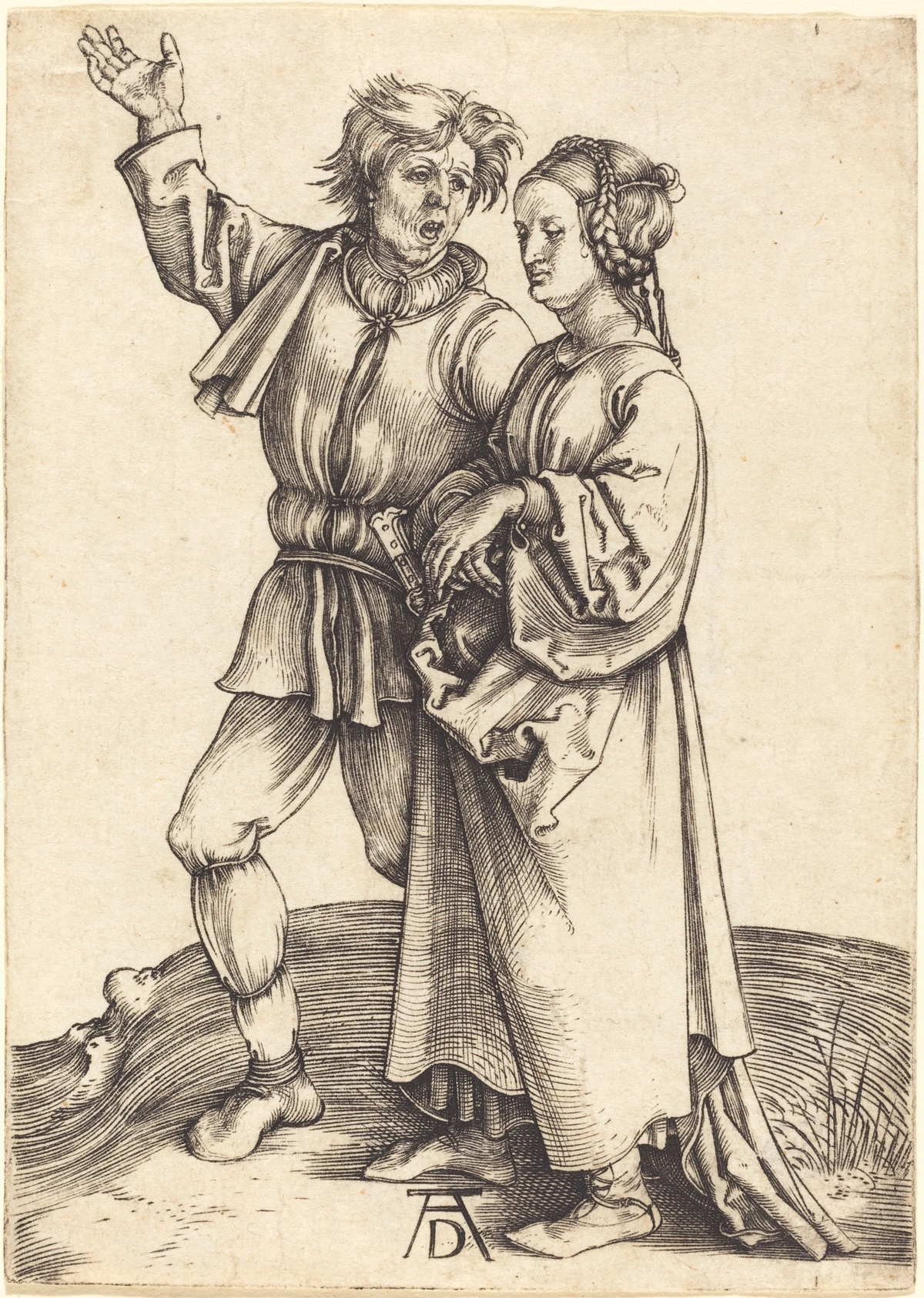
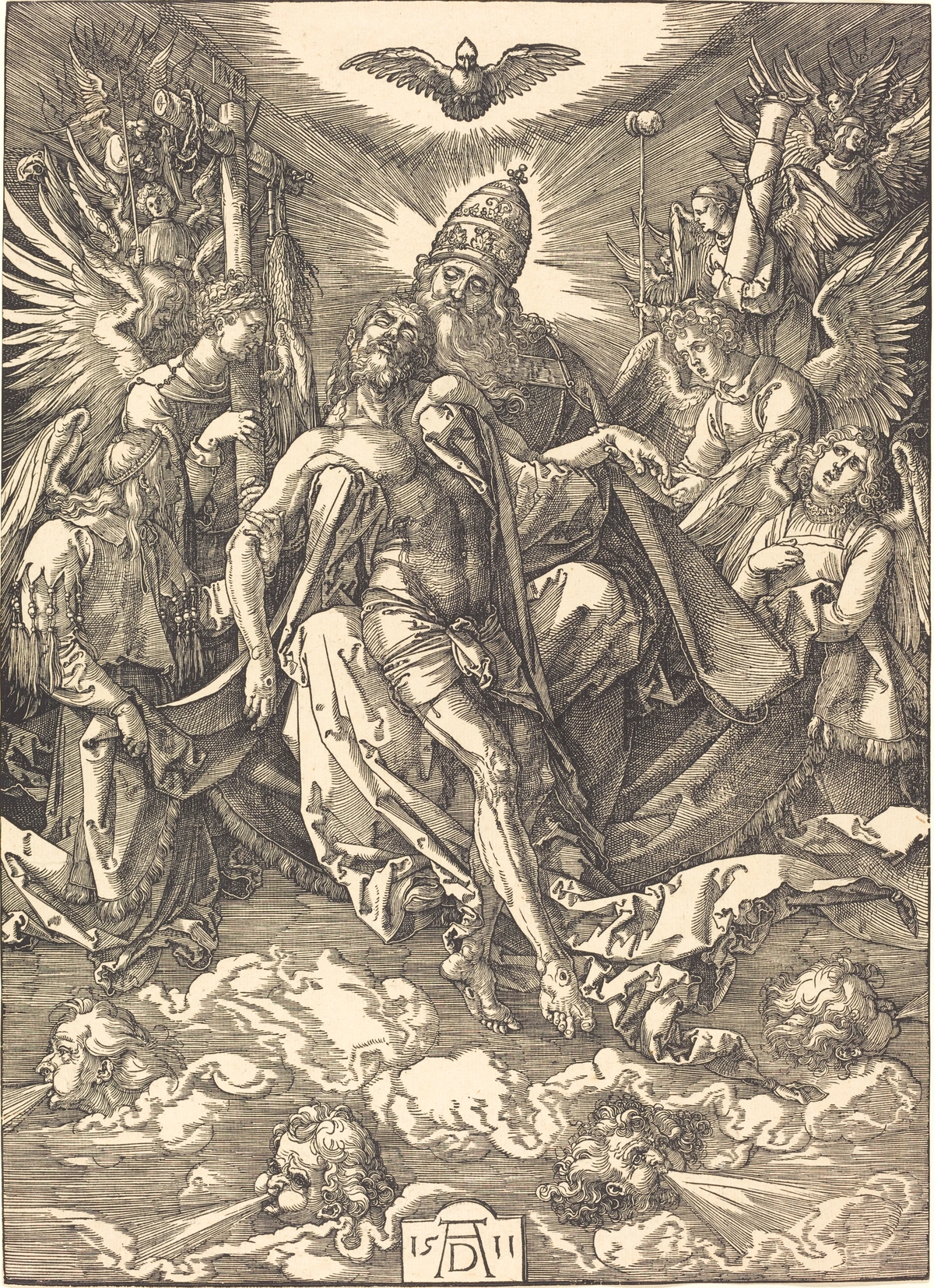
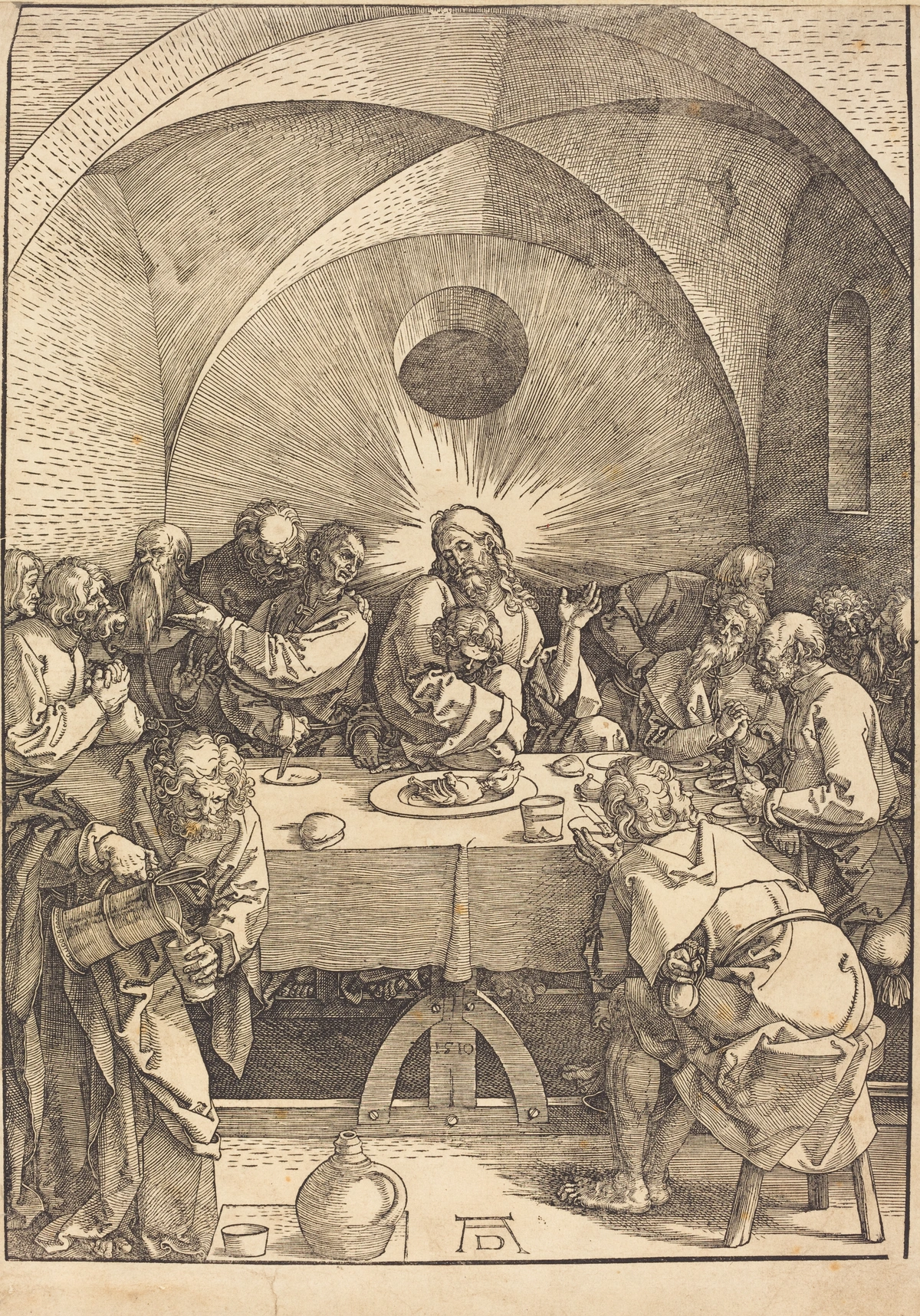
Albrecht Dürer (1471-1528) of Germany was a true Renaissance man, a polymath whose talents spanned painting, drawing, and especially printmaking. He was less an inventor of techniques and more a brilliant synthesizer and entrepreneur, a true intellectual who elevated the status of the artist. The recent invention of the printing press was a game-changer, and Dürer seized the opportunity, using woodcuts and engravings to reproduce his intricate art and disseminate it across Europe like no artist before him. He was, in essence, one of the first artists to become a true international celebrity, meticulously controlling his public image through incredible self-portraits where he often depicted himself looking almost Christ-like, a powerful statement of the artist's divine inspiration.
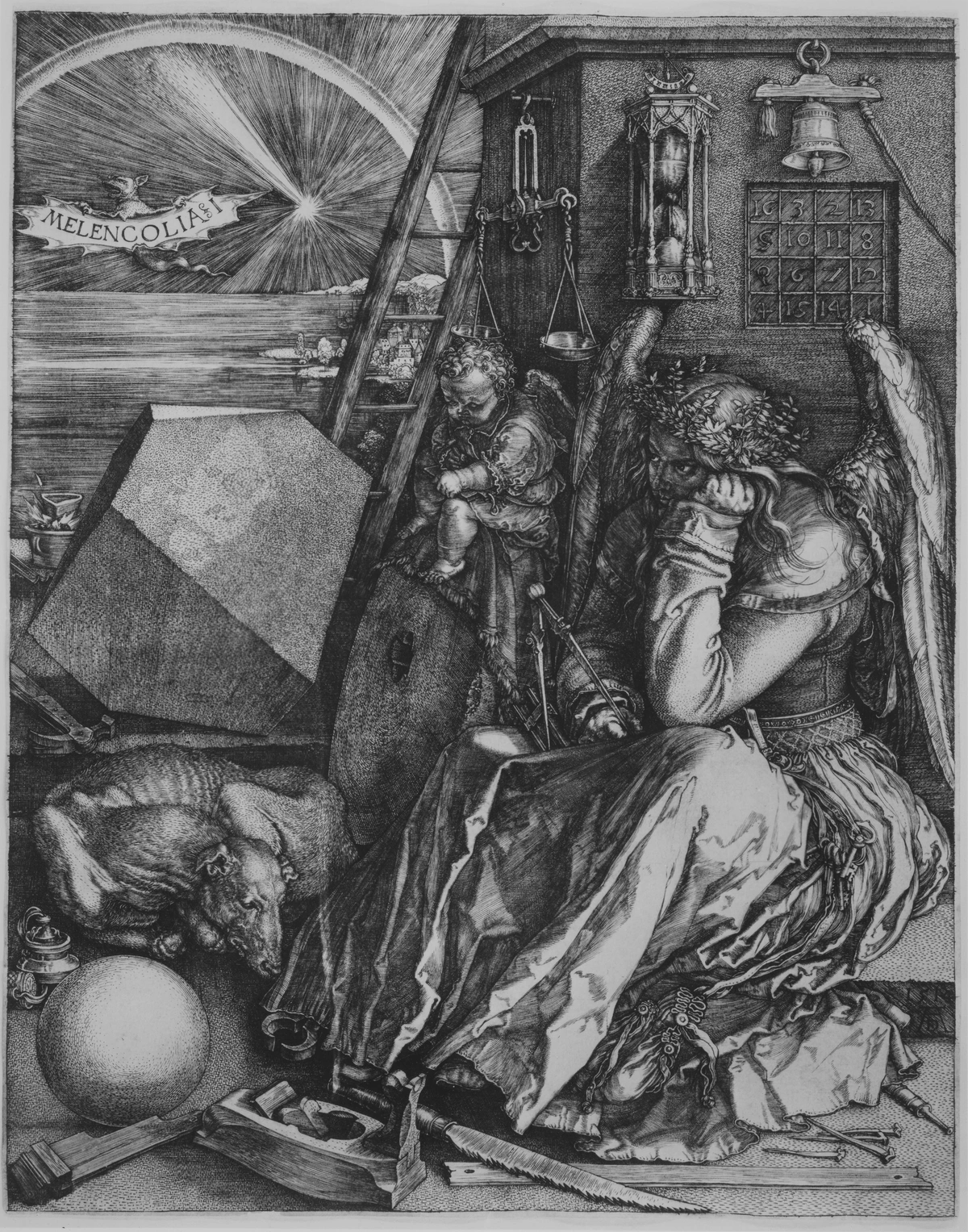
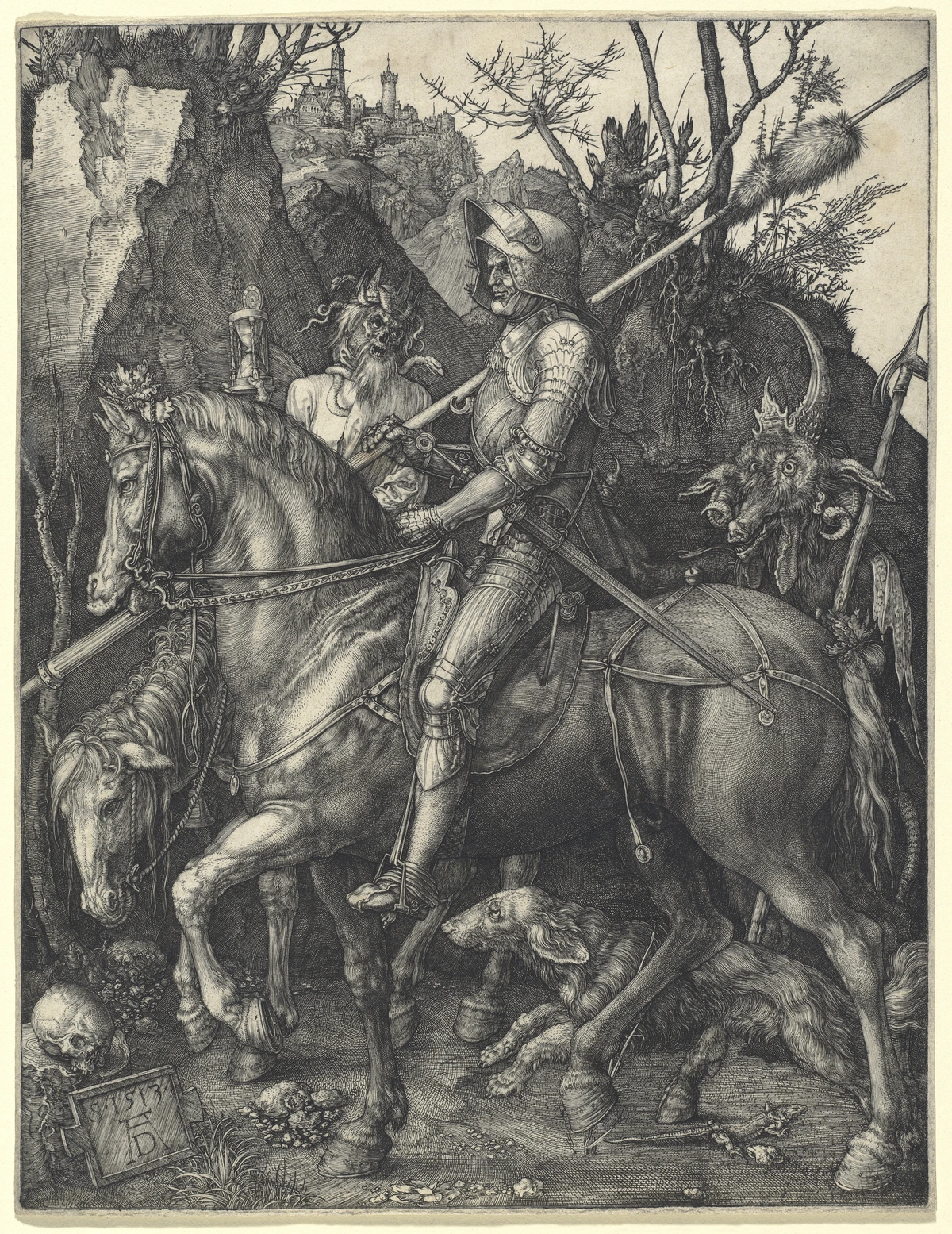
Dürer was also a keen observer and a scholar, actively travelling to Italy to study classical art, mathematics, and the burgeoning science of linear perspective. His journeys exposed him to the grand narratives and idealized forms of the Italian masters, which he meticulously documented and integrated into his own unique style. He brought these Italian ideas about composition and human anatomy north, but imbued them with a distinctly German intensity and an almost obsessive attention to detail, creating a powerful fusion of styles. His prints, like the enigmatic Melencolia I (a profound allegory of intellectual struggle and creative despair), the powerful Knight, Death, and the Devil (a moralizing allegory on the Christian virtues), or the iconic Four Horsemen of the Apocalypse (a dramatic visualization of the end times), weren't just reproductions; they were masterpieces in their own right, showcasing his unparalleled skill with line and form and his profound intellectual depth. He really pushed the boundaries of definitive guide to perspective in art in a way that resonated deeply with the Northern artistic temperament, exploring the theoretical underpinnings of art alongside its practical application. Beyond his prints, Dürer also produced seminal theoretical treatises, such as Four Books on Human Proportion and Instructions for Measuring with a Ruler and Compass, which were highly influential across Northern Europe in solidifying the artist's role as a scholar and a master of scientific principles, demonstrating a profound interest in the systematic study of the human form and spatial representation, often blending art with mathematics and geometry. His self-portraits, particularly those from his later career, reveal a profound introspection and a conscious effort to elevate the status of the artist to that of a learned, divinely inspired creator, a concept often associated more with the Italian Renaissance but fully embraced by Dürer in his unique Northern style. His innovative use of his monogram, 'AD', in his prints also solidified his brand, a testament to his early understanding of artistic marketing and his desire to establish artistic ownership and renown.
Rogier van der Weyden: The Master of Emotion and Poignant Narrative
Working slightly after Van Eyck, Rogier van der Weyden (c. 1400-1464) became one of the most influential painters of the 15th century, a master whose works resonated across Europe. While he shared Van Eyck's meticulous attention to detail and luminous oil technique, Van der Weyden introduced a profound emotional intensity to his work, often creating monumental yet deeply personal narratives that spoke directly to the viewer's spiritual experience. His figures are often slender, elegant, and depicted with deep psychological insight, particularly in his religious scenes which convey immense pathos and sorrow. His famous Descent from the Cross (c. 1435), for instance, is a masterclass in composition and emotional narrative, with figures arranged in a shallow, stage-like space that guides the viewer's eye through a poignant scene of grief and suffering. The raw anguish of Mary, the slumped body of Christ, and the tear-streaked faces of the mourners are rendered with an almost unbearable intensity. The crisp lines, rich colors, and detailed textures only heighten the raw emotion, drawing the viewer into an almost theatrical experience of sorrow, making the viewer feel the weight of Christ's sacrifice. Another powerful work, St. Luke Drawing the Virgin, beautifully illustrates the artist's dedication to meticulous detail alongside profound religious sentiment, depicting the evangelist as an artist, a subtle elevation of the painter's craft. His work had a massive impact across Europe, influencing artists not just in the North but also in Italy, where his emotional depth, innovative compositions, and mastery of expressive figures were highly admired and widely emulated, demonstrating the two-way artistic exchange between North and South. He served as a crucial bridge between the intense emotionality of the Gothic era and the new naturalism of the Renaissance, becoming one of the most widely imitated masters of the era, profoundly shaping devotional art for generations and solidifying the Flemish reputation for emotionally resonant imagery. His emotional realism was a defining characteristic of Northern Renaissance portraiture, capturing not just a likeness, but the inner life of the sitter. His influence can also be seen in the development of the Passion narratives, where artists sought to evoke profound empathy and spiritual identification from the viewer.
Working slightly after Van Eyck, Rogier van der Weyden (c. 1400-1464) became one of the most influential painters of the 15th century, a master whose works resonated across Europe. While he shared Van Eyck's meticulous attention to detail and luminous oil technique, Van der Weyden introduced a profound emotional intensity to his work, often creating monumental yet deeply personal narratives that spoke directly to the viewer's spiritual experience. His figures are often slender, elegant, and depicted with deep psychological insight, particularly in his religious scenes which convey immense pathos and sorrow. His famous Descent from the Cross (c. 1435), for instance, is a masterclass in composition and emotional narrative, with figures arranged in a shallow, stage-like space that guides the viewer's eye through a poignant scene of grief and suffering. The raw anguish of Mary, the slumped body of Christ, and the tear-streaked faces of the mourners are rendered with an almost unbearable intensity. The crisp lines, rich colors, and detailed textures only heighten the raw emotion, drawing the viewer into an almost theatrical experience of sorrow, making the viewer feel the weight of Christ's sacrifice. Another powerful work, St. Luke Drawing the Virgin, beautifully illustrates the artist's dedication to meticulous detail alongside profound religious sentiment, depicting the evangelist as an artist, a subtle elevation of the painter's craft. His work had a massive impact across Europe, influencing artists not just in the North but also in Italy, where his emotional depth, innovative compositions, and mastery of expressive figures were highly admired and widely emulated, demonstrating the two-way artistic exchange between North and South. He served as a crucial bridge between the intense emotionality of the Gothic era and the new naturalism of the Renaissance, becoming one of the most widely imitated masters of the era, profoundly shaping devotional art for generations and solidifying the Flemish reputation for emotionally resonant imagery. His emotional realism was a defining characteristic of Northern Renaissance portraiture, capturing not just a likeness, but the inner life of the sitter.
Quentin Matsys: Bridging Worlds and Reflecting Antwerp's Rise
Moving into the early 16th century, Quentin Matsys (c. 1466–1530) stands as a pivotal figure who bridged the artistic traditions of the "Flemish Primitives" with the emerging influence of the Italian High Renaissance and the growing humanist spirit. Operating primarily in Antwerp, a burgeoning economic hub, Matsys's work often combined the meticulous detail and rich symbolism of his predecessors with a newfound psychological penetration and a more expressive use of portraiture, all while adapting to the city's dynamic art market. His famous painting, The Moneylender and His Wife (1514), exemplifies this blend: it's a genre scene seemingly depicting everyday life, yet it's laden with moralizing undertones, subtly warning against avarice and highlighting the tensions between spiritual and worldly pursuits. The intricate details of coins, jewels, and account books showcase Northern realism, while the psychological intensity of the figures hints at a more complex narrative, inviting viewers to ponder the moral implications of their choices. Matsys also produced powerful religious works and insightful portraits, often characterized by a distinctive, slightly elongated figure style and a keen understanding of human emotion, making his sitters feel both grand and intimately human. He was a truly transitional artist, reflecting the changing cultural landscape of the Northern Renaissance, and his workshop played a crucial role in shaping the artistic direction of Antwerp, influencing a new generation of painters like Jan Sanders van Hemessen and Marinus van Reymerswaele. The significance of cities like Bruges and Antwerp, with their powerful merchant classes and thriving trade, provided the ideal environment for these artistic innovations. Antwerp, in particular, became a bustling center for the production of art for export, a true artistic factory, and Matsys was at its forefront.
Moving into the early 16th century, Quentin Matsys (c. 1466–1530) stands as a pivotal figure who bridged the artistic traditions of the "Flemish Primitives" with the emerging influence of the Italian High Renaissance and the growing humanist spirit. Operating primarily in Antwerp, a burgeoning economic hub, Matsys's work often combined the meticulous detail and rich symbolism of his predecessors with a newfound psychological penetration and a more expressive use of portraiture, all while adapting to the city's dynamic art market. His famous painting, The Moneylender and His Wife (1514), exemplifies this blend: it's a genre scene seemingly depicting everyday life, yet it's laden with moralizing undertones, subtly warning against avarice and highlighting the tensions between spiritual and worldly pursuits. The intricate details of coins, jewels, and account books showcase Northern realism, while the psychological intensity of the figures hints at a more complex narrative, inviting viewers to ponder the moral implications of their choices. Matsys also produced powerful religious works and insightful portraits, often characterized by a distinctive, slightly elongated figure style and a keen understanding of human emotion, making his sitters feel both grand and intimately human. He was a truly transitional artist, reflecting the changing cultural landscape of the Northern Renaissance, and his workshop played a crucial role in shaping the artistic direction of Antwerp, influencing a new generation of painters like Jan Sanders van Hemessen and Marinus van Reymerswaele. The significance of cities like Bruges and Antwerp, with their powerful merchant classes and thriving trade, provided the ideal environment for these artistic innovations.
Lucas Cranach the Elder: The Reformation's Painter and Propagandist
It’s impossible to talk about the German Northern Renaissance without mentioning Lucas Cranach the Elder (c. 1472-1553). A close friend of Martin Luther, Cranach became the leading painter of the Protestant Reformation, adapting his art to suit the new theological climate and serving as a crucial propagandist for the burgeoning movement. While he also produced striking portraits, hunting scenes, and mythological scenes (often featuring alluring female nudes rendered with a distinctive elegant style, known as his Venus or Lucretia series, which blended classical themes with a distinctly Northern aesthetic), his most significant contributions were his portraits of Luther and other reformers, as well as allegorical paintings that subtly promoted Protestant doctrine and became visual manifestos for the new faith. Works like Law and Gospel explicitly illustrate the core tenets of Lutheran theology, using clear visual contrasts to convey complex ideas. His work often features clear, crisp outlines and vibrant colors, blending Late Gothic sensibilities with the emerging Renaissance style, creating a distinctly German aesthetic. He essentially put a visual face to a monumental theological shift, making complex ideas accessible through his art and playing a vital role in shaping the visual culture of the Reformation. His ability to distill complex theological arguments into accessible visual narratives made him an invaluable asset to the Protestant cause, influencing public perception and understanding of the new doctrines. Cranach's distinctive style, characterized by a refined linearity and often jewel-toned palettes, became synonymous with the visual identity of the German Reformation.
It’s impossible to talk about the German Northern Renaissance without mentioning Lucas Cranach the Elder (c. 1472-1553). A close friend of Martin Luther, Cranach became the leading painter of the Protestant Reformation, adapting his art to suit the new theological climate and serving as a crucial propagandist for the burgeoning movement. While he also produced striking portraits, hunting scenes, and mythological scenes (often featuring alluring female nudes rendered with a distinctive elegant style, known as his Venus or Lucretia series, which blended classical themes with a distinctly Northern aesthetic), his most significant contributions were his portraits of Luther and other reformers, as well as allegorical paintings that subtly promoted Protestant doctrine and became visual manifestos for the new faith. Works like Law and Gospel explicitly illustrate the core tenets of Lutheran theology, using clear visual contrasts to convey complex ideas. His work often features clear, crisp outlines and vibrant colors, blending Late Gothic sensibilities with the emerging Renaissance style, creating a distinctly German aesthetic. He essentially put a visual face to a monumental theological shift, making complex ideas accessible through his art and playing a vital role in shaping the visual culture of the Reformation. His ability to distill complex theological arguments into accessible visual narratives made him an invaluable asset to the Protestant cause, influencing public perception and understanding of the new doctrines.
Jean Fouquet: A French Master Bridging Two Traditions
While Flanders and Germany often steal the spotlight, it’s important to acknowledge significant contributions from other Northern regions. In France, Jean Fouquet (c. 1420–1481) stands out as a leading painter and illuminator of the 15th century, serving as court painter to King Charles VII and Louis XI. Fouquet, uniquely for his time, traveled to Italy, where he absorbed aspects of the Italian Renaissance, particularly an interest in linear perspective and monumental forms, along with a more classical approach to figures. However, he seamlessly integrated these with the meticulous realism and vibrant colors of the Flemish tradition, creating a truly original French style. His masterpiece, the Melun Diptych (c. 1450), is a striking example of his synthesis: one panel depicts his patron, Étienne Chevalier, with Saint Stephen, rendered with intense naturalism and a strong sense of individual likeness, while the other features a famously idealized and somewhat startling portrait of Agnes Sorel as the Virgin Mary, whose porcelain skin, high forehead, and exposed breast caused a stir, reflecting both Northern realism and a unique courtly aesthetic. Fouquet’s work is characterized by its clarity, precise draftsmanship, and a masterful handling of light, demonstrating a sophisticated fusion of Northern detail and Italian compositional structure, making him a crucial figure in the development of French Renaissance art and a testament to the cross-cultural artistic exchanges of the period. His miniatures, too, such as those in the Hours of Étienne Chevalier, are exquisite examples of his ability to blend detailed realism with elegant narrative, showcasing a jewel-like precision that demonstrates the enduring legacy of manuscript illumination in France. His pioneering spirit in blending these disparate influences made him a truly singular voice in French art history.
While Flanders and Germany often steal the spotlight, it’s important to acknowledge significant contributions from other Northern regions. In France, Jean Fouquet (c. 1420–1481) stands out as a leading painter and illuminator of the 15th century, serving as court painter to King Charles VII and Louis XI. Fouquet, uniquely for his time, traveled to Italy, where he absorbed aspects of the Italian Renaissance, particularly an interest in linear perspective and monumental forms, along with a more classical approach to figures. However, he seamlessly integrated these with the meticulous realism and vibrant colors of the Flemish tradition, creating a truly original French style. His masterpiece, the Melun Diptych (c. 1450), is a striking example of his synthesis: one panel depicts his patron, Étienne Chevalier, with Saint Stephen, rendered with intense naturalism and a strong sense of individual likeness, while the other features a famously idealized and somewhat startling portrait of Agnes Sorel as the Virgin Mary, whose porcelain skin, high forehead, and exposed breast caused a stir, reflecting both Northern realism and a unique courtly aesthetic. Fouquet’s work is characterized by its clarity, precise draftsmanship, and a masterful handling of light, demonstrating a sophisticated fusion of Northern detail and Italian compositional structure, making him a crucial figure in the development of French Renaissance art and a testament to the cross-cultural artistic exchanges of the period. His miniatures, too, such as those in the Hours of Étienne Chevalier, are exquisite examples of his ability to blend detailed realism with elegant narrative, showcasing a jewel-like precision that demonstrates the enduring legacy of manuscript illumination in France.
Hans Baldung Grien: The Master of the Macabre and the Fantastic
A contemporary and apprentice of Dürer, Hans Baldung Grien (c. 1484/85–1545) stands out for his deeply original, often unsettling, and intensely expressive works, earning him a reputation as one of the most idiosyncratic artists of the German Renaissance. He moved beyond the strict realism of many of his Northern counterparts, exploring themes of death, witchcraft, and the darker aspects of human existence with a unique blend of sensuality and moralizing fervor. His woodcuts and paintings, such as Death and the Maiden (a stark reminder of mortality, where a skeletal figure of Death embraces a young, sensuous woman, a classic memento mori) or his dramatic depictions of witches (reflecting contemporary fears and fascinations), are characterized by their vivid, often jarring color palettes, dynamic compositions, and a powerful, almost unsettling sense of the fantastic and grotesque. He was also a master of allegorical subjects, using his art to comment on human vice and virtue. He's an artist who really makes you feel something, even if it's a bit uncomfortable, diving deep into the anxieties and superstitions of his time with a daring individuality and a distinctive, almost proto-Expressionist style. His work provides a fascinating glimpse into the darker spiritual and societal anxieties of the era, exploring themes of temptation, mortality, and the supernatural with an unparalleled intensity. Baldung Grien’s willingness to confront the unsettling and the taboo makes his work particularly resonant, exploring the psychological undercurrents of his time.
A contemporary and apprentice of Dürer, Hans Baldung Grien (c. 1484/85–1545) stands out for his deeply original, often unsettling, and intensely expressive works, earning him a reputation as one of the most idiosyncratic artists of the German Renaissance. He moved beyond the strict realism of many of his Northern counterparts, exploring themes of death, witchcraft, and the darker aspects of human existence with a unique blend of sensuality and moralizing fervor. His woodcuts and paintings, such as Death and the Maiden (a stark reminder of mortality, where a skeletal figure of Death embraces a young, sensuous woman, a classic memento mori) or his dramatic depictions of witches (reflecting contemporary fears and fascinations), are characterized by their vivid, often jarring color palettes, dynamic compositions, and a powerful, almost unsettling sense of the fantastic and grotesque. He was also a master of allegorical subjects, using his art to comment on human vice and virtue. He's an artist who really makes you feel something, even if it's a bit uncomfortable, diving deep into the anxieties and superstitions of his time with a daring individuality and a distinctive, almost proto-Expressionist style. His work provides a fascinating glimpse into the darker spiritual and societal anxieties of the era, exploring themes of temptation, mortality, and the supernatural with an unparalleled intensity.
Hugo van der Goes: The Master of Dramatic Realism and Emotional Agitation
Another towering figure of the Flemish school was Hugo van der Goes (c. 1440–1482). Known for his highly expressive style and dramatic compositions, Van der Goes introduced an intense psychological depth to his figures, particularly evident in his monumental Portinari Altarpiece (c. 1476-79). This massive triptych, commissioned for a Florentine church by Tommaso Portinari, a Medici bank manager, showcases his incredible ability to render textures and details, but it's his figures' raw, almost palpable emotionality, monumental scale, and a sense of almost agitated naturalism that truly set him apart. The profound expressions of grief and adoration in the faces of the shepherds, for example, are unforgettable, and the angels are depicted with a fragile, almost human tenderness. These shepherds, for instance, are depicted with a startling, almost coarse realism that would have been shocking to an Italian audience accustomed to more idealized forms, directly influencing artists like Ghirlandaio in Florence and signaling the significant impact of Northern realism abroad. His profound influence stretched even to Italy, where it directly impacted artists like Ghirlandaio in Florence, who incorporated elements of Van der Goes's realism and emotional depth into his own work, a testament to the power of Northern artistic innovation and the cross-cultural exchange of ideas. Tragically, Van der Goes suffered from mental illness later in his life, and some historians suggest this psychological turmoil can be discerned in the intense emotionality and sometimes unsettling qualities of his art, adding another layer of depth to his powerful visual narratives. His figures often possess a certain melancholic grace, reflecting the introspective spirit of the era.
Another towering figure of the Flemish school was Hugo van der Goes (c. 1440–1482). Known for his highly expressive style and dramatic compositions, Van der Goes introduced an intense psychological depth to his figures, particularly evident in his monumental Portinari Altarpiece (c. 1476-79). This massive triptych, commissioned for a Florentine church by Tommaso Portinari, a Medici bank manager, showcases his incredible ability to render textures and details, but it's his figures' raw, almost palpable emotionality, monumental scale, and a sense of almost agitated naturalism that truly set him apart. The profound expressions of grief and adoration in the faces of the shepherds, for example, are unforgettable, and the angels are depicted with a fragile, almost human tenderness. These shepherds, for instance, are depicted with a startling, almost coarse realism that would have been shocking to an Italian audience accustomed to more idealized forms, directly influencing artists like Ghirlandaio in Florence and signaling the significant impact of Northern realism abroad. His profound influence stretched even to Italy, where it directly impacted artists like Ghirlandaio in Florence, who incorporated elements of Van der Goes's realism and emotional depth into his own work, a testament to the power of Northern artistic innovation and the cross-cultural exchange of ideas. Tragically, Van der Goes suffered from mental illness later in his life, and some historians suggest this psychological turmoil can be discerned in the intense emotionality and sometimes unsettling qualities of his art, adding another layer of depth to his powerful visual narratives.

Hans Holbein the Younger: The Portraitist of Power and Psychological Insight
Moving into the later phases of the Northern Renaissance, Hans Holbein the Younger (c. 1497-1543) stands out as one of the most accomplished portrait painters of all time. Though German by birth, he found immense success in England, becoming court painter to King Henry VIII, where he skillfully navigated the complex political and religious landscape of the Tudor court. His portraits, such as those of Henry VIII, Anne of Cleves, Jane Seymour, and The Ambassadors (1533), are renowned for their incredible realism, psychological depth, and the meticulous rendering of textiles, jewelry, and other symbols of status, effectively communicating the sitter's wealth, power, and character. The Ambassadors, in particular, is a fascinating double portrait laden with symbols of learning, earthly pursuits, and the famous anamorphic skull at the bottom, a memento mori (Latin for "remember that you must die," an artistic or symbolic reminder of the inevitability of death) that reminds us of the fleeting nature of life and earthly power, urging viewers to contemplate the spiritual alongside the material. Anamorphosis is a distorted projection or perspective requiring the viewer to use a special device or occupy a specific vantage point to reconstitute the image. This clever technique, demonstrated by the skull, transforms from a seemingly abstract smear into a legible human skull when viewed from a specific, oblique angle, serving as a clever display of artistic skill and an intellectual puzzle for the viewer. He had an uncanny ability to capture the essence of his sitters, creating images that feel both monumental and intimately personal, often revealing their inner world through their outward presentation. Holbein's work perfectly encapsulates the Northern emphasis on individual likeness and the detailed portrayal of material wealth and status, often in a sober, penetrating style that leaves a lasting impression and solidified his reputation as a master chronicler of his era. His detailed preparatory drawings, often done in chalk and ink, also demonstrate his rigorous approach to capturing a sitter’s precise features before translating them to paint.
Moving into the later phases of the Northern Renaissance, Hans Holbein the Younger (c. 1497-1543) stands out as one of the most accomplished portrait painters of all time. Though German by birth, he found immense success in England, becoming court painter to King Henry VIII, where he skillfully navigated the complex political and religious landscape of the Tudor court. His portraits, such as those of Henry VIII, Anne of Cleves, Jane Seymour, and The Ambassadors (1533), are renowned for their incredible realism, psychological depth, and the meticulous rendering of textiles, jewelry, and other symbols of status, effectively communicating the sitter's wealth, power, and character. The Ambassadors, in particular, is a fascinating double portrait laden with symbols of learning, earthly pursuits, and the famous anamorphic skull at the bottom, a memento mori (Latin for "remember that you must die," an artistic or symbolic reminder of the inevitability of death) that reminds us of the fleeting nature of life and earthly power, urging viewers to contemplate the spiritual alongside the material. Anamorphosis is a distorted projection or perspective requiring the viewer to use a special device or occupy a specific vantage point to reconstitute the image. This clever technique, demonstrated by the skull, transforms from a seemingly abstract smear into a legible human skull when viewed from a specific, oblique angle, serving as a clever display of artistic skill and an intellectual puzzle for the viewer. He had an uncanny ability to capture the essence of his sitters, creating images that feel both monumental and intimately personal, often revealing their inner world through their outward presentation. Holbein's work perfectly encapsulates the Northern emphasis on individual likeness and the detailed portrayal of material wealth and status, often in a sober, penetrating style that leaves a lasting impression and solidified his reputation as a master chronicler of his era.
Hieronymus Bosch: The Master of the Fantastical, Enigmatic, and Moralizing Visions
I have a special place in my heart for Hieronymus Bosch (c. 1450-1516), an artist who truly pushed the boundaries of what Renaissance art could be, creating works that continue to fascinate and perplex us. He is undeniably famous for his fantastical, nightmarish, and utterly perplexing landscapes like The Garden of Earthly Delights. His paintings are less about direct realism and more about a surreal, visionary world, filled with bizarre creatures, hybrid figures, complex allegories, and moralizing narratives that art historians are still trying to fully decode, making him one of the most enigmatic figures in art history. He’s a true enigma, and if you want to dive deeper into his world, we have a whole piece on who was Hieronymus Bosch. His tripartite altarpiece, The Garden of Earthly Delights (c. 1490–1510), remains one of the most enigmatic and discussed works in art history, inviting viewers into a vivid, complex moral landscape of paradise, earthly pleasure, and damnation, all rendered with a unique, meticulous, and frankly, disturbing imagination. Scholars continue to debate its precise meaning, ranging from a condemnation of sin to an allegorical celebration of divine creation, making it a truly inexhaustible subject for study. It’s a work that forces you to question what you see and the hidden evils that lurk beneath the surface of beauty, presenting a stark vision of humanity's choices and consequences and reflecting the anxieties of his late medieval-early Renaissance era. His other works, like The Haywain Triptych and The Temptation of St. Anthony, continue this tradition of profound, often unsettling, visual storytelling, rife with moralizing undertones and a powerful, unique vision of humanity's spiritual struggles. Bosch's unique visual language, with its grotesque details and often unsettling narratives, challenged viewers to confront their own morality and the potential consequences of sin.
I have a special place in my heart for Hieronymus Bosch (c. 1450-1516), an artist who truly pushed the boundaries of what Renaissance art could be, creating works that continue to fascinate and perplex us. He is undeniably famous for his fantastical, nightmarish, and utterly perplexing landscapes like The Garden of Earthly Delights. His paintings are less about direct realism and more about a surreal, visionary world, filled with bizarre creatures, hybrid figures, complex allegories, and moralizing narratives that art historians are still trying to fully decode, making him one of the most enigmatic figures in art history. He’s a true enigma, and if you want to dive deeper into his world, we have a whole piece on who was Hieronymus Bosch. His tripartite altarpiece, The Garden of Earthly Delights (c. 1490–1510), remains one of the most enigmatic and discussed works in art history, inviting viewers into a vivid, complex moral landscape of paradise, earthly pleasure, and damnation, all rendered with a unique, meticulous, and frankly, disturbing imagination. Scholars continue to debate its precise meaning, ranging from a condemnation of sin to an allegorical celebration of divine creation, making it a truly inexhaustible subject for study. It’s a work that forces you to question what you see and the hidden evils that lurk beneath the surface of beauty, presenting a stark vision of humanity's choices and consequences and reflecting the anxieties of his late medieval-early Renaissance era. His other works, like The Haywain Triptych and The Temptation of St. Anthony, continue this tradition of profound, often unsettling, visual storytelling, rife with moralizing undertones and a powerful, unique vision of humanity's spiritual struggles.
Pieter Bruegel the Elder: The Master of the Everyday and Moralizing Landscapes
Pieter Bruegel the Elder (c. 1525-1569), on the other hand, is widely known as the master of genre scenes and peasant life. While Italian artists were often commissioned by popes, princes, and powerful merchants to paint grand mythological or religious works, Bruegel turned his keen observational eye to the lives of common people. He painted bustling village weddings, hearty harvests, children's games, and vivid landscapes teeming with human activity. His work isn't just a record of everyday life; it's a celebration, capturing the energy, humor, and fundamental humanity of ordinary people with a warmth and empathy that still feels incredibly modern. He showed that the profound could be found in the mundane, often using these scenes to convey subtle moralizing messages or allegories. His panoramic landscapes, such as Hunters in the Snow, are equally groundbreaking, depicting the cyclical nature of peasant life within vast, atmospheric settings that were revolutionary for their time, establishing landscape as a significant genre in its own right. He truly saw the world as a stage for human drama, both grand and humble, often using the natural world as a backdrop for the human condition. His paintings, like The Peasant Wedding or The Fall of Icarus (though the latter is debated as his original, it vividly portrays humanity's indifference to individual suffering set against a vast landscape), demonstrate a profound understanding of composition and narrative, making complex social observations accessible to a wide audience.
The Reformation's Shadow: Art in a Changing World
One simply cannot discuss the later Northern Renaissance without acknowledging the seismic event that was the Protestant Reformation. Beginning in 1517 with Martin Luther in Germany, this religious upheaval had a profound and often devastating impact on art across Protestant regions. Unlike the Catholic Church, which continued to be a major patron of elaborate religious art in Italy, many Protestant sects viewed religious imagery with suspicion, even considering it idolatrous. This led to a sharp decline in church commissions, a widespread destruction of existing artworks (the infamous Bildersturm, or iconoclastic fury, in which thousands of sculptures, altarpieces, and frescoes were destroyed or defaced in a fervent wave of religious zeal across the Low Countries and Germany), and a fundamental shift in artistic patronage. Imagine the sheer scale of loss during these iconoclastic events – entire church interiors stripped bare, centuries of devotional art obliterated – it fundamentally reshaped the visual landscape of Northern Europe and forced artists to quickly adapt their subject matter and clientele. Artists had to adapt quickly, turning even more towards secular subjects that were already gaining popularity, such as portraiture, still life, landscapes, and genre scenes, where moralizing allegories could still be subtly embedded. This religious split further cemented the distinct artistic trajectories of Northern and Southern Europe, leading to an art market that increasingly catered to private homes and civic institutions rather than churches, profoundly impacting artists' livelihoods and requiring them to diversify their subject matter and clientele. It’s a powerful reminder that art doesn't exist in a vacuum; it’s deeply intertwined with the social, political, and spiritual currents of its time. The Reformation's impact sparked a greater emphasis on personal piety, moralizing themes, and the use of art for didactic purposes, often disseminated through the newly popular medium of prints, which allowed for the widespread communication of Protestant ideas.

Beyond Painting: Northern Renaissance Sculpture, Architecture, and Decorative Arts
While painting undeniably reigned supreme in the Northern Renaissance, it’s a mistake to think other art forms stood still. While not as overtly classical as their Italian counterparts, Northern sculptors and architects created remarkable works that often retained a profound connection to Gothic traditions while subtly incorporating new Renaissance ideals, reflecting the unique cultural and religious context of the North.

Northern Sculpture: Expressive Forms and Materials
Northern sculpture during this period was primarily characterized by highly expressive wood carving, particularly in Germany and the Low Countries. Elaborate altarpieces (a work of art, often painted or sculpted, or a combination of both, that stands on or behind an altar in a Christian church or private chapel, designed to enhance devotion) were a major focus, often featuring polychrome (painted) figures that conveyed deep emotion and narrative detail. These altarpieces could be incredibly complex, incorporating multiple scenes and a multitude of figures carved with astounding detail. Funerary monuments and small devotional figures for private homes also flourished, catering to the growing demand for personal piety. Artists like Tilman Riemenschneider (c. 1460–1531) in Germany are renowned for their masterful, detailed wood carvings, showcasing a nuanced realism and a deeply spiritual intensity that mirrored the developments in painting, often leaving the wood unpainted to emphasize its natural beauty and the carver's skill. Beyond altarpieces, important public sculptural commissions also existed, such as those by Claus Sluter (c. 1350–1406) in Burgundy, whose monumental Well of Moses (c. 1395–1403) at the Chartreuse de Champmol demonstrates a powerful, emotional realism that anticipates much of what we see in painting. His figures, carved with dramatic drapery and intense expressions, use a monumental scale to convey deep spiritual meaning and a tangible sense of presence. There was less emphasis on monumental bronze or marble figures in the classical style, and more on bringing religious narratives to life in a relatable, tangible way, often focusing on the suffering and humanity of Christ and the saints.
The Impact of Gothic Lineage
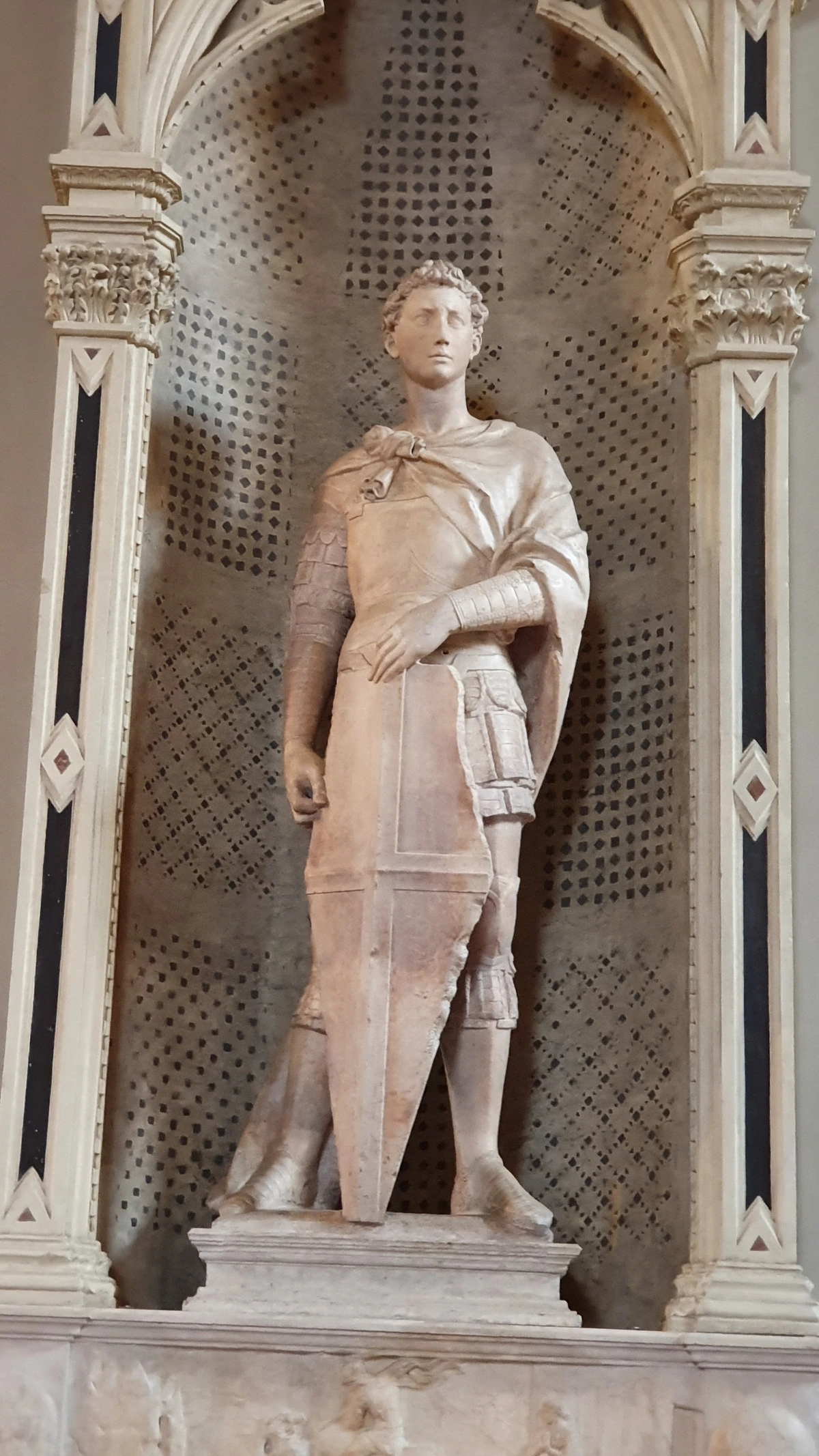
Unlike Italy, where sculptors like Donatello were actively reviving classical forms, Northern sculptors often built upon the rich, expressive traditions of the Gothic era. This meant a preference for dramatic narratives, often in wood, and a focus on conveying intense human emotion rather than idealized classical perfection. You see this in the poignant figures adorning altarpieces, carved with a meticulous eye for detail and an almost palpable sense of spiritual suffering or devotion. This continuity with Gothic traditions, blended with a new Renaissance naturalism, created a truly unique sculptural language, distinct from its Southern counterpart.

Northern Architecture: Gothic Endurance with Renaissance Ornamentation
Northern Renaissance architecture didn't experience the same radical break from tradition as Italian architecture did with its embrace of classical Roman forms. Instead, it was often a fascinating synthesis of enduring Late Gothic styles with subtle, emerging Renaissance elements. This meant structures often retained the soaring verticality, pointed arches, and intricate tracery of Gothic cathedrals and civic buildings, but with a growing interest in symmetry, proportion, and classical ornamentation (like pilasters, cornices, or decorative friezes) applied to the surface. Town halls, guild houses, and merchant residences in cities like Antwerp and Bruges showcased a rich blend of traditional and new, emphasizing civic pride and individual wealth through elaborate facades and interior detailing. You can see this particularly in the intricate brickwork and stepped gables of buildings across the Low Countries, which while distinctly Gothic in overall form, often incorporated classical motifs in their decorative elements, creating a unique hybrid style. It was less about grand, harmonious classical temples and more about adapting and enriching existing Gothic forms with a newfound decorative vocabulary, focusing on rich surface treatment and symbolic programs. Famous examples include the Stadhuis (Town Hall) in Antwerp, with its blend of Flemish and Italianate features (note the classicizing columns and pediments juxtaposed with traditional stepped gables), and the intricate brick Gothic churches found throughout the Baltic region, showcasing a regional adaptation of Gothic forms with increasingly elaborate decorative elements.

Decorative Arts: Tapestries, Metalwork, and More
Beyond the grander forms, the Northern Renaissance also excelled in various decorative arts, often reflecting the same meticulous craftsmanship and symbolic richness found in painting. Tapestries, for instance, were highly prized, often more expensive than paintings, serving as insulation, displays of wealth, and intricate narrative devices. These elaborate, hand-woven hangings were not just decorative; they were highly valued art forms used to adorn churches, castles, and wealthy homes. Cities like Arras, Tournai, and Brussels were famed for their workshops producing these elaborate, hand-woven hangings, with artists creating detailed "cartoons" (preparatory designs) for the weavers. Metalwork, including gold, silver, and intricate armor, also showcased the period's technical prowess and artistic sensibility, often adorned with elaborate engravings and repoussé work. Illuminated manuscripts, though gradually replaced by printed books, continued to be produced at an exceptionally high standard in the early period, reflecting the enduring Gothic tradition of exquisite detail on a miniature scale. These diverse artistic productions highlight the comprehensive nature of art during the Northern Renaissance, where every object could be a canvas for expression. This period also saw significant developments in stained glass, continuing the medieval tradition but with new narrative and figural approaches, and furniture design, often richly carved and inlaid, catering to the growing domestic sphere of the merchant class.
Key Themes: What Were They All Thinking About?
So beyond just meticulously rendering what they saw, what were the profound ideas and philosophies driving this art? For me, these are the threads that weave through the visual tapestry of the Northern Renaissance, giving it a depth that goes far beyond mere technique.
Cultural and Intellectual Context: The Wider World
It’s impossible to truly appreciate Northern Renaissance art without understanding the tumultuous world it emerged from. The devastating impact of the Black Death (the bubonic plague), which swept through Europe in the mid-14th century and recurred for centuries, had a profound, if indirect, influence. The trauma and immense loss of life fostered a pervasive sense of mortality and heightened religious fervor. This often manifested in art through a greater focus on themes of death, judgment, and the suffering of Christ, encouraging piety and contemplation of the afterlife, and leading to increased commissions for memento mori. The rise of private devotion and the commissioning of smaller, more personal religious works can also be linked to this period of intense introspection, as individuals sought personal connection to the divine in uncertain times. The stark realism and emotional intensity seen in artists like Grünewald can be understood, in part, as a continuation of this medieval preoccupation with human fragility and redemption. This blend of anxiety and devotion created a fertile ground for the unique artistic expressions we see.
Beyond the plague, the burgeoning urban centers, the expansion of trade networks, and the increasing power of the merchant class also played a crucial role. These economic shifts created a new class of patrons who commissioned art not just for grand cathedrals, but for their private homes and guild halls, profoundly influencing the subject matter and scale of artworks produced. This era was a crucible of social, economic, and spiritual change, and art was inextricably linked to all of it.
- Christian Humanism: In the North, the burgeoning Humanist focus on individual potential and classical learning was profoundly intertwined with personal religious devotion. Often called Christian Humanism, this philosophical movement merged Renaissance humanism's emphasis on classical learning and individual potential with a deep Christian piety. It wasn't about divorcing humanity from divinity; rather, the goal was to cultivate a virtuous individual who could live a good Christian life. Key figures like Desiderius Erasmus, with his biting satire and call for a simpler, more Christ-like piety, and Thomas More, author of Utopia, championed this blend, advocating for a return to original Christian texts and a reform of society through education and moral improvement, believing that a deep understanding of scripture and classical wisdom could lead to profound personal and societal transformation. This blend fostered a sense of individual responsibility and a quest for inner spiritual truth, often expressed through art that depicted intensely spiritual moments in relatable, familiar domestic settings, bringing the sacred closer to the everyday experience of the viewer. It's less about grand theological debates and more about a quiet, personal faith, deeply reflective of individual piety and moral introspection.
- Disguised Symbolism: This, for me, is one of the most delicious aspects of Northern Renaissance art. It’s a key concept you absolutely need to grasp. Almost every single object, however mundane, could carry a profound double meaning, making the artwork a visual riddle for the discerning viewer. A bowl of water isn't just a bowl of water; it could be a symbol of the Virgin Mary's purity, or even a representation of cleanliness and baptism. A loyal dog can represent fidelity or loyalty (and you can dive deeper into this with our guide to the symbolism of animals in Renaissance art). Fruit on a table might hint at paradise, original sin, or the abundance of God's creation. A snuffed-out candle could signify death, the fleetingness of life, or even the incarnation of Christ (as divine light enters the world). Even a simple broom, a strategically placed mirror reflecting a hidden scene, or a discarded shoe could carry profound theological or moral significance. The very act of folding a cloth or the choice of a specific flower could be imbued with profound theological or moral significance. These artists created rich visual puzzles, embedding complex theological or moral messages within the seemingly realistic details of everyday life, encouraging a more active and contemplative engagement from the viewer. You can learn so much more about this fascinating practice in our guide to understanding symbolism in Renaissance art. This approach also extended to vanitas symbolism in still lifes, where objects like skulls, hourglasses, snuffed candles, or wilting flowers served as stark reminders of mortality and the transient nature of earthly pleasures and achievements. A strategically placed mirror, for instance, could reflect not only a scene but also the viewer, drawing them into this contemplation of impermanence. It was a subtle yet powerful way to connect the sacred with the everyday, making complex ideas accessible and engaging for a deeply religious audience, and requiring an active, contemplative mind from the viewer.
- Northern Realism and Observation: While Italian artists sought an idealized beauty, often rooted in classical forms and mathematical proportions, Northern artists were captivated by the world as it was. The main difference, for me, between the Italian and Northern Renaissance is often summarized as Idealism vs. Realism, though it's much more nuanced. Italian Renaissance art, heavily influenced by classical Greek and Roman antiquity, strove for idealized, harmonious, and heroic depictions of its subjects, often prioritizing human perfectibility, rational order, and grand narratives, with an emphasis on geometric perspective and monumental scale. Northern Renaissance art, leveraging the detail-oriented medium of oil paint, focused on intense, almost microscopic realism and optical veracity, capturing both the beauty and the flaws of the natural world and its people, often with a deep sense of moralizing or spiritual symbolism embedded in everyday objects and a focus on psychological depth. They embraced meticulous observation, using the new capabilities of oil paint to render textures, light, and individual features with an almost photographic precision. This wasn't just about technical skill; it reflected a profound philosophical shift, a burgeoning empiricism, and a desire to understand and represent the divine through the careful, almost scientific study of God's creation in the tangible world. Think of it as a pre-Enlightenment curiosity applied to the canvas, a kind of artistic scientific inquiry. This focus on naturalism extended profoundly to portraiture, where capturing the unique likeness, individual personality, and even the psychological state of a sitter was paramount, creating images of remarkable intimacy and presence, often revealing more about the individual than Italian counterparts.
The Business of Art: Patrons, Guilds, and the Market
Unlike the more centralized patronage systems in Italy, where the Church and powerful aristocratic families dominated, a significant portion of Northern Renaissance art was commissioned by a burgeoning and wealthy merchant and banking class. The flourishing trade routes and the rise of this powerful merchant and banking class in bustling cities like Bruges, Ghent, and especially Antwerp, fundamentally altered art patronage and the very nature of the art market. These weren't kings or popes; they were savvy entrepreneurs in bustling trade centers like Bruges and Antwerp, whose growing wealth fueled a new demand for art. They wanted portraits of themselves and their families—realistic depictions that asserted their newfound status and wealth. They commissioned religious panels for private devotion in their homes, often featuring the donors themselves within the sacred scene (what we call a donor portrait), blurring the lines between secular and sacred display. They also commissioned intricate altarpieces for local churches and guild chapels, civic artworks for town halls, and even secular allegories. This shift in patronage meant art increasingly reflected the values of this class: personal piety for their homes, civic pride, the display of wealth, and a desire for a tangible, recognizable place in the world, both earthly and divine. This democratic shift in art consumption meant that the content of art diversified significantly, moving away from solely grand religious or mythological narratives towards more accessible, relatable subjects that resonated with daily life and personal virtues. Artists became entrepreneurs, often producing works speculatively for sale in open markets rather than solely by commission, further expanding the reach and variety of Northern art.
The Rise of the Open Market and Art Dealing
This shift in patronage had another profound effect: the emergence of a true art market. Artists were no longer solely reliant on direct commissions; they began producing works "on spec" for sale in open markets, especially in bustling commercial centers like Antwerp. This led to a greater variety of subjects and styles, catering to a broader audience who might not have had the means or desire to commission a grand altarpiece but still wanted art for their homes. The role of the art dealer also became more prominent, facilitating transactions and connecting artists with buyers across Europe. This economic dynamic fundamentally reshaped the art world, laying the groundwork for the modern art market.
The Powerful Role of Guilds
Beyond individual patrons, guilds played an absolutely foundational role in the Northern Renaissance art world. These powerful professional associations regulated virtually every aspect of artistic production, from training to sales. To become a master artist, one typically had to undergo a rigorous apprenticeship with an established master, often for many years (sometimes even a decade!), before becoming a journeyman and eventually a master in their own right, able to open their own workshop and take on apprentices. Guilds protected their members, ensured quality and standards, regulated prices, and often provided a crucial social and economic safety net. In cities like Antwerp, the Guild of St. Luke, encompassing painters, sculptors, and other related crafts, was particularly influential, controlling everything from training and materials to sales and exhibitions. This strong guild system fostered a high level of technical excellence and a collaborative workshop environment, ensuring the propagation of skills and the consistent quality of art produced across the Low Countries and Germany. The guild system also served to maintain a high level of artistic craftsmanship, as adherence to specific standards was often a prerequisite for membership and commercial success.
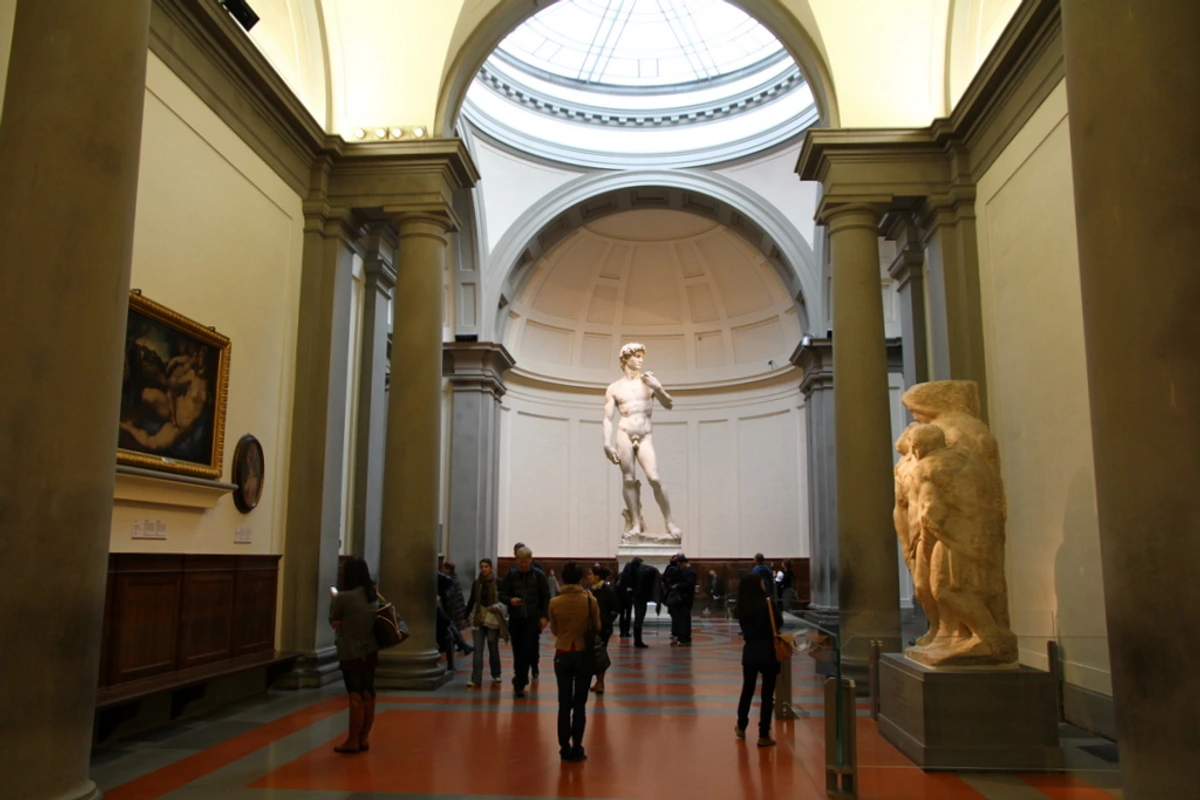
The Age of Printmaking: Art for the Masses and the Rise of the Artistic Brand
While Albrecht Dürer was a pioneer, the phenomenon of printmaking deserves its own mention as a critical theme, fundamentally reshaping the art market and the artist's role. The invention of the movable type printing press in the mid-15th century utterly revolutionized the dissemination of knowledge and, crucially, art. It allowed artists like Albrecht Dürer to mass-produce woodcuts and engravings, making their work accessible to a much broader audience beyond the wealthy elite. This democratized art, spread new ideas (including vital Reformation ideas and scientific knowledge), fostered artistic fame across Europe, and fundamentally changed how art was consumed and influenced. Artists like Dürer and Lucas van Leyden created vast numbers of woodcuts and engravings, allowing their work to be reproduced cheaply and widely. This meant art was no longer exclusive to the elite; it could reach a broader audience, educating, entertaining, and influencing across social strata and geographical boundaries, from grand cathedrals to humble homes. It fostered an international artistic dialogue and cemented the reputations of Northern artists far beyond their local workshops, helping to establish the concept of the artist as an intellectual and a master of multiple media. Think of how influential Dürer’s Apocalypse series, with its dramatic and vivid imagery of the end times, or his Large Passion series, depicting the suffering of Christ, was, for instance, spreading profound religious and moral messages to a wide public through easily reproducible prints – it was the mass media of its day, sparking imagination and critical thought across Europe. This accessibility was truly revolutionary, allowing for a broader engagement with art and ideas, and also led to the development of the artist's brand and signature, as Dürer's distinctive 'AD' monogram became widely recognized. The speed and cost-effectiveness of prints meant that complex theological concepts, moral allegories, and popular imagery could reach virtually every household, something truly unprecedented, fostering an international artistic dialogue and cementing the reputations of Northern artists far beyond their local workshops, helping to establish the concept of the artist as an intellectual and a master of multiple media.
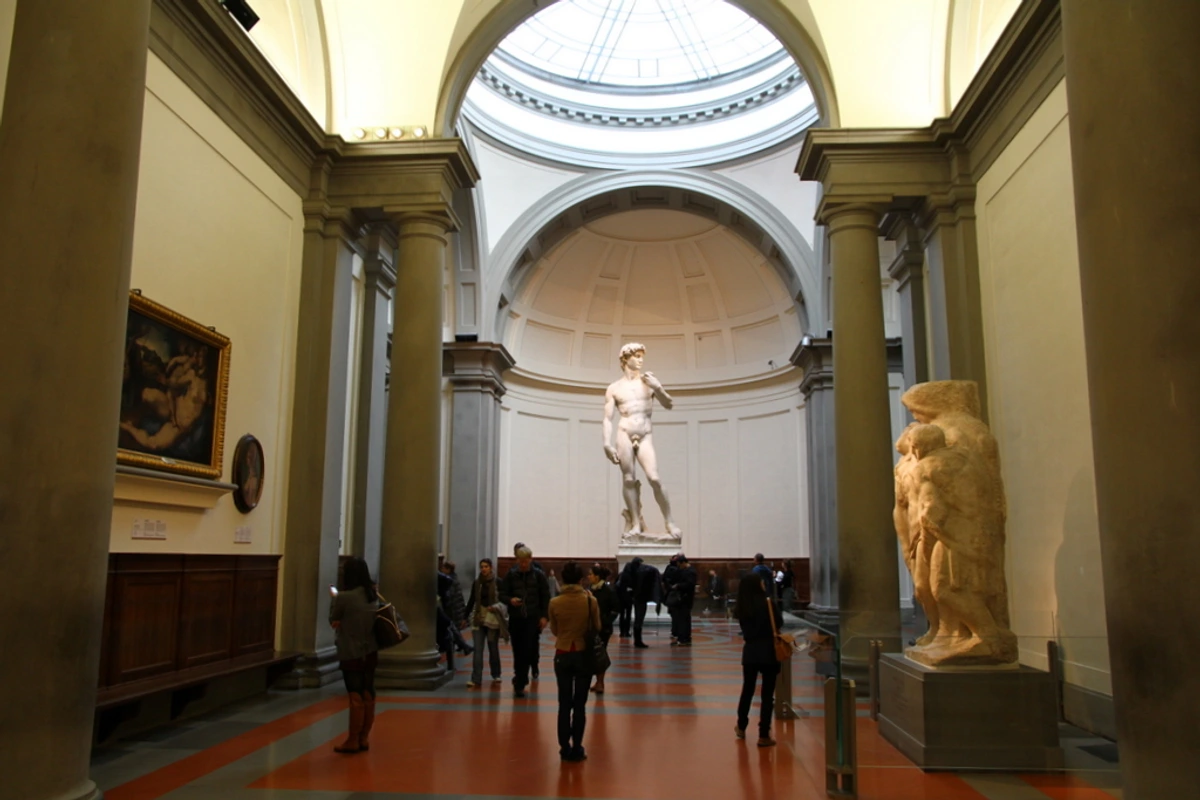
Genre Painting Takes Center Stage: The Beauty of the Mundane
As the Reformation altered patronage and the merchant class grew, there was a profound shift towards genre painting – scenes of everyday life. Artists like Pieter Bruegel the Elder elevated the commonplace, depicting peasants working, children playing, or villagers feasting. This wasn't just trivial subject matter; it was often imbued with moral messages, social commentary, or a deep appreciation for humanity's simple existence. This focus on the secular and the quotidian was a defining characteristic that would profoundly influence later Dutch Golden Age painting and beyond, laying the groundwork for traditions that celebrated the beauty and complexity of ordinary human experience. Artists like Pieter Bruegel the Elder paved the way for later masters such as Johannes Vermeer and others from the art of the Dutch Golden Age beyond Rembrandt to elevate scenes of daily life into profound artistic statements. It's a testament to the idea that art doesn't always need grand narratives to be deeply meaningful.
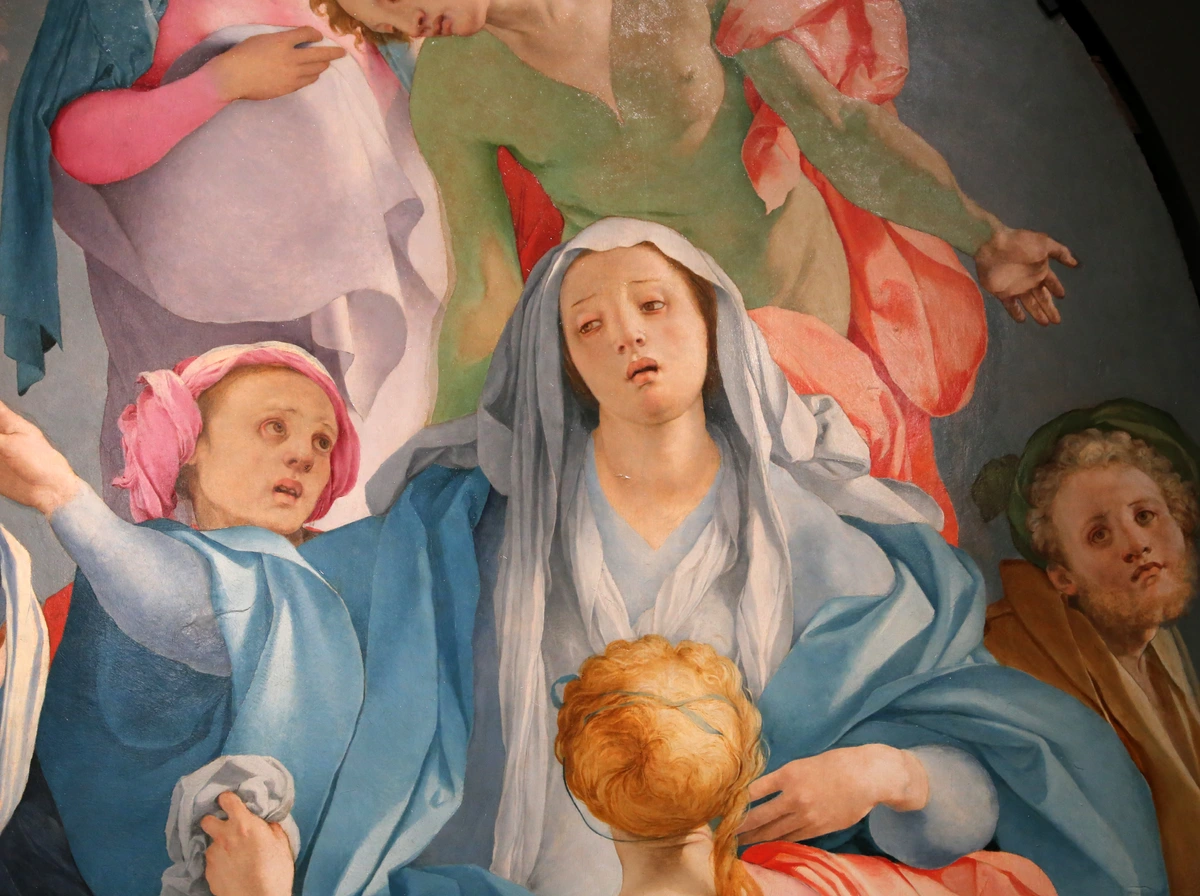
The Emergence of Landscape and Still Life as Independent Genres
I find it absolutely fascinating how the Northern Renaissance laid the groundwork for entire genres that would dominate art for centuries. It saw the nascent development of still life painting, where artists meticulously rendered arrangements of inanimate objects. These weren't just decorative exercises; they often carried hidden meanings (vanitas symbolism, for example, where objects like skulls, hourglasses, snuffed candles, or wilting flowers served as stark reminders of mortality and the transient nature of earthly pleasures and achievements) and showcased the artist's extraordinary skill in depicting textures, light, and form, reflecting the period's fascination with the material world and its transient nature. The detail these artists could achieve in depicting fruit, flowers, or everyday household items is truly astonishing, making us look at the mundane with fresh eyes, and imbuing these objects with a quiet dignity.
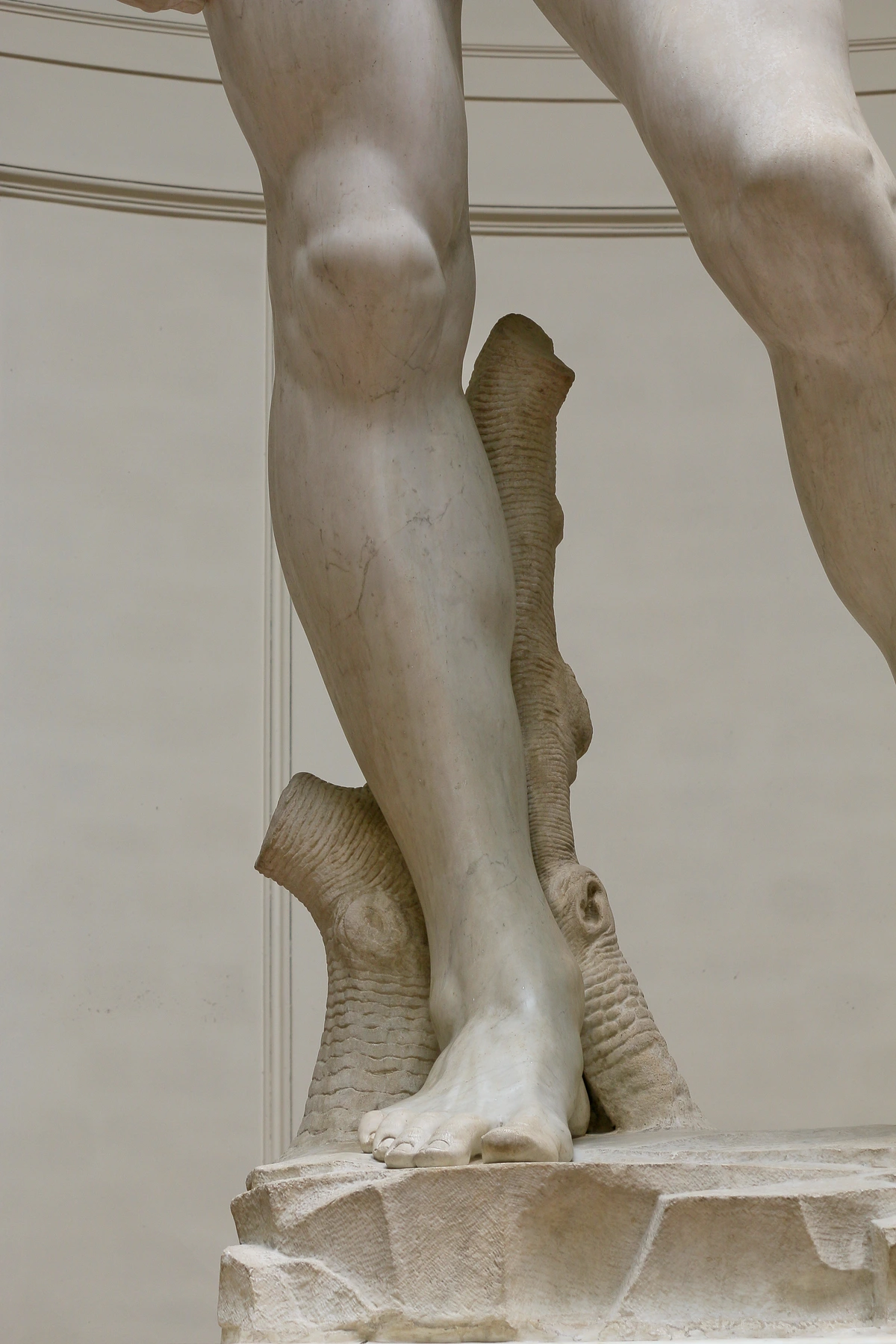
Similarly, landscape painting began to emerge as a distinct genre, moving beyond mere background elements to become a subject in its own right, often imbued with spiritual or allegorical meaning. Bruegel's expansive views are prime examples, but even earlier, artists integrated highly detailed and atmospheric landscapes into their religious narratives, suggesting a growing appreciation for the natural world itself as a reflection of divine creation. This shift was profoundly important. These developments laid crucial groundwork for the flourishing of these genres in later centuries, particularly in the Dutch Golden Age, and set the stage for later movements where landscape and still life would become primary modes of artistic expression. It's a testament to the Northern artists' ability to see profound beauty and meaning in the seemingly ordinary.
The Legacy: Why It Still Matters
I truly believe the Northern Renaissance set the stage for so much of what came after, and its echoes reverberate through art history with an undeniable force. Its revolutionary mastery of oil painting became the standard across Europe, directly impacting Baroque masters like the Dutch geniuses Rembrandt and Vermeer, who built upon its techniques of light, shadow, texture, and psychological realism. You can see the roots of their incredible naturalism, dramatic lighting, and intimate genre scenes firmly planted in the works of Van Eyck and his contemporaries. The pioneering rise of genre painting, landscape painting, and still life laid foundational groundwork for the Dutch Golden Age and, much later, movements like Realism, Impressionism, and even aspects of Expressionism, all of which sought beauty in the mundane and truth in direct observation. The nascent tradition of genre painting—that profound act of finding beauty and meaning in everyday life—can be traced all the way to the 17th-century Dutch Golden Age, and even further to the Realists, Impressionists, and beyond. This focus on the domestic, the psychological, and the detailed observation of the material world truly transformed Western art. In essence, the Northern Renaissance taught artists how to see and paint the world around them, flaws and all, democratizing art and expanding its thematic possibilities. It also laid foundational groundwork for stylistic shifts that would differentiate movements like Renaissance vs Baroque art, emphasizing individuality and direct observation. The Northern emphasis on individualism, psychological depth, and social commentary also resonated through subsequent centuries, shaping how artists approached portraiture and narrative, and even influencing the development of scientific illustration, demanding precise and accurate visual representation of the natural world.
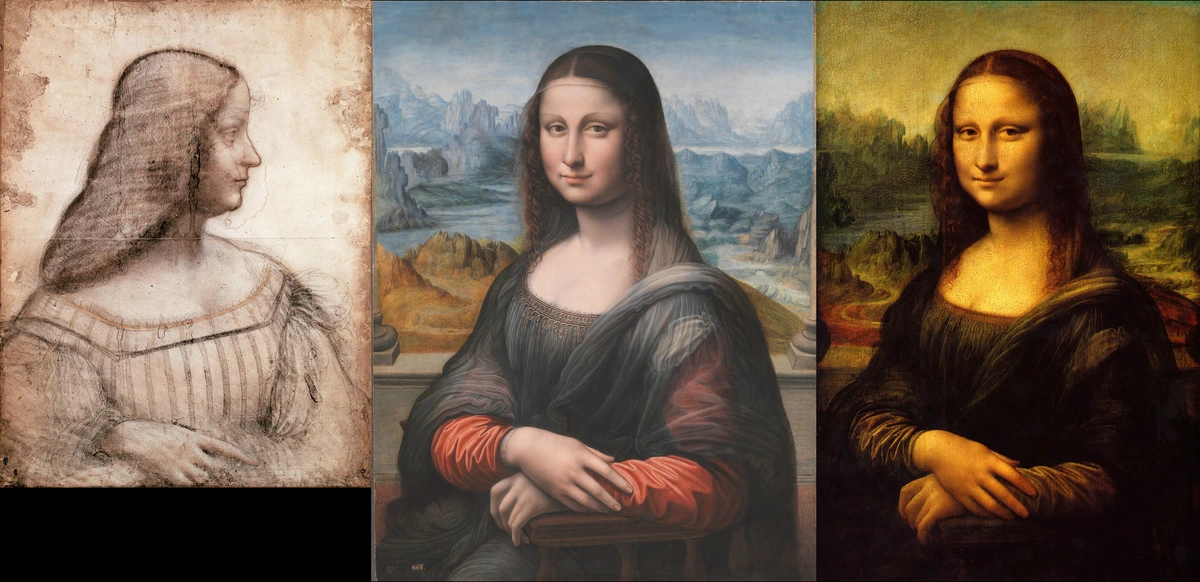
For me, the Northern Renaissance is a powerful, enduring reminder that there isn't just one "correct" way to see or represent the world. It’s a celebration of the particular over the general, the real over the ideal, and a testament to the profound beauty found in the everyday. It teaches us to look closer, to find the profound in the mundane, to revel in the incredible skill it takes to capture reality, and to appreciate art that unflinchingly reflects the human condition in all its messy, glorious detail. This period, often overshadowed by its Italian counterpart, truly laid foundational groundwork for much of Western art, pushing boundaries in technique, subject matter, and the very purpose of artistic creation. It's a rich, complex, and deeply rewarding chapter in art history that continues to inspire and challenge us to see more profoundly. The detailed naturalism and domestic settings paved the way for the burgeoning art market and the rise of secular subject matter that would define the next centuries of European art. It was a time when art became intensely personal, culturally reflective, and globally influential, proving that true revolution often brews far from the perceived center. This entire journey, for me, underscores a crucial truth about art: it's not just about what is seen, but how we learn to see it, and the Northern Renaissance opened up a whole new way of looking at the world, transforming artistic vision and laying the groundwork for much of modern art history. It's a period that continues to challenge and reward close observation, inviting us to delve into its intricate layers of meaning and marvel at its profound human insights.
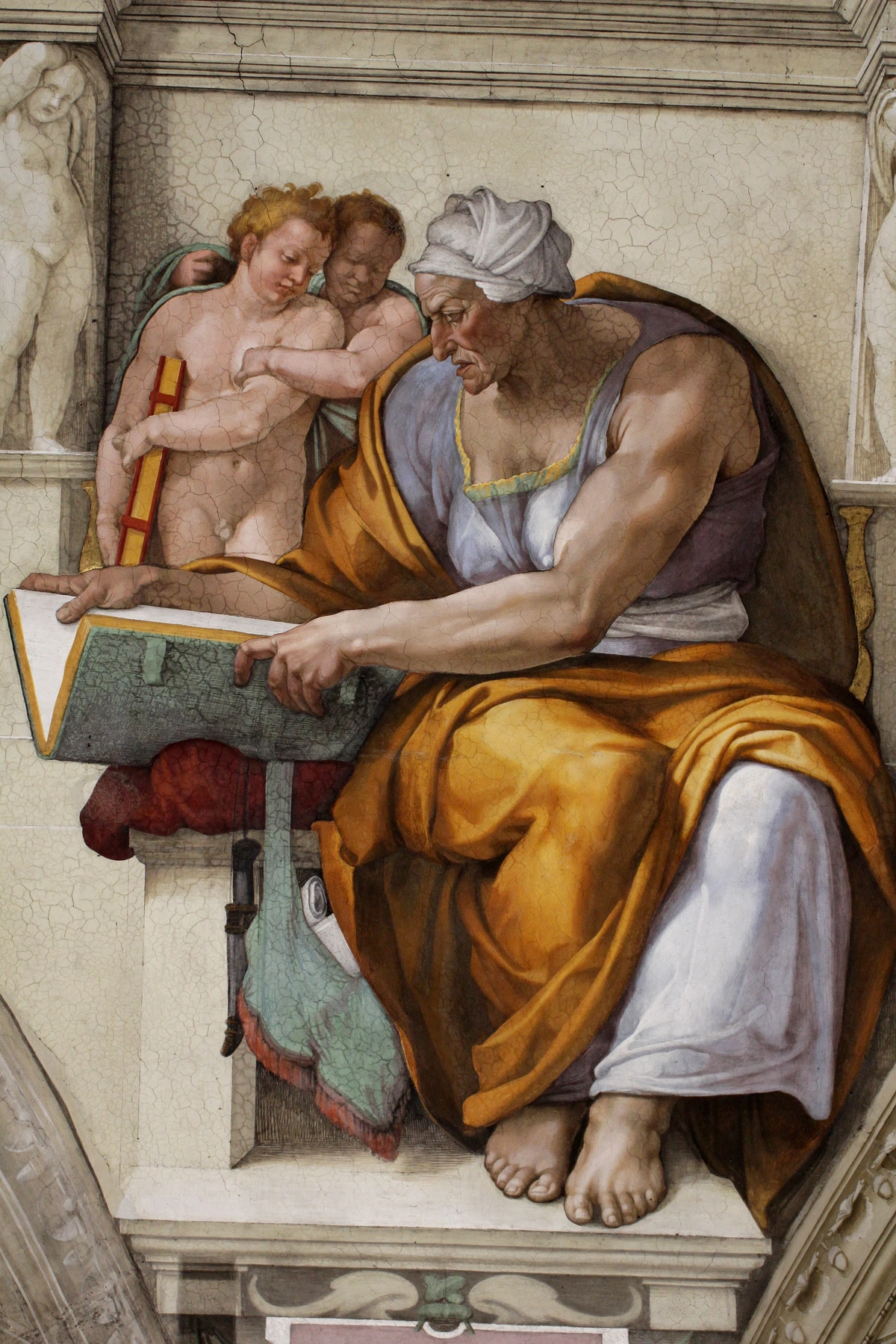
Key Cities and Regions: Where the Northern Renaissance Flourished
While the Italian Renaissance had its clear epicenters in Florence, Rome, and Venice, the Northern Renaissance was a more geographically dispersed, yet equally vibrant, phenomenon. It’s fascinating to see how local traditions, powerful trade networks, and emerging economic powers shaped the art in different regions, each contributing its unique flavor and artistic innovations to this rich period: It truly was a tapestry of diverse artistic hubs, each with its own distinctive character.
Region | Key Cities/Areas | Defining Characteristics | Key Artists/Works |
|---|---|---|---|
| Flanders (Southern Netherlands) | Bruges, Ghent, Antwerp, Brussels, Tournai | Birthplace of early oil painting, characterized by extreme detail and meticulous rendering, rich and complex symbolism, profound emotional intensity in religious scenes, strong merchant and aristocratic patronage, pioneering altarpieces and psychologically incisive portraits. A profound focus on naturalism and domestic settings, often with a deep spiritual undertone. Bruges and Antwerp were pivotal economic and artistic centers, attracting merchants and artists, creating a vibrant market for art. | Jan van Eyck (Ghent Altarpiece, Arnolfini Portrait), Robert Campin (Mérode Altarpiece), Rogier van der Weyden (Descent from the Cross), Hugo van der Goes (Portinari Altarpiece), Quentin Matsys (The Moneylender and His Wife). |
| Dutch Republic (Northern Netherlands) | Haarlem, Leiden, Amsterdam, Utrecht | A later emergence with a distinct artistic shift, marked by a strong emphasis on genre painting (scenes of everyday life), individual and group portraiture for a rising middle class, highly developed landscapes, and nuanced still life. Closely tied to Protestant ethics, a booming mercantile economy, and an increasingly secular art market. This region crucially paved the way for the Dutch Golden Age. | Geertgen tot Sint Jans (John the Baptist in the Wilderness), Lucas van Leyden (master of engraving, The Milkmaid), and pioneering works that laid the foundation for later masters like Frans Hals and Rembrandt. |
| Germany | Nuremberg, Augsburg, Strasbourg, Basel (Switzerland), Cologne | A region defined by a strong printmaking tradition (with masters like Dürer and Baldung Grien producing influential woodcuts and engravings), profound Reformation influence, and an intense realism often imbued with expressive and sometimes stark emotionality. A strong focus on individual portraiture, intellectual curiosity, and Christian Humanism flourished here. Unlike the more unified city-states of Italy, Germany's politically fragmented landscape, composed of numerous independent city-states and principalities, often led to a focus on individual towns and their unique artistic traditions, often intertwined with local civic pride and intellectual discourse. | Albrecht Dürer (Melencolia I, Self-Portrait with Fur Collar, Four Horsemen of the Apocalypse), Hans Holbein the Younger (The Ambassadors, portraits of Henry VIII), Lucas Cranach the Elder (portraits of Martin Luther, mythological scenes), Hans Baldung Grien (Death and the Maiden), Matthias Grünewald (Isenheim Altarpiece). |
| France | Dijon, Tours, Paris, Fontainebleau | Primarily influenced by Flemish artists in the early period, with figures like Jean Fouquet integrating Northern realism and attention to detail. France saw a less distinct "French Renaissance" in painting than in Italy or Flanders, often integrating Flemish stylistic elements, especially in manuscript illumination and early panel painting. Later, it developed its own unique blend of Northern realism and imported Italian Mannerism, particularly with the School of Fontainebleau, which brought Italian artists like Rosso Fiorentino and Francesco Primaticcio to France, creating a sophisticated and often sensual court style that leaned more towards Mannerism. | Jean Fouquet (Melun Diptych), and the influential artists of the School of Fontainebleau (e.g., Rosso Fiorentino, Francesco Primaticcio, though their style leans more towards Mannerism). |
| England | London | Gained prominence through artists like Hans Holbein the Younger, who became court painter to Henry VIII. Focus on precise, detailed portraiture for the Tudor monarchy and rising aristocracy, reflecting the monarch's power and the sitter's status. Strong influence of Northern European artists who traveled to England for commissions, rather than a strong indigenous painting tradition. | Hans Holbein the Younger (court portraits), Nicholas Hilliard (miniatures, though later). |
Frequently Asked Questions (FAQ)
How did Northern Renaissance art differ from Gothic art?
While the Northern Renaissance evolved directly from Late Gothic traditions, it represented a significant shift. Gothic art, while often detailed, focused more on religious narratives within a hierarchical, stylized framework, often with less emphasis on naturalistic space or individual human emotion. Northern Renaissance art, particularly with the advent of oil paint, introduced an unprecedented level of optical realism, psychological depth, and a focus on domestic settings and individual patrons. It moved beyond the symbolic representations of Gothic art to create a more tangible, immersive illusion of reality, while still retaining deep spiritual meaning.
What is the "Ars Nova" in Northern Renaissance art?
"Ars Nova" (Latin for "new art") is a term sometimes used to describe the revolutionary artistic style that emerged in Flanders during the early 15th century, particularly associated with artists like Robert Campin and Jan van Eyck. It signifies a profound break from earlier Gothic traditions, characterized by an unprecedented level of realism, meticulous detail, the innovative use of oil paint, and a focus on integrating spiritual narratives into familiar, domestic settings. It was a "new art" because it offered a dramatically different way of seeing and representing the world, emphasizing optical veracity and the tangible presence of objects, and creating an illusion of reality that was profoundly captivating. This 'new art' also encompassed a greater psychological depth in figures and a sophisticated use of disguised symbolism.
What is anamorphosis in Northern Renaissance art?
Anamorphosis is a distorted projection or perspective requiring the viewer to use a special device or occupy a specific vantage point to reconstitute the image. In Northern Renaissance art, a famous and striking example is the elongated skull in Hans Holbein the Younger's The Ambassadors. This technique was a clever demonstration of artistic skill and an intellectual puzzle for the viewer, often used to embed hidden meanings or memento mori (reminders of mortality) within a seemingly rational composition. It highlighted the artists' mastery of perspective and their ability to engage the viewer on multiple intellectual and spiritual levels.
What was the influence of Mannerism in the Northern Renaissance?
While the Northern Renaissance is largely defined by its distinct realism, there was a later phase, particularly in the mid-to-late 16th century, where it began to interact with the Italian artistic style known as Mannerism. Mannerism, which followed the High Renaissance, emphasized artificiality, elegance, and often exaggerated forms, rejecting the classical ideals of harmony and proportion. In the North, especially in France (with the School of Fontainebleau) and the Netherlands, artists began to incorporate Mannerist elements, such as elongated figures, complex poses, and sophisticated, sometimes obscure, allegories. This resulted in a unique hybrid style, blending Northern meticulous detail with the elegant, often fantastical, sensibilities of Mannerism, particularly visible in courtly art and decorative programs. Anamorphosis is a distorted projection or perspective requiring the viewer to use a special device or occupy a specific vantage point to reconstitute the image. In Northern Renaissance art, a famous and striking example is the elongated skull in Hans Holbein the Younger's The Ambassadors. This technique was a clever demonstration of artistic skill and an intellectual puzzle for the viewer, often used to embed hidden meanings or memento mori (reminders of mortality) within a seemingly rational composition. It highlighted the artists' mastery of perspective and their ability to engage the viewer on multiple intellectual and spiritual levels.
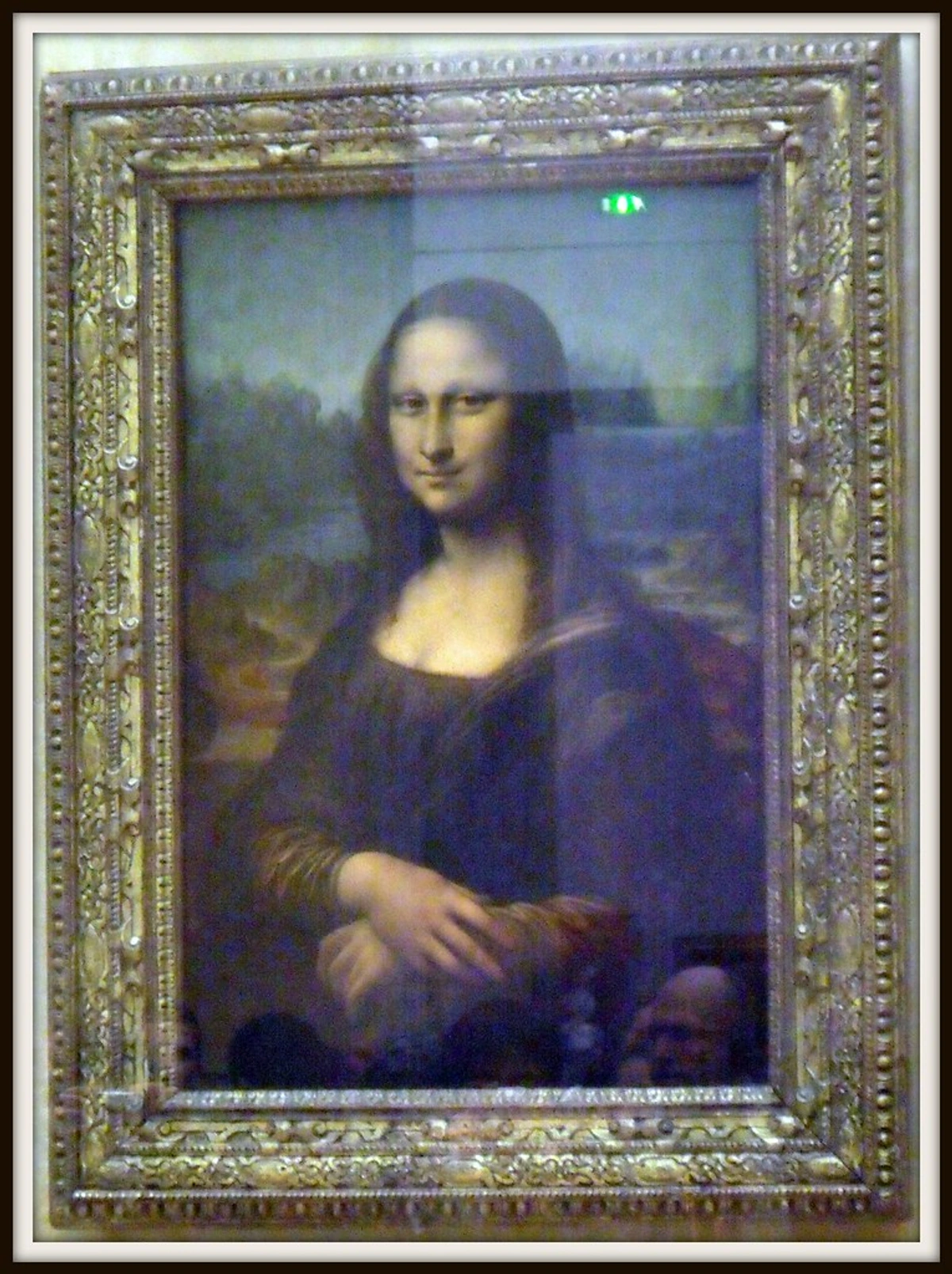
What is a donor portrait?
A donor portrait is a portrait of the individual(s) who commissioned (donated) an artwork, often appearing within the artwork itself, typically in a religious scene. This practice was particularly prevalent in the Northern Renaissance, reflecting the rise of wealthy merchant patrons who wished to be depicted alongside sacred figures, demonstrating their piety and status, and hoping for spiritual merit. These portraits often show the donors kneeling in prayer or contemplation, participating in the divine narrative, sometimes even interacting with the sacred figures. It's a fascinating blending of the secular and the sacred, offering a glimpse into the personal devotion and self-representation of the period's patrons, and highlighting the intimate connection between art, religion, and social standing.


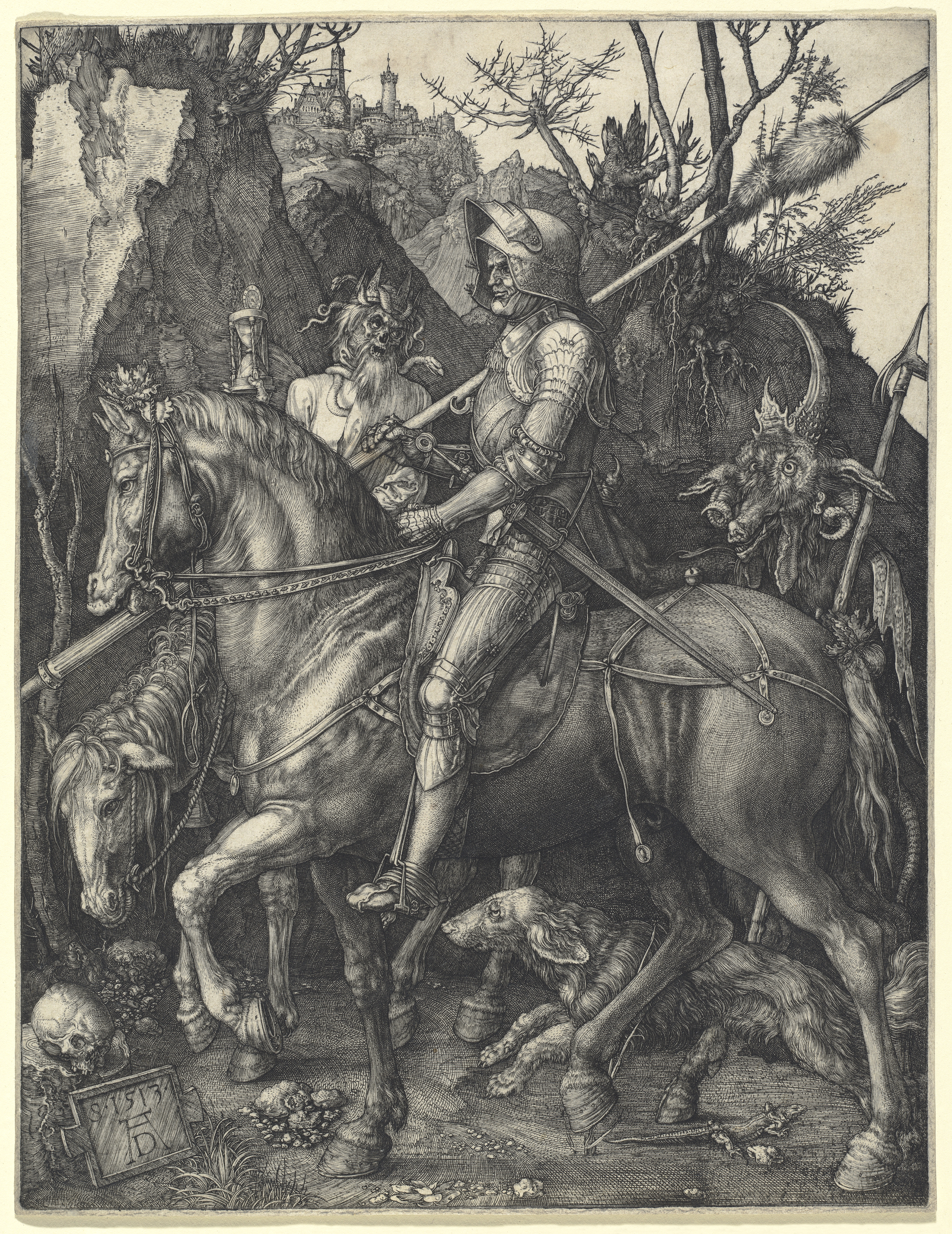


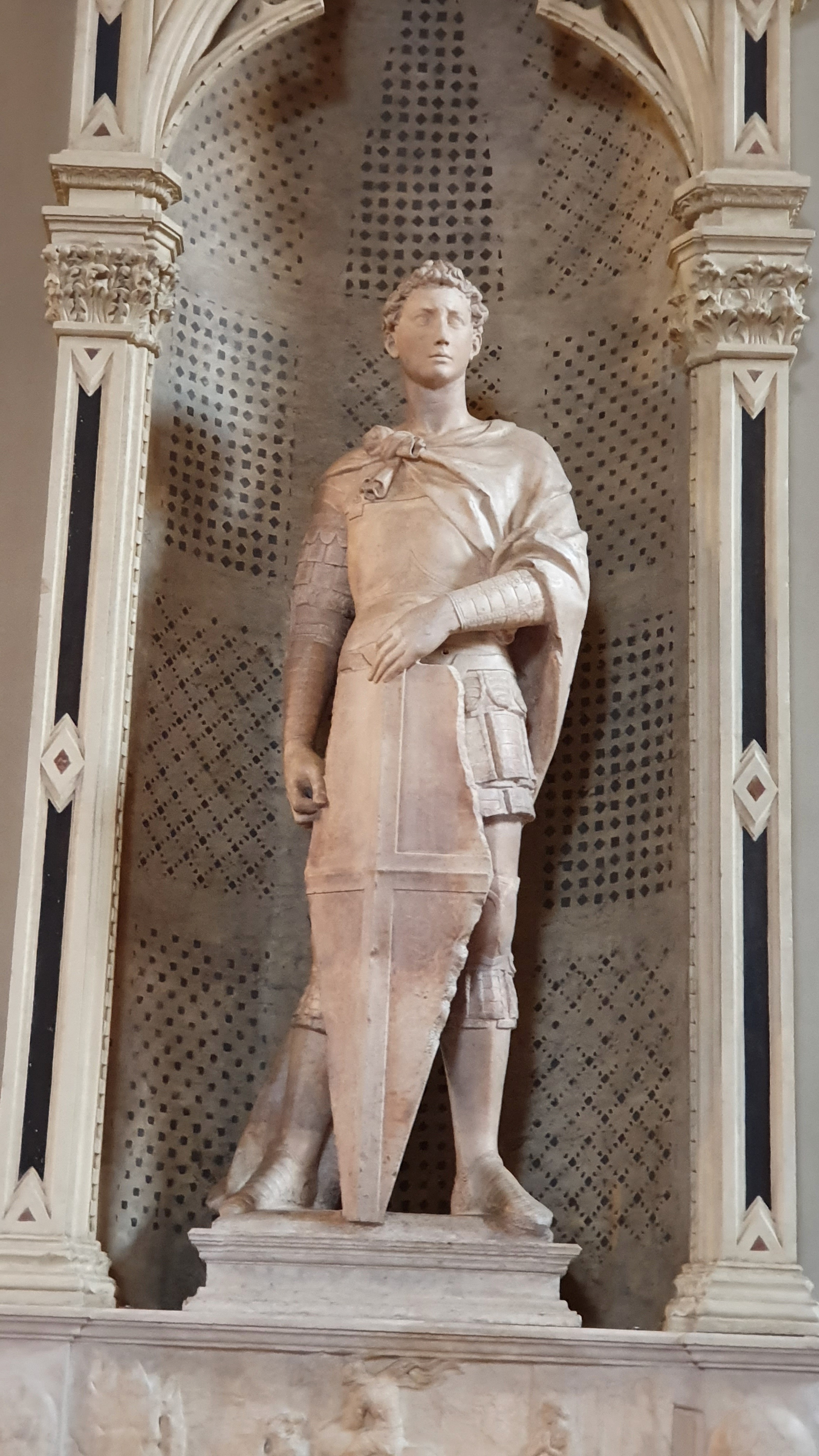


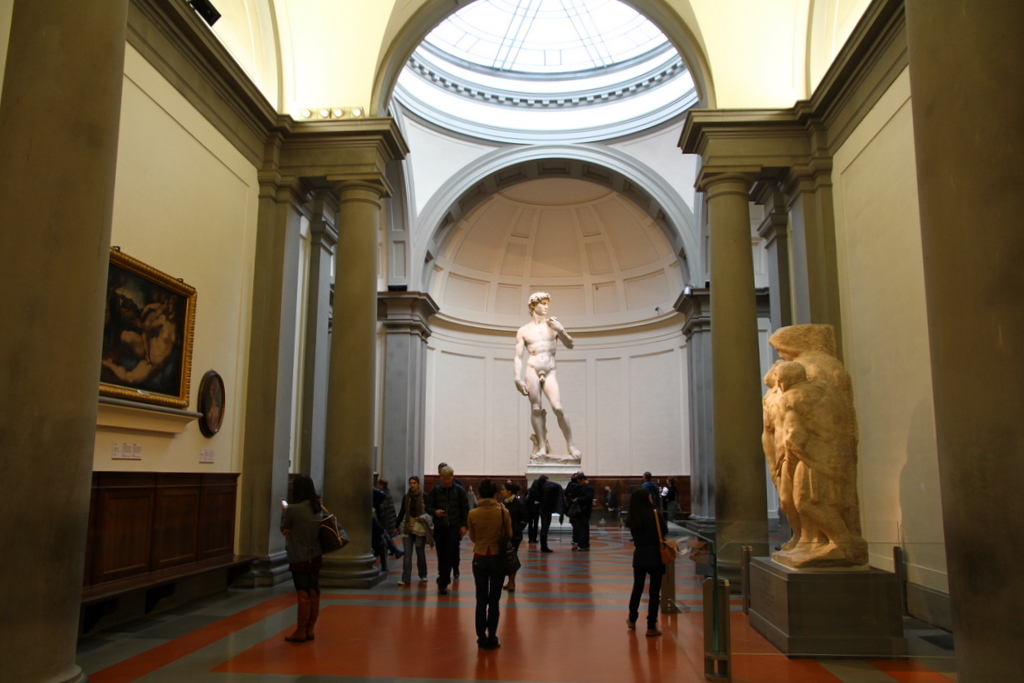


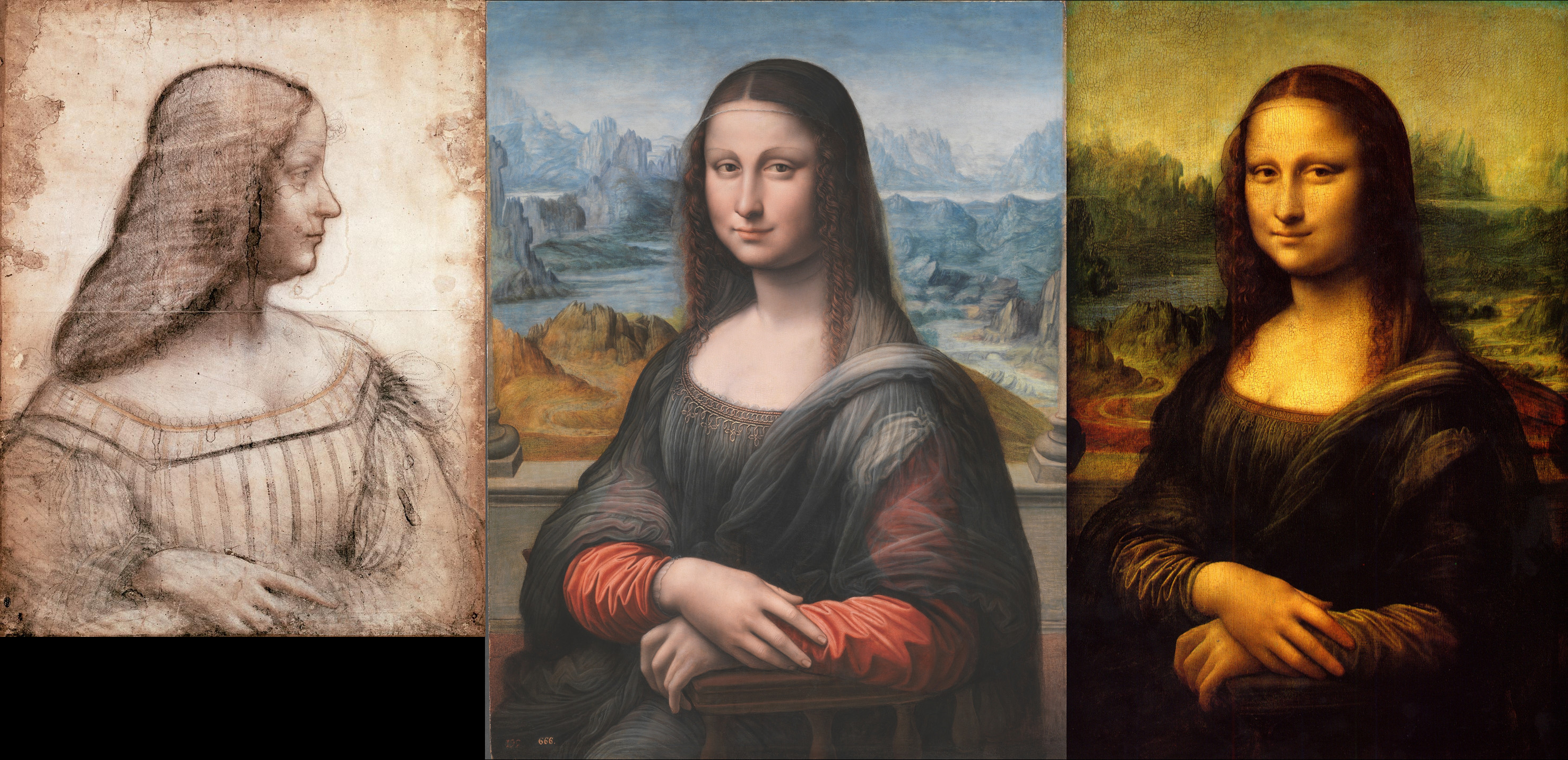


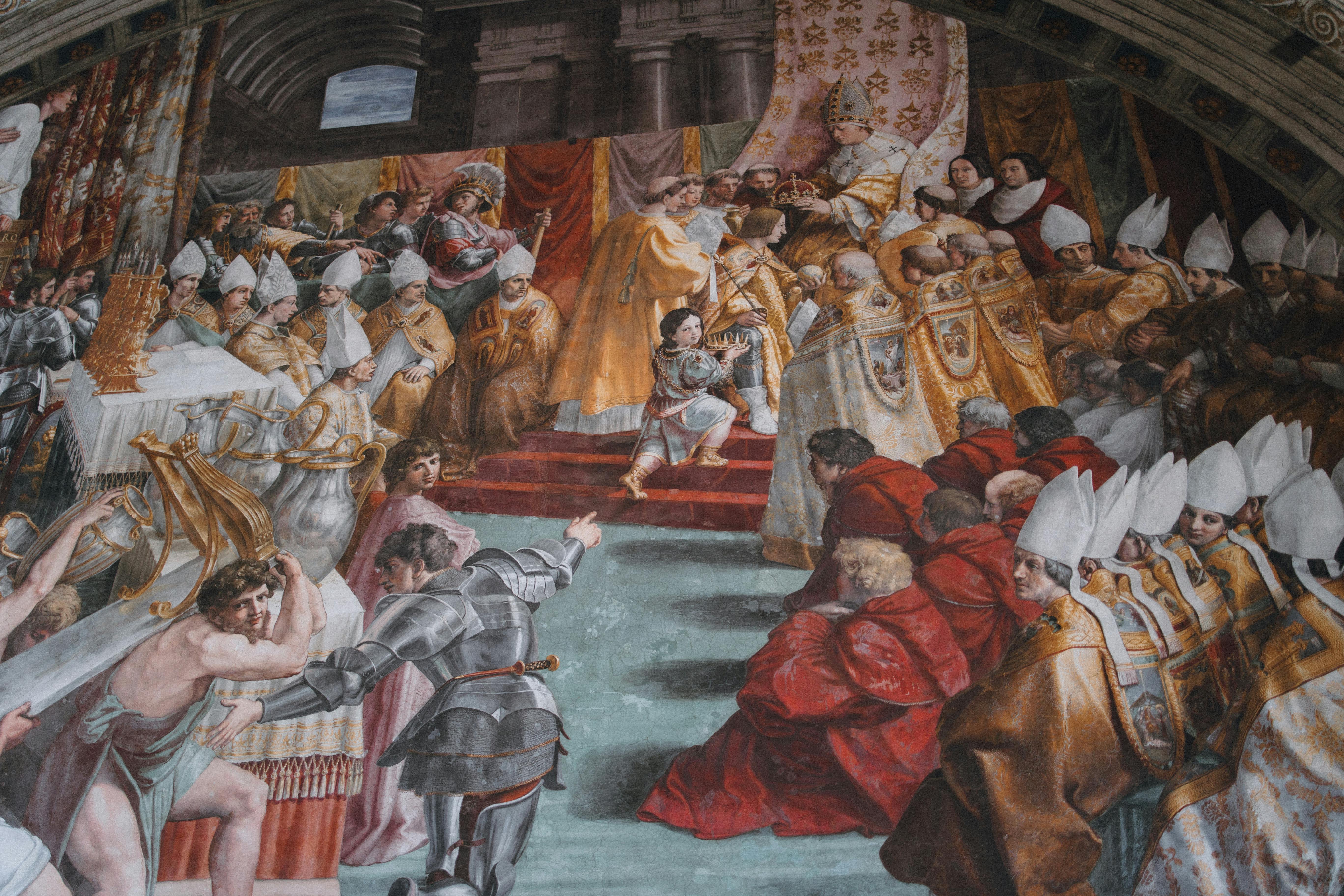
What is the main difference between the Italian and Northern Renaissance?
The simplest way to think about it, at least initially, is Idealism vs. Realism, though I think it's much more nuanced and fascinating than just that binary. Italian Renaissance art, heavily influenced by classical Greek and Roman antiquity, strove for idealized, harmonious, and heroic depictions of its subjects, often prioritizing human perfectibility, rational order, and grand narratives, with a strong emphasis on mathematical perspective and monumental scale. Northern Renaissance art, leveraging the detail-oriented medium of oil paint, focused on intense, almost microscopic realism, capturing both the beauty and the flaws of the natural world and its people, often with a deep sense of moralizing or spiritual symbolism embedded in everyday objects and a focus on psychological depth. It was a cultural and artistic movement that valued the tangible world and its intimate details, bringing art closer to everyday life and emphasizing a personal, often devotional, engagement with the artwork.
What was the role of tapestries and textiles in the Northern Renaissance?
Beyond painting and sculpture, the Northern Renaissance was a period of extraordinary achievement in tapestry weaving and other textiles, demonstrating the era's incredible craftsmanship and artistic investment. These elaborate, hand-woven hangings were not just decorative; they were highly valued art forms, often more expensive than paintings, used to adorn churches, castles, and wealthy homes. They served multiple functions: as insulation against cold, as lavish displays of wealth and status, and as intricate narrative devices, often depicting historical, mythological, or religious scenes with incredible detail and rich color that rivaled paintings. Cities like Arras, Tournai, and Brussels were renowned centers for tapestry production, employing vast workshops. Artists often created detailed "cartoons" (preparatory designs) for weavers, making these large-scale textiles a collaborative artistic endeavor that involved immense skill and resources. They offered a portable and grand way to convey stories and display artistry, and their influence on painting, particularly in terms of narrative and composition, should not be underestimated.
Who were the most important Northern Renaissance artists?
Key figures, for me, truly paint a vibrant picture of this era's genius. They include Robert Campin (Master of Flémalle, an early innovator in oil painting and naturalism, setting the stage for Flemish realism), Jan van Eyck (pioneer and undisputed master of oil painting, known for unparalleled detail, luminous glazes, and rich symbolism), Rogier van der Weyden (master of emotional narrative and elegant forms, whose poignant religious scenes profoundly influenced Europe), Hugo van der Goes (known for dramatic realism and intense psychological depth, particularly in his monumental altarpieces), Albrecht Dürer (a true Renaissance polymath, master printmaker, painter, and intellectual who brilliantly synthesized Italian and Northern styles), Lucas Cranach the Elder (the Reformation's leading painter, creating iconic portraits and allegories), Hans Holbein the Younger (renowned portraitist for European royalty, capturing psychological depth and meticulous detail), Hieronymus Bosch (master of fantastical and surreal allegorical scenes, whose enigmatic works still fascinate), Pieter Bruegel the Elder (the painter of peasant life, moralizing genre scenes, and vast, groundbreaking landscapes), and Matthias Grünewald (master of intensely emotional and dramatic religious works, particularly the Isenheim Altarpiece). We could easily add more, as this period was brimming with talent and unique voices!
Who was Matthias Grünewald?
Matthias Grünewald (c. 1470/75–1528) was a German Renaissance painter who, unlike many of his contemporaries who embraced Renaissance classicism, maintained a distinct Late Gothic expressive style, imbued with profound emotionality. He is primarily known for his intensely emotional and visionary religious works, most famously the monumental Isenheim Altarpiece (c. 1512–1516), created for a hospital monastery. His art is characterized by dramatic lighting, vibrant and often unsettling colors, and figures rendered with raw, powerful emotionality, focusing on themes of suffering, redemption, and mystical experiences, designed to offer solace to the sick and dying. Grünewald's work stands apart for its profound spiritual depth and its almost hallucinatory realism, making him a unique and powerful voice of the Northern Renaissance who pushed the boundaries of emotional expression in art.
How did the Black Death influence Northern Renaissance art?
The devastating impact of the Black Death (the bubonic plague), which swept through Europe in the mid-14th century and recurred for centuries, had a profound, if indirect, influence on Northern Renaissance art. While it predates the full flourishing of the movement, the trauma and immense loss of life fostered a pervasive sense of mortality and heightened religious fervor. This often manifested in art through a greater focus on themes of death, judgment, and the suffering of Christ, encouraging piety and contemplation of the afterlife. The rise of private devotion and the commissioning of smaller, more personal religious works can also be linked to this period of intense introspection, as individuals sought personal connection to the divine in uncertain times. The stark realism and emotional intensity seen in artists like Grünewald can be understood, in part, as a continuation of this medieval preoccupation with human fragility and redemption.
What new techniques were developed during the Northern Renaissance?
The single most important and truly transformative development, for me, was the widespread mastery and popularization of oil painting. This wasn't just a material change; it allowed for revolutionary techniques like layering thin, translucent glazes of color for luminous effects, precise wet-on-wet blending, and achieving an unprecedented depth of color, texture, and realism that was simply impossible with tempera or fresco. Beyond the medium itself, Northern artists also excelled in meticulous miniaturization, particularly in manuscript illumination (which saw a final flourishing before the print revolution, displaying incredible intricacy on a small scale), and the innovative use of anamorphosis (distorted images that appear normal from a specific angle) in some works, adding layers of intellectual play and demonstrating their mastery of perspective. The careful preparation of smooth wooden panels also became a hallmark, providing an ideal, non-absorbent surface for the intricate detail only oil paint could achieve, allowing for the incredibly fine brushwork characteristic of the era. The development of sophisticated linear perspective, though often different from the Italian geometric approach, also allowed for convincing spatial illusions.
How did Northern Renaissance artists achieve such incredible detail?
This intense, almost breathtaking, detail was largely thanks to the revolutionary qualities of oil paint. Its slow drying time allowed artists to work slowly, meticulously layering transparent glazes to build up rich colors and textures, achieving incredible luminosity and depth that seem to glow from within. They often worked on small, smooth wooden panels, which, meticulously prepared with multiple layers of gesso, provided an ideal, non-absorbent surface for intricate brushwork and fine lines, allowing for almost microscopic precision. Additionally, many art historians debate whether artists like Van Eyck utilized early optical devices, such as convex mirrors or the camera obscura (a darkened room or box with a small hole or lens, through which an image is projected onto a surface), to aid in achieving precise perspective and realistic proportions, further enhancing their ability to capture the visible world with uncanny accuracy and often leading to subtle optical distortions that are still studied today. This dedication to optical veracity was a defining characteristic, and I find it truly awe-inspiring how they could render every hair, every dewdrop, every glint of light with such fidelity.
When was the Northern Renaissance?
It generally spans from the early 15th century (roughly the 1430s) to the late 16th century (around the 1580s). It started a bit later than its Italian counterpart, which began in the early 14th century, and its timeline can be a bit fuzzier, varying by region and local artistic traditions. Think of it as a parallel, rather than sequential, artistic flourishing, with each region developing at its own pace and responding to its unique cultural currents, often with significant overlap and mutual influence with the Italian Renaissance. It's a complex, long-running period that doesn't fit neatly into simple historical boxes, which is part of what makes it so fascinating.
How did the Reformation affect Northern Renaissance art?
The Protestant Reformation, which began in Germany in 1517 with Martin Luther's Ninety-five Theses, had a massive and often devastating impact, fundamentally altering the course of art in the North. It led to a sharp decline in church commissions, as many Protestant churches disapproved of elaborate religious imagery, often considering it idolatrous. This led to widespread iconoclasm (the infamous Bildersturm, or 'image storm,' involving the destruction of religious art, which saw countless altarpieces, statues, and frescoes defaced or destroyed across Protestant territories). This seismic shift forced artists to pivot even more towards secular subjects like portraiture, landscapes, and genre scenes, which were already gaining popularity, further distinguishing Northern art from that of Catholic Italy, where the Counter-Reformation actively promoted religious art. The art market consequently shifted dramatically, catering to wealthy private patrons and civic institutions rather than primarily churches. It also sparked a greater emphasis on personal piety, moralizing themes, and the use of art for didactic purposes, often disseminated through the newly popular medium of prints, which allowed for the widespread communication of Protestant ideas.
What was the impact of the printing press on Northern Renaissance art?
The invention of the movable type printing press in the mid-15th century, particularly its widespread adoption in the North, revolutionized art dissemination and, frankly, changed everything. It allowed artists like Albrecht Dürer to mass-produce woodcuts and engravings, making their work accessible to a much broader audience beyond the wealthy elite. This democratized art, spread new ideas (including vital Reformation ideas and scientific knowledge), fostered artistic fame across Europe, and fundamentally changed how art was consumed and influenced. It also led to the rise of art intended for private devotion and moral instruction in homes, effectively creating an art market for the burgeoning middle class, and fostering a broader intellectual and artistic discourse across Europe, breaking down geographical and social barriers. The speed and cost-effectiveness of prints meant that complex theological concepts, moral allegories, and popular imagery could reach virtually every household, something truly unprecedented.
What impact did the rise of humanism have in the North?
Northern humanism, often called Christian Humanism, was a powerful intellectual current that sought to combine classical learning with deep Christian piety. It encouraged intellectual inquiry and individual moral development, leading to art that focused on the individual's inner life, personal devotion, and moral choices. It celebrated human potential but grounded it deeply in a Christian framework, leading to art that was both intellectual and spiritual, often set in relatable, domestic scenes, and imbued with profound symbolic meaning. Figures like Desiderius Erasmus and Thomas More championed this blend, advocating for a return to original Christian texts and a reform of society through education and moral improvement, believing that a deep engagement with both classical wisdom and Christian scripture could lead to profound personal and societal transformation. This profoundly influenced the thematic content of Northern art, promoting a focus on individual responsibility, ethical conduct, and a more personal relationship with the divine.
What is Christian Humanism?
Christian Humanism was a philosophical movement prevalent in the Northern Renaissance that merged Renaissance humanism's emphasis on classical learning and individual potential with a deep Christian piety. Unlike its more secular Italian counterpart, Northern humanists like Desiderius Erasmus sought to improve society and the individual through education, moral reform, and a return to the original texts of the Bible, believing that classical wisdom could strengthen, rather than contradict, Christian faith. This intellectual current deeply influenced the art, leading to works that focused on personal devotion, moral allegories, and the dignity of human experience within a Christian framework, often explored through detailed individual portraits and domestic scenes.
Was there Northern Renaissance sculpture or architecture?
Absolutely! While painting, particularly oil painting, often steals the spotlight, there were significant and distinct developments in sculpture and architecture, though perhaps less monumentally dramatic or overtly classical than in Italy. Northern sculpture often retained a strong Gothic influence, characterized by expressive wood carving (particularly polychrome, or painted, wood, allowing for heightened realism and emotional impact), elaborate multi-panel altarpieces (often incorporating both carved figures and painted panels, creating stunning overall effects), and detailed funerary monuments for the wealthy. Artists like Tilman Riemenschneider excelled in unpainted limewood carvings, emphasizing the material's natural beauty. Architecture saw the slow integration of classical elements but generally maintained strong local Gothic styles, focusing more on functional and decorative elements rather than grand, symmetrical classical forms. We see this in the intricate brickwork, stepped gables, and rich surface ornamentation of civic buildings and merchant houses in the Low Countries and Germany, which adapted and enriched existing Gothic forms with a newfound decorative vocabulary rather than completely abandoning them for classical models.
What is an altarpiece or triptych in Northern Renaissance art?
An altarpiece is a work of art, often painted or sculpted, or a combination of both, that stands on or behind an altar in a Christian church or private chapel. Its primary purpose is to enhance the devotion of the faithful, visually narrate religious stories, and serve as a focal point for worship. A triptych is a specific type of altarpiece composed of three panels, usually hinged together so that the side panels can be folded over the central one, creating different visual configurations depending on whether it's open or closed. These multi-panel altarpieces, known as polyptychs if they have more than three panels (like the Ghent Altarpiece), were extremely popular in the Northern Renaissance, allowing for complex narratives, rich symbolism, and a profound display of artistic skill, as seen in monumental works like the Ghent Altarpiece or the Mérode Altarpiece. They were often designed to be opened and closed, revealing different scenes depending on the liturgical calendar, such as Advent, Lent, or feast days, thus providing a dynamic and evolving spiritual experience for the viewer.
What distinguishes Northern Renaissance portraiture?
Northern Renaissance portraiture is, for me, a masterclass in capturing not just a likeness, but a soul. It's characterized by its intense realism, psychological depth, and meticulous, almost obsessive, attention to detail. Unlike the often idealized portraits of the Italian Renaissance, Northern artists aimed to capture the individual likeness of their sitters with unflinching accuracy, including their specific facial features, the textures of their clothing (velvet, fur, silk, brocade all rendered with astonishing fidelity), and the subtle symbols of their status or piety, often down to a single strand of hair or the sheen on a piece of jewelry. Artists like Jan van Eyck and Hans Holbein the Younger excelled at this, creating portraits that feel incredibly intimate and personal, offering a window into the sitter's character and the material world they inhabited. This emphasis on the individual reflected the burgeoning humanism and the rise of the wealthy merchant class who commissioned these works, desiring a tangible record of their earthly presence and often revealing a profound psychological depth within the sitter's gaze, making each portrait a unique study of human personality.
What was the role of symbolism in Northern Renaissance art?
Symbolism was absolutely central to Northern Renaissance art, acting as a rich visual language that imbued seemingly mundane objects with profound theological, moral, or philosophical meanings. This isn't just a stylistic choice; it's a deep intellectual engagement. This "disguised symbolism" meant that a lily could represent purity (especially of the Virgin Mary), a candle could signify divine light, the fleetingness of life, or even the presence of God, and a loyal dog could embody fidelity or faith. This also extended to vanitas symbolism in still lifes, where objects like skulls, hourglasses, snuffed candles, or wilting flowers served as stark reminders of mortality and the transient nature of earthly pleasures and achievements. Artists meticulously embedded these symbols within highly realistic domestic or natural settings, transforming ordinary scenes into complex visual riddles, inviting the knowledgeable viewer to "read" the painting, uncovering layers of meaning beyond the surface narrative. It was a subtle yet powerful way to connect the sacred with the everyday, making complex ideas accessible and engaging for a deeply religious audience, and requiring an active, contemplative mind from the viewer.
What is a "Memento Mori"?
A "memento mori" (Latin for "remember that you must die") is an artistic or symbolic reminder of the inevitability of death. These symbols, such as skulls, hourglasses, or decaying fruit, were frequently incorporated into Northern Renaissance art, particularly in portraits and still life paintings, to encourage viewers to reflect on their mortality and the transient nature of earthly life and possessions. It was a powerful tool for conveying moral and spiritual messages.
How did the economic changes influence Northern Renaissance art?
The flourishing trade routes and the rise of a powerful merchant and banking class in bustling cities like Bruges, Ghent, and especially Antwerp, fundamentally altered art patronage and the very nature of the art market. Unlike the Church or aristocracy in Italy, these new patrons desired art that reflected their values: personal piety for their homes, portraits showcasing their wealth and status (often including elements of their trade or possessions), and secular subjects like genre scenes, landscapes, and still life that celebrated the tangible world and the virtues of daily life. This shift democratized art, making it accessible to a broader audience than ever before, and spurred the diversification of artistic subjects away from solely grand religious or mythological narratives, creating a vibrant, dynamic, and market-driven art environment. Artists became entrepreneurs, often producing works speculatively for sale in open markets rather than solely by commission, further expanding the reach and variety of Northern art.
What were the key characteristics of Flemish painting?
Flemish painting, particularly during the Early Netherlandish period (often synonymous with the Southern Netherlands or Flanders), is defined by several key characteristics that, for me, make it instantly recognizable and profoundly impactful: the pioneering mastery of oil paint, leading to unprecedented realism, luminous, jewel-like color, and microscopic detail; a profound use of disguised symbolism embedded within seemingly mundane everyday objects, inviting deep intellectual engagement; a strong emphasis on emotional intensity and psychological depth in religious scenes, making biblical narratives feel incredibly human and relatable; and a pervasive focus on portraiture (often donor portraits) and intimate domestic settings. Artists like Jan van Eyck, Robert Campin, Rogier van der Weyden, and Hugo van der Goes exemplify these traits, creating an art that was both deeply spiritual and intensely observational, capturing the human condition with remarkable fidelity and a tangible sense of presence.
What is the "Flemish Primitives" group?
The term "Flemish Primitives" refers to a group of revolutionary artists active in the Southern Netherlands (Flanders) during the 15th and early 16th centuries. They are considered "primitive" not in a derogatory sense, but in that they were pioneers, forging a new artistic language and technical mastery, particularly with oil paint, that broke decisively from earlier Gothic traditions and ushered in a new era of naturalism. Key figures like Jan van Eyck, Robert Campin, and Rogier van der Weyden are central to this group, and their innovations profoundly impacted art across Europe. Their work is characterized by its intense realism, meticulous detail, brilliant, jewel-like color, and profound spiritual and symbolic depth, fundamentally reshaping European painting and demonstrating an unprecedented technical mastery of the oil medium that allowed for breathtaking optical veracity and psychological insight.
What is a Guild in the context of Northern Renaissance art?
In the Northern Renaissance, guilds were powerful professional associations that regulated trades, including that of artists. To become a master artist, one typically had to undergo a rigorous apprenticeship with an established master, often for many years, before becoming a journeyman and eventually a master in their own right, able to open their own workshop and take on apprentices. Guilds protected their members, ensured quality, and played a significant role in the social and economic lives of artists in cities like Antwerp and Bruges, often providing a safety net but also strict rules regarding artistic production.
How did Northern Renaissance art influence later movements?
The influence of the Northern Renaissance is vast and enduring, truly setting the stage for so much of what came after. Its revolutionary mastery of oil painting became the standard across Europe, directly impacting Baroque masters like the Dutch geniuses Rembrandt and Vermeer, who built upon its techniques of light, shadow, texture, and psychological realism. The pioneering rise of genre painting, landscape painting, and still life laid foundational groundwork for the Dutch Golden Age and, much later, movements like Realism, Impressionism, and even aspects of Expressionism, all of which sought beauty in the mundane and truth in direct observation. The Northern emphasis on individualism, psychological depth, and social commentary also resonated through subsequent centuries, shaping how artists approached portraiture and narrative, and even influencing the development of scientific illustration. The meticulous depiction of landscapes and still lifes also laid the groundwork for these genres to become celebrated in their own right in later periods. It's truly a testament to how profoundly these Northern masters changed the way we see the world through art.
What was the significance of Bruges and Antwerp in the Northern Renaissance?
Bruges and Antwerp were absolutely pivotal economic and artistic centers in Flanders (Southern Netherlands) during the Northern Renaissance, acting as vibrant hubs of innovation and commerce. Bruges, initially a leading trade city, saw the flourishing of early masters like Jan van Eyck and Hans Memling, whose works epitomize the early Flemish school with their meticulous detail and spiritual depth. As its harbor gradually silted up, Antwerp rose to prominence as a major international port and commercial hub, attracting artists like Quentin Matsys and becoming a bustling center for artistic production, especially printmaking and the development of a sophisticated art market. These cities, with their wealthy merchant classes, powerful guilds, and vibrant international connections, provided the patronage and environment for the Northern Renaissance to thrive, making them crucial crossroads for artistic innovation and dissemination across Europe. They were, in essence, the engines driving much of the Northern artistic revolution.
What are some of the key institutions for viewing Northern Renaissance art?
To immerse yourself in Northern Renaissance art, I highly recommend visiting places like the Rijksmuseum in Amsterdam (for Dutch masters), the Musées Royaux des Beaux-Arts in Brussels (for Flemish works), the Gemäldegalerie in Berlin (for German and Netherlandish art), the National Gallery in London, the Metropolitan Museum of Art in New York, and the Kunsthistorisches Museum in Vienna. Each holds an extraordinary collection that showcases the incredible depth and diversity of this period, allowing you to experience firsthand the extraordinary skill and vision of these Northern masters.