The Protestant Reformation: A Catalyst for Art and Society
Explore how the Protestant Reformation transformed Western art, culture, and individual expression through key figures, theological shifts, and enduring legacy.

The Protestant Reformation: How a Religious Revolution Unleashed a Wave of Creativity
I’ve been thinking lately about moments in history that seemed small but changed everything. You know those pivotal turning points? Like a single person saying, "No, that’s not how it works." That’s exactly what happened in 1517 when a German monk nailed his ideas to a church door. Little did anyone know, that act would shatter centuries of tradition and reshape the world in ways we still feel today. The Protestant Reformation wasn’t just about church reform—it was a cultural earthquake that redefined art, power, and personal expression. Let’s unpack this story together.

Historical Context: The World Before the Reformation
To understand why Luther's act was so revolutionary, we need to appreciate the medieval world he lived in. For centuries, the Roman Catholic Church had been the unchallenged spiritual and political authority in Western Europe. Imagine a world where:
- Faith was mediated: People needed priests, rituals, and Latin to connect with God
- Power was centralized: The Church controlled education, art, politics, and even kings
- Salvation was transactional: Indulgences (payments for forgiveness) were big business
- Knowledge was restricted: The Bible was in Latin, accessible only to clergy
- Dissent was dangerous: Questioning Church authority could mean excommunication or worse
The late Middle Ages were a time of growing tension. The Great Schism (1378-1417) had already split the Church, corruption was rampant, and humanism was beginning to challenge traditional authority. The stage was set for dramatic change.
What Was the Protestant Reformation, Really?
At its core, the Protestant Reformation was a 16th-century movement that challenged the authority of the Roman Catholic Church. Imagine a system where faith was mediated through rituals, priests, and a distant bureaucracy. That was the medieval norm. The Reformation blew this open by asking two explosive questions: What if salvation was personal? What if divine authority belonged to text, not tradition?
The Church held immense power—not just spiritual, but political. It controlled education, art patronage, and even kings. Reformers like Martin Luther argued that the Church had strayed from its origins, becoming more about wealth and control than spiritual guidance. Their rallying cry was sola scriptura—"scripture alone"—meaning the Bible, not popes or councils, should be the ultimate authority.

This wasn’t just nitpicking theology. It was a radical democratization of belief. For the first time, ordinary people were encouraged to read the Bible themselves. The printing press, newly invented, made this possible. Ideas once confined to monasteries spread like wildfire across Europe. And when people started thinking for themselves? Well, you can’t unthink that.
Key Figures: Rebels, Scholars, and Visionaries
The Reformation wasn't the work of one person—it was a movement driven by brilliant, complex, and often contradictory individuals. Each brought their own vision of what Christianity should be.
Martin Luther: The Unlikely Thunder
I often wonder about Martin Luther’s state of mind in 1517. He was a devout Augustinian monk, haunted by guilt, searching for a merciful God. When he nailed his 95 Theses to the Wittenberg church door, he wasn’t aiming to start a new religion. He wanted to debate the sale of indulgences—essentially, paying for forgiveness of sins. But he touched a nerve. People were frustrated by Church corruption, tired of paying inflated fees, and hungry for a direct connection to the divine.
Luther’s translation of the Bible into German wasn’t just linguistic—it put sacred text into laypeople’s hands. Suddenly, faith wasn’t Latin- or Greek-only. It was personal. And when his ideas gained traction? The Church excommunicated him. He didn’t back down. Instead, he built a new theology around sola fide (faith alone) and sola gratia (grace alone), teaching that salvation was God’s unearned gift, not something earned through works or payments.
John Calvin: The Architect of Order
If Luther was the firebrand, John Calvin was the systematizer. A French lawyer-turned-reformer, Calvin moved to Geneva, Switzerland, and turned it into a theocratic laboratory. He introduced predestination—the idea that God had already chosen who would be saved—as a way to affirm God’s sovereignty. His vision was strict: no dancing, no theater, no deviation from biblical law. Yet, his emphasis on hard work, education, and community discipline laid groundwork for modern capitalism and democracy.
Calvin’s impact on art? Subtle but profound. He banned religious imagery, fearing idolatry. No more saints’ statues or crucifixes in churches. This forced artists to find new subjects. They turned to portraits, landscapes, and domestic scenes—art that reflected human experience, not just heavenly glory.
Huldrych Zwingli: The Swiss Radical (1484-1531)
Not all reformers agreed. In Zurich, Switzerland, Huldrych Zwingli took ideas even further than Luther. A humanist scholar and priest, Zwingli rejected infant baptism, church bells, and even instrumental music in worship. Followers believed worship should be word-only, stripped of sensory "distractions." This led to iconoclasm—the violent destruction of religious art. Statues were smashed, paintings defaced, organs burned. It was a brutal rejection of the past.
The Radical Reformation
Zwingli represented the more radical wing of the Reformation, which included:
- Anabaptists: Believed in adult baptism only (rejecting infant baptism)
- Mennonites: Pacifist communities based on Zwingli's teachings
- Schwenckfelders: Emphasized inner spiritual experience over external rituals
- Hutterites: Communal living based on Acts 2:44-45
These groups often faced persecution from both Catholics and mainline Protestants, leading to mass migrations to America and elsewhere.
The Reformation’s Impact on Art: Grandeur to Grit
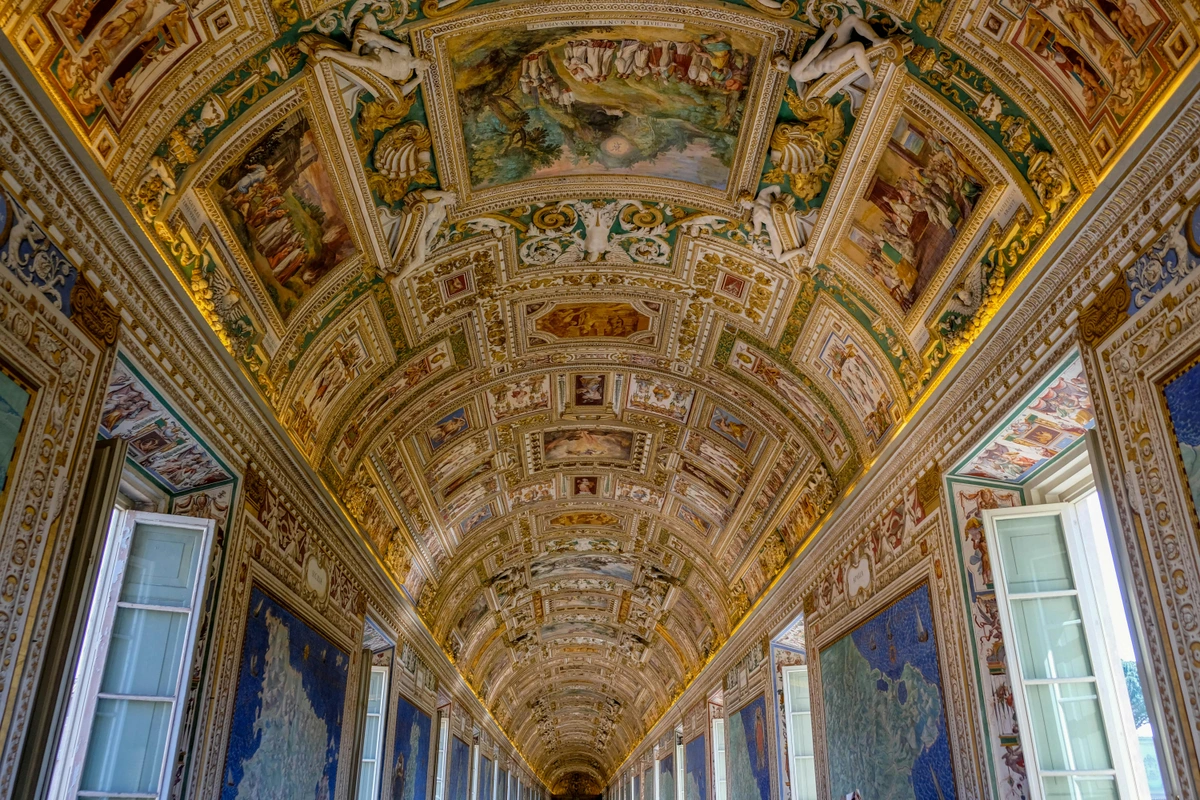
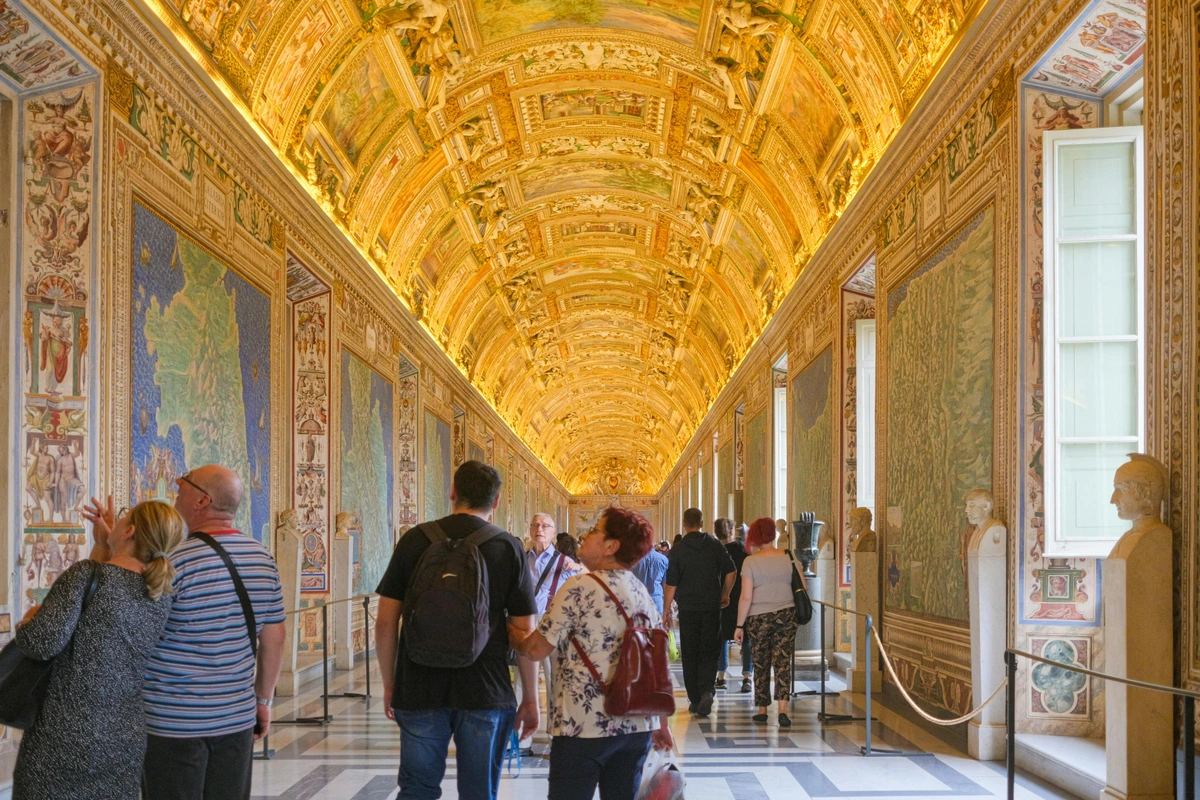
This is where it gets fascinating for anyone who loves art. Before the Reformation, the Church was Europe’s primary art patron. Think soaring Gothic cathedrals with stained-glass stories, altarpieces dripping with gold, and saints painted in regal splendor. Art was communal, otherworldly, and utterly divine.
Then the Reformation happened. Iconoclasts saw art as idolatrous. Others, like Luther, appreciated it but relegated it to the background. In many Protestant regions, churches became stark, white-washed spaces—no ornamentation, no visual drama.
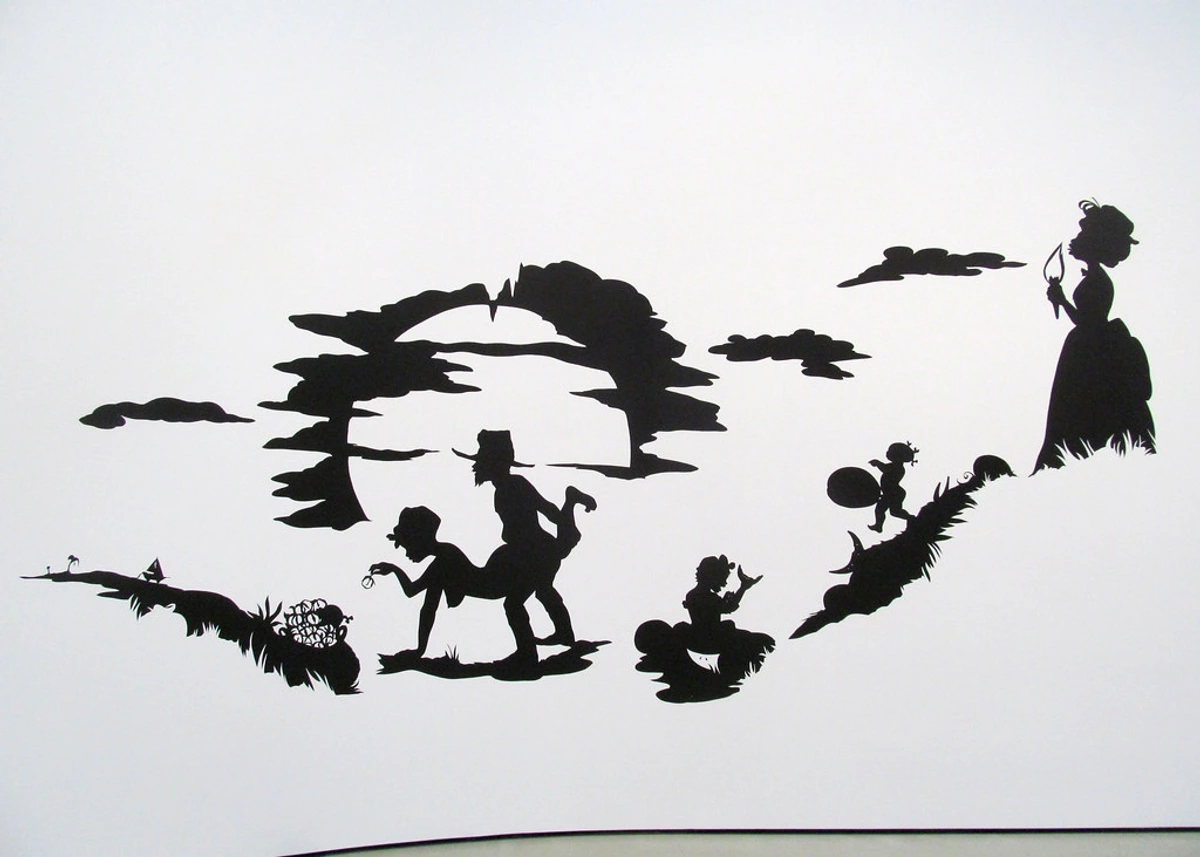
But this emptiness sparked creativity. Freed from Church commissions, artists explored:
- Portraiture: Celebrating individual lives instead of saints.
- Landscape: Finding awe in creation, not just heaven.
- Genre Scenes: Depicting farmers, merchants, and daily life.
- Abstract Expression: Later artists like those influenced by the Reformation’s individualism would take this further.
Look at any abstract artist today—ones who prioritize personal vision over formal rules. Their impulse? The same as those 16th-century creators: to express truth authentically, beyond institutions. The Reformation didn’t end art; it liberated it.
Enduring Legacy: Society, Politics, and You
The Reformation’s ripples are everywhere:
- Education: Protestant emphasis on reading scripture fueled literacy and universities.
- Individualism: The "priesthood of all believers" planted seeds of modern human rights.
- Capitalism: Calvinist work ethic linked piety to productivity.
- Artistic Freedom: Without Church gatekeepers, artists explored radical new forms—just like [buy] contemporary artists today[/buy].
Key Protestant Reformers & Contributions  | |
|---|---|
| Martin Luther | Nailed 95 Theses (1517); Translated Bible; Emphasized faith/grace. |
| John Calvin | Established Calvinism in Geneva; Advocated predestination; Reformed church governance. |
| Huldrych Zwingli | Led Swiss Reformation; Practiced iconoclasm; Emphasized Bible literalism. |
| John Knox | Led Scottish Reformation; Established Presbyterianism |
| Thomas Cranmer | Archbishop of Canterbury; Wrote Book of Common Prayer |
| Philip Melanchthon | "Teacher of Germany"; Systematized Protestant theology |
| Ulrich Zwingli | Zurich reformer; Emphasized literal interpretation of Scripture |
| John Calvin | French reformer; Established Geneva theocracy; Author of "Institutes" |
Economic Impact: The Protestant Work Ethic
Max Weber's famous thesis argued that Protestant ethics laid the foundation for modern capitalism:
- Capital accumulation: Frugality and reinvestment of profits
- Rational calculation: Systematic business practices based on religious principles
- Time discipline: Work as a calling and moral duty
- Social networks: Business relationships based on shared religious values
- Education and training: Human capital development as religious duty
These economic attitudes helped create the modern market economy and banking systems we know today.
FAQ: Reformation Quick Answers
Q: Was the Reformation a rebellion against the Pope? A: Partially. It challenged papal authority but was more about theological disagreement and corruption than personal politics. Luther respected the Pope initially!
Q: Did all Protestants destroy art? A: No. Lutherans preserved some religious imagery while Calvinists/Zwinglians opposed it all. The debate over art’s role split Reformers.
Q: How did the Reformation affect women? A: It raised literacy rates (Bible study) but largely reinforced traditional gender roles. Some Anabaptist groups allowed female preaching, however.
Q: Is the Reformation still relevant? A: Absolutely! Its principles—individual conscience, critique of institutional power, and scriptural authority—shape modern democracy, human rights, and even [timeline]artistic movements[/timeline].
Why This History Matters
The Reformation reminds us that questioning authority—whether religious, political, or artistic—can unleash waves of change. When Luther said "Here I stand," he wasn’t just defending theology. He insisted that truth belonged to individual conscience, not institutions. That idea still fuels artists, activists, and dreamers today. And honestly? That’s something worth remembering.


Further Reading and Resources
For those inspired to dive deeper into Reformation history and its impact on art and culture, here are some excellent resources:
Books to Explore
- "The Reformation: A History" by Diarmaid MacCulloch: Comprehensive overview by a leading historian
- "Martin Luther: A Biography" by Martin Brecht: Detailed study of Luther's life and thought
- "The Protestant Ethic and the Spirit of Capitalism" by Max Weber: Classic analysis of economic impact
- "Art and the Religious Imagination in the Reformation" by David Freedberg: Art historical perspective
- "The Reformation: How a Monk and a Mallet Changed the World" by Stephen J. Nichols: Accessible introduction
Documentaries and Films
- "Martin Luther: The Idea That Changed the World" (PBS): Excellent documentary
- "The Reformation" (BBC): Multi-part series covering European-wide impact
- "Luther" (2003): Historical drama starring Joseph Fiennes
- "Calvin" (2009): Documentary on John Calvin's influence
- "The Protestant Revolution" (BBC): Exploration of social and political impact
Online Resources
- Wittenberg Project: Digital archive of Reformation documents
- Reformation21: Modern Reformation theology and history
- Metropolitan Museum of Art: Online collections of Reformation-era art
- British Library: Digital manuscripts and early printed books
- Project Gutenberg: Free access to Reformation texts
Museums and Collections
- The Lutherhaus, Wittenberg: Luther's home turned museum
- The Calvin Museum, Geneva: Reformation history in Calvin's city
- The British Museum: Tudor and Reformation artifacts
- The Vatican Museums: Counter-Reformation art and history
- The Rijksmuseum, Amsterdam: Dutch Golden Age art
For more on how history intertwines with creative expression, explore our [/den-bosch-museum] exhibits[/den-bosch-museum] or browse [timeline]artistic timelines[/timeline] that connect past revolutions to modern color and form. And if you're inspired by the spirit of individual creativity that emerged from the Reformation, consider exploring our contemporary art collections that continue to challenge traditions and express new visions.