What is a Diptych in Art? An Authoritative Curatorial Guide to Duality
Explore the diptych: its two-panel structure, rich history from ancient consular tablets to modern abstraction, and its enduring power to explore duality, narrative, and complex themes in art.

What is a Diptych in Art? An Authoritative Curatorial Guide to Duality and Conceptual Interplay
The diptych, an art form characterized by its two distinct panels, offers a profound exploration of complexity through the elegant simplicity of duality. Derived from the Greek 'di' (two) and 'ptykhe' (fold), this structure inherently establishes a compelling visual and conceptual dialogue, significantly enriching the overall meaning of the artwork. Whether these panels present a unified, continuous image or juxtapose two distinct but related scenes, the inherent power of the diptych lies in its binarism—the fundamental relationship between two elements—and the compelling connection forged between its components. To truly appreciate the diptych is to understand how artists leverage the interplay between two images to construct more complex narratives, explore multifaceted ideas, or challenge perceptions of reality.
Defining the Diptych: Structure, Relationships, and Artistic Intent
Fundamentally, a diptych is defined by its two-panel structure, intended to be viewed as a cohesive unit. Historically, these panels were often connected by hinges, allowing them to close like a book and protecting the artwork within. This practical feature was crucial for portability and preservation. In contemporary practice, the term frequently extends to two separate works conceived and presented as an inseparable pair, even without physical hinges. The critical factor is the artist's deliberate intent for the two pieces to be seen together, creating a unified artistic statement or visual dialogue. This intent is typically communicated through titles, exhibition design, accompanying statements, or inherent visual cues that compel a viewer to connect the parts.
The relationship between the panels is central to the diptych's impact. This relationship manifests in several key ways, fostering a 'visual dialogue' where each panel's meaning is informed and transformed by the other:
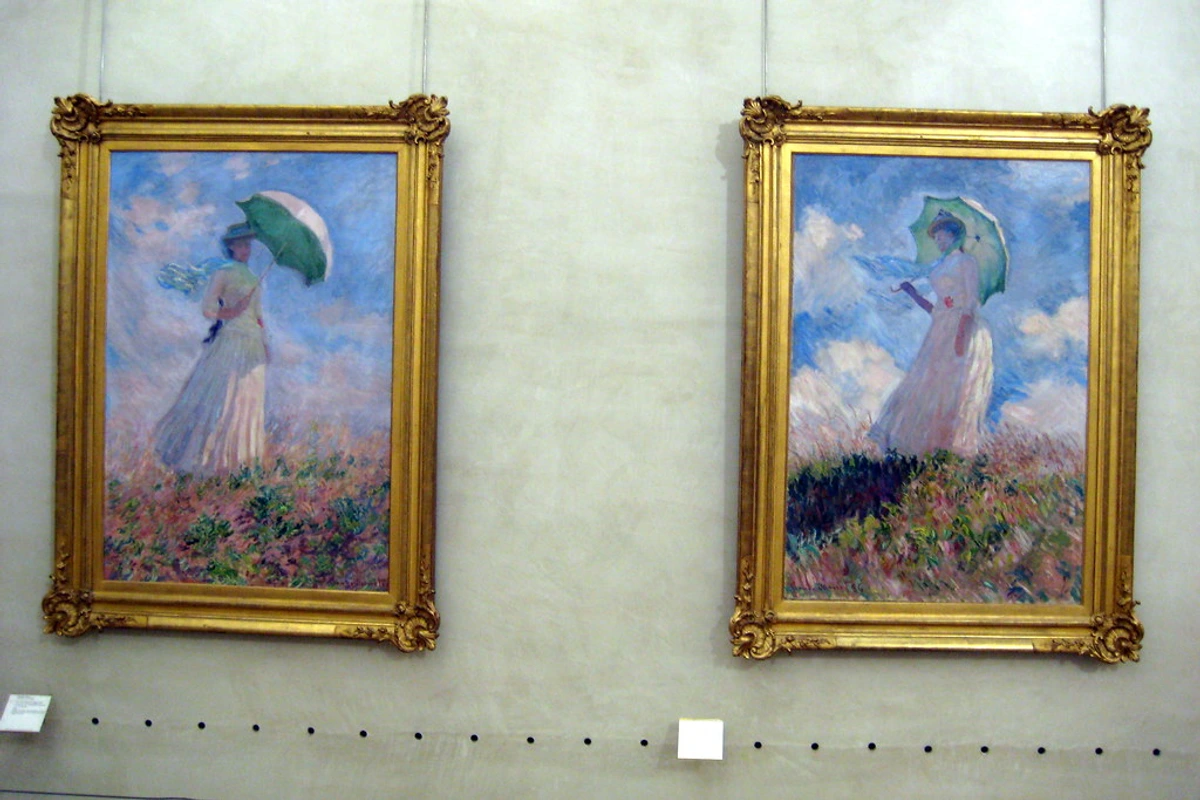
- Continuous Scene: The two panels coalesce to form a single, unbroken composition, often extending a landscape, a crowd, or an abstract pattern across the divide. This creates a broader canvas for the artist's vision, inviting the viewer's eye to bridge the physical gap. For instance, a panoramic landscape might be split across two panels, compelling the viewer to mentally connect the horizon.
- Complementary Images: Each panel portrays a distinct subject, yet they are bound by a shared theme, aesthetic, or narrative thread. When viewed together, they enhance understanding and deepen the overall message. For example, one panel might depict a vibrant dreamscape while the other presents a stark reality, highlighting their interconnectedness or contrasting elements within a shared context of human experience.
- Juxtaposition: The panels intentionally present contrasting ideas, subjects, or styles. This creates tension or allows a nuanced, often novel, meaning to emerge from their combined presence, prompting deeper contemplation and active interpretation by the viewer. Consider a panel displaying meticulous order alongside another of vibrant chaos, inviting reflection on the balance of forces in life or art.
While early diptychs were predominantly carved from ivory or painted on wooden panels, the medium has expanded significantly over centuries to include canvas, photography, drawing, printmaking, metalwork, stone carving, and diverse mixed media.
The Perceptual Power of Paired Images: Understanding Duality and the Emergent "Third Image"
The diptych's inherent duality taps into fundamental aspects of human perception. The mind naturally seeks patterns, connections, and comparisons between adjacent elements. When presented with two related images, viewers instinctively engage in a process of synthesis, attempting to resolve any perceived differences or reinforce similarities. This active cognitive process often results in the creation of a "third image"—an emergent meaning or understanding that exists solely in the viewer's mind, born from the interplay and synthesis of the two distinct panels. This intellectual and emotional synthesis makes the diptych a particularly powerful format. This process is often guided by Gestalt principles, which explain how humans perceive visual information and how artists deliberately manipulate this perception:
- Proximity: Elements close to each other are perceived as belonging together. In a diptych, the close placement of panels reinforces their intended connection, encouraging the viewer to see them as a single entity. For example, two figures on separate panels, positioned facing each other, create an immediate sense of interaction and shared space due to their proximity.
- Similarity: Elements that share visual characteristics (color, shape, texture) are grouped mentally. Artists often use similar palettes or forms across diptych panels to suggest a conceptual link or continuous narrative. A diptych with two abstract compositions using the same dominant color but different forms can still feel unified due to color similarity.
- Closure: The mind tends to complete incomplete shapes or perceive a complete whole even when parts are missing. A diptych might present two fragments that, when viewed together, create a sense of completion or a resolved narrative, compelling the viewer to mentally bridge the gap and form a unified image or idea. It is in this mental act of 'closing the gap' that the viewer actively participates in constructing the artwork's meaning.
- Figure-Ground: This principle describes how elements are perceived as either figures (focal points) or ground (background). In a diptych, an artist can manipulate figure-ground relationships across panels to create tension, harmony, or a dynamic interplay that guides the viewer's eye. For example, a stark figure on one panel might be echoed by its shadow or absence on the other, making the viewer actively resolve the figure-ground relationship across the divide.
This active engagement enhances comprehension and allows for the communication of complex ideas that a single panel might not convey. The interplay between the two panels can evoke a sense of balance, tension, narrative progression, or a multifaceted understanding of a theme, making the diptych a powerful tool for visual storytelling and conceptual exploration. Occasionally, artists may even subvert these Gestalt principles, using visual cues that deliberately create discord or an unresolved tension between panels. For example, an artist might use highly contrasting styles or subjects that resist easy synthesis, forcing the viewer to confront dissonance and prompting deeper, perhaps uneasy, contemplation about fragmented realities or conflicting truths.
Diptych vs. Triptych and Polyptych: A Comparative Overview
The diptych belongs to a broader category of multi-panel artworks, where distinctions are primarily based on the number of individual panels. Understanding these terms is fundamental to art historical discourse and helps clarify the specific nature of a diptych within the spectrum of paired art pieces.
While a diptych (two panels) often emphasizes direct contrast, comparison, or a unified binary theme through the establishment of a direct visual or conceptual link between two elements, a triptych (three panels) typically allows for a more elaborate narrative, with a central focal point supported by two complementary wings. A polyptych (four or more panels) extends this further, facilitating grand-scale storytelling and intricate, multi-layered thematic explorations. The choice of format by an artist is deliberate, driven by the narrative scope and the desired interaction with the viewer. The unique aesthetic and psychological effects of the number two – compelling direct comparison and the synthesis of a "third image" – often differentiate it from the more expansive narratives of three or more panels.
Artwork Type  | Number of Panels | Typical Arrangement | Key Characteristic | Primary Narrative/Thematic Focus |
|---|---|---|---|---|
| Diptych | Two | Side-by-side, hinged, or separated | Establishes a direct visual or conceptual link between two elements | Exploration of contrast, comparison, or a unified binary theme |
| Triptych | Three | Central panel flanked by two hinged wings | Often a central theme with narrative or complementary side scenes | Elaborate narratives, central focal point with supporting elements |
| Polyptych | Four or more | Varied, can include multiple hinged sections | Complex narratives, large-scale devotional or secular works | Grand scale, intricate storytelling, multiple interconnected themes |
For a detailed exploration of three-panel works, reference the article on what is a triptych in art. For a more comprehensive comparison of these formats, the collector's guide to diptychs, triptychs, and polyptychs provides further insights into their historical usage, structural variations, and significance.
A Journey Through Time: Historical Origins and Evolution
The diptych format possesses a rich and adaptive history, its function evolving in response to the cultural, political, and artistic demands of different epochs. This adaptability has cemented its place in the annals of art history as a versatile two-panel artwork.
Ancient and Medieval Contexts
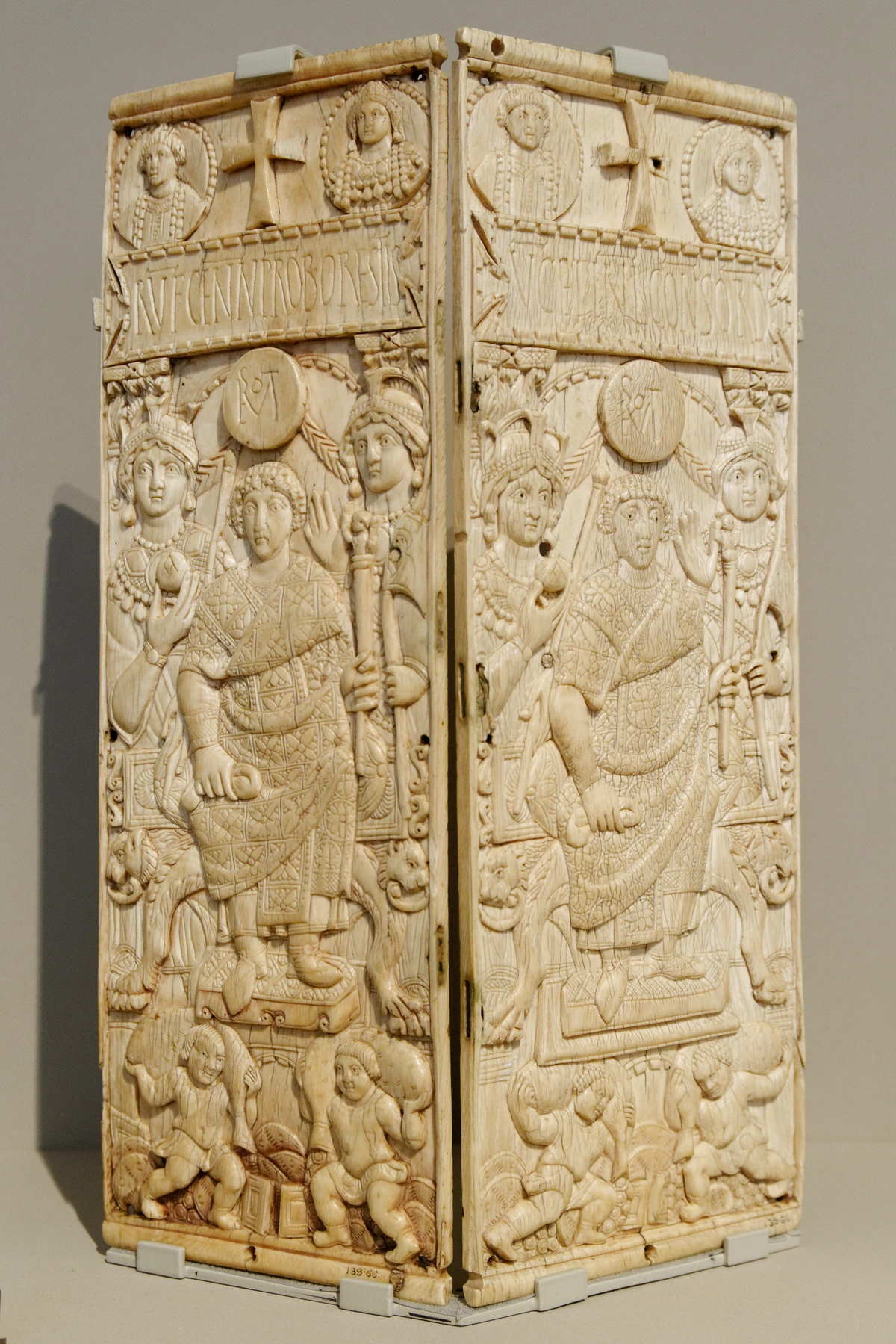
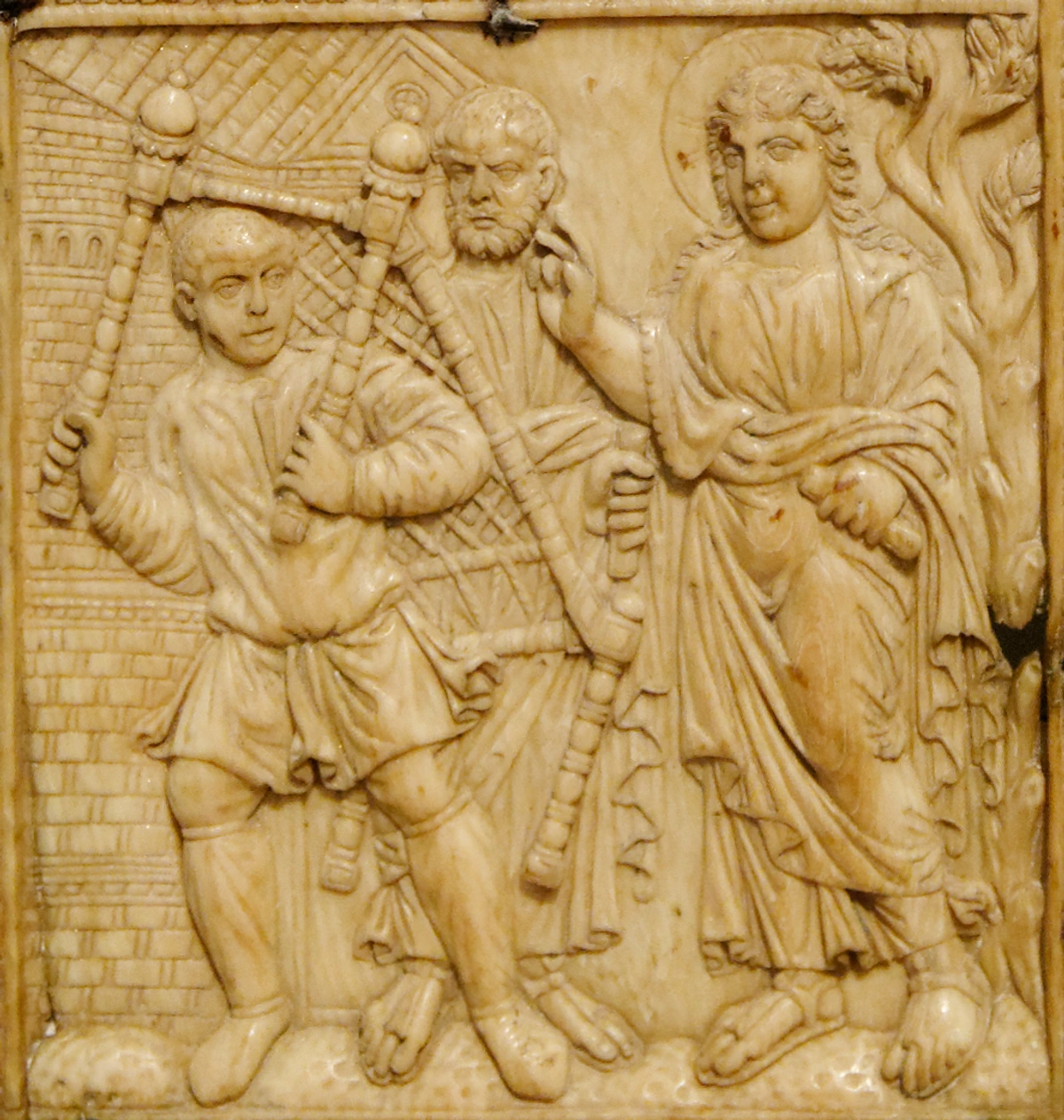
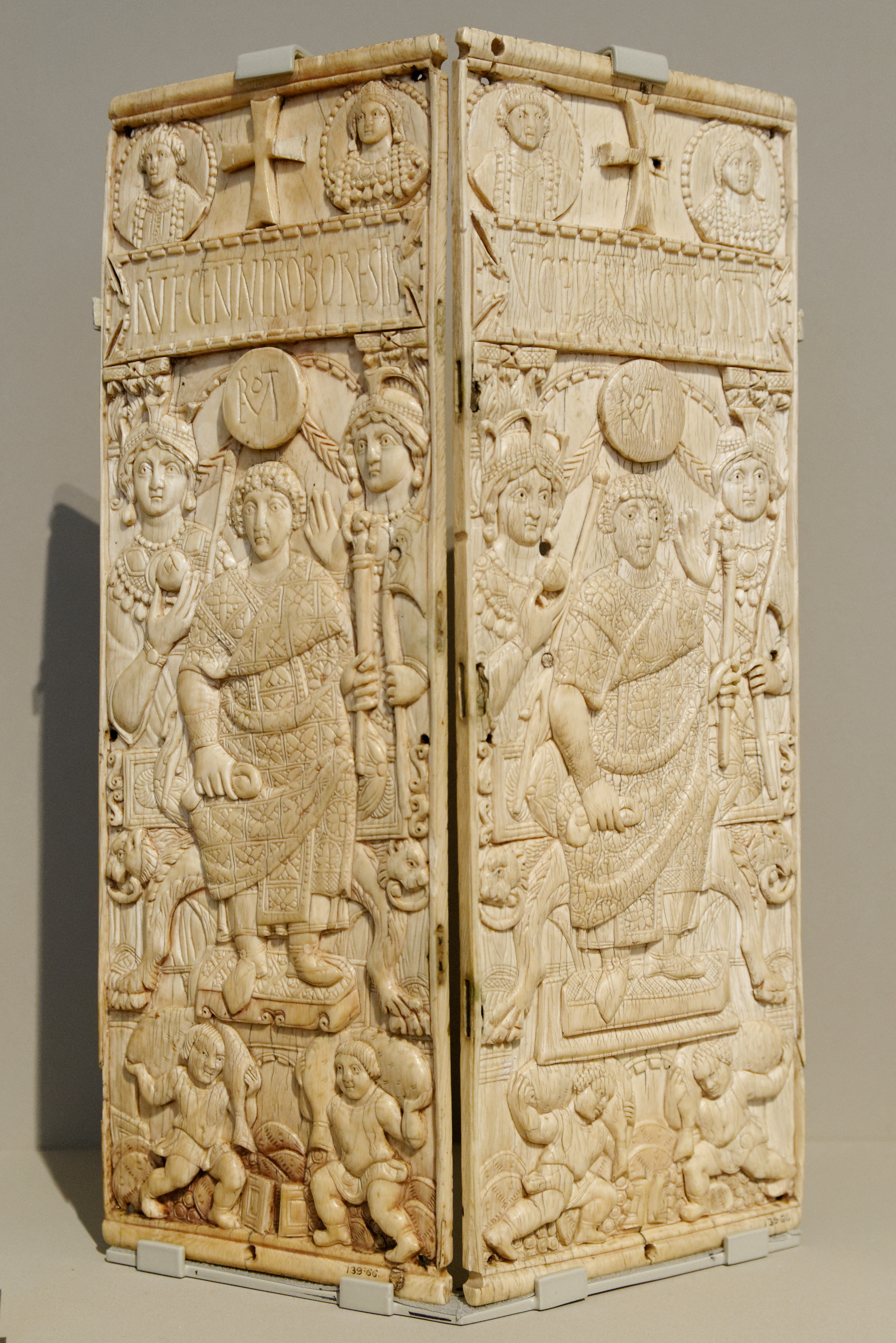
The earliest known diptychs served primarily practical, rather than purely artistic, purposes. In ancient Rome, hinged wooden or ivory tablets, often coated with wax on their inner surfaces, functioned as reusable notebooks for notes, correspondence, or administrative records. These became particularly prominent as consular diptychs in the Late Roman Empire. These grander versions were commissioned by consuls to commemorate their appointment. They featured intricate ivory carvings depicting the consul in ceremonial attire, often alongside imperial iconography such as eagles representing Roman power, personifications of Victory, or mythological scenes from Roman foundational myths like Romulus and Remus. Far from mere functional objects, these diptychs served as powerful symbols of status and propaganda, distributed as prestigious gifts to mark their office, showcasing the consul's authority and connection to imperial power through elaborate artistic craftsmanship and rich symbolic language. The hinged construction offered a practical advantage, protecting the delicate carvings and allowing for easy transport. The influence of these ancient Roman forms on later art is significant, contributing to the development of early Christian and Byzantine art (the influence of ancient roman art on western aesthetics).
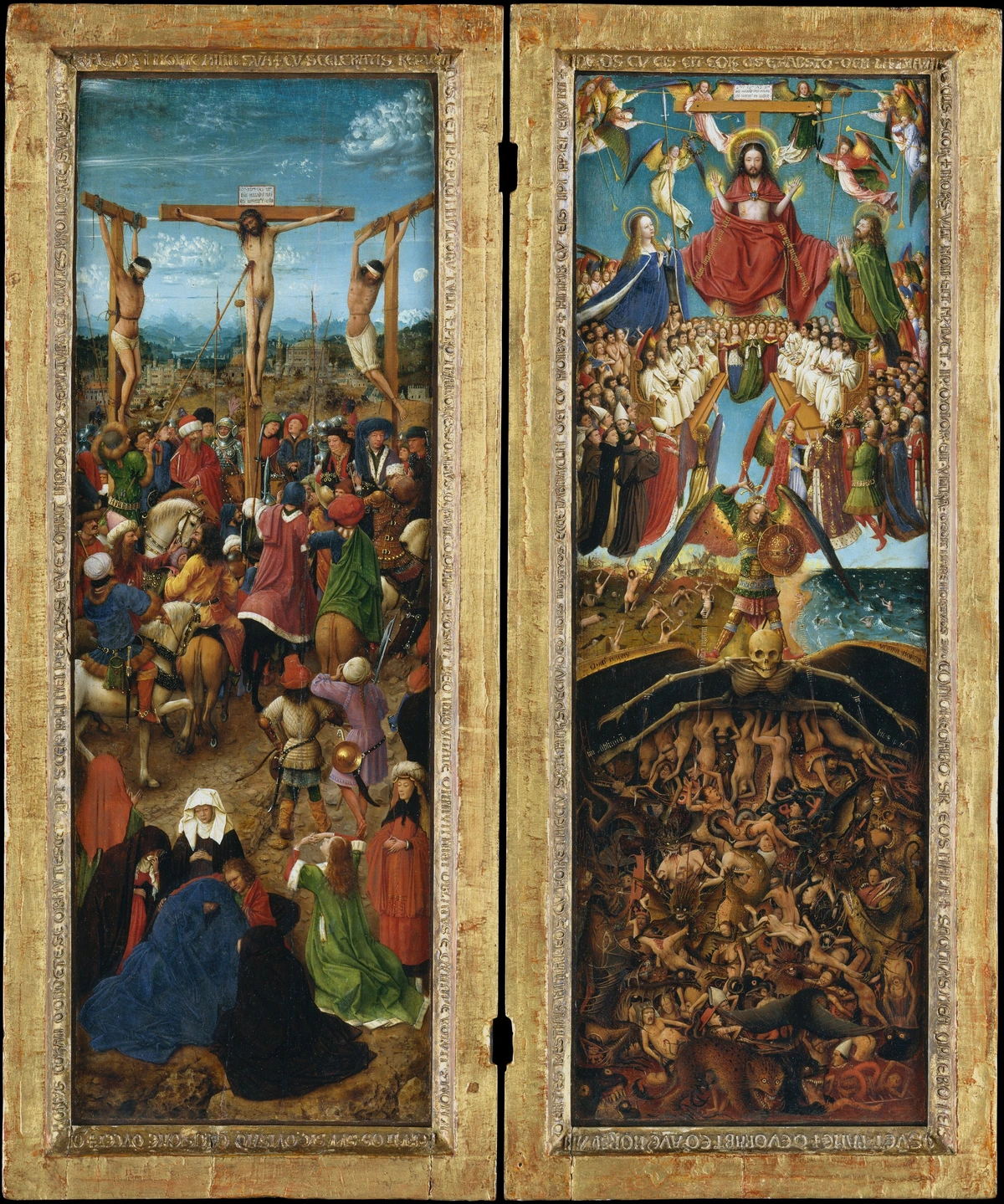
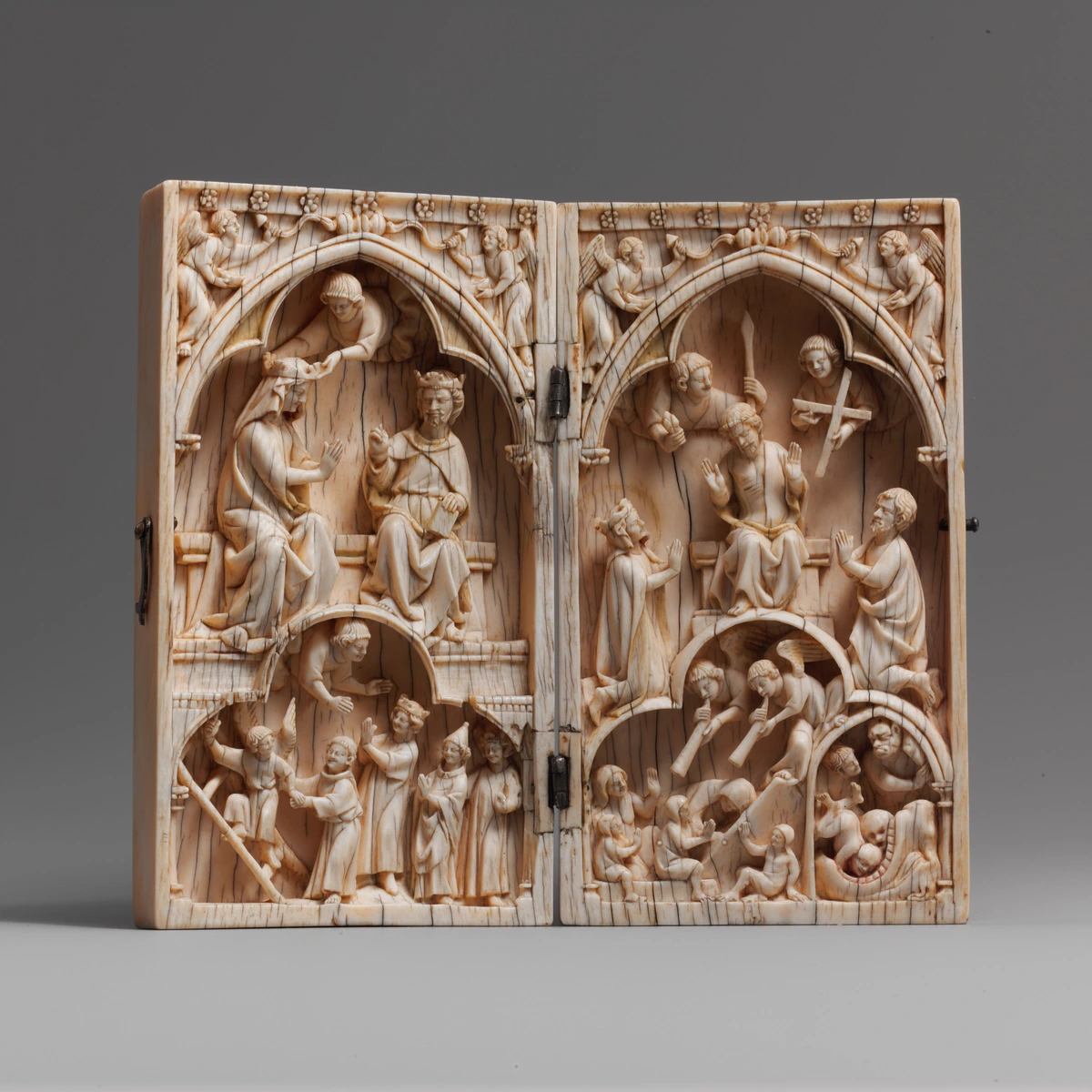
With the advent and spread of Christianity, the diptych was quickly adopted for religious devotion. Small, portable ivory or wood diptychs became personal altarpieces, depicting biblical scenes, portraits of saints, or the Virgin and Child. Their hinged construction facilitated easy transport for private prayer and offered protection for the delicate painted or carved surfaces, making them ideal for itinerants or pilgrims. These devotional works often presented a spiritual dialogue, such as the Annunciation on one panel and the Nativity on the other, or a depiction of a saint facing a scene of their martyrdom, guiding the viewer through contemplative narratives. They conveyed specific theological doctrines such as sin and salvation, the distinction between earthly and divine realms, or the life and Passion of Christ. Common motifs included Christ in Majesty, the Virgin Hodegetria (showing the way), or scenes from the Passion, often rendered with delicate precision in ivory, metal, or occasionally in precious metals as reliquaries. The enduring legacy of this period can be seen in later art movements (the influence of byzantine art on renaissance painting).
The Renaissance and Beyond
During the Renaissance, the diptych expanded in both scale and artistic ambition. It was extensively used for grander devotional altarpieces as well as prestigious secular portraiture. A prevalent convention involved portraying a patron or donor on one panel, often in an attitude of prayer, facing a religious figure (such as the Virgin Mary or a patron saint) on the adjacent panel. This arrangement created a direct visual and spiritual connection, symbolically placing the patron in perpetual intercession and highlighting their piety or aspirations for salvation.
Secular diptychs of the Renaissance also held significant symbolic meaning, often commemorating important individuals, marriages, or dynastic alliances. The depiction of a patron with their spouse on separate panels, for example, symbolized marital union, dynastic continuity, and shared status within society. These paired artworks created a visual testament to their combined influence, often with subtle allegories woven into the composition. For instance, specific flora like lilies symbolized purity, roses love, or violets humility. Fauna such as loyal dogs represented fidelity, while heraldic symbols proclaimed lineage and status. The choice of clothing, background elements, and even the direction of gaze contributed to a rich symbolic narrative. This form allowed for a dynamic exploration of individual identity alongside relational significance, making them valuable historical documents and exquisite artworks.
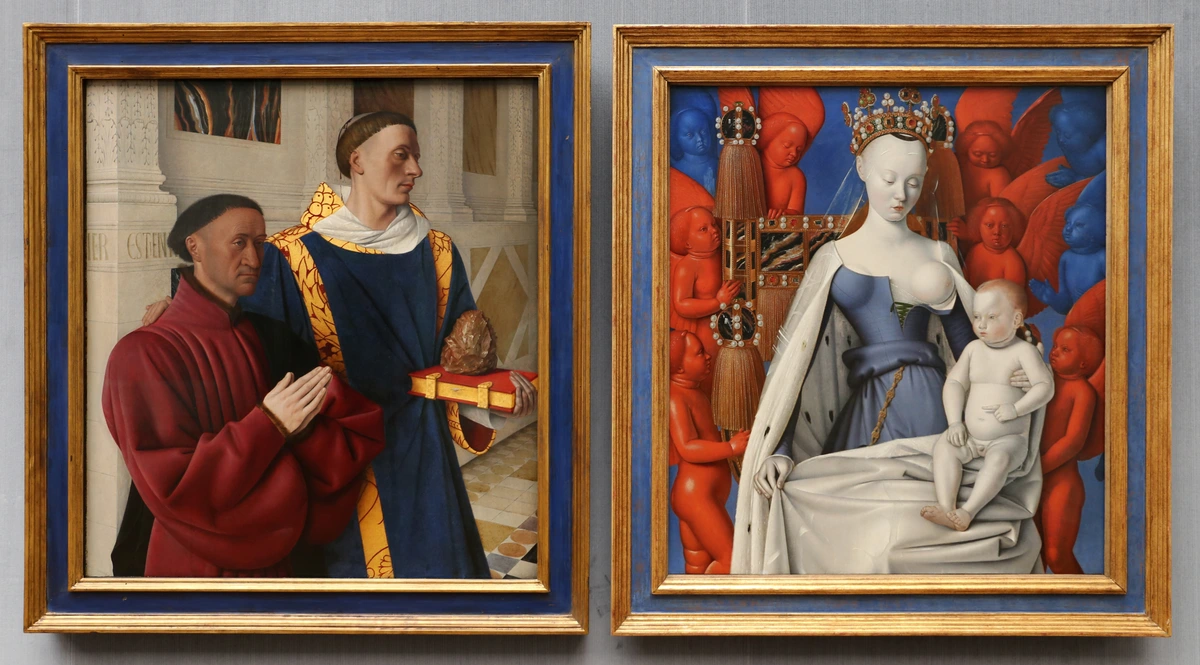
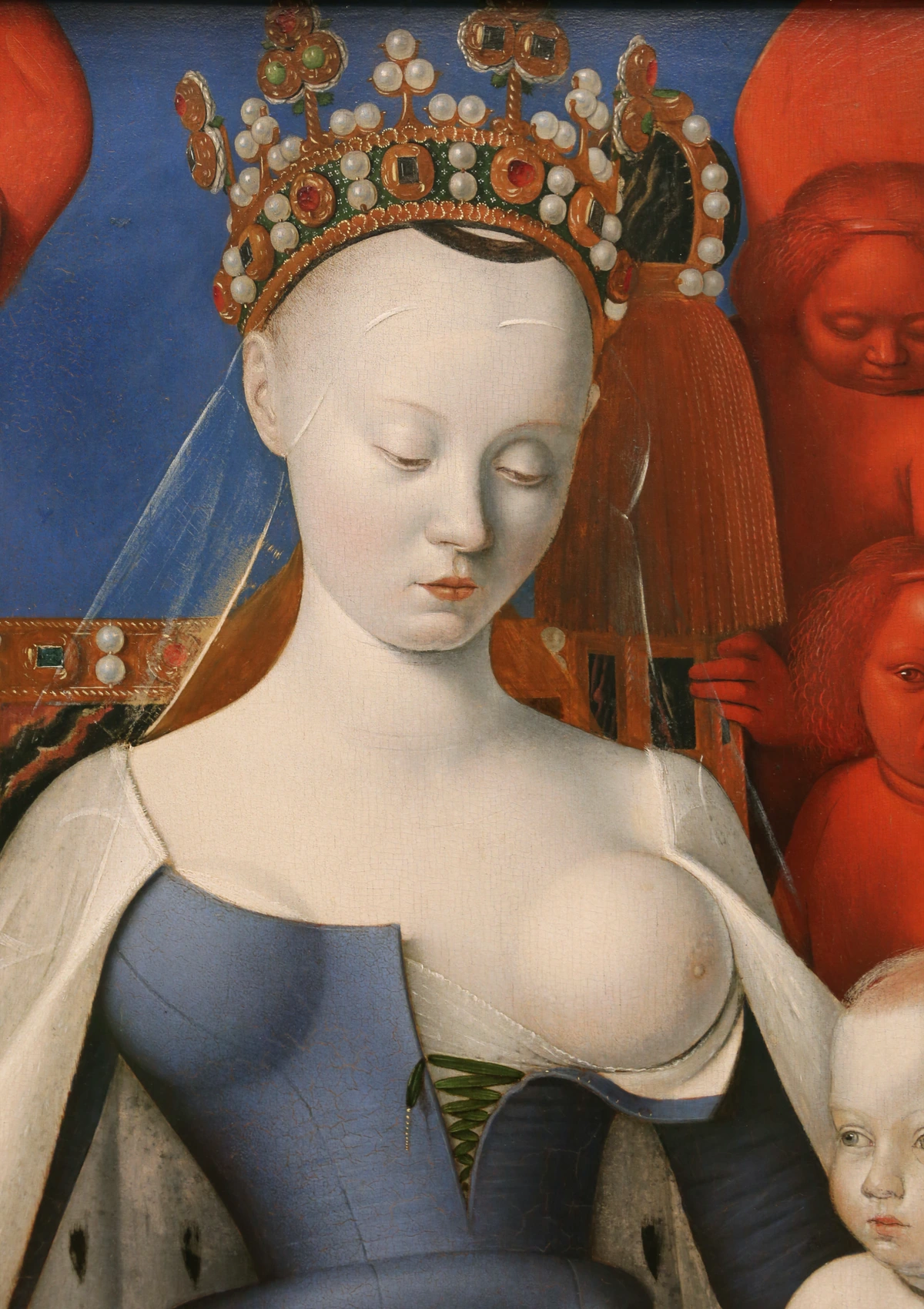
Notable examples include the Melun Diptych (c. 1452-1460) by Jean Fouquet, whose left panel depicts Étienne Chevalier with Saint Stephen, identifiable by his stone and axe, devoutly presenting a book. He faces a striking Madonna and Child on the right panel, with the Virgin Mary shown with one exposed breast, a convention emphasizing her role as nourishing mother, surrounded by red and blue cherubim. This work exemplifies the profound spiritual dialogue created between devout donor and sacred figures, where Chevalier's piety is emphasized by his direct gaze towards the divine. Another renowned work is Piero della Francesca's Diptych of Federico da Montefeltro and Battista Sforza (c. 1472), featuring stark profile portraits of the Duke and Duchess of Urbino. These portraits, inspired by Roman coins, served as powerful declarations of dynastic power and individual character, embodying the idealization and permanence associated with classical antiquity, exemplifying the diptych's use for secular commemoration. For deeper insights into this pivotal period, one might explore the ultimate guide to Renaissance art or the understanding symbolism in renaissance art.
The Multifaceted Purpose of the Diptych in Artistic Expression
Artists strategically employ the diptych format for several compelling reasons, each adding layers of complexity and interpretative depth to the artwork. The choice to utilize two panels is rarely arbitrary; rather, it is a deliberate decision to enhance communication and engagement, leveraging the inherent visual dialogue art pieces can create. The fundamental 'why' of the two-panel format lies in its ability to compel direct comparison, contrast, and synthesis, fostering a unique cognitive engagement that generates a new, emergent meaning from the interaction of the parts.
Function Category | Description | Illustrative Example |
|---|---|---|
| Narrative Progression | The panels depict a sequence of events, illustrating the passage of time, a "before and after" scenario, or two pivotal moments within a singular story. | A diptych showcasing a vibrant, burgeoning garden on one panel and the same garden in autumnal decay on the other, symbolizing the cycle of life, or a scene of a child's innocence juxtaposed with an adult's experience. |
| Comparative Study | Two related yet distinct subjects are presented side-by-side to highlight their similarities, differences, or a shared underlying essence, prompting direct comparison by the viewer. | Portraits of two different individuals from distinct social strata, revealing their shared humanity despite contrasting lives, or a vibrant cityscape contrasted with a serene rural landscape to explore notions of progress and tradition. |
| Conceptual Dialogue | The panels explore abstract ideas or symbolic concepts (like "creation" and "destruction," or "nature" and "technology") that inspire deep reflection and personal interpretation when viewed together, fostering profound contemplation. | A panel exploring the vastness of the cosmos adjacent to one depicting the intricate details of a single cell, inviting reflection on scale and existence, or a diptych pairing a meticulously rendered antique clock with a flowing, timeless abstract form to explore the nature of time. |
| Formal Exploration | An artist systematically explores variations of a single theme, compositional element, or color palette across two surfaces, often dissecting an idea into its constituent visual components. | Two studies of the same still life object or architectural detail rendered from slightly altered angles or under different lighting conditions and hues to examine visual changes. This might also involve splitting a complex composition into its core geometric components across two panels, such as an architectural drawing separated from its textured counterpart. |
| Emotional Resonance/Mood Contrast | The panels are crafted to evoke opposing or complementary emotional states, inviting a psychological response and deeper engagement with the artwork's emotive spectrum. | One panel depicting a scene of serene calm, perhaps a tranquil lake at dawn, juxtaposed with another portraying dramatic chaos, such as a storm-tossed sea, to explore the spectrum of human emotion or elemental forces. |
| Symbolic & Allegorical | Particularly in historical contexts, panels may carry specific symbolic meanings, with figures or objects acting as allegories that interact or contrast across the diptych to convey moral or spiritual truths. | A medieval diptych pairing an image of the Garden of Eden on one side with a scene of the Expulsion from Paradise on the other, allegorizing sin, consequence, and the pursuit of salvation. |
Diptychs in Modern and Contemporary Art: Redefining Duality
Contemporary artists have enthusiastically embraced the diptych, often reinterpreting its historical and religious associations to explore modern themes and artistic concerns. The format is no longer constrained by traditional materials or devotional intent; instead, it serves as a potent conceptual and formal tool. It allows for the exploration of duality, fragmentation, and the complex relationships inherent in our perception of images and reality, making these paired art pieces central to modern visual dialogue.
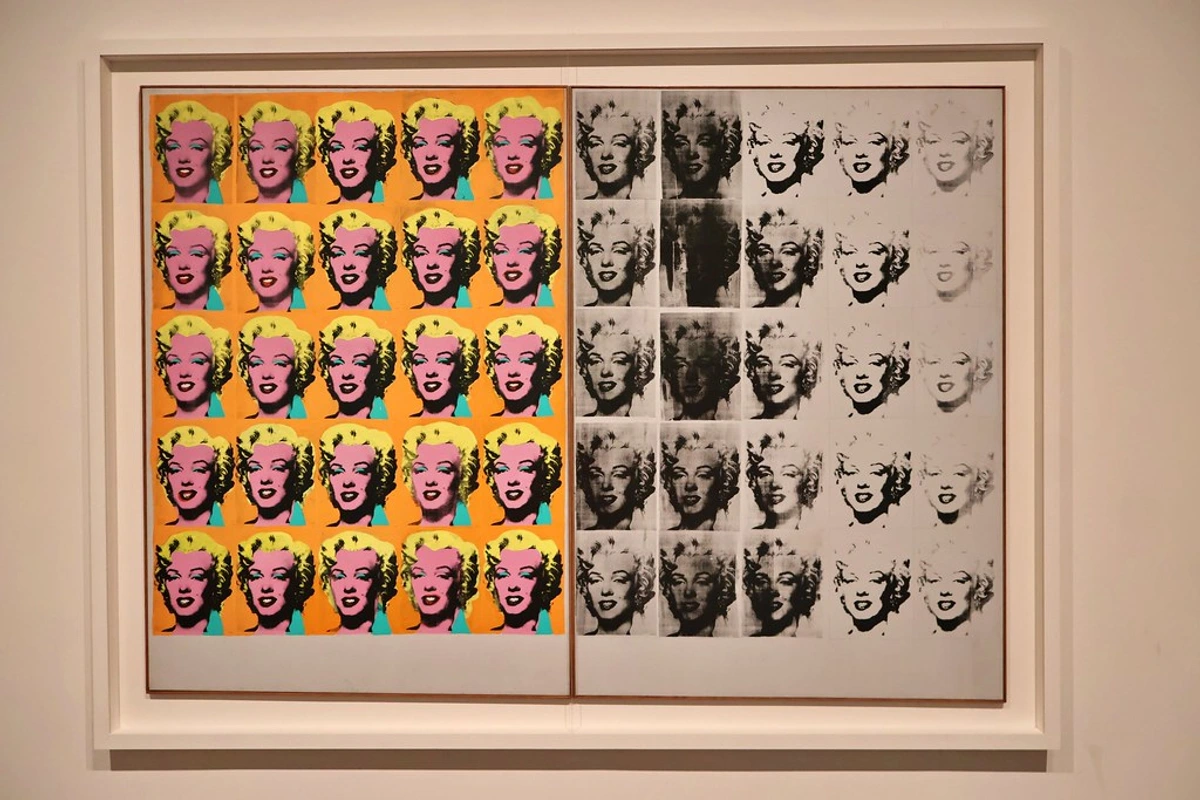
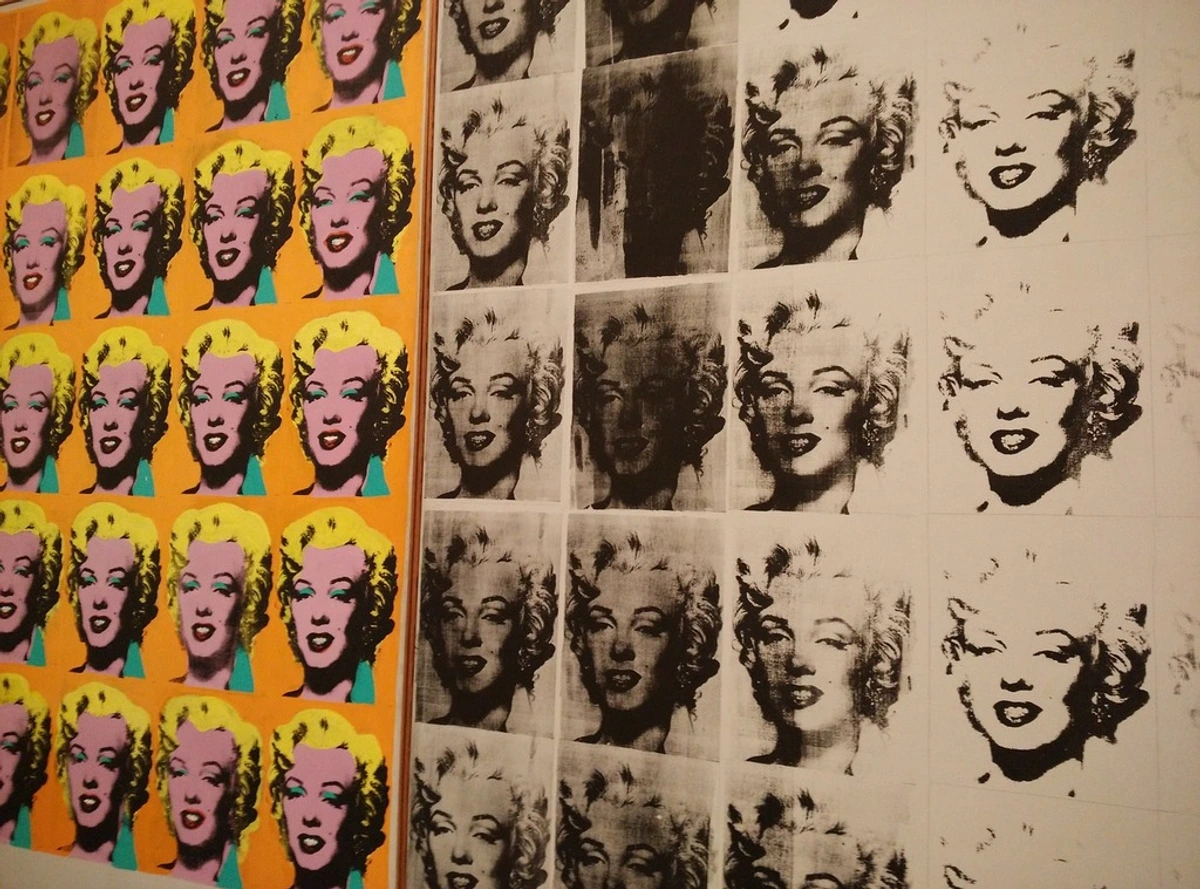
Andy Warhol's iconic Marilyn Diptych (1962) stands as a seminal work of Pop Art. One panel features 25 brightly colored, serially repeated images of Marilyn Monroe, vibrant in hues of pink, yellow, and blue, while the other displays 25 black-and-white images that progressively fade and smudge. This powerful work utilizes the diptych format to comment incisively on celebrity culture, mass production, the fleeting nature of life, and the inevitability of death, creating a poignant contrast between vibrant fame and eventual decay. The stark juxtaposition forces viewers to confront the manufactured nature of celebrity and the stark reality of mortality. For further exploration of this pivotal movement, one might consult the ultimate guide to Pop Art or delve into the life and work of ultimate guide to Andy Warhol.
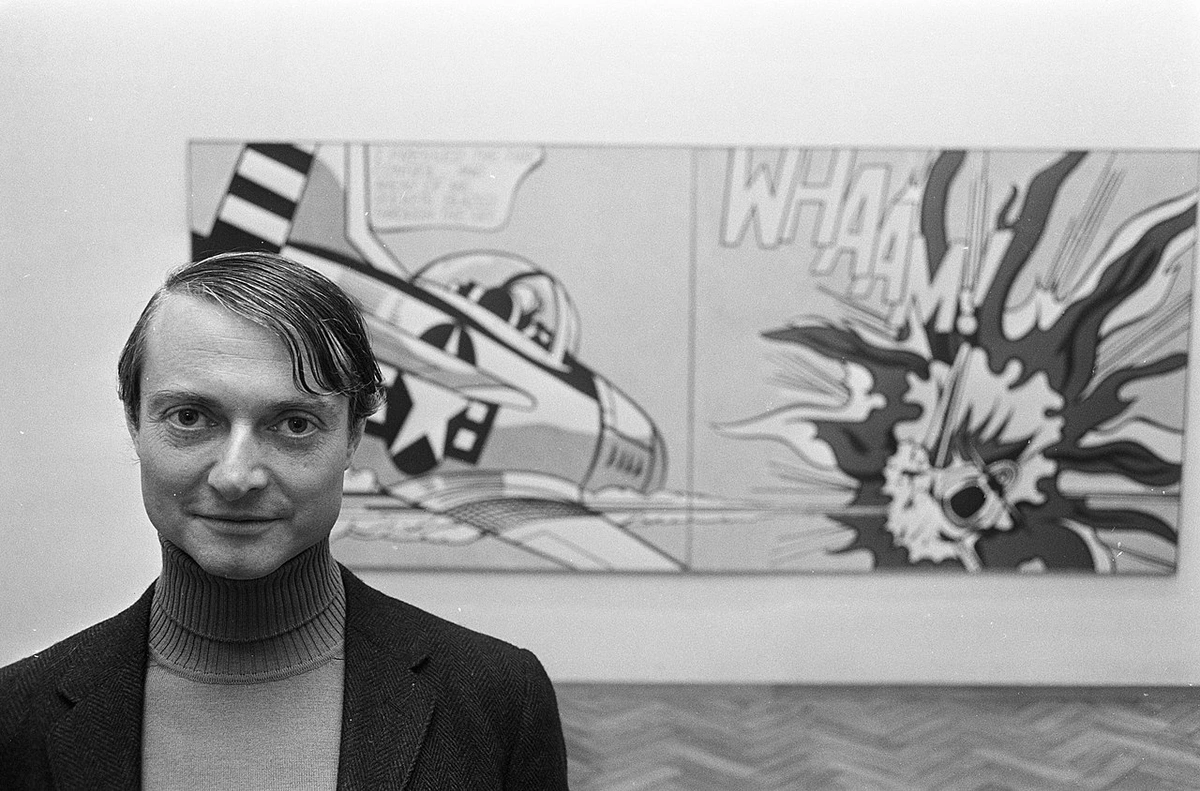
Roy Lichtenstein, another titan of Pop Art, also masterfully employed the diptych format in works like Whaam! (1963). This large-scale painting, inspired by a comic book panel, depicts a fighter jet firing a rocket at another plane, resulting in a dramatic explosion on the second canvas. The diptych here amplifies the narrative tension and the theatricality of the event, forcing the viewer to follow the action across the two panels, mirroring the sequential nature of comic strips while elevating commercial imagery to fine art.
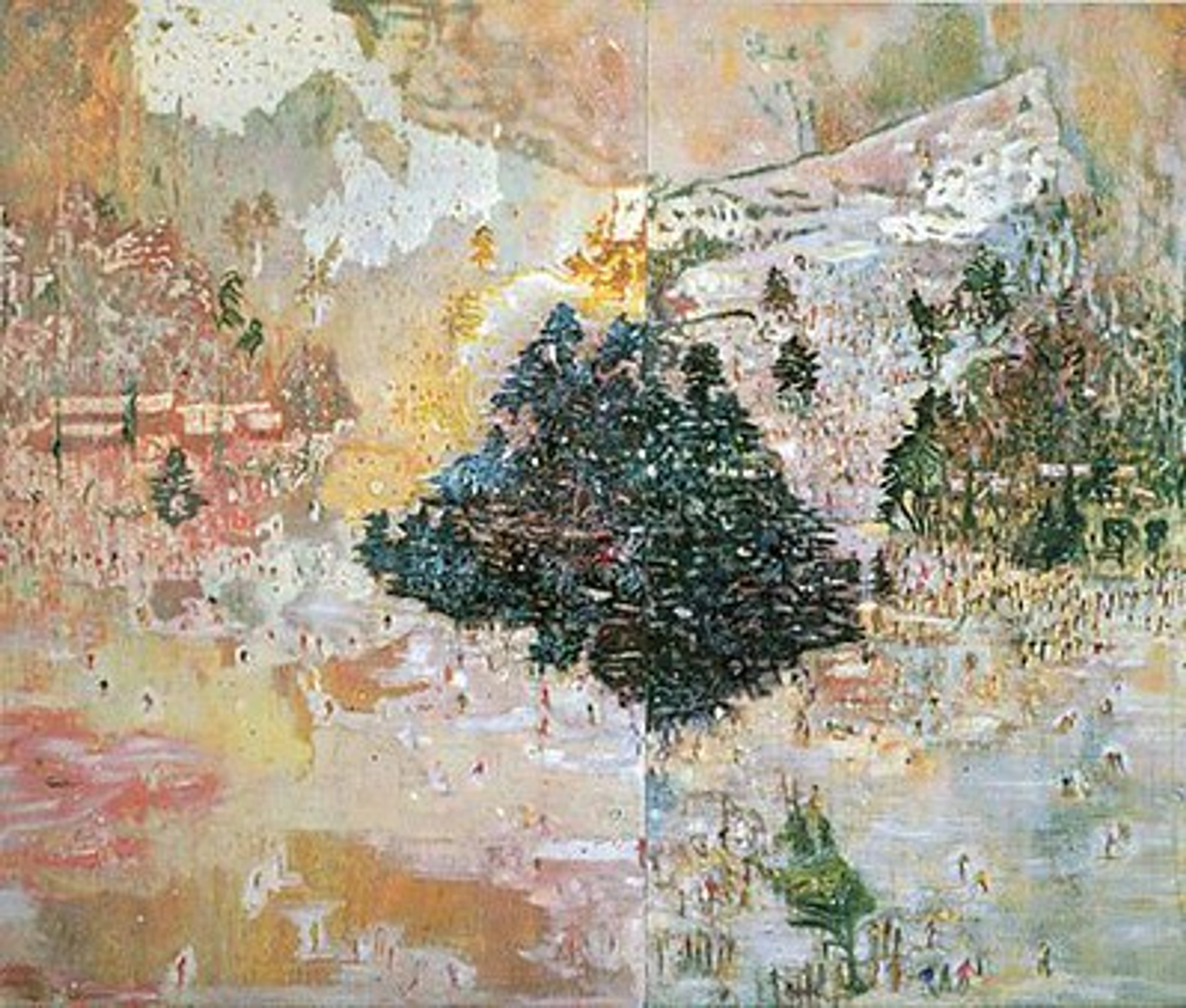
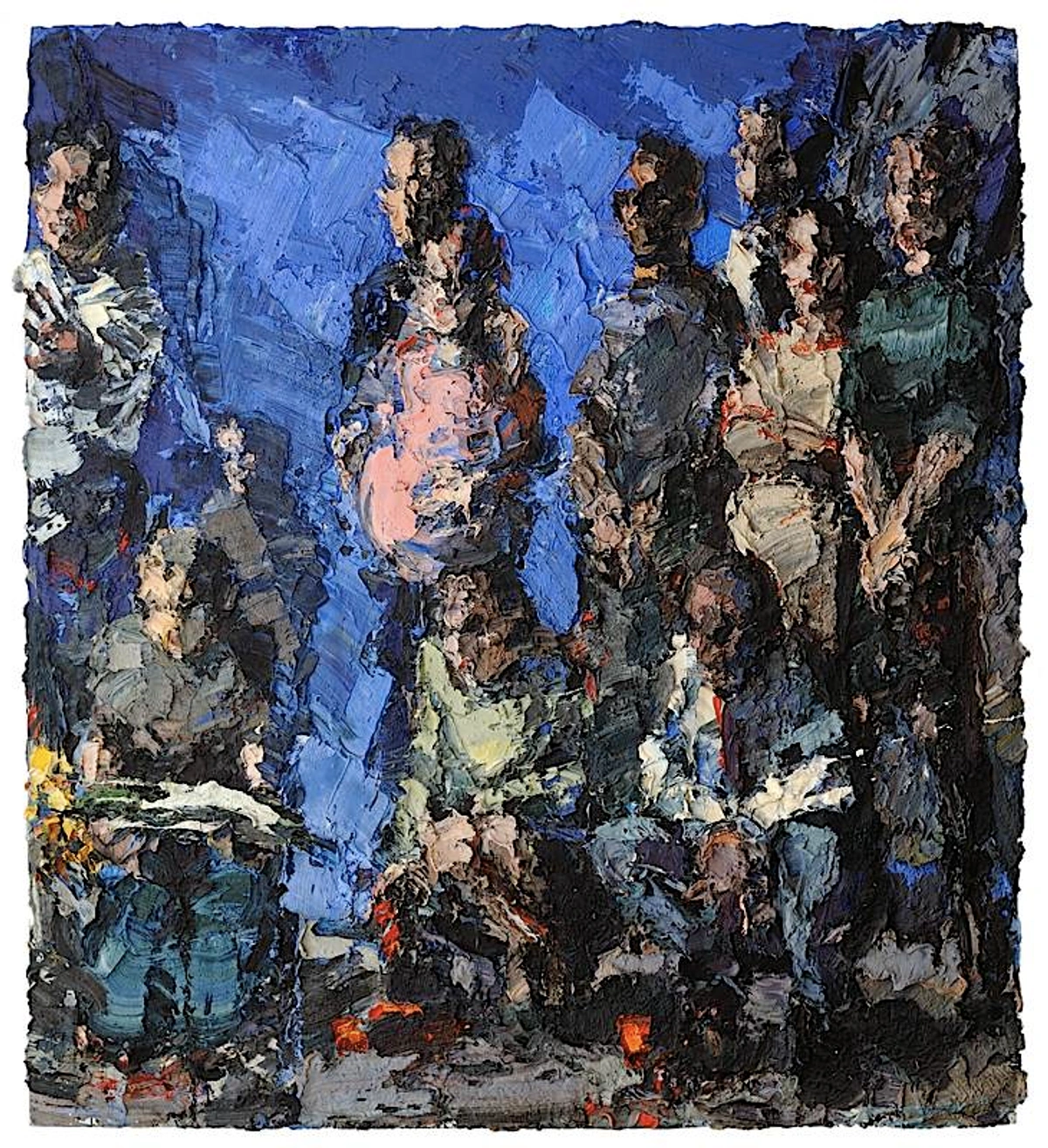
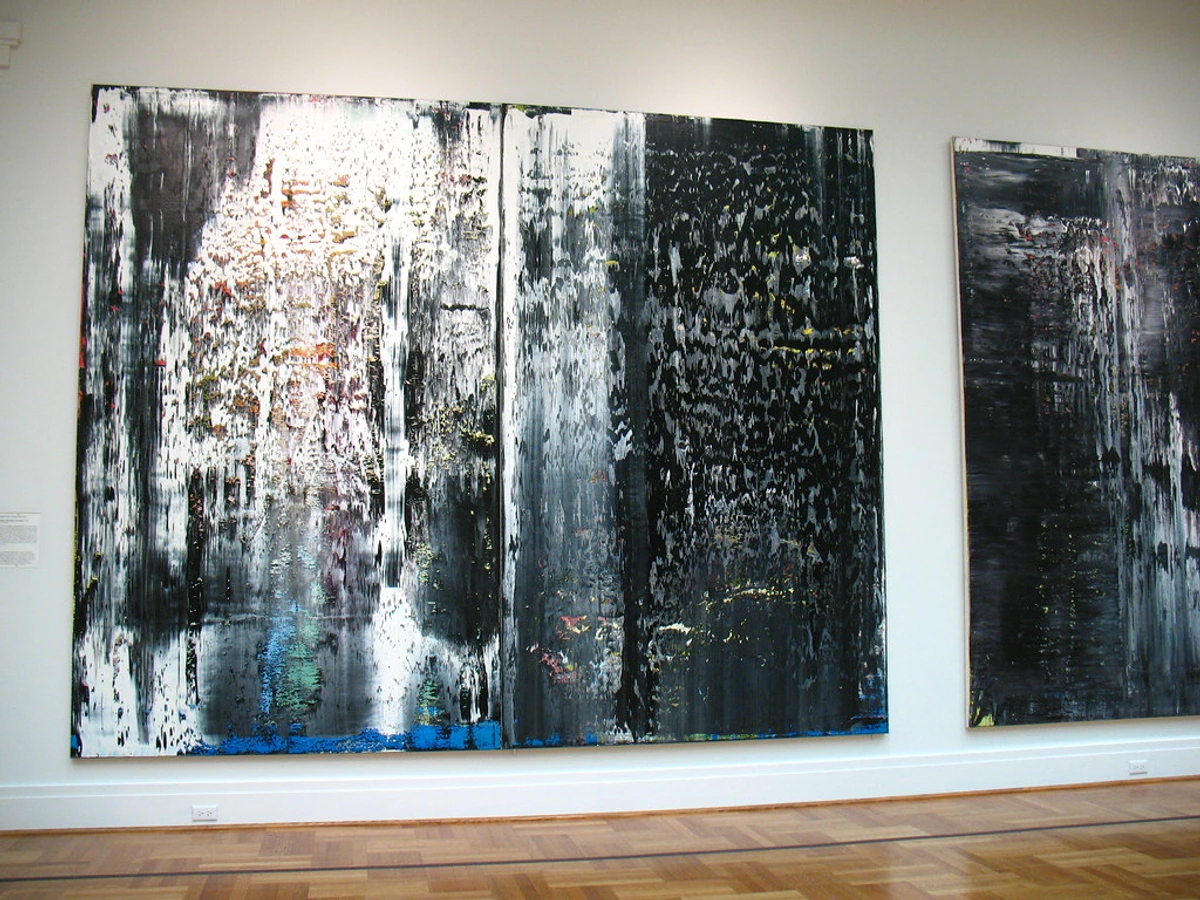
Artists today continue to employ the two-panel structure to investigate relationships, internal conflicts, and the multifaceted nature of perception across diverse media, including photography, video, and digital art. German artist Gerhard Richter, for example, has utilized diptychs in his abstract and photorealistic works to explore themes of memory, representation, and the inherent ambiguities of perception, often explicitly linking his work to movements such as Photorealism and Abstraction. He often achieves this by presenting two slightly varied versions of a subject, such as a blurred photographic image alongside a sharp one, or by contrasting an abstract piece with a figurative one to highlight different modes of seeing. For instance, a diptych might juxtapose a blurred, almost ethereal landscape on one panel with a sharply rendered, meticulously detailed version on the other, prompting contemplation on the unreliability of memory or the subjective nature of observation. Peter Doig, known for his evocative landscapes, occasionally employs the diptych to present slightly altered perspectives or temporal shifts within a single scene, challenging the viewer to synthesize the parts into a richer whole and reflect on the subjectivity of viewing. This might involve the same scene rendered at different times of day or from slightly shifted vantage points, creating a narrative of transition. These approaches underscore the diptych's enduring relevance in art movements of the 21st century and the work of artists such as ultimate guide to Peter Doig.
Diptychs in Abstract and Digital Art
In abstract art, the diptych offers a unique framework for exploring visual relationships. Abstract artists utilize the two-panel format to investigate color interactions, formal interplay, and to create visual rhythms that resonate across the divide. A diptych becomes a dynamic canvas for exploring how two distinct compositions, when placed together, create a third, emergent meaning – a visual symphony of harmony or dissonance. For example, an abstract diptych might feature angular, dynamic forms in warm reds and yellows on one panel, creating a sense of restless energy, juxtaposed with a panel of flowing, organic shapes in cool blues and greens, evoking tranquility. This pairing allows for a profound exploration of contrasting emotional states, elemental forces, or even different approaches to abstract mark-making (the art of mark-making: expressive lines and gestures in abstract painting). Other abstract diptychs might dissect a single form across two panels, explore varying textures (exploring texture in abstract art: techniques and materials), or juxtapose minimalist fields of color to create subtle dialogues that emphasize perception and presence. This approach aligns with broader trends in abstract art movements where formal elements are paramount.
With the advent of digital technologies, the diptych has found new avenues for expression. Digital artists employ split-screen video installations, interactive displays, and generative art to create dynamic two-panel experiences. For example, a digital diptych might display real-time data visualizations of urban growth on one screen, contrasted with historical footage of the same location on the other, highlighting temporal shifts and environmental impact. Another might present a generative artwork evolving algorithmically on one panel, while the other shows the underlying code or the artist's conceptual notes. These contemporary forms can explore real-time contrasts, parallel narratives, or evolving visual dialogues that respond to viewer interaction. While digital diptychs can be tokenized on blockchain platforms (often referred to as NFTs), their artistic merit, conceptual strength, and the dialogue between their parts remain the primary determinants of their significance, independent of the underlying technology. The enduring power lies not in the medium itself, but in the compelling dialogue between its two parts, making it a timeless format for artistic expression across all epochs and technologies.
Considerations for Exhibiting and Collecting Diptychs: Practicalities and Ethics
Acquiring and presenting diptychs involves specific considerations that enhance their impact. For collectors, the artist's conceptual intent for the pairing, the visual harmony or deliberate dissonance between panels, and the consistent condition and provenance of both components are important. A diptych is typically considered a single work, and its value often relies on the integrity of the pair. Art historical significance can also play a role, as certain periods or movements saw a surge in diptych creation, making these pieces valuable records of artistic trends and cultural practices. Conservation efforts for older diptychs often focus on maintaining the integrity of both panels and, where applicable, their original hinge mechanisms, which can be delicate. Ethical considerations are paramount, particularly when acquiring antique diptychs made from sensitive materials like ivory, ensuring compliance with international trade regulations such as CITES (Convention on International Trade in Endangered Species of Wild Fauna and Flora) and supporting responsible collecting practices. Moreover, diptychs serve not just as aesthetic objects but also as significant artifacts for art historians, archaeologists, and conservators, offering insights into material culture, artistic techniques, and societal values.
When displaying diptychs, practical aspects such as framing and wall space are crucial. If the panels are not physically joined, careful attention must be paid to the distance between them. A small, intentional gap can emphasize their conceptual connection, creating a subtle visual bridge and reinforcing continuity. Conversely, a larger one might highlight their individual strengths before they coalesce into a unified statement, inviting a more segmented yet ultimately cohesive reading. This deliberate manipulation of space can powerfully influence the viewer's perception of the relationship between the two parts. The choice of title can also significantly influence how the viewer perceives the intended relationship between the panels, guiding their interpretation. Framing options can include a single frame with a central divider, two distinct frames mounted closely, or a custom-built display structure that complements the artwork's design. Consideration of the surrounding environment, lighting, and viewing angle can significantly impact how the diptych's inherent dialogue is perceived. For example, hanging an abstract diptych that plays with vibrant hues benefits from lighting that dramatically brings out the intended color interaction and visual dialogue. The decision to display panels with a deliberate separation can itself be an artistic choice, emphasizing fragmentation or a sense of narrative passage.

Appreciating the Diptych: A Viewer's Guide
To fully engage with a diptych, a deliberate viewing strategy is encouraged. The process begins by observing each panel individually, absorbing its unique narrative, forms, and emotional resonance. What strikes the viewer about the left side? What about the right? This initial individual assessment establishes a baseline understanding of each component.
Next, the gaze should be allowed to move between the two. Viewers should actively look for thematic links, compositional echoes, or deliberate contrasts. Does one panel seem to complete the other, offering a resolution or amplification of a theme? Does it pose a question that the other answers, or perhaps complicates? The artist's use of elements like color, line, texture, and subject matter to create this interplay should be noted. Specifically, observe if the color palette of one panel echoes or contrasts with the other, if a shared compositional line or element draws the eye from one panel to the next, or if the emotion conveyed in one panel is amplified or challenged by the other. Additionally, consideration of the framing and mounting of the diptych is important, as these elements are often part of the artist's intended presentation and can significantly influence the perception of the relationship between the panels. The act of synthesizing these two distinct visions into a richer whole is where the profound power of the diptych truly resides. It is an invitation to participate actively in the creation of meaning, moving beyond passive observation to a dynamic engagement with the artwork's core duality.





FAQ: Essential Questions About the Diptych
Q: What is the primary characteristic that defines a diptych? A: The defining characteristic of a diptych is its structure of two distinct panels, which are created and intended by the artist to be viewed as a single, unified artwork, establishing a dialogue or profound relationship between them.
Q: How does a diptych differ from a triptych in artistic terminology? A: The fundamental difference lies in the number of panels. A diptych comprises two panels, whereas a triptych is composed of three panels, typically a central one with two wings, creating a more expansive narrative or thematic structure with a central focus.
Q: What is the difference between a diptych and "paired works" where the intent is not explicitly diptychal? A: The key distinction lies in the artist's explicit intent. A diptych is conceived from its inception as two integral parts of a single, unified artistic statement, where the dialogue between the panels is essential to its meaning. While paired works might be displayed together and share thematic similarities, they are not necessarily created with the inherent, indivisible dialogue that defines a diptych, unless the artist explicitly states that intention.
Q: What were the earliest diptychs used for in Roman society? A: The earliest diptychs were functional objects in ancient Rome: hinged wax tablets utilized for note-taking, administrative records, or commemorative consular commissions, serving as symbols of status and authority within the Roman elite.
Q: Can a diptych be constructed from materials other than traditional wood or ivory? A: Absolutely. While historically fashioned from wood or ivory, contemporary diptychs are created using a wide array of media, including canvas, paper, metal, glass, photography, video, and digital formats, demonstrating the format's adaptability.
Q: What themes are commonly explored in contemporary diptychs? A: Contemporary artists utilize the diptych to explore a broad spectrum of themes, including duality, comparison, narrative progression, fragmentation, identity, memory, social commentary, and the complex relationships between images and perception. It remains a versatile format for conceptual expression.
Q: Are diptychs still relevant and actively created in modern art? A: Yes, the diptych remains a highly relevant and frequently employed format in contemporary art. Its versatility as a conceptual and formal device allows artists to continue exploring complex ideas and visual relationships in innovative ways across various media.
Q: How should one approach viewing a diptych to fully appreciate it? A: To appreciate a diptych fully, one should first observe each panel individually, then consider how the two panels relate to and inform each other. Look for connections, contrasts, and how they collectively build a more complex meaning or narrative. The deliberate synthesis of the two parts is key.
Q: What are the common conservation challenges for diptychs, especially antique ones? A: For antique diptychs, common challenges include preserving the delicate materials (like ivory or aged wood), maintaining the integrity of original hinges or structural connections, and preventing damage from environmental factors such as humidity, light, and pests. Careful handling and controlled exhibition environments are crucial.
Q: How do contemporary artists use the diptych format differently from historical artists? A: While historical artists primarily used diptychs for religious devotion or secular portraiture with clear symbolic narratives, contemporary artists often recontextualize the format to explore abstract concepts, social commentary, psychological states, and the nature of perception itself, often without a prescribed narrative, and using a much wider range of media.
Q: What ethical considerations are involved in acquiring historically significant diptychs? A: When acquiring antique diptychs, especially those made from sensitive materials like ivory, ethical considerations are crucial. Collectors must ensure that the piece has legal provenance, complies with international trade regulations (such as CITES for ivory), and was not obtained through illicit means. Supporting reputable dealers and institutions committed to ethical collecting practices is essential.
Q: How can the physical space between diptych panels influence a viewer's perception? A: The physical space, or gap, between diptych panels is a deliberate artistic choice. A narrow gap can reinforce continuity and unity, prompting a seamless reading. A wider gap might emphasize the individual identity of each panel, encouraging the viewer to first process them separately before mentally synthesizing their relationship, thereby drawing attention to both their individuality and their connection.
Q: How does the artist's choice of materials influence the meaning of a diptych? A: The choice of materials profoundly influences a diptych's meaning. For example, using precious metals or ivory in ancient times conveyed status and sacredness, while contemporary artists using found objects or industrial materials might comment on consumerism or urban decay. The inherent properties of the material (fragility, permanence, texture) can also contribute to the conceptual dialogue between the panels.
Q: What are the limitations of the diptych format compared to a single panel or a polyptych? A: The primary limitation of the diptych lies in its binary nature, which, while powerful for duality, restricts the complexity of multi-layered narratives that a triptych or polyptych can accommodate. A single panel offers direct focus, whereas a diptych introduces an inherent comparison or dialogue that might not always be desired for a particular artistic statement.
Conclusion: The Enduring Dialogue of Two Panels
From its utilitarian origins in Roman antiquity to its sacred role in medieval devotion and its transformative power in contemporary expression, the diptych has consistently proven to be a remarkably versatile and enduring artistic format. Its strength resides in the elegant simplicity of pairing two images, a fundamental duality that compels viewers to engage more deeply. This inherent binarism invites close observation, the discernment of connections, and the active construction of meaning from the dynamic interplay between its panels. The concept of a "third image" – the emergent meaning created in the viewer's mind between the two distinct parts – underscores its profound impact, revealing layers of interpretation that a single artwork could not convey. The diptych stands as a testament to the profound artistic potential that arises when two distinct parts are brought together to create a whole that is conceptually and aesthetically greater than the sum of its individual components. It continues to challenge, inspire, and reward those who delve into the compelling conversations it invariably provokes, mirroring the human tendency to understand the world through comparison and connection.