How to Make Better Artistic Choices: A Practical Guide
Feeling stuck? This guide offers a personal, no-nonsense approach to making better artistic choices. Learn to trust your intuition, use practical tools, and turn creative paralysis into confident action.

How to Make Better Artistic Choices: A Practical Guide to Creative Confidence
We’ve all stood there, haven't we? Staring at a perfectly good canvas, or a blank digital screen, with that familiar knot of dread in our stomachs. The sheer, overwhelming number of possibilities transforms into a peculiar form of paralysis. What color first? Which brush feels right? Should this line be bold or barely-there? Suddenly, the unbridled joy of creating can feel less like an adventure and more like a high-stakes exam you didn't quite study for. But what if those endless choices weren't a trap, but a thrilling gateway to unlocking your most authentic artistic voice, building unwavering creative confidence with every stroke?
Making better artistic choices isn’t about discovering some elusive, secret formula; it's a profound skill, a muscle you build with consistent effort – flexing it by making countless choices, even the ones that feel disastrously wrong at the time. This guide isn't going to be a dry lecture on art theory. Instead, think of this as a candid conversation, a personal toolkit designed to help you gracefully navigate that shift from a fear of 'What if I mess this up?' to a much more exhilarating 'Let's see what happens if...'. It's about developing a sharper compass for your creative journey, transforming doubt into dynamic forward momentum. We're aiming for a comprehensive approach, empowering you to forge a sharper compass for your creative journey, transforming nagging doubt into dynamic forward momentum. This isn't just about making art; it's about making truly deliberate, intuitive, and ultimately, more confident choices that echo across your entire creative life. It’s a journey that touches on everything from the subtle nuances of color theory to the grand statements of composition in art. More profoundly, it's about understanding that every artistic decision is a miniature act of assertion, capable of transforming your entire approach to creativity and allowing your unique voice to challenge existing norms and perceptions, ultimately leaving a lasting mark on the cultural dialogue.
Why Mastering Artistic Choices Matters
I've learned that the true mastery in art isn't just about technical proficiency; it's about confident, deliberate decision-making – a constant dance between impulse and reason. Every brushstroke, every color mixed, every line drawn, every texture applied – these are all choices. And the better we become at making them, the more authentic, compelling, and uniquely 'us' our art becomes. It's how we find our voice, develop a recognizable personal style, and ultimately, connect with our audience on a deeper, more visceral level.
But it's more than just personal expression. Art, through the deliberate choices we make, holds immense power to challenge, question, and ultimately shape the world around us. Think about how artists use color not just for beauty, but to evoke specific emotions or cultural responses. This isn't merely about creating beautiful objects; it's about building a language, a legacy, one intentional choice at a time. It’s about leveraging these choices for powerful visual storytelling and creating a dialogue with your viewers that transcends mere aesthetics, forming a lasting legacy. When your choices are clear, authentic, and resonate with your deepest self, your art becomes a potent conduit for genuine connection, sparking conversations that endure long after the paint has dried. What happens when your art dares to confront the comfortable, to ask uncomfortable questions, or to simply present an alternative way of seeing? This is where the true power of deliberate artistic choice unfolds. By consciously diverging from established aesthetics or narratives, artists can subvert expectations, provoke critical thought, and even challenge deeply entrenched societal norms and traditional ways of understanding the world. It’s a potent form of visual storytelling that transcends mere aesthetics, forming a lasting legacy of inquiry and impact.
The Great Myth of the 'Perfect' Choice
First, we need to perform a little mental exorcism – a clearing out of the biggest demon haunting artists: the insidious idea of the 'perfect choice.' We often imagine a single, correct path for our artwork, and any deviation, we fear, leads directly to ruin. It's utter nonsense, and it’s a huge contributor to creative blocks and the fear of the blank canvas. There's no magical 'right' answer waiting to be discovered, only a myriad of compelling possibilities. Releasing ourselves from this tyranny of 'perfection' is the first step towards true creative freedom and more courageous choices. It's about understanding that the journey is the art, and every deviation is just another brushstroke on a larger, more interesting canvas. This constant pursuit of an unattainable ideal often leads to paralysis, procrastination, and a stifling of genuine creativity. Accepting imperfection as a natural part of the artistic process isn't just liberating; it's essential for growth. In fact, some of the most profound breakthroughs occur when we intentionally lean into perceived flaws, transforming them into unique characteristics. This willingness to embrace the unexpected, to see 'mistakes' as invitations for innovation, is truly where the magic happens, giving rise to authentic and often groundbreaking artistic narratives. It's a powerful rejection of rigid perfection, paving the way for truly original expression that can subtly or overtly challenge conventional aesthetics.
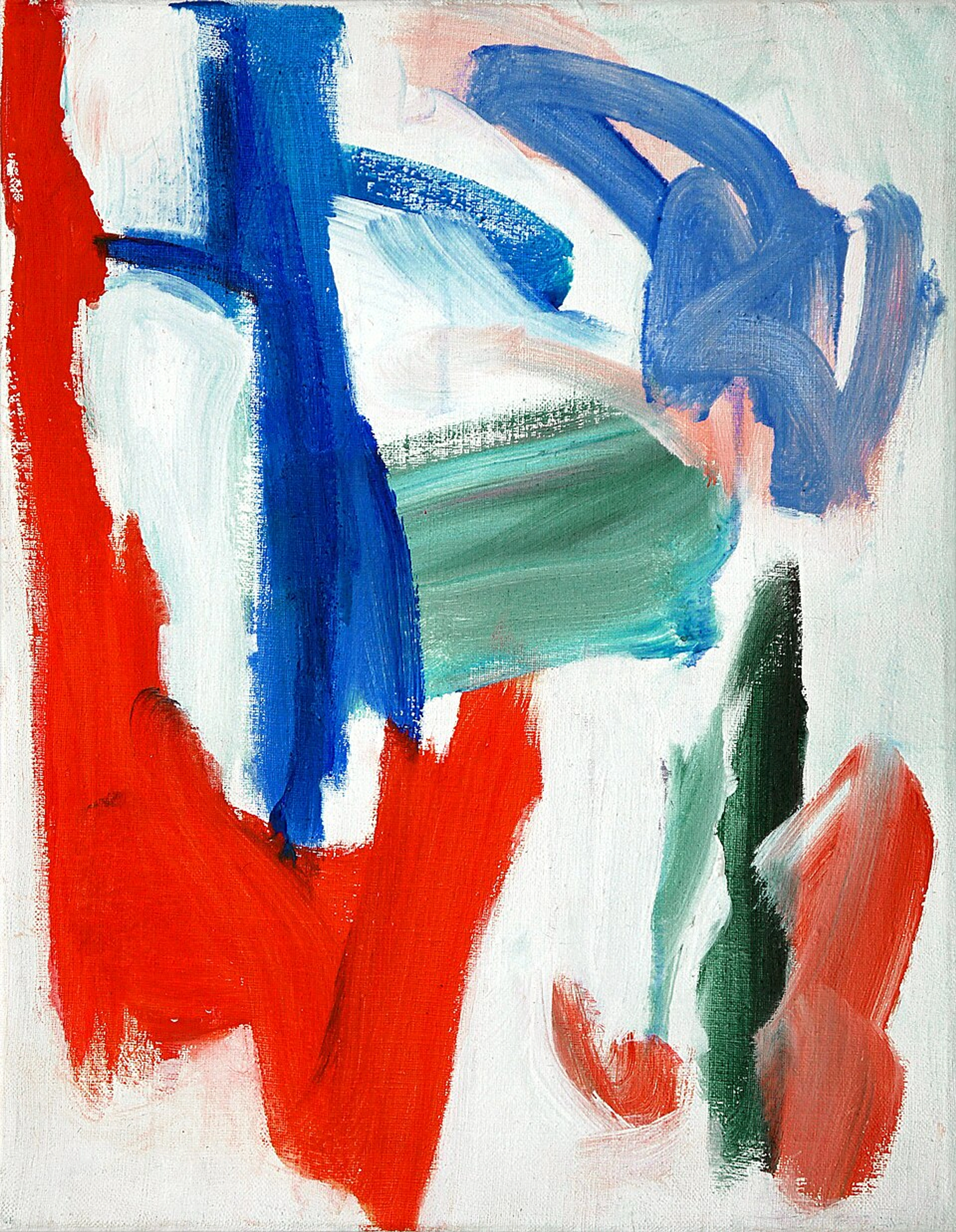
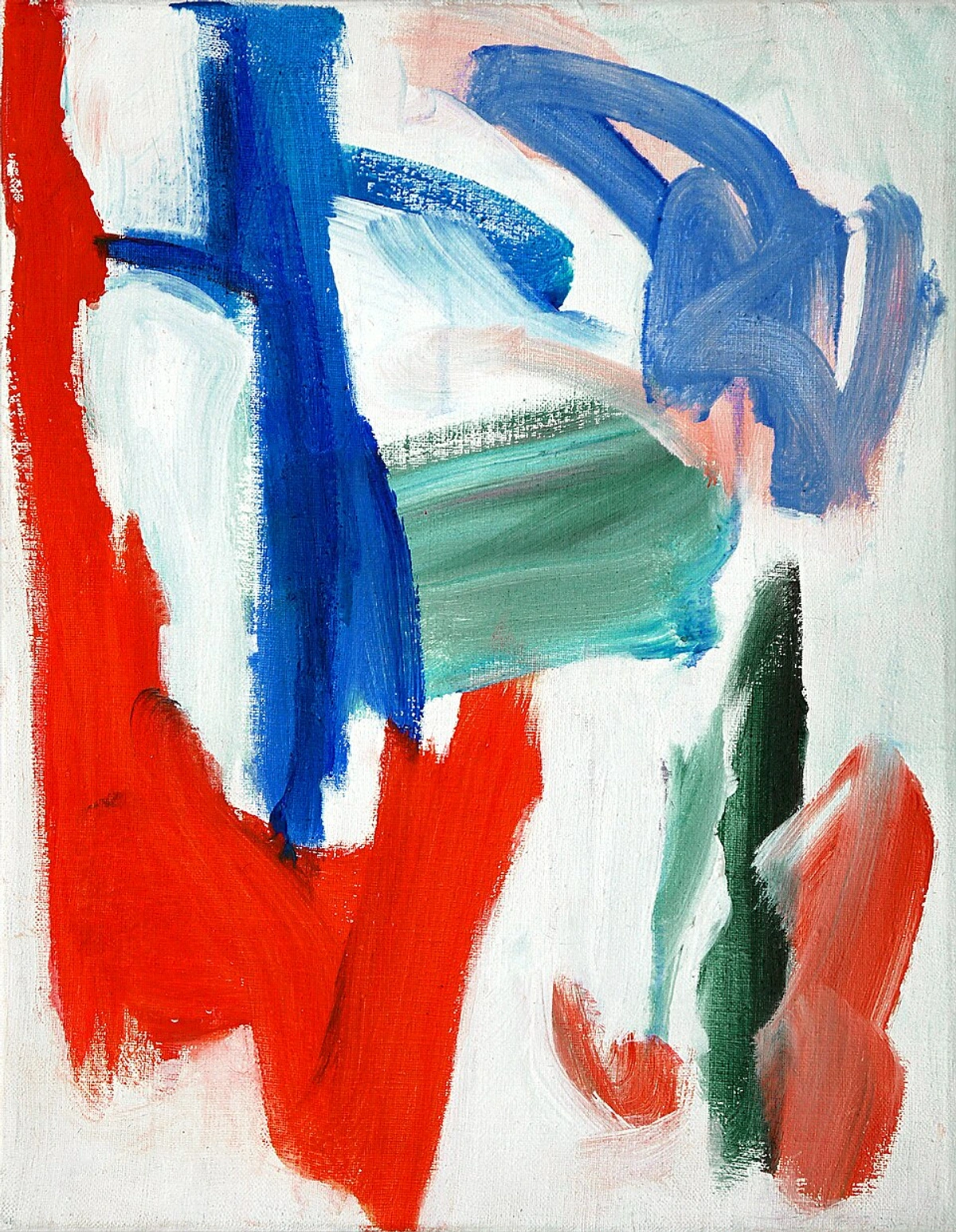
There are no truly wrong choices in art, only choices that take your work in different directions. Think of it less as right or wrong, and more as a spectrum of possibilities, each with its own character. A splash of unexpected red isn't 'wrong'; it just makes the painting louder, more assertive. A crooked line isn't a 'mistake'; it's a choice that adds a nervous, human energy, a raw authenticity. This is especially true when you embrace something like abstract art, where the goal isn't to replicate reality but to create a new one entirely. In fact, sometimes the 'wrong' choices are the very ones that push boundaries, subvert expectations, and challenge established artistic conventions, paving the way for truly original expression, fundamentally altering how we perceive beauty, form, or narrative.
Type of Choice  | Perceived Outcome (Initial) | Actual Outcome (Artistic) | Implication for Challenging Norms |
|---|---|---|---|
| "Mistake" (e.g., accidental spill) | Ruined artwork, frustration | New texture, unexpected color blend, happy accident, prompts adaptation | Breaks rigid adherence to control; embraces serendipity. |
| "Bold" (e.g., jarring color contrast) | Too much, clashes, unharmonious | Creates tension, focal point, evokes strong emotion, challenges viewer | Disrupts expected aesthetics; demands attention and re-evaluation. |
| "Subtle" (e.g., slight hue shift) | Unnoticeable, bland, safe | Adds depth, nuance, invites closer inspection, creates harmony | Rejects overt statements; invites quiet contemplation over spectacle. |
| "Unconventional" (e.g., unusual material) | Doesn't fit, strange, out of place | Innovative, sparks curiosity, unique texture, redefines boundaries | Expands definition of 'art'; questions traditional mediums and value. |
| "Deliberate" (e.g., planned composition) | Predictable, sterile | Clarity, strong message, guides viewer's eye, reinforces intention | Can be used to make clear, pointed statements that critique society. |
| "Spontaneous" (e.g., quick gesture) | Uncontrolled, messy | Captures raw energy, immediate emotion, builds fluidity, breaks stiffness | Rejects meticulous planning; embraces raw, unmediated expression. |
| "Contradictory" (e.g., clashing styles) | Disharmonious, jarring | Creates tension, provokes thought, highlights contrast, challenges conventions | Subverts expectations of unity; can represent societal fragmentation or conflict. |
| "Transgressive" (e.g., taboo subject) | Offensive, shocking, inappropriate | Forces dialogue, confronts discomfort, exposes hidden truths | Directly challenges moral, social, or political boundaries. |
I like to think of it this way: every single choice you make in your art creates a new set of circumstances, like planting a seed that then dictates the environment for your next plant. It's a dynamic, ongoing conversation between you and your evolving artwork. Sometimes it’s a calm, reasoned debate between colors and forms, where each element gently informs the next. Other times, honestly, it feels like a shouting match of conflicting ideas, a chaotic but necessary push-and-pull. The point, always, is to keep that conversation going, to keep responding, adapting, and pushing forward, understanding that the artwork is a living entity shaped by your continuous input. This perspective is particularly freeing when confronting what might be considered 'traditional' or 'safe' artistic approaches; it encourages you to constantly question and redefine what your art could be, rather than what it should be. It's an active rebellion against the predictable, an invitation to forge new visual languages.
Sometimes, even the most chaotic-looking work, like a Cubist masterpiece or a drip painting, is the result of countless deliberate (or intuitively guided) choices. It's about finding order in the apparent chaos, or embracing the chaos itself as a form of order.
Your Artistic Compass: Intuition vs. Intention
In this wild journey of choices, you have two powerful internal guides, two needles on your artistic compass: intuition and intention. For your work to truly sing, to resonate with both authenticity and skill, they usually need to be pointing in roughly the same direction, or at least be engaged in a deeply productive dialogue. Think of it as the heart and the mind of your creative process, each offering invaluable input. When these two forces align, that’s where the magic happens – where you find your true creative flow and your decisions become less about struggle and more about discovery. This synchronicity is the bedrock of powerful, authentic art, allowing you to move with a fluidity and spontaneity that is both informed and inspired. And sometimes, this very alignment leads to choices that, while deeply authentic to you, might subtly (or not-so-subtly) challenge traditional notions of beauty, form, or even what art 'should' be about. It’s in this powerful synergy that truly paradigm-shifting art is born, art that doesn't just express but redefines.
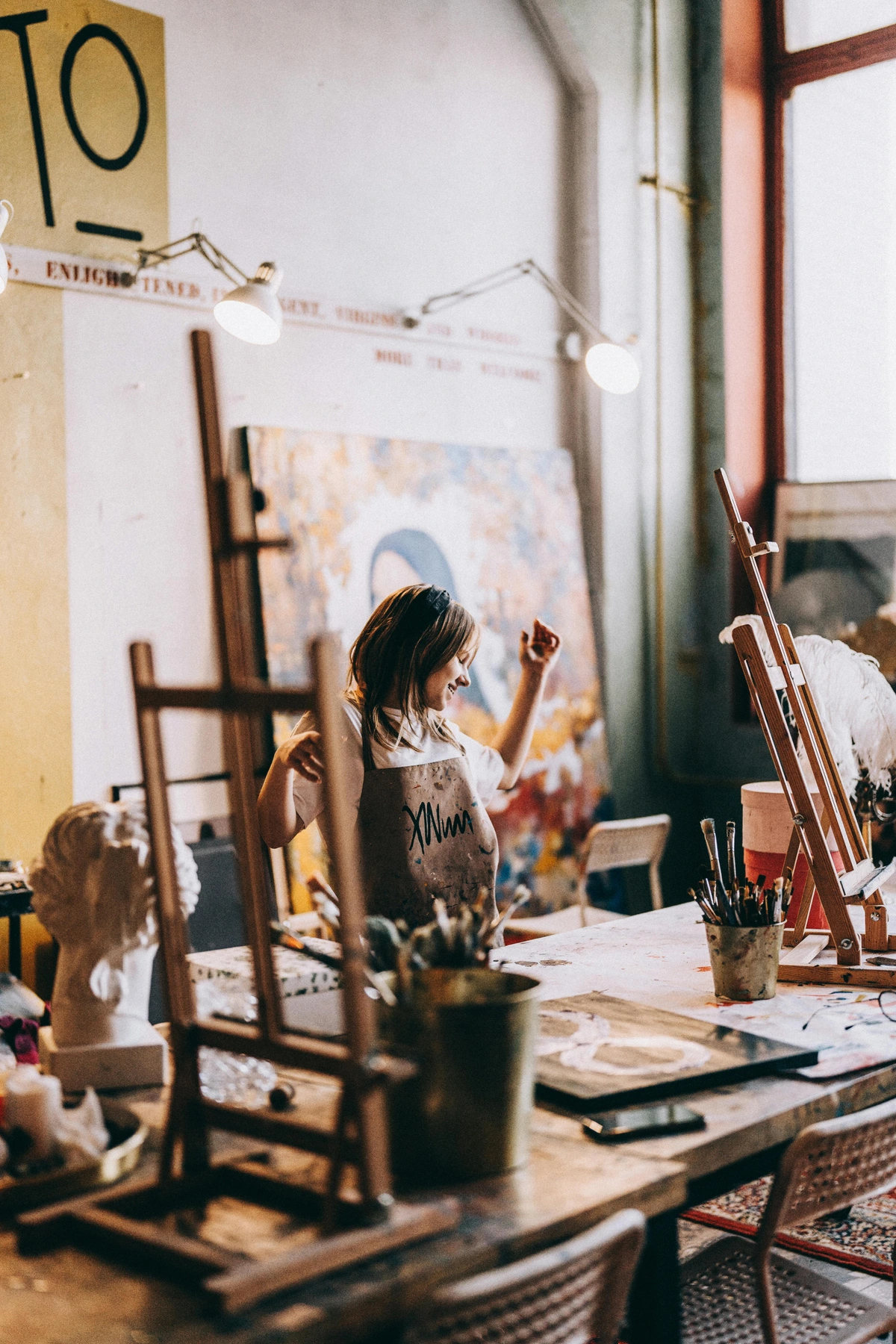
An artistic choice, whether intuitive or intentional, can feel as serene as a Sunday morning, even if it's an unusual one.
- Intuition is your gut feeling, that instantaneous, non-verbal sense that this color absolutely belongs next to that one, or that this line needs to go here. It's often misunderstood as some mystical magic, but I see it as the highly sophisticated sum of every piece of art you’ve ever absorbed, every experiment you’ve tried (both successful and "failed"), and every 'mistake' you’ve ever made. All these experiences are meticulously processed and distilled by your subconscious mind into a potent, lightning-fast instinct – a kind of creative muscle memory that whispers the 'right' path without a moment's hesitation. It's the silent wisdom that comes from countless hours of engagement, an intuitive leap that feels right even before you can articulate why. Think of it as the cumulative effect of every painting you've ever admired, every 'failure' you've learned from, and every creative decision you've ever made, all feeding into a powerful internal compass. It’s the deep, often unspoken, understanding that guides your hand, telling you 'this feels right' even when the logical 'why' is still forming. This intuitive wisdom is often the first to recognize opportunities to break free from conventional approaches, nudging you towards innovative choices that can feel radical in their departure from the familiar, yet profoundly 'right' within your personal artistic logic.
- Intention is your brain at work, your conscious mind engaging with the canvas. It's your deliberate knowledge of the fundamentals of art, the principles of design in art, and practical understanding. It’s knowing, for example, that complementary colors create dynamic tension (a deep dive into how artists use color is incredibly helpful here), or understanding the principles of composition in art explained. Intention is the articulate 'why' behind your choices – the logic, the strategy, the deliberate direction you want your artwork to take, the message you want to convey. It's the conscious roadmap, the reasoned approach that ensures your intuition has a solid framework to work within. Without intention, even the most brilliant intuitive strokes can feel directionless, like a beautiful ship without a rudder. It’s the scaffolding upon which your intuition can freely build, ensuring that your expressive marks serve a cohesive vision and a compelling artistic narrative. Intention is your conscious compass, guiding the raw energy of intuition into a focused expression, allowing you to deliberately choose when to adhere to rules and, more importantly, when to strategically break them.
Beginners often find themselves relying too much on one or the other, creating art that either feels stiff and overly academic, or wildly inconsistent and hard to develop further. Relying solely on intention can make your art feel rigid, sometimes devoid of that spark of personal touch. Conversely, relying only on intuition, while it can lead to glorious happy accidents, makes it incredibly hard to replicate success, build upon discoveries, or even understand why something worked. The sweet spot, the true artistic flow, is where your deliberate knowledge of the elements of design in art continually feeds and refines your intuition, making your gut feelings smarter, more reliable, and ultimately, more profound. It's an ongoing dialogue, a constant learning and adaptation that fuels genuine artistic growth. This balanced approach is also what empowers you to consciously decide when to break with tradition, when to trust a radical intuitive impulse, and when to apply reasoned intention to dismantle a conventional idea. It’s the sweet spot where personal expression meets profound impact, often through a deliberate re-evaluation of established artistic paradigms.
Aspect | Pure Intuition | Pure Intention | Balanced Approach |
|---|---|---|---|
| Pros | Spontaneous, fresh, unexpected, personal expression | Structured, consistent, communicable, repeatable, technically sound | Dynamic, thoughtful, authentic, adaptable, evolving, achieves flow state |
| Cons | Unpredictable, hard to control, inconsistent, lacks foundation | Stiff, academic, lacks originality, sterile, predictable | Requires conscious effort, can feel slow at times |
| Best For | Early experimentation, breaking habits, raw energy | Problem-solving, planning, technique, understanding theory | All stages of artistic creation, developing personal style, deep personal expression |
| When to Trust It Most | In the initial playful stages, when generating ideas, reacting to unforeseen marks. | When refining a concept, troubleshooting a problem, or learning new techniques. | When the 'why' and the 'feel' are in sync, leading to authentic and impactful work. During moments of spontaneous yet informed decision-making. |
| Risk Tolerance | High – embraces happy accidents | Low – prefers predictable outcomes | Medium to High – calculated risks informed by knowledge |
Beyond the Canvas: The Role of Materials in Shaping Choices
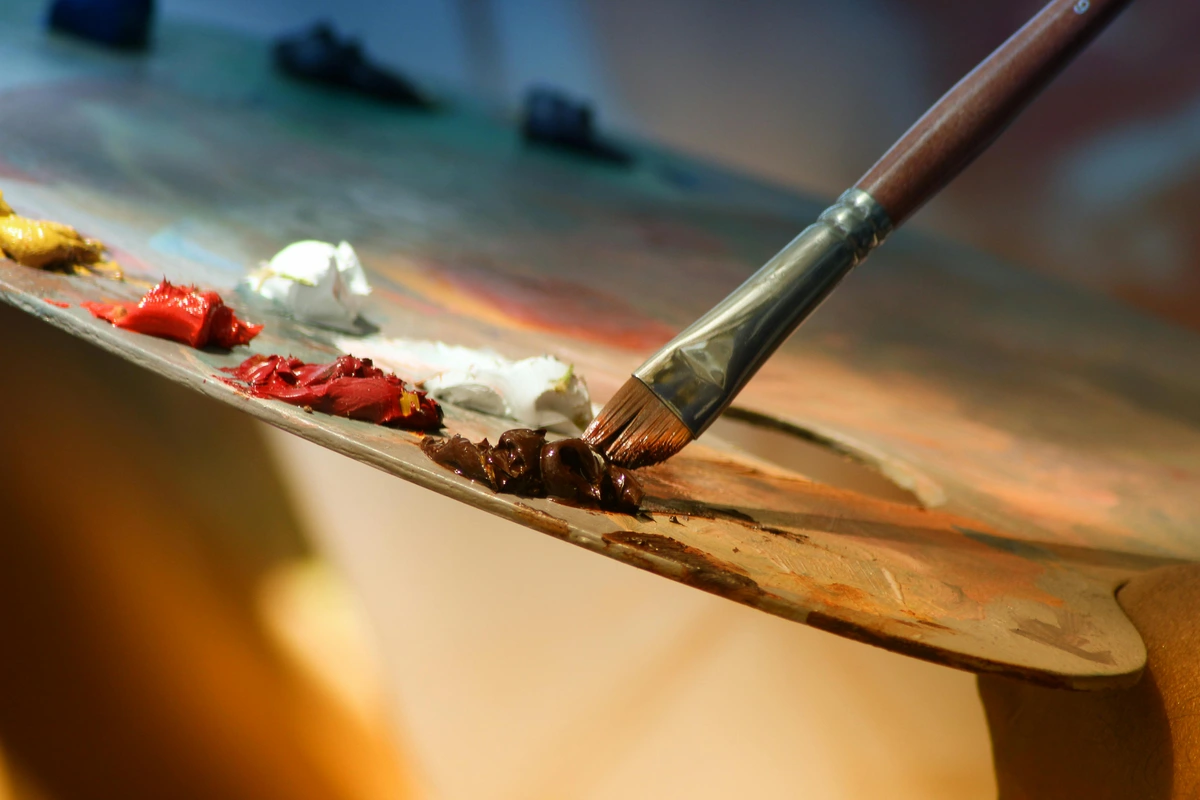
Sometimes, the choices aren't just in what to create, but what to create with. The very nature of your chosen medium dictates a unique set of possibilities and limitations, inherently guiding your artistic decisions. Think about it: working with fluid watercolor demands a different approach than the precise layering of oil paint, or the structural demands of sculpture. Each material has its own language, its own resistance, its own way of collaborating with (or challenging) your intentions. Embracing this dialogue with your materials is a powerful way to make unexpected and informed choices. Whether it's the granular resistance of charcoal on textured paper, the shimmering translucence of watercolor, or the unforgiving permanence of carving stone, each medium has a story to tell and an inherent quality that demands a specific response. Understanding this profound relationship allows you to leverage the medium's inherent voice, transforming its limitations into unique strengths and exploring new avenues for adding depth and texture to your work. In fact, some of the most groundbreaking art has emerged from artists deliberately challenging the traditional uses or perceived limitations of their chosen mediums, pushing boundaries and redefining what is possible. Think of how artists repurposed industrial materials, or how digital artists now explore entirely new realms of expression; these are conscious choices that redefine the very definition of 'art' itself.
It's this dynamic relationship between artist, intention, intuition, and material that truly brings a piece to life. For example, the precise nature of colored pencils lends itself to intricate detail, while the bold gestures of oil sticks encourage a more raw and immediate expression. Consider also the fluid unpredictability of ink washes, demanding rapid decisions, versus the forgiving blendability of pastels. This conscious choice of material is, in itself, a powerful artistic decision, often dictating the aesthetic and conceptual direction of the work, and can be a subtle way to challenge what is considered 'fine art'.
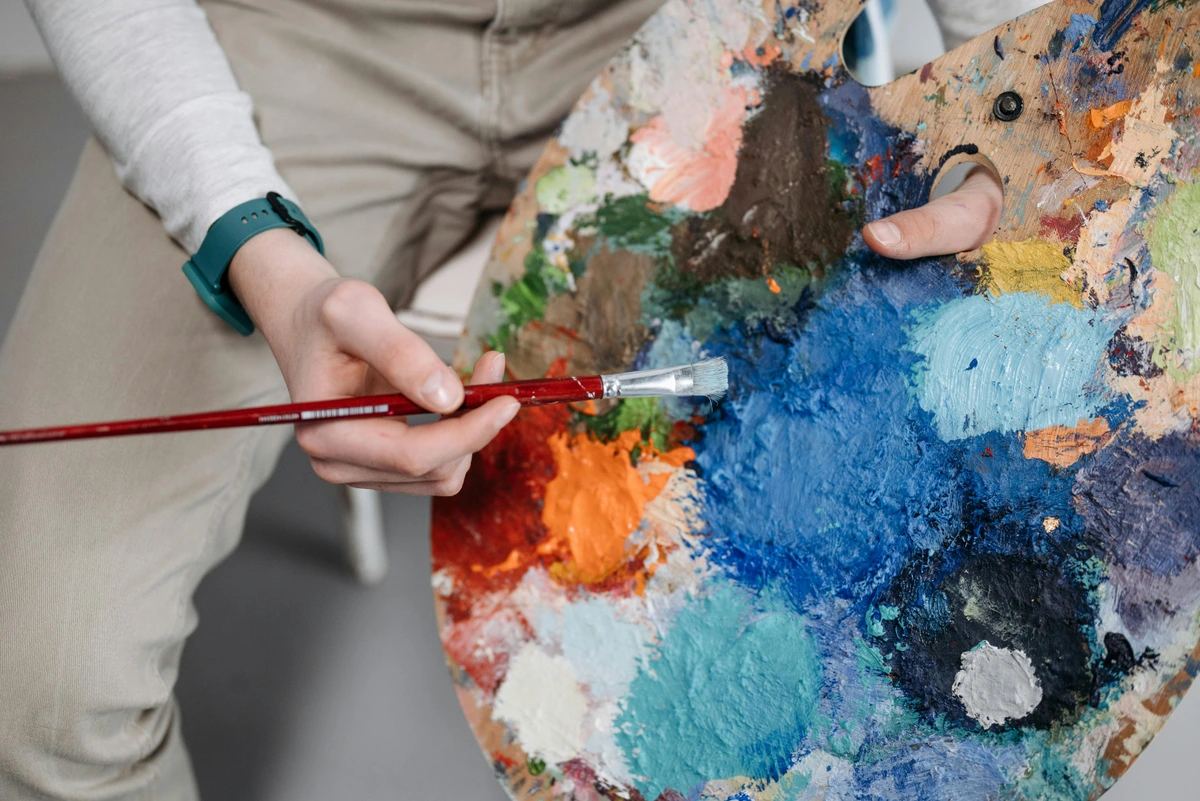
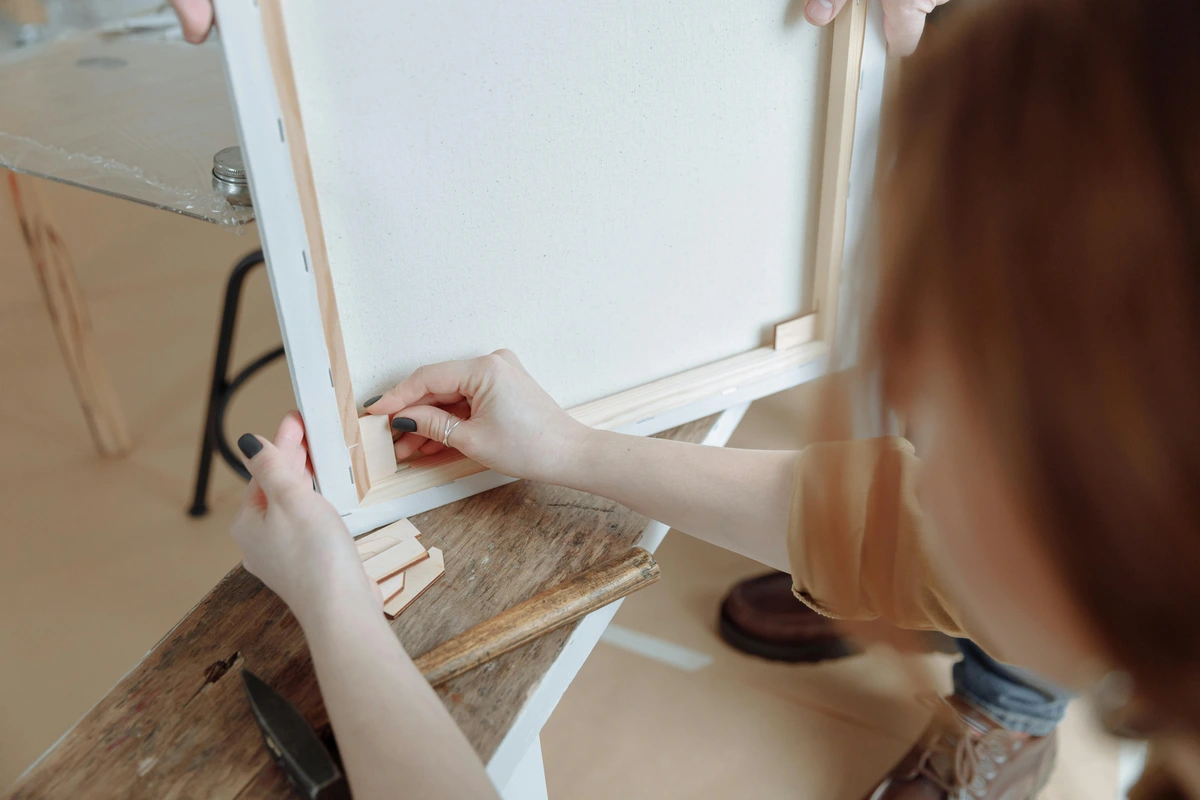
Take encaustic painting, for instance, which beautifully exemplifies this interplay:
A Practical Toolkit for Better Decisions
Okay, let's get to the actionable stuff. These are techniques I use when I feel stuck. They aren't rules; they're tools. Pick them up when you need them.
1. Set Creative Constraints
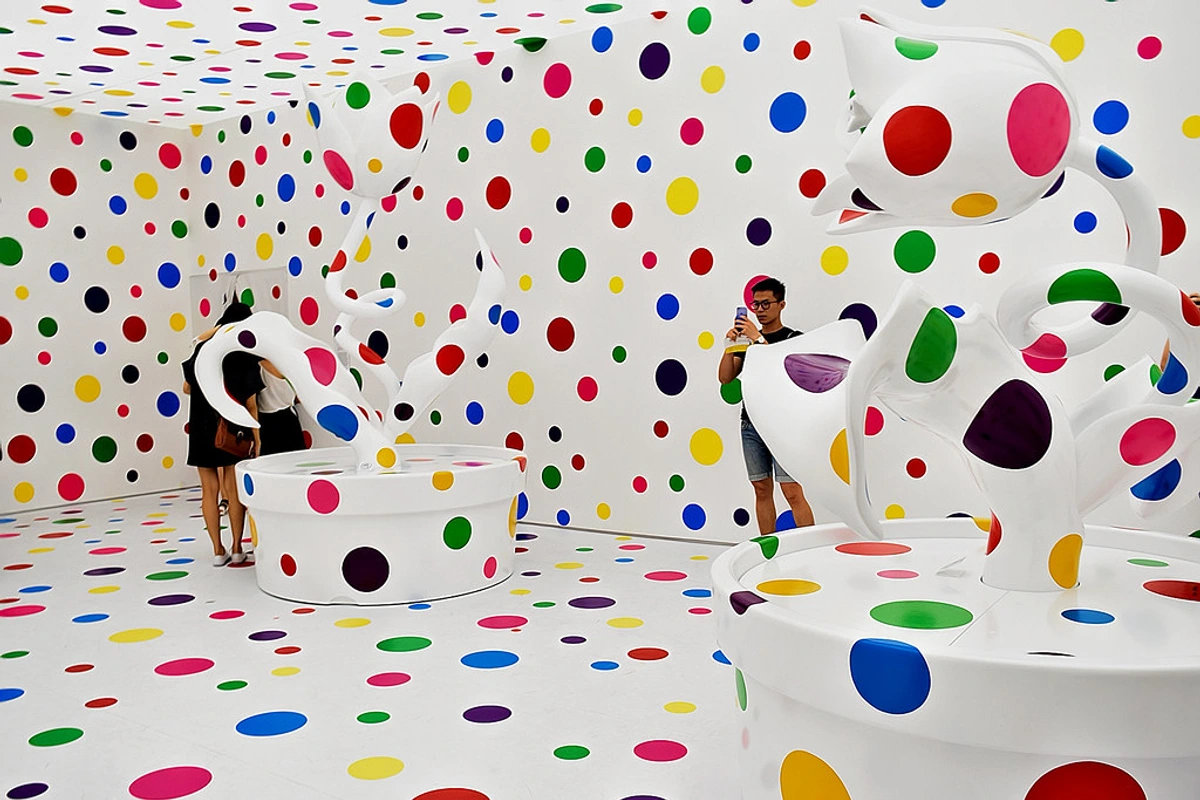
Freedom, in its purest, unbounded form, can sometimes be overrated. Too much freedom, counterintuitively, is often paralyzing. It's like standing in an infinite buffet – where do you even begin? The best way I've found to encourage decisive action and spark genuine innovation is to deliberately limit your options. Constraints don't stifle creativity; they force it to find ingenious pathways, pushing you to explore depths you might otherwise overlook. They act as a focused lens for your creative energy. Think of it as a deliberate narrowing of the playing field, not to restrict, but to clarify the infinite possibilities, helping you to move from overwhelming choice to focused creative problem-solving. This is often how artists, when faced with restrictions, invent entirely new techniques or forms, inadvertently challenging established artistic methods and opening up unexpected avenues of expression.
Constraint Type | Example | Why It Works | How It Challenges Norms |
|---|---|---|---|
| Color Palette | Use only three primary colors plus white. | Forces you to master color mixing and value. | Subverts expectations of realism or conventional color harmony; emphasizes fundamental relationships. |
| Time Limit | Complete a painting in 20 minutes. | Eliminates overthinking and encourages bold, intuitive marks. | Rejects painstaking perfection; celebrates spontaneity and raw energy over meticulous finish. |
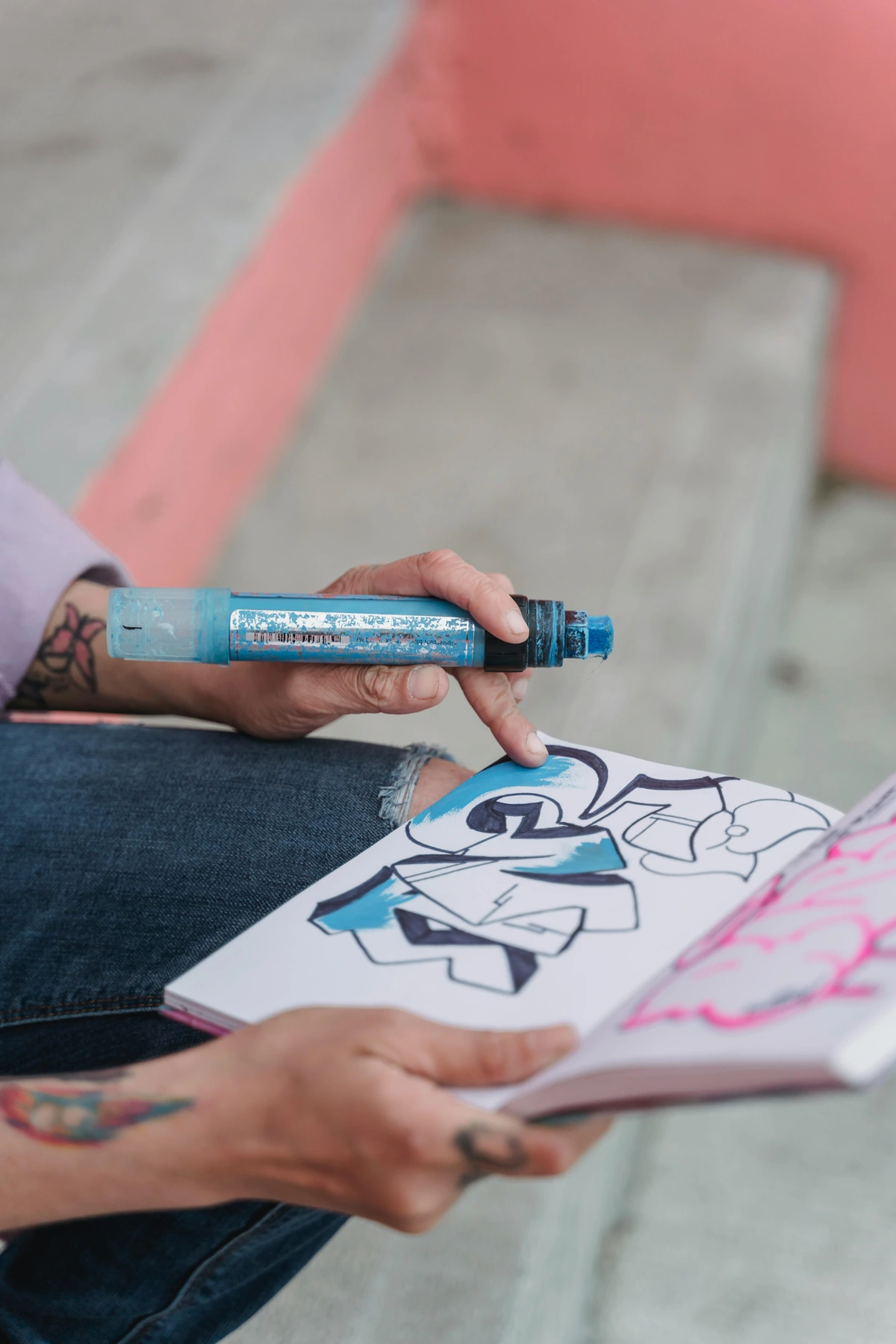
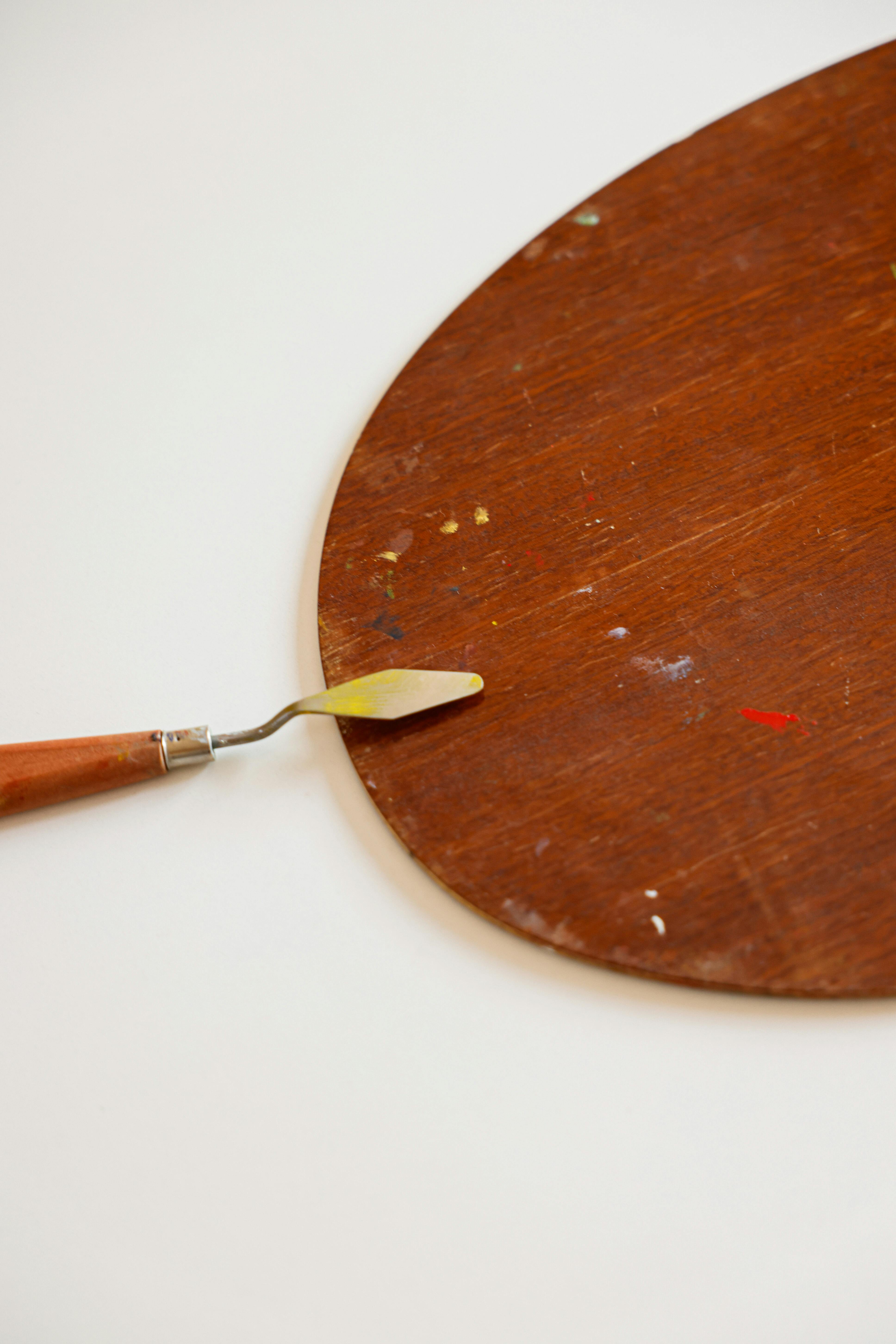
| Tool Limitation | Use only a large flat brush, or only a palette knife. | Makes you focus on shape, texture, and form instead of fiddly details. | Forces innovation with limited means; can redefine what constitutes 'detail' or 'skill'. |
| Subject Matter | Paint the same simple object (like a coffee cup) 10 times. | Removes the pressure of 'what to paint' so you can focus on 'how to paint'. | Elevates the mundane; questions hierarchies of subject matter and the need for 'grand' themes. |
| Medium Limitation | Create a piece using only graphite and one accent color. | Focuses attention on form, value, and precise impact of color. | Highlights the power of simplicity; challenges the notion that more materials equal better art. |
| Format/Size | Work only on very small canvases or large paper sheets. | Changes the scale of decisions and encourages different approaches to detail or gesture. | Challenges expectations of intimacy or monumentality; shifts viewer perception of scale. |
| Conceptual Theme | Explore 'silence' or 'joy' using only abstract shapes. | Forces you to translate abstract ideas into visual language. | Pushes beyond literal representation; encourages viewers to engage on a deeper, interpretative level. |
| Technique Limitation | Use only frottage or collage. | Forces mastery of a specific method; encourages innovative application. | Questions the reliance on traditional drawing/painting techniques; expands definition of mark-making. |
| Emotional Constraint | Create a piece using only colors and forms that evoke 'calm' or 'chaos'. | Directs emotional intention, deepens understanding of expressive elements. | Prioritizes emotional communication over objective reality; questions purely aesthetic judgments. |
| Material Constraint | Use only found objects or recycled materials. | Encourages innovative thinking and redefines what constitutes 'artistic' material. | Challenges consumerism; redefines value and beauty in discarded items. |
| Genre Blending | Combine elements of portraiture with abstract landscapes. | Breaks down rigid categories; creates novel visual languages. | Disrupts traditional classifications; fosters interdisciplinary thinking. |
| Limited Information | Create a piece conveying a story using only three visual cues. | Develops concise visual storytelling and symbolic communication. | Rejects overt narrative; encourages viewer participation in meaning-making. |
2. Embrace Iteration and Variation
Before diving into a big piece, I often remind myself that the first idea is rarely the best. It's good, sure, but it's the first. Imagine a sculptor working on marble – they don't just hack away at it randomly. They chip, they refine, they turn the piece, they step back. Your art is no different. Deliberately creating variations of a concept, composition, or color scheme isn't wasting time; it's actively making choices on a smaller, safer scale, allowing the best options to emerge. This is where you test your hypothesis before committing to a larger, more time-intensive project. It's an iterative dance of refinement, allowing you to explore the full potential of an idea without the pressure of a singular, perfect outcome. It's about giving yourself permission to explore all the 'what ifs' before settling on the 'this is it'. This iterative process is crucial for nurturing your creative confidence and ensuring your final choices are truly the strongest. It's a testament to the power of experimentation, allowing you to evolve your ideas rather than clinging to the first spark. This kind of persistent exploration, often through a series of 'failures' and refinements, is exactly how artists break free from conventional approaches, pushing the boundaries of what is expected. It's a testament to the power of continuous re-evaluation, where each variation is an act of questioning and refining, ultimately leading to bolder and more original final statements.
Benefit of Iteration | Description |
|---|---|
| Reduces Risk | Test ideas and compositions in low-stakes environments before committing major resources. |
| Boosts Creativity | Forces you to explore multiple solutions, often leading to unexpected and innovative outcomes. |
| Builds Confidence | Each small decision and successful variation reinforces your ability to make effective choices. |
| Refines Vision | Helps clarify your artistic intention by seeing what works and what doesn't. |
| Saves Time & Materials | Avoids costly reworks on a large scale by addressing issues early. |
| Develops Flexibility | Encourages adaptability and responsiveness to the evolving artwork. |
The Mindset of Play: Low Stakes, High Rewards
This isn't just about techniques; it's about cultivating a mindset where curiosity outweighs fear. Think of your studio as a laboratory, a playground where every 'mistake' is just another data point. When you approach your choices with a sense of play, the pressure dissipates, and genuine discovery begins. It's about letting go of preciousness and embracing the chaotic beauty of exploration. This mindset is the fertile ground from which truly innovative and authentic artistic choices emerge. It's about remembering the pure, unadulterated joy of creation you had as a child, before judgment or expectation took hold. When I'm feeling particularly stuck, I often revisit my own personal strategies for overcoming creative blocks to re-ignite this playful spirit. Embracing play is, in essence, a challenge to the serious, often rigid, societal notions of what 'art' and 'artists' should be, opening up a space for radical self-expression, where the joy of discovery triumphs over the fear of breaking unwritten rules.
3. The Power of Thumbnails
Never, ever underestimate the power of tiny, rough sketches. Before I commit to a large, time-consuming piece, I'll often scribble 5-10 thumbnail-sized versions in a sketchbook. They're not about precious detail or intricate rendering; they're about solving the big problems first. I'm looking at the overall balance in the art composition, the flow of dark and light shapes, the general energy, and the focal points. It’s a low-risk playground to make your big, foundational choices before you’ve invested hours and expensive materials, saving you potential heartache down the line. It's like stress-testing your design before you build the actual bridge, allowing you to quickly assess the effectiveness of your elements of art and principles of composition before committing to a larger scale. This fundamental problem-solving in miniature can also reveal how subtle compositional shifts can alter the message or feeling of a piece, even challenging the very emotional narrative or subverting expected interpretations. It's about testing the waters for radical compositional departures.
Benefit of Thumbnails | Description |
|---|---|
| Rapid Experimentation | Quickly test multiple compositional ideas, value patterns, or focal points without commitment. |
| Problem Solving | Identify and resolve major design flaws early, saving time and materials on the final piece. |
| Focus on Fundamentals | Forces attention on core elements like shape, balance, and rhythm, rather than getting lost in detail. |
| Reduces Fear | Low-stakes environment encourages bolder choices and reduces the pressure of a 'perfect' outcome. |
| Develops Intuition | The rapid decision-making strengthens your gut feeling for what works visually. |
| Clarifies Narrative | Helps ensure the emotional core or message is evident in the fundamental design before details distract. |
| Enhances Visual Language | Strengthens your ability to communicate complex ideas through simplified forms and values. |
4. Ask Better Questions
When you're stuck in the creative process, it's often not a lack of ideas, but a lack of the right questions. The ubiquitous 'What should I do next?' is almost always a terrible, paralyzing question. It’s too broad, too open-ended. Instead, try framing your dilemma with more specific, intentional, and probing questions. This shifts you from a state of passive uncertainty to active problem-solving. This targeted inquiry helps unlock new pathways and gives your intuition a concrete problem to work on. It’s about being a detective in your own creative space, constantly probing for deeper truths and potential breakthroughs, even if they challenge your initial assumptions or what 'should' be done. These are the questions that pave the way for art that isn't just seen, but felt, questioned, and remembered.
Here are some powerful questions to ask yourself when facing a creative block, or when trying to push beyond conventional solutions:
- What is the main idea of this piece? Does my next choice support that idea?
- Where do I want the viewer's eye to go? How can I lead it there? (Consider elements of art like line and balance in composition).
- What is the emotional core of this work? Does this color choice enhance that emotion? (This ties into the psychology of color).
- Am I adding this detail because the painting needs it, or because I'm scared to call it finished?
- What emotion do I want to evoke? Does this choice align with it, or does it contradict it?
- If I were to intentionally 'break' one rule of composition right now, which one would it be and why? And more importantly, what new effect would that create?
- Is this choice serving the overall narrative or message of the piece, or is it merely decorative? Does it challenge a common perception or reinforce it?
- What is the strongest element in this piece right now? How can I amplify it, even to the point of exaggeration?
- What is the weakest element? How can I resolve or transform it, perhaps into an unexpected strength?
- If I could only use one color/texture/shape for the rest of this piece, what would it be and why? How would this limitation force me to rethink the entire composition?
- What societal norm or traditional notion might this piece subtly (or overtly) question, and how can my next choice reinforce that inquiry?
- How can I make this piece uncomfortable, or unexpected, in a way that serves its underlying message?
- What if I intentionally made a choice that seems 'ugly' or 'wrong' by conventional standards, and how might that choice redefine beauty within this context?
- If I were to intentionally make a 'bad' choice, what would it be? And what might I learn from it?
The Power of External Perspective: Seeking Feedback and Critique
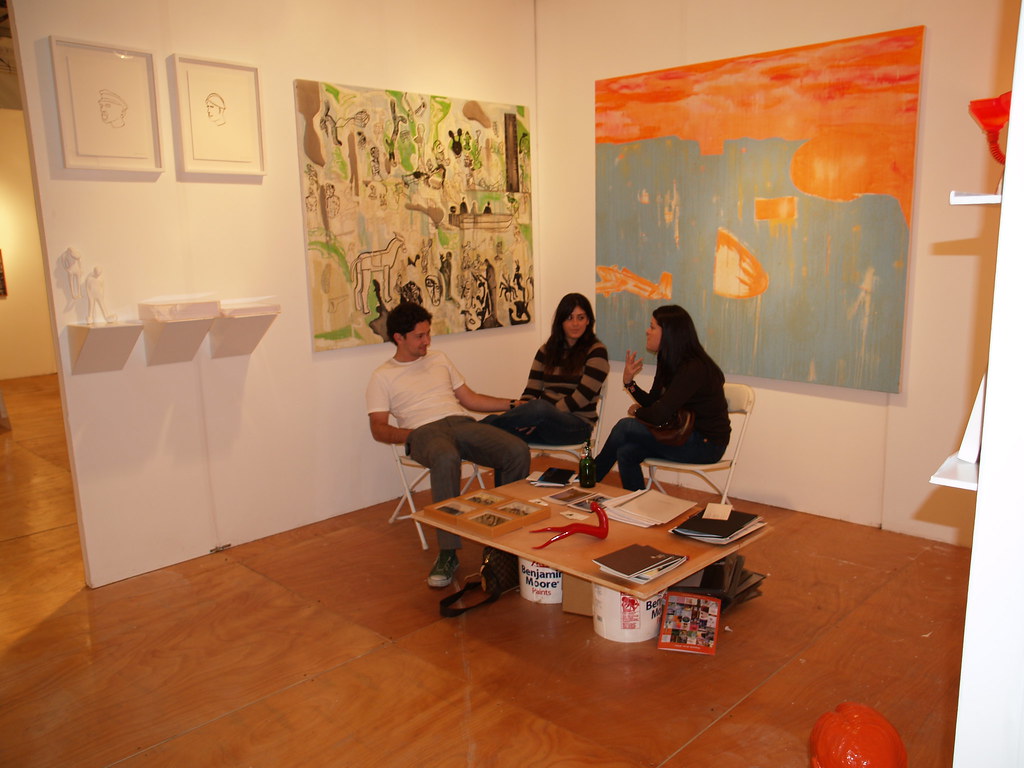
Ah, the dreaded (or delightful) moment of inviting others into your creative space. My studio, my sanctuary. But sometimes, it can also be an echo chamber. When I'm deeply entrenched in a piece, I can become blind to certain things – a color that's just a little off, a composition that feels unbalanced, or a narrative element that isn't landing. This is where external perspectives become absolutely invaluable. Seeking feedback isn't about seeking validation; it's about gathering data points, different interpretations, and fresh eyes on your artistic choices. It helps you see your work through another lens, prompting new questions and revealing paths you hadn't considered. Just like artists at an art gallery discussing their work, the dialogue itself is an integral part of the creative journey. The trick, of course, is learning how to ask for and process feedback effectively. It’s a skill that, like any other in art, strengthens with practice. Remember, feedback is information, not necessarily instruction – your intuition and intention must ultimately filter and interpret it. I always remind myself that while external eyes can highlight blind spots, the final authority always rests with my own artistic vision. It’s about being open to new perspectives without surrendering your authentic voice.
How to Effectively Receive and Filter Feedback:
- Listen More, Defend Less: Your initial instinct might be to explain your choices. Resist it. Just listen and absorb what is being said. This is crucial, especially when your work might be challenging viewers' expectations or traditional aesthetic preferences, as these are precisely the moments when external insights can illuminate the impact of your deliberate subversions.
- Ask Targeted Questions: Instead of a general 'Is it good?', ask yourself 'Does it serve my authentic intention?' or 'Does it effectively convey the message, even if that message is disruptive?' Your work is 'good' when it genuinely expresses what you intend, when it challenges you, and when it resonates with someone – even if that someone is just you. The real measure of 'goodness' is in the integrity of your choices and the courage to share them, rather than adherence to some elusive external standard. Celebrate the journey, not just the perceived destination, and embrace the ongoing process of developing your unique artistic style.
- Identify Patterns: If multiple people point out the same issue, it's worth deeper consideration. If it's a one-off comment, it might be personal preference, or perhaps an indication that your challenging choice is working exactly as intended for a specific audience.
- Consider the Source: Value feedback from those whose work or critical eye you respect most, but don't dismiss unexpected insights. Sometimes the most insightful critique comes from someone outside your usual artistic circle, offering a fresh perspective on how your work interacts with broader societal understandings.
- Let it Marinate: Don't react immediately. Sit with the feedback, let it sink in, and see how it aligns (or clashes) with your own intentions. This processing time is vital for discerning true critique from subjective opinion, especially when you're making choices that intentionally diverge from the norm.
- Trust Your Gut (Ultimately): After all the input, return to your internal compass. The feedback is a guide, not a dictator. Your authentic voice, fueled by both intuition and intention, is the final arbiter of your artistic choices.
Exercises to Strengthen Your Choice-Making Muscle
Like any muscle, your decision-making ability gets stronger with consistent exercise. These aren't just warm-ups; they're targeted workouts designed to build your creative agility, intuition, and intentionality. The goal is to make choices, lots of them, without the paralyzing fear of 'getting it wrong.' These exercises are also designed to help you deliberately challenge your own habits and, by extension, traditional notions of art-making. Are you ready to flex that muscle?
Type of Feedback | Description & How to Utilize It |
|---|---|
| Peer Critique | Engage with fellow artists. They understand the process and can offer specific, technical advice on color, form, or technique. Focus: technical refinement and alternative artistic approaches. |
| Mentor/Teacher Guidance | Invaluable for foundational principles and broader artistic development. They can identify patterns in your choices and suggest focused exercises. Focus: foundational improvement and long-term growth. |
| General Audience Reaction | Observe how non-artists respond. Do they 'get' your message? What emotions does it evoke? This is about the impact of your choices. Focus: emotional resonance and clarity of message. |
| Self-Critique | Step away from your work, then return with fresh eyes, perhaps after a few days or even weeks. Ask yourself the same penetrating questions you'd ask a peer, trying to detach from your emotional investment. Focus: developing objective self-awareness, identifying personal biases, and building an internal critical voice. |
| Online Art Communities | Share your work on platforms for constructive criticism. Offers a wide range of perspectives and can highlight broader appeal issues. Focus: general audience reception, diverse stylistic input. |
Like any muscle, your decision-making ability gets stronger with exercise. Here are a few workouts.
- The Color Story Challenge: Pick a subject and then create three versions of it, each dominated by a completely different color psychology – perhaps one cool and serene, one fiery and passionate, one muted and melancholic. Focus solely on how color choices alter the emotional impact and narrative. This exercise forces you to make deliberate chromatic decisions and deeply understand the expressive power of your palette.
- The Timed Challenge: Set a timer for one hour. In that time, create five small paintings (postcard size is great, or even just studies in a sketchbook). The goal isn't to make five masterpieces. The goal is simply to make hundreds of choices without agonizing over them, building that decision-making fluency and reducing your overthinking tendencies.
- The Deconstruction Challenge: Choose a masterwork you admire, perhaps something intense like Edvard Munch's 'Despair'. Don't just copy it. Instead, spend time deconstructing it. What were the artist's key choices regarding color, composition, line, and subject matter? How do those choices contribute to the overall impact? Try recreating elements with different choices and observe the altered effect. This deep analytical approach will train your eye and mind to understand the why behind masterful decisions.
- The Sensory Exploration Challenge: Pick an emotion (e.g., 'elation', 'melancholy', 'fury'). Using only abstract shapes, lines, and colors, create a piece that visually embodies that emotion. No literal representations allowed! This pushes you to explore the pure expressive power of your choices, linking directly to translating emotion into abstract art.
- The Found Object Challenge: Gather 3-5 random, disparate objects from your environment. Your challenge is to create a unified composition using these objects as your subject matter, focusing on how their forms, textures, and colors interact. This forces you to make choices about connection and harmony from seemingly unconnected elements, a fantastic way to build problem-solving skills.
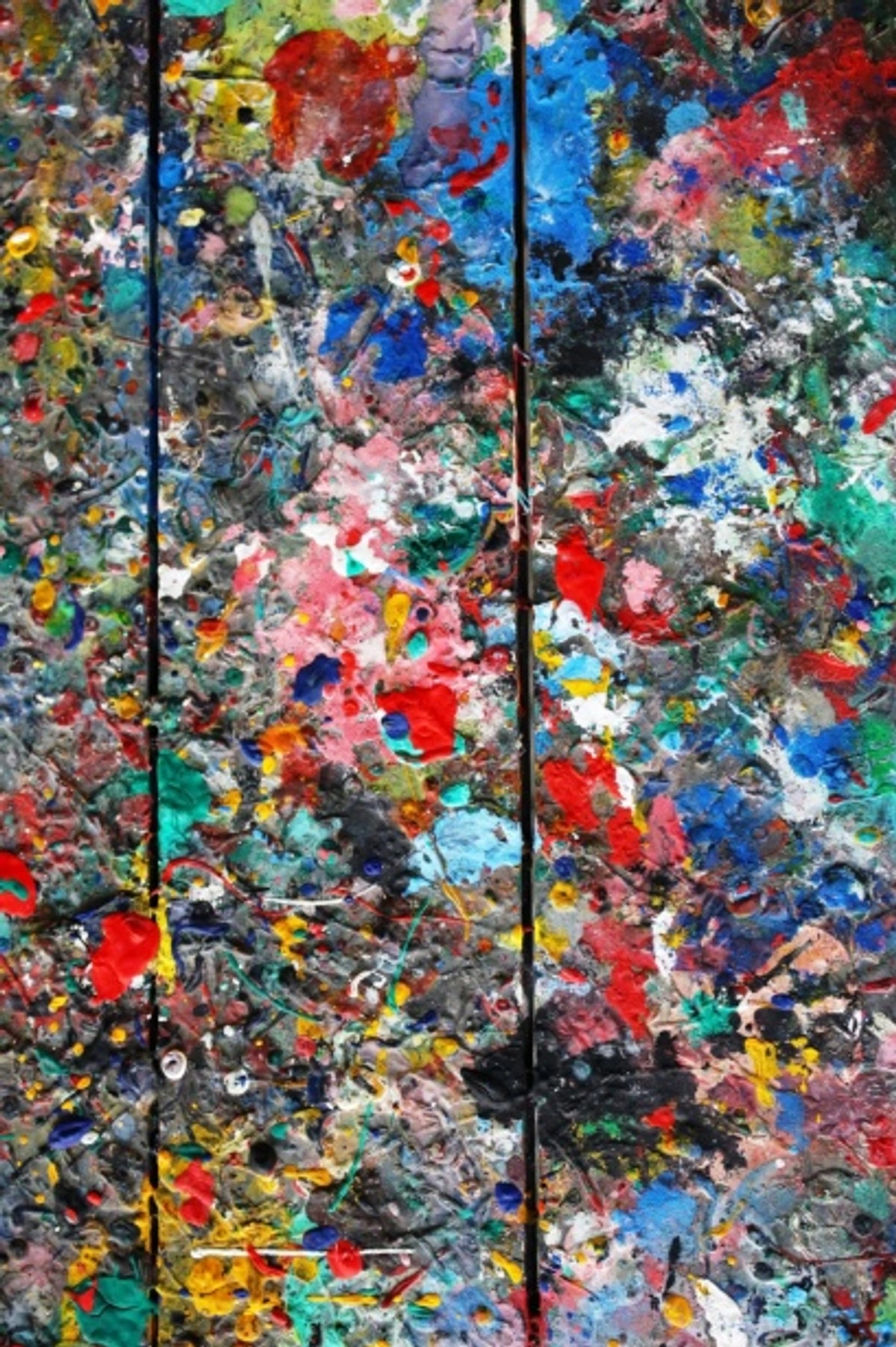
- The Found Object Challenge: Gather 3-5 random, disparate objects from your environment. Your challenge is to create a unified composition using these objects as your subject matter, focusing on how their forms, textures, and colors interact. This forces you to make choices about connection and harmony from seemingly unconnected elements, a fantastic way to build problem-solving skills.
- The 'Opposite Day' Painting: Look at your artistic habits, those comfortable ruts you've unconsciously dug for yourself. Do you love using bright, saturated colors? Your challenge is to create a piece using only muted, earthy tones. Are you a meticulous planner, outlining every detail? Try starting a painting with a random, gestural mark and responding to it, letting the initial chaos guide you. This exercise is designed to deliberately break you out of your choice-making ruts, forcing new neural pathways for creative problem-solving.
- The Historical Dialogue Challenge: Select an artwork from a historical period that deeply fascinates you (e.g., Gothic art, Abstract Expressionism). Create your own piece that responds to it, either by reinterpreting its themes with modern choices, or by adopting its compositional structure but using contemporary materials. This exercise fosters a dynamic conversation with art history, deepening your understanding of choices made across time.
- The Expressive Mark-Making Challenge: Using a single drawing tool (charcoal, ink, a thick brush), fill a page with only abstract marks designed to convey a specific emotion (e.g., 'joy,' 'anger,' 'calm,' 'frustration'). Focus on the energy and quality of the marks, rather than representation. This builds your ability to translate internal states into visual language through pure choice of gesture and pressure.
- The Expressive Mark-Making Challenge: Using a single drawing tool (charcoal, ink, a thick brush), fill a page with only abstract marks designed to convey a specific emotion (e.g., 'joy,' 'anger,' 'calm,' 'frustration'). Focus on the energy and quality of the marks, rather than representation. This builds your ability to translate internal states into visual language through pure choice of gesture and pressure.
- The Master Study: Find an artist whose choices you deeply admire, perhaps someone like Pierre-Auguste Renoir or Pablo Picasso. Don't just copy their work. Instead, analyze it. Why did they place that figure there? Why that shocking color for the sky? What elements of art did they emphasize? Try to understand their decision-making process, then create an original work using a similar 'recipe' of choices, perhaps even applying it to a different subject. This exercise deepens your understanding of artistic intent and historical context.
- The Abstracting Reality Challenge: Choose a highly realistic photograph or still life. Your goal is to create two abstract versions of it. For the first, focus on simplifying shapes and colors while retaining some recognizable elements. For the second, push the abstraction further, distilling it down to pure emotional resonance or formal relationships. This exercise helps you understand the spectrum of abstraction and how to make deliberate choices about visual information.
- The Medium Exploration: Pick a subject you're comfortable with (like that coffee cup from the constraints exercise). Now, create three different versions of it, each in a completely different medium. Try a quick sketch with colored pencils, then a bold painting in alla prima oil, and maybe a small clay sculpture. Observe how each medium forces you to make different choices and leads to different results. This direct comparison highlights the inherent 'voice' of each material and expands your adaptability.
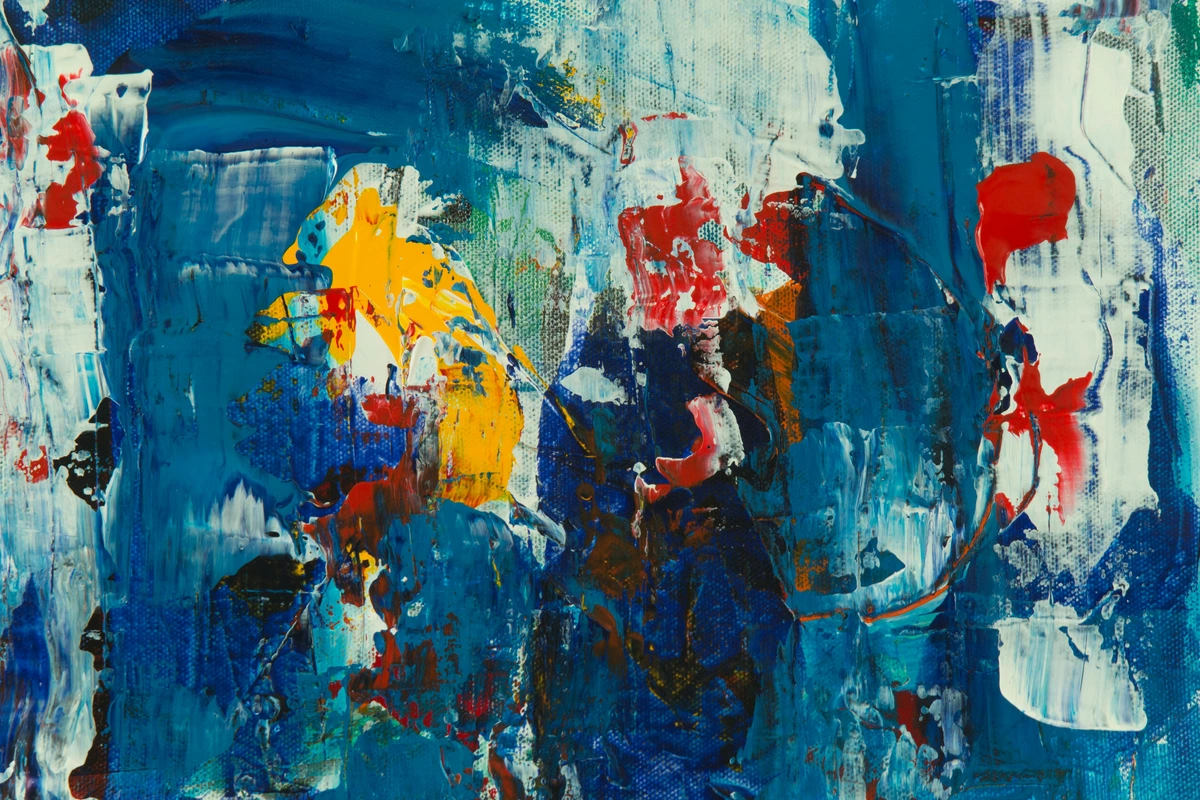
- The Medium Exploration: Pick a subject you're comfortable with (like that coffee cup from the constraints exercise). Now, create three different versions of it, each in a completely different medium. Try a quick sketch with colored pencils, then a bold painting in alla prima oil, and maybe a small clay sculpture. Observe how each medium forces you to make different choices and leads to different results. This direct comparison highlights the inherent 'voice' of each material and expands your adaptability.
- The Narrative Challenge: Choose a simple theme or emotion (e.g., 'waiting,' 'transition,' 'solitude'). Create a piece where every choice – color, composition, subject matter – is intentionally made to communicate that specific narrative or feeling. This exercise strengthens your ability to infuse your work with deeper meaning and ensures your choices are serving a cohesive story.
The Intersection of Artistic Choices and Personal Style
It's an evolving signature, a reflection of your innermost artistic convictions that gradually solidifies over time. It's the visual echo of your deepest artistic convictions, forged through countless moments of 'this, not that'.
I've been asked countless times how one develops a 'style.' It’s not something you find under a rock or stumble upon by accident. Your personal style is the cumulative evidence of your consistent, repeated artistic choices. It's the unique way your hand moves, the colors you gravitate towards, the subjects that captivate you, and the particular problems you enjoy solving. Every decision, big or small, leaves an imprint, slowly shaping that distinct artistic handwriting that becomes unmistakably yours. This process of developing a unique style is, in itself, a challenge to conformity and traditional notions of artistic production, asserting individuality in a crowded world, and offering a unique perspective that often stands in defiant contrast to prevailing trends. It's a journey of self-discovery through deliberate and intuitive choices, culminating in the unique narratives expressed in your artist statement.
Your personal style is not a fixed destination but an evolving narrative, a continuous refinement of your artistic language. It's the sum of your authentic voice, shaped by every courageous mark and every heartfelt intention. This ongoing journey is what defines you as an artist, creating a body of work that is distinctively and powerfully yours. It’s a fascinating process of finding your voice, a testament to how every choice, every brushstroke, and every internal dialogue contributes to your evolving artistic identity, often pushing against the prevailing currents of what's considered 'acceptable' or 'mainstream' art.
Much like an unexpected encounter, the influence of personal style and deliberate choices can create a distinct and memorable impression.

Even in the grand designs of architects like Frank Lloyd Wright, every structural decision is a deliberate artistic choice, shaping the viewer's experience.
Frequently Asked Questions (FAQ)
How do I balance originality with influence? This is a tightrope walk every artist faces. My take? Embrace influence, but let your unique choices transform it. Think of it like cooking – you might use a classic recipe (influence), but your choice of spices, cooking time, and presentation (your unique choices) make it distinctly yours. Study masters, learn techniques, but then intentionally diverge, experiment, and infuse your own experiences and perspectives. Originality doesn't spring from a vacuum; it's a creative reinterpretation of everything you've absorbed, filtered through your unique artistic compass of intuition and intention. It’s about being a sponge, soaking up inspiration, then wringing it out through the unique filter of your own experiences and perspectives to create something truly novel. This deliberate transformation is often how artists challenge prevailing trends or historical styles, pushing the artistic dialogue forward.
How do I know when a piece is finished? This is the million-dollar question, and frankly, it's one I still grapple with! For me, a piece is finished when adding one more thing would subtract from the whole, or when it achieves its intended emotional resonance. It's done when it has its own energy and can speak for itself, and my meddling will only quiet its voice. There's no scientific formula; it's a feeling you learn to recognize over time, a subtle intuition developed through countless hours in the studio, a bit like my own journey you can follow on the /timeline. It's a balance between intention and letting the work tell you when it's complete, an act of respectful surrender and a recognition of its newfound independence. Sometimes, stepping away for a day or two and coming back with fresh eyes is the best way to make this final, crucial decision. It's a delicate balance of knowing when to push further and when to gracefully step back, allowing the artwork to breathe and speak for itself.
What if I truly hate the choices I made? Fantastic! Seriously. A painting you truly hate isn't a failure; it's an incredible learning tool. It's screaming lessons at you about what doesn't work for you, about paths you don't want to go down, which is just as valuable as finding one you do. Remember, it’s just paint, or clay, or pixels. You can paint over it, reshape it, or delete it. The canvas (or sketchbook) is meant to be a playground for exploration, often becoming a graveyard of old ideas that enriches the final, visible surface. Embrace the 'failures' – they are your most honest teachers, pushing you closer to what truly resonates with your artistic vision. The greatest artistic breakthroughs often emerge from the rubble of perceived missteps, often challenging your preconceived notions of 'success' in art.
Can I develop a unique style by making conscious choices? Absolutely! In fact, that's the only way a truly unique and authentic style develops. A style isn't something you just 'find' like a cool rock on the beach; it's forged through consistent, conscious, and even unconscious choices. Your style is the accumulated evidence of your preferences, your subconscious leanings, and your deliberate decisions. It's the sum of all the thousands of choices you make, over and over again, until they become second nature – your unmistakable artistic handwriting. It’s a reflection of your evolving artistic narrative, shaped by every mark, every color, and every intention. It's the visual language of your soul, and by its very nature, it challenges conformity.
How do I overcome creative blocks? Creative blocks are the bane of every artist's existence, including mine! When I hit one, it usually means I'm overthinking, or trying too hard for that elusive 'perfect choice.' My go-to strategies involve revisiting the 'Set Creative Constraints' toolkit, doing some quick, mindless thumbnail sketches to get the hand moving without pressure, or just stepping away entirely to let the subconscious process. Sometimes, the best choice is to make no choice at all for a little while, allowing for a creative reset. Another powerful tactic is to switch mediums or work on a completely different project, allowing your main piece to 'rest' and your mind to approach it with renewed vigor and fresh perspectives. Even simple acts like a walk in nature or visiting a museum can spark new ideas. The key is to shift your focus, change your environment, and consciously choose to let go of the pressure to 'produce' for a while. Sometimes the best choice is a deliberate pause, a conscious refusal to conform to the pressure of constant creation.
How much does my medium affect my choices? Immensely. The medium isn't just a passive vehicle for your ideas; it's your active collaborator, your conversation partner. It pushes back, offers unique possibilities, and inherently suggests certain choices. The way encaustic painting requires you to work with heat and layers forces entirely different decisions about spontaneity and control than the precise, patient layering of colored pencils. Consider also the expressive freedom of oil sticks versus the controlled precision of traditional oil brushes. Understanding and embracing the nuances of your chosen medium is one of the most fundamental artistic choices you can make, as it shapes both the process and the final aesthetic, becoming an integral part of your artistic language. And by choosing a less common or traditional medium, you are already challenging conventional artistic expectations.
What role does experimentation play in making better choices? Experimentation isn't just 'playing around'; it's a vital, structured way of gathering information about what works and what doesn't. Each experiment, regardless of its 'success,' provides invaluable data. It's about being brave enough to try new techniques, new materials, or new approaches without attachment to the outcome. This iterative process of trying, observing, and adapting is the engine of artistic growth and the wellspring of innovative choices. It’s akin to a scientist in a lab, rigorously testing hypotheses to uncover new truths – in this case, new artistic truths and possibilities for your work. Embrace the unknown; that's where true discovery lies. It's the engine of artistic growth, leading to serendipitous breakthroughs and solidifying your understanding of why certain choices work for you. Crucially, experimentation is often the first step in challenging established norms and developing truly unique artistic solutions.
What is the role of art history in making artistic choices? Art history is like a vast, ongoing dialogue between artists across centuries, an endless archive of creative choices and their consequences. Studying it doesn't mean you have to copy the past, but it provides an incredible wellspring of inspiration, techniques, and problem-solving examples. Observing the choices made by masters, whether in the soaring ambition of Gothic art and architecture or the raw, bold statements of Abstract Expressionism, informs your own decisions and helps you understand the context and potential impact of your work. From the symbolism of Prehistoric Art to the illusions of Surrealism and the dynamic forms of Kinetic Art, every movement offers a lens through which to examine the deliberate choices made. It's about knowing where you stand in that grand, unfolding conversation, and how you might choose to add your own unique voice, building upon or consciously departing from the past. Art history is a testament to the myriad ways artists have tackled universal themes, offering an inexhaustible source of inspiration for your own deliberate choices, and showing how previous generations challenged or reinforced their own societal norms.
How can I develop a deeper connection with my artistic process? Developing a deeper connection involves self-awareness and mindful engagement. It's about understanding your motivations, your fears, and your unique rhythms. Keep a sketchbook or journal not just for ideas, but for reflecting on your feelings during creation – what worked, what didn't, and why. Pay attention to moments of flow, moments of frustration, and what triggers them. The more you understand your inner landscape, the more consciously and intuitively you can navigate your artistic choices, creating work that truly reflects your authentic self. It's an ongoing conversation with yourself, mediated by your art, and nurtured through deliberate self-reflection and candid evaluation of your work. The deeper this connection, the more authentic and resonant your artistic choices become, leading to a profound sense of purpose and fulfillment, and empowering you to make choices that are truly your own, even if they challenge external expectations.
The Choice is Always Yours
Ultimately, making art is an endless, thrilling series of choices. It's a delicate and exhilarating dance between letting go of control and taking precise command, between what your heart intuitively wants to express and what your brain consciously knows how to construct. The true goal isn't to make every single choice a 'perfect' one – that's an illusion we’ve already debunked. The real objective is to evolve into a more confident, more curious, and profoundly resilient choice-maker, always ready for the next creative leap. It’s about building a relationship with uncertainty, learning to thrive in the unknown, and understanding that every mark, every color, every decision is a step on your unique path. So, where does this leave us? Go to your studio, your desk, or even your kitchen table. Pick up a tool – a brush, a pencil, your hands. Make a mark. And then, bravely, confidently, make the next choice. See where it takes you, without judgment, with an open heart. This very process, this continuous act of choosing and responding, is what fuels the art I create and sometimes offer for sale on the /buy page, a testament to the journey of creative choices. I'll be right here, immersed in the exact same beautiful, chaotic process of choice, continuing to learn and evolve with every mark. And remember, you can always explore my journey and the evolution of my own artistic choices on my /timeline, seeing how my decisions have shaped my unique artistic voice, a path of deliberate and intuitive choices that continues to unfold.
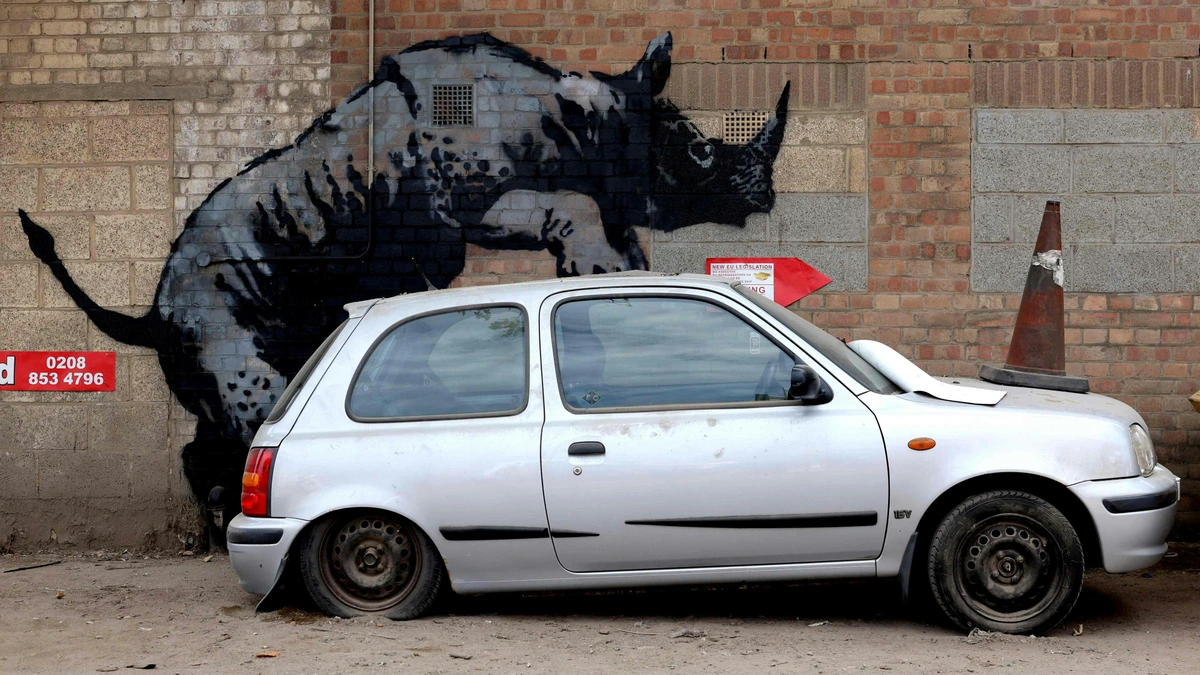
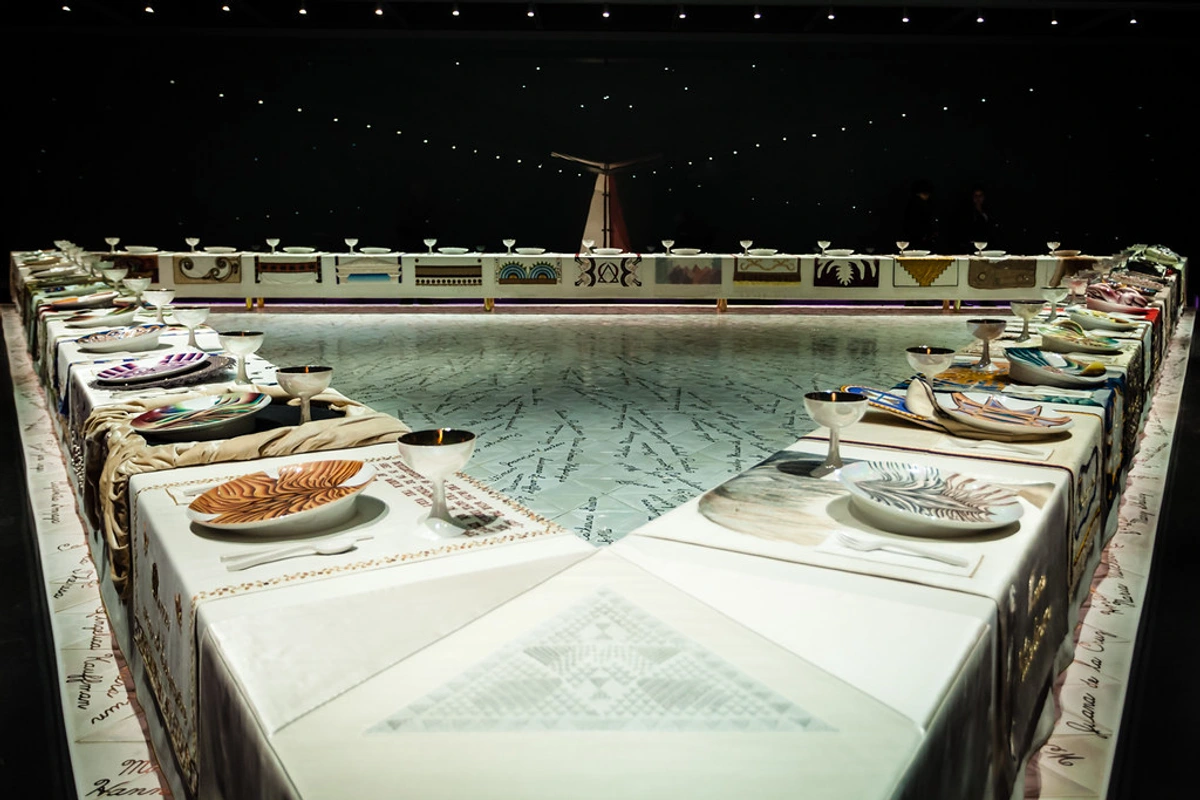
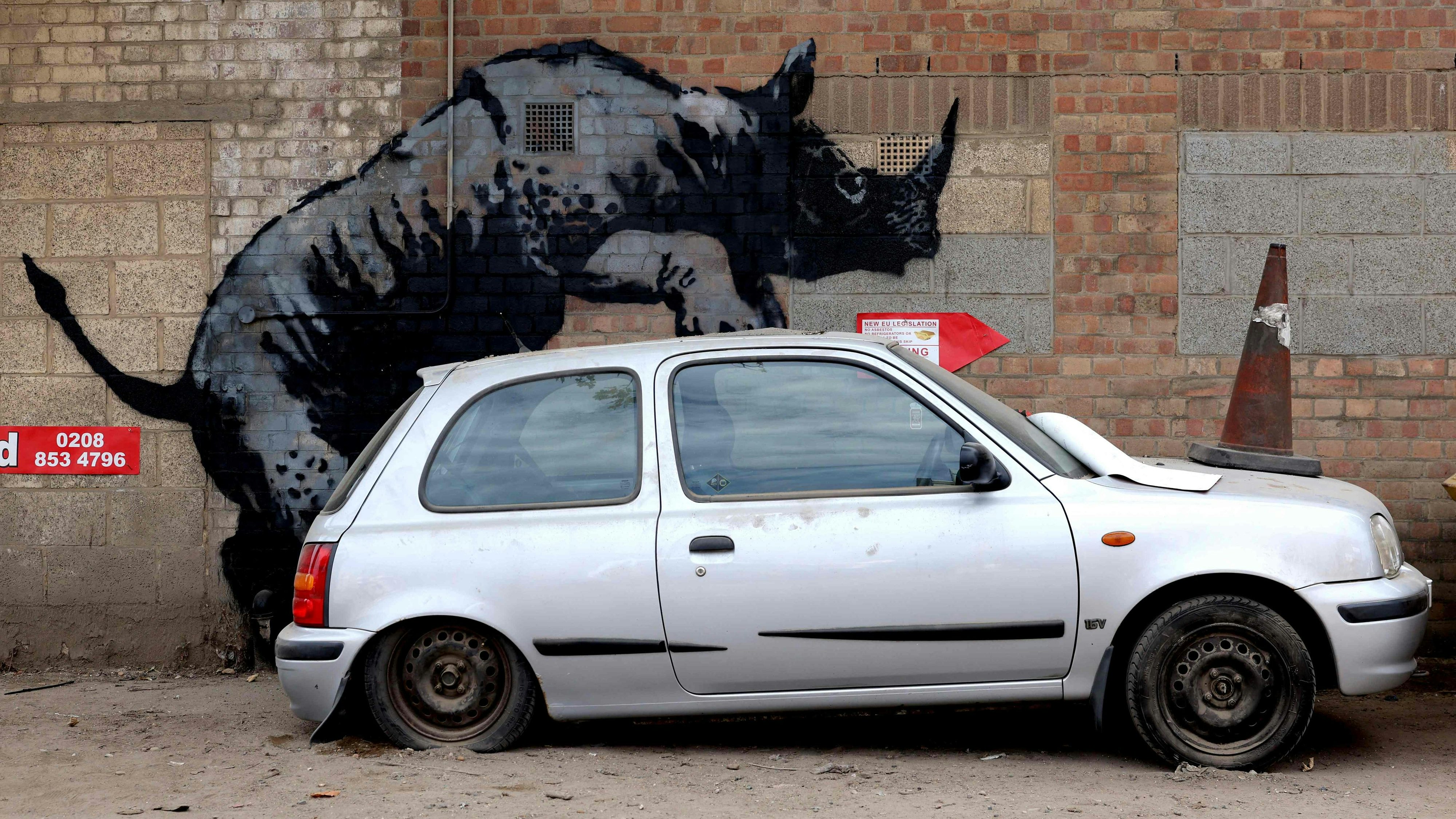
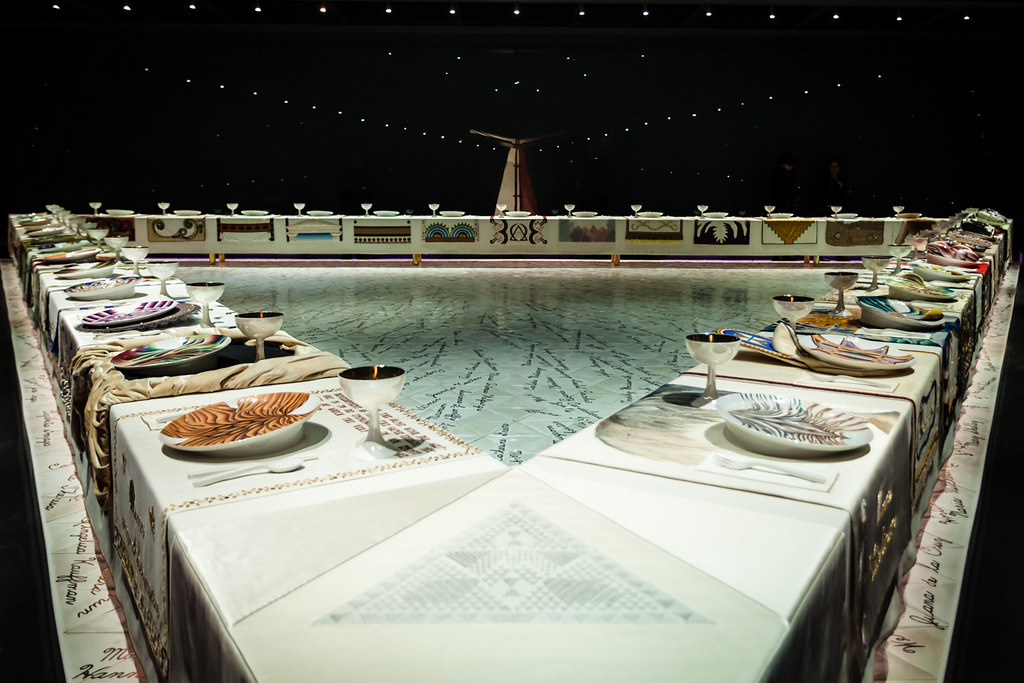
What if my art isn't 'good enough'? Our choices as artists don't just affect the canvas or the sculpture; they ripple outwards, influencing viewers, sparking conversations, and sometimes even challenging deeply entrenched societal norms and traditional notions. Think of the deliberate choices made by artists like Judy Chicago in her iconic feminist work 'The Dinner Party', which consciously amplified voices often silenced by history, directly confronting patriarchal narratives. Or consider the provocative statements made by street artists like Banksy, whose choices of location and imagery force public engagement with issues like consumerism, conflict, and inequality, explicitly challenging traditional power structures. Even the seemingly simple choices of subject matter or exhibition context can subvert expectations, as seen in the unexpected settings for Rene Magritte's surreal explorations of reality, or the very act of showcasing diverse art forms in institutions like the Tate Modern. Every artistic decision carries the potent potential for dialogue, for reflection, and for inspiring others to look at the world – or themselves – a little differently, pushing the boundaries of conventional thought. Your choices, whether overt or subtle, contribute to the larger, evolving tapestry of human expression, serving as a powerful catalyst for change and challenging the status quo.






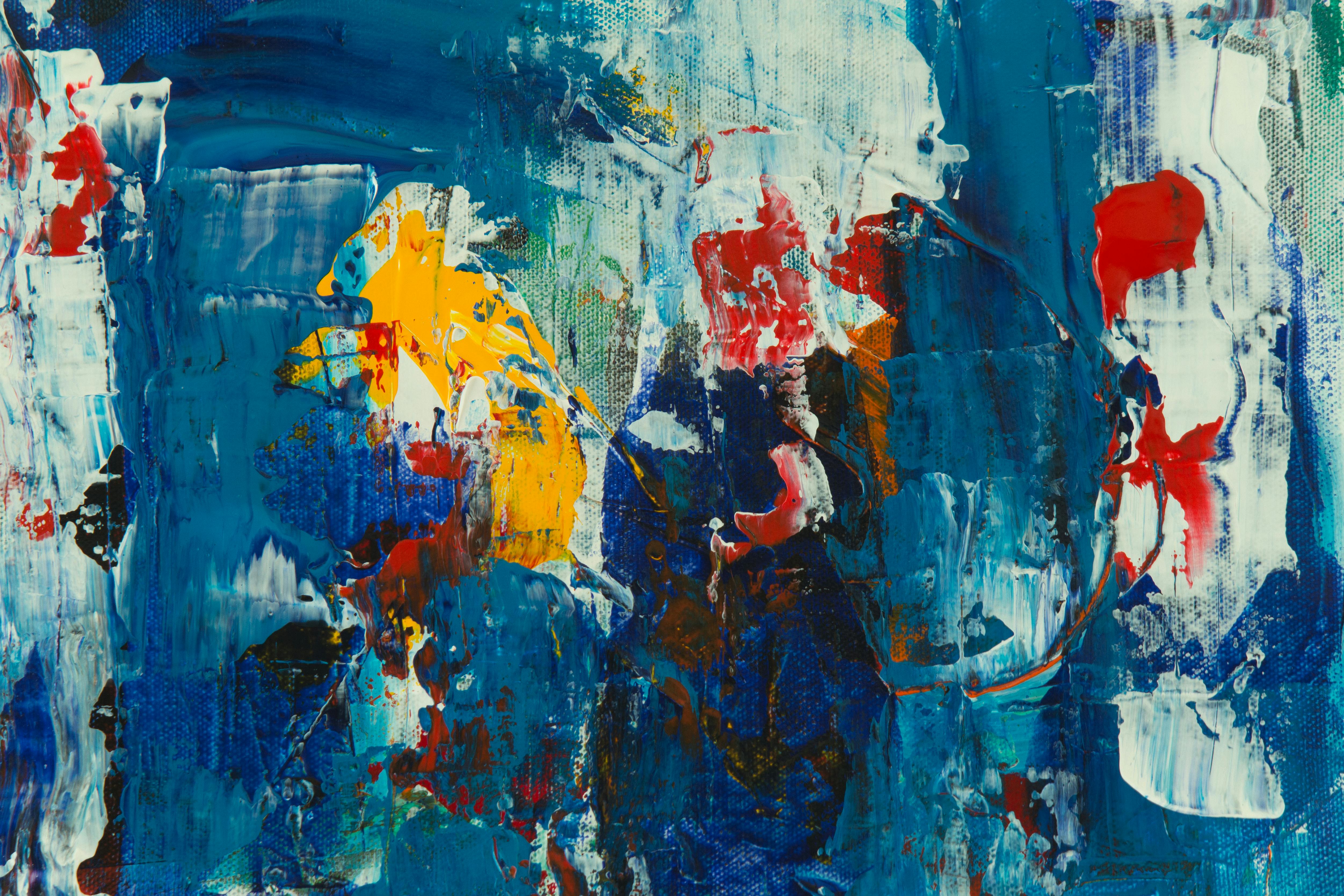

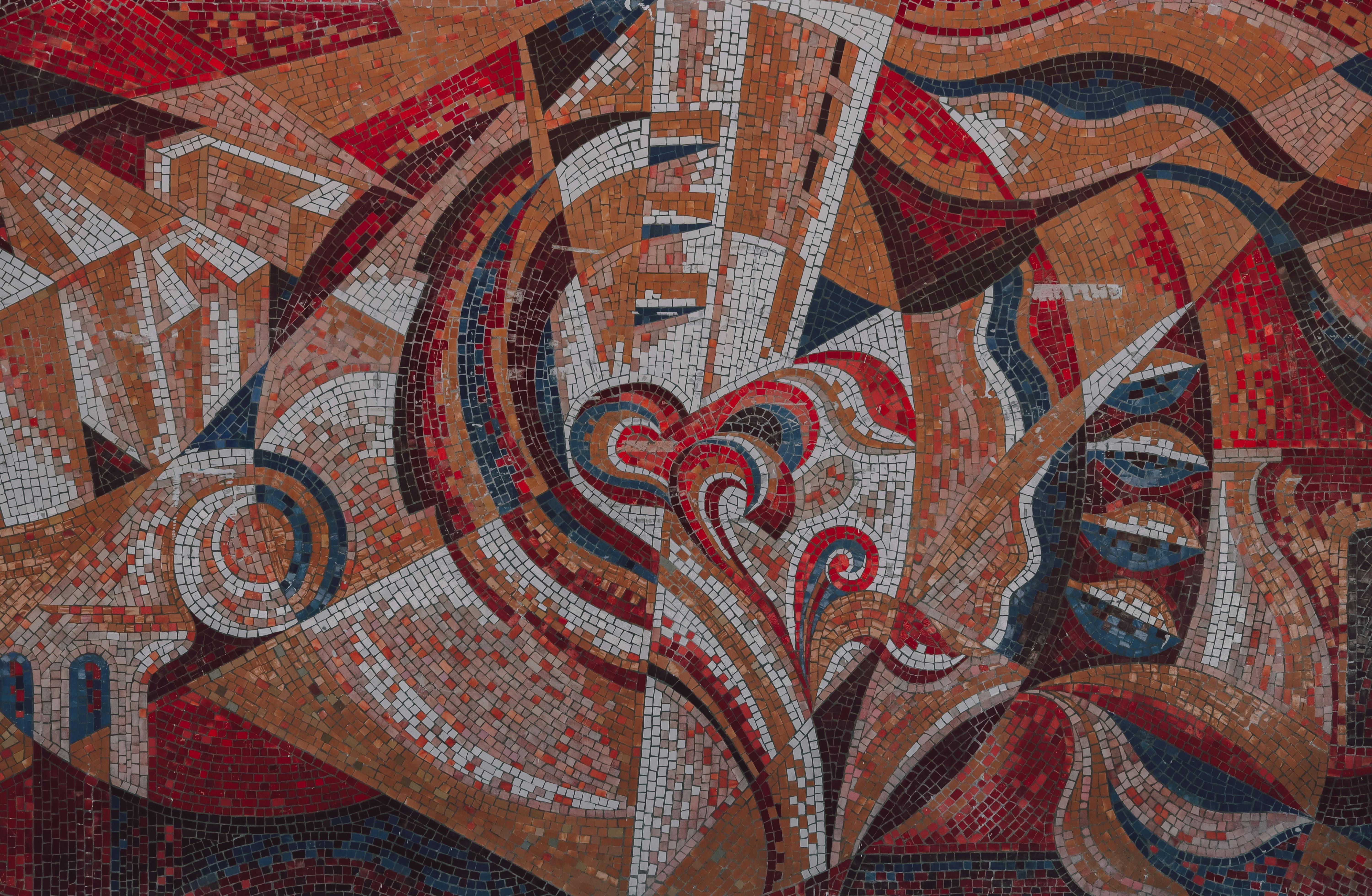
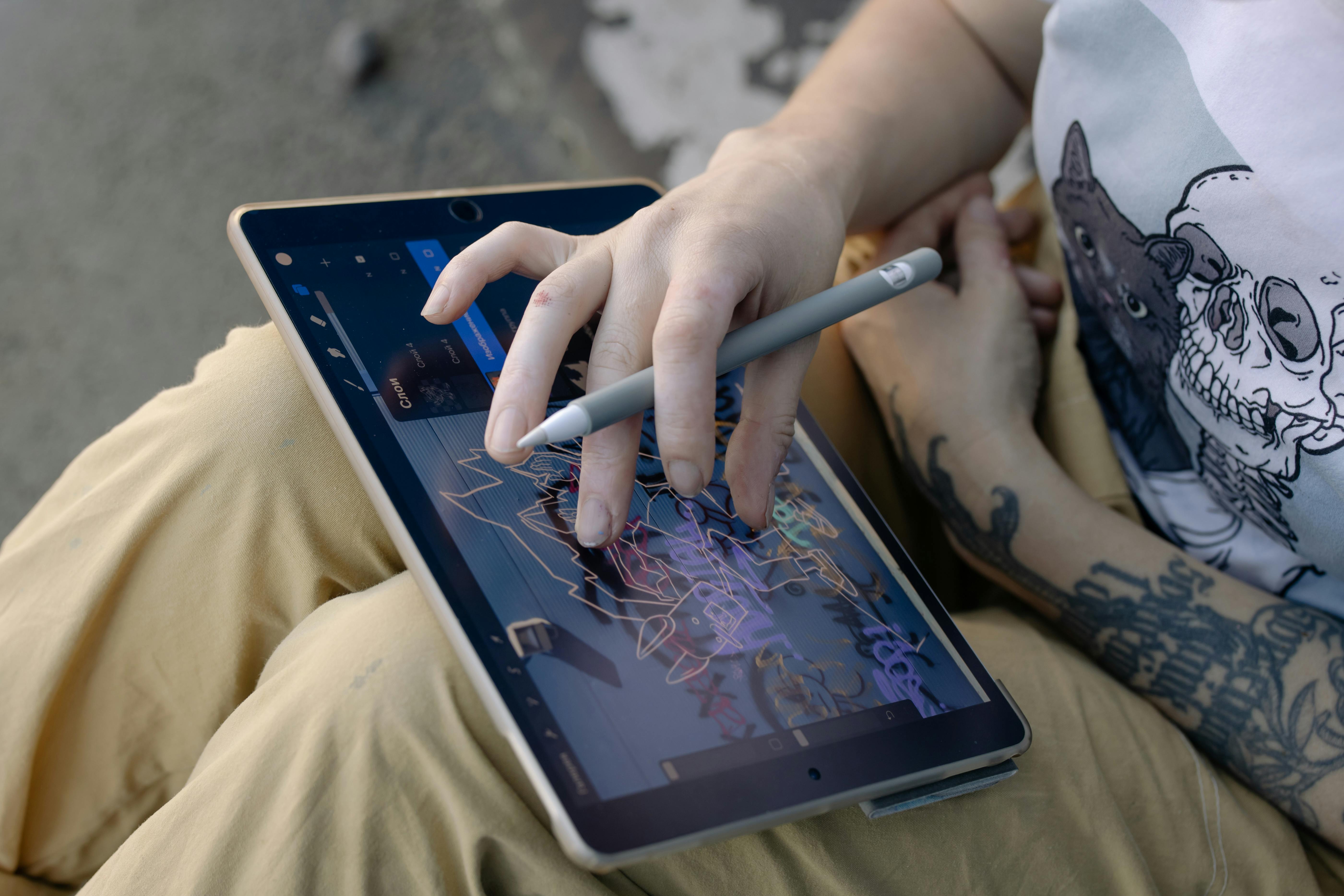
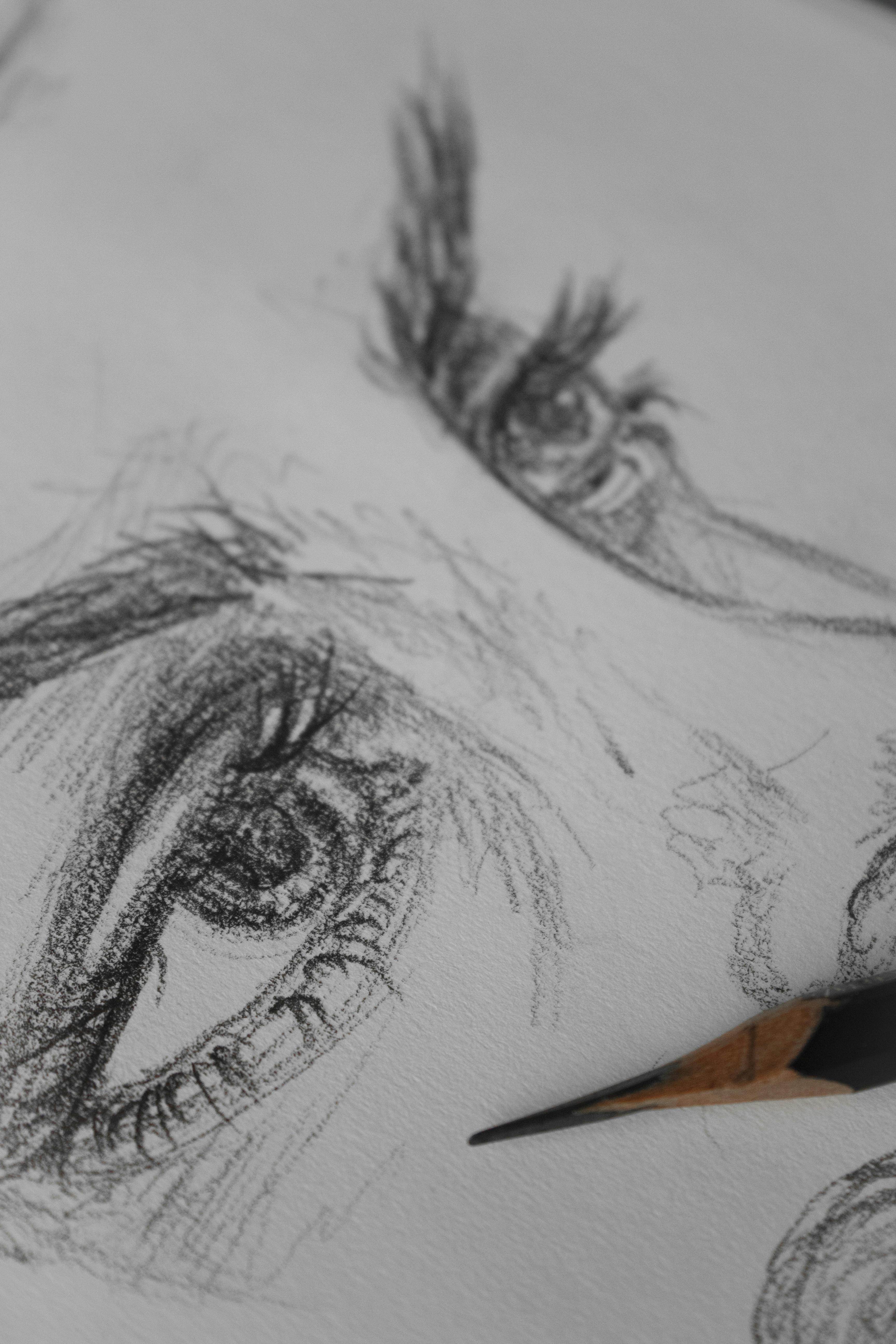



What role does art play in cultural identity? Art is a fundamental pillar of cultural identity, serving as a mirror, a record, and a shaper of collective experiences. Through deliberate artistic choices in symbols, narratives, and aesthetics, artists articulate and preserve the unique values, beliefs, and histories of their communities. From traditional folk art to contemporary expressions, art helps define who we are, where we come from, and what we aspire to be, fostering a sense of belonging and continuity. It's how cultures communicate across generations and how individual voices contribute to a shared heritage, continually challenging and redefining what that identity means in a changing world.
What is the connection between art and mental well-being? The connection between art and mental well-being is increasingly recognized and deeply profound. Engaging in the artistic process, from making choices about color and form to expressing complex emotions, can be a powerful therapeutic tool. It offers a non-verbal outlet for stress, anxiety, and trauma, fostering self-discovery, mindfulness, and a sense of accomplishment. Viewing art can also evoke empathy, provide solace, or spark joy, acting as a catalyst for emotional processing and mental resilience. Deliberate artistic choices, whether in creating or appreciating art, can be a conscious act of self-care, enriching one's inner life and promoting psychological balance.
Can art truly change the world? Yes, absolutely. Art has an undeniable, albeit often indirect, power to change the world. By challenging societal norms, offering alternative perspectives, and provoking emotional responses, art can act as a potent catalyst for dialogue, empathy, and social action. Think of protest art that mobilizes movements, public installations that foster community, or poignant works that bring hidden injustices to light. The choices artists make about subject matter, style, and presentation can inspire critical thought, shift public opinion, and even influence policy, contributing to a more just and empathetic society. Art might not wield a sword, but it can change minds, and that, in my opinion, is a far more enduring form of power.
It's in this constant, courageous act of choosing that we not only create art but also redefine ourselves, pushing the boundaries of what's possible and contributing our unique voice to the grand, ongoing symphony of human creativity. Your artistic legacy, after all, is the sum of every choice you dared to make, every risk you took, and every moment you chose authenticity over safety. It’s a beautiful, messy, exhilarating dance, and the canvas is always waiting for your next move. What you choose to create, how you choose to create it, and why you choose to share it – these are the profound statements that shape your artistic journey and your lasting impact. Ultimately, the confidence to make better artistic choices comes from within, cultivated through persistent practice, thoughtful reflection, and a deep-seated belief in the validity of your own unique creative vision. This confidence empowers you to stand firm in your vision, even when it challenges existing artistic paradigms or societal expectations. It's a continuous act of self-definition, where every artistic decision reinforces your unique place in the ongoing dialogue of human creativity, and contributes to the ever-unfolding story of humanity.
**What is the importance of art in society? Art plays an indispensable role in society, serving as a powerful means of communication, cultural preservation, and social commentary. It reflects our collective human experience, offering perspectives that transcend language barriers and time. Through deliberate artistic choices, artists can provoke thought, evoke empathy, challenge perceptions, and inspire change, acting as catalysts for dialogue and progress. From ancient cave paintings to modern installations, art helps us understand our past, navigate our present, and imagine our future, enriching human existence on both personal and societal levels.
Should I follow art trends?** Art trends are like fashion trends – they come and go. While it's valuable to be aware of what's happening in the contemporary art world (and sometimes it can even spark new ideas), consciously chasing trends can dilute your authentic voice. Your most compelling work will come from your deepest convictions and unique vision, not from trying to fit into a passing fad. Make choices that resonate with you, that challenge you, and that speak to your evolving personal style. True artistic longevity comes from authenticity, not from chasing fleeting popularity. Your most impactful choices will be those that align with your deepest creative impulses, not those dictated by the ebb and flow of the market. Let your intuition guide you, not the trending hashtags.
The Ongoing Conversation: Art as a Way of Life
Beyond the specific techniques and exercises, making better artistic choices is ultimately a way of living. It's about cultivating a heightened awareness, a deep curiosity, and an unwavering commitment to your authentic self, both in and out of the studio. The decisions you make in your art echo the decisions you make in your life, and vice versa. It's an intertwined journey of self-discovery, where every stroke, every color, every line informs and enriches the person you are becoming. This is the profound gift of art – it doesn't just ask you to make choices; it asks you to choose to be fully alive.