My Untangled Brain: Real Strategies for Conquering Creative Blocks
Feeling creatively stuck? I share my personal, often messy, playbook for overcoming creative blocks, fear of failure, and perfectionism. Discover unconventional strategies to reignite your artistic spark.

My Untangled Brain: Real Talk and Real Strategies for Overcoming Creative Blocks
Let's be real for a moment. That mythical 'flow state' where ideas just pour out? It's wonderful when it happens, a pure joy. But let's not pretend it's a constant, not for me anyway. My brain, more often than I'd like to admit, feels less like a clear stream of inspiration and more like a tangled ball of yarn after a particularly enthusiastic kitten attack. Creative blocks? Oh, I know them intimately. We're practically old friends, the kind you tolerate at parties but secretly wish would just go home. Just last week, I stared at a half-finished canvas for two days straight, convinced it was doomed to become landfill, my mind utterly blank despite hours of 'trying.' And if you're battling that nagging voice of imposter syndrome whispering that real artists don't get stuck, let me tell you: that's a lie. We all do. This isn't just a mental hurdle; it’s a deeply human experience, often rooted in an underlying fear of failure (what if this piece isn't as good as the last?) or the relentless pressure of perfectionism (it must be perfect before it's even started!). After years of battling these adversaries, and countless blank canvases, I've developed a handful of unconventional, sometimes downright messy, strategies that help me kick those blocks to the curb. Or at least, coax them into leaving. Ready to dive into my personal playbook of unconventional, sometimes downright messy, strategies to not just overcome these blocks, but to learn from them and discover practical, actionable ways to reignite your artistic spark? Your creative liberation begins now!
Zen Dageraad, https://creativecommons.org/licenses/by/4.0/
Strategy 1: Embrace the Wander (The Art of "Productive Procrastination")
Ever feel like the harder you try to create, the less you actually can? This might sound incredibly counter-intuitive, especially when the common wisdom screams, "just power through it!" My approach, however, is often the exact opposite. When that dull thud of a block settles in, my first instinct isn't to force a single brushstroke. It's to walk away. And no, I don't mean dive headfirst into a social media black hole (though, let's be honest, that happens on occasion, and I've lost entire afternoons to dog videos, much to my studio's silent judgment). I mean genuinely, mindfully shifting my focus.
I might take a long walk without headphones, just observing the world around me. Or I might pick up a book, completely unrelated to art. Sometimes it's doing something utterly mundane, like finally cleaning out that ridiculously overflowing drawer (which, let's face it, usually needs doing anyway, and will probably be overflowing again by next week). The idea isn't to avoid the work, but to allow my subconscious to noodle on the problem without the pressure of direct engagement. This ties into the concept of diffuse thinking, a mode of thought where your brain makes broad, non-linear connections – think of it like your brain suddenly realizing a solution to a painting problem by remembering the way light hit a specific building on your walk. Unlike focused thinking, which is like shining a spotlight directly on a problem, diffuse thinking is more like a floodlight, illuminating the whole room and allowing unexpected connections to appear.
Neuroscientifically, during diffuse thinking, your brain's default mode network (DMN) becomes more active, helping your brain sort through all those brilliant (and not-so-brilliant) ideas it's collected. It facilitates memory consolidation, processing of complex information, and the generation of novel ideas by drawing on a wider range of experiences and stored knowledge, all without direct conscious effort. It's like sending your brain on a little vacation to sort itself out. This 'noodling' is also known as the incubation period in problem-solving – a time when the subconscious works on a problem without direct attention, often leading to unexpected breakthroughs later. It allows your brain to play detective, finding solutions you weren't actively looking for by drawing on a wider range of experiences and stored knowledge.
I remember once struggling with a complex color palette; after a long, aimless walk through the city, I noticed the subtle gradients on a weathered brick wall and suddenly had the exact combination I needed. Another time, after getting stuck on a canvas for days, I spent an afternoon simply organizing my spice rack (yes, really!), and the patterns of the labels somehow sparked a new compositional idea for the painting. It often happens just when I've stopped actively trying. This strategy is particularly effective for conceptual blocks, where the problem isn't technical execution but a lack of initial direction or a fresh perspective on a complex artistic challenge.
Now, a quick caveat: this isn't an excuse for full-blown avoidance. Productive procrastination is about strategic disengagement, not scrolling social media for hours (though, as I confessed, that happens to me too, to my endless shame!). The key is mindful wandering, with the intent to return refreshed. If your "wander" consistently feels like pure escapism rather than a strategic pause, it might be time to reassess if you're genuinely avoiding. It's in these moments of seemingly aimless wandering that ideas often resurface, often from a completely different angle. It ties into what I often talk about regarding embracing intuition in abstract painting. Ultimately, stepping away can be the most productive step forward. The secret here: Let your mind wander to let inspiration find its way back, allowing for critical incubation of new ideas.
Zen Dageraad, https://creativecommons.org/licenses/by/4.0/
Strategy 2: Mess It Up (Deliberate Imperfection & The Power of Play)
Paralysis by analysis, anyone? Oh, this one is a real gem, a personal favorite, especially when the invisible weight of perfectionism threatens to glue my hand to the palette. When the pressure to create something 'good' becomes utterly paralyzing, I actively decide to make something 'bad.' And I mean really bad. The uglier, the better. This isn't just a quirky habit; it's a deliberate act of creative play and rebellion against the tyranny of the blank canvas, helping to conquer that daunting blank canvas syndrome. Sometimes, my "bad art" looks suspiciously like a toddler's attempt, which honestly, is half the fun!
I'll grab the cheapest paper I can find, the weirdest, most clashing colors (think neon green next to muddy brown!), and just start aggressively slapping paint with an old credit card, scribbling frantic lines with a blunt charcoal stick, or tearing up magazines for truly ugly collages. Other times, I'll try a "blind contour drawing" of an object without looking at the paper, or create a collage using only found text from old newspapers, arranging it purely for visual chaos. The goal? To remove all stakes, all judgment. There's zero expectation of a masterpiece here, or even a finished piece. It's purely an exercise in uninhibited movement, in breaking the mental static. I'm literally giving myself permission to fail spectacularly, building resilience against the fear of criticism or genuine artistic setbacks. This low-stakes environment empowers free experimentation, transforming 'failures' into invaluable learning opportunities.
I remember one particular session where I created a truly horrendous purple-and-orange splattered mess, convinced it was art's equivalent of a scream, only to realize later that a small, accidental drip had formed a perfect, unexpected focal point, inspiring a whole new series. It's a rebellious act against the inner critic, much like how the raw energy of early Abstract Expressionists – I often think of artists like Jackson Pollock allowing drips and splatters to become integral to the work – or the playful irreverence of Dadaists (think of Marcel Duchamp's 'Fountain' daring to call a urinal art) often embraced the 'un-artistic' to break new ground. Think also of the anti-establishment ethos of Fluxus artists, or the raw, everyday materials of Arte Povera – they understood the power of rejecting conventional beauty to find new truths. Even the spontaneity of early graffiti art shares this spirit of uninhibited mark-making.
It’s surprisingly liberating, a complete reset button for your creative muscle memory. When you stop trying to control the outcome, something shifts. You might stumble upon an unexpected color combination, a forgotten technique, or a brushstroke you hadn't considered. This aligns perfectly with my philosophy on embracing accidents and evolution in my abstract art and how experimentation in abstract art is crucial. Sometimes, the best art emerges from the freedom of letting go. The secret here: Embrace the chaos and give yourself permission to make "bad" art; sometimes, playing freely is the only way to remind yourself how to create "good" art.
https://www.publicdomainpictures.net/pictures/250000/nahled/messy-colorful-artists-palette.jpg, https://creativecommons.org/publicdomain/zero/1.0/
Strategy 3: The "Switch It Up" Method (Change Your Scenery, Change Your Art)
Ever found yourself staring at the same setup, feeling absolutely nothing? A bit like trying to force a square peg into a round hole, isn't it? Sometimes, the block isn't with what you're trying to create, but how or where you're doing it. My artistic journey, which you can trace back through my timeline, has repeatedly shown me just how pivotal environment and tools can be. Often, a creative rut is simply a signal that I've fallen into a too-comfortable routine. It's like my brain gets bored with its own patterns.
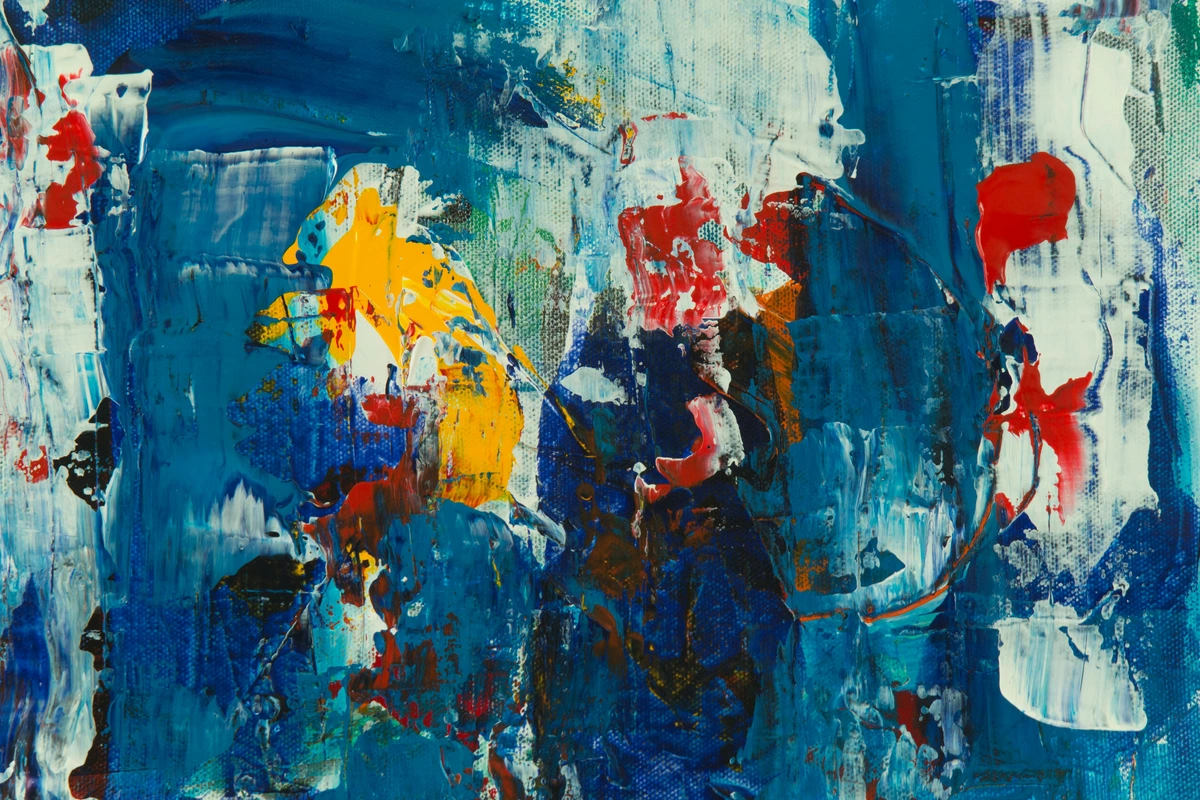
If I'm stuck staring down a large canvas, I'll deliberately switch to a tiny sketchbook. Working small can foster a focus on intricate detail or rapid ideation without the overwhelming commitment of a grand piece. Conversely, moving to a large scale from a small one can encourage bolder, more expansive gestures, freeing you from meticulous self-critique. If acrylics feel like lead, I'll pull out watercolors, soft pastels, or even simple charcoal – the different resistance and flow of a new medium can encourage entirely new mark-making or textural approaches. I remember a time when a painting felt completely dead. I was working in my usual studio spot with my usual acrylics. On a whim, I grabbed a tiny set of gouache and went to my backyard, painting a quick, abstract response to the blooming hydrangeas. The immediate shift in scale, medium, and environment instantly sparked a freshness that I brought back to my larger canvas. If I'm cooped up in my studio, I'll grab my materials and head outside, or even just move to a different room. This isn't just about physical movement; it's about disrupting routine and challenging the visual and sensory patterns your brain has fallen into. It's about jolting your senses awake with new stimuli that shift your perspective. Even changing the time of day I work, or experimenting with different lighting (natural daylight versus warm artificial light), can subtly alter my perception and spark new ideas.
For example, when exploring mixed media, a block often dissolves the moment I introduce a truly unexpected material. Maybe it's random scrap paper, a piece of salvaged fabric, some sand from a recent walk, a broken circuit board from an old toy, or even found objects like old keys or bottle caps. The unexpected texture or color always seems to provide the spark I need. Sometimes, your art just needs a change of scenery. The secret here: A fresh perspective often begins with a fresh environment, tool, or an entirely new medium to explore.
https://live.staticflickr.com/107/291470015_189e67bc22_b.jpg, https://creativecommons.org/licenses/by-nc/2.0/
Strategy 4: Feed the Well (Inspiration Beyond the Brush)
Is your creative well feeling a bit dry lately? Creative blocks aren't always a sign of lacking technical skill or motivation; often, they're simply a symptom of a depleted input well. Our creative reservoirs need constant refilling, and crucially, that doesn't always mean consuming more art. Sometimes, it means looking far, far away from the canvas.
I find immense, often surprising, inspiration in things seemingly unrelated to painting. For instance, I love to:
- Listen to music I've never heard before – lately, avant-garde jazz or experimental electronic music really stirs something. I actively identify specific elements: the jagged rhythm of an avant-garde piece might inspire a series of energetic lines; the layered textures of electronic music could suggest new approaches to building depth in a painting. When I listen, I'll often sketch out visual interpretations of sounds or jot down words that describe the feeling they evoke, then look for ways to translate those into abstract forms. My studio playlist is full of these unexpected sonic adventures. I distinctly remember a piece of minimalist electronic music sparking an idea for a series of subtle, layered canvases, almost like a visual synesthesia experience.
- Visit a new place, even just a different part of my city I've never explored, looking at the patterns in brickwork or the way light hits a forgotten alley. These visual discoveries often directly translate into compositional ideas or textural elements in my work. When I visited a new district last month, the way the graffiti layered over peeling posters gave me an idea for a new approach to surface texture. I consciously seek out unexpected visual juxtapositions, like a vibrant flower growing through cracked pavement, and consider how to integrate that sense of contrast and resilience into my art.
- Read a book on history, quantum physics, or a biography of a lesser-known inventor – anything that expands my mental landscape. I recently devoured a book on ancient philosophy, and suddenly, the idea of impermanence started shaping an entire series of abstract works. Or, I might delve into something like chaos theory, finding inspiration in the unpredictable, self-repeating patterns that could translate into complex abstract compositions. When reading, I actively look for metaphors, concepts, or historical narratives that could be translated visually, even if indirectly. I often highlight phrases or concepts that spark a visual thought, then spend time free-associating them with shapes, colors, or textures.
- Engage in deep, vulnerable conversations with people from wildly different walks of life. The emotions and stories shared can become powerful, non-literal inspirations. I once had a chat with an urban planner that completely shifted how I saw public spaces, leading to new spatial dynamics in my work. I try to ask open-ended questions and truly listen; you'll be amazed at what new perspectives emerge. Try asking, "What's a belief you held strongly that later shifted?" or "What's a moment that fundamentally changed your perspective?" I often find that understanding diverse human experiences, even if they aren't directly 'art-related,' enriches my emotional palette and informs the underlying narrative of my abstract pieces.
- Explore other artists' work, especially those outside my typical abstract realm, like classical sculptors or folk artists. A visit to a quiet museum, like the one in Den Bosch, often acts as a mental palette cleanser, allowing different aesthetics to settle and germinate new ideas. I don't just observe; I ask myself what elements evoke a strong emotional or intellectual response, even if I don't understand why. Perhaps it's the sculptural form, the use of negative space, or a particular color harmony that resonates.
It's about observing, absorbing, and allowing new perspectives to percolate. This cross-pollination of ideas is where true innovation often sparks, giving your brain diverse inputs to make fascinating, unexpected connections. These aren't direct solutions; they're powerful, indirect catalysts for new ideas. So, what unexpected input could you seek out today? The secret here: Broaden your horizons and feed your mind with diverse inputs; new experiences fuel new artistic outputs.
Strategy 5: Mind Your Vessel (Physical Well-being as a Creative Catalyst)
When was the last time you truly took care of yourself before blaming your muse? We often talk about the 'creative brain,' but let's not forget it's housed in a physical body. And guess what? That body needs some TLC to keep the ideas flowing. I've learned the hard way that a sustained creative block can often be a warning sign of deeper burnout or simply neglecting basic needs. When you feel creatively drained, sometimes the answer isn't in another art technique, but in a good night's sleep or a nourishing meal. Chronic stress, for instance, really messes with the part of your brain responsible for clear thinking and problem-solving, which is critical for planning, problem-solving, and creative thought. Stress hormones like cortisol can reduce neurogenesis (the formation of new brain cells) and decrease activity in areas vital for divergent thinking – that's your brain's ability to generate novel ideas – making it harder to break free from rigid thought patterns. So, easing that burden on your body directly benefits your brain.
Think about it:
- Sleep: When I'm underslept, my critical inner voice gets louder, and my ability to problem-solve diminishes. Quality sleep isn't a luxury; it's a creative requirement because it's vital for consolidating memories, processing emotions, and allowing both focused and diffuse thinking modes to function optimally. Lack of sleep impairs executive functions, like planning and decision-making, and significantly impacts divergent thinking – the ability to generate new ideas. Instead of scrolling mindlessly before bed, try a 15-minute guided meditation or a short journaling session to clear your head. Consider setting a consistent sleep schedule, even on weekends, to regulate your circadian rhythm.
- Nutrition: Fueling your body with good, wholesome food (and not just endless coffee and sugary snacks!) keeps your energy levels stable and your brain sharp, ready for those flashes of insight. Essential nutrients directly support neurotransmitter function and overall brain health, which are crucial for maintaining focus, mood, and cognitive flexibility – all vital for creative thought. When I feel sluggish, I make a point to have a breakfast rich in omega-3s, like salmon or walnuts, which I find really sharpens my focus. Proper hydration is also key; even mild dehydration can impact cognitive performance and mental clarity. Consider adding antioxidant-rich berries or dark leafy greens to your diet to support brain health.
- Movement: Even a short walk, a stretch, or some gentle yoga can literally shake off mental stagnation. It gets the blood flowing, oxygenates the brain, and often, ideas emerge when your body is in motion, allowing for new perspectives to surface. Physical activity has been shown to enhance cognitive flexibility and divergent thinking, helping you break free from rigid thought patterns. Try a quick 5-minute dance break in your studio when you feel stuck! Beyond structured exercise, simply taking short, regular breaks to stand up, stretch, and walk around your workspace can make a big difference.
- Sunlight/Vitamin D: Don't underestimate the power of natural light. Exposure to sunlight helps regulate circadian rhythms and can boost mood, both of which are crucial for sustained creative energy. A quick walk outside or even just spending time near a window can make a difference. Vitamin D, often synthesized through sun exposure, is also linked to cognitive function and emotional well-being. It's truly amazing what a bit of fresh air and light can do.
- Boundaries & Micro-breaks: In our always-on world, it's easy to blur the lines between work and rest. Setting clear boundaries for your creative time, and consciously stepping away from work (even for 5-10 minutes) every hour or two, prevents mental fatigue from building up. These micro-breaks can be as simple as looking out the window, getting a glass of water, or doing a few stretches.
Neglecting these fundamentals isn't just bad for your physical health; it's a surefire way to invite creative blocks to pull up a permanent chair in your studio. Take care of yourself first; the art will follow. And if you suspect you're not just blocked, but actually experiencing creative burnout – a deeper, more prolonged state of exhaustion – then the answer is usually not more pushing, but significantly more rest, disconnection, and potentially professional support. Burnout, unlike a simple block, often comes with symptoms like profound cynicism towards your work, emotional detachment, reduced personal accomplishment, pervasive lack of energy, and a feeling of being overwhelmed, not just a lack of ideas. Recognizing the difference is crucial. If these feelings are persistent or accompanied by significant anxiety, depression, or hopelessness, seeking guidance from a therapist or creative coach can provide invaluable tools and perspective. A well-tended body is the best studio for a creative mind. So, once you've tended to your vessel, sometimes you just need to get that tangled mess out into the open. The secret here: Your body is your creative engine; treat it well, and your art, and ideas, will thrive.
Strategy 6: Talk it Out (or Write it Out)
Sometimes, the block feels like a knot in your stomach, right? Sometimes, the absolute best way to get unstuck is to simply verbalize the stuckness. Get it out of your head! I often find myself talking to my canvases – yes, out loud, don't judge. "What do you want from me?" I'll ask, or "Why aren't you working?!" It sounds silly, but it externalizes the problem. This act of externalizing a problem can often lead to cognitive reframing, which is just a fancy way of saying the sheer act of articulation helps you see new angles or challenge underlying assumptions you didn't even realize you had. It's like pulling the monster out from under the bed – once it's in the light, it often looks less scary. For instance, I once spent a week convinced a painting was 'too busy,' terrified it would look chaotic and unprofessional. After talking it through with a friend, I realized my real fear wasn't busyness, but that I couldn't control all the elements – a fear of imperfection. Naming that fear allowed me to reframe the 'busyness' as 'dynamic energy' and 'spontaneous texture,' shifting my perception from a flaw to a feature. It fundamentally changed how I approached the piece.
If talking to inanimate objects feels a step too far, grab a journal and just free-write about what's bothering you. No censor, no grammar check, just raw, unfiltered thoughts. Some prompts I use: "What am I afraid of with this piece?" "What if I just tried the opposite of what I think I should do?" or "What's the absolute worst thing that could happen if I just made a mark?" Even deeper, I might ask: "What underlying belief about myself or my art is this block challenging (e.g., am I worthy of success, is my unique style 'good enough', or am I afraid of failing to meet my own expectations or others'?)" or "What external pressures am I allowing to influence this creative moment (e.g., social media trends, market expectations for 'salable' art)?" "Am I paralyzed by the fear of not living up to past successes, or perhaps the fear of success itself?" Or, to get to the core, "What is the worst possible outcome if this piece isn't perfect, and how would I cope with that?" This is a powerful form of catharsis – a release of strong emotions – releasing the pent-up frustration and often clearing the way for clarity.
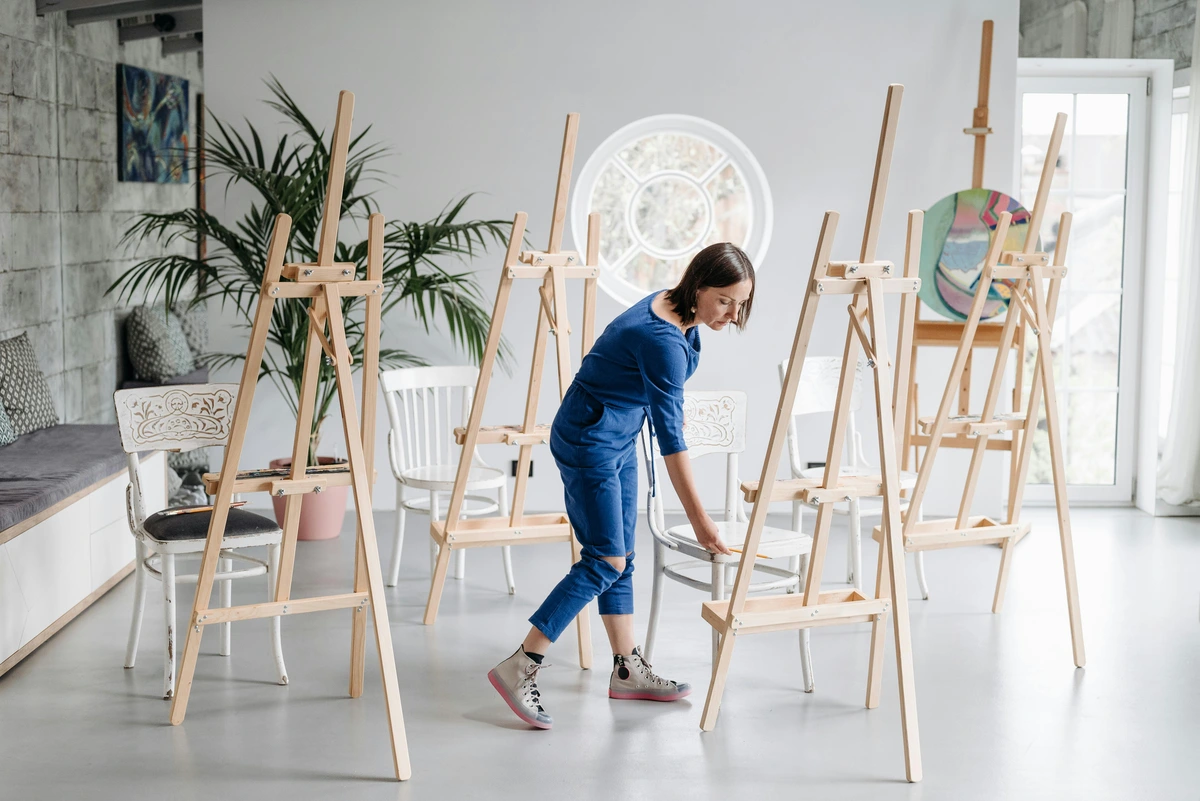
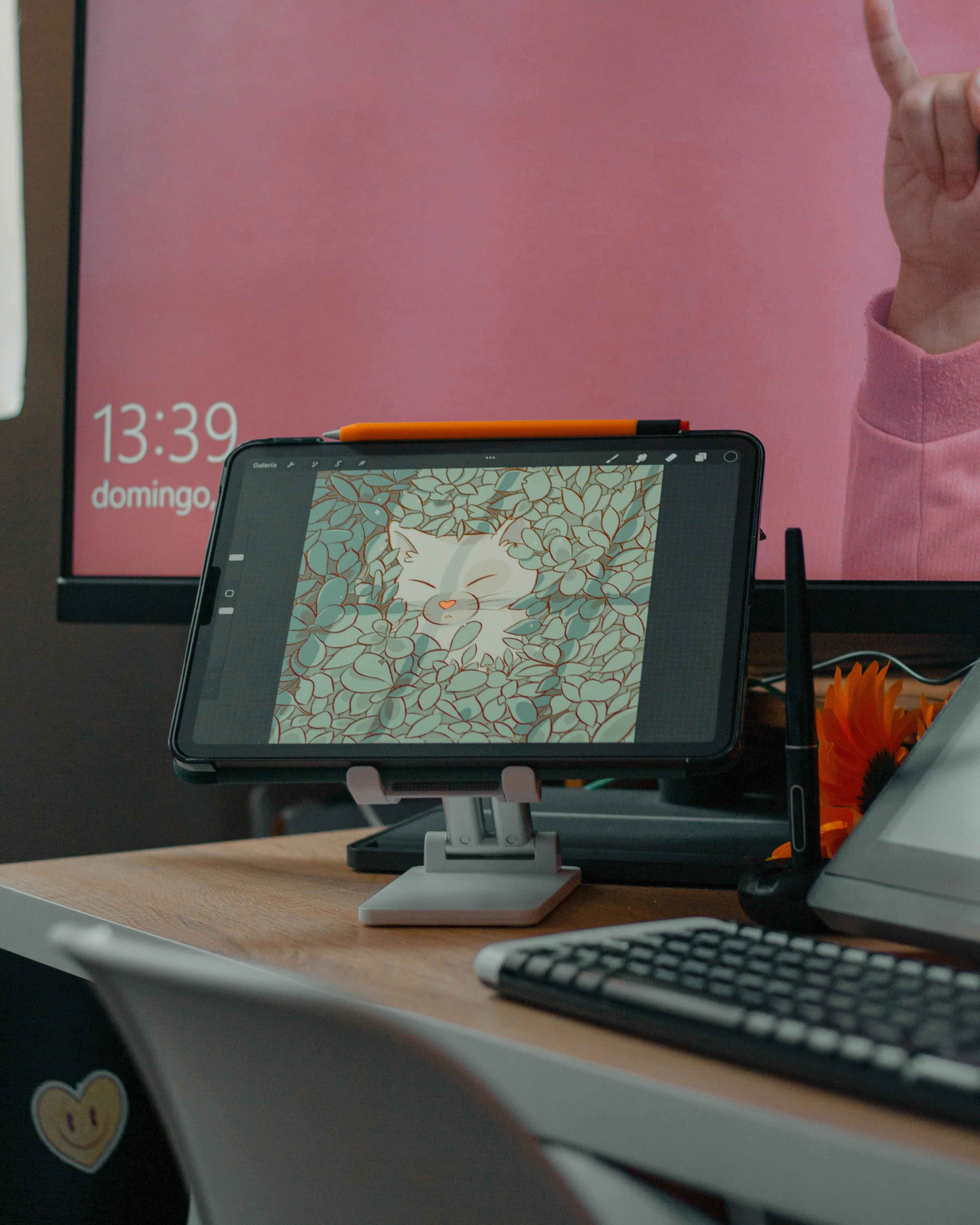
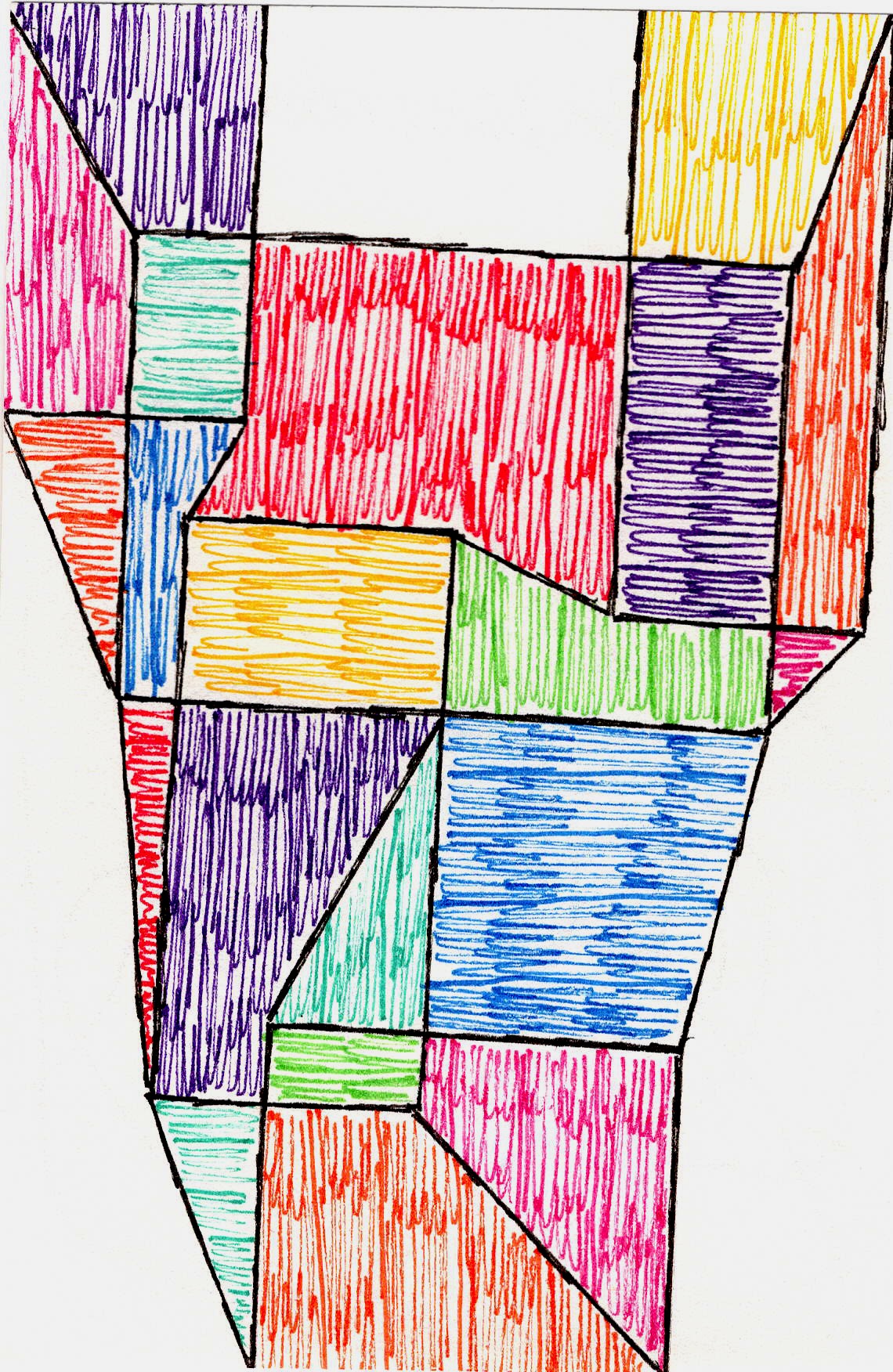
Another incredibly powerful tool is talking to other artists. Sharing your frustrations, even if they don't offer a direct solution, can be incredibly validating. Just knowing someone else understands the struggle can lighten the load enough for a new idea to surface. When engaging with peers, try asking specific questions like, "Have you ever faced a similar struggle with X material?" or "What's one thing you do when you feel completely uninspired?" Sometimes, just articulating the problem to another sympathetic ear is enough. It's a profound reminder that overcoming creative blocks is a shared experience for artists. You are absolutely not alone in this weird, wonderful, and sometimes frustrating creative journey. Who could you talk to about your current creative challenge? A problem shared is a problem halved, even in art. The secret here: Verbalize your struggle and explore its roots; light often comes through externalizing the problem and shared understanding.



https://www.flickr.com/photos/fabola/41351098495/, https://creativecommons.org/licenses/by-sa/2.0/
The Big Picture: Blocks as Signposts and Invitations to Play
After all these strategies, what's the overarching philosophy? Ultimately, after years of this peculiar dance, I've come to see creative blocks not as personal failures, but as invaluable signposts. They're often whispering (or sometimes shouting!) that something needs to change: my approach, my perspective, my materials, or even just my mindset. Sometimes a block is truly a block; other times, it's a call to refine a skill, a sign of waning motivation that needs addressing, or simply a deep exhaustion asking for a break. It can even be an invitation to introduce new constraints – like working with a limited palette, a time limit, or a specific prompt – which paradoxically can spark creativity by narrowing the overwhelming options and forcing innovative solutions within boundaries.
Often, they signal deeper psychological factors at play – perhaps a hidden fear of failure holding you back (what if this piece isn't as good as the last?), a paralyzing perfectionism demanding an impossible standard (it must be perfect before it's even started!), or even the subtle pressure of external expectations (like social media trends or market demands) stifling your authentic voice. This can manifest as imposter syndrome, that nagging feeling that you're not good enough or that your success is undeserved, which frequently paralyzes artists. Another related state is creative fatigue, which, unlike burnout (a systemic exhaustion from prolonged stress), is more about a temporary depletion of creative energy, a feeling of being creatively "run dry" that often requires deeper rest and a change of pace rather than a complete overhaul. Knowing what kind of block you're facing is half the battle, and often, the answers lie within you, waiting to be unearthed. These deeper insights often lead to common questions, which I'll address next.
These blocks are just an unavoidable part of the creative journey from concept to canvas. The moment you accept that they are inevitable – and dare I say, even valuable – the less power they have over you. Instead of fighting them tooth and nail, I try to lean into them, asking: "Okay, what are you trying to tell me this time?" It's a powerful reframe that transforms a paralyzing obstacle into a challenging, yet ultimately solvable, puzzle. My intuitive approach to starting an abstract painting often begins precisely at the edge of that uncertainty, trusting that the block itself holds a clue. Remember, creativity should be an act of playfulness and experimentation, not a rigid task. When blocks appear, perhaps it's a reminder to reconnect with the joy of making, rather than the pressure of achieving, much like the liberating approach in "Mess It Up."
Frequently Asked Questions About Creative Blocks
Are creative blocks common for experienced artists?
Absolutely! If anything, I'd say they're more common. The more you know, the more rules you've absorbed (even just unconsciously), and sometimes that knowledge can be a burden. Beginners often have an uninhibited freedom that experienced artists sometimes have to consciously reclaim. So, yes, even after years, I still face them, albeit now I have my personal strategies to tackle them.
How long does a creative block usually last?
This is a "how long is a piece of string?" question, but I can give you a better answer than that! A creative block can last anywhere from a few hours to several weeks, or even months. Its duration often depends heavily on how much resistance you put up against it, how quickly you recognize its presence, and how mindfully you implement strategies to move past it. Crucially, your mindset plays a huge role; accepting it as a temporary phase and actively engaging with it mindfully often shortens its stay. Forcing it usually prolongs the agony, in my experience. The more you accept the block as a temporary state and engage with it mindfully, the quicker it tends to dissipate. The type of block can also influence its duration; a purely technical hurdle might resolve quicker than an existential block tied to your artistic identity. If you're feeling prolonged frustration, sometimes just acknowledging that your perception of the block is magnifying it can be the first step to loosening its grip.
What if nothing seems to work, and the block feels insurmountable?
Sometimes, despite all the strategies, you just need a complete break. And I mean complete. Step away from art entirely for a bit. Go live life. See friends, go hiking, watch movies, do anything but art. Your brain needs time to disconnect, to process, and to recharge. It's not giving up; it's a strategic retreat, a necessary fallow period for the creative soil. Trust that the desire to create will return. It always does. Another thought: sometimes a block is a signal that the project itself might not be the right one for you at this moment. It's okay to pivot, shelve an idea for later, or even abandon it if it no longer serves your creative spirit. Sometimes, just revisiting past successful projects or techniques can give you a much-needed confidence boost and remind you of your capabilities. If, however, blocks are persistent, deeply impact your mental well-being, or are accompanied by significant emotional distress (e.g., feelings of hopelessness, anxiety, or depression) for an extended period, please consider reaching out to a therapist or a creative coach. Sometimes, the block is a symptom of something deeper that professional support can help unravel.
Quick Guide: My Go-To Strategies for Creative Blocks
Here's a snapshot of my personal toolkit for those moments when inspiration goes into hiding:
Strategy  | Core Principle | Actionable Insight | Why it works |
|---|---|---|---|
| Embrace the Wander | Diffuse Thinking & Subconscious Work | Take a walk, read, clean – let your brain "noodle" without direct pressure. | Shifts brain to diffuse mode, allowing subconscious connections, fresh perspectives, and memory consolidation, especially for conceptual blocks by activating the DMN. |
| Mess It Up | Deliberate Imperfection & No Stakes | Create something "bad" (e.g., blind contour, ugly collage) to break perfectionism's grip and rediscover play. | Removes judgment, frees creative flow, builds resilience against fear of failure, and re-engages the playful, experimental side of art-making. |
| Switch It Up | Disrupt Routine & Change Perspective | Alter materials, scale, environment, time of day, or lighting to jolt your senses awake. | Breaks mental patterns, stimulates new sensory inputs, and forces novel approaches to familiar problems by challenging your ingrained visual perception. |
| Feed the Well | Diverse Input for Inspiration | Seek inspiration outside art: music (actively listen for visual cues), nature, conversation, new places, different subjects. | Refills your creative reservoir with varied experiences, leading to unexpected cross-pollination of ideas and novel conceptual connections. |
| Mind Your Vessel | Physical Well-being as Creative Fuel | Prioritize sleep, nutrition, movement, sunlight, and boundaries; your body is your creative engine. | Optimizes brain function, reduces stress, and provides the sustained energy needed for deep creative engagement, preventing burnout. |
| Talk It Out | Externalize the Problem & Seek Validation | Journal (e.g., "What underlying belief..."), speak to your art, or chat with fellow artists to reframe the problem. | Articulation clarifies the block, challenges hidden assumptions, and leverages shared experience for new insights and cognitive reframing/catharsis. |
Final Thoughts
So, there you have it: my somewhat messy, very human playbook for navigating the inevitable landscape of creative blocks. They're never fun, often frustrating, but I promise you, they're part of the deal when you choose to live a creative life – the inevitable, sometimes infuriating, but ultimately character-building companions on this wild creative ride.
Don't beat yourself up when they appear; instead, see them as an invitation – a whispered suggestion from your own creative spirit – to explore a different path, a new technique, or even just a moment of quiet reflection and self-care. Take what resonates, leave what doesn't, and most importantly, experiment! And remember, every single piece of art ever made started with a blank canvas – and probably a healthy dose of doubt, too. Your creative journey is an evolving process, and every block is just another chapter waiting to be written, leading you towards new discoveries and perhaps even a piece that would fit perfectly into your home, which you can always explore further in my art for sale section! Don't let the block stop you from creating; let it guide you to your next masterpiece, helping you re-enter that elusive 'flow state' with renewed vigor. Now go create something, anything, and see what happens – your next breakthrough might be just around the corner, waiting for you to unleash it!