The Ultimate Guide to Line in Art: Your Foundational Creative Superpower
Unlock line's true power in art. Explore types, emotional impact, historical shifts, medium influence, and practical drawing exercises to master this foundational creative superpower.

The Ultimate Guide to Line in Art: Your Foundational Creative Superpower Explained
Sometimes, I swear we get so swept away by the dazzling fireworks of art – the riot of color, the grand sweep of a composition, the perfect, poignant subject – that we completely overlook the fuse. That humble, often underestimated fuse? It's the line. Every single stroke, every tentative sketch, every monumental masterpiece, from a primeval cave wall to a flickering digital canvas, begins its extraordinary journey with a line. As Paul Klee so beautifully put it, it’s simply "a dot that went for a walk." And oh, what a walk it can be! For me, this journey is often the most transformative in art, carrying immense potential. It's the most basic, direct, and arguably the most accessible element we first engage with and begin to master. More than just a boundary, a line is a dynamic, living force, a direct record of your thoughts flowing from brain to hand, becoming your foundational superpower. I remember my own early drawings, feeling utterly lost in the complexity of rendering reality, until I realized how consciously using a simple line could define, imply, or electrify a piece. From its simplest trace to its complex dance across history and mediums, the line is everywhere, shaping everything we see. We're going to delve into this fundamental superpower, not in a dry, academic way, but as the expressive force that underpins all visual creation, the quiet architect of everything we perceive. We'll explore its definition, its vital role alongside other elements, how mediums profoundly influence its voice, its diverse forms, its historical journey through art movements, and even its surprising psychological impact.
So, What Exactly Is a Line? More Than a Simple Stroke
Alright, let's briefly acknowledge the textbook definition, because while accurate, it doesn’t quite capture the magic or the profound sensation of it all. A line is an identifiable path created by a point moving in space. Geometrically, it’s one-dimensional, primarily possessing length. However, in art, it can vary infinitely in width, direction, and actual length. You have straight lines, curved lines, broken lines, zigzag lines – each with its own inherent character, even before they touch a canvas.
But such definitions can sound clinical, can't they? I remember my art school professors droning on, and all I could think was, "But what does it feel like?" For me, a line is a dynamic record of movement, a trace of pure energy. Whether it’s the frenetic scribble of a toddler, a pure burst of excitement captured on paper, or the painstakingly precise stroke of a master, a record of years of practice and intention, a line is evidence of a decision, an impulse, a moment in time captured forever. Think about the earliest lines in human history, scratched onto cave walls thousands of years ago—those were powerful, primal acts of communication, pure energy, a story told with the simplest of marks, establishing the enduring power of line art.
Here’s a quick overview of geometric lines and their basic impact:
Line Type  | Inherent Visual Property | Visual Examples & Impact |
|---|---|---|
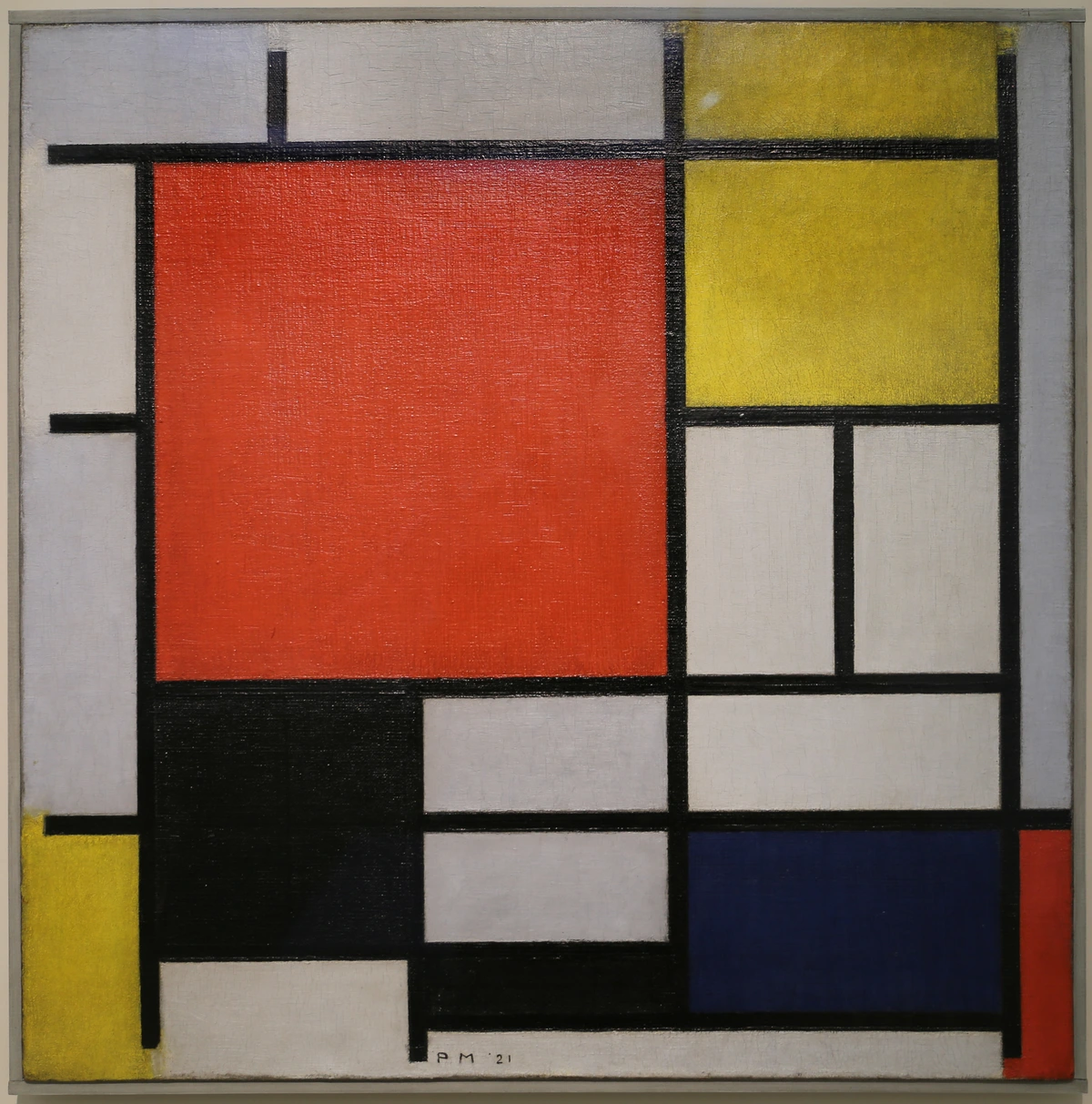
| Straight | Direct, stable, rigid, can imply strength or starkness. | The unwavering lines of a skyscraper, the resolute stance of a statue, the crisp edge of a ruler. Conveys order, formality, or a sense of determined direction. In architectural blueprints, they communicate absolute precision, while in Piet Mondrian's grid paintings, they embody universal harmony. |
| Curved | Gentle, flowing, organic, implies movement, grace, or softness. | The gentle arc of a human smile, the flowing drapery in a classical sculpture, a winding river. Suggests harmony, fluidity, and natural forms, often evoking a sense of calm or sensuality. Art Nouveau's embrace of sinuous curves, mimicking natural growth, exemplifies this. |
| Broken | Interrupted, fragmented, hesitant, can suggest discontinuity or texture. | The dotted line of a path partially obscured by fog, the tentative outline of an unfinished sketch. Evokes fragility, age, or a whisper of something fading. It can also imply a journey, a sequence of events, or a subtle textural quality without explicit definition. |
| Zigzag | Energetic, sharp, agitated, chaotic, suggests tension, excitement, or sudden change. | A jagged lightning bolt, the sharp peaks of a mountain range, a frantic scribble. Communicates intense energy, disruption, or a feeling of unrest. Futurists like Umberto Boccioni used fragmented zigzag lines to convey speed and explosive dynamism in their depictions of modern life and machinery. |
The Building Blocks: Elements of Art
To truly appreciate the power of line, it helps to see it in context with its siblings – the other foundational elements of art that artists manipulate. Think of them as the primary vocabulary of visual language, the raw ingredients from which all images are conjured. I remember when I first started, I was so focused on drawing "things" that I completely missed the underlying structure. Understanding line as the bedrock, the primary element that literally defines the boundaries of shapes, outlines the forms of objects, dictates the divisions of space, and even influences how we perceive color by creating sharp or soft edges, was a game-changer for me. It truly unlocked a new way of seeing. It’s the foundation upon which everything else is built, the very first mark from which all other visual stories begin.
Element | Brief Description | Role/Impact & How Line Interacts |
|---|---|---|
| Line | An identifiable path created by a point moving in space; one-dimensional. | The fundamental starting point. It defines, connects, separates, and creates movement. Through techniques like hatching and cross-hatching, lines also build value and texture. It's the subject of our entire journey here. |
| Shape | A two-dimensional, enclosed area defined by lines or other elements. | Lines explicitly define the perimeter and internal divisions of shapes (e.g., a line outlining a square). Without lines, defining clear, recognizable forms would be incredibly challenging. Shapes are the flat results of lines enclosing space. |
| Form | A three-dimensional object or the illusion of one (e.g., sphere, cube). | Lines, through techniques like contour hatching, cross-hatching, and varying line weight, create the illusion of volume and depth, transforming a flat shape into a perceived 3D form. They describe the curvature and planes of an object. |
| Space | The area around, between, and within objects (positive and negative). | Lines define the boundaries of objects within space, creating positive space (the object) and negative space (the void around it). Linear perspective uses lines to create the illusion of deep space, guiding the eye into the distance. |
| Color | The property of light, defined by hue, saturation, and value. | Lines can provide the framework for color, creating distinct areas for different hues. The sharpness or softness of a line's edge can influence how we perceive the vibrancy or blend of adjacent colors, acting as a visual separator or a gentle transition. |
| Texture | The perceived surface quality of an artwork (e.g., rough, smooth, soft). | Lines, through their quality, density, and direction (e.g., jagged, smooth, broken lines), directly suggest and depict surface textures, from the roughness of tree bark to the silkiness of fabric. The physical mark of the line itself often is the texture. |
| Value | The lightness or darkness of a color or tone. | Lines are instrumental in building value, especially through hatching and cross-hatching, where the density and thickness of lines create areas of perceived lightness or darkness, adding dimension and mood. The more lines, or the thicker they are, the darker the value. |
How Your Medium Affects the Message: The Tool's Own Voice
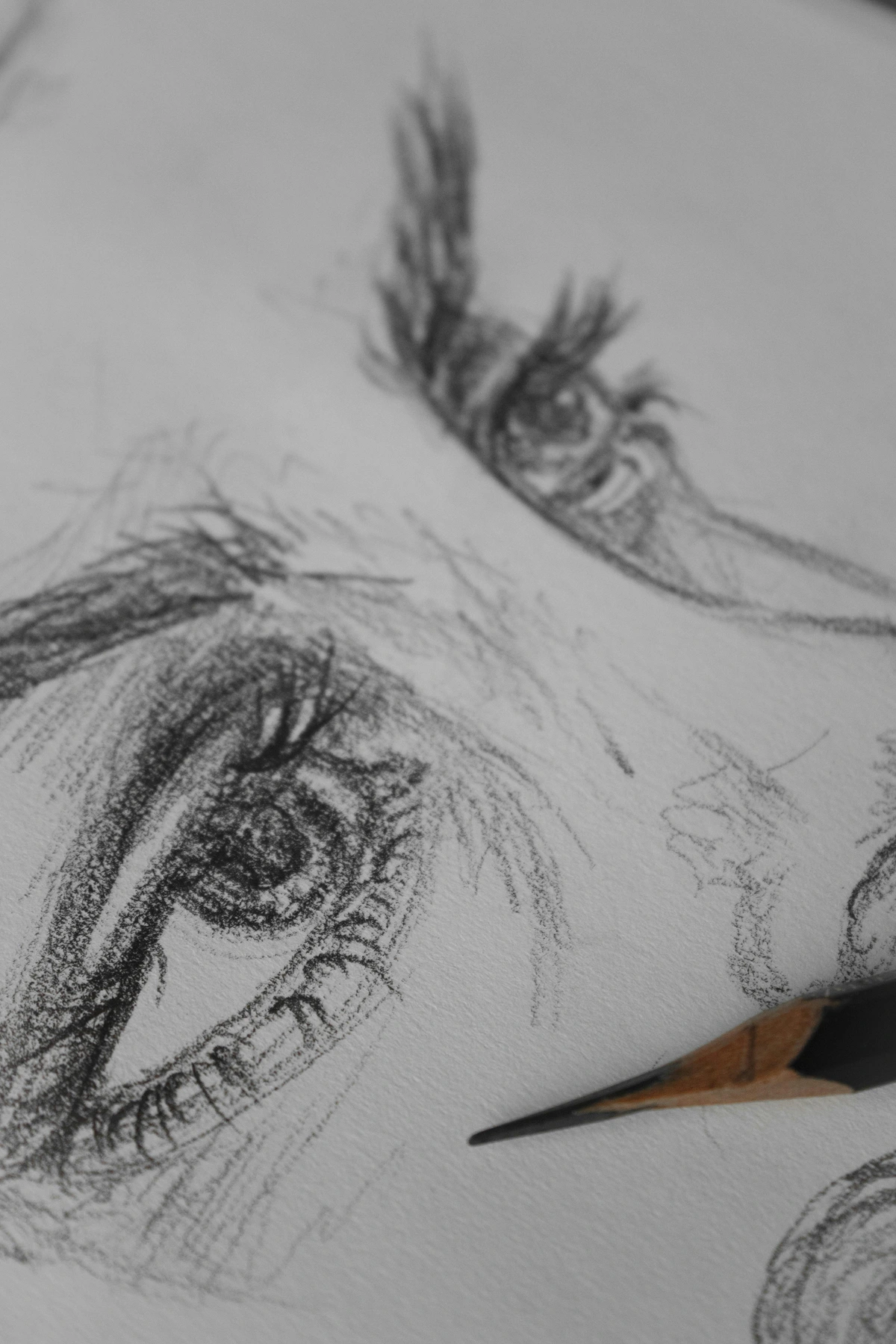
I’ve found that the tool you choose is often just as important as the line you draw. A medium doesn’t just record a line; it imparts its own character, its own story, to that line. It's like finding the right voice actor for your character. A soft graphite pencil will give you a different kind of expressiveness than a stiff ink pen, or a piece of rough charcoal. Some days, a super hard 9H graphite pencil creates the crispiest, almost invisible lines for architectural precision, while other days, a buttery soft 6B feels right, offering smudgy depth and a satisfying grit that whispers against the paper. I've spent years experimenting, and frankly, some days a digital stylus just feels right, offering clean, precise lines and the magic of easy revision, while other days I crave the gritty texture and unpredictable richness of charcoal or the fluid spontaneity of watercolor. I remember once trying to capture the delicate fuzz of a peach with a bold ink brush and failing miserably – it just looked like a bruised, angry fruit! Switching to a soft pastel pencil immediately transformed it into something tender and inviting. That’s the power of matching your medium to your message, ensuring your line drawing speaks exactly as you intend.
Consider the subtle differences, and why they feel that way:
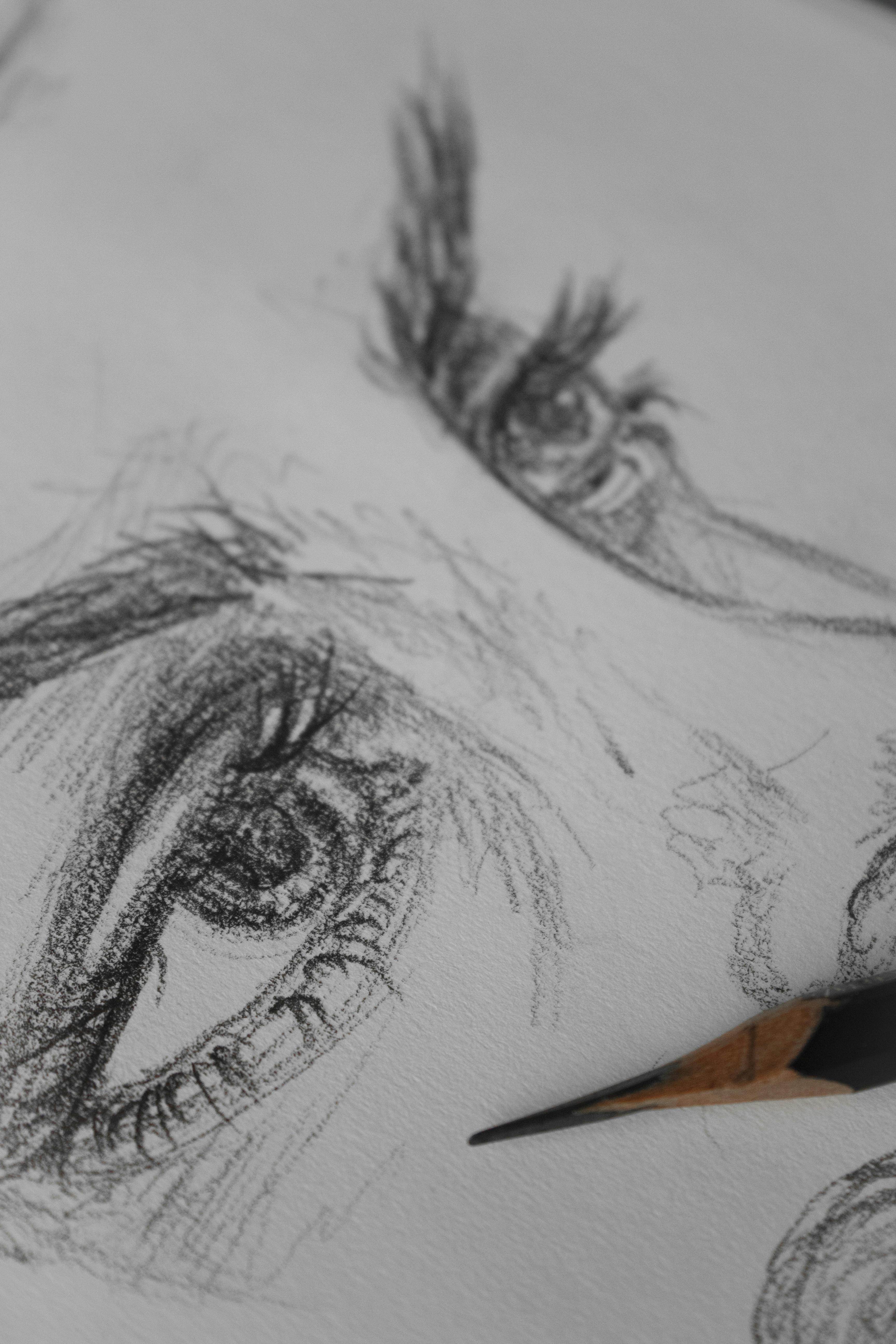
- Graphite Pencil: From delicate, hair-thin lines with a hard 9H pencil to broad, smudged marks with a soft 6B, depending on pressure and hardness. Ideal for a wide range of values and subtle transitions, allowing for both precision and atmospheric softness. The dry, granular nature of graphite interacts with the tooth (texture) of the paper, creating that satisfying whisper of mark on paper and allowing for blending and layering.
- Ink Pen: Delivers crisp, consistent lines perfect for outlines and strong contrasts. Fine liners offer intricate detail, while brush pens provide variable line weight with pressure, mimicking elegant traditional brushwork with a satisfying, permanent fluidity. The smooth flow of ink, often governed by capillary action in a pen nib, creates a decisive, unwavering mark.
- Charcoal: Offers broad, expressive strokes, deep blacks, and a wonderful capacity for textural variation and atmospheric effects. It's fantastic for conveying raw energy and capturing the ephemeral because its dusty, easily manipulated nature allows for immediate impact and subtle blending, truly embodying the raw, primal energy of a mark. The way it smears and lifts, leaving a fine dust, makes it uniquely expressive for conveying texture and mood. Discover more about its power in abstract art here: The Expressive Power of Charcoal in Abstract Art.
- Watercolor: Creates fluid, often transparent lines that can bleed and blend, offering a sense of softness or dynamic movement as the pigment spreads, emphasizing spontaneity. The interaction with water and paper, and the variable size of pigment particles, gives watercolor lines a unique, organic, and often ethereal quality, making them perfect for atmospheric effects or delicate contours.
- Oil Pastels: Deliver thick, painterly lines with rich, vibrant color and a creamy, opaque texture, beautifully blending drawing and painting techniques with a tangible surface quality. They can create both bold, crayon-like marks and be softened for broader areas, offering versatility and a tactile experience. Their waxy, dense consistency makes them feel substantial, almost sculptural, on the page. Learn more about their rich texture here: What is Pastel Painting?.
- Digital Stylus: Allows for limitless variation in line weight, texture, opacity, and color, often with pressure sensitivity mimicking traditional tools. You can create perfectly clean vector lines (mathematically defined, scalable without pixelation) or textured raster brushes (pixel-based, simulating traditional media). The invaluable advantage of easy revision and undo capabilities makes it a true superpower for experimentation and refining line art, offering unprecedented freedom to explore without fear of permanence. You can learn more about these indispensable tools here: Top Drawing Tablets for Digital Artists.
The Secret Language of Lines: Meet the Personalities in Your Hand
Once you've chosen your tool, understanding the distinct personalities and intentions behind different types of lines becomes paramount. Lines aren't just lines; they have moods, intentions, and psychological impacts. Learning to draw is like learning to manage a room full of very different characters. Some are loud, some are quiet, some are orderly, and some are pure chaos. Getting to know them is the first step in harnessing their power. Let's explore some of the most common and impactful 'personalities' that lines can embody, forming a rich visual language.
Contour Lines: The Definitive Edges of Reality
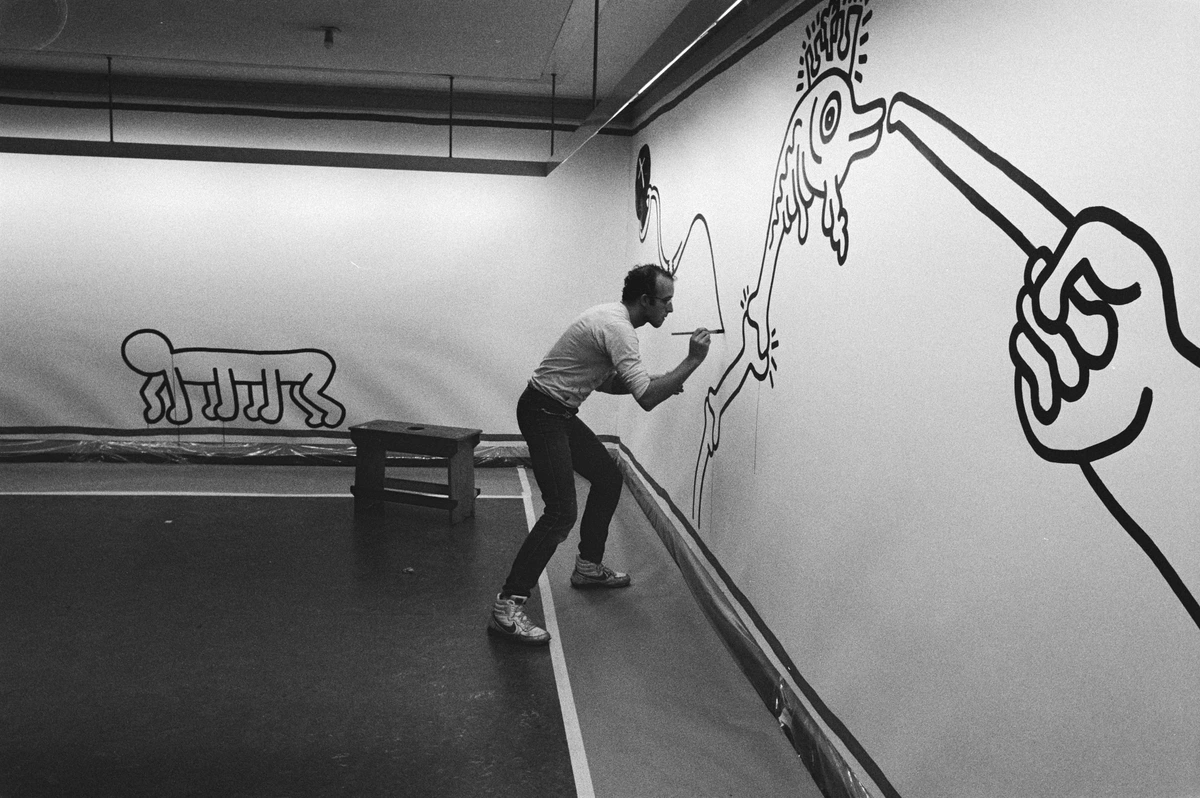
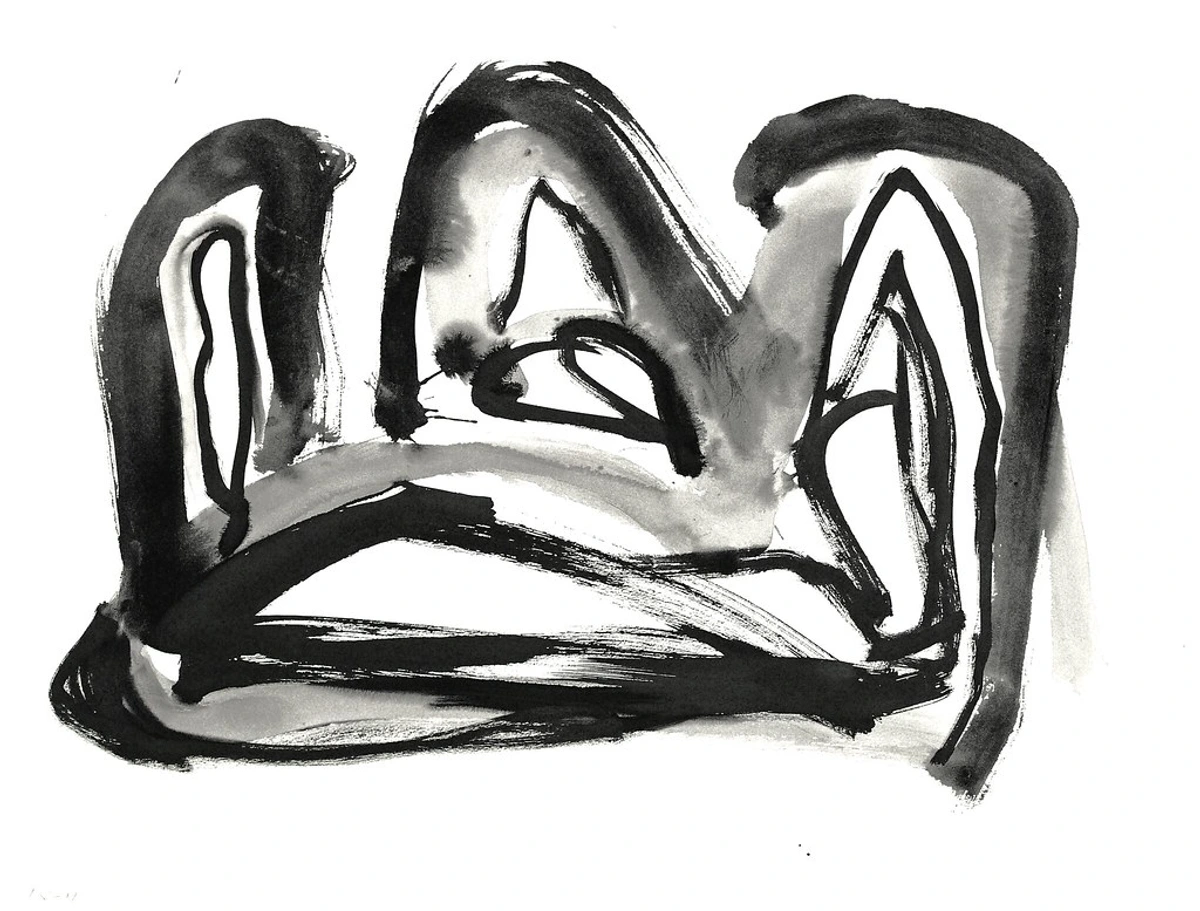
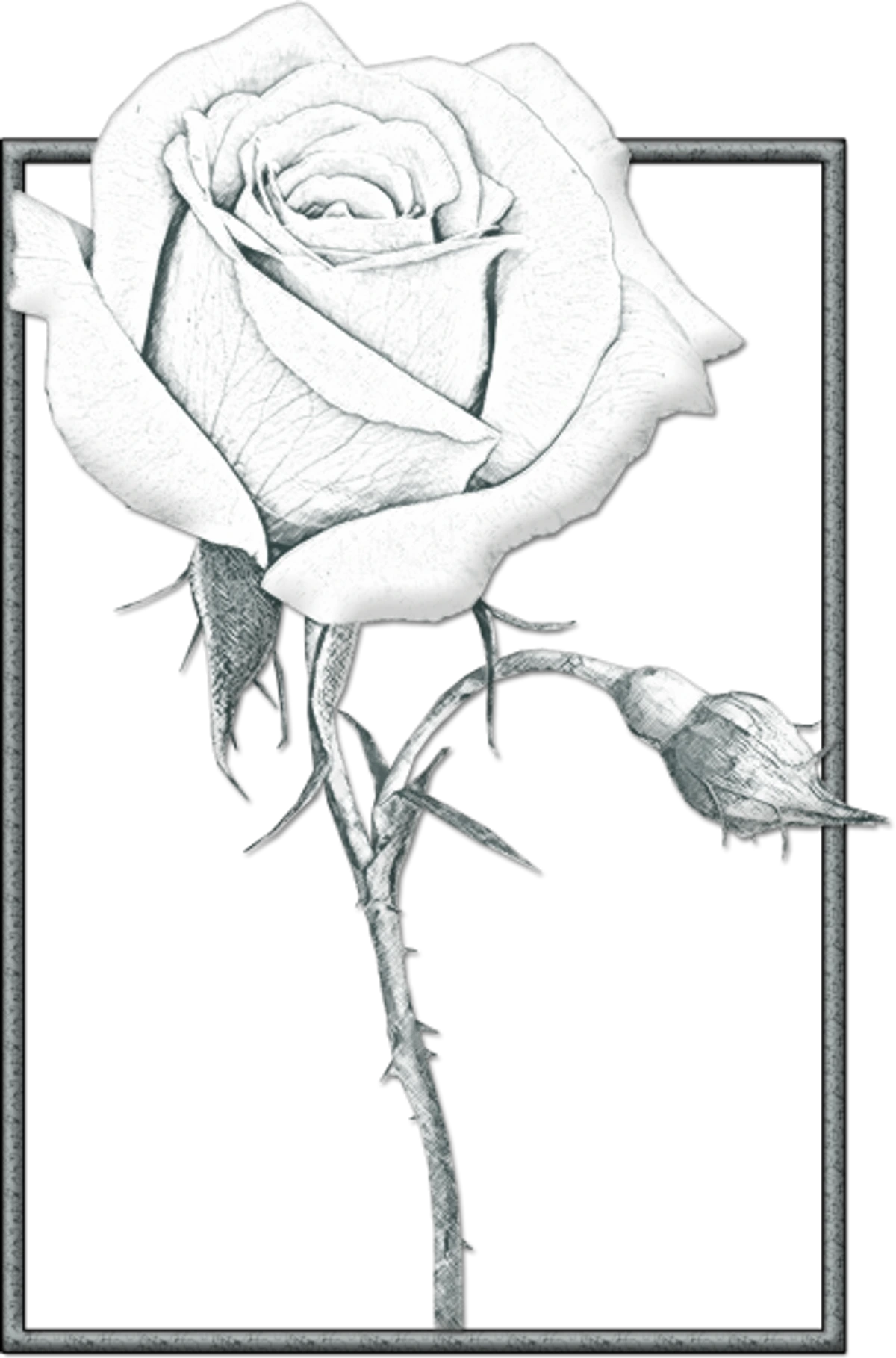
This is probably the line you think of first when someone says "drawing." Contour lines define the edges of an object and its internal shapes. Think of the crisp outlines in a coloring book. They tell you where the apple ends and the table begins. But they can be so much more than that. A sensitive contour line can suggest weight, volume, and texture all on its own. It's about looking intensely and letting your hand trace the journey your eye is taking around an object, making it a powerful element in any line art drawing. Artists like Egon Schiele used bold, expressive contour lines to define form and convey raw emotion, stripping away unnecessary detail to focus on the essential outline. His lines are almost like a psychological dissection, revealing inner turmoil with stark precision. A fantastic way to practice this is blind contour drawing, where you draw without looking at your paper, focusing solely on the object's edges. Trust me, it feels weird and your results will be hilariously distorted at first (mine certainly were, and still are on some days!), but it forces your brain to observe what's actually there, not what it thinks is there, building an incredible, direct connection between your eye and hand. It's a primal form of observation that hones your "seeing" superpower.
Gestural Lines: The Raw Emotion and Movement of Life
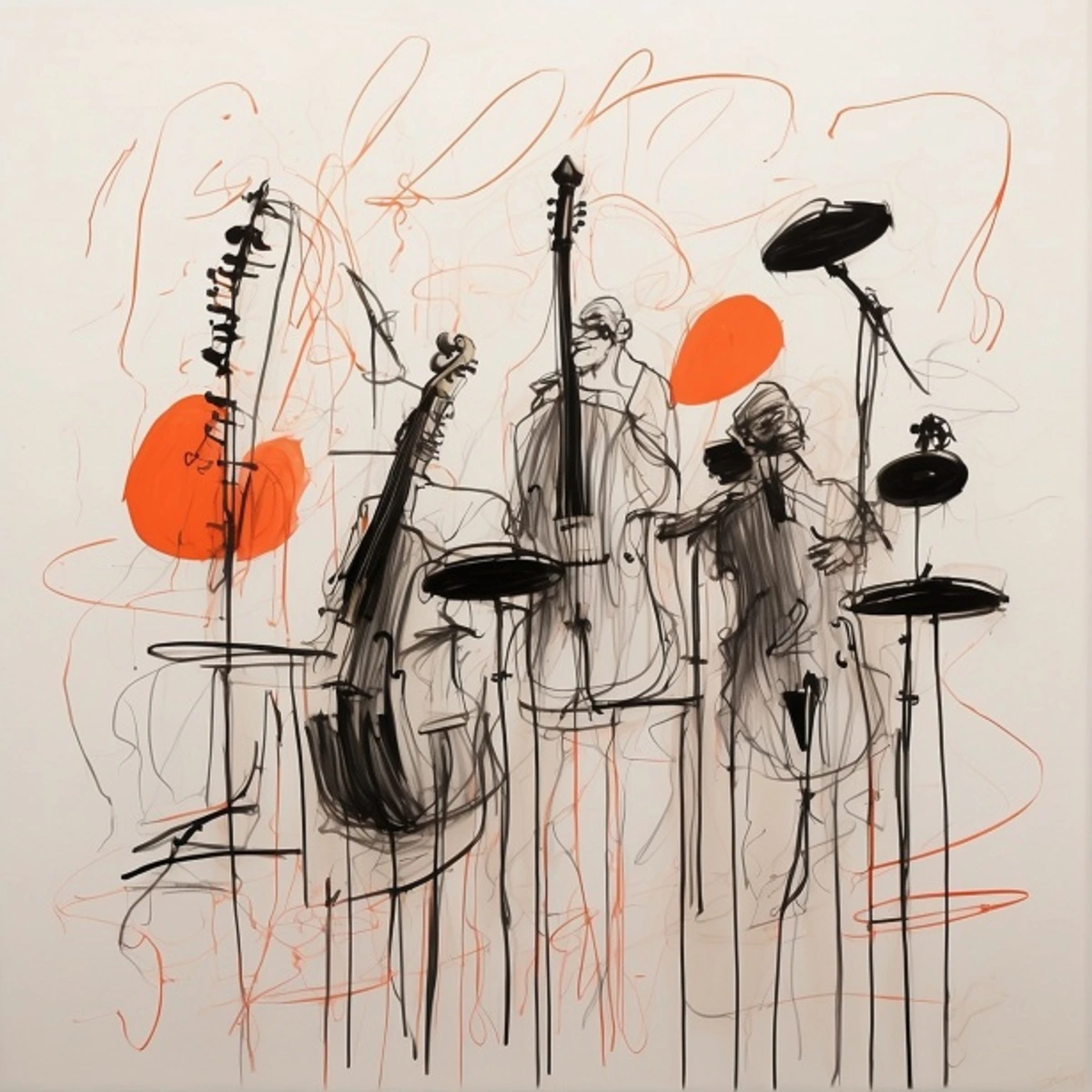
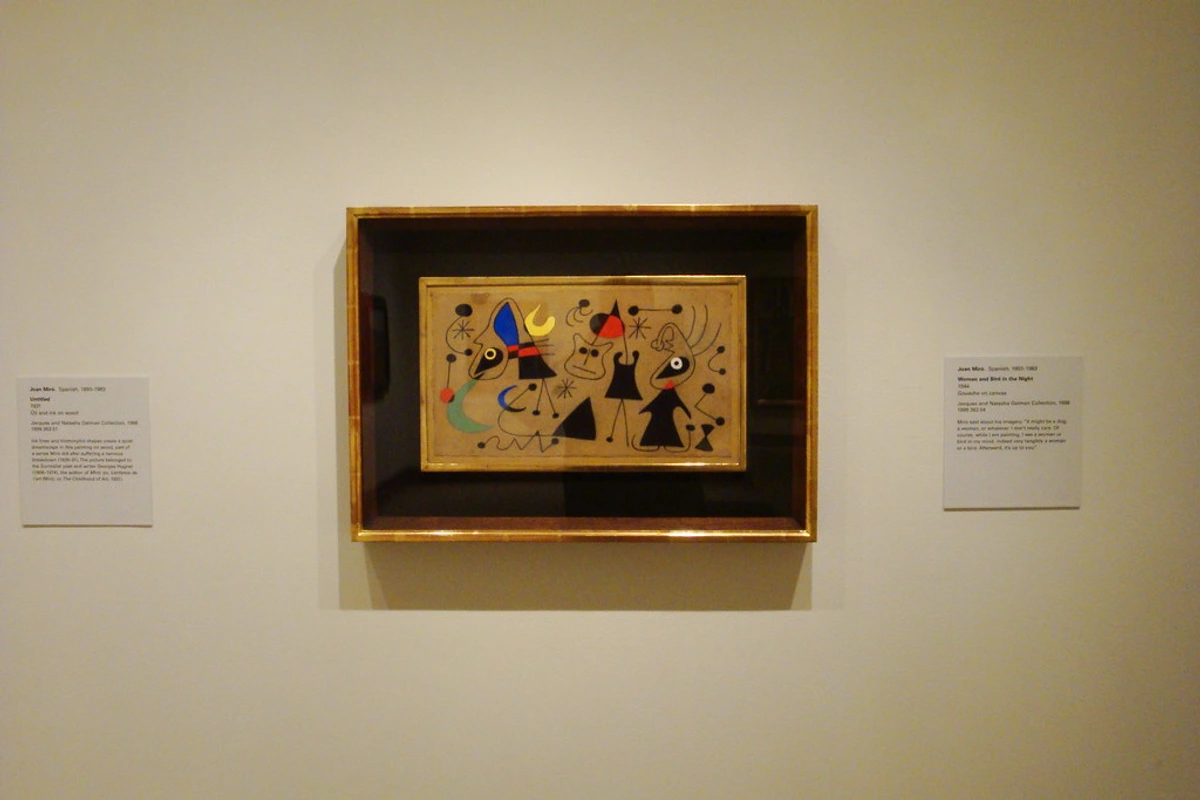
If contour lines are the careful description, gestural lines are the raw emotion, the pure, unfiltered energy. These are quick, energetic marks that aren't concerned with accuracy but with capturing the feeling, movement, and essence of a subject. I use these all the time for initial sketches, especially when a subject is moving or I'm trying to capture the initial spark of an idea. It's about capturing the action of a pose in seconds, not the details. It’s pure intuition. It’s messy, it’s wild, and it’s incredibly honest. Sometimes, when I'm trying to capture the fleeting energy of a dancer mid-pirouette, or the restless movement of a child at play, these quick, unrefined lines are the only way to truly see the movement. They capture the spirit of the motion, rather than merely its static position, much like the dynamic horse studies by Edgar Degas, where a few furious lines convey explosive power. They are the immediate, unfiltered response of your hand to what you see and feel, a true expression of mark-making.
Scribble Lines: The Unfettered Impulse and Energetic Chaos
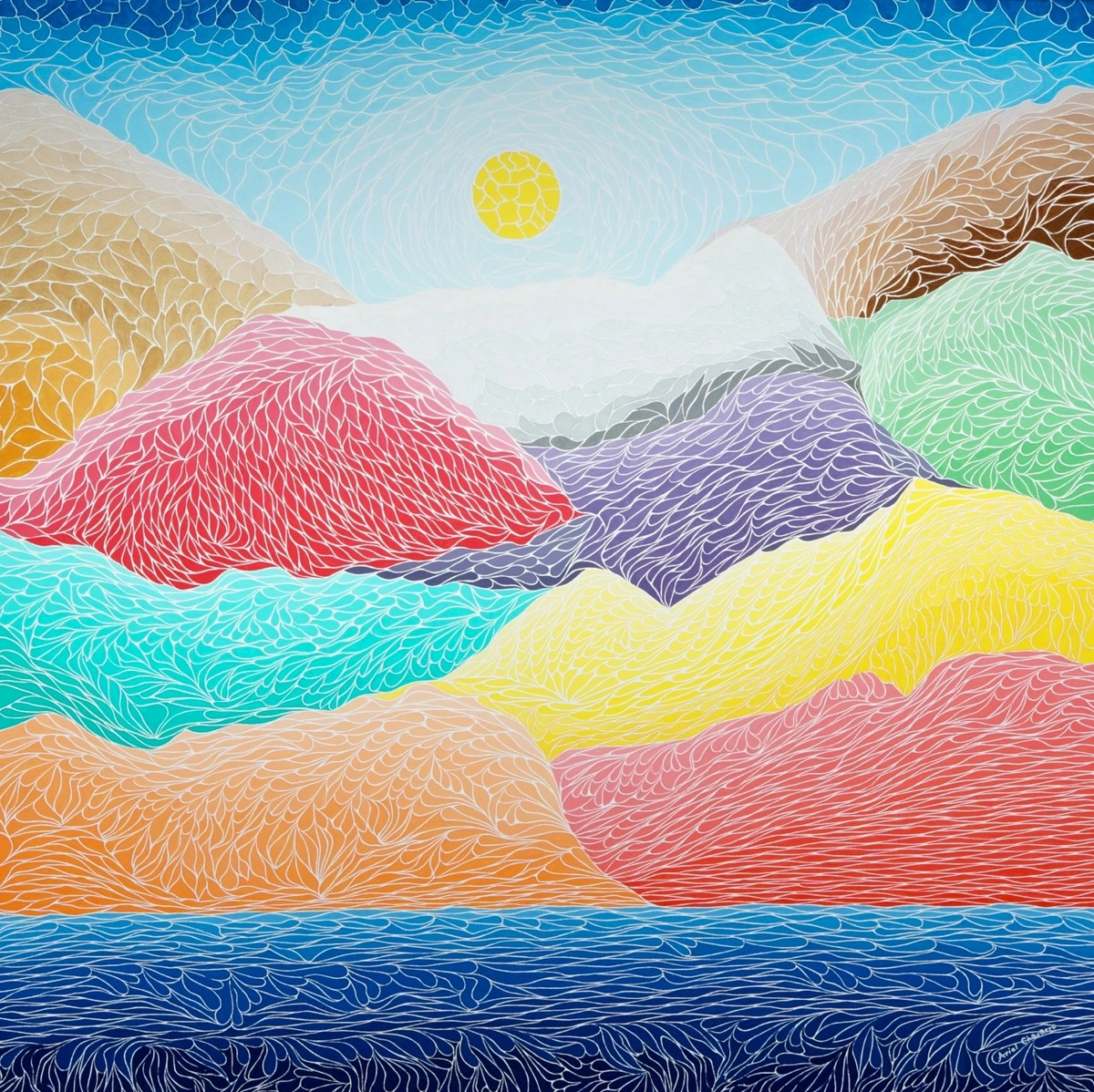
Often dismissed as childish, scribble lines are the rawest form of mark-making, a chaotic burst of uncontrolled energy. While they might not define form with precision, they excel at conveying pure impulse, agitation, or a vibrant, restless energy. Think of the frantic marks of a child, or the furious, overlapping lines an artist might use to express inner turmoil or a dense, energetic chaos, much like the textural fields in some abstract expressionist works by artists like Cy Twombly, whose calligraphic gestures embody a raw, primal energy. They are about the act of drawing, the pure joy or frustration of making a mark, rather than creating a recognizable image, and they can be incredibly liberating for breaking down artistic inhibitions.
Implied Lines: The Ghosts that Guide Your Gaze
Now for my favorite, the sneakiest line of them all – the stealth superpower of the art world. An implied line isn't actually drawn. It's a line that your brain creates by perceiving visual connections or inferring a path. It could be the direction a figure is pointing or looking, a series of shapes that line up, the invisible boundary where two different colors meet, a pattern of dots subtly leading the eye, or even the trajectory of a thrown object. Imagine a row of distant trees whose tops form an invisible curve, or a series of windows on a building subtly leading your eye across a facade. A pointed finger or an intense gaze between two characters in a portrait creates a powerful implied line, drawing your attention to their connection and creating a visual narrative. In fashion design, the cut of a garment might create implied lines that emphasize the body's form or direct the eye to a specific detail. Masterful artists use implied lines to guide your eye through a painting without you even noticing. It's the ultimate psychological trick in an artist's toolkit, a quiet whisper that tells your eye where to go next, creating unseen pathways in the viewer's mind. The power of implied lines lies in their very absence; they subtly manipulate perception by guiding the eye without a physical mark.
Hatching & Cross-Hatching: The Builders of Form and Value
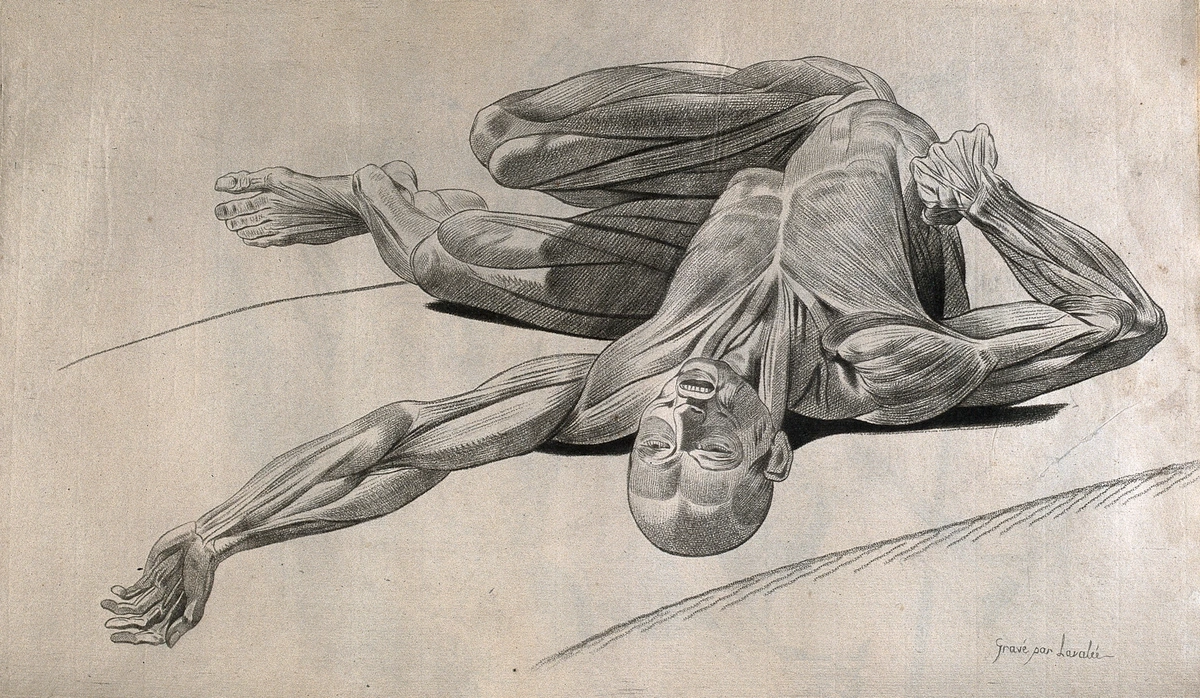
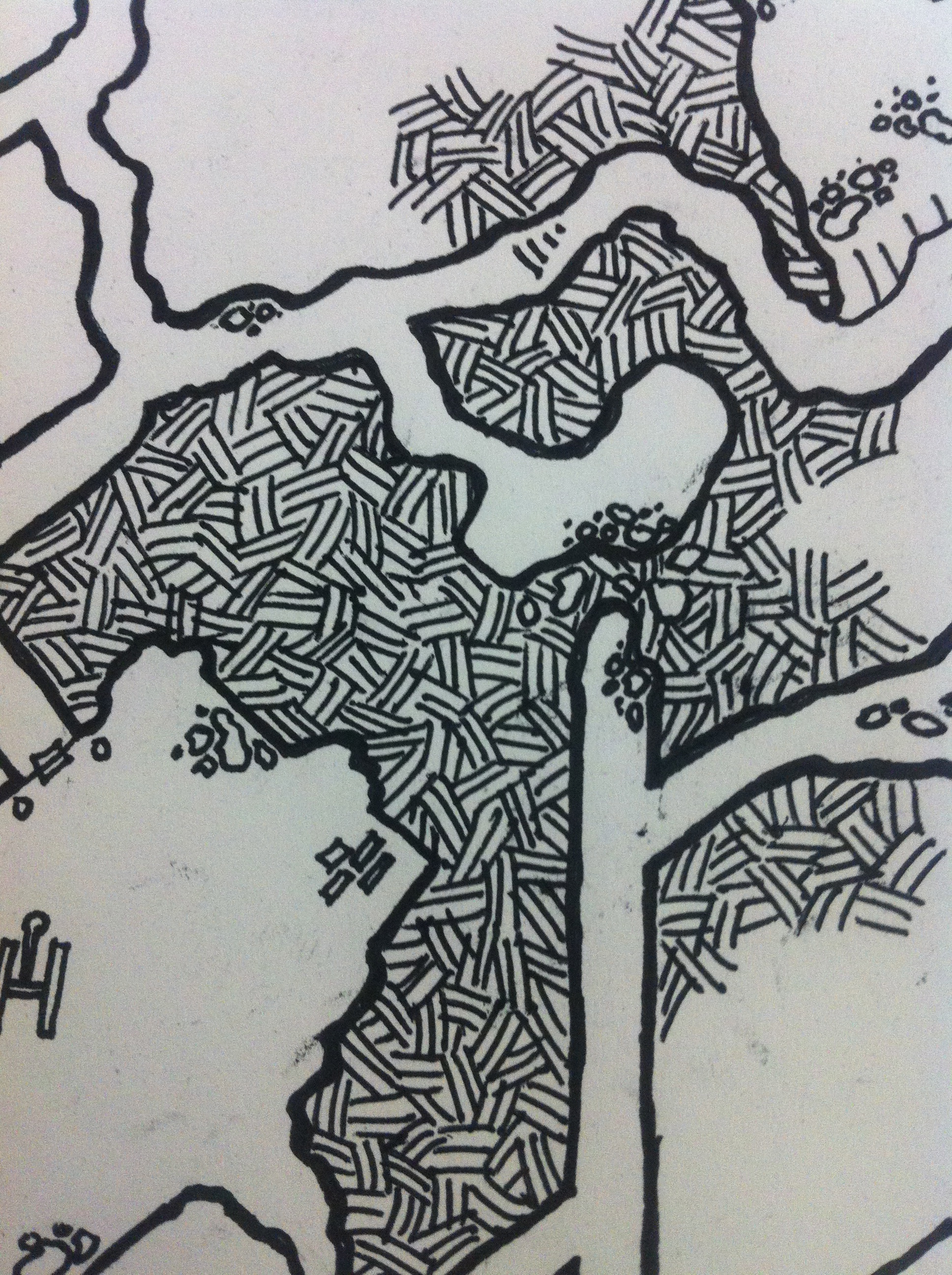
These are the lines that meticulously build form and value (the lightness or darkness of a color). Hatching is a series of parallel lines. The closer together they are, and the more pressure applied, the darker the value appears. Cross-hatching is simply layering another set of parallel lines going in a different direction, usually at an angle, over the first set, creating even richer, deeper tones. This technique is methodical, almost meditative, for building up shadows, creating a sense of three-dimensionality, and suggesting texture. Artists like Albrecht Dürer were masters of hatching and cross-hatching in their engravings, creating incredible detail and rich tonal range with just lines. His ability to conjure such depth and texture with nothing but intersecting lines is simply astonishing; you can almost feel the form he creates with ink on paper. Variations include contour hatching (where lines follow the implied curve or form of the object, enhancing its three-dimensionality, often seen in anatomical or scientific illustrations) and circular hatching (tiny, overlapping circles building up tone, often used for softer, more subtle transitions or to create smoky, ethereal effects). It’s all in how you choreograph the dots' walks and their interactions.
Line Weight Variation: The Whisper and the Shout of Emphasis
This is where a line truly comes alive, a true superpower amplification for your marks. Line weight variation refers to the thickness and darkness of a line. A thicker, darker line tends to come forward, implying closeness, importance, or weight, while a thinner, lighter line recedes, suggesting distance, delicacy, or fragility. I learned this the hard way: early in my practice, I once drew a foreground object with the same thin line as the background. Suddenly, my focal point felt flat and insignificant! Varying your line weight can instantly add depth to your composition, make an object feel heavy or light, or create a sense of dynamic movement and visual hierarchy, giving emphasis exactly where you need it. It’s the subtle difference between a whisper and a shout in your drawing, directing the viewer's eye and creating atmosphere. I often think of it as orchestrating a visual symphony – some lines take the lead, bold and declarative, others provide gentle harmony, thin and subtle, all guided by the deft touch of the artist, enhancing the visual impact of your line art and guiding the viewer's eye through the artwork, creating a dynamic sense of balance in art composition.
Lines Across Art Movements: A Brief History of Visual Evolution
Lines have been central to every major art movement, often serving as their defining characteristic. From the earliest cave paintings to today's digital installations, artists have continually reinterpreted and utilized the power of line. Studying these movements reveals how artists, across millennia, have leveraged line as a universal language, adapting its meaning and application to suit their cultural, philosophical, and expressive needs.
Ancient Roots & Classical Precision
- Ancient Art: Simple, strong, often symbolic lines characterized prehistoric cave drawings (e.g., Lascaux, Chauvet) and early Egyptian hieroglyphs. These lines weren't just about depiction; they were primal acts of communication and storytelling, serving to depict figures and tell stories with directness and immediacy, often embodying spiritual or ritualistic meanings. Think of the bold outlines of bison on a cave wall, a pure energetic transmission, or the precise, carved lines of Mesopotamian cylinder seals telling epic tales.
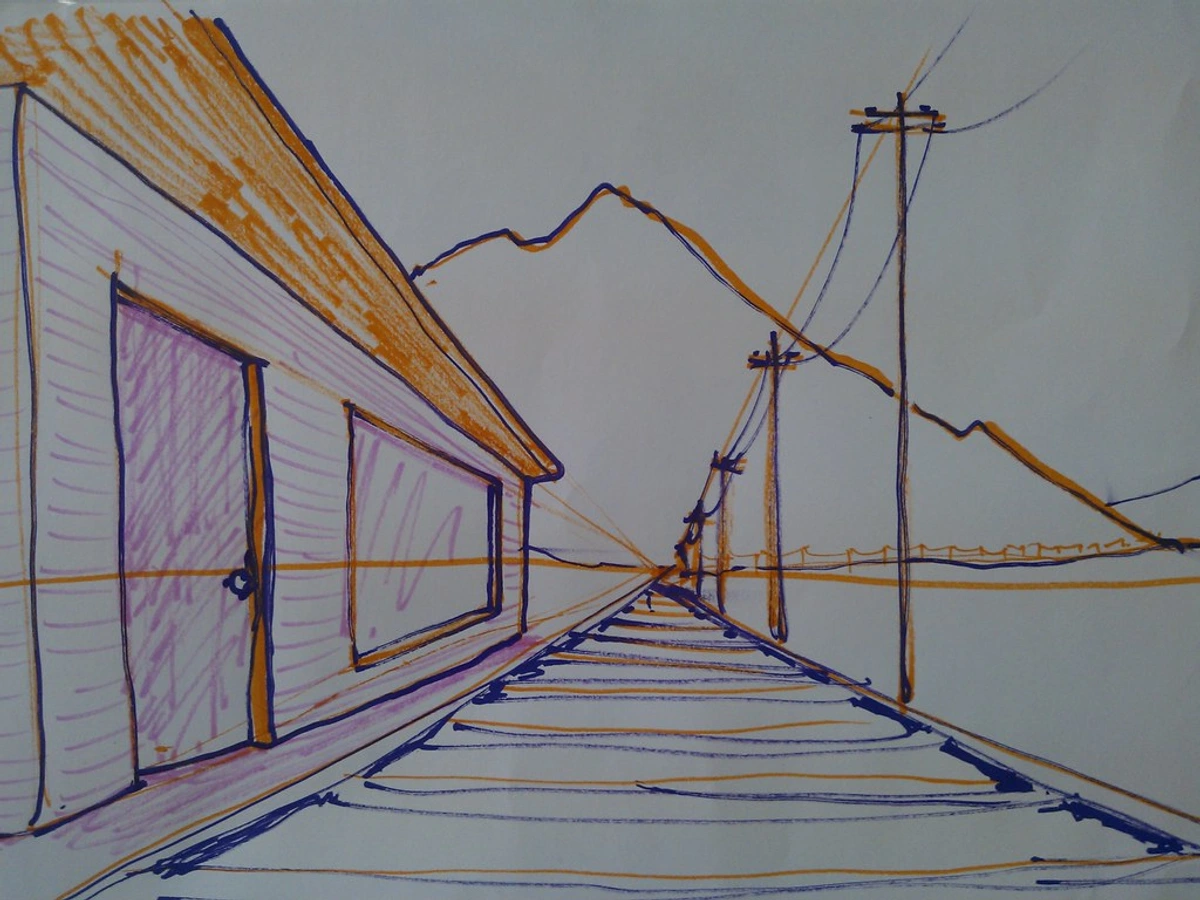
- Classical & Renaissance Art: Artists perfected linear perspective, using precise, vanishing lines (often called orthogonal lines, the 'backbone' lines that appear to recede into the distance, like the edges of a road, which converge at a vanishing point on the horizon) to create the illusion of depth and realism in painting and architecture. This focus on objective, scientific observation was paramount during the Renaissance. Think of the intricate anatomical studies and precise linework of Leonardo da Vinci, where every muscle and bone is meticulously defined to achieve scientific accuracy and lifelike representation, or the detailed etchings by Rembrandt van Rijn, whose delicate yet powerful lines convey both light and shadow with exquisite sensitivity.
Modern Expressions & Emotional Depth
- Impressionism: While renowned for their focus on color and light, Impressionists like Edgar Degas used broken, visible brushstrokes to create implied lines and capture fleeting moments, especially in their dynamic studies of dancers and racehorses. His lines suggest, rather than define, movement and atmosphere, giving a sense of immediacy and transience, almost like a visual shorthand for a momentary perception.
- Post-Impressionism: While often seen as a reaction to Impressionism, artists like Vincent van Gogh used line with raw emotional power. His thick, swirling impasto lines in paintings like The Starry Night aren't just outlines; they are tangible, sculptural forces that convey intense feeling and movement, making the canvas itself vibrate with energy, a direct transcription of his tumultuous inner world.
- Fauvism: Characterized by bold, expressive, and often non-naturalistic lines, Fauvist artists like Henri Matisse used line not just to define form, but also to convey emotion and structure their vibrant, color-driven compositions. The line itself became a vehicle for intense coloristic expression and raw feeling, often with a decorative quality that prioritized emotional impact over realistic depiction.
- German Expressionism: Characterized by explosive, emotional, often jagged and distorted lines that conveyed inner turmoil and raw feeling, exemplified by artists such as Ernst Ludwig Kirchner and Erich Heckel, or the stark, psychologically intense lines in Francis Bacon's work. These lines scream with emotional weight and unease, reflecting societal anxieties and a deeply personal psychological landscape, often amplifying a sense of alienation or suffering.
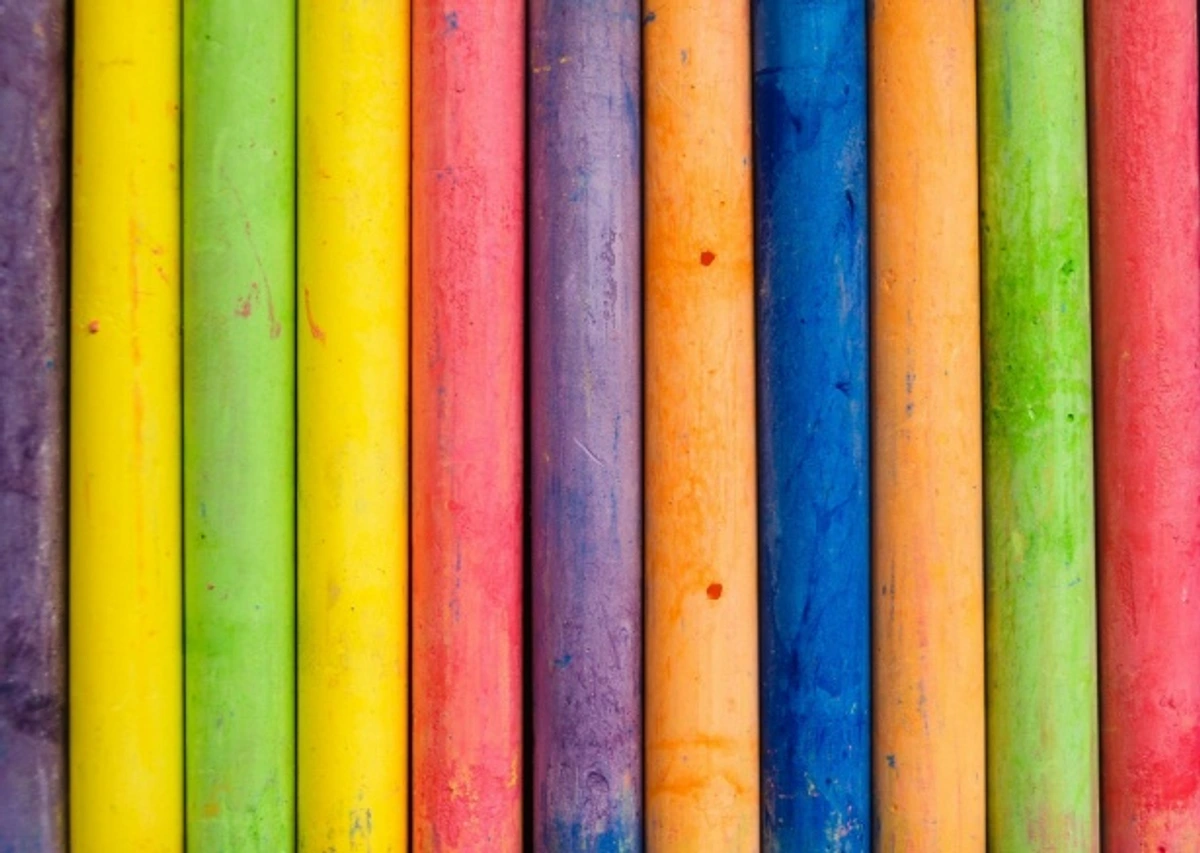
- Art Nouveau: Embraced bold, curvilinear forms, with flowing, organic lines that mimicked nature – plants, waves, flowing hair. This created decorative and often ornate designs, famously seen in the sinuous, elegant works of Alphonse Mucha and Aubrey Beardsley. These lines dance across the page with a life of their own, embodying fluidity, natural grace, and a sense of organic growth, often forming intricate, repeating motifs that suggest vitality and movement.
- Futurism: Obsessed with speed, technology, and dynamism, Futurist artists like Umberto Boccioni used energetic, fragmented, and overlapping lines to create a sense of motion and simultaneity. Their lines literally broke down traditional forms to depict a subject in continuous, explosive movement, capturing the frenetic pace and restless energy of modern life.
- Cubism: Defined by fragmented, geometric lines that broke down and reassembled objects, showing multiple viewpoints simultaneously, a revolutionary approach pioneered by artists like Pablo Picasso and Georges Braque. These sharp, angular lines deconstructed reality itself, inviting the viewer to perceive objects from all sides at once, creating a sense of dynamic intellectual engagement and challenging traditional representation.
- Surrealism: Often employed fluid, dreamlike lines in automatic drawing to explore the subconscious, or precise, almost photographic lines to depict bizarre juxtapositions in fantastical scenes, as seen in the meticulous detail of Salvador Dalí's work. It's the line as a bridge to the unconscious, capable of both spontaneous expression and hyper-realistic illusion, inviting viewers into a world of dreams and psychological landscapes.
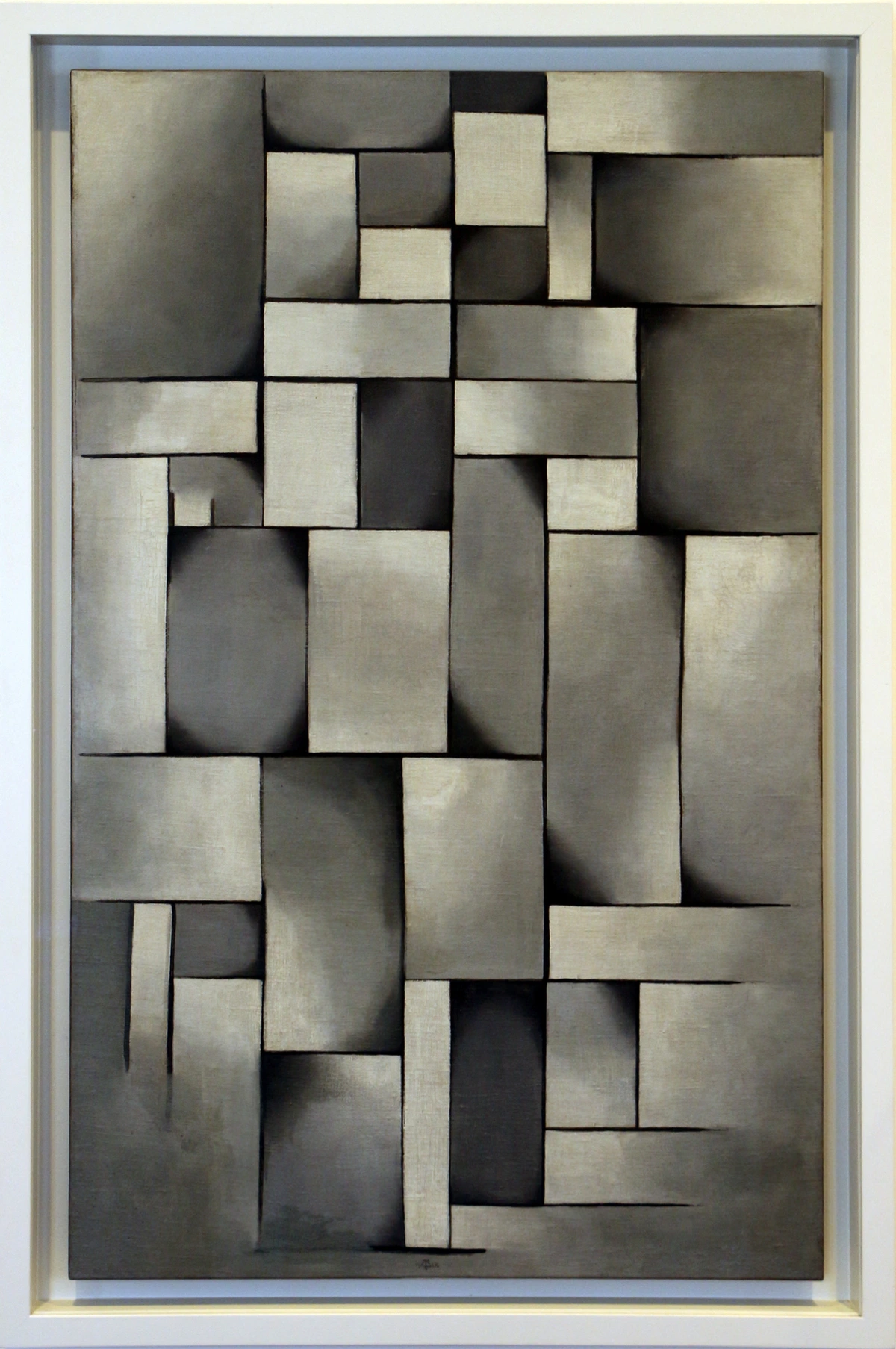
- Neoplasticism (De Stijl) & Bauhaus: Think Piet Mondrian and Theo van Doesburg. This movement built entire compositions on the precise, ordered use of horizontal and vertical black lines intersecting with primary colors, seeking universal harmony and purity. The broader Bauhaus movement further emphasized geometric lines and functional design, influencing architecture, furniture, and graphic arts with its stark, clean aesthetic, making line synonymous with structure, rational order, and clarity. The precise articulation of line here became a statement of profound philosophical intent – a search for universal truth through pure form.
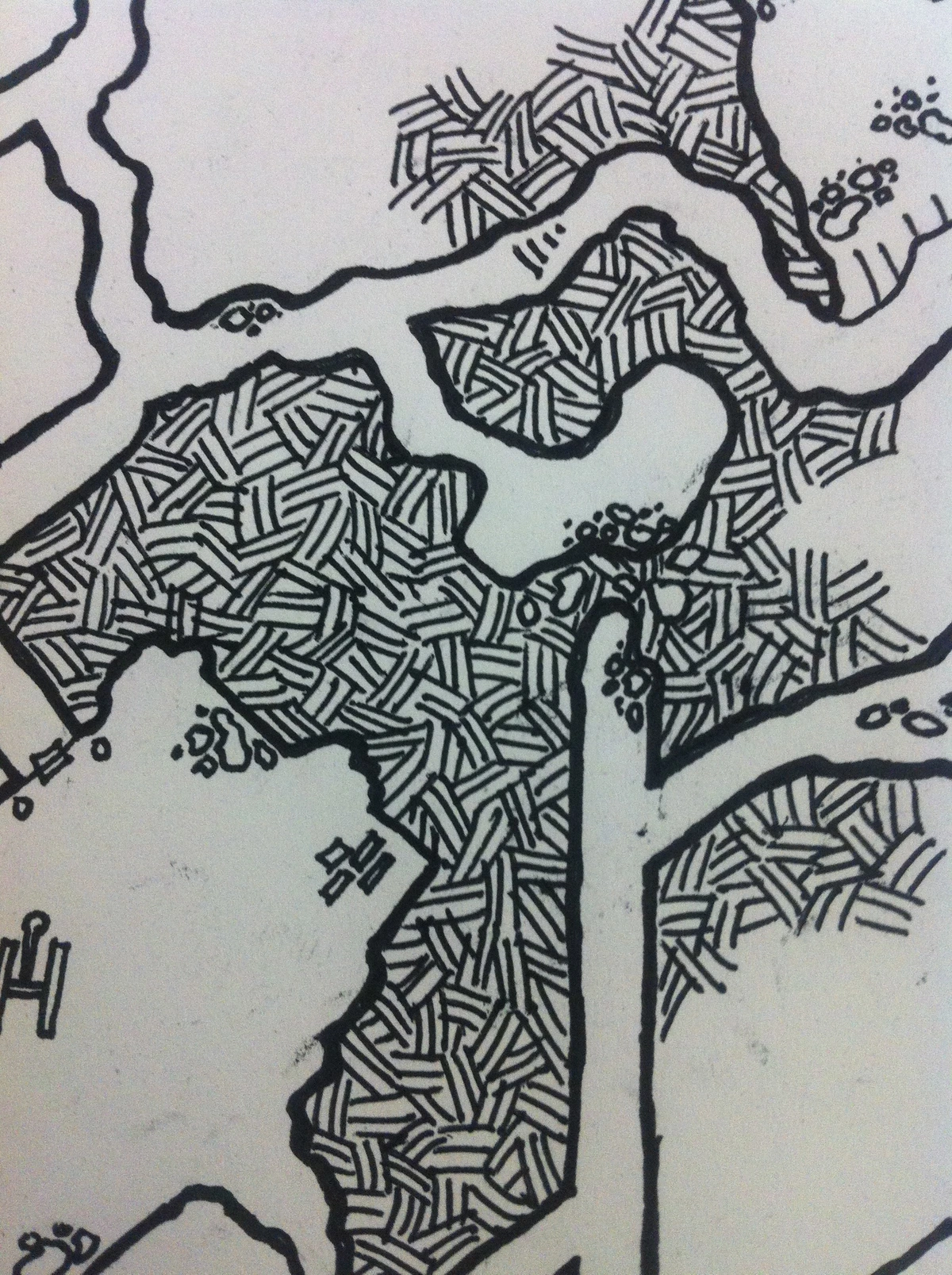
Contemporary Explorations & Beyond
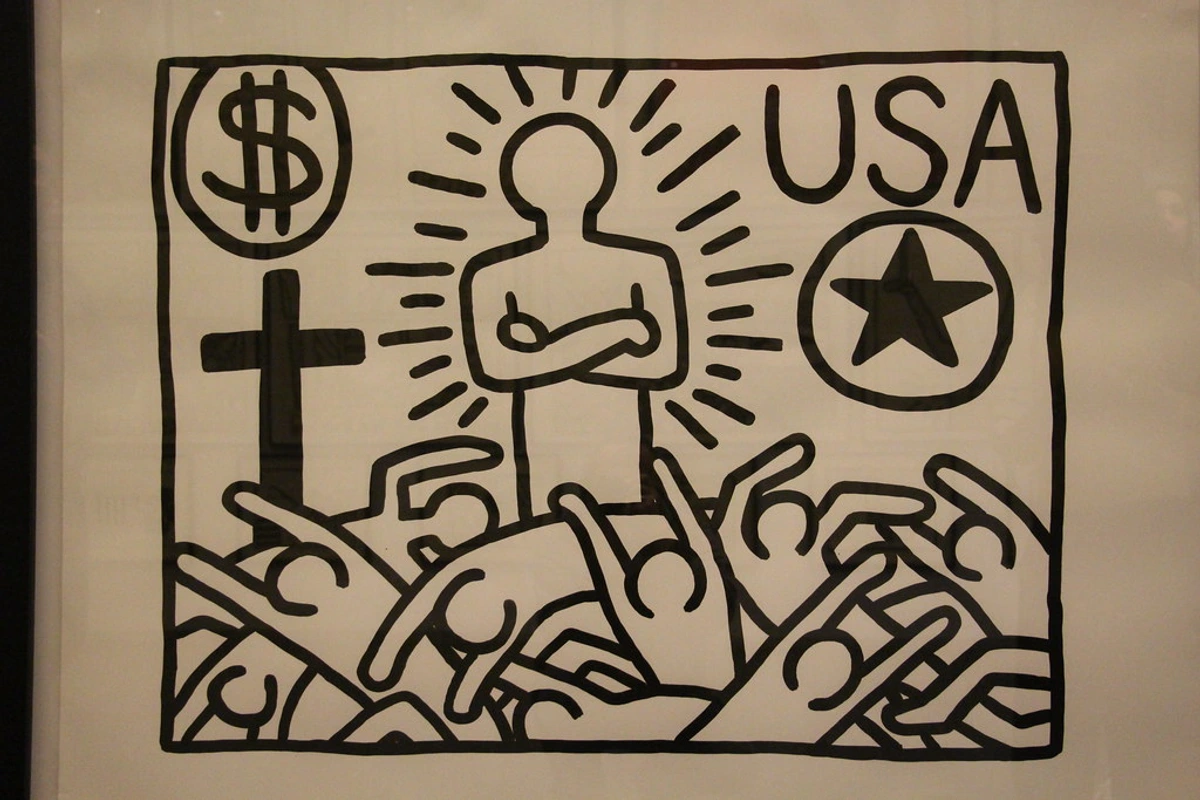
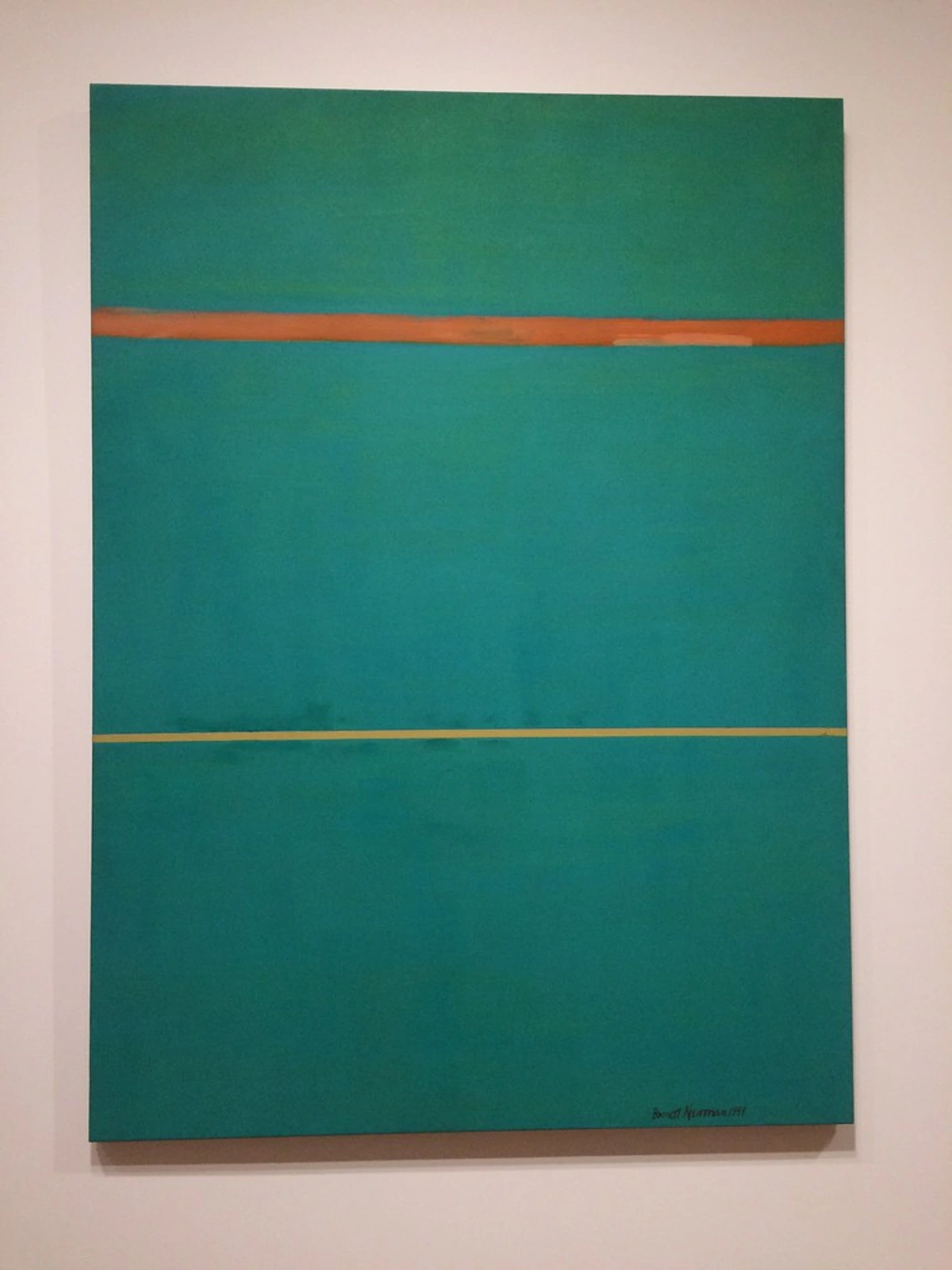
- Abstract Art: Here, line is often the main protagonist, telling a story without depicting anything recognizable at all. From the geometric precision and musicality of Wassily Kandinsky's compositions to the gestural, energetic marks of Jackson Pollock's drip paintings, line takes on an independent expressive power. Kandinsky's lines can feel like musical notes, while Pollock's are pure, untamed force, a direct record of his body in motion. Artists like Barnett Newman used stark 'zip' lines to divide monumental color fields, creating powerful, spiritual spaces, while Agnes Martin created ethereal grids of pencil lines to explore themes of infinity and silence.
- Minimalism: Emphasized clean, often stark, geometric lines to create simplified, fundamental forms, stripping away non-essential elements, as exemplified in the work of Donald Judd and Sol LeWitt. These lines demand attention through their very starkness and purity, often becoming the subject itself rather than a descriptor, making a statement with their fundamental presence.
- Contemporary Art: Today, line continues to evolve. Digital artists leverage pixels and vectors for new forms of line art, offering precision and infinite revisability. Street artists like Shepard Fairey use bold graphic lines to create instantly recognizable, impactful imagery. Installation artists might use actual physical lines (wires, strings, lights) to define space and guide viewers, creating immersive, linear experiences. For instance, textile artists create complex patterns and structures through woven lines, while conceptual artists might use a simple line drawn across a gallery floor to challenge spatial perception. The possibilities are truly endless, constantly pushing the boundaries of what line can be.
Lines in Different Art Forms: Beyond the Canvas, Shaping Every Medium
While we often associate lines primarily with drawing and painting, their influence extends across various artistic disciplines, demonstrating their universal foundational role and proving its superpower status again and again. Line art is truly ubiquitous, a silent language spoken by all creative forms.
- Illustration: Lines are paramount in character design, comic books (think Moebius' intricate sci-fi linework), technical drawings (where precision is key), medical illustration (for clarity), and fashion illustration (for elegance). They define form, convey emotion, establish visual narratives, and clarify complex information. Think of the expressive contours of a superhero in a dynamic graphic novel, or the precise, informative diagrams in anatomical atlases. Lines are the backbone of storytelling and communication here.
- Graphic Design & Typography: In logos, typography, and layout, lines create structure, direct the eye, and establish visual hierarchy (guiding the viewer to the most important information first). They can be bold and authoritative or delicate and inviting, defining brand identity and user experience. Consider the clean, almost architectural lines of a well-designed typeface (like a sans-serif font's geometric purity versus a serif font's organic flourishes), the invisible grids that organize content on a magazine page or website, or the compelling line art in a brand's emblem, all creating order and flow. The "line weight" of a typeface is a crucial characteristic, impacting readability and aesthetic, and designers constantly use implied lines as guidelines and grids to create harmonious compositions.
- Sculpture: Even in three-dimensional art, lines are crucial. An armature, the internal skeleton of a sculpture, uses lines (often wire) to establish the initial form and proportions. The edges and contours of a finished sculpture define its volume and how light interacts with its surfaces, creating a 'line' that our eyes follow around the form. A sharp, angular sculpture might have "cutting" lines, while a rounded one evokes "flowing" lines, even if none are explicitly drawn. Even the tool marks on clay or stone can be seen as expressive linear textures. This is beautifully seen in the organic, flowing shapes of a Henry Moore sculpture, the explicit wire forms of Alexander Calder's kinetic mobiles where line literally becomes three-dimensional, moving through space, or the defined edges of a monumental Richard Serra steel sculpture. Find out more about armatures here: What is an Armature in Sculpture?.
- Architecture: Lines are fundamental to architectural blueprints and the final built structure, defining spaces, boundaries, and the flow of movement. The clean lines of a modernist Bauhaus building or the flowing curves of a baroque cathedral are all expressions of line, shaping both interior and exterior. Lines also define negative space in architecture, such as courtyards or open-plan interiors, shaping the voids as much as the solids, influencing how we move through and experience a space. Think of the intricate linear patterns of Gothic cathedrals, guiding the eye upwards and creating a sense of awe.
- Photography: While not "drawn," lines are a critical compositional element. Leading lines (roads, fences, rivers, architectural elements) guide the viewer's eye through the frame, creating depth and direction. Horizontal lines evoke calm, verticals imply strength, and diagonals create dynamism and tension. The interplay of light and shadow often creates strong implied lines that define subjects and direct focus, transforming a flat image into a perceived three-dimensional space and informing the overall art composition. The choice of lens can even subtly alter perceived lines, from the distorted curves of a wide-angle to the compressed perspective of a telephoto, emphasizing or de-emphasizing linear elements.
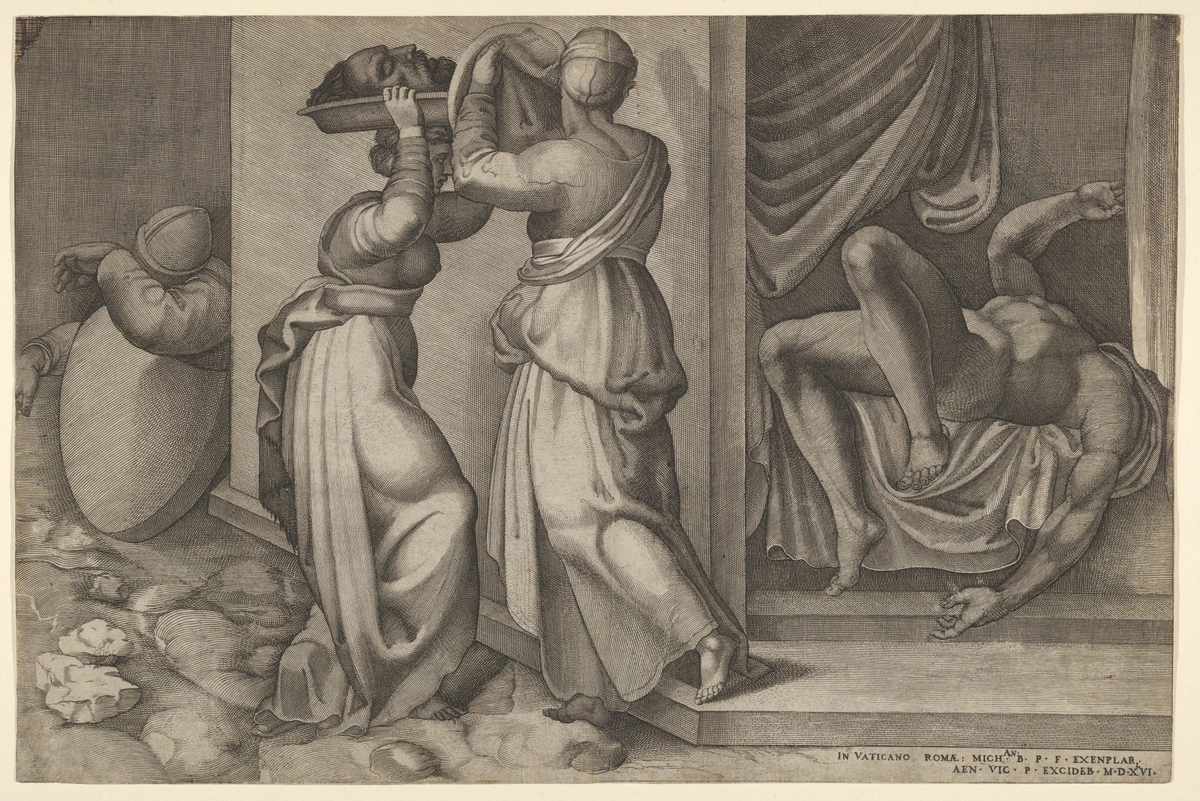
- Printmaking: In techniques like etching, engraving, lithography, woodcuts, and linocuts, lines are physically incised, carved, or drawn onto a surface (metal, wood, stone) to create an image that is then transferred to paper. The quality, density, and direction of these lines directly determine the tone, texture, and overall feel of the print. Think of Albrecht Dürer's incredibly detailed engravings, where every shadow and form is built up meticulously through countless, precise lines, or the bold, graphic lines of a Japanese woodblock print. Learn more about printmaking techniques here: Screen Printing at NTAS.
- Animation & Storyboarding: Lines are the essential foundation for animation, from rough character sketches to final keyframes and in-between drawings. In storyboarding, lines efficiently convey action, camera movement, and character emotion with minimal detail, acting as a visual shorthand for the narrative flow and emotional arc of a scene. In traditional animation, precise lines define character rigs and movement paths, ensuring fluid and consistent motion, while even abstract animation relies on lines to create rhythm and dynamism. Motion graphics also heavily utilize lines to create dynamic visual narratives, transitions, and abstract forms that dance across the screen.
- Decorative Arts: From the intricate patterns on textiles and ceramics to the repeat motifs of wallpaper and stained glass, lines are the fundamental building blocks of decorative art. They create rhythm, texture, and visual interest, turning everyday objects into works of artistic expression, embodying cultural traditions and aesthetic preferences through their repetitive and varied forms. Consider the complex, interwoven lines of Celtic knotwork, the delicate linear patterns on ancient pottery, or the geometric precision of Islamic tiling, all testaments to the power of line in ornamentation.
The Art of Calligraphy and Lettering: Line as Written Beauty
Beyond drawing and painting, line finds one of its most elegant and disciplined expressions in calligraphy and lettering. Here, the line is the essence of form, rhythm, and beauty in written language. Each stroke is a deliberate act, emphasizing fluidity, contrast, and precision, turning simple words into works of art. A deep understanding of line drawing principles directly enhances the grace and expressiveness of hand-lettering. For instance, understanding line weight helps create the thick downstrokes and thin upstrokes characteristic of many historical scripts like Copperplate, or the dramatic flourish of Gothic scripts. From the geometric precision of sans-serif typefaces to the organic flourishes of serif fonts, lines dictate character and readability. Across cultures, from the flowing characters of Arabic calligraphy to the precise brushstrokes of Chinese script and the disciplined forms of Western traditions, calligraphy has been revered as a high art form. Its mastery of line conveys not just meaning, but profound aesthetic pleasure and spiritual depth, making it a powerful form of line art.
So, from energetic gestures to precise outlines, each type of line truly tells its own story, forming a fundamental visual language that adapts across mediums and movements.
The Emotional Weight of a Simple Mark: The Psychology of Line
Beyond their function, different types of lines carry inherent psychological weight. We are hard-wired to respond to them in certain ways. Our brains are constantly seeking out edges and boundaries – it’s a survival mechanism, allowing us to discern objects and navigate our environment. This primal response means that lines in art can manipulate us (in a good way!), controlling the mood of your work and directly communicating emotion without uttering a single word. It's a cheat sheet for controlling the mood of your work, the emotional shorthand of art, and a powerful tool in any good art composition.
Line Type | Feeling / Mood Evoked | Visual Examples | Practical Application |
|---|---|---|---|
| Horizontal | Calm, stability, tranquility, rest, vastness, peace. | A serene horizon line at sunset, the peaceful expanse of a sleeping figure, a placid lake, the low, steady lines of a distant plain. Horizontal elements like a reclining figure or a flat landscape often evoke a sense of quietude. | Use long, even horizontal strokes to create a sense of stillness, breadth, or groundedness, suggesting peace and calm in a landscape or a stable foundation, providing visual anchors. |
| Vertical | Strength, height, dignity, spirituality, aspiration, formality. | Tall cathedral spires reaching for the sky, the steadfast trunks of ancient trees, a standing figure, the imposing lines of a skyscraper, columns in a temple. Vertical elements like a towering mountain or a formal portrait often convey grandeur. | Emphasize vertical elements with firm, upward strokes to convey grandeur, solemnity, growth, or a sense of aspiration and formality, drawing the eye upwards and suggesting permanence. |
| Diagonal | Action, movement, tension, excitement, dynamism, instability. | A mountain climber ascending a peak, a dynamic battle scene, a road stretching into the distance, a falling object, a lightning bolt, a tilted figure, a boat leaning into the wind. Diagonal compositions inherently create visual tension and direct the eye. | Introduce diagonal lines to create drama, suggest motion, pull the viewer's eye energetically, imply imbalance, or represent sudden change, adding dynamic tension and excitement to a scene. |
| Curved | Grace, elegance, flow, softness, sensuality, organic nature, comfort. | The gentle curve of a human body, the flowing lines of a river, petals of a flower, swirling smoke, a winding path, the rounded forms of fruit. Curved forms often evoke natural grace and a sense of unfolding or embracing. | Employ soft, continuous curves to evoke harmony, natural forms, a sense of fluidity, gentleness, or an embracing comfort, creating an inviting, organic feel. They can lead the eye smoothly through a composition. |
| Zigzag | Agitation, energy, nervousness, chaos, sudden change, violence, excitement. | Lightning bolts, shattered glass, the frantic energy of a protest, a jagged mountain range, a panicked heartbeat, a wild scribbled line, a broken branch. Zigzags are inherently disruptive and convey sharp, unpredictable movement. | Use sharp, broken zigzags to depict aggression, disruption, intense, restless energy, danger, or moments of sudden, unpredictable change, adding urgency and chaos. |
| Wavy / Vibrating | Unease, fluidity, excitement, sound, electricity, ripple, atmospheric quality. | Heat haze rising from asphalt, sound waves, the shimmer of water, subtle tremors, distant mountains, a blurred vision, the movement of a flag in a breeze. Wavy lines can mimic natural phenomena or psychological states of flux. | Soft, repeating wavy lines can imply gentle motion, subtle instability, sound, atmospheric effects, or a sense of unease or vibration, adding a nuanced emotional layer and creating visual rhythm. |
| Thick | Boldness, strength, emphasis, weight, importance, closeness, dominance. | The weighty outline of a monumental sculpture, a strong signature, a prominent branch, a dense forest foreground, the emphasized line in a cartoon. Thick lines assert their presence and demand attention. | Use thicker lines for elements you want to bring forward, highlight, make feel substantial, powerful, or to give them visual dominance, creating immediate focus and grounding the forms. |
| Thin | Delicacy, fragility, precision, subtlety, distance, recession, vulnerability. | The fine details of a miniature painting, a spider's web, intricate lace, distant objects in a landscape, fine strands of hair, a tentative initial sketch. Thin lines often suggest a gentle touch or a fleeting presence. | Employ thinner lines for details, elements that recede, or to suggest lightness, ethereal qualities, vulnerability, or a sense of precision, creating depth and nuance without overpowering other elements. |
| Serpentine / Spiral | Mystery, introspection, obsession, elegance, complexity, journey, growth. | A winding path through a forest, a spiraling galaxy, a coiled rope, the intricate patterns of a labyrinth, a nautilus shell, flowing drapery in classical sculpture. These lines often evoke a sense of continuous movement or an unfolding narrative. | Guide the eye inwards or outwards with continuous, winding lines to create a sense of journey, enigma, growth, or elegant complexity, inviting prolonged contemplation and adding visual intrigue. |
The Subtle Language of Line: Directing the Viewer's Eye and Emotion
The true power of line emerges when artists intentionally combine these elements, employing lines to perform multiple crucial roles simultaneously within a single artwork. They are the unseen directors of your viewing experience, guiding your eye and manipulating your perception in subtle, yet profound ways.
Guiding the Eye (Rhythm & Flow)
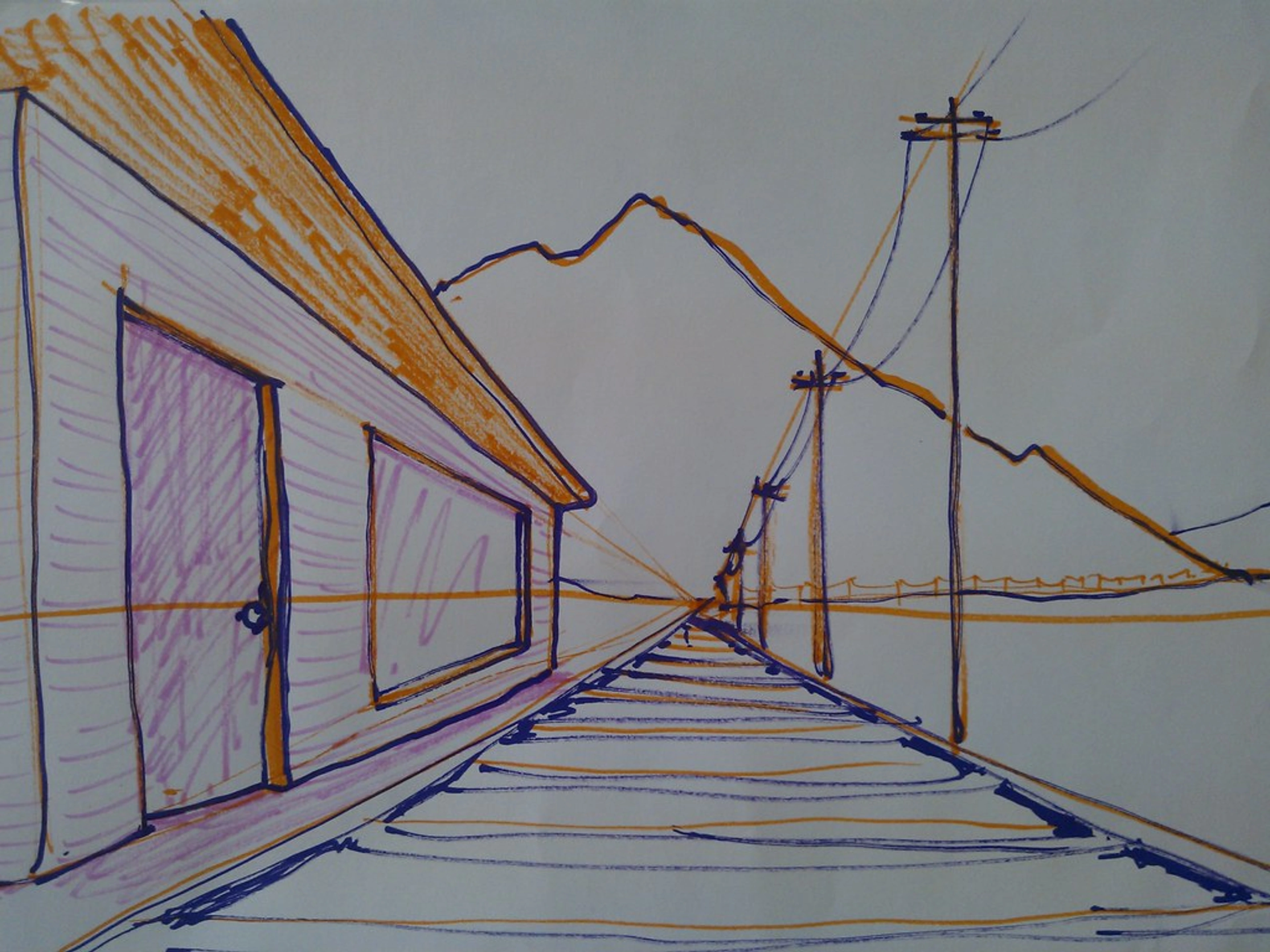
All lines act as visual roads, consciously or unconsciously. An artist will intentionally arrange them to lead you to the focal point of the artwork, and then take you on a journey around the rest of the piece, creating a visual rhythm. Think of the receding lines of railroad tracks in a landscape, pulling your gaze towards the horizon, utilizing orthogonal lines (the 'backbone' lines that appear to recede into the distance, like the edges of a road or the rafters of a building) and vanishing points (the point on the horizon where parallel lines appear to converge) to create deep perspective. Or the pointed finger of a figure drawing your attention to a distant object. It's an invisible hand gently nudging you where to look next, creating a visual rhythm through repetition, variation, and spacing, guiding your experience like a silent symphony conductor. Lines can even align with compositional principles like the Golden Ratio, subtly framing and emphasizing crucial elements. The lines literally tell your eyes where to go.
Creating Texture
Is that surface rough or smooth? A flurry of short, jagged lines can instantly read as tree bark, while long, smooth, flowing lines can feel like silk or water. The quality of the line is the texture, or at least how we perceive it. Consider a charcoal drawing, where the varied pressure and smudging of lines can evoke the roughness of an old man's beard or the softness of a garment. Techniques like stippling (dots creating tone and texture), scumbling (small, irregular circles for a softer, hazy texture), or dense cross-hatching each create distinct textural qualities. It’s all in the mark-making, how you choreograph the dots' walks and interactions. For more, explore Exploring Texture: My Favorite Techniques for Adding Depth to Abstract Paintings.
Defining Shape and Form
Lines create the boundaries of shapes – two-dimensional enclosed areas that have width and height (e.g., a square, a circle). But when you go a step further, using techniques like cross-hatching, contour hatching, or varying line weight within those boundaries, those lines start to describe form, making a flat circle look like a three-dimensional sphere. This gives the illusion of depth and volume, transforming a flat drawing into a perceived sculptural object. Even the absence of a drawn line, through negative space (the space around and between objects), can powerfully define the shape of an object by outlining the void around it. When you define the negative space, you are, by extension, defining the positive space (the object itself). Without lines, defining clear forms would be incredibly challenging, if not impossible. A line is the boundary of a cookie cutter, and the shape is the cookie itself, while the subtle shading (often built from lines!) can make that cookie look like a delicious, plump treat.
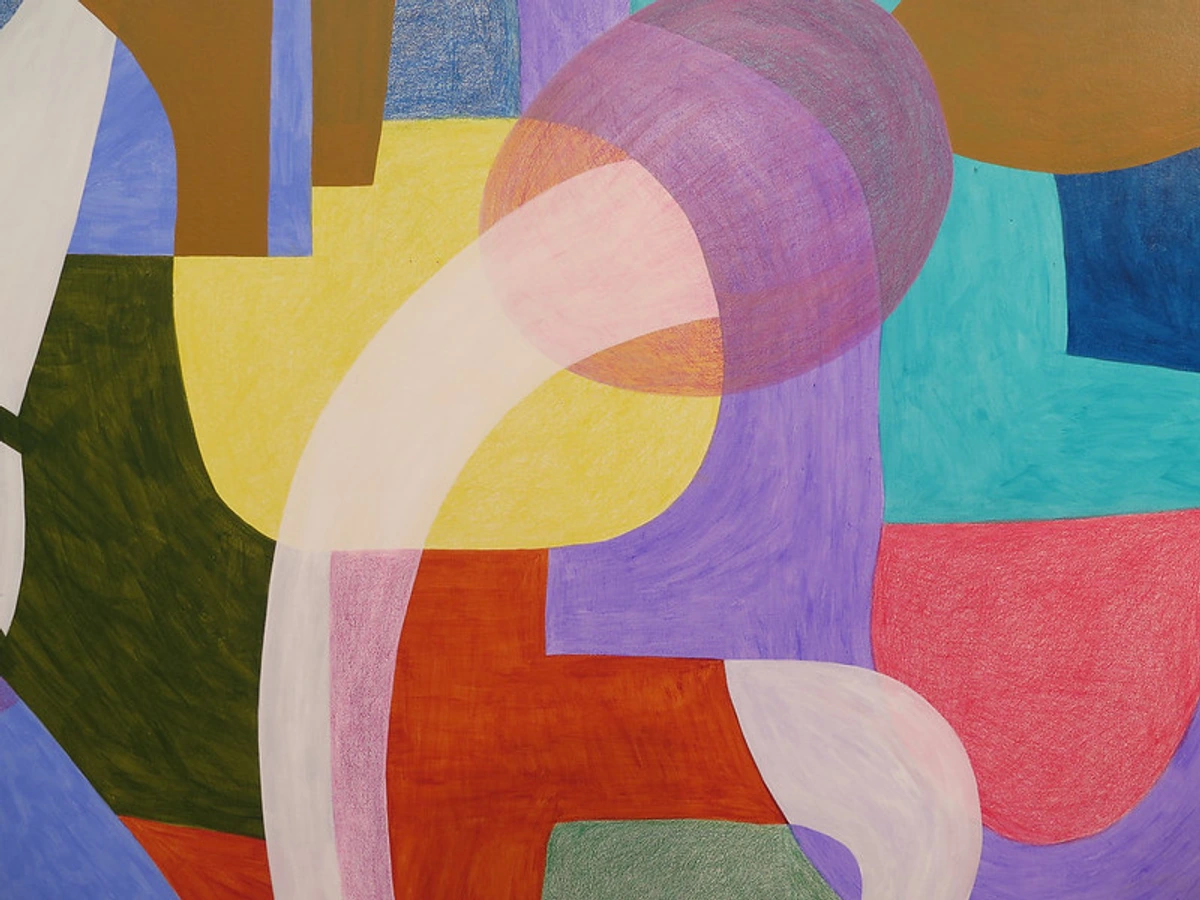
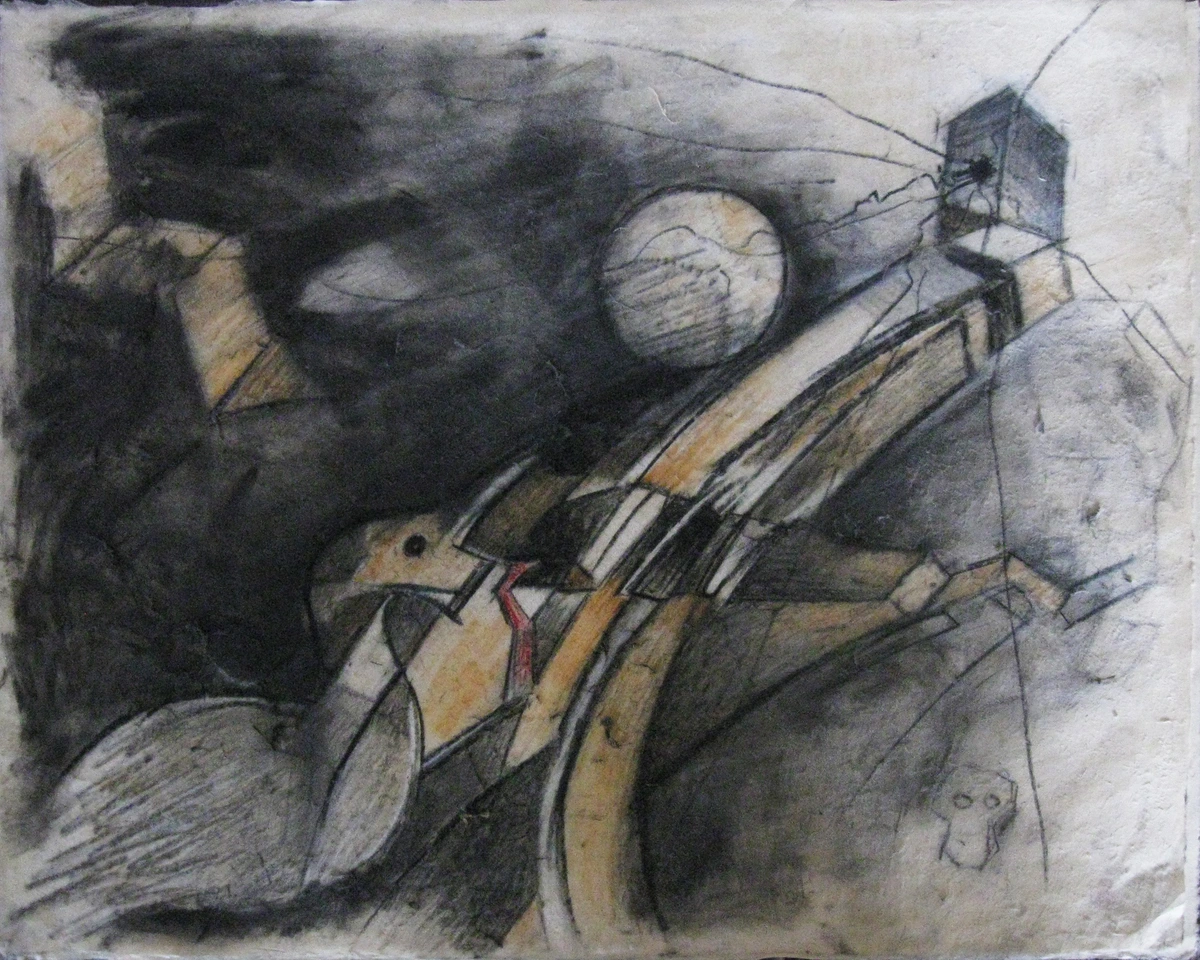
I’ve spent years wrestling with line in my own work. Sometimes I crave a bold, confident line to anchor a piece, reflecting a clear vision, and other times I build up compositions from thousands of smaller, more hesitant marks, layering them like whispers, inviting discovery. I remember one particular abstract piece where I was trying to convey internal turmoil, and every clean, straight line I drew felt wrong, too orderly. It wasn't until I abandoned precision and allowed myself to make frantic, almost angry scribbles and sharp, broken zigzags that the piece truly came alive, capturing the very essence of chaos I was after. This constant exploration of line – its density, its energy, its presence, its absence – is fundamental to my creative process. My 'signature line,' I think, is a bit like a controlled explosion: it starts with a strong, definitive mark, then breaks into a series of energetic, slightly irregular strokes that suggest a dynamic unfolding, before often resolving into a clear boundary again. It’s lots of energy, but still with a clear path. You can see this exploration in my own art for sale, where the line is sometimes the hero and sometimes just a supporting actor, always dictating the energy and emotion of a piece. Believe me, every artist, whether they realize it or not, develops their own unique "signature line" over time, a recognizable linework style that becomes as individual as their fingerprint. It's a testament to how personal this superpower truly is.
[credit], licence
Line Exercises for Practice: Unleash Your Superpower
Ready to harness the magic of line for yourself? Here are a few simple exercises I swear by to strengthen your eye-hand coordination and develop your unique line language. Don't worry about perfection; focus on observation and sensation. Every mark is a learning opportunity.
1. Blind Contour Drawing
This is a classic for a reason! This exercise will dramatically improve your observational skills and eye-hand coordination. Pick an object (your hand, a shoe, a plant) and place your pencil on the paper. Now, without looking at your paper, let your eye slowly trace the contours of the object. Your hand should move at the exact same speed as your eye, making one continuous line. The results will be wild and distorted (trust me, your first few will be laughably bad, but that's the point!), but it forces your brain to observe what's actually there, not what it thinks is there, building an incredible, direct connection between your eye and hand. Do this for 5-10 minutes a day.
2. Timed Gesture Drawing
This exercise helps you capture the raw energy and essence of movement. Using a soft pencil or charcoal, find quick-reference images online (there are many free sites for figure drawing poses) or even sketch people in motion around you. Set a timer for 30 seconds, 1 minute, then 2 minutes per pose. The goal isn't accuracy, but capturing the essence of the movement and form with rapid, energetic lines. It frees your hand and mind, focusing on the dynamic flow rather than static detail, teaching you to see and respond quickly. This is also a fantastic way to practice expressive lines.
3. Single-Line Focus Challenge
This pushes your creativity and deepens your understanding of each line's inherent qualities. Choose a single type of line – maybe only straight lines, or only curved lines, or only zigzags. Now, for ten minutes, draw anything you want, but only using that chosen line type. Try to define form, suggest texture, or create emotion using only that single vocabulary. Don't be afraid to grab a ruler or straight edge to understand the perfect geometry of a straight line, then challenge yourself to replicate that precision freehand.
4. Implied Line Hunt & Sketch
This trains your eye to see compositional connections even where no physical line exists. Go for a walk or look around your room. Actively seek out implied lines. Where do a series of objects seem to point? Where does someone's gaze lead? Sketch these invisible pathways. Notice how negative space around an object creates a perceived edge. This trains your eye to see compositional connections even where no physical line exists.
5. Master Study Copying
This is a shortcut to developing your own refined line art style. Find drawings by masters whose linework you admire (Leonardo, Rembrandt, Degas, Dürer). Pick a small section of a drawing and try to copy it, paying close attention to their line weight, direction, hatching, and overall energy. This isn't about tracing; it's about learning directly from the best by dissecting their choices and understanding how they made their lines speak. It's like having a master artist teach you personally.
Frequently Asked Questions (FAQ)
What's the most important type of line in art?
That's like asking what the most important word is in a language! There isn't one single "most important" type of line. The "most important" line is always the one that best serves your artistic intention, the message you want to convey, and the specific context of your artwork. For an architect designing a precise blueprint, the crisp, straight line is paramount. For an expressionist trying to convey raw emotion, the energetic, gestural line holds more power. The true superpower lies in understanding all the different types of lines and knowing how and when to intentionally deploy each one effectively to achieve your artistic vision. Mastery comes from versatility and intentionality, aligning your line choices with your creative goals and understanding the full spectrum of their potential applications.
How can I improve my line drawing skills?
Practice, practice, practice! I know, it's a boring answer, but it's the only one that truly works. Fill sketchbooks. Do blind contour drawings (where you look only at the object, not your paper) to build incredible eye-hand coordination and observation skills, forcing you to truly see. Engage in timed gesture drawings (e.g., 30 seconds to 2 minutes per pose) to capture essence over detail and develop fluidity and speed. Don't be afraid to make 'bad' drawings; every mile of line you draw makes your hand a little smarter and more intuitive. Try focusing on a single object repeatedly, drawing it with different line types (e.g., contour, then gestural, then with hatching) to understand its form from multiple perspectives. And crucially, study master drawings – observe how artists like Leonardo da Vinci used precise, flowing lines for anatomical studies, how Edgar Degas captured dynamic motion with energetic gestures, or the incredible tonal range Albrecht Dürer achieved with his meticulous cross-hatching. Learning from the greats is like getting a shortcut to developing your own line superpower and a refined line art style.
How can line be used in digital art?
Digital art offers incredible versatility for line, making it a favorite medium for many illustrators and concept artists. You can achieve perfectly clean, scalable lines with vector tools (which use mathematical equations to define lines, allowing them to be resized without pixelation without any loss of quality), simulate traditional brushstrokes with textured digital brushes (raster-based tools that mimic physical media), or experiment with dynamic line weight through pressure sensitivity on drawing tablets. The ability to easily erase, refine, and layer also encourages bold experimentation with line without fear of permanence, which can feel like having an unlimited canvas. Many digital artists consider precise line art the backbone of their illustrations, whether for comics, concept art, animation, or even creating intricate patterns. While the technology of digital line itself is undeniably powerful for art creation, I always advise caution against anything that promises instant wealth or revolutionary change without a solid artistic foundation (looking at you, certain blockchain trends).
What's the difference between line and shape?
This is a fundamental distinction! A line is a one-dimensional mark that connects two points, or the path of a moving point. It primarily has length and serves to define edges or imply direction. Think of it as the fence marking the perimeter. A shape is a two-dimensional, enclosed area defined by lines (or other elements like color or value). Shapes have both width and height. Think of it this way: a line is the boundary of a cookie cutter, and the shape is the cookie itself. Lines are the fundamental building blocks; shapes are the result of those blocks enclosing space, giving an object its recognizable form. So while a line can suggest a boundary, a shape is the bounded area, and lines are crucial for bringing that shape into existence and giving it its character. Artists like Joan Miró often play with this relationship, using playful lines to define whimsical, organic shapes.




Can a painting have no lines?
This is a great philosophical question that cuts to the core of visual perception! You could certainly have a painting made entirely of soft, blended areas of color with no discernible hard edges, often called 'painterly' work or a color field painting. Artists like Mark Rothko come to mind, where expansive fields of color evoke emotion without explicit drawn lines. However, our brains are hard-wired to find connections and boundaries in everything we see. The edge where one color meets another inevitably creates an implied line, guiding the eye and helping our visual system organize the composition. Even in purely sculptural abstract forms, the interplay of light and shadow can create visual edges that act like lines, defining boundaries and movement in space. So, while a painting might not have drawn lines in the traditional sense, a perceived line (an implied line) is almost always present because it's a fundamental aspect of how our visual system organizes and makes sense of the world. It’s a fascinating paradox of visual art, demonstrating the omnipresence of line in our perception.
Your Turn to Take a Walk
The line is the beginning of everything in visual art. It’s the first word in the story, the initial spark, the unwritten truth. It's direct, it's honest, and it's available to everyone with a pen and a piece of paper (or a stylus and a tablet). It doesn't discriminate based on skill level or experience. It's the most democratic and fundamental tool in your artistic arsenal, your personal creative superpower.
So my challenge to you is this: stop worrying about making a masterpiece. Just pick up a tool and let a dot go for a walk. Try a blind contour drawing of your hand right now, focusing intensely on every curve and crease. Or maybe experiment with quick gestural lines using charcoal, allowing pure energy to flow onto the page without judgment. See where it takes you. Don't judge the path it takes; just enjoy the journey of discovery, the direct connection between your mind and your mark. That’s the real secret. That’s where the art truly begins, and where you'll find your unique line art voice. If you create something you love, consider sharing it online with #ZenMuseumLineArt to connect with other line explorers! Who knows what adventures your dot will find? Wherever your lines take you, I hope they fill you with joy.