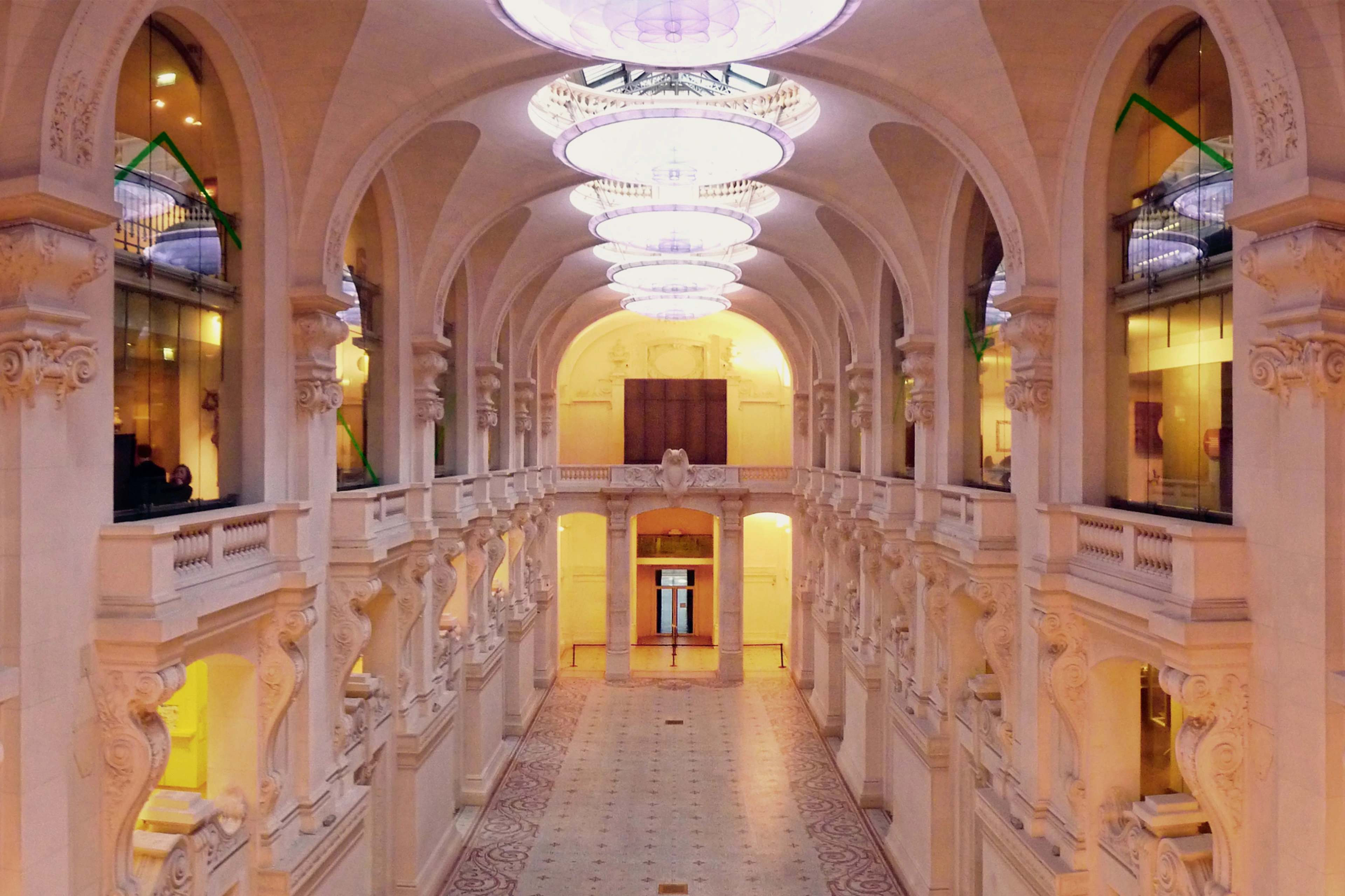
The Ultimate Guide to Curating Art for a Timeless Gothic Interior
Unlock the secrets to a truly sophisticated Gothic interior. This ultimate guide explores distinct Gothic art styles, profound themes, and practical tips to curate a timeless, moody sanctuary.

Darkly Divine: Your Ultimate Guide to Choosing Art for a Gothic Interior
Let's get one thing straight. When I talk about "Gothic interior design," I'm definitely not talking about a seasonal Halloween setup or a teenager's angsty bedroom from 2003. We're delving into an aesthetic built on drama, romance, history, and a deep appreciation for the shadows. It's about crafting a space that feels like a rich, layered story, a sanctuary of mood and depth that boldly rejects the bright, airy minimalism so prevalent everywhere else. I remember my first truly Gothic-inspired space; I had the velvet drapes, the dark walls, but the art? It felt like trying to furnish a forgotten castle with whispers and shadows, a real quest into the unknown, a bit like trying to capture moonlight in a jar. Finding that perfect piece that resonated with the profound and the mysterious, not just 'dark' for darkness's sake, was a journey in itself, filled with both frustration and revelation. And that's precisely why the art you choose to hang on your walls (or place on your pedestals) is, without a doubt, the most important chapter of that story, the very soul of the space. My experience taught me that art is indeed the soul of a Gothic space, and so, to help you navigate this profound endeavor, I've broken down the essential elements.
I've seen so many homes that nail the velvet curtains and the dark paint, but then the walls are… bare. Or worse, they're filled with generic, mass-produced "spooky" stuff that screams costume shop, not curated elegance. The right art transforms a room from a mere theme into a living, breathing experience, a quiet whisper of its narrative. Don't worry, though. I'm going to break it down. Think of me as your guide through the grand, moody cathedral of Gothic art, helping you navigate the stained-glass light and deep shadows to find your perfect pieces. In this guide, we'll journey through the distinct flavors of Gothic art – from traditional to modern, even the whimsically dark – then delve into the profound themes, essential elements, and practical tips for selecting pieces that truly sing in your dark sanctuary. By the end, you'll have a clear roadmap for curating a sophisticated, timeless Gothic interior.
Unveiling the Gothic Vibe: Exploring Styles for Your Art
First, you need to get a handle on what flavor of Gothic you're channeling. While these styles all share a love for the dramatic, the mysterious, and often, a touch of the melancholic, they manifest in distinct visual languages. Historically, Gothic art itself emerged from the High Middle Ages, characterized by religious narratives, intricate details, and the dramatic interplay of light and shadow—often achieved through techniques like chiaroscuro long before it became a Baroque staple. This deep historical root informs all later Gothic styles, lending them an undeniable sense of gravitas. The Renaissance, in its pursuit of classical ideals and humanism, actually saw Gothic as 'barbaric'—a term derived from the Goths—perceiving it as crude and superstitious compared to classical forms. It was only much later, in the 18th and 19th centuries, that it experienced a powerful resurgence with the Gothic Revival, a deliberate return to perceived medieval grandeur, heavily influenced by Romantic literature and a fascination with the sublime.
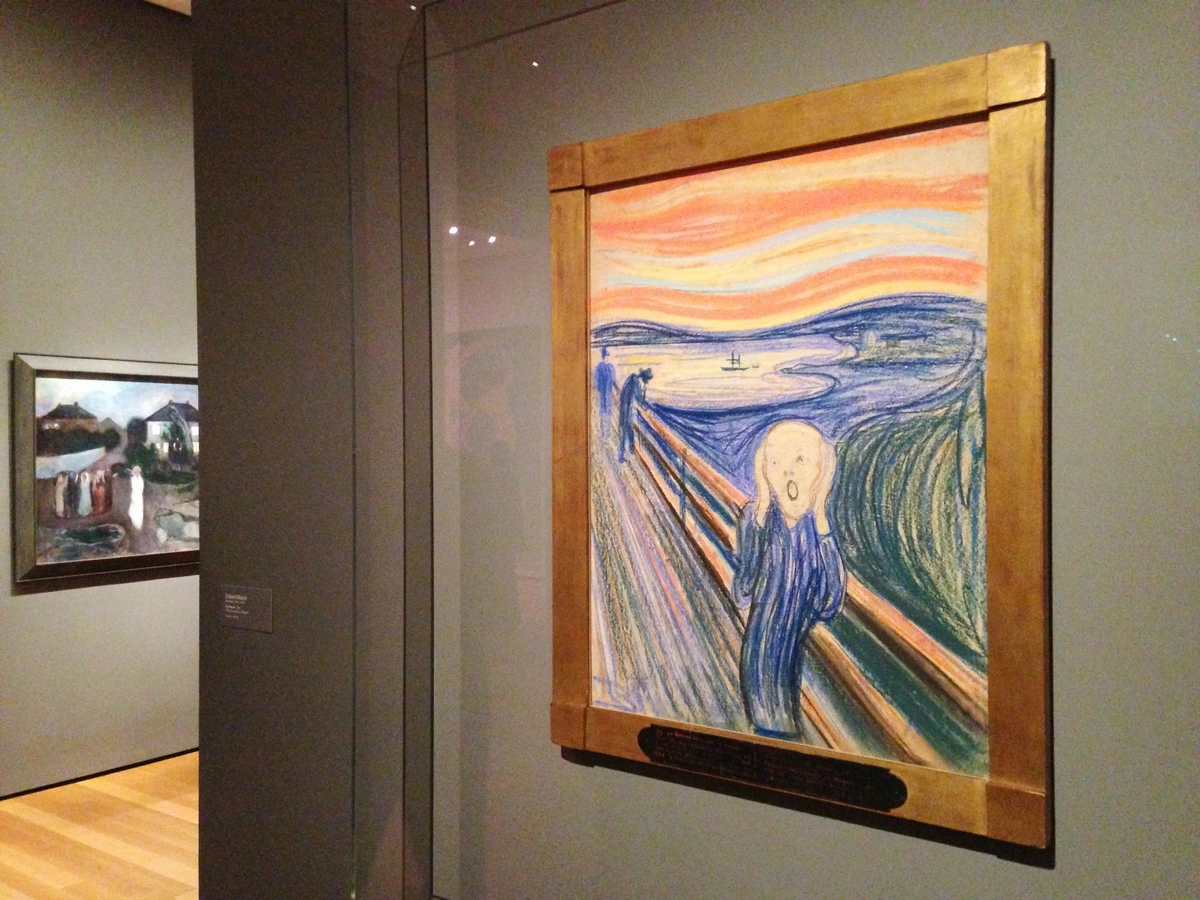
Style  | Key Characteristics | Art Vibe | Key Art Examples/Mood | Key Artists/Periods |
|---|---|---|---|---|
| Traditional Gothic | Inspired by medieval architecture: pointed arches, vaulted ceilings, intricate woodwork. Focus on solemnity, religious narratives, and detailed craftsmanship. Includes Early (e.g., Chartres), High (e.g., Notre Dame), and Late (Flamboyant) Gothic phases. Often featured elaborate stained glass that told biblical stories and cast ethereal, colorful light, and gargoyles that served not only as drainage but also as symbolic guardians against evil. | Sacred, classical, majestic, devout, and deeply narrative. | Medieval illuminated manuscripts (like the Book of Kells, depicting bestiaries or chivalric romances), solemn religious sculpture (e.g., gargoyles, saints), grand architectural studies reflecting majestic cathedrals, early Flemish devotional panels (e.g., Robert Campin, Rogier van der Weyden for their intricate realism and profound expressions), deeply shadowed oil portraiture, intricate tapestries, reliquaries (artistic containers for relics) | Jan van Eyck, Hieronymus Bosch (for darker themes), Anonymous medieval manuscript illuminators, Robert Campin, Rogier van der Weyden. |
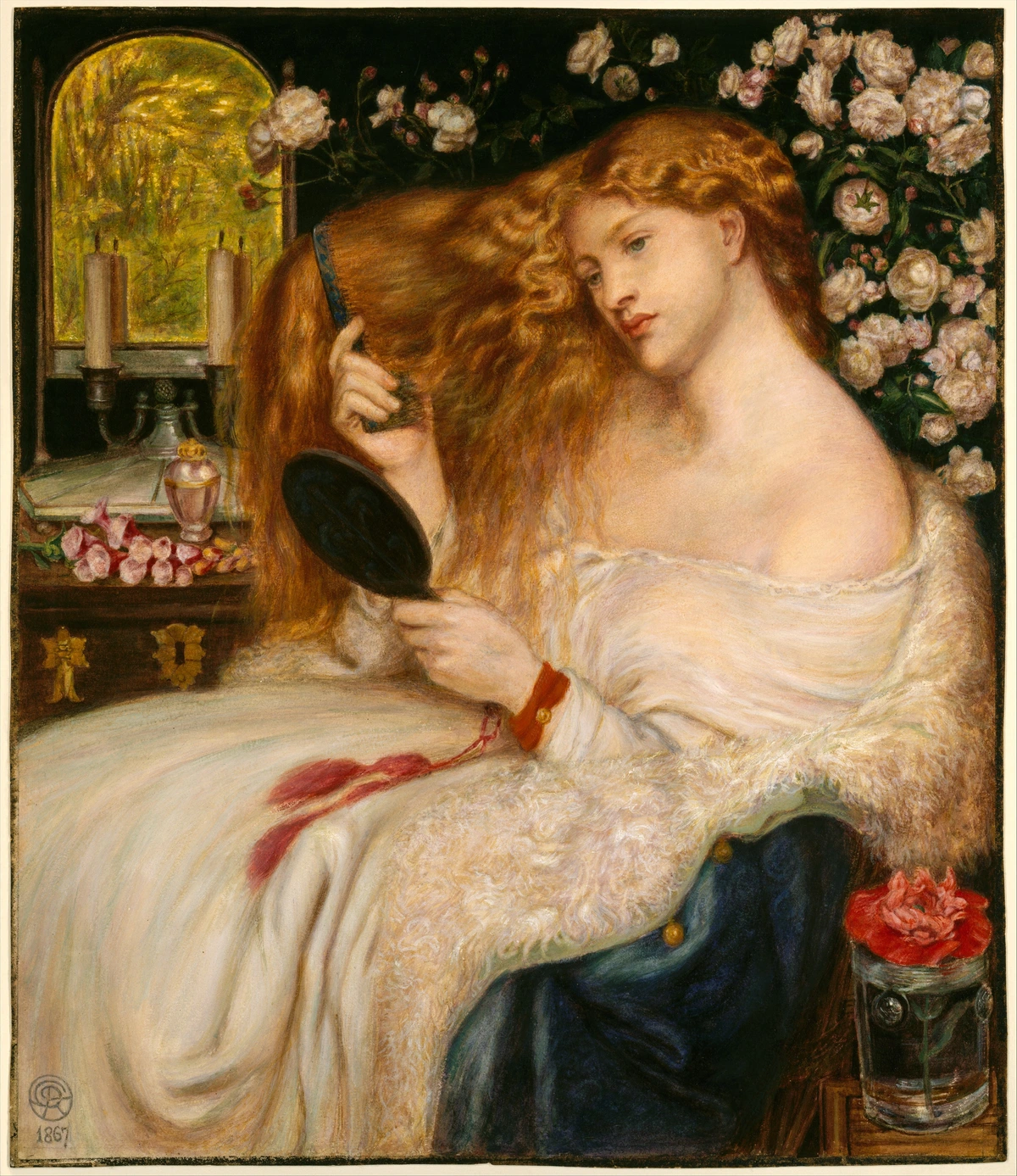
| Gothic Revival (Victorian) | A 19th-century love affair with the Middle Ages, heavily influenced by Romanticism and literature from authors like Horace Walpole (The Castle of Otranto) and Ann Radcliffe (The Mysteries of Udolpho). Dark woods, heavy fabrics, ornate details, and a touch of melancholy. Figures like William Blake with his visionary and often dark symbolism, or the architectural revivalists like A.W.N. Pugin, also spurred this fascination with medieval grandeur. | Romantic, allegorical, melancholic, often tragic, and dramatically narrative. | Paintings by the Pre-Raphaelite Brotherhood (e.g., Dante Gabriel Rossetti's 'Proserpine,' John Everett Millais' 'Ophelia'), symbolic Victorian narratives, melancholic genre scenes, spiritualist art, fantastical illustrations often imbued with a sense of impending doom or tragic love (e.g., Gustave Doré's engravings). Consider works that romanticize medieval chivalry or delve into tragic literary themes. | Pre-Raphaelite Brotherhood (Dante Gabriel Rossetti, John Everett Millais), Symbolists (Gustave Moreau, Odilon Redon), William Blake, Edward Burne-Jones. |
| Modern Gothic (Gothcore) | Sleek, minimalist, but with a dark soul. Clean lines meet rich textures like velvet and leather. It's more about mood and atmosphere than medieval mimicry, often drawing from industrial design, brutalist aesthetics, or even dark academia. This style often has roots in post-punk and goth subcultures, and later, the "New Romantic" movement. | Stark, atmospheric, conceptual, often abstract, and psychologically intense. | Large-scale abstract art with deep, saturated colors or monochrome palettes, high-contrast photography focusing on shadow and form, contemporary sculpture with organic or brutalist shapes, conceptual pieces that emphasize texture and stark forms. Consider artists exploring dark surrealism or post-industrial landscapes. Look for contemporary photographers like Brooke Shaden or Kirsty Mitchell for their dark fantasy narratives, or sculptors using raw, imposing materials. | Contemporary abstract artists exploring dark palettes, conceptual photographers, artists like Mark Ryden (dark surrealism) or H.R. Giger (bio-mechanical horror), photographers influenced by industrial aesthetics, sculptors employing brutalist forms. |
| Whimsigoth | A softer, more bohemian take, reminiscent of Stevie Nicks's apartment. Celestial motifs, crystals, plants, and a magical, mystical feel, embracing a distinctly witchy aesthetic. | Ethereal, mystical, naturalistic, magical, and dreamily surreal. | Ethereal watercolor landscapes, zodiac charts, dreamy surrealist works (e.g., Remedios Varo, Leonora Carrington), detailed botanical studies of fungi or herbs, moon phases, pagan iconography, contemporary artists exploring modern witchcraft aesthetics. Think antique celestial maps, botanical prints of deadly nightshade, or ethereal fantasy art by Rebecca Guay. Also look for art depicting goddess figures, alchemical diagrams, or natural magic symbols. | Remedios Varo, Leonora Carrington, contemporary magical realist or botanical illustrators like Stephanie Pui-Law (ethereal fantasy) or Camille Rose Garcia (dark fairy tales). |
Knowing your niche helps you focus your art search, whether you're building a grand, historical library or a sleek, modern void. Your answer changes everything about the kind of art that will truly resonate. Now that we've charted the stylistic territories, let's delve into the deeper, more universal concepts that truly define Gothic art.
Core Themes: Unearthing the Soul of Gothic Art
With these stylistic foundations laid, let's explore the thematic elements that truly define Gothic art. Once you know your specific style, you can hunt for art with the right underlying concepts. Gothic art isn't just about skulls (though, let's be honest, a good skull can be incredibly powerful!). It's about tapping into deeper, more profound concepts that evoke emotion and narrative, often touching on melancholy, awe, mystery, and introspection. It’s a style that thrives on dramatic impact and a certain psychological depth, inviting viewers to ponder the human condition, making it perfect for Gothic art for interiors.
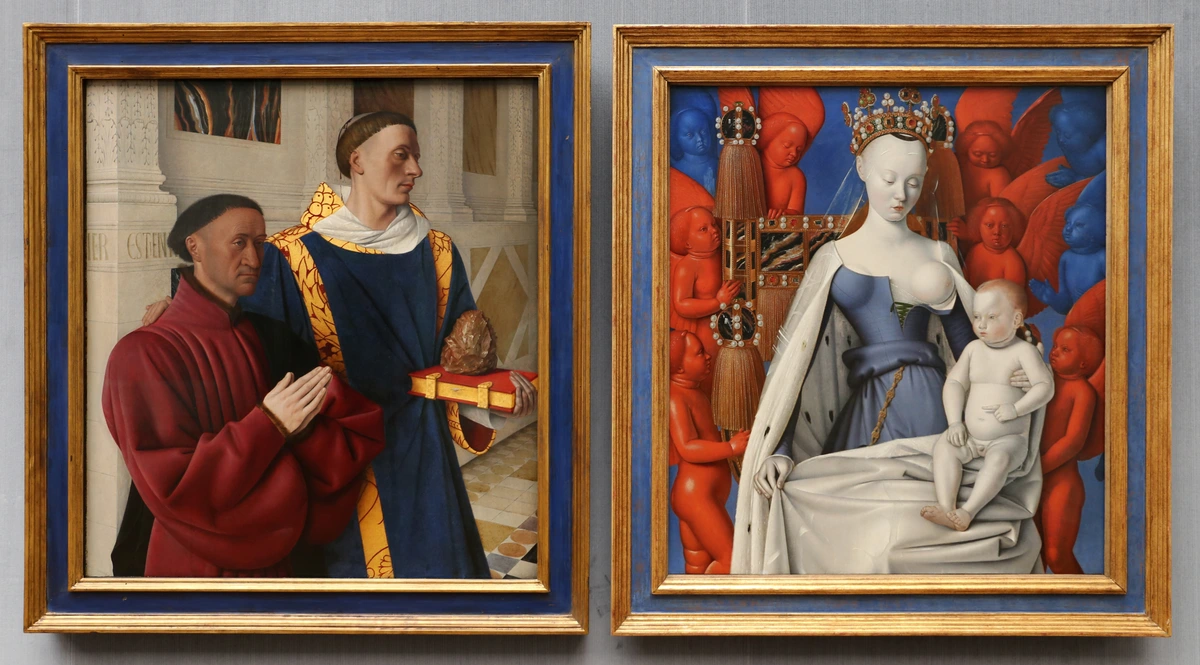
Religious Iconography Reimagined: From Piety to Profound Emotion
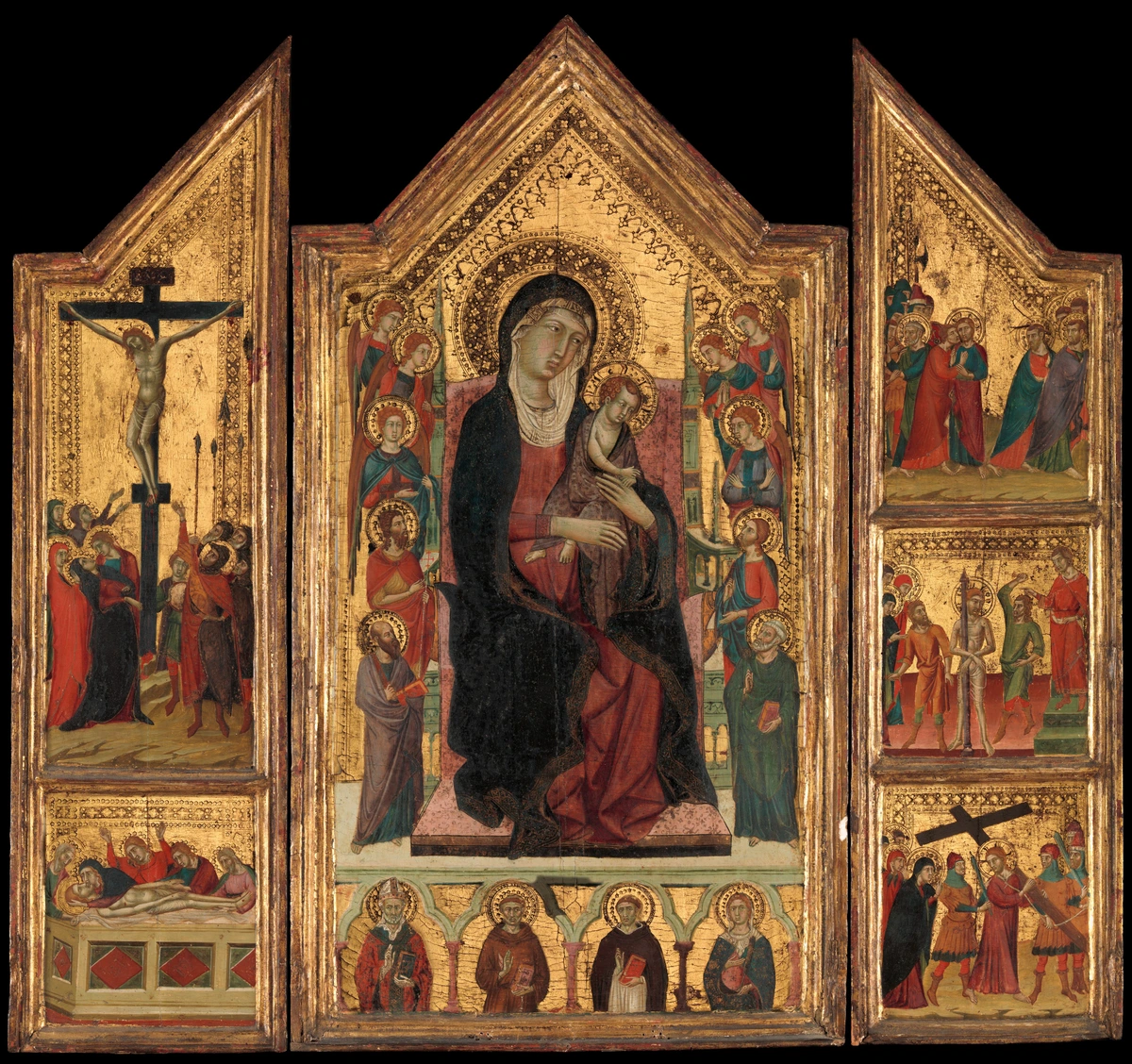
While traditional Gothic art was often explicitly religious, later interpretations embrace religious iconography with a darker, more dramatic edge. Think of the cross not just as a symbol of salvation, but also of suffering and sacrifice, perhaps depicted starkly against a shadowed background. The lamentation of Christ, images of saints in moments of profound contemplation or martyrdom, or even subtly incorporated symbols like the halo or sacred hearts can be reimagined to evoke mystery and profound emotion rather than overt piety. Medieval devotional art used these symbols to inspire awe, and in a Gothic interior, they can still do so, but with a nuanced emphasis on solemnity, introspection, and the sublime power of belief or loss. Look for pieces where religious symbols are rendered with chiaroscuro or an emphasis on their ancient, almost primal, significance. In a modern context, a halo might suggest not just divinity, but also isolation, a sense of being otherworldly, or even the lost sanctity of an object or figure, prompting a deeper psychological response.
The Wildness of Nature & Decay: Embracing the Sublime
Forget gentle, sunny landscapes. Gothic nature is untamed, often a little dangerous, and always full of secrets, invoking a sense of the sublime—a feeling of awe mixed with terror in the face of nature's raw, overwhelming power. This philosophical concept, notably explored by Edmund Burke in his 1757 treatise A Philosophical Enquiry into the Origin of Our Ideas of the Sublime and Beautiful, posits that phenomena like vastness, obscurity, power, and terror can evoke a profound, almost pleasurable, sense of overwhelming emotion. I mean, have you ever stood before a tempestuous ocean or a mountain range shrouded in mist and felt utterly insignificant yet profoundly moved? That's the sublime at play – it's inherently Gothic because it highlights human vulnerability against the indifference of nature and the vastness of existence. Think of the gnarled branches of an ancient, whispering forest, the thorny perfection of a black rose, the ominous swoop of crows or ravens against a stormy sky, or the dramatic, crashing waves of a tempestuous sea. Romantic landscape painters like Caspar David Friedrich or J.M.W. Turner masterfully captured this feeling of man's vulnerability against nature's grandeur.
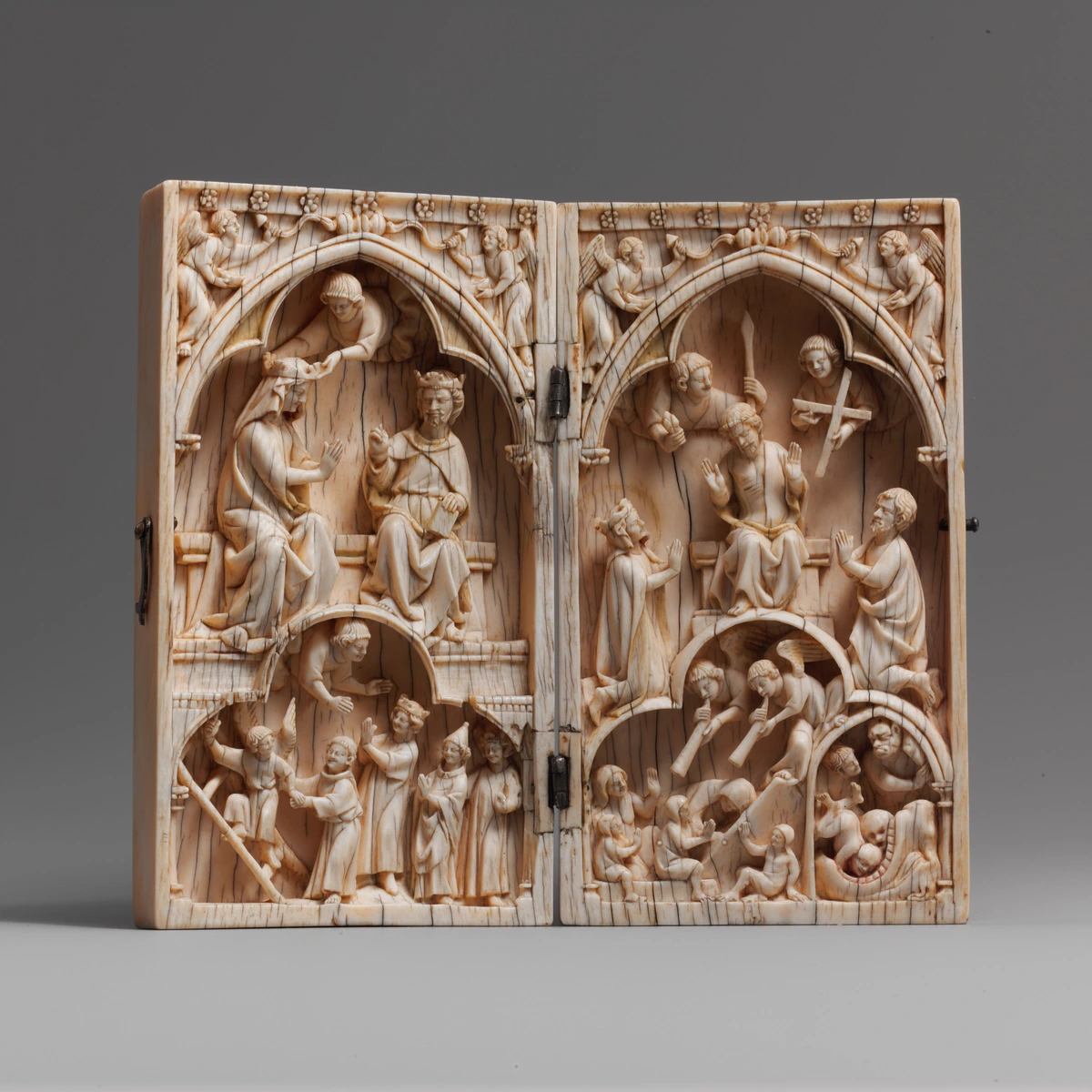
Botanical illustrations of poisonous plants (like deadly nightshade, foxglove, or mandrake) or detailed drawings of insects and spiders can add a wonderfully macabre and scientific touch, hinting at hidden dangers and beauty in the natural world. Look for works by artists like Maria Sibylla Merian for her exquisite entomological studies or Victorian-era botanical illustrators who captured the darker side of flora. And don't forget the pervasive Gothic motif of decay and ruin—think crumbling statues overtaken by ivy, skeletal trees against a winter sky, or desolate landscapes that speak of forgotten grandeur, much like the evocative ruins found in Romantic landscape paintings. It's the haunting beauty of things reclaimed by time, a powerful statement on impermanence. If you're considering taxidermy or ethically sourced natural elements like bones or preserved insects, always ensure they are acquired responsibly. This means confirming legal and ethical sourcing (e.g., from natural deaths, not hunting), avoiding endangered species, and being mindful of cultural sensitivities regarding the display of remains.
Memento Mori & Vanitas Symbolism: A Contemplation of Mortality
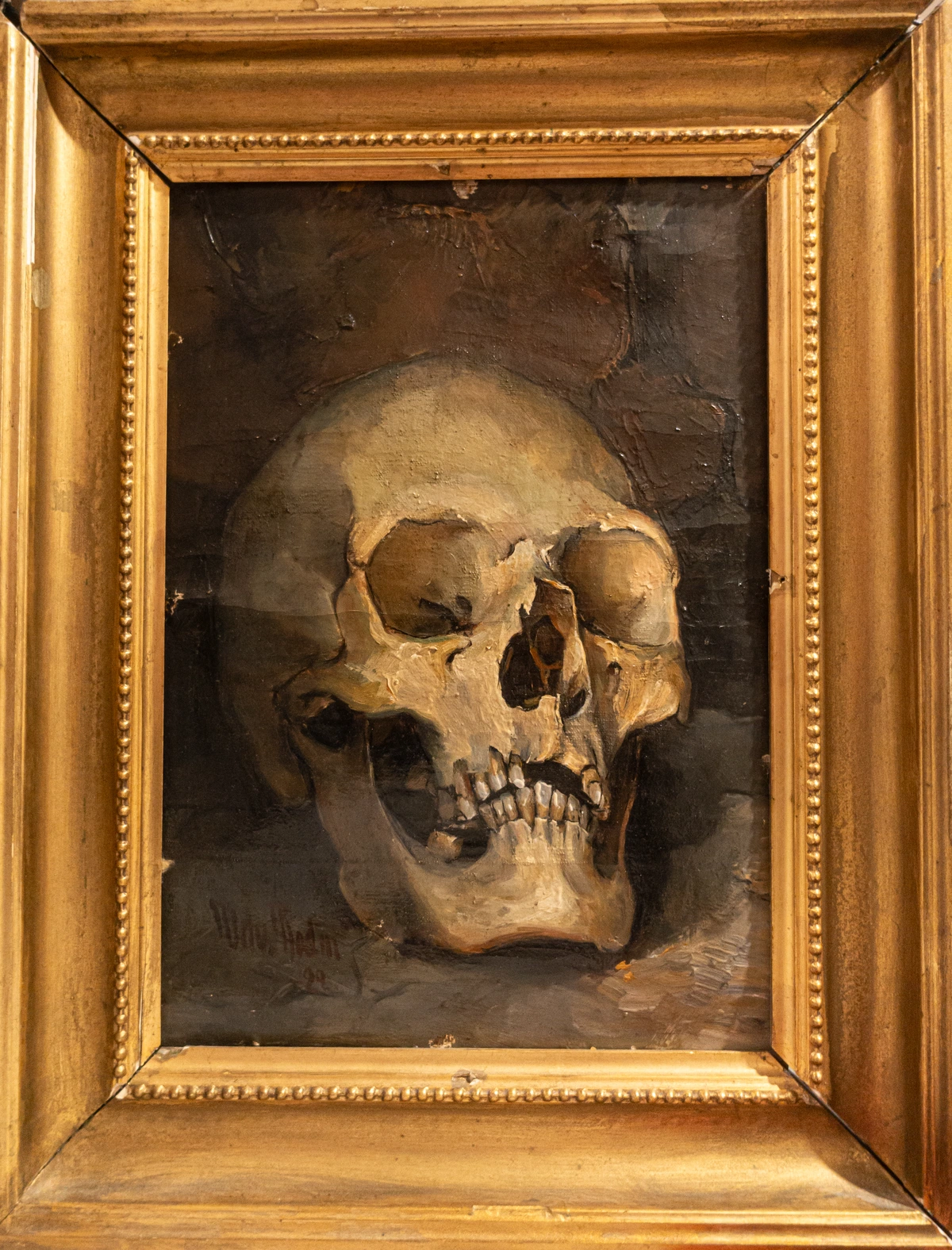
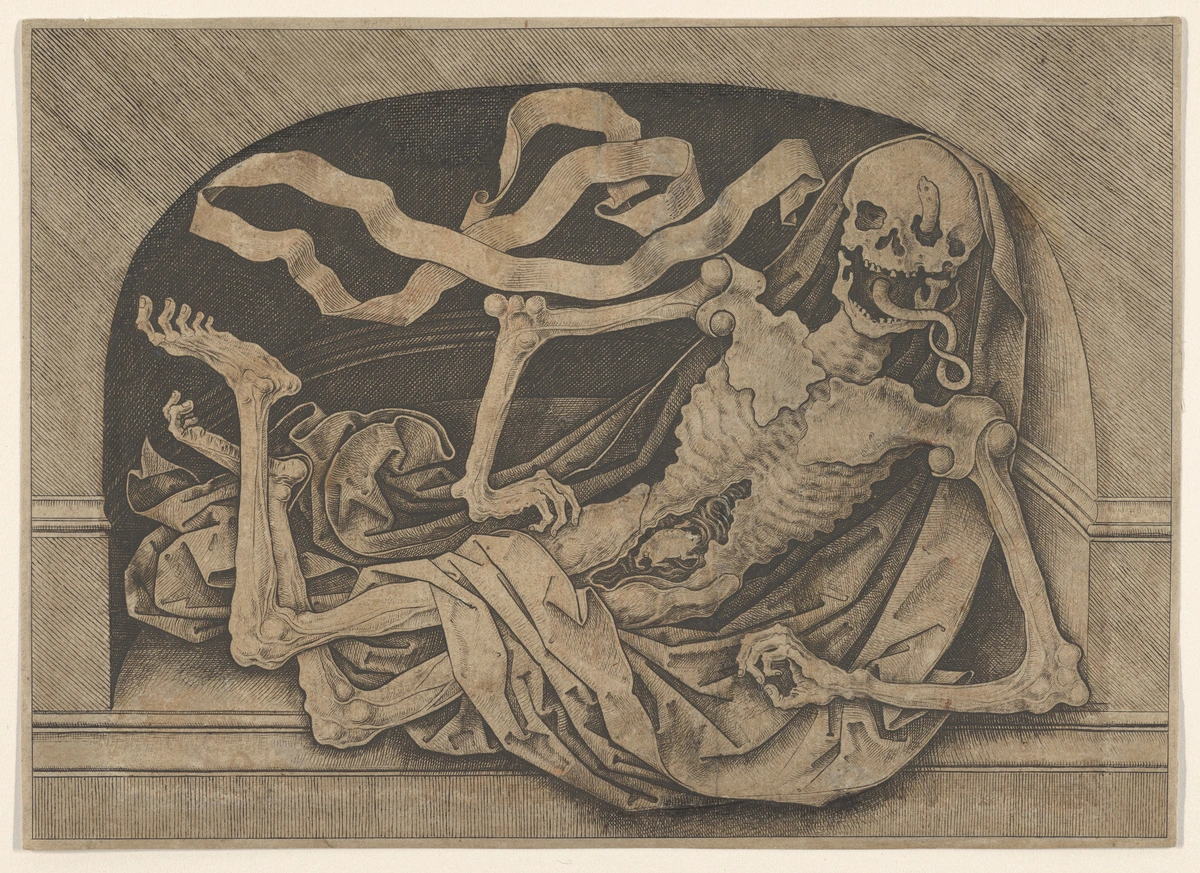
This is a classic for a reason and highly effective for Gothic interior design. Memento Mori is Latin for "remember you must die." It sounds grim, I know, but it's actually a philosophical tradition about appreciating life by acknowledging its fleeting nature. Related to this is Vanitas, which specifically explores the transience of earthly pleasures and the futility of worldly possessions. These themes were especially prevalent in art during times of religious upheaval or widespread plague, serving as poignant reminders of mortality and the insignificance of material wealth. I remember seeing a modern piece with a perfectly preserved butterfly next to a tarnished pocket watch – such a potent, quiet statement on fleeting beauty and the relentless march of time. Art featuring skulls, hourglasses, wilting flowers, guttering candles, clocks, bubbles, or even rotting fruit reminds us that time is always moving forward and all things are temporary. A classic example would be Dutch Golden Age still life paintings that subtly include these elements, like Pieter Claesz's Vanitas Still Life with its array of symbolic objects. This adds a powerful layer of philosophical depth to your space, inviting contemplation. For a modern twist, many contemporary artists are reinterpreting these traditional symbols through photography, digital art, or mixed media installations using found objects, offering fresh perspectives on timeless themes of impermanence and the beautiful decay of existence.

Other Enduring Gothic Symbols: Whispers from the Deep
Beyond the explicit reminders of mortality, Gothic art is rich with a variety of recurring symbols that deepen its mystery and narrative. Look for art incorporating these elements to infuse your space with subtle, layered meaning, drawing from their deep historical and cultural resonance:
- Thorns: Often symbolizing suffering, sacrifice, or forbidden beauty. A thorny rose, for instance, perfectly encapsulates the dual nature of allure and pain. Historically, thorns were linked to Christ's Passion, adding a layer of sacred suffering and martyrdom.
- Lilies: While often associated with purity, in Gothic contexts, white lilies can also signify death or a melancholic beauty, particularly when depicted as wilting, a subtle nod to transience and funerary rites.
- Keys: Representing mystery, access to hidden knowledge, secrets, or control over a domain. They invite curiosity about what lies beyond, often linked to ancient alchemical or mystical traditions, and the unlocking of subconscious truths.
- Labyrinths & Mazes: Symbols of a perplexing journey, introspection, or the complex, often disorienting path of life and fate. They evoke a sense of being lost or seeking an elusive truth, echoing the intricate patterns found in medieval cathedrals (e.g., Chartres labyrinth) and symbolizing spiritual pilgrimage.
- Mirrors: Beyond vanity, mirrors in Gothic art often symbolize self-reflection, illusion, or a portal to another realm, frequently showing distorted or unsettling reflections, hinting at hidden truths, alternate realities, or even acting as tools for divination.
- Ravens & Crows: These intelligent birds are powerful omens, frequently associated with death, mystery, bad tidings, or hidden knowledge. Think Edgar Allan Poe's iconic raven, a literary embodiment of melancholic despair, or their roles in Celtic and Norse mythologies as messengers between worlds.
- Owls: Symbols of wisdom and nocturnal mystery, but also often associated with death and solitude, perfectly suited to a contemplative Gothic atmosphere. Their silent flight and keen sight in darkness link them to hidden truths.
- Bats: Creatures of the night, representing the unknown, darkness, transition, and often a more primal, untamed aspect of the Gothic. Their nocturnal nature links them to hidden forces and the subconscious, and they are often seen as guardians of liminal spaces.
- Mythical Creatures & Monsters: Gargoyles (originally functional waterspouts that evolved into intricate, often terrifying, symbolic protectors against evil), chimeras, dragons, spectral figures, or shadowy fae (especially the darker, more enigmatic kind from Celtic, Slavic, or Germanic lore) all add a layer of ancient myth and primal fear or wonder.
These symbols, whether subtle or overt, enrich the narrative of your chosen art, connecting your home to a long-standing tradition of visual storytelling and profound contemplation.
Mythology & Dark Folklore: Epic Tales for Your Walls
Myths and dark fairy tales are absolute treasure troves of drama, tragedy, and passion, all perfectly suited to a Gothic interior. Think about paintings of Greek and Roman gods in their more dramatic, often darker moments (e.g., Hades and Persephone exploring themes of abduction and the underworld, or the tragic fate of Medusa), scenes from Norse sagas featuring powerful, often somber deities, or illustrations from European folklore filled with witches, fae, and shadowed creatures. This could even extend to Slavic folklore with its brooding spirits like Baba Yaga or rusalki, or Celtic lore with its enigmatic, often dangerous sidhe. These narratives often explore themes of forbidden love, tragic fates, dark pacts, betrayal, and the struggle against overwhelming forces—all quintessential Gothic concerns. Figures from Arthurian legend, especially those touching on loss, betrayal, or magic (like the tragic tale of Tristan and Isolde or the mysterious Lady of Shalott), also fit beautifully. Many artists, from Pre-Raphaelites to contemporary fantasists, have drawn inspiration from these rich narratives, often directly influenced by authors like Mary Shelley (Frankenstein), Bram Stoker (Dracula), Edgar Allan Poe (his entire oeuvre!), the melancholic works of the Brontë sisters (Wuthering Heights, Jane Eyre), or even the cosmic dread of H.P. Lovecraft. These pieces bring a sense of ancient story, epic scale, and timeless mystery to your walls, connecting your space to narratives that have resonated for centuries. You might explore art inspired by mythology a journey through time for more specific examples and ideas.
Gothic Portraiture: Whispers of the Soul
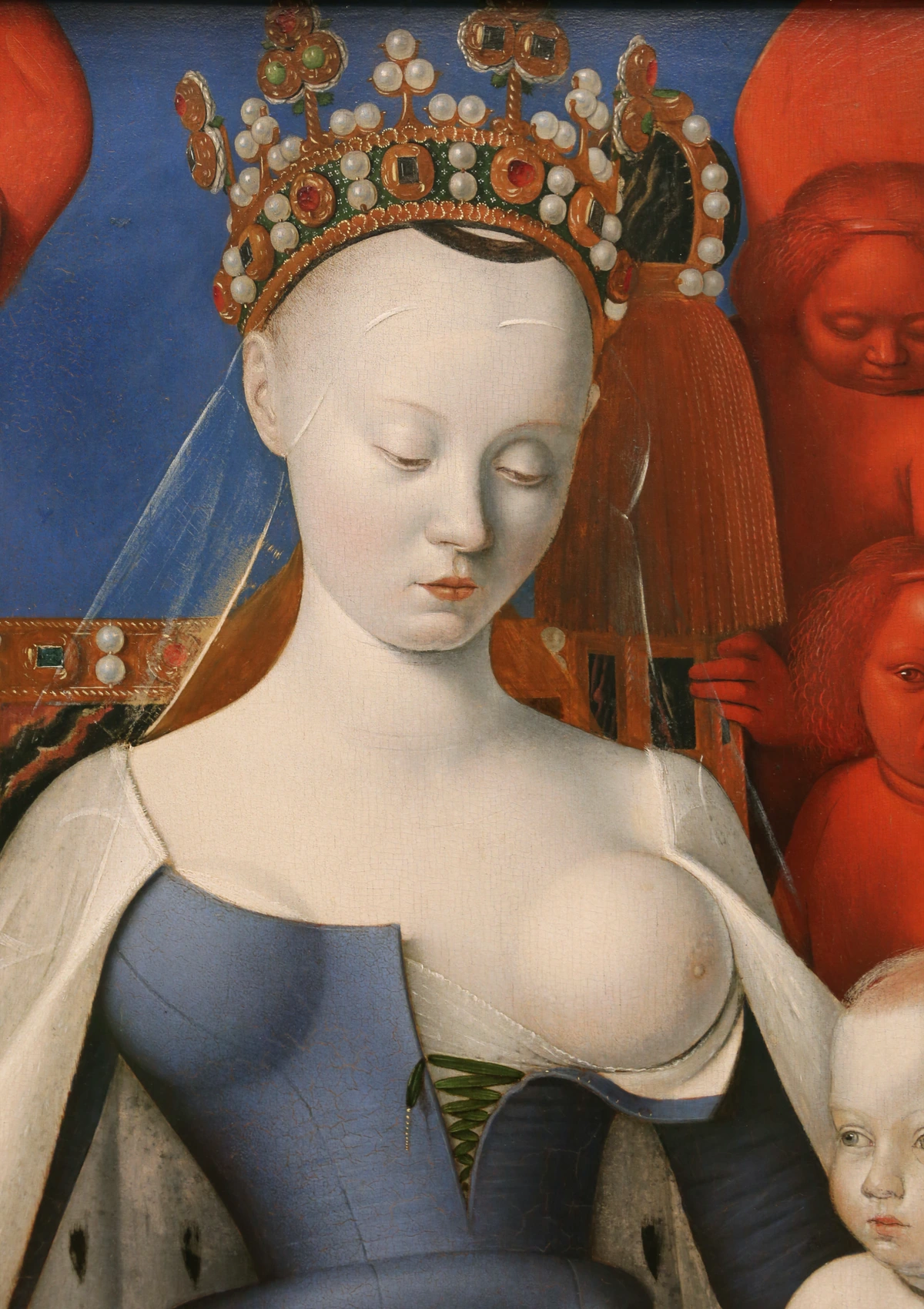
Gothic portraiture isn't about capturing a cheerful likeness; it's about delving into the inner world, emphasizing mood, shadow, and often, a profound sense of melancholia or psychological depth. Look for portraits where the eyes hold secrets, the light sculpts dramatic shadows around the features, and a quiet intensity emanates from the subject. These aren't necessarily smiling faces, but rather pensive, aristocratic, or even tormented expressions that invite contemplation of their inner turmoil. Early Flemish masters, with their deep shadow and meticulous detail, laid some of the groundwork, while later Symbolists and even some Expressionists continued this tradition of capturing the 'soul' over mere appearance. Consider the psychologically penetrating works of artists like Hans Holbein the Younger, whose portraits often convey an intense realism and a hint of the sitter's inner life. Artists like El Greco, with his elongated figures and spiritual intensity, or John Singer Sargent, with his dramatic lighting and psychological depth in portraits like Madame X, offer similar echoes of profound inner states. Think of it as a visual exploration of what it means to be human in a complex, often somber world.
The Allure of the Human Psyche & Melancholia: Art as Introspection
Gothic art often delves deep into the inner world, exploring themes of introspection, solitude, psychological depth, and even existential dread. It’s about the quiet drama of the mind, the beauty found in sorrow, and the profound questions that linger in the shadows. Think of the melancholic isolation of a heroine in a Brontë novel, the haunting despair of Edgar Allan Poe's narratives, or the psychological torment in Mary Shelley's Frankenstein. Art that captures pensive portraits, somber allegories, or abstract expressions of inner turmoil can powerfully resonate here. Consider works that hint at a rich inner life, perhaps through distorted figures, deep shadows around the eyes, solitary scenes that invite contemplation of ennui (a feeling of listlessness and dissatisfaction arising from a lack of occupation or excitement, a profound spiritual weariness), profound gloom, or existential angst. Symbolist artists, for instance, often explored these very depths, creating visual metaphors for complex emotions. Francis Bacon's raw, visceral figures, for example, evoke a profound sense of human anguish and isolation, perfectly aligning with this theme. The focus here is less on external horror and more on the internal, psychological landscape. Your art can serve as a visual diary of complex internal states, making a room feel both deeply personal and universally resonant. For more on this, you might explore the broader context of ultimate guide to expressionism.
Architecture & Form: Evoking Cathedral Grandeur Through Art
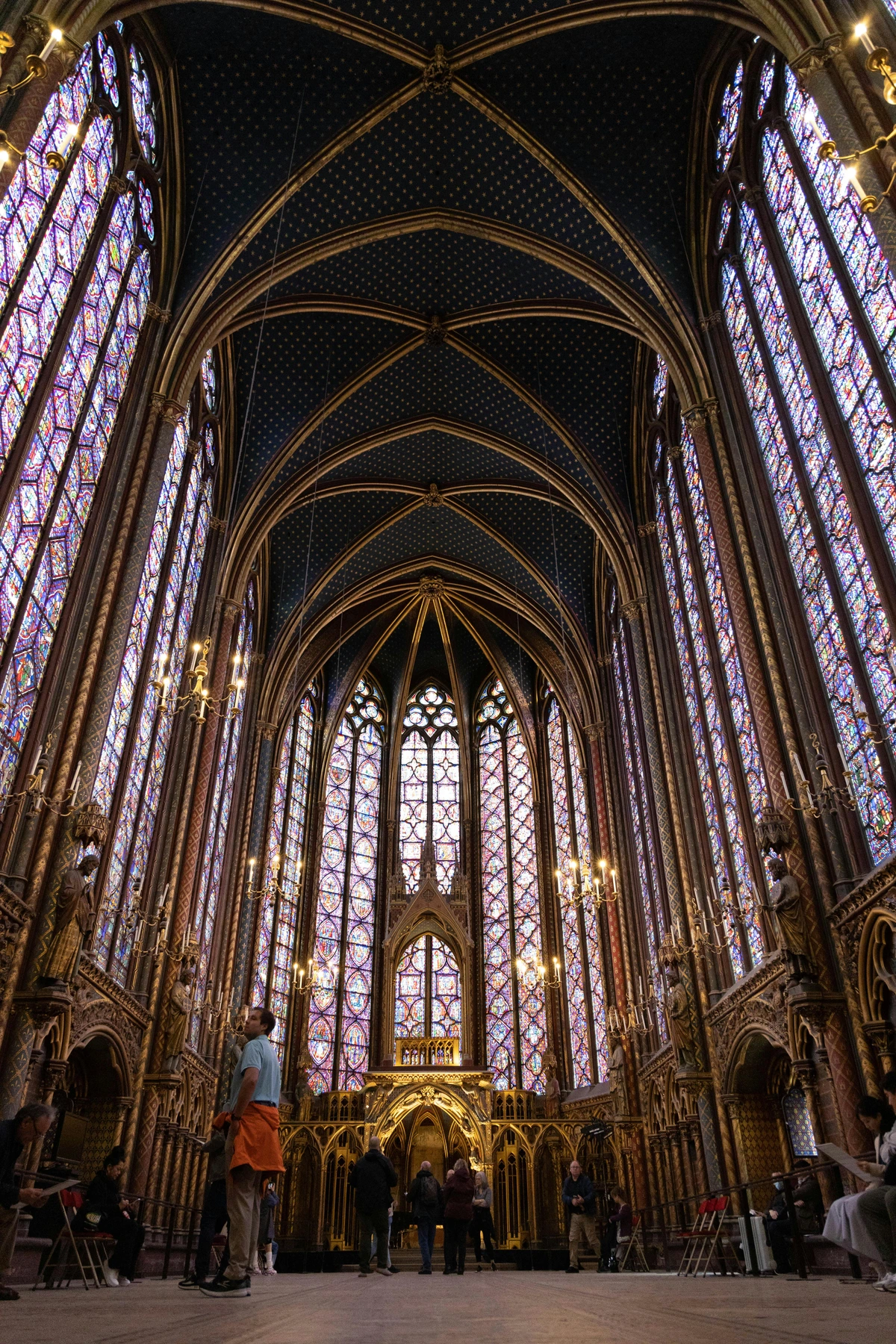
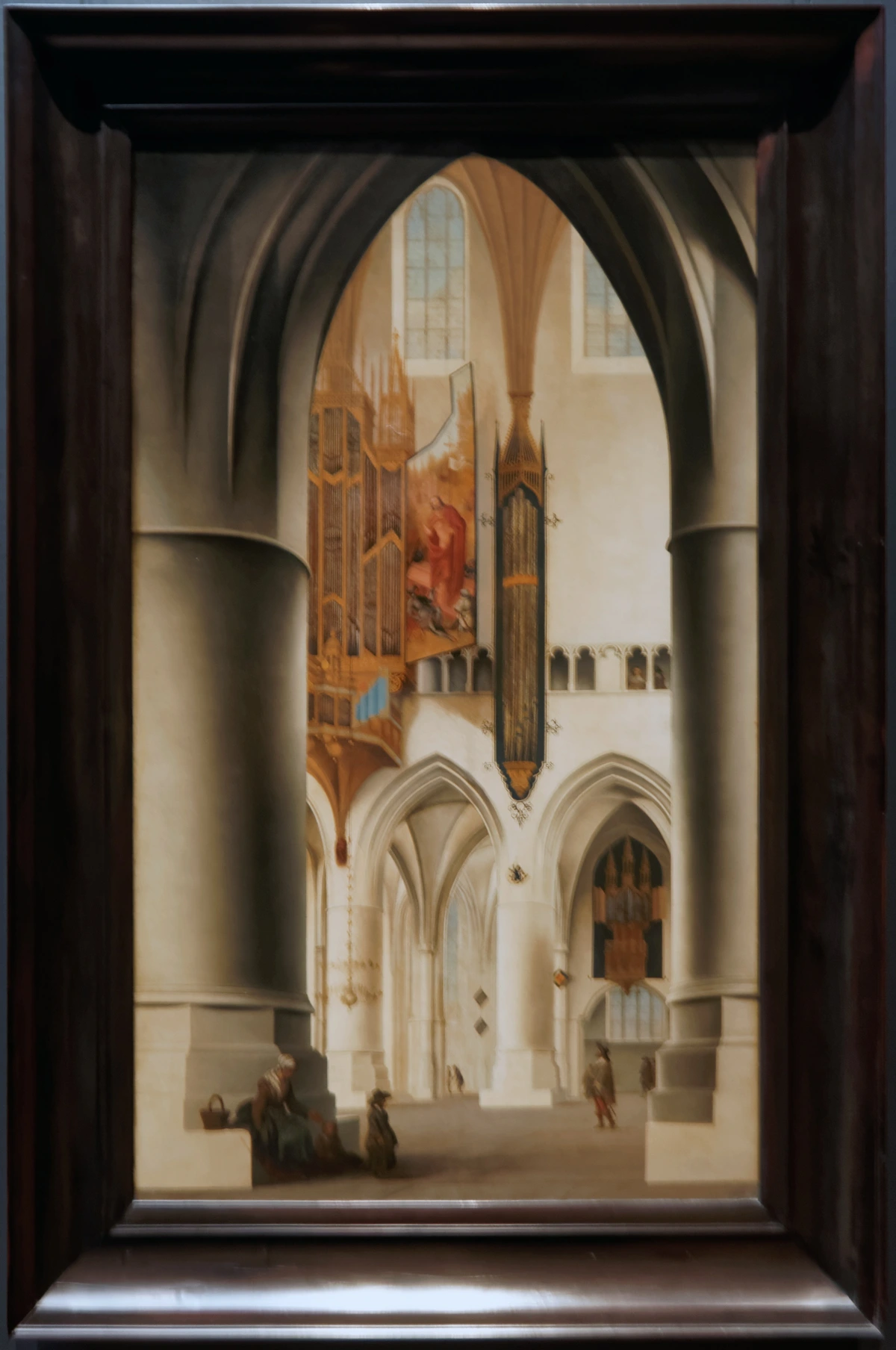
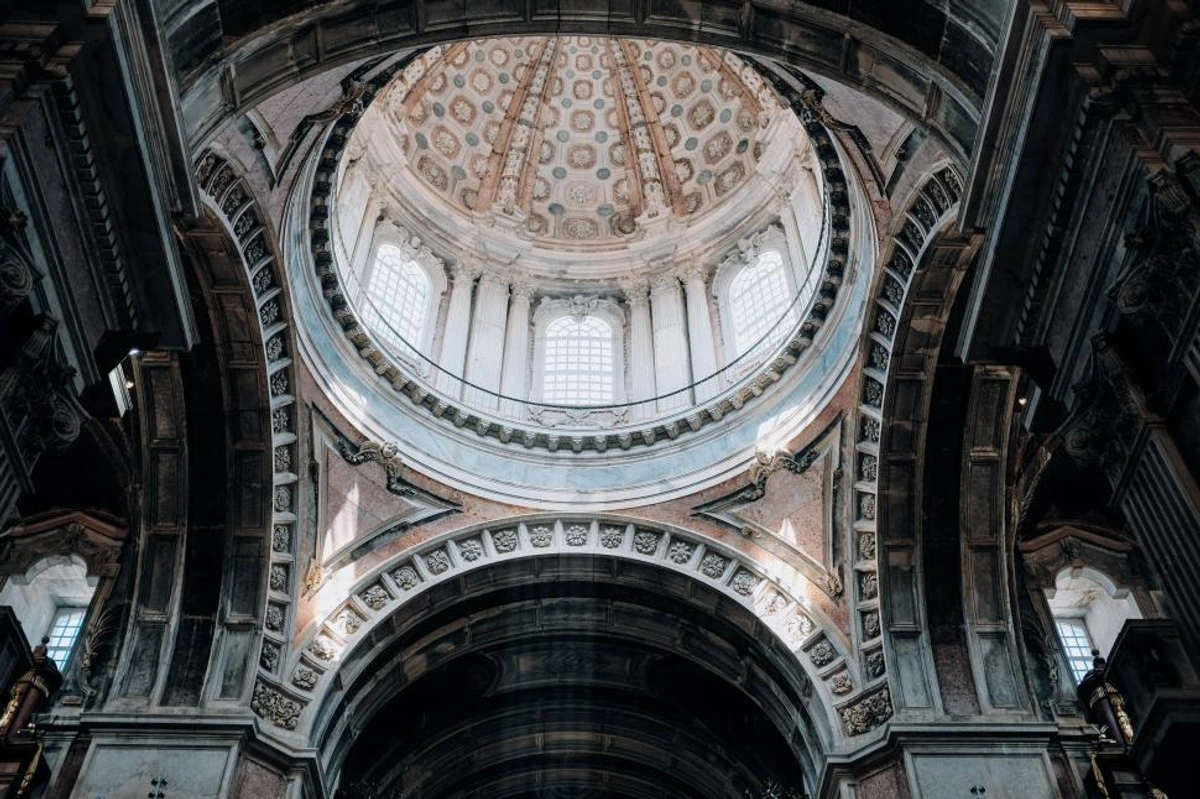
But what if the art itself doesn't depict a figure or a scene? How can abstract art capture the essence of Gothic grandeur for you? Sometimes, the art doesn't need to be literal. Abstract pieces can perfectly echo the underlying shapes and feelings of Gothic architecture, conjuring the imposing grandeur and intricate details of a cathedral. This connection is often made through composition, scale, texture, and line, rather than explicit depiction. Look for works with strong vertical lines reminiscent of soaring pointed arches or lancet windows, intricate geometric patterns that recall the elaborate tracery of stained-glass windows or delicate quatrefoils and trefoils, or the stark, expressive lines of charcoal drawings that capture a sense of raw power and imposing structure. For a modern Gothic aesthetic, the expressive power of charcoal in abstract art, with its deep blacks and nuanced grays, can be a perfect fit, providing texture and emotion without being explicitly figurative.
I've found that bold, abstract forms can evoke the soaring heights of a nave, the intricate complexity of ribbed vaults (the crossing arches of a ceiling), or even the powerful stability of flying buttresses (those external arch supports), simply through their composition and interplay of light and shadow. Imagine an abstract artist whose work might uncannily resemble the imposing scale and structural elegance of a cathedral. For instance, the precise, minimalist forms of an Ellsworth Kelly could, in certain contexts, evoke the stark geometry of a Gothic window, while the rugged textures of a brutalist sculpture could echo weathered stone. Or consider the dramatic, almost oppressive architectural studies of Giovanni Battista Piranesi's "Carceri d'invenzione" (Imaginary Prisons) etchings, which masterfully evoke grand, atmospheric, and often unsettling architectural spaces through sheer compositional power, using exaggerated scale and deep shadows to create psychological depth. Architectural photography that focuses on empty, imposing institutional spaces, such as works by Candida Höfer, can also capture this sense of grand, almost haunting, solitude. It’s all about evoking a mood, a feeling of weight and gravitas, just like the imposing stone walls of a cathedral. Think of abstract artists who use deep texture and layering to mimic the age and ruggedness of stone or aged surfaces. The sheer scale of Gothic architecture, designed to overwhelm and inspire awe, can also be mirrored in oversized artworks that dominate a wall, creating an immediate sense of grandeur and introspection. You can explore the history of such styles in the definitive guide to the history of abstract art key movements artists and evolution or delve deeper into understanding the elements of sculpture.
The Dance of Light and Shadow: Chiaroscuro and Tenebrism as Gothic Soul
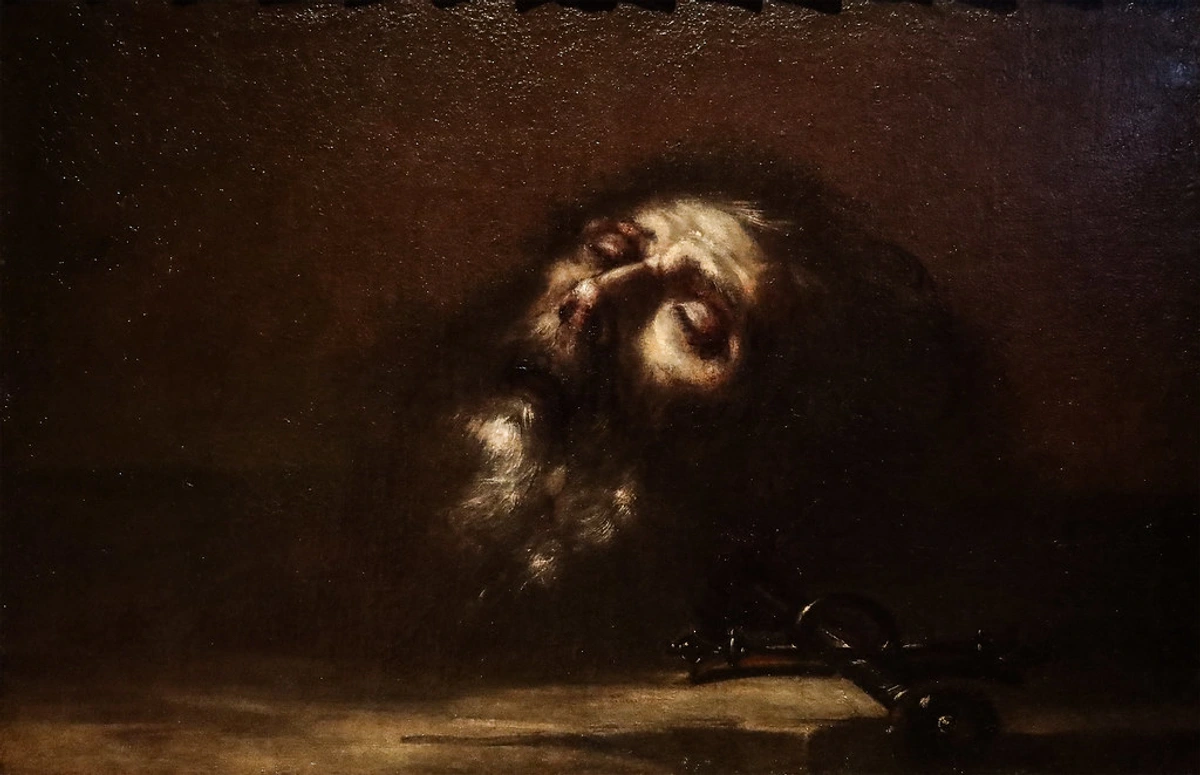
At its heart, Gothic aesthetics, both in architecture and art, are masters of the interplay of light and shadow. This isn't just about dim lighting; it's about intentional drama. The monumental scale and soaring heights of Gothic cathedrals created deep, mysterious shadows, while strategically placed stained-glass windows allowed light to filter through, illuminating specific areas and evoking a sense of the divine. This dramatic lighting found its way into painting, becoming a hallmark of artists seeking to create intense emotional impact. Artists achieving a Gothic mood often utilize techniques like chiaroscuro (a strong contrast between light and dark to create volume and depth) or even tenebrism (a dramatic form of chiaroscuro where subjects emerge from deep shadow into a single, often harsh, light source). Imagine a single spotlight on a darkened stage, making the subject intensely dramatic – that's tenebrism at work.
These techniques rose to prominence during the Baroque era, notably with Caravaggio (whose dramatic religious scenes, like The Calling of Saint Matthew, are iconic examples of figures emerging from intense darkness into a revelatory beam of light) and Georges de La Tour (known for his evocative candlelit paintings, such as Magdalene with the Smoking Flame, which convey profound introspection and melancholic solitude). Their dramatic effect echoes the stark contrasts of Gothic cathedrals and continues to be adapted by contemporary artists seeking to create intense emotional impact, sculpt forms, and emphasize psychological depth. The psychological effect of these techniques in a Gothic context is profound: they create mystery, highlight vulnerability, suggest hidden truths, and can make figures appear to emerge from or recede into the unknown. You can learn more about what is chiaroscuro in art history.
When selecting art for your darkly divine space, look for pieces where light isn't merely present, but actively sculpts the forms, creating pockets of mystery and drawing the eye to specific, often poignant, details. This mastery of illumination, whether from a dramatic sky, a single candle, or a hidden light source, is what truly breathes a dark, divine soul into your chosen artwork and, by extension, your entire Gothic space. It's about finding that exquisite tension between what's revealed and what remains hidden in the gloom, much like the intense, focused lighting in classic film noir.

Beyond Basic Black: Mastering the Gothic Color Palette
Black is undeniably the foundation of a Gothic interior, but it's definitely not the whole building. A truly stunning Gothic space uses a rich, deep, and nuanced color palette to create depth, luxury, and a sense of enduring history. When choosing art, look for pieces that feature or complement these tones, understanding how artists use color to create a specific mood. These colors, when translated into art, profoundly influence the atmosphere of your space, moving beyond simple black to a spectrum of sophisticated darkness.
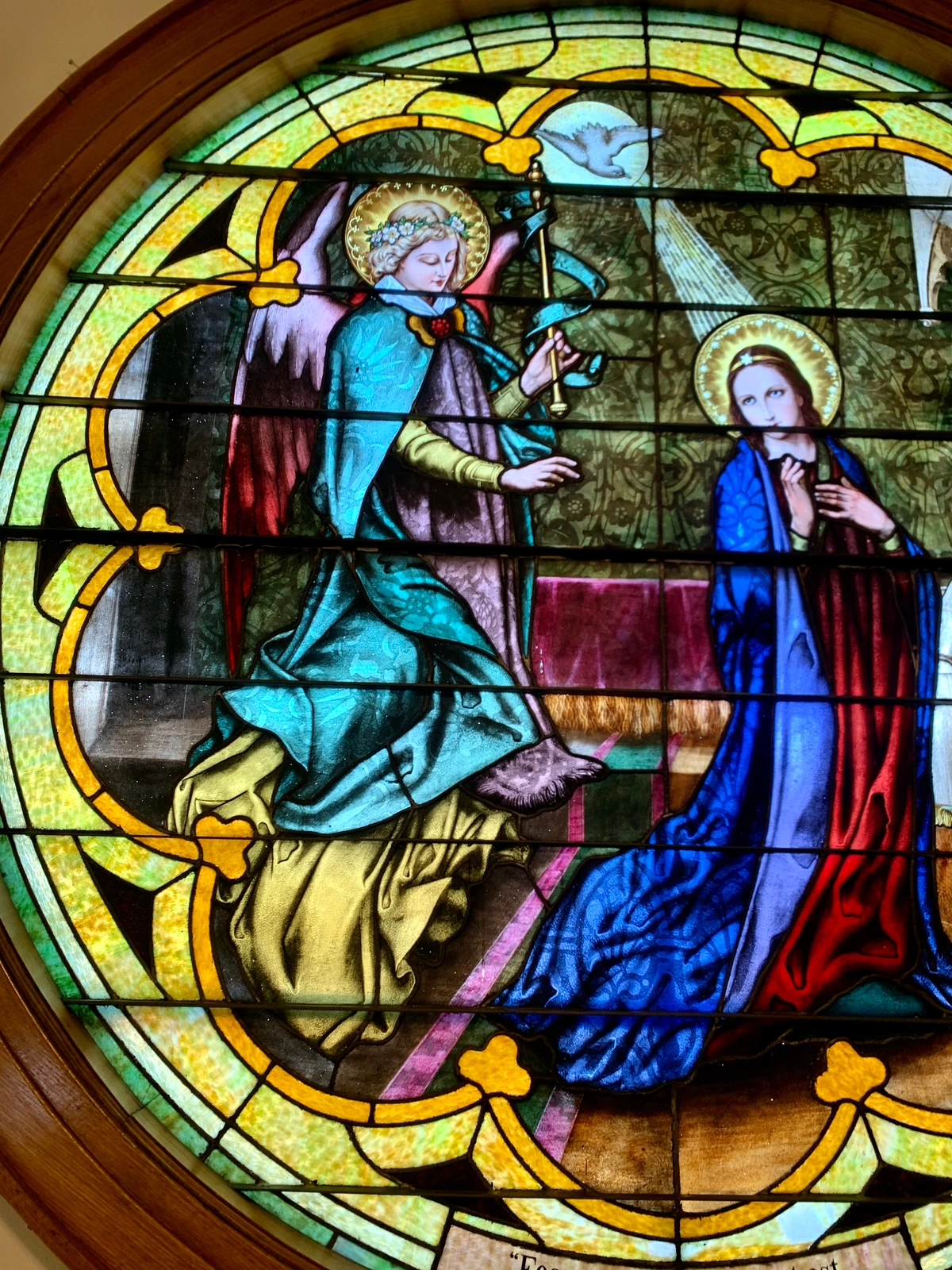
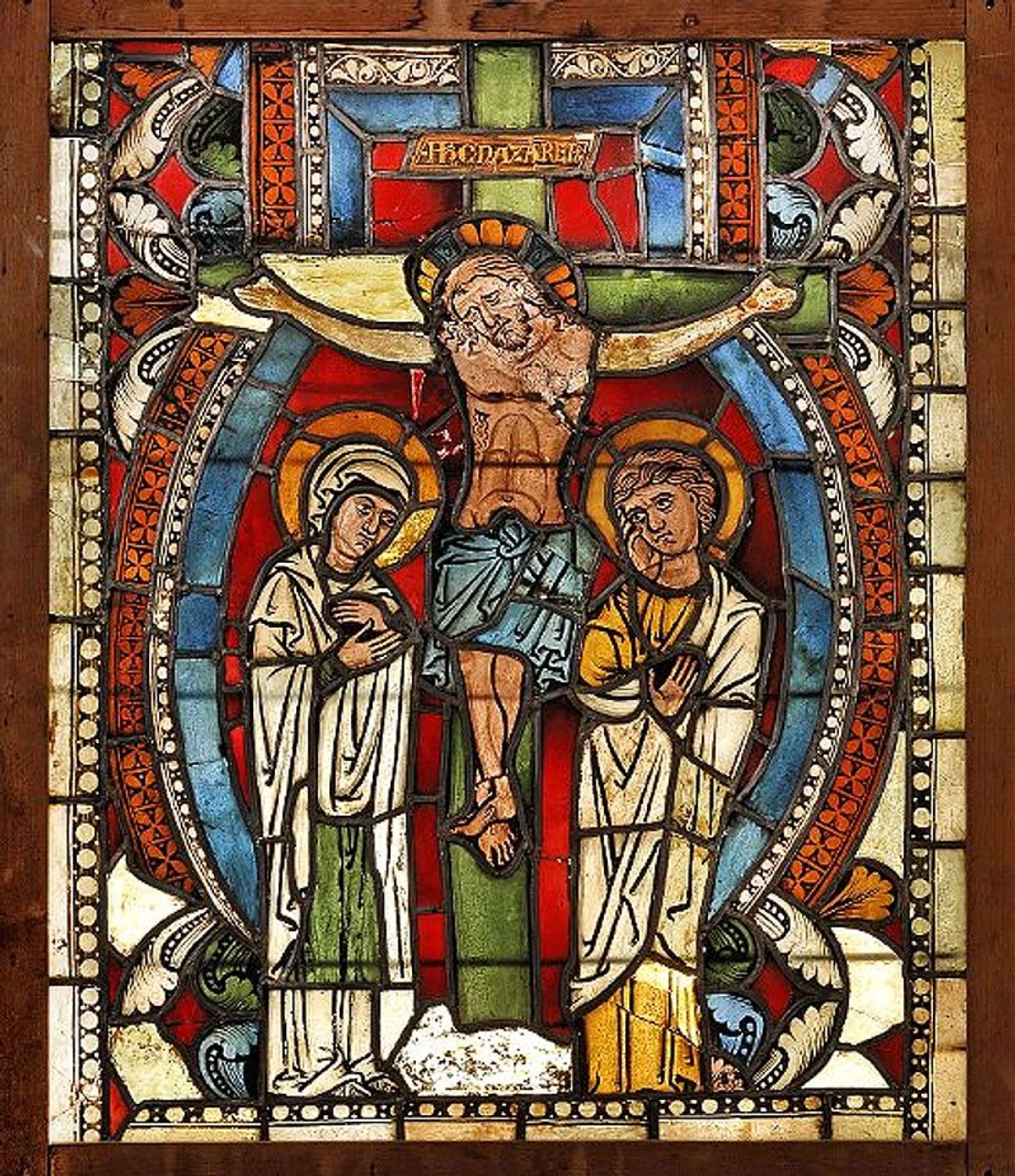
- Jewel Tones: Think sapphire blue, emerald green, ruby red, and deep amethyst purple. These colors feel opulent, historic, and wonderfully dramatic. Historically, these were often achieved through expensive, rare pigments like lapis lazuli (for blues) during the Middle Ages, which added to their preciousness and association with royalty and religious grandeur—think the divine, saturated hues catching the light in stained-glass windows of great cathedrals or the rich vestments in medieval religious paintings. An abstract piece featuring rich blues and purples, for example, could evoke the mystical aura of a twilight cathedral, while a traditional piece might use deep reds in drapery or clothing. Look for art inspired by illuminated manuscripts or the rich textiles of the medieval era.
- Muted Earth Tones: Mossy greens, deep browns, stormy grays, and even muted ochres can create a somber, earthy, and grounded feel. These are the colors of ancient forests, damp earth after a storm, crumbling stone, and tarnished metals – the very fabric of a forgotten world. The palettes of certain Dutch Masters or Pre-Raphaelite landscapes depicting fens, moors, or ancient forests often demonstrate this rich, grounded quality. A still life painting that uses deep greens and browns to depict wilting flowers, for instance, would perfectly capture the theme of decay and the natural world. These tones add an organic, often rustic, layer to the luxury.
- Monochromatic or Near-Monochromatic Palettes: Don't underestimate the power of using various shades of a single deep color, like a range of charcoal grays, deep forest greens, or midnight blues. This approach creates a powerful sense of depth, solemnity, and sometimes desolation, allowing texture and form to speak volumes without the distraction of multiple hues. It can make a space feel incredibly sophisticated and atmospheric, often seen in high-contrast photography or minimalist abstract works that play on shadow and form, emphasizing the ruggedness of raw materials.
- Metallics: Don't underestimate the power of a flash of gold, silver, bronze, or pewter. Whether it's the burnished gleam of antique brass, the blackened silver of an old locket, or the verdigris patina of aged copper, metallics catch the light in a dark room, add a touch of alchemy, and provide crucial visual interest. A well-placed metallic detail, whether gilded frames on paintings, metallic threads in tapestries, metallic pigments in contemporary abstract pieces, or even elements from illuminated manuscripts, can transform an otherwise dark work into something truly luminous, much like an ancient icon against a dark backdrop.
How artists use color is a fascinating subject, and in a Gothic setting, it's particularly potent. A single splash of blood-red in an otherwise monochrome painting can be incredibly powerful, almost a jolt of life. You can dive deeper into how artists use color and the psychology of color in abstract art beyond basic hues to really master the mood you're trying to create.

The Art of Presentation: Framing and Display
You could have found a genuine masterpiece, but if you put it in a cheap, flimsy frame, it'll ruin the entire effect. Seriously, framing is absolutely critical to achieving that authentic Gothic look. It's not just an afterthought; it's an integral part of the art itself, a silent guardian of its narrative.
Go Ornate: Frames as Statements of Grandeur
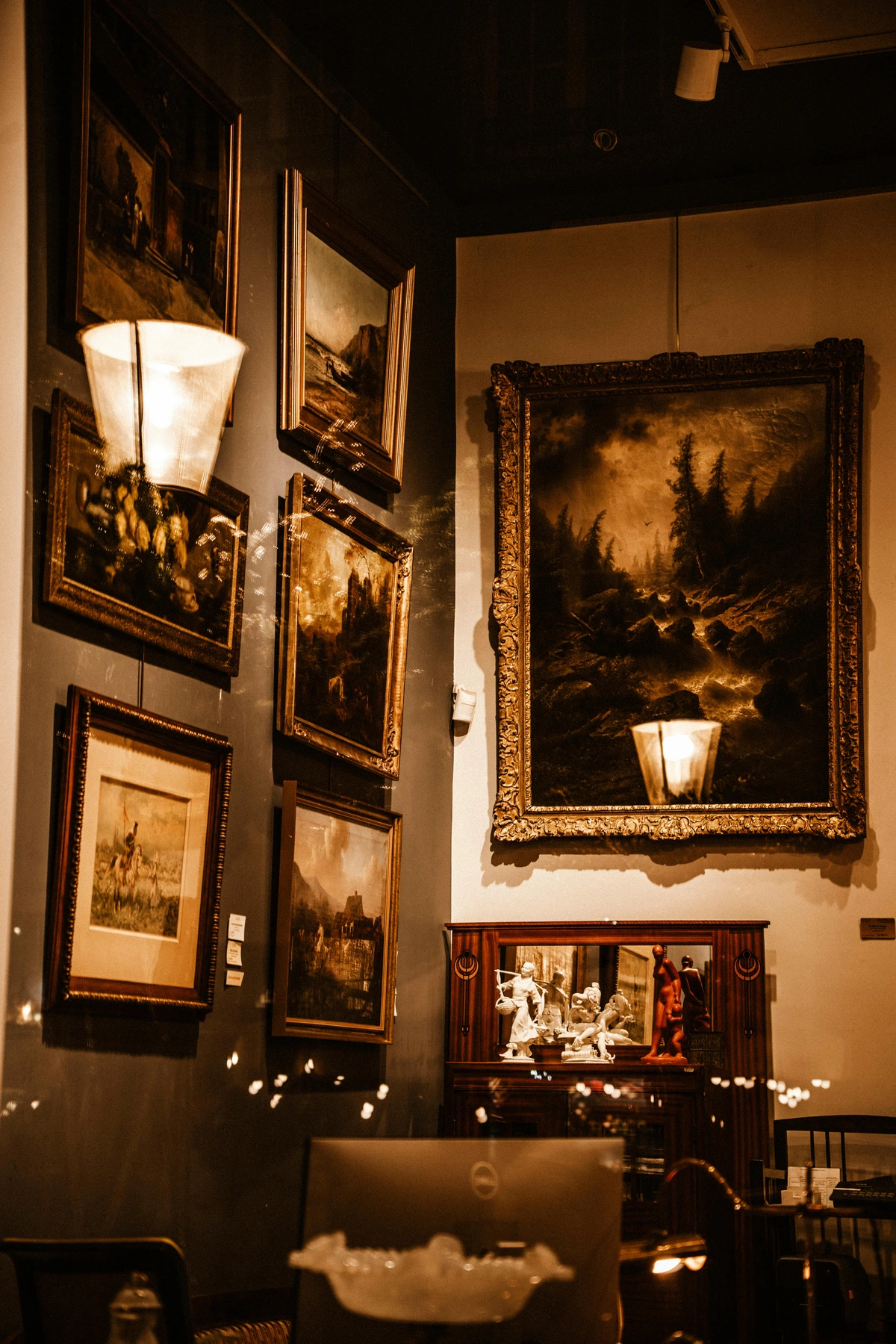
This is your chance to really embrace maximalism. Look for heavy, ornate frames in black, deep gold, blackened silver, patinated bronze, or dark, distressed wood. Styles like Gothic Revival (intricate and pointed, echoing medieval architecture with motifs like crockets, finials, tracery, quatrefoils, or trefoils), Baroque (heavy, sculptural with dramatic curves and volutes, conveying opulence and movement), Rococo (more delicate, asymmetrical, with naturalistic shell and scroll motifs, adding whimsical elegance), or Neoclassical (more restrained but still substantial, like Empire style, conveying disciplined grandeur) are absolutely perfect. Baroque frames, with their emphasis on drama, and Rococo frames, with their intricate, often organic details, both surprisingly complement a Gothic aesthetic, adding layers of historical grandeur. They add weight, history, and a touch of decadent luxury that modern minimalist frames simply can't achieve. I've heard a story about a friend who tried to frame a deeply moody landscape print in a sleek, modern black frame – it looked utterly lost, like a lonely phantom in a new house. Swapping it for a heavy, gilded antique frame she found at a flea market brought it to life, giving it the presence and narrative it deserved. Even I, with my sometimes questionable DIY skills, know a good frame can transform a piece.
Curating a Gallery Wall: A Symphony of Shadows and Stories
A collection of art can tell a bigger, more complex story than a single piece. Mix and match different frame styles, sizes, and even textures for an eclectic, collected-over-time look. To achieve a Gothic feel, I'd suggest balancing a few heavy, gilded frames with simpler, dark wood or wrought iron ones. Consider a thematic approach, grouping pieces by subject matter—all dark botanicals, or all portraits with a melancholic air. For example, a Gothic gallery wall could feature a mix of dark botanical prints, an antique mirror with a heavy, distressed frame, a small memento mori still life, and framed insects, all unified by dark matting and a consistent deep color scheme. You can even include non-art objects like antique mirrors, taxidermy, or architectural fragments to enhance the narrative. Need ideas? Here's a guide to what is a gallery wall.
The Impact of Scale: Dramatic Presence or Intimate Discovery
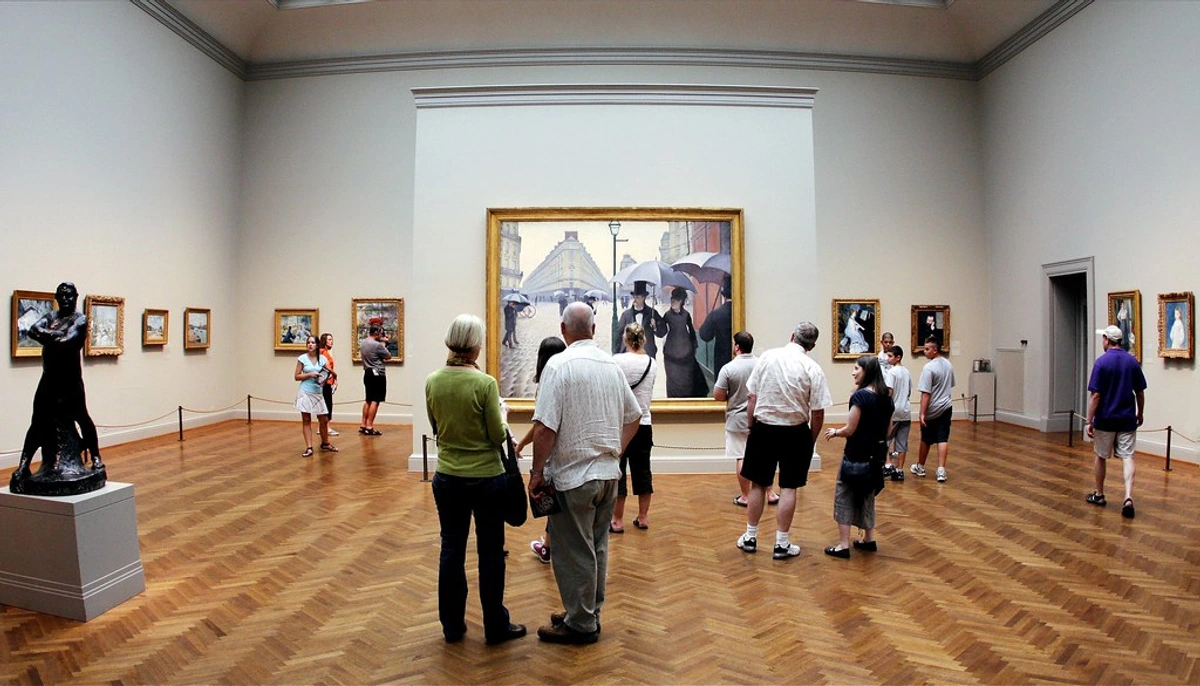
When choosing art for Gothic interior design, scale matters immensely. A large, imposing artwork can create an immediate sense of grandeur and introspection, mimicking the overwhelming scale of a cathedral. Conversely, a small, intricately detailed piece in an unexpected nook can be a delightful discovery, inviting closer inspection and creating a sense of intimate mystery. Consider the size of your wall, the surrounding furniture, and the overall desired feeling. A single, dominant piece can be more impactful than many small, scattered ones in a smaller room, for instance, particularly if you're aiming for a strong focal point. Don't underestimate the power of strategically placed negative space to amplify the impact of chosen artworks.
The Power of the Mat: Deepening the Mood
Don't overlook the mat! A dark-colored mat (like charcoal gray, deep forest green, or even black) can add extra depth and drama to a piece, making the artwork itself pop forward. A crisp, stark white mat often contrasts too sharply with the intended mood and can make a piece feel stark or modern, stripping away the desired atmosphere. I once saw a stunning moody landscape utterly lose its impact with a bright white mat, only to be resurrected by a deep charcoal one—it was like watching a ghost come back to life. The mat is truly your ally in deepening the visual narrative of your Gothic art.
More Than Walls: Integrating Other Gothic Art Forms
While paintings and prints often take center stage, a truly immersive Gothic interior benefits from a variety of art forms. Don't limit your vision to two-dimensional pieces; consider how sculpture, decorative arts, and even textiles can deepen the mood and texture of your space. It's about building a whole world, after all. Each type of art can evoke a slightly different emotional impact: solemnity from traditional sculpture, romanticism from intricate textiles, or unease from contemporary forms. You can find more comprehensive information about how to incorporate sculptural art into modern interiors or understanding the elements of sculpture.
Sculpture: Three-Dimensional Drama
Think beyond traditional statues. Medieval gargoyles (or reproductions, for that matter!), intricate wood carvings (like devotional carvings or architectural fragments), classical busts with a melancholic air, or even contemporary sculptures with dark, organic, biomorphic, or brutalist forms can add incredible three-dimensional interest. These pieces cast their own dramatic shadows and create focal points that draw the eye, much like a powerful figure such as Michelangelo's Moses, with its imposing presence. Look for raw materials like stone, blackened metal, or weathered wood, and consider pieces that explore themes of transformation, decay, or abstract human anguish. They can evoke solemnity, historical grandeur, or a quiet, unsettling beauty.
Decorative Arts: Curating Esoteric Elegance
Antique silver candelabras, wrought iron details (like ornate grilles or candle holders), vintage globes, antique scientific instruments (like astrolabes, armillary spheres, or even anatomical models), or carefully selected esoteric objects (like antique apothecary jars, astrological charts, alchemical symbols, or even a well-preserved taxidermy specimen) can enhance the collected, historic feel. Materiality is key here: distressed wood, tarnished metal, aged leather, rough stone, or verdigris-patinated copper all contribute to the authentic Gothic tactile experience, evoking a sense of enduring history and forgotten knowledge. These elements perfectly complement choosing art for dark rooms by adding textural contrast and visual intrigue, creating your own personal cabinet of curiosities.
Textile Arts: Woven Narratives and Luxurious Layers
Rich tapestries depicting mythological scenes, dark botanical motifs, stylized heraldic designs, or even somber hunting scenes can add warmth, absorb sound, and inject a medieval grandeur. Look for heavy, luxurious fabrics like velvet or brocade in dark hues or jewel tones to tie the room together, perhaps even incorporating antique embroidered screens with intricate medieval or Victorian-era motifs, as seen in many historical collections. These woven narratives add an unparalleled softness and depth, often evoking romanticism or a somber elegance, transforming your walls into another layer of storytelling.
Your Ethical Quest for Darkly Divine Pieces
As you embark on this quest, it's worth taking a moment to consider where your art comes from. The beauty of Gothic aesthetics often lies in its authenticity and a sense of history. Walter Benjamin, a philosopher, spoke of the "aura" of a unique work of art—its presence in time and space, its history. While reproductions lack this original aura, the deliberate choice and curation in your Gothic space can imbue even new pieces with personal significance. When sourcing pieces, think about:
- Authentic Antiques: These pieces carry genuine history and a unique patina. Seek out reputable antique dealers, specialized online marketplaces, or even local estate sales. Understanding the provenance (the history of ownership) can add immensely to the story of a piece. Consider antique prints, maps, or decorative objects.
- High-Quality Reproductions: If an original antique or a rare masterpiece is out of reach, a high-quality reproduction can still evoke the desired mood without compromising aesthetic integrity. Look for giclée prints on archival paper or canvas, which capture the detail and color depth of the original. Also, consider traditional printmaking techniques like woodcuts, etchings, or mezzotints, which offer unique textures and have strong historical ties to Gothic illustration and aesthetics. When researching, ask about the printing process and the artist's commitment to preserving the original's essence.
- Contemporary Artists: Many modern artists are deeply inspired by Gothic themes and aesthetics, often reinterpreting them through fresh lenses. Supporting them means acquiring unique, often more accessible, pieces while contributing to a living art scene. Platforms like Instagram, Etsy, specialized online art collectives focusing on dark or alternative aesthetics, or even independent art fairs are excellent places to discover artists whose vision aligns with yours. Look for artist statements and reviews to ensure their vision resonates deeply.
- DIY & Upcycling: Don't underestimate the power of your own creativity! I've spent more weekends than I care to admit distressing old mirrors or transforming simple frames with resin details and metallic paints. It’s incredibly rewarding. Old mirrors can be painted and distressed, simple frames can be adorned, and found objects can be transformed into evocative sculptures. You can even distress existing art prints or create custom mounts for intriguing curios. Think about altering old books into sculptural pieces, creating specimen boxes from found natural elements like dried botanicals or interesting stones, or repurposing fragments of antique furniture into unique displays. This is where personal touch truly shines and can be incredibly budget-friendly. Remember, some of the most iconic Gothic elements started as practical architecture, then evolved into art (think gargoyles!). To get started, you can even check out the art for sale on this very website [/buy] to see what's possible.
Ethical Sourcing of Natural Elements & Taxidermy
For those drawn to the natural elements of decay and the sublime, like preserved insects, bones, or taxidermy, ethical sourcing is paramount. Always prioritize pieces that are:
- Responsibly Acquired: Ensure any animal products come from natural deaths, reputable scientific collections, or antique sources, rather than contributing to hunting or unsustainable practices. Certifications of origin can provide peace of mind.
- Legally Obtained: Be aware of local and international laws regarding the purchase and sale of certain species, especially those that are endangered or protected.
- Preserved Ethically: Look for items prepared by skilled artisans who respect the animal and use proper, non-toxic preservation techniques.
- Culturally Sensitive: Recognize that for some cultures, the display of animal remains carries significant spiritual or ceremonial meaning. Be mindful and respectful in your display choices.
Frequently Asked Questions (FAQ)
How do I avoid my room looking like a cheap Halloween decoration?
This is a totally valid concern, and I hear you! The key is to focus on quality over quantity and authenticity. One amazing, high-quality art piece crafted from real materials (wood, metal, canvas, rich paper, substantive ceramics or stone) is infinitely better than a dozen cheap plastic skulls. Mix textures—velvet, leather, aged wood, stone, wrought iron—to create a sophisticated, layered look, not a disposable set from a horror movie. Also, ensure consistent stylistic elements throughout the room to avoid a mishmash that feels less curated. And perhaps most crucially, master your lighting. Theatrical, moody, or dimly lit spaces enhance mystery and elegance, while bright, overhead lighting can instantly strip away the atmosphere and make things feel artificial. Look for character and depth, not just surface-level spookiness, and remember that modern Goth interior design is about enduring style and deeper psychological resonance, not fleeting trends. For choosing art for dark rooms, subtlety and richness are your allies – think a quiet whisper of narrative rather than a scream.
Can I use abstract art in a Gothic interior?
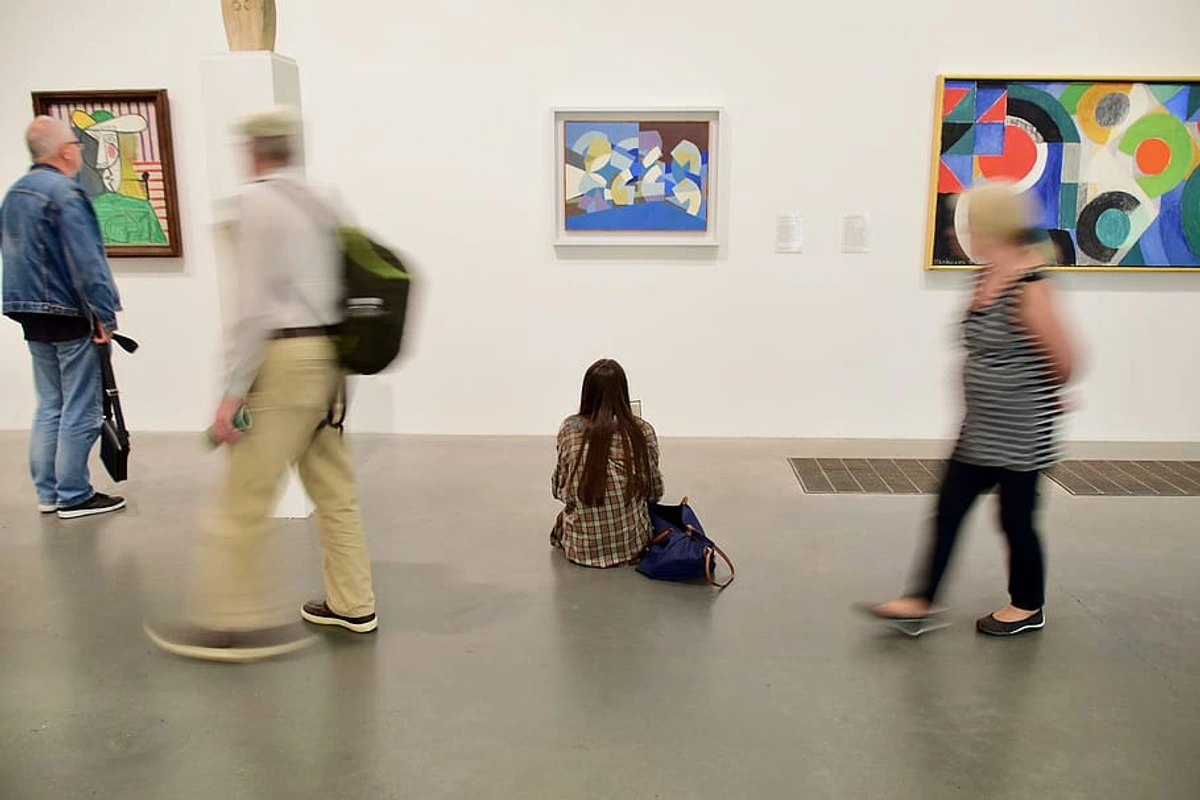
Absolutely! In fact, it's one of my favorite ways to create a compelling Modern Gothic look. The trick is to choose abstract art that has the right mood and aligns with the themes we've discussed. Look for pieces with deep, rich, often jewel-toned or monochromatic colors, dramatic textures, or strong, gestural lines that evoke emotion or architectural forms. A large black-and-white abstract painting, especially one with a sense of weight or brutalist-inspired forms, can feel incredibly powerful and architectural in its own right, perhaps mimicking the strong, vertical lines of a cathedral or the intricate patterns of a rose window. The gestural strokes can suggest emotional turmoil or dramatic movement, while contrasting colors can create a potent sense of tension or mystery. Consider abstract expressionist pieces with dark palettes, color field paintings in deep jewel tones, or geometric abstracts that echo the structural patterns of Gothic architecture. It's all about emotion, atmosphere, and form, and the definitive guide to understanding abstract art from cubism to contemporary expression can certainly help you find what truly speaks to you.

Is Gothic art and decor expensive?
It can be, for sure, but it absolutely doesn't have to break the bank. Flea markets, antique stores, and online marketplaces (like Etsy or even specialized antique art sites) are treasure troves for ornate frames and unique, moody art if you're willing to hunt a bit. You can also find high-quality prints from independent artists online that beautifully capture the Gothic feel without the price tag of an original oil painting. Plus, getting hands-on with some DIY or upcycling projects for frames or decorative elements can be incredibly rewarding and cost-effective; sometimes a damaged antique frame can be restored or painted for a fraction of the cost of a new one. Remember, authenticity comes from finding pieces that resonate with you, not necessarily the most expensive ones. The value often lies in careful curation—a few impactful, well-chosen pieces are far more effective than a room crammed with mediocre items. While exploring modern mediums like digital art or AI-generated art can be interesting, always prioritize ethical sourcing and genuine artistic merit to ensure your pieces contribute meaningfully to your Gothic aesthetic. To get started, you can even check out the art for sale on this very website [/buy] to see what's possible.
How do I choose art for a small Gothic room?
For smaller spaces, it's all about strategic impact. Instead of many small pieces that can make a room feel cluttered, opt for one or two medium-sized pieces that truly command attention and draw the eye inward. Consider artwork with strong vertical lines or deep, atmospheric perspectives that create an illusion of depth, making the room feel taller or more expansive. Dark, rich colors can surprisingly make a small room feel cozy and intimate rather than cramped, provided they are balanced with good lighting and reflective surfaces (like antique mirrors). Alternatively, a highly detailed, intricate piece can draw the viewer in for closer inspection, creating a sense of a larger world within a confined frame. Don't underestimate the power of a single, striking piece, and remember the importance of negative space to allow key artworks to breathe. You might find more tips on abstract art for small spaces maximizing impact in compact areas.
What's the difference between Gothic art and Dark Academia art?
While they share a love for the darker aesthetic and historical influences, the focus and mood differ quite a bit. Gothic art often leans into the dramatic, the mysterious, the melancholic, and the sublime, drawing heavily from medieval, Romantic, or even horror literary traditions. It embraces decay, the untamed, the supernatural, and the deeply emotional, sometimes veering into the macabre or fantastical. Its drama is often externalized or rooted in primal fears and awe. Dark Academia, on the other hand, is generally more about intellectual pursuits, classic literature, old libraries, knowledge, and a nostalgic, scholarly aesthetic. It's often cozier, focusing on tweed, old books, classical sculptures, and a slightly melancholic, studious atmosphere, usually without the overt horror, fantastical elements, or raw emotional intensity found in traditional Gothic. Think of Gothic as a grand, shadowy cathedral filled with profound mystery and a hint of the uncanny, and Dark Academia as a cozy, candlelit university library within it, focused on intellectual introspection.
Can I mix Gothic art with other decor styles?
Absolutely, and in fact, I encourage it! Mixing styles intelligently can create a unique, layered, and deeply personal aesthetic that feels less like a theme park and more like a lived-in home. Gothic art can provide a powerful anchor in a minimalist space, adding drama and history. It can ground a bohemian room with a touch of earthiness and ancient mysticism, or add a sophisticated, almost unsettling edge to a more modern interior. The key is balance and intention. Choose complementary colors, textures, or overarching themes. For instance, a stark modern room could benefit from a single, ornate Baroque-framed piece, creating intriguing tension. Or, a bohemian space might seamlessly integrate Whimsigoth art with its mystical, natural motifs, or even a piece of dark Romantic landscape art in a Scandinavian-inspired room. Think of it as creating a dialogue between different eras and sensibilities, with your Gothic pieces acting as intriguing narrative points that add depth and character. You might even explore the evolution of art in interior design from grand salons to modern minimalism for more context.
What's the difference between Gothic art and Baroque art?
While both Gothic and Baroque art styles are characterized by drama and grandeur, their origins, purposes, and aesthetic expressions are quite distinct. Gothic art, arising in the High Middle Ages (roughly 12th-16th centuries), is primarily ecclesiastical, focusing on religious narratives, intricate architectural details (pointed arches, ribbed vaults, flying buttresses), and a sense of verticality reaching towards the divine. It's often somber, spiritual, and symbolic, evolving into the Gothic Revival's melancholic romanticism. Its drama is often internal, spiritual, and conveyed through the awe-inspiring scale of cathedrals or the poignant expressions in illuminated manuscripts. Baroque art, emerging in the 17th century, was a fervent response to the Protestant Reformation, aiming to reassert the power and emotional intensity of the Catholic Church. It’s characterized by intense emotion, dramatic movement, rich color, lavish ornamentation, and exaggerated forms designed to overwhelm and engage the viewer's senses directly. Think of Caravaggio's intense chiaroscuro or Bernini's ecstatic sculptures—it's all about theatricality, dynamic compositions, and visceral impact. While Gothic drama is often spiritual and architectural, Baroque drama is external, visceral, and aimed at inspiring fervent devotion through spectacle. To understand the latter, you can learn more about what is baroque architecture.
What is the historical origin of Gothic art?
Gothic art emerged in the High Middle Ages, primarily in France, around the mid-12th century, evolving from Romanesque art. It's intimately tied to the development of Gothic architecture, particularly cathedrals like the Abbey Church of Saint-Denis, near Paris, which is often considered the first Gothic structure, notably under the patronage of Abbot Suger. This new architectural style, characterized by pointed arches, ribbed vaults, and flying buttresses, allowed for thinner walls and larger stained-glass windows, transforming interiors into luminous, soaring spaces. Early Gothic art was predominantly religious, expressed through stained glass, monumental sculpture (especially on cathedral facades), and illuminated manuscripts. It aimed to convey biblical narratives and inspire spiritual awe, emphasizing naturalistic detail and a more humanistic portrayal of figures compared to its Romanesque predecessor. It later spread across Europe, adapting to local tastes, before giving way to the Renaissance.
How to display art in a Gothic interior that has a lot of existing architectural detail?
This is a fantastic challenge! Instead of competing with the existing architectural elements (like ornate moldings, fireplaces, or exposed brick), strive to integrate your art thoughtfully. Here are a few approaches:
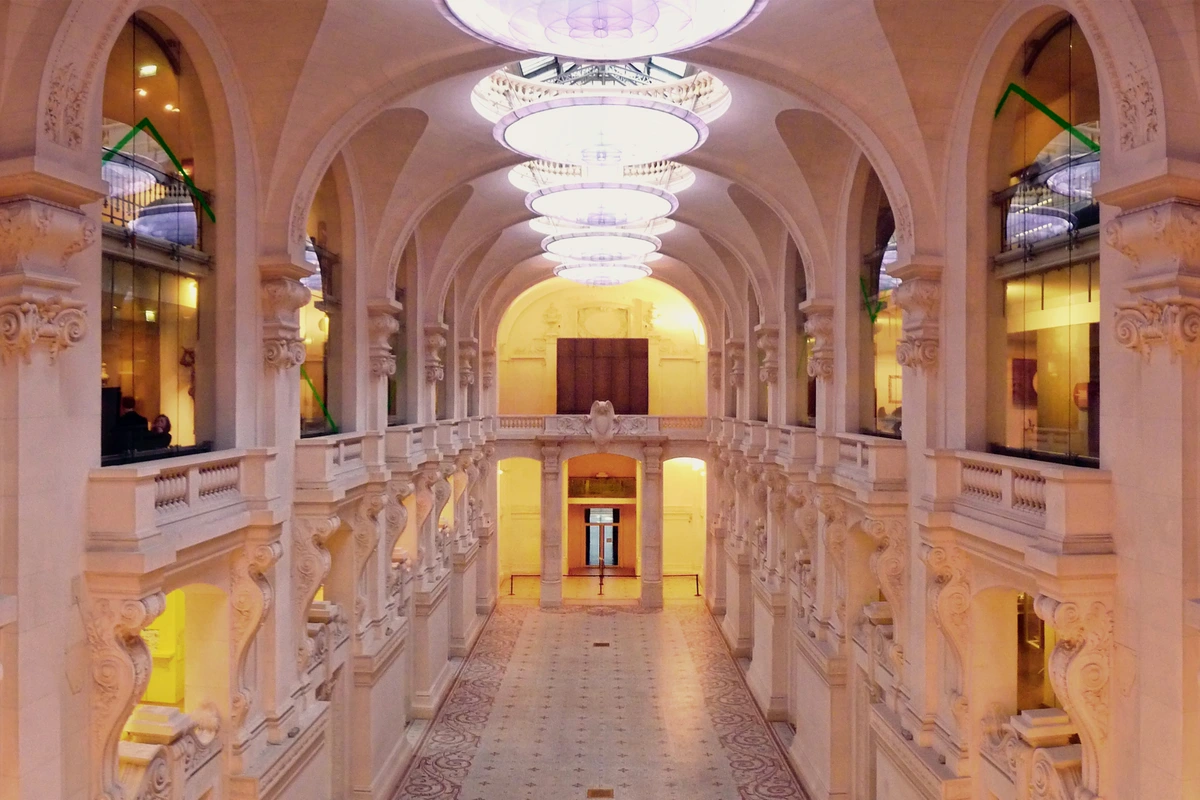






- Embrace the Overlap: Hang art directly over or within existing architectural features. For instance, a painting directly above a grand fireplace, or a series of smaller pieces flanking an archway, can feel incredibly intentional and grand. Frame colors should complement the existing woodwork or stone, creating a seamless, collected feel.
- Highlight, Don't Hide: Use spotlights or picture lights to illuminate your chosen artwork, drawing the eye to it while allowing the architectural details to frame it naturally. The interplay of light and shadow created will enhance both the art and the architecture, adding to the inherent drama of a Gothic space.
- Scale Appropriately: If you have massive, soaring walls, use large-scale pieces that can hold their own and command attention. If you have smaller, intricate nooks or recessed areas, a single, highly detailed artwork can be a delightful, intimate discovery. Think of the art as a conversation with the architecture.
- Thematic Resonance: Choose art that echoes the architectural style. For instance, a traditional Gothic interior with pointed arches might benefit from art with similar vertical lines or religious iconography, while a Victorian Gothic space might pair well with Pre-Raphaelite works or symbolic landscapes. This creates a cohesive narrative.
- Gallery Wall Integration: A gallery wall can beautifully incorporate architectural elements by letting them serve as natural breaks or frames for your collection. Mix paintings with antique mirrors, sconces, or even salvaged architectural fragments to blur the line between art and building, creating a rich, layered tapestry of visual interest.
Where should I hang the art?
Think about creating dramatic focal points for your Gothic art for interiors. Above a grand fireplace, over a sumptuous headboard, or at the end of a long, dimly lit hallway are all classic choices that immediately draw the eye and create a sense of destination. But don't be afraid to get creative. A small, intricately detailed piece in an unexpected nook or a shadowed alcove can be a delightful discovery for a guest, adding layers of intimate mystery. When considering scale and proportion, ensure your artwork feels appropriate for the wall space and furniture it accompanies—a tiny piece on a vast wall can get lost, while an oversized one can overwhelm. Art placement can also create a narrative flow; consider how pieces interact to tell a larger story as you move through the room. For instance, a series of darker landscapes might lead to a dramatic portrait, culminating in a striking centerpiece. And lighting is your best friend here! Use strategic illumination—like a subtle picture light or a small spotlight—to highlight your favorite pieces and, crucially, to create dramatic shadows that enhance the overall atmosphere. Remember how different art surfaces interact with light; a glossy oil painting will reflect candlelight differently than a matte print or a textured sculpture, so experiment to maximize the effect. This dramatic presentation can even draw from how Gothic influences appear in modern media, such as film or video games, where careful scene composition and lighting are used to build immersive, moody worlds.
What is the role of the uncanny in Gothic art and interiors?
The uncanny (a concept deeply explored by Sigmund Freud as "das Unheimliche" - the unhomely) plays a crucial role in Gothic aesthetics. It refers to that unsettling feeling when something familiar, often associated with safety or comfort, suddenly becomes strange, mysterious, or even frightening. In Gothic art and interiors, this might manifest as: a seemingly normal portrait with eyes that seem to follow you, a beautiful antique doll that feels subtly menacing, ruins that evoke a sense of forgotten life, or symbols that are just slightly off. The uncanny creates a sense of psychological unease and intriguing mystery, making a space feel alive with hidden histories and unspoken narratives. It’s about the exquisite tension between attraction and repulsion, adding a profound layer of psychological depth that goes beyond simple spookiness, inviting you to question reality.
How does Gothic art relate to the concept of the 'haunted space'?
Gothic art is intrinsically linked to the concept of the 'haunted space' because it often imbues an interior with a palpable sense of history, memory, and lingering presence. Through careful curation, art can transform a room from a mere collection of objects into a place that feels as if it holds secrets, whispers of the past, or even a spectral inhabitant. This can be achieved through: art depicting ruins or desolate landscapes that evoke forgotten grandeur; portraits with piercing, melancholic gazes that suggest a soul trapped in time; objects with visible patina and age that tell stories of generations; or even abstract pieces that create a deep, atmospheric mood. The art becomes a visual conduit to the past, making the space feel less empty and more populated by unseen stories, fostering a sense of respectful reverence for the passage of time and the echoes of lives lived.
Ultimately, decorating your Gothic home is about far more than just aesthetics; it's about crafting a space that feels deeply and uniquely you. It's a deeply personal style that boldly rejects the bright, airy minimalism that's so prevalent everywhere else, embracing instead mystery, romance, history, and a touch of glorious darkness. It’s a conscious choice for depth, complexity, and a rich narrative. The art you choose is your personal statement, the whispered stories you want your home to tell, a testament to your own unique quest for beauty. So take your time, trust your instincts, and don't be afraid of the dark. It's precisely where the most interesting, soulful things reside, waiting to be discovered and brought into your home. Perhaps you'll even find a piece of modern abstract art to spark a new kind of Gothic drama right here at [/buy] or uncover deeper historical context at [/timeline].