
What is Gothic Art? My Personal Guide to Medieval Masterpieces
Uncover the true essence of Gothic Art! I share my journey through its history, characteristics, and most iconic works, showing it's far more than just 'dark.' Your ultimate guide begins here.

What is Gothic Art? My Personal Guide to Medieval Masterpieces
When I first heard the term "Gothic art," I'll admit, my mind immediately conjured up images of brooding castles, dark crypts, and perhaps a touch of the macabre. You know, all those dramatic, slightly spooky vibes. It's a common misconception, I've found, thanks to how the word "Gothic" evolved over centuries to mean something quite different from its artistic origins. But let me tell you, diving into the actual world of Gothic art was a revelation. It's not about darkness at all; it's about a profound, almost dazzling expression of light, faith, and an evolving understanding of humanity that blossomed right in the heart of the Middle Ages.
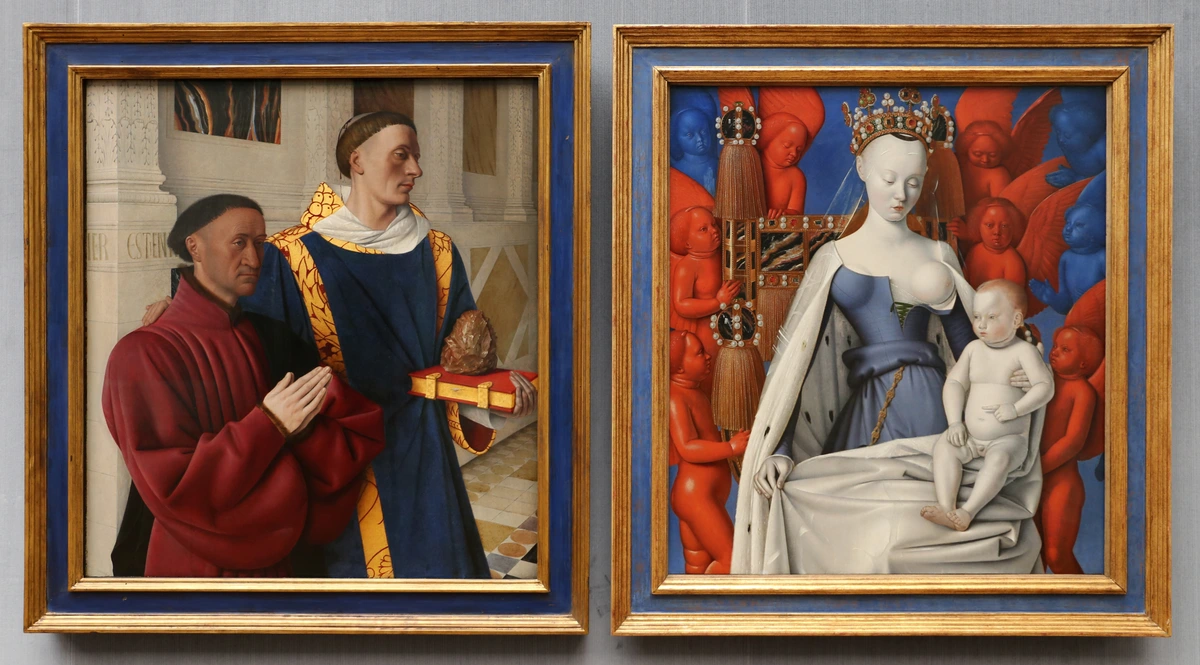
Unpacking the "Gothic" Label: Beyond the Spooky Stereotype
So, where did this intriguing (and sometimes misleading) label come from? Well, funnily enough, the term "Gothic" was initially coined by Italian Renaissance critics, and not in a good way! They used it to describe what they saw as the barbaric art of the Middle Ages, associating it with the Goths, who they considered uncivilized. They were essentially saying, "This isn't proper classical art; it's like something the Goths would make." Talk about a bad rap, right?
This art movement, which flourished roughly from the mid-12th century to the 16th century in various parts of Europe, was actually a stunning departure from the Romanesque style that preceded it. It ushered in an era of soaring cathedrals and art that increasingly sought to capture emotion and narrative, pushing towards a more realistic, human-centered approach even while remaining deeply spiritual. It laid so much groundwork for what we'd later see in the ultimate-guide-to-renaissance-art, and for me, understanding this transition is key to appreciating both.
The Soul of Gothic Art: Key Characteristics I've Come to Admire
What truly defines Gothic art, in my eyes, is its aspiration towards the divine, often expressed through an incredible lightness and detail. It's almost as if the artists were trying to bridge the gap between heaven and earth.
A Dive into Divine Light: Stained Glass
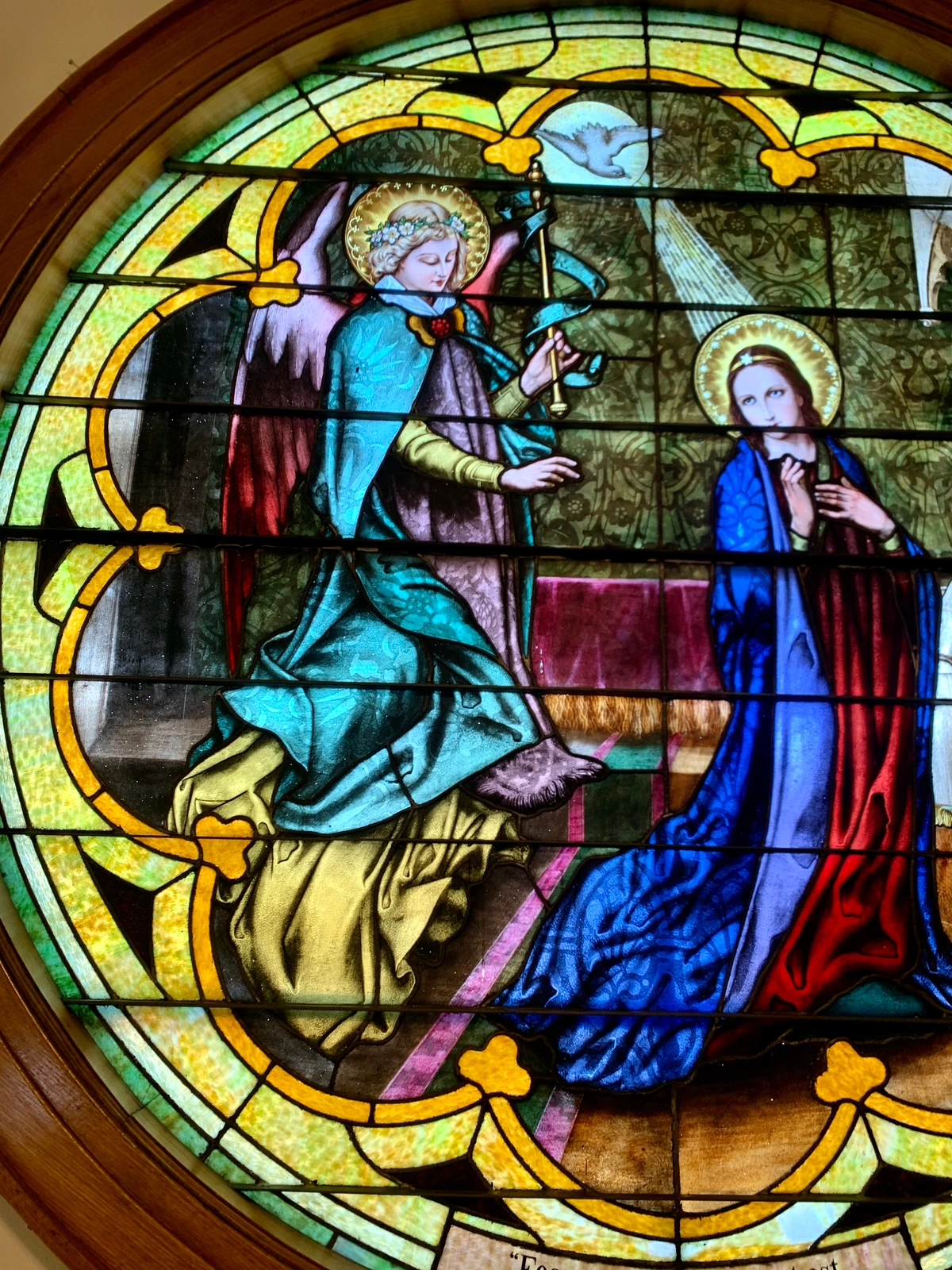
If you've ever stepped into a grand Gothic cathedral, you know what I'm talking about. The sheer scale and brilliance of the stained glass windows are breathtaking. These weren't just decorative elements; they were monumental storybooks for a largely illiterate population. Imagine the light pouring through those vibrant panes, casting kaleidoscopic colors across the stone interiors. It's an immersive, almost mystical experience that truly elevates the spirit.
They told biblical stories, depicted saints, and illustrated moral lessons, transforming sunlight into a sacred medium. For me, it's one of the most defining and awe-inspiring features of the Gothic era. I mean, who needs a projector when you have the sun and expertly crafted glass, right?

The Human Touch: Sculpture and Figures
One of the most compelling shifts in Gothic art, especially in its early phases, was the evolution of sculpture. Moving away from the somewhat stiff, stylized forms of Romanesque art, Gothic sculptors began to imbue their figures with a growing sense of naturalism and emotional depth. We see elongated bodies, often draped in elegant, flowing robes that suggest movement and grace. Faces start to show distinct expressions – joy, sorrow, contemplation.
Just look at the jamb figures adorning the portals of cathedrals like Chartres or Reims. They're still architectural, part of the structure, but they also possess an undeniable humanity, conversing with each other and with us, the viewers. It's this burgeoning humanism, this focus on the individual and their inner world, that truly excites me about the period. It's quite a departure from the earlier, more abstract representations, and you can see a direct line here to later developments. If you're curious about the structures these incredible sculptures graced, you might want to delve into what-is-gothic-architecture-characteristics.
Picturing Piety: Panel Painting and Manuscript Illumination
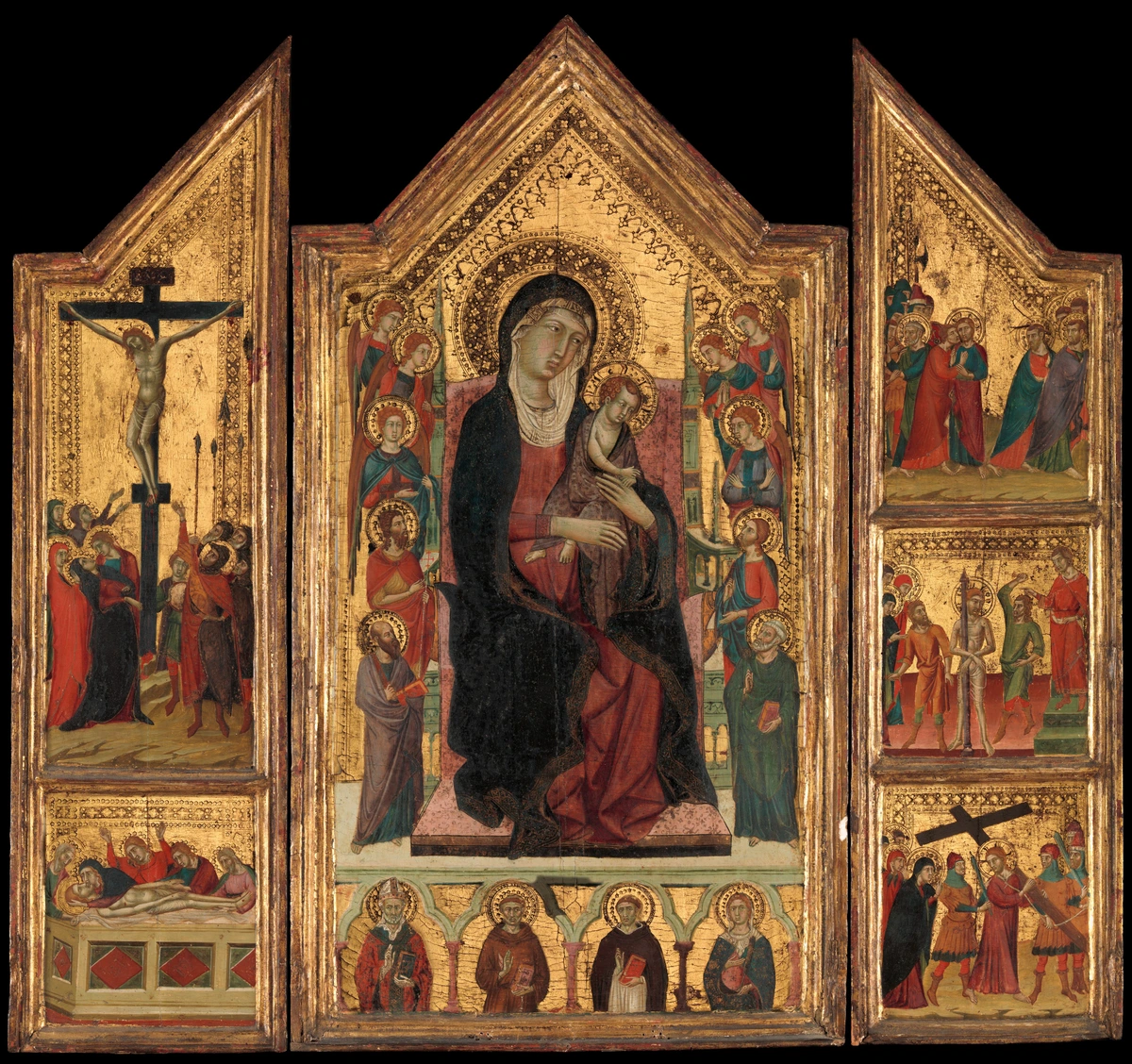
While monumental architecture and sculpture often grab the headlines, painting also saw significant developments during the Gothic period. We start seeing the emergence of altarpieces, often in forms like diptychs and triptychs, created for private devotion or church altars. These paintings, frequently executed in tempera on wood panels, were characterized by brilliant colors, extensive use of gold leaf (to represent the divine light), and intricate details.
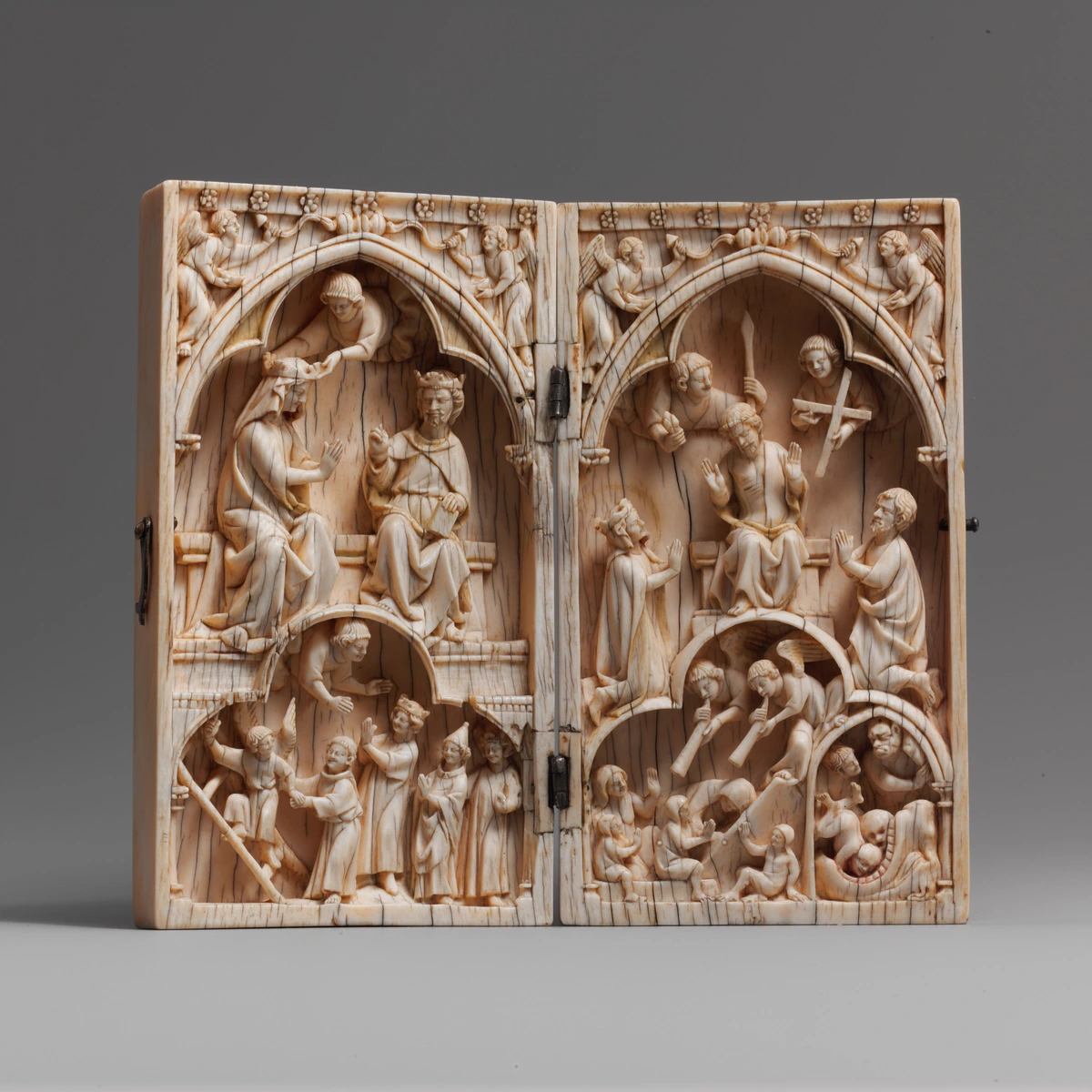
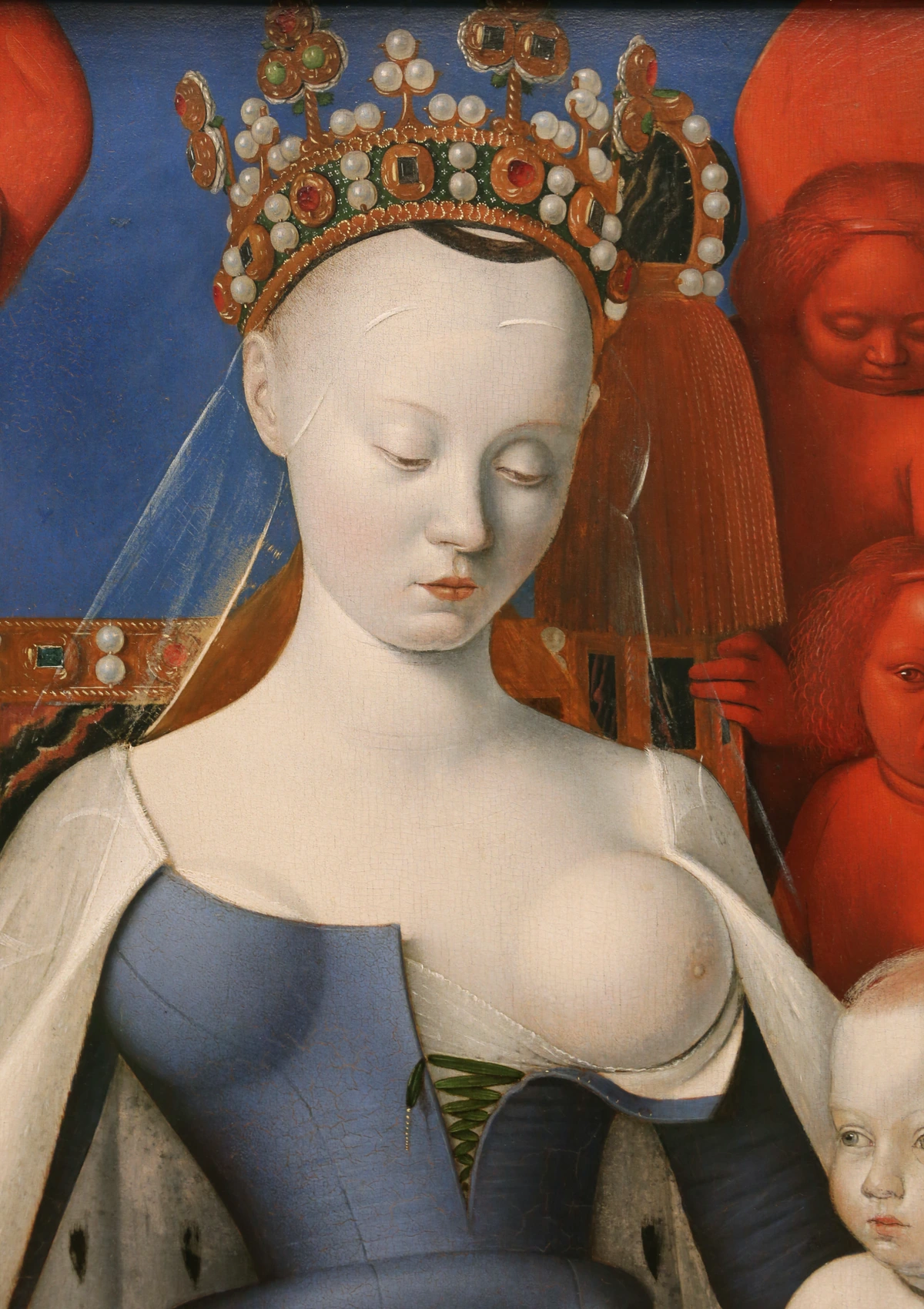
Take, for instance, the captivating works of artists like Jean Fouquet. His "Melun Diptych" is a stunning example of late Gothic or Early Netherlandish painting, showcasing an extraordinary blend of realism and spiritual iconography. The figures are rendered with such lifelike quality, yet they exist within a celestial, symbolic realm. It's this beautiful tension that makes them so engaging.
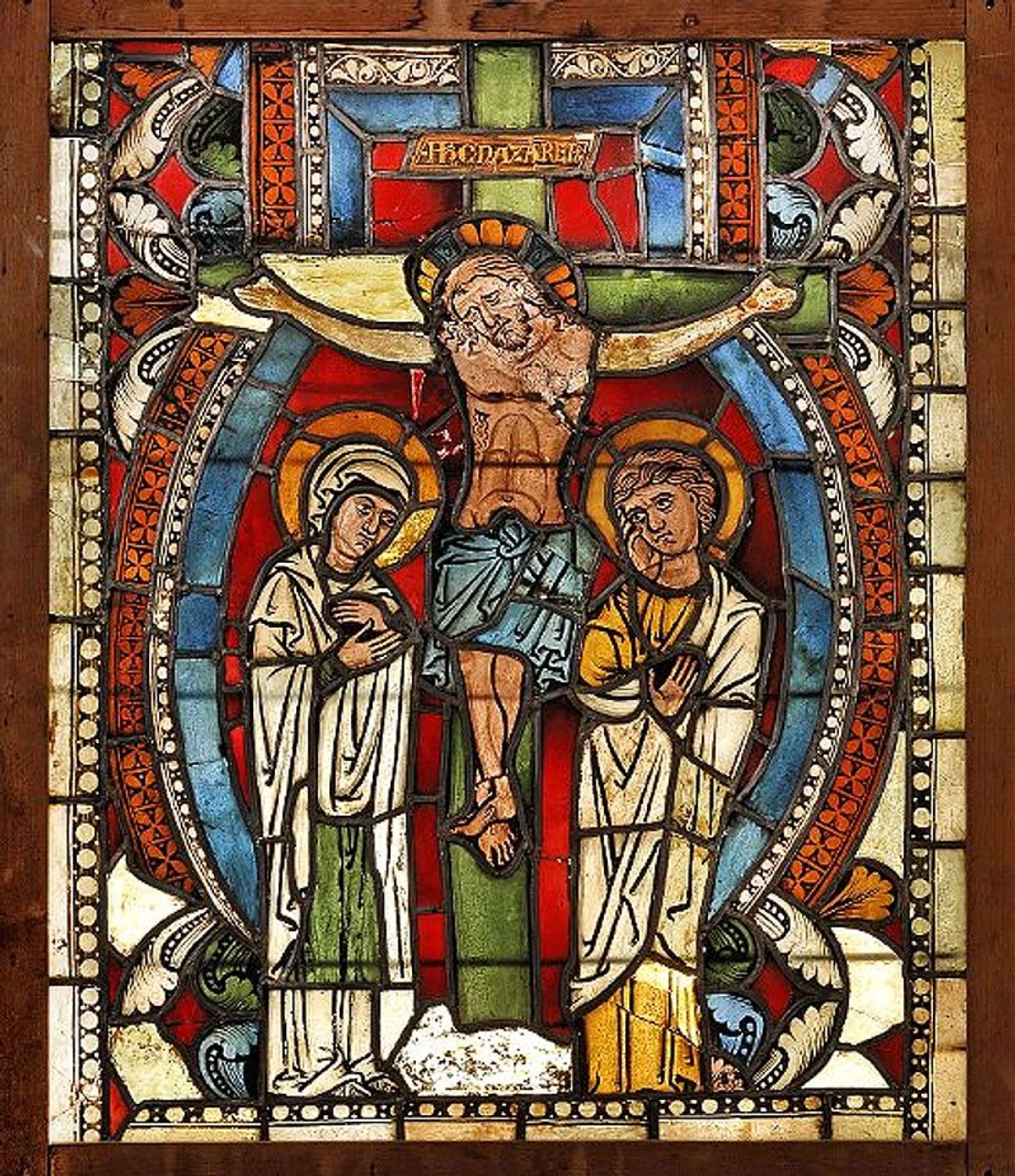
Another significant area was manuscript illumination, where exquisitely detailed miniature paintings adorned religious texts and books of hours. These were true treasures, showcasing incredible craftsmanship and vivid storytelling. For more on the multi-paneled format, you could check out my thoughts on what-is-a-diptych.
Symbolism and Storytelling: A Language of Faith
At its heart, Gothic art was a profound language of faith. Every architectural detail, every sculpted figure, every painted scene was laden with symbolism and intended to convey a spiritual message or a moral lesson. The narrative power was immense, designed to educate and inspire awe in the faithful. It's a bit like stepping into a visual sermon, isn't it? Understanding this context unlocks so much of its deeper meaning.
Where Gothic Art Flourished: A Brief Geographical Tour
Gothic art didn't just pop up everywhere all at once, perfectly formed. It truly began in northern France in the mid-12th century, with the rebuilding of the Abbey Church of Saint-Denis near Paris, spearheaded by Abbot Suger. From there, it radiated outwards, transforming artistic expression across Europe:
| Region | Key Characteristics & Examples Gothic as my chosen art movement. It marks a really important hinge point in art history, where things started to get a lot more interesting and dramatic after the fairly static styles of earlier periods. We'll be looking at its origins, the features that make it so distinctive, and some of the key works and artists that define this transformative era. Stick with me, and I promise you'll start to see a lot more than just 'dark' in Gothic art!
From Gothic Grandeur to Renaissance Rebirth: The Transition
No art movement exists in a vacuum, and Gothic art, for all its distinctiveness, wasn't an endpoint. In fact, it was a vital bridge, paving the way for the radical changes that would define the Renaissance. As the late Gothic period unfolded, particularly in Italy and the Low Countries, we see artists pushing the boundaries of realism, perspective, and human emotion even further. Figures became more three-dimensional, drapery more naturalistic, and compositions more spatially coherent. This growing emphasis on the human form and individual experience directly foreshadowed the humanism of the Renaissance.
Artists like Giotto, often considered a proto-Renaissance master, built directly on Gothic innovations in emotional expression and narrative clarity, but then took them to a whole new level of naturalism. It’s fascinating to trace that lineage, don't you think? It's like watching a story unfold, one chapter leading seamlessly into the next. To understand the full story, I often look at how things connect, you can even see links to later periods like the ultimate-guide-to-baroque-art-movement in the continued drama and grandeur.
FAQ: Your Burning Questions About Gothic Art
Got some questions swirling around your head? Perfect! Here are some common ones I often hear, and my take on them.

What defines Gothic art?
For me, it's defined by its aspiration towards heavenly light and divine presence, often conveyed through soaring architectural forms (think cathedrals with pointed arches and flying buttresses), luminous stained glass, and an increasing naturalism in sculpture and painting that aimed to make spiritual figures more relatable and human. There's a strong emphasis on storytelling and rich symbolism.
Where did Gothic art originate?
It truly began in Northern France, specifically with the rebuilding of the Abbey Church of Saint-Denis near Paris by Abbot Suger in the mid-12th century. From there, its influence spread across Western Europe, adapting to local tastes and traditions.
Is Gothic art dark and gloomy?
Absolutely not! This is the biggest misconception. While it emerged from the "Dark Ages," Gothic art, especially in its architecture and stained glass, was revolutionary for its emphasis on light, openness, and vibrant color. The aim was to create heavenly spaces filled with divine illumination. It's majestic and awe-inspiring, not gloomy.
What are some famous examples of Gothic art?
My personal favorites include the stained glass windows of Chartres Cathedral, the exquisite sculptures on the portals of Reims Cathedral, and for painting, works like Jean Fouquet's "Melun Diptych" or altarpieces by Sienese masters like Duccio di Buoninsegna. These really capture the essence of the period.
How does Gothic art differ from Romanesque art?
Think of it as an evolution! Romanesque art was characterized by thick walls, rounded arches, darker interiors, and often more rigid, stylized figures. Gothic art, by contrast, introduced pointed arches, flying buttresses, thinner walls, huge stained glass windows (allowing in much more light), and sculptures and paintings that were increasingly naturalistic, emotional, and dynamic. It's a move from the weighty and imposing to the lofty and luminous.
My Continued Fascination: Why Gothic Art Still Resonates
Even in our modern, often secular world, I find myself continually drawn back to Gothic art. Perhaps it's the sheer ambition of it all – the monumental scale, the meticulous craftsmanship, the profound sense of devotion that shines through every detail. It speaks to a universal human desire to connect with something larger than ourselves, to find meaning and beauty in the world. It reminds me that art, at its core, is about expressing what's deepest within us, whether that's faith, emotion, or a unique perspective on the world. This enduring power is something I constantly explore in my own work, finding inspiration in how different eras communicate their truths.




If you're ever in Europe, I highly recommend seeking out a Gothic cathedral or a museum with a strong medieval collection. Stand beneath those soaring vaults, let the light from the stained glass wash over you, and truly feel the history. It's an experience that transcends time and, I believe, connects us to a fundamental part of our artistic heritage. And who knows, maybe it will spark something in your own creative journey, much like it continues to spark mine. You can always explore more of this journey through my timeline of artistic influences, or even find pieces that resonate with this spirit in my buy collection.