
What is Gold Leaf Art? The Shiny Truth Behind Luminous Masterpieces
Discover the luminous world of gold leaf art – from ancient techniques to modern masterpieces. Learn why artists use this shimmering medium and how it creates unforgettable visual magic.

What is Gold Leaf Art? The Shiny Truth Behind Luminous Masterpieces
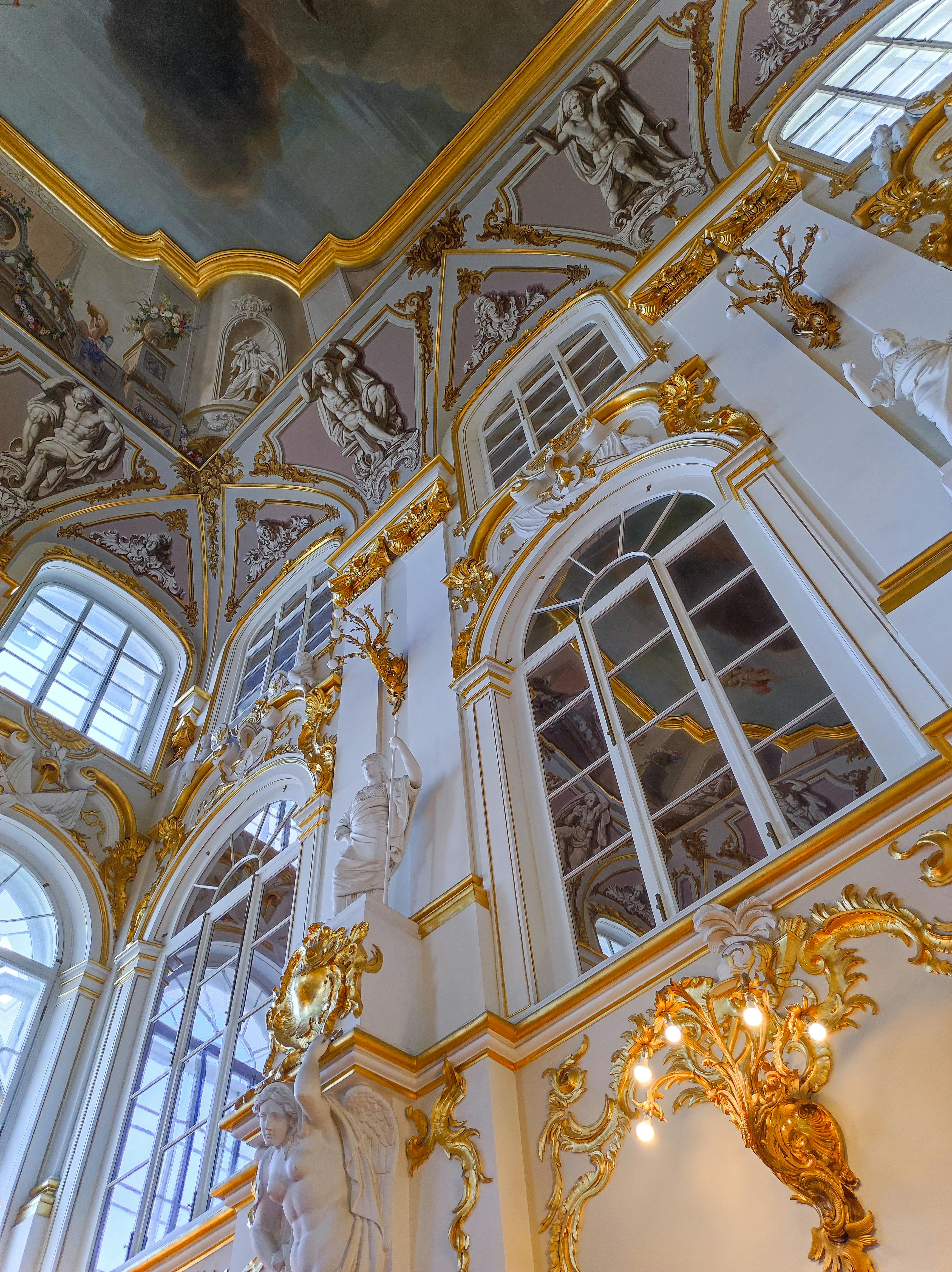
I remember standing in a cathedral once, mesmerized by a 500-year-old altar where sunlight danced across gilded angels. The way that gold seemed to both hold and project light simultaneously? That was my first real encounter with gold leaf art. It wasn't just "gold paint" – it felt like solid sunshine captured in thin sheets, breathing life into centuries-old craftsmanship.
Have you ever wondered what makes those Renaissance paintings glow? Why contemporary abstract pieces suddenly shimmer under gallery lights? That's gold leaf territory – and it's way more fascinating than just "glitter for grown-ups." Let's pull back the curtain on this luminous tradition.
What Makes Gold Leaf So Captivating?
Gold leaf art occupies this incredible space between the ancient and the avant-garde. Unlike any other art material, it carries this dual identity: it's simultaneously one of humanity's oldest art forms (dating back to ancient Egypt) and a cutting-edge medium used by contemporary artists pushing boundaries today.
The Timelessness of Gold
What truly captivates me is how gold leaf defies our expectations of "art materials." While most pigments fade, most metals tarnish, and most materials age – properly applied gold leaf holds its brilliance for centuries. I've seen Byzantine icons where the gold still glows as intensely as when first applied over a thousand years ago. This permanence isn't just practical; it speaks to this universal human desire to create something timeless, something that outlasts us.
There's something deeply human about this. We create art, knowing full well that most of it will eventually be lost to time. Yet with gold leaf, we have this material that seems to cheat time itself. It's like leaving a message for future generations that says "we were here, and we valued beauty."
The Paradox of Contemporary Use
Yet paradoxically, contemporary artists use this ancient material to explore themes of ephemerality, impermanence, and the fleeting nature of value itself. There's this beautiful tension in modern gold leaf work between the material's eternal quality and the artist's commentary on our disposable culture.
This tension creates art that's both ancient and modern, both permanent and fleeting. It's like the gold leaf itself becomes a metaphor for the human condition – we seek permanence in an impermanent world, we create beauty knowing it may not last, but we do it anyway because the act of creation matters more than the result.
The Sensory Experience
Gold leaf appeals to multiple senses simultaneously:
- Visual: The way it catches and reflects light
- Tactile: The texture and feel of the surface
- Auditory: The subtle sound when light hits it just right
- Emotional: The psychological response to its beauty and value
This multi-sensory experience creates a deeper connection between the artwork and the viewer that you don't get with most other mediums.
What Exactly Is Gold Leaf?
At its heart, gold leaf is what happens when we take gold and roll it into incredibly thin sheets – think thinner than human hair, transparent when cut right. We're talking 0.1 microns thick, which is about 1/8,000th of an inch. This thinness isn't a flaw; it's the magic ingredient.

The Physics of Thinness
To really understand gold leaf, you need to appreciate the scale we're working with:
Measurement  | Gold Leaf Equivalent | Visual Reference |
|---|---|---|
| 0.1 microns | Gold leaf thickness | 1/8000th of an inch |
| Human hair | ~70 microns | 700x thicker than gold leaf |
| Paper | ~100 microns | 1000x thicker than gold leaf |
| Aluminum foil | ~16 microns | 160x thicker than gold leaf |
At this thickness, gold leaf becomes semi-transparent. You can actually see through it when held up to light. This transparency is what allows artists to create those incredible effects where the gold seems to glow from within rather than just sitting on the surface.
The Gold Itself: Purity and Alloys
Not all gold leaf is created equal. The purity of the gold dramatically affects its properties:
Purity Level | Karat Rating | Characteristics | Common Uses |
|---|---|---|---|
| 99.9% pure | 24K | Softest, truest gold color | Museum work, restoration |
| 91.7% pure | 22K | Slightly harder, rich gold | Traditional gilding, outdoor work |
| 75.0% pure | 18K | Much harder, paler gold | Detailed work, high-wear areas |
| 58.5% pure | 14K | Very hard, yellowish gold | Jewelry applications, durability-focused work |
The other metals in the alloy (usually silver and copper) affect both the color and the workability of the gold. Higher purity means more beautiful color but more difficulty working with the material.
The Science Behind the Thinness
To really appreciate gold leaf, you have to understand the physics of what makes it work. At 0.1 microns thick, gold leaf is actually semi-transparent when held up to light. That's why you can see the color of the surface beneath it through the gold – it's not just covering up; it's interacting with what's already there.
This transparency is what creates those incredible color shifts in Renaissance paintings. Artists would paint a blue sky, then apply gold leaf over it, and the combination would create this ethereal, otherworldly effect that no paint alone could achieve. The blue would show through the thin gold, creating this impossible purple-blue-gold shimmer that seemed to glow from within.
Modern artists still use this principle, often applying gold leaf over bright colors to create unexpected visual harmonies. I've seen artists use gold leaf over reds to create deep crimson effects, or over greens to create emerald tones that seem to have their own internal light source.
This transparency is what creates those incredible color shifts in Renaissance paintings. Artists would paint a blue sky, then apply gold leaf over it, and the combination would create this ethereal, otherworldly effect that no paint alone could achieve. Modern artists still use this principle, often applying gold leaf over bright colors to create unexpected visual harmonies.
The Making Process: From Bullion to Brilliance
The traditional process of making gold leaf feels almost alchemical. It's one of the few art-making processes that hasn't fundamentally changed in over 5,000 years, which is absolutely mind-boggling when you think about it.
- Pounding – Gold is beaten between layers of skin (historically) or modern alternatives like parchment paper. This process is called "gold beating" and requires incredible skill and precision. The gold is gradually thinned out through repeated hammering, turning a small nugget into sheets that are nearly impossible to see.
- Cutting – The hammered sheets are carefully sliced into manageable squares. This was traditionally done with special knives and requires an incredibly steady hand. One wrong move and you've ruined an entire sheet.
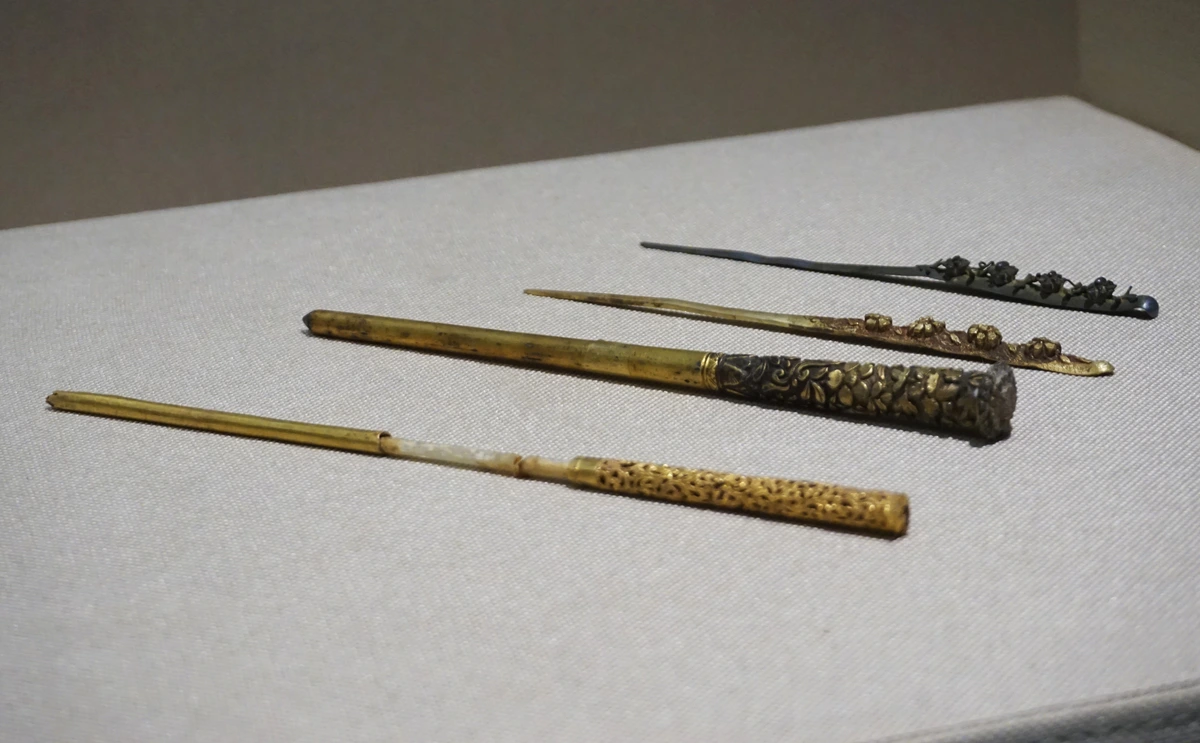
- Handling – Transfer leaf comes mounted on paper, while loose leaf requires special tools and patience. Loose leaf is the traditional form and requires the gilder to use special brushes (called gilder's tips) to pick up the sheets without tearing them.
What you're left with is fragile, surprisingly lightweight sheets that transform flat surfaces into luminous experiences. When applied properly, it doesn't sit on the surface – it transforms the surface itself. The gold becomes part of whatever it's applied to, creating this unified whole where you can't tell where the surface ends and the gold begins.
Types of Gold Leaf: More Than Just One Kind
Most people think "gold leaf" is just gold leaf, but there's actually quite a variety. The world of gold leaf is much more diverse than most people realize, with different types suited to different applications and aesthetic goals.
Type | Gold Content | Characteristics | Best Uses |
|---|---|---|---|
| 24K Pure Gold Leaf | 99.9% | True gold color, most expensive | Museum-quality work, restoration |
| 22K Gold Leaf | 91.7% | Slightly harder, rich golden hue | Traditional gilding, outdoor work |
| 18K Gold Leaf | 75% | Much harder, paler gold | High-wear areas, detailed work |
| 14K Gold Leaf | 58.5% | Very durable, yellowish tint | Commercial applications, furniture |
| Dutch Metal | Copper/Zinc alloy | Imitation gold, tarnishes easily | Temporary applications, budget projects |
| Patina Leaf | Various metals | Pre-treated for aged effects | Antiquing, historical recreations |
| Variegated Leaf | Gold + other metals | Creates rainbow effects | Decorative arts, contemporary pieces |
| Silver Leaf | 99.9% silver | Bright white, tarnishes to black | Modern art, contrast pieces |
| Copper Leaf | Pure copper | Warm red, develops patina | Art deco styles, aged effects |
| Aluminum Leaf | Pure aluminum | Bright silver, lightweight | Contemporary work, large areas |
Regional Variations in Gold Leaf Quality
Not all gold leaf is created equal, and where it comes from matters significantly:
Origin | Characteristics | Reputation | Price Range |
|---|---|---|---|
| Italian | Very thin, high quality | The gold standard | $200-300/book |
| Japanese | Consistent thickness | Excellent for precision work | $150-250/book |
| Indian | Good quality, affordable | Great value | $50-100/book |
| German | Durable, good for outdoor | Industrial quality | $100-150/book |
| American | Consistent, reliable | Good all-around | $100-200/book |
The choice of leaf dramatically affects both the final appearance and the longevity of the work. I've seen artists use different types within the same piece to create intentional color variations that become more pronounced over time as different metals tarnish at different rates. This creates a living artwork that changes subtly as it ages.
credit, licence
Why Artists Can't Resist Its Glow
Let's be real – artists love gold leaf for three big reasons – but honestly, the real reasons go much deeper than that.
The Visual Magic: Light Interaction
Reason | What It Means | Why Artists Care |
|---|---|---|
| Light Play | Captures and reflects ambient light dynamically | Creates living art that changes with the room's atmosphere |
| Symbolism | Represents divinity, eternity, and value across cultures | Adds layers of meaning beyond the visual |
| Texture | Adds physical dimension to paintings and objects | Creates tactile experiences viewers can almost feel |
| Chemical Stability | Gold doesn't oxidize or react with other materials | Work lasts centuries without degradation |
| Versatility | Can be applied to almost any surface | Unlimited creative possibilities |
| Cultural Universality | Recognized across cultures and time periods | Creates immediate connection with diverse audiences |
| Investment Value | Gold retains monetary value | Artwork may appreciate over time |
The Emotional Connection
Gold leaf does something to a painting that no other material can. It creates this immediate sense of value and importance. When I see a piece with gold leaf, I instinctively know it's special – not just because of the cost, but because the artist chose to invest that extra effort, that extra fragility, that extra time to make something extraordinary.
There's something deeply psychological about our response to gold. It's not just cultural – there are biological reasons we're drawn to it:
- Evolutionary attraction: Our ancestors associated shiny objects with water and resources
- Rarity response: Gold's scarcity triggers our "value" receptors
- Light reflection: The way it captures light mimics sunlight, which our brains associate with safety and life
- Warmth association: The golden color connects to fire, warmth, and survival
This primal response is why gold leaf has such immediate emotional impact. It bypasses our rational thinking and speaks directly to something deep in our psyche.
I've watched modern artists use it alongside neon pinks and violent blues – that contrast between ancient luxury and contemporary energy? It's electrifying. One contemporary piece I saw had gold leaf cracks filled with turquoise resin, looking like geological formations frozen in time. Another artist used gold leaf on a completely black canvas, so it was almost invisible until you moved, catching the light just right.
The Technical Challenge
Beyond the aesthetics, there's something inherently satisfying about mastering gold leaf technique. It's unforgiving – one wrong breath, one moment of impatience, and you've got a ruined sheet and wasted gold. This high-stakes precision creates a kind of meditation. When you finally get it right, when that perfect sheet lays down smoothly on your size? That feeling is addictive. It's the art equivalent of a perfect golf swing or playing a complex musical passage flawlessly.
More Than Just Shiny Stuff: The Real Techniques
Applying gold leaf is one-part art, one-part alchemy – and honestly, it's one-part therapy too. There's something incredibly meditative about the process, about moving slowly and deliberately across a surface.
The Application Methods Explained
Method | How It Works | Best For | Vibe |
|---|---|---|---|
| Oil Size | Slow-drying adhesive applied before leaf | Detailed work, outdoor use | Patient, traditional |
| Water Size | Quick-drying adhesive for immediate gilding | Bookbinding, restoration | Quick, reactive |
| Gesso | White gypsum base creates depth | Sculptures, panel paintings | Sculptural, dimensional |
| Acrylic Size | Modern, adhesive medium for diverse surfaces | Contemporary art, mixed media | Versatile, modern |
| Shellac Size | Traditional French polish for furniture | Antiques, high-end furniture | Authentic, historical |
| Polyurethane Size | Modern, durable finish for harsh environments | Outdoor sculptures, commercial spaces | Industrial, permanent |
| Animal Glue Size | Traditional hide glue for restoration | Historical recreations, period-accurate work | Authentic, historical |
| Synthetic Size | Modern chemical adhesives | General purpose, beginner-friendly | Practical, accessible |
Understanding Adhesive Chemistry
The choice of adhesive (called "size") is absolutely critical to gold leaf success. Different sizes work through different chemical processes:
Size Type | Chemistry | Drying Time | Characteristics |
|---|---|---|---|
| Oil-based | Oxidation process | 12-24 hours | Water-resistant, durable |
| Water-based | Evaporation | 15-30 minutes | Quick, reversible |
| Protein-based | Denaturation | 1-2 hours | Strong, traditional |
| Synthetic | Polymerization | 30-60 minutes | Consistent, reliable |
Each type of size creates a different bond with the gold leaf, affecting how it adheres, how it ages, and how it responds to environmental factors. Mastering the different sizes is half the battle of becoming a skilled gilder.
The Burnishing: Where the Real Magic Happens
The real magic? Burnishing – when artists use smooth agate or bone tools to polish the leaf, making it glow like it's lit from within. This is where you take from "pretty shiny" to "incredibly luminous." Burnishing compresses the gold molecules, making them lie flatter and reflect more consistently.
The science behind burnishing is fascinating. When you agitate the gold surface with a smooth tool, you're actually microscopically deforming the gold molecules, making them align more uniformly. This uniform alignment allows light to reflect more predictably and intensely, creating that incredible glow effect.

Burnishing Tools and Techniques
Different burnishing tools create different effects:
Tool | Material | Effect | Best For |
|---|---|---|---|
| Agate Burnisher | Natural agate stone | Smooth, high shine | Traditional gilding, museum work |
| Bone Burnisher | Animal bone | Soft, warm glow | Religious art, period pieces |
| Steel Burnisher | Polished steel | Very bright, reflective | Modern work, contemporary pieces |
| Jade Burnisher | Jade stone | Cool, smooth finish | Asian art styles, delicate work |
| Custom Burnishers | Various materials | Specialized effects | Artist's personal style |
In Renaissance workshops, this was often left to specialists – the "burnishers" – who guarded their polishing techniques like trade secrets. These were the master craftspersons who could make gold appear to glow from within rather than just reflecting external light. Their skill was considered so valuable that they were often paid more than the artists who applied the gold.
Advanced Techniques: Going Beyond Basic Gilding
Once you master the basics, the possibilities explode. Gold leaf is one of those mediums where you can spend a lifetime learning new techniques and variations. Each master gilder develops their own signature style and methods.
Advanced Technique | Description | Difficulty Level | Visual Effect |
|---|---|---|---|
| Matting | Creating a dull, non-reflective finish by lightly sanding the gold | Intermediate | Soft, antiqued appearance |
| Toning | Applying transparent colors over the gold to create patinas | Advanced | Colored, aged effects |
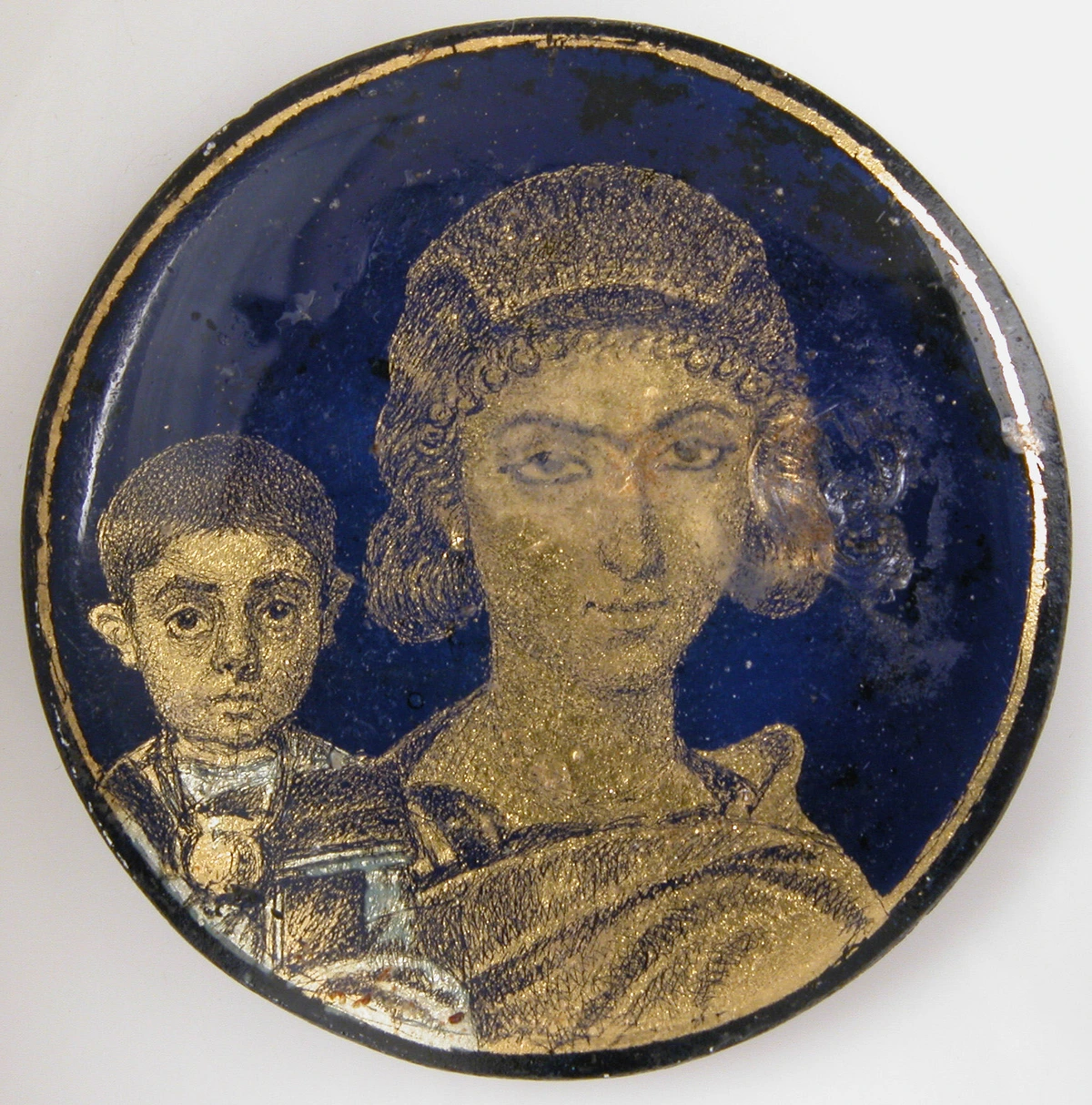
| Verre Églomisé | Applying gold to glass and engraving from the reverse | Expert | Multi-colored, dimensional |
| Oil Gilding | Using oil-based size for outdoor durability | Beginner | Durable, water-resistant |
| Water Gilding | Traditional method for highly burnished finishes | Advanced | Mirror-like, luminous |
| Reverse Gilding | Applying gold then burnishing through paper | Expert | Textured, aged appearance |
| Florentine Gilding | Creating patterns and textures in the gold | Intermediate | Decorative, ornamental |
| Ornamental Gilding | Creating intricate designs and borders | Advanced | Detailed, precise work |
| Verre de Soie | Gold leaf on silk for translucent effects | Expert | Ethereal, delicate |
Experimental and Contemporary Techniques
Modern artists are constantly developing new ways to work with gold leaf:

- Digital Gilding: Using digital tools to plan and design gilding patterns
- Mixed Media Gilding: Combining gold leaf with unconventional materials
- Performance Gilding: Creating gilding as part of live art performances
- Collaborative Gilding: Working with other artists on large-scale installations
- Sustainable Gilding: Developing eco-friendly alternatives to traditional methods
Each technique creates completely different effects. I once saw a piece where the artist had used reverse gilding on canvas – the result was this incredible, cracked texture that made the gold look ancient and weathered, like it had been excavated from a tomb. The contrast between the brilliant gold and the aged, cracked surface created this powerful tension between permanence and decay.
Historical Glimpses: From Pyramids to Street Art
Gold leaf's journey through history feels like tracking human fascination with beauty and permanence. It's one of the few art materials that appears in virtually every major civilization, adapted to local aesthetics while maintaining its essential nature.
Ancient Civilizations: Gold as Divine
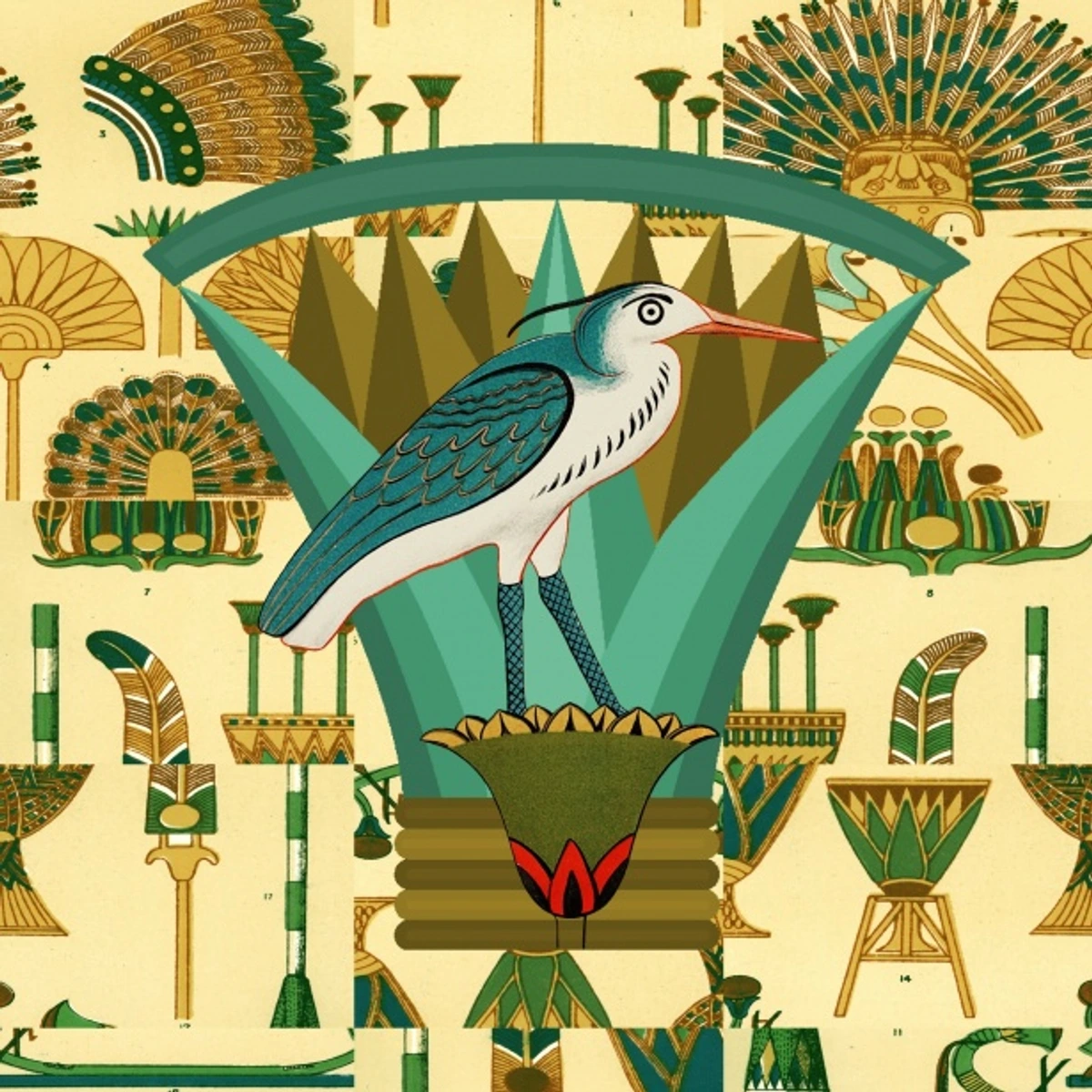
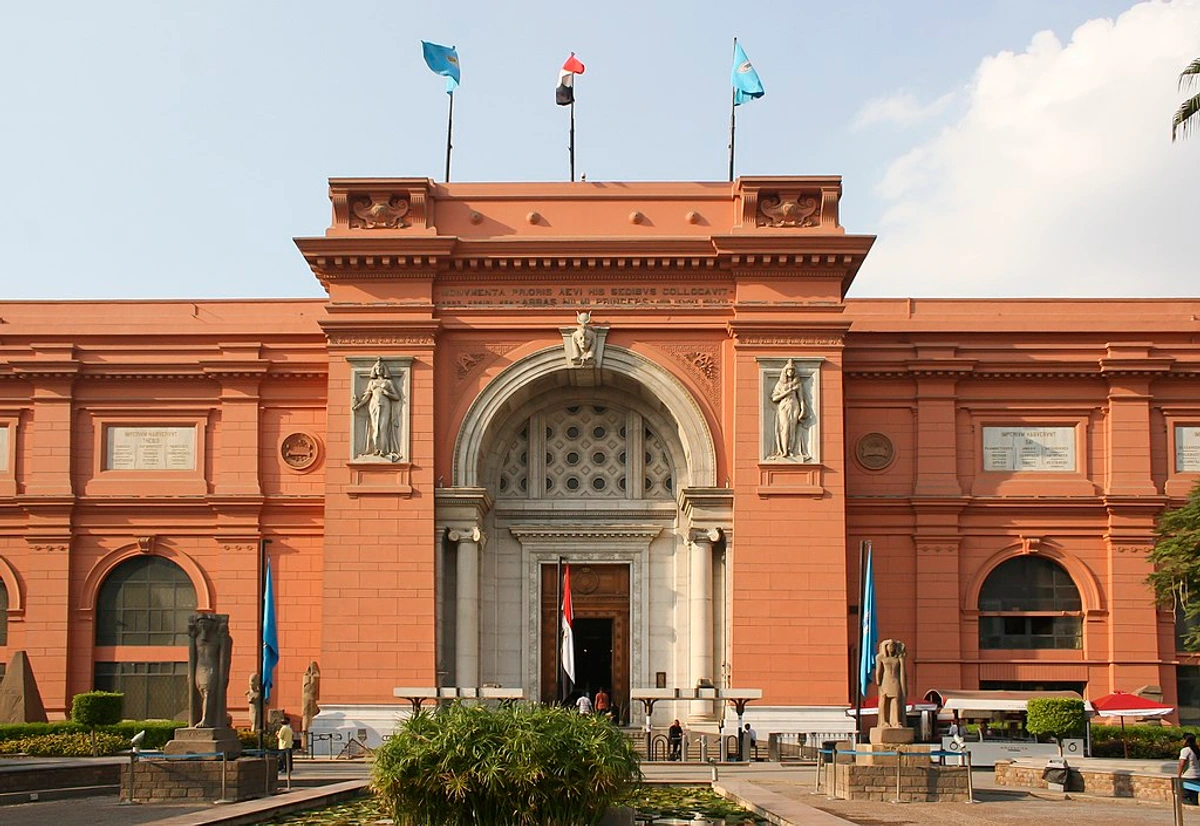
- 3000 BCE: Egyptians gilded sarcophagi and burial masks to reflect the sun's life-giving energy. They believed gold was the "flesh of the gods" – indestructible and eternal. Tutankhamun's mask alone used over 23 pounds of gold leaf. The Egyptians had incredibly sophisticated techniques – they could produce gold leaf so thin it was semi-transparent, allowing them to create effects that seemed magical to the untrained eye.
- 500 BCE: Greeks used gold leaf in temple decorations and religious statues, believing it helped connect the divine and mortal realms. The Parthenon originally had extensive gold leaf decorations that would have caught the sunlight brilliantly.
- 100 CE: Romans gilded everything from chariots to furniture, seeing gold as a symbol of both wealth and divine favor. Roman gilding techniques were so advanced that some of their work has survived remarkably well.
Medieval Period: The Age of Illumination
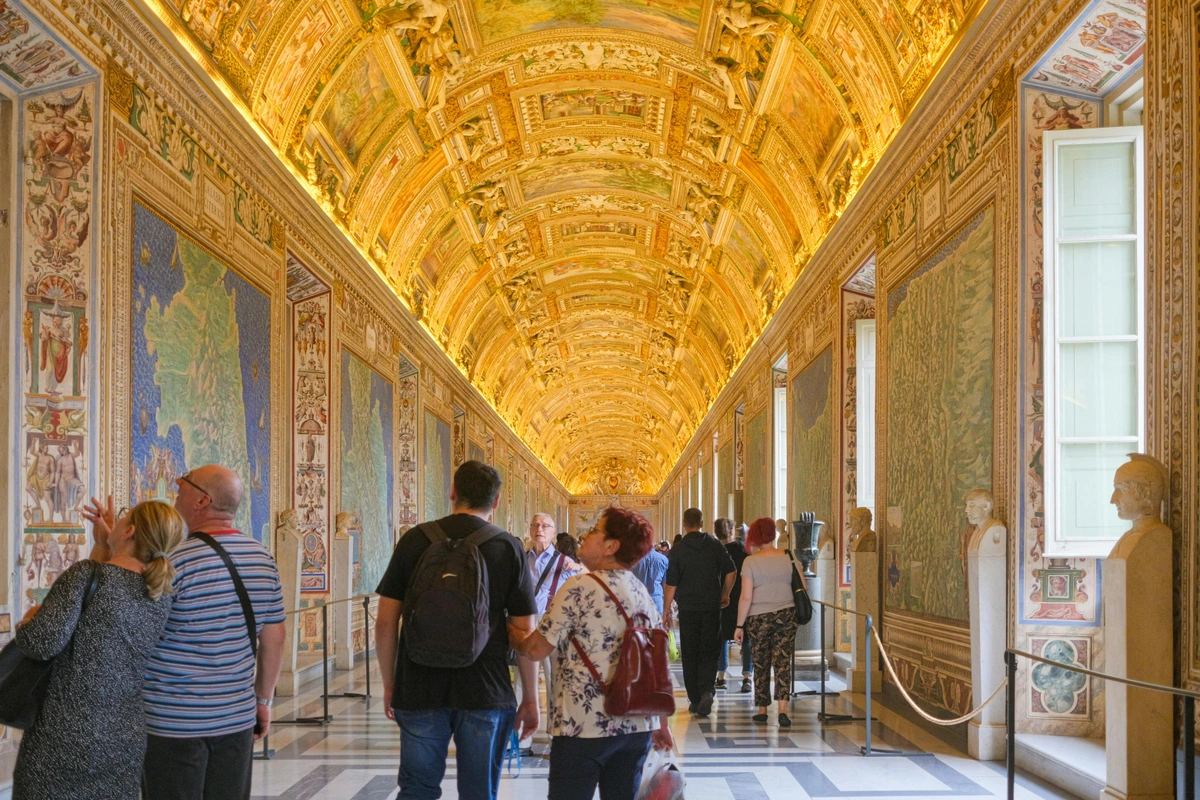
- 400-800 CE: Early Christian manuscripts used gold leaf extensively, creating the famous "illuminated manuscripts" that represent some of the finest craftsmanship of the period.
- 800-1200 CE: Islamic art developed incredible geometric patterns using gold leaf, avoiding figurative representations as religious tradition dictated.
- 1200-1400 CE: European Gothic saw gold leaf used in cathedral decorations, often in combination with bright colors to create dramatic religious imagery.
The medieval period was really when gold leaf techniques reached their peak in Western art, with monks and artisans developing incredibly sophisticated methods for application and finishing.
Medieval and Renaissance: The Age of Illumination
- 1200s CE: European illuminated manuscripts used gold leaf to highlight divine figures. The term "illuminated" originally referred to the gold-leaf decorations that "lit up" the page.
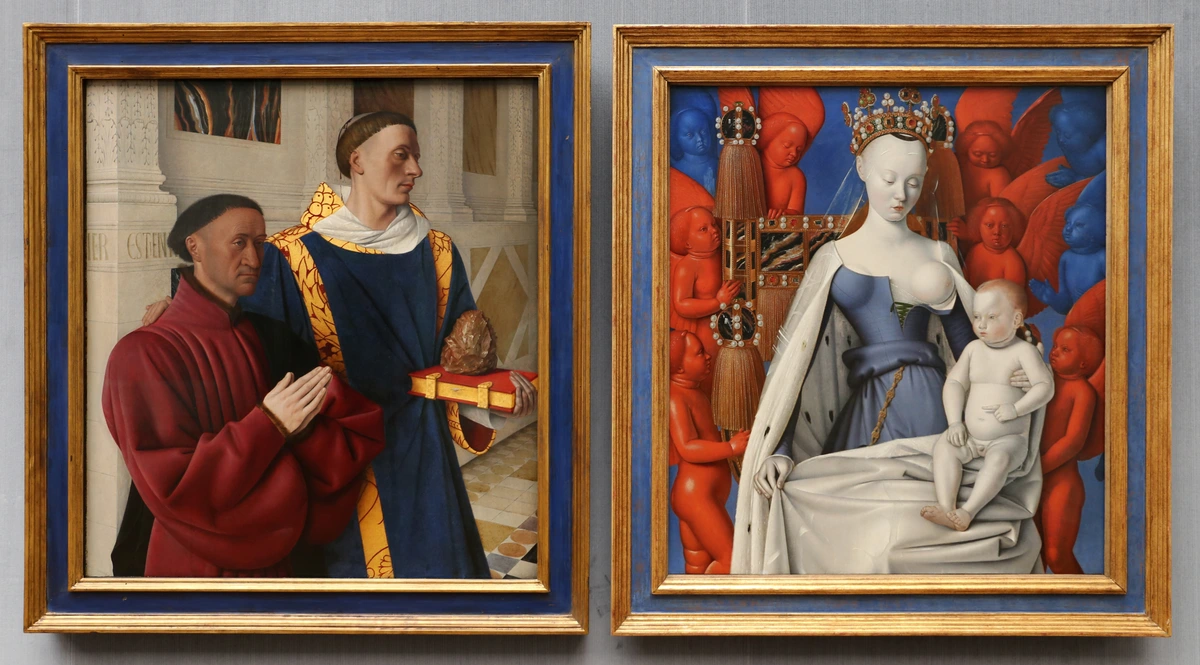
- 1400s Renaissance: Titian and Botticelli mastered "oil gilding" for heavenly backgrounds. This period saw gold move from decoration to essential artistic expression.
- 1500s: The development of water gilding allowed for incredibly smooth, burnished finishes that seemed to glow from within.
Modern Era: Breaking Boundaries
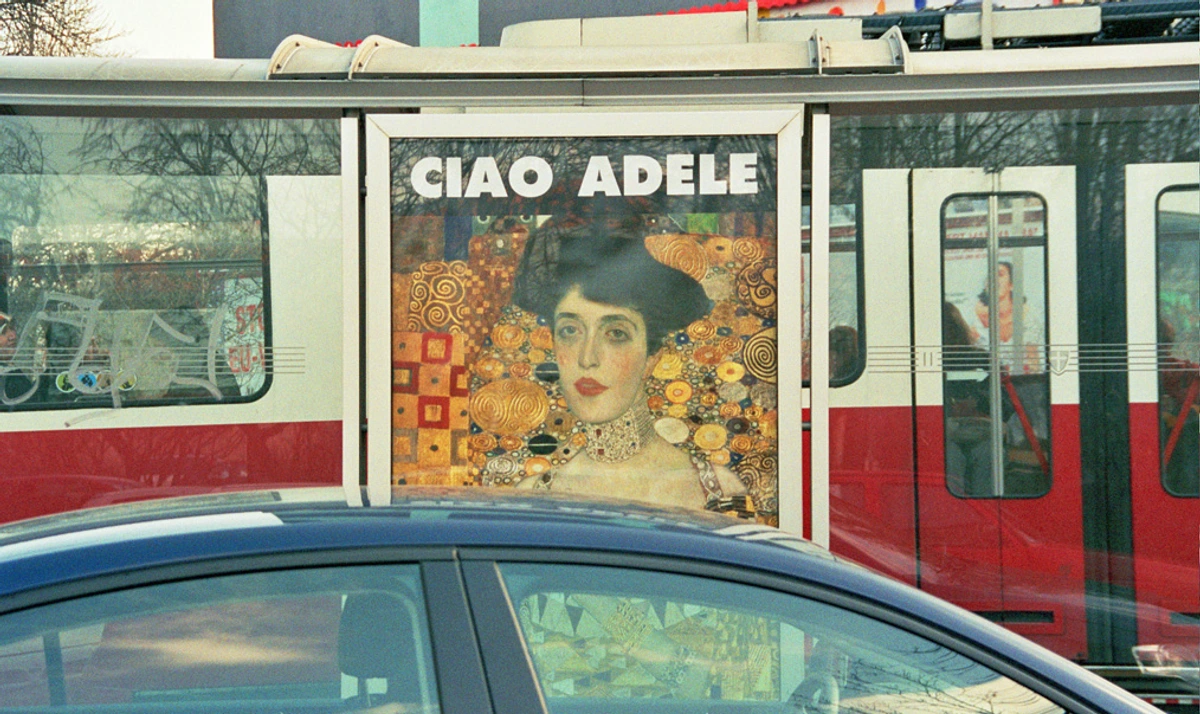
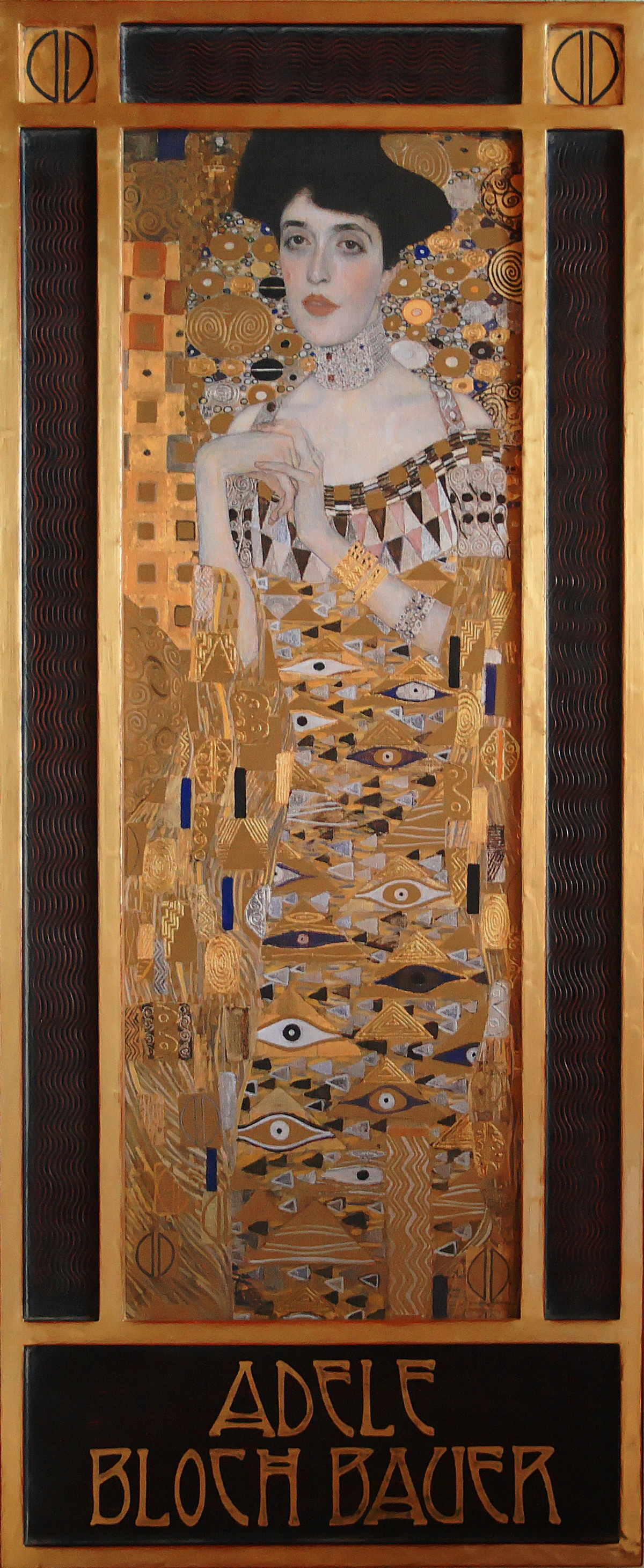
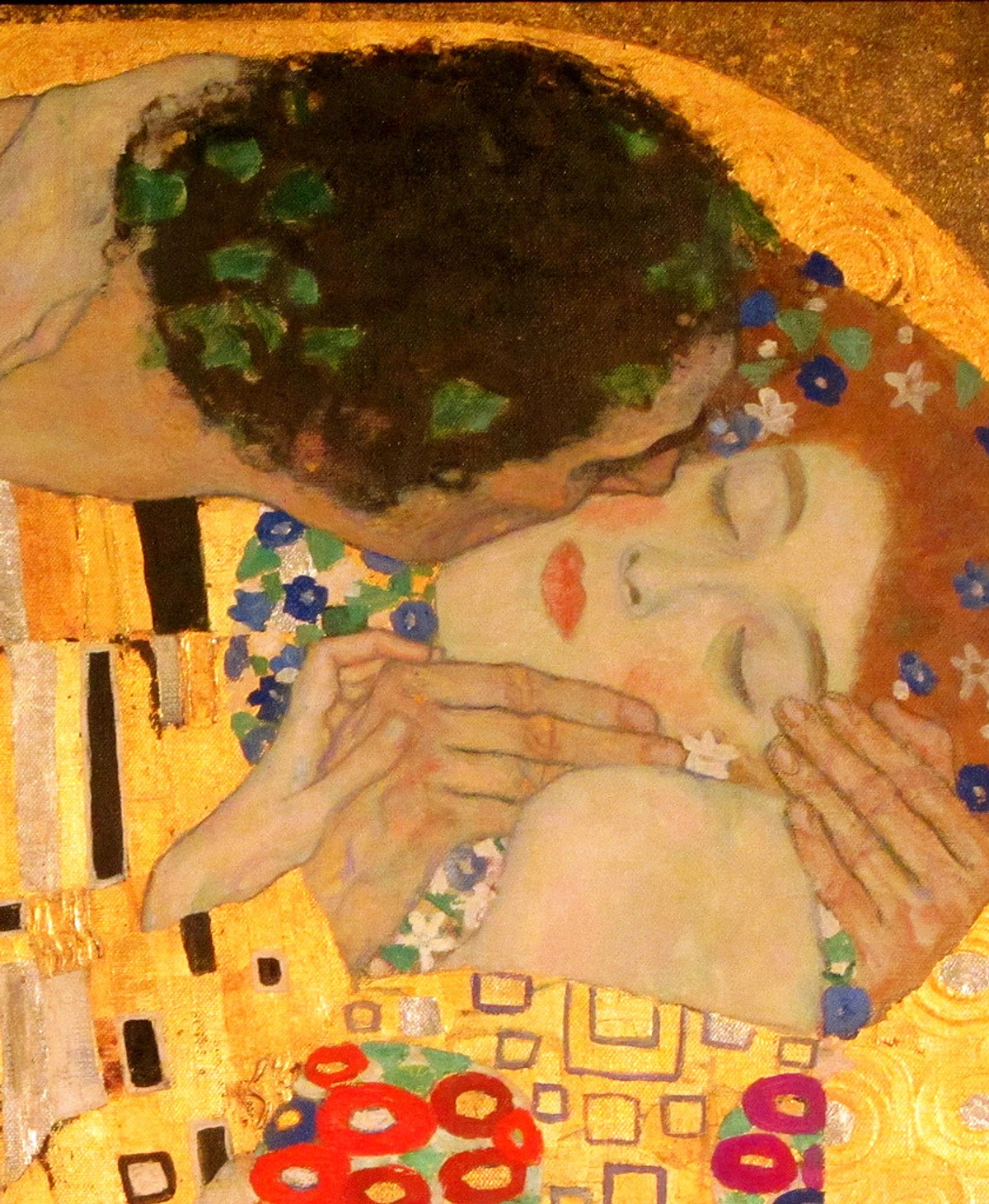
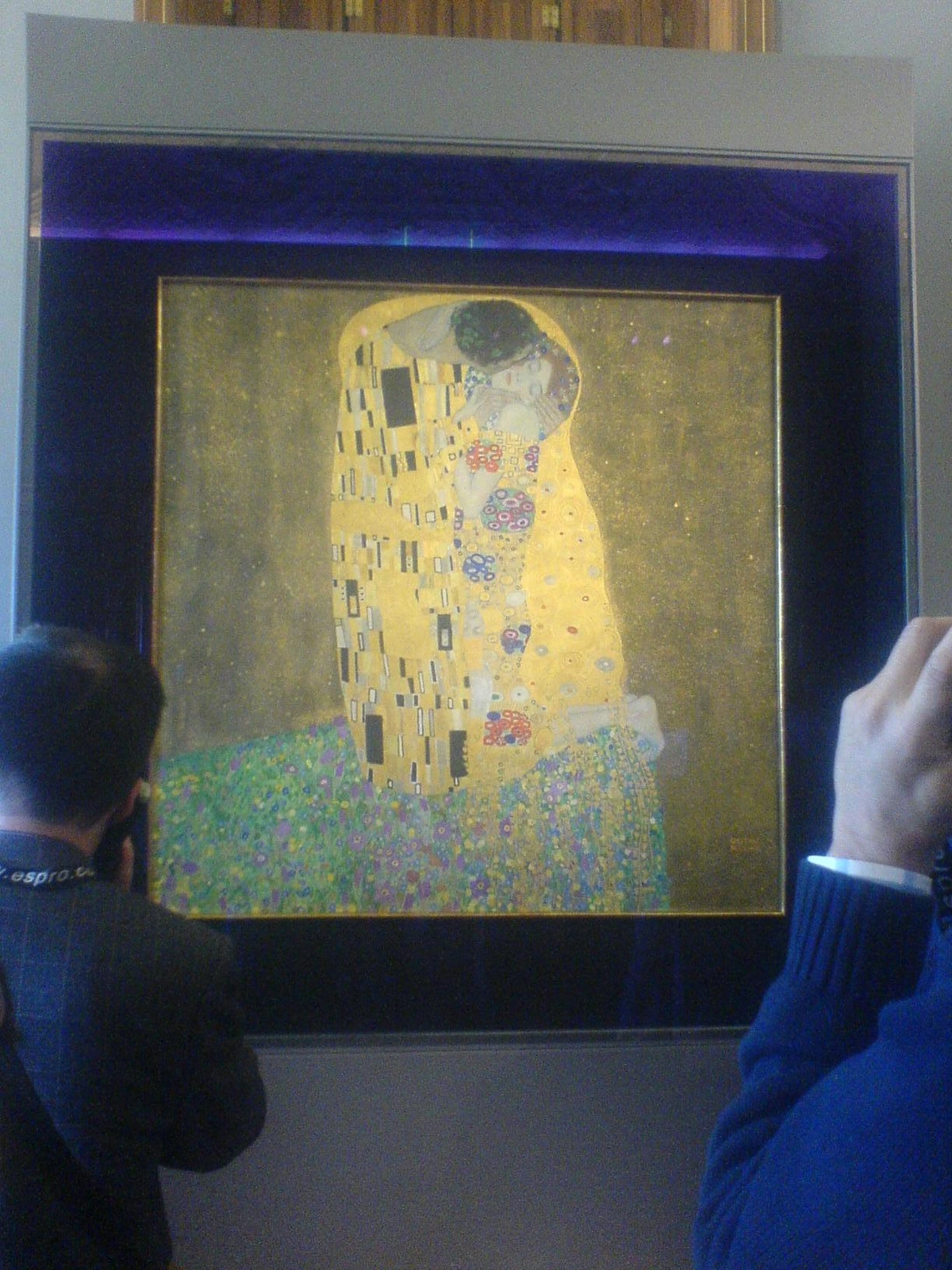
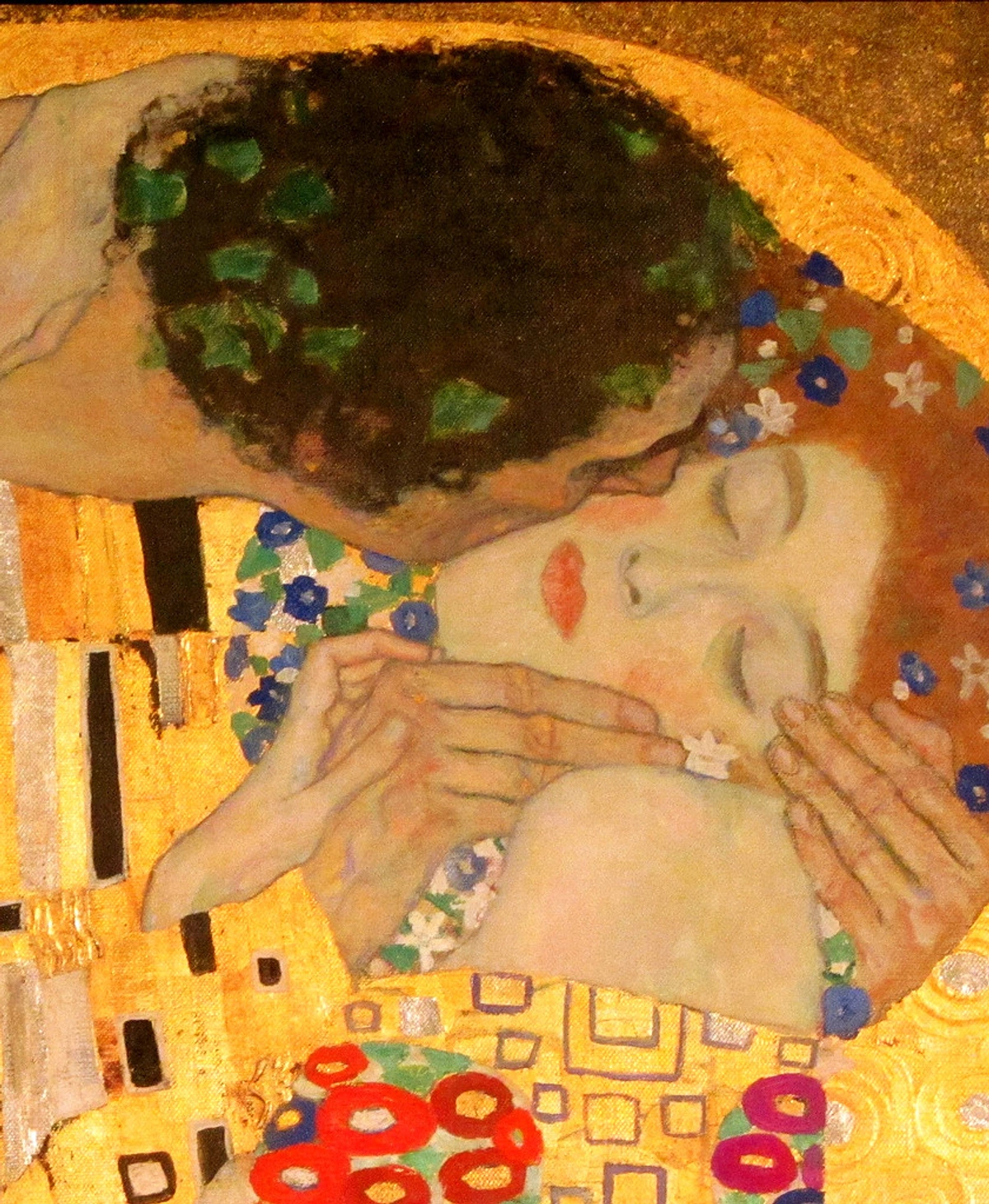
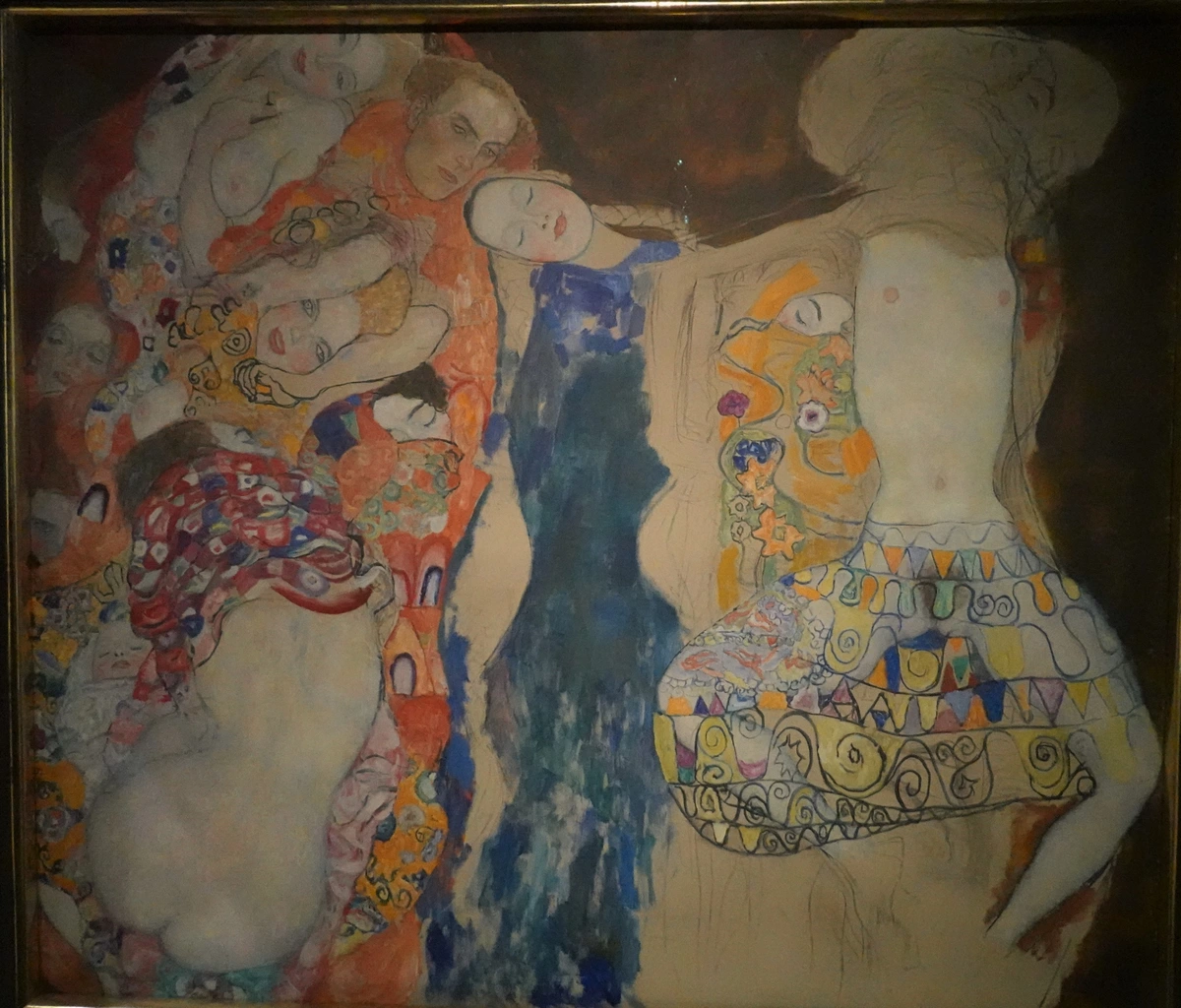
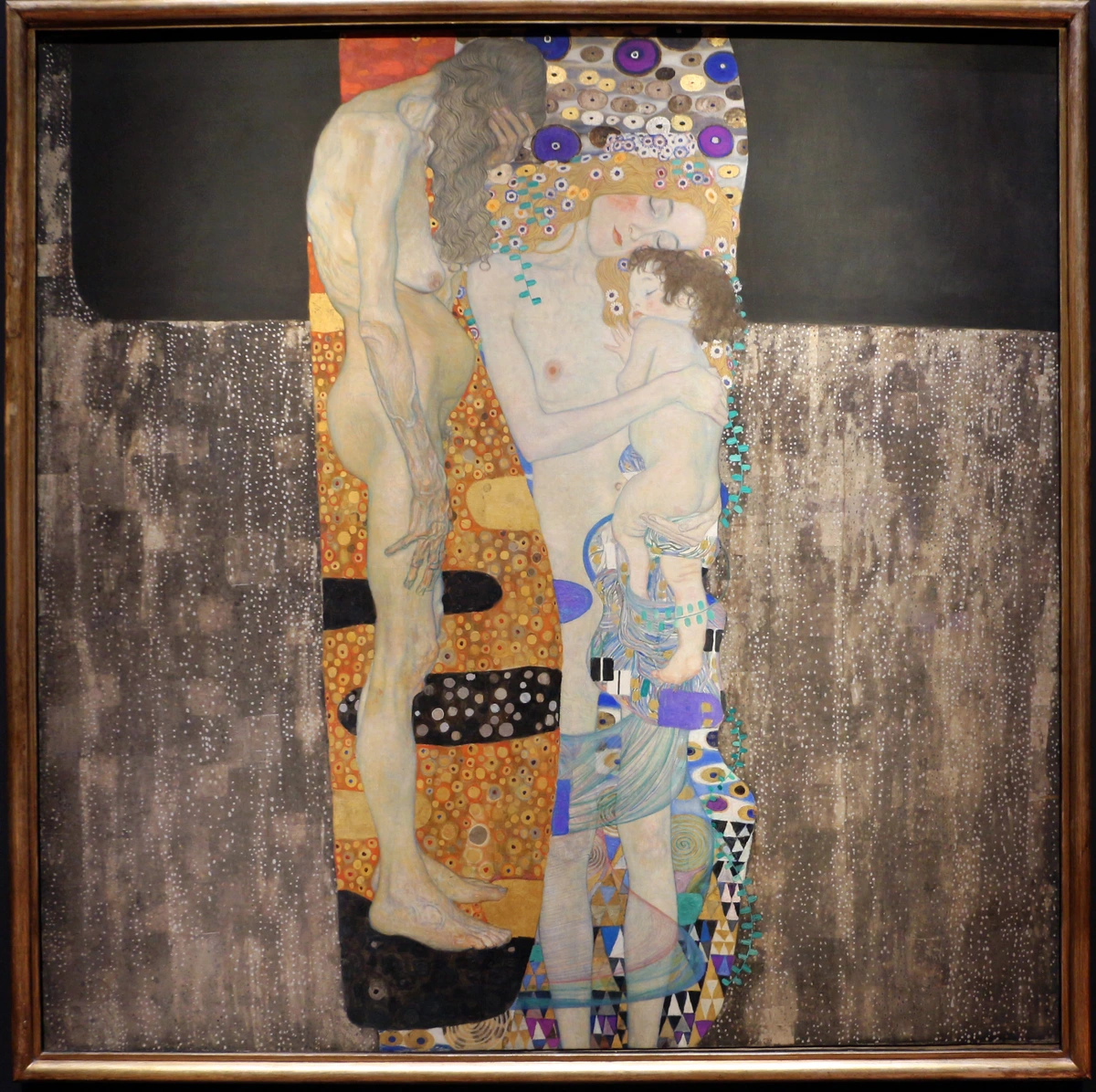
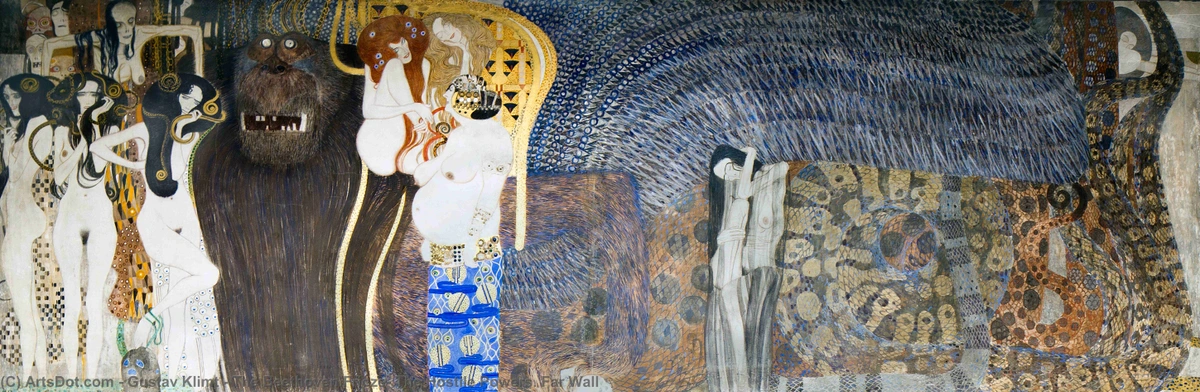
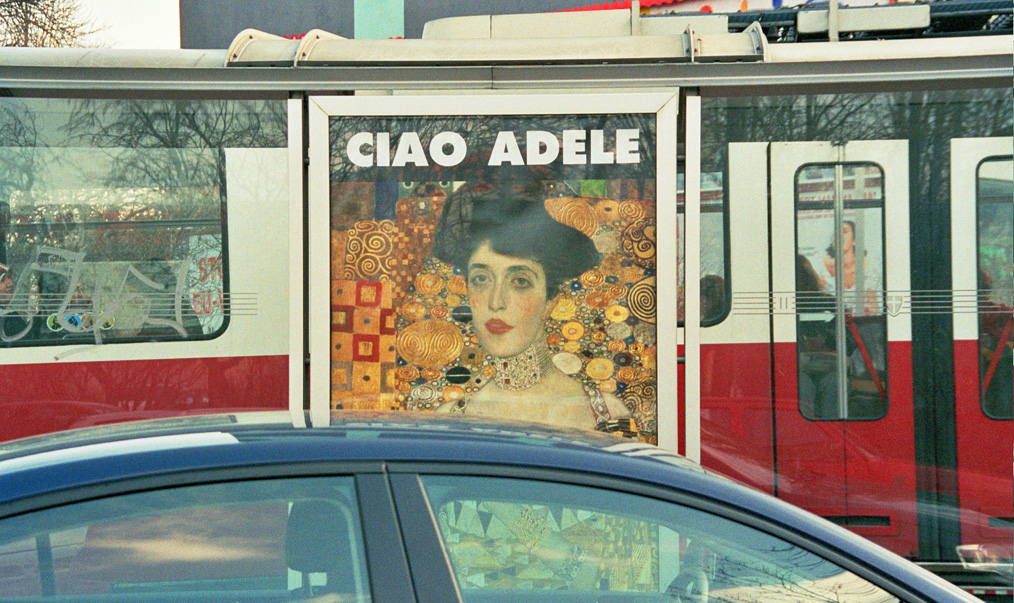
- 1900s Art Nouveau: Klimt used gold leaf with geometric patterns, creating "golden periods" that bridged traditional craftsmanship with modern sensibility.
- 1920s Art Deco: Gold leaf became synonymous with luxury, used in everything from fashion to architecture to create that sense of modern opulence.
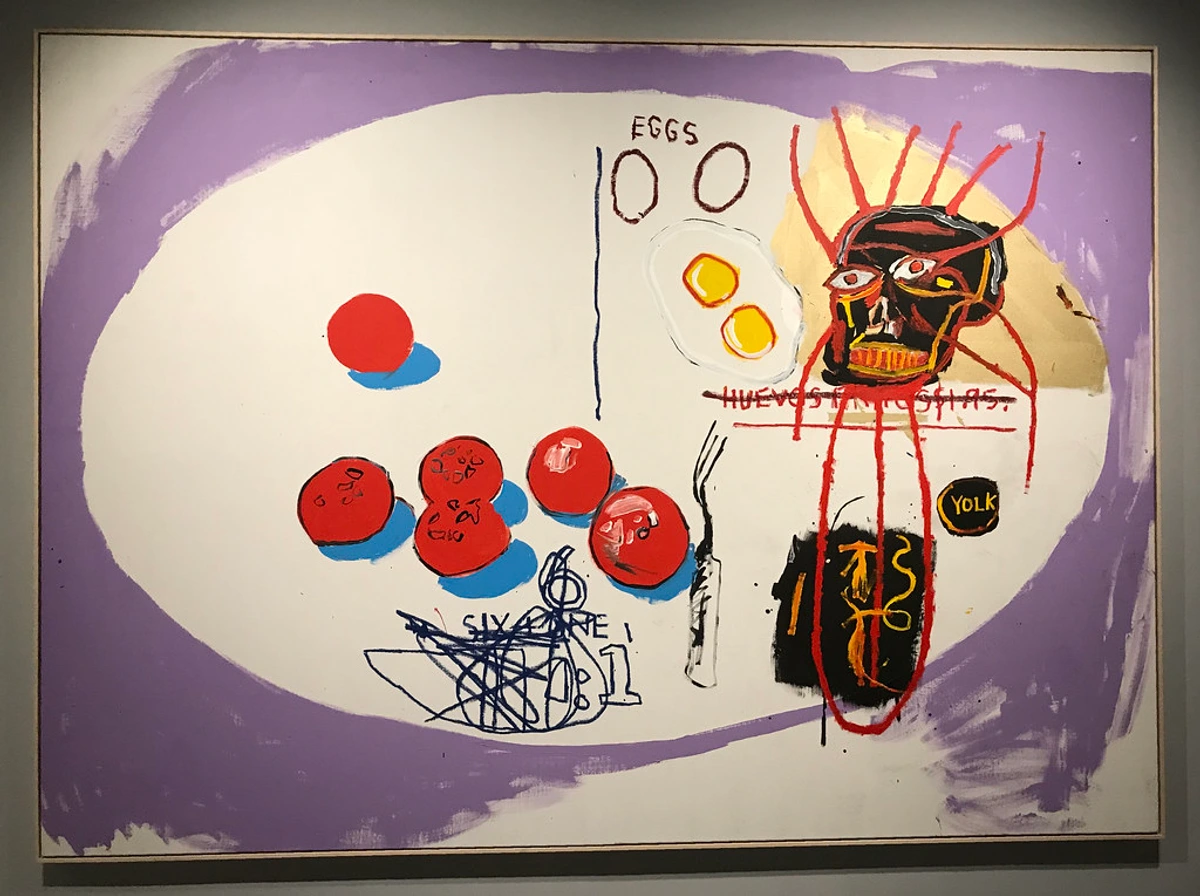
- 1960s Pop Art: Artists like Andy Warhol incorporated gold leaf to comment on consumer culture and the nature of value itself.
- Today: Artists incorporate it with resins, digital art, and even street murals. The material remains constant, but our relationship with it evolves from reverence to critique.
Cultural Significance Across the World
Gold leaf isn't just Western tradition:
- Japanese Art: Kinpaku (gold leaf) used in Noh masks, tea ceremony utensils, and traditional paintings
- Thai Temples: Ubiquitous in Buddhist temples, covering everything from Buddha statues to entire building facades
- Indian Architecture: The Shekhawati paintings of Rajasthan feature extensive gold leaf work
- Islamic Art: Often used in geometric patterns that avoid figurative representations
Every era found new ways to make gold sing. Now we see it in everything from luxury packaging to interactive installations – the material remains constant, but our relationship with it evolves.
Modern Twists: What Gold Leaf Looks Like Today
Contemporary artists have completely rewritten the rules. Gold leaf has moved from the realm of "traditional craft" to "contemporary medium," and the results are fascinating. It's no longer just about creating beautiful surfaces – it's about creating meaning in a world that desperately needs it.
Breaking the Traditional Boundaries
What's most exciting about contemporary gold leaf work is how artists are breaking every rule:
- Scale: Moving from small, detailed work to massive installations covering entire rooms
- Context: Taking gold out of galleries and putting it in unexpected places – street corners, abandoned buildings, digital spaces
- Materials: Combining gold leaf with everything from garbage to high-tech electronics
- Process: Embracing "failure" – intentionally creating distressed, imperfect effects
- Audience: Making work accessible through NFTs, prints, and social media sharing
Social Commentary Through Gold
Many contemporary artists use gold leaf to make powerful social statements:
- Economic inequality: Creating works that comment on wealth distribution
- Consumer culture: Using gold to critique luxury and excess
- Environmental destruction: Creating works that highlight mining's impact
- Cultural appropriation: Exploring who gets to use "traditional" techniques
- Digital vs physical: Questioning what has value in our virtual age
The result is art that's both beautiful and thought-provoking, using this ancient material to speak directly to our contemporary moment.
Contemporary Art Movements Embracing Gold Leaf
Movement | Approach | Notable Artists | Cultural Context |
|---|---|---|---|
| Neo-Pop Art | Gold leaf as commentary on consumerism | Jeff Koons, Takashi Murakami | Critiques luxury culture |
| Conceptual Art | Gold as philosophical exploration | Damien Hirst, Anselm Kiefer | Questions value and meaning |
| Craft Revival | Traditional techniques with modern twist | Theaster Gates, Faith Ringgold | Cultural heritage reimagined |
| Digital Art Integration | Physical meets virtual | Refik Anadol, teamLab | Blurring material boundaries |

Innovative Applications Beyond Traditional Art
- Abstract Expressionists: Applying gold leaf unpredictably, then "distressing" it to reveal underpainting. The contrast between the precious gold and the "damaged" surface creates tension.
- Mixed Media Artists: Embedding leaf in epoxy or layering it over digital prints. One artist I know creates digital images, prints them on canvas, then applies gold leaf in patterns that respond to the digital content.
- Street Artists: Using gold leaf in guerrilla art, creating temporary treasures in public spaces. Banksy famously used gold leaf in some of his street pieces, elevating temporary graffiti to something more permanent and valuable.
- Furniture Designers: Gilding unexpected objects like guitars or typewriters. The juxtaposition of the functional and the luxurious creates unexpected beauty.
- Fashion Designers: Incorporating gold leaf into clothing and accessories, though durability remains a challenge.
- Performance Art: Using gold leaf in temporary body art or installations that comment on beauty and impermanence.
The Cultural Shift in Meaning
The shimmer once signified only church wealth and monarchy – now it embodies contrast: tradition vs. innovation, permanence vs. ephemerality. A friend once described it as "making your painting literally sparkle with the idea of value itself." Not bad for a technique older than the Pyramids.
Gold Leaf as Cultural Mirror
Gold leaf reflects the values of the society that creates it. In medieval Europe, it represented religious devotion and divine authority. In Renaissance Italy, it symbolized human achievement and artistic mastery. In 21st century global culture, it represents something much more complex:
- Post-luxury: The idea that true value isn't about ostentation but about meaning
- Sustainability: The tension between beauty and environmental responsibility
- Globalization: How traditional techniques spread and adapt across cultures
- Digital age: The material's permanence in a world of digital impermanence
- Personal meaning: How individuals create their own value systems
The Future of Gold Leaf: Where Do We Go From Here?
Looking forward, gold leaf art is poised for some fascinating developments:
Trend | Description | Examples |
|---|---|---|
| Sustainable Innovation | New materials that capture gold's visual appeal without mining | Bio-gold alternatives, recycled metal leaf |
| Digital Integration | Physical gold combined with digital experiences | AR-enhanced gilding, NFT collaborations |
| Cross-disciplinary Use | Gold leaf expanding beyond traditional art | Fashion design, architecture, product design |
| Educational Revival | Traditional craft techniques experiencing renewed interest | Workshops, online courses, apprenticeship programs |
| Cultural Fusion | Traditional techniques meeting contemporary cultural contexts | Indigenous artists using gold leaf, global fusion styles |
Gold Leaf in Contemporary Design
Beyond fine art, gold leaf has made a huge comeback in contemporary design:
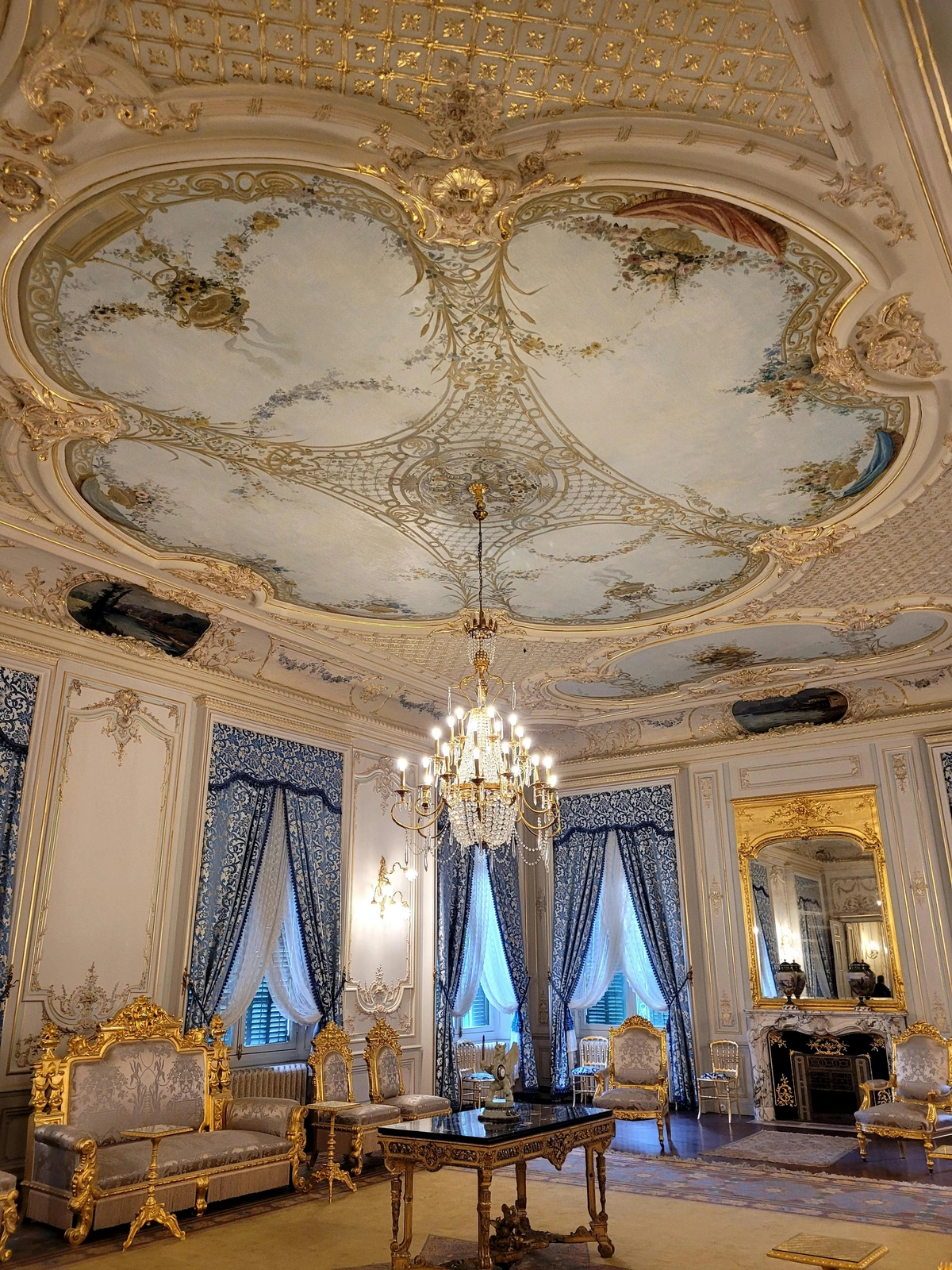
- Interior Design: Accent walls, furniture, and decorative elements that add luxury without ostentation
- Product Design: Luxury packaging, high-end electronics, and designer items using subtle gold accents
- Fashion: Accessories and haute couture incorporating gold leaf elements
- Jewelry: Not just traditional gold, but actual gold leaf incorporated into wearable art
- Architecture: Modern buildings using gold leaf in surprising and innovative ways
The Science of Gold's Visual Properties
What makes gold leaf so visually compelling? It's all about how light interacts with the material:

- Specular reflection: Creates that bright, mirror-like shine we associate with luxury
- Diffuse reflection: The scattered light that gives depth and dimension
- Interference effects: When gold is extremely thin, it can create color shifts and iridescence
- Thermal properties: Gold doesn't conduct heat well, which affects how it feels to the touch
Understanding these properties helps artists use gold leaf more intentionally – knowing how it will respond to different lighting conditions, how it will age, and how it will interact with other materials in their work.
Contemporary artists use gold leaf to explore themes of:
- Excess vs. scarcity in our consumer culture
- Permanence vs. disposability in our throwaway society
- Tradition vs. modernity in a rapidly changing world
- Authenticity vs. imitation in an age of digital reproduction
Case Studies: Contemporary Gold Leaf Artists
Let's look at some artists who are pushing gold leaf in fascinating directions:
Artist | Style | Innovation | Cultural Impact |
|---|---|---|---|
| Kehinde Wiley | Contemporary portraits | Combines traditional gilding with modern portraiture | Challenges historical representation of power |
| Yinka Shonibare | Mixed media installations | Uses Dutch metal (faux gold) to critique colonialism | Questions authenticity and cultural appropriation |
| Chris Ofili | Mixed media | Combines gold leaf with unconventional materials | Blurs high and low art traditions |
| El Anatsui | Sculptural installations | Uses "liquor bottle caps" with gold accents | Connects African traditions to global contemporary art |
| Doris Salcedo | Conceptual sculpture | Uses gold leaf in memorial works | Explores memory and trauma through precious materials |
These artists show how gold leaf can be used not just for decoration, but as a powerful medium for social commentary, cultural critique, and personal expression.
The result is gold leaf that's no longer just decorative – it's philosophical. It's material that carries centuries of meaning while simultaneously being used to comment on our contemporary moment.
The Practical Side: Truths about the Shiny Stuff
Let's talk brass tacks (sorry – couldn't resist). The reality of working with gold leaf is quite different from the romantic ideal. It's expensive, demanding, and comes with some serious ethical considerations. But for those who master it, the results are unlike anything else in art.

The Learning Journey: From Novice to Master
Working with gold leaf is not something you can master overnight. It's a craft that rewards patience and persistence. Most artists go through these stages:
Stage | Duration | Characteristics | Typical Challenges |
|---|---|---|---|
| Beginner | 3-6 months | Basic understanding, lots of waste | Frustration, impatience, ruined sheets |
| Intermediate | 1-2 years | Consistent application, developing style | Perfectionism, experimentation |
| Advanced | 3-5 years | Personal techniques, teaching others | Innovation, finding voice |
| Master | 5+ years | Signature style, recognition | Legacy, preservation of craft |
The Psychological Transformation
Something fascinating happens to artists who work with gold leaf over time. There's a psychological transformation that occurs:
- From frustration to acceptance: Learning to embrace imperfection
- From speed to mindfulness: Developing patience and presence
- From ambition to humility: Recognizing the limits of control
- From individualism to tradition: Joining a lineage of craftsmen
- From consumer to creator: Understanding the true value of handmade things
This transformation is one of the most unexpected rewards of working with gold leaf. It's not just about making beautiful art – it's about becoming a different kind of person in the process.
The True Cost of Gold Leaf Art
When people ask "how much does gold leaf cost?" they're usually thinking about the material price. But the real cost of working with gold leaf is much more complex:
Cost Factor | Material Cost | Time Cost | Skill Cost |
|---|---|---|---|
| Gold Leaf | $50-300 per book | Minimal | Low |
| Tools & Materials | $200-1000+ | Moderate | Moderate |
| Learning Time | None | 100+ hours | High |
| Waste Factor | 30-40% of materials | Included in learning | High |
| Sealants & Finishes | $50-200 | Additional time | Moderate |
- Cost: Real gold leaf is expensive – expect $50-$300 per book containing 25 leaves. The price varies dramatically based on:
- Gold purity (24K vs 22K vs 18K)
- Country of origin (Italian vs Japanese vs Indian)
- Leaf thickness
- Whether it's genuine or imitation
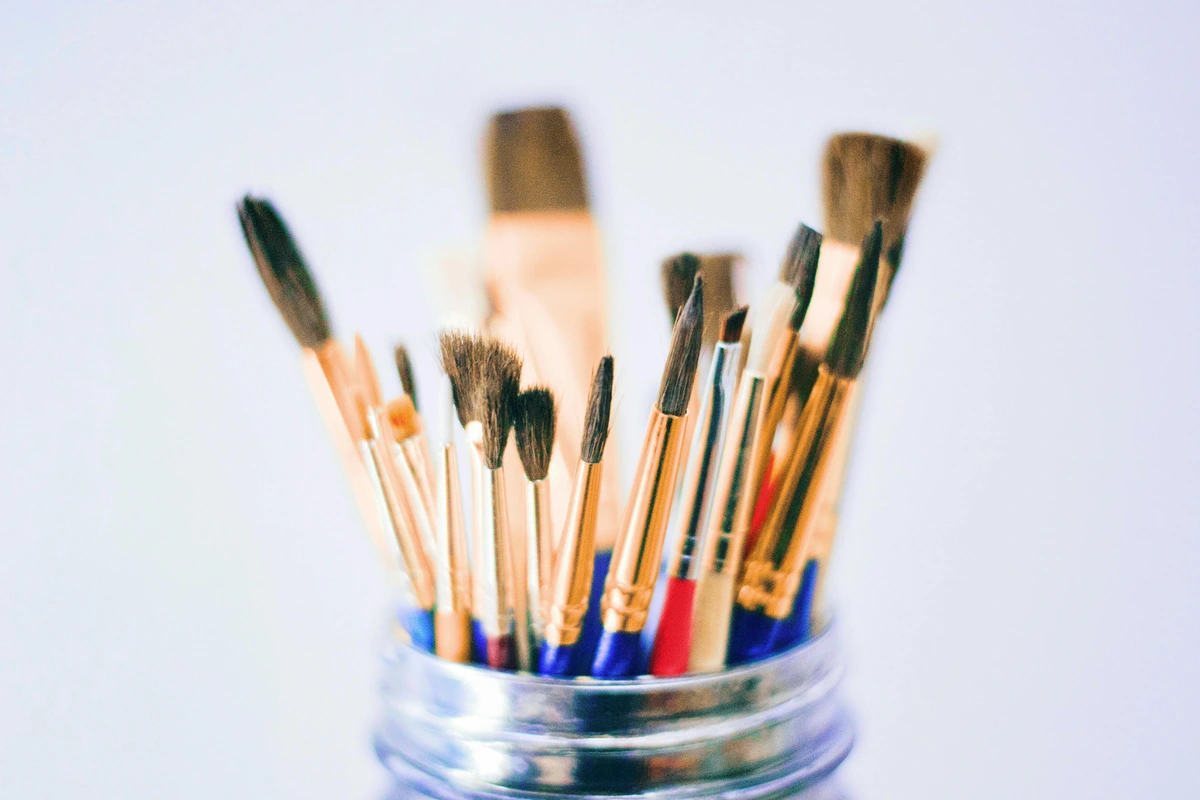
- Tools: Don't forget the costs of specialized tools – gilder's tips, brushes, knives, burnishers. A basic setup can cost several hundred dollars.
- Waste Factor: Expect to waste 30-40% of your gold leaf while learning. It's incredibly unforgiving material.
The Reality of Fragility
- Fragility: Patting a gilded artwork like a friendly dog? That's a gold-flake no-no. Gold leaf is fragile in several ways:
Type of Damage | Cause | Prevention |
|---|---|---|
| Physical Damage | Touching, scraping, bumping | Handle only from edges, display with care |
| Tarnishing | Skin oils, pollution | Use gloves, display in controlled environment |
| Flaking | Poor adhesion, humidity | Proper surface preparation, correct adhesive |
| Discoloration | Chemical reactions, UV exposure | Protective sealants, avoid direct sunlight |
| Adhesive Failure | Age, environmental stress | Quality materials, proper application technique |
- It can be damaged by touching (skin oils cause tarnishing)
- It flakes if bumped or scraped
- Environmental factors (humidity, pollution) can affect longevity
- Even cleaning can be problematic – dusting requires extreme care
The solution? Proper application and sealing. Many artists use protective varnishes or specialized sealants to help preserve the work, though this can affect the luminosity.
Alternatives and Imitations
Alternative Material | Pros | Cons | Best For |
|---|---|---|---|
| Dutch Metal | Cheap, widely available | Tarnishes quickly, looks fake | Practice work, temporary projects |
| Composition Leaf | Available in various colors | Can look artificial | Budget projects, decorative work |
| Metallic Paints | Easy to apply, durable | Lacks depth and luminosity | Beginners, large areas |
| Mica Powders | Can create shimmer effects | Requires mixing, less authentic | Mixed media, craft projects |
| Synthetic Gold | More stable than imitation | Still not the same as real gold | Ethical alternatives |
Environmental and Ethical Considerations
This is where gold leaf gets really interesting from a modern perspective. The contrast between ancient tradition and contemporary ethics creates fascinating challenges:
- Environmental Impact: Mining has serious consequences – it uses toxic chemicals like cyanide, destroys ecosystems, and consumes enormous amounts of energy. A single gold ring can generate 20+ tons of mine waste. For artists who use significant amounts of gold leaf, this becomes a serious ethical consideration.
- Ethical Sourcing: Many artists now seek conflict-free gold or recycled gold. The Fairmined certification ensures responsible mining practices. Some artists exclusively use recycled gold, arguing that "new" gold mining is never truly ethical.
- Synthetic Alternatives: Some companies are developing "bio-gold" or other sustainable alternatives that capture the visual properties without the environmental cost. There's also growing interest in "faux gold" techniques that use materials like mica or metal leaf to achieve similar visual effects.
The Artist's Dilemma
Modern artists face a real dilemma: do they use this incredible material that connects them to centuries of artistic tradition, despite the ethical concerns? Many resolve this by:
- Using gold sparingly and strategically
- Sourcing ethically when possible
- Creating works that comment on these issues
- Developing alternative techniques that capture the essence without the cost
This tension between tradition and ethics is actually creating some of the most interesting contemporary art using gold leaf.
Time Investment and Learning Curve
Let's be honest about the time commitment. Gold leaf is not a medium for those looking for instant gratification:
Skill Level | Time Investment | Typical Progress |
|---|---|---|
| Beginner | 100+ hours to basics | Frustrating but rewarding early results |
| Intermediate | 500+ hours to competence | Consistent, reliable application |
| Advanced | 1000+ hours to mastery | Innovation and personal style development |
| Professional | 2000+ hours expertise | Teaching, restoration, specialized work |

- Time Investment: Skilled application takes 30+ hours per square meter in complex pieces. This isn't exaggeration – proper gilding is slow, meticulous work.
- Learning Curve: Most artists spend 6-12 months just getting comfortable with the basics. The frustration factor is real – I've seen grown artists cry over ruined sheets of gold.
The Psychological Journey of Learning
Learning gold leaf teaches you about more than just art – it teaches you about patience, precision, and letting go of perfection. Many artists describe it as a kind of meditation or therapy. The process requires such focus that it forces you into a state of flow where time disappears.
There's also something profound about working with a material that's so unforgiving. Unlike painting where you can cover mistakes, with gold leaf, mistakes are permanent. This teaches economy of movement, intentionality, and respect for the material. It's a humbling experience that changes how you approach all your art.
- Patience Required: Gold leaf teaches patience in a way few other art materials do. Rush = ruined. Simple as that.
Professional vs. DIY: What You Need to Know
For Professionals:
- Invest in quality tools
- Expect 2-3 years to master basic techniques
- Factor in material costs when pricing work
- Consider specializing in one application method
For Hobbyists:
- Start with transfer leaf (much more forgiving)
- Buy a starter kit rather than individual tools
- Practice on scrap materials first
- Don't get discouraged by the waste factor
Many artists today use sustainably sourced gold or develop innovative "faux gold" techniques – finding ways to capture that luminosity without the ethical headaches. Progress is often messy when ancient techniques meet modern values.
FAQ: Your Gold Leaf Questions Answered
**Q: Isn't real gold leaf 24k?
A:** Traditionally? Yes. But artists now use 18k to 23k for added hardness (pure 24k scratches easily). The gold content is always measured in "millesimal fineness" – like "999" meaning 99.9% pure. The lower karatages have other metals (usually silver or copper) added to make the gold harder and more workable. Think of it like the difference between pure water (which tastes flat) and mineral water – the impurities actually make it more practical for certain applications.
**Q: Can beginners actually work with gold leaf?
A:** Absolutely! There are kits with transfer leaf (much easier than loose leaf), and the basic technique is straightforward. Your first attempt might look like a cat walked glitter through glue... but that's part of the charm. I recommend starting with:
- A beginner's kit with transfer leaf
- Working on a small, flat surface first
- Practicing your brushwork on cheap paper
- Having a dedicated "gilding space" free of drafts
The learning curve is steep but rewarding. Most people get the basics down in 2-3 practice sessions.
**Q: Does gold leaf tarnish?
A:** Unlike silver, pure gold is incredibly stable. The "tarnish" you see? Usually oxidation from residual copper in cheaper imitation gold or air pollution reacting with the adhesives behind the leaf. True pure gold? It lasts millennia. This is actually one of the most fascinating things about gold leaf – you can walk through a museum and see work from the 14th century that still glows as brilliantly as when first applied. The gold itself doesn't change; what changes is our perception of it, the context around it, the way light hits it.
**Q: Why do some gold leaf artworks look green under light?
A:** That's likely verre églomisé – a technique where gold leaf is applied to glass and then engraved from the reverse, revealing different colors beneath. Or it could be mica mixed with the leaf, creating iridescent effects. It's the visual equivalent of optical illusions in sound. Sometimes it's also due to the size (adhesive) showing through thin areas of the gold, or the artist intentionally using colored sizes to create specific effects under the gold.
**Q: Is NFT gold leaf a thing?
A:** Hmm. Some digital artists create "NFT gold leaf" experiences, replicating textures in augmented reality. While the concept attempts to capture the material's value digitally, it misses the tactile magic of real leaf. Worth exploring? Sure. The same? Not really. The blockchain doesn't quite replace the smell of rabbit-skin glue under your fingernails. Also, let's be honest about the environmental impact of blockchain technology versus the centuries-old tradition of physical craftsmanship.
**Q: How do you care for gold leaf artwork?
A:** Gold leaf requires gentle handling:
- Dust with a soft, dry brush (never feather dusters)
- Keep away from direct sunlight which can accelerate aging of the adhesive
- Maintain stable humidity levels (40-60% ideal)
- Never use water or cleaning solutions near the gilded areas
- For outdoor pieces, use protective sealants specifically designed for gilding
**Q: Can gold leaf be repaired if damaged?
A:** Yes, but it's tricky. Professional restorers can carefully remove damaged areas and apply new gold leaf to match. The challenge is matching the aging – new gold will look brighter than surrounding areas that have been exposed to air for years. Some restorers use techniques to artificially age the new gold to better match the original.
**Q: What's the difference between loose leaf and transfer leaf?
A:** Loose leaf comes as individual sheets that float on air and require special tools (gilder's tip) to handle. It's cheaper per sheet but much harder to work with. Transfer leaf comes mounted on paper – you apply the paper to your sized surface, then rub off the paper, leaving the gold behind. It's more expensive per sheet but much more forgiving for beginners.
**Q: How long does gold leaf last outdoors?
A:** Properly applied gold leaf outdoors can last 20-30 years or more, depending on climate and protection. The gold itself doesn't degrade, but the adhesive (size) can break down over time due to weather exposure. Professional outdoor gilding uses special oil-based sizes and multiple protective layers to maximize longevity.
**Q: Is gold leaf worth the investment for artists?
A:** It depends on your artistic goals. If you're creating work that needs that extra "wow factor" or wants to explore themes of value and permanence, gold leaf is irreplaceable. The material costs are high, but the visual impact is unlike anything else. Many artists use it strategically – just a touch here and there – rather than covering entire surfaces. It's about using it where it will have the most impact.
**Q: Can you mix gold leaf with other mediums?
A:** Absolutely! Gold leaf works beautifully with:
- Oil paints (traditional Renaissance technique)
- Acrylic paints (modern approach)
- Epoxy resin (creates beautiful depth effects)
- Encaustic wax (ancient technique still used today)
- Digital prints (creates interesting hybrid pieces)
- Clay and ceramics (for decorative arts)
The key is understanding how different materials interact with the gold and each other.
Why This Ancient Technique Still Captivates Us
When I think about why gold leaf persists through millennia, it comes down to this: it's the only art material that seems to defy entropy. While paintings fade and sculptures weather, properly applied gold leaf holds its brilliance. It's a visual anchor in a world of constant change.
The Human Connection to Beauty and Value
Gold leaf taps into something fundamental about human psychology. We're hardwired to respond to certain visual properties – shininess, rarity, warmth – and gold leaf delivers all three in spades. But it's more than just evolutionary psychology. There's something about gold that speaks to our higher aspirations:
- The pursuit of perfection: Gold's purity represents an ideal we strive for
- The desire for permanence: In a world of impermanence, gold offers stability
- The appreciation of beauty: Gold reminds us that beauty has intrinsic value
- The celebration of achievement: Gold represents the pinnacle of human accomplishment
These associations aren't arbitrary – they're built into our cultural DNA through thousands of years of association with gold as wealth, power, and divinity.
The Contemporary Relevance
You can see this tension beautifully in contemporary works like those featured at the artist's museum in Den Bosch, where ancient techniques meet modern abstraction. Today's artists use gold leaf to explore:











- Consumer culture: Commenting on our obsession with luxury and value
- Environmental concerns: Using sustainable alternatives to traditional mining
- Digital vs physical: Creating works that exist in both real and digital spaces
- Cultural identity: Reclaiming traditional techniques in modern contexts
- Time and permanence: Questioning what lasts in our disposable culture
The future of gold leaf lies in this ability to maintain its traditional appeal while speaking to contemporary concerns. It's a material that bridges past and present, tradition and innovation, beauty and meaning.
In the digital age where everything is endlessly reproducible, gold leaf embodies rarity and uniqueness. Each application carries the history of the material – where the gold came from, the craftsperson who beat it, the artist who placed it.
You can see this tension beautifully in contemporary works like those featured at the artist's museum in Den Bosch, where ancient techniques meet modern abstraction. There's something profoundly human about holding a technique that hasn't fundamentally changed since the time of Egyptian pharaohs – and finding ways to make it speak now.
So next time you see gold shimmering in art, look closer. See not just decoration, but centuries of human obsession with permanence, light, and the eternal shine of making something that lasts.
You're witnessing a conversation across millennia between artist and admirer – conducted through the medium of captured sunlight.