The Ultimate Guide to Applying Gold Leaf to Paintings
Transform your art with this comprehensive gold leaf tutorial. Learn techniques, materials, and troubleshooting for flawless results.

The Ultimate Guide to Applying Gold Leaf to Paintings
Have you ever held that little book of gold leaf and felt the weight of possibilities? That moment when something delicate and precious could become part of your creative world? I remember my first attempt - looking like a cat in a glitter factory, covered in sticky failures and leaf fragments floating in the air. But here's the thing: gold leaf isn't magic, it's technique. And today? It's time to demystify this age-old process so you can make it yours.
This comprehensive guide will walk you through every aspect of gold leaf application, from understanding the different types of leaf to mastering advanced techniques that will make your artwork truly shine. Whether you're a complete beginner or looking to refine your skills, you'll find everything you need to create stunning, professional-quality gilding effects.
Why This Guide Matters
In a world saturated with digital content and mass-produced art, gold leaf represents something increasingly rare: authentic, tangible creativity. This isn't just another technique to add to your repertoire - it's a connection to 5,000 years of human artistic tradition. Every time you apply gold leaf, you're participating in a conversation that spans from ancient Egyptian tombs to contemporary galleries.
The golden age of gold leaf is now. What was once reserved for royalty and religious institutions is now accessible to any artist with patience and basic tools. This guide will help you navigate both the practical aspects and the profound artistic possibilities of working with this magical material.
What You'll Learn in This Guide
We're going to cover everything you need to know about gold leaf application, from start to finish:
- Materials and Tools: What you really need vs. what you can skip
- Surface Preparation: Getting your canvas ready for perfect adhesion
- Adhesive Mastery: Understanding the different types of size and when to use each
- Leaf Application: Step-by-step techniques from beginner to advanced
- Burnishing and Finishing: Creating that perfect mirror shine
- Sealing for Longevity: Protecting your work for centuries to come
- Troubleshooting: Fixing common problems before they ruin your artwork
- Advanced Techniques: Taking your gilding to the next level
- Professional Considerations: Pricing, selling, and caring for your work
- Safety and Environmental Impact: Working responsibly with precious materials
- Global Traditions: Gold leaf techniques from around the world
- Conservation and Restoration: Preserving your work for future generations
Why Gold Leaf Matters Today
In our digital age, where everything can be replicated with a click, there's something profoundly human about working with actual gold. It's not about luxury or extravagance - it's about creating something that has weight, texture, and presence that pixels can never match. When someone walks by your gilded artwork and stops, captivated by the way light catches the gold, you've created something that transcends the screen.
Gold leaf connects you to a tradition that spans millennia. You're using the same techniques that Egyptian artisans used on sarcophagi, that Renaissance masters used on altarpieces, that contemporary artists use to challenge our expectations of what art can be. And in that connection, you're part of something larger than yourself - a continuous thread of human creativity stretching back to the dawn of civilization.
But let's be practical too. Gold leaf is intimidating. It's expensive, it's delicate, and it seems like it requires some kind of secret knowledge. That's where this guide comes in. We're going to break down every step, explain every term, and share every trick I've learned in years of trial (and many errors) with this magical material. By the time you finish reading, you'll not only understand how to apply gold leaf - you'll understand why it continues to captivate us across centuries and cultures.

Alex Morgan, CC BY-SA 4.0

Alex Morgan, CC BY-SA 4.0
Alex Morgan, CC BY-SA 4.0
Alex Morgan, CC BY-SA 4.0
Alex Morgan, CC BY-SA 4.0
Why Gold Leaf Still Captivates Us
Let's be honest - in a world of digital art filters that promise "instant luxury," why physically apply gold leaf? Because nothing compares to that tactile shimmer when light catches your work. That depth that comes from actual metal, not pixels. I've seen matte paintings transform into worlds when gold veins appear - it's like giving your art its own constellation. Contemporary artists use it precisely because it's challenging and imperfect. Those little "flaws"? They're what make it human.
Gold leaf offers something digital filters can never replicate: authenticity. The way it catches light changes throughout the day, creating living art that evolves with the environment. It's not just about the appearance - it's about the experience of working with a material that has been used for centuries to create objects of reverence and beauty.
The Science Behind Gold's Allure
What makes gold so captivating? It's not just cultural - there's actual science behind it:
Light Reflection: Gold has unique reflective properties. It reflects both infrared and visible light, creating that warm, luminous quality that other metals can't match.
Chemical Stability: Gold is virtually inert - it doesn't tarnish, corrode, or react with most substances. This stability means your artwork will look the same centuries from now as it does today.
Malleability: Gold is the most malleable metal - it can be hammered into sheets thinner than paper. This allows for incredibly delicate applications that would be impossible with other materials.
Thermal Conductivity: Gold conducts heat well, which means it feels different to the touch than other materials, adding to its sensory appeal.
The Psychology of Gold in Human Experience
Gold has fascinated humans for thousands of years, and our psychological response to it is deeply ingrained:
Evolutionary Attraction: Some psychologists suggest our attraction to gold may be evolutionary - early humans associated shiny yellow objects with value and safety.
Cultural Conditioning: Across virtually every culture, gold has symbolized wealth, power, and the divine. These associations are so deeply embedded that they operate on a subconscious level.
Sensory Experience: The combination of visual appeal (warm color), tactile quality (smooth but substantial), and auditory response (the sound of gold leaf brushing against itself) creates a multi-sensory experience that engages us more deeply than visual art alone.
Rarity and Value: Gold's natural scarcity makes it valuable, and this value association translates into a perceived importance for anything made with or containing gold.
Gold Leaf in the Digital Age
Ironically, it's our digital saturation that makes gold leaf more relevant than ever:
Tactile Counterbalance: In a world where everything is increasingly digital and ephemeral, gold leaf offers a tangible, physical experience that grounds us in the real world.
Permanence Statement: Creating art with materials that last for centuries is a quiet rebellion against our throwaway digital culture. It says "this matters" in a world of temporary content.
Authenticity Marker: In an age of deepfakes and digital manipulation, the physical authenticity of gold leaf becomes a statement about truth and reality in art.
Luxury Redefined: Gold leaf allows contemporary artists to explore luxury not as excess, but as meaning, using this traditional material to comment on modern consumerism and values.
I think about this often when I'm applying gold leaf. There's something profound about taking a material that has symbolized wealth and power for millennia and using it to create something personal and meaningful. It's like having a conversation across time with every artist who has ever worked with gold. And in that conversation, I find both inspiration and humility.
Gold Leaf Through History: A Journey Through Time
Gold leaf isn't just a material - it's a time capsule of human creativity, innovation, and cultural expression. Understanding this history gives you context for your own work and connects you to a rich artistic tradition.
Ancient Beginnings (3000 BCE - 500 CE)
Egyptian Mastery: The Egyptians were among the first to systematically use gold leaf, applying it to furniture, sarcophagi, and temple decorations. They developed early adhesives from animal glues and plant gums, and their gilding techniques were so advanced that many Egyptian artifacts with gold leaf survive in remarkable condition today.
Chinese Innovation: Chinese artisans began gilding around 2000 BCE, perfecting techniques that would influence art across Asia. They developed "gold lacquer," a technique where gold leaf is embedded in layers of lacquer, creating incredibly durable and luminous surfaces.
Greek and Roman Splendor: Greek and Roman artists used gold leaf extensively in mosaics, panel painting, and architectural decoration. The Romans were particularly known for their elaborate gilded ceilings and walls in villas and public buildings. Roman gilding techniques were so sophisticated that they influenced European art for centuries.
Medieval and Renaissance Golden Ages (500 - 1600 CE)
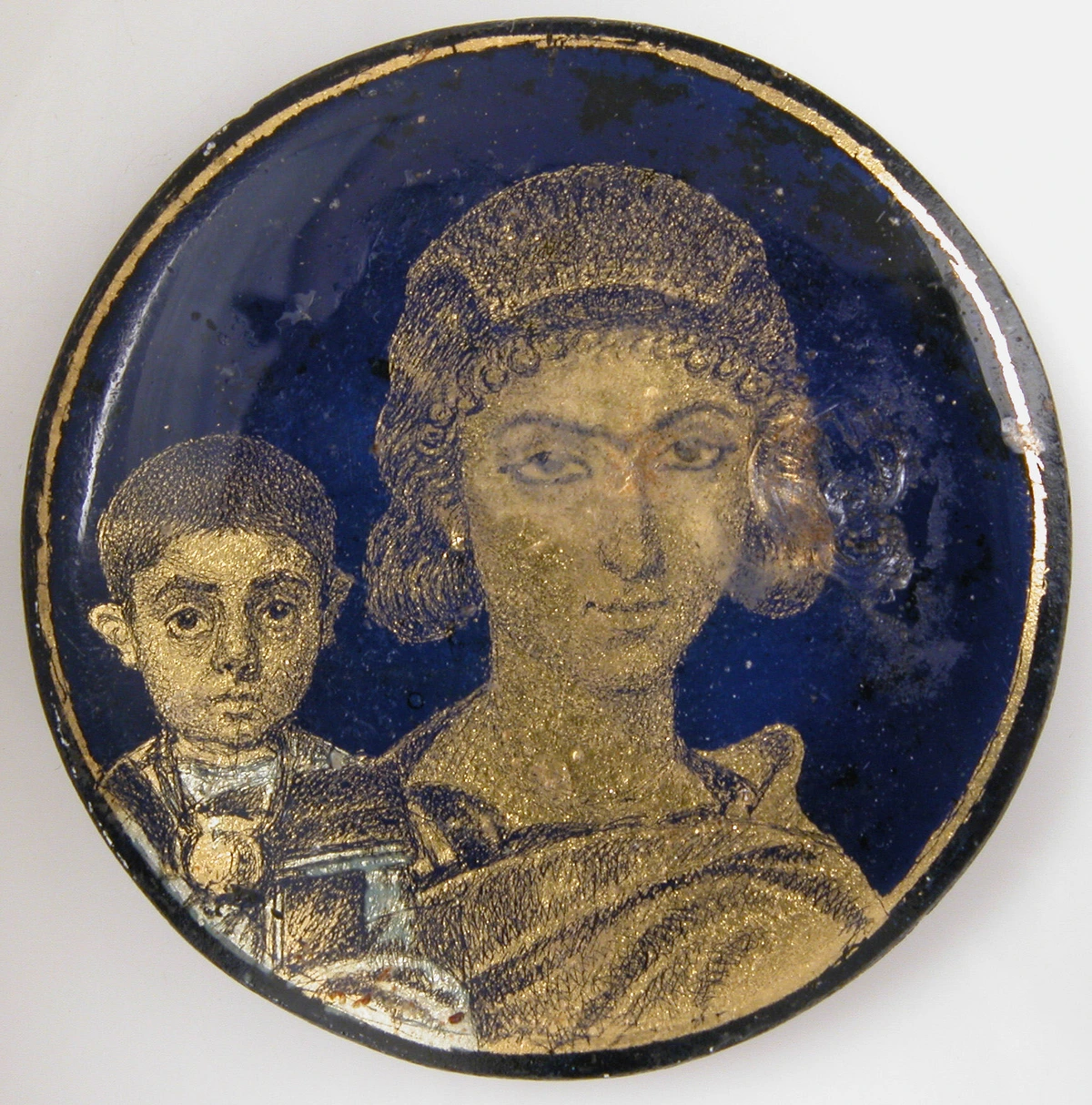
Byzantine Brilliance: The Byzantine Empire took gold leaf to new heights in religious art. Icon paintings featured gold leaf backgrounds that seemed to glow with divine light. The Byzantines developed techniques for creating incredibly fine details with gold, influencing religious art throughout the Christian world.
Italian Renaissance Perfection: During the Renaissance, Italian artists like Giotto, Fra Angelico, and later Michelangelo used gold leaf with unprecedented skill. They applied it not just as decoration, but as a theological statement - the gold represented divine light and heavenly glory. The technical precision of Renaissance gilding set standards that still influence artists today.
Northern Renaissance Innovation: Northern European artists like Jan van Eyck developed techniques for embedding gold leaf in oil paintings, creating luminous effects that seemed to glow from within the painted surface. This innovation allowed for more realistic and nuanced applications than the traditional Byzantine style.
Baroque, Rococo, and Beyond (1600 - 1900 CE)
Ornate Extravagance: The Baroque period saw gold leaf used in increasingly elaborate and ornate ways. Artists like Rubens and Rembrandt used gold accents to create dramatic lighting effects, while decorators used it extensively in architecture and furniture.
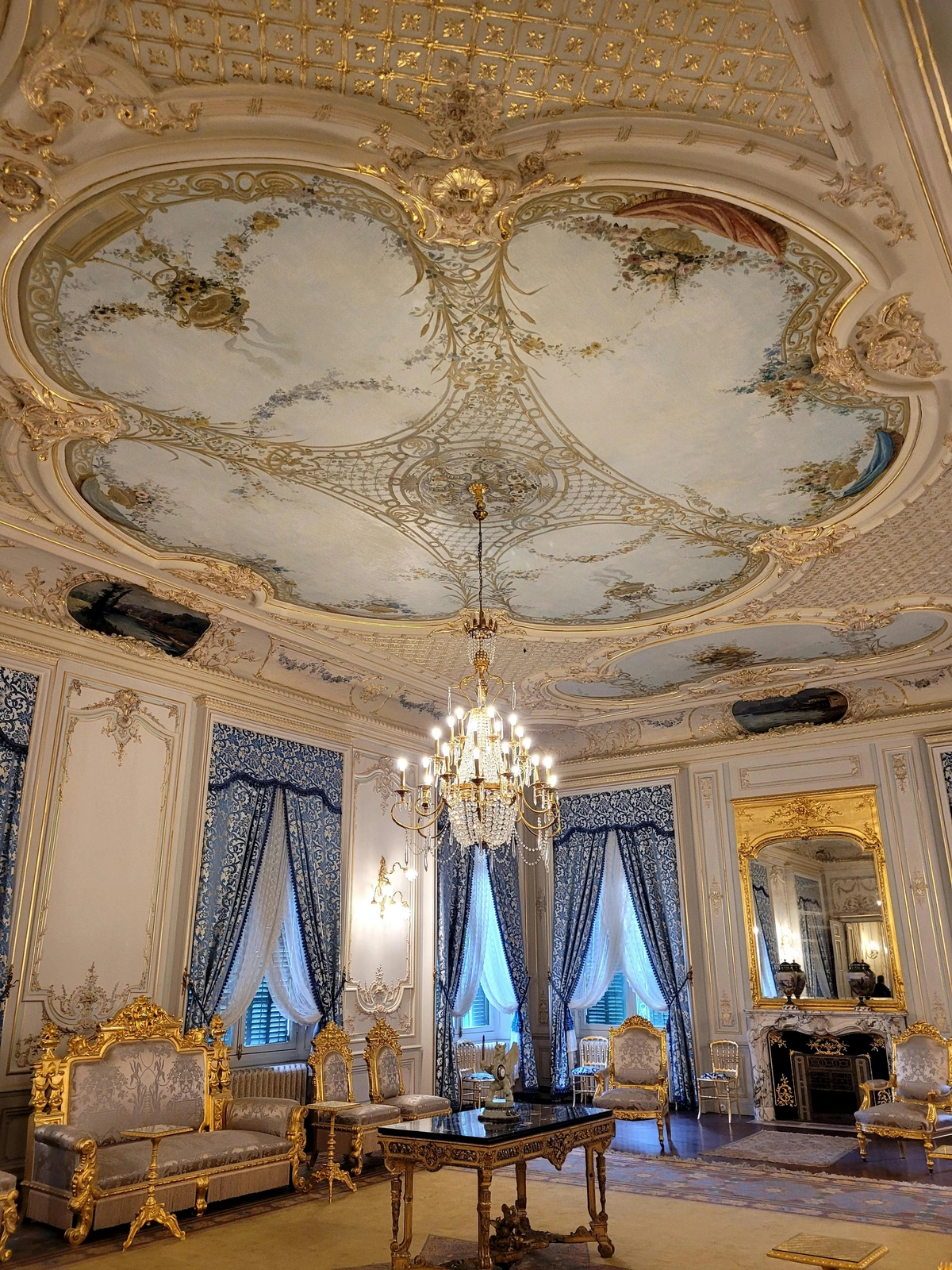
Rococo Delicacy: The Rococo period featured even more delicate and intricate gold leaf work, particularly in France. The style emphasized curves, asymmetry, and ornate decoration, with gold leaf playing a central role in creating the light, airy atmosphere characteristic of the period.
Neoclassical Restraint: In reaction to the excesses of Rococo, the Neoclassical period returned to more restrained uses of gold leaf, influenced by the "rediscovery" of ancient Greek and Roman art. The focus was on simplicity, harmony, and proportion.
Modern Transformations (1900 - Present)
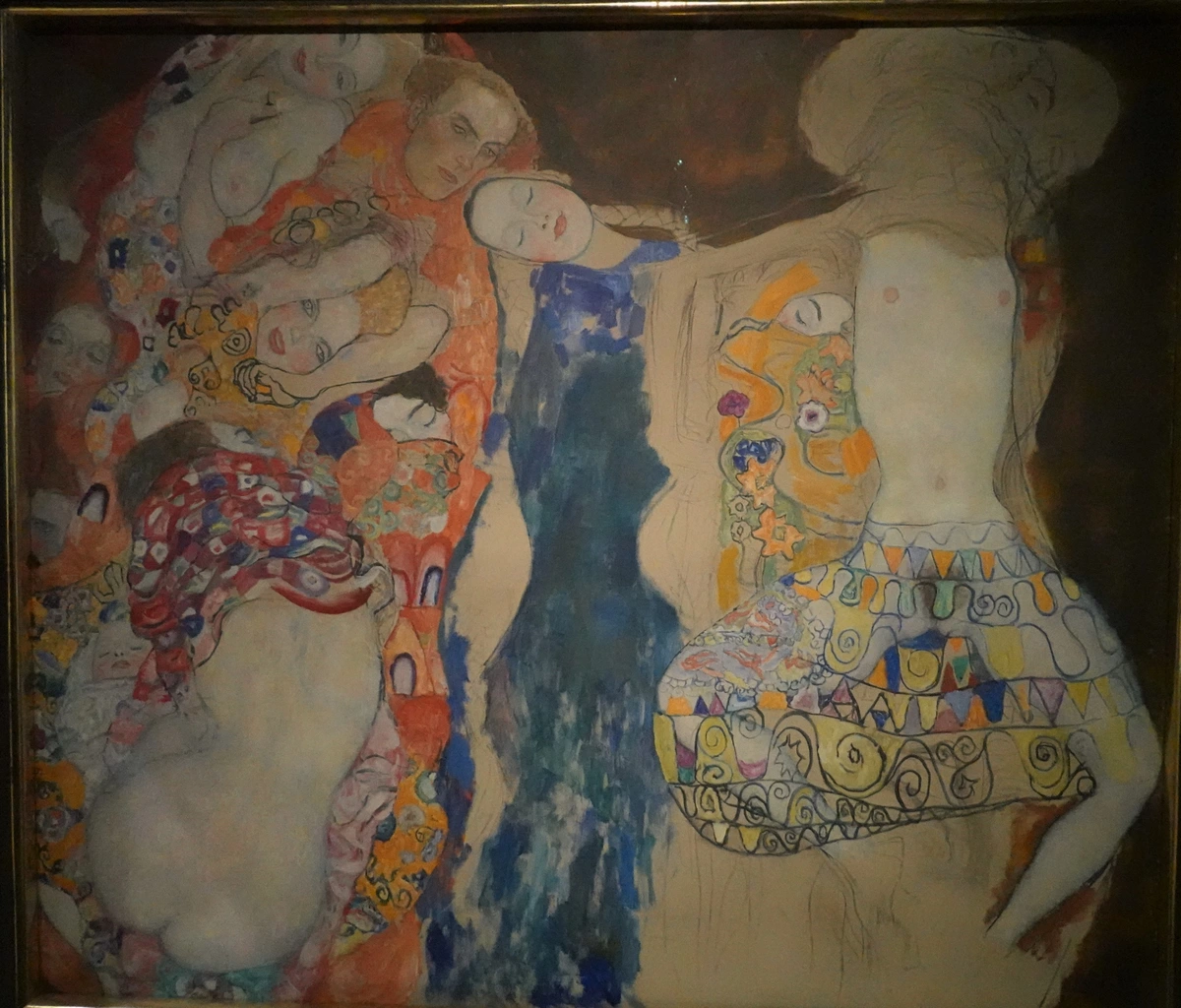
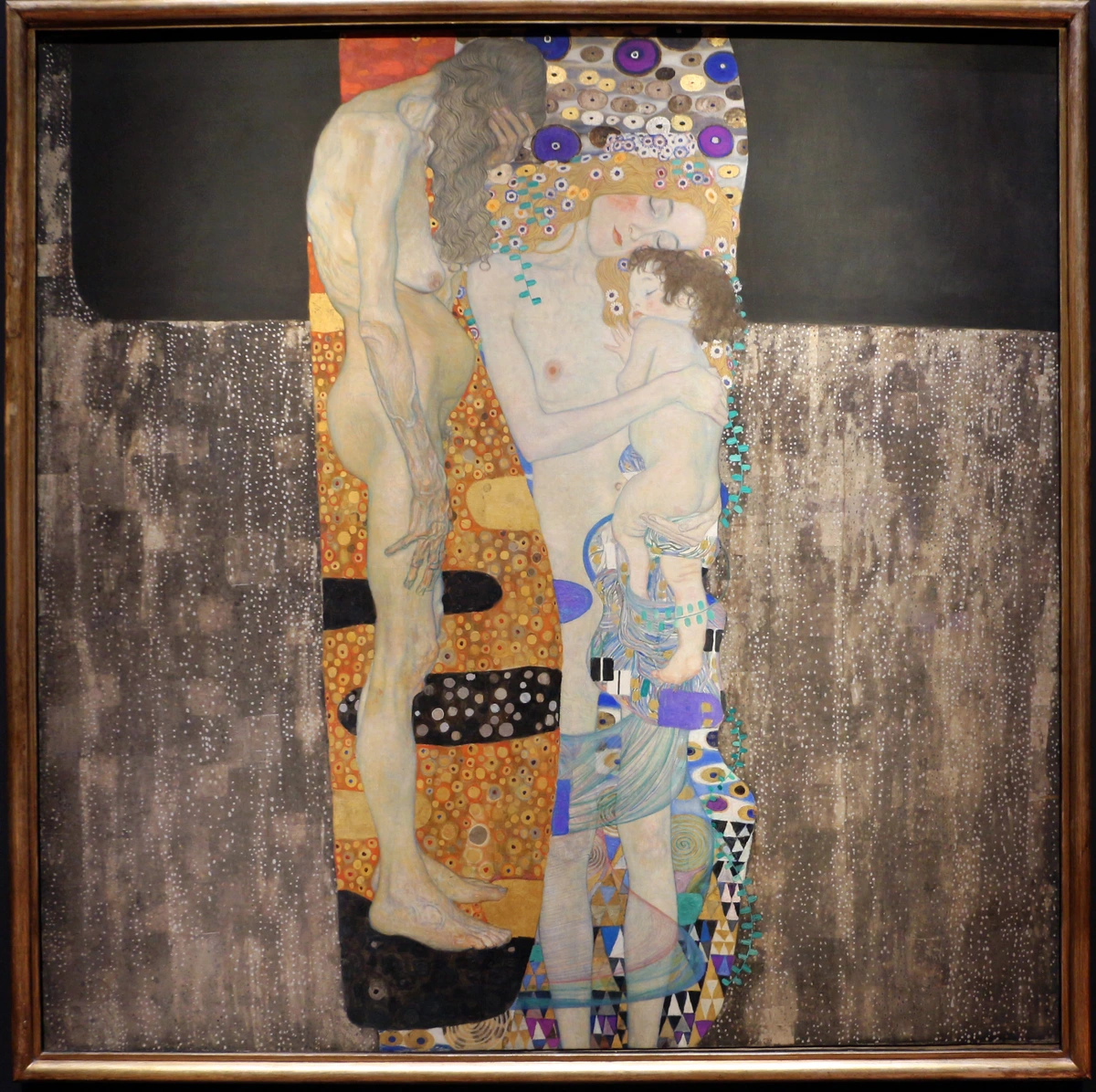
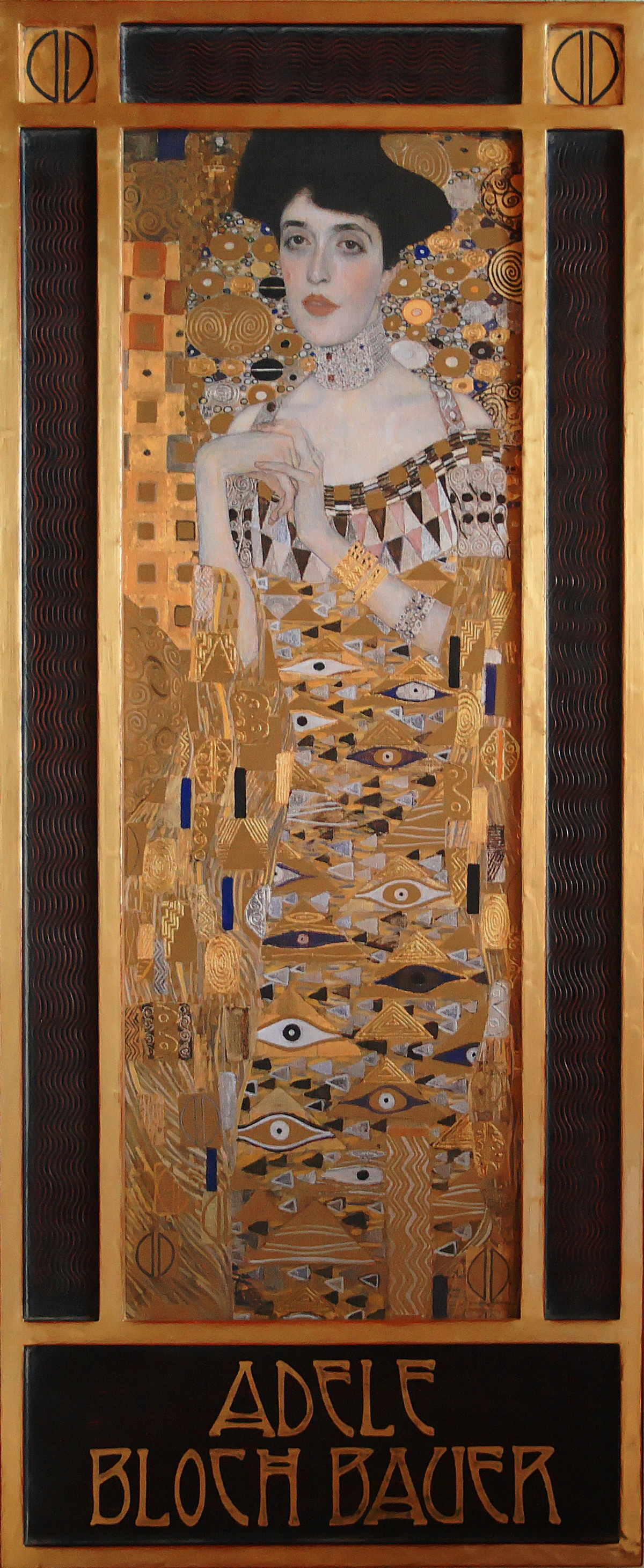
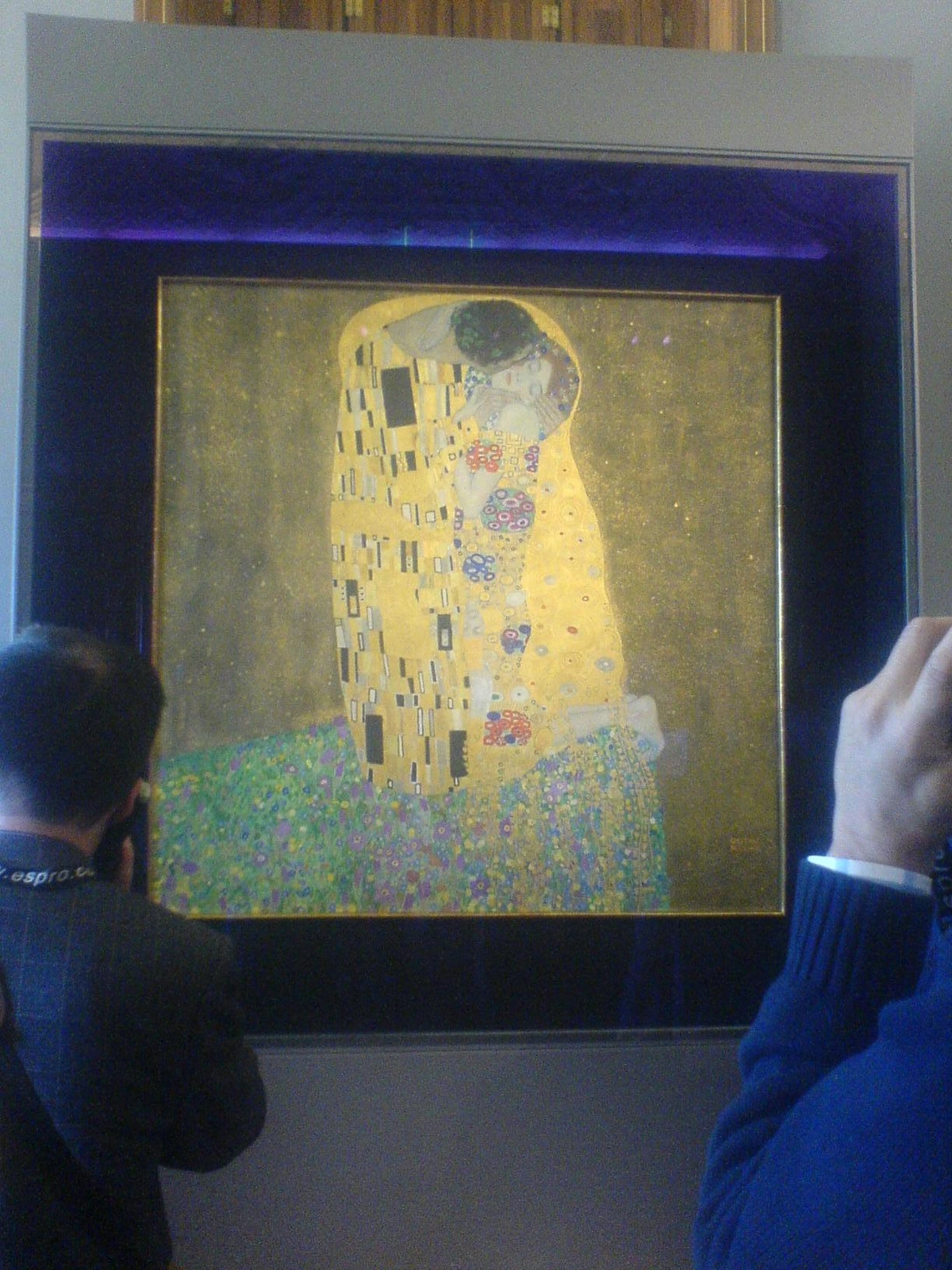
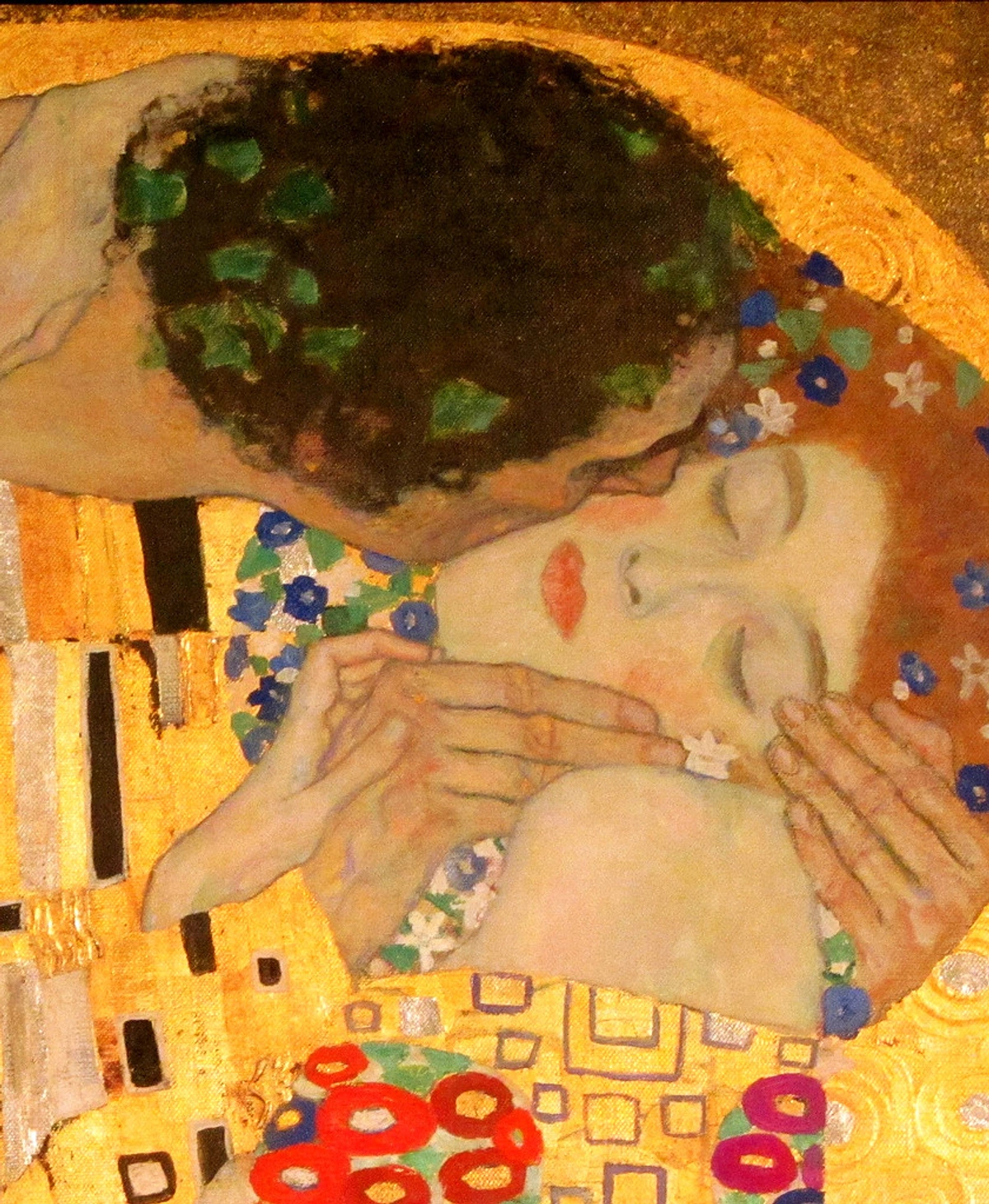
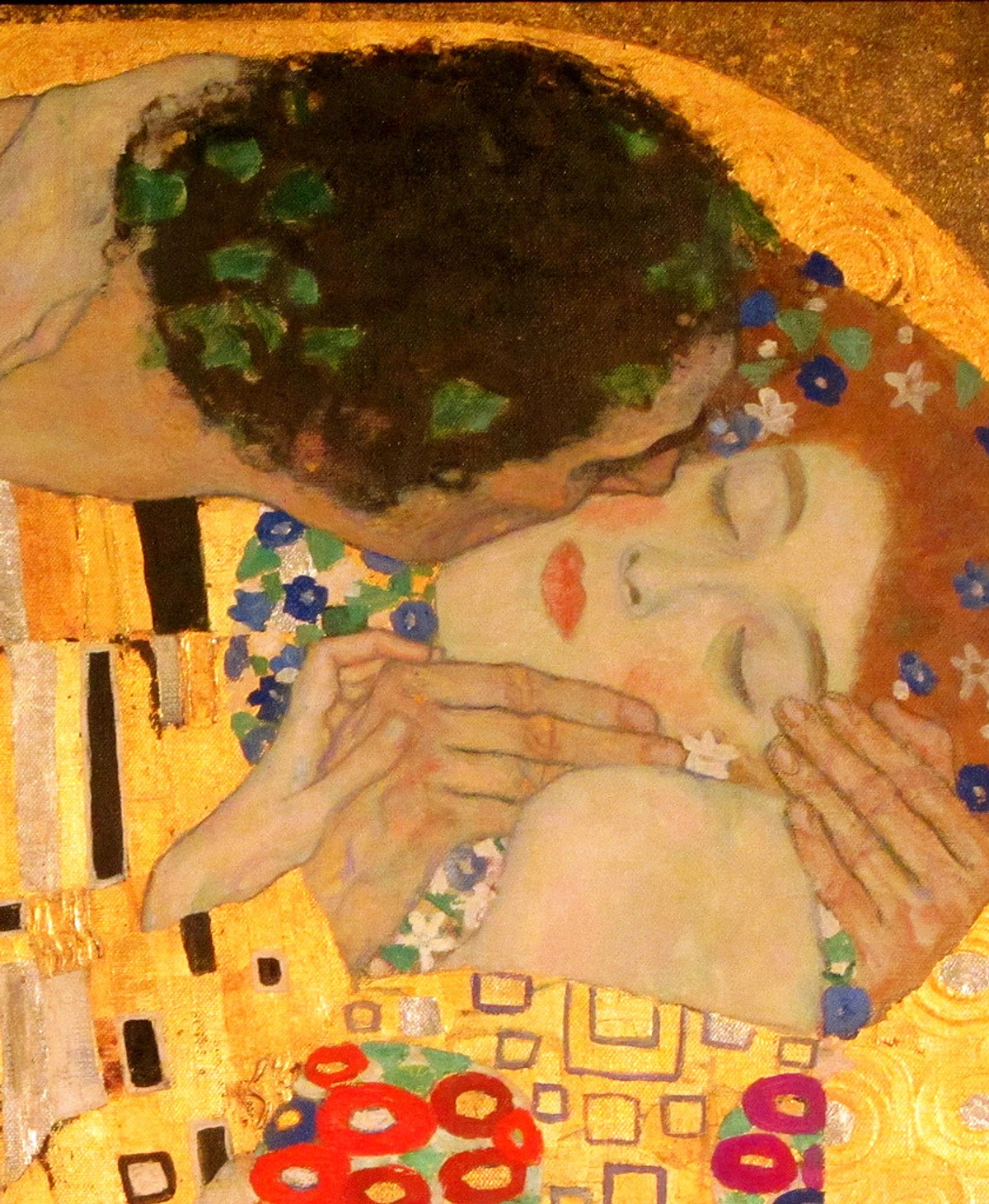
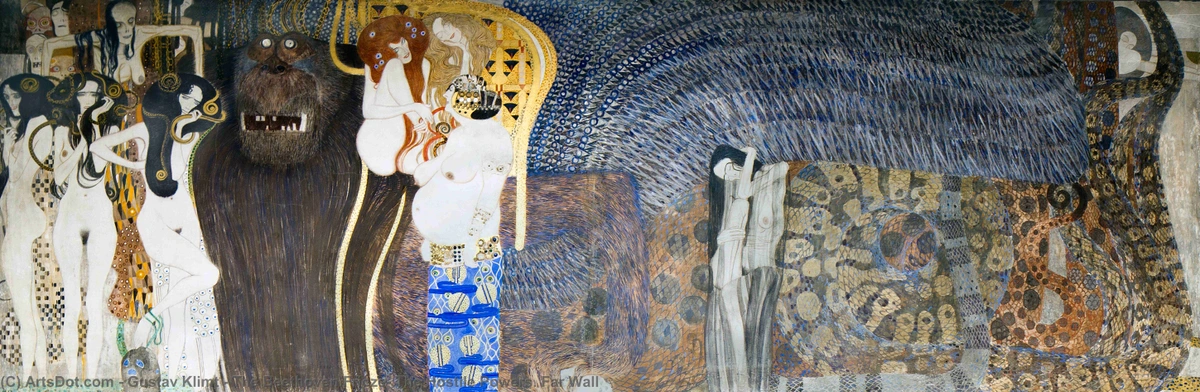
Art Nouveau Revival: The Art Nouveau movement saw a renewed interest in gold leaf, particularly in the work of Gustav Klimt. Klimt used gold leaf extensively in his portraits and decorative pieces, creating works that felt both ancient and modern.
Surrealist Experiments: Surrealist artists like Salvador Dalí used gold leaf to create dreamlike, otherworldly effects in their bizarre compositions. The gold added a layer of mystery and transcendence to their already unconventional work.
Abstract Exploration: In the latter half of the 20th century, abstract artists began exploring gold leaf in new ways. They used it not for representation or decoration, but as a material in itself - exploring its properties, its associations, and its effect on space and light.
Contemporary Innovation: Today, artists are pushing gold leaf in directions never imagined before. They're using it in sculpture, installation art, fashion, and even digital media. The material has been completely democratized - anyone with patience and basic tools can experiment with it.
Key Historical Innovations in Gilding
Throughout history, several key innovations have shaped how we work with gold leaf today:
Size Adhesives: Early adhesives (animal glues, plant gums) evolved to the sophisticated polymer sizes we use today Tool Development: From simple brushes to specialized gilder's tips and burnishing tools Application Techniques: From simple flat application to complex textured and layered effects Sealing Methods: From natural resins to modern synthetic sealers that protect the work for centuries
Gold Leaf and Cultural Identity
Different cultures have developed unique approaches to gold leaf that reflect their values and aesthetics:
Japanese Kintsugi: The art of repairing broken objects with gold, emphasizing beauty in imperfection and the cycle of life and death Indian Temple Art: Elaborate gilding as a way to represent the divine and create sacred spaces Thai Buddhist Art: Gold leaf used to create celestial realms and sacred imagery Mexican Retablo Painting: Gilding as a way to express faith and create visual drama in religious contexts
Understanding these cultural contexts can inspire your own work. When I apply gold leaf, I often think about these different traditions and how they might inform my contemporary approach. It's like having a conversation with artists across time and space.
The Democratization of Gold Leaf
What's remarkable about gold leaf today is how accessible it has become. Historically, gold leaf was restricted to:
- Religious institutions: For sacred art and decoration
- Royal courts: For luxury objects and architecture
- Professional guilds: With strict apprenticeship requirements
- Wealthy patrons: Who could afford the materials and skilled labor
Today, anyone with basic tools and some patience can experiment with gold leaf. This democratization has led to an explosion of creativity and innovation. You don't need a guild's worth of tools or years of apprenticeship - just this guide and a willingness to experiment.
Contemporary Innovators: Artists like Picasso broke traditional boundaries by using gold leaf in unexpected ways - in collages, mixed media, and abstract compositions. Yayoi Kusama embedded gold leaf in her pumpkin sculptures, creating works that are both playful and profound. And contemporary abstract artists continue to push the material in new directions.
The New Golden Age: We're living in a golden age of gold leaf art. The material has been freed from its traditional constraints and is being used in ways that would have been unimaginable to historical artists. This is an exciting time to be working with gold leaf - you're part of a continuum that stretches back thousands of years, but you're also helping to define what gold leaf art will become in the future.
Materials: Your Gold Leaf Toolkit
Here's where we get practical. You don't need a medieval studio, but investing in quality materials prevents heartbreak later. I learned this after losing three hours to crumbling leaf because I bought "craft store" adhesive. Lesson learned!

Essential Materials Checklist
Category  | Item | Professional Grade | Budget Alternative | Why It Matters |
|---|---|---|---|---|
| Leaf | Genuine Gold Leaf | 23k, 24k karat | Imitation leaf (brass/copper) | Authenticity vs. cost ratio |
| Leaf | Silver Leaf | 99.9% pure | Aluminum leaf | Different reflective properties |
| Leaf | White Gold Leaf | Gold + palladium/silver | Brass leaf | Cool, silvery reflection |
| Leaf | Composition Leaf | Brass, copper, aluminum | - | Imitates gold but tarnishes |
| Adhesive | Gilder's Size | Professional grade | Mod Podge (not recommended) | Proper tackiness window |
| Adhesive | Quick-Size | Premixed, fast-drying | - | For small details and repairs |
| Tools | Gilder's Tip | Squirrel hair | Soft paint brush | Electrostatic charge control |
| Tools | Pounce Pad | Clean cotton flannel | Clean cheesecloth | Gentle pressure application |
| Tools | Kamisori Knife | Japanese steel | Craft knife | Precision edge work |
| Tools | Soft Brushes | Sable or squirrel | Synthetic brushes | For burnishing and detailing |
| Surface | Gesso | Archival quality | Craft gesso | Proper tooth and adhesion |
| Surface | Primer | Oil-based or acrylic | Water-based primer | For non-porous surfaces |
| Sealer | Shellac | Dewaxed, clear | Craft shellac | Traditional warm finish |
| Sealer | Acrylic Varnish | UV-resistant | Basic acrylic | Modern protection |
| Sealer | Epoxy Resin | Two-part, archival | - | For 3D and encapsulation work |
| Accessories | Tweezers | Fine-point stainless steel | Plastic tweezers | For precise placement |
| Accessories | Storage Books | Acid-free paper | Regular paper | Preserves leaf integrity |
| Accessories | Charging Cloth | Velvet or wool | Cotton cloth | For static electricity |
| Accessories | Dust Covers | Clean cloth or paper | Plastic sheeting | Protects during work |
Material Quality Tiers
Tier | Price Range | Best For | Key Characteristics |
|---|---|---|---|
| Beginner | $25-50 | Learning basics, practice pieces | Imitation leaf, basic tools |
| Intermediate | $100-200 | Serious hobbyists, small commissions | Genuine 23k leaf, quality tools |
| Professional | $300-500+ | Gallery work, commissioned pieces | 24k leaf, premium tools, archival materials |
| Museum Quality | $1000+ | Investment pieces, heritage work | Highest purity leaf, specialized techniques |
Budget vs. Professional Investment
I've done the math: starting with imitation gold leaf and basic tools costs about $25 for a complete starter kit. Professional materials? Easily $200+. But here's what I discovered - budget materials taught me the technique without the financial stress. When I finally invested in genuine leaf, I knew exactly what I was doing. That confidence? Priceless.
Where to Buy Quality Materials
- Art supply stores like Blick or Jerry's Artarama (staff often have gilding experience)
- Specialty gilding suppliers online (they know the exact materials you need)
- Etsy for small-batch artisan tools
- Japanese import stores for authentic kamisori knives
- Your local frame shop (they often have leftover leaf from framing projects)
Storage and Care of Materials
Gold leaf is delicate. Store your leaf books flat, never upright - the sheets will shift and become impossible to handle. Keep your adhesive in a cool, dark place and check the consistency before each use. I once had a batch of size go bad in a heatwave, and let me tell you, nothing ruins your day like watching $50 worth of genuine leaf refuse to stick.
Understanding Gold Leaf Types
Before we dive into application, let's talk about what you're actually working with. Gold leaf comes in more varieties than you might think:
Types of Gold Leaf
Type | Composition | Best For | Cost | Characteristics |
|---|---|---|---|---|
| 23k Gold Leaf | 23 parts gold, 1 part alloy | Traditional gilding | $$ | Warm yellow hue, most authentic |
| 24k Gold Leaf | Pure gold | Museum-quality work | $$$ | Bright yellow, most expensive |
| White Gold Leaf | Gold + palladium/silver | Modern abstract pieces | $$ | Cool, silvery reflection |
| Composition Leaf | Brass, copper, aluminum | Practice, bold statements | $ | Imitates gold but tarnishes |
| Patina Leaf | Various metals + patinas | Aged, antique effects | $ | Pre-treated for specific colors |
| Variegated Leaf | Multiple metals layered | Organic, unpredictable effects | $$ | Creates depth and variation |
I once used variegated leaf on a landscape piece - the way it caught different light throughout the day made the river look like it was actually flowing. It was magical, but I'll admit, I had no idea which sheet would give me which effect. That's part of the fun!
Step-by-Step Application: From Canvas to Cosmos
1. Prep Your Surface
Gold leaf is a drama queen. It needs a smooth, dry, porous surface. I once applied over partially dried acrylic and got... tiny blisters. Like my art was developing acne. So sand your piece to 400 grit, remove all dust (a soft brush + vacuum), and ensure it's bone dry. No exceptions.
Surface Preparation by Medium
Medium | Preparation Steps | Special Considerations |
|---|---|---|
| Canvas | 2 coats gesso, sand to 400 grit | Ensure no fabric shows through |
| Wood | Sand smooth, apply oil-based primer | Grain can interfere with adhesion |
| Paper | Multiple coats of sizing | Must be completely non-absorbent |
| Metal | Clean thoroughly, apply primer | Prevents rust and improves grip |
| Glass | Etch surface, apply primer | Very smooth surfaces need texture |
| Stone | Clean, apply appropriate primer | Porosity varies greatly |
| Fabric | Apply fabric medium, sand lightly | Test for flexibility and adhesion |
| Plastic | Use specialized primer, sand | Poor adhesion without proper prep |
| Ceramic | Clean, degrease, apply primer | Must be fired-friendly if kiln work |
| Leather | Clean, apply flexible primer | Must remain flexible |
Advanced Surface Preparation Techniques
Creating Texture for Gold Leaf: Sometimes you want the gold to settle into texture rather than lie flat. For this:
- Apply gesso or modeling paste in your desired texture
- Let it cure completely, then apply size
- The gold will naturally settle into the crevices
- Burnish selectively to highlight texture
Creating Smooth Surfaces: For a mirror-like finish:
- Apply multiple thin coats of gesso
- Sand between coats with progressively finer grit
- Final sand with 600+ grit sandpaper
- Wipe with damp cloth to remove dust
- Apply size only when completely dry
Preparing Unusual Surfaces: For challenging materials:
- Concrete: Etch with muriatic acid, neutralize, apply primer
- Fiberglass: Sand thoroughly, apply automotive primer
- Foam: Seal with multiple coats of acrylic medium
- Wax: Clean thoroughly, apply special wax-compatible primer
Testing Surface Readiness
Here's a pro tip: before committing to your good piece, test on a scrap of the same material. Apply a tiny bit of size and wait for it to become tacky. If the leaf applies cleanly and stays put, you're ready. I once skipped this step on a commissioned piece and had to redo an entire section when the leaf wouldn't stick properly. Professional embarrassment? Maximum.
2. Apply Adhesive (The Waiting Game)
Here's where patience becomes artistic. Brush size thinly where you want leaf. It'll look milky-white. Now wait. And wait. It must turn perfectly clear but stay tacky to the touch. Test with a corner of your brush. If it lifts dust but still sticks?
Boom. Window opening time. This is where ritual matters. Turn off fans. Close windows. Gold leaf rides air currents like surfers. I once lost an entire sheet to a sneeze. True story.
Types of Gilder's Size
Type | Drying Time | Open Time | Best For | Characteristics |
|---|---|---|---|---|
| Oil-Size | 12-24 hours | 8-12 hours | Large areas, traditional work | Slow drying, very forgiving |
| Acrylic Size | 1-2 hours | 15-30 minutes | Modern pieces, beginners | Fast drying, water-based |
| Quick-Size | 10-15 minutes | 5-10 minutes | Small details, repairs | Immediate use, less forgiving |
| Water-Size | 30-60 minutes | 10-15 minutes | Delicate work, paper | Reversible, archival |
The Size Window: Timing is Everything
The "open time" is when the size is perfectly tacky. Too early, and the leaf won't stick. Too late, and it won't adhere properly. I set a timer religiously. For acrylic size, I give it exactly 22 minutes. Why 22? Because at 20 minutes it's still a bit too wet, at 25 it's starting to set, and 22 minutes is the sweet spot where it grabs the leaf perfectly. You'll develop your own timing with practice, but start with the manufacturer's recommendations and adjust from there.
Environmental Considerations
- Temperature: Ideal range is 65-75°F (18-24°C). Below 60°F and the size takes forever to dry; above 80°F and it sets too fast.
- Humidity: Below 50% is best. High humidity makes the size remain tacky longer, which can be good or bad depending on your skill level.
- Airflow: Absolutely still air is non-negotiable. I seal my workspace with plastic sheeting if there's even a hint of a breeze.
- Light: Work in natural light if possible. It helps you see the subtle changes in the size as it dries.
3. Laying the Leaf
Take a deep breath. Lift one sheet with gilder's tip. It'll try to fly away like a stubborn butterfly. Hold it gently near your surface. The moment it touches the size, it'll cling. Pat it down with your pounce pad in soft circles.
Leaf Application Techniques
Technique | Best For | Difficulty | Tips |
|---|---|---|---|
| Whole Sheet Application | Large, flat areas | Beginner | Work quickly, use a larger gilder's tip |
| Tearing & Patching | Organic shapes, textures | Intermediate | Tear sheets irregularly for natural edges |
| Collage Method | Mixed media, layered effects | Advanced | Apply over wet adhesive for embedding |
| Transfer Method | Detailed work, small areas | Intermediate | Use special transfer sheets |
| Loose Leaf Method | Textured surfaces, abstract | Advanced | Let leaf settle naturally into crevices |
| Feathering Technique | Soft edges, gradients | Advanced | Use very small fragments gradually |
| Negative Space Gilding | Outlining, borders | Intermediate | Apply around desired areas |
| Overlay Technique | Building layers | Advanced | Apply multiple layers with different adhesives |
| Embedding Method | 3D effects, resin work | Advanced | Embed in wet resin or medium |
Advanced Application Strategies
Working with Complex Shapes:
- For curves and corners, work in small sections
- Use your kamisori knife to gently shape the leaf
- Don't force it - let the leaf conform naturally
- Overlap slightly at edges for continuous coverage
Creating Gradations:
- Use torn pieces of varying sizes
- Start with larger pieces in prominent areas
- Gradually use smaller pieces toward edges
- Burnish more heavily where you want more coverage
Building Texture:
- Apply size unevenly for organic effects
- Use different application tools for varied textures
- Let some leaf fragments remain for aged look
- Vary burnishing intensity for different sheens

The Art of the Gilder's Tip
Your gilder's tip is your magic wand. It works by static electricity - the fine squirrel hairs hold a charge that attracts the delicate gold leaf. Before each use, "charge" it by briskly rubbing it in your hair or on a wool cloth. I keep a small velvet charging cloth just for this purpose.
Gilder's Tip Care and Maintenance
Charging Your Tip:
- Rub briskly in your hair (natural oils help create static)
- Use a dedicated velvet charging cloth
- Avoid touching the tip with bare hands
- Store in a protective case when not in use
Cleaning Your Tip:
- Gently tap to remove loose leaf fragments
- Use soft brush for stubborn particles
- Never wash with water - it ruins the static charge
- Occasionally "refresh" by charging in wool
Troubleshooting Tip Issues:
- Leaf won't stick: Tip may need charging or cleaning
- Leaf sticks too well: Tip may be overcharged, let it rest
- Uneven pickup: Tip may be worn or damaged
- Static discharge: Work in lower humidity or use anti-static spray
Common Mistakes to Avoid
Mistake | Why It's Bad | How to Fix It |
|---|---|---|
| Touching leaf with fingers | Causes tarnishing, poor adhesion | Always use tools, wear gloves |
| Rushing the application | Leads to wrinkles, tears | Work slowly, one sheet at a time |
| Applying too much pressure | Tears the delicate leaf | Use gentle circular motions |
| Working in a draft | Leaf blows away everywhere | Seal workspace, no air movement |
| Using dirty tools | Creates dust particles that interfere | Clean workspace, dedicated tools |
| Applying size too thick/thin | Poor adhesion, drying issues | Follow manufacturer guidelines |
| Not waiting for proper tackiness | Leaf won't stick properly | Test with brush before applying |
| Using the wrong size type | Incompatible with surface/environment | Match size to your project needs |
| Skipping surface prep | Adhesion problems, peeling | Never skip this crucial step |
| Over-burnishing | Damages leaf, creates holes | Gentle pressure only |
4. Removing Excess Leaf
Now for the reveal! Gently brush away excess leaf with your clean brush. Watch how it disappears like mist. This is pure alchemy. Those tiny bits? Don't trash them - they're perfect for collage or outlining later. Waste not.
The Brushing Technique
Use a soft, clean brush (sable or squirrel is ideal) and make very light, sweeping motions. Start from the edges and work inward. The goal is to remove only the leaf that didn't adhere, leaving behind a perfect layer. I've found that using different brush sizes for different areas helps - a small brush for detailed work, a larger one for broad areas.
Collecting Scrap Leaf
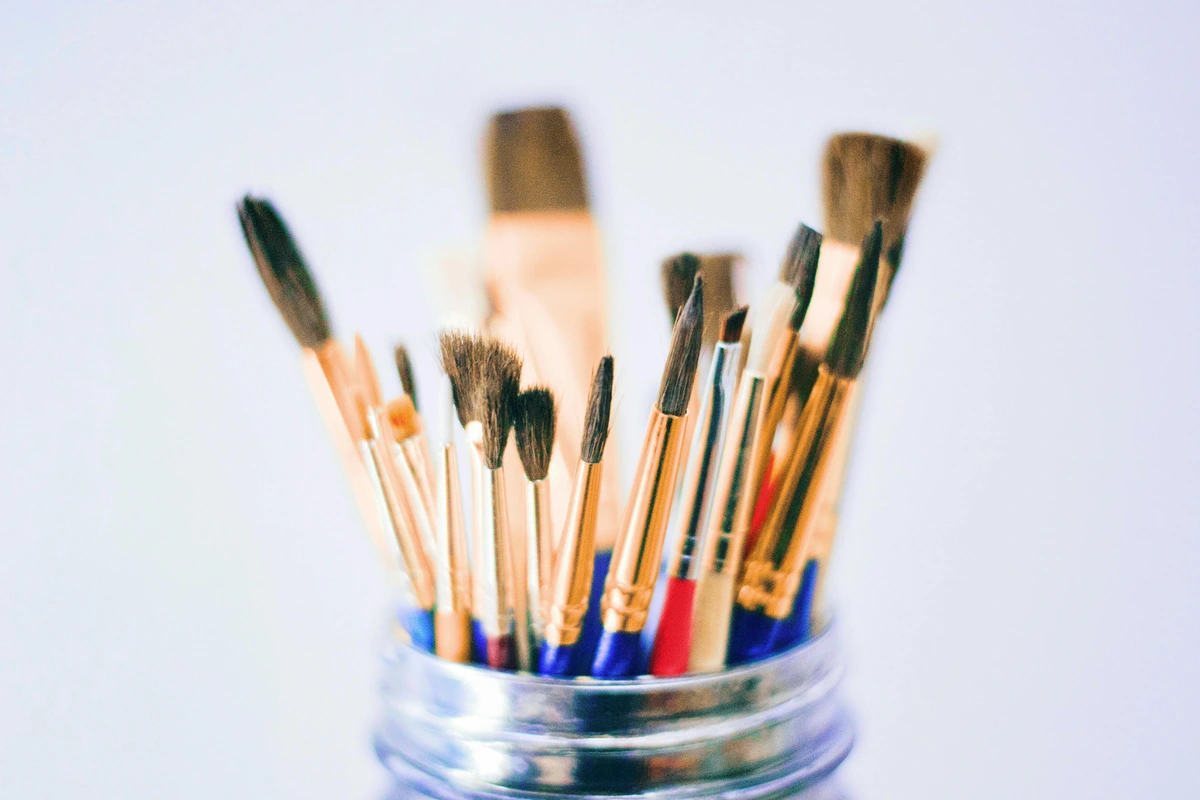
Those tiny fragments are gold (pun intended)! I keep a small, clean jar specifically for collecting scrap leaf. Once I have enough, I can use it for:
- Collage work: Embedding fragments in resin or glue
- Detail work: Using tweezers to place small pieces
- Testing techniques: Perfect for practicing without wasting full sheets
- Mixed media: Adding sparkle to other art forms
Creating Variegated Effects
If you want areas with different levels of gold coverage, don't remove all the excess leaf in some sections. Leave some fragments in place for a more organic, aged look. This technique works beautifully for representing natural elements like tree bark, stone textures, or water reflections.
5. Burnishing & Detailing
For a mirror shine, use a clean, soft cotton cloth (like old t-shirt) to gently rub the leaf. It'll smooth like liquid. For edges? Use your kamisori knife held at a shallow angle. Steadiness counts more than speed. I've nicknamed mine "precision fairy."
Burnishing Tools and Techniques
Tool | Best For | Effect | Technique |
|---|---|---|---|
| Cotton cloth | Large areas, mirror finish | Smooth, reflective | Gentle circular motions |
| Suede cloth | Detailed work, curved surfaces | Soft burnish | Follow contours carefully |
| Burnishing stone | Small details, precision work | Highly polished | Very light pressure |
| Fingernail | Tiny edges, corners | Sharp definition | Use carefully! |
| Soft brush | Textured areas | Light burnish | Brush in direction of texture |
Burnishing intensity Guide
- Light burnish: Creates subtle sheen, preserves texture
- Medium burnish: Standard mirror finish, good for most applications
- Heavy burnish: Ultra-high gloss, can damage delicate leaf
- Selective burnish: Burnish only certain areas for contrast
- No burnish: Natural matte finish, leaves some texture
6. Sealing Your Work
The moment you've waited for: preservation. Apply 2-3 thin coats of sealer with a soft brush. Shellac gives warmth; water-based acrylic stays clear. Allow full drying between coats.

Sealer Comparison Guide
Type | Drying Time | Finish | Durability | Best For | Application Tips |
|---|---|---|---|---|---|
| Shellac | 30-60 min coat | Warm amber | Good | Traditional work, furniture | Apply very thin coats, sand lightly between |
| Acrylic Varnish | 2-4 hours coat | Clear | Excellent | Modern art, canvas | Can be brushed or sprayed |
| Polyurethane | 4-6 hours coat | Clear, glossy | Excellent | Furniture, high-traffic areas | Not recommended for fine art |
| Epoxy Resin | 24-48 hours coat | Deep, glass-like | Excellent | 3D pieces, encapsulation | Mix precisely, avoid bubbles |
| Beeswax | Immediate | Soft, natural | Poor | Decorative pieces, low-wear | Buff to shine, reapply as needed |
Sealing Application Protocol
- Wait at least 24 hours after applying the last piece of leaf before sealing. This ensures it's completely set.
- Use a clean, soft brush dedicated to sealing (never use the same brush for paint and sealer).
- Apply in thin, even coats - thick coats can trap air and create bubbles.
- Sand lightly between coats with very fine grit sandpaper (600+) for a professional finish.
- Allow proper drying time - rushing this step can ruin all your hard work.
I once got impatient and sealed a piece too early. The sealer reacted with the adhesive and created these weird cloudy patches. It looked like my artwork was having a bad skin day. I had to strip everything and start over. Lesson learned: patience isn't just a virtue in gilding, it's a requirement.
Advanced Gold Leaf Techniques
Once you've mastered the basics, it's time to explore what else gold leaf can do. These techniques will take your artwork to the next level.

Layered Gilding
Creating depth by applying multiple layers of leaf with different types or treatments:
- Base layer: Apply regular gold leaf
- Second layer: Apply composition leaf or white gold
- Selective burnishing: Burnish only certain areas to create highlights
- Patina application: Use liver of sulfur to create aged effects
I used this technique on a piece representing ancient ruins, where the base gold represented the original splendor, and the patinated layers showed the passage of time. The way light interacted with the different layers was incredible.
Advanced Gilding Combinations
Combination | Effect | Best For | Difficulty |
|---|---|---|---|
| Gold + Silver | Dramatic contrast | Contemporary art | Intermediate |
| Gold + Patina | Aged, historical look | Restoration, historical pieces | Advanced |
| Gold + Resin | Deep, dimensional effect | 3D work, jewelry | Advanced |
| Gold + Encaustic | Organic, luminous finish | Traditional techniques | Intermediate |
| Gold + Charcoal | High-contrast dramatic | Abstract, modern | Intermediate |
| Gold + Pastel | Delicate, ethereal | Subtle effects | Advanced |
| Multiple Gold Types | Rich, varied texture | Complex compositions | Advanced |
| Gold + Pigment | Colored metallic effects | Custom finishes | Intermediate |
Combining Gold Leaf with Other Mediums
Medium | Compatibility | Technique | Effect |
|---|---|---|---|
| Acrylic Paint | Excellent | Apply paint first, size over dried areas | Modern, vibrant contrast |
| Oil Paint | Good | Wait 6 months for full curing | Traditional, rich depth |
| Encaustic | Excellent | Embed leaf in hot wax | Luminous, organic feel |
| Resin | Perfect | Pour resin over cured leaf | Glass-like, dimensional |
| Charcoal | Good | Apply leaf over fixed charcoal | Dramatic, high-contrast |
| Pastel | Poor | Very difficult to make permanent | Not recommended |
Gold Leaf for Different Surfaces
Textured Surfaces
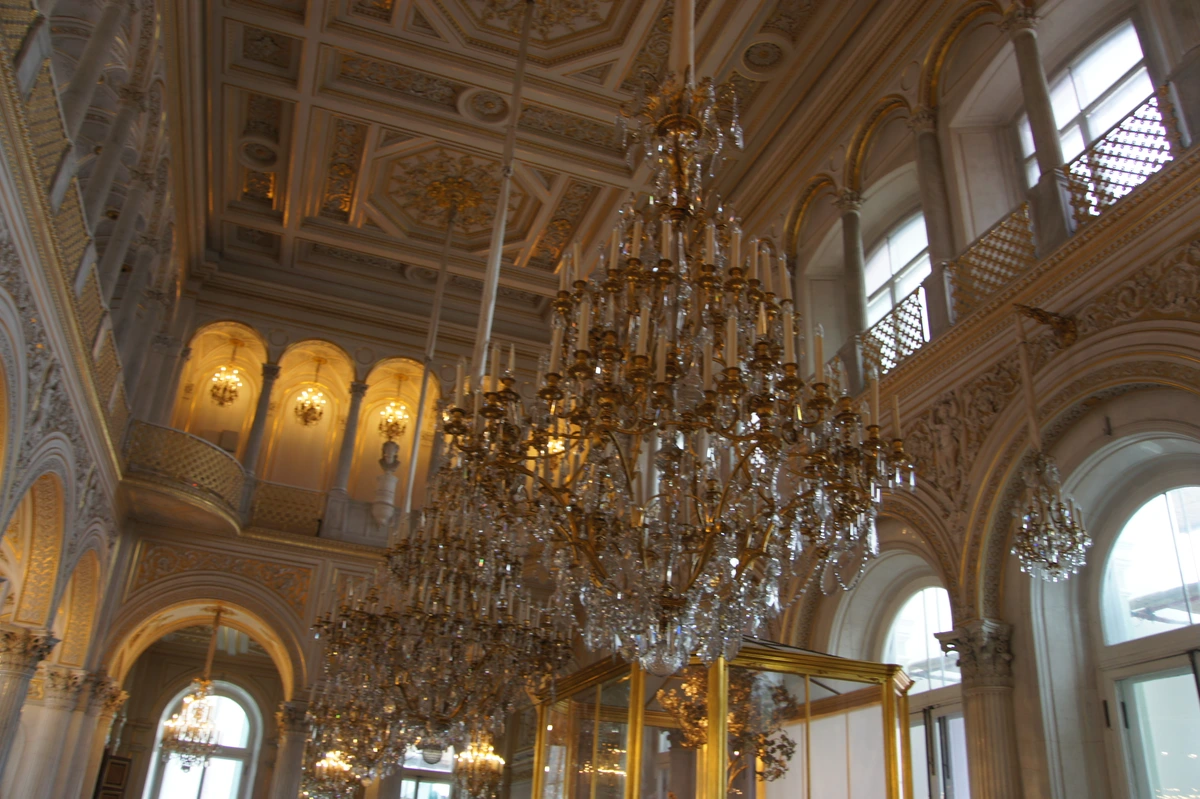
Gold leaf loves texture! Working on canvas with impasto technique or heavily textured surfaces creates amazing effects. The leaf settles into the crevices and highlights the texture in ways paint never could. I once applied gold leaf over a heavily textured abstract piece, and it looked like the painting was literally glowing from within.
Non-Traditional Surfaces
Surface Type | Special Considerations | Preparation Required | Best For |
|---|---|---|---|
| Fabric | Must remain flexible | Fabric medium, flexible primer | Textile art, clothing |
| Ceramic | May require firing | Ceramic-friendly adhesives | Plates, tiles, sculptures |
| Glass | Very smooth surface | Etching, special primer | Windows, vessels, mirrors |
| Plastic | Non-porous, flexible | Special primers, sanding | Furniture, decorative items |
| Stone | Porous, rough | Cleaning, appropriate primer | Architectural, garden art |
| Metal | Can rust, smooth | Cleaning, rust prevention | Sculpture, furniture |
| Foam | Soft, flexible | Multiple seal coats | 3D shapes, props |
| Leather | Must remain supple | Leather-compatible materials | Bookbinding, furniture |
| Paper | Absorbent, fragile | Multiple sizing coats | Collage, book art |
| Wax | Temperature sensitive | Heat-compatible adhesives | Candles, sculptures |
Non-Traditional Surfaces
- Fabric: Use special fabric adhesive and seal with fabric medium
- Ceramic: Fire-safe adhesives required for kiln work
- Glass: Etch surface first for better adhesion
- Plastic: Special primers needed - test first!
- Stone: Clean thoroughly and use appropriate masonry primer
Troubleshooting: When Art Fights Back
Problem | Likely Cause | Solution |
|---|---|---|
| Leaf cracks | Size too wet/dry | Test tackiness beforehand |
| Leaf won't stick | Dusty surface | Vacuum meticulously |
| Wrinkles like dried fruit | Size too dry | Reapply thin layer |
| Tacky spots visible | Size residue not removed | Wipe gently with ethanol |
| Edges lift | Inadequate sealing | Add 2+ sealer coats |
| Leaf tarnishes | Exposure to sulfur/chemicals | Use protective sealers |
| Uneven coverage | Poor surface prep | Re-sand and re-prime |
| Leaf peels off | Insufficient size adhesion | Reapply size properly |
| Bubbles form | Trapped air beneath leaf | Use pounce pad properly |
| Color changes | Chemical reaction with size | Test compatibility first |
| Leaf turns black | Contact with sulfur compounds | Use archival materials only |
| Leaf appears dull | Over-burnishing or poor lighting | Adjust burnishing technique |
| Leaf flakes off | Surface too flexible or moving | Use flexible substrates |
| Uneven sheen | Inconsistent burnishing | Burnish in uniform circular motions |
| Leaf sticks to tools | Humidity too high | Work in drier conditions |
| Size remains sticky | Applied too thickly | Use thinner applications next time |
| Leaf tears easily | Size not quite ready | Wait a bit longer for proper tackiness |
| Color appears orange | Low karat gold or alloy contamination | Use higher purity gold leaf |
| Surface shows through | Leaf too thin or patchy | Apply multiple layers carefully |
| Sealer changes leaf color | Chemical incompatibility | Test sealer on scrap first |

Environmental Troubleshooting
Condition | Effect on Gold Leaf | Mitigation Strategies |
|---|---|---|
| High Humidity | Size dries slower, leaf more fragile | Use quick-size, work in air-conditioned space |
| Low Humidity | Size dries too fast, less working time | Use oil-size, work quickly |
| Temperature Fluctuations | Size consistency changes | Maintain stable temperature |
| Direct Sunlight | Can cause uneven drying | Work in indirect light |
| Air Currents | Leaf blows away | Sealed workspace, no fans |
Conservation and Restoration of Gold Leaf Art
Even the most carefully applied gold leaf may eventually need attention. Understanding basic conservation can help preserve your work for generations:
Minor Repair Techniques
Touching Up Small Areas: Use tiny fragments of scrap leaf and precise application tools. Work slowly and carefully to match the existing application.
Removing Damaged Leaf: Very carefully lift damaged sections using gentle heat (warm air from a hair dryer on low setting) or specialized solvents. Work in small areas to avoid damaging surrounding leaf.
Re-Sealing: Apply fresh sealer over existing work if it shows signs of degradation. Test on a small area first to ensure compatibility.
Professional Conservation
For valuable pieces, always consult a professional conservator. They have specialized tools and knowledge to:
- Assess the condition of the artwork
- Determine the best restoration approach
- Use archival-quality materials
- Document the conservation process
- Provide recommendations for long-term preservation
Long-Term Care Guidelines
- Display: Keep away from direct sunlight, high humidity, and extreme temperatures
- Cleaning: Use only soft, dry brushes or compressed air
- Handling: Wear cotton gloves when handling gilded artwork
- Storage: Store flat, in acid-free materials, in a climate-controlled environment
- Insurance: Document your work photographically and ensure proper insurance coverage
I once had a piece where the leaf started tarnishing mysteriously after a week. It turned this ugly brownish color. After much investigation, I realized the issue was the paper I was using - it contained sulfur compounds that were reacting with the gold. Now I always test my materials before committing to a project. Sometimes the culprit is the most unexpected thing!
I once had a piece where the leaf turned dull after a week. Turns out I used craft sealer instead of archival varnish. Learn from my tears! Always confirm archival quality.
Environmental Impact of Gold Leaf
Working with precious materials comes with environmental responsibilities. Here's what to consider:
Sustainable Practices
Material Sourcing: Look for gold leaf made from recycled sources when possible. Traditional gold mining has significant environmental impacts.
Waste Reduction: Save and reuse scrap leaf for smaller projects or testing. Every bit of gold leaf that doesn't end up in the trash is a win.
Chemical Management: Properly dispose of chemicals according to local regulations. Many traditional gilding materials contain hazardous substances.
Energy Efficiency: Work during cooler parts of the day to reduce air conditioning use. Use natural lighting when possible.
Eco-Friendly Alternatives
Traditional Material | Eco-Friendly Alternative | Trade-offs |
|---|---|---|
| Genuine gold leaf | Recycled gold leaf | May be slightly more expensive |
| Chemical solvents | Water-based alternatives | May require different application techniques |
| Petroleum-based sealers | Plant-based sealers | May have different durability |
| Synthetic brushes | Natural hair brushes | Higher cost, ethical considerations |
Understanding Carbon Footprint
Gold leaf production, especially genuine gold, has a significant carbon footprint due to:
- Mining and refining processes
- Transportation of raw materials
- Energy-intensive production methods
As artists, we can mitigate this by:
- Using less gold leaf more thoughtfully
- Choosing recycled or alternative materials
- Creating work that lasts for generations (reducing replacement needs)
- Educating others about sustainable art practices
Seasonal Considerations for Gold Leaf Work
Different seasons present unique challenges for gold leaf application:
Season | Challenges | Solutions |
|---|---|---|
| Winter | Low humidity, static electricity | Use humidifier, anti-static spray |
| Spring | Pollen, dust in air | Work in sealed environment, air purification |
| Summer | High humidity, temperature fluctuations | Air conditioning, quick-set size |
| Fall | Changing temperatures, drafts | Monitor environment, avoid windows |
Combining Gold Leaf with Mixed Media
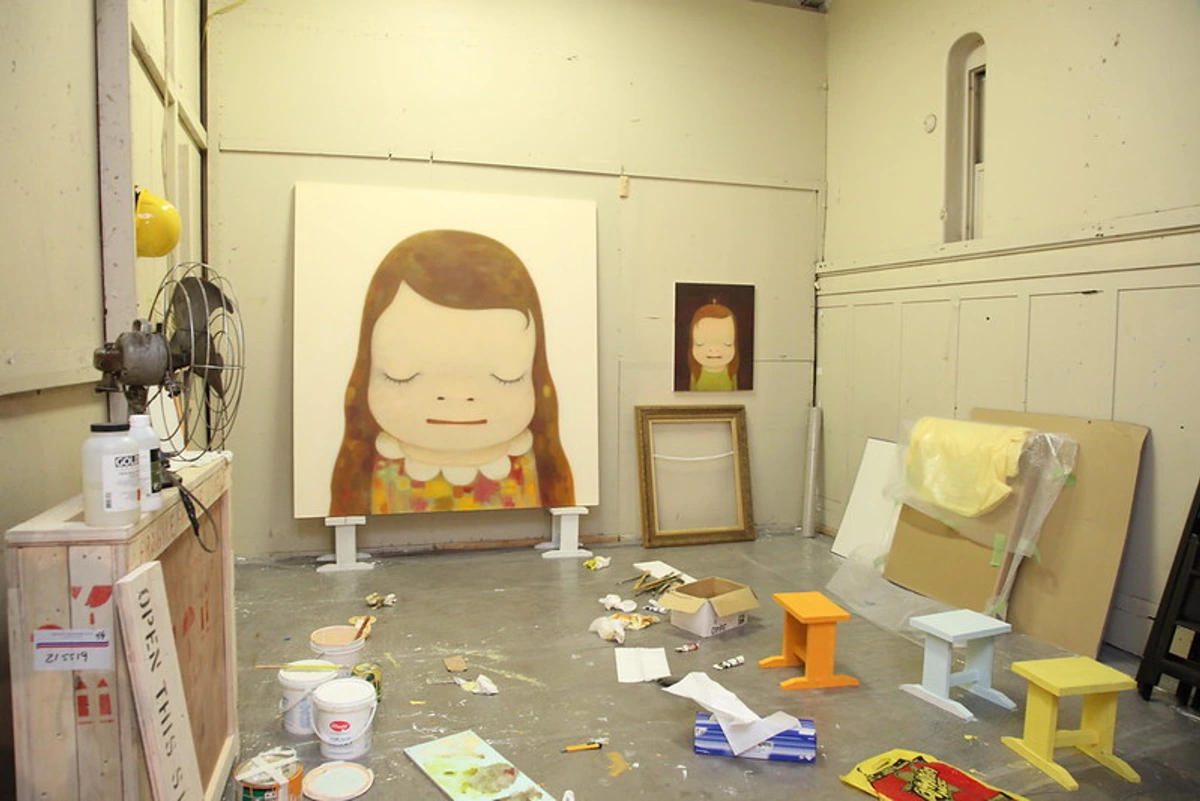
Gold leaf pairs beautifully with other mediums:
With Resin: Create depth by embedding leaf between resin layers With Encaustic: The heat of encaustic can help bond the leaf With Charcoal: High-contrast dramatic effects With Pastels: Delicate, ethereal combinations (requires careful sealing) With Digital Prints: Add metallic highlights to photographic work
Gold Leaf Restoration and Conservation
Even the most carefully applied gold leaf may eventually need attention:
Touching Up Small Areas: Use tiny fragments of scrap leaf and precise application tools Removing Damaged Leaf: Very carefully lift damaged sections using gentle heat or solvents Re-Sealing: Apply fresh sealer over existing work if it shows signs of degradation Professional Help: For valuable pieces, always consult a professional conservator
I once had a commission where the client's cat (accidentally!) scratched a gilded area. After panicking for a solid 10 minutes, I was able to carefully repair the damage with some scrap leaf and a steady hand. The client never knew the difference!
Gold Leaf Through History: A Cultural Journey
Gold leaf isn't just an art material - it's a cultural phenomenon that has spanned millennia and continents. Understanding this history gives you a deeper connection to the medium you're working with.
Ancient Civilizations
Egypt (3000 BCE): The Egyptians were masters of gilding, using it extensively on sarcophagi, furniture, and temple decorations. They developed early size adhesives from animal glues and gum arabic.
China (2000 BCE): Chinese artisans used gold leaf in lacquerware and painting, developing techniques that spread throughout Asia. The Japanese later perfected these methods.
Greece & Rome (500 BCE - 400 CE): Greek and Roman artists used gold leaf in mosaics and panel painting. The Romans were particularly known for their elaborate gilded ceilings and walls.
Medieval & Renaissance Periods
Byzantine Empire (500-1453): Icon painting reached new heights with gold leaf backgrounds, creating a heavenly glow that was meant to evoke divine presence.
Italian Renaissance (1400-1600): Masters like Giotto, Fra Angelico, and later Michelangelo used gold leaf with incredible skill, often applying it over painted surfaces to create halos and divine radiance.
Northern Renaissance (1500-1600): Artists like Jan van Eyck developed techniques for embedding gold leaf in oil paintings, creating luminous effects that seemed to glow from within.
Modern & Contemporary Era
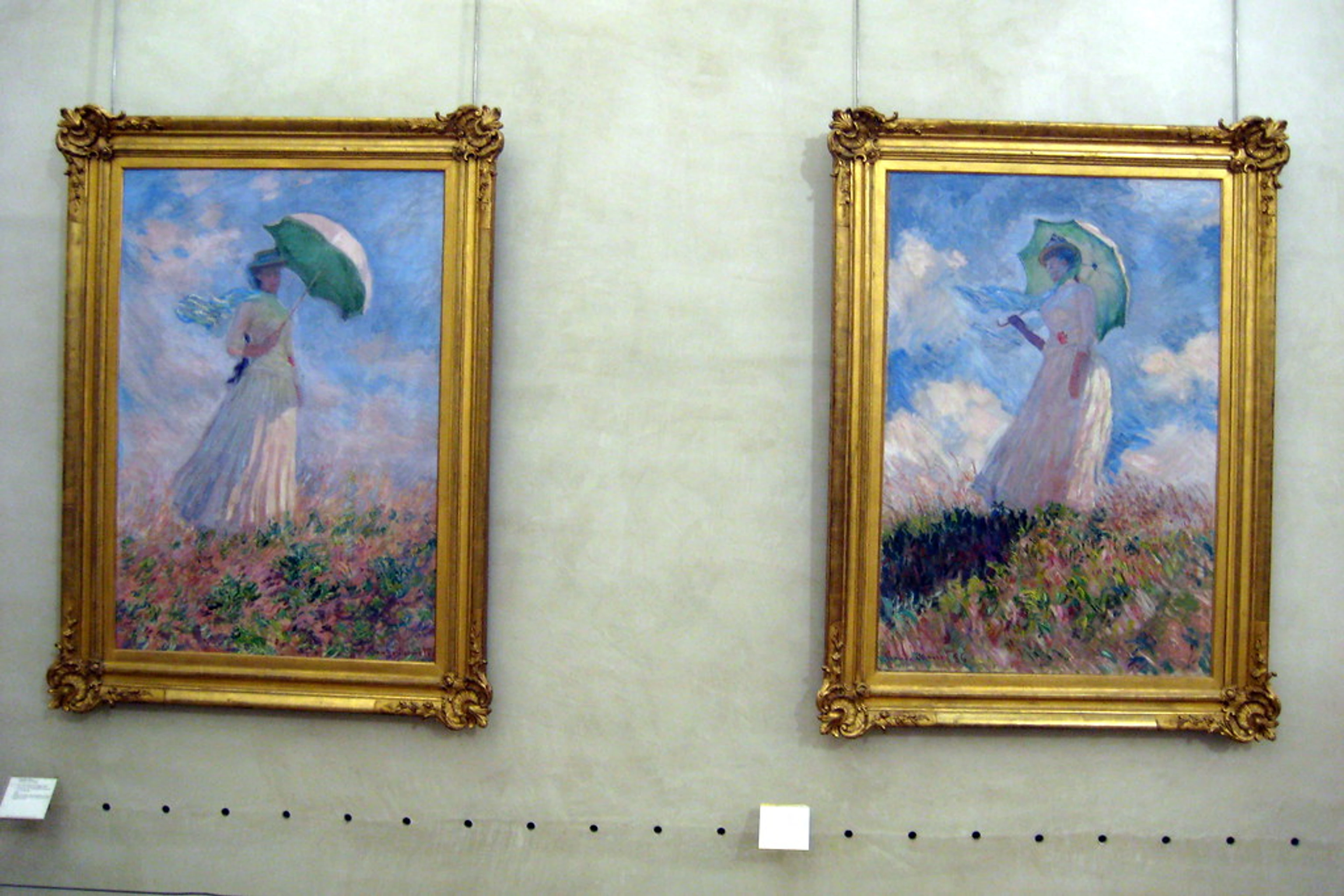
Impressionists (1870s-1890s): Artists like Monet and Renoir occasionally used gold leaf accents, though they were more focused on capturing light than traditional gilding.
Art Nouveau (1890-1910): Artists like Gustav Klimt made gold leaf central to their work, creating ornate, decorative pieces that celebrated craftsmanship and luxury.
Surrealism (1920s-1930s): Dalí and others used gold leaf to create dreamlike, otherworldly effects in their bizarre compositions.
Contemporary Art (1960s-present): Today, artists use gold leaf in countless innovative ways - from minimalist applications to massive installations. The material has been democratized and is no longer reserved solely for religious or royal contexts.
Gold Leaf in Different Cultures
Culture | Traditional Use | Notable Examples | Modern Adaptations |
|---|---|---|---|
| Japanese | Tea ceremony items, Buddhist art | Kintsugi (repair with gold) | Contemporary ceramics, mixed media |
| Indian | Temple decorations, manuscript illuminations | Mughal miniatures | Fusion with traditional painting |
| Thai | Buddhist temple art, royal regalia | Wat Arun temple | Modern sculpture, installation art |
| Mexican | Retablo painting, religious art | Ex-voto offerings | Contemporary folk art hybrids |
| African | Royal regalia, ceremonial objects | Ashanti gold weights | Modern jewelry, sculpture |
I find it fascinating how gold leaf has maintained its cultural significance while evolving in its artistic applications. When I use gold leaf in my abstract work, I'm connecting to a tradition that spans 5,000 years of human creativity. That sense of continuity is incredibly powerful.
Gold Leaf & The Modern Artist
What happens when gold meets abstract? Magic. That's what. I've seen artists embed leaf between resin layers or use it as "lightning strikes" in moody pieces. It's not about opulence anymore - it's contrast. Shimmer against matte. Organic against geometric. Like finding a coin in a riverbed.
Global Traditions in Gold Leaf Art
Different cultures have developed unique approaches to gold leaf that reflect their values and aesthetics. Understanding these traditions can inspire your own work:
Japanese Kintsugi
The Art of Repair: Kintsugi is the Japanese art of repairing broken objects with gold, emphasizing beauty in imperfection and the cycle of life and death. Rather than hiding cracks, the gold highlights them, creating something new and beautiful from what was broken.
Philosophical Meaning: Kintsugi reflects the Japanese concept of wabi-sabi - finding beauty in imperfection and impermanence. It's a meditation on acceptance and transformation.
Modern Applications: Contemporary artists are applying kintsugi principles to various media, not just pottery, creating works that explore themes of damage, repair, and transformation.
Indian Temple Art
Divine Decoration: Indian temple art features elaborate gilding as a way to represent the divine and create sacred spaces. Gold leaf is used extensively on sculptures, paintings, and architectural elements in temples across India.
Ritual Significance: In Hindu and Buddhist traditions, gold leaf is often applied as part of religious rituals, with specific ceremonies for applying gold to sacred images.
Regional Styles: Different regions of India have developed distinctive styles of gold leaf application, from the intricate details of South Indian temple art to the bolder designs of North Indian traditions.
Thai Buddhist Art
Celestial Realms: Thai Buddhist art uses gold leaf to create celestial realms and sacred imagery. The extensive use of gold in temple decorations is meant to reflect the splendor of the heavens.
Lakorn Style: Thai artists have developed a distinctive style of applying gold leaf in intricate patterns that complement painted imagery, creating a rich, layered effect.
Contemporary Thai Art: Modern Thai artists continue these traditions while incorporating contemporary themes and techniques, creating a unique blend of the sacred and the secular.
Mexican Retablo Painting
Devotional Art: Mexican retablo painting uses gilding as a way to express faith and create visual drama in religious contexts. These small, painted devotional images often feature extensive gold leaf decoration.
Folk Art Tradition: Retablo painting represents a folk art tradition that combines European religious iconography with indigenous Mexican aesthetics.
Living Tradition: While retablo painting has historical roots, it continues to be practiced by contemporary artists who maintain the traditional techniques while adding their own creative interpretations.

Modern Applications Beyond Traditional Painting
Sculpture and 3D Work
Gold leaf transforms sculpture in remarkable ways. I've seen artists apply it to:
- Bronze castings: Creating highlights that catch light dramatically
- Wood carvings: Bringing organic forms to life with metallic accents
- Ceramic pieces: Enhancing glazes and textures with unexpected shimmer
- Found objects: Giving new meaning to everyday items through gilding
- Installation art: Creating immersive environments with reflective surfaces
Furniture and Decorative Arts
The line between fine art and craft blurs beautifully with gold leaf:
- Custom furniture: Gilded details on chairs, tables, and cabinets
- Mirror frames: Traditional and contemporary designs
- Decorative boxes: Jewelry boxes, keepsake containers
- Architectural elements: Doorways, moldings, ceiling medallions
- Musical instruments: Violins, guitars, and piano details
Fashion and Wearable Art
Some contemporary artists push boundaries further:
- Clothing: Gilded accessories, embroidery, and fabric treatments
- Jewelry: Combining gold leaf with traditional metals
- Footwear: Custom shoes with metallic accents
- Hats and headpieces: Theatrical and avant-garde designs
- Body art: Temporary gold leaf applications
The Psychology of Gold in Art
Why does gold continue to captivate us? It's not just about beauty:
Cultural Memory: Gold has symbolized wealth, power, and divinity across cultures for millennia. Even in secular art, it carries these associations.
Light Play: Gold's unique ability to reflect and diffuse light creates a living quality that changes throughout the day and with different viewing angles.
Contrast Effect: Against matte backgrounds, gold creates dramatic visual tension that draws the eye and creates focal points.
Emotional Response: Studies show that gold-colored objects can evoke feelings of warmth, comfort, and luxury - emotions artists deliberately tap into.
The FAQ Corner
Q: Can I use Mod Podge instead of gilder's size?
A: I've tried it. Size has that perfect "sticky but not permanent" window that Mod Podge doesn't replicate. You'll get wrinkly leaf that peels off. Save Mod Podge for kids' projects. Trust me.
Q: Is genuine gold leaf worth it for beginners?
A: Start with imitation. It behaves similarly, costs 1/20th the price, and you won't cry if half your sheet goes airborne when you sneeze. Invest in genuine when you're confident in your technique.
Q: How long does gold leaf last on paintings?
A: Properly sealed gold leaf lasts centuries. The trick is sealing - not varnishing it into oblivion, but protecting it from abrasion. Think of it as putting your art in a protective embrace, not a straitjacket.
Q: Can I apply gold leaf over dried acrylic paint?
A: Yes, but sand it first to remove any slickness. Test a tiny spot - if the size beads up, sand more. If it spreads evenly, you're golden. Pun intended.
Q: Is it possible to gold leaf outdoors?
A: Only if you enjoy fighting wind, humidity, and curious insects. Indoor work is non-negotiable. I once saw a demonstration where a stray gust turned an entire corner of the studio into a disco ball disaster. Save outdoor experimenting for calm days with studio windows firmly closed.
Q: What's the difference between 23k and 24k gold leaf?
A: 24k is pure gold, while 23k has 1 part alloy (usually copper or silver) added for durability. The alloy makes 23k slightly harder to work with but more resistant to damage. For most fine art applications, 23k gives you that perfect balance of authenticity and workability.
Q: How do I fix mistakes in gold leaf application?
A: Small mistakes can often be fixed carefully:
- Use a soft brush to remove loose leaf
- Touch up with tiny pieces of scrap leaf
- For larger areas, you may need to remove the entire section and reapply
- Always work on a flat, stable surface when repairing
Q: Can I use hairdryers to speed up the drying process?
A: Bad idea! Heat can cause the size to become too tacky too quickly, making it impossible to work with. If you're in a hurry, use quick-size instead of regular size. Patience is your friend in gilding.
Q: Will gold leaf tarnish over time?
A: Pure gold leaf (24k) won't tarnish, but 23k and lower karat gold may develop a patina over decades. Environmental factors like sulfur in the air can accelerate this. Proper sealing with archival materials will protect your work for generations.
Q: How much gold leaf do I need for a typical painting?
A: For a standard 16x20 canvas with moderate gilding, you'll need about 3-5 books of leaf (each book contains 25 sheets). For heavy coverage or larger pieces, plan for 5-10 books. It's always better to have extra than to run out mid-project!
Q: Can I apply gold leaf over oil paint?
A: Yes, but you must wait for the oil paint to be completely cured - this can take 6 months to a year for traditional oil paints. Modern alkyd oils cure much faster (about a week). Test a small area first to ensure proper adhesion.
Q: What's the best way to clean gold leaf artwork?
A: Very carefully! Use a soft, dry brush or compressed air. Never use water or cleaning chemicals on gilded surfaces. For stubborn dust, use a soft brush with gentle strokes. Professional art conservators should handle major cleaning or restoration.
Q: Can I use gold leaf on digital prints?
A: It's possible but challenging. You'll need to print on a very heavyweight, textured paper that can accept the size. Most standard digital papers are too smooth and non-porous. Test extensively before committing to a valuable print.
Q: How do I store unfinished gold leaf work?
A: Keep it flat in a dust-free environment. If possible, cover it with a clean cloth or paper to protect the gilded areas. Avoid storing in humid areas or near heat sources. If you need to transport it, pad it well on both sides.
Q: Is gold leaf environmentally friendly?
A: Traditional gold mining has significant environmental impacts, but once the leaf is made, it's very stable and long-lasting. Some artists prefer to use recycled gold leaf when available. The longevity of gold leaf art also means it doesn't need frequent replacement, which is environmentally beneficial.
Q: Can I make my own gold leaf?
A: Technically yes, but practically no. Making genuine gold leaf requires extremely thin beating (gold can be hammered to 1/8,000th of an inch thick) and specialized equipment. It's much more practical to purchase commercially made leaf. However, you can make imitation leaf from various metals if you're experimenting.

Q: What's the best brush for applying size?
A: A good quality soft-bristle brush (sable, squirrel, or synthetic equivalent) works best. The brush should hold enough size without dripping. Size-specific brushes are available, but a good watercolor brush can work well too. Always clean your brush thoroughly after use, as size can be very difficult to remove once dried.
Q: Can I use gold leaf on wet paint?
A: Only with specific techniques! Some artists embed gold leaf in wet oil paint or acrylic, but this requires careful timing and technique. Most traditional gilding requires the surface to be completely dry before applying size. Experiment on scrap material first if you want to try this approach.
Q: How do I prevent gold leaf from wrinkling?
A: Wrinkling usually happens when the size is either too wet or too dry. The sweet spot is when it's perfectly clear but still tacky. Test with your brush - it should lift a little dust but still stick. Also, work in a dust-free environment and apply the leaf smoothly without excessive pressure.

Professional Considerations for Selling Gold Leaf Art
If you're planning to sell your gold leaf artwork, there are several important considerations beyond the technical aspects of creation.
Pricing Your Gold Leaf Work
Gold leaf significantly affects your pricing strategy. Here's a breakdown:
Factor | Impact on Price | Considerations |
|---|---|---|
| Material Cost | Adds $50-500+ per piece | Higher karat gold increases cost |
| Time Investment | Adds 2-10x normal painting time | Complex gilding requires more skill |
| Market Position | Premium pricing justified | Gold leaf suggests luxury and value |
| Durability | Justifies higher price | Properly sealed work lasts centuries |
| Uniqueness | Collectible value | Each piece is one-of-a-kind |
Pricing Calculator for Gold Leaf Art
Art Size | Base Price | Gold Leaf Premium | Complexity Multiplier | Estimated Price Range |
|---|---|---|---|---|
| Small (8x10") | $200-400 | $100-300 | 1.5x-3x | $450-2,100 |
| Medium (16x20") | $400-800 | $200-500 | 2x-4x | $1,200-4,400 |
| Large (24x36") | $800-1,500 | $300-700 | 2.5x-5x | $2,750-8,400 |
| Extra Large (36x48") | $1,500-3,000 | $500-1,000 | 3x-6x | $6,000-24,000 |
My approach: I calculate my normal painting rate, then add material costs and multiply by 1.5-2x for the additional skill and time required. Gold leaf buyers are often looking for investment pieces, so they expect premium pricing.
Gallery Representation
Gold leaf work has excellent gallery appeal because:
- Visual impact: It stops viewers in their tracks
- Conversation starter: People have questions about the technique
- Collectible quality: Properly done pieces appreciate in value
- Versatility: Works in both traditional and contemporary settings
I've found that galleries are particularly interested in pieces that combine traditional gilding with modern or abstract elements. The contrast creates something fresh and appealing.
Creating a Professional Portfolio
Documentation: Take professional-quality photographs of your work from multiple angles, including close-ups of the gilded areas. Natural light works best, but you may need to supplement with studio lighting to capture the reflective qualities of the gold.
Artist Statement: Write a compelling statement that explains your approach to gold leaf, your artistic vision, and the significance of this medium in your work. Mention your materials and techniques to establish credibility.
Provenance: Keep records of your materials, creation dates, and any exhibitions or publications featuring your work. This adds value and authenticity to your pieces.
Care Instructions: Provide buyers with detailed care instructions for their gold leaf artwork. This demonstrates professionalism and helps ensure the longevity of your work.
Marketing Your Gold Leaf Art
Social Media: Instagram and Pinterest are particularly good platforms for showcasing gold leaf work. Use hashtags like #goldleafart, #gilding, and #contemporaryart to reach your audience.
Art Fairs: Gold leaf pieces stand out at art fairs because of their visual impact. Be prepared to talk about your technique and the time involved in creating each piece.
Online Marketplaces: Specialized art platforms like Saatchi Art or Artsy can help you reach a wider audience. Consider creating your own e-commerce site for higher-end pieces.
Commissions: Many collectors want custom gold leaf work. Be prepared to discuss pricing for commissioned pieces, which can command premium rates due to the specialized nature of the work.
Conservation and Longevity
When selling gold leaf art, you're not just selling a painting - you're selling a piece that could last for centuries. This is both a responsibility and a marketing advantage:
Documentation: Provide care instructions and information about the materials used Archival quality: Use only museum-quality materials and proper sealing techniques Provenance: Document the creation process and materials used Insurance: Ensure buyers understand the value and get proper coverage
Online Sales Tips
Photographing gold leaf artwork presents unique challenges:
- Lighting: Use multiple light sources to capture the reflective qualities
- Angles: Shoot from multiple positions to show how the light changes
- Details: Close-up shots of the gilded areas are essential
- Video: Consider short videos showing how the light catches the gold
I've found that mentioning the karat of gold and the sealing process in my listings increases buyer confidence and justifies premium pricing.
Shipping and Handling
Gold leaf requires special handling:
- Protection: Multiple layers of bubble wrap and rigid backing
- Insurance: Full coverage for the high value
- Climate control: Avoid extreme temperatures during shipping
- Insurance: Proper insurance is non-negotiable
Community and Resources for Gold Leaf Artists
Finding Your Tribe
Gold leaf can be a lonely pursuit if you don't connect with other artists. Here's how to find your community:
Local Workshops: Many art centers offer gilding workshops - great for hands-on learning Online Forums: Reddit's r/gilding and specialized artist forums Social Media: Instagram hashtags like #goldleafart and #gilding Guilds and Associations: Organizations like the Society of Gilders Local Artists: Visit museums and galleries to see contemporary gilding work
I found my first gold leaf mentor through a local craft fair. We started talking about techniques, and before I knew it, I had a whole community of gilders to learn from and share with.

Recommended Resources
Resource Type | Examples | Best For |
|---|---|---|
| Books | "The Art of Gilding" by Josep Masats | Comprehensive techniques |
| Books | "Gold: A Cultural History" | Historical context |
| Books | "The Book of Gold Leaf" by Angelica Pozo | Practical applications |
| Books | "Traditional Gilding Techniques" | Historical methods |
| Videos | YouTube channels like "The Gilded Edge" | Visual learning |
| Videos | Online courses from art schools | Structured learning |
| Suppliers | Gold leaf specialists (online) | Quality materials |
| Suppliers | Local art supply stores | Immediate availability |
| Courses | Local craft schools, online workshops | Skill development |
| Courses | Master classes with professional gilders | Advanced techniques |
Staying Inspired
Gold leaf art has a rich history, but contemporary applications are constantly evolving. Here's how to stay inspired:
Visit museums: Look at both historical and contemporary gilded work Cross-discipline learning: Explore gilding in furniture, architecture, and sculpture Experiment: Try combining gold leaf with unexpected materials Document your process: Share your experiments and learnings with others Follow contemporary artists: See how others are pushing the boundaries
Your Turn to Shine
Gold leaf taught me something profound: beauty lives in the space between control and surrender. You plan the application, but the leaf has its own personality. Those tiny imperfections? They're where your artwork becomes uniquely yours. So take that first sheet. Breathe. Apply. And remember - every artist who ever gilded a masterpiece started with a sticky, glittery mess.
When you're ready to experiment with premium materials and archival tools, our shop carries curated professional kits. But for now? Grab that book of leaf and make something shimmer. The world needs more light catchers.














Final Thoughts on Your Gold Leaf Journey
As you embark on your gold leaf adventure, remember that this is more than just a technique - it's a connection to thousands of years of human creativity. Every time you apply gold leaf, you're participating in a conversation that spans from ancient Egyptian tombs to contemporary galleries.
Don't be discouraged by the challenges. Every gold leaf artist has had moments of frustration, of leaf that won't stick, of pieces that didn't turn out as expected. But those moments are part of the process. They're what make your work uniquely yours.
The most important thing is to start. Take that first sheet of leaf, prepare your surface, and make your mark. Whether you're creating a traditional religious icon or a contemporary abstract piece, you're adding your voice to this ancient, beautiful artistic tradition.
And who knows? Maybe in a thousand years, someone will be looking at your work, captivated by the way light catches the gold, wondering about the artist who created it. They won't see your mistakes or your frustrations - they'll see the beauty, the skill, and the love that went into your creation.
That, I think, is the true magic of gold leaf. It transcends time, connects us across centuries, and allows us to leave something beautiful behind for future generations to discover.
Happy gilding! ✨