What is Artistic Tradition? Unpacking the Invisible Rules of Art
Ever wonder why art from a certain era looks... the same? We're diving deep into artistic tradition, the invisible rulebook that artists have both followed and broken for centuries.

What Is Artistic Tradition? Unpacking the Invisible Rules of Art
I have this thing where I make my morning coffee the exact same way, every single day. Same beans, same grinder setting, same weirdly sentimental mug. It's a ritual. A few weeks ago, my favorite mug broke (a small tragedy, I know) and I had to use a different one. My whole morning felt... off. The coffee didn't taste right, even though nothing else had changed.
That, in a nutshell, is the power of tradition. It’s the invisible framework, the comfortable recipe we follow. In art history, artistic tradition is exactly that, but on a grand scale. It's the shared language, the set of techniques, the unspoken expectations, and the subject matter passed down from one generation of artists to the next. It’s both a comfort blanket and a cage to be rattled.
How Artists Engage with Tradition: From Copying to Critiquing
So how do contemporary artists actually work with these traditions? It's not as simple as just following the rules or breaking them. Let's explore the different ways artists engage with tradition:
Traditionalists: Working Within the System
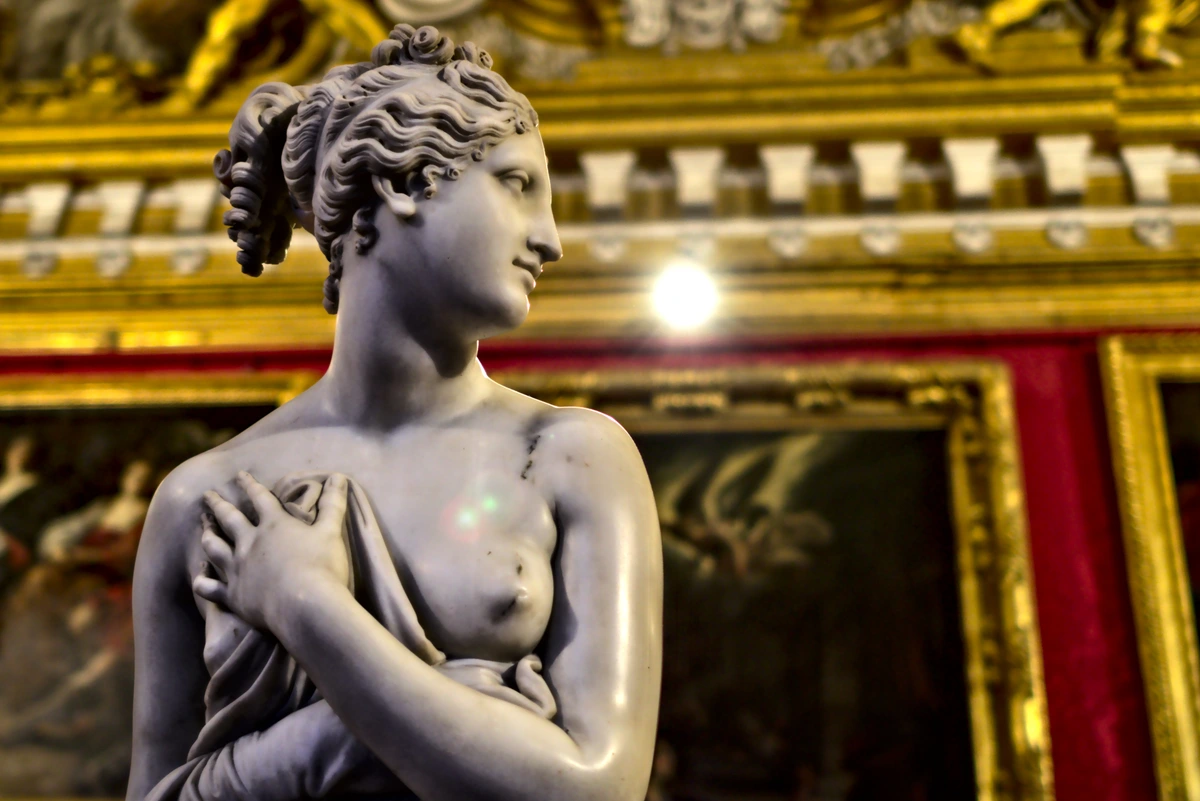
These artists deeply respect tradition and work to perfect established techniques. Think of classical painters who continue to study Renaissance masters, or sculptors who work in the classical tradition. They might not be creating anything "new" in terms of style, but their mastery of traditional methods is valuable in itself.
The interesting thing about traditionalists is that they often become the foundation for future innovation. When someone has truly mastered the old ways, they understand them so deeply that they can push them in new directions.
Innovators: Building on Tradition
This is where it gets exciting. These artists understand tradition so well that they can extend it. They take the conventions, techniques, or subject matter of the past and add something new to them.
Think about how Picasso built on the tradition of portraiture when he created Cubism. He didn't just break the rules of perspective—he understood them so completely that he could deconstruct them in a way that made viewers see faces from multiple angles at once. He was standing on the shoulders of giants.
Revolutionaries: Breaking the Rules
Then you have artists who seem to come out of nowhere and completely overturn tradition. These are the people who make us question, "Wait, is this even art?" Consider Marcel Duchamp's "Fountain"—a signed urinal that challenged the very definition of art and artistic creation.
But here's the thing: even revolutionaries usually understand the tradition they're rejecting. They know what the "rules" are because they've studied them. Their rebellion is more meaningful when you understand what they're rebelling against.
Postmodernists: Playing with Tradition
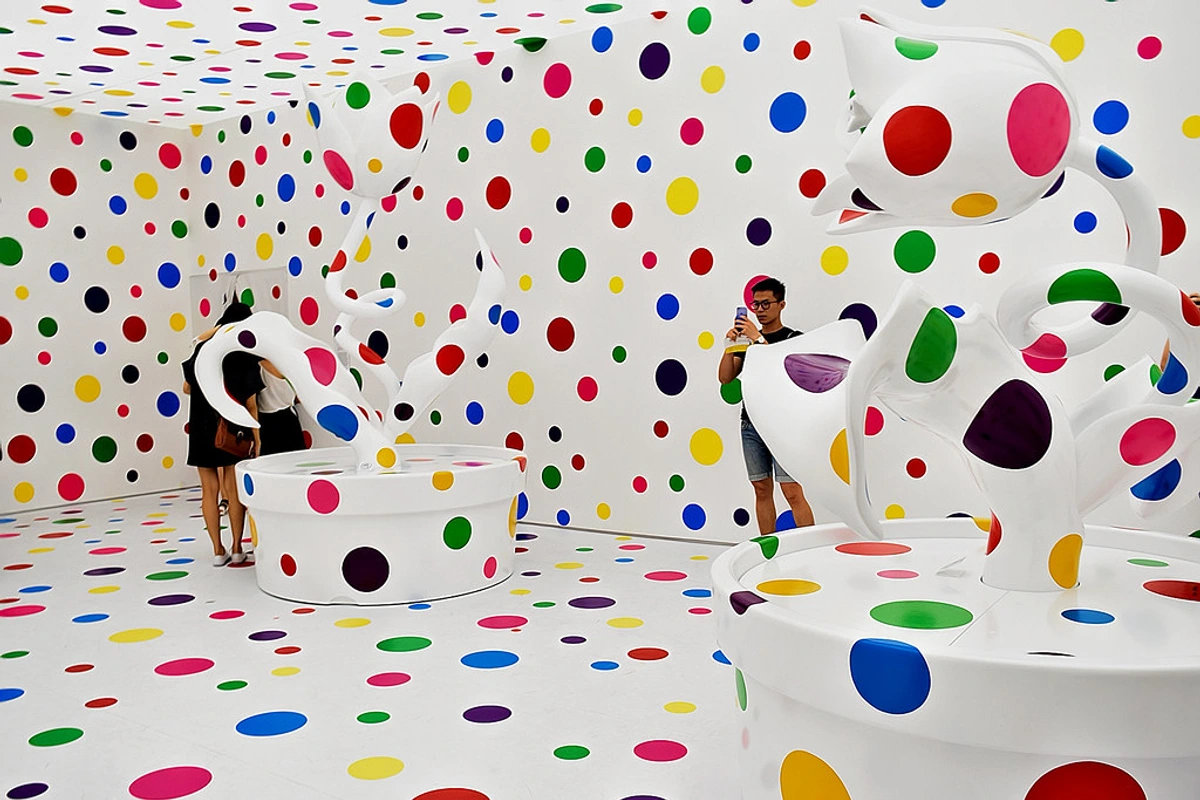
Postmodern artists take a different approach altogether. They don't just reject or build on tradition—they play with it. They might quote historical styles ironically, mix different traditions together, or deconstruct familiar images in new ways.
Think of artists who paint in a classical style but depict modern scenes, or who use traditional techniques to create subversive content. They're saying that tradition isn't something to be revered or rejected blindly—it's a raw material to be worked with.
Cross-Cultural Tradition Blending
In our globalized world, many artists work with multiple traditions simultaneously. A contemporary painter might combine Chinese brush techniques with Western abstract expressionism, or a sculptor might blend African carving traditions with modern materials.
This blending creates fascinating new forms of expression that wouldn't be possible without deep respect for multiple traditions. It's not about choosing one over another—it's about creating something new from the collision of different worlds.
Global Perspectives: Artistic Traditions Around the World
Artistic tradition isn't just a Western phenomenon—every culture has developed its own rich artistic heritage. Understanding these different traditions helps us see the incredible diversity of human creativity.
East Asian Traditions
Chinese Painting: For over 2,000 years, Chinese painting has followed specific traditions emphasizing brushwork, composition, and philosophical meaning. Unlike Western art, traditional Chinese painting often doesn't use perspective or attempt realistic representation. Instead, it focuses on capturing the "spirit" or essence of the subject.
Japanese Art: Japanese artistic traditions are deeply connected to nature and seasonal changes. Ukiyo-e prints, for example, became famous for their distinctive style and subject matter—life in the "floating world" of entertainment and pleasure. The tradition of woodblock printing influenced Western art dramatically in the 19th century.
African Traditions
African artistic traditions are incredibly diverse, with each region having its own distinctive styles. Common elements include:
- Symbolism: Many African art forms use specific symbols to represent concepts, ancestors, or deities
- Performance Art: Many traditions combine visual art with music, dance, and storytelling
- Community Focus: Traditional African art is often created for communal ceremonies and rituals rather than individual expression
- Materials: Artists work with locally available materials like wood, clay, beads, and natural dyes
Indigenous Traditions
Indigenous artistic traditions around the world are deeply connected to land, spirituality, and cultural identity. These traditions are often:
- Continuously Evolving: Despite stereotypes of "primitive" or "unchanging" art, indigenous traditions are dynamic and adapt over time
- Orally Transmitted: Knowledge about techniques, meanings, and protocols is passed down through storytelling and demonstration
- Ceremonially Important: Many art forms are integral to spiritual practices and community rituals
- Resilient: Indigenous artists are working to preserve traditional knowledge while also innovating within their cultural frameworks
Middle Eastern Traditions
Middle Eastern artistic traditions are known for their intricate patterns, calligraphy, and decorative arts. Islamic art developed distinctive traditions around:
- Geometric Patterns: Complex mathematical designs that symbolize the infinite nature of God
- Calligraphy: The art of beautiful writing, often featuring verses from the Quran
- Arabesque: Flowing, organic patterns that appear in architecture, textiles, and manuscripts
- Figurative Restrictions: Many Islamic traditions avoid depicting human figures, focusing instead on abstract and calligraphic forms
Essential Books on Artistic Tradition
Here are some foundational texts that explore artistic tradition from different perspectives:
- "The Story of Art" by E.H. Gombrich - A classic overview of art history that shows how traditions evolved
- "Ways of Seeing" by John Berger - Explores how we look at art and the cultural contexts behind it
- "Art as Experience" by John Dewey - Philosophical exploration of art's relationship to human experience
- "The Painted Word" by Tom Wolfe - Critical look at art world traditions and institutions
- "Tradition and the Individual Talent" by T.S. Eliot - Essay on how artists engage with literary tradition
- "Theories of Modern Art" by H.H. Arnason - Comprehensive coverage of modern art movements and their relationship to tradition
- "Art Since 1900" by Hal Foster - Critical examination of 20th and 21st century art developments
- "The Power of Art" by Simon Schama - Engaging exploration of how art reflects cultural traditions
Digital Learning Resources
The internet has made it easier than ever to explore artistic traditions from around the world:
- ** Metropolitan Museum of Art's Heilbrunn Timeline of Art History** - Comprehensive overview of artistic traditions across cultures and time periods
- ** Khan Academy's Art History section** - Free courses covering major artistic movements and traditions
- ** Smarthistory.org** - Engaging videos and articles about art history and tradition
- ** Google Arts & Culture** - Virtual tours of museums and access to high-resolution images of traditional artworks
- ** YouTube Channels**: Channels like The Art Assignment, Crash Course Art History, and Great Art Explained offer accessible insights into artistic traditions
- ** Podcasts**: "The Art Newspaper Podcast," "ArtTactic," and "The Modern Art Notes Podcast" discuss contemporary art and its relationship to tradition
Hands-On Learning Opportunities
For those who want to experience artistic tradition directly:
- Local art schools and community centers - Often offer courses in traditional techniques like oil painting, sculpture, or printmaking
- Master workshops - Intensive sessions with artists who specialize in traditional methods
- Online learning platforms - Websites like Skillshare, Domestika, and Coursera offer courses on both traditional and contemporary approaches
- Museum programs - Many museums offer workshops, lectures, and artist talks that explore artistic tradition
- Artist residencies - Programs where you can study traditional techniques in immersive settings
- Cultural tourism - Travel to regions where specific artistic traditions are still practiced (Japan for ink painting, Italy for fresco, etc.)
Conclusion: The Living Conversation of Artistic Tradition
Artistic tradition isn't a static set of rules from the past—it's a living conversation that spans centuries and continents. Every artist who picks up a brush, chisel, or digital tablet is joining this conversation, adding their voice to the ongoing dialogue about what art can be and what it can mean.
The beauty of artistic tradition is that it's both universal and deeply personal. On one hand, it connects us to artists from centuries past and across the globe. On the other hand, it gives each of us the tools to express our unique vision and experience.
As you explore artistic tradition, remember that there's no "right" way to engage with it. You can be a traditionalist, an innovator, a revolutionary, or something entirely different. What matters most is that you approach tradition with curiosity, respect, and a willingness to learn.
The artists who make the most lasting contributions are often those who understand tradition so deeply they can transcend it. They don't just copy the past—they build upon it, challenge it, and reimagine it for new audiences and new times.
So whether you're creating your first painting or your hundredth, whether you're visiting museums or just looking at art online, remember that you're participating in something much bigger than yourself. You're part of a rich, ongoing human story—one that continues to unfold with every brushstroke, every carving, and every creative act.
Getting Started with Artistic Tradition
Ready to dive deeper? Here are some practical next steps:

- Start with one tradition that interests you most—whether it's Renaissance painting, Japanese woodblock prints, or African sculpture
- Visit museums and spend time really looking at works from that tradition
- Try a basic technique from that tradition, even if it's just a sketch or simple composition
- Read about the context—what was happening historically when this tradition developed?
- Find contemporary artists who work with or challenge that tradition
- Share what you learn with others—discussion deepens understanding
Remember, the journey of understanding artistic tradition is as rewarding as the destination. Each discovery opens up new ways of seeing, creating, and connecting with the world around us.
The canvas of human creativity is vast and ever-changing, and artistic tradition gives us the map to navigate it. So go forth, explore, create, and add your own chapter to this incredible story. credit, licence
The Future of Artistic Tradition
As we move further into the 21st century, artistic tradition continues to evolve in fascinating ways. Here are some emerging trends and considerations:
Technology and Tradition
Digital tools are creating new possibilities for engaging with traditional techniques:
- Virtual Reality: Artists can now "visit" historical workshops and learn techniques in immersive digital environments
- AI and Traditional Art: Artificial intelligence is being used to analyze and recreate traditional artistic styles
- Digital Preservation: Technology helps preserve endangered traditional techniques for future generations
- New Mediums: Digital tablets, 3D printing, and other technologies are creating new artistic traditions while also preserving old ones
Cultural Exchange and Globalization
In our interconnected world, artistic traditions are constantly influencing each other:
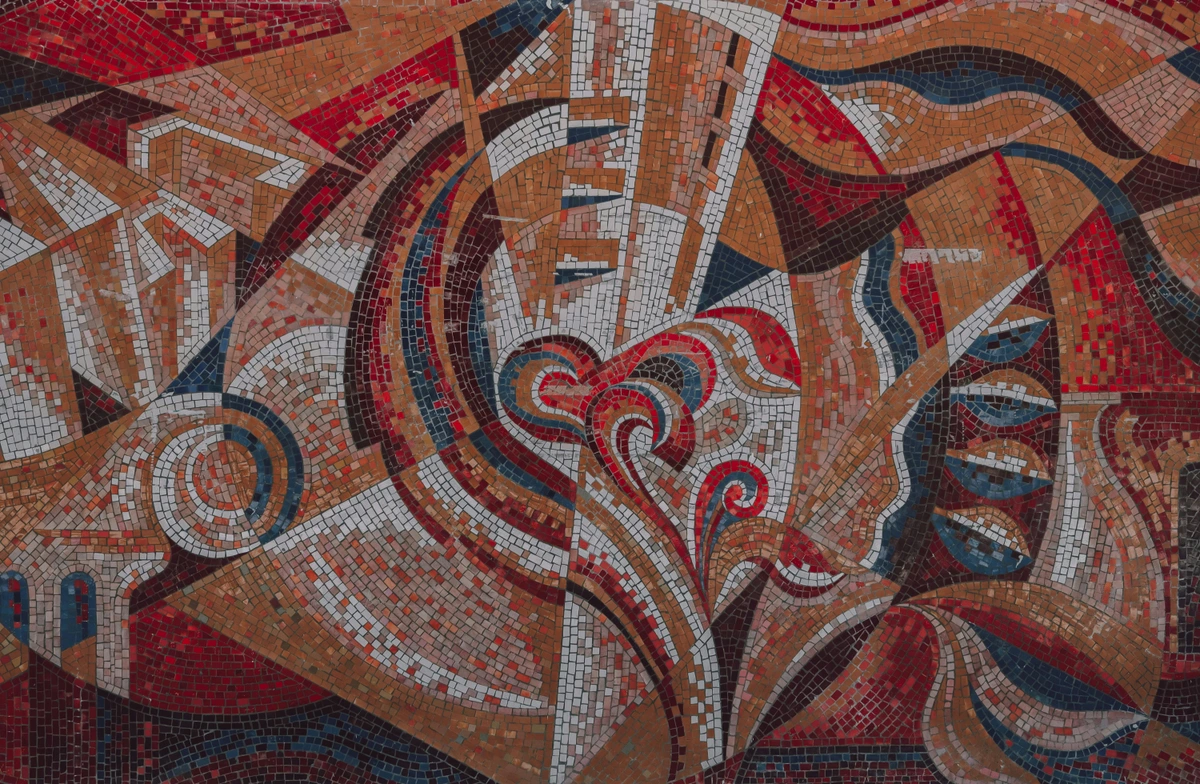
- Cross-Cultural Collaboration: Artists from different traditions are working together to create new forms
- Hybrid Traditions: New artistic styles are emerging from the blending of different cultural traditions
- Cultural Appropriation vs. Appreciation: Important conversations about respectfully engaging with traditions from other cultures
- Global Art Markets: Traditional arts are finding new audiences and markets around the world
Sustainability and Traditional Methods
There's growing interest in traditional techniques for environmental reasons:
- Natural Materials: Many artists are returning to traditional materials that are more sustainable
- Long-Lasting Techniques: Traditional methods often create art that lasts for centuries
- Local Production: Traditional techniques often emphasize local materials and sustainable practices
- Knowledge Preservation: Efforts to document and teach traditional methods that are at risk of being lost
Education and the Next Generation
How we teach artistic tradition is changing:
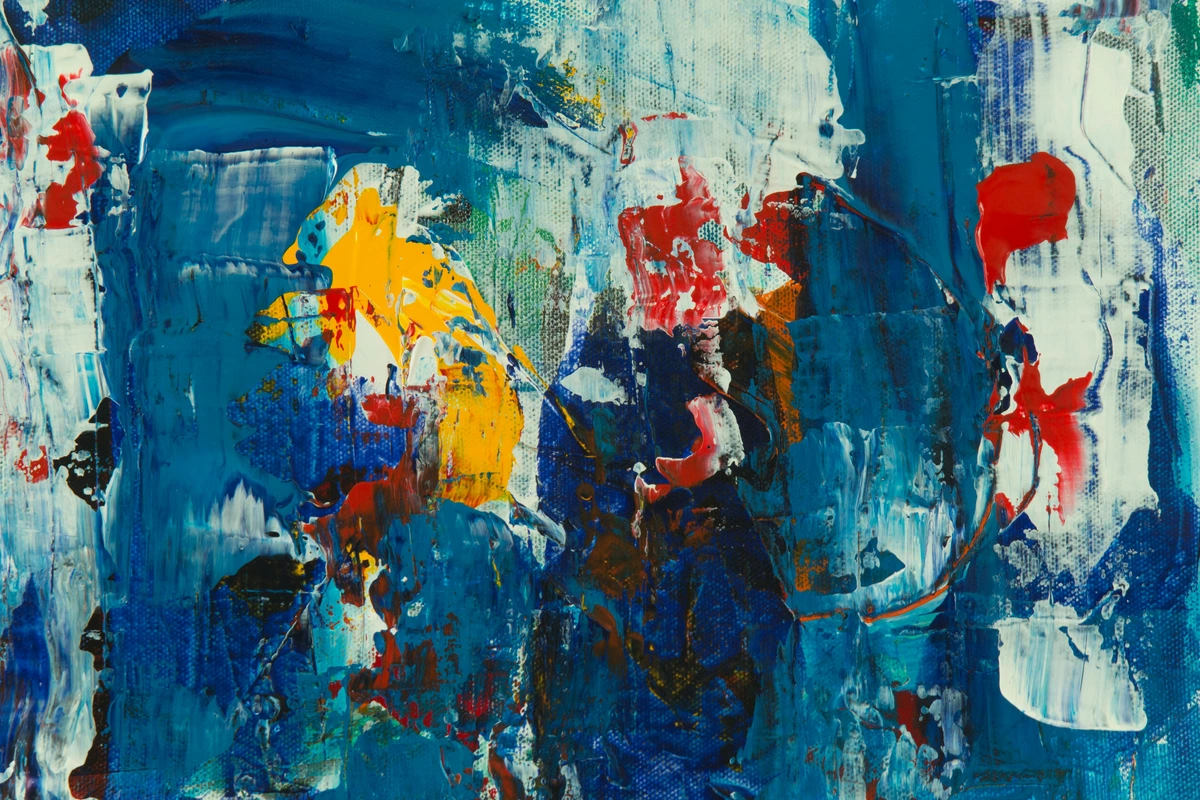
- Interdisciplinary Learning: Art education increasingly incorporates history, science, and technology
- Community-Based Teaching: Learning traditional techniques directly from cultural practitioners
- Online Education: Digital platforms making traditional arts accessible to global audiences
- Mentorship Programs: Connecting young artists with masters of traditional techniques
Practical Tips for Artists Working with Tradition
If you're an artist looking to engage with tradition, here are some practical approaches:
Start with Observation
Before you try to create, spend time really looking at traditional works:
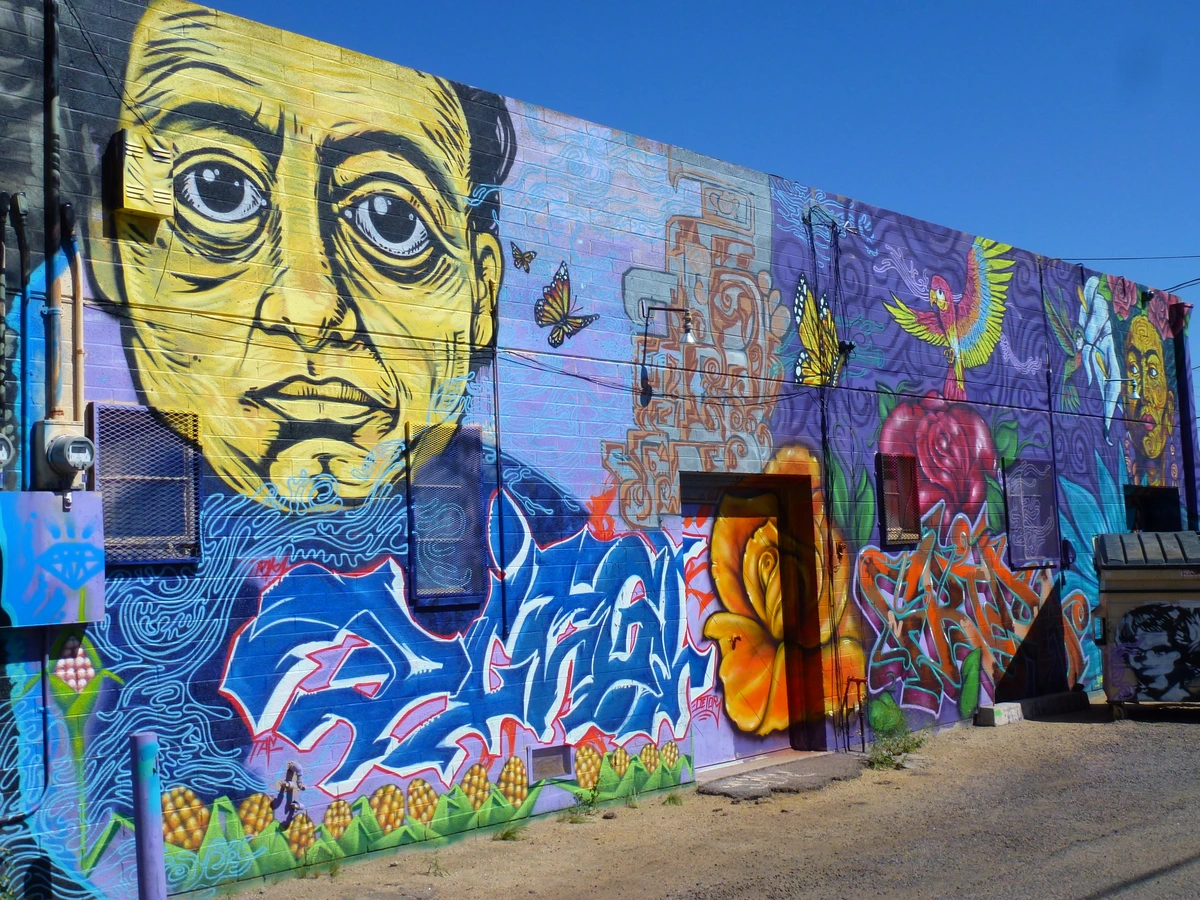
- Study the Details: Notice brushstrokes, composition choices, material usage
- Understand the Context: Learn about the historical and cultural background
- Ask Questions: Why was this technique developed? What problem did it solve?
- Take Notes: Document what you observe and what questions arise
Learn the Fundamentals
Traditional techniques often build on fundamental skills:
- Basic Techniques: Master the core methods before experimenting
- Material Understanding: Learn how traditional materials behave and how to work with them
- Historical Methods: Study how techniques were originally developed and practiced
- Practice Patience: Traditional techniques often require time and dedication to master
Find Your Balance
Determine how much you want to follow tradition versus innovate:
- Conservative Approach: Work closely within traditional parameters
- Moderate Approach: Adapt traditional techniques to contemporary contexts
- Radical Approach: Use tradition as a starting point for significant innovation
- Personal Approach: Develop your own unique relationship with tradition
Respect and Research
When working with cultural traditions:
- Do Your Research: Understand the cultural significance and protocols
- Respect the Source: Acknowledge the origins of the traditions you engage with
- Consult Practitioners: Learn from people who are part of living traditions
- Avoid Appropriation: Be mindful of how you represent cultural elements
The Psychology of Artistic Tradition
Why are humans drawn to artistic tradition? There are several psychological factors at play:

Cognitive Comfort
Our brains are wired to recognize patterns and familiar elements. Artistic tradition provides:

- Predictability: We can anticipate how traditional art will look and feel
- Recognition: We can quickly identify familiar styles and subjects
- Understanding: Traditional art often comes with established meanings and contexts
- Safety: There's comfort in the familiar and the established
Cultural Identity
Artistic tradition helps us understand who we are:
- Heritage Connection: Links us to our ancestors and cultural roots
- Group Identity: Shared artistic traditions create community bonds
- Cultural Memory: Art preserves and transmits cultural knowledge across generations
- Sense of Belonging: Participating in tradition helps us feel connected to something larger
Creative Freedom
Paradoxically, tradition can actually increase creative freedom:
- Constraints Spark Creativity: Having some rules often leads to more innovation
- Foundation for Experimentation: Traditional techniques provide a base to build upon
- Context for Innovation: Understanding tradition makes innovation more meaningful
- Dialogical Creation: Artists can have conversations with their predecessors
Business Considerations for Traditional Artists
For artists working with traditional techniques, there are specific business considerations:
Market Positioning
- Authenticity: Clients often value authentic traditional techniques
- Specialization: Traditional techniques can create unique market niches
- Education: Many clients want to learn about the traditions they're collecting
- Heritage Value: Traditional art often carries cultural and historical significance
Pricing Strategy
- Time Investment: Traditional techniques often take more time, justifying higher prices
- Skill Level: Mastery of traditional techniques commands premium pricing
- Cultural Value: The cultural significance of traditional techniques affects value
- Market Demand: Understanding what traditional techniques are currently in demand
Documentation and Provenance
- Technique Documentation: Recording your process adds value for collectors
- Materials Sourcing: Documenting traditional materials and their sources
- Training Background: Highlighting your training in traditional methods
- Cultural Context: Providing information about the traditions you work with
The Role of Critics and Scholars
Art critics and scholars play an important role in understanding and preserving artistic tradition:
Traditional Analysis
- Historical Context: Placing art in its historical and cultural context
- Technical Analysis: Examining how techniques were developed and used
- Symbolic Meaning: Interpreting the iconography and symbolism in traditional art
- Cultural Significance: Understanding the role of art in society and culture
Contemporary Relevance
- Living Traditions: Identifying which traditional practices remain relevant today
- Modern Interpretations: How contemporary artists rework traditional themes
- Cultural Exchange: The flow of ideas between different artistic traditions
- Future Directions: Predicting how traditions might evolve in the future
Ethical Considerations in Artistic Tradition
Working with artistic tradition raises important ethical questions:
Cultural Respect vs. Appropriation
- Understanding Context: Learning the full context of cultural traditions
- Permission and Consent: Seeking proper authorization when appropriate
- Representation Accuracy: Ensuring accurate representation of cultural elements
- Benefit Sharing: Making sure communities benefit from the use of their traditions
Preservation vs. Innovation
- Balancing Act: Finding the right balance between preserving tradition and allowing innovation
- Authenticity Concerns: Questions about what counts as "authentic" traditional art
- Commercialization: The impact of market forces on traditional practices
- Loss of Knowledge: The risk of losing traditional knowledge if not properly documented and taught
So, What Is It, Really? The Nuts and Bolts
When we talk about artistic tradition, we're not just talking about a single art style. It's much bigger than that. Think of it as the entire operating system that an artist works within. It’s made up of a few key components:
Formal Conventions: The Grammar of Art
This is the invisible structure that guides how art is composed. It includes things like perspective, proportion, color theory, and compositional rules. For centuries, Western art operated under the convention of linear perspective—the idea that parallel lines converge at a vanishing point on the horizon. This created the illusion of depth on a two-dimensional surface.
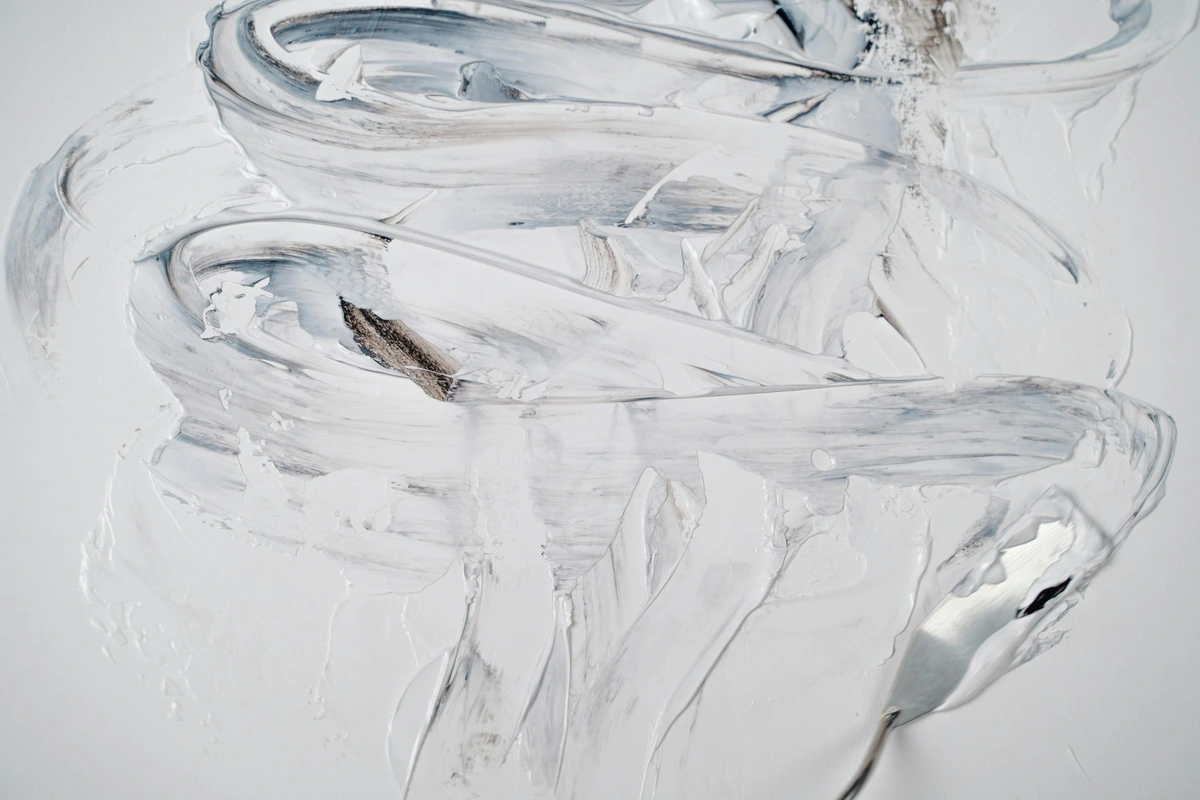
But this is just one convention! Traditional Chinese painting uses a different approach called "multiple perspective," where the viewer's eye can move through the painting in multiple directions. Japanese prints often employ flattened space and dramatic compositions that completely ignore Western perspective rules.

Color theory itself is a formal convention that evolved over time. The color wheel, complementary colors, warm vs. cool tones—these are all conventions that artists learn and work within (or against). Even abstract expressionism, which seems completely spontaneous, operates according to its own internal conventions about rhythm, balance, and visual tension. credit, licence
Techniques and Materials: The Artist's Toolbox
This is the most obvious part. Are artists painting in egg tempera or oil? Are they carving marble or casting in bronze? The tradition of fresco painting, for example, dominated Italian Renaissance walls for a reason. It was the established, respected way of doing things.
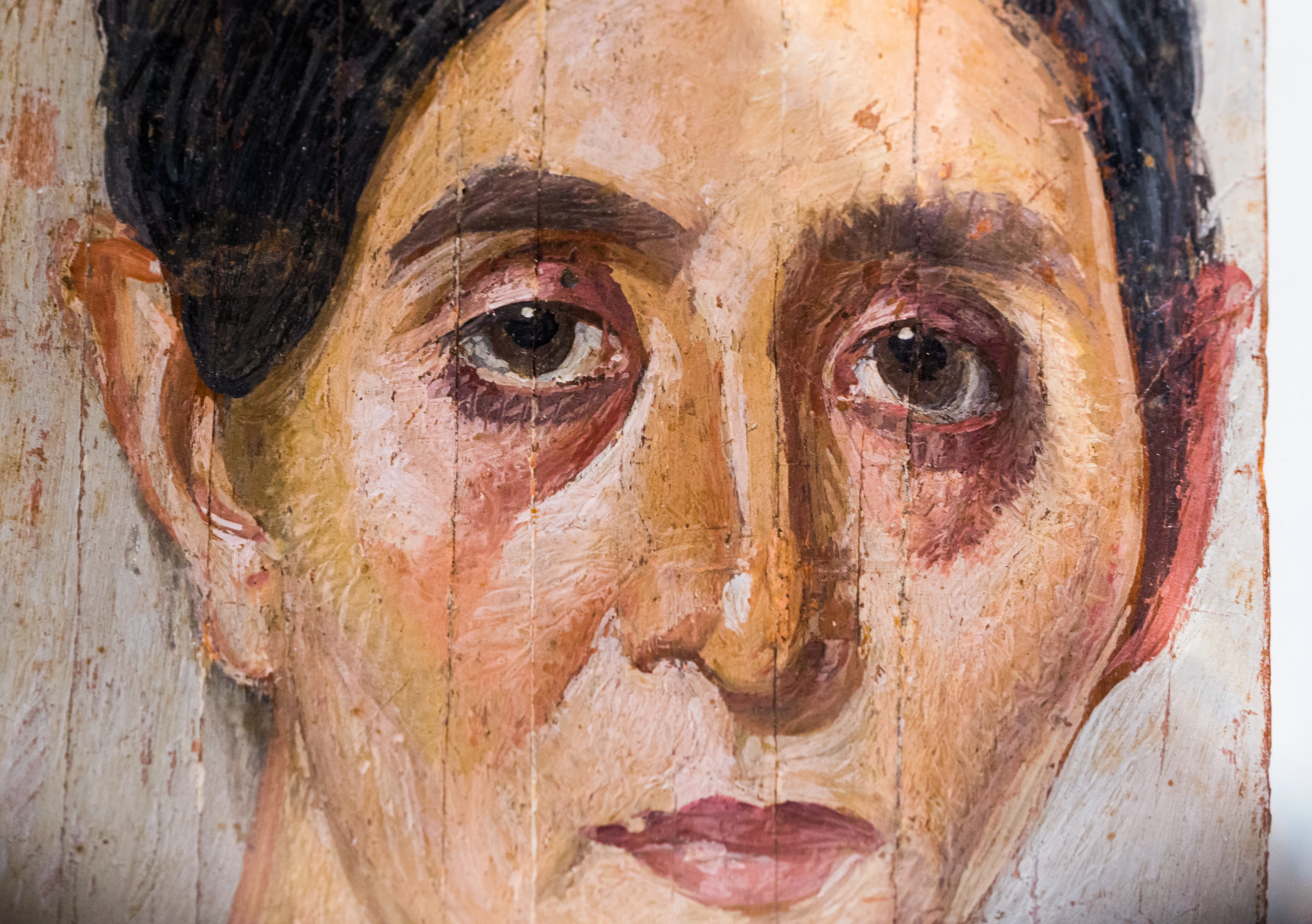
But materials themselves carry tradition. When you see a painting done in tempera on wood panel, you're not just looking at a painting—you're looking at a centuries-old technique that demands precision and mastery. The artist had to work quickly before the paint dried, often with assistants helping mix the pigments with egg yolk. There's a whole philosophy embedded in that process.
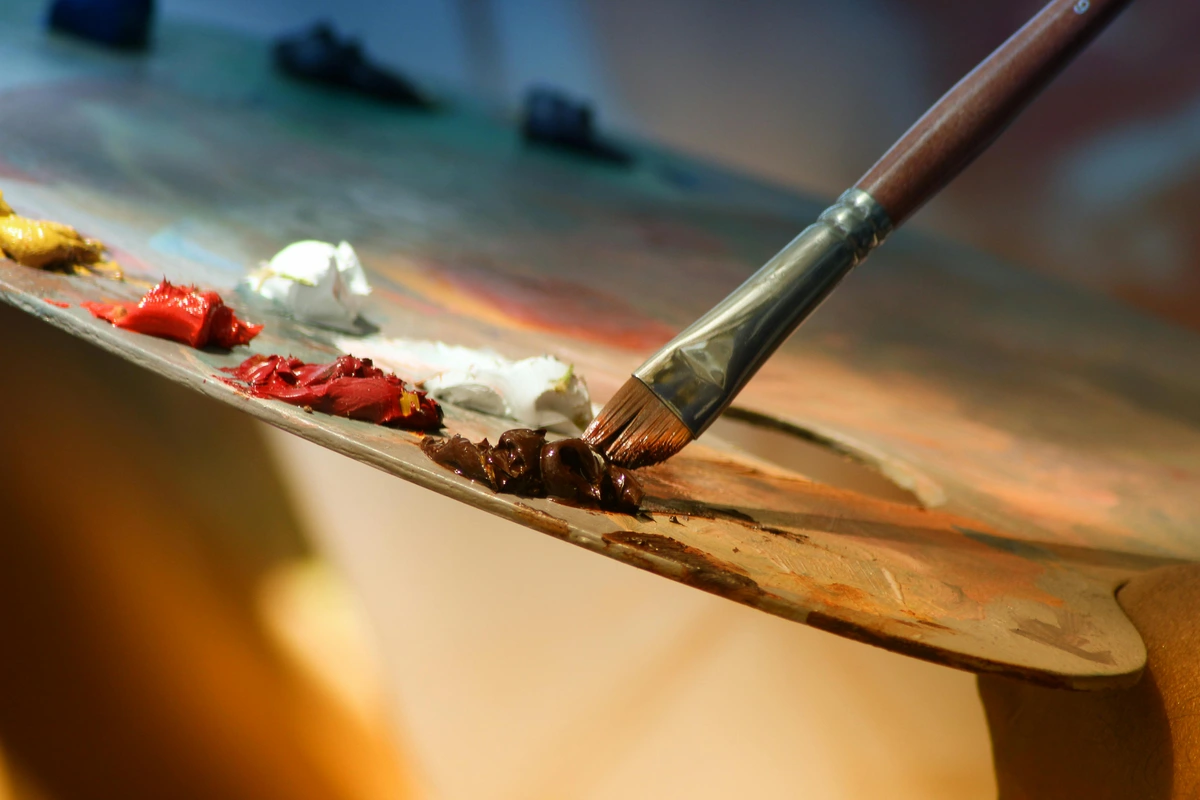
Oil painting, which came later, offered more flexibility. Artists could layer colors, create rich glazes, and work more slowly. This wasn't just a technical improvement—it changed what art could express. Suddenly, artists could depict subtle emotions, complex lighting, and atmospheric effects that simply weren't possible with earlier techniques.
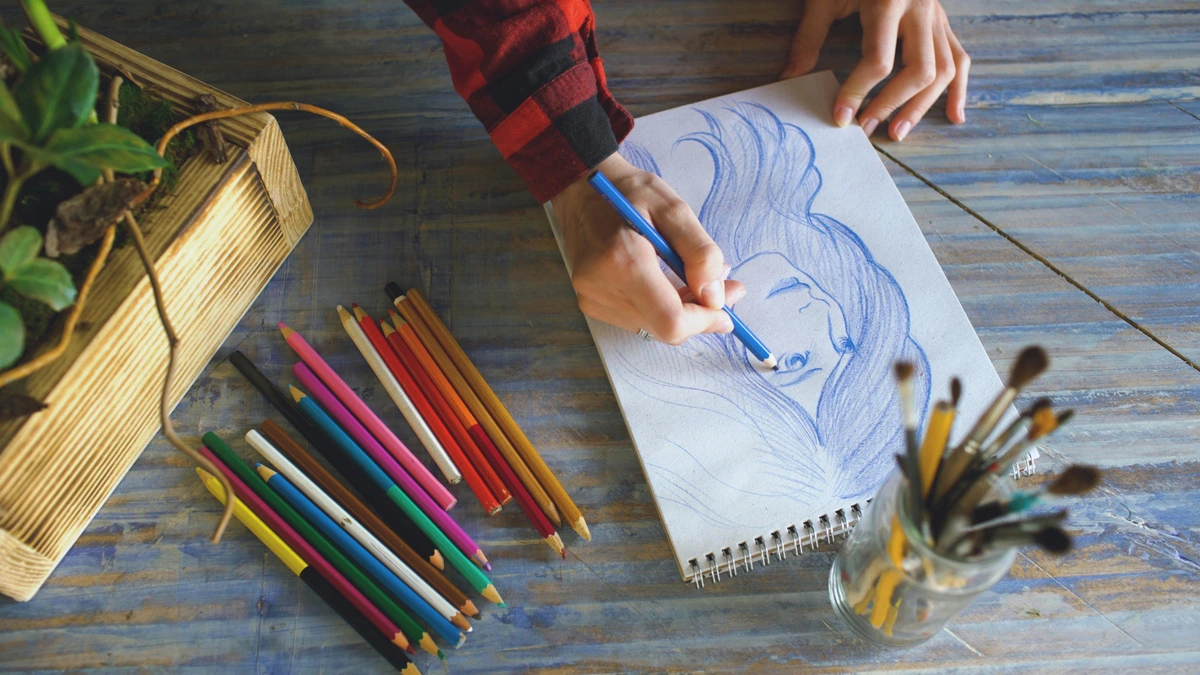
Modern materials have continued this evolution. Acrylic paints, developed in the 20th century, combine the flexibility of oils with faster drying times. Digital art tools allow for possibilities that previous generations couldn't have imagined. Yet each new technology builds on the traditions that came before—digital painters still think in terms of composition, color theory, and visual storytelling that developed over centuries.
Subject Matter (Iconography): The Visual Language
For centuries, especially in Europe, the dominant tradition dictated that important art was about religion, mythology, or portraits of rich people. Iconography is the visual dictionary of symbols within that tradition. A lily meant purity, a skull meant death. Everyone—artist and viewer—knew the code.
This created a shared understanding that transcended language barriers. A medieval peasant who couldn't read the Bible could still understand the stories told through church paintings because the visual language was universal. The Virgin Mary was always shown in blue, haloed, often holding the Christ child. Saint Peter had his keys, Saint Paul his sword. It was a visual shorthand that worked.
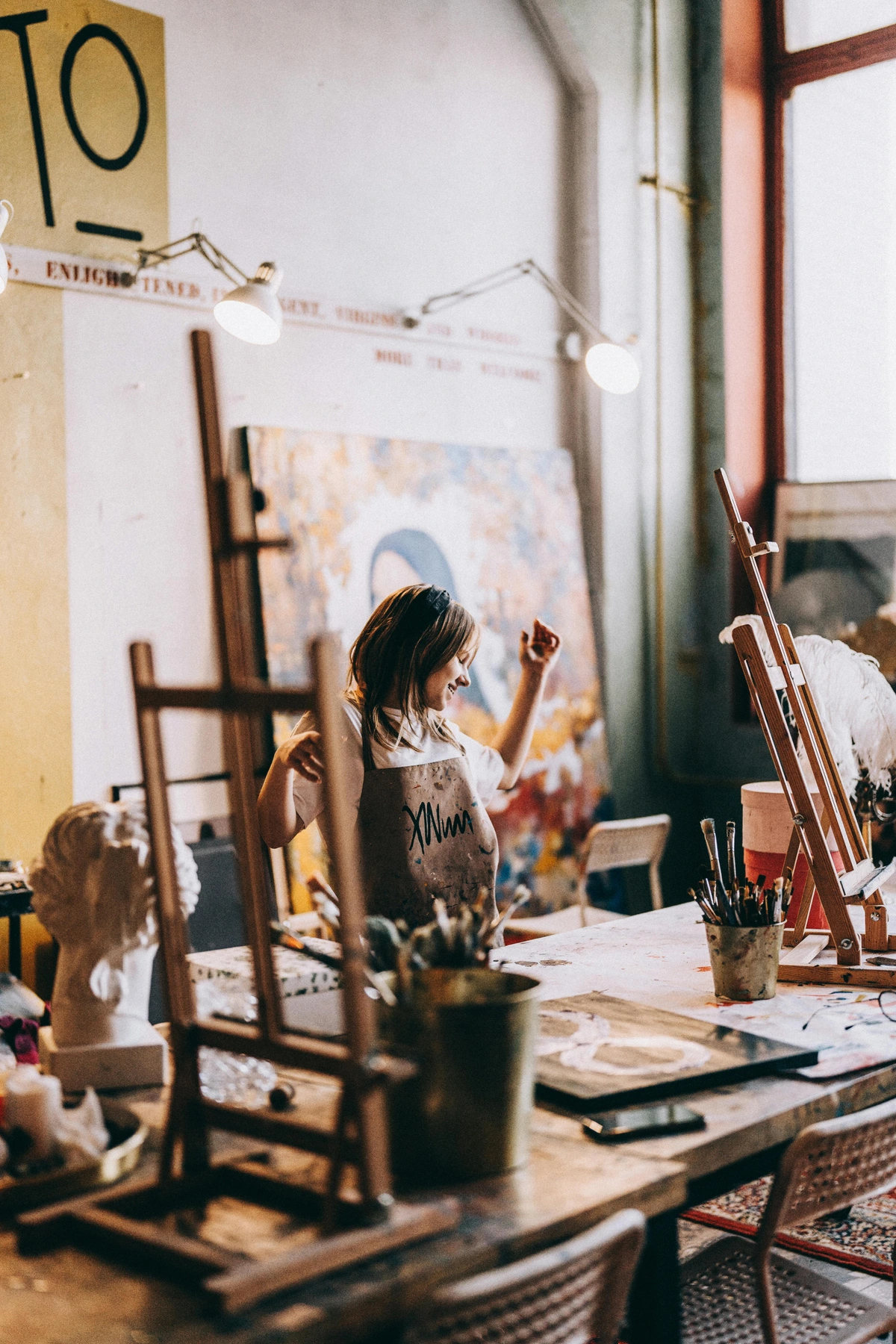
But here's where it gets interesting. What happens when you break that code? When Caravaggio started painting religious scenes with dramatic, almost theatrical lighting and ordinary people as his models, he was challenging centuries of tradition. When modern artists started using brand logos or consumer products in their work, they were saying, "This is our new iconography. This is what matters to us now."
Contemporary artists continue to play with this idea. Banksy's street art often uses traditional religious imagery in secular contexts, while digital artists create new visual languages for the internet age. Each generation redefines what symbols matter and how they should be used.
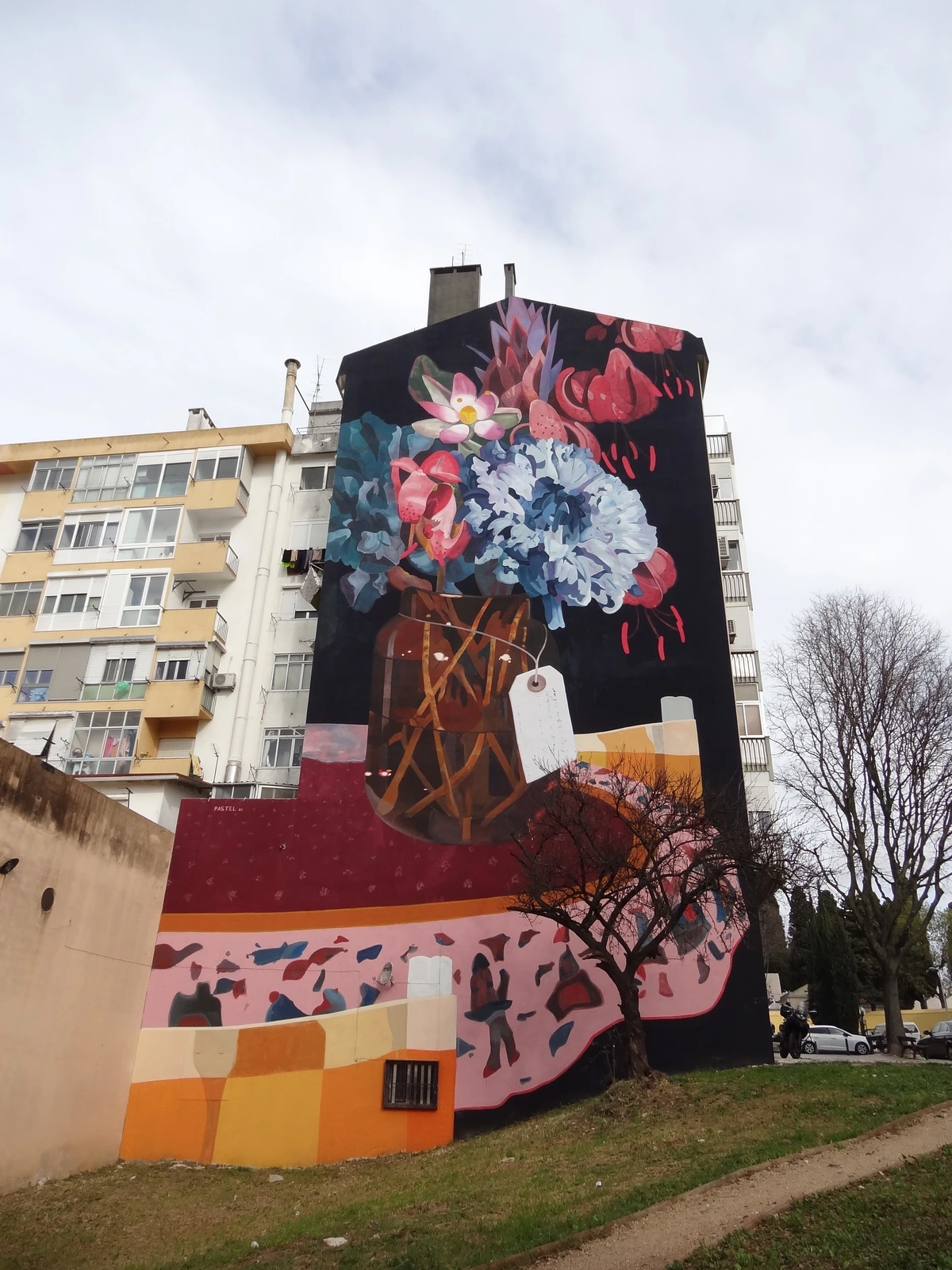
Different cultures have completely different iconographic traditions. In Chinese art, the crane symbolizes longevity, the bamboo represents resilience. In Aboriginal Australian art, dot paintings carry complex stories about creation and the land. In African traditions, specific patterns and colors carry deep cultural meanings that might not be obvious to outsiders.
Understanding these traditions opens up whole new ways of seeing art and the world. It helps us move beyond "I like it" or "I don't like it" to "I understand why this works the way it does."
Aesthetic Values: The Standards of Beauty and Meaning
This is about what a culture decides is beautiful, important, and meaningful. These values shift dramatically across time and place. During the Renaissance, the ideal was harmony, balance, and proportion—think of Leonardo's "Vitruvian Man" or Raphael's perfectly composed Madonnas. Beauty was mathematical, rational, and divine.
Then came Baroque art, which threw all that out the window in favor of emotion, drama, and movement. Caravaggio's chiaroscuro lighting, Bernini's dynamic sculptures—these weren't about perfect harmony. They were about intensity, passion, and theatricality. The aesthetic values had completely flipped.
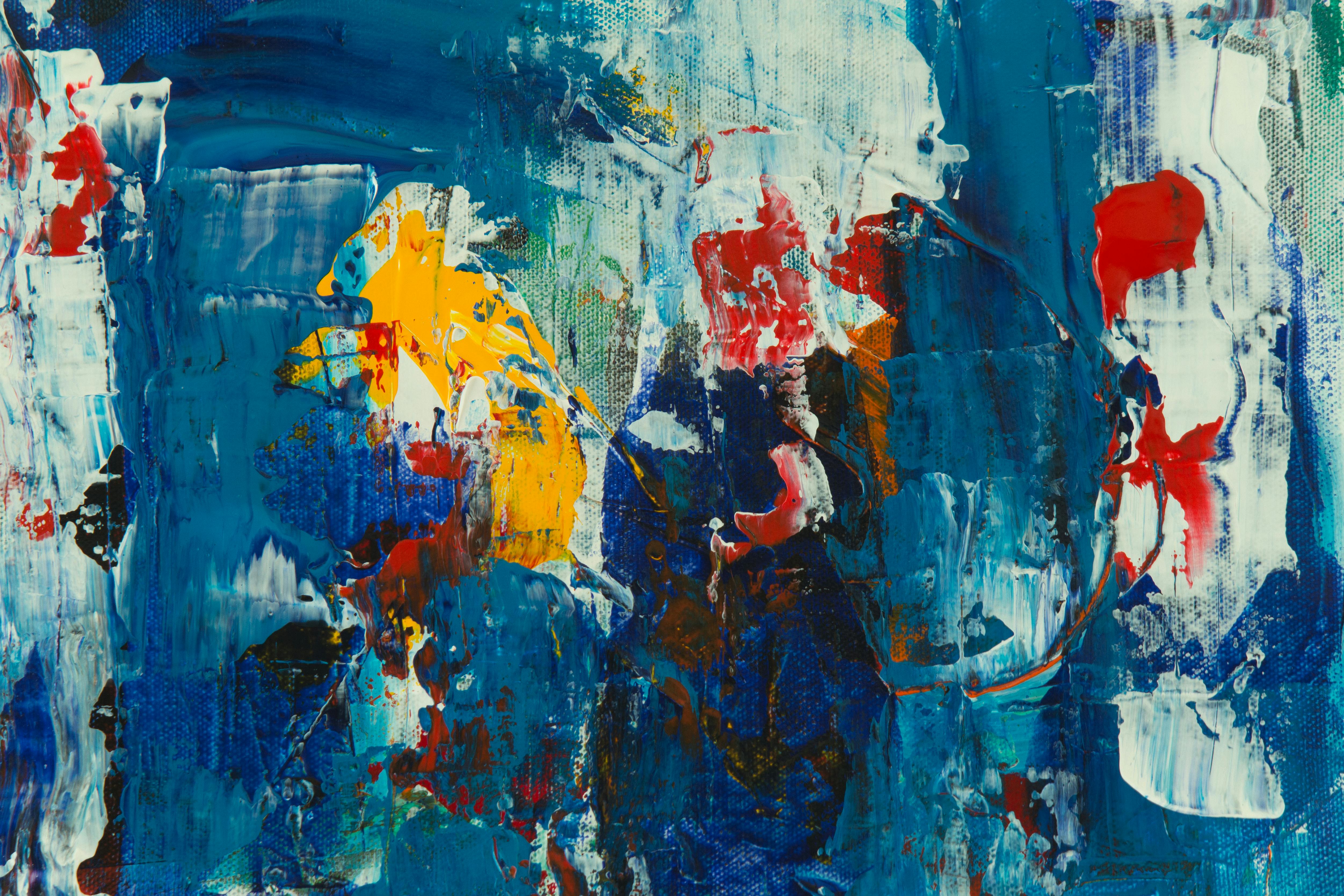
And let's not forget about the aesthetic revolution of modernism. Suddenly, traditional notions of beauty were questioned. Why did art have to represent anything? Why couldn't a painting be just about color and form? Artists like Mondrian and Kandinsky were saying that the aesthetic value of art could be found in its pure visual elements, not in its ability to depict the world realistically.
Postmodernism took this even further, questioning whether there were any universal standards of beauty at all. Today, we live in a world where aesthetic values are more diverse than ever. What one person considers "beautiful" another might find "ugly," and both perspectives can be valid.









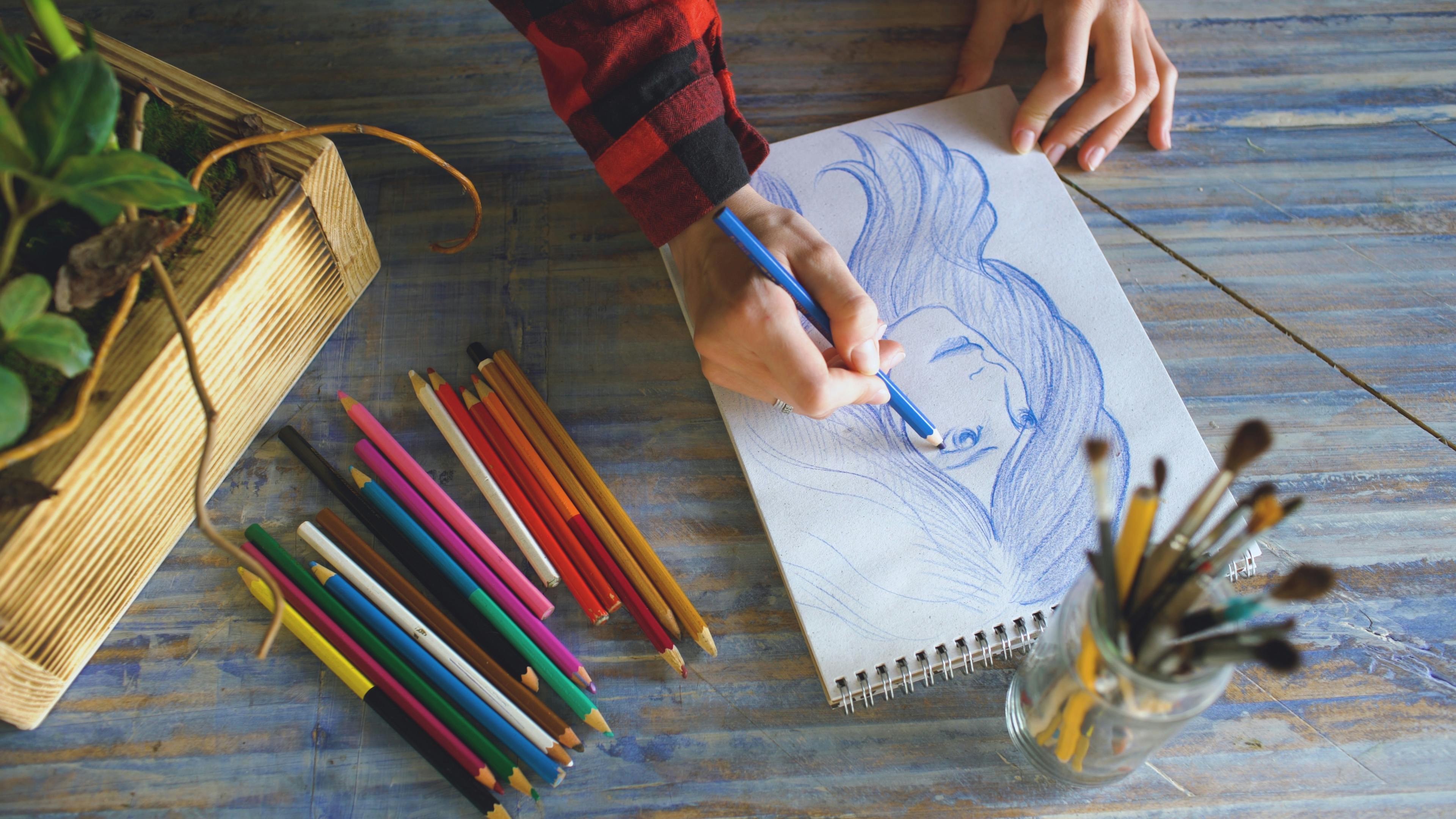



These changing values reflect what societies value at different moments in history. When a culture is stable and confident, you see harmonious, balanced art. When it's experiencing upheaval and change, you see art that's more emotional, experimental, and challenging. The art we create is always a mirror of the world we live in.