Unseen Architects: How Art Critics Decode Art, Shape History, & Guide Our Gaze
Ever wondered how art critics work? Dive into their essential toolkit, meet historical giants & modern voices, explore challenges (from market to AI), and discover why their informed perspective is vital in our hyper-visual age.

The Unseen Architects: How Art Critics Decode Art, Shape History, and Guide Our Gaze
Have you ever walked into a gallery, felt utterly captivated by a piece, yet wished you understood why? That profound, almost mystical power art holds over us – stirring something deep inside without a single uttered word – often finds its voice through the sometimes controversial, often illuminating, always influential words of art critics. I confess, my relationship with art critics has always been a complicated one, like a volatile friendship I can't quite quit. Despite the occasional exasperation, I'm constantly drawn back to their insights, much like returning to a challenging yet essential connection.
I remember one day devouring a review that felt like a master key, unlocking hidden rooms in a painting I thought I knew intimately. It was a revelation, a genuine "aha!" moment that changed how I perceived everything. The next, I'd stumble upon something so shrouded in academic jargon it felt deliberately crafted to make me feel intellectually inadequate (or perhaps just sleepy). Or, worse, a takedown of an artist I deeply admire that felt less like thoughtful analysis and more like a petty, personal vendetta. History is, after all, littered with famous feuds—think of James McNeill Whistler's sensational libel suit against John Ruskin, where words became weapons with devastating real-world consequences, like Whistler's bankruptcy. Or even, in a gentler way, the initial dismissal of Impressionism by the established critics of the Salon, who simply couldn't, or wouldn't, see past their academic training.
Yet, regardless of agreement or exasperation, their influence is undeniable. Art critics are, for better or worse, the storytellers, the context-givers, the champions, and yes, sometimes the gatekeepers of the art world. They wield an incredible, almost mythic, amount of power. Think about it: they don't just shape public opinion; they can alter the very course of art history. Their words can launch careers, influence market value, or, famously, torpedo them. They can dictate what we collectively deem "important" and what fades into obscurity. They've even been known to unintentionally stifle innovation by championing one style over all others. They are, in a very real sense, the unseen architects, shaping the very edifice of how we understand, categorize, and value creativity, just as a blueprint shapes a building.
So, who are these influential figures? How do they navigate a world that's constantly shifting, from grand salons to digital feeds, and why are they more relevant than ever in our hyper-visual age? To truly understand their impact, let's first pull back the curtain and explore the tools they use.

The Critic's Essential Toolkit: Beyond 'Like' or 'Dislike'
Before we dive into the names and the history, let's get one thing straight. An art critic's job is so much more nuanced than just declaring, "I like this" or "I don't like that." That's what you do after a long day, scrolling through Instagram, right? A great critic acts as a bridge, yes, but also as a guide and an interpreter. They connect the artwork to the viewer by providing a framework for understanding, enriching the experience far beyond a superficial glance. And crucially, they often challenge us to look again, to reconsider, to feel something we might have missed.
This framework, this essential "critic's toolkit," is built from several crucial elements that form the bedrock of informed art analysis:
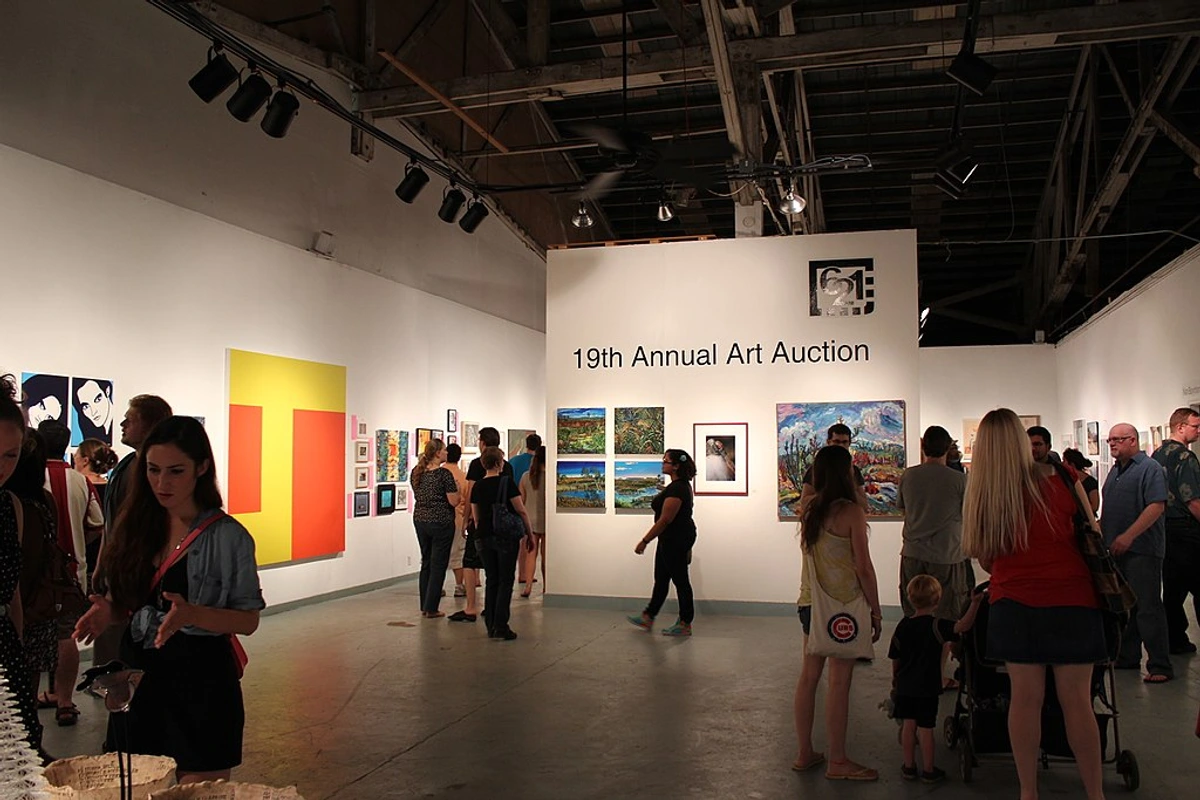
- Formal Analysis: This is the bedrock, where critics talk about the nuts and bolts of the artwork itself: color, line, composition, texture, form, materials, and technique. It's about dissecting how the artist used these elements to create a specific effect. Think of it like a musician analyzing a piece of music note by note, or a scientist deconstructing a complex phenomenon. When I think of a Piet Mondrian, for example, formal analysis helps me understand how the deliberate placement of primary colors and straight lines creates a sense of profound balance and order. But it's equally vital for understanding the dramatic chiaroscuro in a Caravaggio, the rich, layered surfaces of a Rothko, or even the careful balance of positive and negative space in a sculpture. It’s a deep dive into how artists use visual elements to communicate, and how a critic identifies and interprets these choices.
- Historical Context: No artwork exists in a vacuum. A great critic places the piece within its time. What political, social, or cultural currents were shaping the world when it was made? What art came before it, influencing its creation, and what movements was it responding to or defining? For instance, trying to truly "get" a piece from the French Revolution without understanding the revolutionary fervor and Enlightenment ideals of its era would leave us with a shallow appreciation. Similarly, understanding the radical departure of Impressionism requires knowing about the rise of photography, the changing social landscape of Paris, and scientific discoveries about light. This imbues the art with layers of meaning beyond just what's on the canvas, transforming a static image into a dynamic historical document. Even today, rapidly shared images on social media gain instant, albeit sometimes superficial, context from global events, forcing critics to quickly synthesize new information.
- Interpretation: Ah, the juicy part! This is where the critic grapples with the big questions: What does the art mean? What is the artist trying to say? What ideas, emotions, or narratives does it evoke? This is where a critic helps us build a story around the work, guiding our understanding and inviting our own engagement. Imagine two critics looking at the same Jackson Pollock drip painting: one might see a profound commentary on urban alienation, while another might find a chaotic celebration of raw, untamed nature. Both can be valid, showing the power of interpretation. Different theoretical lenses – like feminist criticism, which might analyze how gender roles are portrayed or challenged in a portrait of a powerful woman by questioning the sitter's subjugated gaze; or psychoanalytic criticism, exploring subconscious desires and anxieties embedded in a surrealist dreamscape; or even post-colonial criticism, examining power dynamics related to colonialism and representation in an artwork depicting indigenous cultures – can unlock even more layers of meaning. Critically, semiotics comes into play here: the study of signs and symbols. A critic using a semiotic approach might dissect how a particular color (e.g., red symbolizing passion or warning), gesture (e.g., an open hand representing welcome), or recurring motif (e.g., a specific animal appearing repeatedly) in an artwork functions as a sign, carrying cultural or personal meaning, helping to decipher the artist's visual language, whether in a traditional painting, a performance piece, or an architectural installation. A great place to start learning about this is our Q&A with an art critic.
- Judgment: Yes, this is undeniably part of it, and often the most contentious. Is the work successful in its ambitions? Is it innovative? Is it relevant to contemporary discourse or enduring human experience? This is arguably the most subjective component, and where critics often earn their fearsome (and sometimes frustrating) reputation. What criteria are they using? Their own vast experience, certainly, but also art historical precedents, philosophical ideas, and an understanding of the artist's stated or implied intentions. They might judge a work on its aesthetic impact (how it makes you feel emotionally or visually, perhaps evoking awe or discomfort), conceptual rigor (the depth and coherence of its underlying ideas, ensuring it's not just a pretty picture but a well-thought-out statement), technical mastery, social relevance, ethical implications, or political commentary. Developing this judgment is a lifelong endeavor, cultivating a unique critical vocabulary and an evolving aesthetic through constant, deep engagement with art and its wider implications. Try looking at your favorite painting or sculpture through one of these lenses – what new insights emerge?
- Cultural Commentary: Art doesn't just hang on walls; it breathes within society. Critics often act as cultural seismographs, interpreting how art reflects, challenges, or shapes the broader cultural landscape. They might explore how an artwork addresses societal issues, embodies a cultural shift, or even how it pushes back against prevailing norms, potentially sparking dialogue and even social change. For instance, a critic might analyze how art from the Civil Rights movement directly confronted racial injustice, or how contemporary works are grappling with the complexities of climate change or digital identity. Some critics have been instrumental in highlighting art's role in social activism, bringing attention to works that challenge power structures or advocate for marginalized communities.
Ultimately, critics are professional viewers, people who dedicate their lives to looking, thinking, researching, and building a vast mental library of images, ideas, and contexts. All so they can help us see more clearly, more deeply, and with greater appreciation.
The Grand Narrators: Historical Titans Who Forged the Canon
With that essential toolkit in hand, let's look at the giants who first wielded these tools to actively shape our understanding of art history. These critics didn't just review art; they helped define entire movements and laid the intellectual groundwork for how future generations would understand art. Their words had the power to make or break an artist's career, and to solidify or dismantle reputations. These are the heavyweights, the figures who, in a very real sense, wrote the rules – and sometimes, their strict adherence to those rules led to the unfortunate exclusion of groundbreaking artists who simply didn't fit their mold. This process of selecting and celebrating certain works and artists eventually formed the canon, the established body of works and artists considered to be of central importance by institutions and academia. But more on challenging that later...
Denis Diderot (1713-1784): The Sensory Storyteller and Father of Modern Criticism
Often hailed as the first modern art critic, Diderot was a brilliant French philosopher who began writing vibrant, witty, and deeply personal reviews of the Paris Salons—the grand, official art exhibitions of his day. His genius wasn't just in judgment; it was in his ability to transport you. He didn't just tell you a painting was good or bad; he described it so vividly, so viscerally, that people who couldn't attend the Salons felt like they'd experienced the artwork firsthand. For example, his famous description of Jean-Baptiste Chardin's Still Life with Rayfish wasn't merely an appraisal; it was an invitation to almost taste the textures and feel the atmosphere. He championed Chardin's honest, unpretentious depictions of everyday life, seeing profound moral value in their quiet realism. He also lauded the moralizing genre scenes of Jean-Baptiste Greuze. Diderot pioneered the idea of using evocative language to translate visual experience into words, making art accessible and engaging to a wider audience, not just the elite few, effectively shaping early public opinion and the very idea of critical discourse. He fundamentally influenced the public's understanding of taste and aesthetic education during the Enlightenment. What do you think of his approach to art criticism today – is it still relevant?
John Ruskin (1819-1900): Morality, Nature, and the Brushstroke
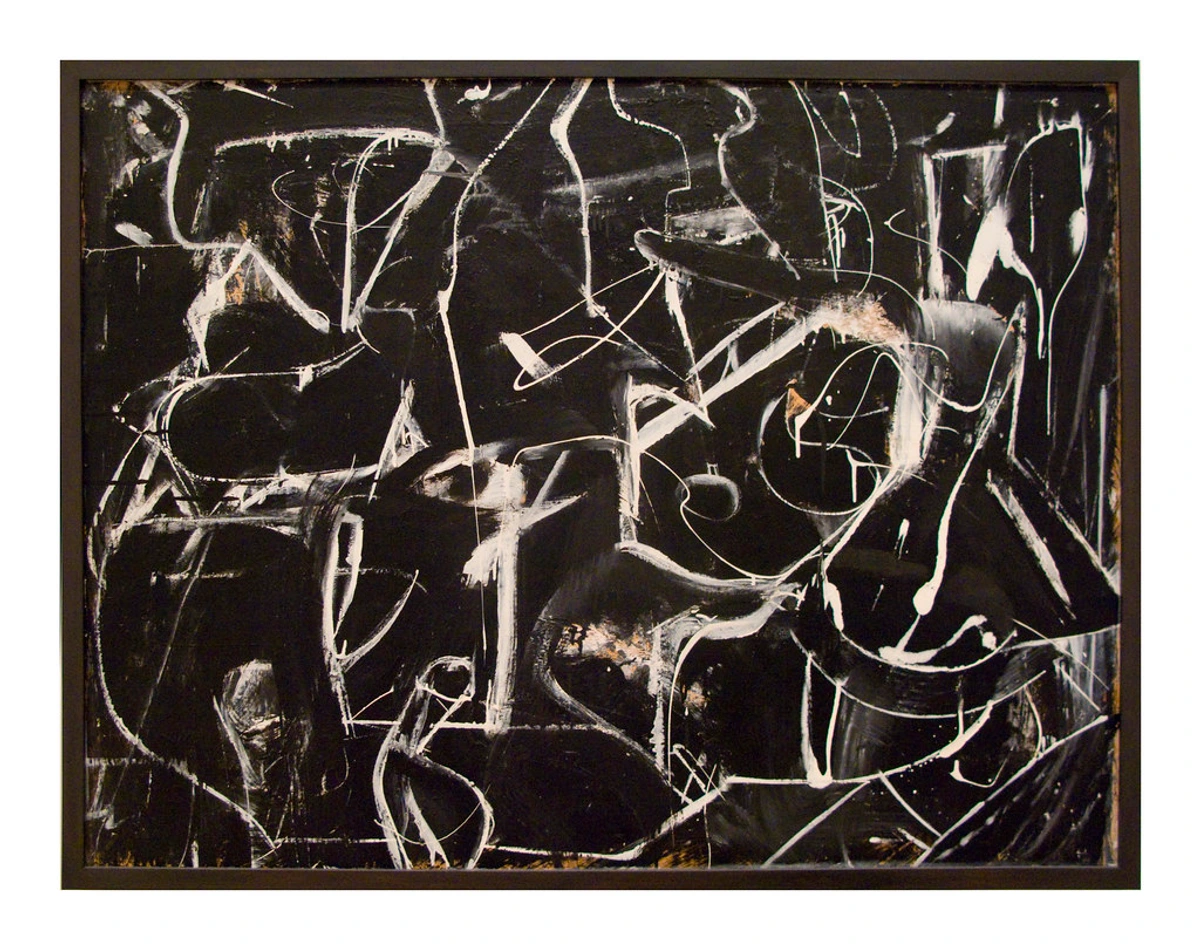
Ruskin was the dominant voice of the Victorian era in England, a towering figure whose influence extended far beyond art into social commentary, ethics, and even urban planning. For him, art and morality were deeply intertwined: truly good art, he argued, was truthful to nature and made by individuals of good character. He famously championed the dramatic, light-filled landscapes of J.M.W. Turner and the earnest detail of the Pre-Raphaelites, seeing in their work an honesty, fidelity to nature, and spiritual depth he admired. His enthusiastic praise of the Pre-Raphaelites, in particular, helped them overcome initial public ridicule and establish their artistic credibility. But his convictions also made him a brutal critic when he felt art strayed from his ideals, often dismissing anything he perceived as trivial, insincere, or lacking moral purpose. His famously harsh critique of James McNeill Whistler's abstract painting, "Nocturne in Black and Gold: The Falling Rocket," calling it "flinging a pot of paint in the public's face," led to a sensational libel lawsuit. Whistler won, but the legal battle left him bankrupt, a stark testament to the immense power of a critic's words and their very real economic impact.

Clement Greenberg (1909-1994): The High Priest of Modernism and Formal Purity
If you've ever heard someone discuss medium specificity (the idea that each art form should focus exclusively on what's unique to its own medium) or the importance of flatness in painting, you have Clement Greenberg to thank (or perhaps to blame, depending on your perspective). He was arguably the most powerful and influential critic of the mid-20th century, becoming the chief champion of Abstract Expressionism in America. Greenberg theorized that modern painting's true purpose was to purify itself, stripping away everything that wasn't unique to painting itself – things like storytelling, illusionistic depth, or literary narratives. For him, painting should be about paint on a flat surface, emphasizing its two-dimensionality. Think of it like a chef insisting that a truly pure dish must only highlight the natural flavor of its core ingredient, without elaborate sauces or garnishes.
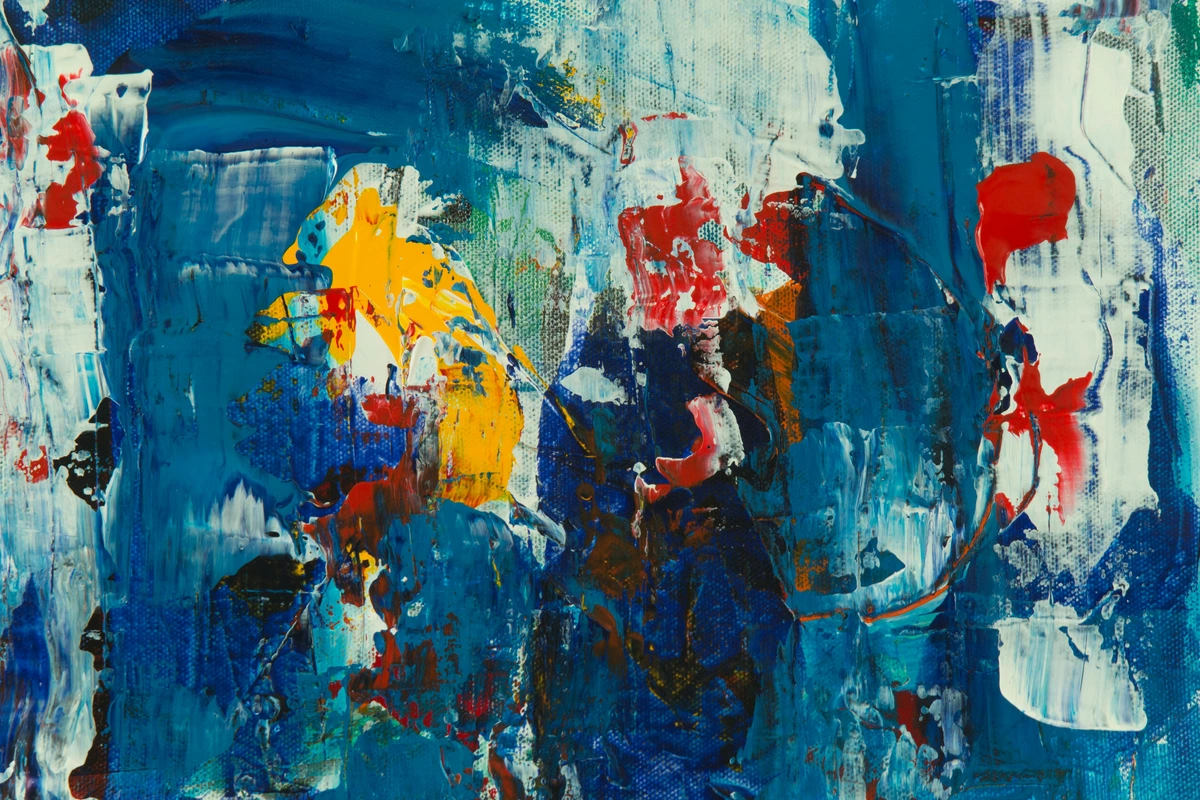
He famously championed artists like Jackson Pollock and Helen Frankenthaler, seeing their drip paintings (like Pollock's Blue Poles) and color field works as the epitome of this purity, where the paint itself became the subject. His rigorous, almost dogmatic, theories dominated American art criticism and shaped institutional tastes for decades, making and breaking careers. His influence was so pervasive that to be a "Greenbergian" critic was a powerful statement in itself. Yet, his narrow focus on painting's inherent qualities meant that other burgeoning art forms – such as Pop Art, early Conceptual Art, photography, and sculpture – were often overlooked or dismissed precisely because they embraced narrative, figuration, or external references that didn't fit his strict formalist criteria. I sometimes wonder what groundbreaking works were missed because they didn't align with his influential mold.
Other Influential Historical Critics
While Diderot, Ruskin, and Greenberg loom large, many others have profoundly shaped critical discourse, offering diverse perspectives that expanded the very definition of what art criticism could be:
- Charles Baudelaire (1821-1867): The French poet and critic who championed modern life as a subject for art. He was an early advocate for Impressionism and believed the critic's role was to be passionate and subjective, bringing an artist's intention to light. He famously wrote, "To be just, that is to say, to have its reason for existing, criticism must be partial, passionate, political, that is to say, written from an exclusive point of view, but a point of view that opens up the most horizons." This stance was a radical departure from the academic, objective ideal of his time.
- Heinrich Wölfflin (1864-1945): A Swiss art historian whose formalist approach, emphasizing pairs of opposing concepts (e.g., linear vs. painterly, closed vs. open form, shallow vs. deep space, unity vs. multiplicity), deeply influenced how art was analyzed. For example, comparing the clear outlines and distinct forms of a Renaissance painting (linear) with the blended colors and less defined edges of a Baroque work (painterly) using Wölfflin's framework reveals fundamental stylistic shifts. His method moved beyond merely identifying subject matter (iconography) to systematic stylistic categories, providing a rigorous, albeit sometimes rigid, framework for understanding stylistic evolution across historical periods. His work was instrumental in formalizing art history as an academic discipline.
- Walter Benjamin (1892-1940): A German Jewish philosopher and cultural critic whose seminal essay, "The Work of Art in the Age of Mechanical Reproduction" (1936), fundamentally changed how we think about art's aura – its unique presence and authority in time and space. Benjamin argued that mechanical reproduction (like photography and film) stripped art of this aura, but also democratized it, making it more accessible and changing its social function. He challenged traditional notions of originality and authenticity, raising questions about mass culture that are still incredibly relevant today.
- John Dewey (1859-1952): An American philosopher and educational reformer, Dewey's Art as Experience (1934) argued against the separation of art from everyday life. For Dewey, art wasn't just an object to be admired in a museum; it was an experience that engaged the whole person, connecting with other human experiences. He emphasized the active, participatory role of the viewer and the dynamic interplay between the artist, the artwork, and the beholder. His work championed a more democratic and holistic understanding of art, moving away from elitist academic views.
- John Berger (1926-2017): A British art critic, novelist, and painter whose groundbreaking 1972 book and BBC series, Ways of Seeing, radically democratized art criticism. He challenged the traditional, often elitist, interpretations of art, particularly addressing how gender, class, and power dynamics influence our perception of artworks. His core thesis posited that images, including fine art and advertising, are always seen through a filter of ingrained assumptions, often serving specific ideologies, and he urged viewers to actively question these filters. His work remains immensely influential in promoting a more critical and inclusive view of art history.
To quickly recap these foundational figures shaping critical discourse, here's a snapshot of their defining impacts:
Critic  | Era | Key Contributions | Defining Idea | Notable Impact/Controversy |
|---|---|---|---|---|
| Denis Diderot | 18th Century | Pioneered modern art criticism; vivid Salon descriptions; championed Chardin & Greuze. | Translating visual experience into engaging words, accessible to all. | Made art accessible beyond the elite; shaped early public opinion and the idea of aesthetic taste. |
| John Ruskin | 19th Century | Championed Turner & Pre-Raphaelites; linked art to moral truth; criticized art lacking moral purpose. | Art must be truthful to nature and made with good intent. | Whistler libel lawsuit; immense influence on Victorian taste and broader cultural thought. |
| Clement Greenberg | 20th Century | Chief proponent of Abstract Expressionism; formalism, flatness, medium specificity. | "Medium specificity" – art should purify itself to its essence. | Dominated American art criticism for decades; made/broke careers; marginalized Pop Art, Conceptual Art, and other forms. |
| Charles Baudelaire | 19th Century | Championed modern life in art; subjective, passionate criticism. | Critic's role is to be partial, passionate, and open new horizons. | Influenced early appreciation of modern art, challenged academic norms. |
| Walter Benjamin | 20th Century | Explored art's changing nature in the age of mechanical reproduction. | Questioning art's "aura" and authenticity in mass culture. | Provoked new thinking on art, technology, and democracy; highly influential in cultural studies. |
| John Dewey | 20th Century | Argued for art as an experience integral to everyday life. | Art is an active experience, not just a static object to be admired. | Championed a democratic, holistic view of art; influenced art education. |
| John Berger | 20th Century | Demystified art; challenged elitist interpretations; focused on power dynamics. | "Ways of Seeing" – art is seen through the lens of power and ideology. | Transformed art education and public understanding of art criticism, pushing for inclusive perspectives. |
Contemporary Voices: Navigating the Modern Artscape
The art world today is a profoundly different beast than in Diderot's or even Greenberg's time. It's more global, more diverse, infinitely faster, and certainly less dominated by a single, towering voice. The rise of new media, global markets, and digital platforms has reshaped the playing field, creating a more fragmented, yet vibrant, critical landscape. This shift, however, doesn't diminish the need for informed, thoughtful analysis. Instead, it underscores the importance of a diverse ecosystem of critical perspectives. Here are some of the critics who are currently shaping, and challenging, the conversation, alongside the ever-important work of critically re-examining the canon to ensure a more inclusive art history.
Roberta Smith (b. 1947): The Unpretentious Eye of the Times
As a co-chief art critic for The New York Times, Roberta Smith is arguably one of the most influential critics working today. What I admire most about her is her remarkable ability to be both deeply informed and utterly unpretentious. Her reviews cut through academic jargon like a hot knife through butter, getting straight to the heart of an exhibition with direct, clear prose. She has a talent for explaining complex ideas in accessible terms, making high art approachable without ever dumbing it down. It's like she’s speaking directly to you, sharing a profound insight without making you feel inadequate. I remember reading her review of a major retrospective recently, and it completely reframed my understanding of an artist I thought I knew well. She champions an incredibly broad range of art, from old masters to emerging artists, demonstrating a rare lack of allegiance to any single style or movement, and a keen eye for genuine artistic merit wherever it appears.
Jerry Saltz (b. 1951): The People's Champion and Digital Art Evangelist
If Greenberg represented the ivory-tower intellectual (and trust me, there's a place for that), Jerry Saltz is the undisputed critic for the people. The senior art critic for New York magazine, Saltz won the Pulitzer Prize for Criticism in 2018 for his engaging and often provocative writing. He's also a massive, energetic presence on social media, especially Instagram and Facebook. He uses these platforms not just to broadcast his opinions, but to actively demystify the art world by sharing behind-the-scenes glimpses of studio visits, explaining market dynamics, and engaging directly, often humorously, with his enormous audience through Q&As and lively discussions. His writing is passionate, funny, deeply personal, and sometimes endearingly chaotic – I often find myself nodding, laughing, and sometimes scratching my head, all within the same review. He makes art feel accessible, urgent, and incredibly human. He’s also been a vocal advocate for recognizing digital art and other new media, pushing the boundaries of what constitutes "reviewable" art.
Holland Cotter (b. 1947): Expanding the Art World's Horizons and Challenging the Canon
Another Pulitzer Prize-winning critic from The New York Times, Holland Cotter is celebrated for his consistently broad and inclusive perspective. He has been a tireless champion of non-Western art, neglected historical figures, street art, and artists who have been historically overlooked or marginalized by the mainstream art world. His work has been crucial in challenging the traditional, often Eurocentric, canon (the established body of works and artists considered to be of central importance by institutions and academia) and has forced museums, galleries, and even other critics to think more inclusively and expansively about the stories they tell and the art they deem worthy of attention. For example, his advocacy for contemporary African artists like El Anatsui or historical Chinese ink painters has been instrumental in broadening the global art conversation. He's an intellectual powerhouse with a vital mission to ensure the art world truly reflects the global tapestry of human creativity. Critically, he exemplifies how contemporary criticism actively works to dismantle and rebuild the canon, bringing forgotten or marginalized artists into the spotlight and re-evaluating art history from a more global and equitable perspective.
New Vanguards: Specialized Criticism and Emerging Media
Beyond these mainstream giants, the contemporary critical landscape is also flourishing with specialized voices. We're seeing more critics dedicated to areas like performance art (e.g., Emily Cormack), video installations, bio-art, or even the ethical implications of AI-generated art. These specialized areas often require a nuanced critical approach that considers temporality, interactivity, or emergent technologies in ways traditional painting criticism might not. For instance, critiquing a performance piece demands evaluating the live experience, audience interaction, and ephemeral nature, unlike analyzing a static canvas. Bio-art, which often incorporates living organisms or biological processes, introduces ethical dilemmas and scientific contexts rarely found in conventional art forms, demanding critics with interdisciplinary expertise. Even AI-generated art poses fundamental questions about originality, authorship, the role of prompts, and the very nature of human creativity, pushing critics to redefine their evaluative frameworks. As an artist myself, I find the very idea of "authorship" in AI art fascinating – and often problematic. Who truly "made" it? The programmer? The data set? The prompt engineer? The AI itself? These are questions critics are actively grappling with.
While I remain healthily skeptical of the long-term artistic impact of things like NFTs (Non-Fungible Tokens), these digital assets, stored on a blockchain, represent a unique certificate of ownership for a digital item. They pose unique challenges for art criticism. Critics must grapple with distinguishing the art from the asset, understanding issues of permanence (what happens if the server hosting the image goes down, or the platform collapses?), environmental impact, and whether the speculative market value overshadows genuine artistic merit. The current hype often feels more like a gold rush than a true artistic revolution, and I think it's crucial for critics to offer a grounded, critical perspective on its real cultural value versus its market frenzy. This fragmentation means there might not be a single "most powerful" critic anymore, but a diverse ecosystem of informed opinions, which I believe is a healthier, more dynamic state for art.
The Critic's Path: Cultivating a Voice in a Shifting Landscape
So, you're wondering how one steps into this fascinating, often turbulent, world of art criticism? There's no single, prescribed path, which I find both liberating and daunting! It's less about a specific degree and more about a relentless dedication to seeing, thinking, and articulating. Here's what I've observed and learned about cultivating a critical voice:
- Deep Immersion & Knowledge: At its core, art criticism demands an encyclopedic knowledge of art – both historical and contemporary. This isn't just about memorizing names and dates, but understanding the intricate dialogues between movements, the evolution of techniques, and the cultural currents that shaped them. It's about building that vast mental library I mentioned earlier. Reading widely across art history, critical theory (including Post-Structuralism), and philosophy is essential to cultivate a sophisticated understanding and to engage with the ongoing academic discourse.
- Exceptional Communication Skills: You need to be able to translate complex visual and conceptual ideas into clear, engaging prose. This means not just good writing, but the ability to structure arguments, craft compelling narratives, and distill abstract concepts for a diverse audience. Try explaining a complex artwork to a friend who knows nothing about art – if you can make them
getit, you're on the right track. - A Rigorous Analytical Mind: Critics must be able to dissect an artwork, identifying its formal elements, historical connections, and conceptual underpinnings. This isn't just about forming an opinion; it's about building a coherent argument supported by careful observation and research.
- A Unique, Compelling Point of View: This is where the "art" of criticism truly lies. While informed by history and theory, a great critic brings their own perspective, their own aesthetic sensibilities, and often a distinctive voice. Developing this voice entails constant, deep engagement with art, cultivating a discerning eye through meticulous observation, and relentlessly refining your ideas through writing.
- The Journey: Many critics start by writing for university art journals, online platforms like Hyperallergic or Artnet News, or local gallery newsletters, gradually building a portfolio and a reputation. Keeping a detailed personal journal of art observations, actively participating in critical discussions, and experimenting with different interpretive approaches are also crucial. Networking and building relationships within the art community, perhaps even attending workshops or pursuing an advanced degree in art history or critical theory, can pave the way.
When Artists Become Critics: A Symbiotic Relationship
It's a common misconception that artists and critics are always at odds. In reality, many artists have found writing about art to be a powerful way to clarify their own ideas, position their work within a larger artistic conversation, or even to theorize new movements. For instance, Donald Judd, the influential Minimalist sculptor, was a prolific and incisive critic in the 1960s, publishing numerous essays and reviews that defined the nascent Minimalist movement. Similarly, the painter and theorist Wassily Kandinsky, a pioneer of abstract art, wrote extensively on spiritual aesthetics and the theory of abstraction, laying groundwork for movements like Abstract Expressionism. This tradition continues today with figures like filmmaker and writer Hito Steyerl or activist artist Ai Weiwei, who frequently offer incisive critical and social commentary through their writings. As an artist myself, I find this dual role fascinating – it's a chance to articulate not just what you create, but why, and how it connects to the broader human experience. Artists often write to challenge prevailing narratives, articulate their own artistic philosophy, or critique the very structures of the art world from an insider's perspective.
The Double-Edged Sword: Complexities and Challenges of Art Criticism
While I've waxed lyrical about the importance of critics, I'd be remiss not to acknowledge the very real and valid challenges leveled against art criticism itself. The very power these critics wield is often the source of much debate. It's a field fraught with inherent complexities, and anyone who has spent time navigating the art world (or just reading comment sections) will recognize these points:
- Subjectivity and Bias: Let's face it, taste is subjective. What one critic hails as a masterpiece, another might dismiss as derivative. This inherent subjectivity can lead to accusations of bias, personal preference masquerading as objective truth, or even conflicts of interest. It's a tightrope walk to balance personal passion with critical rigor, and even the most seasoned critics are, at their core, human and thus fallible. My own biases, for example, are always something I try to be aware of when forming an opinion, and I've definitely changed my mind about an artwork after reading a particularly convincing, or even infuriating, opposing viewpoint. As an artist myself, I know the sting of a dismissive review and the exhilarating validation of a thoughtful one.
- Elitism and Inaccessibility: I mentioned that academic jargon earlier, right? Sometimes, criticism can feel like an exclusive club, intentionally or unintentionally using language that alienates rather than invites. You know, the kind of review that says something like, "The artist's reification of quotidian ephemera interrogates late-capitalist semiotics through a deconstructive lens." For the uninitiated, this translates to something like: "The artist makes abstract ideas (reification) out of everyday, fleeting objects (quotidian ephemera) to question symbols and meanings (semiotics) of consumer culture, using an approach that breaks down assumptions (deconstructive lens)." This perception of elitism can make the art world seem daunting and out of reach for many, reinforcing its image as a playground for the wealthy and well-educated. My advice? Don't be intimidated. Look for critics who break down these barriers, or simply focus on how the art makes you feel, then seek out perspectives that resonate.
- The Power Imbalance: A critic's words can literally make or break an artist's career, influence gallery representation, and impact market value. This creates an undeniable power imbalance. Artists, often vulnerable and passionate, put their soul on display, only to have it dissected, sometimes mercilessly, by someone who isn't risking their own creative output. This dynamic can feel unfair, even cruel, at times. It underscores the ethical responsibility critics bear to be fair, thorough, and mindful of the impact of their words. Imagine dedicating years to a single body of work, only for a single scathing review to derail its reception.
- Stifling Innovation: In some historical periods, rigid critical theories (like Greenberg's formalism, which heavily influenced the perception of abstract art) were so dominant that they arguably stifled experimentation in other directions. Think of how long Minimalism struggled for mainstream critical acceptance, or how early 20th-century movements like Fauvism or Surrealism faced intense backlash and dismissal for departing from established norms. Even forms of Outsider Art often struggled for mainstream critical acceptance when prevailing tastes championed other styles. The fear of negative reviews, or the pressure to conform, can sometimes make artists hesitant to truly push boundaries. I've often wondered what incredible works might have been overlooked because they didn't align with the prevailing critical winds. The art world's canon has often been slow to expand, later championed by critics like John Berger.
- The Commodification of Art and Market Influence: While critics aim to evaluate artistic merit, their pronouncements inevitably influence the art market. Positive reviews from influential voices can significantly increase an artwork's perceived value and, consequently, its price. This can create a feedback loop where market success is mistaken for artistic quality, potentially diverting attention from art that is conceptually strong but less commercially viable. The interplay between critics, galleries, collectors, and auction houses is a complex dance. I sometimes worry that the focus on monetary value can overshadow the deeper cultural and aesthetic contributions of art.
- Adapting to New Media and the Digital Age: The rise of digital art, performance art, ephemeral installations, and new technologies presents a constant challenge. How do traditional critical tools grapple with entirely new forms of expression? How do you "review" a performance piece that exists only for an hour, or an installation that's dismantled a week later? Or a virtual reality experience that requires a headset? Even AI-generated art poses fundamental questions about originality, authorship, intent, and even the very nature of human creativity that critics must navigate. The slow pace of traditional criticism can feel outmoded in a hyper-fast digital landscape, requiring critics to innovate their own methods and platforms.
These aren't easy questions, and there are no simple answers. But acknowledging these challenges is part of a healthy, evolving critical discourse. It's about recognizing that criticism, like art itself, is a human endeavor—flawed, powerful, and ever-changing.
Do We Still Need Art Critics in the Digital Age? An Emphatic Yes.
It's a fair question, perhaps one that keeps critics up at night. When everyone with a smartphone and an Instagram account can be a "critic" and instantly share their opinion with the world, do we still need the professional, paid critic? My answer is an emphatic yes, now more than ever. And here's why:
An Instagram post can tell you that a show is popular, photogenic, or perhaps trending. It offers a snapshot, a fleeting impression. But a good critic does something fundamentally different and infinitely more valuable. They slow down. They immerse themselves. They spend hours, days, even weeks thinking, researching, and revisiting. They provide context that you simply won't get from a caption. They connect the dots between an artist's new show and their work from two decades ago, or between a trend in contemporary painting and a subtle shift in the global political climate. I've definitely been there, scrolling through feeds, thinking I get a piece, only to read a thoughtful review later and realize I'd only scratched the surface. For instance, a critic might analyze a minimalist abstract sculpture – which might just look like a 'cool shape' on social media – by revealing its dialogue with 1960s Minimalism, its use of industrial materials to critique consumerism, or its subtle play of light that evokes a spiritual experience. This depth of insight transforms a superficial glance into a profound understanding.
They offer a considered, informed perspective in a world saturated with hot takes and fleeting reactions. They apply intellectual rigor to the overwhelming flow of cultural production, helping us distinguish between genuine innovation and mere novelty. They act as filters, as guides, as intellectual anchors in a sea of information. They give us the tools, the vocabulary, and the frameworks to move beyond a simple "like" to a deeper, more profound understanding of art. And in doing so, they enrich our experience of art immeasurably, helping us form our own educated opinions.
FAQ: Unpacking the World of Art Criticism
Who is considered the most famous art critic of all time?
This is always debatable, but Clement Greenberg is often cited as the most influential critic of the 20th century due to his profound impact on the direction of American abstract art. Similarly, John Ruskin holds a comparable title for the 19th century, shaping Victorian aesthetic and moral values through his writing. Denis Diderot, meanwhile, is frequently recognized as the father of modern art criticism for his pioneering accessible reviews. However, "fame" can be subjective; many equally influential critics might not be household names but are revered within academic circles. Figures like the structuralist Rosalind Krauss, who profoundly shaped post-Greenbergian discourse with her theories on photography and sculpture, or the philosophical Arthur Danto, known for his writings on the "end of art" and the philosophy of art history, have been immensely significant. Susan Sontag, too, offered incisive critiques on photography and culture that resonated far beyond the art world, challenging traditional hierarchies and interpretations.
What's the difference between an art critic and an art historian?
There's a lot of overlap, and the best critics often have a strong grounding in history. However, the main difference lies in their primary focus. An art historian primarily studies the art of the past, contextualizing it within its historical, social, and cultural frameworks. Their goal is often to understand what was and to meticulously research the conditions and meanings of art from previous eras. An art critic's main focus is on the art of the present (contemporary art), evaluating and interpreting new works and exhibitions as they emerge. Their role is to help us understand what is and what might be, often shaping its immediate reception and public discourse. Think of it this way: the historian is like an archaeologist carefully unearthing and interpreting the past, while the critic is more like an investigative journalist, analyzing the present and its unfolding stories. Critics, especially, engage deeply with aesthetic theory and philosophy to develop their evaluative frameworks, which can then inform future historical analyses.
Do art critics influence the price of art? How does critical reception affect the art market?
Absolutely, though it's rarely a direct or immediate cause-and-effect relationship. A positive, insightful review from a major, respected critic can significantly boost an emerging artist's career, generate buzz, and increase their visibility among collectors and institutions, ultimately contributing to a rise in their market value. Critics help to build critical consensus around an artist or movement, signaling importance and artistic merit, which in turn influences demand and price. Imagine a positive review of an emerging abstract artist in The New York Times by Roberta Smith. That kind of validation can send collectors scrambling, driving up demand and, consequently, prices. This critical validation can also lead to institutional recognition, like major museum acquisitions or retrospectives, which further solidifies an artist's place in the art market and influences their long-term value. Conversely, negative reviews, especially from influential voices, can diminish an artist's reputation and negatively impact sales, though some artists might deliberately court controversy to generate attention. The market's response is a complex interplay of critical reception, collector interest, gallery promotion, and historical placement.
Glossary of Key Art Criticism Terms
- Abstract Expressionism: A post-World War II art movement in American painting, characterized by gestural brush-strokes or mark-making, and the impression of spontaneity.
- Aesthetic Impact: The emotional, intellectual, or sensory effect an artwork has on the viewer, often influencing their appreciation or dislike.
- Aura (of Art): A term popularized by Walter Benjamin, referring to the unique, singular presence of an original artwork in time and space, diminished by mechanical reproduction.
- Canon: The established body of works and artists considered to be of central importance by institutions and academia within a particular field of art, often reflecting historical biases.
- Chiaroscuro: An art technique using strong contrasts between light and dark, usually bold contrasts affecting a whole composition, creating dramatic effects.
- Commodification of Art: The process by which art, traditionally valued for its aesthetic or cultural merit, becomes primarily valued for its market price or exchange value.
- Conceptual Art: An art movement where the concept or idea behind the work takes precedence over traditional aesthetic, technical, and material concerns.
- Conceptual Rigor: The intellectual strength, coherence, and depth of the ideas or theories underpinning an artwork, demonstrating thoughtful development.
- Deconstructive Lens: An approach to analysis that aims to uncover and critique the underlying assumptions, biases, or power structures within a text or artwork, often revealing hidden meanings.
- Formal Analysis: The examination of an artwork's visual elements (color, line, composition, form, texture, materials, technique) and how they are arranged and used by the artist to create specific effects.
- Formalism: A critical approach that emphasizes an artwork's purely visual elements and its medium-specific qualities, often downplaying narrative, context, or subject matter in favor of intrinsic artistic properties.
- Iconography: The study of the content, meaning, and symbolism of images in art, helping to interpret narratives and cultural references.
- Medium Specificity: The idea, popularized by Clement Greenberg, that each art form should exploit the qualities unique to its own medium, purifying itself of elements borrowed from other art forms (e.g., painting should focus on flatness).
- Minimalism: An art movement of the 1960s characterized by extreme simplicity of form, often using geometric shapes and industrial materials, reducing art to its essential elements.
- NFTs (Non-Fungible Tokens): Unique digital certificates of ownership for digital items, stored on a blockchain, posing challenges for traditional art valuation and criticism.
- Post-Colonialism: A critical framework examining the legacy of colonialism and imperialism, often in relation to culture, identity, and power dynamics in art, challenging Eurocentric perspectives.
- Post-Structuralism: A philosophical movement that critiques structuralism's search for underlying universal structures, emphasizing instead the instability of meaning and the role of language and power in shaping understanding, particularly relevant in contemporary art criticism.
- Quotidian Ephemera: Everyday, fleeting objects or experiences that are often overlooked but can be imbued with deeper meaning when examined critically, particularly in movements like Pop Art or Conceptual Art.
- Reification: The act of regarding something abstract, or an idea, as a concrete thing; in criticism, it can refer to how abstract concepts are materialized in art.
- Semiotics: The study of signs and symbols and their interpretation, crucial for understanding how art communicates meaning through visual language.
Conclusion: Your Gaze, Enriched
Ultimately, art criticism, with all its complexities and controversies, serves a vital purpose. It encourages us to look closer, think deeper, and engage more meaningfully with the art that surrounds us. It's a dialogue, an ongoing conversation that helps us navigate the ever-evolving landscape of human creativity, pushing us beyond a surface-level glance into genuine understanding. And that, I believe, is something truly worth cherishing and participating in. Moreover, by actively questioning and rebuilding the canon, critics ensure that the rich tapestry of human artistic expression is continually expanded and re-evaluated, offering a more complete and equitable view of art history.
So, the next time you're visiting a gallery or scrolling through art online, remember the critics. Try to find a review and see how it might challenge or deepen your initial perception. You might be surprised at what you discover. And perhaps, with your newly honed critical eye, you'll feel empowered to engage with art in a whole new way – whether it's exploring pieces to buy, visiting a Den Bosch Museum, or charting your own path through art history's timeline. Don't be afraid to form your own educated opinion, and perhaps even join the ongoing critical conversation yourself.







credit, licence