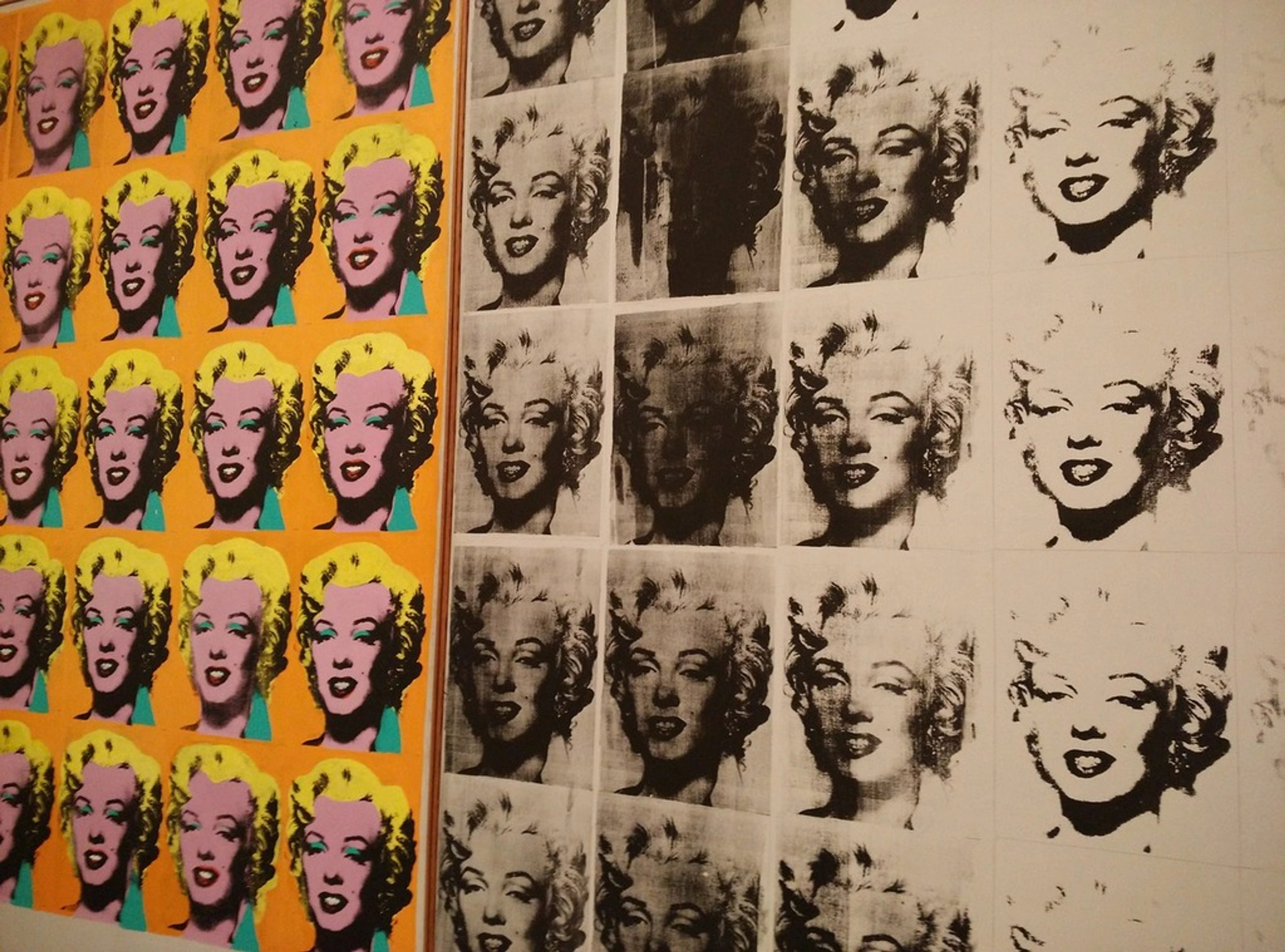
Pop Art Explained: The Ultimate Guide to a Vibrant Cultural Revolution
Uncover Pop Art's profound impact. From its intellectual British roots to American icons like Warhol & Lichtenstein, explore its unique characteristics, techniques, and enduring influence on consumerism, media, and contemporary art. This comprehensive guide challenges perceptions and shapes your understanding of our visual world.

Pop Art Explained: Your Ultimate Guide to a Vibrant Cultural Revolution and Its Enduring Impact
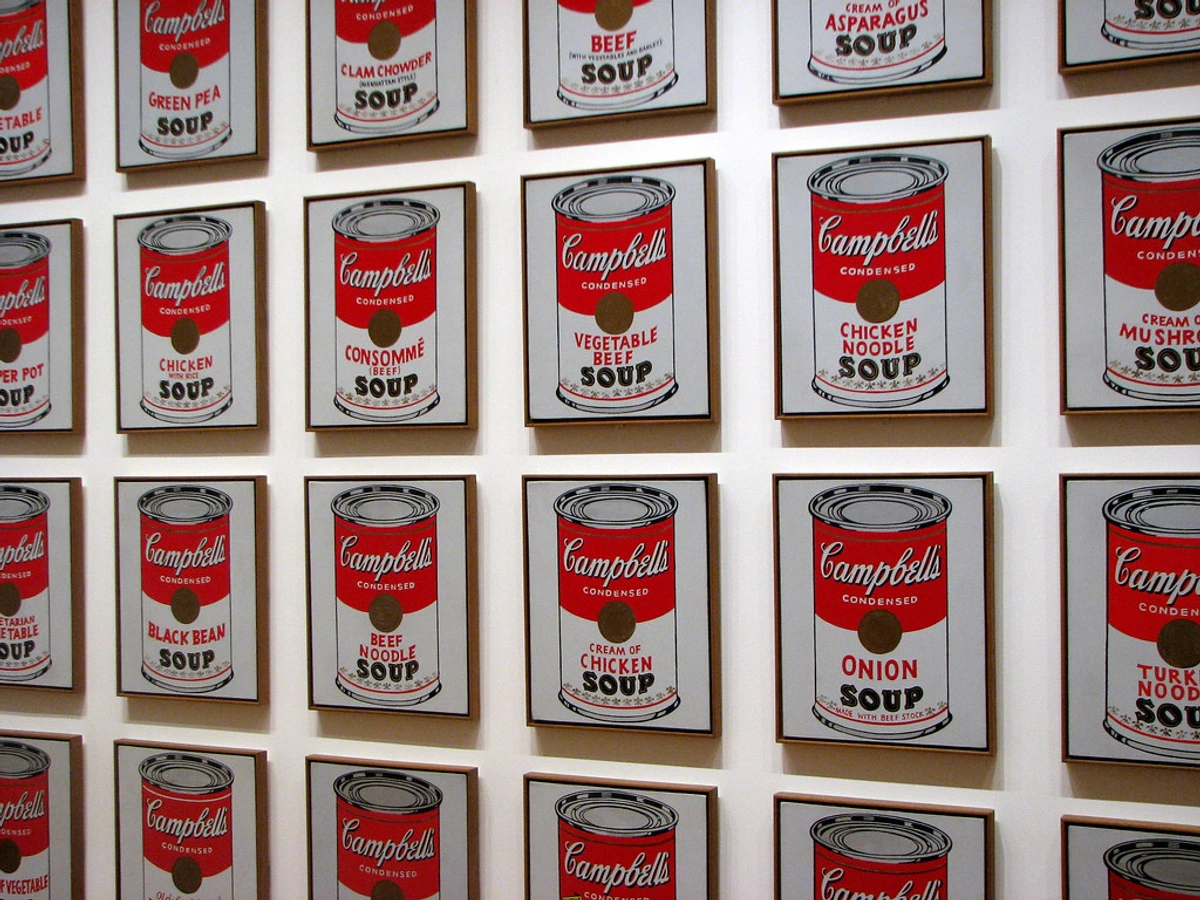
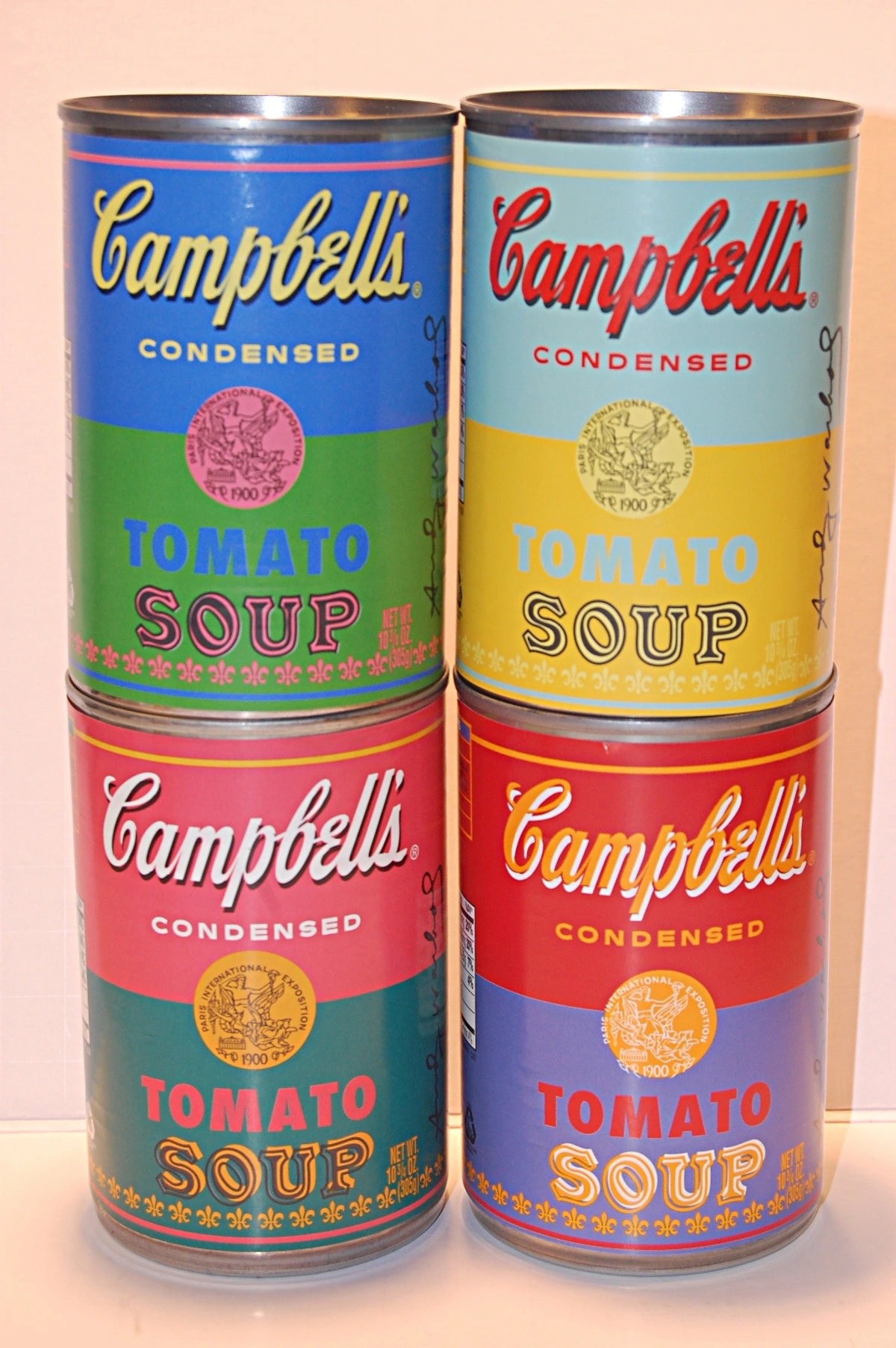
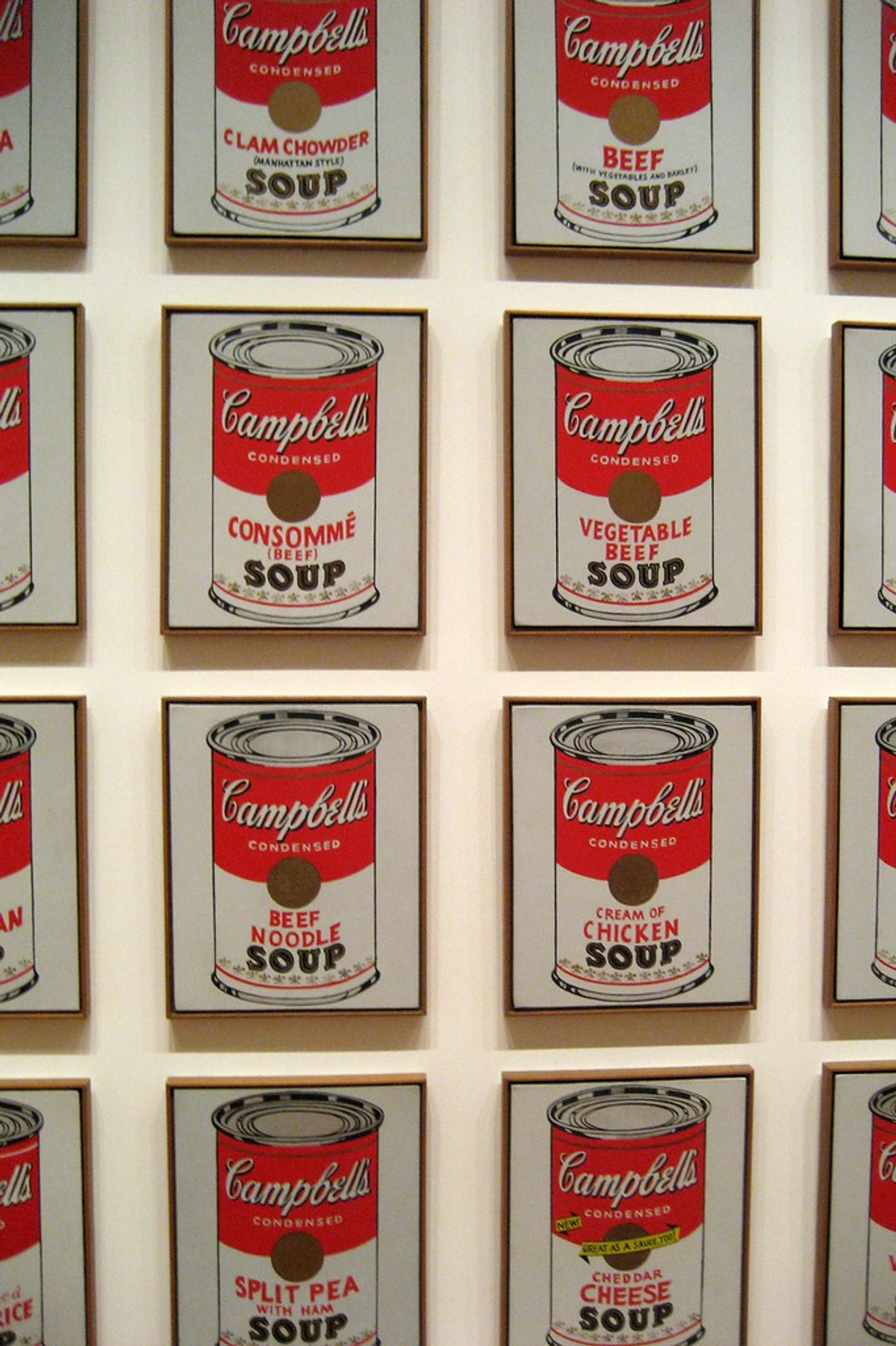
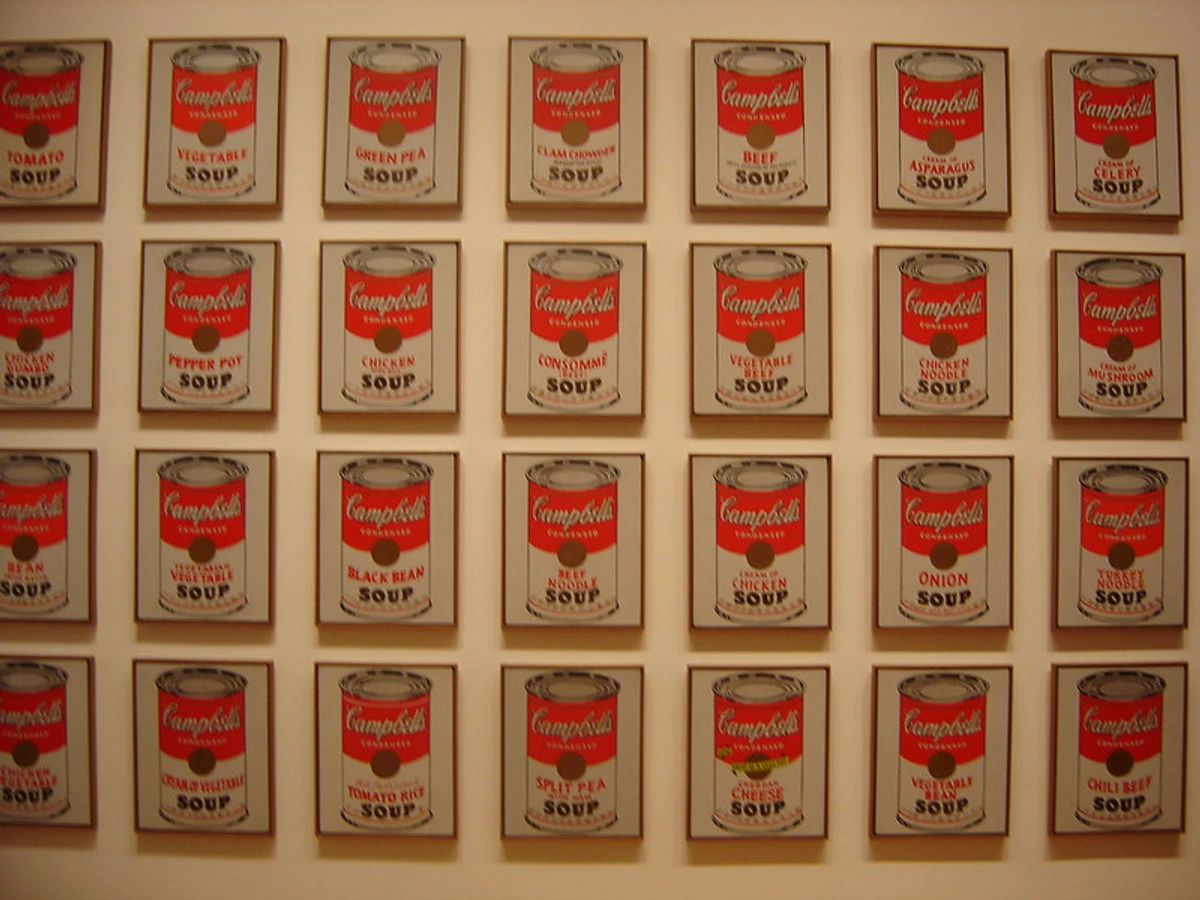
I remember the first time Pop Art truly clicked for me. It wasn't in a stuffy museum, but browsing through a dusty old art book, and there it was: Andy Warhol's iconic Campbell's Soup Cans. Honestly, my initial thought was, "That's art? My grandmother has that in her pantry!" And that, my friends, is precisely the point. Pop Art isn't just a style; it's a cheeky, brilliant, and sometimes uncomfortable mirror held up to our consumer-driven world. It forces us to ask, what is art, anyway? And why can't beauty and meaning be found in the mundane? From its intellectual roots in post-war Britain to its explosive canvas in America and its echoes in today's hyper-visual world, this guide aims to be your most comprehensive and engaging source. We'll explore the artists, techniques, and ideas that defined this vibrant cultural revolution, providing a crucial lens through which to understand our own reality.
Emerging as a vibrant, noisy antidote to the introspection and angst of Abstract Expressionism, Pop Art burst onto the scene in the mid-1950s in the UK and late 1950s in the US. Imagine walking into a gallery, expecting to ponder a Pollock drip painting with its deep emotional intensity and abstract gestures, and instead, you're hit with a giant comic strip panel or a silk-screened celebrity portrait. It was a jolt, a conversation starter, and for many, a breath of fresh air against what was often seen as elitist or overly intellectual art. (And honestly, I get it. Sometimes, you just want to see something recognizable!) More than just a shift in style, Pop Art ignited a true cultural revolution, democratizing art and forcing us to reconsider the boundaries of high and low culture. At its core, it was a reaction to a post-war world grappling with unprecedented prosperity, the rise of mass media, and the anxieties of the Cold War. It was art that directly reflected the burgeoning materialistic landscape, speaking a visual language everyone could understand, dismantling the perceived elitism of movements like Abstract Expressionism, which often felt removed from everyday life.
The Big Idea: Elevating the Everyday to High Art
At its core, Pop Art elevated the everyday, mass-produced objects and images—previously considered ephemeral or low-brow—into the realm of fine art, asking us to question artistic value itself. It draws inspiration from popular and commercial culture: advertising, comic books, mundane household objects, and celebrity photos. But it's more than just depicting these things; it's a profound commentary. Before Pop Art, much of the art world, especially post-war Abstract Expressionism, was steeped in the artist's inner psyche, non-representational forms, and a perceived intellectual elite. Pop Art, in a bold counter-move, turned its gaze outward, engaging directly with the visual language of everyday reality and asking: why can't a soup can be as thought-provoking as a classical landscape? Do you find yourself pondering the artistry in a well-designed product label sometimes? I certainly do.
For me, this tension—this constant push-pull between celebration and critique of consumer culture—is endlessly fascinating. Was Pop Art a cynical critique of consumer culture, or a joyful celebration of its vibrancy and accessibility? Often, it was both, and sometimes it was ambiguously neither. It blurred the lines between high art and low culture, suggesting that a soup can or a comic panel could be just as worthy of contemplation as a classical landscape. And you know what? I'm inclined to agree. Beauty and meaning can be found anywhere, if you're open to seeing it. This movement profoundly challenged the very notion of art's "aura"—that unique, unrepeatable quality of an original artwork, as theorized by Walter Benjamin—by embracing mechanical reproduction. It almost suggested that an image's impact in a mass media world could outweigh its singular origin. It also dared to redefine "skill" away from gestural brushwork, focusing instead on conceptual ingenuity and the clever appropriation of existing visuals.

Key Characteristics You Can't Miss
When you encounter a piece of Pop Art, there are usually a few tell-tale signs that give it away. It's like finding clues in a visual treasure hunt, inviting you to see the familiar anew. I've broken them down into a little table here, because sometimes a clear comparison just makes things stick, helping you identify these revolutionary ideas at a glance. It's a deliberate rejection of the emotional intensity of Abstract Expressionism, aiming for something cooler, sharper, and more detached.
Characteristic  | Description | Why It Matters (My Take) | Cultural Significance |
|---|---|---|---|
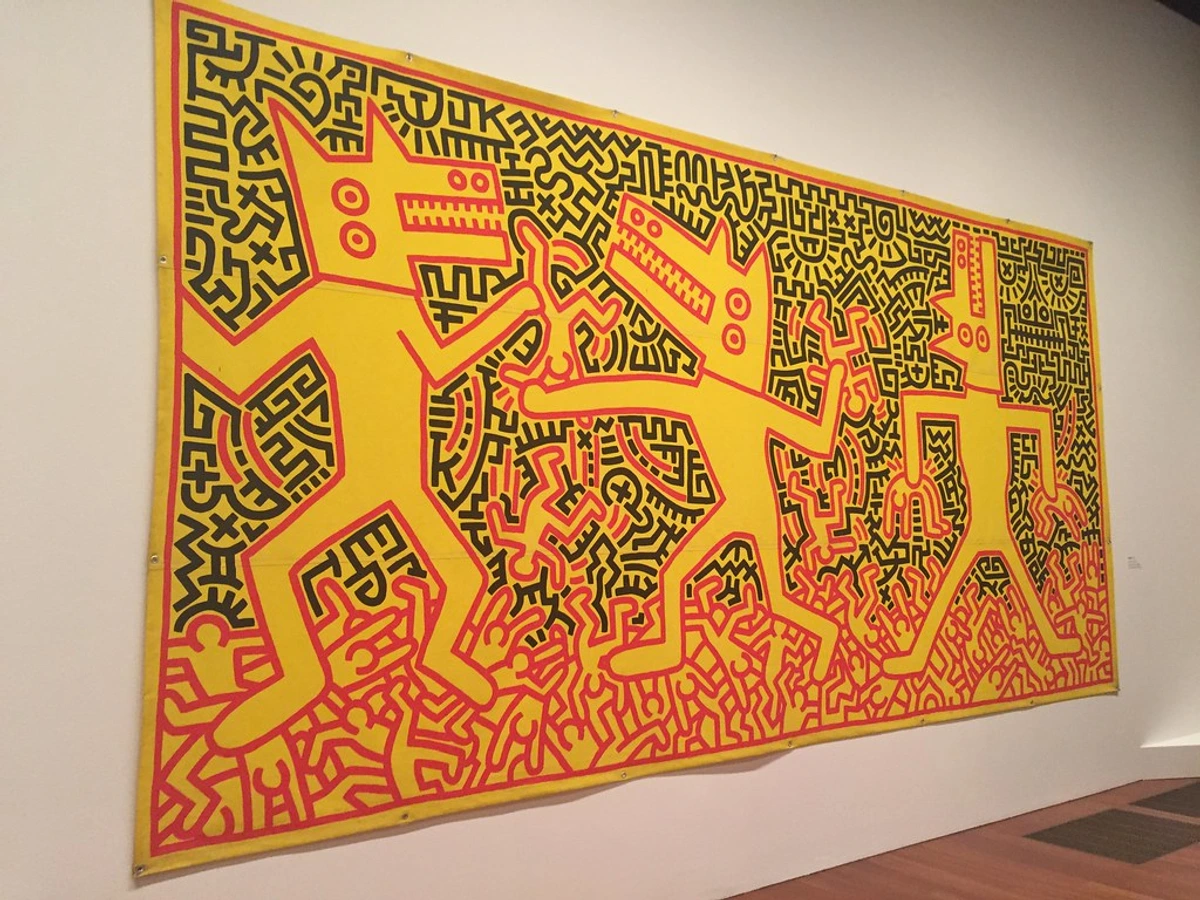
| Everyday & Mass-Produced Imagery | Subjects taken directly from popular culture: advertisements, comic strips, mundane, mass-produced objects (soda bottles, vacuum cleaners), celebrity portraits. Think of Warhol's Brillo Boxes or Lichtenstein's comic panels. | It made art relatable and accessible, reflecting the viewer's own world back at them. It felt incredibly honest to our modern condition, elevating the 'low-brow' to high art. This was a direct challenge to the non-representational forms of Abstract Expressionism, a radical shift to look outwards. Personally, this idea of finding beauty and meaning in the seemingly mundane is something I constantly explore in my own work, whether it's the texture of a concrete wall or the light on a discarded object. | Democratized art, challenged elitism by bringing art into daily life, and reshaped perceptions of artistic value, making art feel less intimidating. |
| Bold, Bright Colors | Often primary colors (red, blue, yellow) and stark contrasts, typically flat and unshaded, reminiscent of commercial printing. | Mimicked commercial printing and advertising, grabbing attention immediately and giving a vibrant, energetic feel that demanded notice. It's the visual punch of a billboard, a stark contrast to the often muted or earthy palettes of previous movements, a true celebration of visual noise. | Reflects the optimism and dynamism of the post-war consumer boom, visually distinctive and instantly recognizable, creating a new, modern aesthetic. |
| Hard Edges & Clear Lines | Often outlined, flat areas of color, reminiscent of mechanical printing techniques and comic book aesthetics, almost like a stencil. This is sometimes called a "hard-edge" style. | A deliberate rejection of the loose, painterly brushstrokes and emotional intensity of Abstract Expressionism. It felt crisp, immediate, and industrial, like a manufactured product, emphasizing clarity over ambiguity. This detachment from the artist's hand was a powerful statement in itself. | Visually distinct from previous movements, emphasized clarity and anonymity over ambiguity and the artist's subjective hand, suggesting a machine-like precision. |
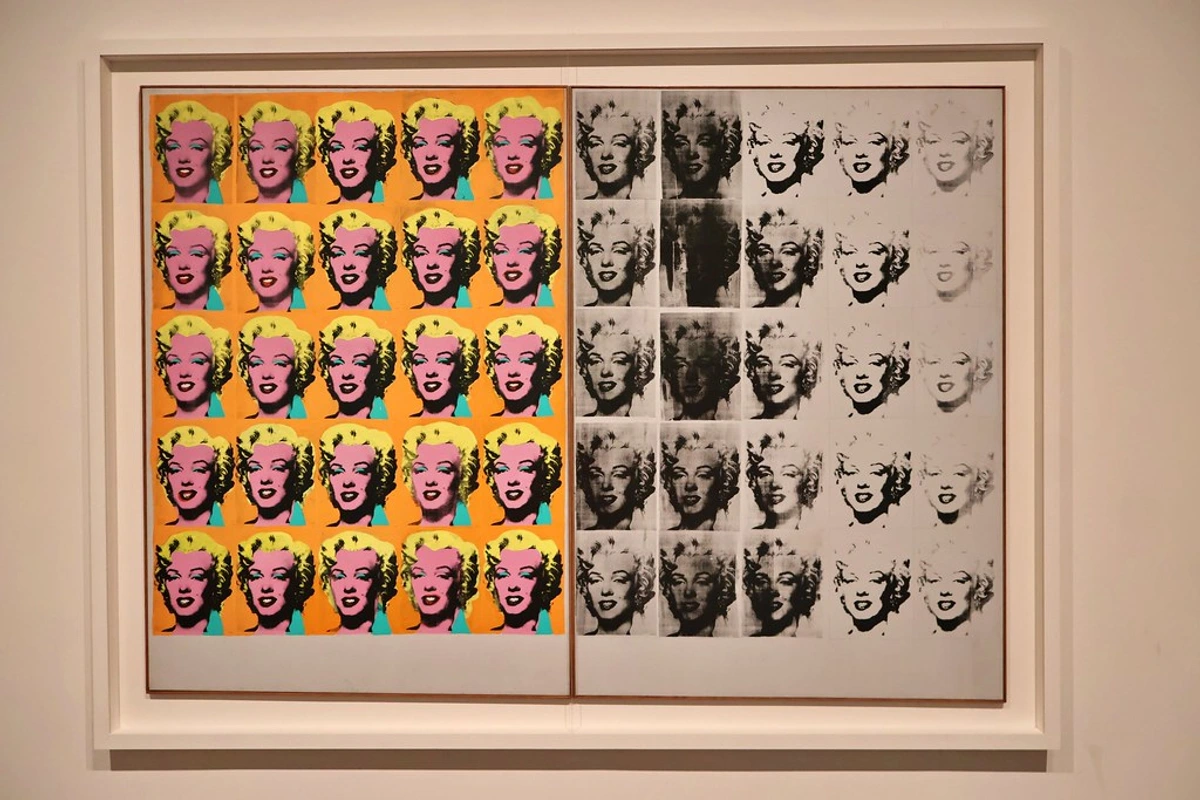
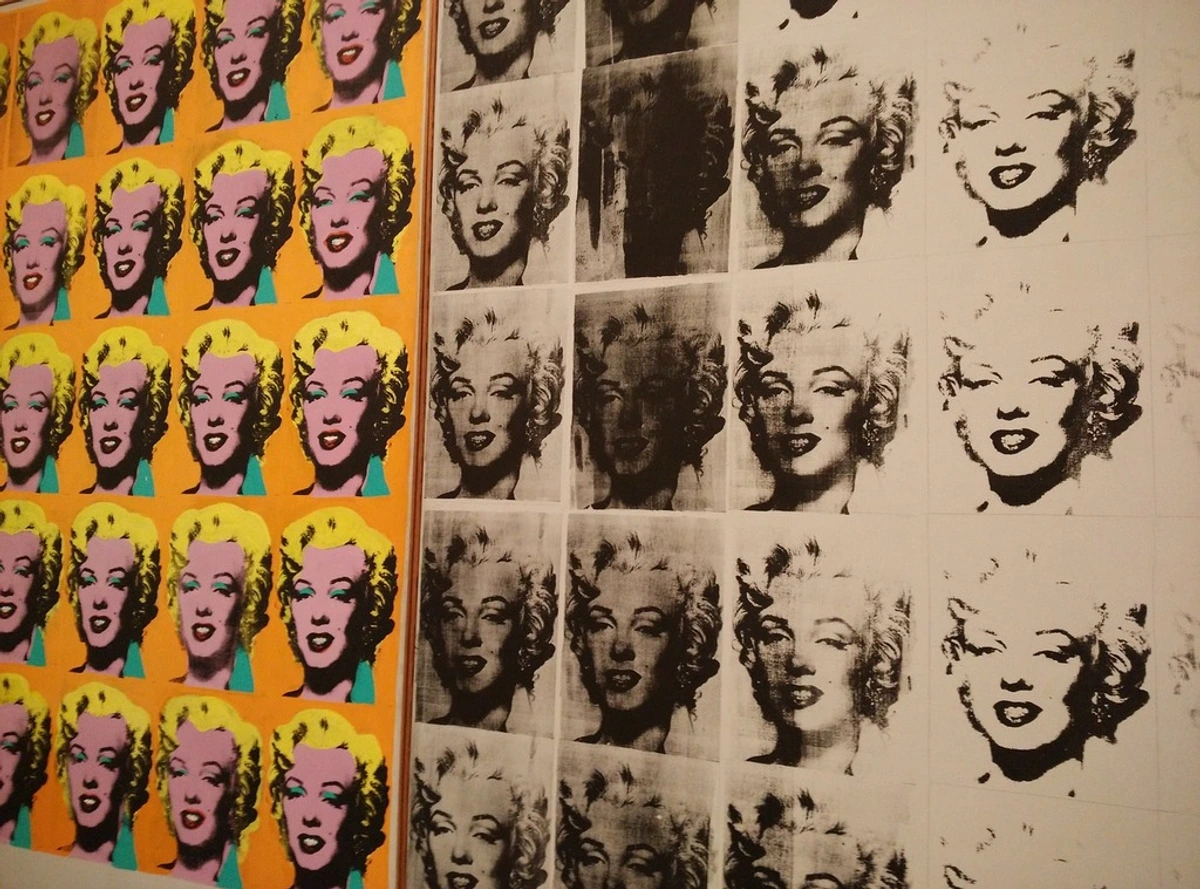
| Repetition & Seriality | Images often repeated in a grid or series, like commercial products on a shelf or celebrity photos in a magazine, or multiple frames of a comic. Think Warhol's Soup Cans or Marilyn Diptych. | Commented on mass production, celebrity idolization, and the commodification of culture, often with an ironic, almost hypnotic twist. It highlights how much we are surrounded by the same images, questioning originality in a world of copies, creating an almost meditative effect on how we consume visuals. | Highlighted themes of conformity, consumer desire, and media saturation, making the act of looking almost a form of consumption, and echoing the endless scroll of modern media. |
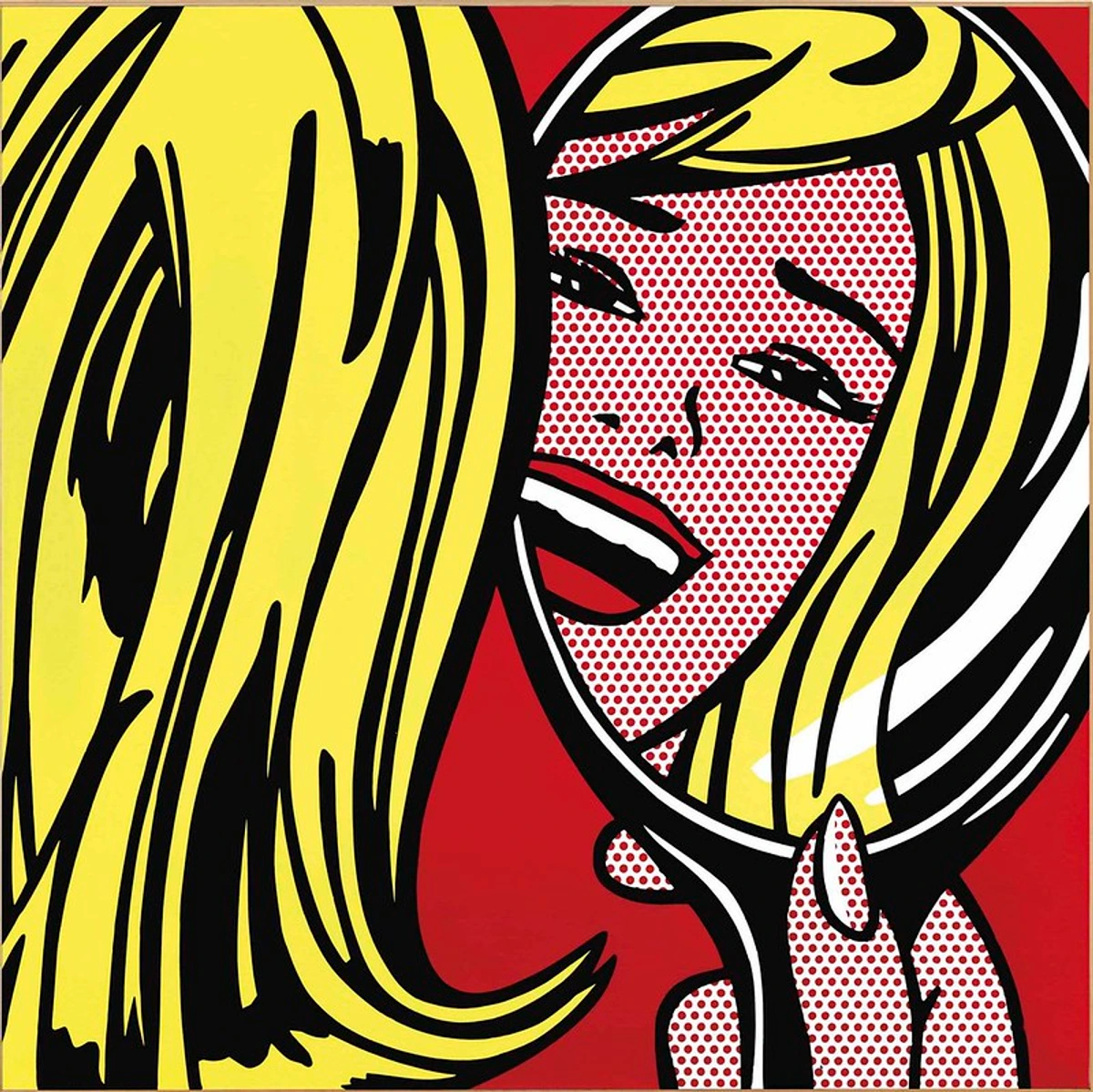
| Irony & Satire | A playful, often critical, commentary on society, consumer culture, and the art world itself, frequently with an underlying subversive message. Think Lichtenstein's Look Mickey! and its playful jab at classic art. | It encouraged viewers to think critically about the world around them, even while enjoying the aesthetics and humor. It's art with a wink, making you question what's beneath the glossy surface. The irony of Lichtenstein hand-painting Ben-Day dots (those tiny dots used in mechanical printing to create shades and colors, often associated with cheap, low-quality reproduction) also critiques the very labor of mass production and the illusion of the mechanical. | Provoked thought and discussion, often using humor and appropriation to deliver poignant social critique without being overtly preachy, creating a dialogue with the viewer. |
| Appropriation | Taking existing images (from ads, comics, photos) and recontextualizing them within an artwork, often with little alteration, to comment on their original meaning or create new ones. This directly challenges notions of artistic originality. | It questioned originality and authorship in an increasingly mass-media world, blurring the line between creation and selection. It's a powerful statement on how images shape us, and how their meaning can shift with context, forcing us to reconsider the "unique" artwork and the very idea of artistic genius. It's almost like sampling in music, where a familiar sound byte gets a whole new context and meaning. | Challenged traditional notions of artistic genius and unique creation, highlighting the power of context and selection in art-making, and acknowledging the omnipresence of found imagery. |
The British Spark: Igniting Pop Art's Intellectual Revolution
Before the iconic imagery of American Pop Art took center stage, the initial intellectual sparks were ignited across the Atlantic in London. In the aftermath of World War II, Britain was undergoing significant social and economic shifts. Continued rationing and a monumental rebuilding effort fostered a unique fascination with American prosperity and mass culture. British society, weary of austerity, began to look towards the flashy consumerism seen in American magazines and films. Amidst this, a group of artists, critics, and architects known as the Independent Group began meeting in the mid-1950s at the Institute of Contemporary Arts in London. Figures like Eduardo Paolozzi, Richard Hamilton, and critic Lawrence Alloway (who famously coined the term "Pop Art" in 1956) were deeply fascinated by American advertising, sci-fi, Hollywood movies, and product design.
They didn't just passively consume; they critically engaged. These pioneers saw popular culture as legitimate subjects for artistic discussion, challenging the traditional hierarchy that had long placed "high art" above "low culture." Their groundbreaking 1956 exhibition, "This Is Tomorrow," featuring Richard Hamilton's iconic collage "Just what is it that makes today's homes so different, so appealing?", is often credited with truly kicking off the movement. Hamilton's collage, a vibrant and crowded composition, directly incorporated images from American magazines, such as bodybuilders, pin-up girls, and household appliances, into a domestic setting. It was a radical new vision that embraced the modern, technological, and consumer-driven world, daring to suggest that art could be found in the mundane.
Eduardo Paolozzi's earlier "Bunk!" series of collages (dating back to 1947), which directly appropriated images from American magazines and popular culture (like his famous I Was a Rich Man's Plaything from 1947, a key example from this series), laid crucial groundwork. These works demonstrated an early fascination with the fragmented, glossy language of popular culture, juxtaposing consumer goods and celebrity with an almost archaeological eye. Other important British Pop artists, like Peter Blake, further cemented these ideas with works like his "On the Balcony" (1957), a collage-like painting that celebrated popular entertainment and everyday life, brimming with badges, magazines, and portraits of cultural figures. While American Pop Art often celebrated the already established mass culture, the British iteration frequently carried a more critical, even wistful, lens, reflecting on the aspiration towards consumerism in a post-austerity landscape. They were dissecting the dream, not just living it. This intellectual, often more analytical approach distinguishes it from its later American counterpart.
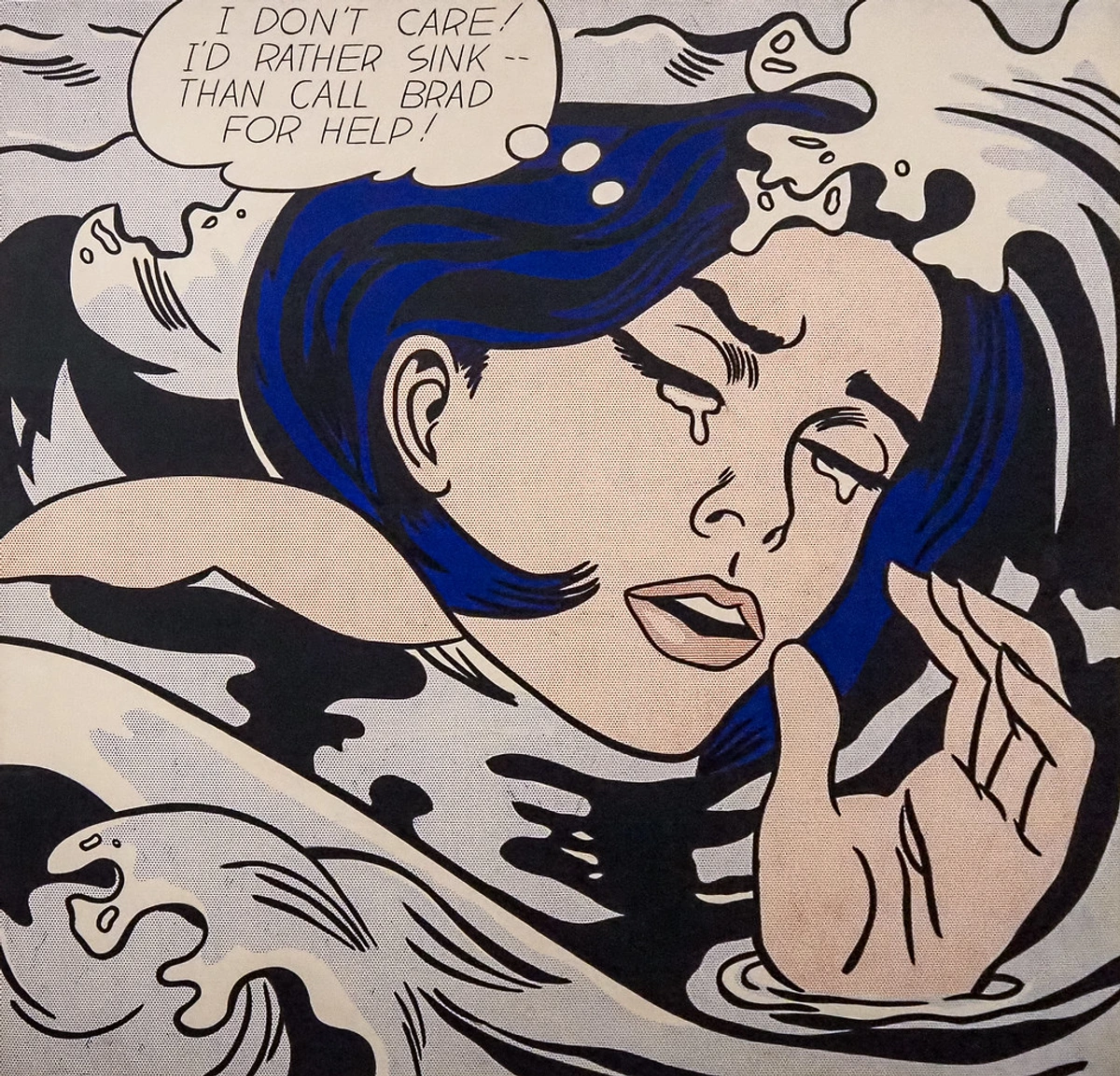
The American Emergence & Proto-Pop Pioneers
While the British provided the intellectual spark, Pop Art found its most explosive and recognizable form in the United States, building upon these foundational ideas but imbuing them with a distinct American energy. Even before the movement fully coalesced, artists like Jasper Johns and Robert Rauschenberg were already laying crucial groundwork, developing concepts that would become central to Pop Art. Their work, emerging in the mid-1950s, offered a powerful counterpoint to the prevailing Abstract Expressionism, pushing art back towards recognizable imagery while retaining a conceptual depth. They were, in essence, bridging the gap between the deeply personal and the universally recognizable, much like earlier avant-garde movements such as Dada (with its readymades and collages) and Futurism (with its embrace of technology and mass culture) had also questioned traditional artistic boundaries.
Jasper Johns' iconic series of flags, targets, and numbers challenged traditional notions of painting by depicting familiar, flat objects rather than abstract expressions. By painting a flag, like his seminal Flag (1954-55), Johns asked us to look at the image as an object itself—a mass-produced symbol—rather than through it to some deeper emotional landscape. This direct engagement with commonplace, mass-produced symbols, presenting them as both image and object, directly foreshadowed Pop Art's embrace of everyday imagery. What was the meaning? Perhaps it was simply the flag itself, challenging us to accept its inherent value as a familiar object, stripping away the layers of nationalistic sentiment to focus on the visual form. This radical act of presenting a common object as art, blurring the lines between art and reality, was a direct precursor to Pop Art's later, more overt, explorations.
Robert Rauschenberg's revolutionary "Combines" blended painting with sculpture by literally incorporating found objects and mass media imagery (like newspaper clippings, photographs, and even stuffed animals) directly into his artworks. Pieces like his Bed (1955), which incorporated a quilt and pillow, boldly bridged the gap between art and everyday life. He demonstrated that art could be made from anything, fundamentally challenging the distinction between art and object—a concept Pop Art would fully explore, pushing the boundaries of what could be considered fine art. It was a radical declaration that the stuff of our lives, from newspaper clippings to discarded tires, could be the stuff of art. This move directly countered Abstract Expressionism's focus on the artist's subjective, non-representational marks, by bringing the chaotic, tangible reality of the world directly into the artwork. He famously described his canvas as a 'flatbed picture plane,' where anything could reside, equal in its presence—a truly democratic approach to art-making.
The Maestros of the Movement: Iconic Figures
No discussion of Pop Art is complete without talking about its titans. These are the names that probably come to mind first, and for good reason. They didn't just participate in the movement; they defined it, each in their own unmistakable way.
Andy Warhol: The King of Pop and His Factory
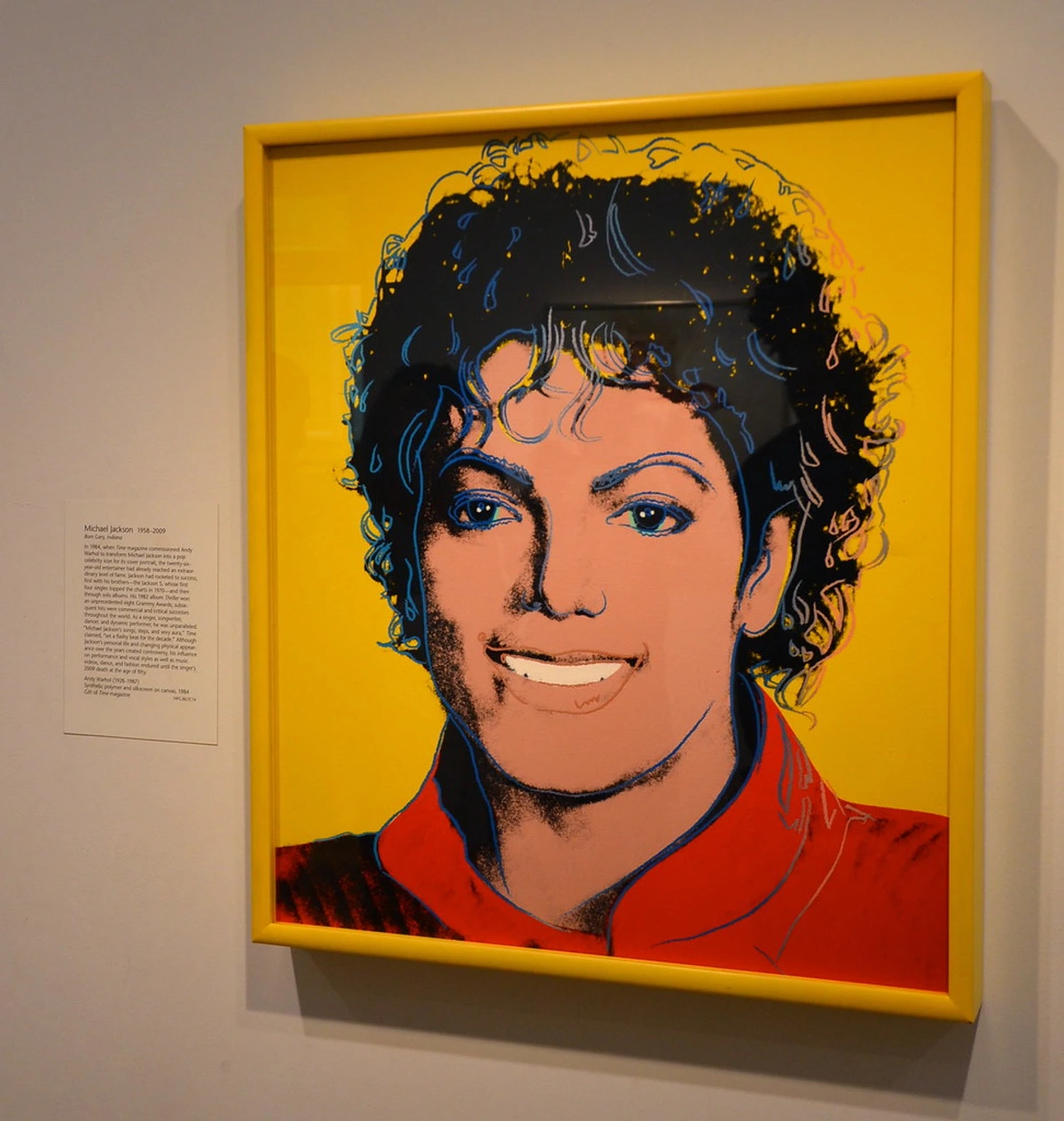
Thinking about Andy Warhol always brings a smile to my face – his ability to take the utterly mundane and make it iconic is something I've always aspired to capture in my own work. Warhol, bless his eccentric soul, completely rewrote the rules. He turned soup cans, Coca-Cola bottles, and Hollywood stars into fine art, often using silk-screening, a commercial printing technique, to blur the line even further. His work wasn't just art; it was a factory, a commentary, and a celebration all rolled into one. Warhol understood his persona and process were as integral to the art as the final product. He was a master of self-promotion, and his studio, "The Factory," became a hub of creativity, celebrity, and counter-culture. It was an industrial art-making machine, perfectly mirroring the mass production he often depicted, and critically, it allowed him to deliberately remove the 'artist's hand' and subjective emotion so valued by Abstract Expressionists. It was a genius move, really, to embody the very commercialism he depicted.
I mean, who else could make a series of identical Brillo Boxes into a profound statement on consumer culture? Warhol understood the power of repetition, the allure of celebrity, and the strange beauty of the everyday. His portraits of Marilyn Monroe, Elvis, and Liz Taylor are more than just likenesses; they're icons of an era, endlessly reproducible, endlessly fascinating. The sheer repetition of a celebrity's face wasn't just aesthetic; it was a commentary on fame, death, and the commodification of personality itself, turning individuals into brands. If you want to dive deeper into his world, I've got a whole guide dedicated to the man himself: ultimate-guide-to-andy-warhol. For a focused look at his iconic food art, check out what-are-warhols-campbells-soup-cans.

Roy Lichtenstein: From Comic Strips to Canvas – The Art of the Dot
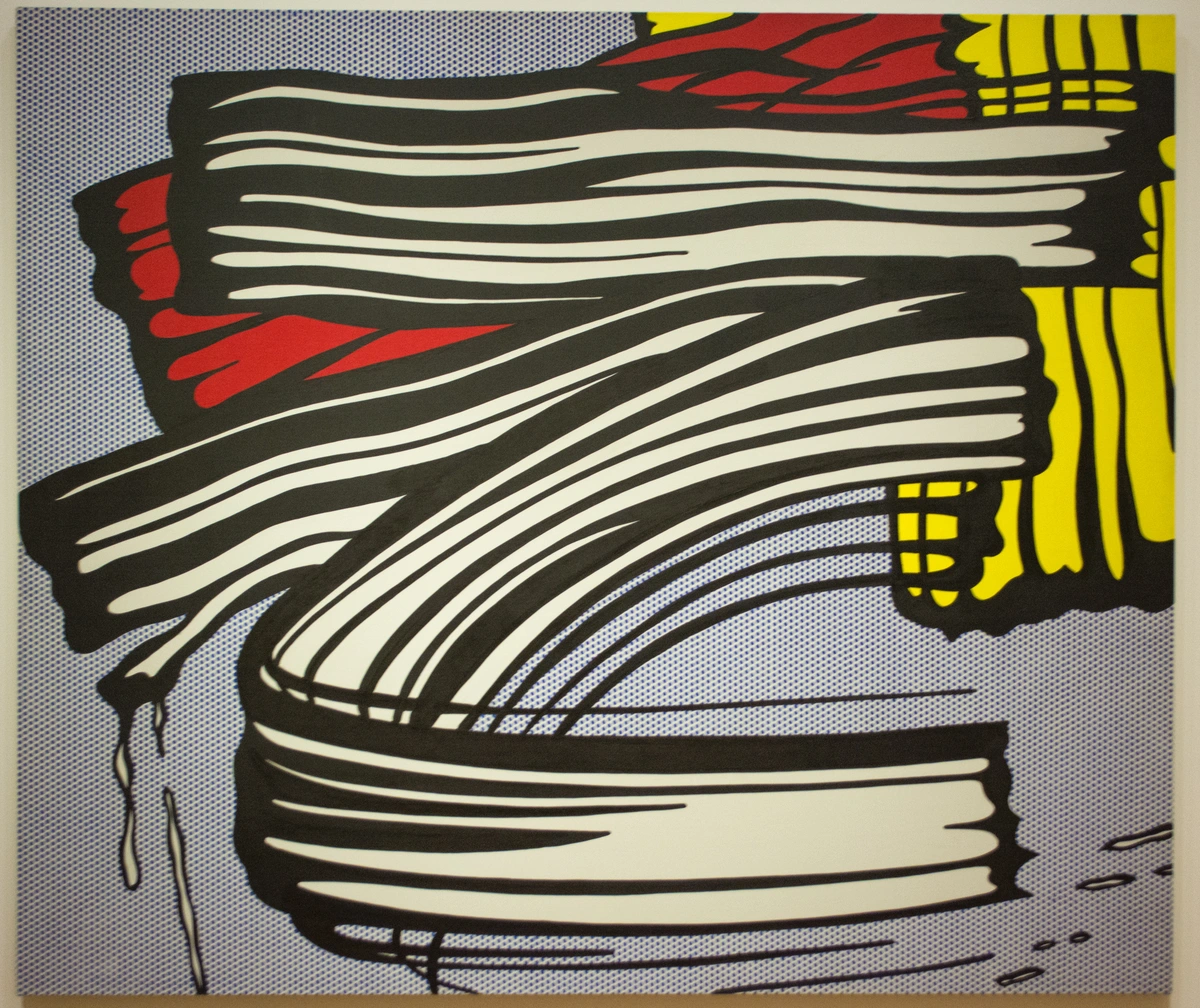
While Warhol built an empire of mass production, Roy Lichtenstein honed in on the minute details of commercial imagery. Lichtenstein's dots are like tiny visual whispers of commercial printing; they're the imperfections we've learned to love in mass media. He was the master of the comic strip panel, taking small, often melodramatic, scenes from popular comics, blowing them up to monumental sizes, and meticulously recreating the Ben-Day dots by hand. These tiny dots, typically used in mechanical printing to create shades and colors in cheap reproductions, became his signature style. His work, with its bold outlines and primary colors, looks deceptively simple, but there's a real genius in its execution and its critique. It was pure audacity, taking the aesthetics of the disposable and presenting them as high art, ironically elevating the 'flaws' of commercial printing to a profound statement on artistic mediation. The irony of hand-painting these dots, traditionally a mechanical shortcut, was a brilliant conceptual move, directly challenging the notion of artistic labor and authenticity. It directly confronted the spontaneous, gestural brushwork of Abstract Expressionism with a cool, detached, almost mechanical precision.
Lichtenstein made us look at the familiar with fresh eyes, forcing us to consider the artistry and emotional power within mass-produced imagery. His "Whaam!" (a commentary on the glorification of war and comic book heroism) and "Drowning Girl" (critiquing melodrama and the portrayal of women in popular media) are legendary for a reason. His precision, the meticulous hand-painting of those seemingly mechanical dots, always struck me as a profound statement on labor and illusion in an age of mass production, and a direct challenge to the gestural brushwork of the Abstract Expressionists. You can explore his immense contribution further in my the-impact-of-roy-lichtenstein-on-pop-art-and-beyond.
Beyond Warhol and Lichtenstein: Other Visionaries of Pop Art
While Warhol and Lichtenstein might be the most recognizable, the Pop Art movement was rich with other innovative artists who pushed boundaries in their own unique ways, demonstrating its global reach and diverse interpretations. This is where you see the true breadth of Pop Art's engagement with the modern world.
Claes Oldenburg: Sculpting the Mundane
Imagine a giant lipstick on tank treads, or a soft, floppy telephone. That's the whimsical, yet profound, world of Claes Oldenburg. He took everyday objects – often food or household items – and transformed them into monumental sculptures, sometimes hard, sometimes made of soft, pliable materials like canvas stuffed with foam. His "Soft Toilet" (1966), for instance, challenged the rigid functionality of everyday items by making them limp and anthropomorphic, while his massive outdoor sculptures, like "Clothespin" in Philadelphia (1976) or his famous Floor Burger (1962), celebrated the banal by exaggerating consumer culture's objects to humorous and thought-provoking extremes, making us question the scale of our desires and the monuments we choose to create. I always found Oldenburg's work made me smile and think at the same time – a rare combination that cut through the seriousness of much contemporary art, often turning the domestic into something grand and absurd.
James Rosenquist: The Billboard Painter
James Rosenquist brought his background as a billboard painter to fine art, creating colossal, fragmented compositions that juxtaposed images from advertising, consumer products, and movie stills. His large-scale works, often piecing together disparate, seemingly unrelated images like in "F-111" (1965)—a monumental painting that fused images of a fighter jet, consumer goods, and a little girl under a hairdryer—captured the overwhelming visual overload of modern life and the fragmented nature of media consumption, offering a critique of the subconscious messages bombarding us daily. The sheer scale and commercial aesthetic of his works made them impossible to ignore, just like the billboards he once painted, assaulting the viewer with a bombardment of consumer imagery that felt both familiar and strangely disorienting.
Tom Wesselmann: The Great American Nude
Tom Wesselmann became known for his bold, sensual depictions of the female nude and still life compositions, often integrating actual objects or commercial imagery into his large-scale paintings. His series "Great American Nudes" and "Still Life" celebrate and critique American consumer culture and eroticism with a distinct Pop sensibility, often presenting the nude alongside branded products in a highly stylized, almost flat manner. His ability to fuse the classical art subject of the nude with commercial aesthetics felt both audacious and deeply Pop, challenging conventional notions of beauty and desire. Other notable British Pop artists, like Gerald Laing, were also fascinated by celebrity culture and American popular imagery, creating dynamic paintings and sculptures of drag racers, astronauts, and iconic figures like Brigitte Bardot, often using stark, graphic forms and bold colors that epitomized the transatlantic exchange of Pop ideas. Similarly, Patrick Caulfield employed stark outlines and flat blocks of color to depict everyday objects and interiors, creating works that were both sophisticated and accessible, often with a subtle, dry wit. And James Gill, another early American Pop artist, captured the essence of celebrity and political figures with a unique, often distorted, graphic style, further expanding the visual language of the movement.
Pioneering Female Voices in Pop Art
While the spotlight often falls on male artists, several remarkable women contributed to and were influenced by Pop Art, bringing unique, often critical, perspectives to the movement. Their voices, often overlooked, were crucial in expanding the dialogue of Pop Art beyond its initial, predominantly male, perspective, offering profound feminist critiques and exploring themes of identity and representation in a consumer-driven world.
- Pauline Boty: A foundational figure in British Pop Art, Boty's vibrant paintings celebrated female sexuality and critiqued patriarchal society with wit and glamour. A graduate of the Royal College of Art, her sophisticated understanding of art history merged with her bold engagement with popular culture. Her work, like "The Only Blonde in the World" (1963) (a provocative commentary on Marilyn Monroe's public image and the pressures of fame) or her later, poignant piece "Myra Breckinridge and the Consumer Society" (1967), combined images of celebrities and political figures with personal elements, often exploring themes of fantasy, fame, and feminist critique with bold colors and collaged elements. She challenged the objectification of women head-on, offering a distinctly female perspective within the movement, often with an underlying melancholic edge. Her art didn't just depict popular culture; it interrogated it from a woman's point of view, often using herself as a direct subject.
- Marisol Escobar: Known mononymously as Marisol, this French-American artist created distinctive Pop Art sculptures and assemblages. Her wooden figures often incorporated found objects, drawing, and photography, portraying figures from popular culture and her own life with a characteristic blend of satire and deadpan humor. She would typically draw directly onto the carved wood surfaces, sometimes combining these drawings with actual photographic transfers to create striking, multi-layered portrayals. Her monumental work, such as "The Party" (1965-66), satirized high society while engaging with themes of identity and consumerism, often using her own face repeatedly within the work as a form of self-portraiture. Her unique blend of folk art aesthetic with Pop themes makes her truly stand out, offering a cool, detached, yet deeply personal take on the modern condition, creating a fascinating dialogue between personal identity and public image. I've always admired how she could be so bold and so subtle all at once.
Global Echoes: German Pop Art & Nouveaux Réalisme
While predominantly an Anglo-American phenomenon, similar artistic explorations happened elsewhere. In Germany, artists like Sigmar Polke and Gerhard Richter (in his early work) also engaged with consumer culture and media imagery. Their approach, however, often carried a darker, more critical edge, reflecting their country's post-war context of reconstruction and grappling with recent history and collective guilt. Polke, in particular, experimented with printing techniques and the imperfections of mass media (evident in his Rasterbild or "dot screen" paintings like Potato House), sharing Pop Art's fascination with the mechanical image but often with an ironic commentary on Germany's own relationship with prosperity and memory. His work often felt like a subtle, yet profound, interrogation of Germany's post-war identity amidst a new wave of consumerism, making us question the glossy facade of advertising. Richter's early photo-paintings, such as Ema (Nude on a Staircase) (1966), blurred commercial photographs to create a detached, almost melancholic, re-evaluation of media imagery, often to challenge the supposed objectivity of photography and create a sense of critical distance from the depicted subject, perhaps a reflection of a society still processing profound trauma.
In France, a parallel movement, Nouveaux Réalisme (New Realism), led by figures like Yves Klein, Arman, and Daniel Spoerri, emerged around the same time. While conceptually distinct—often focusing more on the object itself as a witness to reality rather than its mediated image—Nouveaux Réalisme also engaged with everyday objects and mass consumerism, often through assemblage and direct appropriation. For example, Arman created "accumulations" of identical objects (e.g., Accumulation of Sliced Teapots and Full Up), reflecting the shared zeitgeist of integrating reality into art and commenting on the proliferation of consumer goods. Daniel Spoerri's "snare-pictures" (tableaux pièges) literally captured the detritus of everyday life, like a meal on a table, preserving it as art, challenging the perceived transience of these items. This movement, though often less overtly ironic than American Pop Art, directly addressed the sensory overload and material reality of consumer society, emphasizing the tangible object and its physical presence, rather than the Pop Art preoccupation with the image of the object and its cultural mediation. Both movements, though, were keenly aware of how objects and their endless reproduction were shaping modern experience. You can learn more about this fascinating parallel movement here: the-nouveau-realisme-movement-art-in-the-age-of-consumerism.
Techniques & Materials: The Commercial Art Toolkit
Pop Art artists were, in many ways, rebels who adopted the very tools and visual language of the commercial world they critiqued (or celebrated). They were after that crisp, immediate visual impact you see in advertisements. It's fascinating how they subverted these commercial methods to create fine art, deliberately moving away from the expressive, highly individual brushwork of Abstract Expressionism, which emphasized the artist's unique touch. For them, the message often resided in the method itself, blurring the line between creation and selection, originality and reproduction.
Let's break down their toolkit:

- Acrylic Paints: These fast-drying, vibrant paints allowed for the bold, flat areas of color seen in much Pop Art, mimicking the crisp, clean look of commercial printing and advertising. Unlike traditional oil paints, acrylics offered a quick-drying, durable, and consistent finish that was perfect for achieving that "manufactured", un-painterly look, deliberately avoiding the visible brushstrokes and emotional intensity of Abstract Expressionism. I love how acrylics offer that instant punch of color, mirroring the way an advertisement grabs your eye on a busy street. The rapid drying time and their opaque, even coverage also suited the fast-paced, industrial approach many Pop artists adopted, making the process feel less precious and more production-line efficient.
- Collage and Assemblage: Many artists, particularly early figures like Eduardo Paolozzi and Richard Hamilton, heavily utilized collage, cutting and pasting images from magazines, newspapers, and advertisements. This technique directly incorporated mass-media imagery into their work and created powerful new juxtapositions, literally pulling the everyday into the realm of art and demonstrating how new meanings could emerge from existing visual fragments. It was a tangible way to engage with the visual remnants of consumer culture, creating a kind of visual archaeology of modern life. This also directly challenged the idea of the singular, original image.
- Photography and Printmaking: Photography was a common starting point, with artists often transferring photographic images onto canvas through various printmaking methods. Andy Warhol's pioneering use of photo-silk-screening for his iconic portraits and repetitive series is a prime example. This allowed for mechanical reproduction, repetition, and a certain detachment from the artist's hand, further blurring the line between art and commerce, and allowing for the mass production of art itself – a powerful commentary on modern commodity culture and the reproducibility of images. By removing the individual gesture, they critiqued the cult of artistic genius, making us question where the true "art" lay.
- Sculpture: Beyond Claes Oldenburg's soft sculptures, artists created three-dimensional works that mimicked consumer goods, from everyday packaging (think Warhol's Brillo Boxes, which were meticulously crafted, exact replicas of actual product boxes, right down to their commercial aesthetic) to furniture, again elevating the ordinary to art and questioning its utilitarian function. It's like they were saying, "Look how much we value these things; why aren't they art?" These sculptures often exaggerated scale or material to provoke a reconsideration of familiar objects, turning them into monuments to mass culture and the sheer volume of things we consume.
The Psychological Impact of Pop Imagery
Beyond the aesthetic and conceptual shifts, Pop Art's consistent use of commercial imagery had a profound psychological impact. By relentlessly repeating familiar brands, celebrity faces, and comic book panels, Pop Art both reflected and amplified the visual noise of modern life. It blurred the lines between advertising and reality, art and commodity, almost training the public to consume images rather than deeply engage with them. This constant bombardment, which many artists either celebrated or subtly critiqued, made us question our own desires, our relationship with mass-produced goods, and the very fabric of popular culture. It was like a mirror, but one that subtly distorted our perception of ourselves and our world, making the pervasive influence of media impossible to ignore. Andy Warhol, for example, understood that the sheer repetition of a celebrity's face, whether Marilyn Monroe or Elvis, could transform them into a commodity, their image consumed over and over until their individuality became secondary to their brand. This constant visual pressure, a kind of subliminal messaging, nudged us to ponder our own roles as consumers and observers in a world increasingly defined by manufactured desire. Doesn't this sound familiar in our age of endless social media feeds and viral trends, where images are consumed at lightning speed and personal branding often trumps authenticity? It's a dynamic that I find myself observing constantly, trying to dissect what it means for our collective psyche.
The Initial Reception: A Jolt to the Art World
When Pop Art first arrived, it was anything but universally adored. Many traditional critics and members of the established art world found it shocking, even offensive. Prominent critic Clement Greenberg, a staunch advocate for Abstract Expressionism, famously dismissed it as a "novelty art" or a gimmick, devoid of genuine artistic merit. He (and many others) decried it as shallow, cynical, lacking in genuine artistic skill, and simply a commercial trick. Why? Because it eschewed the painterly gesture, emotional depth, and profound abstraction they had come to expect from movements like Abstract Expressionism, which often emphasized the tortured genius of the artist. For these critics, the idea that a mass-produced image could be considered "art" was an affront to the very essence of artistic creation, which they believed should transcend the everyday, not embrace it. It was, in their eyes, a dangerous blurring of art and commerce.
This critical backlash, however, only served to highlight Pop Art's revolutionary nature. It forced a vital conversation about what art could be, democratizing the art world and widening its scope to include the everyday realities of modern consumer culture. While early criticism was harsh, the movement quickly gained traction among younger artists, collectors, and a segment of the public eager for something new. The art market, ever adaptable, eventually embraced Pop Art, transforming its once-controversial subjects into highly sought-after icons, a testament to its pervasive influence and undeniable appeal. It embraced controversy as part of its aesthetic, using public outcry as a megaphone for its message. The shift in what constituted "artistic skill"—from gestural brushwork to conceptual appropriation and precise mechanical execution—was a pill many found hard to swallow, but it irrevocably broadened the definition of art.
The Enduring Legacy and Impact of Pop Art
Pop Art didn't just make a splash; it created a tidal wave that forever altered the landscape of modern and contemporary art. It broke down barriers between commercial art and fine art, paving the way for future movements that continued to challenge artistic conventions. Its democratic spirit, its embrace of mass culture, and its often-playful critiques continue to resonate deeply. This shift, as I see it, fundamentally changed our understanding of art's purpose and subject matter. It dared to ask, "If art is everywhere, then what is truly special?" and offered a compelling, if sometimes unsettling, answer. What do you think? Has it made art more accessible, or simply more commercial?
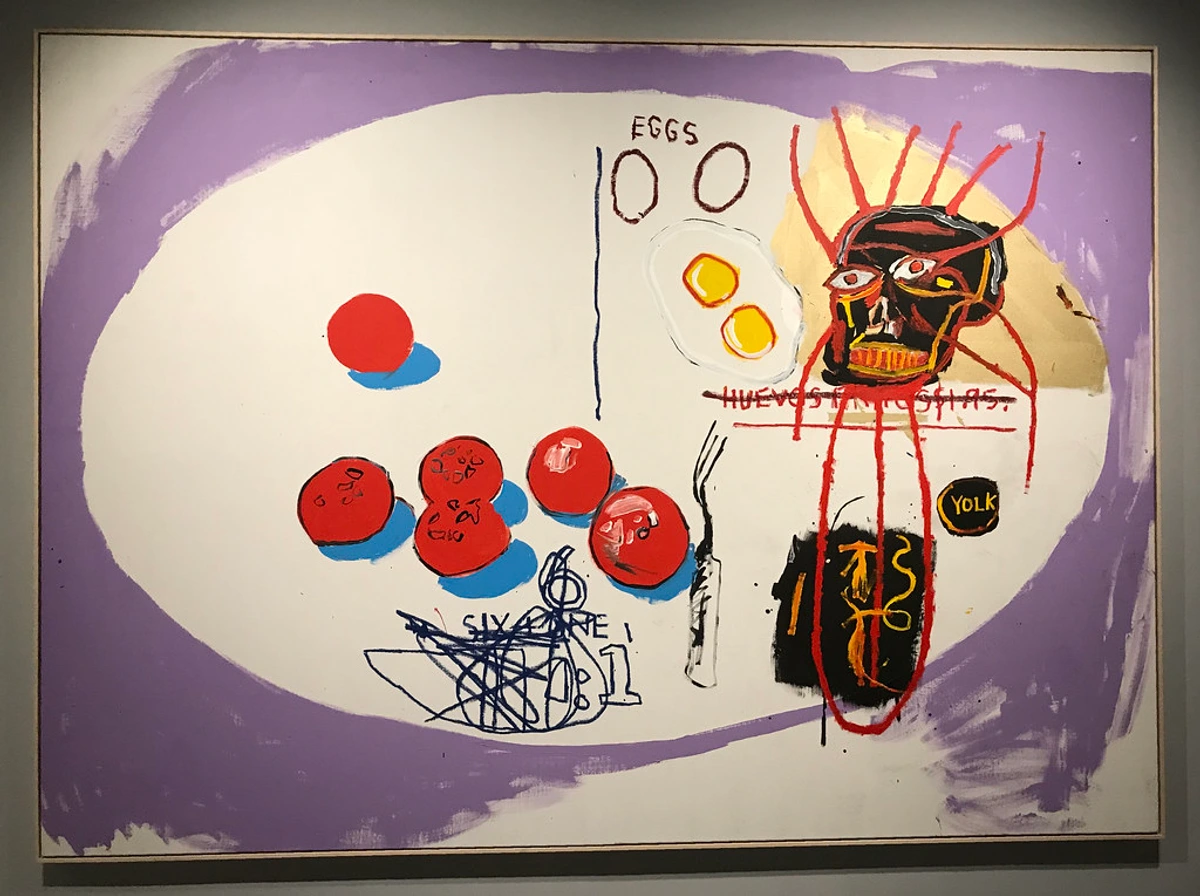
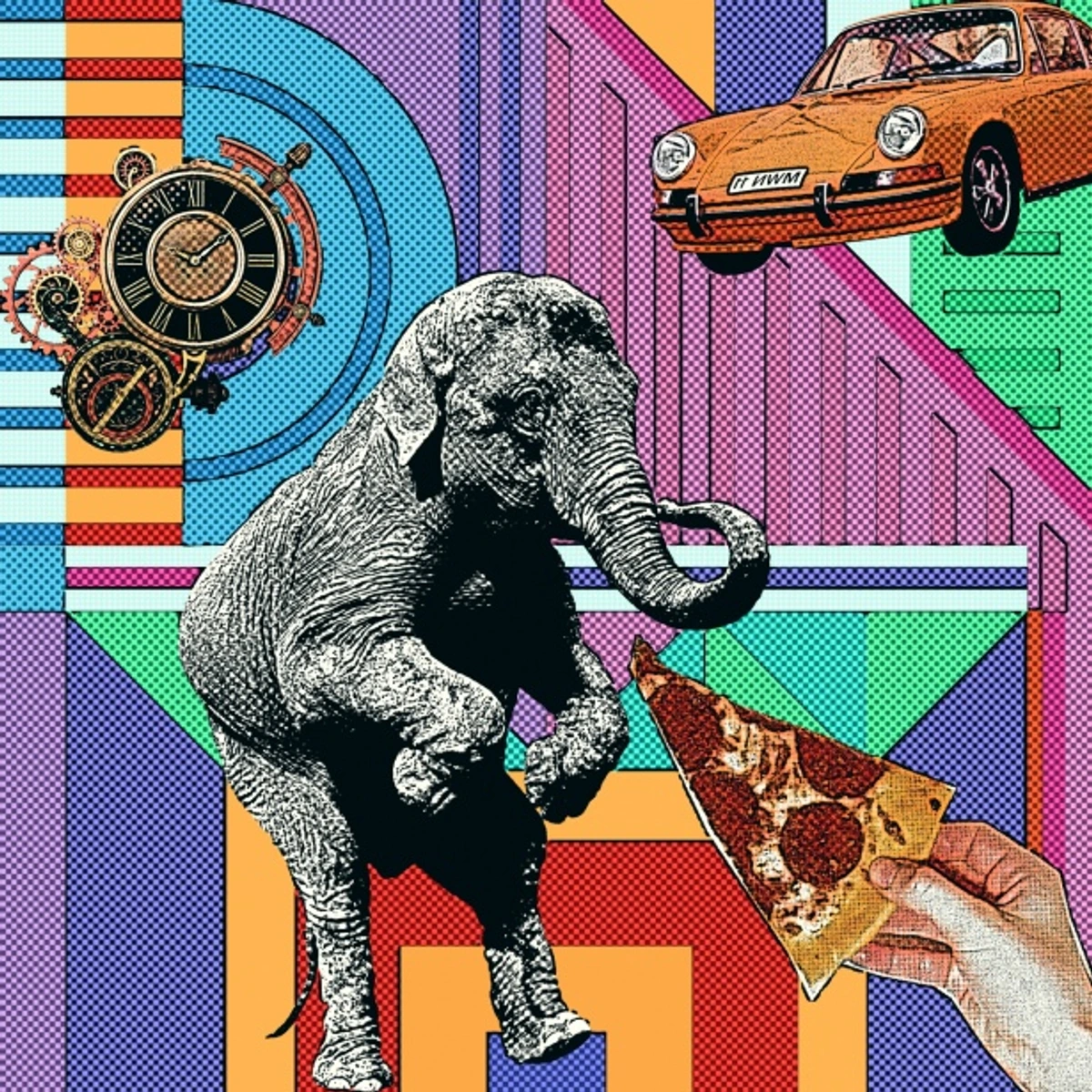
What I find most fascinating is how relevant it remains. We are still immersed in a world of advertising, celebrity obsession, and mass media – arguably even more so now than in the 1960s. Pop Art predicted, or at least perfectly captured, the essence of this modern condition. Its influence can be seen everywhere: from contemporary graphic design and advertising campaigns that directly borrow its aesthetic, to the work of street artists like Banksy (ultimate-guide-to-banksy) who use readily recognizable imagery and satirical commentary to engage with social and political themes, continuing the legacy of appropriation and critique. This direct engagement with the public sphere, often with a cheeky or subversive message, feels like a modern echo of Pop Art's initial jolt. Even in the digital realm, the aesthetics of meme culture, viral imagery, and influencer marketing often echo Pop Art's principles of repetition, bold visuals, and the blurring of personal and commercial identity. Think of how a single image, endlessly shared and remixed online, gains new layers of meaning—a digital evolution of Pop's core ideas, questioning originality and authorship in the age of infinite copies.
Beyond the canvas, Pop Art profoundly influenced fashion and interior design. Think of Mary Quant's mod clothing and geometric patterns, or Andy Warhol's 'Souper Dress' – a paper shift dress printed with Campbell's Soup Can labels, making fashion both art and accessible, if ephemeral. Designers embraced bright synthetics, bold patterns, and imagery directly from advertising, making fashion more accessible, playful, and directly reflective of youth culture and mass production. The iconic imagery and graphic quality seeped into everything from furniture to wallpaper, championing a distinct modern aesthetic that moved away from traditional elegance, injecting wit and vibrant color into everyday living.
And what about NFTs, you ask? While this platform has reservations about blockchain and its applications in art, it's worth noting that some contemporary digital artists like Beeple and Pak, for example, have indeed explored Pop Art aesthetics and themes through the medium of NFTs. These explorations often focus on digital scarcity, celebrity endorsement, and the branding of digital art, reflecting a contemporary evolution of Pop Art's original engagement with commodification and mass media. The question remains: does this digital exploration genuinely extend Pop Art's critical edge, or does it represent a deeper, more enthusiastic embrace of commercialism, turning art itself into a purely speculative asset? It's a fascinating, if sometimes troubling, development that continues the dialogue Pop Art started about value and authenticity in a new digital guise.
Another key legacy lies in how Pop Art paved the way for movements like Neo-Pop and the work of artists such as Jeff Koons, who take Pop Art's fascination with consumer culture and often push it to more overtly commercial or ironic extremes, further blurring the lines between art, commerce, and spectacle. Pop Art taught us that art could be accessible, controversial, and deeply connected to the everyday, forever changing the expectations of what art could be and do. It also laid crucial groundwork for Postmodernism, with its emphasis on appropriation, pastiche, and the questioning of grand narratives, demonstrating how art could self-referentially comment on its own history and media representation. You can delve into the broader historical context here: the-history-of-pop-art-from-consumerism-to-cultural-icon.
Wrapping it Up: A Pop Art State of Mind and My Own Journey
So, what is Pop Art? For me, it's more than just an art movement; it's a way of looking at the world. It’s about finding the extraordinary in the ordinary, questioning what we value, and having a bit of fun along the way. It taught us that art can be everywhere, from a billboard to a comic book, and that the artist's role isn't just to create beauty, but to reflect and sometimes provoke. This guide, I hope, serves as your ultimate resource for understanding this powerful cultural shift that continues to define our visual landscape.
Pop Art truly broadened my own perspective on what art could be, showing me that inspiration truly is all around us, in the most unexpected places. It's why I'm drawn to vibrant, bold forms and often find myself exploring common motifs in my own work – making the familiar feel fresh and thought-provoking. For instance, the democratic spirit of Pop Art, its embrace of bold, impactful color palettes, and its playful questioning of everyday objects directly inform how I approach my own abstract and figurative pieces. I strive to invite viewers to find depth and meaning in unexpected visual juxtapositions, much like Pop Art itself encourages us to look closer at the world around us. If you're feeling inspired to bring some bold, contemporary art into your own space, perhaps even a piece that echoes the vibrant spirit of Pop Art, feel free to explore my collection or learn more about my journey at the den-bosch-museum.
Remember, art is a conversation, and Pop Art started one that's still echoing today. What does the constant bombardment of images in your daily life say about society, and how might Pop Art help you critically engage with it? The answer, I suspect, is as complex and layered as a Warhol silk-screen, and just as endlessly fascinating.
Frequently Asked Questions (FAQ)
I get a lot of questions about Pop Art, and I love answering them. So, let's tackle a few common ones you might be wondering about.
What is the artistic value of Pop Art, and why was it controversial?
While initially criticized for lacking artistic merit, Pop Art's enduring value lies in its profound cultural commentary, its innovative use of commercial techniques, and its pivotal role in democratizing art. It deconstructed traditional artistic hierarchies, challenged notions of originality and authorship, and expanded art's scope to be more inclusive and reflective of modern society, fundamentally changing how we define and experience art. Its ability to turn the mundane into the monumental, and its critical engagement with media, are now seen as highly sophisticated artistic strategies that continue to influence contemporary practice. It was controversial precisely because it dared to embrace the "low" culture of advertising and everyday objects, eschewing traditional artistic skill and challenging the perceived elitism of the art world, particularly the emotional depth and gestural abstraction championed by movements like Abstract Expressionism.
When did Pop Art start?
Pop Art emerged in the mid-1950s in the United Kingdom with the Independent Group, and a few years later, in the late 1950s, in the United States, fully taking off in the early 1960s. The term "Pop Art" was famously coined by British critic Lawrence Alloway in 1956.
What are the main themes of Pop Art?
Pop Art deeply explores themes of consumerism, celebrity culture, and mass media. It often uses irony, parody, and wit to either celebrate the vibrancy of commercial culture or subtly critique its pervasive influence on modern urban life, everyday objects, and advertising. It also questions the boundaries between "high" and "low" culture, seeking to blur or dismantle them, often commenting on superficiality, conformity, and manufactured desire, turning commonplace objects into symbols of a rapidly changing world.
Is Pop Art still relevant today?
Absolutely! Our world is saturated with media, brands, and celebrity worship, making Pop Art's observations on consumerism and mass culture even more pertinent now than in the 1960s. It continues to influence contemporary art, graphic design, advertising, and its principles are mirrored in digital phenomena like meme culture and influencer marketing. It speaks directly to our current visual overload and our complex relationship with commercial imagery, demonstrating an uncanny prescience. It's like the artists had a crystal ball for the 21st century.
What techniques did Pop Art artists use?
Pop Art artists embraced commercial techniques like photo-silk-screening (Warhol) and meticulous hand-painted Ben-Day dots (Lichtenstein) to mimic mass media. They also utilized acrylic paints for bold, flat colors, collage and assemblage to incorporate existing media, and sculpture that mimicked everyday objects, often exaggerating their scale or material. These methods deliberately detached the art from the traditional "artist's hand," emphasizing concept over conventional skill and embracing mechanical reproduction to challenge notions of originality.


What's the difference between Pop Art and Neo-Pop?
Pop Art (1950s-1970s) was the original movement, reacting to post-war consumerism with irony or celebration, using mass media imagery and everyday objects. Neo-Pop (1980s-present) re-examines or extends these themes, often with a more cynical or overtly commercial lens, sometimes commenting on art as a commodity itself (e.g., Jeff Koons' highly polished, mass-produced objects). Neo-Pop often amplifies the spectacle aspect, pushing the boundaries further into hyperreality and overt commercialism, often with less of the critical distance that characterized some of the original Pop artists. It's almost like Pop Art's rebellious offspring, sometimes more eager to join the system than critique it.
How did Pop Art relate to Minimalism or Conceptual Art?
Pop Art emerged around the same time as Minimalism and Conceptual Art, sharing a rejection of Abstract Expressionism's emotionalism and focusing instead on ideas and objects. However, Pop Art embraced popular culture and recognizable imagery with a detached, often ironic, stance, while Minimalism aimed for extreme simplicity and abstraction, stripping away all non-essential forms. Conceptual Art, on the other hand, prioritized the idea behind the artwork over its aesthetic or material form, often resulting in works that were text-based or ephemeral. While distinct, all three movements collectively pushed the boundaries of what art could be, shifting focus from the artist's hand to the concept, object, or system.
How did Pop Art influence fashion and design?
Massively! Its bold colors, graphic lines, and use of everyday imagery translated into iconic fashion (like Mary Quant's mod styles and Warhol's Souper Dress) and vibrant interior design. It championed an accessible, playful modern aesthetic, injecting wit and color into daily life and significantly impacting branding and logo design. It made fashion and design directly reflective of youth culture and mass production, a stark contrast to previous, more subdued styles, bringing art off the canvas and into our closets and homes. It quite literally made commercial art fashionable.