How Famous Artists Secretly Shaped Graphic Design
Ever looked at a logo or ad and felt something? I explore how famous artists and movements like Bauhaus, Cubism, Surrealism, De Stijl, and Pop Art secretly shaped the graphic design you see every day.

How Famous Artists Secretly Shaped Graphic Design (A Personal Look)
Have you ever looked at a sleek logo, a striking advertisement, or even the layout of a magazine page and felt... something? A sense of balance, a jolt of energy, a moment of intrigue? As an artist, I spend a lot of time thinking about how visuals communicate. But it wasn't until I started digging a little deeper that I realized just how much the world of graphic design owes to the 'fine' artists who came before. It's like a secret handshake between the canvas and the billboard, and that blows my mind a little. It makes me see the world, and my own art, through a slightly different lens.
It's easy to think of art history as something separate – paintings in quiet galleries, sculptures on pedestals. But the truth is, the ideas, experiments, and breakthroughs happening in studios and salons weren't confined there. They seeped out, influencing everything from architecture to fashion, and perhaps most profoundly, the visual language of commerce and communication we now call graphic design. Why did designers look to artists? Maybe it was for innovation, to break from tired traditions, to lend a sense of prestige, or simply because artists were already pushing the boundaries of visual communication in ways that felt fresh and relevant. It's a fascinating cross-pollination, isn't it? Like two different species evolving together, even if one doesn't always acknowledge the other.
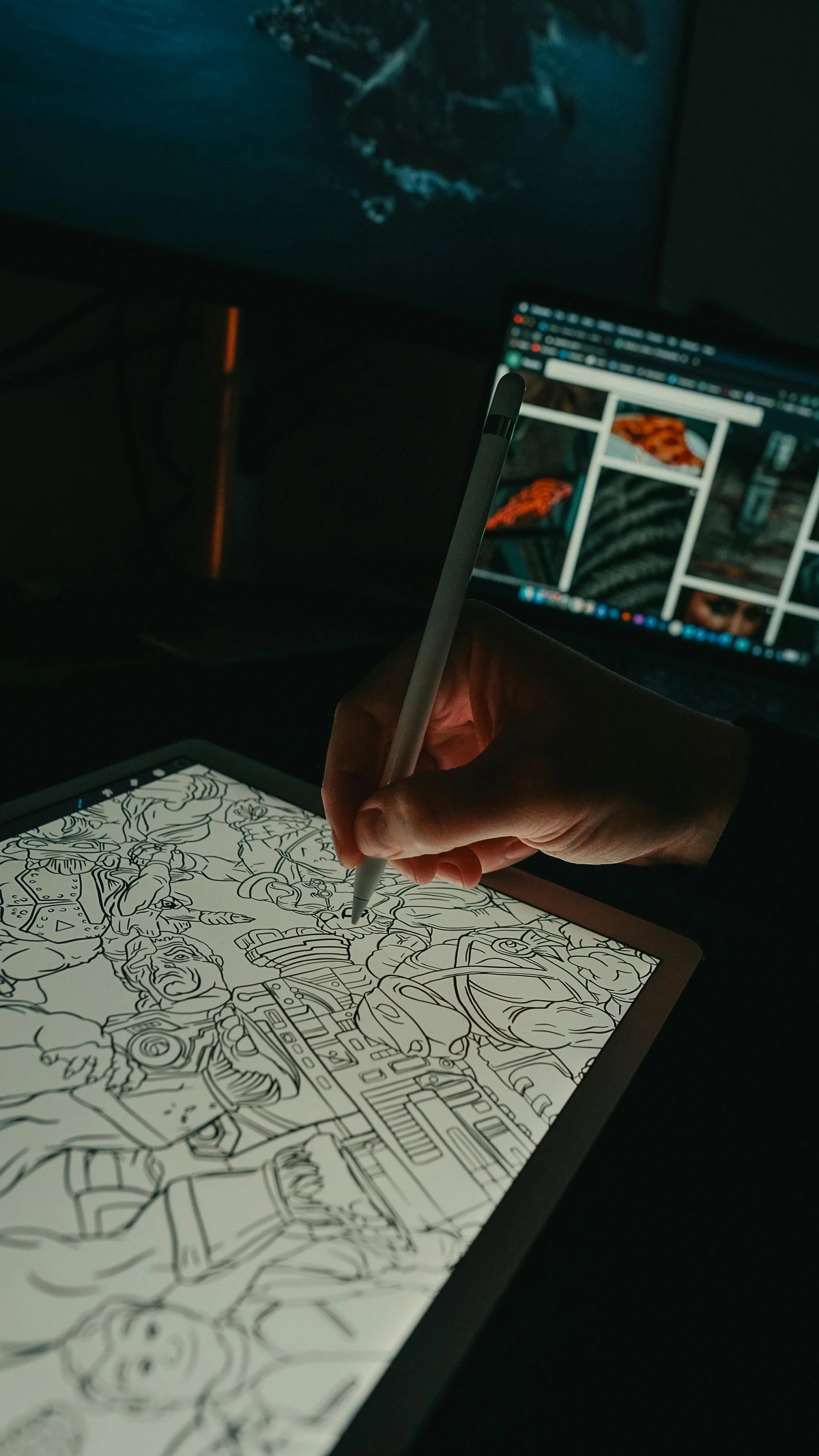
This relationship between art and design isn't just historical; it's ongoing. Today, contemporary artists continue to influence graphic design, whether through digital art, street art, or experimental typography. The dialogue between these two worlds is a testament to the power of creativity to transcend boundaries and redefine how we see and interact with the world around us.
So, let's take a little journey together, shall we? We'll peek into how some of the most famous artists and movements didn't just change the art world, but quietly (and sometimes loudly) laid the groundwork for the design you see every single day. It's a fascinating connection, and one that makes me look at everything from a cereal box to a website layout with a renewed sense of wonder. It also makes me think about my own process – how the art I make today might, in some small, unseen way, influence something completely different down the line. It's a humbling thought.
Before we dive in, let's consider why this relationship matters. Understanding the roots of graphic design in fine art not only enriches our appreciation of both fields but also inspires us to think more creatively about how we communicate visually. Whether you're a designer, an artist, or simply someone who appreciates aesthetics, this journey will offer insights into the interconnectedness of creativity.
The Foundations: Art Movements as Design Blueprints
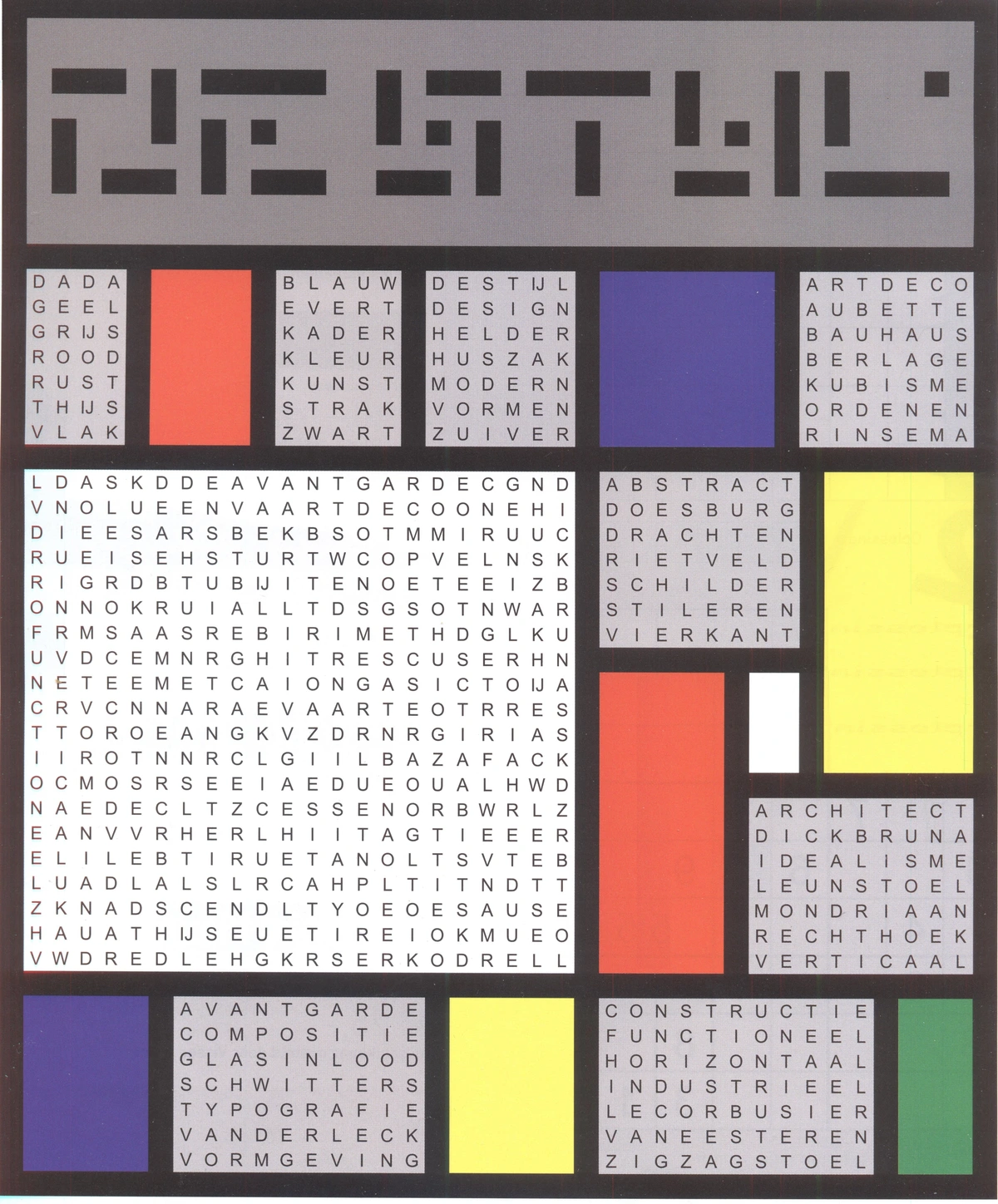
Art movements are more than just stylistic trends; they are reflections of cultural shifts, technological advancements, and philosophical ideas. Each movement brings with it a unique visual language that designers can adapt and reinterpret. By understanding these movements, we can better appreciate the depth and complexity of graphic design as we know it today.
Think of art movements as giant waves of creative thought. Each one brought new ways of seeing, new techniques, and new philosophies about what art could be. And many of these philosophies were surprisingly practical, offering ready-made toolkits for designers.
Bauhaus: Form Follows Function (and Design Follows Art)
The Bauhaus movement is perhaps the most direct and influential link between fine art and graphic design. Founded in 1919 in Germany, the Bauhaus school was not just about painting or sculpture; it was about integrating art, craft, and technology into a cohesive whole. The movement's emphasis on functionality and simplicity revolutionized design principles, making it a cornerstone of modern graphic design.
If there's one movement with a direct, undeniable link to graphic design, it's the Bauhaus. This German school, founded in 1919, wasn't just about painting or sculpture; it was about integrating art, craft, and technology. Their motto, "Form follows function," became a cornerstone of modern design. It's a principle that feels almost obvious now, but back then, it was revolutionary. It stripped away the fussy, the unnecessary, the purely decorative, and said, "What does this need to do? Let's make it do that, beautifully and efficiently."

Bauhaus artists and designers stripped away ornamentation, focusing on clean lines, geometric shapes, and functionality. They experimented with typography, creating sans-serif fonts that were legible and modern. They embraced the grid system for layout, bringing order and clarity to posters, advertisements, and publications. Look at any minimalist website or corporate logo today, and you're seeing the ghost of the Bauhaus. It's incredible how enduring those simple, clean principles are. It makes me wonder how much of what I consider 'modern' in my own work is just a direct echo of these early 20th-century ideas.
The Bauhaus also emphasized the importance of collaboration and interdisciplinary learning. Students were encouraged to explore various mediums, from textiles to typography, fostering a holistic approach to design. This philosophy of breaking down silos between different artistic disciplines is something that resonates deeply with me as an artist. It reminds me that creativity thrives when we allow ourselves to explore and experiment freely.
It wasn't just theory; they produced actual designs that looked radically different and modern. Their influence on typography, layout, and the very idea of a unified visual identity is immense. Artists like László Moholy-Nagy and Herbert Bayer were instrumental in this, pushing the boundaries of photographic and typographic design. Moholy-Nagy, for instance, championed the use of photography and photomontage in design, seeing it as a powerful tool for communication. He used photomontage to create dynamic, layered compositions that combined images and text for maximum visual impact, a technique still seen everywhere from magazine spreads to social media graphics. Bayer developed universal typefaces and standardized paper sizes, aiming for maximum efficiency and clarity. If you're interested in diving deeper into this, exploring the Bauhaus Effect is a must.
The Bauhaus movement also had a profound impact on education. Its curriculum, which emphasized hands-on learning and experimentation, has influenced design schools worldwide. This focus on practical skills and creative exploration is something that continues to inspire educators and students alike.
Cubism: Shattering Perspectives, Reshaping Layouts
Cubism, pioneered by artists like Picasso and Braque, was a radical departure from traditional artistic conventions. By breaking objects down into geometric forms and presenting multiple viewpoints simultaneously, Cubism challenged the way we perceive reality. This fragmentation and reassembly of forms had a profound impact on graphic design, encouraging designers to experiment with space, overlap elements, and create dynamic compositions.
Before the Bauhaus, something revolutionary happened in Paris: Cubism. Led by giants like Picasso and Braque, Cubism broke objects down into fragmented geometric forms, showing multiple viewpoints simultaneously. At first glance, this might seem purely abstract and unrelated to practical design. What does a fragmented guitar have to do with a magazine cover? It feels chaotic, right? Like trying to see everything at once and ending up seeing nothing clearly.
But think about it: this fragmentation and reassembly directly influenced layout design. It encouraged designers to play with space, overlap elements, and create dynamic, non-linear compositions. The use of collage in Cubism also directly fed into design techniques, bringing together disparate elements (like newspaper clippings or found objects) to create a new whole. This is something designers do constantly, whether physically or digitally. Think of a busy magazine spread or a website homepage that layers text, images, and graphics – that's a descendant of Cubist collage. It's the artistic ancestor of Photoshop layers! Juan Gris, a key Cubist, even incorporated text and numbers into his paintings, blurring the lines between image and information – a fundamental aspect of graphic design.
Cubism also introduced the idea of simultaneity, the concept of presenting multiple perspectives or moments in time within a single composition. This idea has been embraced by designers in various forms, from multi-panel advertisements to interactive digital experiences that allow users to explore different viewpoints. It's a reminder that design, like art, can challenge our perceptions and invite us to see the world in new ways.
Cubism gave designers permission to break free from rigid, symmetrical layouts and explore more expressive, layered compositions. It's a principle I see echoed in some abstract art today, including my own – that idea of breaking down and reassembling reality to find a new truth, or perhaps just a new way of seeing. It's about challenging the expected view.
This approach to design is not just about aesthetics; it's about communication. By breaking free from traditional layouts, designers can create more engaging and thought-provoking visuals that capture the viewer's attention and convey complex ideas in a single glance.
Surrealism: Tapping the Unconscious for Visual Impact
Surrealism, with its dreamlike imagery and unexpected juxtapositions, might seem far removed from the practical world of design. However, artists like Salvador Dalí and René Magritte opened up a new visual vocabulary that has had a lasting impact on graphic design. By delving into the subconscious and presenting familiar objects in unfamiliar ways, Surrealism taught designers the power of the unexpected and the ability to create memorable, thought-provoking visuals.

Surrealism, with its dreamlike imagery and unexpected juxtapositions, might seem even further removed from the practical world of design. What does a melting clock have to do with selling anything? But artists like Salvador Dalí and René Magritte opened up a whole new visual vocabulary. They delved into the bizarre, the illogical, the stuff of dreams, and somehow made it visually compelling. It's the art equivalent of that weird dream you can't shake all day.
Their exploration of the subconscious, their use of visual puns, and their ability to create unsettling yet memorable images proved incredibly influential in advertising and illustration. They taught designers the power of the unexpected, the ability to grab attention and create a lasting impression by presenting familiar objects in unfamiliar ways. Think of any ad that makes you pause and think, "Wait, what?" – that's Surrealism at work. Magritte's simple, striking imagery, like the apple obscuring a face, is pure visual communication genius. It bypasses logic and speaks directly to feeling or curiosity.
Surrealism also introduced the concept of automatism, the idea of creating art without conscious thought or control. This approach has influenced designers to embrace spontaneity and experimentation in their work, leading to more organic and unexpected visuals. It's a reminder that sometimes, the best ideas come from letting go of control and allowing the subconscious to guide the creative process.
Surrealism gave designers permission to be weird, to be illogical, and to tap into emotion and intrigue rather than just presenting information directly. It's a reminder that visuals can work on a deeper, more intuitive level. It's about creating a feeling, a question, a moment of pause in a busy world.
This approach to design is not just about creating eye-catching visuals; it's about connecting with the viewer on an emotional level. By tapping into the subconscious, designers can create visuals that resonate deeply and leave a lasting impression.
Beyond the Big Three: More Artistic Blueprints
While Bauhaus, Cubism, and Surrealism are among the most influential art movements in graphic design, they are by no means the only ones. Many other movements have offered unique visual languages that designers have eagerly adopted and adapted. Let's explore a few more of these artistic blueprints and their impact on design.
The influence didn't stop with Bauhaus, Cubism, and Surrealism. Many other movements offered distinct visual languages that designers eagerly adopted. It's like a buffet of visual ideas, and designers were hungry.
Art Nouveau: Flowing Lines and Organic Forms
Emerging in the late 19th century, Art Nouveau was a reaction against the rigid forms of academic art. It embraced decorative arts and aimed to create a total work of art, from architecture to furniture to posters. Its key characteristics—flowing, organic lines inspired by nature, a sense of movement, and intricate ornamentation—have had a lasting impact on graphic design.
Emerging in the late 19th century, Art Nouveau was a reaction against academic art, embracing decorative arts and aiming to create a total work of art, from architecture to furniture to posters. Its key characteristics are: flowing, organic lines inspired by nature (plants, flowers, female form), a sense of movement, and often intricate ornamentation.
In graphic design, Art Nouveau manifested in elegant, sinuous typography, decorative borders, and illustrations that integrated text and image seamlessly. Think of the iconic posters by Alphonse Mucha, with their graceful figures and elaborate floral motifs. This style brought beauty and a sense of handcrafted elegance to mass-produced prints and advertisements. It showed that commercial art could be beautiful art, not just functional.
Art Nouveau also emphasized the importance of harmony between form and function. Designers sought to create visuals that were not only aesthetically pleasing but also served a practical purpose. This philosophy has influenced modern design, where the balance between beauty and functionality remains a key consideration.
Futurism: Speed, Technology, and Dynamic Layouts
Born in Italy in the early 20th century, Futurism was obsessed with speed, technology, and the dynamism of modern life. It rejected the past and celebrated the future, embracing bold typography, dynamic compositions, and fragmented forms. Futurism's emphasis on movement and energy has had a significant impact on graphic design, particularly in advertising and branding.
Born in Italy in the early 20th century, Futurism was obsessed with speed, technology, cars, airplanes, and the dynamism of modern life. They rejected the past and celebrated the future. Key design principles included: dynamic compositions, fragmented forms (influenced by Cubism), bold typography, and the use of diagonal lines to convey movement and energy.
FAQ
What is the relationship between art and graphic design?
Art and graphic design share a deep, interconnected relationship. Many principles and techniques in graphic design, such as composition, color theory, and typography, have roots in fine art. Art movements like Bauhaus, Cubism, and Surrealism have directly influenced the visual language of graphic design, shaping how designers communicate ideas and emotions.
How did the Bauhaus movement influence graphic design?
The Bauhaus movement emphasized functionality, simplicity, and the integration of art and technology. It introduced principles like "form follows function," the use of sans-serif fonts, and the grid system for layouts. These ideas revolutionized graphic design, making it more efficient, legible, and visually appealing.
What role did Cubism play in shaping graphic design?
Cubism challenged traditional perspectives by breaking objects into geometric forms and presenting multiple viewpoints simultaneously. This approach influenced graphic design by encouraging designers to experiment with space, overlap elements, and create dynamic, layered compositions. Techniques like collage, which originated in Cubism, are now fundamental in design.
How has Surrealism impacted advertising and illustration?
Surrealism introduced dreamlike imagery and unexpected juxtapositions, teaching designers the power of the unexpected. This approach has been widely adopted in advertising and illustration to create memorable, thought-provoking visuals that capture attention and evoke emotion.





What are some key characteristics of Art Nouveau in graphic design?
Art Nouveau is known for its flowing, organic lines inspired by nature, intricate ornamentation, and elegant typography. In graphic design, it manifested in decorative borders, seamless integration of text and image, and a focus on harmony between form and function. This style brought a sense of beauty and craftsmanship to commercial art.
How did Futurism influence modern graphic design?
Futurism celebrated speed, technology, and dynamism, introducing bold typography, dynamic compositions, and the use of diagonal lines to convey movement. These principles have influenced modern graphic design, particularly in advertising and branding, where innovation and energy are key.
Why is understanding art movements important for graphic designers?
Understanding art movements provides graphic designers with a rich visual vocabulary and a deeper appreciation of design principles. It allows them to draw inspiration from historical and cultural contexts, creating more meaningful and impactful visuals. Additionally, it fosters creativity and innovation by encouraging designers to explore new techniques and perspectives.
How can contemporary artists influence graphic design today?
Contemporary artists continue to push the boundaries of visual communication through digital art, street art, and experimental typography. Their work inspires graphic designers to explore new mediums, techniques, and styles, keeping the field dynamic and evolving. By engaging with contemporary art, designers can stay at the forefront of creative trends and innovations. artists like Filippo Tommaso Marinetti experimented wildly with typography, creating bold, dynamic layouts that conveyed a sense of speed and movement. Their use of diagonal lines and fragmented forms influenced the design of posters, advertisements, and even packaging. Futurism's emphasis on innovation and experimentation continues to inspire designers to push the boundaries of visual communication.
Futurism also introduced the concept of simultaneity, the idea of presenting multiple perspectives or moments in time within a single composition. This idea has been embraced by designers in various forms, from multi-panel advertisements to interactive digital experiences that allow users to explore different viewpoints. It's a reminder that design, like art, can challenge our perceptions and invite us to see the world in new ways.