How Robert Rauschenberg Blew Up the Art World (For Good)
Forget boring art history. Let's talk about how Robert Rauschenberg took everyday junk, a stuffed goat, and his own bed to change art forever. A personal take.

How Robert Rauschenberg Blew Up The Art World (And Why We Should Be Thankful)
I remember the first time I saw a picture of Monogram, Robert Rauschenberg's most notorious piece. It's a taxidermied angora goat, shoved through a car tire, standing on a painted collage. My first thought wasn't profound. It was, simply, "...what?" I mean, who does that? But even as I chuckled, a deeper realization began to dawn. I felt that familiar jolt of encountering something truly new, something that actively defied easy categorization, something that dared you to question everything you thought you knew about art. And that, right there, is the very essence of Robert Rauschenberg.
He wasn't just an artist; he was a joyful provocateur, a collagist of reality itself, a curious explorer who saw no boundaries between a masterpiece and a discarded object. He looked at the incredibly serious, self-contained world of mid-century art—a world obsessed with inner angst and pure abstraction, often cloaked in a kind of untouchable reverence—and decided to throw a goat in a tire at it. (Figuratively, and in the case of Monogram, quite literally, much to the art world's consternation!) He didn't just change art; he kicked the door down, let the real world rush in, and left it wonderfully messy, inviting us all to play in the glorious chaos. For me, Rauschenberg is less about deciphering a singular, profound message and more about experiencing a visceral liberation from artistic dogma, a joyful permission to see the extraordinary in the mundane. He didn't just make art; he unmade it, then put it back together with the fascinating, messy bits of life we all overlooked.
Roots of Rebellion: Early Life and Formative Influences
To fully appreciate the seismic shifts Robert Rauschenberg brought about, it helps to understand where he came from. Born Milton Ernest Rauschenberg in Port Arthur, Texas, in 1925, his early life was far removed from the bustling avant-garde art scenes of New York. I imagine a young Rauschenberg, growing up in a conservative, working-class family in a small, industrial Gulf Coast town, soaking in the sights and sounds of everyday American life—the roadside signs, the discarded objects, the mundane beauty of his surroundings. This rich tapestry of ordinary experiences would later become the raw, unapologetic material for his groundbreaking work. His initial art education was somewhat disjointed; after a brief but impactful stint in the Navy during World War II, where he served as a neuropsychiatric technician (a role that surely offered a unique, often unsettling perspective on the human mind and its complexities, perhaps sowing the seeds for his later explorations of psychological space), he briefly pursued art studies at the Kansas City Art Institute. It was a tentative step into a world he was still defining for himself, a search for a direction. He then moved to Paris, attending the Académie Julian, a bastion of traditional art education, where he quickly found himself stifled by its rigid teaching methods and academic formalism. He famously recounted a professor telling him, 'You can't draw, Rauschenberg!'—a critique that, far from discouraging him, only fueled his rebellious spirit. It was, I think, exactly the kind of defiant pushback a nascent radical needed, confirming his intuition that artistic freedom lay beyond established rules. His true artistic awakening, however, came at Black Mountain College.
This experimental art school in rural North Carolina proved to be a profound crucible for Rauschenberg's artistic development. It wasn't just a school; it was a radical, interdisciplinary community where artists, poets, musicians, and dancers were encouraged to collaborate and experiment without rigid boundaries, a veritable hothouse for avant-garde thinking. It was there, under the demanding, almost dogmatic, tutelage of former Bauhaus master Josef Albers, that he was pushed to rigorously explore the formal elements of art, especially color and material. Albers, known for his iconic 'Homage to the Square' series, instilled a deep discipline in Rauschenberg regarding observation and the physical properties of paint. While Albers' strict methodology often frustrated Rauschenberg—he famously said Albers taught him "everything I know about not doing"—this intense engagement with foundational principles ultimately strengthened his rebellious spirit and provided the rigorous groundwork for his later, audacious departures. (I've always found it fascinating how rebellion often stems from intense engagement with what you're rebelling against, don't you? It's like learning the rules perfectly so you know exactly how to break them.) More importantly, Black Mountain College introduced him to two figures who would become lifelong collaborators and profound influences: the experimental composer John Cage and the pioneering choreographer Merce Cunningham.
His interactions with Cage especially, with the composer's radical ideas about chance operations, indeterminacy (leaving elements open to chance), silence as a component of sound, and the integration of everyday sounds into music, profoundly shaped Rauschenberg's approach to visual art. It was a revelation! Cage's philosophy, particularly his notion that ambient sounds could be considered music, deeply resonated with Rauschenberg's burgeoning belief that everyday objects and imagery could be art. Cunningham, too, opened doors to new ways of thinking about space, movement, and collaboration in a way that wasn't rigidly narrative, influencing Rauschenberg's later forays into performance. This incredibly fertile ground was where the idea that anything could be art, and that art could embrace the entirety of life—its sounds, its objects, its movements, its mundane moments—began to truly blossom for him. It was a place of unbridled creative freedom, a stark contrast to the academic rigidity he’d encountered elsewhere, and it set him on a path of relentless experimentation.
The Art World He Crashed: Abstract Expressionism's Reign
To really get why Rauschenberg was such a shock to the system, a jolt to the very foundations of the art world, you have to understand what came before him, what he was actively pushing against. The New York art scene of the 1950s was utterly dominated by Abstract Expressionism, a style that had, for better or worse, become the established avant-garde—a powerful, almost monolithic presence that Rauschenberg was destined to disrupt. Think of giants like Jackson Pollock with his monumental drip paintings, a visceral whirlwind of psychic energy transferred directly onto canvas, or the intense, emotional brushwork of Willem de Kooning, whose raw, aggressive canvases spoke of profound inner turmoil and a deeply personal quest. This was art that was almost entirely about the artist's inner world, their angst, their soul, their existential struggle, splattered onto a canvas in dramatic, often large-scale gestures that demanded solemn contemplation. It was heroic, deeply personal, and, let's be honest, often felt like a bit of a boy's club, imbued with a certain macho seriousness and an air of untouchable gravitas. For all its initial revolutionary zeal in breaking from academic traditions, Abstract Expressionism had, by the 1950s, solidified into a dominant, almost dogmatic style. It had its own aesthetic rules and its high priests—predominantly male figures who, let's be honest, often contributed to a "boy's club" atmosphere that marginalized other voices and artistic approaches. The focus was almost entirely on the artist's subjective experience, their raw, unmediated expression of emotion, frequently characterized by intense angst or existential struggle. These artists saw the canvas as an arena for their feelings, a direct conduit to their subconscious, and the monumental scale of their works often reflected this grand inner quest. This was an art that, despite its initial radical stance, had become exclusionary, almost deliberately turning its back on the chaotic, vibrant reality of post-war America. It demanded solemn contemplation, a kind of reverence for the artistic act as a deeply personal, almost spiritual, endeavor.

The world outside—the billboards, the newspapers, the junk in the street, the pop songs on the radio—was largely irrelevant, considered a distraction from the profound inner journey of the artist, almost a vulgar intrusion into the sacred space of the canvas. This was an art of exclusion, of deliberate purification, existing in a realm of high seriousness and often intellectual opacity.
Abstract Expressionism vs. Rauschenberg: A Paradigm Shift
To grasp the magnitude of Rauschenberg's rebellion, it's helpful to see the stark contrasts between his burgeoning philosophy and the reigning Abstract Expressionist dogma:
Feature  | Abstract Expressionism | Robert Rauschenberg's Approach |
|---|---|---|
| Focus | Artist's inner world, emotion, subconscious, existential angst | Interplay of art and life, objective reality, found objects |
| Materials | Traditional paint on canvas (oil, acrylic) | "Anything and everything" (paint, objects, photos, trash) |
| Composition | Expressive gestures, unified field, illusionistic depth | Juxtaposition, collage, literal surface, "flatbed picture plane" |
| Meaning | Deeply personal, subjective, often ambiguous | Open-ended, fragmented, reflective of modern media overload |
| Role of Artist | Heroic, angst-ridden explorer of self | Facilitator, assembler, observer of the world's detritus |
| Relationship to World | Excluded, purified, detached | Embraced, incorporated, messy, intertwined with daily life |
This deliberate inclusion of the mundane, the commercial, and the accidental was, for Rauschenberg, a radical act. I mean, where's the fun in a perfectly clean canvas when life itself is a grand, beautiful jumble? He wasn't content with the idea of a painting as a window into the artist's soul; he wanted it to be a door, wide open, letting the street come right in, inviting the whole chaotic world into the gallery space. This philosophical stance, this radical openness, led him to his audacious early series that truly began to dismantle the walls between art and everyday experience, challenging the very definition of what constituted "fine art". The art was pure, sealed off from the mess of everyday life, existing in a realm of high seriousness and often intellectual opacity. It felt almost sacred, untouchable, demanding a certain reverence and understanding of its esoteric language. Rauschenberg, with his Texan pragmatism and playful irreverence, looked at all that purity and seemed to ask, "But isn't the mess the most interesting part? Where's the life in all this soul-searching?" He saw the world as an inexhaustible palette of materials and experiences, not something to be excluded from the canvas, but something to be embraced. This philosophical stance, this radical openness, led him to his audacious early series that truly began to dismantle the walls between art and everyday experience, challenging the very definition of what constituted "fine art".
The "Flatbed Picture Plane": A New Spatial Logic
This radical shift in perspective wasn't just about throwing things onto a canvas; it was about fundamentally altering the spatial logic of art, a conceptual breakthrough that resonated deeply. The esteemed art critic Leo Steinberg famously coined the term "flatbed picture plane" to describe the revolutionary orientation of Rauschenberg's work. It's a concept I find incredibly insightful. Traditionally, a painting presents an upright "window" onto another world, a vertical plane reflecting the human gaze and often creating the illusion of depth. But Rauschenberg's Combines, with their horizontal orientation (like a table, a bulletin board, or a bed), suggested a surface where various objects and images could be laid out, juxtaposed, and accumulated. As Steinberg put it, it transforms the picture from "a window into a table."
It was less about illusionistic depth and more about a factual, literal surface—a kind of working space where the world's detritus could be arranged, processed, and presented. This flatbed approach allowed him to integrate disparate elements—scraps of newspaper, photographic transfers, fabric, found objects—without trying to create a unified, illusionistic space. Instead, they existed side-by-side, much like items on a desk, images in a newspaper layout, or information on a computer screen. This reflected the fragmented, multi-layered, and non-hierarchical experience of modern life, a vision that, to my mind, felt incredibly prescient about the information age we now inhabit. It was a profound conceptual move that paved the way for a new understanding of how art could engage with reality, transforming the canvas from a passive window onto a fictional scene into a dynamic, interactive surface, inviting viewers to participate in the act of interpretation rather than simply observing a fixed image. He wasn't trying to trick your eye into seeing depth; he was asking you to acknowledge the surface as a site of active engagement.
Radical Monochromes: White, Black, and Red Paintings
Before the chaotic glory of the Combines, which are perhaps his most famous works, Rauschenberg produced a series of profoundly radical, monochromatic works that, for me, speak volumes about his intentional disruption and his deep philosophical inquiry into the nature of art itself. These weren't mere exercises in minimalism; they were profound statements that challenged the very tenets of Abstract Expressionism and the deeply ingrained notion of artistic self-expression. They were his way of stripping art bare to its absolute essentials, challenging both the artist's intention and the viewer's expectation.
The White Paintings (1951) were canvases meticulously painted white, often in multiple panels, designed to be pristine, yet utterly mutable. What initially seems like an absence of art, or perhaps even a joke, was, in fact, a radical embrace of perception itself, a tabula rasa upon which the world could project itself. They weren't about something in the traditional sense; they were designed to reflect the ambient light and shadow of the room, to be affected by the viewer's presence, even to record dust particles settling on their surface over time. They were, as his lifelong collaborator John Cage famously described them, "airports for the lights, shadows, and particles." They invited viewers to actively participate in the creation of the artwork, as their own movements, the changing light, and the incidental sounds of the environment became integral, transient components of the piece.
But his monochrome journey didn't stop there; it was a progression of audacious experimentation. The Black Paintings (1951-53) followed, created by applying layers of black paint and often incorporating crumpled newspaper or other materials under the surface, creating a rich, textured, almost tactile darkness. Unlike the reflective purity of the Whites, the Black Paintings absorbed light, drawing the viewer in, almost confronting them with a dense, material presence, hinting at a hidden world beneath the surface—a kind of visual abyss. Then came the Red Paintings (1953-54), a vibrant and energetic counterpoint. These works, infused with a bold and passionate color, often included collaged elements like fabric scraps, photographs, and bits of newspaper visible beneath the paint, a clear precursor to the maximalist explosion of the Combines that would soon follow. These three series, in their stark contrast and subtle nuances, were Rauschenberg's fundamental deconstruction of painting, stripping it bare, then gradually reintroducing the world, setting the stage for a wholly new approach to art-making, and daring the art world to reconsider its fundamental assumptions about what constitutes a painting and the role of the artist. They were a visceral, almost violent, re-engagement with materiality and color, bursting forth from the void of the black and white.
Closing the Gap Between Art and Life
Rauschenberg famously said, "Painting relates to both art and life. Neither can be made. I try to act in the gap between the two." This one sentence, for me, is the absolute key to understanding everything he did. It’s not just a clever turn of phrase; it's a profound philosophical statement that echoed the earlier provocations of artists like Marcel Duchamp, whose ready-mades had already questioned the very definition of an art object. But Rauschenberg’s approach was distinctly American, boisterous, and, dare I say, more hands-on. He wasn't interested in creating a perfect, alternate reality on canvas. He wanted to smash art and life together, to dissolve the arbitrary boundaries that separated the pristine gallery from the gritty street, the sacred from the profane.
This desire to bridge the gap found its earliest and most direct expression in two seemingly identical works, Factum I and Factum II (both 1957). These pieces involved identical compositions, brushstrokes, and materials. With Factum II, he meticulously attempted to replicate Factum I, right down to the drips and smears. Why? To challenge the very Abstract Expressionist notion of the artist's unique, unrepeatable gesture, and the idea of art as a singular, sacred object. It was a direct, witty jab at the idea of originality and authenticity, suggesting that the artistic act itself, and its interaction with the world—even the laborious act of replication—was more important than the fetishized "masterpiece." He was, in essence, asking: if the gesture is repeatable, then what truly makes a work unique? Is it the hand, the intention, or the context? It felt like a conceptual performance, almost a dare to the art world.
This led to his most famous creations: the Combines. These weren't quite paintings and not quite sculptures; they were both, existing in that fascinating "gap" he spoke of. He coined the term "Combine" in the mid-1950s to describe these revolutionary hybrid pieces that utterly rejected traditional categories. He would take found objects—anything from a tattered quilt, a discarded tire, a chair, a Coca-Cola bottle, a stuffed eagle, or even a radio—and incorporate them into his large-scale works. These weren't merely attached; they were integrated, painted over, drawn upon, and collaged with, becoming inseparable parts of the artwork. They were, to me, like physical manifestations of the world's beautiful clutter, elevated and re-examined.
The Most Famous Combines
Artwork Name | Year | Key Materials |
|---|---|---|
| Bed | 1955 | Pillow, quilt, and sheet on a wooden support, with oil paint and pencil |
| Monogram | 1955-59 | Angora goat, rubber tire, tennis ball, collage, oil paint |
| Canyon | 1959 | Oil, pencil, paper, fabric, metal, cardboard, printed matter, photographs, wood, paint tube, mirror, stuffed bald eagle, pillow |
| Retroactive I | 1964 | Oil and silkscreen ink on canvas |

Let's talk about a couple of these more deeply, because they truly embody his radical spirit.
Monogram (1955-59) is probably his most infamous creation, the one that makes everyone stop and say, "Wait, what?" I mean, a taxidermied angora goat with a painted face, a rubber tire around its middle, standing precariously on a large, painted collage base? It was scandalous, provocative, and utterly unforgettable! The goat itself, a gift from his friend and fellow artist Jasper Johns (not Willem de Kooning, as commonly misremembered, though de Kooning was involved in another famous Rauschenberg project), became the central figure in this audacious tableau. Rauschenberg incorporated it, much like he incorporated anything else that caught his eye – a tennis ball, bits of wood, found photographs, and even a painted collage base. The piece, with its undeniable sexual undertones (the goat's erect horns, the tire around its torso, reminiscent of a life preserver or a sexualized harness) and its raw, unconventional materials, directly challenged good taste, artistic decorum, and the very idea of what a revered work of art should look like or be made from. It was a direct challenge to the Abstract Expressionism purity of the canvas, insisting that art could be, and should be, made from the messy, vibrant stuff of life itself, not just special, "artistic" materials. It was a visual assault on convention, but a joyful one.
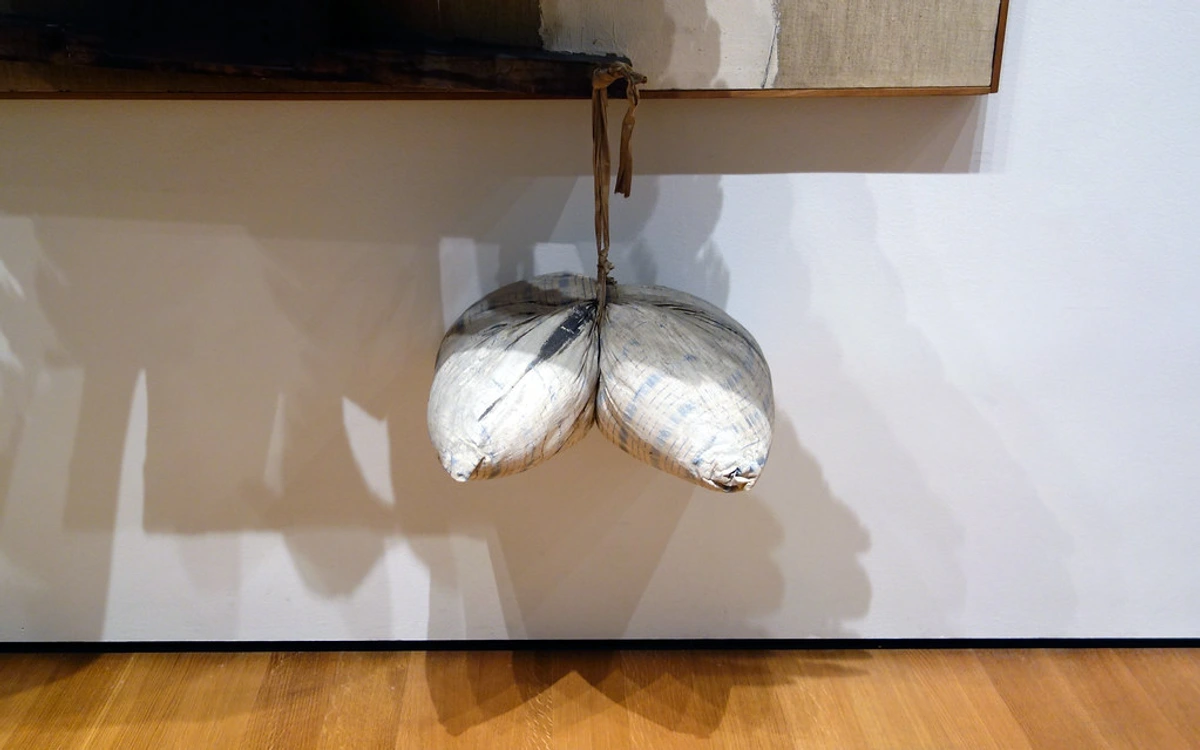
Bed (1955) is another profoundly personal and utterly revolutionary Combine. Rauschenberg literally took his own quilt, pillow, and sheet—which were reportedly dirty at the time—splattered them with paint, and mounted them vertically on the wall like a painting. It wasn't just a bed; it was his bed, transformed into art, infused with the intimate traces of daily life. This piece famously blurred the line between art and autobiography, domesticity and monumentality. It was, for many, a deeply unsettling work, questioning the sanctity of the art object and injecting a raw, almost shocking intimacy into the formal gallery space. The idea that such a personal, mundane, and used object could become a revered artwork was a slap in the face to traditionalists. It’s hard to imagine something more directly collapsing the "art and life" dichotomy than sleeping under your own artwork, or transforming the very fabric of your domestic existence into a public artistic statement. This wasn't merely found object art; it was a profound act of personal disclosure, an unflinching embrace of the everyday as art.
Canyon (1959) is a prime example of the breathtaking ambition, monumental scale, and sheer audacity of the Combines. This colossal work features a taxidermied bald eagle (a powerful and often unsettling symbol of American identity, here rendered ambiguous and almost menacing), a stained pillow dangling precariously from a string beneath it, a crushed paint can, an array of found photographs, fabric, and copious amounts of oil paint, all meticulously assembled into a grand, layered composition. The sheer complexity and apparent randomness of its elements invite endless interpretation, yet it famously resists any single, definitive reading, much like a fragmented dream or a chaotic memory. It’s a visceral landscape of the mind, a chaotic panorama of America, and a testament to Rauschenberg's genius for juxtaposing disparate elements to create new, often unsettling, and always thought-provoking meanings. The eagle itself famously became a legal challenge, as the Migratory Bird Treaty Act made its possession illegal, further adding to the work's inherent provocative nature and cementing its controversial status. It’s a piece that refuses to be tamed, much like Rauschenberg himself.
Retroactive I (1964), while created slightly later and more aligned with his silkscreen series, still carries the vibrant, disruptive spirit of the Combines in its audacious layering of imagery and meaning. This pivotal work features instantly recognizable images of John F. Kennedy (a haunting presence in the wake of his assassination, reflecting a national trauma), a daring parachute jumper, and an intrepid astronaut, all juxtaposed alongside vibrant abstract brushstrokes and areas of bold, impactful color. It’s a dizzying montage, a visual symphony that perfectly captures the tumultuous spirit of the 1960s—a decade defined by political assassinations, the thrilling space race, and profound social upheaval. It's a powerful, almost prophetic snapshot of history, refracted through Rauschenberg's unique artistic lens, reflecting the nascent media saturation of the era and the constant bombardment of information we were all beginning to experience. These Combines, in their defiant refusal to be neatly categorized, blew open the doors for everything that followed, from Pop Art to Conceptual Art, proving that the world was, quite literally, ripe for artistic transformation. For Rauschenberg, anything and everything was a potential material, a potential fragment of life to be woven into his expansive, ever-evolving artistic tapestry.

More Than Just Junk: A New Way of Seeing
It would be easy to dismiss this as just being provocative for the sake of it, especially to the untrained eye. But it was so much more. Robert Rauschenberg was teaching us to see the world differently, to find beauty and meaning in the unexpected. He was absorbing the visual noise of modern America—the rise of television, advertising, the space race, political upheavals—and reflecting it back in his work, not as a mere mirror, but as a dynamic, recontextualized experience.
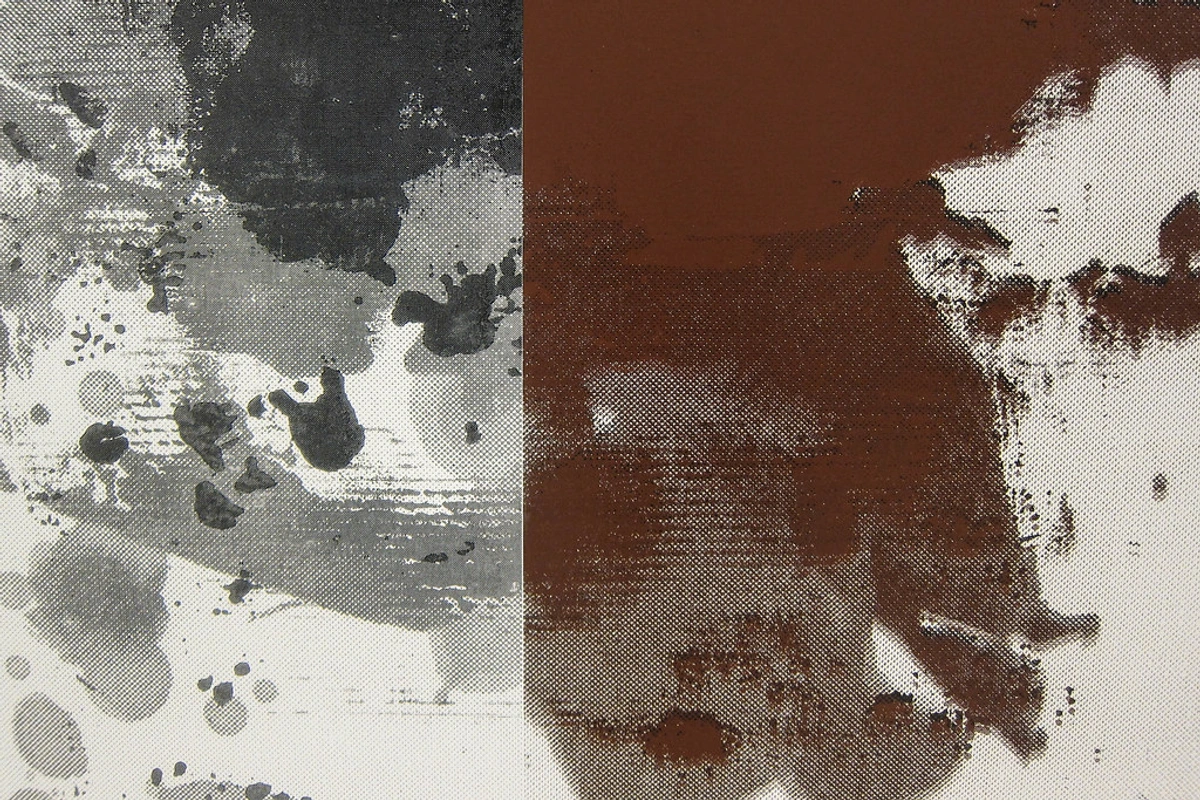
His groundbreaking use of silkscreening (also known as screenprinting) allowed him to layer images from pop culture, news, and art history onto his canvases with unprecedented speed and reproducibility, fundamentally changing the painter's brushstroke to a mechanical means. A painting might have a picture of JFK next to a Rubens nude, next to an army helicopter, all coexisting on a single surface. This wasn't random or arbitrary; it was a profound representation of how our minds actually work and how we consume information in the modern world. We don't experience the world in a neat, linear way. Our brains are a constant collage of memories, headlines, and images we saw five minutes ago, bombarded by media. Rauschenberg got that, and he put it on the canvas. Works like Barge (1962-63), one of his largest silkscreen paintings and a sprawling urban landscape of imagery, or the politically charged Currents (1970), a monumental print composed of over 36 newspaper images reflecting the Vietnam War era, demonstrated the incredible range and power of this technique, allowing him to create expansive, narrative collages that vividly reflected the tumultuous events of the 1960s. He was, in a way, creating the ultimate feed, years before social media was even a glimmer in anyone's eye.
It felt like he was capturing the very pulse of modern life, the sensory overload of information and imagery that was just starting to define the late 20th century. He was, in a sense, a prophet of the digital age, predicting our fragmented, multi-screen existence long before it became commonplace, showing us how to navigate the visual cacophony.
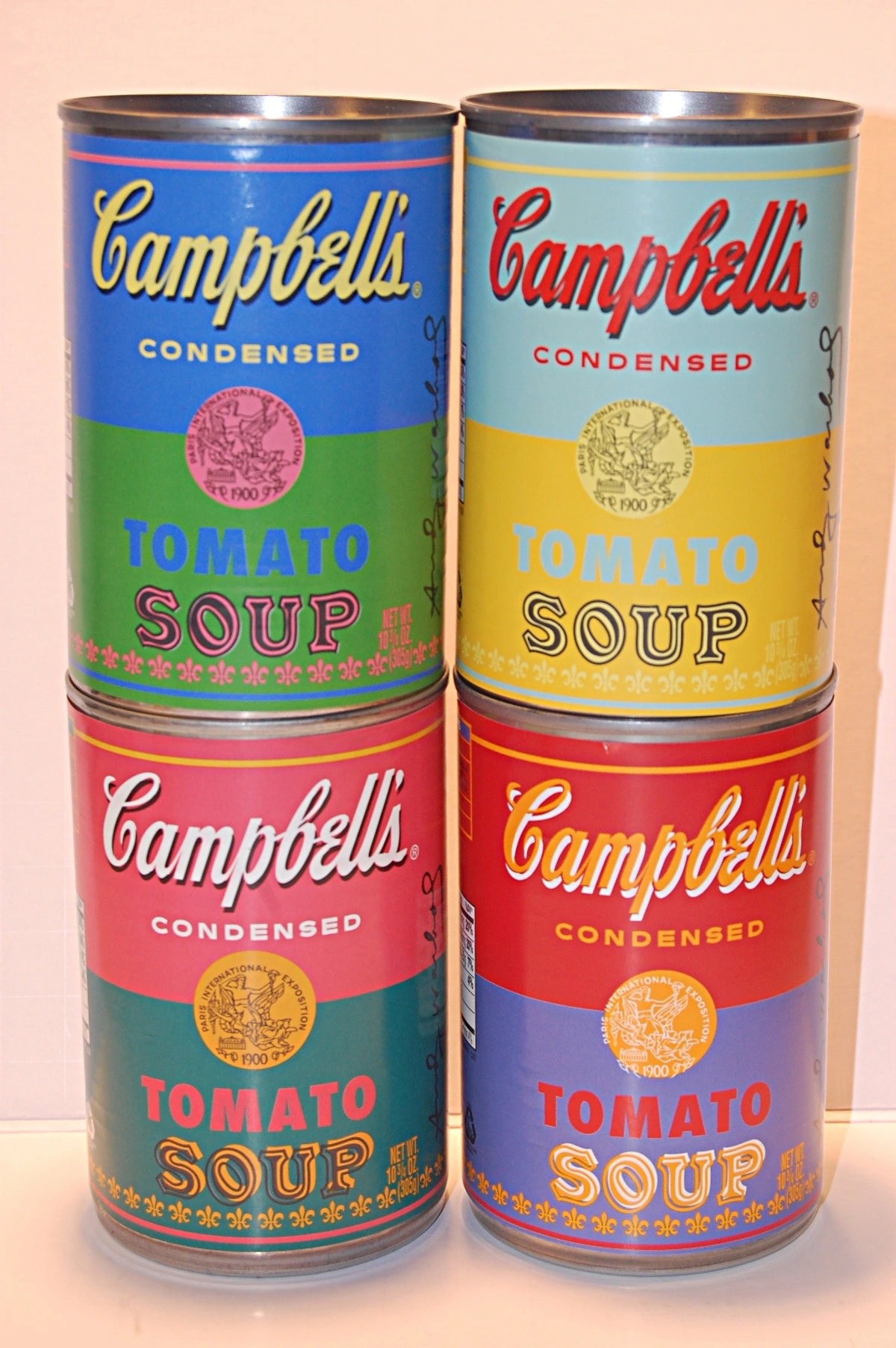
This approach laid the groundwork for the entire Pop Art movement. Artists like Andy Warhol and Roy Lichtenstein, who built their careers on using commercial imagery and mechanical reproduction, owe a massive debt to Rauschenberg's experiments. While Rauschenberg shared Pop Art's interest in mass media and popular culture, his aesthetic was often grittier, more personal, and less detached than the cool, commercial polish of artists like Warhol. He was more interested in the texture of modern life, the discarded fragments, and the human element embedded within them, than in the pristine, often ironic, reproducibility of an image. He was a bridge, yes, but a wonderfully messy one, retaining a painterly touch and a sense of autobiographical engagement that set him apart. He brought the street into the gallery, then showed others how to package it for mass consumption, but always with his own unique, slightly unkempt charm.
Other Printmaking Innovations
Beyond silkscreen, Rauschenberg was a prolific and relentless innovator in printmaking throughout his career, exploring virtually every graphic medium with an insatiable curiosity. He revolutionized traditional techniques like lithography, pushing its boundaries to create unprecedented scale and complexity, often incorporating photographic images alongside hand-drawn elements in a daring fusion. His early collaboration with Universal Limited Art Editions (ULAE) in the late 1950s and 60s yielded groundbreaking works like Stoned Moon Series (1969-70), which depicted images of the Apollo 11 moon landing, blending technological wonder with artistic expression in a monumental scale. These enormous prints, sometimes over seven feet tall, were a technical marvel, capturing the awe and ambition of the space age with his characteristic layering of imagery. He also experimented extensively with etching, intaglio, and photogravure, treating each printing plate as another dynamic surface for his endless combinations of imagery, text, and material. His printmaking was never secondary to his painting; it was another primary arena for his radical investigations into image-making, materiality, and the omnipresent flow of visual information, demonstrating an unparalleled mastery and expansion of graphic arts. He wasn't just using these techniques; he was reinventing them, forcing them to do things they weren't designed to do.## Rauschenberg's Drawing, Conceptual Work, and Photography
While his Combines and silkscreens often steal the spotlight, Rauschenberg's restless curiosity extended to virtually every medium imaginable, including drawing, conceptual experiments, and a pervasive engagement with photography that underpins much of his output.
Conceptual Work: Erasing and Tracing
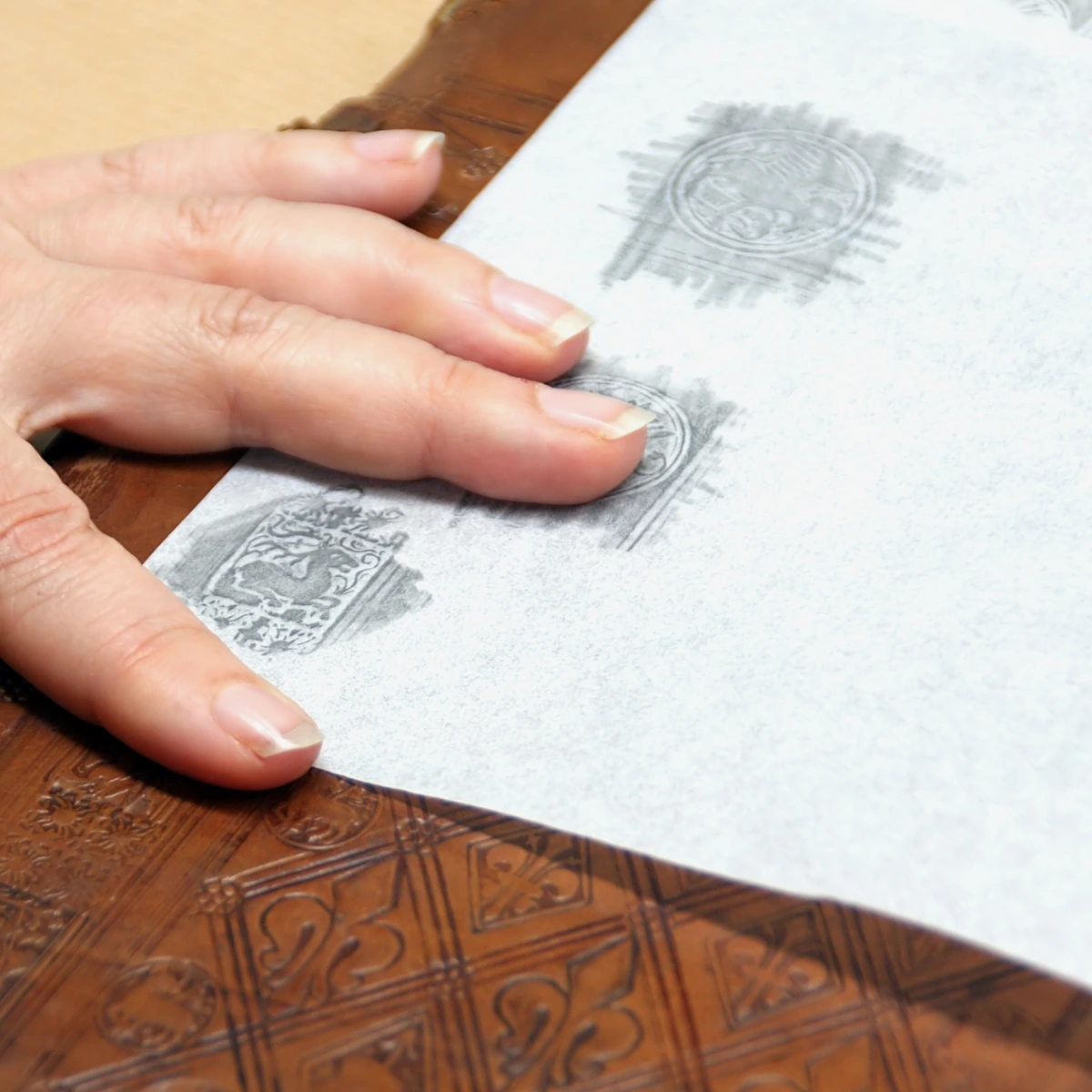
His early conceptual pieces, beyond the infamous Erased de Kooning Drawing, often explored the very nature of authorship and artistic gesture. For example, his Automobile Tire Print (1953), created by asking John Cage to drive his car (with paint on its tire) over 20 sheets of paper, was a radical statement on the mechanical reproduction of a gesture, a collaboration with chance, and a witty subversion of the artist's unique hand. It was, quite literally, a drawing made by a car, challenging the very notion of what constitutes a 'drawing' and who or what can be its 'author.' It feels like a moment of pure, playful defiance, forcing the art world to consider the most unconventional forms of mark-making.
The Camera as a Constant Companion: Rauschenberg's Photography
Photography was not merely a side pursuit for Rauschenberg; it was deeply interwoven into his artistic practice from the very beginning and continued throughout his career. He saw the camera as another tool for collecting and observing the world, much like he collected discarded objects. His photographs often served as source material for his Combines and silkscreen paintings, allowing him to capture fleeting moments, textures, and found imagery that would later be recontextualized within his larger compositions. Beyond being source material, his photographic series, such as Street Shots from the 1950s or his later ROCI photographs, stand as powerful artworks in their own right. They capture the raw, often gritty, reality of urban life, intimate portraits of friends and collaborators, or poignant observations from his global travels, revealing a keen eye for composition, light, and the human condition. For Rauschenberg, the camera was an extension of his belief that art should embrace the entirety of life, offering an immediate and unfiltered record of the world.
Art in Motion: Performance and Collaboration
One of the aspects of Robert Rauschenberg's career that I find most compelling is his deep involvement in performance art, or Happenings as they were often called. His early experiences at Black Mountain College with John Cage and Merce Cunningham fostered a profound appreciation for collaboration and the ephemeral, temporal nature of performance. He wasn't just making objects; he was creating experiences—events that unfolded in real-time, engaging all the senses and blurring the lines between art and life.
He designed groundbreaking sets, costumes, and lighting for Merce Cunningham's dance company for over a decade (from 1954 to 1964), often incorporating found objects, unconventional materials, and even film projections, radically transforming the theatrical space into a dynamic visual environment. His designs, like the junk-filled stage for Aeon (1961) or the elaborate, multi-layered sets for Travelogue (1977), were not mere backdrops; they were active participants in the performance, blurring the lines between stagecraft and fine art. His own Happenings, like Pelican (1963), were fluid, improvised events that brought together dancers, musicians, and visual artists in a dynamic, unpredictable environment, blurring the traditional roles of creator and spectator. Pelican famously featured Rauschenberg himself and Cunningham on roller skates, wearing parachutes, creating a kind of aerial ballet and a playful commentary on speed and flight. It was chaotic, beautiful, and utterly unpredictable—a living, breathing Combine, where the boundaries between disciplines dissolved, and the audience often became part of the artwork itself through its inherent unpredictability and sensory engagement. These performances were not merely showcases; they were living sculptures, constantly in flux, echoing the layered, ephemeral nature of his visual art. Imagine walking into a space where anything could happen, where the art wasn't just on the wall, but moving around you, changing with every moment – that was Rauschenberg's vision.
Another significant example was Map Room II (1965), a sprawling performance piece involving dancers navigating a complex, ever-changing environment of projections, soundscapes, and sculptural elements, further demonstrating his mastery of immersive, multi-sensory experiences. These works anticipated much of today's immersive and interactive art, reminding us that Rauschenberg was always a few steps ahead.
His collaborative spirit extended far beyond the stage. In 1967, he co-founded E.A.T. (Experiments in Art and Technology) with Bell Labs engineer Billy Klüver. The audacious goal was to foster direct, productive collaborations between artists and engineers, effectively bridging the perceived gap between the seemingly disparate worlds of art and science. E.A.T. aimed to open up entirely new possibilities for artistic expression by integrating emerging technologies (like electronics, early computers, video, and new materials) into art, pushing the boundaries of what art could be, how it could be created, and how it could interact with its audience. Their seminal event, 9 Evenings: Theatre & Engineering in 1966, was a testament to these ambitions, bringing together artists and engineers to create innovative, technology-infused performances and installations. This landmark series included Rauschenberg's own Open Score, a tennis game where the sounds of play triggered lights and projections, transforming a sporting event into an unpredictable artistic spectacle. This was incredibly forward-thinking, pushing the boundaries of what art could be at a time when many artists were still clinging to traditional mediums. For me, E.A.T. highlights Rauschenberg's relentless curiosity and his belief that art should engage with the cutting edge of human innovation, not just reflect on the past, ultimately influencing the development of media art and interactive installations. It was a clear demonstration that art wasn't just about painting anymore; it was about systems, interactions, and the unseen forces of technology.
Beyond the Canvas: Cardboards, Gluts, and ROCI
As Robert Rauschenberg's career progressed, his restless experimentation continued, always pushing the boundaries of material and meaning. While the Combines remained iconic, he consistently sought new ways to incorporate the detritus of daily life. His Cardboards series (1971-72) saw him using discarded cardboard boxes, often flattened, torn, and assembled into subtle, monochromatic wall-mounted reliefs. Stripped of their original function as packaging, these humble materials took on a quiet dignity, speaking to the overlooked textures and ephemeral nature of urban existence and consumer waste, elevating the prosaic to the poetic. I find it fascinating how he could take something so utterly mundane, so disposable, and transform it into a meditation on urban texture and the overlooked beauty of decay. These works were a testament to his belief that art could truly be found anywhere, not just in traditional art supplies. The Gluts (1986-89 and 1991-95), on the other hand, were a more direct and often stark commentary on American consumerism and the glut of oil production in his native Texas, particularly following the oil bust of the mid-1980s. These sculptural assemblages, often made from salvaged metal signs, license plates, radiators, and other industrial scraps, were sharp, angular, and often darkly humorous, reflecting the economic excess and subsequent abandonment. They felt like a critical, yet still playful and deeply engaged, commentary on the excesses and detritus of contemporary society, transforming industrial refuse into powerful artistic statements.
But perhaps his most ambitious, profound, and personally driven project was the ROCI (Rauschenberg Overseas Culture Interchange), which ran from 1984 to 1991. Rauschenberg not only conceived this monumental undertaking but also largely funded it himself, traveling to various countries—including China, Chile, Cuba, Tibet, the Soviet Union, East Germany, Venezuela, and Malaysia. In each location, he immersed himself in the local culture, collaborating directly with local artists, artisans, and communities, producing new works that incorporated indigenous materials, techniques, and imagery from that specific region. For instance, in China, he created the Tibetan Series, utilizing traditional rice paper and local pigments. In Chile, he incorporated photographs of street protests and local craft elements, reflecting the political climate. The project's aim was explicitly to promote understanding and cultural exchange through art, believing unequivocally that art could transcend political and cultural barriers and act as a force for peace and dialogue. It was an extraordinary undertaking, born from his unwavering conviction in art's power to connect people across the globe. ROCI wasn't just about making art; it was about using art as a diplomatic tool, a heartfelt gesture of hope and connection in a world often divided by ideology and politics, proving art's capacity to build bridges and foster human understanding on a global scale.
Awards and Recognition: A Shifting Art World Landscape
Robert Rauschenberg's groundbreaking work didn't go unnoticed, though it often sparked heated debate and controversy. He received numerous prestigious awards throughout his illustrious career, cementing his status as one of the most important and influential artists of his time. These accolades not only recognized his individual genius but also reflected a shifting tide in the art world, as American art began to assert its dominance on the global stage.
Most notably, he won the coveted Grand Prize at the Venice Biennale in 1964. This was a truly seismic moment, not only for Rauschenberg personally but for the entire trajectory of modern art. It signaled a pivotal shift in international art toward American Pop Art and post-Abstract Expressionist movements, away from the long-standing European dominance. This award was a powerful affirmation of his radical approach and a clear sign that the art world, however reluctantly in some quarters, was ready for a new direction. It felt like the world had finally caught up to his vision, or at least acknowledged it could no longer ignore it. To beat out European giants on their home turf was a huge statement about the burgeoning power of American art on the global stage, essentially crowning a new avant-garde.
He was also awarded the National Medal of Arts in 1993 by President Bill Clinton, the Praemium Imperiale for painting (often considered the "Nobel Prize for the Arts") in 1998, and the Leonardo da Vinci World Award of Arts in 1995, among countless other honors and honorary degrees. These awards underscore the profound and lasting impact of his radical vision on the global art landscape, recognizing his contributions across various mediums and disciplines. They prove that even the most rebellious spirits can, eventually, be embraced by the institutions they once challenged, which I find quite wonderfully ironic.
Rauschenberg's Studio and the Downtown Scene: A Crucible of Collaboration
To understand Rauschenberg's meteoric rise and the fertile ground from which his innovations sprang, one must look at the vibrant, sometimes gritty, downtown New York art scene of the 1950s and early 60s. His studio spaces—initially on Fulton Street and later on Broadway—were not merely places of work; they were bustling hubs, laboratories of experimentation, and central meeting points for a constellation of avant-garde artists, musicians, and dancers. This period was characterized by intense cross-pollination of ideas, and Rauschenberg, with his open-door policy and insatiable curiosity, was at the very epicenter of it all. It was a place where boundaries dissolved, and creativity thrived on shared energy.
His relationship with fellow artist Jasper Johns was arguably one of the most significant, influential, and indeed, deeply personal connections in 20th-century American art. For a crucial period from the mid-1950s to the early 1960s, they were artistic partners, lovers, and close collaborators, sharing studios and ideas in a symbiotic exchange that was absolutely foundational to shifting American art away from the entrenched dominance of Abstract Expressionism. Johns’s iconic flag and target paintings, which focused on commonplace images and a cool, intellectual detachment, can be seen as a more formal, cerebral, and often enigmatic counterpoint to Rauschenberg's exuberant, messy, and object-laden Combines. Yet, for all their stylistic differences, both artists were united in their aim to re-engage art with everyday reality, to incorporate familiar signs and objects, and to radically challenge the heroic, inward-looking gesture of Abstract Expressionism, thereby forging a new path for art in America and beyond. Their influence on each other, though distinct in outcome, was undeniably symbiotic, creating a fertile ground for the innovations of Pop Art and Conceptual Art, profoundly altering the trajectory of American modernism. It's a classic example of how intense personal and intellectual bonds can ignite a revolution.
Beyond Johns, his circle included figures like Cy Twombly, John Cage, Merce Cunningham (with whom he had already established deep collaborative bonds), and countless others who frequented his studio, engaging in passionate discussions and often contributing to or inspiring each other's work. It was a true melting pot of creative energy. The atmosphere was one of radical freedom, intellectual rigor, and an almost defiant optimism about the possibilities of art. This dense network of personal and professional relationships fueled his relentless experimentation and cemented his position as a central figure in the emergent American avant-garde.
The Legacy: A World of Possibilities
So, why does a guy who put a goat in a tire still matter today? Because he fundamentally expanded the definition of what art could be, and in doing so, liberated generations of artists. His impact is immeasurable, a ripple effect that continues to shape the contemporary art world.
After Rauschenberg, artists felt an incredible sense of liberation, a permission slip to truly explore without the constraints of traditional mediums or subject matter. His influence reshaped the very parameters of artistic creation in profound ways, leading to the rise of new movements and a broader definition of what art could be. He didn't just open a door; he blew the entire wall down, allowing the real world, in all its chaotic glory, to flood into the pristine white cube of the gallery.
His lasting legacy can be seen across numerous artistic developments, profoundly reshaping the very parameters of artistic creation and leading directly to the rise of new movements and a much broader, more inclusive definition of what art could be. He didn't just open a door; he blew the entire wall down, allowing the real world, in all its chaotic glory, to flood into the pristine white cube of the gallery. For me, Rauschenberg is the ultimate permission slip for artists and art lovers alike, a constant reminder to look for beauty and meaning in the most unexpected places.
Rauschenberg's Enduring Influence on Contemporary Art
- Expanded Definition of Art: He fundamentally broadened the notion of what materials and subjects are acceptable in art, integrating everyday objects, industrial detritus, and mass media imagery directly into his works. His Combines, in particular, demonstrated that the boundaries between painting and sculpture were arbitrary, opening the floodgates for hybrid art forms. Artists no longer felt confined to traditional canvases and bronze but could explore everything from found objects to digital media.
- Interdisciplinary Collaboration: His pioneering work with John Cage and Merce Cunningham, and later the groundbreaking E.A.T., truly pioneered the integration of visual art, performance, dance, music, and technology. This fostered a holistic approach to artistic creation that emphasized process, chance, and the ephemeral, directly influencing subsequent generations of performance artists, media artists, and those working in interactive installations.
- Influence on Pop Art and Conceptual Art: While distinct, his use of found imagery, silkscreening, and conceptual approaches directly paved the way for these major movements. He offered a powerful alternative to Abstract Expressionism's introspection, reintroducing recognizable imagery and a fascination with mass culture that became the hallmark of Pop Art. His conceptual rigor, evident in works like Erased de Kooning Drawing and the Factum series, laid crucial groundwork for Conceptual Art, shifting focus from the aesthetic object to the underlying idea.
- Assemblage and Neo-Dada: He legitimized the use of found objects and unconventional materials, pushing the boundaries of sculpture and painting into hybrid forms. His Combines were a direct heir to Marcel Duchamp's readymades, but with a uniquely American pragmatism and a vibrant, painterly sensibility, inspiring countless artists to explore the poetic potential of everyday detritus.
- Challenging Authorship and Originality: Works like Erased de Kooning Drawing and Factum I / Factum II instigated profound questions about the artist's hand, the uniqueness of the art object, and the very act of creation versus destruction. He invited us to reconsider what makes something an artwork, and who decides.
- Art as Experience: He moved beyond static objects to create dynamic, immersive experiences, whether in his Combines or his Happenings, making art a participatory event, blurring the line between audience and artwork.
His influence is so pervasive that it's almost impossible to imagine contemporary art without his foundational contributions; many artists working today, whether they realize it or not, stand on the shoulders of Rauschenberg.

Frequently Asked Questions (FAQ)
Was Robert Rauschenberg a Pop artist?
It's complicated, and I think that's why he's so fascinating! He's often seen as a crucial forerunner to Pop Art, and sometimes called a "Neo-Dadaist" for his use of readymades and everyday objects, echoing figures like Marcel Duchamp with a distinctly American sensibility. He undeniably used pop culture imagery and engaged with mass media long before Pop Art was really a defined movement, and his interest in mechanical reproduction (like silkscreening) paralleled Warhol's. However, his work was generally more personal, emotionally expressive, and physically messier than the cool, detached, and often commercial aesthetic associated with Pop artists. He was less interested in ironic detachment and more in the chaotic, gritty beauty of everyday life and its direct incorporation into the artwork. So, while he absolutely helped lay the groundwork and opened the door for Pop Art, he ultimately remains a unique bridge figure, inhabiting the fertile, messy ground between Abstract Expressionism and Pop Art, a true pioneer who defied easy categorization.
What is his most famous work?
Monogram (1955-59), the taxidermied angora goat in a rubber tire, is probably his most infamous and recognizable work—it certainly left an impression on me! Its audacity and sheer visual impact have made it an icon of post-war art, instantly conveying his radical approach. Bed (1955), his actual bed transformed into a painting, is also incredibly well-known for its audacious use of personal objects and its blurring of art and life, pushing the boundaries of intimacy in the gallery space. His large-scale silkscreen paintings like Retroactive I (1964), featuring a dynamic collage of contemporary political and cultural figures including JFK, or the monumental Barge (1962-63)—one of his largest works, a sweeping panorama of modern life—are also considered masterpieces and represent a pivotal moment in his career, showcasing his ability to capture the fragmented, media-saturated essence of modern experience. Other iconic Combines like Canyon (1959), with its stuffed bald eagle, also stand out as prime examples of his innovative vision.
What defines a Rauschenberg "Combine"?
A "Combine" is the groundbreaking term Rauschenberg coined to describe his revolutionary works from the mid-1950s that utterly rejected traditional categories. These pieces literally combined elements of both painting and sculpture, blurring the customary lines between two- and three-dimensional art. They are hybrid pieces, audacious assemblages that often incorporate found objects (anything from a quilt, a tire, or a soda bottle), photographs, fabric, newspaper clippings, and paint onto a canvas or other support, often with a raw, tactile quality. For Rauschenberg, the Combines were a fundamental way to bridge the gap between art and life, allowing the raw, messy, and everyday objects of the real world to exist within the artistic space, collapsing the pristine boundaries of the gallery. They invited viewers to confront the familiar in an unfamiliar context, transforming the mundane into the monumental and challenging preconceived notions of beauty and artistic value, creating a new, inclusive artistic language. Key characteristics include:
- Found Objects: The incorporation of everyday, discarded objects (e.g., tires, fabric, furniture, taxidermied animals) directly into the artwork.
- Mixed Media: A fusion of painting (oil, acrylic), drawing (pencil, crayon), and collage (photographs, newspaper clippings) on a single surface or structure.
- Assemblage: The three-dimensional arrangement of disparate elements to create a unified, yet often chaotic, composition.
- Rejection of Hierarchy: The deliberate elevation of ordinary materials to the status of art, challenging the notion of "high art" materials.
- Dialogue with Reality: The works aimed to reflect the sensory overload and fragmented experience of modern life, directly engaging with the world outside the studio.
- Non-Narrative Juxtaposition: Elements are often placed side-by-side without creating a clear story, allowing for open interpretation and multiple meanings.
These elements collectively defined the Combines as a radical new art form, bridging the gap between art and life.
What was the 'Erased de Kooning Drawing'?
In 1953, in a truly audacious conceptual act that reverberated through the art world, a young Robert Rauschenberg approached the renowned Abstract Expressionist master Willem de Kooning with an extraordinary request: for one of his drawings. Rauschenberg's radical intention? To erase it, not out of disrespect or malice, but as an artistic act in itself, a profound statement about the nature of art. De Kooning, after some contemplation and perhaps with a touch of playful challenge, surprisingly agreed, giving him a densely worked drawing in charcoal, pencil, and crayon that would be notoriously difficult to erase, essentially daring Rauschenberg to commit to his concept. Rauschenberg painstakingly spent nearly a month and many erasers on the task, a true act of conceptual endurance, an act of creation through negation.
The resulting work, Erased de Kooning Drawing, is a framed, nearly blank piece of paper with faint, ghostly traces of Willem de Kooning's original marks and Rauschenberg's meticulously handwritten inscription detailing the process. It was a powerful, provocative statement that questioned the very nature of authorship, originality, the sanctity of the artistic gesture, and the act of creation versus destruction in art. This audacious act profoundly paved the way for Conceptual Art by shifting focus from the aesthetic object to the underlying idea. It’s a work that still makes you stop and think, challenging our preconceived notions of what constitutes an artwork and the role of the artist, and indeed, what constitutes an artistic act.
What was Robert Rauschenberg's relationship with Jasper Johns?
Robert Rauschenberg and Jasper Johns shared a deeply significant and influential artistic and personal relationship from the mid-1950s to early 1960s, a period crucial for shifting American art. They were partners, lovers, and close collaborators in downtown New York, their intense dialogue forming a foundational counterpoint to Abstract Expressionism. Johns’s cool, cerebral flag and target paintings, while stylistically different from Rauschenberg's exuberant Combines, shared the same goal: to re-engage art with everyday reality and challenge artistic dogma. Their symbiotic influence profoundly altered modernism's trajectory, paving the way for Pop and Conceptual art. (For a deeper dive into their collaboration and the wider downtown scene, see our section: "Rauschenberg's Studio and the Downtown Scene: A Crucible of Collaboration")
What influenced Rauschenberg's early work?
Rauschenberg's early work was a confluence of various influences. His childhood in Port Arthur, Texas, exposed him to the 'raw, unapologetic material' of everyday American life—roadside signs, discarded objects, and mundane beauty. His stint as a neuropsychiatric technician during WWII offered a unique perspective on the human mind. His initial art studies in Kansas City and Paris, though stifling, fueled his rebellious spirit. However, the most profound impact came from Black Mountain College, where he encountered Josef Albers' rigorous formalism (which he learned 'not to do') and, crucially, the radical ideas of John Cage and Merce Cunningham about chance, indeterminacy, and interdisciplinary collaboration. These experiences collectively shaped his inclusive philosophy that anything could be art.
What was Black Mountain College's influence on Rauschenberg?
Black Mountain College was a truly pivotal, transformative influence on Rauschenberg's career. This experimental, interdisciplinary community in rural North Carolina fostered radical thinking, challenging traditional academic art. Under Josef Albers, he learned rigorous discipline (which he rebelled against, famously saying Albers taught him "everything I know about not doing"). More profoundly, his deep connections with John Cage and Merce Cunningham exposed him to radical ideas about chance, indeterminacy, and interdisciplinary approaches, blurring boundaries between art forms and shaping his inclusive philosophy that anything could be art. (For a comprehensive exploration, see the section "Roots of Rebellion: Early Life and Formative Influences")
What was Rauschenberg's relationship with Dance?
Rauschenberg had a profound and enduring relationship with dance, primarily through his extensive collaboration with pioneering choreographer Merce Cunningham. From 1954 to 1964, he served as the set designer, costume designer, and lighting director for the Merce Cunningham Dance Company, radically transforming the theatrical space. His designs often incorporated found objects, unconventional materials, and film projections, treating the stage as a dynamic visual environment rather than a mere backdrop. He also directly participated in and choreographed his own "Happenings," like Pelican (1963), blurring the lines between visual art, dance, and performance, and allowing for improvisation and audience interaction. For Rauschenberg, dance was another fluid medium through which to explore space, movement, and the integration of art and life.
What is E.A.T. (Experiments in Art and Technology)?
E.A.T. (Experiments in Art and Technology) was a groundbreaking organization co-founded by Robert Rauschenberg and Bell Labs engineer Billy Klüver in 1967. Its audacious goal was to foster direct collaborations between artists and engineers, bridging the gap between art and science. E.A.T. aimed to integrate emerging technologies (electronics, early computers, video) into art, pushing boundaries and deeply influencing the development of media art and interactive installations. Their seminal event, 9 Evenings: Theatre & Engineering in 1966, showcased innovative, technology-infused performances. (For a full overview of E.A.T.'s impact, refer to the "Art in Motion: Performance and Collaboration" section.)
How did Rauschenberg use technology in his art?
Rauschenberg was a trailblazer in integrating technology into his art, constantly pushing the boundaries of traditional mediums. His pioneering work with E.A.T. (Experiments in Art and Technology) directly fostered collaborations with engineers, leading to technology-infused performances and installations like Open Score (1966), where sound triggered visual effects. Beyond performance, his extensive use of silkscreening was a mechanical means of reproduction that allowed him to layer photographic images onto canvas, effectively incorporating mass media and its technologies into painting. His later series also experimented with new materials and processes, like the chemical patinas on copper plates in his Borealis series. For Rauschenberg, technology was another vast source of materials and possibilities, a way to further blur the lines between art and life and reflect the changing modern world.
What was the ROCI project?
ROCI (Rauschenberg Overseas Culture Interchange) was an incredibly ambitious, self-funded international art project (1984-1991) initiated by Robert Rauschenberg. Driven by his belief in art's power to promote understanding and cross-cultural dialogue, he traveled to various countries (including China, Cuba, the Soviet Union), immersing himself in local cultures and creating new works using indigenous materials and imagery. These works were exhibited globally, acting as a monumental gesture of cultural diplomacy and a testament to his conviction that art could bridge political and cultural barriers. (Our "Beyond the Canvas: Cardboards, Gluts, and ROCI" section provides a more detailed exploration.)
What awards and recognition did Rauschenberg receive?
Robert Rauschenberg received numerous prestigious awards throughout his illustrious career, cementing his status as one of the most important and influential artists of his time. Most notably, he won the Grand Prize at the Venice Biennale in 1964, a highly significant moment that not only recognized his groundbreaking work but also signaled a pivotal shift in international art toward American Pop Art and post-Abstract Expressionist movements, away from European dominance. This award was a powerful affirmation of his radical approach and a sign that the art world was ready for a new direction. He was also awarded the National Medal of Arts in 1993 by President Bill Clinton, the Praemium Imperiale for painting (often considered the "Nobel Prize for the Arts") in 1998, and the Leonardo da Vinci World Award of Arts in 1995, among countless other honors and honorary degrees. These awards underscore the profound and lasting impact of his radical vision on the global art landscape, recognizing his contributions across various mediums and disciplines.
What is the Rauschenberg Foundation?
The Robert Rauschenberg Foundation was established by the artist in 1990 to promote awareness of the causes he championeda, including art, education, social justice, and environmental causes. Following his death in 2008, the Foundation became a significant force in preserving and presenting his legacy. It manages his extensive archives, supports scholarly research, organizes exhibitions, and provides grants to artists and organizations that embody Rauschenberg's spirit of innovation, collaboration, and social engagement. The Foundation ensures his artistic and philanthropic vision continues to impact the art world and beyond.
Where can I see Robert Rauschenberg's work?
Robert Rauschenberg's work is held in major museum collections worldwide, a testament to his enduring legacy. You can find his iconic pieces, including Combines, silkscreen paintings, and later series, at institutions such as the Museum of Modern Art (MoMA) in New York, the Metropolitan Museum of Art in New York, the Solomon R. Guggenheim Museum in New York, the Tate Modern in London, the Centre Pompidou in Paris, the National Gallery of Art in Washington D.C., the Museum of Contemporary Art, Los Angeles (MOCA), and the San Francisco Museum of Modern Art (SFMOMA), to name just a few. Visiting one of these institutions is truly the best way to experience the monumental scale, innovative use of materials, and sheer complexity of his revolutionary art up close. Seriously, pictures don't do them justice; you need to feel their physical presence and allow their chaotic beauty to wash over you.
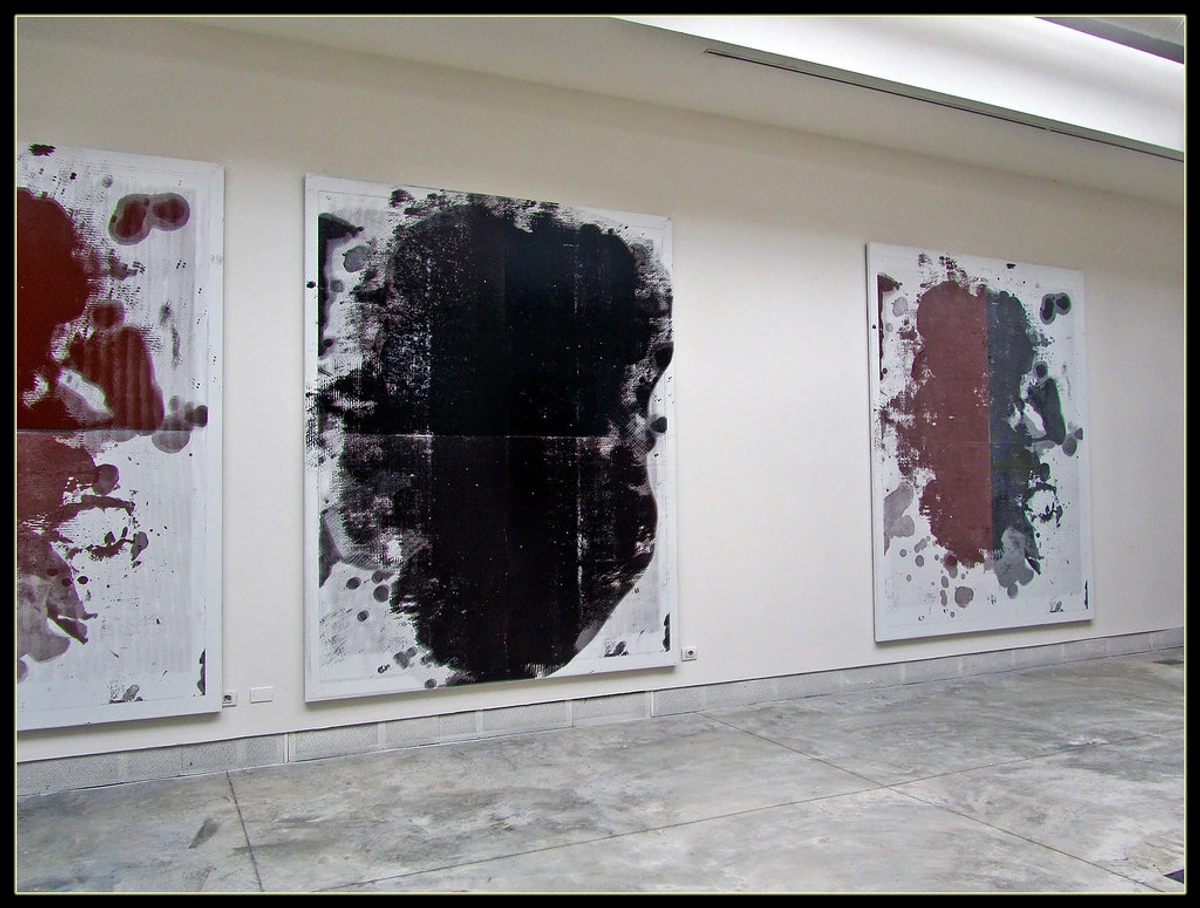
What materials did Rauschenberg typically use?
One of the defining characteristics of Robert Rauschenberg's art was his radical openness to materials, a direct challenge to the art world's traditional hierarchies. He famously used "anything and everything" that caught his eye, blurring the distinction between traditional art supplies and everyday objects. In his Combines, you'd find a staggering array of materials: oil paint, pencil, paper, fabric, photographs, newspaper clippings, as well as three-dimensional objects like stuffed animals (most famously the angora goat in Monogram), rubber tires, quilts, pillows, chairs, Coca-Cola bottles, and even radios. Later, he incorporated silkscreen ink for his graphic works, and in series like the Cardboards and Gluts, he utilized industrial detritus such as discarded cardboard boxes, metal signs, and license plates. His work was a testament to his belief that art could be made from the raw, messy, and abundant materials of the world around us, transforming the mundane into the extraordinary and inviting us to see the artistic potential in everyday life.
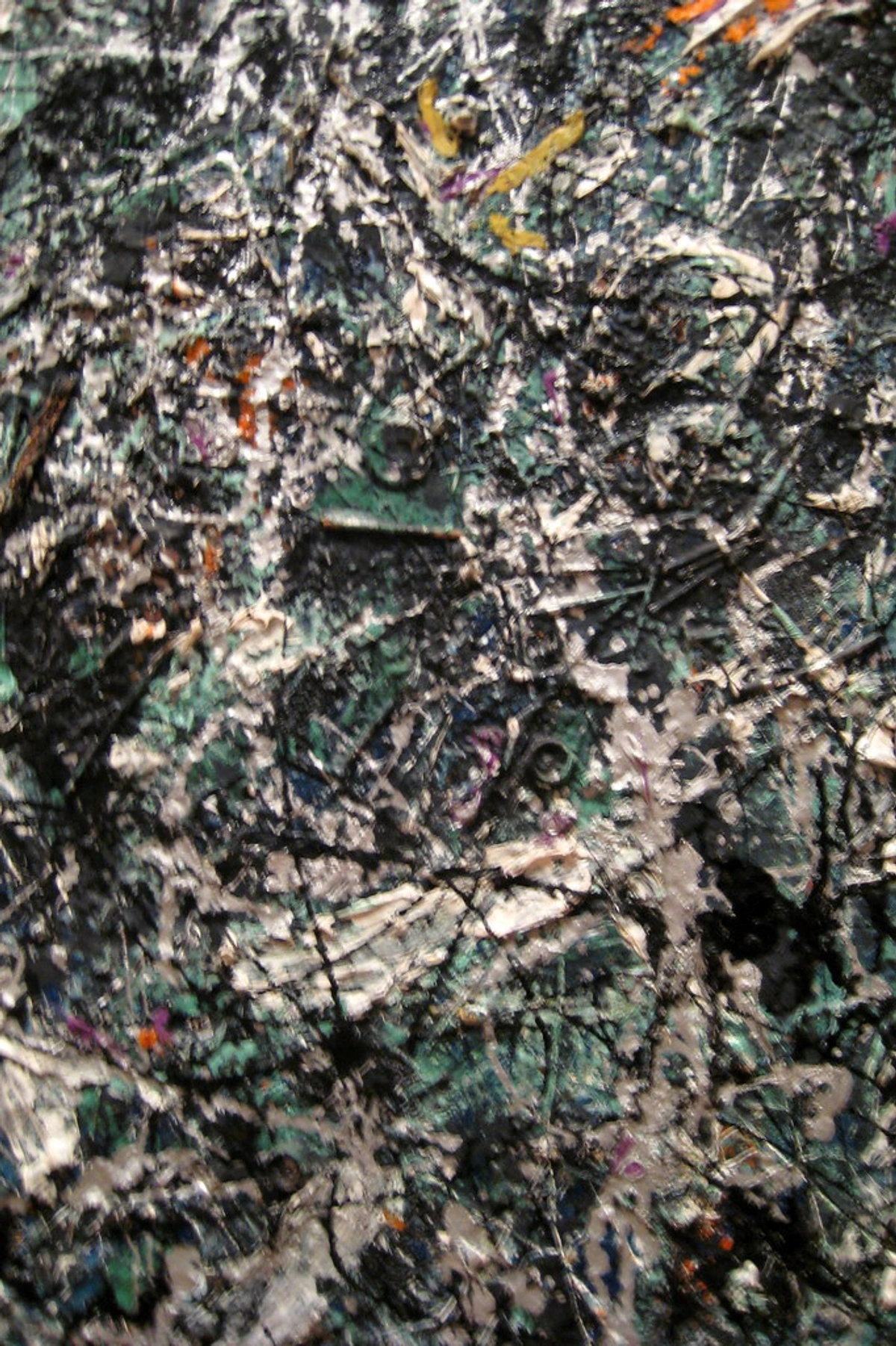
How did Rauschenberg influence Andy Warhol?
Rauschenberg's influence on Andy Warhol and the entire Pop Art movement is undeniable, although their approaches differed. Rauschenberg's groundbreaking use of silkscreening to integrate mass media imagery into fine art directly paved the way for Warhol's iconic silkscreen prints of celebrities and commercial products. Rauschenberg, through his Combines, had already blurred the lines between high art and everyday objects, and between painting and sculpture, effectively giving Warhol and other Pop artists permission to embrace popular culture, commercial iconography, and mechanical reproduction as legitimate artistic tools. While Rauschenberg's aesthetic was often grittier and more personal, his conceptual framework of bringing 'life' into art provided the essential foundation upon which Warhol built his cooler, more detached, and overtly commercial Pop Art empire.
How did Rauschenberg challenge the art world?
Robert Rauschenberg challenged the art world on multiple fronts, essentially dismantling the rigid conventions of his time and ushering in a new era of artistic freedom. He directly confronted the introspective, heroic gesture of Abstract Expressionism by reintroducing recognizable imagery and everyday objects into his work, turning away from pure abstraction. His Combines obliterated the traditional boundaries between painting and sculpture, creating hybrid forms that defied categorization. The Erased de Kooning Drawing questioned authorship and the sanctity of the art object, shifting focus to the conceptual act. Through his performances and E.A.T., he championed collaboration and the integration of art with technology, pushing beyond static objects into dynamic, immersive experiences. Fundamentally, he challenged the idea of art as a rarefied, separate realm, insisting instead that art should be deeply immersed in life, reflecting its chaos, beauty, and contradictions. He made art inclusive, messy, wonderfully unpredictable, and incredibly accessible, changing the conversation around art forever.
Did Rauschenberg make political art?
While Rauschenberg often stated he wasn't intentionally making political statements, his art inherently engaged with and reflected the socio-political realities of his time. Works like Retroactive I (1964), with its haunting image of John F. Kennedy, clearly captured a moment of national trauma. His monumental silkscreen Currents (1970) was a direct response to the Vietnam War, composed entirely of newspaper images from that tumultuous era, functioning as a powerful visual document and critique. The Gluts series commented on economic excess and the oil industry in his native Texas. And of course, the entire ROCI (Rauschenberg Overseas Culture Interchange) project was a profoundly political act, aiming to foster peace and understanding across global political divides through artistic exchange. So, while he may not have been a polemicist, his art undeniably had a profound political dimension, reflecting and shaping conversations about society, media, and global relations.
What is the significance of his collaboration with John Cage and Merce Cunningham?
His collaborations with John Cage and Merce Cunningham were absolutely pivotal. Cage's radical ideas on chance operations, indeterminacy, and incorporating everyday sounds deeply influenced Rauschenberg's approach to found objects and unexpected juxtapositions in his visual art. Cunningham, meanwhile, broadened Rauschenberg's understanding of space, movement, and the ephemeral nature of performance, leading to his groundbreaking set designs for the dance company. Together, they fostered an unparalleled interdisciplinary approach, emphasizing process, chance, and the blurring of boundaries between art forms. (You can find more detail on this in our "Roots of Rebellion" and "Art in Motion" sections.)
What were some of his later works after ROCI?
After the monumental undertaking of ROCI, Robert Rauschenberg's restless experimentation continued well into his later years, proving his enduring vitality and creative drive. His later series include the Borealis series (1988-92), which utilized tarnished copper plates with a chemical patina, creating ethereal, almost painterly effects through chemical processes rather than direct brushwork, a fascinating blend of art and science. The Urban Bourbons (1995-99) were large-scale works incorporating discarded aluminum street signs, license plates, and other industrial scraps onto metal supports, continuing his fascination with the overlooked detritus of urban environments. These pieces often took on abstract, geometric forms, imbued with the history and texture of their origins, often reflecting on the rapid changes of the late 20th century and the relentless churn of consumer culture. His Anagrams (1995-97) and Anagrams (A Pun) (1997-2000) further explored silkscreening, combining images from his travels with personal photographs, creating complex, layered visual narratives that felt both intimate and expansive, like a visual diary of a global citizen. Even in his later years, Rauschenberg's energy and commitment to artistic innovation remained undimmed, always pushing the boundaries of material and meaning, consistently finding new ways to make art from the ongoing stream of life, ensuring his legacy continued to evolve.
What was Rauschenberg's artistic philosophy?
At its core, Robert Rauschenberg's artistic philosophy was about blurring the distinction between art and life, and dismantling the artificial hierarchies that separated them. He believed that art should not be separate from the world but deeply immersed in it, reflecting its raw energy, incidental beauty, and often chaotic reality. This meant embracing everyday objects, sounds, and images as legitimate artistic materials; celebrating collaboration across disciplines as a generative force; and valuing the process of creation and discovery as much as the final, static product. He sought to make art inclusive, accessible, and a direct reflection of the chaotic, beautiful reality we inhabit, rather than an escape from it. His famous quote, "Painting relates to both art and life. Neither can be made. I try to act in the gap between the two," perfectly encapsulates this enduring philosophy, which continues to resonate with artists and viewers today, inspiring them to find art in unexpected places.













A Final Thought: The Rauschenbergian Spirit Lives On
The next time you see a piece of contemporary art that uses found objects, challenges traditional definitions, or seems to break all the rules—or even if you just find yourself questioning, with a perplexed but perhaps intrigued smile, "Is this art?"—give a little nod to Robert Rauschenberg. He wasn't just making weird things for the sake of it; he was making profound statements, liberating art from its self-imposed ivory tower and bringing it back down to earth, or rather, inviting the earth directly into the gallery.
He was telling us that art isn't something separate from our lives; it is our lives, in all its chaotic, messy, and sometimes wonderfully goat-filled glory. He opened up a world of possibilities, proving that everything from a discarded tire to a newspaper clipping, from a political headline to a piece of urban detritus, could hold artistic resonance and profound meaning. And for me, that makes the world of art, and life itself, a much more interesting, vibrant, and infinitely more accessible place to explore. It's a powerful reminder that art isn't just in gilded frames or hushed galleries; it's all around us, waiting to be seen, to be felt, to be experienced. It's a continuous invitation to keep looking, to keep questioning, and to keep finding beauty in the most unexpected places.
If you're inspired by art that breaks boundaries and embraces the everyday, I encourage you to explore contemporary pieces that carry on this legacy of fearless experimentation. Many artists today, in their multimedia installations, assemblages, and performance works, directly or indirectly echo Rauschenberg's pioneering spirit. Perhaps you'll find something that speaks to your own chaotic, messy, and wonderful life, and perhaps even inspire you to create something of your own.
He truly left us with a sense that art is an ongoing dialogue, a never-ending experiment, and a deeply human endeavor, one that is perpetually open to new influences and interpretations. And for that, we should all be incredibly thankful. If you're inspired by this boundless spirit, perhaps you'll even be moved to buy some art from contemporary artists today and continue the legacy!