Hacking the Canvas: Stealing Ideas from Robert Rauschenberg
Feeling stuck? Dive into the world of Robert Rauschenberg's 'Combines' and discover practical mixed-media art ideas to break the rules and make your most fearless work yet.

Hacking the Canvas: Stealing Ideas from Robert Rauschenberg for Your Own Mixed-Media Art
Have you ever stood in front of a blank canvas and felt a profound sense of inadequacy? That pristine, white surface can feel less like a field of possibility and more like an accusation. The weight of art history and the pressure to be original can make even the most passionate artist freeze up. When that familiar dread creeps in, I don’t turn to color theory or brush techniques. Instead, I think about Robert Rauschenberg and his goat.
Yes, a goat. To be specific, a weathered taxidermied Angora goat, girdled with a worn automobile tire, standing defiantly on a collaged painting. The work, titled Monogram, is one of his infamous “Combines.” It’s a slap in the face to polite artistic convention, a glorious Frankenstein’s monster of sculpture and painting. When my creative well feels dry, I remember the sheer, unapologetic audacity of that piece. Rauschenberg didn’t just work on a canvas; he ripped it open and invited the chaos of the street inside. He mashed up oil painting, silk-screened photos, torn fabric, and urban detritus.
This article isn’t a dry art history lecture you’d suffer through in a musty classroom. Think of it as a heist. We’re going to crack open Rauschenberg’s rebellious spirit and steal the most powerful, practical ideas to fuel your own mixed-media work. We’ll deconstruct his mindset, dissect his techniques step-by-step, and build a comprehensive toolkit to liberate you from creative hesitation and help you start building something that is unapologetically your own.
So, Who Was This Rauschenberg Guy?
Robert Rauschenberg wasn’t just an artist; he was a cultural renegade operating in the explosive post-war era of the 1950s. At a time when the art world was largely dominated by the sublime egos of Abstract Expressionism, figures like Jackson Pollock and Willem de Kooning were making inward-gazing, intensely personal work. Rauschenberg looked at that and, politely, decided to do the exact opposite. In short, he was an American artist who got famous for basically challenging what a painting could be. He saw the world as one giant art supply store. That gap between what we call “art” and what we call “life”? He wanted to operate in it. His Combines are the ultimate proof of this idea. They aren't just paintings with a bit of collage; they are sprawling, three-dimensional experiences. He was a pivotal figure questioning the singular focus of pure abstraction dominant at the time.
He famously said his work existed in the “gap between art and life,” a phrase that became a mantra for a new generation of artists. He wasn’t interested in pure abstraction or pure representation. He was interested in the messy, complicated reality of the everyday, and his studio became a laboratory for testing just how much of that reality a canvas could hold. This wasn’t just about sticking things on a board; it was a philosophical stance on the democratization of art-making, arguing that a Coke bottle or a scrap of newspaper could be just as worthy a subject as any Greek goddess. It was an act of creative recycling on a conceptual level. This impulse has deep roots in the playful spirit of earlier movements, like the Dada art characteristics and impact, which reveled in absurdity and rejected conventional aesthetics.
The Rauschenberg Mindset: Your Permission Slip to Play
Before we raid Rauschenberg’s toolbox for specific techniques, the most crucial thing to steal from him isn’t a process—it’s a philosophy. It’s a mindset of radical permission that has been a cornerstone of my own journey with mixed media. He teaches us that the rules of art are merely suggestions, and that the most paralyzing barrier to creativity is our own fear of being unoriginal. His work is a defiant masterclass in courage, playfulness, and seeing potential in what others have discarded.
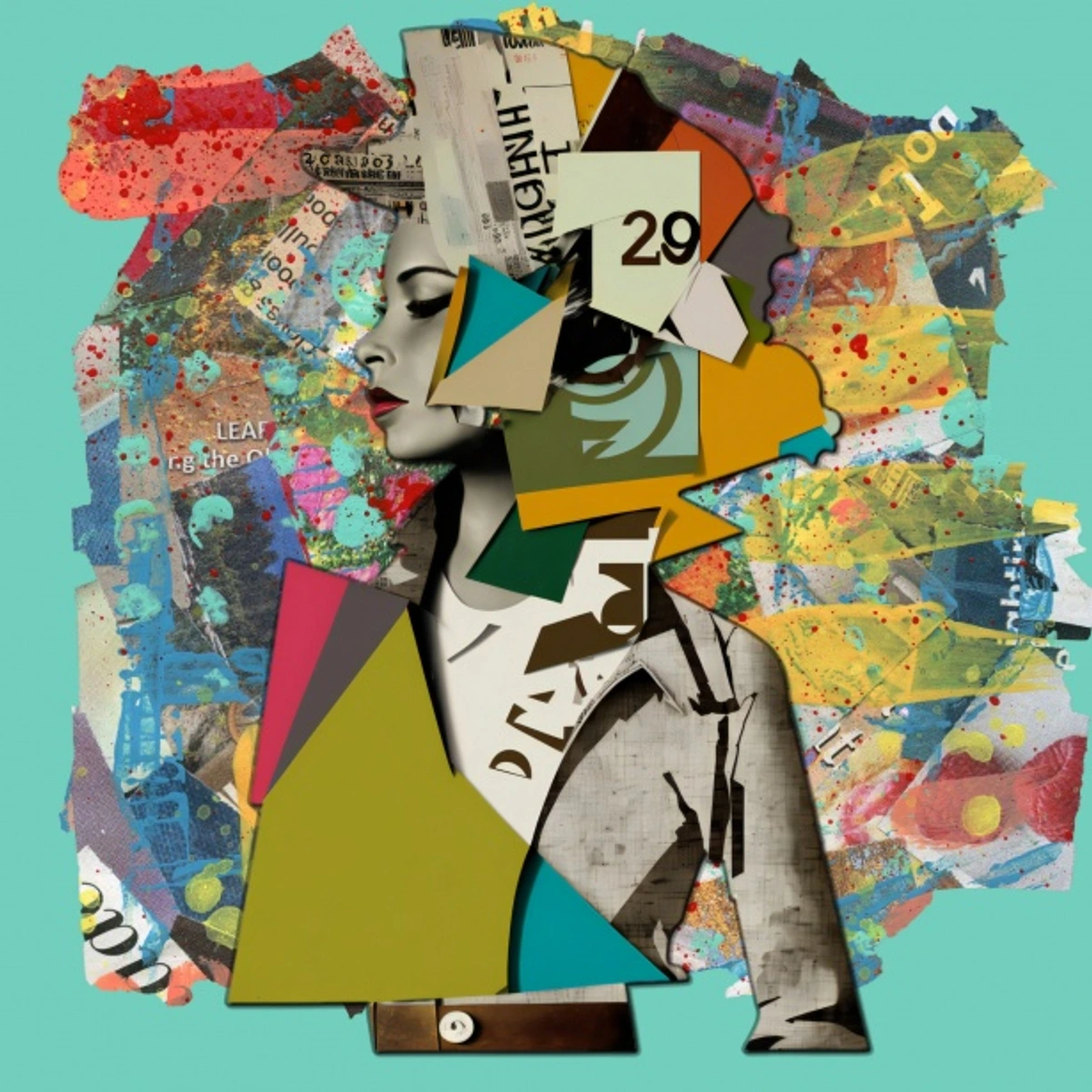
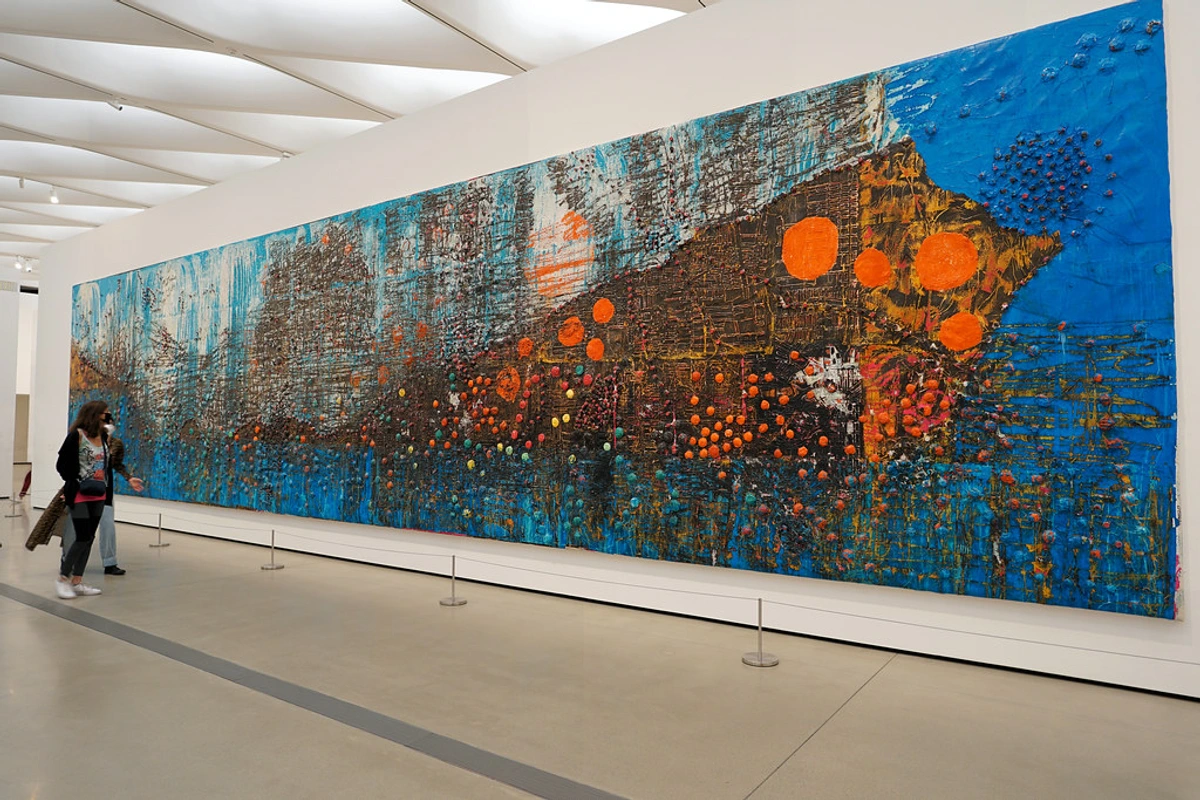
- The World is Your Art Supply Store: I used to think I needed the perfect, expensive pigment or the latest medium from the art store. Rauschenberg’s example shattered that idea. His materials were old quilts, discarded street signs, and yesterday’s newspapers. He proved that the world is already saturated with textures, colors, and histories just waiting to be repurposed. A faded, crumpled receipt from a coffee shop has a more authentic story etched into its fibers than a pristine tube of cadmium red ever could. For a modern master who embodies this, watch how Mark Bradford uses urban detritus.
- There Are No “Wrong” Materials: This is the rule that sets you free. Forget the distinction between high art and low art. That hierarchy is a creative prison. Rauschenberg forced us to see the poetry in a Coke bottle and the grandeur in a scrap of peeling paint. Slathering thick, expensive gesso over a cheap comic book panel? That’s not sacrilege, that’s a conversation. Embedding a piece of broken plastic toy into a sensitively painted passage isn’t a mistake—it creates a vital tension that makes the whole piece hum.
- Let the Story Find You: I used to sit down with a grand, pre-planned narrative in mind. It was stifling. The Rauschenbergian approach flips this on its head. You don’t impose a story; you curate one. When you place a fragile, yellowed photograph of a stranger next to a piece of coarse, rusty metal, a narrative of memory and decay begins to emerge on its own. Your job is to be a facilitator, an intuitive matchmaker, trusting in the process of building unseen layers and narrative.
- Embrace the Alchemy of the Happy Accident: Rauschenberg wasn’t chasing perfection. He was an opportunist, a creative scavenger alert to possibility. A drip of paint where it wasn’t intended, a gel transfer that ripped and left a ghostly trail, a piece of cardboard that curled up at the corner—these weren’t errors to be painted over. They were invitations from the universe to take a new path, to lean into the unexpected. This embrace of chance is the heart of a truly exploratory process.
Practical Prompts: Let's Steal Like an Artist
Alright, let's roll up our sleeves and move from admiring the theory to getting our hands dirty with the practice. Below are four concrete prompts, or structured creative experiments, directly inspired by Rauschenberg’s methods. Each one is designed to short-circuit your internal critic and pull you out of your head and into the intuitive, physical process of making.
I’ve laid out the core concept and a detailed, step-by-step guide for each, and there’s a handy summary table later on to help you pick your next challenge. Treat these not as assignments, but as permission slips to explore a different facet of the Rauschenberg mindset.
Prompt 1: The Urban Forager's Combine
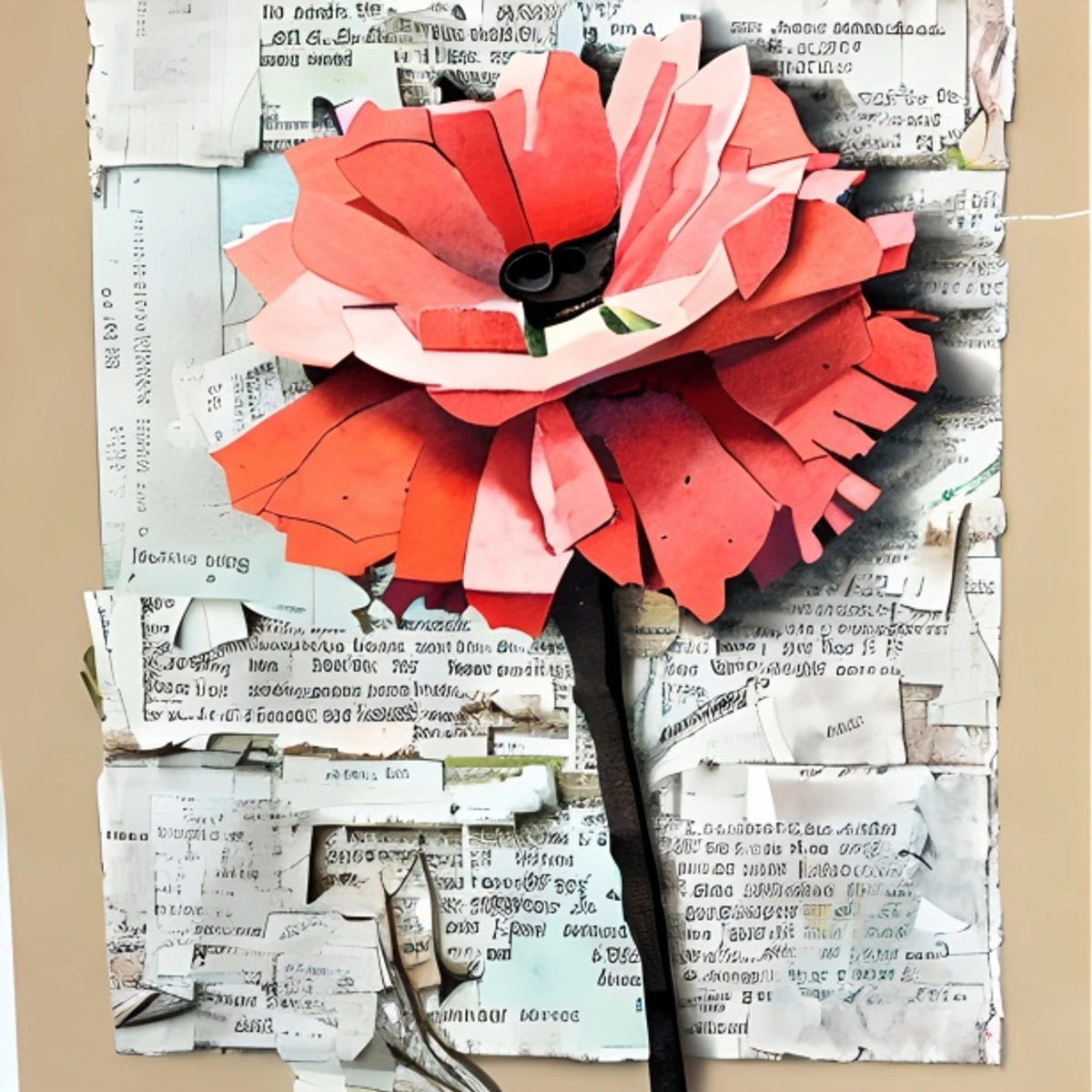
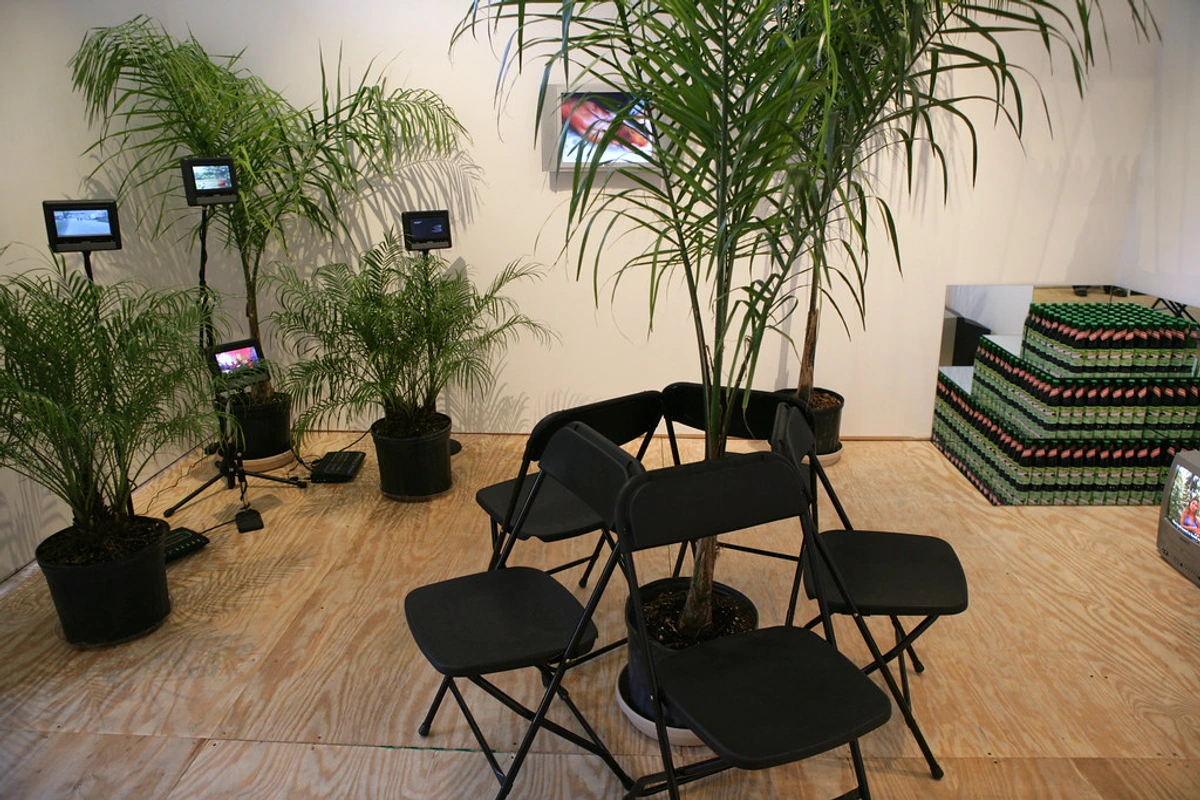
This is your official assignment to become a scavenger. Go for a walk—around your neighborhood, a park, a construction site, an alley—and collect 5-10 items that catch your eye. Don't overthink it. A crushed receipt, a flattened can, an interesting leaf, a fabric scrap, a candy wrapper, a piece of weathered wood, a torn poster. The goal is to bring the texture and story of your daily life into your art. Once home, lay everything out and start arranging on a sturdy board or canvas. Notice how the colors and textures interact. Glue them down with a strong adhesive like matte medium or PVA glue, then begin integrating them with paint. Paint over them to push them back, paint around them to make them pop, and let parts of them peek through to create a dialogue between the "real" world and your painted marks. This is a great way to explore the basics of what collage art is, but with a much grittier, real-world palette. It's a direct line back to artists who used found objects in their work and demands your attention to the world outside the studio.
The "Why" Behind the Prompt: This approach is deeply rooted in what art historians call Détournement, a French term for "rerouting" or "hijacking." You’re taking objects that have one intended purpose (a receipt for a transaction) and giving them a new, subversive meaning within a work of art. You're not just adding texture; you're embedding social and personal history directly into your work. It's a comment on consumerism, memory, and the passage of time, all by simply giving a second glance to what others have discarded. The process itself is a form of meditation on the world around you. If you want to dive deeper into this mindset of re-contextualizing everyday images, the history of collage art from Cubism onward is a great place to explore. This also connects to activist art strategies, much like the work of the Guerrilla Girls on art activism, where recontextualizing familiar symbols becomes a powerful tool for commentary.
Step-by-Step Guide:
- The Hunt (The 30-Minute Scavenger's Walk): Go for a 30-minute walk with an empty bag. Your only rule: if it's flat(ish) and interesting, grab it. Be open to what calls to you—don’t overthink it.
- The Curation (Edit Ruthlessly): Lay your finds on a table. Group them by color or texture. Now, be brutal—curate down to the 5 strongest items. This act of choosing is your first compositional decision.
- The Composition (Compose, Then Capture): Play with arrangements on your canvas without gluing. Take a photo of the best composition with your phone. Look for dynamic tension and negative space; not every inch needs to be covered.
- The Gluing (Anchor and Build): Glue items down one by one, referring to your photo. Anchor the heaviest or central element first to build your composition around it. This creates a stable foundation for your artistic choices. For specific guides on technique and tools, our printmaking guide offers principles for working with unusual surfaces.
- The Integration (Paint the Unifying Thread): Unify the composition with paint. A great trick is to choose one "found object" color and mix a version of it to use across the canvas. This creates visual rhythm and harmony in your piece. For more on this concept, see our explanation of abstraction from early concepts to contemporary interpretations.
Prompt 2: The Photographic Memory Mashup
Rauschenberg was fascinated by the collision of media-saturated modern life and private memory. He pioneered the use of silkscreen to transfer photographic images—from JFK to mundane street scenes—onto his canvases, creating a fractured, disorienting sense of reality. You can capture a similar feeling of layered time without needing a full printmaking studio.
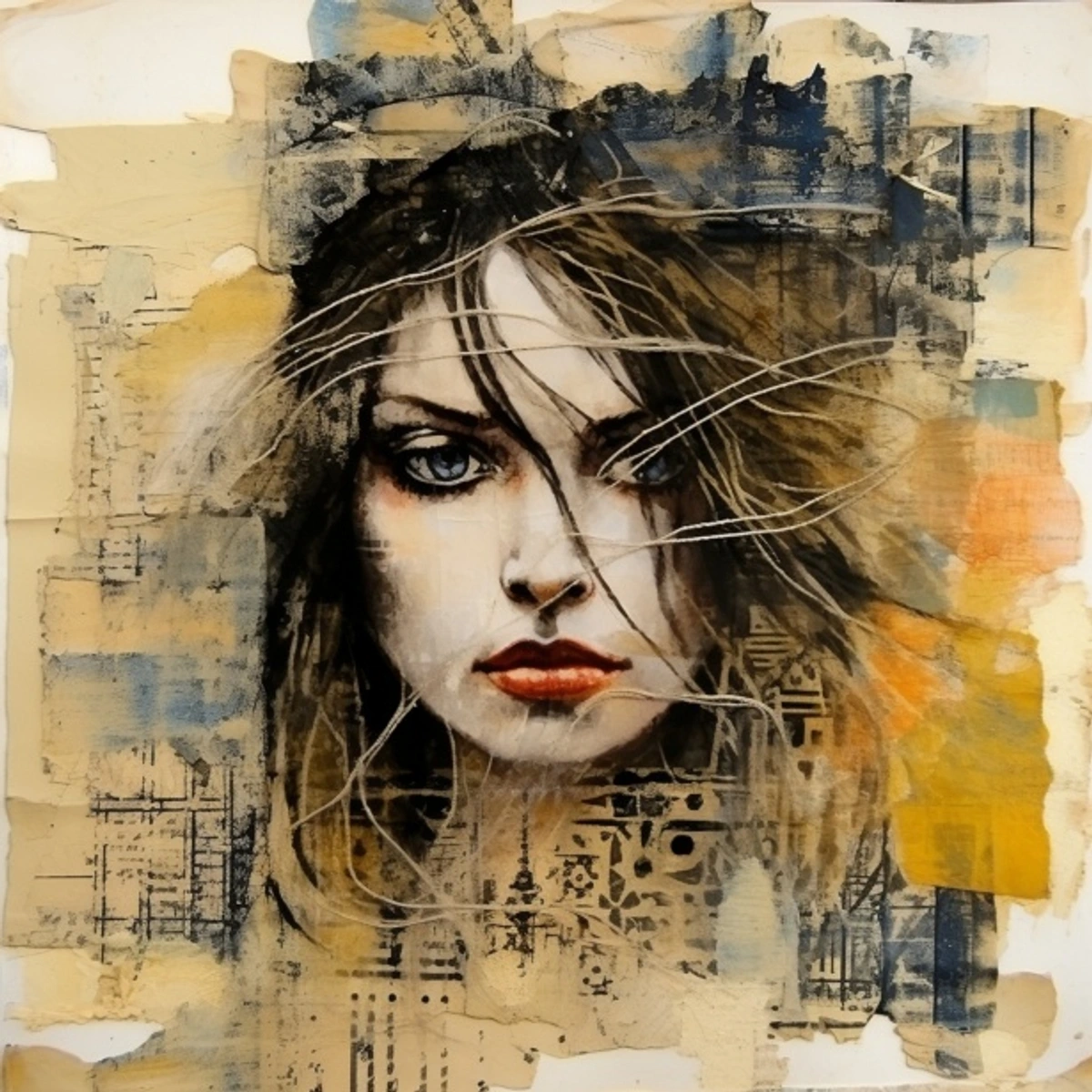
Find some old personal photos, or print some from your phone onto regular copy paper. Then, using a simple gel medium transfer technique, you can embed these images directly into your painting. The results are often imperfect, faded, and distressed—and that’s the whole point. That ghostly, slightly ruined quality perfectly captures the hazy, unreliable nature of memory. Combining these fragmented images with bold, intuitive brushstrokes creates a powerful dialogue between your personal history and the abstract, universal language of emotion. It’s a powerful way to explore how mass media and personal experience blend in our minds.
The "Why" Behind the Prompt
Have you ever tried to recall a specific memory, only to find it feels like a worn photograph, with details faded and edges blurred? Imperfect gel medium transfers are a physical manifestation of that feeling. The technique itself becomes a metaphor for the passage of time and the erosion of recollection. You’re not just copying an image; you’re subjecting it to a process of decay and transformation. Each transfer is a small, unpredictable act of alchemy. This embrace of uncertainty gives your work a deeply authentic emotional core. You are, in a very real sense, painting with time itself. This method allows you to blur the line between the specific (your private memory) and the universal, inviting viewers to project their own experiences onto the vague, spectral forms. I find this approach offers profound art therapy benefits as it externalizes and helps process intangible feelings.
Step-by-Step Guide
- Select & Print (The Right Image): For the best results, choose a photo with strong contrast between lights and darks. Print the image on an inkjet printer onto standard copy paper. This is crucial: you must print a mirror image (most photo editing software has a "flip horizontal" function). Size the photo to fit your intended space on the canvas. Black and white images often transfer with more haunting clarity and emotional mood than color.
- Apply Gel Medium (The Glue-Up): Brush a thick, even layer of gloss gel medium directly onto your canvas where you want the image to appear. Then, brush another thin layer of gel medium directly onto the printed image itself. You want it evenly coated, but not drowning.
- Place & Burnish (Get It Flat): Carefully place the image, printed side down, onto the wet medium on your canvas. Immediately begin smoothing it out from the center with a brayer or the back of a spoon, working your way outwards to press out any air bubbles. Trapped air is the enemy of a clean transfer.
- The Waiting Game (Patience is a Virtue): Let it dry completely. I can't stress this enough. Wait at least 12 hours; I often leave mine overnight. Rushing this step is the number one cause of a torn, frustrating transfer.
- The Reveal (The Alchemical Moment): Once bone dry, lightly wet the paper backing with a damp sponge. Begin gently rubbing the paper away with your fingers. It will start to ball up. Be patient and work slowly, revealing the transferred ink bit by bit. You’re not just removing paper; you’re conjuring a ghost of that memory into your physical artwork.
Prompt 3: Texture as the Main Character
For this exercise, I want you to forget about color almost entirely. Your mission, should you choose to accept it, is to create a piece where the surface texture is undeniably the main event. If your artwork doesn’t make someone want to reach out and touch it, you’re not done.
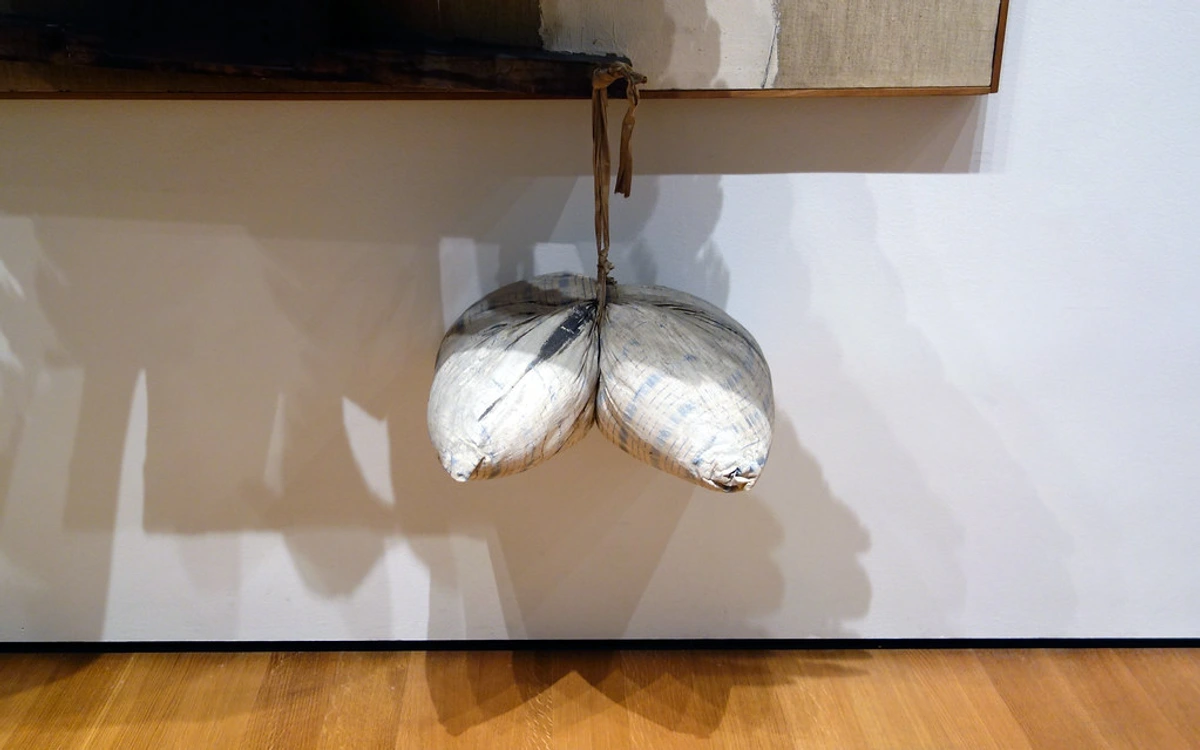
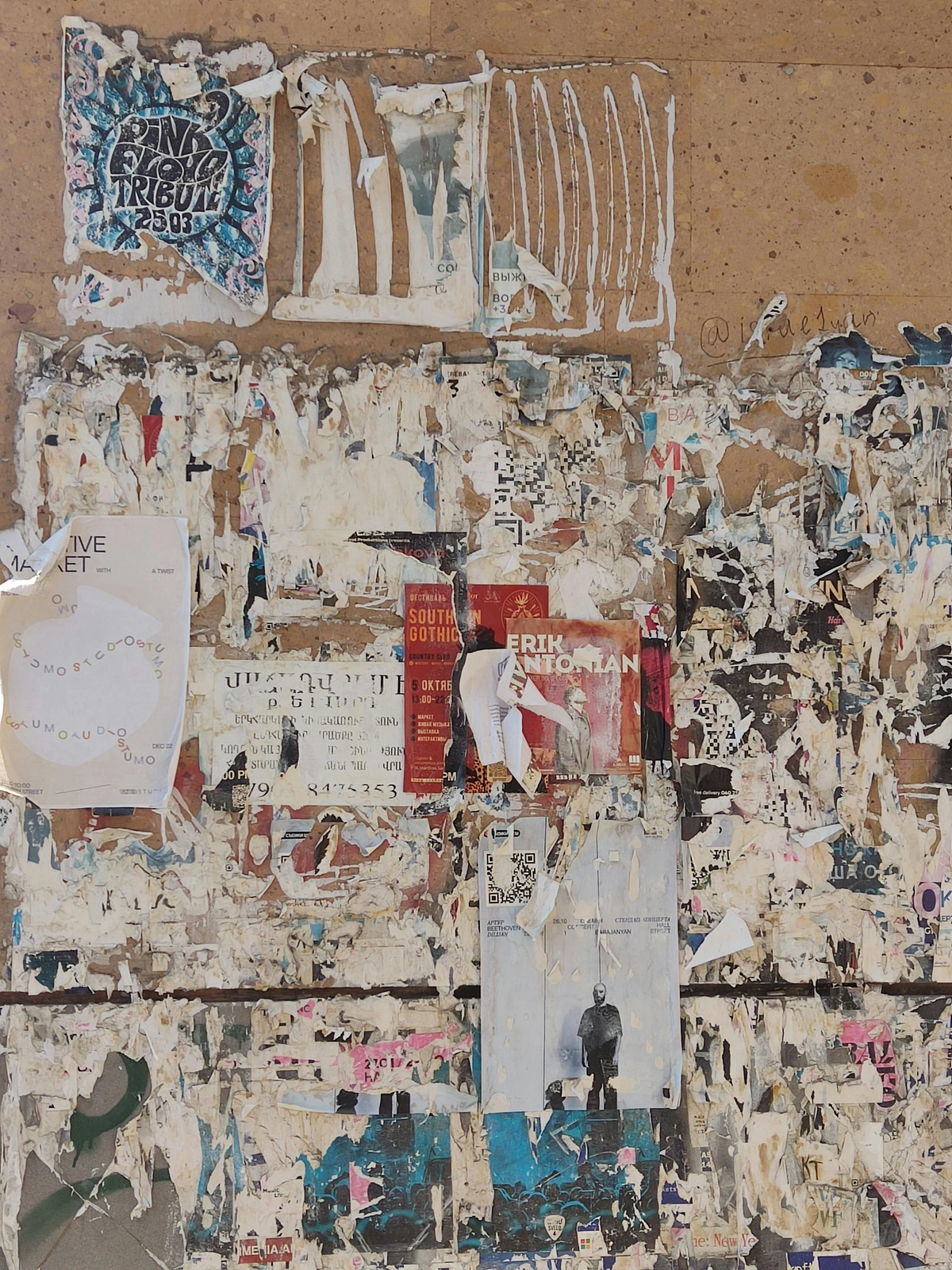
Rauschenberg’s work often feels more like a relief sculpture—something you experience with your whole body, not just your eyes. He was challenging the very idea that a painting should be a polite, flat surface for viewing. He wanted it to be a physical, almost confrontational, presence. Raid your home for materials with distinct personalities: sand, cardboard, burlap, string, old t-shirts, corrugated paper, egg cartons, even leftover tile grout. Glue them, layer them, embed them in thick acrylic medium to build a landscape of peaks and valleys. Once it’s all dry, unify the piece with a monochromatic wash of color (like a stark white, deep black, or earthy raw umber). This forces the viewer to focus entirely on the shadows and tactile qualities, revealing the true power of exploring texture to add depth.
The "Why" Behind the Prompt
There's a haptic, almost physical quality to Rauschenberg's Combines. You can see the ridges and valleys, the nubbly fabric and the slick paint. Our sense of touch is primal and deeply connected to memory and emotion. By emphasizing pure texture, you’re building a more visceral, immediate relationship with the viewer, bypassing the analytical brain and going straight for a gut-level response.
This exercise forces you to think like a sculptor. You're no longer composing with color and line, but with form, shadow, and physical mass. The gritty feel of sand or the hard edge of a piece of cardboard becomes a "line" in your drawing. It’s a formal exploration of dimension that is pure Rauschenberg. This focus on the physical is a fantastic way to learn about the profound emotional effects of different textures in art, creating that essential link between what we see and what our brain thinks we can feel.
Step-by-Step Guide
- Texture Hunting (The Domestic Excavation): Treat your home like an archaeological site. Open junk drawers, look in the garage, find an old t-shirt destined for the rag bin. What materials have an interesting surface? Don’t just look for "things"; look for surfaces that tell a story of age, wear, and tear.
- Building the Surface (The Architect's Phase): Begin gluing your materials to a stiff board. Think about creating maximum contrast: put a coarse piece of burlap next to something smooth and synthetic. Build up literal layers. Consider rhythm and pattern in how you arrange these elements—are you creating a grid, a chaotic field, or a central cluster?
- The Unifying Wash (The Great Equalizer): Mix a large amount of a single color of paint with a lot of water to create a thin "wash." Brush it liberally over your entire textured surface. It will pool in the low points and lightly coat the high points, dramatically emphasizing the contrast between light and shadow.
- Final Edit (The Reveal): Before the wash is fully dry, take a damp paper towel and gently wipe the highest points of your texture. This will act like a dry-brush technique, revealing the original material and creating a beautiful focal point of light, giving the whole piece a sense of aged authenticity.
Prompt 4: The 3D "Painting" (The Anti-Canvas)
This is it. The main event. Your direct line to the heart of the Combine. This prompt challenges the most fundamental rule of painting: flatness. Your mission is to find a small, lightweight object that you feel an inexplicable connection to—a broken toy, a set of old keys, a crushed soda can, a piece of driftwood, a worn-out tool.
But here’s the crucial part: you don’t just glue it on top of your painting as an afterthought. You must integrate it so fully that it becomes the genesis of the artwork. Let your painted forms emerge from it or recede behind it. Does the object cast a real shadow? Paint that shadow onto the canvas to anchor it permanently. This act physically breaks the illusion of the picture plane and transforms the artwork into an object that tangibly inhabits the viewer’s space. This is the ultimate Rauschenberg move—the most liberating and profound challenge you can give yourself.
The "Why" Behind the Prompt
A Rauschenberg Combine is more than an object on a canvas; it’s an event. He was fundamentally challenging the traditional, passive experience of viewing art—which typically involves maintaining a respectful distance from a painting on a wall. By making an object jut aggressively out into the viewer’s space, he forces a physical and psychological confrontation. The art can no longer be passively observed; it interacts with the room, it casts a real shadow, it occupies space as a real entity.
Your goal is to make an object that is simultaneously a painting you look at and a sculpture you could almost imagine using. It’s a mischievous and profound statement about the porous, almost non-existent boundaries between what we call “art” and everything else. The object you select becomes the nucleus around which your entire piece evolves, demanding a new kind of attention from you and the viewer.
Step-by-Step Guide
- Find The Object (The Heart of the Piece): Look for something that has a story etched into its surface. It doesn't have to be "beautiful" in a traditional sense, only resonant. The best objects often have a patina of use—a worn handle, faded paint, visible rust, a crack. It should feel like an artifact from a life.
- Plan the Integration (The Architectural Phase): Before you even think about attaching it, begin painting your canvas. But do so with the object in mind. Leave a deliberate space for it. Think of it as a lead character that still needs to make their entrance. How does the object’s form suggest certain compositions or brushstrokes around it? Let its shape dictate the painting’s flow.
- Secure It (The Engineering Phase): This is the moment of commitment. For light items, a thick heavy gel medium or a two-part epoxy might suffice. For heavier or awkwardly balanced objects, don’t trust glue alone. Get out the drill, make small pilot holes, and use thin wire to tie the object securely to a sturdy wooden panel from the back. Make sure it’s bomb-proof; there’s nothing more disheartening than hearing your art crash to the floor at 3 a.m.
- Paint the Shadow (The Illusionist's Touch): Use a bright, directional light (like a desk lamp) to cast the object’s shadow onto the canvas. Trace the shadow's outline with a pencil. Then, carefully paint it in. This seemingly simple act is an act of pure alchemy. It connects the 3D element to the 2D surface below, making the object’s physical presence feel intentional, necessary, and permanent.
The Art of the Glorious Mess: Troubleshooting Your Combines
So you've taken the plunge, you've glued a broken toy to a canvas, and now you're looking at it thinking, "Oh no, what have I done?" Welcome. You're right on schedule. Rauschenberg's process was one of constant problem-solving and happy accidents. The mess isn't a mistake; it's a material. If you’re feeling creatively stuck in general, exploring art therapy exercises at home can help you rediscover the joy of creative play without the pressure of a final product.
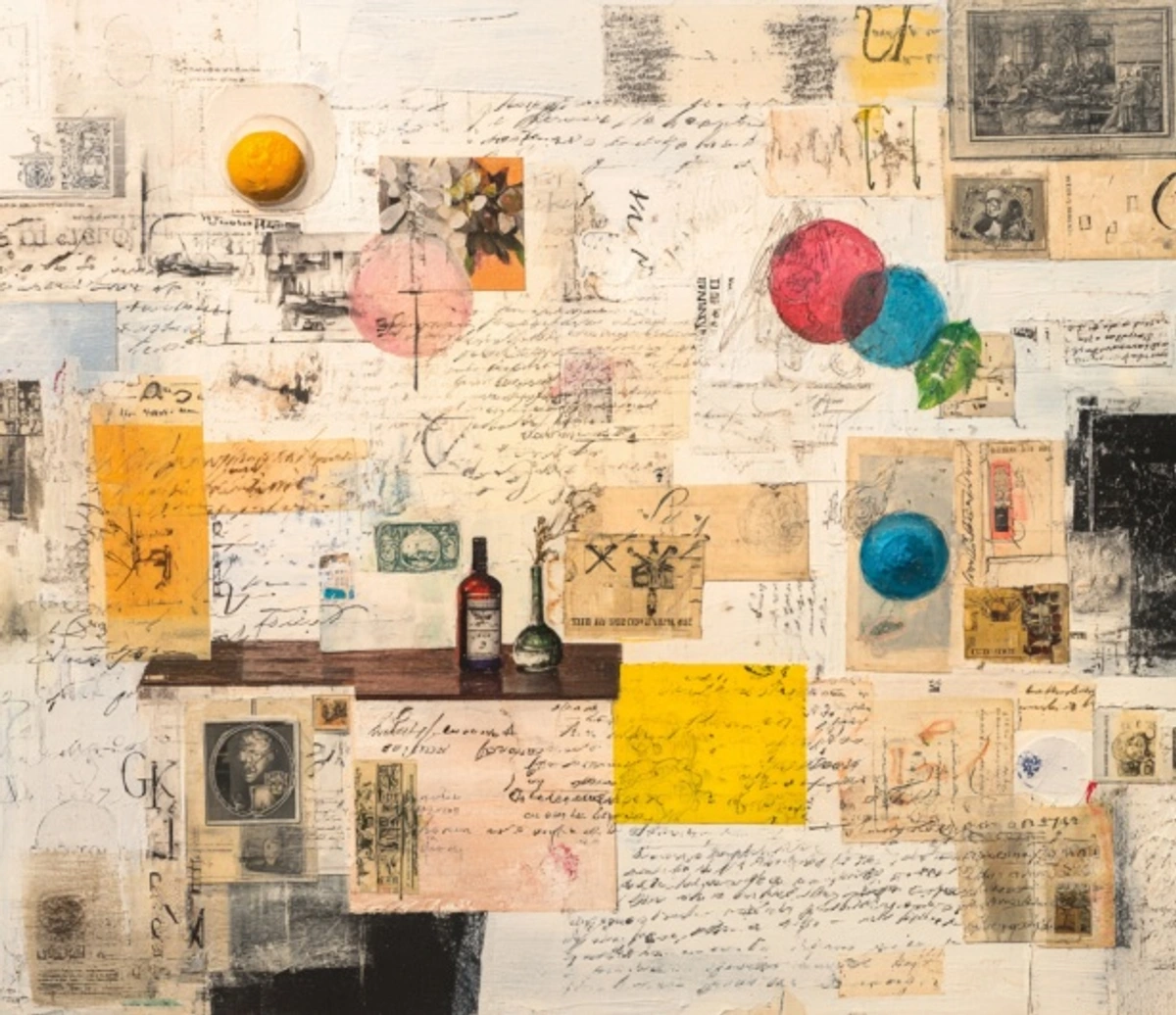
Here’s how to work with the inevitable chaos of the creative process. And while we're troubleshooting, let's also unravel the mindsets that send us down these paths—from Dada art characteristics and their impact to understanding intellectual art theory as a backdrop to your experiments.
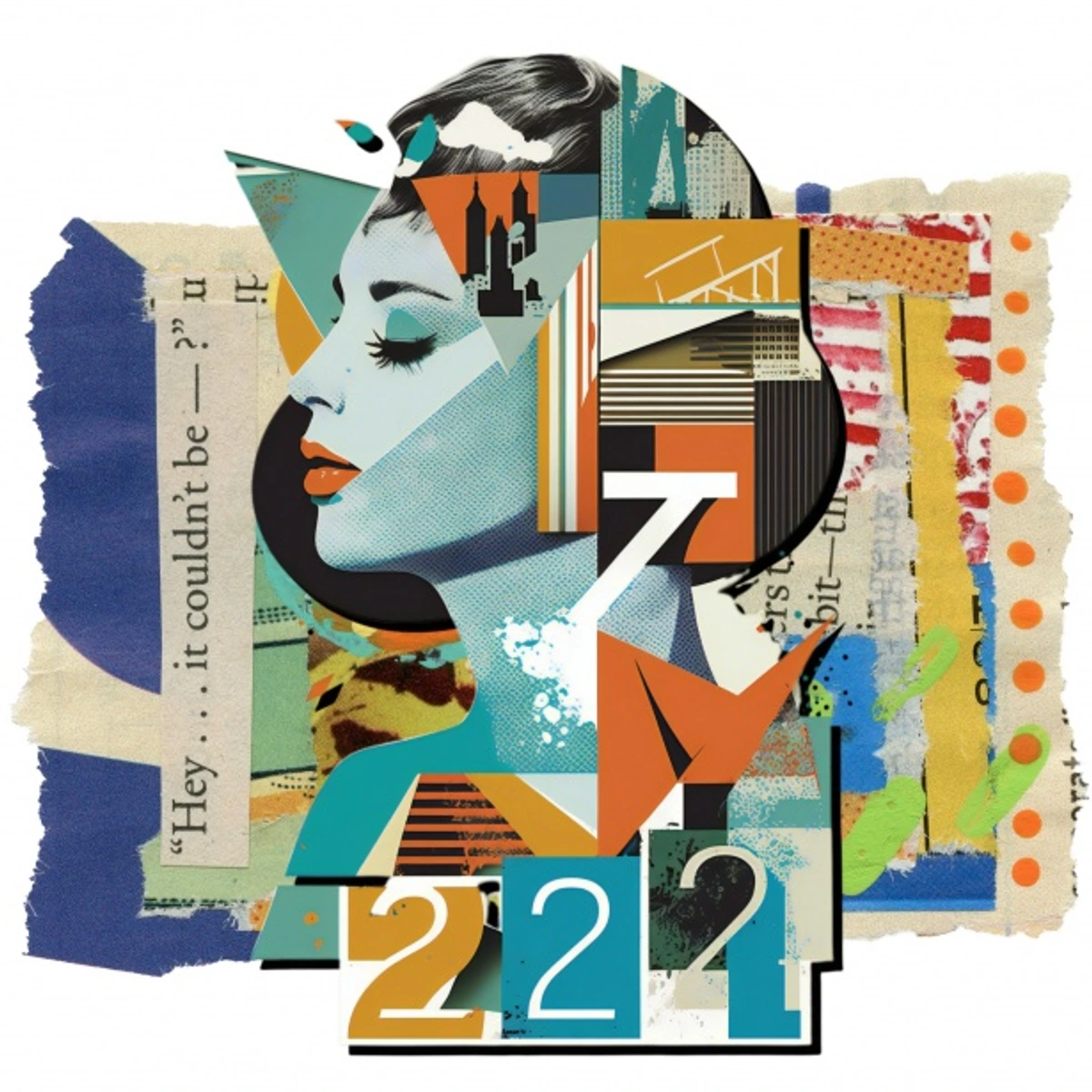
- Dealing with the "Frankenstein" Phase: Your piece will inevitably go through an ugly stage where nothing looks like it belongs. The colors clash, the textures fight, and it feels like a jumble. This is the critical moment. Don't scrap it. Your job now isn't to add more, but to find a way to unify. Often, one unifying color, even just a light wash, is all it takes to make all the disparate parts start talking to each other. This technique is also crucial for mastering color relationships in abstract art.
- When Objects Won't Stick (The Glue Crisis): Gravity is a harsh critic. If something keeps falling off, the problem might not be your glue. It might be the object's surface is too smooth or oily. Try roughing it up with sandpaper first. For truly stubborn items, securing them from the back of the canvas with thin wire or a screw is a smart, industrial solution that Rauschenberg himself might have used.
- Overcoming Creative Paralysis (The Tyranny of Freedom): The freedom to "use anything" can be just as paralyzing as a blank canvas. If you're stuck, give yourself a constraint. For example: "Today I will only work with blue things," or "I will only use objects I find within ten steps of my front door." Constraints breed creativity by forcing you to look more closely at what you already have. This is a subtle nod to the power of embracing limitations, turning a seeming weakness into a powerful creative engine—something you can explore more in my broader art FAQ.
- Finding Your Composition (The Chorus vs. the Soloist): A composition with 15 different elements can feel chaotic. It helps to think like a jazz musician. You need a main theme (a large shape, a dominant object) and then supporting players. Don't let everything shout at once. Let some things whisper. Create areas of rest for the eye by leaving some of the underlying canvas or a field of a single color visible. Remember the power of negative space—it's not empty, it's active. This interplay between chaos and order mirrors the tension found throughout modern art history, where breaking rules is just as important as understanding them.
A Handy Summary of Creative Prompts
To help you put all these ideas into action, here's a table that breaks down each prompt. Use it as a quick reference to choose your next creative experiment.
Prompt Title  | Core Concept | Materials to Try | Rauschenberg Connection |
|---|---|---|---|
| The Urban Forager's Combine | Found Object Collage | Ticket stubs, newspaper, fabric scraps, leaves, receipts, weathered wood | Using everyday "junk" as fine art material |
| The Photographic Memory Mashup | Image Transfer & Paint | Personal photos, gel medium, acrylic paint, inkjet prints | Silk-screening and photo incorporation |
| Texture as the Main Character | Sculptural Surfaces | Sand, cardboard, string, textiles, burlap, egg cartons, grout | Creating tactile, dimensional works |
| The 3D "Painting" (The Anti-Canvas) | Breaking the Picture Plane | Small toys, broken tools, packaging, driftwood, keys | His iconic "Combine" sculptures |
The Rauschenberg Legacy: The Language of the Found Object Today
Rauschenberg’s influence didn’t end in the 1960s. His revolutionary spirit—the idea that the entire world is a valid source for art—is alive and well, spoken fluently by countless contemporary artists today. They continue to operate in that same fertile gap between art and life, proving his ideas were not a momentary fad but a fundamental shift in the DNA of modern art. You can trace how these ideas connect across the decades in my own chronological exploration at my /timeline.
Here are a few contemporary masters who are the direct heirs to Rauschenberg’s ethos:
- Mark Bradford: Bradford works like an urban archaeologist, excavating the social history of Los Angeles. He creates massive, map-like collages from the layers of found paper he strips from city walls—posters, billboards, flyers. He then sands, tears, and paints into these surfaces, creating abstract topographies that are, in essence, Combine paintings for the 21st century.
- Theaster Gates: For Gates, art is inseparable from social action. He blurs the lines between art and community by transforming materials salvaged from abandoned houses on Chicago's South Side into powerful sculptural, musical, and architectural works. By turning the literal fabric of a neighborhood into art, he is a direct descendant of Rauschenberg's belief in the dignity and power of the overlooked.
- Wangechi Mutu: Mutu creates electrifying and often unsettling collages that feel like Rauschenberg's fractured reality viewed through a fiercely feminist, Afro-futurist lens. An exceptional contemporary female artist, she combines magazine clippings, paint, and sculpture to explore themes of race, gender, colonialism, and cultural identity, creating new mythologies from the fragments of the old.
These artists prove that Rauschenberg didn’t just create a style; he unleashed a way of seeing the world that continues to empower artists to this day.
A Word of Warning (and Encouragement)
Look, some of these experiments are going to fail. Things will fall off. Compositions will get too busy. It might end up looking like a pile of trash. That's okay. In fact, it's the whole point. This way of working is about the process, the discovery, the act of play. Rauschenberg famously said his goal was to operate in the "gap between art and life." That gap is messy, unpredictable, and full of surprises. The goal isn't to make a perfect, saleable masterpiece on your first try. The goal is to surprise yourself. Every “failure” teaches you something about your materials and your own instincts. It's a dialogue, and sometimes the materials talk back. And, if you find yourself stuck along the way, remember you can always take a step back and explore some art therapy exercises at home to reconnect with your creativity without pressure.
FAQ: Your Rauschenberg-Inspired Questions Answered
Here are the most common questions I get when people start exploring this wild, wonderful world of mixed-media art, along with the answers I wish I’d had when I was just starting out.
What's the difference between collage and a Rauschenberg "Combine"?
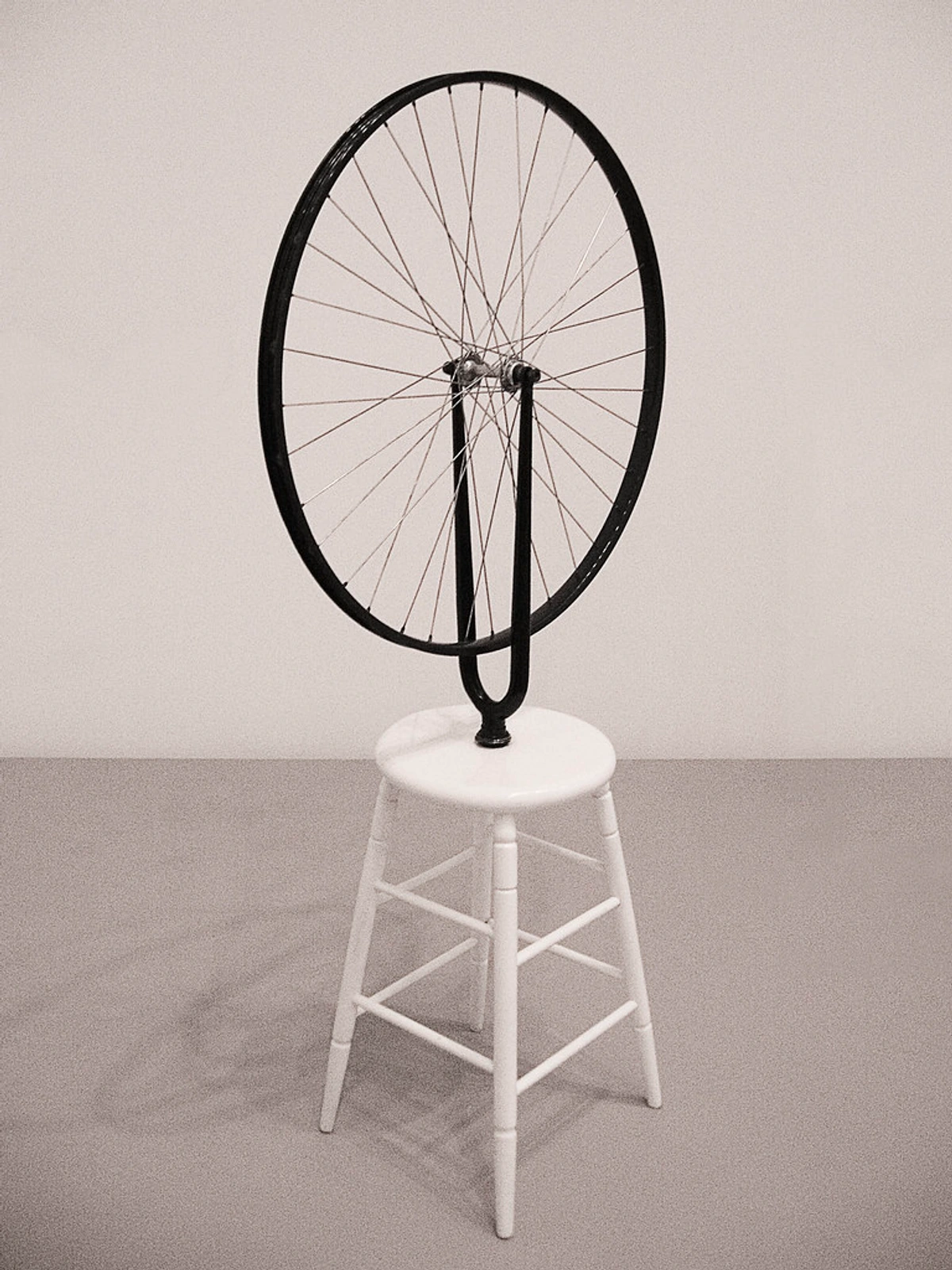
It's a matter of degree and dimension. A collage is typically an artwork made from an assemblage of different forms—like paper, fabric, and photographs—thus creating a new whole, most often on a flat, two-dimensional surface. You look at a collage. A Combine, on the other hand, actively smashes the distinction between painting and sculpture. It's a three-dimensional object that incorporates painting, but also found objects—chairs, tires, pillows—that are physically integrated, often protruding into the viewer's space. If it has a taxidermied goat sticking out of it, it's definitely a Combine. It's less an image of the world and more an object from the world. This object-focused nature brings it close to assemblage art, where everyday items are knowingly repurposed into sculptures.
Do I need expensive materials for this?
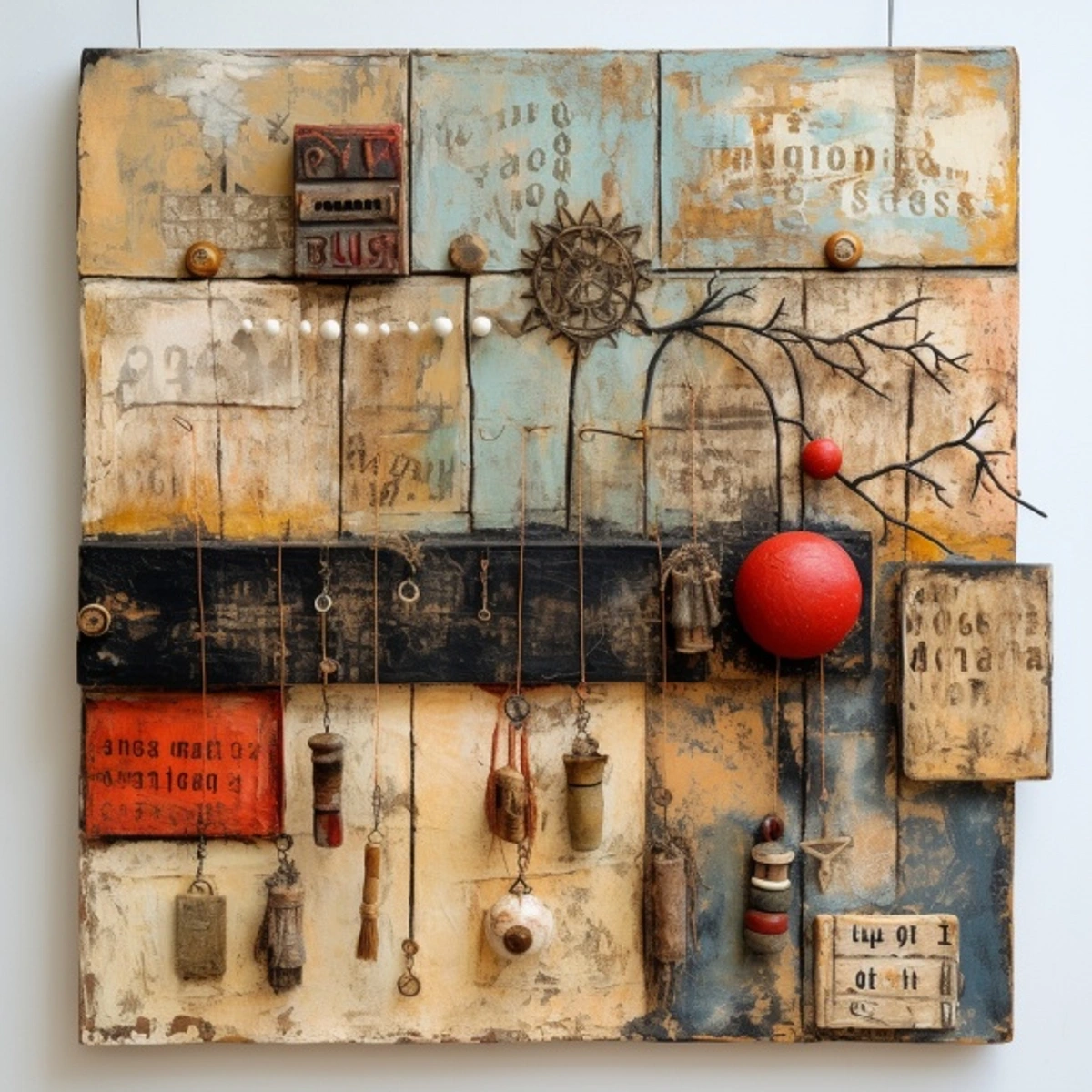
Absolutely not! That's the very heart of Rauschenberg's philosophy. Your best materials are often free—found objects, recycling, old magazines, discarded fabric. When I was first starting, some of my favorite pieces were made with cardboard from a cereal box and scraps I found on the street. The most important supplies are a reliable, strong adhesive (like heavy gel medium or PVA glue), a surface to work on, and an open mind. The world is already full of potential art; the real investment is your willingness to see it. Starting simple can be ideal for making art accessible for beginners.
How do I make sure my found objects actually stick?
Ah, the eternal question. For paper and fabric, acrylic gel medium is your best friend and most versatile tool. It acts as both a glue and a sealant. For heavier or more dimensional objects, you'll need to get more industrial. It's one of the most practical acrylic mediums you'll ever own.
Heavy Gel Medium: The workhorse. Use it for most things. PVA (Polyvinyl Acetate) Glue: Essentially fancy white glue. Great for porous materials like wood, but can dry brittle. E6000 or Epoxy: The heavy lifters. Use these for things that are very heavy, have smooth or non-porous surfaces (like glass or metal), or need a truly permanent bond. Just be sure to use them in a well-ventilated area. Mechanical Fasteners: For the ultimate assurance, don't rely on glue alone. Drill small pilot holes and use wire to tie the object on from the back of a sturdy wooden panel. Rauschenberg's Monogram (the goat) used a complex internal support system. It's not cheating; it's engineering. Nervous about starting? Try some simple exercises for stress relief and creativity to get comfortable first.
How do I keep my work from just looking like a mess?
My number one rule: remember that editing is part of the creative process. The real art is often in what you choose to leave out. A cluttered composition usually means you haven't given the viewer's eye a place to rest. Here are a few tactics I use all the time:
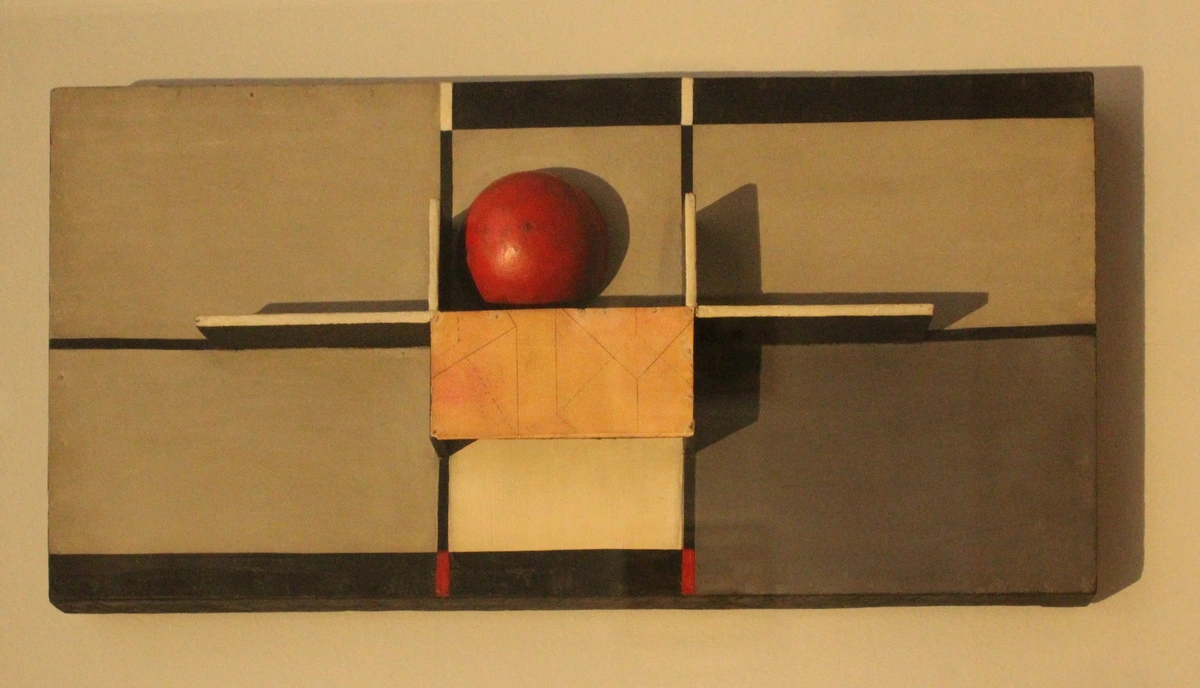
- Find a Unifying Thread: This could be a single dominant color that you weave throughout the piece, or a limited palette. It could also be a recurring shape, a specific type of line, or a consistent texture.
- Embrace Negative Space: Not every inch of the canvas needs to be covered. Some of the most powerful areas in a mixed-media piece are where nothing is happening at all. This "negative space" provides a crucial contrast and can frame your more complex areas.
- Reduce, Reduce, Reduce: My friend, a sculptor, taught me this: once you think your composition is finished, challenge yourself to remove three things. The piece will almost always be stronger for it.
- Change Your Perspective: This is the most important trick. Literally walk to the other side of the room. Look at it in a mirror. Turn it upside down. Take a digital photo and look at the thumbnail on your phone. This physical and psychological distance is the fastest way to see what's working and what's just noise.
Where can I see work like this?
You can find Rauschenberg's masterpieces like Canyon and Monogram in major modern art museums around the world: the MoMA in New York, the Tate Modern in London, and the Centre Pompidou in Paris are a good start. But his spirit is everywhere. You can see the influence of this rule-breaking approach in the work of countless contemporary artists working today. And, of course, you can see how I personally wrestle with these ideas—the failures, the breakthroughs, and everything in between—in my own work over at the /den-bosch-museum, my studio's creative space. For a broader view of artistic innovation, peruse my art timeline to see how Rauschenberg fits into the larger sweep of art history, influencing movements from Neo-Dada to what we now call the best contemporary artists.
Advanced Heist: Pushing Your Combines Further
Once you’ve gotten over the fear of a messy studio and embraced the initial chaos, there are even more advanced Rauschenbergian moves to try. These are for when your confidence is high and your curiosity is even higher. This is where you move from student to fellow experimenter.
Once you’ve gotten over the fear of a messy studio, there are even more advanced Rauschenbergian moves to try. These are for when your confidence is high and your curiosity is even higher.
- Sound & Motion: Rauschenberg’s Combines are silent, but you can challenge that. What happens if you include a small speaker playing a found recording? Or integrate a small, kinetic element that moves with the air in the room? It pushes the work from being a static object to a dynamic presence.
- Collaborative Combines: Rauschenberg famously collaborated with performance artists like Merce Cunningham. Try a collaborative piece with another artist. You start a canvas, then mail it to them. They add to it. You get it back and respond. This creates a dialogue in physical form.
- The Erased de Kooning: In one of his most provocative conceptual moves, Rauschenberg took a drawing by the famous Abstract Expressionist Willem de Kooning and meticulously erased it. He then framed the nearly-blank paper and called it his own art. It was a statement about creation, destruction, and influence. You can play with this idea. Take a print of a famous artwork and paint over it, or erase parts of your own old, failed drawings. What does it mean to make a new statement by subtracting a previous one?
Inspiring Quotes to Fuel Your Next Creation
Sometimes, the best way to understand an artist is to hear their own words. Here are some of Rauschenberg's most powerful thoughts, taken straight from the source.
"I don't want a painting to be just an expression of my personality. I feel it ought to be much better than that." — Robert Rauschenberg
"I really feel sorry for people who think things like soap dishes or mirrors or Coke bottles are ugly, because they're surrounded by things like that all day long, and it must make them miserable."
"I consider myself as an artist who works in the gap between art and life."
"Painting relates to both art and life. Neither can be made. (I try to act in that gap between the two.)"
"The artist's job is to be a witness to his time in history."
"You can't make either life or art, you have to work in the gap between them, which is where the two overlap."
"Screwing things up is a virtue. Being correct is never the point. I have an almost fanatically correct assistant, and by the time she's done proofreading something, it's sterile. You want to allow for some misbehavior."
Useful Tools & Materials: The Practical Details
Let’s get down to brass tacks. Your studio arsenal for creating Rauschenberg-inspired work should be practical and powerful. This table covers the essential tools you’ll need, what they’re for, and why they matter. Think of this as your logistical guide to creative rebellion.
Tool / Material | Why You Need It (The "North Star") | Recommended For |
|---|---|---|
| Matte / Gloss Medium | Acts as both glue and sealant. The workhorse of mixed media. | Gluing paper, fabric, and sealing surfaces. |
| Heavy Gel Medium | Thicker, holds dimensional objects better. | Embedding thicker objects like buttons or stones. |
| Gesso | A primer that prepares your surface and makes paint adhere better. | Pre-treating found surfaces like cardboard or wood. |
| X-Acto Knife / Scissors | For detailed cutting and trimming. | Shaping found paper, cutting fabric, trimming edges. |
| Brayer | A roller for applying pressure and burning. | Smoothing down glued paper, ensuring good adhesion. |
| Putty Knife / Palette Knife | For applying thick mediums and creating texture. | Scraping, texturing, and applying heavy gel mediums. |
| E6000 Adhesive | Industrial-strength adhesive for the toughest jobs. | Sticking heavy, non-porous objects like metal or glass. |
| Stretched Canvas / Panel | A sturdy surface to work on. Panels are better for heavy objects. | Supporting heavy Combines and providing a base. |
| Utrecht Heavy Body Acrylics | Rich, buttery consistency, ideal for impasto and textural work. | Building up thick, painterly passages that can hold their own alongside objects. |
| Liquitex Soft Body Acrylics | Fluid, perfect for washes, glazing, and staining surfaces. | Creating translucent layers over found objects to integrate them into the painting. |
| DecoArt Crafter's Acrylics | Budget-friendly, widely available, great for priming and base coats. | Pre-painting surfaces before building texture; covering large areas economically. |






Go Make a Glorious Mess
The greatest lesson Robert Rauschenberg offers us isn't a technique; it's an attitude. It's the freedom to see potential everywhere, to mix the precious with the profane, and to trust that a compelling story can be told with a splash of paint and a piece of garbage.
So, the next time you face that intimidating blank canvas, don't feel pressured to invent something from nothing. Look around you. Your life is already full of materials and stories. Your next great piece might be in your pocket, in the gutter, or in the recycling bin. Go find it.
The daunting blank canvas, in the end, is just an invitation to start a conversation with the world around you. Rauschenberg's entire philosophy was an acceptance letter to that conversation—one where the world gets to talk back. And if you're curious to see what kind of beautiful messes this approach can lead to, feel free to browse some of my finished pieces that are available to /buy.