Art FAQ: Everything You've Ever Wanted to Know About Art
Discover answers to your burning art questions! From terminology to buying tips and care guides, our comprehensive FAQ demystifies the art world with warmth, humor, and expert insights.

Art FAQ: Everything You've Ever Wanted to Know About Art
You know that feeling? Standing in a gallery, staring at a canvas covered in chaotic splatters, thinking, "My toddler could do that, and also, what even is that?" Maybe you're scrolling online, overwhelmed by price tags, and wondering if that $500 print is actually worth it. Or perhaps you're standing in your own living room, holding a hammer and a nail, terrified you're about to hang something "wrong." I’ve been there—confused, intimidated, and utterly captivated all at once. Art asks more questions than it answers, and honestly? That’s the beautiful part. But let’s demystify some of the basics together, okay?
Why Even Bother With Art Anyway?
Look, I’ll confess: I once spent ten minutes arguing with a friend that a banana duct-taped to a wall was a "profound commentary on consumerism." Spoiler: I was probably overthinking it (or maybe I was right?). But art isn’t about being "right." It’s a conversation between the creator, the piece, and you. It’s a mirror for our emotions, a protest against the mundane, and a riot of color when the world feels gray. So why bother? Because it reminds us we’re human. And sometimes—that’s everything.
A Brief History of Why We Make Things
A long, long time ago, someone picked up a charred stick from a fire and drew a bison on a cave wall. They weren’t trying to get into a museum; they were trying to tell a story, to make a mark, to connect with something bigger than themselves. And that’s the common thread. From Lascaux to a contemporary artist working in a Brooklyn studio today, the impulse is the same. We create because we’re human. We hang it on our walls because seeing that mark, that story, reminds us we aren’t alone in this.
Art in Your Daily Life: It’s Not Just for Museums
You might not realize it, but art isn't just something you see—it's something you do. The curve of a coffee mug that fits your hand just right, the typography on a book cover that makes you want to read it, the specific hue of your phone background that calms you down—all of it has artistic intent. It's the invisible design that shapes how you feel, often without you even noticing. It's the playlist you curated to get through a tough day, or the way you arrange flowers in a vase. Art isn’t just stuffy galleries; it’s the spice that makes daily life less... beige. If you’ve ever felt inexplicably happy looking at a sunset or haunted by a photograph? That’s art working its magic. Now, let’s tackle your real questions.
The ABCs of Art: Key Terms Decoded
Art jargon can feel like a secret handshake—but you’re invited to the party. Here’s the cheat sheet:
Term  | What It Really Means | Example |
|---|---|---|
| Abstract | Not a recognizable "thing." It uses shapes, colors, lines, and textures to express a feeling or idea, without trying to copy reality. | A canvas of swirling blues and purples meant to evoke the chaos of a storm, not a photo of one. |
| Contemporary | Simply art made today, by living artists. It's a time marker, not a style description. Anything made roughly from the 1970s onwards. | That vibrant, neon-lit piece in a city gallery? Probably contemporary. So is a hyper-realistic portrait. |
| Medium (plural: Media) | The physical stuff the artist uses. Oil, acrylic, watercolor, charcoal, bronze, clay, digital pixels, yarn, even found objects. Knowing the medium tells you about the artist's process. | A sculpture made from welded steel and recycled bottle caps is using mixed media. A digital painting's medium is, well, digital. |
| Provenance | The "life story" of an artwork. A detailed history of its ownership, from the artist's studio to its current home. Good provenance boosts value and authenticity. | A painting with a clear history from 1950 to now is better than one that mysteriously appeared last year. |
| Composition | How the basic elements (lines, shapes, colors) are arranged on the canvas. It's the underlying structure that guides your eye. | A composition with strong diagonal lines feels dynamic; a central, symmetrical composition feels calm and stable. |
| Original vs. Print | An original is the one-of-a-kind piece the artist made by hand. A print is a reproduction, a copy. Both can be beautiful and valuable. | Think of it this way: an original is the live concert. A print is the high-quality album recording you take home. |
| Giclée Print | (Pronounced zhee-KLAY). A high-quality print, typically using an inkjet printer with archival inks on good paper or canvas. It’s made to last. | This is the kind of print you buy when you love an image and want it to look amazing for decades. |
| Limited Edition | A series of prints where the artist sets a maximum number and then stops. Each print is numbered (e.g., 1/50, 2/50). This creates scarcity. | A set of 50 numbered and signed prints is a limited edition. Once they're gone, they're gone. |
| Open Edition | The opposite of a limited edition. The artist can make as many prints as they want. This usually makes them more affordable. | A digital art poster sold on a print-on-demand website is typically an open edition. |

How to Actually "Get" Modern Art (Without Pretending)
Let’s be real: staring at a splatter painting until you feel enlightened is... awkward, and usually produces nothing but a crick in your neck. I've tried it. The secret I've learned is that you don't need to "get" it in some intellectual way. You just need to experience it. Stop trying to solve the puzzle and just be in the room with it for a moment.
True art appreciation isn’t about deciphering hidden codes. It’s about curiosity. It's about giving yourself permission to feel something, even if that something is "I don't get it."
The 5-Minute Museum Hack (That Actually Works)
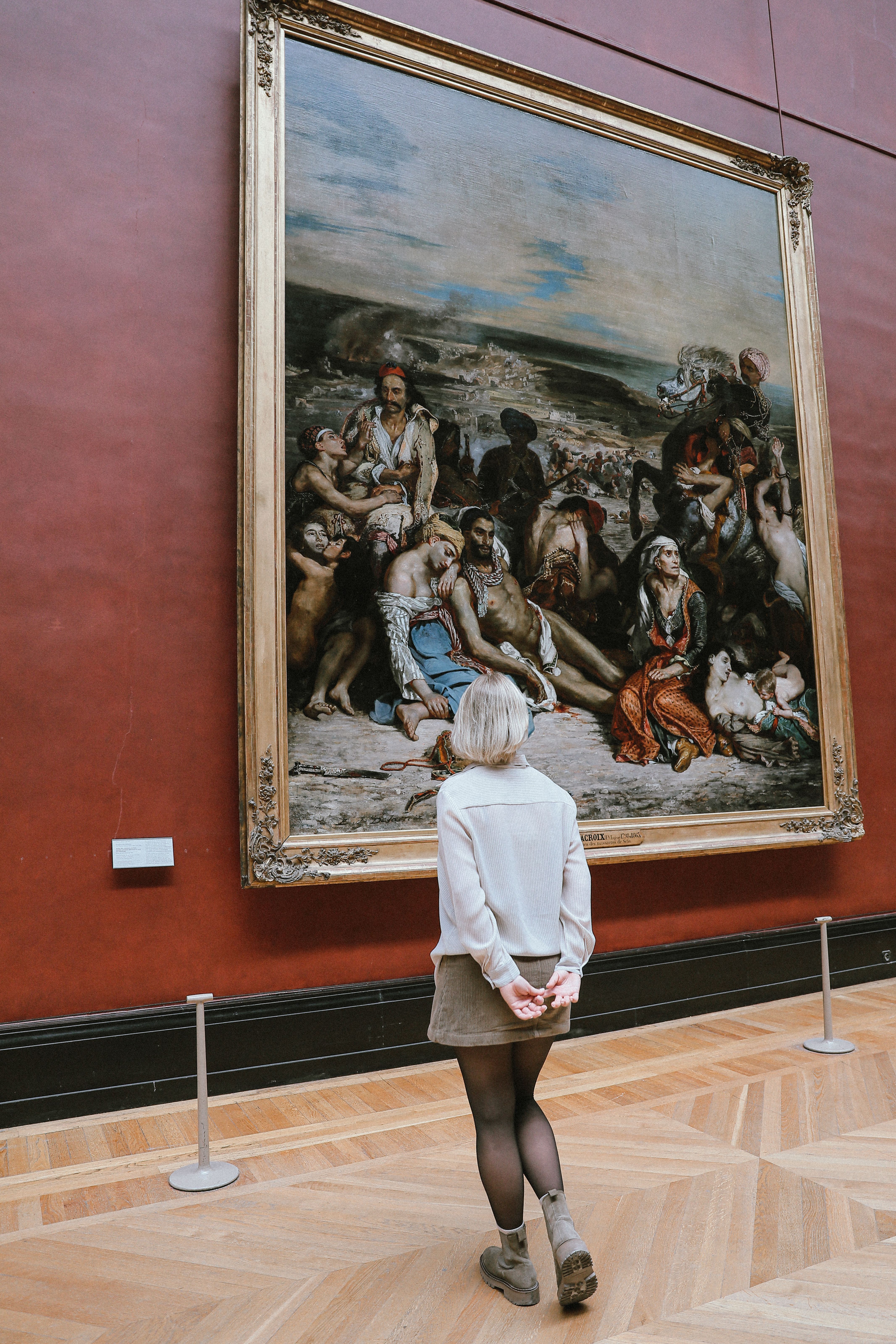
Next time you’re in a gallery, try this instead of frantically reading every wall label:
- Walk the room first. Don't stop. Just do a quick lap and see what pulls your eye. Is it a color? A texture? A really, really big sculpture? Don’t think, just notice.
- Pick one. Pick the one piece that physically pulled you in, even if you can't say why. Go stand in front of it. Not too close, not too far. Just... there.
- The 60-Second Stare. For one minute, don't do anything else. No phone, no talking. Just look. What’s the first thing you notice? A line? A shadow? The way a color seems to vibrate? There's no right answer. This is your brain starting to have a conversation with the art.
- Ask yourself two questions:
- What is my gut feeling right now? (Joy? Anger? Boredom? Peace? Confusion? All of the above?)
- What does this remind me of? (A song? A dream? A news headline? The texture of my grandma’s couch?)
That’s it. That's the hack. You're not looking for a "correct" answer from a textbook. You're looking for your answer. Your connection is the point.

What if I Still Hate It?
Totally fine. More than fine. Hating a piece of art is still a type of relationship with it. It made you feel something strongly. In a world of endless scrolling, that's a win. Honestly, bland art that you feel nothing for is the real enemy. I once walked out of a museum feeling rage at a pile of bricks called "art." I was furious they were charging people to see it. But later, I realized the piece had done its job: it made me angry about labor, value, and what we consider "work." It held up a mirror. See? Art wins, even when you lose your cool.
Buying Art: A Human’s Guide
Buying art feels like dating—scary but potentially life-changing. Here’s how to navigate it without a panic attack.
Step 1: Hunt Your Heart Out (Where to Look)
The world is your art oyster. You don't have to just walk into a white-walled gallery and feel small. Here are the best places to start hunting for your next treasure, online and in the real world.
- Online Galleries & Marketplaces: This is the easiest way to browse thousands of artists from your couch. Sites like Saatchi Art, Etsy, or even our own online shop give you a massive global selection with prices and styles for every budget. It's like online shopping, but for your soul.
- Local Artist Markets & Fairs: This is my favorite. There's nothing like meeting the person who made the thing you love. You can ask them about their process, their inspiration, and walk away with a piece that has a story attached. Plus, you're supporting your local creative community directly.
- Instagram & Social Media: Seriously, it's a goldmine. Follow hashtags like #abstractart, #contemporarypainting, or #printmaking. The algorithm will start showing you more and more artists. You can discover incredible, undiscovered talent from all over the world. Get creative with your searches: #affordableart, #supportlivingartists, #artunder500.
- University Art Shows: Young, emerging artists often sell their work at student graduation shows. The prices can be incredibly reasonable, and you might just score a piece by the next big thing before anyone else knows their name.
Step 2: Find Your Style (Without Needing a Degree)
Forget what's "in" or what's "important." Art is one of the few things in life you should buy for no other reason than it makes you feel something. But if you're not sure what that is yet, let's break it down.
If you are drawn to... | You might love... | Start looking for... |
|---|---|---|
| Calm, quiet spaces | Muted colors and simple compositions. | Minimalism, subtle textures, monochromatic pieces, soft geometric shapes. |
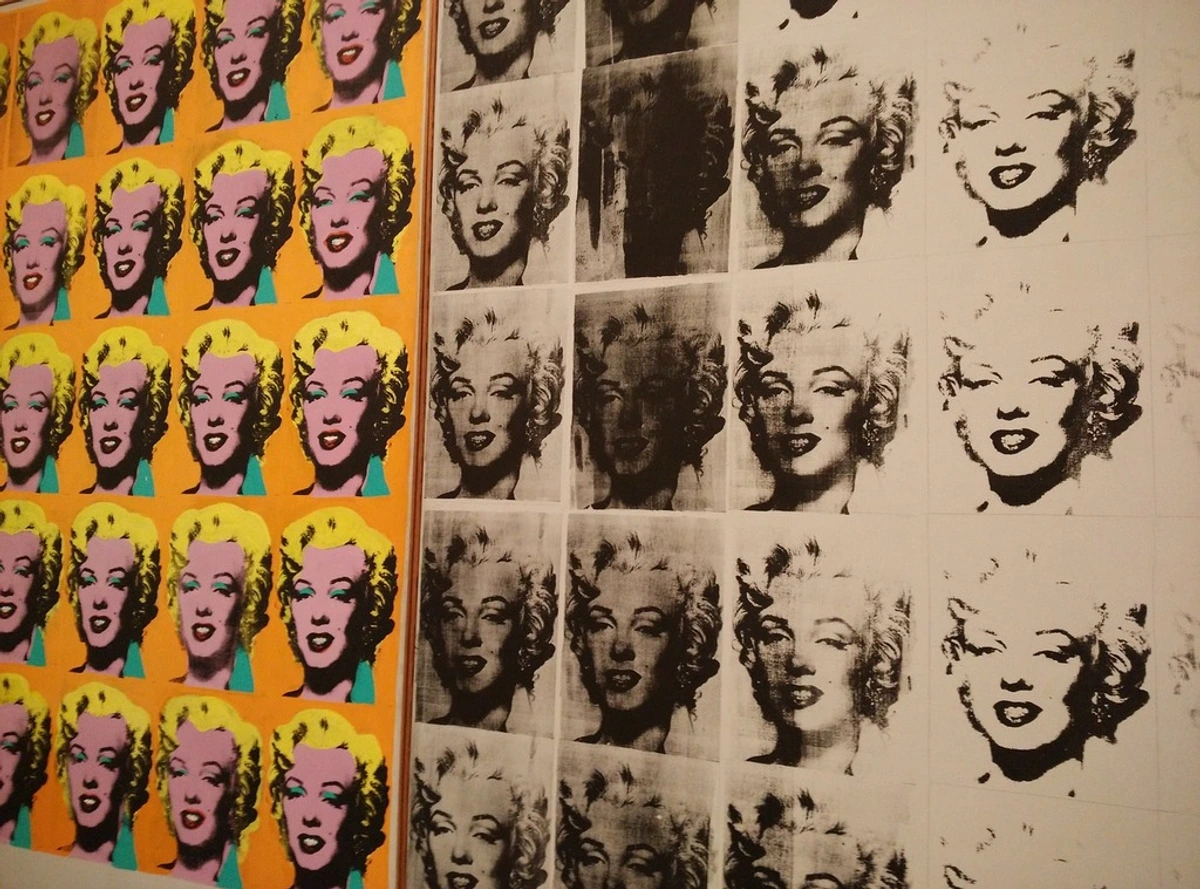
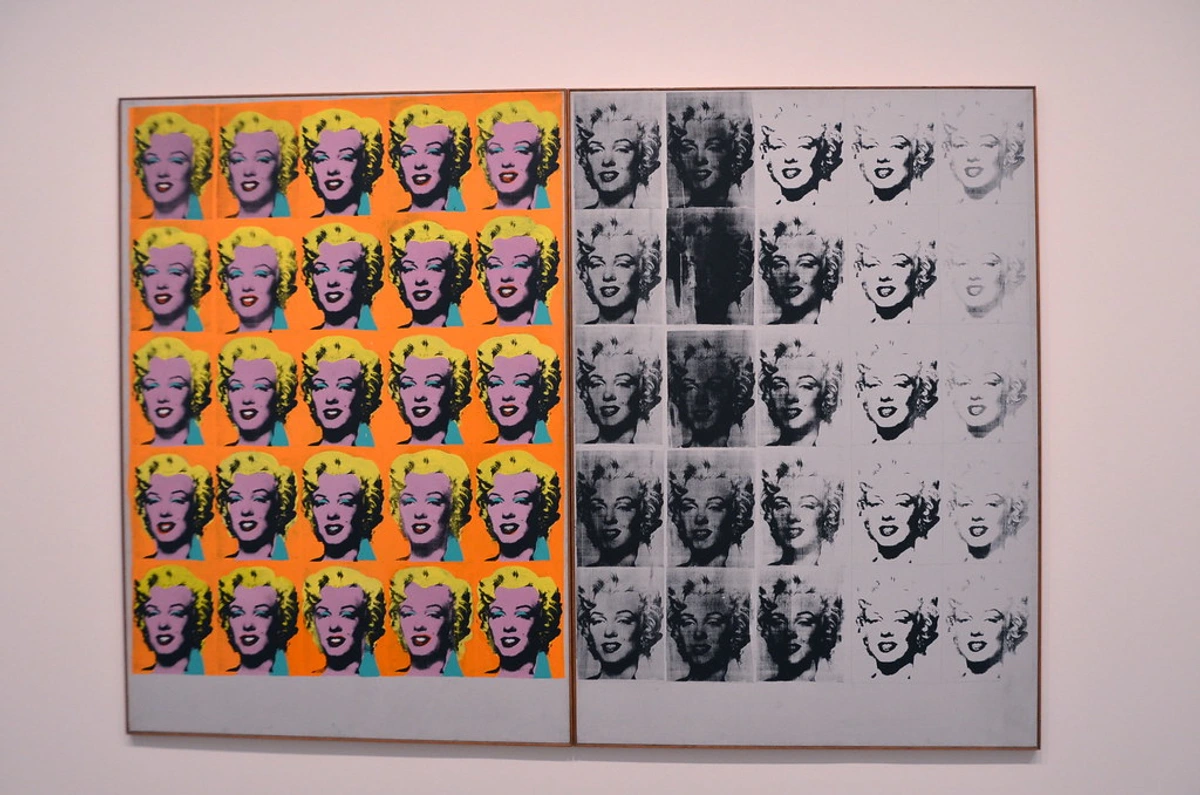
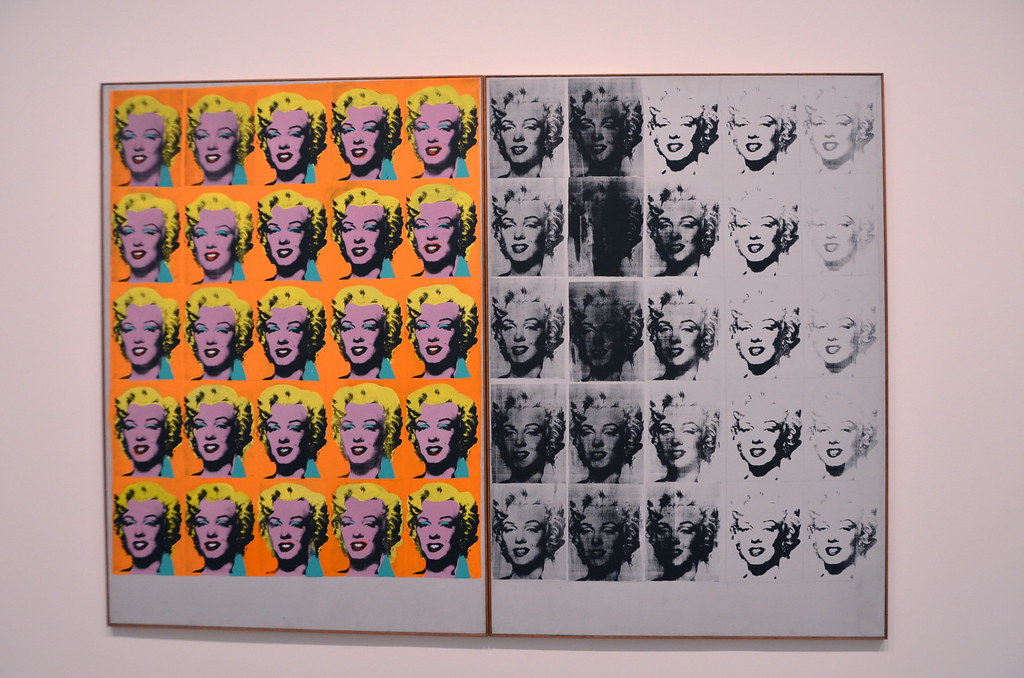
| Energy and excitement | Bold colors and dynamic patterns. | Abstract Expressionism, Pop Art influences, vibrant street art, colorful prints. |
| Nature and organic forms | Free-flowing shapes and natural color palettes. | Art inspired by landscapes, seascapes, botanical prints, works with flowing lines. |
| Graphic, modern interiors | Strong lines, typography, and high contrast. | Geometric abstraction, hard-edge painting, graphic prints, urban photography. |
| A pop of personality | One statement piece that dominates a room. | A single, large-scale artwork in a bold color or a dramatic black and white photograph. |
And the Golden Rule for the Budget-Conscious:
- Open-Edition Prints are your best friend for affordability.
- Giclée Prints give you museum-quality at a fraction of an original's price.
- Limited Edition Prints offer more exclusivity and potential for appreciation than open editions, while still being more accessible than originals.
Step 3: The Money Talk (All Your Questions, Answered)
Let's talk numbers. It's the least fun part, but knowledge is power (and saves you from overpaying). Here’s the general lay of the land.
Type of Art | Typical Price Range | Why? |
|---|---|---|
| Original Artwork | $500 – $5,000+ for emerging and mid-career artists. Can be much, much more for established names. | You're paying for the one-of-a-kind-ness, the materials, and the artist's years of skill and reputation. |
| Limited Edition Print | $100 – $800+ | The price is influenced by the edition size (rarity), the fame of the artist, and the quality of the printing. Smaller edition = higher price per print. |
| Giclée or Open-Edition Print | $50 – $200 | High-quality reproductions made to be accessible. Because they aren't limited, they are more affordable while letting you own a beautiful image you love. |
| Photography Prints | $150 – $2,000+ | Similar logic to prints. Limited editions from a well-known photographer will cost more than an open-edition landscape. |
The Golden Rule of Buying Art:
Invest in what makes your heart flutter, not what you think will make you money.
A $50 print you absolutely adore, that makes you smile every time you pass it, is infinitely more valuable than a $1,000 canvas you feel "meh" about. Buy for love first. If it happens to go up in value, that's a happy accident.
Pro Tip: The Hidden Cost
Don’t cheap out on framing. That’s like buying a Ferrari and putting on plastic hubcaps. A good frame and archival matting protect your art from sunlight and humidity, making it last decades longer. Budget an extra $150–$400 for professional framing. It's not just decoration; it's preservation. Shop our curated prints.
A Quick Word on NFTs (And Why We Don't Focus on Them)
You've probably heard of NFTs (Non-Fungible Tokens). They act like a certificate of ownership for a digital file—an image, a video, a tweet.
Our stance? We're skeptical for a few reasons. First, the environmental impact of the blockchains that power most NFTs is enormous, with a massive carbon footprint that feels counter to the spirit of creation. Second, the market is notoriously volatile. Stories of NFTs selling for thousands one week and being worthless the next are common. It’s speculative and high-risk.
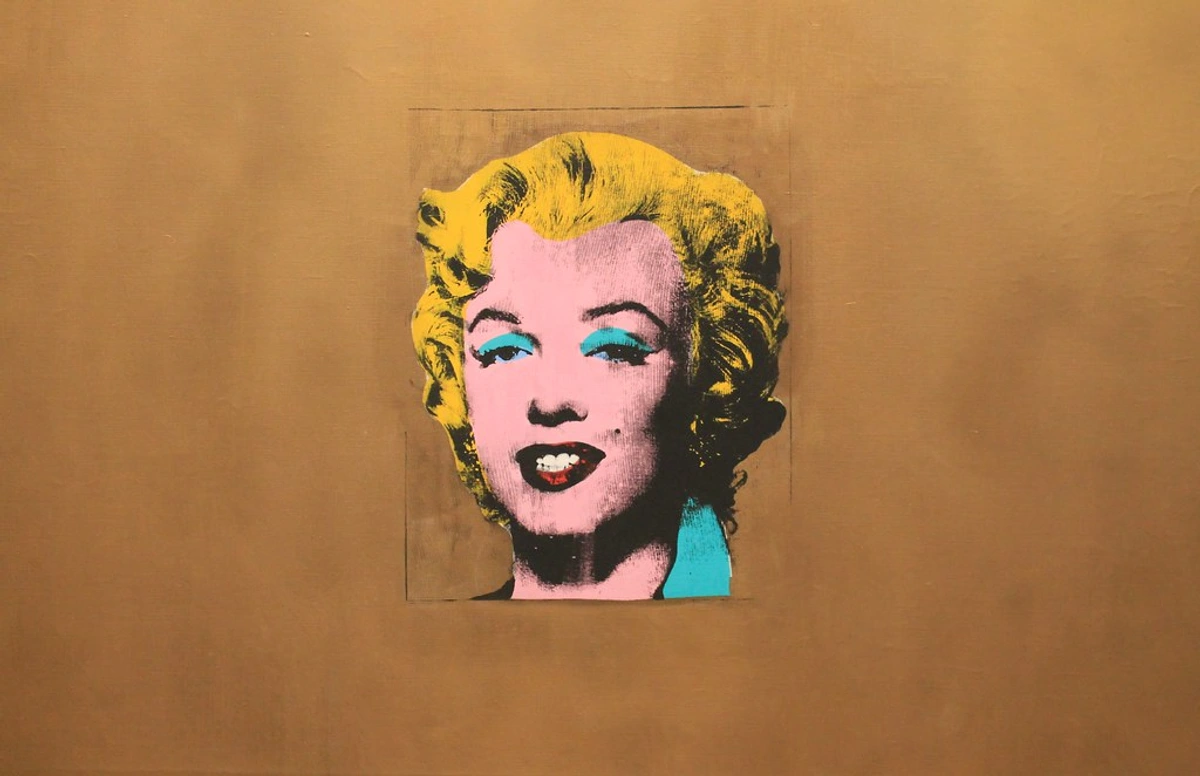
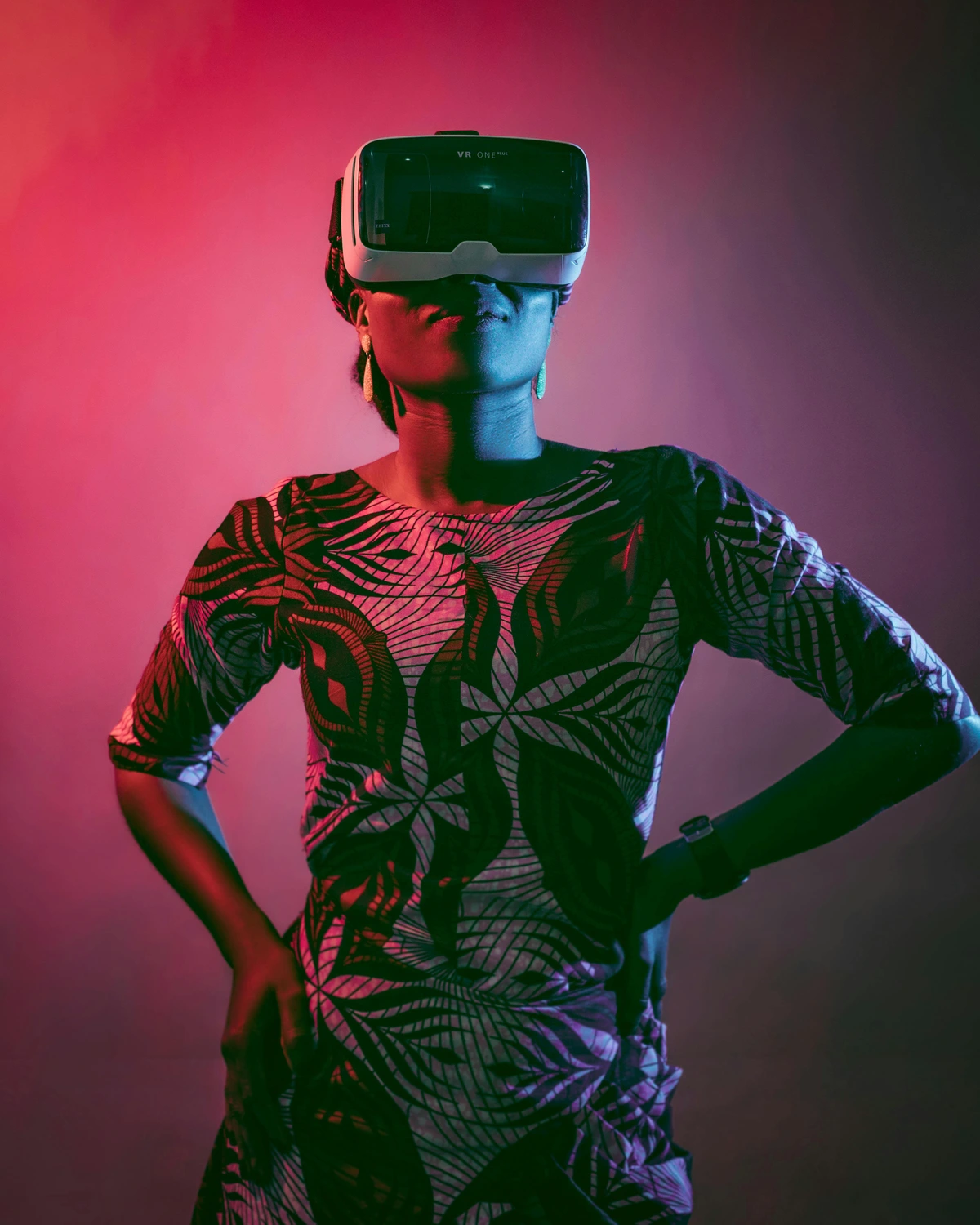
Ultimately, we believe in art you can touch, hang on your wall, and care for physically. While digital art itself is a legitimate and powerful medium, we focus on that tangible connection. For now, we're happy to stick with paper, canvas, and ink.
Home Care 101: Don’t Let Your Art Croak
You bought a masterpiece. Now keep it alive. Think of your art as a really sensitive, valuable houseplant that is terrified of the sun. Because it basically is.
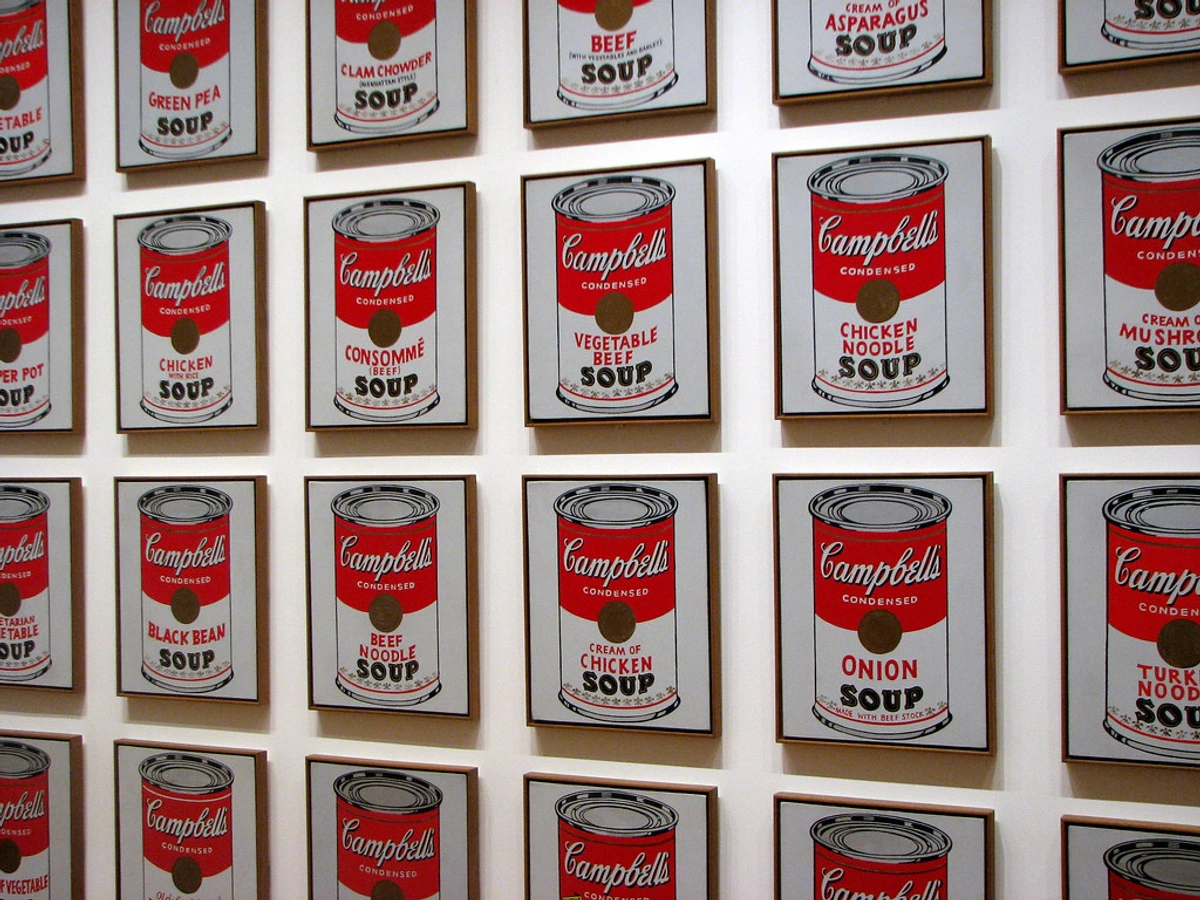
The Four Horsemen of Art Apocalypse (And How to Fight Them)
1. Light (The #1 Enemy) Direct sunlight is a vampire that will suck the life and color right out of your art. UV rays break down pigments and fibers, causing irreversible fading and brittleness.
- The Fix: Hang your art where direct sun will never, ever hit it. Use LED lights, which produce very little UV and heat. If you must use a frame light, make it LED. Your art will thank you in 20 years.
2. Humidity (The Silent Killer) Too much moisture in the air creates a spa day for mold, and your art is the cucumber it's sitting on. Too little, and paper and canvas become brittle and can crack.
- The Fix: Aim for a stable relative humidity between 40% and 60%. Avoid bathrooms and kitchens. If you live in a very humid or dry climate, a dehumidifier or humidifier for the room is a great investment.
3. Temperature Swings Heat accelerates chemical decay, while constant temperature shifts cause materials to expand and contract, leading to cracks, warping, and broken frames.
- The Fix: Keep your art in a climate-controlled space. Avoid attics, garages, and outside walls where temperatures can be extreme. Consistency is key.
4. Grime & Physical Damage Dust, oily fingers, and clumsy passersby are not your art's friends.
- Cleaning: Dust gently with a soft, clean microfiber cloth. That’s it. No Windex, no sprays, no water. If it's a deep clean for a valuable piece, call a professional conservator.
- Hanging: Use two hooks, not one. It keeps the piece balanced and secure. For a standard piece, the rule of thumb is to hang the center of the artwork at 57 inches from the floor—this is considered average eye level. And always, always measure twice.
Frequently Asked Questions (FAQ)
Let's get into the nitty-gritty of the questions you're actually typing into Google at 2 a.m.
Why is abstract art so expensive if a child could "do it"?
Ah, the eternal question! I’ve scribbled on napkins and thought, "I’m a genius!" But the difference is intentionality.
Think of it like this: a child can bang on a piano and make noise. A jazz pianist can bang on a piano and create music. The difference is decades of practice, an understanding of theory, and an intentional control of the chaos. Professional abstract art isn’t random. The artist makes thousands of micro-decisions about color, texture, line weight, and composition to create a specific feeling. That perfect shade of crimson? It probably took fifteen tries to get right. That seemingly random drip? It was agonized over. You’re not paying for the 10 minutes of painting you see; you’re paying for the 10,000 hours of practice and learning that came before it.
How do I know if art is "good enough" for my wall?
This is the most important question, and the answer is simple. If you love it, it's good enough. Your home is not a museum. You don't have to impress anyone. The only person who needs to connect with the art in your living room is you.
Repeat after me: "Good enough" is not a standard that applies here. "Do I want to look at this every day?" is the only standard. If a piece makes you fidget, or smile, or think about pizza (no judgment), or just pause for three seconds, it's doing its job. You don't need a degree to have a valid emotional response.
Should I buy art as an investment?
The dream of buying a painting for $500 and selling it for $50,000 is a powerful one, but for most of us, it's just that—a dream.
Here's the rule: Buy art because you love it, not because you think it's your retirement plan. The art market is incredibly unpredictable. It's influenced by trends, the reputation of the artist, global economics, and pure luck.
Think of potential appreciation as a bonus lottery ticket, not the reason for the purchase. The real investment is in your own well-being. You're investing in waking up to something beautiful every day, something that makes you think or feel. That’s a return you can count on, no matter what the market does.
What’s the best way to start an art collection?
You don't need a trust fund or a gallery consultant. You just need to start.
- Rule #1: Ignore the word "collection." Just buy one thing you love. That's it. You now have a "collection" of one. Congratulations!
- Buy what you can afford. A beautiful limited edition print for $150 is a better start than a $1,500 original you have to put on a credit card. There's no rush.
- Focus on the story. The best collections have a theme or a story. Maybe you only buy art from your hometown. Maybe you collect prints of flowers. Maybe every piece has to be blue. A story makes your collection uniquely yours.
- Be patient. A great collection is built over years, not in a weekend shopping spree. Enjoy the hunt. Visit local artist markets. Talk to creators. The stories you gather are part of the art's value.
How do artists price their work? A Peek Behind the Curtain
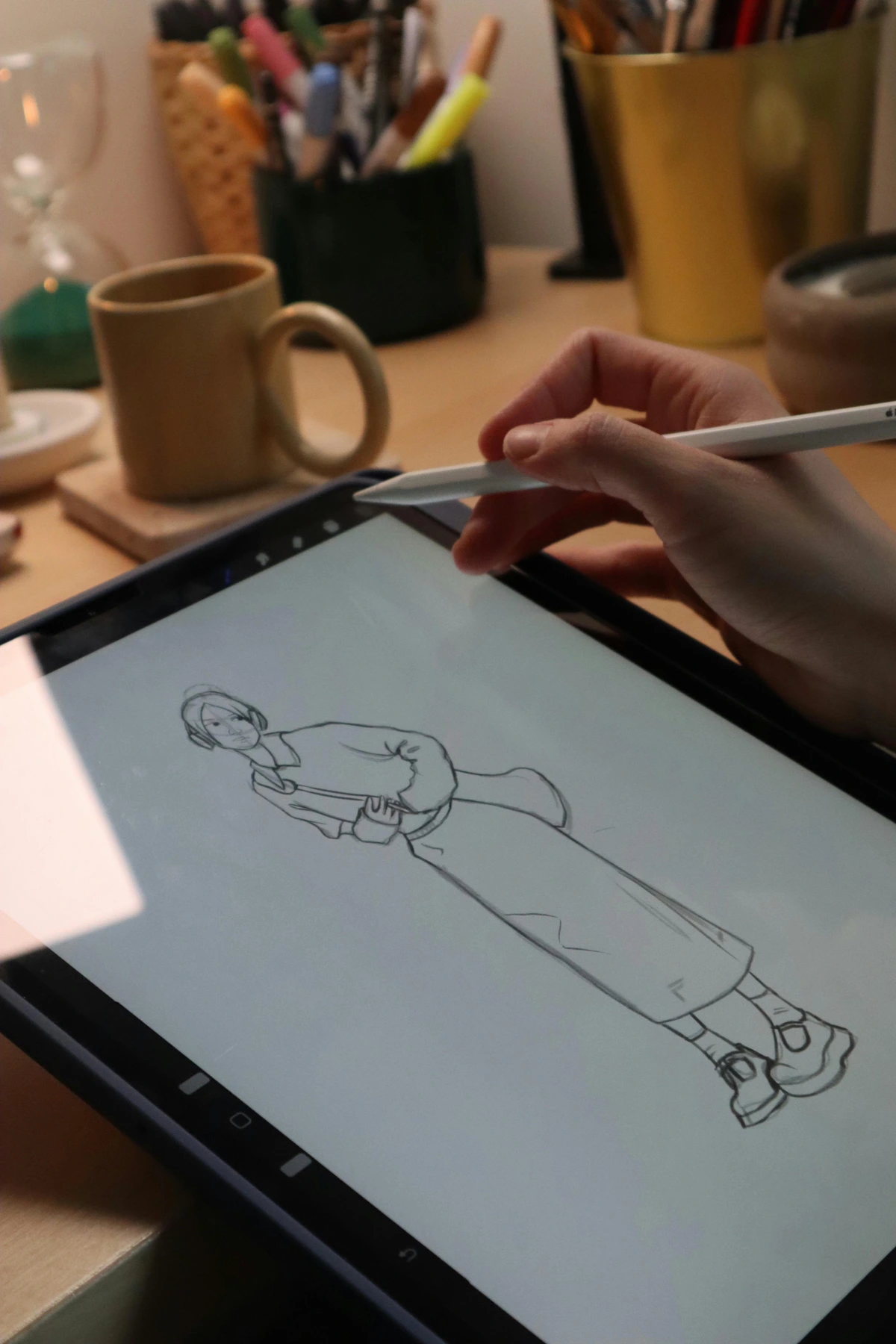
Ever wonder why a small painting can cost more than a much larger one? It's not just about the canvas size. Artists think about a whole cocktail of factors, though there’s no single formula.
- Size & Complexity: Bigger isn’t always better, but it often costs more, both in materials and time.
- Time & Labor: An intricate piece that took 100 hours will be priced higher than a quick sketch that took two.
- Materials: That rich, deep pigment isn’t cheap. High-quality paints, canvas, and other materials add up fast.
- Experience & Reputation: An artist fresh out of art school won't command the same prices as an artist with a 20-year career and museum shows under their belt. You're also paying for their accumulated knowledge and skill.
- The Market: Basic supply and demand. If an artist is in high demand (and doesn't produce a huge supply), prices will rise.
The key takeaway: you’re not just paying for a physical object. You're paying for the idea, the skill, the years of practice, and the time it took to create it.
What are "giclée prints"? Are they worth it?
Yes, absolutely. A giclée (pronounced zhee-KLAY) is not your average office printer output. It's a high-resolution, museum-quality print made on professional-grade inkjet printers using archival inks. This is the gold standard for reproductions.

Why are they so good?
- Incredible Detail: They can capture the finest details and subtle textures of an original artwork.
- Longevity: The archival inks and papers are designed to last for decades without fading (much longer than a standard poster print).
- Vibrancy: The color gamut is huge, meaning the prints can reproduce a vast range of rich, vibrant colors.
They're the perfect middle-ground: you get a stunning, durable piece of art that honors the original, at a fraction of the price. If you love an artist's work but an original is out of reach, a giclée is a wonderful way to own a piece of it. For more on printmaking techniques, we have a definitive guide.
Where can I see more of Zen Dageraad Visser’s work?
We’d love for you to explore! Browse our current collection of originals and prints here. For a deep dive into the creative process and timeline, visit our studio. You can also experience our latest exhibition in Den Bosch at Zenmuseum.
How do I care for a canvas print specifically?
Canvas is durable, but it's not invincible. The biggest threats are UV light (fading) and humidity (warping). Your mantra: Keep it dry, keep it dark (ish), and keep it flat.
- Hanging: Avoid direct sunlight at all costs. A spot on a wall that gets indirect light is perfect.
- Dusting: Gently dust the surface with a soft, dry microfiber cloth now and then. No liquids! Don't use any cleaning sprays.
- Storage: If you need to put it away for a while, store it flat in a cool, dry place. Never, ever roll a canvas print. It can crack the coating and the ink. If you must transport it, keep it flat.
Why is art so subjective? Who decides if it's "good"?
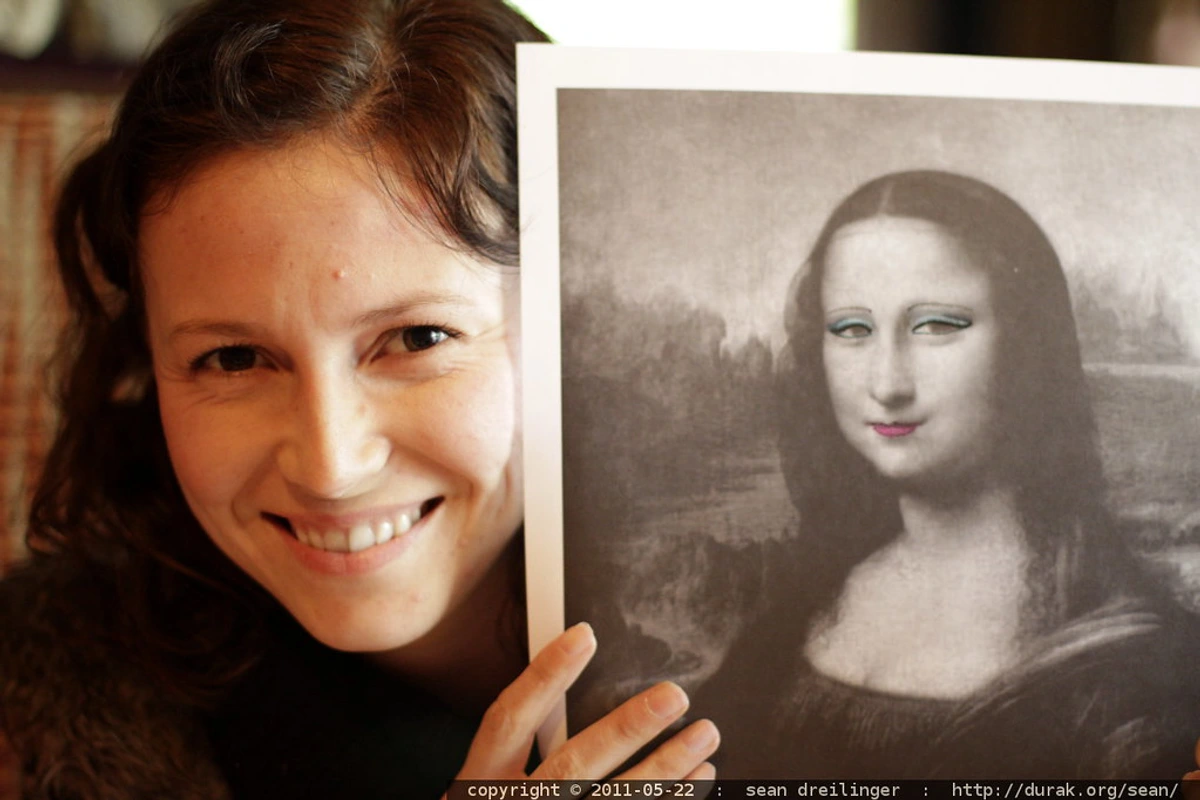
Because at its core, art is just a form of human communication, and humans are messy. When you look at a painting, you bring your entire life with you—your memories, your sadness, your joy, the song that was on the radio this morning. All of that changes what you see. A classical still life might make one person feel calm and another feel bored. A chaotic abstract piece might give one person a headache and make another feel seen for the first time.
As for who decides if it's "good"? There's the official art world (critics, curators, institutions), but their opinion is just one piece of the puzzle. They decide what's historically significant or culturally important. But you decide what's meaningful to you. And in your own home, your opinion is the only one that matters.
Is digital art "real" art?
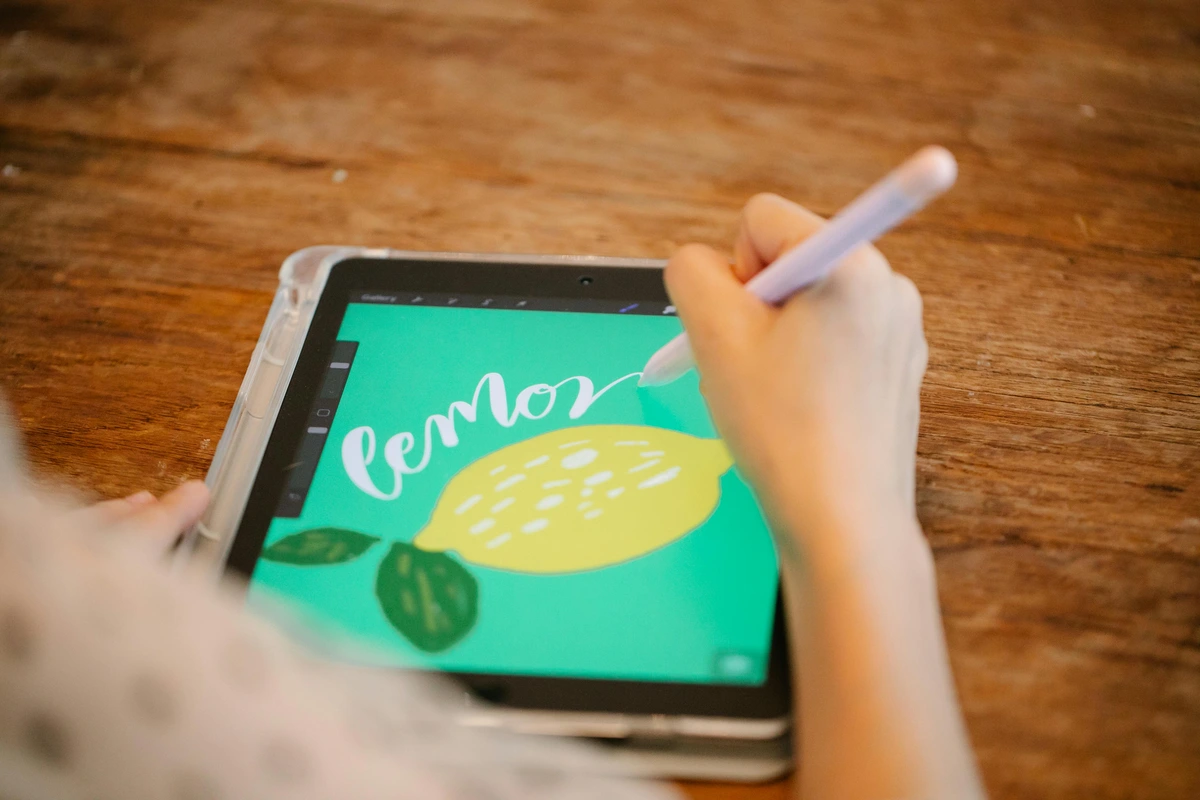
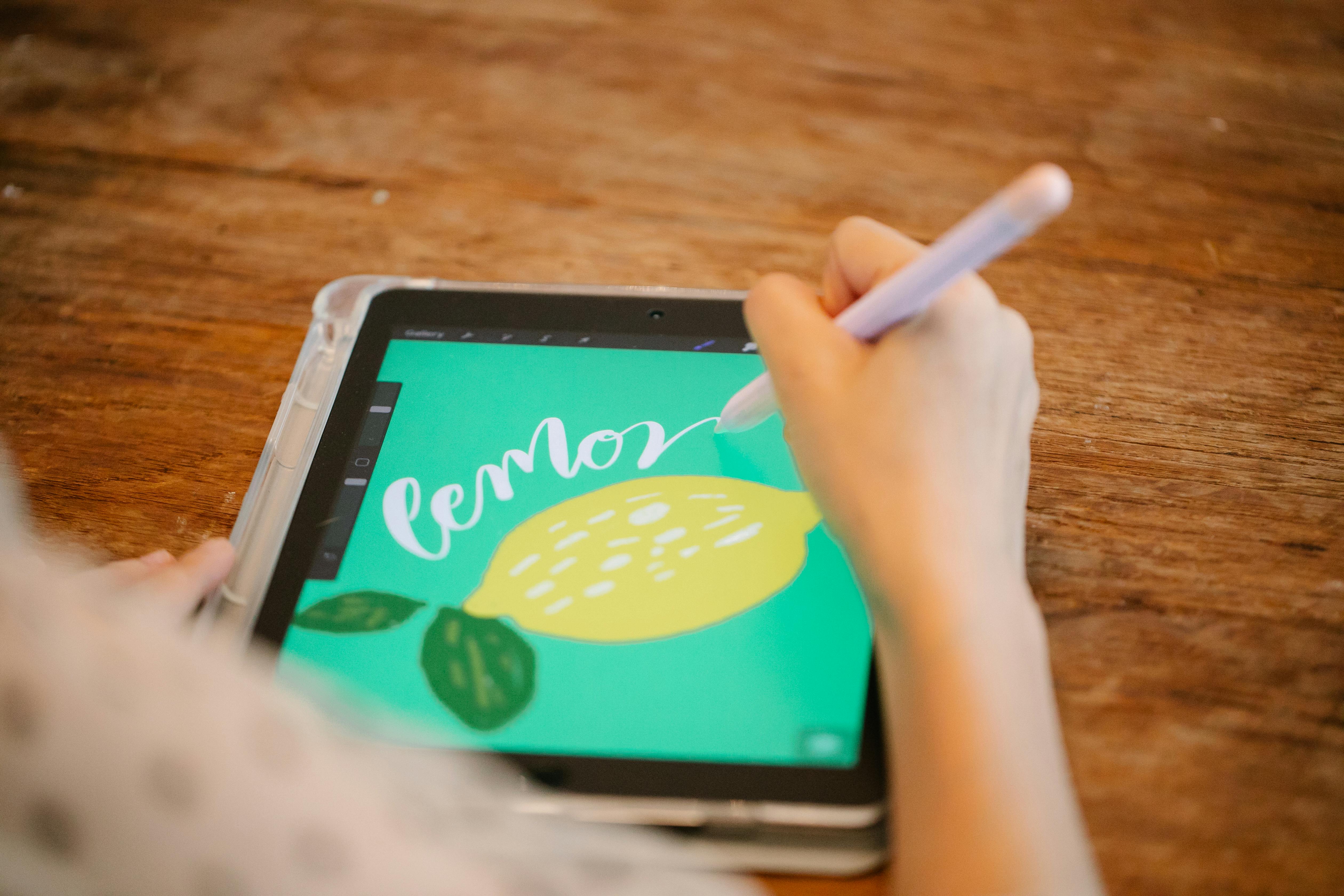
This is the "is a hot dog a sandwich?" debate of the art world, but my answer is a firm yes. Absolutely! Digital art is just art that uses technology as its medium.
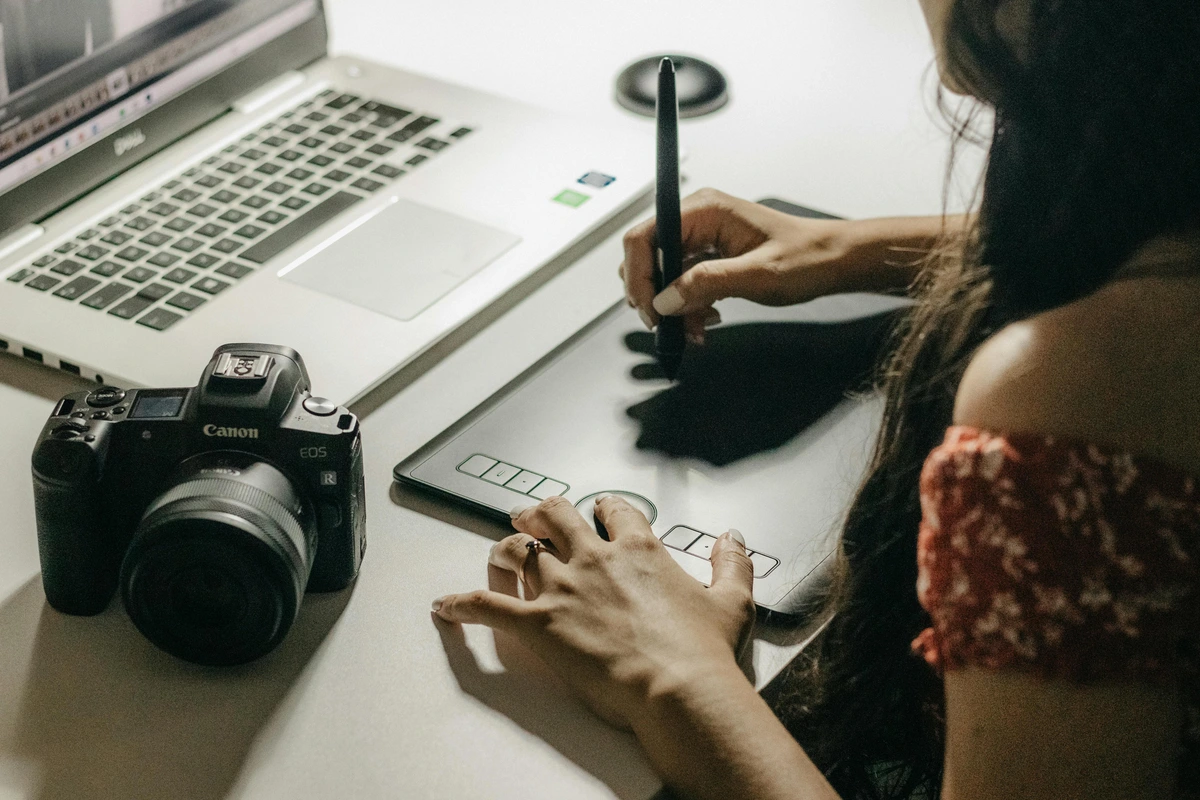
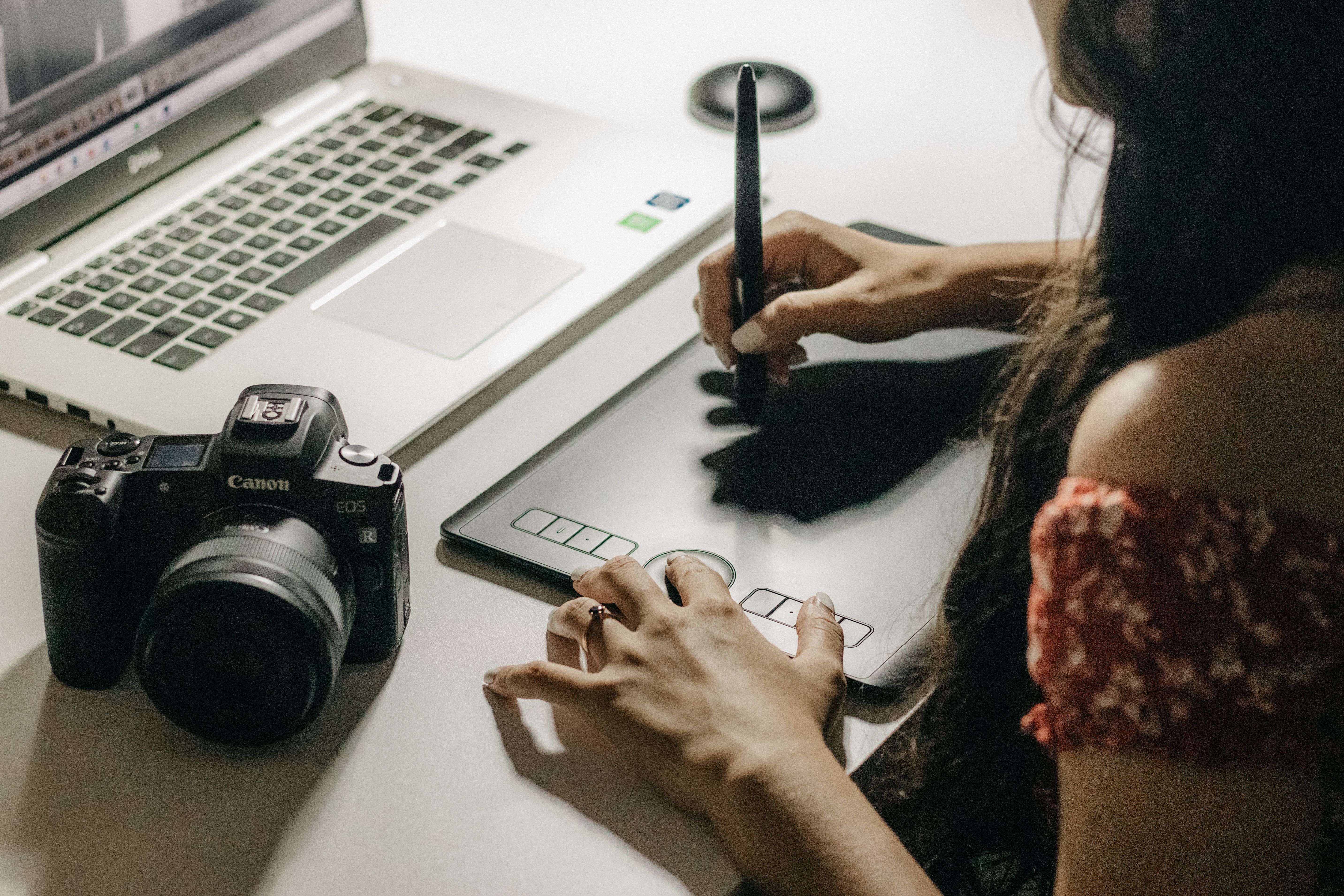
Think about it: when photography was invented, people said it wasn't "real art" because it was made by a machine. Now, it's a celebrated art form. The same goes for digital art. It still requires all the same skills: an eye for composition, a sense of color theory, an understanding of light and shadow. The only thing that's changed is the paintbrush. Instead of a sable hair brush, you're using a stylus. It's still art, just with a USB drive attached.
The Bottom Line: How to Stop Worrying and Love Art
Art isn’t a puzzle you have to solve. It’s not a final exam you can fail. It's more like a friend showing you their scrapbook of feelings. Some pages will make you laugh. Others might make you cry. A few might just confuse you. And that’s okay. Perfection is overrated.
Don't let the jargon, the price tags, or the fancy gallery spaces intimidate you. Every single rule you think exists is just a suggestion. The real goal is to just... connect. To find something that makes you stop for a second in a world that's always rushing. Whether you’re saving up for your first limited edition print or just curating your Instagram feed to be a little more colorful, the only thing you need to bring to the table is a little curiosity.
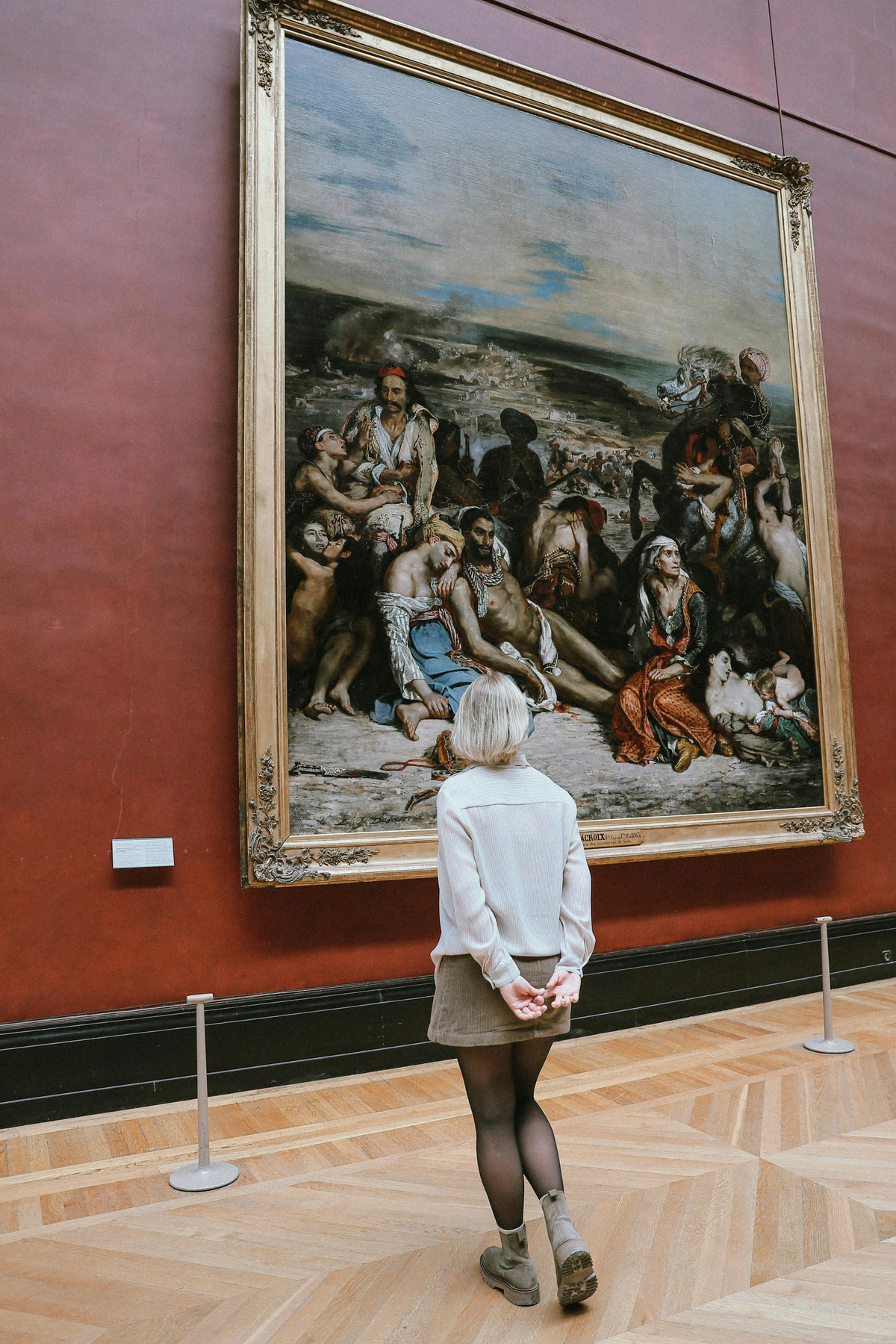







And remember the most important takeaway from all of this: the best art is the piece that makes you feel a little less alone in this wild world. Now go find your something beautiful.