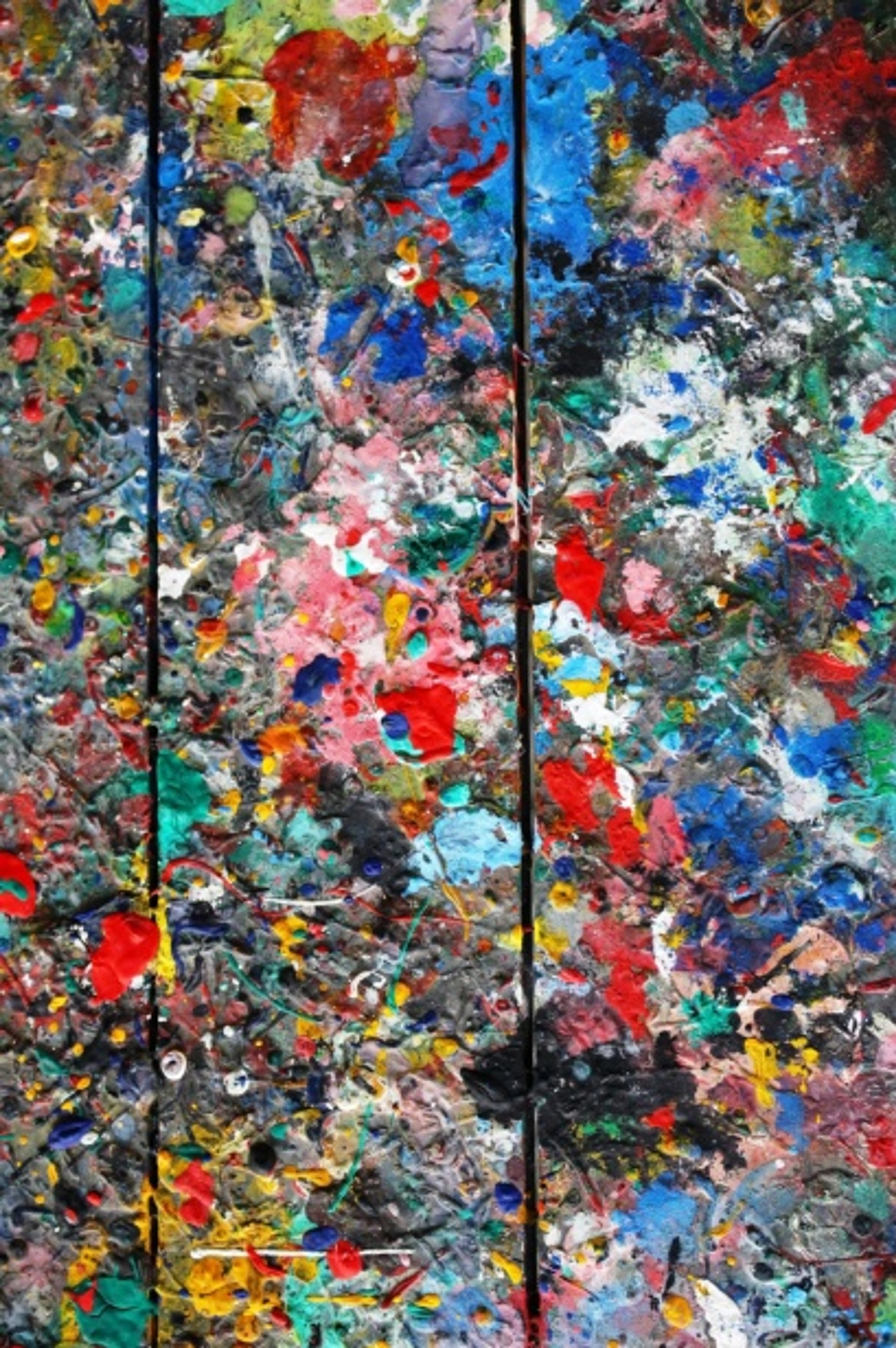
The Unseen Layers: My Journey to Mastering Depth & Narrative in Abstract Mixed Media Art
Explore the profound impact of unseen layers in abstract mixed media. Discover my personal journey through essential tools, techniques, and psychological insights to weave texture, emotion, and unique narratives into your art. Your definitive guide to creating compelling layered abstract paintings.

The Unseen Layers: My Journey to Mastering Depth & Narrative in Abstract Mixed Media Art
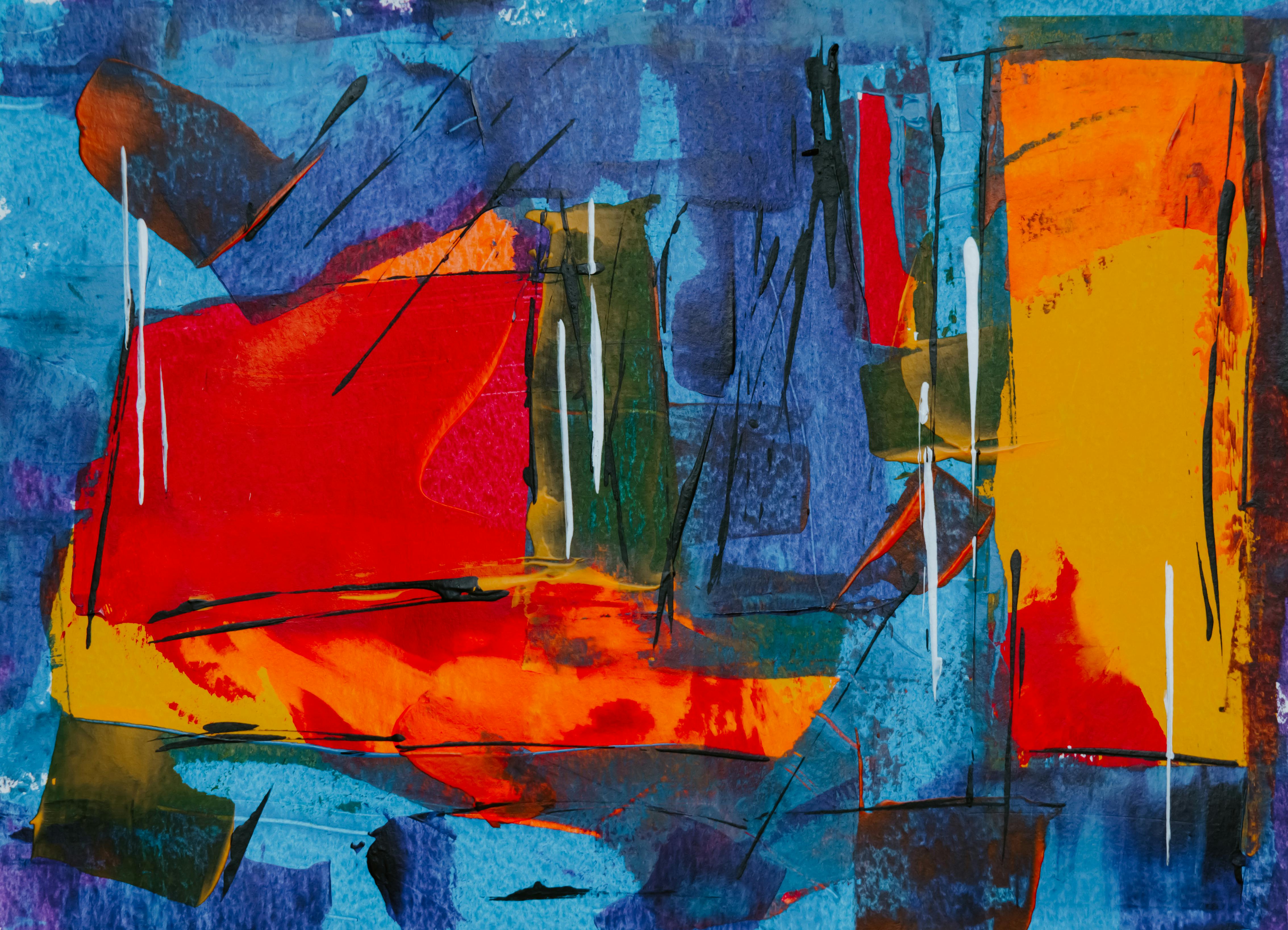
Have you ever gazed into an abstract artwork and felt an inexplicable pull, a sense of depth that transcends what your eyes can immediately grasp? I know I have, countless times. That's the undeniable power of unseen layers. For me, creating abstract mixed media is far less about simply putting paint on canvas and much more about engaging in a profound conversation—a continuous, evolving dialogue between intention, intuition, and the very materials themselves. It's a journey, sometimes gloriously messy (my studio floor can attest to that!), always surprising, into coaxing a unique story out of textures, forms, and the whispers of what lies beneath. In this article, we'll journey together to demystify the concept of unseen layers, explore their rich history, understand how they build narrative and emotional depth, reveal my essential toolkit, and provide practical insights into how I build them into my work. Consider this your ultimate guide to layered abstract painting, a map to exploring the profound within your own art.
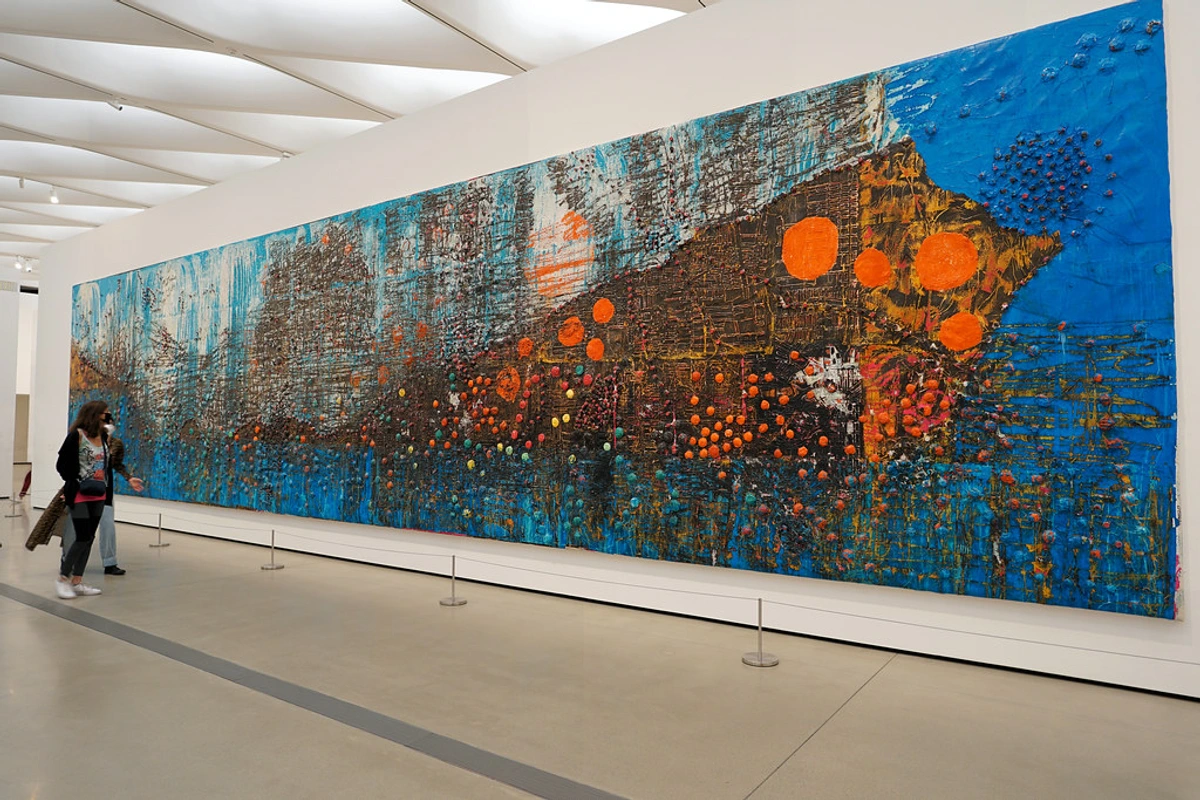
Beyond the Obvious: What Are These "Unseen Layers," Anyway?
I've always been captivated by things that aren't immediately apparent, things that hint at a deeper history. Think about the worn bark of an ancient tree telling tales of seasons past, the intricate patterns of geological strata revealing millions of years, or even the way an old building's facade peels back to show decades of stories beneath. This fascination with hidden depth, naturally, became the bedrock of how I approach making art. Just as a person isn't solely defined by their outward appearance (and thank goodness for that, right?), I believe a painting truly comes alive when it holds its own internal world, a rich history waiting to be discovered.
When I talk about unseen layers in my abstract mixed media, I’m referring to much more than just stacked materials. It’s a multi-faceted concept that includes:
- Material Layers: This is the physical history of the artwork. It includes initial washes, gesso applications (sometimes applied roughly, on purpose!), collage elements, texture pastes, glazes, and even previous ideas painted over. These are the tangible building blocks, each contributing to the final surface and hinting at the process of its creation. They create a physical topography, inviting the viewer's eye to explore its peaks and valleys. What’s fascinating is how these materials interact; a porous initial gesso layer, for instance, will drink up a thin wash differently than a smooth, sealed surface, influencing how subsequent layers adhere and appear.
- Emotional Layers: These are the moods, feelings, and shifts in my own emotional landscape during the creation process. A frustrated swipe of a brush, a moment of joy captured in a vibrant splash of color, or the quiet contemplation of a carefully placed mark—these are all embedded. They create an emotional resonance that a viewer might not consciously perceive but will definitely feel. For example, a heavy, scraped texture might evoke a sense of struggle, while a delicate, translucent glaze could whisper of hope. I find that certain textures, like jagged lines or distressed surfaces, often convey anxiety or tension, while soft, blurred edges can suggest peace or mystery. This is where the true heart of my abstract work lies, a topic I explore further in the emotional resonance of my abstract art: how feelings guide my brushstrokes.
- Conceptual Layers: The underlying themes, ideas, or questions I’m exploring. Sometimes it's a specific concept like "liminal space" (the in-between, transitional state), "the passage of time" (evoked by distressed surfaces or hints of what once was), or "memory fragmentation." Other times, it’s a more abstract inquiry into connection or chaos, resilience or fragility, urban decay, or the fleeting nature of reality. These ideas guide my choices, even if the final piece doesn’t explicitly illustrate them. For example, a piece exploring "the tension between order and chaos" might use a rigid geometric grid partially obscured by fluid, organic washes, or a vibrant, contained core struggling to break through a muted, heavy exterior. A hazy, translucent layer over a sharply defined edge might represent the fading of a memory, or an accumulation of disparate elements could visually represent the entropy of a system. These concepts inform the visual language, becoming an unspoken narrative that the viewer intuitively grasps.
- Historical Layers (from Found Elements): And sometimes, it's the history embedded in materials before they even became art. A fragment of an old nautical chart might hint at lost voyages and unexplored territories, a snippet of an old letter could carry the echoes of a past conversation, or a torn piece of fabric might whisper of domestic histories. A small piece of a handwritten recipe implies domesticity and nourishment, while a ticket stub suggests travel or a forgotten event. Even a sliver of vintage wallpaper can evoke the changing fashions and lives within a home. A torn fragment of a vintage theatre ticket might whisper of fleeting moments of entertainment and forgotten evenings; a section of a faded, handwritten grocery list could evoke domestic routines and the passage of everyday life. These found elements are treasures, each with its own quiet history, adding a subtle depth that a freshly painted surface can't achieve.
- Negative Space as a Layer: Often overlooked, the deliberate inclusion of negative space is just as crucial as the physical marks. Think of it like the silence between words that allows meaning to form, or the empty space in a landscape that defines the forms within it. These areas of emptiness or subtle tone allow the other elements to breathe, creating visual pauses, fostering balance, and emphasizing the interplay between what is seen and what is implied. Leaving a raw canvas area, or a thinly washed background, can draw the eye to intensely worked areas, creating focal points and guiding the viewer's journey. It's a layer of intentional quiet, giving the eye a place to rest and integrate what they see, and crucially, helping to establish visual hierarchy and rhythm within the composition.
My "aha!" moment, much like the one I described with the paper scraps and gel medium (and yes, that really happened, I was about to throw the canvas across the room!), was realizing that true depth isn't just about adding more. It's about building, obscuring, and then selectively revealing. It's about creating a rich visual history that invites the viewer to lean in, to explore, and to discover their own stories within the artwork. It's about making them feel something profound, a resonance that lingers long after they’ve moved on.
This deep-seated fascination with hidden histories, these layers of meaning and process, is not unique to my practice. Artists throughout history have explored the power of layers to imbue their work with profound narratives.
The Psychology of Layering: A Deeper Connection to Self and Viewer
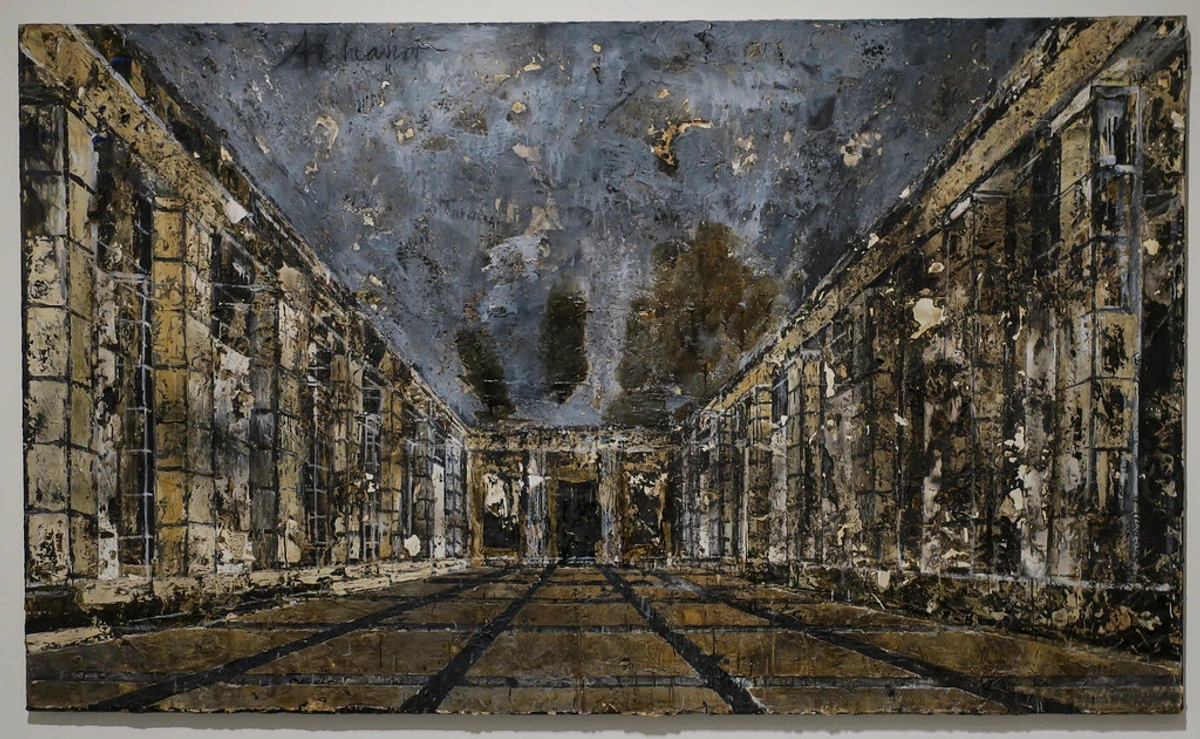
Beyond the visual and technical aspects, there's a profound psychological dimension to layering that I find deeply compelling. For me, the act of covering, obscuring, and then revealing parts of a piece is incredibly cathartic. It mirrors life's own process of growth, healing, and self-discovery. We build experiences, cover past wounds, and sometimes, through reflection or a happy accident, a fragment of an earlier self or a buried memory surfaces. This process, in a way, allows me to process my own emotional landscape on the canvas, akin to exploring defense mechanisms, the interplay of the conscious and subconscious mind, or even aspects of Jung's "shadow self" coming to light. A heavy, opaque layer might represent a coping mechanism or a period of suppression, while a delicate scraping back to reveal a vibrant color beneath could symbolize a breakthrough or a moment of truth, perhaps even a moment of trauma-informed healing through art. This can be further explored in my abstract language: decoding the personal symbolism and narratives within my work.
When a viewer engages with a layered piece, I believe they unconsciously tap into this psychology. The visual 'dig' through the artwork becomes an invitation to explore their own hidden depths. The fragments of color, the whispers of buried texture, the suggestion of something just out of reach—these elements create a sense of mystery and introspection. It fosters a more intimate, reflective relationship with the art, moving beyond simple observation to a felt experience. The artwork becomes a mirror, reflecting the complexities not just of its own creation, but of the human condition itself, forging a deep empathetic resonance that lingers long after viewing.
A Brief History of Layering in Art: From Renaissance to Mixed Media
While my approach to layering feels deeply personal, the concept of building up a work in stages has a rich history, far predating modern abstract art. Think about it: the Renaissance masters meticulously applied transparent glazes to achieve luminous depth in their oil paintings. Their process was a slow, deliberate form of layering, creating an optical illusion of light and shadow that brought their subjects to life. For a deeper dive into these techniques, explore mastering glazing techniques in oil painting.
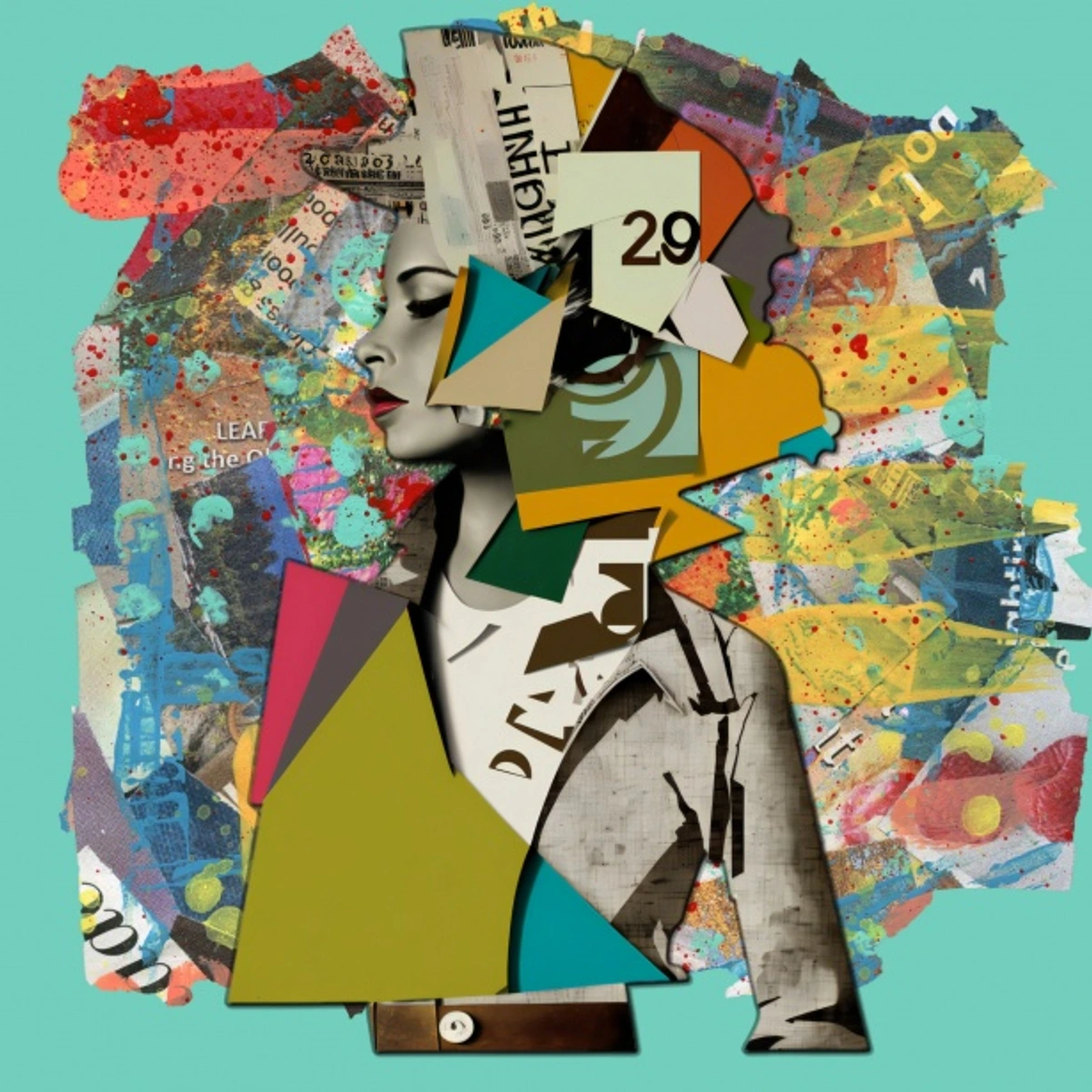
Then, as art moved into the 20th century, artists like the Cubists and Dadaists began to dismantle traditional notions of painting and sculpture. They introduced collage, literally layering different materials—newspaper clippings, fabric, found objects—onto the canvas. This wasn't just about texture; it was about injecting new narratives, challenging perceptions, and bringing the outside world into the artwork. Kurt Schwitters' Merz pictures, for instance, are masterpieces of layered, found materials, each fragment telling a piece of a larger, often fragmented, story, actively disrupting traditional composition. Even Andy Warhol's iconic Campbell's Soup Cans can be seen as a form of layering—layering commercial imagery and cultural critique onto the canvas. For a deeper dive into this fascinating technique, check out what is collage art.
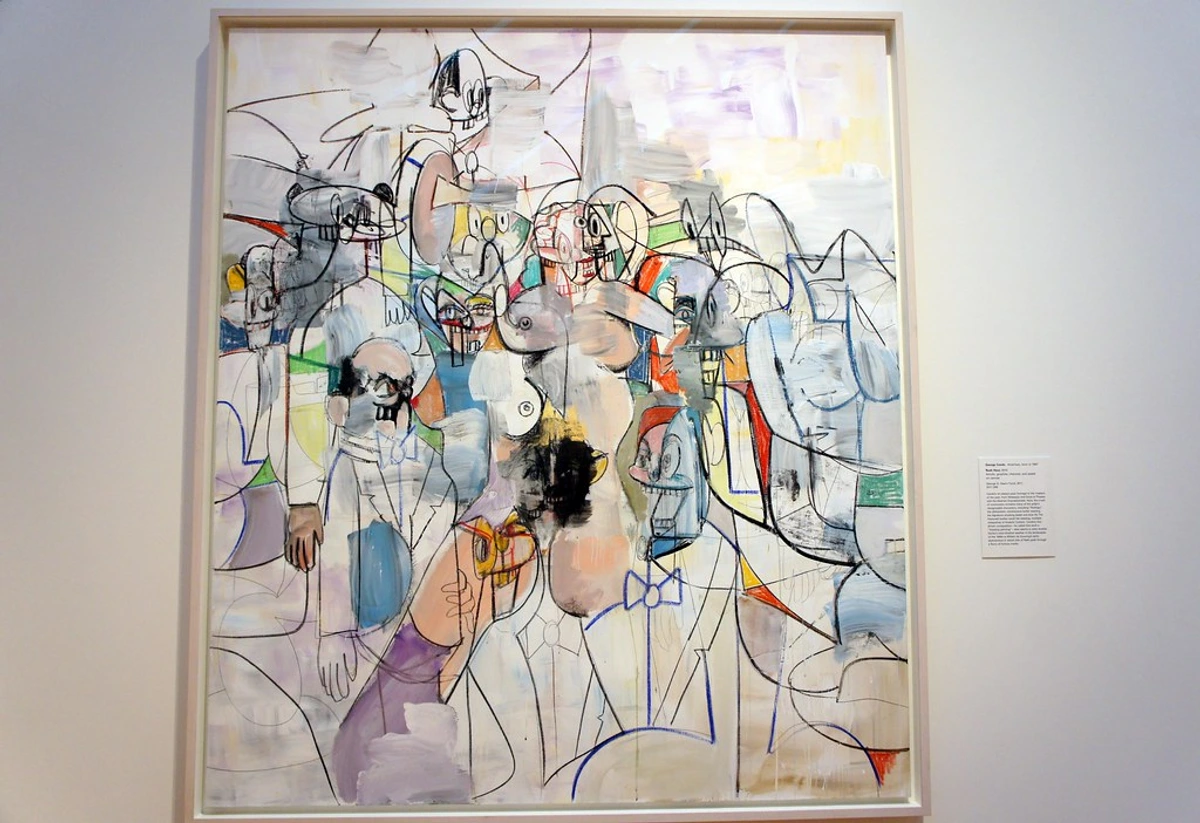
Later, the Abstract Expressionists embraced layering for its emotional and psychological depth. Artists like Clyfford Still built up thick, impasto surfaces, often scraping away to reveal underlying colors and textures, reflecting a raw, visceral process. Mark Rothko, another titan of Abstract Expressionism, created his signature color fields through many thin, luminous layers of thinned paint, allowing colors to bleed and interact optically, creating a profound, meditative depth that draws the viewer inward. Anselm Kiefer, a contemporary master, uses monumental scale and heavy, symbolic materials—ash, straw, lead—to create deeply layered works that speak to history, memory, and trauma. His work embodies a kind of archaeological layering, where the past is literally embedded within the artwork.
This historical lineage confirms that layering isn't just a technique; it's a fundamental way artists have imbued their work with meaning, whether that's the illusion of reality, a commentary on society, or a profound emotional landscape. It's a testament to the power of accumulated marks and materials to create something far greater than the sum of its parts. Even in the digital realm, artists layer virtual textures, transparencies, and effects in software like Photoshop or 3D rendering programs to achieve similar depths. While digital layering offers incredible flexibility and an infinite undo button (something I often wish for in my studio!), I've always found a unique resonance in the tangible history embedded in physical layers, a quality that digital processes, for all their utility, often struggle to replicate fully. If you're curious about the broader history of abstraction, my guide to the definitive guide to the history of abstract art: key movements, artists, and evolution is a good starting point.
Why Layers Create Narrative & Emotional Depth in Abstract Art
"Narrative" in abstract art doesn't mean a literal story with characters and a plot. Instead, it refers to the sense of a journey, an unfolding experience, or a communicated feeling that the artwork evokes. My layers are the chapters of that journey, each adding to a silent story that the viewer can interpret. This is how abstract art achieves its unique brand of storytelling, weaving narratives through the language of form and texture. This is a subtle form of visual storytelling techniques in narrative art, adapted for the abstract.
Here’s how these unseen layers build that compelling, unspoken narrative and profound emotional depth:
- Echoes of History: Each layer is a mark in time, a decision made, a feeling felt. When older layers peek through, they hint at a past, at processes undertaken. This creates a sense of endurance, memory, and the passage of time within the static image. A flash of a vibrant color from an early layer, partially obscured by muted tones, can evoke a memory of joy or a past struggle. It's like finding an old photograph tucked into a beloved book—it adds an unexpected dimension to the present moment, hinting at lives lived and moments cherished or forgotten.
- Emotional Depth: Colors, textures, and marks buried beneath other layers can create a subtle emotional undertow. A vibrant underpainting peeking through a muted top layer can evoke hope or hidden potential, while a dark, heavy texture obscured by lighter glazes might suggest struggle overcome or secrets held. The tactile quality of a built-up surface can even mimic the complexity of human emotion, inviting a physical and empathetic response from the viewer. This is how art speaks directly to the soul, bypassing words. For more on this, check out the psychology of color in abstract art: beyond basic hues.
- Suggestive Revelation: When I intentionally reveal certain parts of an earlier layer, it's like a whisper, an invitation for the viewer to participate in completing the story. They don't get all the answers, but they get enough clues to construct their own interpretation. This act of partial uncovering creates intrigue and encourages prolonged engagement, making the viewer an active participant in the artwork’s narrative. It’s an unspoken "what if?" that resonates, a mystery they can unravel. It's a key part of what makes abstract art so engaging.
- Dynamic Visual Journey: Layers create movement and focal points. The eye naturally wants to explore the surface, discovering new details and textures, almost like exploring a landscape. This journey is the narrative—a visual expedition through peaks and valleys of color and form. It's about how the eye travels, rests, and then discovers something new just when it thought it had seen everything. It keeps the viewer engaged, constantly finding fresh perspectives and drawing them deeper into the work. It’s about building a visual composition that leads the eye.
Ultimately, understanding why these layers matter is crucial, but so is knowing how to build them. Let's dive into the essential techniques that bring these concepts to life, allowing you to craft your own rich visual stories.
My Playbook for Depth: A Dialogue with the Canvas
My creative process is definitely not a rigid formula; art rarely is, thankfully! It's more of a series of invitations, a constant back-and-forth between myself, the materials, and the developing artwork. It’s fluid, beautifully messy, and wonderfully unpredictable. Each piece dictates its own journey, but there are certain 'moves' I often find myself making, a kind of internal conversation I have with the evolving piece. It's a dance between intention and happy accidents, a true creative flow.
Starting the Conversation: The Foundation
Every abstract journey begins with a leap of faith, usually accompanied by a slightly chaotic burst of energy. The first layer is about shedding the fear of the blank canvas (oh, that intimidating white space!). It's where I lay down initial, often intuitive marks or washes of color. This layer isn't precious; in fact, I sometimes aim for it to be a bit "ugly" or deliberately unrefined. I remember one time, I put down a foundation layer that was so spectacularly off—a jarring combination of muddy greens and purples—I nearly started over. My stomach actually lurched when I looked at it. But those initial 'mistakes' often become the most interesting foundations, creating a base from which everything else will grow, even if it's eventually completely covered. Sometimes, a jarring clash of colors might later be unified by a single, dominant glaze, or a chaotic texture could be scraped back to reveal subtle patterns. Sometimes, I'll even apply a rough layer of gesso, creating a toothy, imperfect surface for what's to come, knowing full well it will mostly disappear. This initial layer is less about perfection and more about getting something, anything, down, like a painter's first breath. If you want to dive deeper into preparing your surface, you might find this guide on how to apply gesso to canvas a beginners guide useful.
Building the Dialogue: Essential Layering Techniques
This is where the real magic happens—or at least, where the real work begins. This stage is about intention meeting intuition, about building up and breaking down. Here are some of my favorite ways to weave those unseen layers, transforming a blank surface into a rich, evolving narrative, building both visual and emotional depth. These techniques are core to the language of layers: building depth in abstract acrylics:
Technique  | Description | Effect on Depth & Narrative | Common Pitfall | Tip for Success | Keyword Focus |
|---|---|---|---|---|---|
| Glazing | Applying very thin, transparent layers of paint diluted with a medium over existing dried layers. | Creates luminosity, subtle color shifts, and a sense of optical depth as light passes through multiple translucent films. Whispers of earlier layers show through. | Muddy or dull colors from over-application. | Work with thin layers and allow each to dry completely. For extra vibrancy, try iridescent glazing mediums. | Transparent paint, optical depth, color shifts, luminous, acrylic glazing, color blending |
| Collage | Adhering paper, fabric, found objects, or even dried paint skins onto the canvas using various mediums. | Introduces literal texture, unexpected narratives, and a sense of history or fragmentation. Each element brings its own story, often speaking of the past. | Weak adhesion, elements detaching over time. | Use archival gel mediums for strong, lasting bonds. Seal highly absorbent or acidic materials first. | Mixed media art, found objects, texture, narrative, history, fragmentation, assemblage |
| Impasto | Applying paint thickly, often with a palette knife or brush, to create a textured surface that stands out physically. | Adds physical depth, emphasizes specific areas, and captures raw energy and emotional intensity. It makes the surface tactile and dynamic, almost sculptural. | Cracking if applied too thickly or on flexible support. | Build up layers gradually, use flexible mediums (like heavy gel), ensure proper drying. Find more on what is impasto painting. | Texture, physical depth, tactile, expressive, palette knife, thick paint, sculptural painting |
| Masking | Using tape, stencils, or resist materials to protect areas of a layer, then removing them to reveal the underlying color or texture. | Creates sharp edges, geometric forms, and reveals stark contrasts between layers. It can suggest hidden structures or sudden revelations, like uncovering a secret. | Paint bleeding under tape, residue left behind. | Press tape firmly, remove before paint is fully dry, test resist materials on a scrap piece first. | Geometric forms, sharp edges, contrast, revelation, hidden structures, acrylic masking |
| Sgraffito/Scraping | Scratching into wet paint or soft mediums with a tool (like a palette knife, comb, or even a credit card) to reveal the color or texture underneath. | Unearths buried layers, creates linear textures, and evokes a sense of excavation or uncovering ancient truths. It speaks of things hidden beneath the surface. | Scratching too deeply, damaging previous layers. | Control pressure, experiment with different tools for varied marks. Consider waiting for the layer to be tacky. Learn more about the art of mark making. | Excavation, linear texture, uncovering, buried layers, mark making, paint scraping, texture building |
| Pouring | Applying fluid paint or medium by pouring directly onto the canvas, allowing it to spread and mix organically. | Generates unpredictable, organic forms and veils of color. It captures a sense of flow and allows for beautiful, accidental interactions between layers. | Uncontrolled flow, unintended muddying. | Control the tilt of the canvas, use separate colors or allow partial drying before adding more. Add flow improver. | Fluid art, organic forms, accidental, color interaction, flow, acrylic pouring, abstract fluid art |
I often combine these techniques, sometimes in ways that might make a traditional painter gasp (but that's part of the fun!). For instance, I might start with a pour, let it dry, then apply some collage, and later glaze over parts of it to unify the colors. It's all about listening to the piece and allowing its unique voice to emerge. If you're interested in blending different materials, you might find my journey with mixed media: blending materials for abstract expression a helpful read.
The Dance of Intuition and Intention: Embracing the Process
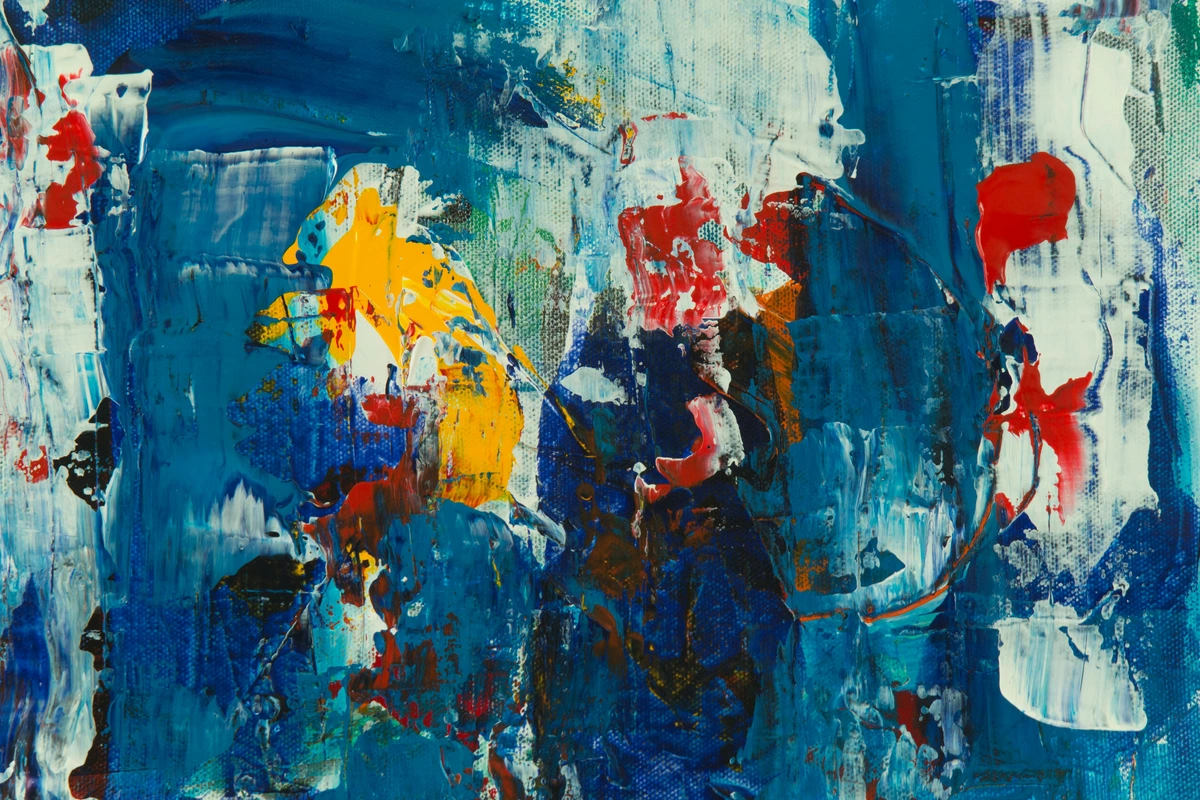
This whole layering process, for me, is a constant dance between pure intuition and deliberate, thoughtful intention. I might intuitively splash some vibrant color, then intentionally mask off a section. I love allowing the unexpected to guide me. Sometimes, a "mistake" or a happy accident becomes the most compelling part of the piece. My studio floor is testament to a lot of "accidents" that didn't quite make it onto the canvas, but the ones that do? They're pure gold.
I remember one piece where I accidentally spilled a dark, inky wash over a delicate collage of vintage lace. My first thought was, "Well, that's ruined." (We all have those moments, don't we? That little voice of despair is a familiar studio companion). But instead of covering it entirely, I used a damp sponge to lift some of the ink, creating a beautiful, distressed effect where the lace pattern was subtly revealed through a veil of shadow. It transformed the piece from merely pretty to powerfully haunting, a perfect example of embracing the unplanned moments. This experience, among many others, taught me that actively inviting and embracing these unplanned moments is crucial; it’s where the true personality of the artwork often emerges. This continuous interplay of intention and serendipity, of building and deconstructing, is what truly builds depth – not just visual depth, but a sense of history, emotion, and an unspoken narrative that resonates with the viewer. It's this dynamic exchange that connects my process to the broader conversation of contemporary artists pushing the boundaries of layered approaches. This push and pull, this willingness to both construct and deconstruct, is central to the magic of unseen layers. It's truly the power of imperfection in action.
The Alchemist's Drawer: My Essential Toolkit for Unseen Layers
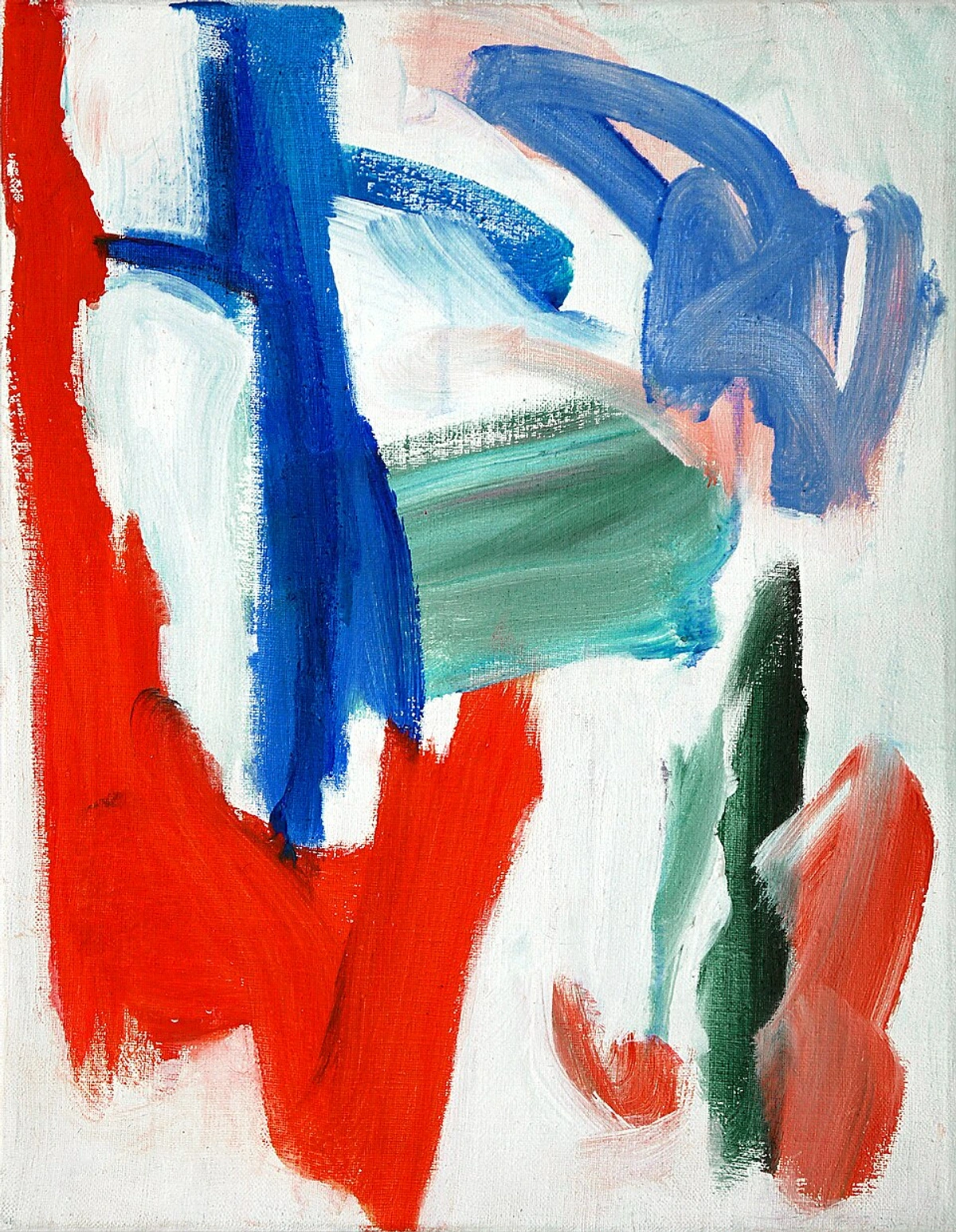
Before we dive into the 'how-to,' let's talk about the unsung heroes of my studio: the materials and tools that make these unseen layers possible. While you can layer with almost anything, having a few key items makes the process smoother, more versatile, and dare I say, more fun! This isn't an exhaustive list, but it's where I usually start. You might also find the definitive guide to mixed media in abstract art: techniques, materials, and contemporary masters a good companion read.
Core Materials: Building Blocks of Depth
- Acrylic Paints: My go-to for their fast drying time and versatility. I use a range from fluid acrylics for washes and pours to heavy body acrylics for impasto. They play well with most other mediums and allow for quick successive layering, which is crucial for building many layers without waiting days between applications. For a good starting point, check out liquitex basics acrylic paint review.
- Gesso: Essential for preparing surfaces, but I also use it during the layering process. A rough gesso layer can add tooth and texture, or a thin gesso wash can mute underlying colors, allowing them to peek through subtly. Sometimes, I even use gesso as a white or off-white opaque layer to intentionally cover parts of a previous chaotic layer, unifying the composition or giving the eye a resting spot. You can even make your own gesso if you're feeling adventurous!
- Gel Mediums: These are the glues, extenders, and texture builders of mixed media. I use them extensively for adhesion, transparency, and building body. The choice of gel medium significantly impacts the appearance and texture of your layers. You can find out more about these in best acrylic mediums for abstract artists:
- Gloss Gel Medium: Ideal for strong adhesion, creating highly transparent layers, and adding a beautiful sheen that enhances color vibrancy and optical depth. Think of it like a clear window into previous layers.
- Matte Gel Medium: Similar to gloss in adhesion, but creates a non-reflective, velvety surface. It's perfect for contrasting textures, creating a more subdued, integrated feel, or reducing glare on heavily textured pieces.
- Heavy Gel Medium: A thick, brushable gel that holds brushstrokes and adds significant physical body. Great for creating robust texture without the rigidity of modeling paste, and can be built up in layers for sculptural effects.
- Modeling Paste: Offers the most dramatic height and rigidity for sculptural elements. It dries to an opaque, hard, matte white surface that can be carved, sanded, impressed, or painted over, creating bold, pronounced textures.
- Soft Gel Medium: A thinner, more fluid gel that extends paint while maintaining its intensity. Excellent for creating translucent glazes and smooth, semi-transparent layers without heavy body, perfect for subtle depth.
- Pumice Gel Medium: Contains fine (or coarse) pumice stone particles, creating a gritty, sandy, and highly textural surface. It’s fantastic for adding a literal layer of tooth and an organic, earthy feel, which can be scraped into or washed over for interesting effects.
- Collage Elements: Old book pages, maps, tissue paper, fabric scraps, even previous failed experiments—anything that can be adhered. Each brings its own unique visual and tactile story. A vintage stamp, a snippet of an old letter, or even a piece of discarded packaging can add unexpected resonance and a sense of found history, literally embedding snippets of other lives and stories within your artwork.
- Inks & Watercolors: Transparent layers of ink or watercolor (especially fluid acrylic inks) can add vibrant glazes over dried acrylics, creating stained-glass effects or subtle color shifts without adding significant physical bulk. They are excellent for creating atmospheric effects, drips, or staining previously textured surfaces, allowing the underlying forms to show through with a new color cast.
Essential Tools: My Hand in Motion
- Brushes: A variety, from large house painting brushes for broad washes to fine detail brushes. Old, stiff brushes are perfect for scraping and dry-brushing textures. Check out best brushes for acrylic painting for more guidance.
- Palette Knives: Not just for mixing paint! I use them for applying thick impasto, scraping back layers, creating sgraffito, and even applying collage elements. A good palette knife is an extension of my hand, and you can learn more about them in what is a palette knife and how to use it.
- Texture Tools: Anything that can make a mark or create texture: combs, credit cards, sponges, bubble wrap, even natural objects like leaves or crumpled paper. Experimentation is key here! You might be surprised what you find around the house. For more ideas, explore exploring texture: my favorite techniques for adding depth to abstract paintings.
- Spray Bottle: Filled with water, it helps keep acrylics workable, creates drips, and softens edges between layers, allowing for beautiful blending and atmospheric effects.
The Importance of Substrate: The First Unseen Layer
Often overlooked, the surface you choose for your layered artwork (the substrate) is foundational. A sturdy canvas, a rigid wood panel, or even heavy-weight paper (at least 300gsm) is crucial for supporting the accumulating weight and texture of multiple layers, especially when using heavy gels, modeling pastes, or numerous collage elements. Different surfaces also influence the layering process; a smooth gessoed panel will allow paints to glide, while a textured canvas will grab the pigment, each offering unique opportunities for expression and affecting how your layers interact. For heavy textural work, I always recommend a rigid wood panel, which can be further prepared by sanding to achieve optimal tooth or smoothness, and often sealed with a good quality gesso on all sides to prevent warping. Consider your substrate as the first, and perhaps most critical, 'unseen layer' in terms of structural integrity.
Materials I Generally Avoid for Layering (and Why):
While mixed media is about freedom, some materials aren't ideal for structural layering, especially if you're aiming for longevity and stability. For my practice, and for the archival longevity I strive for, I generally avoid:
- Dry Media (alone in thick layers): Pastels or charcoal, if applied thickly without heavy fixatives, don't adhere well and can compromise subsequent wet layers or cause bleeding. I might use them for a final, delicate surface mark, but not as foundational layers that need to withstand heavy working. If you're using charcoal, consider sealing it with a spray fixative before adding wet layers.
- Highly Acidic Papers: Materials like newsprint, if not sealed with an archival medium (like an acrylic matte medium or PVA glue), will yellow and become brittle over time, degrading the entire artwork. Their acidity can also leach into other layers, causing discoloration. Always seal found papers thoroughly on both sides.
- Unstable Found Objects: Fresh plant matter, unsealed metals that can rust (unless rust is the intended, controlled effect), or certain plastics can degrade, leach chemicals, or promote mold growth, undermining the archival integrity of the piece. If you use metal, ensure it's treated or sealed to prevent oxidation and staining. Similarly, organic elements should be thoroughly dried and sealed if included.
- Rubber Cement: This is a common pitfall! While initially effective, rubber cement will yellow, become brittle, and eventually lose its adhesive properties over time, leading to collage elements detaching. Always opt for archival gel mediums or PVA glues designed for fine art. Every material choice is a dialogue between creative freedom and lasting impact, and sometimes, a little research into material science goes a long way.
credit, licence
Contemporary Voices in Layered Abstract Art
While historical masters paved the way, contemporary artists continue to push the boundaries of layering, weaving complex narratives and textures into their work. Exploring their practices often sparks new ideas for my own process and reminds me that the conversation around layering is constantly evolving.
- Julie Mehretu: Known for her large-scale, intricate abstract paintings and drawings, Mehretu employs layers of acrylic paint, ink, and pencil to create dense, architectural compositions. Her signature use of intricate linework, often resembling calligraphic gestures, built upon faded architectural plans and maps exemplifies how she creates a complex visual history that feels both personal and universal, often hinting at global networks and urban dynamics within her multi-layered surfaces.
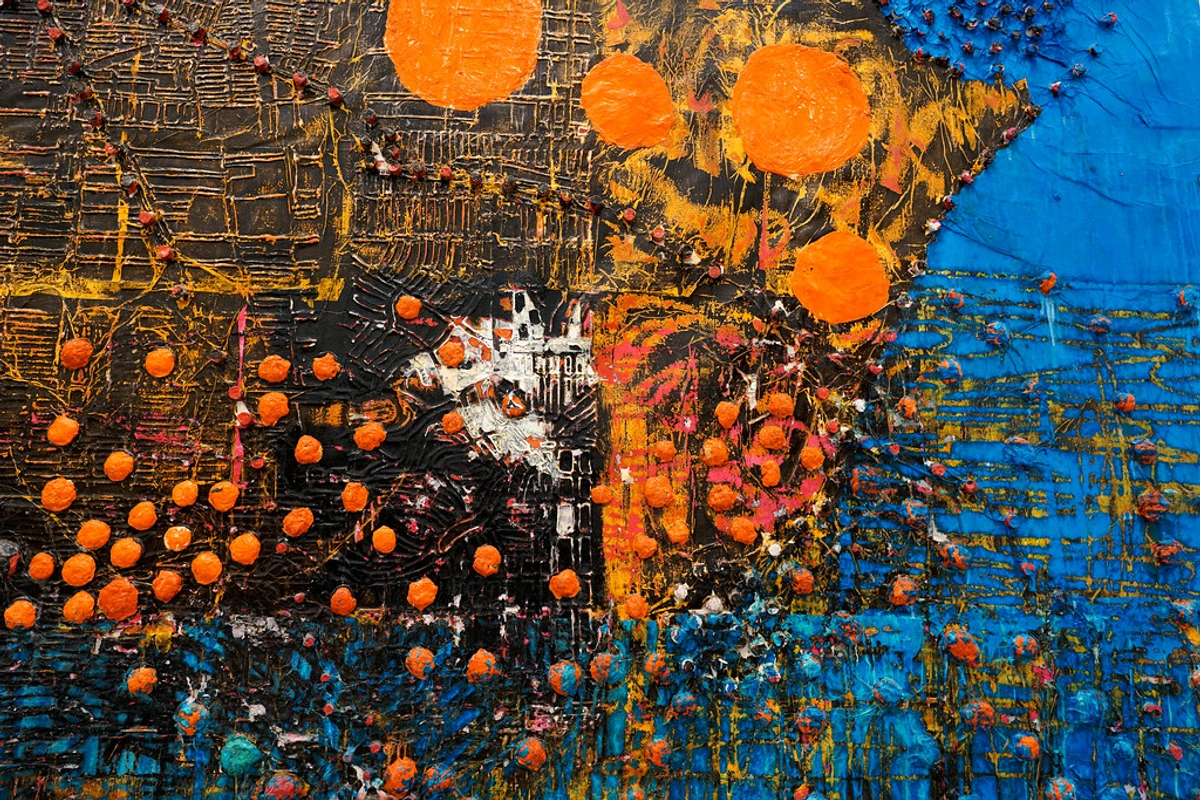
- Mark Bradford: A master of abstraction, Bradford uses found paper, billboards, and other ephemera scavenged from urban environments. He then layers, scrapes, sands, and tears these materials, often incorporating elements like asphalt and denim, creating monumental, textured surfaces that resonate with socio-political commentary and the history of place. His 'Paper Paintings,' for example, often reveal 'ghosts' of advertisements, political flyers, and community notices, literally embedding the history and social strata of the street into the canvas, often through an archaeological process of stripping back layers.
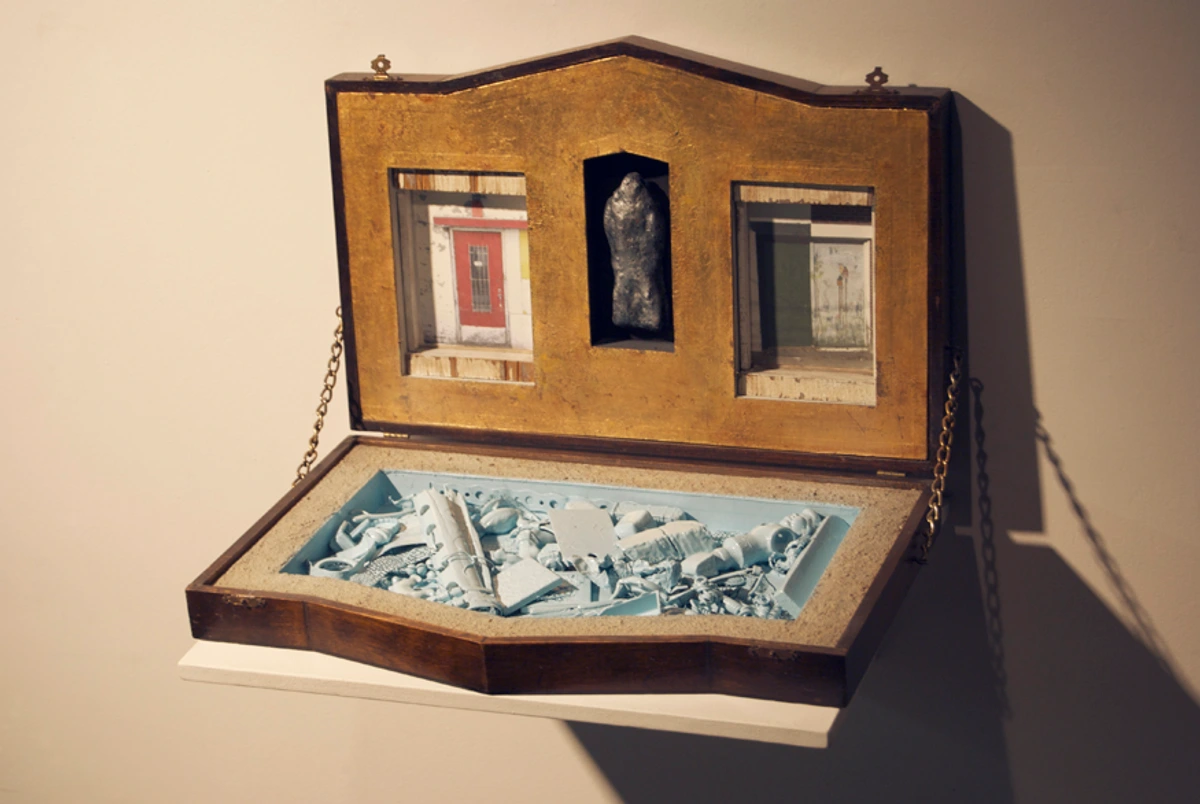
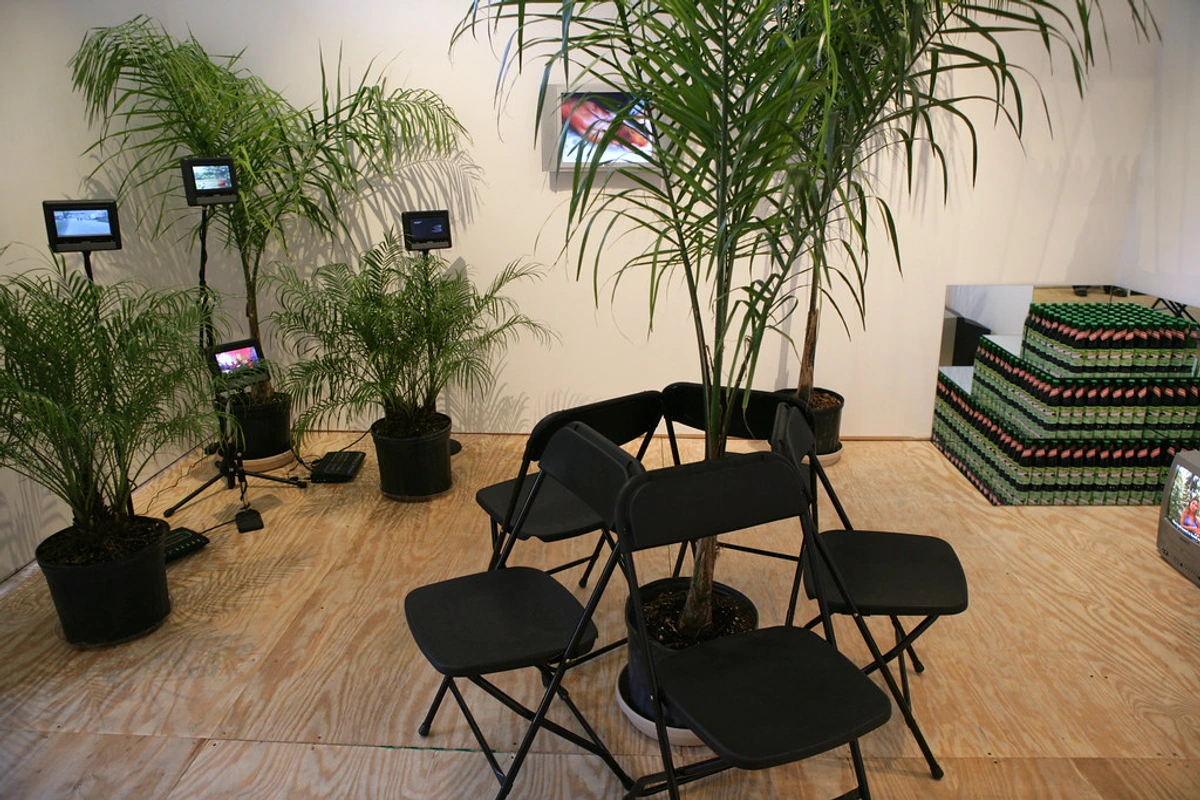
- Sarah Sze: Sze's installations and sculptures often feature countless small, everyday objects meticulously arranged and layered to create vast, intricate universes. While sculptural, her approach to accumulating and orchestrating disparate elements—sometimes filling entire rooms with these intricate accumulations—into a cohesive, deeply textured whole is a powerful example of layering in a three-dimensional context, inviting viewers to explore micro-narratives within a grander structure.
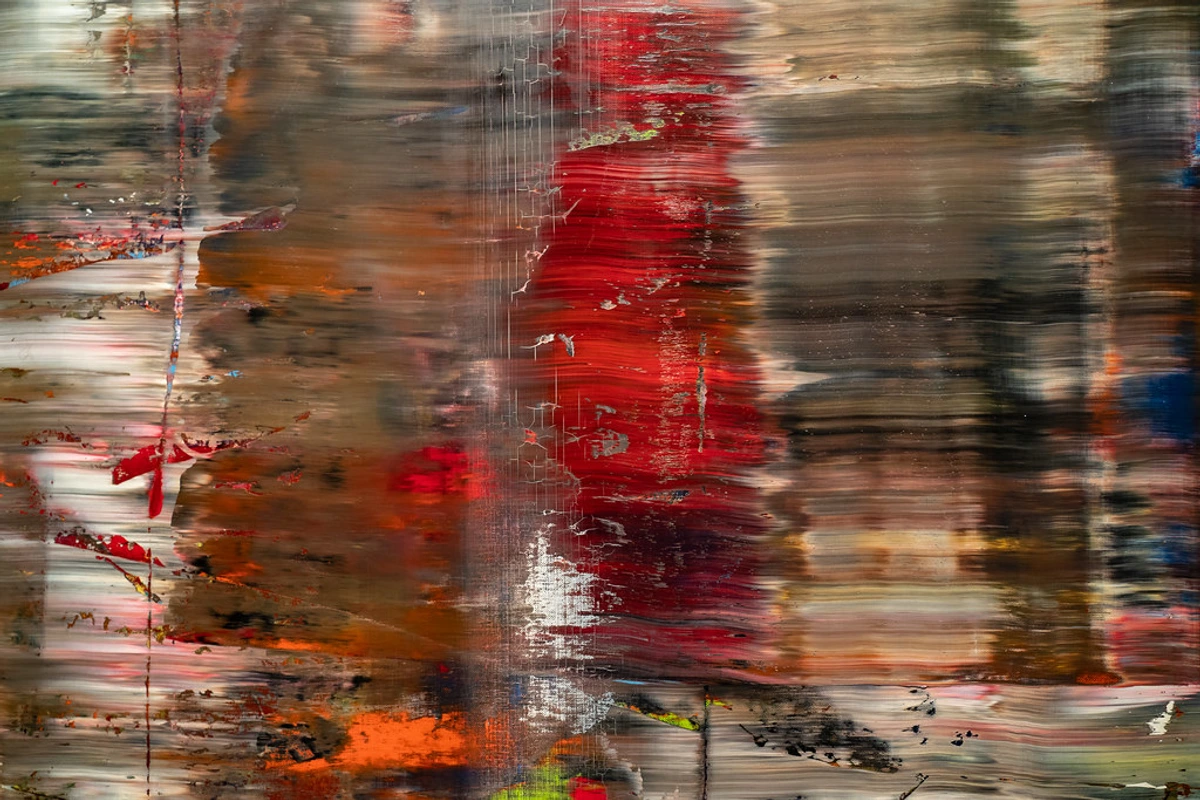
- Gerhard Richter: Although known for various styles, Richter's abstract work often involves applying and then scraping back layers of thick oil paint, creating blurred, multi-layered surfaces that evoke a sense of memory, time, and the act of painting itself. His subtle yet profound layering technique, where subsequent layers obscure and reveal parts of previous ones through dragging and blurring wet paint, reveals hidden depths and unexpected color relationships, often feeling like a visual representation of memory's elusive nature.
These artists demonstrate that layering is not just a technique, but a profound artistic strategy for reflecting on history, society, and the human experience in an ever-evolving world. They remind me that every layer, whether visible or hidden, contributes to the profound impact of the final piece.
Navigating the Labyrinth: Challenges, Solutions & FAQs in Layered Art
Layering can seem daunting, and believe me, I've run into every possible roadblock. But through countless experiments (and quite a few canvases banished to the "later" pile, only to be rediscovered years later!), I've developed some strategies that might help you on your own layered journey. Don't worry, even the pros mess up, often beautifully!
Challenge | My Approach & Solution | Keyword Focus |
|---|---|---|
| "How many layers are 'enough'?" | This is entirely intuitive! There's no magic number. A piece might sing after three layers, or it might need thirty. It's about listening to the artwork and knowing when it feels complete, balanced, and resonant. Sometimes, less is more. I often step back, take a photo, and then look at the piece with fresh eyes. If adding more feels like it would detract, I stop. Trust your gut. This is a crucial part of my creative process: from idea to finished abstract painting. | Layered painting techniques, knowing when to stop, intuitive art, abstract art completeness |
| "How do you avoid 'muddy' colors?" | Patience, patience, patience! Ensure layers are fully dry, especially if they have contrasting properties. Also, use transparent or translucent mediums when glazing, and work from thin to thick. When I want an opaque layer, I make sure the previous one is fully set. Using a limited, intentional color palette and allowing colors to remain distinct through masking or strategic glazing also helps prevent unintended muddying. Knowing my approach to color mixing: creating vibrant palettes in abstract painting helps here too, as strategic color choices prevent muddy over-application. | Color mixing, glazing, transparent layers, vibrant palettes, acrylic painting tips, prevent muddy colors |
| "What if I hate a layer?" | Embrace it. It's part of the history! Often, "bad" layers become surprisingly interesting foundations for subsequent ones. You can always cover, scrape, or integrate it. Remember, it's about the evolution, not perfection. I've had many layers I initially despised become the secret sauce for the final piece, creating unexpected depth. Think of it as a detour that leads to a new vista. This mindset is key to the power of imperfection. | Embracing accidents, artistic evolution, process over perfection, abstract art solutions, fixing mistakes |
| "Can I use any materials together?" | Mostly, yes, but always check for adhesion and archival quality. Water-based acrylics are incredibly versatile with many mixed media elements. Oils require different considerations due to drying times and chemical compatibility. Experiment, but do a small test if unsure about longevity. Avoid anything too acidic (like certain papers if not sealed with an archival barrier) or materials that might degrade over time (e.g., rubber cement, fresh organic matter), unless that's your specific, ephemeral artistic intention. | Mixed media art for beginners, material compatibility, archival art, art materials guide, longevity of art |
| "How do I know when to stop?" | Ah, the eternal question! It's a feeling. The piece will start to have a 'presence,' a completeness where adding anything more feels like it would detract. Step back often, view it from different angles (even upside down!), and trust your gut. Sometimes, I put it away for a few days, and when I revisit it, the answer is clear. This is a crucial part of my creative process: from idea to finished abstract painting. | When to stop painting, abstract art meaning layers, artistic process, art completion, creative intuition |
| "Does layering make the art too heavy (physically)?" | Physical weight is a consideration, especially with heavy impasto or many collage elements. Ensure your support (canvas, board, or heavy paper) is sturdy enough to prevent sagging or warping over time. For substantial textural work, a rigid wood panel is always my preference. Visually, no! Layers add depth, not necessarily 'heaviness,' if balanced well. In fact, a lighter touch with many translucent layers can feel incredibly airy and expansive, creating ethereal depth. | Creating depth in abstract paintings, adding texture to abstract art, art substrate, mixed media weight, preventing warping |
| "How can I start building texture?" | Begin with simple materials: gesso applied with a palette knife, sand mixed into paint, or even crumpled paper glued down. Exploring techniques like scratching, impressing, or building up with modeling paste, as detailed in exploring texture: my favorite techniques for adding depth to abstract paintings, will provide endless inspiration! Don't be afraid to use unexpected items to create unique marks – credit cards, old combs, even bubble wrap! | How to add texture to abstract art, abstract art techniques, texture art supplies, mixed media texture |
| "What about losing spontaneity or overworking a piece?" | This is a common one! The key is to embrace the 'ugly' stage and remember that every layer is temporary. If I feel I'm losing the initial spark, I often introduce a deliberate act of destruction – a scrape, a wash to obscure, a forceful mark. This breaks the tension and often reignites the intuitive flow. Sometimes, simply walking away for a day or two and returning with fresh eyes is the best reset button. The goal isn't perfection, but an honest dialogue. This aligns with the art of intuitive painting. | Losing spontaneity, overworking art, intuitive painting, abstract art process, creative block solutions |
| "How does digital layering compare to physical layers?" | While digital art software allows for endless layers, transparencies, and effects, the key difference lies in the tangible, tactile quality of physical layers. Digital offers infinite undo and precise control, but physical layering introduces unpredictable interactions, visible material history, and a sculptural presence that digital art, for all its wonders, cannot replicate. Both are valid, but they offer distinct expressive potentials. | Digital art layering, physical art layers, tactile art, abstract art media, art techniques comparison |
Preserving Your Layered Legacy: Archival Considerations
After all that effort weaving depth and narrative into your abstract mixed media pieces, you want them to last, right? Just as building layers adds history, preserving them ensures their future. For mixed media, a few considerations are paramount to ensure your artwork endures.
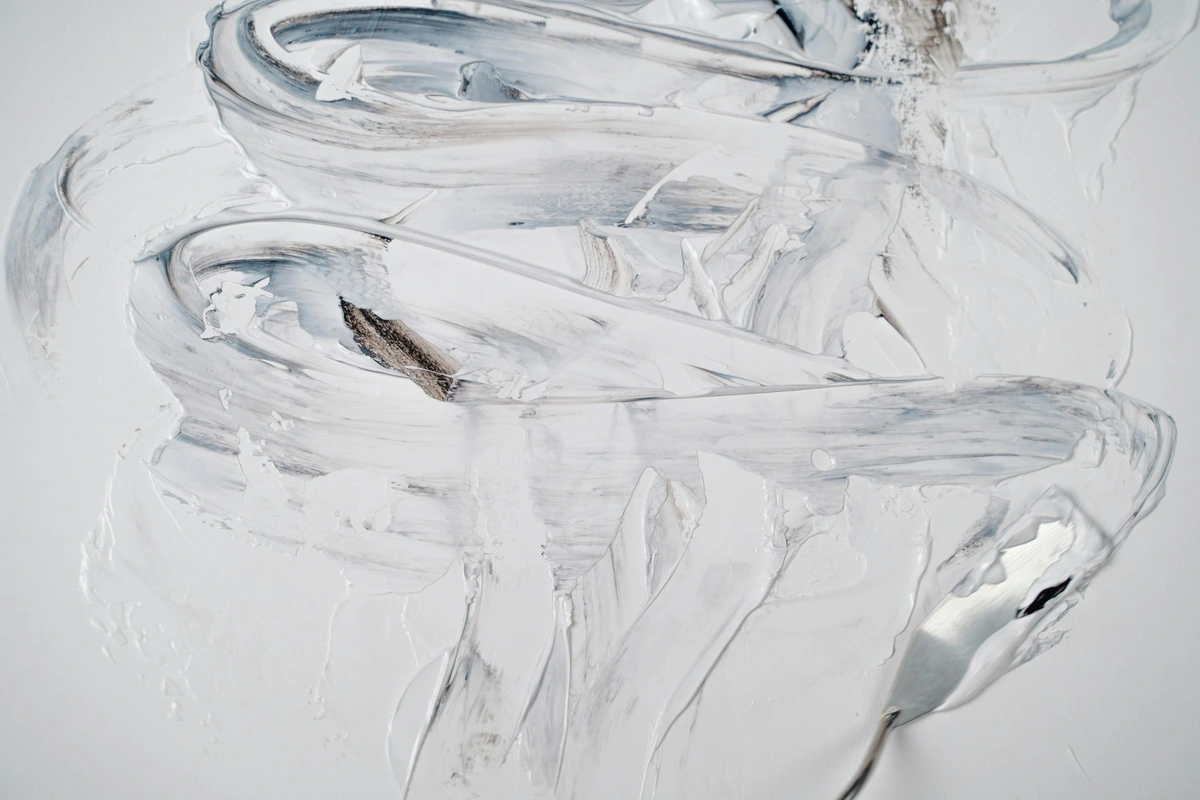
- Material Compatibility & Quality: Always use artist-grade materials that are acid-free and archival. This prevents yellowing, cracking, and degradation over time. Archival quality means materials are stable and won't chemically react to harm other layers or themselves over decades. Make sure your adhesives (gel mediums, professional-grade glues) are designed for artistic use and won't cause discoloration or deterioration of collage elements. It's not just about things sticking together; it's about them staying stuck beautifully and without self-destruction.
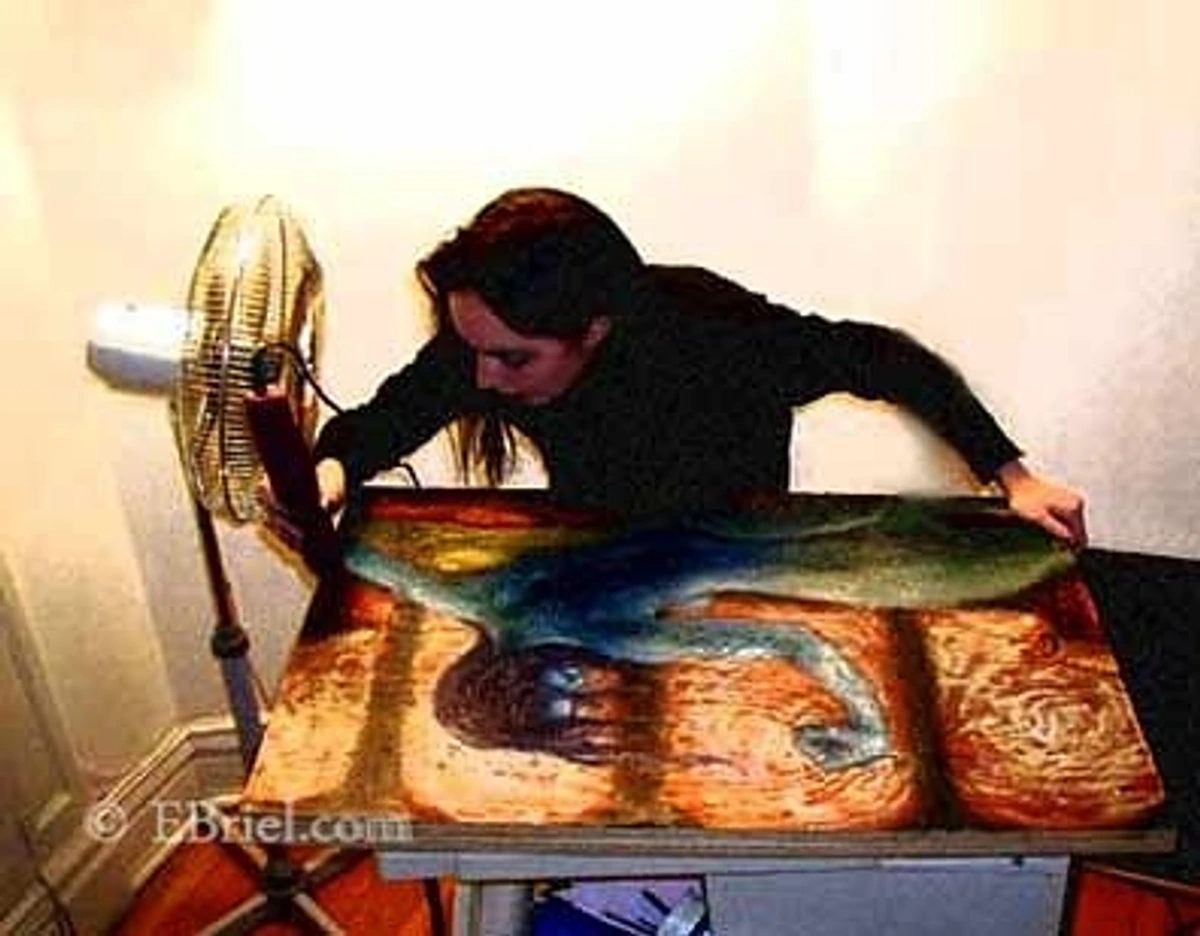
- Proper Drying: Allow each layer to thoroughly dry before applying the next, especially with thicker applications or different types of mediums. Rushing this can lead to cracking, poor adhesion, or a cloudy finish (called "blushing"). Patience truly is a virtue in this stage; think of it as allowing each chapter of your artwork's story to fully settle before adding the next. This also applies to the final curing of an entire piece before varnishing, which can take weeks or even months for very thick impasto.
- Varnishing: Once a piece is completely dry (a critical step!), a final varnish layer is crucial. It protects the surface from dust, UV light (which causes fading), and environmental damage. I typically use a clear, archival acrylic varnish (like Golden MSA Varnish or Liquitex Soluvar Varnish), available in matte, satin, or gloss finishes. MSA (Mineral Spirit Acrylic) varnishes are solvent-based and offer excellent UV protection and a removable surface for cleaning, while water-based acrylic varnishes are less odorous and dry faster, but may not offer the same level of UV protection or ease of removal. A gloss finish can enhance the depth and vibrancy of colors and textures, but might highlight surface imperfections, while a matte finish can mute textures for a sophisticated, non-reflective look. The choice depends on the desired final aesthetic for the piece. This step also unifies the various sheens of different layers and materials, bringing a cohesive finish to your complex creation.
- Framing: While many abstract mixed media pieces are created on gallery-wrapped canvases designed to hang unframed, for pieces with delicate collage elements or heavy textures, a float frame can offer additional protection and a professional presentation without touching the artwork's surface. Framing behind glass isn't typically recommended for highly textured works as it can press against the surface and diminish the visual effect. For works on paper, archival matting and UV-protective glass are essential to prevent fading and deterioration.
- Documentation & Artist's Journals: For complex mixed media pieces, especially those with unique or found elements, it's wise to document the materials and process. This not only aids in future conservation but also adds to the rich history of the artwork itself, becoming another layer of its narrative. Think of it as creating a 'birth certificate' for your artwork! Beyond this, maintaining an artist's journal or sketchbook allows for a form of 'layered thinking' – a space to test preliminary ideas, material combinations, and conceptual explorations before committing them to a canvas, essentially building intellectual layers.
Taking these steps ensures that the stories you've so carefully embedded in your layers will be there for future generations to discover and enjoy, a lasting legacy of your artistic vision.




Key Takeaways: Your Layered Journey Awaits
Creating with unseen layers is a profound journey, both technically and emotionally. Here are the core principles to guide you on your path to weaving depth and narrative into your abstract mixed media art:
- Layers are more than just materials: Embrace the full spectrum—material, emotional, conceptual, historical (from found elements), and negative space—to build a profound narrative and create true depth in abstract painting.
- History is your co-creator: Allow both art history and your personal journey to inform your unique layering approach, creating richer, more meaningful work that resonates with timeless human experience.
- Embrace the unexpected: Cultivate intuition, welcome happy accidents, and maintain a willingness to adapt. These are crucial to discovering truly compelling and authentic results. Don't be afraid to make a beautiful mess.
- Your toolkit is your playground: Experiment boldly with diverse materials and techniques. Always consider archival quality and choose the right substrate for lasting impact and the longevity of your artistic legacy.
- Patience and observation are key: Let your artwork guide you. Learn when to build, when to obscure, when to reveal, and crucially, when to stop. Sometimes stepping away is the most productive 'layer' of all, allowing the piece to speak for itself.
The Journey Continues: Beyond the Canvas
Creating with layers is a deeply personal and reflective process. It’s about more than just aesthetics; it's about exploring the inherent complexities of existence, the beauty of hidden histories, and the silent narratives that shape us all. Each layer, whether seen or unseen, contributes to the soul of the piece, inviting both artist and viewer into a deeper conversation. It's a continuous act of discovery, a dialogue with the self and with the canvas that never truly ends.
I believe this continuous unveiling and obscuring is what makes abstract mixed media so compelling—it mirrors life itself, doesn't it? A constant process of becoming, with rich histories just beneath the surface, waiting to be discovered. If you're inspired to start your own layered journey, remember to trust your intuition, embrace the accidents, and let your materials speak their own unique language. The stories are waiting to be told, not just on the canvas, but within it. So, what will your next layer reveal?
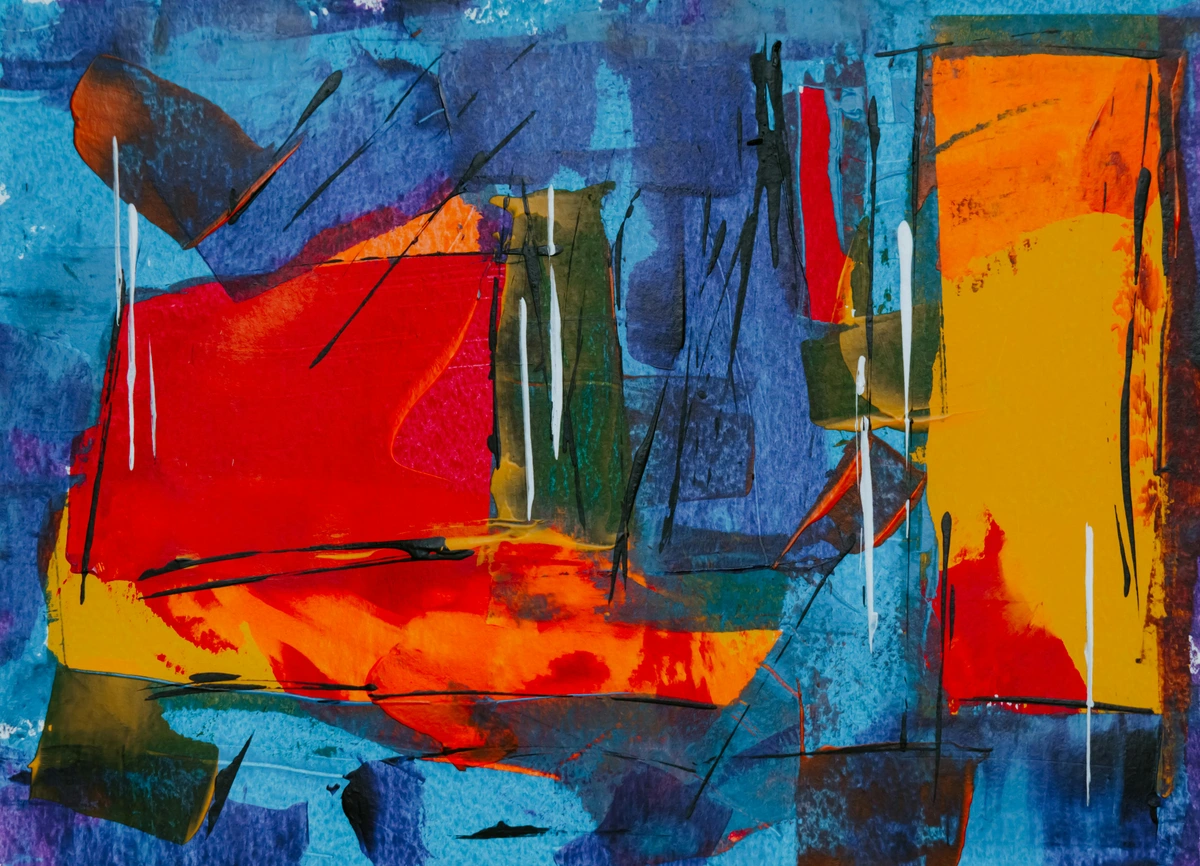
Interested in seeing how these principles come to life? Explore my latest works at [/buy], or delve deeper into my artistic journey by checking out [/timeline].