The Harlem Renaissance: Art, Identity, and Enduring Influence
Explore the Harlem Renaissance, a pivotal era of Black artistic and cultural explosion in 1920s Harlem. Discover its impact on literature, music, visual arts, and its lasting legacy on identity and social change.

The Harlem Renaissance: Art, Identity, and Enduring Influence
The Harlem Renaissance was more than just a cultural movement; it was a seismic shift in the way art, literature, and music were used to express identity and challenge societal norms. For me, it represents a moment in history where creativity became a powerful tool for reclaiming dignity and asserting humanity. It’s a period that continues to inspire artists and thinkers alike, reminding us of the transformative power of art.
But what exactly was the Harlem Renaissance? It was a cultural, social, and artistic explosion that took place in Harlem, New York, during the 1920s. It was a time when African American artists, writers, musicians, and intellectuals came together to create a new narrative of Black identity and excellence. This movement wasn’t just about art for art’s sake; it was about using creativity as a means of resistance, a way to challenge the status quo and demand recognition and respect.
You know, I’ve always been drawn to history’s big, messy, beautiful moments – the ones that erupt with a kind of raw energy, reshaping everything in their wake. And for me, few periods resonate quite as profoundly as the Harlem Renaissance. It’s not just another chapter in a dusty textbook; it’s a vibrant, defiant explosion of creativity that still echoes through our culture today, and honestly, it completely reshaped how I see art's power. Ever feel like history can just click with you, becoming almost personal?
For me, the Harlem Renaissance is more than just a historical event; it’s a testament to the power of creativity to challenge, inspire, and transform. It’s a reminder that art isn’t just something to be admired from a distance; it’s a force that can shape identities, challenge norms, and bring about real change. And that’s something that continues to inspire me in my own work, as I strive to create pieces that speak to the complexities of identity and the power of self-expression.
The Harlem Renaissance wasn’t just about art for art’s sake. It was a movement that sought to redefine what it meant to be Black in America. It was about breaking free from stereotypes and asserting a new identity through creativity. This period, roughly spanning the 1920s, saw an unprecedented outpouring of Black artistic expression, from literature and music to visual arts and theater. It was a time when Harlem, a neighborhood in New York City, became the epicenter of a cultural awakening that would leave an indelible mark on American society.
But why Harlem? Why did this cultural explosion happen in this particular neighborhood? The answer lies in the Great Migration, a mass movement of African Americans from the rural South to the urban North, seeking better opportunities and fleeing the oppressive Jim Crow laws. Harlem became a hub for this migration, attracting a diverse and talented community of artists, writers, and intellectuals who would go on to shape the course of American culture.

I remember first stumbling upon it in a documentary years ago, and my initial thought was, "Why didn't anyone tell me this was happening?" It was this incredible blossoming of Black art, literature, music, and thought in 1920s America, centered right there in Harlem, New York. And what really got me, what really stuck, was how it wasn't just about making beautiful things. It was about defining an identity, asserting humanity, and challenging a prejudiced world through the sheer power of creativity – a profound act of self-determination.
The Harlem Renaissance was a response to the systemic oppression faced by African Americans. It was a way to push back against the dehumanizing effects of racism and to assert a new narrative of Black excellence. This movement wasn’t just about creating art; it was about using art as a tool for social change, a way to challenge the status quo and demand recognition and respect.
But how did this movement achieve such a profound impact? It was through the collective efforts of artists, writers, musicians, and intellectuals who came together to create a new cultural identity. They used their work to challenge stereotypes, assert their humanity, and demand equality. This was a radical act of self-determination, a way to push back against the dehumanizing effects of racism and assert a new narrative of Black excellence.
A City Awakens: The Great Migration and the Birth of a Movement
To truly grasp the Harlem Renaissance, you have to understand its deep, powerful roots. Picture this: the early 20th century, and millions of African Americans are making the arduous journey north in what we now call the Great Migration. They weren't just looking for better jobs; they were fleeing a system designed to crush them: the brutal realities of Jim Crow laws in the South. I mean, imagine facing daily segregation, institutionalized discrimination, constant threat of violence, and severely limited access to education or opportunity. It wasn't just unfair; it was soul-crushing. They sought not just economic opportunity, but fundamental human dignity, safety, and the freedom to simply be. Many found their way to Harlem, which was rapidly transforming into a bustling, vibrant Black metropolis.
The Great Migration was a turning point in American history. It reshaped the demographic landscape of the United States, bringing millions of African Americans to cities like Chicago, Detroit, and, most notably, New York City. Harlem, in particular, became a cultural hub, a place where Black artists, writers, musicians, and intellectuals could gather, collaborate, and create. This influx of talent and ideas set the stage for the Harlem Renaissance, a movement that would redefine American culture.
But what made Harlem such a fertile ground for this cultural explosion? It was a combination of factors: the concentration of talent, the sense of community, and the shared purpose that drove these artists and intellectuals. Harlem in the 1920s was a melting pot of ideas and creativity, a place where artists could experiment, collaborate, and push the boundaries of their craft. This sense of community and shared purpose was a driving force behind the Harlem Renaissance, a movement that would redefine American culture.
I can almost feel the energy, the hope, the sheer concentration of talent and ambition converging there. It was like a fuse had been lit. Suddenly, you had a critical mass of thinkers, artists, musicians, and writers all living, working, and creating in close proximity. This wasn't some planned governmental initiative; this was organic, a community finding its collective voice and laying the groundwork for a cultural revolution.
This sense of community was crucial to the success of the Harlem Renaissance. It wasn’t just about individual achievement; it was about collective empowerment and the creation of a new cultural identity. Artists and intellectuals supported each other, collaborated on projects, and pushed each other to new heights of creativity. This was a movement that was greater than the sum of its parts, a testament to the power of community and shared purpose.
Harlem in the 1920s was a melting pot of ideas and creativity. It was a place where artists could experiment, collaborate, and push the boundaries of their craft. This sense of community and shared purpose was a driving force behind the Harlem Renaissance. It wasn’t just about individual achievement; it was about collective empowerment and the creation of a new cultural identity.

The Canvas of a Culture: Visual Arts and New Narratives
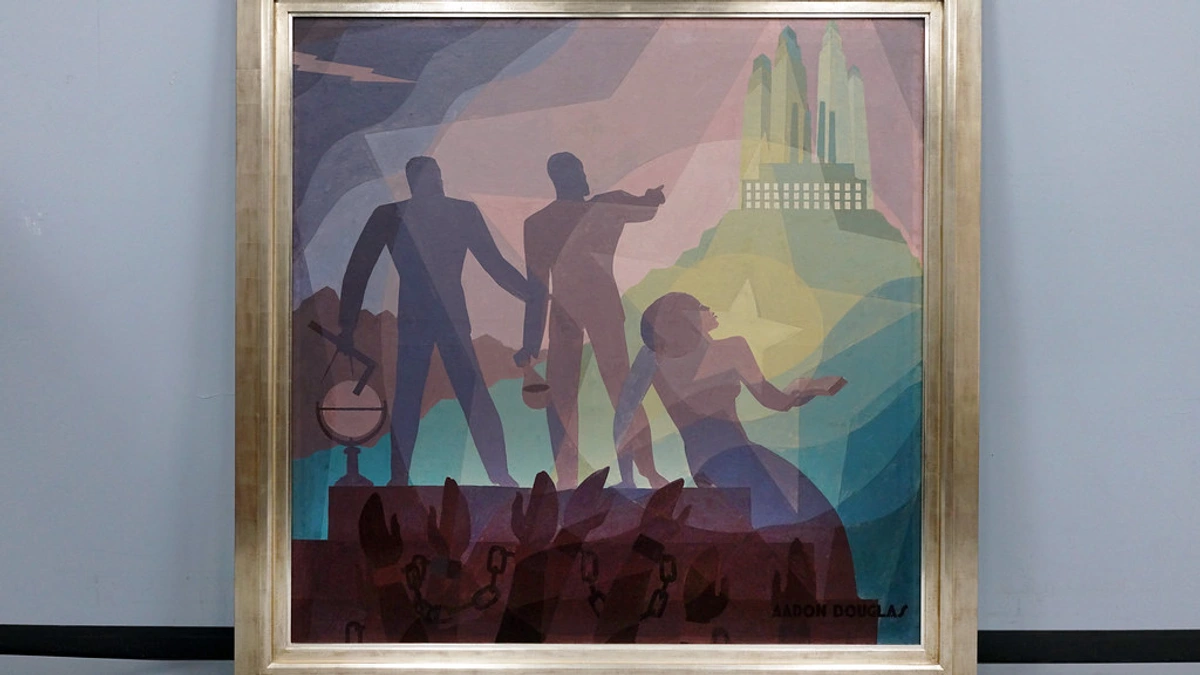
When I think about the visual arts of the Harlem Renaissance, a few names immediately spring to mind. Aaron Douglas is definitely at the top. His work, like "Aspiration," isn't just visually striking; it's a profound statement, born from that new urban energy. You see those silhouetted figures, reaching upwards, towards a brighter future – a skyscraper, a star. It's an artwork that beautifully encapsulates the hope and ambition of the era, the longing for a place at the table, for recognition. For me, it speaks to that universal human yearning to break free and reach for something more, even today.
But Douglas wasn’t alone in this artistic revolution. The Harlem Renaissance saw a flourishing of visual arts, with artists like Jacob Lawrence, Augusta Savage, and Palmer Hayden making significant contributions. These artists used their work to explore themes of heritage, struggle, and aspiration, creating a visual language that was uniquely their own. This was a radical departure from the way Black people had been depicted in art and media up to that point, and it laid the groundwork for future generations of artists to continue this conversation.

The visual arts of the Harlem Renaissance were about more than just aesthetics. They were a form of storytelling, a way to challenge stereotypes and assert a new narrative of Black identity. Artists like Douglas used their work to explore themes of heritage, struggle, and aspiration, creating a visual language that was uniquely their own. This was a radical departure from the way Black people had been depicted in art and media up to that point, and it laid the groundwork for future generations of artists to continue this conversation.
But what made this visual language so powerful? It was a combination of bold imagery, innovative techniques, and a deep connection to Black heritage and identity. Artists like Douglas and Lawrence used their work to tell stories of struggle and triumph, of heritage and hope. They created a new way of seeing and understanding the Black experience, one that was rooted in their own experiences and perspectives.

https://live.staticflickr.com/7823/46467067674_11d787ba68_b.jpg, licence
Beyond Douglas, though, the visual landscape was rich. Think about the powerful narratives told by Jacob Lawrence, whose 'Migration Series' literally charts the movement of his people, or the striking sculptures of Augusta Savage, who championed emerging Black artists and whose monumental 'Lift Every Voice and Sing' spoke volumes about collective aspiration and resilience. These artists weren't just painting pretty pictures or crafting statues; they were actively constructing a new visual language for Black identity, one that was strong, dignified, and rooted in their own heritage, rather than the caricatures often peddled by the dominant culture. It's a powerful reminder that art can be a form of activism, a way to reclaim and redefine who you are.
But what made this visual language so effective? It was a combination of bold imagery, innovative techniques, and a deep connection to Black heritage and identity. Artists like Lawrence and Savage used their work to tell stories of struggle and triumph, of heritage and hope. They created a new way of seeing and understanding the Black experience, one that was rooted in their own experiences and perspectives.

The Rhythm of Identity: Music, Literature, and the Spoken Word
And oh, the music! You can't talk about Harlem in the 20s without the thump-thump-thump of jazz spilling out of clubs like the legendary Cotton Club and the Lenox Lounge. I mean, imagine walking down those streets at night, the air alive with improvisation and rhythm, the scent of roasting peanuts mingling with distant saxophones. It was a soundtrack to liberation, an expression of joy and sorrow all at once, shaping a uniquely American sound. Jazz wasn't just entertainment; it was a cultural force, born from the same streets that birthed so much other art.
But what made jazz so powerful? It was a combination of innovation, improvisation, and a deep connection to the Black experience. Jazz broke the rules, celebrated individuality, and pushed the boundaries of what music could be. It was a symbol of freedom and creativity, a way to challenge the status quo and assert a new narrative of Black identity. Musicians like Duke Ellington, Louis Armstrong, and Bessie Smith became icons of the era, their music transcending racial barriers and reaching audiences far beyond Harlem.

Jazz was more than just a genre of music; it was a symbol of freedom and creativity. It broke the rules, improvised, and celebrated individuality, much like the Harlem Renaissance itself. Musicians like Duke Ellington, Louis Armstrong, and Bessie Smith became icons of the era, their music transcending racial barriers and reaching audiences far beyond Harlem. This was a time when music wasn’t just heard; it was felt, a visceral expression of the Black experience in America.
This idea of owning one's narrative is central to understanding the Harlem Renaissance. It wasn’t just about creating beautiful things; it was about using art as a tool for social change, a way to challenge the status quo and demand recognition and respect. This was a movement that sought to redefine what it meant to be Black in America, to assert a new narrative of Black excellence and creativity.
Beyond the Roaring Twenties: Identity Forged in Fire
The heart of the Harlem Renaissance, for me, lies in its profound exploration of cultural identity. This vibrant creative output wasn't just spontaneous; it was deeply rooted in an intellectual awakening. Thinkers like Alain Locke championed the idea of the 'New Negro' – a proud, self-aware African American who refused to conform to old stereotypes, asserting their cultural contributions and demanding respect. It was a conscious intellectual movement, an argument for humanity presented through beauty and intellect, a collective journey of self-discovery. We also can't forget the vital role of women in this era, not just as artists like Augusta Savage and Zora Neale Hurston, but as patrons, salon hostesses, and intellectual leaders who fostered this incredible exchange of ideas.
But what exactly was the 'New Negro'? It was a concept that sought to redefine Black identity, to challenge stereotypes and assert a new narrative of Black excellence. It was a movement that sought to redefine what it meant to be Black in America, to assert a new narrative of Black identity and creativity. This was a radical act of self-determination, a way to push back against the dehumanizing effects of racism and assert a new narrative of Black excellence.
The Harlem Renaissance was about more than just art; it was about redefining what it meant to be Black in America. It was a movement that challenged the status quo and demanded recognition and respect. This was a time when Black artists, writers, and musicians were not just creating art; they were using their work to assert their humanity and demand equality. This was a radical act of self-determination, a way to push back against the dehumanizing effects of racism and assert a new narrative of Black excellence.
But how did this movement achieve such a profound impact? It was through the collective efforts of artists, writers, musicians, and intellectuals who came together to create a new cultural identity. They used their work to challenge stereotypes, assert their humanity, and demand equality. This was a movement that was greater than the sum of its parts, a testament to the power of community and shared purpose.
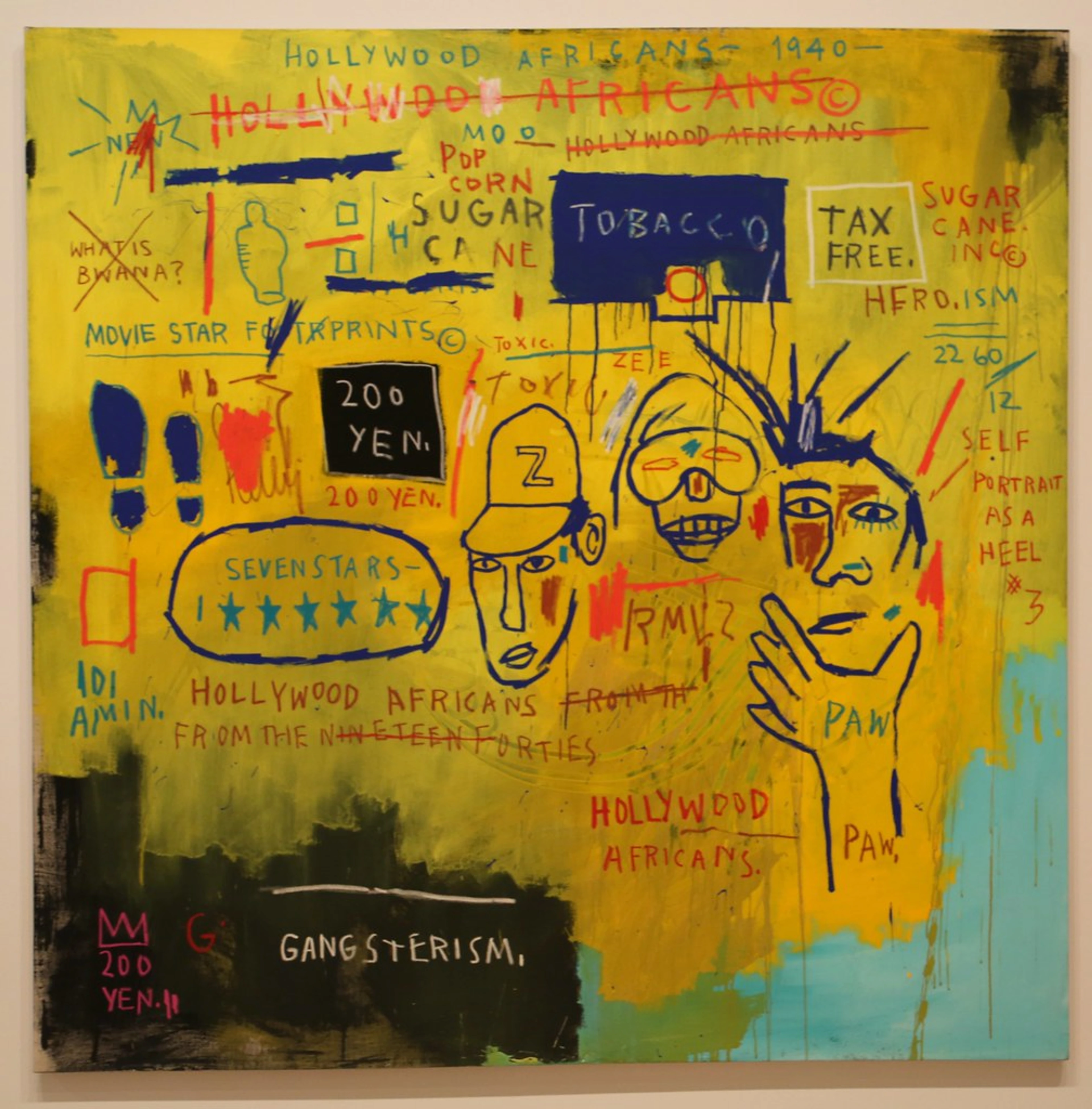
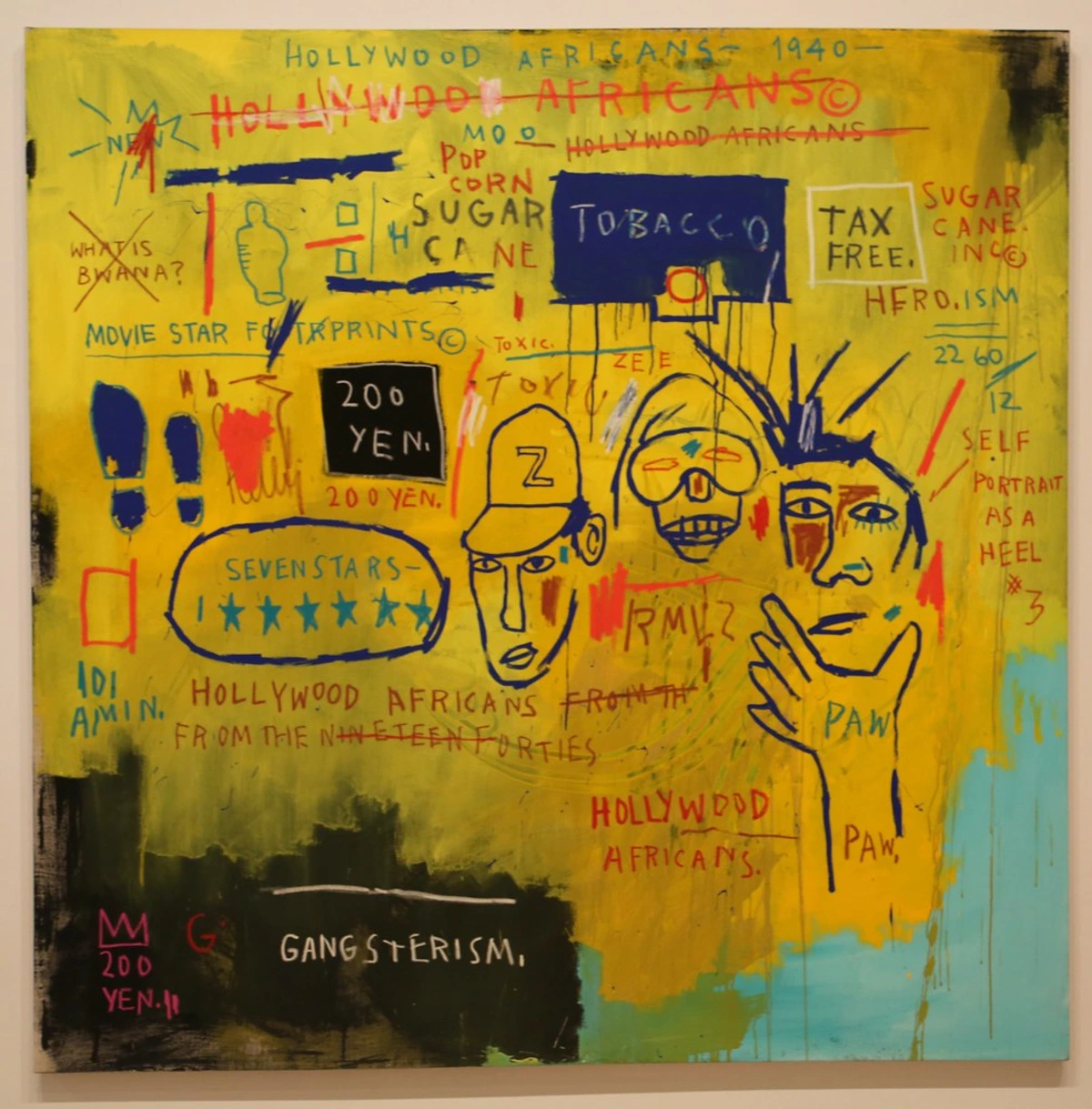
This deliberate act of shaping identity through art continued long after the 1920s. It makes me think about artists much later, like Jean-Michel Basquiat, whose work, while abstract and raw in its own way, fiercely continued this conversation about Black identity, representation, and the complexities of race in America. His "Hollywood Africans" painting, for example, is a powerful critique and re-appropriation of narratives, challenging how Black individuals were (and still are) depicted, much like the Harlem Renaissance artists sought to reclaim and redefine their image. If you’re fascinated by his work, you might want to explore the ultimate guide to Jean-Michel Basquiat.
https://live.staticflickr.com/7296/27312880052_47b638bbb6_b.jpg, licence
The HR's influence on subsequent art forms, including what we might now call abstract art movements, is undeniable. The spirit of breaking free from convention, of using art to communicate deep truths, carried forward. It really shows how art isn't static; it's a conversation across generations, each building on the last, finding new ways to speak their truth. It’s a journey that fascinates me and informs a lot of my own work, something you can explore more on my artist timeline.
But what made this influence so profound? It was a combination of bold imagery, innovative techniques, and a deep connection to Black heritage and identity. Artists like Basquiat and others used their work to tell stories of struggle and triumph, of heritage and hope. They created a new way of seeing and understanding the Black experience, one that was rooted in their own experiences and perspectives.

A Legacy That Still Echoes Today
While the Harlem Renaissance didn't magically erase racial prejudice (alas, if only art could fix everything overnight!), its impact was profound and long-lasting. It created a vital foundation for the Civil Rights Movement, fostered a deep sense of collective pride and self-worth, and fundamentally introduced America, and indeed the world, to the incredible richness and diversity of Black culture. It truly demonstrated that culture is power, challenging prevailing notions of American identity and expanding what that even meant. It was also a powerful example of art as a catalyst for social change.
But what exactly was this legacy? It was a combination of bold storytelling, innovative techniques, and a deep connection to Black heritage and identity. The Harlem Renaissance laid the groundwork for future movements, from the Civil Rights Movement to the Black Arts Movement of the 1960s and 70s. It also inspired a new generation of artists to use their work as a tool for social change, a way to challenge the status quo and demand justice and equality.
The legacy of the Harlem Renaissance can be seen in the work of artists, writers, and musicians who continue to challenge stereotypes and assert their identity through their craft. It laid the groundwork for future movements, from the Civil Rights Movement to the Black Arts Movement of the 1960s and 70s. It also inspired a new generation of artists to use their work as a tool for social change, a way to challenge the status quo and demand justice and equality.
But how did this legacy continue to inspire future generations? It was through the collective efforts of artists, writers, musicians, and intellectuals who came together to create a new cultural identity. They used their work to challenge stereotypes, assert their humanity, and demand equality. This was a movement that was greater than the sum of its parts, a testament to the power of community and shared purpose.
For me, it's a constant reminder that art isn't just something pretty to hang on a wall. It's a tool for change, a mirror, and a megaphone. It's about self-expression, yes, but also about connecting with something larger than yourself. I often feel that same urge to break free in my own abstract pieces, to let color and form speak the unspeakable, much like those Harlem artists used their brushstrokes and words to express their truth.
But what made this legacy so powerful? It was a combination of bold storytelling, innovative techniques, and a deep connection to Black heritage and identity. Artists like those of the Harlem Renaissance used their work to tell stories of struggle and triumph, of heritage and hope. They created a new way of seeing and understanding the Black experience, one that was rooted in their own experiences and perspectives.
https://freerangestock.com/photos/177284/artists-workspace-filled-with-paint-brushes-and-supplies.html, licence
This idea of art as a tool for change is central to understanding the Harlem Renaissance. It wasn’t just about creating beautiful things; it was about using art as a tool for social change, a way to challenge the status quo and demand recognition and respect. This was a movement that sought to redefine what it meant to be Black in America, to assert a new narrative of Black excellence and creativity.
Frequently Asked Questions About the Harlem Renaissance
Let's clear up a few common questions I often hear about this pivotal era:








- What was the primary goal of the Harlem Renaissance? The primary goal was to create and celebrate African American art and culture, challenging negative stereotypes and promoting a sense of racial pride and collective identity. It sought to define and assert Black humanity through artistic excellence and intellectual discourse.
- Who were some key figures of the Harlem Renaissance? Beyond those I've mentioned, key figures include writers like Nella Larsen and Countee Cullen, visual artists like Palmer Hayden and Richmond Barthé, musicians like Duke Ellington and Louis Armstrong, and intellectuals like W.E.B. Du Bois and Alain Locke.
- What challenges did Harlem Renaissance artists face? Oh, where to begin? Internally, there were debates about representation – whether art should explicitly serve a political purpose or be 'art for art's sake.' Externally, they grappled with funding limitations, white patrons who sometimes dictated themes, and the pervasive racial prejudice that still limited their opportunities and audience, even within the supposed 'renaissance.'
- When did the Harlem Renaissance officially end? There's no single official end date, but it's generally considered to have waned by the mid-1930s, impacted by the Great Depression, which severely reduced funding and opportunities for artists, and the eventual dispersal of many of its key figures from Harlem.
- How did the Harlem Renaissance influence later art and society? Its influence is immense. It laid crucial groundwork for the Civil Rights Movement, inspired future generations of Black artists and activists, and fundamentally changed American culture's perception of African American contributions to art, music, and literature. It also powerfully highlighted the role of art in social change, a lesson still relevant today.
- What role did women play in the Harlem Renaissance? Women played a crucial role in the Harlem Renaissance, not just as artists but also as patrons, salon hostesses, and intellectual leaders. Figures like Zora Neale Hurston, Augusta Savage, and Nella Larsen made significant contributions to literature, visual arts, and intellectual discourse. Their work challenged stereotypes and asserted the importance of Black women's voices in the movement.
- How did the Harlem Renaissance impact the broader American culture? The Harlem Renaissance fundamentally changed the way America perceived Black culture. It introduced the world to the richness and diversity of African American contributions to art, music, and literature. It also challenged prevailing notions of American identity, expanding what it meant to be American and paving the way for future movements for social justice and equality.
- What were some of the key themes explored during the Harlem Renaissance? The Harlem Renaissance explored a wide range of themes, including identity, heritage, struggle, and aspiration. Artists and writers used their work to challenge stereotypes, assert their humanity, and demand recognition and respect. They also explored the complexities of the Black experience, from the joys and sorrows of everyday life to the broader struggles for justice and equality.
- How did the Harlem Renaissance influence the Civil Rights Movement? The Harlem Renaissance laid the groundwork for the Civil Rights Movement by fostering a deep sense of collective pride and self-worth among African Americans. It also introduced the world to the incredible richness and diversity of Black culture, challenging prevailing notions of American identity and expanding what it meant to be American. This cultural shift helped to pave the way for the Civil Rights Movement and other movements for social justice and equality.
So, yes, the Harlem Renaissance. For me, it's more than just a chapter in a textbook; it’s a living testament to the enduring power of the human spirit, creativity, and the unwavering quest for identity. It's a story that continues to inspire me deeply – that art isn't just something pretty to hang on a wall, but a vital force for change, a mirror, and a megaphone. And in my own colorful, often abstract pieces, I strive to capture a piece of that expressive freedom, that joy in creation, and that commitment to meaningful dialogue, much like the incredible artists of the Harlem Renaissance did. If that resonates with you, you might find something that speaks to you in my art for sale, a quiet echo of those vibrant Harlem nights.