Baroque Art: The Definitive Guide to Its Drama, Emotion, and Grandeur
Uncover the captivating world of Baroque art. This definitive guide explores its dramatic origins, defining characteristics like chiaroscuro, monumental architecture, key artists (Caravaggio, Bernini, Rubens), regional variations, and enduring legacy across Europe.

The Definitive Guide to Baroque Art: Drama, Emotion & Grandeur Explored
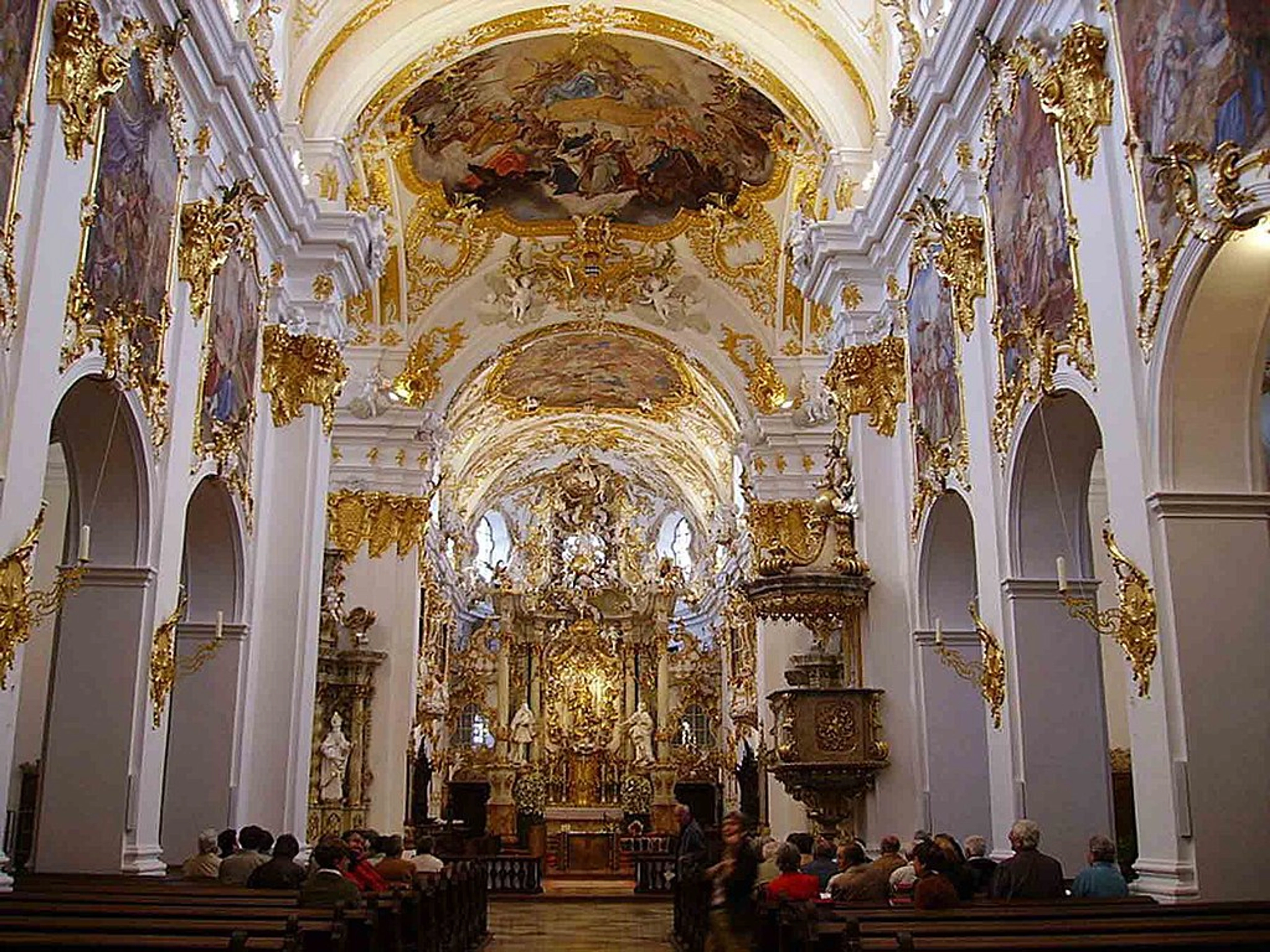
I vividly remember stepping into a Baroque cathedral for the first time. It wasn't just a building; it was an overwhelming sensory experience. The sheer scale, the swirling frescoes that seemed to defy gravity, the gilded altars shimmering with divine light – it felt less like walking into a sacred space and more like being swallowed whole by a meticulously crafted, divine spectacle. If you're anything like me, you're drawn to art that grabs you, pulls you in, makes you feel something. And let me tell you, Baroque art doesn't just grab you; it practically tackles you to the ground and demands your attention. It's an era that, for all its opulence and drama, holds some incredibly profound lessons about human emotion and belief, about how belief can be made visible in overwhelming ways. So, grab your favorite beverage – a strong coffee or perhaps something more… invigorating – because we're about to embark on a deep dive into what makes Baroque art so undeniably, magnificently, us. In this definitive guide, we'll explore the defining characteristics, key figures, regional variations, and enduring legacy of this powerful artistic movement, making sure to answer all your burning questions and leave no stone unturned.
What Even Is Baroque? A Crash Course in Grandeur and Persuasion
But to truly understand this 'tackling' art, we first need to set the stage – a stage that was dramatically reconfigured by the seismic shifts in European history. Alright, so what exactly are we talking about when we say "Baroque"? Imagine Europe from roughly the early 17th century to the mid-18th century. Things were… intense. The continent was reeling from the Protestant Reformation, a period of intense religious and political upheaval that challenged the very authority of the Catholic Church. In response, the Catholic Church launched its Counter-Reformation – a determined, multifaceted effort to win back hearts and minds, reinforce its authority, and directly counter Protestant critiques of Catholic doctrine and imagery. The Council of Trent (1545-1563) had a profound impact, calling for religious art that was clear, direct, emotionally compelling, and easily understandable by the populace, particularly the illiterate. This meant art should move away from the often obscure intellectual complexities and artificiality of what had preceded it and instead emphasize the sacraments, the lives of saints, and miracles, acting as a powerful didactic tool to inspire devotion, provide moral instruction, and make abstract spiritual concepts tangible.
Economically, both the powerful Catholic Church and absolute monarchs, alongside a burgeoning wealthy merchant class in certain regions, commanded immense resources. This wealth enabled the commissioning of the monumental and lavish artworks characteristic of the era. These patrons weren't just commissioning pretty pictures; they were commissioning powerful instruments of persuasion and power projection.
Baroque's Predecessors: Renaissance and the Mannerist 'Inside Joke'
Before Baroque burst onto the scene, we had the serene balance of the Renaissance with its emphasis on harmony, idealized beauty, and rational perspective. Then came Mannerism, a fascinating but often unsettling style from roughly 1520-1600. Mannerism, with its elongated figures, strange, often distorted perspectives, strained poses, and pervasive psychological unease, often felt more like an inside joke for art connoisseurs than a direct appeal to the masses. Artists prioritized intellectual sophistication, stylistic virtuosity, and playful allusions over clarity or emotional accessibility, sometimes resulting in compositions that felt deliberately unsettling or artificial. It's like they were speaking a coded language only a few were privy to, you know? While intriguing to the elite, it wasn't exactly designed to stir the soul of the common person or inspire widespread devotion. The Church and powerful monarchs, however, desperately needed something far more direct, something that could communicate power, inspire faith, and move souls without needing an art history degree to decode.
Simultaneously, powerful monarchs across Europe wanted to flaunt their power and divine right. They needed art that wasn't just beautiful; they needed art that was propaganda, spiritual awakening, and a spectacle, all rolled into one glorious, gilded package. The opulent Palace of Versailles, with its seemingly endless halls and grand gardens, stands as a monumental testament to this, directly reflecting Louis XIV's absolute rule and desire to project unchallengeable authority. The stage was set for something monumental.
The "Irregular Pearl" and How a Criticism Became a Compliment
Originally, the term "Baroque" is believed to come from the Portuguese word "barroco," meaning an "imperfect or irregularly shaped pearl." It was actually a derogatory term for a while, implying extravagance, distortion, or deviation from classical norms. Imagine a pearl that isn't perfectly round, but delightfully, dramatically imperfect – perhaps a bit lopsided, or with a wild, natural curl. Critics, rooted in the classical ideals of symmetry and restraint, saw the Baroque's dynamism, emotional intensity, and lavish ornamentation as exactly that: an irregular, excessive departure from "good taste." But as art history often shows, what's initially criticized as "irregular" or "excessive" often becomes a celebrated style in its own right. It's like they said, "You know what art needs? More feeling. More motion. More gold, probably. And let's make it big." And thus, the Baroque era was born. It's a style characterized by dramatic, ornate, and theatrical elements – basically, art on steroids, meaning heightened emotion, exaggerated movement, and intense sensory engagement. It's the artistic equivalent of that friend who always tells stories with wildly expressive gestures and a booming voice. You can't ignore it, even if you sometimes want to.
We see this not just in painting and sculpture, but spectacularly in structures like St. Peter's Basilica, which redefined monumental scale, and the undulating facades of churches by architects like Francesco Borromini (think Rome's San Carlo alle Quattro Fontane), embodying what we now call [/finder/page/what-is-baroque-architecture]. Sir Christopher Wren’s dome for St. Paul’s Cathedral in London, for all its classical restraint, also embraces a Baroque sense of monumental grandeur and dramatic space, while the Hall of Mirrors at Versailles is a testament to the era's boundless opulence.
Baroque's Core Pillars: Drama, Emotion, and Sheer Grandeur
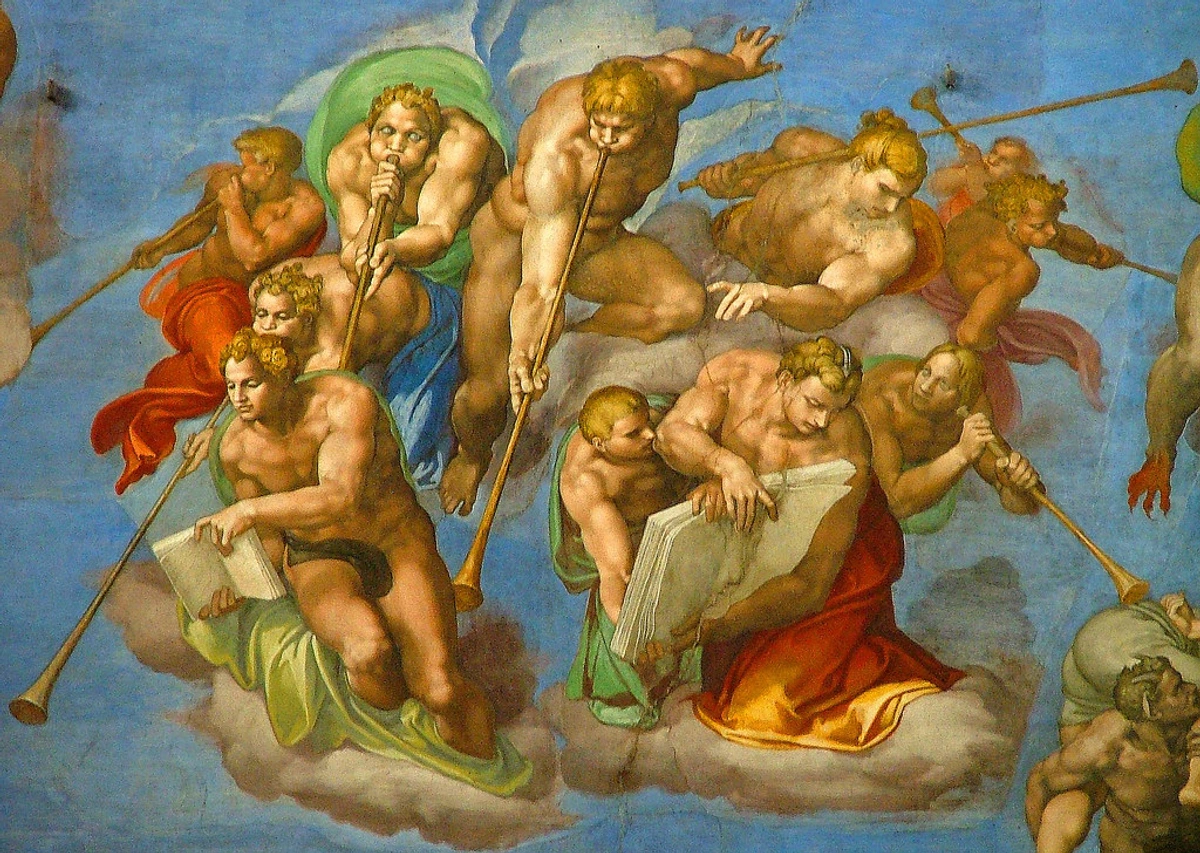
If I had to boil Baroque down to its essence, it would be these three ideas – the elements that scream "Baroque" no matter where you are. These aren't just characteristics; they are foundational intentions designed to create an overwhelming and persuasive experience.
1. Light and Shadow: The Cinematic Masterstroke
Have you ever felt that sudden, dramatic shift in perception when a single light suddenly illuminates a dark space? That's the Baroque magic right there. Artists perfected techniques like chiaroscuro (a fancy word for strong contrasts between light and dark, often used to create a powerful sense of volume and depth, making figures appear strikingly three-dimensional) and its even more intense cousin, tenebrism (where shadows dominate the canvas, and only specific, dramatic parts are brightly illuminated, often with a stark, almost theatrical spotlight effect). Think of a dark room, and suddenly, a single, harsh beam of light slices through, revealing a face in agony or ecstasy. It's designed to jolt you, making you feel the raw emotion of the scene, highlight divine presence, or plunge you into a moment of intense psychological drama.
Caravaggio, a revolutionary master of this, used tenebrism in works like The Calling of St. Matthew and The Entombment of Christ to create an almost shocking immediacy, pulling the viewer into the sacred scene as if they're witnessing a moment unfolding in a dimly lit tavern. This dramatic lighting often stood in stark contrast to the subtle, smoky gradations of sfumato (a Renaissance technique of soft, hazy transitions between colors and tones) seen in the Renaissance, and sometimes emphasized the thick, textured application of paint known as impasto to enhance the physical presence of the figures. It reminds me of those moments in life where a single realization cuts through all the noise and suddenly everything is starkly clear.
2. Movement and Energy: Art That Doesn't Sit Still
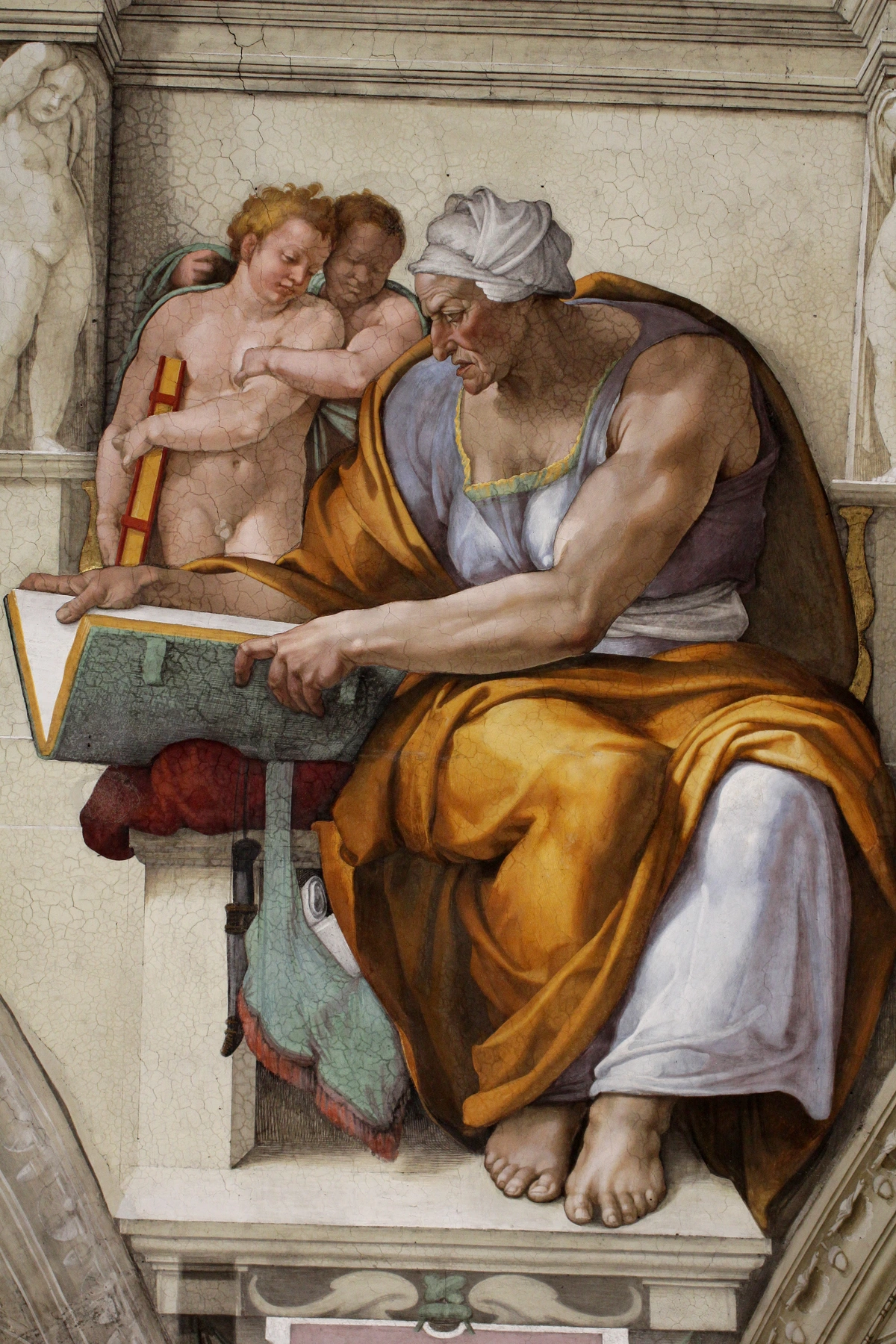
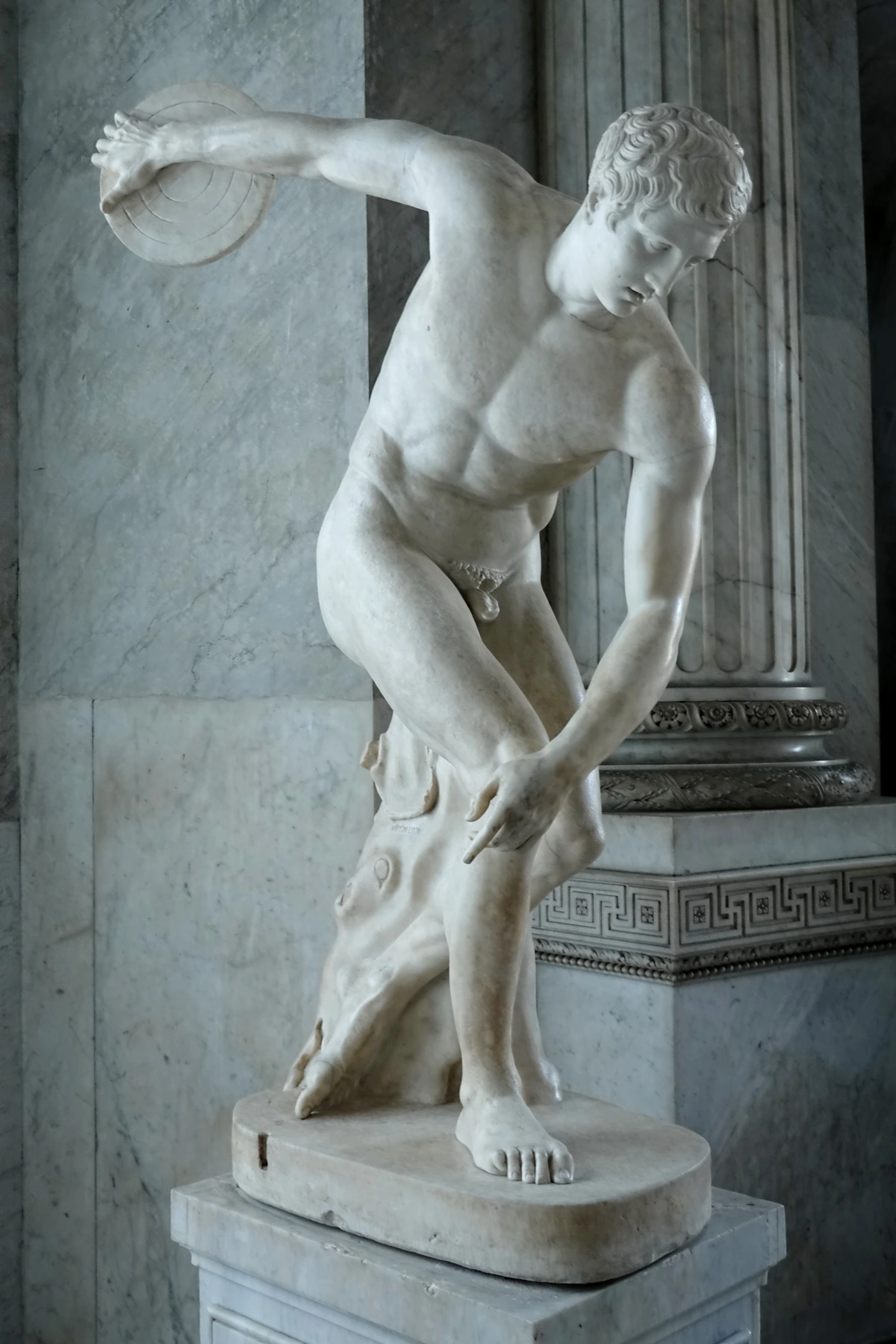
Unlike the more serene and balanced art of the Renaissance, Baroque art is constantly in motion. Figures twist and turn, drapery swirls dramatically, and compositions are dynamic, often pushing out of the frame. It's not just static beauty; it's a captured moment of high action or intense emotion. If Michelangelo's David is a calm, poised athlete before the match, Bernini's sculpture of David depicts him mid-action, winding up to hurl the stone, every muscle strained and twist pronounced – the very air crackling with effort and anticipation. His Apollo and Daphne is another masterclass, capturing the precise moment of transformation as Daphne turns into a laurel tree, her fingers sprouting leaves, her hair turning to branches, all in a breathtaking, dynamic swirl.
Similarly, Peter Paul Rubens' colossal canvases, like The Raising of the Cross or his Battle of the Amazons, explode with muscular figures, dramatic diagonals, and palpable struggle, their compositions often leading the eye in sweeping, energetic movements across the canvas. This dynamism keeps your eyes darting around, never settling. When I look at a Baroque sculpture, I almost expect the marble figures to suddenly spring to life and walk away. There's a nervous energy, a palpable tension that keeps your eyes darting around, never settling. It’s exhausting, in the best possible way. Imagine trying to capture a single frame from an epic, high-stakes movie – that's Baroque art.

3. Richness and Opulence: More is More (And for a Reason)
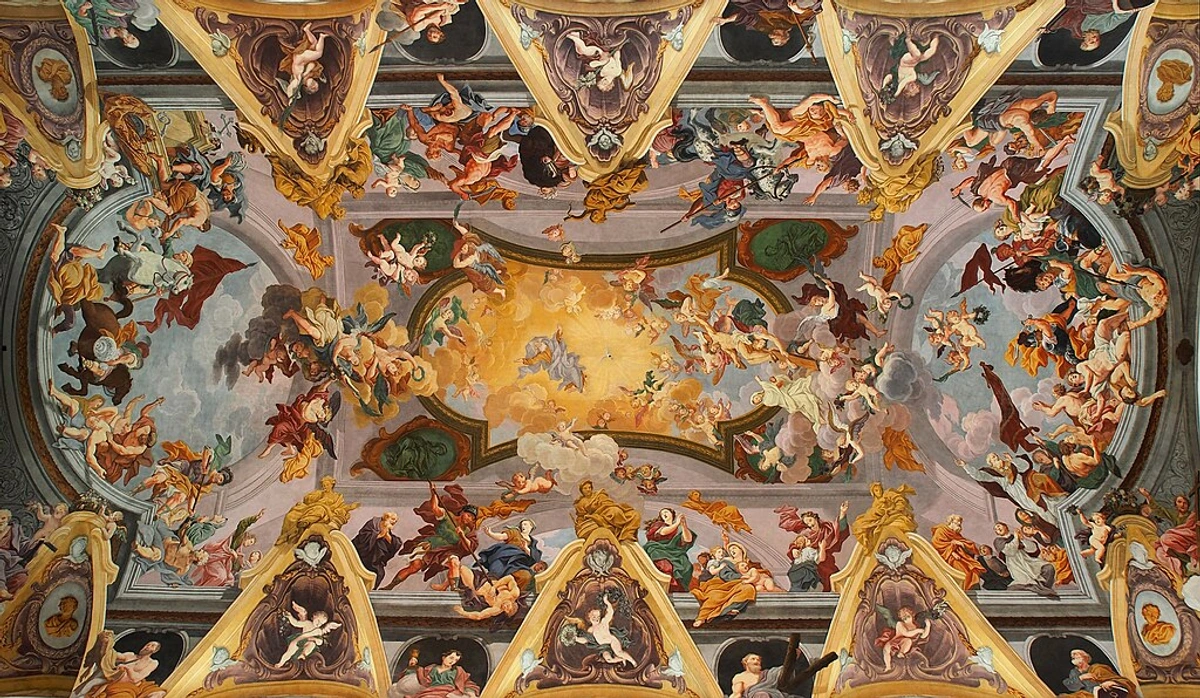
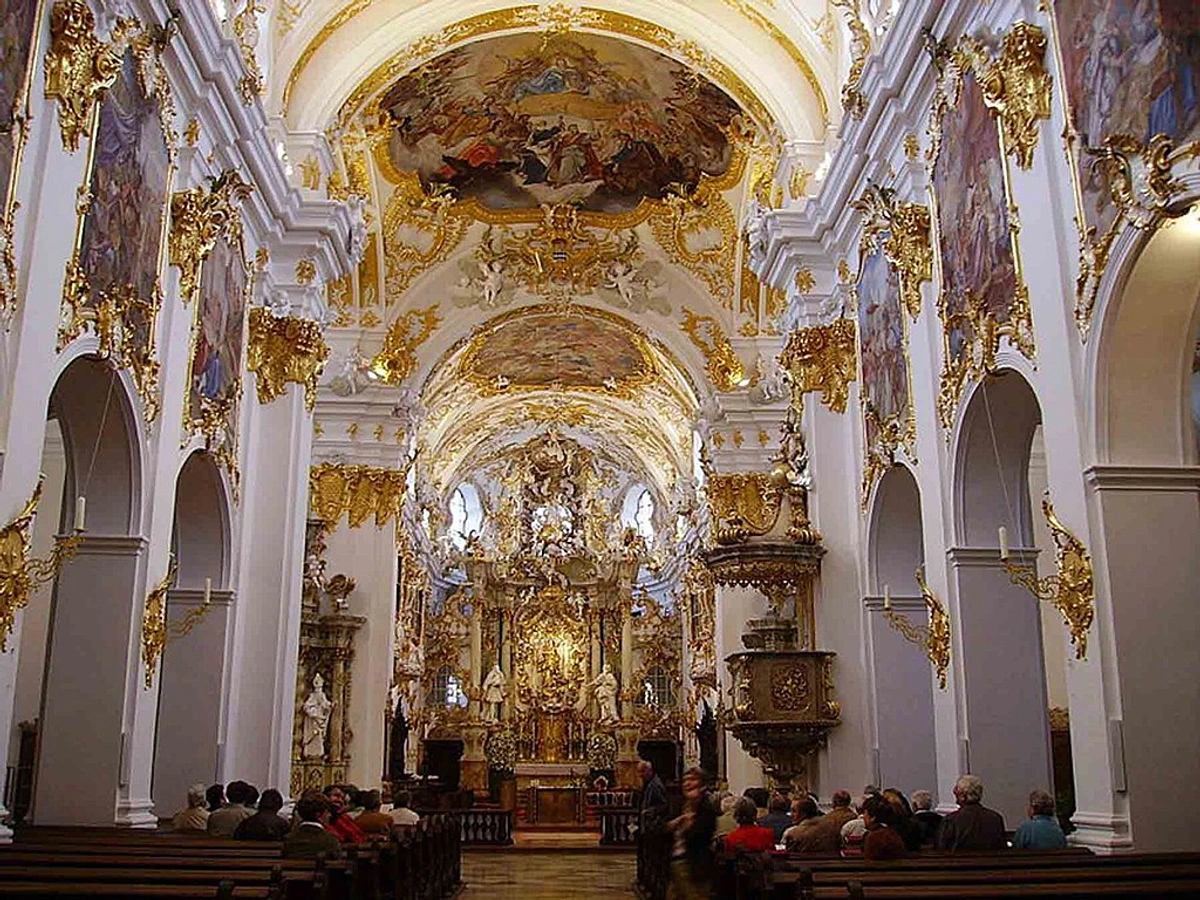
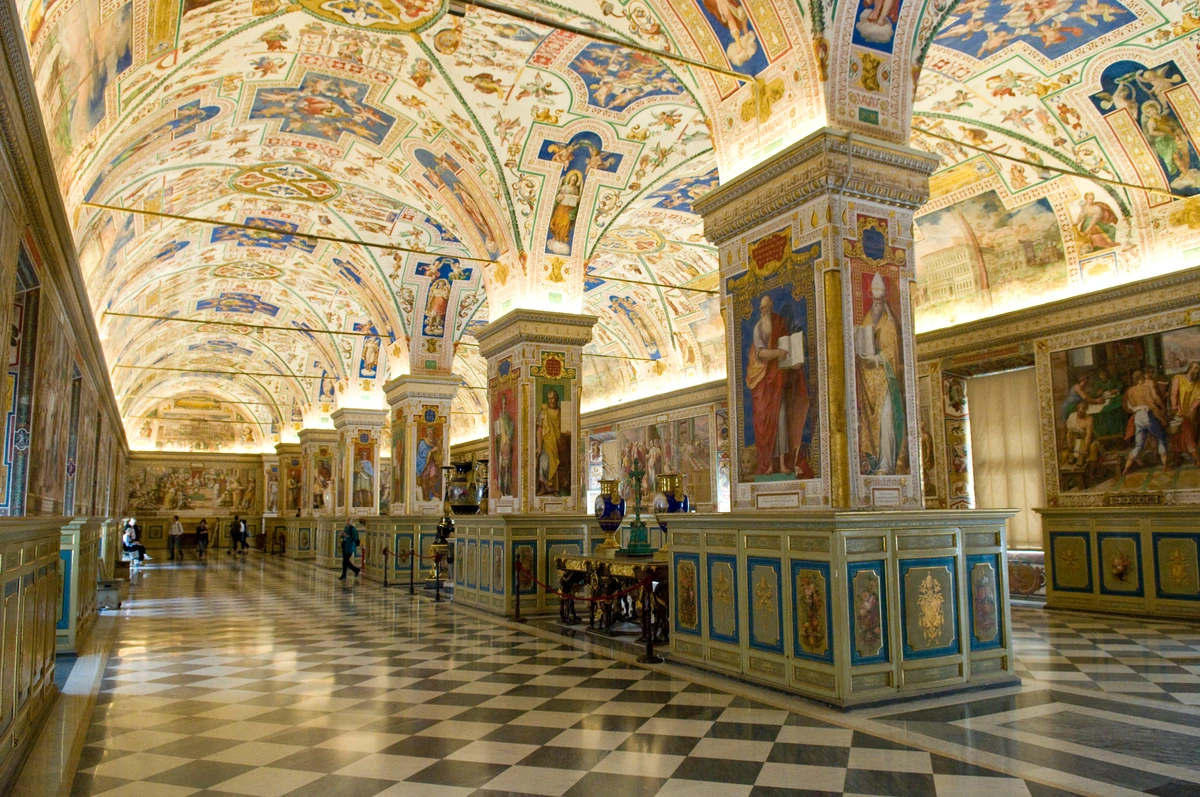
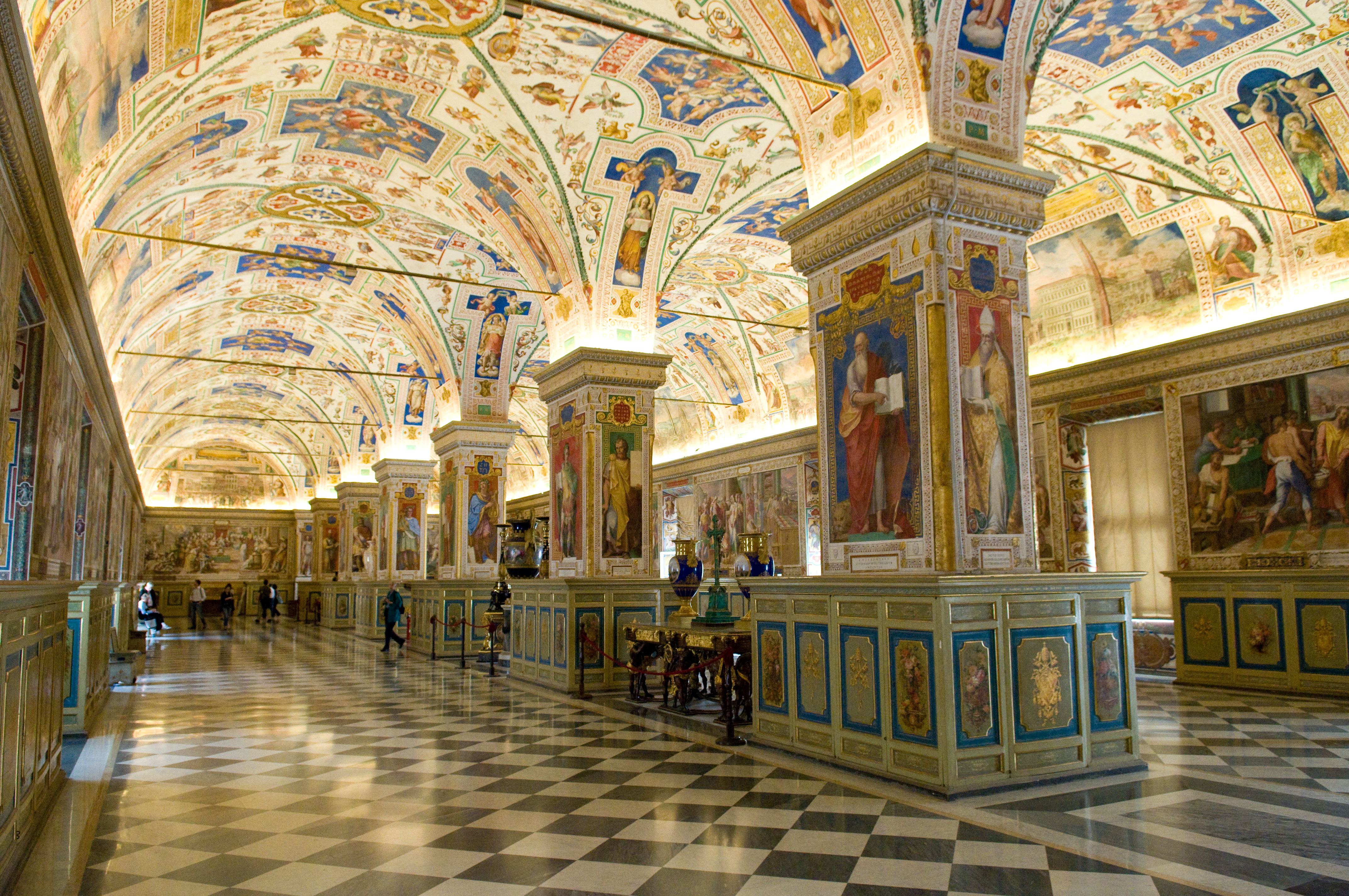
Oh, the extravagance! My minimalist side often quietly screams, "Could we just have one plain wall?!" But then, my other side whispers back, "But look at all the stories this 'muchness' tells!" Baroque art and architecture revel in elaborate ornamentation, rich colors, and luxurious materials. Gold leaf, intricate carvings, frescos covering every inch of the ceiling, sumptuous marble, and rich textiles – it’s a feast for the senses, sometimes to the point of sensory overload. The sheer scale and detail of the ceiling frescoes at places like the Würzburg Residence or within the Vatican Museums are a testament to this grand vision.
Artists often employed trompe l'oeil (French for "deceive the eye") techniques, especially in ceiling paintings, using dramatic foreshortening (where figures or objects are drawn or painted to appear shorter than they are in reality, creating an illusion of depth) to create illusions of limitless space and figures soaring into the heavens. This literally opened up the ceiling to reveal a divine spectacle, transporting the viewer into it. Think of Giovanni Battista Gaulli's ceiling in Il Gesù, Rome, where painted figures seem to break free from the frame and float into the real space of the church.
This opulence wasn't just about showing off, though that was certainly part of it for powerful monarchs and the aristocracy. For the Church, it was a deliberate strategy of the Counter-Reformation to inspire awe and devotion, making the divine manifest in overwhelming earthly beauty. It was designed to impress, to inspire awe, and sometimes, frankly, to intimidate, reinforcing the power and divine right of the institutions commissioning it. The goal was to create an immersive, multisensory experience that would overwhelm the viewer with the glory of God or the monarch. It's art designed to say, "This is important. This is powerful. You should probably pay attention."
Baroque vs. Its Neighbors: A Quick Comparison
Baroque didn't completely reinvent art; rather, it dramatically amplified and intensified existing artistic expressions, pushing them to new emotional and theatrical heights. Understanding Baroque art often means seeing how it evolved from and differed from previous and subsequent styles. It's less about a sudden break and more about a dramatic intensification of artistic expression. So, how did this exuberant style stack up against its closest artistic relatives? Let's take a look.
Feature  | Late Renaissance (c. 1500-1600) | Mannerism (c. 1520-1600) | Baroque Art (c. 1600-1750) | Rococo Art (c. 1730-1770) |
|---|---|---|---|---|
| Dominant Mood | Harmony, balance, rationality, idealized beauty | Tension, artificiality, psychological unease | Drama, emotion, grandeur, movement, theatricality | Playful, lighthearted, intimate, ornate, curvilinear |
| Composition | Clear, orderly, pyramidal, stable, symmetrical | Complex, often asymmetrical, crowded, or twisted | Dynamic, diagonal, expansive, immersive, dramatic contrasts | Delicate, often asymmetrical, natural forms |
| Color & Light | Naturalistic, soft transitions (sfumato) | Often jarring, artificial, sometimes clashing colors | Rich, vibrant, intense chiaroscuro/tenebrism, spotlights | Soft pastels, gold, silver, light, airy atmosphere |
| Purpose | Humanism, classical ideals, intellectual exploration | Expressive, sophisticated, intellectual wit | Emotional engagement, religious persuasion, power display | Aristocratic pleasure, escapism, decorative, sensuality |
| Subject Matter | Biblical, mythological, portraits, classical scenes | Biblical, mythological, allegories | Religious, mythological, portraits, genre, still life, history | Aristocratic life, love, fete galante, mythological |
| Scale & Scope | Balanced, Contained | Refined, Intellectual | Monumental, Grand, Immersive | Intimate, Decorative, Domestic |
| Key Artists | Leonardo, Michelangelo, Raphael, Titian | El Greco, Pontormo, Parmigianino | Caravaggio, Bernini, Rubens, Rembrandt, Velázquez, Gentileschi | Watteau, Fragonard, Boucher, Falconet |
| Key Architects | Bramante, Palladio, Michelangelo (late) | Giulio Romano, Vignola | Bernini, Borromini, Wren, Fischer von Erlach, Neumann | Boffrand, Neumann, Cuvilliés |
As you can see, Baroque really pushed the envelope, dialing up the drama and immersion. After this grandiosity, [/finder/page/the-history-of-rococo-art-elegance-playfulness-and-grandeur] emerged as a softer, more intimate response, largely moving from public and religious commissions to private, aristocratic patronage. Think less awe-inspiring cathedrals and more opulent salons and boudoirs – a shift from collective awe to individual pleasure.
Beyond the Canvases and Marble: Baroque Everywhere
The Baroque aesthetic permeated everything, shaping an entire era. It wasn't just paintings and sculptures; it was a comprehensive worldview expressed across various art forms, designed to create an immersive, sensory experience. Patronage during this period was crucial, coming from the mighty Catholic Church (seeking to reassert spiritual authority), absolute monarchs (projecting their divine right and power), and a growing wealthy merchant class (displaying newfound status and taste). Each patron's needs and desires shaped the art, but the underlying Baroque sensibility remained.
Baroque Architecture: The Stage for Grandeur
Baroque architecture is characterized by its monumental scale, dramatic use of light and shadow (through strategic fenestration and grand trompe l'oeil frescoes), and elaborate, often undulating forms. Think of the sprawling gardens and opulent interiors of palaces like Versailles in France, or the dramatically curvaceous facades of churches designed by architects like Francesco Borromini in Rome (e.g., San Carlo alle Quattro Fontane). These buildings were meticulously crafted to awe and impress, using vast scale and intricate ornamentation to create immersive, almost theatrical experiences. Grand staircases, such as those found at Versailles or Austria's Schönbrunn Palace, became a signature Baroque element, designed to impress and guide visitors through a carefully choreographed spatial experience. Sir Christopher Wren's St. Paul's Cathedral in London, though incorporating classical elements, embraced the Baroque sense of grandeur and dramatic space, while Germany's Würzburg Residence exemplifies the lavish imperial Baroque style with its monumental staircases and breathtaking ceiling paintings that seem to open up to the heavens, drawing the viewer's eye skyward.
Baroque Music: Sound and Emotion in Harmony
The Baroque period also gave us some of the most enduring and emotionally powerful music ever composed. Composers like Johann Sebastian Bach, George Frideric Handel, and Antonio Vivaldi are synonymous with the era. Baroque music is characterized by its dramatic contrasts (between loud and soft, fast and slow), rich ornamentation (like trills and rapid runs that create a sense of elaborate movement or virtuosity), and the prominent use of basso continuo (a continuous bass line that provides the harmonic foundation, often played by a cello and harpsichord). Listen to Handel's Hallelujah Chorus or Vivaldi's The Four Seasons, and you'll instantly recognize that characteristic blend of powerful crescendos, intricate, moving melodies, and a sense of dynamic energy that mirror the visual arts' dynamism and emotional intensity. Forms like the opera and oratorio developed significantly, offering intensely theatrical and emotionally charged musical narratives, reflecting the era's dramatic sensibilities through sound. Early opera composers like Claudio Monteverdi truly pushed the boundaries of musical storytelling, often employing word painting (where the music literally imitates the meaning of the lyrics, e.g., high notes for heaven, descending scales for falling) to enhance emotional impact.
Baroque Theater and Dance: The World as a Stage
Beyond visual art and music, the Baroque era was also a golden age for theater and court spectacles. Lavish stage designs, elaborate costumes, and dramatic plots emphasized the same grandeur and emotional intensity found in paintings and sculptures. Court ballets, in particular, were not just entertainment but carefully orchestrated political statements, showcasing the power and sophistication of the monarchy. Think of the sun king Louis XIV, who famously performed in ballets, using dance as a tool of royal propaganda. The proscenium arch stage, which frames the action like a painting, became dominant, further enhancing the theatrical illusion and immersing the audience in the drama, making them feel like active observers of a grand spectacle.
Baroque Decorative Arts and Everyday Life
The Baroque love for opulence wasn't confined to grand cathedrals and palaces; it permeated decorative arts as well. Furniture became more elaborate, adorned with intricate carvings, heavy gilding, and luxurious inlays (like marquetry). Textiles, tapestries, and ceramics also adopted the dramatic flourishes, rich colors, and sense of movement characteristic of the style. While perhaps not as overtly dramatic as a Bernini sculpture, these objects brought a touch of Baroque grandeur into aristocratic homes and public spaces, making the aesthetic a pervasive part of everyday life for the privileged.
Regional Flavors of Baroque Art: A European Tapestry
While Baroque art shared core characteristics across Europe, it developed distinct regional flavors, adapting to local cultural, political, and religious contexts. It's fascinating how a core idea can blossom into so many unique expressions, each reflecting the specific environment it grew in:
- Italian Baroque (Rome & Beyond): The undeniable birthplace of the movement, dominated by Rome. This style is characterized by intense religious drama, dynamic movement, and the breathtaking illusionistic grandeur of artists like Caravaggio, Gian Lorenzo Bernini, and Annibale Carracci. It directly served the Counter-Reformation, aiming to inspire profound devotion and reinforce Catholic doctrine. Think grand frescoes with soaring figures (e.g., Giovanni Battista Gaulli's dramatic ceiling in Il Gesù, where painted figures seem to burst through the ceiling into the church's real space), theatrical sculpture (Bernini's Ecstasy of Saint Teresa or his monumental St. Peter's Baldachin in the Vatican), and monumental architecture, often emphasizing accessible narratives of saints and miracles. Artemisia Gentileschi also shines here, bringing a powerful female perspective and mastery of tenebrism.
- Spanish Baroque (Deeply Pious & Realistic): This variant is often more somber and deeply pious than its Italian counterpart, emphasizing intense realism, mystical visions, and dramatic depictions of suffering and martyrdom. These works were frequently commissioned for religious orders like the Franciscans and Dominicans, seeking to evoke deep emotional identification with the suffering of Christ and the saints among the populace, a sentiment reinforced by the pervasive influence of the Inquisition. Diego Velázquez brought a sophisticated naturalism and psychological depth to court portraiture (e.g., Las Meninas), while painters like Francisco de Zurbarán depicted monastic life with stark realism and spiritual intensity, and sculptors like Juan Martínez Montañés created powerful polychrome wood sculptures that felt incredibly lifelike and visceral.
- Flemish Baroque (Exuberant & Sensual): Led by Peter Paul Rubens, this style is renowned for its exuberant sensuality, vibrant color, dynamic compositions, and muscular figures, often blending religious, mythological, and allegorical themes. Rubens's enormous workshop churned out monumental canvases (like The Elevation of the Cross or The Horrors of War) that spread the Flemish Baroque tradition across Europe, often for both church and aristocratic patrons. Anthony van Dyck, Rubens's star pupil, became renowned for his elegant and perceptive court portraits.
- Dutch Baroque (The Golden Age of Secularism): While sharing core Baroque elements like chiaroscuro, Dutch art developed its own distinct, more secular character for a burgeoning wealthy merchant class in the Protestant Netherlands. With the absence of widespread Church or monarchical patronage, the focus shifted dramatically to genre scenes (depictions of everyday life), portraits, still lifes (often with vanitas or memento mori themes – subtle yet powerful reminders of the transience of life and the inevitability of death), and landscapes. Rembrandt and Vermeer are prime examples, known for their profound psychological depth, masterful light, and intimate narratives, rather than grand religious spectacle. Think of Rembrandt's introspective self-portraits and powerful group portraits like The Night Watch, or Vermeer's tranquil domestic scenes imbued with symbolic light, such as Girl with a Pearl Earring. The vanitas motif, in particular, would often include symbols like skulls, wilting flowers, snuffed candles, hourglasses, or decaying fruit to signify mortality and the fleeting nature of earthly pleasures, even in beautifully arranged compositions, often with a peeled lemon representing transient joy.

- French Baroque (Controlled Grandeur): Often more classical and restrained than its Italian counterpart, French Baroque was closely tied to the absolute monarchy of Louis XIV. While still grand and opulent, it favored order, balance, and clear lines, emphasizing the power and prestige of the state. This is best seen in the meticulously planned Palace of Versailles (especially the Hall of Mirrors) and the works of artists like Nicolas Poussin, who often drew inspiration from classical antiquity, and Charles Le Brun, who directed much of the decorative arts and royal commissions for the king. There's a certain controlled drama here, a grandeur that respects classical harmony and served as an instrument of state propaganda.
- Central European Baroque (Heavenly Visions on Earth): Flourished in Catholic regions like Austria, Bohemia, and Southern Germany, renowned for lavish churches, monasteries, and palaces (e.g., Schönbrunn, Würzburg Residence). Characterized by intricate stucco work, dazzling ceiling frescoes (trompe l'oeil illusions that created the illusion of heaven opening above), and a breathtaking, theatrical integration of architecture, sculpture, and painting, all designed to overwhelm the viewer with heavenly visions and earthly splendor. The Asam Brothers are key figures in this highly ornate style, alongside architects like Johann Bernhard Fischer von Erlach (Karlskirche, Vienna) and Balthasar Neumann (Würzburg Residence).
Titans of Baroque: A Roster of Geniuses
The Baroque period produced some titans, artists whose names still echo through the centuries and whose works are instantly recognizable. These are the personalities who truly defined the era, each in their own spectacular way, collectively shaping an aesthetic that prioritized drama and emotional resonance:
- Caravaggio (Michelangelo Merisi da Caravaggio): This guy was a rebel, a master of tenebrism, and he brought a gritty, raw realism to his religious scenes. His figures felt like people you'd meet on the street, not idealized saints, making sacred narratives intensely human and immediate. I mean, talk about drama! He was known for painting directly onto the canvas, eschewing traditional preparatory drawings, which added to the immediacy and raw power of his work. His controversial depictions sometimes scandalized the Church, yet his influence was undeniable, ushering in a new era of dramatic naturalism. His The Entombment of Christ is a powerful example of his ability to convey immense emotional weight and sacrifice through dramatic light and composition. We explore his impact further in [/finder/page/ultimate-guide-to-caravaggio].
- Gian Lorenzo Bernini: The undisputed master of Baroque sculpture and architecture. His Ecstasy of Saint Teresa is probably the epitome of Baroque emotion – full of drama, movement, and a sense of divine intervention. Standing before it is truly an experience, a masterclass in how to evoke spiritual rapture in stone. Beyond his emotive sculptures like Apollo and Daphne, which captures a mythic transformation in dynamic motion, Bernini famously designed the sweeping colonnades of St. Peter's Square, creating a grand, welcoming embrace that is pure Baroque genius. He also created the monumental St. Peter's Baldachin inside the Basilica, a prime example of integrated Baroque sculpture and architecture, towering beneath the dome and combining gilded bronze with dramatic drapery.
- Peter Paul Rubens: If you like lush, vibrant colors and dynamic compositions with plump, energetic figures, Rubens is your man. He painted grand narratives, often filled with mythological or religious subjects, with an incredible sense of life and sensuality. His enormous workshop churned out monumental canvases that spread the Flemish Baroque tradition across Europe, making him one of the most influential painters of his time. His The Elevation of the Cross is a searing example of palpable struggle and dynamism, while The Horrors of War is a powerful commentary rendered with intense drama and movement.
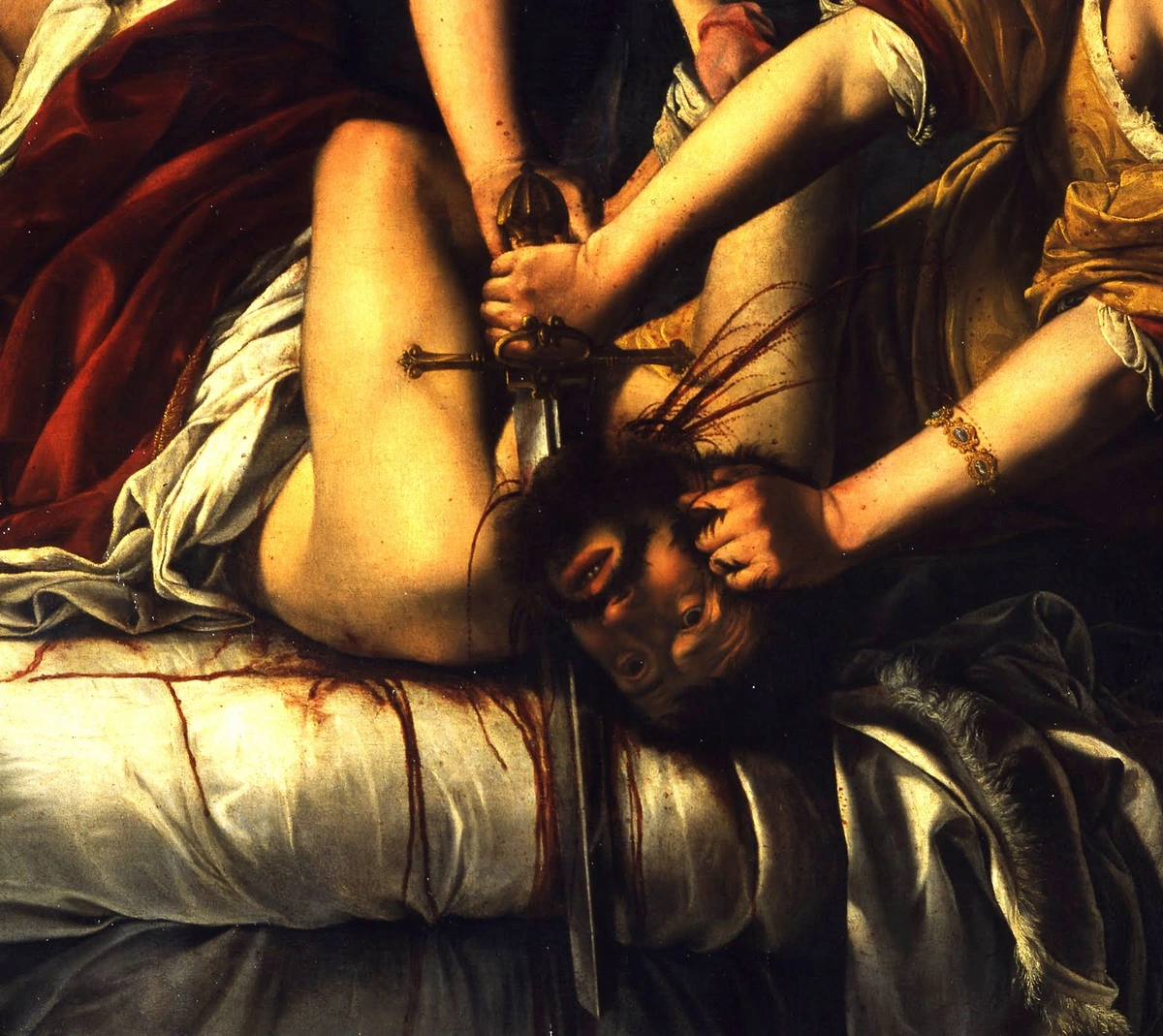
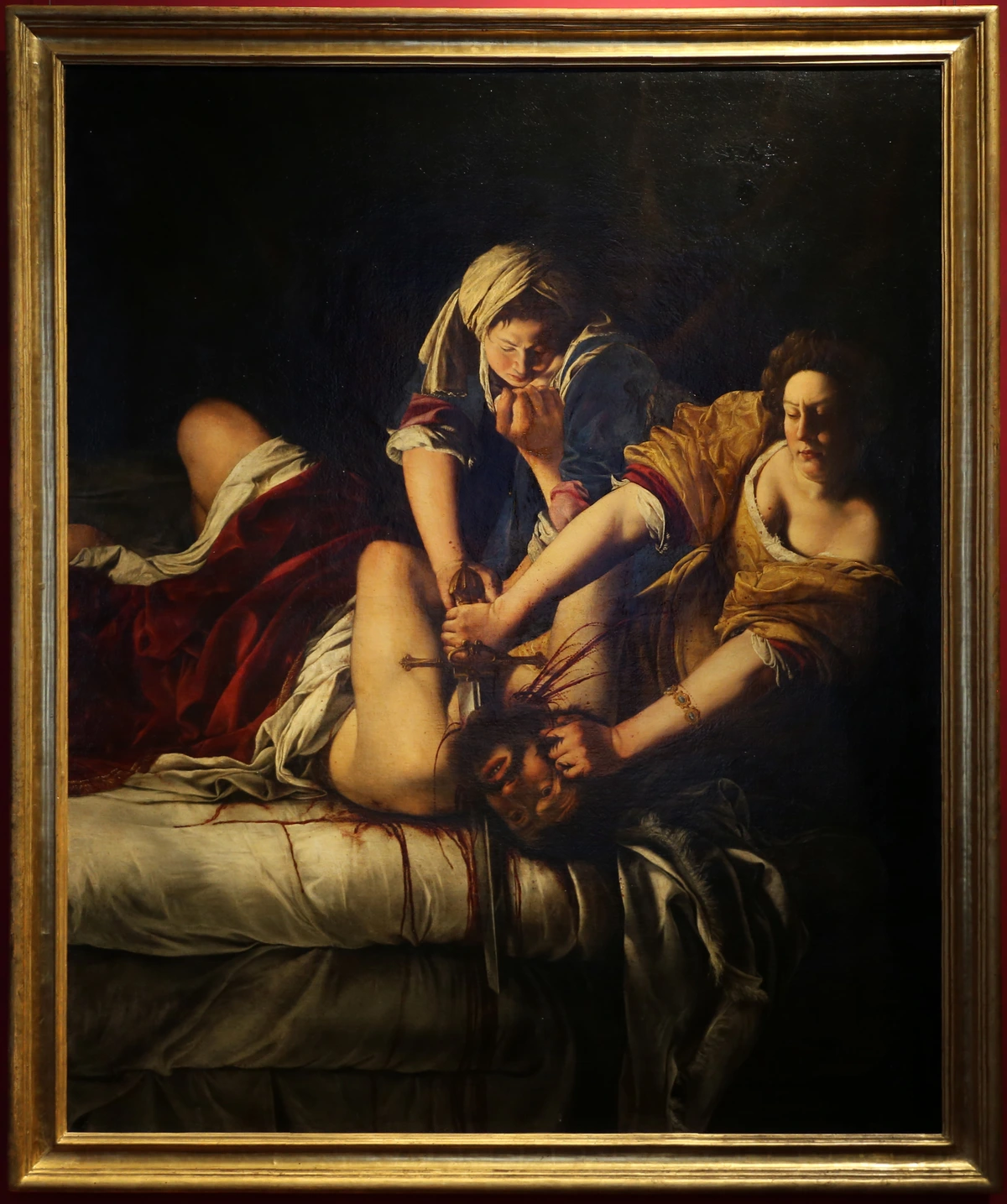
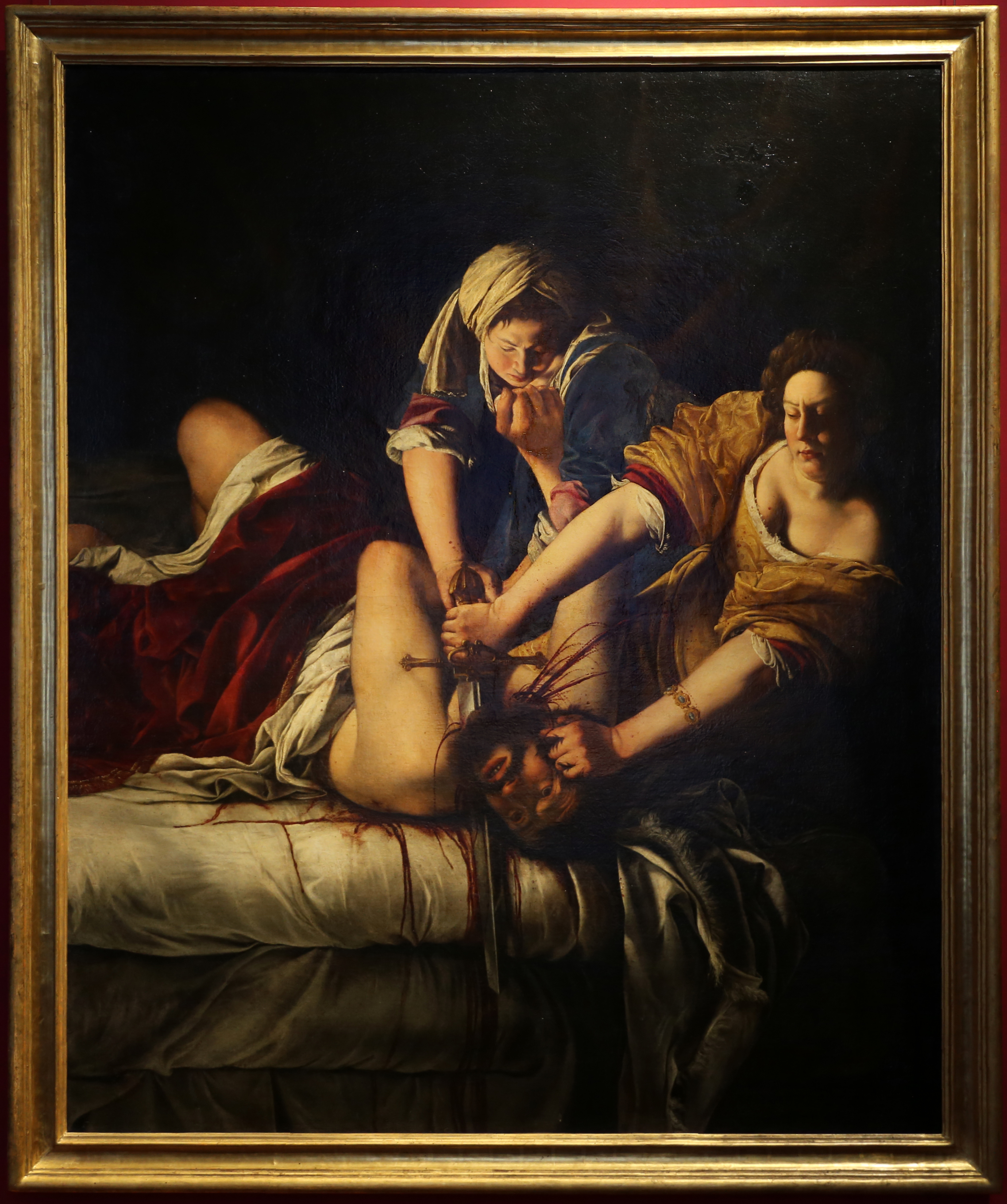
- Artemisia Gentileschi: A powerful female artist, often overlooked in earlier art history, who was a master of tenebrism and dramatic narrative, much like Caravaggio. Her work, particularly her depictions of strong women from biblical and mythological stories (like Judith Slaying Holofernes), is renowned for its psychological intensity and raw emotional power, depicting women with agency and unflinching realism. She carved out a remarkable career in a male-dominated era, achieving significant patronage and success, and her work often carries a palpable sense of personal conviction and resilience. Her tenacity and talent make her an inspiring figure, as explored in [/finder/page/ultimate-guide-to-artemisia-gentileschi].
- Rembrandt van Rijn: While often associated with the Dutch Golden Age, which had its own distinct character, Rembrandt shared core Baroque sensibilities, particularly in his masterful use of chiaroscuro to create profound psychological depth in his portraits and religious scenes. His ability to capture the soul in a gaze is simply unmatched. His self-portraits, in particular, offer an unparalleled journey through an artist's life and inner world, revealing deep introspection and a mastery of light that makes even secular subjects feel profoundly spiritual.
- Diego Velázquez: A towering figure of the Spanish Baroque, Velázquez was a court painter to King Philip IV. His work is known for its incredible realism, complex compositions, and sophisticated use of light and color, elevating royal portraiture to new artistic heights. Las Meninas (The Maids of Honour) is a prime example of his genius, a painting that continues to fascinate art historians with its intricate play of perspective, illusion, and identity, blurring the lines between reality and painted representation and making the viewer an active participant in the court scene.
Common Motifs and Symbolism in Baroque Art: Stories in Grand Scale
Baroque art wasn't just about lavish visuals; it was deeply imbued with meaning, often conveying complex theological or philosophical ideas through powerful, emotionally charged imagery. The artists of this era were master storytellers, using every visual tool at their disposal to communicate profound messages and connect with their audience on a visceral level.
- Religious Ecstasy and Martyrdom: Directly linked to the Counter-Reformation, many works depict saints in moments of intense spiritual rapture (like Bernini's Ecstasy of Saint Teresa, where the saint is pierced by a divine arrow) or gruesome martyrdom (like Gentileschi's Judith Slaying Holofernes, depicted with unflinching, visceral realism). These were specifically commissioned by the Church to reinforce faith, attract converts, and counter Protestant austerity, aiming to inspire awe, piety, and identification with suffering and divine grace, making the viewer feel a direct, visceral connection to the sacred.
- Mythological and Historical Narratives: Artists frequently drew from classical mythology or significant historical events, often using these stories as allegories for contemporary political or religious themes. For instance, stories of Hercules might symbolize the strength and virtue of a ruling monarch (like Louis XIV, often associated with Apollo), or a depiction of a Roman battle could celebrate a contemporary military victory. These narratives allowed for grand, dynamic compositions and a display of erudition, often with hidden meanings for the informed viewer, allowing for a multifaceted message.
- Allegory and Personification: Abstract concepts like Truth, Justice, Virtue, or even the Arts and Sciences were frequently personified as human figures, often with specific attributes (e.g., Justice with scales and a sword, Time with an hourglass). This allowed complex ideas to be conveyed in a visually accessible and dramatic way, especially common in large-scale decorative programs for palaces and churches, often found soaring on ceilings, such as Tiepolo's monumental 'Allegory of the Planets and Continents' in the Würzburg Residence, making abstract concepts feel real.
- Vanitas and Memento Mori: Particularly prevalent in Dutch Baroque still lifes, these themes remind viewers of the transience of life, the futility of worldly pleasures, and the inevitability of death. Objects like skulls, wilting flowers, snuffed candles, hourglasses, soap bubbles, musical instruments (representing fleeting pleasures), and half-eaten food (a peeled lemon signifying temporary joy) serve as symbolic reminders of our mortality. While most explicit in the Netherlands, the underlying sentiment of life's fragility can be felt in other Baroque works that emphasize suffering and salvation. We delve deeper into this aspect in our guide on [/finder/page/the-history-of-still-life-painting-from-antiquity-to-modernism].
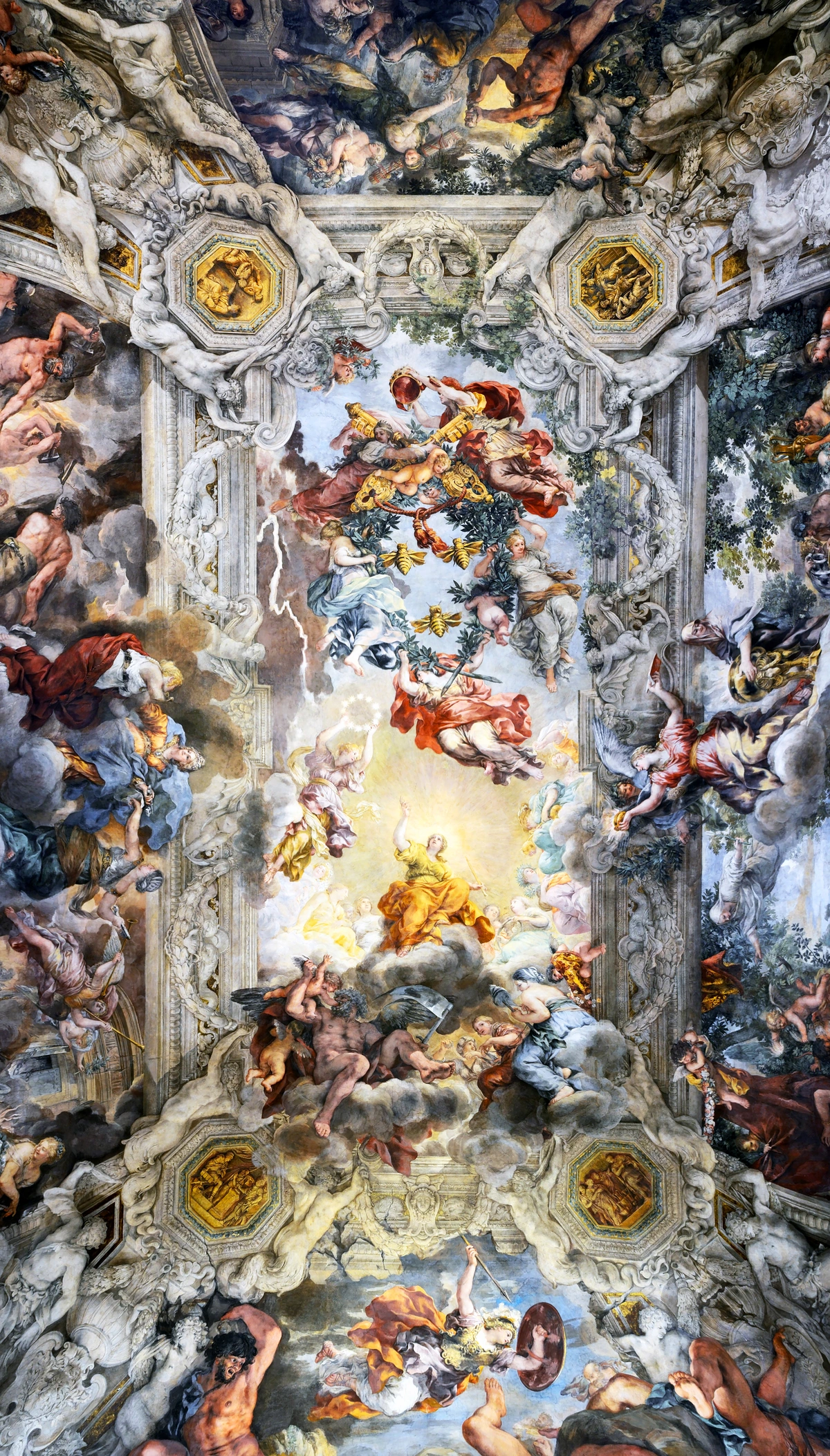
- Theatricality and Illusion: The use of trompe l'oeil (deceive the eye) and elaborate compositions (especially in ceiling frescoes with dramatic foreshortening) created a sense that the artwork was an extension of the viewer's space, blurring the lines between art and reality, much like a stage production. These illusions aimed to transport the viewer into the scene, making the spiritual or mythological literally descend into their earthly realm by creating a seamless visual continuity between architectural elements and painted scenes, fostering a total immersive experience.
- Symbolism of Light: Light in Baroque painting often represents divine presence, revelation, or spiritual enlightenment. It was used strategically to highlight key figures or moments, often implying a heavenly source, and gold was frequently employed in both paintings and architecture to heighten this sense of divine radiance and spiritual glory. The dramatic interplay of light and shadow was not just an aesthetic choice; it was a theological statement, profoundly influencing the viewer's emotional and spiritual response, guiding their gaze and their soul.
Why It Still Grabs Me (And Maybe You Too)
Even though my own art leans towards the abstract and often minimalist these days, I can't deny the enduring power of Baroque. There's something incredibly honest about its intensity. It doesn't shy away from the messy, overwhelming parts of human experience – faith, suffering, ecstasy, power. This raw emotionality, this almost visceral engagement, finds an echo in contemporary art, including abstract forms like my own that seek to express profound feeling or complex states of mind without literal representation. The swirling energy of a Rubens, for instance, might find a surprising echo in the bold, impasto strokes of a modern abstract expressionist piece, both conveying a similar visceral impact and emotional tumult. It’s a fascinating lineage, tracing how artists, from the Baroque masters to those exploring [/finder/page/the-definitive-guide-to-the-history-of-abstract-art-key-movements-artists-and-evolution], continually strive to connect with the viewer on a deeply emotional level, even if the means are different. Perhaps Baroque's constant motion, its refusal to sit still, resonates with the restless energy of our modern lives.
And in a world that sometimes feels overwhelmingly subtle, Baroque shouts. Its "shouting" was effective and necessary for its time because it directly communicated powerful religious and political messages to a broad audience, inspiring faith, reinforcing authority, and creating immersive experiences that left no one unmoved. It reminds me that sometimes, a little drama, a little flourish, a little more, is exactly what we need to really see, really feel. It’s a good reminder that art, at its core, is about connection, about sparking something within us, whether it's the divine fire of Bernini or the vibrant colors and complex patterns in a contemporary abstract piece. The desire to fill space and engage the senses has a long, rich lineage, a tradition I find myself tapping into in my own work – albeit with a decidedly more modern twist. The Baroque masters understood that art could be a powerful force, capable of transporting, inspiring, and challenging us. And that, I believe, is a lesson for all time.
If you ever find yourself wandering through a European city, pop into an old church or museum. When you visit a Baroque church, pay attention to the interplay of light from stained glass windows, the sculpted pulpits, and the grand organ, all designed to create a total sensory experience. Even if you're not a "Baroque person" – or think you aren't – just standing in the presence of that much concentrated artistic energy is an experience. Pay attention to how the light falls, the way figures twist, the sheer scale. Maybe you'll feel that same jolt of recognition I do, connecting you to centuries of human emotion. If you're ever in the mood to explore art, perhaps even some art closer to home, you know where to look. If you are in 's-Hertogenbosch, you can always visit my little museum there at [/den-bosch-museum], or perhaps discover a new piece for your own collection at [/buy]. For a wider view of art's grand story, perhaps consult our [/timeline].
Frequently Asked Questions About Baroque Art
Here are some common questions people ask when exploring the dramatic world of Baroque art:
Q: What does "Baroque" even mean?
A: It's believed to come from the Portuguese word "barroco," meaning an "imperfect or irregularly shaped pearl." Originally, it was a bit of a derogatory term, implying extravagance or distortion from classical ideals. However, it eventually became the name for this specific, highly ornate and dramatic art style, celebrated precisely for its emotional intensity, grandeur, and dynamic qualities.
Q: When did the Baroque period happen?
A: Generally, from the early 17th century (around 1600) to the mid-18th century (around 1750), though exact dates and stylistic shifts can vary by region and individual artists.
Q: What are the main characteristics of Baroque art?
A: Think drama, intense emotion, grandeur, dynamic movement, rich colors, and strong contrasts between light and dark (chiaroscuro and tenebrism). It was all about creating a sense of awe and spectacle, often to inspire religious devotion or display secular power, making the viewer a part of the experience.
Q: Is Baroque art only religious?
A: While religious themes (especially Catholic, driven by the Counter-Reformation) were very prominent, Baroque art also included portraits, mythological scenes, historical subjects, and still lifes, particularly in Protestant countries like the Netherlands. Patronage came from the Church, monarchs, and a rising wealthy merchant class, broadening its subject matter significantly beyond sacred themes.
Q: How is Baroque different from Renaissance art?
A: Renaissance art aimed for harmony, balance, and classical ideals of beauty, often with calm, symmetrical compositions and intellectual depth. Baroque art took those foundations and cranked up the drama, emotion, and movement, making it much more dynamic, theatrical, and emotionally direct. It's like the Renaissance whispered, and the Baroque shouted, seeking to overwhelm the viewer with sensory experience.



Q: How is Baroque different from Mannerism?
A: Mannerism, which immediately preceded Baroque, emphasized artificiality, elongated figures, and often complex or unsettling compositions, prioritizing intellectual sophistication over direct emotional appeal. Baroque reacted against this, returning to a more direct, emotionally engaging, and dramatic realism, prioritizing clarity, dynamism, and visceral impact, making it more accessible to a wider audience. Where Mannerism might make you ponder, Baroque wants you to feel.
Q: How is Baroque different from Rococo art?
A: Baroque art is grand, dramatic, and often public or religious, using deep, rich colors and strong contrasts, designed to impress and inspire awe. [/finder/page/the-history-of-rococo-art-elegance-playfulness-and-grandeur], its successor, is lighter, more playful, intimate, and secular, characterized by delicate pastels, curvilinear forms, and a focus on aristocratic pleasure and decorative charm, as seen in the comparison table above. Think massive, awe-inspiring churches versus ornate, elegant salons.
Q: What were some common criticisms of Baroque art?
A: Critics often found it overly ornate, extravagant, and theatrical, viewing it as a deviation from the 'purity' and balance of classical art. The term "barroco" itself, meaning an imperfect pearl, reflects this initial disdain for its perceived excess, irregularity, and departure from the perceived 'good taste' of earlier Renaissance works. Some saw it as too sensational or emotionally manipulative. Yet, it was precisely these qualities that its patrons and admirers cherished. It's truly a style that provokes strong reactions – love it or find it overwhelming, it's never boring.