St. Peter's Basilica: Architects, History & Enduring Power
Explore St. Peter's Basilica, Rome's spiritual heart, built over centuries by architectural titans like Bramante, Michelangelo, and Bernini. Discover its dramatic evolution, engineering marvels, and enduring symbolism.

St. Peter's Basilica: A Testament in Stone – Its Architects, Ambition, and Unfolding History
I remember the first time I truly felt St. Peter's Square. It wasn't just seeing it; it was the sheer heft of the ancient granite beneath my feet, the way the light spilled, almost liquid, through those colossal windows, pulling my gaze upwards into a dizzying immensity. You see it in a million photographs, but nothing, and I mean absolutely nothing, prepares you for the sheer, unapologetic scale. It feels less like a building carved by human hands and more like sacred ground given form, a structure so vast it makes you question the very limits of what we can achieve when driven by faith, power, and artistic obsession. And that, right there, is where the story begins for me.
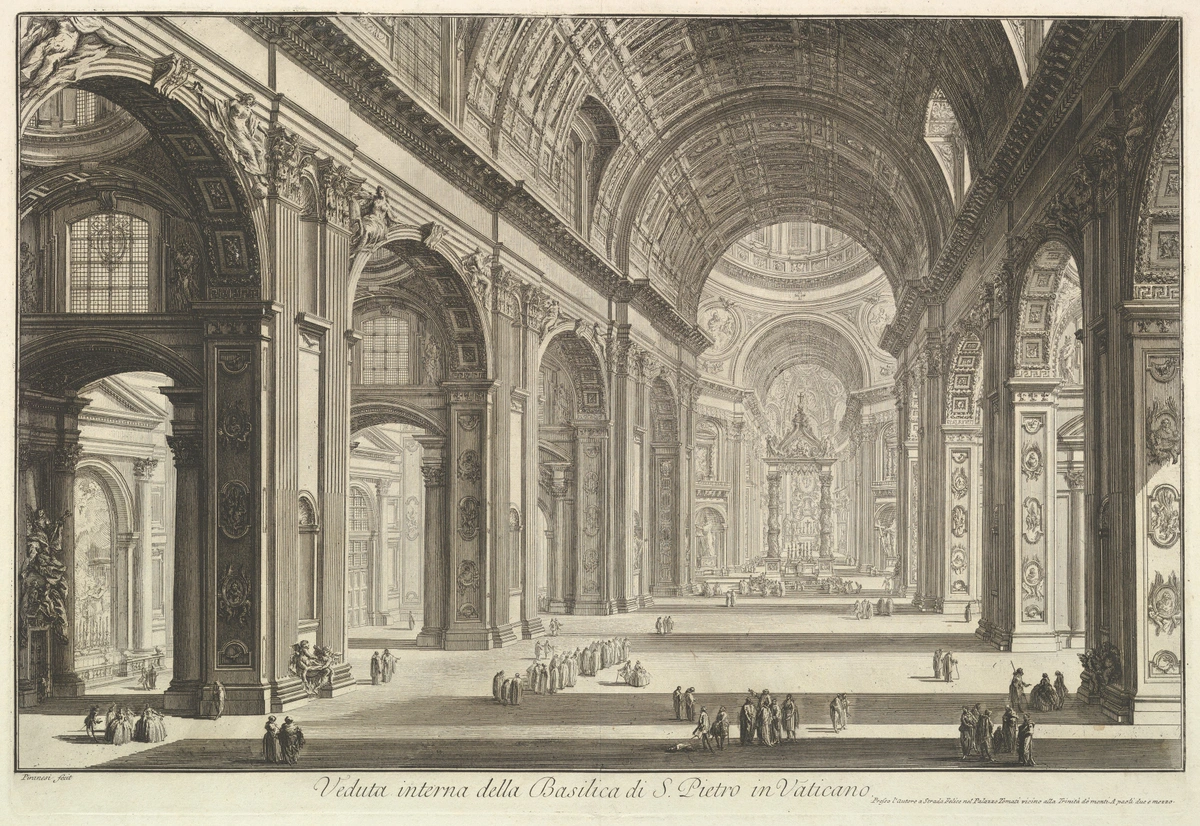
This isn't just a church, certainly not in the way we usually think of one. This is the product of a 120-year-long architectural relay race, where the baton was passed between some of the most brilliant, and, let's be honest, fiercely opinionated, minds of the High Renaissance and Baroque periods. It's a testament carved in stone to immense ambition, clashing egos, profound theological debates, and groundbreaking engineering. It’s a bit like my own artistic process; sometimes you start with one clear vision, and then the materials, the circumstances, or even a new thought, take you on a journey, adapting and evolving until something entirely new, yet cohesive, emerges. So, let's peel back the layers on this truly monumental achievement, tracing its long and often tumultuous story.
Before the Grandeur: Echoes of Constantine and the Old Basilica
To truly grasp the ambition behind the current St. Peter's Basilica, you first need to appreciate what stood before it. The very ground where this colossal structure now soars has been revered for millennia. Tradition holds it as the solemn burial site of St. Peter himself, one of Jesus's apostles, martyred in Rome under Emperor Nero. For early Christians, this was hallowed ground, a beacon of faith even in times of persecution.
It was in the 4th century, after his conversion to Christianity, that Emperor Constantine the Great commanded a magnificent basilica to be erected here. This Old St. Peter's Basilica was a marvel in its own right, a sprawling five-aisled structure with a vast atrium, dedicated in 326 AD. For over a thousand years, it stood as the spiritual heart of Christendom, a primary destination for pilgrims, and a potent symbol of papal authority. Think about that for a moment: over a millennium of continuous worship, countless generations passing through its doors, venerating the tomb beneath the altar.
But by the 15th century, the relentless march of time, coupled with centuries of neglect and the tumultuous shifts in papal residence (like the Avignon Papacy), had taken a severe toll. The venerable walls were leaning, the priceless mosaics and frescoes were fading or crumbling, and structural integrity was becoming a serious concern. It wasn't a matter of simple renovations; the basilica was quite literally falling apart. A mere patch-up job wouldn't do. Rome, in its bid to reassert its spiritual and temporal power, needed something drastic, something truly transformative, a new architectural declaration.
Pope Julius II's Audacious Vision: A Statement in Travertine and Marble
Enter Pope Julius II in the early 1500s. Now, if ever there was a man who understood the language of monumental architecture as a tool of power and propaganda, it was Julius II. He wasn't just looking at a crumbling church; he saw a singular opportunity to make an undeniable, unshakeable statement in a world increasingly fractured by new ideas and emerging powers. The nascent Protestant Reformation was challenging Rome's authority, and new nation-states were rising. In this volatile climate, Julius II envisioned a basilica that would dwarf every other church on Earth, unequivocally cementing Rome's position as the spiritual and political heart of the Christian world.
This wasn't merely a construction project; it was a declaration in travertine and marble, a grand gesture intended to awe, inspire, and humble. Such an undertaking required not only immense financial resources – which, as you can imagine, generated considerable controversy and even contributed to the Reformation's momentum (hello, indulgences!) – but also an almost reckless ambition. This was a project that would quite literally outlive him and many of his successors, a multi-generational commitment to an unparalleled vision. When I think about starting a new art series, I always consider the long game, how it will evolve, what statement it makes. Julius II took that to an entirely different level.
The Great Architectural Relay Race: Genius, Ego, and Evolution
The decision to demolish the 1,200-year-old basilica and build anew ignited a creative firestorm across Europe, attracting the greatest artistic and architectural minds of the era. Each architect, armed with their unique vision and often formidable ego, contributed to a project that was less a singular design and more a living, breathing testament to Renaissance and Baroque innovation. This constant adaptation, this "relay race" of ideas, is what makes St. Peter's so utterly unique.
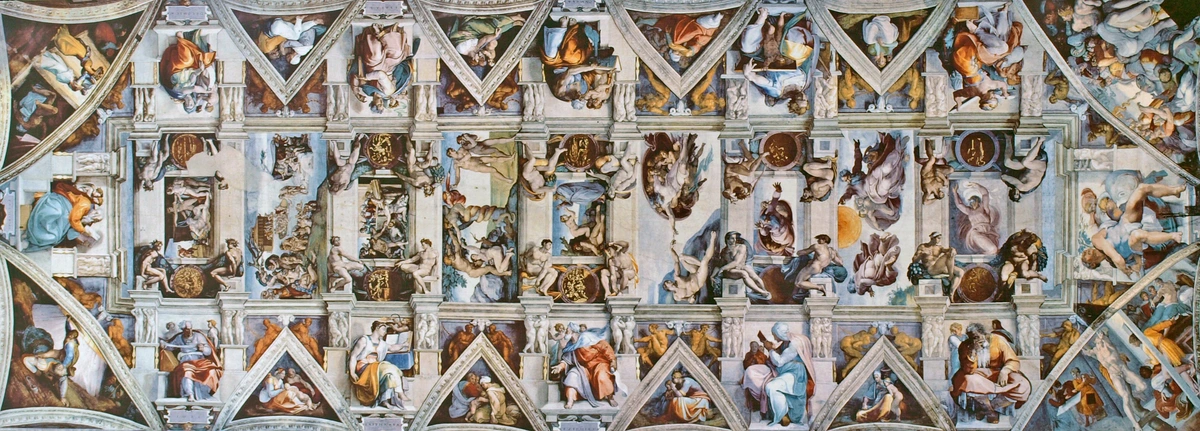
The patient, iterative process of creation, much like shaping clay, perfectly mirrors the decades-long evolution of St. Peter's Basilica.
Donato Bramante: The Visionary Destroyer's Perfect Geometry
The first architect to answer Pope Julius II's monumental call was Donato Bramante. His initial design from 1506 was a pure embodiment of Renaissance idealism: a perfectly symmetrical Greek cross (all four arms equal length), crowned by a massive central dome inspired by the engineering marvel of the ancient Pantheon. Bramante, deeply influenced by classical antiquity and the mathematical harmony espoused by Renaissance thinkers, believed this centrally-planned church was the most perfect architectural form, reflecting the divine order and harmony of God's universe. It was a bold theological and artistic statement, a pure expression of Renaissance principles of rationality and ideal proportion.
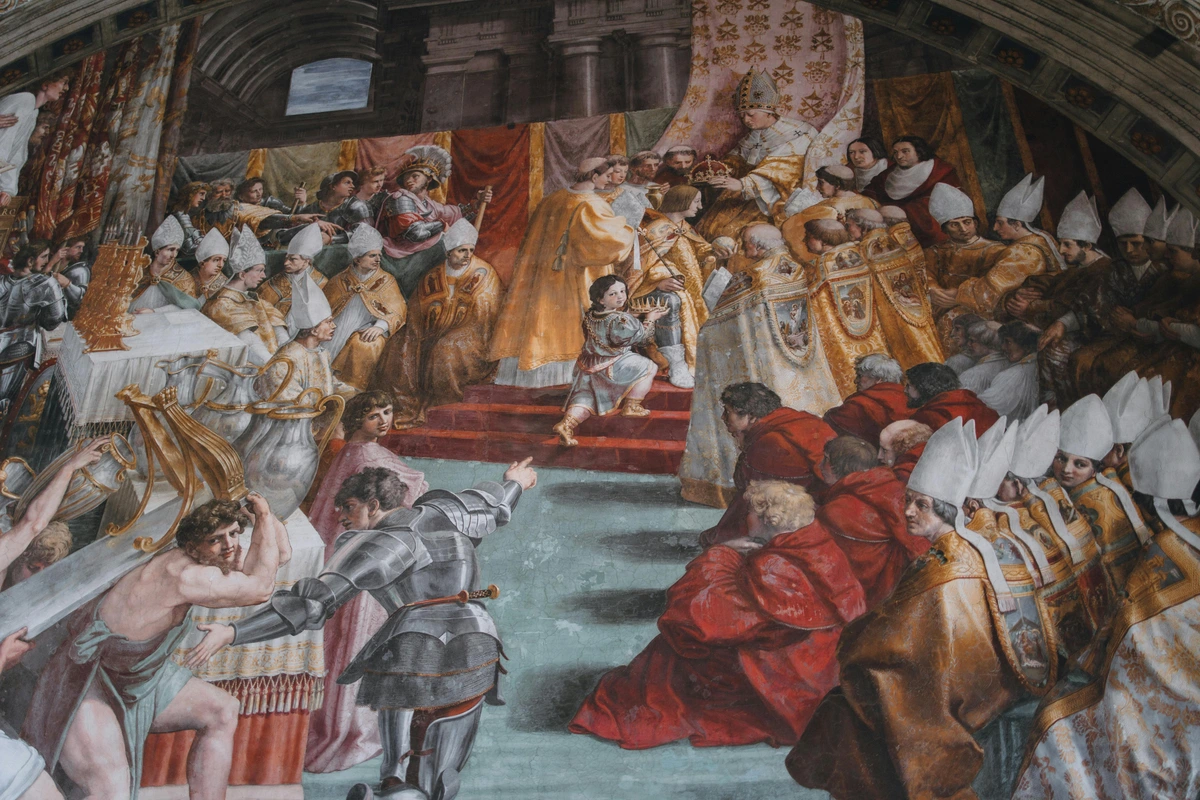
However, as often happens when sublime theory meets practical reality, it wasn't particularly conducive to the evolving needs of a massive, growing congregation. Imagine trying to orchestrate grand papal processions or ensuring that every worshipper had an unobstructed view of the altar in a perfectly square space. Acoustically, such a vast, open central plan also presented immense challenges for sermons and liturgical music. Bramante, whose enthusiastic demolition of the old basilica earned him the rather uncharitable nickname 'the Destroyer,' laid the crucial structural foundation, particularly the four colossal central piers intended to support the massive dome. But, like many visionaries, he died in 1514, leaving his ambitious dome unbuilt and the practical problems unresolved.
Years of Shifting Visions: Raphael, Sangallo, and the Theological Tug-of-War
After Bramante's death, the project entered a period of, shall we say, "vigorous design evolution," marked by shifting papacies, changing artistic tastes, and indeed, a profound theological tug-of-war. A succession of prominent architects took the reins, including the renowned painter Raphael, and later Antonio da Sangallo the Younger. Each brought their own ideas, often moving away from Bramante's pure Greek cross towards a more traditional Latin cross plan (with one long arm forming the nave).
This wasn't just about architectural preference; it reflected deeper debates within the Church, especially as the Counter-Reformation gained momentum. Different factions argued whether a centrally-planned building (symbolizing divine perfection and the cosmos, suitable for a more contemplative faith) or a longitudinal one (better for massive processions, hierarchical display of power, and directing attention towards the altar, crucial for asserting Catholic authority against Protestantism) best served the Church's evolving needs. Raphael, for instance, experimented with a lengthened nave, while Sangallo proposed a more complex, fortified design. This constant re-evaluation, while messy and incredibly expensive, is a fascinating glimpse into how grand projects are rarely born of a single, unwavering vision, but are instead sculpted by a multitude of forces.
Michelangelo: The Architect Who Didn't Want the Job, But Shaped its Soul
By 1547, the project was in a state of expensive chaos, stalled progress, and conflicting designs. Pope Paul III, in a stroke of genius (or perhaps sheer desperation), turned to a 72-year-old Michelangelo. Famously, Michelangelo initially refused, arguing with characteristic bluntness that he was a sculptor and painter, not an architect. But the Pope insisted, and Michelangelo, known for his fierce independence and unwavering artistic conviction, took control with the legendary condition that he would receive no salary, working only 'for the love of God'. A true act of artistic devotion, yes, but also a very clever way to ensure that no one – not even the Pope – could easily tell him what to do. My interpretation? He wanted absolute creative freedom, and he usually got it.
He immediately gravitated back to Bramante's original Greek cross plan, recognizing its inherent power and clarity, but with a singular aim: to simplify and strengthen it. His genius lay not just in returning to the core idea, but in how he beefed up the central piers, streamlined the peripheral chapels, and, most importantly, designed the magnificent dome. His design was a marvel of engineering: a soaring structure with two shells – an inner and an outer one – to reduce weight while maintaining incredible strength and providing structural stability, culminating in a majestic lantern that pulls the eye heavenward. He was notoriously stubborn about his vision, often clashing with quarry masters and assistants, but his conviction ensured the dome's structural integrity and aesthetic grandeur would endure.
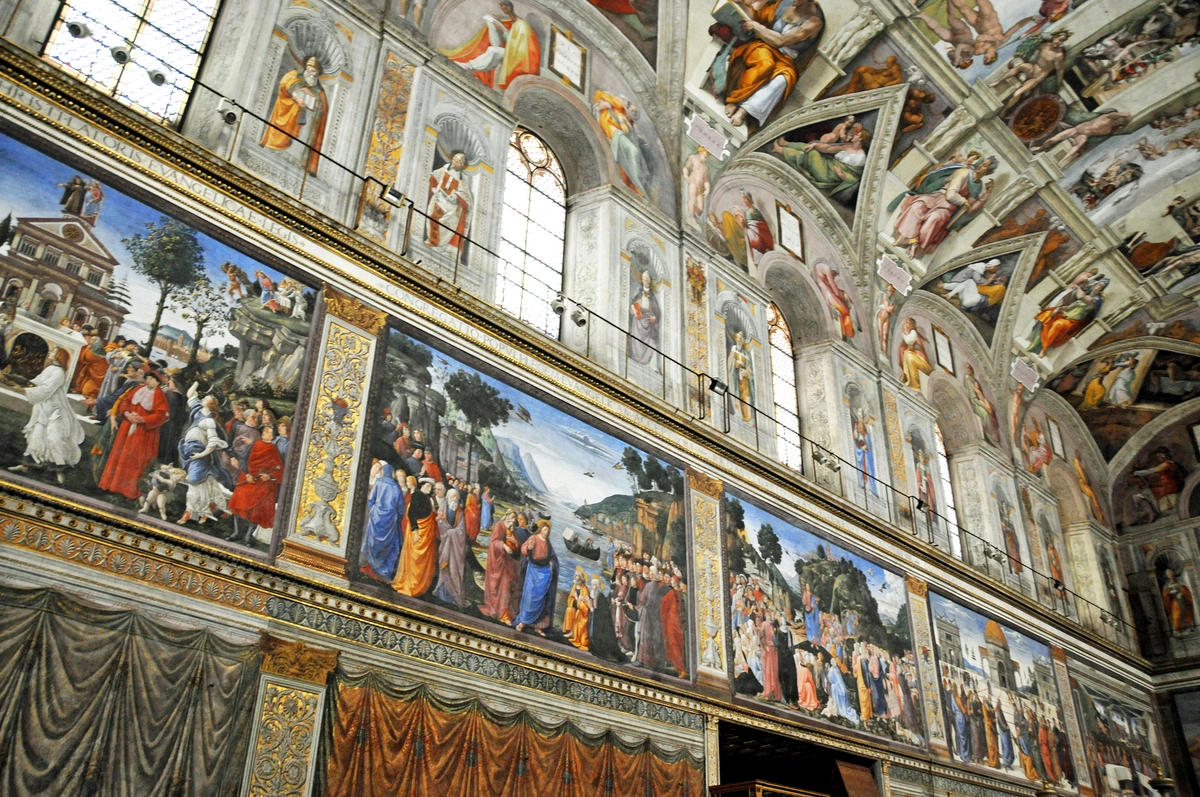
Michelangelo worked on the Basilica until his death in 1564. He never saw his dome completed, but his meticulously detailed models and drawings ensured his vision was faithfully executed by his successors. The dome we see today, largely built by Giacomo della Porta and Domenico Fontana, is a testament to Michelangelo's unparalleled genius and forceful will.

Just as a master architect like Frank Lloyd Wright leaves an indelible mark, Michelangelo's singular vision profoundly shaped St. Peter's, even posthumously.
The Baroque Flourish: Maderno and Bernini's Grand Finale
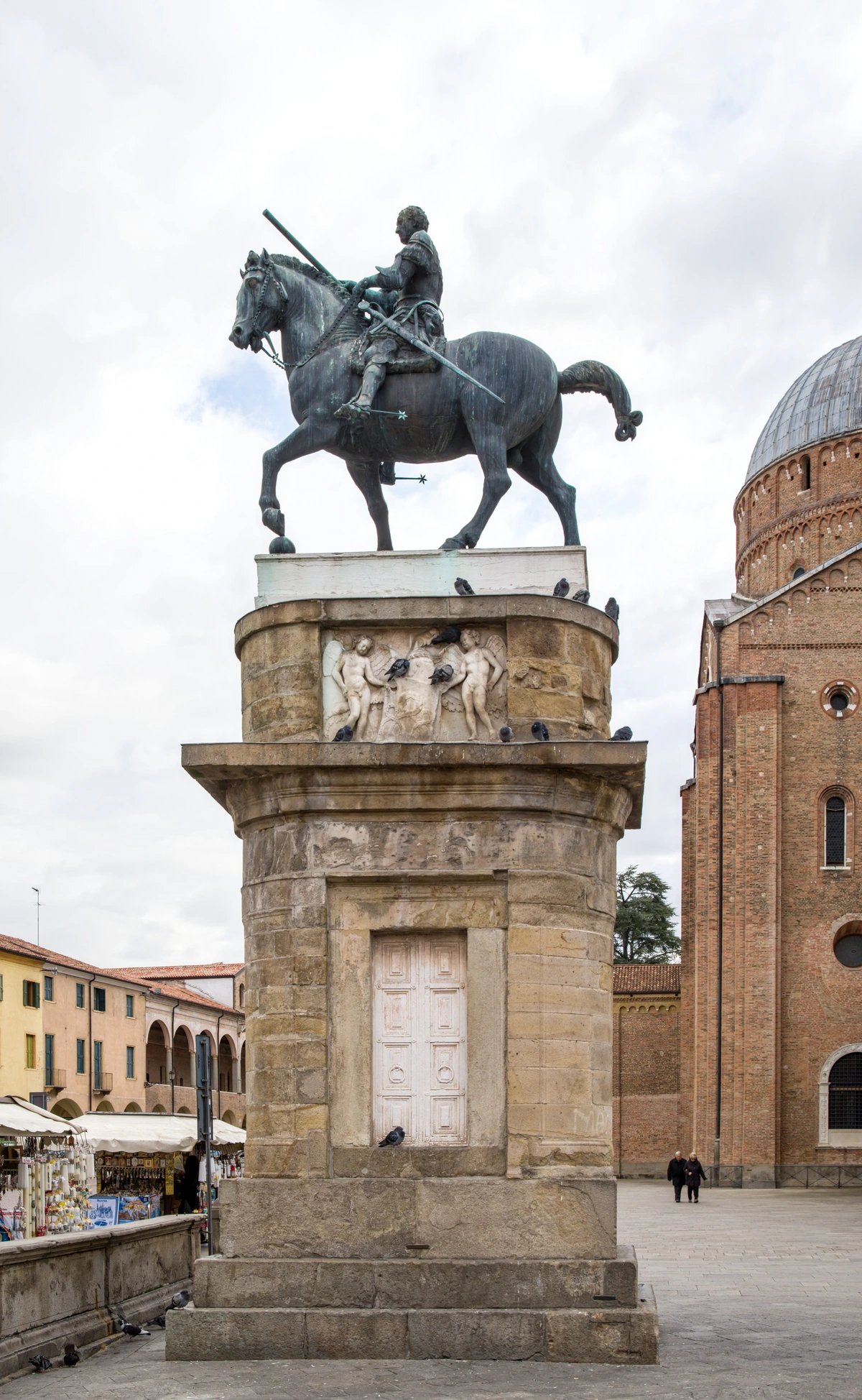
Two more titans of architecture and art brought the Basilica to the breathtaking, encompassing form we behold today, adding layers of dramatic flair and functional necessity.
- Carlo Maderno (Early 17th Century): Under immense pressure from the Counter-Reformation, which desperately needed more space for larger congregations and grand processions to visibly demonstrate Catholic power and draw people back from the Protestant challenge, Maderno was tasked with a fundamental alteration: extending the nave. This transformation shifted Michelangelo's beloved Greek cross plan into the more traditional, and liturgically practical, Latin cross plan. It fundamentally altered the building's character from a centralized, contemplative ideal to a longitudinal, processional one. Maderno also designed the colossal façade that stands today. This remains a point of considerable debate among architectural historians; its sheer width and height partly obscure the majestic view of Michelangelo's magnificent dome from St. Peter's Square, a design compromise that still sparks discussion today. Critics often argue it diminishes the visual impact of the dome, creating a sense of being 'swallowed' by the façade when viewed from the piazza.
- Gian Lorenzo Bernini (Mid-17th Century): If Michelangelo gave the Basilica its powerful, soaring heart, Bernini, the undisputed master of the Baroque architecture style, gave it its dramatic soul, its embracing arms, and its overwhelming sense of theatrical grandeur. His contributions are monumental and define both the exterior approach and much of the interior experience. You can't separate them, in my opinion, they are integral.
- St. Peter's Square: His most famous exterior work, the magnificent elliptical colonnades, were ingeniously designed to reach out like the 'maternal arms of the Church', welcoming pilgrims into its vast embrace. This isn't just architecture; it's a piece of performative urban planning, creating an unparalleled sense of anticipation and arrival.
- The Baldacchino: The gigantic, twisting bronze canopy over the high altar, directly above the traditional tomb of St. Peter. It's a sculpture so massive, so dynamic, adorned with bees (the Barberini family crest) and twisting Solomonic columns, that it blurs the line between sculpture and architecture, dominating the crossing.
- The Chair of St. Peter (Cathedra Petri): The gilded bronze reliquary at the far end of the apse, a theatrical masterpiece of light, bronze, and stucco. It enshrines a wooden chair believed to have been used by St. Peter himself, dramatically illuminated by a stained-glass window depicting the Holy Spirit.
- Countless Sculptural Details: Throughout the interior, Bernini's influence is seen in the dramatic interplay of light and shadow, the expressive figures, the luxurious materials (marble, stucco, gilt bronze), and the overall sense of movement and emotional intensity that define the Baroque aesthetic. His works often draw the eye upwards, creating a palpable sense of spiritual ascent.
Papal Patronage and the Art of Power: Beyond the Architects
While the genius of individual architects shaped St. Peter's, it's crucial to understand the broader context of papal patronage that fueled such an audacious undertaking. From Julius II onwards, successive Popes viewed the Basilica not just as a spiritual center, but as a colossal canvas to project the power, wealth, and theological authority of the Roman Catholic Church. In an age of intense religious and political upheaval, building the grandest church in Christendom was a potent statement – a visible manifestation of divine favor and earthly dominion.
This patronage fostered intense competition among artists and architects, driving innovation and artistic excellence. Commissions for chapels, altars, and monuments within the Basilica became highly coveted, leading to a vibrant artistic ecosystem that attracted masters from across Italy and beyond. This wasn't merely about personal artistic vision; it was about serving a higher, institutional purpose, often requiring architects to adapt or even abandon their original designs to align with the current Pope's agenda or the prevailing theological climate. It reminds me of how creative projects, even solitary ones, are always shaped by the patrons, the audience, and the cultural landscape they exist within.
A Layered Masterpiece: The Mashup of Styles and Unfolding History
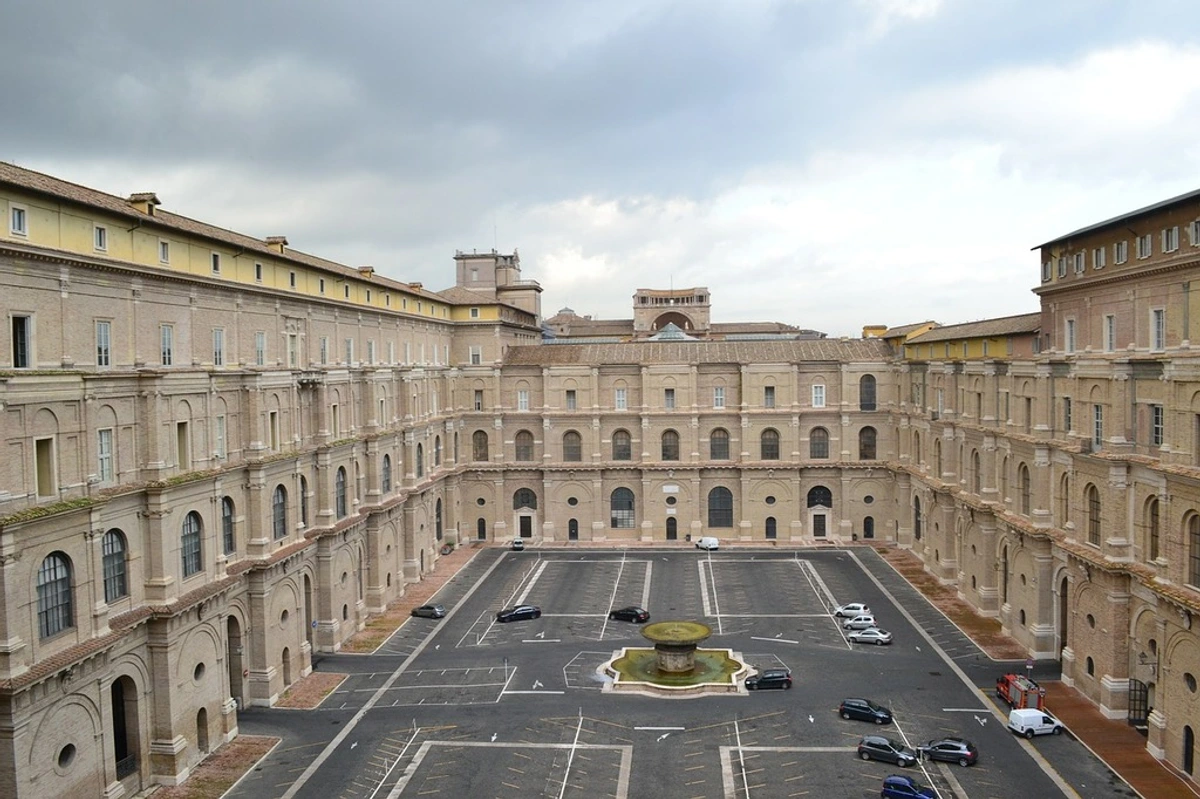
What truly fascinates me about St. Peter's is that it's not a singular statement, born pristine from a single mind. It’s a living textbook of architectural history, a grand operatic collaboration, or perhaps a palimpsest – where each layer of genius builds upon, adapts, and sometimes even overwrites, what came before. It didn't spring fully formed like some pristine modern architectural statements; instead, it grew, it adapted, and it carries the unmistakable marks of every titan who touched it, each adding a distinct layer to its complex narrative. Like a vast, continually evolving symphony, where themes are introduced, developed, and reinterpreted by different maestros over centuries. This constant interplay, this dialogue across time, is precisely what gives it such profound depth and enduring power. Its story is still unfolding, continually reinterpreted by new generations of visitors and scholars, and it stands as a testament to humanity's unending drive to build, to believe, and to express.
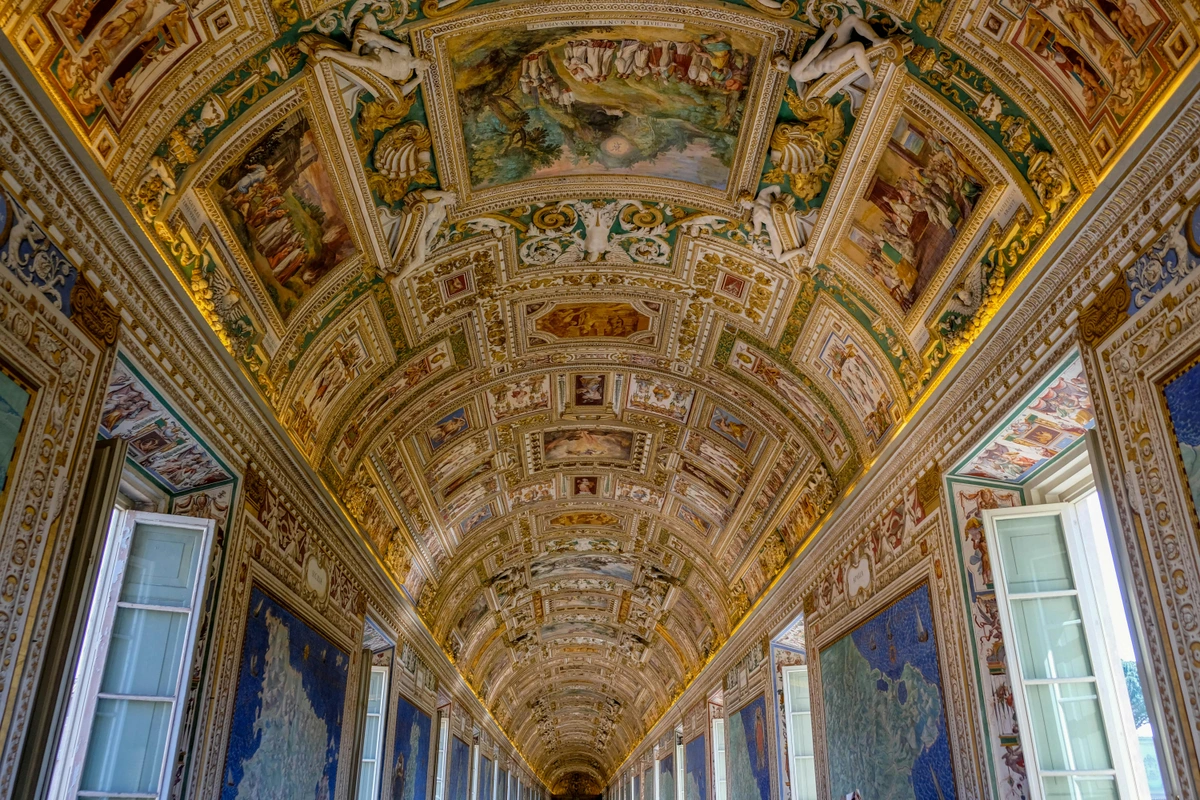
Like the Great Gallery's vast collection, St. Peter's is a grand repository, a layered display of centuries of ambition and artistic evolution.
Key Architects, Their Legacy, and the Unseen Challenges
This table summarizes the core contributions and the context of the key figures who shaped St. Peter's Basilica, highlighting the blend of their individual genius with the overarching challenges of such a monumental undertaking.
Architect  | Period | Key Contribution | Dominant Style | Enduring Impact | Key Challenges Faced |
|---|---|---|---|---|---|
| Donato Bramante | High Renaissance | Initial Greek cross plan, colossal central piers | High Renaissance | Vision of perfect harmony; structural foundation for the dome | Liturgical impracticality of Greek cross; died before completion |
| Raphael & Sangallo | High Renaissance | Various Latin cross iterations, early nave extensions | High Renaissance | Introduced longitudinal functionality and early structural additions | Shifting papacies; theological debates over church layout |
| Michelangelo | High Renaissance / Early Baroque | Refined Greek cross plan, monumental Dome design | High Renaissance / Proto-Baroque | Iconic silhouette; engineering marvel; spiritual ascent | Expense and structural concerns; political interference; advancing age |
| Carlo Maderno | Early Baroque | Lengthened nave (creating Latin cross), grand Façade | Early Baroque | Accommodation of vast congregations; liturgical function | Obscuring Michelangelo's dome; balancing new function with existing structure |
| Gian Lorenzo Bernini | High Baroque | St. Peter's Square, Baldacchino, interior decorations | Baroque architecture | Theatrical grandeur; unifying exterior embrace; defining interior experience | Harmonizing diverse styles; massive scale of commissions; political intrigues |
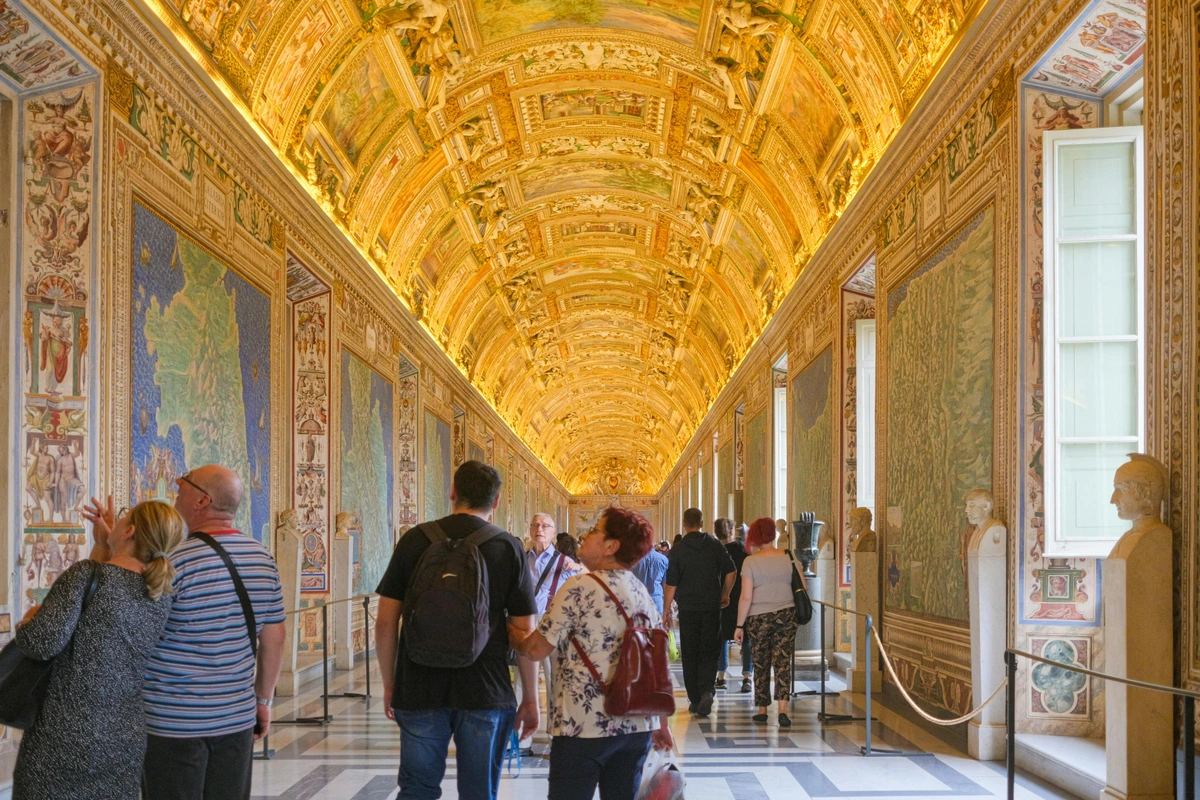
This evolution, a constant dialogue between classical ideals, liturgical needs, theological mandates, and unparalleled artistic expression, is precisely what makes it so compelling. It's a reminder that even the most monumental art is a conversation across time, a story never truly finished.
FAQ: Unpacking St. Peter's Basilica Architecture, History, and Influence
Navigating the history of St. Peter's can feel a bit like wading through a very dense history book. So, I've tried to distill some of the most common and important questions people ask about this incredible structure.
Who is considered the main architect of St. Peter's Basilica? This is a genuinely complicated question, and the nuanced answer is part of its rich story! There isn't one singular "main" architect, but rather a succession of titans. If you prioritize the structural foundation and initial concept, Bramante is key. If you focus on its most defining and iconic feature – the soaring dome that dominates the Roman skyline and defines the interior's spiritual heart – then Michelangelo is your answer. And if you're looking at the grand, theatrical experience of the approach and much of the interior grandeur, then Bernini is unparalleled. Ultimately, it’s a collective masterpiece.
How long did it take to build St. Peter's Basilica, and when was it consecrated? The cornerstone for the new basilica was laid in 1506, and it was officially consecrated in 1626, a span of 120 years of continuous major construction. However, Bernini's extensive and defining work on St. Peter's Square and many of the opulent interiors, which are absolutely integral to the Basilica's complete form and experience, continued for many decades after 1626, truly making the overall artistic endeavor span nearly two centuries. It’s a classic example of "Rome wasn't built in a day!"
Is Michelangelo's dome the largest in the world? What about its height? It is indeed the tallest dome in the world, reaching an impressive 136.57 meters (448.1 ft) from the ground to the top of its lantern. This incredible height allows it to majestically dominate the Roman cityscape, pulling the eye upwards with an almost magnetic force. In terms of sheer internal diameter, it's slightly smaller than the Pantheon's ancient concrete dome (itself a breathtaking feat of Roman engineering!), but Michelangelo’s dual-shell design and dramatic verticality give it an unparalleled sense of immensity and spiritual power.
Why was the design changed from Bramante's Greek cross to a Latin cross plan? This significant shift was primarily driven by liturgical and theological considerations, heavily influenced by the demands of the Counter-Reformation. While Bramante and Michelangelo's Greek cross plan symbolized divine perfection and harmonious classical ideals, the Church leaders of the Counter-Reformation felt that the long nave of a Latin cross was far better suited for:
- Massive Congregations: Providing ample space for the faithful, crucial for demonstrating Catholic power and unity.
- Processional Rituals: Facilitating grand liturgical processions, which were vital public displays of Catholic hierarchy and devotion.
- Directing Focus: Guiding the eye and the congregation's attention decisively towards the high altar, emphasizing the Mass and the Eucharist. It was, in essence, a strategic victory of practical function and theological assertion over pure architectural theory, a pragmatic adaptation to the changing spiritual landscape of Europe.
How was such a monumental project like St. Peter's Basilica funded, and who provided the labor? The funding for St. Peter's Basilica came from a variety of sources, primarily:
- Papal Treasury: Significant contributions came directly from the Vatican's coffers.
- Taxes: Levies imposed on Church states and various tithes.
- Sale of Indulgences: This controversial practice, where forgiveness for sins (or time in purgatory) could be purchased, became a major source of funds, directly contributing to the Protestant Reformation.
- Donations: Contributions from wealthy families, nobility, and pilgrims across Europe. The labor force was equally diverse and massive, comprising thousands of skilled and unskilled workers over generations. This included stonecutters, masons, carpenters, sculptors, painters, mosaicists, and countless laborers. Many were local Romans, but artisans and craftsmen were also drawn from across Italy and Europe, eager to contribute to such a prestigious and enduring project, often working under incredibly arduous conditions for generations. It was truly a collective human endeavor on an epic scale.
What makes the architecture of St. Peter's so special and enduring? For me, it's a sublime and almost overwhelming combination of several unique factors:
- The Scale: Its sheer monumental size is breathtaking, intentionally designed to inspire awe, humility, and a profound sense of the divine. You feel utterly dwarfed, in the best possible way.
- The Quality of Craftsmanship: The unparalleled artistry, engineering, and luxurious materials used throughout – marble, bronze, gold, precious stones – speak of boundless resources and dedication.
- The Collaboration of Geniuses: The unique "relay race" of artistic titans (Bramante, Raphael, Sangallo, Michelangelo, Maderno, Bernini), each building upon and sometimes even challenging the vision of their predecessors, results in a rich, layered aesthetic that tells a story of constant evolution.
- The Fusion of Styles: It masterfully blends the rational harmony, balanced proportions, and classical ideals of the High Renaissance (Bramante, Michelangelo) with the dramatic theatricality, emotional intensity, and dynamic movement of the Baroque (Maderno, Bernini). This creates a fascinating interplay of verticality and upward spiritual movement from the dome, contrasted with the dramatic chiaroscuro and expressive forms of the interiors.
- Its Enduring Symbolism: At its core, it is a monumental expression of faith and power, a living testament to humanity's capacity for grandeur, continually inspiring millions of pilgrims, tourists, and art lovers alike.
A Final Thought: Art as an Unfolding Story
Standing inside St. Peter's, looking up into that magnificent dome, you're not just looking at stone and pigment. You're looking at a 120-year-long argument about faith, power, and beauty, played out by some of the most influential minds in history. You're seeing Bramante's dream of perfect geometry, Michelangelo's defiant genius, Maderno's pragmatic adaptations, and Bernini's theatrical flourish all in one breathtaking eyeful. It's a testament to the crazy, beautiful, and enduring things humans can create when they aim for something truly monumental.
The entire process, from initial ambitious vision to centuries of continuous refinement, reminds me so much of my own artistic timeline – a long and winding road with many changes in direction, where initial concepts evolve, materials present new challenges, and unexpected turns lead to richer, more complex outcomes. Sometimes the journey, with all its adaptations and collaborative layers, is as important, if not more important, than the final destination. That, I think, is a story worth craning your neck for, a story that resonates with every brushstroke and every evolving idea in my own studio, always striving towards a final, cohesive, and deeply personal vision. The very layers of history and meaning in St. Peter's inspire me to think about how my own abstract and colorful works can hold similar depths, inviting viewers to uncover their own narratives within the forms and hues.





Like St. Peter's, grand creative visions often unfold over time, taking on new layers and interpretations, much like the abstract landscapes I create.