
What is Baroque Architecture? Unpacking its Drama, Grandeur, and Enduring Emotional Power
Dive into Baroque architecture's captivating world. Discover its dramatic Counter-Reformation origins, defining characteristics, iconic masterpieces, and profound emotional impact across Europe.

What is Baroque Architecture? Unpacking its Drama, Grandeur, and Enduring Emotional Power
I remember the first time I truly felt Baroque architecture. It wasn't in a textbook, but standing inside a grand church in Rome, probably looking up, mouth agape. The sheer scale, the swirling frescoes, the marble figures caught mid-gesture—it was an assault on the senses, a symphony of excess, and honestly, a little overwhelming. "How could architecture be so overtly persuasive?" That was the question that kept me coming back. But then, it clicked. This wasn't just building; this was storytelling, emotion made stone, designed to move you, to awe you, and yes, even to convince you. In this ultimate guide, we'll strip back the gilded layers to understand its dramatic origins, unpack its defining characteristics and unique architectural language, explore its most iconic masterpieces and influential figures across Europe, delve into its profound relationship with other art forms, and ultimately, grasp its enduring legacy and surprisingly relevant criticisms.
For a long time, I struggled to articulate what makes Baroque, well, Baroque. It's more than just fancy curves and gold leaf, though there's certainly plenty of that. It's a fundamental shift in how architecture, art, and even belief intertwined. It's an experience, really, and one that demands your full attention.
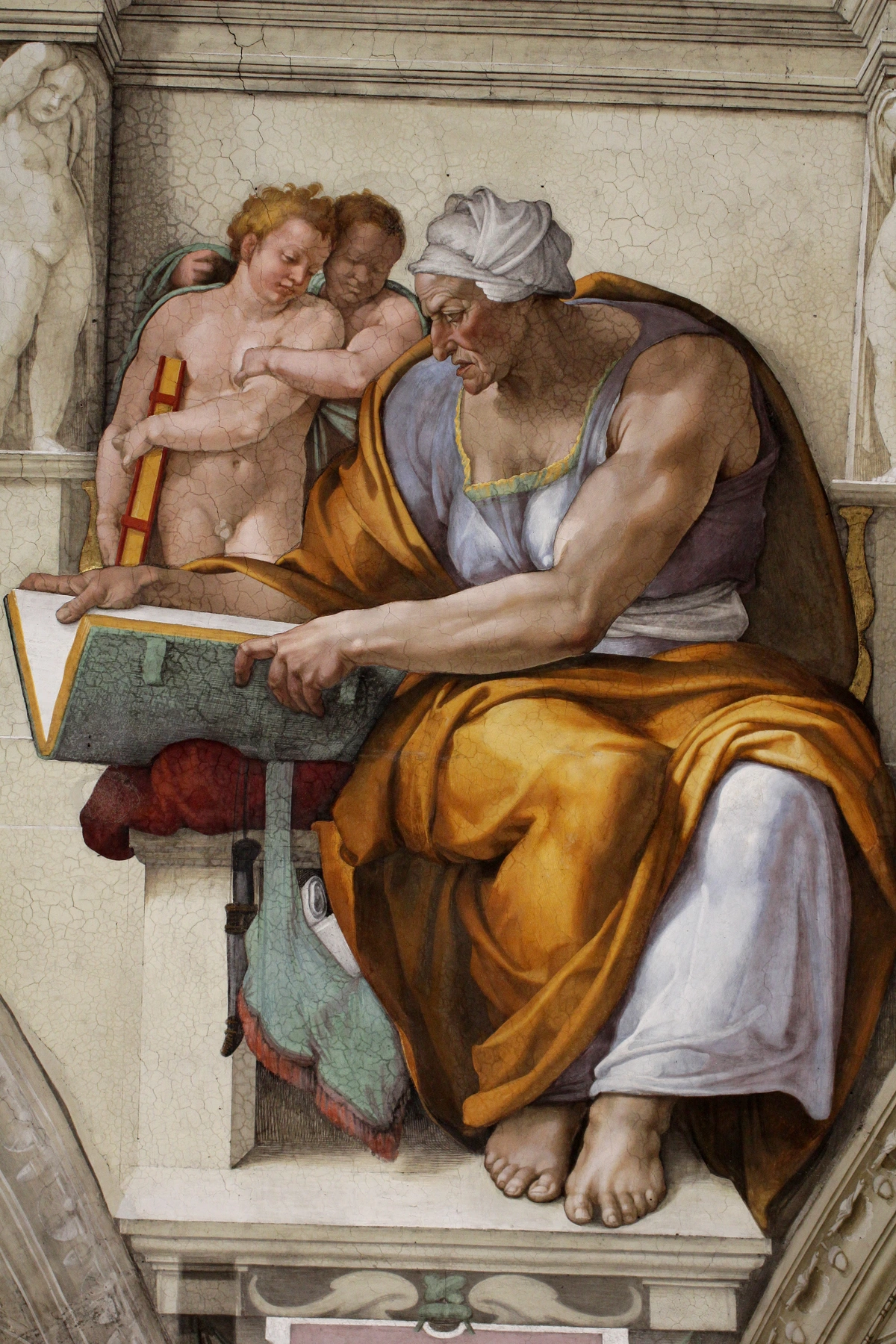
The Roots and the Rebellion: How Baroque Emerged from Renaissance
To really grasp Baroque, you have to look at what came before it: the ordered elegance of Renaissance architecture. Renaissance architecture, for all its beauty, was about order, balance, and classical harmony. Think symmetry, mathematical precision, and a certain calm rationality, deeply influenced by classical antiquity and humanism. Think of Filippo Brunelleschi's precisely ordered Pazzi Chapel or Leon Battista Alberti's harmonious Palazzo Rucellai. It's beautiful, no doubt, but sometimes, a bit... reserved, almost like a meticulously composed classical symphony. While Mannerism, a transitional style of the mid-16th century, had already begun to push against Renaissance ideals with its exaggerated forms and theatricality, Baroque took these impulses to a whole new, monumental level.
Baroque was a glorious, exuberant rebellion. It didn't so much break the classical rules of the Renaissance as it reimagined and transformed them in wildly imaginative new ways. It took those familiar classical elements—columns, pediments, domes—and twisted them, bent them, and reassembled them to create an overt declaration rather than subtle suggestion. It was a decisive move from rational perfection to emotional persuasion.
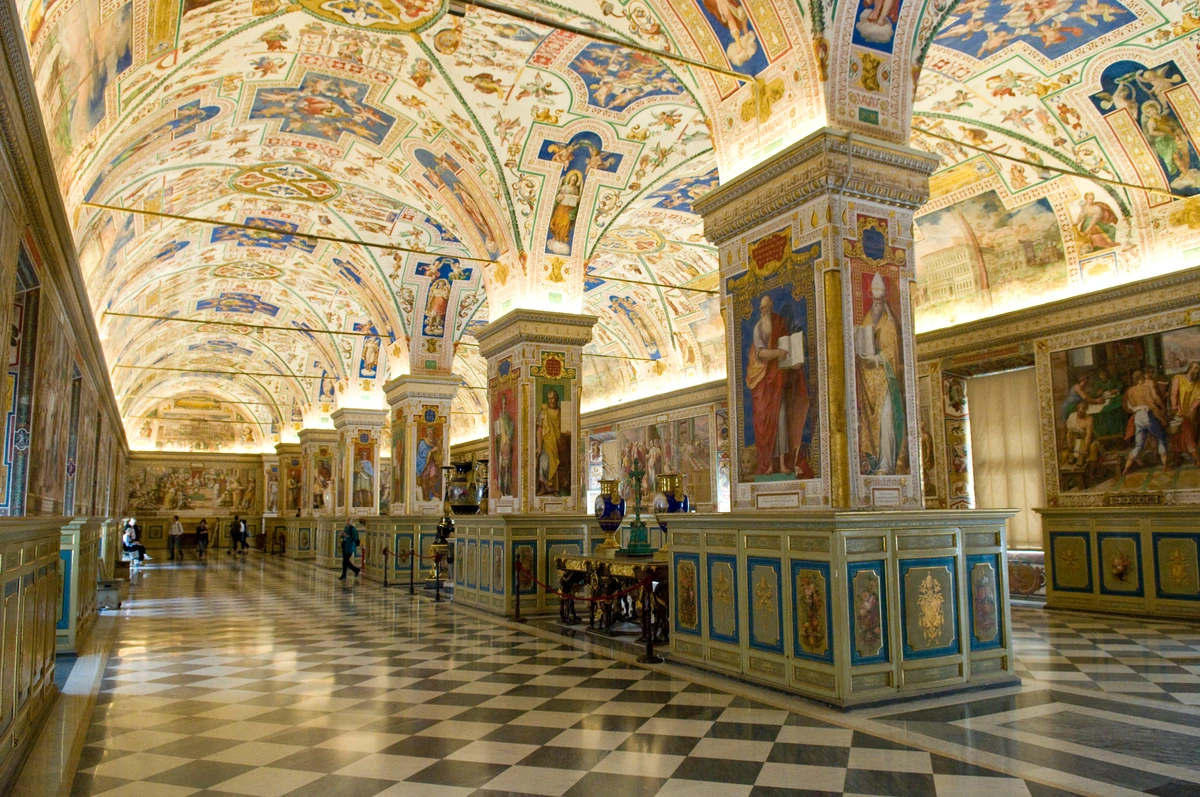
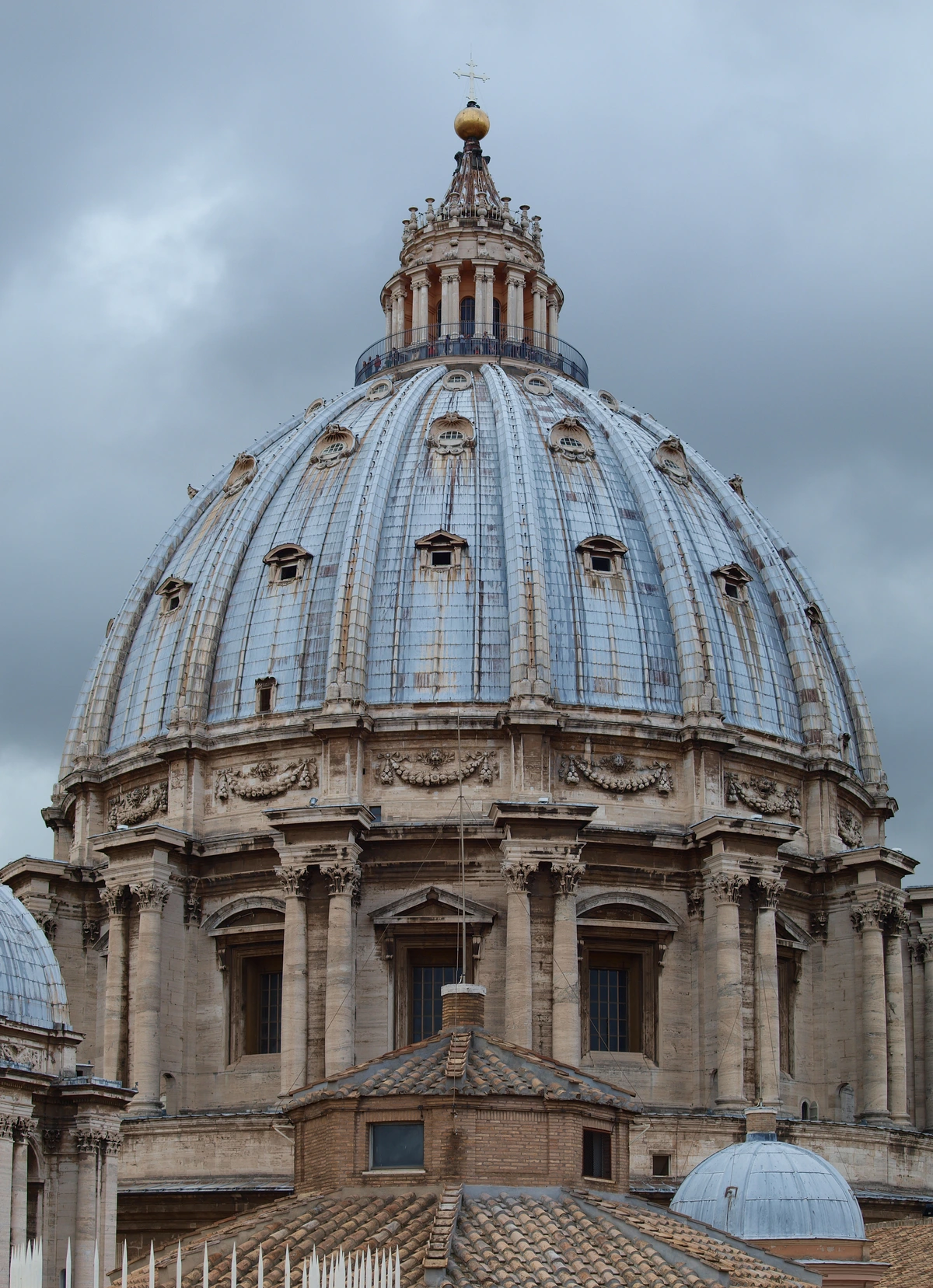
This shift wasn't accidental. Baroque architecture burst onto the scene in the late 16th century in Italy, and it really hit its stride through the 17th and into the mid-18th century. It wasn't just a style; it was a movement, often seen as the artistic muscle behind the Catholic Church's Counter-Reformation. This was a period when the Church sought to reassert its authority and inspire renewed faith in the wake of the Protestant Reformation. The Church aimed to visually and emotionally overwhelm, in stark contrast to the burgeoning Protestant emphasis on austere worship spaces and direct, unadorned scripture. Baroque was designed to sweep you into a narrative of divine glory, reaffirming the Catholic faith with unbridled theatricality and sensuous appeal, guiding the soul towards awe and spiritual devotion rather than just intellectual understanding. It was propaganda, yes, but propaganda of the most breathtaking kind.
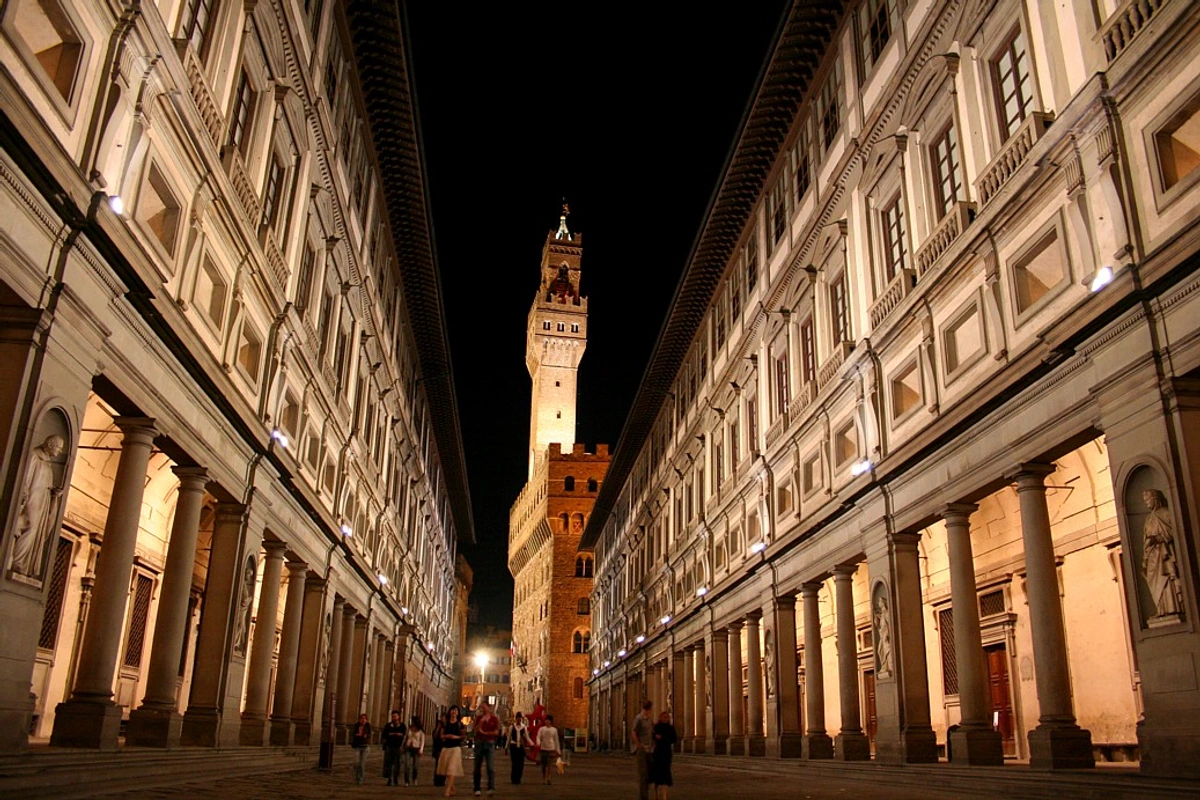
Feature  | Renaissance Architecture | Baroque Architecture |
|---|---|---|
| Dominant Mood | Calm, orderly, rational, harmonious | Dramatic, emotional, exuberant, dynamic |
| Forms | Static, balanced, symmetrical, classical | Undulating, complex, often asymmetrical, theatrical |
| Scale | Human-centered, proportional | Monumental, awe-inspiring, overwhelming |
| Decoration | Restrained, classical motifs | Lavish, elaborate, gilded, sculptural |
| Impact | Intellectual contemplation | Emotional engagement, spiritual awe |
Unpacking the Baroque: What Defines This Architectural Marvel?
So, let's get down to it. What are the core ingredients that make this style so distinctive? These defining features found their most brilliant expression in the hands of visionary architects and their groundbreaking projects across Europe. Which of these elements do you find most striking, and how do they make you feel?
- Drama and Emotion: This is perhaps the biggest takeaway, and it's what initially hooked me. Baroque buildings aren't subtle; they are theatrical stages. They want you to feel something profound—awe, reverence, even spiritual ecstasy. It wants to immerse you, to transport you. They achieve this with sweeping gestures, dynamic compositions, and a palpable sense of movement. Think of it as architecture designed to move your heart, not just your eyes. I remember feeling a shiver of pure awe looking up at a dizzying dome, truly feeling pulled heavenward.
- Grandeur and Opulence: Forget understated elegance. Baroque screams wealth and power. Monumental scale was key, often seen in vast palaces and imposing churches. Lavish decorations, rich materials like polished marble (often in contrasting colors), lustrous bronze, intricate stucco work (often gilded), and precious inlays like pietra dura (finely cut, polished colored stones fitted together to form images) and even semi-precious stones, were used to create a sense of overwhelming splendor and authority.
- Movement and Dynamism: Unlike the often static, orderly designs of the Renaissance, Baroque architecture feels incredibly alive, rejecting flat surfaces for complex curves. Walls undulate, creating a sense of ebb and flow, almost breathing. Columns twist (solomonic columns are a perfect example, spiraling upwards like living forms); and façades seem to ripple with energy, inviting the eye to constantly explore. There’s a constant sense of energy and motion, particularly evident in Francesco Borromini's San Carlo alle Quattro Fontane, where the facade literally curves in and out.
- Illusionism (Trompe l'oeil): This is where it gets really fun, and mind-bending! Baroque artists loved to play tricks on the eye, blurring the lines between painting, sculpture, and architecture. Ceilings often open up into dizzying heavens filled with angels and saints, using techniques like quadratura (realistic architectural illusion that extends the actual architecture into painted space) and foreshortening to make you question where the building ends and the sky begins. It's like the 17th-century equivalent of virtual reality. A prime example is Andrea Pozzo's incredible ceiling fresco, "Apotheosis of Saint Ignatius," in the Church of Sant'Ignazio in Rome, where painted columns and figures extend the actual architecture, seemingly opening the church's roof to the heavens.
- Light and Shadow (Chiaroscuro): Just like in painting, dramatic contrasts of light and shadow were crucial. Architects manipulated natural light with strategically placed windows, openings, and even hidden light sources, and artificial light with chandeliers and candles, to create intense, theatrical effects that heighten the drama and highlight specific focal points. This deliberate use of chiaroscuro adds depth and emotional punch, literally sculpting space with light.
- Elaborate Ornamentation: You'll see cherubs (putti), garlands, intricate carvings, allegorical figures, extravagant stucco, vibrant frescoes, and fantastical cartouches (ornamental frames, often with inscriptions or coats of arms) everywhere. Every surface seems to be adorned, often spilling beyond defined borders, reinforcing the sense of luxury and symbolic meaning. Nothing is left unembellished. Beyond gold, marble, and bronze, Baroque also embraced lavish use of stucco, often painted to mimic costlier marble (stucco marmo), creating a dazzling array of textures and colors and allowing for incredible sculptural fluidity at a lower cost.
Distinctive Architectural Language of Baroque
Beyond these general characteristics, Baroque architects developed a unique architectural language – a distinct vocabulary of forms and motifs that truly defined the style and allowed for its dramatic expression:

- The Colossal Order: Imagine columns or pilasters (flattened columns) that span two or more stories, visually unifying the building's facade and emphasizing monumental grandeur and verticality. It's an imposing, unifying gesture.
- Broken Pediments: Instead of a continuous triangular or segmental pediment (the classic triangular or curved element above a doorway or window), Baroque architects often broke the form in the center, creating a dramatic opening or void where sculpture or an ornate cartouche could be placed, adding dynamism and a sense of interrupted flow, almost like a stage curtain being pulled back to reveal something more.
- Undulating Facades: Walls are no longer flat and static. They curve in and out, creating a ripple effect that suggests movement and invites the viewer to experience the building from multiple perspectives, never quite settling into a single view. Borromini's San Carlo alle Quattro Fontane is a masterclass in this.
- Oval Plans and Spaces: While classical architecture favored the static perfection of circles and squares, Baroque often embraced the oval for ground plans and domes. This created a restless, dynamic space that subtly guides movement and focuses attention, offering a fluid, unpredictable experience that a perfect circle simply couldn't achieve, often drawing the eye to a central altar.
- Dynamic Staircases: Grand, sweeping staircases became central features, designed not just for access but as dramatic entry sequences. Often with multiple flights, landings, and sculptural balustrades, they contribute to the overall theatrical experience, making the ascent or descent a performative act.
- Water Features: Fountains and water cascades were frequently integrated into Baroque gardens and courtyards, adding sensory delight, movement, sound, and often complex allegorical meaning. Think of the elaborate fountains of Rome (like the Trevi Fountain, though later Rococo/Neoclassical in construction, its Baroque spirit is undeniable) or the intricate waterworks at Versailles.
It’s this relentless pursuit of emotional impact, achieved through audacious manipulation of classical elements and a rich architectural vocabulary, that makes Baroque architecture such a thrilling experience.
Key Players and Iconic Structures: A Grand Tour of Baroque Masterpieces
Italy, especially Rome, was the birthplace and heartland of Baroque architecture. I mean, where else could such a flamboyant style have truly thrived? It's a city built on layers of history and drama, a perfect canvas for grand statements.
Italian Masters: Bernini and Borromini
- Gian Lorenzo Bernini: Oh, Bernini! He wasn't just an architect; he was a sculptor, painter, and urban planner—the ultimate Baroque polymath, driven by an almost superhuman energy. His colossal St. Peter's Square Colonnade embraces visitors like a pair of outstretched arms, pulling them into the grand drama of St. Peter's Basilica. It literally creates a theatrical forecourt. And his Church of Sant'Andrea al Quirinale? It's a small but powerful jewel box of spiritual theater, an oval marvel that truly embraces the worshipper, guiding their gaze heavenward with breathtaking finesse.
- Francesco Borromini: Where Bernini was grand and theatrical, Borromini was more complex, almost restless, a genius who saw form as a pliable, expressive medium. His San Carlo alle Quattro Fontane is a marvel of interlocking, undulating forms, creating a spatial puzzle that still makes my head spin in the best way – a true mind-bending masterpiece that challenges your very perception of space. He pushed architectural boundaries, sometimes to the brink, creating incredible tension and release that feels almost modern in its daring.
French Grandeur: The Absolute Monarchy and Versailles
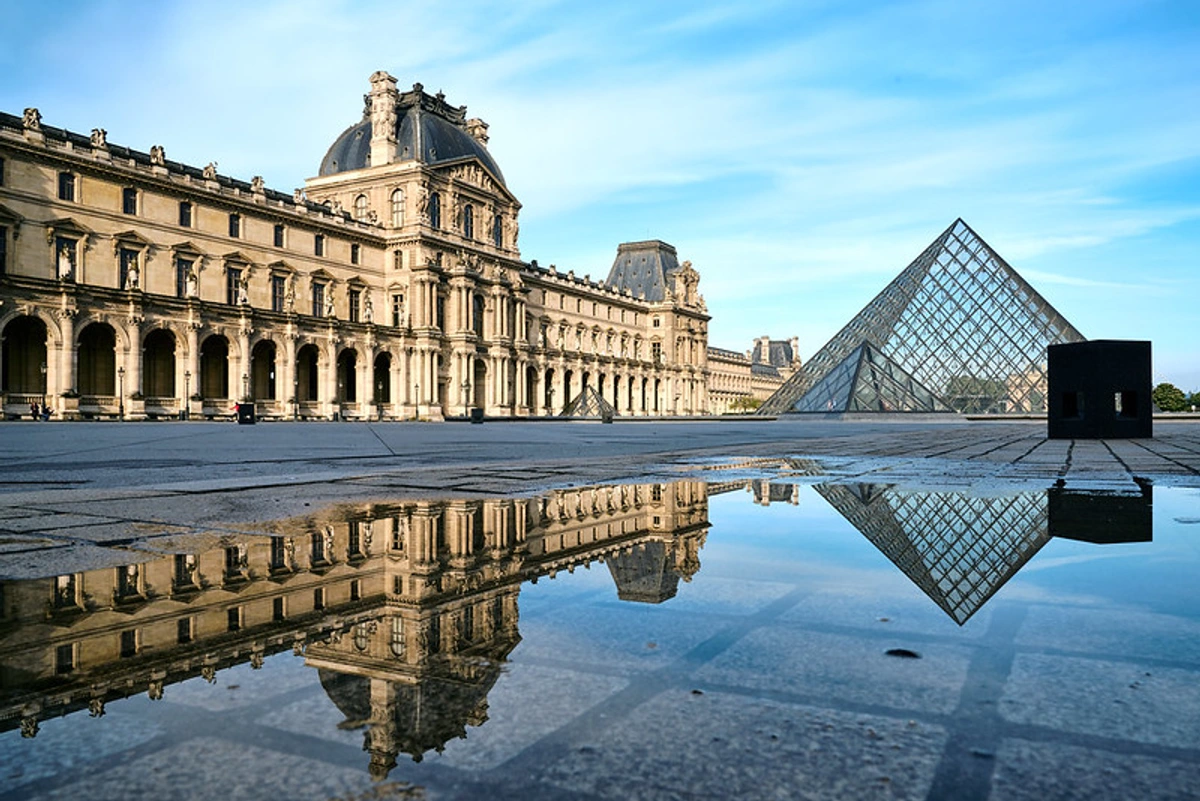
Across the Alps, French Baroque took on a slightly more formalized, classical grandeur, perfectly suited for King Louis XIV's absolute monarchy. The Palace of Versailles, primarily designed by Louis Le Vau and Jules Hardouin-Mansart, isn't just a building; it's an entire universe of Baroque opulence, designed to glorify the king and assert France's dominant power. Imagine the sheer ambition of that project, encompassing architecture, landscape design, and interior decoration on an unprecedented scale! Beyond Versailles, the work of François Mansart (great-uncle to Jules Hardouin-Mansart) in earlier French Baroque, and Claude Perrault's East Facade of the Louvre, showcase a distinct blend of classical order and Baroque grandeur, often a bit more restrained and intellectual than the Italian fervor.
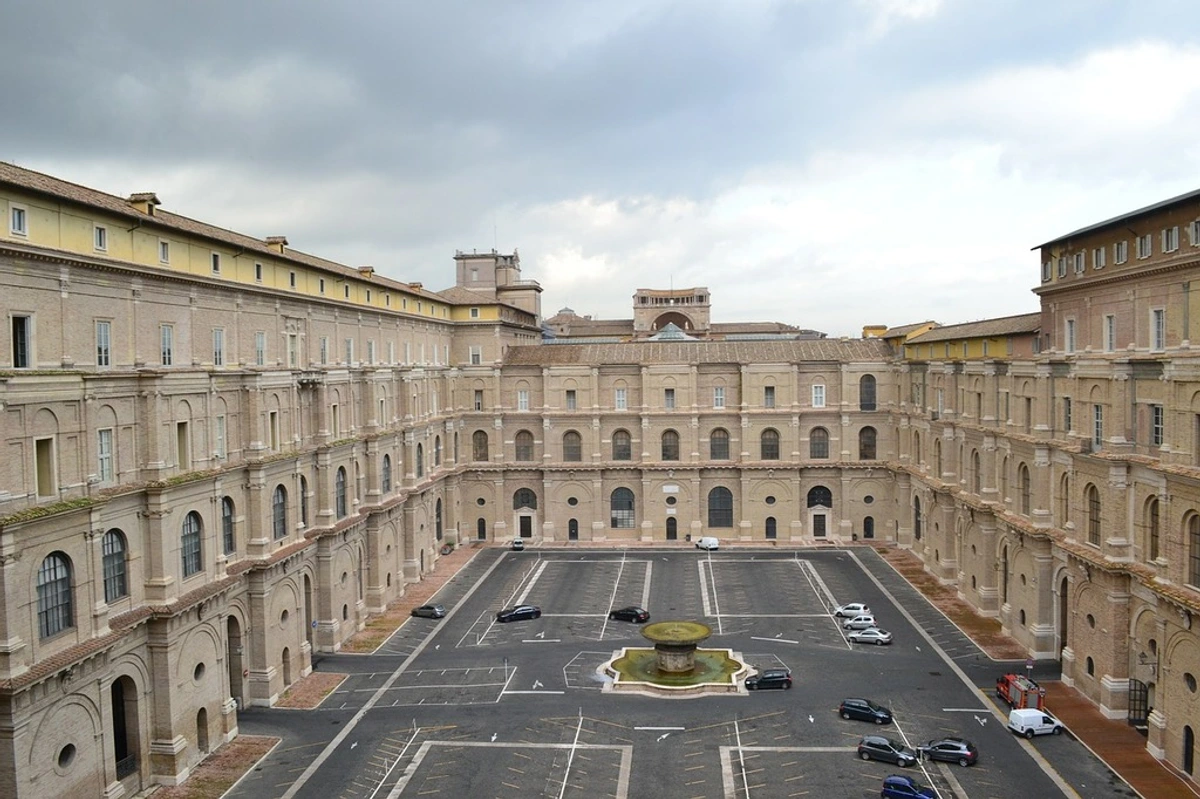
English Adaptability: Sir Christopher Wren and St. Paul's Cathedral
After the Great Fire of London in 1666, Sir Christopher Wren rebuilt much of the city, culminating in the majestic St. Paul's Cathedral. It's a testament to Baroque's adaptability, blending classical forms with a distinctly English grandeur, topped by one of the most iconic domes in the world. Wren managed to infuse the emotional power of Baroque within a more restrained, Protestant sensibility, creating a powerful yet ordered expression.
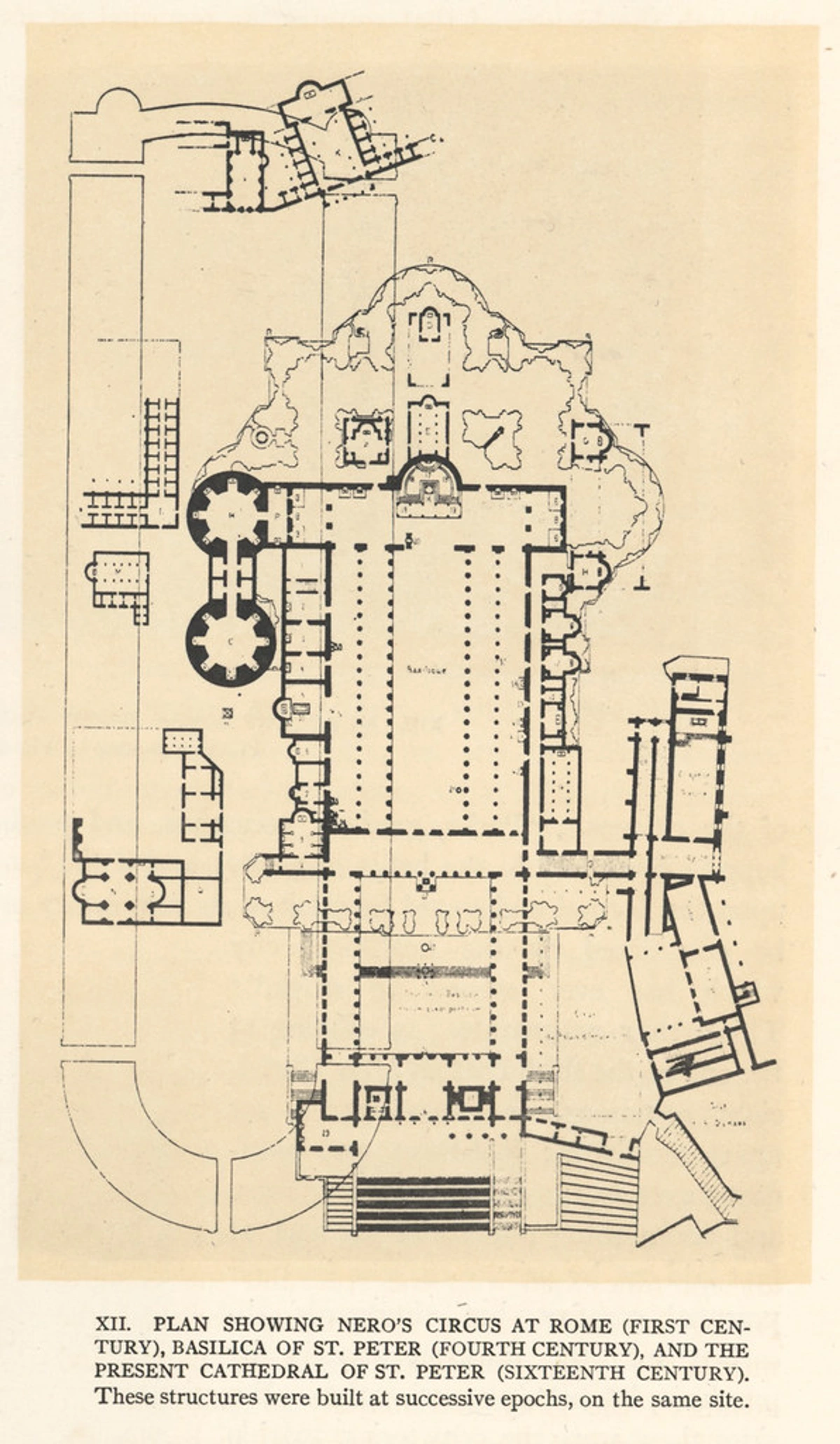
Dutch Restraint: Civic Pride and the Royal Palace of Amsterdam
Dutch Baroque, exemplified by buildings like the Royal Palace of Amsterdam, is often more restrained than its Italian or French counterparts. Its most monumental expression is the Royal Palace of Amsterdam (formerly the Town Hall), designed by Jacob van Campen. It trades overt extravagance for a sense of solid, civic grandeur, reflecting the country's Protestant values and merchant wealth. Still, the underlying principles of monumental scale, dignity, and a sophisticated classical language are unmistakably Baroque, albeit with a unique, practical edge and an emphasis on finely crafted detail rather than overwhelming theatricality.

Baroque Across Europe and Beyond
But Baroque wasn't confined to these central powers. It spread, adapted, and flourished across the continent and even into the New World, each region adding its own distinct flavor:
- Italy: Beyond Rome: Beyond Bernini and Borromini, architects like Guarino Guarini in Turin pushed geometric and structural daring, creating visionary churches with complex interlocking domes and star-shaped plans, almost dizzying in their ingenuity.
- Spain and Latin America: Spanish Baroque, known for its intense sculptural decoration and dramatic use of light, often culminating in the highly decorative Churrigueresque style, particularly in its colonies. Think of the incredibly ornate facade of the Obradoiro facade of Santiago de Compostela Cathedral or the intricate altarpieces and exteriors of the Metropolitan Cathedral of Mexico City and its Sagrario Metropolitano. It's a vibrant, almost overwhelming, expression of faith and colonial power.
- Austria and Germany: Here, Baroque reached dizzying heights of splendor, particularly in palaces and monastic complexes. Masterpieces like Schönbrunn Palace in Vienna or the Würzburg Residence (with its incredible ceiling frescoes by Tiepolo and architecture by Balthasar Neumann, whose grand staircase is a theatrical masterpiece in itself) exemplify this grand, sweeping scale and lavish interior decoration. The Karlskirche in Vienna, by Johann Bernhard Fischer von Erlach, with its unique dome and twin columns, is another must-see, blending classical, Ottoman, and Baroque elements into a truly unique statement.
- Eastern Europe: From Prague's St. Nicholas Church to numerous monasteries and palaces in Poland and Russia, Baroque principles were adapted to local traditions, often incorporating vibrant colors and distinctive local craftsmanship. The Winter Palace (now part of the Hermitage Museum) in St. Petersburg, with its magnificent Baroque facade, is a prime example of its adoption by Russian royalty, asserting imperial power.
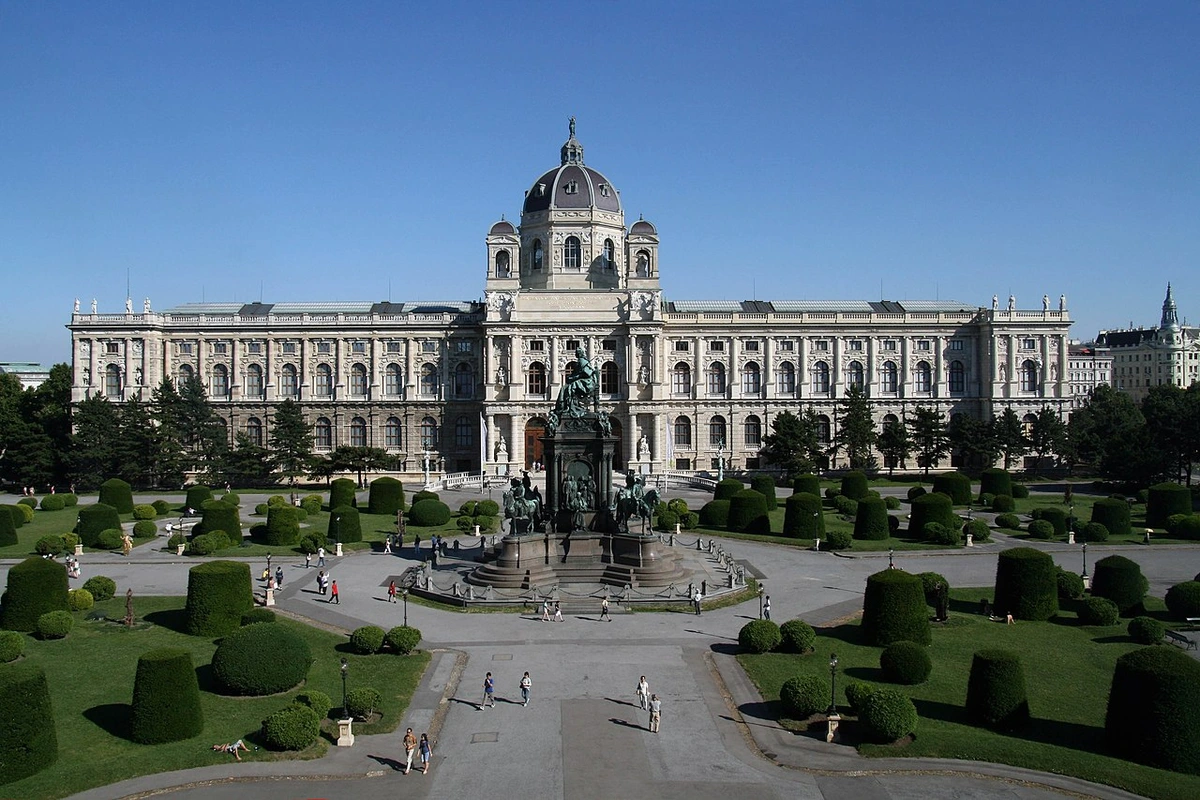
The Inner Sanctum: Baroque Interiors and Decor
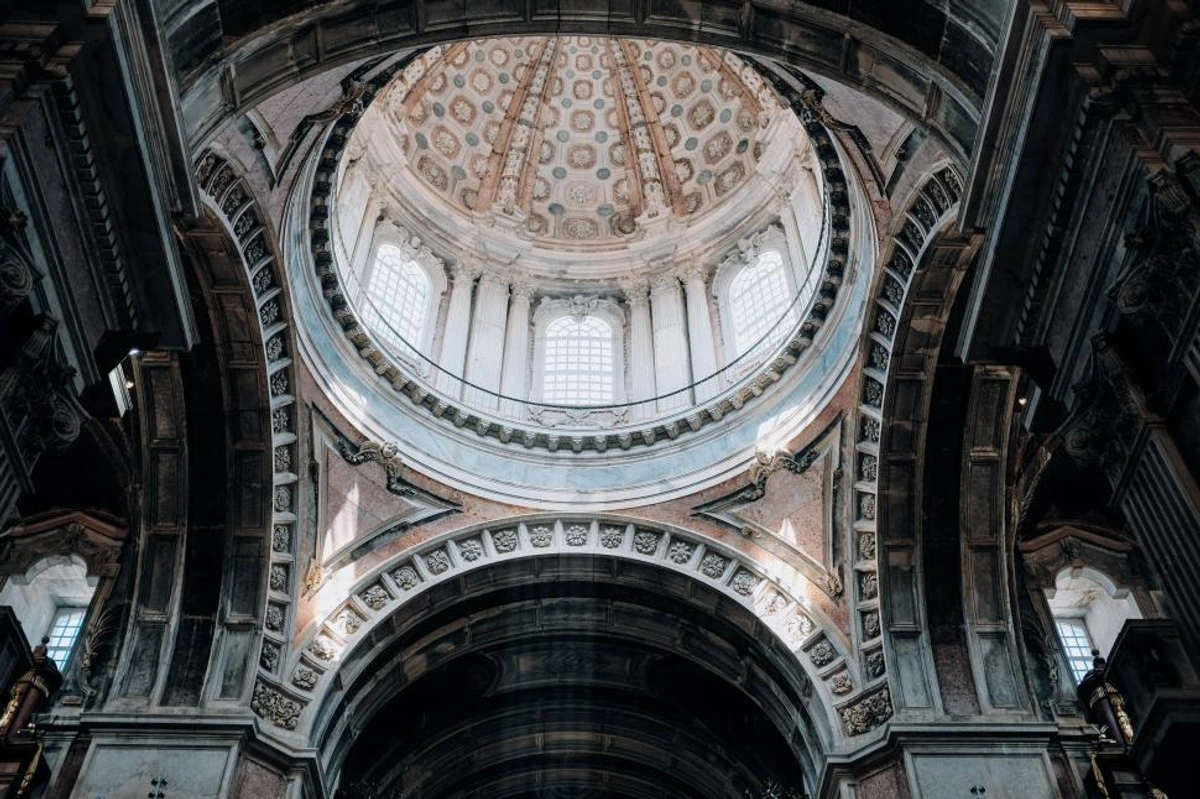
Baroque interiors are where the sensory experience truly climaxes. These weren't just rooms; they were meticulously designed environments where every surface contributed to the overarching dramatic narrative. Think of it as total immersion, a meticulously curated experience designed to overwhelm and inspire, guiding your gaze from floor to ceiling in a narrative of splendor.
- Altarpieces and Pulpits: Often soaring multi-story structures, these became focal points, teeming with sculpture, painting, and precious materials, designed to dramatize religious narratives and draw the eye heavenward.
- Stucco and Stucco Marmo: Extravagant plasterwork, often gilded or painted to mimic costly marble (stucco marmo), covered ceilings, walls, and architectural details, creating a fluid, sculptural surface that blurred structural lines and allowed for incredible detail at a more manageable cost than solid stone.
- Ceiling Frescoes: As discussed, these illusionistic paintings were crucial, often depicting heavens filled with saints and angels, extending the physical space into the spiritual realm through cunning perspective and quadratura.
- Integrated Furnishings: Every element, from elaborate chandeliers to carved wooden choir stalls and confessionals, was designed to harmonize with the architectural setting, often featuring matching motifs and materials. Nothing was an afterthought; everything contributed to the unified aesthetic.
Green Grandeur: Baroque Garden Design
The Baroque sensibility extended beyond buildings to shape entire landscapes. Gardens became monumental extensions of the architectural drama, designed with the same principles of grandeur, spectacle, and control, meant to impress and reflect the patron's power over nature.
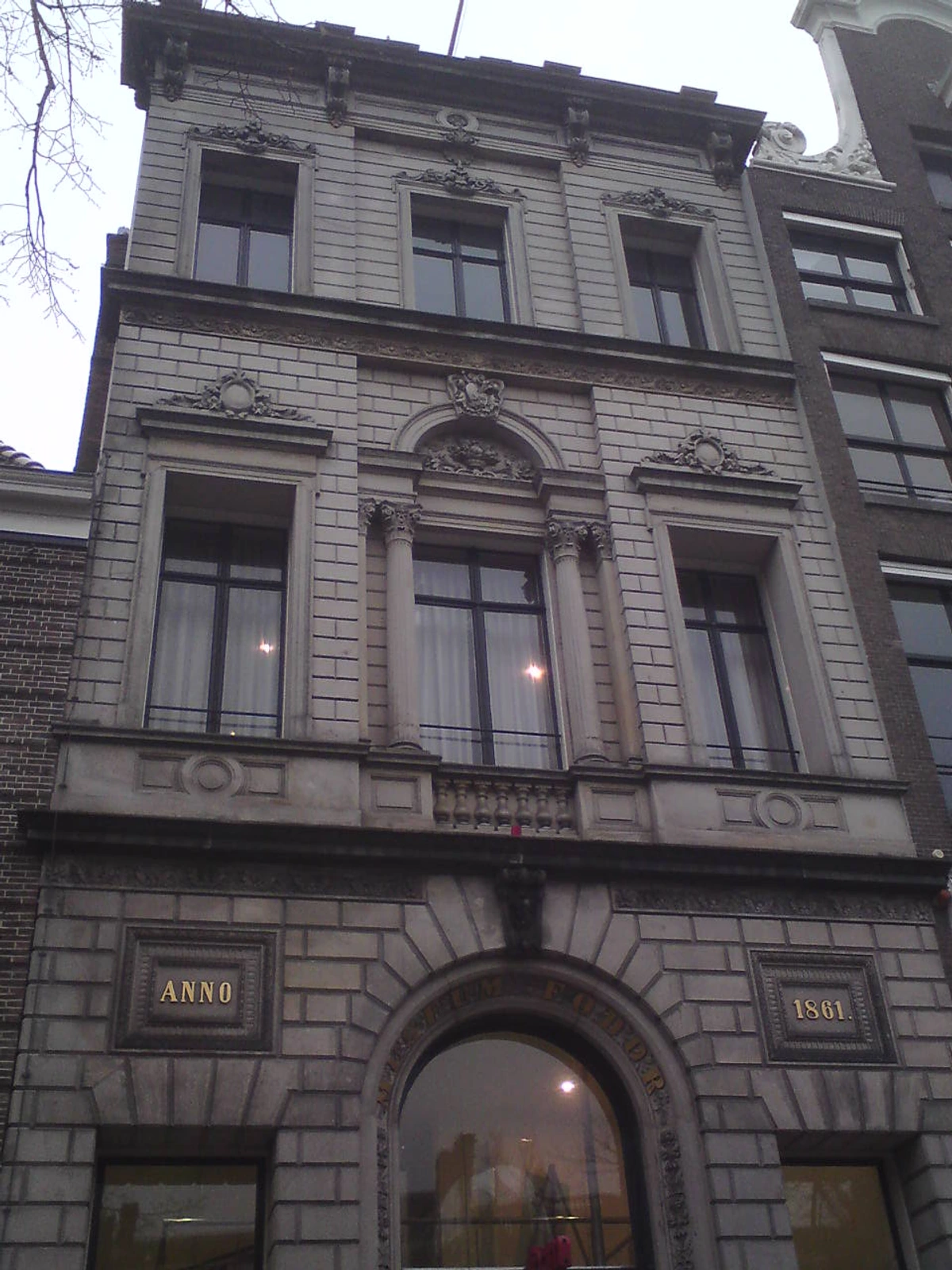
- Symmetry and Order: While appearing natural, Baroque gardens were highly ordered, imposing human will on nature with geometric precision, a stark contrast to the wildness beyond their borders.
- Avenues and Vistas: Long, straight avenues radiated from central points, creating dramatic sightlines and emphasizing the infinite, often leading to a grand focal point like a palace or fountain.
- Water Features: Elaborate fountains, cascading waterworks, and canals were integral, adding sensory delight, movement, and often complex allegorical meaning. Think of the breathtaking fountains of the Villa d'Este or the Grand Canal at Versailles, harnessing water for pure spectacle.
- Sculpture and Parterres: Carefully manicured hedges, intricate flowerbeds (parterres), and strategically placed sculptures (often mythological) completed the theatrical outdoor experience, mirroring the elaborate interiors.
Baroque Palaces and Civic Buildings: Beyond the Sacred
While churches often steal the spotlight, Baroque was equally potent in secular architecture, particularly for rulers and wealthy elites seeking to project their status. These buildings were meticulously designed statements of power, prestige, and often, absolute control.
- Royal Palaces: Beyond Versailles and Schönbrunn, grand residences across Europe, like the Royal Palace of Madrid, the Palazzo Barberini in Rome, or the Palace of Caserta, showcased the power and taste of monarchs through vast scale, elaborate decoration, and formal gardens. Their grand entrance halls, opulent state apartments, and long enfilades of rooms were designed for ceremonial processions and to impress visitors with the sheer wealth of the monarch.
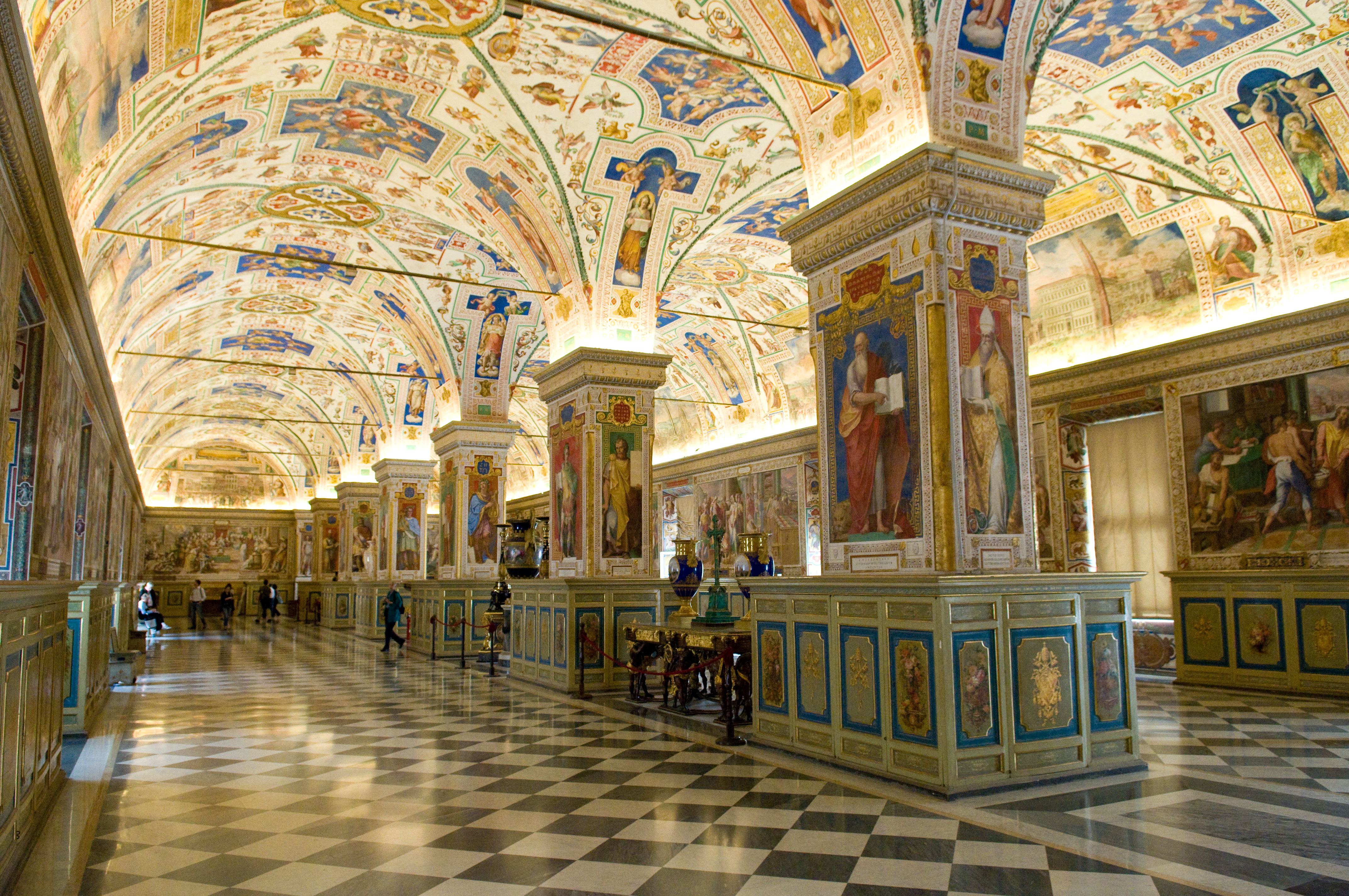
- Civic Structures: Even town halls, universities (e.g., the Clementinum Library in Prague), and private residences adopted Baroque elements, albeit sometimes with more restraint, to convey dignity, wealth, and civic pride. These buildings often featured impressive facades, grand staircases, and richly decorated assembly halls, or even spectacular opera houses like the Margravial Opera House in Bayreuth, where Baroque stage design truly came to life.
Baroque Urban Planning: Designing the Grand Stage
One often overlooked aspect of the Baroque era is its profound impact on urban design. Cities weren't just growing; they were being orchestrated – transformed into grand, legible stages for political power and religious spectacle. This was revolutionary, creating models for city planning that influenced centuries to come.
- Radiating Avenues: Imagine broad, straight avenues fanning out from a central point, often crowned by an obelisk or monument. This created dramatic vistas and facilitated grand processions, but also offered efficient military control and eased movement in rapidly growing cities. Rome, under Pope Sixtus V, was a pioneering example, connecting major basilicas with these grand axes.
- Grand Piazzas: Public squares became expansive, geometrically ordered spaces designed to impress and gather crowds, often serving as forecourts to magnificent churches or palaces. Bernini's Piazza San Pietro is the ultimate expression of this, perfectly integrating architecture and urban space.
- Monuments and Fountains: Strategically placed monuments and elaborate fountains not only provided essential water but also served as visual anchors and symbolic statements within the urban fabric, guiding the eye and creating focal points, often with allegorical narratives.
This holistic approach ensured that Baroque not only built grand structures but shaped entire environments, creating a theatrical backdrop for life itself, a powerful assertion of order and human control over chaos.
The Power of Patronage: Funding the Grandeur
Who paid for all this extravagance? The patrons of Baroque architecture were largely the very forces the style was designed to serve and glorify, and who enabled the grand fusion of arts we'll discuss next:
- The Catholic Church: As the driving force behind the Counter-Reformation, the Church invested heavily in Baroque art and architecture to visually and emotionally engage the faithful, reaffirming Catholic doctrine and grandeur. Churches like Il Gesù in Rome (the mother church of the Jesuits) were pioneering examples, designed to evangelize and inspire renewed devotion.
- Absolute Monarchs: Kings and emperors like Louis XIV of France recognized Baroque's potential to symbolize their absolute power and divine right to rule. Palaces like Versailles were direct manifestations of this political ideology, explicitly linking the monarch to divine authority through their scale and splendor.
- Wealthy Aristocrats and Merchant Families: In many regions, particularly those with a burgeoning merchant class or established nobility, wealthy families commissioned lavish Baroque residences and churches as statements of their social standing and piety. The Barberini family in Rome, for instance, commissioned the Palazzo Barberini and sponsored Bernini, using architecture to solidify their dynastic power.
Beyond the Stone: Baroque Painting and Sculpture's Role
The architectural marvels of the Baroque era weren't solitary statements; they were grand stages, meticulously designed to host a breathtaking interplay of painting, sculpture, and light. This fusion of arts is, for me, one of the most compelling aspects of the period – it's where the building truly comes alive, creating a truly immersive experience.
Baroque painters, like Caravaggio and Artemisia Gentileschi, mastered techniques like tenebrism—dramatic contrasts between light and dark—to heighten emotional intensity. Imagine these intense scenes unfolding on a ceiling, seemingly breaking through the architectural framework. Similarly, sculptors like Bernini created figures that burst forth from their niches, limbs extended, drapery swirling, adding to the overwhelming sense of movement. His "Ecstasy of Saint Teresa" is a prime example of sculpture, architecture, and even hidden light sources converging to create a profoundly emotional and theatrical experience. Consider Bernini's Cornaro Chapel in Santa Maria della Vittoria, Rome, home to his 'Ecstasy of Saint Teresa.' Here, architecture frames the sculpture, concealed light sources illuminate it from above (simulating divine light), and sculpted 'audience members' observe the scene from theater boxes. It's a complete, immersive, and profoundly emotional experience, blurring the lines between art, religion, and theater. This illusionistic quality, often employing techniques like foreshortening, was designed to totally immerse the viewer. It's like the 17th-century equivalent of virtual reality, honestly. It wasn't about detached observation; it was about visceral participation.
Baroque Stage Design and Ephemeral Structures
This theatrical impulse extended even to Baroque stage design for operas and plays, and to elaborate ephemeral structures created for festivals, coronations, and civic celebrations. These temporary installations shared the same dramatic flair, illusionism, and grandeur, transforming public spaces into fleeting, spectacular stages, demonstrating that the Baroque love for spectacle wasn't limited to permanent monuments.
Baroque Music: A Symphony of Grandeur
It's impossible to talk about Baroque architecture without a brief nod to its sonic counterpart: Baroque music. Just like the architecture, Baroque music was characterized by grandeur, drama, emotional intensity, and an underlying sense of ordered complexity. Composers like Bach, Handel, and Vivaldi created complex, ornamented, and deeply expressive works that mirror the architectural style's ambition. Think of the intricate counterpoint, the dramatic shifts in dynamics, and the powerful emotional narratives found in a Bach fugue or a Handel oratorio – it's the same impulse for overwhelming the senses and moving the soul, simply expressed through a different medium. The layers of instrumentation in a Vivaldi concerto, building to a dramatic crescendo, feel very much like the elaborate, layered facades of a Baroque church, each element contributing to a powerful, unified statement. These diverse art forms were all part of the same grand, cultural conversation, each amplifying the other's impact in the pursuit of the sublime.
The Echoes of Extravagance: Baroque's Enduring Legacy
The Baroque era might have ended, but its echoes are everywhere. It laid the groundwork for the more playful Rococo style that followed and even influenced the grand statements of Neoclassicism through its sheer monumentality. Its principles of drama and emotional impact continued to inspire architects and artists for centuries.

Baroque Revival: A Lasting Influence
The monumental drama of Baroque didn't end with its era; its powerful aesthetic has seen numerous revivals and influences throughout history. From the lavish Neo-Baroque designs of the 19th century, like Charles Garnier's Opéra National de Paris, to elements found in more modern grand public buildings, the desire to awe and impress with scale, ornamentation, and dynamic form has never truly faded. Architects and artists continue to draw inspiration from its audacious spirit, proving that the Baroque's impact is far more than a fleeting historical moment.
Even today, when I see architecture or art striving for a sense of awe or dynamic movement, I can't help but think of the Baroque. It reminds me that art, in all its forms, isn't just about static beauty; it's about communication, about moving people, about making an impact that lasts long after the initial gasp. This timeless artistic ambition, whether in grand Baroque cathedrals or contemporary pieces, resonates deeply with my own journey as an artist, where I often strive for a similar emotional resonance in my abstract work. You can explore my artistic exploration on my timeline, or find a piece that speaks to you in my collection available to buy.
Baroque vs. Rococo: A Lighter, Brighter Evolution
After Baroque's monumental statements, a new, lighter style emerged: Rococo. Think of it as Baroque's younger, more whimsical sibling, preferring intimate salons and private chambers to grand public spaces. I used to confuse them, thinking Rococo was just 'later Baroque,' but they have distinct personalities and very different aims. Think of a Baroque masterpiece like St. Peter's Basilica or the Palace of Versailles compared to Rococo gems like the Amalienburg Pavilion in Germany or parts of Sanssouci Palace.
Feature | Baroque Architecture | |
|---|---|---|
| Period | Late 16th – Mid-18th Century | Early – Late 18th Century |
| Mood | Grand, dramatic, powerful, serious, awe-inspiring | Playful, light, elegant, intimate, graceful, charming |
| Scale | Monumental, public (churches, palaces, city planning) | Smaller, domestic, salon-focused, private residences |
| Color Palette | Rich, deep, strong contrasts (golds, dark reds, blues, deep greens) | Pastel, light, airy (pinks, blues, creams, whites, silvers) |
| Forms | Heavy, elaborate, dynamic, symmetrical/asymmetrical, strong curves | Delicate, curvilinear, asymmetrical (Rocaille – shell-like motifs), S & C scrolls |
| Themes | Religious devotion, political power, heroism, propaganda | Love, nature, leisure, aristocracy's frivolous life, mythology, pastoral scenes |
| Examples | St. Peter's Basilica, Palace of Versailles, Karlskirche | Amalienburg Pavilion, Sanssouci Palace (parts), Hôtel de Soubise |

Frequently Asked Questions About Baroque Architecture
What is the main characteristic of Baroque architecture?
I'd say the main characteristic is its profound sense of drama and emotion, achieved through grandeur, dynamic movement, lavish ornamentation, and dramatic contrasts of light and shadow. It aimed to evoke strong feelings and awe in the viewer, often for spiritual or political purposes, creating an immersive experience rather than a contemplative one.
Where did Baroque architecture originate?
Baroque architecture originated in Italy, specifically in Rome, during the late 16th century. It developed as a powerful artistic expression of the Catholic Counter-Reformation, quickly spreading its influence across Europe.
What is the difference between Renaissance and Baroque architecture?
While Renaissance architecture emphasized order, balance, and classical harmony, often rooted in rational perfection and human proportion, Baroque architecture reimagined these classical rules, focusing instead on dynamic movement, emotional intensity, monumental scale, and elaborate ornamentation. Renaissance was about intellectual contemplation; Baroque was about emotional persuasion and spiritual engagement, often on a much grander, more theatrical scale.

Who are some famous Baroque architects?
Some of the most famous Baroque architects include Gian Lorenzo Bernini and Francesco Borromini in Italy, Louis Le Vau and Jules Hardouin-Mansart (and François Mansart) in France, Sir Christopher Wren in England, and regional masters like Johann Bernhard Fischer von Erlach (Austria), Balthasar Neumann (Germany), and Jacob van Campen (Netherlands).
How does Baroque architecture relate to art?
Baroque architecture is intricately related to art through the fusion of arts. Architects designed spaces where painting, sculpture, and stucco work were seamlessly integrated, creating a unified, immersive, and theatrical experience. The architecture acted as a grand stage for these other art forms to enhance the overall dramatic and emotional effect, blurring the lines between them, as seen in elaborate ceiling frescoes and sculptural altarpieces.
What role did religion play in Baroque architecture?
Religion played a central, defining role. Emerging during the Counter-Reformation, Baroque architecture was a powerful tool for the Catholic Church to reassert its authority, inspire renewed faith, and emotionally engage worshippers. Its grandeur and drama were deliberately designed to evoke spiritual awe and guide the viewer towards religious devotion, contrasting with the austerity of Protestant worship and creating a visual argument for Catholic doctrine.
Can you provide more examples of Baroque facades?
Beyond those already mentioned, consider the dynamic facade of the Church of the Gesù in Rome (a foundational Baroque example, often considered the first truly Baroque facade), the intricate and sculptural facade of the Obradoiro facade of Santiago de Compostela Cathedral in Spain, the impressive, sprawling facade of the Louvre Palace's east front in Paris, demonstrating different regional approaches to Baroque aesthetics. Other examples include the Karlskirche in Vienna and the Zwinger Palace in Dresden, each showcasing distinct takes on Baroque drama and ornamentation.







What are the main criticisms or controversies surrounding Baroque architecture?
While celebrated for its drama and emotional impact, Baroque architecture has often been criticized for its perceived excess and lack of restraint. Critics (especially during later Neoclassical periods) viewed its elaborate ornamentation, asymmetry, and emotional appeal as departures from classical 'good taste,' seeing it as overly theatrical, bombastic, or even manipulative in its use of spectacle for religious or political propaganda. Some found its overwhelming scale and opulence ostentatious and anti-intellectual, prioritizing sensation over rational design.
What are some common misconceptions about Baroque architecture?
One common misconception is that Baroque is simply