My Love Affair with Spanish Art: Unpacking the Best Art Museums in Spain
Discover Spain's best art museums – Prado, Reina Sofía, Guggenheim Bilbao, and more. A personal guide with practical tips for art-loving travelers. Unpack masterpieces and artistic treasures.

My Love Affair with Spanish Art: Unpacking the Best Art Museums in Spain
You know, there are some places that just get art. They live it, breathe it, and then they bottle it up into these incredible spaces we call museums. Spain, for me, is absolutely one of those places. I've walked through its sun-drenched plazas, eaten countless plates of patatas bravas, and always, always, found myself drawn into its art museums. It's not just the sheer volume of masterpieces; it's the raw emotion, the history, the very soul of Spain laid bare on canvas and in sculpture. And if you're anything like me, a true art-lover, Spain will grab you by the heart and never quite let go.
I've been thinking a lot lately about what makes a museum truly "the best." Is it the prestige? The size of the collection? Or is it that intangible feeling you get when you stand before a work of art and it just... clicks? For Spain, it's a potent mix of all three, seasoned with a unique cultural flavor you won't find anywhere else. Forget the fleeting trends for a moment, and let's dive into the timeless, sometimes unsettling, but always profound world of Spanish art.
Madrid's Golden Triangle of Art: Where History and Modernity Converge
If you're serious about Spanish art, Madrid is your undeniable starting point. I mean, where else can you find three world-class museums within walking distance of each other? It's like an art-lover's pilgrimage route, condensed into a few glorious blocks.
The Majestic Prado Museum: A Deep Dive into Spanish Masters
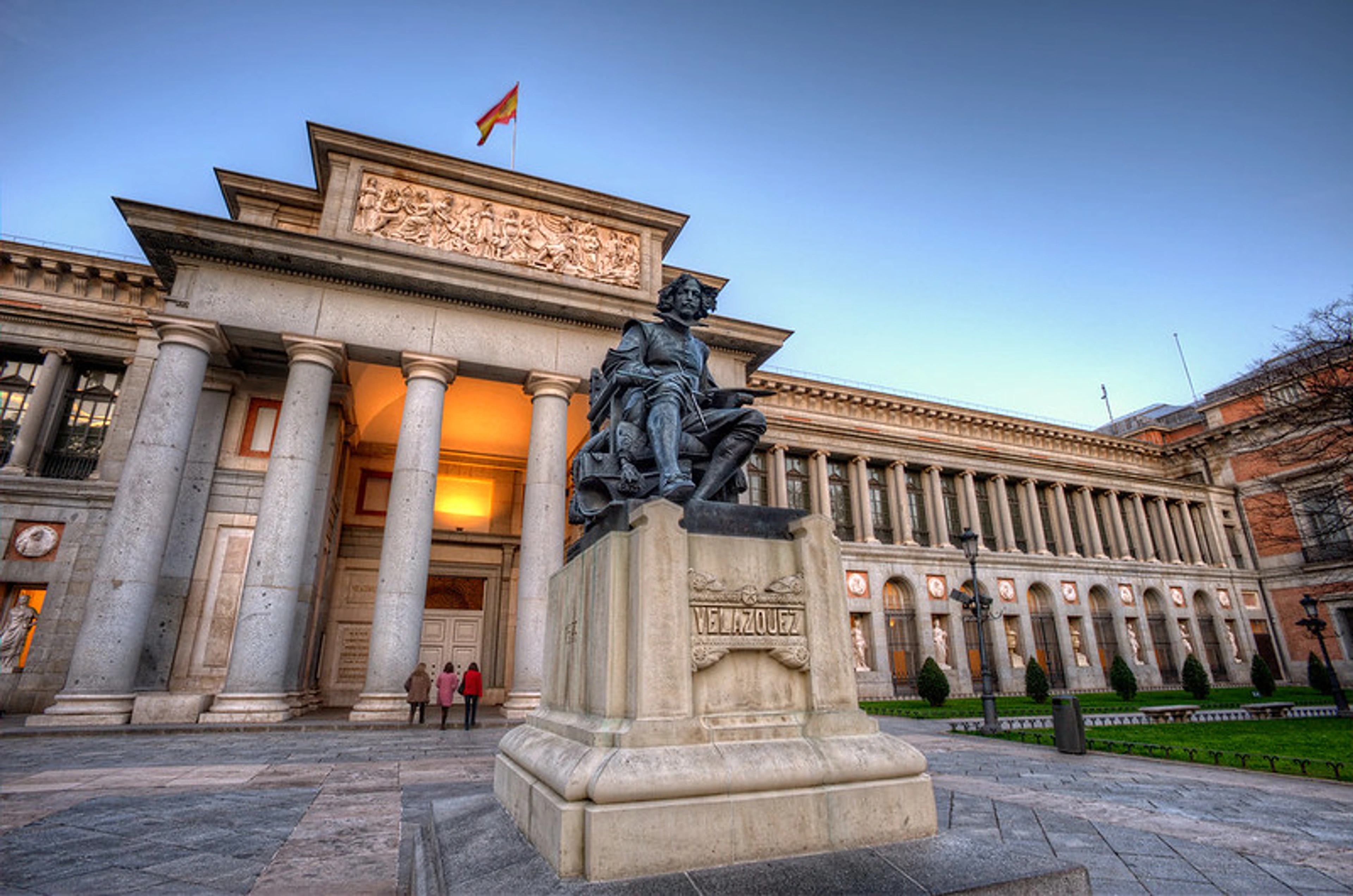
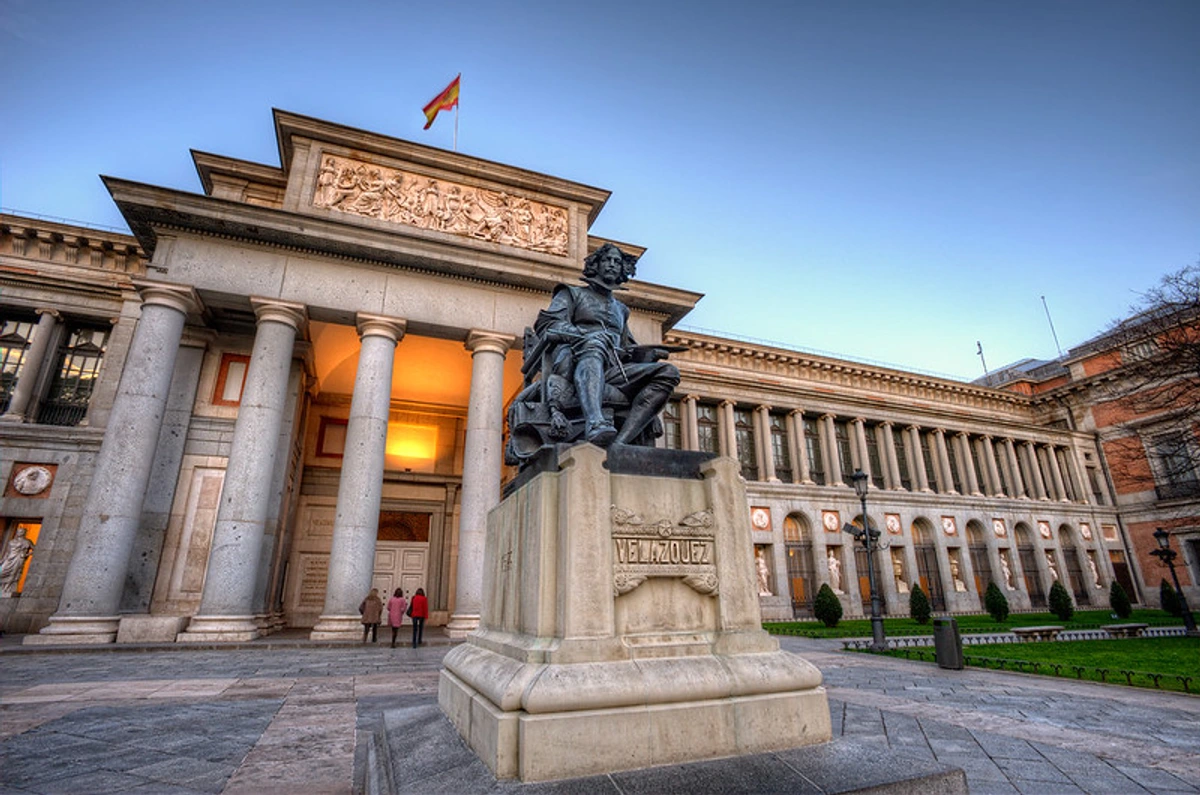
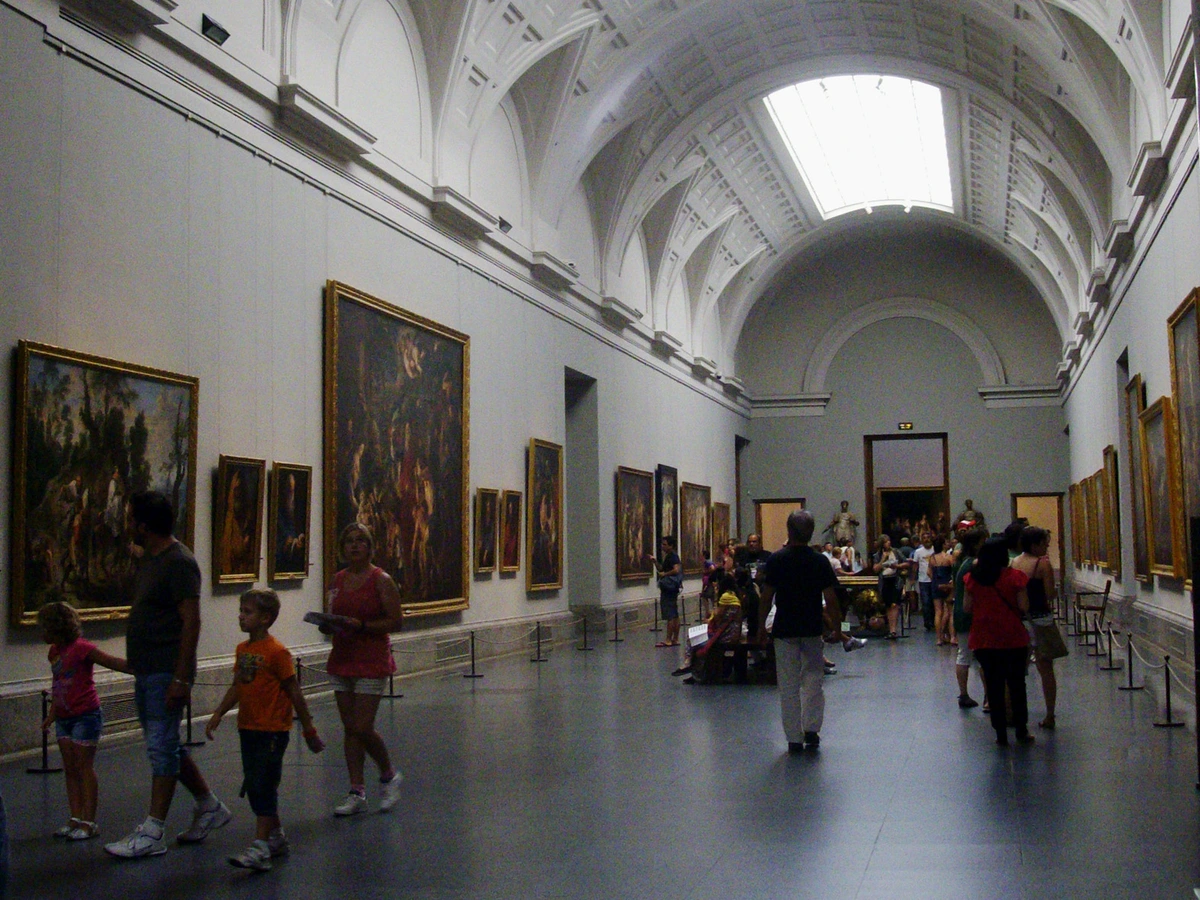
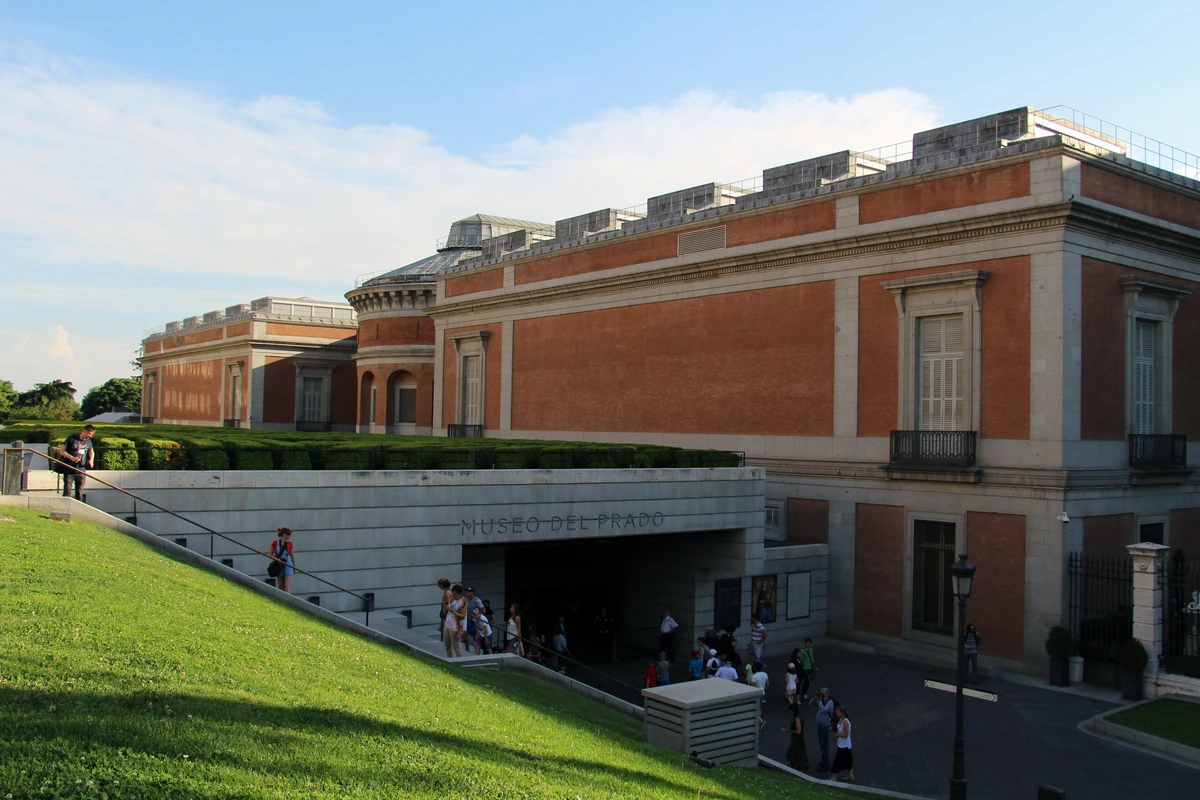
Oh, the Prado. If I close my eyes, I can still feel the hush of its grand halls, the weight of centuries of artistic genius pressing in. It’s a place that demands time, patience, and maybe a comfortable pair of shoes (trust me on the shoes!). This isn't just a museum; it's a national treasure chest, holding an unparalleled collection of Spanish painting from the 12th to the early 20th century.
You know, the first time I went, I tried to see everything. Big mistake. You can't. It's too much. My advice? Pick a few artists, a few rooms, and let yourself get lost. For me, it's always the big three: Velázquez, Goya, and El Greco.
- Velázquez's Las Meninas: This isn't just a painting; it's a conversation starter, a puzzle, a moment frozen in time. I've stood before it countless times, trying to decipher its mysteries, and each time I see something new. It’s pure genius, a masterclass in perspective and portraiture.
- Goya's Dark Paintings: These always send shivers down my spine. The sheer psychological intensity of works like Saturn Devouring His Son or The Black Paintings is something you have to experience. It's raw, unflinching, and a stark reminder of humanity's darker side.
- El Greco's Elongated Forms: His vibrant colors and mystical figures are just captivating. You see the Byzantine influence, the Venetian flair, all distilled into something uniquely Spanish and deeply spiritual.
If you're planning your first visit, I've got you covered – check out my A First-Timer's Guide to the Prado Museum for some specific tips. It's a game-changer.
Reina Sofía Museum: Stepping into the 20th Century's Turmoil and Triumph
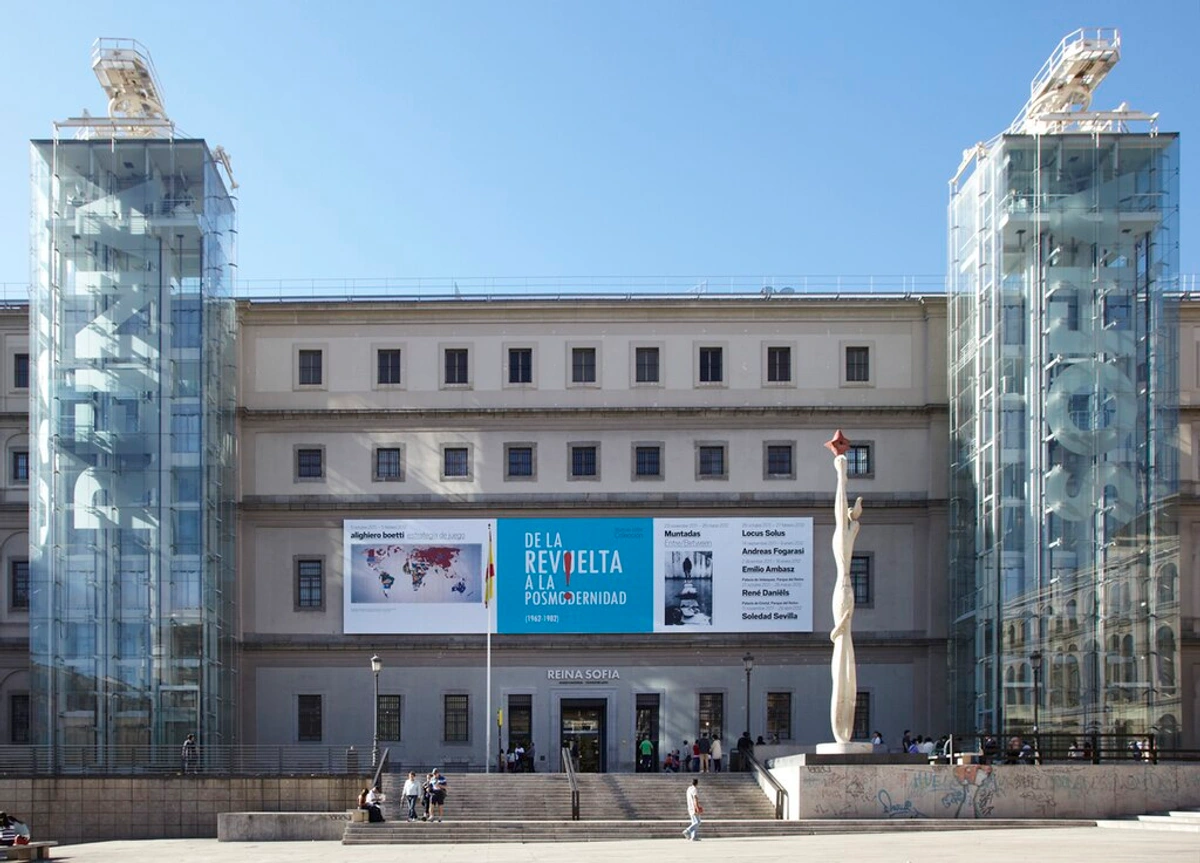
Just a stone's throw from the Prado, you step from the old world into the whirlwind of the modern age at the Museo Nacional Centro de Arte Reina Sofía. If the Prado is about tradition, the Reina Sofía is about revolution. It’s where Spain grapples with its tumultuous 20th century, and it does so with incredible power.
The absolute undisputed star here is Picasso's Guernica. I remember seeing it for the first time, and it just hit me. The sheer scale, the black-and-white starkness, the agonizing screams frozen in paint. It's a visceral condemnation of war, a cry for humanity that still resonates today. You sit there, and you just feel it. It’s more than just a painting; it’s a monument.
But don't stop there! The Reina Sofía also houses fantastic collections of Dalí (his surrealist dreamscapes are a trip, literally) and Miró (with his whimsical, often cosmic forms). It's a wonderful journey through Cubism, Surrealism, and abstract art, showing how Spanish artists pushed boundaries and redefined what art could be.
Guggenheim Museum Bilbao: A Modern Marvel in the Basque Country
Okay, so leaving Madrid might feel like leaving the art epicenter, but trust me, a trip north to Bilbao for the Guggenheim is absolutely non-negotiable. Even if you only vaguely like modern art, you have to see this building. Frank Gehry's titanium masterpiece isn't just a museum; it's a sculpture in itself, a shimmering, organic form that transformed a gritty industrial city into a global art destination. It's a testament to the power of art to revitalize, to inspire, to utterly change a place.
Inside, the experience is just as impactful. The vast, light-filled spaces house a rotating collection of contemporary art, often focusing on large-scale installations that interact with the building's unique architecture. I've always been fascinated by how the art here isn't just in the museum, but part of it. The pieces often feel like they were made for these spaces, which, in many cases, they were. The works by Richard Serra, for example, are breathtaking in their scale and complexity, twisting through the massive galleries.
And speaking of engaging with the structure itself, the outdoor sculptures are an absolute joy. I particularly love Anish Kapoor's Tall Tree & The Eye – those reflective spheres, mirroring the sky and the museum, make you stop and truly see your surroundings in a new way. It's playful, profound, and utterly captivating.
Beyond the Main Hubs: Hidden Gems and Regional Flavors
While Madrid and Bilbao are rightly celebrated, Spain's artistic tapestry extends far beyond them. It's a country rich with regional identities, and their art museums reflect that beautifully.
Museo Thyssen-Bornemisza, Madrid: A Curated Journey Through Art History
Back in Madrid for a moment, because you simply must visit the Thyssen-Bornemisza. Think of it as the perfect bridge between the Prado's old masters and Reina Sofía's modernism. This museum, housed in the gorgeous Villahermosa Palace, started as a private collection, and you can still feel that personal touch. It's like wandering through the perfectly curated home of a very discerning art collector.
What I adore about the Thyssen is its incredible breadth. You can journey from early Italian primitives and Dutch masters all the way through Impressionism, Post-Impressionism, and even American art of the 20th century. It fills in the gaps, shows you the connections, and offers a wonderfully comprehensive (yet manageable) overview of Western art history. I always find myself lingering in the Impressionist and German Expressionist rooms – such vibrancy and emotion!
Picasso Museum, Barcelona: Witnessing a Genius Unfold
If you're in Barcelona, and honestly, why wouldn't you be? It's one of the art-capitals-of-the-world, the Picasso Museum is a revelation. Unlike the comprehensive overview in Madrid, this museum focuses almost exclusively on Picasso's early years. It’s housed in five magnificent medieval palaces in the Gothic Quarter, which creates this fantastic contrast between the ancient architecture and the revolutionary art.
Seeing his academic studies, his formative Blue Period works, and how his style evolved before his groundbreaking Cubist experiments is truly eye-opening. You get to understand the foundations of his genius, how he mastered traditional techniques before brilliantly dismantling them. It’s an intimate portrait of an artist finding his voice, and honestly, it makes you appreciate his later, more famous works even more deeply.
National Art Museum of Catalonia (MNAC), Barcelona: A Panoramic View of Catalan Art
Also in Barcelona, perched majestically on Montjuïc hill, is the National Art Museum of Catalonia. This place is impressive even before you step inside, with its grand palace setting and incredible views over the city. But the real treasure is within.
MNAC boasts one of the world's finest collections of Romanesque mural painting, much of which was incredibly salvaged from churches in the Catalan Pyrenees. Imagine: entire frescoes, lovingly preserved and reassembled, bringing the vibrant art of a thousand years ago right before your eyes. It’s a powerful experience, connecting you to the very ancient roots of European art. Beyond that, you'll find Gothic, Renaissance, Baroque, and modern Catalan art, offering a comprehensive journey through the region's artistic heritage. It's an often-overlooked gem, but one that truly deepens your understanding of Spain's artistic diversity.


Navigating Spain's Art Scene: My Practical Tips for the Art-Loving Traveler
Alright, so you've got your list, you're excited, but how do you actually do this? Visiting a lot of museums can be overwhelming, especially in a new country. Here are a few things I've learned over my many art-fueled adventures in Spain:
1. Pace Yourself (Seriously!)
This is crucial. You can't see everything. Attempting to will only lead to museum fatigue, or what I affectionately call "art-ache." Pick one or two major museums for a day, maybe three if they're small and you're feeling ambitious. Better to deeply appreciate a few pieces than rush past hundreds.
2. Book Tickets Online, Always
This is a non-negotiable in the age of digital convenience. Seriously, queuing up for an hour when you could be inside admiring Goya? No thank you. Most major Spanish museums offer online booking, often with time slots. Snagging those tickets in advance saves you precious time and hassle.
3. Consider Guided Tours (or at Least an Audio Guide)
Sometimes, a little context makes all the difference. While I love to wander, I've found that a good guided tour, especially for the Prado or Reina Sofía, can unlock layers of meaning I might have missed. An audio guide is a great compromise if you prefer your own pace but still want that expert insight.
4. Free Entry Days/Hours Exist!
Many museums offer free entry on certain evenings or days of the week. This is fantastic if you're on a budget or just want a quick peek without committing to a full ticket. Just be warned: they can be very crowded. If you're looking for a tranquil experience, pay for your ticket and go during off-peak hours.
5. Fuel Your Art Exploration
Spain is a country that celebrates food, and you should too! Don't skip meals or coffee breaks. Pop out for some tapas, grab a quick bocadillo, or simply enjoy a strong coffee between galleries. Art appreciation is hungry work, and Spain offers the perfect delicious fuel.
My Final Reflections: Why Spanish Art Continues to Captivate Me
As I reflect on these incredible places, I realize it's more than just the art itself. It's the journey. It's the way these museums are woven into the fabric of Spanish cities, reflecting their history, their passions, their very identity. From the solemn beauty of the Prado to the defiant roar of Guernica at the Reina Sofía, and the futuristic embrace of the Guggenheim, Spanish art tells a story that is both deeply personal and universally human.
It's a story of light and shadow, tradition and innovation, suffering and joy. And it's a story that, much like the abstract, colorful pieces you might find when you buy art, invites you to look closer, to feel deeply, and to find your own meaning within the brushstrokes and forms. So, pack your bags, prepare your senses, and get ready for an unforgettable artistic adventure in Spain. You won't regret it.
Frequently Asked Questions About Spain's Best Art Museums
Q: Which city in Spain has the best art museums? A: Madrid is generally considered the hub for world-class art museums, forming the "Golden Triangle of Art" with the Prado, Reina Sofía, and Thyssen-Bornemisza. However, Barcelona also boasts significant institutions like the Picasso Museum and MNAC, and Bilbao has the iconic Guggenheim. It truly depends on your artistic preferences!
Q: Can I visit the Prado, Reina Sofía, and Thyssen-Bornemisza in one day? A: While technically possible, I strongly advise against it. You'd likely experience severe museum fatigue and wouldn't be able to appreciate the depth of each collection. I recommend dedicating at least a half-day to the Prado, a few hours to the Reina Sofía, and another few hours to the Thyssen-Bornemisza, ideally spreading them across two or three days.
Q: Are there any contemporary art museums outside of Madrid and Bilbao? A: Absolutely! Spain has a vibrant contemporary art scene. Beyond the major cities, you'll find excellent contemporary art centers in cities like Valencia (IVAM), Seville (CAAC), and Málaga (CAC Málaga), among others. Many cities also have smaller galleries and cultural spaces showcasing modern works.
Q: What is the best way to get around between these museums? A: In Madrid, the three main museums are easily walkable. For longer distances or between cities, Spain has an excellent public transport system. High-speed trains (AVE) connect major cities like Madrid, Barcelona, and Bilbao efficiently, making multi-city art tours very feasible.
Q: Do Spanish art museums have good accessibility? A: Most major art museums in Spain, especially the modern and recently renovated ones, are generally very accessible, offering ramps, elevators, and facilities for visitors with reduced mobility. It's always a good idea to check the specific museum's website for detailed accessibility information before your visit.