Pope Julius II: The Warrior Pope Who Ignited the Renaissance
Dive into the explosive life of Julius II – the Renaissance pope who waged wars and commissioned Michelangelo's Sistine Chapel.

Pope Julius II: The Warrior Pope Who Ignited the Renaissance
Pope Julius II, often referred to as the "Warrior Pope," was a figure of immense contradictions and influence during the Renaissance. His reign was marked by a unique blend of spiritual leadership and military prowess, making him one of the most fascinating figures in history. This article delves into his life, achievements, and the enduring legacy he left behind.
Julius II's story is one of paradoxes—a spiritual leader who wielded a sword, a patron of the arts who commanded armies, and a visionary who reshaped Rome's cultural and political landscape. His legacy continues to captivate historians, art enthusiasts, and scholars alike, offering a glimpse into the complexities of leadership during one of history's most transformative periods.
Pope Julius II, often referred to as the "Warrior Pope," was a figure of immense contradictions and influence during the Renaissance. His reign was marked by a unique blend of spiritual leadership and military prowess, making him one of the most fascinating figures in history. This article delves into his life, achievements, and the enduring legacy he left behind.
Julius II's story is one of paradoxes—a spiritual leader who wielded a sword, a patron of the arts who commanded armies, and a visionary who reshaped Rome's cultural and political landscape. His legacy continues to captivate historians, art enthusiasts, and scholars alike, offering a glimpse into the complexities of leadership during one of history's most transformative periods.

I’ve always been captivated by contradictions in history. Think about this: imagine waking up one morning as the spiritual leader of a billion people, but spending your lunchtime planning military campaigns. That was Pope Julius II – a walking, talking paradox who somehow squeezed two lifetimes into one papal reign. How often do we stop and consider that the ceiling above the Sistine Chapel exists only because one man demanded art and battlefield victory? That’s Julius II for you.
His life raises questions that resonate even today: How does one balance spiritual duty with worldly ambition? Can art and war coexist under the same leadership? Julius II didn’t just answer these questions—he embodied them, leaving behind a legacy that challenges our understanding of power, faith, and creativity.
Julius II was not just a pope; he was a visionary who saw the potential of art and architecture as tools of power and propaganda. His reign was a testament to the idea that leadership could be both spiritual and secular, a concept that continues to intrigue historians and art enthusiasts alike.
His ability to merge these dual roles—spiritual sovereign and secular prince—was not just a personal quirk but a strategic necessity. In an era where the Church's authority was both revered and contested, Julius II leveraged art and military might to assert dominance, redefine Rome's cultural identity, and secure his place in history.
The Man Behind the Tiara
Julius's journey from cardinal to pope was not just a personal triumph but a testament to the power of perseverance. Julius II’s story reminds us that leadership is not just about seizing opportunities but also about enduring setbacks and emerging stronger.
Born Giuliano della Rovere in 1443, Julius II was destined for greatness from an early age. His uncle, Pope Sixtus IV, provided him with the connections and opportunities that would shape his future. However, it was Julius's own ambition and resilience that truly defined his path to the papacy.
Julius's early life was a masterclass in patience and strategy. His uncle's influence opened doors, but it was his own tenacity that kept them open. He navigated the treacherous waters of Renaissance politics with a blend of cunning and perseverance, qualities that would later define his papacy.
Born Giuliano della Rovere in 1443, Julius was the nephew of a previous pope (Sixtus IV), which – let’s be honest – was basically the Renaissance equivalent of a powerful political connection. What fascinated me about his early life wasn’t just the climbing, but how he played the long game. He spent decades as a cardinal, biding his time during rival papacies, even fleeing Rome when Alexander VI (the notorious Borgia pope) ordered his assassination. That’s not just ambition; that’s patience with a side of survival instinct.
His exile under Alexander VI was a turning point. It taught him the value of resilience and the importance of alliances, lessons he would carry into his papacy. Julius didn’t just survive—he thrived, turning adversity into opportunity and setting the stage for his eventual rise to the throne of St. Peter.
Julius's early years were marked by strategic alliances and careful navigation of the treacherous political landscape of the time. His ability to endure and adapt during periods of exile and adversity showcased his resilience and determination, qualities that would later define his papacy.
His journey from cardinal to pope was not just a personal triumph but a testament to the power of perseverance. Julius II’s story reminds us that leadership is not just about seizing opportunities but also about enduring setbacks and emerging stronger.
Two Halves of One Coin
Julius II's duality as both a spiritual leader and a secular ruler was a defining characteristic of his reign. This section explores how he balanced these roles and the impact it had on his legacy.
What made Julius II so compelling was how he held two identities in tension:
- The Spiritual Sovereign: As Christ’s vicar on Earth, he shouldered the weight of souls and doctrine.
- The Secular Prince: He ruled the Papal States like a Renaissance tyrant, where power meant armies, territory, and ruthless diplomacy.
These weren’t separate roles to him; they were intertwined. I sometimes wonder if we’ve lost that duality today – leaders who embody both divine purpose and earthly ambition. But maybe that’s a conversation for another time...
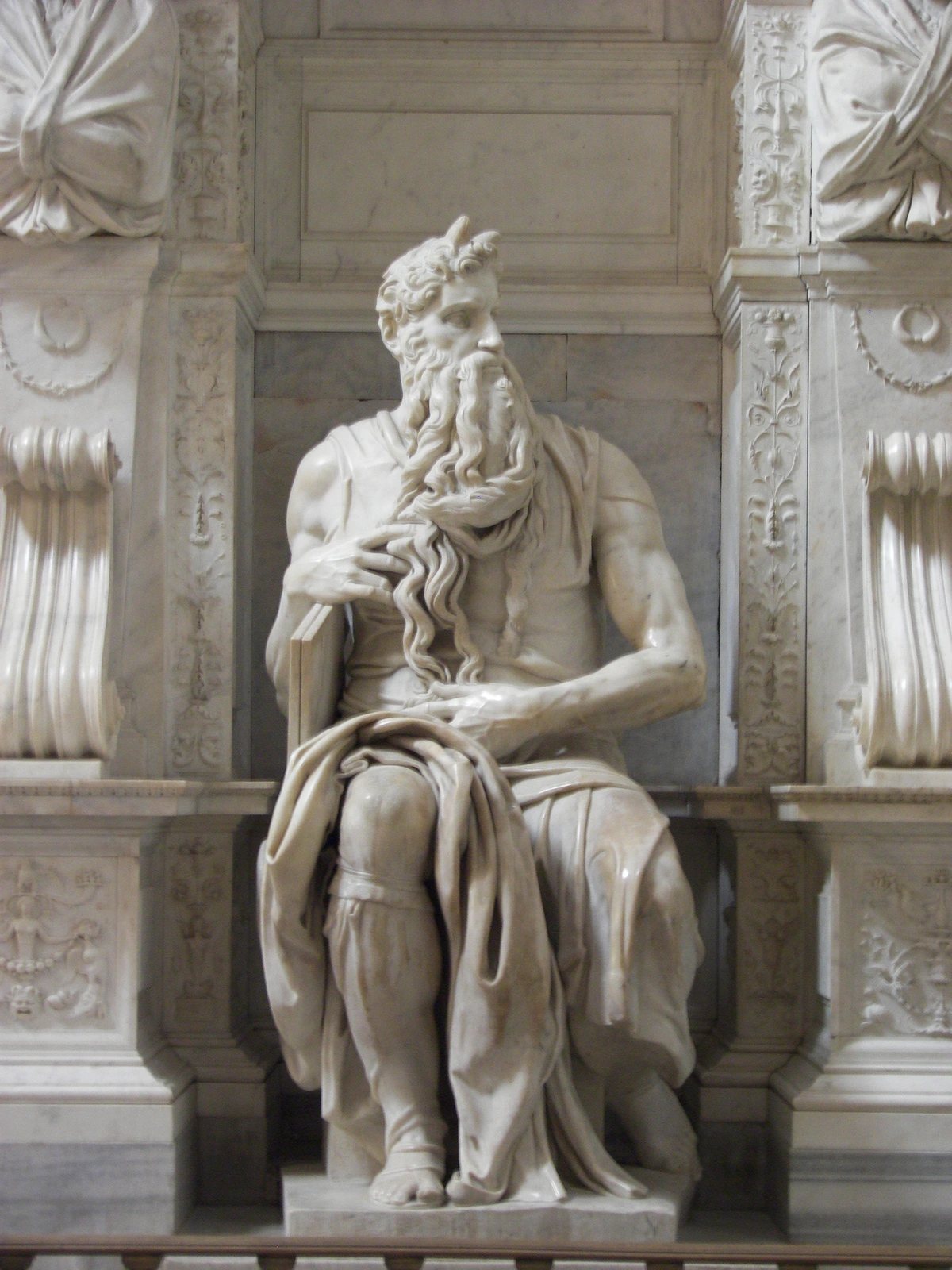
Michelangelo's Moses statue is a powerful representation of Julius II's vision for Rome. Commissioned by the pope, this masterpiece captures the essence of divine authority and human strength, themes that resonated deeply with Julius's own leadership style.
The Warrior Pope in Action
Julius II's military campaigns were not just about expanding territory; they were about asserting the authority of the papacy in a fragmented Italy. His leadership on the battlefield was as decisive as his patronage of the arts.
Julius II’s military endeavors were driven by a clear vision: to secure the Papal States and assert the Church's dominance in Italian politics. His campaigns were not merely about conquest but about reshaping the political landscape of Italy, ensuring the Church's influence would endure long after his reign.
Let’s talk wars. Julius II didn’t delegate fighting – he led from the front. His nickname wasn’t “The Terrible Pope” because he gave stern sermons. It was because he personally commanded troops, wore armor, and fought in battles. Remember, this was a man who at 60 was still riding into combat. I imagine the scene: a pontiff in full plate armor charging across a muddy field, cross raised high in one hand and a sword in the other. Picture the cognitive dissonance for soldiers seeing their spiritual father cutting down enemies.
His military leadership was not just about personal bravery; it was a calculated strategy to secure the Papal States and assert the dominance of the Church in Italian politics. His campaigns were a blend of tactical genius and sheer determination, qualities that earned him both admiration and fear.
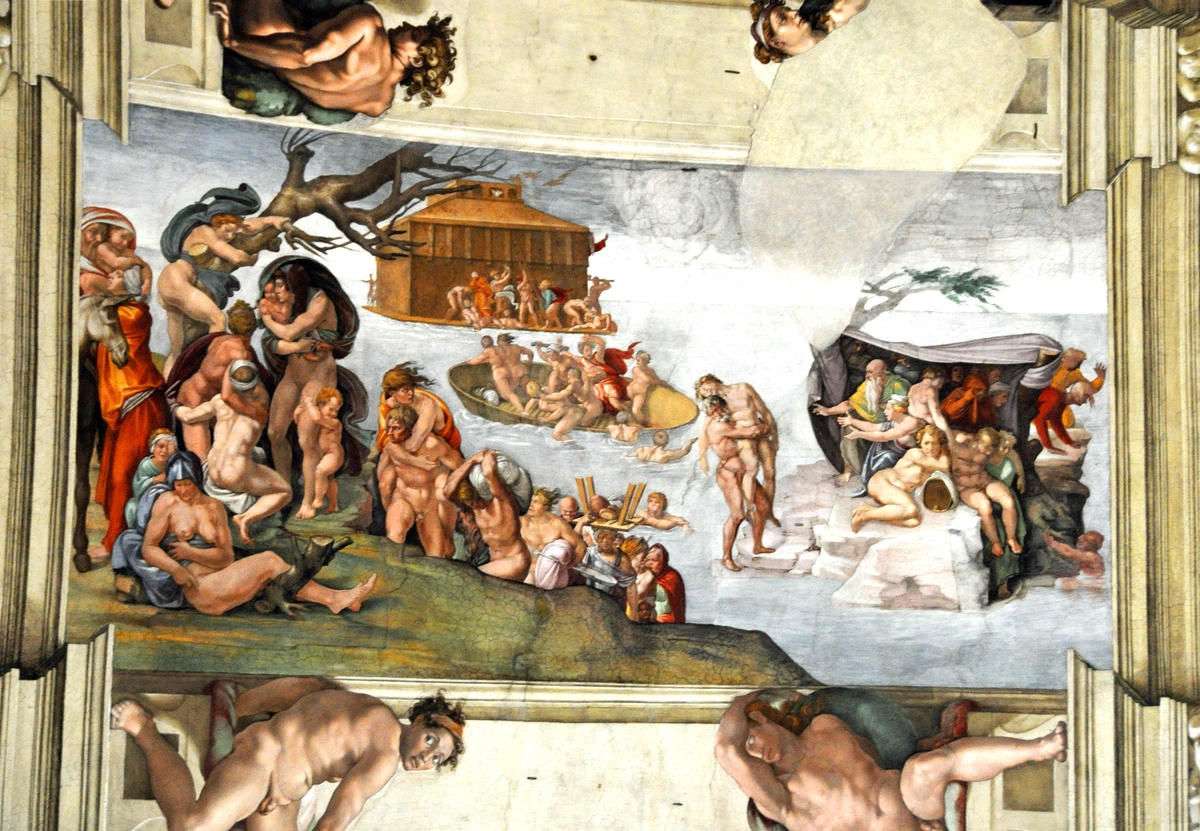
Julius II's military leadership was not just about personal bravery; it was a calculated strategy to secure the Papal States and assert the dominance of the Church in Italian politics. His campaigns were a blend of tactical genius and sheer determination, qualities that earned him both admiration and fear.
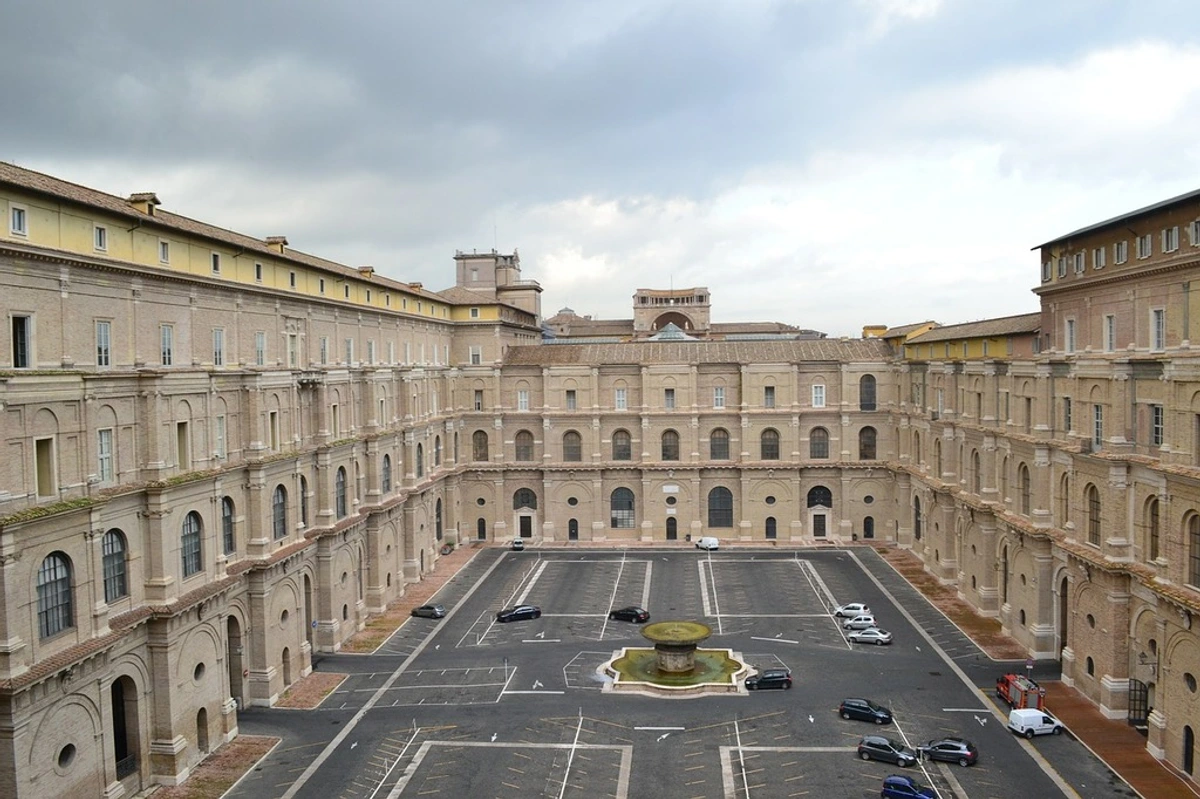
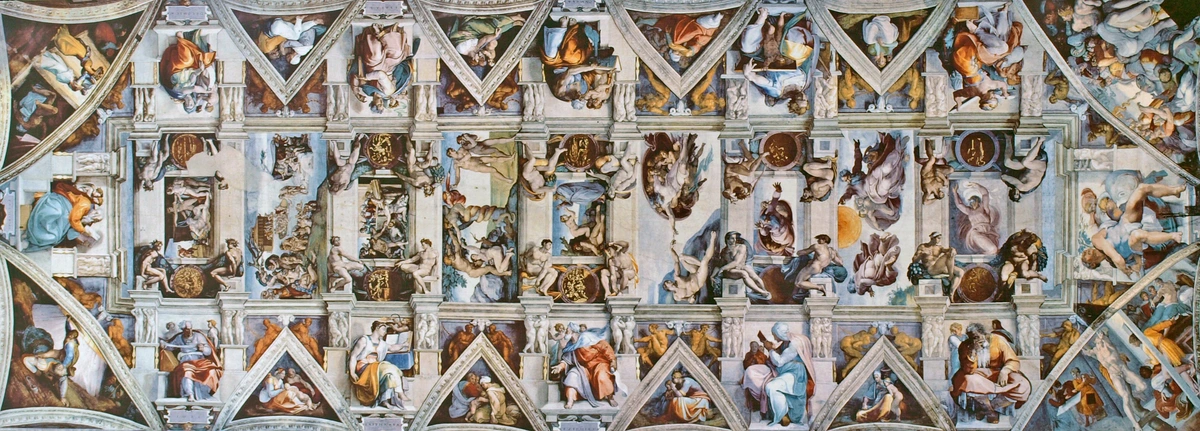
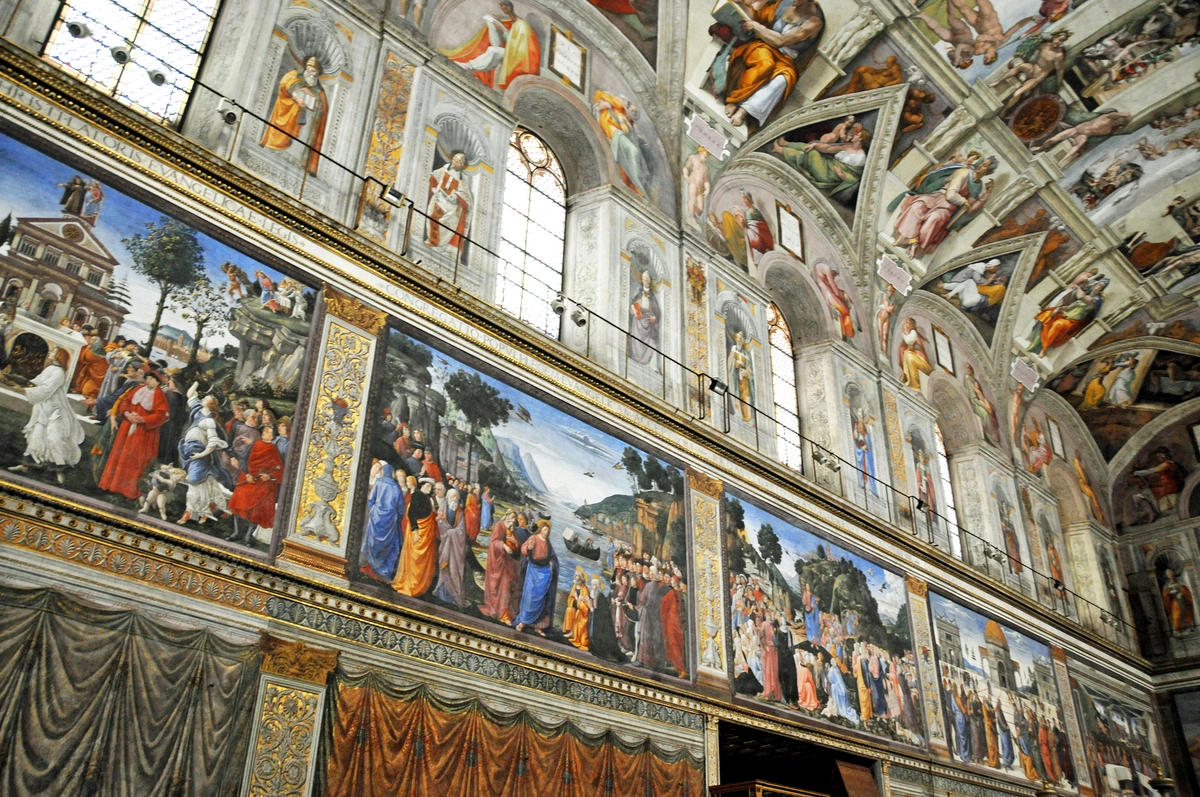
The Sistine Chapel ceiling is a masterpiece that reflects Julius II's vision for the Church. Each fresco tells a story, blending religious narrative with artistic innovation, and stands as a testament to the pope's commitment to elevating Rome's cultural and spiritual stature.
His military record includes:
- The War of the League of Cambrai (1508–1516): A messy coalition he assembled specifically to crush Venice – yes, he turned Catholic princes against a Catholic city-state.
- The Papal Conquest of Bologna (1512): Because sometimes, a papal tiara just needs a nice northern Italian city to complete the look.
Every campaign served his agenda: consolidate power, protect the Papal States, and elevate Rome. Isn’t it fascinating how art and violence can feed the same vision?
Julius II's military campaigns were not just about conquest; they were about securing the future of the Church and its influence in Italy. His strategic alliances and military victories laid the groundwork for the political landscape of the Renaissance.
His legacy on the battlefield was as enduring as his artistic patronage. By securing the Papal States and asserting the Church's authority, Julius II ensured that Rome would remain a center of power and culture for centuries to come.
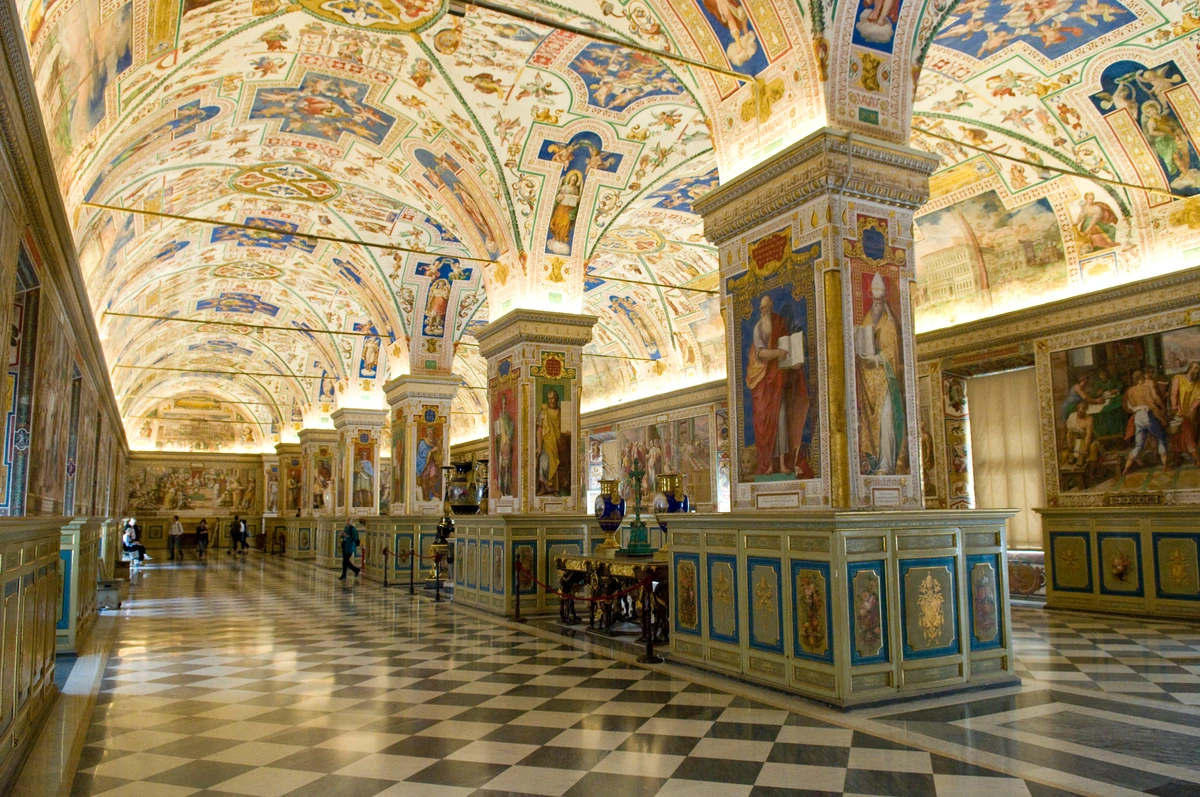
Grand Projects: Rebuilding a City
Julius II's vision for Rome extended beyond the battlefield. He saw the city as a canvas for his ambitions, a place where art and architecture could reflect the glory of the Church and the papacy.
His architectural projects were not just about aesthetics; they were about power. Each building, each fresco, was a statement of the Church's authority and the pope's vision for a renewed Rome. Julius II understood that art could be a tool of propaganda, a means to elevate Rome's cultural and spiritual stature.
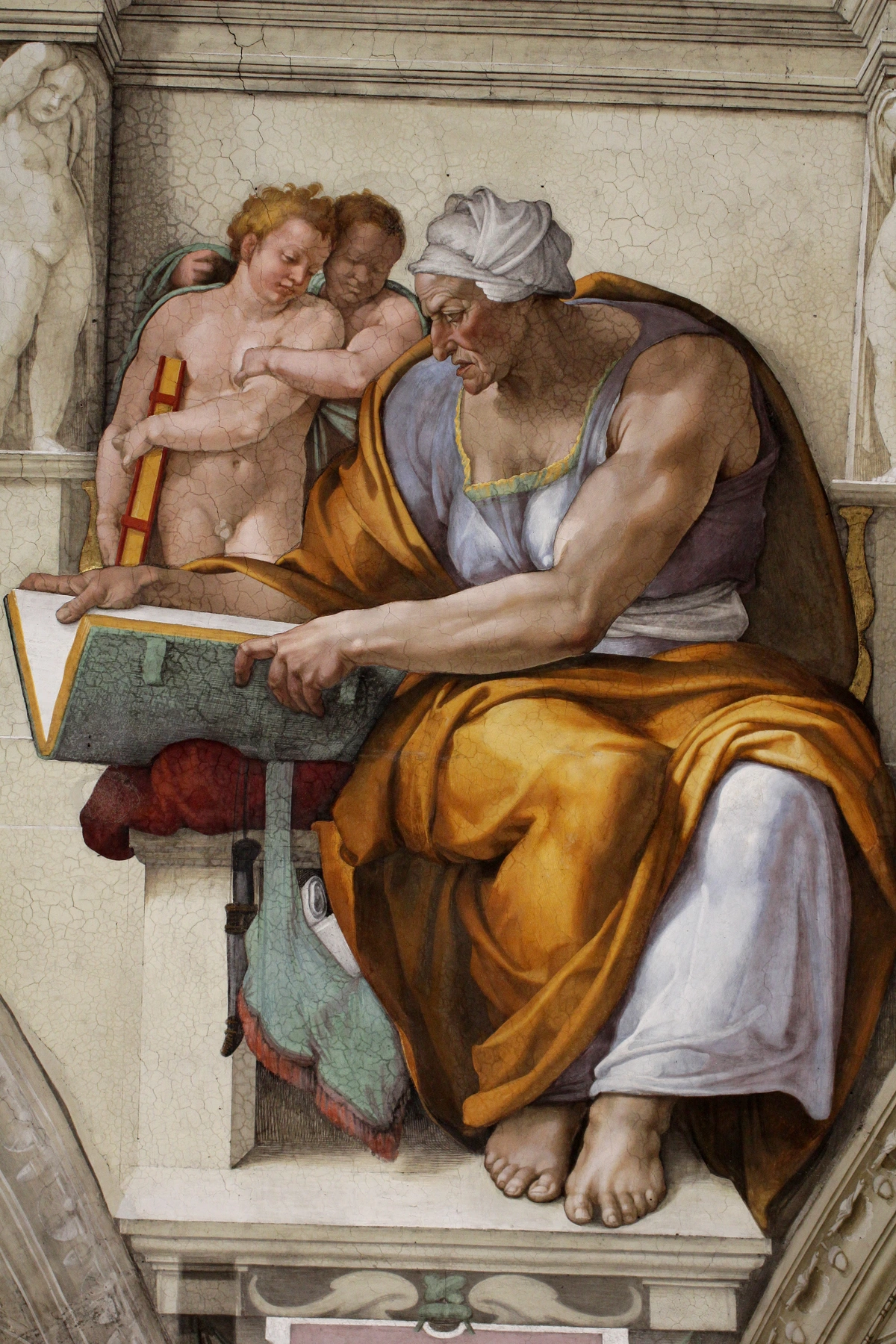
Wars keep you busy, but Julius II believed in architecture as propaganda. His vision for Rome was nothing short of imperial rebirth. He didn’t just want chapels – he wanted a new Rome that would make ancient empires jealous. Enter the master architects and artists he bullied, cajoled, and inspired:
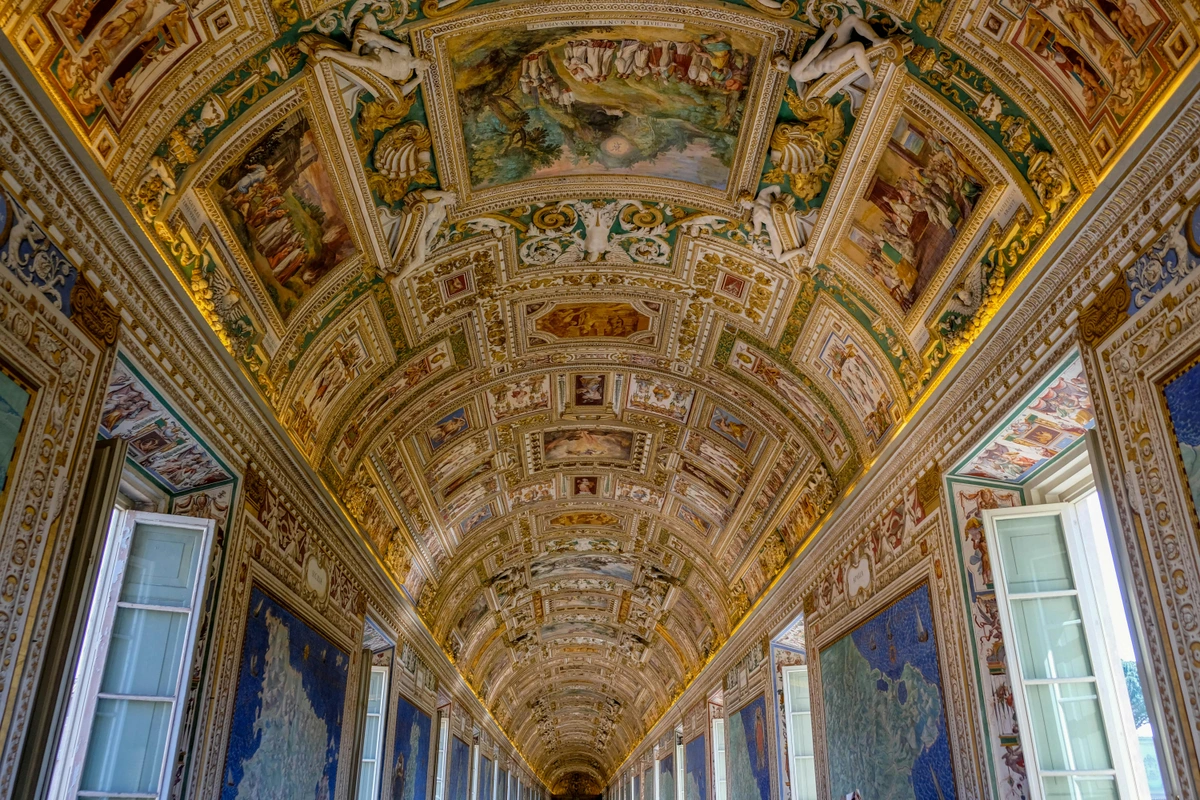
His vision was bold and uncompromising. He saw Rome not just as a city but as a symbol of the Church's enduring power. By commissioning grand projects like the Sistine Chapel ceiling and the redesign of St. Peter's Basilica, Julius II ensured that his legacy would be etched into the very fabric of the city.
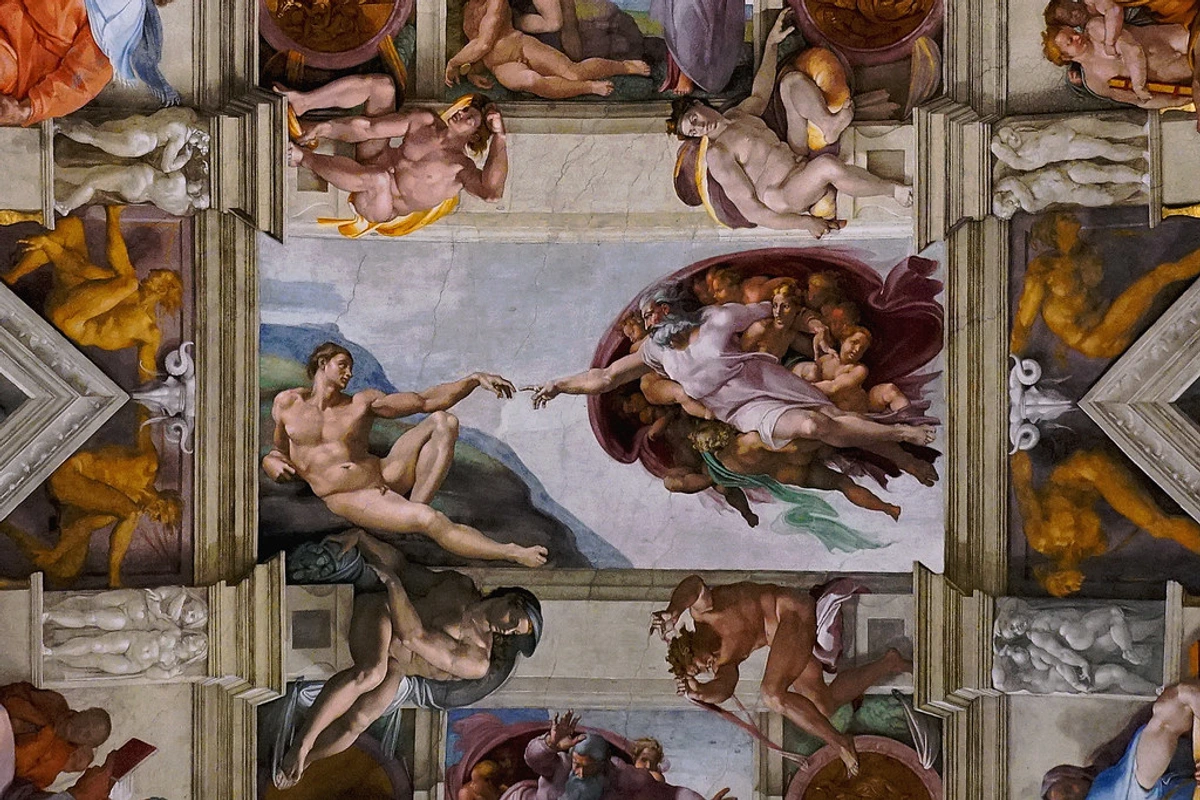
Julius II's architectural projects were not just about aesthetics; they were about power. Each building, each fresco, was a statement of the Church's authority and the pope's vision for a renewed Rome.
His projects were a testament to his belief in the transformative power of art. By commissioning works that blended religious narrative with artistic innovation, Julius II elevated Rome's cultural stature and ensured that his vision would endure for centuries.
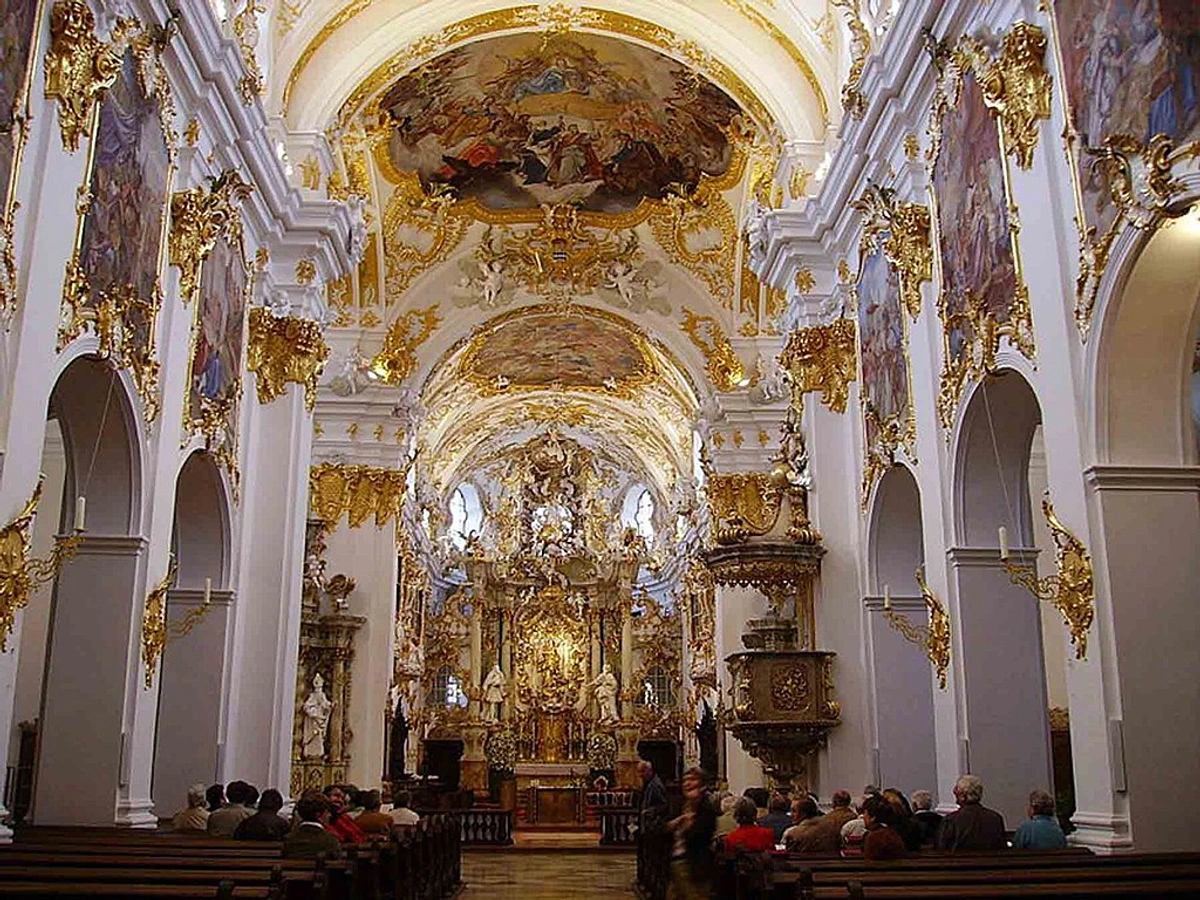
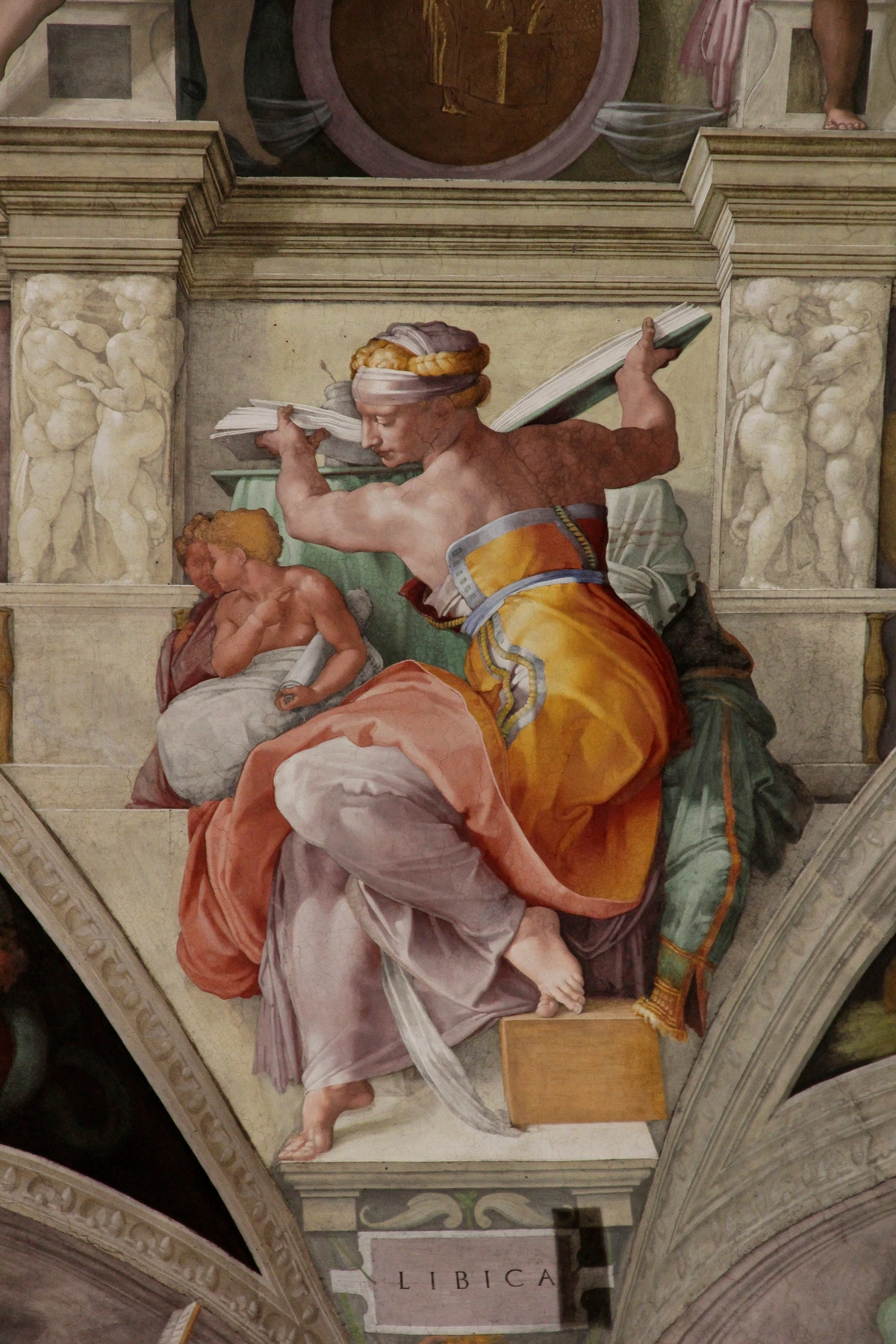
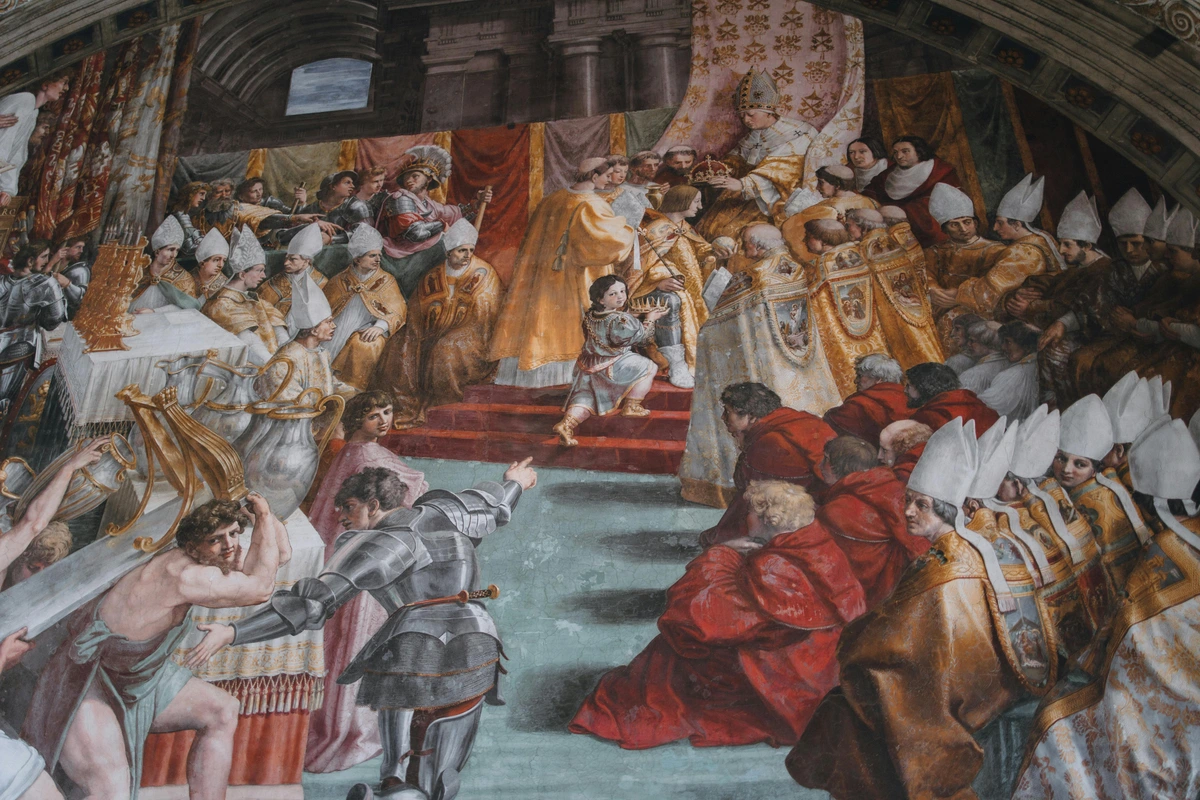
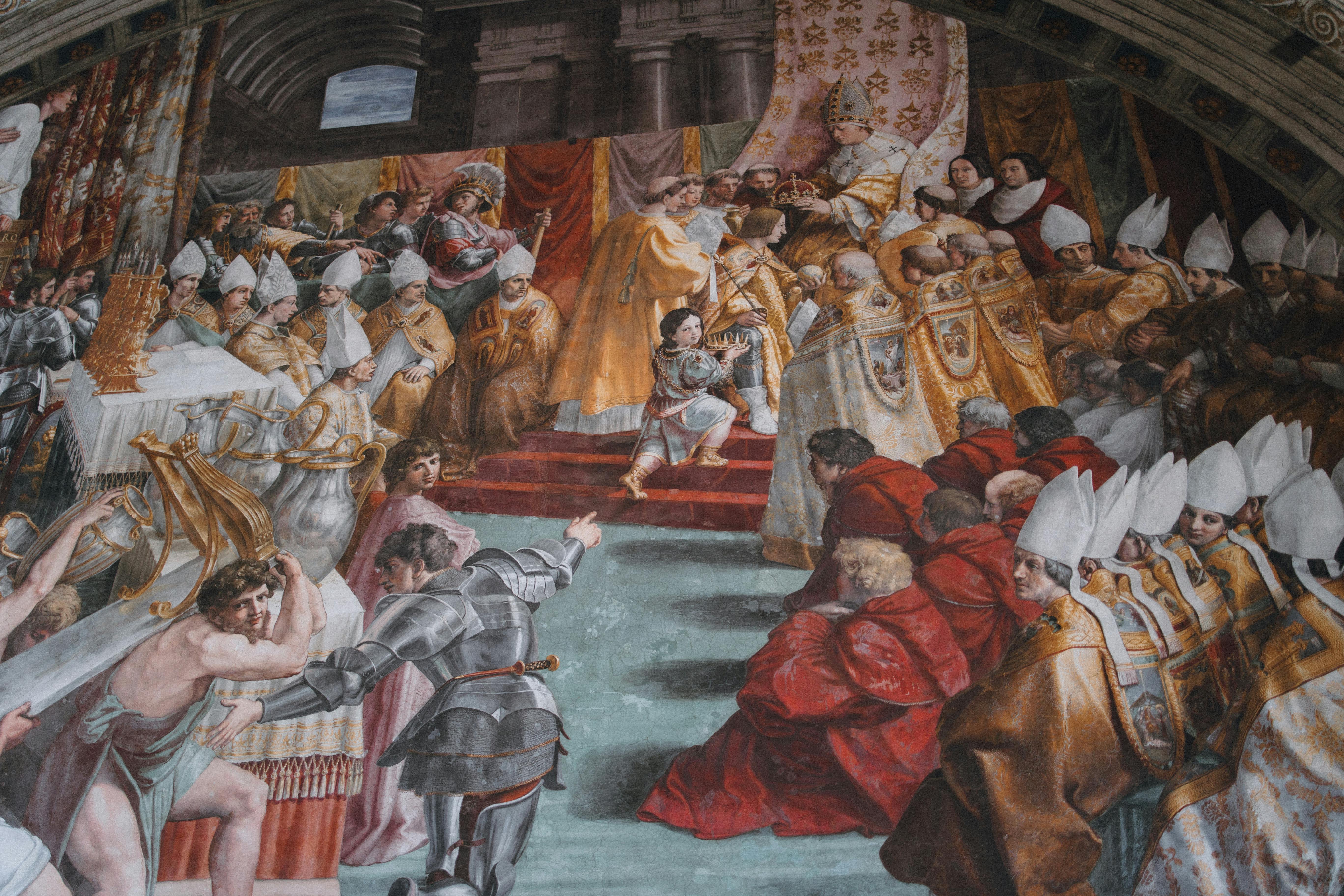
This fresco captures the essence of papal authority during the Renaissance. The act of crowning a king symbolizes the Church's role in legitimizing secular power, a theme central to Julius II's reign.
The Sistine Chapel Ceiling
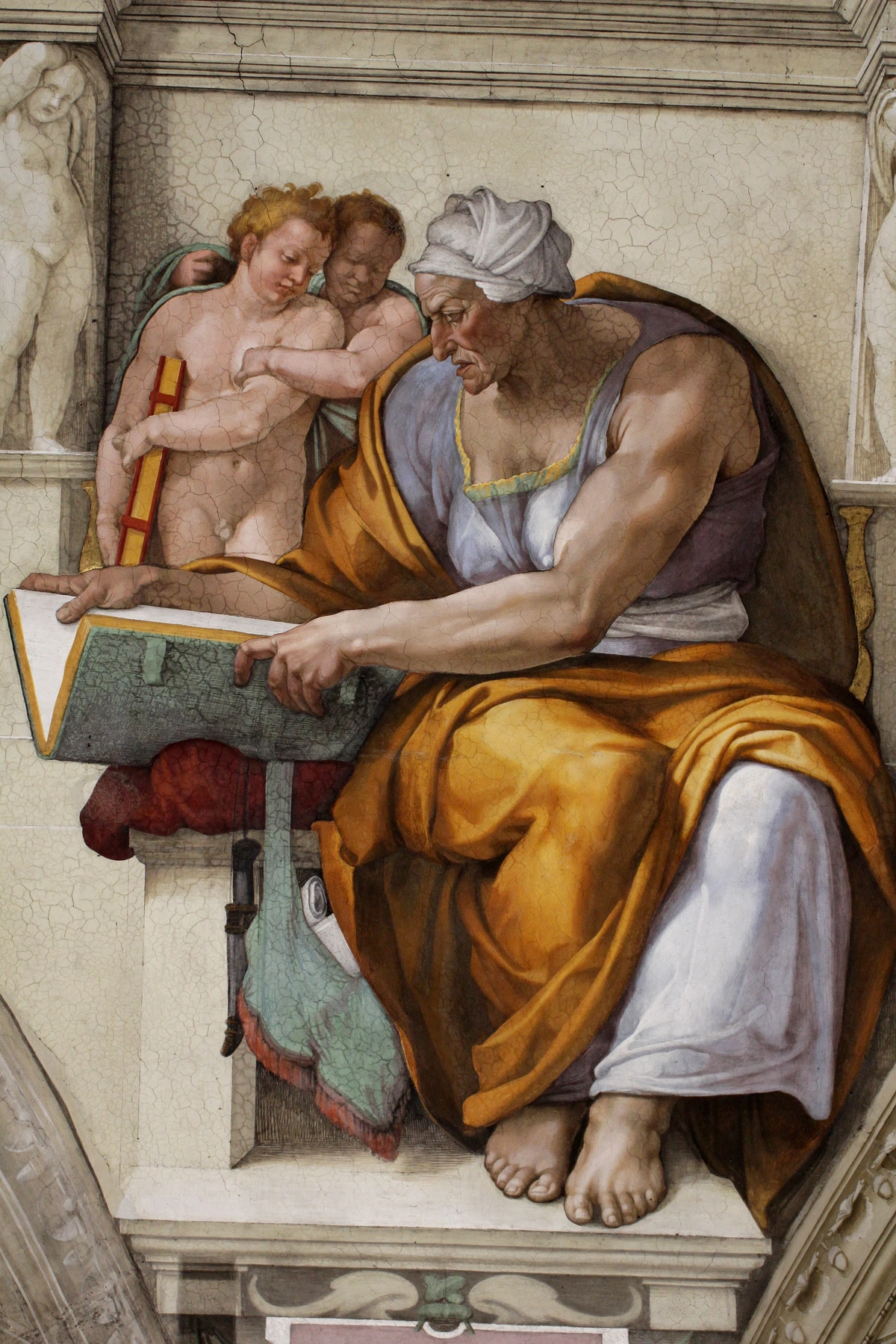
The Sistine Chapel ceiling is one of the most iconic artistic achievements of the Renaissance. Commissioned by Julius II, it stands as a testament to his vision for the Church and his commitment to elevating Rome's cultural stature.
Ah, Michelangelo. Their relationship alone could fill a book (and often does). Picture this: Michelangelo was primarily a sculptor, right? But Julius demanded he paint the Sistine ceiling – because the pope said so. When Michelangelo protested being a “sculptor, not a painter,” Julius’s legendary thunder was unleashed. The artist later wrote that Julius threatened to “throw me headfirst out the window.” Talk about creative pressure! Four years later, we have humanity’s greatest fresco.
The relationship between Julius II and Michelangelo was a complex interplay of artistic genius and papal authority. Their collaboration resulted in a masterpiece that continues to inspire awe and admiration centuries later.

I’m struck by the sheer audacity. Julius didn’t just want nice art; he wanted a statement. The ceiling depicts scenes that reinforced papal authority while showcasing Rome’s imperial grandeur. The very act of commissioning it during war? That’s political messaging at its finest.
The Sistine Chapel ceiling is more than just a work of art; it is a symbol of Julius II's vision for the Church and his commitment to elevating Rome's cultural and spiritual stature. Each fresco tells a story, blending religious narrative with artistic innovation.
New St. Peter's Basilica
The redesign of St. Peter's Basilica was another monumental project undertaken by Julius II. This architectural marvel stands as a testament to his vision for a renewed Rome and the Church's enduring influence.
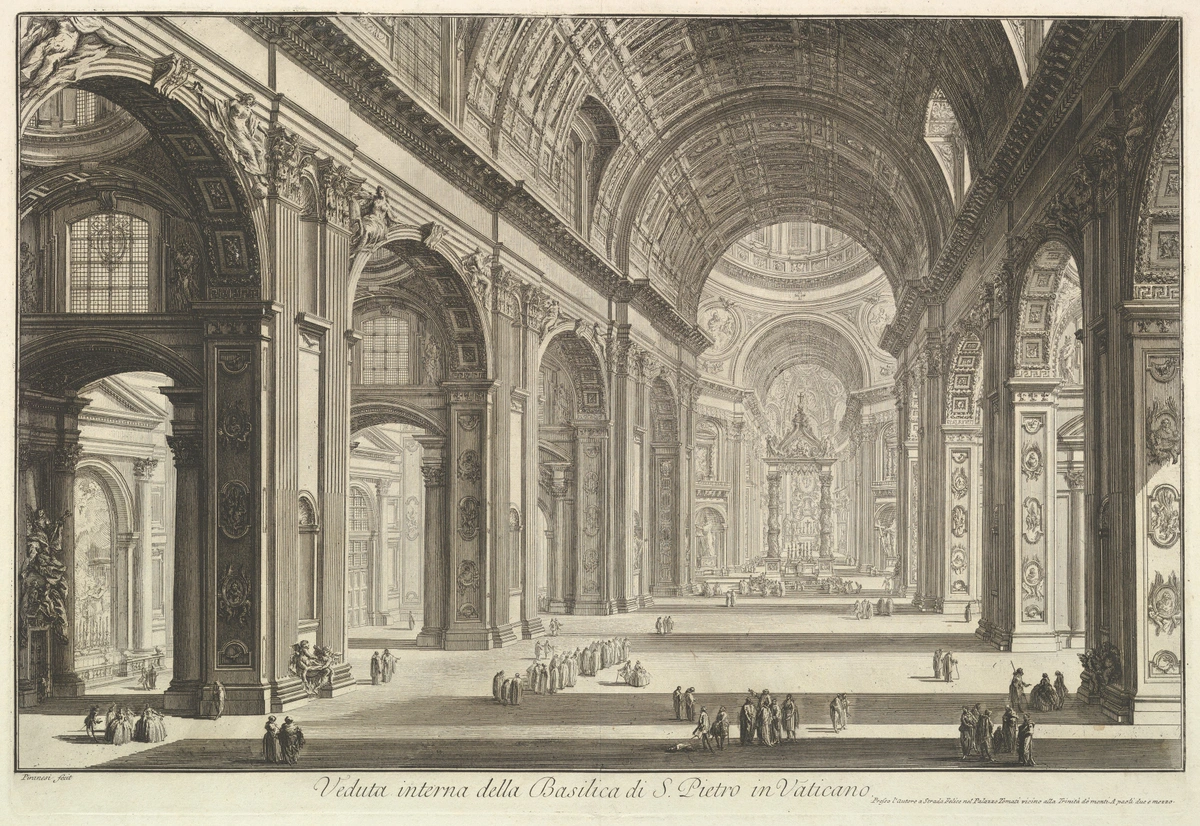
Before Julius, St. Peter’s was a crumbling relic. After Julius? Bramante’s new design became the architectural heart of Catholicism. Think about what this meant symbolically: rebuilding Christ’s tomb like a pagan temple? Connecting sacred space to imperial power? That wasn’t just construction – it was theology in marble and gold.
The redesign of St. Peter's Basilica was not just an architectural achievement; it was a statement of the Church's authority and Julius II's vision for a renewed Rome. The basilica's grandeur reflects the pope's commitment to elevating the Church's cultural and spiritual stature.
A quick comparison table shows Julius’s scale:
Pope  | Reign Major Art Projects |
|---|---|
| Sixtus IV | Sistine Chapel (original wall paintings) |
| Julius II | Sistine Chapel ceiling, St. Peter’s redesign, Raphael’s Stanze |
| Leo X | St. Peter’s continued, Raphael’s Transfiguration |

Patronage and Personality: A Volatile Mix
Julius II's patronage of the arts was as complex as his personality. His relationships with artists like Michelangelo and Raphael were marked by both conflict and collaboration, reflecting his volatile nature and unwavering vision.
His patronage was not just about supporting artists; it was about shaping their work to reflect his vision for the Church and Rome. Julius II's relationships with artists were often tumultuous, but they resulted in some of the most iconic works of the Renaissance.
Julius wasn’t subtle. He terrified sycophants and inspired artists precisely because his will was absolute. When he wanted something done? It happened. Nowhere is this clearer than with Raphael, who painted the Stanza della Segnatura (the Room of Signature) under Julius’s direct supervision. Raphael’s masterpiece The School of Athens? Julius placed it in his personal library. He didn’t just admire art; he used it as daily wallpaper for his power.
Julius II's patronage of Raphael was a testament to his vision for the Church and his commitment to elevating Rome's cultural stature. Their collaboration resulted in masterpieces that continue to inspire awe and admiration centuries later.
Raphael's works, such as The School of Athens, were not just artistic achievements but reflections of Julius II's vision for a renewed Rome. By placing these masterpieces in his personal library, Julius II ensured that his legacy would be intertwined with the cultural and intellectual achievements of the Renaissance.
But what about the cost? Wars and art drained the papal treasury. Julius taxed ruthlessly, sold church offices, and borrowed heavily – all in service of vision. It’s a reminder that great art often demands ruthless pragmatism. Where do we draw that line today? When does vision become exploitation?
His financial strategies were as bold as his military campaigns. His willingness to invest in art and architecture, even at great cost, reflects his belief in the enduring power of culture and the Church's role in shaping it. Julius II's legacy reminds us that vision often requires sacrifice, but it also raises questions about the ethics of patronage and the limits of ambition.
The Ethics of Patronage
Julius II's financial strategies were as bold as his military campaigns. His willingness to invest in art and architecture, even at great cost, reflects his belief in the enduring power of culture and the Church's role in shaping it. However, his methods raise questions about the ethics of patronage and the limits of ambition. When does vision become exploitation, and how do we balance the pursuit of greatness with ethical considerations?
Legacy: The Pope Who Changed Everything
Julius II's legacy is a complex tapestry of military conquests, artistic achievements, and spiritual leadership. His reign left an indelible mark on the Church and the world, shaping the course of history in ways that continue to resonate today.

His life and reign offer valuable insights into the power of vision and the enduring influence of art and culture. Julius II's story is a reminder that leadership, whether in the Church or in the world, requires both ambition and a commitment to legacy.

Julius II died in 1513, exhausted but triumphant. His legacy?
- Politically: He weakened Venice but fractured the Holy League, setting the stage for future conflicts. His territory gains were temporary; his art, eternal.
- Artistically: He defined the High Renaissance. Without his pressure, would Michelangelo ever have painted the Sistine ceiling? Would Raphael’s frescoes exist? Impossible to say.
- Spiritually: His worldly focus paved the way for Reformation critiques of papal excess.
His legacy is a testament to the enduring power of art and culture. His vision for the Church and his commitment to elevating Rome's cultural stature continue to inspire and captivate audiences around the world.
What fascinates me most is how Julius understood something fundamental: art endures when politics fades. His tombs crumbled, his alliances dissolved, but the Sistine Chapel lives on. In that way, he became a patron not just for his era, but for us all.
Julius II's legacy is a testament to the enduring power of art and culture. His vision for the Church and his commitment to elevating Rome's cultural stature continue to inspire and captivate audiences around the world.
Frequently Asked Questions
This section addresses some of the most common questions about Pope Julius II, his reign, and his enduring influence on the Church and the world.
Q: Why was Julius II called “The Warrior Pope”? A: Unlike spiritual-focused popes, he personally led military campaigns, wore armor, and commanded troops during the Italian Wars. He viewed military strength as essential for papal authority.
Q: What was Julius II’s relationship with Michelangelo like? A: Volatile! Michelangelo saw Julius as a tormentor (“He threw me from the ladder!”), but also as the essential catalyst for the Sistine Chapel. Their clashes became legendary in art history.
Q: Did Julius II commission non-religious art? A: Primarily no – all his major works had religious themes. But he used them for political messaging. Raphael’s School of Athens, for example, placed classical philosophers above a Christian temple subtly reinforcing humanist ideals under papal patronage.
Q: How did Julius II finance his massive projects? A: Creatively! He sold church offices (simony), levied heavy taxes, borrowed money (often with exorbitant interest), and even “pooled” contributions from other rulers under threat of excommunication. His treasury was perpetually empty.
Q: What modern artists might Julius II have sponsored? A: Someone with obsessive vision and technical brilliance. Maybe a contemporary Damien Hirst pushing biological boundaries? Or a Kandinsky creating during war? Julius demanded scale and permanence – artists who changed how we see the world.
Q: How did Julius II's military campaigns influence the political landscape of Italy? A: His campaigns, such as the War of the League of Cambrai and the Papal Conquest of Bologna, were aimed at consolidating power and protecting the Papal States. These efforts reshaped the political dynamics of Italy and set the stage for future conflicts.
Q: What was the significance of Julius II's architectural projects? A: His projects, including the redesign of St. Peter's Basilica and the Sistine Chapel ceiling, were not just about aesthetics; they were about power and the Church's enduring influence. These projects elevated Rome's cultural and spiritual stature.
Q: How did Julius II balance his spiritual and secular roles? A: Julius II saw no contradiction between his roles as a spiritual leader and a secular ruler. He believed that both aspects were necessary to assert the Church's authority and secure its future. His ability to merge these roles was a strategic necessity in an era where the Church's authority was both revered and contested.
Q: What impact did Julius II have on the Renaissance? A: Julius II's patronage of the arts and his vision for Rome played a significant role in defining the High Renaissance. His support for artists like Michelangelo and Raphael resulted in some of the most iconic works of the period, shaping the cultural and artistic landscape of the Renaissance.
The Enduring Lesson
Julius II's life and reign offer valuable insights into the power of vision and the enduring influence of art and culture. His story is a reminder that leadership, whether in the Church or in the world, requires both ambition and a commitment to legacy.
Studying Julius II always brings me back to one truth: vision requires patrons. Whether you’re a painter in 1513 or a startup founder in 2024, someone needs to believe in your vision when you’re just dust and sweat. Julius wasn’t always noble – he was greedy, violent, and vain. But he saw art as legacy. He understood that while armies rise and empires fall, a fresco can make people gasp 500 years later.
Power changes. Culture endures. That’s why Julius II still matters. So when you stand before the Sistine Chapel or gaze at a Raphael, remember the terrified painter and the thundering pope. Their collision created something that lasts.
For those who create, for those who fund creation: history’s watching. What masterpiece will your vision ignite?












If you’re inspired by tales of transformation through art, explore our collection of originals and prints that capture explosive color and reimagined history. Visit the timeline to see how artistic movements mirror power shifts across centuries. And if you’re near Den Bosch, the museum brings these stories to life through contemporary lenses.