What is Rococo Art? A Dive into 18th-Century Elegance (and a Little Whimsy)
Ever wondered about Rococo art? This engaging guide unpacks the playful, ornate, and often misunderstood 18th-century movement, from its characteristics to its key artists, all through a personal lens.

What is Rococo Art? A Dive into 18th-Century Elegance (and a Little Whimsy)
Rococo art is a celebration of lightness, elegance, and charm, emerging as a reaction to the grandeur of the Baroque era. It's a style that embraces whimsy, intimacy, and a touch of mischief, making it one of the most enchanting periods in art history. This movement, which flourished in the 18th century, is characterized by its playful themes, delicate ornamentation, and a focus on the joys of life.
Rococo art is a celebration of lightness, elegance, and charm, emerging as a reaction to the grandeur of the Baroque era. It's a style that embraces whimsy, intimacy, and a touch of mischief, making it one of the most enchanting periods in art history. This movement, which flourished in the 18th century, is characterized by its playful themes, delicate ornamentation, and a focus on the joys of life.
Okay, so here's a confession: for a long time, when I thought of 'Rococo,' my mind immediately jumped to frills, excessive gold, and perhaps a slightly dizzying amount of pastels. I mean, it's a lot, right? And maybe, just maybe, you've had a similar thought. But I've come to realize that beneath all that delightful ornamentation lies something far more profound and, dare I say, utterly human.
Rococo is not just about aesthetics; it's about philosophy. It represents a move towards individualism, a celebration of personal expression, and a rejection of the rigid structures that defined the Baroque era. It was a time when art became more accessible, more intimate, and more human.
Rococo isn't just a style; it's a mood, a reaction, a whole vibe that swept through 18th-century Europe. If you've ever dipped your toes into the history of Rococo art elegance, playfulness, and grandeur, you'll know it emerges from the grand, dramatic shadows of the Baroque. Think of it as art taking a much-needed deep breath and then letting out a very stylish, somewhat mischievous giggle.
Rococo is not just about aesthetics; it's about philosophy. It represents a move towards individualism, a celebration of personal expression, and a rejection of the rigid structures that defined the Baroque era. It was a time when art became more accessible, more intimate, and more human.
Rococo isn't just a style; it's a mood, a reaction, a whole vibe that swept through 18th-century Europe. If you've ever dipped your toes into the history of Rococo art elegance, playfulness, and grandeur, you'll know it emerges from the grand, dramatic shadows of the Baroque. Think of it as art taking a much-needed deep breath and then letting out a very stylish, somewhat mischievous giggle.
This shift wasn't just about aesthetics; it was about philosophy. Rococo represented a move towards individualism, a celebration of personal expression, and a rejection of the rigid structures that defined the Baroque era. It was a time when art became more accessible, more intimate, and more human.
This shift wasn't just about aesthetics; it was about philosophy. Rococo represented a move towards individualism, a celebration of personal expression, and a rejection of the rigid structures that defined the Baroque era. It was a time when art became more accessible, more intimate, and more human.
The Great Shift: From Baroque's Grandeur to Rococo's Grace
To truly understand Rococo, it's essential to grasp the context of its emergence. The Baroque era was characterized by its grandeur, drama, and intensity, often serving as a tool for religious and political propaganda. But as the 18th century dawned, the world was changing. The Enlightenment was on the horizon, and with it came a new way of thinking—one that valued reason, individualism, and the pursuit of happiness.
To truly understand Rococo, it's essential to grasp the context of its emergence. The Baroque era was characterized by its grandeur, drama, and intensity, often serving as a tool for religious and political propaganda. But as the 18th century dawned, the world was changing. The Enlightenment was on the horizon, and with it came a new way of thinking—one that valued reason, individualism, and the pursuit of happiness.
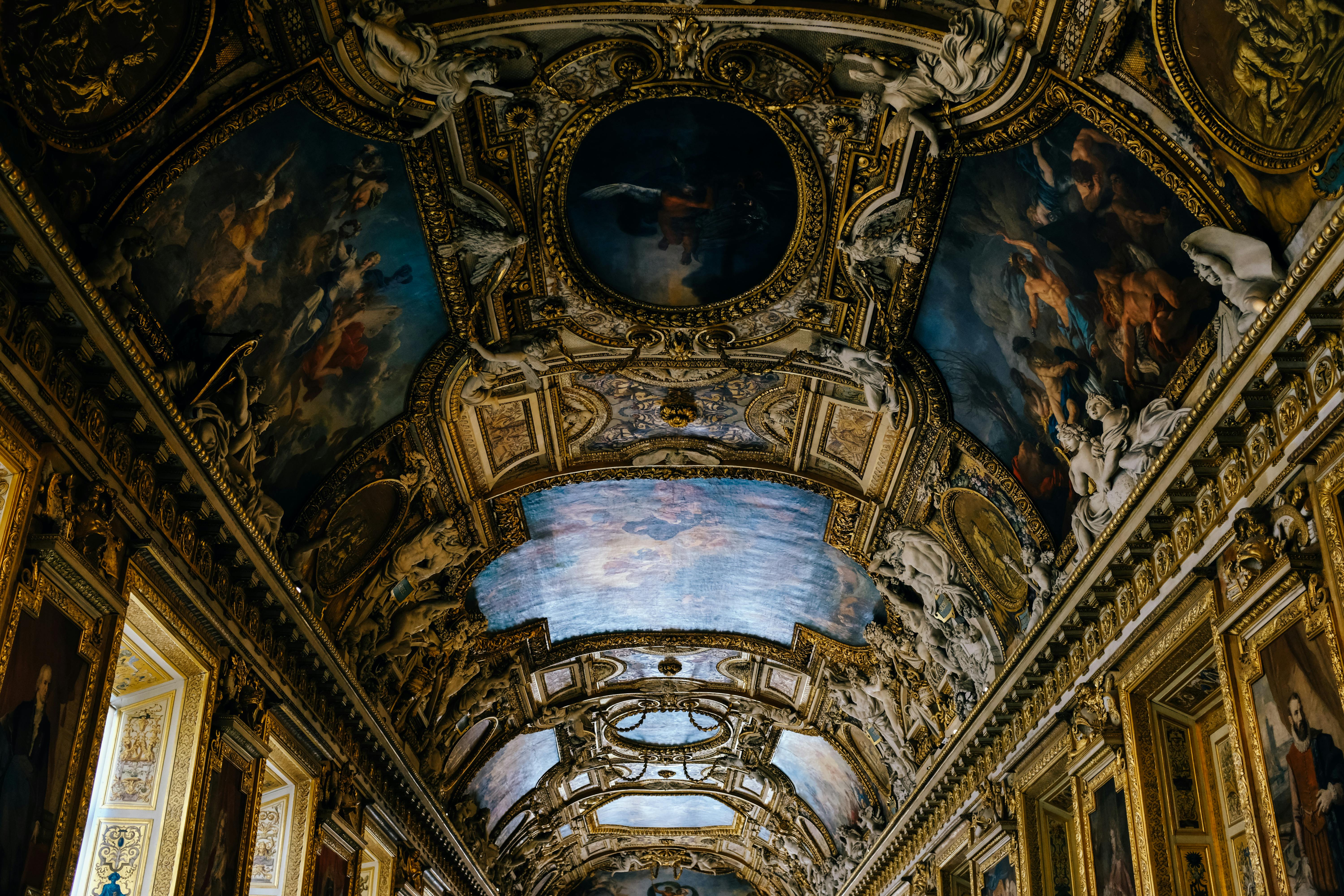
Imagine the late 17th century: art is all about impressing, about showcasing divine power and royal authority. The Baroque era was booming with its monumental scale, intense drama, and profound, often weighty, themes. Think dramatic contrasts, deep colors, and art that demanded your awe. But as the 18th century dawned, especially in France, the mood shifted. The absolute monarchy's grip loosened a bit, and the aristocracy, no longer confined to the stiff formality of Versailles, started craving something lighter, more intimate, and certainly more comfortable for their private salons and homes.
This shift was not just about aesthetics; it was about power. The aristocracy wanted art that reflected their values and lifestyles, not just the grandeur of the monarchy. They wanted spaces that were luxurious but also inviting, where they could entertain, converse, and enjoy life's pleasures.
This is where Rococo steps in, almost like a charming rebel. It's a direct counterpoint to Baroque's gravitas, seeking instead to delight and entertain. I often visualize it as a grand, formal dinner party (Baroque) giving way to a more intimate, candlelit soirée filled with sparkling conversation and a touch of flirtation (Rococo).
This is where Rococo steps in, almost like a charming rebel. It's a direct counterpoint to Baroque's gravitas, seeking instead to delight and entertain. I often visualize it as a grand, formal dinner party (Baroque) giving way to a more intimate, candlelit soirée filled with sparkling conversation and a touch of flirtation (Rococo). This table might help put it into perspective:

Rococo wasn't just a rebellion; it was a revolution in taste. It was about creating art that was not just seen but experienced, not just admired but lived in. It was a celebration of the senses, a feast for the eyes, and a balm for the soul.
Feature  | Rococo | |
|---|---|---|
| Era | Mid-17th to early 18th century | Early to late 18th century |
| Mood | Grand, dramatic, serious, awe-inspiring | Light, playful, intimate, elegant, whimsical |
| Themes | Religion, power, heroism, intense emotion | Love, nature, everyday life, mythology (light) |
| Colors | Deep, rich, contrasting (dark/light) | Pastel, soft, ethereal |
| Lines | Straight, strong diagonals, bold curves | Gentle curves, S-scrolls, C-scrolls, asymmetry |
| Audience | Church, Monarchy | Aristocracy, private patrons |
Key Characteristics of Rococo Art: More Than Just Frills
Rococo art is often dismissed as frivolous or overly decorative, but it's so much more than that. It's a style that embraces the beauty of the everyday, the joy of the moment, and the elegance of the ephemeral. It's about finding delight in the details and celebrating the art of living well.
Rococo art is often dismissed as frivolous or overly decorative, but it's so much more than that. It's a style that embraces the beauty of the everyday, the joy of the moment, and the elegance of the ephemeral. It's about finding delight in the details and celebrating the art of living well.
So, what defines this delightful departure? I like to think of Rococo as the whisper after the Baroque shout. It's subtle, it's charming, and it absolutely refuses to take itself too seriously. It's like finding a secret garden after wandering through a grand, formal maze.
Rococo is about the art of suggestion. It's about creating an atmosphere, a mood, a feeling. It's not just about what you see but how it makes you feel. It's about the interplay of light and shadow, the dance of color and form, and the harmony of line and curve.
1. The Reign of Whimsy and Light
One of the most striking features of Rococo art is its use of light. Unlike the dramatic contrasts of the Baroque, Rococo embraces a softer, more diffused light that creates an atmosphere of warmth and intimacy. It's like stepping into a sunlit garden on a spring morning, where everything is bathed in a gentle, golden glow.
Gone are the heavy, imposing forms. Rococo embraces lightness. We're talking delicate lines, ethereal pastels – think sky blues, rose pinks, creamy whites. It’s like the entire art world decided to collectively inhale and then exhale a sigh of sophisticated relief. The palette itself aims to create a sense of airiness, joy, and often a romantic, dreamlike quality.
This use of light and color is not just about aesthetics; it's about emotion. It's about creating a sense of calm, of serenity, of joy. It's about inviting the viewer into a world of beauty and delight, where every detail is a celebration of life's pleasures.
2. Ornamentation as a Language: The Rocaille Motif
Ornamentation is at the heart of Rococo art. It's not just about decoration; it's about communication. Every curve, every scroll, every shell-like motif tells a story. It's a language of elegance and grace, a dance of line and form that speaks to the soul.
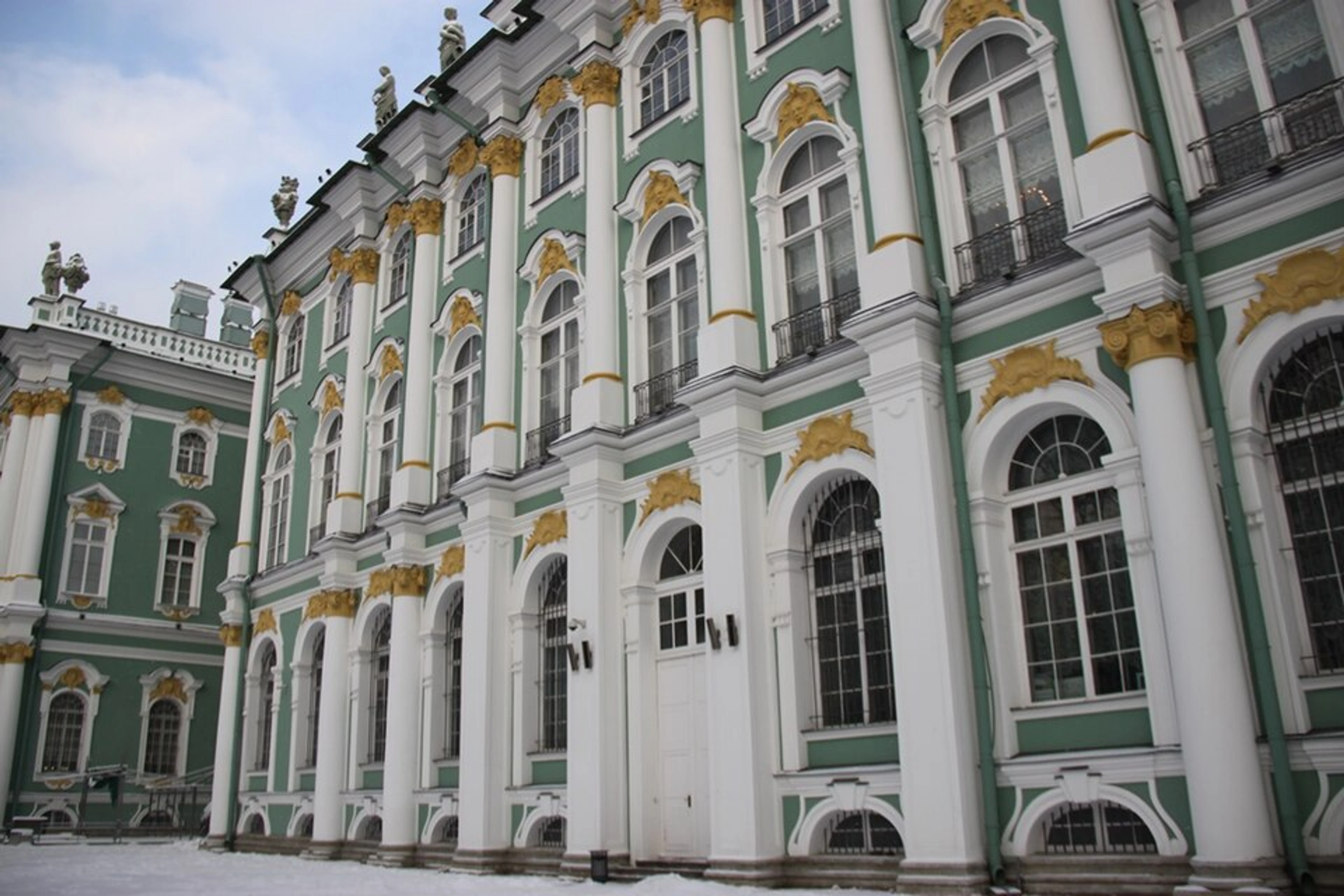
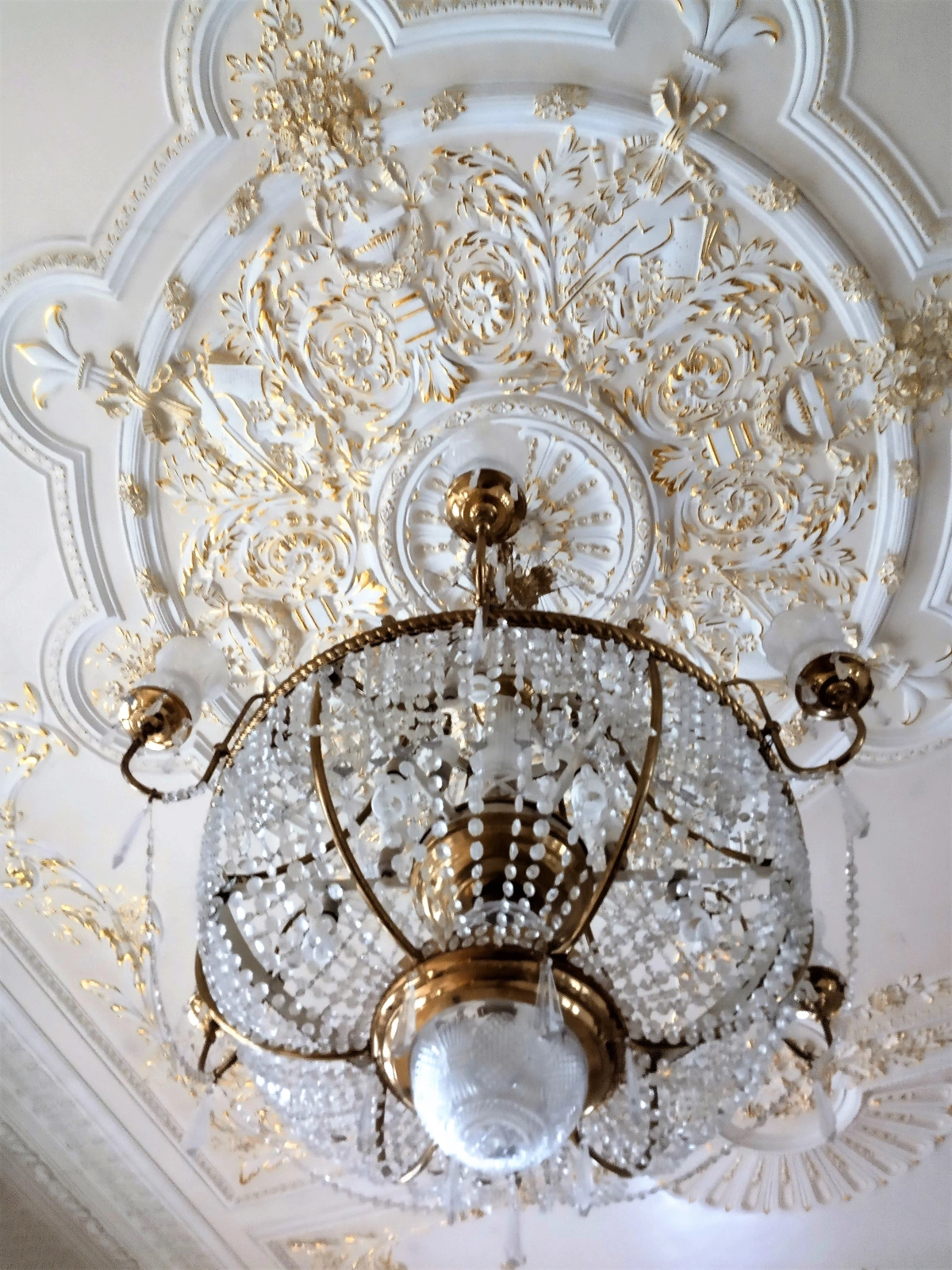
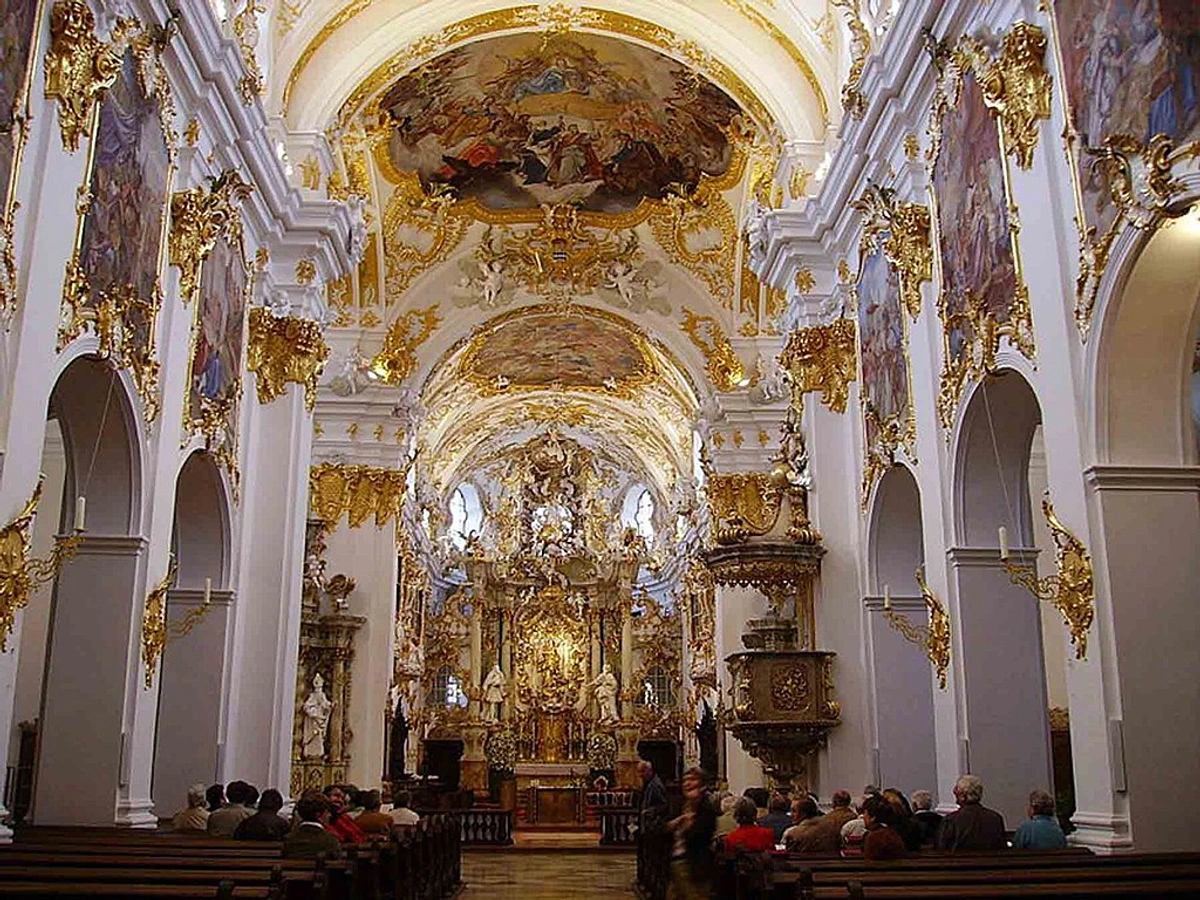
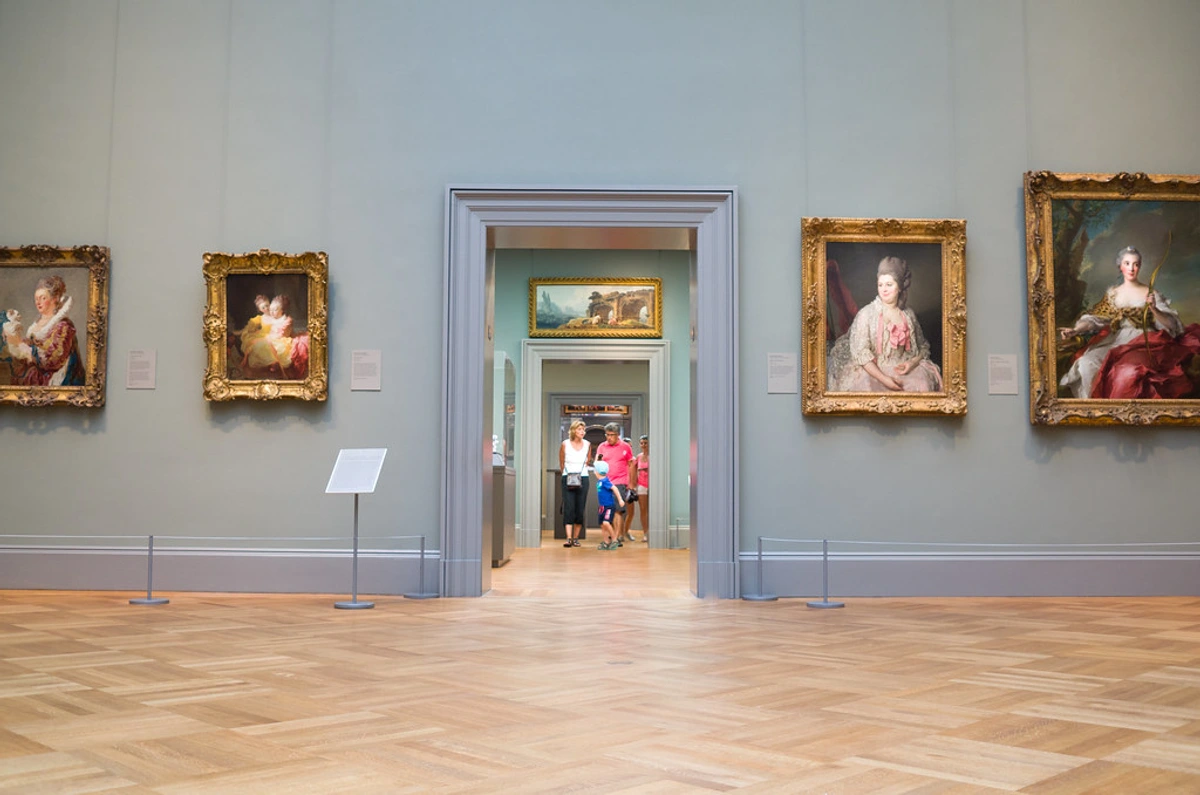
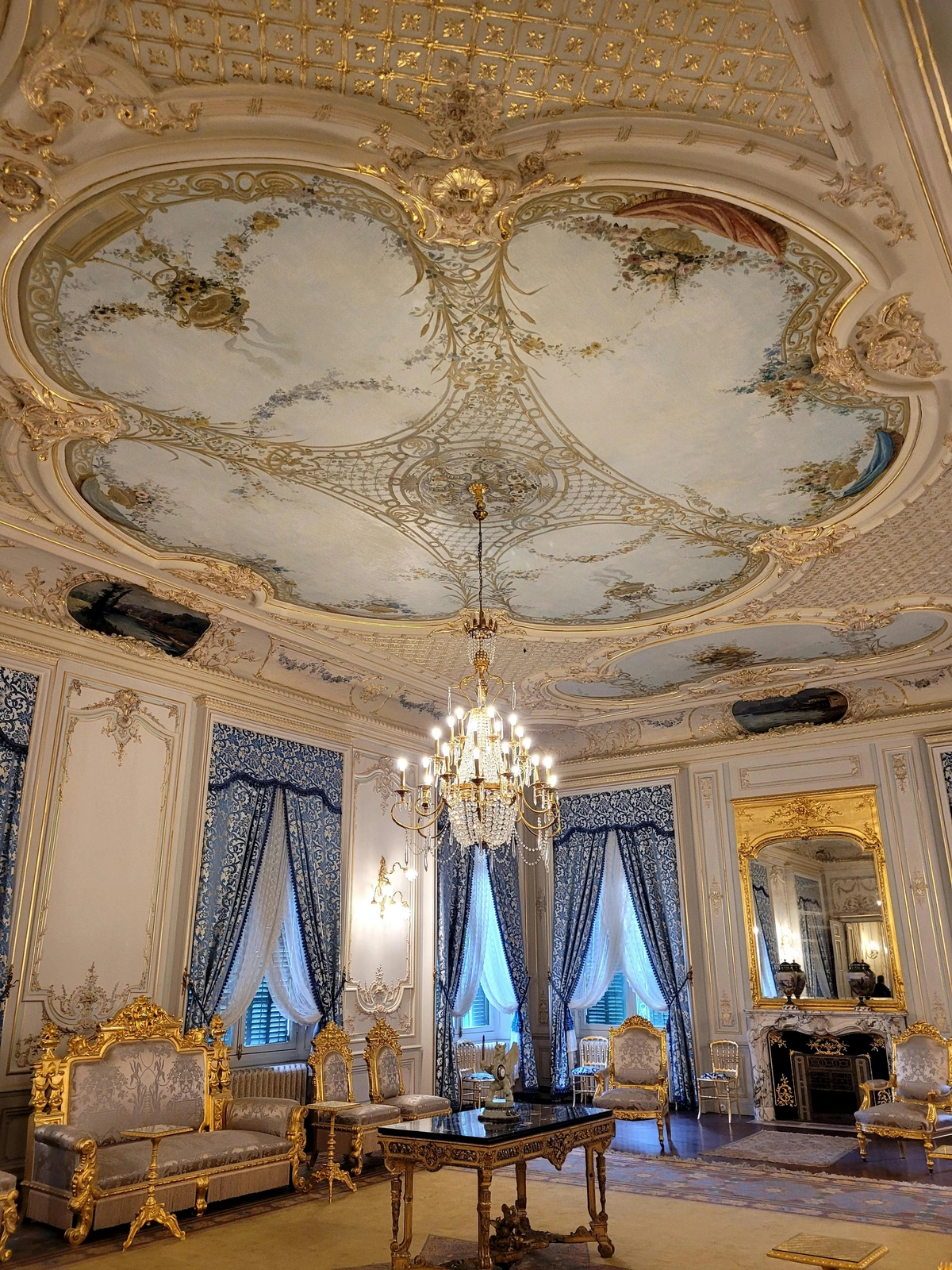
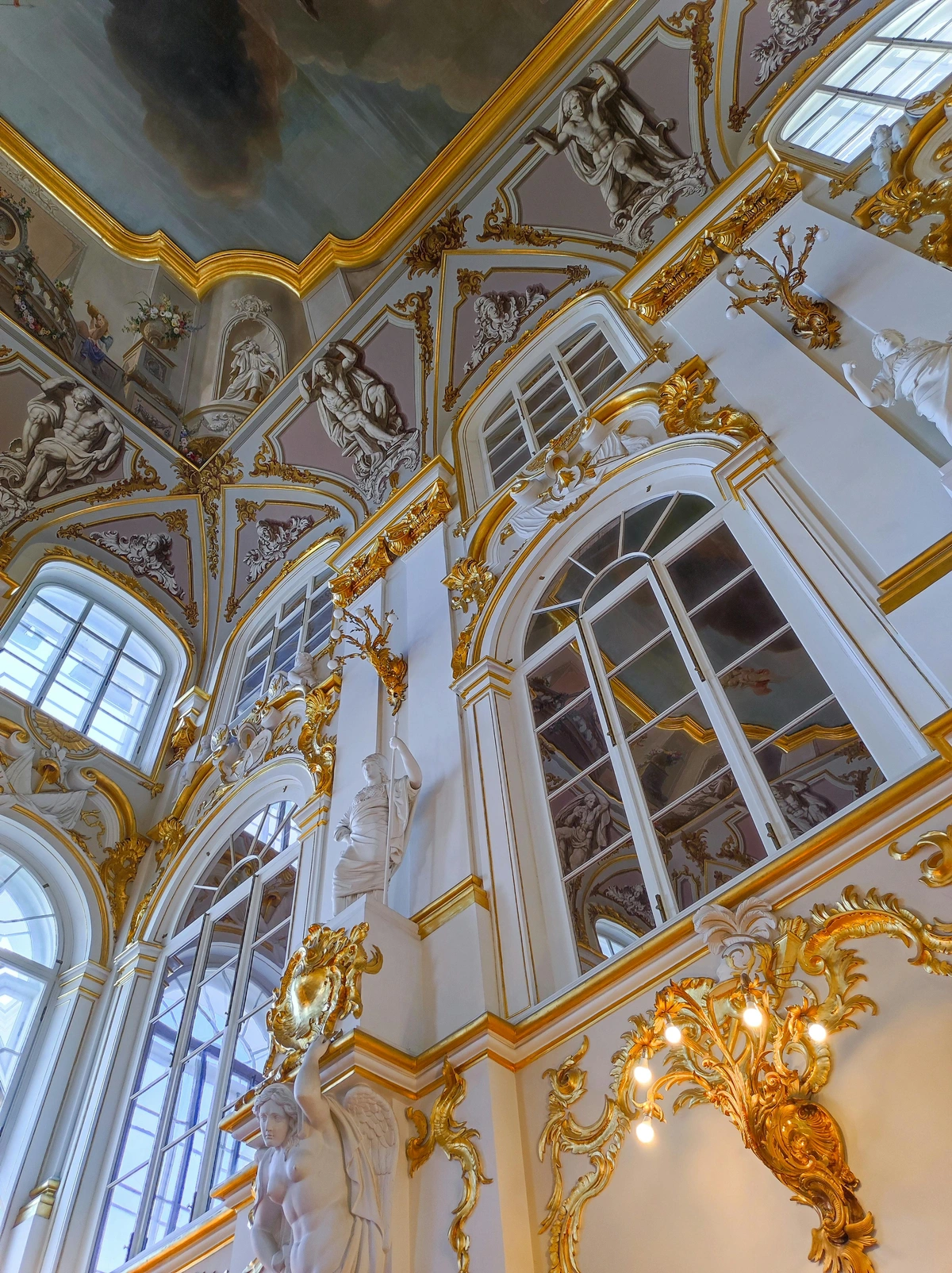
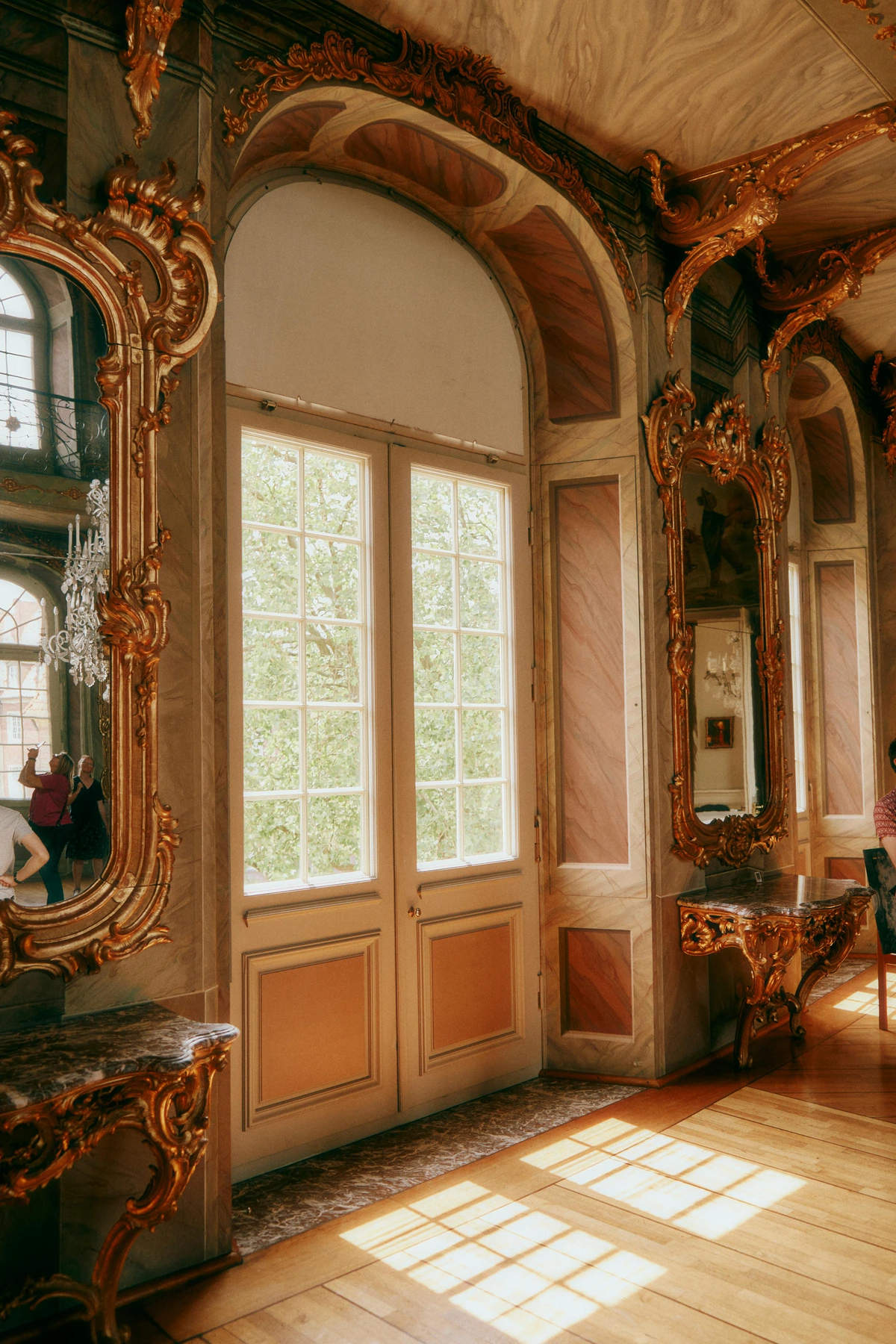
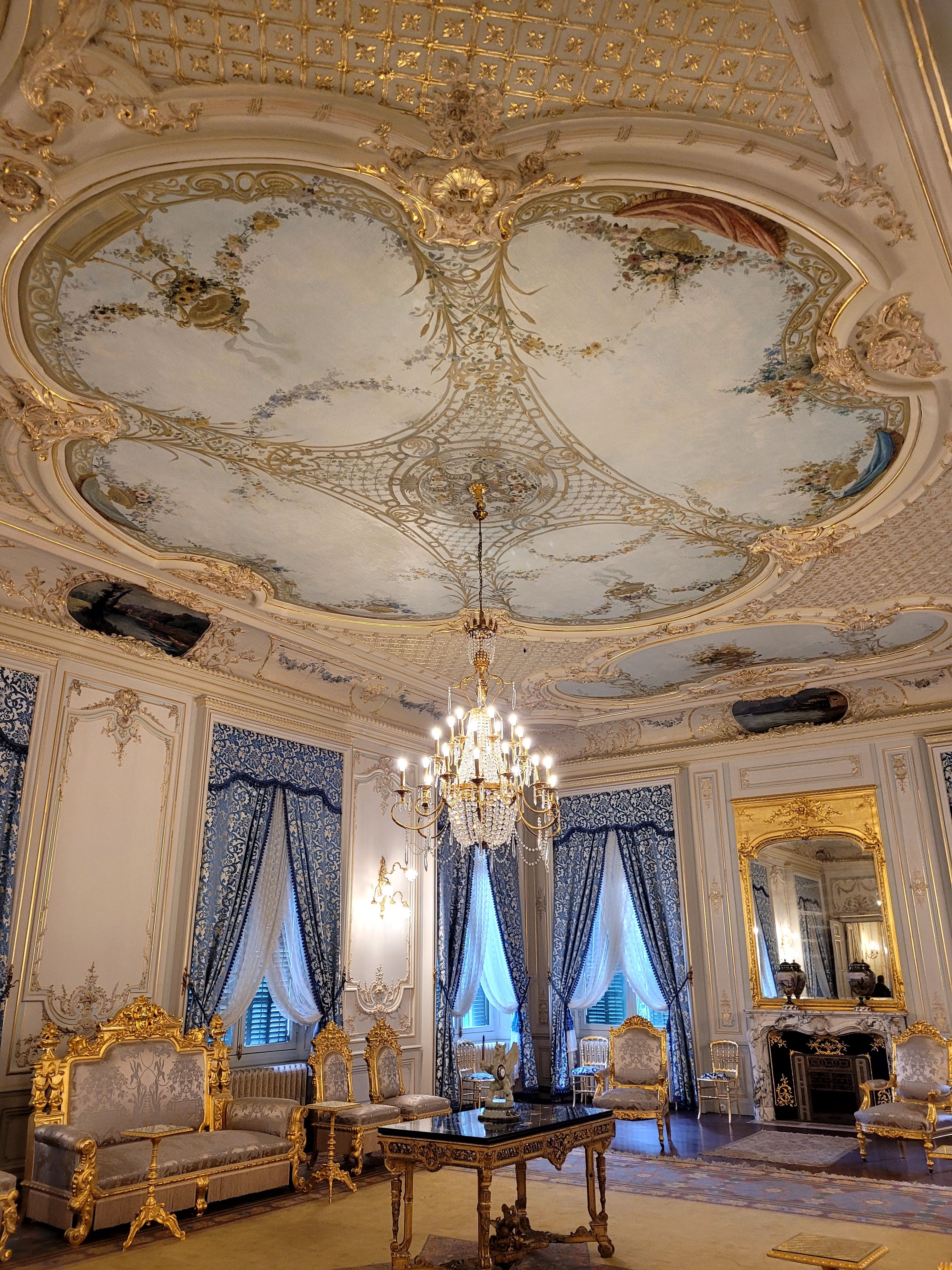
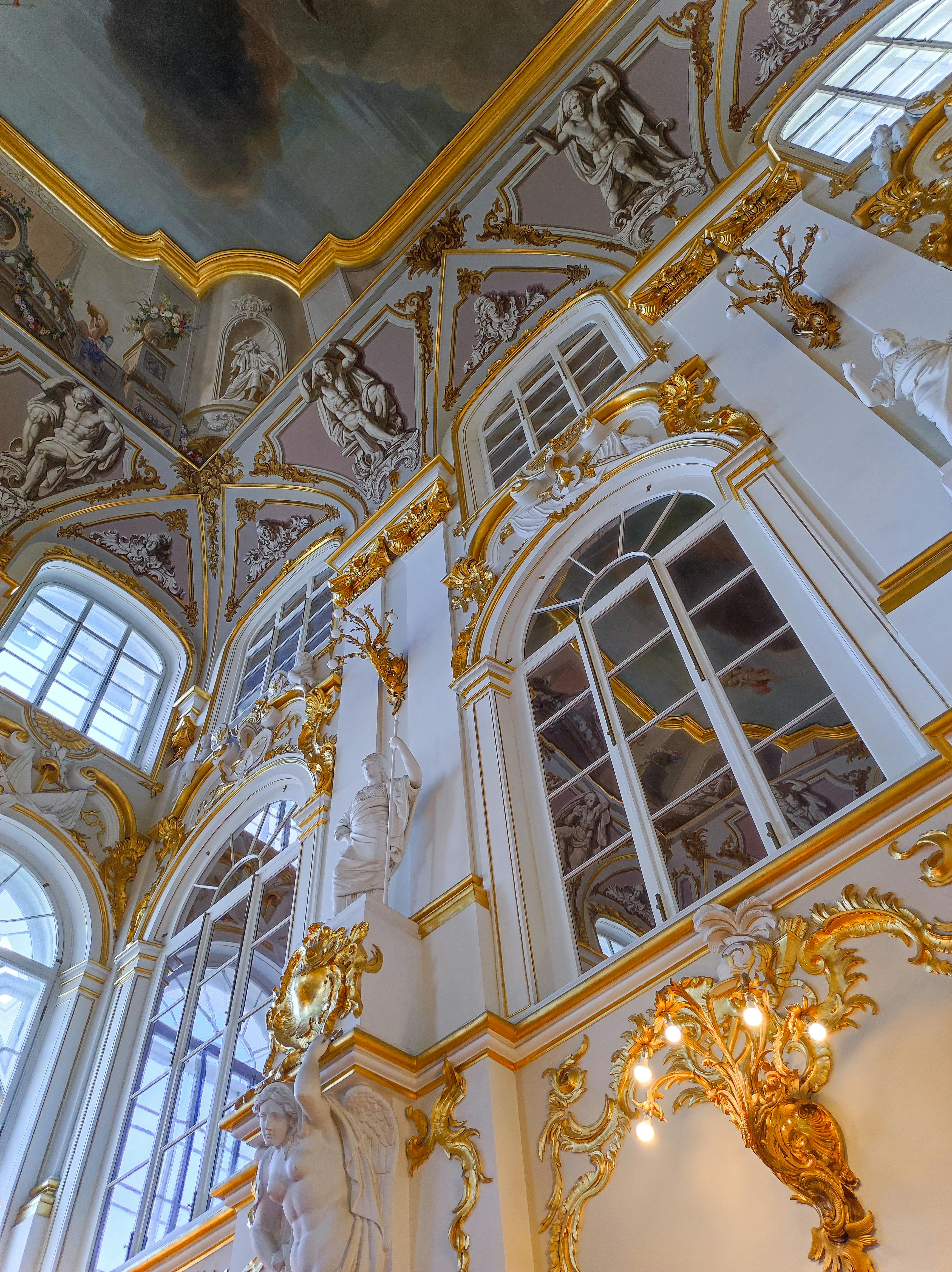
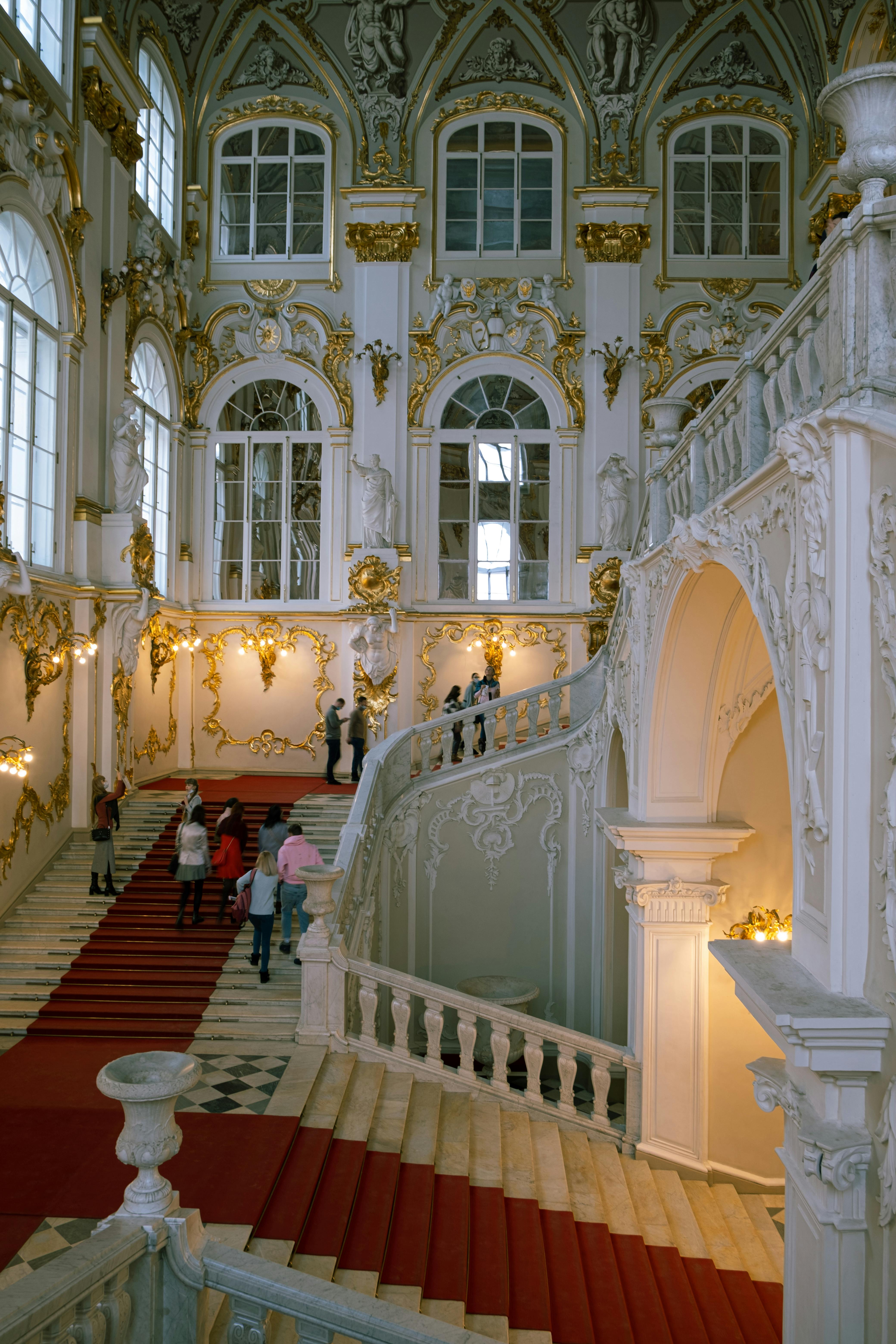
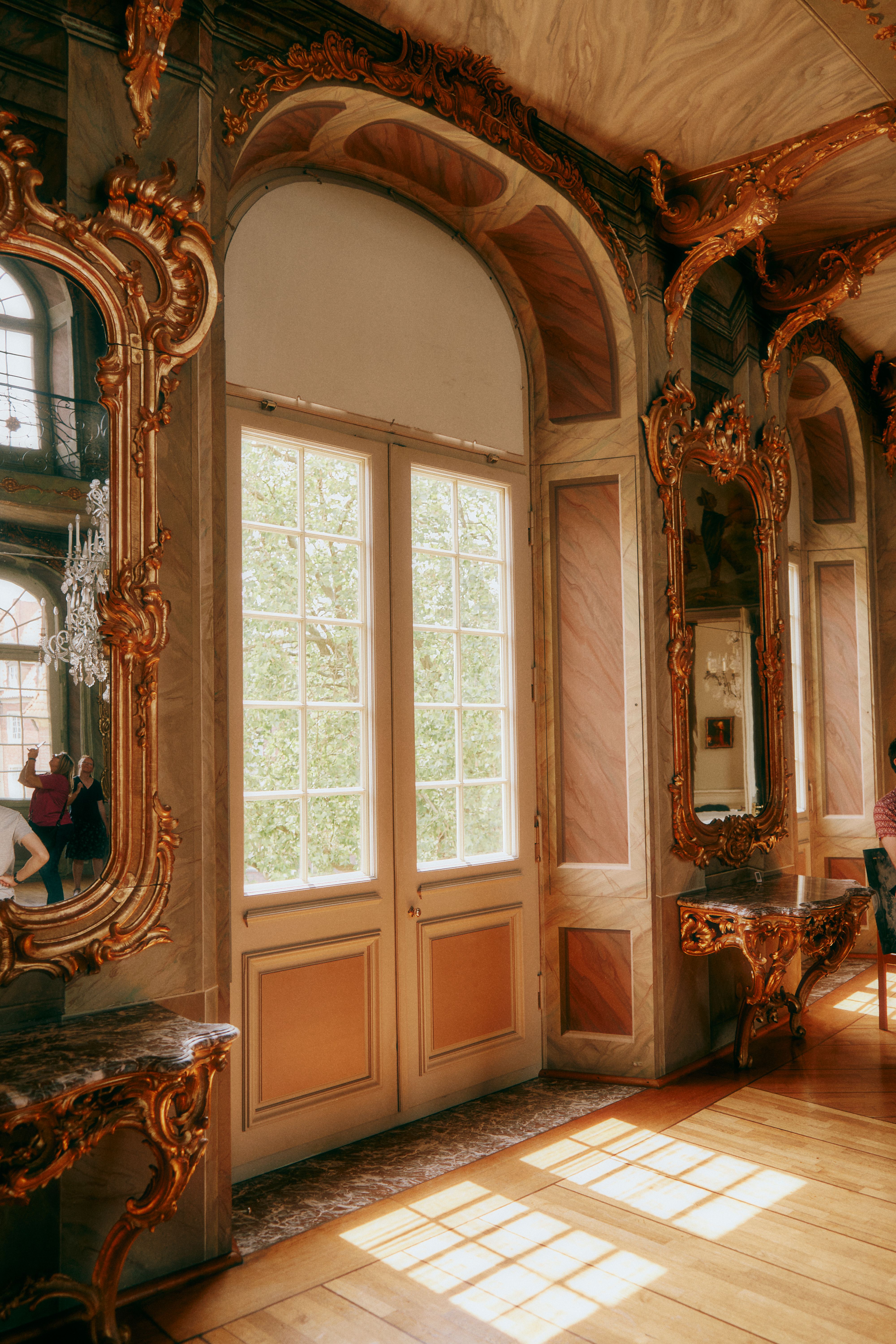
Oh, the ornamentation! This is where Rococo truly sings. Curvilinear forms dominate – those elegant S-scrolls, C-scrolls, and the iconic rocaille (shell-like) motifs. Everything flows, nothing is rigid. It's a dance of lines and forms, often asymmetrical, creating a sense of dynamic elegance. You'll see natural forms, shell work, plants, and flowing water motifs intricately woven into wall panels, furniture, and decorative objects. It's a rejection of rigid classical geometry in favor of organic, playful movement. It truly is art from ceiling to floor.
This ornamentation is not just about beauty; it's about meaning. It's about creating a sense of harmony, of balance, of unity. It's about inviting the viewer into a world of elegance and grace, where every detail is a celebration of life's pleasures.
3. Intimacy Over Grandeur
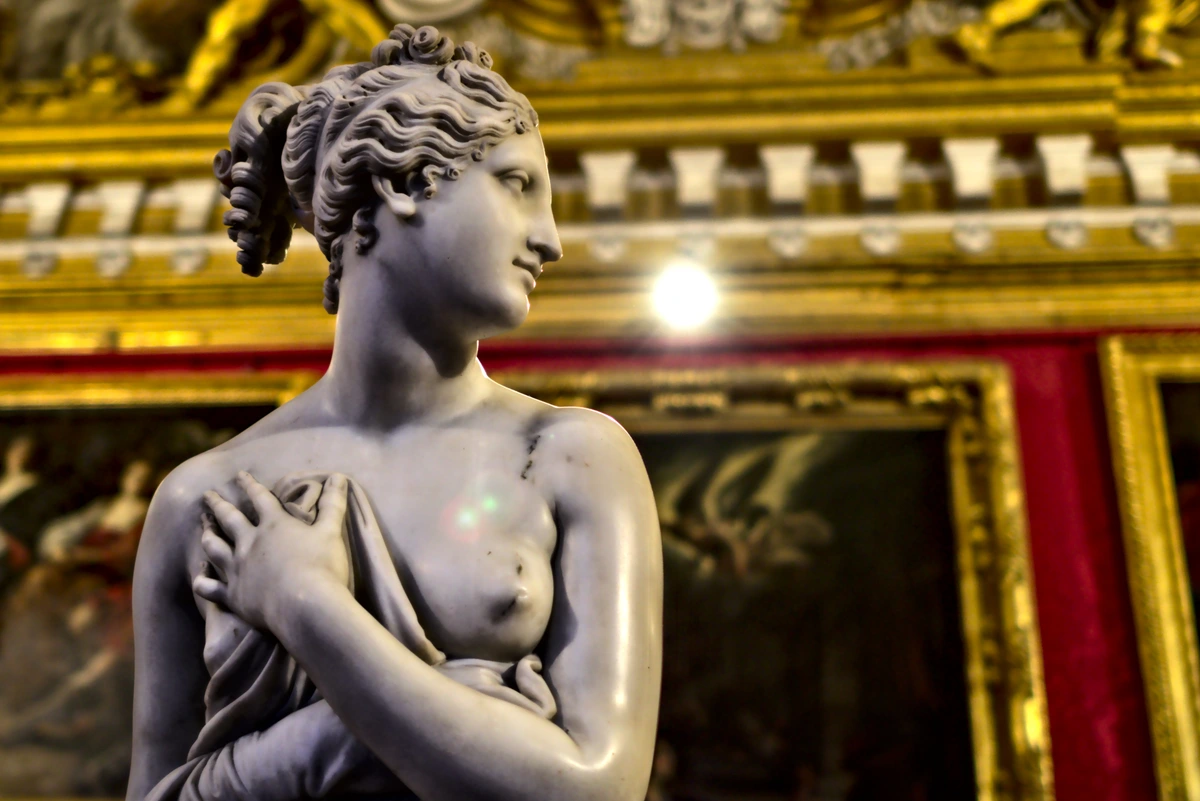
Rococo art is about intimacy. It's about creating spaces that are not just beautiful but also inviting, where people can gather, converse, and enjoy life's pleasures. It's about the art of living well, of finding joy in the everyday, and of celebrating the beauty of the moment.
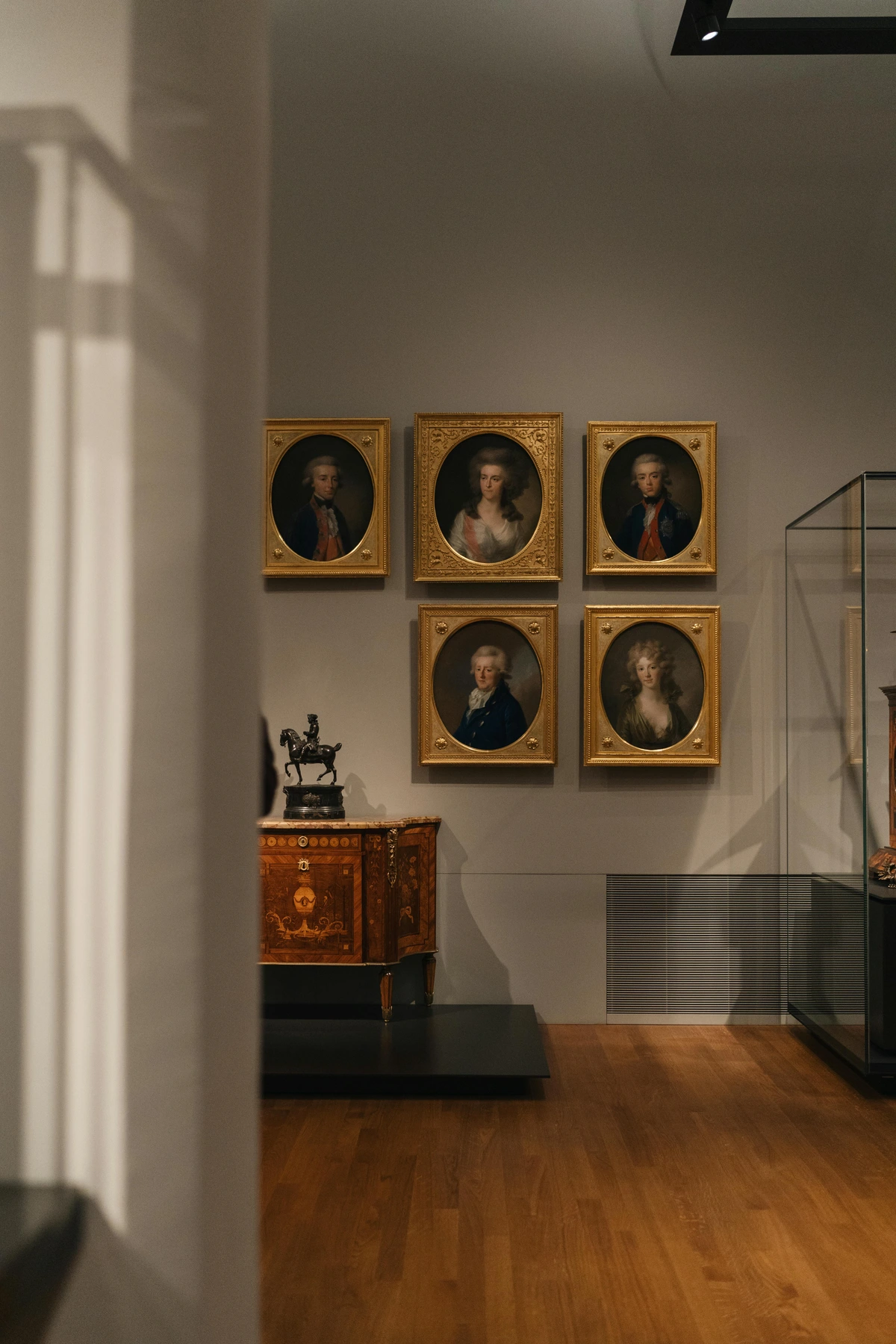
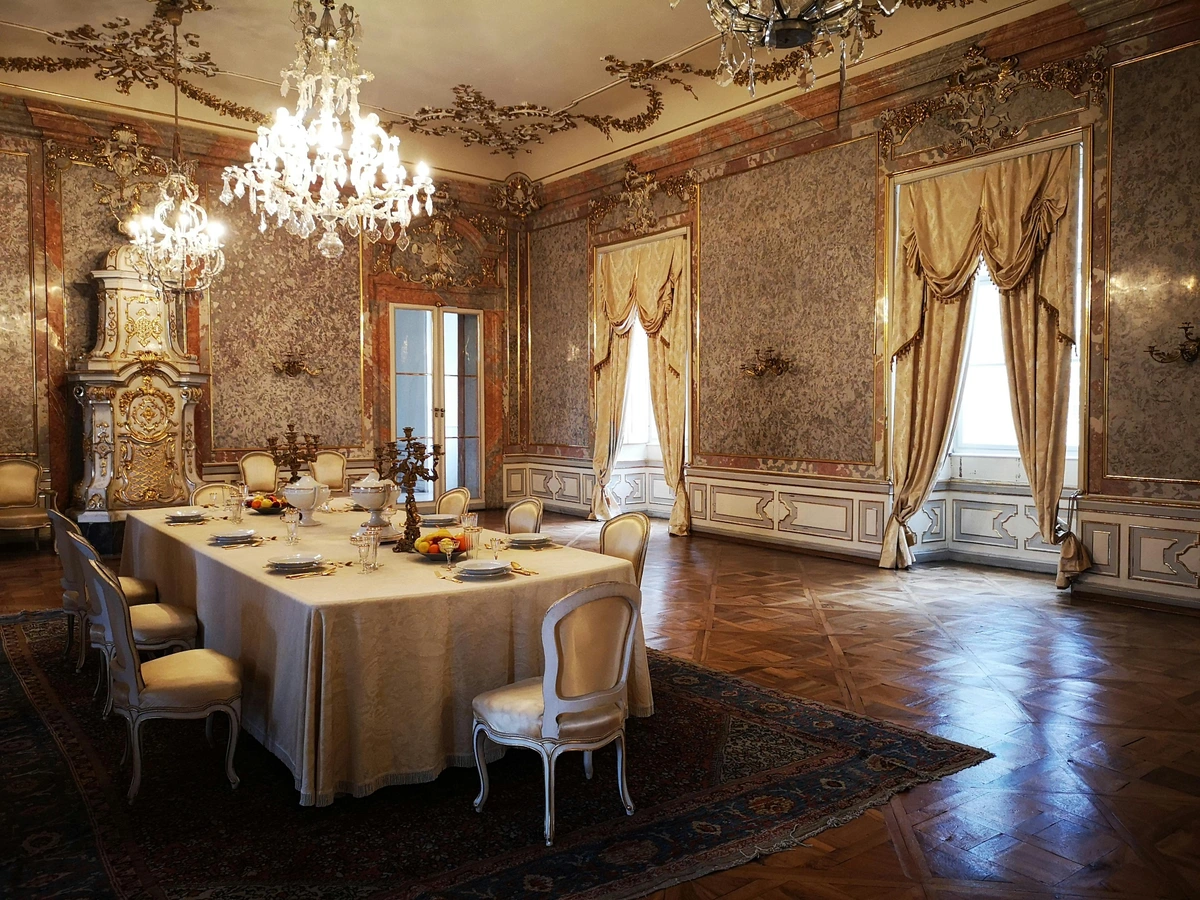
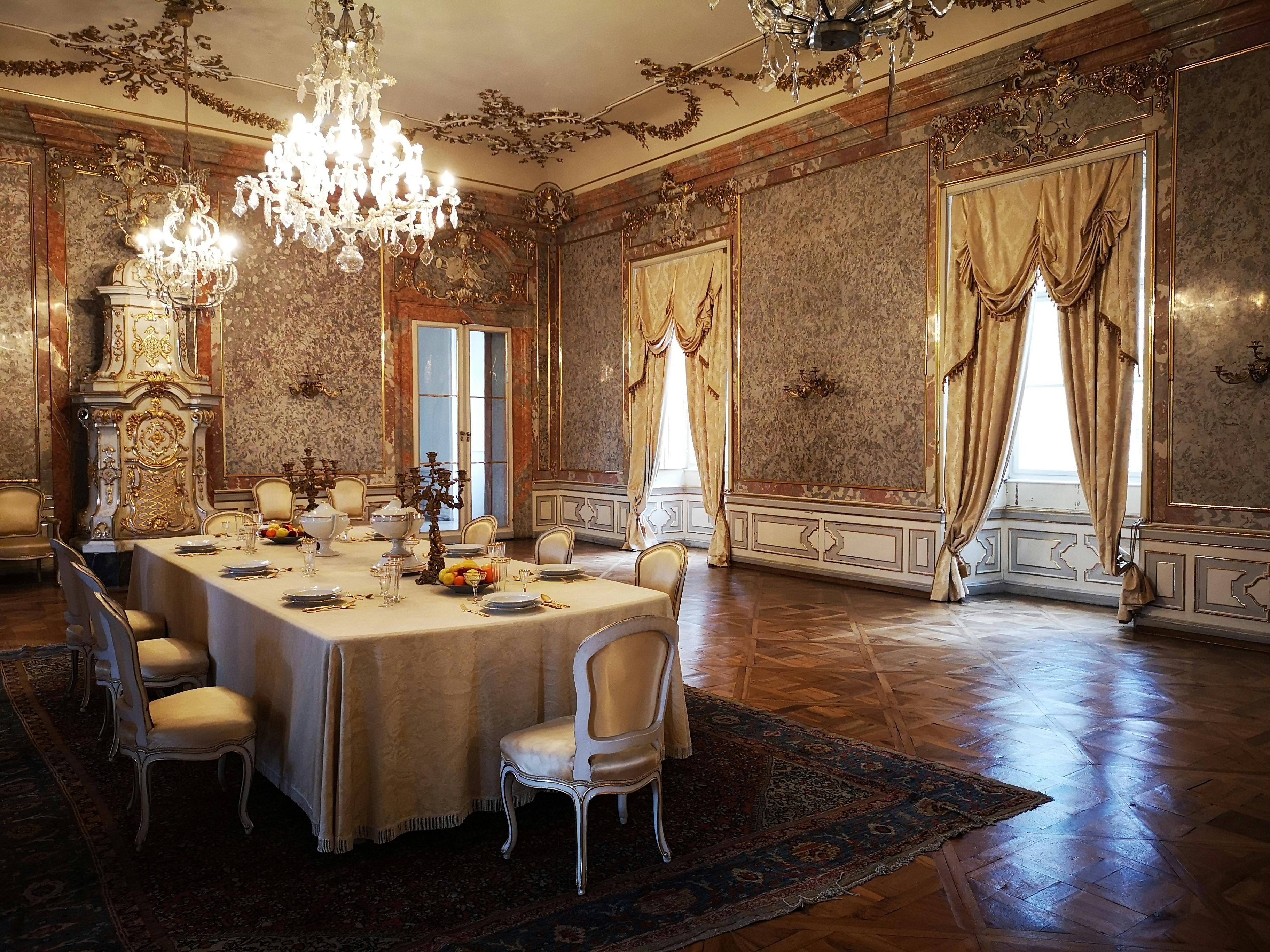
While Baroque filled vast cathedrals, Rococo nestled into smaller, more intimate salons. It was about creating a luxurious, comfortable experience for the aristocracy, a backdrop for polite conversation, flirtation, and intellectual musings. Imagine hosting a party in a room like this – the conversation just has to be sparkling, doesn't it? The focus shifted from public displays of power to private enjoyment and domestic bliss, albeit a very opulent kind of bliss.
This intimacy is not just about space; it's about connection. It's about creating a sense of community, of belonging, of shared experience. It's about inviting the viewer into a world of beauty and delight, where every detail is a celebration of life's pleasures.
4. Themes of Love, Play, and Mythology with a Wink
Rococo art is about love, play, and mythology. It's about celebrating the joy of life, the beauty of the moment, and the elegance of the ephemeral. It's about finding delight in the details and celebrating the art of living well.
Rococo artists reveled in themes that were far removed from Baroque's religious intensity or epic battles. Instead, they painted scenes of aristocratic courtship, pastoral picnics (fêtes galantes), and mythological stories infused with a lighthearted, often sensual, touch. Cupid became less a symbol of divine love and more of a mischievous matchmaker.
These themes are not just about beauty; they're about meaning. They're about creating a sense of joy, of delight, of celebration. They're about inviting the viewer into a world of elegance and grace, where every detail is a celebration of life's pleasures.
Who Were the Players? Notable Rococo Artists
The artists of the Rococo era were masters of elegance and grace. They were innovators, rebels, and visionaries who transformed the art world with their unique styles and perspectives. Their works continue to inspire and delight, reminding us of the beauty of the moment and the joy of living well.
But who were the maestros behind this shift? The people who decided that art should be less about divine majesty and more about human delight? My personal favorites are the ones who truly mastered that delicate balance between elegance and playful abandon.
- Antoine Watteau (1684–1721): He practically invented the fête galante – those enchanting scenes of aristocratic gatherings in idyllic parklands, full of romance and a touch of melancholy. It's like a perfectly staged dream, isn't it? His works often carry an air of wistful elegance.
- François Boucher (1703–1770): Oh, Boucher! If you want mythology with a cheeky wink, he's your guy. His goddesses and cherubs are less about epic sagas and more about sensual, playful moments. I always get a sense of mischief from his work, alongside an undeniable mastery of color and form.
- Jean-Honoré Fragonard (1732–1806): And then there's Fragonard, the master of clandestine encounters and joyful abandon. His most famous works, like 'The Swing,' capture that fleeting, exuberant energy – a swing in full flight, a secret glance. It’s impossible not to smile when you see them; they perfectly embody the Rococo spirit of lightheartedness and romance.
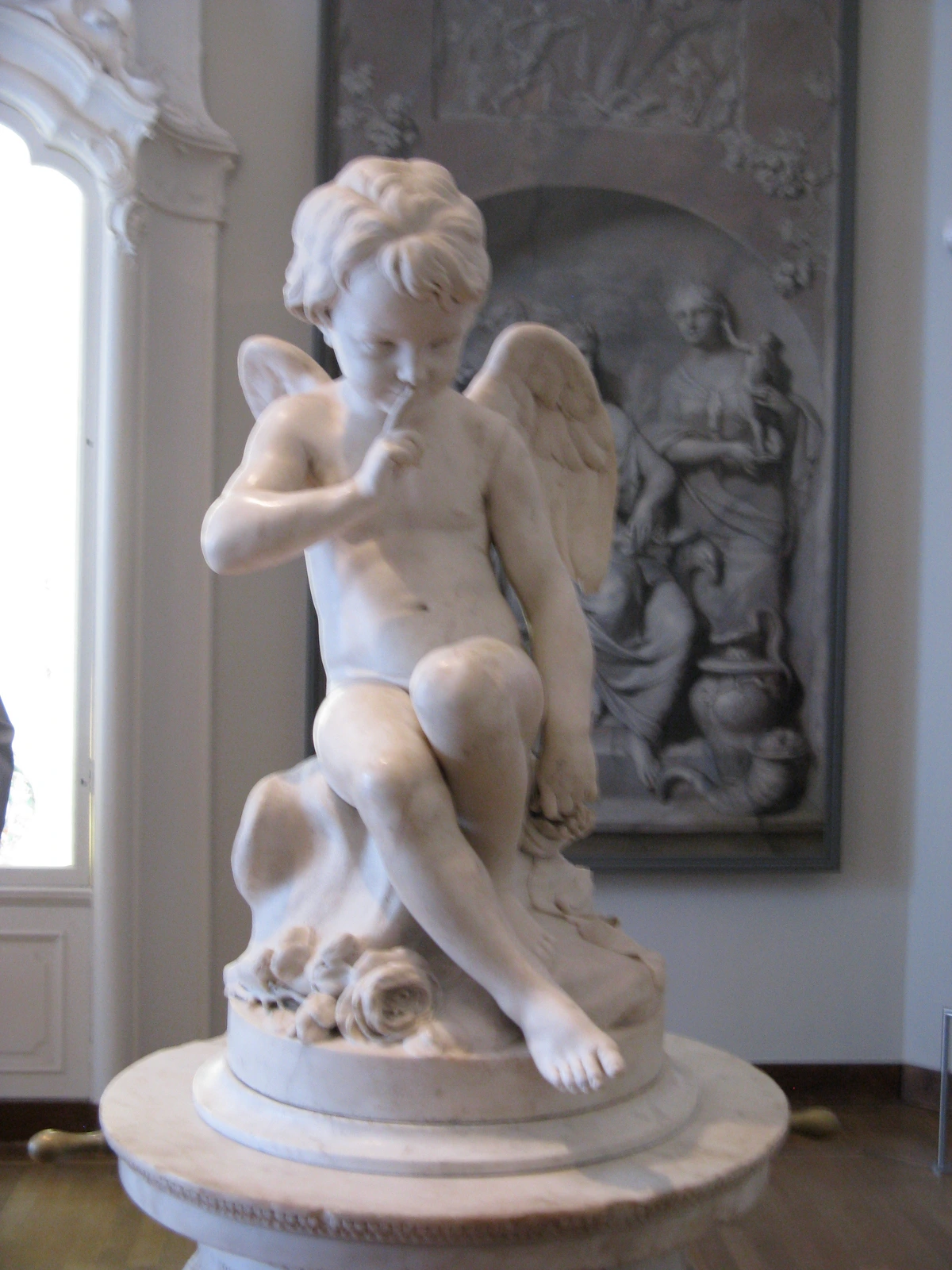
- Étienne Maurice Falconet (1716–1791): Falconet was a master sculptor whose works captured the elegance and grace of the Rococo era. His sculptures, like 'Cupid,' are a celebration of beauty and delight, inviting the viewer into a world of elegance and grace.
- Jean-Baptiste-Siméon Chardin (1699–1779): Chardin's still-life paintings and genre scenes are a testament to the beauty of everyday life. His works, though quieter than those of his contemporaries, capture the essence of Rococo's intimacy and elegance.
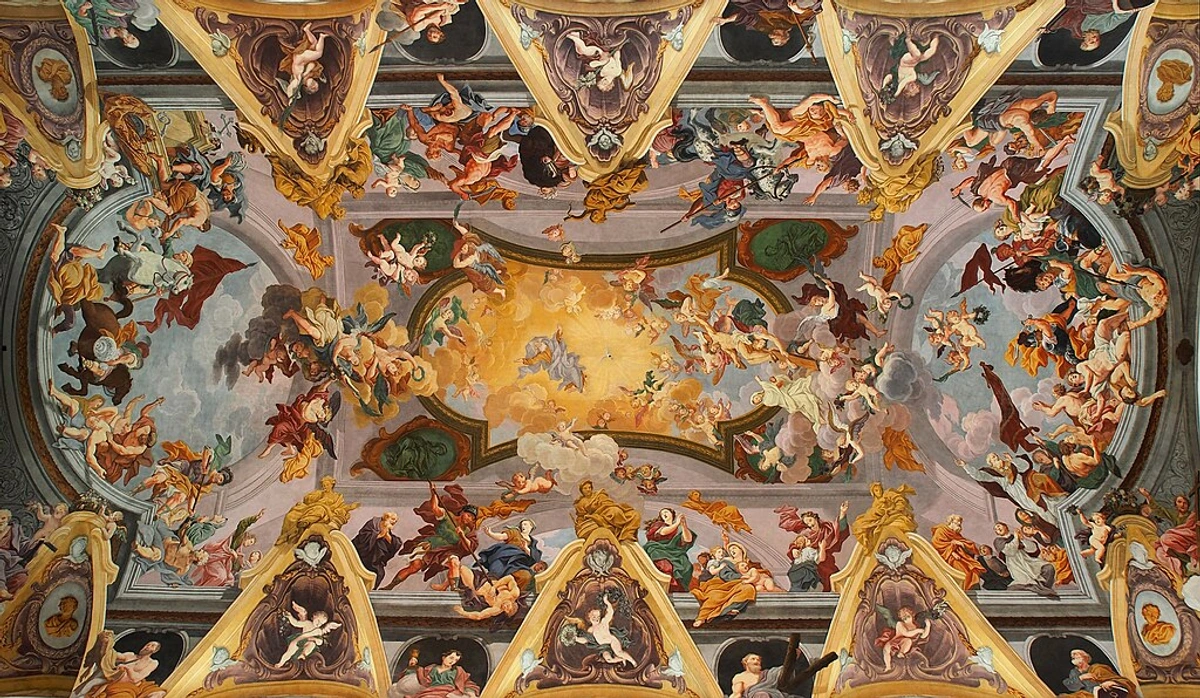
- Giovanni Battista Tiepolo (1696–1770): Tiepolo's frescoes and paintings are known for their vibrant colors and dynamic compositions. His works often depict mythological and religious scenes with a lightness and grace that are quintessentially Rococo.
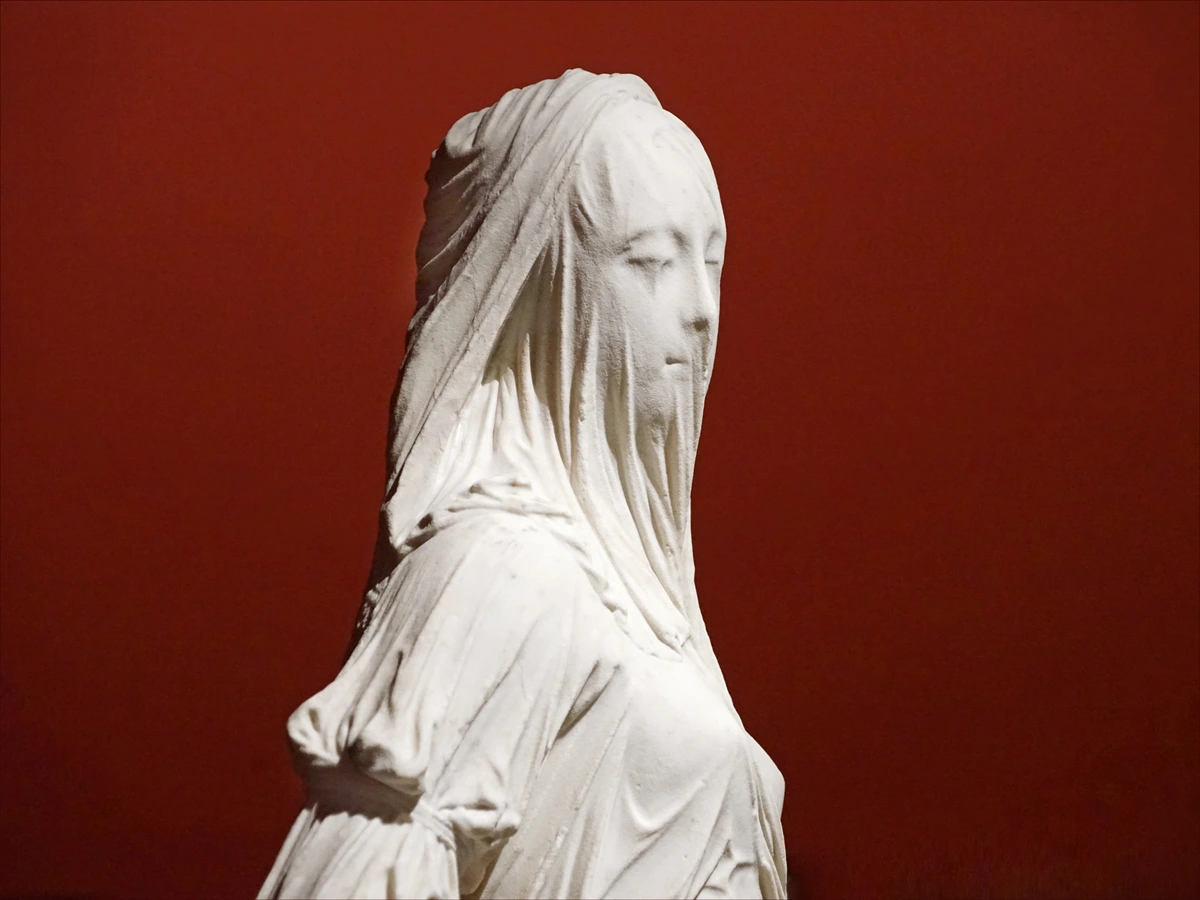
And let's not forget the sculptors. Someone like Étienne Maurice Falconet, whose 'Cupid' manages to be both classical and utterly Rococo in its playful intimacy. It's a charming piece that captures the era's spirit perfectly.
These artists were not just creators; they were storytellers. They used their art to tell stories of love, joy, and beauty, inviting the viewer into a world of elegance and grace. Their works continue to inspire and delight, reminding us of the beauty of the moment and the joy of living well.
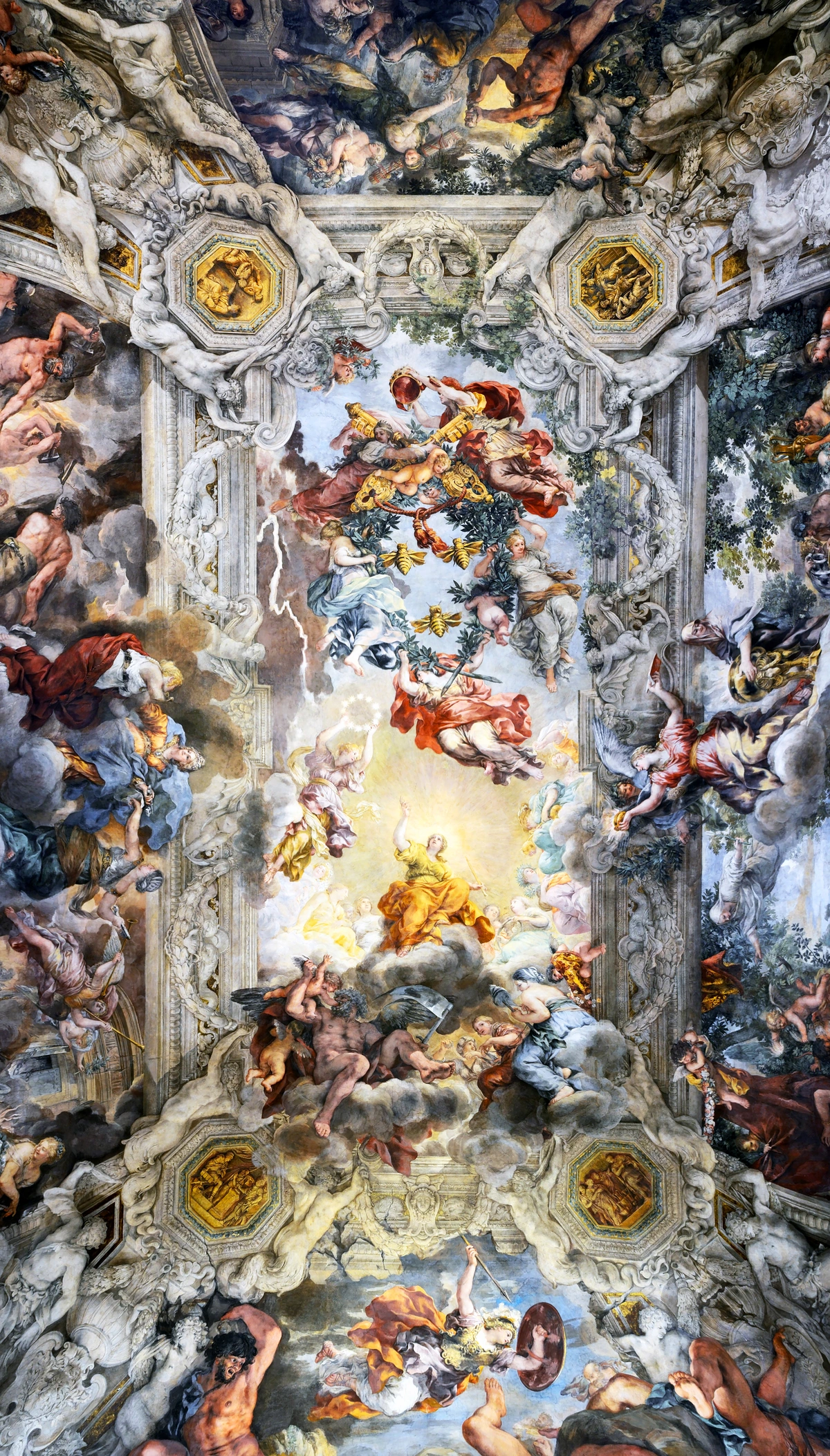
Where Did Rococo Flourish? Beyond France
Rococo art was not just a French phenomenon; it was a European sensation. It spread across the continent, influencing artists and patrons alike. From the grand palaces of Germany to the intimate salons of Italy, Rococo left its mark, transforming the art world with its unique blend of elegance and grace.
While undeniably French in origin, Rococo wasn't content to stay put. It packed its bags (probably a very ornate, silk-lined suitcase) and traveled across Europe, finding enthusiastic admirers in different courts and countries.
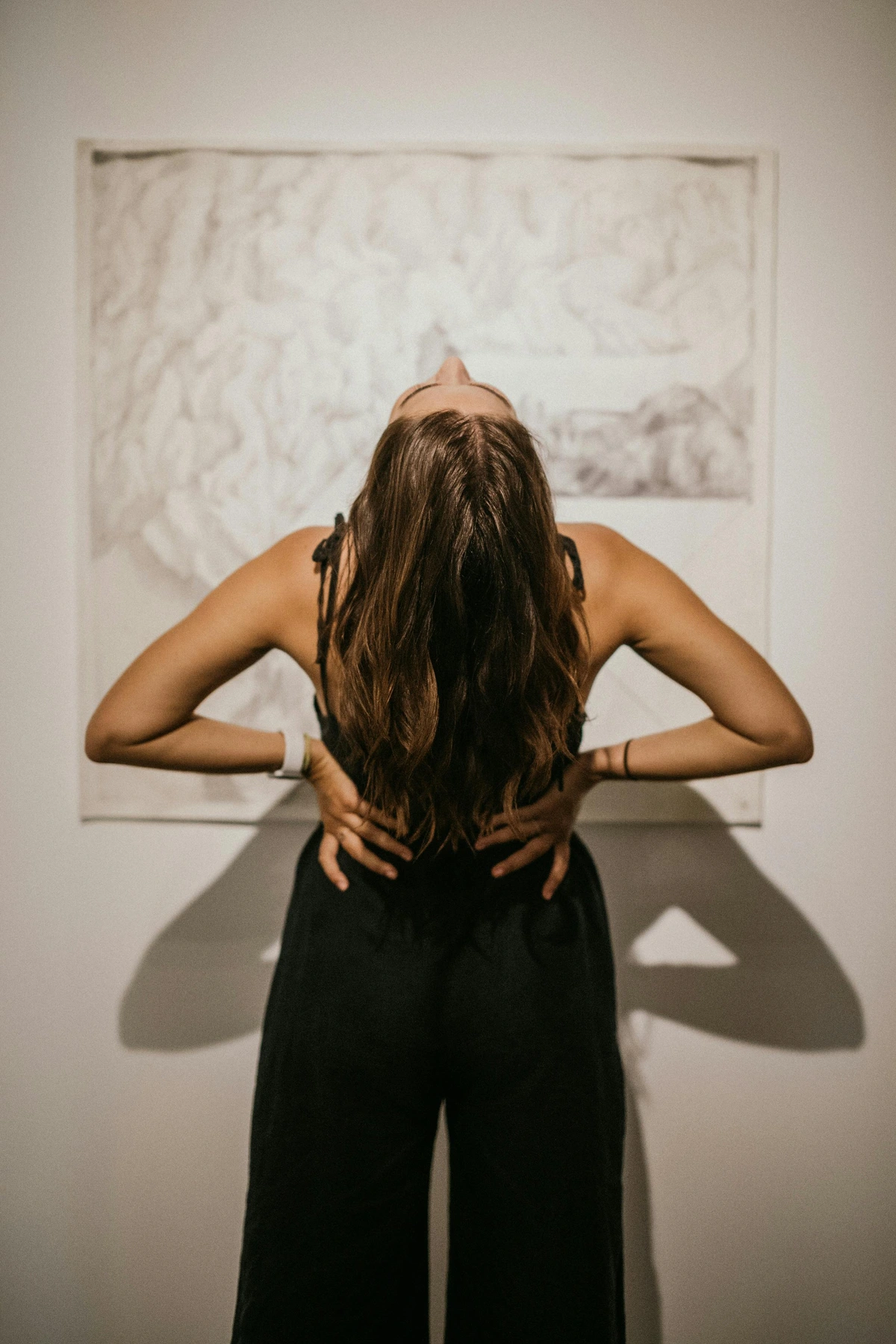
Rococo art was not just a French phenomenon; it was a European sensation. It spread across the continent, influencing artists and patrons alike. From the grand palaces of Germany to the intimate salons of Italy, Rococo left its mark, transforming the art world with its unique blend of elegance and grace.
While undeniably French in origin, Rococo wasn't content to stay put. It packed its bags (probably a very ornate, silk-lined suitcase) and traveled across Europe, finding enthusiastic admirers in different courts and countries.

This spread was not just about aesthetics; it was about culture. Rococo art became a symbol of the Enlightenment, a celebration of reason, individualism, and the pursuit of happiness. It was a style that spoke to the heart as much as it did to the eyes, transforming the art world with its unique blend of elegance and grace.

It found a particularly fervent reception in Germany and Austria, where it often merged with local Baroque traditions to create truly spectacular interiors. Think of the Würzburg Residence – a pure explosion of rocaille, fresco, and gilded splendor. It shows how Rococo could still embrace grandeur, but with its own signature lightness, making vast spaces feel incredibly elegant and welcoming, rather than overwhelming.
This fusion of styles was not just about aesthetics; it was about innovation. It was about creating something new, something unique, something that spoke to the heart as much as it did to the eyes. It was a celebration of the beauty of the moment and the joy of living well.
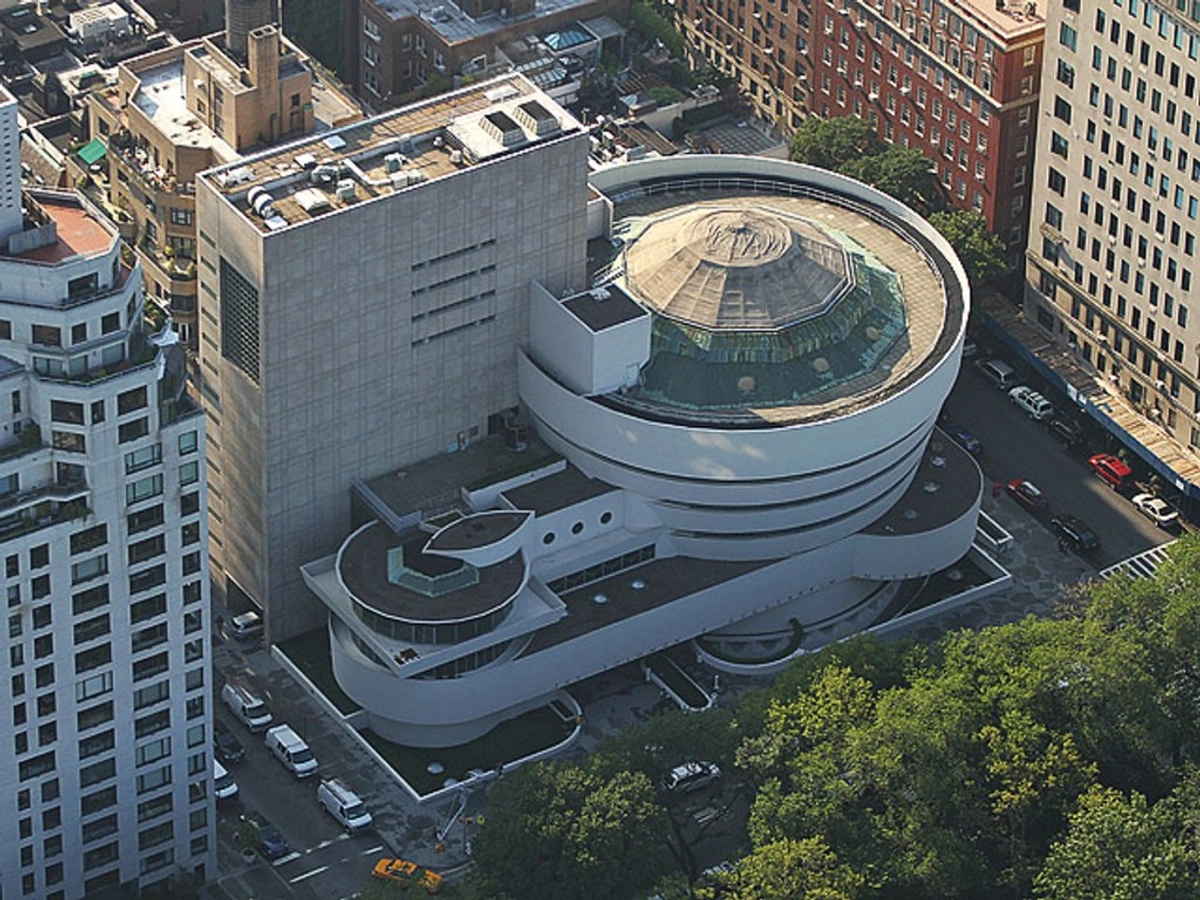
The Decline and the Rise of Neoclassicism
Like all great movements, Rococo eventually gave way to a new era. The late 18th century saw a shift in tastes, as people began to long for the purity and morality of classical antiquity. The Age of Enlightenment brought with it a desire for reason, order, and a return to perceived classical virtues. And just like that, the curtain began to rise on Neoclassicism, a style that was, shall we say, a little more buttoned-up, emphasizing clear lines, serious themes, and a sense of civic duty.
Like all good parties, the Rococo era eventually had to wind down. By the late 18th century, tastes began to shift dramatically. People started longing for the 'purity' and 'morality' of classical antiquity, weary of what some saw as Rococo's frivolous excesses. The Age of Enlightenment brought with it a desire for reason, order, and a return to perceived classical virtues. And just like that, the curtain began to rise on Neoclassicism, a style that was, shall we say, a little more buttoned-up, emphasizing clear lines, serious themes, and a sense of civic duty. If you're curious about that next chapter, you can find a comprehensive guide on the principles of Neoclassicism in art.
Like all great movements, Rococo eventually gave way to a new era. The late 18th century saw a shift in tastes, as people began to long for the purity and morality of classical antiquity. The Age of Enlightenment brought with it a desire for reason, order, and a return to perceived classical virtues. And just like that, the curtain began to rise on Neoclassicism, a style that was, shall we say, a little more buttoned-up, emphasizing clear lines, serious themes, and a sense of civic duty.
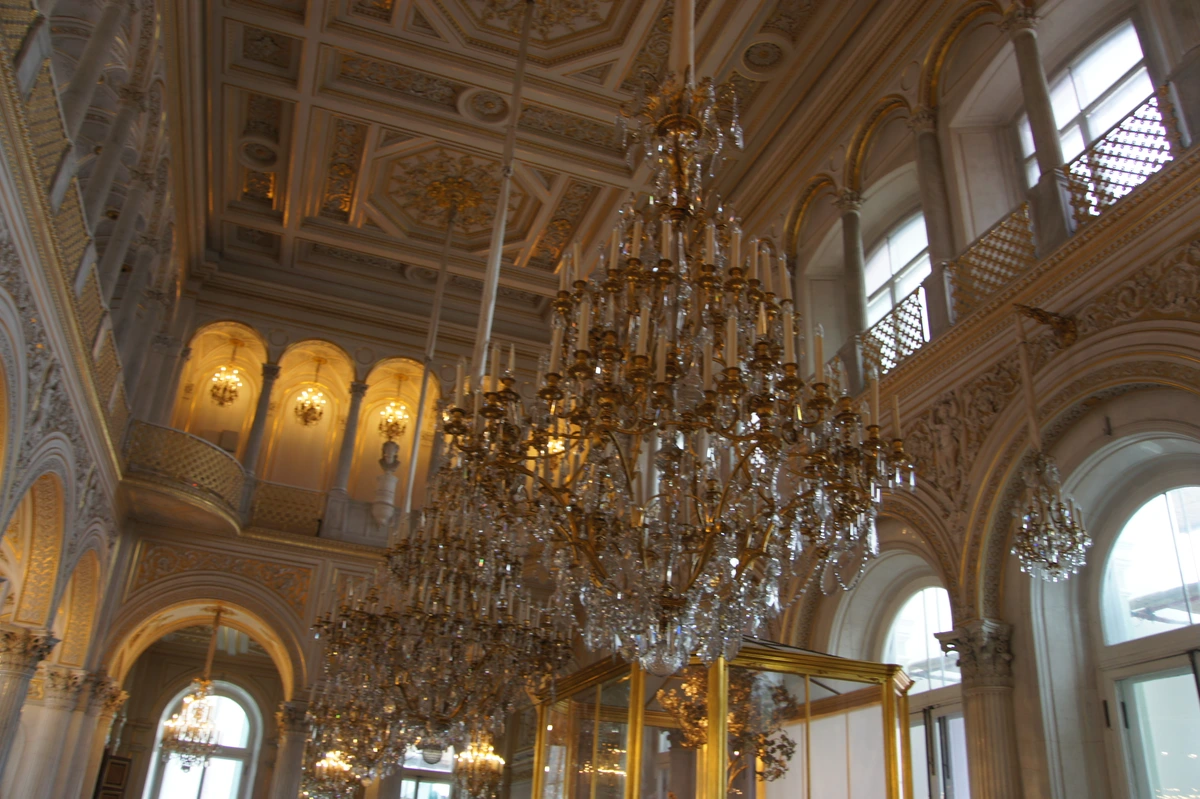
Like all good parties, the Rococo era eventually had to wind down. By the late 18th century, tastes began to shift dramatically. People started longing for the 'purity' and 'morality' of classical antiquity, weary of what some saw as Rococo's frivolous excesses. The Age of Enlightenment brought with it a desire for reason, order, and a return to perceived classical virtues. And just like that, the curtain began to rise on Neoclassicism, a style that was, shall we say, a little more buttoned-up, emphasizing clear lines, serious themes, and a sense of civic duty. If you're curious about that next chapter, you can find a comprehensive guide on the principles of Neoclassicism in art.
It's a familiar pattern, isn't it? One art movement reacting against the perceived excesses of its predecessor, much like Art Deco later brought a sleek modernity after the curves of Art Nouveau.
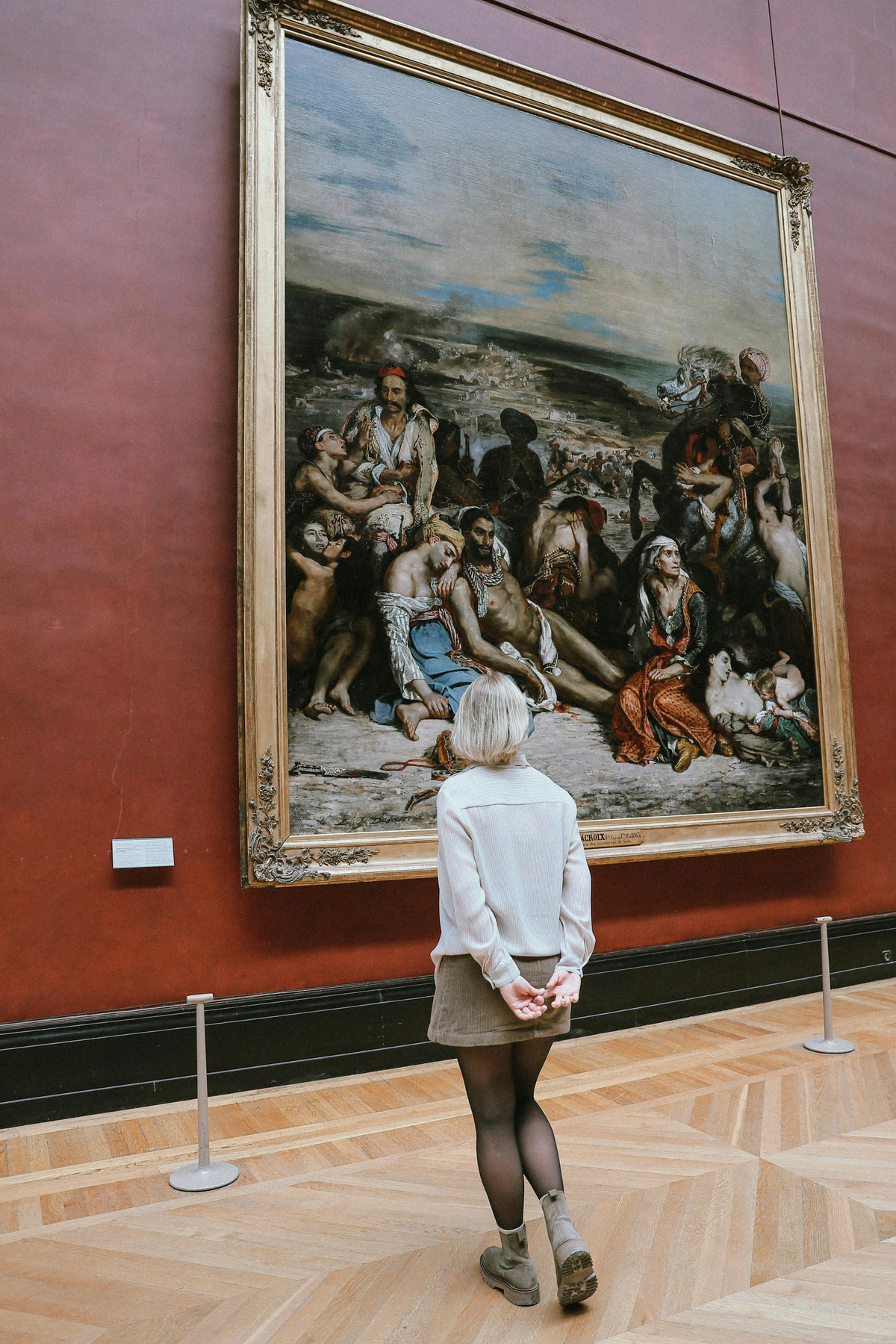
This shift was not just about aesthetics; it was about philosophy. Neoclassicism represented a move towards reason, order, and a return to classical virtues. It was a style that spoke to the mind as much as it did to the eyes, transforming the art world with its unique blend of elegance and grace.
Why Does Rococo Still Matter? My Take
Rococo art is more than just a historical movement; it's a testament to the enduring power of beauty, joy, and elegance. It's a reminder that art doesn't always have to be profound or challenging; sometimes, it can just be gloriously, unashamedly beautiful and fun. It's a celebration of life's lighter side, and there's a certain genius in that, wouldn't you agree?
So, why do I find myself still drawn to Rococo, despite its reputation for frivolity? I think it's because it celebrates joy, beauty, and the sheer delight of human existence, even with all its imperfections. It reminds me that art doesn't always have to be profound or challenging; sometimes, it can just be gloriously, unashamedly beautiful and fun. It's a vibrant, almost audacious affirmation of life's lighter side, and there's a certain genius in that, wouldn't you agree?
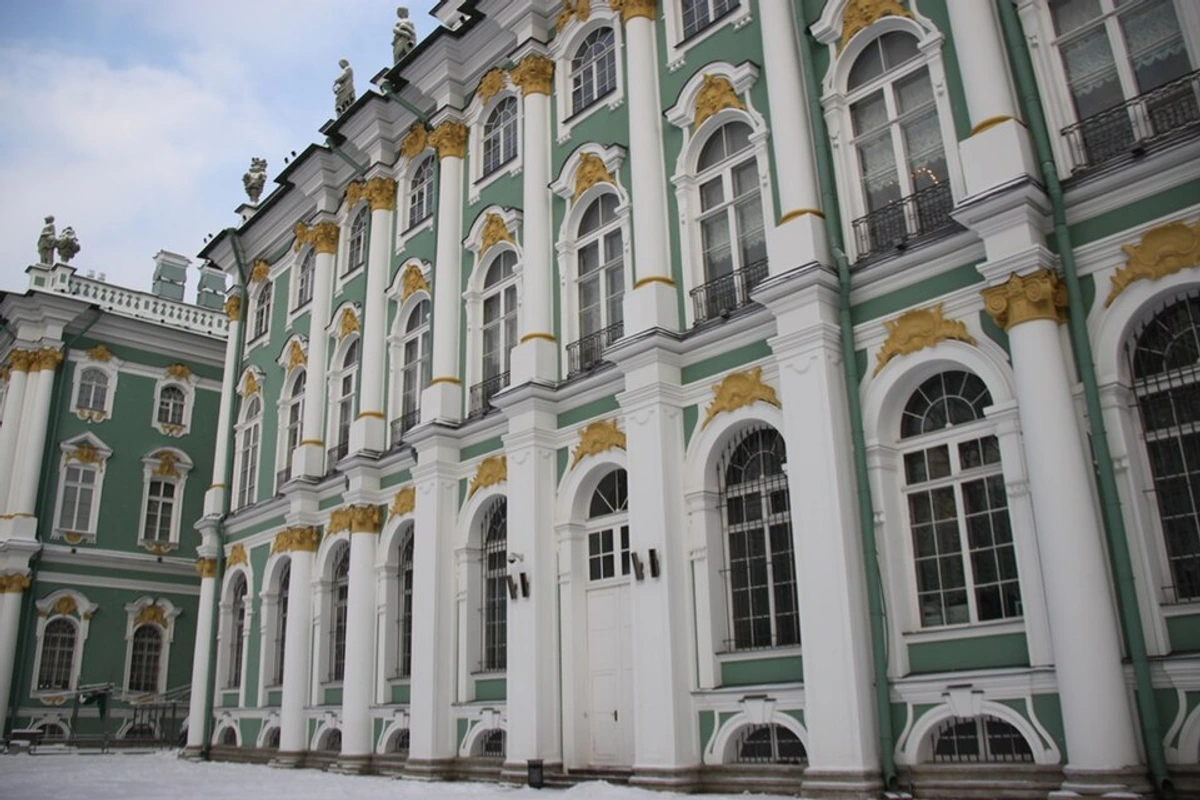
Rococo art is a celebration of the human spirit. It's about finding joy in the moment, beauty in the details, and elegance in the ephemeral. It's a reminder that life is not just about the grand gestures but also about the small, delightful moments that make it all worthwhile.
And speaking of beautiful and fun, if you're looking to bring a touch of contemporary elegance to your own space, perhaps something that echoes the vibrant spirit of discovery without the gilded excess, you might want to explore my collection.
In a world that often feels heavy and serious, Rococo art is a breath of fresh air. It's a reminder that beauty, joy, and elegance are not just luxuries but necessities. They are the things that make life worth living, the things that inspire us, uplift us, and remind us of the beauty of the human spirit.
Frequently Asked Questions (FAQ)
Here are some common questions about Rococo art, answered to help you understand this enchanting movement better.
What does Rococo mean?
The term 'Rococo' is believed to be a combination of the French words 'rocaille' (meaning shell-work, referring to the elaborate shell and pebble ornamentation found in grottoes) and 'barocco' (referring to the Baroque style). It was initially a pejorative term, suggesting something overly ornate or old-fashioned, but has since become the accepted name for this distinct 18th-century art movement. To me, it evokes something both earthy and intricately refined, a celebration of beauty and elegance.
The term 'Rococo' is believed to be a combination of the French words 'rocaille' (meaning shell-work, referring to the elaborate shell and pebble ornamentation found in grottoes) and 'barocco' (referring to the Baroque style). It was initially a pejorative term, suggesting something overly ornate or old-fashioned, but has since become the accepted name for this distinct 18th-century art movement. To me, it evokes something both earthy and intricately refined, a celebration of beauty and elegance.
The term 'Rococo' is believed to be a combination of the French words 'rocaille' (meaning shell-work, referring to the elaborate shell and pebble ornamentation found in grottoes) and 'barocco' (referring to the Baroque style). It was initially a pejorative term, suggesting something overly ornate or old-fashioned, but has since become the accepted name for this distinct 18th-century art movement. To me, it evokes something both earthy and intricately refined, a celebration of beauty and elegance.
The term "Rococo" is believed to be a combination of the French words "rocaille" (meaning shell-work, referring to the elaborate shell and pebble ornamentation found in grottoes) and "barocco" (referring to the Baroque style). It was initially a pejorative term, suggesting something overly ornate or old-fashioned, but has since become the accepted name for this distinct 18th-century art movement. To me, it evokes something both earthy and intricately refined, a celebration of beauty and elegance.
What are the main characteristics of Rococo art?
At its core, Rococo is characterized by its emphasis on lightness, elegance, and charm. Expect a pastel color palette, asymmetrical designs, curvilinear forms (S-scrolls, C-scrolls), elaborate ornamentation (especially rocaille motifs, flowers, and foliage), and themes that lean towards love, mythology, aristocratic leisure (fêtes galantes), and domestic intimacy. It's all about delightful detail and a playful spirit, a celebration of beauty and joy.
Oh, the good stuff! At its core, Rococo is characterized by its emphasis on lightness, elegance, and charm. Expect a pastel color palette, asymmetrical designs, curvilinear forms (S-scrolls, C-scrolls), elaborate ornamentation (especially rocaille motifs, flowers, and foliage), and themes that lean towards love, mythology, aristocratic leisure (fêtes galantes), and domestic intimacy. It's all about delightful detail and a playful spirit.

What is the difference between Baroque and Rococo?
This is a big one, and often confuses people! I think of it as a shift in personality. Baroque is grand, dramatic, serious, large-scale, and often religious or political in theme, with deep, contrasting colors and strong diagonals. Rococo, on the other hand, is lighter, more intimate, playful, and focuses on aristocratic pleasure and domestic life, using soft pastels and graceful, flowing lines. Baroque seeks to awe; Rococo seeks to charm and enchant. They're related, but very different beasts, each with its own unique beauty and appeal.

This is a big one, and often confuses people! I think of it as a shift in personality. Baroque is grand, dramatic, serious, large-scale, and often religious or political in theme, with deep, contrasting colors and strong diagonals. Rococo, on the other hand, is lighter, more intimate, playful, and focuses on aristocratic pleasure and domestic life, using soft pastels and graceful, flowing lines. Baroque seeks to awe; Rococo seeks to charm and enchant. They're related, but very different beasts.
When did Rococo art flourish?
Rococo art primarily flourished during the 18th century, specifically from roughly 1730 to 1770. It began in France, moving away from the more formal style of Louis XIV's court, and then spread across Europe, particularly influencing Germany, Austria, and Italy, before gradually giving way to the Neoclassical movement.
Rococo art primarily flourished during the 18th century, specifically from roughly 1730 to 1770. It began in France, moving away from the more formal style of Louis XIV's court, and then spread across Europe, particularly influencing Germany, Austria, and Italy, before gradually giving way to the Neoclassical movement.
Are there contemporary artists inspired by Rococo?
Absolutely! While you won't find many artists creating direct Rococo pastiches today (though some certainly do!), the spirit of Rococo—its love for ornamentation, playful sensuality, and beautiful forms—continues to inspire. Many contemporary artists explore themes of beauty, luxury, fantasy, and intricate detail in ways that echo Rococo's aesthetic, often with a modern twist. I see its influence in fashion, interior design, and even in some forms of vibrant, detailed abstract art that embraces visual richness.
Rococo's legacy is not just about the past; it's about the present and the future. It's about finding joy in the moment, beauty in the details, and elegance in the ephemeral. It's a celebration of the human spirit, a reminder that life is not just about the grand gestures but also about the small, delightful moments that make it all worthwhile.











Absolutely! While you won't find many artists creating direct Rococo pastiches today (though some certainly do!), the spirit of Rococo — its love for ornamentation, playful sensuality, and beautiful forms — continues to inspire. Many contemporary artists explore themes of beauty, luxury, fantasy, and intricate detail in ways that echo Rococo's aesthetic, often with a modern twist. I see its influence in fashion, interior design, and even in some forms of vibrant, detailed abstract art that embraces visual richness.
Conclusion
Rococo, then, is more than just a historical art movement; it’s a testament to a period when elegance met playfulness, and art sought to charm rather than just instruct. It’s a gentle reminder that sometimes, the most enduring beauty can be found in the lightest touch and the most delicate curve. A little like life itself, really.