What is Iron Age Art? | A Guide to Ancient Symbols & Style
Embark on a journey into Iron Age art. Discover its raw power, symbolic depth, and how these ancient works continue to inspire artists today.

What is Iron Age Art? A Journey Into the Soul of Ancient Craftsmanship
Iron Age art is a fascinating exploration of human creativity and cultural expression. It represents a pivotal era where humanity transitioned from bronze to iron, reshaping societies and artistic traditions. This article delves into the essence of Iron Age art, its defining characteristics, and its enduring legacy.
Iron Age art is a testament to human ingenuity and cultural expression. It represents a pivotal era where humanity transitioned from bronze to iron, reshaping societies and artistic traditions. This article explores the essence of Iron Age art, its defining characteristics, and its enduring legacy.
The Iron Age was not just a technological shift; it was a cultural revolution that transformed societies, economies, and artistic expressions. This era saw the rise of new artistic techniques and styles, each reflecting the unique identity of the cultures that created them. From the intricate designs of the Celts to the dynamic animal motifs of the Scythians, Iron Age art is a window into the souls of ancient civilizations.
Imagine holding a piece of weathered iron, feeling its weight and history. Now, stretch that feeling across centuries—that’s the essence of Iron Age art. It's not just about the artifacts; it's about the stories they carry, the hands that shaped them, and the cultures they represent. Unlike the grand marble statues of the Greeks or the gilded treasures of the Pharaohs, Iron Age art is grounded, visceral, and mysterious. It speaks of a time when humanity mastered the forging of iron, turning raw earth into tools and talismans.
To truly appreciate Iron Age art, one must understand its historical context and the profound impact it had on ancient societies. This era was not just about technological advancements but also about the evolution of artistic expression and cultural identity.
Have you ever held a piece of old, weathered iron? There's a cold weight to it, a whisper of age and purpose. Now, imagine that feeling stretched across centuries—that’s the essence of Iron Age art. It's not just about the artifacts; it's about the stories they carry, the hands that shaped them, and the cultures they represent. It's not the grand marble statues of the Greeks or the gilded treasures of the Pharaohs. It's something more grounded, more visceral, and in many ways, more mysterious. When I think about this period, I’m not just thinking about dates and artifacts; I'm thinking about the hands that first mastered the forging of iron, turning raw, unforgiving earth into tools and talismans.
Iron Age art is a testament to the resilience and creativity of ancient societies. It reflects their beliefs, traditions, and interactions with neighboring cultures. Each artifact tells a story of innovation, symbolism, and the deep connection between humans and the natural world.
Iron Age art is a reflection of the human spirit—resilient, innovative, and deeply connected to the natural world. It speaks to us across millennia, offering a glimpse into the lives, beliefs, and aspirations of ancient peoples.
The Iron Age marks a pivotal moment when humanity moved from the softer metals of the Bronze Age into an era defined by the strength and versatility of iron. This transition was not merely technological; it was a cultural revolution that transformed societies, economies, and artistic expressions. This wasn't just a technological upgrade; it was a cultural revolution etched into every weapon, piece of jewelry, and everyday object. The mastery of iron allowed for the creation of tools and artifacts that were not only functional but also deeply symbolic. Unlike the often-unified aesthetics we associate with classical art, Iron Age art is a sprawling family of diverse regional styles. Each region developed its unique artistic language, reflecting its beliefs, traditions, and interactions with neighboring cultures. From the intricate swirling La Tène designs of the Celts to the powerful animal motifs of the Scythians, this is art that speaks of identity, belief, and raw human ingenuity. These artifacts are not just relics; they are windows into the souls of ancient civilizations.
The Iron Age was a time of innovation and cultural exchange. As societies mastered the art of ironworking, they also developed new artistic techniques and styles. This era saw the rise of specialized craftsmen, such as blacksmiths, who played a crucial role in shaping the cultural and artistic landscape of their time.
To truly appreciate Iron Age art, one must understand the context in which it was created. The Iron Age was a time of innovation, conflict, and cultural exchange. The challenges of working with iron inspired new forms of artistic expression, blending functionality with symbolism. The physical, demanding process of forging iron gave birth to a new aesthetic, one that was deeply rooted in the cultural and spiritual beliefs of the people.
The diversity of Iron Age art is a testament to the creativity and adaptability of ancient peoples. It reflects their deep connection to the land, their spiritual beliefs, and their interactions with neighboring cultures. Each artifact tells a story, offering a glimpse into the lives and values of the people who created it.
So, when we ask "what is Iron Age art?", we’re really asking about the soul of dozens of ancient cultures. We’re exploring the symbols they lived by and the objects they died for. It's a journey into the heart of human creativity and resilience. Below, we’ll unravel this incredible period, piece by forged piece.

Iron Age art is not just about the past; it continues to inspire modern artists with its bold designs, symbolic depth, and connection to the natural world. Its emphasis on authenticity and craftsmanship resonates with contemporary artistic values, making it a timeless source of inspiration.
Iron Age art is not just a historical curiosity; it is a living testament to the enduring power of human creativity. It challenges us to see beyond the surface of artifacts and to appreciate the deeper meanings and stories they embody.
When Was the Iron Age and What Changed?
The Iron Age was a transformative period that began around 1200 BCE in the Near East and gradually spread across Europe. This era marked a significant shift in human history, driven by the adoption of iron as the primary metal for tools, weapons, and artistic expression.
The Iron Age was not a uniform period; it arrived at different times in different places. In Britain, for example, it began around 800 BCE and lasted until the Roman conquest in 43 CE. This era saw the rise of new technologies, cultural exchanges, and artistic innovations that shaped the course of human history.
The Iron Age wasn't a single date on a calendar. It arrived at different times in different places, generally beginning around 1200 BCE in the Near East and spreading across Europe over the next few centuries. In Britain, for instance, you're looking at roughly 800 BCE to the Roman conquest in 43 CE. The big change, obviously, was the metal itself. Iron is tougher and more abundant than bronze, but it's also a beast to work with. Its adoption required new techniques and tools, leading to the rise of specialized craftsmen who could harness its potential.
The transition to iron was not instantaneous. It took centuries for the knowledge and technology of ironworking to spread across different regions. This gradual diffusion allowed for the development of unique artistic traditions and cultural identities.

First, let's get our bearings. The Iron Age isn't a single date on a calendar. It arrived at different times in different places, generally beginning around 1200 BCE in the Near East and spreading across Europe over the next few centuries. In Britain, for instance, you're looking at roughly 800 BCE to the Roman conquest in 43 CE.
The transition to iron was not just a technological shift; it was a cultural revolution. The adoption of iron required new techniques and tools, leading to the rise of specialized craftsmen who could harness its potential. This era saw the emergence of blacksmiths, who were often seen as figures possessing almost magical skill.
The shift from bronze to iron fundamentally altered society. Better tools meant more efficient farming, leading to population growth. Stronger weapons meant more formidable armies and shifting power dynamics. The Iron Age was a time of innovation, conflict, and cultural exchange. But what often gets overlooked is the artistic impact. This new, demanding medium pushed artisans to innovate. The challenges of working with iron inspired new forms of artistic expression, blending functionality with symbolism.
The variability in the timing of the Iron Age across regions highlights the complexity of cultural and technological diffusion. It also underscores the diversity of artistic expressions that emerged as different societies adapted ironworking to their unique needs and traditions.
The big change, obviously, was the metal itself. Iron is tougher and more abundant than bronze, but it's also a beast to work with. Its adoption required new techniques and tools, leading to the rise of specialized craftsmen who could harness its potential. It requires much hotter furnaces and more advanced smithing techniques. This technical challenge gave rise to a new kind of craftsman: the blacksmith, who was often seen as a figure possessing almost magical skill. The blacksmith's role was not just functional; it was deeply spiritual, as they transformed raw materials into objects of power and beauty. You can almost picture them—the roar of the bellows, the shower of sparks, and the hammer striking the anvil, beating a plowshare or a sword into existence.
The mastery of iron had far-reaching consequences. Better tools meant more efficient farming, leading to population growth. Stronger weapons meant more formidable armies and shifting power dynamics. The Iron Age was a time of innovation, conflict, and cultural exchange.
The blacksmith's craft was both an art and a science. It required a deep understanding of materials, techniques, and the spiritual significance of the objects being created. This dual role elevated the blacksmith to a position of respect and reverence in many Iron Age societies.
This shift from bronze to iron fundamentally altered society. Better tools meant more efficient farming, leading to population growth. Stronger weapons meant more formidable armies and shifting power dynamics. The Iron Age was a time of innovation, conflict, and cultural exchange. But what often gets overlooked is the artistic impact. This new, demanding medium pushed artisans to innovate. The challenges of working with iron inspired new forms of artistic expression, blending functionality with symbolism. They couldn't just cast iron like bronze; they had to forge it, fold it, and shape it under a hammer. This physical, demanding process gave birth to a new aesthetic.
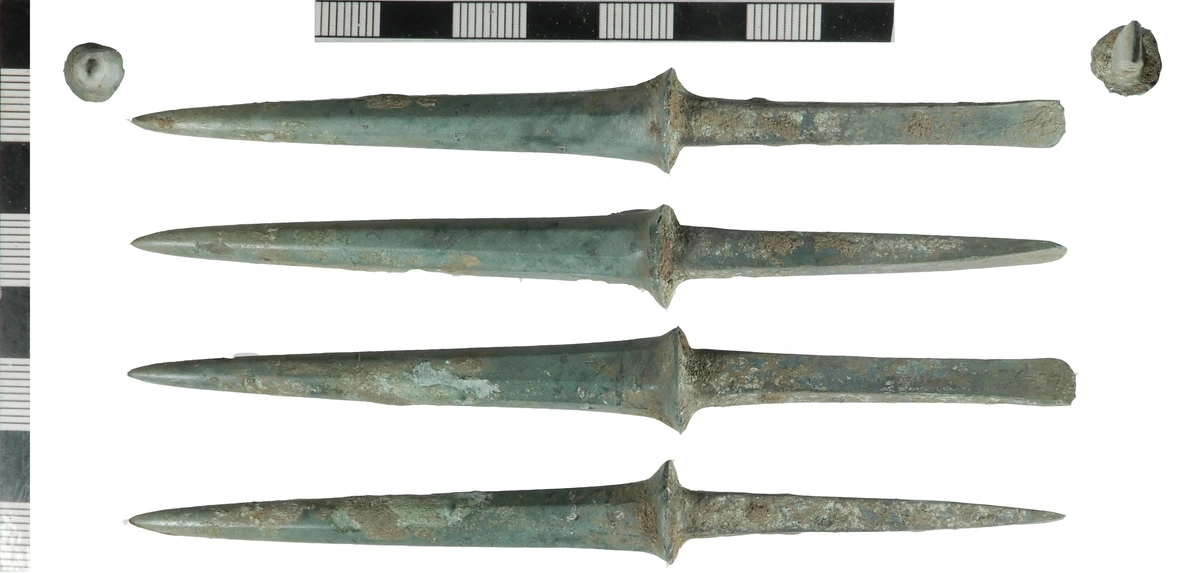
The Iron Age was a time of artistic experimentation and innovation. Artisans developed new techniques and styles, creating artifacts that were both functional and beautiful. This era saw the rise of intricate designs, symbolic motifs, and a deep connection between art and everyday life.
The artistic innovations of the Iron Age were not just about aesthetics; they were about functionality and symbolism. Artisans had to adapt their techniques to the properties of iron, creating objects that were both beautiful and practical. This fusion of form and function is a hallmark of Iron Age art.
The Defining Characteristics of Iron Age Art
Iron Age art is characterized by its symbolic depth, intricate designs, and integration into everyday life. Unlike classical art, which often focused on realism, Iron Age art embraced abstraction and symbolism.
Iron Age art is not just about aesthetics; it is deeply connected to the cultural values and beliefs of ancient societies. Each artifact tells a story of innovation, symbolism, and the deep connection between humans and the natural world.
Iron Age art isn't about photorealism. You don't find portraits of kings trying to look like gods. Instead, the art is symbolic, abstract, and deeply integrated into functional objects. This is where utility and spirituality collide.
Iron Age art is a testament to the creativity and resilience of ancient societies. It reflects their beliefs, traditions, and interactions with neighboring cultures. Each artifact tells a story of innovation, symbolism, and the deep connection between humans and the natural world.
The abstract nature of Iron Age art reflects the spiritual and cultural values of ancient societies. It is a visual language that communicates complex ideas and beliefs through symbols and motifs.

- Sophisticated Abstraction: Forget simple lines. Artists of this era, particularly in Celtic Europe, mastered complex geometric patterns. We’re talking about endless knots, interlocking spirals, and triskeles that seem to move when you're not looking directly at them. These patterns were not just decorative; they carried deep symbolic meanings.
- Zoomorphic Imagery: The natural world was a constant source of inspiration, but rarely depicted realistically. Animals were stylized, often distorted and woven into the larger design. A bird’s head might end in a fish’s tail, or a deer’s legs could dissolve into a swirling vortex of lines. These weren't just decorations; they were symbols of power, fertility, or protective spirits. They reflected the deep connection between humans and the natural world.
- Curvilinear Style: This is a fancy term for the dominance of sweeping curves over straight lines and right angles. There's a rhythmic, dynamic flow to this art that feels organic and alive. The line between the decoration and the object itself often blurs completely. This style created a sense of movement and energy, making the artifacts feel alive.
- A Love of Ornament: From the handle of a dagger to the lip of a simple clay pot, everything was a canvas. This “horror vacui,” or fear of empty space, meant that surfaces were often covered in detailed ornamentation, creating a rich, complex visual texture. This love for ornamentation reflected the cultural value placed on beauty and craftsmanship.
These characteristics highlight the creativity and skill of Iron Age artisans. Their work was not just about aesthetics; it was about creating objects that were deeply meaningful and functional.

Spotlight: Major Styles and Masterpieces
The Iron Age was a time of diverse artistic expressions, each reflecting the unique cultural identity of its creators. From the intricate designs of the Celts to the dynamic animal motifs of the Scythians, this era produced some of the most iconic artifacts in history.
To truly understand this period, we need to look at a few of its most celebrated artistic styles. Each one is a distinct chapter in the story of Iron Age creativity.
These styles are not just artistic expressions; they are windows into the cultural and spiritual lives of ancient societies. They offer insights into the beliefs, values, and aspirations of the people who created them.

The Celts and the La Tène Style
The La Tène style is one of the most recognizable forms of Iron Age art. Originating in Celtic Europe, it is characterized by its intricate geometric patterns and fluid designs. This style reflects the Celtic worldview, where art was deeply intertwined with spirituality and nature.
The La Tène style is a testament to the creativity and resilience of the Celts. It reflects their beliefs, traditions, and interactions with neighboring cultures. Each artifact tells a story of innovation, symbolism, and the deep connection between humans and the natural world.
The La Tène style is a testament to the creativity and skill of Celtic artisans. Their work reflects a deep connection to the natural world and a belief in the spiritual significance of art.
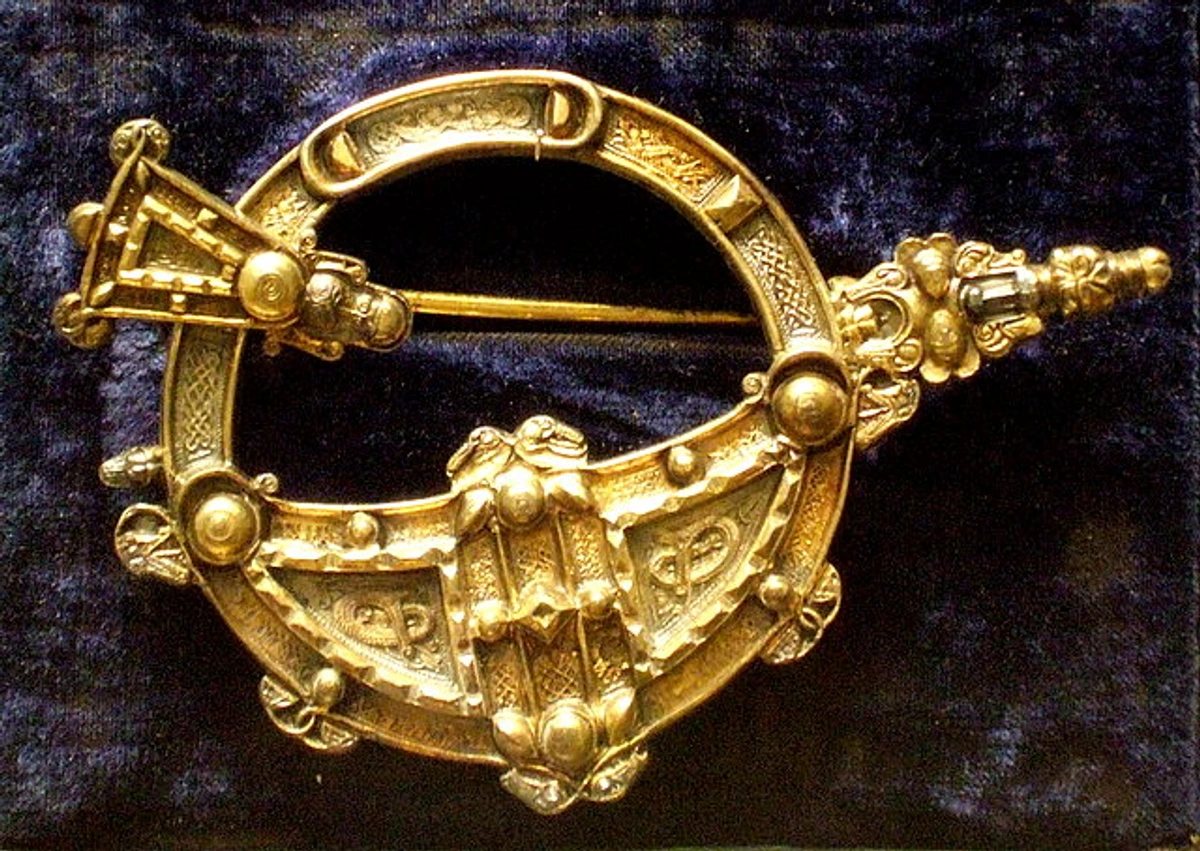
If you've ever seen a piece of ancient Celtic jewelry with those impossibly intricate swirls, you've seen the La Tène style. Named after a site in Switzerland, this style exploded across much of Europe after 450 BCE. It’s the pinnacle of Iron Age abstraction. Artists would twist and turn plant motifs, like lotus flowers and palm leaves, into fluid, geometric patterns.
The La Tène style is a celebration of nature and spirituality. It reflects the Celtic belief in the interconnectedness of all things and the power of symbols to convey complex ideas.
Think of the famous Battersea Shield. Found in the River Thames, this bronze shield (which still belongs to the Iron Age in terms of culture) is a masterpiece of La Tène design. Its intricate patterns and symbolic motifs suggest it was used in ceremonial contexts, possibly as an offering to the gods. It’s not a tool for war; its thin metal and decorative raised patterns suggest it was a ceremonial offering to the gods. The swirling motifs in the center create a sense of hypnotic movement. It's art that was meant to be seen and felt on a spiritual level.
The Battersea Shield is a testament to the creativity and resilience of the Celts. It reflects their beliefs, traditions, and interactions with neighboring cultures. Each artifact tells a story of innovation, symbolism, and the deep connection between humans and the natural world.
The Battersea Shield is a powerful example of the spiritual and artistic significance of Iron Age artifacts. It reflects the Celtic belief in the power of symbols and the importance of ritual in daily life.

The Scythians and the Animal Style
The Scythians, a nomadic people of the Eurasian steppes, developed a unique artistic style centered around animal motifs. Their art is dynamic and full of energy, reflecting their connection to the natural world and their warrior culture.
The Scythian animal style is a testament to the creativity and resilience of the Scythians. It reflects their beliefs, traditions, and interactions with neighboring cultures. Each artifact tells a story of innovation, symbolism, and the deep connection between humans and the natural world.
The Scythian artistic style is a testament to their deep connection to the natural world and their belief in the power of animals as symbols of strength, protection, and spiritual guidance.
Meanwhile, on the vast Eurasian steppes, the nomadic Scythians were creating something completely different. Their Scytho-Siberian animal style is all about energy and predation. Their art is filled with stags, big cats, eagles, and fantastical griffins, often locked in combat. These motifs were not just decorative; they symbolized the Scythians' beliefs about power, protection, and the cycle of life. These figures were rendered with an incredible sense of coiled tension, muscles bunched and ready to spring.
The Scythian animal style is a powerful expression of their warrior culture and spiritual beliefs. It reflects their deep connection to the natural world and their belief in the power of animals as symbols of strength and protection.
Gold was their preferred medium for decoration. The Pazyryk burials in Siberia revealed spectacular finds: felt wall hangings, leather saddles, and even tattooed human skin, all adorned with this dynamic animal art. The famous gold panther plaque from Kul'Oba is a perfect example—a predator contorted into a perfect circle, its body just a series of essential lines that scream predator. This art was portable, personal, and designed to declare the power of a people who lived and died by the horse and the hunt.
The Scythian use of gold and animal motifs reflects their belief in the power of animals as symbols of strength and protection. Their art was not just decorative; it was a statement of identity and a declaration of their connection to the natural world.
The Mediterranean and its Unique Expression
The Mediterranean region during the Iron Age was a melting pot of cultures, each contributing to a rich artistic tradition. From the Etruscans in Italy to the Celtiberians in Spain, this era saw a fusion of styles and techniques.
The Mediterranean region during the Iron Age was a testament to the creativity and resilience of its inhabitants. It reflects their beliefs, traditions, and interactions with neighboring cultures. Each artifact tells a story of innovation, symbolism, and the deep connection between humans and the natural world.
While the Celts and Scythians developed unique styles, cultures in the Mediterranean basin were interacting with the older civilizations of the Near East and the rising power of Greece. The art here is a fascinating blend of influences. In Italy, the Etruscans created beautiful bronze statues, like the Chimera of Arezzo, and intricate gold jewelry. In Spain, the Celtiberians merged Celtic abstract patterns with more naturalistic Mediterranean forms.
The Mediterranean region was a melting pot of cultures and artistic traditions. The fusion of styles and techniques reflects the dynamic interactions and exchanges that shaped the artistic landscape of the Iron Age.
The Materials and Techniques That Brought It All to Life
The Iron Age was a time of innovation in materials and techniques. Artisans developed new methods for working with iron, bronze, and other materials, creating artifacts that were both functional and beautiful.
The mastery of new materials and techniques allowed artisans to push the boundaries of artistic expression. It also enabled them to create objects that were both beautiful and practical, reflecting the cultural values and beliefs of ancient societies.
The look and feel of Iron Age art were dictated by the techniques available. Metalsmithing was the pinnacle craft, but other arts flourished too.

The techniques of the Iron Age were not just about creating functional objects; they were about expressing cultural identity and spiritual beliefs. Artisans used their skills to create objects that were both beautiful and meaningful.
Forging and Casting Metals
The mastery of iron required new techniques, such as forging and casting. These methods allowed artisans to create stronger, more durable tools and weapons, as well as intricate decorative objects.

Blacksmithing was the new, revolutionary technology. Smiths learned to control the carbon content of iron to create steel for harder edges on swords. The iconic anthropomorphic Hallstatt swords of the early Iron Age have hilts shaped like human figures, making the weapon an extension of the warrior's own body.
The Hallstatt swords are a powerful example of the fusion of form and function in Iron Age art. They reflect the belief in the spiritual significance of weapons and the role of the warrior in ancient societies.
Lost-wax casting continued to be used for bronze and gold. An artist would sculpt a model in wax, encase it in clay, and then melt the wax out to leave a perfect mold for molten metal. This allowed for incredibly detailed work, like the fine granulation on Etruscan earrings.
The lost-wax casting technique is a testament to the skill and creativity of Iron Age artisans. It allowed them to create intricate and detailed objects that were both beautiful and functional.
Repoussé and chasing were techniques for decorating sheet metal. Repoussé is hammering a design from the back to create a raised relief, while chasing defines it from the front with a chisel. The Battersea Shield makes stunning use of these methods.
The use of repoussé and chasing techniques reflects the creativity and skill of Iron Age artisans. These techniques allowed them to create objects that were both beautiful and meaningful, reflecting the cultural values and beliefs of ancient societies.

Beyond Metal: Pottery and Textiles
While metalwork was a defining feature of the Iron Age, other materials also played a significant role. Pottery and textiles provided additional canvases for artistic expression, reflecting the cultural values and daily life of ancient societies.
While less durable than metal, pottery gives us a glimpse into the daily artistic life of the Iron Age. The Gundestrup Cauldron, that spectacular silver bowl found in a Danish bog, features panels of repoussé work depicting gods, warriors, and exotic animals. Its style is so unusual that it’s likely a product of crafters in Eastern Europe or Thrace, speaking to the long-distance trade and artistic exchange of the era.
The Gundestrup Cauldron is a powerful example of the artistic and cultural exchanges that took place during the Iron Age. It reflects the diversity of artistic traditions and the interconnectedness of ancient societies.
Textiles rarely survive, but discoveries like those in the Danish bogs and the Pazyryk tombs show that weaving and embroidery were highly developed arts. They used natural dyes to create complex patterns, mastering a different kind of canvas from their metal-smithing counterparts.
The art of textiles in the Iron Age reflects the creativity and skill of ancient artisans. It also highlights the importance of textiles in daily life and the cultural significance of patterns and designs.
Enduring Questions and Common Misconceptions
The Iron Age is a fascinating period, but it is also shrouded in mystery. Many questions remain about its art, culture, and significance. This section addresses some of the most common questions and misconceptions.

As with any ancient topic, a few questions always come up. It's worth taking a moment to clear the air.
Understanding the context and significance of Iron Age art requires addressing common questions and misconceptions. This helps to provide a clearer picture of the era and its artistic achievements.

What are the main characteristics of Iron Age art?
Iron Age art is characterized by its symbolic depth, intricate designs, and integration into everyday life. It favors complex geometric patterns and stylized animals over realistic depiction, reflecting the cultural values and beliefs of ancient societies.
The symbolic depth of Iron Age art reflects the spiritual and cultural values of ancient societies. It is a visual language that communicates complex ideas and beliefs through symbols and motifs.
I think I’ve hammered this home (pun intended), but to summarize: think symbolic, abstract, and integrated. It favors complex geometric patterns and stylized animals over realistic depiction. There's a deep connection between the object’s function (a sword, a brooch, a pot) and its decoration. It’s an art of meaning, woven directly into the fabric of life and death.
What are the main types of Iron Age art?
Iron Age art can be categorized by geography, medium, and function. Geographically, it includes the Atlantic traditions, the La Tène culture, the Hallstatt culture, and the Scythian-Siberian world. By medium, it encompasses metalwork, pottery, and textiles. By function, it includes martial art, personal adornment, and ritual art.
You can break it down in a few ways. By geography, you have the Atlantic traditions, the La Tène culture, the Hallstatt culture, and the vast Scythian-Siberian world. By medium, you have metalwork (the star of the show), pottery (the everyday canvas), and textiles (the lost art). And by function, you have martial art (weapons and armor), personal adornment (jewelry), and ritual art (votive offerings).
The diversity of Iron Age art reflects the creativity and adaptability of ancient peoples. It also highlights the interconnectedness of different cultures and the exchange of ideas and techniques.
What was the purpose of Iron Age art?
Iron Age art served multiple functions, from social markers to spiritual offerings. It was deeply integrated into the fabric of life, reflecting the cultural values and beliefs of ancient societies. Artifacts were not just decorative; they carried symbolic meanings and were often used in rituals and ceremonies.

This is the most important question. Art in the Iron Age was rarely “art for art’s sake.” It served powerful functions:
- Social Markers: Jewelry and decorated weapons displayed wealth, status, and power. The quality of your sword's hilt said as much about you as the sword's sharpness.
- Spiritual and Ritual Offerings: Many of the finest pieces we’ve found were deliberately placed in rivers, bogs, or graves as offerings to gods, spirits, or ancestors. The Battersea Shield, the Gundestrup Cauldron, and countless swords were ritually “killed” and given to the water.
- Protection: Patterns and symbols were believed to hold magical power. A swirling triskele on a shield wasn't just pretty; it was a charm to ward off evil.
The multifunctional nature of Iron Age art reflects its deep integration into the cultural and spiritual lives of ancient societies. It was not just about aesthetics; it was about creating objects that were deeply meaningful and functional.
What Iron Age Art Means to a Modern Artist
Iron Age art continues to inspire modern artists with its bold designs, symbolic depth, and connection to the natural world. Its emphasis on authenticity and craftsmanship resonates with contemporary artistic values, making it a timeless source of inspiration.
So, why does this ancient, often brutal period matter to an artist working today? I can't speak for everyone, but I find myself drawn to the sheer authenticity of it.
The authenticity of Iron Age art lies in its deep connection to the natural world and its reflection of the cultural and spiritual values of ancient societies. It challenges us to see beyond the surface of artifacts and to appreciate the deeper meanings and stories they embody.
There's an honesty in Iron Age art that cuts through the noise. It's not concerned with trends or social media likes. It's about core human needs: creating useful things, connecting with the spiritual world, and leaving a mark that says, "I was here."
The honesty of Iron Age art reflects the enduring power of human creativity and the timeless connection between art and life. It challenges us to create with authenticity and purpose.
The bold, uncompromising lines and the fearless use of abstraction resonate deeply with modern artistic principles. Looking at a piece like the Gundestrup Cauldron, I see a level of planning and execution that is breathtaking. The designers were master stylists, distilling complex myths and animal forms into powerful, repeatable units of visual information. It’s a masterclass in composition.
The Gundestrup Cauldron is a powerful example of the creativity and skill of Iron Age artisans. It reflects their ability to distill complex ideas and beliefs into powerful visual symbols.
It makes you appreciate the raw power of a simple, strong symbol. In a world saturated with images, there's something powerful about art that doesn't try to be everything to everyone, but is unapologetically itself.
The power of Iron Age art lies in its simplicity and authenticity. It challenges us to create with purpose and to appreciate the enduring power of human creativity.
Conclusion
Iron Age art is a testament to human creativity and resilience. It reflects the cultural values, beliefs, and innovations of ancient societies, offering a window into their world. As we explore these artifacts, we gain a deeper appreciation for the enduring legacy of the Iron Age and its impact on modern art and culture.
The enduring legacy of Iron Age art lies in its deep integration into the cultural and spiritual lives of ancient societies. It challenges us to see beyond the surface of artifacts and to appreciate the deeper meanings and stories they embody.

Iron Age art isn’t a forgotten relic; it's a statement. It's the visual language of hundreds of cultures that learned to master the most stubborn of metals. It speaks of a world where art was not separate from life but was baked into its very core—in the weapons that defended a people, the jewelry that adorned them, and the objects they offered to their gods. It speaks of a world where art was not separate from life but was baked into its very core—in the weapons that defended a people, the jewelry that adorned them, and the objects they offered to their gods.
The next time you see a piece of modern abstract art or a piece of sleek, minimalist design, remember the ancient smiths and artisans. They were the original innovators, finding beauty in the strength of iron and creating a legacy of craftsmanship and symbolic power that still speaks to us today, thousands of years later. Their work reminds us of the enduring power of human creativity and the timeless connection between art and life.






















The legacy of Iron Age art is a testament to the enduring power of human creativity. It challenges us to create with authenticity and purpose, and to appreciate the timeless connection between art and life.