What is Classical Antiquity Art? Your Engaging Guide
Dive into the captivating world of Classical Antiquity art! Explore the idealism of ancient Greece, the realism of Roman masterpieces, iconic sculptures, frescoes, and discover how these ancient forms continue to shape our modern aesthetic. This comprehensive and engaging guide offers a fresh perspective on foundational art history.

What is Classical Antiquity Art? Your Engaging Guide to a Foundational Era
Alright, let's talk about something truly ancient, something that, frankly, laid the groundwork for so much of what we call "art" today: Classical Antiquity art. I know what you might be thinking – dusty old statues, toga-clad figures, things you see in museums that feel a million miles away from the vibrant, expressive art I love creating (and that you might find in my own collection, if you're curious about the contemporary echoes of art's journey at /buy). But trust me, understanding where it all began, the why behind those seemingly stoic expressions, is genuinely fascinating. It's like finding the secret blueprint for Western aesthetics, a visual language that has echoed through millennia, profoundly shaping our modern world in ways you might not even realize yet. It’s a bit like discovering the hidden code in the DNA of art history. And honestly, for a long time, I underestimated it. I mean, who hasn't walked past a gallery of ancient busts and thought, "Beautiful craftsmanship, sure, but what does it say to me, today?" My journey into art often begins with a splash of bold color or an unexpected abstraction, yet the more I delve into the past, the more I realize these ancient masters were wrestling with the same fundamental questions about beauty, meaning, and human experience that continue to drive us.
For a while, I’d just breeze past those sections in museums, admiring the craftsmanship but not really feeling it. Then I started looking closer, reading, and realizing that these artists, thousands of years ago, were grappling with the same questions about beauty, humanity, and storytelling that artists wrestle with today. They just had different tools and, well, a whole lot more marble. This isn't just about ancient history; it’s about uncovering the very roots of our aesthetic understanding, discovering how art has always been a powerful mirror to human aspiration, and seeing how foundational concepts like contrapposto, balance, and narrative flow can still make an abstract piece sing. It's like connecting with a creative spirit across millennia.

Unveiling Classical Antiquity: A Journey Through Time
So, What Exactly Is Classical Antiquity Art?
At its heart, Classical Antiquity art refers to the artistic output of the ancient Greek and Roman civilizations, roughly spanning from the 8th century BCE to the 5th century CE. That's a huge chunk of time, I know! But it's more than just two cultures; this vast period encompassed a vibrant cultural exchange across the entire Mediterranean basin, influencing and being influenced by various peoples from North Africa to the Near East. This era isn't just a chronological bracket; it's a dynamic tapestry of evolving cultures, groundbreaking artistic innovation, and profound philosophical inquiry. It's a period characterized by a profound focus on humanism (the belief in the value and agency of human beings, often expressed through the idealized human form, celebrating human potential and achievement), idealized beauty (especially in Greek art, striving for perfect proportions and harmonious forms, as seen in the Classical canon for the human figure and architectural orders), rationality and order (evident in architectural precision and balanced compositions), and naturalism (depicting figures realistically, though often perfected or made heroic). These weren't just pretty pictures or sculptures; they were visual philosophies, often deeply intertwined with mythology, politics, and civic life, and expressed across diverse media from monumental architecture and sculpture to intricate mosaics, vibrant frescoes, and functional pottery. The sheer scale and ambition of these works are still breathtaking today, offering a window into societies that fundamentally shaped our understanding of art, governance, and the human condition.
Before we dive into the Greek and Roman masters, it's worth remembering that these civilizations didn't emerge in a vacuum. They built upon, and reacted to, earlier cultures, demonstrating a constant dialogue across time and cultures. From the advanced city-planning of the Minoans on Crete to the fortified citadels of the Mycenaeans on mainland Greece, and the monumental, long-lasting artistic traditions of ancient Egypt, these earlier civilizations provided a rich tapestry of influences. In particular, the grandeur and stylistic conventions of Egyptian art, such as strict frontality and monumental scale, profoundly impacted early Greek sculpture. Greek and Roman artists subtly (and sometimes not so subtly) incorporated and transformed older traditions into something uniquely their own, creating a constant dialogue across time and cultures. It's like seeing the remix culture of today, but played out over millennia! If you're curious about how deeply this early influence resonated, exploring the enduring influence of ancient Egyptian art on modernism can offer a fascinating parallel.
Beyond the aesthetic, Classical Antiquity art played a crucial role in shaping societal values, from the democratic ideals championed in Athens to the imperial power consolidated in Rome. It served as a didactic tool, a means of honoring gods and heroes, a way to reinforce religious beliefs, and a powerful instrument of civic identity and propaganda, communicating messages to broad, often illiterate, populations. This era truly laid the intellectual and visual groundwork for philosophy, governance, rhetoric, and the arts as we understand them, establishing a visual vocabulary that we still recognize today, even if we don't always realize its ancient origins. It's like a foundational operating system for much of Western thought and expression.
We're talking about a world without Instagram filters, where the human form was seen as the ultimate expression of divine perfection, and where stories of gods and heroes weren't just myths but moral compasses. It's a powerful thought, isn't it? The Greeks, with their keen philosophical minds, gave us the ideals of balance, aesthetic perfection, and the intellectual pursuit of beauty. The Romans, bless their practical hearts, took those ideals and made them work for an empire, adapting them to serve their own needs for grandeur, history, and propaganda – a kind of ancient visual marketing, if you will. It’s a fascinating study in how different cultures can interpret and utilize similar artistic languages for vastly different ends, showcasing the incredible adaptability and communicative power of art.
The Aegean Roots: Minoan, Mycenaean, and the Precursors to Classical Greece
To truly grasp the genius of Classical Antiquity, we first need to cast our gaze back to the vibrant, yet often enigmatic, cultures that preceded the Greek city-states. These earlier civilizations laid crucial foundations, providing both direct influences and a rich cultural backdrop against which Greek art would eventually flourish. It's like understanding the fertile soil before marveling at the magnificent tree it produces.
The Enigmatic Forms of Cycladic Art (c. 3200-2000 BCE)
Before the grand palaces of the Minoans or the fortified citadels of the Mycenaeans, a distinct and captivating artistic tradition flourished on the Cycladic islands of the Aegean Sea. Cycladic art is perhaps best known for its minimalist, highly stylized marble figures, most commonly female. These abstract figures, often depicted nude with folded arms, elongated necks, and simple facial features (sometimes only a prominent nose), possess a stark beauty and timeless quality that has captivated modern artists and collectors alike. Their serene, geometric forms, carved from the abundant island marble, served various purposes, from funerary offerings to cultic objects, though their exact meaning remains a subject of debate among archaeologists. What strikes me about these early works is their incredible sense of abstraction, prefiguring much later movements, yet retaining a profound human presence. It makes you wonder how something so seemingly simple can convey such depth and mystery.
The Sophistication of Minoan Art (c. 2700-1450 BCE)
Imagine a world thriving on a beautiful island, a place of peace, prosperity, and a deep connection to the sea. That's the Minoan civilization, centered on the island of Crete. Their art, known largely through the excavations at sites like Knossos, Phaistos, and Akrotiri, speaks of a joyful, nature-loving people and a complex palatial culture. Unlike the later Greeks, Minoan art focused less on individual human figures and more on vibrant frescoes depicting marine life (dolphins, octopuses!), ceremonial processions, and athletic feats like bull-leaping, adorning the walls of their grand, labyrinthine palace complexes. Their pottery, often characterized by curvilinear forms and dynamic natural motifs, was highly sophisticated, with exquisite examples like Kamares Ware showcasing thin-walled vessels adorned with intricate, polychrome abstract and naturalistic designs against dark backgrounds. Their intricate seal stones and gold jewelry also reveal a mastery of delicate craftsmanship, often featuring tiny, dynamic animal or human figures. There's a distinct fluidity and elegance to Minoan forms, a sensual appreciation for the natural world that feels almost playful compared to the more rigid art of their contemporaries, the Egyptians. It’s a powerful reminder that ancient art wasn't always about stoic gods and heroes, but also about the sheer joy of living and creating.
The Fortified Splendor of Mycenaean Art (c. 1600-1100 BCE)
Moving to mainland Greece, we encounter the formidable Mycenaean civilization, a culture of powerful warrior kings and fortified citadels like Mycenae, Tiryns, and Pylos, renowned for their legendary heroes like Agamemnon (yes, that Agamemnon of Trojan War fame!). Their art reflects this more militaristic bent. While they borrowed elements from the Minoans, Mycenaean art often features grander, more imposing structures, like the famous Lion Gate at Mycenae, showcasing monumental stone carving, with its impressive relief of two lionesses guarding the entrance. Their funerary art, particularly the rich grave goods found in early Grave Circles (like Grave Circle A at Mycenae, containing the opulent burials of elite warriors) and later monumental tholos tombs (beehive-shaped tombs, epitomized by the Treasury of Atreus), included gold death masks (most famously the so-called "Mask of Agamemnon"), elaborate daggers inlaid with gold and silver, and intricately painted ceramics, often depicted warfare, hunting, and funerary rituals. The Mycenaeans were also master engineers, employing massive cyclopean masonry for their defensive walls – stones so large and precisely fitted, often without mortar, that later Greeks believed only giants (Cyclops) could have moved them! Their legacy of monumental construction and heroic narratives undoubtedly resonated with the Greeks who followed, feeding into their myths and architectural aspirations.
These Aegean cultures, with their distinctive artistic vocabularies, provided the initial spark, a blend of sophisticated aesthetic sensibility and monumental architectural ambition, upon which the Greeks would build their unique artistic identity. It's a foundational chapter that truly sets the stage for the classical drama to unfold, demonstrating the long lineage of creativity in the region.
Culture  | Dates | Key Art Forms | Notable Characteristics |
|---|---|---|---|
| Cycladic | c. 3200-2000 BCE | Marble figurines, pottery | Highly stylized, minimalist, geometric, serene |
| Minoan | c. 2700-1450 BCE | Frescoes, pottery, seal stones, jewelry | Joyful, nature-loving, fluid, curvilinear, marine motifs |
| Mycenaean | c. 1600-1100 BCE | Fortified architecture, funerary art, ceramics | Militaristic, monumental, goldwork, cyclopean masonry |
The Enduring Structures: Greek Architectural Orders
Beyond the human form, Greek architects achieved breathtaking feats of engineering and aesthetic refinement, with their temples serving as the physical embodiment of civic pride and religious devotion. Their structural innovations, particularly the three classical orders—Doric, Ionic, and Corinthian—became a foundational language for Western architecture, influencing design for millennia. These orders weren't just decorative styles; they were complete systems of proportion, structure, and ornamentation that conveyed specific meanings and moods, evolving from earlier Mycenaean and Egyptian influences to express distinct aesthetic and cultural values. The rigorous mathematical precision and pursuit of harmony in these structures are truly awe-inspiring, a testament to the Greek quest for perfection. Each order had its own distinct personality, almost like different modes in music, designed to evoke particular feelings or to be appropriate for specific deities and civic functions. Think of the Doric as the grand, stoic bass line, the Ionic as the elegant, lyrical melody, and the Corinthian as the elaborate, florid flourish. These weren't arbitrary choices; they were deeply imbued with cultural significance, often reflecting the perceived traits of the deities they honored or the civic functions of the buildings they adorned. The Doric, for instance, often graced temples dedicated to masculine deities like Zeus or used for robust civic structures, while the Ionic, with its more graceful scrolls, was frequently seen in temples to goddesses like Hera or Artemis. The Corinthian, with its opulent acanthus leaves, often conveyed wealth and luxury, perfect for Roman imperial statements. A typical Greek temple consisted of a cella (or naos), the inner chamber housing the cult statue, often fronted by a pronaos (porch) and sometimes a corresponding opisthodomos at the rear. The evolution of the Greek temple from humble wooden structures with mud-brick walls in the Geometric period to monumental stone temples of the Archaic and Classical eras is a testament to their engineering and aesthetic ambition. Early temples often featured peristyles (rows of columns) made of wood, gradually transitioning to more durable limestone and then fine marble, carefully refined to achieve optical perfection. This progression reflects a deep commitment to monumentalizing their religious and civic ideals in enduring materials.
Beyond the columns themselves, Greek temples were complex artistic canvases. The triangular space of the pediment above the facade was often filled with elaborate narrative sculptures, typically depicting mythological battles or the birth of a deity. Below the pediment, the frieze—either a continuous band (as in the Parthenon's Ionic frieze) or divided into rectangular metopes (as in the Doric order)—provided another space for richly carved stories. These sculptures, along with the columns, often displayed traces of vibrant polychromy (paint), bringing the stone to life with dazzling colors that are largely lost to us today. It truly was a holistic vision, combining engineering, storytelling, and aesthetic harmony, demonstrating a profound understanding of how architecture could embody belief and narrative.
Order | Key Characteristics | Notable Features (Columns) | Architectural Impact |
|---|---|---|---|
| Doric | Oldest and simplest; robust, severe, and grand; associated with strength and masculinity | Fluted columns, plain capital (echinus and abacus), no base, wider shaft | Predominant in mainland Greece and western colonies; Parthenon example |
| Ionic | More slender and elegant than Doric; characterized by grace and sophistication; often associated with femininity | Volute (scroll-like) capital, fluted columns, distinct base | Popular in Eastern Greece and Aegean islands; Erechtheion example |
| Corinthian | Most ornate and decorative; developed later, becoming popular in the Hellenistic and Roman periods; highly detailed | Acanthus leaf capital, slender fluted columns, distinct base | Favored for interior spaces and later by Romans for grand exteriors; Temple of Olympian Zeus |

These orders demonstrate a profound understanding of harmony and mathematical precision, creating buildings that were not only structurally sound but also visually awe-inspiring, a testament to the Greek pursuit of kalokagathia in all forms. This pursuit of excellence, encompassing beauty, goodness, and virtue, was deeply embedded in their society and found its ultimate expression in both their art and their civic life. It’s a concept that I think still holds so much power today – the idea that beauty isn’t just superficial, but connected to a deeper moral and ethical truth, manifest in the perfect balance of a temple’s facade or the harmonious proportions of a statue. It makes you think about how we define 'perfection' today, doesn't it? Perhaps it's less about flawless execution and more about a profound integrity of vision, just as the Greeks intended.

Artistic Patronage and the Rise of Public Art in Greece
Think about it: these were the cultures that pretty much invented democracy (well, a version of it), philosophy, science, and theater as we know it. And their art was right there, reflecting every step of that journey, often serving as a powerful visual record or a didactic tool. If you're interested in art history from the ground up, I’d highly recommend diving into what is classical art for a broader perspective, exploring how these foundational ideas shaped an entire continent for centuries.
Beyond their aesthetic innovation, Greek artistic patronage also tells a story of evolving civic identity. Early on, religious sanctuaries and aristocratic families were key patrons, commissioning works to honor gods or their own lineage. However, with the rise of democratic city-states like Athens, public commissions became increasingly prominent, celebrating civic achievements, reinforcing collective identity through monumental projects like the Acropolis, and even funding public art through taxes or war spoils. This shift reflects the changing political landscape and the increasing importance of public display and communal values. We see this not just in grand temples, but in civic buildings, stoas, and public squares adorned with statues and commemorative monuments. It’s a powerful example of how art can be a collective endeavor, speaking to and for an entire populace, not just individual elites, a trend that really fascinates me in terms of how art serves a collective purpose and reinforces communal identity.
The Greek Chapter: Idealism, Harmony, and the Human Form
Ah, ancient Greece. The birthplace of so much. When I think of Greek art, I immediately picture those perfectly proportioned bodies, the drapery that seems to almost flutter in an unseen breeze. It's a testament to their pursuit of kalokagathia – the ideal of harmonious physical and moral excellence, where beauty of body was intrinsically linked to goodness of character. This profound cultural value, alongside the rise of independent city-states, early forms of democracy, the flourishing of philosophy (think Plato and Aristotle!), and dramatic historical events like the Persian Wars, profoundly shaped their artistic output. Their art evolved through distinct phases, each building on the last, pushing the boundaries of representation, from the early Geometric and Orientalizing styles, through the Archaic, Severe, Classical, and Hellenistic periods. It’s like watching a language develop from simple grunts to complex poetry, each period adding new vocabulary and grammar to the visual conversation. Understanding these shifts isn't just about memorizing dates; it's about seeing the unfolding story of human self-representation, a story I find utterly captivating.
The Early Whispers: Archaic Period
When we peer into the Archaic period (roughly 800-480 BCE), we're witnessing the nascent stages of Greek art, a time when artists were truly finding their footing. Imagine staring at a sculpture from this era. They often feel almost monumental, right? Figures like the Kouros (male youth) and Kore (female maiden) are characterized by their stiff, frontal poses, rigid symmetry, and that distinctive, enigmatic "archaic smile." This isn't an expression of genuine joy, mind you, but more a stylistic convention, a way to imbue the figure with a sense of vitality and presence, often found on funerary markers or votive offerings. These figures, with their broad shoulders, narrow waists, and often meticulously rendered anatomical details (though still stylized), represent an evolving understanding of human anatomy and proportion, clearly influenced by earlier Egyptian and Near Eastern artistic traditions, particularly in their rigid frontality and stylized musculature. These early Greek artists, in essence, were learning to represent the human form in permanent materials, pushing beyond earlier abstract or geometric styles, laying the groundwork for the anatomical realism that would define later periods. It’s like watching a child learn to draw, but on a monumental scale!
Alongside these burgeoning sculptural forms, early temple architecture, particularly the robust and dignified Doric order, began to take shape. The transition from timber and mud-brick to monumental stone construction for temples was a defining feature of the Archaic period. Early stone temples, though sometimes clumsier in their proportions than their Classical successors, established the fundamental elements of the Greek temple plan and the distinctive characteristics of the Doric column – from its fluted shaft to its simple, cushion-like capital – providing a monumental setting for religious rituals and civic display.
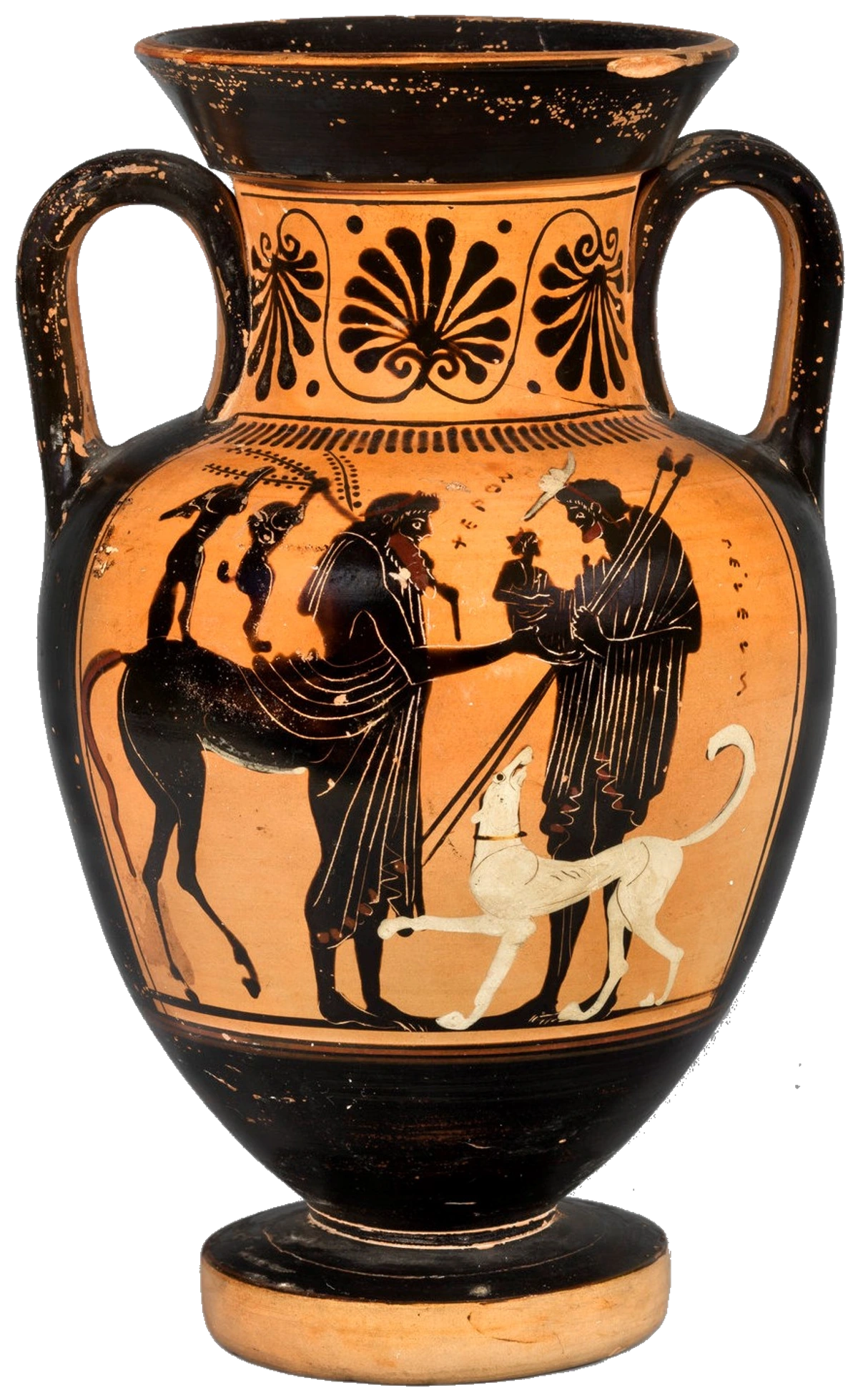
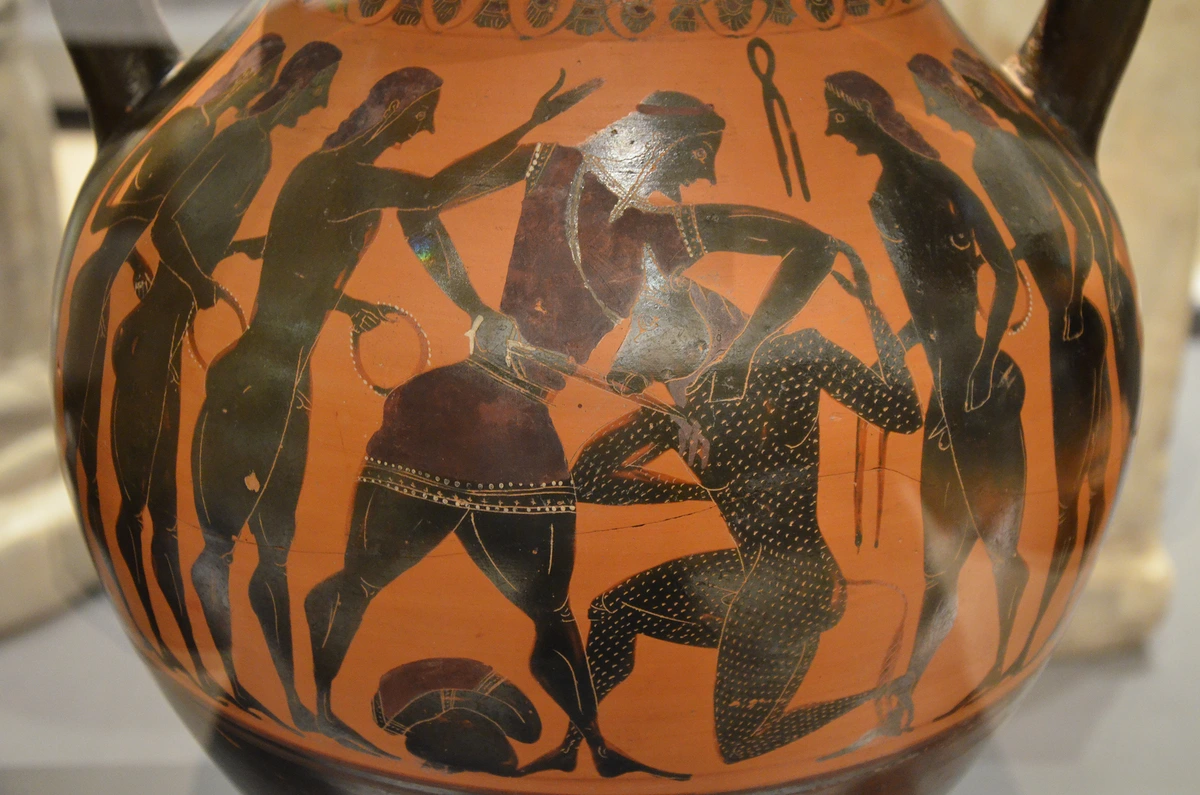
Alongside these burgeoning sculptural forms, early temple architecture, particularly the robust and dignified Doric order, began to take shape, with a focus on simple, powerful structures, providing a monumental setting for religious rituals. But before the grand narratives on temple friezes, the humble pot was often the primary canvas. The earliest styles, like the Geometric style (c. 900-700 BCE), were characterized by abstract patterns (meanders, zigzags, concentric circles) and highly stylized, linear human figures, often arranged in registers on large funerary vases (like the Dipylon amphorae), telling stories through repetition and rhythm, often depicting funerary processions and ekphoreis (laying out of the dead). This evolved into the Orientalizing style (c. 700-600 BCE), which saw the incorporation of Near Eastern motifs like sphinxes, griffins, lions, and floral designs, alongside more complex mythological narratives and a burgeoning interest in monumental scale. Finally, the Black-figure technique (c. 7th to 6th century BCE) emerged as a dominant form, allowing artists to incise details into silhouetted black figures against the natural red clay, creating striking contrasts and dynamic narratives. You can almost feel the artists figuring out, step by painstaking step, how to translate their vision of the human and divine into stone and clay, often depicting scenes from Homeric epics, athletic contests, or daily life. These weren't just decorative items; they were vital storytellers and cultural ambassadors, widely traded across the Mediterranean, spreading Greek culture and visual ideas. It's truly fascinating to see how they built their visual language from the ground up.

This black-figure vase painting, depicting Lyssa, really captures that early Greek dynamism, even with its stylized forms. It's not just about pretty faces; it's about powerful narratives, and the emerging mastery of the human figure in motion, often showcasing athletic feats, mythological clashes, or scenes of daily ritual. It's a reminder that even in seemingly simple forms, there was a profound attempt to capture the essence of human (and divine) drama. The way the lines convey movement and tension is something I still find myself looking for in abstract art today, seeking that underlying energy and rhythm.

Transition to Early and High Classical: The Severe Style
As the Archaic period gave way to the dawn of the Classical era, a pivotal transition in Greek sculpture occurred, often referred to as the Severe Style (c. 490-450 BCE). This phase served as a crucial bridge between the stiff, frontal forms of the Archaic and the idealized naturalism of the High Classical. Figures became less rigid, losing the "archaic smile" in favor of more solemn, serious expressions, reflecting a newfound gravitas and intellectual depth. There was an increased emphasis on anatomical accuracy and dynamic poses, often anticipating the fluid motion of later Classical works. The famous Kritios Boy is a prime example, subtly shifting his weight to one leg, indicating an early understanding of contrapposto, a concept that would revolutionize the depiction of the human form. This period also saw a shift from marble to bronze as a preferred medium for freestanding figures, allowing for greater expressive freedom and more complex compositions, though many of these bronze originals are now lost to us, known only through Roman marble copies. It's a fascinating moment where artists were consciously experimenting, pushing the boundaries of realism and emotional expression, laying the groundwork for the perfection that was to come.
Beyond Sculpture: The Art of Greek Pottery
While Greek sculpture and architecture often steal the show, the intricate world of Greek pottery offers an unparalleled glimpse into daily life, mythology, and artistic innovation. Beyond their functional purpose as containers for wine, water, or oil, these vases were canvases for extraordinary visual storytelling, revealing much about ancient customs, religious beliefs, and popular myths. From the abstract geometric patterns of the earliest periods to the narrative richness of the Archaic and Classical eras, pottery evolved alongside other art forms, demonstrating a constant push towards greater realism and narrative complexity.
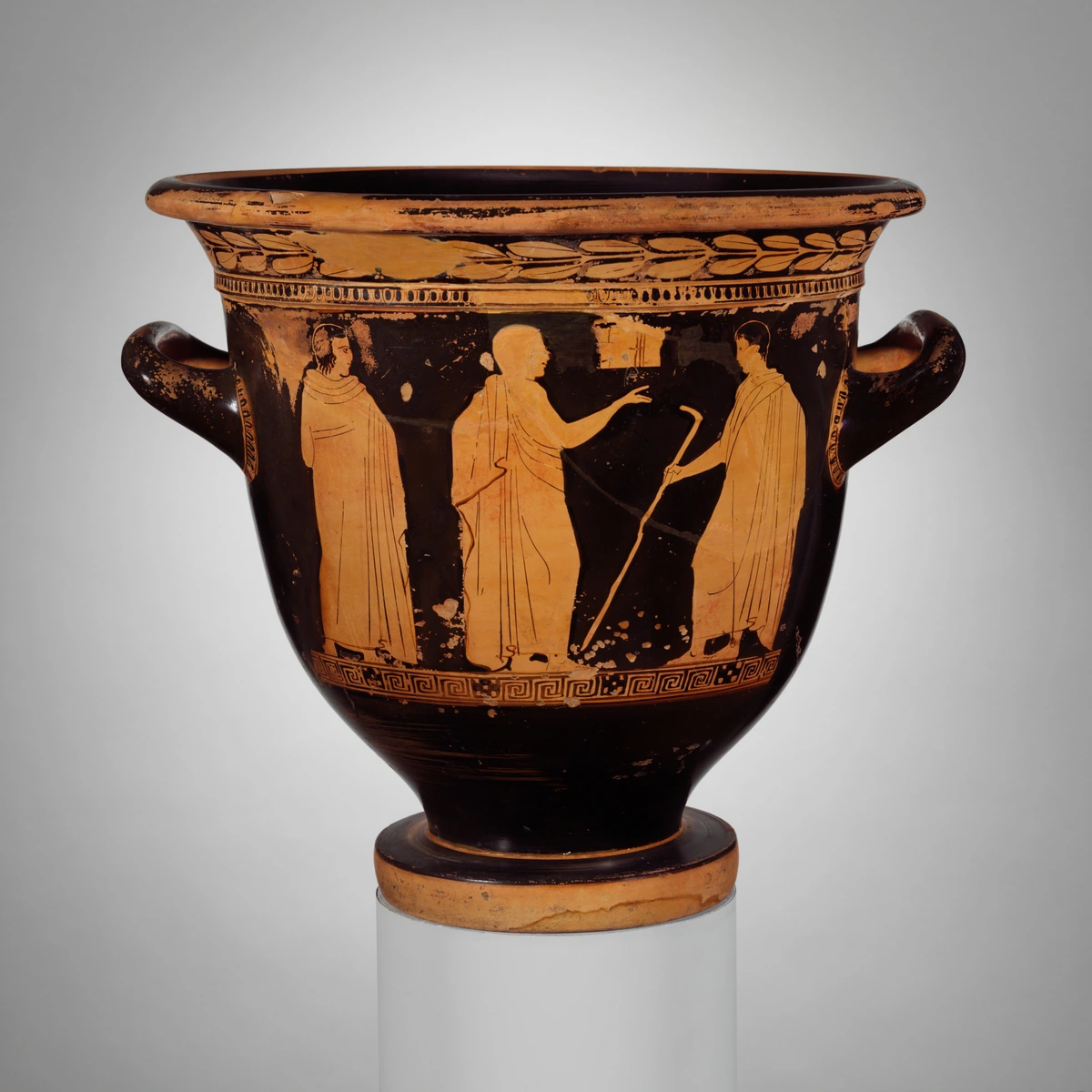
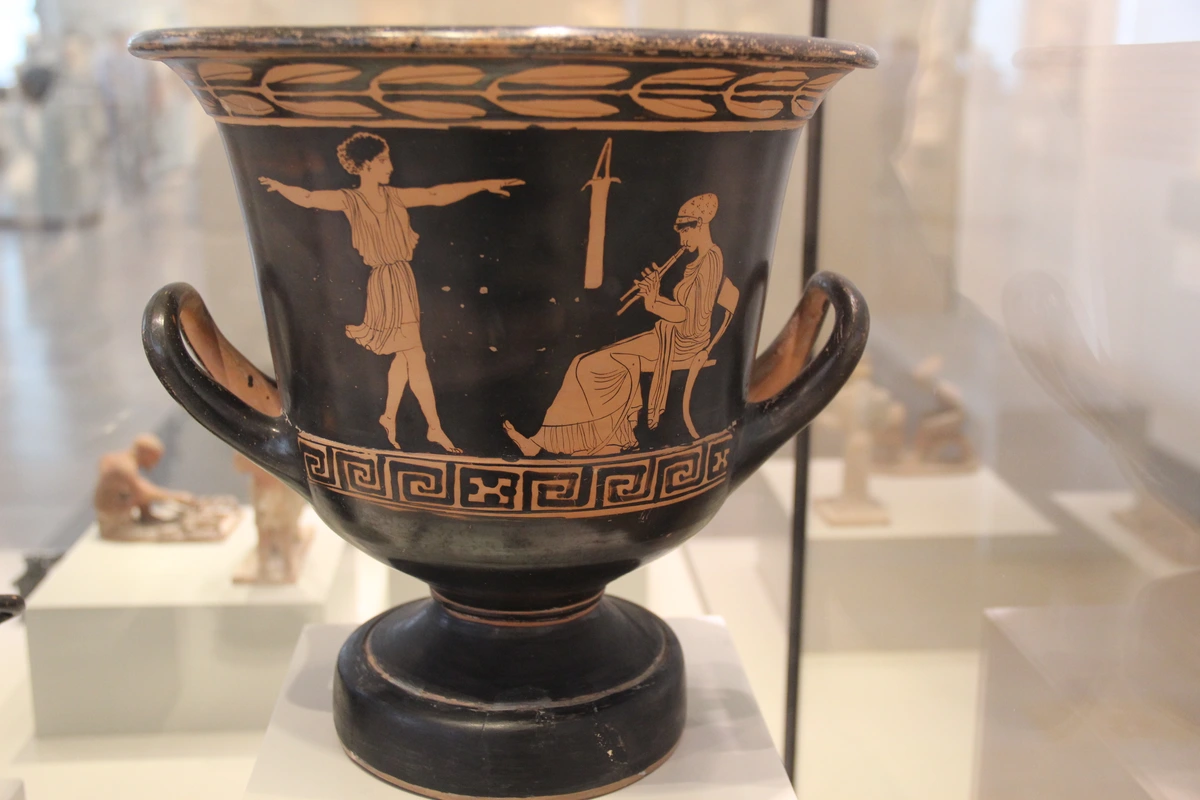
The development of black-figure pottery (c. 7th to 6th century BCE) saw artists incising details into silhouetted black figures against the natural red clay, creating striking contrasts. This technique allowed for sharp outlines and narrative clarity, often depicting scenes from mythology, epic poetry, or daily life. Then, the innovation of red-figure pottery (c. 530 BCE onwards) reversed this, allowing for much greater detail and naturalism by painting the background black and leaving the figures in the red of the clay, with painted details applied with a fine brush. This shift was revolutionary, enabling painters to depict more fluid movements, complex drapery, and subtle anatomical nuances, marking a significant advancement in artistic expression. Master potters and painters, though often anonymous to us today, created dynamic scenes of gods, heroes, athletic contests, and everyday activities, effectively acting as the illustrated books of their time. These vessels not only served practical needs but also disseminated cultural narratives and showcased the incredible skill of Greek artisans, sometimes even signed by the masters themselves, hinting at the rising status of artists.
Beyond these two major techniques, Greek pottery also encompassed other fascinating styles, like the delicate white-ground lekythoi (often used as funerary offerings), where figures were painted on a white slip, offering a lighter, more painterly aesthetic. The shapes of the vases themselves were also highly specialized, from the tall amphora for storage to the elegant kylix for drinking wine, each designed with both function and aesthetic pleasure in mind. It's truly a universe of artistic expression contained within everyday objects!
The Elusive Art of Greek Painting
While sculpture and pottery provide rich evidence of Greek artistic prowess, the art of large-scale panel painting is largely lost to us, known primarily through literary descriptions and Roman copies. Ancient writers lauded masters like Polygnotus, Apelles, and Zeuxis for their revolutionary use of perspective, chiaroscuro, and emotional depth. These monumental paintings, often adorning public buildings and temples, depicted epic mythological cycles and historical events, using techniques like encaustic and tempera. Though only faint echoes remain, the influence of Greek painting is visible in Roman frescoes and mosaics, offering tantalizing glimpses into a vibrant, yet tragically ephemeral, aspect of their visual culture. It's a poignant reminder that much of ancient art, especially the most colorful and immediate forms, has vanished with time, leaving us to reconstruct its grandeur from fragments and written accounts.
The Golden Age: Classical Period
Then came the glorious Classical period (c. 480-323 BCE), and my goodness, did things change! This is truly where we see a revolutionary mastery of the human form, a breathtaking leap from the stiff conventions of the Archaic to a profound, idealized naturalism. This era, particularly the High Classical period under the visionary leadership of Pericles, represented the zenith of Athenian power and artistic achievement, fueled by the city's triumph in the Persian Wars and the burgeoning of democratic ideals. Artists like Phidias, renowned for his monumental work on the Parthenon, Polykleitos, who codified the ideal human proportions, and later Praxiteles, known for his more sensual and graceful figures, weren't just carving; they were breathing life into marble and bronze. They pushed the boundaries of realism while meticulously maintaining an ideal of perfection, creating works that still inspire awe millennia later. It's like they cracked the code of depicting human vitality and dignity, a code that later artists would spend centuries trying to decipher and master – a real breakthrough in how humanity saw itself.
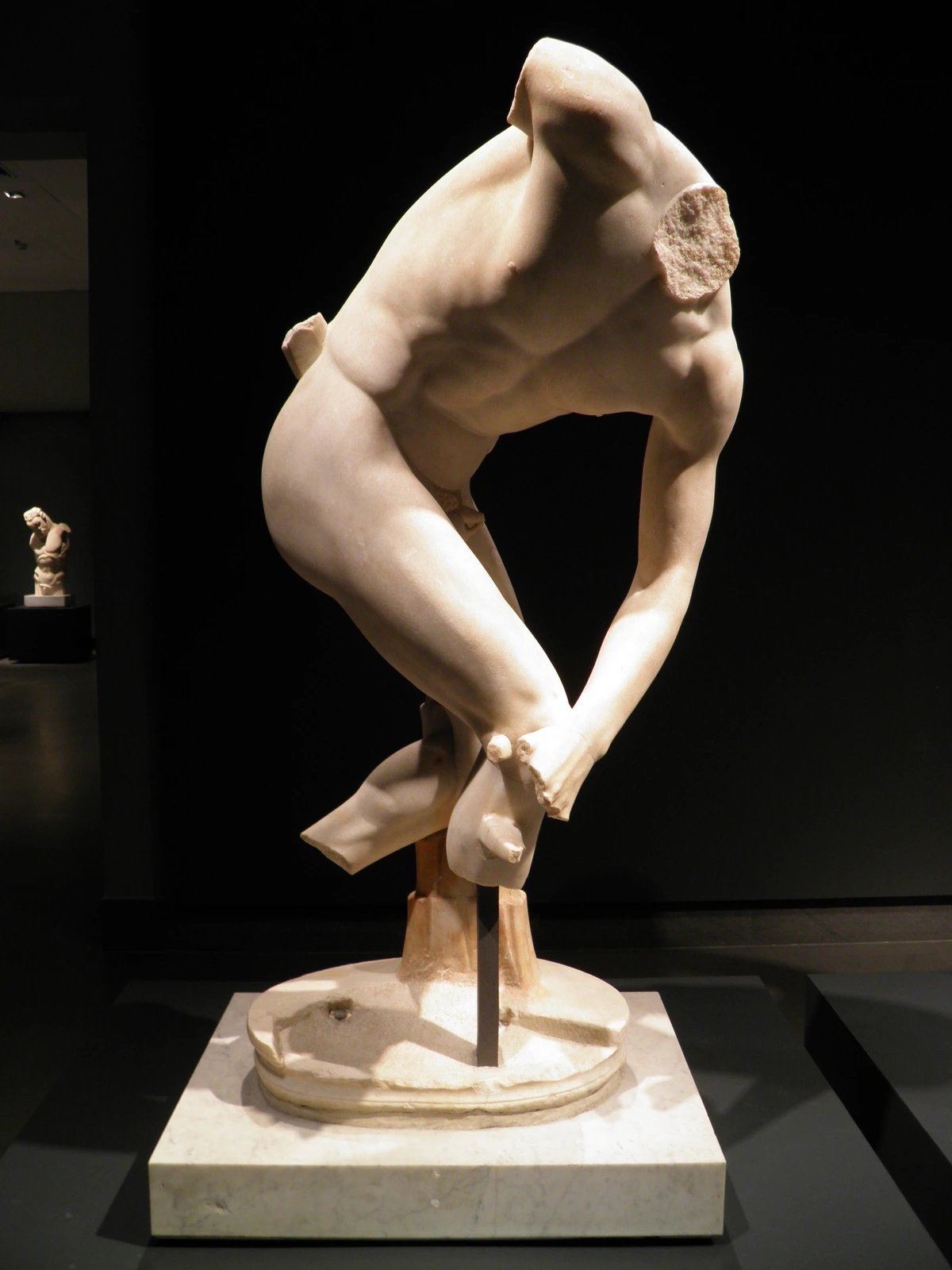
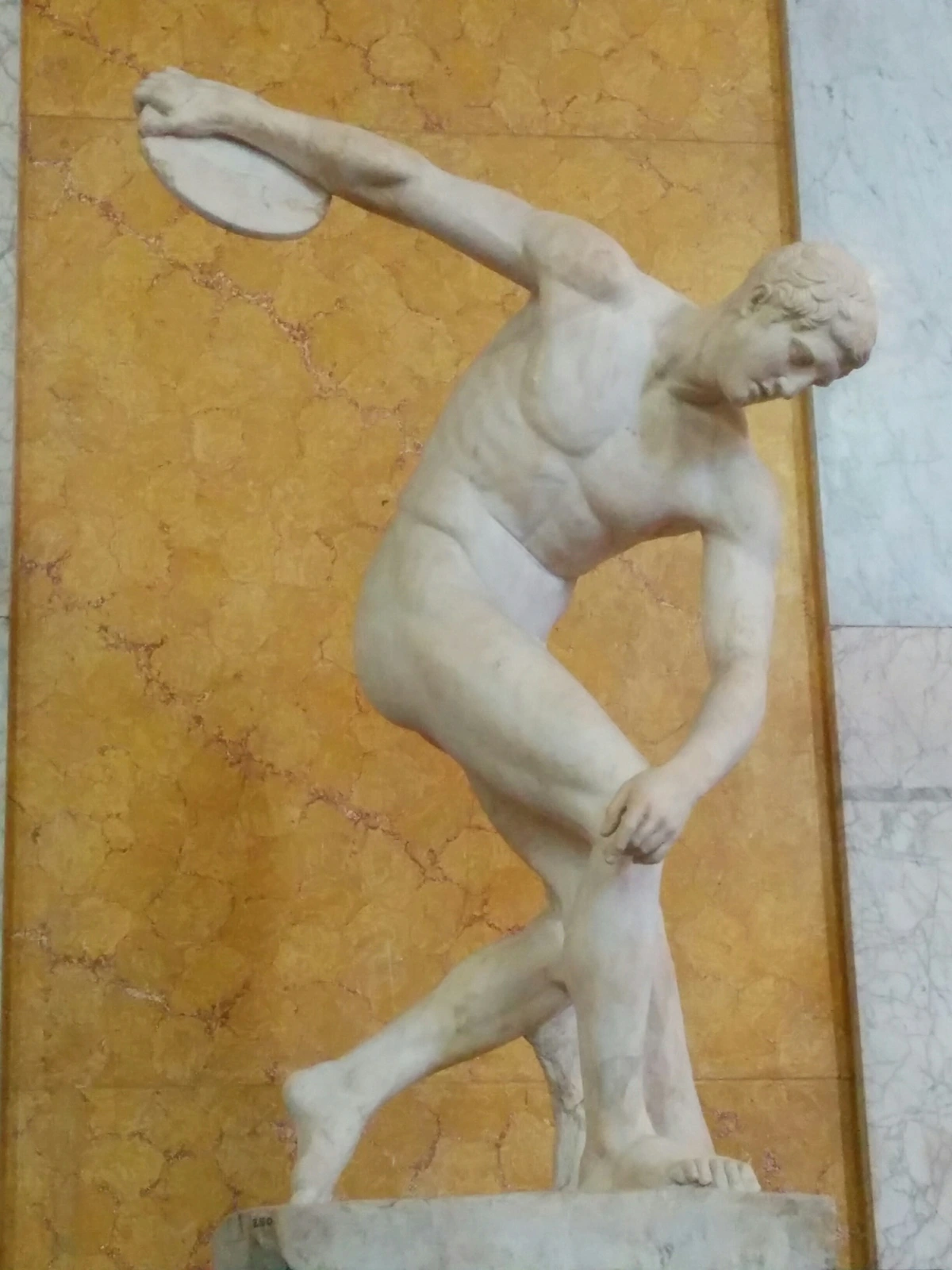
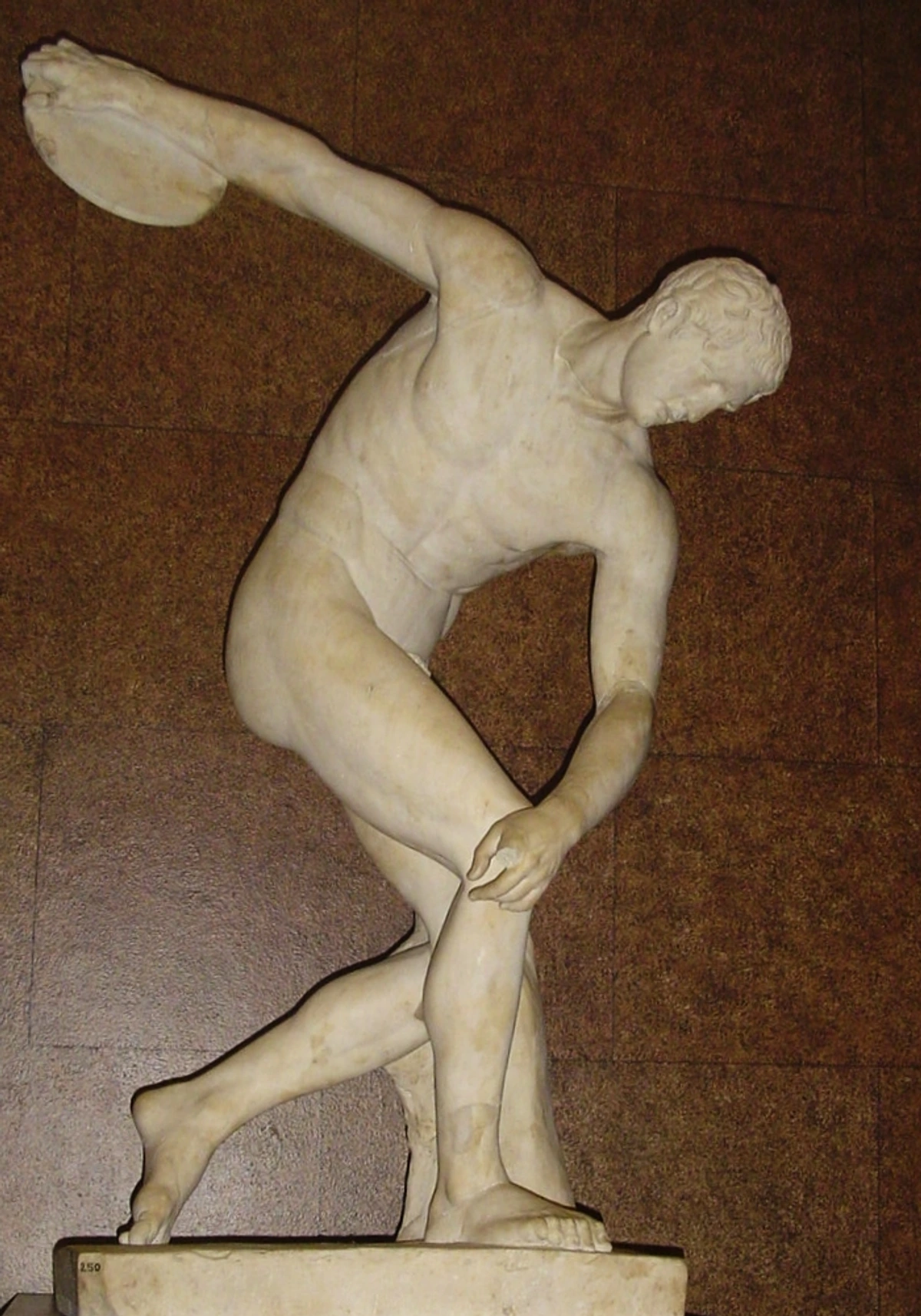
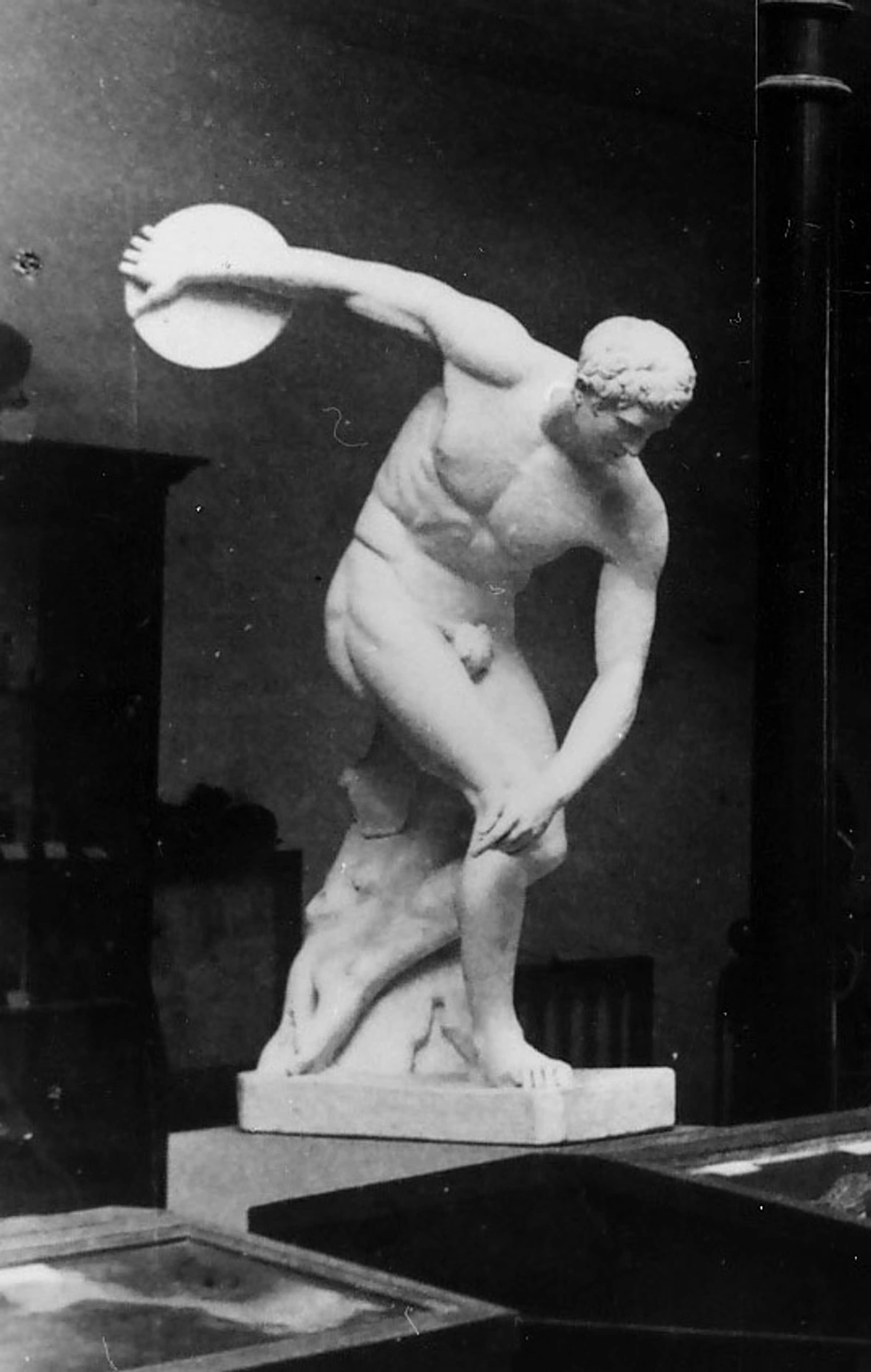
The contrapposto stance became absolutely central – that relaxed, natural pose where a figure's weight is shifted to one leg, creating a subtle S-curve in the body that makes them look dynamic, balanced, and utterly alive. This wasn't just a pose; it was a philosophical statement about human potential and grace. Think of Polykleitos's Doryphoros (Spear-Bearer), a textbook example of their mathematical approach to ideal proportions, embodying the "canon" of human beauty. Polykleitos even wrote a theoretical treatise, The Canon, outlining these precise numerical relationships for the perfect human body – imagine that level of scientific rigor applied to art! Another pivotal sculptor was Myron, whose Discobolus (Discus Thrower) captured a moment of athletic potential and dynamic equilibrium, even if the original bronze is lost to us. Every muscle, every fold of drapery, was considered not just for anatomical accuracy but for achieving ultimate harmony and balance, making the figures feel almost impossibly alive. It's almost as if they were trying to capture the divine in mortal form, and honestly, they got pretty close! This period represents an incredible synthesis of intellectual rigor and artistic prowess, a true golden age for visual culture. And for me, as an artist, understanding their rigorous approach to proportion, the quest for that perfect balance, is profoundly inspiring – a reminder that even in abstraction, these underlying principles of visual harmony are still at play, guiding my hand in finding the right tension and release.
This period also marked the peak of Greek temple architecture, most famously the Parthenon on the Athenian Acropolis, a monumental achievement under the statesman Pericles and overseen by the sculptor Phidias. Adorned with incredible sculptures – from the majestic pedimental figures depicting the birth of Athena and the contest between Athena and Poseidon, to the dynamic metopes illustrating epic battles like the Centauromachy, and the continuous frieze depicting the Panathenaic procession – these structures told grand tales of gods and heroes, celebrating civic identity, democratic ideals, and divine favor. Phidias, as the artistic supervisor of the Parthenon, played a pivotal role in this monumental undertaking, creating a visual symphony of human and divine narrative. The High Classical era, in particular, represented the zenith of Athenian power and artistic achievement, creating works that still inspire awe millennia later. The Parthenon wasn't just a temple; it was a civic statement, a cultural beacon, a treasury, and a testament to Athenian intellectual and artistic prowess, with its subtle optical refinements (like entasis, the slight swelling of columns, or the curving of the stylobate) designed to make the building appear perfectly straight and harmonious to the human eye. Beyond the Parthenon, other structures on the Acropolis, like the elegant Erechtheion with its Caryatids (female figures serving as columns), also showcased the refined artistry of the period. It’s a level of sophistication that still makes me shake my head in wonder, truly a monument to human ingenuity and communal endeavor, combining the highest principles of mathematics, engineering, and aesthetic vision.
Drama and Emotion: Hellenistic Period
After the monumental death of Alexander the Great, the art world underwent a seismic shift, ushering in the Hellenistic period (c. 323-31 BCE). This era exploded with emotion, drama, and a newfound theatricality, largely due to the political fragmentation of Alexander's vast empire into several powerful Hellenistic kingdoms and the rise of ambitious new cultural centers. The cool, calm rationality and idealized restraint of the Classical era gave way to intense feeling, dynamic movement, and often exaggerated expressions. Artistic innovation flourished in new hubs like Alexandria (Egypt), famed for its library and intellectual pursuits, Pergamon (Asia Minor), Rhodes, and Antioch, as the cultural landscape broadened across the vast territories conquered by Alexander. This widespread dissemination of Greek culture, often termed Hellenization, meant that Greek artistic ideals fused with local traditions across a vast empire. Artists weren't afraid to depict raw pain, profound suffering, or intense joy, and the range of subjects expanded dramatically to include genre scenes (depicting everyday life), realistic portraits of rulers, and even exotic peoples, reflecting a more diverse and globalized world. It's like the emotional volume knob was suddenly turned all the way up, reflecting a more complex and individualistic world view!
This shift in artistic focus also paralleled new philosophical currents. The rise of philosophies like Stoicism (emphasizing reason and virtue, often depicting emotional control and resilience) and Epicureanism (focusing on pleasure as the absence of pain, and a more private, contemplative life) provided a rich intellectual backdrop for the exploration of individual human experience and emotion in art. The art could reflect both the turbulent public sphere and the private quests for meaning in a rapidly changing world.
Think of the visceral, almost agonizing struggle in the Laocoön Group, with its writhing figures battling serpents in a tragic embrace – it's art that grabs you and refuses to let go, showcasing a mastery of human anatomy and emotional expression that still feels utterly modern. Or the powerful, wind-swept sweep of the Winged Victory of Samothrace, a masterpiece that conveys triumphant energy even without its head, originally situated dramatically at the prow of a ship overlooking the sea. This sculpture perfectly embodies the Hellenistic desire for dynamic movement and dramatic effect. Another powerful example is the Great Altar of Zeus at Pergamon, with its monumental frieze depicting the Gigantomachy (battle between gods and giants), overflowing with dramatic action, muscular figures, and intense emotional expressions, showcasing the Baroque tendencies of Hellenistic sculpture. The pathos and realism seen in works like the Dying Gaul, depicting a defeated Celtic warrior with dignity and suffering, further illustrate this era's fascination with extreme emotions and a broader range of human experience, even beyond idealized heroes. It's like the art world suddenly discovered cinematic drama, pushing emotional and compositional expressions to their dramatic limits, embracing pathos and virtuosity in equal measure. These artists were truly putting on a show!
This magnificent piece truly embodies the Hellenistic spirit. Even without a head, you feel the movement, the triumph, the dynamic interplay of drapery against the wind. It makes you wonder how much more powerful it must have been with its original context and details.
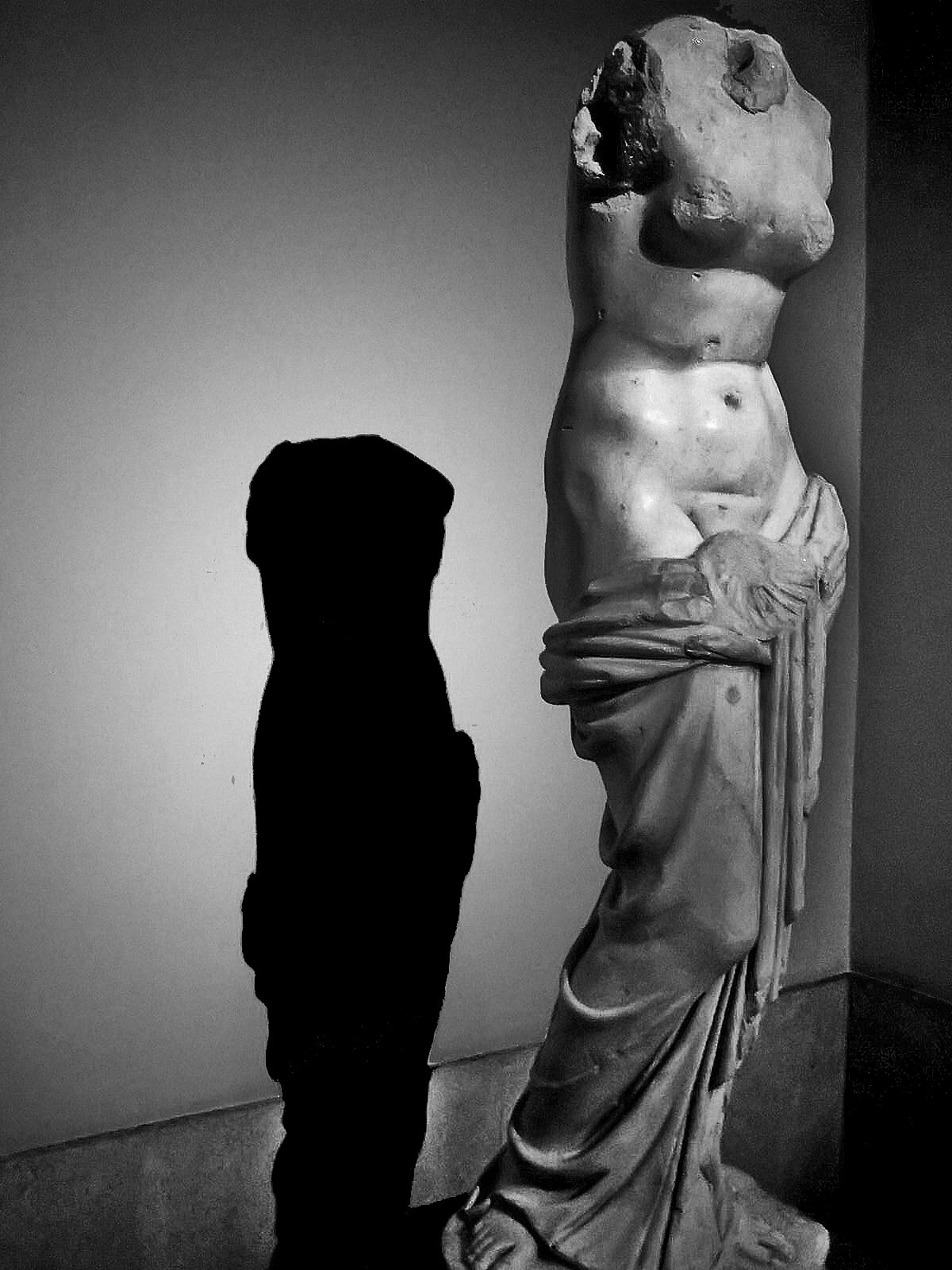
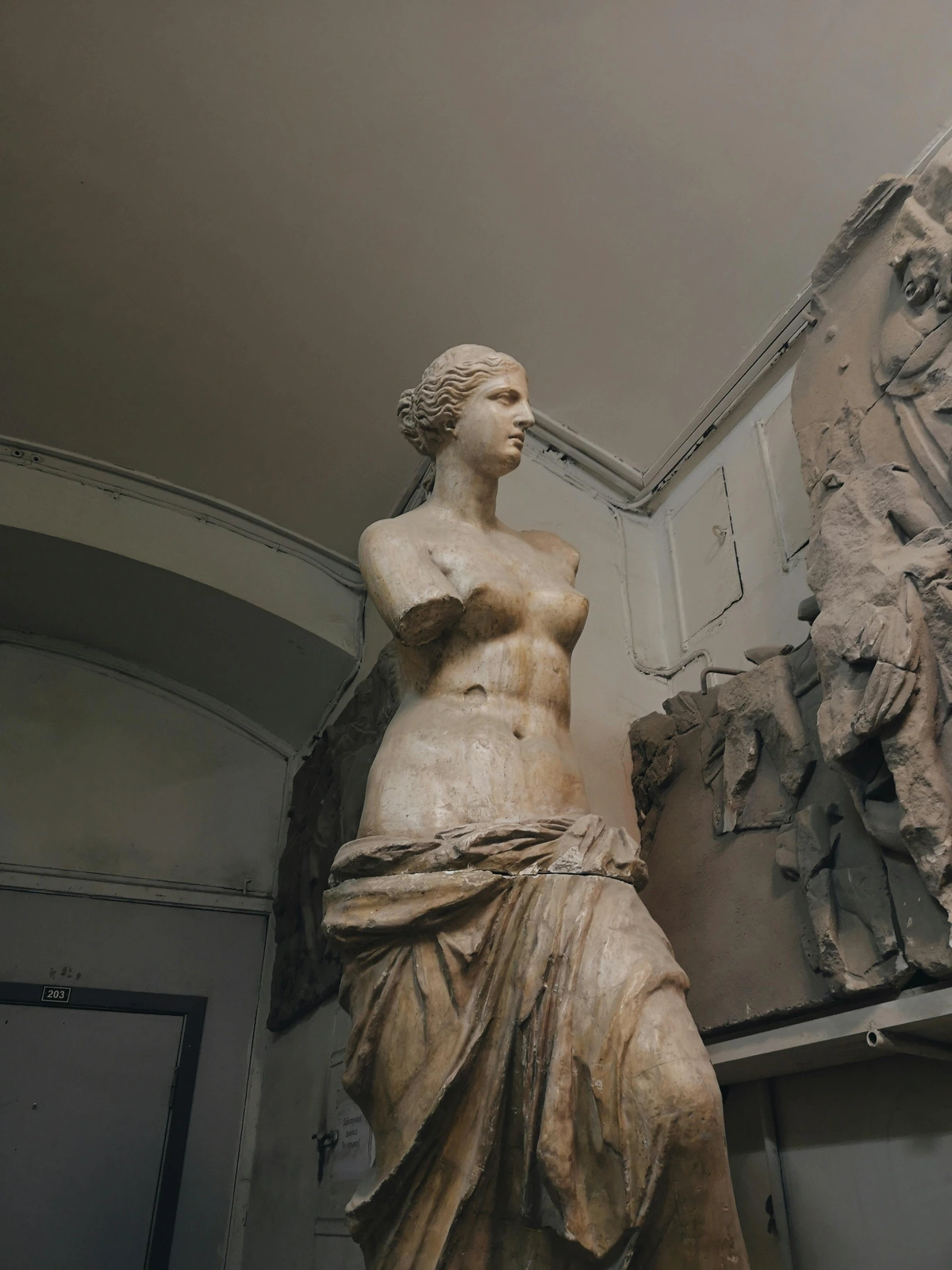
And, of course, the Venus de Milo is another Hellenistic marvel. Created around 130-100 BCE, this sculpture of Aphrodite (Venus to the Romans) combines the Classical ideal of beauty with the Hellenistic emphasis on dramatic naturalism and sensuality. Discovered on the island of Milos in 1820, its serene beauty and graceful pose, even in its damaged state with missing arms and original base, are breathtaking. It's a sculpture that still inspires countless artists and has probably launched a thousand art history essays, a testament to its enduring enigmatic allure! I can't help but be struck by the way Hellenistic artists could evoke such power and sensuality simultaneously, making her an icon of both classical perfection and Hellenistic dynamism.

The Roman Legacy: Power, Practicality, and a Touch of Propaganda
Now, let's hop over to Rome. While the Romans certainly admired and often copied Greek art (sometimes, let's be honest, they just took it, especially during times of conquest), they weren't mere imitators. They had their own distinct artistic vision, one deeply rooted in practicality, empire-building, and a keen sense of history. Unlike the Greeks, who emphasized individual city-states, the Romans were about unity and expansion. If the Greeks were philosophers and theorists, the Romans were engineers, administrators, and masters of efficient construction. Crucially, the Etruscans, an earlier civilization in central Italy, profoundly influenced early Roman art and architecture, particularly in their use of the arch and vault, their bronze work, and their vibrant tomb paintings. This foundational influence, combined with a pragmatic Roman spirit, shaped their innovations in architecture, urban planning, and portraiture, demonstrating a powerful and distinctive approach to art.
The Etruscans, flourishing in central Italy from the 8th to 3rd centuries BCE, left an indelible mark on early Roman culture and art. They were masters of bronze casting, creating expressive figures and intricate votive objects like the dynamic Apollo of Veii and the elaborate Chimera of Arezzo. Their distinctive sarcophagi from Cerveteri, often depicting reclining couples in a lively, engaged manner, reveal a unique approach to funerary art, brimming with a sense of life rather than solemnity. Their tomb painting, with lively banquet scenes and mythological narratives, influenced Roman domestic art, while their architectural innovations, particularly the use of the arch and vault, provided crucial structural precedents that the Romans would later perfect. This blend of Etruscan technical prowess and Roman pragmatism forged a unique artistic identity, distinct from Greek ideals, laying the groundwork for Rome's monumental architectural achievements.
This wasn't just art for art's sake; it was art with a purpose, meticulously designed to reinforce their values, celebrate their triumphs, and assert their authority across a vast empire. They understood, perhaps better than anyone before them, the power of visual communication to shape public opinion and maintain order. It’s a fascinating contrast to the Greek pursuit of abstract ideals – the Romans wanted their art to do something concrete, to tell a story, to legitimize power, to govern.
Period | Dates | Key Characteristics | Prominent Art Forms | Notable Examples (Conceptual) |
|---|---|---|---|---|
| Republic | c. 509-27 BCE | Verism (hyper-realism) in portraiture; focus on civic virtue; influence of Etruscan art | Portrait busts, temples (Roman adaptations) | Busts of Roman citizens |
| Early Empire | c. 27 BCE - 180 CE | Idealized portraiture (Augustus); monumental architecture; historical reliefs; propaganda | Imperial forums, triumphal arches, frescoes, mosaics | Ara Pacis, Colosseum, Pantheon |
| Late Empire | c. 180-476 CE | Shift towards abstraction, less naturalism; spiritual focus; symbolic representation | Arch of Constantine, Sarcophagi | Tetrarchs |
A New Face: Roman Portraiture and Verism
One of the most striking differences I found when exploring Roman art was in their approach to portraiture. While the Greeks often pursued an idealized perfection, Romans, particularly during the Republic, embraced verism. This wasn't about making someone look like a god or a flawless hero; it was a hyper-realistic style that captured every wrinkle, every wart, every sign of age, experience, and wisdom. This unflinching realism wasn't a critique; it was about honoring the individual, especially the elders who embodied the civic virtues (virtus) of the Republic – gravitas (seriousness), fidelitas (loyalty), and a lifetime of public service. This veneration of ancestors and their achievements was a cornerstone of Roman society, deeply connected to the imagines (wax death masks) of their forebears. Veristic portraits served as powerful reminders of family lineage and civic duty, a constant visual sermon on the importance of tradition and public service. It's a style that feels incredibly honest, almost brutally so, but with a deep respect for the individual's journey.
These portrait busts, often carved in marble, feel incredibly personal, don't they? They offer a direct, almost unsettlingly immediate line to someone who lived thousands of years ago, giving us a sense of their character and presence. This focus on individual likeness and the celebration of age contrasted sharply with the Greek emphasis on youthful, athletic idealism. As the Republic transitioned into the Empire, particularly under Augustus, portraiture often shifted back towards a more idealized form, blending youthful vigor with classical restraint, but still maintaining an identifiable likeness. You can learn more about this fascinating style of verism, and it really highlights how Roman art served a distinct cultural and political function from its Greek predecessors. I mean, imagine having a sculpture of your stern, experienced grandfather in your living room – it’s a constant reminder of the values he stood for, isn’t it?
### Public Works, Propaganda, and Grandeur
Roman art was, undeniably, all about power, practicality, and projecting the might of an empire. Just think of their monumental architecture: the awe-inspiring Colosseum (a massive amphitheater for gladiatorial contests and public spectacles, an icon of Roman entertainment and engineering, and a marvel of tiered seating and efficient crowd control), the engineering marvel that is the Pantheon (with its revolutionary unreinforced concrete dome, still the largest in the world, a testament to their mastery of materials and spatial design, creating an interior space of sublime harmony), and the vast, intricate network of roads, bridges, and aqueducts that crisscrossed their dominion. These weren't just buildings; they were statements, both of Roman power and their incredible ability to solve practical problems on a grand scale, ensuring the flow of water, people, and goods across the empire. The Roman Forums, bustling centers of civic and commercial life, were also adorned with temples, basilicas (multi-purpose public buildings for law courts, markets, and meetings), and monuments, all contributing to the assertion of Roman authority and efficient city planning. Beyond these grand statements, Roman urbanism included innovations like multi-story apartment buildings called insulae, organized street grids, and extensive public bath complexes that served as vital social and cultural centers, blending utility with grandeur. Art was not merely decorative; it was a vital tool used to communicate imperial might, to celebrate military victories with resounding clarity, and to record history for posterity. It’s like they designed an entire urban landscape to constantly remind you of the glory and stability of Rome – a truly immersive propaganda experience, making sure everyone got the message!
Under influential emperors like Augustus, art became a key instrument in projecting the Pax Romana (Roman Peace) and glorifying the imperial family and its divine connections, as beautifully captured in the stunning processional reliefs of the Ara Pacis (Altar of Peace), which commemorated Augustus's return from military campaigns. The Ara Pacis, with its intricate friezes depicting imperial family members and mythological scenes, subtly blended propaganda with classical elegance. Triumphal arches, like those of Titus or Constantine, and historical reliefs (such as the continuous narrative spiral on Trajan's Column, detailing the Dacian Wars, a monumental achievement in storytelling) are like ancient newsreels, telling vivid, detailed stories of conquest, civic achievement, and the emperor's leadership. These weren't just sculptures; they were public statements, carefully curated to shape public opinion and reinforce the stability and glory of Rome, often distributed across the vast empire to ensure a consistent message. Each arch and column served as a permanent record of imperial power and success, a constant visual reminder of who was in charge.
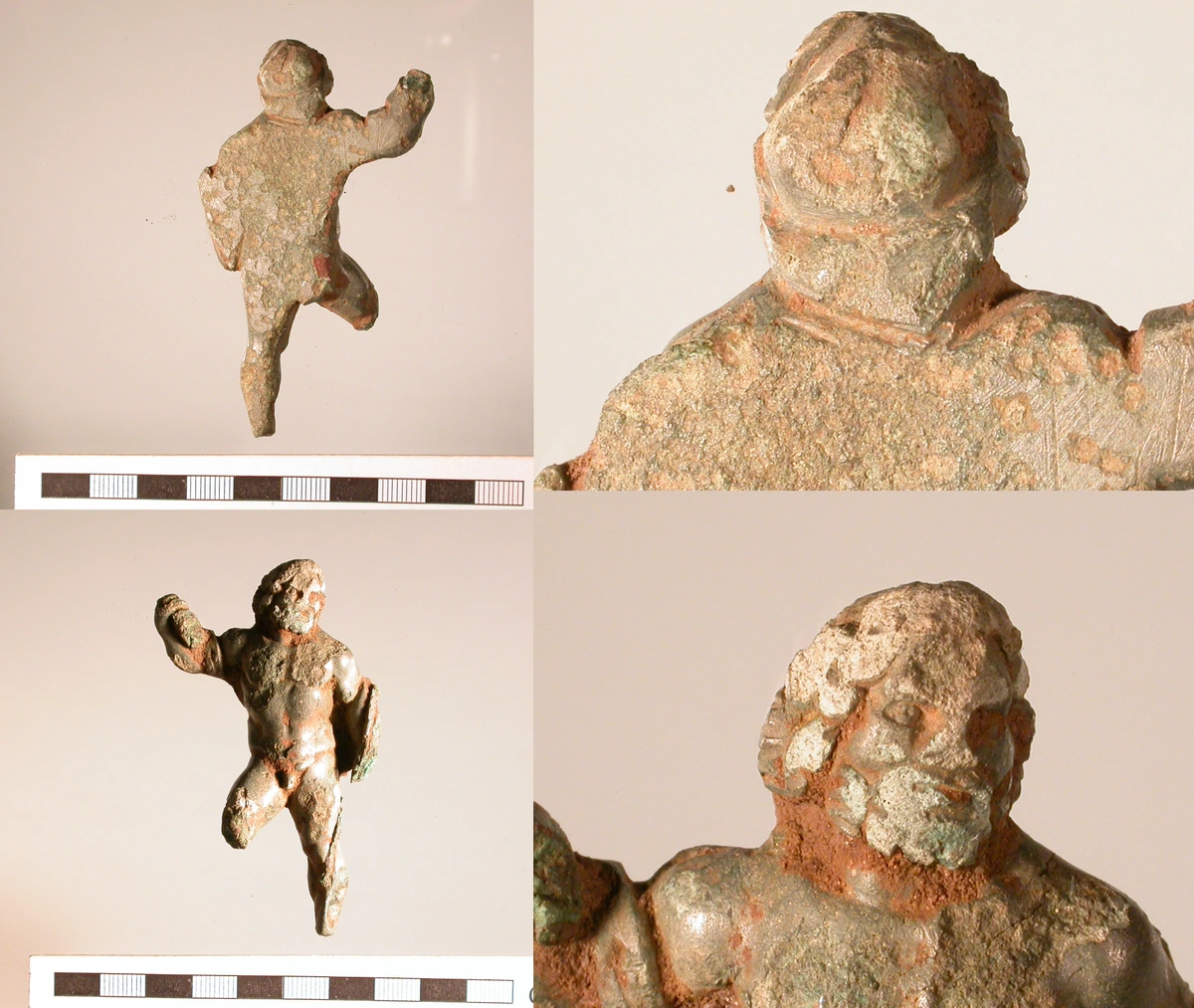
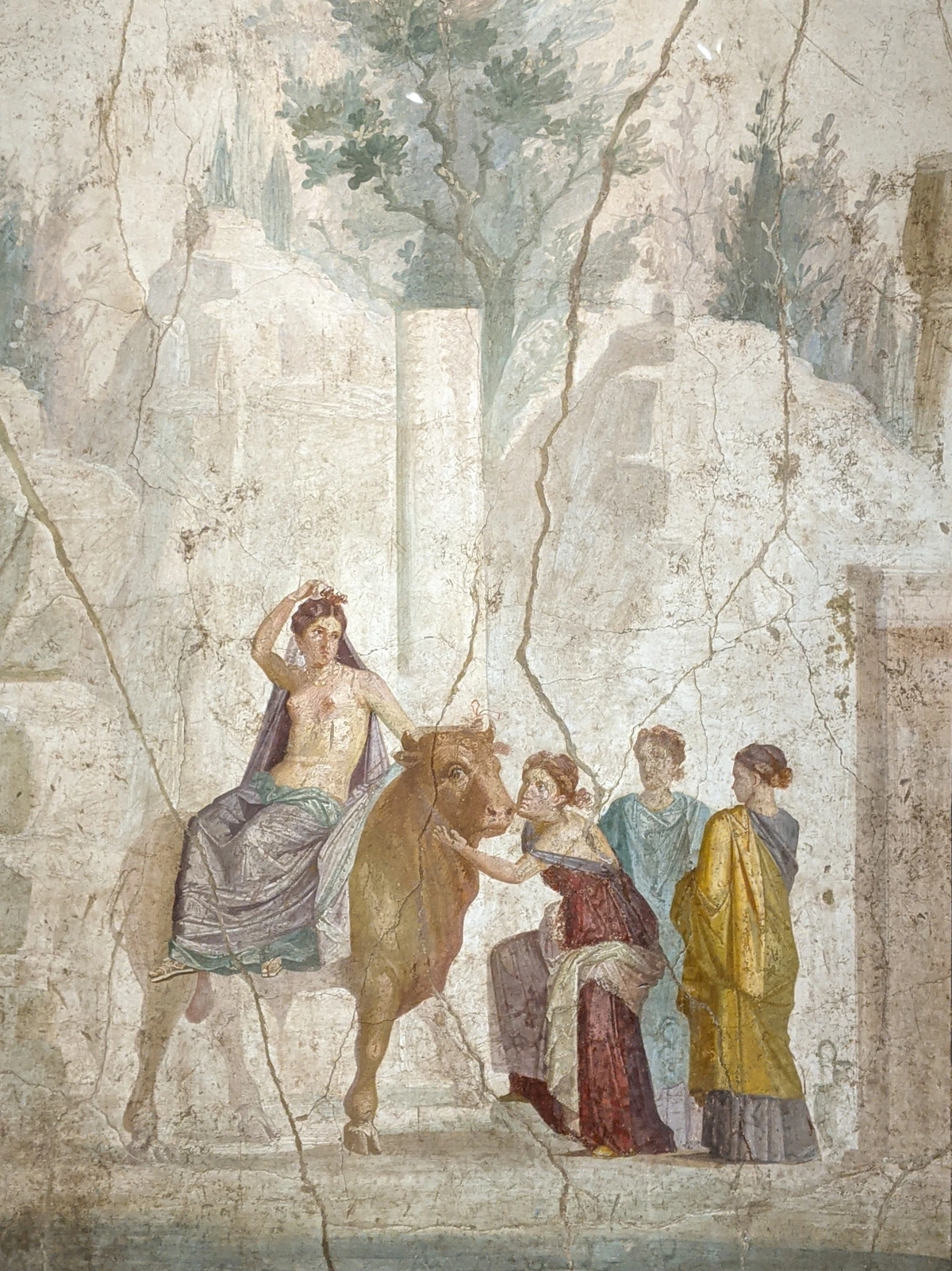
And let's definitely not forget the interiors! Roman villas, particularly those in places like Pompeii and Herculaneum, were often adorned with stunning frescoes (wall paintings) and intricate mosaics. These weren't just decorative embellishments; they transformed entire rooms, depicting mythological scenes, daily life, grand landscapes, and elaborate architectural vistas, creating incredibly immersive and illusionistic environments. The remarkable preservation of these sites gives us an unparalleled window into the vibrancy of Roman domestic art, showing us how the wealthy lived and expressed their tastes.
The evolution of Roman wall painting is often categorized into four distinct Pompeian Styles, each demonstrating a remarkable progression in artistic sophistication and illusionism, like a visual journey through changing interior design trends. The First Style (c. 200-80 BCE), or Incrustation Style, mimicked colored marble blocks through painted stucco, creating an impression of expensive materials without the actual cost, a practical display of faux luxury. The Second Style (c. 80-15 BCE), or Architectural Style, broke through walls with grand, three-dimensional architectural views and landscapes, often featuring mythological scenes or sacred-idyllic landscapes, creating deep illusionistic spaces that seemed to extend the room itself, transporting the viewer to another world. The Third Style (c. 15 BCE - 50 CE), or Ornate Style, introduced delicate, linear fantasies with central mythological panels, emphasizing elegance, subtle detail, and more restrained compositions, often against monochromatic backgrounds, reflecting a shift towards more refined taste. And the Fourth Style (c. 50-79 CE), or Intricate Style, combined elements of all three, creating crowded, eclectic, and often dramatic compositions with a mix of architectural fantasies, mythological scenes, and genre pictures – a maximalist approach to interior decoration that could be both grand and playful! I've always been captivated by the sheer labor and artistry involved in these works, especially in mosaic art, which is a subject I’ve explored in depth on the site. If you're curious, check out what is mosaic art and the art of mosaic history, techniques, and contemporary applications.
credit, licence
The frescoes at the Villa of the Mysteries in Pompeii, for instance, are just mind-blowing. The colors, the narrative, the way they transform a room – it’s immersive storytelling from before cinema even existed. You can almost feel the whispers of ancient rituals. The history of fresco painting is a rich topic on its own, and the Romans truly mastered it, making walls come alive. They created these incredible trompe l'oeil effects that would trick your eye into seeing entire new spaces, turning a simple room into a grand vista or a mythological stage. It makes me think about how much we still strive for immersive experiences in art today, just with different tools.
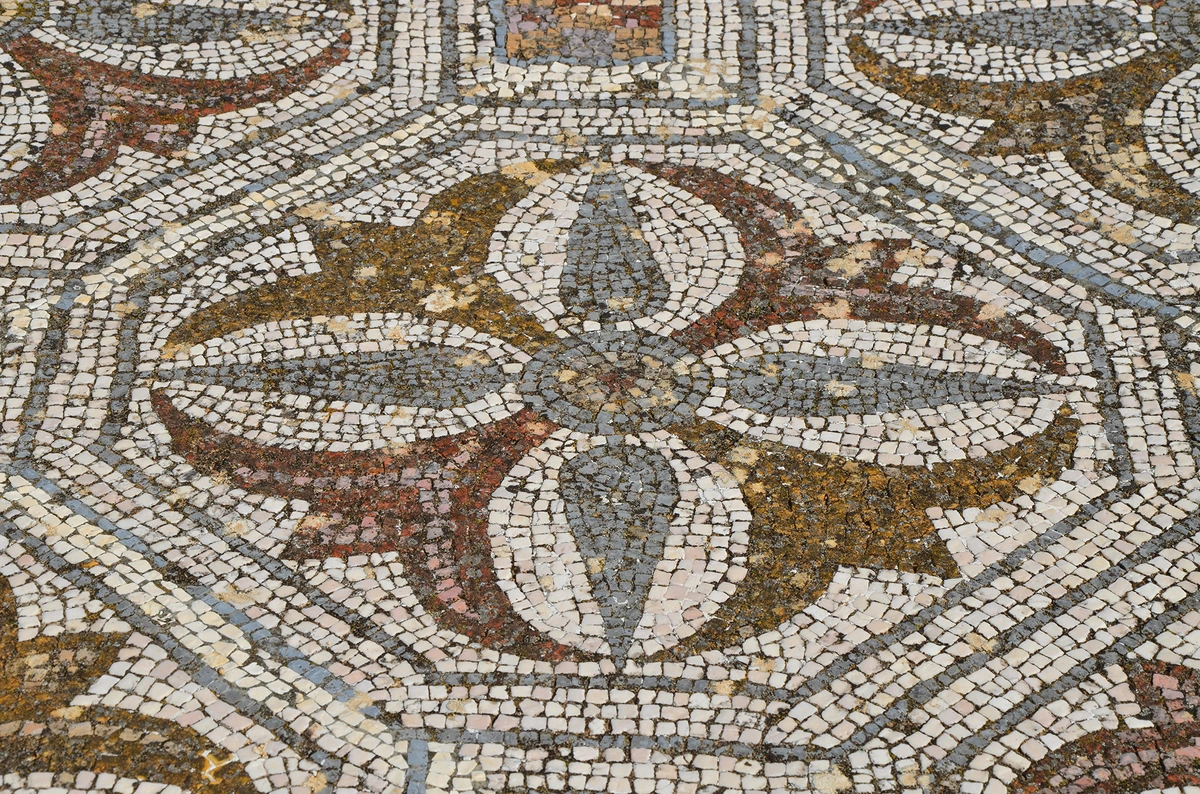
And look at this Roman mosaic! It’s a snapshot of a vibrant moment, full of narrative and incredible texture. Imagine walking on this every day – a constant reminder of stories, luxury, and the aesthetic values of its owner. Roman mosaics, crafted from countless tiny pieces of stone, glass, or ceramic (tesserae), were painstakingly arranged to form intricate images and patterns, often adorning floors and walls in both private villas and public baths. Themes ranged from mythological scenes, geometric patterns, and portraits, to lively depictions of gladiatorial contests, theatrical performances, and even exotic animals or Nilotic landscapes. Techniques like opus vermiculatum (using tiny tesserae for fine detail, allowing for subtle gradations of color and realistic effects, often used for central emblems) and opus tessellatum (using larger, more uniform tesserae for broader designs and backgrounds) allowed for incredible artistic versatility and durability, creating stunning, colorful glimpses into ancient life and mythology. These weren’t just pretty patterns; they were often elaborate commissions, telling complex stories or celebrating the homeowner's achievements and tastes. The durability of mosaics is also astounding, allowing us to see these vibrant works millennia after they were created, almost perfectly preserved. If you're curious, check out what is mosaic art and the art of mosaic history, techniques, and contemporary applications – it’s a craft that's truly stood the test of time and still holds so much appeal.
The Late Roman Empire: A Shifting Aesthetic
As the mighty Roman Empire faced increasing internal strife, economic instability, and external pressures, particularly during the tumultuous Crisis of the Third Century (c. 235-284 CE), its artistic expressions began to undergo a profound transformation. This period of rapid political turnover and military conflict fundamentally altered the Roman worldview, leading to a decline in classical naturalism. The idealized naturalism and classical canons of earlier periods gradually gave way to a more abstract, hierarchical, and spiritual style, reflecting a society grappling with profound change and the rise of new religious beliefs, notably Christianity. This wasn't a decline in skill, but a shift in aesthetic priorities. Figures often became stockier, with larger, more expressive eyes, and a greater focus on symbolic representation rather than strict anatomical realism. The emphasis moved from the earthly and individual to the spiritual and collective, paving the way for the art of the early Christian and Byzantine eras. This transformation was further solidified by the move of the imperial capital to Constantinople in 330 CE, creating a new cultural and artistic hub that blended Roman traditions with Eastern influences, directly leading to the distinct Byzantine aesthetic. It's almost as if the gaze of the empire turned inward, seeking solace and meaning beyond the tangible.
This dramatic shift can be seen powerfully in key works like the Arch of Constantine in Rome, dedicated in 315 CE. Here, newly carved reliefs, with their compressed figures and frontal compositions, strikingly juxtapose with repurposed older reliefs taken from earlier imperial monuments, demonstrating a conscious embrace of a new, more symbolic visual language that prioritized legibility and monumental impact over classical grace. Another iconic example is the famous group portrait of the Tetrarchs, carved in porphyry around 300 CE, likely from Constantinople or Nicomedia. These four co-emperors are depicted in stylized, almost block-like forms, emphasizing their unity and shared power rather than individual likeness, reflecting the political realities of a divided empire under Diocletian's tetrarchy. This era also witnessed the burgeoning of Early Christian art, which developed in clandestine catacombs and later in grand basilicas. Artists cleverly adapted many classical forms and symbols (like the good shepherd or the chi-rho monogram) to convey novel religious narratives and beliefs, using visual shorthand to communicate with new Christian communities, and ultimately laying much of the groundwork for the rich, iconographic traditions of the Byzantine aesthetic. The use of elaborate mosaics in churches, depicting biblical scenes and saints with glittering gold backgrounds, also became a prominent feature, moving away from purely illusionistic painting towards a more symbolic and spiritual aesthetic. It's a fascinating period where old traditions met new spiritual needs, forging a distinctive new visual language, and one that deeply influenced later movements, as you can explore in the influence of Byzantine art on Renaissance painting. It’s like watching an entire culture pivot its artistic priorities.
Materials and Techniques: The Art of Persistence
These ancient artists weren't just skilled; they were masters of their craft, using materials that have literally stood the test of time. Marble was, of course, king for sculpture, prized for its ability to be carved with incredible detail and to capture the subtle play of light on surfaces. Quarries across the Mediterranean, like those on Paros (for its translucent Parian marble) and Carrara, supplied the pristine stone. Sculptors employed a range of specialized tools, from heavy points to remove large sections, to various chisels (flat, toothed, or round) for shaping and refining, and even drills for creating deep undercuts and delicate details. Finally, rasps and abrasives were used for smoothing, followed by careful polishing to achieve the desired finish. This painstaking process enabled them to achieve both monumental scale and intricate delicacy, from roughing out a form to polishing the final surface. But here's a crucial point often overlooked: many of these marble sculptures were not originally pristine white! They were often vividly painted in what's known as polychromy, using mineral pigments (derived from natural earth minerals like ochre, cinnabar, or malachite) and sometimes even gold leaf, to bring figures and architectural elements to life with vibrant color. Imagine the Parthenon in its full, colorful glory – a truly dazzling sight, probably looking almost garish to our modern eyes, but incredibly lifelike to the ancients! Unfortunately, time and exposure has stripped away most of this original paint, leaving us with the stark white we see today, a beautiful but incomplete picture.
Bronze was also widely used for statues, often cast using the complex lost-wax method (cire perdue). This highly sophisticated technique involved several intricate steps: first, a rough clay core was sculpted to approximate the internal shape of the final figure; this was then coated in a layer of wax, into which the artist would carve the precise details of the figure, essentially creating a perfect wax replica. Next, the wax model was encased in another layer of clay, meticulously creating channels (sprues) for pouring the molten bronze and vents for gases to escape. When heated in a kiln, the wax melted away and ran out (hence "lost wax"), leaving a perfect hollow mold into which molten bronze could be poured. Once cooled, the outer clay mold was carefully broken, revealing the hollow bronze sculpture, which then required extensive finishing, chasing (tooling the metal surface), and polishing to bring out its full detail and luster. This allowed for lighter, larger, and more dynamic poses than marble, as bronze has greater tensile strength and can support more outstretched limbs. Tragically, far fewer bronze statues have survived due to being melted down for other purposes (like weapons or coinage) over the centuries, meaning our understanding of Greek and Roman sculpture is largely skewed towards marble, which ironically means we see more of what they thought was secondary.
Architectural Innovations and Materials
While Greek architecture excelled in refined stonework, the Romans revolutionized building with new materials and structural forms. Their mastery of concrete (a revolutionary mixture of pozzolana, a volcanic ash, with lime, water, and various aggregates like rubble, pumice, or broken brick) allowed for massive, flexible construction previously impossible, paving the way for grander, more complex buildings that could withstand the test of time and even underwater environments. This innovation, coupled with the widespread use of brick (often faced with marble, stucco, or other decorative materials), enabled the rapid and economical construction of vast public works across the empire, from military fortifications and intricate sewer systems to bustling apartment buildings (insulae). The Roman adoption and refinement of the arch, vault, and dome were nothing short of engineering marvels, allowing for expansive interior spaces and incredible structural integrity, epitomized by the awe-inspiring, unreinforced concrete dome of the Pantheon. These developments not only facilitated the practical needs of an expanding empire but also created a new architectural language that profoundly influenced subsequent eras. I mean, the Pantheon still stands strong today; that’s a testament to some serious structural genius! It’s incredible to think how much modern architecture owes to these ancient innovators, especially in terms of structural innovation and material science.
Crafting Immortality: Key Materials and Techniques
The endurance of Classical Antiquity art is a testament not only to the artists' vision but also to their profound understanding and innovative use of materials and techniques. They weren't just creating; they were building for eternity, often with a surprisingly modern grasp of engineering and chemistry.

Material/Technique | Description | Key Uses | Significance |
|---|---|---|---|
| Marble | Metamorphic rock, prized for purity and workability, various qualities | Sculpture (statues, reliefs), architectural elements | Allowed for intricate detail, idealized forms; often polychromed |
| Bronze | Alloy of copper and tin, cast using lost-wax method | Freestanding statues, portrait busts, architectural accents | Durable, versatile, allowed for dynamic poses; often melted down over time |
| Concrete | Roman innovation (volcanic ash, lime, water, aggregate) | Foundations, vaults, domes, walls, public works | Enabled massive scale, flexibility, and complex shapes; revolutionized building |
| Brick | Sun-dried or kiln-fired clay, often faced with stone/stucco | Walls, arches, substructures | Economical, efficient for empire-wide construction |
| Fresco | Painting on wet plaster (buon fresco for murals) | Wall paintings in villas, public buildings | Durable, vibrant colors, created immersive environments |
| Encaustic | Pigments mixed with heated beeswax | Panel painting, mummy portraits | Rich, luminous colors, highly durable, realistic portraits |
| Mosaic | Images/patterns formed from small pieces (tesserae) of stone/glass | Floors, walls, ceilings (public and private) | Durable, decorative, conveyed narrative and luxury; waterproof |
| Lost-wax Casting | Complex process for creating hollow metal sculptures | Large bronze statues | Allowed for lighter, larger, more complex metal forms |
Beyond the Grand Scale: Glass, Ivory, and Gemstone Carving
While monumental sculpture and architecture often dominate our perception of Classical Antiquity art, it's essential to remember the incredible artistry applied to smaller, more intimate objects. The Romans, in particular, excelled in glassblowing, creating exquisite vessels, intricate perfume bottles, and even innovative window panes. Techniques like cameo glass (where layers of different colored glass were carved away to create relief designs) produced masterpieces like the Portland Vase, demonstrating a breathtaking level of skill and artistic refinement.
Ivory carving was another highly prized art form, used for luxury items such as statuettes, relief panels (often for diptychs), and decorative inlays for furniture. These delicate works often depicted mythological scenes, imperial portraits, or religious iconography, showcasing intricate detail and a precious material.
Furthermore, gemstone carving, including both intaglios (incised designs) and cameos (relief designs), was widely practiced. These miniature artworks, often set into rings or used as seals, depicted gods, emperors, and personal symbols, serving both decorative and practical purposes. The precision and artistry required for these minute carvings are truly astonishing, reminding us that beauty and craftsmanship permeated all levels of ancient artistic production, from the colossal to the microscopic.
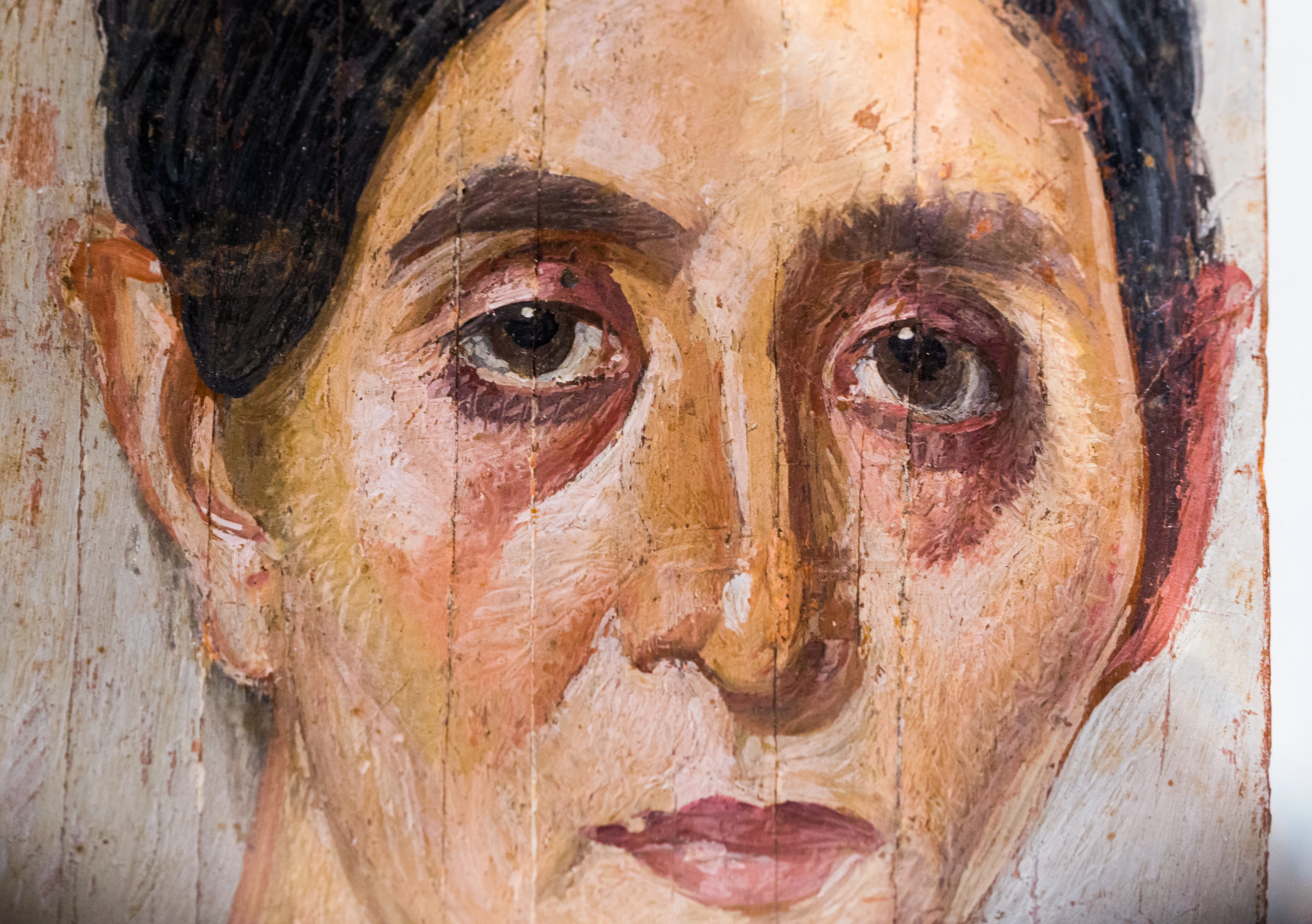
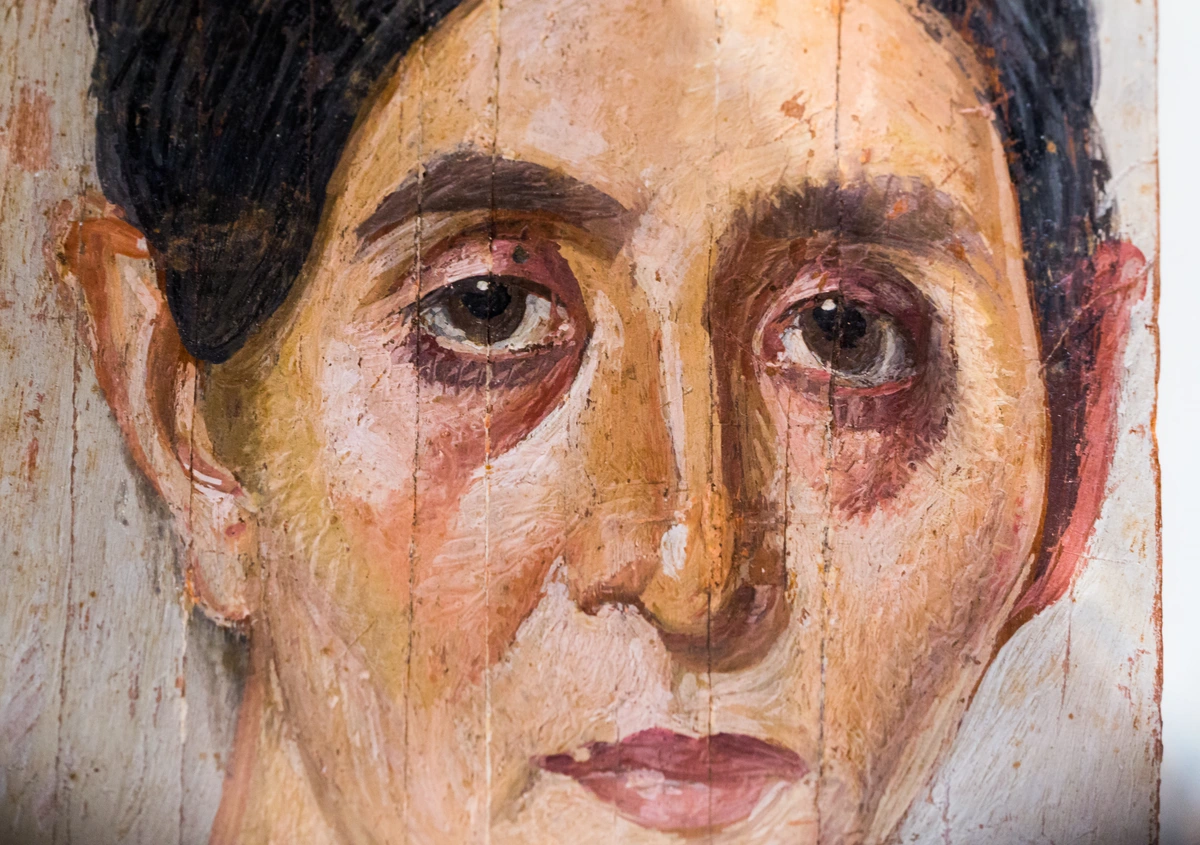
For paintings, frescoes were popular, especially for murals, applying pigments directly to wet plaster (buon fresco). This technique fuses the paint with the wall as it dries, making it incredibly durable and long-lasting, far more so than fresco secco (painting on dry plaster), where pigments are applied to dry plaster and are more prone to flaking and fading over time. They also used encaustic painting, where pigments are mixed with heated wax, then applied to a surface, often wood panels. This technique creates incredibly vibrant, luminous, and durable portraits, like the famous Fayum mummy portraits from Roman Egypt – faces that still stare out at us with startling immediacy and a remarkable sense of realism, preserving individual likenesses across millennia. It’s a technique with a fascinating lineage, if you're interested in the history of encaustic painting ancient wax art to modern revival, showing how enduring these ancient methods truly are.
The Enduring Whisper: Classical Antiquity's Influence
This is where it gets really interesting for me. Classical Antiquity art didn't just end when the Roman Empire declined. Oh no, its ideas, its forms, its spirit echoed through centuries, shaping everything that came after. It's like a foundational chord that keeps resurfacing in new harmonies.
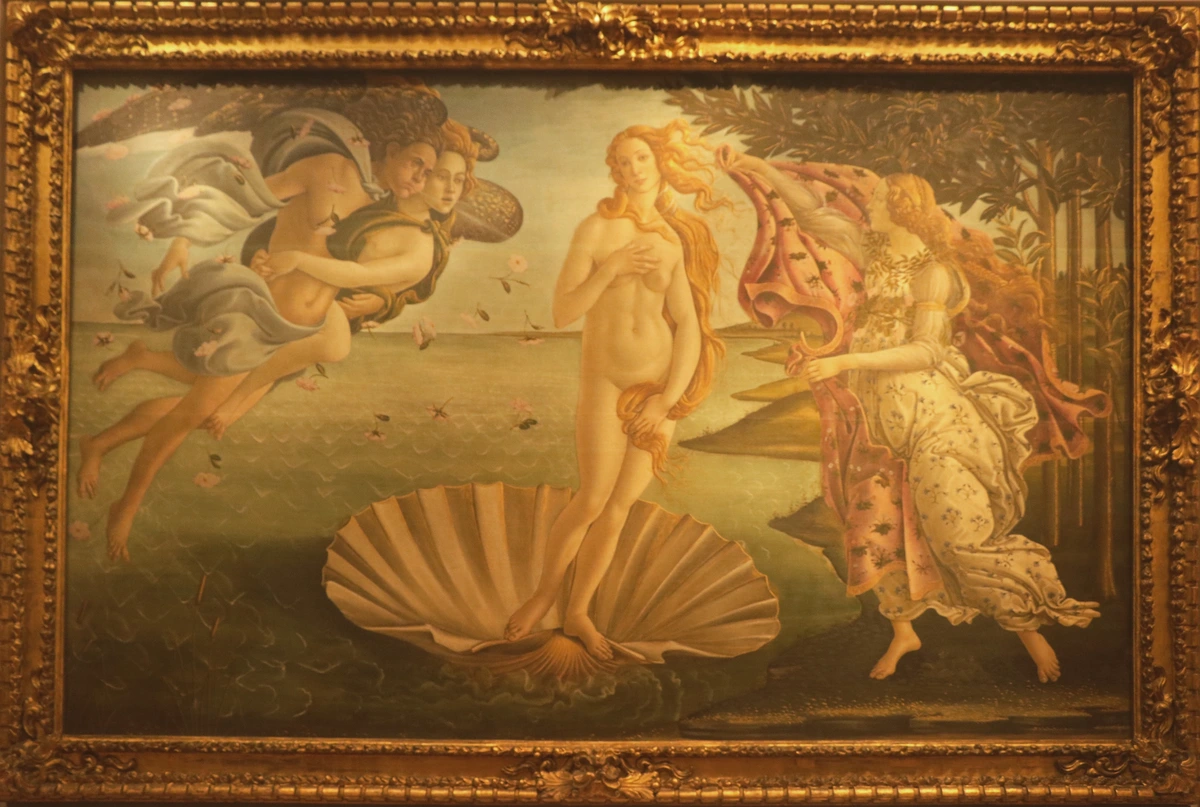
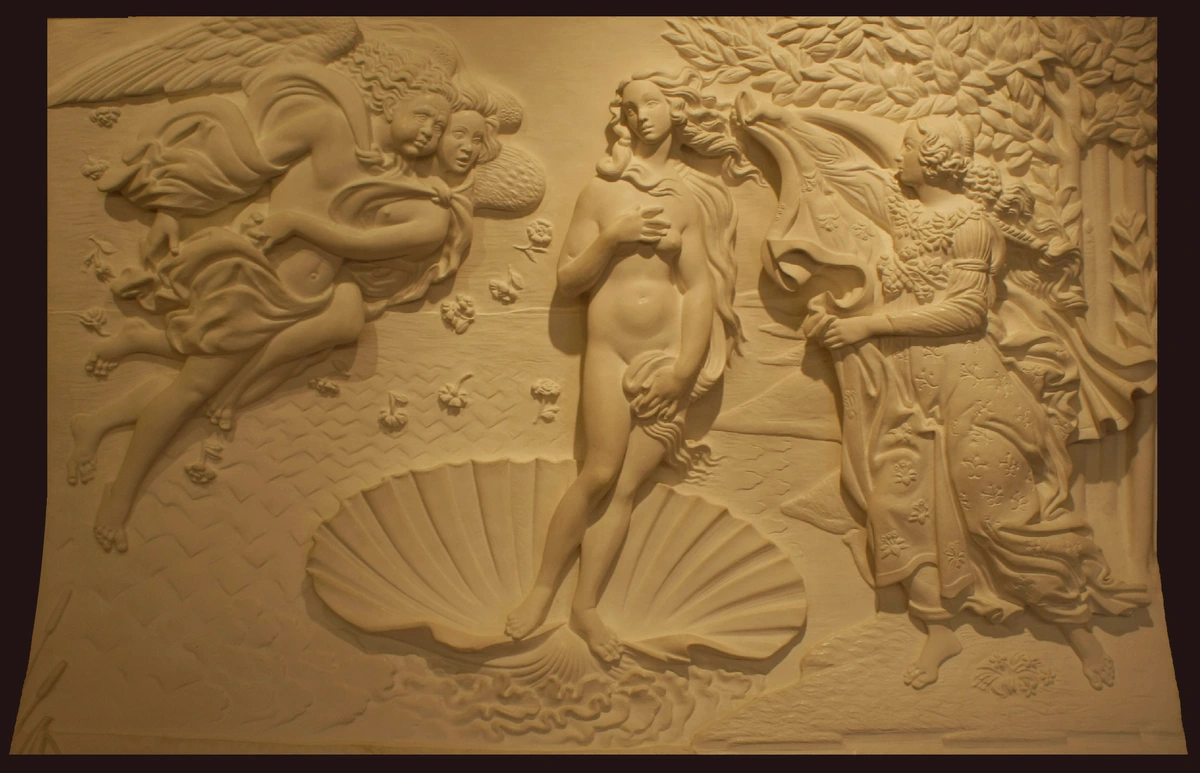
- The Renaissance: Forget about the Middle Ages for a moment (though even then, classical echoes persisted in subtle ways, influencing things like early Christian iconography and manuscript illumination, as you can see in the influence of Byzantine art on Renaissance painting). But when Europe truly rediscovered the classical texts and, crucially, the artworks themselves – often unearthed from forgotten ruins – it was nothing short of a creative explosion! The Renaissance was a deliberate and passionate return to the ideals of antiquity, a cultural flowering that embraced the rational thought, human-centered philosophy, and artistic canons of Greece and Rome. Artists like Donatello, with his revival of the freestanding nude inspired by classical sculptures, Botticelli (ultimate guide to Botticelli, master of the early Renaissance) using classical subjects (like The Birth of Venus, a profound reimagining of an ancient myth), Raphael, and Michelangelo (ultimate guide to Michelangelo) looked back to Greek and Roman ideals for inspiration, bringing humanism (what is humanism in renaissance art) and naturalism back to the forefront. This wasn't mere copying; it was a reinterpretation, a creative dialogue with the past. In architecture, visionary figures like Brunelleschi meticulously studied Roman structures like the Pantheon to innovate with domes and classical orders, literally rebuilding the classical world and inspiring others like Alberti and Palladio to develop a new architectural language based on ancient principles of symmetry, proportion, and harmony. If you're keen to explore this transformative period further, our ultimate guide to Renaissance art is a fantastic starting point, as is ultimate guide to Renaissance sculpture.
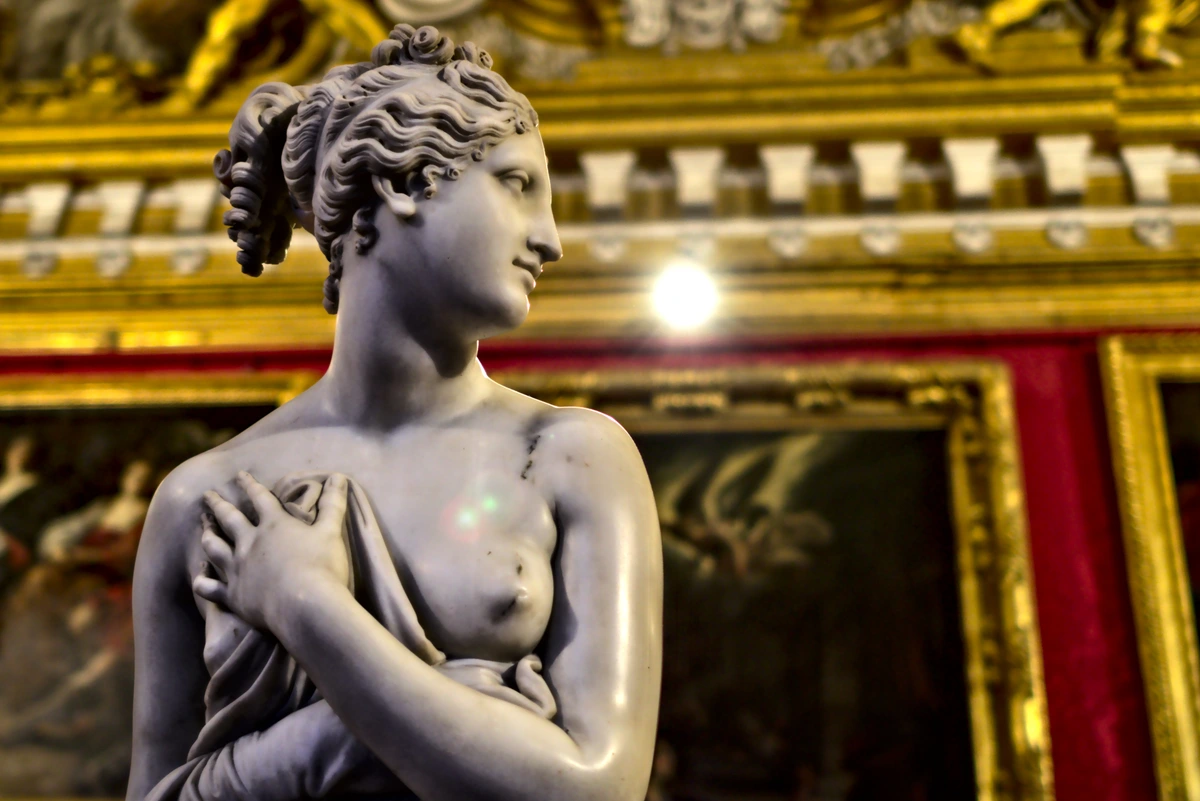
- Neoclassicism: Fast forward to the 18th century, and boom! Another powerful classical revival. Fueled by the Enlightenment's emphasis on reason, order, and scientific inquiry, and further galvanized by archaeological discoveries like Pompeii and Herculaneum, Neoclassicism sought to revive the purity, moral seriousness, and structural clarity of ancient Greece and Rome. Influential figures like Johann Joachim Winckelmann championed Greek art as the epitome of "noble simplicity and quiet grandeur," essentially setting a new aesthetic standard. Think of artists like Jacques-Louis David, with his stoic heroes, moralizing narratives, and crisp classical forms (e.g., The Oath of the Horatii and The Death of Marat), and the sublime, technically perfect sculptures of Antonio Canova, like the
Venere Italicaor his Psyche Revived by Cupid's Kiss. Their work directly references classical forms and narratives, believing they embodied universal truths, civic virtues, and a timeless aesthetic. In architecture, figures like Robert Adam and Andrea Palladio (whose Renaissance work, itself inspired by antiquity, was now revived) embraced classical principles, designing grand public buildings and stately homes with colonnades, pediments, and symmetrical facades that exuded dignity and order. It was a conscious effort to return to what was perceived as the 'purity' of the ancients, rejecting the perceived excesses of the Baroque and Rococo periods. If you want to dive deeper into this fascinating period, check out the principles of Neoclassicism in art. What I find interesting is how these artists, despite their reverence for the past, still brought their own era's concerns to the classical forms, creating something new and powerful for their own time.
- Beyond: Even in modern art, you can trace lines back to antiquity. The idea of abstracting the human form, the emphasis on strong composition, the narrative power of visual storytelling – these are threads that run from ancient Greece and Rome right up to contemporary pieces. The influence of classical forms resonated through Academic art and the Beaux-Arts style of the 19th and early 20th centuries, which championed classical principles of order, symmetry, and grandiosity in both architecture and sculpture. Even the streamlined elegance and geometric precision of Art Deco (ultimate guide to art deco movement) can be seen as a modern reinterpretation of classical harmony, albeit with a distinctly industrial twist. The influence of ancient Roman art on Western aesthetics is particularly pervasive, shaping everything from civic monuments to everyday design. It's a profound testament to the timelessness of their artistic endeavors. For more on this broader connection, I found the influence of Greek mythology on classical art a great read, and another fascinating deep dive is the influence of ancient Roman art on Western aesthetics. Even artists working in completely non-representational styles can find inspiration in the balance and harmony of classical composition, or the emotional impact of Hellenistic sculpture. It's a deep well of visual knowledge that continues to offer lessons.
Why Does it Still Matter to Me (and You)?
For me, as an artist working with color and abstraction, engaging with Classical Antiquity art isn't about copying it. It's about understanding the foundations of visual language, the enduring human need to create, to tell stories, and to find meaning. It’s a powerful reminder that even the most abstract piece still communicates something about the human experience, just as a Greek Kouros did millennia ago. The core principles of balance (understanding balance in art composition), composition (definitive guide to composition in art), proportion (definitive guide to proportion in art), and visual storytelling (understanding the elements of design in art a comprehensive guide) are truly timeless. These aren't just academic terms; they're the very foundation of how we perceive and create art, providing a universal vocabulary for artistic expression that transcends time and style. They are the scaffolding upon which all visual communication is built, whether you're crafting a monumental statue or a vibrant abstract canvas, a principle that resonates deeply with my own artistic journey, often seeking to find that harmonious balance in a chaotic splash of color. It's like finding the rhythm of the ancients in a contemporary beat.
When I look at a Hellenistic sculpture, for instance, I don't just see an ancient artifact; I see the emotional intensity, the dynamic movement, and the sheer expressive power that I, as an artist working with color and abstraction, strive to capture in my own vibrant pieces. When I consider the Roman's incredibly practical approach to art, using it for specific purposes of propaganda or commemoration, I'm prompted to reflect on the function and meaning of my own work, and how art always serves a purpose, whether intensely personal or broadly public. It helps me appreciate the continuous dialogue across millennia, a dialogue that you can see reflected in art throughout history, perhaps even inspiring your own creative journey. You can check out my /timeline for a look at my own journey through this artistic dialogue, and how these ancient echoes resonate in my contemporary practice, finding new forms and expressions. And if you’re thinking about starting your own artistic journey, understanding these fundamentals is an incredible launching pad. It's like learning the grammar before you write your own novel.
Classical Antiquity art isn't just history; it's the very bedrock of Western art, the source code, if you will. It's about how humans first grappled with representing themselves, their gods, their stories, and their ideals in enduring forms that still speak to us today. For me, these ancient echoes resonate in the very act of creating, reminding me that the pursuit of beauty, meaning, and connection is a timeless human endeavor. And that, my friend, is a story that never gets old, always finding new ways to reveal itself, and one that remains a definitive guide for anyone seeking to understand the enduring power of human creativity. Consider this your essential roadmap to the ancient world's artistic triumphs, and perhaps, a springboard for your own artistic explorations.
Frequently Asked Questions (FAQ)
What are the main characteristics of Classical Antiquity art?
The main characteristics include a strong emphasis on humanism (the belief in the value and agency of human beings, often expressed through the idealized human form, celebrating human potential and achievement), idealized beauty (especially in Greek art, striving for perfect proportions and harmonious forms, as seen in the Classical canon for the human figure and architectural orders), rationality and order (evident in architectural precision, balanced compositions, and the philosophical underpinnings of much of their art), naturalism (depicting figures realistically, though often perfected or made heroic, rather than simply copying nature), and a profound focus on mythology, civic virtues, and historical narratives. These elements were expressed through monumental architecture, sculpture (often vibrantly painted in polychromy to mimic life), painting, and decorative arts, each meticulously crafted to reflect the distinct cultural values of Greek and Roman societies, providing a comprehensive visual guide to their philosophies, daily lives, and aspirations. Furthermore, there was a deep respect for civic identity and the role of art in public life, particularly in Greece, and a pragmatic drive for imperial propaganda and historical commemoration in Rome. It’s a holistic approach, where art wasn’t separate from life, but deeply integrated into religious, political, and social structures, constantly reinforcing societal norms and beliefs. You can see how these core ideas constantly intertwine, creating a rich tapestry of meaning and aesthetic appeal that endures to this day.
What are some famous examples of Classical Antiquity art?
Key examples from Greek art include sculptures like the Parthenon Marbles (Elgin Marbles), showcasing the pinnacle of High Classical sculpture, the Kritios Boy as an early example of Severe Style, Discobolus (Discus Thrower) by Myron, capturing a fleeting moment of athletic grace, Doryphoros (Spear-Bearer) by Polykleitos, embodying the ideal human canon, the dramatic Laocoön Group, a masterwork of Hellenistic pathos, the powerful Winged Victory of Samothrace, celebrating naval triumph, and the serene Venus de Milo, an iconic representation of Hellenistic beauty. Beyond sculpture, iconic examples include the black-figure and red-figure pottery of Athens, depicting mythological scenes and daily life with incredible detail, and monumental temple architecture such as the Erechtheion and the Temple of Olympian Zeus. The temples on the Athenian Acropolis, like the Parthenon and the Erechtheion, stand as pinnacles of architectural and sculptural achievement, embodying the ideals of Greek classicism. For Roman art, notable works are equally impressive and diverse. These include architectural marvels like the immense Colosseum (a testament to their engineering prowess and capacity for grand spectacle), the enduring engineering masterpiece that is the Pantheon (with its revolutionary unreinforced concrete dome, a feat that still inspires awe), and commemorative structures like Trajan's Column (a continuous narrative relief detailing military campaigns) and the Ara Pacis (Altar of Peace), glorifying imperial piety and prosperity. We also see countless realistic portrait busts of emperors and private citizens (reflecting their focus on individuality and lineage), the vibrant frescoes unearthed from places like Pompeii and Herculaneum (offering a window into domestic aesthetics), and the intricate mosaics often found adorning villas and public baths, depicting everything from mythological scenes to gladiatorial contests and daily life. And who could forget the imposing Arch of Constantine, with its fascinating mix of older and newer reliefs, a visual record of a changing empire and evolving artistic priorities, alongside the stylized figures of the Tetrarchs?
What about art in daily life and private spaces?
While monumental public works and religious sculptures often dominate our perception of Classical Antiquity art, it's crucial to remember that art permeated daily life and private spaces, truly integrating into the fabric of society. In Greece, functional items like elaborately painted pottery served both utilitarian purposes and as canvases for mythological narratives and genre scenes, illustrating everything from heroic tales to athletic competitions. Small votive offerings, terracotta figurines, and intricately carved gems and cameos also played a role in private devotion and personal adornment, reflecting individual piety and status.
The Romans, with their love of domestic comfort and display, took private art to new heights. Their villas were often transformed into immersive artistic environments through vibrant frescoes and intricate mosaics that adorned walls, floors, and ceilings. These private commissions depicted a wide array of subjects, from mythological tales and landscapes to still lifes, portraits of family members, and even scenes from daily life or allegories of the seasons, reflecting the owner's taste, education, and wealth. Furniture, silverware, and terracotta lamps were also often artistically decorated, blurring the lines between art and everyday objects, meaning even the most mundane items could be works of art. This rich tradition of domestic art provides a fascinating counterpoint to the grandeur of public monuments, offering intimate glimpses into the lives and aesthetics of ancient individuals, allowing us to connect with them on a much more personal level.
How did Greek and Roman art differ?
While Roman art heavily borrowed from and was deeply influenced by Greek precedents, key differences exist. Greek art often pursued idealized beauty, harmony, and philosophical ideals, with a strong focus on gods, heroes, and athletic prowess, often displayed in public sanctuaries and reflecting a city-state's identity. Think of the serene, balanced perfection of a Classical Greek statue, embodying a universal ideal. Roman art, in contrast, was generally more practical, realistic (veristic in portraiture), and served explicit political or commemorative purposes, emphasizing civic virtue, historical events, and imperial power. Roman art frequently functioned as propaganda, celebrating emperors, military triumphs, and the vastness of their empire. Architecturally, Romans made greater use of innovative materials like concrete and structural elements like arches and domes, leading to vast public works and efficient engineering that often surpassed Greek achievements in sheer scale and utility and allowed for entirely new types of buildings. So, while a Greek temple might be a monument to a god and an ideal, a Roman triumphal arch was very much a celebration of a specific victory and a powerful emperor, a tangible record of achievement. It's a subtle but significant shift from the aspirational to the assertive, from the philosophical to the pragmatic. For me, it highlights how deeply art is tied to the values and priorities of the society that creates it, acting as a visual testament to their core beliefs.
Why is Classical Antiquity art so important?
Classical Antiquity art is foundational to Western art history and indeed, to Western civilization itself. It established enduring conventions for representing the human form that influenced centuries of artists, developed principles of composition, perspective, and narrative storytelling, and explored universal themes that continue to resonate today – themes of heroism, love, tragedy, and the human spirit. Its influence can be seen directly in transformative art movements like the Renaissance and Neoclassicism, and indirectly in almost all subsequent art that seeks to express beauty, power, or the human condition. Beyond aesthetics, it provided the visual vocabulary for concepts of democracy, philosophy, and governance, literally shaping how societies built and structured themselves. It taught us how to look at the world, how to build, how to create compelling narratives, and how to represent both the tangible and the abstract, creating a visual language that is still spoken and understood today across diverse cultural contexts. It’s hard to imagine Western art without this bedrock foundation.
What is contrapposto?
Contrapposto is an Italian term meaning "counterpose," and it's a revolutionary artistic technique that originated in ancient Greek sculpture, particularly during the Severe and Classical periods. It describes a natural, relaxed stance in which a figure's weight is shifted primarily onto one leg, causing the shoulders and hips to rotate in opposing directions. This creates a subtle but dynamic S-curve through the body, making the figure appear more lifelike, balanced, and capable of movement, rather than stiff and frontal. Think of how you naturally stand, with one hip slightly higher and one shoulder slightly lower – that's contrapposto!
It was a profound innovation because it broke away from the rigid poses of earlier art, giving sculptures a sense of vitality and psychological presence. Masterpieces like Polykleitos's Doryphoros (Spear-Bearer) are prime examples, embodying the ideal of human grace and potential through this pose. The Romans adopted it, and it was famously rediscovered and re-popularized during the Renaissance, becoming a foundational principle for artists seeking to depict the human form with naturalism and elegance. It’s one of those subtle details that, once you notice it, you see its influence everywhere in Western art, a testament to the Greeks' deep observation of the human body.
What is entasis?
Entasis is a subtle but ingenious architectural refinement primarily used in ancient Greek (and later Roman) column design. It refers to the slight, convex swelling or bulge applied to the shaft of a column, typically about one-third of the way up from the base. Far from being a structural necessity, entasis was an optical correction designed to counteract an optical illusion: if a column were perfectly straight, it would appear to narrow in the middle when viewed from a distance, making it look concave and flimsy. By adding a gentle curve, Greek architects made the columns appear perfectly straight and robust to the human eye, contributing to the overall sense of harmony and stability in their temples. It's a testament to their meticulous attention to visual perception and their relentless pursuit of perfection, a subtle trick of the eye that makes their grand structures feel even more solid and graceful. The Parthenon's columns are a prime example of this sophisticated technique in action.
What is Hellenization?
Hellenization refers to the historical spread of ancient Greek culture, language, and ideas, particularly during the Hellenistic period (c. 323-31 BCE) following the conquests of Alexander the Great. As Alexander's vast empire fractured into various kingdoms, Greek culture was disseminated across a vast geographical area, from Egypt and the Near East to Central Asia. This wasn't merely a top-down imposition; it was often a complex process of cultural fusion, where Greek artistic ideals, architectural styles, philosophical thought, and civic institutions mingled with local traditions. In art, Hellenization meant that Greek artistic principles of naturalism, idealism, and dramatic expression spread widely, influencing the art of these new Hellenistic kingdoms and creating a rich tapestry of hybrid styles. For instance, the art of Buddhist Gandhara (in modern-day Pakistan and Afghanistan) shows clear Greek artistic influences in its sculptural depictions of the Buddha, demonstrating the incredible reach of this cultural phenomenon. It truly transformed the ancient world into a much more interconnected and culturally diverse landscape.
What is the Parthenon?
The Parthenon is arguably the most iconic surviving building of ancient Greece and a crowning achievement of Classical architecture. Dedicated to the goddess Athena, it stands majestically on the Acropolis in Athens, built between 447 and 438 BCE during the High Classical period, under the statesman Pericles and overseen by the sculptor Phidias. More than just a temple, it was a profound symbol of Athenian power, democratic ideals, and artistic sophistication. Architecturally, it's a Doric order temple with Ionic features (like its continuous frieze), renowned for its harmonious proportions and subtle optical refinements, such as entasis (the slight swelling of columns) and a curving stylobate (temple platform), which make the building appear perfectly straight and balanced to the human eye. Its sculptural program was equally ambitious, featuring pedimental sculptures depicting the birth of Athena and her contest with Poseidon, metopes illustrating epic battles, and a continuous inner frieze depicting the Panathenaic procession. Despite centuries of damage, its ruins continue to inspire awe and serve as a fundamental touchstone for Western architectural and artistic history. It's a reminder that truly great art can speak across millennia, embodying both technical genius and profound cultural meaning.
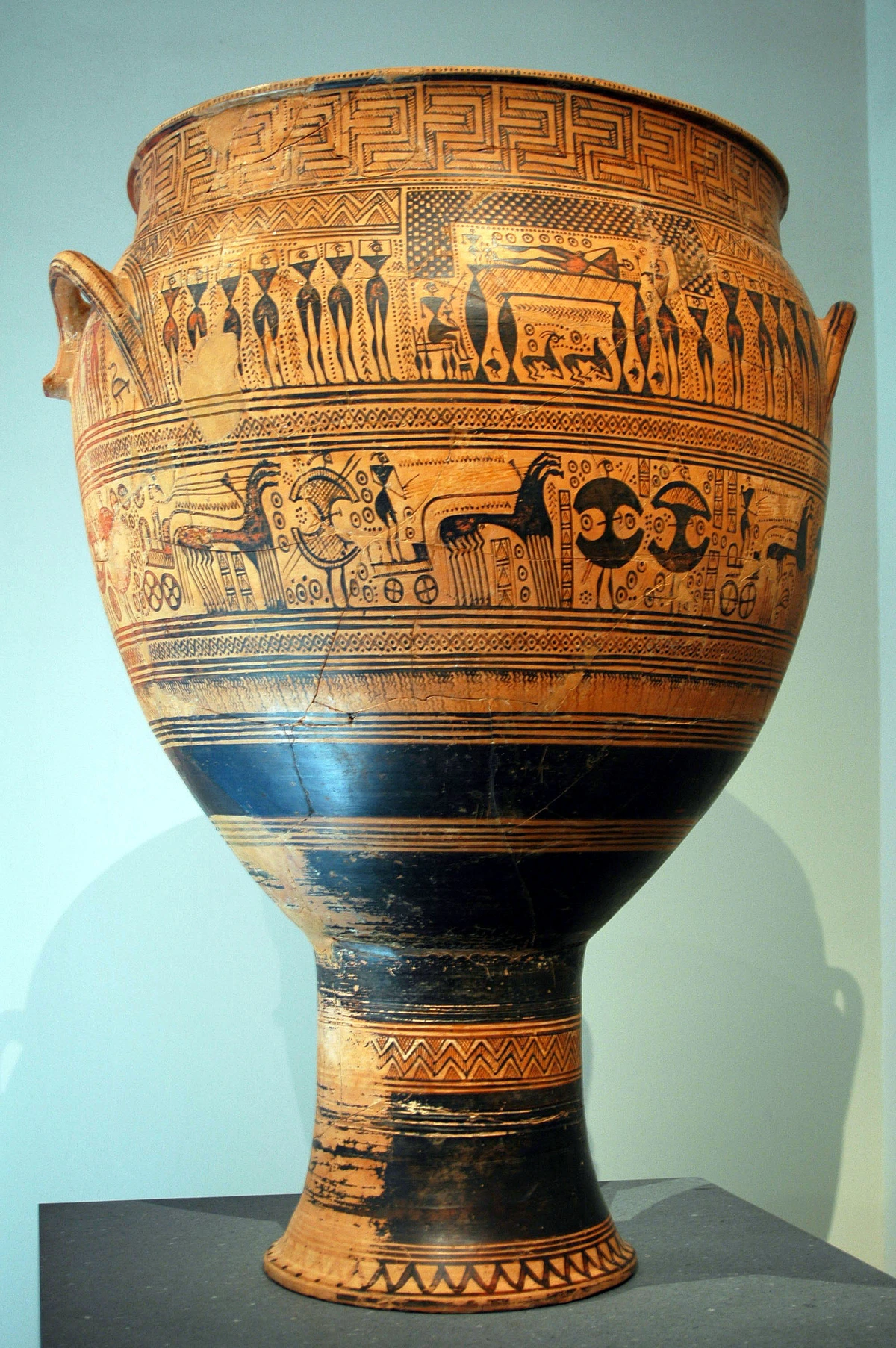
What are some common classical motifs or symbols?
Classical art is rich with recurring motifs and symbols that often carry layers of meaning, almost like a visual lexicon. In Greek art, you often find symbols of gods and goddesses (like Athena's owl or Poseidon's trident), mythical creatures (griffins, centaurs, sphinxes), and a wide array of geometric and vegetative patterns (like the palmette or rosette). The human nude, particularly the idealized male form, is a powerful symbol of physical and moral perfection, athletic prowess, and divine beauty, often seen in statues celebrating victorious athletes or honoring deities. Roman art, while sharing some of these, also features distinct symbols of imperial power (eagles, fasces, standards, the she-wolf of Rome), military victories (trophies, captured weapons, allegorical figures of triumph like Victory herself), and civic virtues (personifications of Honor or Valor, images of Romulus and Remus). Decorative elements like laurel wreaths, acanthus leaves, meander patterns, and candelabra forms are ubiquitous in both architectural ornamentation and smaller decorative arts, each contributing to the rich, layered visual language of the era, conveying messages both overt and subtle.

How did religion influence Classical Antiquity art?
Religion was not merely an influence but was deeply intertwined with Classical Antiquity art, often serving as its primary patron and subject. In Greece, art primarily served to honor gods and heroes, with elaborate temples housing cult statues (like Phidias' monumental Athena Parthenos) and sculptures depicting mythological narratives, sacred rituals, and heroic deeds. The Parthenon, for example, celebrated Athena, the patron goddess of Athens, through its grand scale and intricate sculptural program, presenting a visual epic of Athenian identity and divine favor. The elaborate sculptures on temples weren't just decoration; they were theological statements, telling stories that reinforced the moral and cosmic order, often connected to major festivals and civic life. Roman art also served profound religious functions, from public altars like the Ara Pacis (Altar of Peace) commemorating peace and prosperity, to small household shrines (lararia) for domestic deities, ensuring blessings for the family. Crucially, Roman art increasingly incorporated the deification of emperors and the glorification of imperial power as part of its religious expression, blurring the lines between sacred and secular authority. As the empire progressed, the rise of mystery religions and later, early Christianity, led to new forms of religious art, adapting classical visual language to convey novel theological concepts and beliefs, using familiar imagery to tell new stories. This blending of the sacred and the secular, and the continuous evolution of religious iconography, shows just how adaptable and powerful art can be in serving deeply held beliefs, no matter how they change over time. It makes you wonder what spiritual narratives our art today will tell in another two millennia, doesn't it?
What is the legacy of Classical Antiquity art today?
The legacy of Classical Antiquity art is vast, pervasive, and truly foundational to much of Western culture. It set enduring aesthetic standards for beauty, proportion, and form that influenced art for nearly two millennia, directly inspiring movements from the Renaissance to Neoclassicism, and indirectly shaping countless others like the Beaux-Arts style or even Art Deco in its streamlined forms. Its architectural principles, with elements like columns, pediments, and domes, continue to inspire public buildings, monuments, and even modern homes globally, from government buildings to classical-revival residences. The narratives of Greek myths and Roman history still captivate us in literature, film, and contemporary art, providing a rich source of storytelling and metaphor that we constantly reinterpret. Moreover, the very concepts of humanism, democracy, and rational thought, which were often expressed and reinforced visually in this era, continue to shape our understanding of society, governance, and ourselves. It truly is the wellspring from which so much of Western art, philosophy, and cultural identity flows. Its enduring principles of beauty, balance, and humanism continue to inform contemporary design, advertising, and even popular culture, continually finding new ways to reveal its timeless relevance and proving that these ancient echoes are anything but silent. I mean, look around! Even in the most unexpected places, you'll find a subtle nod to these ancient forms and ideas – from the columns on a bank to the heroic poses in a superhero film. It's truly incredible how deeply embedded this historical art is in our modern world, a constant, quiet conversation between past and present.
What role did mythology play in Classical Antiquity art?
Mythology was an absolutely central theme in Classical Antiquity art, providing an inexhaustible source of narratives, characters, and moral lessons for artists to depict. For the Greeks, myths of gods, goddesses, heroes, and epic battles (like the Trojan War or the Gigantomachy) were not just stories but foundational elements of their religion, history, and civic identity, often connected to specific cities or families. Art in temples, on pottery, and in freestanding sculptures served to illustrate these myths, making them tangible and reinforcing shared cultural values through visual storytelling that was accessible to everyone. The Romans, in turn, adopted much of Greek mythology, often reinterpreting it through a Roman lens, incorporating these narratives into their own public monuments (like the Ara Pacis) and domestic decorations to emphasize lineage, virtue, or imperial propaganda, sometimes even inventing new myths to link their origins to famous Greek heroes. Mythology offered a universal language for complex ideas about fate, human nature, heroism, power, and the divine, providing a moral and philosophical framework that art vividly brought to life, deeply shaping the cultural identity and shared understanding of these ancient societies. It’s a testament to the power of stories, both then and now.
What were the major artistic centers of Classical Antiquity?
During Classical Antiquity, artistic production flourished across numerous vibrant centers. In the Greek world, Athens was arguably the most prominent, especially during the Classical period, renowned for its architectural masterpieces on the Acropolis and its revolutionary sculpture and vase painting, setting aesthetic standards for the entire Mediterranean. Other significant Greek centers included Corinth, known for its distinctive pottery (especially proto-Corinthian ware), Sparta (though less known for monumental art, its distinct local styles are notable), and later, Hellenistic hubs like Alexandria (Egypt), a major intellectual and artistic melting pot, Pergamon (Asia Minor), renowned for its dramatic Baroque-style sculpture (like the Great Altar of Zeus), and Rhodes, which became renowned for their dramatic and emotional sculptures. For the Romans, Rome itself was the undisputed artistic heart, constantly embellished with imperial forums, triumphal arches, and grand public buildings that were spectacles of power. Important provincial centers like Pompeii and Herculaneum in Campania offer unparalleled glimpses into Roman domestic art, with their remarkably preserved frescoes and mosaics, showing us art not just for emperors, but for everyday (wealthy) citizens. Other Roman cities across the vast empire, from North Africa (like Leptis Magna, known for its imperial portraiture) to Gaul and Britannia, also developed their own distinctive artistic traditions, often blending metropolitan Roman styles with rich local influences, creating a diverse and expansive artistic landscape that truly reflects the empire's immense reach and cultural synthesis.
How was color used in Classical Antiquity art?
It's a common misconception that all ancient Greek and Roman sculptures were pristine white, as we see them in museums today. In reality, much of Classical Antiquity art, including marble sculptures and architectural elements, was vibrantly painted with a rich palette of colors. This practice, known as polychromy, involved using mineral pigments (often ground minerals like malachite for green, azurite for blue, cinnabar for red, and ochres for yellows and browns) to adorn figures with lifelike skin tones, colored drapery, and detailed patterns. Eyes were painted, lips reddened, and hair given its natural hue. Temples were also painted, with bright reds, blues, and yellows often highlighting architectural details and sculptural friezes, transforming them into dazzling, vibrant structures. While time and exposure have stripped away most of this original color, archaeological evidence (like traces of pigment, ancient descriptions, and modern reconstructions) confirms that these artworks were far more dazzling and visually complex than their current appearance suggests, far from the sterile white we're accustomed to. Even mosaics and frescoes were, by their very nature, explosions of color, designed to create immersive and lively environments. So, imagine a bright, bustling Acropolis, not the stark white we envision! It completely changes your perception, doesn’t it? It makes the art feel much more alive and immediate, not just something from a distant, monochrome past, but a living, breathing part of their world.
How did Classical Antiquity art survive to modern times?
The survival of Classical Antiquity art is a testament to its enduring power, as well as to a mix of deliberate preservation, chance, and meticulous archaeological work. Many works, especially monumental architecture and sculpture, simply proved robust enough to withstand centuries of neglect or repurposing. Some Roman structures, like the Pantheon or Castel Sant'Angelo, survived because they were converted into churches or fortifications, giving them a continuous function. During the Middle Ages, some classical texts and ideas were preserved in monasteries, even if the art itself was not always fully appreciated or understood, often influencing things like early Christian iconography in subtle ways, or serving as models for medieval artisans. The deliberate burying of artifacts, either for safekeeping or as grave goods, also led to the remarkable preservation of many objects from daily life.
The Renaissance marked a pivotal period of rediscovery, as scholars and artists actively sought out and studied classical ruins and texts, inspiring a resurgence of classical forms and a renewed appreciation for humanism. Later, the Enlightenment and subsequent archaeological excavations, particularly at sites like Pompeii and Herculaneum in the 18th century, brought vast numbers of artworks to light, fueling the Neoclassical movement and sparking a fascination with the classical past that continues today. Today, dedicated museum conservation, ongoing archaeological research (often utilizing cutting-edge technology like ground-penetrating radar), and advanced scientific analysis continue to uncover, preserve, and reinterpret these invaluable treasures, ensuring that the visual language of Classical Antiquity remains accessible and inspiring to new generations. It’s a remarkable story of human curiosity and dedication, piecing together fragments of the past to understand a fuller picture. And every new discovery just adds another layer to this incredible story, showing us how much there is still to learn and appreciate about these incredible civilizations.
What were the primary themes in Classical Antiquity art?
The primary themes in Classical Antiquity art were incredibly diverse, reflecting the complex societies that produced them, but often revolved around core ideas of humanism, mythology, civic virtue, and the pursuit of ideal forms. In Greek art, dominant themes included depictions of gods and goddesses (often in idealized human form, celebrating their divine power and beauty), mythological narratives (epic battles, heroic deeds, the stories of their pantheon), athletic prowess (celebrating the idealized human body and competitive spirit), and civic identity (monumental architecture and public sculptures reinforcing the values of the city-state). For the Romans, while they adopted many Greek myths, their art frequently focused on imperial power and propaganda (glorifying emperors, military victories, and the stability of the empire), historical narratives (commemorating specific events and achievements), civic life (forums, public baths, and monuments that underscored Roman organization and urbanism), and ancestor veneration (especially in veristic portraiture, honoring the wisdom and experience of elders). Across both cultures, there was a continuous exploration of beauty, order, and harmony, whether in the balanced proportions of a temple, the realistic details of a portrait, or the dramatic emotion of a Hellenistic sculpture. Art truly functioned as a visual language to communicate values, beliefs, and stories to vast populations.
What were the main types of Roman sculpture?
Roman sculpture, while influenced by Greek precedents, developed its own distinctive character and served a variety of practical, political, and commemorative functions. Key types include:
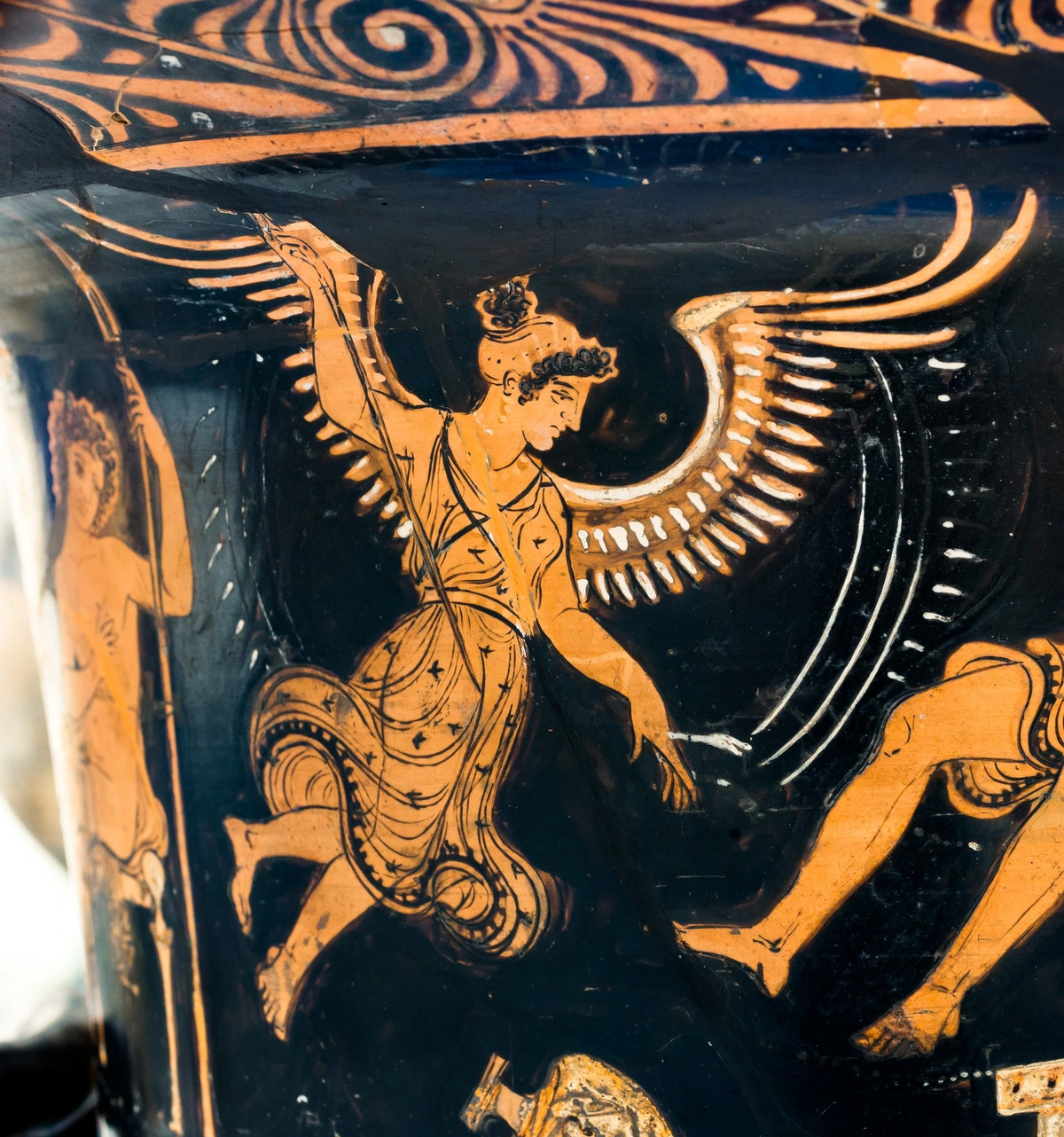


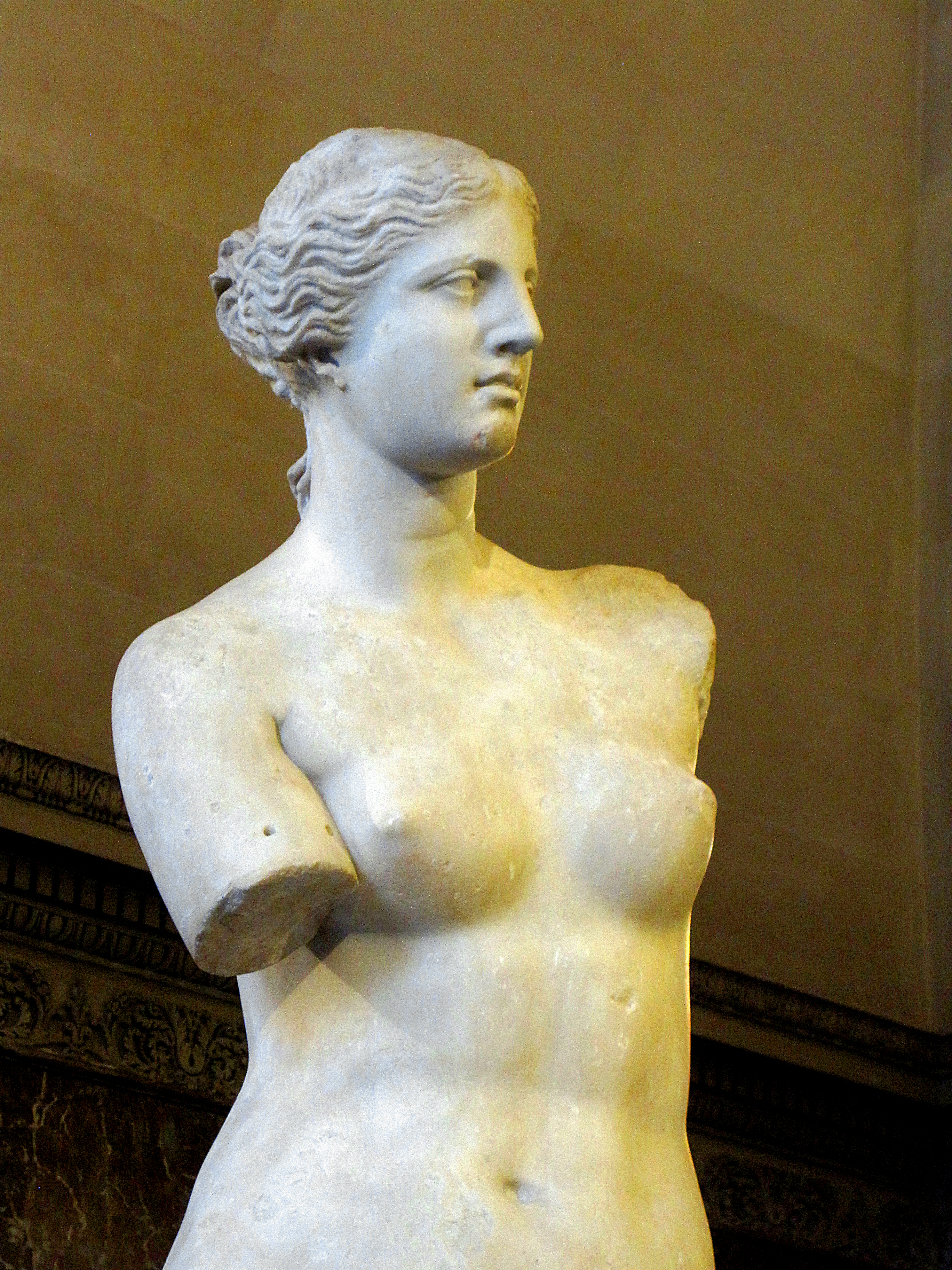


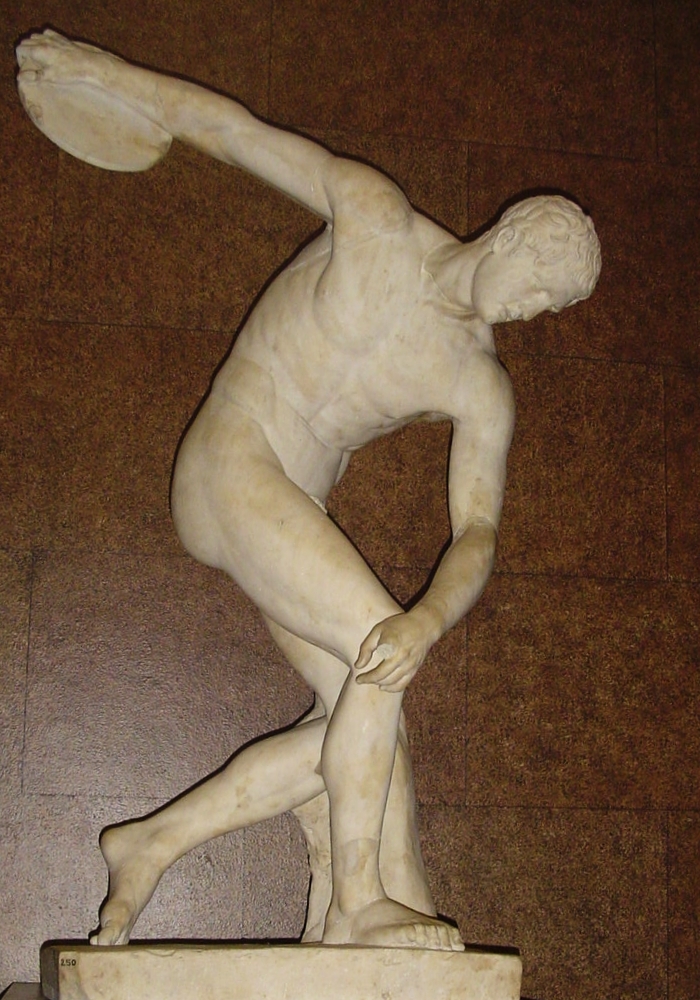


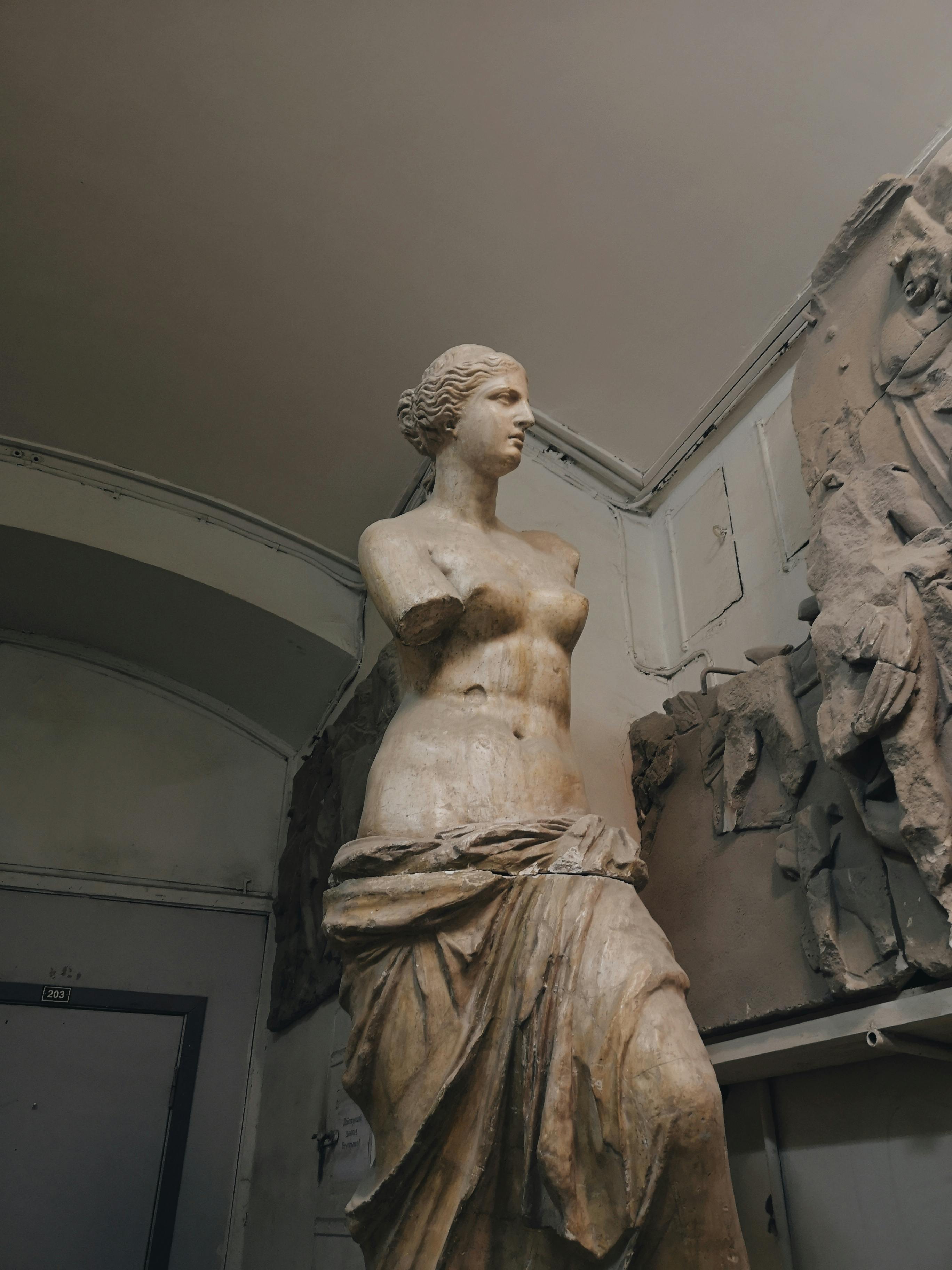


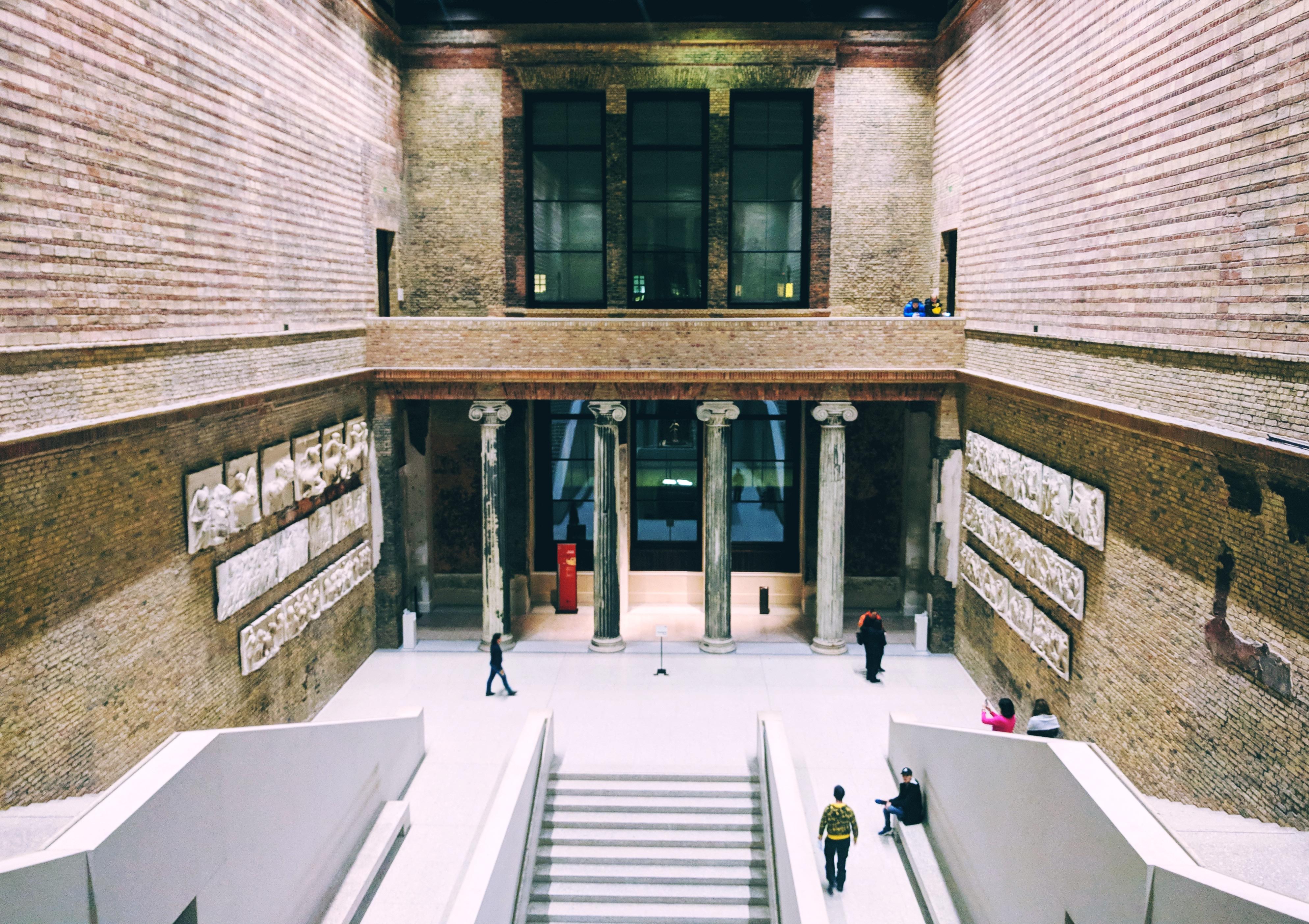
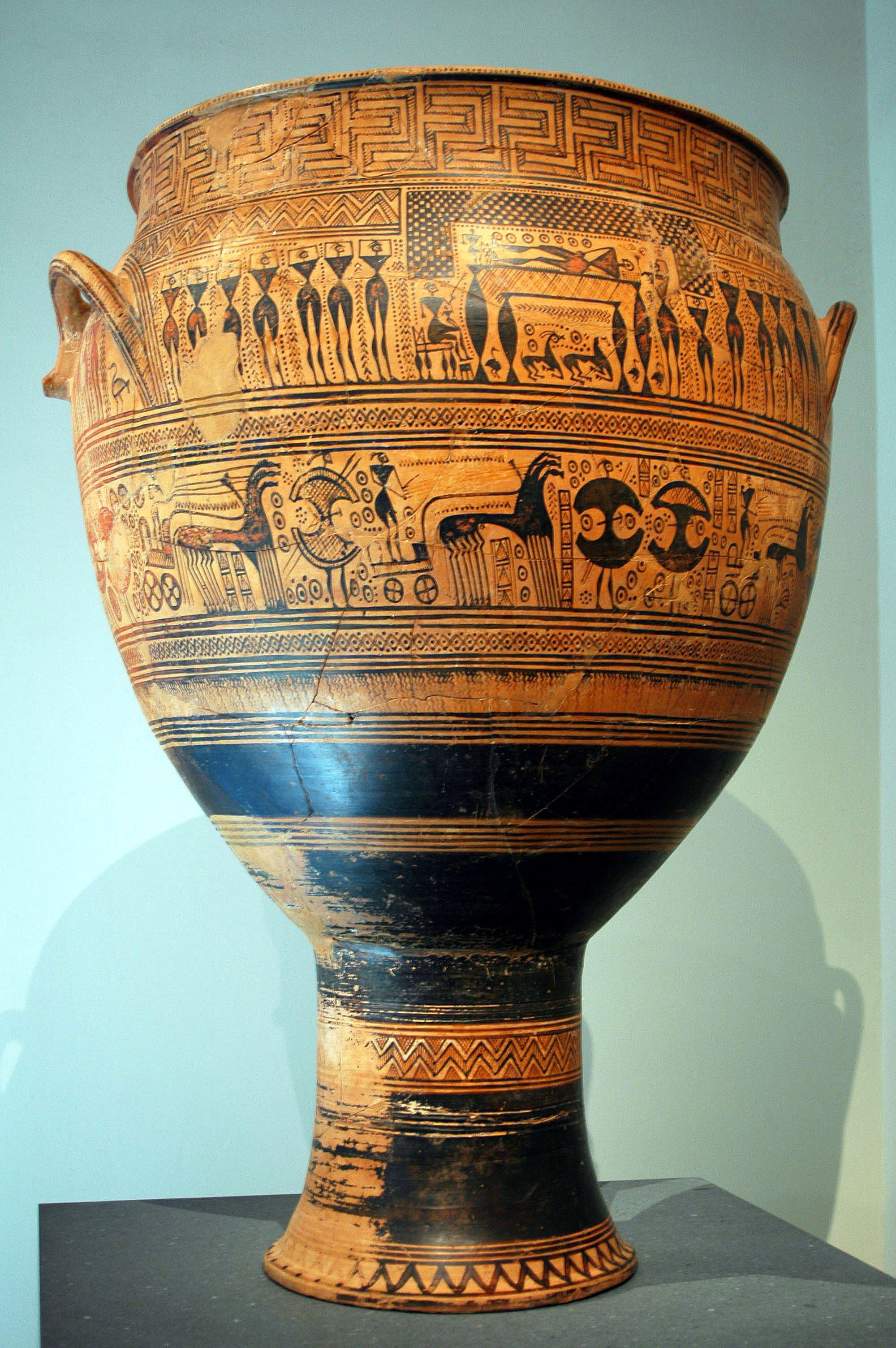


- Portraiture: This was perhaps the most distinctive Roman sculptural form, characterized by verism (hyper-realism) during the Republic, capturing every detail of an individual's face, emphasizing age, wisdom, and experience. Imperial portraits, while often more idealized, still retained a recognizable likeness and served to project the emperor's authority and virtues (e.g., Augustus Prima Porta).
- Historical Reliefs: These narrative carvings on public monuments like triumphal arches (e.g., Arch of Titus, Arch of Constantine) and monumental columns (e.g., Trajan's Column) were crucial for propaganda, celebrating military victories, civic achievements, and the emperor's divine favor. They often employed continuous narration, telling a story across a long, unfurling band.
- Funerary Sculpture: Roman sarcophagi, especially from the Imperial period, became elaborate art forms, decorated with mythological scenes, genre scenes, or portraits of the deceased, providing a visual record of their lives and beliefs.
- Architectural Sculpture: Temples, basilicas, and public buildings were richly adorned with sculptures, including pedimental groups, friezes, and decorative elements on columns and capitals, often conveying imperial or religious messages.
- Equestrian Statues: Grand bronze statues of emperors on horseback, such as the surviving equestrian statue of Marcus Aurelius, were powerful symbols of imperial authority and military prowess, widely copied in later periods.
These forms highlight Rome's emphasis on civic life, historical record, and the assertion of power through visual means, often reflecting a pragmatic and didactic purpose.
How was Roman art displayed and consumed?
Unlike Greek art, which often focused on public display in sanctuaries and civic spaces, Roman art was displayed and consumed across a much broader spectrum, from grand public monuments to intimate domestic settings, reflecting the empire's vast social hierarchy and diverse tastes.
- Public Spaces: Imperial forums, basilicas, temples, baths, and triumphal arches were adorned with monumental sculptures, historical reliefs, and portrait statues, all designed to impress and educate the populace about Roman power, history, and imperial virtues. Public fountains, commemorative columns, and city gates also served as canvases for artistic expression.
- Private Residences (Villas and Domus): Wealthy Romans invested heavily in decorating their homes. Walls were covered in vibrant frescoes (as seen in Pompeii and Herculaneum), creating illusionistic landscapes, mythological scenes, and architectural vistas. Floors and sometimes walls were intricately patterned with mosaics, depicting genre scenes, mythological figures, or geometric designs. Sculpture, including copies of Greek masterpieces and veristic family portraits, filled courtyards and rooms.
- Funerary Contexts: Elaborate sarcophagi, carved with mythological or biographical scenes, served as eternal resting places and visual testaments to the deceased's life and status. Smaller tombs and columbaria were also decorated with paintings and reliefs.
- Everyday Objects: Even functional items like pottery, silverware, glass vessels, and carved gems were often beautifully crafted, blurring the lines between utilitarian object and work of art. This meant that art was truly integrated into daily Roman life, accessible in various forms to different social strata, reflecting both communal values and individual wealth and taste.
What was the concept of the artist's role in Classical Antiquity?
The status of artists in Classical Antiquity was complex and evolved over time, often differing significantly from modern notions. In early Greece, sculptors and painters were primarily regarded as skilled craftsmen (demiourgoi), rather than intellectual innovators. While highly respected for their technical prowess, their social standing was not necessarily high, and many prominent works were left unsigned. However, during the Classical and Hellenistic periods, the most celebrated artists, like Phidias, Polykleitos, and Apelles, achieved considerable fame and wealth, with their names recorded and their theories discussed by philosophers. In Rome, the status of artists also varied; many were slaves or freedmen, especially those creating copies of Greek works. However, master architects and skilled mosaicists or fresco painters working on imperial commissions could achieve significant recognition. Overall, while technical skill was paramount, the concept of the artist as an inspired genius, independent of craft, was a later development, primarily emerging during the Renaissance. For the ancients, the artist was often an essential component of a larger civic or religious project, a vital contributor to the public good rather than a solitary visionary.
What was the role of women in Classical Antiquity art?
It's easy to assume that ancient art was exclusively a male domain, but the role of women, while often limited in public spheres, was still significant in Classical Antiquity art, primarily as subjects, patrons, and occasionally, as artists. In Greek art, female figures like the Kore statues or goddesses such as Athena and Aphrodite were central, embodying ideals of beauty, fertility, and civic virtue, or serving as allegories for abstract concepts. In the Hellenistic period, female subjects became more diverse, including realistic portraits of queens (like Cleopatra) and private individuals, and powerful allegorical figures such as Nike (Victory). Roman art continued this trend, with empresses and prominent women depicted in portraiture, and goddesses like Venus and Fortuna appearing in frescoes and mosaics. While women were generally excluded from public artistic professions, evidence suggests that some women were involved in textile arts, painting (especially in domestic settings), and even as patrons commissioning works, particularly in the Roman era. The elaborate frescoes of Pompeii and Herculaneum, often found in private villas, were likely influenced by the tastes of both male and female patrons, reflecting their personal wealth and cultural aspirations. While their direct authorship is rare, their presence as muses, symbols, and shapers of domestic aesthetic environments was undeniable, offering a fascinating, albeit often subtle, dimension to the art of the era.