Verism: The Ultimate Guide to Unflinching Truth in Art, from Rome to Today
Uncover Verism, the ancient Roman art style that defies idealization to celebrate raw, authentic reality. Explore its origins, defining characteristics, and enduring influence on artists from Caravaggio to contemporary realists, embracing the dignity of imperfection.

Verism: The Ultimate Guide to Unflinching Truth in Art, from Rome to Today
What if the most profound beauty lies not in perfection, but in the unflinching truth of a life fully lived? I remember wrestling with a sketch once, trying to capture the raw honesty of an elderly musician's face, the deep lines etched by years of playing. My initial instinct was to soften them, to smooth away the evidence of his journey, to make him look 'more heroic.' But a stubborn voice inside me, a nascent appreciation for truth over prettiness, held me back. That struggle, that internal debate between the polished ideal and the unvarnished reality, is precisely what Verism forces us to confront. In a world saturated with filters and carefully curated images, Verism stands as a defiant monument to the authentic. It’s not merely realism; it’s a fierce, defiant commitment to truth, a profound acceptance of 'what is' rather than 'what should be'. That raw honesty, that unblinking gaze at humanity's true form, that's the heart of Verism. It's an artistic style that dares to find profound meaning not in some unattainable perfection, but in the stark, often uncomfortable, truth of lived experience. Think less 'perfect god' and more 'grizzled old senator who’s seen it all,' or less 'smooth marble statue of Apollo' and more 'weathered oak door that’s stood against a thousand storms' – it’s art stripped bare, focusing intensely on objective reality with a courage that still resonates today. And honestly, it makes me wonder: what truths are we brave enough to show?
The Unflinching Gaze of Ancient Rome: Where Verism Was Born
This visceral approach to truth-telling has deep historical roots, leading us back to the powerful sculptures of ancient Rome. To truly get a handle on Verism, we need to take a little trip back in time, all the way to the Roman Republic (around the 5th to 1st century BCE). This is where Verism truly shone, particularly in portrait sculpture. The Romans, unlike their Greek predecessors who often favored depicting idealized, youthful gods and athletes, were deeply focused on ancestors, civic virtue, and the concept of virtus – a profound sense of manliness, courage, and excellence, especially in public life. For them, virtus was a comprehensive ideal encompassing duty, discipline, and moral excellence, particularly vital for maintaining a stable and enduring republic. Their society, built on a rigorous sense of duty and a deep respect for earned wisdom, demanded portraits that celebrated individual character, hard-won wisdom, and the gravitas that came with age and experience, not some smoothed-over, aspirational version. For them, visible signs of aging weren't flaws to be hidden, but powerful badges of honor, reflecting a life of contribution and responsible leadership, directly embodying the mos maiorum (customs of the ancestors) that underpinned their society.
Imagine walking into a Roman household. You wouldn’t just see pretty statues; you’d see busts of ancestors, sometimes many generations deep, each face a testament to a life lived. These weren't just decorative items; they were a direct line to their family's history, showing their contributions to the Republic and their Fames Augustae (their reputation, their standing within the community, vital for political and social influence). For that, they needed truth – an authentic, unvarnished depiction, not a smoothed-over, idealized version. Sculptors would meticulously render every wrinkle, every sag, every prominent nose or furrowed brow, as these were seen as badges of honor, proof of a life of public service and wisdom. If a Roman senator had a prominent nose, a sculptor didn't hide it; they highlighted it. After all, you don't earn wisdom without collecting a few distinguishing features along the way, right? Examples like the 'Bust of an Old Man' (sometimes called 'Patrician Torlonia') perfectly embody this spirit; its deeply etched lines, pronounced cheekbones, and stern expression speak volumes of arduous public service, with the sculptor masterfully using contrasting textures to highlight the hollowness of the cheeks and the deep furrows of the brow, creating a palpable sense of weariness and resilience. While its dating is debated (some scholars argue for a later, possibly Augustan, period, citing certain stylistic refinements, while others hold to its Republican origins due to its stark realism and emphasis on individual gravitas), the 'Capitoline Brutus' also captures this unvarnished power with its piercing gaze and a palpable sense of weighty responsibility, showing a leader defined by his stern resolve rather than youthful beauty. Another striking example is 'The Elder Togatus' (late 1st century BCE), a sculpture depicting a Roman citizen holding two portrait busts of his ancestors. This wasn't just decorative; it visually underscored the profound Roman reverence for lineage and the very practical, honor-bound function of these verist depictions within family and civic life.
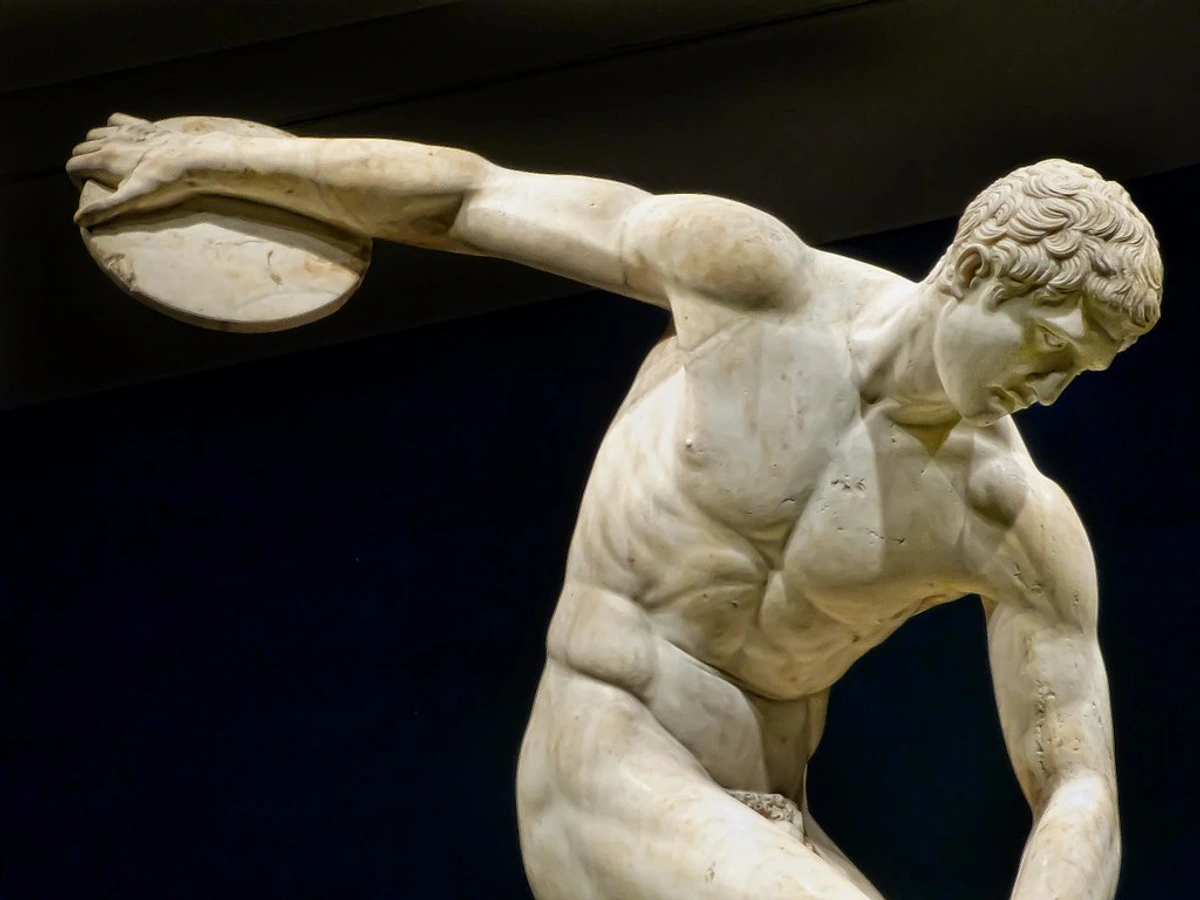
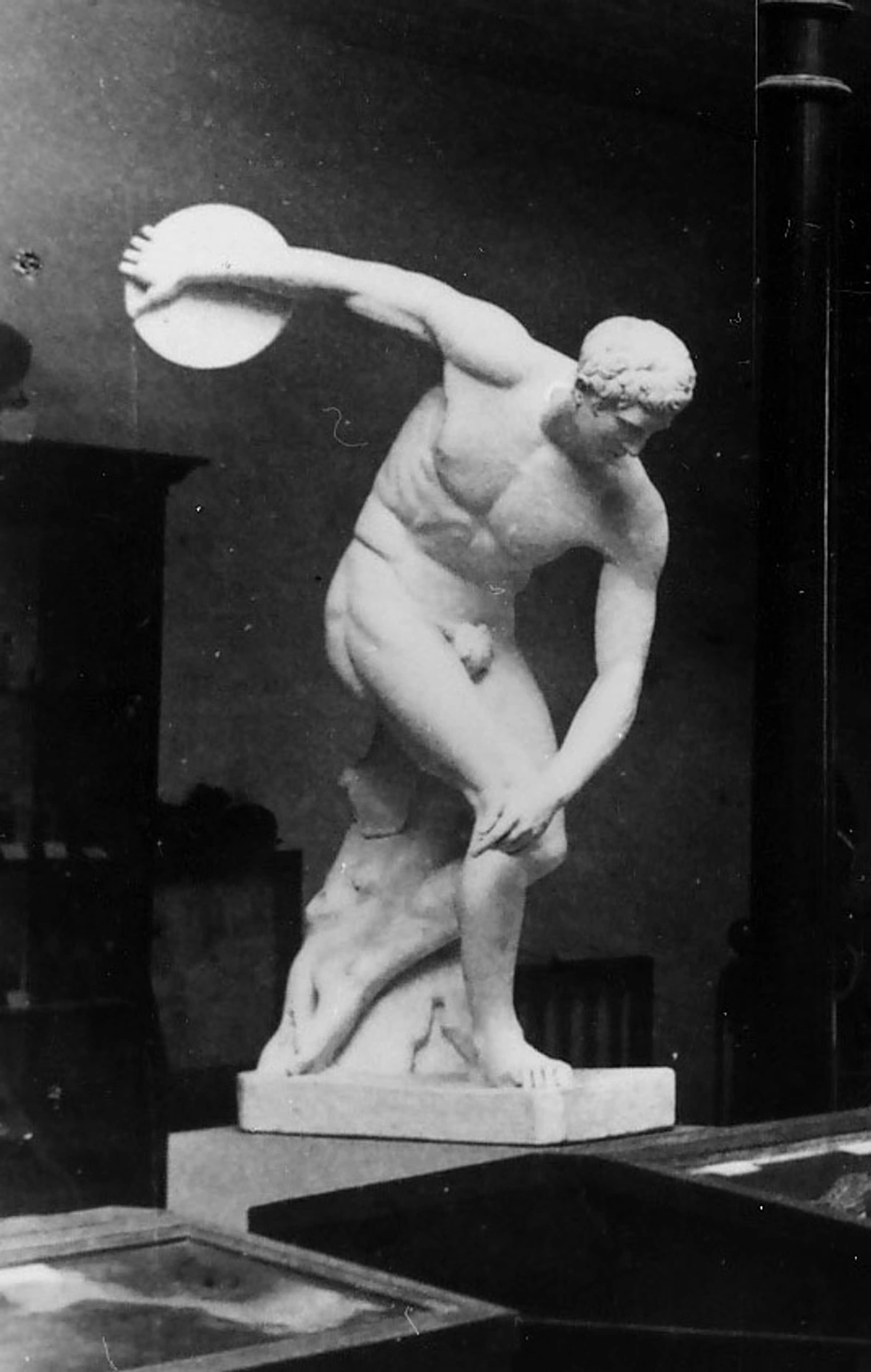
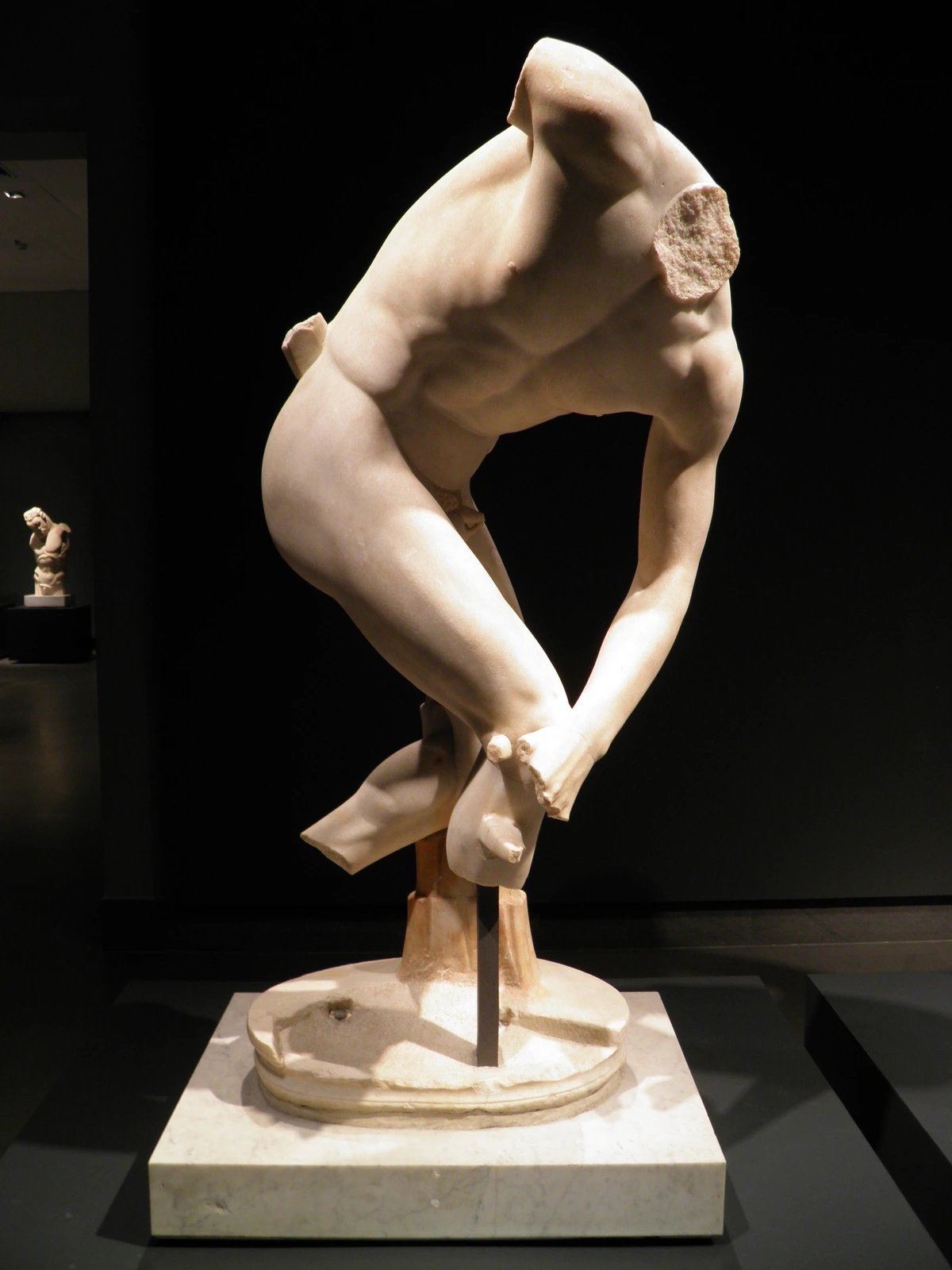
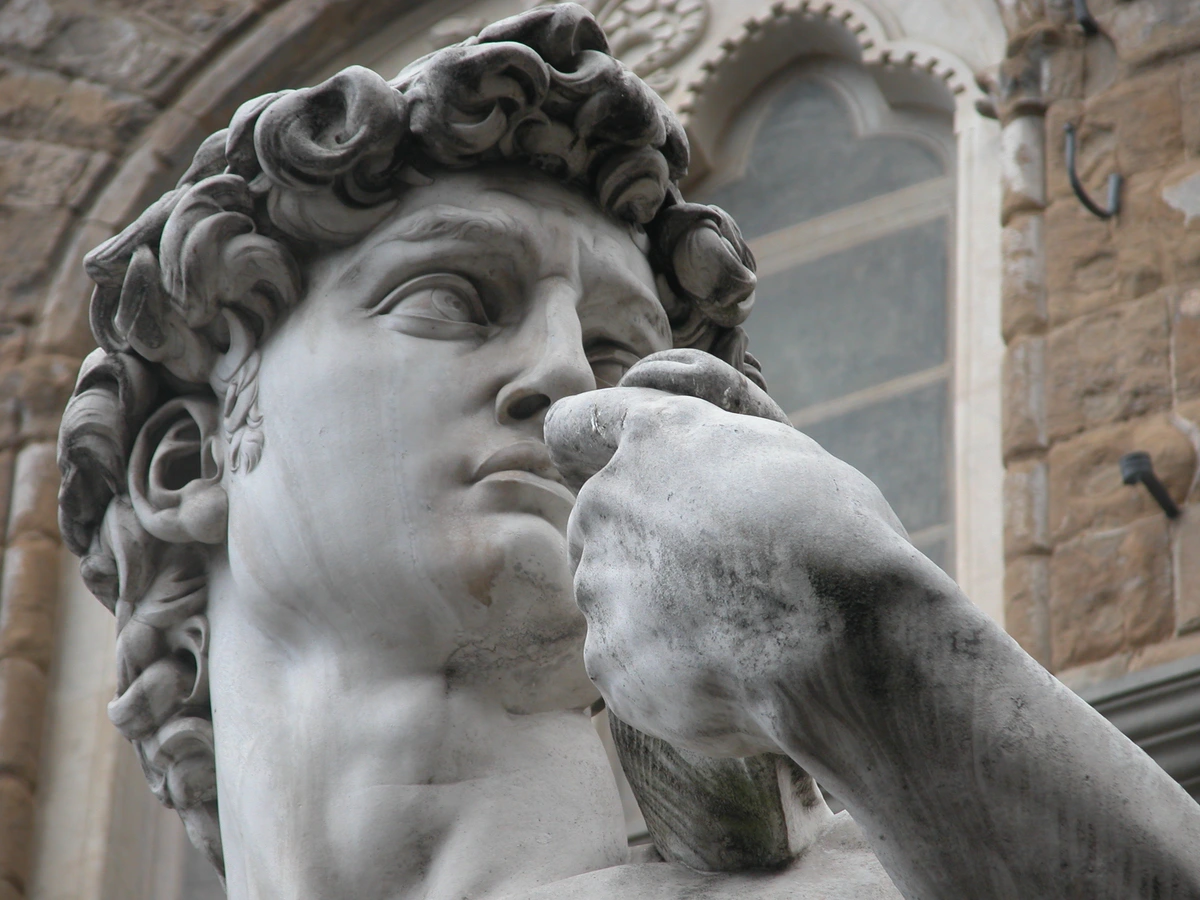
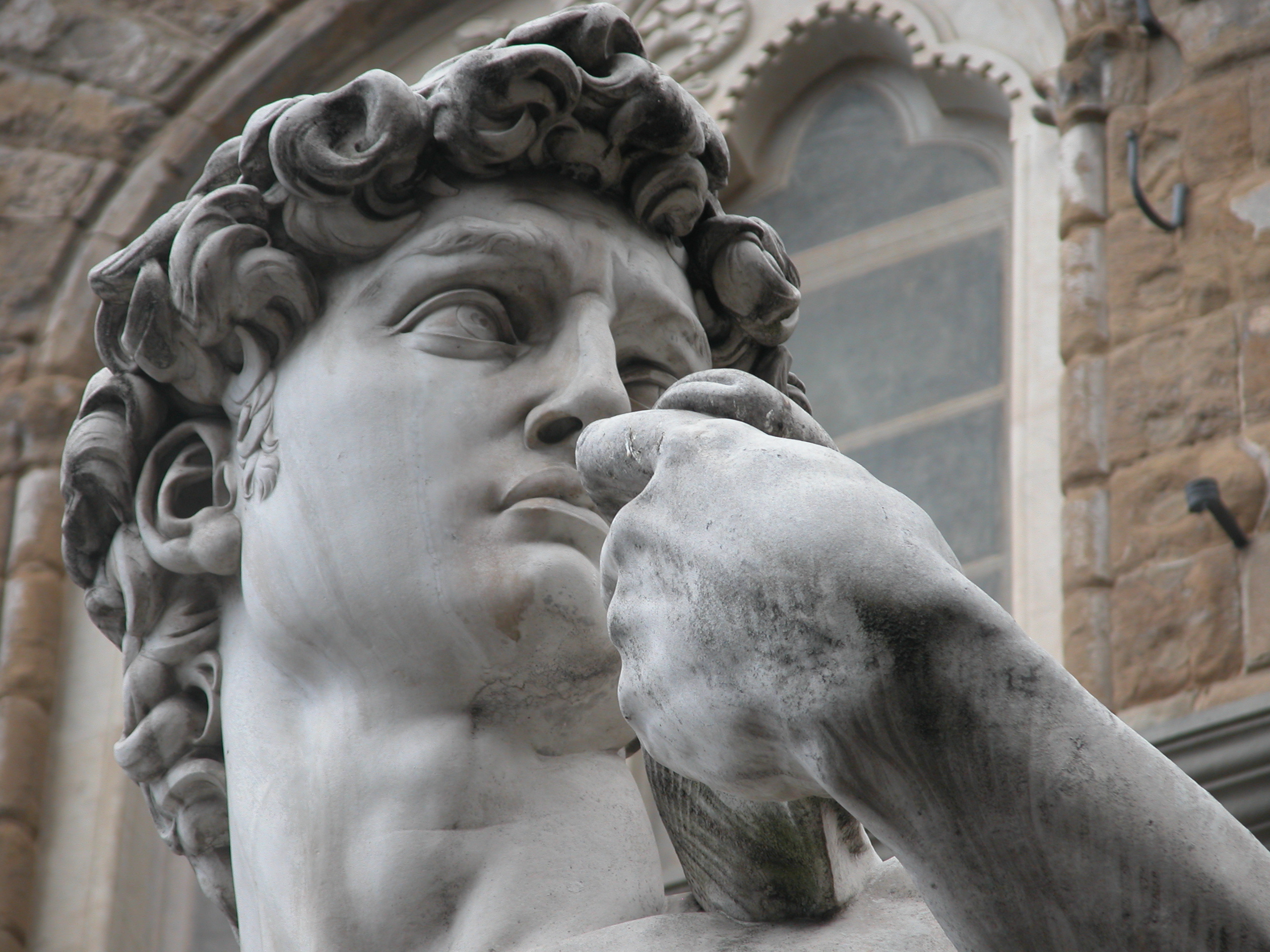
This was in direct contrast to the classical Greek pursuit of universal beauty and harmony, which often smoothed out imperfections to achieve an abstract ideal. If you look at a Greek statue, or later works heavily influenced by classical ideals like Michelangelo's David, you see youthful perfection and flawless form. With Roman Verism, you see a specific, often aged, individual, warts and all – a person whose identity is forged by the passage of time. It's not about what someone could be, but profoundly about who they are. If you want to delve deeper into the art of capturing individual likeness, our definitive guide to portraiture has more insights.
Key Characteristics of Verist Art: How to Spot the Unvarnished Truth
These powerful Roman portraits weren't accidental; they were born from a specific artistic philosophy that prioritized truth above all else. So, if you're standing before a piece and wondering, 'Is this Verism?', what tell-tale signs should you look for? Think of it like a sculptor who doesn't just paint a house, but meticulously carves every grain of the wood, every chip in the paint, to tell its entire, unvarnished story. There's a particular flavor to its artistic honesty, a deliberate choice to capture reality without compromise. These characteristics were often achieved through specific, painstaking techniques, underscoring the artists' conscious intent to forego idealization:
- Hyper-Realism and Naturalism: Verist artists went all-in on capturing every physical detail. We’re talking about the lines around the eyes, the texture of the skin (perhaps even subtle pores or capillaries), even receding hairlines or the subtle unevenness of bone structure, scars, or distinguishing facial moles. Nothing was considered too mundane or too 'ugly' to include. The intent was a near-photographic fidelity to the subject's appearance, often achieved through precise carving techniques. Sculptors employed deep undercutting for dramatic shadows, meticulous rendering of skin texture, and even subtle indications of veins or muscle tension to emphasize facial topography, creating deep lines and expressive features that conveyed a sense of lived experience. Sometimes, even the subtle marks of the chisel were left visible to emphasize the hand of the artist and the material's raw truth, or they might use drilling for the pupils to give a more penetrating gaze.
- Emphasis on Age and Experience: Youthful beauty wasn't the goal. Instead, the signs of aging—wrinkles, jowls, thinning hair—were highlighted as symbols of wisdom, gravitas, and a life of civic duty. This was a radical departure from the youthful ideals prevalent in Greek art and even earlier Roman periods, celebrating the seasoned individual over the ideal form. Each wrinkle wasn't a flaw to be hidden, but a story told, a testament to resilience and character.
- Individual Character and Psychological Depth: Verist portraits weren’t generic types. They aimed to capture the unique personality and psychological depth of the individual. You can almost feel the weight of their decisions and experiences when you look into their sculpted eyes, conveyed through the precise set of the jaw, the direction of the gaze, or the tension in the brow. For instance, the slight downturn of lips might suggest a stoic endurance, while a furrowed brow could imply deep contemplation or concern for the Republic. It’s an exploration of the inner life etched onto the exterior.
- Unidealized Representation: This is crucial. There's no attempt to flatter the subject, to make them appear more beautiful or heroic than they were. It wasn't about portraying ugliness for its own sake, but about finding truth and dignity in the genuine appearance of a person. The focus is squarely on 'what is,' not 'what should be,' honoring the subject's true self rather than conforming to an arbitrary ideal. It's art stripped bare, presenting an objective record without apology, and finding inherent worth in that raw reality.
- Materiality and Permanence: Often carved from enduring materials like marble or cast in bronze, these sculptures had a tangible weight and permanence, further emphasizing the lasting legacy and importance of the individuals they represented to Roman society. These robust materials reflected the enduring strength and importance the Romans placed on their ancestors and the Republic itself, ensuring that the visual record of their esteemed citizens would last for generations, much like their public buildings and enduring empire. The choice of material wasn't just practical; it was symbolic, imbuing the subject with a sense of lasting historical weight.
These foundational characteristics laid down a visual language for depicting individual truth that later artists would reinterpret and evolve, showing that profound artistic meaning could be found in the imperfect, the experienced, and the unvarnished.
Verism vs. Idealism: A Crucial Distinction
To truly grasp Verism, it helps to understand what it isn't – and that's idealism. The contrast isn't just aesthetic; it's a window into fundamentally different worldviews and artistic aspirations. It’s important to understand that Verism isn’t just a fancy word for realism. It’s a specific, often extreme, type of realism, one that deliberately shies away from any form of idealization. The differences are profound and speak to fundamentally different cultural values and artistic intentions. Let’s break it down to make it crystal clear:
Feature  | Verism | Idealism |
|---|---|---|
| Primary Goal | Unflinching truth, individual character, civic virtue, ancestral legacy, display of virtus, objective representation, anti-idealization, individualism, authenticity, dignity in imperfection | Perfection, universal beauty, divine harmony, abstract concepts, moral instruction, aspirational forms, flawless representation |
| Subject Matter | Ordinary (often aged) individuals, specific features, perceived flaws, signs of experience, lived experience, specific character, the human condition | Gods, heroes, youthful perfection, abstract forms, ideal human body, pantheon of gods, universal forms |
| Emotional Tone | Sober, grave, stoic, resolute, introspective, serious, thoughtful, reflective, commanding, dignified, authentic, sometimes severe, challenging, profoundly human | Harmonious, sublime, serene, tranquil, ethereal, graceful, aspirational, often emotionally restrained, balanced, uplifting |
| Typical Medium/Technique | Detailed carving in marble/bronze, deep undercutting for dramatic shadows, meticulous rendering of skin texture, emphasis on facial topography, bronze casting, distinct tool marks, tactile surfaces | Smooth finishing in marble/bronze, often large-scale, emphasis on perfected anatomy and flowing drapery, precise geometric proportions, polished surfaces for an ethereal quality, smoothed textures |
| Historical Context | Roman Republic portraiture, later periods emphasizing stark reality or social commentary, critical realism | Ancient Greece (Classical period), High Renaissance, Neoclassicism, certain aspects of Baroque art |
| Emphasis | Specificity, lived experience, unique identity, psychological depth, objective reality, tangible presence, the weight of a life lived, the dignity of the real | Universality, abstract principles, flawless form, emotional restraint, perfected form, spiritual or divine essence, aspirational ideals |
| Emotional Impact | Evokes respect for endurance, wisdom, and individual identity; often feels weighty, profound, or even a little challenging due to its raw honesty. It's about recognizing the dignity in imperfection and the power of authenticity. | Evokes admiration, awe, and a sense of calm or divine order; often feels harmonious, uplifting, or transcendent. It's about striving for the ideal and experiencing spiritual elevation. |
The Enduring Spirit of Verism in Art History
The Roman dedication to objective reality laid a profound foundation, demonstrating that deep artistic meaning could be found in the imperfect, the experienced, and the unvarnished. While Verism as a distinct style found its most pronounced expression in ancient Rome, the spirit of unvarnished truthfulness, that persistent challenge to idealization, has never truly vanished. It's that commitment to depicting the human condition without gloss, finding beauty or significance in what is genuinely real, even if it's harsh or unconventional.
When I first stood before a Roman verist bust, I wasn't just looking at a face; I was looking into a life. The lines weren't imperfections; they were a roadmap of experience, a testament to a life lived with purpose, and it was profoundly moving. That profound dignity in the truth, that's what Verism taught me.

But here's the fascinating thing: this powerful impulse for truth didn't die with Rome. It reappears, like a stubborn ghost, whenever artists dare to challenge the prevailing ideals. Think of the intense, raw emotion and naturalism in some Baroque works. Caravaggio, for instance, famously used common people as models for his religious figures, depicting saints and apostles with grimy feet (as seen in 'The Pilgrimage of Emmaus') and weathered faces (like Mary in the 'Madonna di Loreto'). In 'The Pilgrimage of Emmaus,' those grimy feet weren't just a casual detail; they were a deliberate choice to emphasize Christ's humility, his accessibility to the common person, and the raw, unromanticized reality of travel in his time. I remember being absolutely floored by how Caravaggio made biblical figures feel so human, so imperfect, almost like someone you'd meet on the street – that's the power of Verism showing its face centuries later. His approach, though not Roman Verism, certainly shared its dedication to depicting the human condition without idealization, challenging the refined aesthetics of his time for a deeper spiritual sincerity. For a more in-depth exploration of this vibrant era, our ultimate guide to the Baroque Art Movement offers a deep dive.
Later, artists like Rembrandt van Rijn were masterful at capturing the nuanced reality of human faces, particularly in his prolific self-portraits. It’s hard not to feel a kinship with Rembrandt as he unflinchingly charted his own aging—the wrinkles, the sagging skin, and the profound introspection in his eyes—offering a deeply personal and honest record of a life unfolding. His exquisite use of light and shadow, combined with his unique brushwork, created a palpable psychological narrative in his portraits, allowing us to see not just the physical changes, but the wisdom and weariness etched into his soul. This same commitment to showing the genuine truth of a person's life also shines through in portraits like his 'Portrait of an Old Woman,' where every etched line speaks of a rich inner world, a psychological narrative laid bare.
In the 19th and 20th centuries, realism continued to evolve. Consider the quiet, observational realism of Edward Hopper's 'Nighthawks,' which, through its stark depiction of urban diners, speaks to a different kind of unvarnished truth about isolation and the human condition. Hopper's signature use of stark lighting, minimalist composition, and the detached expressions of his subjects visually communicate a profound sense of loneliness and unspoken narratives, mirroring Verism's focus on an objective, often unromanticized reality. Or James McNeill Whistler's 'Arrangement in Grey and Black No. 1' (commonly known as 'Whistler's Mother'), with its solemn, unadorned portrayal, shares that commitment to a non-idealized representation, focusing on the quiet dignity of a specific, aged individual, much like a Roman patrician bust might. The muted color palette and austere composition of 'Whistler's Mother' strip away all extraneous embellishment, compelling the viewer to confront the sitter's inherent character and stoic presence, echoing the gravitas of ancient Roman busts. For more on this broader art historical movement, explore our article on what is realism art movement.
Even in contemporary art, the impulse to depict raw truth persists. Artists employing Hyperrealism take the objective fidelity of Verism to an extreme, often with a different conceptual intent—exploring themes of consumerism, artificiality, or the uncanny—but with a shared meticulousness in capturing every visual detail. Beyond hyperrealism, artists known for unflinching social commentary through realistic portrayals, like Duane Hanson with his life-sized sculptures of ordinary working-class individuals, carry a verist torch. Hanson's figures, caught in mundane poses, meticulously rendered with clothing, accessories, and even subtle sweat or dirt, force us to confront the often-overlooked dignity and realities of everyday life, evoking empathy or discomfort in equal measure, a conceptual echo of Roman ancestral busts. This verist spirit can also be seen in powerful photojournalism and documentary filmmaking. Think of the heart-wrenching close-up of a veteran's tear-streaked face, every line telling a story of sacrifice, or the unembellished depiction of a struggling community, where every detail serves to convey an urgent truth about conflict, poverty, or human resilience, demanding that we see 'what is' without romanticization.
The Enduring Relevance of Verism Today: Why Authenticity Still Matters
So, after this journey through history, what does an ancient Roman art style whisper to us today, amidst our digital cacophony and the relentless scroll of filtered perfection? I think Verism holds a powerful mirror up to us. In an age saturated with filters, curated perfection, and manufactured images across social media, Verism reminds us of the profound beauty and power in authenticity. It strips away the filters, reminding us that there’s a profound strength and dignity in the unedited version of ourselves and the world around us, especially in a world that often chases fleeting trends over genuine substance.
It challenges our perceptions of what deserves to be immortalized in art. Is it only the young and beautiful, the heroic and flawless? Or is there equal, if not greater, value in honoring the lines of experience, the wisdom of age, the unique character that makes each of us who we are? For me, the answer is a resounding 'yes' to the latter. It's about celebrating the unedited version of humanity, acknowledging the inherent worth in every lived moment. It’s about the dignity found in truth, however imperfect.
As an artist myself, I find that the core of Verism—this dedication to 'what is'—informs even my most abstract work. The challenge is to distill that unvarnished essence—be it an emotion, a moment, or a concept—into pure color and shape, finding a visual language that resonates with authentic feeling, much like a verist sculptor finds it in the lines of a face. This commitment to capturing raw truth, to depicting 'what is' rather than 'what should be,' is a guiding principle for me, even as I explore abstract forms. It's about finding the soul of the subject, even if that soul is rendered in bold strokes of color rather than etched marble.
And perhaps, in a subtle way, Verism encourages us to be a little more verist in our own lives – to embrace our own authentic selves, flaws and all. It’s a powerful message, one that transcends centuries and media. If you're looking for art that doesn't just decorate, but speaks to the core of human experience, you might just find a kinship with the verist tradition. When you look at art, are you drawn to the polished ideal or the compelling truth of lived experience? What societal norms of beauty or perfection do you find yourself questioning after exploring the Verist tradition? And what truth are you daring to embrace in your own life today? Feel free to explore some of these vibrant explorations in my gallery or check out the timeline of artistic influences.
Key Takeaways: Understanding Verism - The Anti-Idealist Stance
So, to quickly recap our journey into the unflinching world of Verism, here's the rundown on this art style that prioritizes truth over conventional beauty:
- What it is: An artistic style emphasizing unflinching, objective truthfulness, especially in portraiture, deliberately avoiding idealization and finding dignity in raw reality. It’s about celebrating 'what is' rather than conforming to 'what should be,' often challenging conventional notions of beauty.
- Where it originated: Ancient Roman Republic, focused on depicting individual character, civic virtue, and ancestral legacy through unvarnished realism, deeply rooted in Roman societal values like virtus and mos maiorum.
- Its hallmark: Deliberate avoidance of flattery; every flaw, wrinkle, and sign of age is intentionally included as a symbol of wisdom, experience, and gravitas, standing in direct opposition to the pursuit of idealized perfection.
- Its purpose: To honor ancestral legacy, hard-won wisdom, profound experience, and the Roman concept of virtus, providing an objective record of a life lived for the Republic, emphasizing authenticity and enduring worth. It served to visually cement an individual's Fames Augustae (reputation) within the community.
- Its enduring spirit: Continues to influence artists across centuries who seek to capture raw authenticity, objective reality, and the unedited human experience, often as a counterpoint to idealized beauty or as a tool for social commentary, extending its anti-idealist stance into contemporary art forms like hyperrealism and photojournalism.
Frequently Asked Questions (FAQ) about Verism
What is the main goal of Verism in art?
The main goal of Verism is to depict subjects, particularly in portraiture, with unflinching, objective truthfulness, capturing every physical detail and sign of age or experience without any idealization or flattery. It emphasizes individual character, gravitas, and unvarnished realism over conventional beauty, often to honor ancestral legacy, display civic virtue, and provide an authentic, anti-idealist representation of a person's lived experience. It's about finding dignity and profound meaning in reality, not perfection.
Where did Verism originate?
Verism originated primarily in ancient Rome, particularly during the Roman Republic period (roughly 5th to 1st century BCE). It was most prominent in Roman Republican portrait sculpture, where it served crucial cultural and political purposes by honoring ancestors (ancestor worship), displaying patrician busts, and embodying Republican virtues through honest depictions of experienced leaders. It was a direct reflection of Roman societal values and their emphasis on practical virtues, mos maiorum, and the wisdom of age in leadership.
How does Verism differ from idealism in art?
Verism focuses on depicting subjects exactly as they are, including flaws, signs of aging, and unique characteristics, emphasizing individual truth, objective reality, and specific character. It deliberately avoids making subjects more beautiful or perfect than they are, finding dignity in their authentic selves. Idealism, on the other hand, aims to portray subjects in their most perfect, harmonious, and beautiful form, often smoothing out imperfections to achieve a universal standard of beauty. Think of it as a contrast between reality vs. perfection, specific character vs. universal beauty, or lived experience vs. abstract ideals, as seen in much ancient Greek art (like the iconic Venus de Milo) and the Renaissance.
Can Verism be applied to subjects other than portraits?
While Verism is most famously associated with Roman portraiture, its underlying principle of unflinching realism and the deliberate avoidance of idealization can certainly be seen in other art forms and periods. For example, consider the gritty realism of some 17th-century Dutch genre paintings depicting tavern scenes or domestic chores, or the unflinching portrayal of decay in still lifes. These artworks, while not portraits, share Verism's commitment to representing everyday reality without embellishment. Modern social commentary and documentary art, including photojournalism and documentary filmmaking, also embody a verist spirit by emphasizing objective reality and avoiding romanticization of the subject, extending the core principle beyond just human faces and into broader societal narratives.



What are some common materials used in Verist art?
In ancient Rome, Verist sculptures were primarily created from durable materials like marble and bronze. These choices emphasized the permanence and lasting legacy of the individuals they depicted. The meticulous carving techniques for these materials, including deep undercutting, precise rendering of textures, and sometimes even drilling for pupils, allowed for the detailed representation of facial features, wrinkles, and tactile qualities that are characteristic of Verism. The robustness of the materials reinforced the enduring strength and importance the Romans placed on their ancestors and the Republic itself, ensuring that the visual record of their esteemed citizens would last for generations, much like their public buildings and enduring empire. The choice of these robust, lasting materials underscored the historical weight and significance of the verist portraits.
Are there modern examples of Verism, or is it only ancient Roman?
While classical Verism is distinctly Roman Republican, its spirit of unvarnished realism and the deliberate choice to forgo idealization can be found in various periods. Many realist movements and artists throughout history, including figures like Caravaggio (Caravaggism), Rembrandt (his candid self-portraits and other psychological portraits), and some 19th and 20th-century realists, have embraced a verist approach to depicting the human condition, seeking truth over idealized beauty. Contemporary art, particularly certain forms of hyperrealism, critical realism (which often functions as social commentary), or artists like Duane Hanson (known for his unflinching, life-sized sculptures of ordinary people), or even certain photographers and documentary filmmakers who capture unembellished social realities, can be seen as carrying the verist torch. These works echo its dedication to objective, unembellished representation, proving that the anti-idealist stance remains powerful and relevant today, though often with new conceptual motivations like social critique or exploration of identity.
How does Verism relate to or differ from other forms of realism like Naturalism or Photorealism?
Verism is a type of realism, distinguished by its deliberate avoidance of idealization and its specific cultural and political purpose – emphasizing the signs of age and experience to convey character and civic virtue, especially in Roman portraiture. Naturalism, a broader term, generally aims for objective, descriptive accuracy in depicting the visible world, often without the explicit cultural or anti-idealist undertones of Roman Verism; it simply represents things as they appear in nature. Photorealism (and its more extreme cousin, Hyperrealism) also seeks to reproduce reality with photographic precision, but often with a different conceptual intent—such as commenting on media, consumer culture, or the nature of illusion itself—rather than the direct celebration of an individual's lived reality or ancestral legacy. While all strive for fidelity to appearance, Verism has a particular purpose and a strong anti-idealist stance at its core, making it a distinct, purposeful branch within the larger tree of realism.