Finding Your Art Subject: Unlocking Authentic Vision and Crafting Impactful Art
Stuck on a blank canvas? This ultimate guide offers deep insights, practical exercises, and personal reflections to help artists discover compelling themes, overcome creative blocks, and craft authentic art rooted in unique experiences and observations. Find your next masterpiece's inspiration and develop your unique visual voice.

Finding Your Art Subject: Unlocking Authentic Vision and Crafting Impactful Art
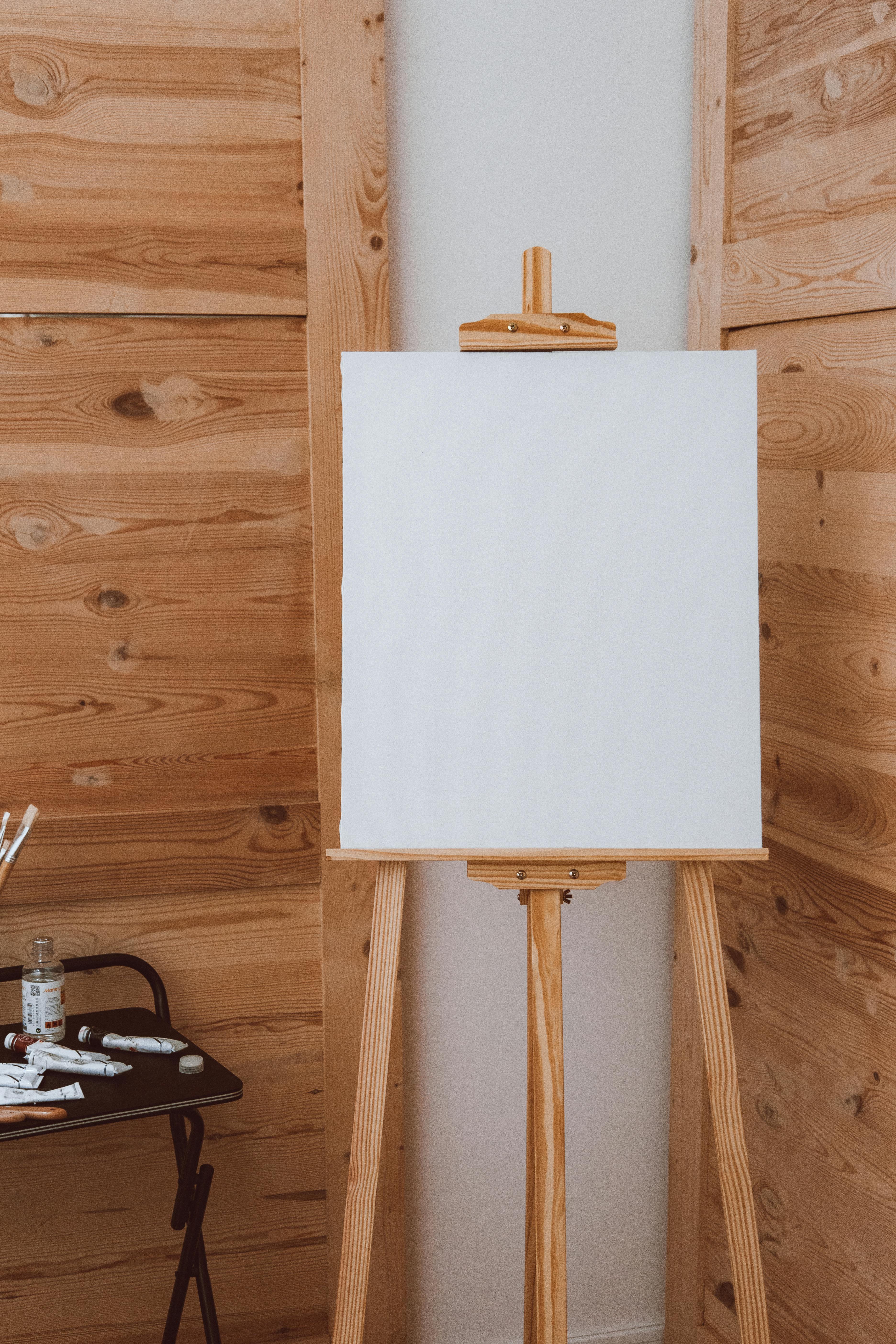
The blank canvas. For many artists, it's not just white space; it's a silent, terrifying judge. That fear of the empty expanse, of wasting time, paint, or worse—potential—is a familiar companion. I know that blank canvas stare all too well. It’s the one where your studio is quiet, your tools are ready, and your mind? Utterly, achingly blank. Or perhaps it's a chaotic beehive of too many ideas, none quite solid enough to commit to. I vividly recall one afternoon, brushes in hand, staring at a pristine white canvas for what felt like hours, a knot of anxiety tightening in my stomach. "What on earth do I paint next?" I wondered, feeling the weight of an unspoken expectation – not just from others, but from myself. It's not just about picking something; it's about finding a visual heartbeat for your inner world, that undeniable pull that makes you want to create – a resonance with your inner landscape. It's about discovering your why, your visual voice – that unique fingerprint in your art, a consistency in stylistic choices like your preferred color palettes, recurring motifs, or particular brushwork, all contributing to the emotional tone you imbue. This article will guide you through looking outward for inspiration, diving deep into your inner landscape, learning from the masters, and practical exercises to truly unlock your unique artistic voice and help you not just find a subject, but to overcome the blank canvas and create art that truly impacts. If you've ever felt that frustrating void, you're in good company. In this article, we'll journey from the outward observation of the world to the inward exploration of our own minds, learn from the masters, and then roll up our sleeves with practical exercises to truly unlock your unique artistic voice.
Believe me, every artist, from the seasoned master to the hopeful beginner, has faced this daunting question. For a long time, I, too, thought there was some secret vault of "good" art subjects I hadn't discovered yet—a hidden treasure map to masterpieces, perhaps. That pressure to unearth something universally profound felt like a heavy weight, stifling my genuine creative impulses. The truth, I've come to realise, is far more personal and, ironically, far more abundant than any mythical map. An art subject, at its core, is simply the idea or theme you choose to explore through your chosen medium. It's the 'what' of your artistic statement, the foundation upon which your creative process is built. In essence, it's the very soul of your artwork.
The Myth of the "Perfect" Subject (And How I Learned to Let Go)
Historically, the concept of a "worthy" art subject has shifted dramatically, often influenced by societal changes, philosophical movements, and even technological advancements. During the Renaissance, grand religious or mythological narratives were paramount, requiring artists to master specific themes and compositions. The Baroque period brought an emphasis on drama, emotion, and grandeur. Later, the Romantic era championed individual expression and emotional landscapes, expanding the definition of what was considered a valid subject. Modernism then exploded the very notion of traditional subjects, with artists like Kazimir Malevich abstracting forms to their purest essence—reducing them to fundamental geometric shapes and colors—challenging the viewer to find meaning in color and shape alone. Understanding this evolution helps us realize that the search for the "perfect" subject isn't a fixed target, but a dynamic, personal journey. Even giants like Leonardo da Vinci, whose notebooks overflow with studies of anatomy, engineering, and nature, remind us that inspiration is boundless and often iterative, not a single, perfect revelation. And if you look at contemporary art, the subject can often be the very idea itself, or even the materials and process – a conceptual piece might use everyday "found objects" (like Duchamp's urinal) as its subject, where the statement is in the recontextualization. Artists like Anish Kapoor, for example, explore the materiality of pigments with works like Vantablack, making the material itself the subject, or the labor and environment in Land Art pieces.
Dispelling the Myth: No Such Thing as a Universal Muse
We scroll through digital galleries, visit museums, and see other artists' stunning works – the dramatic landscapes, the poignant portraits, the vibrant abstract pieces – and we think, "Ah, that’s a worthy subject. They just knew what to paint." It’s a common fallacy, this idea that there’s a universal muse that whispers the perfect subject into the ears of 'real' artists, leaving the rest of us scratching our heads. But we rarely see the abandoned sketches, false starts, and moments of doubt that preceded that finished piece. I mean, even Picasso had his 'Blue Period' and 'Rose Period' before he exploded into Cubism, constantly reinventing what he painted and demonstrating that an artist's path is not static. Art education itself, with its focus on structured experimentation and critique, often helps artists develop their subjects over time, rather than waiting for a mythical muse. We see the curated highlight reel, not the messy, beautiful, sometimes agonizing process of discovery. The "perfect" subject isn't something you find pre-made; it's something you cultivate, often through persistent iteration. Think of it like tending a garden: you plant seeds, some sprout, some don't, but you learn what thrives under your unique care.
That blank canvas or pristine sketchbook page isn't just empty; it feels like an expectation, doesn't it? A silent judge. It amplifies the fear of wasting time, wasting paint, or worse, wasting potential. But here's the thing: that empty space is actually pure potential. It's an open stage, ready for you to project what you discover within yourself. It's a space waiting for your unique interpretation, not a demand for perfection. The trick, I've found, is to see it not as a demand, but as an invitation. The pressure to be "original" can also be paralyzing. Remember, true originality often comes not from inventing something entirely new, but from bringing your unique perspective to an existing idea. What truly matters is your authentic voice, not chasing fleeting trends or what you perceive others want to see. Trends, like the brief, chaotic flirtation with NFTs, often prioritize hype or speculative value over genuine artistic exploration, and frankly, they rarely lead to lasting artistic satisfaction. Stay true to what moves you.
Unlocking Inspiration: Looking Outward for Your Next Subject
Now that we've dismantled the myth of the singular 'perfect' subject, we can confidently turn our attention outwards, where a universe of inspiration awaits our unique gaze. Sometimes, I get so caught up looking for the big idea that I miss the gold nuggets right under my nose. Like that time I was totally stumped, then noticed how the afternoon light transformed a crumpled paper napkin into a study of light and shadow – utterly mundane, yet suddenly compelling. The mundane isn't boring; it's just waiting for your unique gaze to transform it into a compelling art subject. Historically, movements like Impressionism challenged the notion that only grand historical or mythological scenes were worthy, encouraging artists like Gustave Caillebotte to find beauty in everyday urban life – capturing precise details of Parisian streets and figures, elevating the ordinary to fine art. This simple shift opened up a universe of possibilities. Before we dive into the deep well of our inner world, let's open our eyes to the constant stream of inspiration flowing all around us. And remember, the most effective way to capture these fleeting sparks of inspiration is to be ready: keep your phone handy for quick photos, a small notebook for jotting down ideas, or a voice recorder for spontaneous thoughts.
Nature's Endless Muse
This one is a classic for a reason. Go outside! The way branches intertwine, the fractal patterns of a fern, the raw power of a stormy sky, the delicate bloom of a flower. Even a single leaf holds a universe of detail. Nature offers endless subjects, whether you're depicting it realistically (think of the sweeping landscapes of the Hudson River School), abstracting its forms, colors, and rhythms into dynamic compositions (like Georgia O'Keeffe's monumental flowers, transforming petals into vast, sensual landscapes through close-up, abstracted forms), or using it as a starting point for visual storytelling. Consider the intricate geological strata of a cliff face, the delicate microscopic patterns visible under a lens (as explored by Ernst Haeckel's stunning biological illustrations or Maria Sibylla Merian's groundbreaking entomological studies), or the fleeting, ethereal light of an aurora – all rich sources. Plein-air painting is an excellent way to force yourself to truly see and capture these fleeting moments, training your eye to find subjects wherever you go. From the intricate botanical studies of Maria Sibylla Merian, whose scientific precision and artistic detail in depicting insect metamorphosis were groundbreaking, to the abstract geometries derived from seashells or geological strata, nature provides not just subjects, but entire worlds to explore and reinterpret through your unique artistic filter, whether on canvas, in clay, or woven into textiles. Contemporary artists often explore ecological themes, using nature to comment on climate change or human impact, turning environmental concerns into powerful artistic statements. Think also of J.M.W. Turner's atmospheric depictions of storms and light, where nature's raw power becomes the central subject.
The Beauty in the Mundane: Turning Everyday Objects into Art Subjects
Look at your coffee cup, the shadows it casts. The way light hits the dust motes dancing in a sunbeam. The texture of an old brick wall. These aren't just things; they're studies in line, shape, color, and texture. I often find myself captivated by the subtle shifts in everyday objects, which then inspire the underlying structures and abstract patterns of my more complex pieces. For instance, the curve of a forgotten spoon might become a dominant arc in an abstract composition, or the vibrant color of a discarded wrapper could be the genesis of an entire color palette. A sculptor might find inspiration in the negative space around an object, while a photographer could explore its geometry through close-up framing, or even focus on the absence of an object, like the poignant outline left by a missing item, or the poetic beauty of its decay. The Dutch Masters, for instance, elevated still life to an art form, imbuing simple objects with profound meaning and intricate detail, a tradition beautifully exemplified by Chardin's quiet, reflective domestic scenes. Artists like Giorgio Morandi dedicated their careers to exploring the subtle variations in bottles and everyday containers, finding infinite depth in minimal arrangements. Even Pop Art (think Andy Warhol's soup cans) elevated consumer objects to iconic art. Don't underestimate the power of seeing the extraordinary in the ordinary. That's where the magic truly hides. And sometimes, by applying symbolism – like a wilting flower representing fragility, a sturdy oak signifying resilience, or a broken chain suggesting freedom – even the simplest objects can convey profound, layered meanings within your art.
People, Interactions, and Stories
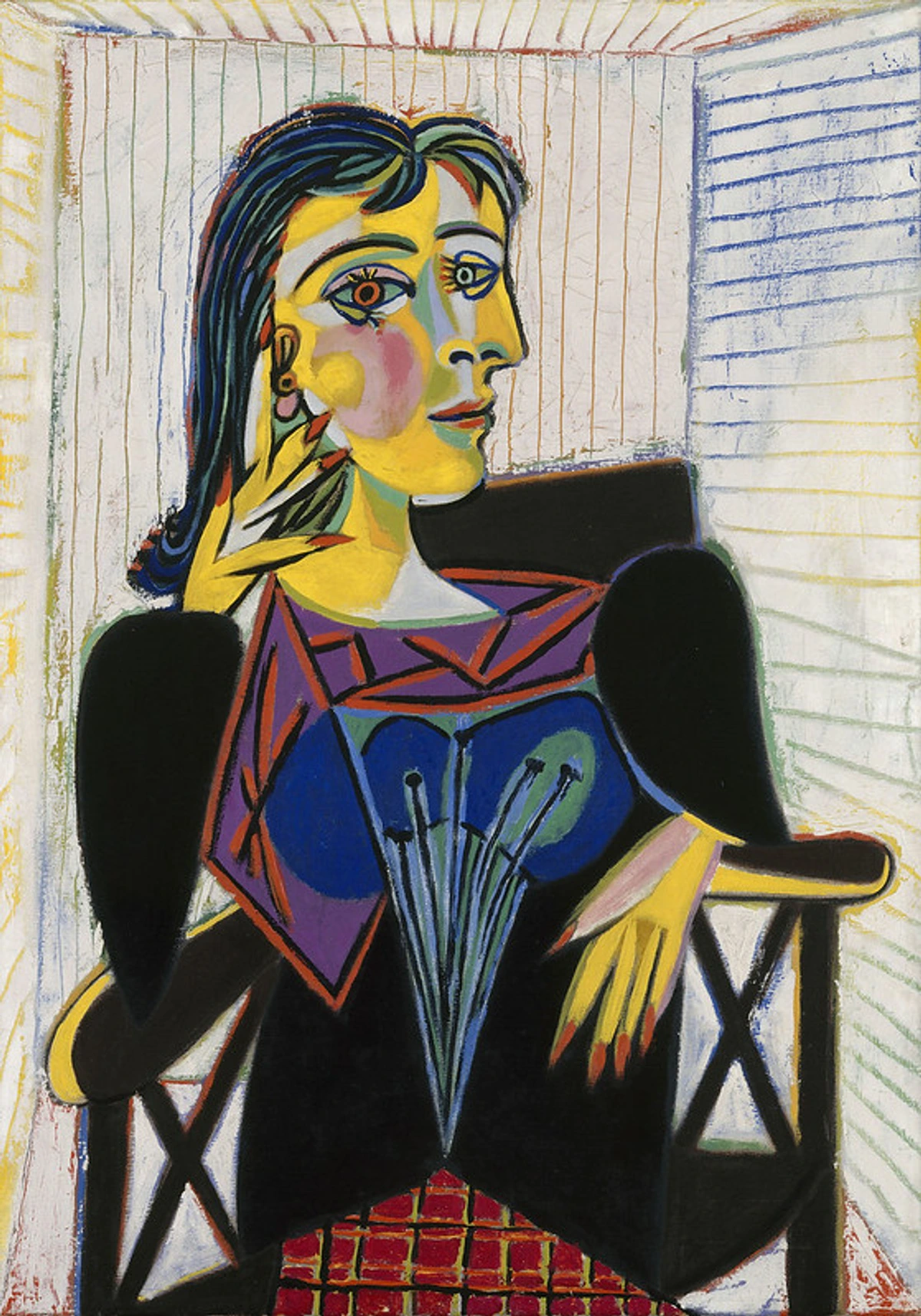
Humanity is endlessly fascinating. Observe people in a cafe, on a train, in a park. What are their gestures and body language telling you? What stories do their expressions hint at? You don't have to draw a literal portrait; you can capture the essence of a mood or interaction through abstract forms, color palettes, or dynamic compositions. Even the chaos of a city scene can be a vibrant subject, as artists from Expressionism well knew, using intense colors and distorted forms to convey emotional states and urban anxieties. Edward Hopper, for example, masterfully captured urban loneliness through stark light and isolated figures, while Käthe Kollwitz's powerful prints depicted the raw suffering and social injustice of the working class (part of the Social Realism movement). Consider Kara Walker's poignant silhouettes, the powerful social commentary of Mexican muralists (like Diego Rivera or José Clemente Orozco), or the psychological depth explored by many portrait artists – artists throughout history have used people and their stories to create powerful art, often aiming for visual storytelling that reflects the human condition in all its complexity. Look for the unspoken narratives in public spaces, the quiet moments of connection, or the dramatic clashes of urban life. And sometimes, the most compelling subject is the internal world of people – themes of isolation, hope, resilience, or the silent impact of societal structures, or even the unique cultures and subcultures within our world. Furthermore, performance art often uses the artist's own body and actions as the primary subject, exploring themes of identity, societal critique, or endurance through lived experience.
The Echoes of History and Society
Art has always been a mirror to human civilization, reflecting its triumphs, struggles, and defining moments. Consider how artists have responded to historical events like wars (Picasso's Guernica), political movements, or scientific discoveries. From the dramatic narratives of Neoclassicism to the raw expression of a protest poster, societal shifts provide potent subjects. Think about how artists captured the Industrial Revolution's impact on cities, or how contemporary artists respond to climate change or technological advancements. These aren't just subjects; they are dialogues with the past and present, offering opportunities to create art that is both personal and universally resonant. Artists often draw on historical archives, personal testimonies, or even create "counter-histories" to highlight marginalized narratives, transforming forgotten stories into powerful contemporary art. Social justice issues, from civil rights to gender equality, have long been, and continue to be, a crucial wellspring for powerful and moving artistic subjects. This often involves rigorous historical research, where artists delve into primary sources and forgotten records to inform their visual storytelling.
Everyday Inspiration Challenges for All Artists
These quick exercises aren't about creating masterpieces; they're designed to help you train your artistic eye, break routine, and foster a habit of observation. Consistency is key, even if it's just for a few minutes a day. The goal is to loosen up, to see differently, and to let potential subjects reveal themselves.
Challenge  | Description | Goal | Art Medium Focus | Example Visual Idea |
|---|---|---|---|---|
| The "Pocket Content" Sketch | Carry a small sketchbook. At a random moment, draw the first thing you see in your pocket/bag, or a detail of your immediate environment. | Focus on observation, find beauty in small details, break visual habits. | Drawing, Sketching, Digital sketching | A detailed abstract pattern from a crumpled receipt or the geometric form of a key. |
| "Color Story" Photo Walk | Go for a walk. Take photos of only a specific color, or a specific color combination you notice. | Develop color sensitivity, see patterns, build visual vocabulary for your palette. | Photography, Digital Art, Painting | A series of vibrant blues and greens from mossy stones, or stark reds and blacks from urban decay. |
| "Shadow Play" Study | At different times of day, sketch or photograph how shadows fall on objects or landscapes. | Understand light, form, and composition through abstract shapes. | Drawing, Photography, Painting, Sculpture (form) | Dynamic, angular abstract shapes created by sunlight through blinds, or soft, undulating forms of evening shadows. |
| "Texture Hunt" | Find 3-5 interesting textures around your home or outdoors. Sketch or collect small samples (e.g., leaf, fabric scrap). | Explore tactile qualities and how they translate visually, inspiring surface treatments. | Drawing, Mixed Media, Sculpture, Abstract Painting | Rough bark translated into impasto strokes, or the smooth sheen of a leaf inspiring a glazed surface. |
| "Found Object" Assemblage | Collect 3-5 discarded or mundane objects. Arrange them, sketch them, or create a small assemblage/sculpture. | Transform the ordinary, challenge notions of beauty, explore new forms and narratives. | Sculpture, Mixed Media, Drawing, Photography | An evocative arrangement of rusty washers, broken glass, and dried leaves, suggesting decay or forgotten history. |
Looking Inward: Your Personal Wellspring of Inspiration
While the external world provides the raw material, the true magic happens when we process it through our unique internal landscape. Once we understand that the perfect subject isn't only external but also deeply cultivated from within, the real journey of discovery begins—and that journey starts within. This is where the truly potent stuff begins to brew. Your most compelling subjects are often deeply rooted in you. Your experiences, your emotions, your unique way of seeing the world – these are irreplaceable and form the bedrock of your artistic style and visual voice. Your visual voice is that unique fingerprint in your art, a consistency in stylistic choices (like your preferred color palettes, recurring motifs, or particular brushwork) and the themes you naturally gravitate towards, regardless of the specific subject matter. It's the filter through which all external observations are processed and transformed.
Tapping into Emotions and Experiences
Think about what moves you. What makes your heart ache, swell with joy, or buzz with indignation? What are the recurring themes in your life, your conversations, your thoughts? These aren't just feelings; they're raw material. My own journey with abstract art is often a direct translation of these internal landscapes. The chaotic energy of a busy week might become a vibrant, layered piece, using bold, clashing colors and sharp, dynamic lines; a moment of quiet reflection, a serene composition with soft, blending hues and gentle curves. For sculptors, an emotion might be translated into the tension or flow of a form, while a photographer might capture a fleeting mood through light and shadow. Don't shy away from discomfort; sometimes the most powerful art emerges from exploring challenging emotions, giving them a tangible, visual form that resonates deeply with both artist and viewer. For instance, anger might manifest as aggressive, jagged lines and stark, clashing color juxtapositions (think of Francis Bacon's visceral portraits, which convey intense psychological states through distorted figures and unsettling imagery), while nostalgia could be expressed through soft, muted tones and blurred forms that evoke distant memories. This approach aligns closely with the Expressionist movement, where artists aimed to portray subjective emotions rather than objective reality. Even states like apathy, ennui, or confusion can be profound artistic subjects – the very human experience of feeling uninspired can be incredibly resonant.
The Role of Medium in Subject Discovery
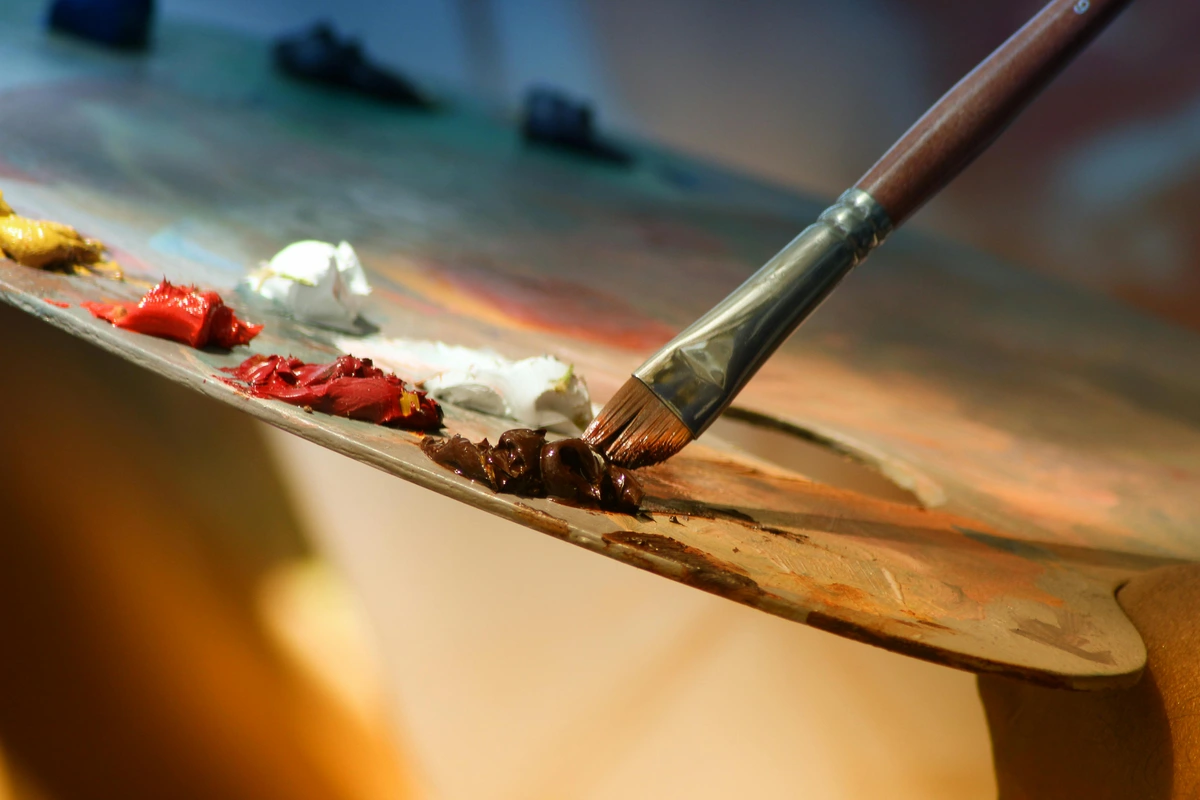
Your choice of artistic medium isn't just a technical decision; it's a powerful force in shaping the subjects you explore and how you interpret them. A sculptor working with raw clay might naturally gravitate towards subjects that emphasize form, weight, and tactility—perhaps the human figure, abstract organic shapes, or architectural elements. A watercolor artist, on the other hand, might be drawn to the ethereal qualities of light, landscapes, or flowing abstract expressions due to the medium's inherent translucency and fluidity. Digital artists might explore intricate patterns or complex layered compositions that would be difficult to achieve in traditional paint, leading them to subjects rooted in technology, data, or surreal juxtapositions. Consider how the inherent properties of your chosen medium—its texture, permanence, ability to blend, or how it captures light—can either open up new avenues for subjects or offer a fresh lens through which to reinterpret familiar themes. Sometimes, simply experimenting with a new medium is enough to unlock an entirely new range of artistic subjects. Don't underestimate the conversation between your materials and your muse.

Dreams, Memories, and the Subconscious
Your mind is a vast, uncatalogued museum of imagery. Dreams, even fleeting ones, are incredibly rich. Keep a dream journal by your bed. Jot down bizarre scenarios, strong colors, or odd juxtapositions. If you dreamt of flying, your subconscious might be whispering themes of freedom, escape, or aspiration. Visually, this could manifest as upward-moving lines, open spaces, or a palette of airy blues and whites. If you dreamed of being chased, perhaps a claustrophobic composition with distorted perspectives or aggressive diagonals could capture that feeling. Similarly, delve into your memories. What moments from childhood still sparkle? What emotions do old photographs evoke? Don't worry about logic; just collect the fragments. A memory isn't always a complete narrative; sometimes it's just a flash of color, a peculiar shape, or a specific sensory detail – like the scent of rain on hot pavement, or the rough bark of a favorite tree. The Surrealist movement, with artists like Salvador Dalí, René Magritte, and Max Ernst (who used techniques like frottage and grattage to evoke dreamlike effects through unusual juxtapositions and illogical scenes), famously tapped into these dreamscapes and subconscious narratives to create profound and unsettling art. The unseen structure of our minds, the subconscious patterns and desires, can guide the visual. I've often found that a single, vivid fragment from a dream – a sensation of falling, a particular light, an odd, recurring symbol – can become the entire genesis of a painting, allowing the subconscious to guide the brush and revealing new abstract forms. Consider also automatic drawing or automatic writing, techniques that bypass conscious thought to tap directly into these hidden reservoirs of imagery and emotion. Childhood toys, specific family heirlooms, or even the feeling of a particular childhood space can all become incredibly potent subjects, imbued with deep personal meaning.
Journaling Prompts for Self-Discovery
Before you dive into the prompts, remember: this isn't about writing a novel; it's about quick, uncensored thought dumps. Don't censor yourself, just let the ideas flow. The goal is to unearth potential subjects, not to create a polished piece of writing. Try to write for a few minutes on each one, and see what visual ideas begin to form.
Prompt | Focus | Why it's useful | Example Artistic Subject Idea | Keywords |
|---|---|---|---|---|
| What emotion have you felt most strongly this week? | Personal experience, emotional resonance | Connects directly to your current inner state, often revealing powerful, unexpressed themes. | A dynamic, layered abstract composition with aggressive reds and oranges reflecting frustration, or a series of interconnected circles in calming blues and greens for peace. | emotion, feeling, abstract, portrait, mood, inner world, expressive art, art therapy |
| Describe a place from your childhood you can still 'feel'. | Memory, sensory detail | Unlocks vivid, deeply personal imagery and associations that can form rich narratives or symbolic representations. | An imagined abstract landscape built from fragmented colors and shapes; a nostalgic still life of remembered objects. | memory, childhood, nostalgia, landscape, architecture, still life, sentiment, place |
| What concept or idea truly fascinates you? (e.g., time, interconnectedness, solitude, transience) | Intellectual curiosity, philosophy | Encourages you to translate abstract thoughts into visual metaphors, pushing beyond literal representation. | A symbolic abstract work exploring interconnectedness through flowing lines and overlapping transparencies; a minimalist composition representing solitude (think Agnes Martin's exploration of grids and silence). | concept, idea, philosophy, symbolism, abstract, minimalism, meaning, conceptual art |
| What makes you angry/joyful/curious? | Core values, passions | Reveals your deepest motivations and what you genuinely care about, leading to art with strong purpose and conviction. | Protest art using stark contrasts and bold typography; a celebratory mural bursting with vibrant, organic forms; intricate scientific illustrations. | passion, values, social commentary, protest, celebration, curiosity, activism, human experience |
| If you could create a visual metaphor for your current state of mind, what would it be? | Self-reflection, abstraction | Forces you to distill complex internal states into a singular, evocative visual image, bypassing overthinking. | A composition of disjointed, floating shapes for uncertainty; a vibrant, explosive color palette for boundless energy; a serene gradient for calm. | metaphor, mind, mental state, abstract, shape, color, gradient, psychological art, inner landscape |
Engaging with Art Itself: Learning from Others (and Myself)
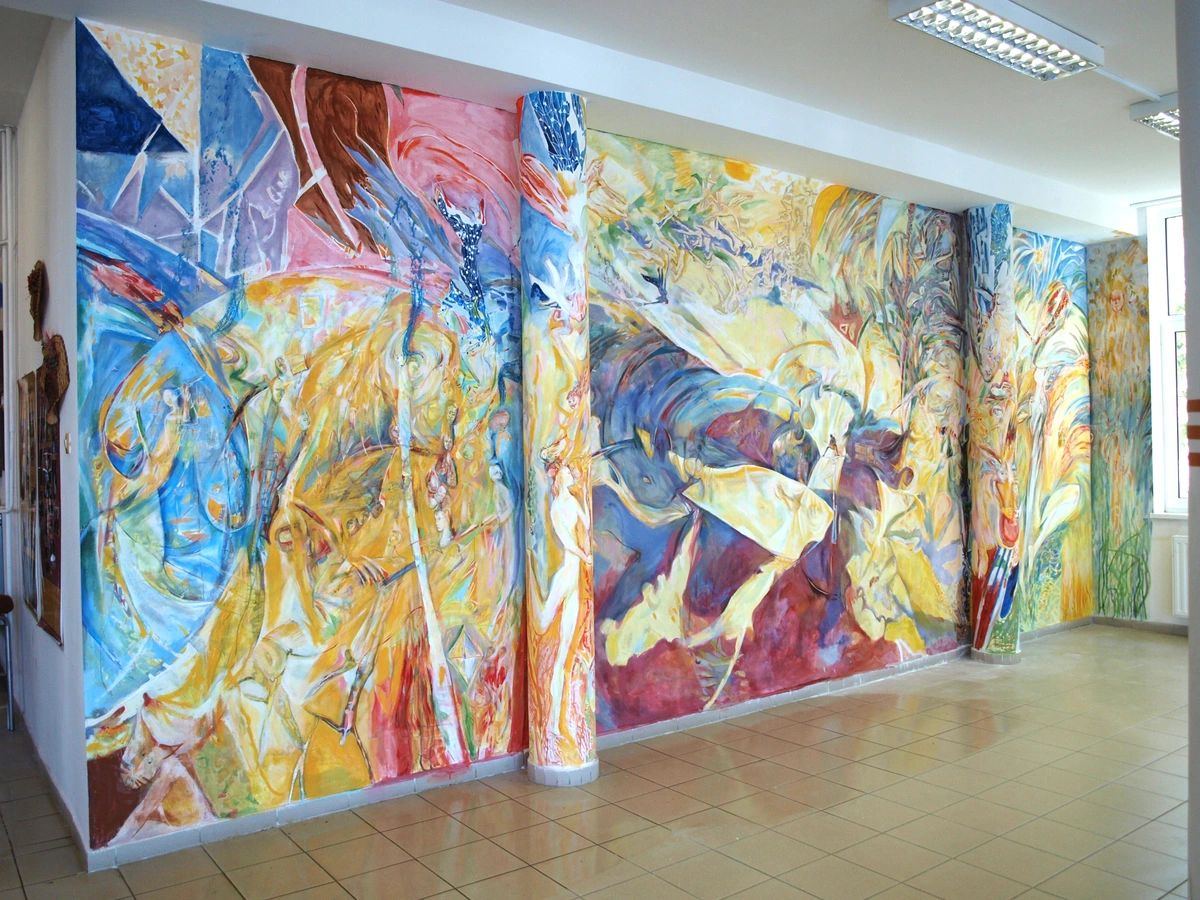
Art doesn't exist in a vacuum. Engaging with other artists' work and even your own past creations can spark new directions. This isn't about copying, but about understanding the vast spectrum of artistic approaches and identifying what resonates with you, and why. It's a dialogue, a conversation across time and space, informing your own creative process. And sometimes, just sometimes, it’s also about realising what you don’t want to do, which can be just as important a discovery. It's about seeing how others tackled similar feelings or observations, and then finding your own path forward.
Deconstructing Your Favorite Artists
Pick three artists whose work you admire. It could be for their use of color, their compositional mastery, or their unique way of expressing emotion. Study their work intently. What are their recurring subjects? How do they reinterpret them? How did someone like Georgia O'Keeffe find such profound subjects in flowers and landscapes, transforming them with her unique perspective, or Monet endlessly revisit the same subject under different light conditions to explore fleeting sensation? Consider how artists within the same movement, like Monet and Degas in Impressionism, chose vastly different aspects of Parisian life to capture – one light and landscape, the other intimate human moments. This isn't about copying; it's about understanding how they found and developed their artistic voice, and the methods they employed. Consider how Van Gogh's changing circumstances influenced his depiction of humble objects and landscapes, or how Picasso continually reinvented form across his various periods. You might find inspiration for a new approach to a subject you thought was exhausted, or even discover a completely new subject area through their lens. Sometimes, it's not the subject itself, but the process an artist used that sparks your own ideas, whether it's their choice of medium, their approach to light, or their method of building up layers. Crucially, ask why they chose that subject – was it social commentary, personal catharsis, or formal exploration? And don't shy away from studying artists who deliberately rejected traditional subjects, like the Dadaists, whose anti-art stance often made the very act of challenging convention their primary subject.
Visiting Museums and Galleries
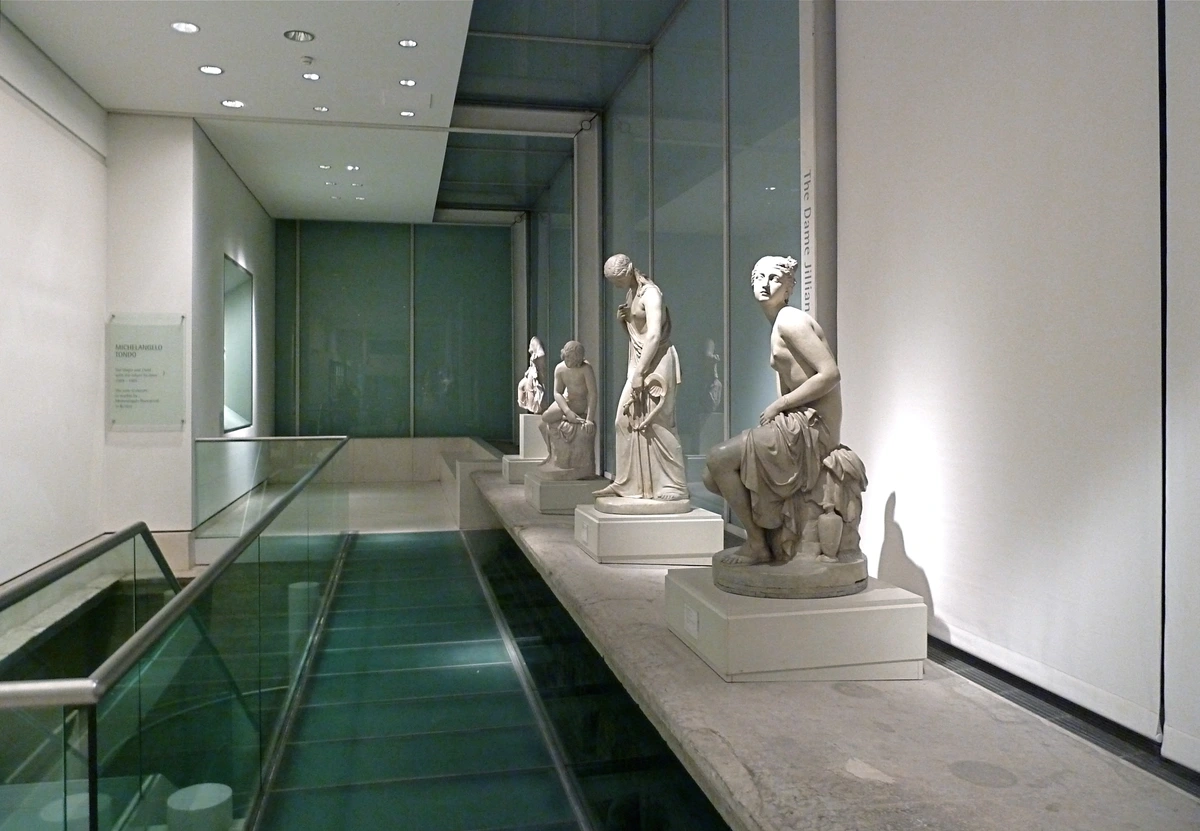
There's nothing quite like standing in front of an original piece of art. The energy, the scale, the subtle brushstrokes – it's a profound experience. Next time you visit a place like the Den Bosch Museum, don't just look at the famous pieces. Seek out artists you've never heard of, or genres you usually ignore. And importantly, look beyond the Western canon; explore Indigenous art, African masks (which profoundly influenced early modernists like Picasso), or East Asian calligraphy to broaden your understanding of what art can be. Ask yourself: What did this artist choose to depict? How did they approach their subject? What problem was this artist trying to solve with their work, and how does their visual language (the unique combination of elements like line, form, and color) communicate that? But also, notice the techniques – how did they use impasto to convey the texture of a landscape, or stark contrast to emphasize a vastness? Why did this particular piece resonate (or not) with me? Perhaps the subject isn't what grabs you, but the way it's rendered, the unique filter of their visual voice, or even the materials they chose to use. Sometimes, just being in the presence of greatness makes your own ideas bubble up, almost as a challenge. Before you go, research the context – the artist's life, the historical period, the intended audience. Often, the artist's statement or accompanying catalogue essays can be invaluable in understanding the artist's intention behind their chosen subject.
Re-interpreting and Evolving Your Own Work
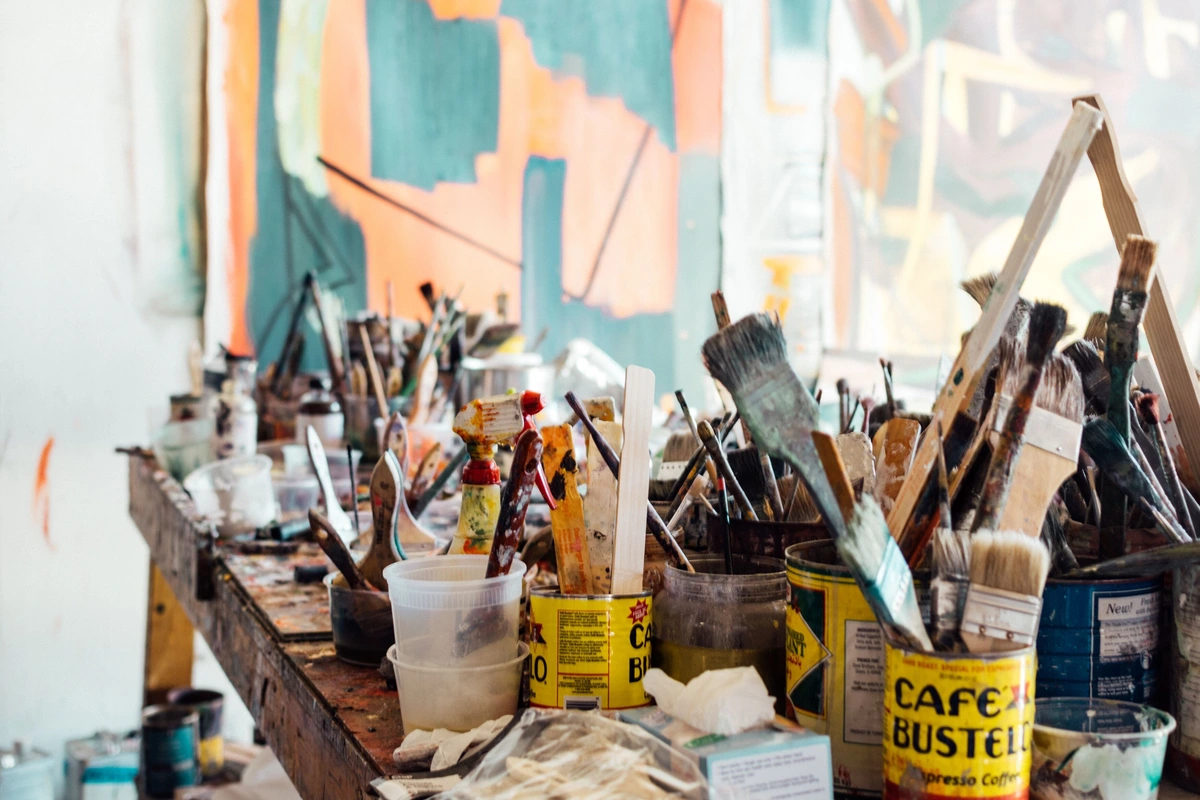
Go through your old sketchbooks, studies, and finished pieces. What themes emerge? What did you start that you never finished? Is there a particular color combination or abstract form that keeps appearing? Sometimes, the path forward is a deeper dive into something you've already touched upon, an evolution of a concept. Think of it as evolving your creative process. A subject isn't a one-and-done; it can be revisited, re-imagined, and refined over years, gaining new layers of meaning as you change as an artist. Don't be afraid to revisit "failed" pieces; sometimes the most interesting discoveries are found in what you initially discarded, revealing new insights and guiding your artistic style. I’ve certainly learned more from my 'mistakes' than from my 'masterpieces' – if you can even call them that! This iterative approach is how true artistic depth develops, preventing repetition by constantly seeking fresh angles within familiar territory.

Practical Exercises to Kickstart Your Search
To move from contemplation to creation, let's dive into some hands-on exercises designed to spark your subject matter and get your hands dirty. While learning from others and reflecting internally is invaluable, sometimes the best way to find your subject is to simply do – to jump in with both feet. These exercises are designed to break the mental logjam and get you actually making something. The act of doing often reveals more than endless thinking, leading you directly to compelling new art subjects. I've used these myself countless times when I felt absolutely bereft of ideas. Remember, embracing artistic limitations – by deliberately choosing to work with specific materials, colors, or timeframes – can paradoxically unlock immense creativity and lead to unexpected subject matter.
The "Timed Sketch" Sprint
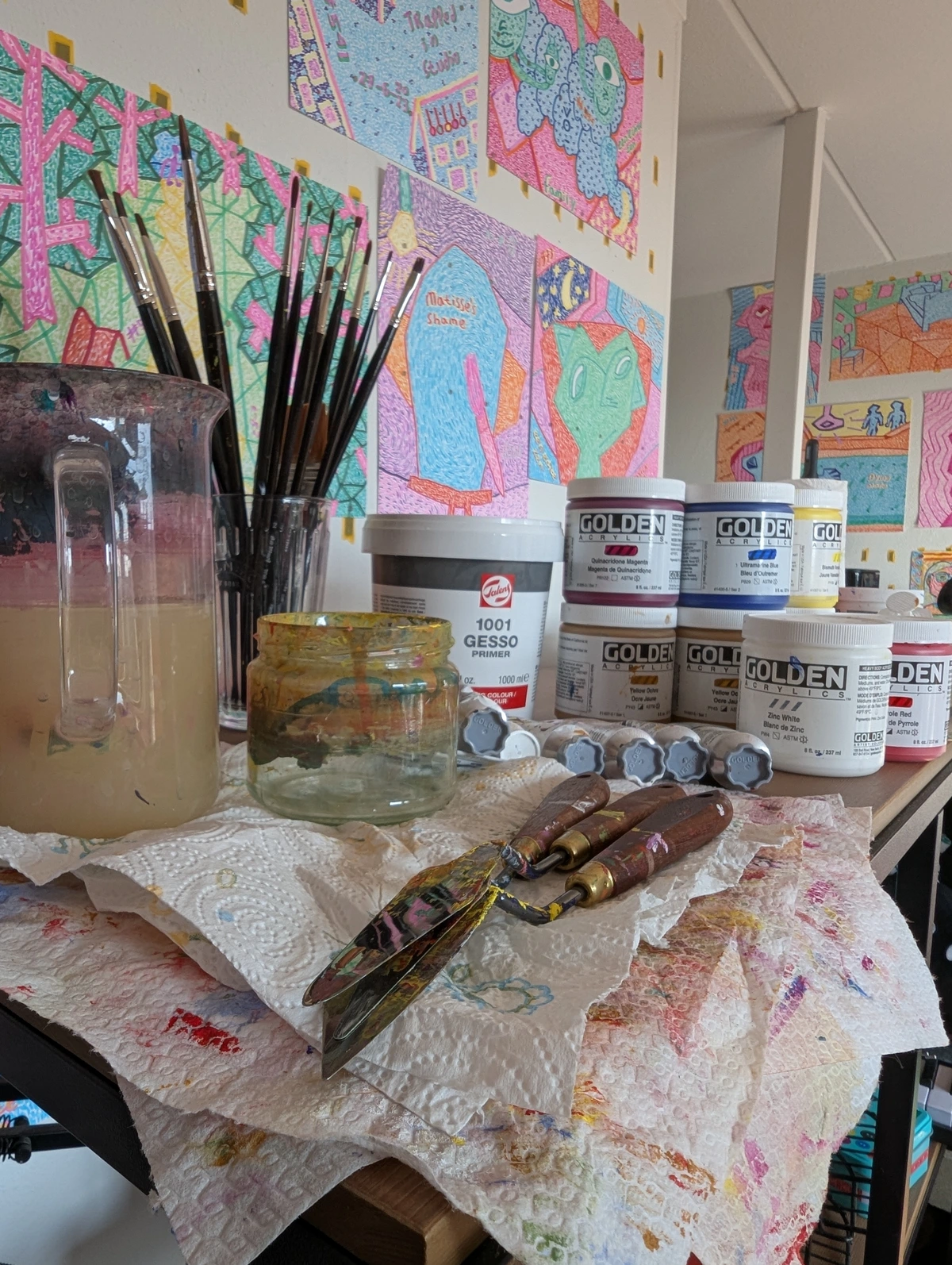
Set a timer for 5, 10, or 15 minutes. Pick any object or idea (even if it feels silly or 'not art') and just draw. No erasing, no perfectionism, just continuous line or quick gestural marks. When the timer goes off, stop. Do this 3-5 times. The goal isn't a masterpiece, but to bypass your inner critic and generate raw visual data, to get your hand moving and your mind out of its own way. This is where intuitive painting often begins, allowing unexpected subjects to emerge from the flow. It's about quantity over quality in this initial exploration, loosening up your creative muscles – like a quick warm-up before a long run. Variation: Instead of an object, try an abstract prompt: "Draw the feeling of anticipation," "Draw the sound of rain," or "Draw the texture of a dream." This pushes you to translate ephemeral concepts into visual language.
The "Random Word Generator" Game
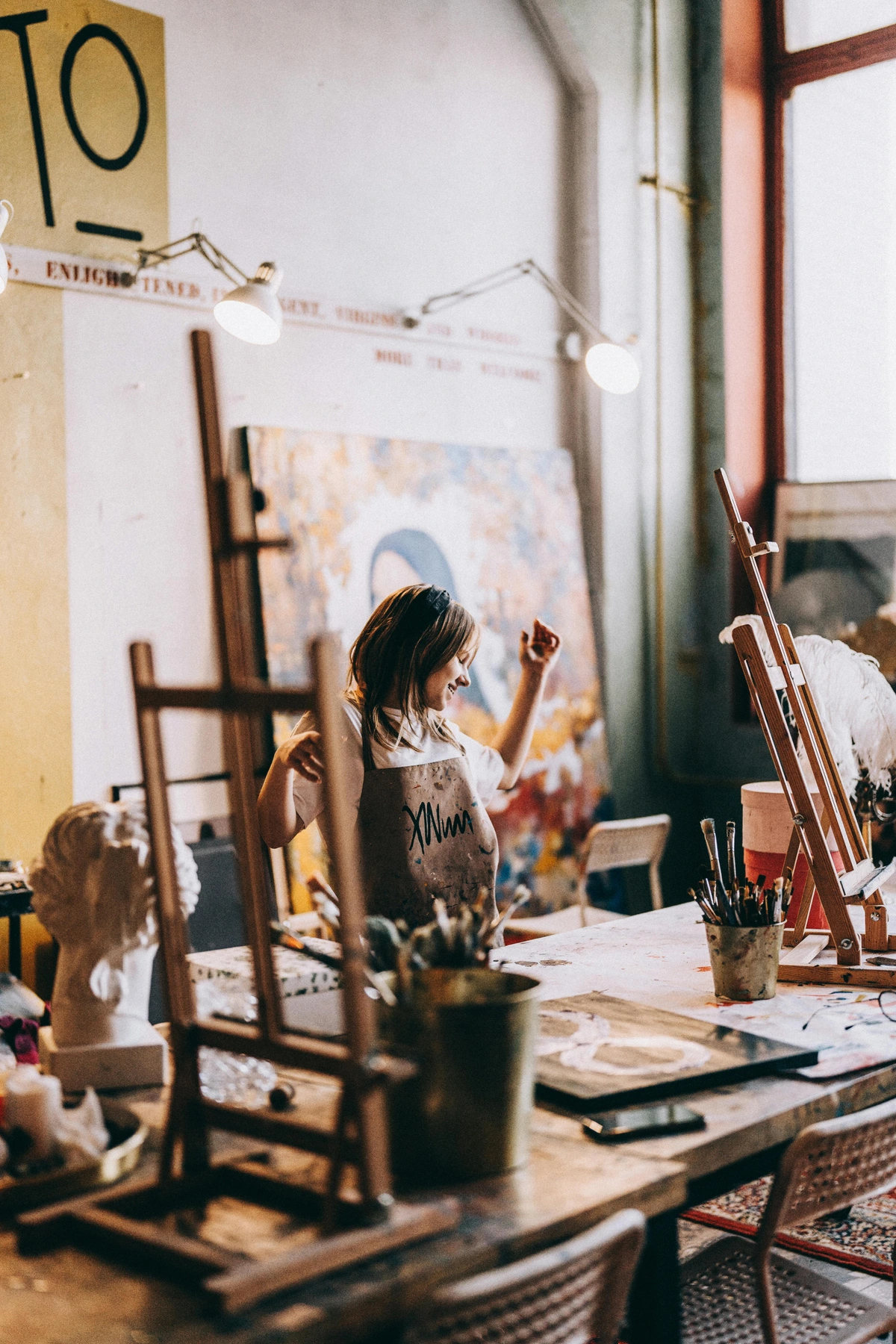
Use an online random word generator, or simply open a dictionary to a random page and pick a word. Now, spend 10 minutes brainstorming how that word could be interpreted visually. It could be literal, abstract, symbolic, emotional. This forces unexpected connections and can lead to truly unique subjects. For instance, if the word is "whisper," you might explore soft, blurred gradients, almost invisible lines, or a composition that feels hushed and understated. If it's "triumph," perhaps bold, upward-sweeping lines or a vibrant explosion of color. Try different types of words – an abstract noun like "justice," a verb like "soar," or an adjective like "ephemeral." I often find that the most bizarre combinations spark the most interesting ideas. It's an excellent way to break out of habitual thought patterns and discover subjects you'd never intentionally seek out, broadening your scope of artistic themes. Variation: Generate two random words and combine them (e.g., "fragile machine," "silent roar") to create a more complex, conceptual subject. Or, use a random quote or song lyric as your starting point.
The "Limited Palette, Unlimited Subject" Challenge
Pick only three colors (plus white/black) and force yourself to create 3-5 small pieces using only those colors. The constraint paradoxically frees you to focus on form, texture, or message rather than getting lost in overwhelming color choices. By removing the decision of which colors to use, you're forced to think about other visual elements and concepts, which can reveal surprising subject matter. You might be surprised by what subjects emerge when your usual color mixing habits are sidelined. This exercise strips away complexity, helping you find a subject through pure visual elements and focused exploration. It’s a bit like being told you can only pack three outfits for a month-long trip – you quickly learn what’s essential! Variation: Try applying your limited palette to a predetermined subject like "a cityscape" or "a portrait," forcing you to find unique ways to represent it with minimal color.
The Subject of Process Itself: Materials, Marks, and Time
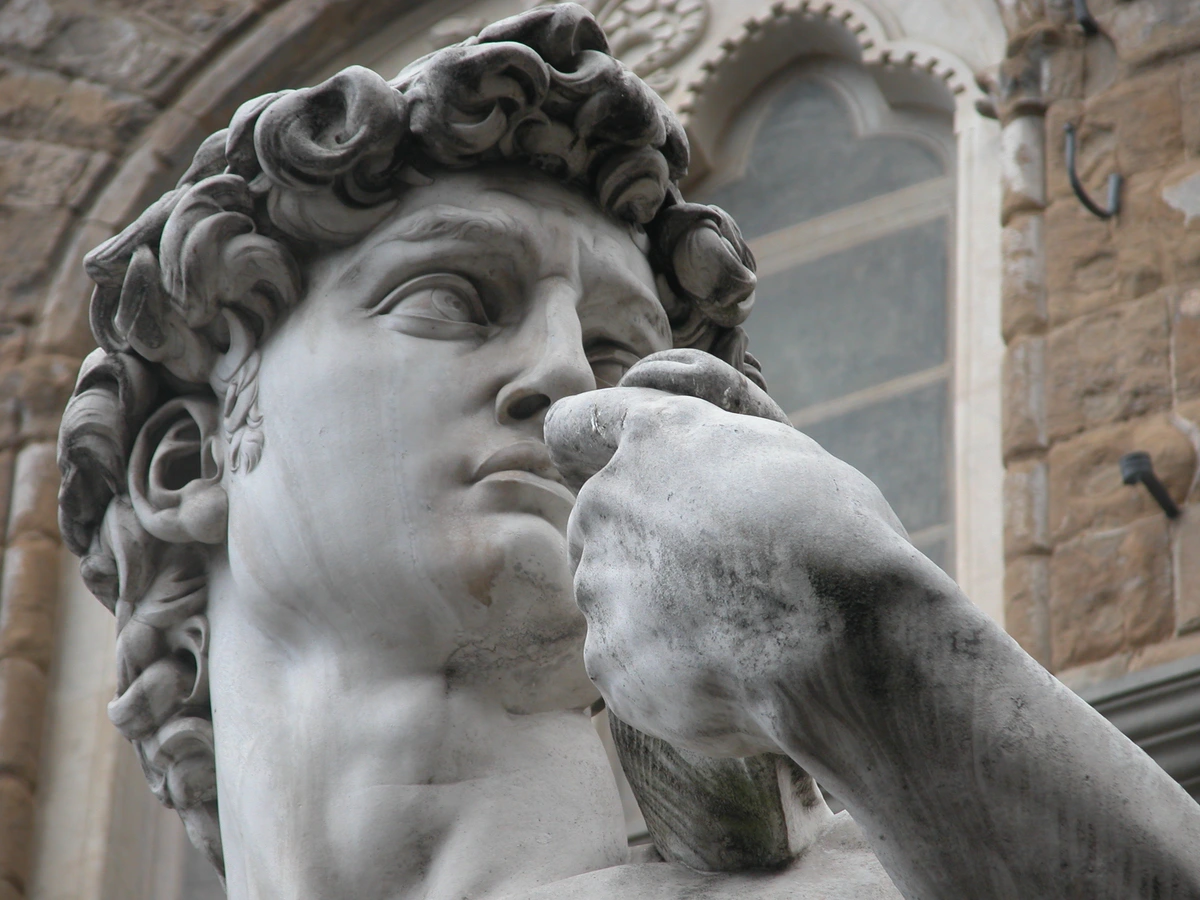
Sometimes, the most compelling subject isn't a recognizable object or a deep emotion, but the very act of creation, the materials, or the passage of time. Artists exploring process art might make the layered brushstrokes, the texture of the paint, or the sequence of actions taken to create the art, their primary subject. Consider an artwork that focuses on the degradation of materials over time, or the labor involved in a traditional craft. The subject becomes less about representation and more about the experience of making and observing. The unique properties of different mediums – the way watercolor bleeds, the impasto of oil, the sharp precision of digital lines – can become a subject in itself, inviting contemplation of material reality. Movements like Arte Povera, for instance, championed the use of everyday materials and emphasized the process of creation itself as central to the artwork's meaning. Artists like Eva Hesse similarly explored the inherent qualities and tactile nature of unconventional materials.
Overcoming the Fear of "Wrong": Embracing Experimentation and Iteration
One of the biggest hurdles in finding a subject is the fear of choosing the wrong one. What if it's not interesting enough? What if I can't execute it? What if it's been done before? These are valid anxieties, but they are also precisely what keep us stuck. The truth is, there's no such thing as a "wrong" subject, only a subject that might not resonate right now. Or perhaps it's a "failed" attempt that actually illuminates a path forward. The idea that technical skill is more important than subject is a common pitfall; a compelling subject, authentically explored, can elevate even a technically less perfect piece, and vice versa. What truly matters is the authentic exploration and the story you're trying to tell.
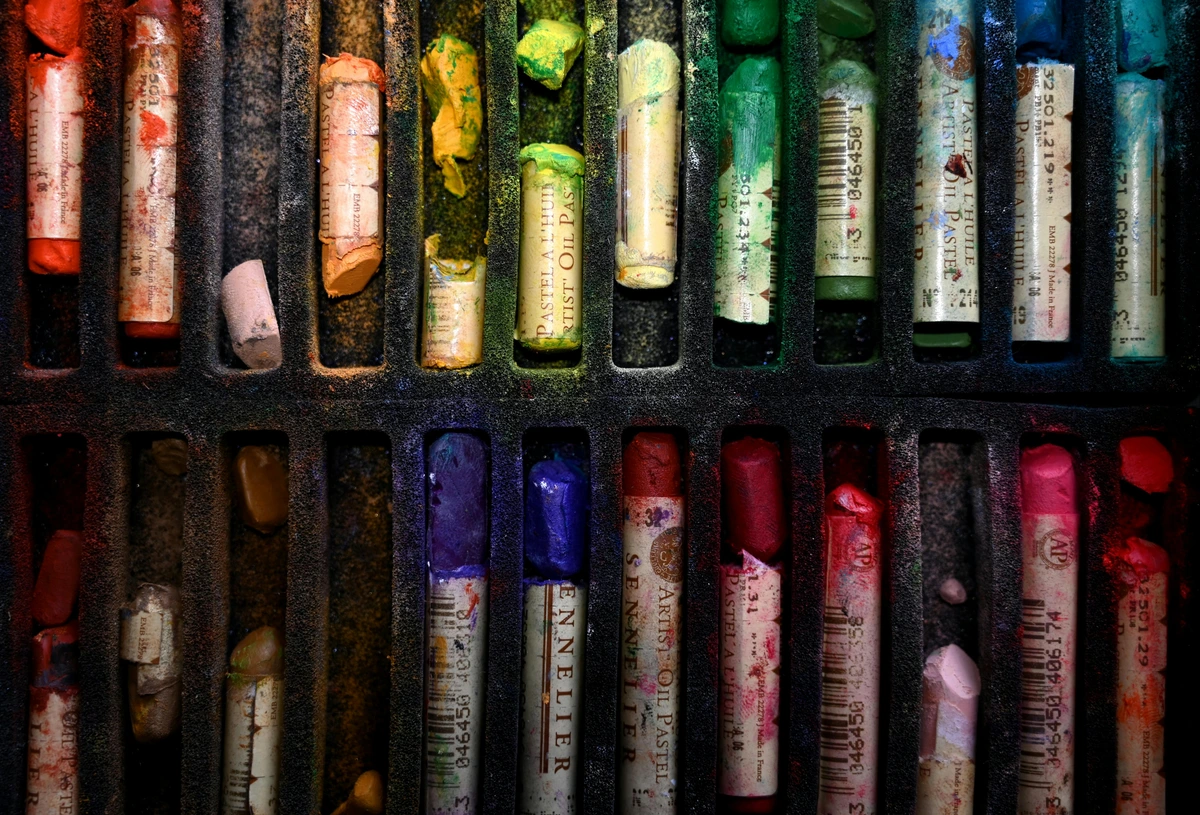
Embrace Experimentation: Art is a journey of exploration, not a test. Give yourself permission to experiment without the pressure of a finished product. Treat every sketch, every small painting, as a learning opportunity. Think of it as generating ideas, not executing a final vision. The more you experiment, the more you'll uncover what truly excites you and what themes resonate with your unique voice. Even "bad" art serves a purpose if it teaches you something or points you in a new direction. I remember one time, I accidentally spilled a vibrant red across a calm blue background. Instead of cleaning it up, I leaned into the chaos, and it sparked a whole series of abstract pieces exploring unexpected tension and harmony. And often, those "happy accidents" – a spilled paint drop, an unexpected blend – can reveal entirely new directions and even become the subject itself. Don't be afraid to make a mess; that's often where the magic hides and where unexpected subjects reveal themselves. My studio is almost always a beautiful disaster, and I wouldn’t have it any other way.
Iterate, Don't Stop: A subject can be revisited endlessly. If an idea feels weak, don't discard it entirely. Instead, ask: "How can I approach this differently?" Could it be simplified, abstracted, exaggerated, or seen from another perspective? This iterative process is how ideas evolve and strengthen. Your first attempt at a subject is rarely your best, and that's perfectly okay. What matters is that you started, and you're willing to continue the conversation with your art, allowing your themes to deepen and your techniques to refine. Look at Picasso's numerous studies for Guernica; even masters iterate endlessly, seeing each piece as a step in an ongoing dialogue. It’s an evolution, not a single destination.
Why Now? Finding Your Subject in a Modern World
In an age saturated with visual information – from social media feeds to AI art generators and digital galleries – the pressure to be original and find a unique subject can feel immense. However, this paradoxically makes finding your personal subject more vital than ever. The pre-digital age offered fewer visual distractions, but perhaps also fewer avenues for rapid inspiration. Today, the sheer volume of imagery can be overwhelming, yet digital tools like painting software, 3D modeling, and generative art offer new territories for exploration. In a sea of trends and fleeting aesthetics, your authentic voice, rooted in your inner world and unique observations, is your most powerful tool. It's what allows your art to stand out, to resonate, and to offer a genuine connection in a world craving authenticity. Don't chase trends; chase what truly moves you. While AI art generators offer fascinating possibilities for rapid image creation and exploring visual concepts, they often lack the authentic human experience and intention that gives art its profound resonance. They can be a tool for generating ideas or exploring compositions, but the why behind your art, your unique story and perspective, is what truly matters and is your most valuable commodity in a world awash with visuals, offering a grounding, meaningful counter-narrative to digital overwhelm. It’s your secret weapon, really. This digital landscape also presents new subjects: themes of data, virtual reality, information overload, online identity, and digital ethics are all ripe for artistic exploration.
The Role of Culture and Society in Art Subjects
Our subjects are rarely created in a vacuum; they are deeply intertwined with the culture and society we inhabit. What's happening in the world around you – political shifts, social movements, scientific breakthroughs, or even popular culture trends – can all serve as potent sources of inspiration, whether you choose to embrace, critique, or simply reflect them. Artists throughout history have engaged with their contemporary worlds, from the social commentary of Daumier to the pop culture references of Warhol, or the powerful activism of feminist artists. Your art can become a dialogue with your time, offering commentary, challenging norms, or preserving moments for future generations. Engaging with cultural conversations, attending community events, or simply observing the nuances of daily life can open up new subject areas that are both relevant and resonant. Sometimes, the most powerful subjects emerge when an artist bravely addresses uncomfortable societal truths or celebrates overlooked cultural narratives, creating art that truly mirrors and shapes its era.
Frequently Asked Questions (FAQ)
Many questions arise when exploring the vast territory of finding an art subject. Here are some common ones, answered.
Q: What if I feel I have no unique experiences or emotions to draw from?
A: You absolutely do. Every human life is a tapestry of unique experiences, no matter how "ordinary" they may seem on the surface. The key isn't to have extraordinary events, but to look extraordinarily at your everyday life. What tiny moments made you pause? What recurring thoughts or feelings do you have? Even the act of feeling uninspired or a lack of strong emotions can be a subject in itself – exploring feelings of numbness, apathy, or the search for meaning. Start with small, honest observations, and your unique perspective will emerge. Your inner world is far richer than you might imagine, and even the struggle to find inspiration is a profoundly human and valid artistic theme. Remember, universal human experiences like love, loss, joy, or fear can be explored through your personal lens, making them uniquely yours.
Q: How long should I spend looking for a subject before just picking something?
A: There's no fixed time. Some subjects might hit you instantly, while others may require weeks or months of incubation. The danger lies in endless thinking without doing. My advice? If you've explored the internal and external prompts for a reasonable period (say, a few days to a week), and still feel stuck, just pick something – anything at all – and start making marks. The act of creating, even on a "wrong" subject, often kickstarts the flow of ideas and reveals the "right" one. Action is the antidote to analysis paralysis. Sometimes, stepping away from the active search and engaging in other activities – going for a walk, reading a book, listening to music – can lead to breakthroughs during these "artistic incubation periods."
Q: Can my art subject change over time?
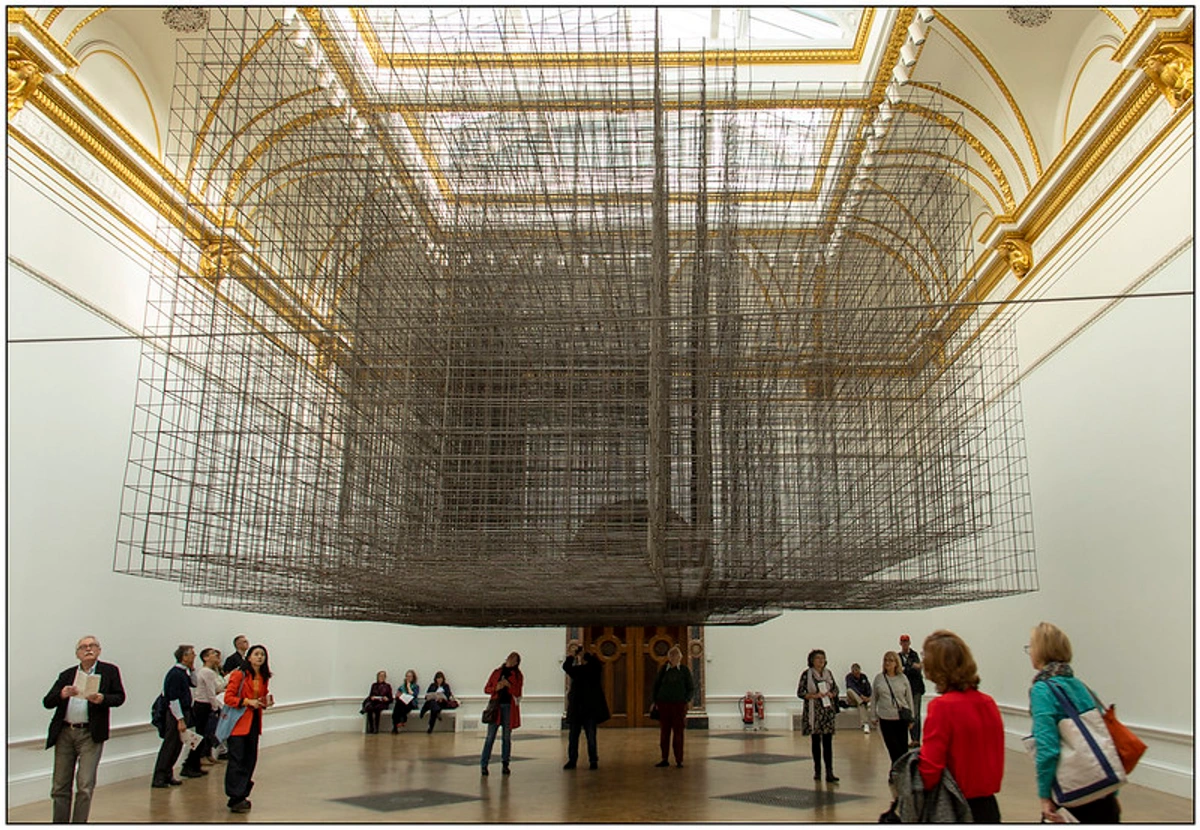
A: Absolutely, and it should! Your art is a reflection of you, and you are constantly evolving. What fascinates you today might not be what moves you in five years. Embrace this evolution. Many great artists have shifted their subjects and styles throughout their careers, demonstrating growth and renewed vision. Don't feel locked into one theme forever; allow your creative compass to guide you to new territories when the time is right. You can even actively cultivate change by consciously seeking new experiences, learning new techniques, or exploring different cultures. Your journey as an artist is a continuous exploration, not a static commitment.
Q: What if I'm an artist who works primarily in a specific niche (e.g., hyperrealism, portraiture)? How does this article apply?
A: Even within a specific niche, the principles of finding inspiration are universal. For hyperrealism, you might focus on finding unusual objects or textures to depict with extreme detail, challenging yourself with complex surfaces or compositions. For portraiture, the quest becomes finding new stories within faces – exploring specific emotions, cultural narratives, or historical contexts through your subjects. You can still look outward for unique models or cultural stories, and inward for emotional depth to convey. The exercises can help you break out of habitual ways of seeing, even within your chosen specialty, leading to fresh interpretations and innovative subjects. For example, a hyperrealist might explore the minute decay of a forgotten object, or a portrait artist might delve into the psychological landscape of a public figure through a series of expressive portraits.
Q: What if my art is purely decorative? Can it still have a "subject"?
A: Yes, absolutely! Even purely decorative art, which might prioritize aesthetics and harmony over explicit narrative, has a subject. Its subject could be beauty itself, the interplay of color and form, the feeling of calm or energy it evokes, or the experience of visual pleasure. Many abstract artists, for instance, focus on how specific color combinations or geometric patterns create a particular mood or aesthetic. The 'subject' here is the visual language and its impact on the viewer, rather than a narrative content. Your art's purpose, even if decorative, is its subject. This can also include patterns inspired by specific cultural motifs or mathematical principles.








Q: How do I handle a subject that feels too personal or vulnerable to share?
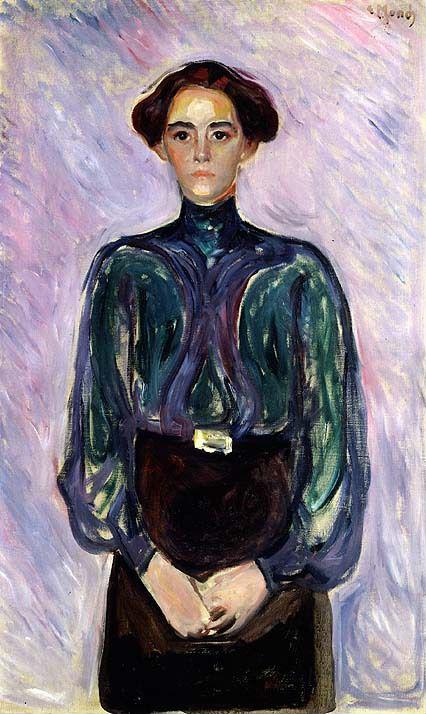
A: This is a common and valid concern. There are many ways to approach sensitive subjects without exposing yourself entirely. You could use abstraction to convey the essence of the emotion or experience without literal depiction, allowing viewers to connect on a deeper, more universal level (think of abstract expressionism's emotional intensity). Symbolism is another powerful tool; use metaphors and veiled imagery to represent your feelings. You can also focus on finding the universal themes within your personal experience – for example, a personal loss could be explored through themes of change, fragility, or memory, which resonate with many. Sometimes, exploring the subject through a fictional character or narrative can create a necessary distance. Remember, your art can be a powerful act of processing for you, even if its public presentation is more nuanced and symbolic.
Q: How do I avoid becoming repetitive with my chosen subject?
A: The key to avoiding repetition isn't necessarily abandoning a subject, but constantly evolving your approach to it. If you love painting landscapes, try changing your medium, scale, or style (e.g., from realistic to abstract). Explore different aspects of the subject – if you paint trees, try focusing on their roots, their bark texture, the negative space between branches, or their interaction with light at different times of day. You can also intentionally introduce artistic limitations (as discussed earlier) to force new interpretations. Continuously ask: "What else can this subject tell me?" or "How can I see this from a completely new perspective?" Iteration isn't repetition if there's growth and discovery in each new piece.
Q: Are there artists who made everyday objects their primary subject?
A: Absolutely! Many artists have elevated the mundane to high art. Giorgio Morandi is perhaps the most famous example, dedicating his career to subtle, evocative still lifes of bottles and humble containers, finding infinite depth in minimal arrangements. Andy Warhol's iconic Campbell's Soup Cans turned mass-produced consumer goods into a commentary on modern society. Even contemporary artists like Damien Hirst have used everyday objects (like a shark in formaldehyde) to explore conceptual themes, making the object's recontextualization the primary subject. These artists demonstrate that with a unique perspective, anything can become a profound art subject.
Q: How do AI art generators fit into finding subjects?
A: AI art generators can be fascinating tools for ideation and visual exploration. They can rapidly generate variations of a concept, combine disparate elements, or help break through a visual block by offering unexpected imagery. Think of them as a very sophisticated brainstorming partner. However, for truly authentic and impactful art, the human artist's unique perspective, emotional depth, personal narrative, and conscious intent remain paramount. AI can provide the 'what,' but the 'why' and the 'how' – the visual voice that resonates deeply – still come from you. They can assist in the process of finding inspiration, but the subject, in its most profound sense, remains deeply human.
Conclusion: Your Creative Compass Awaits
Finding your art subject is rarely a sudden epiphany; it's an ongoing, deeply personal journey of self-discovery and attentive observation. It requires courage to look inward, to see the extraordinary in the ordinary, and to engage critically with the vast world of art. Remember, your unique experiences and perspectives are your richest resources. Don't be afraid to experiment, to fail, to iterate, and to let your subjects evolve with you. The canvas is waiting, not to judge, but to reflect the incredible stories only you can tell. Armed with these strategies, you hold the keys to unlocking your next creative breakthrough. So, take a deep breath, pick up your tools, and trust that your creative compass will always guide you to where you need to go. Your artistic journey is as unique as your fingerprint; let it lead you to subjects that sing to your soul and perhaps even ask profound questions about existence, perception, or meaning. So, which of these paths will you explore first? Grab your sketchbook, open your mind, and begin your unique exploration today. And as you embark on your own creative explorations, remember that appreciating and collecting art is also a vital part of the artistic ecosystem. You can always explore original artwork here.